
Historically, depictions of same-sex affection have frequently faced censorship on television, in films, and during airline screenings, with discussions often focusing on the content rather than the LGBTQ+ individuals involved. This list highlights lesbian and queer actors and details specific instances where their work faced challenges – whether through warnings, refusal to air, editing before broadcast, or restrictions in certain regions – so you can see exactly what moments sparked controversy.
Ellen DeGeneres
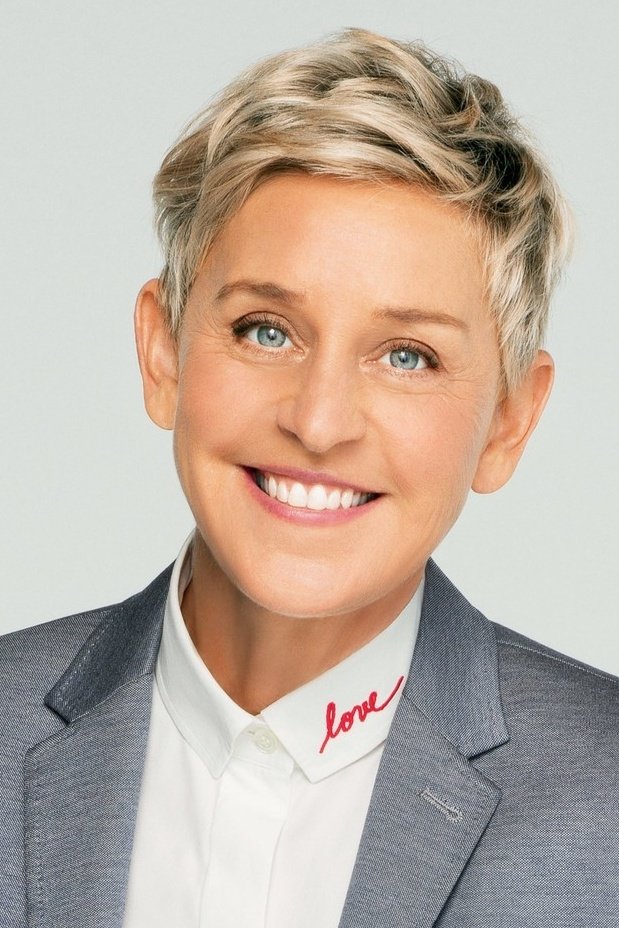
The ‘Ellen’ show, particularly an episode featuring a same-sex kiss and a character coming out, caused a stir. ABC added warnings before the episode, and one local station refused to broadcast it altogether. Advertisers expressed concerns, leading the network to restrict where commercials could be shown during the program. Viewers in that area organized their own screening to watch the episode without edits. This episode became a significant example of how television began to address same-sex relationships and the warnings that accompanied them.
Leisha Hailey

I remember when ‘The L Word’ first came out, it was really frustrating. Depending on where you lived, you couldn’t even see all of it on regular TV. Some places had rules about showing intimacy, especially between women, so the show would either be on late at night, only on premium channels, or not at all! They’d say it was because of the sexual content. It was weird, because if you bought the DVDs or watched online, you’d often get the full version. Everyone talks about ‘The L Word’ now when they discuss how TV treated lesbian relationships back in the 2000s – it really highlighted the double standards at the time.
Jodie Foster
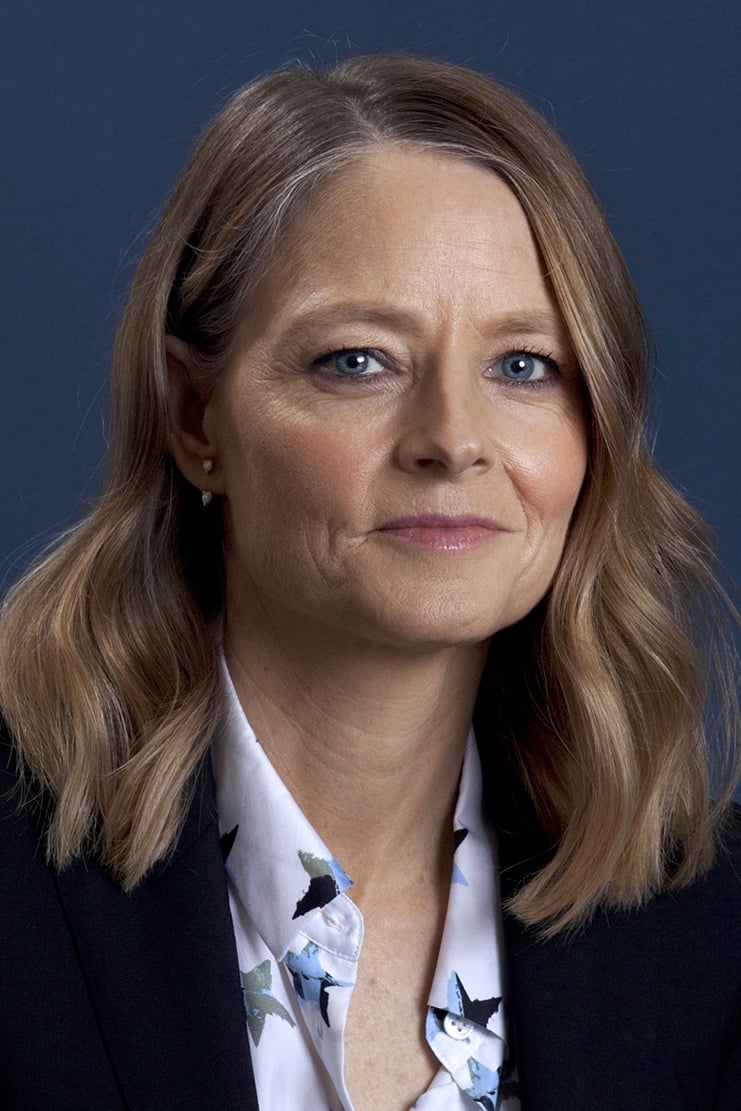
Although she’s famous for crime and thriller stories, international TV broadcasts of her films with same-sex relationships were often changed to minimize or remove any romantic moments. Sometimes, these broadcasts were scheduled late at night to avoid showing same-sex affection during times when families were likely watching. Airlines also used to cut out kissing scenes for versions shown to all passengers. These choices are frequently discussed as examples of how companies have historically dealt with LGBTQ+ content, even when the original films shown in theaters were complete and uncut.
Cynthia Nixon
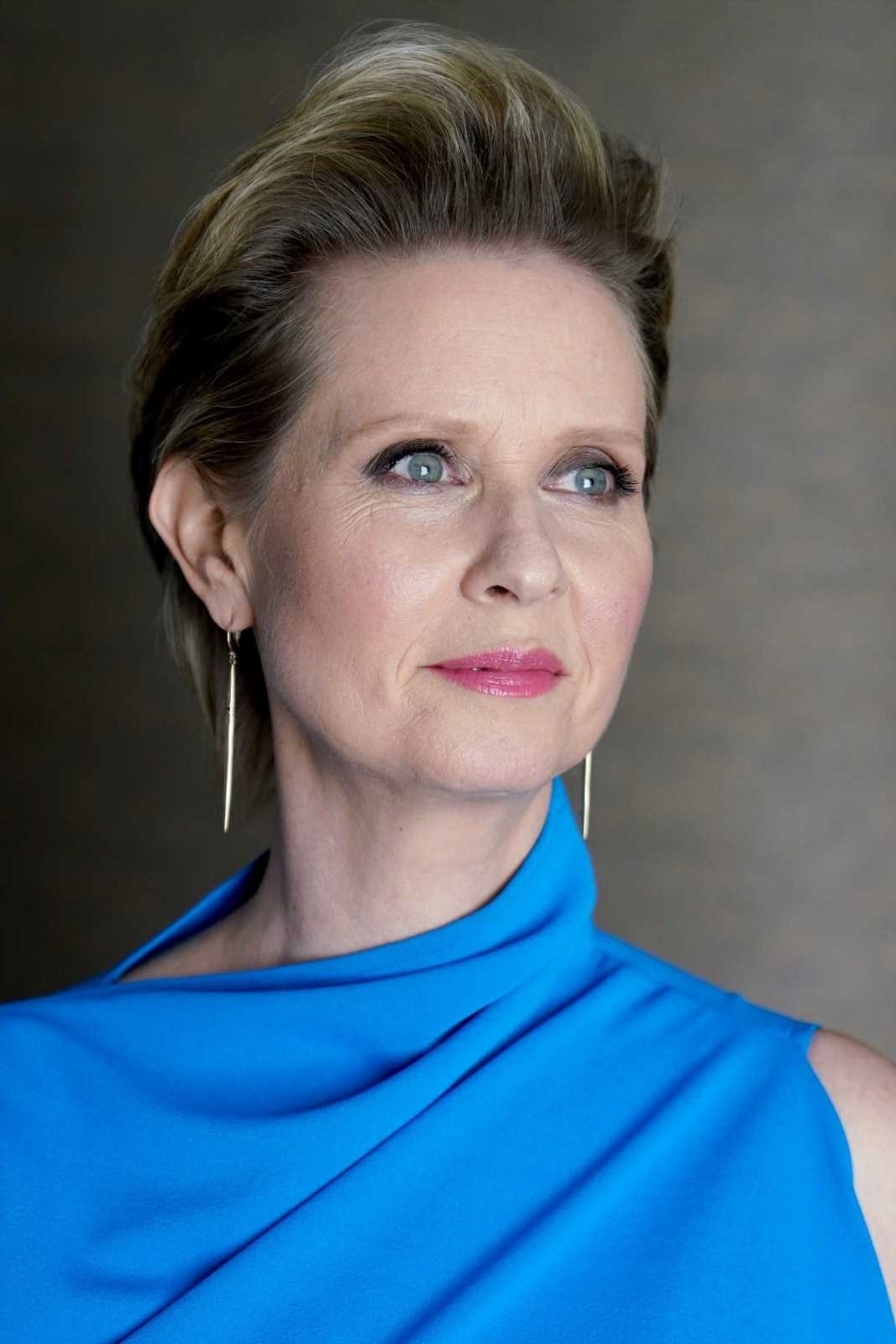
Different countries had different rules for showing scenes with same-sex kissing on ‘Sex and the City’. Some broadcasters aired these scenes later at night or cut them out altogether, especially when showing the show during the day or making versions for airlines and hotels. However, when the show was released on DVD or for streaming, those scenes were usually included unless local laws prevented it. Because of how widely the show was distributed, there’s a clear record of how the same scene was handled differently around the world.
Samira Wiley

While ‘Orange Is the New Black’ became popular on streaming services, certain regions imposed restrictions on scenes depicting same-sex intimacy, specifically kisses between women. These restrictions often took the form of higher age ratings or warning messages before episodes featuring romantic content. Edited versions of the show were also common on airplanes and in hotels, where these scenes were frequently shortened. The series is often mentioned as an example of how lesbian romance faced censorship during the initial global expansion of streaming platforms.
Lea DeLaria
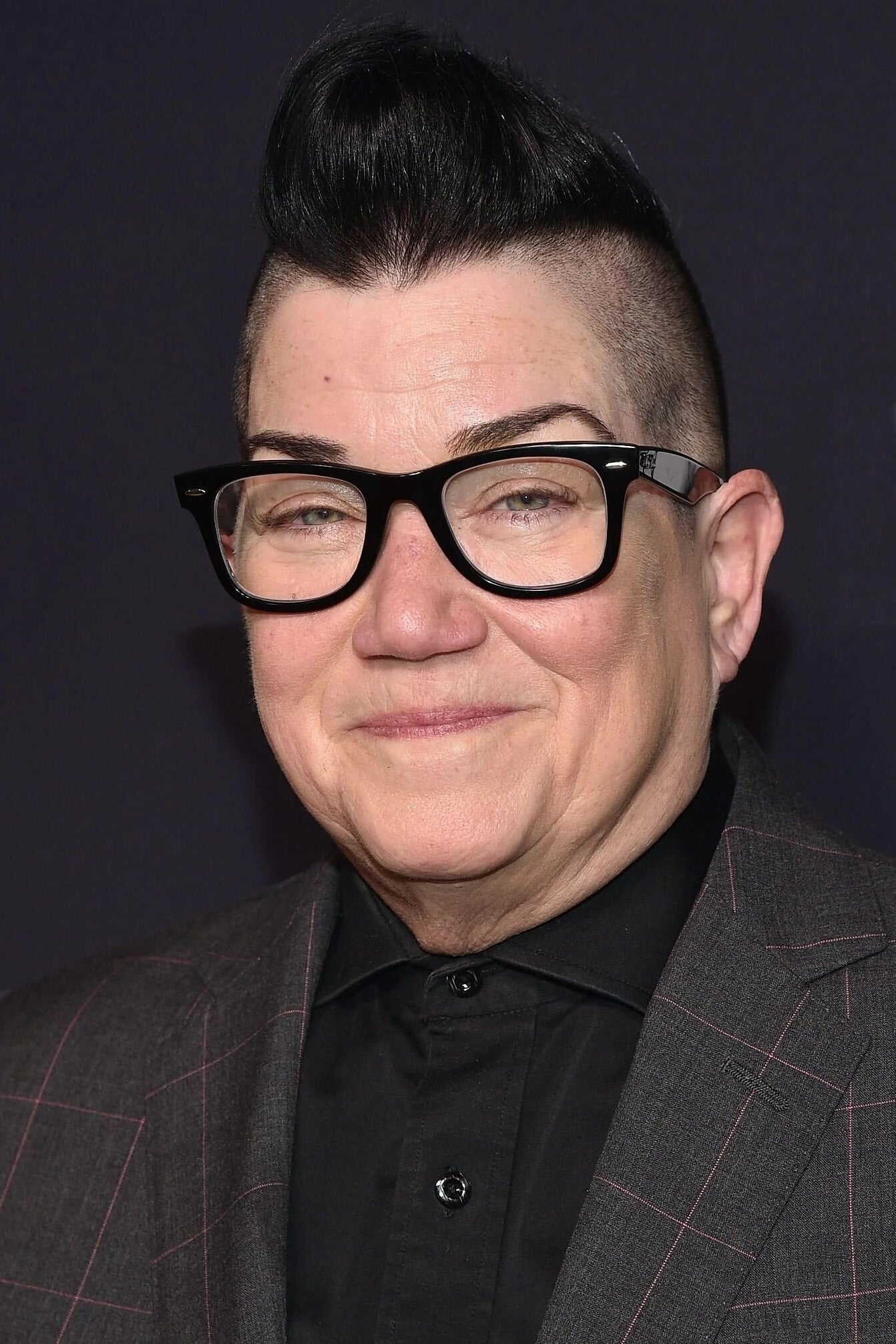
The show ‘Orange Is the New Black’ faced varying content restrictions depending on where it was shown. Some markets required stricter age ratings or warnings due to lesbian kisses. While the full series wasn’t allowed on regular TV in some places, it was available through streaming services late at night. Certain screenings, like those on airlines or for institutions, used edited versions that removed brief kissing scenes. This demonstrates how the same show could be handled differently based on where and how it was viewed.
Kristen Stewart

Stewart’s films with LGBTQ+ romance sometimes faced censorship when it came to showing even brief moments of same-sex affection. This often led to higher age ratings or edits for TV broadcasts and in-flight entertainment, particularly for kiss scenes that were fine for movie theaters. Films usually screened in full at festivals, but would then be altered for wider release. This difference between festival versions and what general audiences saw became a common way to track how distributors handled depictions of lesbian intimacy.
Ruby Rose

TV networks and streaming platforms sometimes made changes to superhero shows featuring LGBTQ+ characters. These changes often involved shortening or removing same-sex kisses, especially when the shows were re-aired during the day. When distributing shows internationally, some romantic moments were cut to allow for wider availability. However, uncut versions were generally available on digital platforms whenever local laws permitted. These adjustments sparked larger conversations about how LGBTQ+ characters are represented in genre television.
Sarah Paulson

Over the years, brief same-sex kisses featuring Sarah Paulson have sometimes been removed from versions of her shows shown on airplanes or during daytime television. Unedited versions were usually reserved for late-night broadcasts or streaming services. Program descriptions often specifically mentioned “same-sex themes” to alert viewers in certain regions. When edits did happen, they typically focused on the shortest displays of physical affection, rather than any spoken lines. These instances are often used as examples of how even a small amount of intimate contact can lead to changes in what’s shown.
Adèle Haenel

Her films with lesbian themes were shown in full at festivals and in theaters, but when broadcast on TV or shown on airlines, kiss scenes were sometimes cut or moved around to fit time limits or content restrictions. TV channels in countries with stricter rules either showed these scenes late at night or added strong warnings instead of airing them earlier. The full, original versions were always available on home video. This process – moving from critical acclaim to edited versions for wider audiences – is a common example of how lesbian intimacy can be toned down without completely censoring the work.
Read More
- Gold Rate Forecast
- Top 15 Insanely Popular Android Games
- 4 Reasons to Buy Interactive Brokers Stock Like There’s No Tomorrow
- Did Alan Cumming Reveal Comic-Accurate Costume for AVENGERS: DOOMSDAY?
- EUR UAH PREDICTION
- DOT PREDICTION. DOT cryptocurrency
- Silver Rate Forecast
- ELESTRALS AWAKENED Blends Mythology and POKÉMON (Exclusive Look)
- Core Scientific’s Merger Meltdown: A Gogolian Tale
- New ‘Donkey Kong’ Movie Reportedly in the Works with Possible Release Date
2026-01-01 06:45