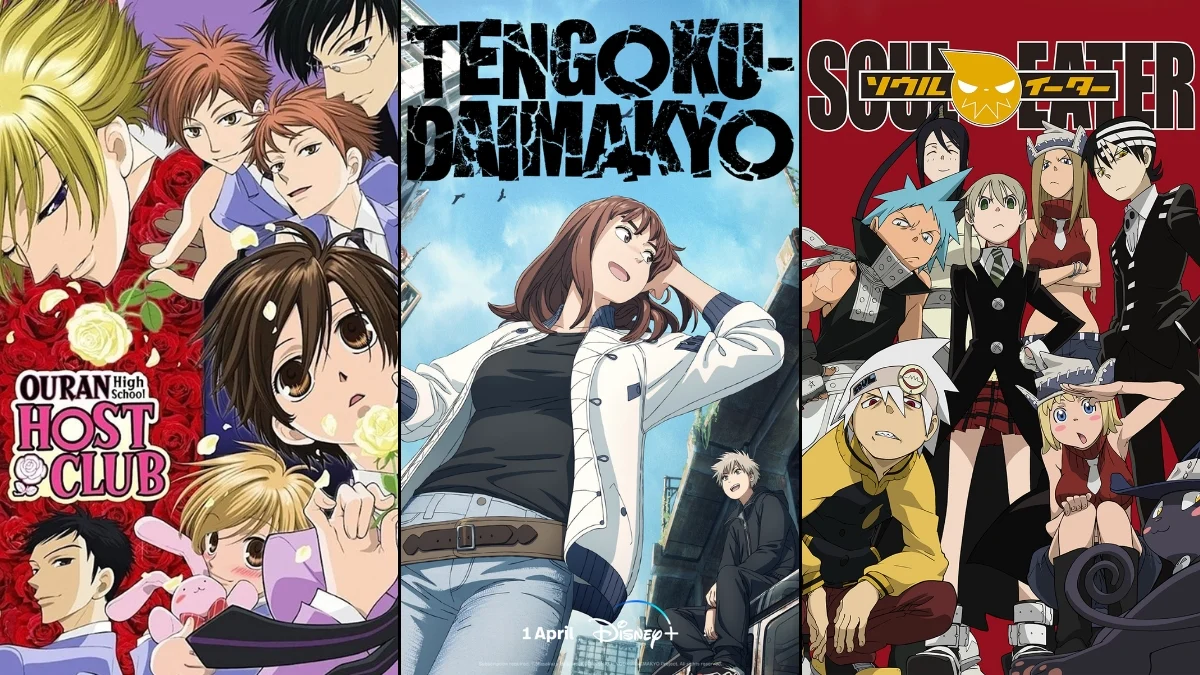
Anime has always been a place to explore different kinds of identities, including those that aren’t simply male or female. While many shows feature characters who don’t fit neatly into traditional gender roles, some specifically focus on romantic interests who are non-binary, gender-fluid, or whose gender isn’t clear. These characters often make the main character question their beliefs and create romances that go beyond typical storylines. From futuristic adventures to everyday school life, these shows offer relationships that aren’t limited by traditional labels. Here’s a list of 20 anime where the protagonist falls in love with someone who is canonically non-binary or gender-ambiguous.
‘Knights of Sidonia’ (2014–2015)
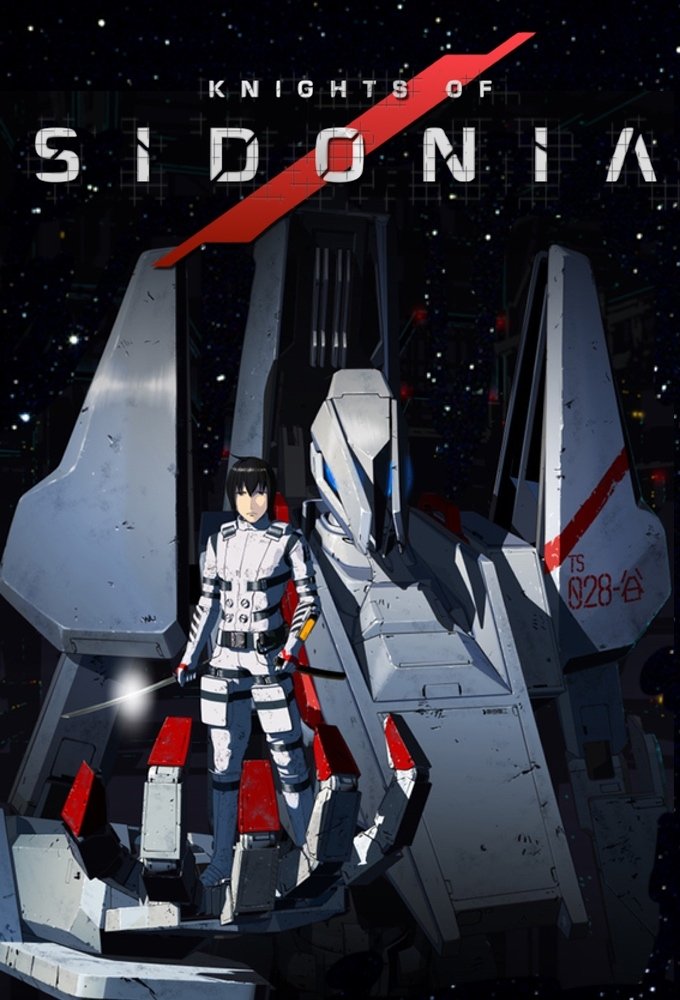
This science fiction series features a future where humans have evolved to include a third gender, capable of reproducing on their own or blending genetics with a partner. Izana Shinatose, a skilled pilot and close friend to the main character, belongs to this gender for most of the story. Izana is presented as androgynous and is referred to with gender-neutral pronouns in the original Japanese version. As Izana falls in love with Nagate, their body begins to change, showcasing how adaptable their species’ biology truly is.
‘Tengoku Daimakyo’ (2023)
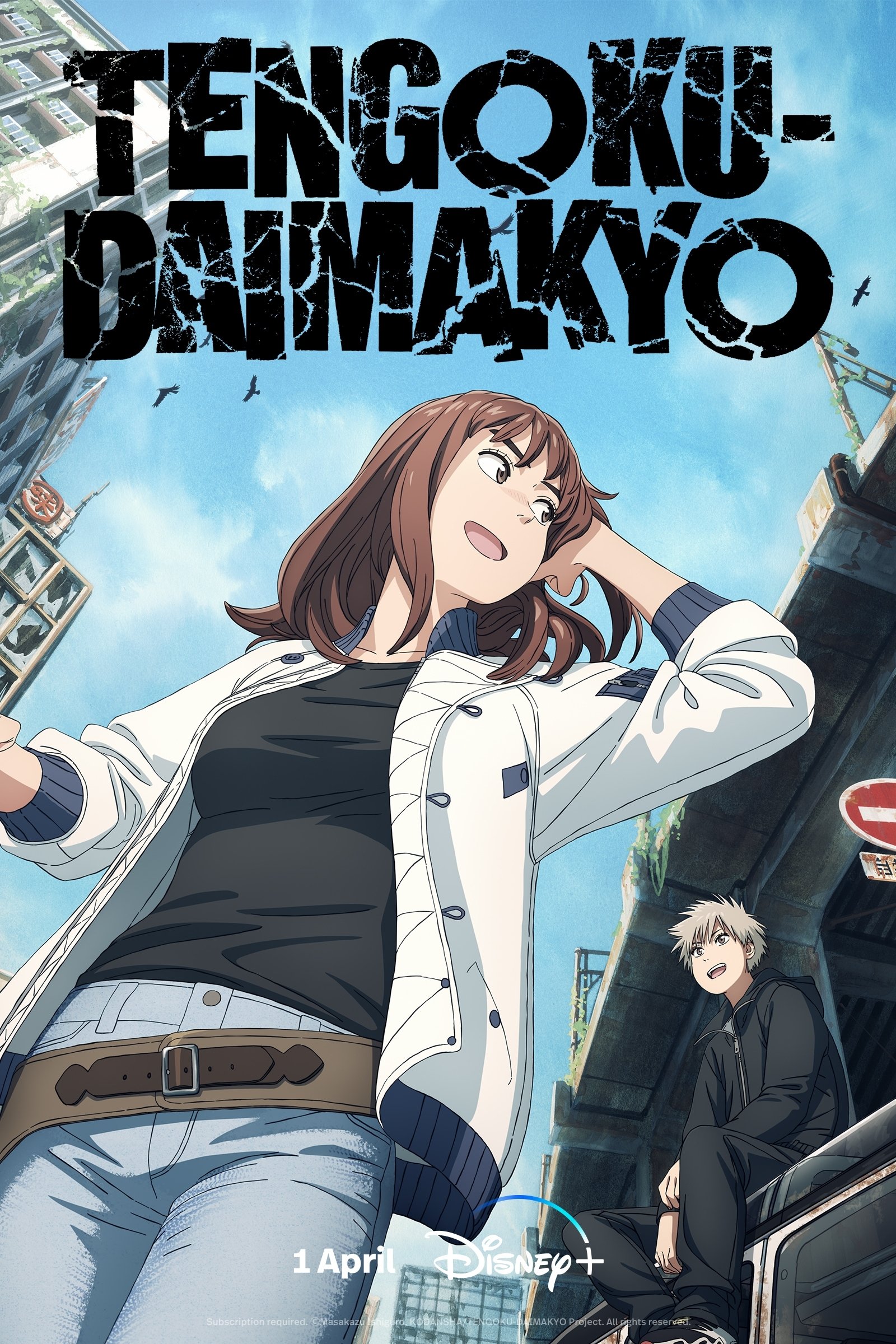
In a post-apocalyptic Japan, Kiruko protects and travels with the main character, Maru. Kiruko is a unique individual – the result of a brain transplant that placed a young man’s mind, Haruki, into his sister’s body, Kiriko. This creates internal conflict and a blended identity for Kiruko, mixing both male and female traits. Maru falls in love with Kiruko, fully accepting their complex gender identity without question.
‘Ouran High School Host Club’ (2006)
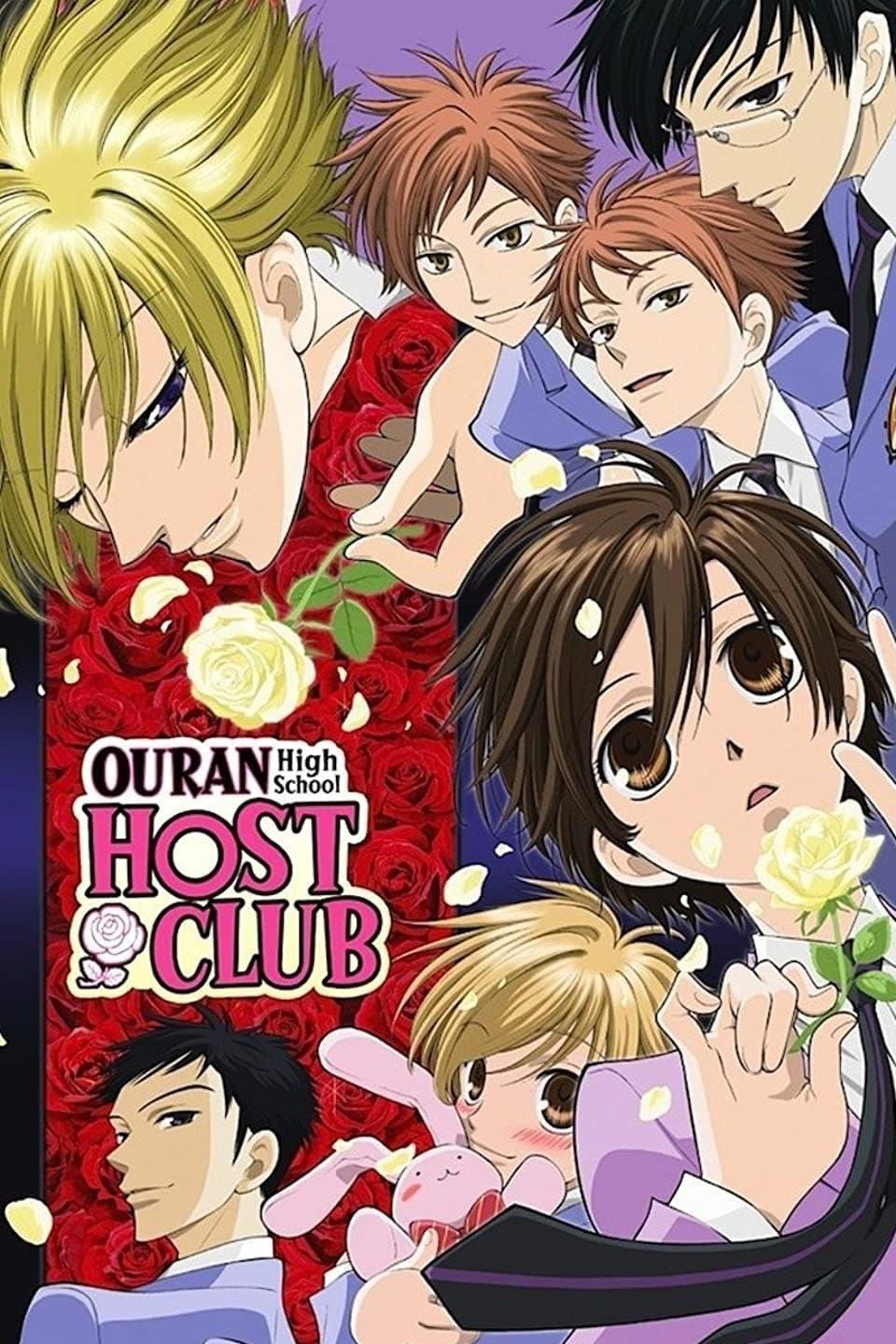
Haruhi Fujioka unexpectedly joins a host club—a group of attractive boys who entertain guests—and disguises herself as one of them to work off a debt. Haruhi doesn’t identify with traditional gender roles, making it clear that gender isn’t important to her. Despite this, Tamaki, the club president, falls for Haruhi. The story playfully challenges typical romantic comedy conventions while also respecting Haruhi’s non-traditional view of gender.
‘Sailor Moon Sailor Stars’ (1996–1997)
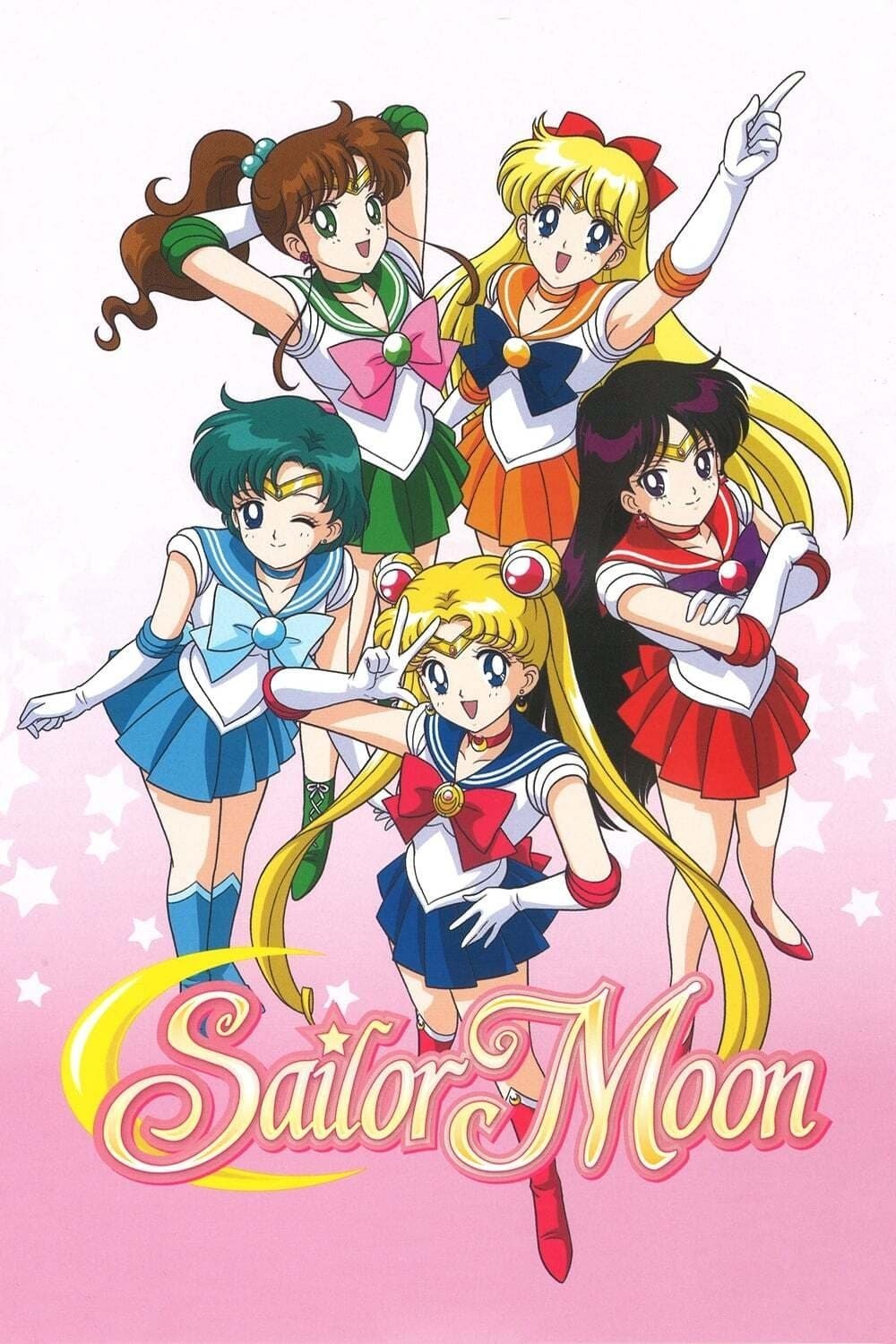
Near the end of the original ‘Sailor Moon’ anime, the main character, Usagi Tsukino, encounters the Sailor Starlights. Their leader, Seiya Kou, is unique because he can transform into a female Sailor Guardian while battling enemies. Seiya falls in love with Usagi and flirts with her regardless of whether he’s in his male or female form. This makes Seiya an officially gender-fluid character, and his feelings for Usagi aren’t tied to her appearance or his own.
‘Komi Can’t Communicate’ (2021–Present)
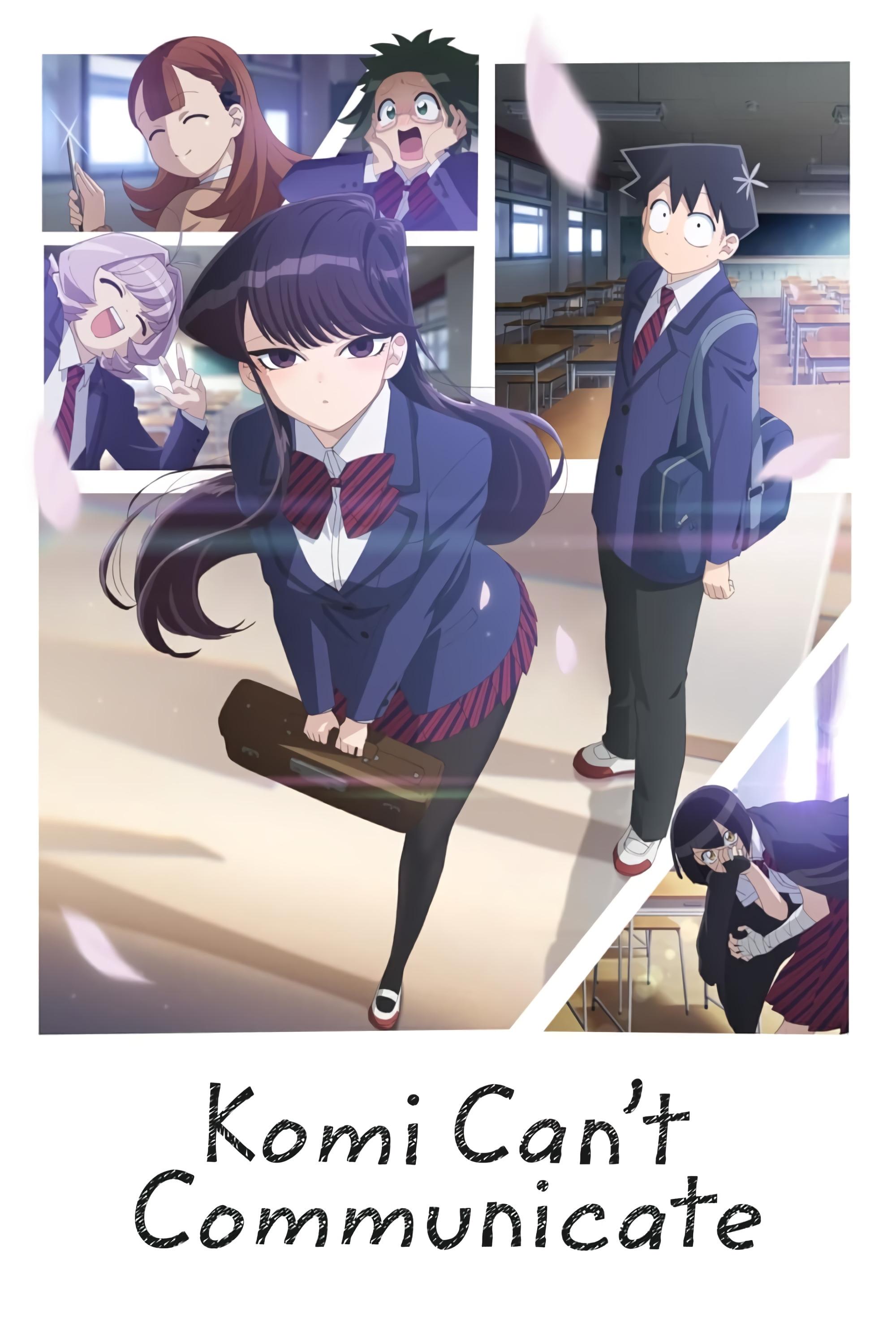
Najimi Osana is a childhood friend to all the students at Itan Private High School and acts as a contrast to the main character, who struggles with social anxiety. Najimi’s gender is intentionally unclear and changes depending on the situation; they wear a combination of male and female uniform pieces and often switch pronouns, playfully confusing those around them. Hitohito Tadano, the main character, had a crush on Najimi in middle school, before realizing their gender wasn’t simply male or female. Najimi continues to be a key part of the friend group, deliberately keeping their identity ambiguous.
‘Steins;Gate’ (2011)
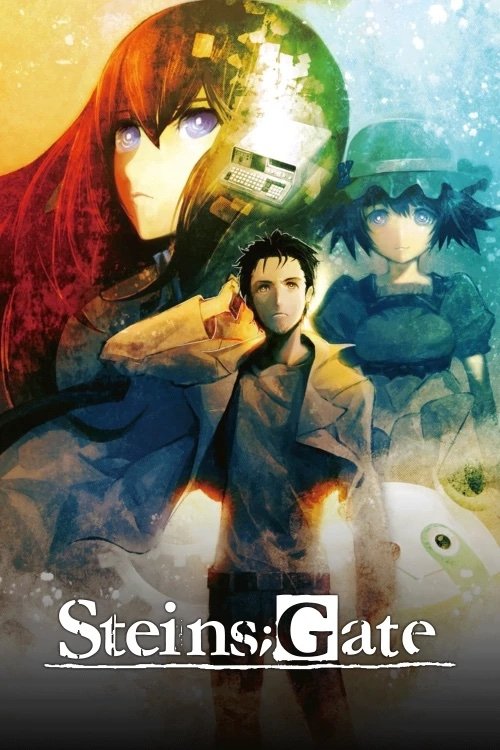
As a huge fan of complex characters, Luka Urushibara really stands out to me. They’re one of the closest friends to the main character, Okabe, and while biologically male, Luka lives and presents completely as a woman. A big part of their story revolves around their deep wish to physically be the woman they feel inside, and that actually becomes a key element of the whole time travel plot! I was really invested in their relationship with Okabe – they even go on a date in one timeline, and their connection is so complicated and beautiful across all the different realities we see. It’s a really touching portrayal of what it’s like to struggle with gender identity and to experience love that isn’t easily returned.
‘Soul Eater’ (2008–2009)
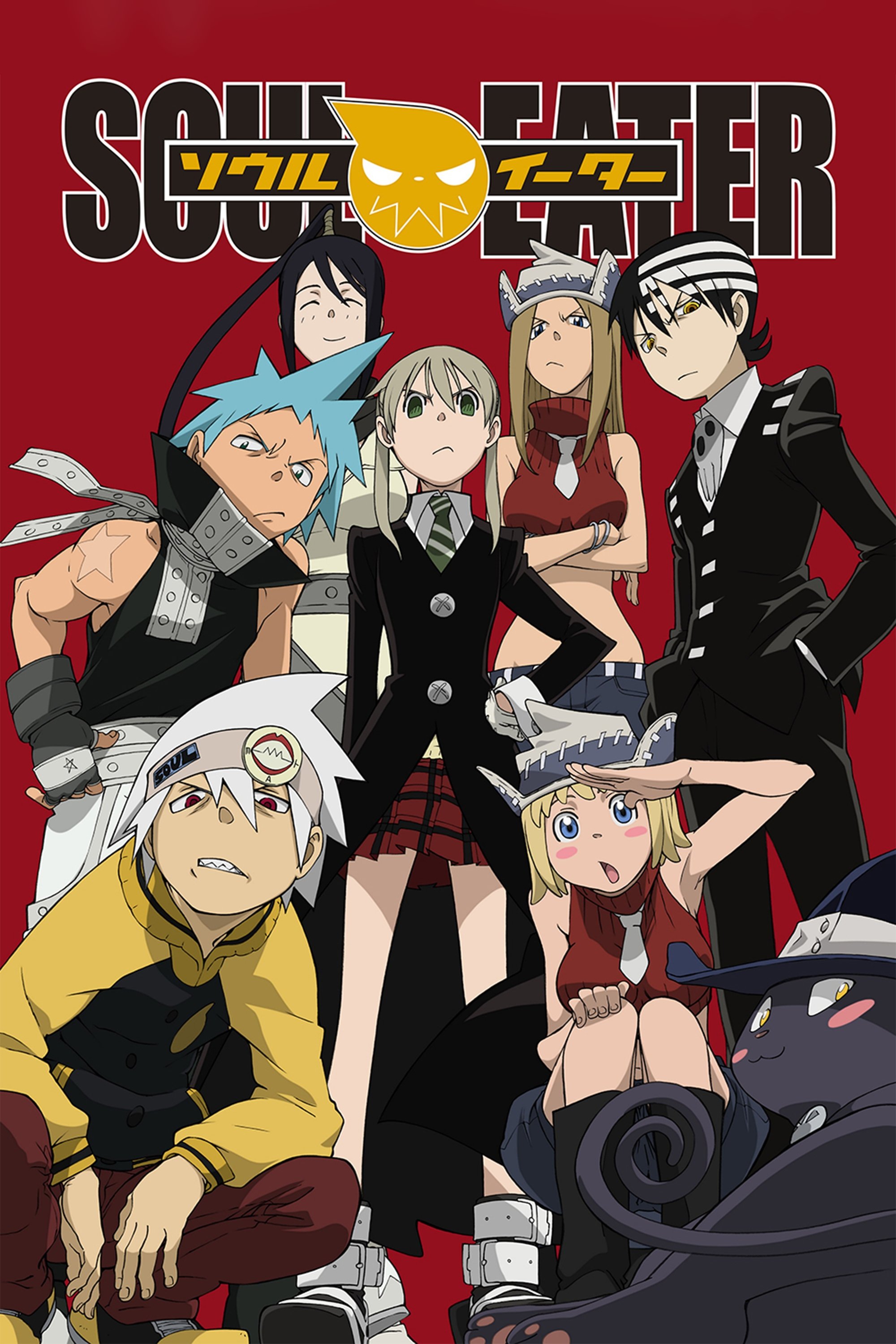
Crona is a unique character in the series, initially presented as an enemy but later becoming an ally to Maka Albarn. The creator, Atsushi Ohkubo, intentionally left Crona’s gender ambiguous, and the anime avoids using any pronouns that would confirm it. Through a strong connection with Maka, Crona is saved from losing control, and many viewers see their relationship as either romantic or a very close friendship. Crona’s deliberately neutral appearance and undefined gender are key parts of what makes them such a mysterious character.
‘Dr. Stone’ (2019–Present)
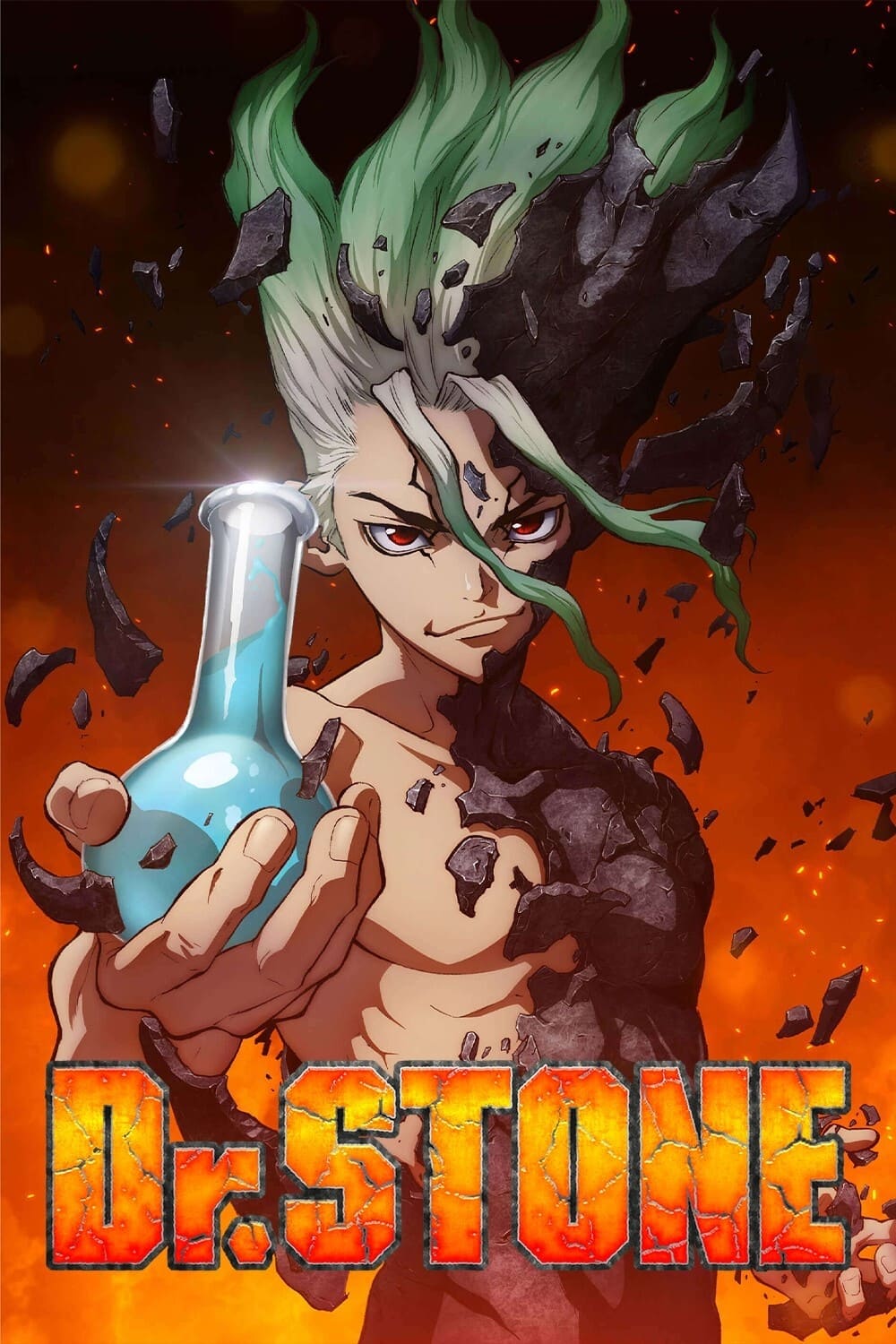
Francois is Ryusui Nanami’s dedicated butler and closest assistant – Ryusui is a skilled sailor and important ally to the main character, Senku. The creators intentionally haven’t defined Francois’s gender or nationality, and they don’t seem concerned with how others perceive their identity. Ryusui deeply values Francois for their skills and unwavering loyalty. Their relationship is a powerful one in the series, and it doesn’t conform to traditional gender expectations.
‘Neon Genesis Evangelion’ (1995–1996)
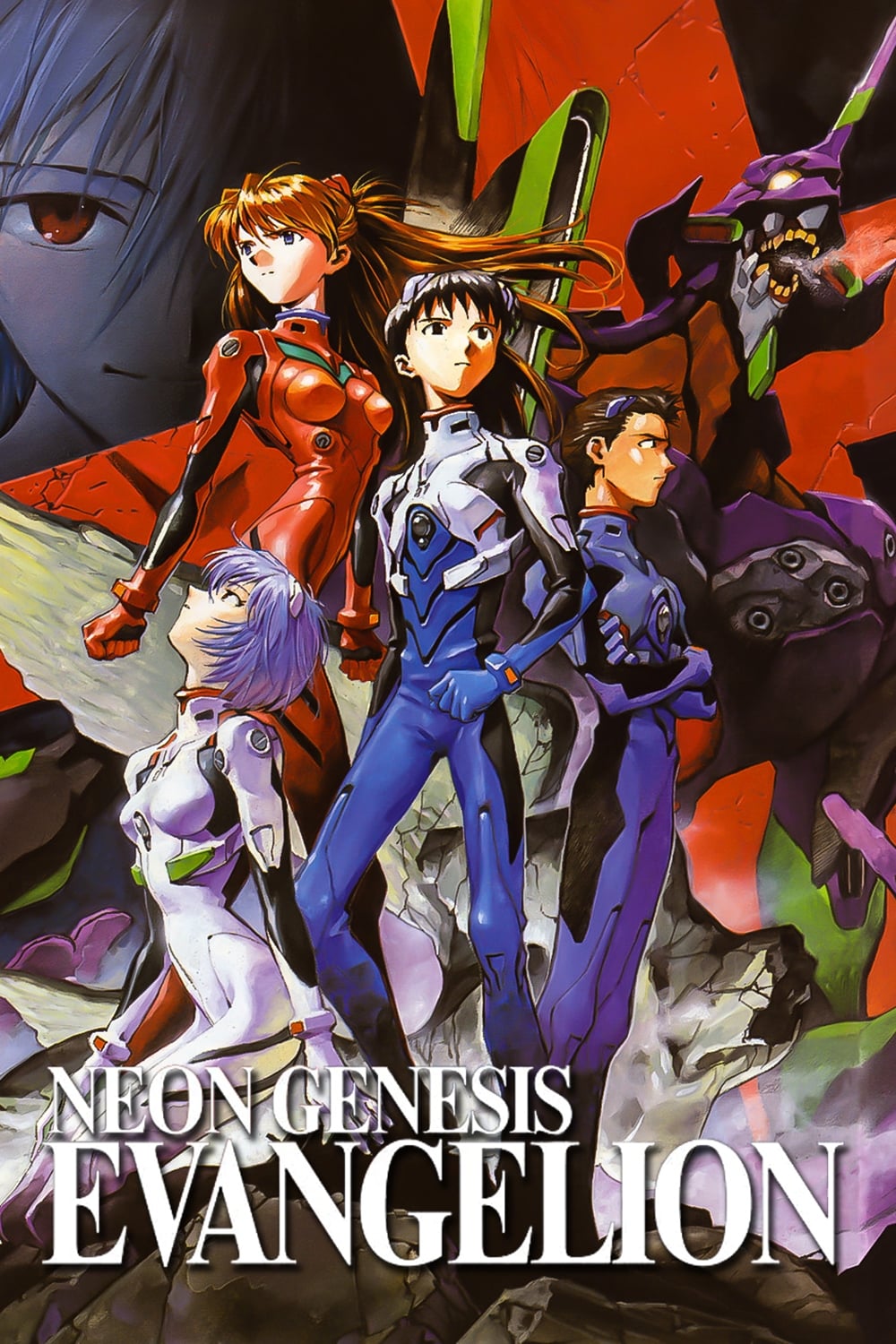
I first met Kaworu Nagisa pretty late in the series, and he quickly became someone really important to Shinji. He’s actually an Angel who took human form, which meant he didn’t really fit into typical gender roles – he just was. He showed Shinji a kind of love and acceptance that Shinji hadn’t really experienced before, and it was amazing to watch. Honestly, a lot of fans, myself included, see a really strong romantic connection between them, and it’s become one of the most talked-about relationships in anime ever.
‘Ranma ½’ (1989–1992)
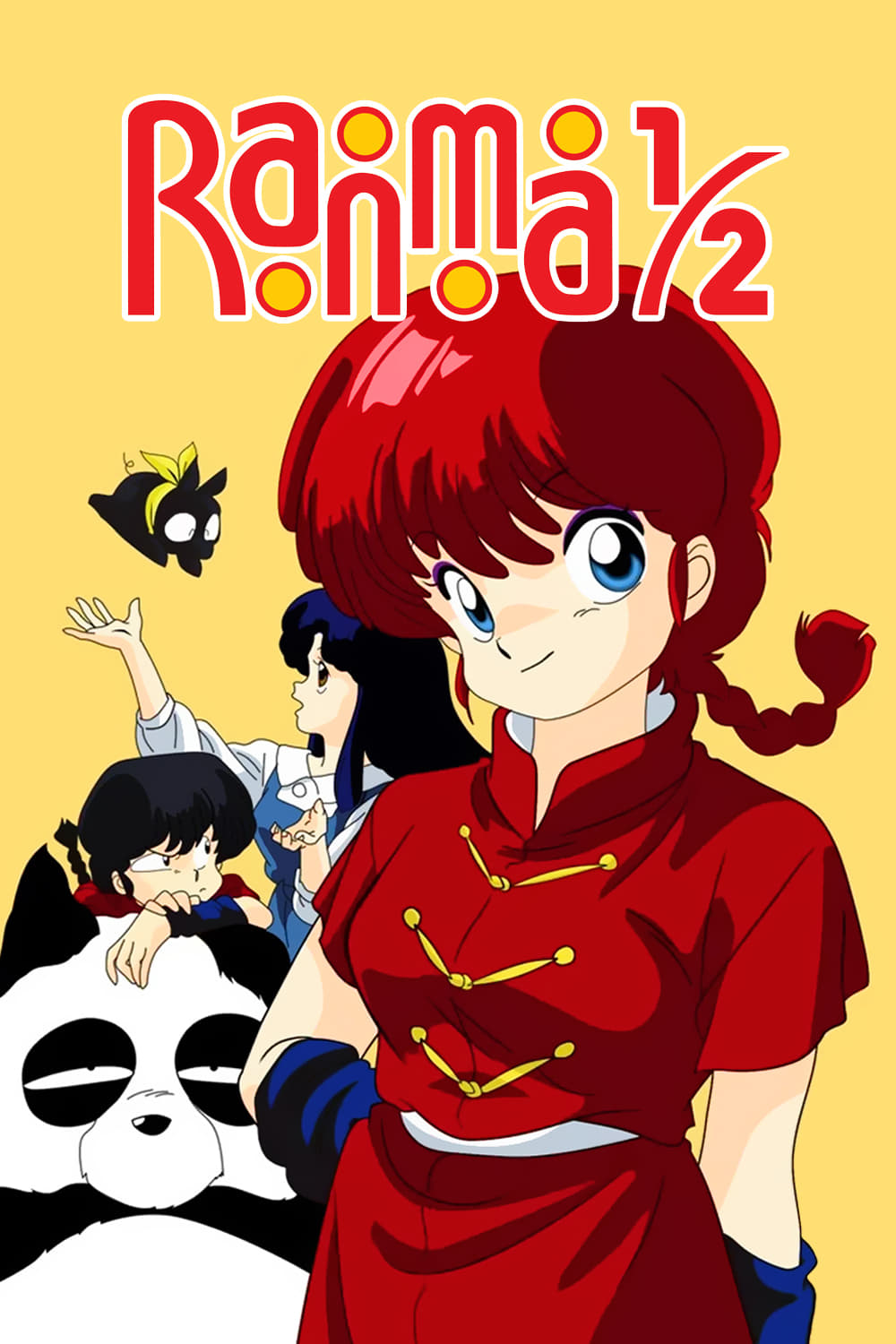
Ranma Saotome is cursed: cold water turns him into a girl, and hot water changes him back into a boy. Though he considers himself male, Ranma frequently uses his female form to his benefit. His relationship with his fiancée, Akane Tendo, is complicated by his transformations, as she has to navigate a romance with both versions of him. The show centers on Ranma’s changing body and how their love persists despite it.
‘Fate/Apocrypha’ (2017)
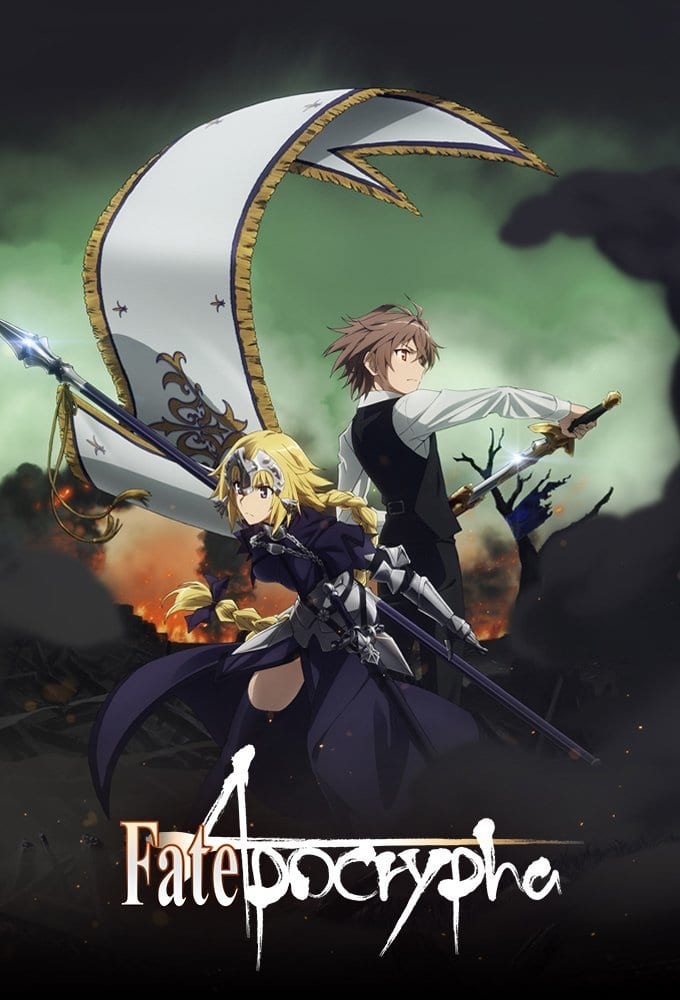
Astolfo, one of the Servants summoned as a Rider, appears as a young woman but is referred to with he/him pronouns in the original Japanese version, and their official profiles intentionally avoid defining a specific gender. Astolfo develops a strong, loving bond with Sieg, a homunculus, based on how they’ve both saved each other, and shows Sieg a lot of physical affection. Astolfo’s refusal to conform to traditional gender roles is central to their cheerful and courageous character.
‘Tokyo Ghoul:re’ (2018)
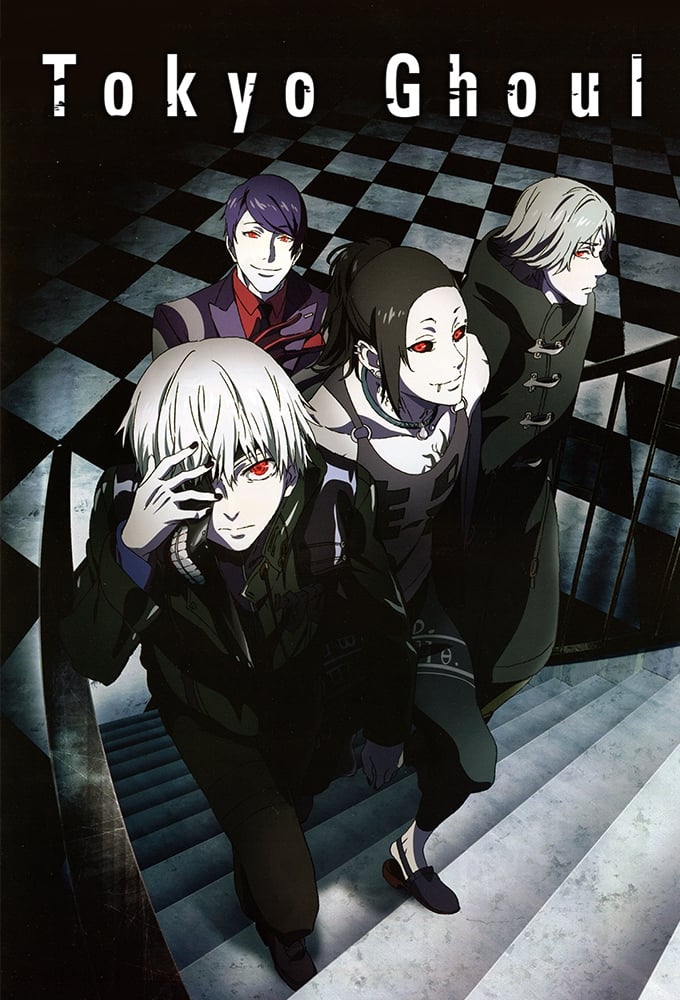
Tooru Mutsuki is part of the Quinx Squad and identifies as male, despite being assigned female at birth. He deeply loves his mentor, Haise Sasaki (also known as Kenjiro Kaneki), and this love is a strong, consuming feeling. Mutsuki’s story explores his past trauma and his search for identity, both of which are closely connected to his feelings for Sasaki. While his romantic feelings are unrequited and complex, being a trans man is a key part of the challenges he faces.
‘Black Butler’ (2008–2010)
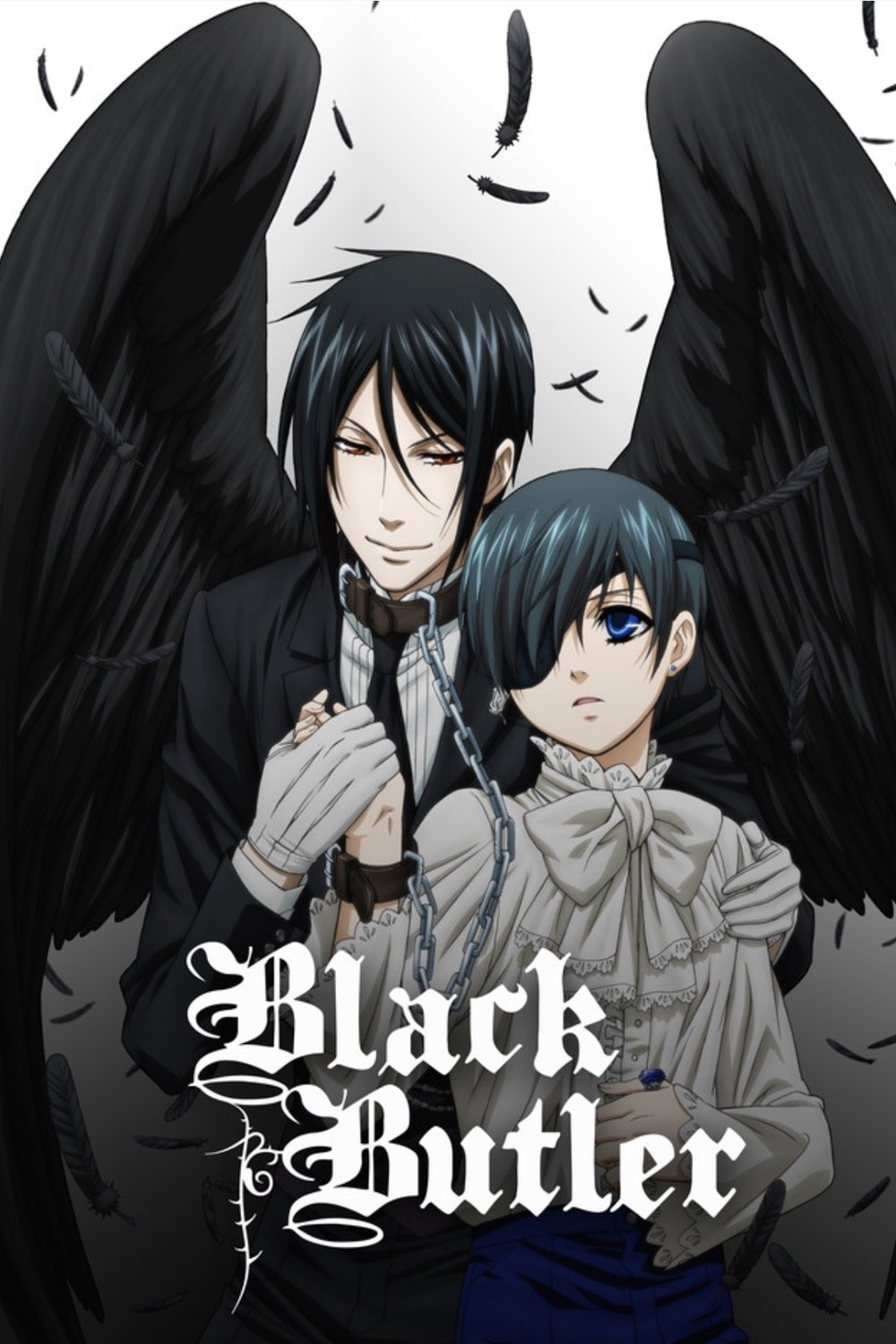
Grell Sutcliff is a character who looks like a butler, but is actually a flamboyant Grim Reaper with long hair. Despite being male, Grell identifies as a woman and speaks accordingly. She’s deeply in love with Sebastian Michaelis, a demon butler, and frequently tries to win his affection, often daydreaming about their future together. While Sebastian usually turns her down, Grell’s persistent pursuit of him is a common theme throughout the series.
‘Fushigi Yûgi: The Mysterious Play’ (1995–1996)
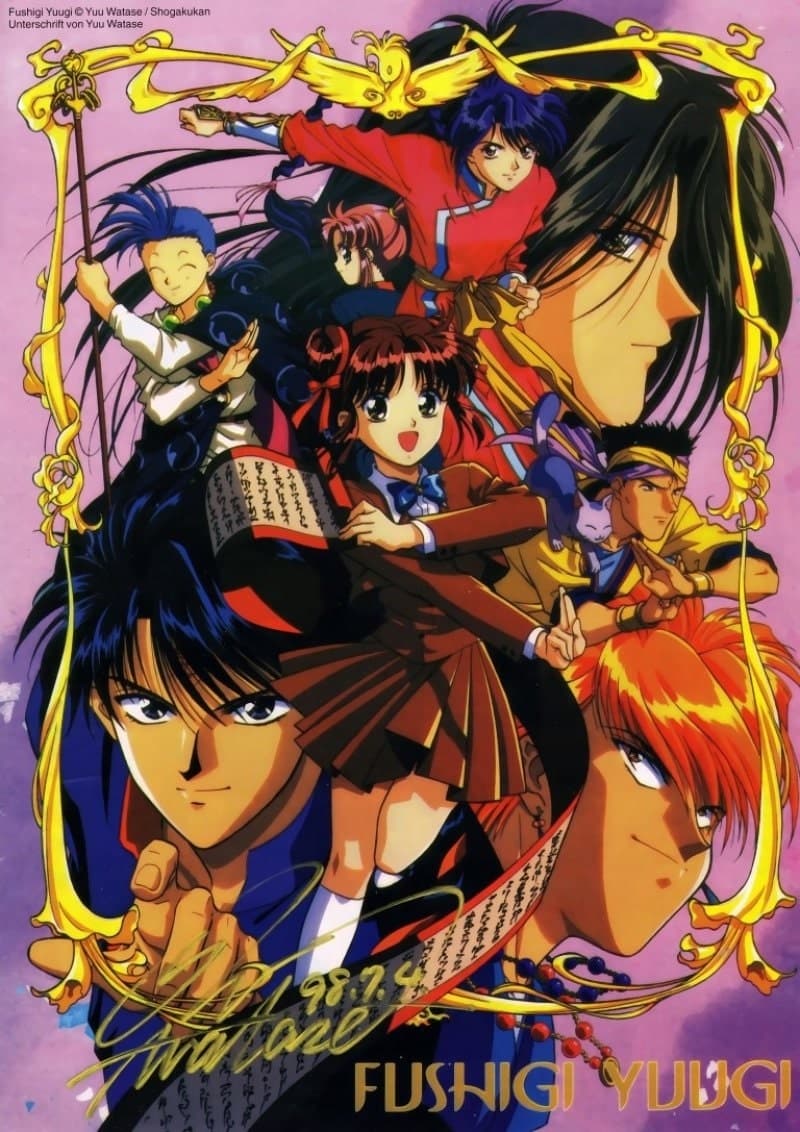
Nuriko is a protector of the main character, Miaka Yuki, and is one of the Celestial Warriors. Though biologically male, Nuriko appears and lives as a woman within the Emperor’s harem, originally pretending to be female to honor the memory of a deceased sister. As the story progresses, Nuriko becomes comfortable with a fluid gender identity, combining both strength and femininity. They develop romantic feelings for the Emperor Hotohori and later for Miaka, making Nuriko a notable example of complex gender representation in 1990s shoujo anime.
‘Simoun’ (2006)
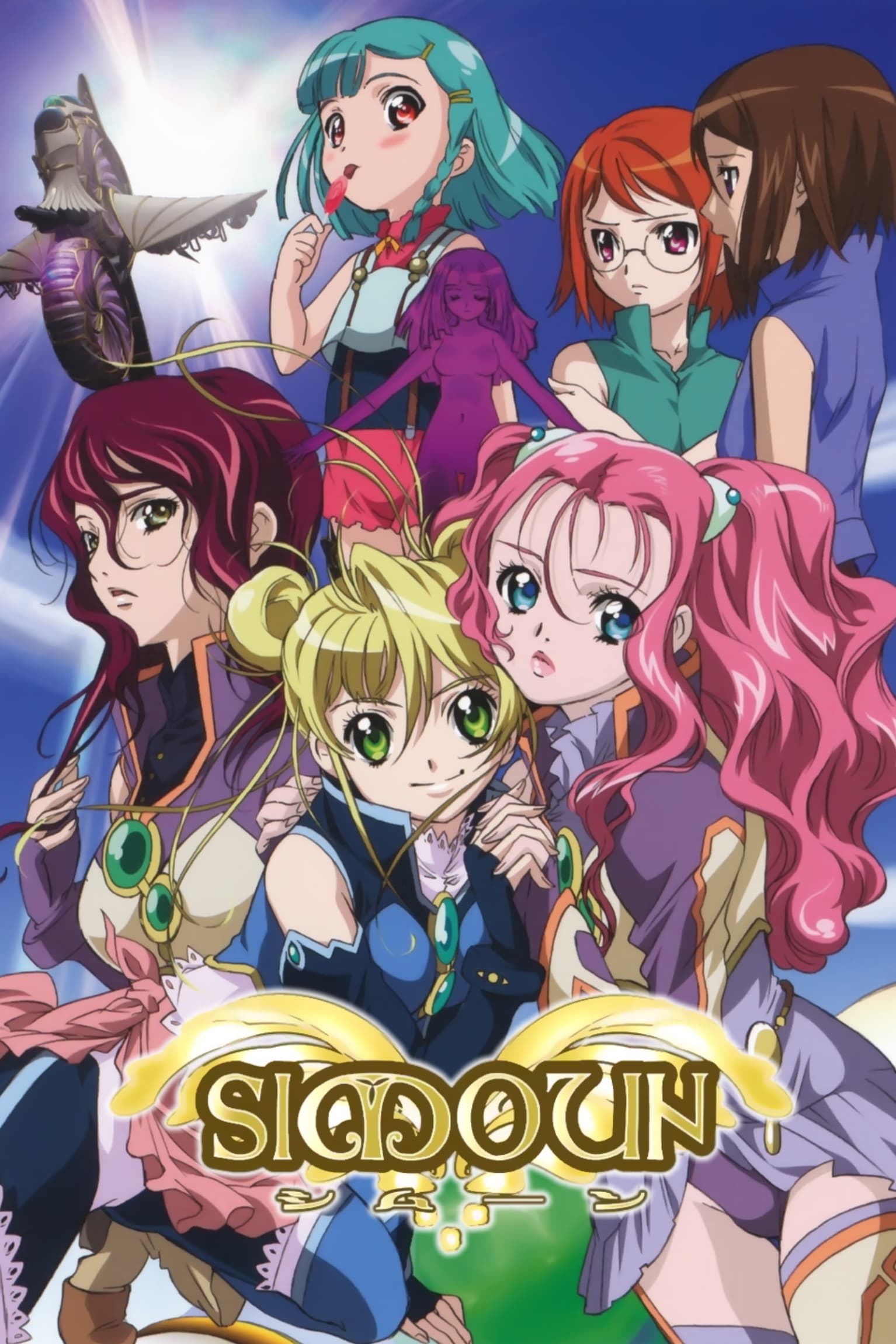
Simulacrum is a unique society where everyone is born female and chooses their gender at age 17 in a special ceremony. The story focuses on pilots who fly ships called Simouns, which always require two people to operate. It’s common for these pilots, who are all temporarily female, to form romantic relationships. Aer, the main character, joins a choir and is paired with Neviril, the squad leader. As they work together, their bond deepens during this time of changing identities, leading up to the important decision of what gender they will be as adults.
‘Urusei Yatsura’ (1981–1986)

Ryuunosuke Fujinami was raised as a boy by her unusual father to help run their shop by the sea, even though she was born female. She constantly clashes with her father’s insistence on her being masculine, while secretly wanting to express her true feminine side. Ataru Moroboshi is attracted to her, like many other women, but he specifically pursues her despite her boyish appearance and inner turmoil. Her story explores the humorous and heartbreaking aspects of being forced to act a certain gender.
‘Made in Abyss’ (2017–Present)
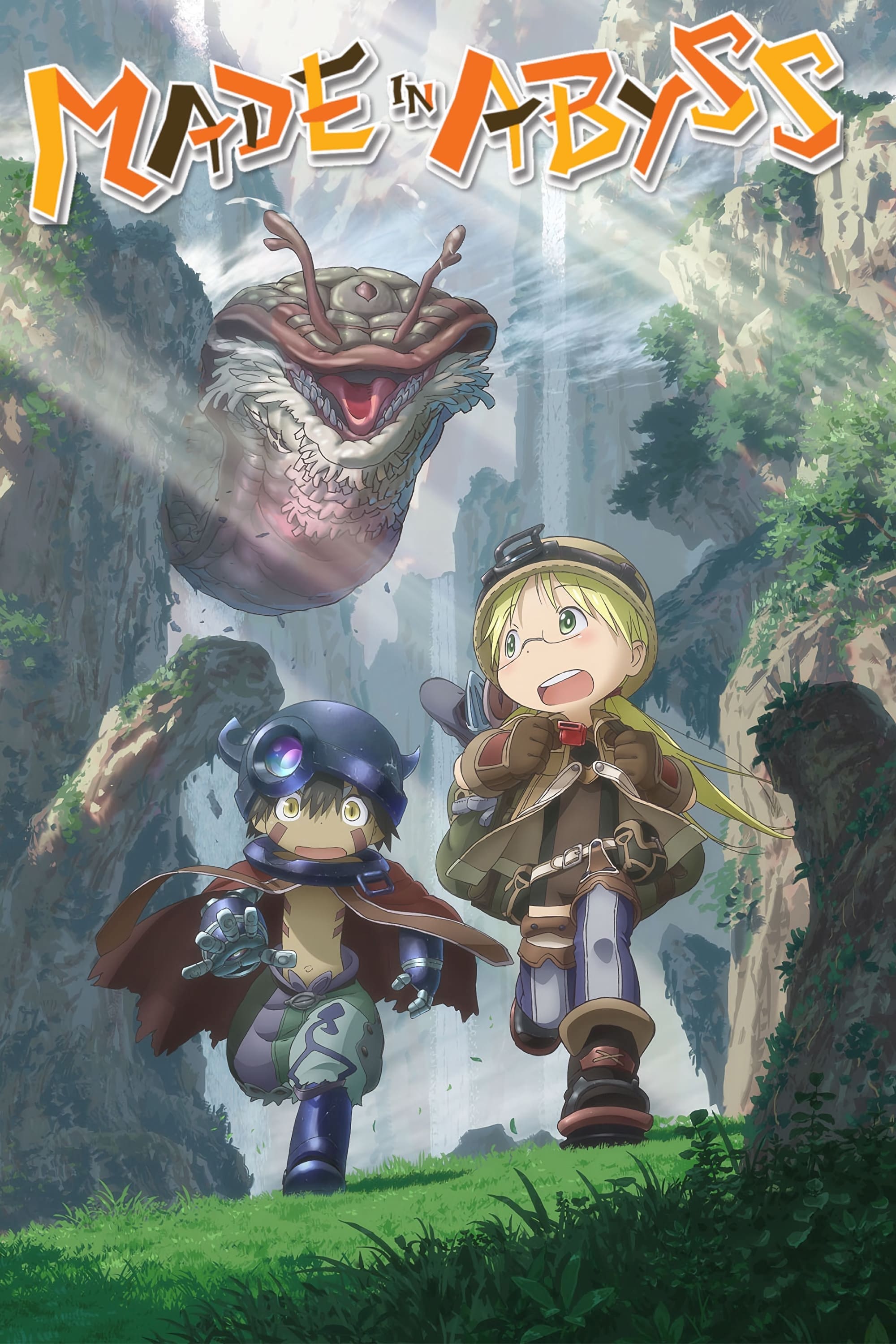
Nanachi is a unique character transformed by the Abyss – once human, they now appear as a rabbit-like creature. The anime intentionally keeps Nanachi’s gender a mystery, using gender-neutral pronouns. Reg, the robot lead, quickly develops strong, affectionate feelings for Nanachi, often showing his emotions openly. Nanachi joins Riko and Reg as a close companion and guide, adding an enigmatic and gender-neutral presence to their journey.
‘Stop!! Hibari-kun!’ (1983–1984)
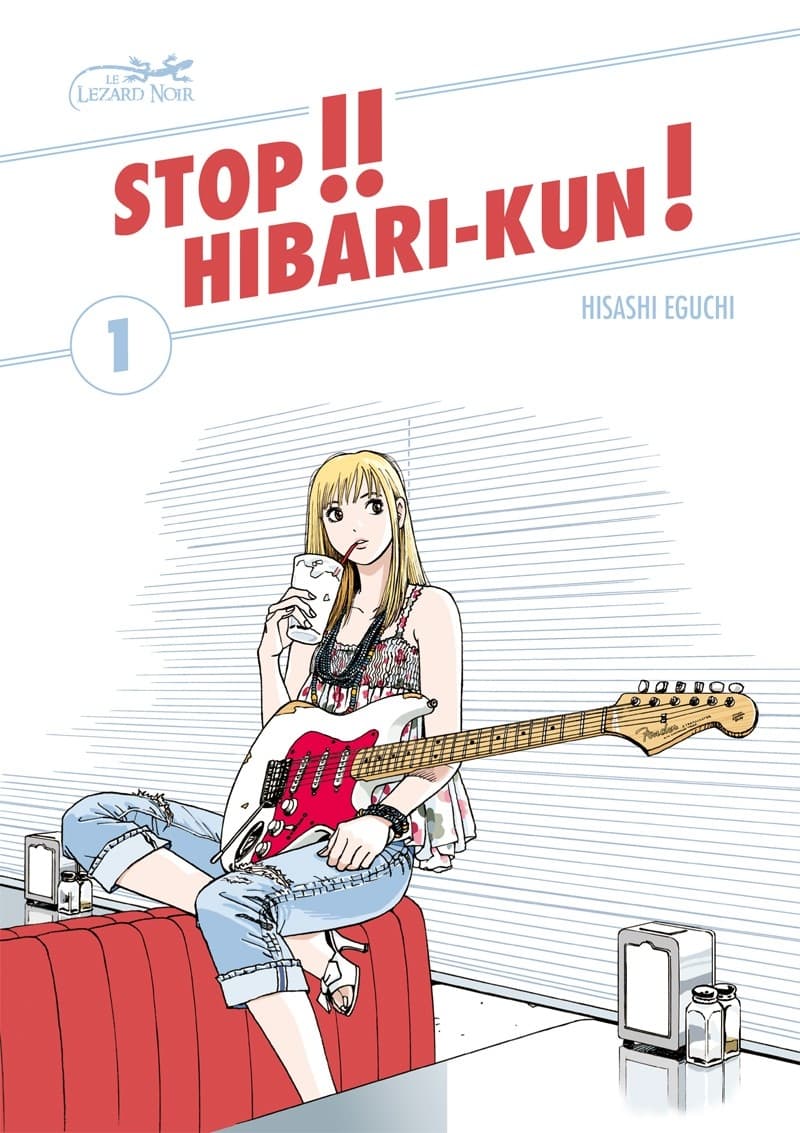
Okay, so I recently checked out this older anime, and it’s really something. It centers around Hibari, a young woman who was assigned male at birth but lives fully and confidently as female. The story follows Kosaku, who moves in with Hibari’s family and develops feelings for her. But here’s where it gets interesting – he struggles with his preconceived notions about relationships when he learns about her background. Hibari is presented as a strong, popular girl, and the series doesn’t shy away from affirming her identity. Honestly, it’s considered a landmark anime for its portrayal of a transgender character, and it’s fascinating to see how it handled these themes for its time.
‘Ixion Saga: Dimension Transfer’ (2012–2013)
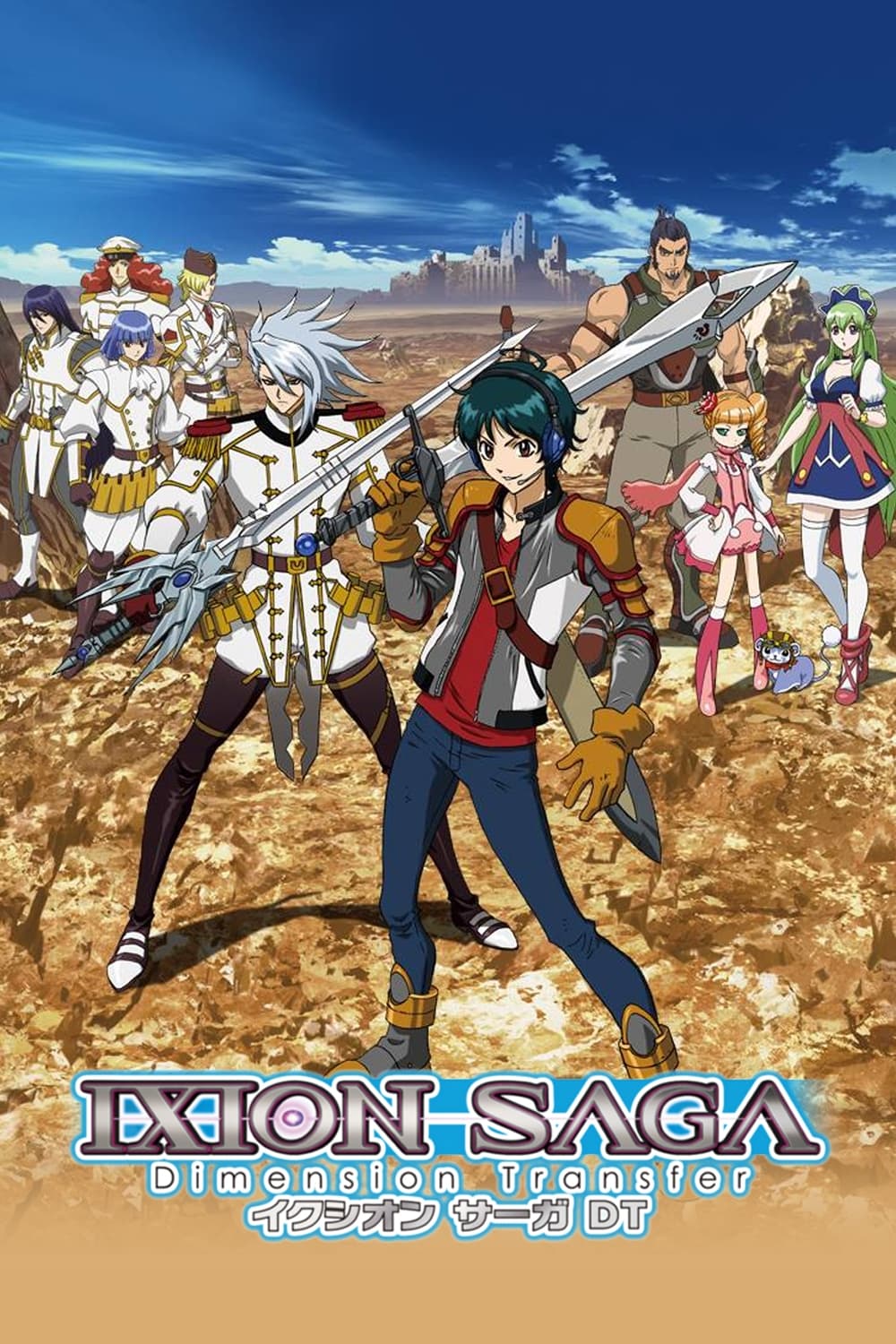
Kon Hokaze finds himself in a fantasy world and quickly develops feelings for Mariandale, a maid who serves the princess. Mariandale is a transgender woman – assigned male at birth but living and presenting as female – and is fiercely devoted to protecting the princess. Kon is drawn to Mariandale’s beauty and continues to care for her even after learning she was assigned male at birth. The series uses this as a source of humor while also portraying Mariandale as a capable and attractive member of the group.
‘Gankutsuou’ (2004–2005)
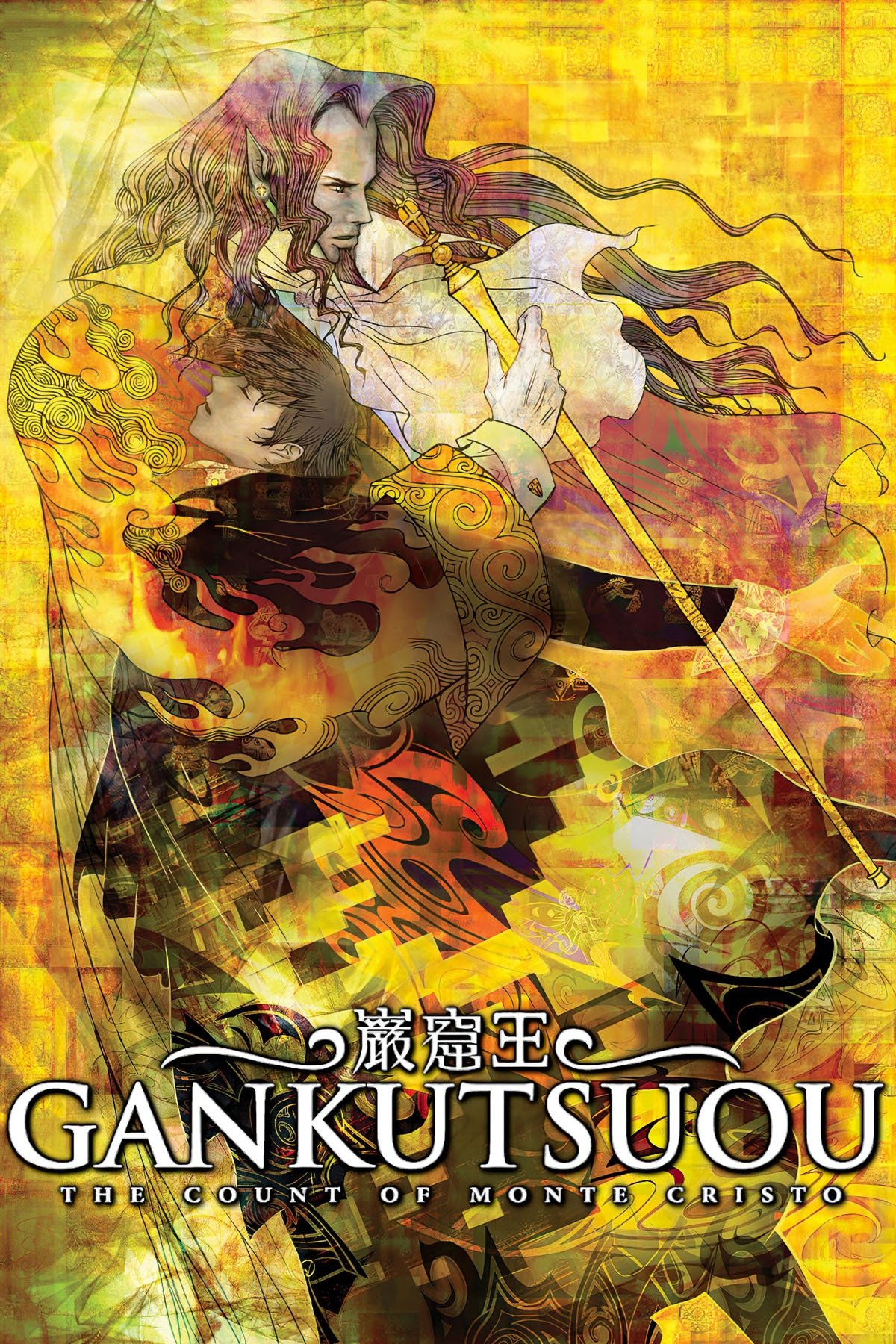
This science fiction adaptation of The Count of Monte Cristo introduces Albert de Morcerf, who meets Peppo, a trans woman working for the Count. Peppo playfully flirts with Albert and later shares she is transgender. Even after revealing this, their playful and caring connection continues. Throughout the story, she’s both alluring and a sympathetic character, entangled in the Count’s plans for revenge.
Read More
- Gold Rate Forecast
- Top 15 Insanely Popular Android Games
- 4 Reasons to Buy Interactive Brokers Stock Like There’s No Tomorrow
- Did Alan Cumming Reveal Comic-Accurate Costume for AVENGERS: DOOMSDAY?
- EUR UAH PREDICTION
- DOT PREDICTION. DOT cryptocurrency
- Silver Rate Forecast
- ELESTRALS AWAKENED Blends Mythology and POKÉMON (Exclusive Look)
- Core Scientific’s Merger Meltdown: A Gogolian Tale
- New ‘Donkey Kong’ Movie Reportedly in the Works with Possible Release Date
2025-12-31 23:47