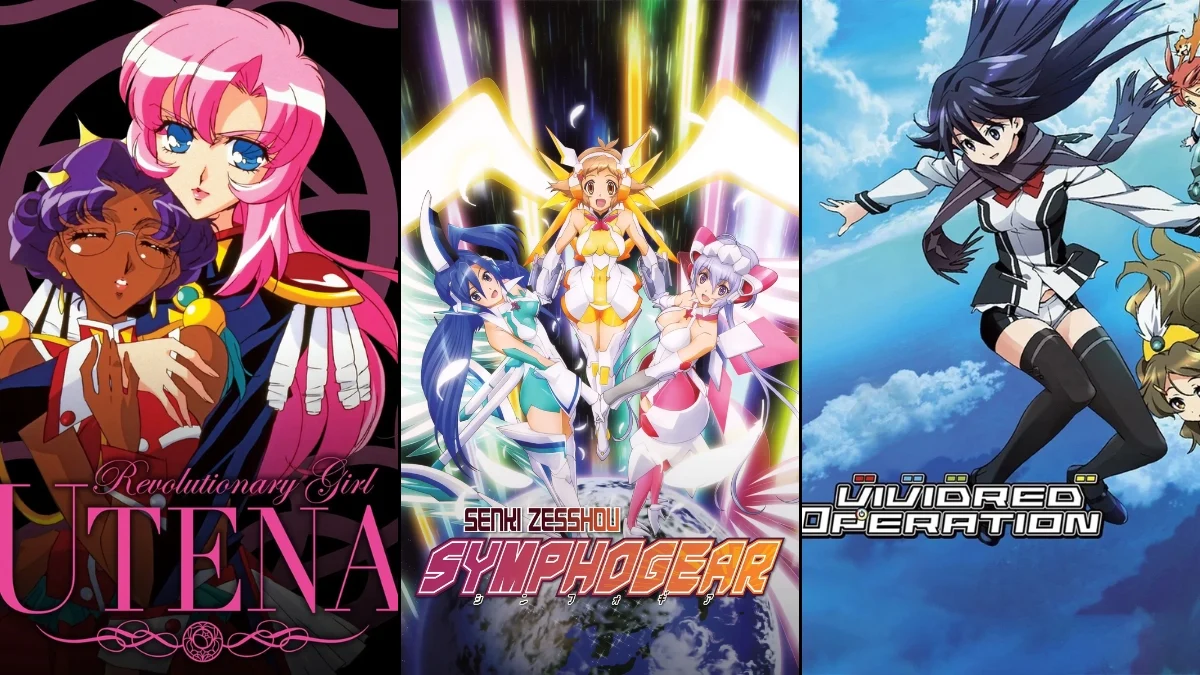
In many anime series, queerness isn’t just about a character’s identity—it’s often linked to their growth, strength, or even special abilities. These shows frequently integrate same-sex relationships, gender fluidity, and queer connections directly into how magic and battles work, essentially making love and self-discovery sources of power. Whether it’s robots fueled by affection or magical girls who gain strength through romance, these anime demonstrate how queerness can unlock incredible feats. Here are fifteen examples where being queer, or embracing queer relationships, actually boosts the power within the story itself.
‘Revolutionary Girl Utena’ (1997)
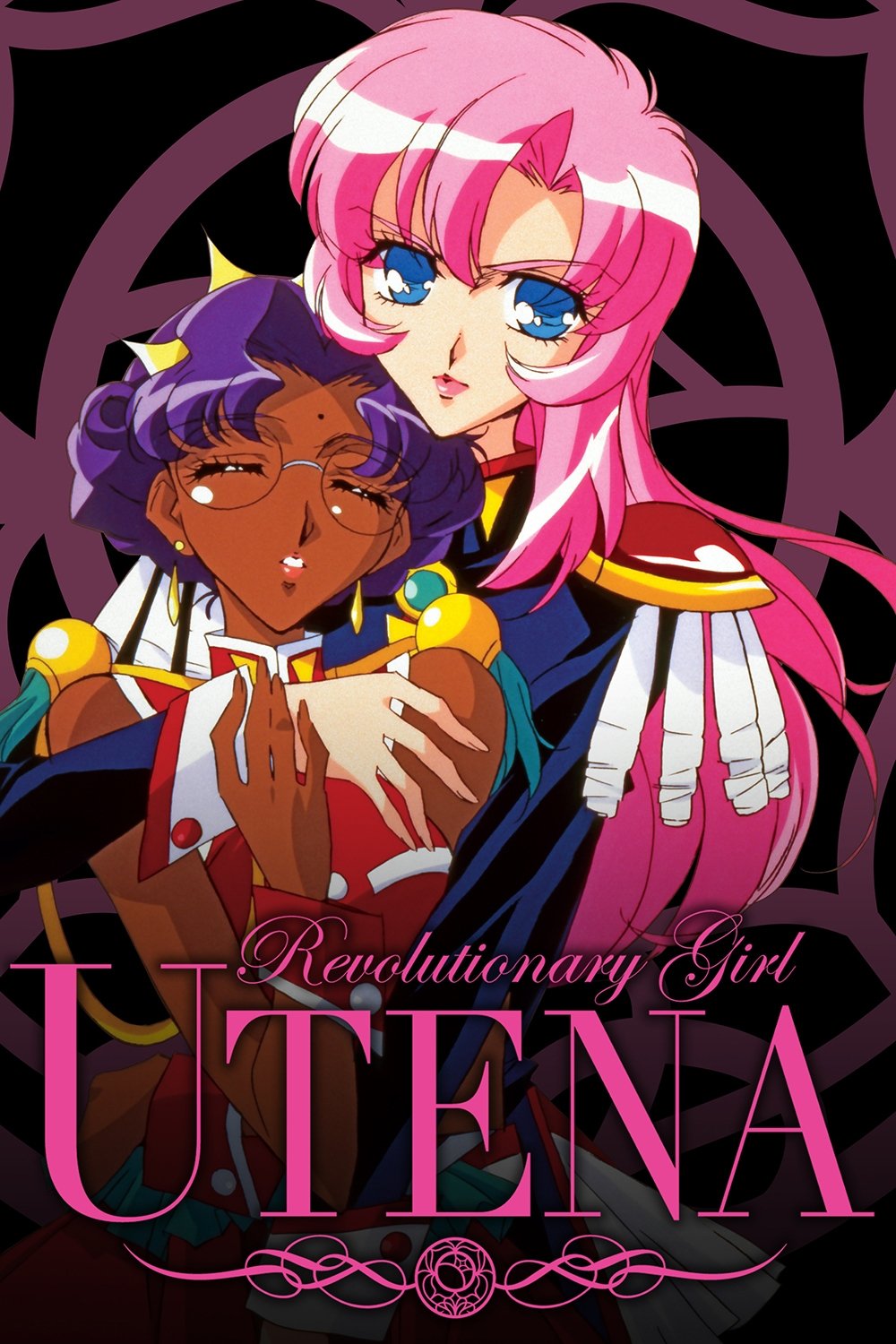
The duels at Ohtori Academy explore how power, identity, and relationships are linked to the idea of changing the world. Utena, by acting as a prince and forming a strong connection with Anthy, is able to fight against the established rules of power. Winning isn’t just about skill; it’s about the promises characters make to each other and their rejection of traditional gender roles. This ultimately changes who can wield the power of Dios. The close bonds formed between duelists, especially those that defy expectations, become both a source of protection and a way to unlock greater strength.
‘Yurikuma Arashi’ (2015)

The show portrays lesbian love as a rebellious strength. Societal norms often punish same-sex relationships, but embracing that love gives the characters the courage to break down barriers. Throughout the series, Kureha and Ginko’s feelings for each other consistently empower them to overcome prejudice and restrictive systems. Key challenges involve openly expressing and sustaining their love while under pressure, and this ultimately decides who progresses and changes. As the girls become more honest about their desires, the world around them seems to respond positively.
‘Sarazanmai’ (2019)
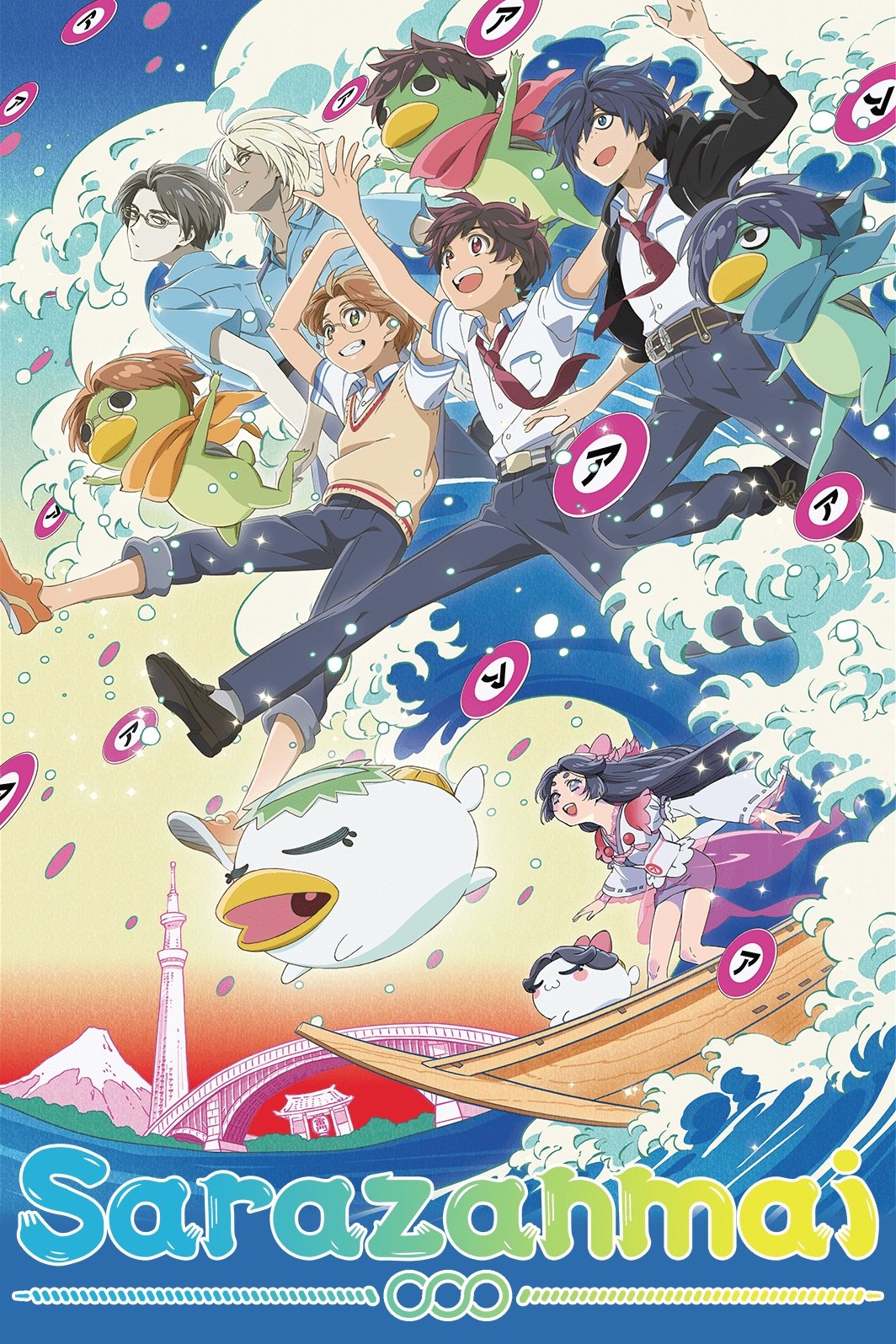
Hidden or unacknowledged desires, especially same-sex attraction, are presented as the source of power behind the transformations and connections in Sarazanmai. When Kazuki, Toi, and Enta reveal their personal secrets, it strengthens their ability to work together and fight. The story suggests that openly acknowledging these feelings isn’t just personal growth, but actually creates the energy they need to survive. By sharing what they’ve kept hidden, they turn shame into a powerful force that defeats their enemies.
‘Simoun’ (2006)
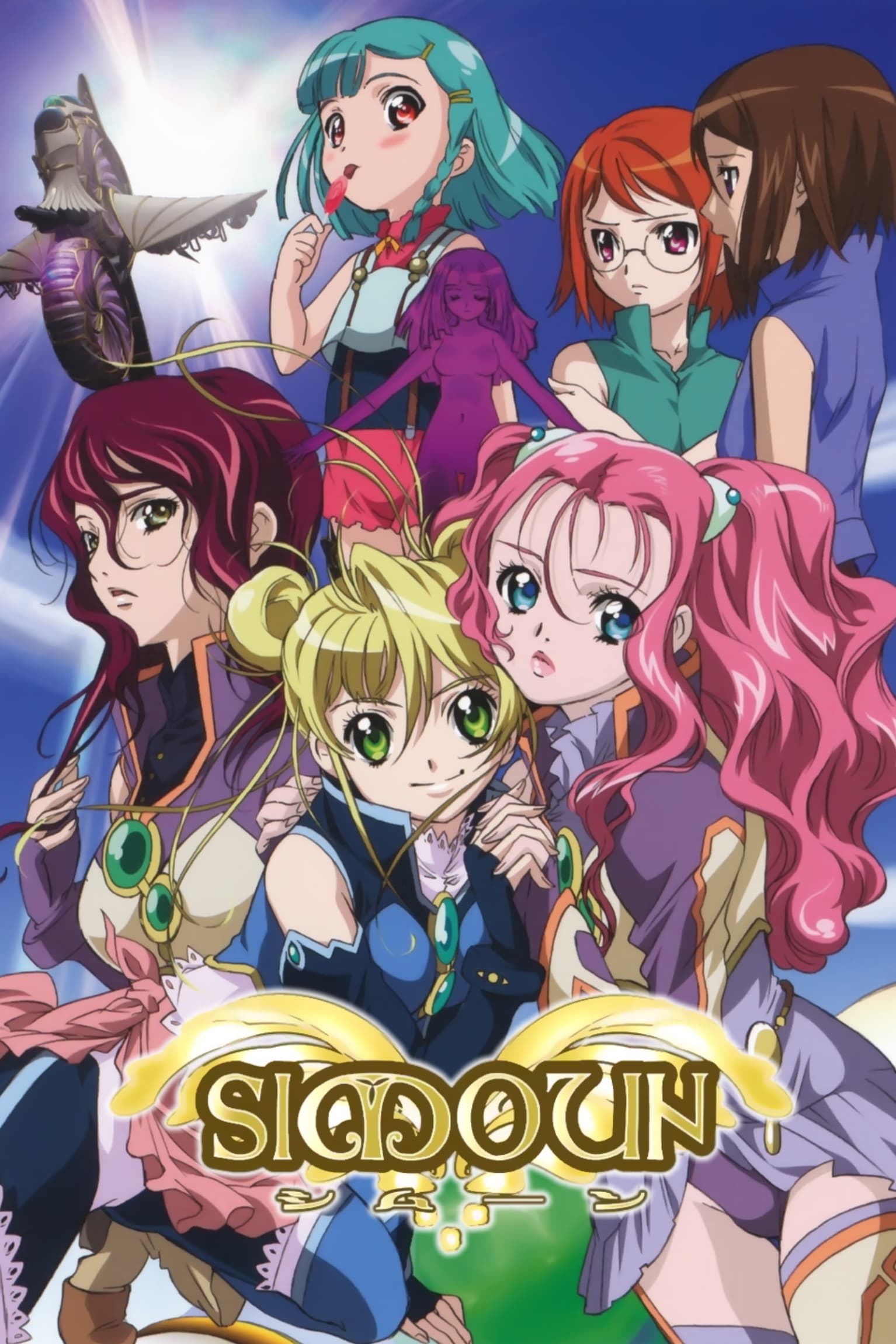
In this world, skilled priestesses fly unique aircraft called Simouns, but they require a pair to operate. These aircraft are powered by a close, ritualistic bond – specifically, a romantic connection between two women. Because people don’t decide their gender until adulthood, these same-sex pairings aren’t just accepted, they’re essential to how the military functions. The deeper the connection between the pilots, the more effectively they can fly and the greater their advantage in battle.
‘Flip Flappers’ (2016)

In the world of “Pure Illusion,” Cocona and Papika’s bond directly affects their abilities. As their feelings for each other grow, so does their power, changing their forms and weapons. How well they connect unlocks new areas and powerful items, making their intimacy essential for both exploration and fighting. Moments where they understand their romantic feelings better often lead to even stronger transformations. The show consistently portrays queer connection as a source of increasing strength and capability.
‘Blue Reflection Ray’ (2021)
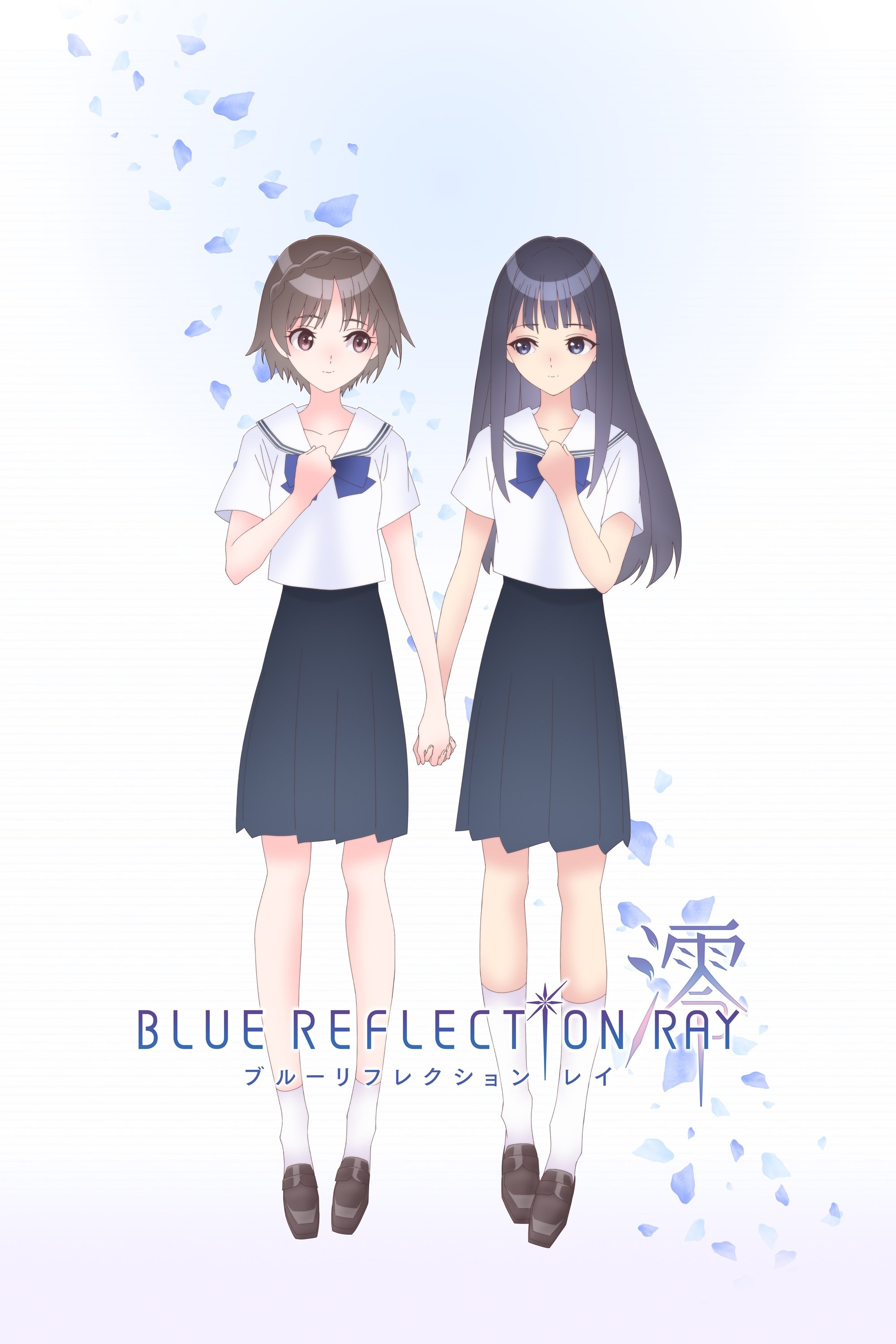
Magical girls draw their power from emotions, often focusing on romantic connections, including same-sex relationships. These feelings directly impact how strong they are, with love being a key source of power. As characters explore their desires and understand who they are, they unlock new abilities and transformations. Being open and honest in queer relationships makes their magical defenses stronger and allows them to perform more powerful attacks.
‘Vividred Operation’ (2013)

In this series, two female characters can combine into a single, more powerful fighter – a process called “docking.” Whether they successfully combine depends on their compatibility, which is often shown as a close romantic connection. Stronger emotional bonds unlock more advanced combined forms and special abilities. The show frequently links these power-ups to the characters’ growing devotion to each other, essentially making their romantic connection a source of strength. Ultimately, teams that demonstrate the clearest and most dedicated feelings are the most successful in battle.
‘Puella Magi Madoka Magica’ (2011)

Homura’s intense love for Madoka causes her to repeatedly reset time, turning her feelings into a powerful ability to control time itself. The weight of this constant effort gradually changes the very fabric of reality, eventually leading to a wish that can reshape everything. Magical contracts strengthen a girl’s deepest desires, and a longing that doesn’t fit traditional norms often powers these important wishes. Ultimately, the strength and price of any magical outcome are determined by the emotions behind it.
‘Superb Song of the Valkyries: Symphogear’ (2012–2019)
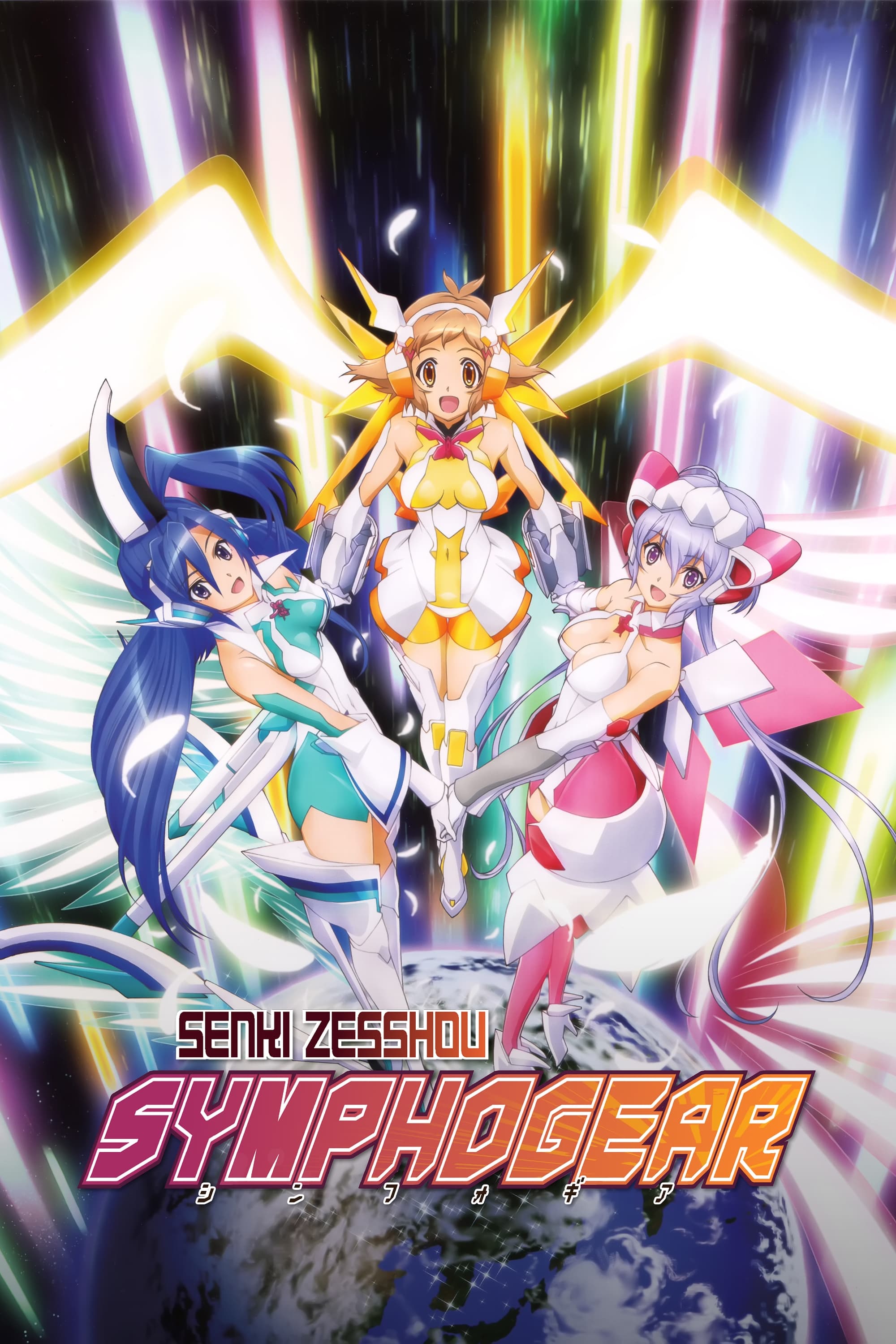
Characters use singing to power up ancient weapons. When they sing together, especially with strong emotional connections, these weapons become even more powerful. The close relationships between certain female pairs are presented as a key to unlocking new abilities and weapon forms. Shared songs and heartfelt vows enhance defenses and unleash devastating final attacks. The series suggests a connection between intimate relationships—often depicted between women—and increased power and effectiveness in battle.
‘My-HiME’ (2004–2005)

HiMEs gain their power by protecting someone they deeply care for, and Shizuru’s story specifically focuses on a loving relationship with another woman as the source of her strength. As her feelings grow stronger, her abilities become much more powerful. The rules of this system mean that romantic connections are directly tied to how strong someone is in battle, and changes in these relationships can completely affect who is able to fight and how well they perform.
‘Destiny of the Shrine Maiden’ (2004)
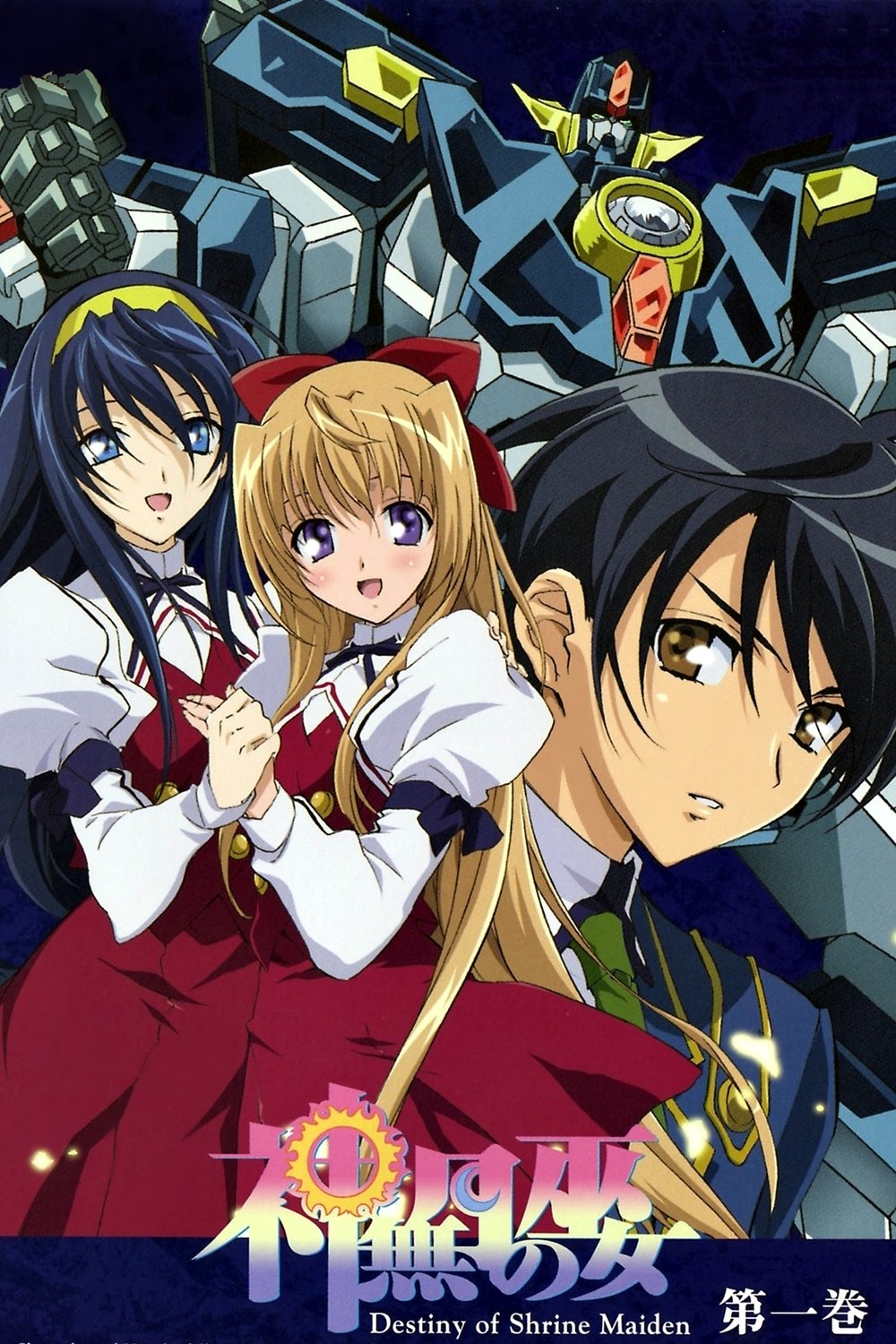
Two shrine maidens, reborn with a shared destiny, must face a powerful enemy called Orochi. Their love for each other unlocks both spiritual and mechanical powers, allowing them to fight. The strength of their bond – and their willingness to fully embrace their feelings – is directly tied to their ability to break through barriers and launch powerful combined attacks. Essentially, the series shows that their love isn’t just a personal connection, but the very key to saving the world.
‘Cardcaptor Sakura’ (1998–2000)
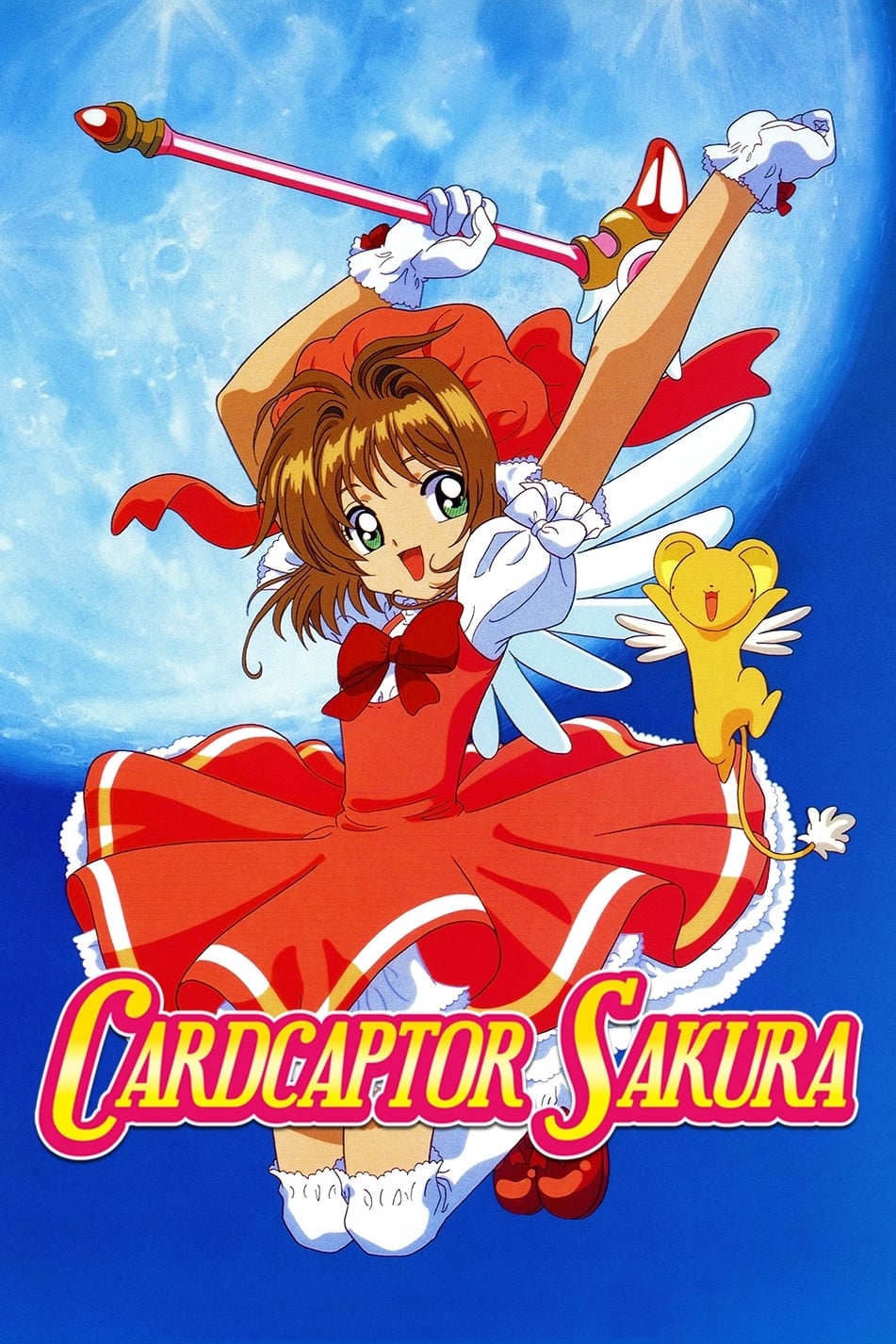
Sakura’s magical abilities grow stronger as her feelings become more genuine. The story also naturally includes and accepts various queer relationships, and these connections actually make Sakura more powerful. By embracing and affirming these bonds, she improves her magical cards and unlocks new abilities for her staff. Crucially, overcoming challenges relies on understanding and accepting all forms of love, including same-sex relationships, as a source of strength. This emotional openness makes her magic more adaptable and easier to control.
‘Mobile Suit Gundam: The Witch from Mercury’ (2022–2023)
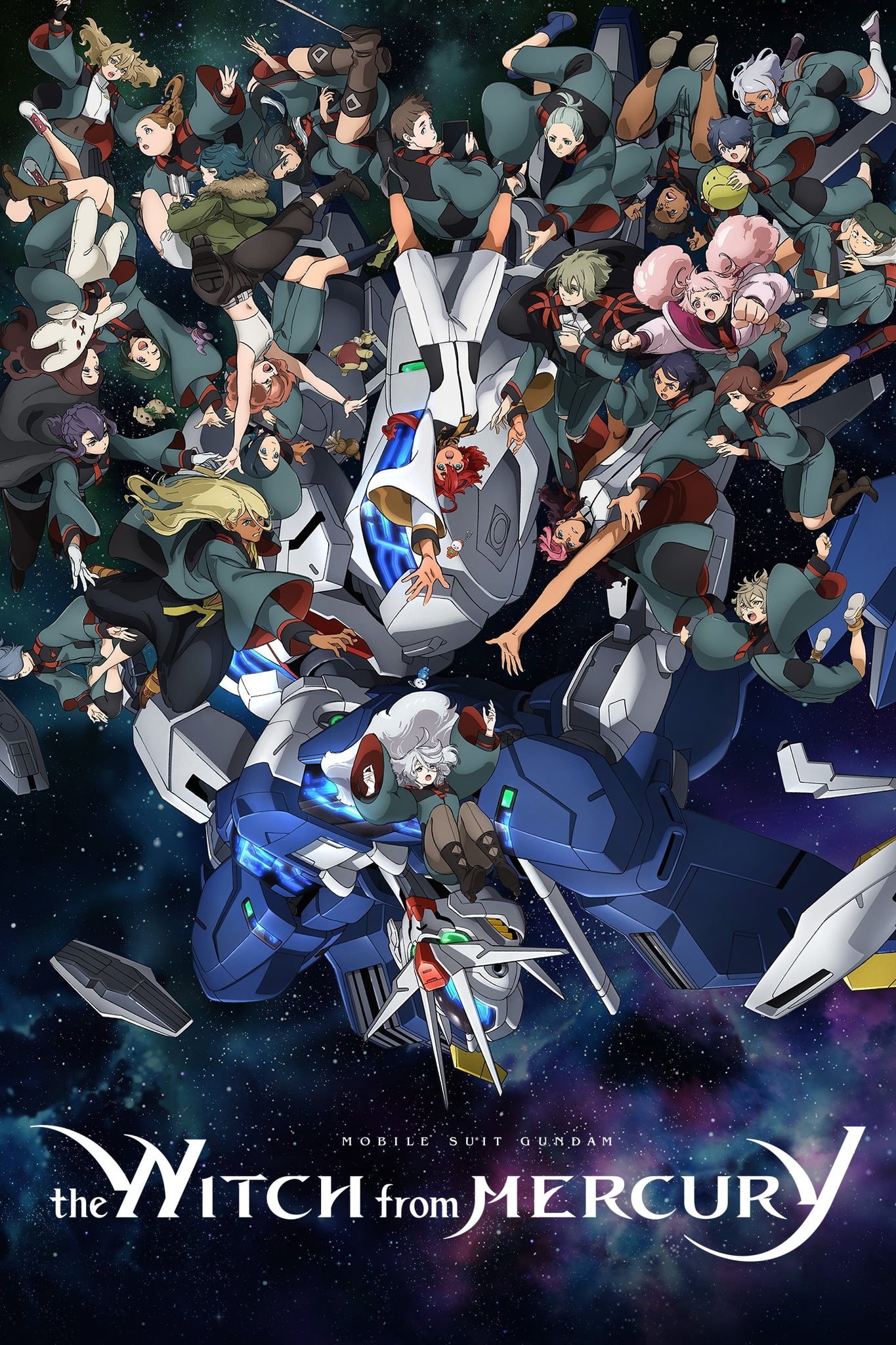
The relationship between Suletta and Miorine is central to the story, and it’s closely tied to how well their mechs perform together. As Suletta and Miorine grow closer emotionally, Suletta’s piloting skills improve, allowing her to push the limits of her mech’s capabilities. Their trust in each other is key to making daring moves that other pilots couldn’t attempt. Throughout the series, the show consistently links their romantic connection to their success as pilots and the power they wield.
‘Magical Girl Lyrical Nanoha’ (2004–2005)
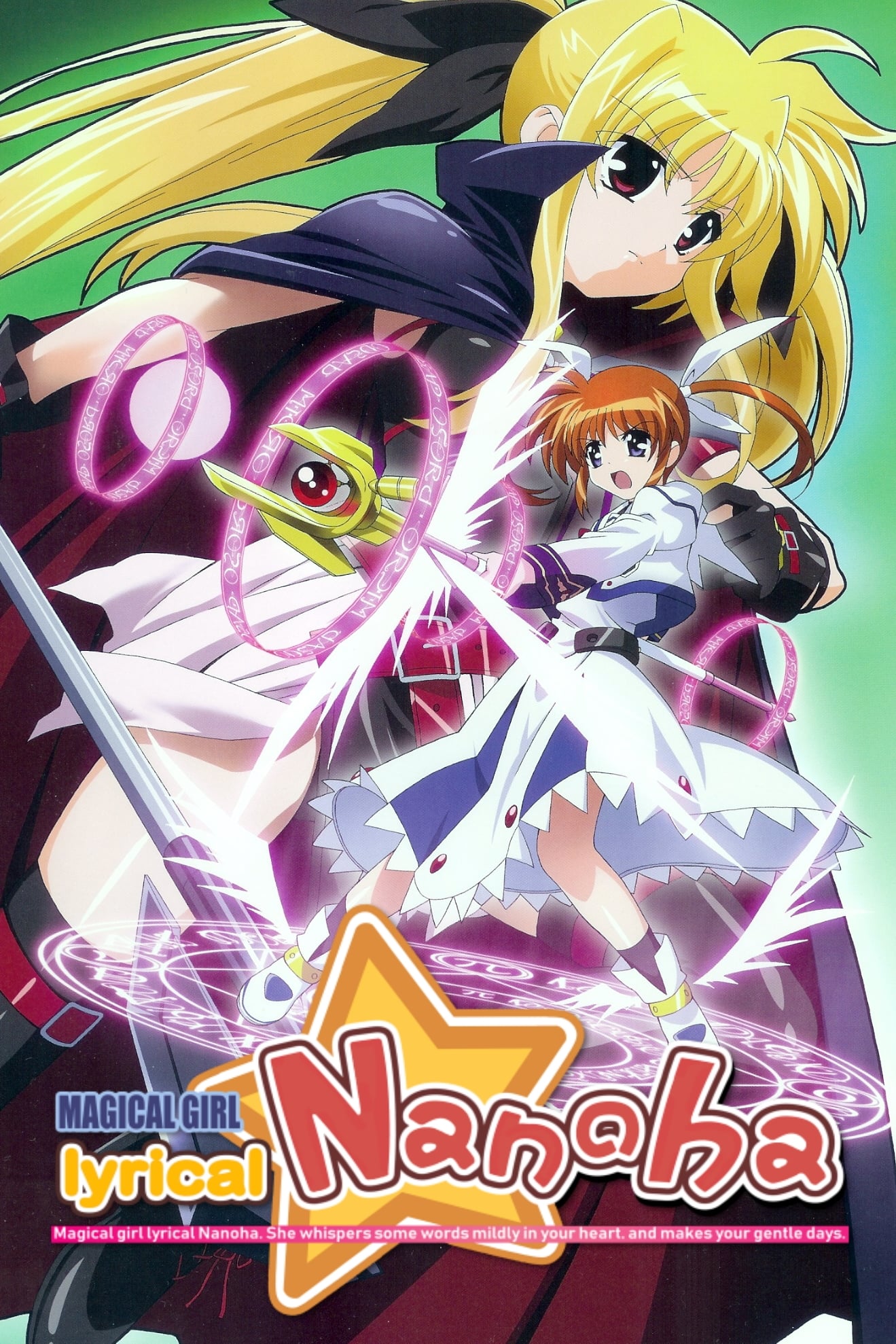
Nanoha and Fate’s strong connection is the key to improving their magical devices, strengthening their protective barriers, and executing powerful combined attacks. As their bond grows, they can generate more magical energy and perform intricate spell combinations while airborne. Their teamwork consistently appears after they resolve conflicts and reaffirm their close relationship. This emotional connection, which some interpret as romantic, actually acts as a quantifiable source of power.
‘Valkyrie Drive: Mermaid’ (2015)

In this system, two girls gain power in battle through attraction and kissing. One girl transforms into a weapon (“Extar”), while the other controls it (“Liberator”). How well they connect and their level of desire determine the weapon’s abilities and strength. A stronger emotional connection unlocks more powerful transformations and finishing moves. Essentially, queer intimacy directly fuels their progression into stronger fighting forms.
Share your favorites or add more examples of queer-powered anime in the comments!
Read More
- Gold Rate Forecast
- DOT PREDICTION. DOT cryptocurrency
- Silver Rate Forecast
- 4 Reasons to Buy Interactive Brokers Stock Like There’s No Tomorrow
- Top 15 Insanely Popular Android Games
- EUR UAH PREDICTION
- Did Alan Cumming Reveal Comic-Accurate Costume for AVENGERS: DOOMSDAY?
- ELESTRALS AWAKENED Blends Mythology and POKÉMON (Exclusive Look)
- Core Scientific’s Merger Meltdown: A Gogolian Tale
- New ‘Donkey Kong’ Movie Reportedly in the Works with Possible Release Date
2025-12-31 22:49