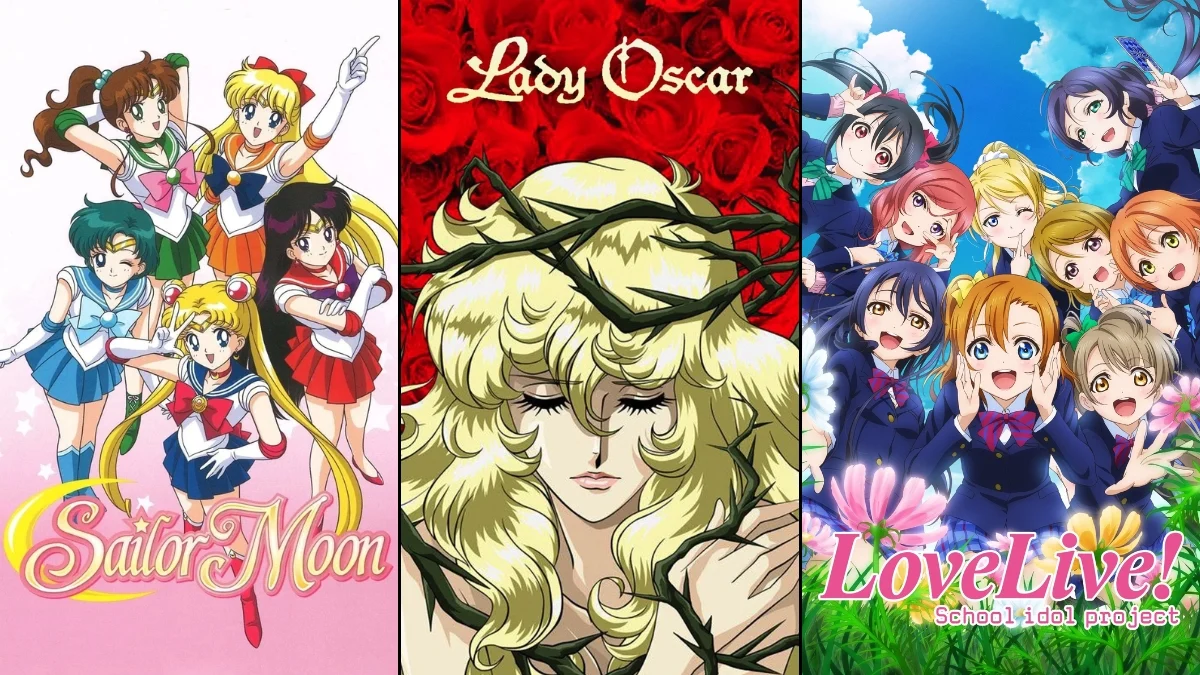
Japanese television has a history of showing stories about close relationships between women, from hints of romance to openly developing love. Though most modern “yuri” anime (focused on girls’ love) airs late at night for dedicated fans, some well-known series were broadcast during popular primetime and early evening hours – between 5 PM and 11 PM. These shows reached a wide audience and played a role in making depictions of female intimacy more accepted in mainstream media. The following are some important examples of these series when they originally aired.
‘The Rose of Versailles’ (1979–1980)

This influential historical drama first aired on Nippon TV at 7 PM and dramatically changed the shoujo (girls’) genre by offering a nuanced look at gender roles. The story centers on Oscar François de Jarjayes, a woman raised as a man to lead the Royal Guard at Versailles. Oscar captures the hearts of women at court, like Rosalie Lamorlière, and became a pioneering figure for gender-bending characters in anime. Set against the backdrop of the French Revolution, the series explores the deep emotional connections Oscar develops with the women in her life. Its prime-time broadcast solidified its place as a cultural touchstone, inspiring countless Yuri (girl’s love) stories for years to come.
‘Dirty Pair’ (1985)

Kei and Yuri are consultants who solve crimes for the World Welfare Works Association, but their methods often lead to widespread chaos. The show, which aired on Monday nights, centered around the strong, unbreakable bond between these two women. Despite constant teasing and complaining about their romantic lives, they deeply rely on each other, and this connection is the heart of the series. Many viewers and critics believe this show pioneered the ‘girls with guns’ genre, emphasizing the importance of the female relationship over romance. The dynamic between Kei and Yuri became a benchmark for female duos in action anime.
‘Dear Brother’ (1991–1992)
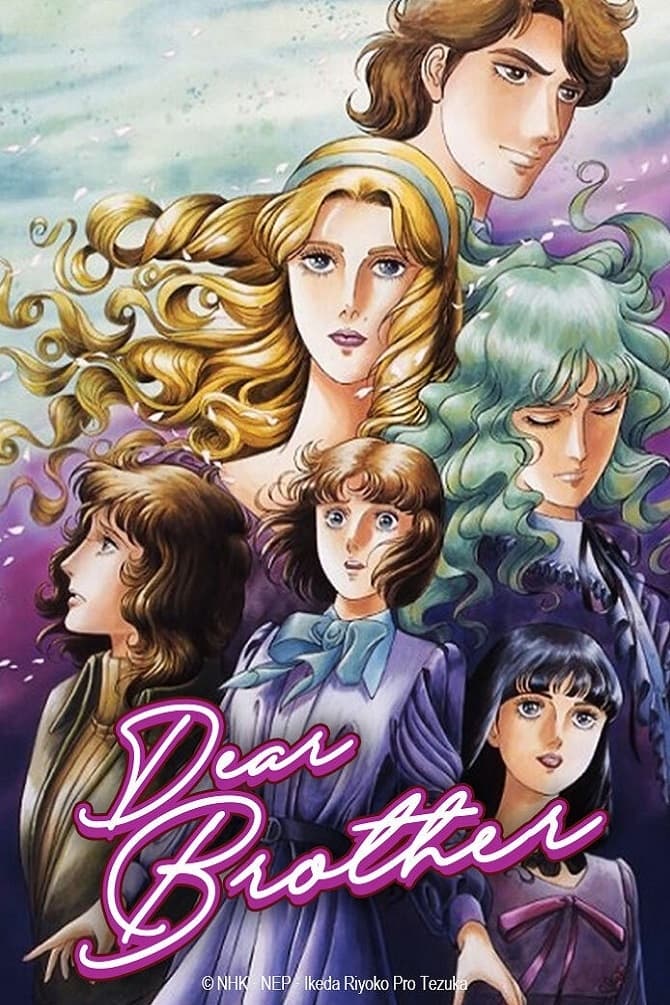
This series, which aired on NHK on Sunday evenings, brought the dramatic style of Riyoko Ikeda – known for ‘The Rose of Versailles’ – to a high school story. It follows Nanako Misonoo as she starts at the elite Seiran Academy and gets caught up in the complicated world of the school’s sorority. Nanako is fascinated by the mysterious Saint-Just, leading to a tale of jealousy, obsession, and tragedy. The show was groundbreaking for its honest and serious portrayal of lesbian relationships, drug use, and suicide, especially considering its early evening timeslot. It’s still remembered today for its dark, gothic mood and its open look at female desire.
‘Sailor Moon S’ (1994–1995)
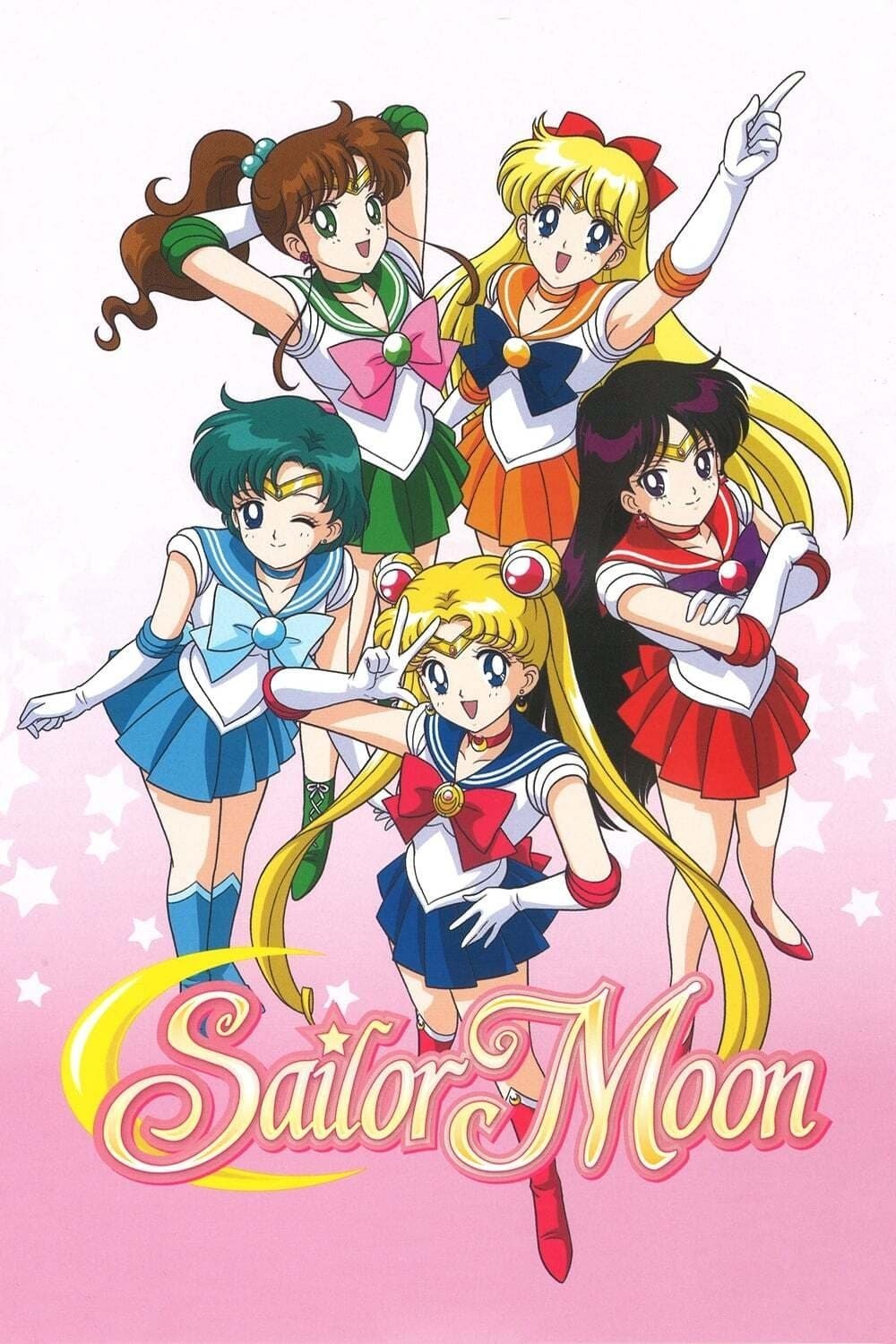
The third season of this popular series premiered on Saturdays at 7 PM, bringing the Outer Guardians to viewers nationwide. Sailor Uranus and Sailor Neptune debuted as a strong and elegant pair, and their romantic connection was clear. Their relationship was portrayed with a depth of feeling rarely seen in shows for children. Haruka and Michiru became important figures in the Yuri genre, as their connection was shown as balanced and respectful. This season uniquely brought LGBTQ+ representation into homes across Japan during a highly competitive time for television.
‘Magic Knight Rayearth’ (1994–1995)
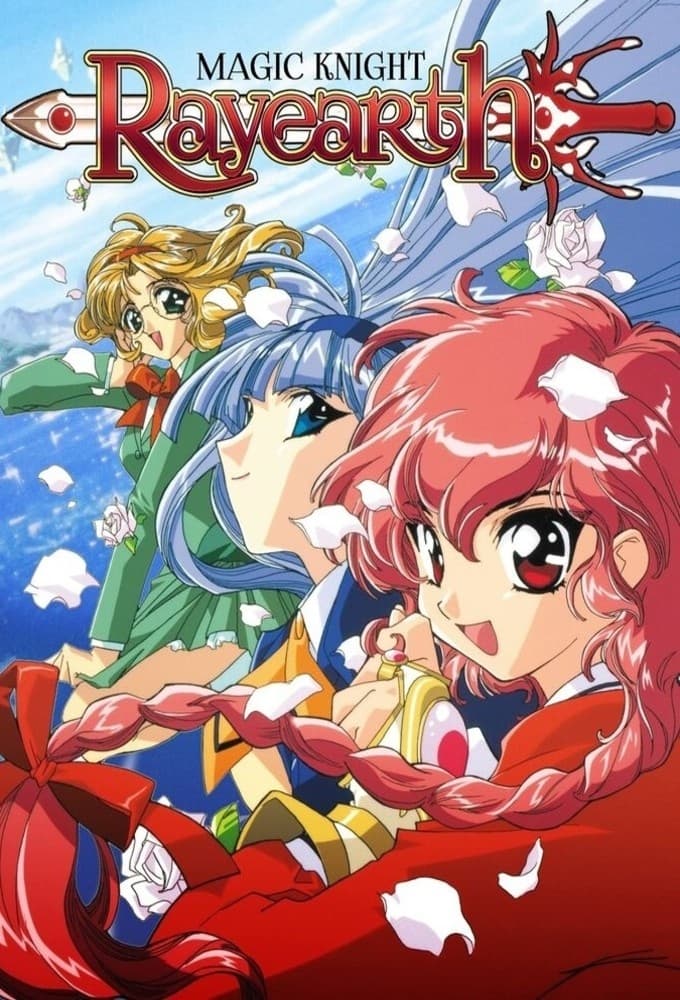
Three middle school girls find themselves in Cephiro, a magical world where they become Magic Knights tasked with saving the kingdom. The show, which originally aired on Monday nights, centered on the deep bond between Hikaru, Umi, and Fuu. While romantic interests existed, the anime highlighted the girls’ strong devotion to each other as their main source of power. The show’s art style and story emphasized female empowerment and teamwork, making it a standout example of a magical girl series that prioritized female friendships and affection during a popular viewing time.
‘Revolutionary Girl Utena’ (1997)
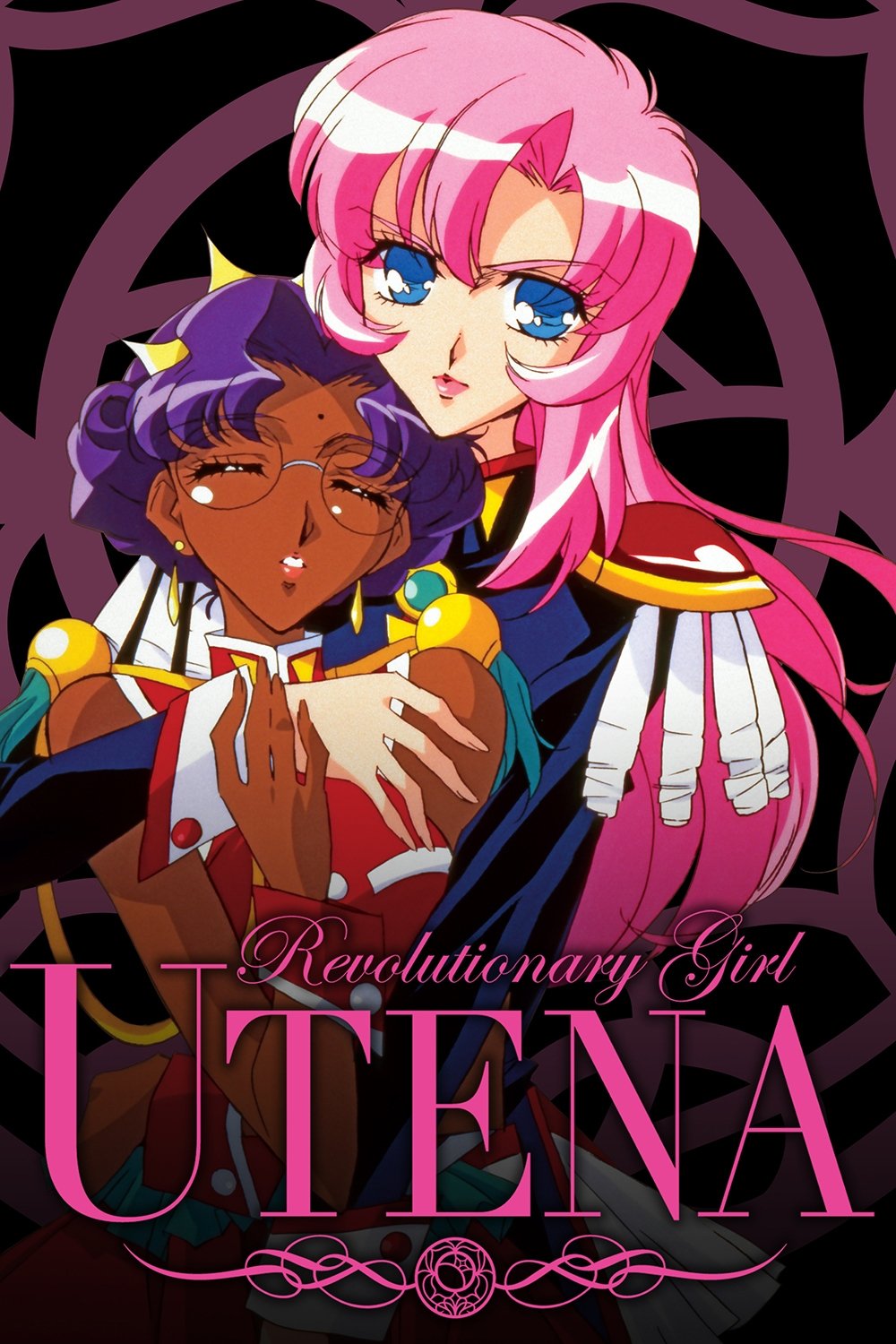
After a formative childhood experience, Utena Tenjou decides she wants to be a prince. This leads her to Ohtori Academy, where she participates in duels to win the Rose Bride. The show, which originally aired on Wednesdays at 6 PM, is a unique and dreamlike series that reimagines classic fairy tales. It explores the complex connection between Utena and Anthy Himemiya, tackling themes of gender, sexuality, and rebellion as they challenge the school’s authority. Director Kunihiko Ikuhara used the show’s prominent time slot to deliver a deeply symbolic story often interpreted as a powerful allegory for queer experiences. It’s still considered a landmark achievement in Yuri animation and remains highly praised by critics.
‘Battle Athletes Victory’ (1997–1998)

This science fiction sports drama, which aired on TV Tokyo at 6 PM, centers around Akari Kanzaki’s journey to become the Cosmic Beauty. Many viewers fondly remember the sweet and heartfelt connection between Akari and her teammate, Kris Christopher. Kris openly shares her feelings for Akari, dreaming of a future life together on the moon after they retire from competition. The show successfully blended exciting sports action with touching, everyday moments, focusing on the developing romance between the two main characters. It offered a gentle and relatable take on a same-sex romance within a typically action-oriented programming slot.
‘Cardcaptor Sakura’ (1998–2000)
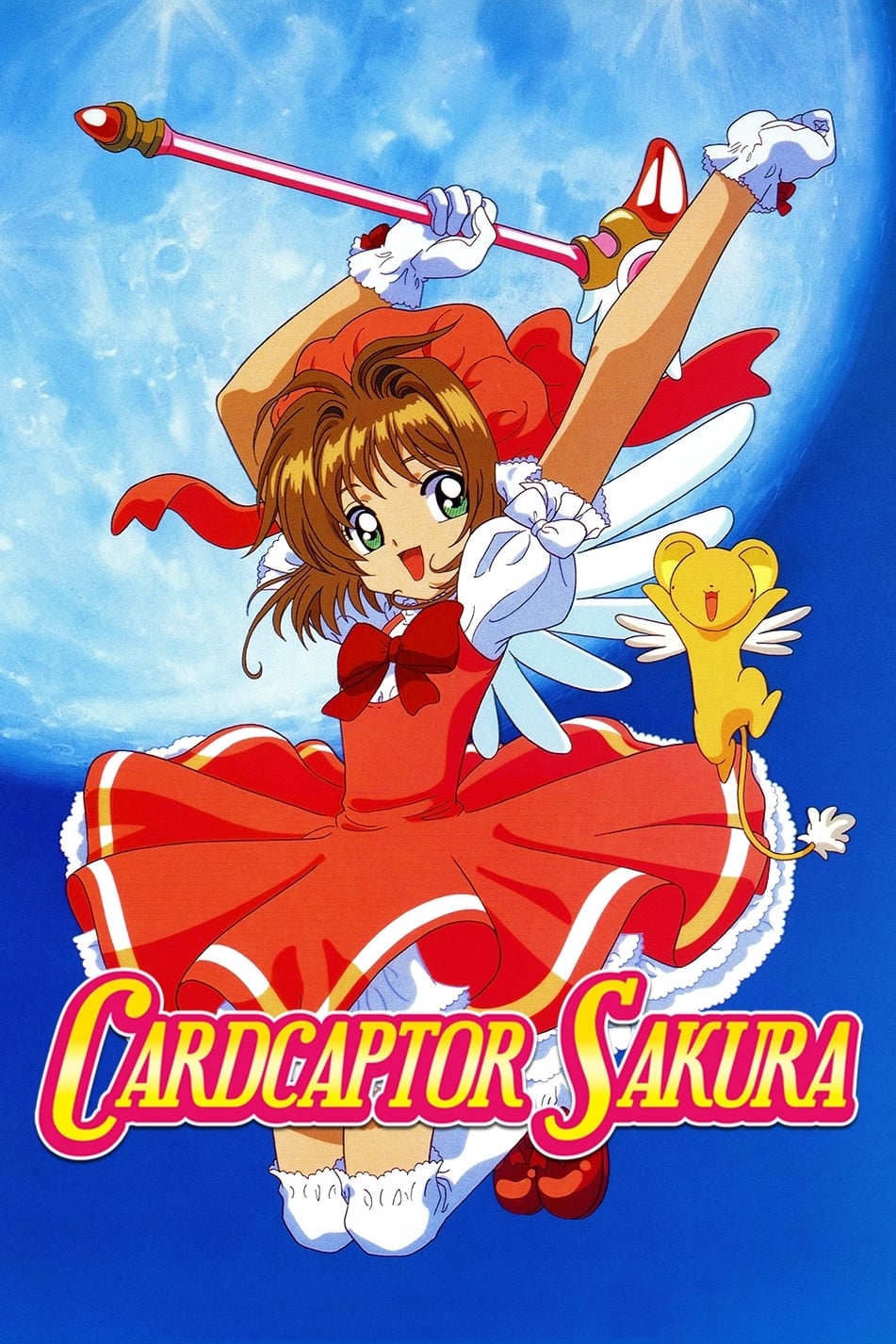
Sakura Kinomoto accidentally unleashes a collection of magical cards and has to recapture them all while dealing with the everyday challenges of elementary school. The show, which aired on NHK on Tuesdays at 6 PM, is well-known for its positive portrayal of different kinds of love. Sakura’s close friend, Tomoyo Daidouji, has romantic feelings for Sakura and lovingly records her adventures. The series portrays Tomoyo’s feelings as natural and important, without suggesting they need to be changed. This accepting depiction of a same-sex crush made the show a source of comfort and inspiration for many young viewers.
‘Princess Tutu’ (2002–2003)
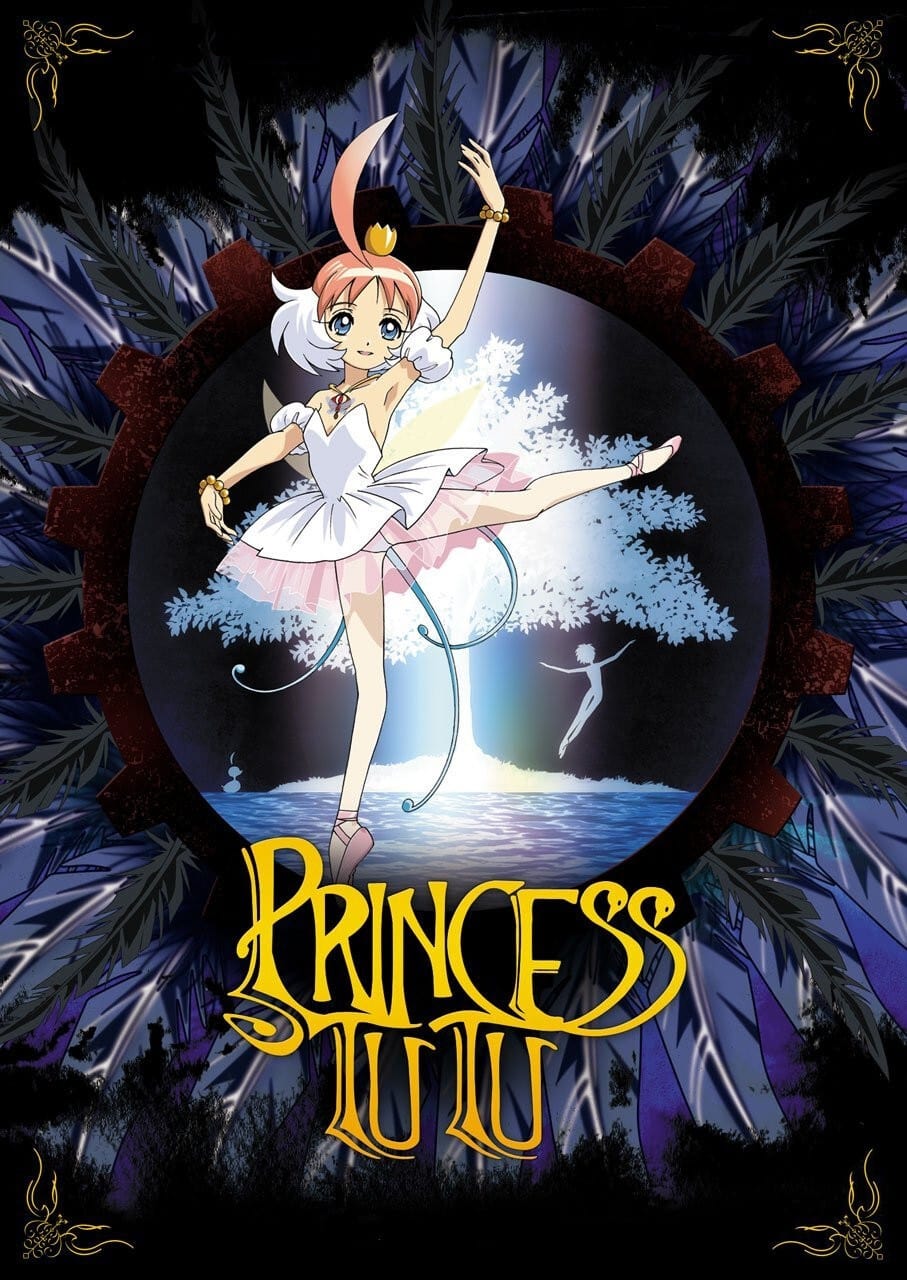
This enchanting fairy tale, inspired by ballet, tells the story of a duck magically turned into a girl. Her mission? To collect the broken pieces of a prince’s heart. The series, which aired Fridays at 6 PM, focuses on the complicated relationship between the main character, Ahiru, and her rival, Rue. What starts as a competition blossoms into a strong connection, ultimately helping both of them escape their predetermined, sad fates. Through dance and music, the story explores deep feelings that go beyond words, hinting at a powerful romance. It’s known for its mature themes and the meaningful bond between the two female main characters.
‘Love Live! School Idol Project’ (2013)
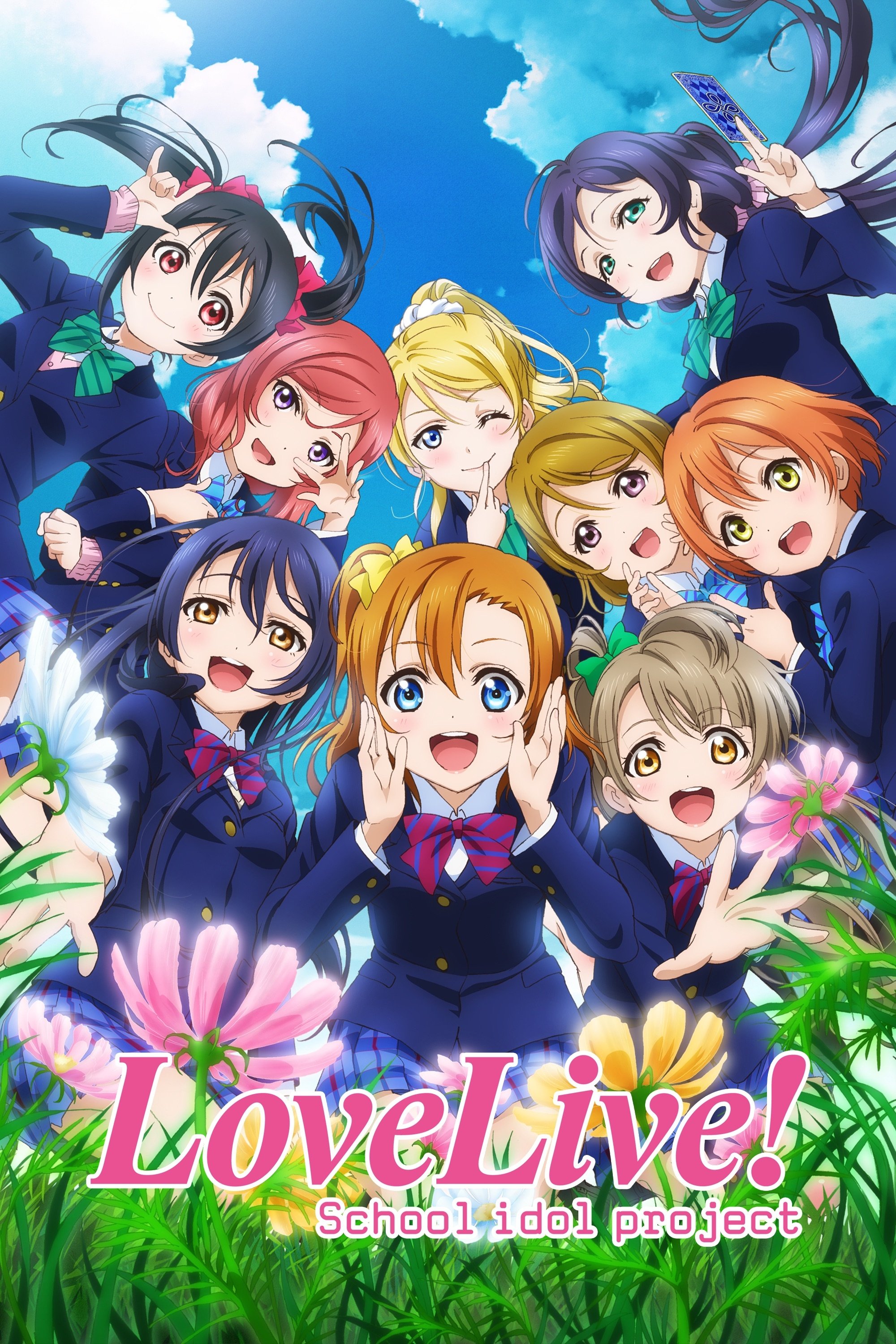
Honoka Kosaka starts a school idol group in an effort to save her high school from shutting down due to declining student numbers. The first season premiered on Tokyo MX at 10 PM and quickly grew into a huge franchise featuring many female characters. Viewers especially loved the close relationships between the group members, particularly the connection between Nozomi Tojo and Eli Ayase. The show centers on these girls and their bonds as they work together towards a shared dream. Airing at that time of night helped the show appeal to both dedicated anime fans and a wider audience, leading to its commercial success.
‘Transit Girls’ (2015)
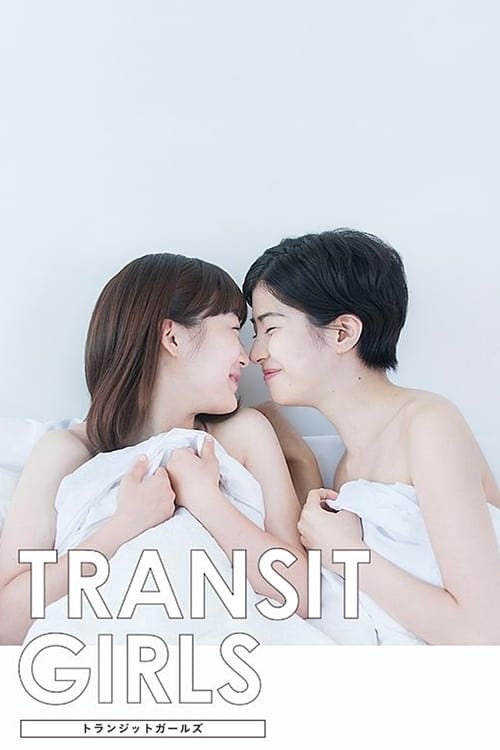
This drama was a groundbreaking series for Fuji Television, being the first of its kind broadcast on Japanese TV. Airing late at night, it followed the story of two stepsisters who develop romantic feelings for each other after their parents get married. The show explored the challenges and sensitivities of their forbidden love, as well as the difficulties of blending families. With a unique visual approach and modern music, it aimed for a realistic and artistic portrayal of the relationship. The series was particularly notable for its positive contribution to lesbian representation on Japanese television.
‘Aikatsu Friends!’ (2018–2019)
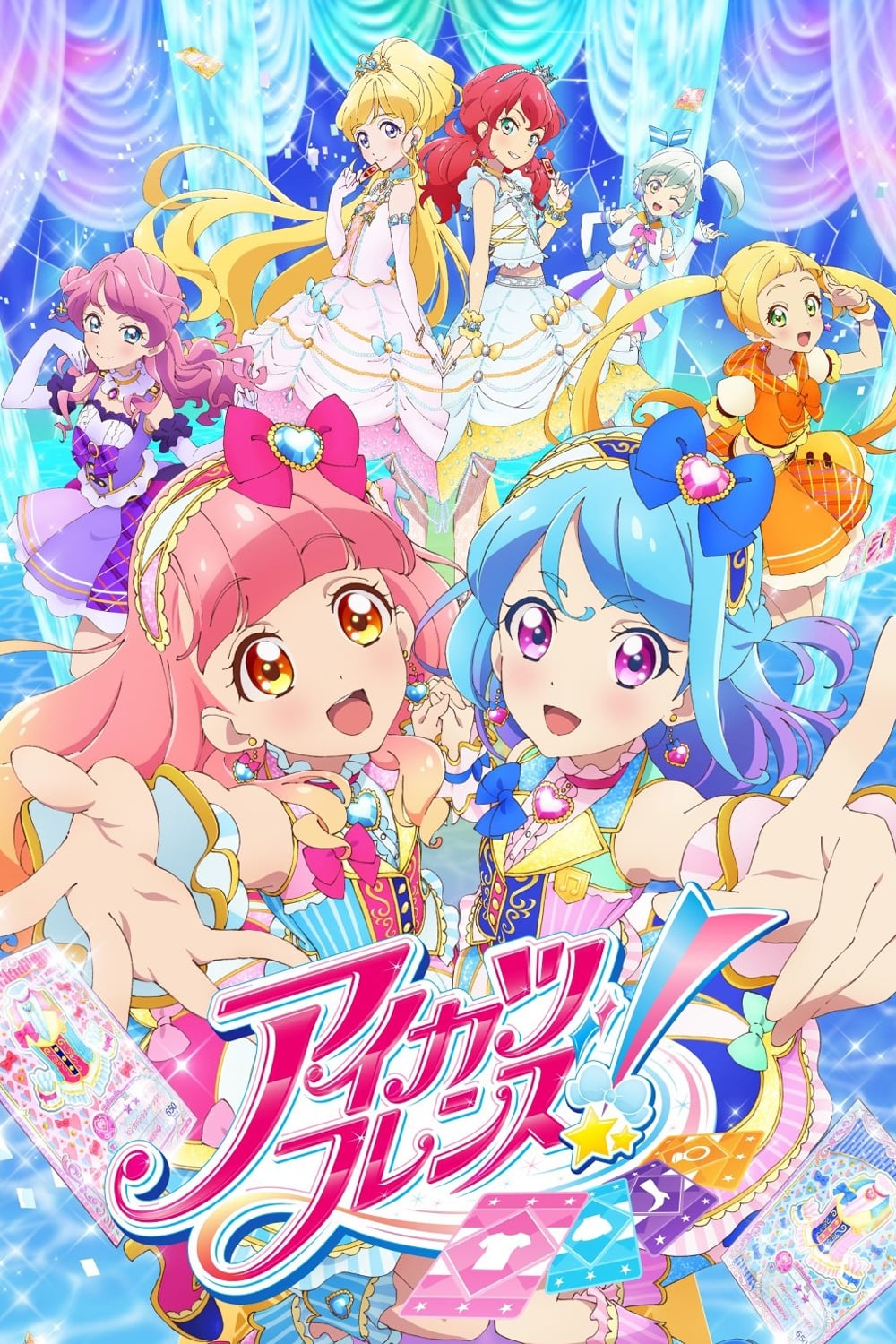
This show is part of a popular children’s franchise and aired on Thursdays at 6:25 PM. It centered around the idea of groups of friends working together. The two main characters, Aine and Mio, form a duo called Pure Palette, and their connection has romantic undertones that surprised many viewers. Another prominent group, Love Me Tear, shares an even stronger bond, resembling a committed relationship. The series highlights how the power of love helps these characters excel in their performances. Notably, it reintroduced explicitly romantic themes between girls to a time slot typically aimed at young children.
‘Bloom Into You’ (2018)
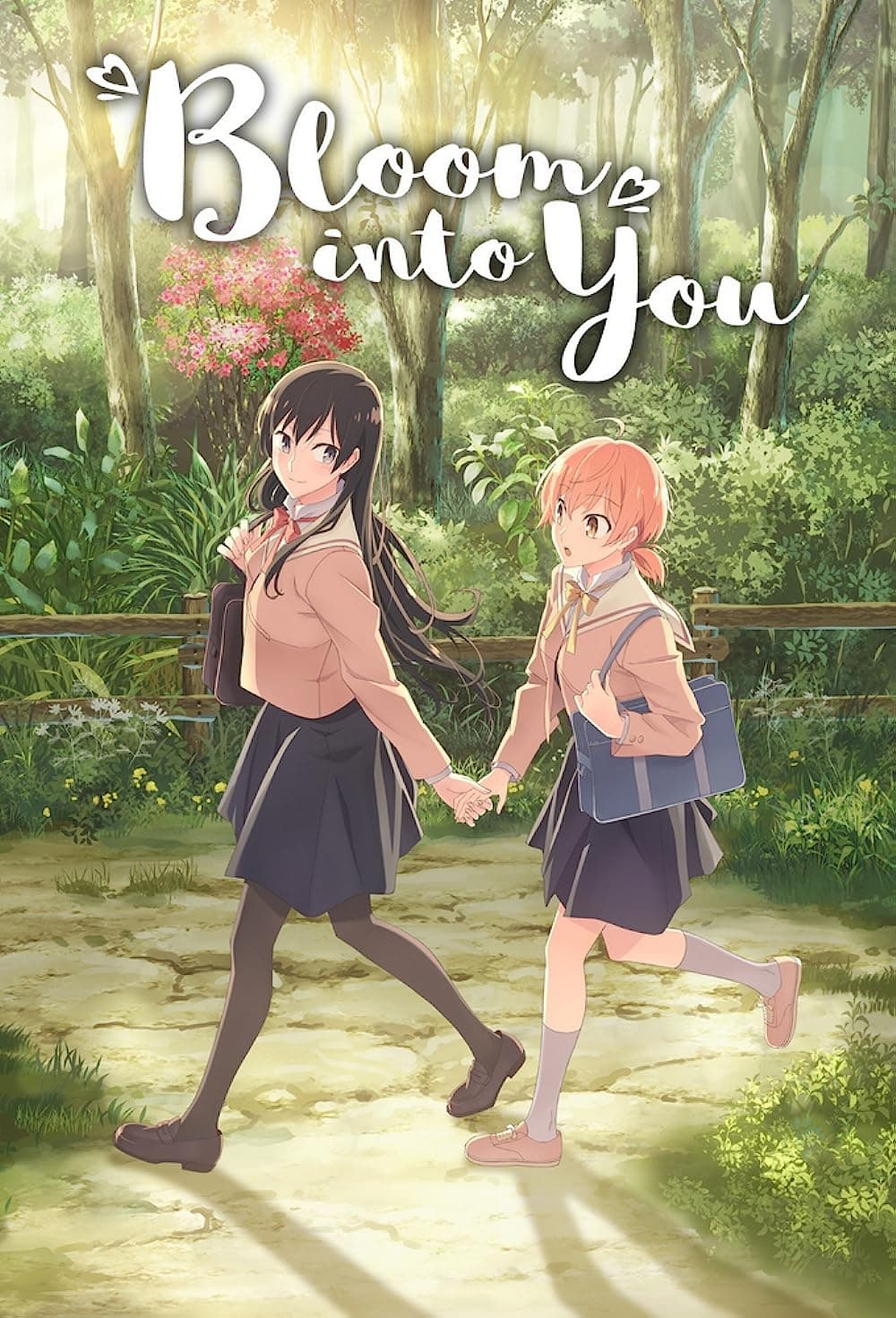
Yuu Koito doesn’t understand love until she connects with Touko Nanami, who tells her how she feels. The anime, which aired on Tokyo MX at 10:30 PM, is praised for its realistic and insightful portrayal of a lesbian relationship. It stands out from other shows by openly addressing the emotional and physical sides of love, as well as important issues like consent, identity, and the fear of being vulnerable – all within a relatable high school environment. Its late-night timeslot helped it find an audience eager for a mature and dramatic romance.
‘Mobile Suit Gundam: The Witch from Mercury’ (2022–2023)
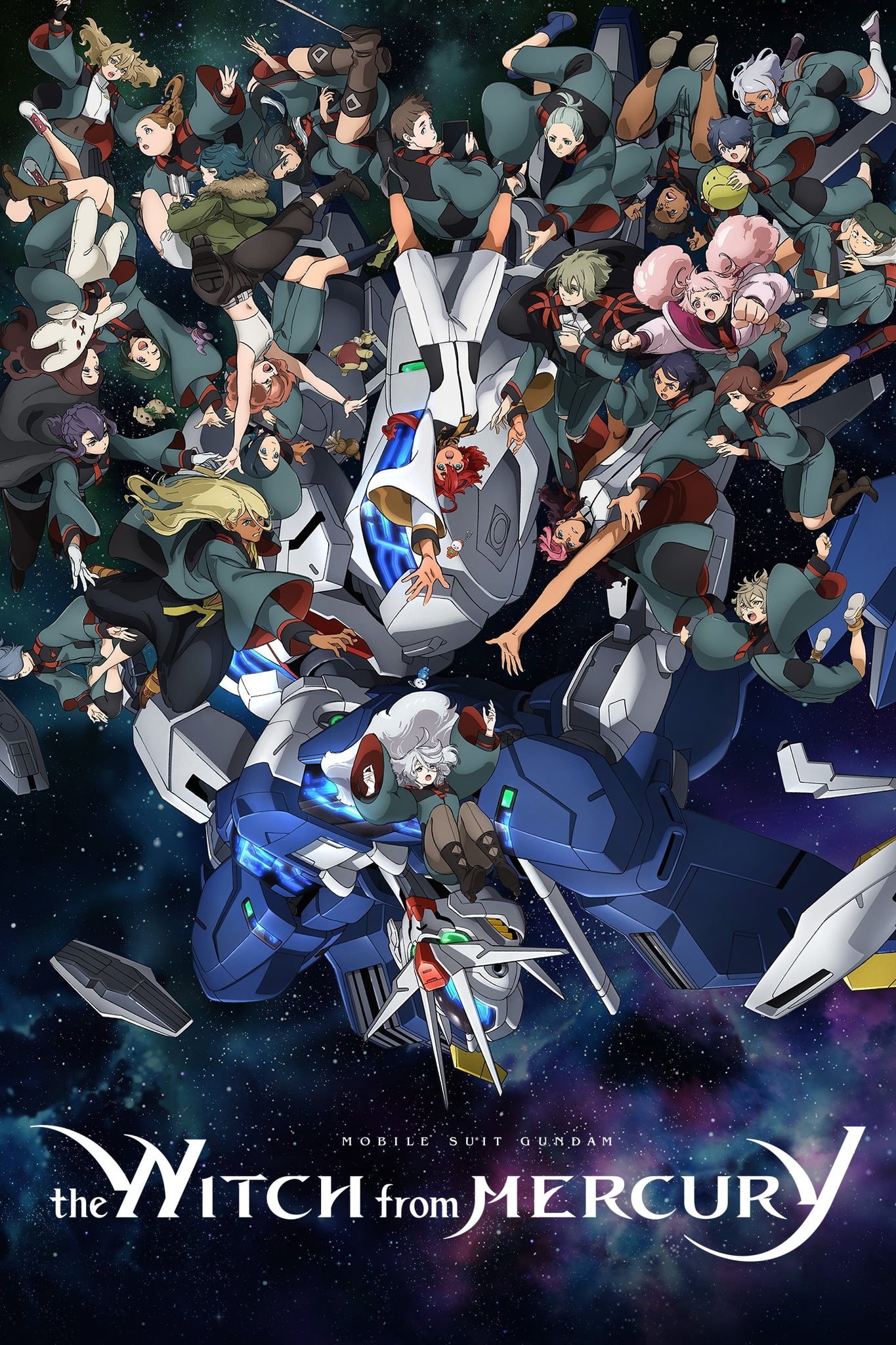
Suletta Mercury unexpectedly becomes the top student at Asticassia School of Technology by winning a duel, which leads to her engagement with Miorine Rembran. This makes her the first female lead in a major Gundam television series. Airing on Sundays at 5:00 PM on MBS/TBS – a popular viewing time in Japan – the show centers on the evolving relationship and marriage of Suletta and Miorine, set against a backdrop of intense corporate battles and political wrongdoing. It was a huge hit, notably bringing romantic themes involving girls’ love to the forefront of the mecha genre.
‘She Loves to Cook, and She Loves to Eat’ (2022)
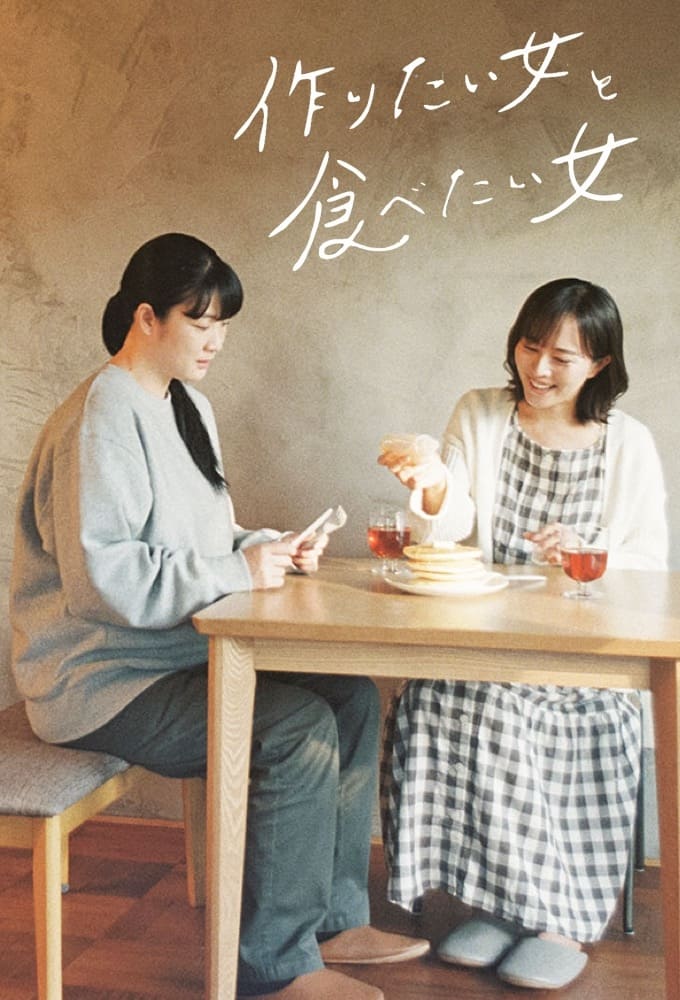
This Japanese drama, which aired on NHK from Monday to Thursday at 10:45 PM, is based on a beloved manga. It tells the story of Nomoto, who loves to cook large meals but often has leftovers, and her neighbor Kasuga, who has a big appetite. They connect over food, and their relationship gradually develops into a sweet romance that thoughtfully explores themes of gender and sexuality. The show was well-received for its warm and inviting feel, as well as its sensitive portrayal of LGBTQ+ relationships. Its broadcast during a typical evening timeslot highlighted a growing openness to stories about same-sex relationships in Japanese television.
Please share your favorite moments from these series or other recommendations in the comments.
Read More
- Gold Rate Forecast
- Silver Rate Forecast
- Securing the Agent Ecosystem: Detecting Malicious Workflow Patterns
- DOT PREDICTION. DOT cryptocurrency
- 4 Reasons to Buy Interactive Brokers Stock Like There’s No Tomorrow
- NEAR PREDICTION. NEAR cryptocurrency
- EUR UAH PREDICTION
- Did Alan Cumming Reveal Comic-Accurate Costume for AVENGERS: DOOMSDAY?
- Top 15 Insanely Popular Android Games
- USD COP PREDICTION
2025-12-31 15:55