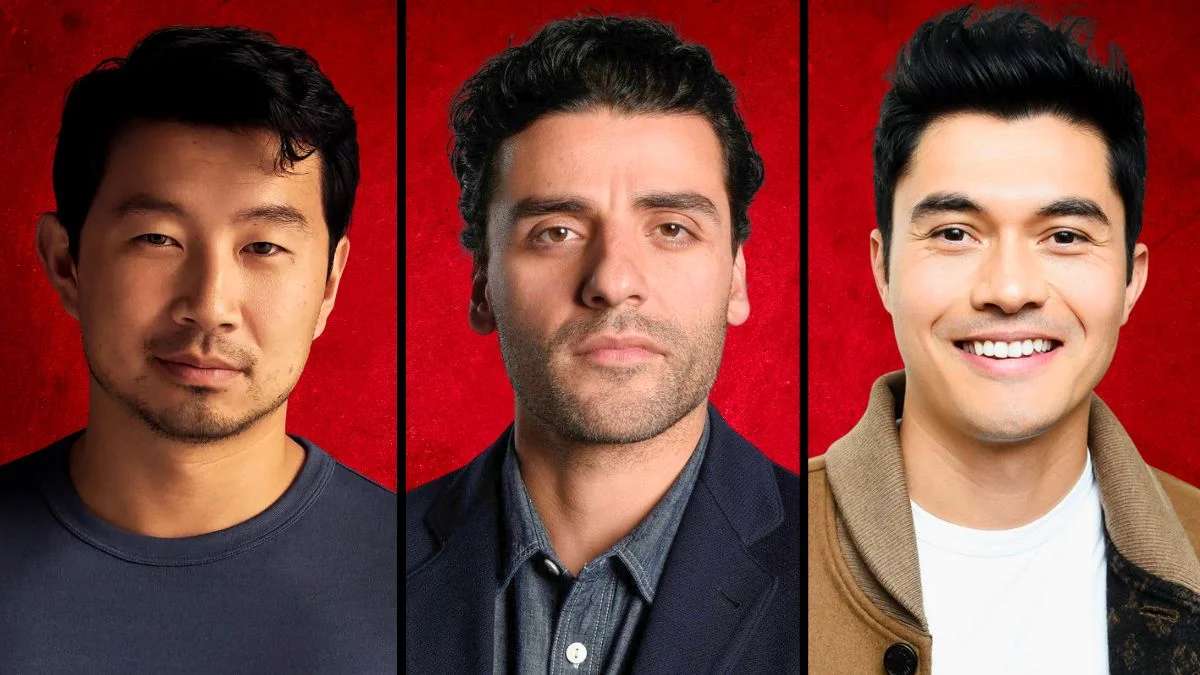
For years, the movie industry has faced criticism for favoring lighter skin tones and not accurately portraying diversity. Increasingly, actors are speaking out against the practice of digitally or with makeup changing their skin color. They’re asking for improved lighting and technology so that all skin tones look natural and beautiful on screen. By rejecting traditional, Eurocentric ideas of beauty, these actors are helping to change how people are seen in films. This commitment to showing real skin tones is an important move toward fairness and equality in Hollywood.
John Boyega
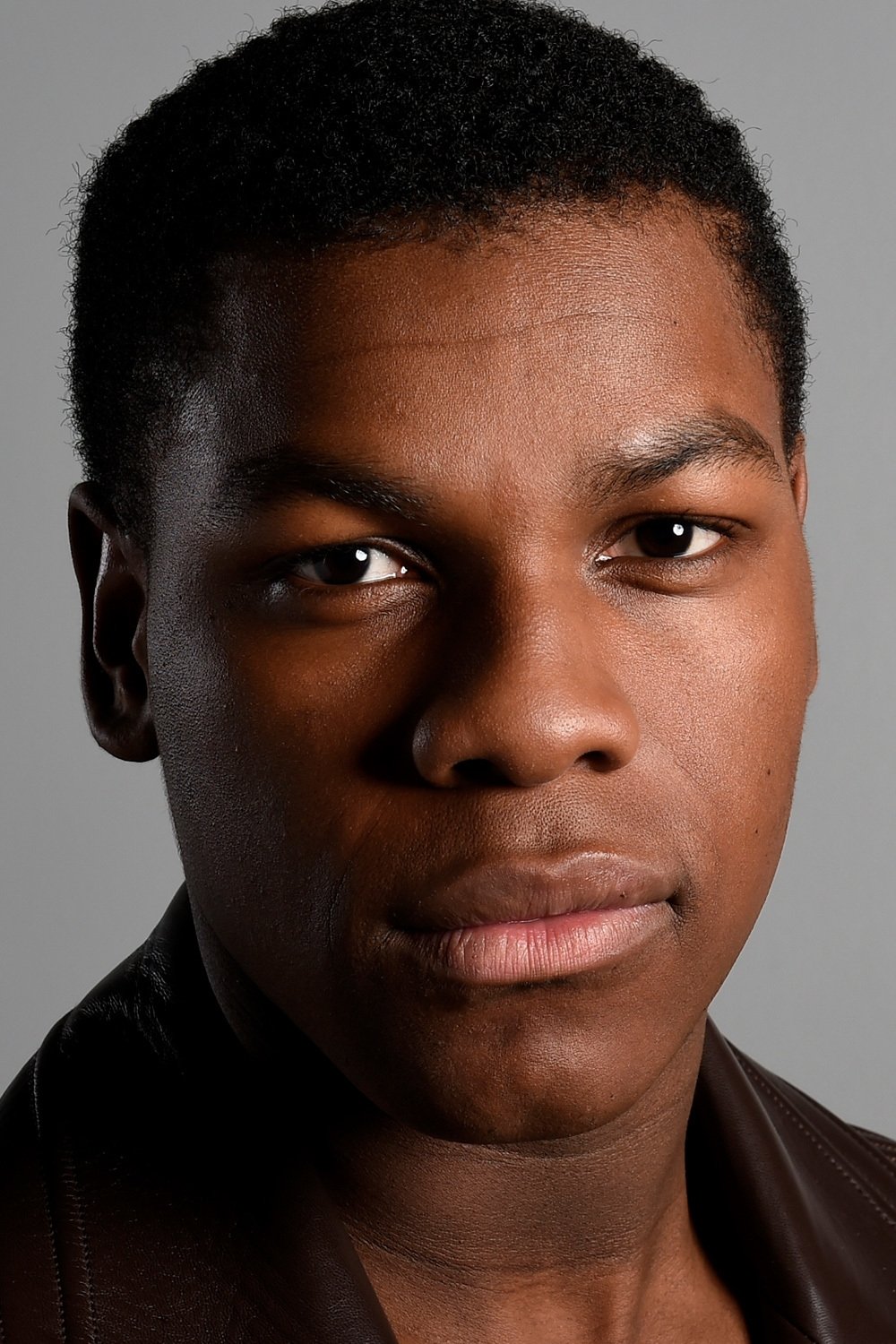
John Boyega has spoken out about how his skin tone was changed in promotional materials for films like ‘Star Wars: The Force Awakens,’ particularly in international posters. He’s now using his platform to call on studios to visually represent Black actors with the same respect they give white actors, arguing that it’s crucial for preserving the authenticity of their work. Boyega remains a prominent advocate for fair and accurate representation of diverse talent in global media.
Daniel Kaluuya
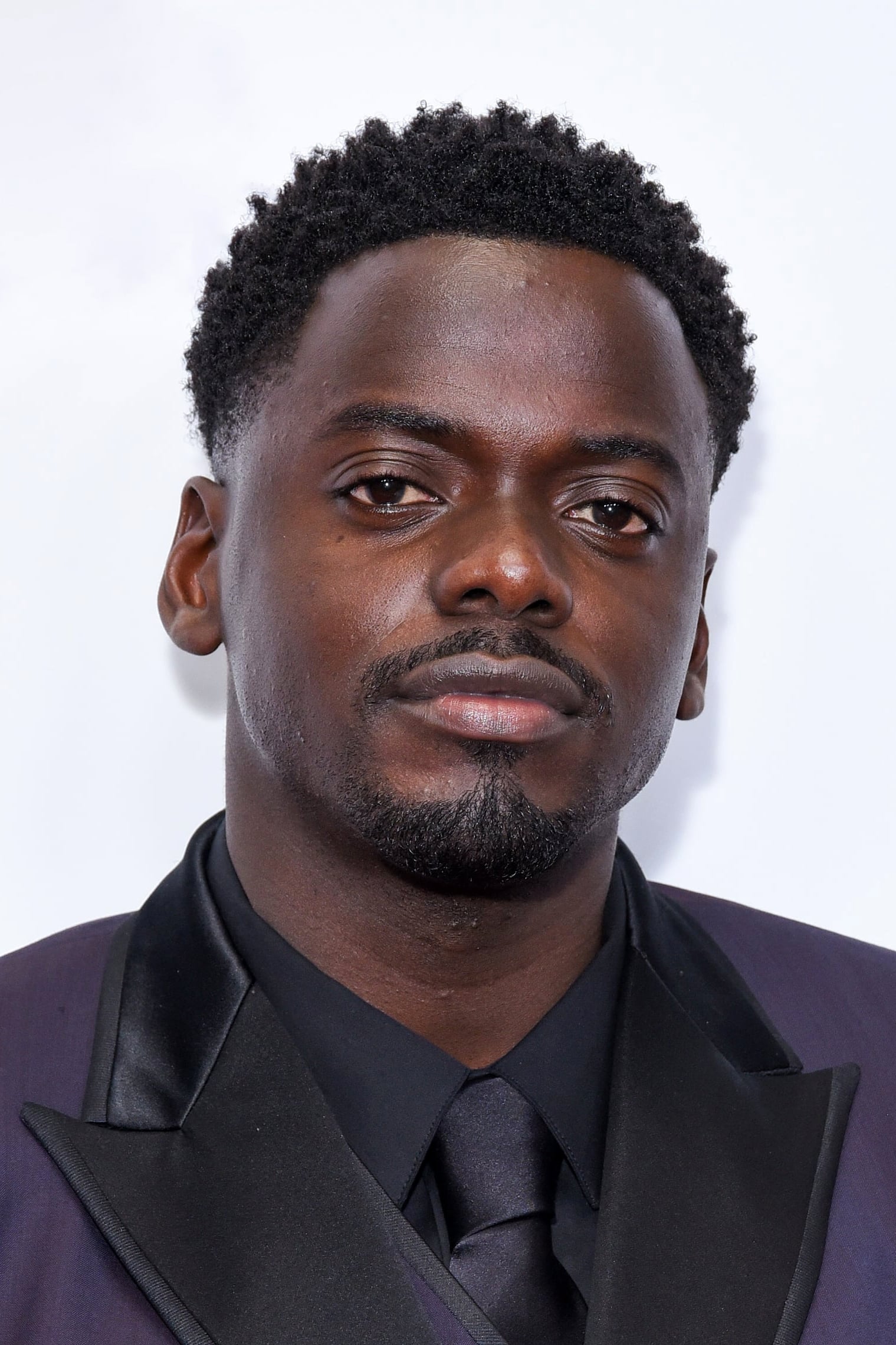
Daniel Kaluuya frequently talks about how important good lighting is for actors with darker skin tones. He’s pointed out that standard Hollywood lighting often favors lighter complexions and can make darker skin look flat or washed out. While filming ‘Get Out’ and ‘Black Panther,’ Kaluuya collaborated with the filmmakers to make sure his skin appeared full of depth and color. He sees insisting on accurate lighting not just as a matter of professional courtesy, but also as a way to maintain artistic honesty. Kaluuya’s work brings attention to how these technical decisions affect how Black men are portrayed on screen.
Dev Patel

Dev Patel has spoken about the challenges of being a South Asian actor in Hollywood, where lighter skin tones are often preferred. Early in his career, he experienced instances where his background wasn’t fully appreciated and attempts were made to push him towards a more conventional appearance. He consistently resisted pressure to change his look. Through roles in films like ‘Lion’ and ‘The Green Knight,’ Patel has demonstrated the importance of genuine representation for actors of color. His career proves that staying true to oneself can overcome industry expectations.
Riz Ahmed
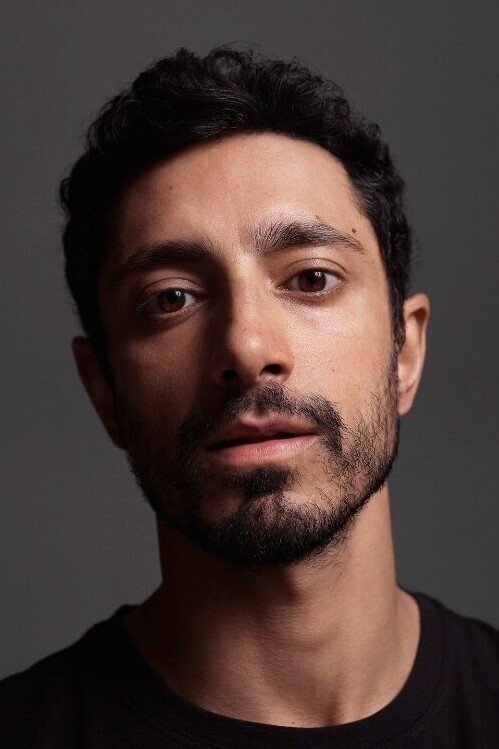
Riz Ahmed has consistently spoken out about the need for more genuine portrayals of Muslim and South Asian actors. He’s highlighted how harmful stereotypes affect not only the roles offered, but also how actors are presented visually. Ahmed encourages the film industry to stop altering actors’ skin tones for promotional materials or during film editing. His performance in ‘Sound of Metal’ showed his dedication to truthful storytelling and embracing his natural look. He remains committed to achieving lasting changes that respect all performers.
Simu Liu

Simu Liu has spoken out about the need for East Asian actors to be represented authentically, without being digitally altered to change their appearance. He shared that when he was a model, his features were often changed to fit more traditional beauty standards. Since becoming part of the Marvel Cinematic Universe with ‘Shang-Chi,’ he’s made it a priority to maintain a natural and realistic look. Liu feels it’s important for Asian men to be seen as they are, to challenge existing stereotypes, and to promote a broader, more inclusive view of what’s considered beautiful and heroic.
Raymond Ablack
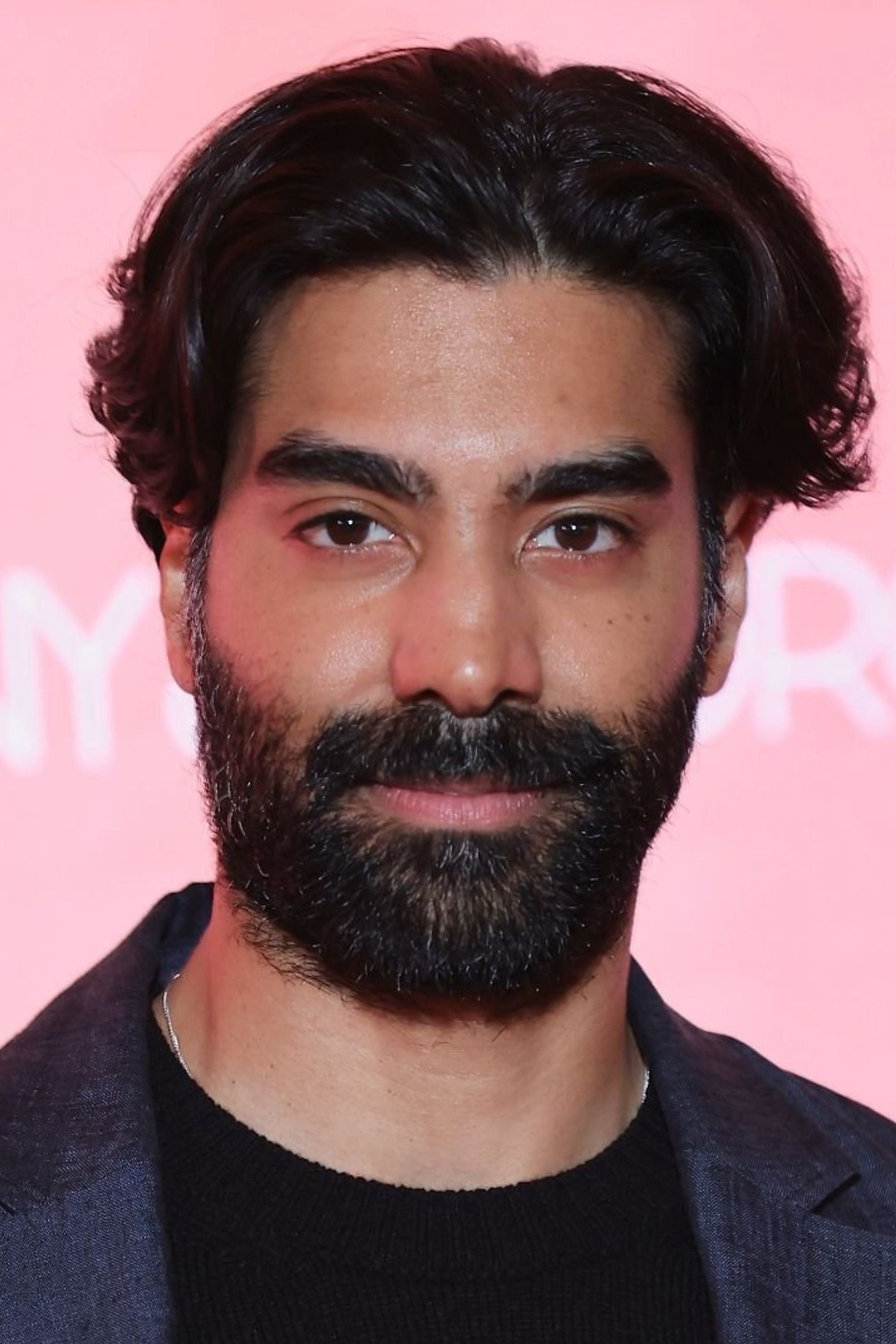
Actor Raymond Ablack has spoken about facing pressure early in his career because of his skin tone, with some suggesting it might limit the roles he could get. He felt pressured to change his appearance to fit what casting directors wanted. Now, he’s committed to appearing naturally and won’t allow studios to alter his skin color in post-production. Through shows like ‘Ginny and Georgia,’ he’s been able to authentically represent South Asian culture to a broad audience. Ablack’s honesty about these experiences has struck a chord with many in the entertainment industry.
Sendhil Ramamurthy
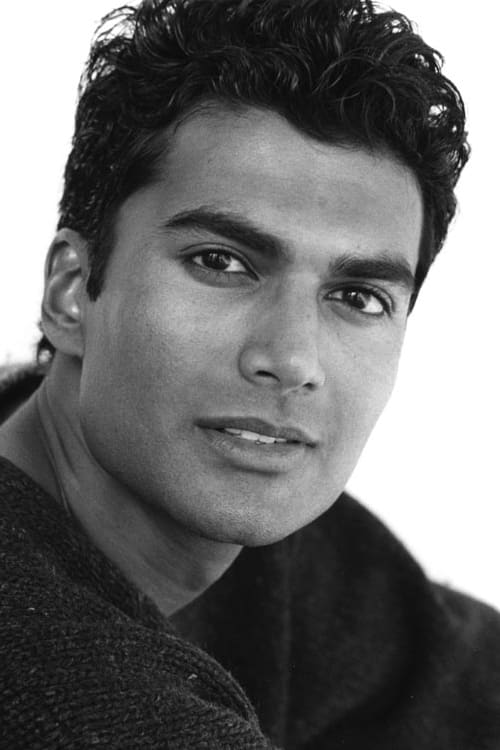
Sendhil Ramamurthy has shared experiences of being asked to use makeup to make his skin appear lighter when he first started working in television. He was upset by these requests and decided to stay true to his natural skin tone, even if it meant risking his career. Ramamurthy has frequently discussed how the entertainment industry often favors lighter skin tones when casting actors in South Asian roles. Throughout his work on shows like ‘Heroes,’ he consistently asked to be filmed and lit authentically. He continues to be a strong voice for realistic and accurate skin tone representation in Hollywood.
Kumail Nanjiani
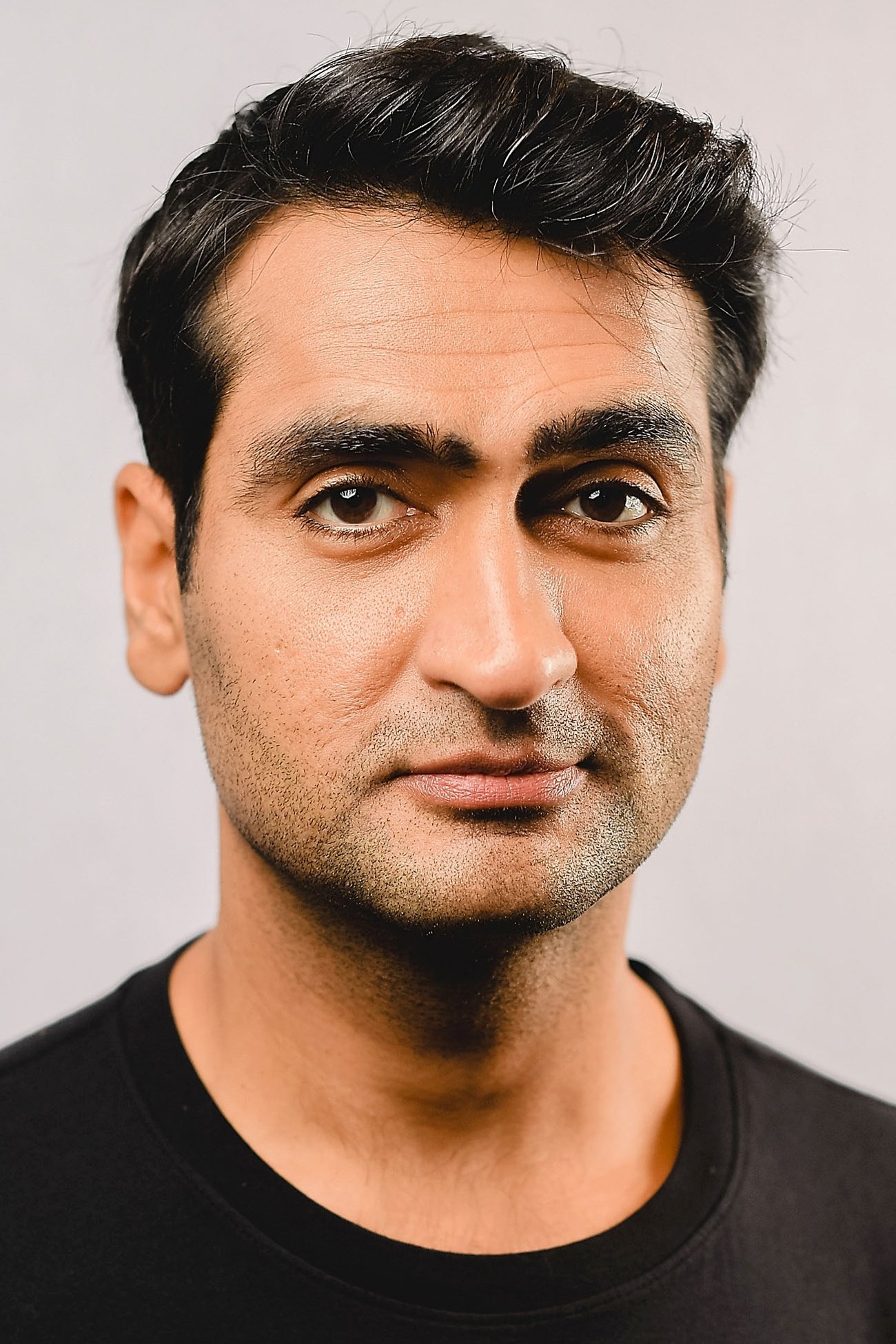
Kumail Nanjiani has talked about the physical changes he made for his movie roles, and how important good lighting is. He’s pointed out that Western media often shows South Asian skin inaccurately due to technical mistakes. Nanjiani made sure his production teams focused on showing his true skin tone, rather than making it appear different. He feels actors shouldn’t have to change how they look to fit a particular story. His achievements are helping to create more realistic and authentic portrayals of South Asian men in big-budget films.
Henry Golding

Henry Golding has often been asked about his mixed race background and how it’s portrayed in his films. He’s a strong advocate for appearing naturally on screen, embracing his heritage without the use of digital alterations. In movies like ‘Crazy Rich Asians,’ he helped showcase the beauty of diverse Asian skin tones. Golding consistently pushes back against studio pressure to change his appearance to conform to typical leading man standards, and instead promotes a more authentic and complex representation of identity in his work.
Winston Duke
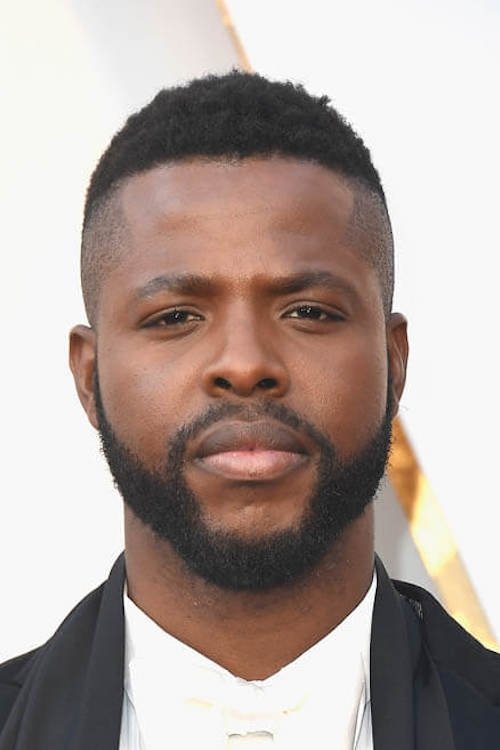
Winston Duke is proud of his dark skin and what it represents culturally. He’s been a strong advocate for accurately and beautifully portraying dark-skinned Black men in film, making sure his own skin tone was highlighted in movies like ‘Black Panther’ and ‘Us’. Duke sees refusing to alter his complexion as a way to challenge the film industry’s history of bias, and he continues to embrace his natural skin tone as something powerful and beautiful.
Mahershala Ali
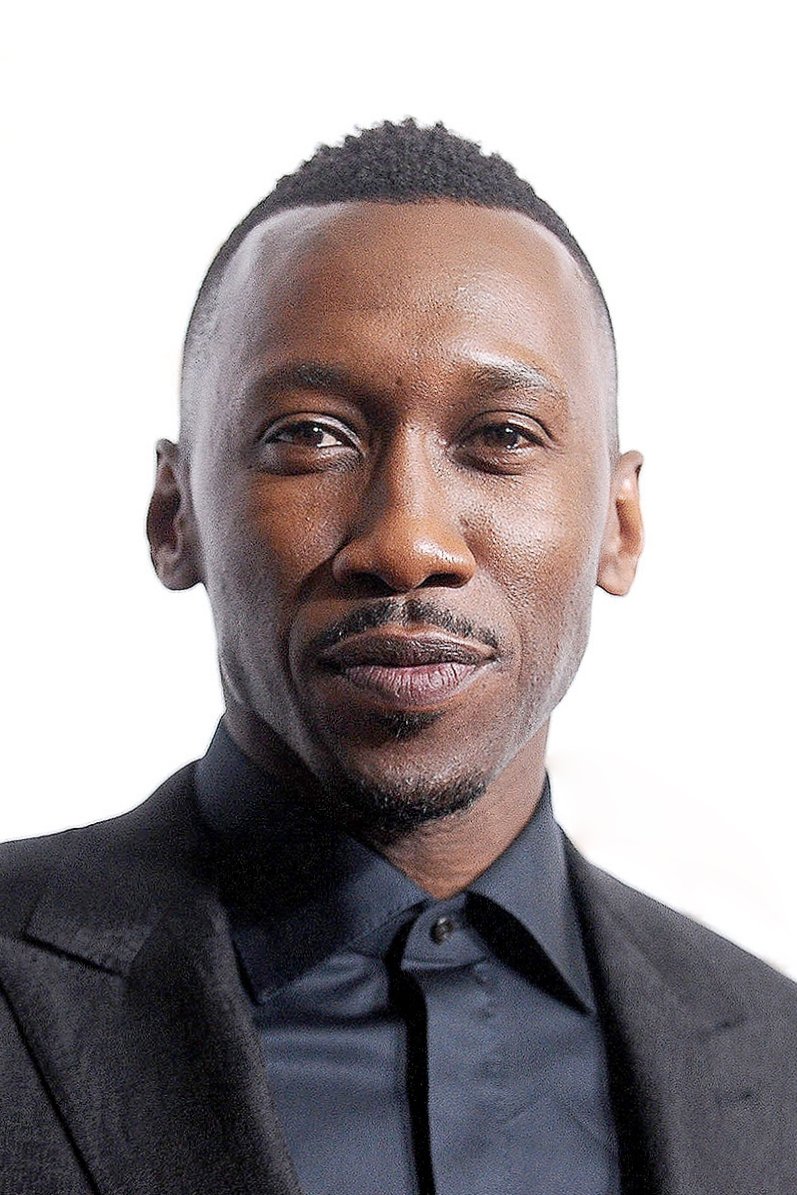
Mahershala Ali carefully considers how his characters look on screen. He collaborates with talented cinematographers to make sure his skin tone appears authentic and visually compelling. In films like ‘Moonlight’ and ‘Green Book’, lighting was key to expressing the emotions in his performances. Ali recognizes that lighting significantly impacts how audiences connect with an actor’s humanity, and he consistently champions the skilled technical work needed to accurately film people of all skin tones.
Billy Porter
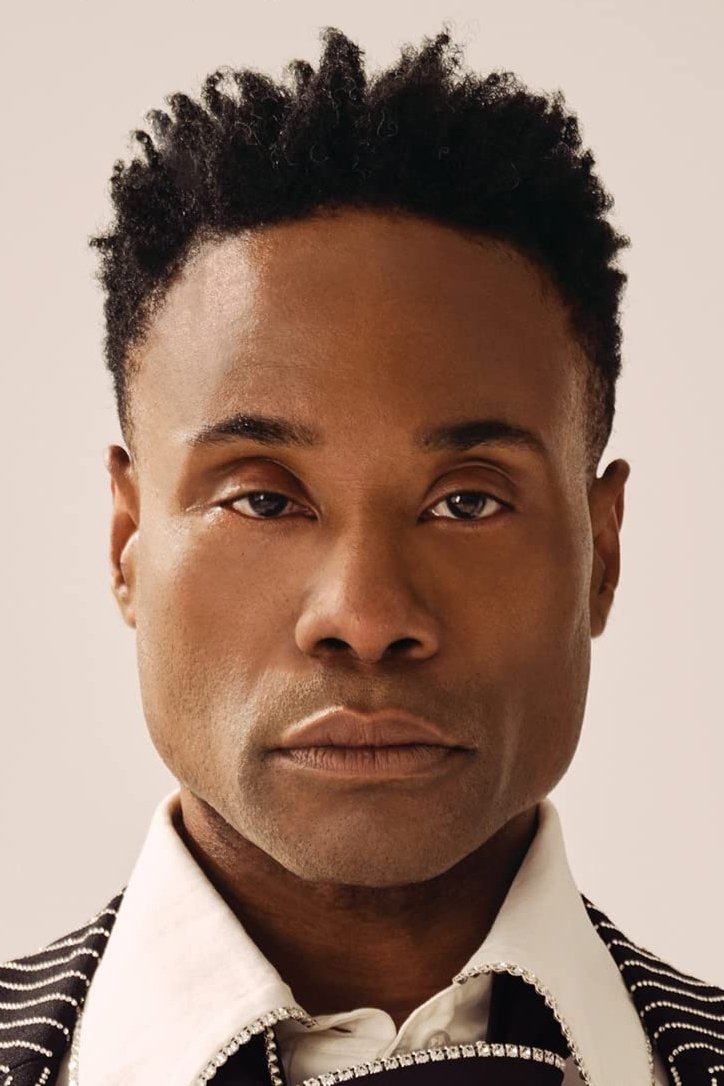
Billy Porter has consistently pushed boundaries throughout his career, speaking out against the entertainment industry’s traditional expectations around race and gender. He advocates for Black performers to be represented truthfully, without pressure to alter their skin tone. Porter frequently uses his platform and roles, like in the show ‘Pose,’ to showcase the beauty of Black skin. He feels the industry needs to move away from beauty standards that favor Eurocentric features and have historically disadvantaged diverse performers. Staying true to himself and rejecting these norms is central to his work as an artist.
Jesse Williams
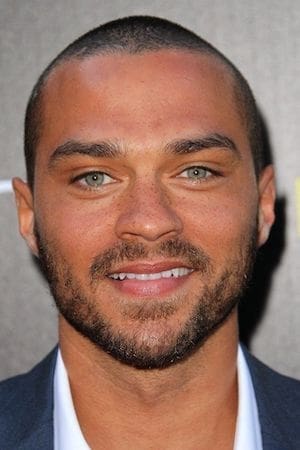
Jesse Williams has consistently used his voice to highlight problems with colorism and a lack of diversity in Hollywood. He’s discussed the unique experiences of being a lighter-skinned Black man and why it’s crucial to support people with darker skin tones. Williams actively avoids projects that digitally alter skin tones to create an unrealistic standard of beauty. He believes that the full range of Black experiences—and skin tones—should be authentically represented in film and television, and he’s working to change the technical side of the industry to make that happen.
Donald Glover
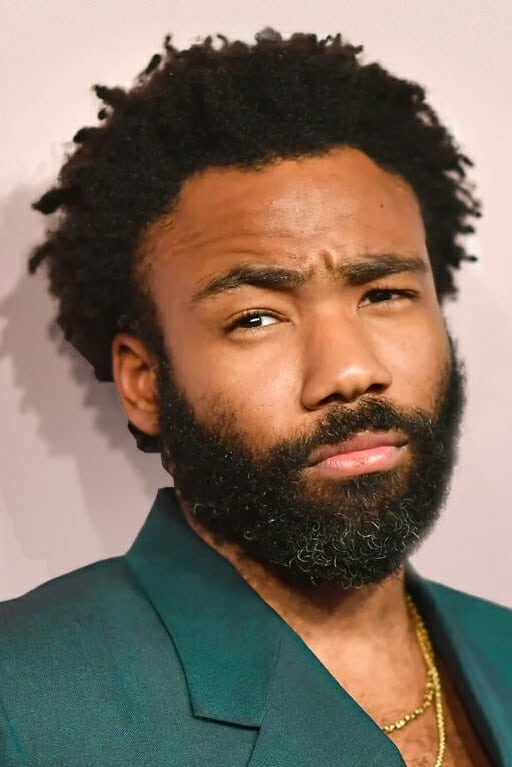
Donald Glover’s show ‘Atlanta’ frequently examines issues of race and different shades of skin color. He’s spoken out against the common practice in the entertainment industry of making Black actors look more similar through editing and lighting. Glover makes a point of visually representing the true skin tones of himself and his cast, maintaining creative control to ensure their natural appearances aren’t altered. Through this, he’s pushing for more genuine and realistic portrayals in visual media.
Oscar Isaac
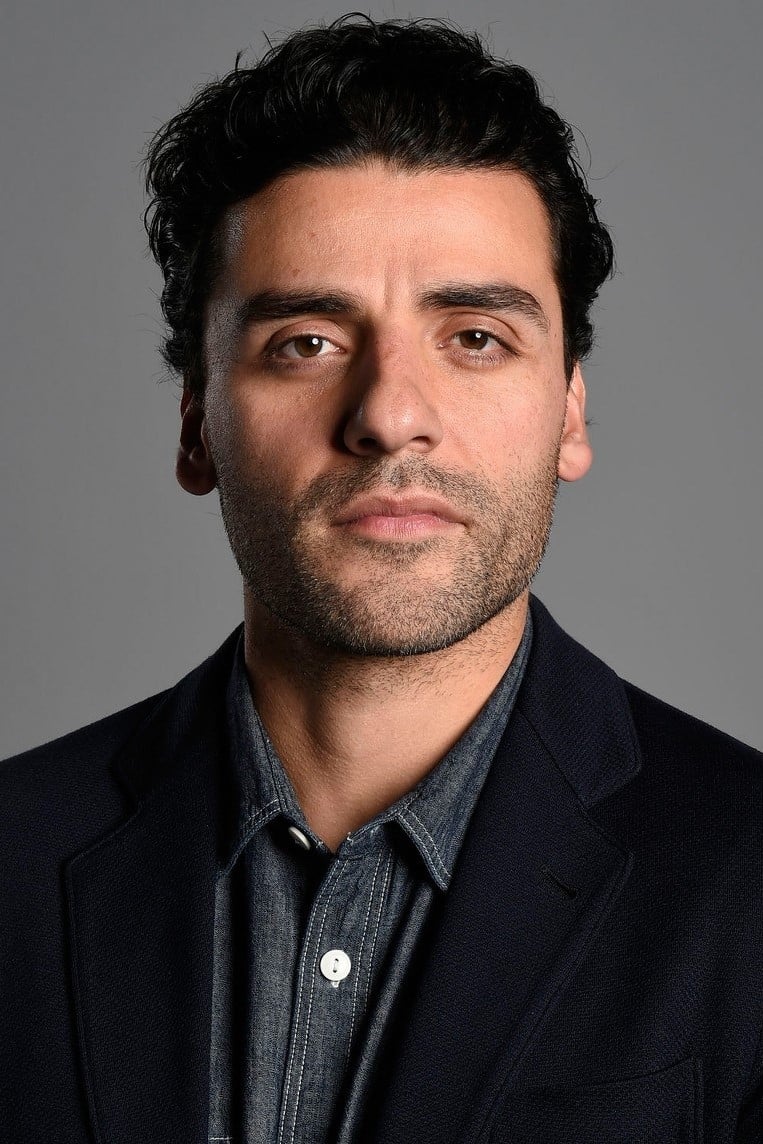
Oscar Isaac is known for playing diverse characters while staying true to his heritage and natural appearance. He’s consistently pushed back against studio pressure to alter his look with makeup or lighting to make him appear less ethnically distinct. Whether in ‘Star Wars’ or ‘Moon Knight,’ Isaac prioritizes bringing his authentic self to his roles, believing that a performer’s genuine physical presence is key to connecting with viewers. This commitment to authenticity demonstrates a deeper dedication to diversity than just who is cast in a project.
Chadwick Boseman
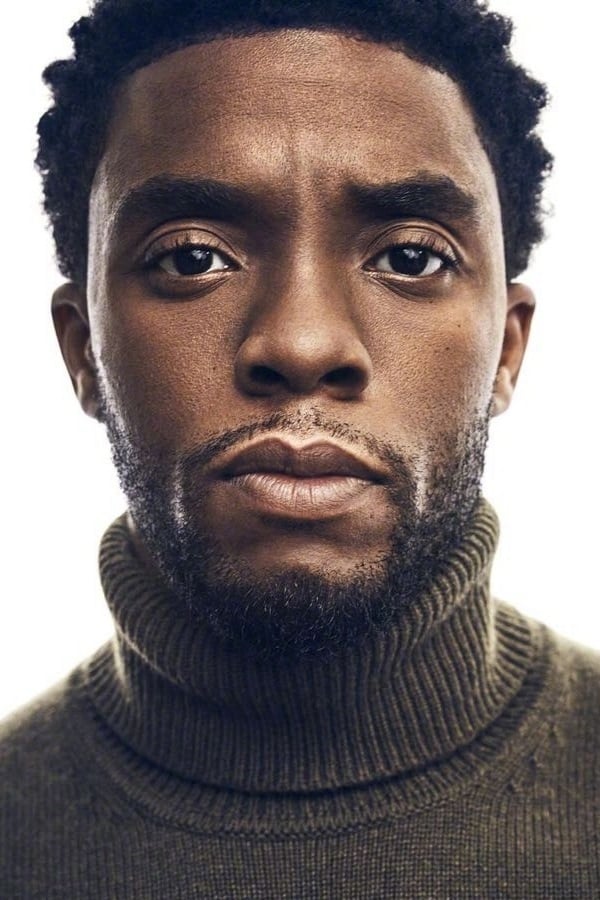
Chadwick Boseman, who sadly passed away recently, was a strong voice for accurately portraying people of African descent. He was instrumental in making sure ‘Black Panther’ beautifully showcased Black culture, from the costumes to the way it was filmed. Boseman frequently spoke about how important the film’s visuals were in making audiences worldwide feel proud. He firmly opposed any suggestions to change the characters’ appearances to appeal more to international audiences. His work continues to encourage actors to embrace and celebrate their natural selves.
Regé-Jean Page
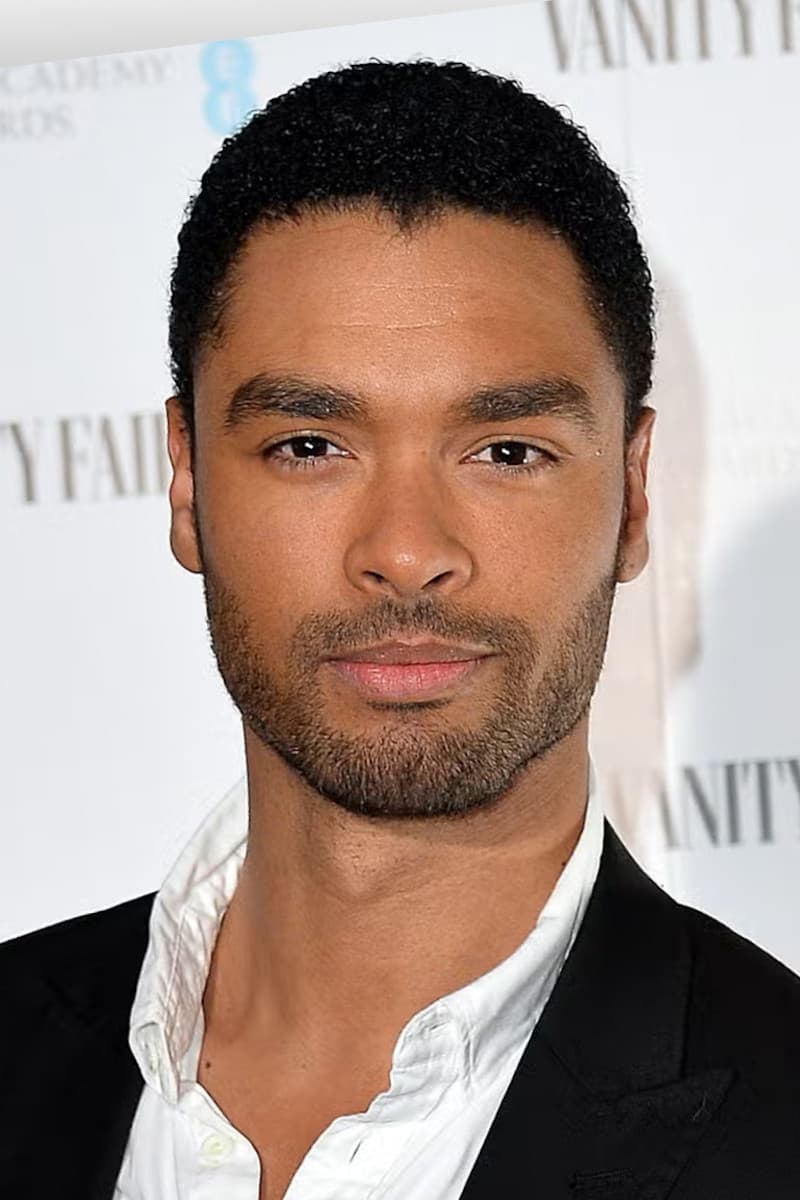
Regé-Jean Page gained international fame for his role in ‘Bridgerton,’ where his striking appearance was a significant part of his character’s appeal. He’s discussed how important good lighting is to accurately show the beauty of his skin tone on screen. Page is pushing for a change in how historical dramas visually represent actors of color, arguing that studios need to invest in the right equipment and skilled professionals to film all skin tones beautifully and respectfully. His decision not to allow his skin tone to be artificially brightened helped establish a new benchmark for romance and period dramas.
Sterling K. Brown
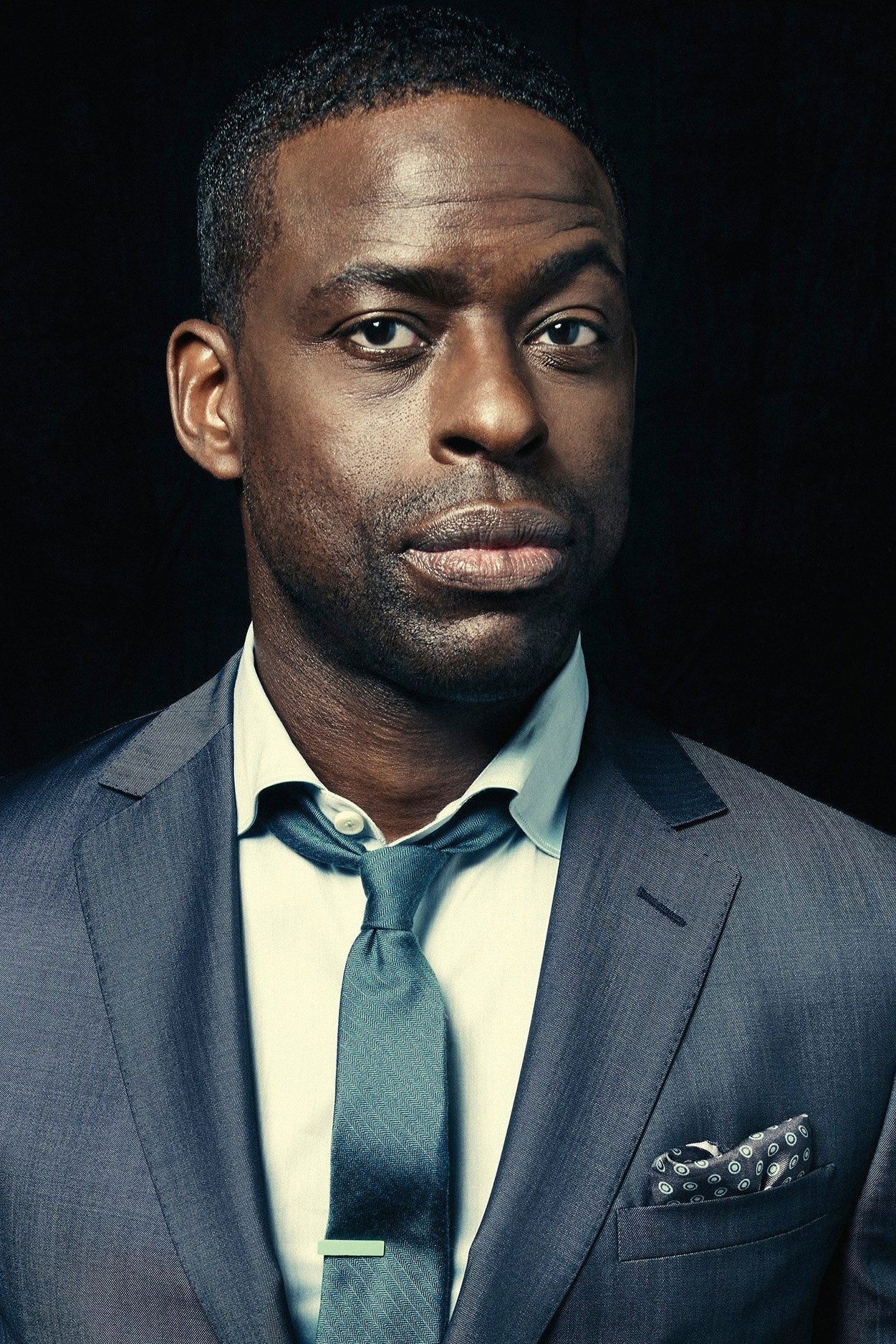
Sterling K. Brown often talks about the challenges of filming Black actors and ensuring they look their best on screen. He appreciates cinematographers who make an effort to light darker skin tones properly, avoiding a washed-out appearance. Brown feels the film industry still needs to improve in consistently providing high-quality results for actors of all skin tones. He insists on good lighting that accurately represents his natural complexion, and his role in ‘This Is Us’ highlighted the importance of authentically portraying Black families.
David Oyelowo
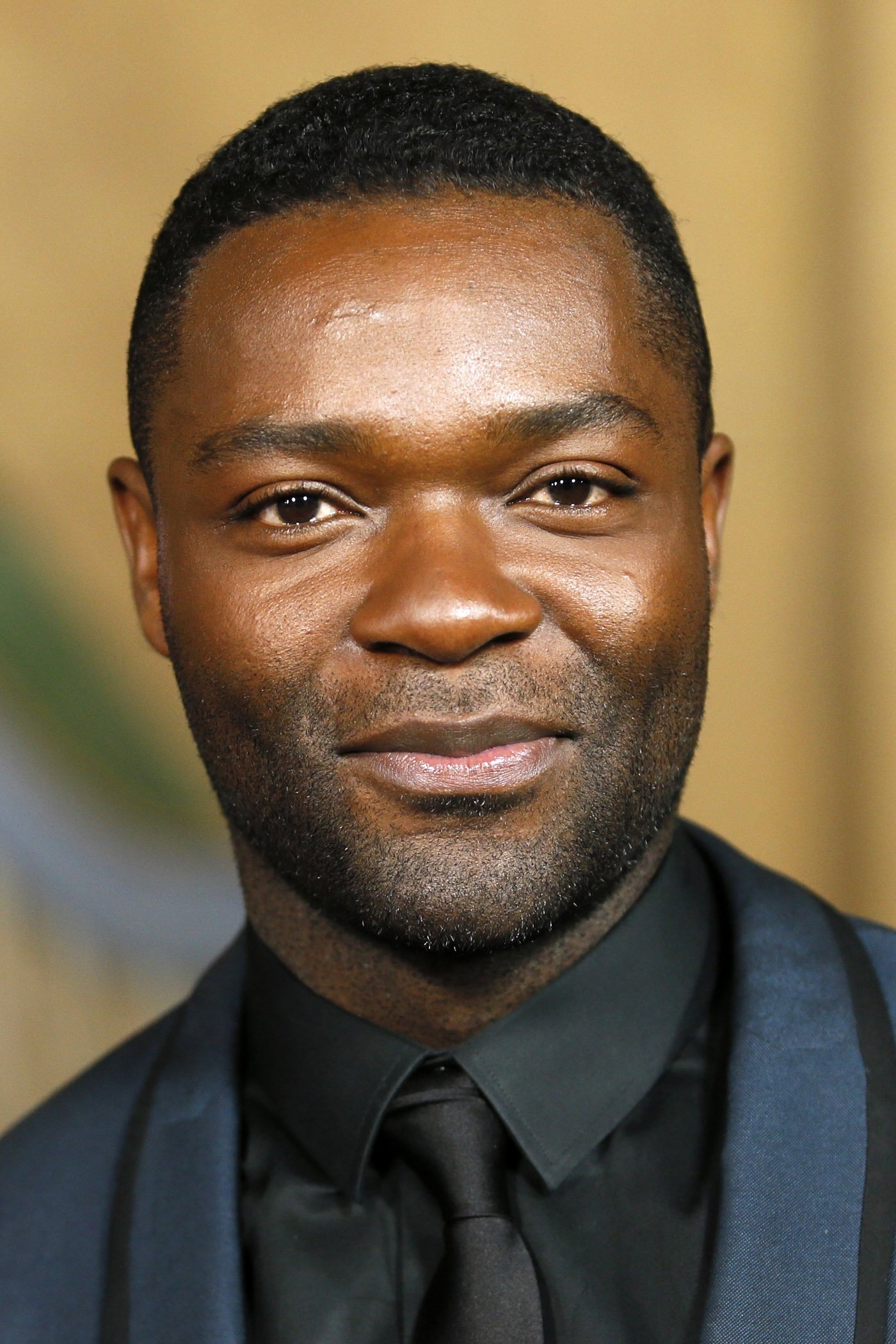
David Oyelowo is a strong advocate for greater diversity in Hollywood and has spoken out about the need for better representation of Black actors. He’s particularly critical of the practice some filmmakers use to alter the appearance of Black performers with lighting, often washing out their skin tones. Oyelowo makes it a priority to work with film crews who know how to capture the richness and detail of his complexion. This commitment was evident in his role as Martin Luther King Jr. in ‘Selma,’ where he stressed the importance of accurately portraying historical figures visually. He continues to push the film industry to raise its standards and ensure all actors are filmed with respect and authenticity.
Chiwetel Ejiofor
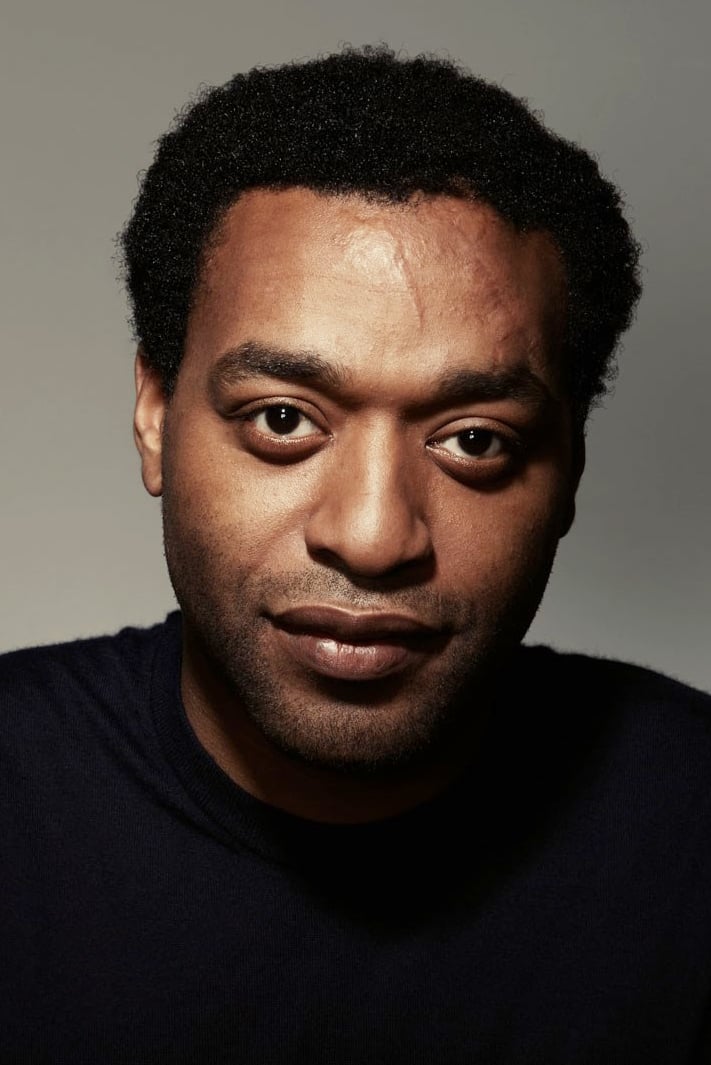
Chiwetel Ejiofor is a highly respected actor known for his dedication to realistic portrayals. He consistently chooses roles and projects that prioritize genuine emotion and avoid excessive digital manipulation. Ejiofor feels that natural skin tones contribute to believable acting and has consistently refused to change his appearance to fit conventional beauty standards. This commitment to authenticity shines through in his impactful performances, such as his work in ’12 Years a Slave’.
Djimon Hounsou
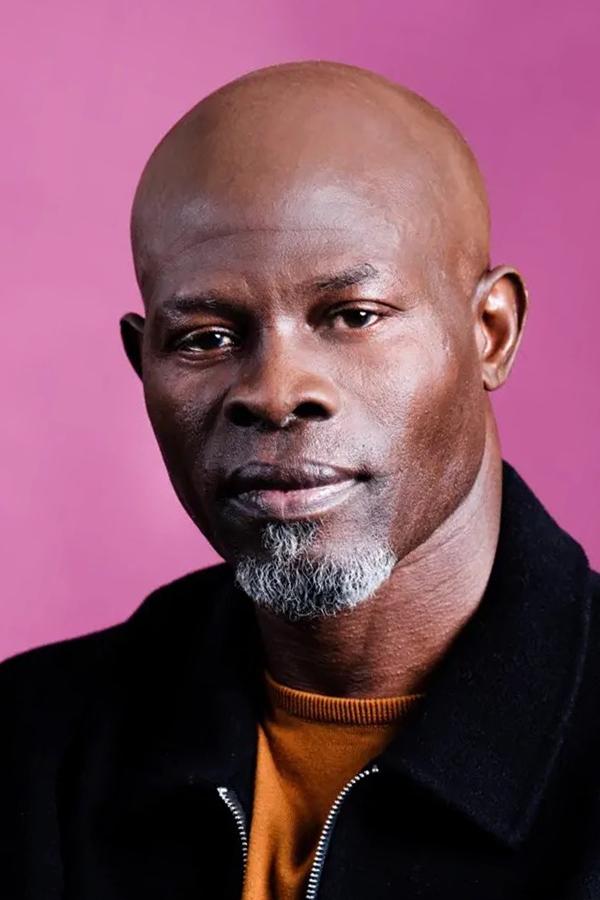
Djimon Hounsou has consistently championed the respect and recognition of African actors in the film industry worldwide. He’s discussed the difficulties he encountered early in his career, particularly the pressure to conform to beauty standards that favored lighter skin tones. Hounsou has steadfastly refused to let studios change his appearance to appeal to a specific audience. He feels that the natural beauty of African skin should be honored and showcased with professional lighting and care. His successful and lasting career proves the value of staying true to his heritage.
Michael B. Jordan
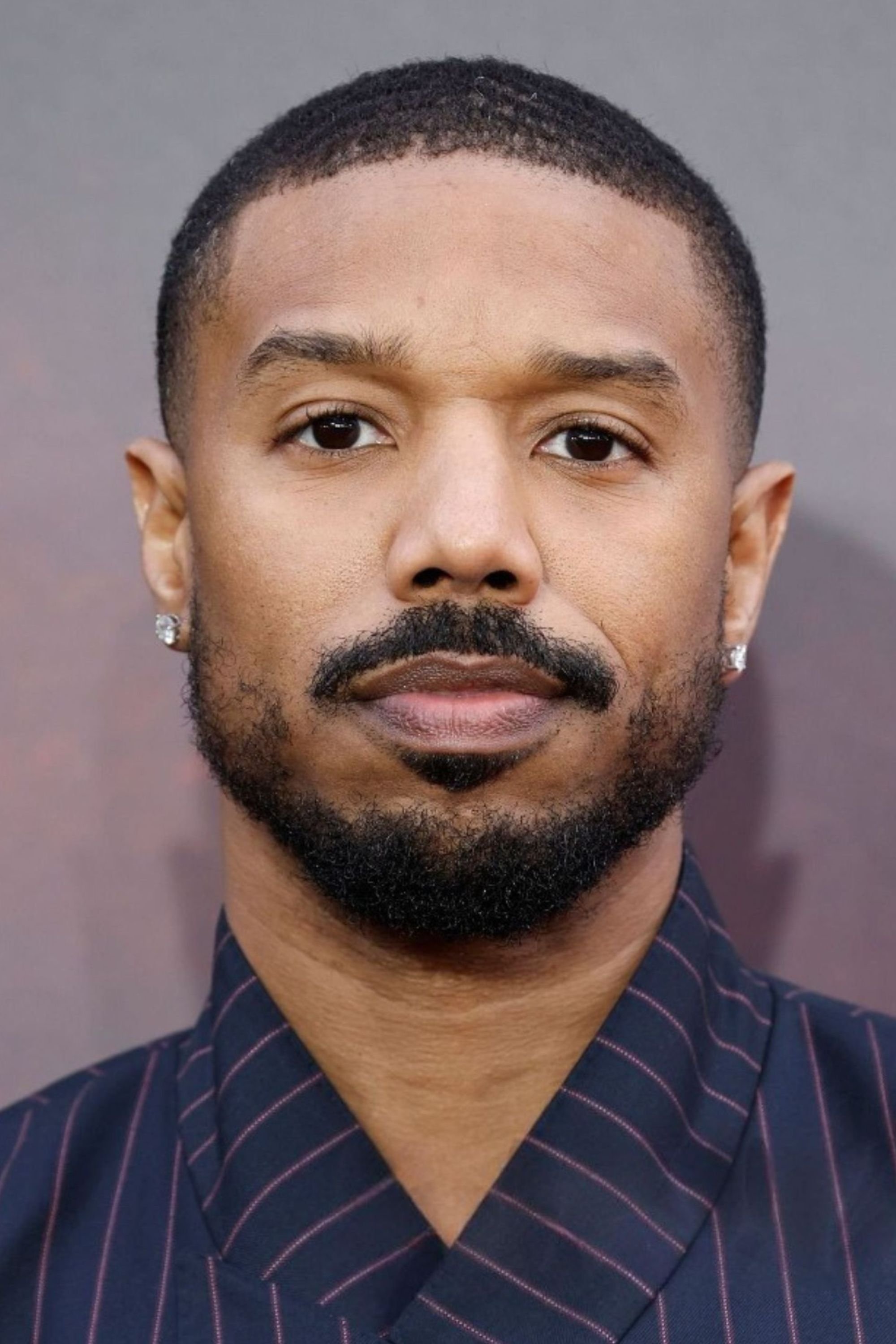
Michael B. Jordan is working to create more diversity in the film industry, both in front of and behind the camera. He’s made sure his productions hire diverse crews and include experts who can properly film people with different skin tones, something he felt was often lacking in his own experiences with lighting. Jordan also emphasizes authenticity in his roles, like in the ‘Creed’ movies, by showcasing his natural physique. He’s committed to building an industry where everyone’s visual representation is respected and accurately portrayed.
Anthony Mackie
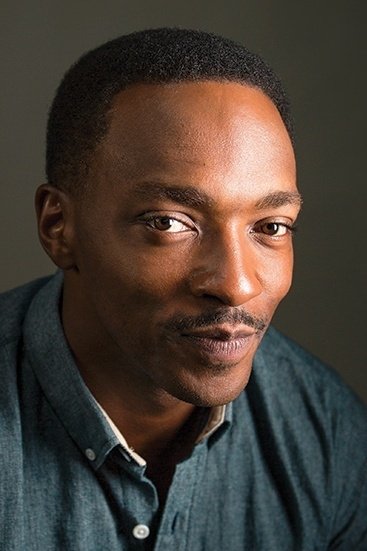
Anthony Mackie frequently talks about how changes in filmmaking technology affect actors of color. He’s pointed out that with better digital cameras, the way Black actors are lit needs to improve too. Mackie argues for a high standard where an actor’s natural skin tone is accurately represented on screen. He feels that being visually truthful is essential for creating believable and impactful performances. Through his work in the Marvel Cinematic Universe, he’s been able to share this important message with audiences worldwide.
Shamier Anderson
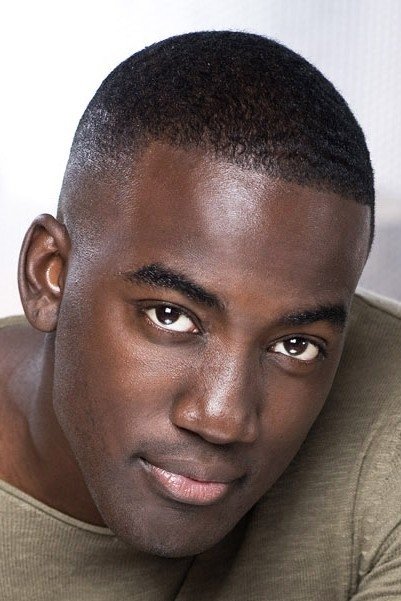
Shamier Anderson is a rising actor who’s been vocal about the importance of accurate skin tone representation in film and television. He’s made sure his natural complexion is shown truthfully in projects like ‘John Wick: Chapter 4.’ While he sees the industry gradually improving, Anderson believes actors need to keep pushing for change. He’s committed to not allowing his skin to be digitally lightened in post-production, and hopes this will inspire and help future Black actors.
Stephan James
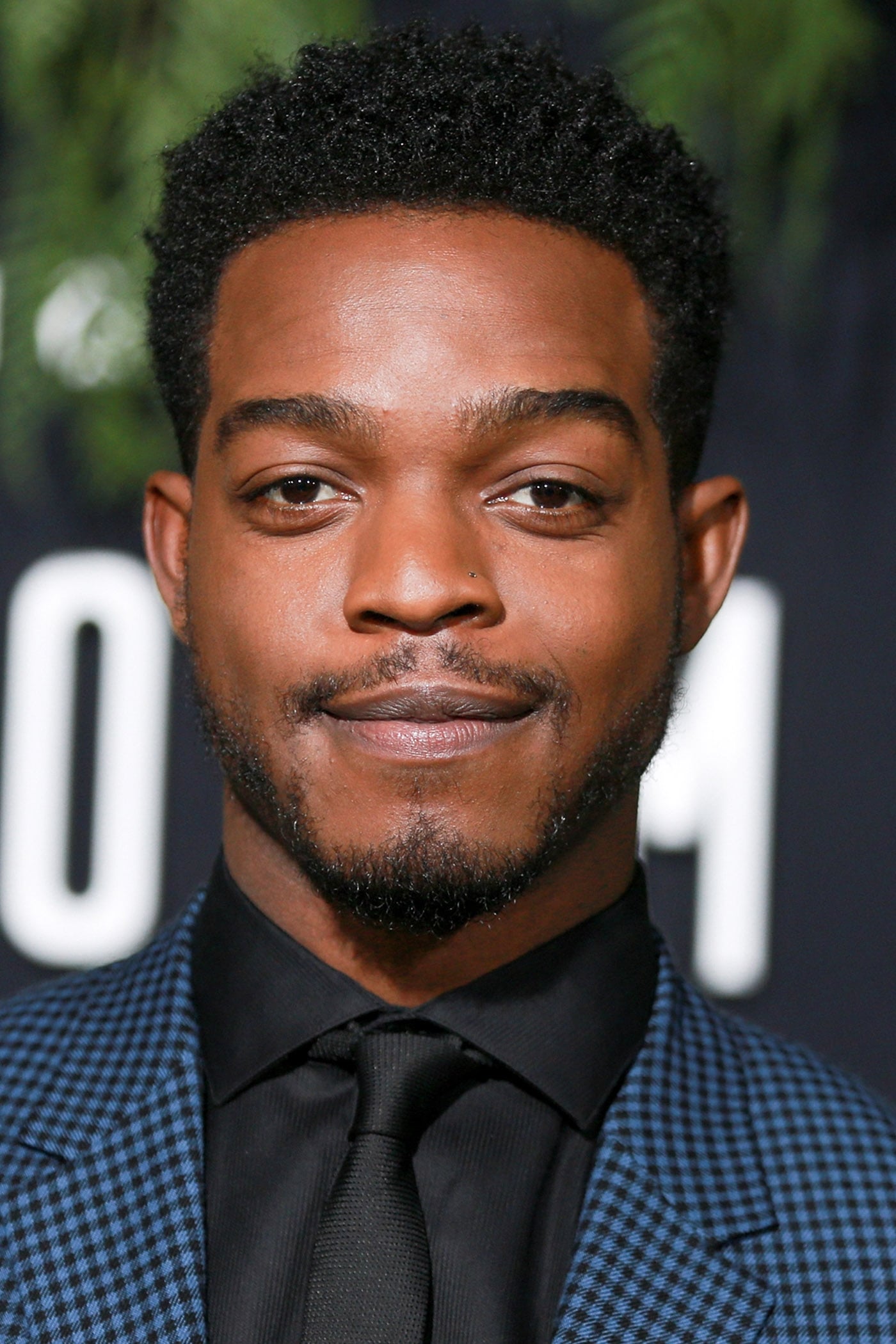
Stephan James is known for his powerful performances in films like ‘If Beale Street Could Talk’ and ‘Selma,’ which were visually stunning. He often collaborates closely with cinematographers to ensure his skin tone is captured naturally on camera. James feels it’s important for an actor’s true appearance to be part of the story, and he pushes back against studio efforts to alter his look with filters or color adjustments. This dedication to genuine representation has earned him a lot of respect in the acting community.
Colman Domingo

Colman Domingo, a long-time actor, has observed how the film industry’s approach to diverse complexions has evolved. He’s strongly advocated for training cinematographers to properly light all skin tones, and he demands excellent visual quality in all his performances, including his acclaimed work in ‘Rustin’. For Domingo, refusing to alter his skin tone in film is a matter of respecting his heritage and identity, and his on-screen presence is a tribute to the richness and beauty of natural skin.
Algee Smith

Algee Smith, known for his roles in shows like ‘Euphoria’ and films like ‘Detroit’, has talked about how important lighting is to his performance. He believes good lighting helps actors feel more secure and truly embody their characters. As part of a new generation of performers, Smith is vocal about how he’s visually presented on screen and actively seeks projects that prioritize accurately portraying his skin tone. This commitment to realistic representation mirrors a growing trend within the entertainment industry.
Yahya Abdul-Mateen II
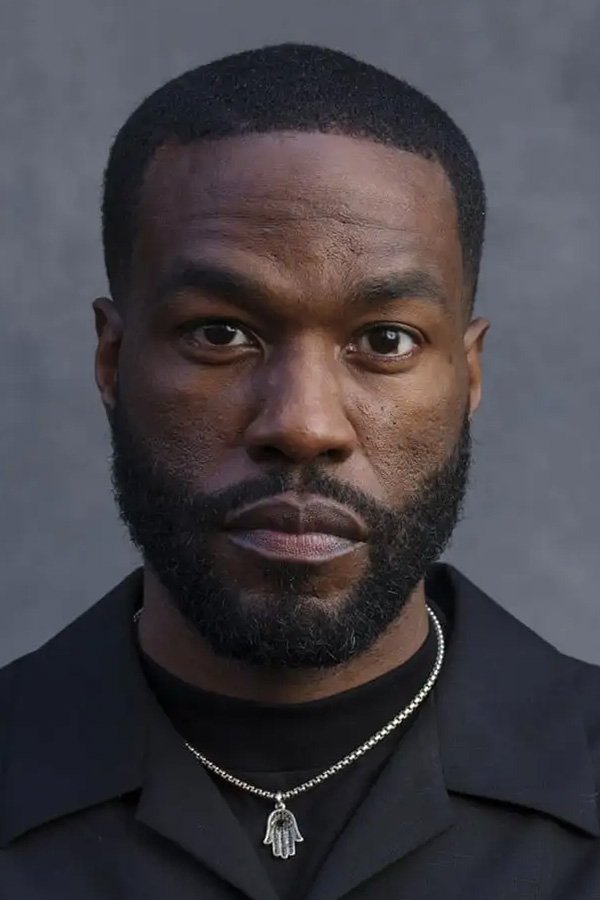
Yahya Abdul-Mateen II has rapidly become a highly requested actor in Hollywood, and he’s committed to appearing authentically on screen. He’s spoken about how important it is for him to be seen as a dark-skinned Black man in roles that haven’t historically been written for people of color. In projects like ‘Watchmen’ and ‘Candyman,’ he collaborated with teams who intentionally highlighted the beauty and texture of his skin. Abdul-Mateen II views accurate representation as a way to empower viewers, and he consistently declines requests to alter his skin tone for any creative or commercial purpose.
Kingsley Ben-Adir
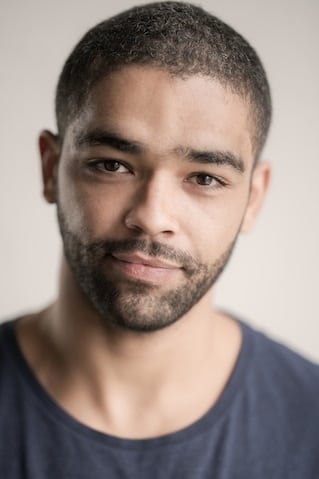
Kingsley Ben-Adir, known for playing figures like Malcolm X and Bob Marley, is committed to accurately representing their appearance on screen. He works closely with makeup and lighting teams to avoid any changes to his skin tone, believing that visual authenticity is crucial for a believable biographical performance. He feels it’s important to honor the natural look of the people he portrays.
Damson Idris
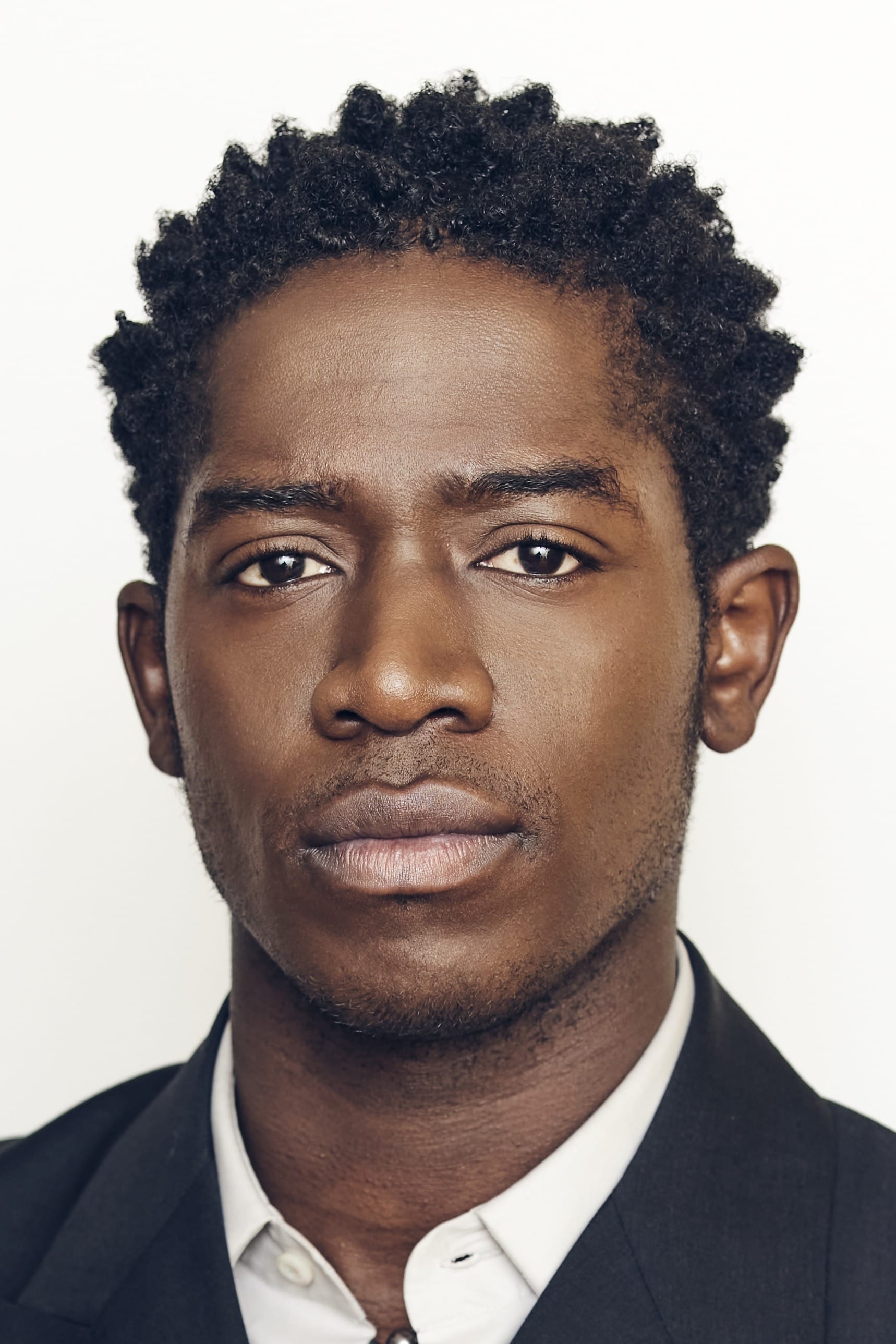
Damson Idris has discussed the importance of visually stunning filmmaking and how crucial good lighting is, especially when representing different skin tones. He’s noted the difference between simply being lit and being lit well for his complexion. Idris has commended the team behind ‘Snowfall’ for their dedication to authentic and inclusive visuals. He feels actors should be involved in decisions about how their skin appears on screen, and he insists on a true and accurate portrayal of his natural look in the final product.
Aldis Hodge
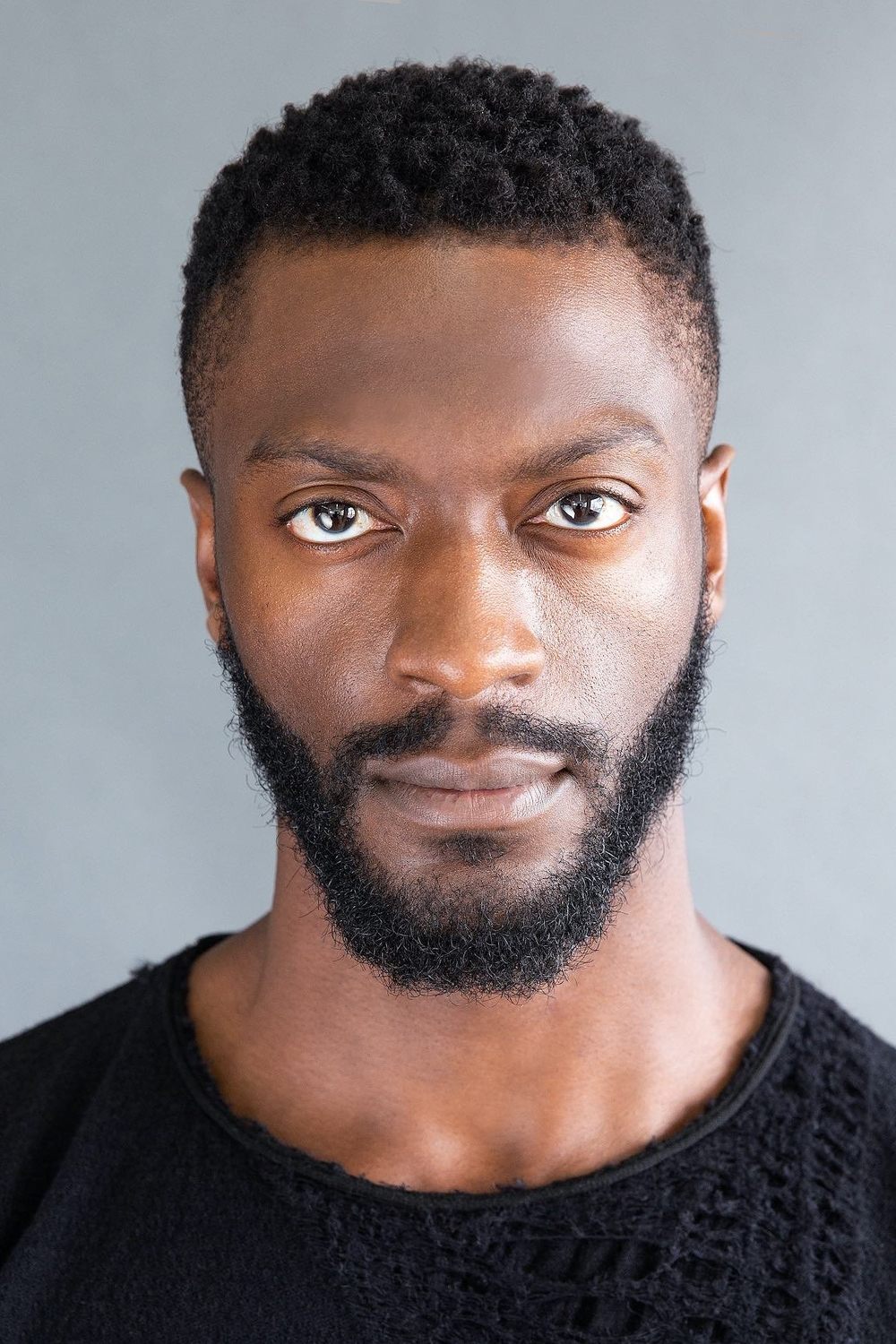
Aldis Hodge has long been a voice for improving how Black actors are represented technically in film and television. He’s spoken about the difficulties of working on sets where lighting doesn’t properly capture the tones of his skin. Hodge sees the industry’s past practice of digitally lightening skin tones as a sign of old biases that need to change. Through roles in films like ‘Hidden Figures’ and ‘Black Adam,’ he’s promoted authentic and empowering portrayals, and he continues to advocate for better representation of diverse talent in the industry.
Leslie Odom Jr.
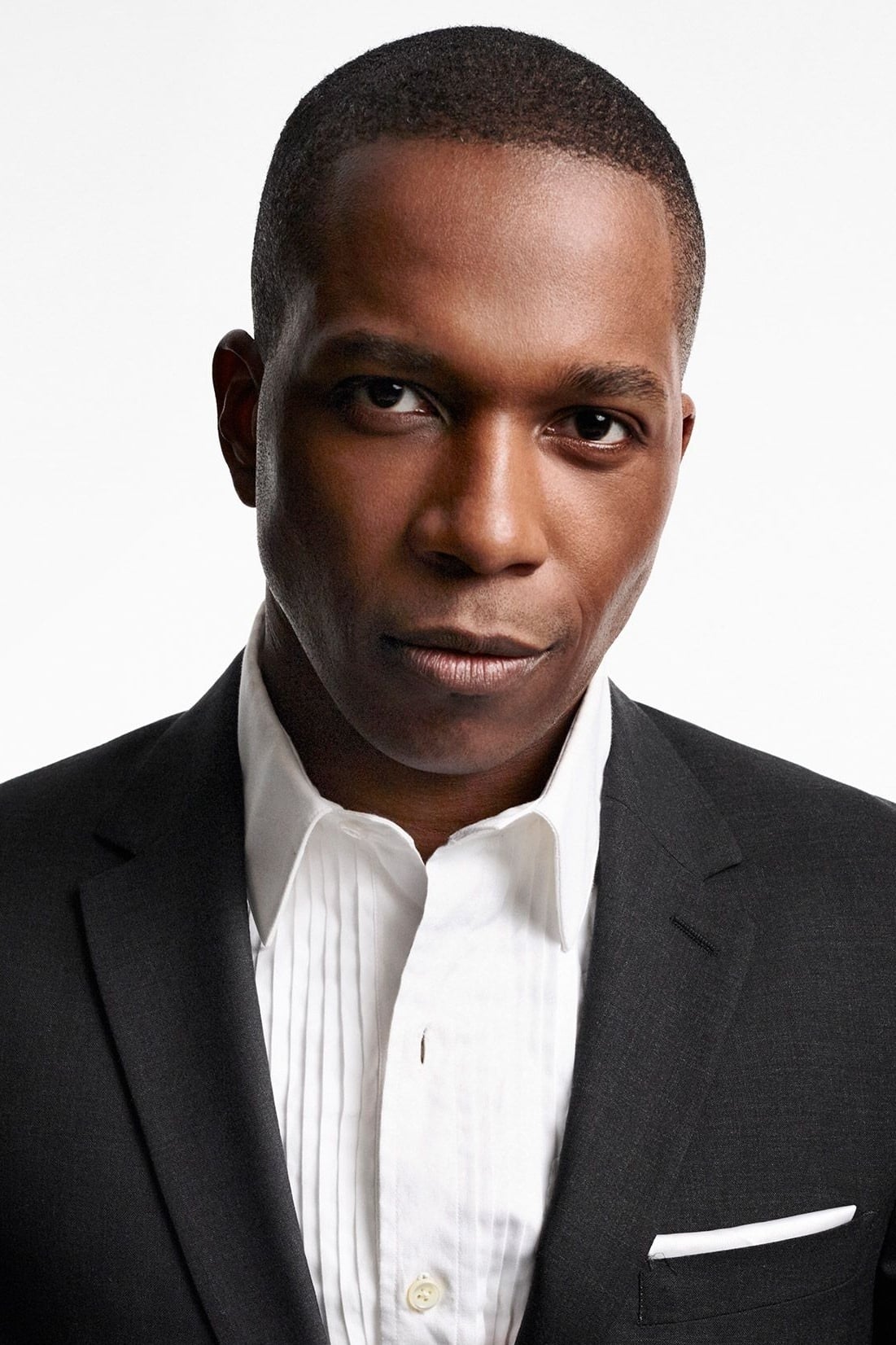
As a fan, I really admire Leslie Odom Jr.’s commitment to being authentically himself in everything he does. He’s spoken so powerfully about how important it is for lighting and filming to truly capture his expressions and his natural look. He sees how he’s presented on screen as a part of his performance, and he’s made it clear he won’t participate in projects that try to change his skin tone or features digitally. It’s amazing how he’s brought attention to this issue of colorism behind the scenes in the entertainment industry, and I think it’s making a real difference.
Brian Tyree Henry
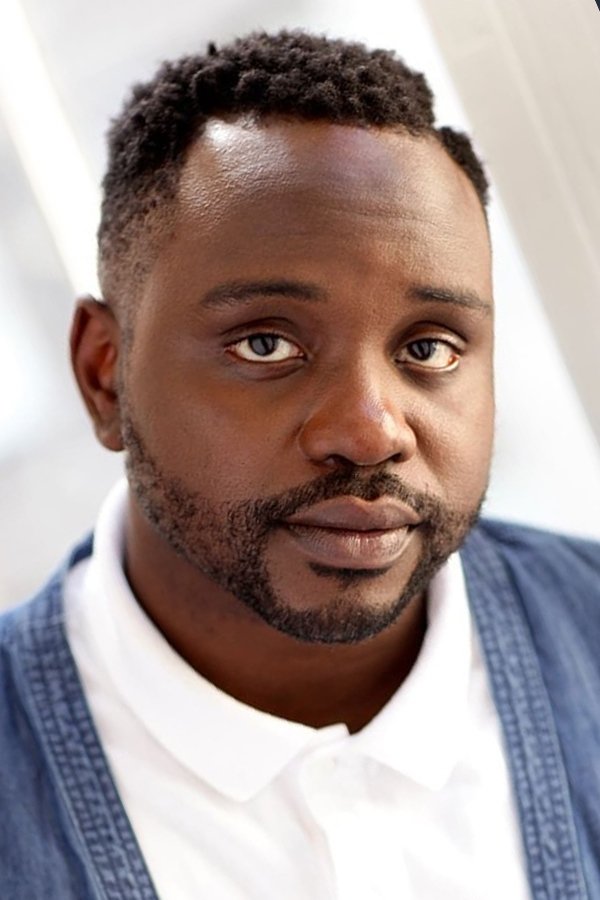
Brian Tyree Henry is celebrated for his powerful and genuine acting. He’s a strong advocate for diversity in film, emphasizing the need for representation of all body types and skin tones. Henry refuses to alter his appearance – specifically, he won’t lighten his skin – even if a studio asks him to. He proudly displays his natural complexion in films like ‘Eternals’ and ‘Causeway,’ believing that being true to himself is essential for connecting with viewers.
Utkarsh Ambudkar

I’ve been consistently impressed by Utkarsh Ambudkar, not just as a performer, but as someone actively fighting for better representation for South Asian actors. He’s talked openly about having to fight against stereotypical expectations early in his career, and now he’s drawing a firm line – he won’t take roles that ask him to change who he is. And honestly, good for him! His work in shows like ‘Ghosts’ proves audiences are craving authenticity and respond to it. He’s not just acting, he’s advocating for more diverse voices behind the scenes too, and that’s incredibly important.
Kal Penn
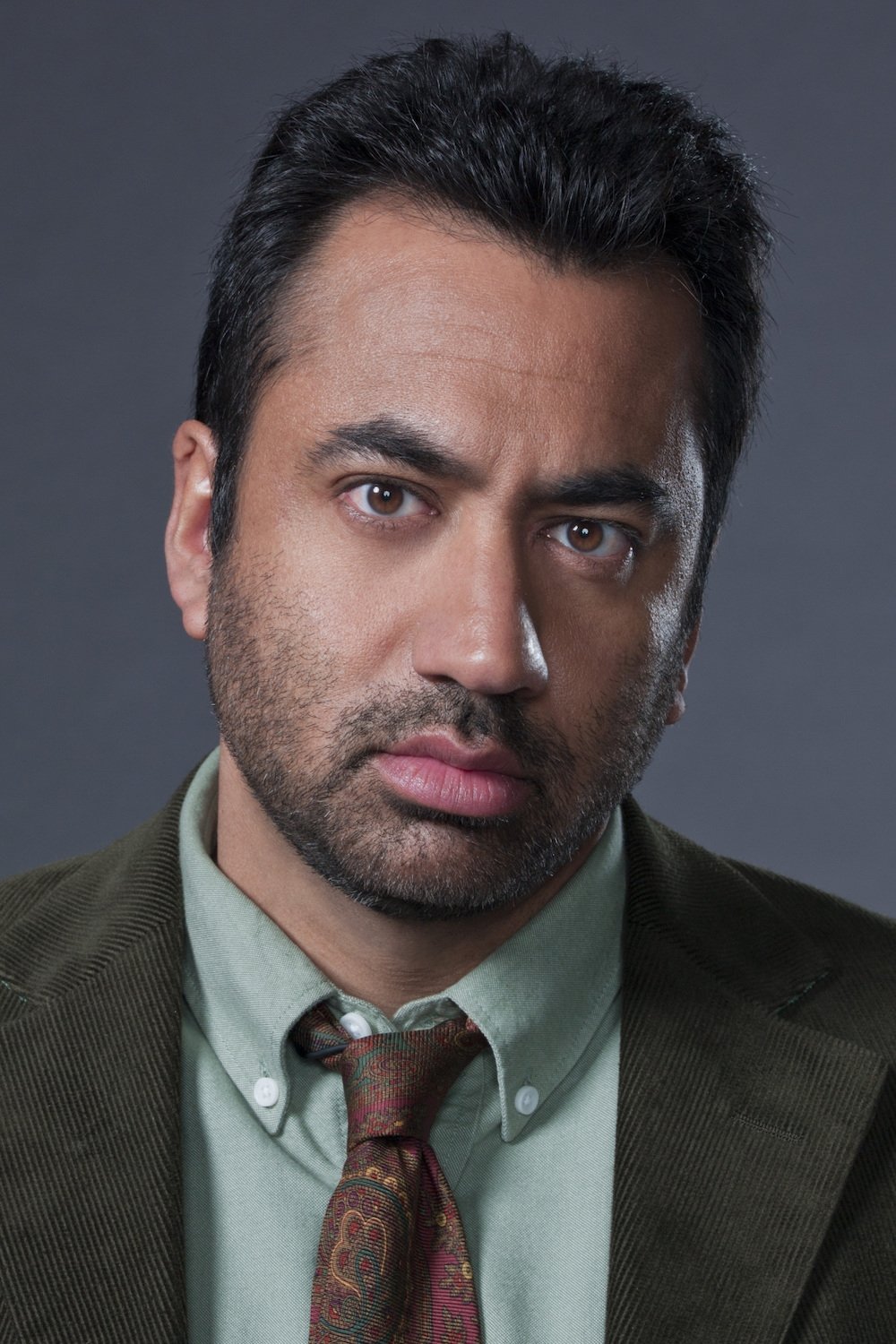
Kal Penn has worked in the entertainment industry for many years and has witnessed changes in how South Asian actors are perceived. He’s spoken about the difficulties he faced early in his career, particularly avoiding stereotypical roles. Penn has consistently stayed true to his appearance, refusing to change it to appeal to a wider audience. He feels Hollywood is gradually beginning to appreciate the diverse and authentic looks of all actors. His career demonstrates how to succeed in the industry while remaining true to oneself.
Avan Jogia
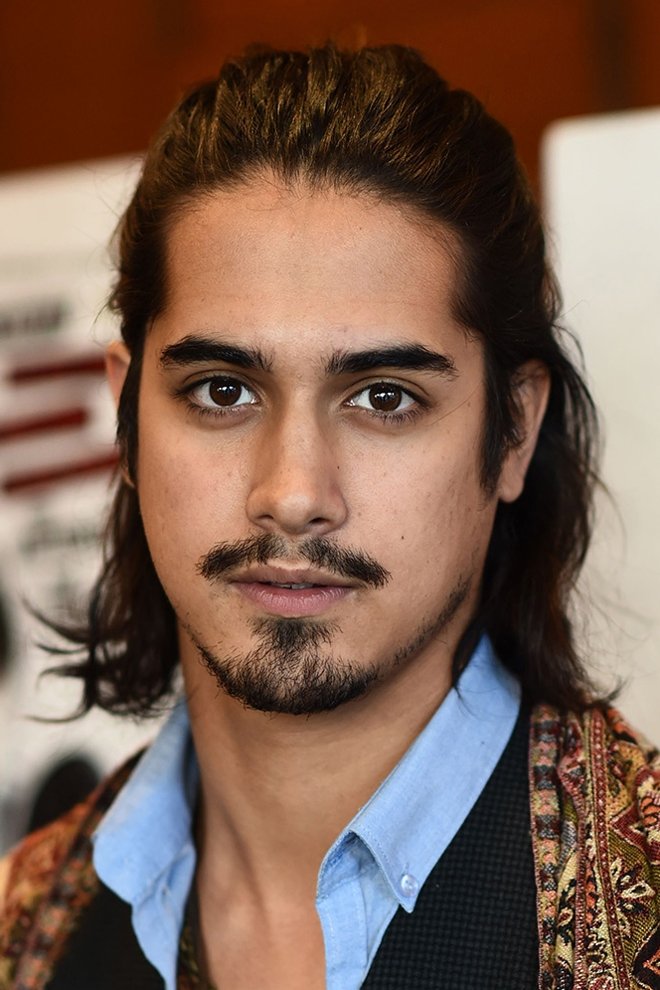
Avan Jogia has spoken out about the challenges of being a mixed-race actor, particularly how the entertainment industry often focuses on how he looks and tries to fit him into narrow racial categories. He’s made it clear he won’t let studios change his appearance to emphasize or downplay his ethnicity. Jogia believes in a more open and truthful representation of race in film and television, and his work consistently pushes back against outdated ideas about beauty and who people are.
Mena Massoud
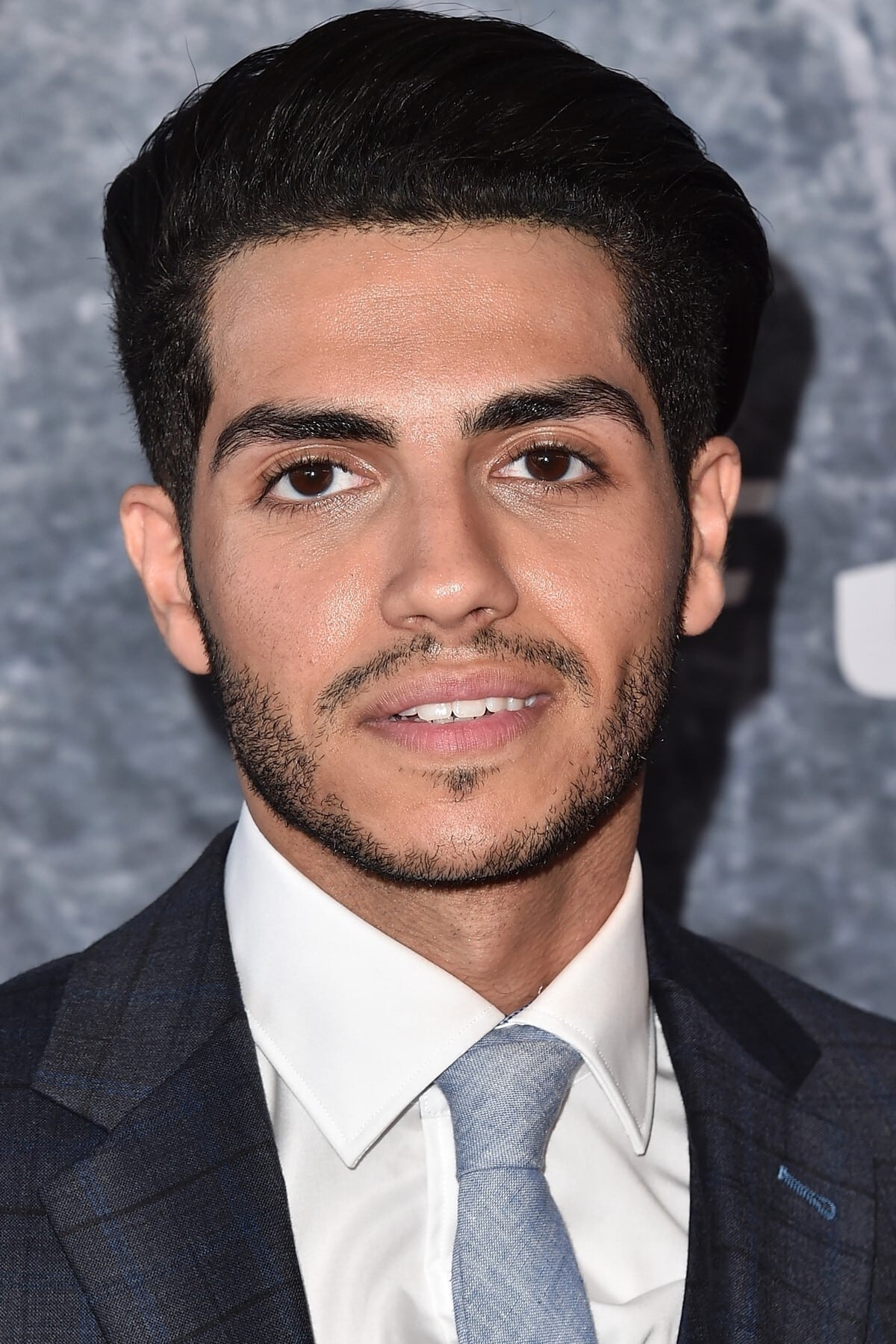
Mena Massoud became well-known for playing Aladdin, but he’s also discussed the challenges he faced afterward. He’s openly talked about being a brown actor in an industry that often favors lighter-skinned performers. Massoud has consistently refused to change his appearance to meet Eurocentric beauty standards, believing that real diversity means showcasing all skin tones authentically, without digital alteration. His work brings attention to the continuing fight for fair representation for actors from the Middle East and North Africa.
O-T Fagbenle
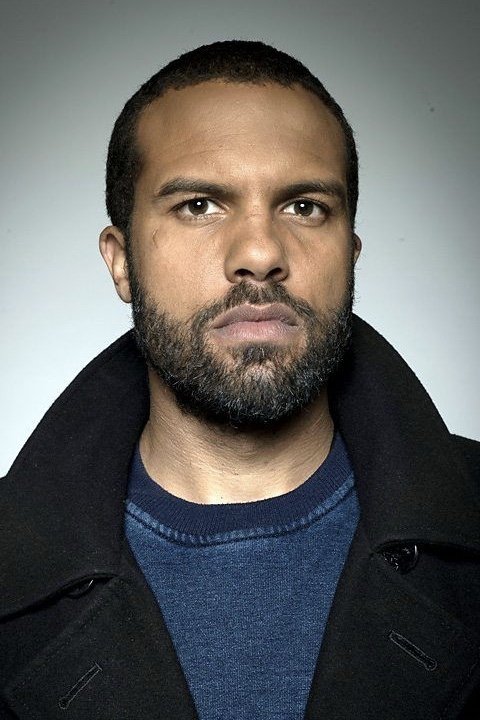
O-T Fagbenle is a strong advocate for accurate and respectful lighting in film and television. Having worked on projects like ‘The Handmaid’s Tale’ and ‘Black Widow’, he’s emphasized the importance of technical crews understanding how to properly light actors with diverse skin tones. Fagbenle actively ensures his own skin tone isn’t altered or diminished through poor lighting choices, believing it’s a crucial aspect of his portrayal of a character and deserves careful consideration. This commitment to visual authenticity is central to his work as an actor.
Let us know what you think about these actors and how well they portray genuine representation in the comments below.
Read More
- Gold Rate Forecast
- Top 15 Insanely Popular Android Games
- 4 Reasons to Buy Interactive Brokers Stock Like There’s No Tomorrow
- Did Alan Cumming Reveal Comic-Accurate Costume for AVENGERS: DOOMSDAY?
- EUR UAH PREDICTION
- DOT PREDICTION. DOT cryptocurrency
- Silver Rate Forecast
- ELESTRALS AWAKENED Blends Mythology and POKÉMON (Exclusive Look)
- Core Scientific’s Merger Meltdown: A Gogolian Tale
- New ‘Donkey Kong’ Movie Reportedly in the Works with Possible Release Date
2025-12-31 01:19