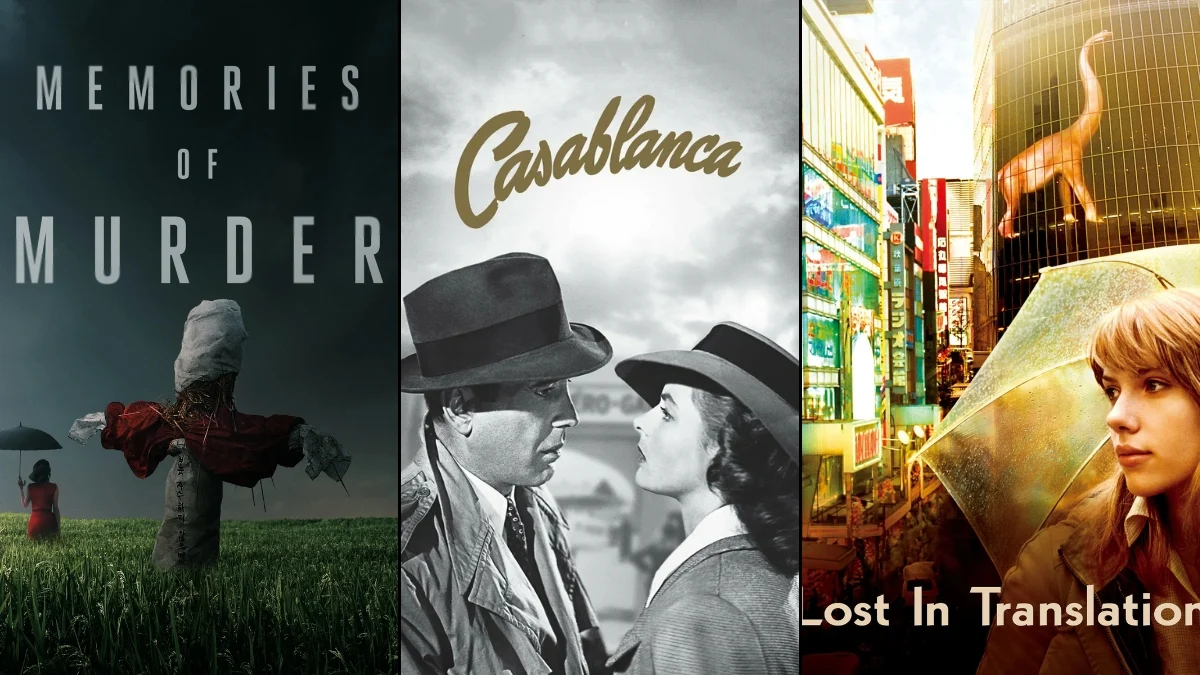
A memorable ending to a film isn’t just about tying up loose ends or delivering a final line. The very last image a director shows is crucial – it’s what truly stays with the audience and cements the story in their minds. Directors use this final shot to either reinforce the film’s central ideas or hint at what might happen to the characters next. These concluding images can be anything from a simple close-up on a character’s face to a sweeping, impressive scene. The films discussed below all feature ending shots that are considered iconic in movie history.
‘The Searchers’ (1956)
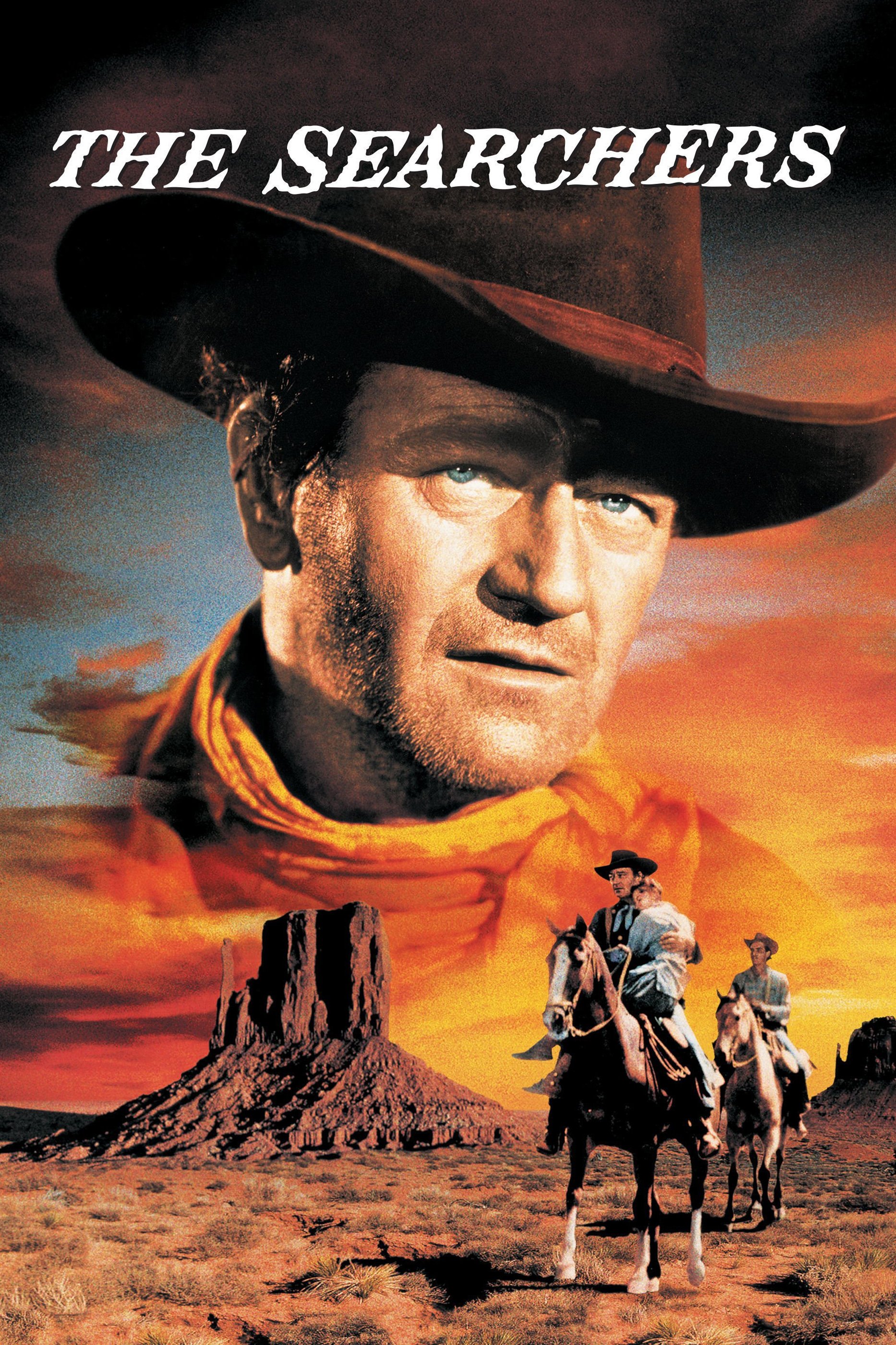
The film’s final shot shows Ethan Edwards standing in a doorway, watching the family he saved come together inside their home. The way the scene is framed emphasizes his isolation – he brought them safety, but doesn’t belong with them. He walks away, alone, into the desert as the door closes, and this powerful image mirrors the movie’s beginning. It’s become one of the most famous and discussed shots in Western films.
‘The Graduate’ (1967)
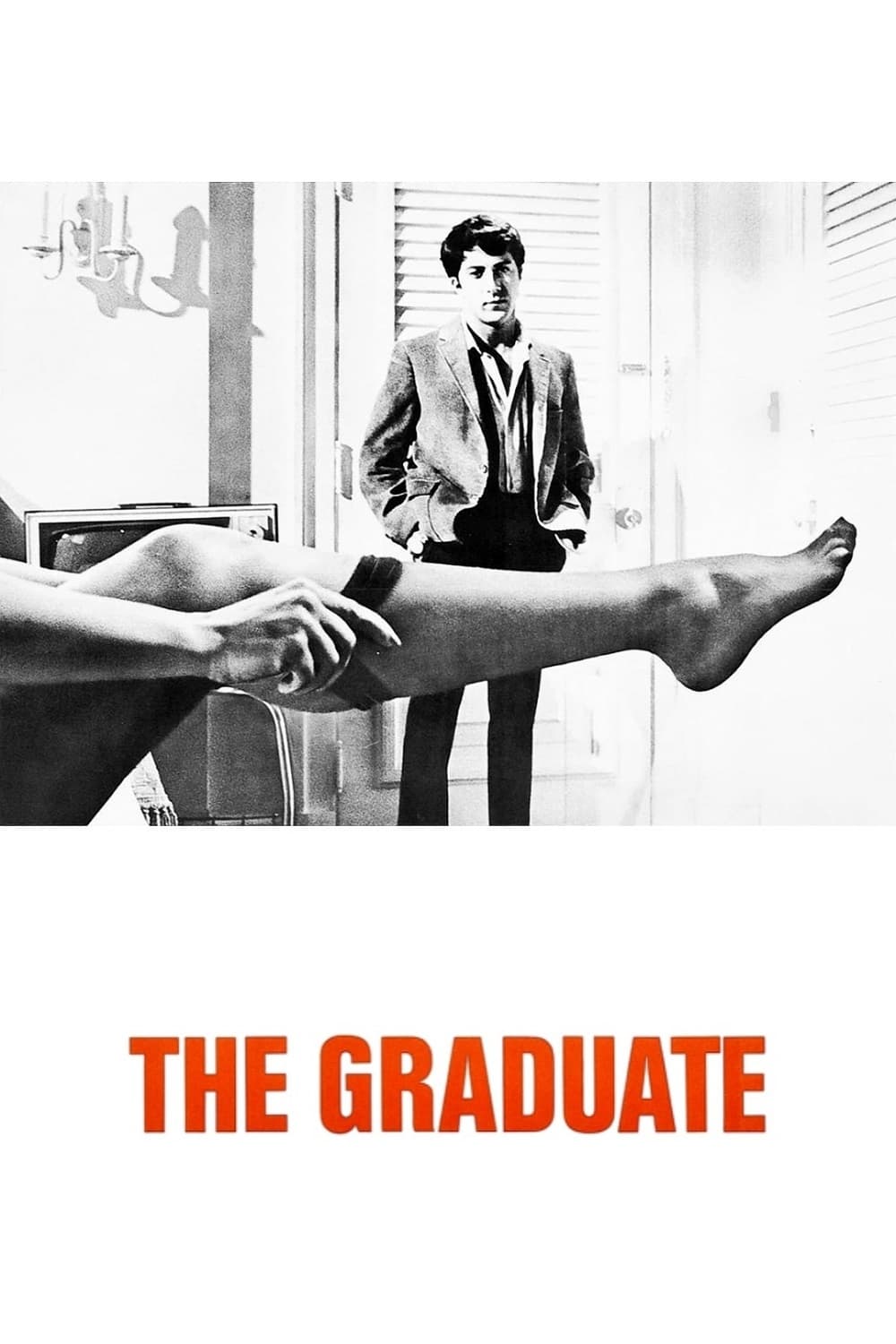
Ben and Elaine run from the church, jumping onto a bus right after their chaotic escape from the wedding. At first, they’re giddy with adrenaline and laugh, but as they sit amongst strangers, the excitement fades. The camera focuses on their faces, showing their smiles turn into looks of worry and fear. This extended shot makes the audience really think about the difficult consequences of their spontaneous choice, and it intentionally avoids the typical cheerful ending you’d expect in a romantic comedy.
‘The Godfather’ (1972)
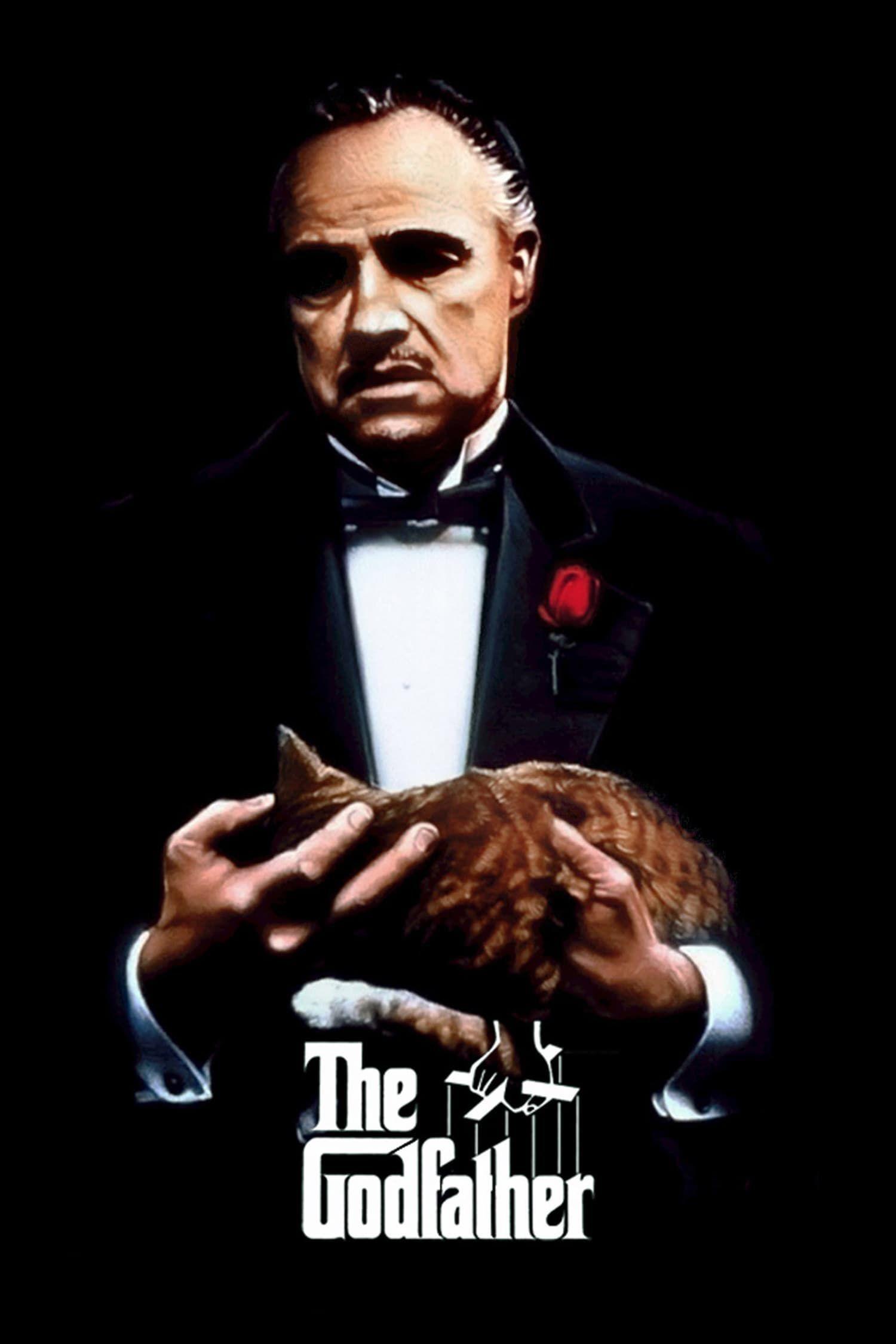
Michael Corleone tells his wife, Kay, that he had no part in the deaths of his rivals. As she goes to get a drink, his followers come in to show their loyalty to him as their new leader. Kay glances back just as the door to his office closes, symbolically and physically separating her from his dangerous world and criminal activities. This moment emphasizes Michael’s complete change into a ruthless man consumed by power.
‘Planet of the Apes’ (1968)
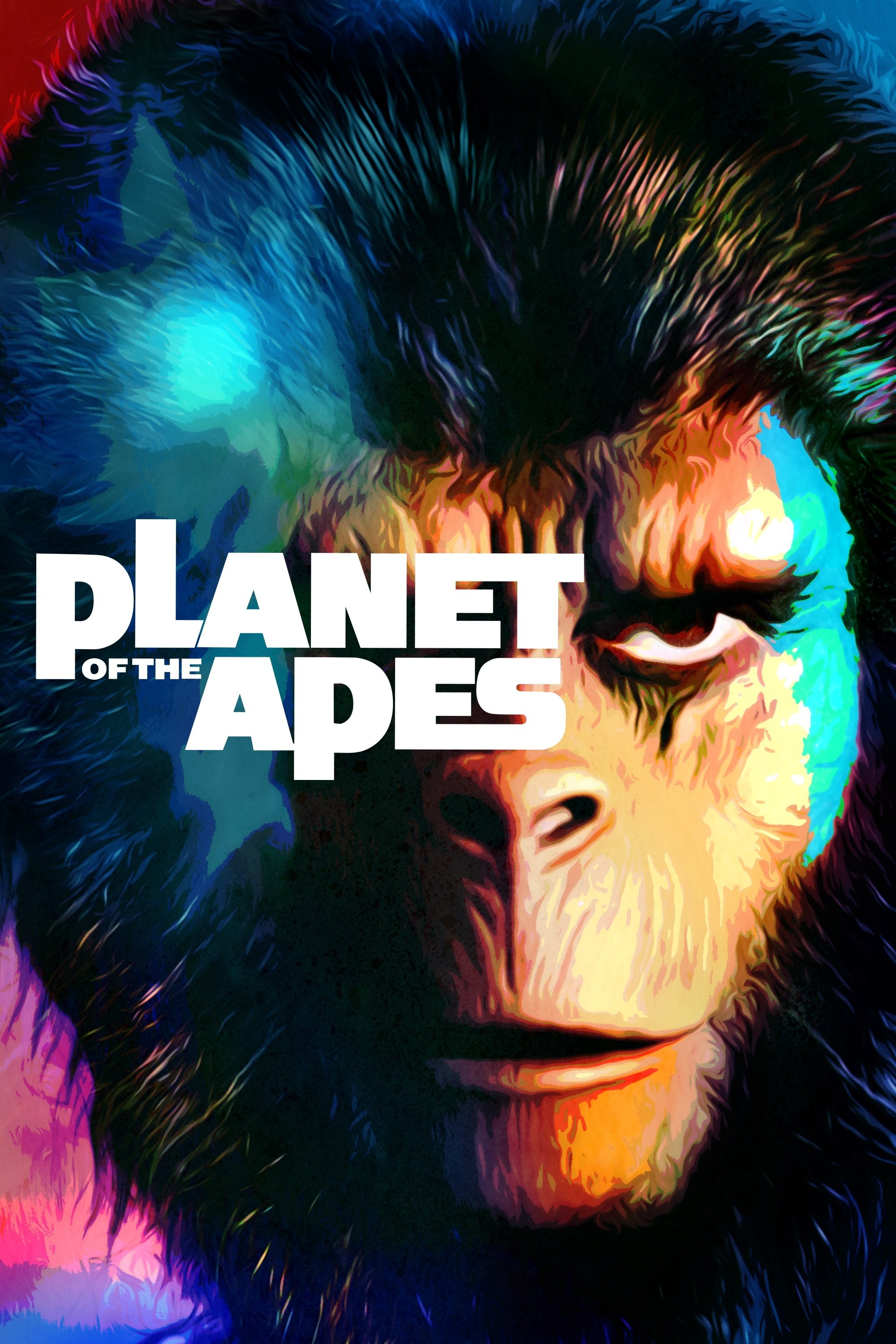
Riding along the beach, George Taylor stumbles upon a huge, partially buried structure. When he realizes it’s the shattered remains of the Statue of Liberty, he collapses, devastated. The camera pans out, showing the full extent of the destruction and confirming the shocking truth: he’s been on Earth all along. This unexpected twist completely changes how you understand everything that happened before, and it remains one of the most iconic and surprising moments in science fiction cinema.
‘The 400 Blows’ (1959)
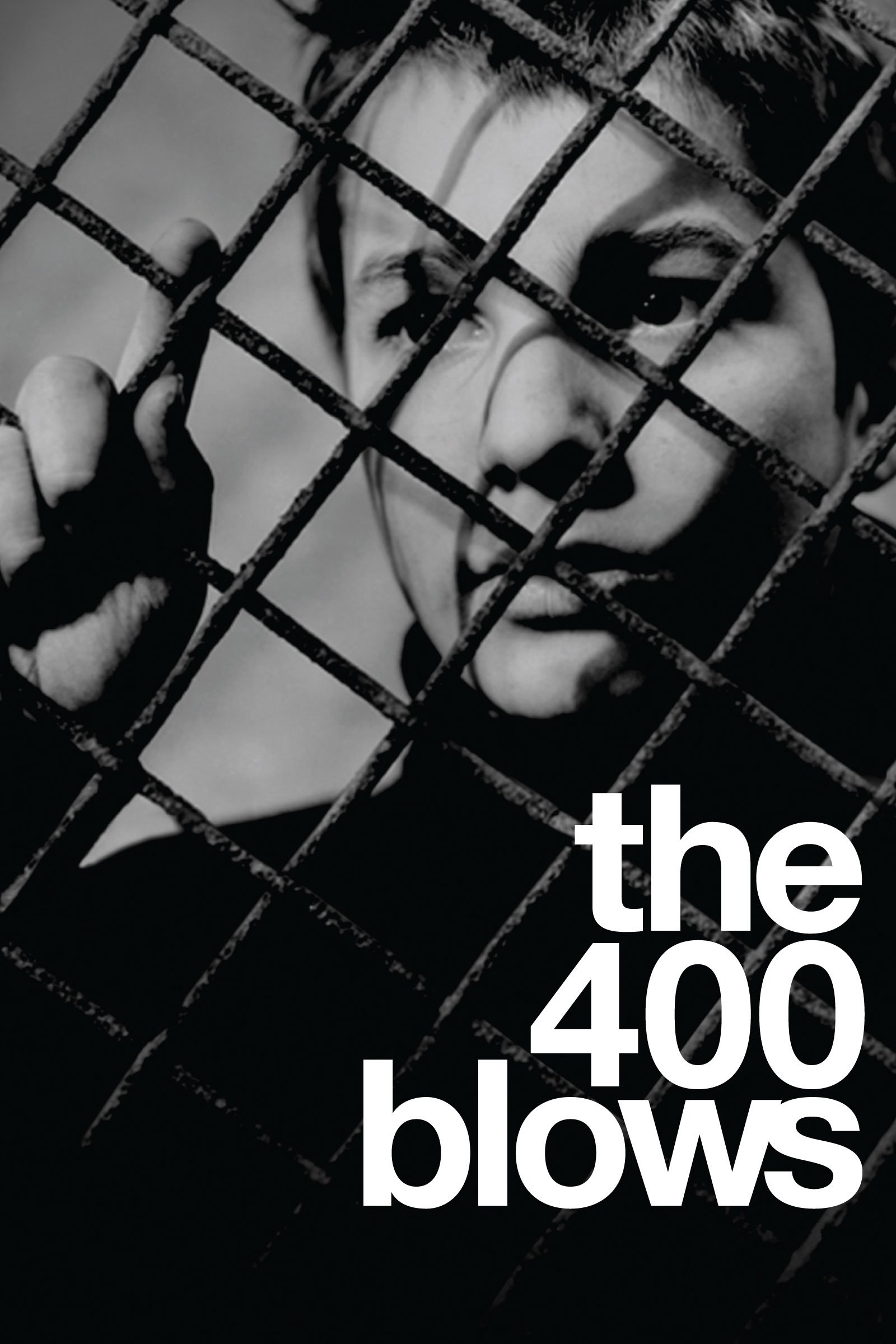
Young Antoine Doinel, having escaped from a reform school, runs all the way to the ocean. He stops at the beach and looks directly at the camera. The film then freezes on his face, capturing his confusion and unsureness about what lies ahead. This direct address to the audience – breaking the ‘fourth wall’ – creates a powerful and personal connection. The film’s frozen final image became a signature technique of the French New Wave cinema.
‘Inception’ (2010)
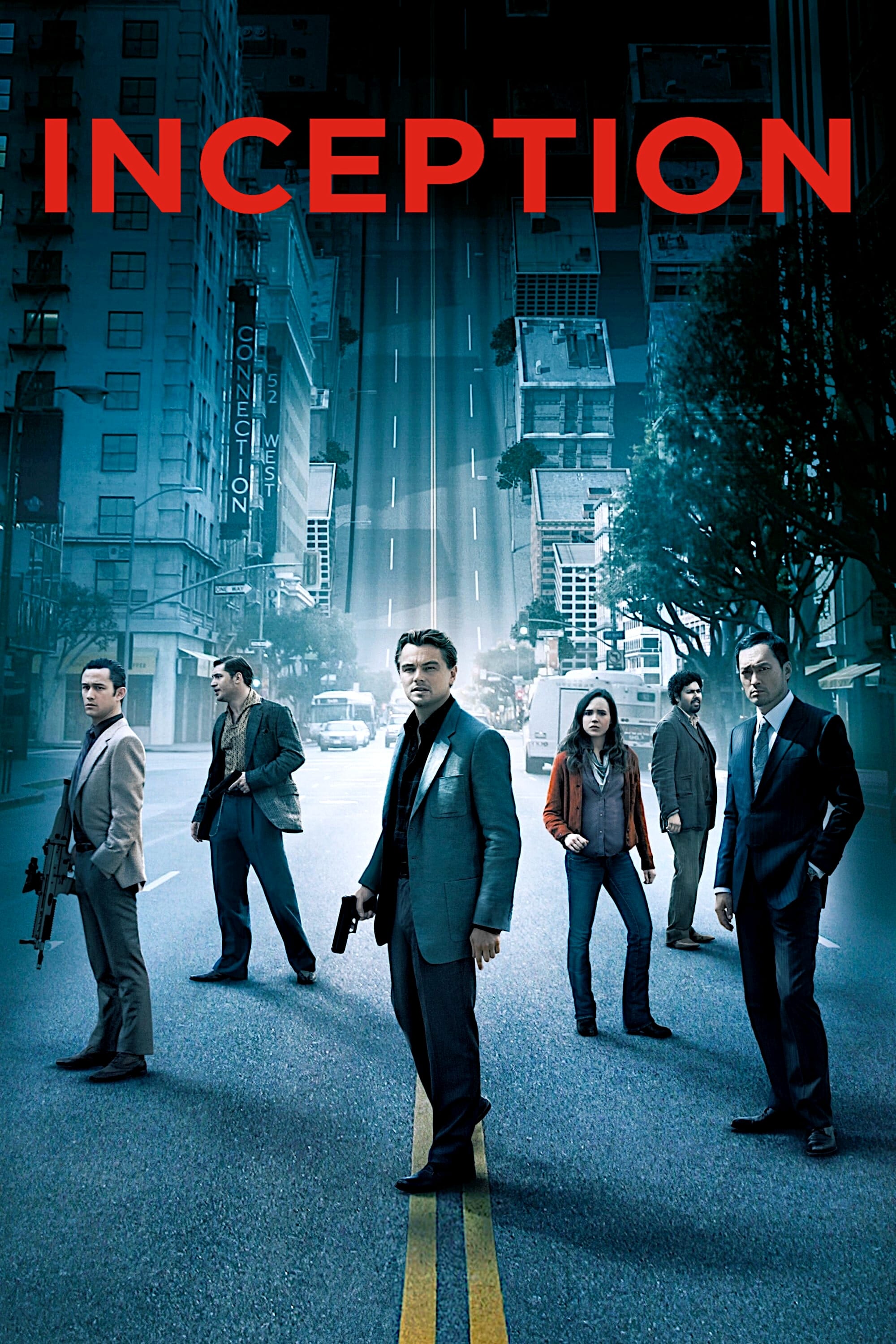
Cobb goes back to his children and spins his top, a personal test to determine if he’s in reality. He walks toward his family without watching to see if the top falls, choosing to trust his instincts. The camera focuses on the spinning top, which wobbles but doesn’t fall, before the screen goes black. This intentional uncertainty leaves the audience wondering if Cobb is truly awake or still trapped in a dream, prompting us to consider how we each perceive what is real.
‘2001: A Space Odyssey’ (1968)
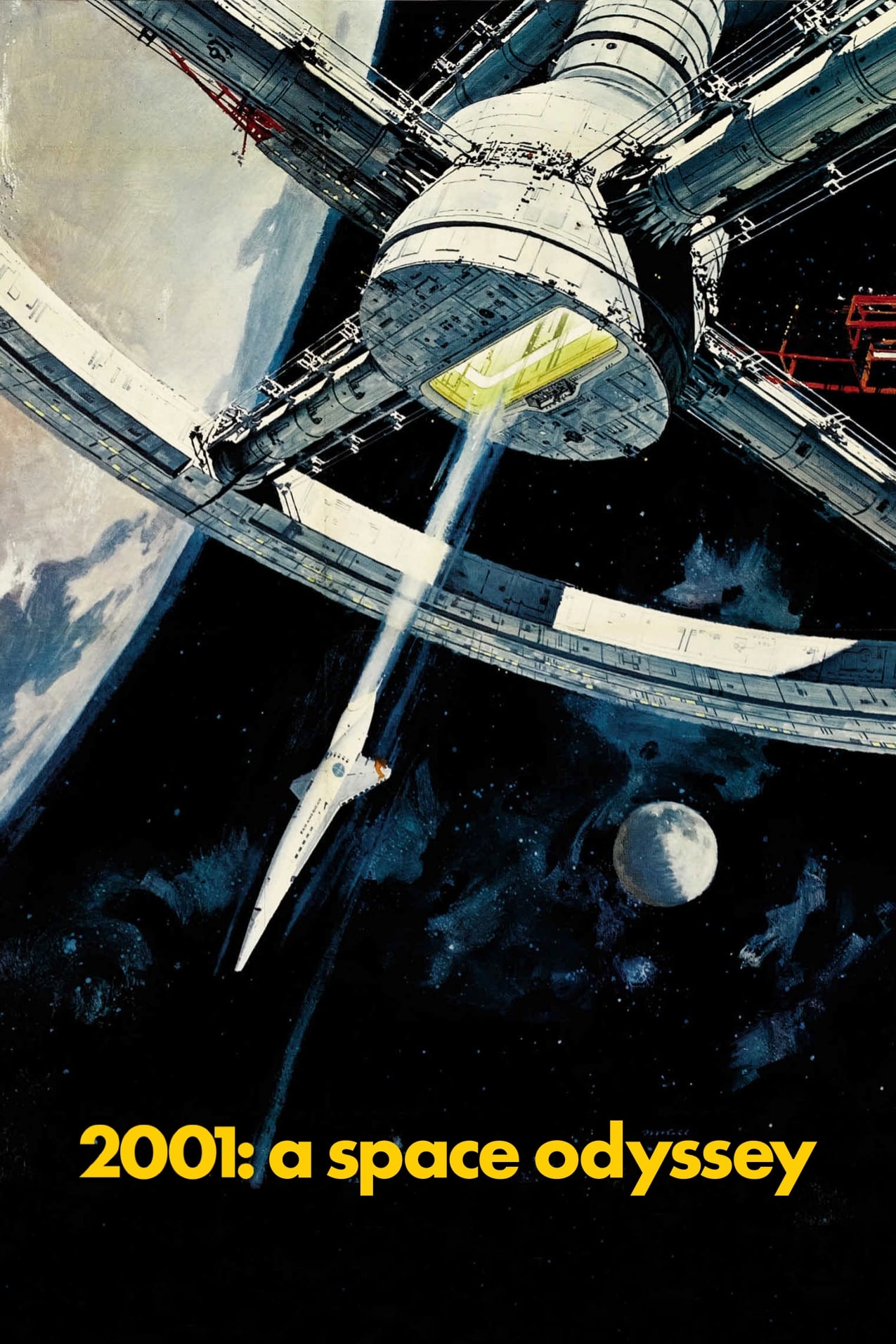
As a huge movie fan, one of the most mind-blowing moments for me is in ‘2001: A Space Odyssey’. After astronaut Dave Bowman journeys through that incredible Star Gate, he completely changes into something beyond anything we can really grasp. He essentially becomes a radiant, fetal-like being inside a glowing orb, just floating there above Earth. Then, this ‘Star Child’ looks down at us, and it’s this incredibly powerful, intelligent gaze. It feels like Kubrick is showing us a possible next stage for humanity, a whole new beginning, but he doesn’t spell it out for you. He leaves it up to you to decide what it all means, and that’s what makes it so brilliant.
‘Fight Club’ (1999)
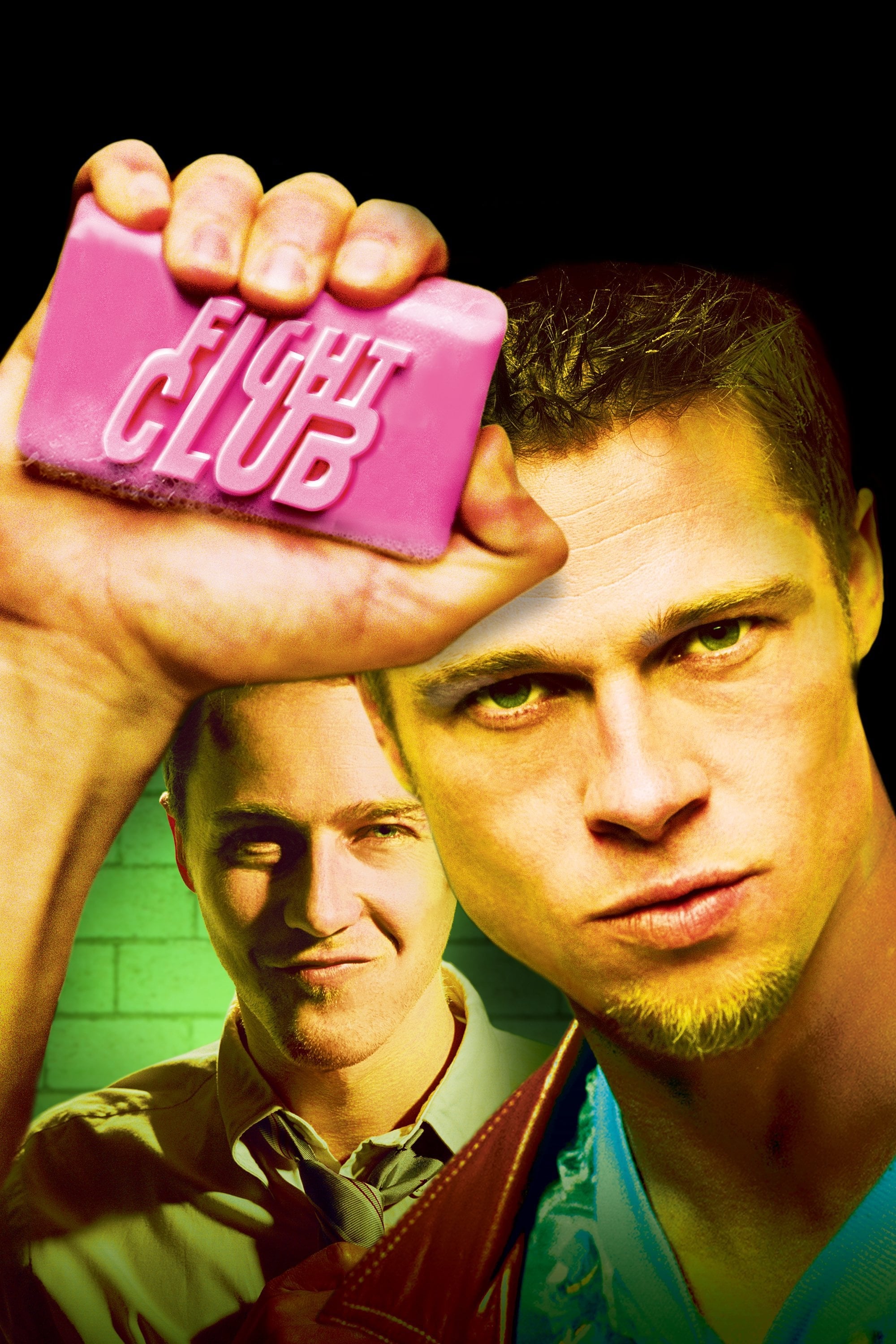
Standing with Marla Singer in a tall building, the Narrator looks out over the city as nearby skyscrapers are deliberately destroyed. The demolitions happen to the music of the Pixies, creating a strange and unsettling scene. This moment represents the complete breakdown of the Narrator’s old life and the rules of society, and it perfectly captures the film’s chaotic, darkly funny tone.
‘Casablanca’ (1942)
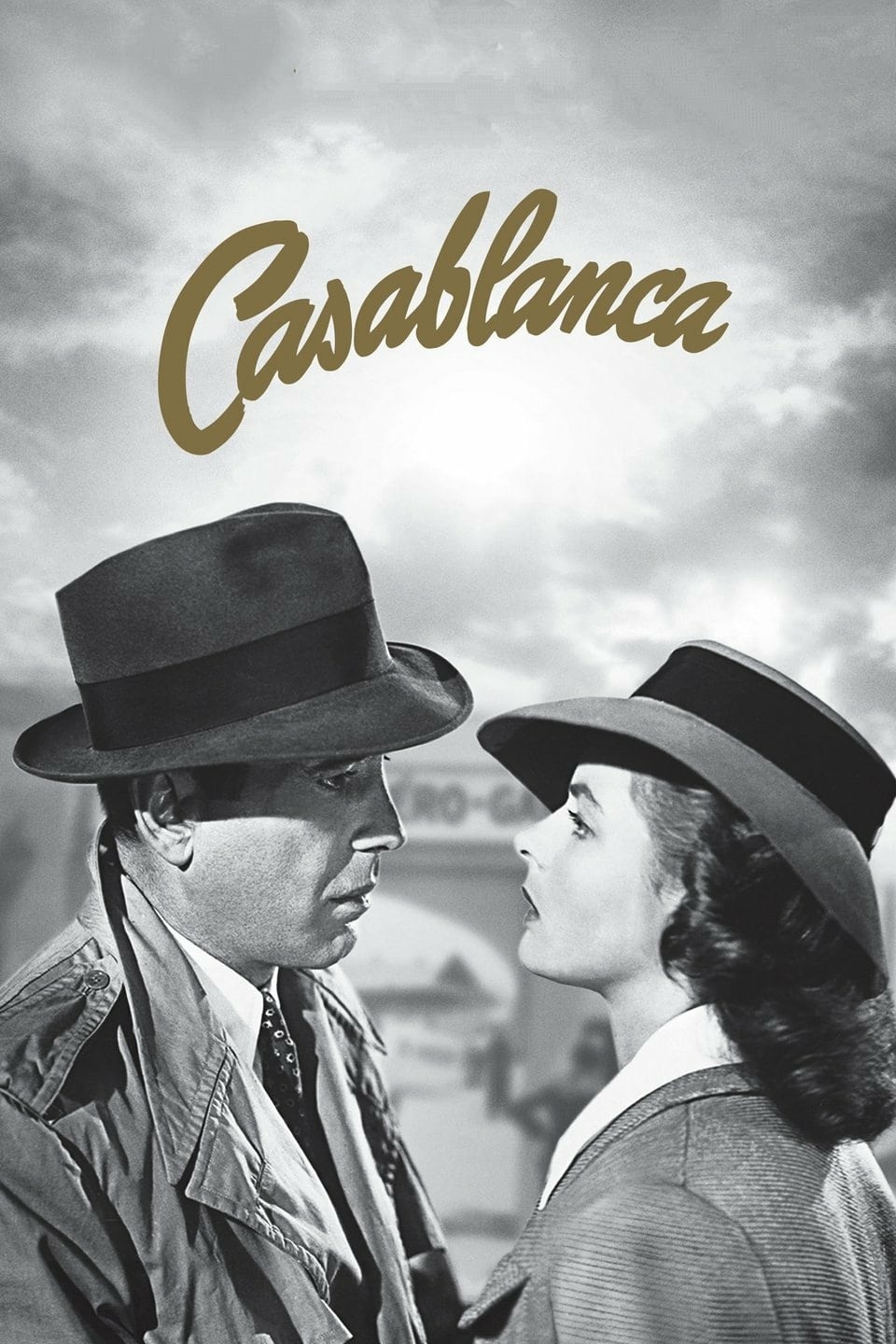
As Rick and Captain Renault walk off into the foggy night, they forge an unlikely partnership. Rick gives up a chance at happiness with Ilsa to stand against the Nazis, and their shared purpose is sealed with the now-famous line about a beautiful friendship. Their figures disappearing into the mist represent their dedication to a cause bigger than either of them, bringing a hopeful and fulfilling end to their wartime story.
‘There Will Be Blood’ (2007)
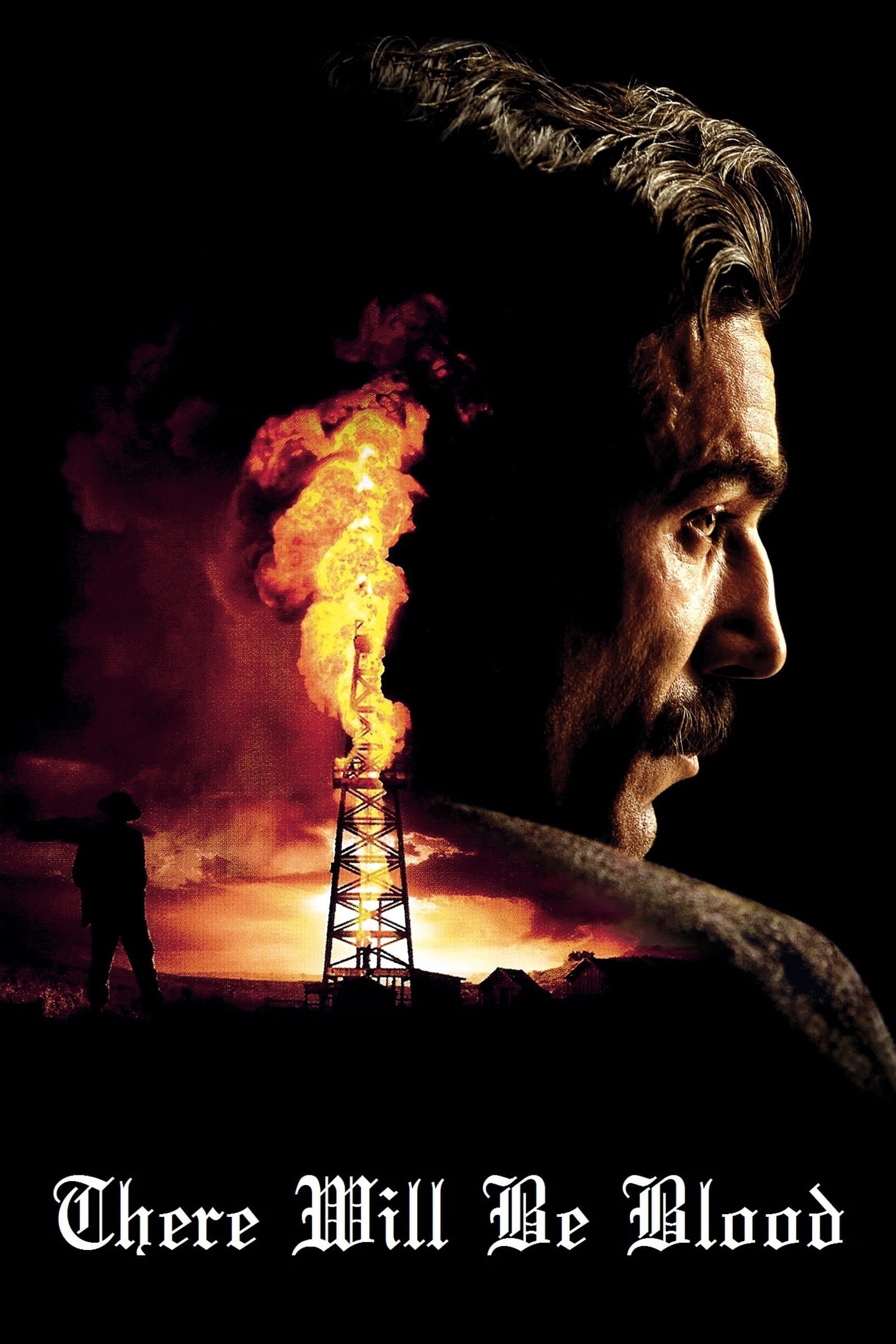
After a brutal fight with Eli Sunday, Daniel Plainview is left alone in his bowling alley, declaring he’s done. His butler comes down the stairs to see what’s happened. The camera stays still as cheerful music plays, creating a stark contrast with the depressing scene. This unexpected pairing highlights how empty his wealth has become and how much his character has declined. The scene then cuts immediately to black, emphasizing that he has completely lost control.
‘Portrait of a Lady on Fire’ (2019)
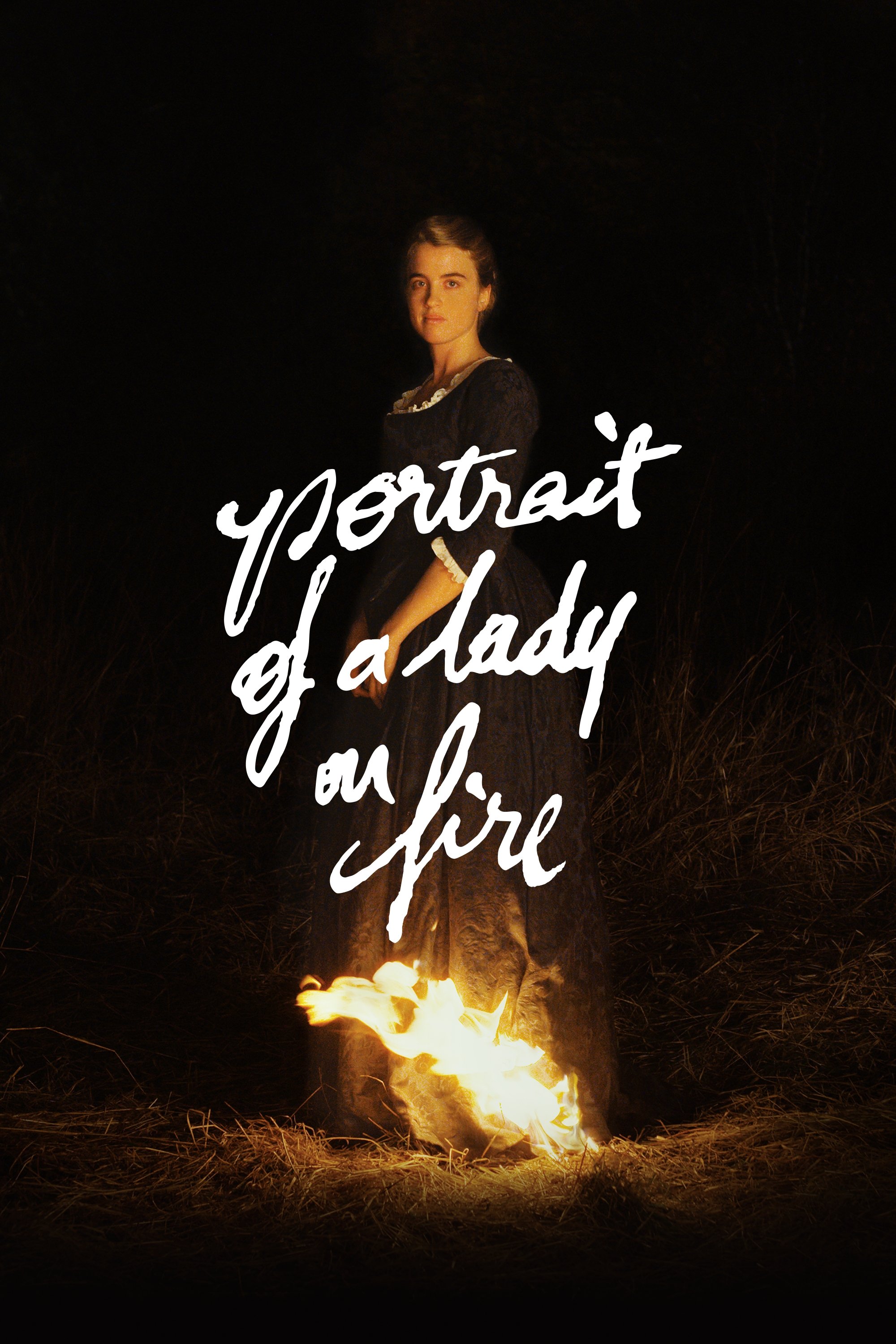
Marianne observes Heloise from the theater balcony during a concert. The camera stays focused on Heloise’s face as she listens to Vivaldi, showing a wave of emotions – from sadness to happiness – and tears rolling down her cheeks. The extended, unbroken shot powerfully conveys the lasting effect of their short-lived relationship, all without a single word being spoken. It’s a moving tribute to both love and the power of art.
‘Memories of Murder’ (2003)
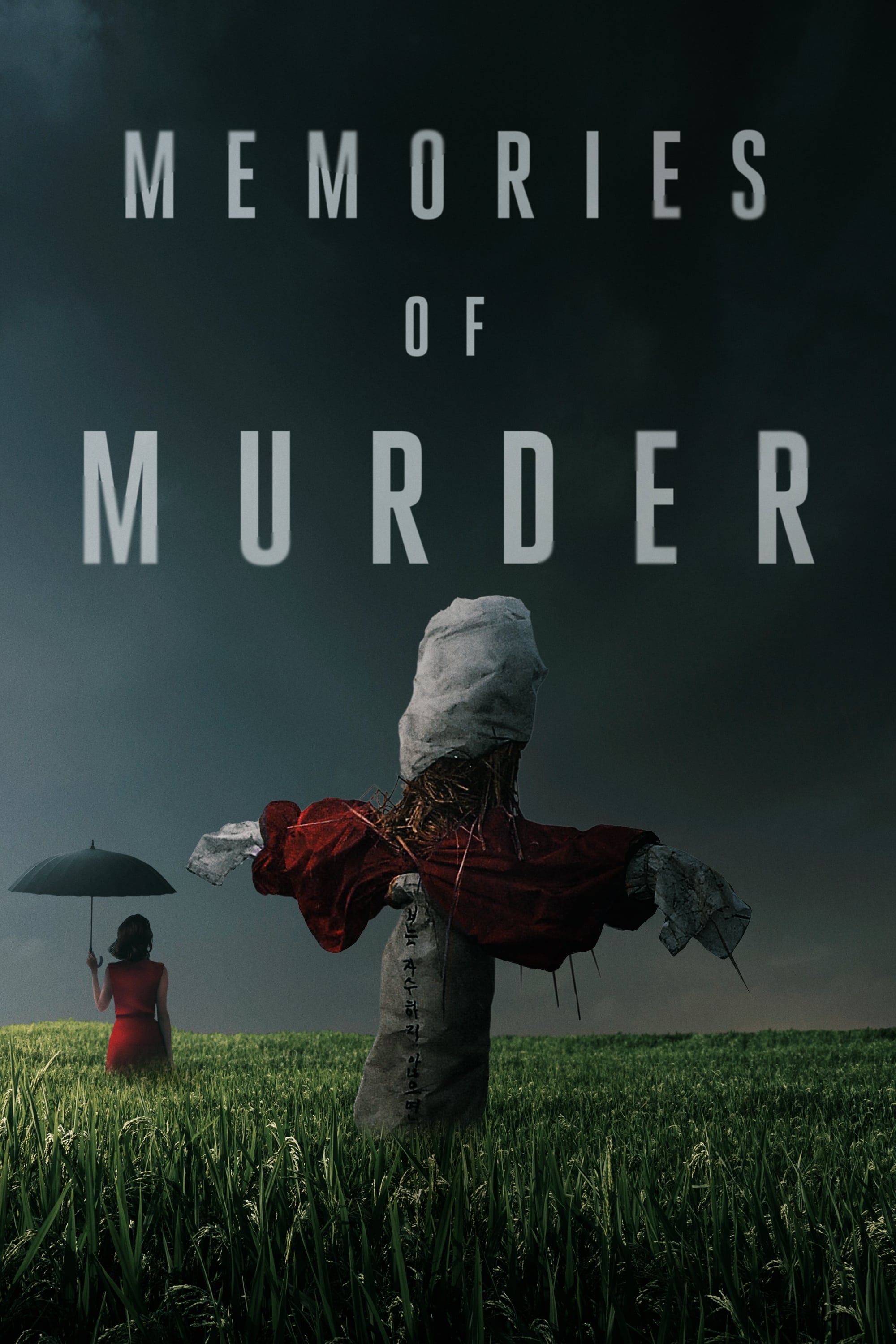
Years after the initial discovery, Detective Park Doo-man revisits the crime scene. A young girl tells him the killer appeared as a normal man and had been there recently. Park then looks directly at the camera, a moment meant to confront the actual killer watching the film. This unsettling technique creates a lasting, haunting ending, emphasizing the film’s theme of how difficult truth can be to find.
‘The Breakfast Club’ (1985)

After leaving his friends from detention, John Bender walks across the football field and raises a fist in the air – a defiant and triumphant gesture. The final shot shows his silhouette against the school, perfectly capturing the rebellious energy of youth and a momentary escape from high school stereotypes. This image became iconic, representing the spirit of teen movies in the 1980s.
‘Before Sunset’ (2004)
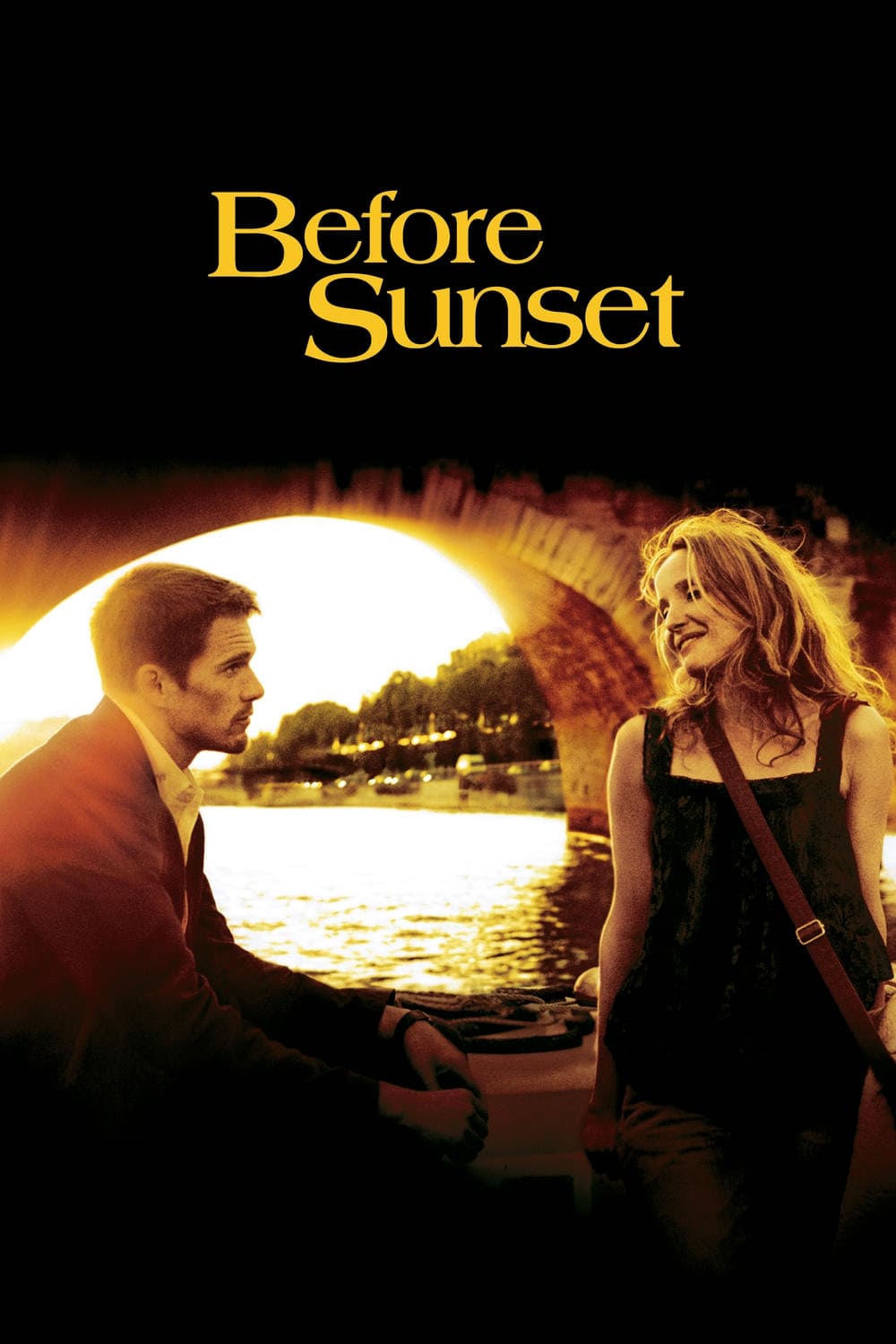
Celine dances to Nina Simone in their apartment while Jesse watches. She playfully warns him he’ll miss his flight if he doesn’t leave, but he just smiles, admitting he doesn’t mind. The film ends with a close-up of his peaceful face, showing he’s choosing to stay with her instead of catching his plane. This simple, tender moment beautifully resolves all the earlier conflict and tension.
‘Psycho’ (1960)
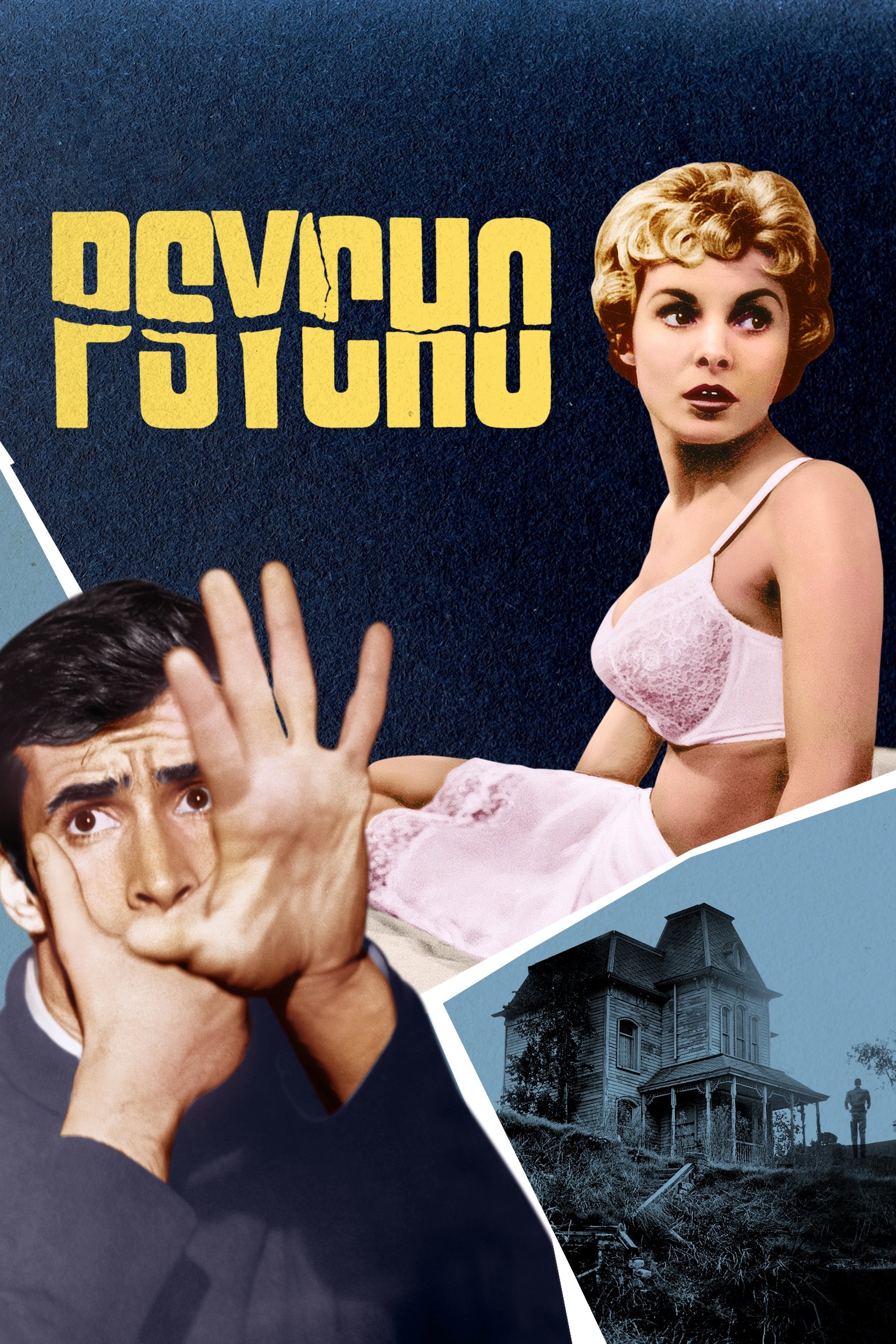
Norman Bates is alone in a jail cell, and we hear his mother’s voice revealing his thoughts. A fly lands on his hand, and he looks up with a disturbing smile. For a moment, his mother’s ghostly face appears over his own, showing how completely she controls his mind. The movie ends with the car being pulled from the swamp, finally revealing the dark truth.
‘The Truman Show’ (1998)
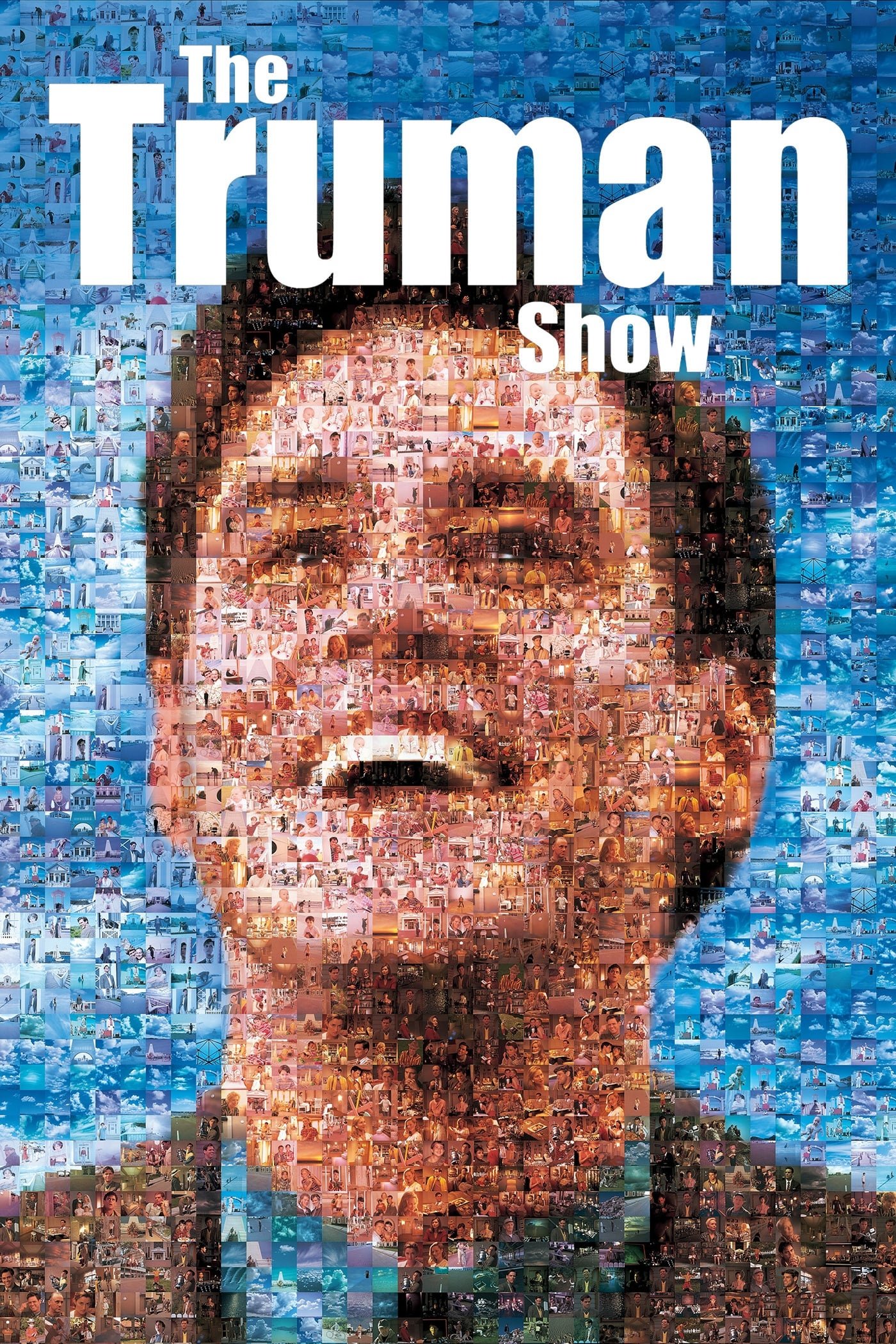
Truman Burbank finally reaches the boundary of his manufactured world and walks up the stairs leading to the exit. He turns to face the cameras and says his famous line to the person who created the show. With a dramatic bow, he steps into the unknown of the real world. This bold act signifies his change from someone controlled to a truly free person, leaving the audience to celebrate his freedom and consider their own role as watchers.
‘Heat’ (1995)
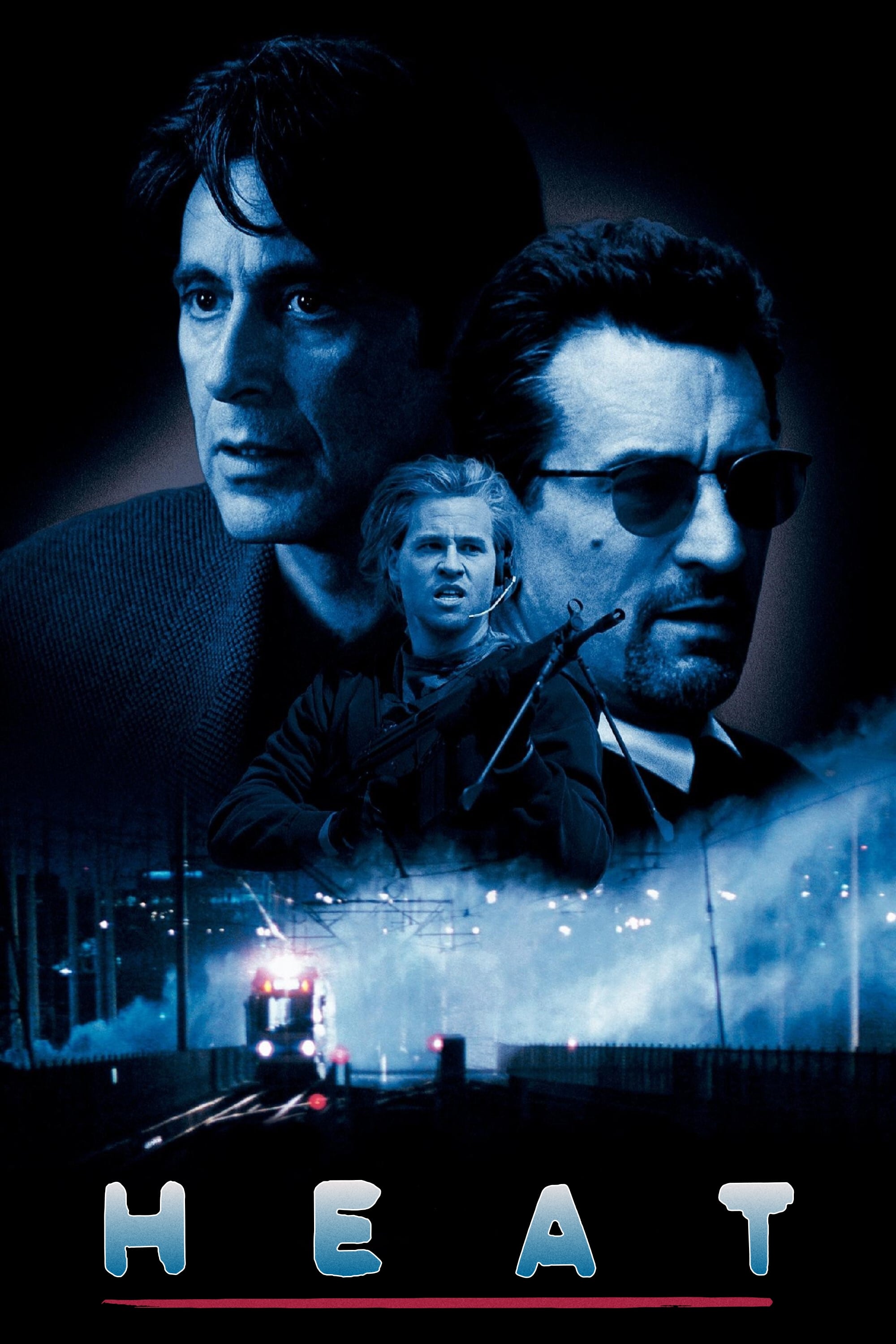
The final scene of this film absolutely gutted me. Watching Lieutenant Hanna hold the hand of Neil McCauley as he lay dying, out there in that field near the airport, was just devastating. It wasn’t a triumphant moment, but one of real, shared respect between two men who, despite being on opposite sides of the law, understood each other. The flashing lights of the runway and that haunting music by Moby created this incredibly somber atmosphere. It really drove home the idea that these two weren’t so different after all, and it was a surprisingly dignified end to their intense, violent chase. It wasn’t about winning or losing, it was about recognizing a kindred spirit, even in your enemy.
‘Whiplash’ (2014)

Andrew’s incredible drum solo finally impresses his harsh teacher, Fletcher, and they share a moment of mutual understanding. As the camera focuses on Andrew’s final hit, it’s clear he’s reached a peak of skill, but at a significant personal cost. The film then cuts sharply, leaving viewers stunned and unsure whether this achievement was truly worth the sacrifice.
‘La La Land’ (2016)
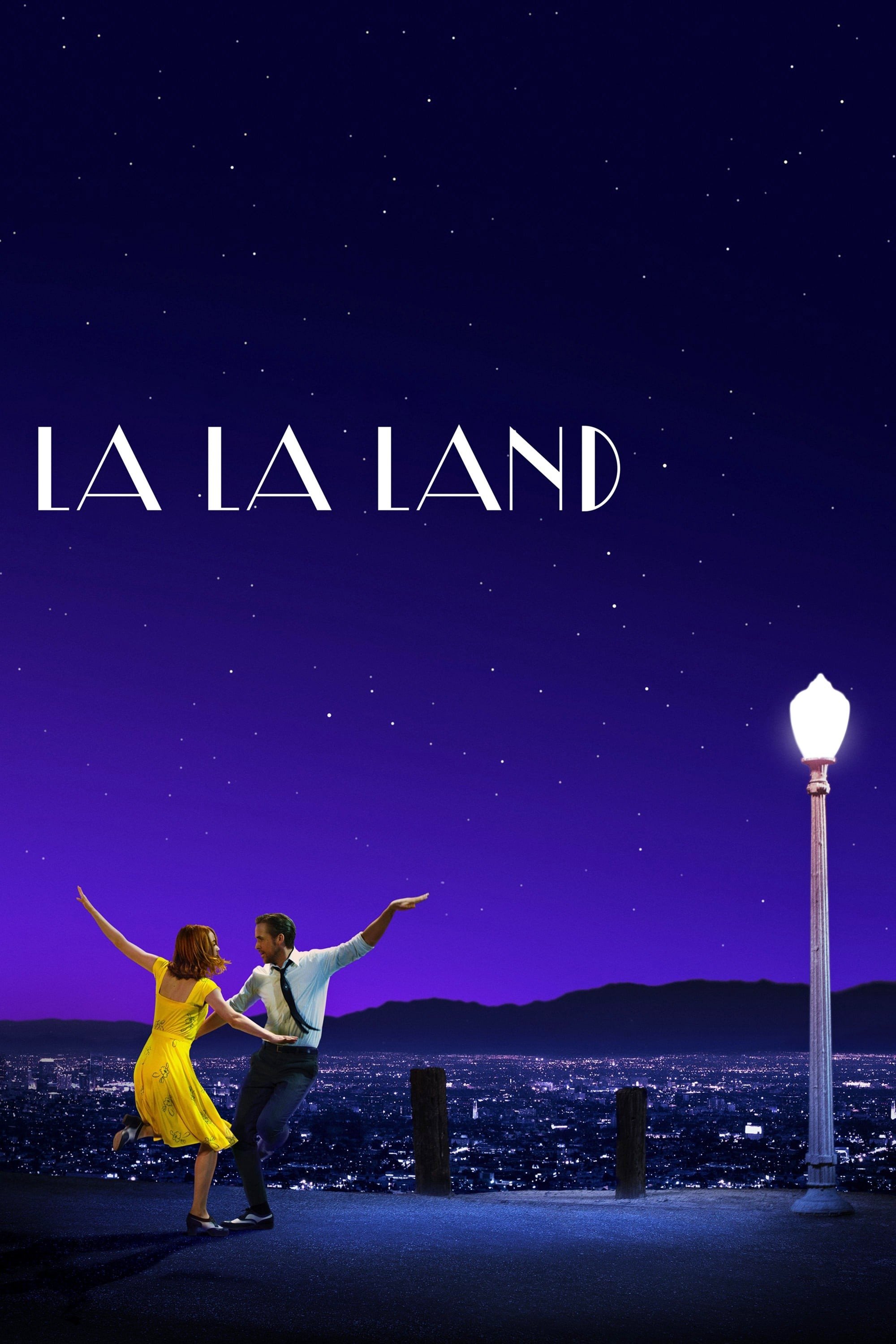
Years after their breakup, Mia and Sebastian briefly connect with a look and a small nod in a busy jazz club. It’s a quiet acknowledgment of the life they imagined together and the dreams they once shared. As Sebastian finishes playing the piano, the screen fades to black, symbolizing a gentle acceptance of their separate lives. This moment beautifully captures the film’s central idea: the difficult balance between love and pursuing your passions.
‘Call Me by Your Name’ (2017)
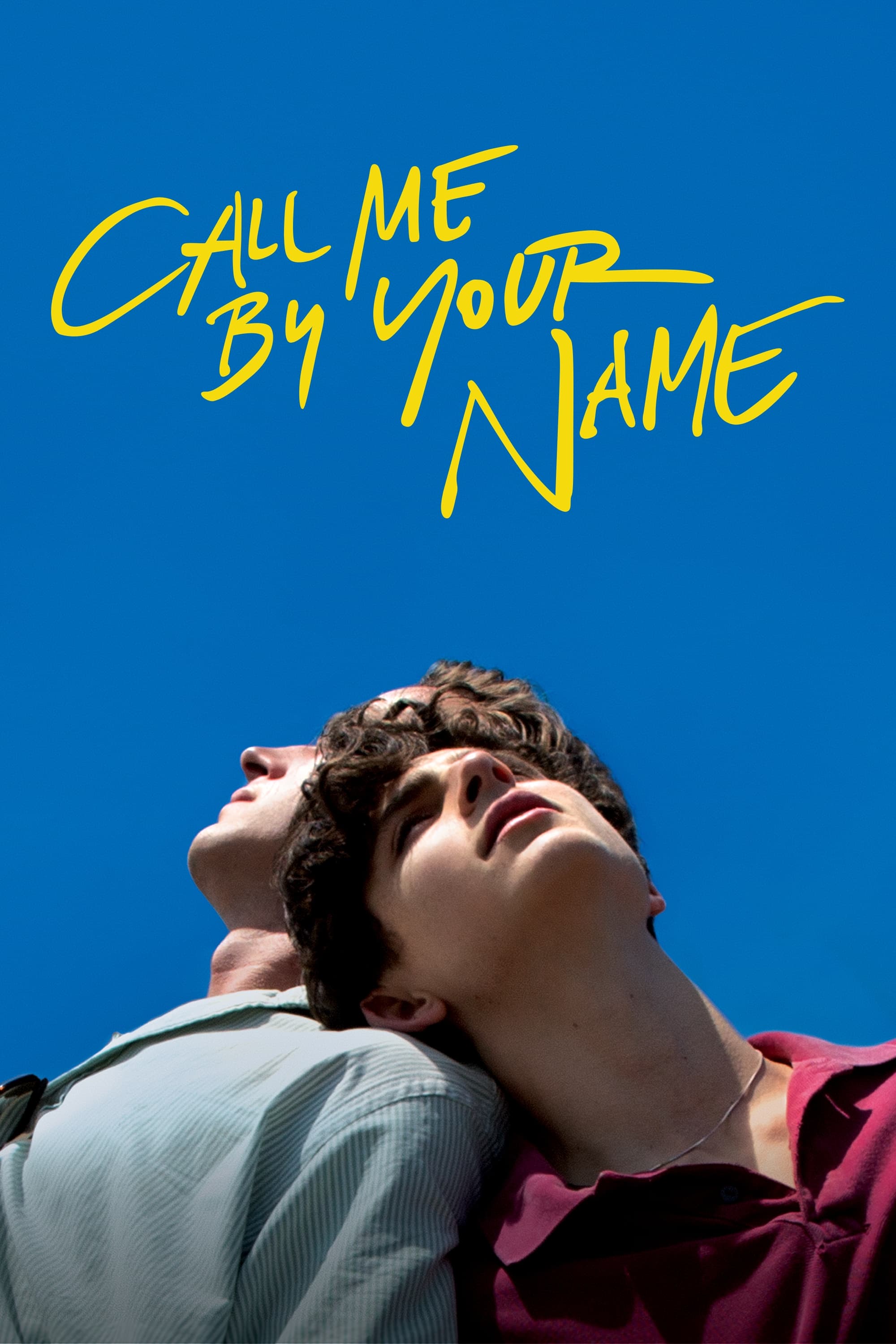
Elio is shown sitting by a fireplace, quietly grappling with the news of Oliver’s engagement. The camera focuses on his face for a long period, letting the audience witness his heartbreak. He cries without making a sound, while the normal sounds of his family getting dinner ready fill the background. The firelight highlights his sadness in a very honest and direct way. The ending allows his pain to truly resonate without trying to quickly offer a sense of closure or false hope.
‘Roma’ (2018)
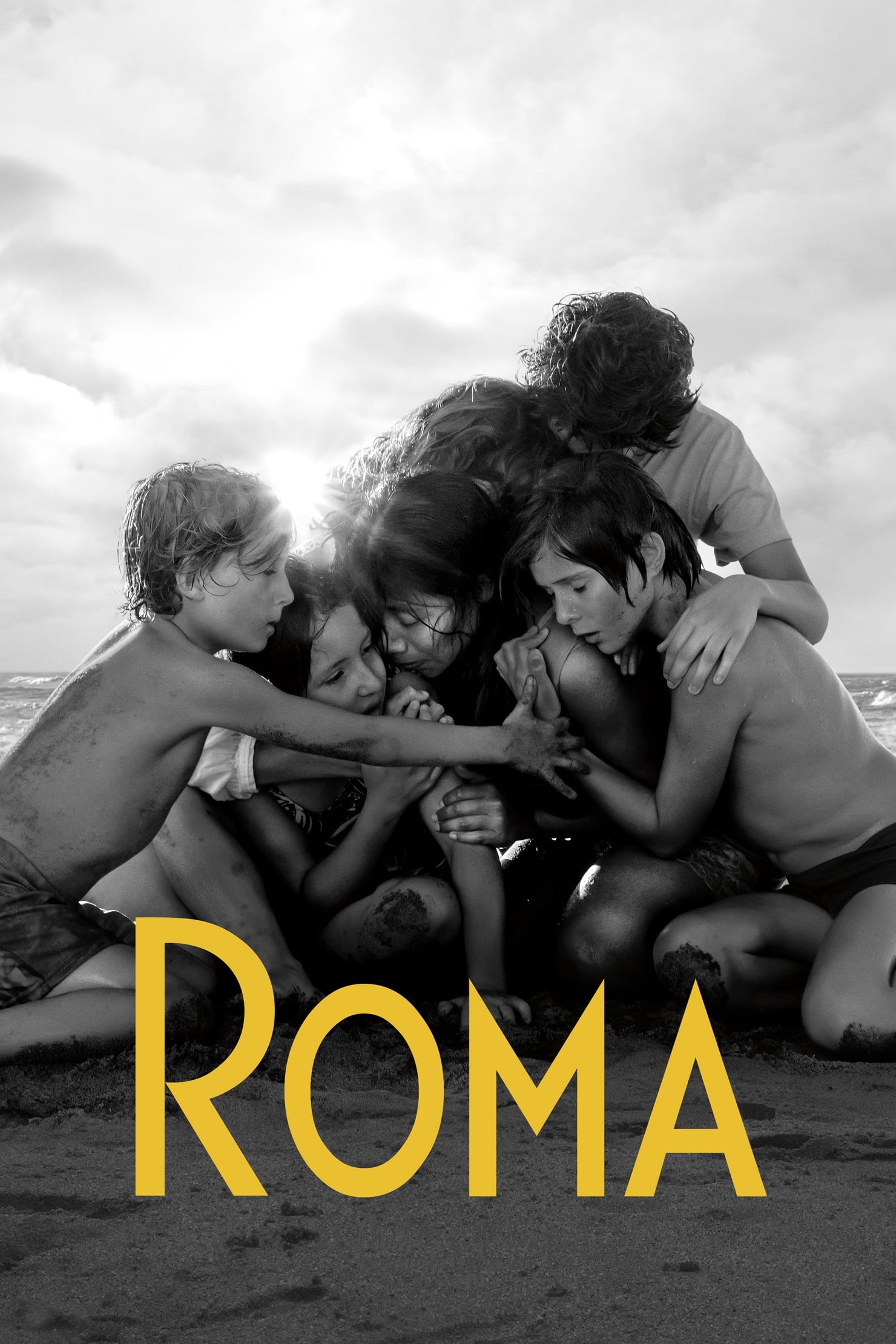
After her family returns home, Cleo goes up to the roof to do the laundry. As she does, the camera pans up to show a plane flying overhead. This shot mirrors an earlier scene where a plane was reflected in water, creating a sense of things coming full circle. The repeating image suggests that even though Cleo is going through a difficult time emotionally, life goes on with its everyday tasks, and she finds strength within her home life.
‘Cinema Paradiso’ (1988)

Salvatore is alone in a private screening room, watching an old film reel his mentor, Alfredo, left for him. The reel contains a collection of kissing scenes that were cut from the movie years ago by the church. As he watches these passionate moments he was once forbidden to see, Salvatore becomes emotional. The sequence is a beautiful reminder of the power of film and the lasting nature of love, offering a deeply satisfying emotional release for both Salvatore and those watching the film.
‘The Shining’ (1980)
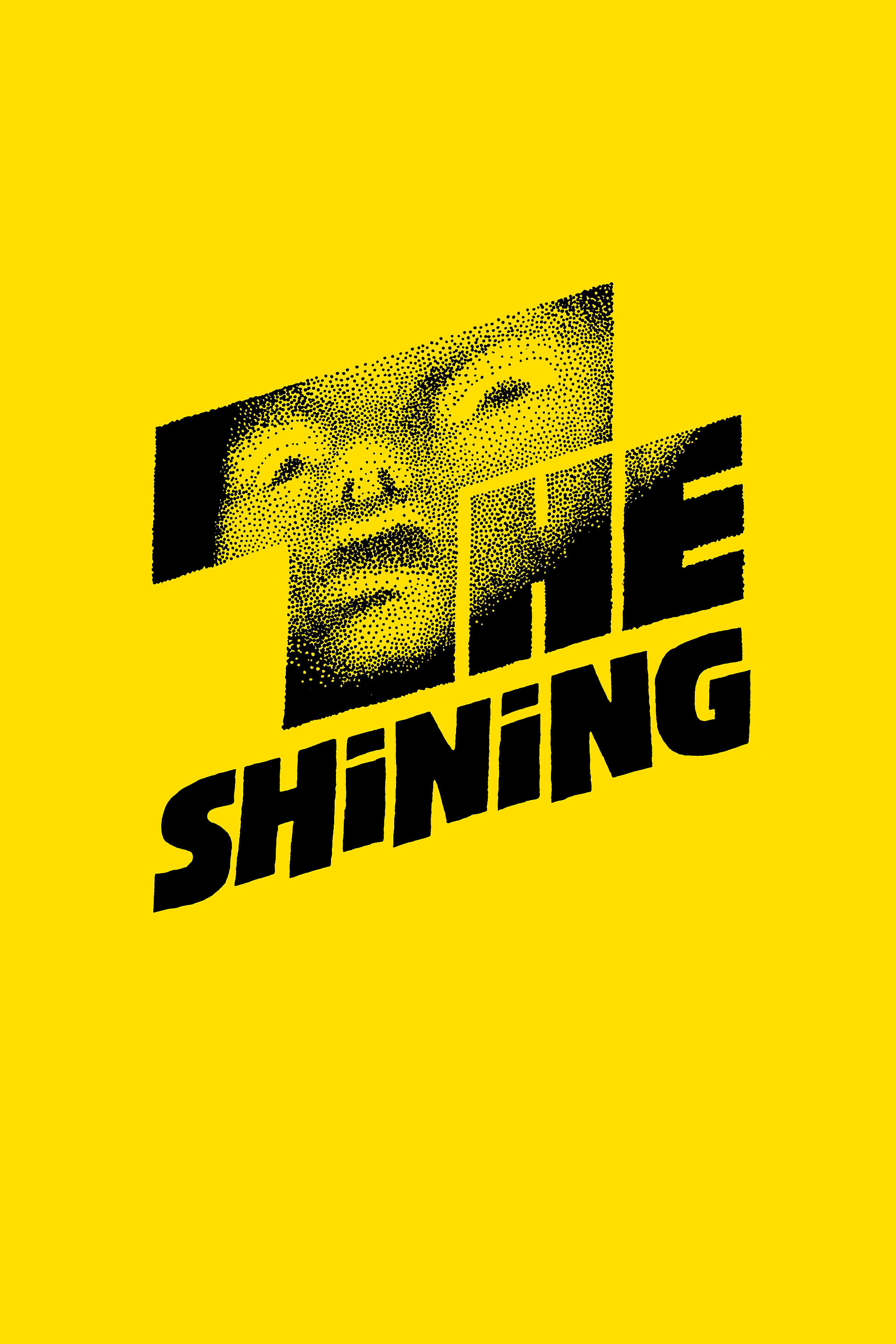
The camera glides down a hallway in the Overlook Hotel, focusing on a collection of old photographs. It settles on a picture from a July 4th party in 1921, and shockingly, Jack Torrance is standing right in the middle of it. This impossible sight implies he’s been connected to the hotel for a long time, perhaps even always its caretaker. The discovery creates a chilling sense that the terrifying events were destined to happen.
‘Lost in Translation’ (2003)
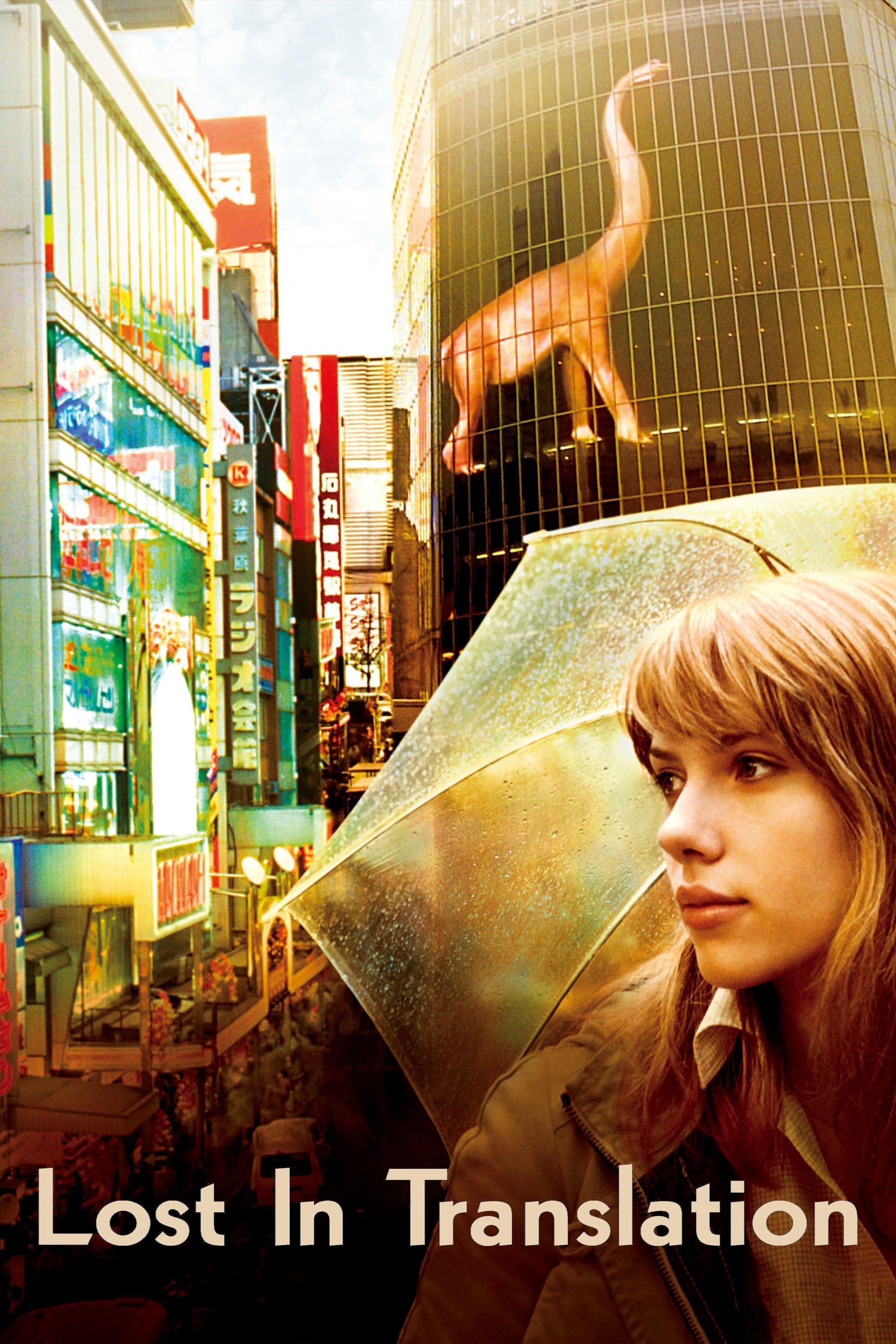
Honestly, that scene in Lost in Translation gets me every time. Seeing Bob Harris jump out of the taxi to find Charlotte in that busy Tokyo street… it’s just heartbreakingly beautiful. The way he holds her and whispers something we can’t hear, then they just… separate. She walks off with this little, sad smile, and he goes back to the car. What he said doesn’t even matter, really. It’s brilliant because it lets me fill in the blanks, you know? It perfectly shows how these two people connected, even if it was just for a little while, and how deeply they felt it despite being so alone.
‘Rocky’ (1976)
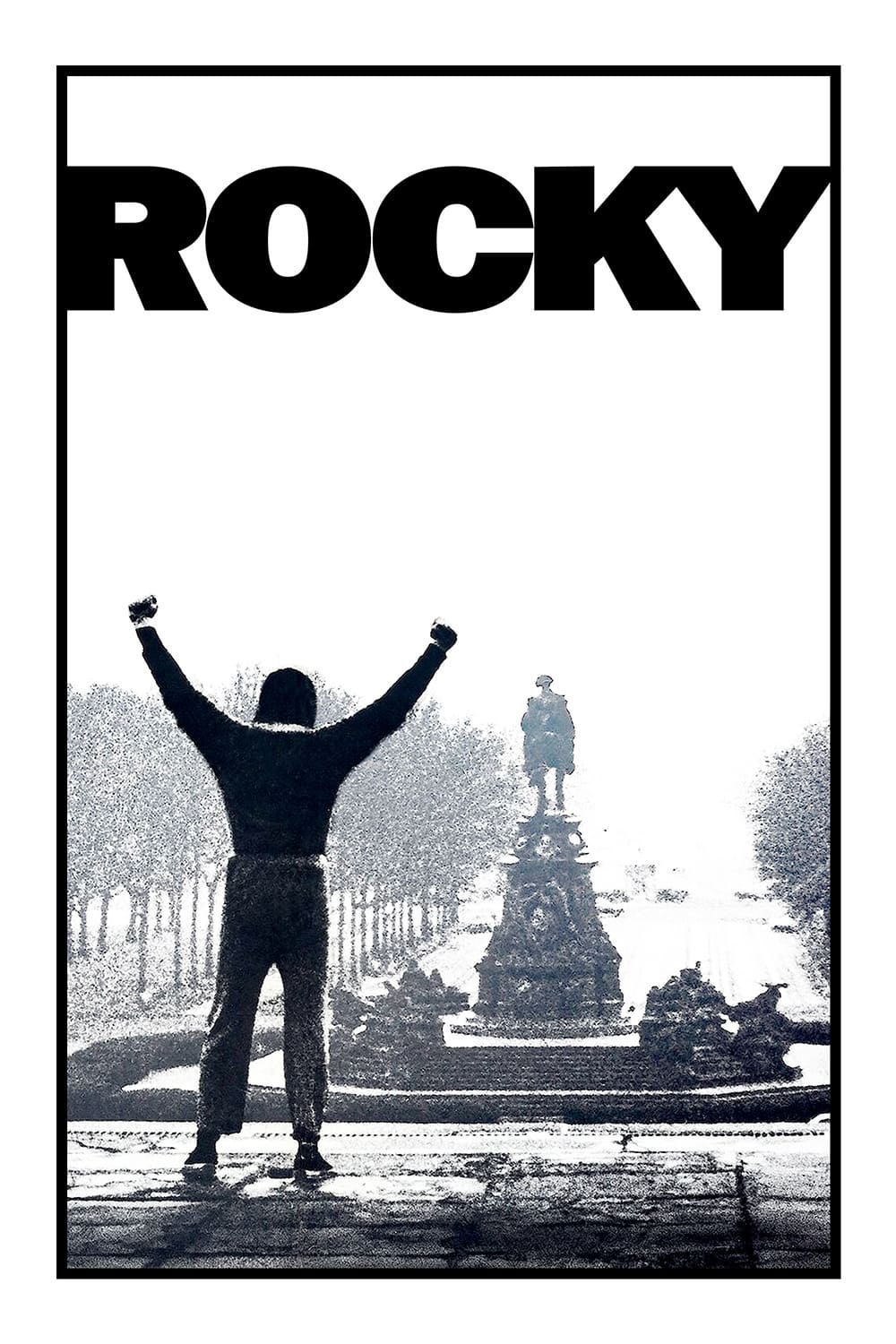
After the final bell, Rocky doesn’t notice the commotion around him. He desperately calls for Adrian, and finally, she fights her way through the crowd to reach him. The movie ends with a frozen image of their loving embrace. The focus isn’t on whether Rocky won or lost the fight, but on his achievement of lasting the entire match. This ending highlights the emotional core and genuine human connection that would define the series.
Tell us which movie ending had the biggest impact on you by sharing your favorites in the comments.
Read More
- Gold Rate Forecast
- 2025 Crypto Wallets: Secure, Smart, and Surprisingly Simple!
- The 10 Most Beautiful Women in the World for 2026, According to the Golden Ratio
- HSR 3.7 story ending explained: What happened to the Chrysos Heirs?
- ETH PREDICTION. ETH cryptocurrency
- When Wizards Buy Dragons: A Contrarian’s Guide to TDIV ETF
- Here Are the Best TV Shows to Stream this Weekend on Paramount+, Including ‘48 Hours’
- ‘Zootopia 2’ Wins Over Critics with Strong Reviews and High Rotten Tomatoes Score
- The Labyrinth of Leveraged ETFs: A Direxion Dilemma
- Uncovering Hidden Groups: A New Approach to Social Network Analysis
2025-12-26 09:17