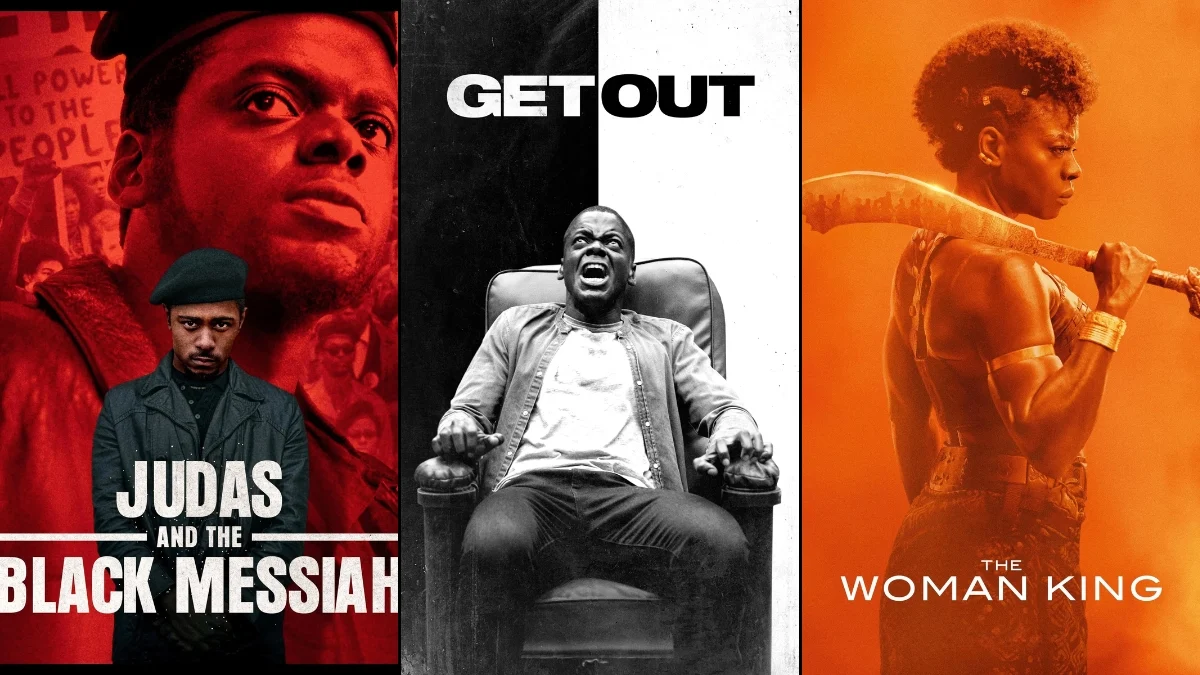
For years, Hollywood often told stories about Black people through the lens of a “white savior” – a white character who rescues or helps Black characters, making those stories more appealing to wider audiences. This approach frequently portrayed Black characters as helpless and in need of saving. However, a new generation of Black filmmakers is challenging this tired trope. They’re creating films that put Black characters at the center of the story, showing their strength, resilience, and full humanity. The films below demonstrate how these filmmakers are taking control of their narratives and changing the way stories are told.
‘Get Out’ (2017)
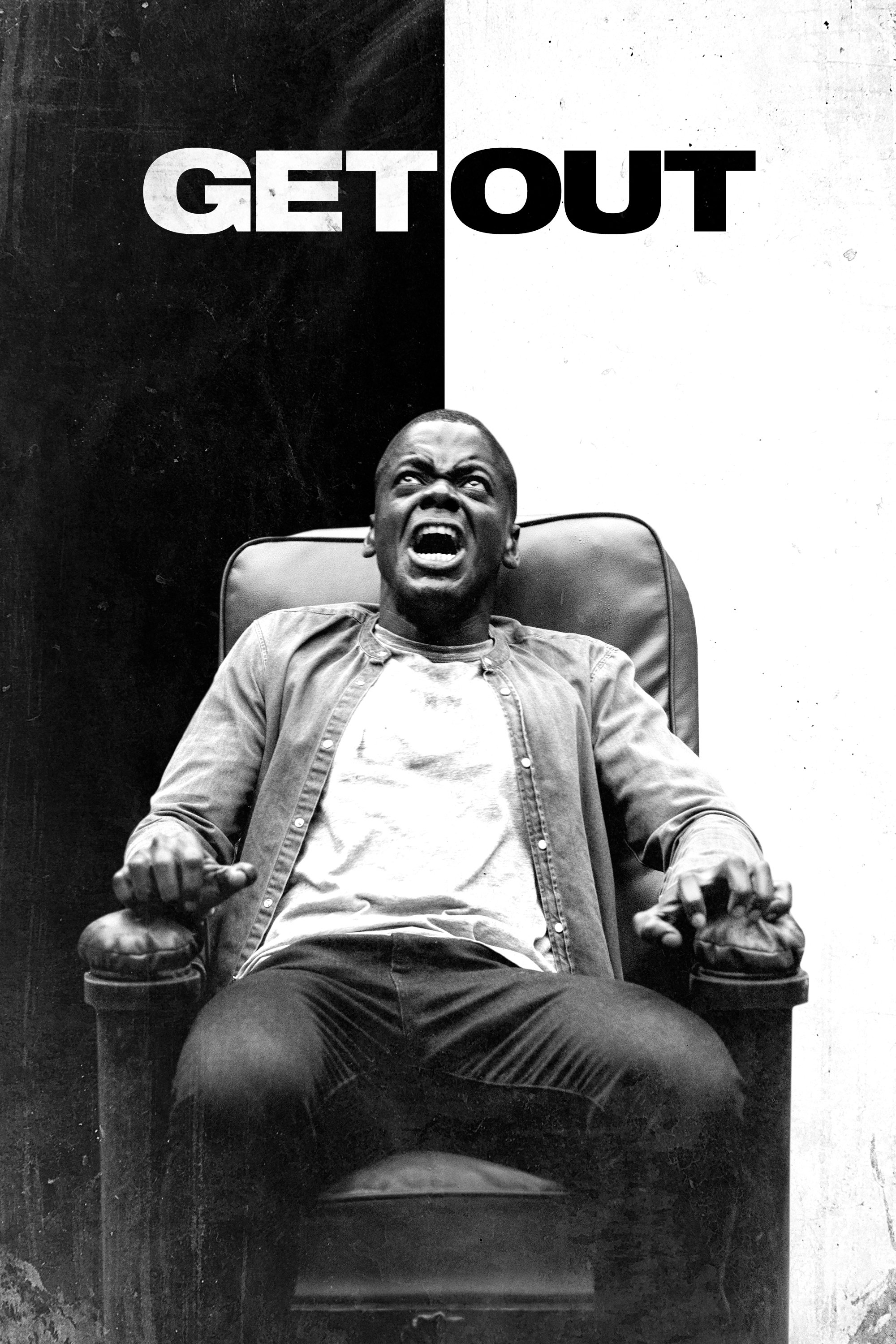
Jordan Peele’s film brilliantly takes apart the idea of the ‘helpful’ ally, using horror to show how admiration for Black people can quickly become dangerous. The story traps the main character, Chris, in a terrifying situation where seemingly friendly white people hide sinister intentions. The film reveals how modern racism can be subtle and masked by politeness and empty gestures, forcing Chris to use his own intelligence and strength to survive.
‘Selma’ (2014)
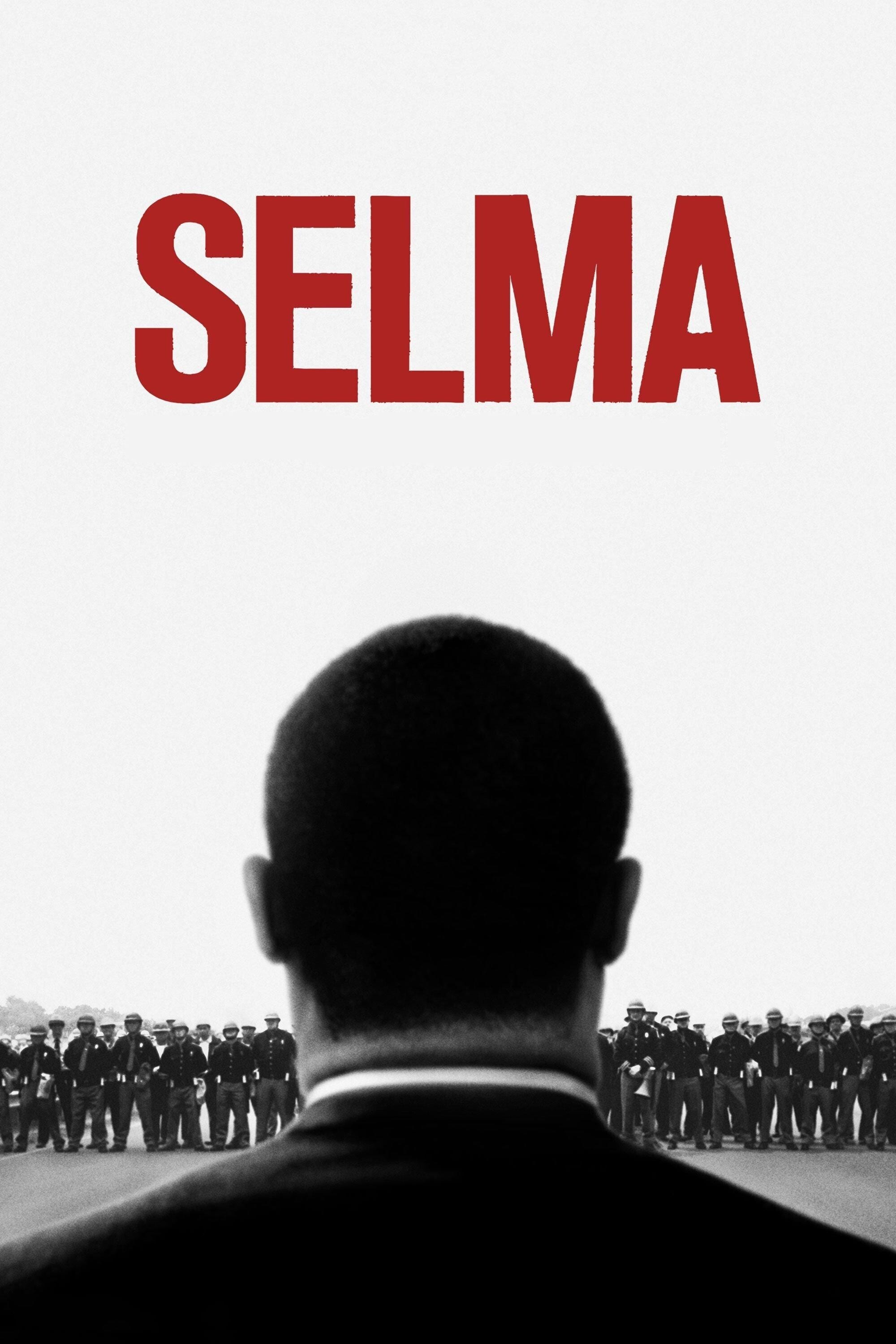
Ava DuVernay’s film deliberately highlights the leadership of Martin Luther King Jr. and the work of civil rights organizers, rather than focusing on President Lyndon B. Johnson. Many historical films give credit to white politicians for progress, but this one shows how activists actually drove that change. The film powerfully portrays the strategic thinking and personal sacrifices of the Black community during the marches, and avoids the common trope of a white savior coming to the rescue. Instead, it emphasizes the strength and collective power of the movement itself.
‘Black Panther’ (2018)
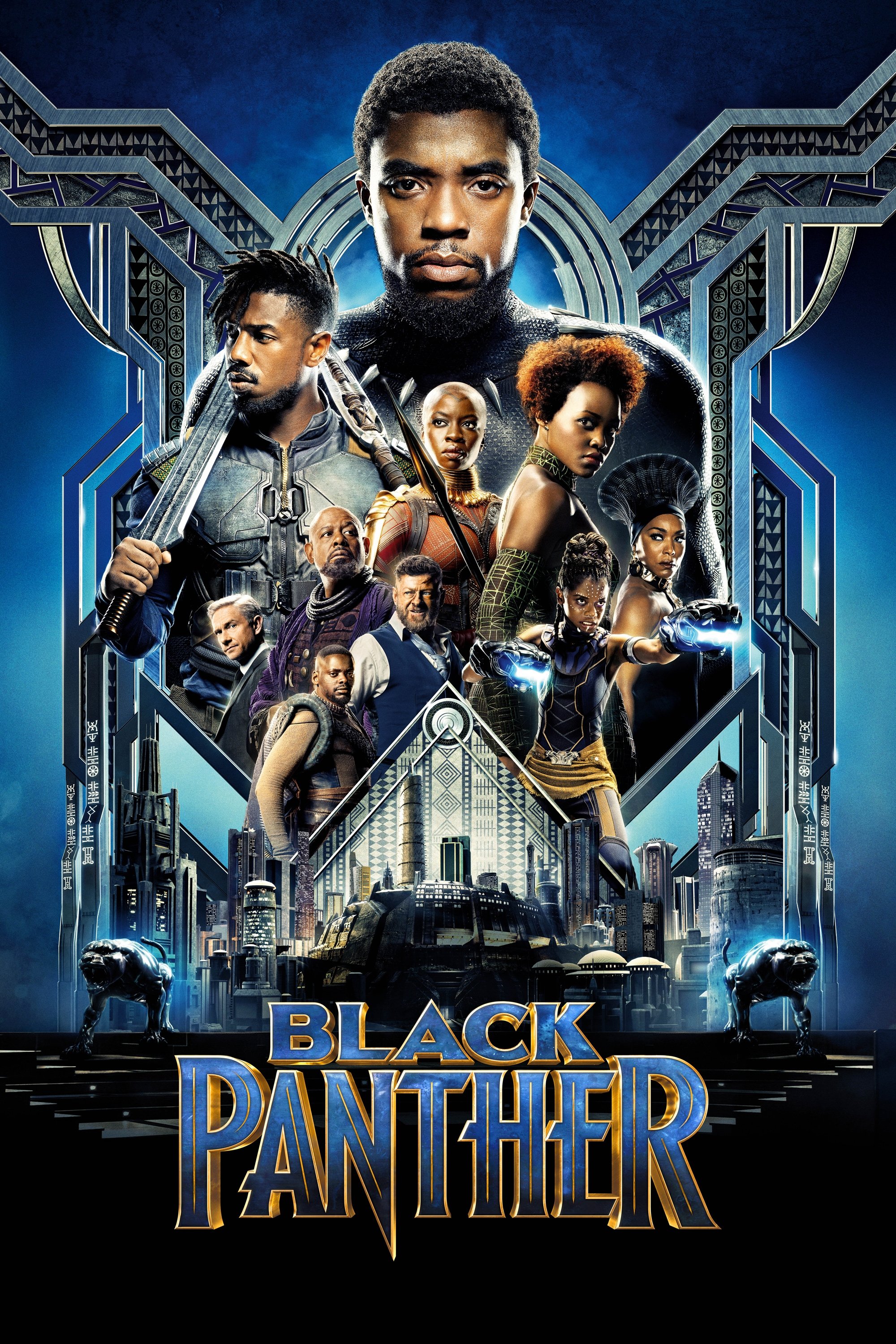
In this superhero film, director Ryan Coogler cleverly flips the typical dynamic of stories with government agents. Instead of a powerful figure offering help, Everett Ross needs protection and guidance from the technologically superior Wakandans. The story focuses on T’Challa and his family working through their own issues, independent of outside interference. This approach breaks from the usual superhero formula, which often relies on a Western character to connect the story to the audience.
‘Da 5 Bloods’ (2020)
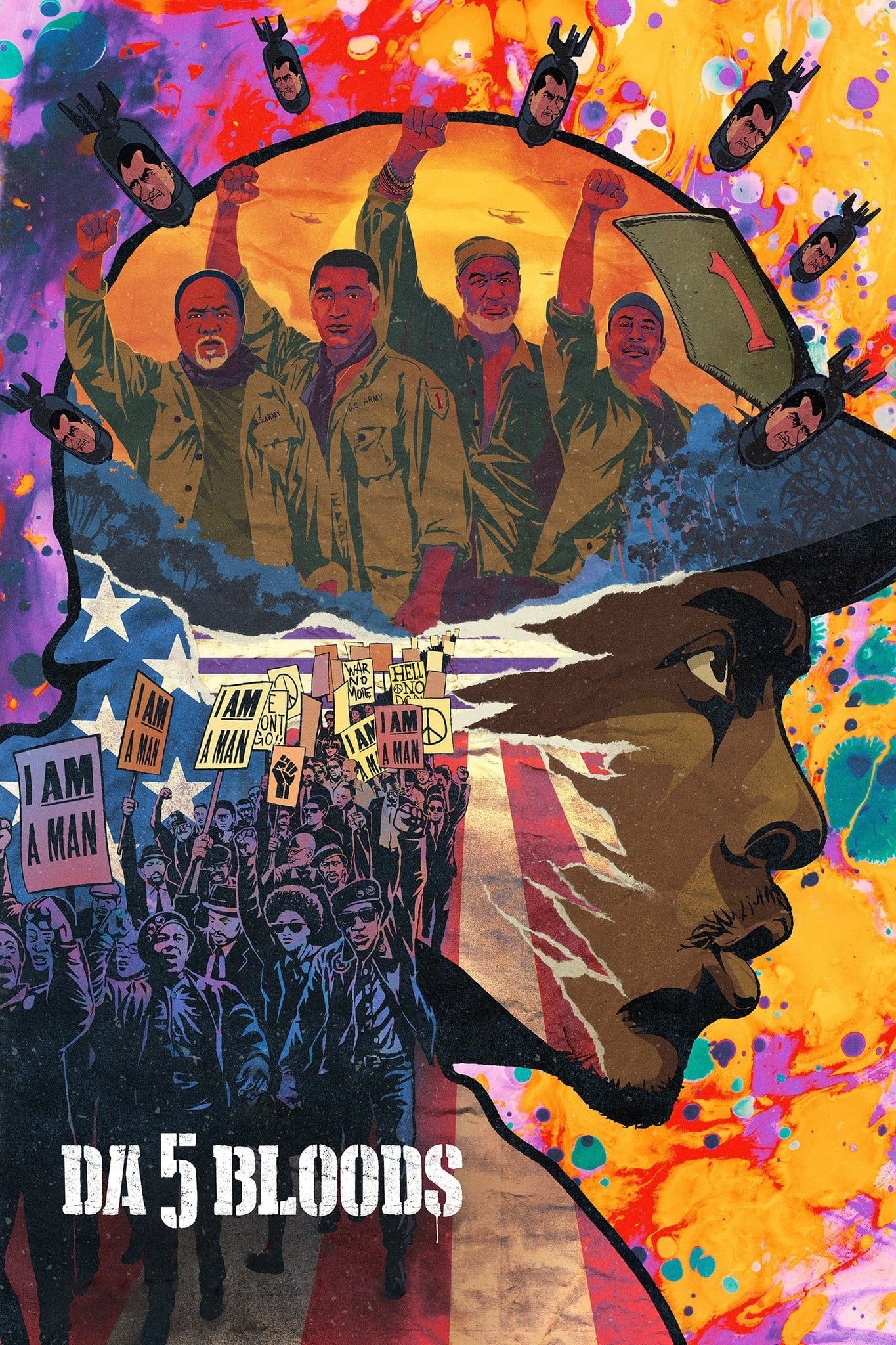
Spike Lee’s film offers a fresh look at the Vietnam War, centering the stories of Black soldiers who have often been overlooked in traditional war movies. The story follows four veterans who return to Vietnam to find the remains of their leader and some hidden gold. The film powerfully explores the complicated reality of these soldiers fighting for a country that didn’t treat them equally. It challenges the usual war movie formula by making Black soldiers the central heroes and focusing on their experiences.
‘The Harder They Fall’ (2021)
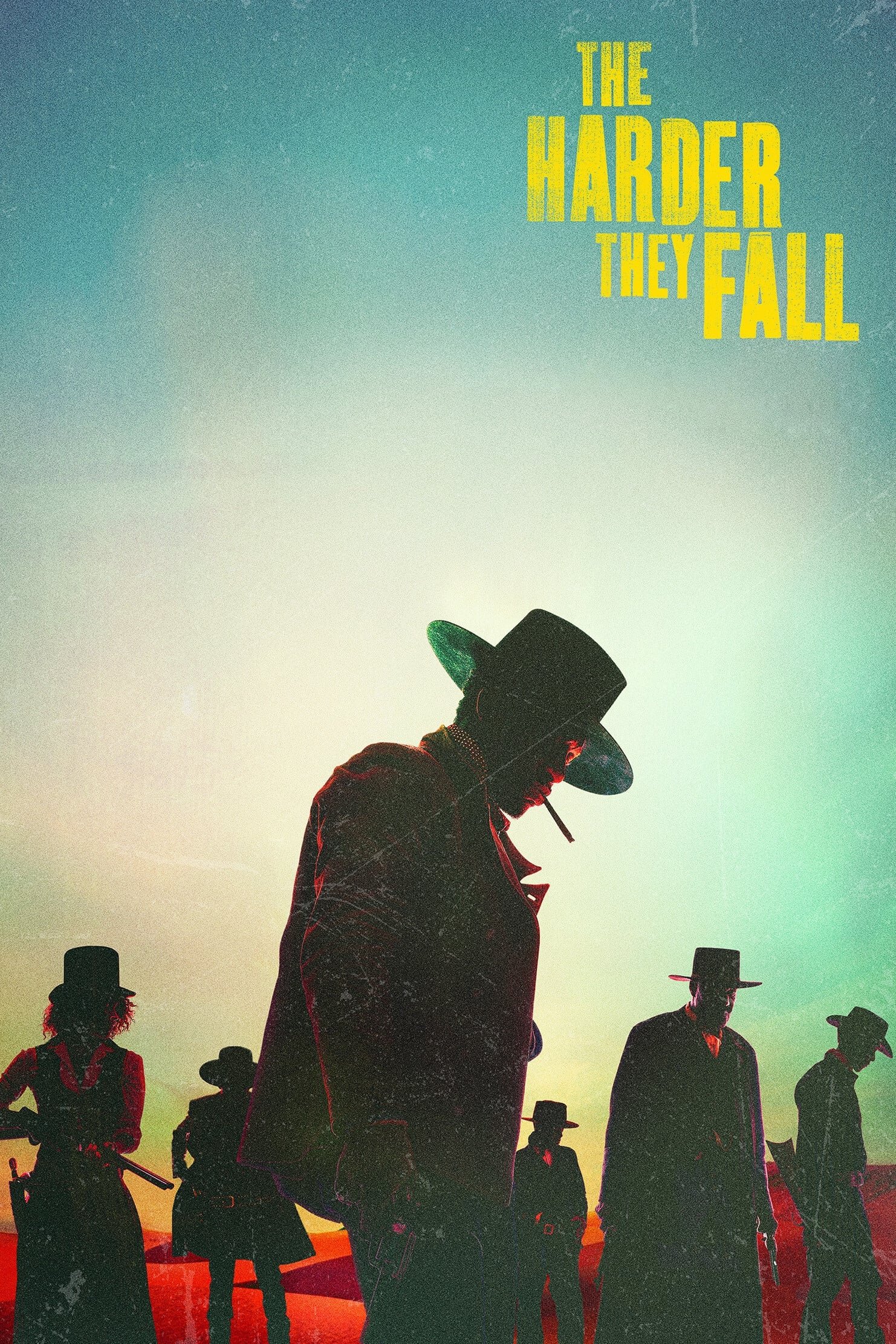
Jeymes Samuel brings a fresh, energetic style to Western films by focusing entirely on the stories of Black cowboys and outlaws. Traditionally, Hollywood Westerns pushed Black characters to the sidelines or gave them supporting roles, even though Black people were a real part of the Old West. This movie breaks from that tradition, letting Black characters be the main heroes and villains, driving the story themselves. Samuel reimagines classic Western themes to highlight Black independence and strength.
‘Sweet Sweetback’s Baadasssss Song’ (1971)
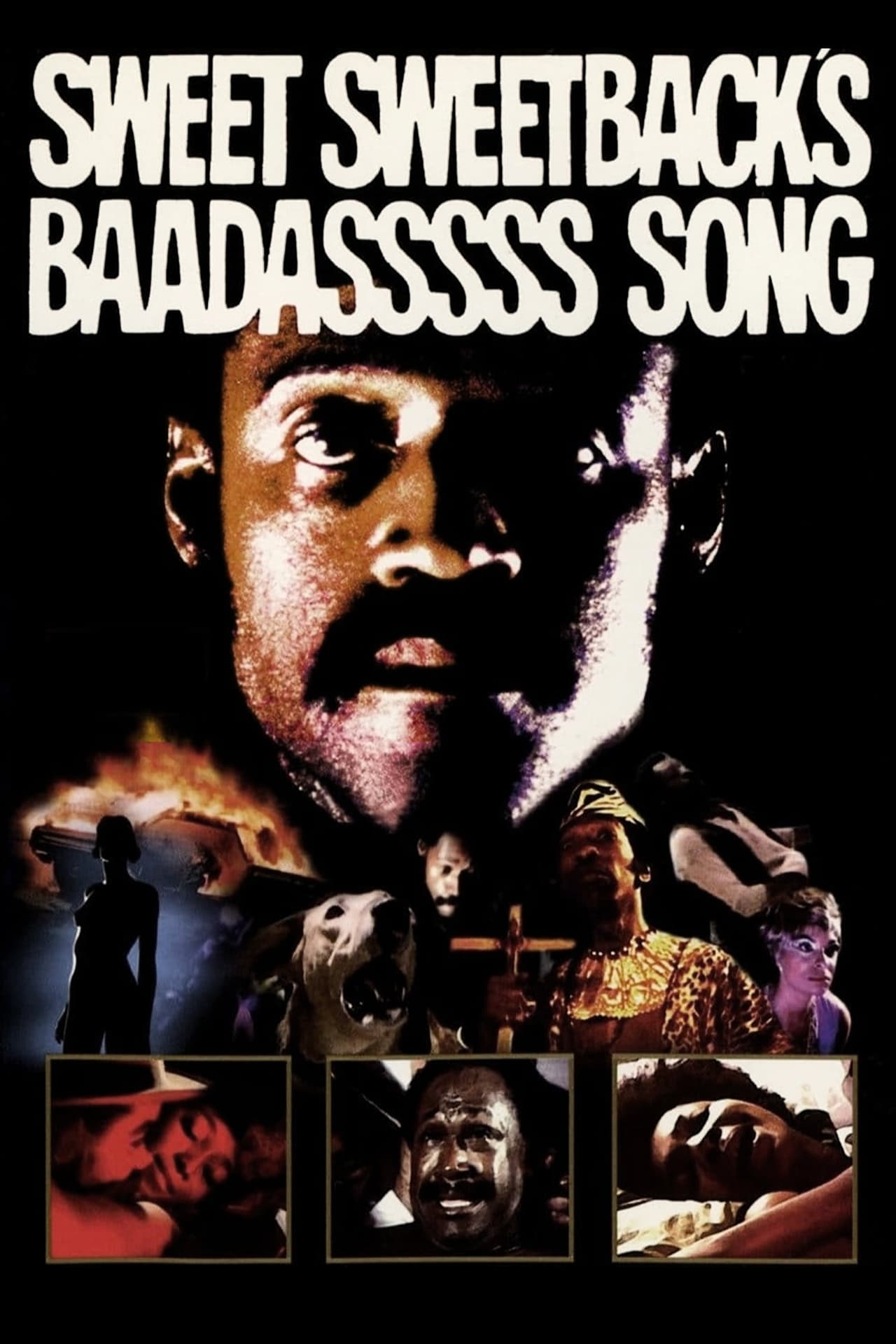
Melvin Van Peebles created this film as an independent response to how Black men were typically shown in movies. The main character, wrongly accused by a dishonest police force, fights back instead of giving up. It’s considered the start of the blaxploitation movement because it showed that audiences were eager to see Black characters overcome injustice. The film is still important today for its bold decision to not worry about being accepted or validated by white audiences.
‘American Fiction’ (2023)
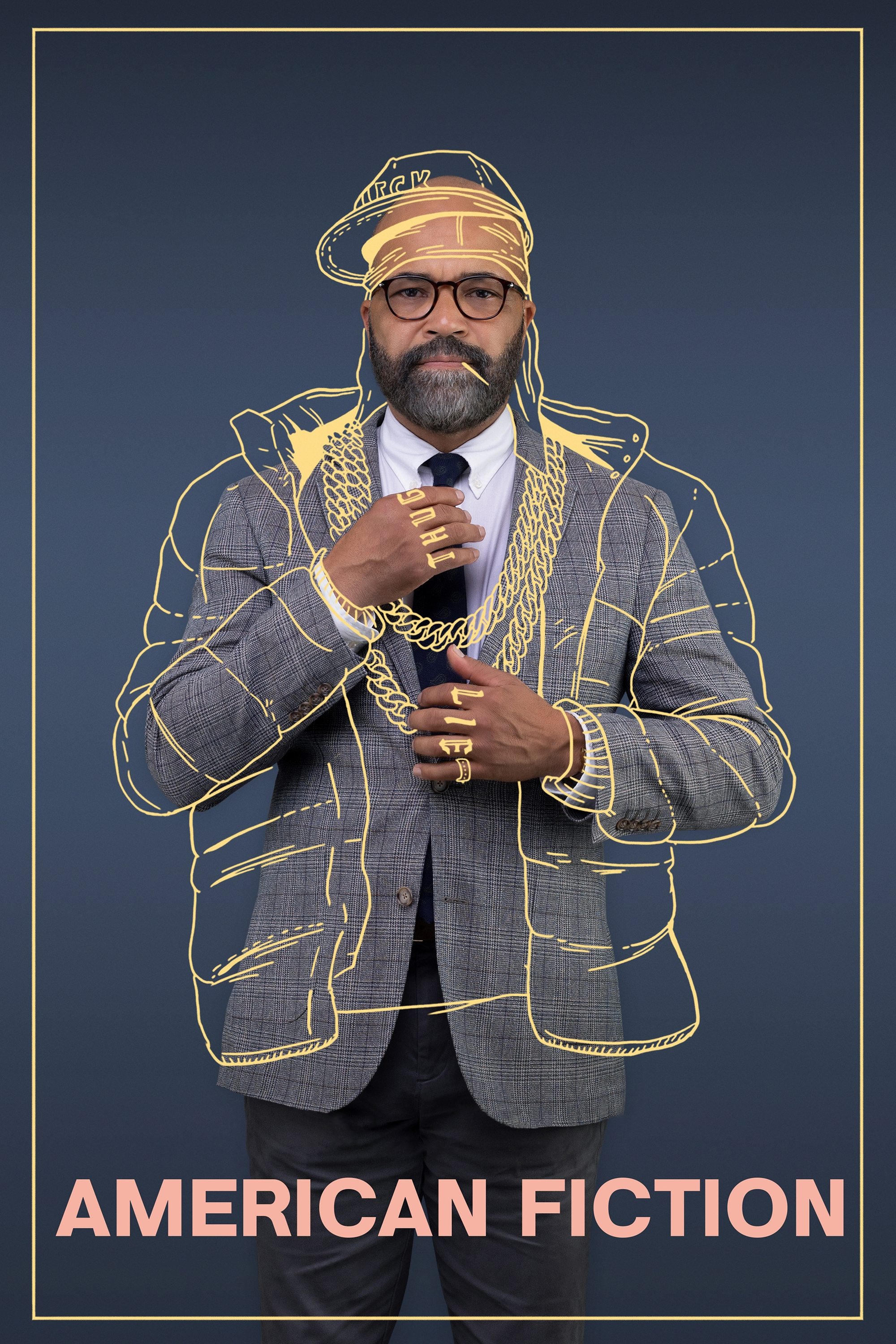
Cord Jefferson’s film cleverly critiques the entertainment industry’s tendency to exploit stories of Black trauma for profit. It follows a writer whose intentionally stereotypical book is surprisingly praised by white executives as being honest and impactful. The film highlights how these executives and audiences often seek out narratives that portray Black life solely through the lens of hardship and crime, and how this creates a cycle that’s difficult for Black artists to break.
‘Judas and the Black Messiah’ (2021)
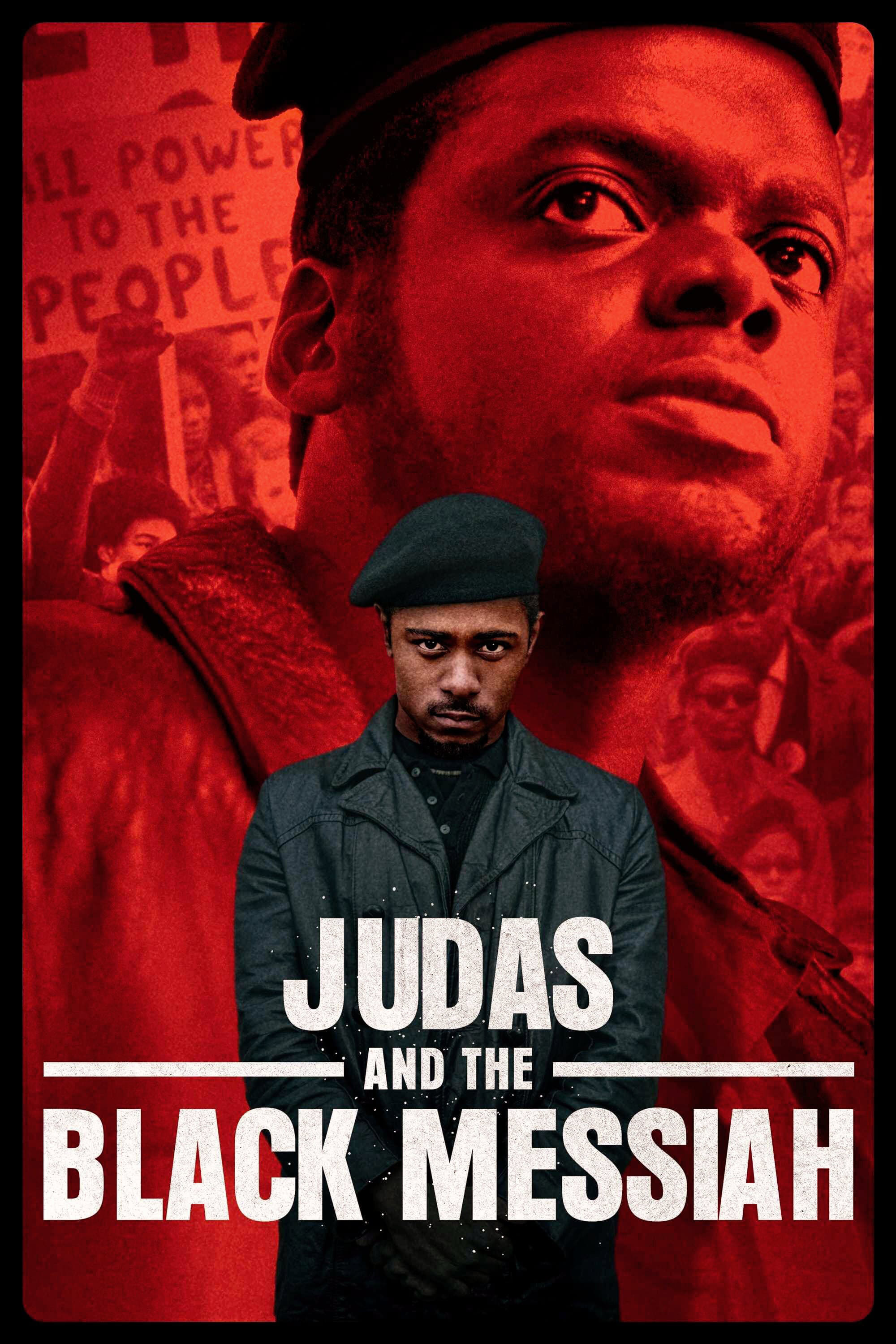
Shaka King’s film powerfully depicts the internal conflicts within the Black Panther Party while also exposing the FBI’s harmful actions. It notably avoids the common trope of a sympathetic white character within law enforcement. Fred Hampton is shown as a strong leader whose work to help the community challenged the existing power structure. The film keeps the focus on the complicated relationship between O’Neal and Hampton, making it central to the story.
‘Nope’ (2022)

Jordan Peele’s new film explores the forgotten history of Black performers in early cinema, specifically the first movie jockey. The Haywood siblings try to document a UFO themselves, taking matters into their own hands. Peele also offers a critique of the entertainment industry’s habit of profiting from difficult experiences while overlooking the contributions of those who work behind the scenes. Throughout the film, the characters face a dangerous situation without help from scientists or the military.
‘Malcolm X’ (1992)
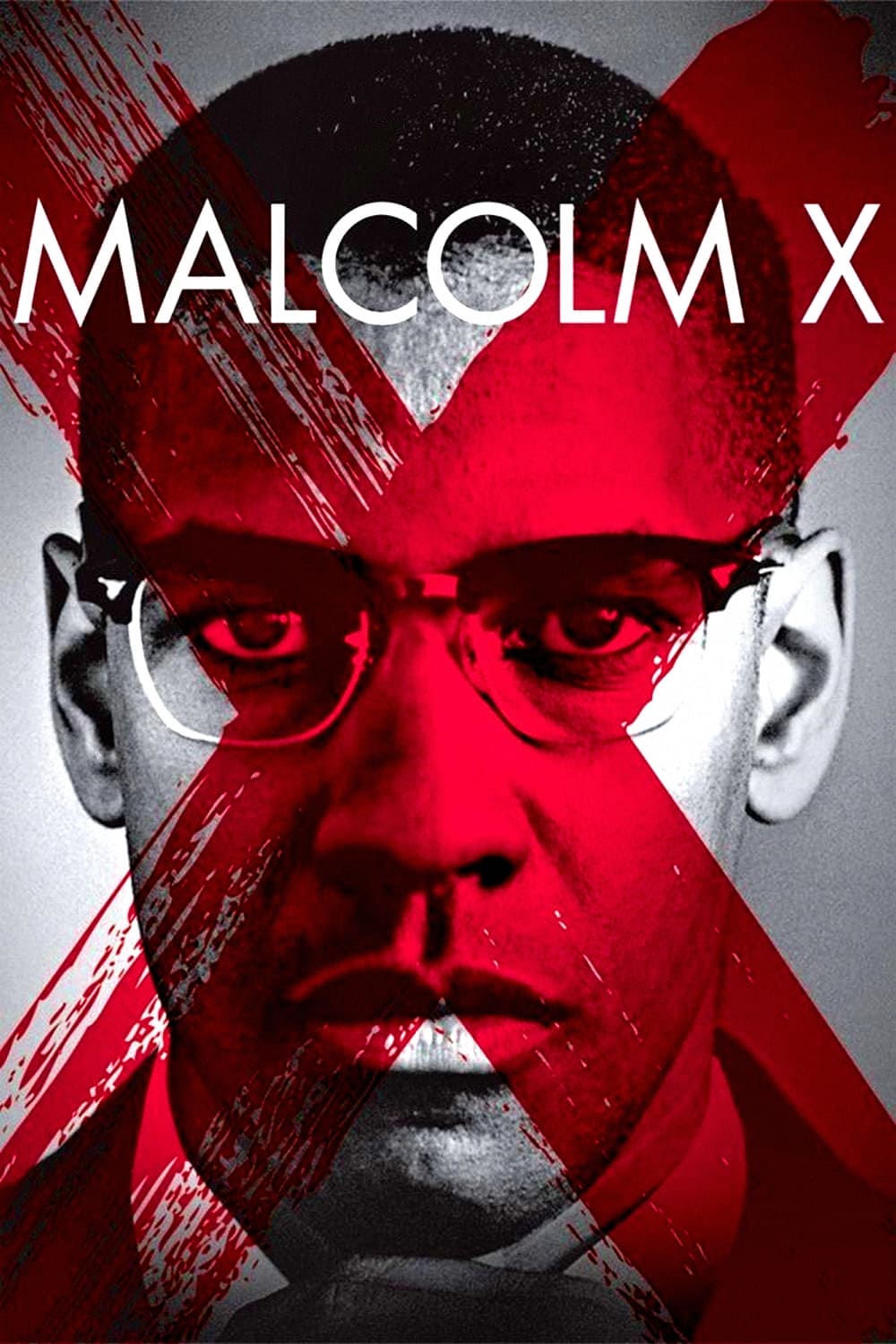
Spike Lee was determined to make a truthful film about Malcolm X, preserving the power and honesty of his message. The movie follows Malcolm’s life, showing his transformation from a young criminal to a respected leader, without softening his beliefs for a wider audience. Lee consistently highlights the importance of Black self-reliance and pride, and he made sure the story was told directly, without being watered down or presented through a biased perspective.
‘Mudbound’ (2017)
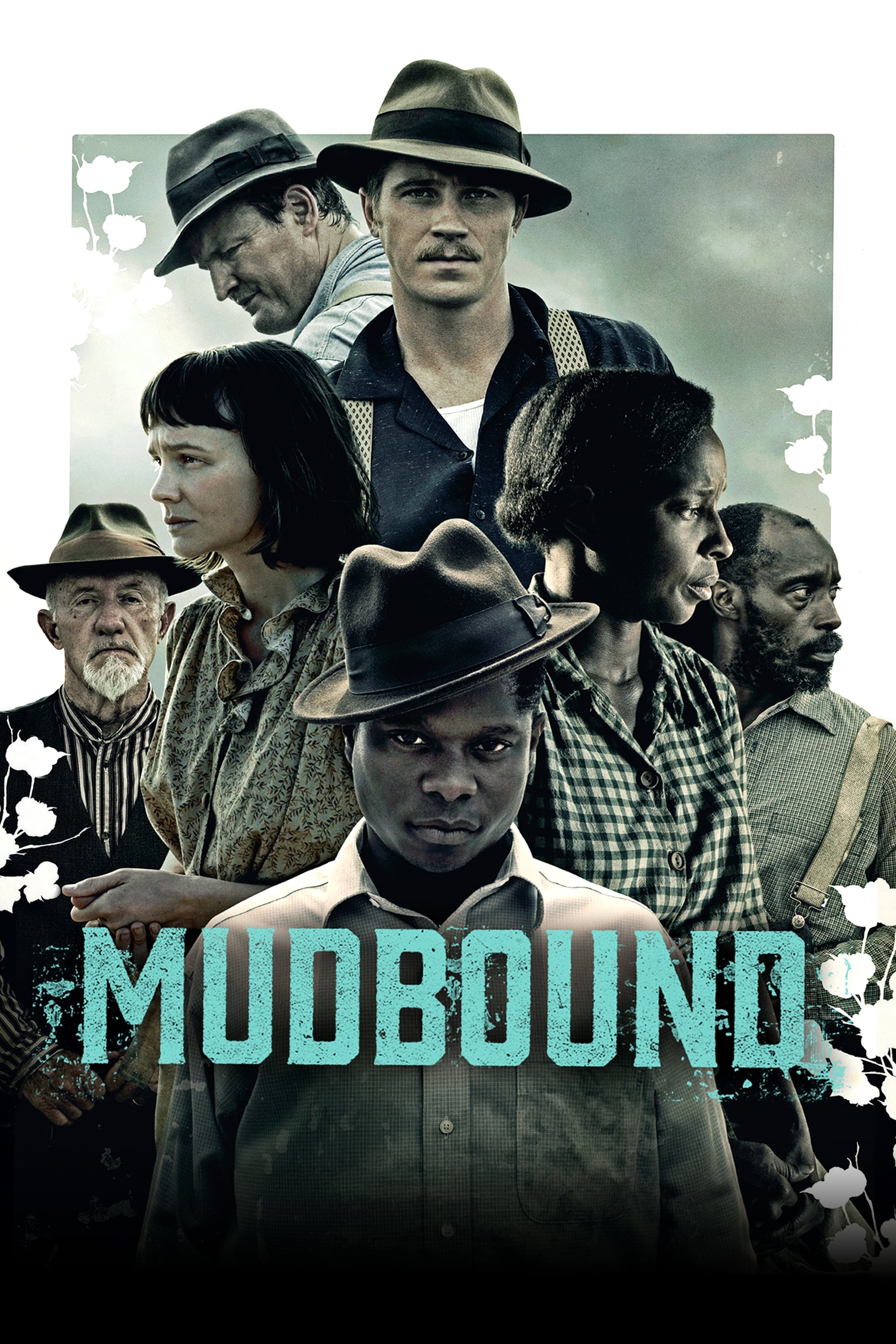
Dee Rees has crafted a powerfully unsettling film about two families in the Jim Crow South, and what struck me most was how she treats both families with equal importance – the Black family isn’t just there to support the story of the white characters. We follow Ronsel Jackson, a war hero who comes home to face brutal racism, and it’s a tough watch. What I really appreciated is that Rees doesn’t offer any easy answers or let the white characters off the hook for their actions. It’s a film that stays with you, and rightly so.
‘Candyman’ (2021)
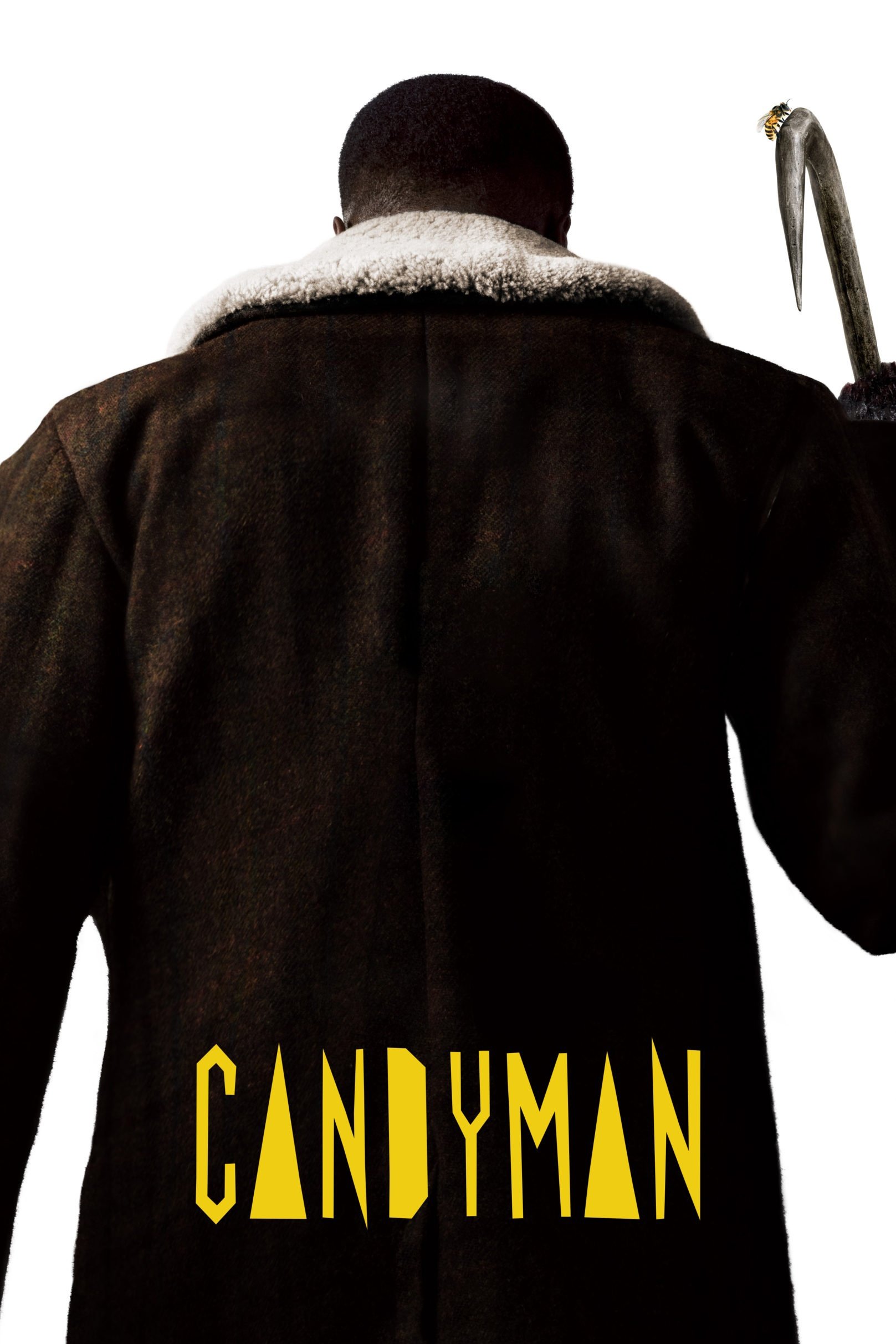
Nia DaCosta offers a fresh take on a classic horror villain, delving into the historical trauma and displacement that shaped his origins. Instead of an outside observer, the story is now told through the eyes of a Black artist within the affected community. DaCosta portrays the character not just as a frightening figure, but as a product of racial violence, reclaiming the story to confront the enduring pain of lynching.
‘Harriet’ (2019)
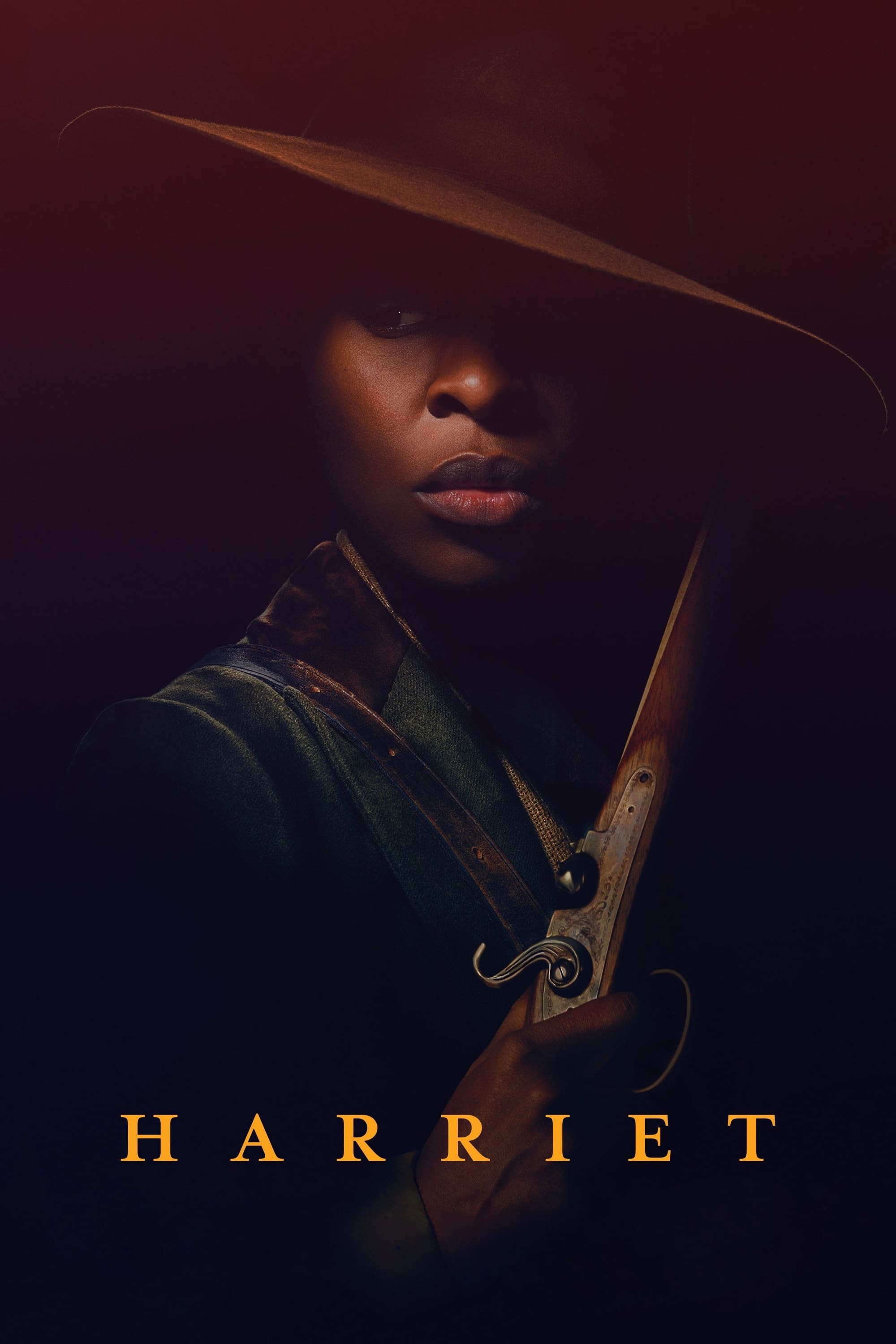
Kasi Lemmons’ film portrays Harriet Tubman not as a helpless victim, but as a courageous and divinely inspired hero. It highlights her bravery, physical strength, and clever planning as she leads herself and others to freedom. The film intentionally downplays the contributions of white abolitionists to emphasize Tubman’s own power and initiative, celebrating her unwavering determination in the face of overwhelming challenges.
‘Sorry to Bother You’ (2018)
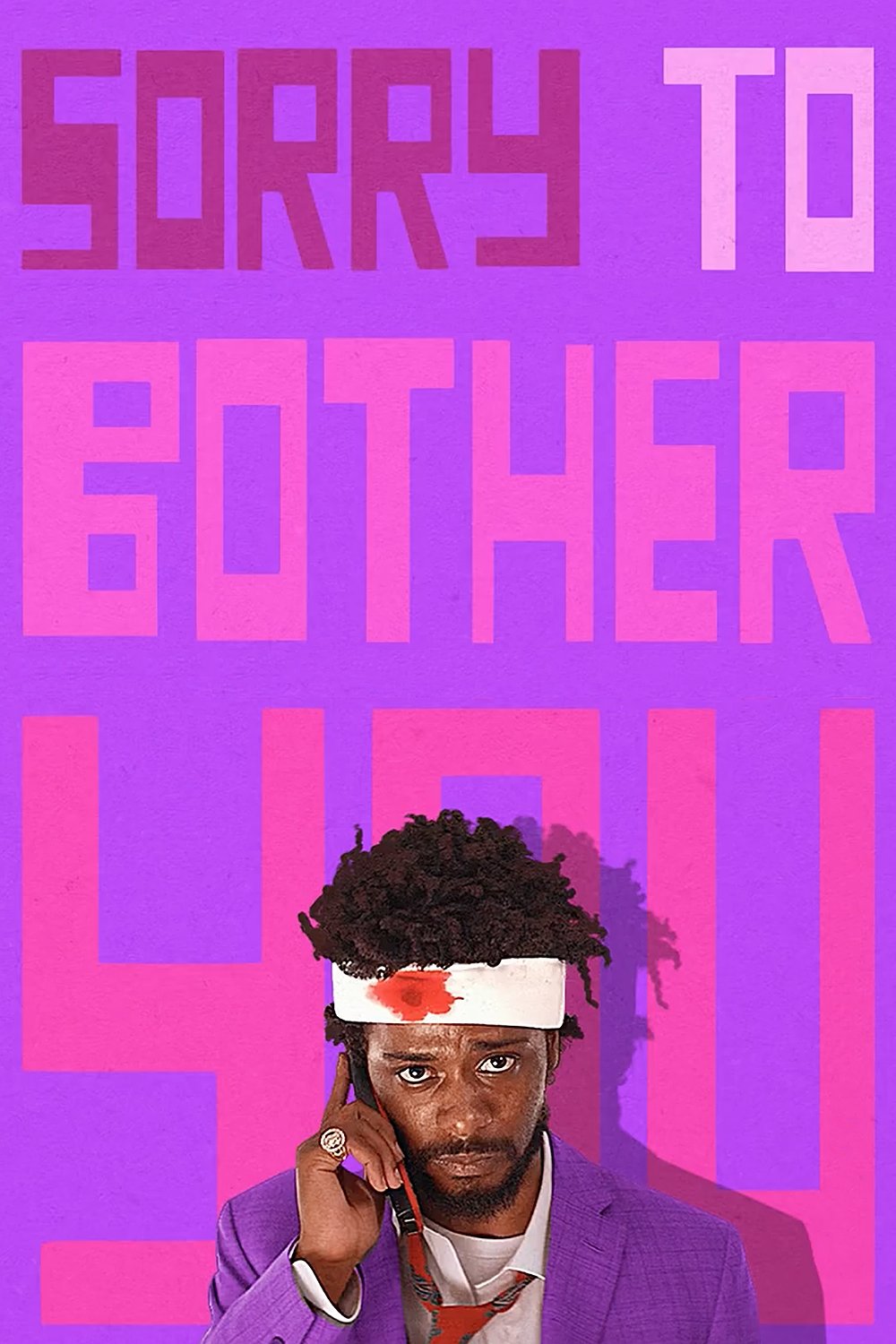
Boots Riley’s film offers a strange and thought-provoking look at capitalism and the way people change how they speak to fit in at work. The main character finds he can only be good at his telemarketing job if he uses a ‘white voice.’ Through exaggerated comedy, the film reveals how companies push people to conform and take advantage of workers. It also challenges the notion that getting close to those in power will automatically lead to security or achievement.
‘The Woman King’ (2022)
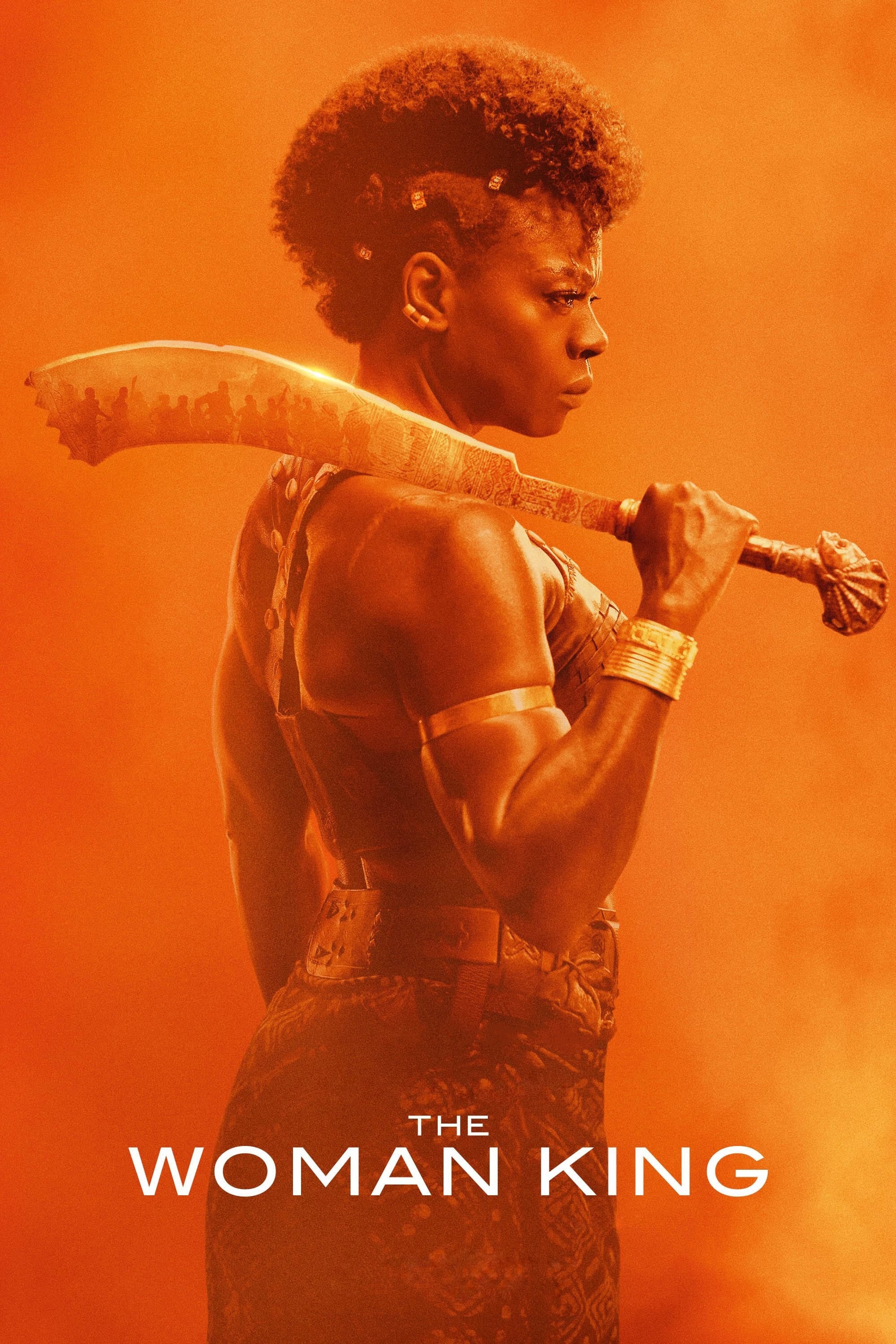
Gina Prince-Bythewood’s film tells the story of the Agojie, an all-female warrior unit from the Kingdom of Dahomey – a subject rarely explored in Hollywood. The movie highlights the strong bond between these women and their rigorous training as soldiers. Led by Viola Davis, they battle to protect their kingdom from European colonists and other powerful enemies. The film focuses on the internal dynamics and power of the African kingdom, rather than the viewpoint of outsiders.
‘Fruitvale Station’ (2013)
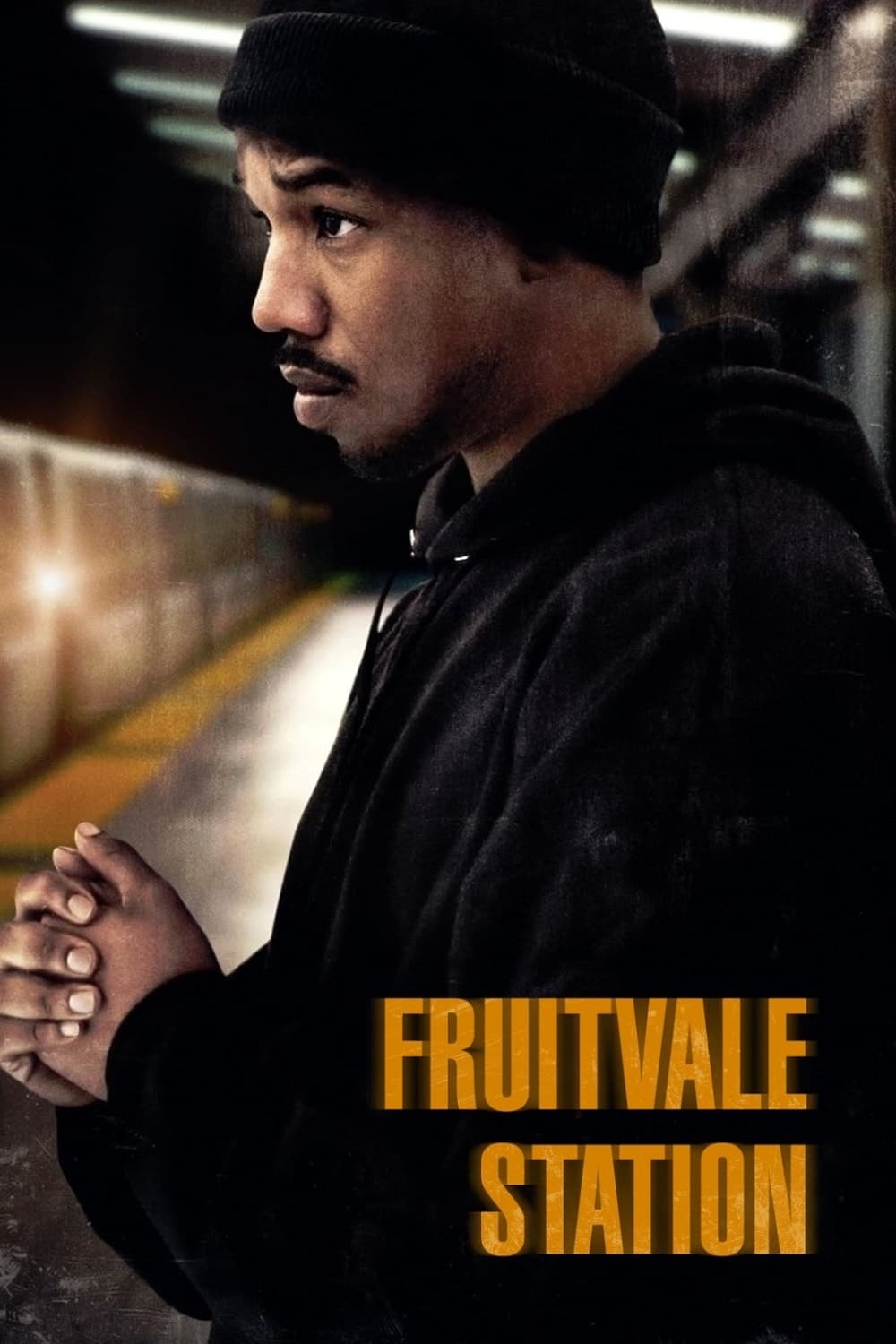
Ryan Coogler’s film offers a deeply personal and sensitive portrayal of Oscar Grant III’s last day, avoiding exploitative depictions of violence until the unavoidable, tragic end. It challenges typical media coverage that often paints Black victims of police brutality as criminals, instead focusing on the human cost of loss and forcing viewers to confront the tragedy of a life cut short, not just a number.
‘Boyz n the Hood’ (1991)
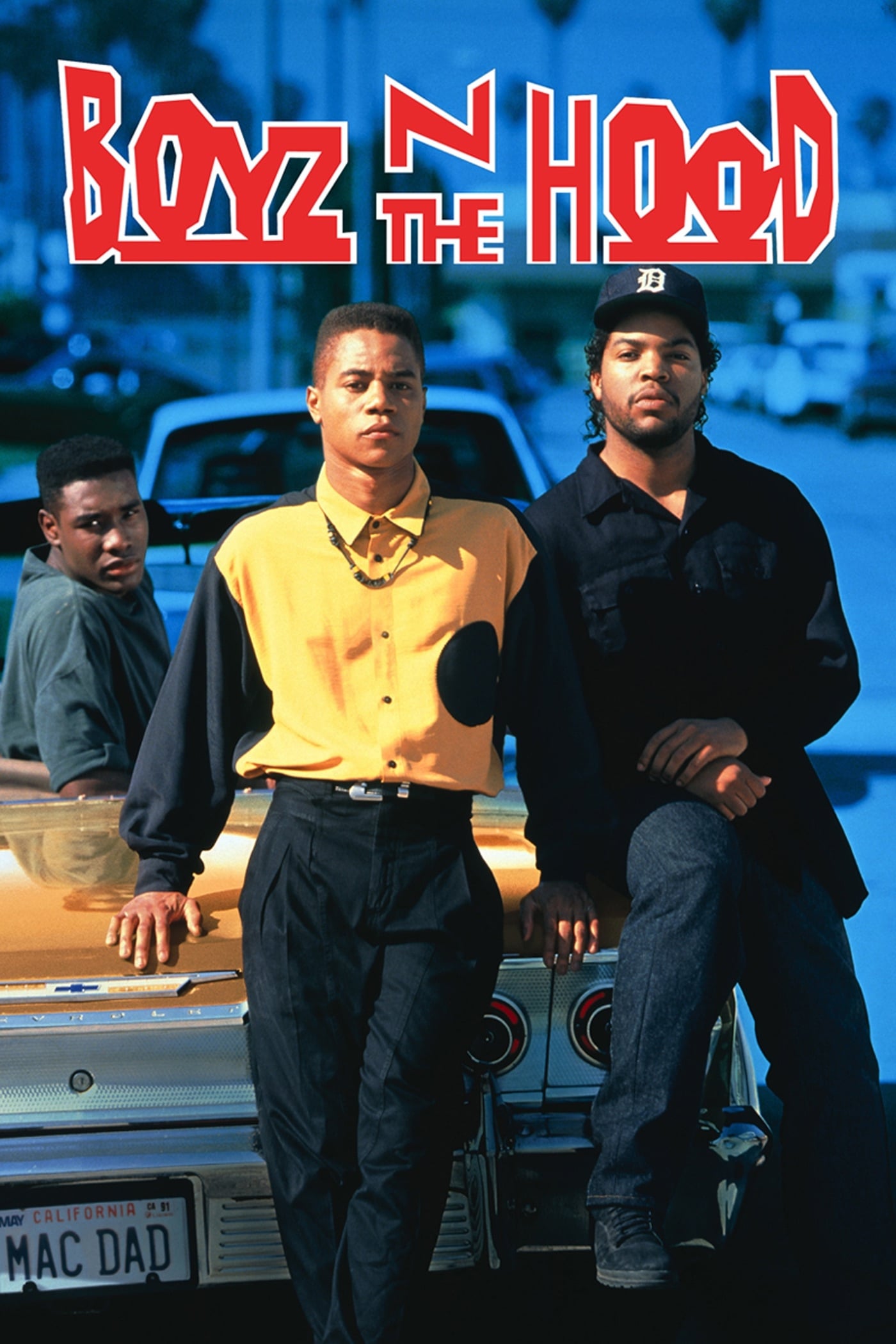
John Singleton’s film offered a realistic and honest portrayal of life in South Central Los Angeles, challenging common misconceptions. It powerfully depicts a father’s struggle to raise his son in a difficult environment marked by neglect and violence. Instead of relying on an outside hero to solve problems, the film focuses on the relationships and challenges within the community itself, and portrays its characters with dignity and without seeking sympathy.
‘Love & Basketball’ (2000)

Gina Prince-Bythewood’s film offers a fresh take on romance by centering the aspirations of a Black female athlete. Monica is just as driven to succeed in her career as she is in her love life. Unlike many similar stories, it doesn’t rely on the trope of a white character helping an athlete from an urban background achieve success. Instead, the film equally highlights Black love and achievement.
‘Moonlight’ (2016)
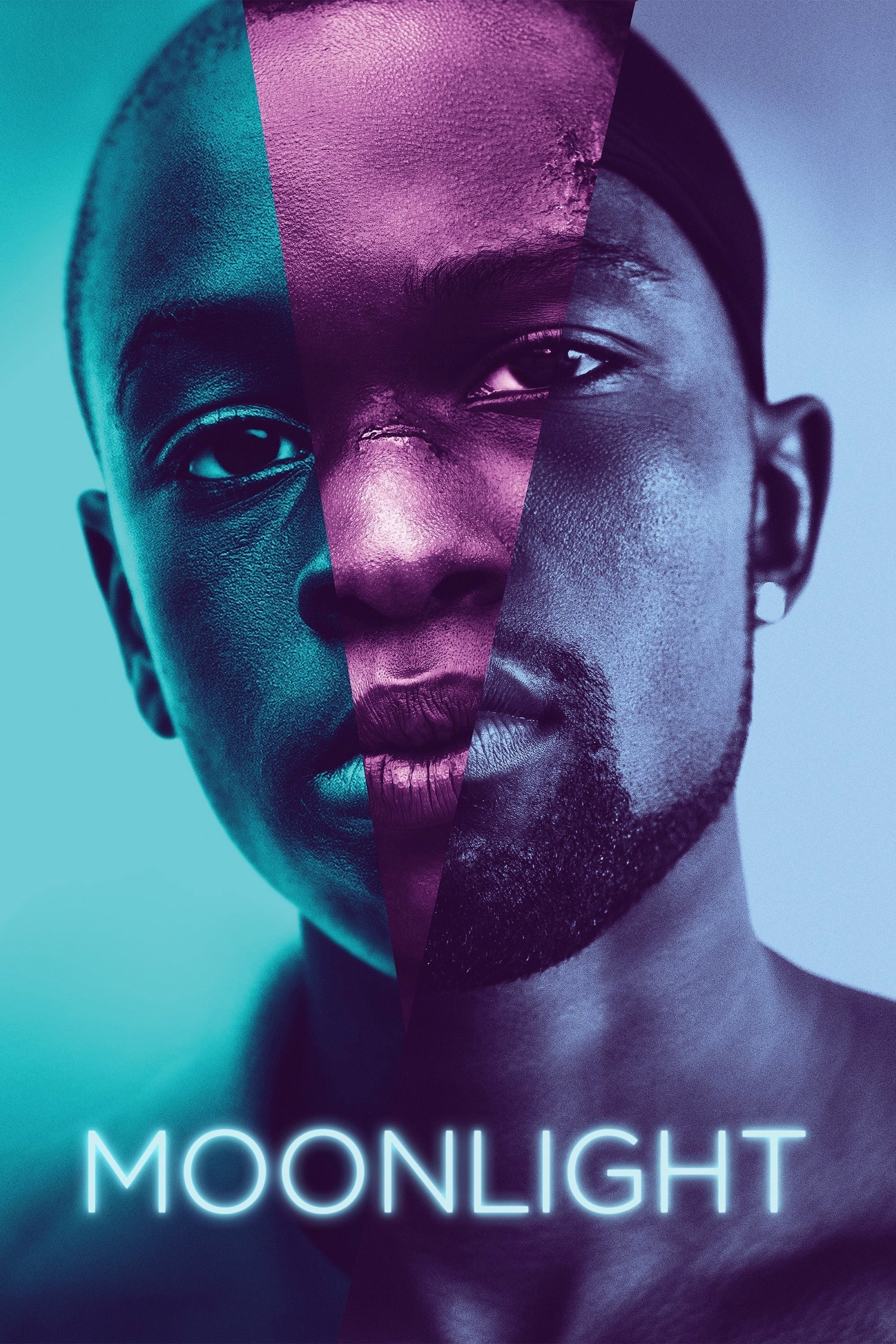
Barry Jenkins delivers a powerfully personal exploration of what it means to be a Black man, told entirely from a Black perspective. The film follows Chiron as he comes to understand himself, in a world where white people aren’t present. It’s a refreshing departure from stories that usually rely on white characters to drive the plot or offer solutions, instead focusing completely on Chiron’s inner life and his connections with others.
‘Us’ (2019)
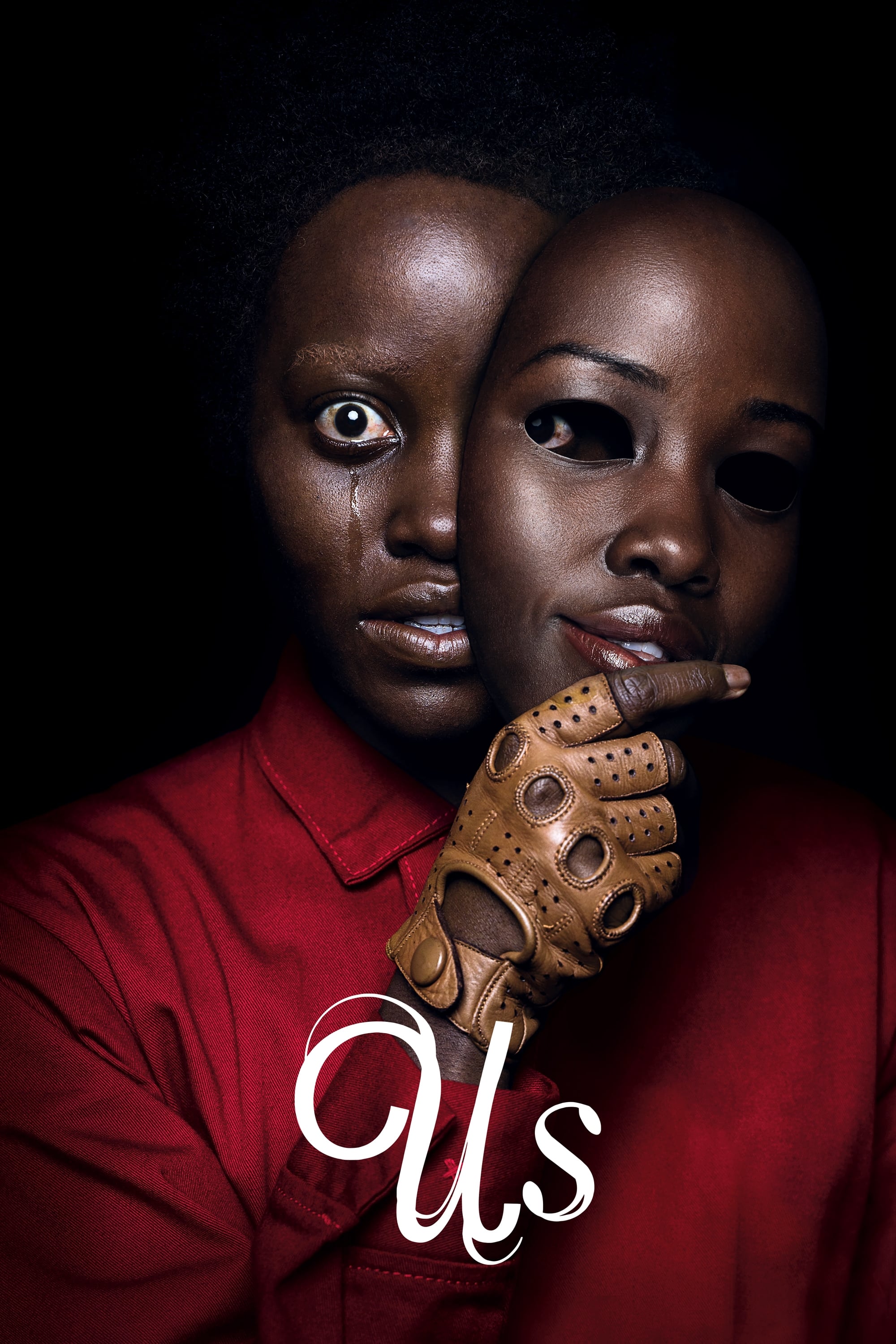
Jordan Peele’s films use horror to examine issues of power and social class, but not by directly focusing on race. In his film, the Wilson family faces a terrifying fight for their lives when confronted by their own duplicates. Importantly, Peele flips the usual horror movie trope of Black families being the first to fall victim – instead, he portrays them as an ordinary American family struggling to survive an extraordinary crisis.
Tell us which of these films had the most impact on you in the comments.
Read More
- 2025 Crypto Wallets: Secure, Smart, and Surprisingly Simple!
- Gold Rate Forecast
- Brown Dust 2 Mirror Wars (PvP) Tier List – July 2025
- HSR 3.7 story ending explained: What happened to the Chrysos Heirs?
- ETH PREDICTION. ETH cryptocurrency
- Games That Faced Bans in Countries Over Political Themes
- Gay Actors Who Are Notoriously Private About Their Lives
- Uncovering Hidden Groups: A New Approach to Social Network Analysis
- Banks & Shadows: A 2026 Outlook
- The Best Actors Who Have Played Hamlet, Ranked
2025-12-26 04:17