
Movies about prominent Black figures always face a lot of attention, and choosing the right actors is often the biggest point of discussion. People question whether the casting feels true to the person’s life, if it fairly represents them, and if things like skin tone and nationality are being handled well. There are also concerns about using makeup or prosthetics to change an actor’s appearance. Sometimes these debates happen before filming even begins, and other times they flare up after people see trailers or photos. In many instances, the subject’s family or community members have voiced objections or felt left out of the storytelling process. Here are twenty examples where casting choices caused significant discussion, petitions, or public statements.
‘Nina’ (2016)

The casting of Zoe Saldana as Nina Simone sparked controversy due to concerns about colorism and the filmmakers’ choice to alter her skin tone and use a prosthetic nose. The Simone family publicly disapproved of the film, and the makeup choices became a major source of criticism. Many argued that a darker-skinned actress, with features more similar to Simone’s, should have been cast. This controversy ultimately drew more attention than the film itself, impacting its release and promotion.
‘Urban Myths’ (2017)

Sky Arts faced strong criticism after casting white actor Joseph Fiennes as Michael Jackson in a planned episode about a supposed road trip after the 9/11 attacks. Fans and Jackson’s family quickly voiced their disapproval, and after a negative reaction to the trailer, the network decided not to air the episode. The situation is often used as an example when talking about issues of race, accurate representation, and responsible casting in the entertainment industry.
‘A Mighty Heart’ (2007)
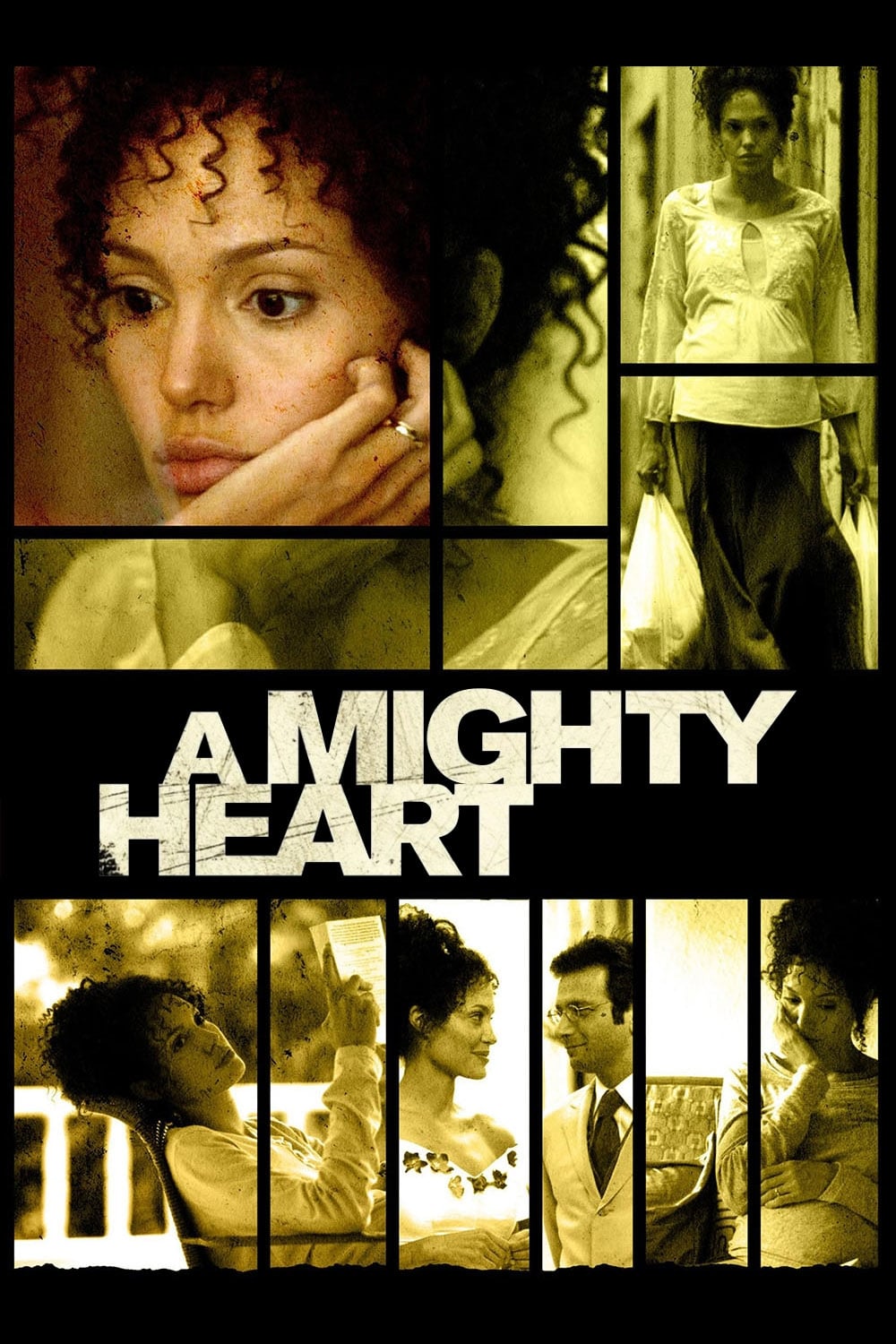
Angelina Jolie played Mariane Pearl, a woman with Afro-Cuban and Dutch roots, in a film role that sparked controversy over her appearance. Critics pointed out that the makeup and hairstyle used made Jolie’s race seem unclear, leading to discussions about whether an actress of color should have been cast instead. While Mariane Pearl herself supported Jolie’s role, focusing on the film’s overall message, the debate about fair representation continued even after the movie came out.
‘Harriet’ (2019)
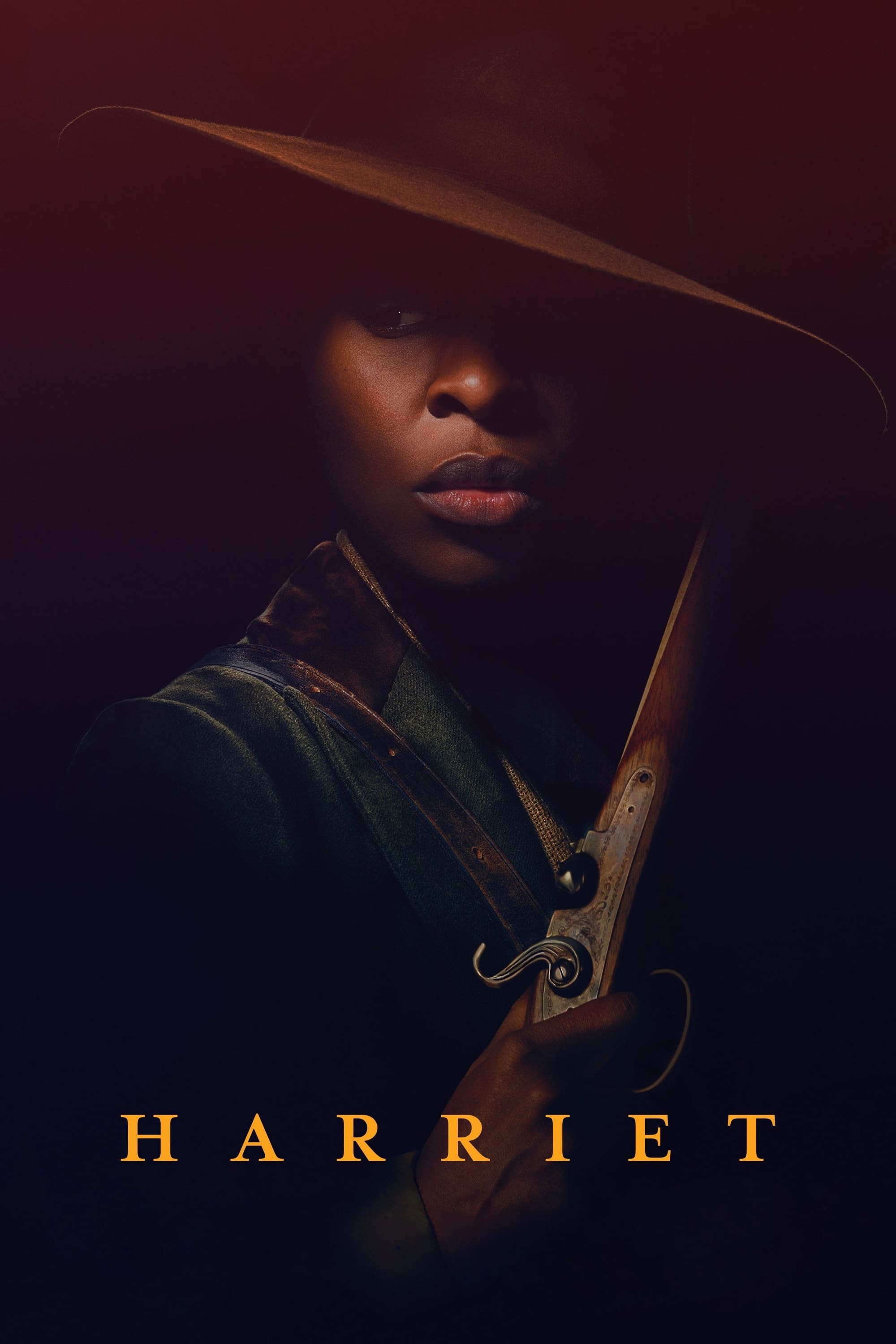
When Cynthia Erivo was cast as Harriet Tubman, some people reacted negatively, focusing on the fact that she wasn’t born in America and bringing up past online comments they found hurtful. These critics wondered if an American actor should have played such an important figure in American history. However, others pointed to Erivo’s acclaimed performances on stage and the fact that she was chosen for the role based on her audition. The filmmakers also publicly addressed these concerns as they promoted the film.
‘Selma’ (2014)
When British-Nigerian actor David Oyelowo portrayed Martin Luther King Jr., it sparked a discussion about whether British actors should play American civil rights leaders. This led to broader questions about how accurately accents should be reproduced in films and whether African American actors were being overlooked for these roles. Filmmakers who cast Oyelowo argued his audition and performance were exceptional. This issue came up again with other films that featured similar casting choices.
‘Judas and the Black Messiah’ (2021)
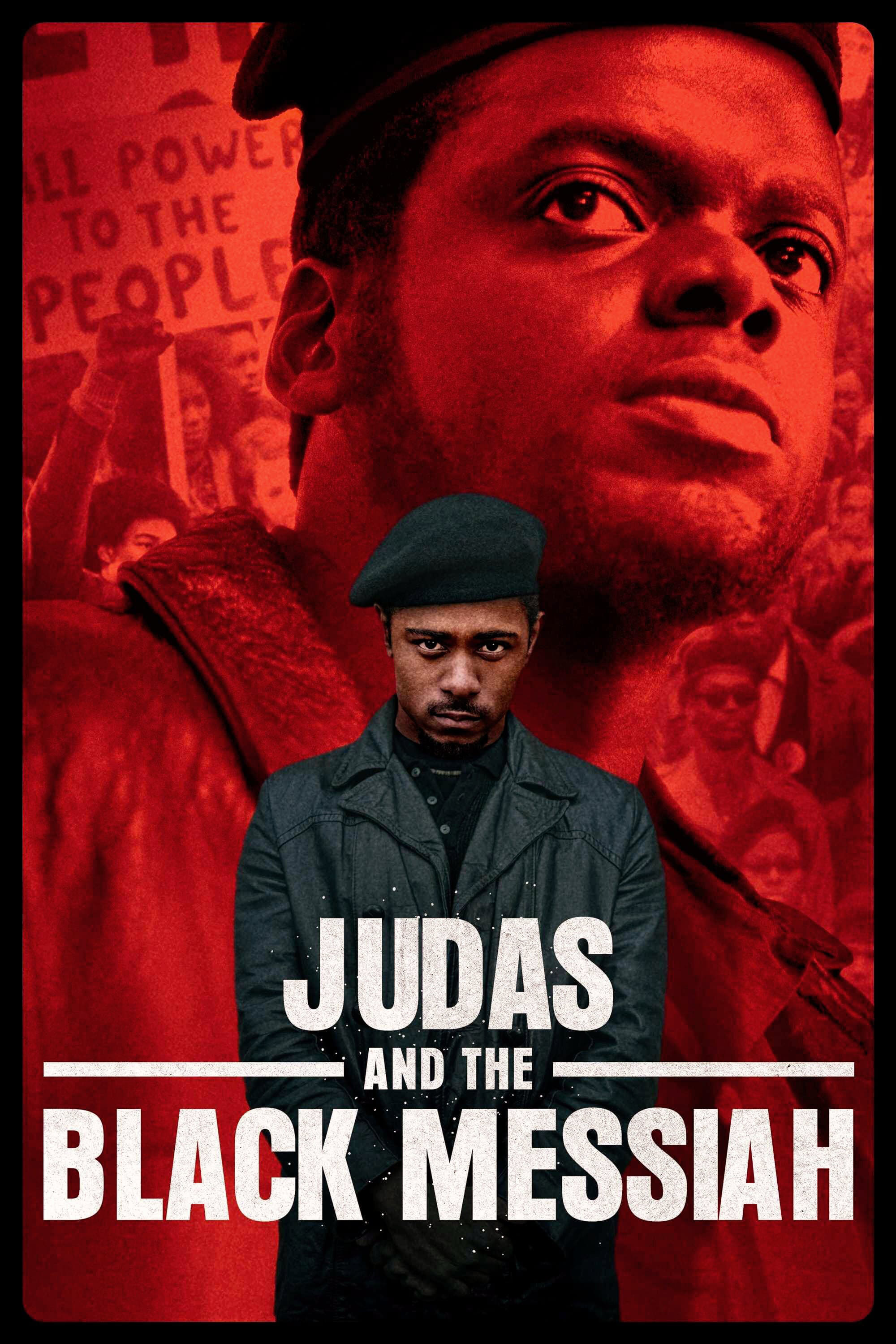
Some viewers questioned why Daniel Kaluuya, who is British, played Fred Hampton, the chairman of the Illinois Black Panther Party, arguing an African American actor would have been more fitting. This sparked discussions about accents, cultural authenticity, and who should portray specific roles. The filmmakers worked closely with Hampton’s family, who served as consultants on the film, and the casting choice was a frequent topic in interviews promoting the movie.
‘Marshall’ (2017)
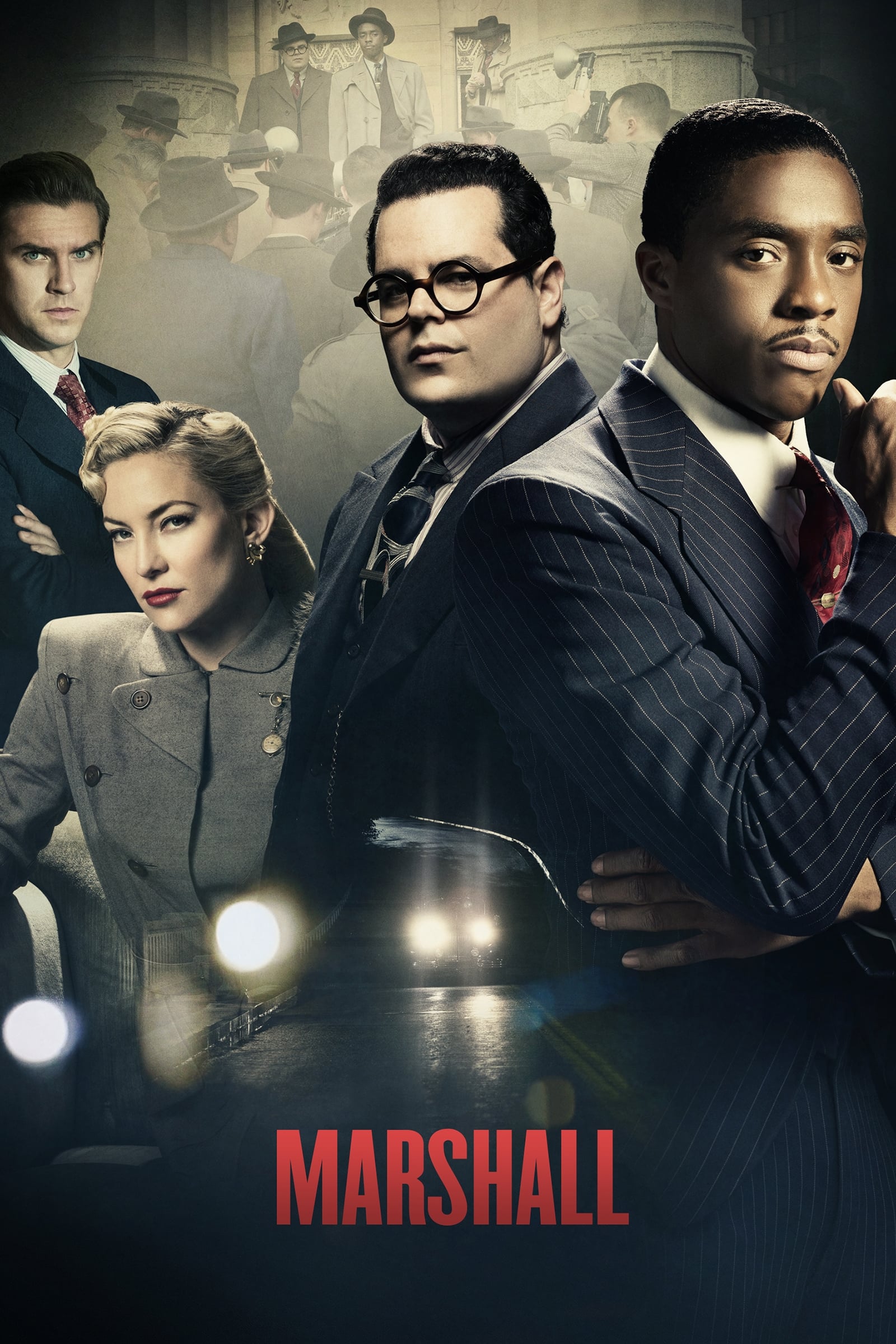
When Chadwick Boseman was cast as Thurgood Marshall, some people discussed colorism, noting that the real-life lawyer and Supreme Court Justice had lighter skin. Boseman addressed these concerns, pointing out the film focused on a particular, earlier period in Marshall’s life. The conversation also touched on Hollywood’s past tendency to cast actors based on skin tone when portraying historical figures. Despite positive reviews of Boseman’s performance, this issue became a topic of public discussion surrounding the film.
‘Whitney Houston: I Wanna Dance with Somebody’ (2022)

Naomi Ackie, a British actor of Black heritage, faced criticism from some fans after being cast as Whitney Houston, with concerns raised about her accent and whether a British actor was right for the role. The filmmakers used Whitney Houston’s original recordings for the singing, aiming for authenticity. Marketing for the film emphasized Ackie’s preparation and how her performance was synchronized with Houston’s voice to address these concerns.
‘Whitney’ (2015)
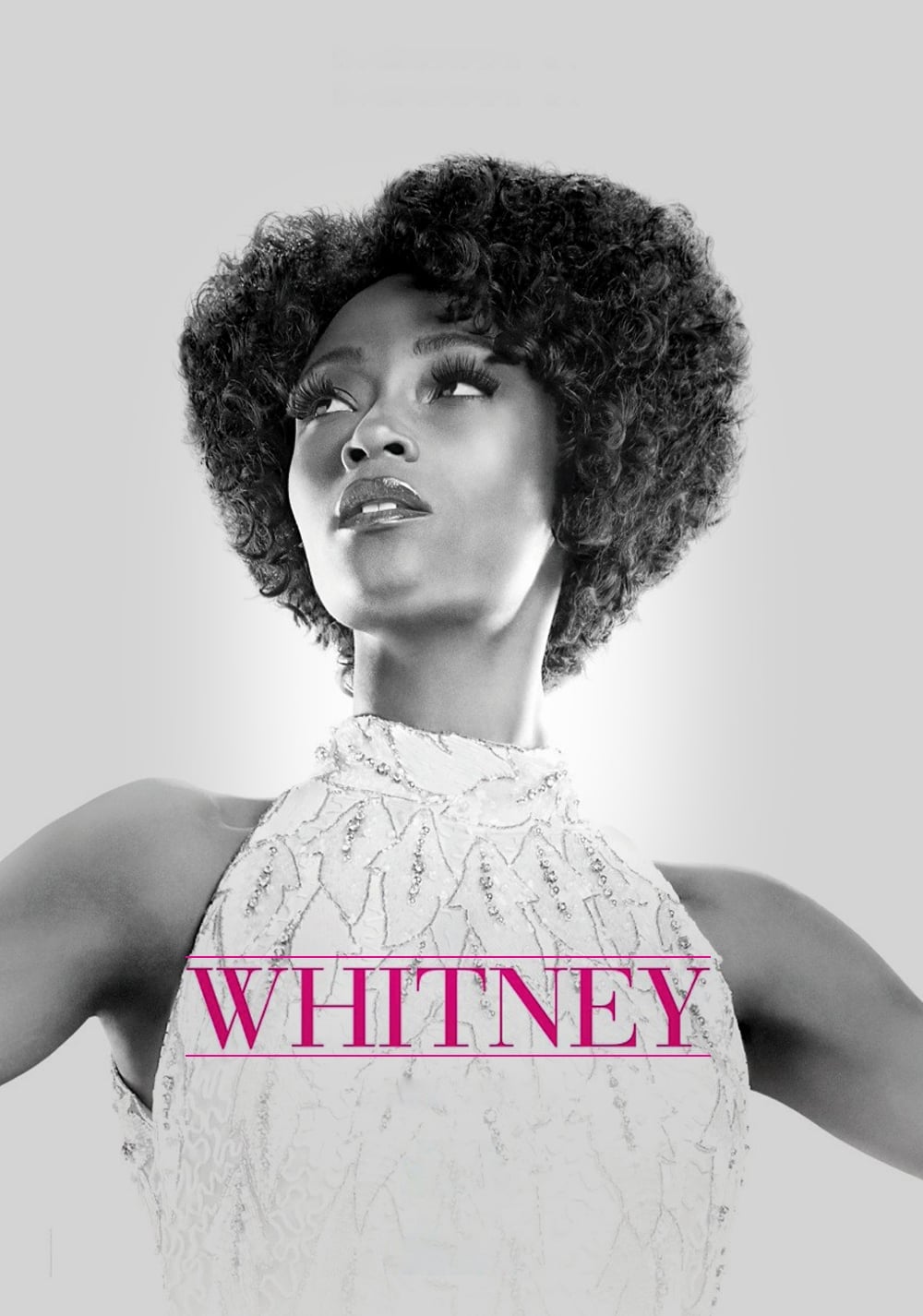
Yaya DaCosta starred as Whitney Houston in a TV movie, but it was made without using Houston’s original songs. Because the Houston family didn’t participate and a different singer provided the vocals, many questioned how accurate the film would be. Discussions about the casting choices also came up alongside worries about what the movie covered and when it was released. The filmmakers focused their marketing on highlighting DaCosta’s dedication and their goal of honoring Houston’s musical impact.
‘Man in the Mirror: The Michael Jackson Story’ (2004)
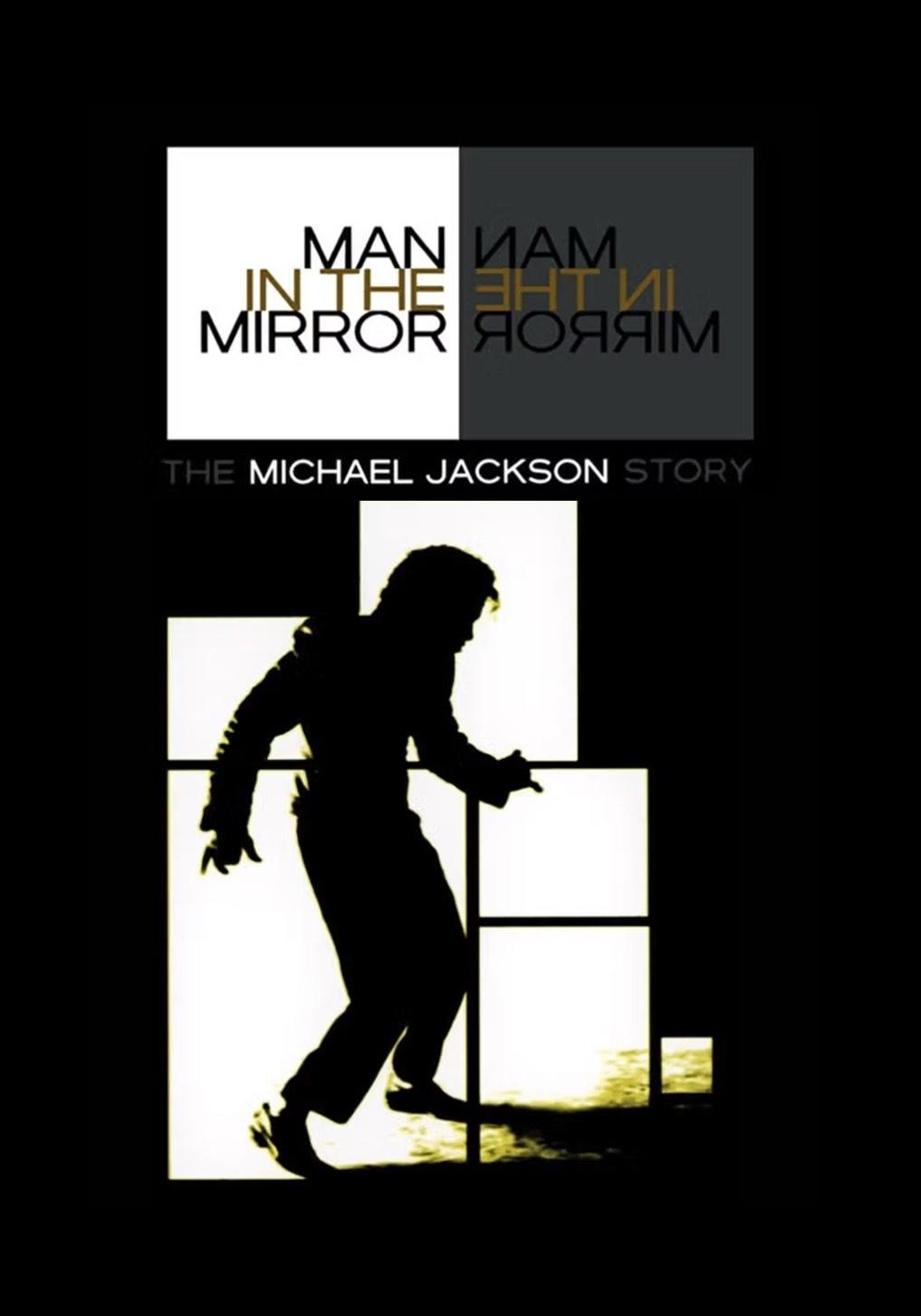
Flex Alexander’s performance as Michael Jackson in the TV movie received some criticism, mainly focusing on the makeup and how much he actually resembled Jackson. Many viewers and critics pointed out that the prosthetics and styling weren’t quite able to fully capture Jackson’s look as it changed over time. The movie was made with a typical television budget, and that became a topic of conversation after it aired. The casting continues to be discussed when people talk about makeup and how well actors portray real people in biopics.
‘Bob Marley: One Love’ (2024)

British actor Kingsley Ben-Adir, who has Trinidadian and Moroccan roots, played Bob Marley in a recent biopic. This casting sparked discussion about whether a non-Jamaican actor could authentically portray the reggae legend, and the lack of Jamaican representation in major films. The filmmakers worked closely with Marley’s family – who were also producers on the film – and provided extensive dialect coaching to address these concerns. Early trailers and promotional materials highlighted the film’s access to Marley’s music and family life, aiming to reassure fans.
‘Jimi: All Is by My Side’ (2013)
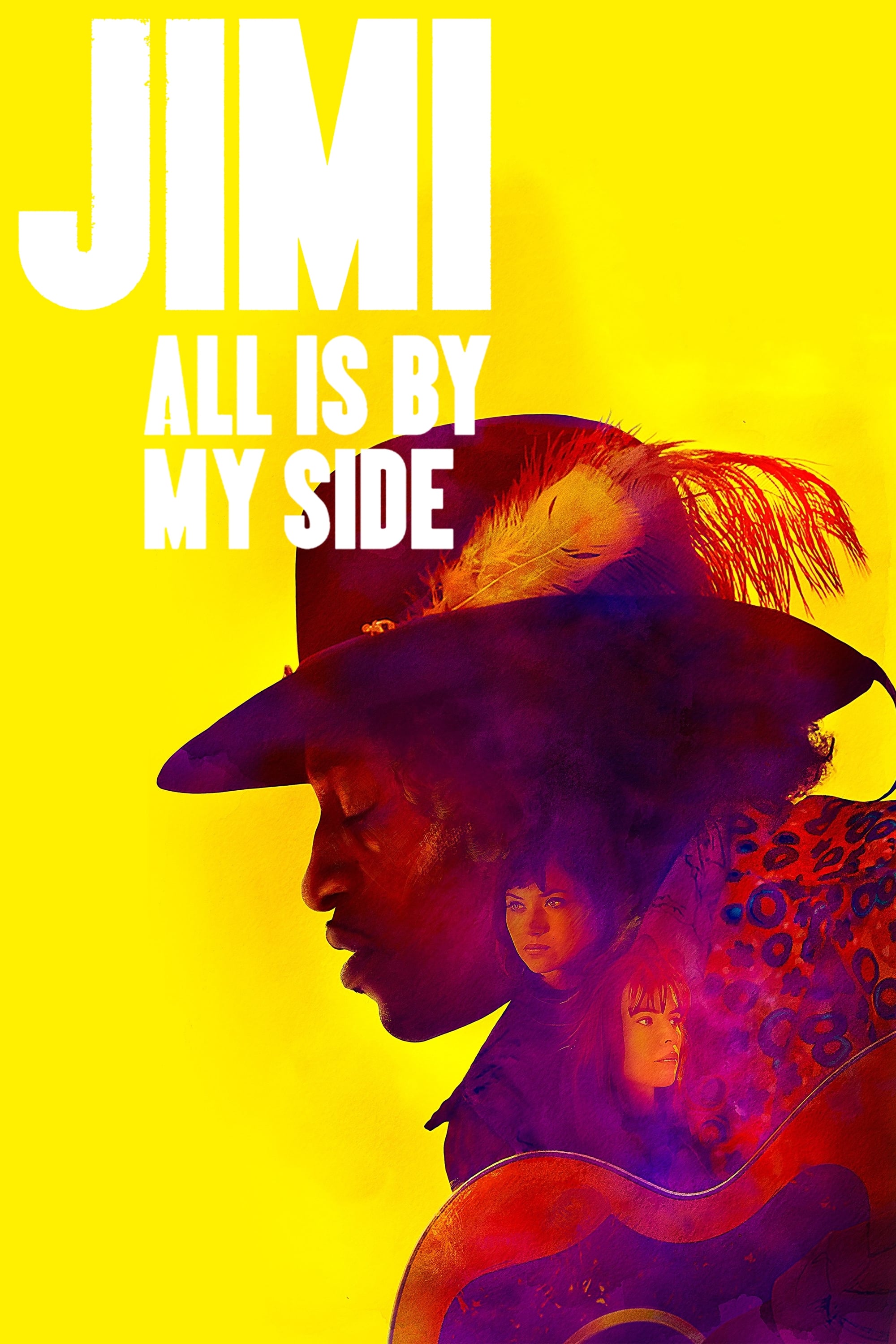
André Benjamin played Jimi Hendrix in a movie made without permission to use the original recordings, which sparked discussion about how accurately it captured the spirit of his music. Though the main issue was the music itself, viewers also debated the choice of actor and how well he portrayed Hendrix. The film featured cover songs performed during concert scenes. Discussions about the movie often mixed opinions on the casting with questions about legal rights and approval from the Hendrix estate.
‘Ali’ (2001)
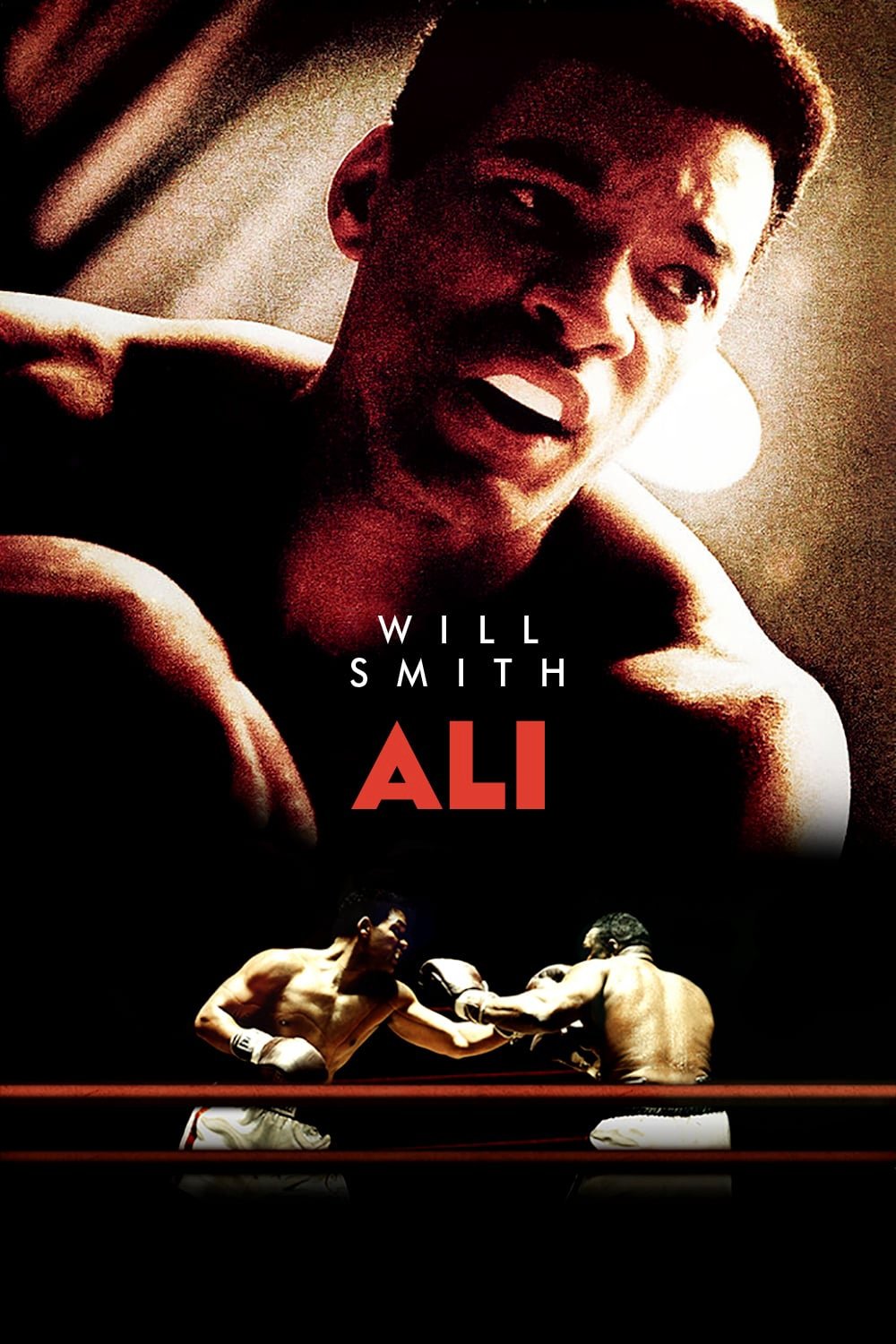
Okay, so when I first heard Will Smith was playing Muhammad Ali, I was a little doubtful. I mean, physically, they didn’t seem like a great match, and could Will really pull off the boxing skills? But apparently, he went all in – seriously trained and gained a ton of weight to become Ali. Everyone was talking about whether it would actually work on screen, if he’d really convince us. It just reminded me how much we expect from actors in biopics – they really have to transform to look and act like the real person.
‘Malcolm X’ (1992)
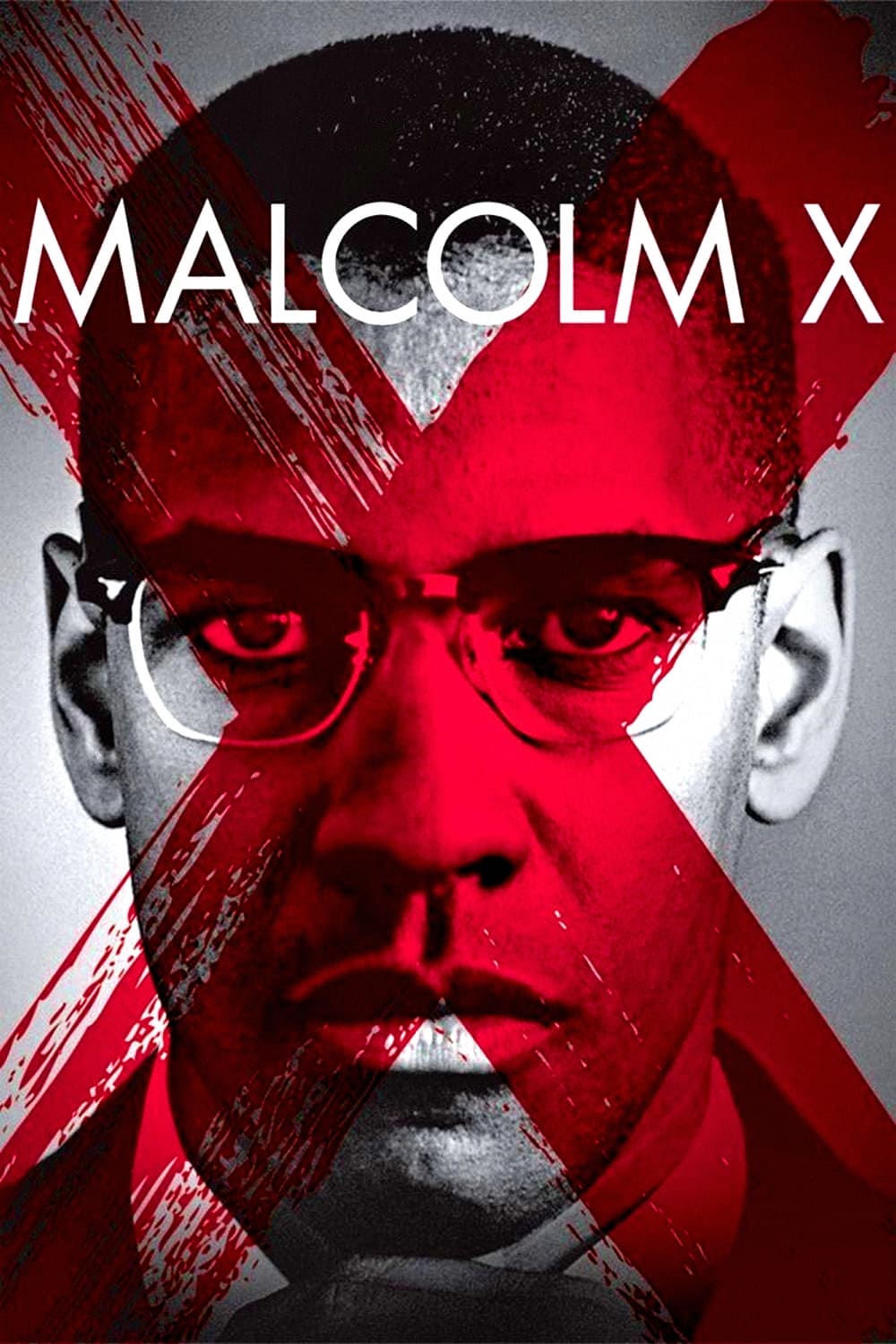
When Denzel Washington was chosen to play Malcolm X, there was a lot of anticipation and scrutiny from civil rights groups and those who admired Malcolm. Many wondered if any actor could accurately portray him, both physically and in terms of his complex ideas. The film faced difficulties getting funding and also dealt with pressure from the community throughout its creation and release. Discussions about who should play Malcolm X were closely tied to larger questions about how his life story should be told and who had the right to tell it.
‘Mandela: Long Walk to Freedom’ (2013)
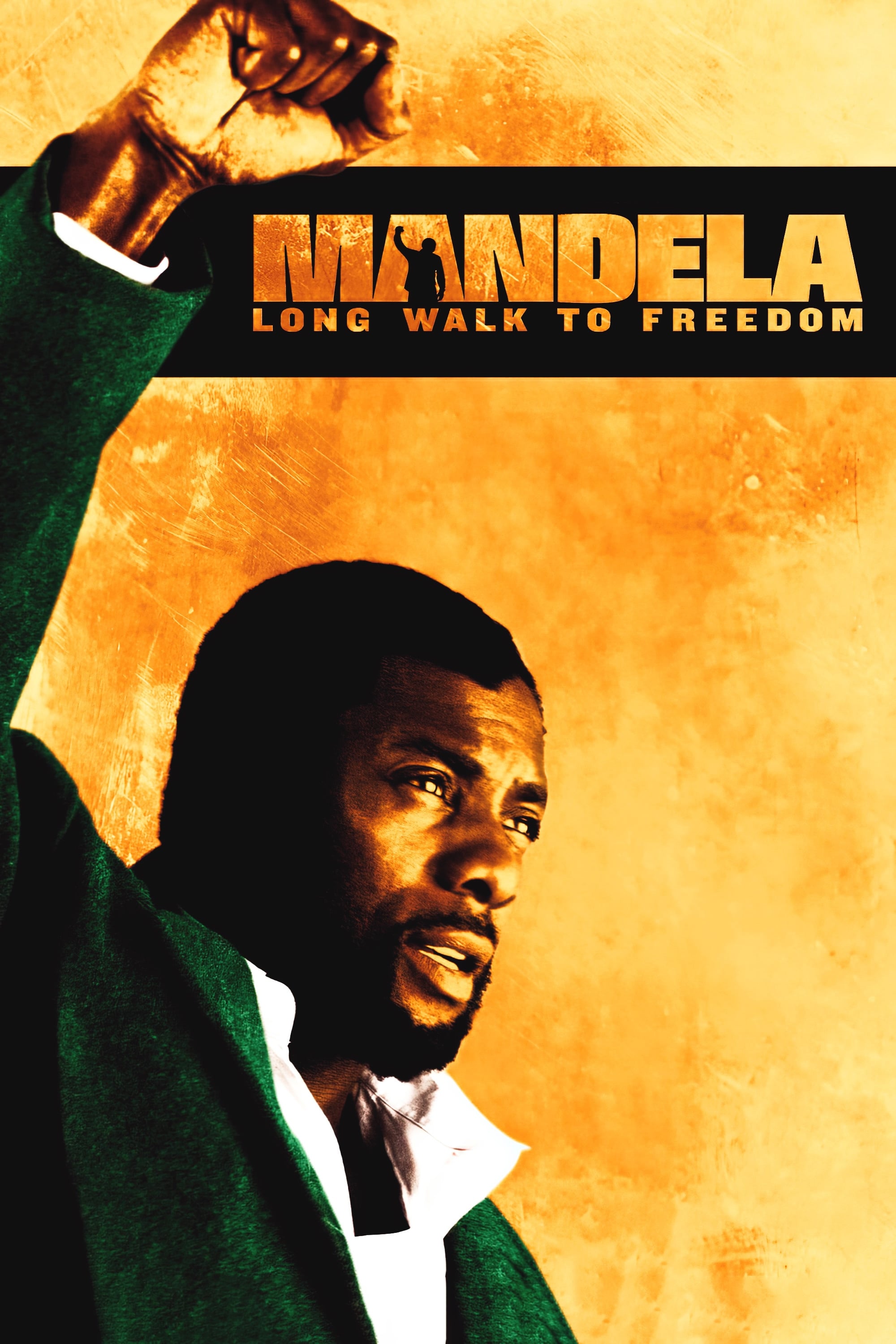
Idris Elba’s performance as Nelson Mandela sparked conversations about his accent, physical build, and whether a British actor was the right choice to play such an iconic South African leader. Media in South Africa followed public and critical reactions closely after the film’s release. The filmmakers emphasized the extensive research they did to accurately capture Mandela’s personality and how he spoke and moved. Reviews and discussions also drew comparisons to other actors who had previously played Mandela on screen.
‘Winnie Mandela’ (2011)
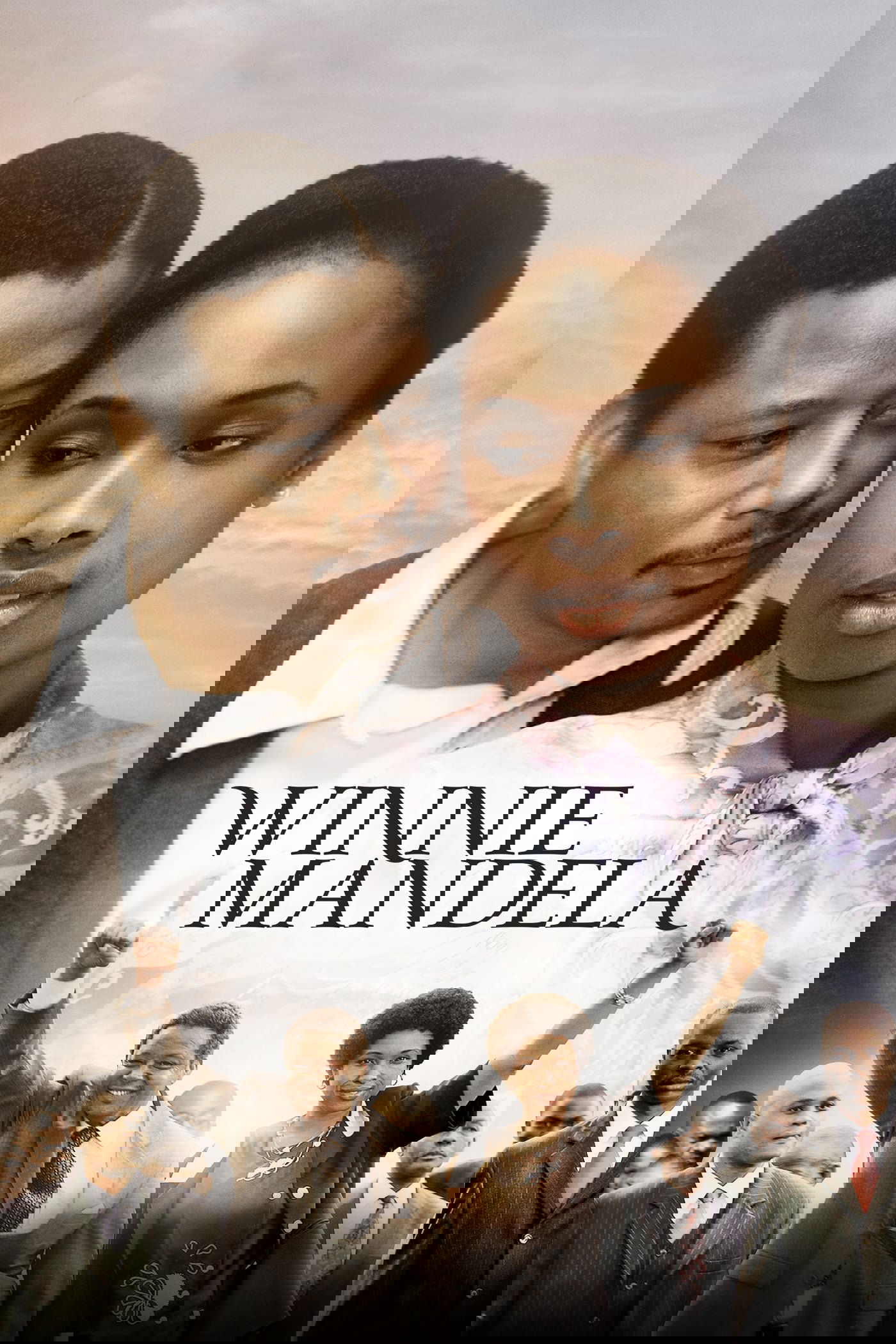
Jennifer Hudson, a singer and actress from the United States, portrayed Winnie Madikizela-Mandela, the South African activist, in a recent film. This casting choice sparked debate in South Africa, with many questioning why a South African actress wasn’t chosen for the lead role and expressing concerns about how much input South Africans had in the film’s creation. Madikizela-Mandela herself voiced worries about the film’s accuracy and development, highlighting a larger discussion about who gets to tell important stories.
‘Loving’ (2016)
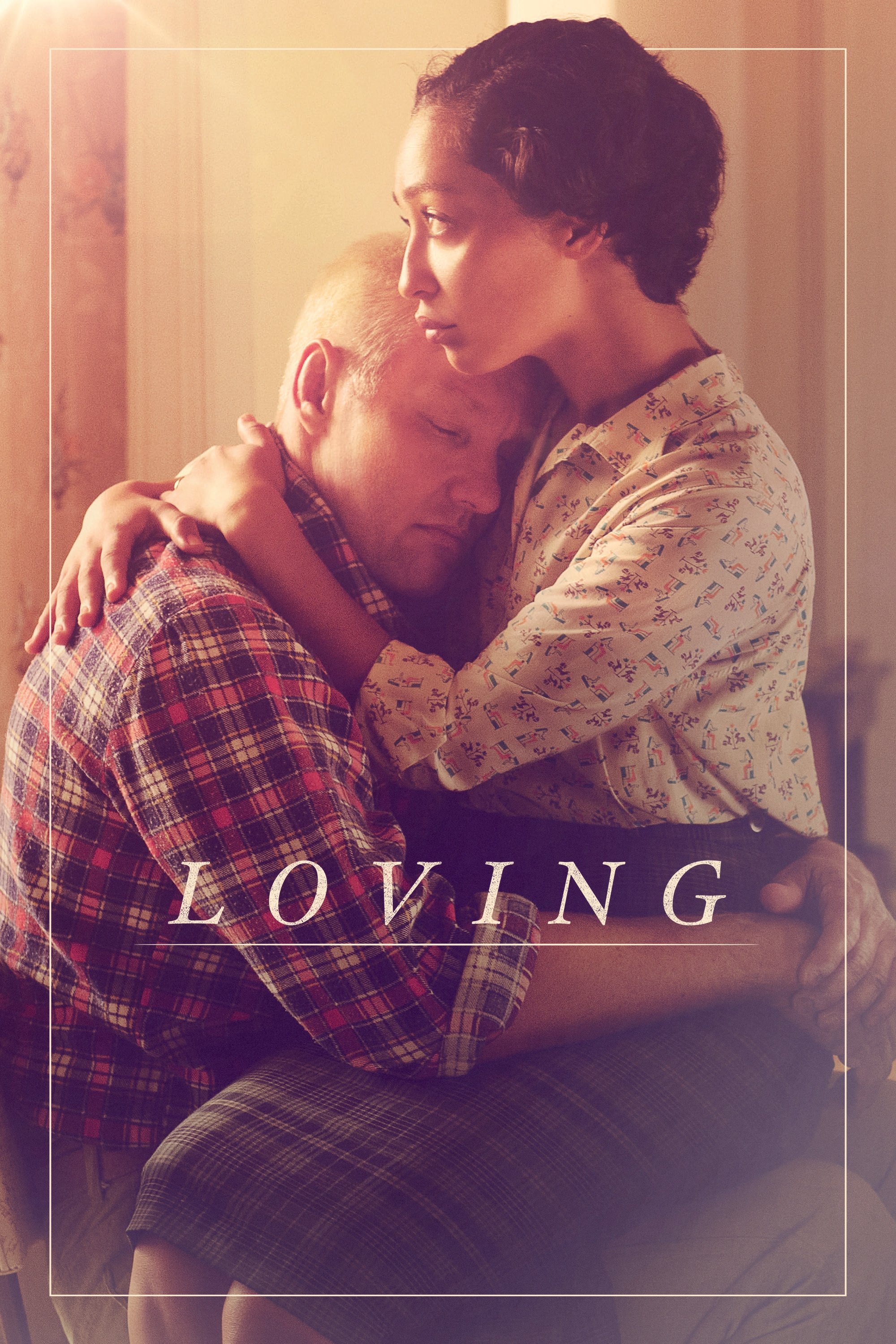
Ruth Negga, an actress of Ethiopian and Irish descent, played Mildred Loving, who was Black and Native American. This casting choice sparked some discussion about national identity and accurate cultural representation. The filmmakers highlighted their extensive research and close attention to the Lovings’ real story, emphasizing their commitment to historical accuracy in interviews and press materials to address these concerns.
‘Concussion’ (2015)
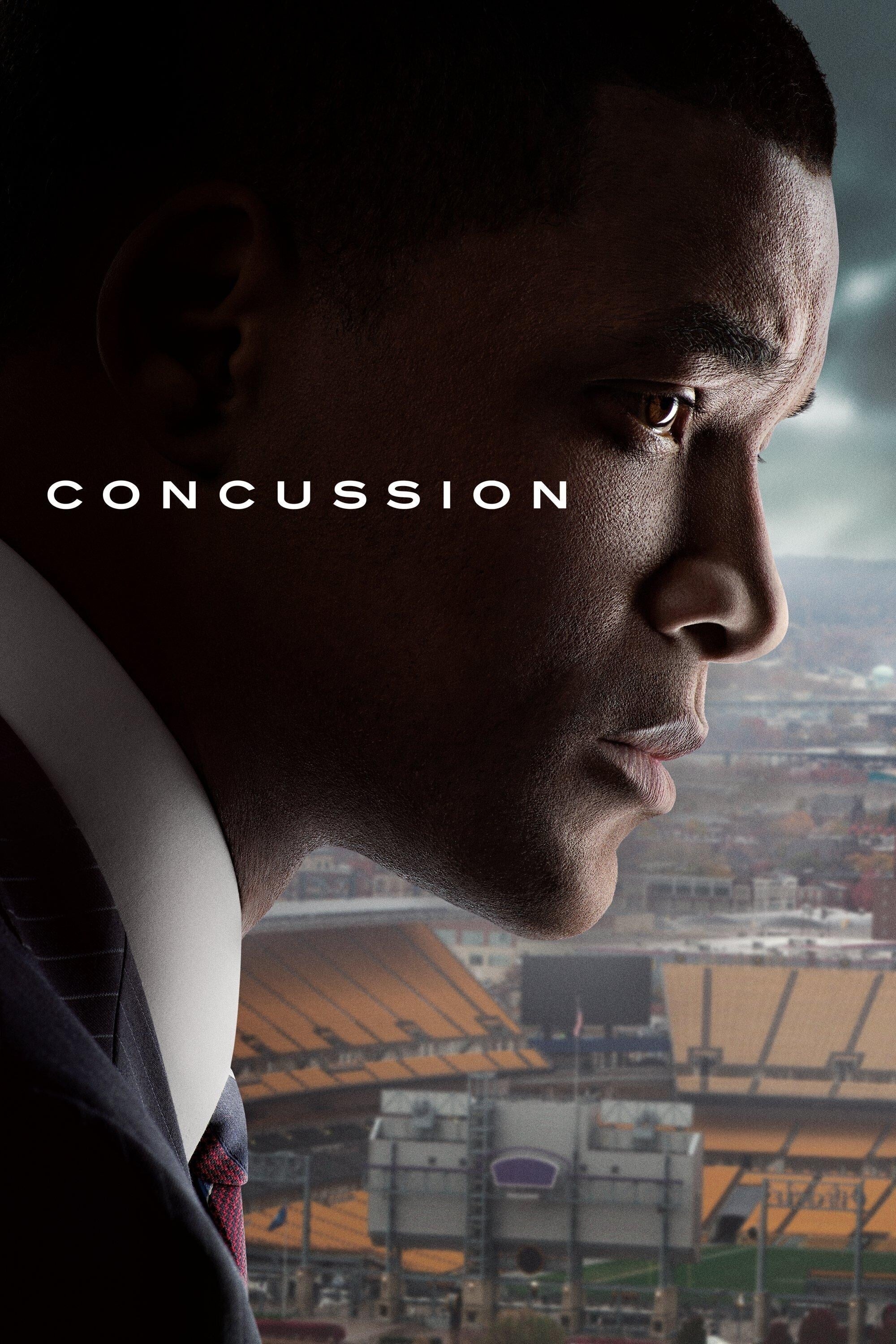
Will Smith portrayed Dr. Bennet Omalu, a pathologist originally from Nigeria, who first discovered CTE in football players. Some initial reactions focused on Smith’s attempt at a Nigerian accent and whether it felt genuine. The filmmakers worked closely with Dr. Omalu and medical professionals to ensure the movie was both accurate and respectful. The process of choosing actors and crafting the story often mirrored the larger conversations about how the film presented the NFL.
‘Notorious’ (2009)
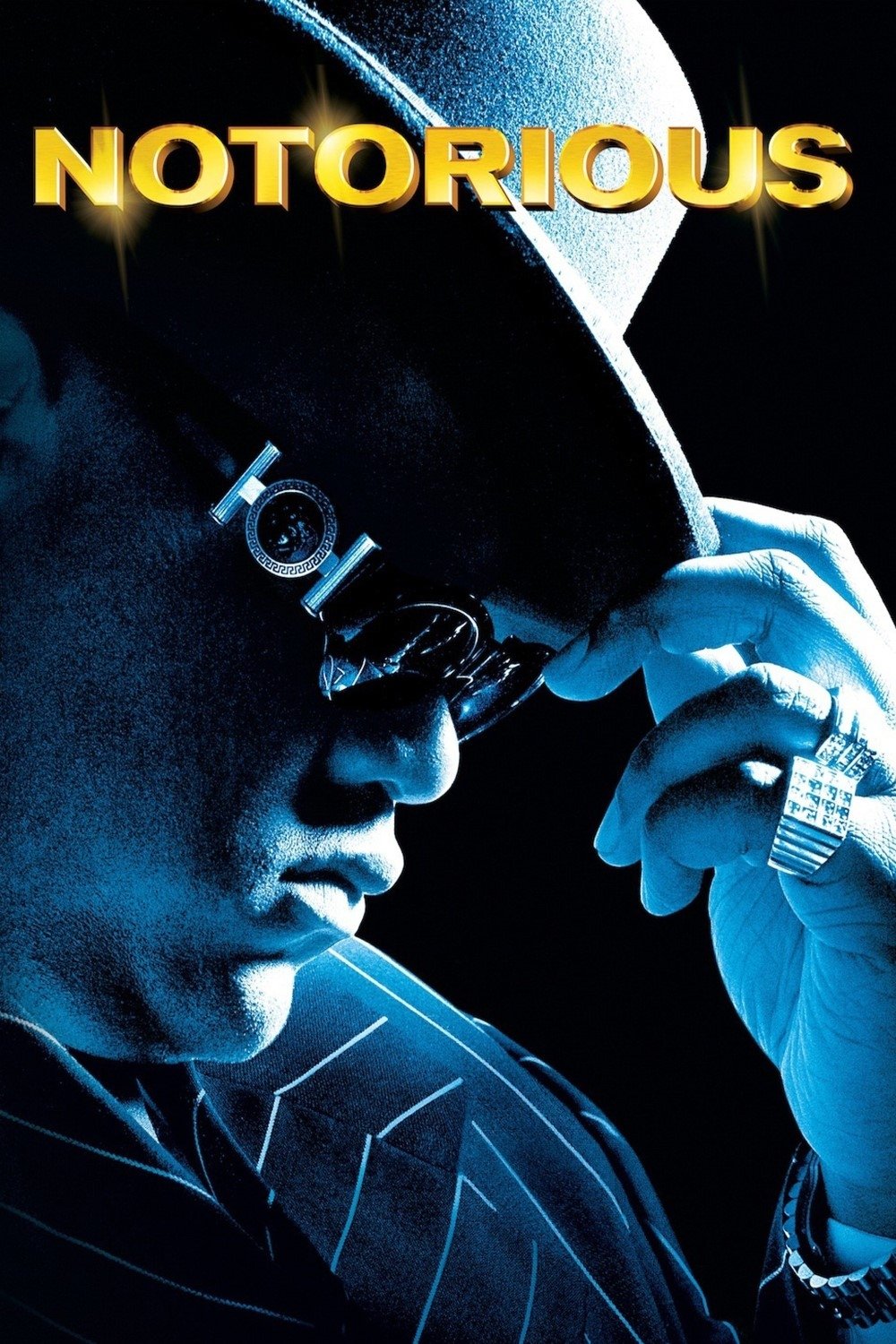
Jamal Woolard, a rapper from Brooklyn, was chosen to play Christopher “The Notorious B.I.G.” Wallace in a new film. Although people noticed a strong physical similarity, some wondered if an actor with limited leading role experience could successfully portray the iconic rapper. There was also discussion about the actors chosen to play other hip-hop artists in the movie. The film’s promotion highlighted Woolard’s own background as a rapper, suggesting it would help him authentically capture Biggie’s energy and persona.
Share which casting choices you think filmmakers got right—or wrong—in the comments.
Read More
- 2025 Crypto Wallets: Secure, Smart, and Surprisingly Simple!
- Gold Rate Forecast
- Brown Dust 2 Mirror Wars (PvP) Tier List – July 2025
- HSR 3.7 story ending explained: What happened to the Chrysos Heirs?
- Gay Actors Who Are Notoriously Private About Their Lives
- ETH PREDICTION. ETH cryptocurrency
- Games That Faced Bans in Countries Over Political Themes
- Banks & Shadows: A 2026 Outlook
- 9 Video Games That Reshaped Our Moral Lens
- Uncovering Hidden Groups: A New Approach to Social Network Analysis
2025-12-25 18:46