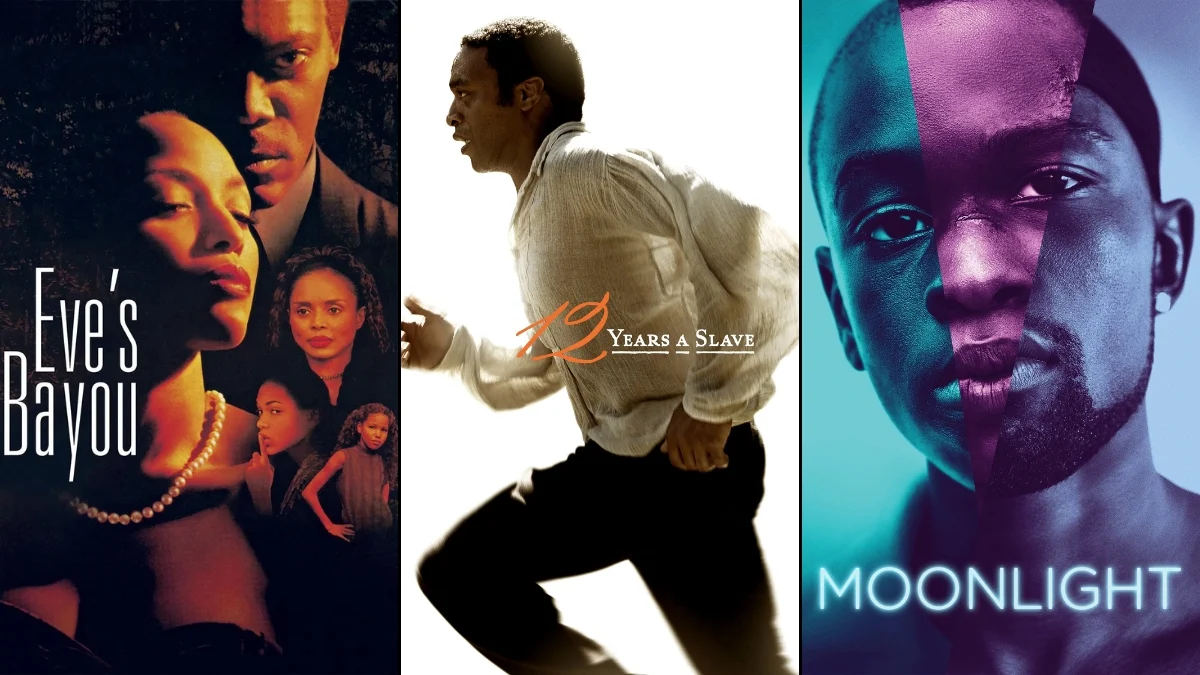
For a long time, lighter-skinned actors have been favored for leading roles in movies. However, more and more films are changing this trend by featuring darker-skinned Black actors as the main characters. These films—ranging from historical dramas to superhero movies—intentionally chose actors to create better representation. They’ve showcased diverse casts and given prominent roles to actors who are often overlooked, increasing visibility for a wider range of Black talent. Here are 20 films that challenged traditional colorism through their casting choices.
‘Daughters of the Dust’ (1991)
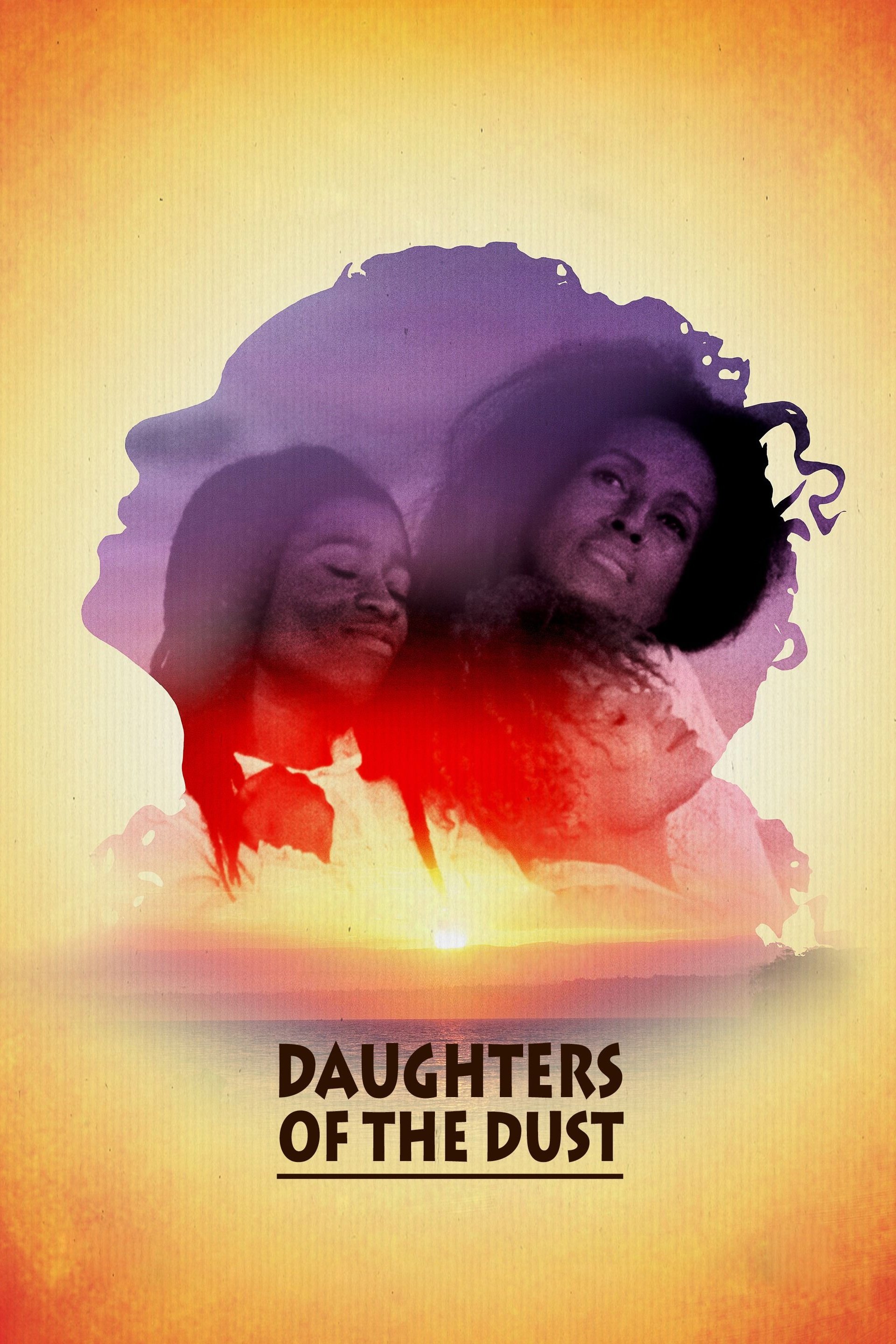
Julie Dash’s film featured a Gullah family spanning multiple generations, and she intentionally cast actresses with darker skin tones, including Cora Lee Day and Barbara-O. The movie highlighted natural hair and skin tones, avoiding artificial lighting or skin-lightening techniques. This commitment to representing darker complexions in the film’s promotional materials was unusual for the time. The film went on to inspire the visual style of later music videos and films that also centered on the beauty of darker-skinned women.
‘Eve’s Bayou’ (1997)
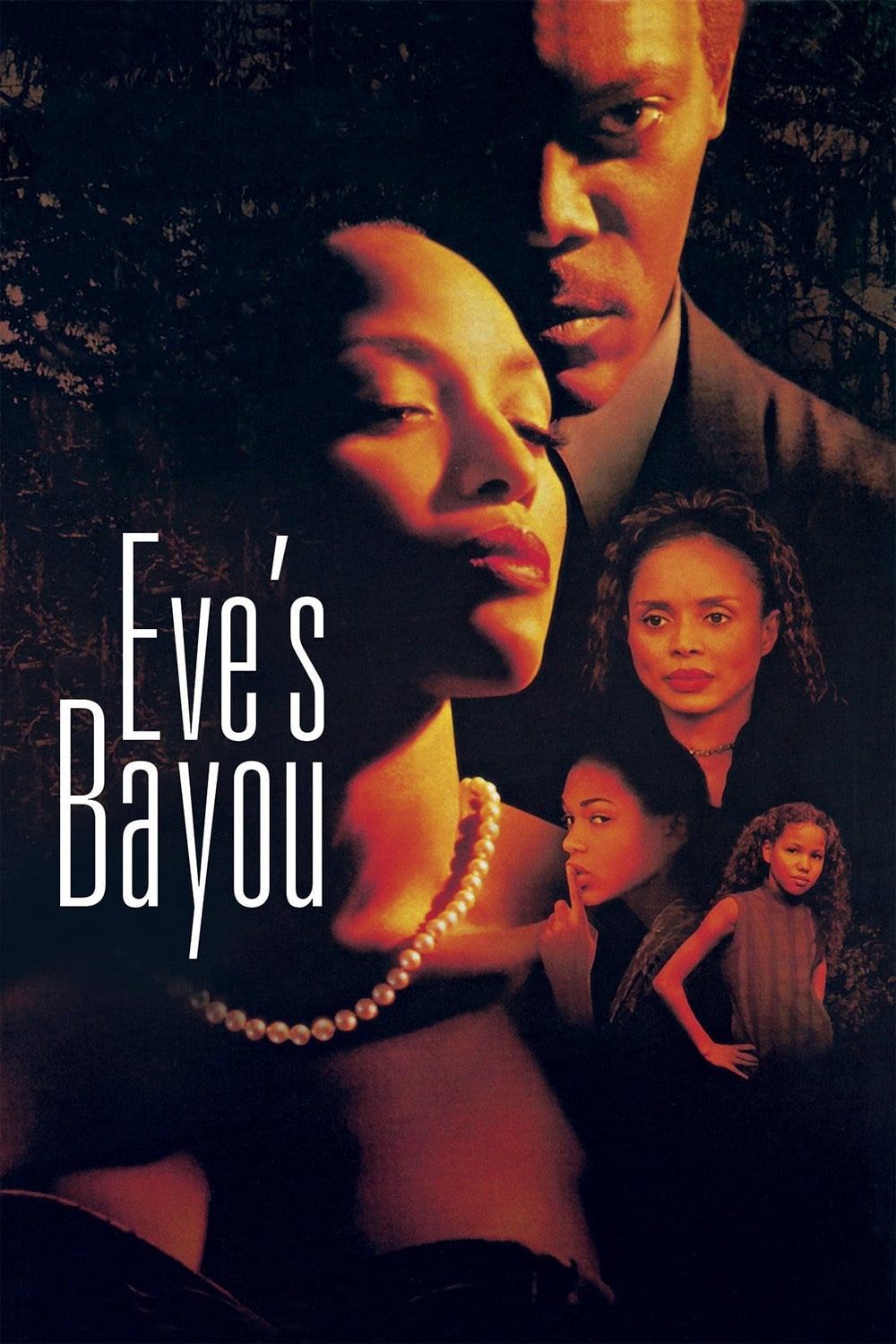
Kasi Lemmons’ film featured a mostly Black cast, including Lynn Whitfield, Samuel L. Jackson, and Jurnee Smollett. The movie portrayed successful and loving Black families without relying on stereotypes based on skin color. The filmmakers used warm lighting and focused on rich skin tones, avoiding the common practice of overexposing the film. The movie’s success in theaters and the awards it received helped to make it more common to see actors with darker skin in leading roles in serious, family-focused films.
‘Pariah’ (2011)

Dee Rees made a significant choice in casting Adepero Oduye, giving a rare leading role to a dark-skinned, queer Black actress. The film’s visuals were carefully crafted to showcase skin tones beautifully, even in low light. Kim Wayans and Pernell Walker powerfully portray a family that avoids the trap of being cast based on skin color. Positive reviews and wider distribution helped bring attention to these important casting decisions.
‘Beasts of the Southern Wild’ (2012)

Quvenzhané Wallis stars as a brave young girl living in the Louisiana bayou, alongside Dwight Henry as her father. The movie features many local actors from the area, chosen to authentically represent the community. The filmmakers used a handheld camera to capture realistic details in natural light. Wallis’s performance and the recognition she received helped change how people think about who can play the lead in a fantastical story.
’12 Years a Slave’ (2013)
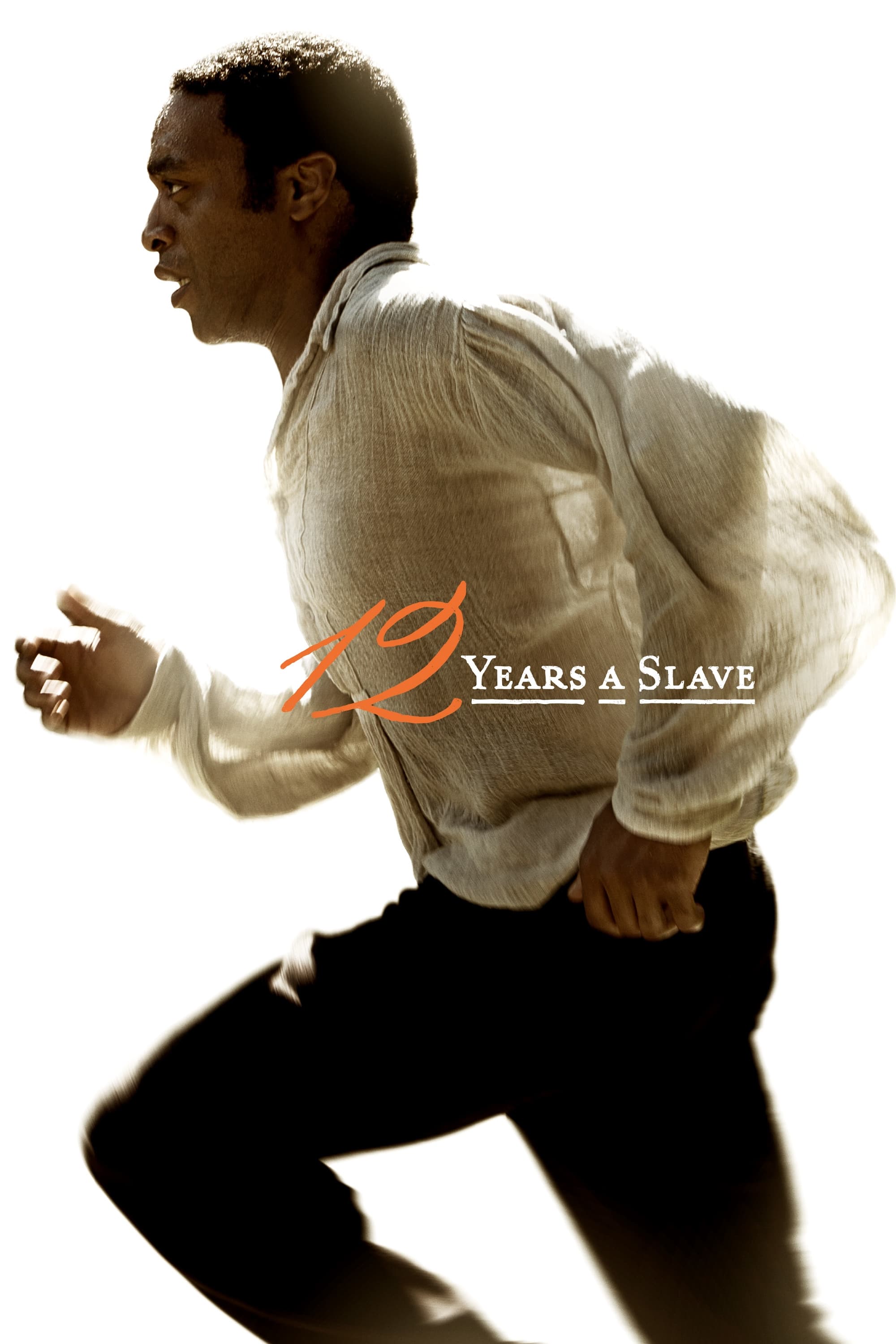
Chiwetel Ejiofor and Lupita Nyong’o star in a large-scale historical film that prominently features actors with darker skin tones. The filmmakers made a conscious effort to avoid makeup or hairstyles that would change the actors’ natural complexions and textures. Lupita Nyong’o’s acclaimed performance gained her widespread attention without pressuring her to lighten her skin, a common expectation in the industry. The film’s casting intentionally highlights a range of skin tones in leading roles, rather than as supporting characters.
‘Selma’ (2014)
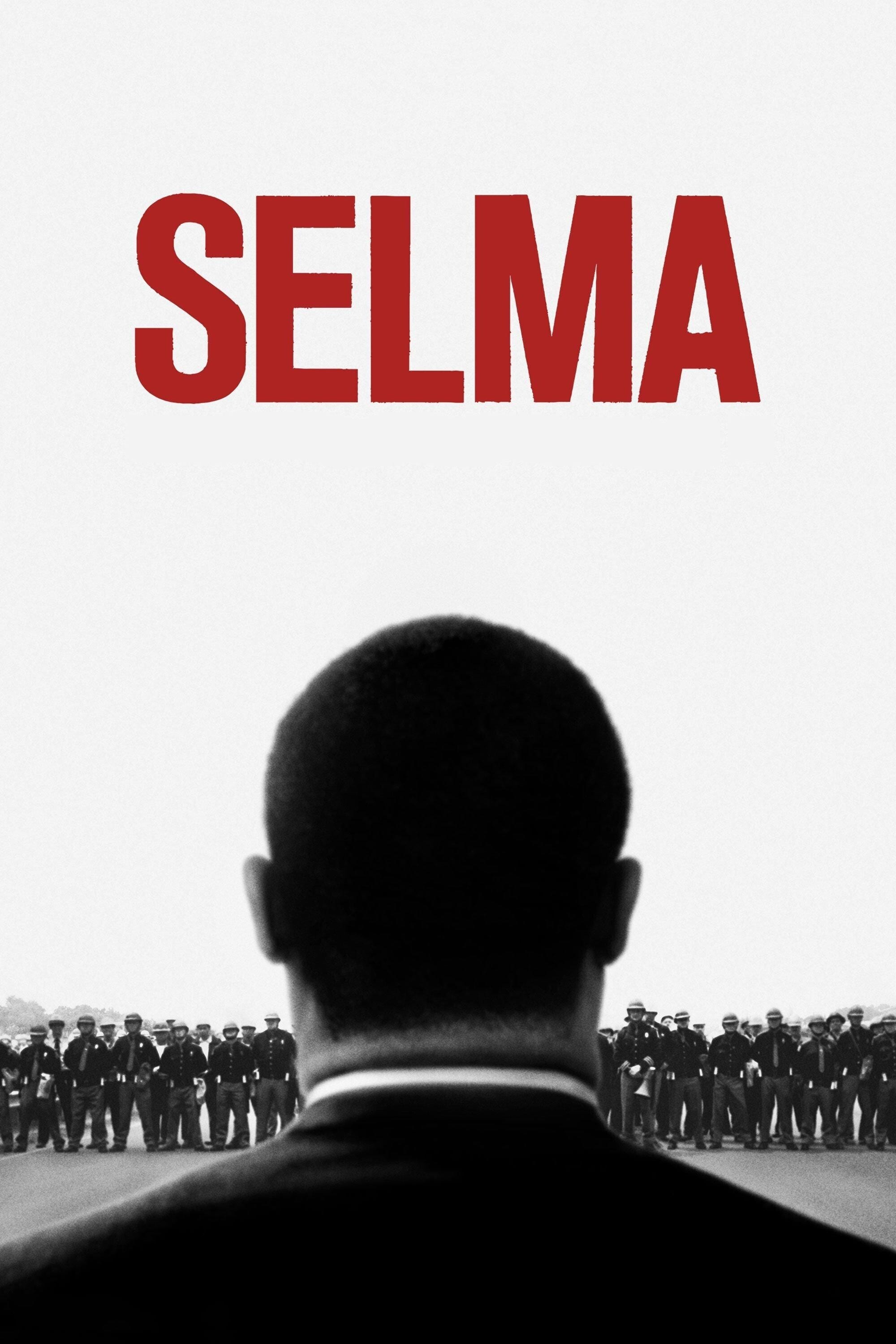
David Oyelowo plays Martin Luther King Jr., alongside Carmen Ejogo and a diverse group of civil rights activists. The filmmakers prioritized casting actors who closely resembled historical figures, rather than favoring lighter skin tones, which is common in many period films. Lighting was carefully used during night scenes and in churches to ensure that darker skin tones appeared naturally and with detail. These choices regarding casting and production were highlighted during awards season.
‘Moonlight’ (2016)
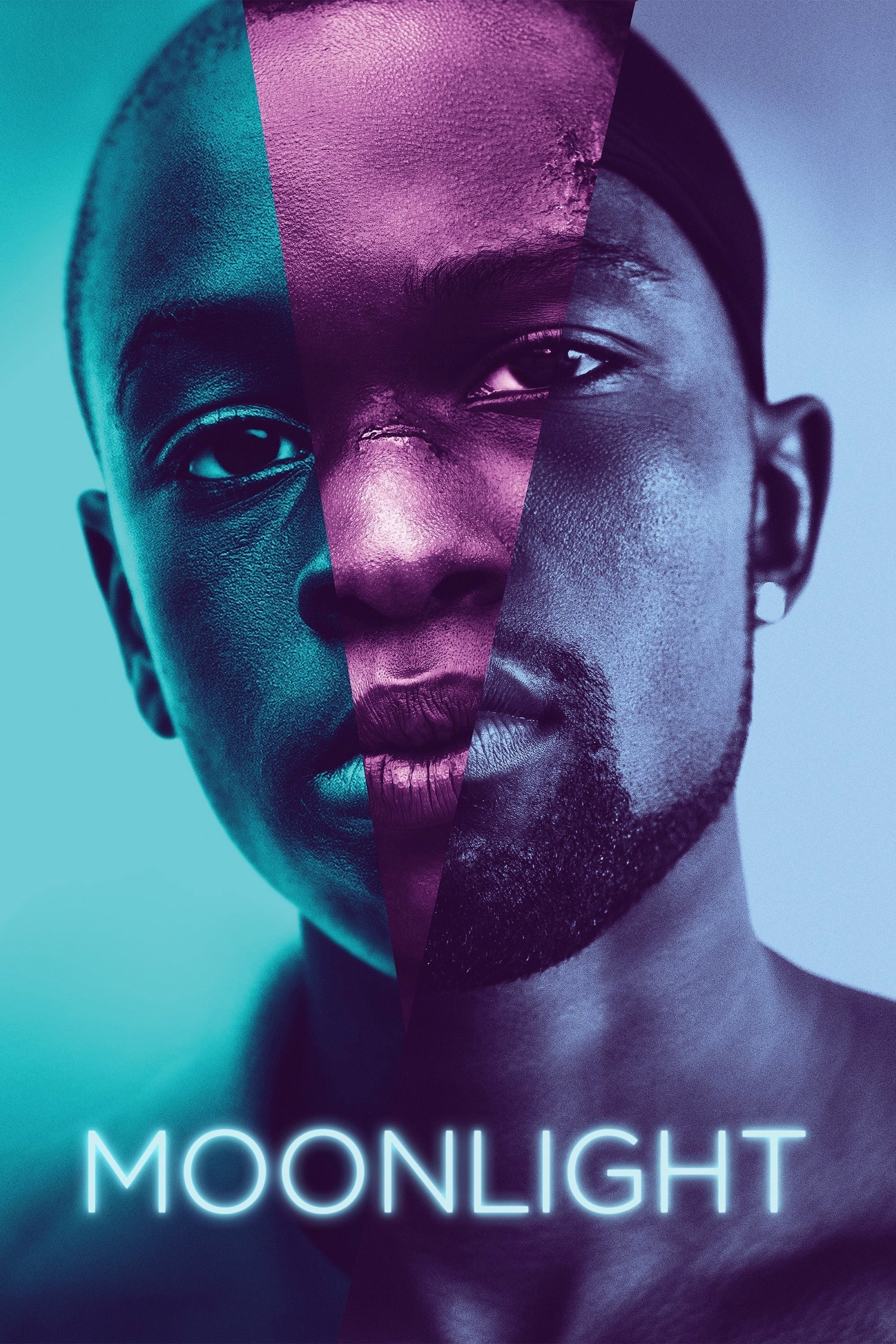
I was really struck by how the filmmakers approached representing this character at different ages. They cast Alex Hibbert, Ashton Sanders, and Trevante Rhodes, all actors with similar skin tones, to play him throughout his life, which felt so powerful. The lighting was incredible too – the team worked hard to make sure all the details showed up beautifully in darker skin tones, especially the blues and magentas. Even the supporting actors, like Naomie Harris and Mahershala Ali, fit perfectly into that visual style. It’s no surprise the movie did so well, and I’ve noticed a lot of other films trying to copy that same approach to casting and lighting since then.
‘Queen of Katwe’ (2016)
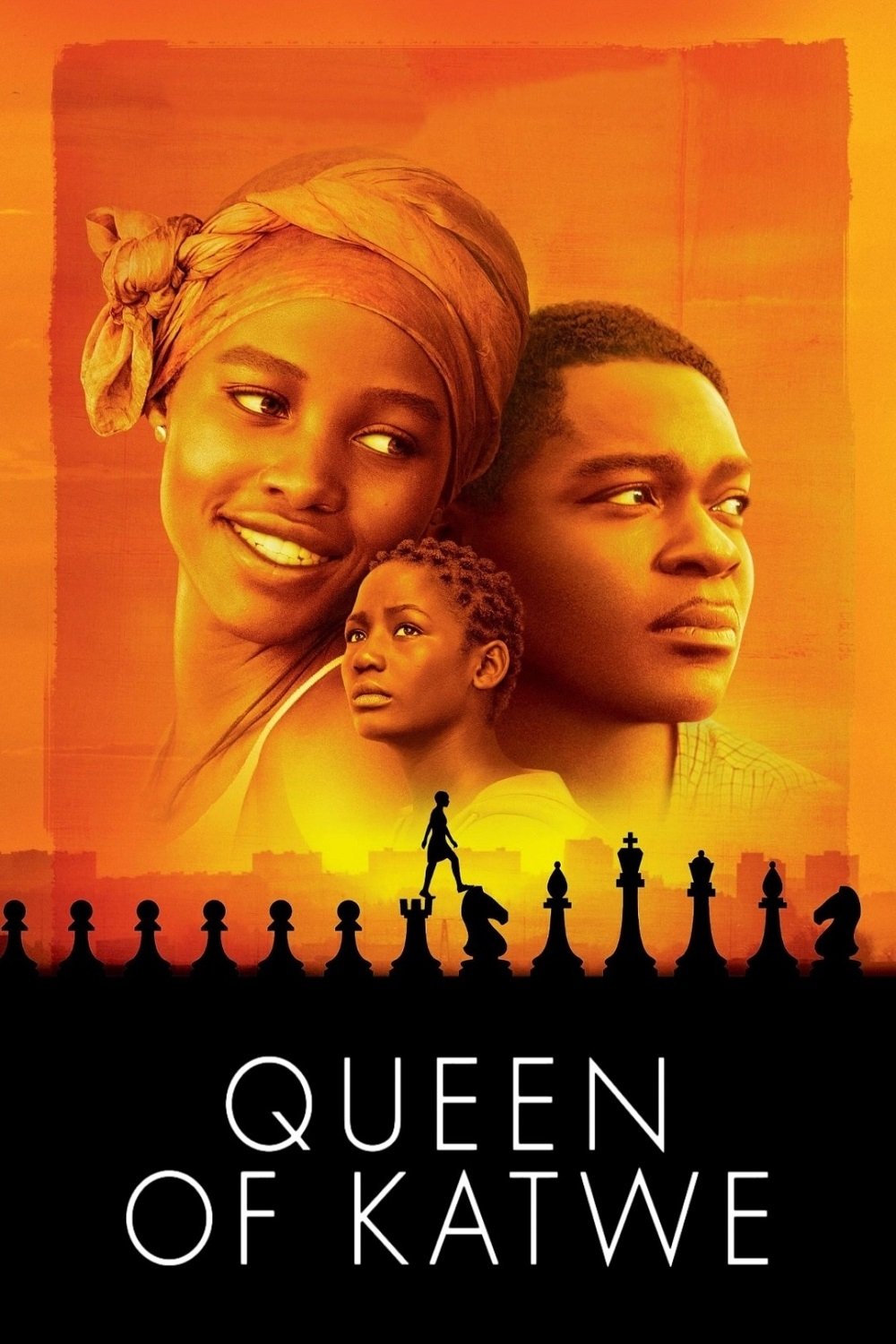
Mira Nair’s film tells the story of a young chess star from Uganda, played by Madina Nalwanga, with Lupita Nyong’o and David Oyelowo also starring. The film features a diverse cast of actors with various skin tones, discovered through local casting in Kampala and Katwe. The filmmakers chose realistic costumes and lighting to capture everyday life and the energy of athletic competition. Importantly, Disney’s wide release put African actors with darker skin tones at the center of a popular family movie.
‘If Beale Street Could Talk’ (2018)
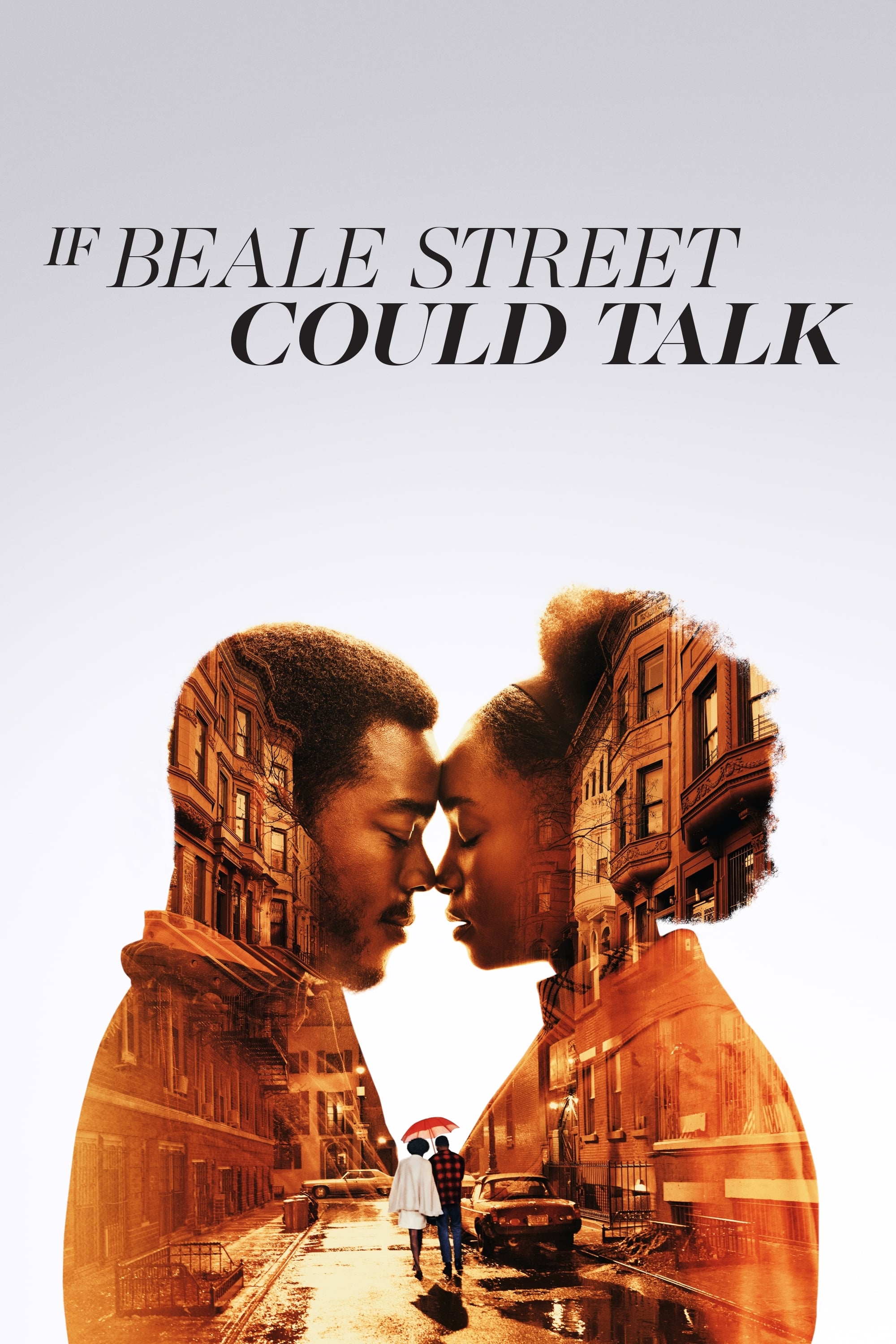
Barry Jenkins chose KiKi Layne and Stephan James to play the main romantic characters in a story based on the work of James Baldwin. The film uses close-up shots and warm, golden lighting to beautifully highlight the textures of darker skin. Regina King plays a mother with darker skin who is central to the film’s themes and morality. The film’s limited release strategy helped these powerful images gain recognition during awards season.
‘Black Panther’ (2018)

The film stars Chadwick Boseman, Danai Gurira, Lupita Nyong’o, Letitia Wright, and Winston Duke, and is set in a vibrant, pan-African world. The filmmakers paid close attention to authentically representing diverse African features, emphasizing natural hair textures, shaved heads, and a range of skin tones across all characters. They also used advanced lighting techniques to beautifully capture the nuances of darker skin tones in both daylight and nighttime scenes. Importantly, the film showcases women with darker skin as powerful figures – warriors, scientists, and leaders – within a major blockbuster franchise.
‘Fast Color’ (2019)
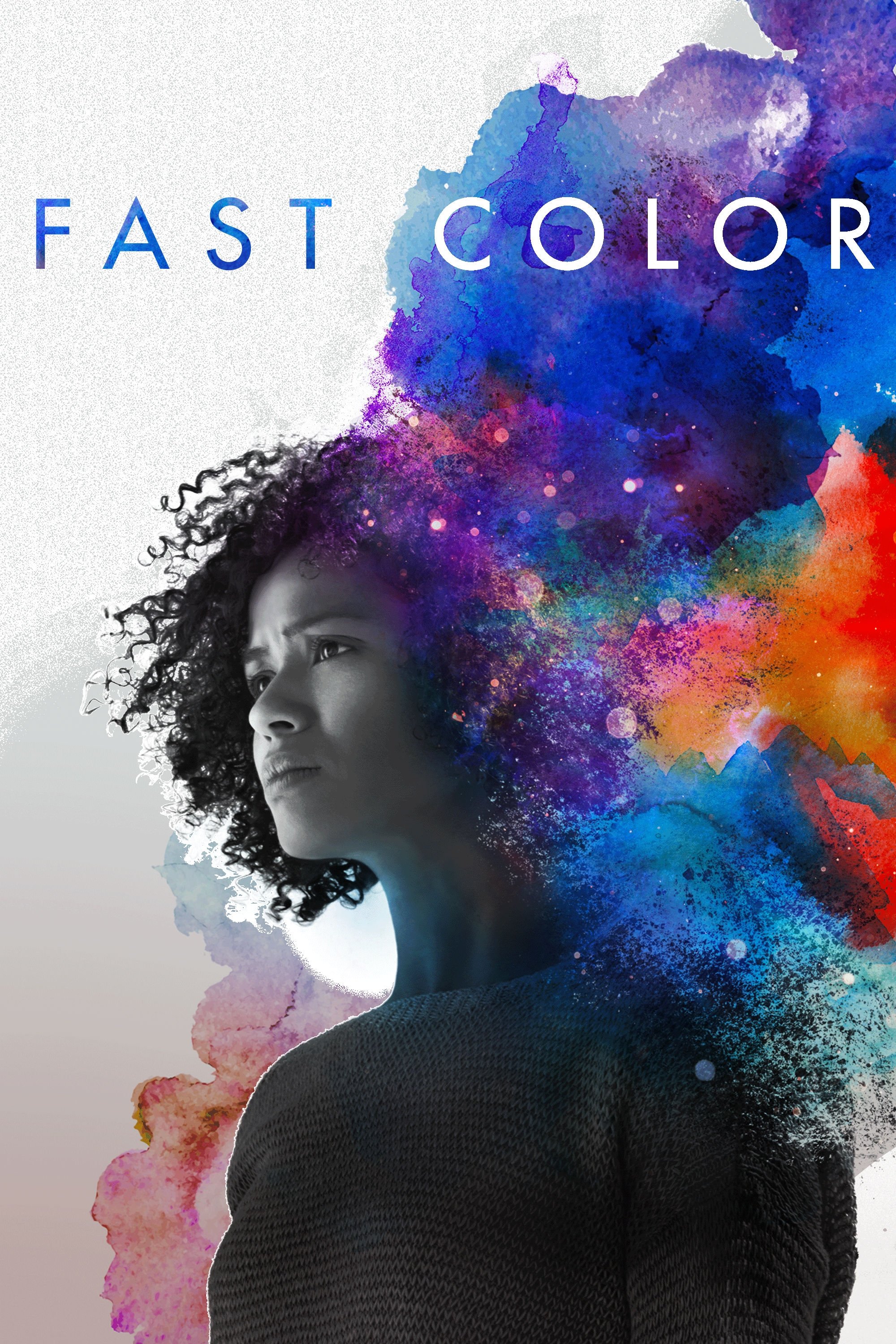
I was so excited to see Gugu Mbatha-Raw, Lorraine Toussaint, and Saniyya Sidney in this movie! It’s a really beautiful story that spans generations. What I loved most is that it puts darker-skinned women front and center – they aren’t just supporting characters, but the ones with the power. The filmmakers also did an amazing job with the lighting, making everything look natural and authentic, even in the more rustic settings. Honestly, it’s a really unique superhero story because it’s so focused on the characters and, crucially, it’s about Black women taking the lead.
‘Queen & Slim’ (2019)

The film stars Jodie Turner-Smith and Daniel Kaluuya as a couple on the run. The filmmakers paid close attention to how the actors looked on screen, especially during nighttime scenes. They used lighting and costumes that showed detail and color in the actors’ skin tones, and marketing materials consistently showed them without artificially lightened complexions.
‘Atlantics’ (2019)

Mati Diop’s film features Senegalese actors who weren’t professionals before, with Mame Bineta Sane and Ibrahima Traoré leading the cast. The film’s visual style uses the soft light of dusk and the warm glow of candles, specifically highlighting the beauty of darker skin tones. The actors wear minimal makeup and natural hairstyles, reflecting authentic local fashion instead of trying to fit Western beauty standards. These unique casting choices gained recognition through international film awards, bringing the film to a wider audience.
‘The Photograph’ (2020)
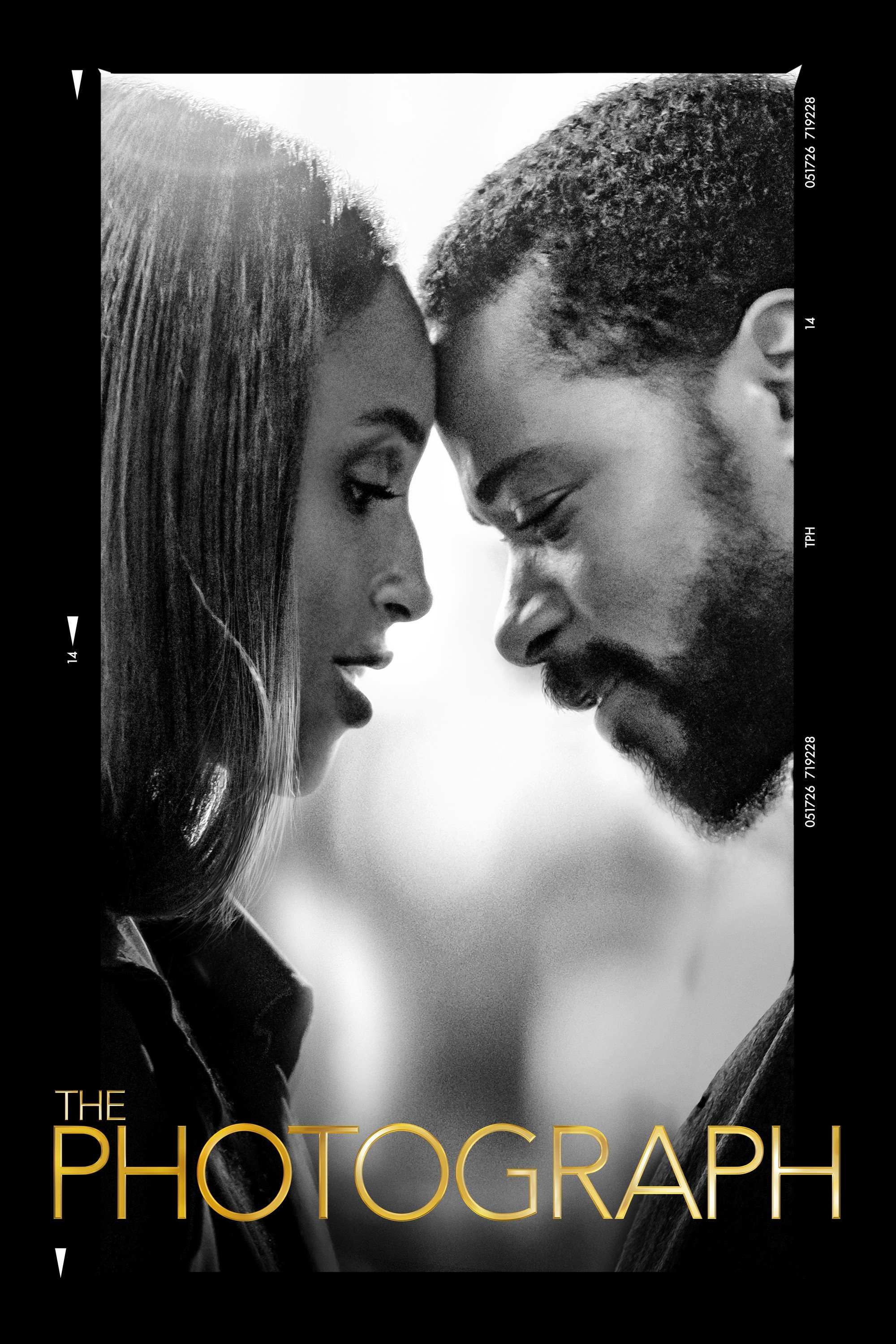
Issa Rae and LaKeith Stanfield star in a modern love story that intentionally breaks away from typical Hollywood pairings that favor lighter skin tones. The film uses gentle, subtle lighting to beautifully showcase the features of actors with darker complexions, especially in close-up shots. The supporting cast includes people of various skin tones, and darker-skinned actors are given meaningful roles beyond just comic relief or villains. Even the promotional materials maintain natural textures and avoid artificial smoothing.
‘Da 5 Bloods’ (2020)
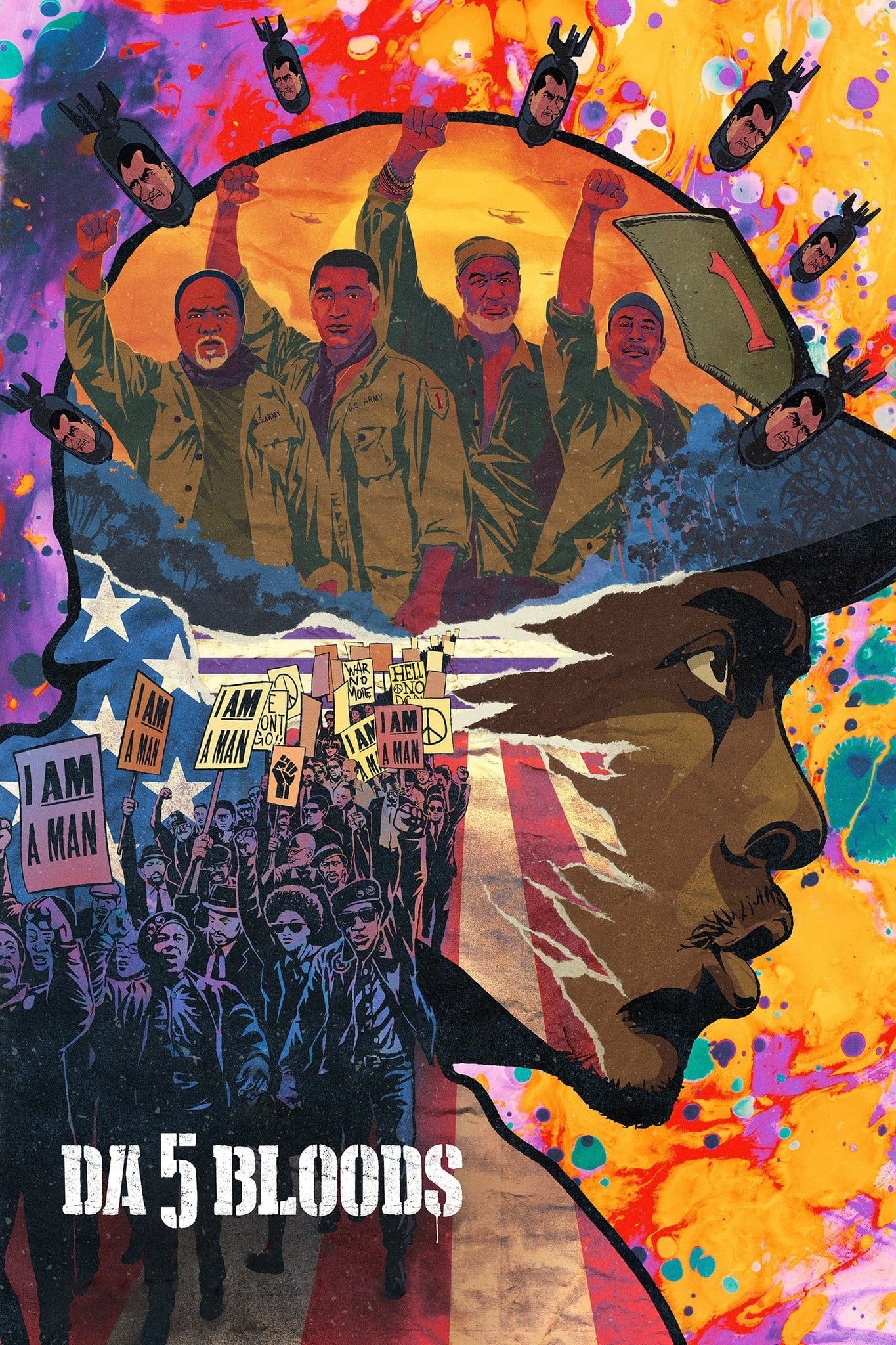
The film features strong performances from Delroy Lindo, Clarke Peters, Isiah Whitlock Jr., and Norm Lewis. Visually, the film uses rich colors, especially in outdoor scenes, and carefully maintains realistic skin tones in both present-day and flashback sequences. A deliberate choice was made to center the story around experienced actors with darker skin tones, both in the present and when depicting the past.
‘Judas and the Black Messiah’ (2021)
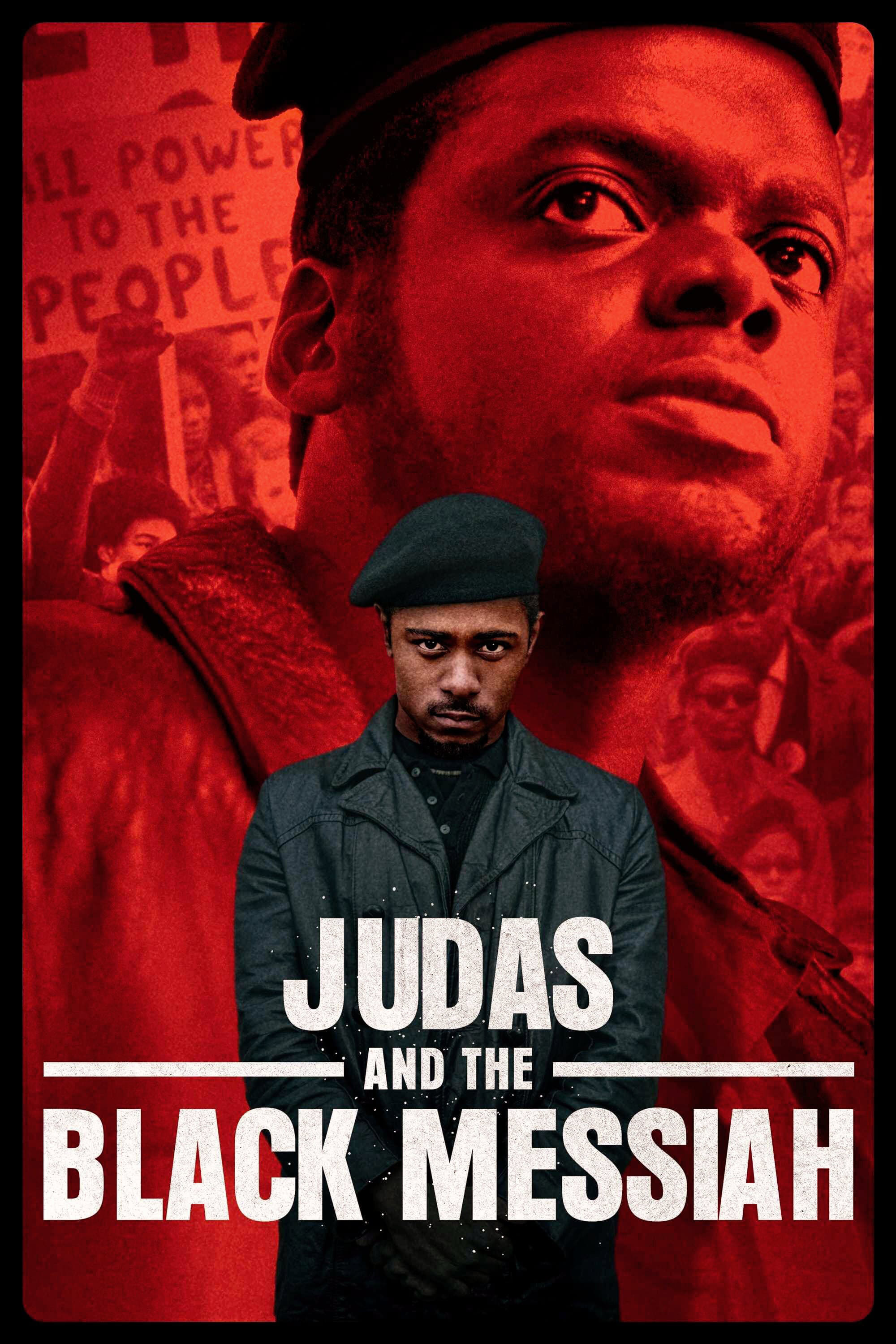
The film, starring Daniel Kaluuya and LaKeith Stanfield, tells the story of the Illinois Black Panthers and the FBI’s efforts to infiltrate the group. Filmmakers made a conscious choice to avoid overly bright lighting, ensuring that the actors’ skin tones looked natural, especially in scenes with many people. The costumes and hairstyles were designed to reflect the time period and celebrate the natural textures of the predominantly dark-skinned cast. Importantly, the film gave leading roles to dark-skinned actors in a major studio production.
‘The Harder They Fall’ (2021)
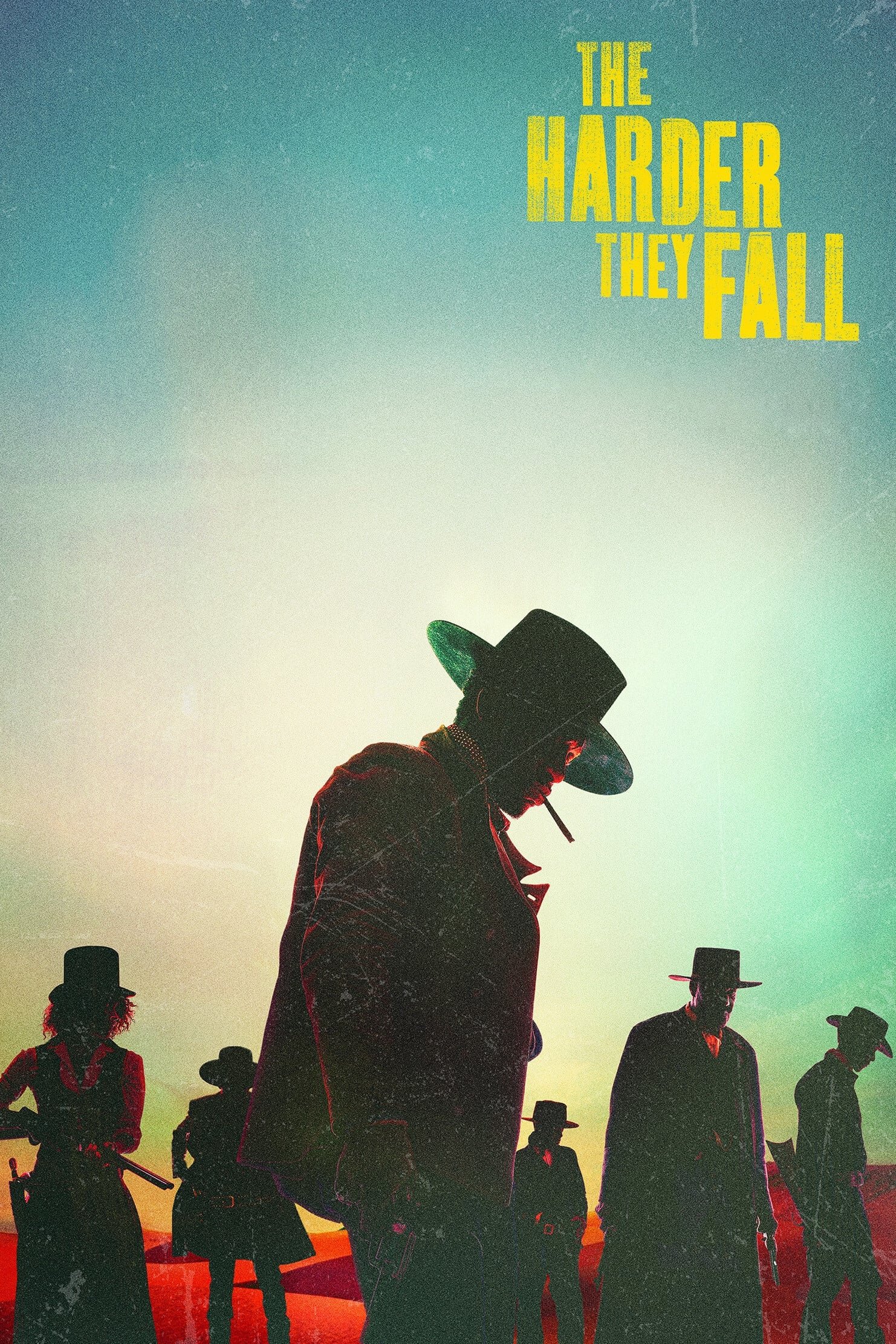
The film stars Jonathan Majors, Zazie Beetz, Regina King, Idris Elba, and Danielle Deadwyler. Filmmakers carefully lit nighttime scenes and indoor shots to maintain detail, especially during action sequences and close-ups. The cast features strong, authoritative women with darker skin tones in roles showcasing their fighting skills. This movie reimagines a classic Western genre with a primarily Black cast, staying true to the historical accuracy of the time period.
‘The Woman King’ (2022)
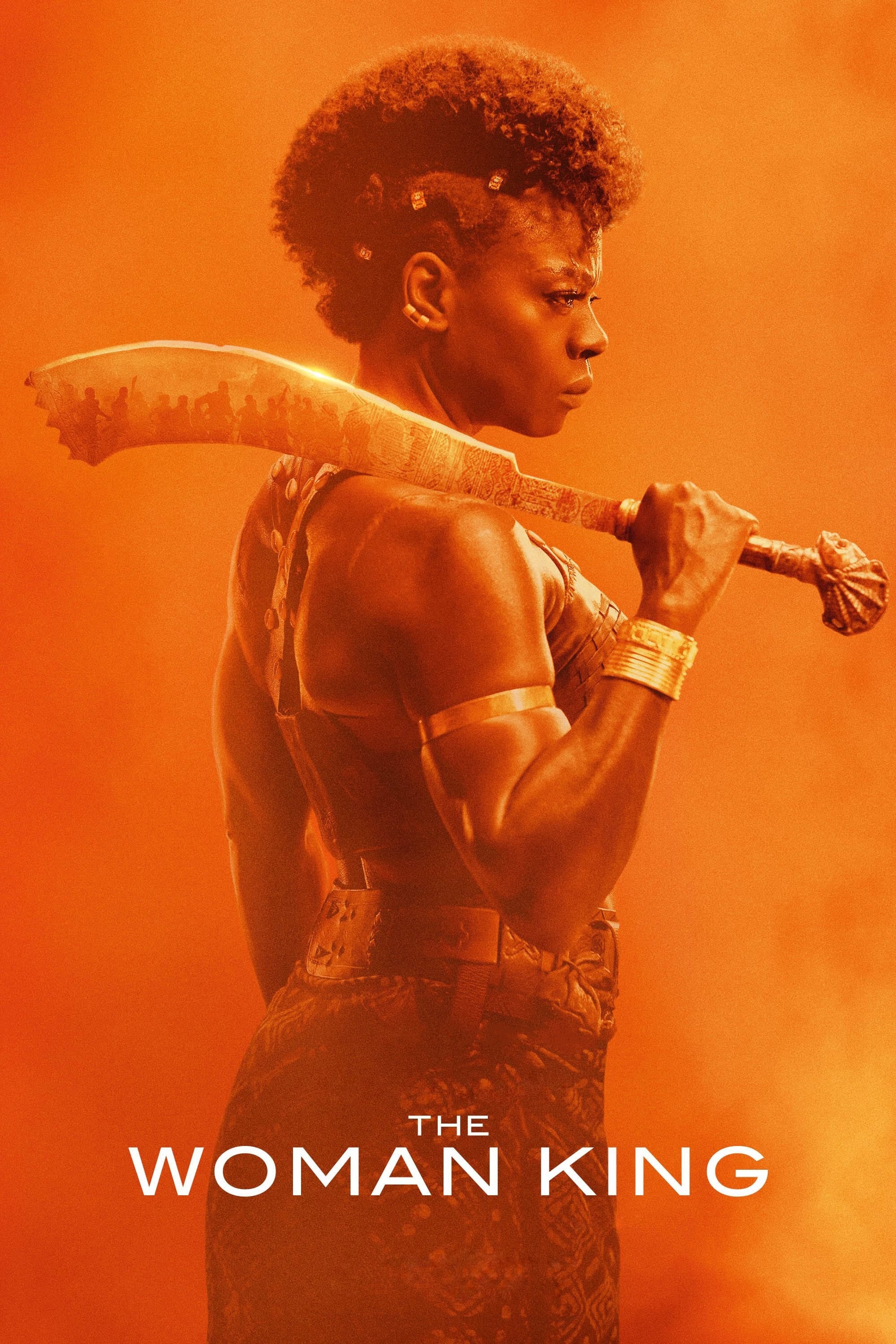
The historical film stars Viola Davis alongside Thuso Mbedu, Lashana Lynch, and Sheila Atim. Filming outdoors required special techniques to protect the actors’ skin tones from the bright sun. Careful attention was paid to makeup and effects to prevent unwanted glare, especially on darker skin. The film’s diverse cast being featured prominently in advertising materials is a step towards breaking down traditional expectations of who leads action movies.
‘A Thousand and One’ (2023)
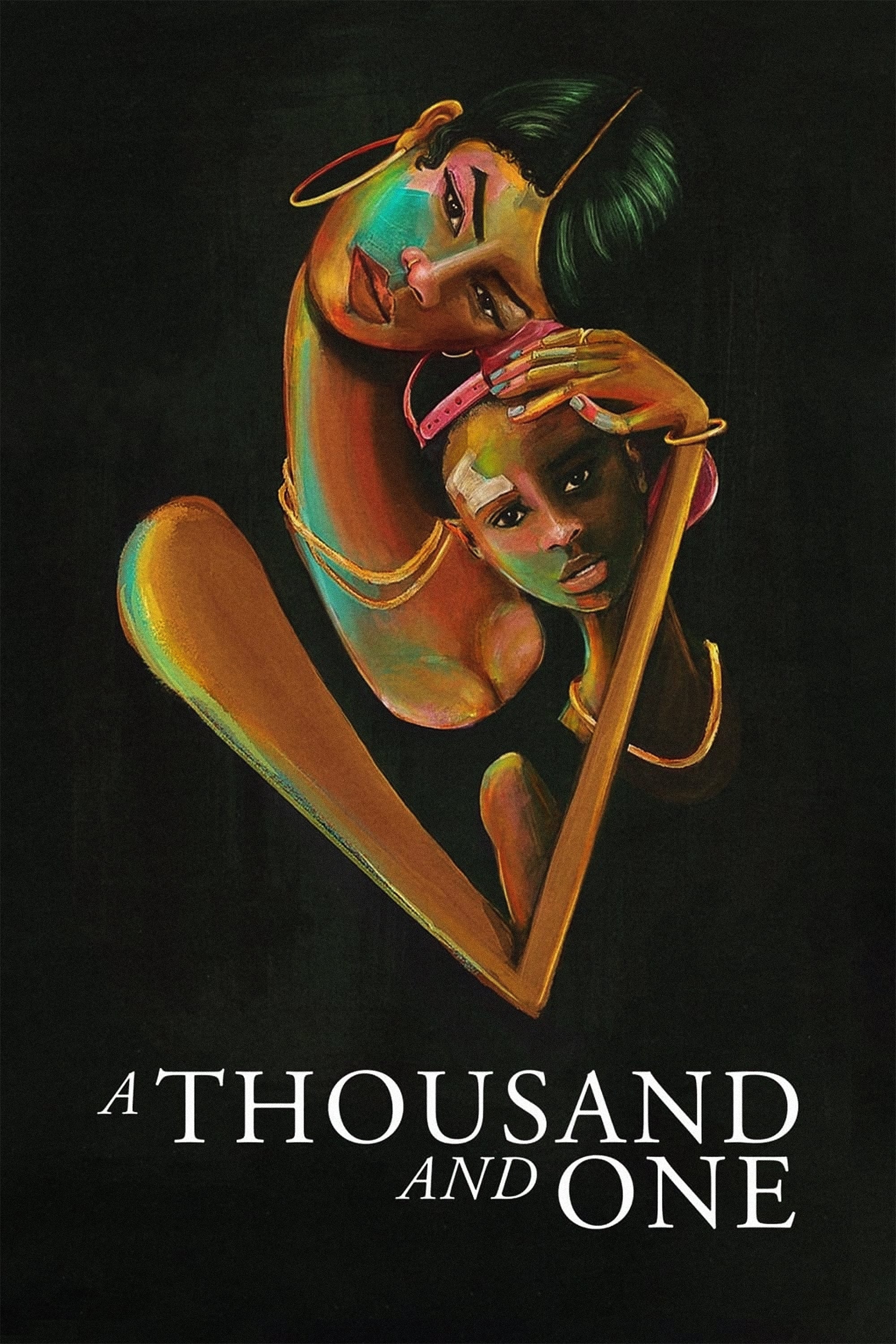
Teyana Taylor leads a new drama set in New York, alongside Aaron Kingsley Adetola, Aven Courtney, and Josiah Cross. The film focuses on a mother-son relationship and is visually striking, using natural light and shooting on location. A key element is its beautiful and respectful portrayal of darker skin tones, with close-up shots that highlight the actors’ features. Positive reception at film festivals has helped the film reach a wider audience.
‘The Color Purple’ (2023)
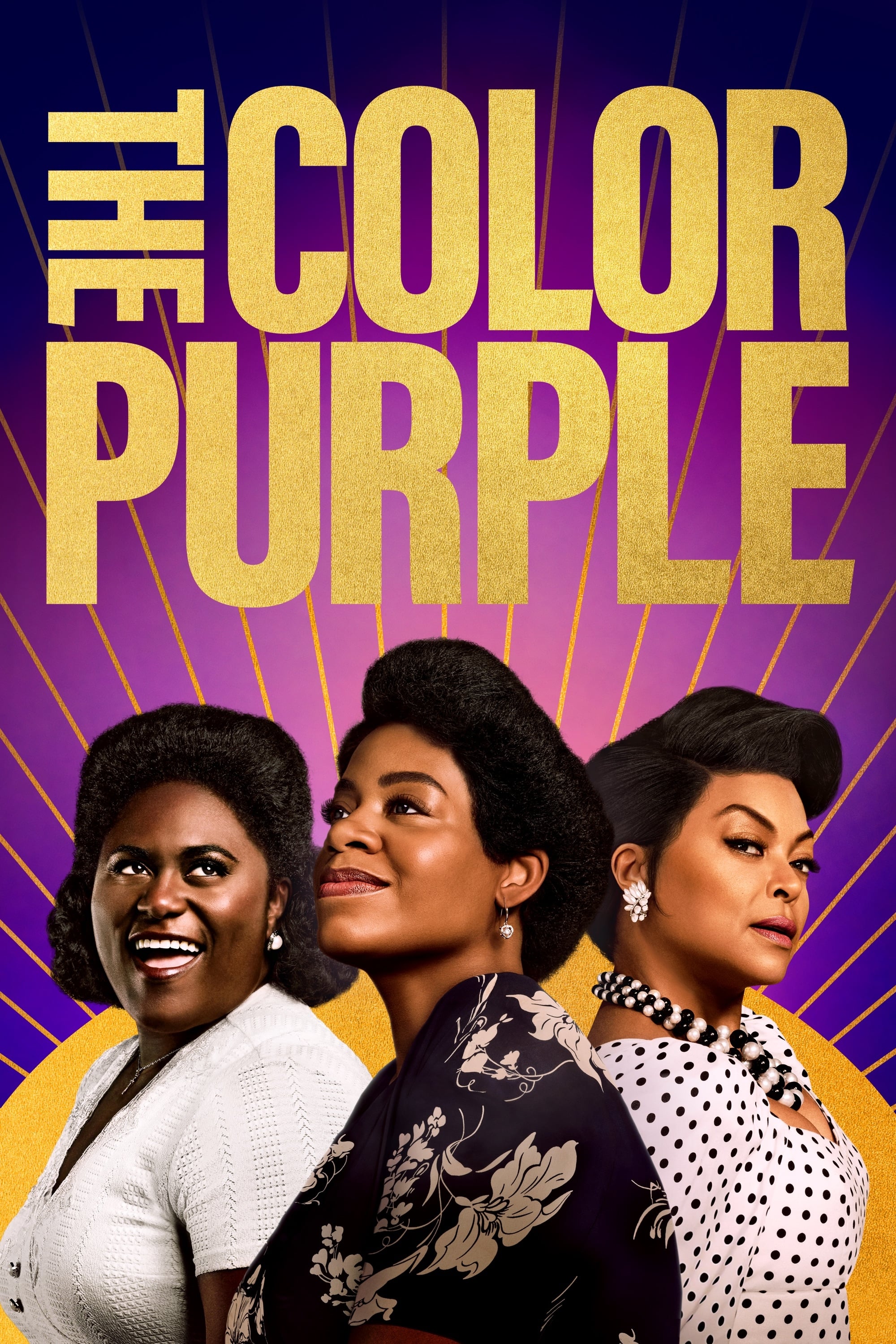
The musical features powerful performances from Fantasia Barrino and Danielle Brooks, alongside Taraji P. Henson and Colman Domingo. The film’s vibrant costumes and set design beautifully highlight the cast’s diverse skin tones, especially during large musical numbers. Importantly, the filmmakers focused on capturing the emotions of darker-skinned actresses with flattering camera angles and lighting. This wide release brought much-needed representation and respectful portrayal to a large audience during the holiday season.
Let us know in the comments: what movies do you think did the best job of challenging colorism in their portrayal of characters?
Read More
- 2025 Crypto Wallets: Secure, Smart, and Surprisingly Simple!
- Gold Rate Forecast
- Brown Dust 2 Mirror Wars (PvP) Tier List – July 2025
- HSR 3.7 story ending explained: What happened to the Chrysos Heirs?
- ETH PREDICTION. ETH cryptocurrency
- Gay Actors Who Are Notoriously Private About Their Lives
- 9 Video Games That Reshaped Our Moral Lens
- Banks & Shadows: A 2026 Outlook
- The Best Actors Who Have Played Hamlet, Ranked
- Games That Faced Bans in Countries Over Political Themes
2025-12-25 16:47