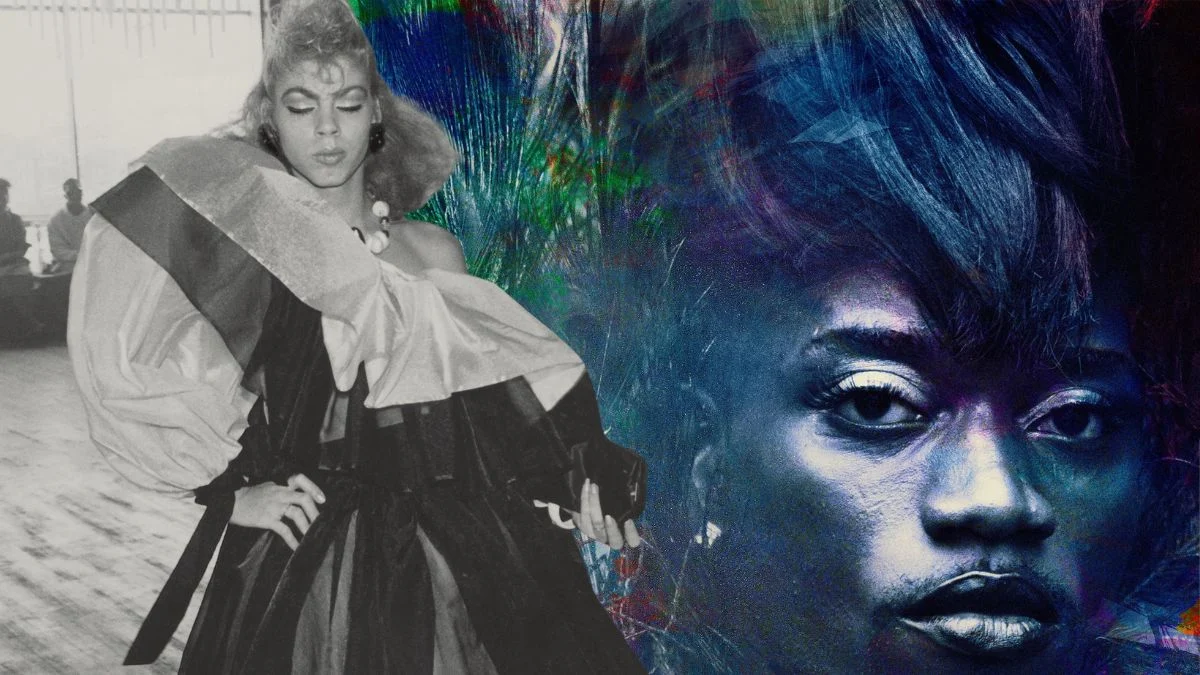
As a film lover, it’s incredibly exciting to see how representation on screen has changed. We’re moving past just seeing stories about people, to actually seeing real lives, especially those of communities who haven’t always been centered in film. Lately, I’ve been really drawn to documentaries and docudramas that focus on Black LGBTQ+ parents – seeing their experiences raising children in a world that often doesn’t understand them is powerful. What I love most is how these films give these families a chance to share their own stories, in their own words, without needing a screenwriter to interpret them. By letting real Black same-sex parents play themselves, these movies break down stereotypes and really make you rethink what ‘family’ even means. I’ve put together a list of films that are doing this important work, centering those authentic voices and journeys.
‘Paris Is Burning’ (1990)
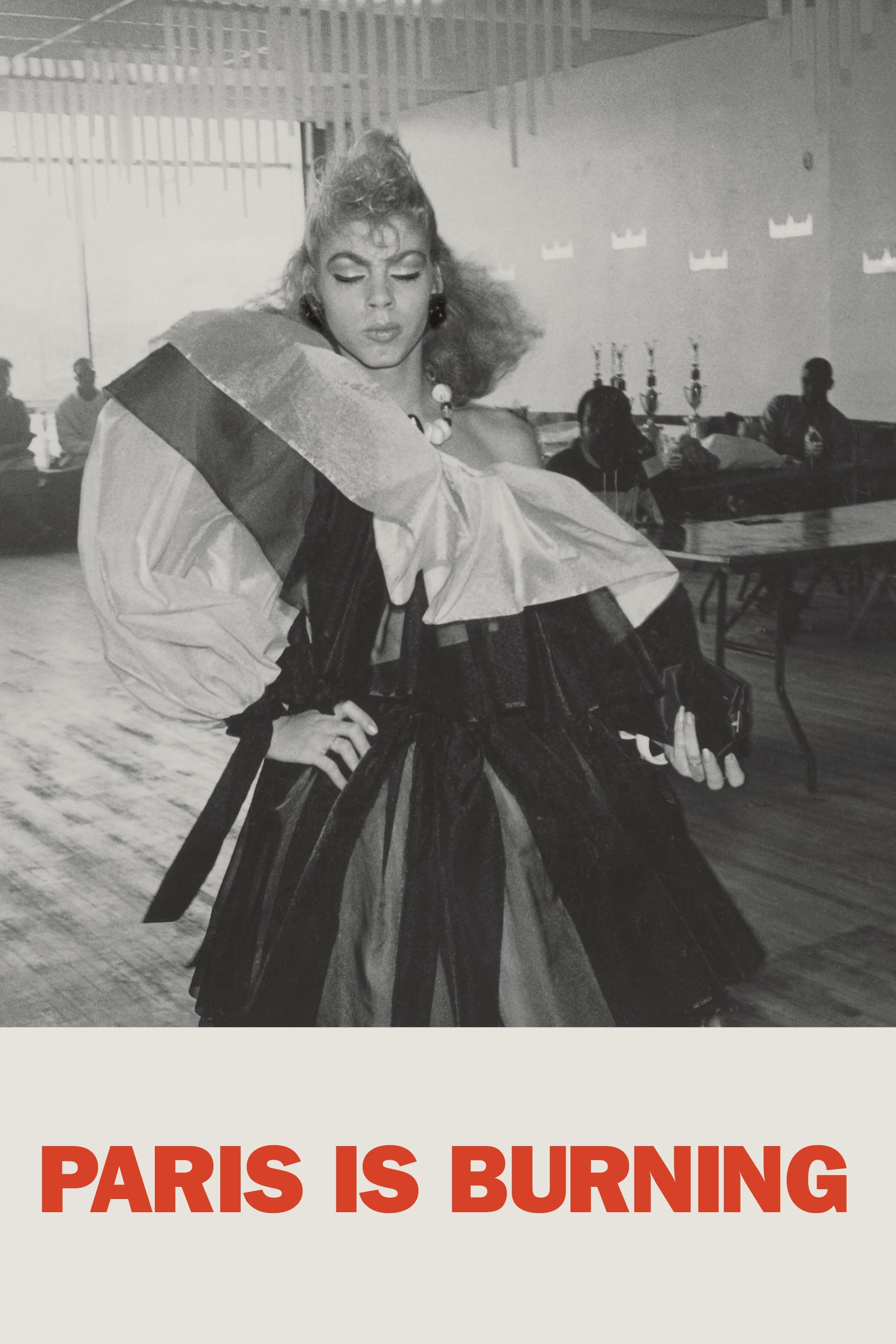
I was completely captivated by this documentary. It’s a really powerful and intimate look at the ball culture scene in New York City during the late 80s. What struck me most was how these ‘Houses’ became chosen families for so many LGBTQ+ young people, offering a safe haven and the support they desperately needed. We meet incredible figures like Pepper LaBeija and Willi Ninja – true ‘House Mothers’ and ‘Fathers’ – who stepped in to provide guidance, shelter, and genuine love to kids often rejected by their own families. It really highlights the idea of found family and how essential these parental figures were – and still are – to the survival and vibrancy of the ballroom community. It’s a deeply moving and important film.
‘Kiki’ (2016)
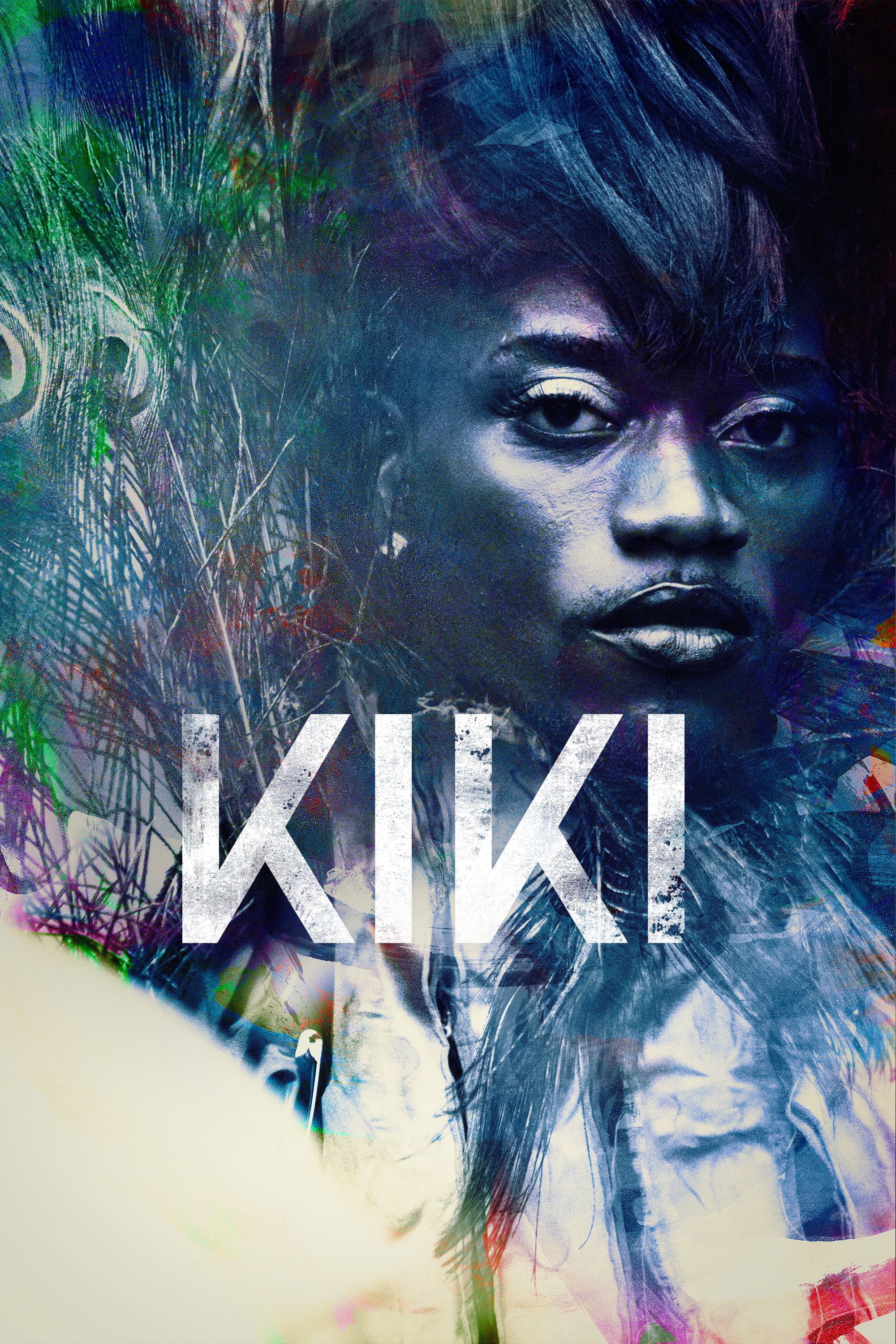
I just finished watching a truly moving documentary that feels like a natural follow-up to ‘Paris Is Burning.’ It dives into the vibrant ‘Kiki’ scene happening right now in New York City, and introduces you to incredible House leaders – people like Chi Chi Mizrahi – who are basically surrogate parents to queer and Black youth. What really struck me was seeing how these mentors guide their ‘children’ through incredibly tough challenges – things like homelessness, health crises, and fighting for their rights – all while building a family and a safe space. It’s a powerful reminder of how vital chosen families are, especially within the Black LGBTQ+ community, and a testament to their resilience.
‘A Litany for Survival: The Life and Work of Audre Lorde’ (1995)
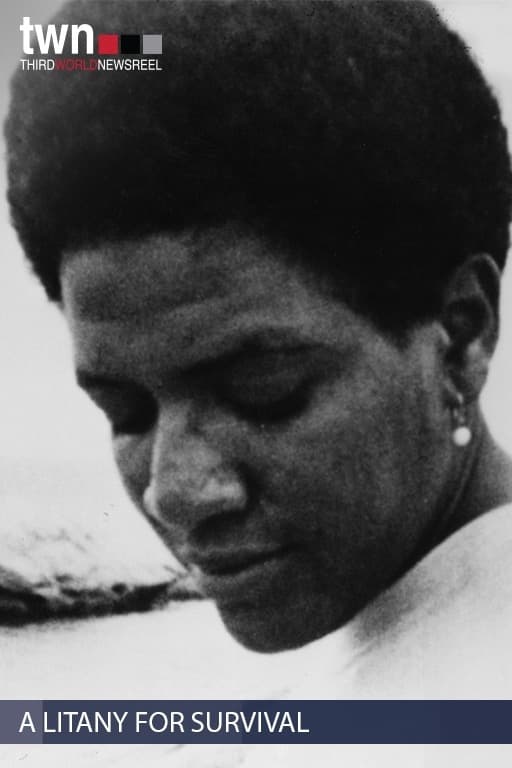
This touching documentary tells the story of Audre Lorde, a celebrated writer, activist, and mother who identified as Black and lesbian. The film shares her life through her own words and interviews with her children, offering a deeply personal look at how she navigated the challenges of raising a family while being a prominent and outspoken voice for change. It provides a genuine and powerful portrayal of Black lesbian motherhood during a significant time in history.
‘Choosing Children’ (1984)
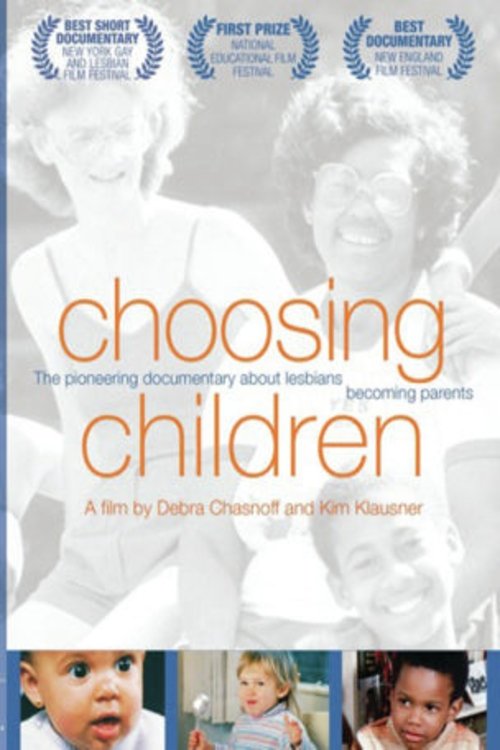
This groundbreaking documentary was one of the first to explore the lives of lesbian mothers, questioning the idea that coming out meant sacrificing the chance to become a parent. The film follows six different families, including Black lesbian mothers, as they share their journeys with having children – through birth, adoption, and the challenges of raising families in a society that traditionally centers heterosexual couples. These women openly discuss the legal and social obstacles they encountered, offering a look back at a time when same-sex parenting was becoming more common, and proving that loving, capable same-sex parents existed decades ago.
‘The Aggressives’ (2005)
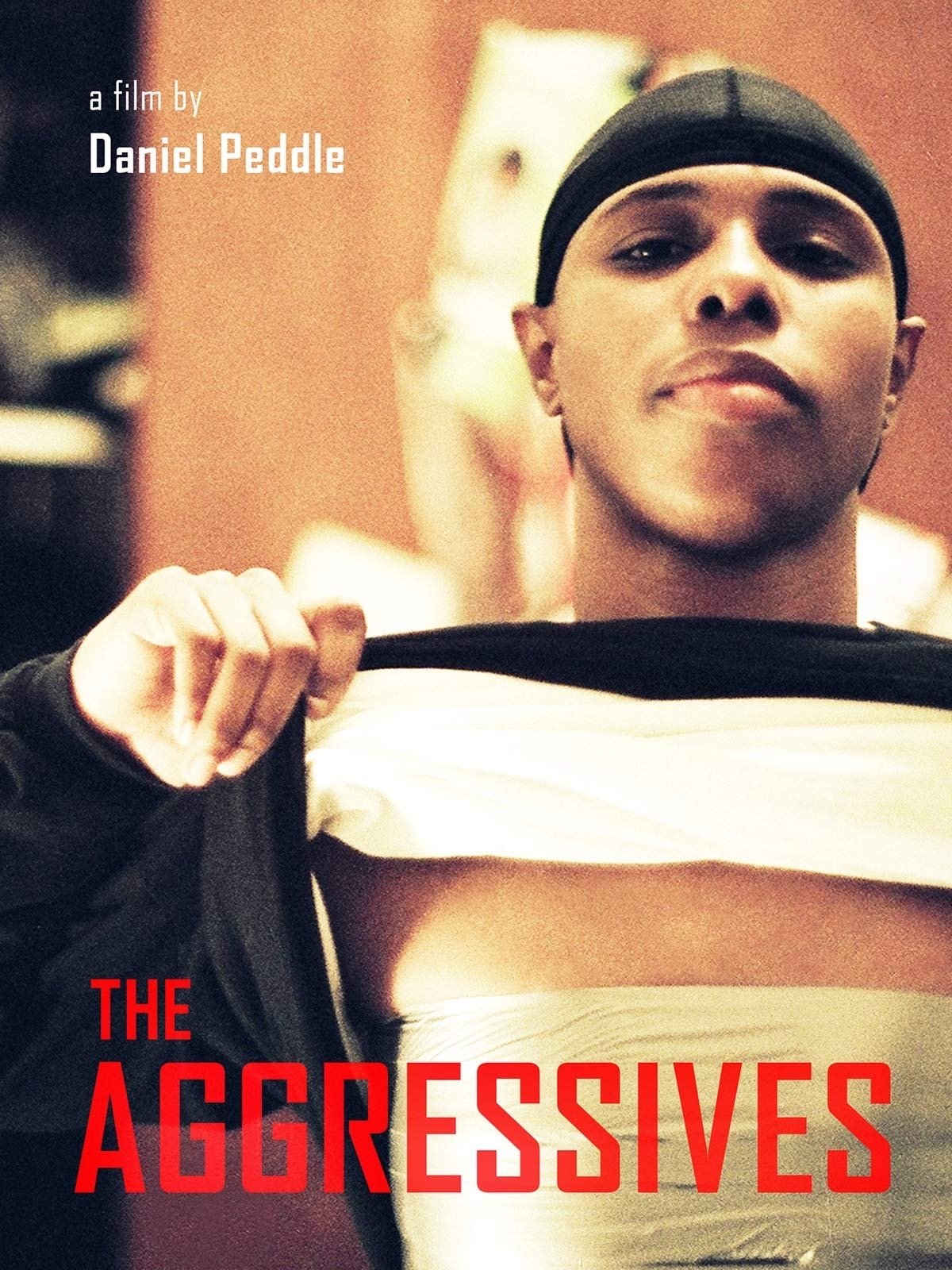
This documentary intimately follows six queer women of color in New York City over several years. The film shows their everyday lives, including the difficulties and joys of family – whether they’re parents themselves or taking on parental roles – all while challenging traditional ideas about gender. It’s a raw and honest look at how race, gender identity, and family responsibilities intersect, offering a rare glimpse into a community that redefines what it means to be a family.
‘Jewel’s Catch One’ (2016)
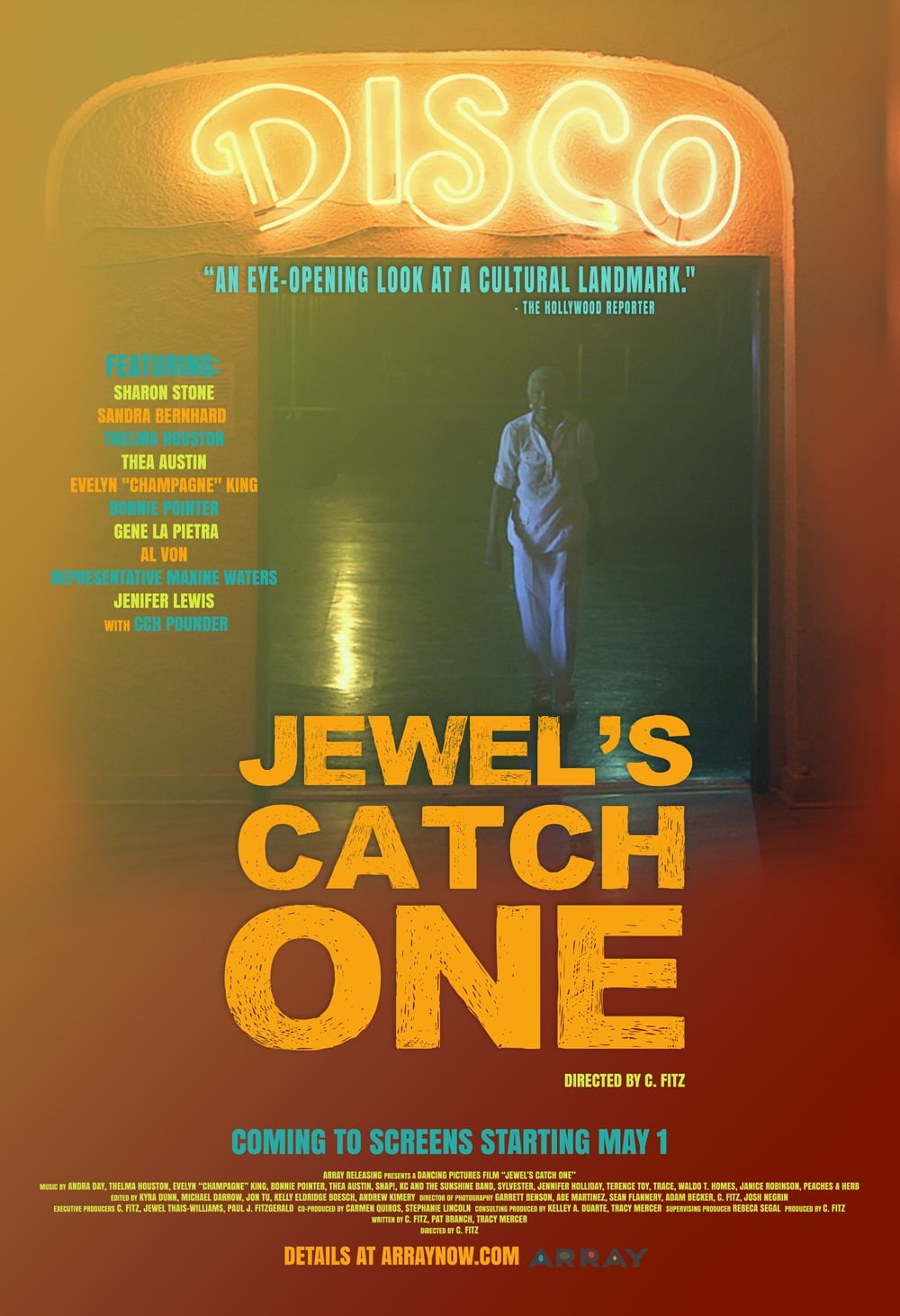
This inspiring documentary tells the story of Jewel Thais-Williams, the owner of the famous Catch One nightclub in Los Angeles. For over forty years, Jewel – affectionately known as “Mother” – created a safe and welcoming space for Black LGBTQ+ people. The film shows how she was more than just a business owner; she was a nurturing and protective figure who cared for her patrons like family. It’s a powerful example of community support and activism.
‘Tongues Untied’ (1989)

Marlon Riggs’ documentary is a powerful and artistic exploration of what it means to be a Black gay man. Through a mix of poetry, personal stories, and performance, the film delves into themes of identity, desire, and the deep need for community. Riggs and the men featured in the film share their experiences honestly, challenging the silence surrounding their lives and building a sense of brotherhood as a chosen family. It continues to be a vital resource for understanding the emotional lives of Black queer men.
‘Black Is… Black Ain’t’ (1994)
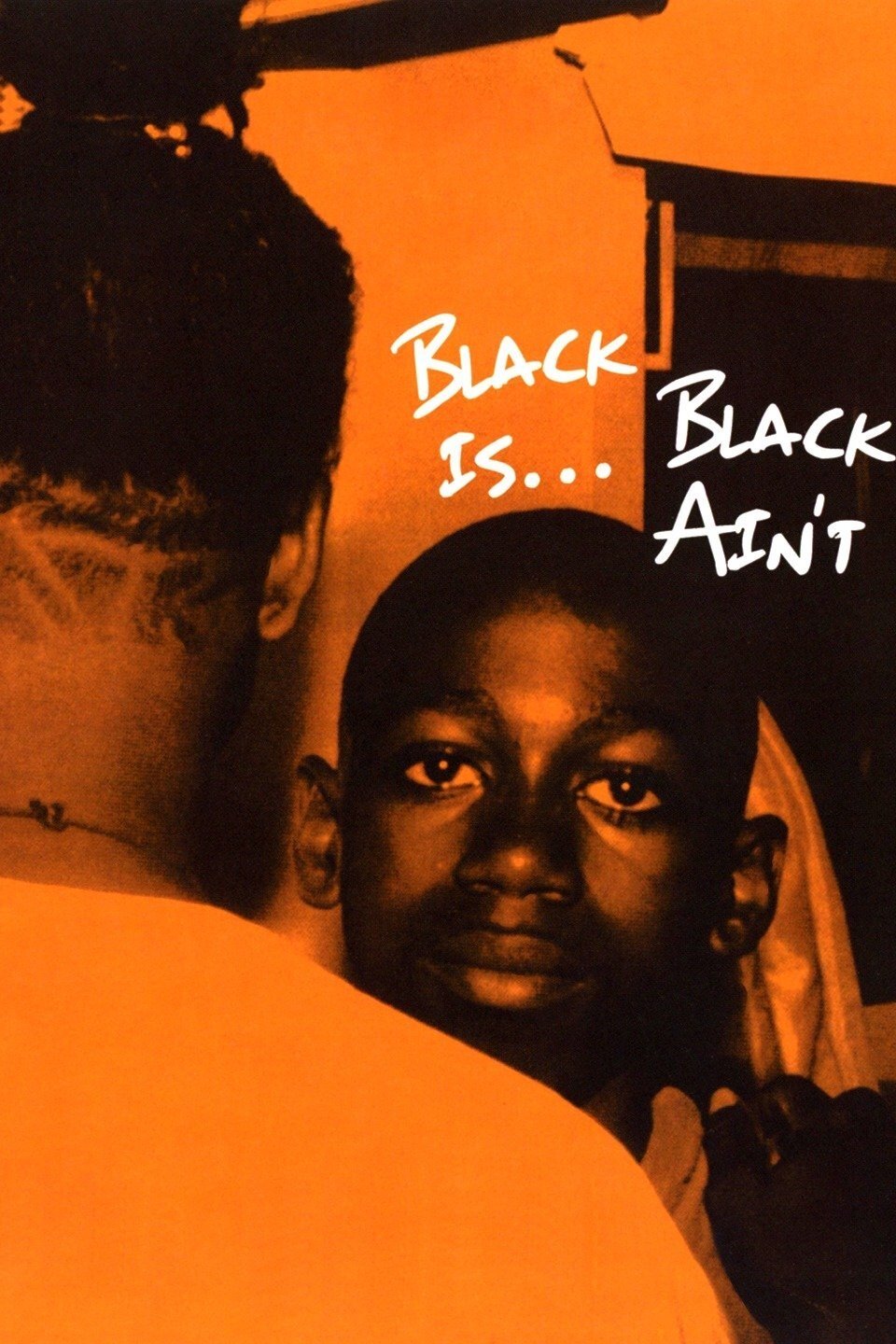
Marlon Riggs’ last film beautifully portrays the many sides of being Black in America, especially the experiences of Black gay men and their families. Through honest conversations with parents and children, the documentary tackles tough topics like prejudice, traditional gender roles, and the need for acceptance. Ultimately, it’s a moving call for love and understanding within all families and communities.
‘A Mother Apart’ (2024)
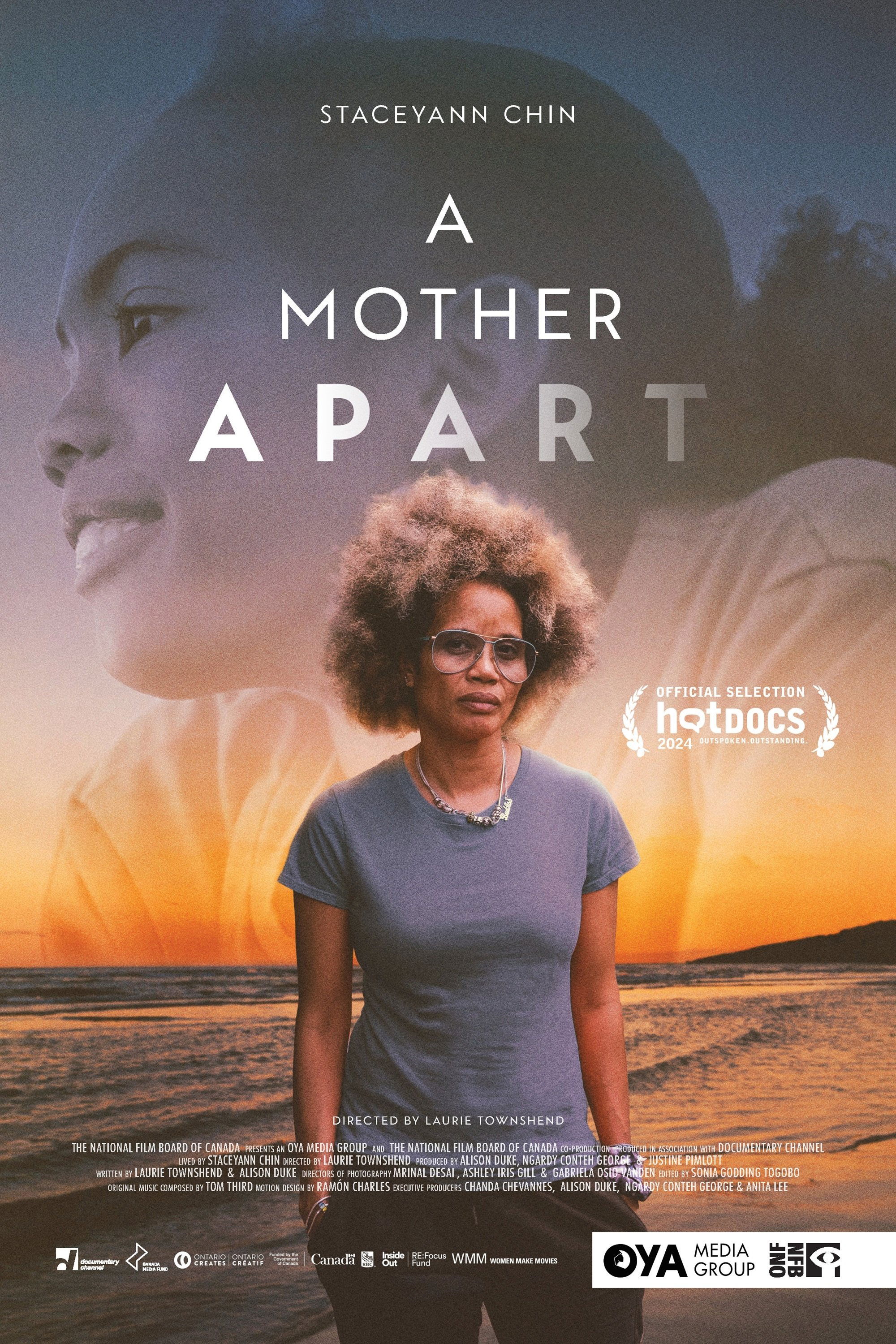
This new documentary tells the story of Staceyann Chin, a Jamaican-American poet and activist, as she raises her daughter and confronts her own complicated upbringing. The film shows her commitment to honest and loving parenting while dealing with past trauma. Chin shares her experiences openly, giving viewers a raw and honest look at the difficulties faced by Black lesbian mothers today. Ultimately, it’s a very personal look at how she’s working to create a better future by overcoming patterns from her family’s past.
‘Check It’ (2016)
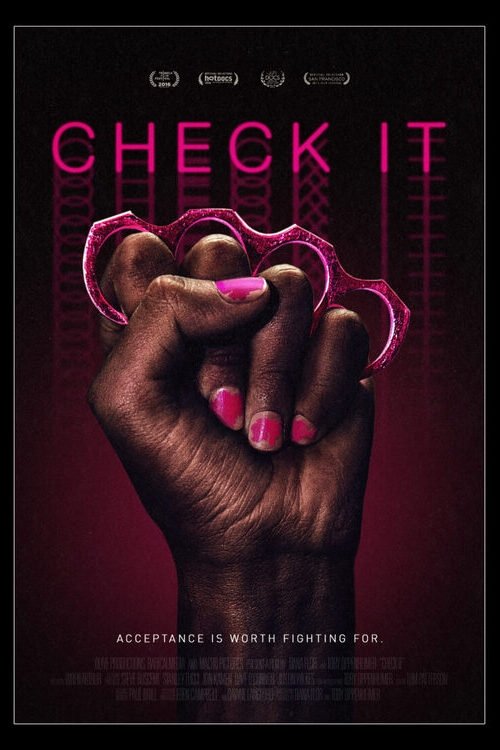
This documentary tells the story of a Washington D.C. street gang made up of gay and transgender young people who came together for safety. The film highlights the strong, family-like connections between the members, who see each other as siblings and look to older members for guidance. It shows how they cope with hardship and violence by building a supportive family unit, and features their personal accounts of survival and the bonds they share.
‘Call Me Kuchu’ (2012)

This film tells the powerful story of the fight for LGBTQ+ rights in Uganda, centering on David Kato, a pioneering openly gay man, and the activists working alongside him. It offers a personal look into their lives – their families, friendships, and how they support each other while facing intense opposition. The documentary showcases the bravery of these individuals who are risking everything to create a better future for their community, and their strength serves as an inspiring example of the human spirit.
‘Brother Outsider: The Life of Bayard Rustin’ (2003)
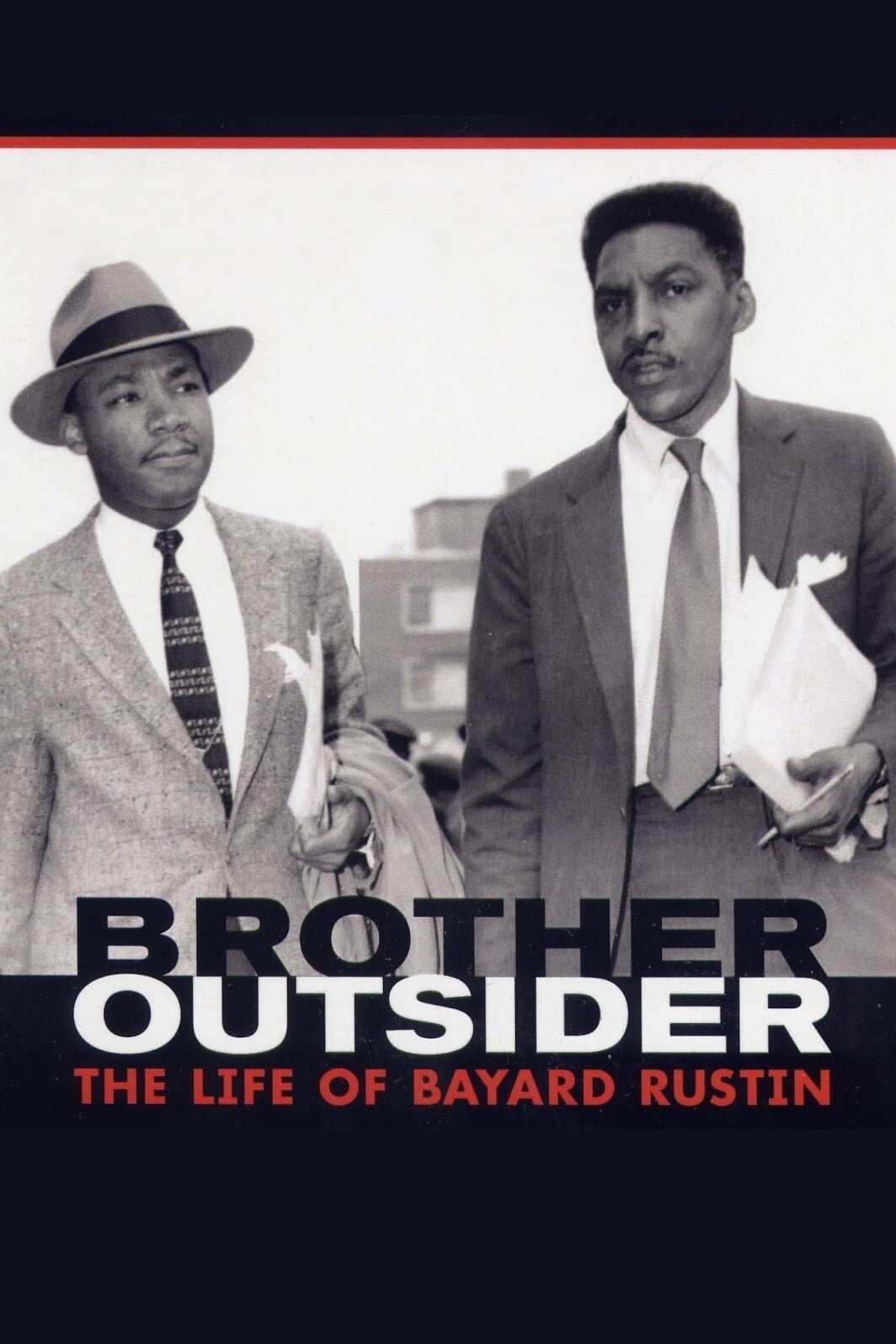
This documentary tells the story of Bayard Rustin, a key organizer of the 1963 March on Washington who was also openly gay. The film explores his personal life, including his relationship with his partner, Walter Naegle, whom he legally adopted—a move made to protect their rights and ensure their future. Through old footage and interviews, the film shows how Rustin and Naegle built a family in a time when the law didn’t protect relationships like theirs. It’s an important look at Black LGBTQ+ love and family life.
‘The New Black’ (2013)
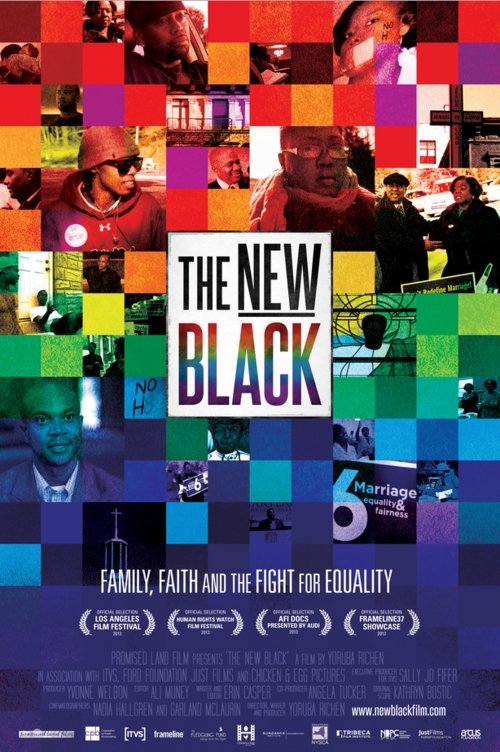
This documentary examines the Black church’s involvement in the debate over marriage equality, sharing stories from people on all sides. It focuses on Black same-sex couples and their families – showing their everyday lives as parents and active members of their communities – and how they’re working to gain legal rights. The film offers a thoughtful exploration of how faith, race, and family rights connect.
‘Holler If You Hear Me: Black and Gay in the Church’ (2015)
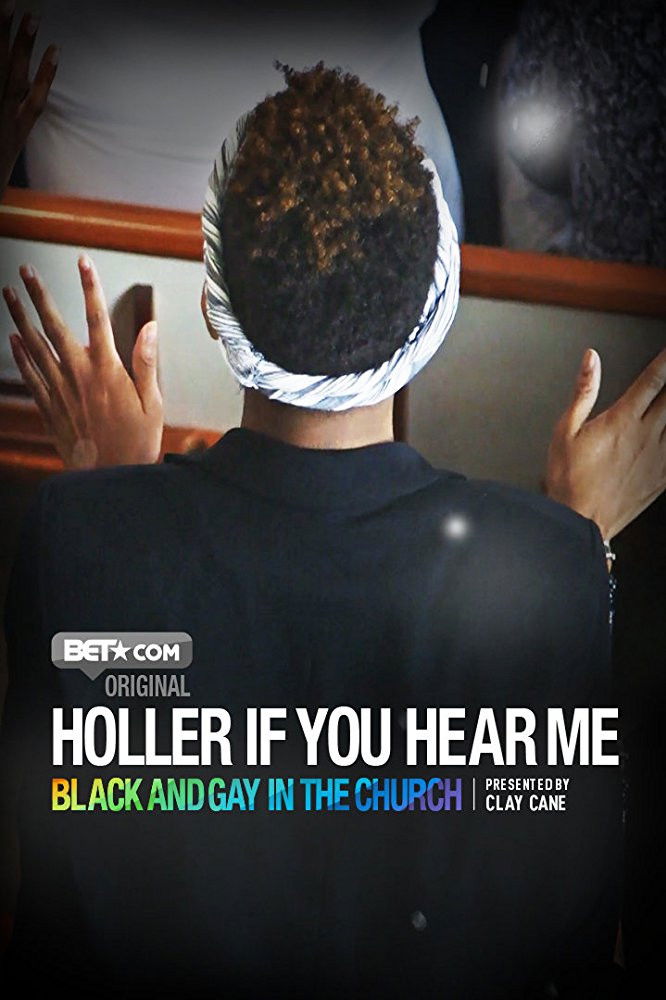
This documentary explores the lives of Black LGBTQ+ individuals and their families within the church. Through honest interviews, it reveals the challenges they face balancing their faith, sexual orientation, and the need for acceptance from their families and communities. The film shares powerful stories of both hardship and strength, and highlights the often-unspoken experiences of queer families in religious settings.
‘Vintage: Families of Value’ (1995)
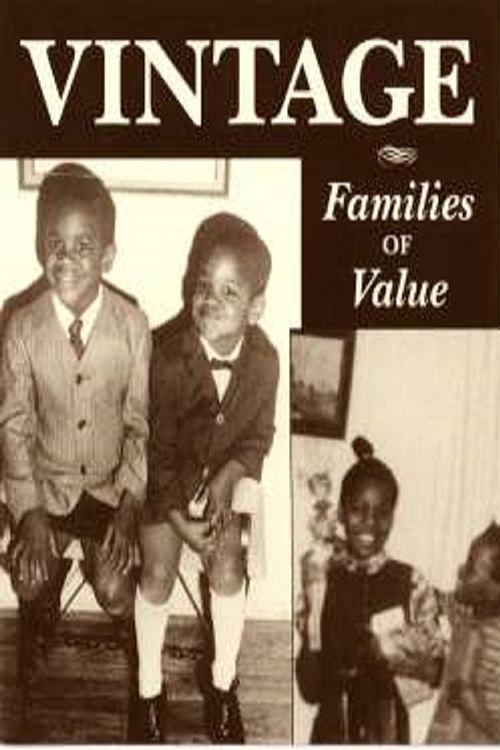
In this documentary, filmmaker Thomas Allen Harris delves into his own family history, focusing on the relationships between his Black siblings, including those who identify as queer. The film centers on conversations between Harris and his brother about their childhood and their parents. It’s a deeply personal look at family that sparks an open conversation across generations about sexuality and what shapes our identities. What makes the film special is that it allows family members to share their honest experiences.
‘If She Grows Up Gay’ (1983)
This brief documentary offers a unique and intimate look at the life of a Black lesbian mother in the early 1980s and how she raises her daughter. The film shows her everyday life and her honest thoughts about how being a lesbian might affect her child. It’s an important historical record, highlighting the often-overlooked experiences of women of color within the gay rights movement of that time. Her openness offers a lasting and relatable look at motherhood and the challenges of facing societal disapproval.
‘Shakedown’ (2018)
As a film lover, I was really moved by Leilah Weinraub’s documentary. It dives into the hidden world of a Black lesbian strip club in Los Angeles, and it’s not about the spectacle, but the incredible community these women built. The film centers around Ronnie, who founded the club and basically became a mother figure to everyone involved – the performers and the regulars. Through old footage and interviews, these women share their stories of how they supported each other, both financially and emotionally. It’s a beautiful tribute to this unique space and the family they created within it.
‘Still Black: A Portrait of Black Transmen’ (2008)
This documentary tells the stories of six Black transgender men as they navigate their journeys of transition, self-discovery, and family life. The film explores how some of these men experience parenthood and how their transitions affect their children. It’s a powerful look at how they define what it means to be a man and a father, and it offers a diverse perspective on transgender experiences within the Black community.
‘U People’ (2009)
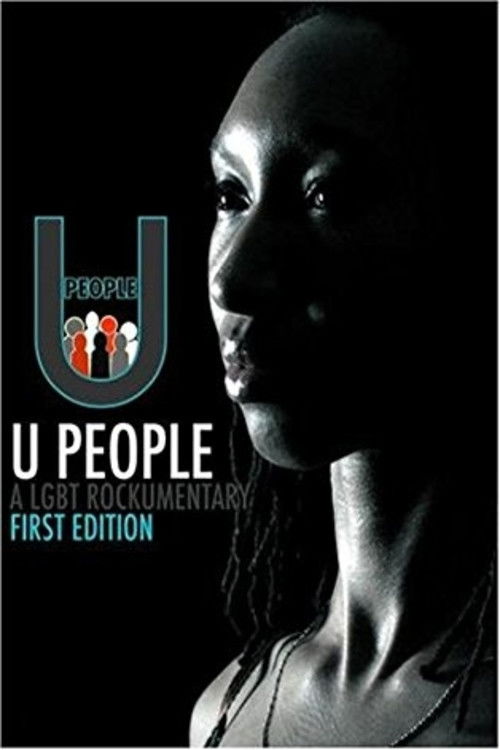
Director Hanifah Walidah brings together a group of Black women and trans people to create a groundbreaking documentary about their lives. The film features honest conversations about identity, relationships, and family – including the experiences of several parents within the group. It’s a spontaneous and heartfelt look at their shared experiences and wisdom, highlighting the importance of representation for Black queer parents and artists.
‘Bayard & Me’ (2017)
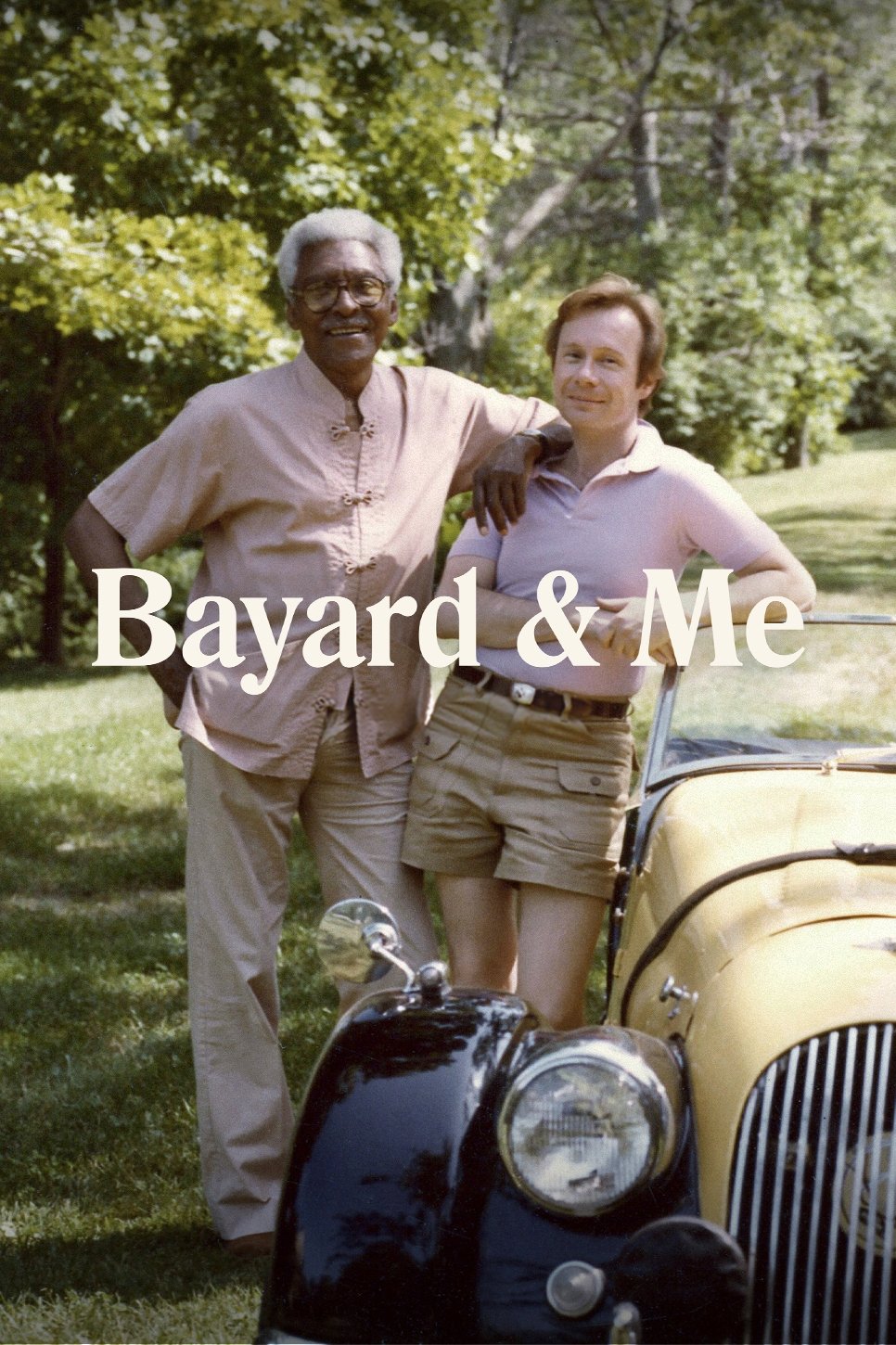
This brief documentary features Walter Naegle sharing memories of his relationship with civil rights leader Bayard Rustin. Naegle explains how Rustin legally adopted him, creating a father-son bond that offered them legal protection. The film blends historical footage with Naegle’s current recollections to portray a moving love story, and it illustrates the resourceful ways same-sex couples built and protected their families before same-sex marriage was legal.
‘Strike a Pose’ (2016)
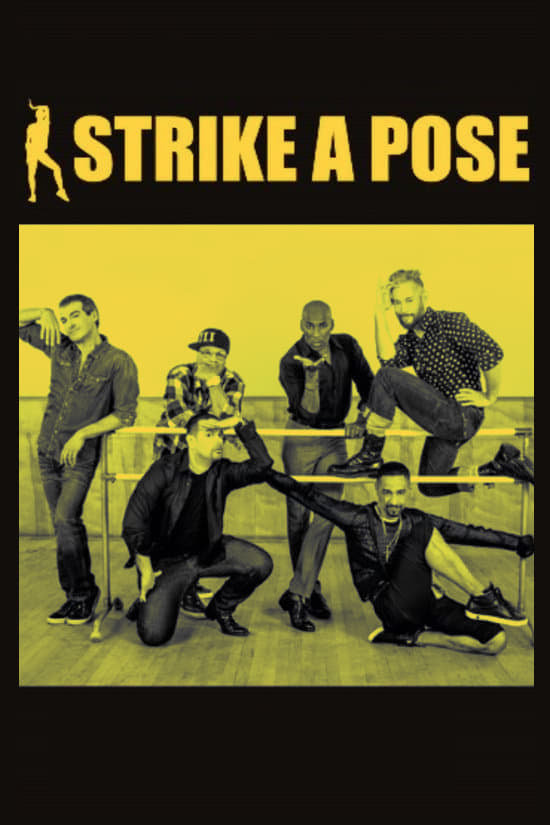
Decades after appearing in the documentary ‘Truth or Dare,’ the male dancers from Madonna’s iconic Blond Ambition tour are sharing their personal stories. Several of these dancers, who are men of color, discuss what life has been like since the tour, including their struggles with HIV and family matters. The film goes beyond the glitz and glamour to show these men as fully realized individuals who have faced challenges and built meaningful lives and families. It’s a touching look at their journeys and how they’ve found their paths.
‘We Are Dad’ (2005)
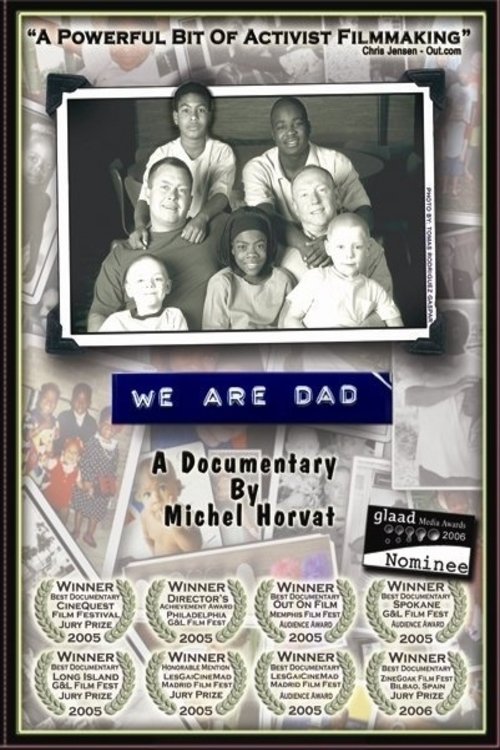
This documentary follows a gay couple in Florida who opened their home as foster parents to children with serious medical conditions. While the film centers on their fight against the state’s ban on gay adoption, it also beautifully portrays the everyday life of their unique and loving family. It highlights the fathers’ commitment to their kids and challenges biases within the foster care system, ultimately demonstrating how love can triumph over legal obstacles.
‘Tchindas’ (2015)
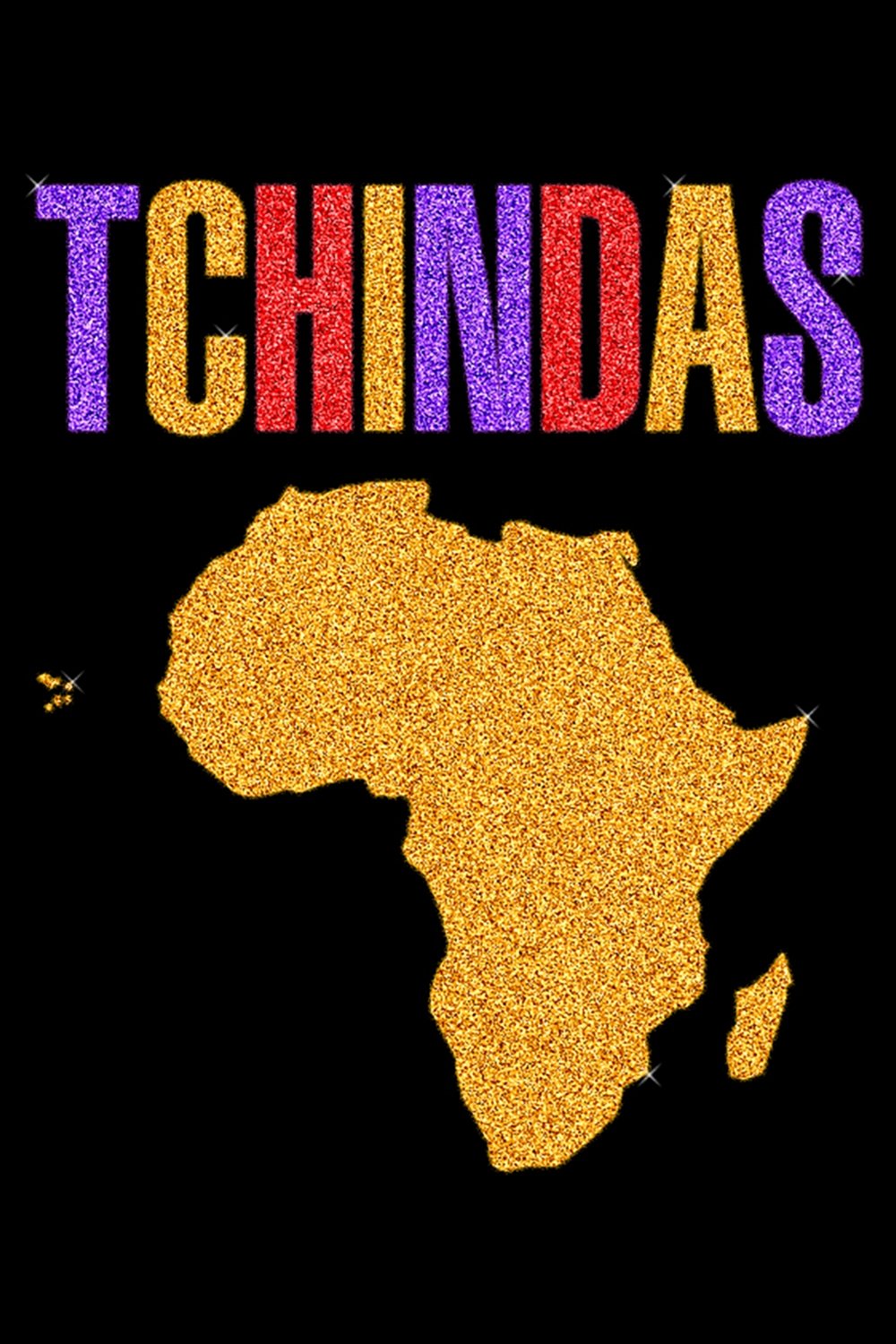
I just watched this amazing documentary set in Cape Verde, and I’m still thinking about it. It follows Tchinda Andrade, a trans woman who is like a mother figure to a whole group of younger LGBTQ+ people – they’re affectionately called ‘Tchindas’ on the island. The film really shows how they’re preparing for Carnival and how much they’re a part of everyday life there. What struck me most is how this community creates family beyond blood relatives and just accepts people for who they are. It’s really heartwarming.
‘The Watermelon Woman’ (1996)
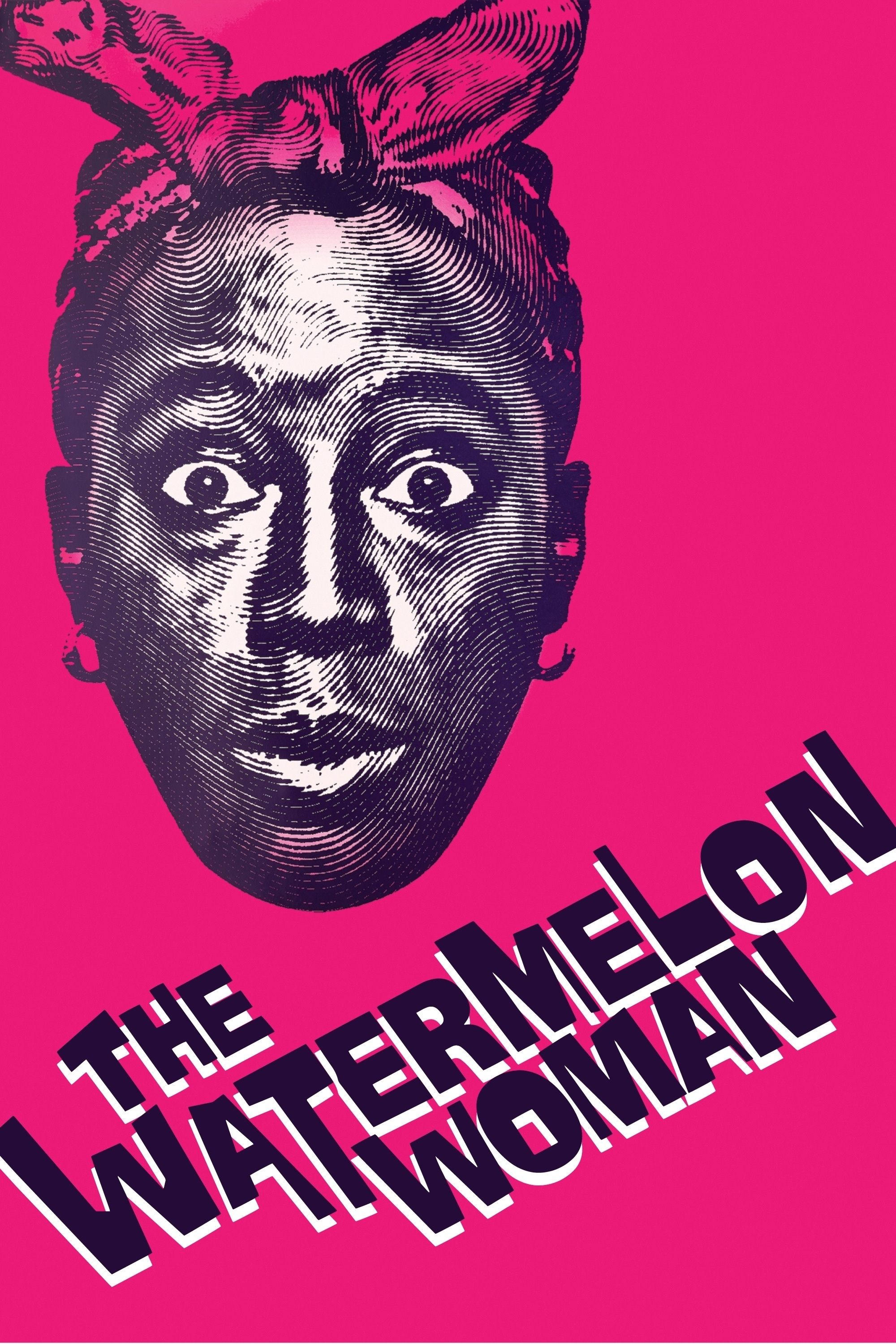
Cheryl Dunye’s groundbreaking film is a unique blend of storytelling and autobiography. Dunye plays a character based on herself—a Black lesbian mother—and uses the film to explore themes of history and how stories get lost or forgotten, often mirroring her own experiences. The movie intentionally mixes reality and fiction, including appearances by real people and unscripted scenes, to feel connected to a genuine community. It’s still considered an important work because of its insightful look at Black lesbian identity and how it represents itself.
‘Portrait of Jason’ (1967)
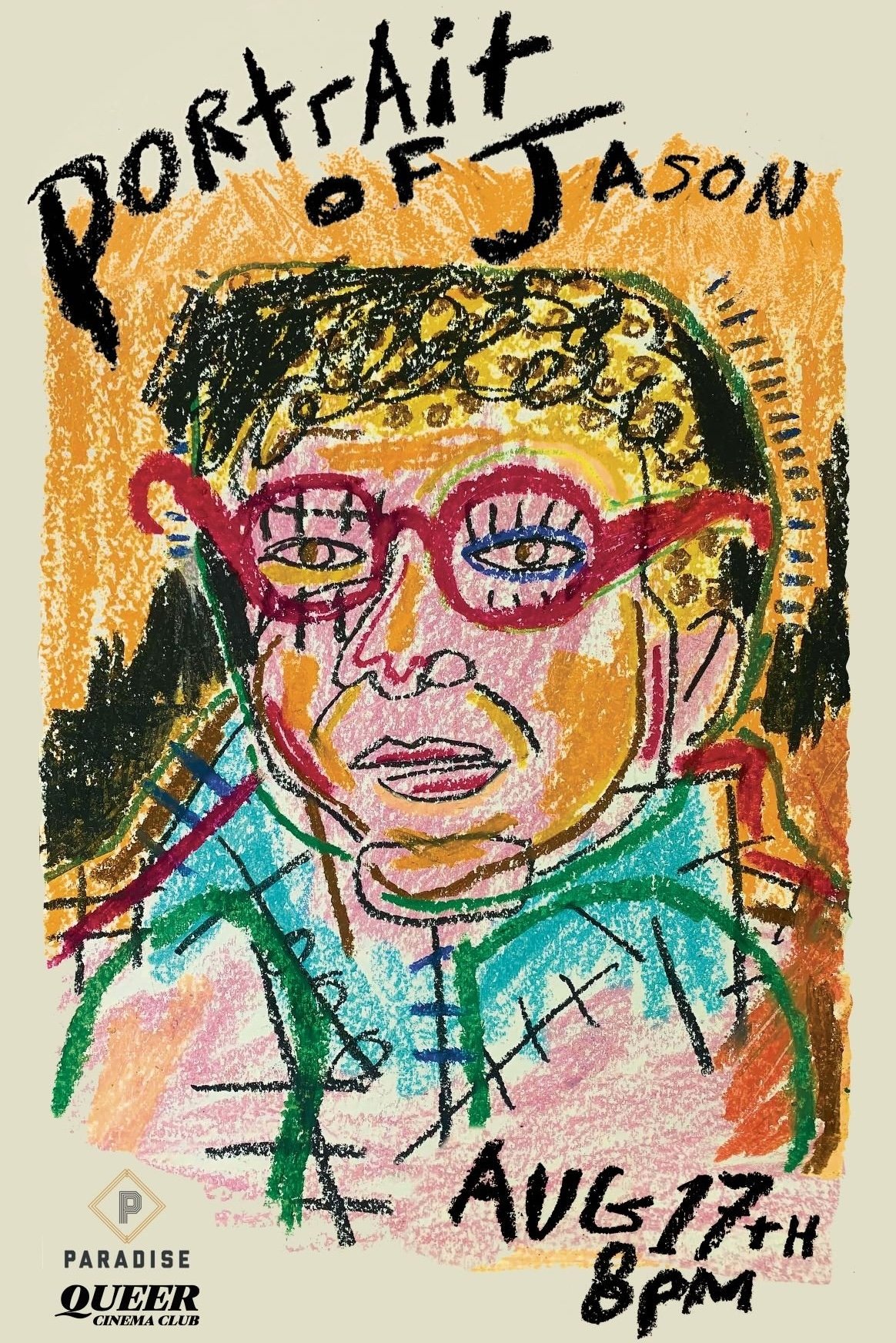
This documentary, shot over the course of one night, follows Jason Holliday, a Black gay cabaret performer, as he shares personal stories from his life. Though not a traditional film about parenting, Jason reflects on his challenging relationship with his parents and the guidance he offers to others. Through his honest and sometimes difficult storytelling, the film provides a glimpse into the experiences of a Black queer man growing up in the 1960s, exploring themes of identity and self-presentation.
‘Mala Mala’ (2014)

This documentary offers a look into the lives of transgender and drag performers in Puerto Rico. It follows a variety of individuals, including experienced performers who mentor younger generations as they navigate transition and the art of drag. The film highlights both their advocacy work and personal stories, emphasizing the close, family-like relationships within the community. Ultimately, it’s a joyful and colorful portrayal of gender expression and Puerto Rican culture.
‘Alice Walker: Beauty in Truth’ (2013)
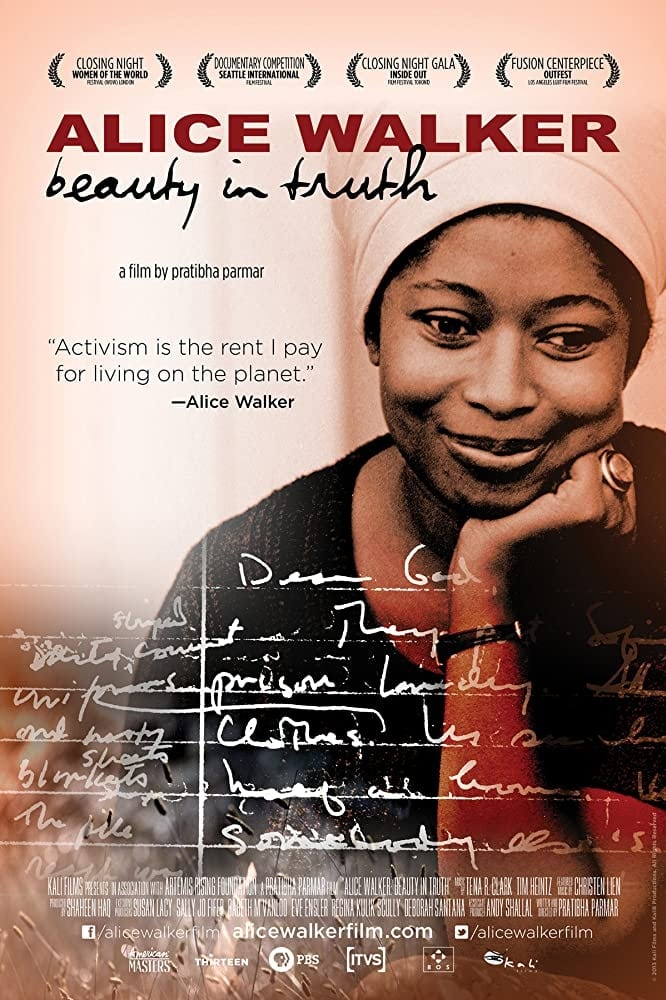
This documentary tells the story of Alice Walker, the celebrated author who won a Pulitzer Prize. The film explores Walker’s life, including her identity as a bisexual woman, her relationships, and her experiences as a mother to her daughter, Rebecca. Through interviews with Walker, the documentary reveals how her personal life shaped her writing and her work as an activist. It paints a portrait of a multifaceted woman who challenged conventions in both her creative work and her personal life.
‘Strange Fruit’ (2002)
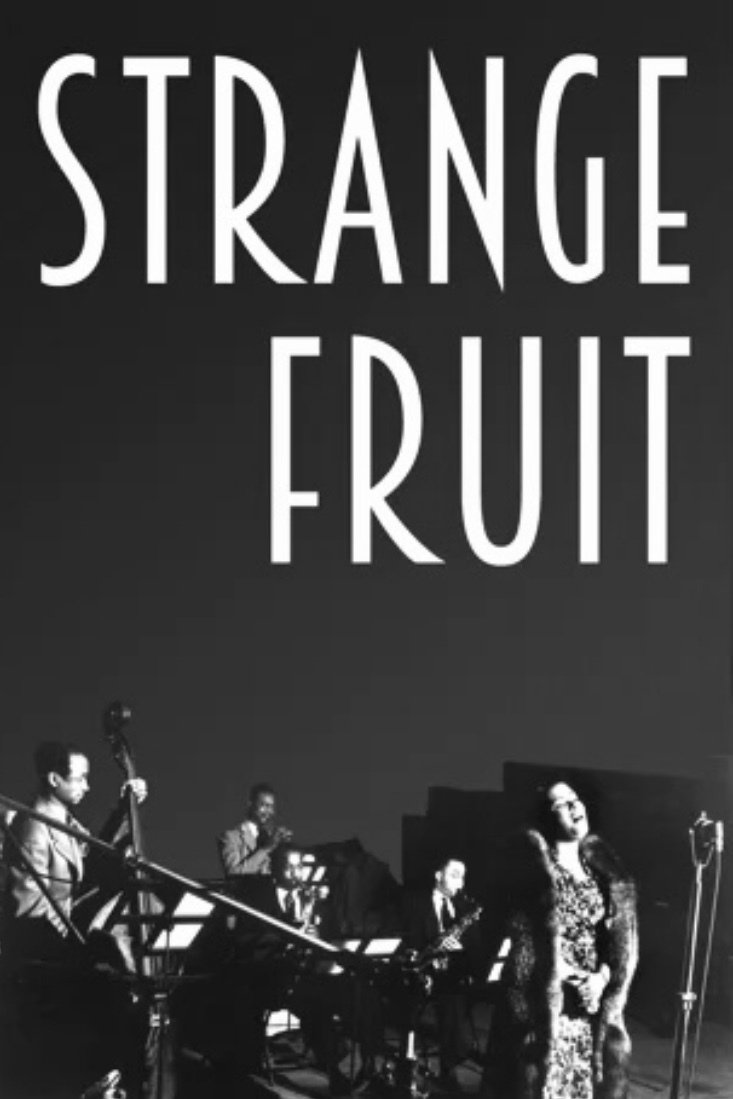
This documentary tells the story behind a famous song, but also delves into the life of its lyricist, Abel Meeropol. It examines family life during that period and the challenges faced by Black Americans, connecting the song’s creation to the realities of racism. Through interviews, the film reveals both the personal experiences and the political climate of the time.
‘The Death and Life of Marsha P. Johnson’ (2017)
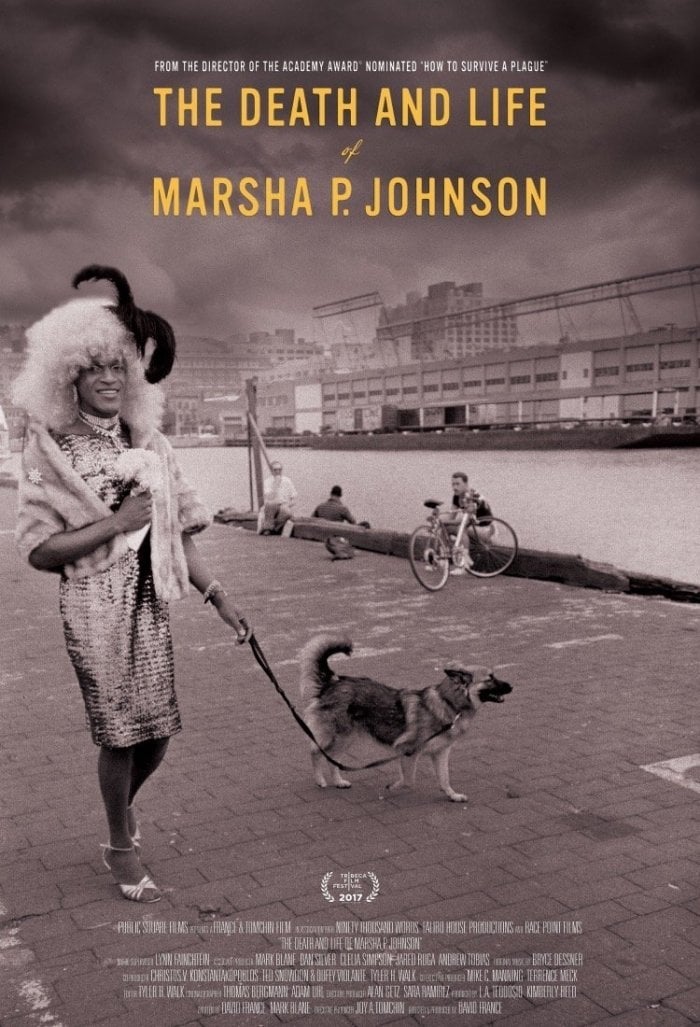
This documentary explores the life and untimely death of Marsha P. Johnson, a pivotal figure in the LGBTQ+ rights movement, and her close bond with Sylvia Rivera. Through interviews with people who considered her family, the film highlights Johnson’s compassionate work providing a safe haven and meals for homeless queer youth at the STAR house. It’s both a detailed investigation and a moving portrait of a beloved community leader.
‘Happy Birthday, Marsha!’ (2018)
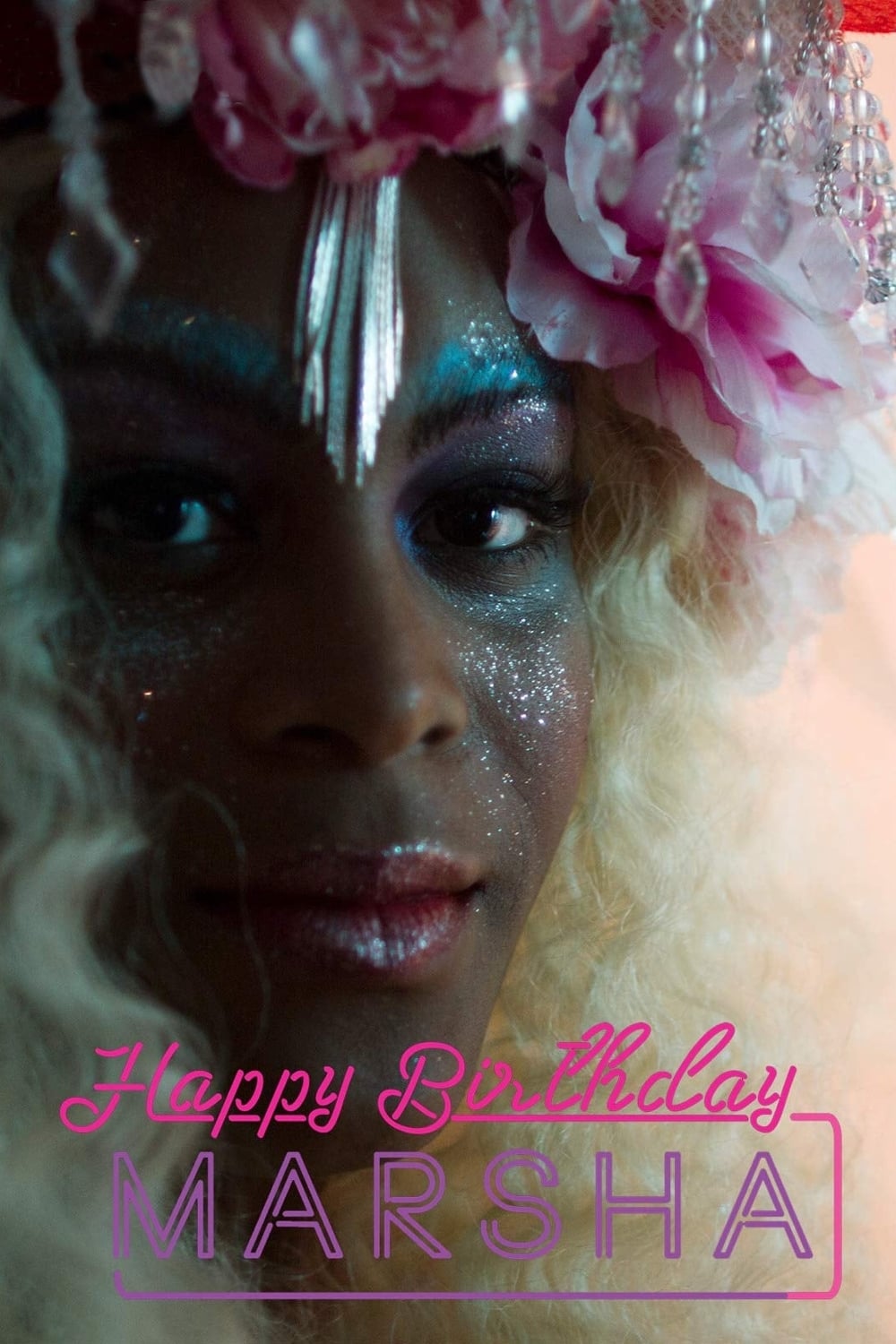
As a total cinema lover, I was deeply moved by this short film. It beautifully imagines the hours before the Stonewall riots, and it does so by focusing on Marsha P. Johnson and Sylvia Rivera – seeing their story through their eyes was incredibly powerful. What I really appreciated was that the filmmakers cast trans actors to play these iconic figures, which felt so right and respectful. It’s not a strict historical retelling, but it truly captures the spirit of their friendship and how much they meant as leaders within the movement. Ultimately, it’s a wonderful tribute to the real women who sparked a revolution.
‘Free CeCe’ (2016)
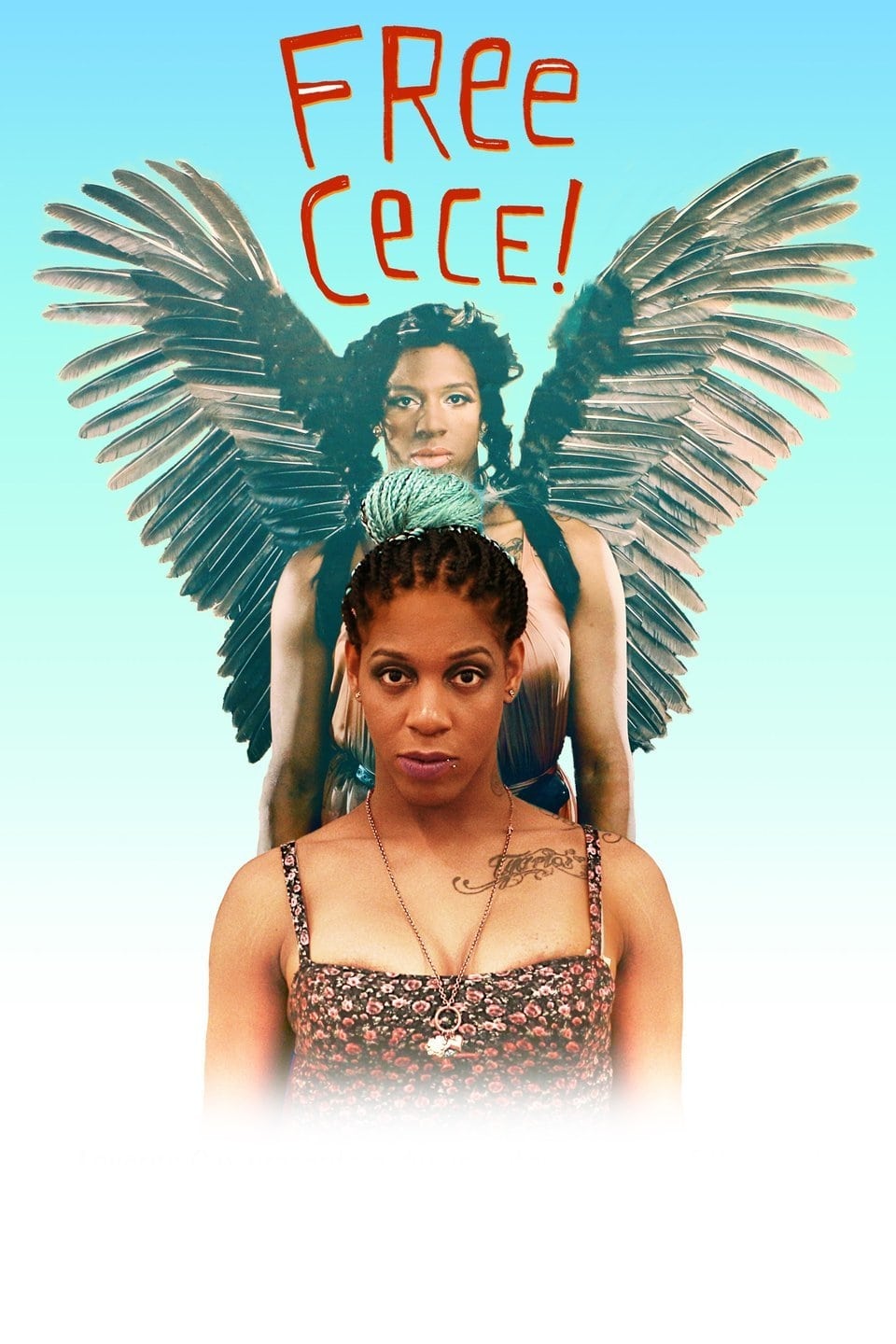
This documentary, executive produced by Laverne Cox, tells the story of CeCe McDonald, a Black transgender woman who fought back against a hateful attack and was then sent to prison. The film shows what her time in prison was like, as well as her life after release, focusing on how she became a mentor and leader in her community. CeCe shares her own experiences of surviving and her vision for the future. It’s a moving story that exposes flaws in the justice system while also celebrating the strength and perseverance of transgender people.
‘Difficult Love’ (2010)
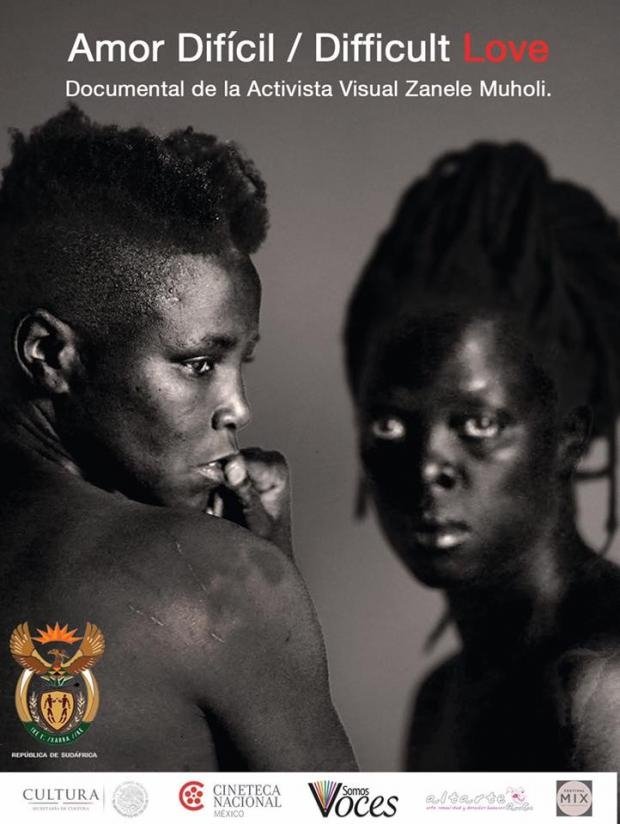
This documentary focuses on the work of South African photographer Zanele Muholi and the lives of Black lesbians in South Africa. Through interviews with mothers, partners, and activists, the film shows what their everyday lives are like. It bravely reveals the violence they experience, but also celebrates the strong love and family connections that help them persevere in a challenging and often dangerous world.
‘Simon and I’ (2001)
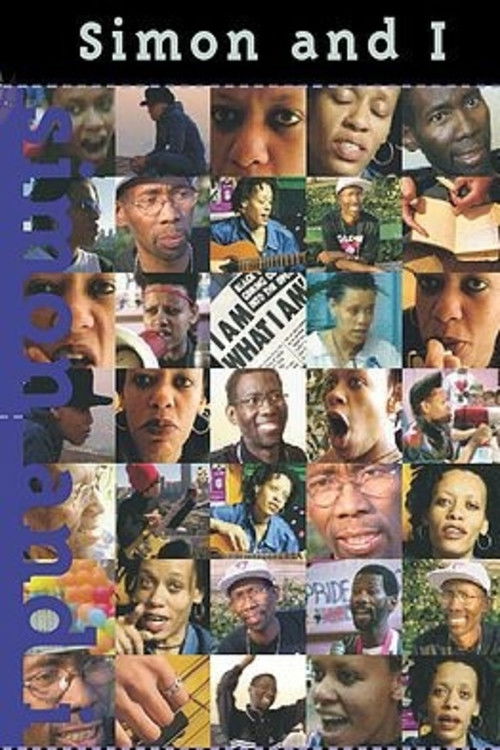
Beverly Palesa Ditsie’s film tells the story of her friendship with Simon Nkoli, a key figure in both the anti-apartheid movement and the fight for gay rights. The documentary follows their work together organizing Africa’s first Pride march and campaigning for legal protections. It also highlights the close bond they shared—a ‘chosen family’—and the personal costs they both faced while working for change. Ultimately, it’s a moving tribute to a friendship that helped transform a nation.
‘Born This Way’ (2013)
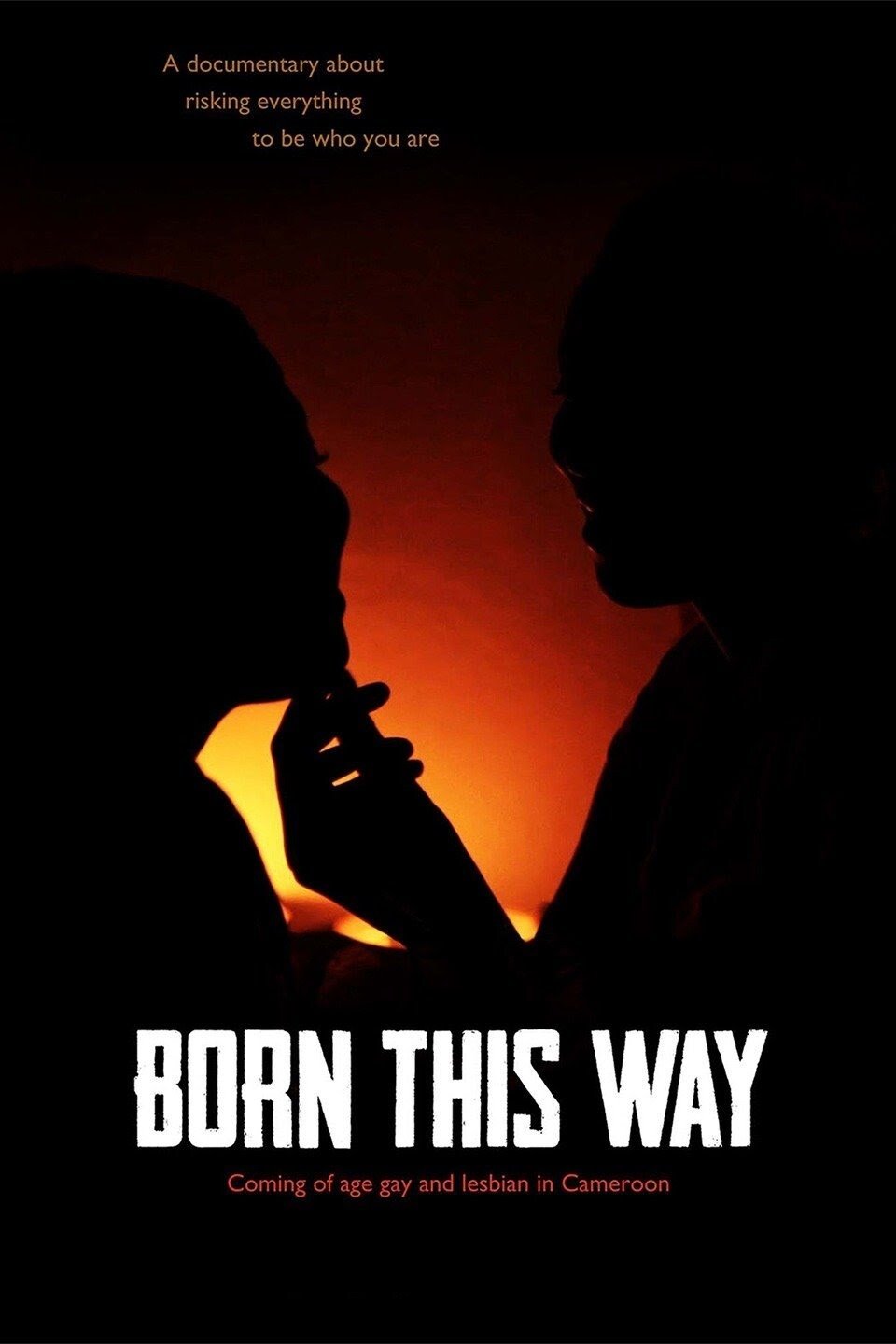
This documentary tells the stories of LGBTQ+ individuals in Cameroon who face imprisonment simply for being themselves. It shows the hidden support systems they’ve created – chosen families that offer safety and care. Through personal interviews, the film reveals their dreams of acceptance and the bonds they’ve formed while living in secrecy. It’s a powerful and moving portrayal of the real consequences of prejudice.
‘Forbidden: Undocumented and Queer in Rural America’ (2016)
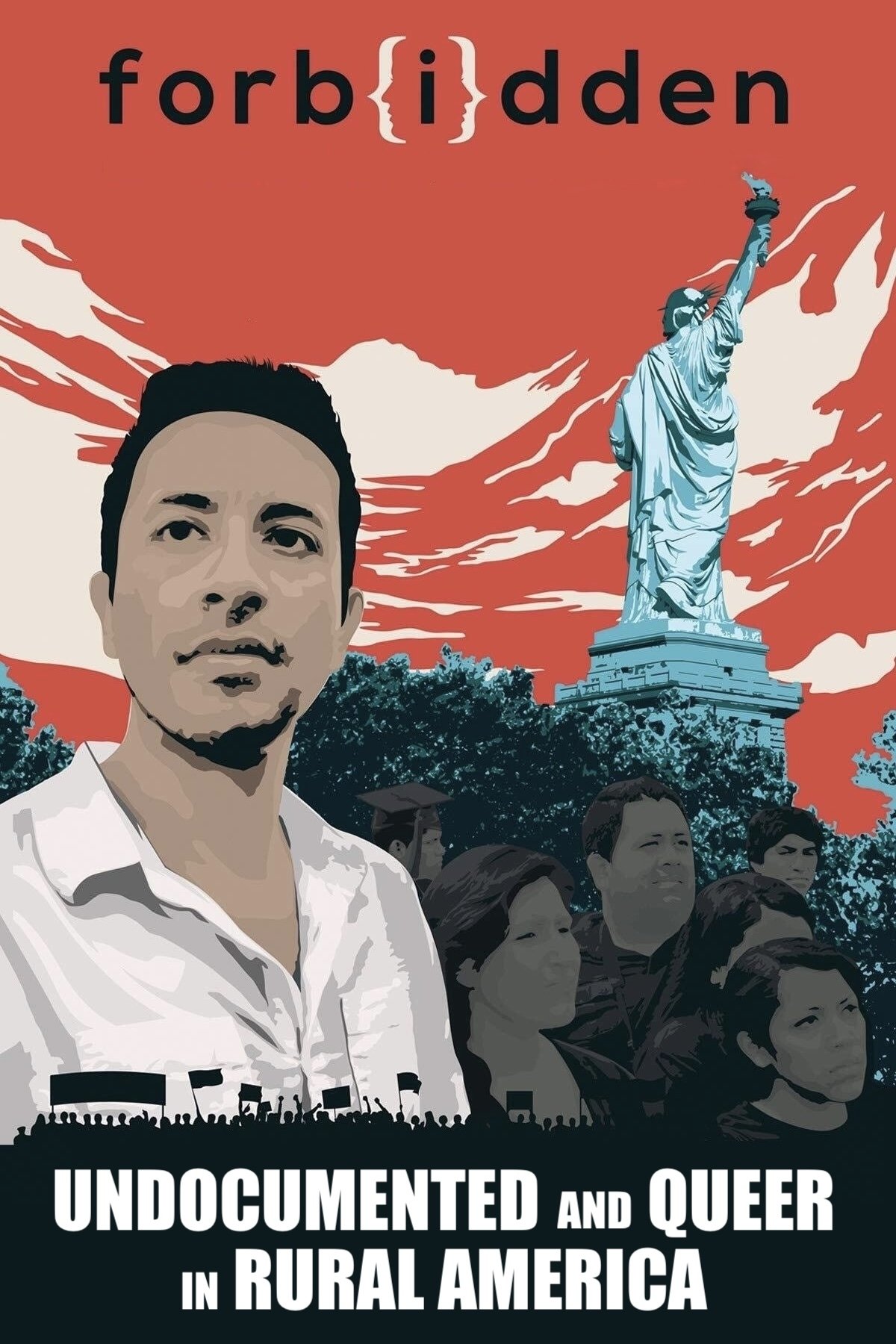
This documentary tells the story of Moises Serrano, a gay man living in rural North Carolina without legal documentation. The film focuses on his work as an activist, while also showing his close family relationships and his hopes for the future. Through Moises’s personal experiences, it highlights the connections between the fight for immigrant rights and LGBTQ+ equality. Moises stars as himself, sharing a powerful story of overcoming challenges.
‘Game Face’ (2015)
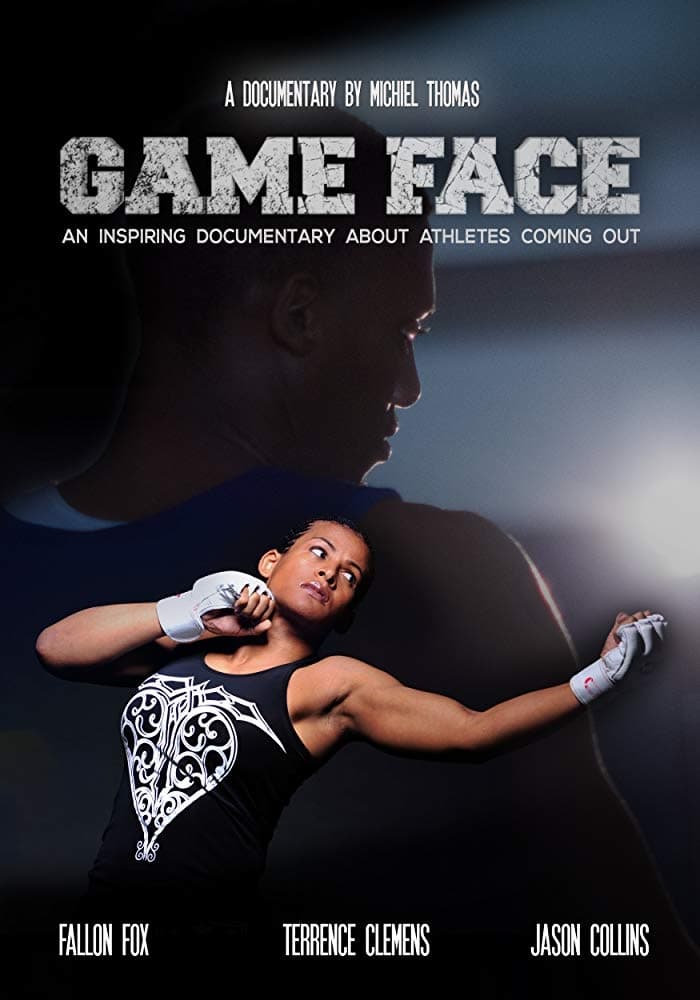
This documentary tells the inspiring stories of two LGBTQ+ athletes, including Fallon Fox, a groundbreaking MMA fighter who is openly transgender. The film explores Fox’s life as a mother and the difficulties of juggling a professional sports career with family life. It shows the intense pressure she faces and her unwavering commitment to competing as her true self. It’s a moving story about bravery and resilience in the world of sports.
‘Kate Bornstein is a Queer & Pleasant Danger’ (2014)
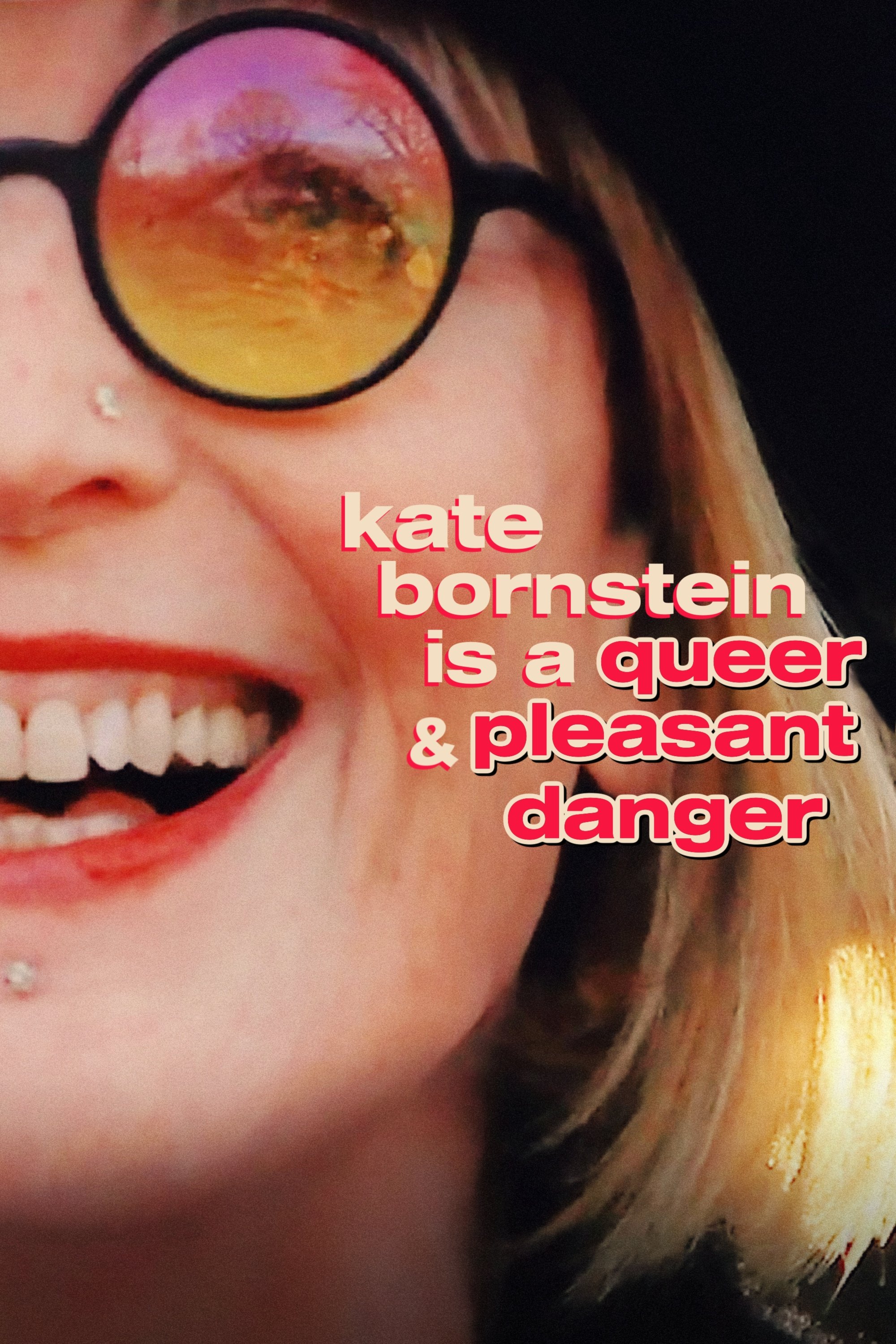
This documentary offers a compelling look at Kate Bornstein, a performance artist and thinker known for her work on gender and identity. The film covers her personal journey of transition, her writing career, and a difficult family situation stemming from her daughter’s involvement with Scientology. It also highlights Bornstein’s impact as a mentor and role model for many young people in the LGBTQ+ community, portraying her as a fascinating and important figure.
Read More
- 2025 Crypto Wallets: Secure, Smart, and Surprisingly Simple!
- Gold Rate Forecast
- Brown Dust 2 Mirror Wars (PvP) Tier List – July 2025
- HSR 3.7 story ending explained: What happened to the Chrysos Heirs?
- Gay Actors Who Are Notoriously Private About Their Lives
- ETH PREDICTION. ETH cryptocurrency
- Games That Faced Bans in Countries Over Political Themes
- Uncovering Hidden Groups: A New Approach to Social Network Analysis
- The Best Actors Who Have Played Hamlet, Ranked
- Banks & Shadows: A 2026 Outlook
2025-12-24 22:23