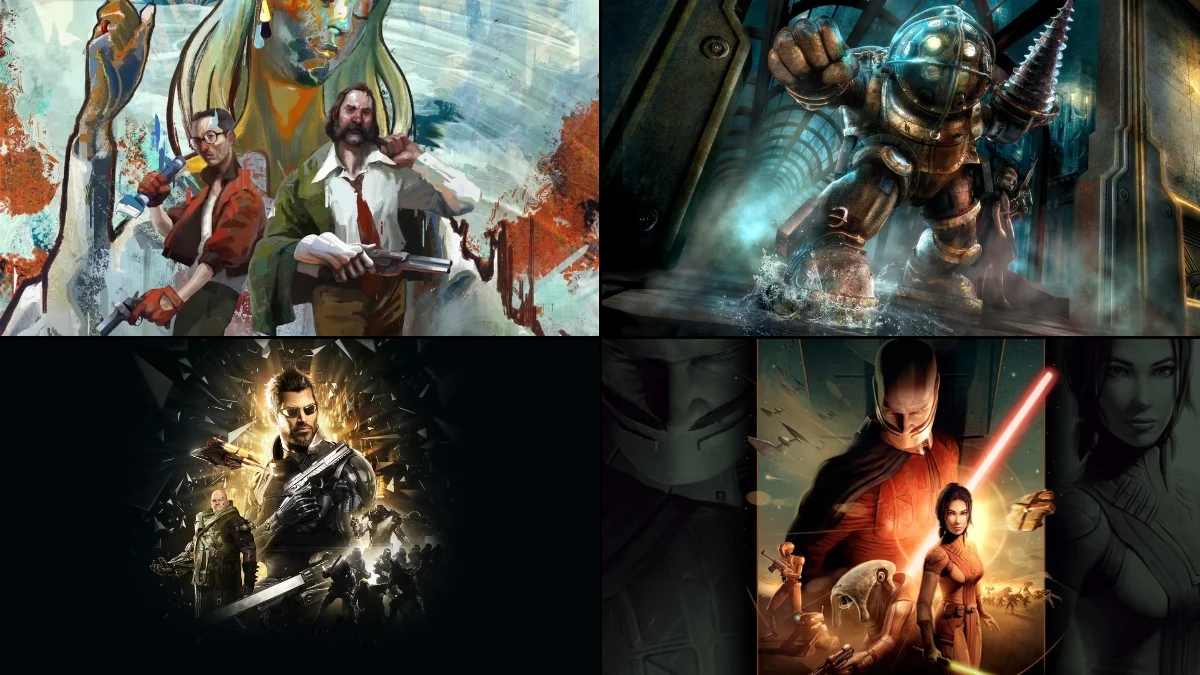
Today’s video games are going beyond just fighting and are starting to delve into complicated ideas about how societies are run and the conflicts that arise from different beliefs. Players often take on the role of leaders or rebels, and their choices really matter for the game’s world. Games that feature these complex political situations often offer extra storylines and different endings for players who are skilled at navigating them. Looking at who makes these games shows that there’s a growing trend towards more thoughtful and mature stories in video games.
‘Disco Elysium’ (2019)
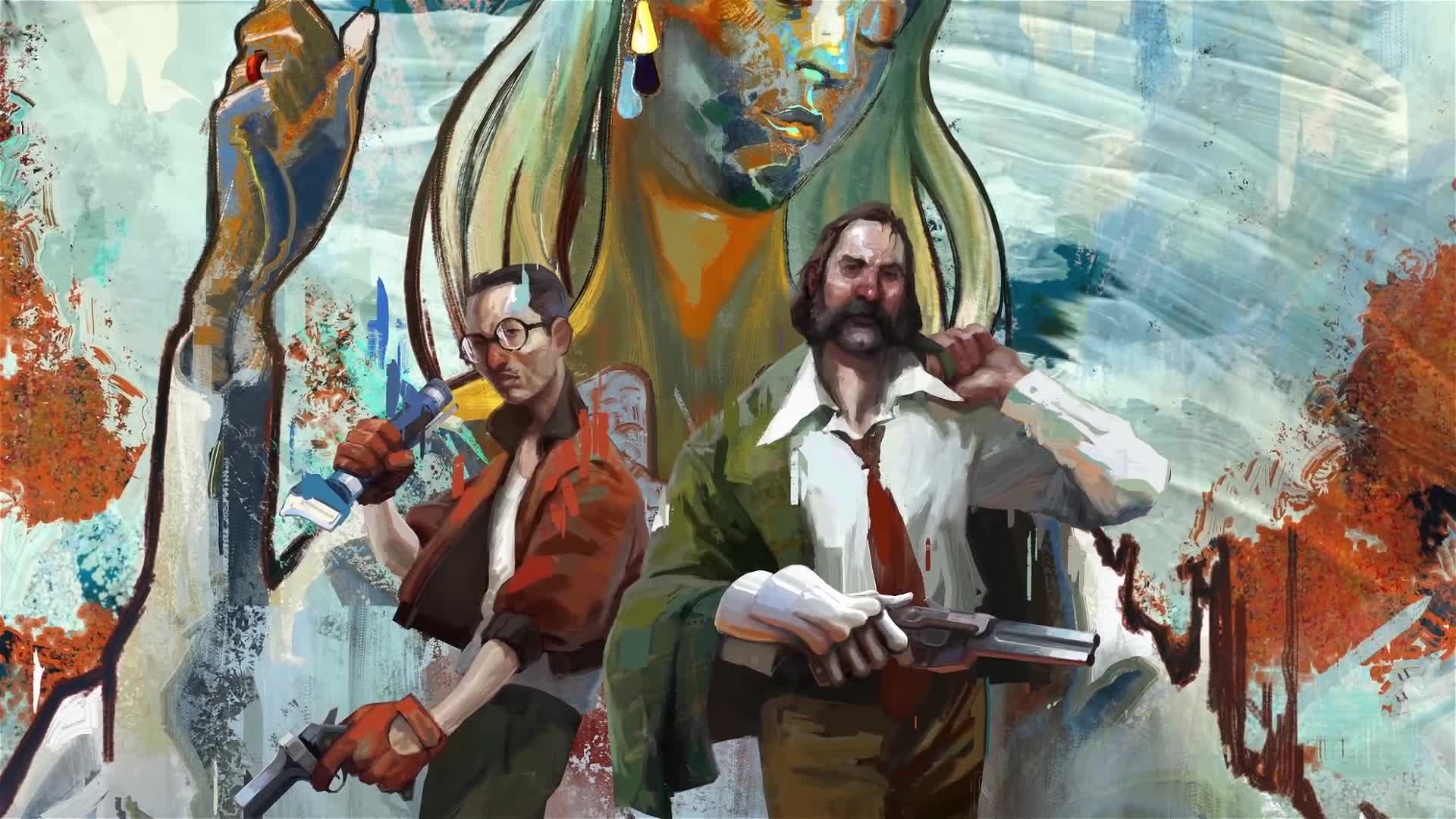
Disco Elysium is a story-focused role-playing game created by ZAUM. Players adopt different political beliefs – like communism or fascism – which then shape the detective protagonist’s thoughts and inner voice. These choices lead to personalized quests and drastically change how the story ends. Embracing each ideology also unlocks special conversations and interactions with the people of Revachol. The game delves into the connection between who we are as individuals and the larger political forces at play, all set within a crumbling city.
‘Triangle Strategy’ (2022)
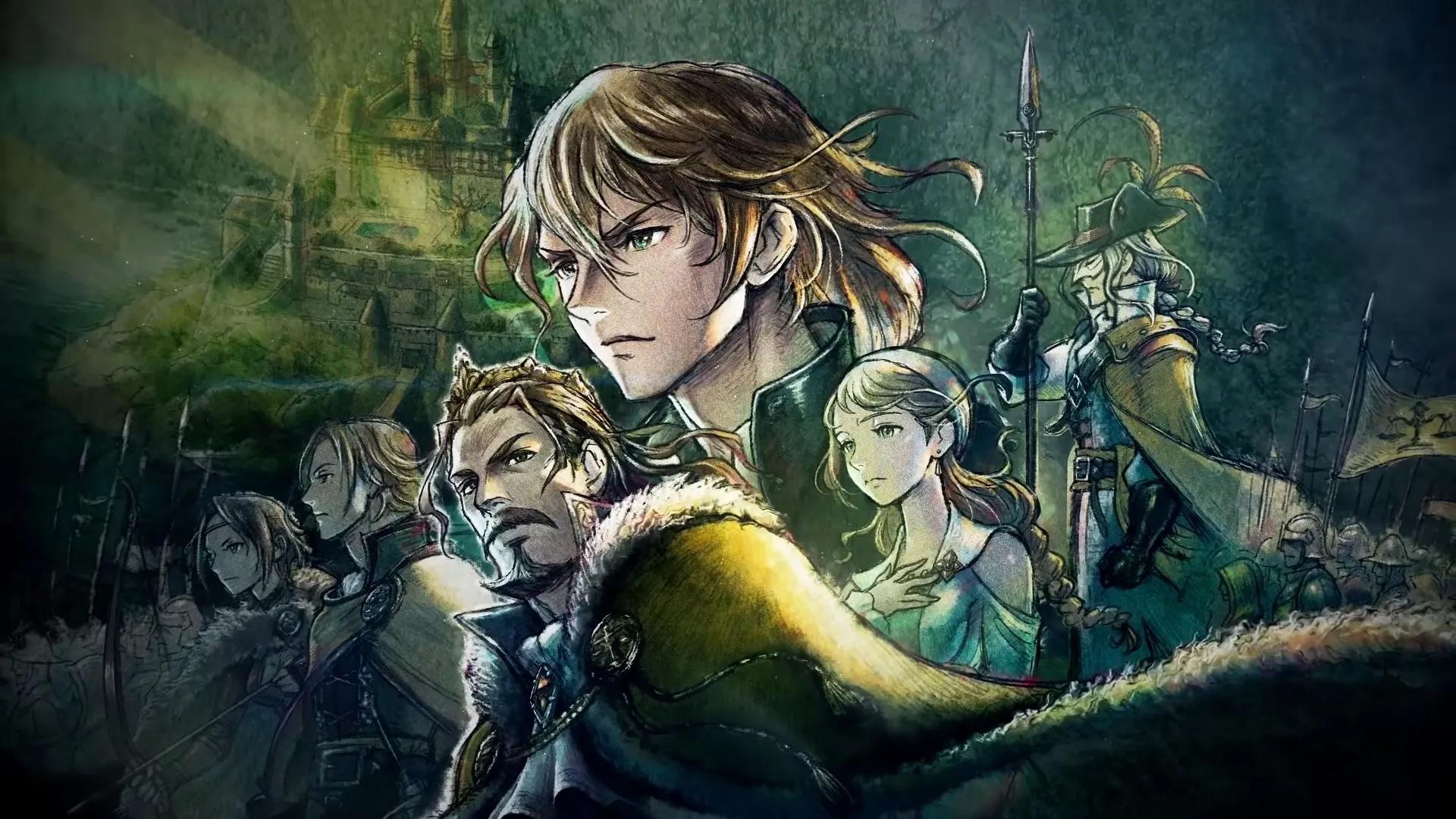
Developed by Artdink and published by Square Enix, ‘Triangle Strategy’ is a strategy RPG where your choices matter. The game puts you in the middle of a complicated political world called Norzelia, and you’ll need to make decisions based on what’s practical, morally right, or focused on freedom. A special, hidden ending – known as the Golden Route – can only be unlocked by making specific political choices throughout the game. To achieve this, you must unite three nations at war under a common, peaceful goal. The story itself changes depending on how you persuade your advisors to vote on important matters.
‘Fallout: New Vegas’ (2010)
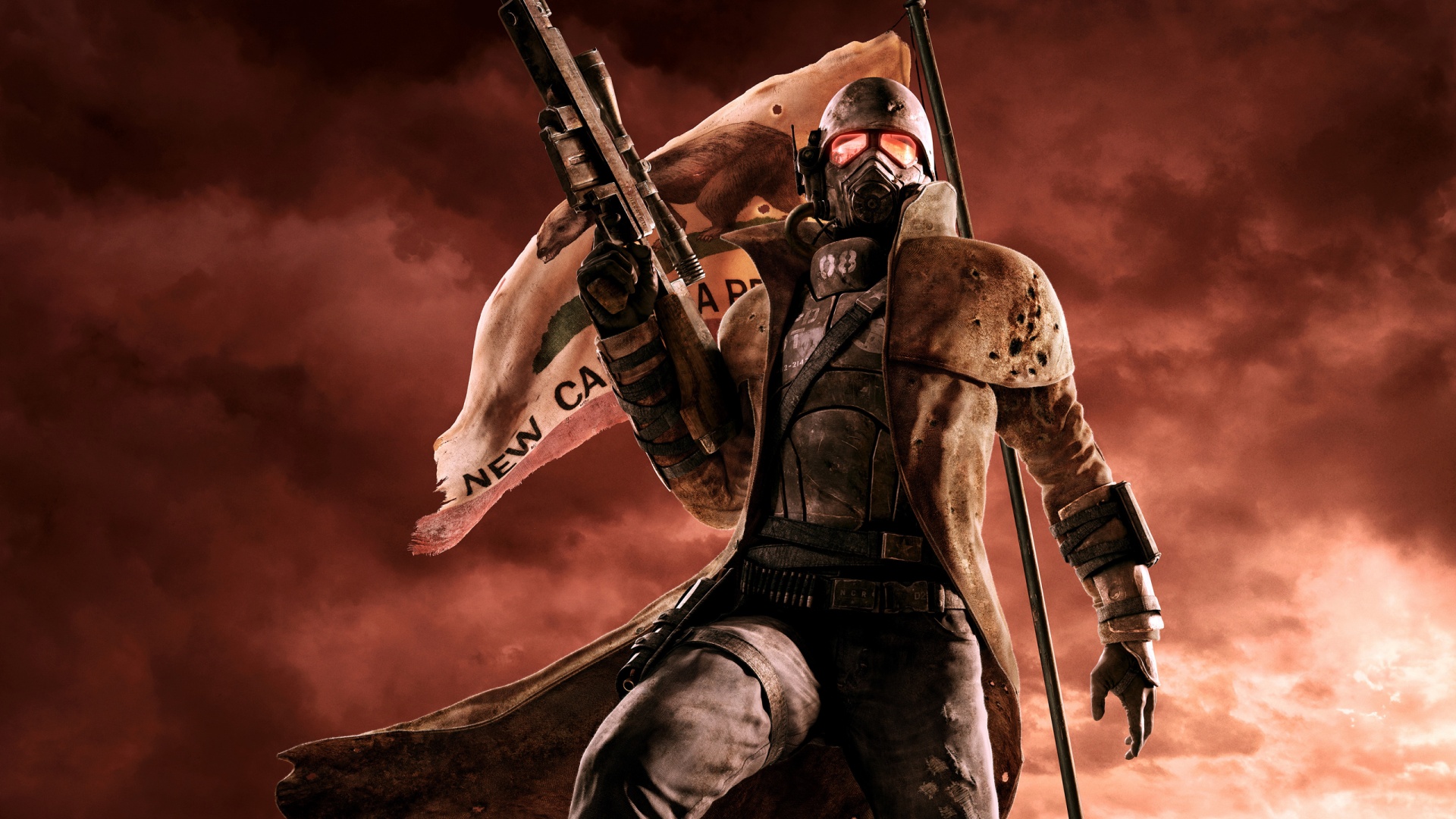
Fallout: New Vegas, created by Obsidian Entertainment and Bethesda Softworks, is a role-playing game set after a nuclear war. In the game, players shape the future of the Mojave Wasteland by choosing to support one of several factions: the New California Republic, Caesar’s Legion, or Mr. House. There’s also a hidden option to team up with the robot Yes Man and fight for the region’s independence, leading to an ending where the player eliminates all major power groups. Ultimately, the player’s political choices determine the game’s ending and the long-term fate of the wasteland.
‘Papers, Please’ (2013)
‘Papers Please’ was developed and released by Lucas Pope and 3909 LLC. In this game, you play as an immigration inspector in the made-up communist country of Arstotzka. A hidden ending lets you help a secret group called the Order of the EZIC try to take down the dishonest government. You’ll have to decide whether to strictly follow the rules or risk helping the rebels by letting their people cross the border. If you successfully support the revolution, you’ll be seen as a hero by the new leaders.
‘The Witcher 3: Wild Hunt’ (2015)
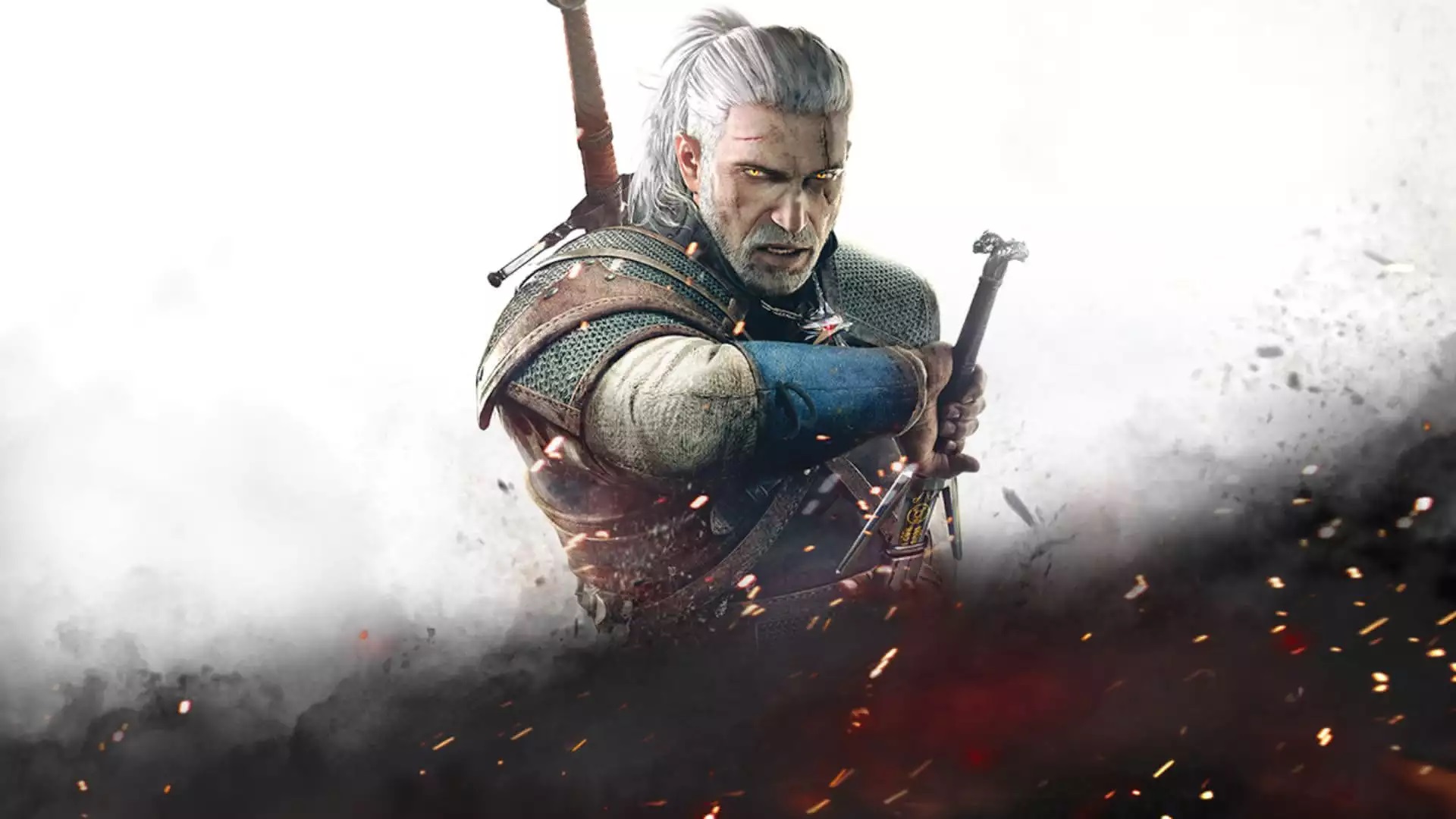
CD Projekt Red created ‘The Witcher 3: Wild Hunt’, a large, open-world action game. The main story centers around Ciri, but players also influence the outcome of the war between Nilfgaard and the Northern Kingdoms. A hidden path to resolution involves killing King Radovid, which can dramatically change the fate of the continent. Completing this requires careful interaction with key political leaders to establish a new order. Ultimately, the game’s ending shows whether these actions lead to lasting peace or continued oppression.
‘Suzerain’ (2020)
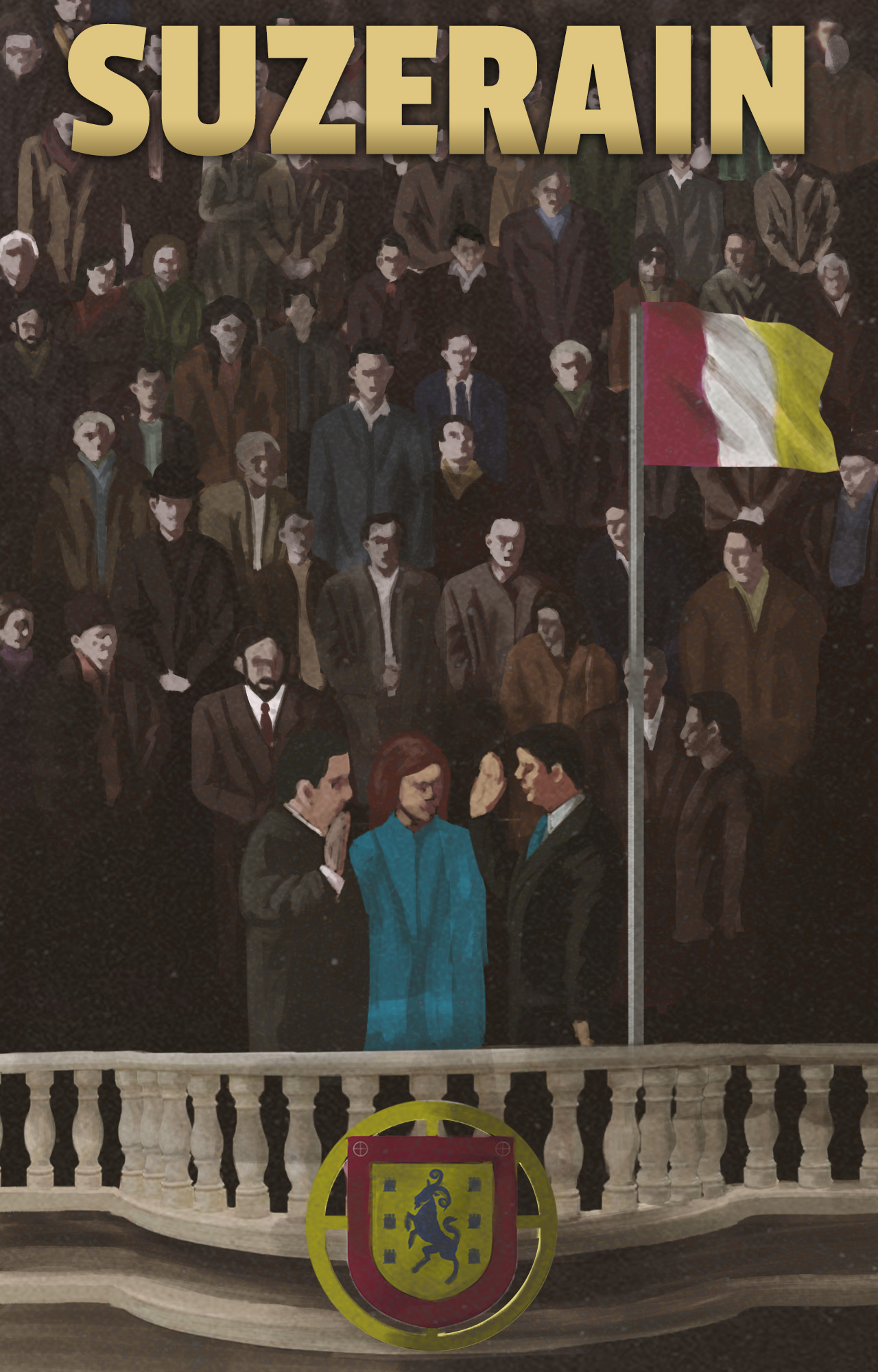
Suzerain is a political simulation game created by Torpor Games and published by Fellow Traveller. You play as President Anton Rayne, guiding the country of Sordland through a challenging time of change. The game features multiple endings depending on whether you choose to move towards democracy or embrace a more controlling style of leadership. Your choices about trade and relationships with other countries will decide if Sordland prospers or falls into conflict. The game’s detailed political system means every decision you make has a real impact on the lives of its citizens.
‘Tyranny’ (2016)
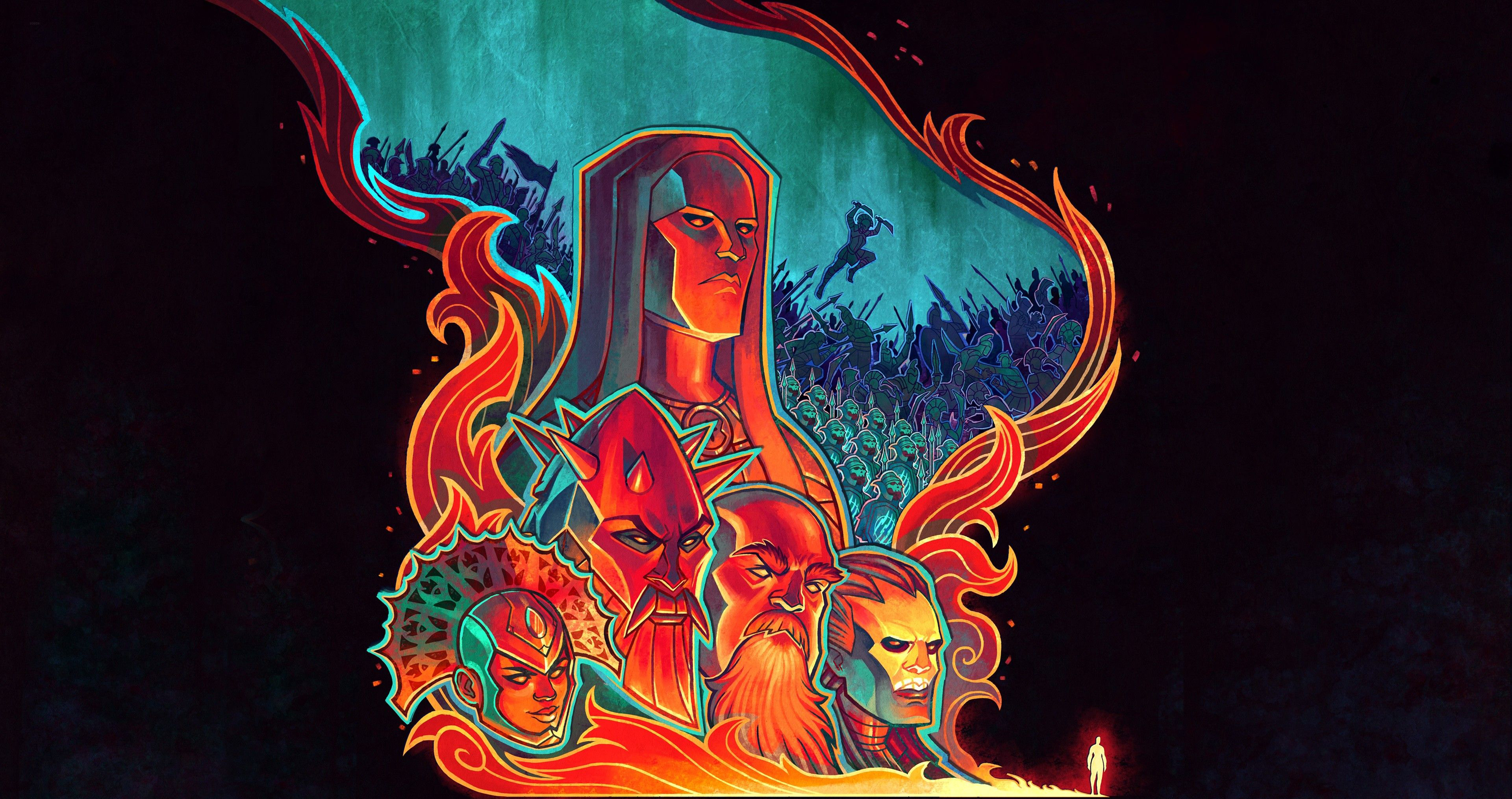
Tyranny is an isometric role-playing game created by Obsidian Entertainment and published by Paradox Interactive. In the game, you play as a Fatebinder, an official serving an overlord who has already taken over the world. You can unlock hidden storylines by turning against the powerful groups in control and leading your own rebellion. This involves carefully managing the complex politics within armies like the Disfavored and the Scarlet Chorus. Ultimately, the game’s ending depends on whether you choose to take power for yourself or stay true to the existing leadership.
‘Detroit: Become Human’ (2018)
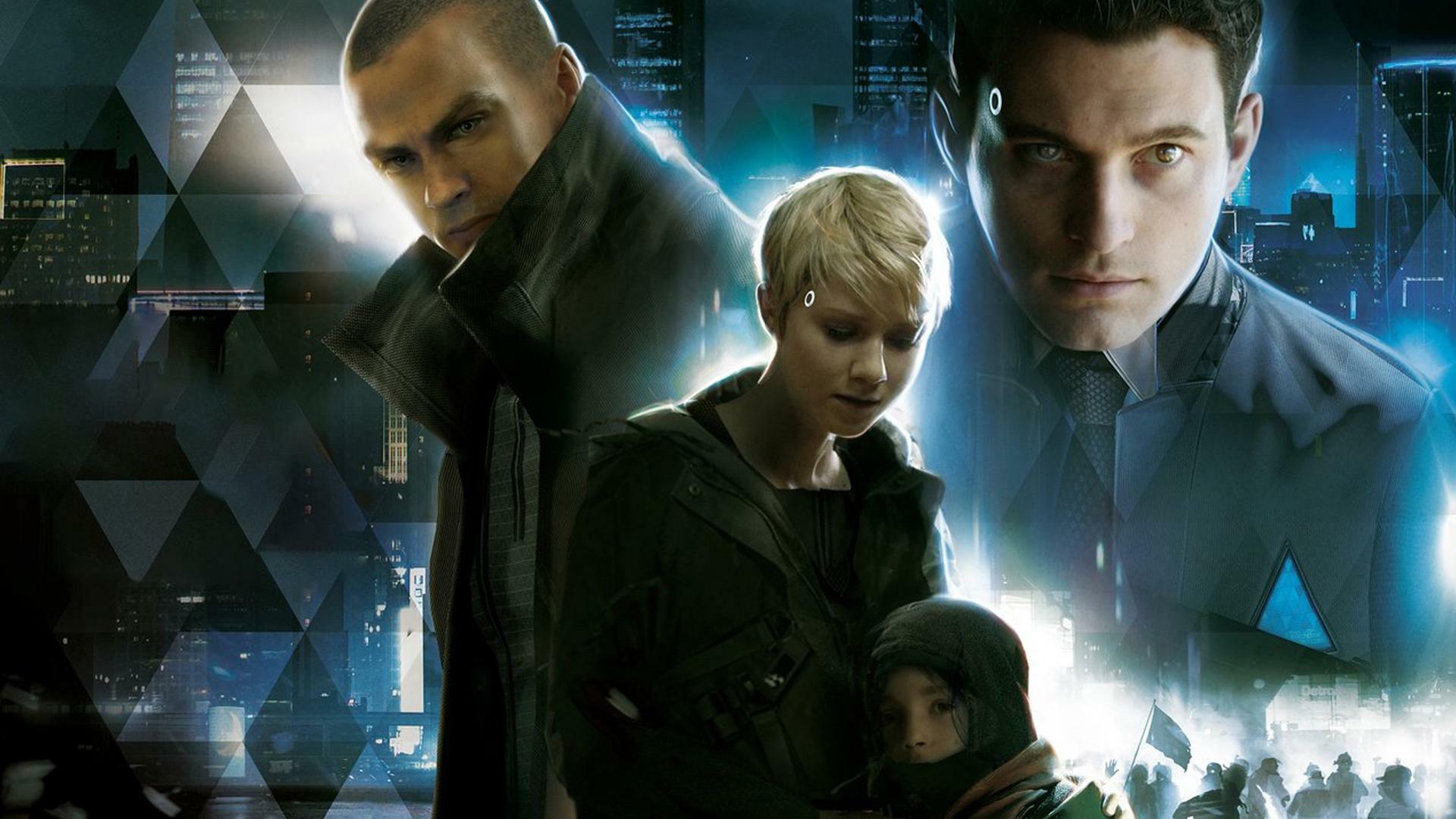
Developed by Quantic Dream and published by Sony, ‘Detroit: Become Human’ tells the story of androids fighting for their rights in a future world. Players can achieve a secret, positive ending by focusing on peaceful protests instead of violence. This requires carefully choosing dialogue and actions that keep the public’s opinion of androids favorable. Ultimately, the game’s ending and a landmark change in civil rights law depend on how the player manages media attention and pressure from the government.
‘Frostpunk’ (2018)
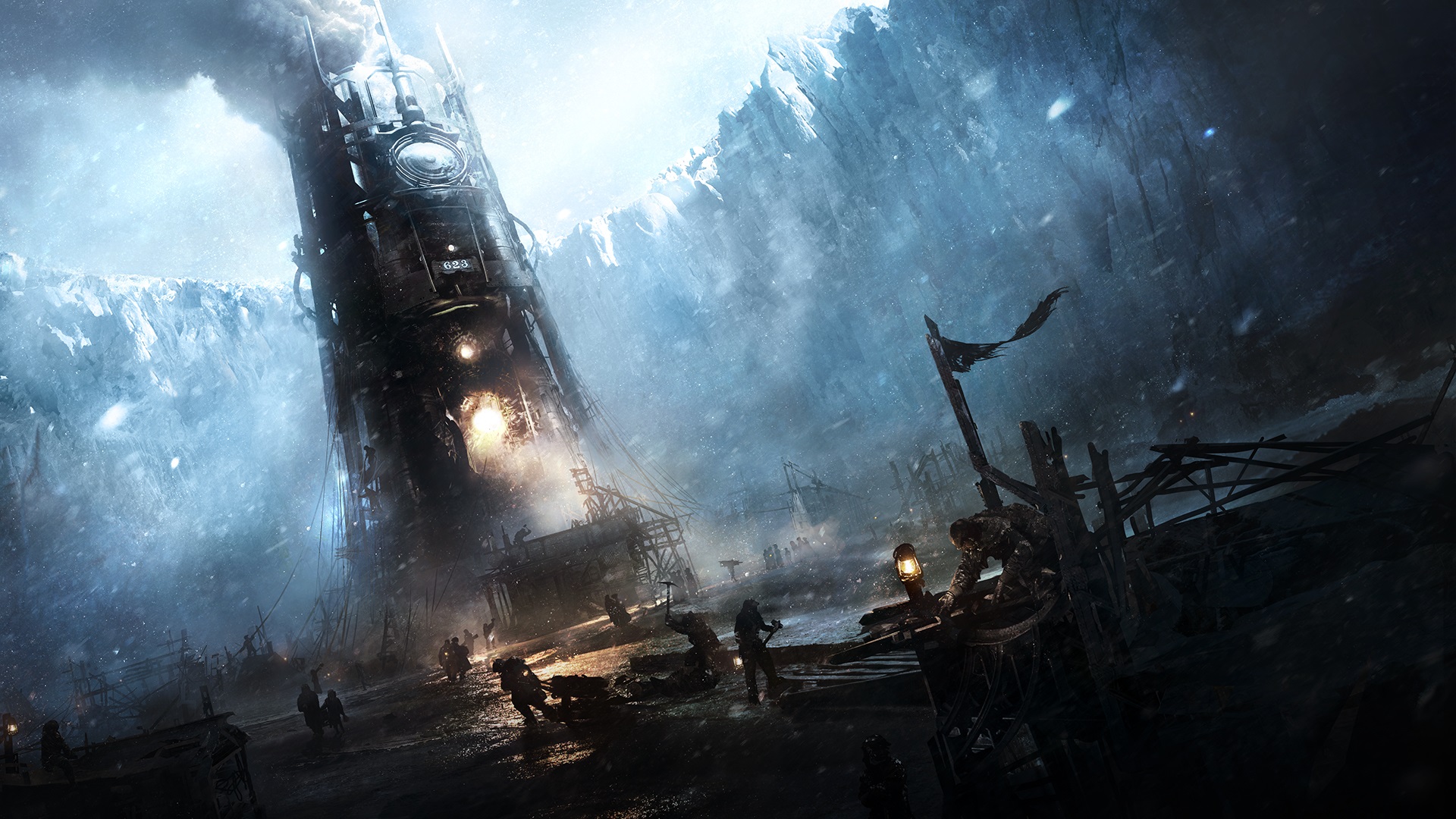
In the survival city builder ‘Frostpunk,’ developed by 11 bit studios, you lead the last city on Earth. You’ll have to make tough choices between upholding order and relying on faith to keep everything running. There’s a hidden ending where you can become a dictator to guarantee humanity’s survival, replacing democracy with strict rules and absolute power. Ultimately, the game evaluates your leadership based on the difficult moral and political decisions you made throughout the endless winter.
‘Beholder’ (2016)
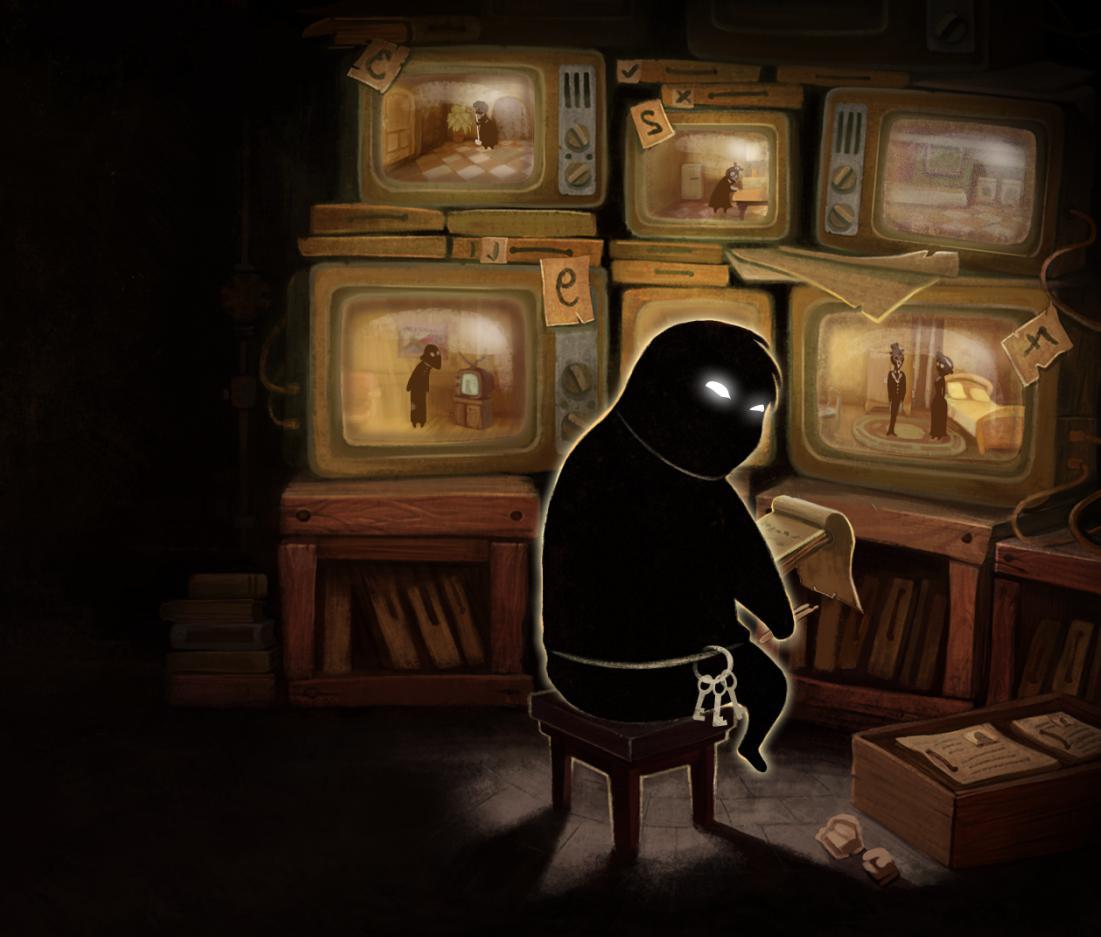
Beholder is a dystopian simulation game created by Warm Lamp Games and published by Alawar Premium. In the game, you run an apartment building in a totalitarian country and are tasked with spying on your tenants and reporting any suspicious behavior. You can unlock a hidden ending by secretly helping a resistance movement while maintaining the appearance of loyalty to the government. This requires balancing your finances and information carefully to avoid being caught by the secret police. Ultimately, the game shows how dangerous and costly it can be to fight for change in a repressive society.
‘BioShock’ (2007)
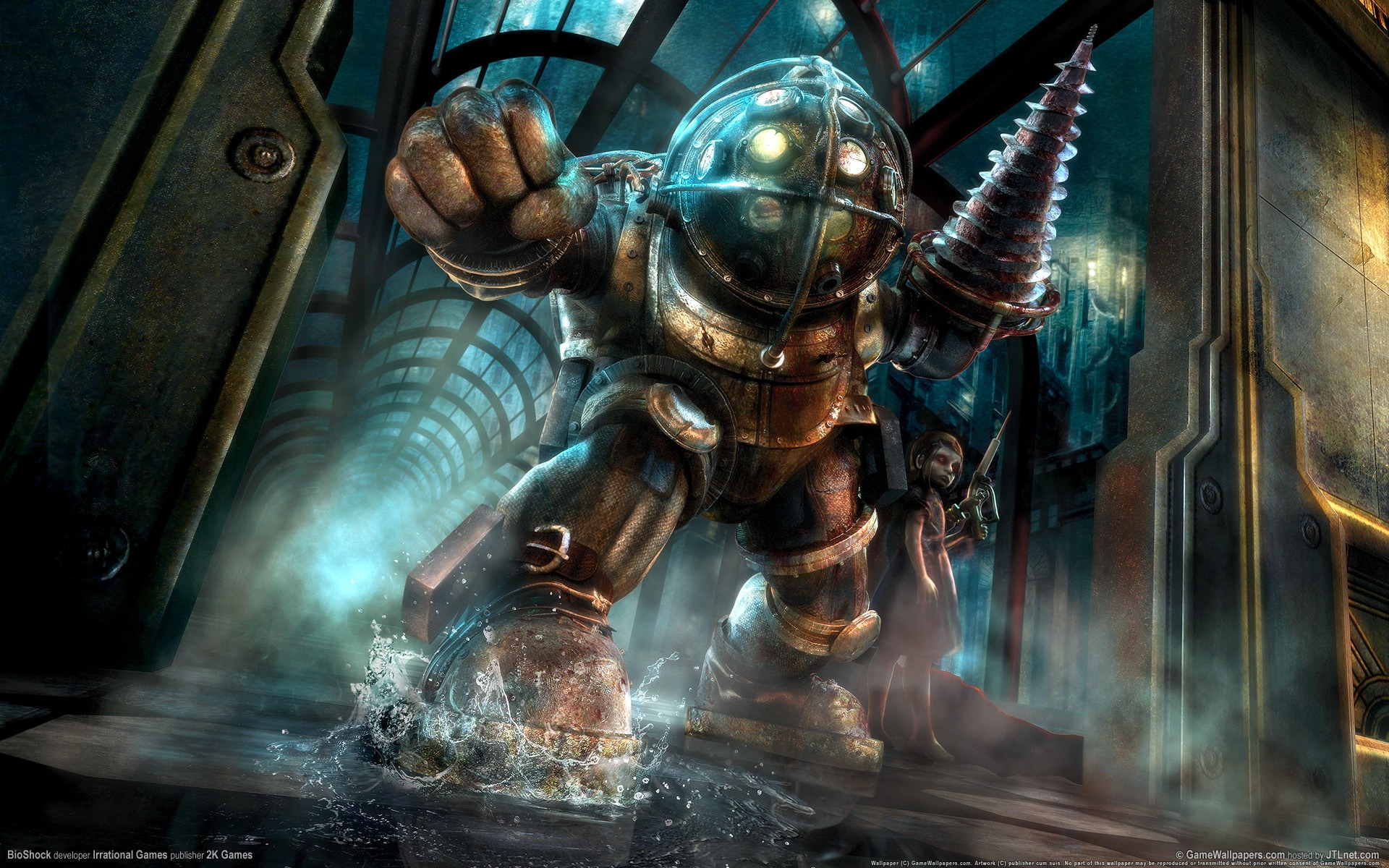
BioShock, created by Irrational Games and published by 2K Games, is a first-person shooter set in the underwater city of Rapture. The game delves into the philosophy of Objectivism and tells a story about the failure of Andrew Ryan’s political vision. Your choices, particularly how you interact with the Little Sisters, impact the ending, but a surprising twist reveals you’ve been manipulated all along and exposes the real forces controlling Rapture. Ultimately, BioShock is a cautionary tale about the dangers of extreme political ideologies and their potential to lead to societal breakdown.
‘Dragon Age: Inquisition’ (2014)
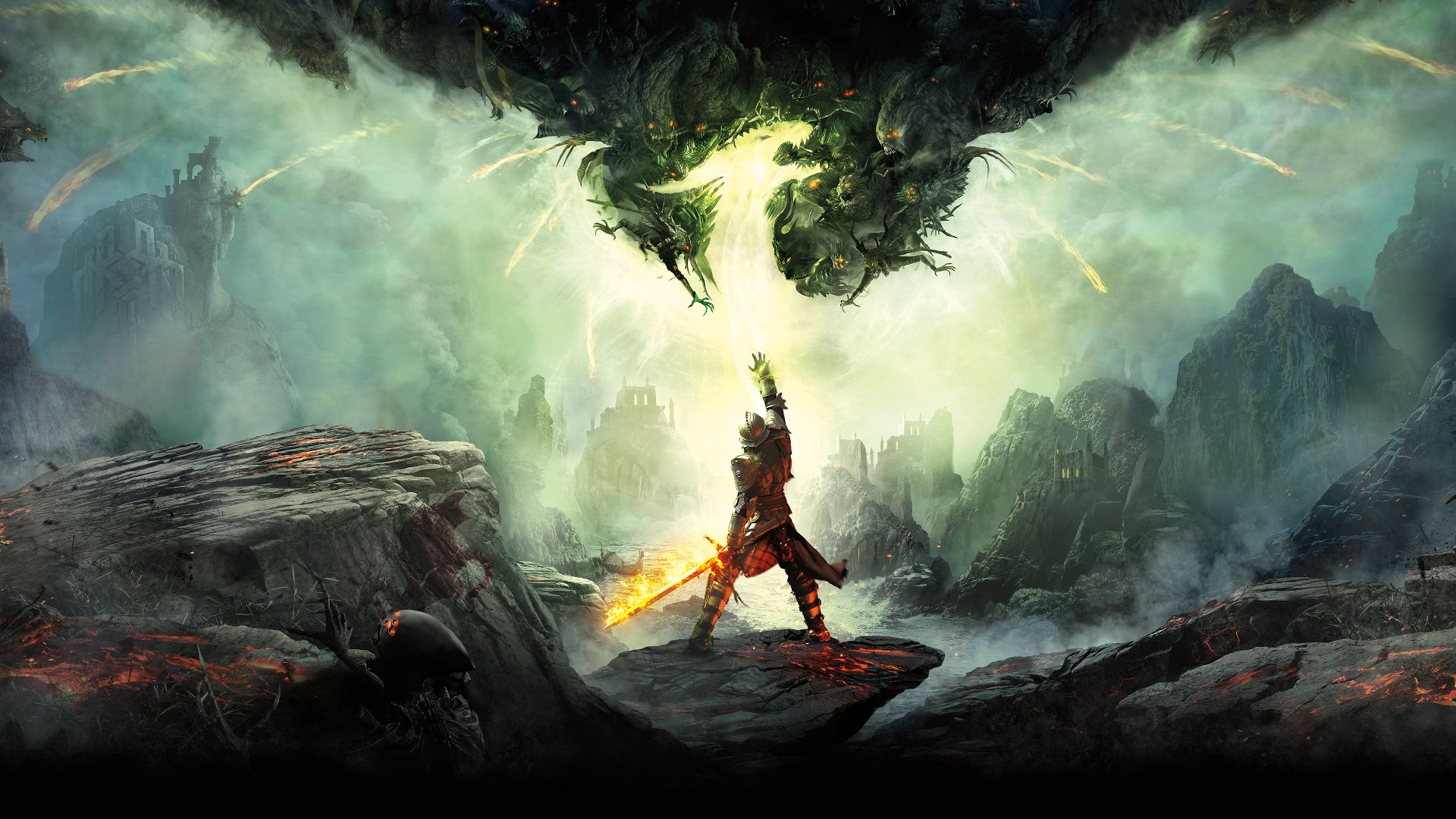
BioWare created and Electronic Arts published ‘Dragon Age Inquisition,’ a sprawling fantasy adventure. As a player, you shape the future of the Chantry – a central religious organization – by choosing the next Divine, its leader. The candidates you can support represent different political viewpoints, from progressive to conservative. Your decisions in conversations and optional quests determine who becomes Divine and how they change the Chantry, significantly impacting the game’s ending and the relationship between mages and templars.
‘Star Wars: Knights of the Old Republic’ (2003)
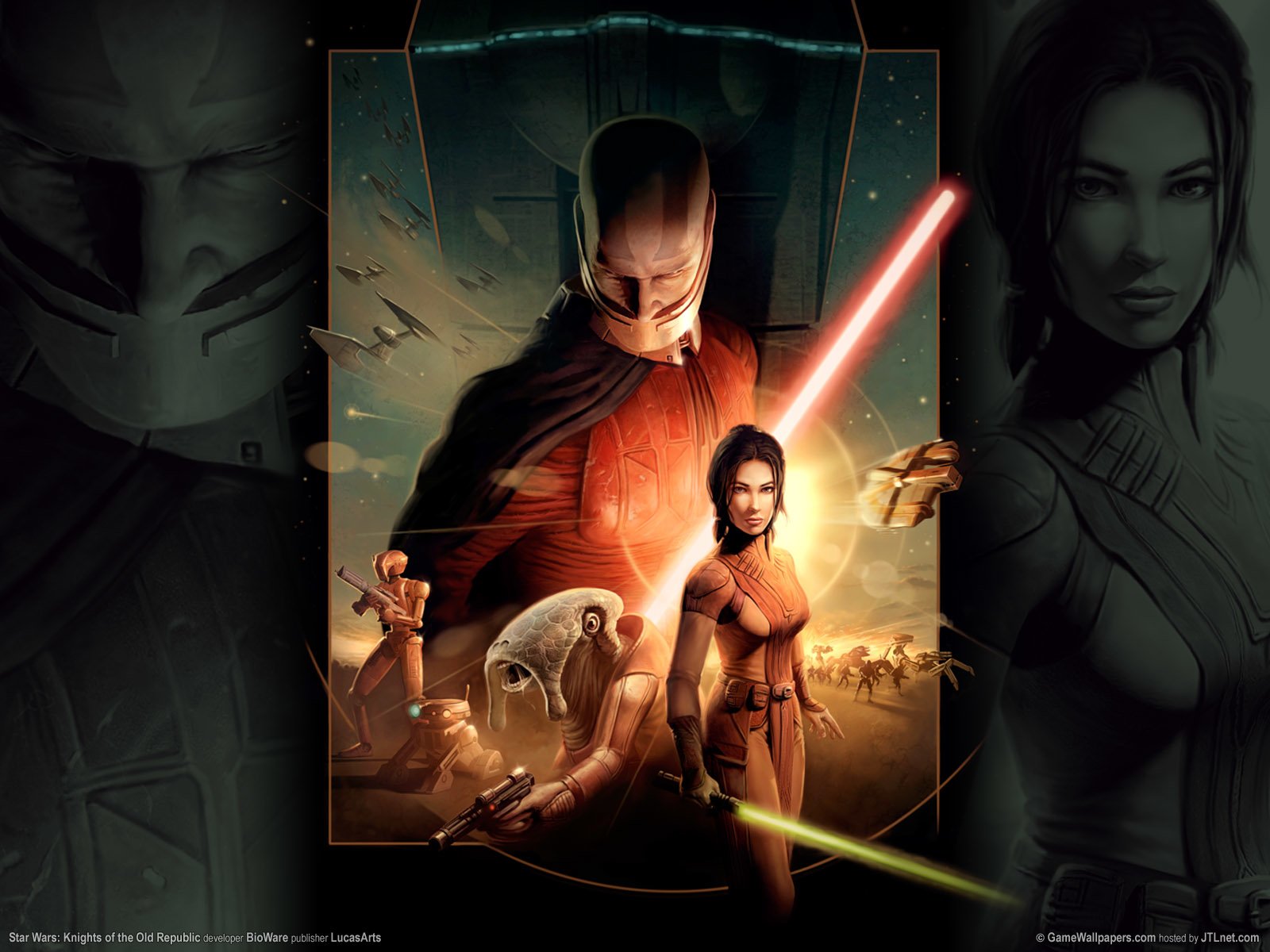
BioWare developed and LucasArts published ‘Star Wars Knights of the Old Republic’, a game set during a war between the Galactic Republic and the Sith Empire. As you play, you can uncover a hidden path that lets you embrace a dark past and take control of the powerful Star Forge, aiming to become the dominant force in the galaxy. This means turning against your friends and building a new power structure. Ultimately, the game’s ending depends on whether you choose to protect the Republic or become a Sith Lord and rule the galaxy.
‘Deus Ex: Mankind Divided’ (2016)
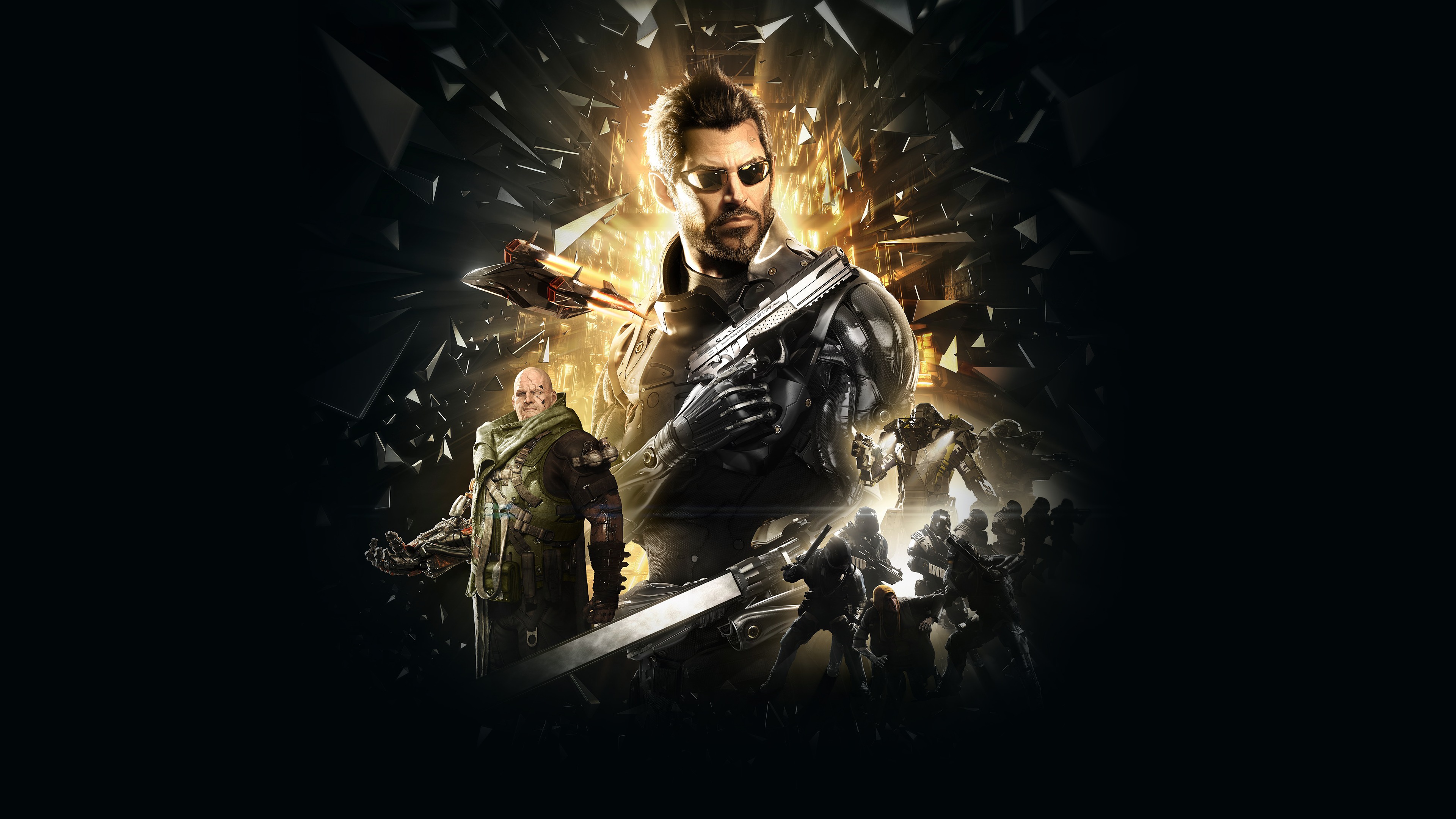
I’m a huge fan of ‘Deus Ex: Mankind Divided’! It’s a game developed by Eidos Montreal and published by Square Enix, and it really dives into a fascinating and dark world. The story centers around a really messed-up situation – basically, discrimination against people who have mechanical augmentations. It’s all about the tension between those with and without these enhancements. As you play, you get caught up in a secret plot by the Illuminati who are pulling strings behind the scenes and influencing everything. What’s cool is that the choices you make – how you investigate things – actually matter. You can expose corruption and fight for augmented rights, or you can let the conspiracy continue. Ultimately, those decisions determine the future for everyone with augmentations – it’s a really impactful ending!
‘Fable III’ (2010)
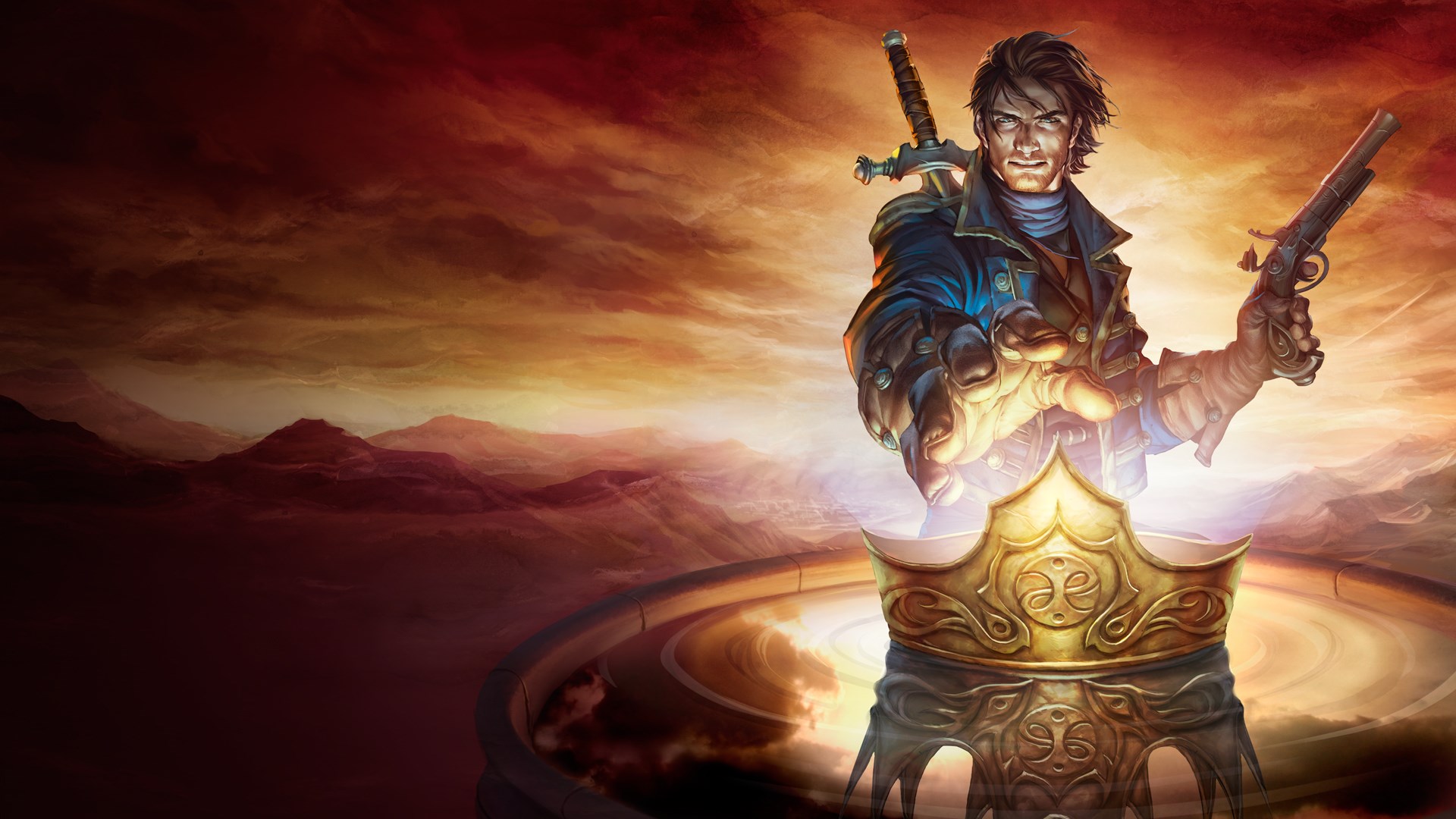
Fable III, created by Lionhead Studios and published by Microsoft, puts you in charge of a rebellion against a cruel king. After taking the throne of Albion, you’re responsible for ruling the kingdom. The game has hidden endings based on your choices: will you keep your promises to the people, or impose heavy taxes to protect them from a looming danger? Successfully balancing the well-being of your citizens with the necessities of national defense is key to the game’s conclusion, and your decisions directly impact both the kingdom’s fate and the survival of its people.
I’m really curious to hear about those tough choices you guys have made in political games! What were some of the moments that really stuck with you, where you had to make a hard decision? I’d love to read about your experiences in the comments!
Read More
- 2025 Crypto Wallets: Secure, Smart, and Surprisingly Simple!
- Gold Rate Forecast
- Brown Dust 2 Mirror Wars (PvP) Tier List – July 2025
- Banks & Shadows: A 2026 Outlook
- Gemini’s Execs Vanish Like Ghosts-Crypto’s Latest Drama!
- ETH PREDICTION. ETH cryptocurrency
- Gay Actors Who Are Notoriously Private About Their Lives
- 9 Video Games That Reshaped Our Moral Lens
- Uncovering Hidden Groups: A New Approach to Social Network Analysis
- The Weight of Choice: Chipotle and Dutch Bros
2025-12-22 03:16