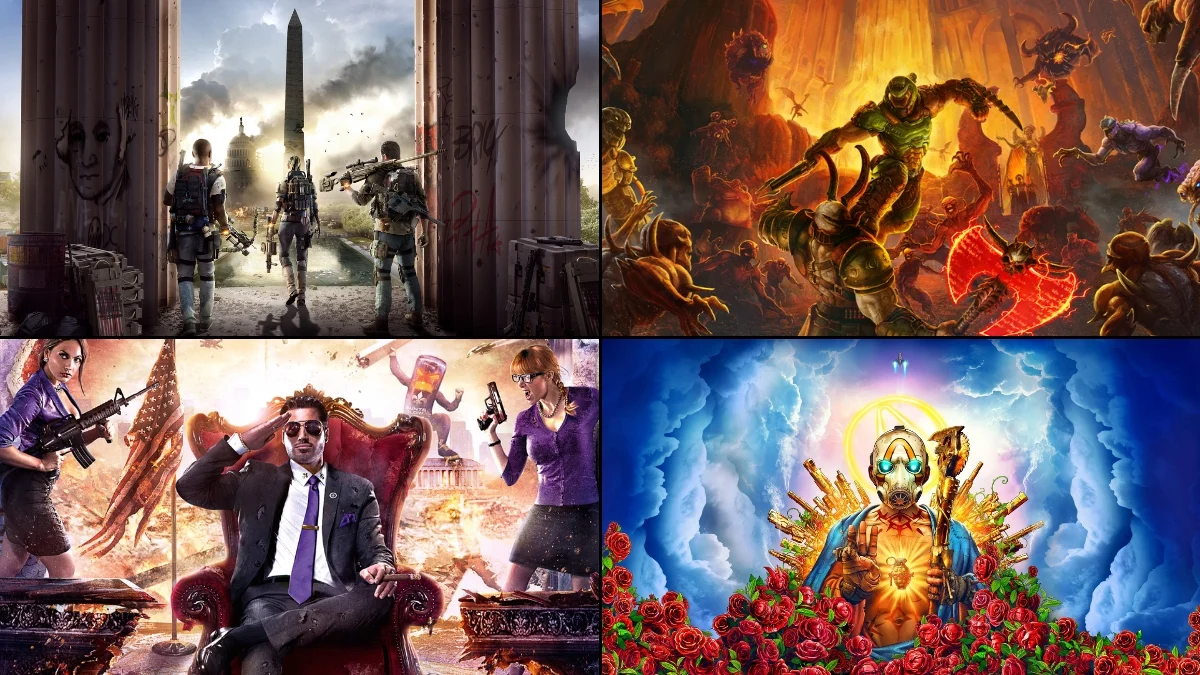
Video games aren’t just entertainment; they’re often a way for creators to express their ideas and comment on society. Developers frequently weave their thoughts on politics and the world around us into games, sometimes through hidden details or the game’s environment. These messages can be direct nods to current events or clever critiques of things like big business. By paying attention to these subtle clues, players can get a better sense of what the game’s creators were thinking.
‘Wolfenstein II: The New Colossus’ (2017)
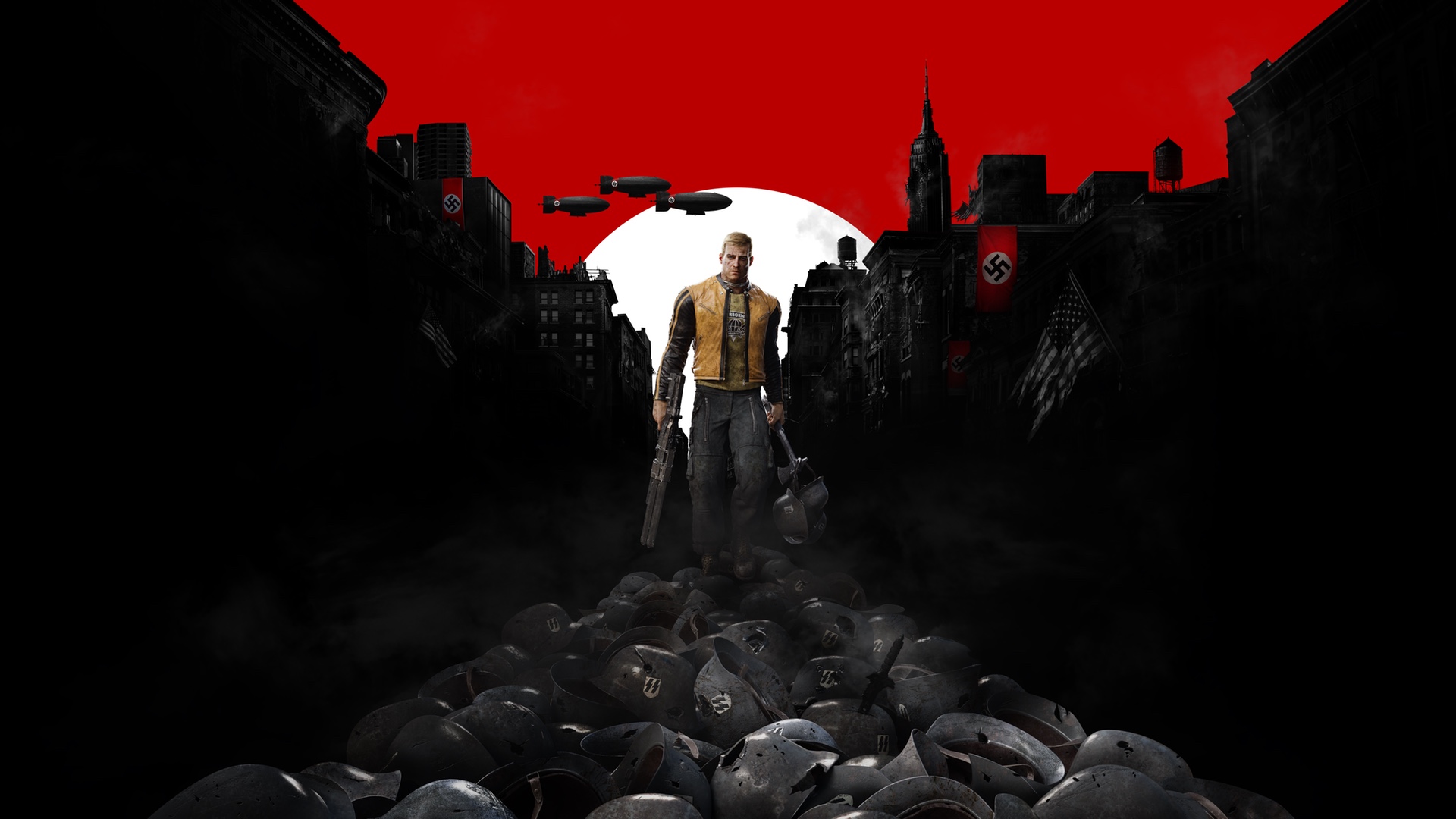
The creators of the game, MachineGames, and its publisher, Bethesda Softworks, intentionally connected the game’s themes to current political issues through their marketing. They used phrases like ‘Make America Nazi Free Again’ to echo popular slogans. The developers explained that the game was designed from the start to be a clear stand against fascism, and wasn’t just a reaction to recent events. This choice led to a lot of conversation about how history and politics are being used in popular video games.
‘The Division 2’ (2019)
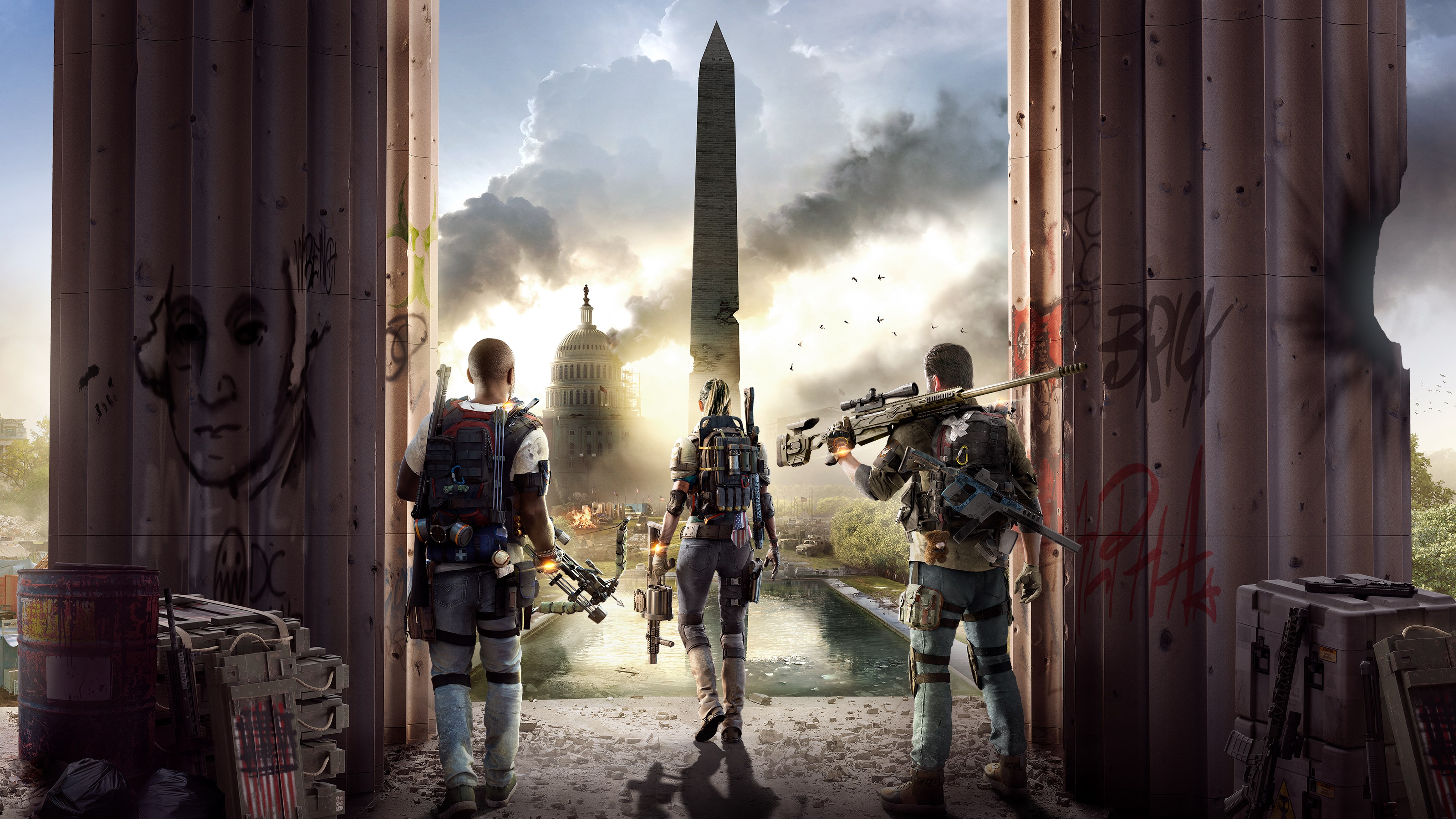
Ubisoft Massive, the developers, and Ubisoft, the publisher, accidentally included offensive imagery and political commentary in their game. A mural featured a character wearing a hat that many players associated with a particular politician. The developers quickly removed the image and apologized, explaining it was a single artist’s error. This situation showed how developers’ personal beliefs can unintentionally appear in large, detailed game worlds, and it sparked a discussion about the need for better quality control during the creation of massive games.
‘Disco Elysium’ (2019)
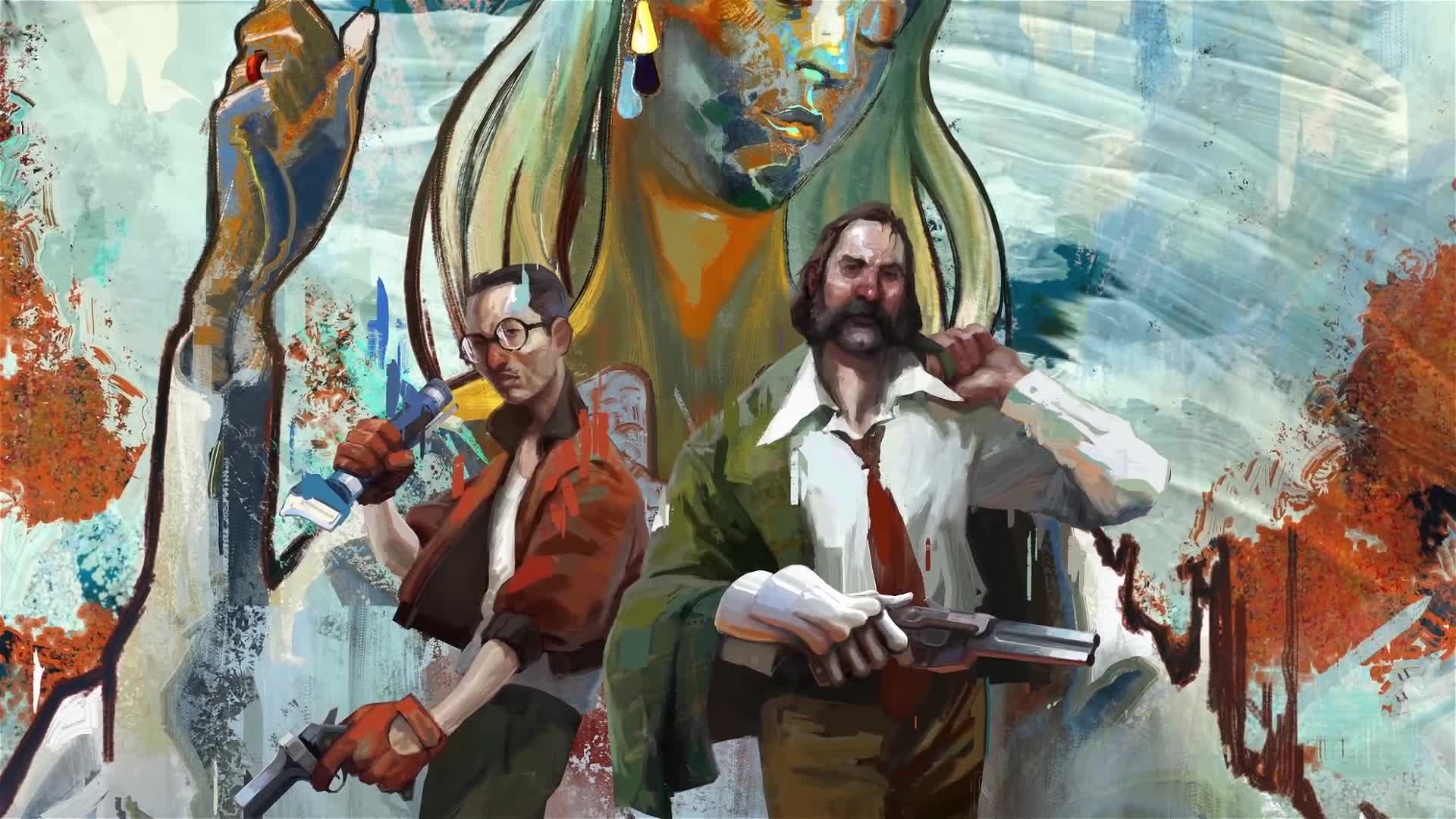
ZA/UM’s game features a rich story that dives deep into different political ideas, like communism and fascism. The developers famously acknowledged Karl Marx and Friedrich Engels during an awards show, recognizing their influence on the game’s world. A character named Kras Mazov is also included, clearly inspired by important figures in communist history. These choices reflect the writers’ own backgrounds and interests, particularly those of lead writer Robert Kurvitz.
‘BioShock’ (2007)
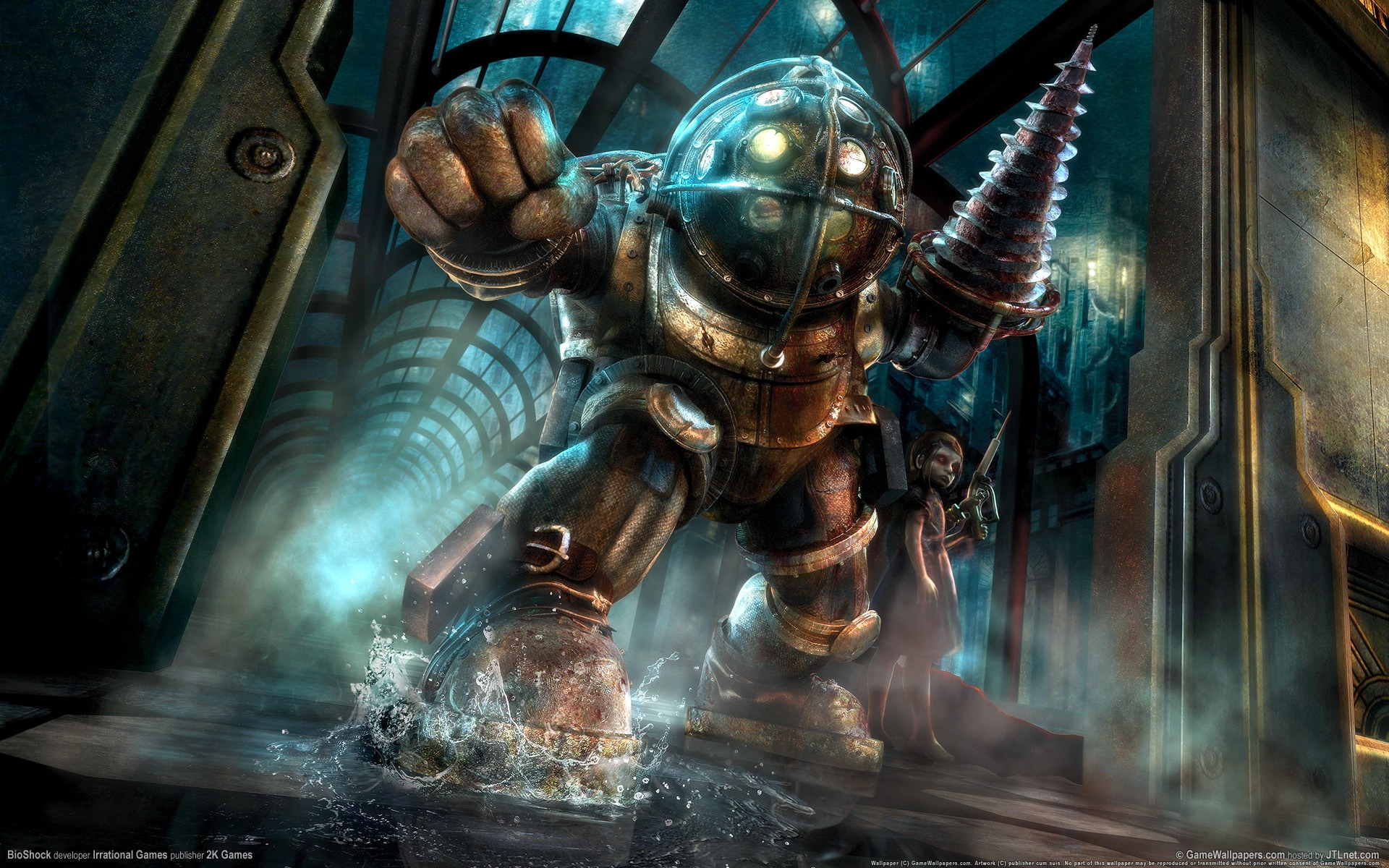
Irrational Games and 2K Games created a story in ‘BioShock’ that directly challenges the philosophy of objectivism. The game uses audio recordings and details within the game world to break down the ideas of Ayn Rand. Characters like Andrew Ryan embody the extreme results of prioritizing unrestrained capitalism and individualism. The developers used this world to express their doubts about extreme political beliefs that disregard the needs of society. This complex storytelling is a major reason why ‘BioShock’ became so important and influential in video game storytelling.
‘Doom Eternal’ (2020)
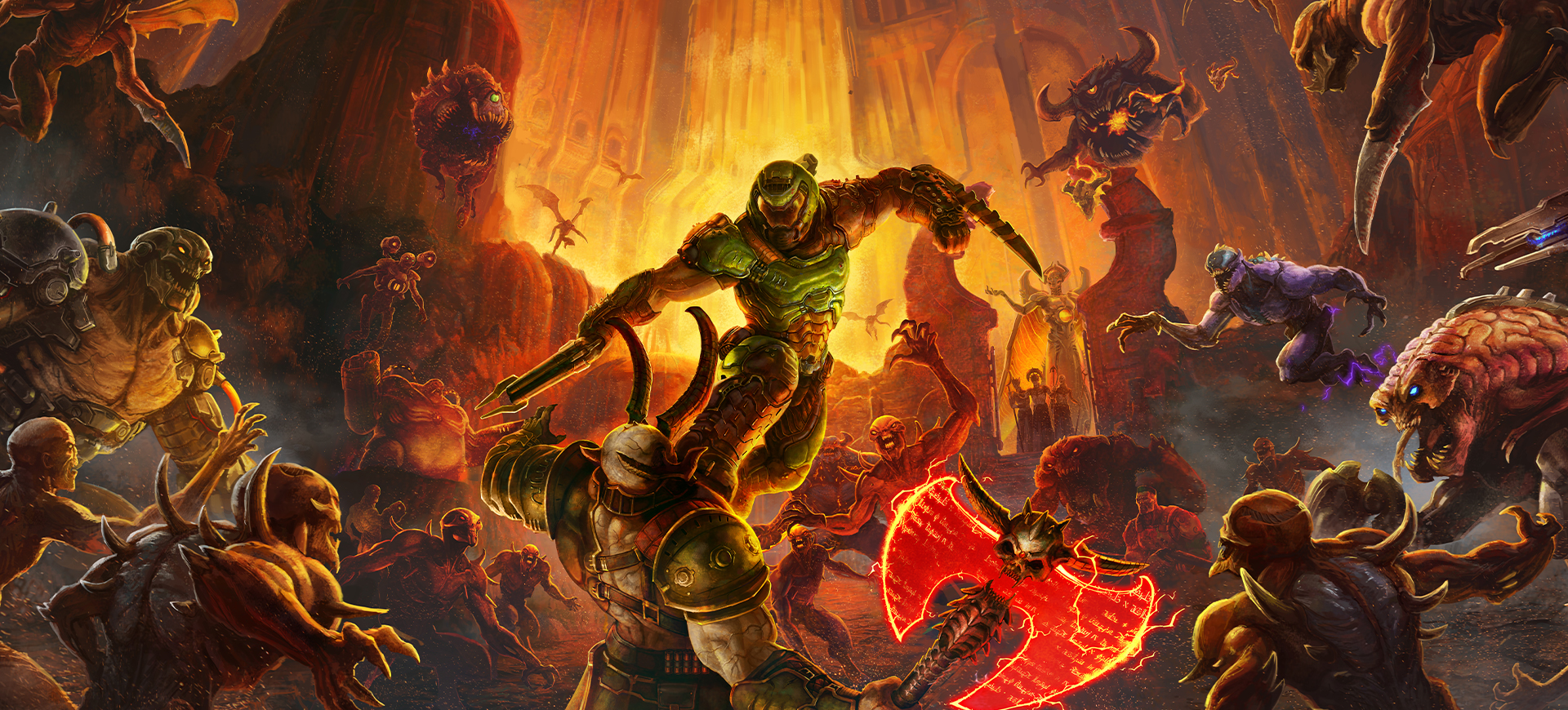
Okay, so I was playing through the game and noticed something kinda funny. The developers replaced the word ‘demons’ with this phrase ‘mortally challenged,’ and it totally felt like a dig at how companies and politicians were starting to talk. They had this UAC spokesperson character who would say it, and it was clearly making fun of all that corporate sensitivity training stuff you were hearing about everywhere. It felt like a little inside joke about people getting overly concerned with what words they use, which was a big topic of debate back then.
‘Deus Ex: Mankind Divided’ (2016)
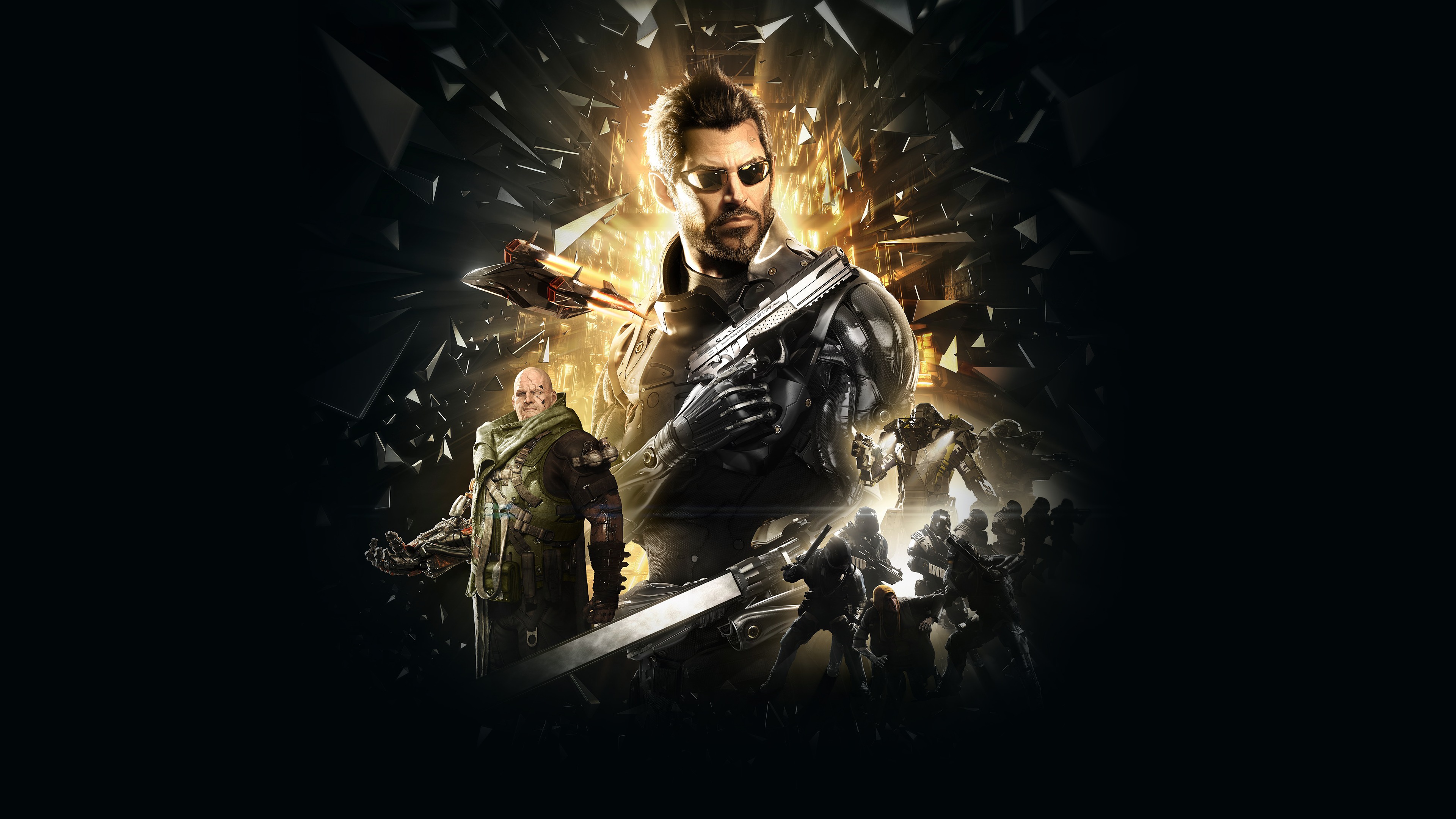
Eidos Montreal and Square Enix included the phrase ‘Augs Lives Matter’ in their game ‘Deus Ex’ and related promotional materials. This was a clear nod to the ‘Black Lives Matter’ movement and led to discussions about whether it was appropriate to use such a real-world slogan for commercial purposes. The developers explained that ‘Deus Ex’ aims to reflect society and its inherent biases. They intended the posters featuring this phrase to explore contemporary civil rights issues within a science fiction setting.
‘Borderlands 3’ (2019)
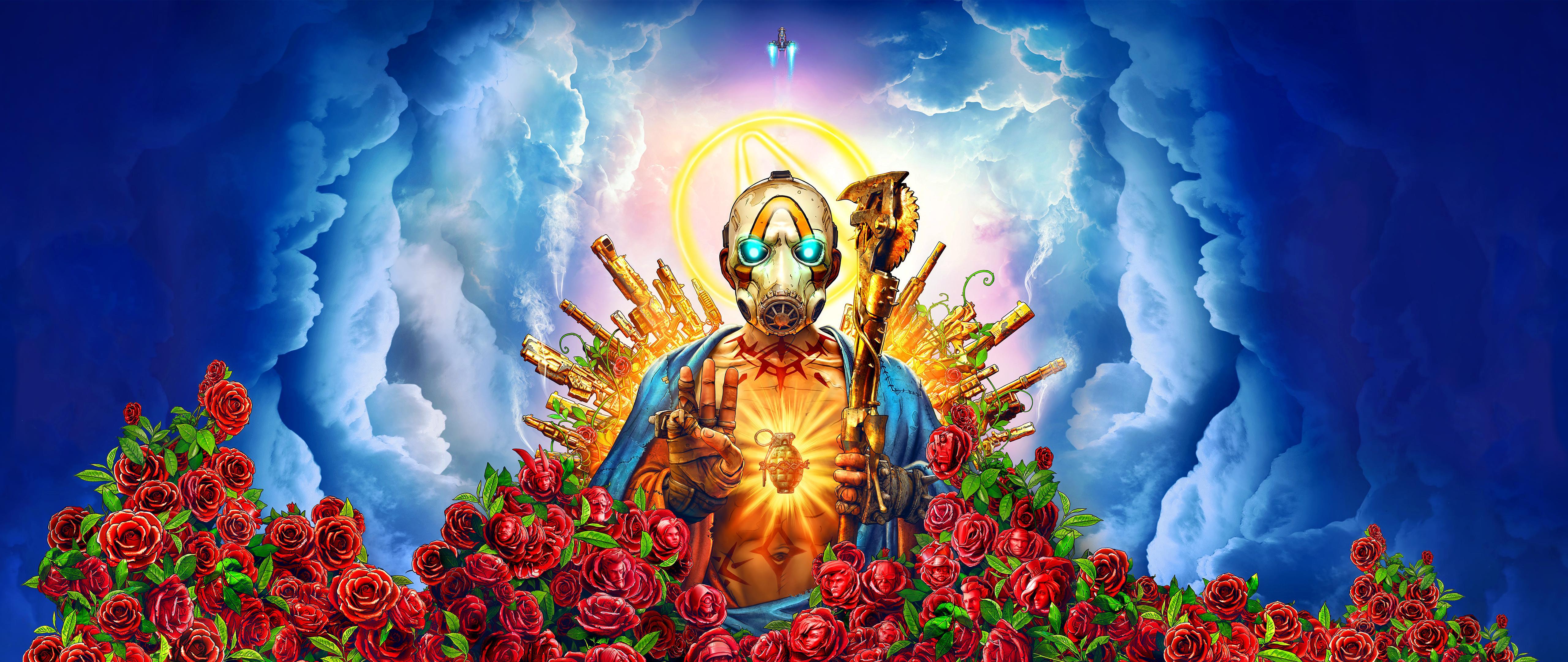
Gearbox and 2K subtly wove current American political themes into their game. Characters sometimes say things that sound like famous politicians or talk about issues like border control. The writers used their own thoughts on world events to add a humorous, critical edge to the game. These hidden references are sprinkled throughout the game world of Pandora as a reward for players who enjoy social commentary.
‘Watch Dogs 2’ (2016)
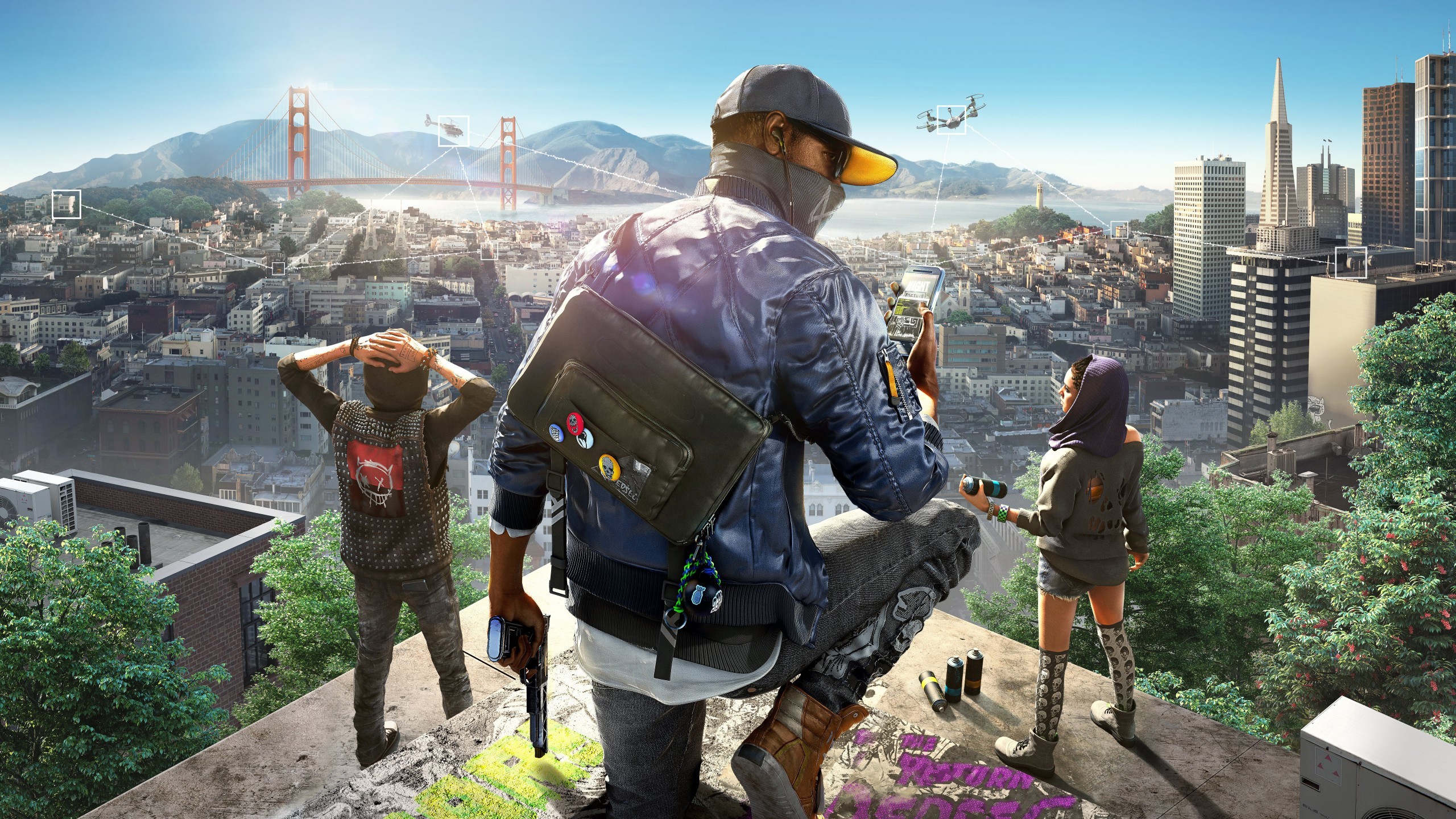
The game, created by Ubisoft Montreal, explores the ethical concerns surrounding big data and the culture of Silicon Valley. A key part of the story involves going undercover at ‘Nudle,’ a social media company clearly modeled after Google. Throughout the game, players find audio recordings and emails that criticize the political impact of wealthy tech leaders. The developers used these elements to express their concerns about the power of technology companies in the real world.
‘The Witcher 3: Wild Hunt’ (2015)
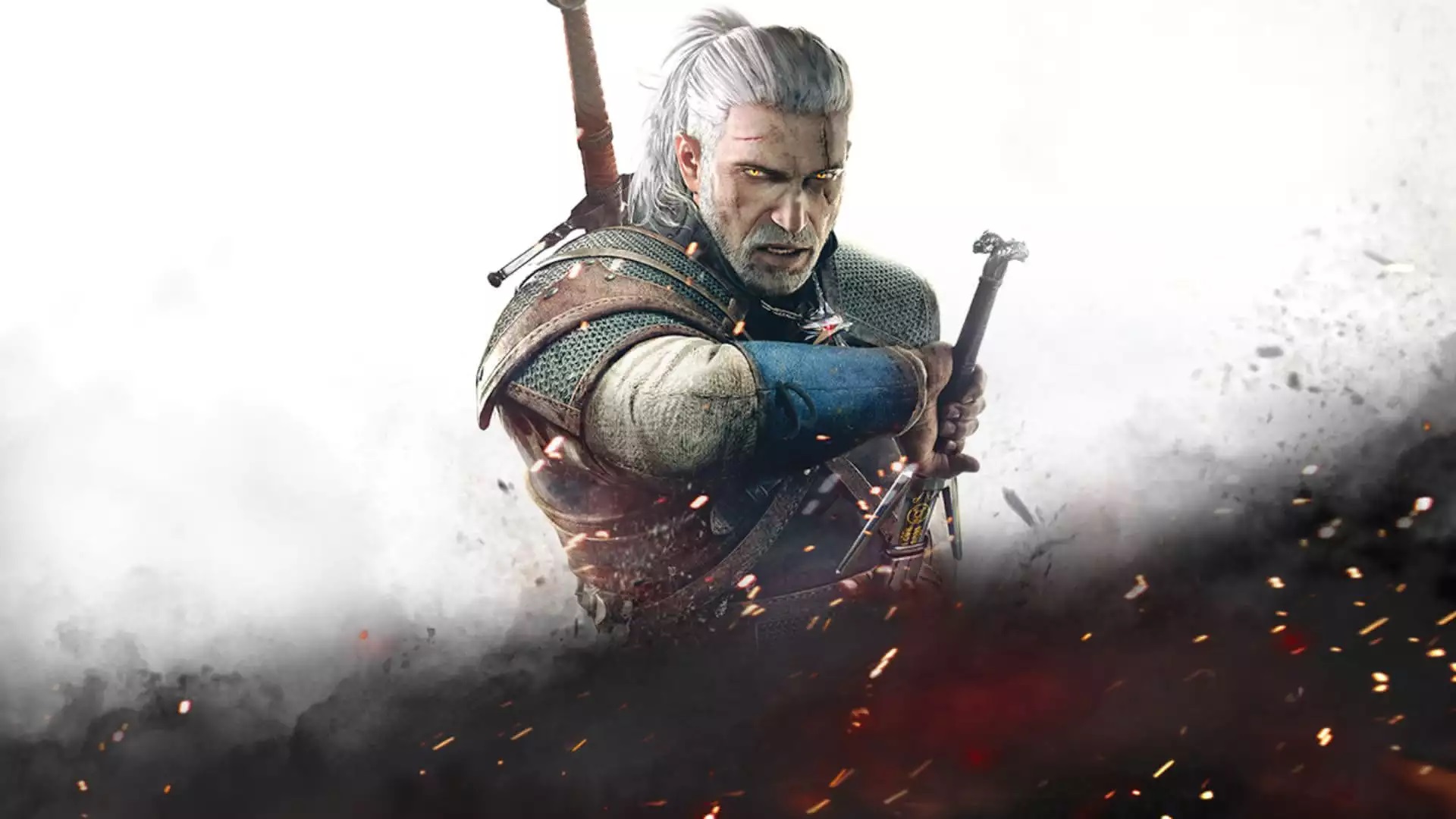
CD Projekt Red wove references to Polish politics into the side quests and conversations in their game. Certain characters and events are meant to represent real Polish historical and current social problems. The developers have often explained that their Polish background and history greatly shaped the game’s dark fantasy world. These hidden details allow them to explore issues of power and corruption as they exist in Poland.
‘Far Cry 5’ (2018)
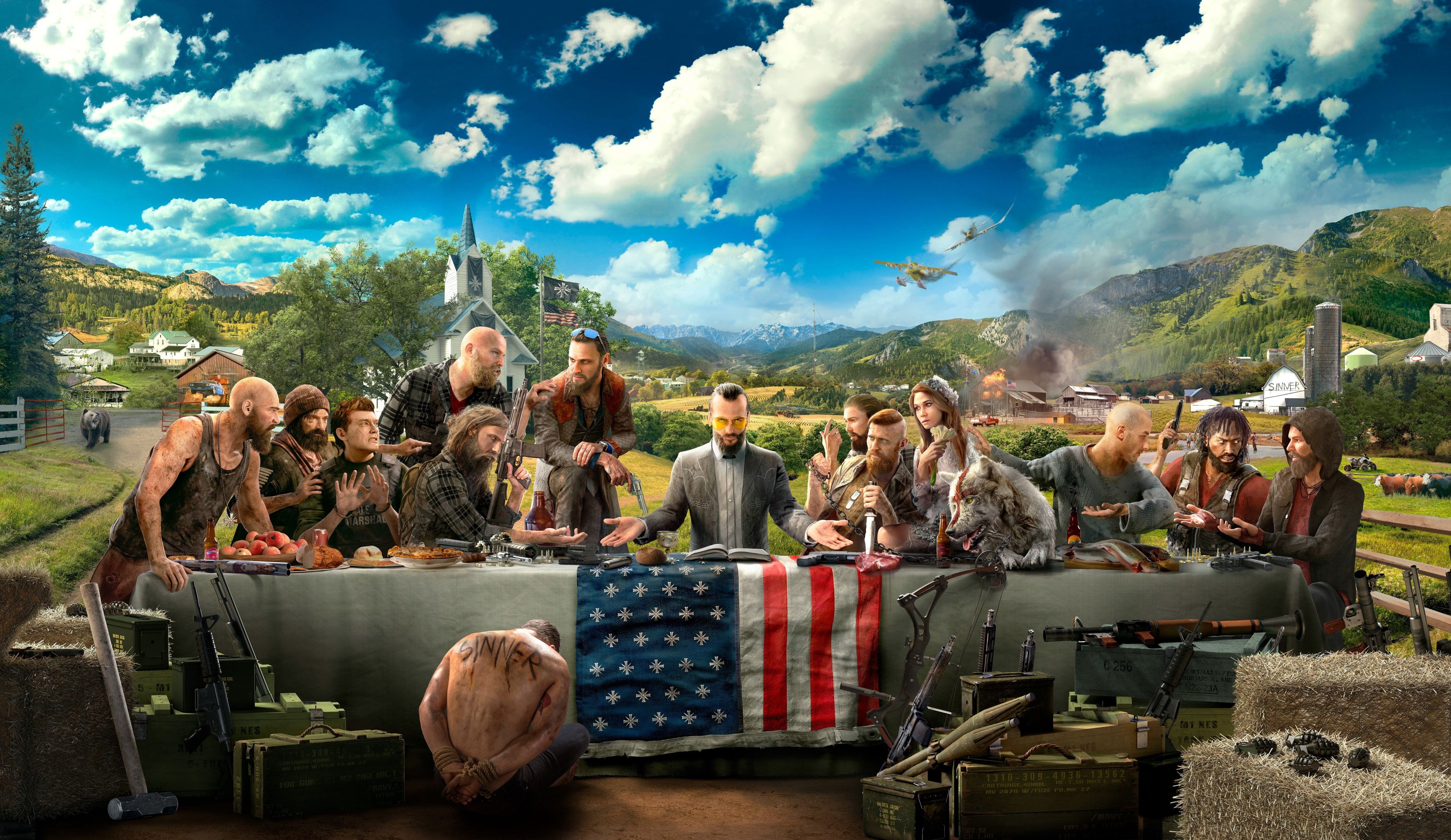
For this game, Ubisoft Montreal and Ubisoft chose rural Montana as the setting to delve into themes of religious extremism and homegrown militant groups. The developers thoroughly researched American cults and the tension between city and country lifestyles. Although the studio aimed for neutrality in its marketing, the game includes subtle details and environmental storytelling that offer critiques of certain political views. These elements reveal the developers’ thoughts on contemporary American society.
‘Saints Row IV’ (2013)
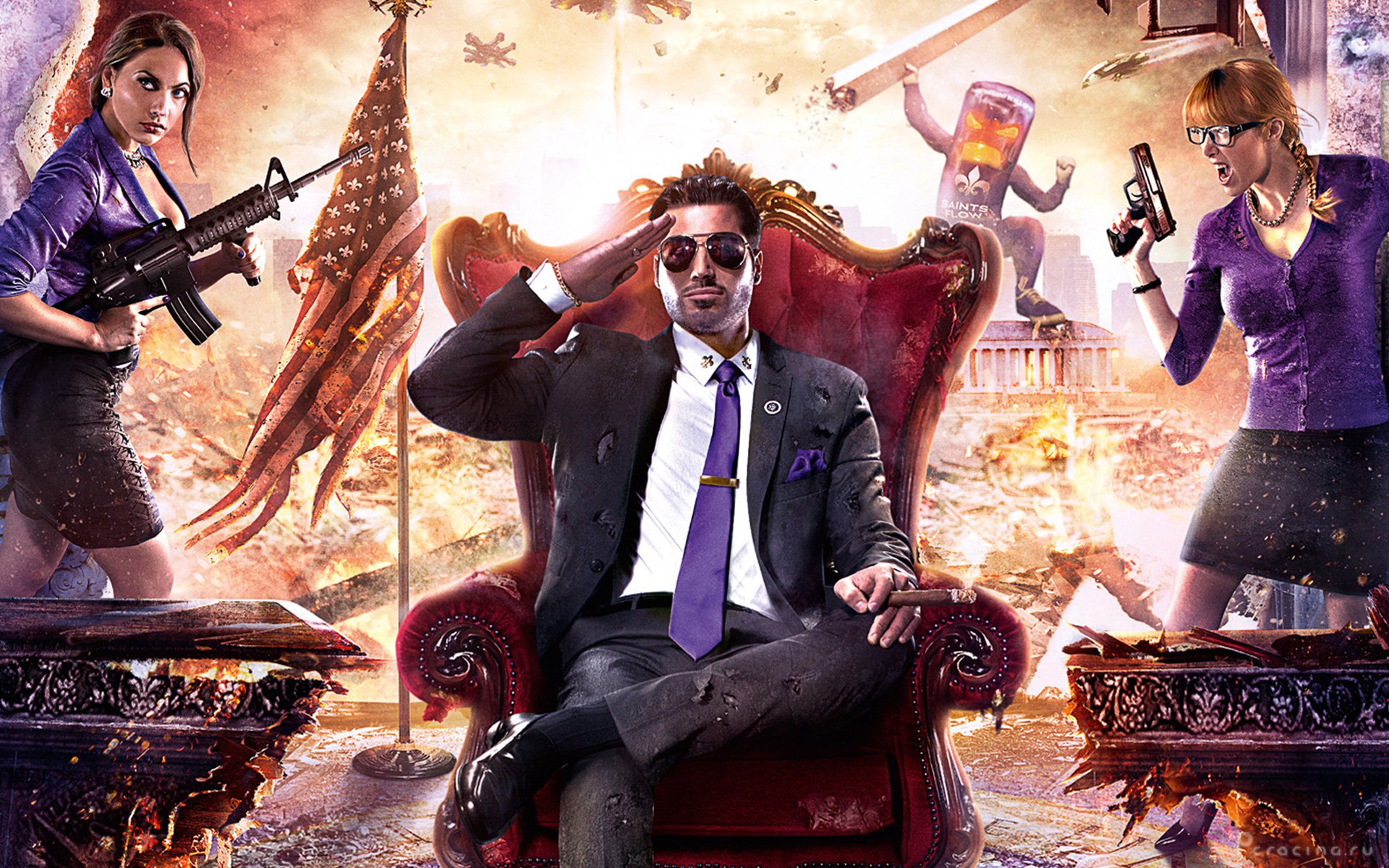
Okay, so in this game, you actually become the President of the United States, which is wild! It’s full of jokes about how politics actually works – or doesn’t! – and the whole campaign process is just ridiculous. Keith David is in the game, playing a version of himself as the VP, and he’s constantly dropping lines about doing the right thing, which is pretty funny considering the craziness around you. Basically, the developers used the game as a way to poke fun at how over-the-top and performative real-world politics can be.
‘Papers, Please’ (2013)

Lucas Pope designed a game where players experience the frustrating bureaucracy of a controlling government. Through hidden details and conversations with characters, the game subtly shares the creator’s concerns about the harshness of strict border policies. Everything in the game is built to make players feel the burden of living under an oppressive system, ultimately serving as a strong statement on how politics affects people’s lives.
We’d love to hear your opinions on how game developers express their political beliefs through the games they create. Please share your thoughts in the comments below.
Read More
- Spotting the Loops in Autonomous Systems
- Seeing Through the Lies: A New Approach to Detecting Image Forgeries
- 20 Best TV Shows Featuring All-White Casts You Should See
- Julia Roberts, 58, Turns Heads With Sexy Plunging Dress at the Golden Globes
- Staying Ahead of the Fakes: A New Approach to Detecting AI-Generated Images
- The Best Directors of 2025
- The Glitch in the Machine: Spotting AI-Generated Images Beyond the Obvious
- Palantir and Tesla: A Tale of Two Stocks
- Gold Rate Forecast
- How to rank up with Tuvalkane – Soulframe
2025-12-22 02:15