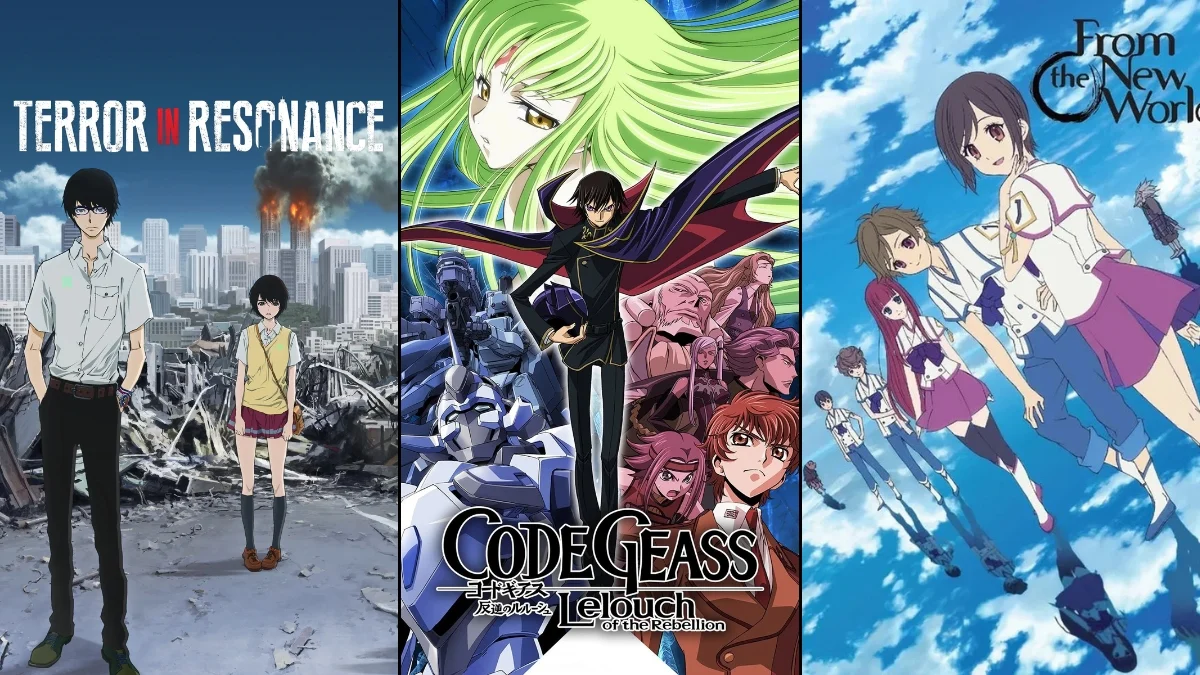
Anime heroes are usually portrayed as very moral and good people, but increasingly, shows feature heroes with beliefs that viewers strongly disagree with. These characters often act in ways that aren’t clearly right or wrong, forcing the audience to question their own sense of ethics. They might believe violence is necessary for peace, sacrifice individuals for the greater good, or even support oppressive rule to maintain order, leading to passionate debates among fans about whether their actions are justified.
‘Attack on Titan’ (2013–2023)
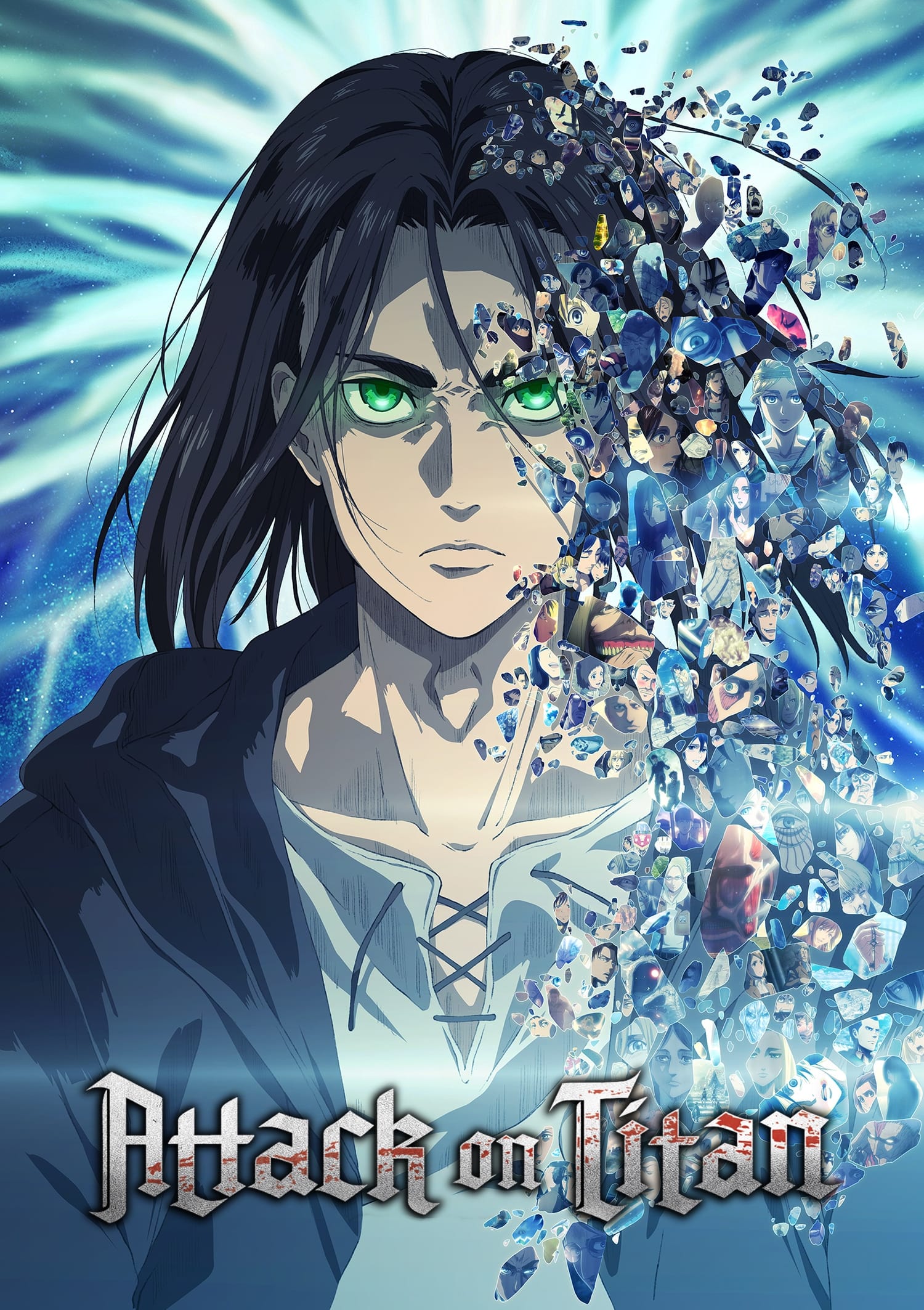
Eren Yeager starts as a character desperately seeking freedom for himself and his people from the threat of giant, man-eating creatures. However, he ultimately takes a path of extreme violence. His decision to unleash the Rumbling – a devastating event intended to destroy all life beyond his island – turns him from a protector into a danger to the entire world. Viewers are still debating whether his actions were a justified, though terrible, way to save his people, or an unforgivable act of genocide. The story suggests his choices were the unavoidable consequence of a long-standing cycle of hatred, making audiences consider the true price of complete freedom.
‘Death Note’ (2006–2007)
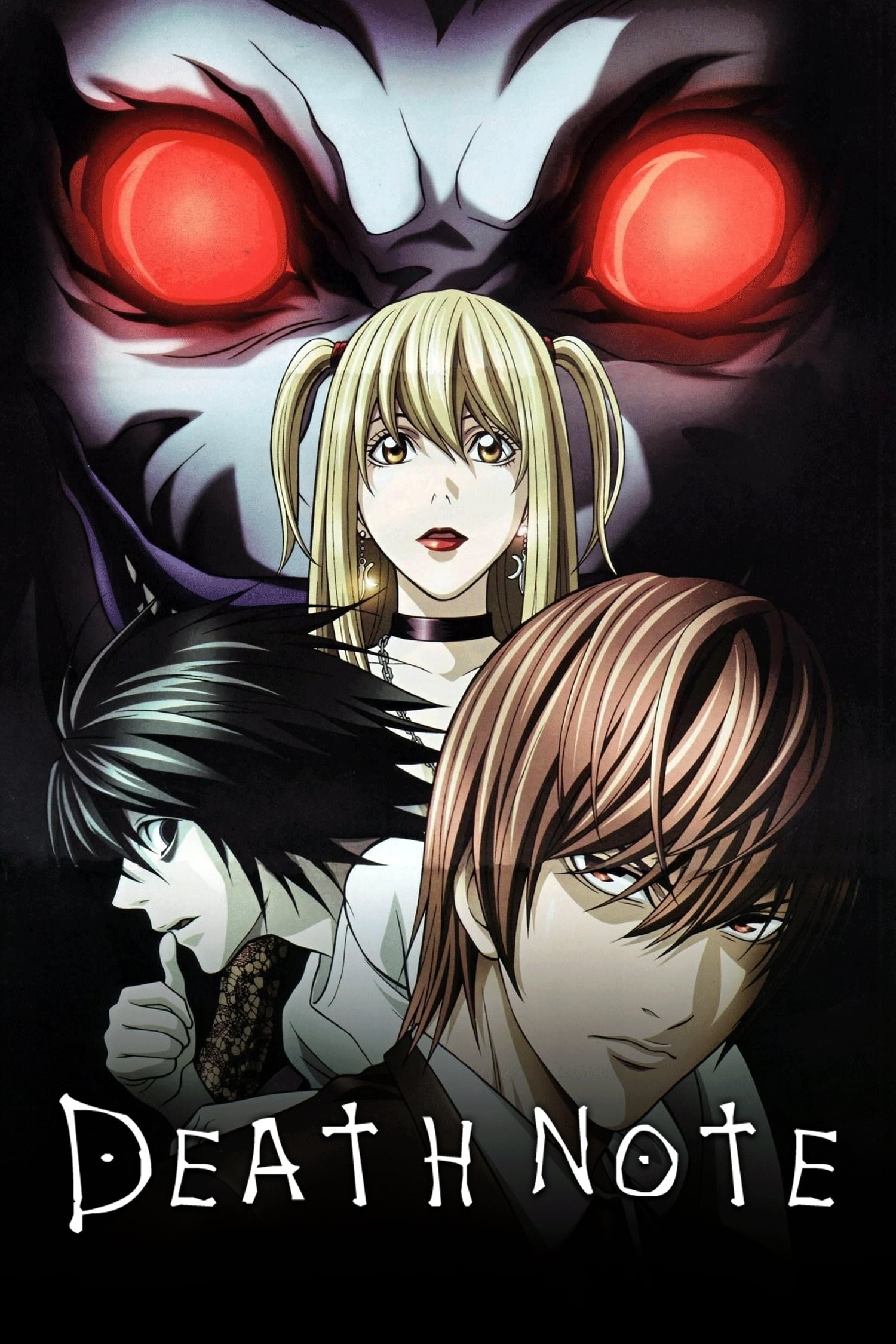
Light Yagami discovers a supernatural notebook that allows him to kill people simply by writing their names. He quickly begins using it to eliminate criminals, believing he can create a perfect, crime-free world. However, his approach involves making his own judgments and killing anyone who stands in his way, even the police. The story explores the conflict between Light’s vision of a “New World” and the existing legal system, raising questions about whether his extreme methods are ever justified. As the series progresses, Light develops a god complex, and his initial desire to do good is overtaken by his own ego and need for power.
‘Code Geass: Lelouch of the Rebellion’ (2006–2008)
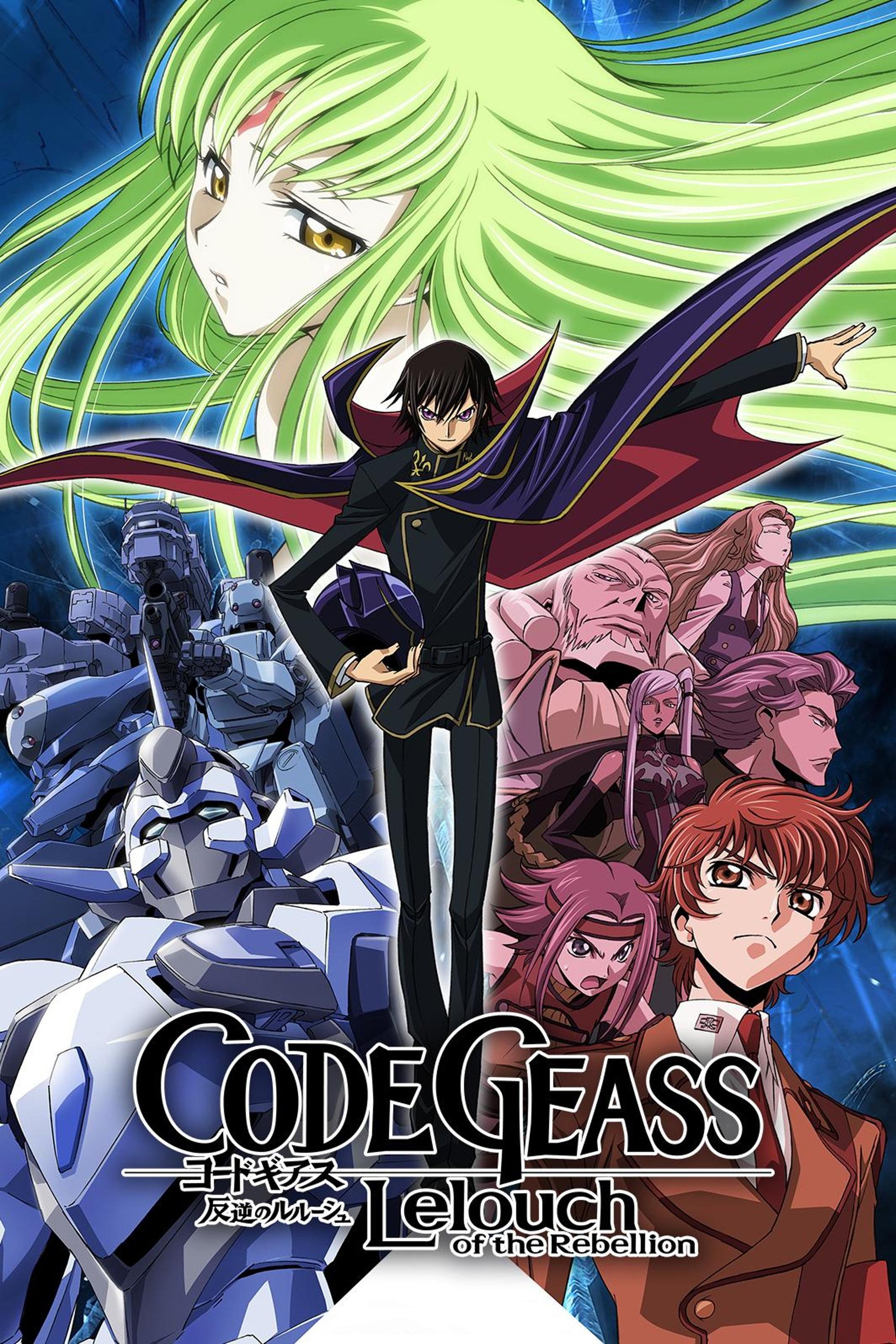
Lelouch Lamperouge starts a rebellion against the Britannian Empire, hoping to build a peaceful world for his sister. He has a special ability that lets him control anyone, and his plan, called “Zero Requiem,” involves becoming the target of all the world’s anger and then letting himself be killed, believing this will finally end the fighting. While he wants peace, Lelouch uses lies, betrayal, and causes many deaths to achieve it, which makes viewers question if his actions are justified. People find it hard to accept that someone with good intentions could use such ruthless methods.
‘The Rising of the Shield Hero’ (2019–Present)
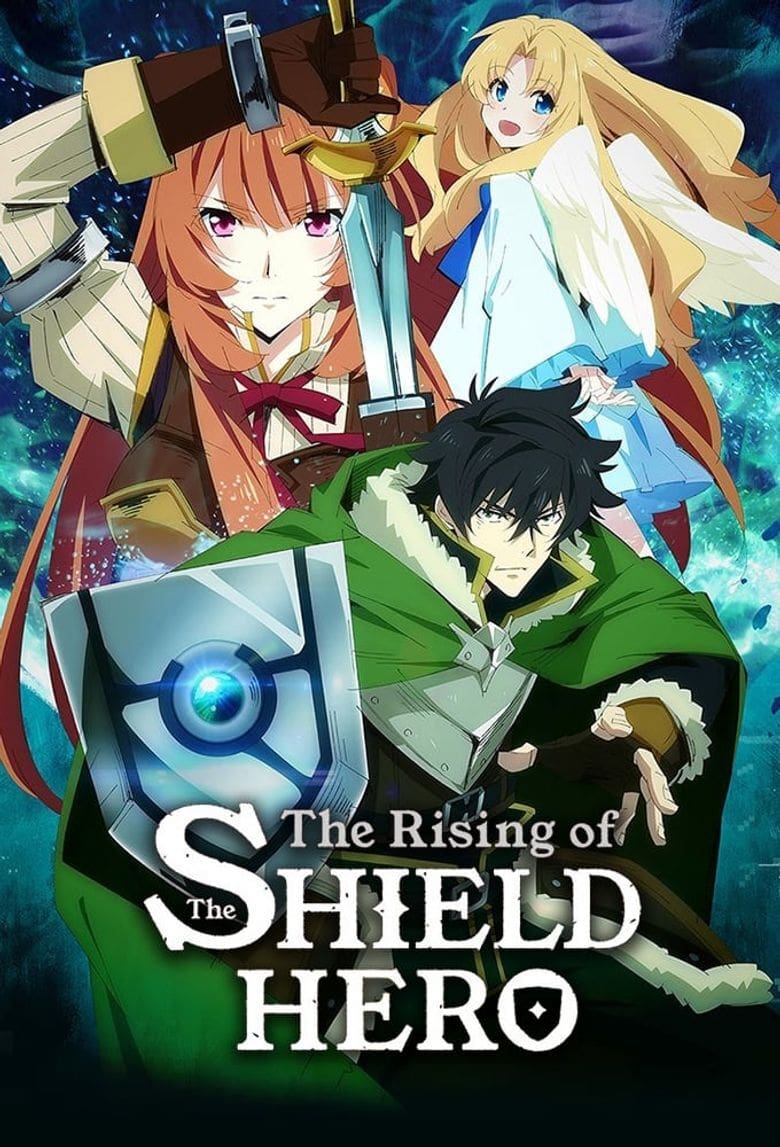
Naofumi Iwatani is unexpectedly transported to a new world and wrongly accused of a serious crime, which makes him distrustful and focused on simply surviving. A key and controversial part of the story is his choice to buy Raphtalia, a demi-human, as a shield and fighter. While the story suggests he needs her help because he can’t fight well himself, many viewers are critical of the show trying to make slavery seem acceptable, even though Naofumi treats Raphtalia kindly. Fans continue to debate whether his difficult situation justifies his involvement in such a harmful system.
‘Legend of the Galactic Heroes’ (1988–1997)
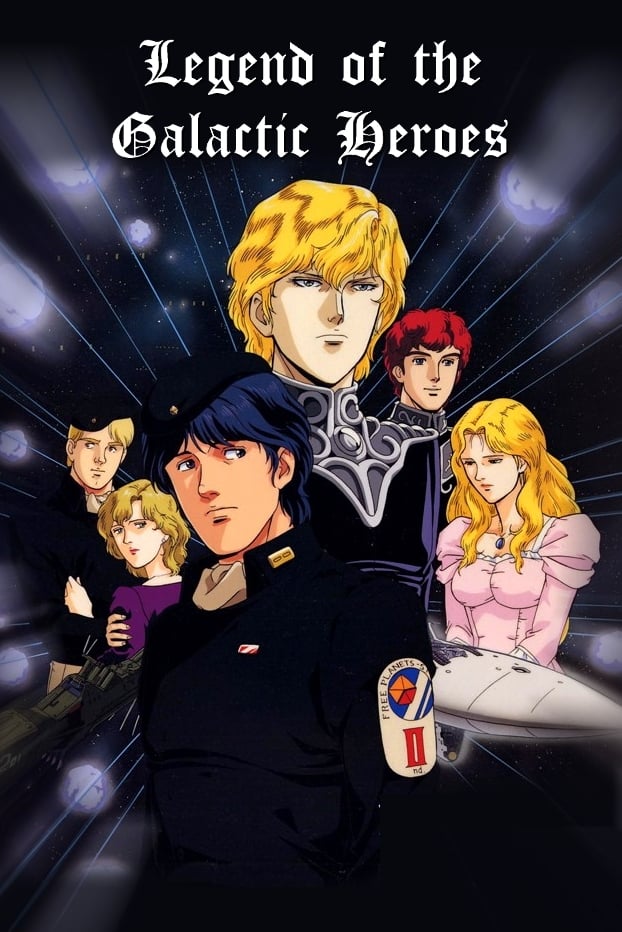
This sci-fi epic explores two very different ways of governing through its main characters: Yang Wen-li, a believer in democracy, and Reinhard von Lohengramm, who favors strong, centralized rule. Yang argues that the freedom to choose is the most important thing, even if democracy isn’t perfect. Reinhard, on the other hand, creates a powerful dictatorship that quickly improves life for people, but takes away their right to participate in government. The story doesn’t pick a side, instead encouraging viewers to consider the strengths and weaknesses of both a flawed democracy and an efficient, but unfree, autocracy.
‘Fate/Zero’ (2011–2012)
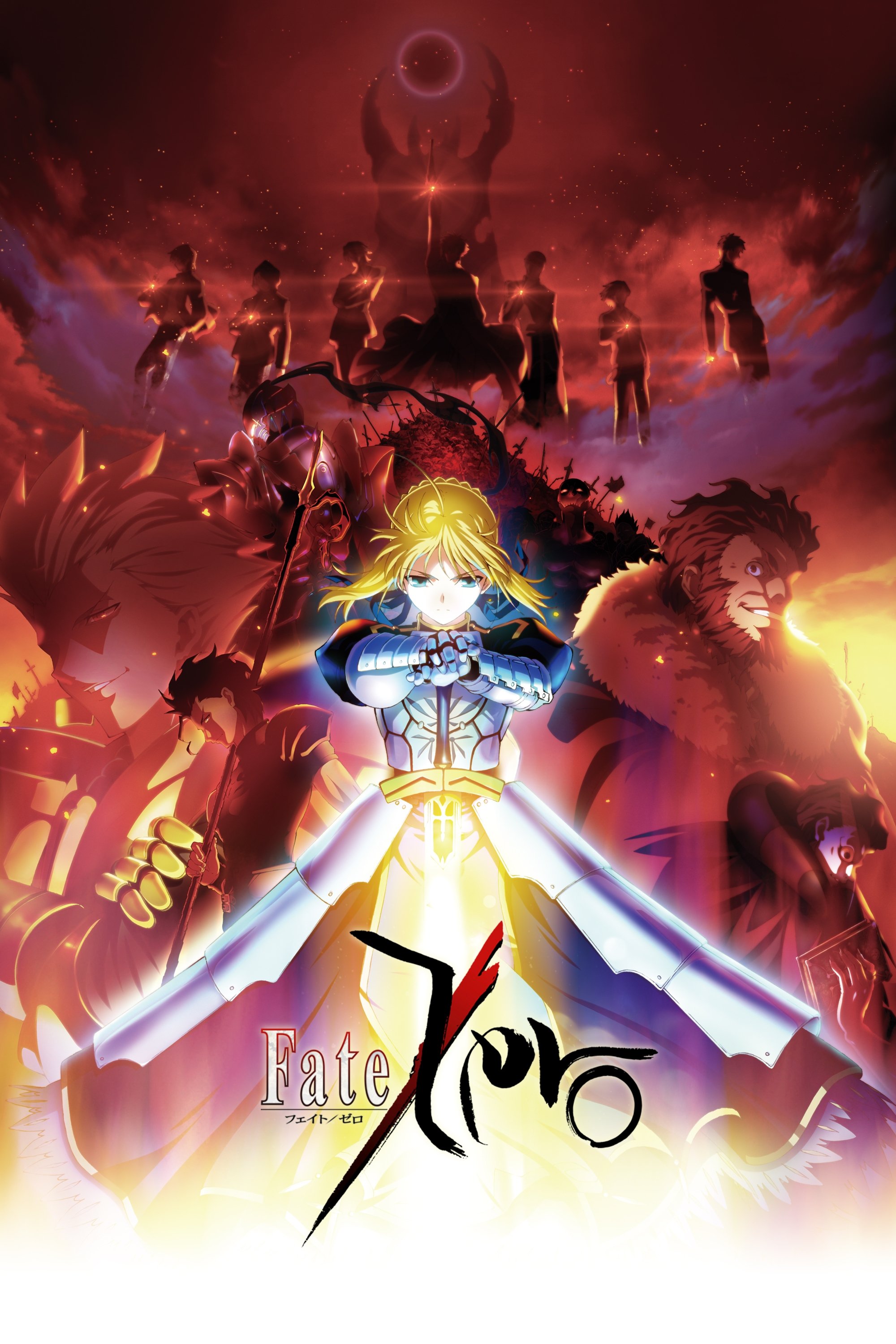
Kiritsugu Emiya is a character who believes the ends justify the means, prioritizing the greater good even if it requires difficult sacrifices. He’s a pragmatic hero who isn’t afraid to use harsh tactics, like assassination, to prevent larger-scale harm during a magical battle called the Fourth Holy Grail War. However, his worldview is questioned when he realizes that constantly saving the majority could lead to an unending cycle of violence. Viewers often have mixed feelings about him – some admire his commitment to peace, while others criticize his cold, calculating approach to life and morality.
‘Psycho-Pass’ (2012–Present)
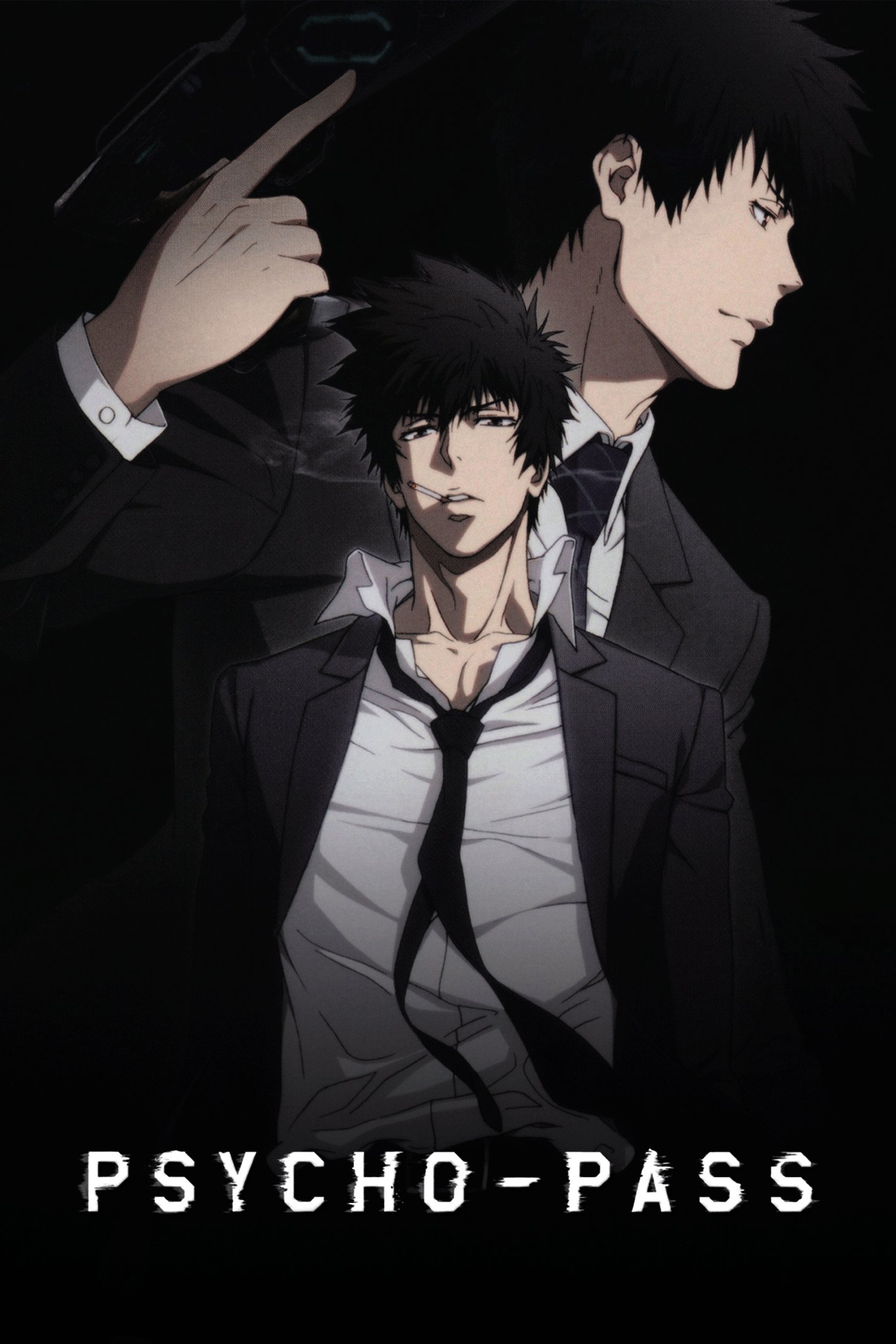
Akane Tsunemori is a law enforcer in a futuristic world controlled by the Sibyl System, which identifies and detains people likely to commit crimes. Even after learning the disturbing reality of how the system works, she decides to support it, believing it’s necessary to maintain order and prevent chaos. This means she values stability over freedom and openness, a choice that bothers some viewers who want radical change. The story portrays Akane as someone who prefers slow, steady improvements from within the system, unlike the villains who believe violence is the only way to fix things.
‘Vinland Saga’ (2019–Present)
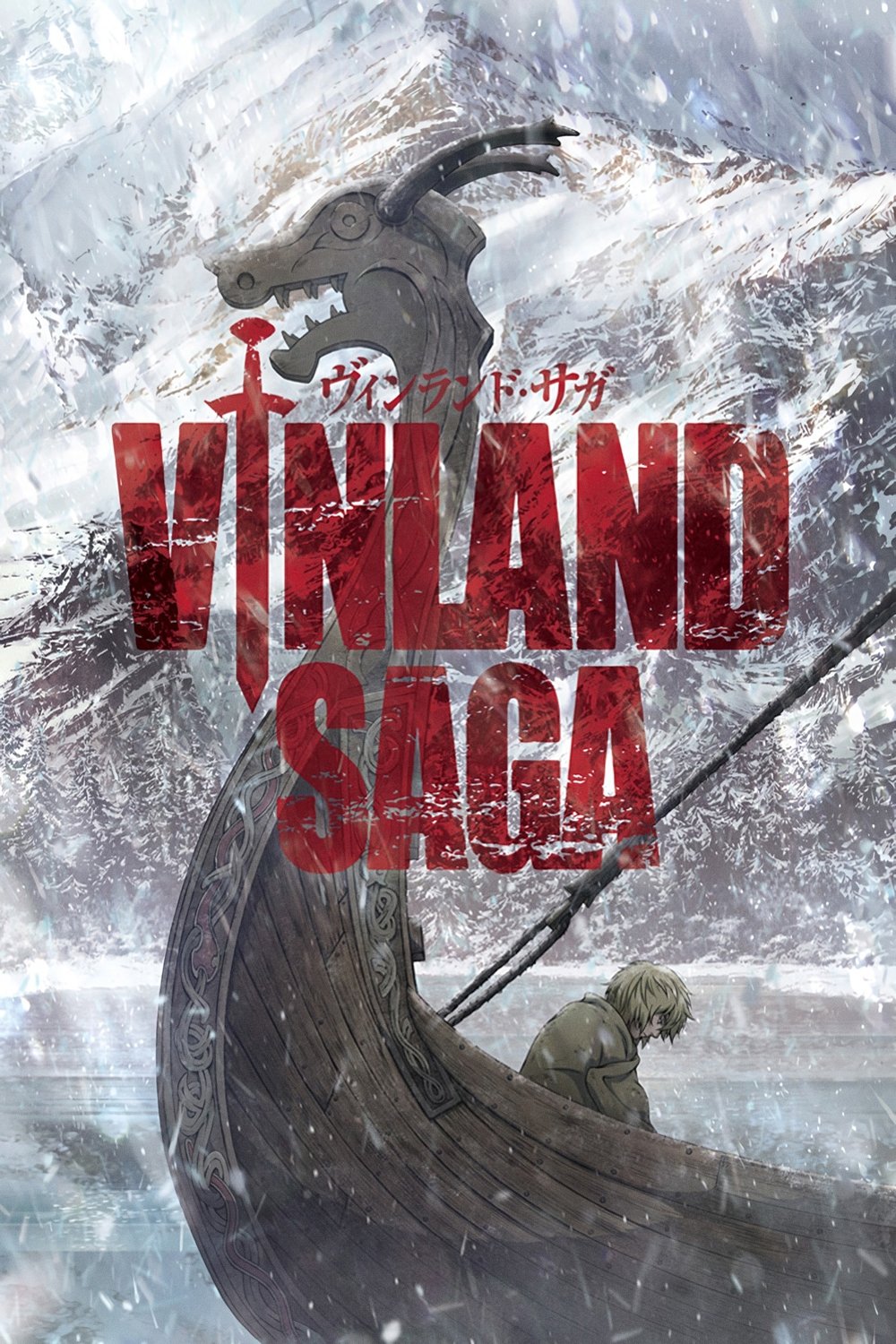
Thorfinn undergoes a dramatic transformation, changing from a warrior driven by revenge to someone who completely rejects violence, even when it means defending himself. This change, which happens during the “Farmland Arc,” has frustrated some fans who enjoyed the earlier, more action-packed parts of the story. Living in the harsh world of the Vikings, he’s forced to find ways to survive conflicts without resorting to killing, and fans are divided on whether his unwavering commitment to non-violence is admirable and enlightened, or if it’s unrealistic and puts others at risk.
‘Mobile Suit Gundam: Iron-Blooded Orphans’ (2015–2017)

Orga Itsuka and Mikazuki Augus head a team of young soldiers who create a mercenary group as a way to rise above poverty and hardship. Unlike most heroes in Gundam stories who fight for ideals or peace, this group, Tekkadan, fights for money and to stay alive, even if it means taking on questionable jobs that keep conflicts going. Their willingness to do whatever it takes to win, even if it’s brutal, is a departure from the usual anti-war themes of the series. Viewers are split on whether to see them as victims of circumstance or as people who willingly chose a path of violence.
‘Saga of Tanya the Evil’ (2017)
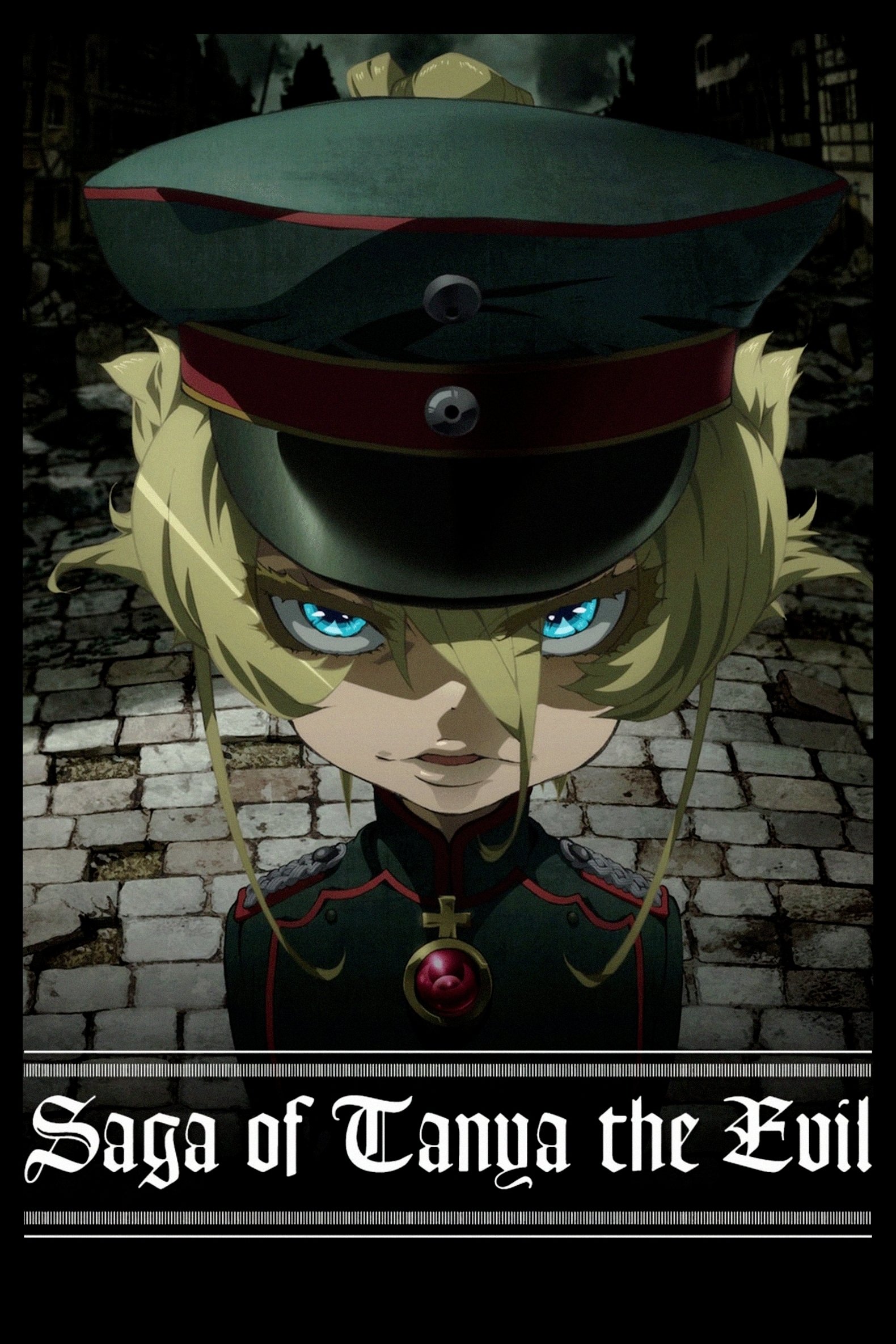
Tanya Degurechaff is a woman reborn as a salaryman who brings a cold, business-like approach to magic and warfare. She sees war purely as a calculation of costs and benefits, prioritizing her own career and survival over ethics or compassion. While she strictly follows rules, even when committing terrible acts, this raises questions about the dangers of blindly obeying orders. The show leaves viewers wondering if her ruthless behavior is a result of her circumstances, or a criticism of unchecked power in business and government.
‘Overlord’ (2015–Present)
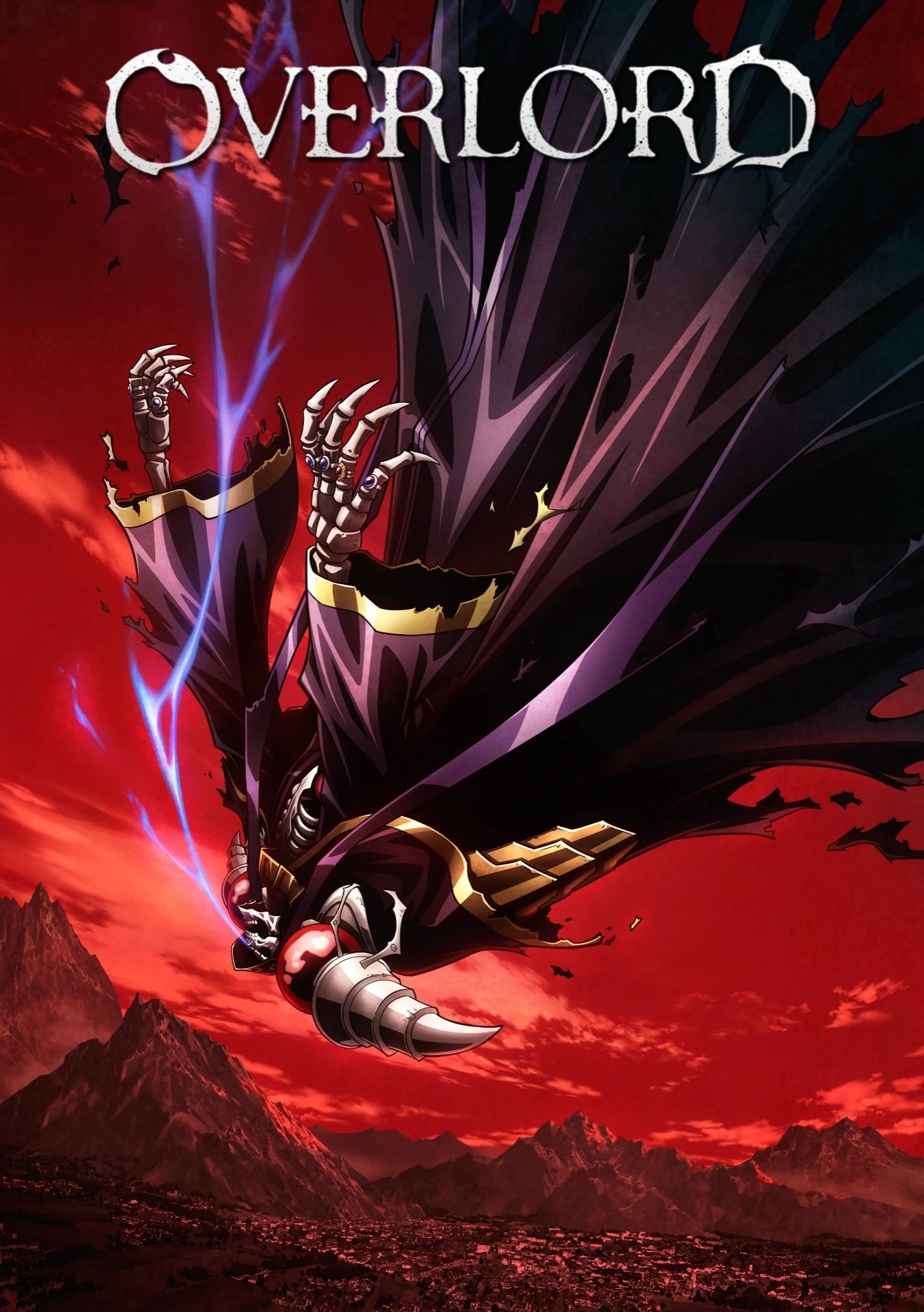
Ainz Ooal Gown is a regular person stuck in the powerful, undead body of a lich, and he sets out to take over the new world he finds himself in. Though he aims to build a perfect society for those under his rule, his methods are brutal, including widespread killing, torture, and the conquest of independent countries. The story is told entirely from Ainz’s point of view, presenting these violent acts as simply the difficult but necessary work of managing his organization, Nazarick. Fans often debate whether Ainz is a villain, a hero, or if he’s lost his humanity completely and become a true monster.
‘Terror in Resonance’ (2014)
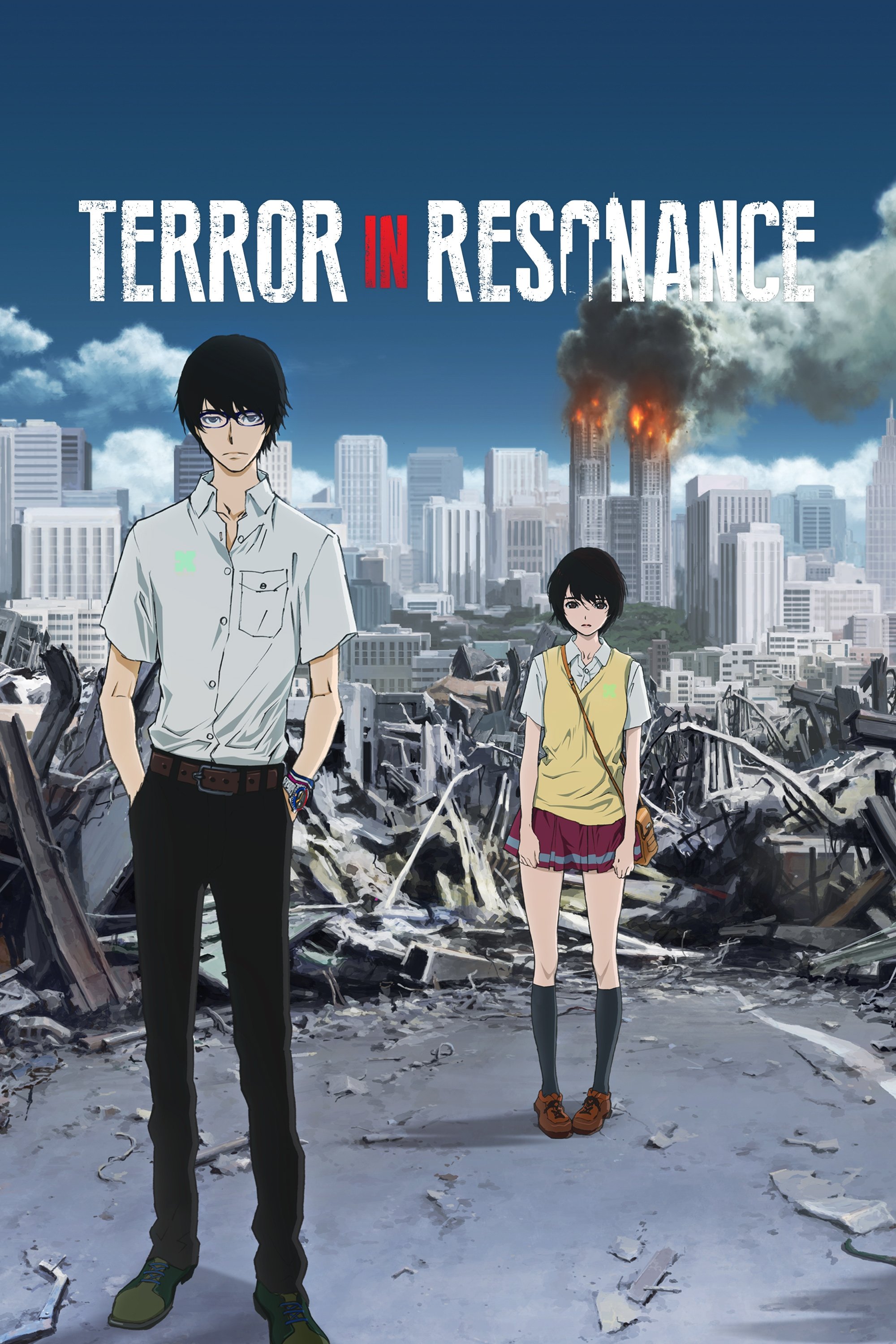
Nine and Twelve are teenage rebels who use bombings in Tokyo to reveal a secret government program involving human testing. While they try hard to avoid hurting anyone, wanting to raise awareness rather than cause deaths, their actions still create fear and damage. The show portrays them as relatable heroes fighting against a dishonest government, but using terrorism to get their message across is a point of debate. Viewers disagree on whether their difficult pasts and good intentions excuse actions that would be considered wrong in real life.
‘From the New World’ (2012–2013)
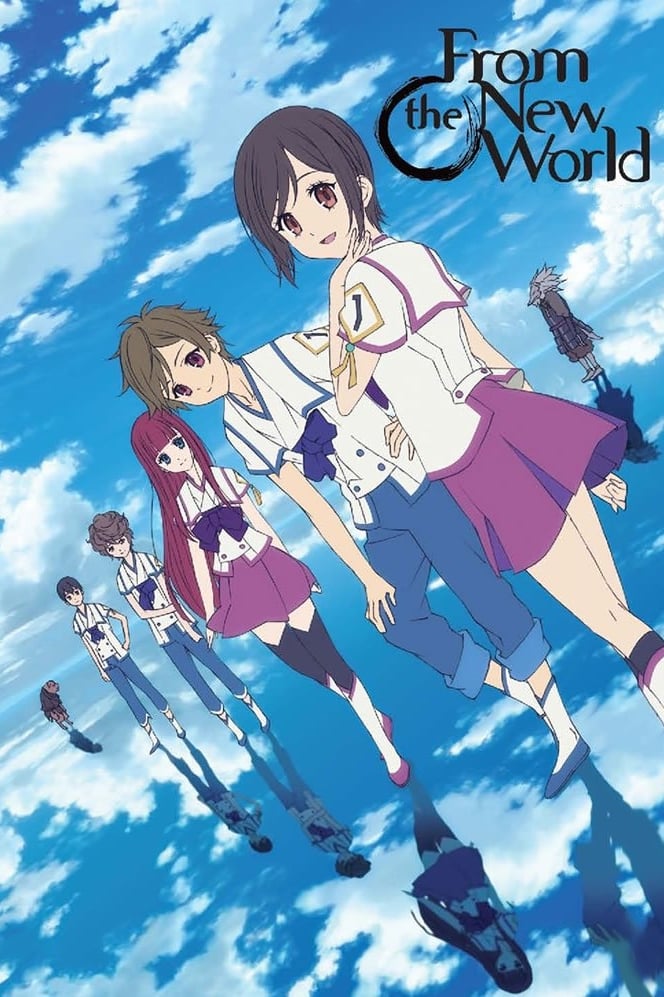
In a future world, Saki Watanabe lives in a society where people with psychic abilities keep the peace by genetically controlling others and suppressing a non-psychic group called Monster Rats. As Saki learns the troubling secrets of her world, she decides to maintain the existing power structure, even though it means risking the survival of humanity. The story portrays this decision not as a victory for morality, but as a harsh necessity born from a system of slavery and genetic engineering. The ending is deliberately ambiguous, prompting viewers to question whether Saki acted as a sensible leader or simply supported a cruel and oppressive system.
‘Kingdom’ (2012–Present)
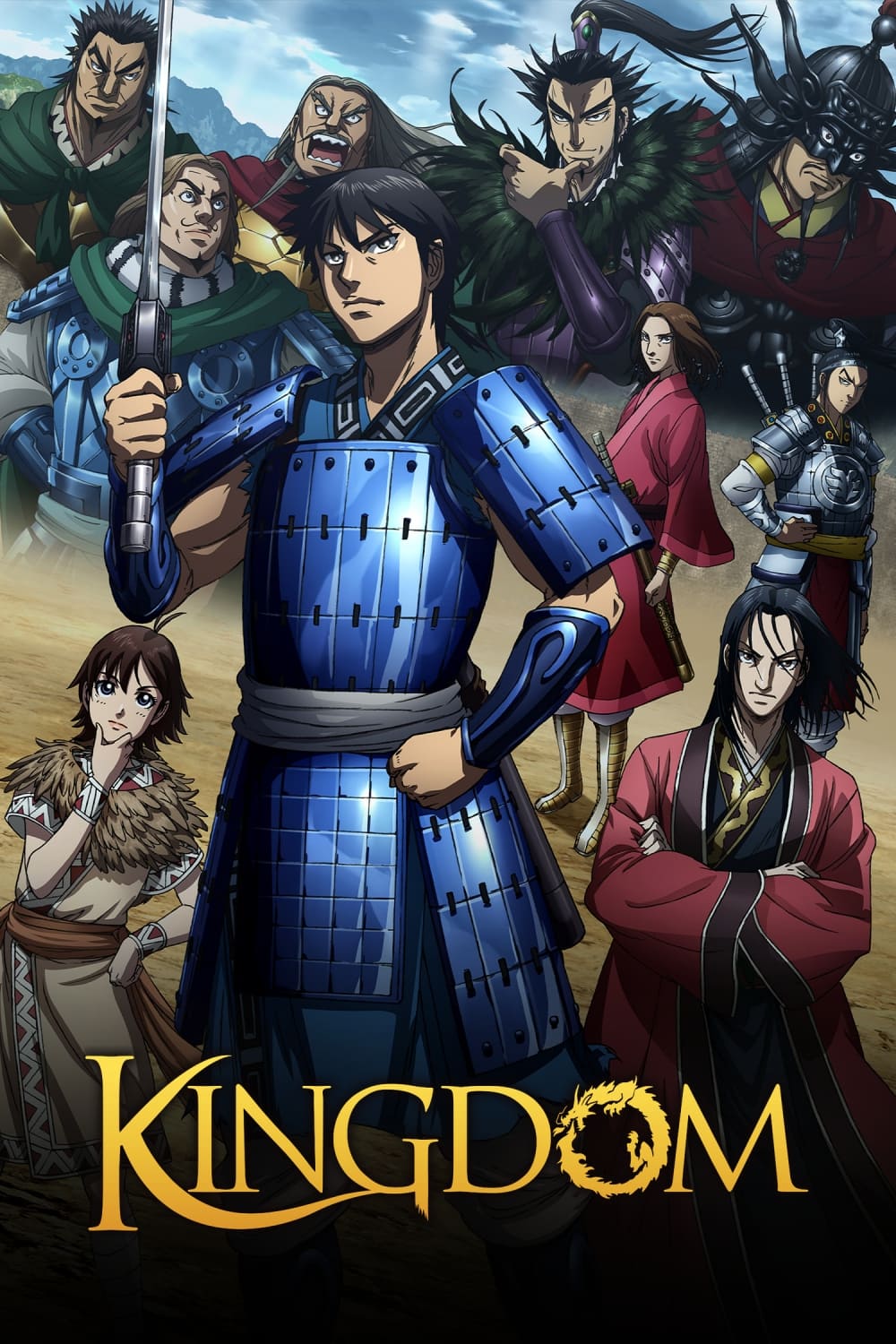
Xin is determined to become the most renowned general in the land by helping King Ei Sei conquer and unite China. The story presents this unification as the only way to finally stop centuries of war, suggesting the resulting peace justifies the violence needed to achieve it. However, this idea essentially supports imperialism and the suppression of independent nations in the name of a supposed greater purpose. Many viewers struggle with seeing the main character as a hero, considering his role as a key figure in an authoritarian conquest.
‘The Irregular at Magic High School’ (2014–Present)
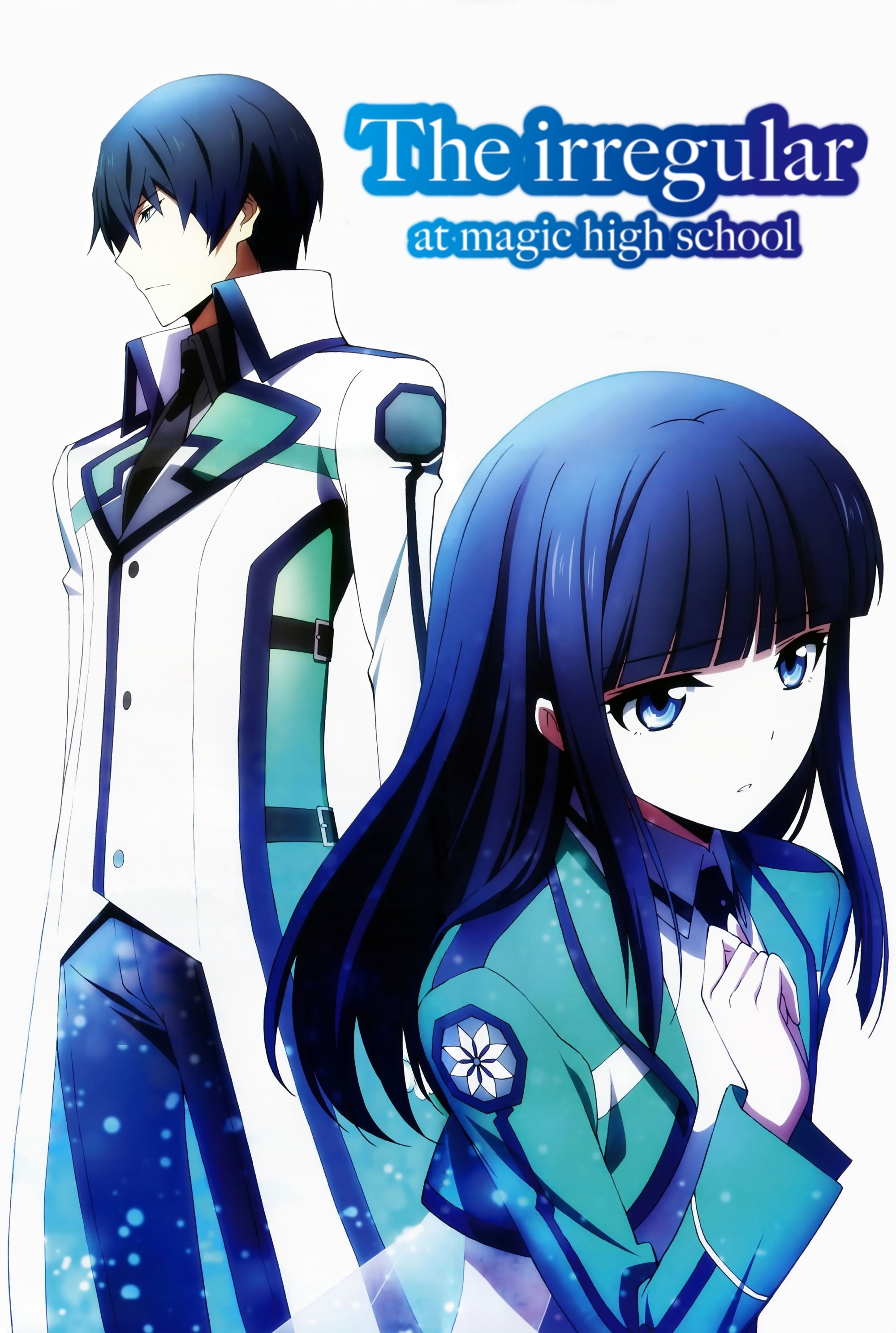
Tatsuya Shiba is a powerful magician in a world where magical ability determines social status, and those with weaker skills face discrimination. The series often reflects strong national pride and portrays other countries in a negative, stereotypical light. Some viewers criticize Tatsuya’s unemotional approach and his support of this unequal society, seeing it as promoting elitist and far-right ideas. Fans are divided on whether the show is simply a story about wish fulfillment or if it’s intentionally pushing a controversial political agenda.
‘GATE’ (2015–2016)
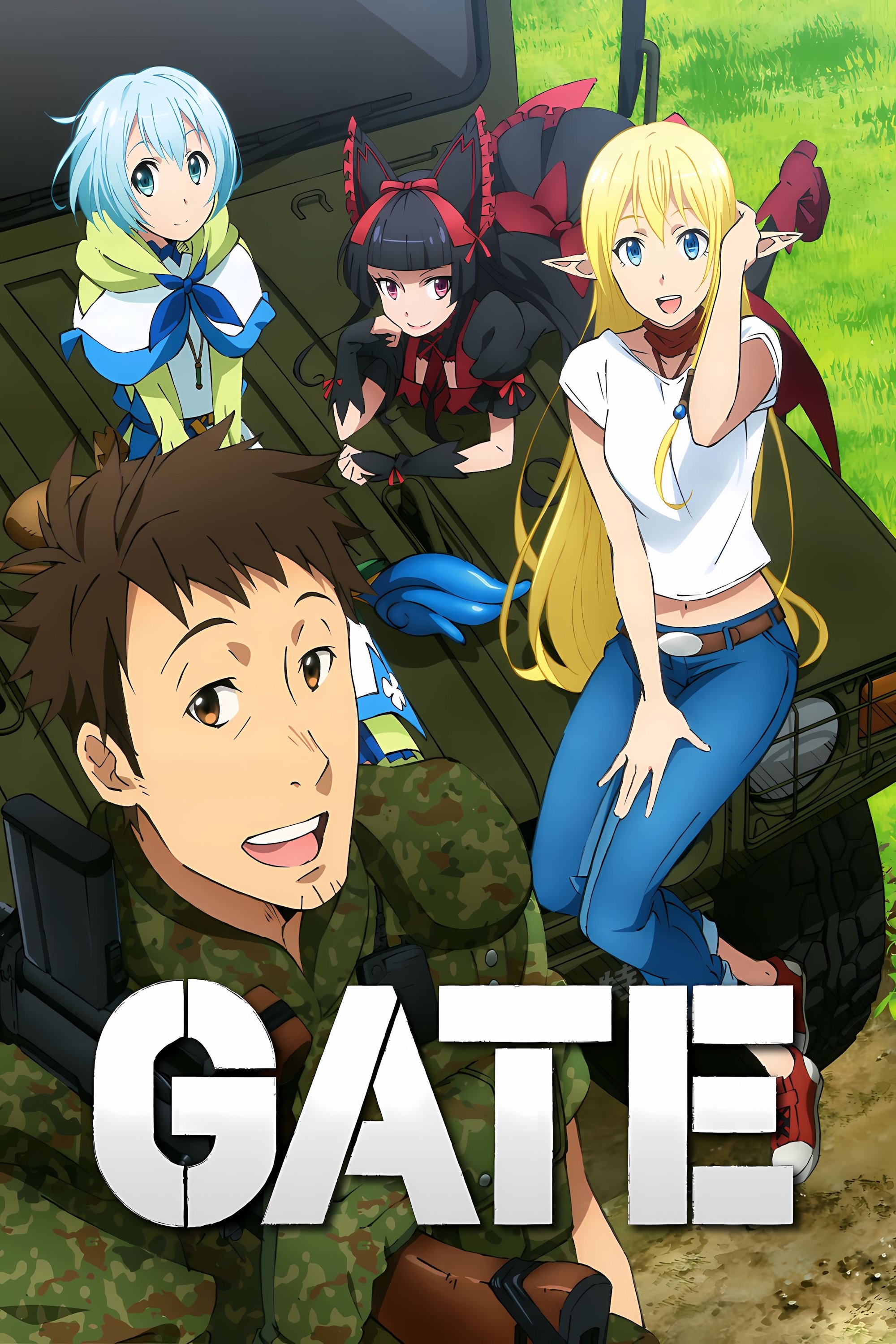
Youji Itami, a member of the Japanese Self-Defense Forces, finds himself in a fantastical world after a mysterious portal appears in Tokyo. The series has faced criticism for seemingly promoting the JSDF, often showing the Japanese military in a very positive light while portraying other countries, like the US and China, negatively. Itami essentially serves as a link between the modern world and this new land, bringing advanced civilization to people who are presented as less developed, which echoes themes of colonialism. Audiences are divided – some enjoy the exciting contrast between modern military tactics and fantasy elements, while others strongly criticize the show’s overt nationalist message.
‘Trigun’ (1998)
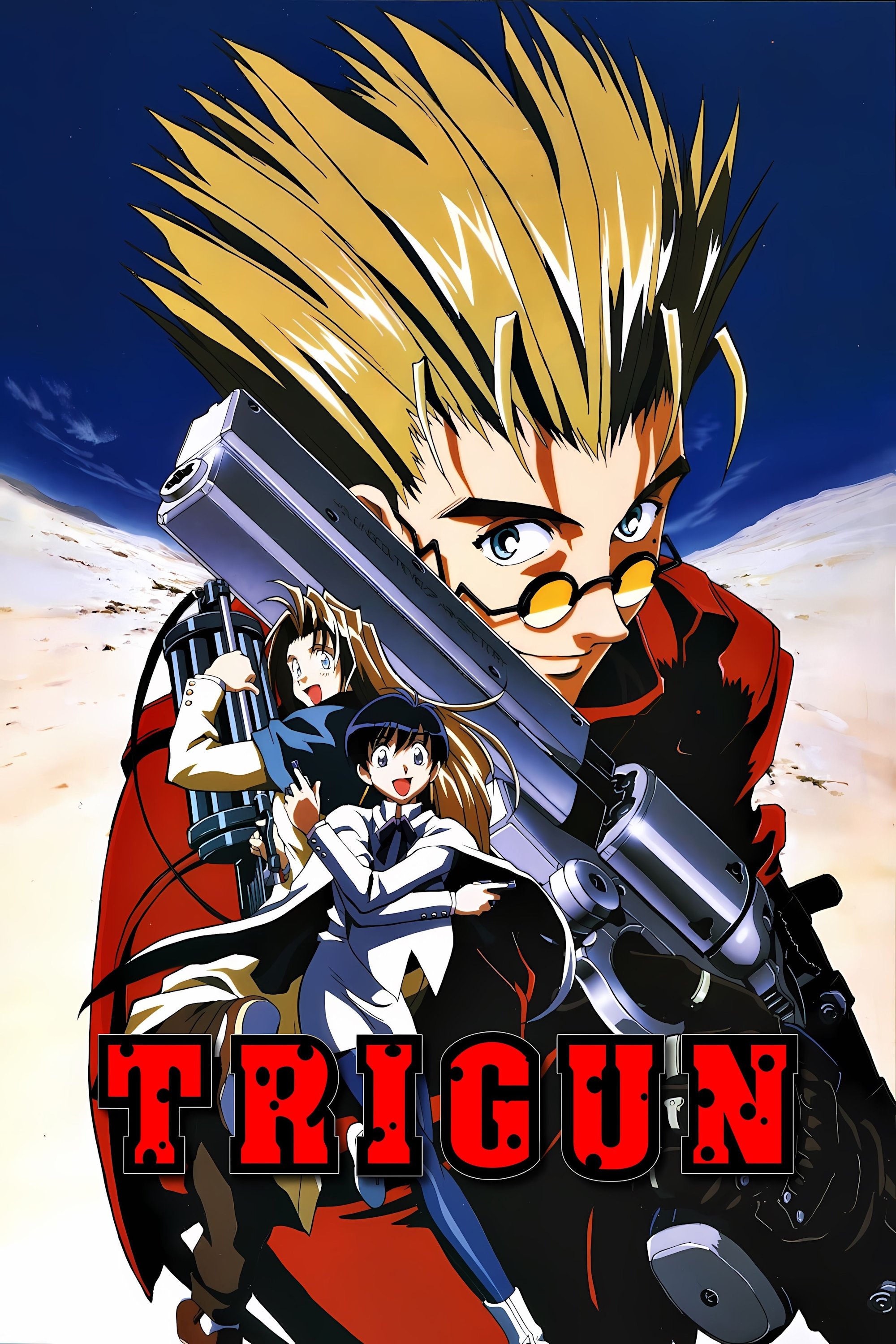
Vash the Stampede is a famous gunslinger who refuses to kill, even when facing ruthless enemies. This strict rule often leads to him getting hurt and allows bad guys to keep causing trouble, making people question if his beliefs are actually helpful. Other characters, like Wolfwood, think Vash is naive and that his ideals don’t work in a dangerous world. Viewers often argue about whether Vash’s commitment to his principles is a powerful strength or a harmful flaw that puts others at risk.
‘Moriarty the Patriot’ (2020–2021)
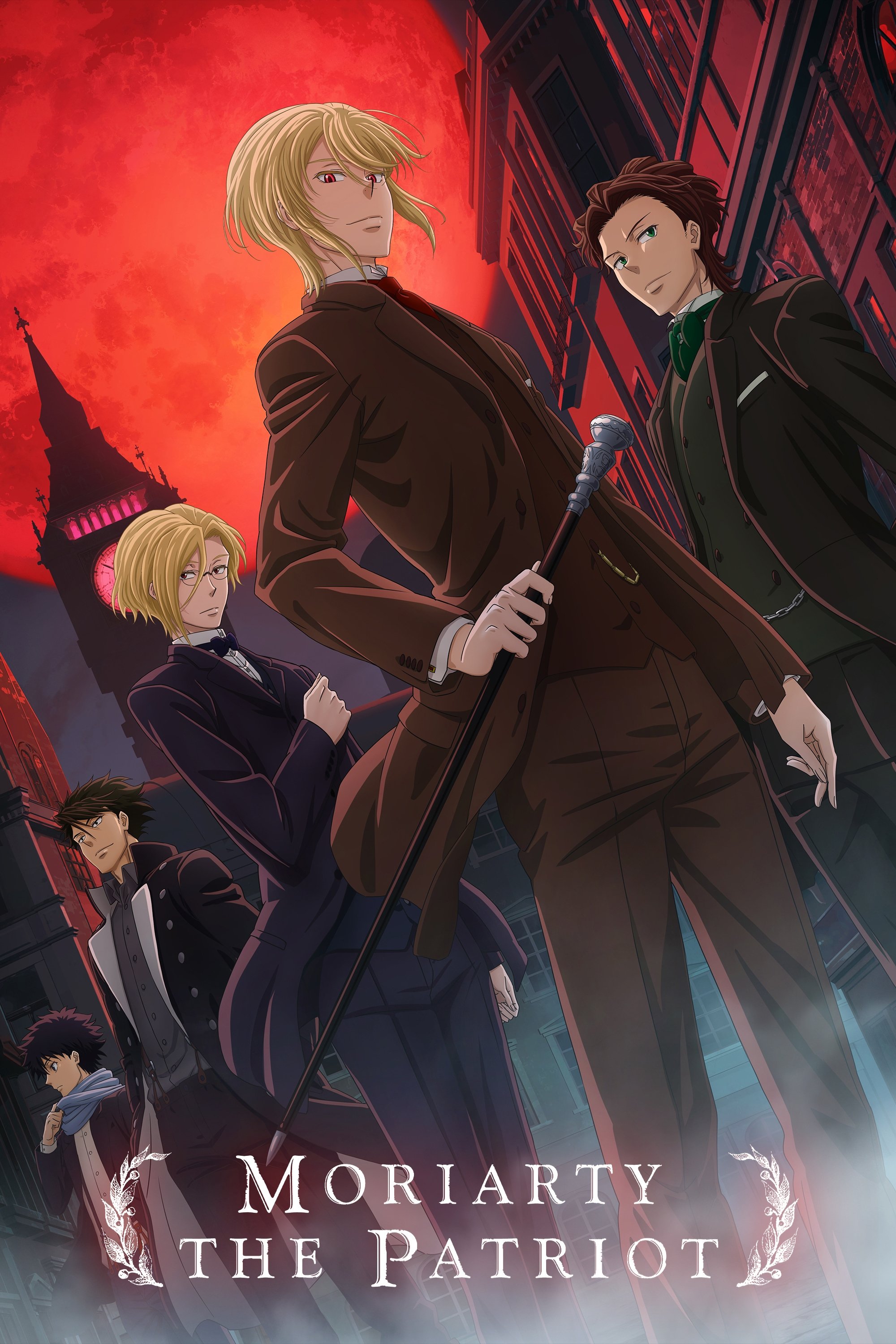
The series presents William James Moriarty not as a criminal, but as a brilliant rebel who commits crimes to reveal and dismantle the corruption within Britain’s upper class. He sees himself as a kind of vigilante, believing that even murder can be justified to create a more just society and give power to the working class. The show portrays his actions as heroic, highlighting how the existing system legally exploits the poor. Viewers often discuss whether his extreme methods – targeting the wealthy to achieve change – are morally acceptable, and if lasting social reform can genuinely be built on violence.
‘Mobile Suit Gundam SEED’ (2002–2003)
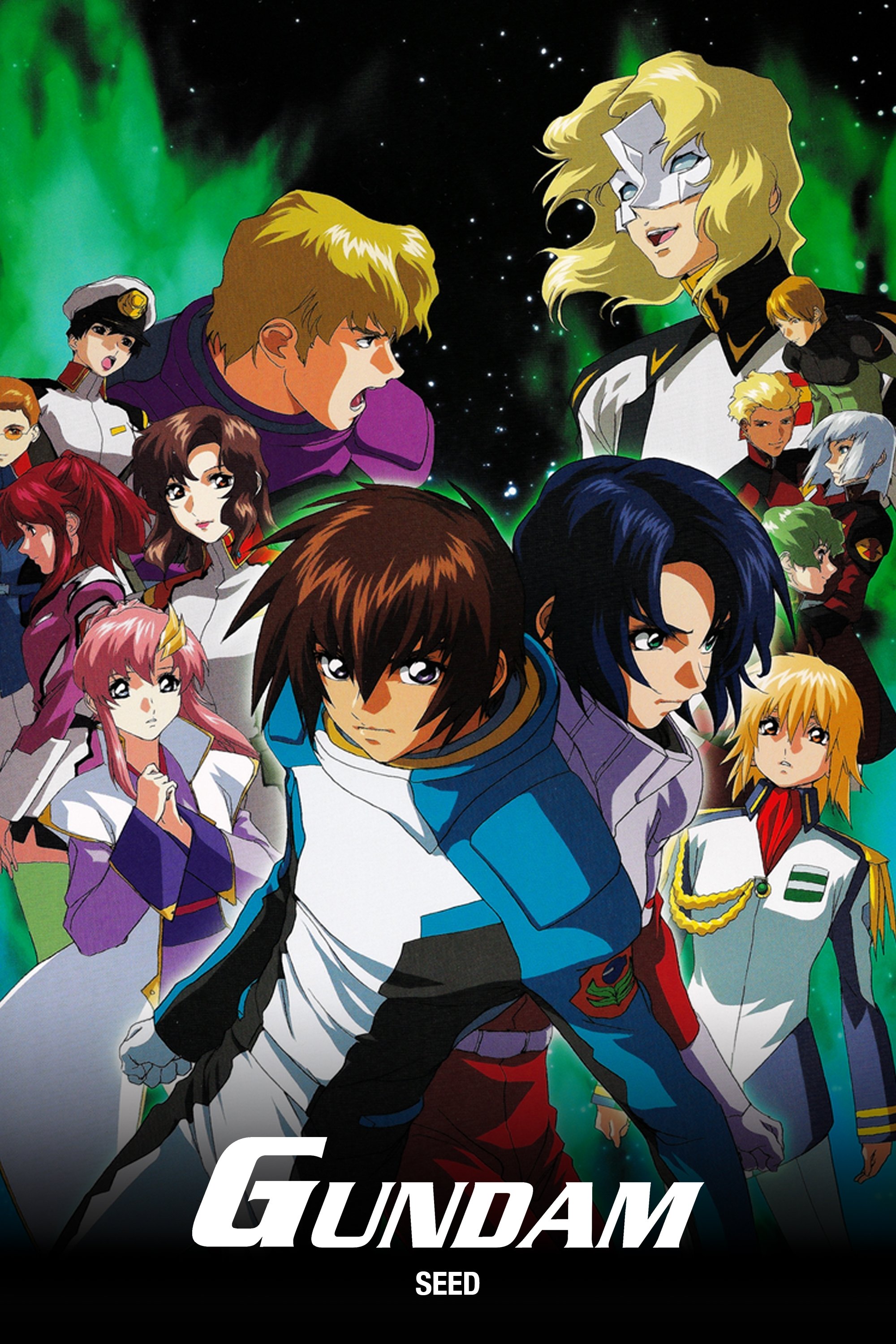
Kira Yamato fights in a war using a special weapon that can stop enemies without killing them, reflecting his belief in peace. However, some argue this is a convenient way for him to feel good about himself while still taking soldiers out of the fight, potentially leading to their deaths from other causes. His refusal to directly kill anyone clashes with the harsh realities of war, and some see his mercy as a lack of respect for those risking their lives. Fans are still debating whether Kira is a genuine pacifist or simply someone who appears righteous while avoiding the difficult choices of war.
‘Akame ga Kill!’ (2014)

Okay, so I just finished watching this series, and it’s intense. Basically, this guy Tatsumi falls in with Night Raid, a team of assassins who are trying to take down a totally corrupt empire. What’s interesting is the show doesn’t pull any punches – they believe killing high-ranking officials is the only way to fix things. It’s not a glamorous revolution; these heroes fully acknowledge they’re committing murder and might have to answer for it later. Honestly, it’s a bit unsettling how the show portrays terrorism and assassination as justifiable means for change – it doesn’t shy away from the dark side of rebellion at all.
Share your take on which hero was right or wrong in the comments!
Read More
- 2025 Crypto Wallets: Secure, Smart, and Surprisingly Simple!
- Gold Rate Forecast
- Brown Dust 2 Mirror Wars (PvP) Tier List – July 2025
- Banks & Shadows: A 2026 Outlook
- Wuchang Fallen Feathers Save File Location on PC
- Gemini’s Execs Vanish Like Ghosts-Crypto’s Latest Drama!
- The 10 Most Beautiful Women in the World for 2026, According to the Golden Ratio
- QuantumScape: A Speculative Venture
- ETH PREDICTION. ETH cryptocurrency
- The Weight of Choice: Chipotle and Dutch Bros
2025-12-19 04:47