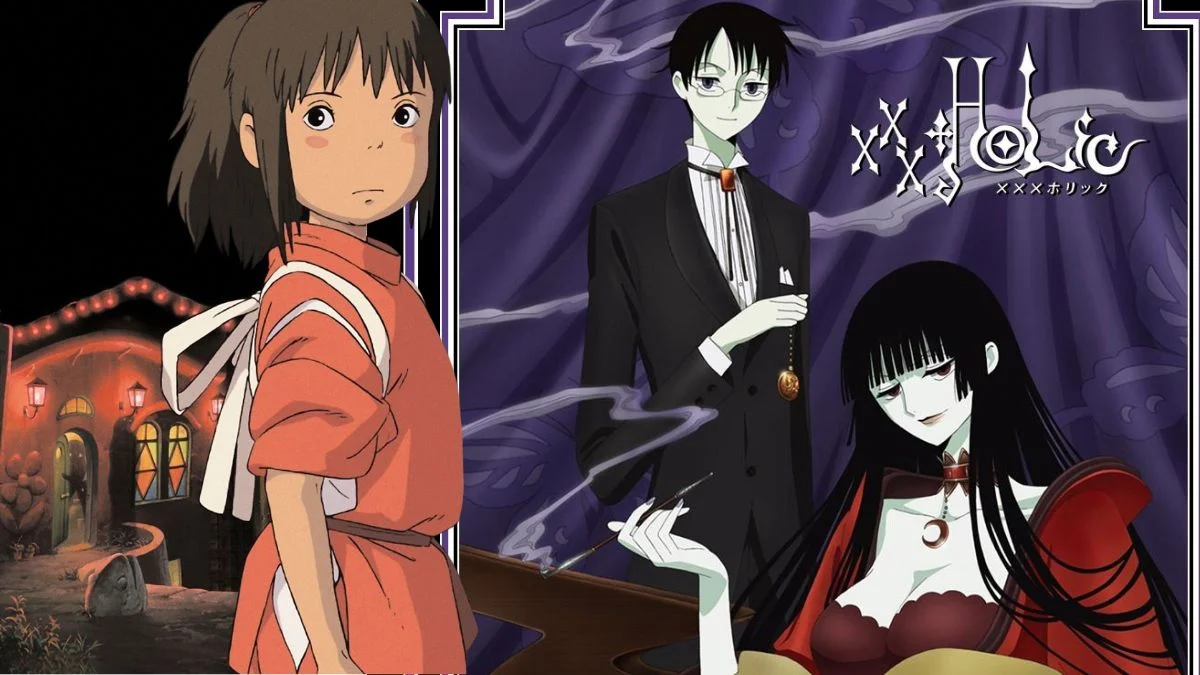
Anime frequently delves into the fascinating link between food and the supernatural, often portraying cooking and eating as magical experiences. Whether it’s chefs using recipes to summon creatures or everyday meals connecting people to the spirit world, these shows demonstrate how cooking can be a form of powerful magic. In these stories, ingredients aren’t just food – they can trigger summons, create agreements, or unlock hidden abilities within those who eat them. Here’s a list of fifty anime series where food plays a crucial role in magical rituals and connections.
‘Fighting Foodons’ (2001)
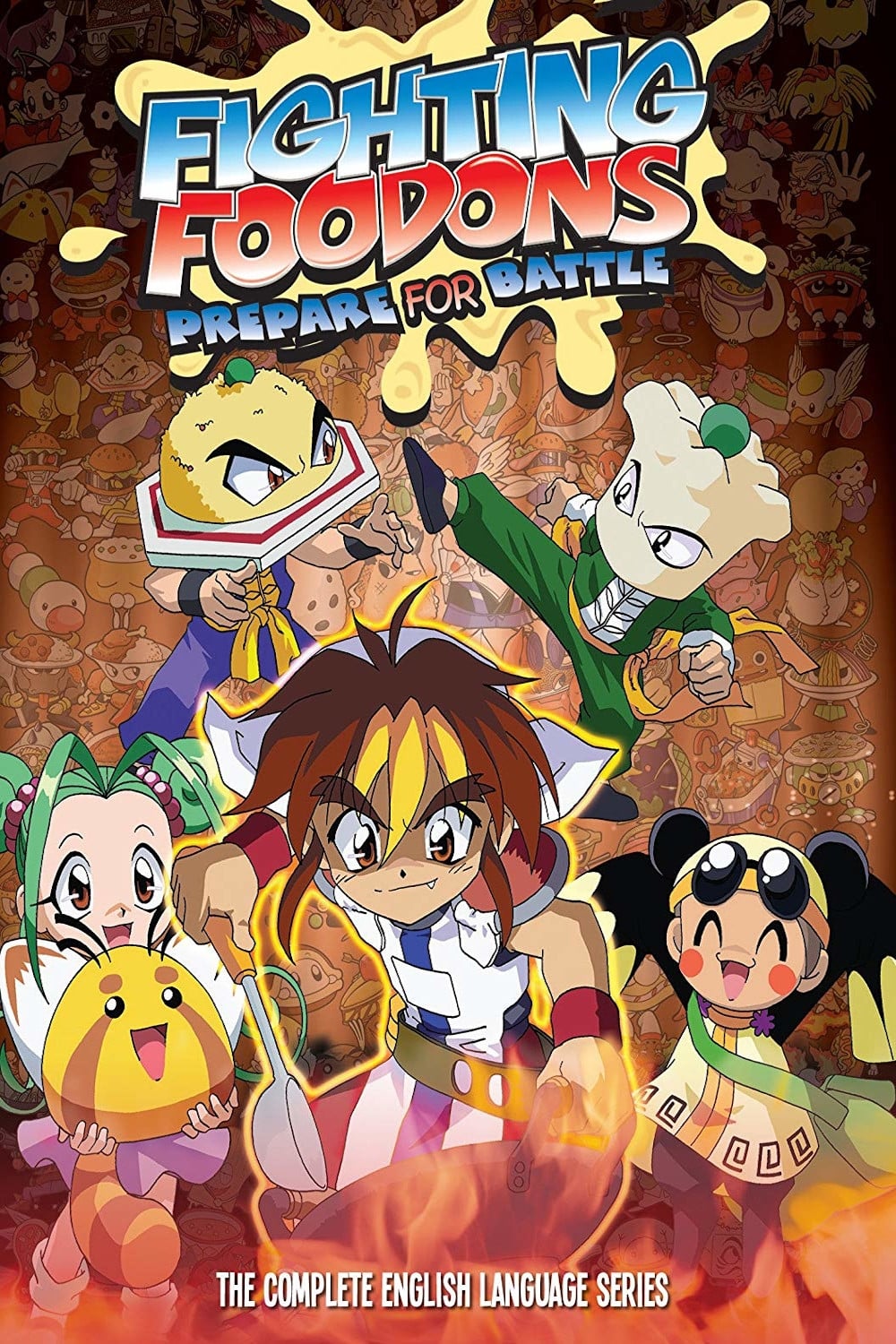
This exciting series blends cooking and fantasy! Chefs don’t just create delicious dishes – they use them to summon magical creatures called Foodons. By using special Meal Tickets, a finished dish transforms into a powerful, battle-ready Foodon. The better the cooking and the more skilled the chef, the stronger the Foodon will be. The show directly connects the craft of cooking with the idea of summoning magical beings.
‘Campfire Cooking in Another World with My Absurd Skill’ (2023)
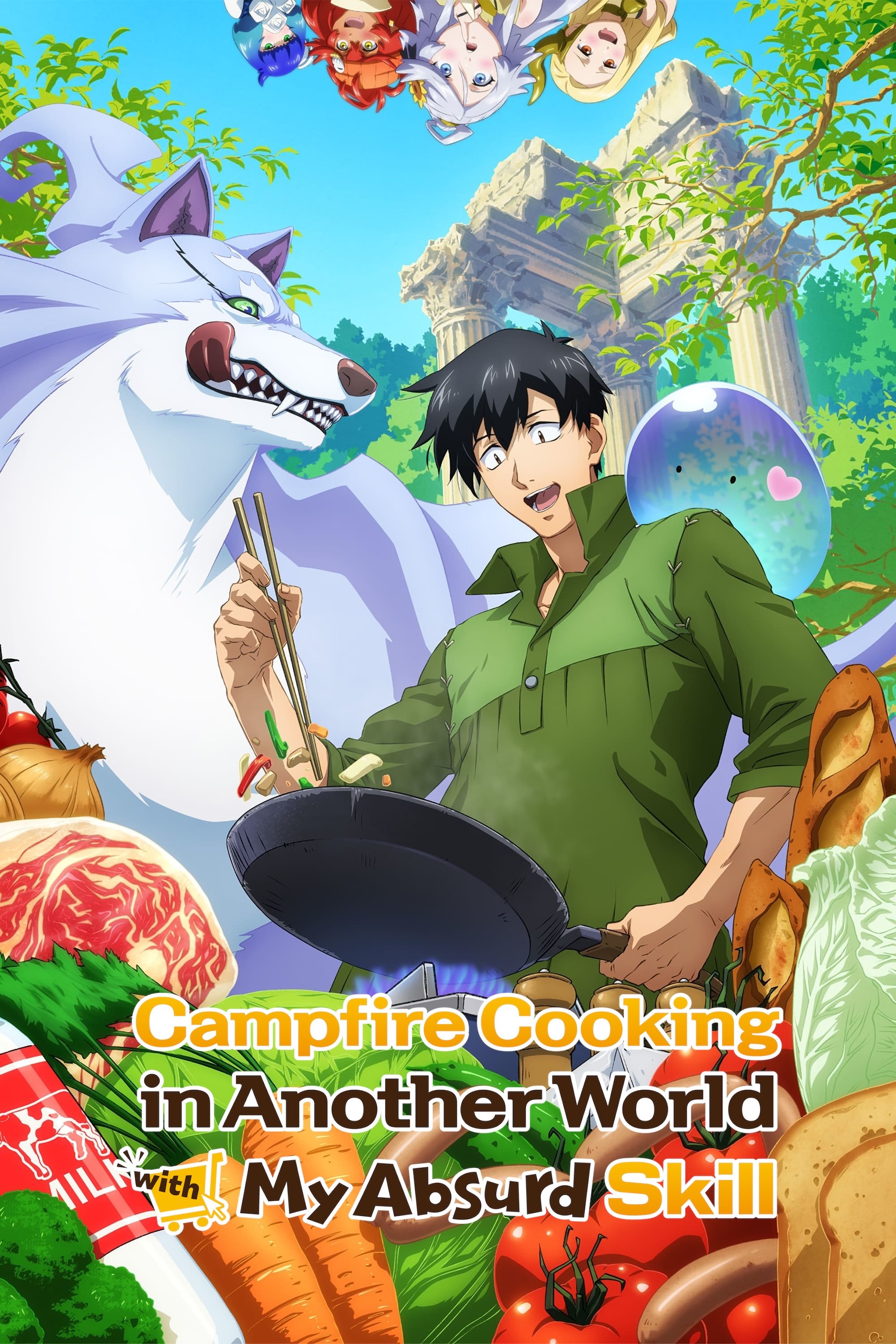
Okay, so this show is WILD. The main guy, Mukoda, suddenly finds himself in a fantasy world, but with a seriously unique ability – he can order stuff from an online supermarket! It’s not weapons or magic, it’s things like…ingredients! And his cooking? Forget about it. It smells so good it actually summons Fenrir, the legendary wolf from mythology! Fenrir basically makes a deal: constant meals in exchange for his…services. Then, get this, a slime monster named Sui shows up, also drawn in by the amazing food, and they form this weird, cute bond over, well, Mukoda feeding it. It’s a really clever twist – instead of summoning being all about complicated spells, it’s all about unbelievably good food. Seriously, the aroma is the magic!
‘Restaurant to Another World’ (2017)
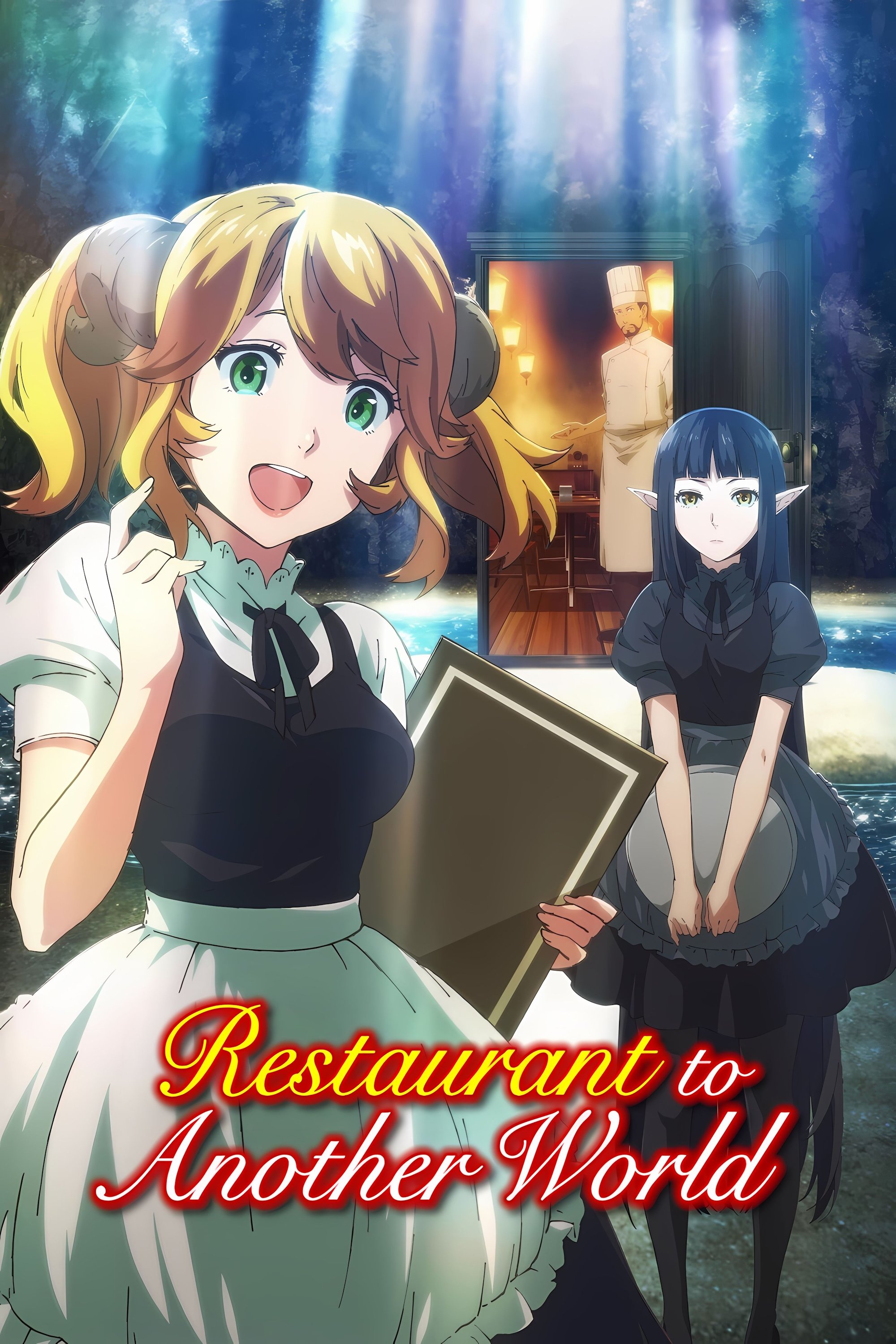
Once a week, a magical door opens in fantastical worlds, leading directly to a Tokyo restaurant. This door pulls in creatures like dragons, elves, and demons, all eager to taste human food. They consider their weekly visits a special tradition, and certain dishes are what keep them coming back. The restaurant becomes a peaceful haven where all sorts of magical beings can gather.
‘Delicious in Dungeon’ (2024)
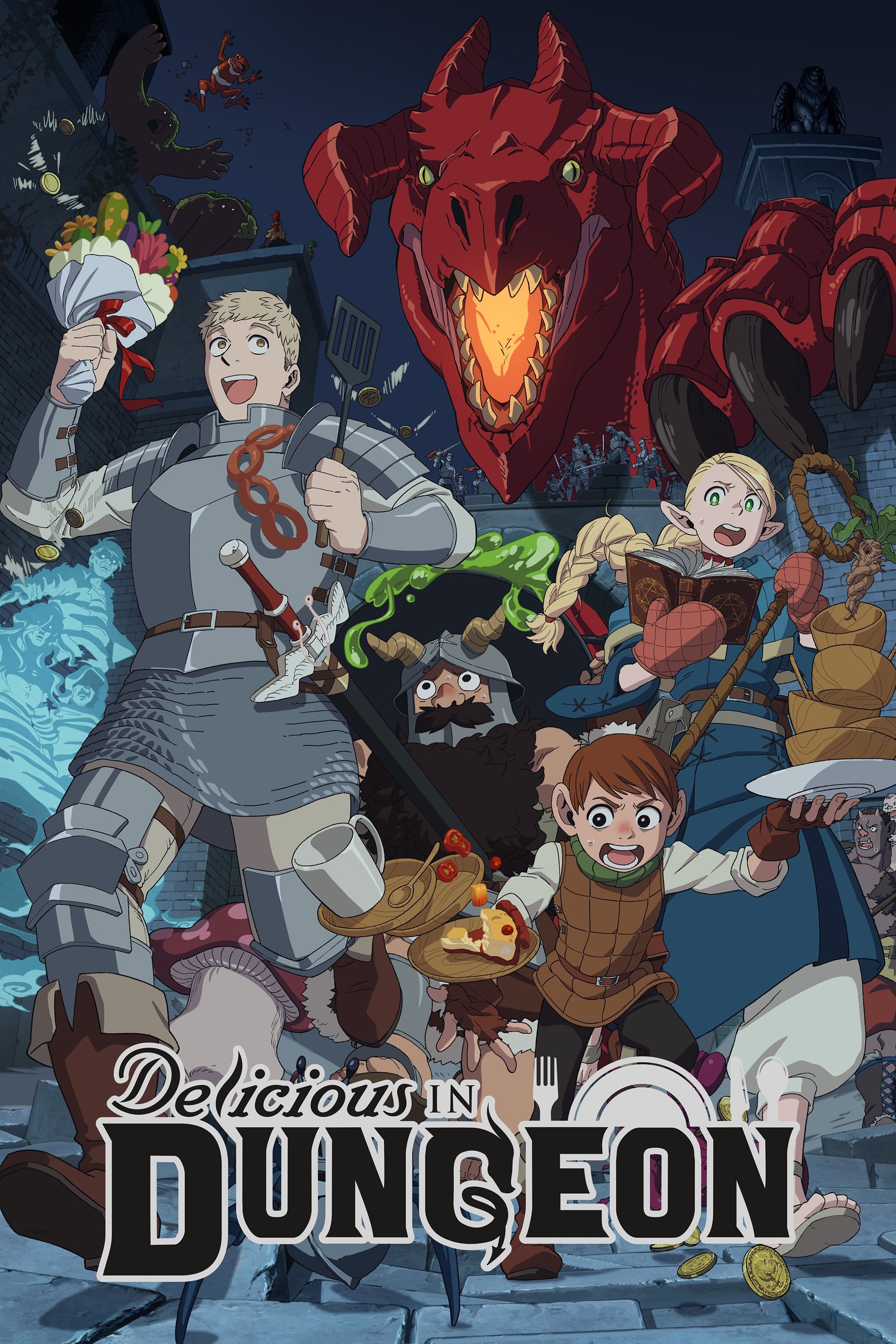
The story centers around survival, but also includes a powerful ritual: cooking dragon meat can bring a fallen companion back to life. To do this, the characters need to learn about the creatures they hunt, understanding their bodies and magical abilities. The dungeon’s monsters aren’t just threats—they’re a source of power. Eating them is shown as a way to recycle energy, connecting the adventurers to the dungeon itself. Cooking red dragon steak, in particular, is a magical act that draws a soul back into its body.
‘Toriko’ (2011–2014)

During the Gourmet Age, Hunters search for incredibly rare ingredients, sometimes going through complex procedures to find or cook them. Their main objective is to create a complete, multi-course meal, which they offer as a ritual to awaken a powerful, inner demon. Certain ingredients, like the legendary Century Soup, are so potent they can even cause reactions from the planet, like creating auroras or drawing in animals. In this world, eating isn’t just about nourishment – it’s a sacred act that unlocks hidden potential within the person consuming the food.
‘Yumeiro Patissiere’ (2009–2010)

In this show, skilled pastry chefs team up with tiny, magical fairies called Sweets Spirits. These spirits appear thanks to the chef’s talent and love for baking. The main character, Ichigo, summons her spirit, Vanilla, through her dedication to cake-making, forming a special partnership. Together, they create desserts that can bring strong feelings and memories to anyone who tastes them. This connection is strengthened by the careful, traditional way they make each sweet treat.
‘Sugar Apple Fairy Tale’ (2023)
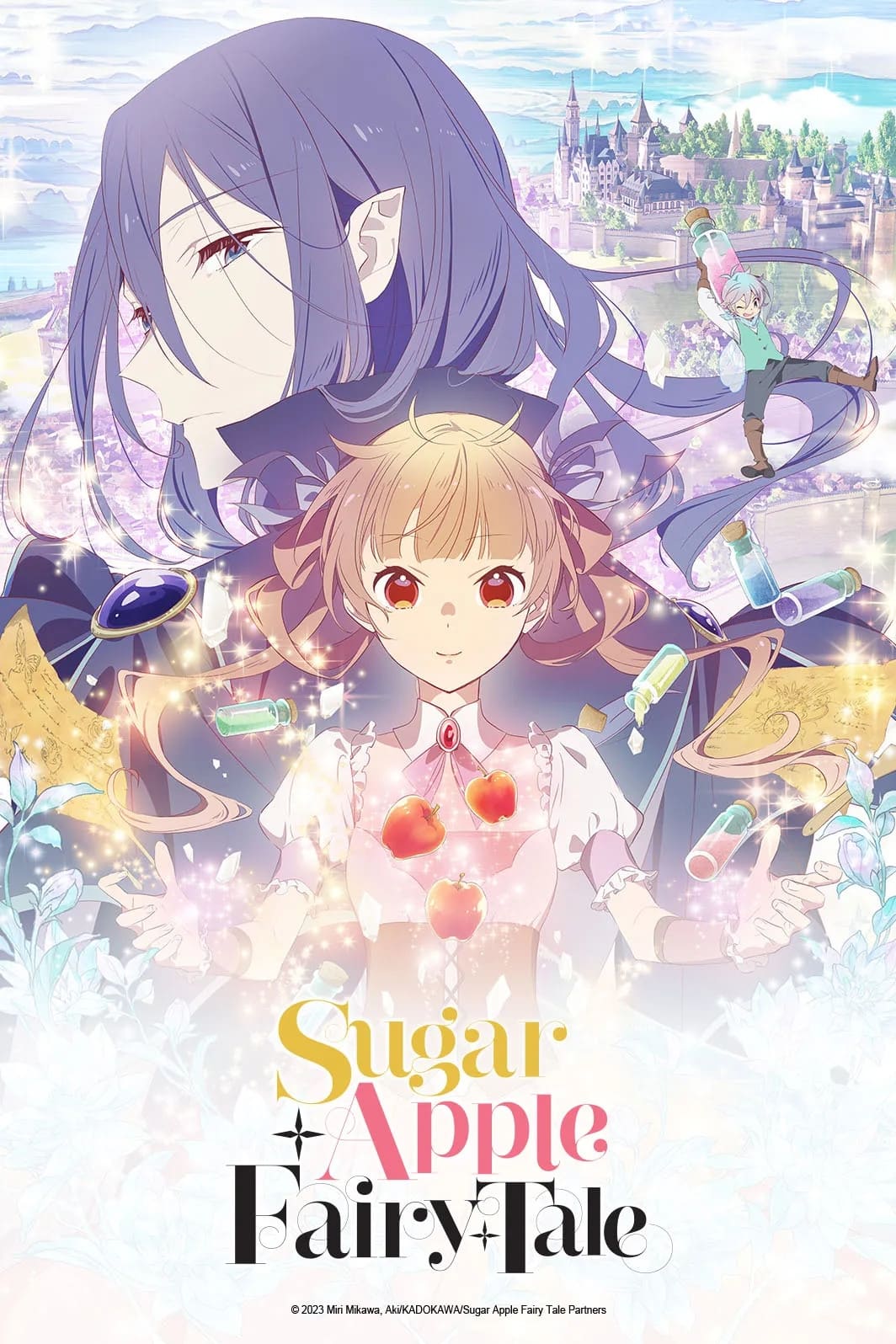
In the Kingdom of Highland, people use special candies made with silver sugar to control fairies, summoning and binding them to do their bidding. Anne dreams of becoming a master candy maker, but unlike others, she wants to be friends with fairies, not control them. These magical candies are central to how humans interact with the fairies’ life force, and how well the candy is made directly impacts how strong the control is – or even how long a fairy lives.
‘Fate/Stay Night’ (2006)

The series focuses on magical battles, but keeping summoned heroes powered up often involves special rituals. Shirou Emiya, lacking natural magical abilities, keeps his hero, Saber, energized by cooking and sharing meals with her. This everyday act grounds Saber in the real world, replacing traditional magic with the energy from food. The spin-off series, ‘Emiya-san Chi no Kyou no Gohan,’ highlights this by showing how dinner can bring even warring spirits together in a moment of peace.
‘Jujutsu Kaisen’ (2020–2023)

The story begins when Yuji Itadori swallows a cursed object – a dried-up finger – which unintentionally summons Ryomen Sukuna, a powerful curse. By eating the finger, Yuji not only ingests it but also allows Sukuna to inhabit his body. The series establishes that consuming these cursed objects creates a spiritual link between the eater and whatever power is contained within. As the story progresses, characters consume other cursed items, like cursed womb paintings, in order to gain new abilities.
‘Spirited Away’ (2001)
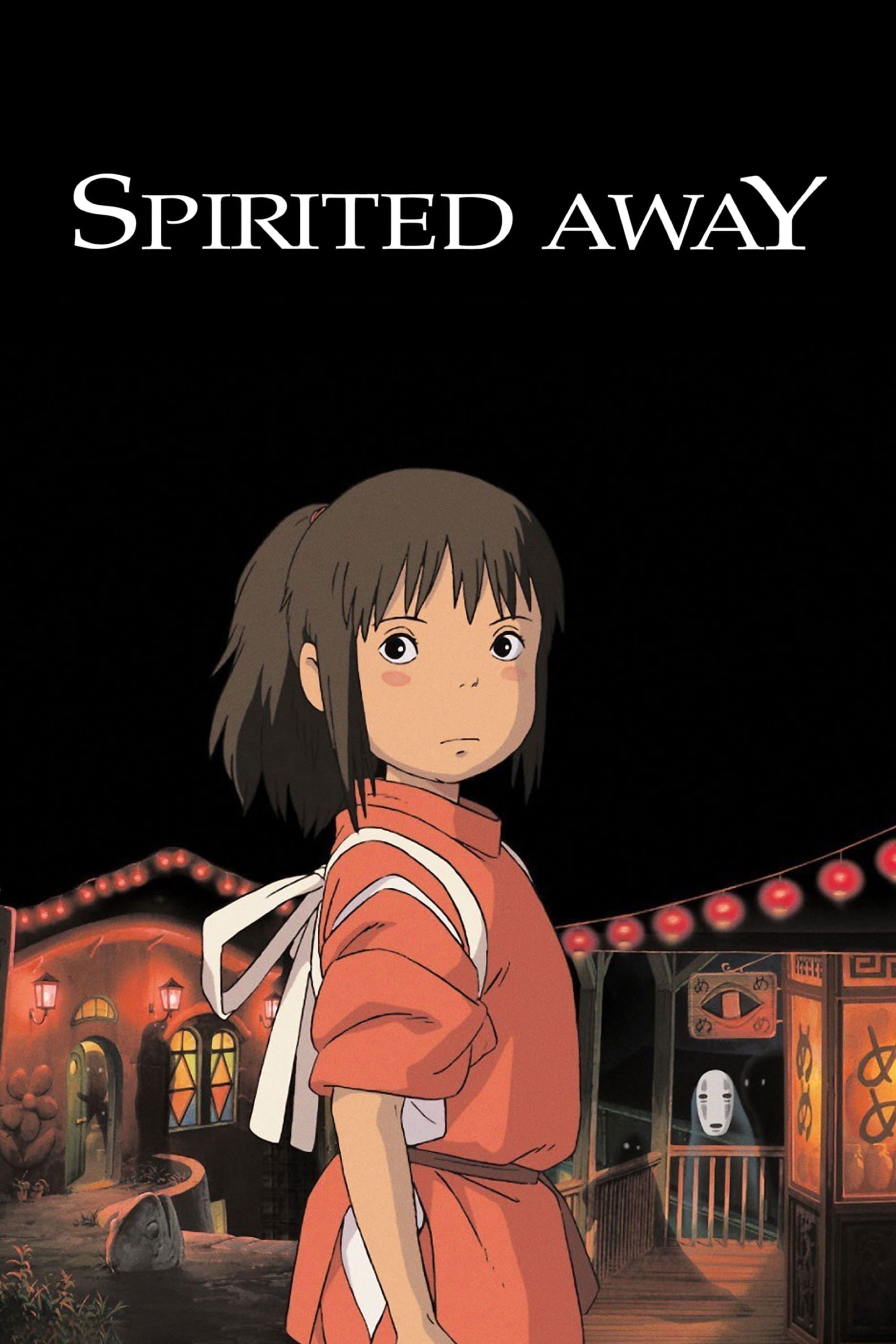
After her parents are turned into animals for eating food meant for spirits, Chihiro finds herself stuck in the spirit world. To survive, she has to eat the spirit world’s food, which magically ties her to that realm. This essentially traps her there. Giving No-Face and Haku a special herbal cake acts as a way to cleanse them of harmful energies.
‘Natsume’s Book of Friends’ (2008–2017)
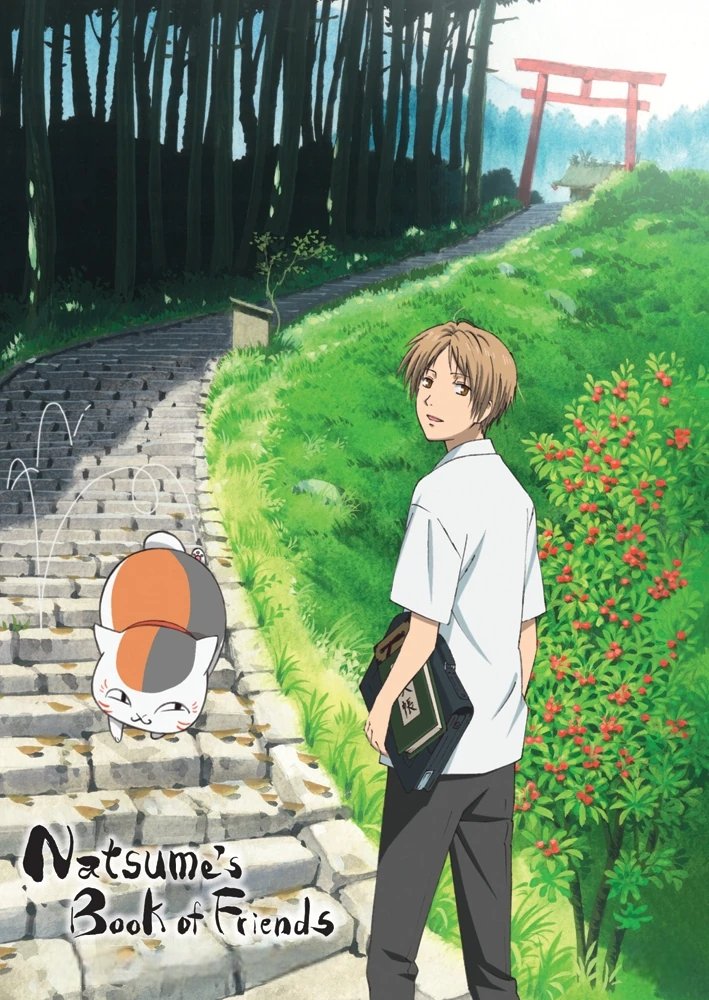
Takashi Natsume often uses food like sweets or sake to call upon or calm nearby spirits. These simple acts of sharing create a connection, allowing him to talk to spirits who would normally be unfriendly or hard to find. His protector, Madara (also known as Nyanko-sensei), is often summoned or encouraged with the promise of fried shrimp or squid. Sharing food helps to build a bridge of understanding between humans and spirits.
‘Dragon Ball Super’ (2015–2018)

The powerful God of Destruction, Beerus, and his attendant, Whis, often visit Earth not because of any danger, but because Bulma offers them amazing food. She uses Earth’s cuisine as a kind of offering to keep Beerus happy and willing to protect the planet. This is a funny twist on the usual idea of sacrifices to gods – instead of being scared, Beerus is just enjoying a good meal! The fate of Earth often depends on how tasty this food offering is.
‘xxxHolic’ (2006)

As a big fan of the series, I’ve always found the way Yuko handles things fascinating. She’s a dimensional witch who basically runs her shop like a cozy restaurant for spirits! People – or spirits – come to her, and instead of money, they often pay with food or sake. And Watanuki? He’s constantly cooking! It’s not just about making a meal; his dishes are often used to pay off debts or calm down the spirits that cling to him. Honestly, everything that happens in the shop, from prepping ingredients to serving a meal, feels like a really important ritual – it’s how they keep the balance between our world and, well, everything else.
‘Your Name.’ (2016)

Kuchikamizake is a special rice wine made in a traditional Shinto ceremony where rice is chewed and spit out. In the story, the main character, Mitsuha, creates this wine as an offering to a local god, which later helps Taki find her across time. When someone drinks this sake in the spirit world, it awakens memories and strengthens their connection, allowing them to change what’s meant to happen. It’s a powerful example of food being used to represent a person’s very essence.
‘The Morose Mononokean’ (2016)
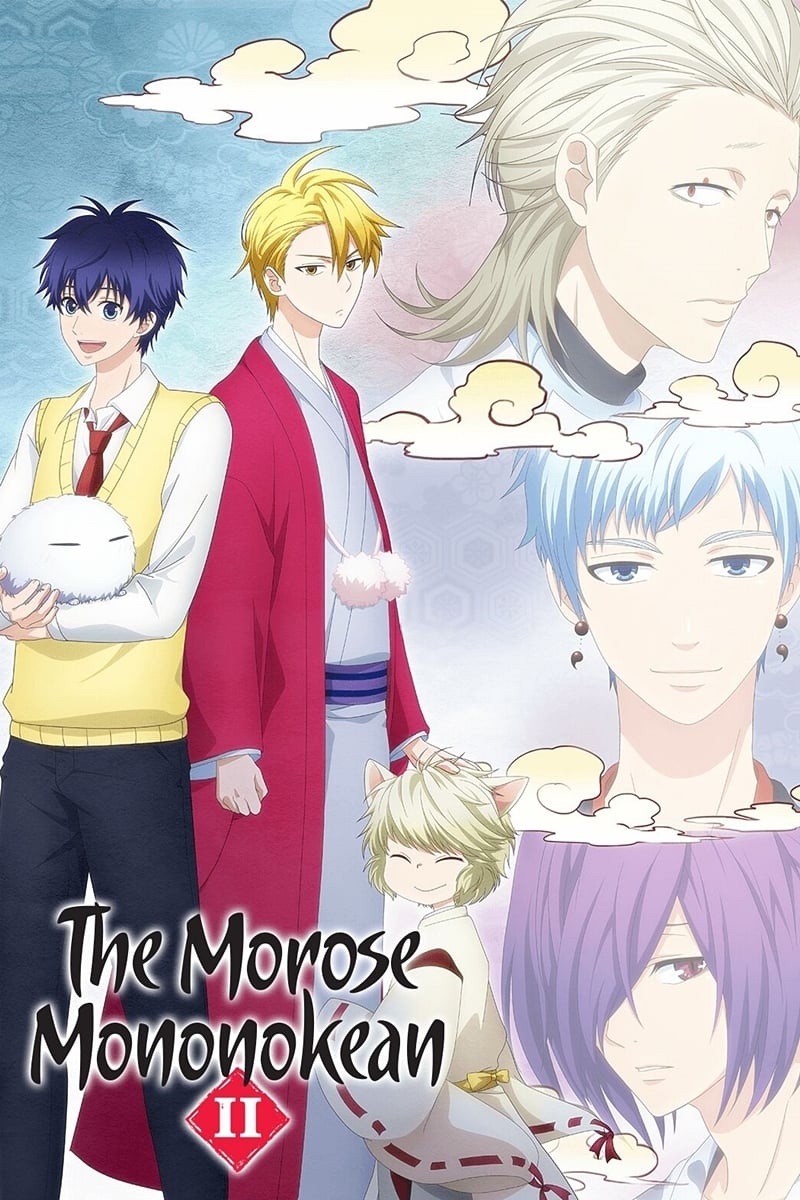
Hanae Ashiya and Haruitsuki Abeno deal with spirits, or yokai, and help them pass on to the afterlife. They frequently use food – either as bait or a final offering – to attract or appease these spirits. Many spirits appear when drawn to human food or particular plants. A big part of their work involves finding or preparing a spirit’s ‘last meal’ to help it move on, and these food-based rituals are crucial for keeping the spirit world separate from ours.
‘Kamisama Kiss’ (2012)

Nanami Momozono, the new land god, quickly discovers that food offerings are vital for keeping her shrine and spirit companions strong. Her familiar, Tomoe, cooks meals that nourish her and deepen their connection. When festivals happen, food stalls and offerings attract other spirits and lesser gods. Sharing food symbolizes a renewed agreement and blessings from the gods.
‘Flying Witch’ (2016)
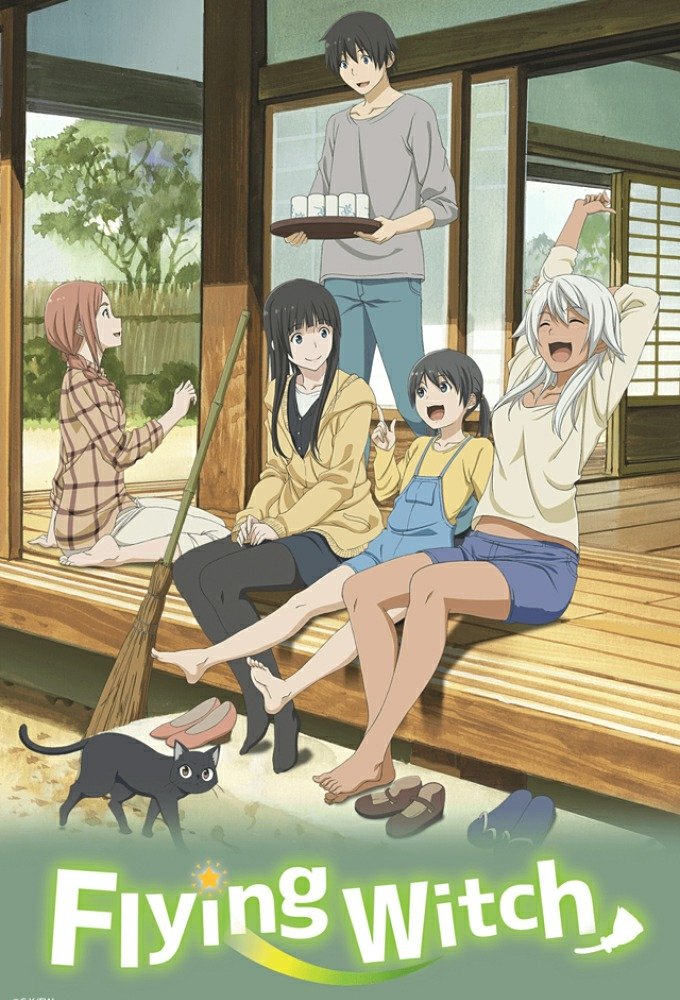
Makoto Kowata is a witch who combines magic with the art of farming and cooking. She grows magical plants, like mandrakes, and uses them to create dishes with special effects – some can even attract magical beings, such as the Harbinger of Spring. She approaches cooking with the same care and precision as spellcasting. Often, her food acts as a subtle way to introduce ordinary people to the magical world.
‘Princess Connect! Re:Dive’ (2020)
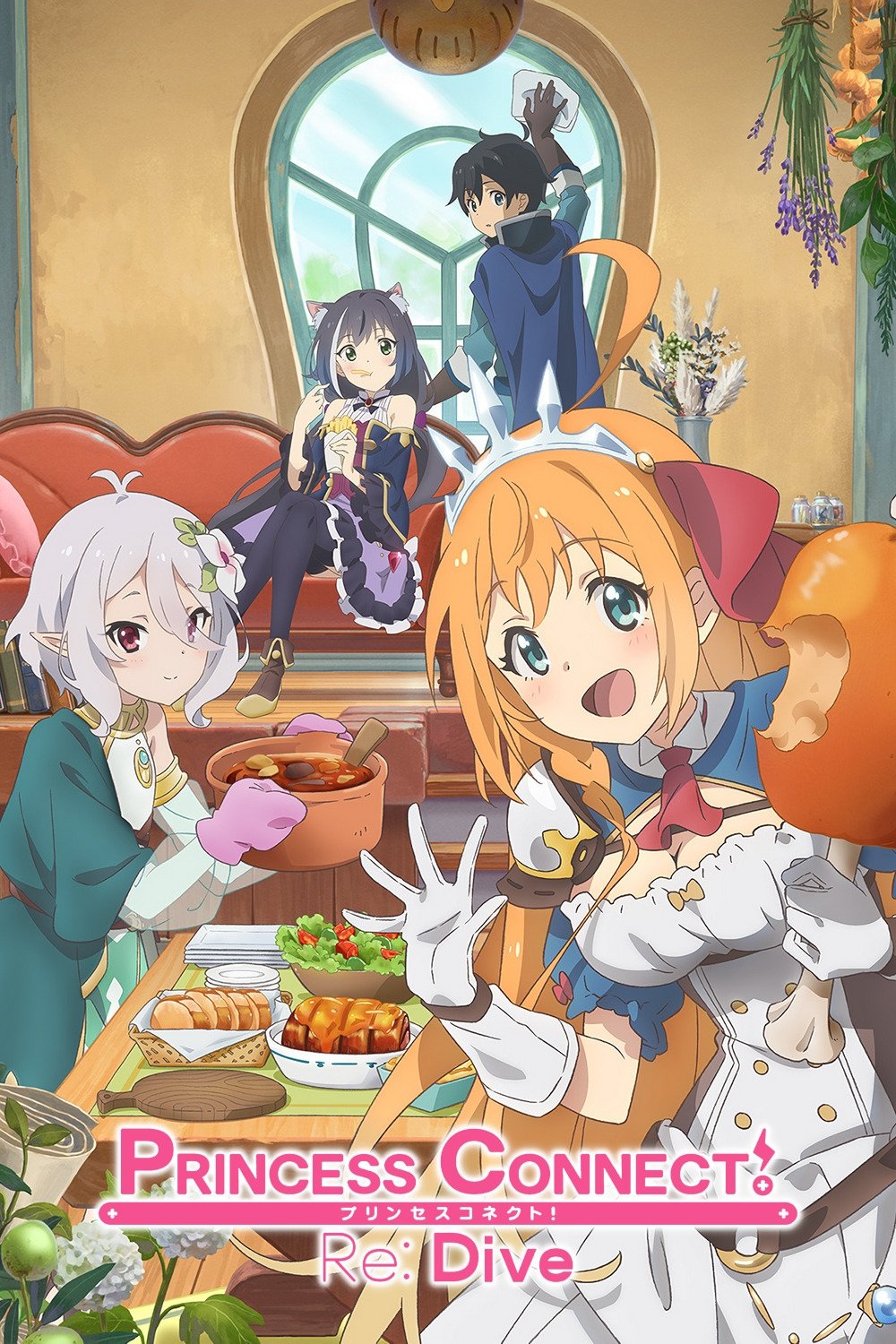
Yuuki and his guild, the Gourmet Edifice, travel the world searching for unique ingredients and recipes. Pecorine is incredibly powerful, and she gains her strength by eating – she even considers meals a way to unlock her special abilities, called “Princess Strike.” The heroes often hunt monsters not only to protect themselves, but also to gather food that makes them stronger. Their main goal is to find the legendary “Ultimate Seasoning,” which often leads them into trouble.
‘Akikan!’ (2009)

This series puts a unique spin on the magical girl genre: these girls are summoned when someone opens and drinks a specific can of juice or soda. Each girl, called an ‘Akikan,’ embodies a different drink – like melon soda or a sports drink. The act of opening and drinking the beverage is what brings them to life, and the connection between the summoner and the Akikan is tied to the drink itself.
‘Yakitate!! Japan’ (2004–2006)

Though it’s presented as a baking show, the response to the baker’s signature bread, ‘Ja-Pan,’ is anything but ordinary. It frequently triggers fantastical events – like appearances from heavenly judges or even shifts in reality. These reactions aren’t just emotional; they physically change things, summoning mythical figures to critique the bread. Sometimes, the judges are even transported to entirely different worlds or time periods. Essentially, the act of baking becomes a magical, reality-bending ceremony.
‘Food Wars! Shokugeki no Soma’ (2015–2020)
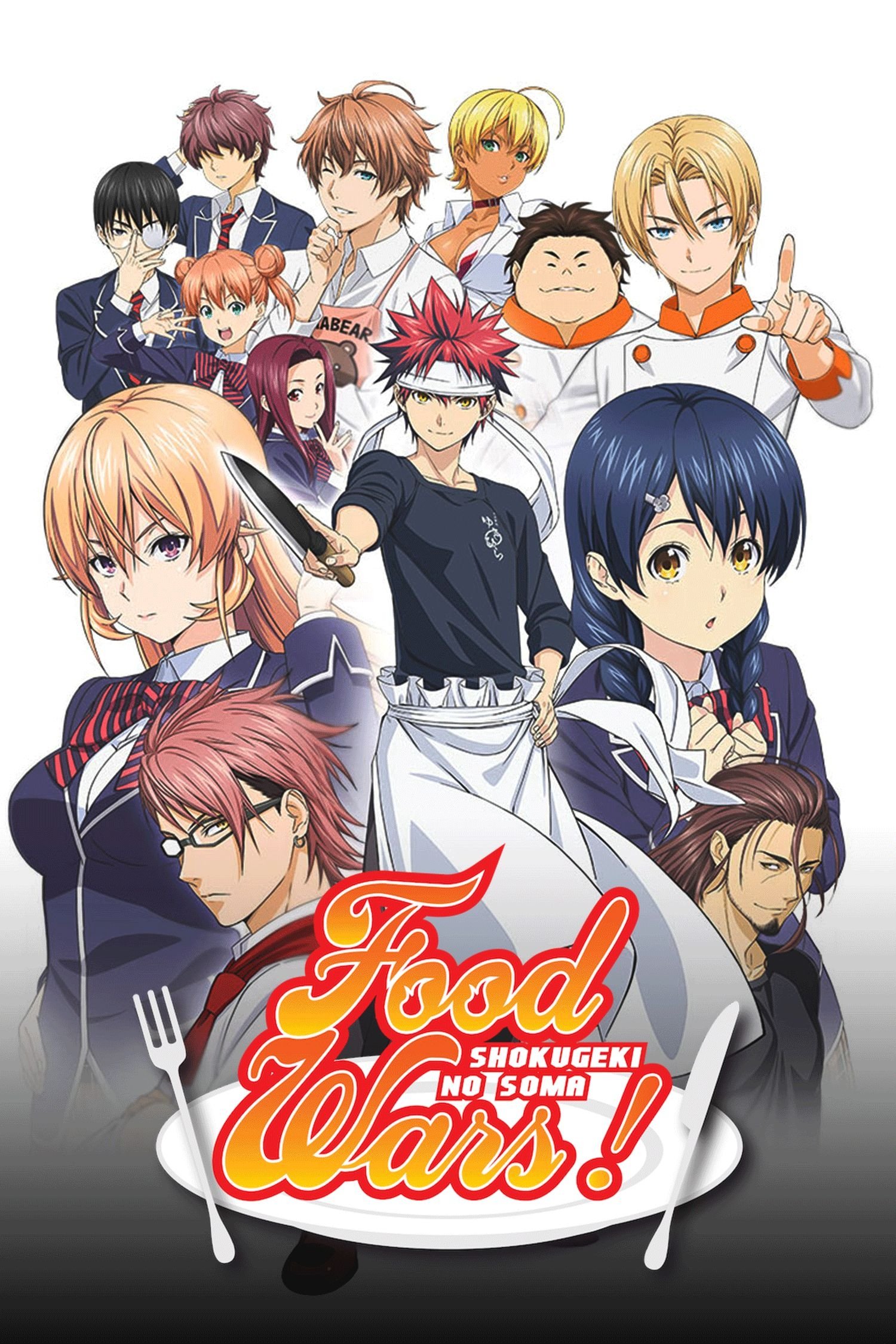
This series uses heightened taste experiences – called “foodgasms” – to represent moments where a dish completely immerses someone in a new world of thought. Creating the food is shown as a kind of intense, ceremonial process, revealing the chef’s unique approach to cooking. Later on, a character named Erina gains the power to critically evaluate food with such authority that her judgment can make or break careers – she’s essentially a god of taste. And the dishes aren’t just flavorful; they create shared, realistic hallucinations, acting like illusions brought to life.
‘Log Horizon’ (2013–2014)

At the start of the game, food is bland and tasteless, which causes players to feel down and lose motivation. Learning to cook with hands-on preparation isn’t just about making tasty meals; it’s like a symbolic act that brings flavor and vitality back to the game world. This rediscovery of cooking revives players’ spirits, helps them adjust to their new surroundings, and unlocks the true, hidden essence within the ingredients – something the game had initially hidden.
‘Humanity Has Declined’ (2012)
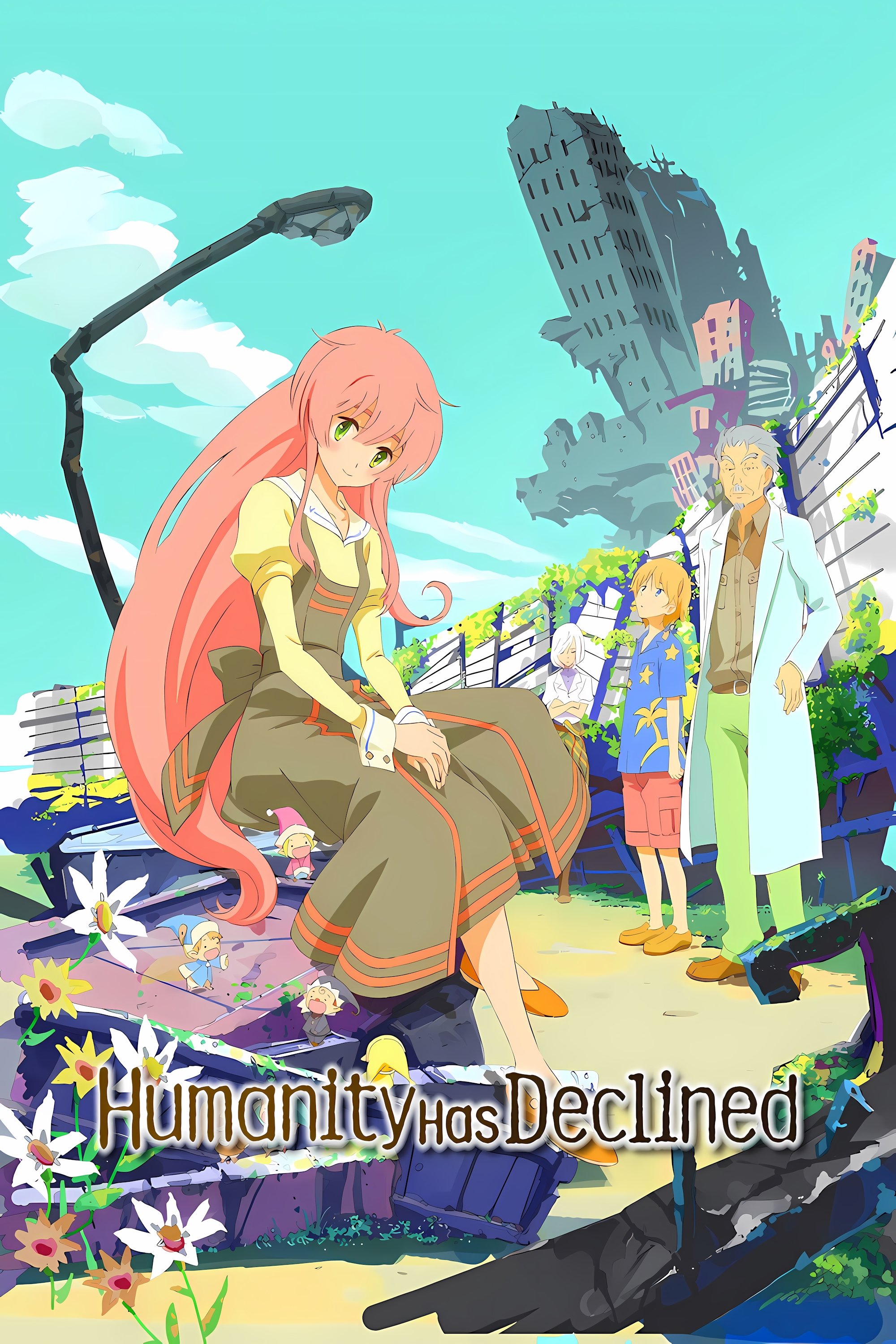
The main character is a go-between for people and the Fairies – small, incredibly powerful beings with a sweet tooth. When she gives them treats, she accidentally calls forth strange magical objects or changes the world around her. The Fairies show their thanks by causing unusual things to appear – like entire civilizations popping up overnight, or even food that comes to life! Offering sweets is the main way to activate their strong, but often unpredictable, magic.
‘Alice & Zoroku’ (2017)
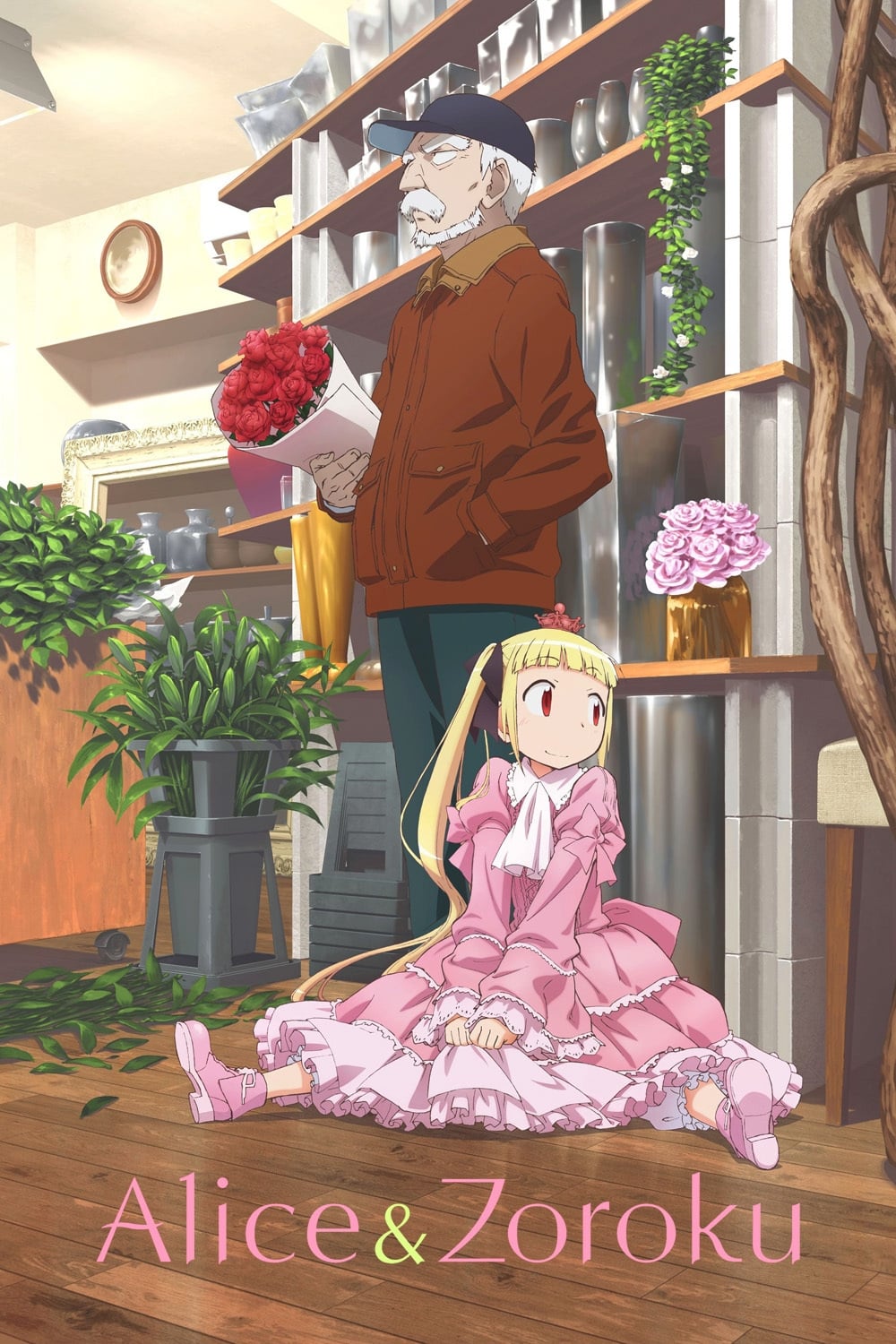
Sana is a young girl who can create anything she imagines, and she often makes food to help her understand people. She doesn’t just make the food – she actually brings it into existence from nothing, based on how it tastes in her memories. Sharing meals with Zoroku is a special routine that helps her control her powers and stay connected to the real world. Food is what keeps her ability, called “Dreams of Alice,” from spiraling out of control.
‘Hell’s Paradise’ (2023)

The quest for eternal life takes a disturbing turn: both the local creatures and the Tensen people need to consume humans to gain the energy required for immortality. This process, called creating “Tan,” is a gruesome ritual where living beings are processed to extract their life force. Drinking this elixir is believed to be the final step in becoming a god. Our heroes find themselves in a terrifying world where they are seen as the main ingredient in this horrific feast.
‘Golden Kamuy’ (2018–2023)

In the show, the Ainu people perform a cultural ritual called “Chitatap,” which involves preparing meat while chanting. This isn’t magic, but a way to connect with the animal’s spirit and show thanks to the nature gods, known as Kamuy. Eating parts like the brain or eyes is a symbolic act of respecting the animal’s life and taking on its strength. This deep respect for the animal is believed to bring blessings and protection from the gods of the wilderness.
‘That Time I Got Reincarnated as a Slime’ (2018)
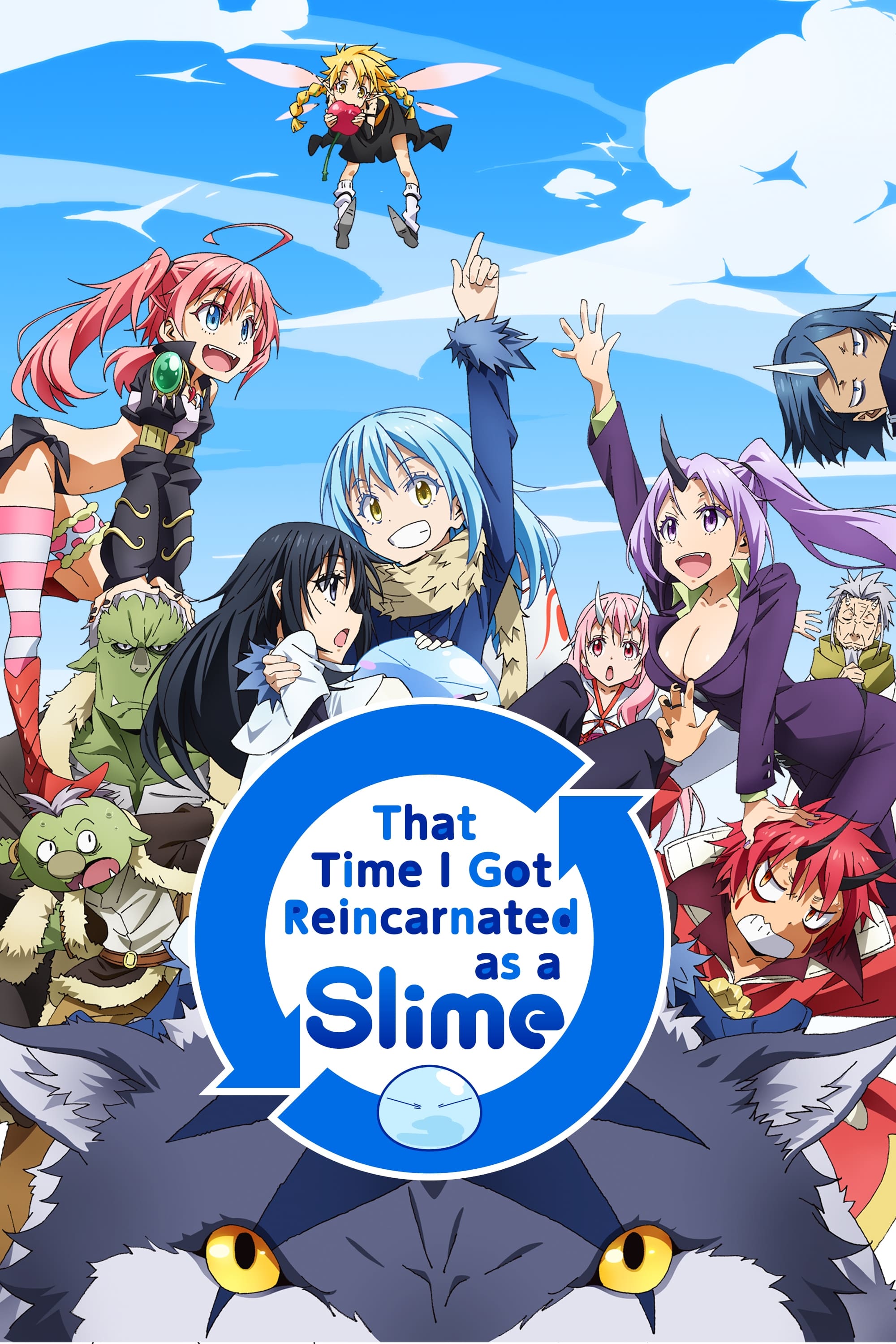
Rimuru Tempest has a special ability called “Predator” (which later becomes “Gluttony”) that lets him absorb monsters and gain their powers. Essentially, eating is how he grows stronger. Later on, one of his followers, Shion, learns a “Chef” skill that lets her change the very nature of the food she prepares, almost like creating something new. This skill becomes central to celebrations and feasts that help bring together different monster races and strengthen their bonds with the new nation.
‘Re:Zero – Starting Life in Another World’ (2016)

The Witches’ Tea Party is a special realm created by the Witch of Greed, Echidna. Subaru is frequently invited to join and drink tea, but this tea is actually made from Echidna’s magical energy and body fluids. Drinking it helps keep his mind connected to her realm and allows her to share the Witch Factor with him. Essentially, the tea party is a magical ritual that connects Subaru with Echidna and the other witches.
‘So I’m a Spider, So What?’ (2021)
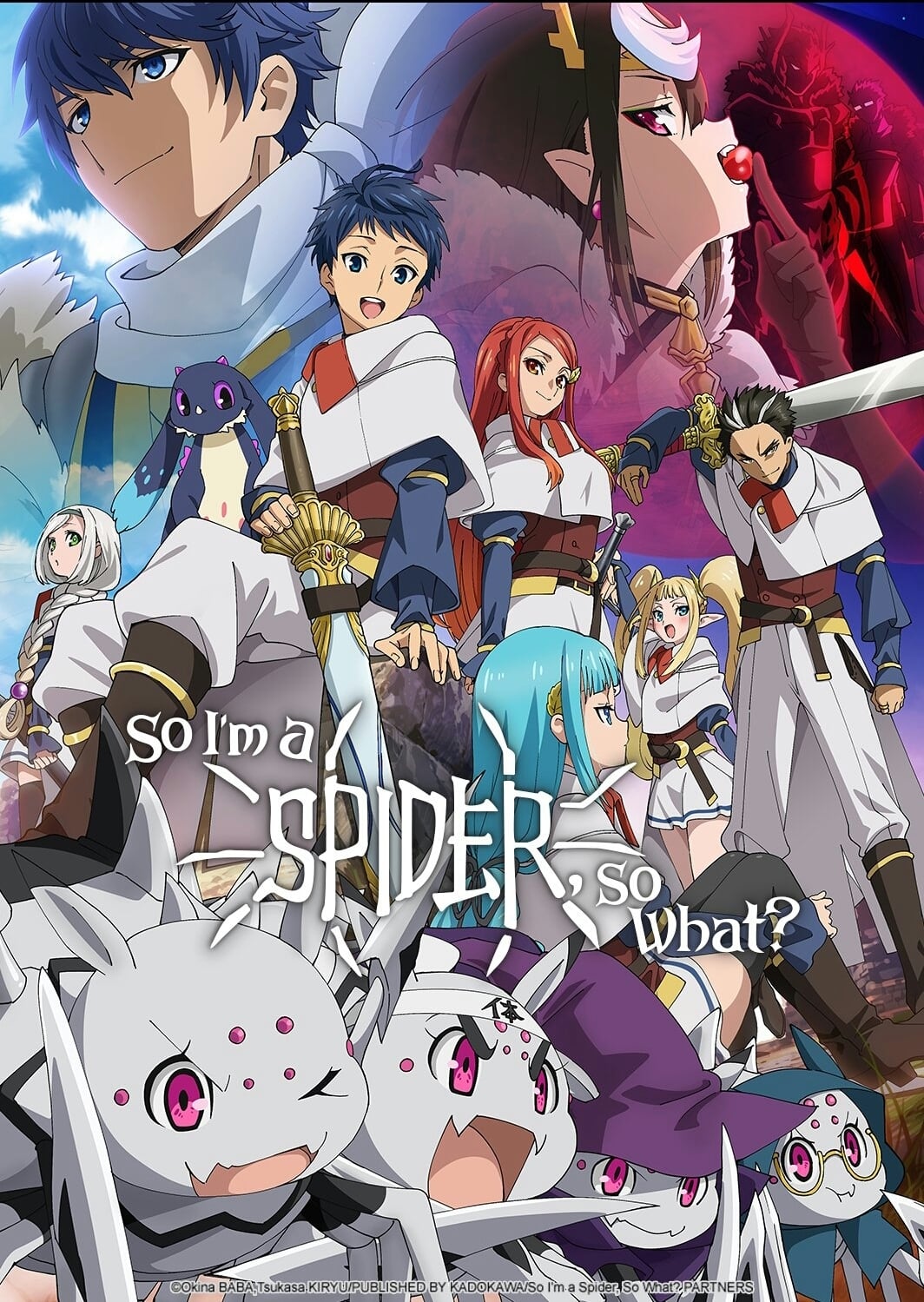
Kumoko is trapped in a dungeon and can only survive by eating monsters, which is how she grows stronger and evolves. Each monster she consumes gives her valuable abilities and eventually allows her to use magic, transform into a spider-like creature, and even become a god. Eating certain forbidden items attracts the attention of the system itself, granting her special powers. Essentially, for Kumoko, what she eats directly determines her evolution – it’s a fight for survival where food means power.
‘Arifureta: From Commonplace to World’s Strongest’ (2019)

As a huge fantasy fan, I was completely hooked by this concept! Basically, this character, Hajime Nagumo, falls into a really dangerous place and has to eat monster meat just to survive. But it turns out this meat is poisonous to humans, and instead of killing him, it changes him. It unlocks this incredible magic ability where he can basically absorb the powers of whatever monster he eats! He’s constantly cooking up these creatures, not for enjoyment, but to keep his powers active and add new abilities to his repertoire. It’s like he’s building a skill set through his meals – a seriously unique power system!
‘Dorohedoro’ (2020)
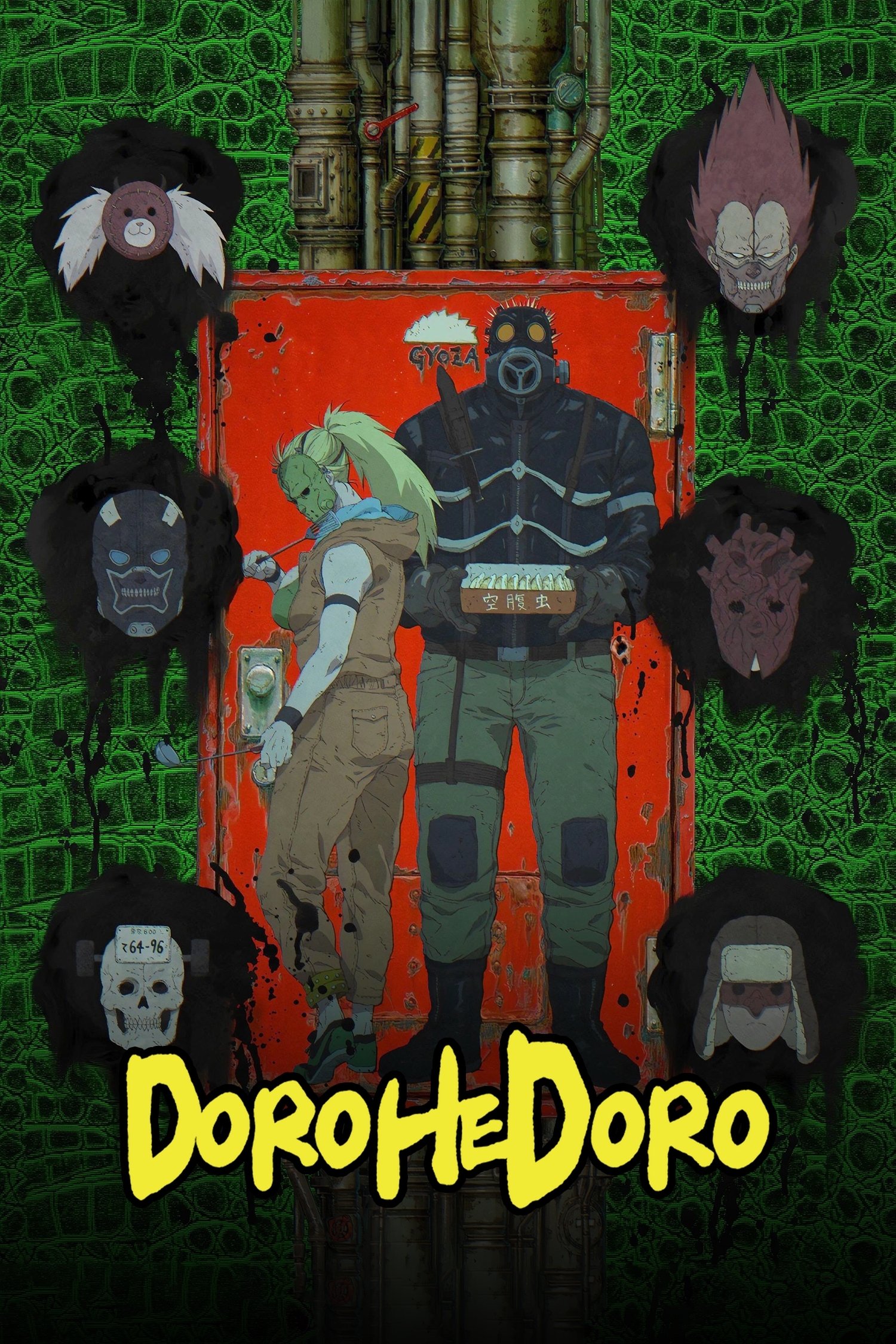
In this world, magic users called sorcerers create “Smoke” to cast spells, but Caiman has a simple love for dumplings (gyoza). Nikaido, the owner of the Hungry Bug restaurant, is a secret sorcerer whose cooking strangely keeps Caiman stable. The being known as “Chidaruma” doesn’t directly summon things, but creates life and sorcerers through strange rituals using plants and fungi. Each year, “Living Dead Day” involves special food offerings to satisfy the zombies that rise from the earth.
‘The Rising of the Shield Hero’ (2019)
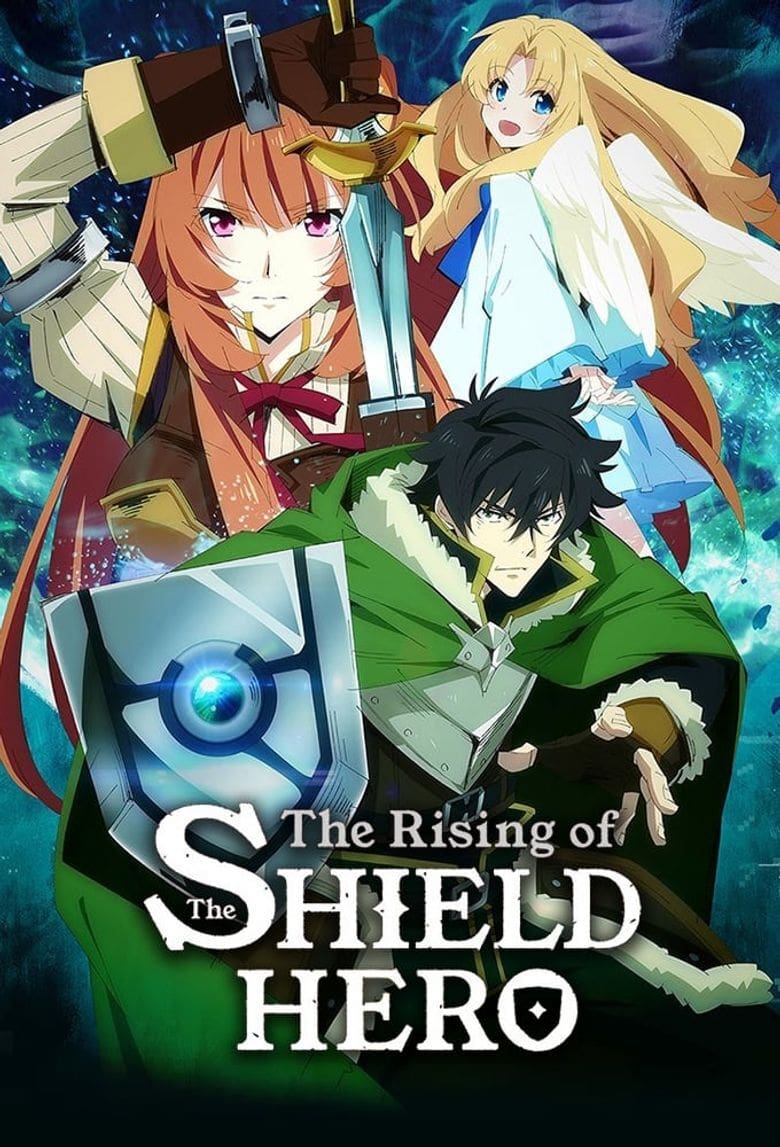
Naofumi is a surprisingly good cook, and his meals actually give his party members stat boosts. He can even attract powerful creatures like the Filolial Queen simply by cooking for them. Preparing monster meat with herbs isn’t just cooking – it’s a crafting process that unlocks new features for his legendary shield, allowing it to absorb ingredients and create stronger defenses.
‘Chainsaw Man’ (2022)

In this story, demons thrive on fear, and their agreements are often made by consuming pieces of the human body. The climax of the first major story arc features a disturbing form of cannibalism where the main character must eat a powerful demon to prevent it from healing. This act isn’t just about gaining power; it’s a ritual that completely destroys the demon, absorbing its very being – a dark and twisted take on the idea of communion.
‘Toilet-bound Hanako-kun’ (2020)

Nene Yashiro first calls upon Hanako by knocking on a bathroom stall, but after eating a mermaid scale, she becomes linked to him. This act creates a magical contract, cursing Nene but also allowing her to see and interact with spirits. Throughout the series, Hanako loves to eat donuts, and Nene often uses them as offerings to get him to cooperate or be in a better mood. The mermaid scale is central to the story’s magic and how summoning works.
‘InuYasha’ (2000–2004)

The Bone Eater’s Well is the primary way to travel, but the cat-like spirit, “Buyo,” is frequently lured with food. More disturbingly, demons gain power from consuming people or the Shikon Jewel. The show also playfully features instant, expanding dried food in “Ninja Food” segments, as a humorous take on summoning meals. Additionally, characters sometimes perform rituals involving offerings to shrine spirits for protection.
‘Noragami’ (2014–2015)

Yato is a lesser-known god without a dedicated temple, so he survives on small gifts, like 5 yen coins or food. Hiyori frequently gives him food, which helps keep him connected to the human world and prevents him from disappearing. Sharing meals is presented as an important way for gods and their partners (Regalia) to build a connection. Without these gifts, a god can’t be called upon to help with anything.
‘Wonder Egg Priority’ (2021)
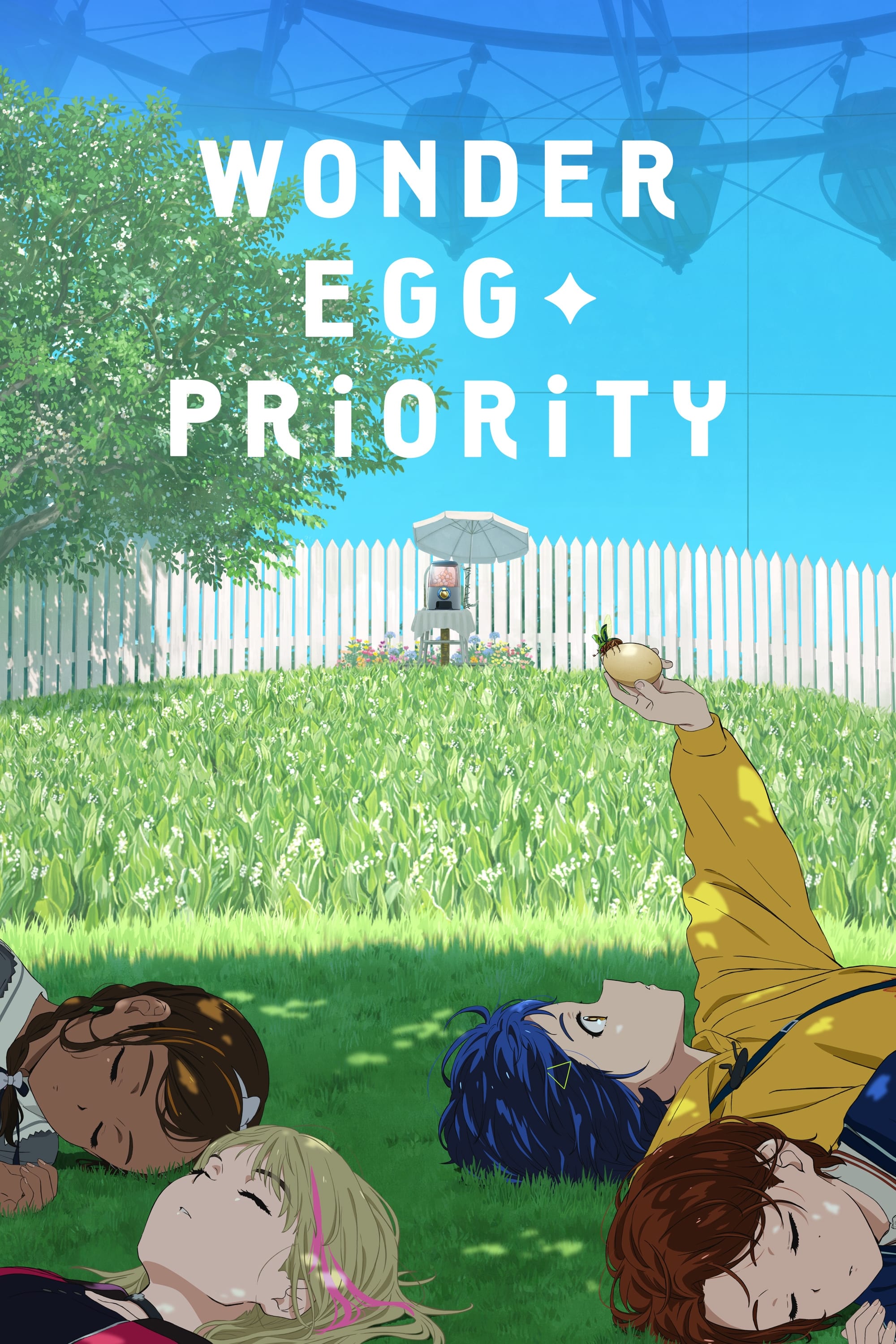
The story centers around characters who purchase “Wonder Eggs.” When they break these eggs, it’s like a ritual that brings a girl from a dream world into reality – a girl who needs help. The way the eggs are broken is visually similar to cooking, and this act begins a battle to save her. This creates a striking connection between everyday breakfast routines and the rescue of those haunted by trauma. Throughout this process, special mannequins called “Acca” act as guides.
‘Sarazanmai’ (2019)
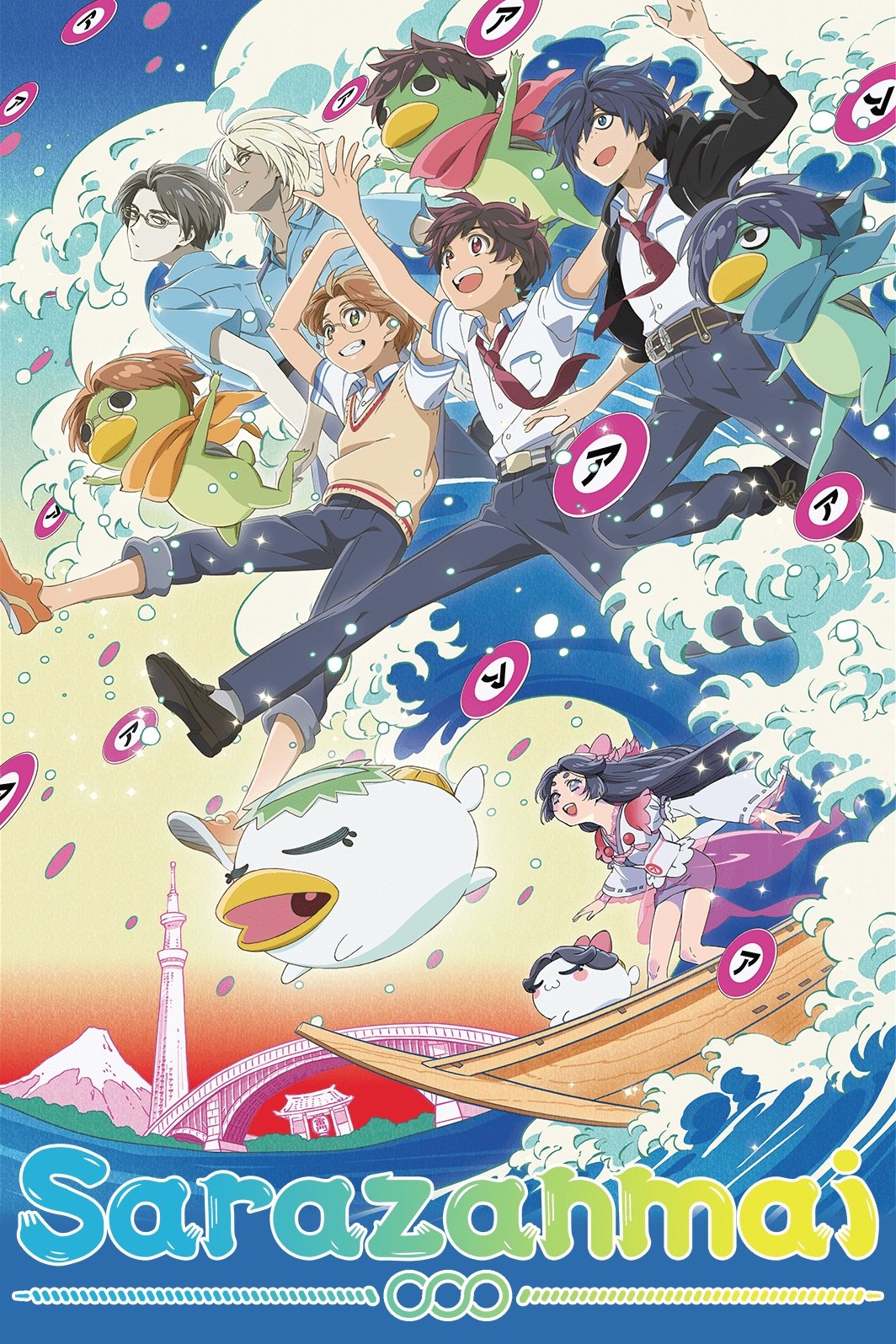
The story centers around characters who turn into mythical creatures and need to retrieve a special organ from zombies to bring forth Prince Keppi. A major theme is the longing for connection, frequently represented by food, especially kappa-maki (cucumber rolls). These collected dishes, called “Sara,” are then used in a ritual to make wishes come true. Ultimately, the whole experience is a bizarre and colorful process of taking things in and transforming them, both literally and figuratively.
‘Weathering With You’ (2019)

Hina Amano creates a surprisingly popular dish combining potato chips and fried rice, but her true purpose, as the ‘Sunshine Girl,’ is to perform a sacred offering to the sky. The food she prepares for Hodaka symbolizes the comfort and connection of the human world, a world she’s fated to depart from. Ultimately, she’s offering herself as a sacrifice to bring clear skies, and the meals they share together are a desperate attempt to stop this from happening.
‘Farming Life in Another World’ (2023)
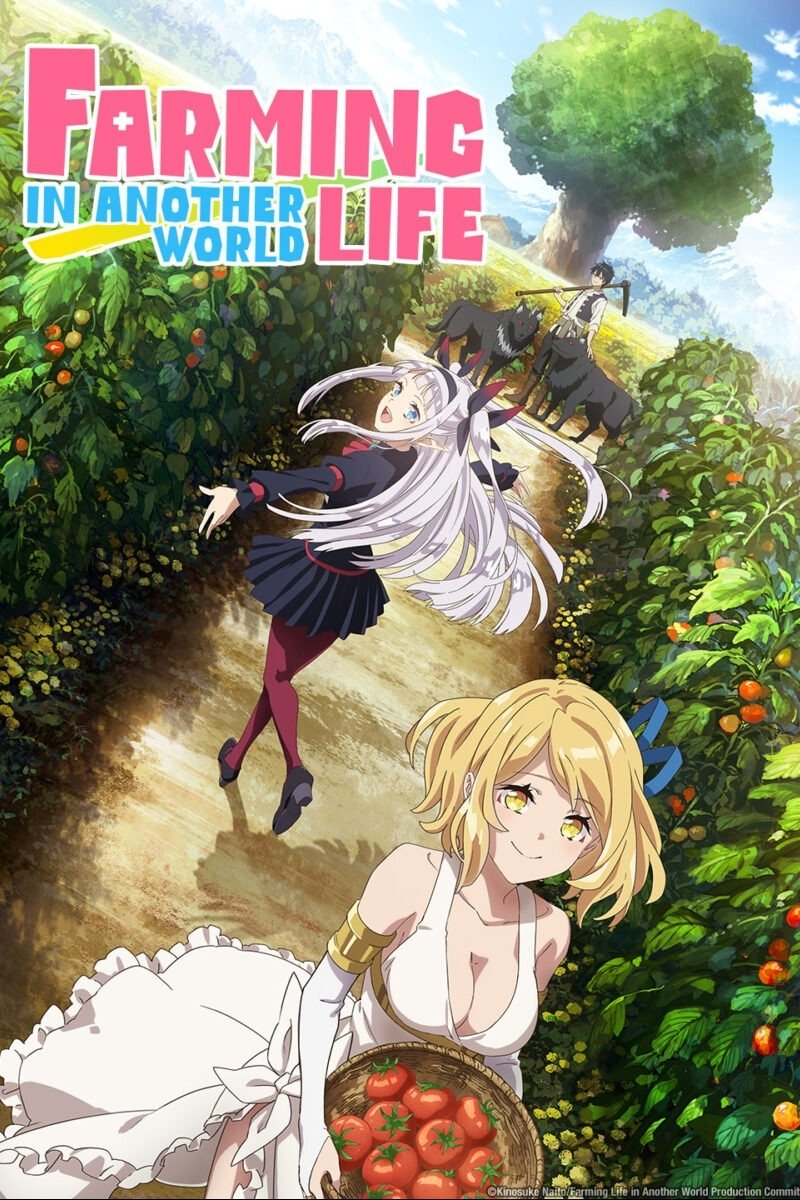
Hiraku Machio is turning a dangerous forest into farmland, thanks to special gifts from a god: a healthy body and a versatile farming tool. His successful harvests attract the attention of magical creatures – elves, dragons, beastmen, and more – who are drawn to his delicious, high-quality food. Essentially, his farming creates a thriving village as people come to settle nearby. Even powerful dragons and ancient vampires can be befriended simply by sharing the fruits (and vegetables!) of his labor.
‘Parallel World Pharmacy’ (2022)

The main character is skilled at making both delicious sweets and effective medicines. He often uses these treats to gain the favor of powerful spirits or to help him understand what’s wrong with sick people. His abilities come from a god of healing, and when he invents new recipes, it’s like bringing modern medical understanding into a magical world. He even creates special sweets to win over the Empress and the spirits who protect the land.
Share your favorite food-based magical moment in the comments!
Read More
- Invincible Season 4 Gender Swaps Tech Jacket As Fans Question Major Comic Change
- Gold Rate Forecast
- Silver Rate Forecast
- 20 Movies Where the Black Villain Was Secretly the Most Popular Character
- Building Agents That Learn and Improve Themselves
- 22 Films Where the White Protagonist Is Canonically the Sidekick to a Black Lead
- 15 Films That Were Shot Entirely on Phones
- Celebs Who Narrowly Escaped The 9/11 Attacks
- Games That Faced Bans in Countries Over Political Themes
- 20 Films Where Black Directors Subverted Hollywood’s White Savior Tropes
2025-12-16 05:21