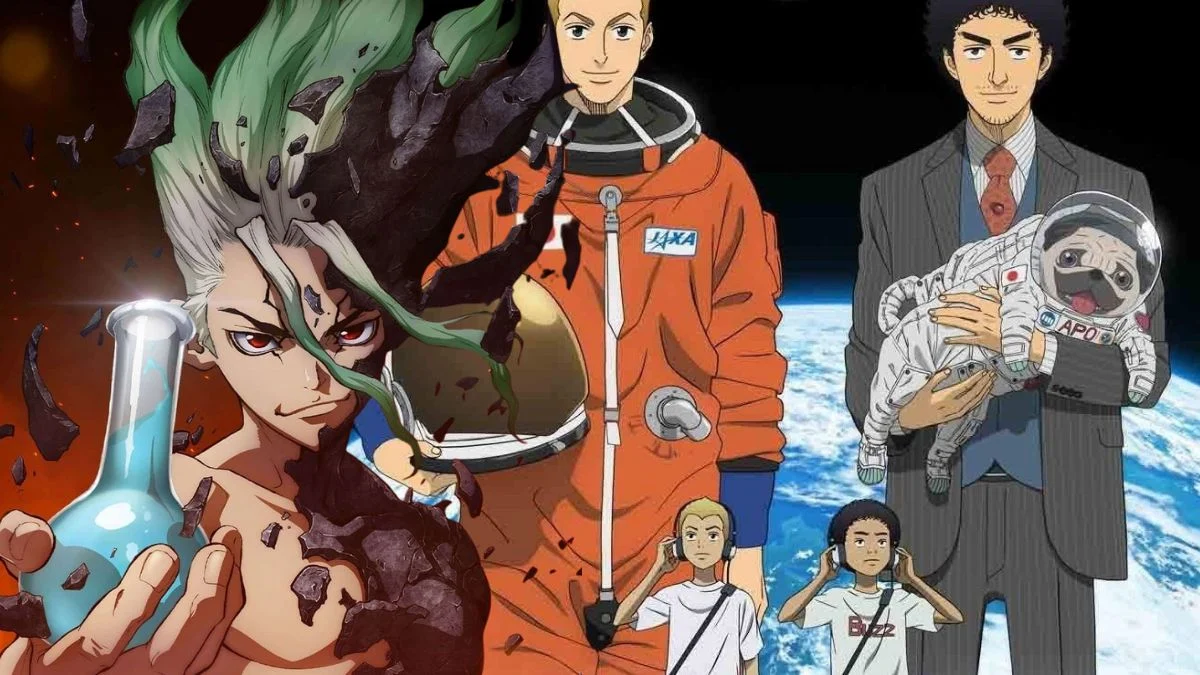
Anime creators often draw inspiration from space and astronomy when building their stories. They use concepts like constellations, planets, and scientific theories to develop unique worlds, explain character backgrounds, and even create magical systems. This allows them to blend real-world science with fantastical elements, making the stories feel both imaginative and believable.
‘Saint Seiya’ (1986–1989)
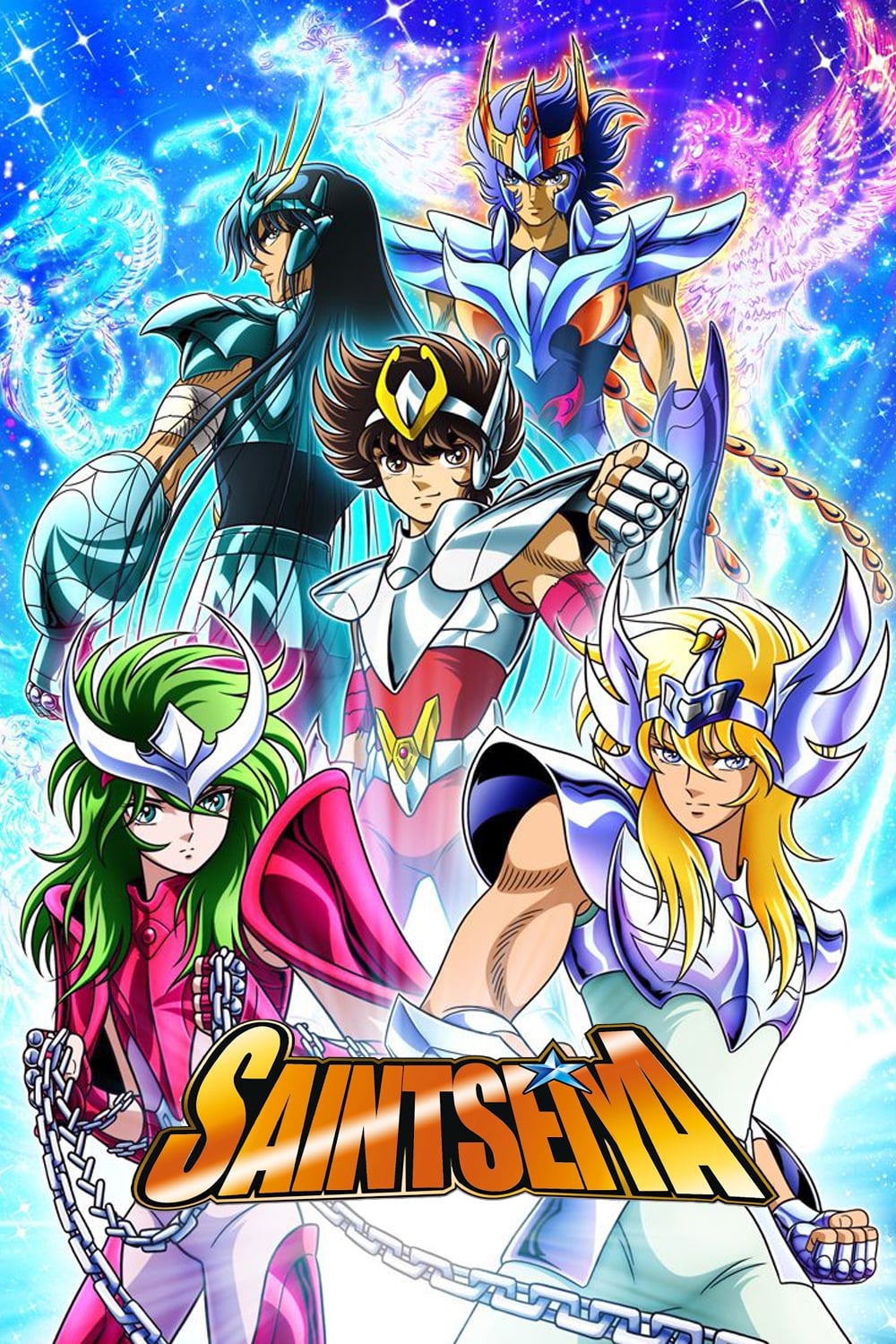
The story centers around orphaned warriors called Saints, who harness cosmic energy. Each Saint gains power and defense from a different constellation. Seiya is the Pegasus Saint, and his allies embody the Dragon, Cygnus, Andromeda, and Phoenix constellations. Their histories are deeply connected to the myths surrounding these stars, and they are all dedicated to protecting Athena. The series uniquely combines Greek mythology and astronomy into its exciting combat system.
‘Sailor Moon’ (1992–1997)
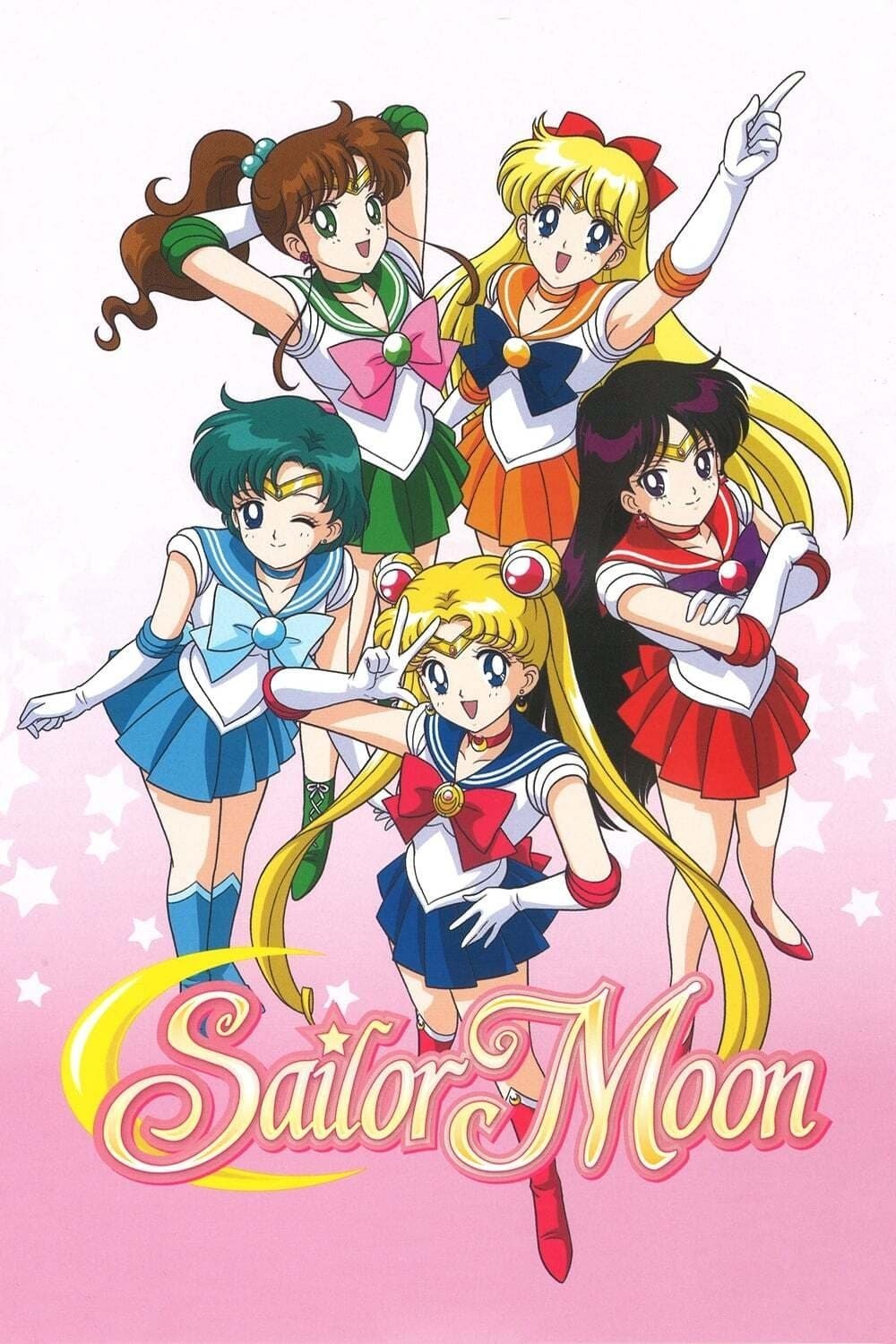
Usagi Tsukino learns she’s the reborn Princess Serenity, once ruler of the Moon Kingdom. Her protectors are inspired by the planets, each with powers related to their namesake. Their story reveals a history where the Moon and Earth lived together peacefully before a devastating war. The characters’ ranks and magical abilities are based on astronomy and the elements. Later, the story grows to include even more powerful guardians – Pluto, Uranus, Neptune, and Saturn – adding depth to the overall mythology.
‘Dragon Ball Z’ (1989–1996)

Goku discovers he’s part of a powerful warrior race called the Saiyans, originally from the planet Vegeta. He was sent to Earth as a baby just before Vegeta was destroyed by a cruel ruler. The story often features journeys into space and encounters with different alien races, broadening the focus beyond just martial arts. While the characters have names based on vegetables, their history is tied to a larger conflict involving galactic empires. Even the magical Dragon Balls come from an alien race called the Namekians.
‘Cowboy Bebop’ (1998–1999)

After a disastrous accident involving a hyperspace gateway destroyed the Moon and rained meteors down on Earth, humanity was forced to abandon the planet. The series follows bounty hunters, including Spike Spiegel and his crew, as they travel between colonized worlds like Mars and Jupiter in the aftermath. The story is deeply rooted in the failure of space travel, and the ruined state of the solar system creates a sense of sadness and aimlessness that defines their lives.
‘Legend of the Galactic Heroes’ (1988–1997)
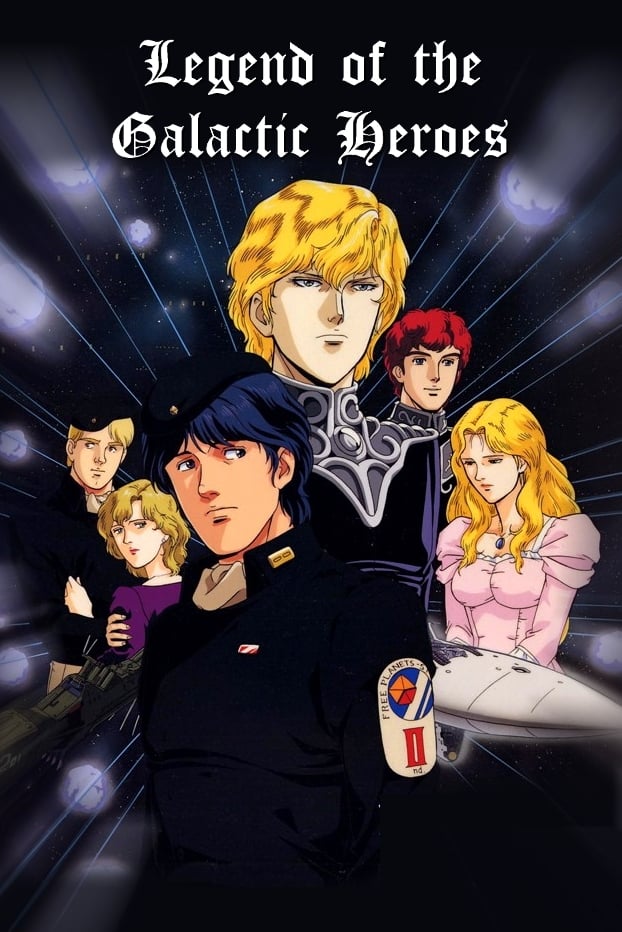
This anime tells the story of a hundred-year conflict between the powerful Galactic Empire and the Free Planets Alliance. The characters are largely defined by their positions within these huge, interstellar nations that control countless star systems. Space isn’t just where the story happens; it’s a critical part of the war, influencing how battles are fought and where borders lie. Characters like Reinhard von Lohengramm have been shaped by the difficult life in a galaxy that has been colonized. The series marks events using a calendar based on humanity’s expansion into space.
‘Gurren Lagann’ (2007)
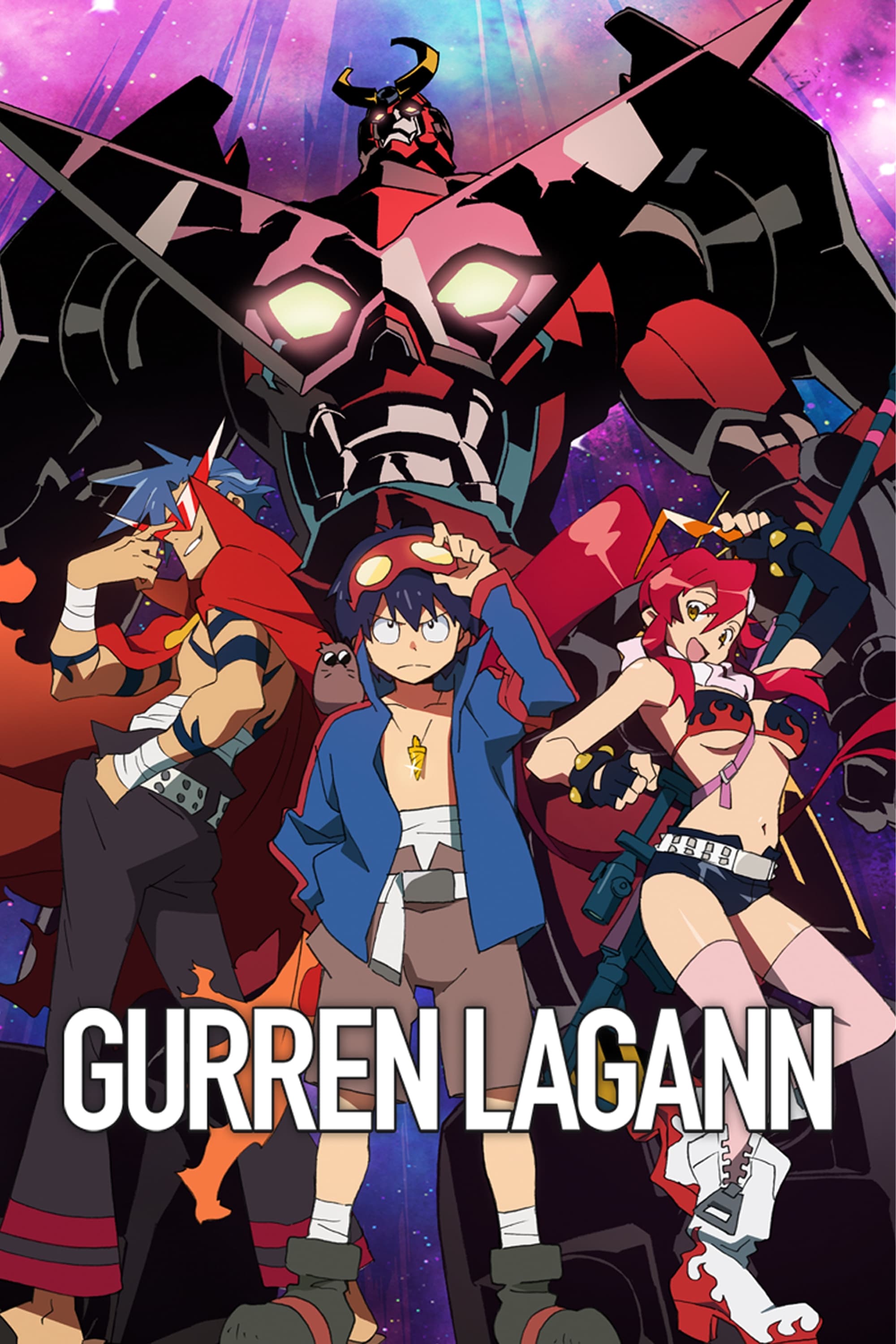
Simon and Kamina begin their adventure living underground, but eventually break through to the surface and find a world controlled by creatures called Beastmen. The story quickly becomes much larger, with the characters eventually piloting giant robots that can even throw galaxies as weapons! It’s revealed that humanity was forced underground long ago by a powerful race called the Anti-Spiral, who feared humanity’s growth would destroy the universe. A key element is ‘Spiral energy,’ a force that links all life to the universe itself. Ultimately, the show uses ideas from astronomy to show just how much potential humans have.
‘Space Brothers’ (2012–2014)
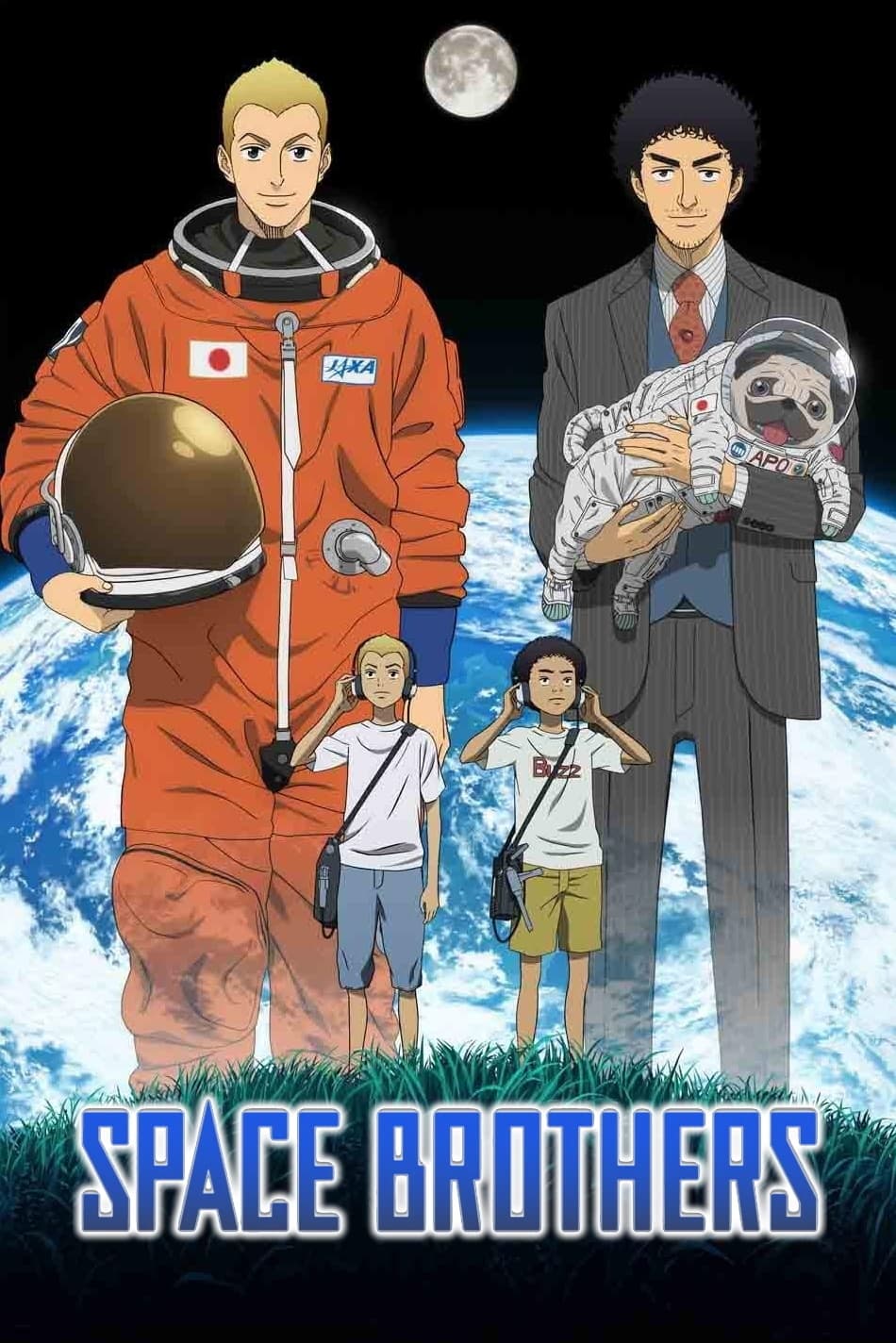
As children, brothers Mutta and Hibito Nanba saw a UFO, inspiring them to dream of becoming astronauts. They both dedicate their lives to achieving this goal, working for space agencies JAXA and NASA. The story realistically portrays the intense training and scientific understanding needed for space travel, fueled by the brothers’ deep fascination with the Moon and Mars. Their emotional journey is built upon a solid foundation of real astronomy and space exploration history.
‘Planetes’ (2003–2004)
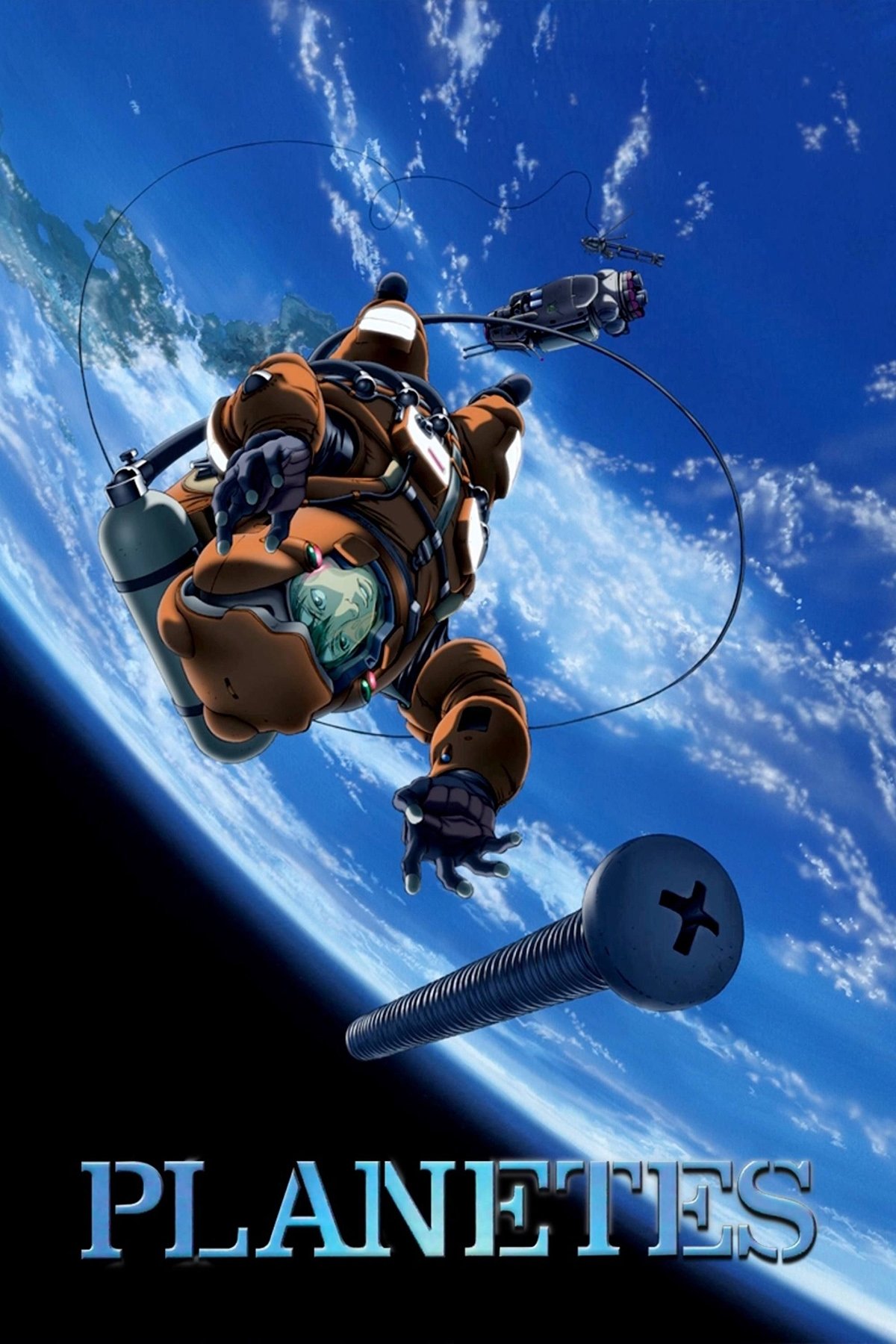
Hachimaki’s job is to remove dangerous space debris orbiting Earth. The story delves into the realities of a future where space has become commercialized and the challenges of working in orbit. It contrasts the lives of people on Earth with those born and raised on the Moon, called Lunarians. The series realistically portrays the physical and mental effects of living with low gravity, and how advancements in astronomy could shape the future economy and society.
‘Mobile Suit Gundam’ (1979–1980)
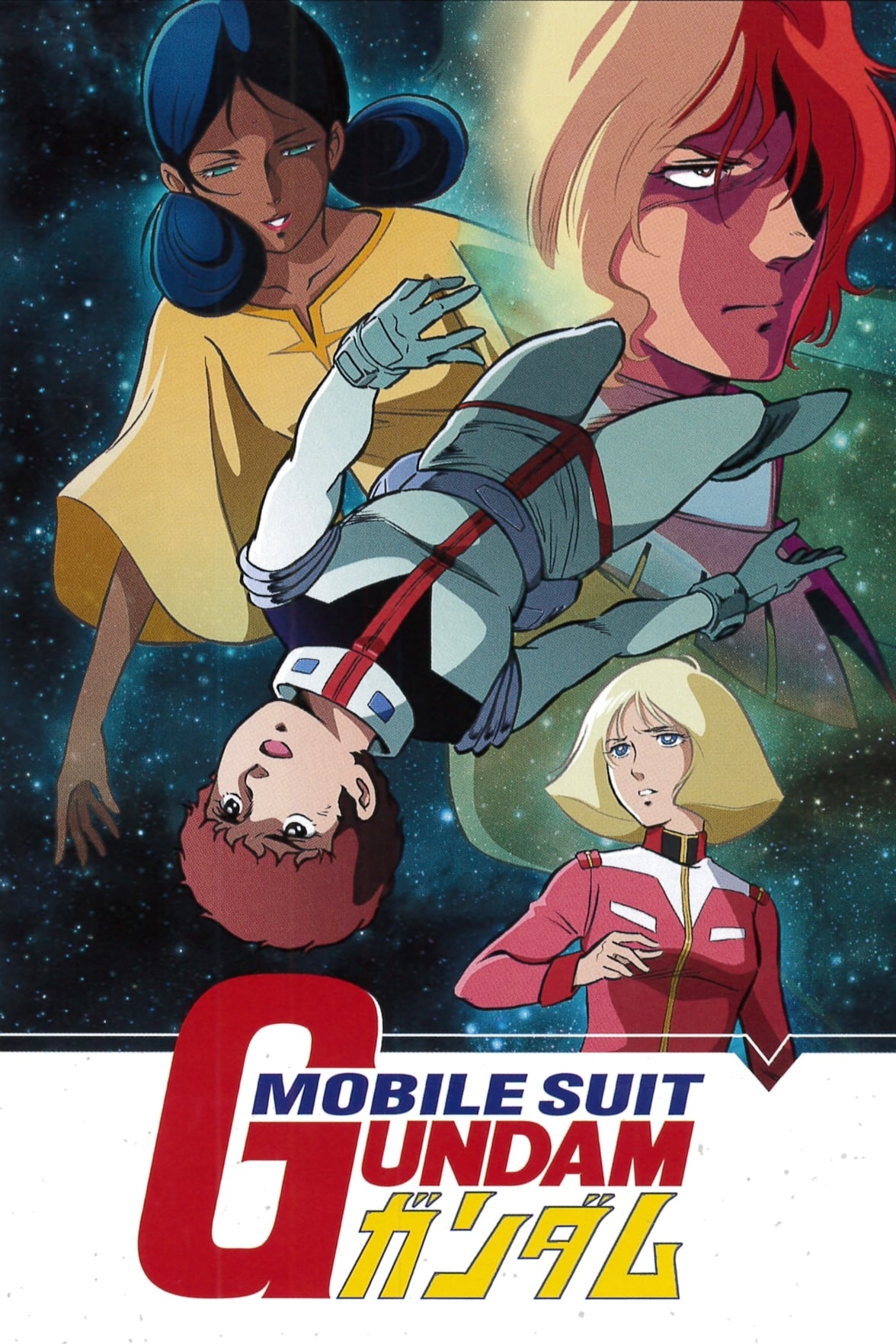
The story centers around a war between the Earth Federation and the space colonies of Zeon. After his home colony is attacked during the One Year War, Amuro Ray becomes the pilot of a powerful mobile suit called the Gundam. The people of Zeon, known as Spacenoids, are fighting for independence from Earth’s control. Battles are heavily influenced by the realities of space and how things move in orbit. This series is considered a pioneer of the ‘Real Robot’ genre, portraying space warfare as brutal and unforgiving.
‘Neon Genesis Evangelion’ (1995–1996)
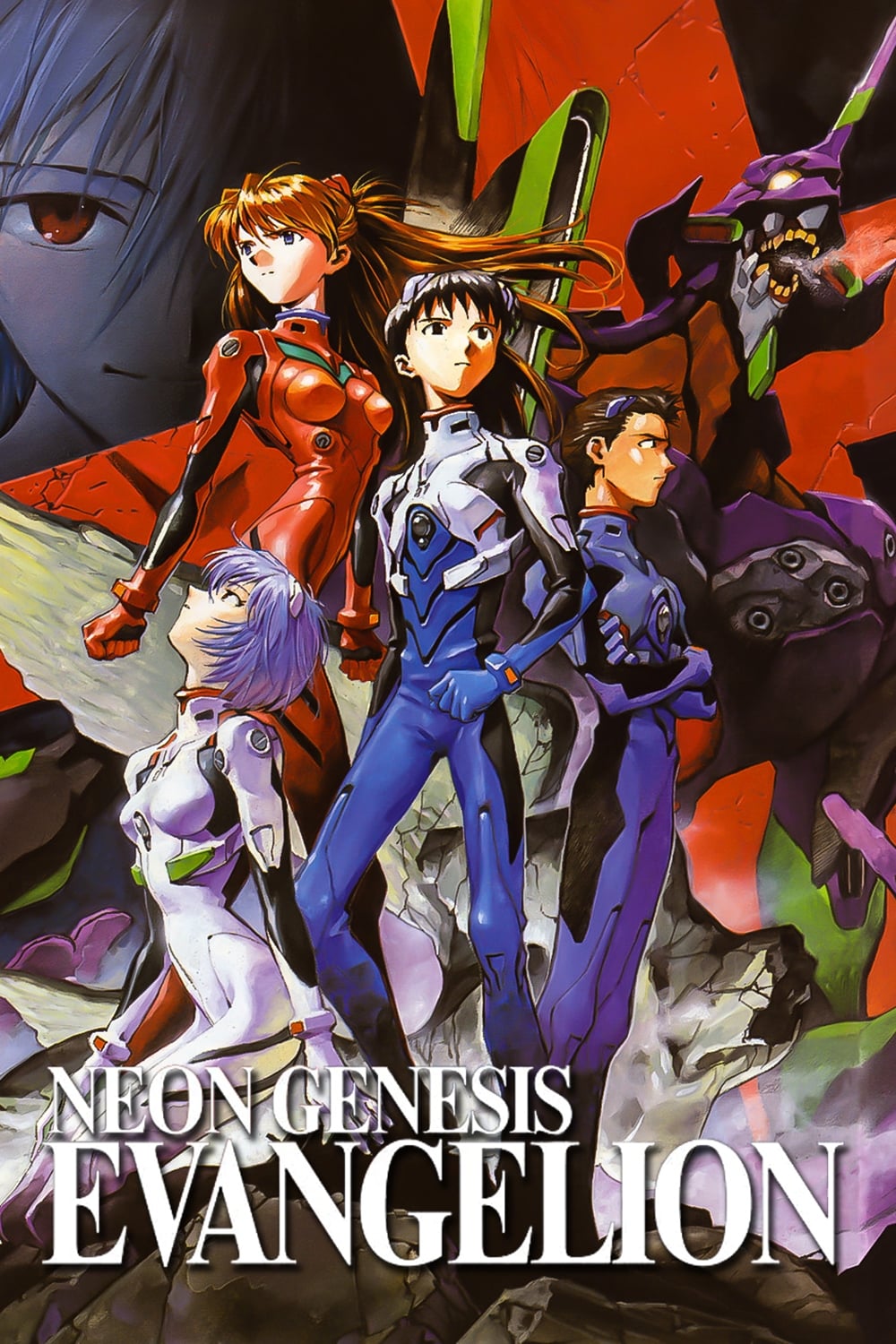
The story centers around the discovery of incredibly powerful beings called Adam and Lilith, linked to the White and Black Moons. These beings came to Earth billions of years ago in moon-like ships and influenced how life developed. A secret group called SEELE plans to start a project called Human Instrumentality, using knowledge found in the Dead Sea Scrolls. The origins of mysterious creatures called Angels are explained through a mix of astronomy and religious symbols. Ultimately, the story portrays Earth and the Moon as crucial objects in a larger, spiritual conflict.
‘Cardcaptor Sakura’ (1998–2000)
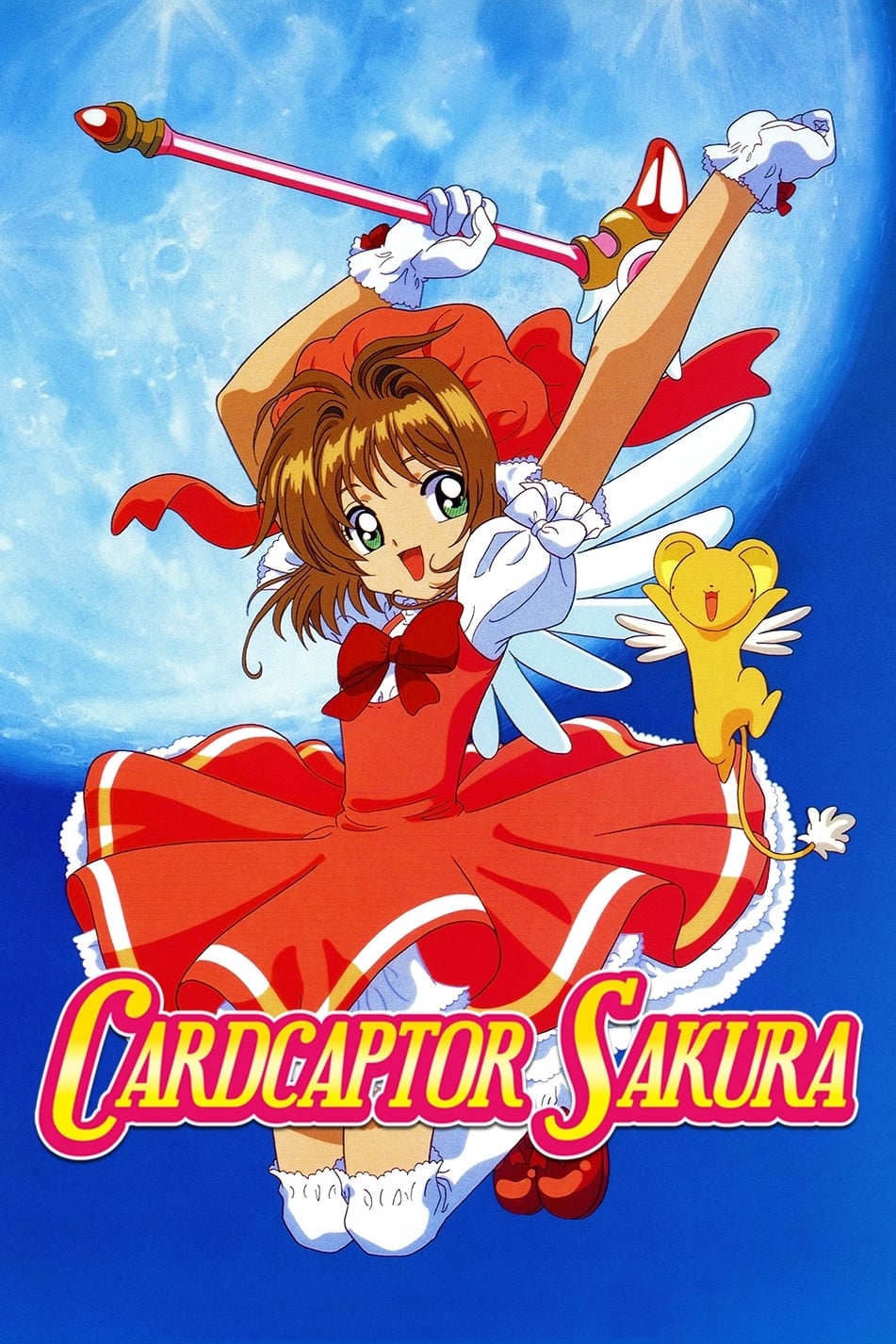
Sakura Kinomoto unintentionally unleashes a set of magical cards created by the wizard Clow Reed. Both Sakura’s abilities and the cards are connected to the power of the Sun, Moon, and other celestial bodies. Two guardian creatures, Keroberos and Yue, embody the Sun and Moon, drawing their strength from them. As the story progresses, Sakura learns star-based magic, allowing her to develop her own unique magical source. The history of Clow Reed reveals he combined Eastern and Western magical traditions, linking them to the positions of the stars.
‘Astra Lost in Space’ (2019)
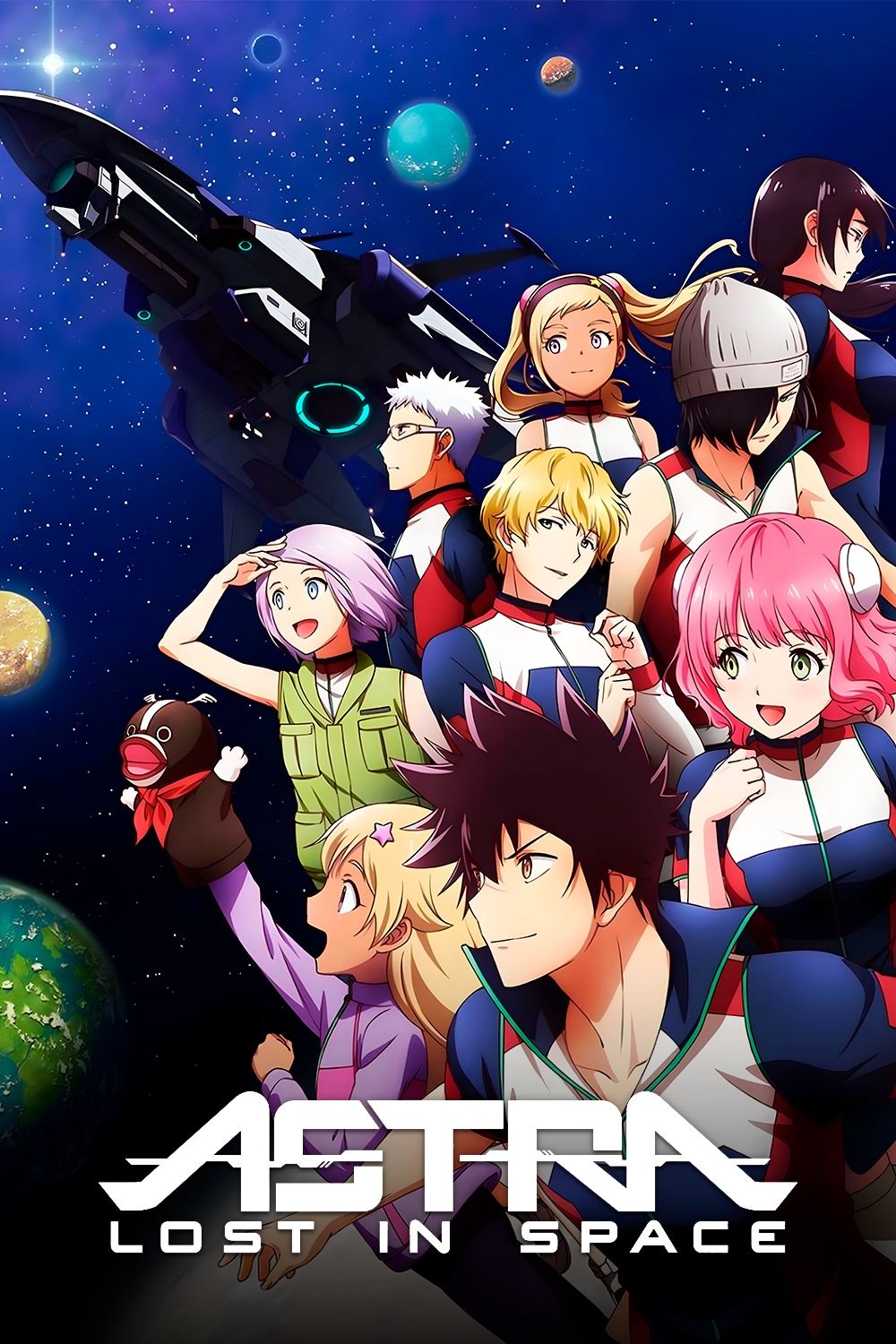
During a school space camp trip, a group of students finds themselves unexpectedly transported thousands of light-years from Earth. Stranded aboard a deserted spaceship, they must travel to different planets, working together to find a way home. As they face the challenges of surviving in space, the students learn more about each other’s pasts and form strong bonds. The show is unique because it bases the environments of the alien planets on real science, including biology and astronomy. A key plot twist depends on understanding the planets’ locations and histories.
‘Land of the Lustrous’ (2017)
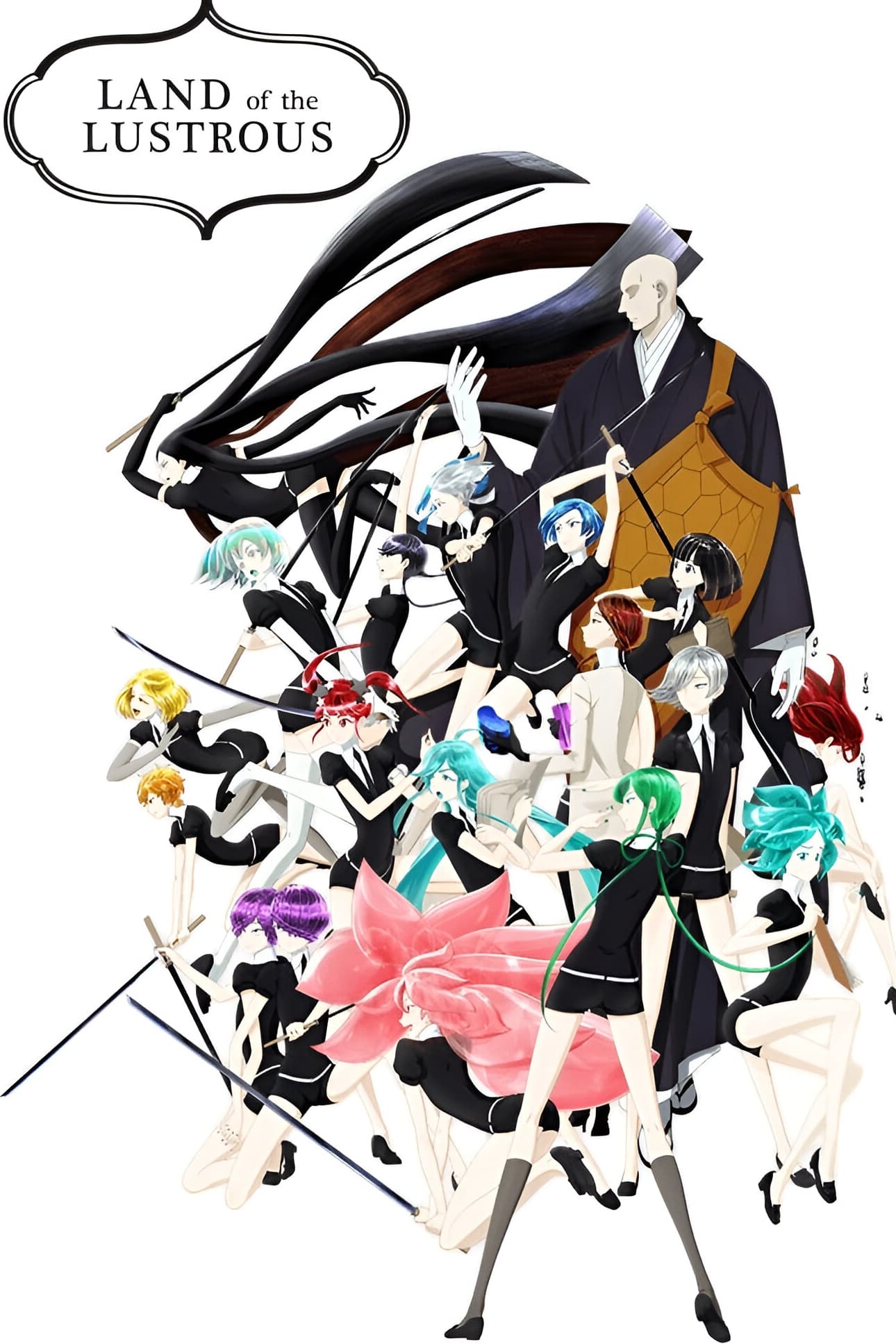
The story centers around intelligent gemstones battling creatures called Lunarians who come from the Moon. Long ago, humanity evolved into three separate forms – body, flesh, and spirit. The Lunarians are attacking the gems to use them as decorations on the Moon, creating a repeating cycle of conflict between Earth and its satellite. This world’s history and the villains themselves are rooted in astronomy and the idea of a transformed humanity.
‘Darling in the Franxx’ (2018)
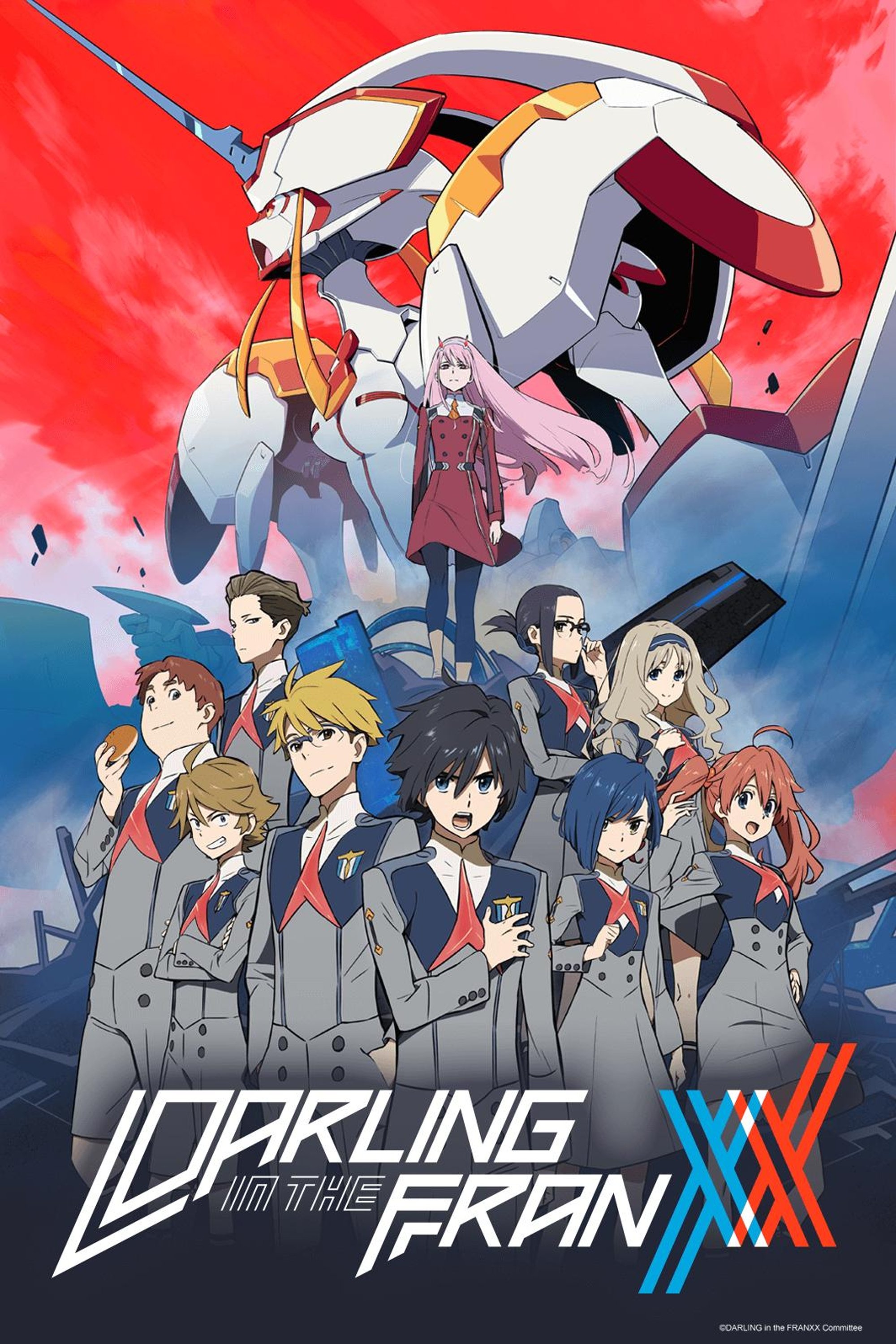
To survive attacks from giant creatures called Klaxosaurs, people live in massive, moving cities. Children operate powerful robots known as Franxx to fight them. The true enemy, however, is an alien intelligence called VIRM, which takes over entire civilizations. It’s revealed that the Klaxosaurs are connected to the planet’s ancient past and a fight against invaders from space. One character, Zero Two, dreams of traveling to the stars, and her origins are linked to a Klaxosaur Princess. The story grows from a battle on Earth into a full-scale interstellar war against a powerful, hive-minded alien force.
‘Urusei Yatsura’ (1981–1986)

The series starts with an invasion: aliens called the Oni arrive on Earth and challenge humanity to a game of tag for the planet’s survival. Ataru Moroboshi wins, but unintentionally ends up proposing to the alien princess, Lum. We learn about Lum’s history as an invader and meet her many friends from different planets. The show is full of bizarre creatures visiting from across the galaxy, all set against the backdrop of a chaotic and funny romantic story involving astronomy.
‘Space Dandy’ (2014)
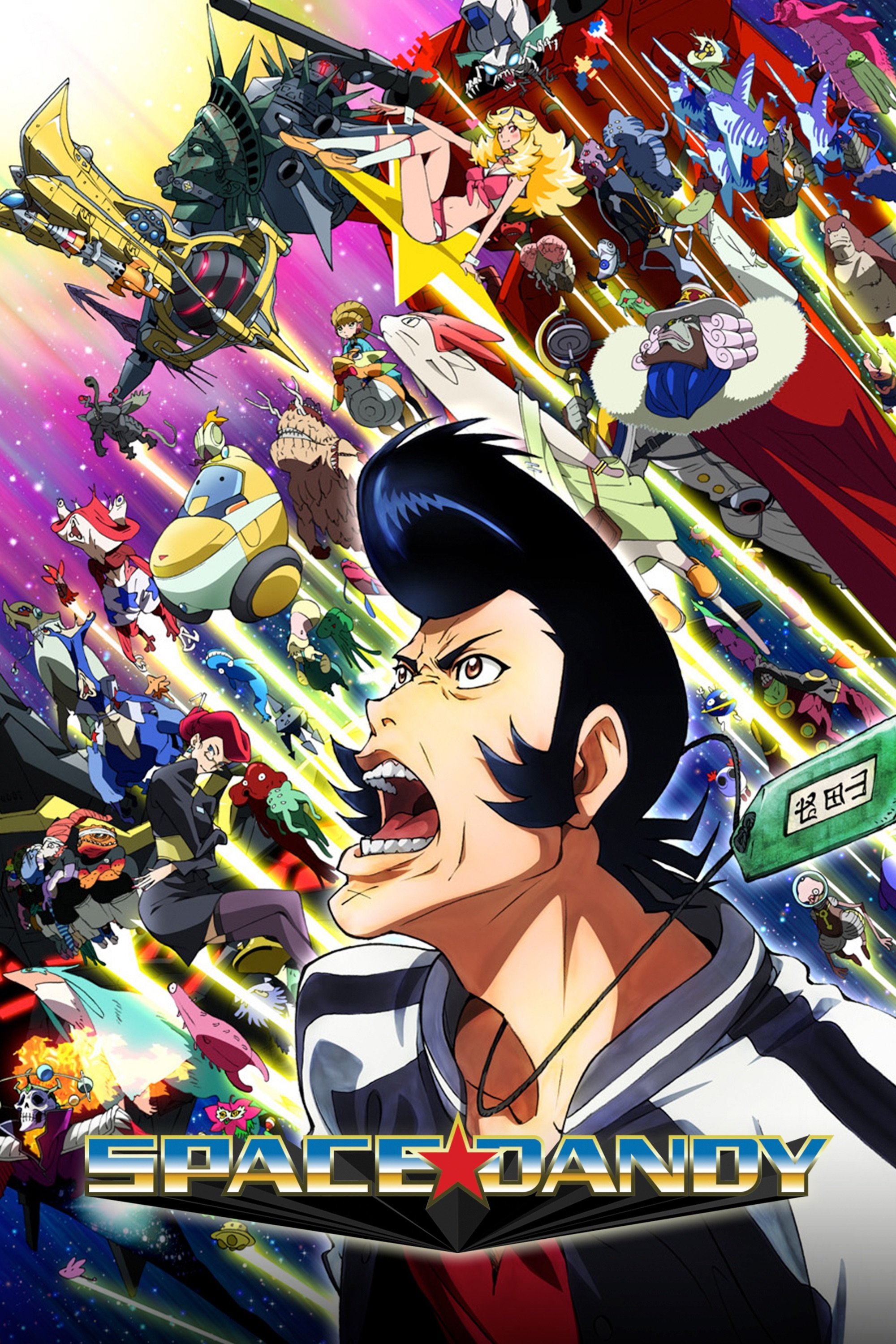
Dandy is an alien hunter who roams the galaxy, discovering and documenting new species. His work takes him to bizarre planets and involves dealing with lots of paperwork at a galactic registry. The universe he explores has a history of conflict, notably a war between the Gogol and Jaicro empires. Dandy also possesses a hidden ability to manipulate time and reality. The show visually reflects the vastness and variety of space by using different animation techniques.
‘Aldnoah.Zero’ (2014–2015)
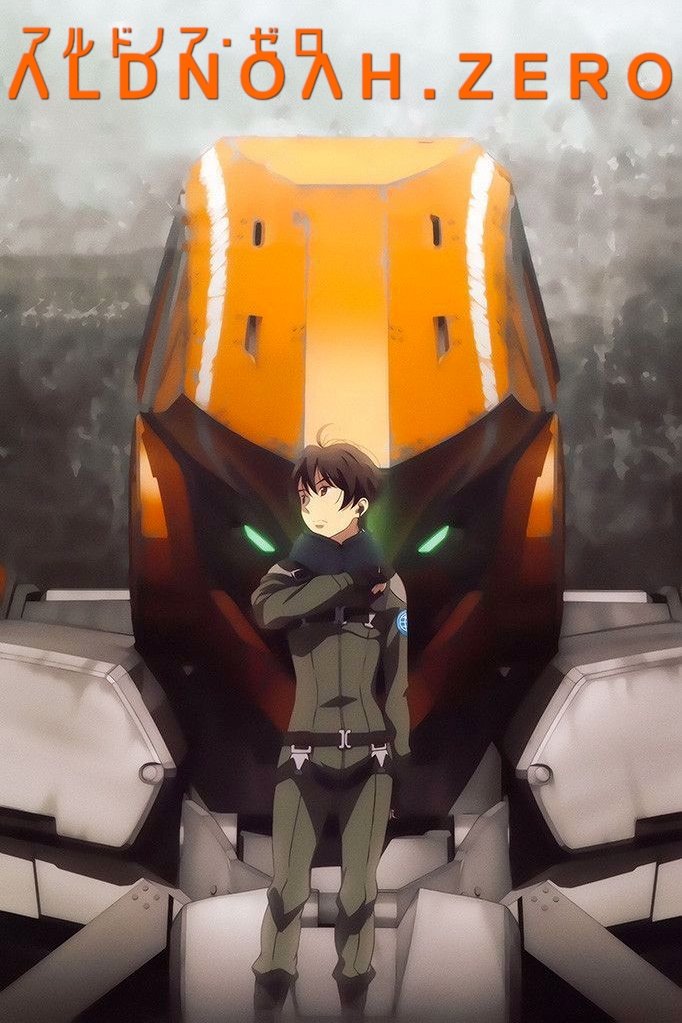
During the Apollo 17 mission, astronauts found a portal on the Moon that opened the way for humans to settle on Mars. These Martian colonists established the Vers Empire and uncovered a powerful, ancient technology called Aldnoah. This discovery led to a war between the people of Earth (Terrans) and the Martians, who believed their advanced technology made them superior. Essentially, humanity divided into two groups, one on Earth and one on Mars. Battles are fought with giant robots, and strategy heavily relies on understanding how things move in space and how gravity affects them.
‘Knights of Sidonia’ (2014–2015)
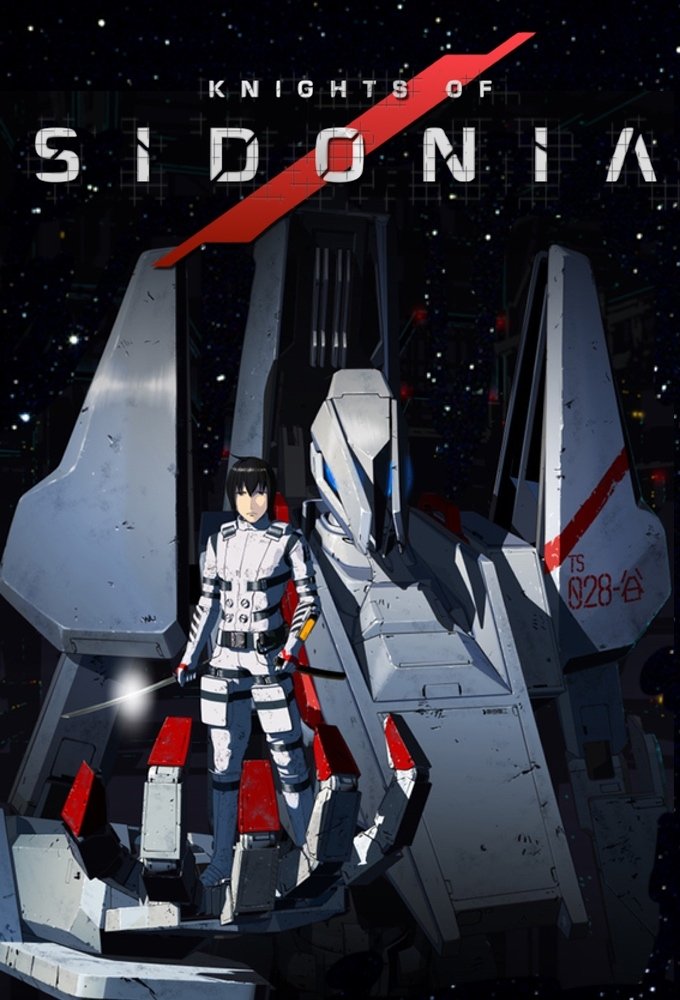
A thousand years after the destruction of Earth by mysterious aliens called the Gauna, the spaceship Sidonia drifts through space. Nagate Tanikaze, a young man raised within the ship, is thrust into the role of piloting a powerful mech called a Guardian to defend against the shapeshifting Gauna. To survive their long journey, humanity has been genetically altered to photosynthesize, gaining sustenance from light. The series follows Sidonia’s constant search for a new home planet, while trying to remain hidden, and explores the loneliness and vulnerability of life in the vast emptiness of space.
‘Space Battleship Yamato 2199’ (2012–2013)
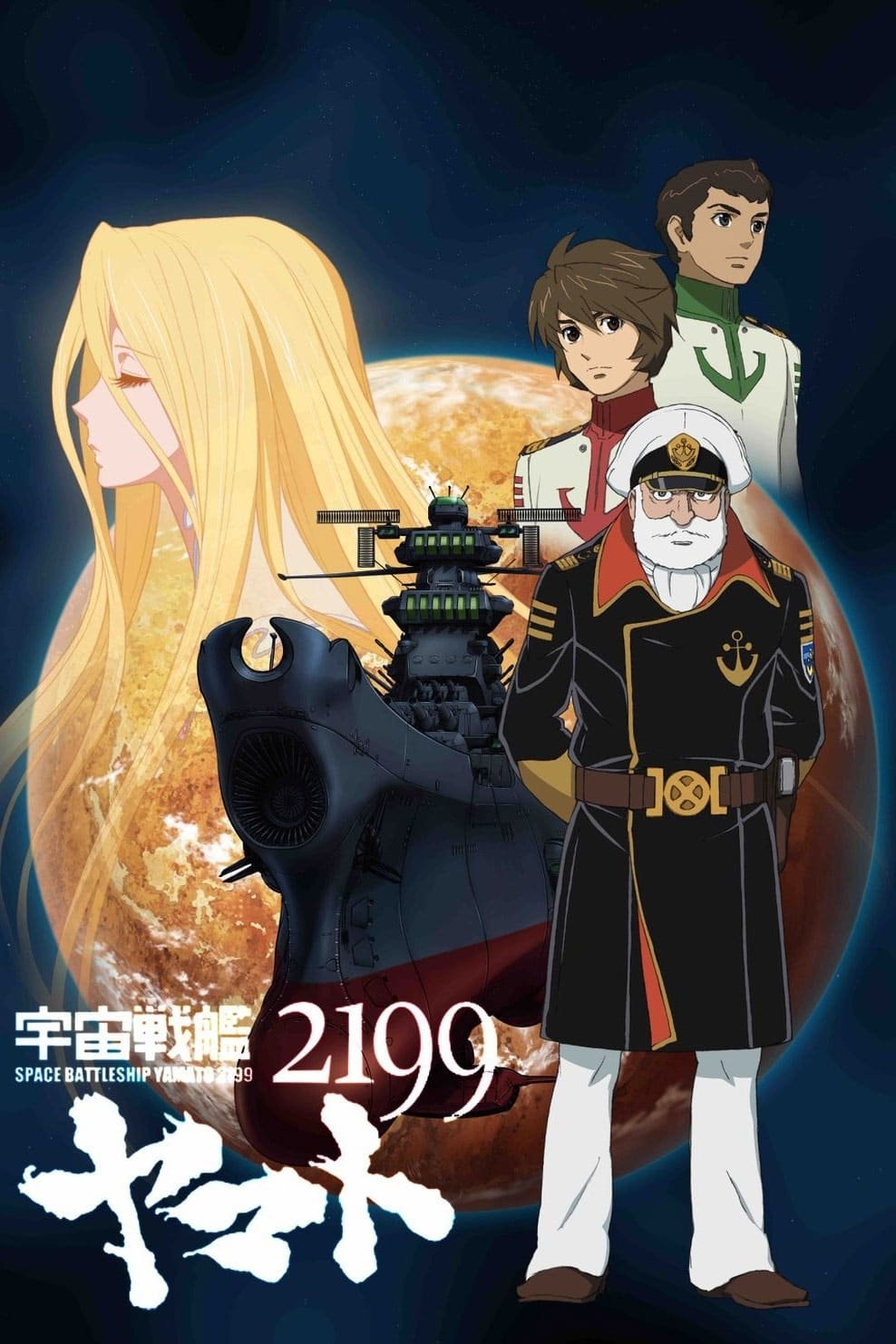
Earth is under attack by radioactive meteorites launched by the Gamilas Empire, forcing people to live underground. The crew of the spaceship Yamato embarks on a dangerous mission to the Large Magellanic Cloud in search of a device that can save the planet. The Gamilas are also facing a crisis, as their own world is dying and they need a new home. The Yamato is powered by a revolutionary engine that allows it to travel incredible distances through space. This is a classic science fiction story that focuses on epic space battles, much like traditional naval warfare.
‘Galaxy Express 999’ (1978–1981)

Okay, so I just finished watching this incredible space opera, and wow. It follows Tetsuro Hoshino as he rides a mysterious, almost magical, train all the way to the Andromeda galaxy. He’s on a quest for a robotic body, and the journey is long – he stops on planet after planet, each one showcasing totally different cultures and forcing him to grapple with some really tough ethical questions. What’s fascinating is the world-building – it’s built around a huge divide between the rich, who’ve all become machines, and the poor, who are still organic. And the train itself isn’t just transportation; it is the cosmos, traveling along these incredible cosmic rails. The whole thing is structured like a series of adventures, each one tied to a different constellation or astronomical concept. It’s a visually stunning and thought-provoking ride.
‘Gunbuster’ (1988–1989)
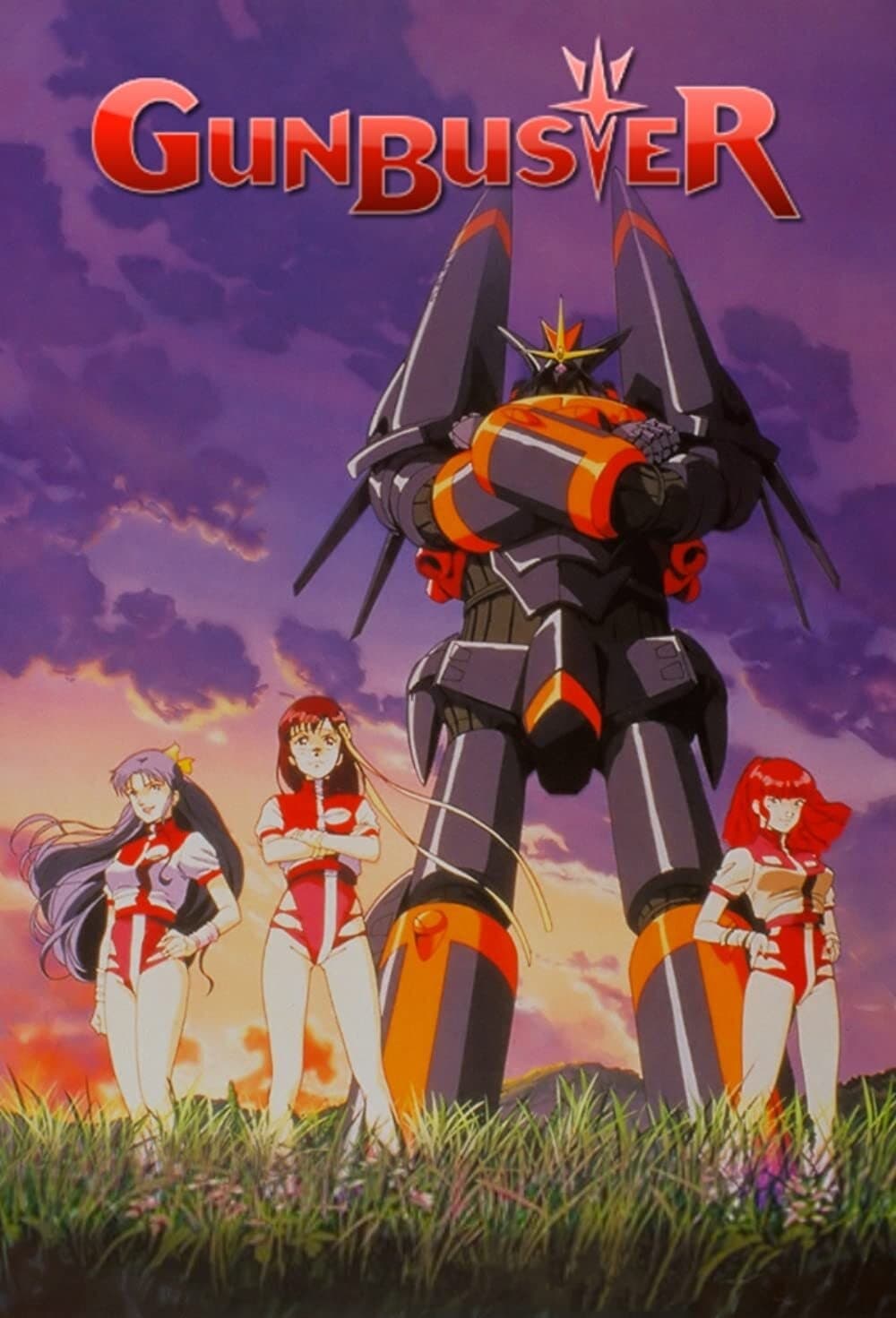
Noriko Takaya is determined to become a pilot, inspired by her father who disappeared during a space mission. The story explores how traveling at high speeds through space impacts relationships, particularly as time passes differently for those on board the spacecraft and those back on Earth. A hidden conflict with dangerous space creatures forms the backdrop, and the series skillfully blends realistic physics with heartfelt emotional storytelling.
‘Trigun’ (1998)
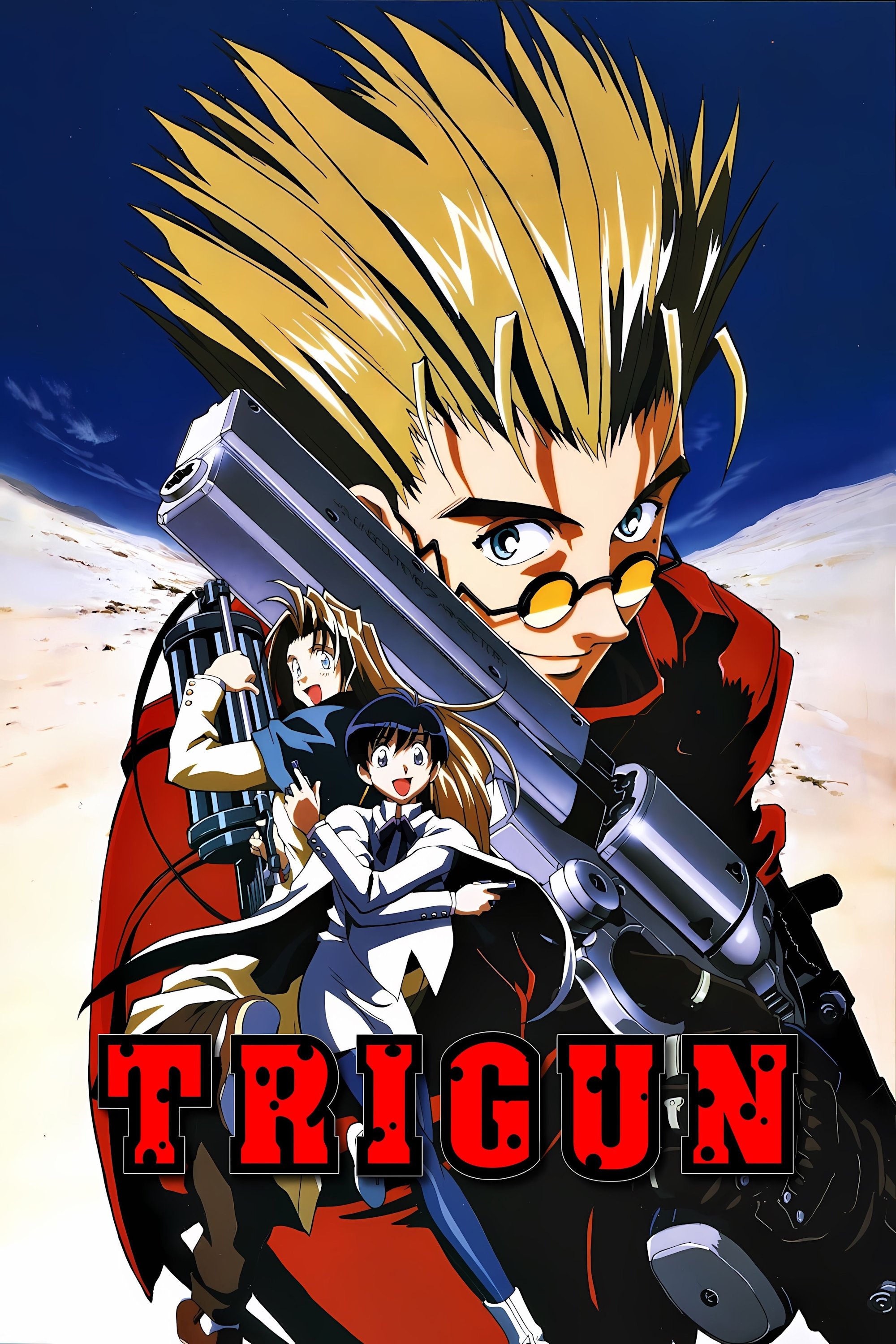
Vash the Stampede travels across Gunsmoke, a desert planet with two suns. The people of Gunsmoke are descended from colonists whose ships, part of a project called Project Seeds, crashed while searching for a new home after leaving Earth. The crash caused a loss of technology, leading to a strange mix of futuristic power sources and a Wild West way of life. Essentially, the world is a consequence of a failed attempt to migrate to a new planet.
‘Edens Zero’ (2021–2023)
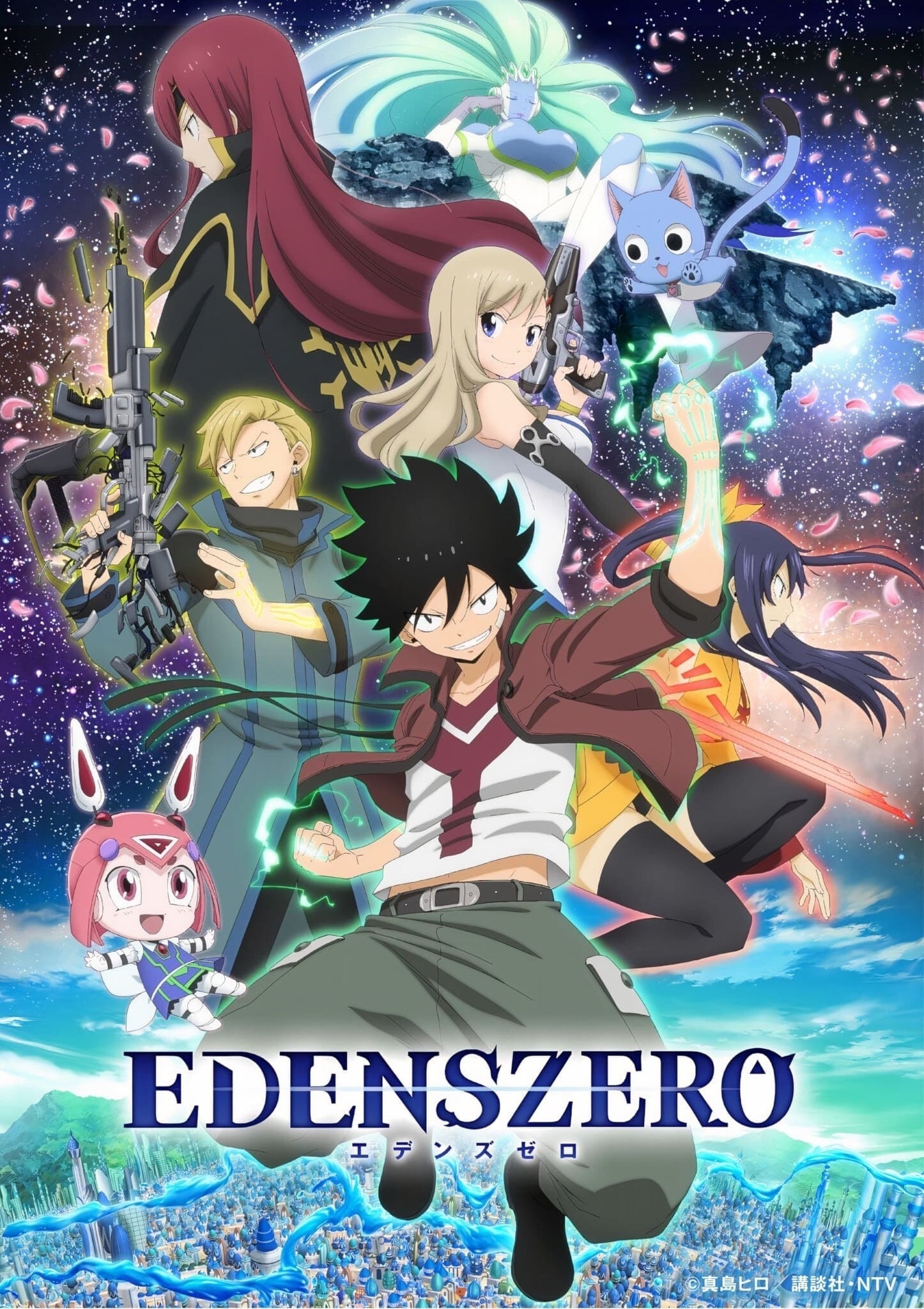
Shiki Granbell begins his journey on a robotic planet, setting off into space to find a mysterious figure known as Mother. The characters harness a universal energy called Ether Gear, and their story revolves around a quest for a legendary being beyond the Sakura Cosmos. They travel aboard a living spaceship, exploring planets with strange and varied landscapes and the way time itself works. The series presents space travel as a lighthearted, fantastical adventure, focusing more on imagination than scientific accuracy.
‘Irina: The Vampire Cosmonaut’ (2021)
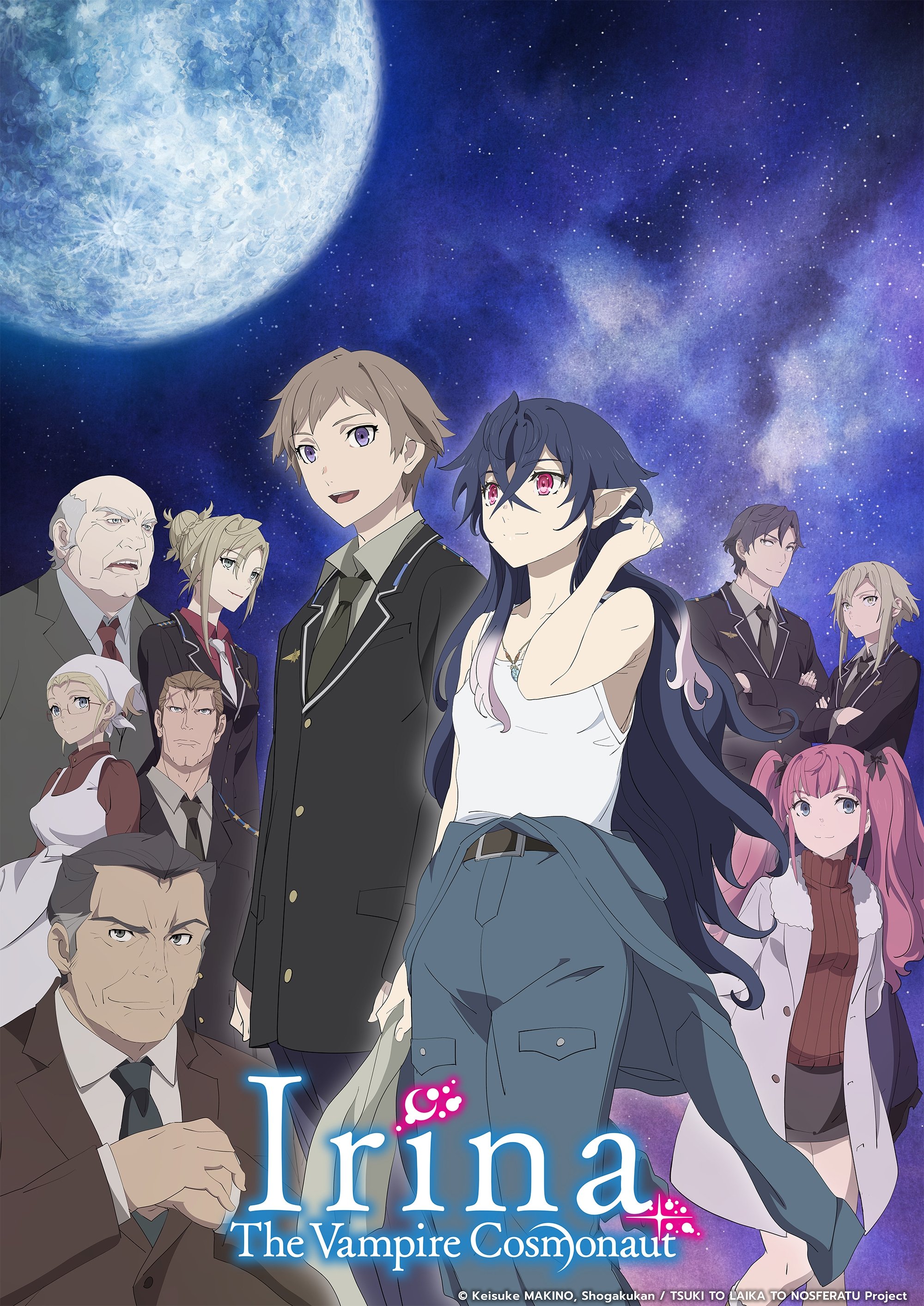
This anime takes place during a made-up version of the Cold War space race. It centers around Irina, a vampire who is chosen as the first person sent into space to test the safety of the mission for humans. Irina’s story explores the hardships her people have faced and her lifelong dream of seeing the moon firsthand. The show details the intense training astronauts undergo, the political maneuvering surrounding early space travel, and the unfair treatment Irina receives despite her vital role in advancing space exploration.
‘Asteroid in Love’ (2020)
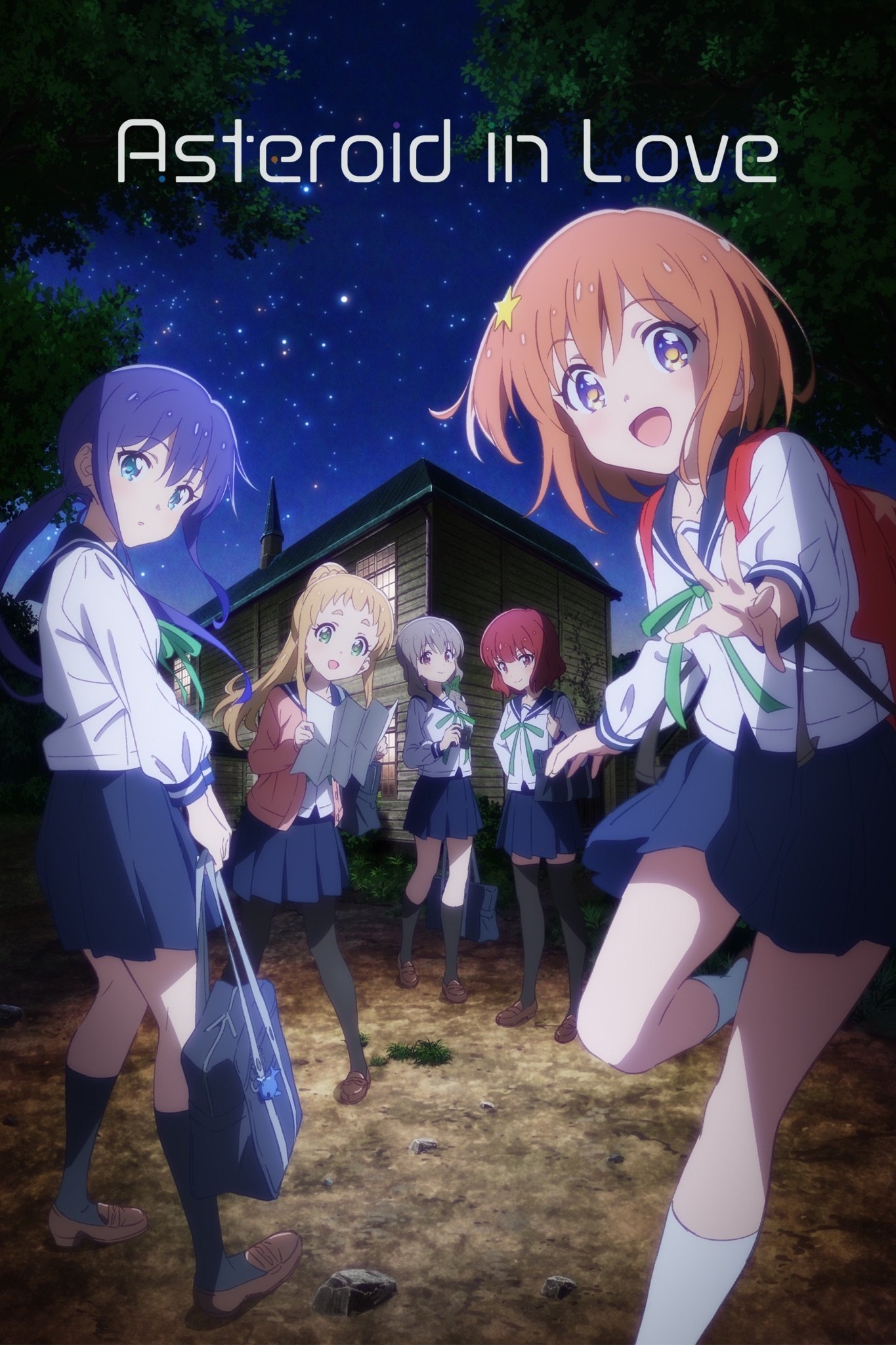
Mira Konohata starts high school and joins the Earth Sciences Club to keep a promise: finding an asteroid. She also hopes to name a star after someone she met while camping – a person she believes is a boy, but who is actually a girl named Ao. Their connection blossomed through a shared passion for stars and astronomy. The series is a heartwarming slice-of-life story that also teaches viewers about different stars and how they’re studied, all fueled by the characters’ love of science.
‘Insomniacs After School’ (2023)
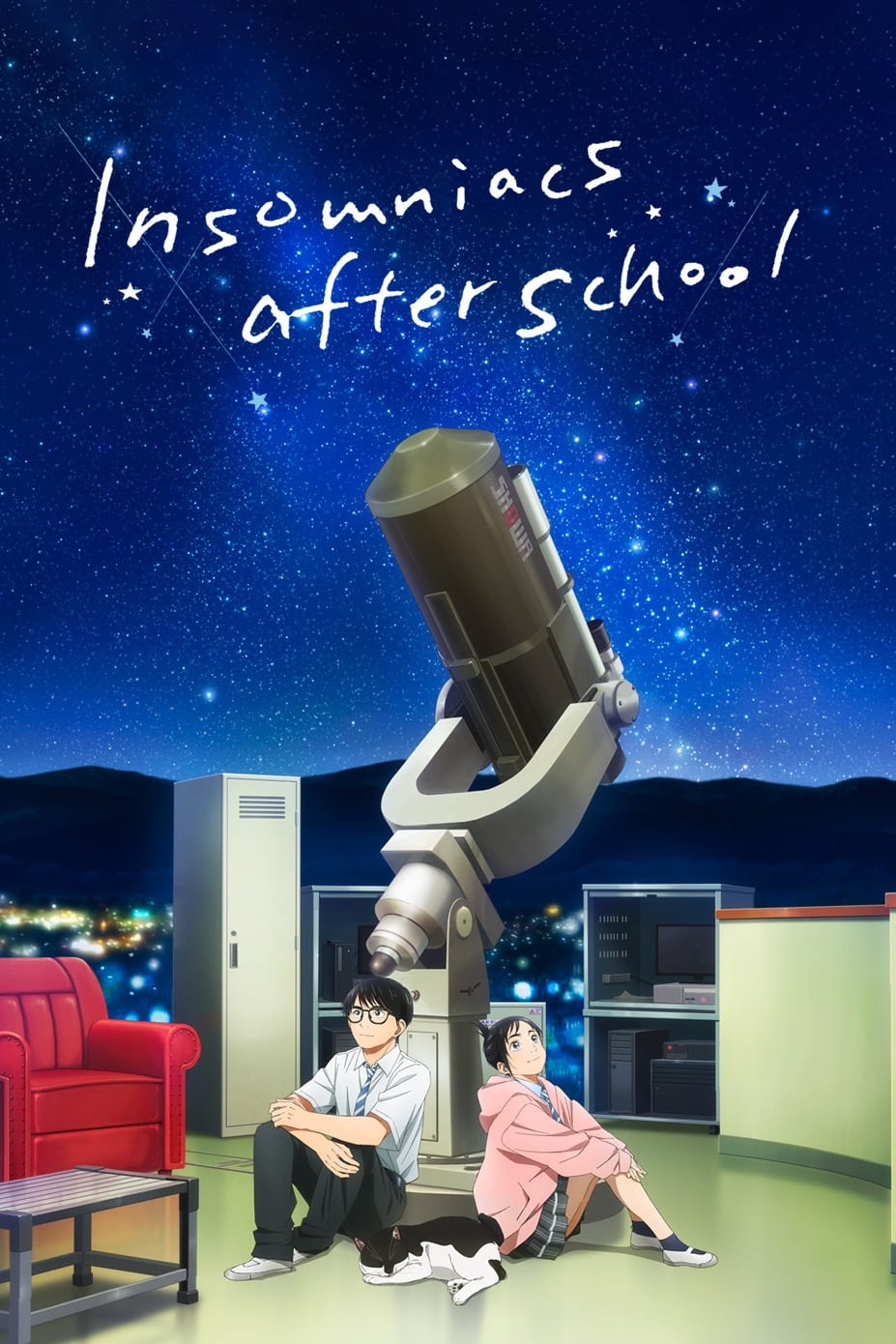
Ganta and Isaki, both struggling with sleeplessness, team up to bring their school’s old astronomy club back to life. They spend their nights photographing stars and arranging stargazing trips. The series also explores the club’s past, showing how previous members found comfort in observing the night sky. It features details about how to take astrophotos and read star charts, and shows how Ganta and Isaki’s friendship grows as they learn more about constellations.
‘Bodacious Space Pirates’ (2012)
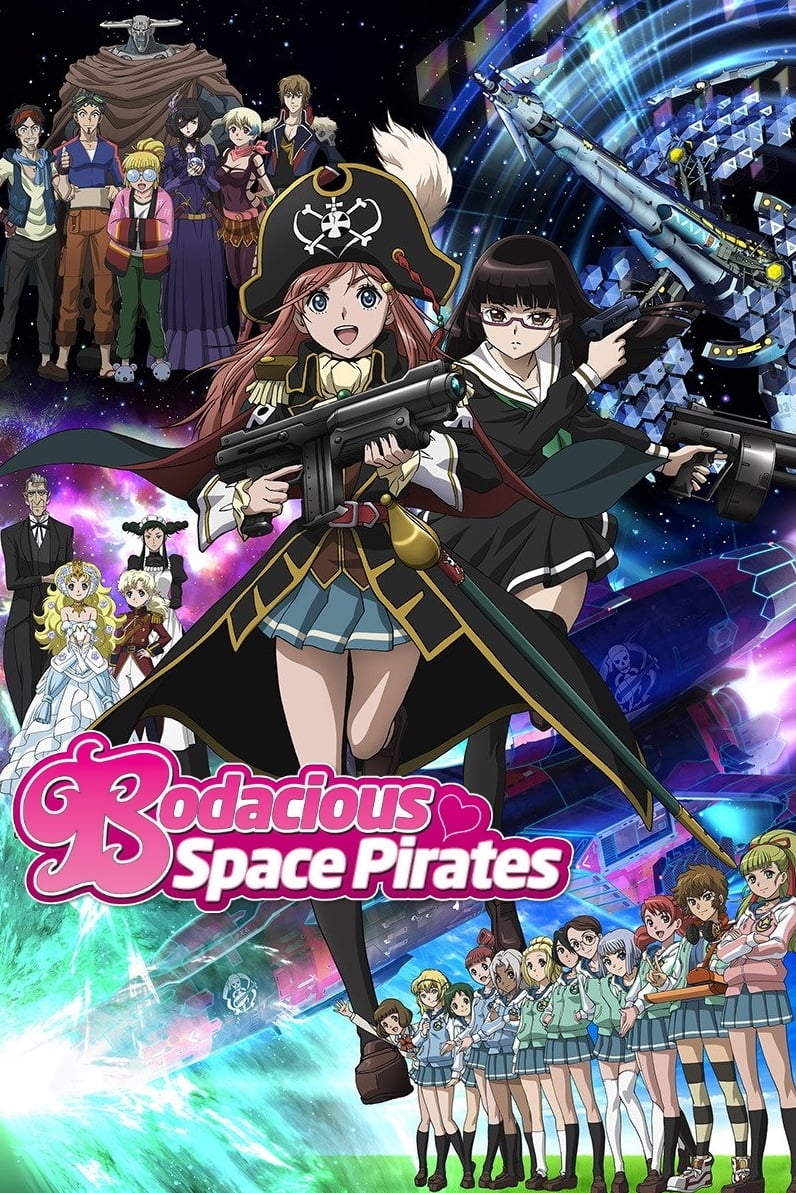
Marika Kato discovers her deceased father was a famous space pirate who operated with official permission. Now, she has to juggle being a high school student with commanding his ship, the Bentenmaru. The story reveals a past war where the government actually used pirates as allies. Expect exciting ship battles with realistic space tactics and electronic warfare, all blended with the classic feel of sailing adventures, but set in the future among the stars.
‘Crest of the Stars’ (1999)

Jinto Lin is a young noble from a planet recently taken over by the Abh Empire, a race of humanoids. He unexpectedly teams up with Princess Lafiel of the Abh during a surprise war and they must escape together. The Abh are genetically designed to live in space, easily identified by their blue hair and unique senses. The story explores the conversations and contrasting cultures between the space-faring Abh and people from planets like Jinto’s, with the Abh language and worldview deeply rooted in astronomy.
‘Heroic Age’ (2007)
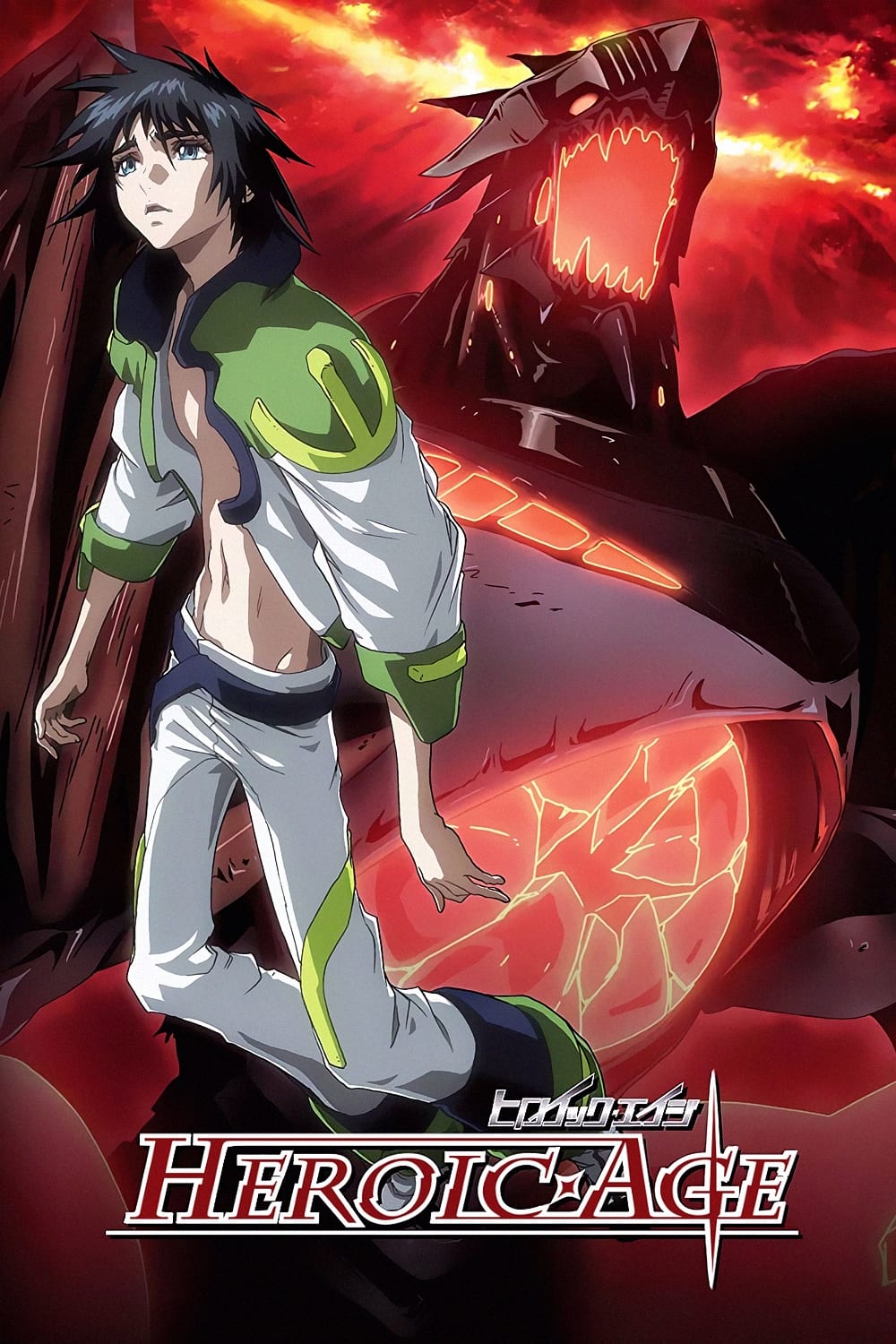
Before leaving for a new universe, the Golden Tribe sent out a message inviting other races to join them among the stars. Humanity was the last to respond, earning them the name the Iron Tribe. The story follows Age, who was raised by the Golden Tribe and carries the legacy of a powerful, ancient race. The world is built on a vast history of galactic civilizations and their power struggles, with conflicts that can destroy planets and change entire star systems.
‘Infinite Ryvius’ (1999–2000)
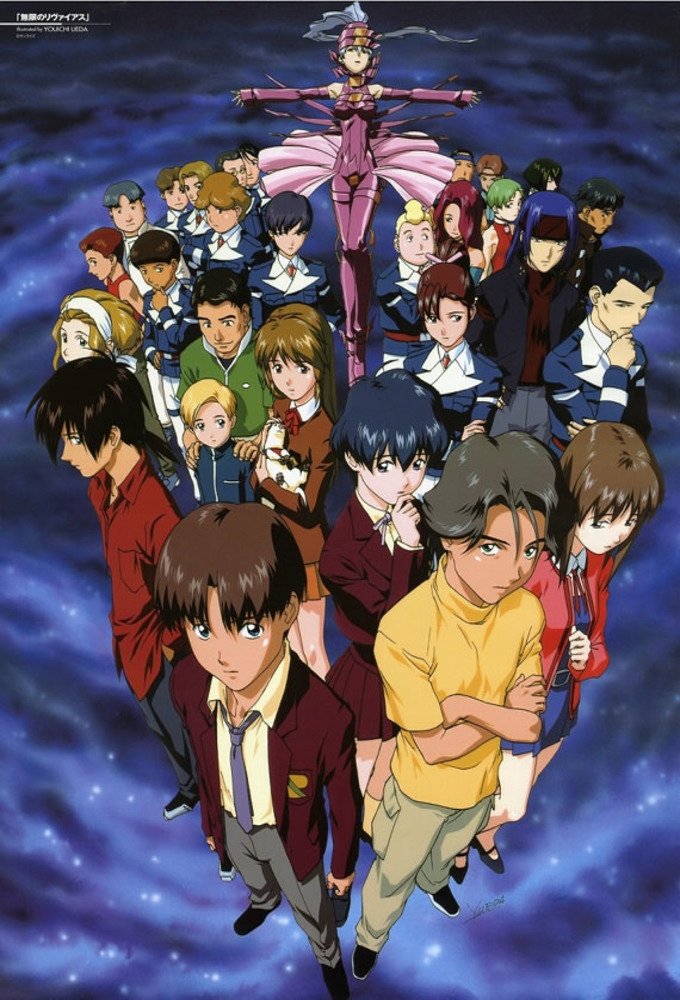
When a space station is destroyed, a group of teenagers finds themselves stranded aboard a mysterious ship named the Ryvius. As they journey through the dangerous Geduld Sea – a region of dense plasma in space – the students must build a functioning society while evading pursuit from orbital patrols. They also uncover the ship’s enigmatic origins and the strange power source driving it. Facing a harsh and unforgiving environment, the teenagers are forced to grapple with their own inner demons.
‘Eureka Seven’ (2005–2006)
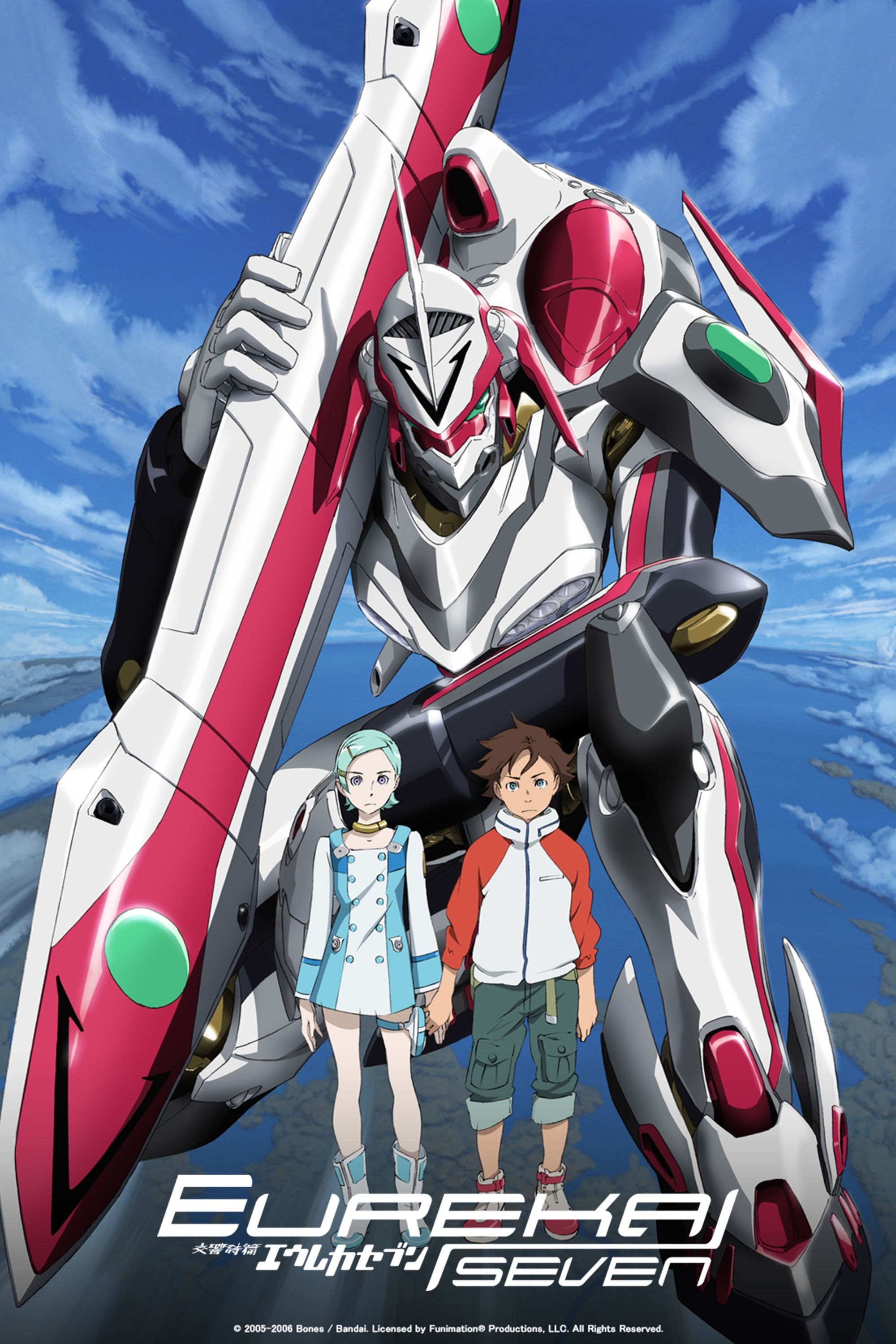
Renton Thurston teams up with a band of rebels who surf on waves of energy in the sky. It turns out the planet is actually Earth, completely covered by an alien life form called the Scub Coral. This coral arrived on a meteor from space and fused with the planet, creating a whole new ecosystem. A mysterious girl named Eureka is a human-like being made of the coral, designed to be a messenger from this alien intelligence.
‘Fairy Tail’ (2009–2019)
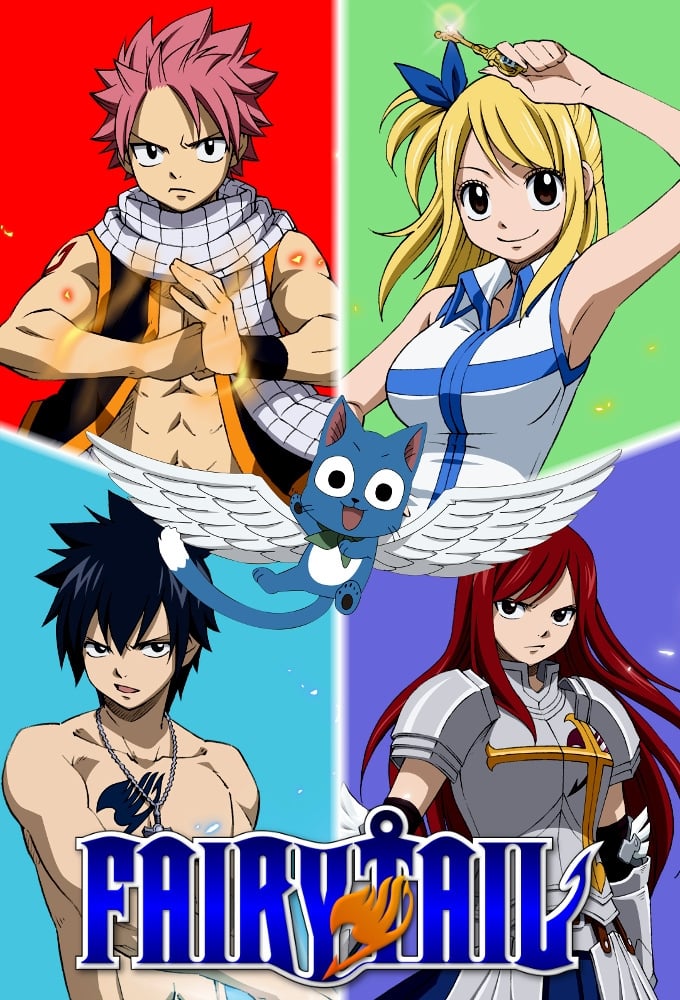
Lucy Heartfilia is a mage who can summon powerful spirits from another world using special keys. These spirits are based on the signs of the Zodiac, like Taurus, Aquarius, and Leo. The spirits’ origins are connected to a powerful ruler called the Spirit King and the agreements they make with humans. Lucy’s magic works by connecting with the stars and building strong relationships with the spirit forms of each constellation. As the story progresses, we learn more about the history of the spirit world and how time flows differently there.
‘Macross Frontier’ (2008)
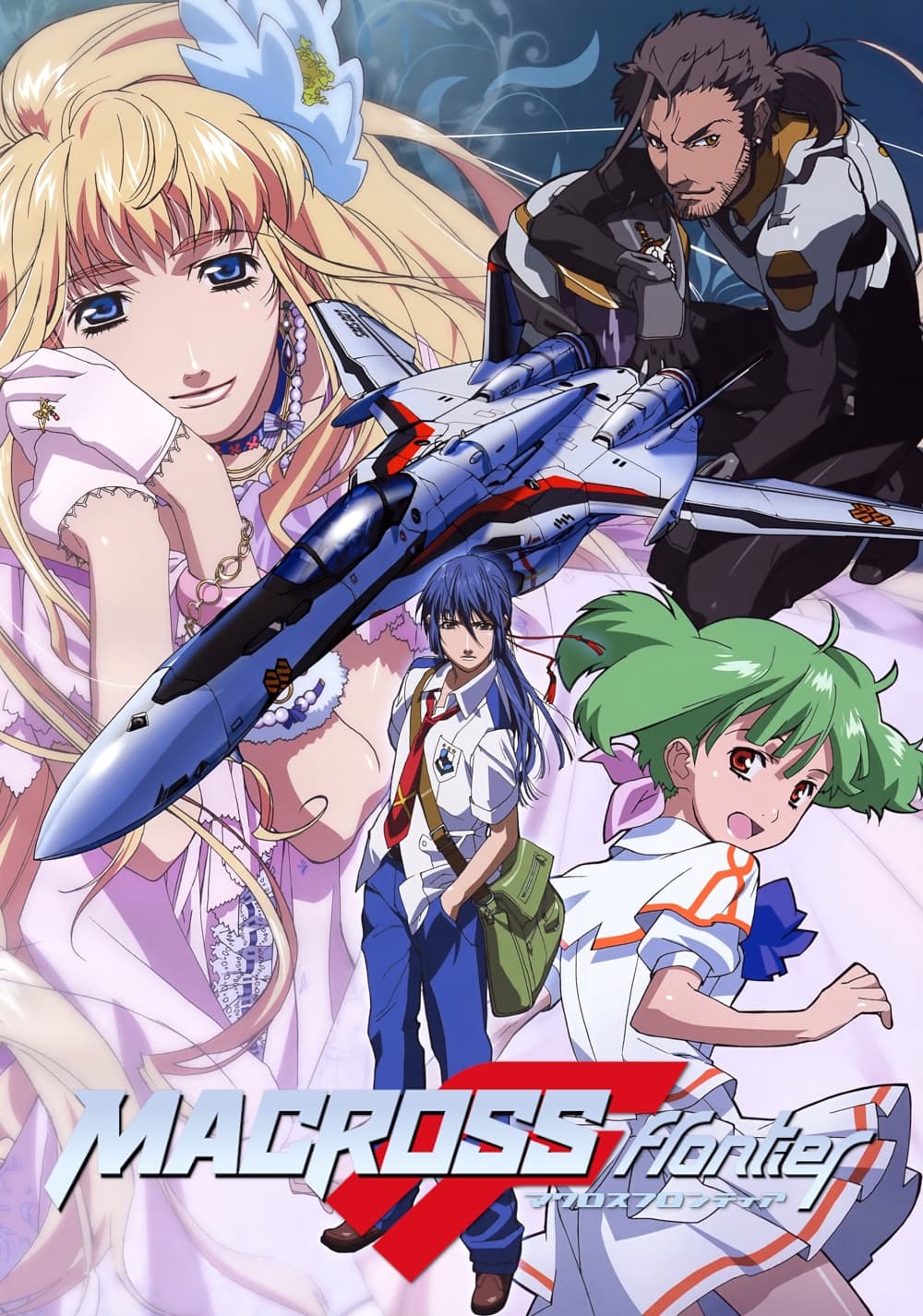
The Macross Frontier fleet is on a journey through space, searching for a new planet where humanity can live, all while battling an alien race called the Vajra. The story is rooted in an ancient life force called protoculture, which spread life throughout the galaxy. A popular singer named Ranka Lee has a strange link to the Vajra, as her voice seems to affect them. The series blends exciting robot battles with music and the wonders of space travel. The Vajra are unique because they share a single consciousness and can instantly move across vast distances without needing spaceships.
‘Voices of a Distant Star’ (2002)
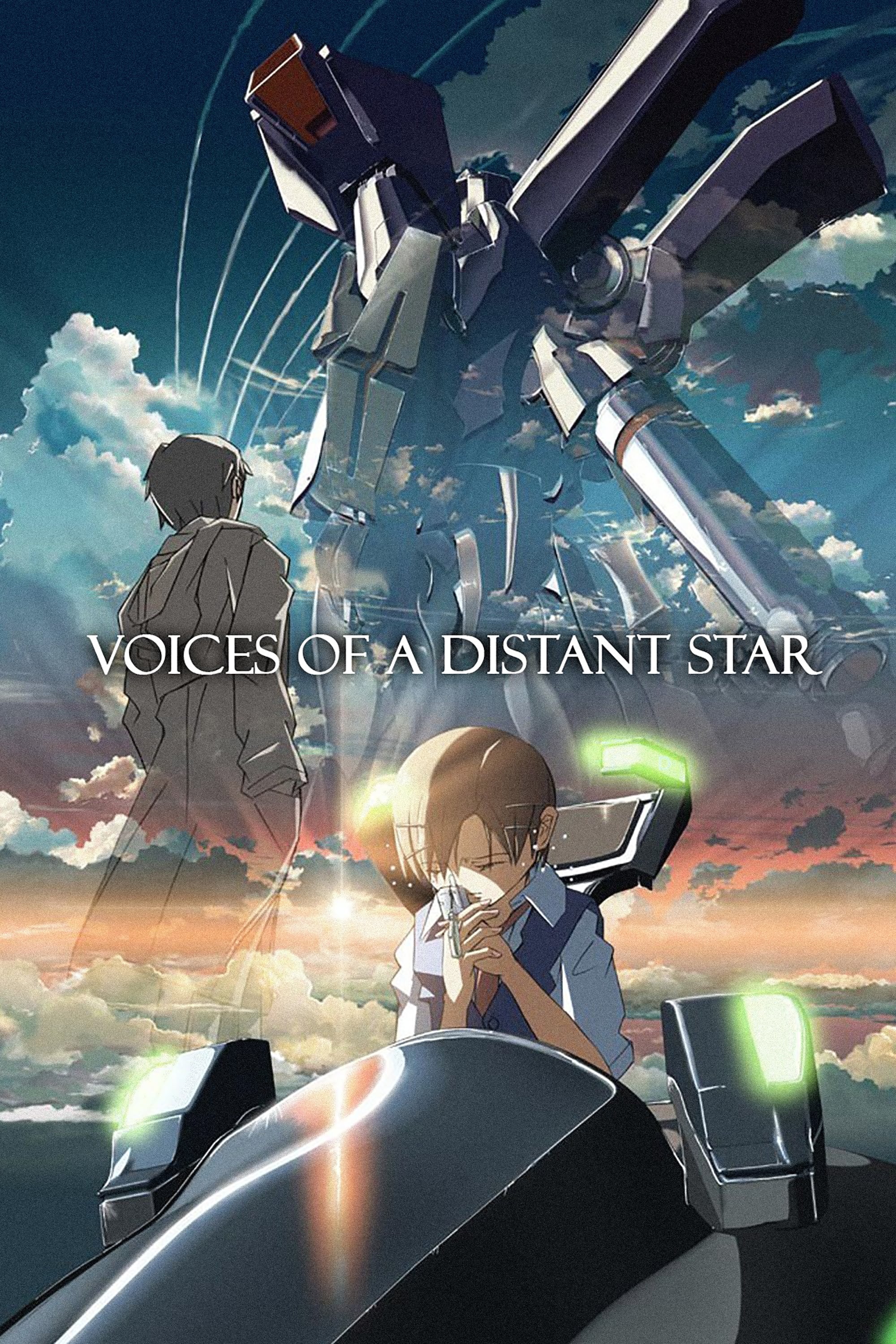
Mikako Nagamine joins the UN Space Army to battle aliens known as the Tarsians. As she pursues the enemy fleet further into space, her messages to her friend Noboru take increasingly longer to reach home. At its heart, the story is about two lovers separated by an interstellar war. What makes it unique is how the narrative focuses on the very real delays caused by the speed of light when communicating across vast distances, using astronomical principles to illustrate the widening emotional gap between the characters.
‘5 Centimeters Per Second’ (2007)
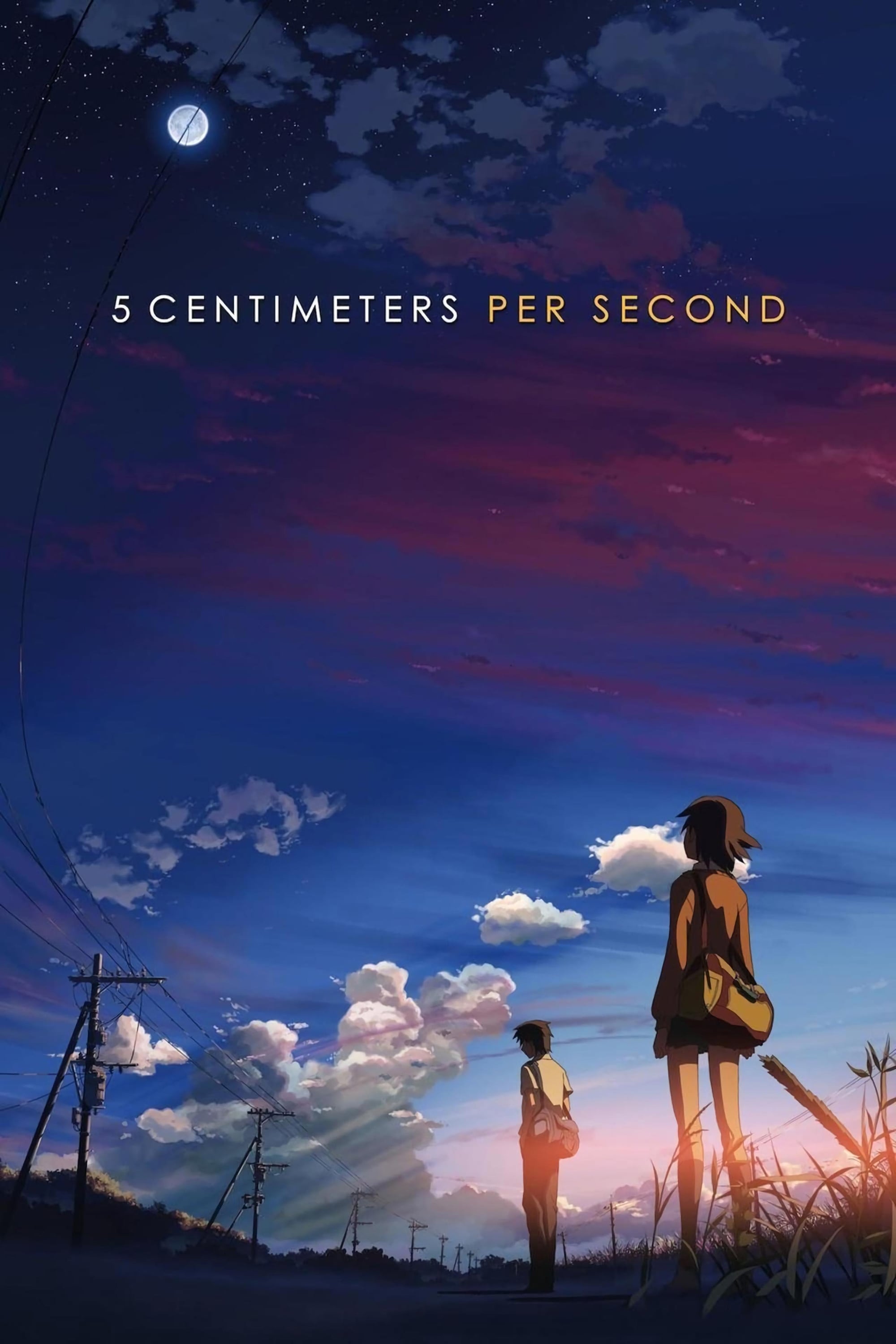
The middle part of the film shows the main character watching a rocket launch, an event deeply connected to her past because of the space center located on her island. The powerful image of the rocket soaring into space reflects the main character’s yearning for someone far away. Although the film isn’t science fiction, the space setting serves as a key symbol for the story, with the immense scale of space representing the unbridgeable distance between people.
‘Terra Formars’ (2014)
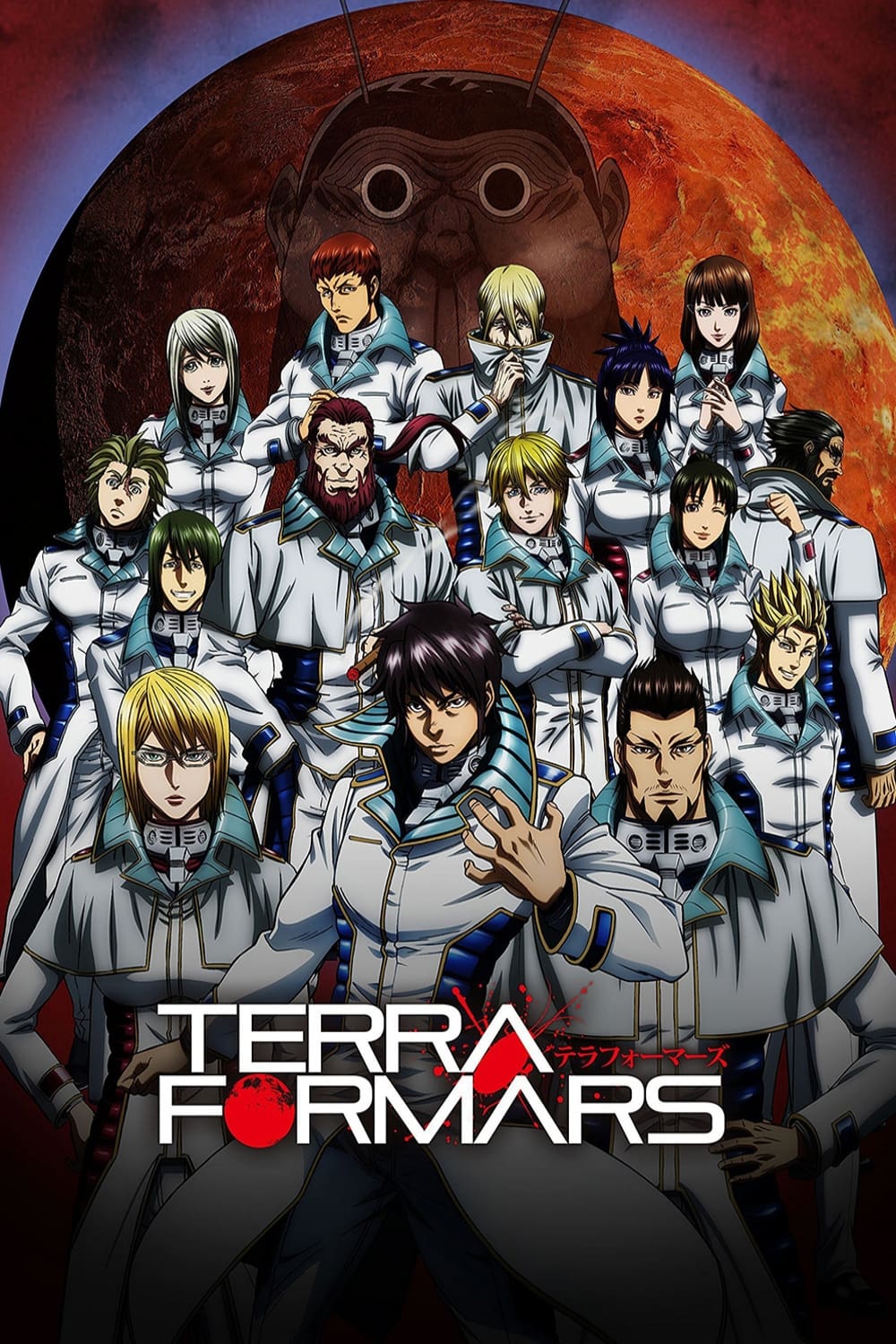
Long ago, scientists tried to make Mars livable by sending cockroaches and moss to the planet. Five hundred years later, a deadly virus forces humans to return to Mars, hoping to find a cure. What they discover is terrifying: the cockroaches have evolved into powerful, human-like creatures. To combat this Martian threat, the humans undergo radical surgery, gaining insect-like abilities. The story centers around a terraforming project that went disastrously wrong.
‘Gintama’ (2006–2018)
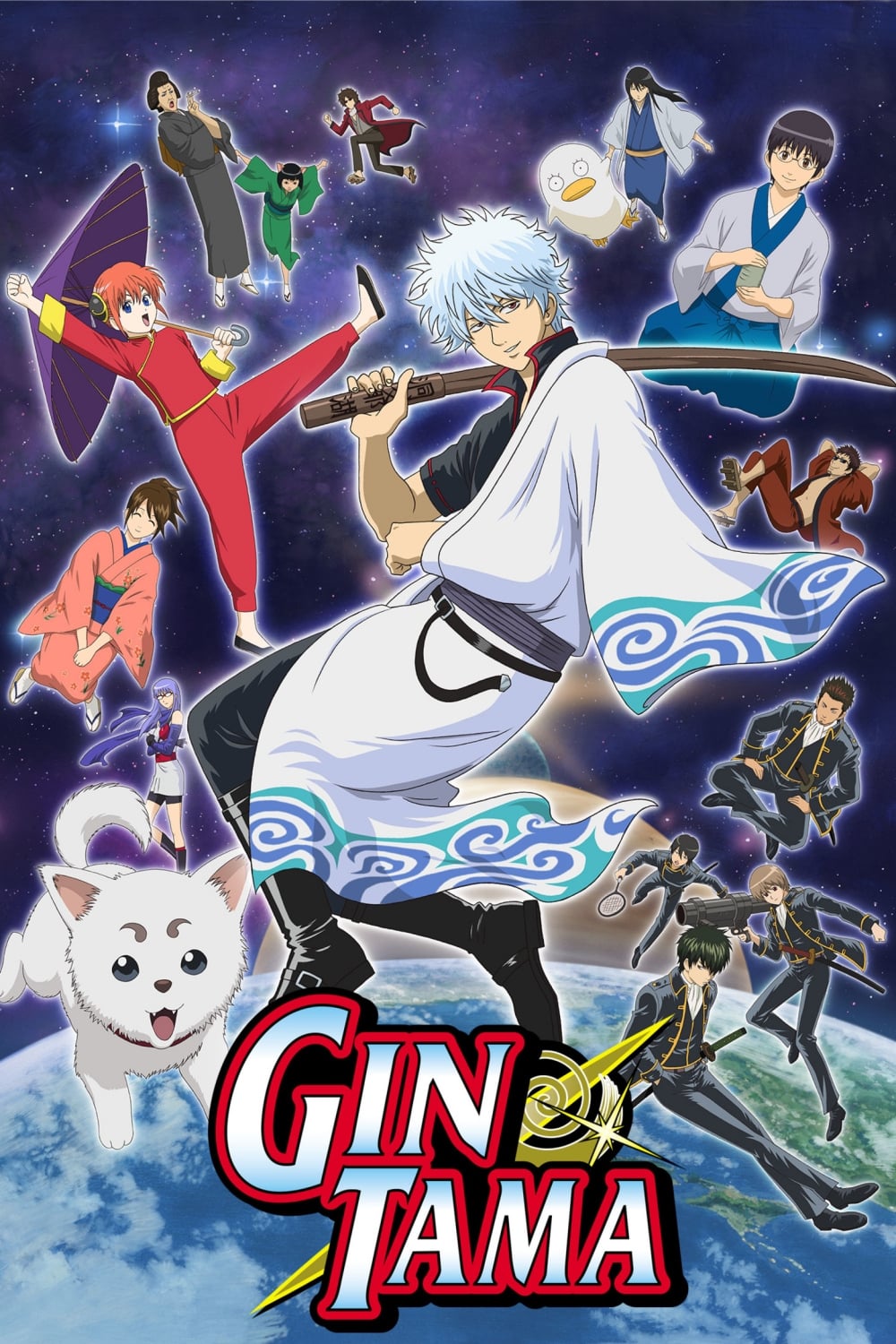
The story takes place in a reimagined Edo-era Japan that has been taken over by aliens known as the Amanto. After losing a war against the aliens’ superior technology, the samurai are struggling to adapt. Gintoki Sakata is a samurai who tries to hold onto traditional values in this new, modernized world. The combination of historical Japan with spaceships and aliens creates a funny and unique mix of drama and science fiction, and the setting is explained through the idea of advanced astronomical knowledge.
‘Martian Successor Nadesico’ (1996–1997)

Akito Tenkawa is a cook aboard the Nadesico, a battleship fighting a war against the Jovian Lizards. However, the story reveals these enemies are actually humans who were once exiled to Mars and then forgotten. The series playfully takes apart common themes found in mecha anime and space war stories. Akito is a big fan of a fictional anime within the show, called Gekiganger III, and its influence spreads throughout the crew. Ultimately, the war is caused by a simple misunderstanding between Earth and the people living on its Martian colony.
‘Vandread’ (2000)
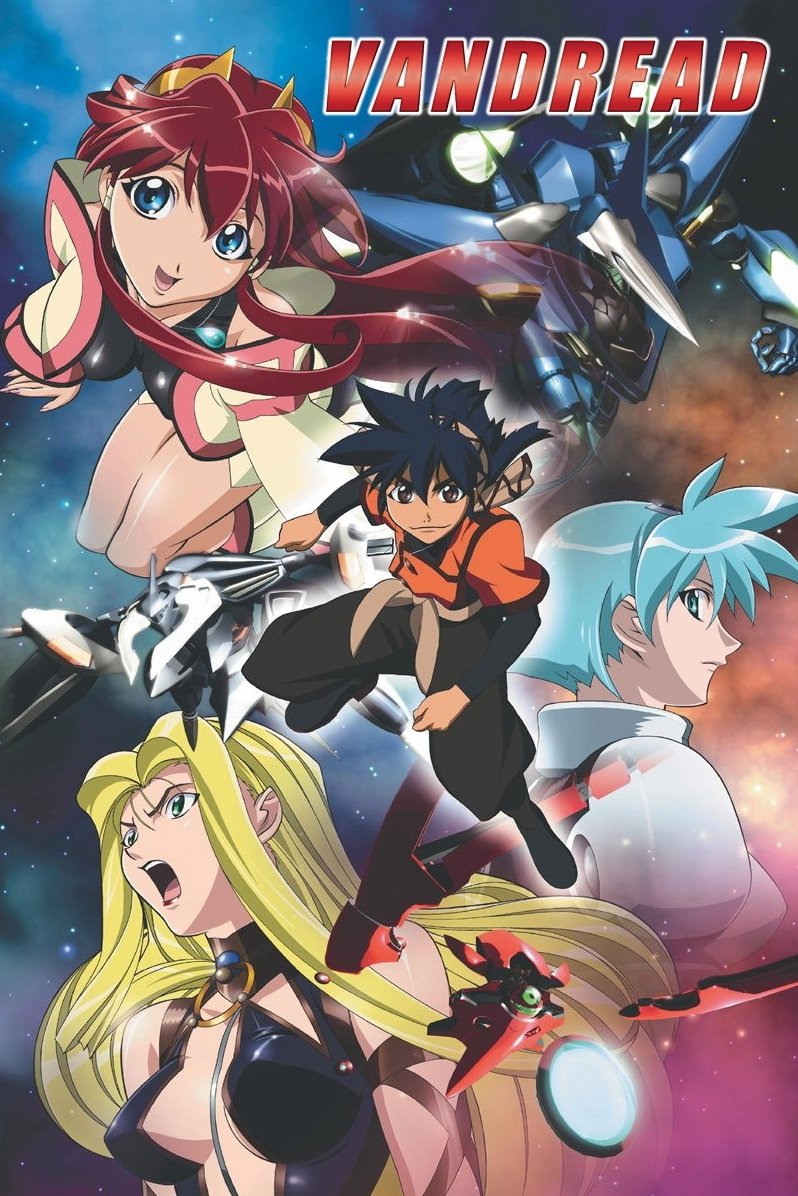
For generations, men and women have lived on different planets, locked in a bitter conflict. This stems from a forgotten past – they were originally separated on a colonization ship and gradually lost their connection to each other. When Hibiki Tokai is captured by a group of female pirates, they uncover a horrifying new threat: an enemy harvesting human organs. To survive, the characters must overcome their differences, work together, and combine their powerful mecha. The series uses this unique interplanetary setup to examine and challenge traditional gender roles.
‘Star Driver’ (2010–2011)
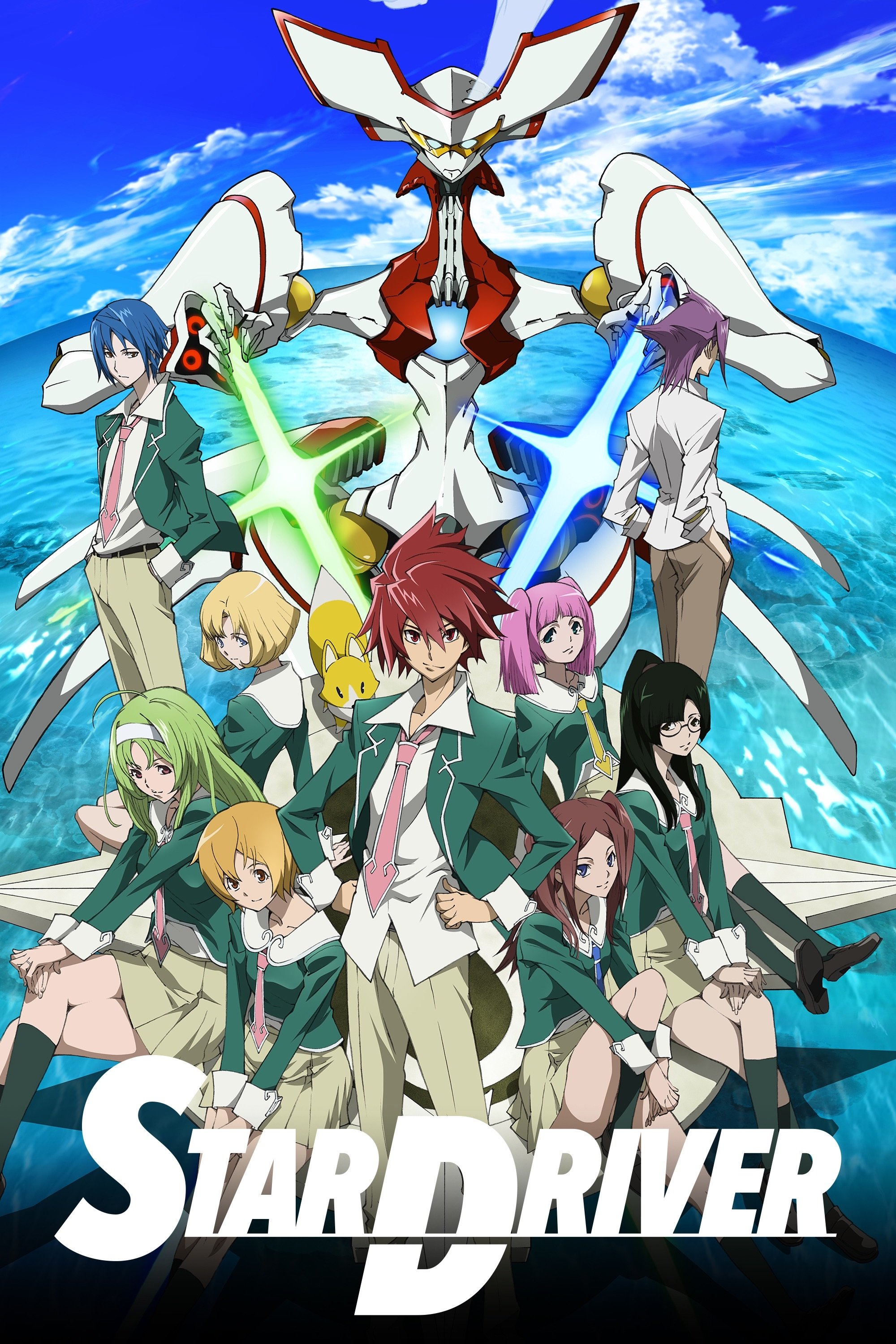
Takuto Tsunashi enrolls at a high school on Southern Cross Isle and discovers a hidden group dedicated to awakening massive, robotic beings called Cybodies. These Cybodies have been concealed underground, and their origins tie back to an ancient alien race and the shrine maidens tasked with guarding the seals that contain them. Both the robots and their enemies are named after stars and constellations, and their conflicts unfold in a unique pocket dimension known as Zero Time.
‘Wish Upon the Pleiades’ (2015)
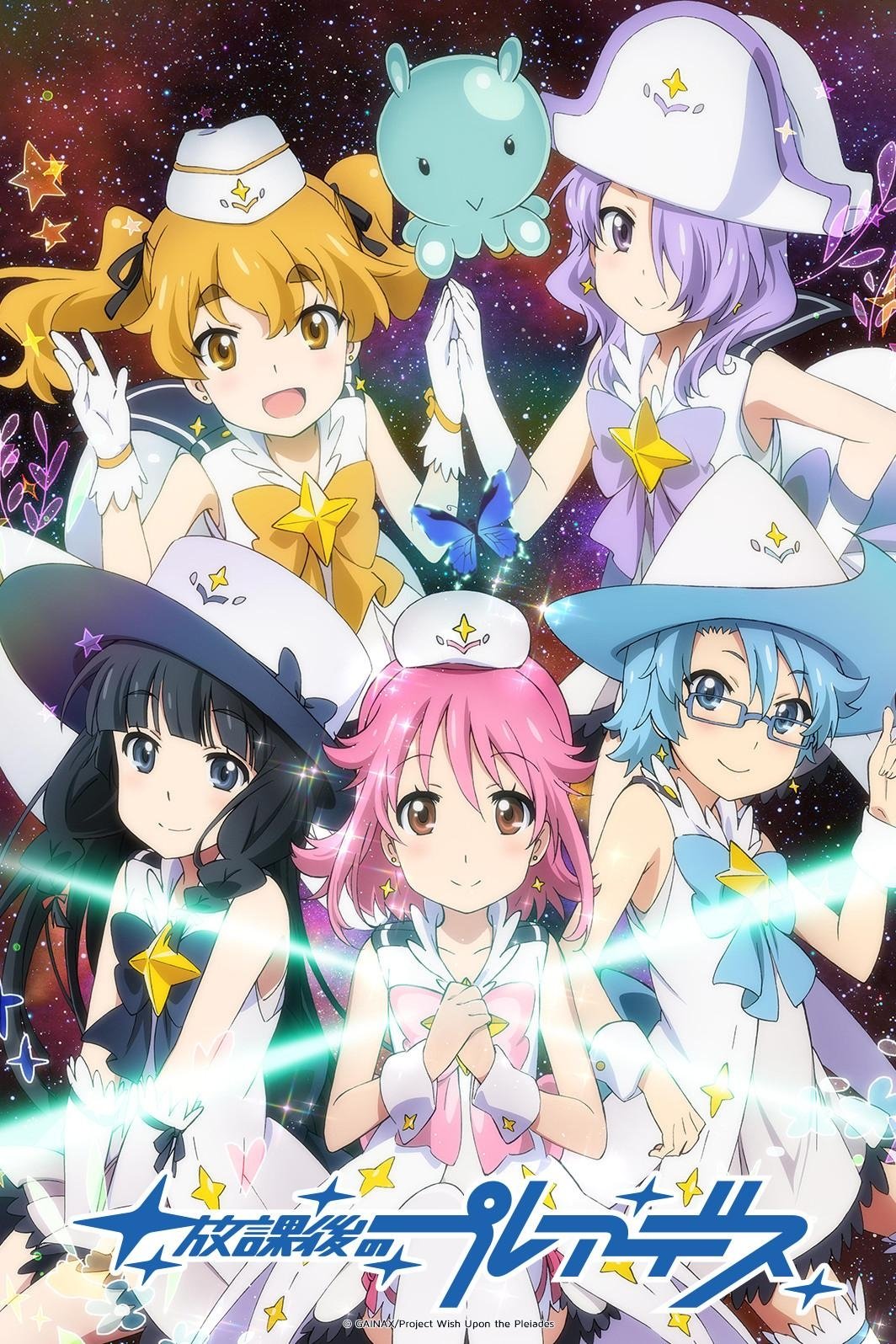
Subaru stumbles upon a team of magical girls on a quest to gather spaceship parts. The being they’re helping is an alien blob who wants to go home – to the Pleiades star cluster – and needs their help to repair his ship. Each girl’s powers are linked to the stars and the vastness of space. The show is known for its realistic depiction of telescopes and how astronomers work. It was originally developed with Subaru, the car company, which gets its name from the same star cluster.
‘Toward the Terra’ (2007)
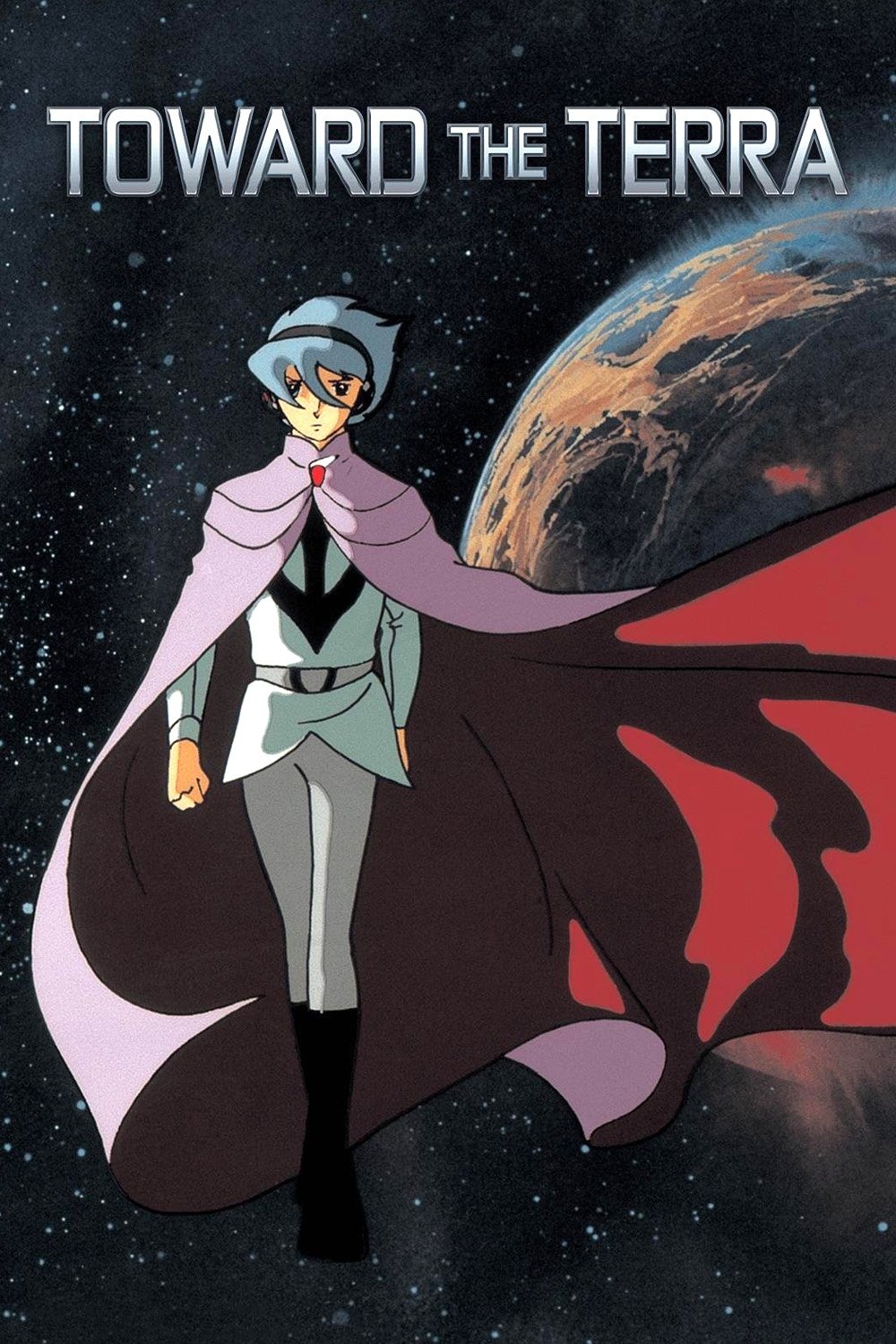
In a future where computers rule and Earth is a distant ruin, a new group of humans called the Mu are developing psychic powers. Sadly, they face persecution for being different. The Mu dream of returning to Terra – a legendary, almost mythical version of Earth. The story follows their decades-long journey across the stars, with astronomy representing their hope and ultimate destination.
‘Moonlight Mile’ (2007)

Goro and Lostman are climbers who, having scaled every mountain on Earth, set their sights on space. Their story unfolds alongside the development of a huge lunar base – the Nexus – built for mining resources. The series explores the political conflicts between countries as a new Cold War spreads to the Moon, realistically portraying a future where industry is established on the lunar surface. The characters are motivated by the extreme physical demands of operating in space.
‘Planetarian: The Reverie of a Little Planet’ (2016)
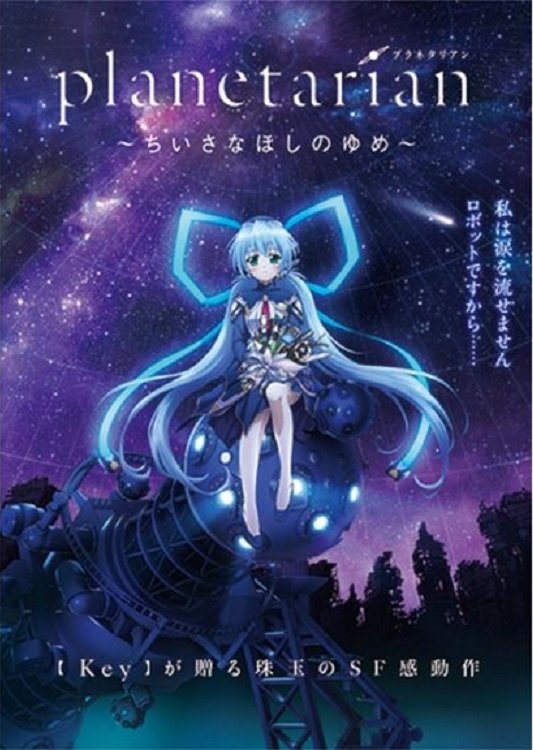
In a world shattered by disaster, a scavenger encounters Yumemi, a robot who gives planetarium shows on a rooftop. She continues to project the stars, hoping for an audience that never comes, a remnant of her original purpose to share the wonders of the universe with people. The series contrasts the breathtaking beauty of the cosmos with the desolate ruins of the city, highlighting humanity’s lasting love for astronomy even as the world ends.
‘Outlaw Star’ (1998)
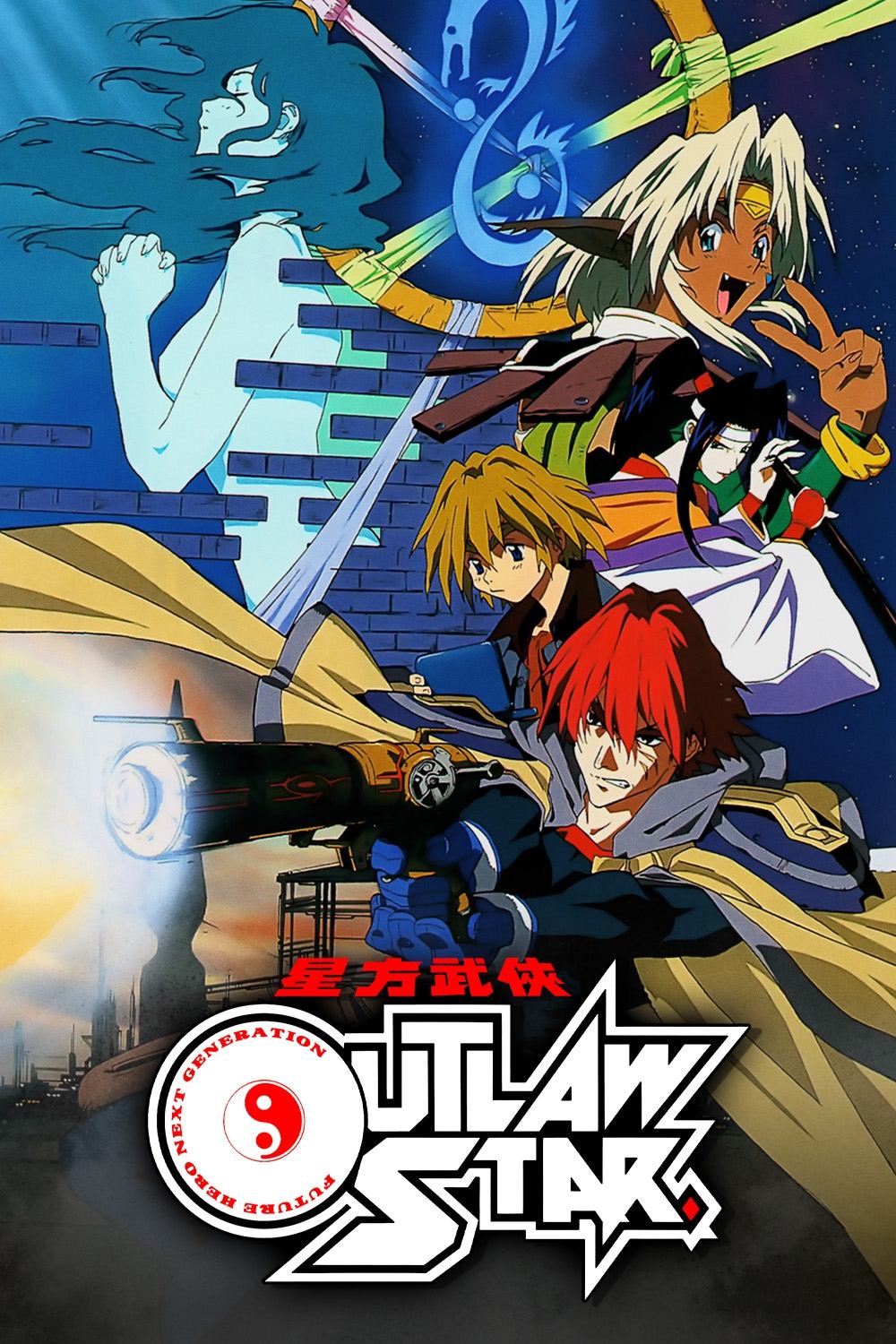
Gene Starwind gets his hands on a powerful spaceship and sets out to find the Galactic Leyline – a legendary place said to grant unlimited power. This search is part of a larger race across the galaxy. His ship, originally built by space pirates, features a unique navigation system. Gene is joined by a diverse crew: an android, a cat-girl, and a skilled assassin. Together, they journey through dangerous space, where magic and technology collide in a futuristic, wild west setting.
‘Dr. Stone’ (2019–2023)
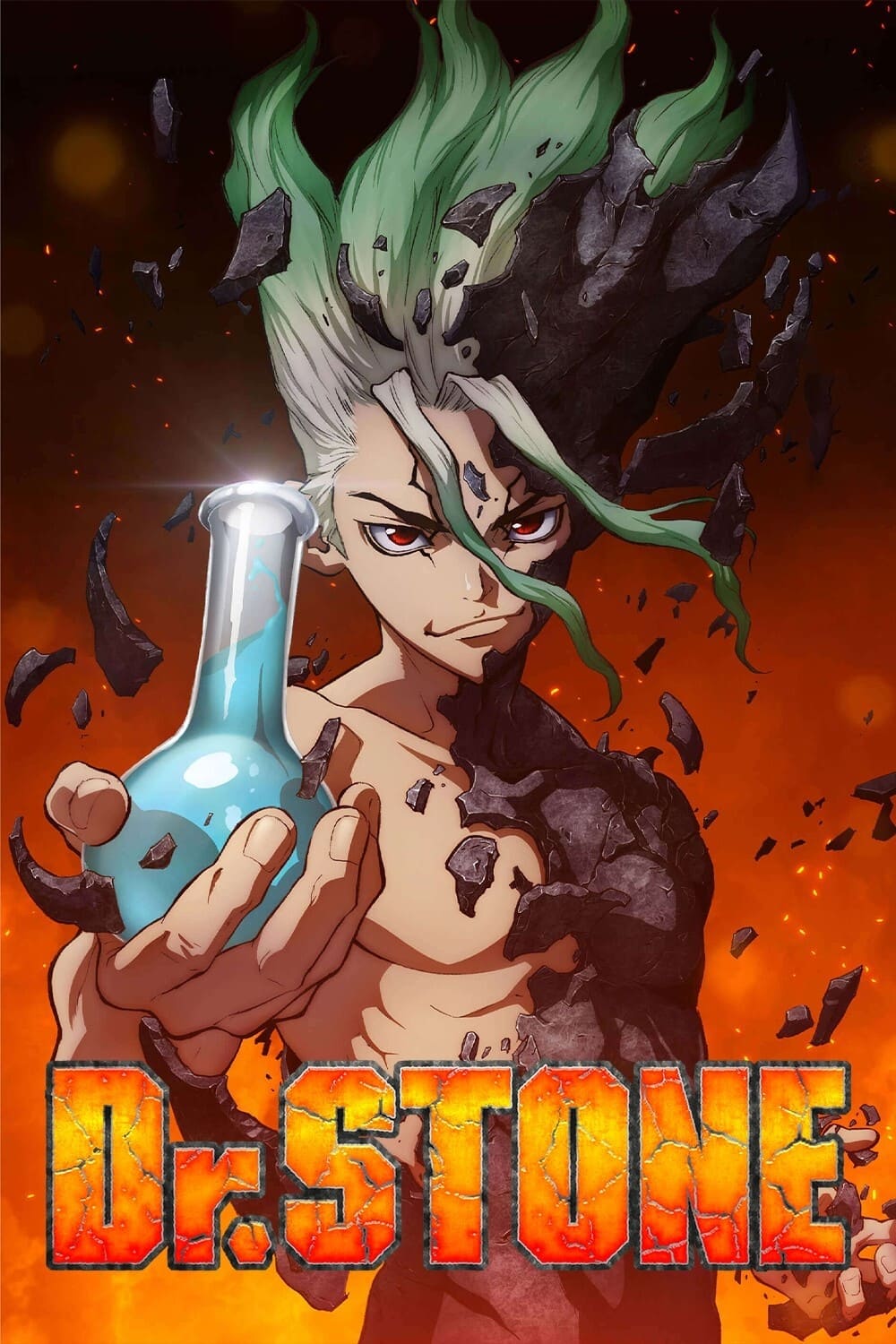
Thousands of years after a strange green light turned all of humanity to stone, Senku Ishigami wakes up. His father, Byakuya, was on the International Space Station at the time, and the astronauts there were the only people who weren’t petrified. They came back to Earth and started a new settlement. Senku, using his scientific skills, aims to rebuild society and uncover the mystery behind the petrification. The space station and its crew represent the last remaining connection to the world that once was.
Read More
- Spotting the Loops in Autonomous Systems
- Seeing Through the Lies: A New Approach to Detecting Image Forgeries
- The Best Directors of 2025
- Staying Ahead of the Fakes: A New Approach to Detecting AI-Generated Images
- The Glitch in the Machine: Spotting AI-Generated Images Beyond the Obvious
- Gold Rate Forecast
- 20 Best TV Shows Featuring All-White Casts You Should See
- Palantir and Tesla: A Tale of Two Stocks
- 2025 Crypto Wallets: Secure, Smart, and Surprisingly Simple!
- Umamusume: Gold Ship build guide
2025-12-16 01:55