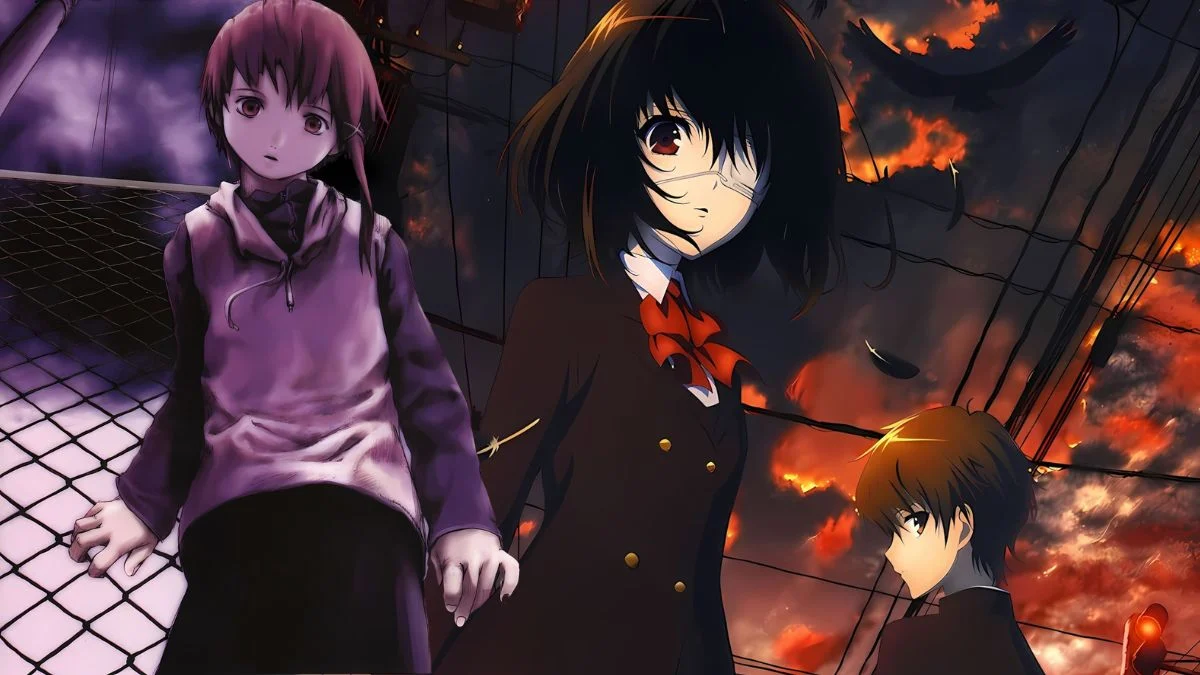
For generations, people have been captivated by urban legends – stories that mix real-life elements with the supernatural. Anime often draws on these modern myths to create engaging stories that connect with viewers on a deeper, psychological level. These anime series can range from truly frightening horror collections to mind-bending mysteries that tap into shared human fears and beliefs. By including folklore, these shows make even fantastical events feel strangely relatable. This list highlights fifty anime series that skillfully incorporate urban legends into their plots.
‘Ghost Stories’ (2000–2001)
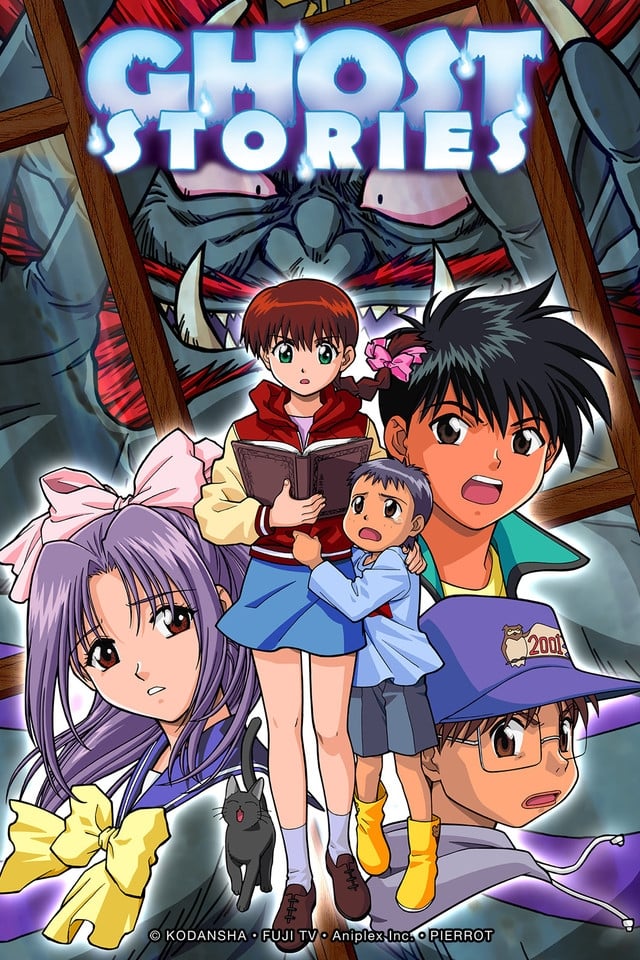
The show centers around Satsuki Miyanoshita and her friends as they explore haunted places in their town. They find an old journal with instructions on how to get rid of ghosts based on Japanese legends, including well-known figures like Kuchisake-onna (the slit-mouthed woman) and Hanako. While originally a horror series, ‘Ghost Stories’ is particularly famous for its English dub, which completely changed the show into a darkly humorous comedy.
‘Toilet-bound Hanako-kun’ (2020)
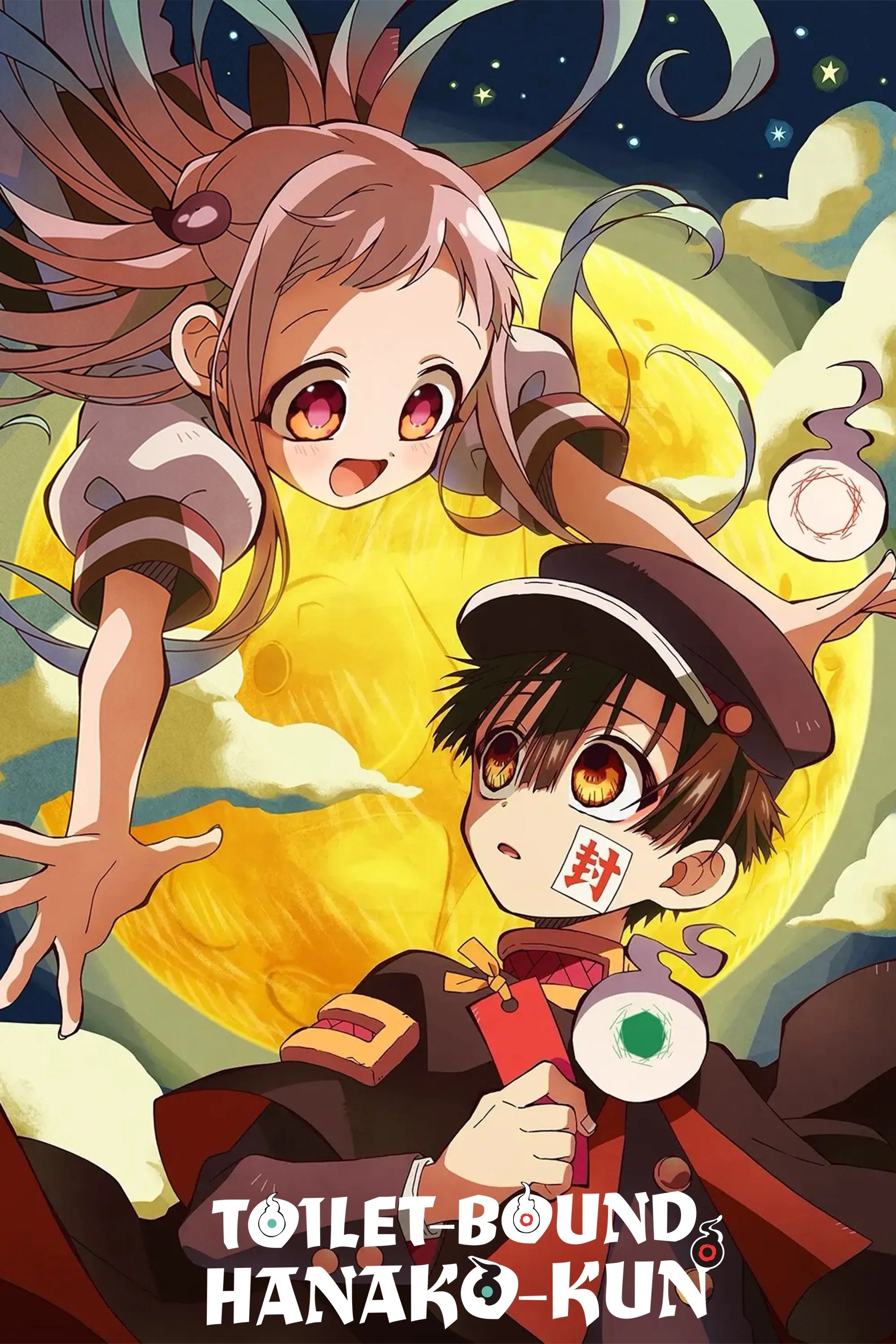
The story takes place at Kamome Academy, which is famous for its spooky rumors about the Seven Mysteries. Nene Yashiro tries to find Hanako-san, the third mystery, hoping to make a wish for love. She soon learns that Hanako-san isn’t what she expected – it’s a boy who works to keep both the human world and the spirit world in balance. The animation has a storybook look, which adds to the story’s strange and slightly creepy feeling.
‘Durarara!!’ (2010)
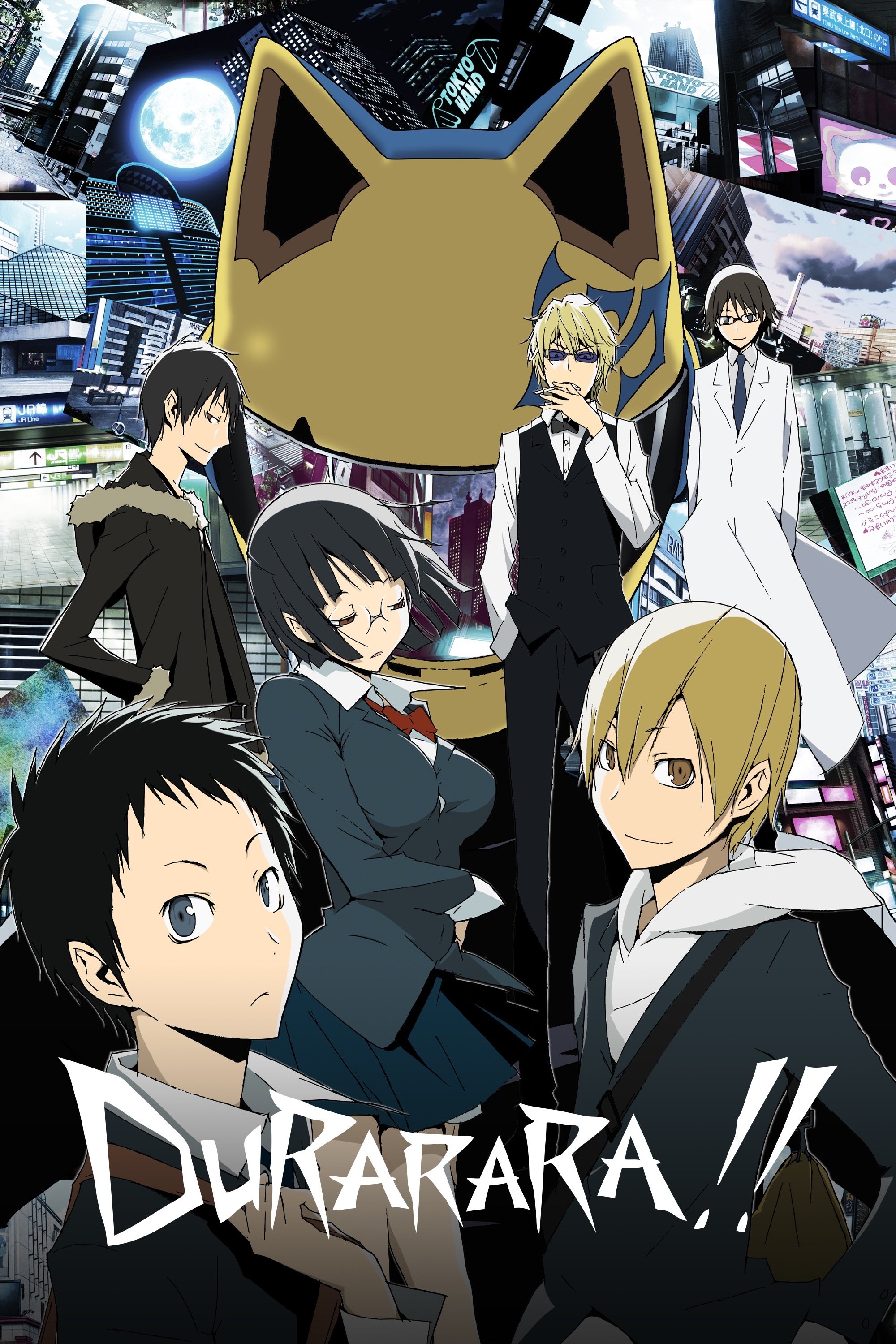
The story unfolds in Ikebukuro, featuring a dullahan – a headless rider – who works as a delivery person for the criminal underworld. Riding a black motorcycle, this figure becomes a well-known urban legend among the city’s people. The series follows how gangs and students encounter this supernatural being as they deal with their own complicated lives and relationships. It skillfully blends the traditional myth of the dullahan with the realities of modern gang activity and internet culture.
‘Paranoia Agent’ (2004)
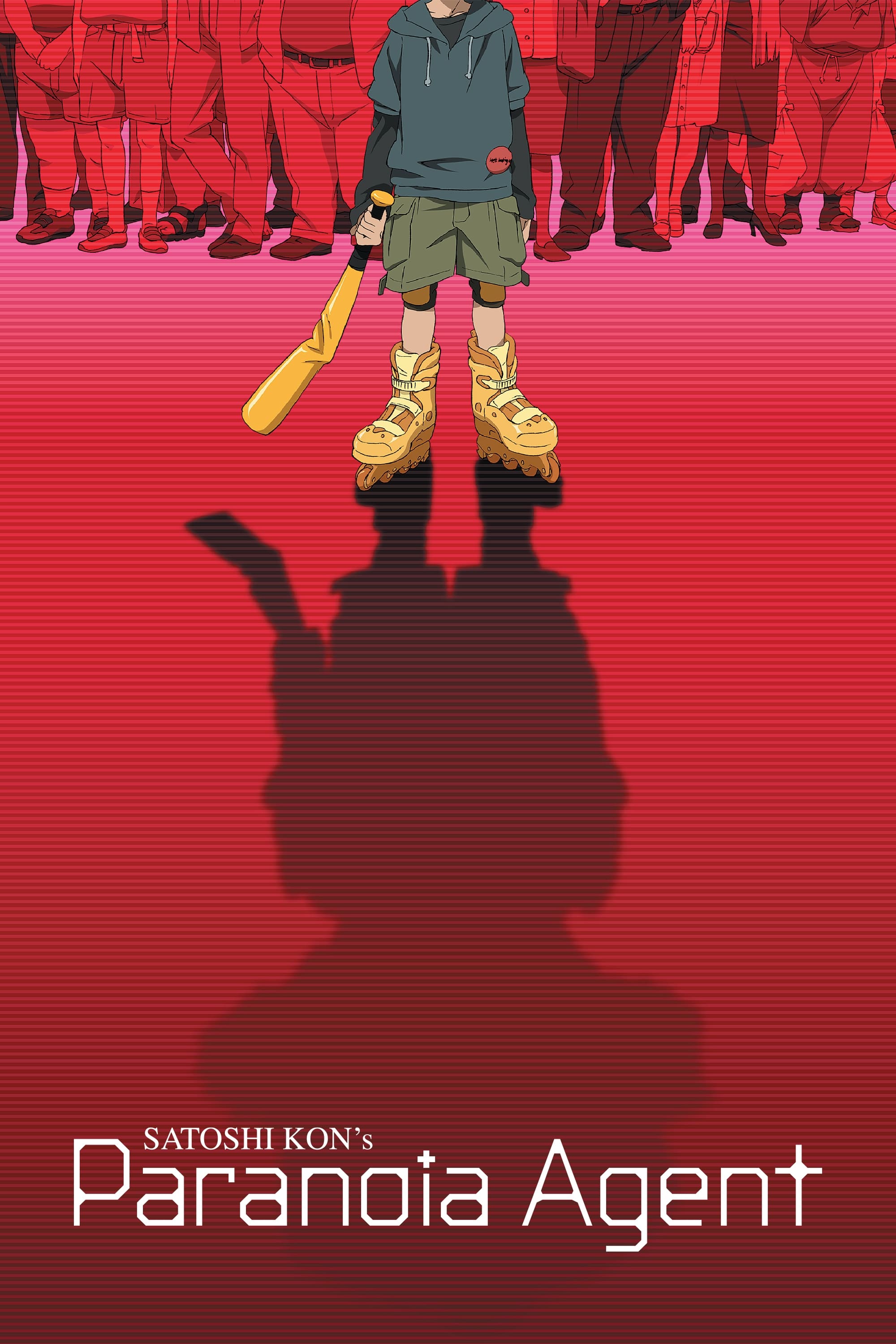
Tokyo is gripped by a strange phenomenon centered around a young attacker nicknamed Lil’ Slugger. He targets people who are feeling desperate and defeats them with a curved golden bat. As stories about Lil’ Slugger spread quickly, it becomes hard to tell what’s real and what’s just mass panic. Director Satoshi Kon uses this modern legend to explore themes of avoiding reality and the pressures of society.
‘Hell Girl’ (2005–2006)

A strange website called the Hotline to Hell sparks a chilling rumor among teens: type an enemy’s name into the site at midnight, and they’ll be sent to hell. Ai Enma is the one who actually carries out these requests, but there’s a catch – those who make the requests forfeit their own souls upon their death. The story delves into the themes of revenge and the repercussions of wishing harm on others.
‘Boogiepop Phantom’ (2000)
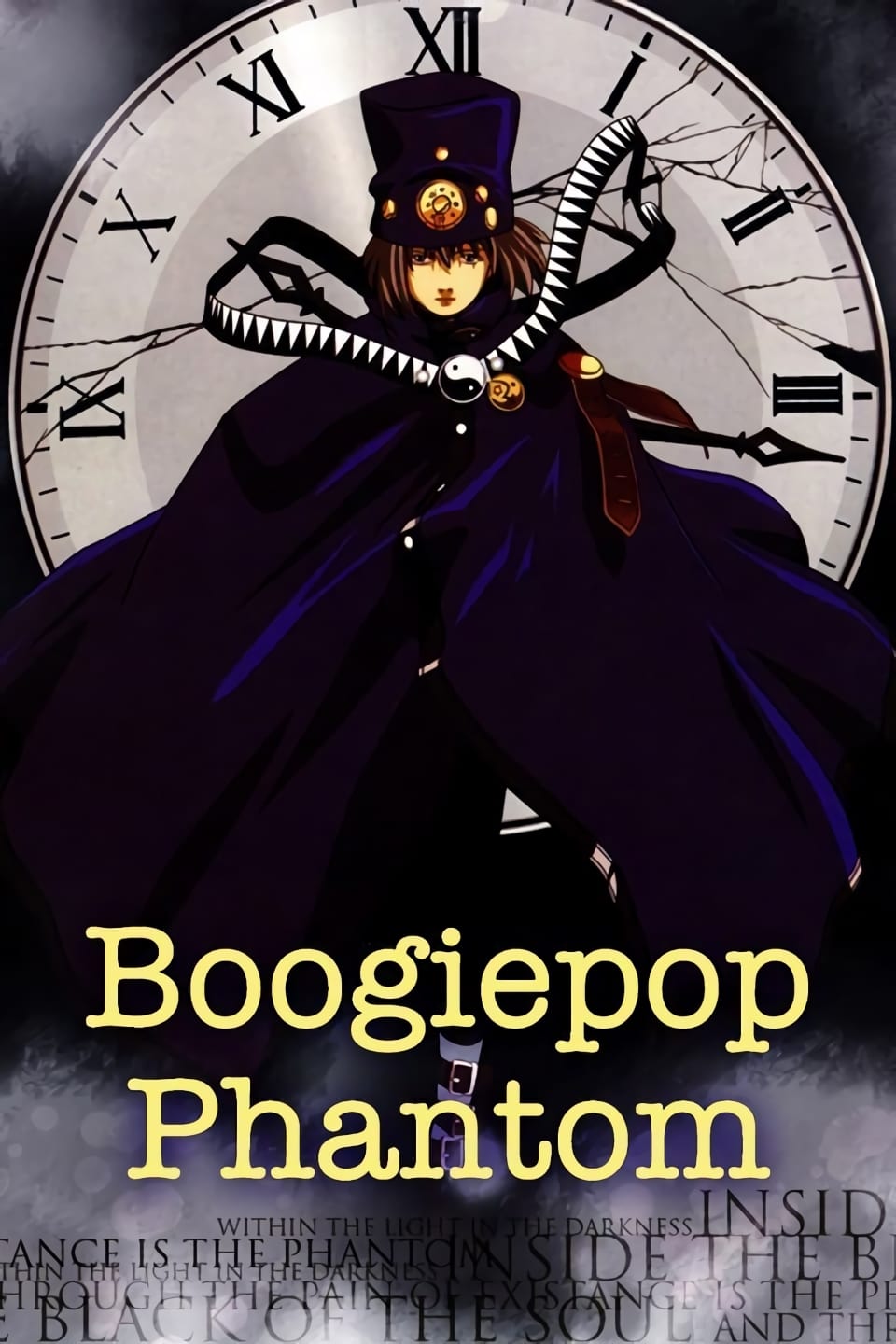
A mysterious pillar of light appears over the city, coinciding with a string of disturbing disappearances. Locals whisper that these events are connected to Boogiepop, an urban legend said to be the embodiment of death. The story unfolds in a fragmented, non-linear way, demonstrating how rumors can distort what people believe is real. ‘Boogiepop Phantom’ explores the complexities of memory and the challenges of growing up.
‘Another’ (2012)
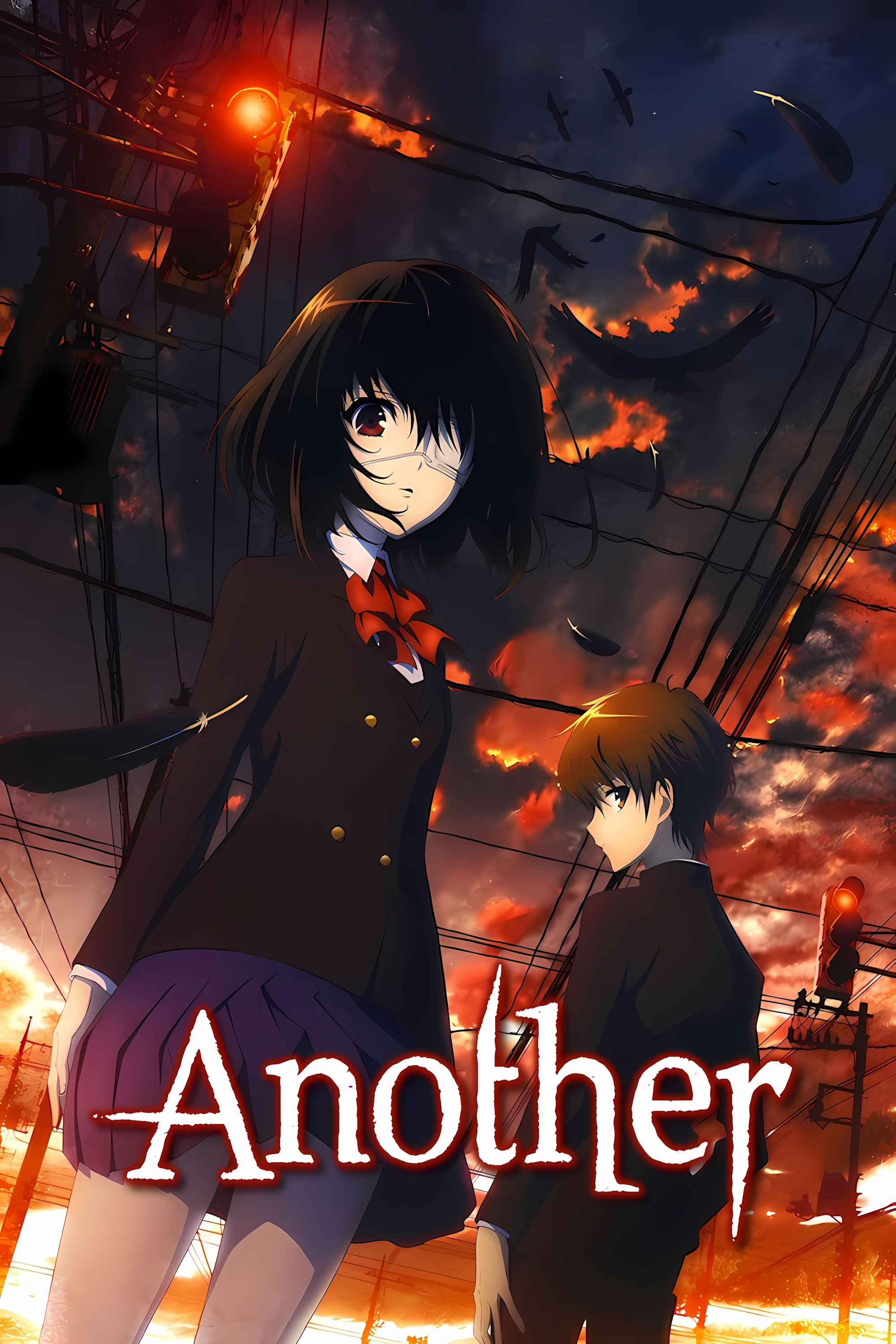
A new student arrives at school and quickly learns it’s haunted by a decades-old tragedy. His classmates act as if he’s invisible, desperately trying to avoid a series of deadly accidents linked to a curse. The story unfolds like a dark mystery, as the students try to uncover the truth behind the curse and identify the person connected to the original death. It taps into common fears about school curses and the feeling of being trapped by destiny.
‘Dusk Maiden of Amnesia’ (2012)

After encountering the ghost of Yuuko, who can’t remember how she died, the story follows the protagonist as she explores the historic Seikyou Academy. The school is known for its spooky tales, but these are actually twisted versions of what really happened to Yuuko. The series combines a romantic storyline with a mystery focused on helping Yuuko find peace.
‘GeGeGe no Kitaro’ (2018–2020)
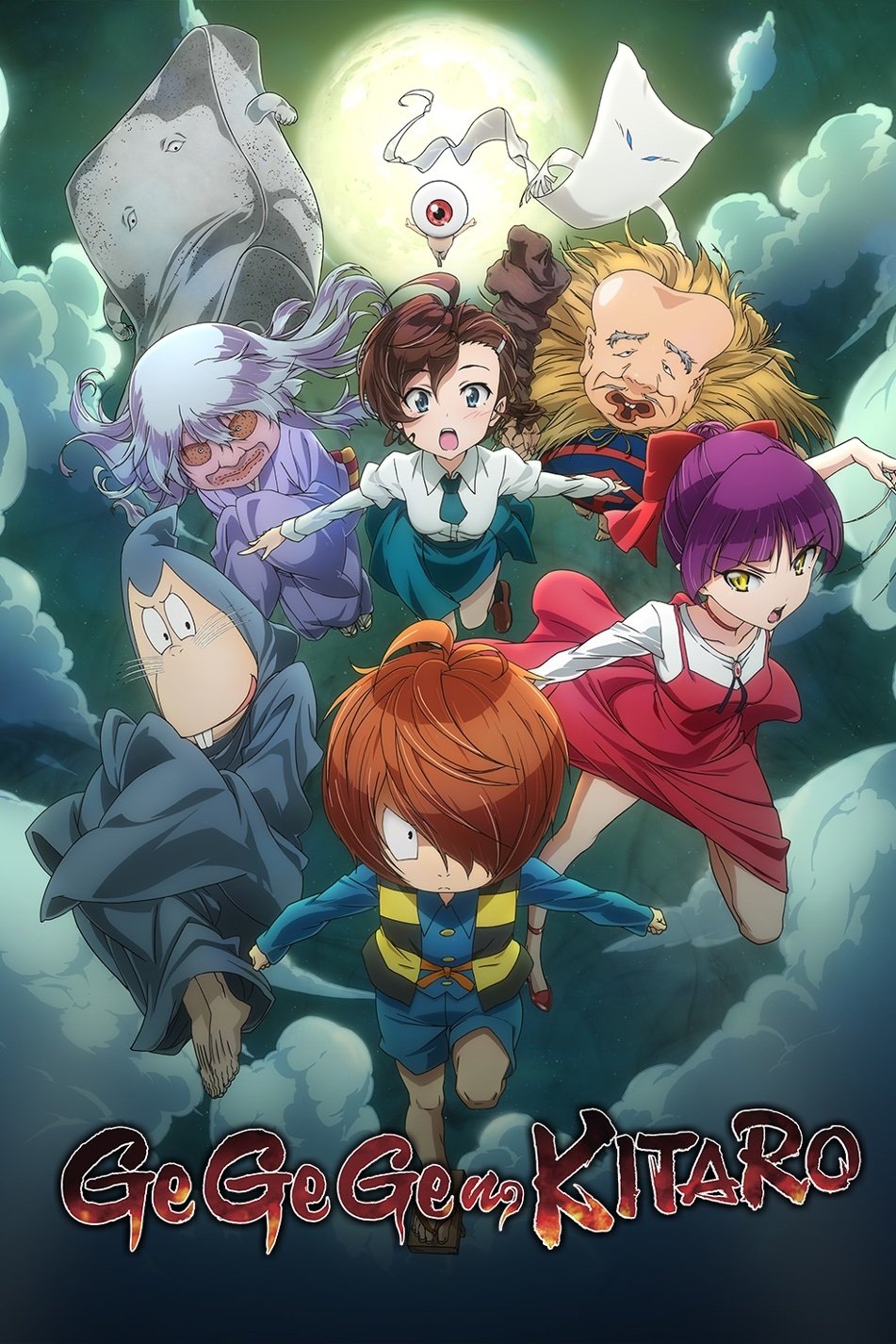
This new version of the long-running series updates classic Japanese spirits, known as yokai, for the age of smartphones. Kitaro continues his work keeping the peace between humans and spirits, but now faces the challenge of cities expanding into the supernatural world. Many episodes reimagine traditional stories to address modern problems, such as social media obsession. Overall, the series is a great way to learn about Japanese folklore and monster mythology.
‘Occultic;Nine’ (2016)
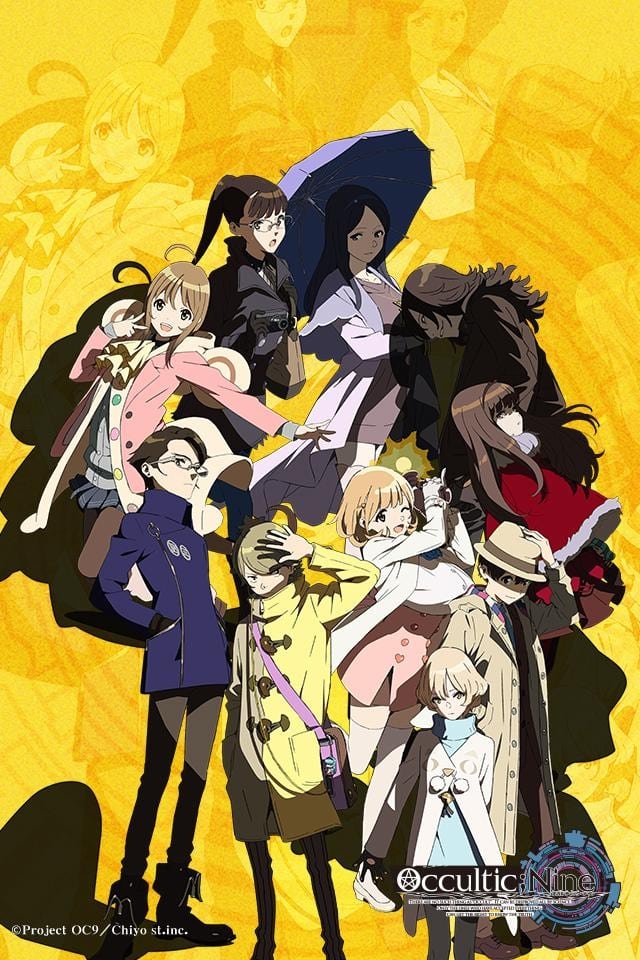
The show follows a quirky group of people who investigate urban legends through a blog. After a tragic event with many deaths, they stumble into a larger conspiracy involving ghosts and the ability to learn about the past through touch. The fast-paced conversations and quick cuts reflect how quickly information – and misinformation – spreads online. Ultimately, the series explores how internet rumors can turn into real-world dangers.
‘Higurashi: When They Cry’ (2006)
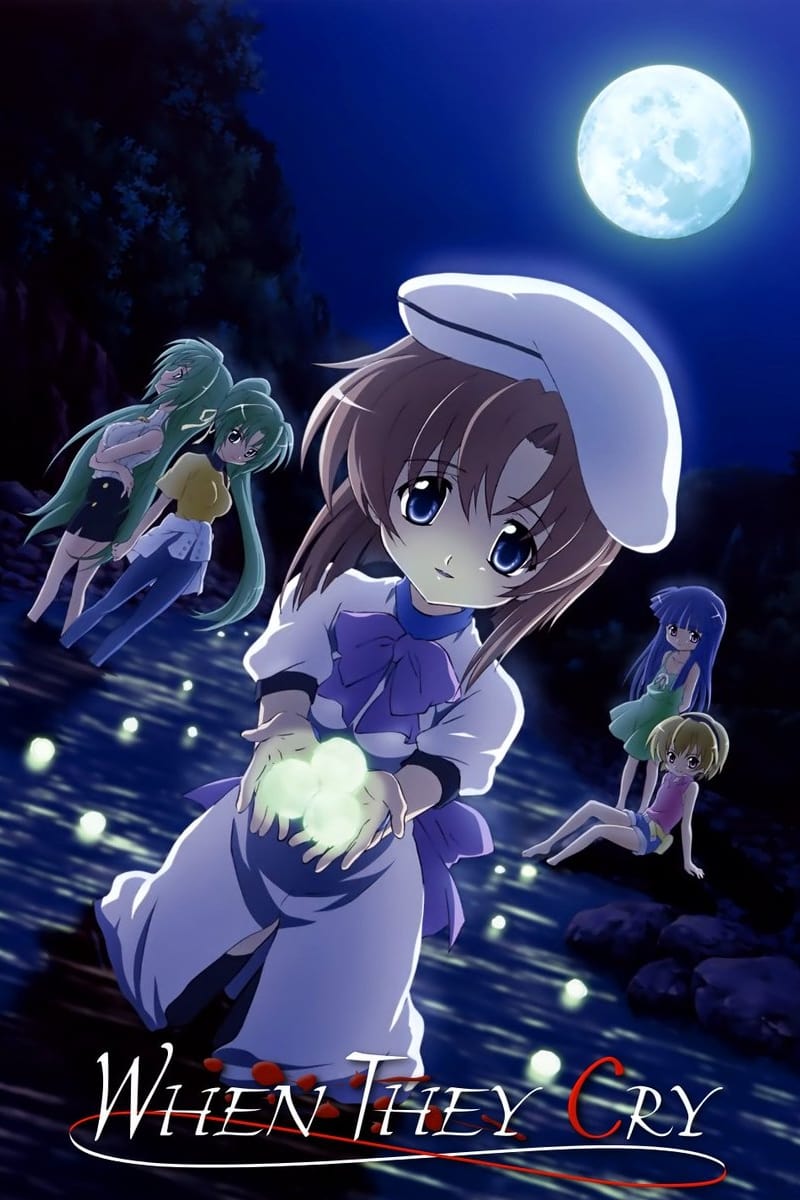
When a boy named Keiichi moves to the quiet village of Hinamizawa, he discovers a dark secret: a curse linked to the local goddess, Oyashiro-sama. Every year during the village festival, terrible things happen – people are murdered or vanish. The story follows a group of friends caught in repeating time loops, where fear and old beliefs lead to shocking violence. ‘Higurashi: When They Cry’ expertly blends a seemingly peaceful countryside setting with the terrifying elements of folk horror.
‘Gugure! Kokkuri-san’ (2014)
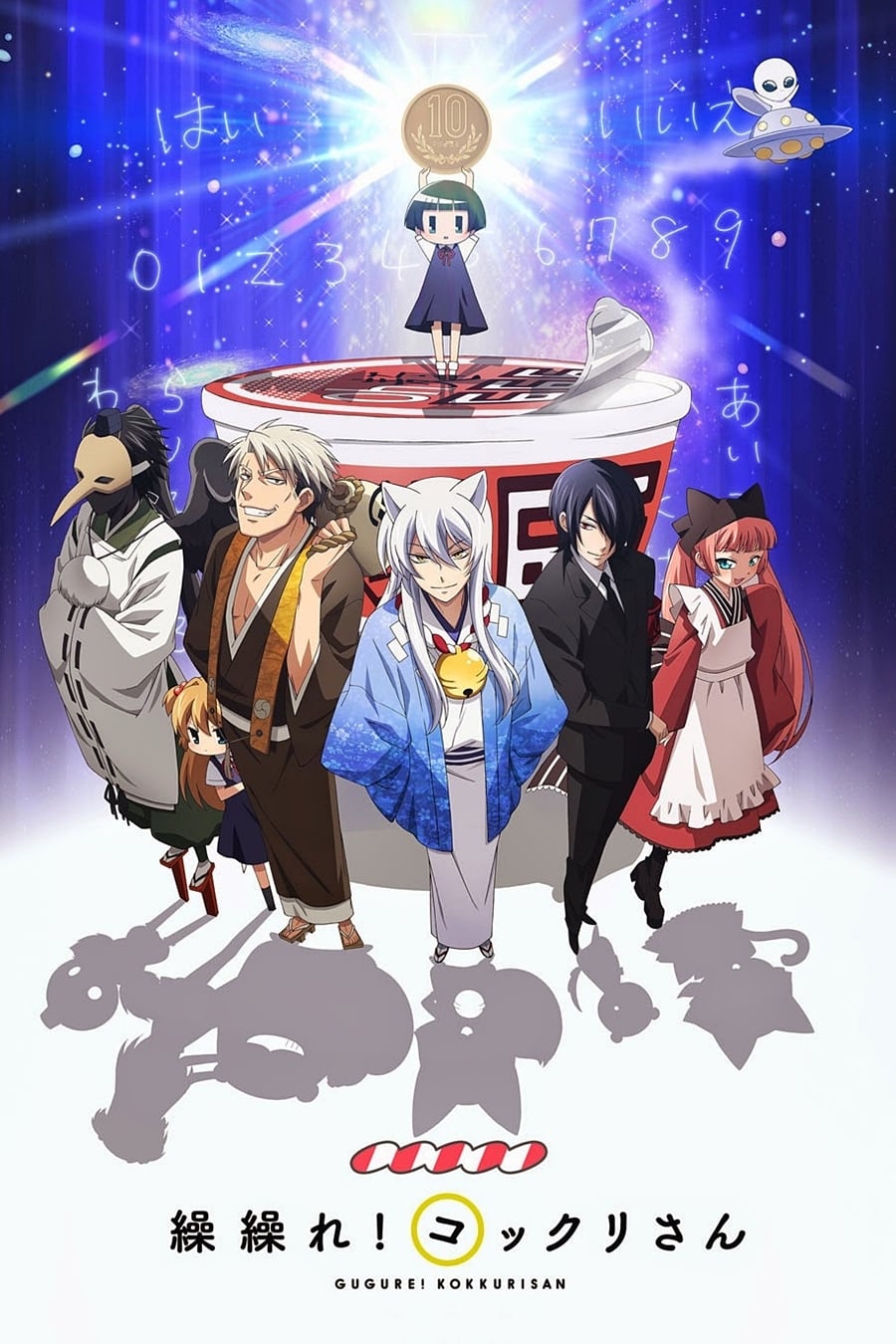
A lonely girl starts playing Kokkuri-san, a spirit-summoning game, and accidentally calls upon a fox spirit. Surprisingly, instead of being frightened, she finds the spirit helping around the house and looking after her wellbeing. The show is a comedy that playfully flips the scary expectations of spirit summoning. As more supernatural beings arrive, they all end up living together, creating a hilariously chaotic family.
‘Corpse Party: Tortured Souls’ (2013)
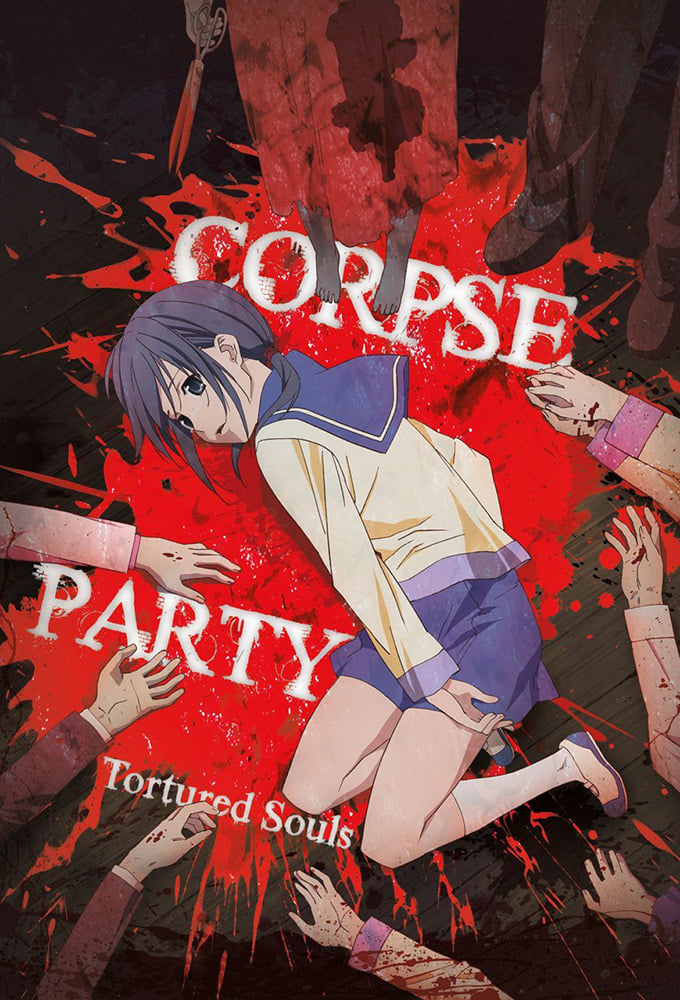
I recently came across this incredible anime, and I’m still reeling from it! It starts with a group of students trying out a friendship spell they found online, and it accidentally sends them to this seriously creepy, abandoned elementary school. It’s not just any old building, though – it’s like a gateway to another dimension, haunted by the angry ghosts of children who were tragically killed there. To get out, they have to figure out the school’s horrible past, but the closer they get to the truth, the more they risk losing their minds. Honestly, it’s famous for being really intense and disturbing, bringing all those classic schoolyard rumors and legends to life in a terrifying way.
‘Mieruko-chan’ (2021)
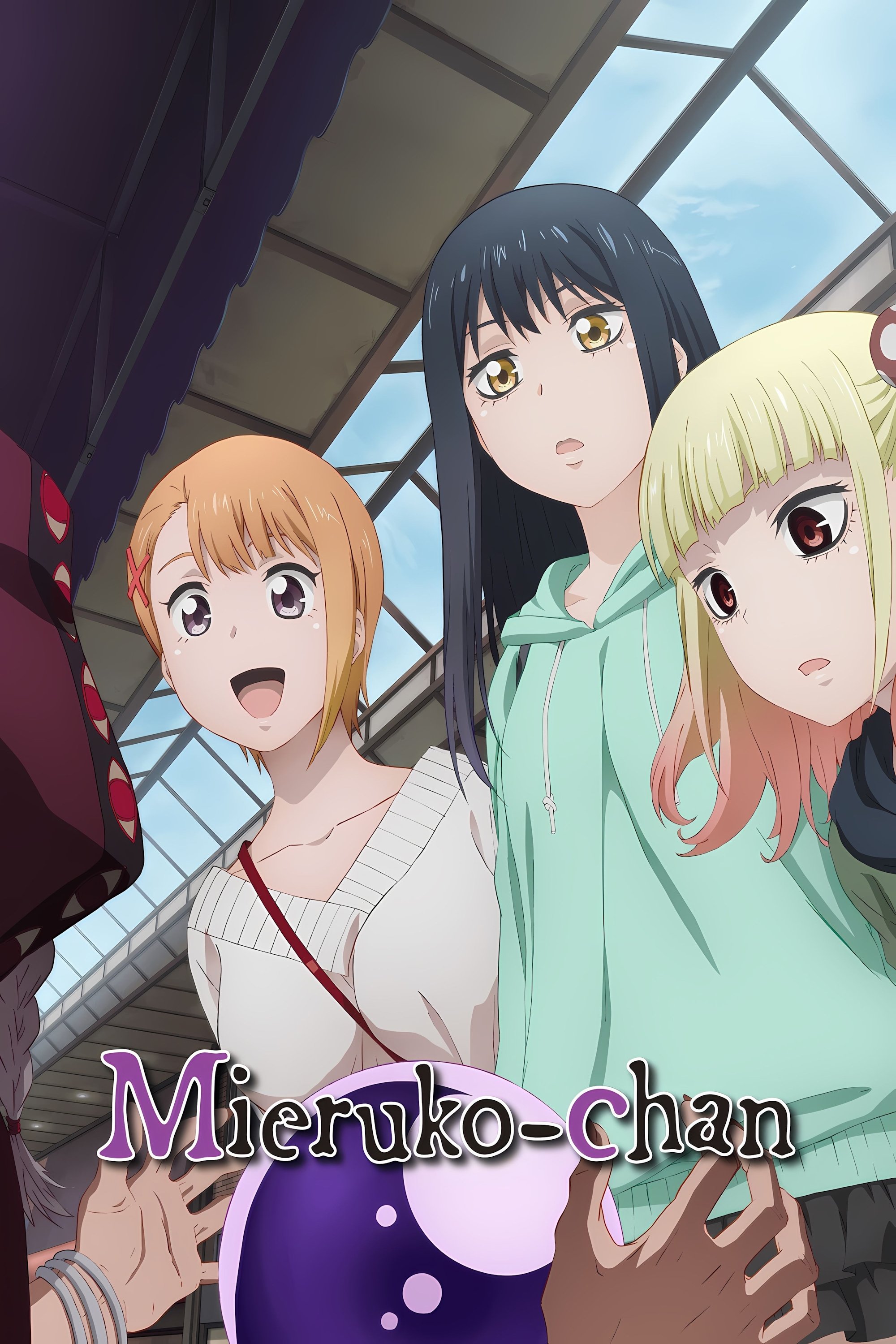
Miko Yotsuya unexpectedly starts seeing creepy ghosts hidden among people in her daily life. Instead of fighting them, she decides to simply ignore them and act like they aren’t there. These ghosts vary from minor roadside figures to truly frightening creatures lurking in places like public restrooms. The anime ‘Mieruko-chan’ builds suspense by having Miko see these ghosts, but she doesn’t have any powers to fight them with.
‘Ghost Hunt’ (2006–2007)
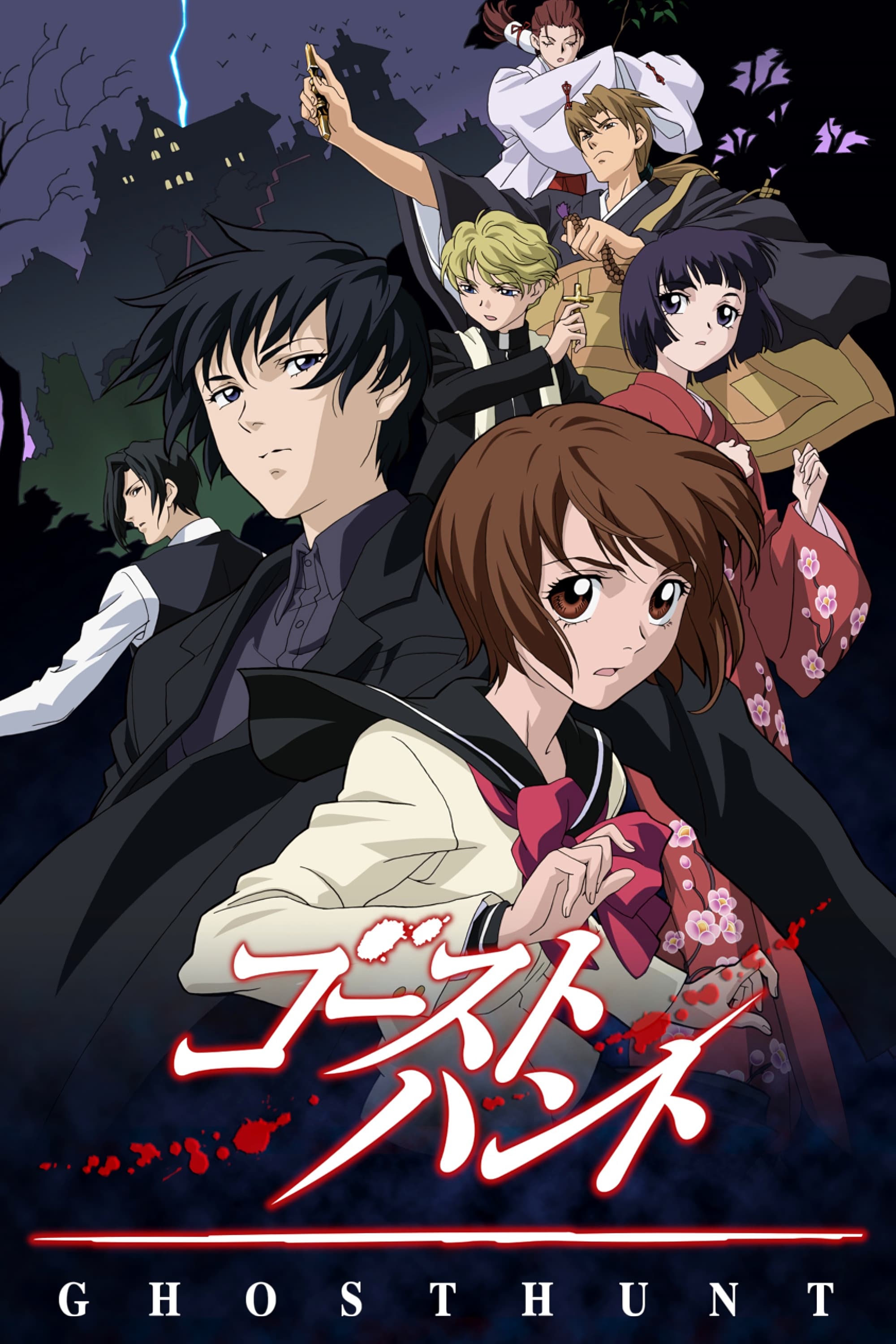
Mai Taniyama starts working at the Shibuya Psychic Research Center, where she investigates strange happenings all over Japan. The team blends modern technology with traditional spiritual practices to get rid of ghosts. They often deal with cases rooted in local stories about cursed objects or haunted places. The series explores the connection between folklore and paranormal activity using a somewhat scientific lens.
‘xxxHolic’ (2006)

Kimihiro Watanuki works for a powerful witch named Yuko in exchange for help getting rid of his ability to see ghosts. Their shop assists people troubled by troublesome habits or curses tied to old beliefs. The story delves into the idea of fate – what’s unavoidable – and blends it with Japanese folklore. ‘xxxHolic’ offers a unique, visually striking take on modern Tokyo, where magic is hidden all around us.
‘Kagewani’ (2015)
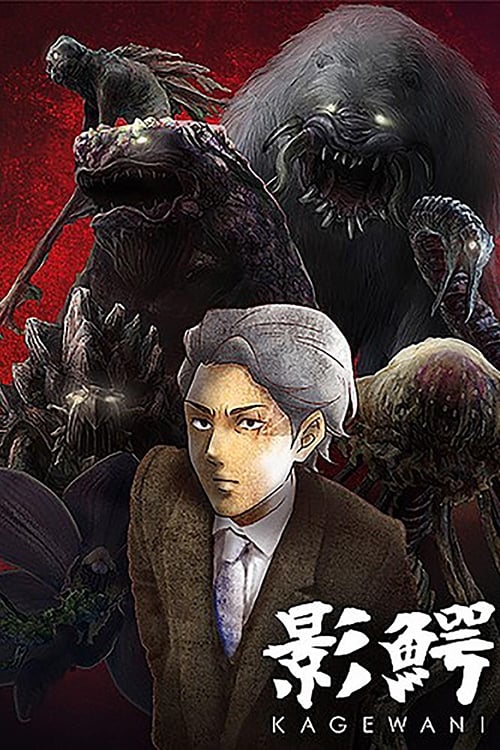
Scientist Sousuke Banba researches strange animal sightings across Japan. These creatures are often similar to monsters from local myths, like the Ningen, or large, unknown animals. The show has a distinctive visual style, created with cutout animation that looks like a moving comic book. ‘Kagewani’ emphasizes the thrilling hunt for these creatures and the unsettling, biological aspects of what they are.
‘Serial Experiments Lain’ (1998)
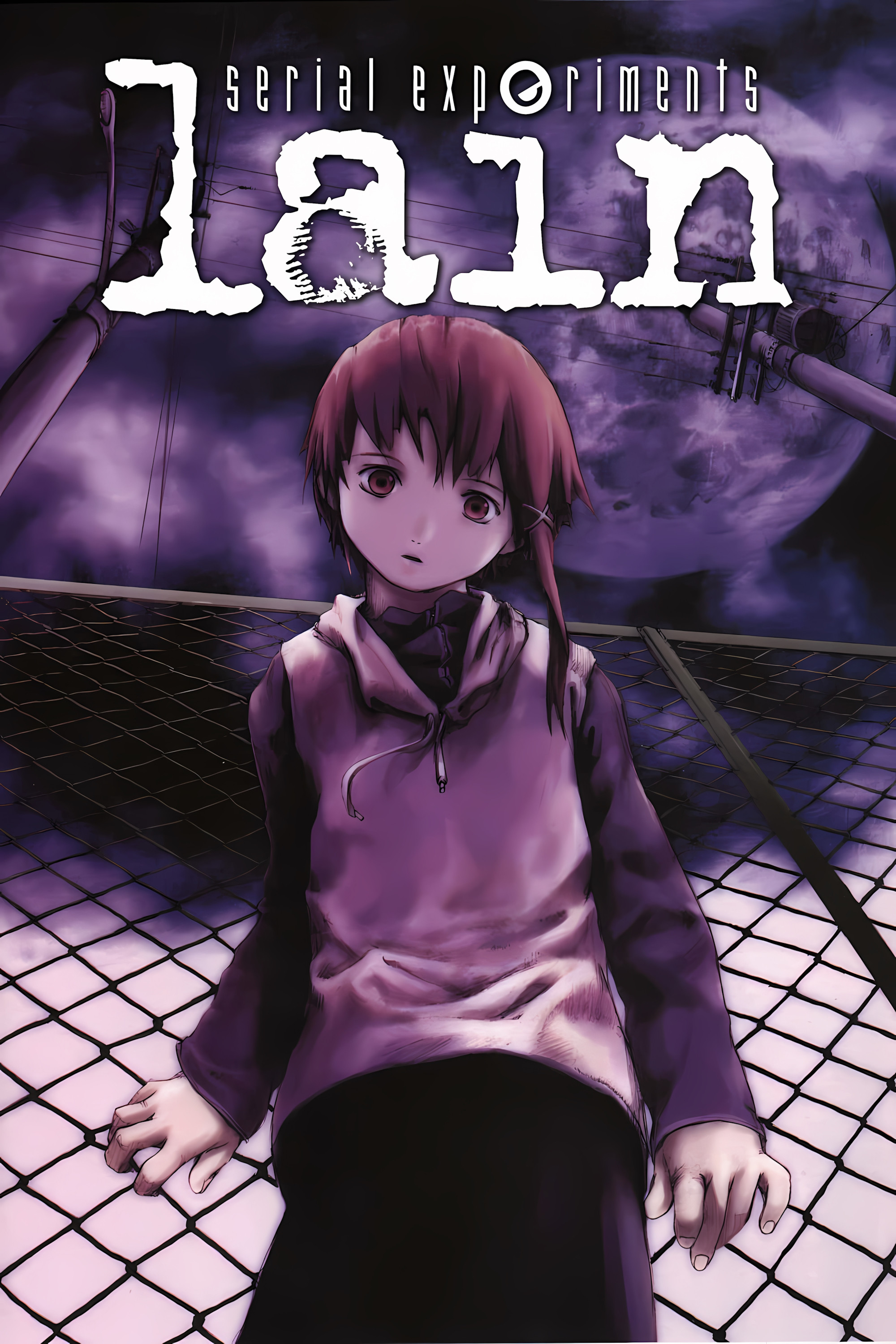
Lain Iwakura’s life changes when she receives an email from a deceased classmate, drawing her into the mysterious world of the Wired. As rumors spread about a powerful digital entity and shadowy figures watching the network, the series remarkably predicted the blurring lines between online and real life. It explores the internet as a space where new myths and collective beliefs are born.
‘Steins;Gate’ (2011)
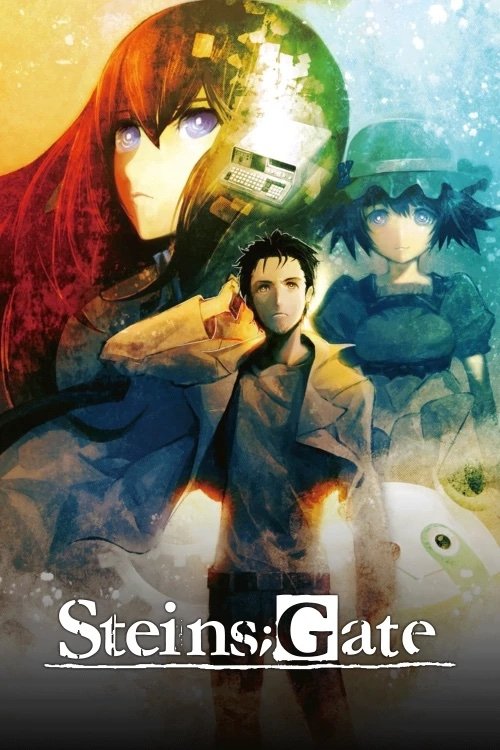
‘Steins;Gate’ is a thrilling science fiction story inspired by the real internet phenomenon of John Titor, a figure known for his future predictions. The main character, Rintaro Okabe, creates a time machine and gets caught up in a conspiracy with an organization called SERN. The story cleverly incorporates actual online forum posts and conspiracy theories to create a compelling and suspenseful narrative, proving that even obscure internet lore can be the foundation for a gripping thriller.
‘Digimon Ghost Game’ (2021–2023)
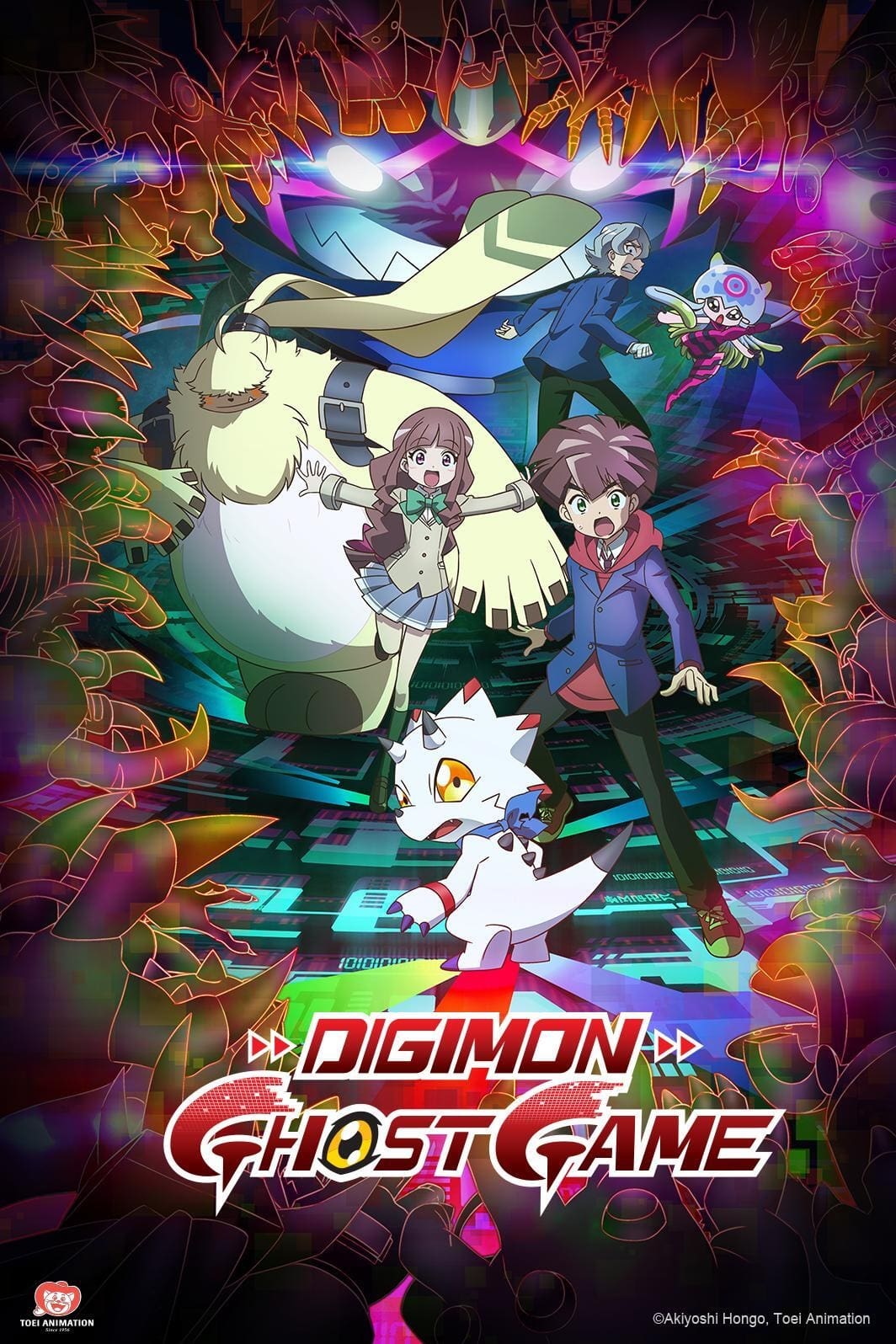
Strange, ghostly images are appearing across Tokyo, causing disruptions to everyday life. The main character discovers these aren’t ghosts at all, but Digimon influencing the real world, thanks to a special watch. Each episode draws inspiration from common urban legends, like stories of haunted cars or cursed photographs, giving the series a darker, more mysterious, and horror-focused feel.
‘Dark Gathering’ (2023)
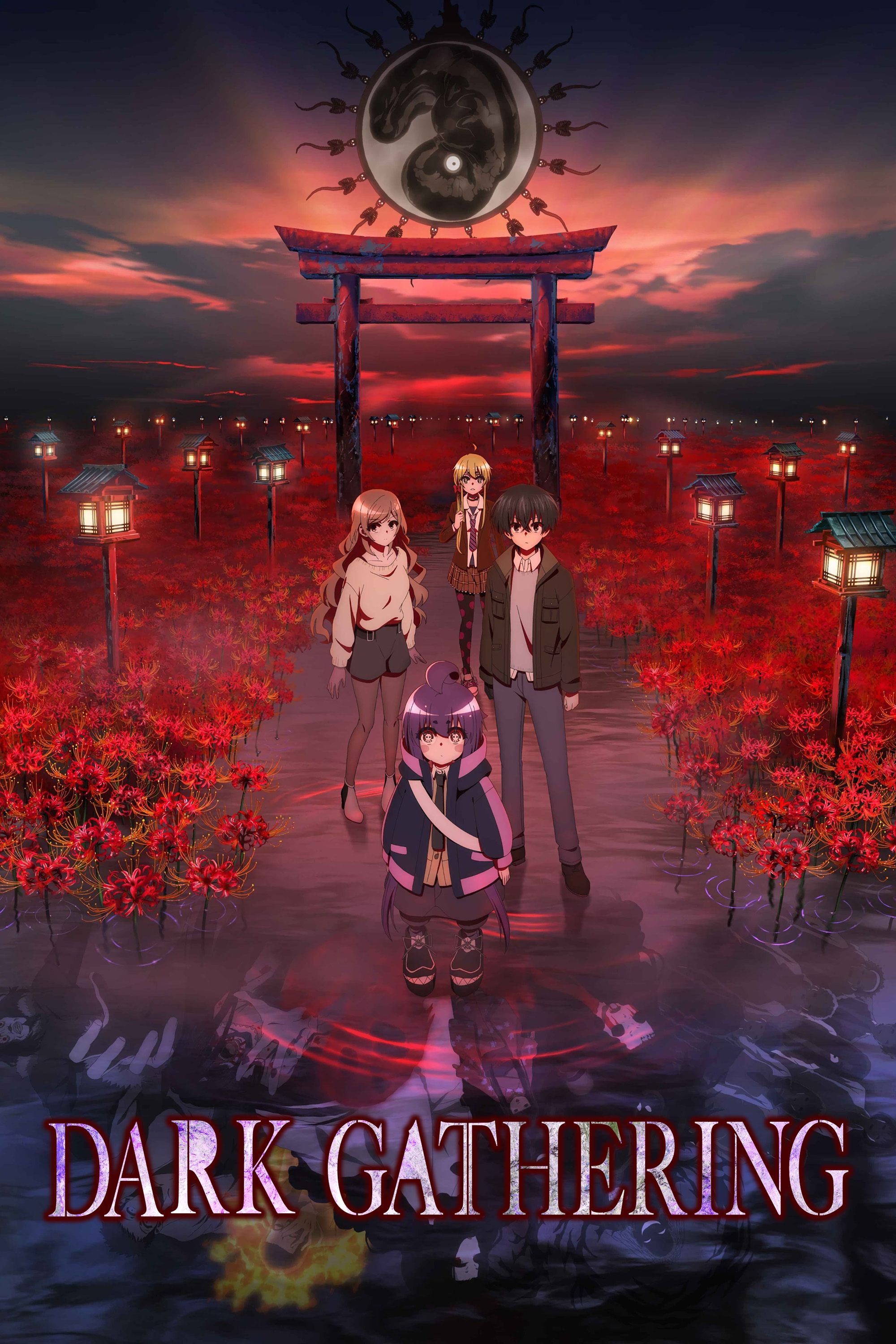
Keitaro Gentoga is a medium who’d rather avoid ghosts, but he’s pulled into the world of spirit hunting by a young girl. Together, they travel across Japan to famous haunted locations, trying to capture dangerous and powerful spirits. The series is inspired by real places and the local legends surrounding them, blending the thrill of collecting – similar to Pokémon – with genuinely frightening horror.
‘Kakurenbo: Hide & Seek’ (2005)
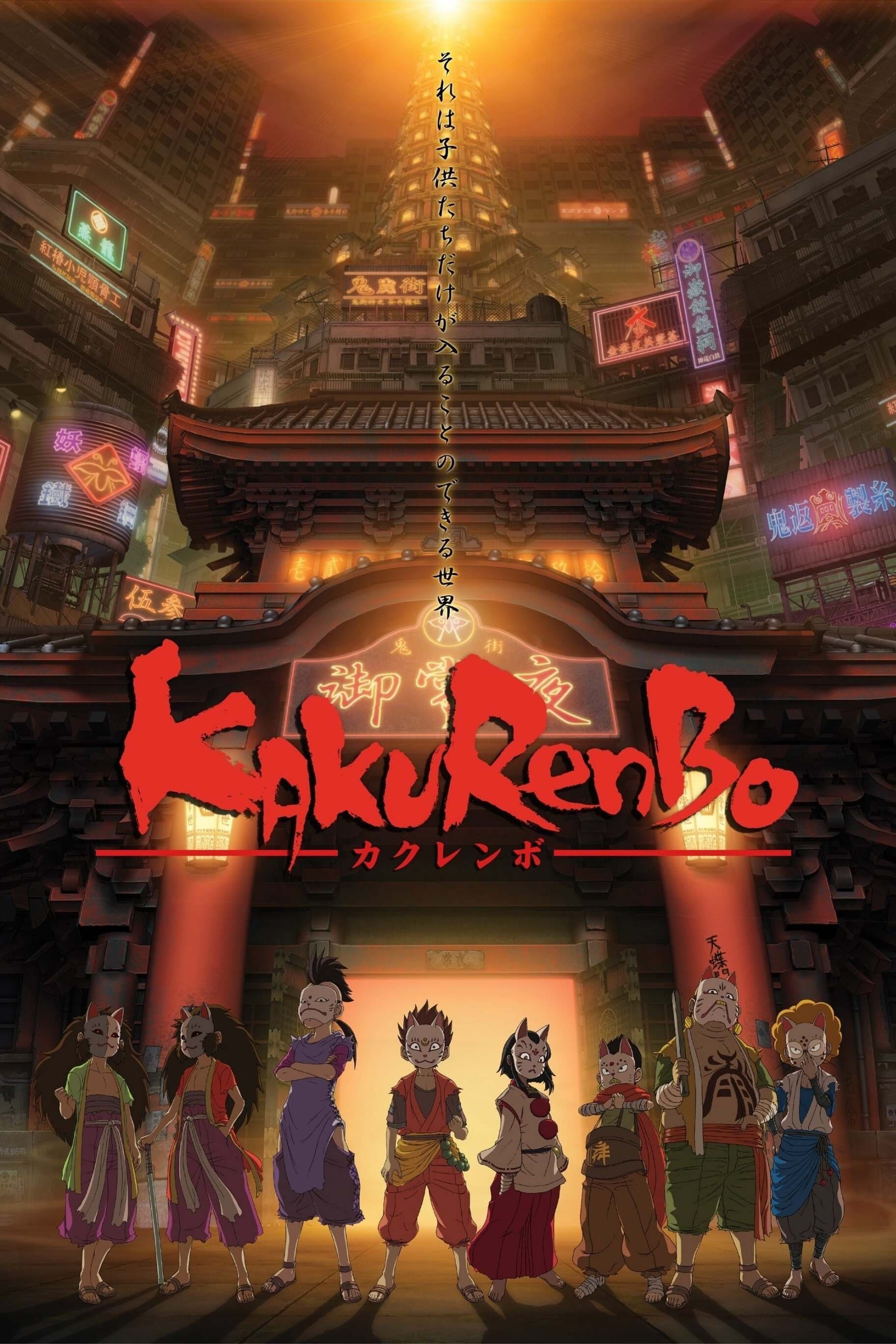
In a gritty, futuristic city, children risk playing a dangerous game of hide-and-seek called Otokoyo amongst the ruins. Local legends warn that demons snatch any children still playing when night falls. The movie builds a tense, confined feeling through its industrial landscapes and mysterious masked figures chasing them. It’s a fresh, visually striking take on the classic folklore theme of being lost in a spirit world.
‘Urban Legend Story Hikiko’ (2008)
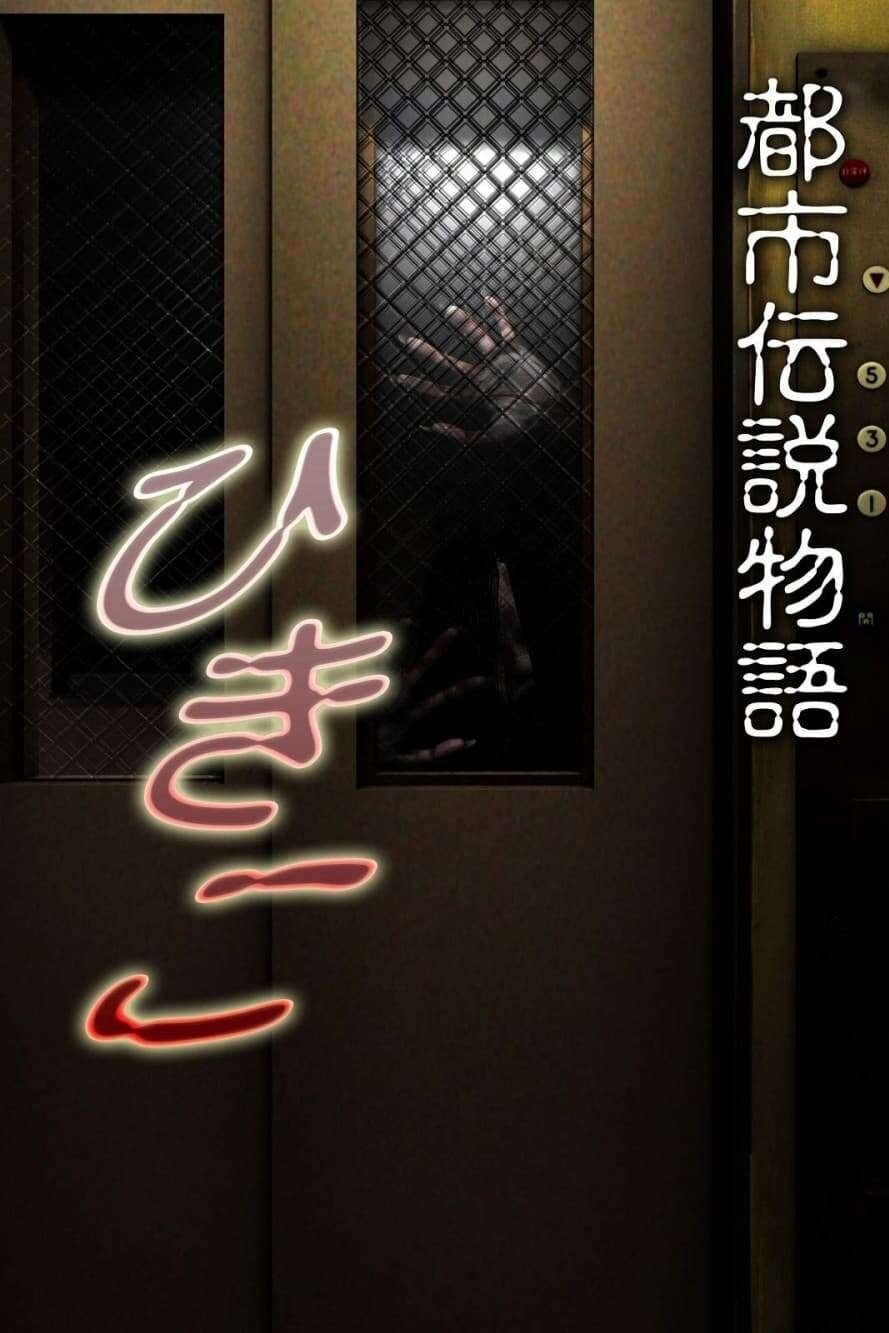
This scary animated film tells the story of Hikiko, a spirit who horribly disfigures those she haunts. The plot follows a student who is bullied and then targeted by this vengeful spirit. Its intentionally rough 3D animation style makes the film even more unsettling and creepy. Ultimately, the story warns about the damaging effects and repeating patterns of bullying.
‘Requiem from the Darkness’ (2003)

During Japan’s Edo period, a writer journeys across the country to gather one hundred terrifying ghost stories for a new book. He meets a group of executioners who deliver justice in a supernatural and frightening way. These tales draw from classic, creepy legends and explore the darker side of humanity. The film or artwork has a distinct visual style, highlighting the unsettling and grotesque elements of these traditional stories.
‘Mononoke’ (2007)
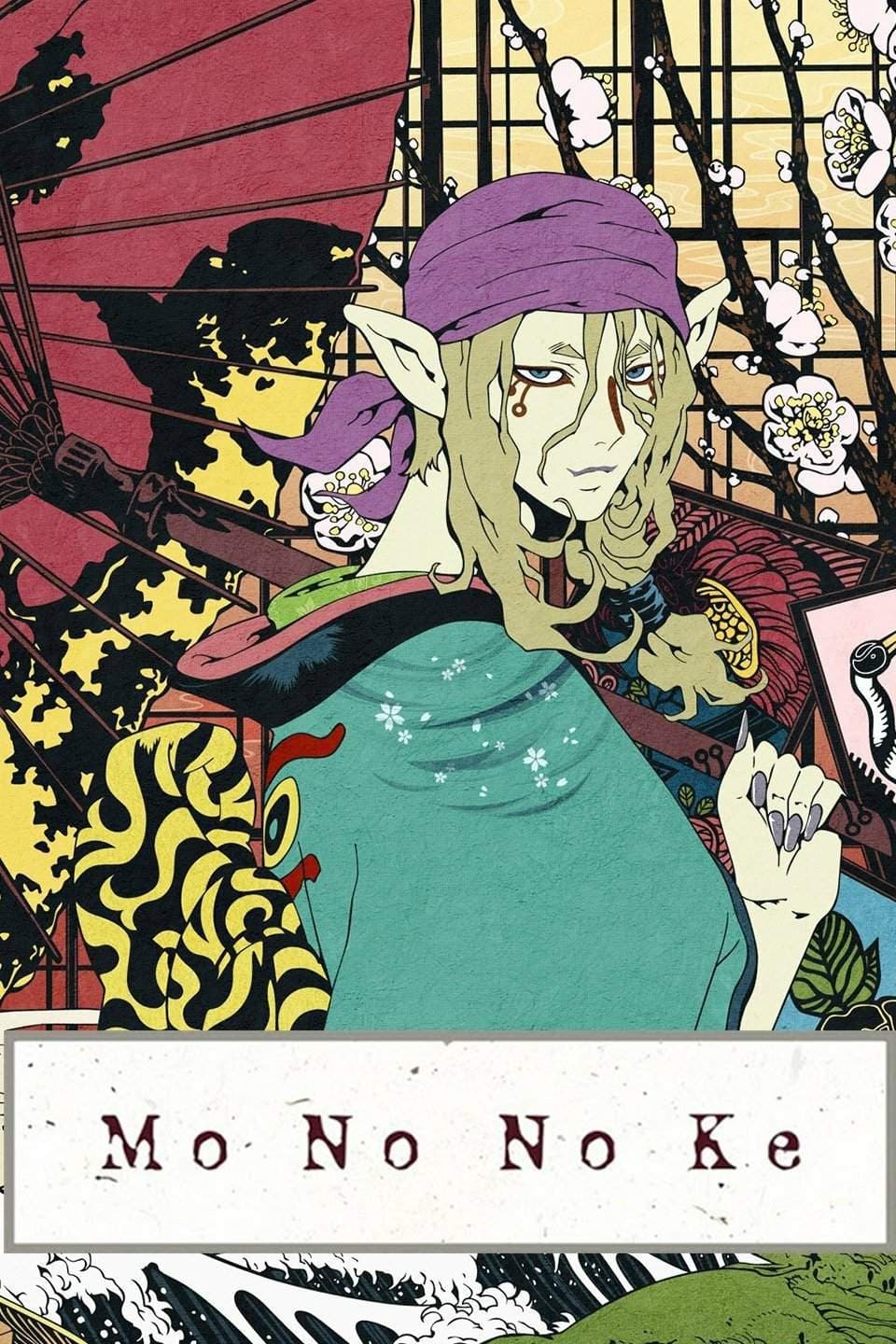
A wandering medicine seller journeys through feudal Japan, tasked with defeating dangerous spirits called Mononoke. To do so, he must first understand the spirit’s true shape, history, and motivations. These spirits usually arise from deep-seated human suffering and hidden emotions within families. The series is famous for its unique animation style, which looks like beautiful, moving traditional Japanese woodblock prints.
‘Ayakashi: Samurai Horror Tales’ (2006)
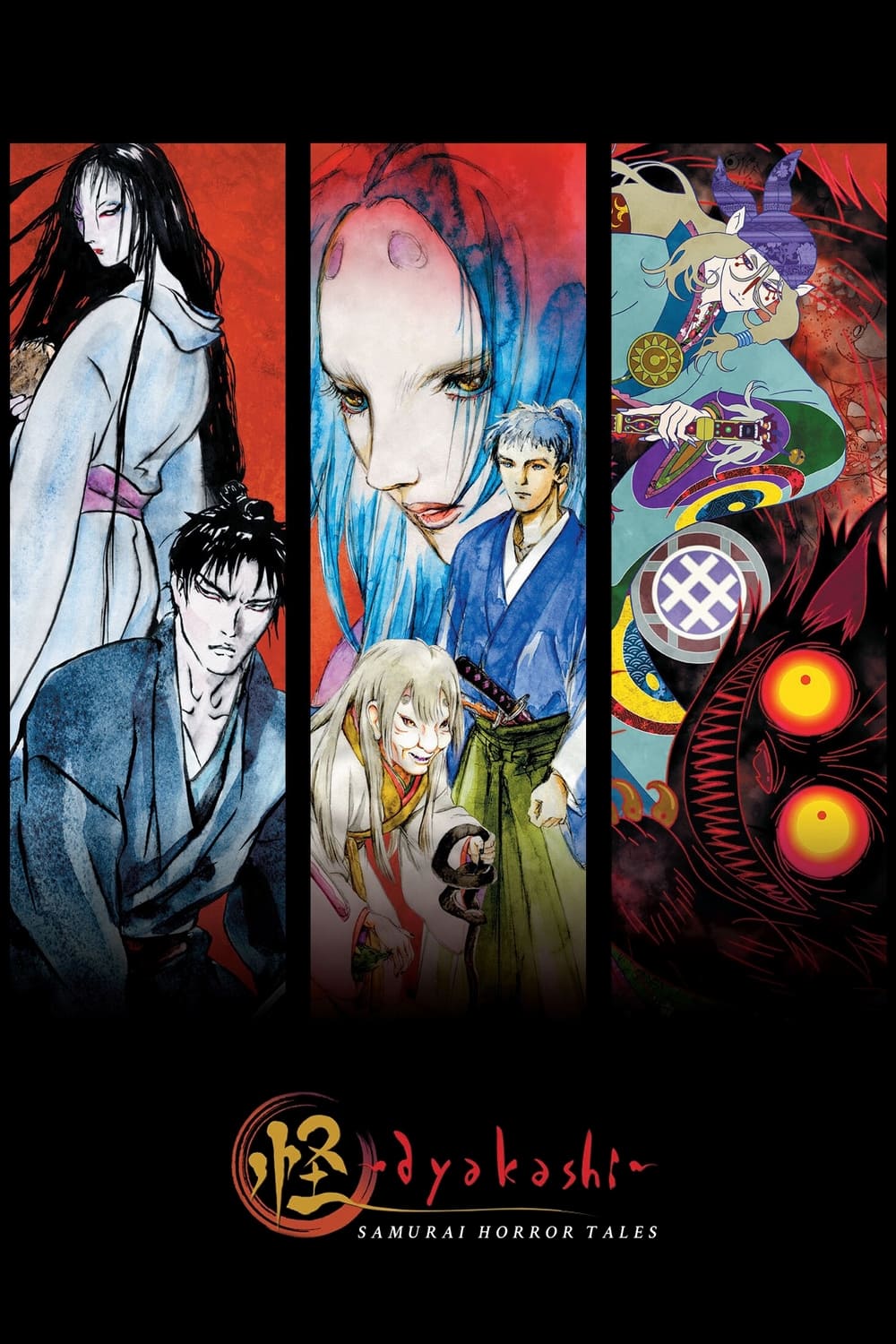
This series features adaptations of three traditional Japanese ghost stories, including the famous tale of Yotsuya Kaidan. It came before the series ‘Mononoke’ and first introduces the mysterious medicine seller character. The stories focus on themes of betrayal and revenge, presented in the style of classic Japanese theater, and ‘Ayakashi’ carefully maintains the historical setting of these timeless legends.
‘Pet Shop of Horrors’ (1999)
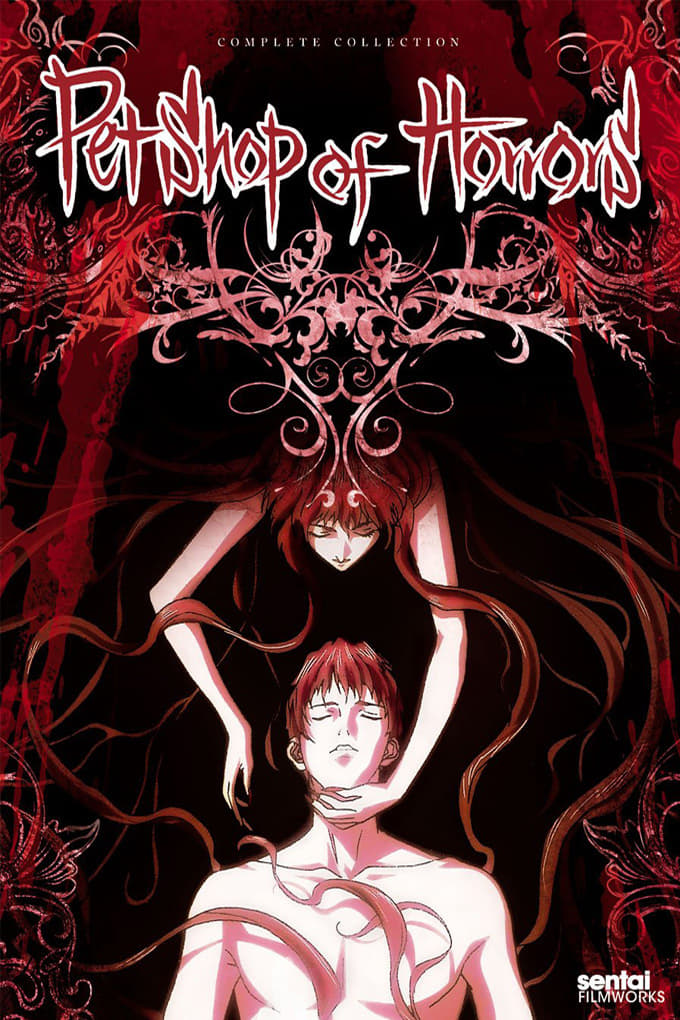
Count D owns a unique pet shop in Chinatown, selling unusual and magical creatures to people with very particular requests. Every pet comes with a strict contract – breaking it leads to serious trouble. These creatures often look like humans and are based on myths and legends. The stories generally focus on the flaws of the people who buy them, and the consequences of their choices.
‘The Lost Village’ (2016)
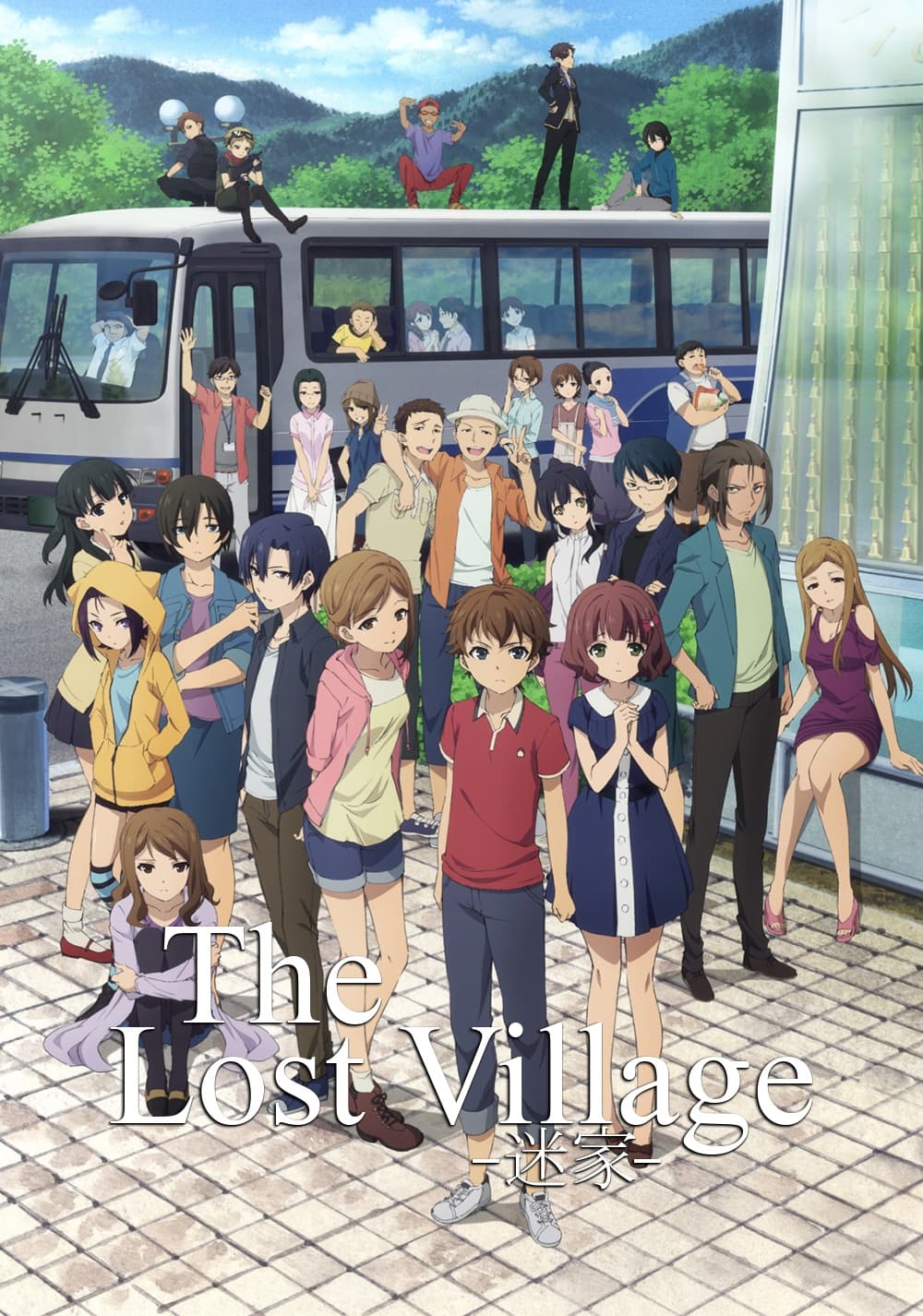
A busload of strangers sets out to find Nanaki, a rumored hidden village said to be a perfect society. But when they arrive, the village is deserted, and the group finds themselves stalked by terrifying creatures that seem to represent their deepest fears. The series draws inspiration from the folklore of ‘vanishing villages’ – places that mysteriously aren’t on any maps. As they try to uncover the truth behind Nanaki’s disappearance, suspicion and fear begin to tear the group apart.
‘Hyouka’ (2012)
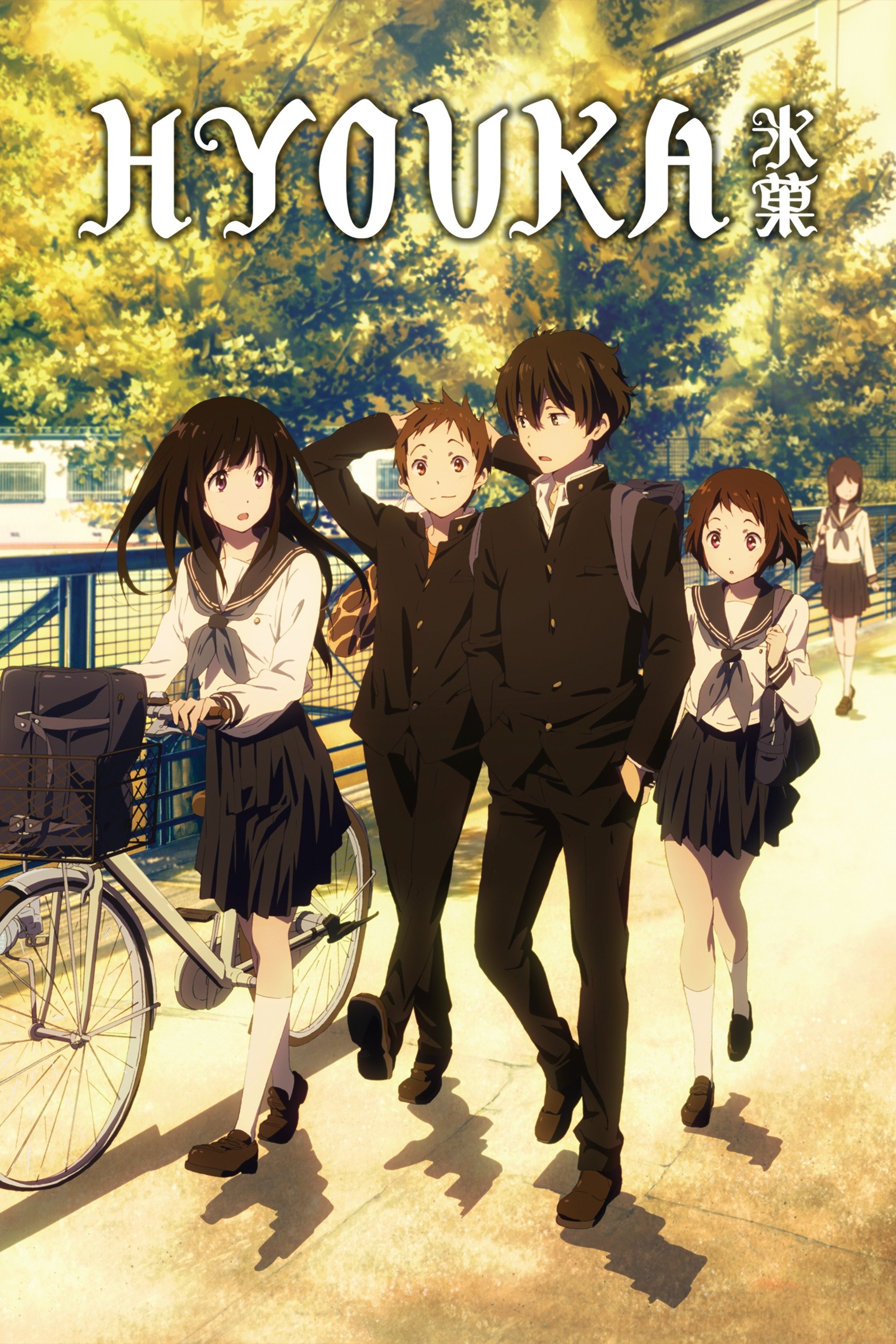
The Classic Literature Club finds itself solving a mystery that happened to a member’s uncle 45 years in the past. Though not a scary anime, ‘Hyouka’ often takes apart common school ghost stories and rumors, with the main character using logic to reveal their simple, real-world explanations. The series demonstrates how stories change and become exaggerated when passed down through word of mouth over the years.
‘Rascal Does Not Dream of Bunny Girl Senpai’ (2018)
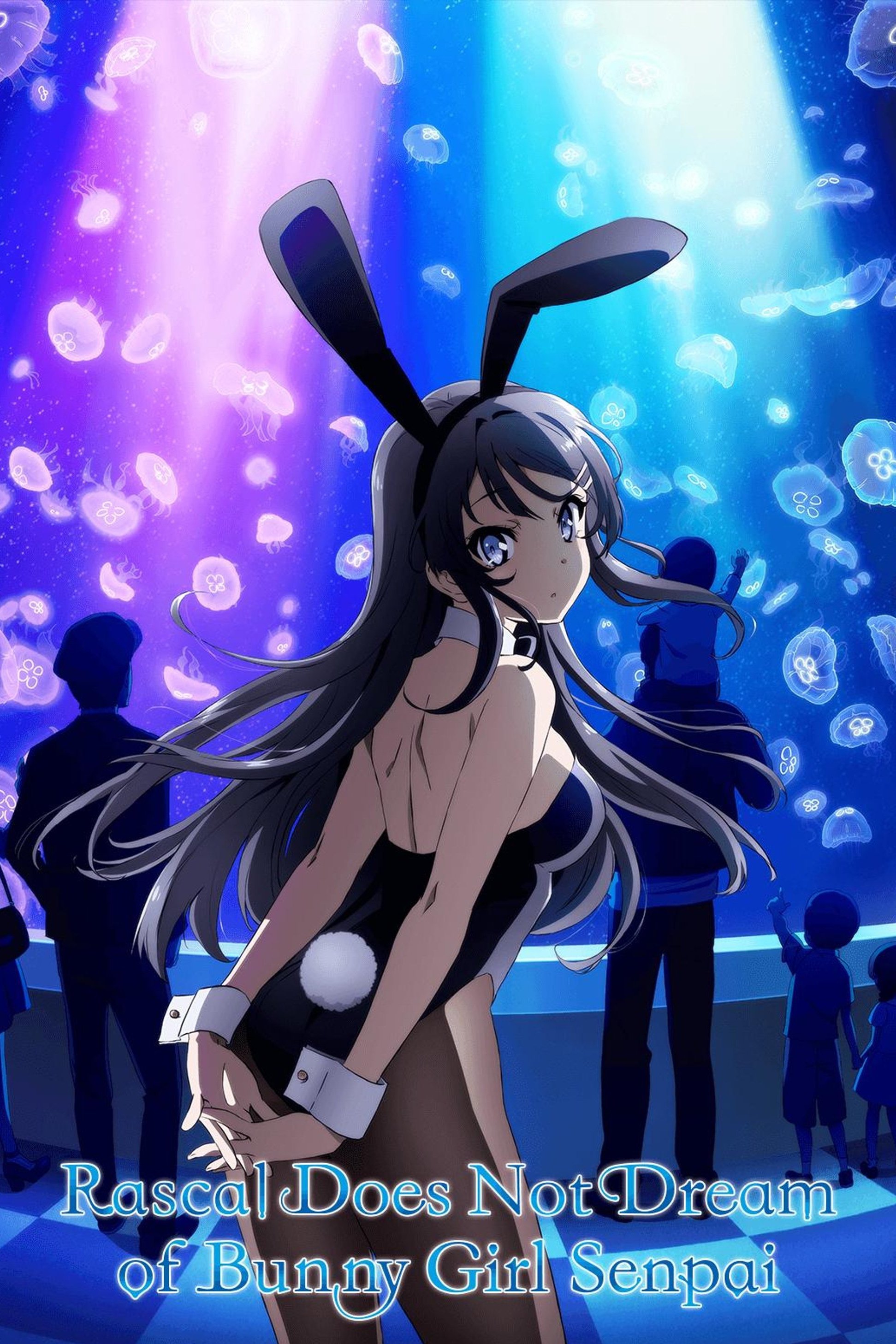
Adolescence Syndrome is a fictional illness in this series where teenagers’ worries and fears appear as strange, supernatural events. The story centers around a girl in a bunny costume who is slowly fading from view, and uses the style of urban legends to tackle tough topics like bullying and loneliness. Each story arc features a different way this syndrome affects someone.
‘Mob Psycho 100’ (2016–2022)
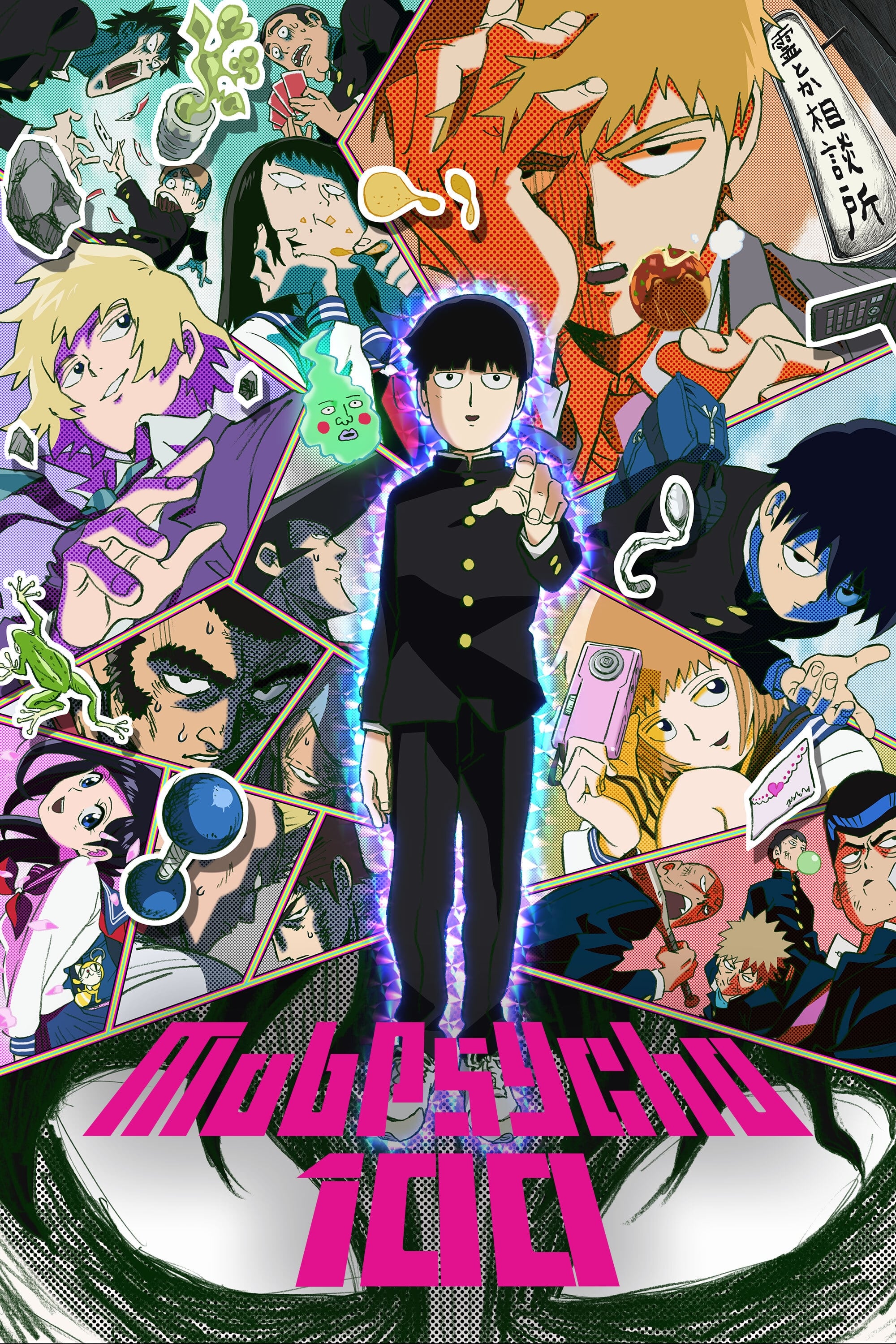
Mob is an incredibly powerful psychic who just wants to be normal. He ends up working for a con artist who pretends to exorcise spirits. The second season focuses on a storyline involving the popular internet myth known as “Dragger” and other similar modern legends. The show is a unique mix of fast-paced action, humor, and characters dealing with personal challenges and growth.
‘Jujutsu Kaisen’ (2020–Present)
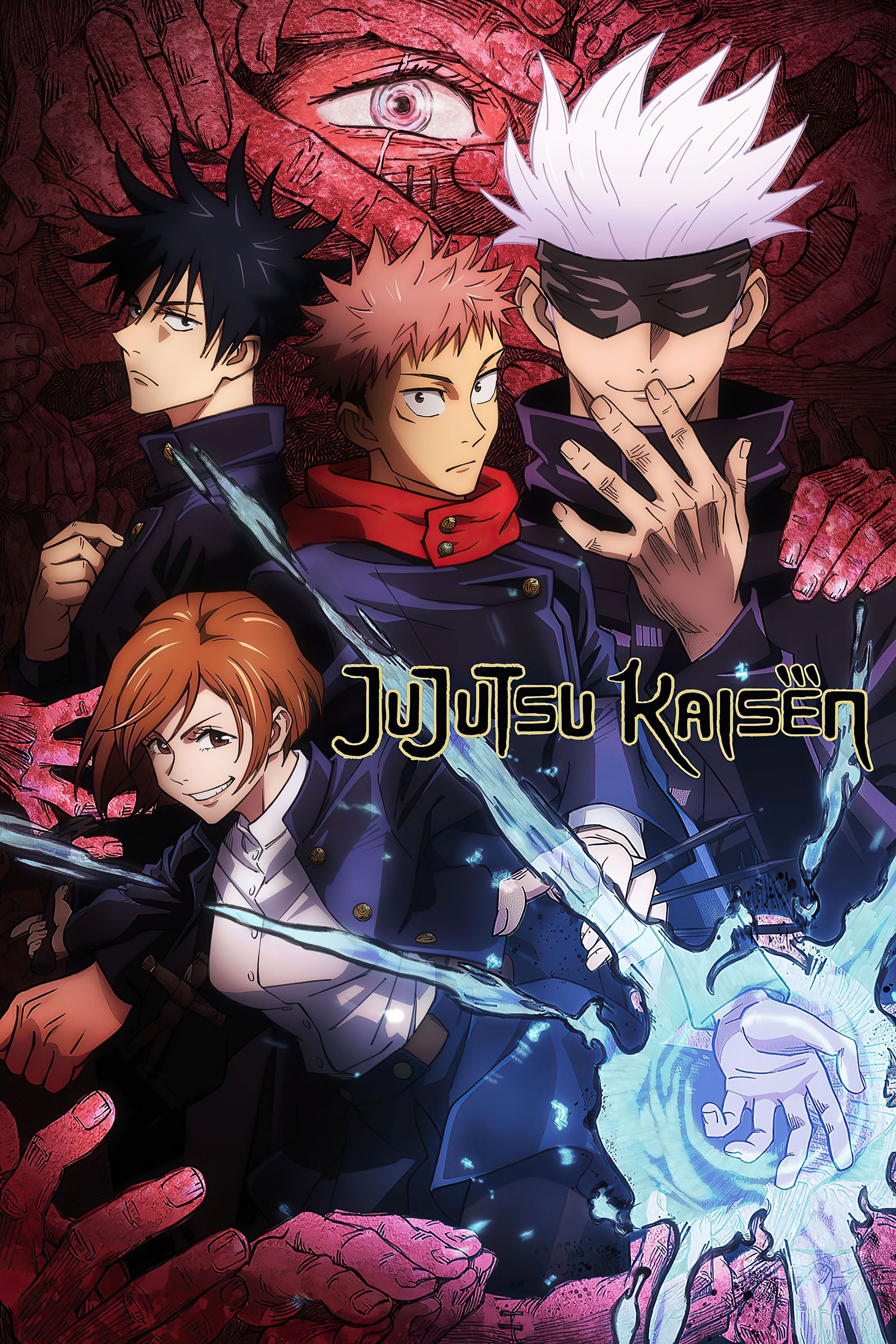
Curses arise from negative human emotions and often manifest as forms of specific fears. The series includes villains inspired by well-known urban legends, like the Slit-Mouthed Woman. To successfully remove these curses, sorcerers need to understand where they come from. The story’s magic system is built around the idea that fear gives power to supernatural beings.
‘Kowabon’ (2015)
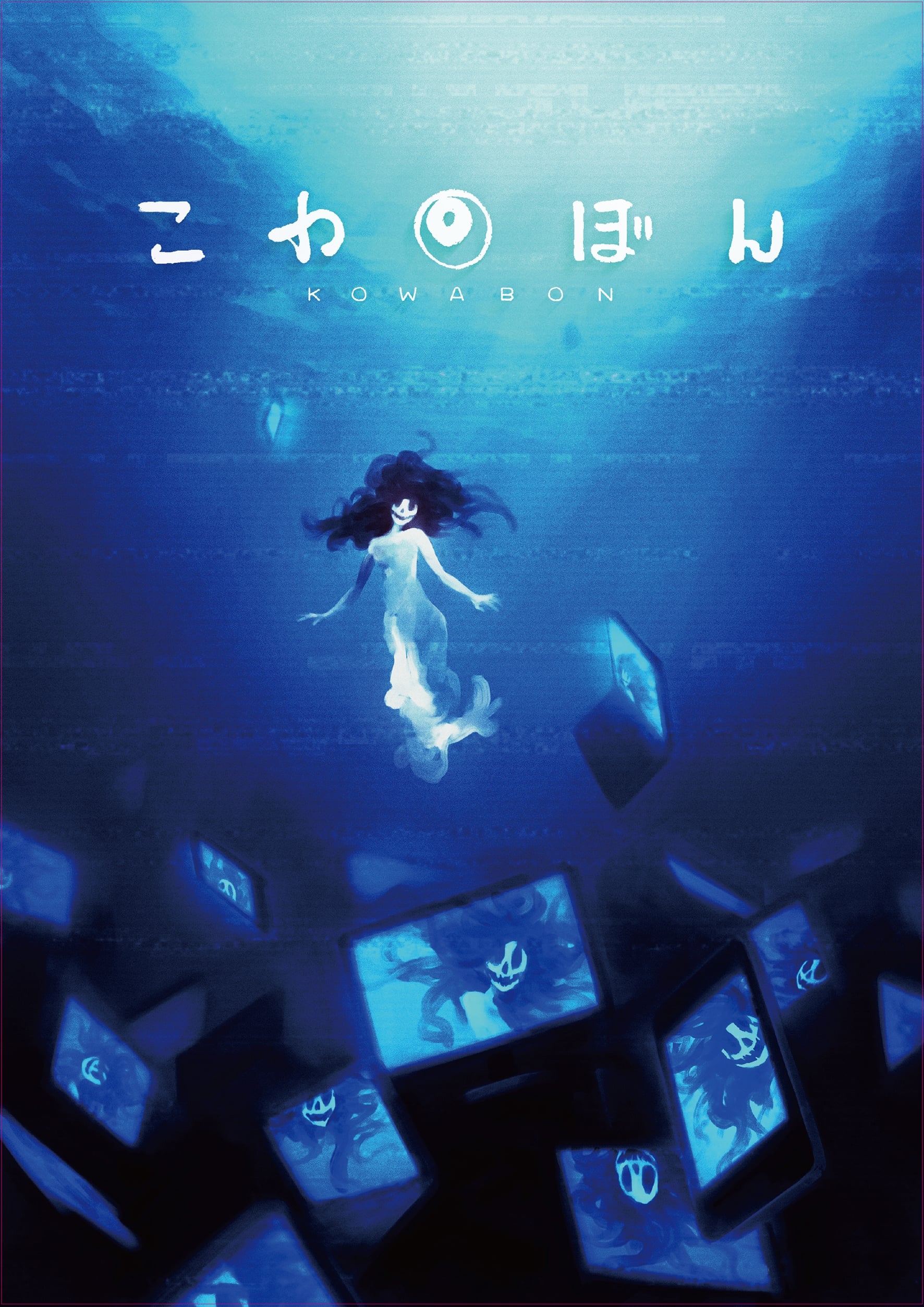
This horror series uses a technique called rotoscoping to create spooky stories that appear as if they were captured on camera. It looks like found footage, switching between views from security cameras and webcams. The show taps into the fear of being watched and the idea that curses can spread through digital connections. ‘Kowabon’ updates traditional ghost stories for people used to video chats and online communication.
‘Housing Complex C’ (2022)
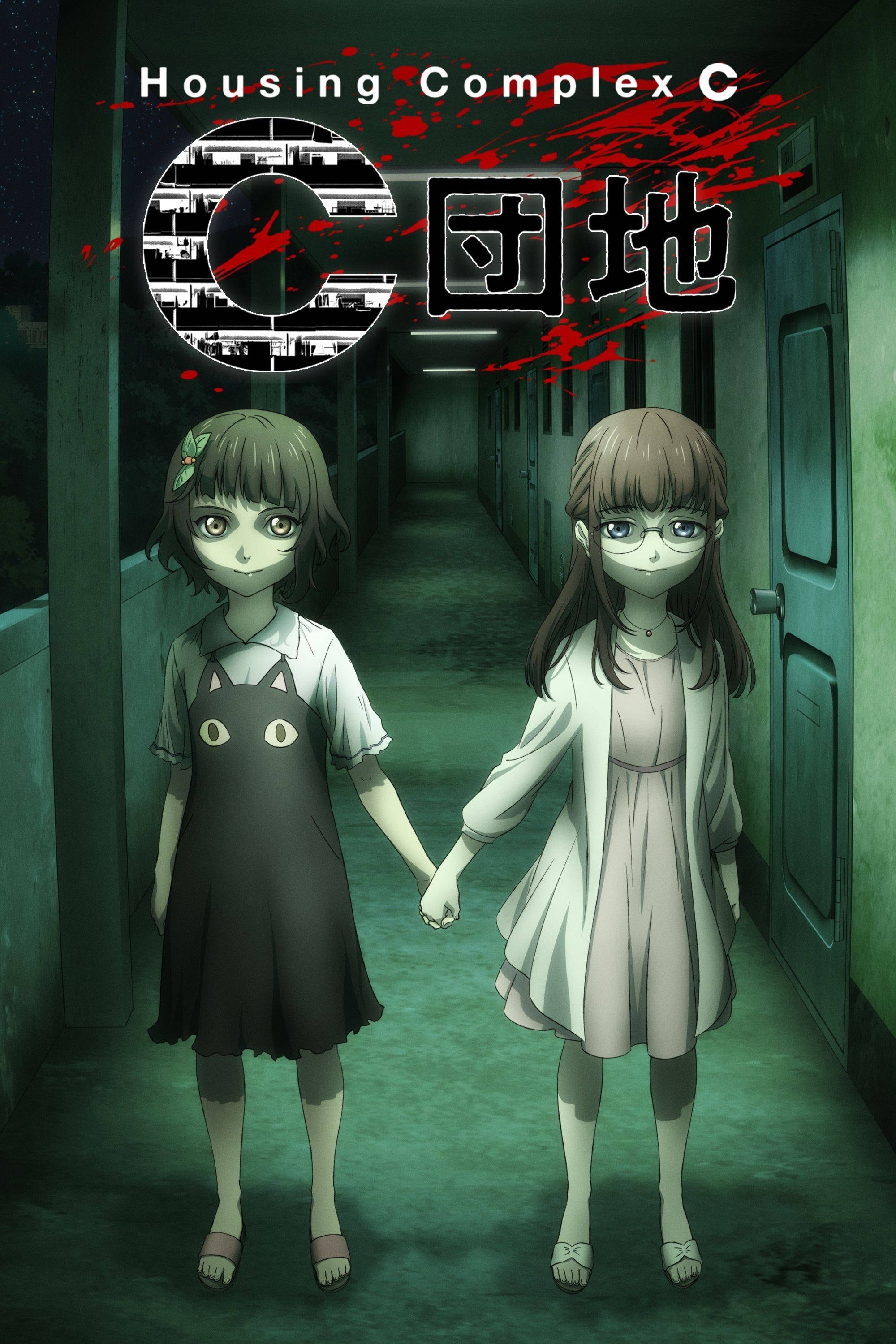
Kimi’s quiet life in her apartment building is disrupted by a series of unsettling events that begin when nearby ancient ruins are disturbed. The story blends elements of Lovecraftian horror with traditional Japanese myths about ancient deities. As misfortune befalls the residents, suspicion and fear grow, creating a tense and frightening atmosphere within their close-knit community.
‘Summer Time Rendering’ (2022)
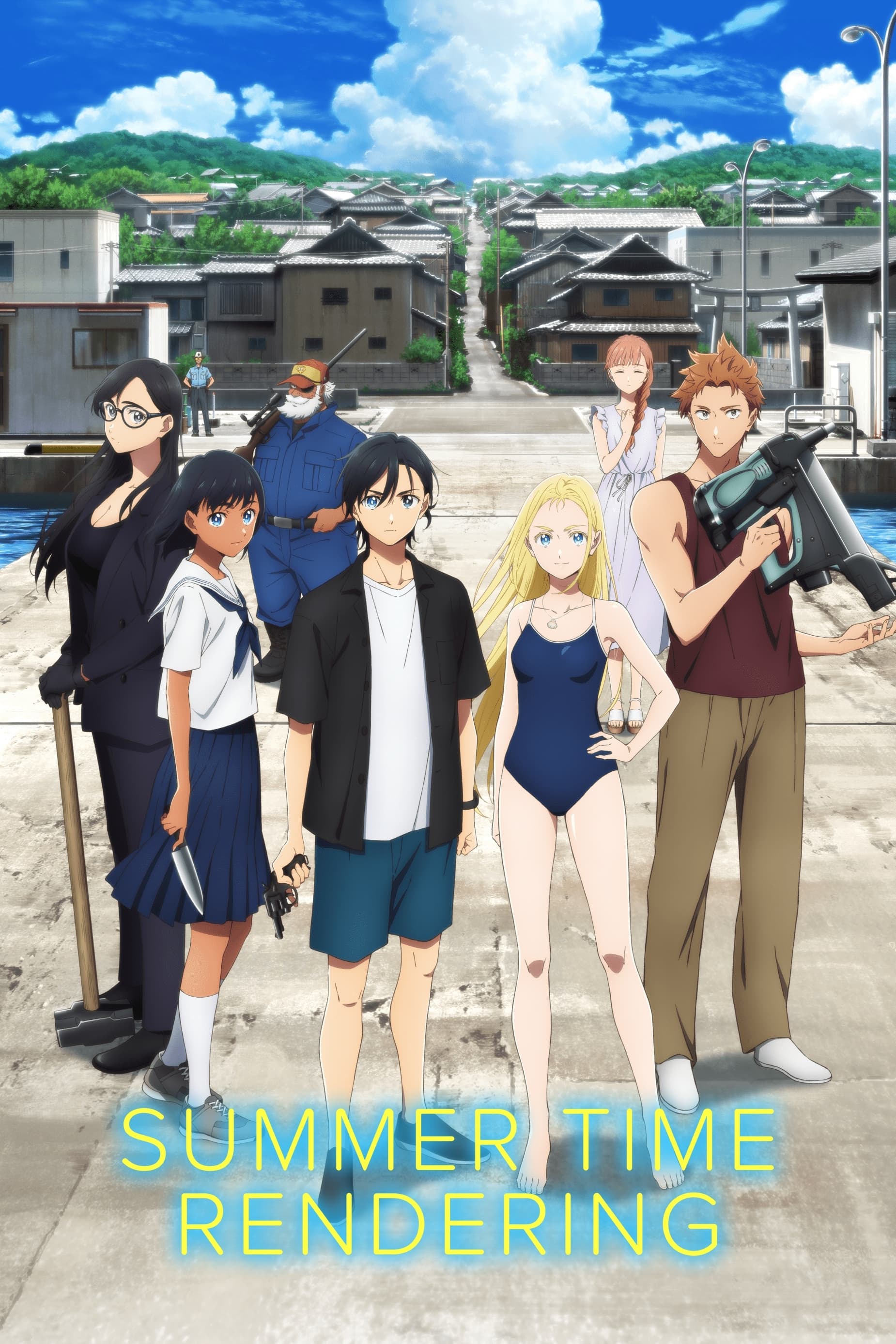
Shinpei goes back to his hometown for a funeral and hears about an old legend called “Shadow Sickness.” This superstition says that if you see your own double, it means someone is going to die. He soon finds out that people on the island are being replaced by their shadows, and these shadows are planning a large, mysterious ceremony. The story blends the idea of repeating time with the scary concept of body snatchers.
‘Shiki’ (2010)
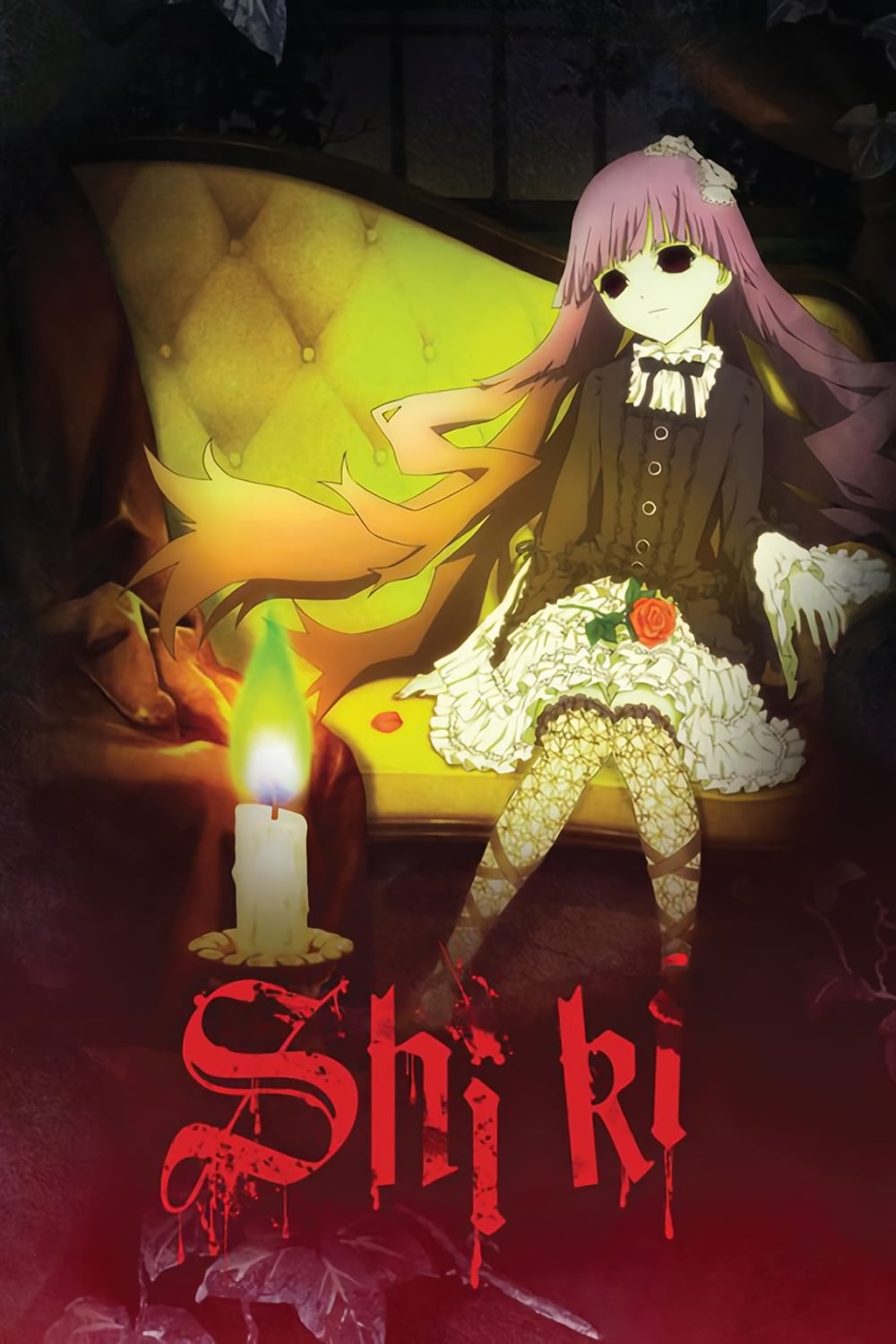
A quiet village is plagued by a mysterious illness that soon reveals itself to be the work of vampires. The story draws on the ancient Japanese legend of the ‘Okiagari’ – spirits who rise from the dead to harm their own families. ‘Shiki’ is a slow-paced horror story that makes you question what people are willing to do to survive, and whether monsters are any different. It powerfully portrays the loneliness and deep-rooted beliefs found in small, rural towns.
‘In/Spectre’ (2020)
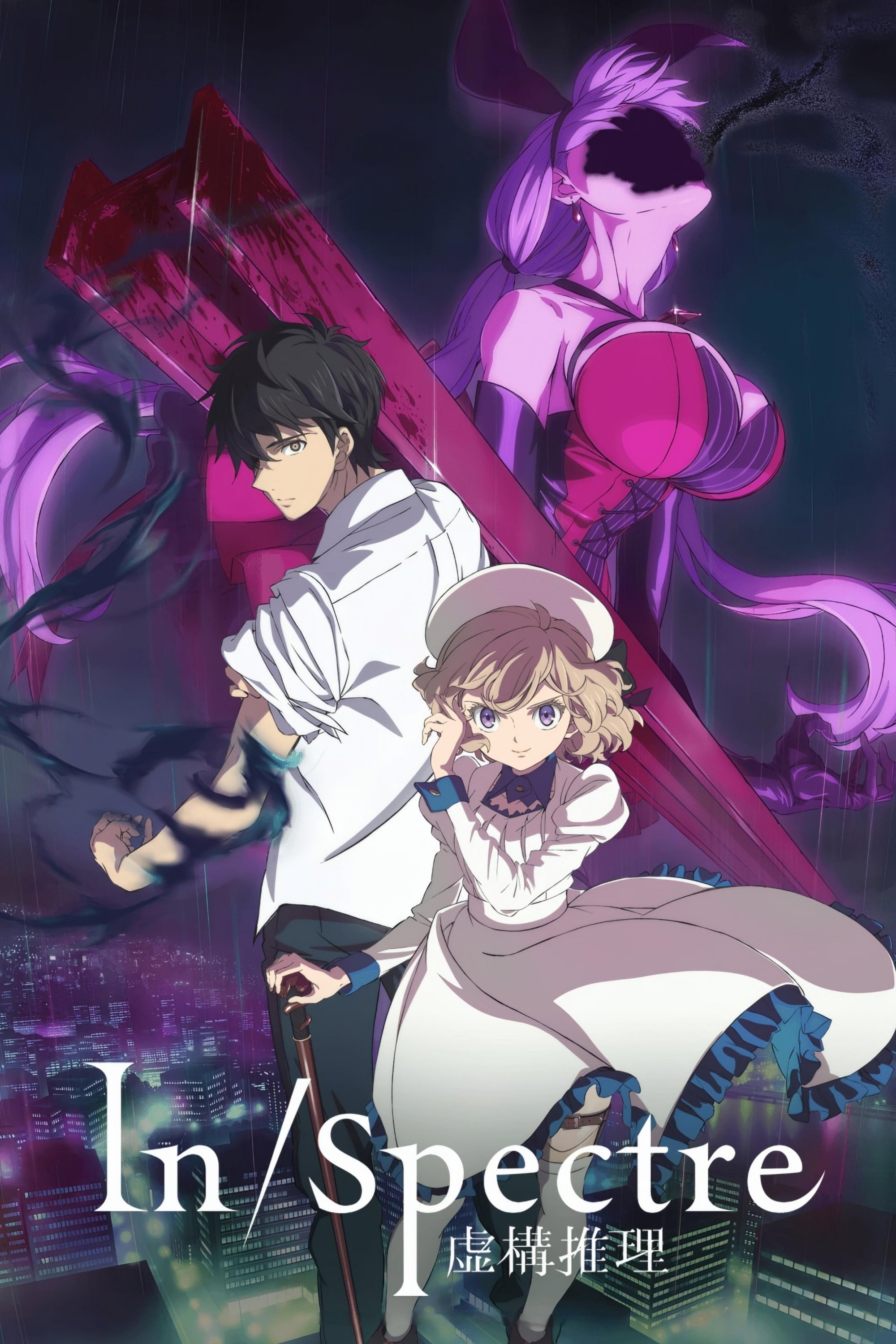
Kotoko Iwanaga is a goddess who helps yokai (spirits) resolve their conflicts. She partners with an immortal man to defeat Steel Lady Nanase, a ghost born from online rumors. The story explores how information can be twisted to dismantle urban legends, and features a distinctive combat system that relies on both logic and how the public perceives things.
‘Vampire Princess Miyu’ (1997–1998)
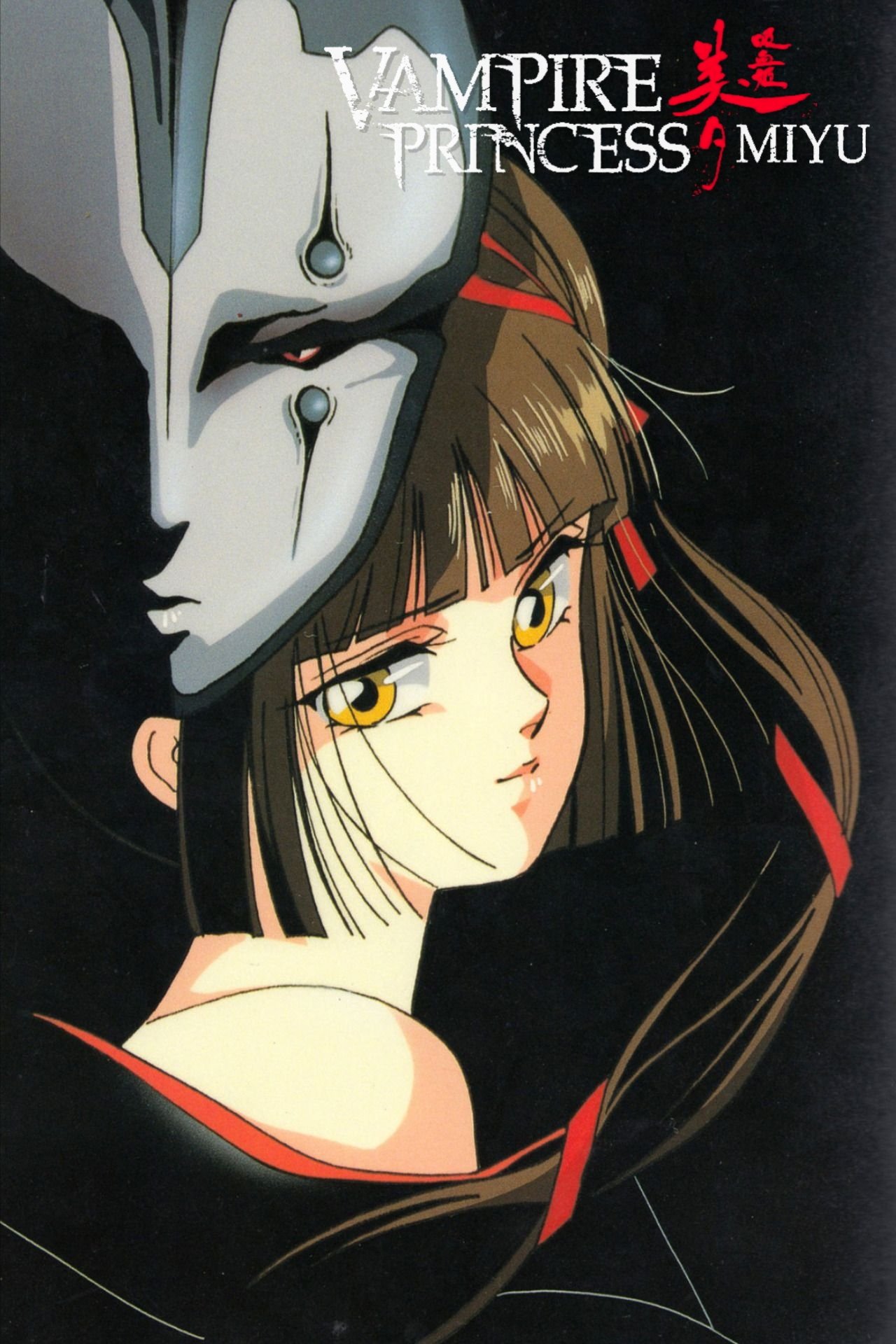
Miyu is a protector who eliminates dangerous spirits called Shinma, which feed on negative human emotions. To find them – as they often disguise themselves among students – she pretends to be a new student at a school. The show often features sad events and explores how tempting supernatural abilities can be. It’s famous for its gloomy mood and creepy, suspenseful atmosphere.
‘Kemono Jihen’ (2021)
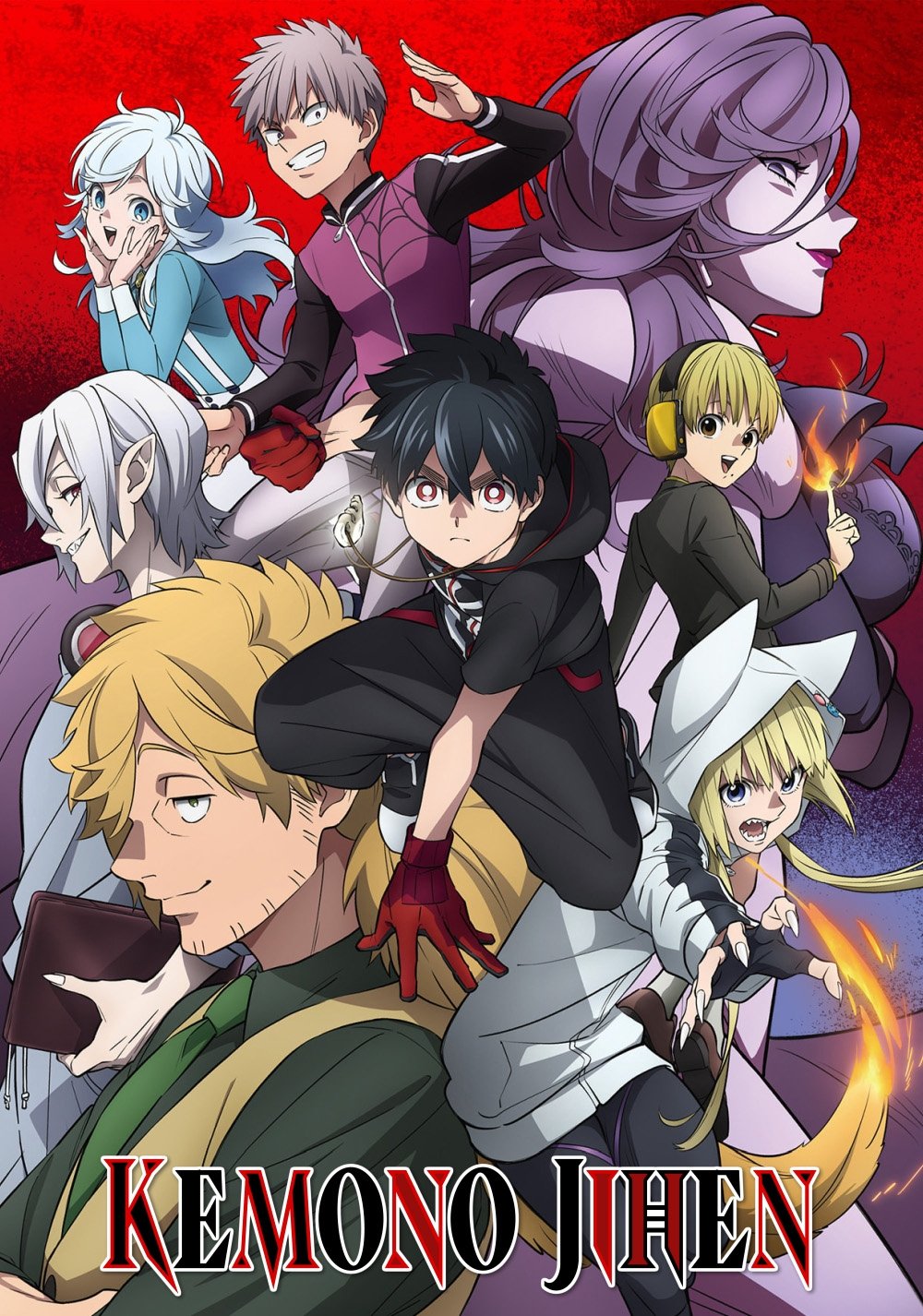
A detective who deals with supernatural cases is sent to a secluded village to investigate gruesome animal killings. He discovers Kabane, a boy with extraordinary strength who is part ghoul. The detective works for an agency that handles cases involving ‘kemono’ – creatures who live hidden among people. The story combines exciting action with a mystery rooted in traditional folklore.
‘Otherside Picnic’ (2021)
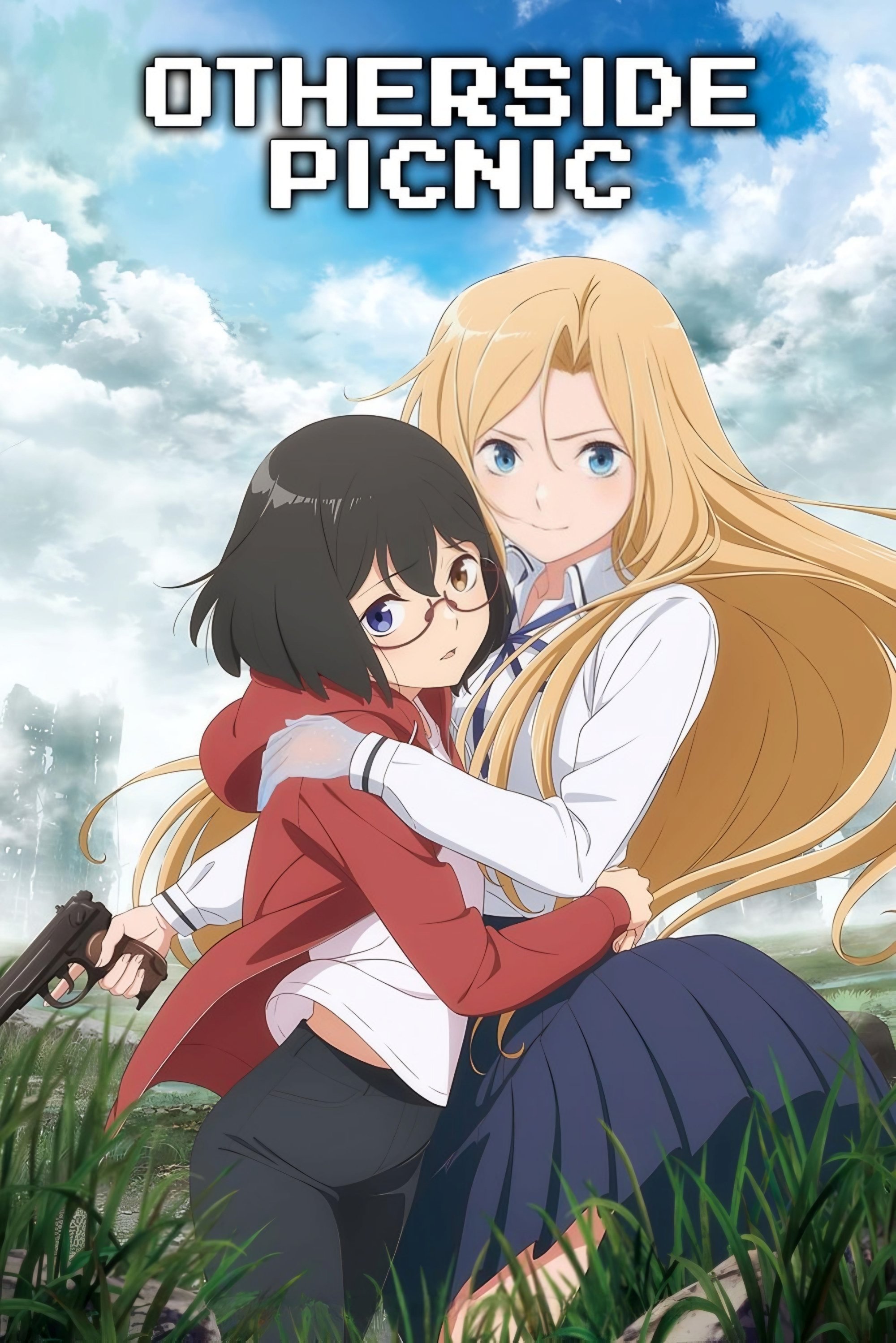
Two college students stumble into the Otherside, a dangerous parallel world populated by terrifying creatures. These monsters aren’t original – they’re ripped straight from popular internet horror stories, like Kunekune and Hasshaku-sama. To survive and find valuable artifacts, the students need to learn how these online legends actually work. The show is a celebration of today’s internet-born scary stories.
‘Junji Ito Collection’ (2018)
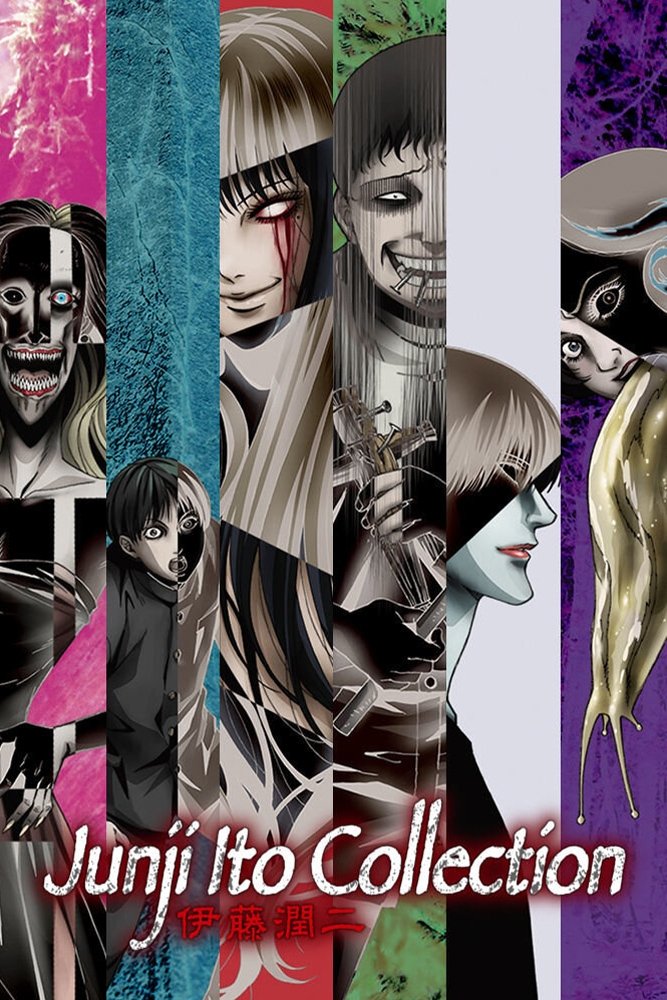
As a huge fan of Junji Ito, I was really excited about this anime anthology. It takes some of his most famous short stories and brings them to life, including the incredibly creepy ‘Tomie’ – a story about a girl who’s basically immortal and drives everyone around her insane. Beyond that, it’s full of other unsettling tales, with curses and really disturbing body horror that often comes from things that seem totally normal at first. The animators really tried to capture the look of Ito’s original artwork, which is famous for being so unsettling and detailed.
‘Wonder Egg Priority’ (2021)
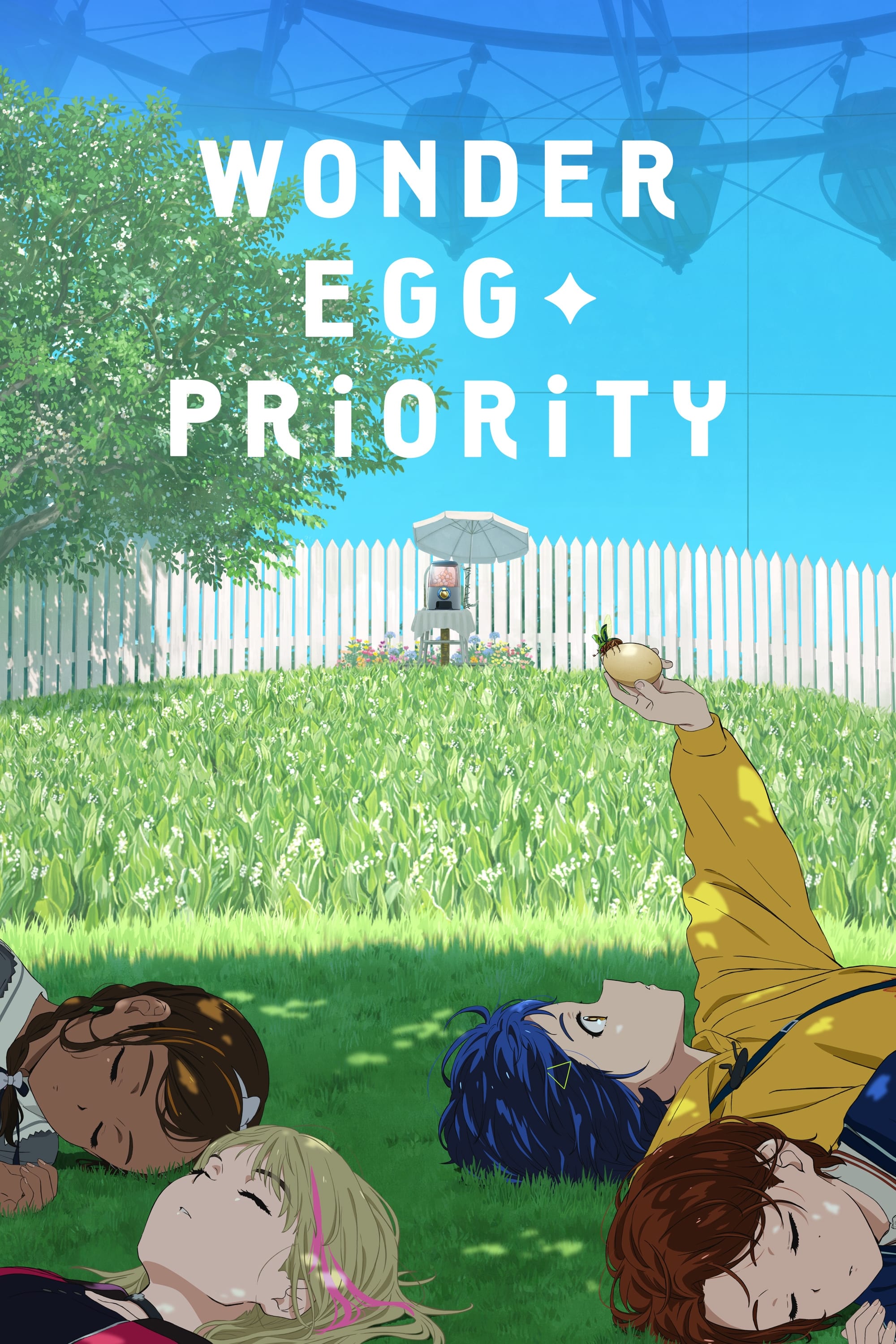
Ai Ohto finds some strange eggs that hatch into girls she needs to protect from monsters. These monsters come from a dream world and represent the girls’ painful experiences, often connected to bullying and the pressures of everyday life. One particularly disturbing monster is based on a scary legend and deals with the topic of abuse. The story uses the magical girl genre to explore difficult subjects like suicide.
‘Betterman’ (1999)

A terrifying virus called Algernon drives people mad and causes a painful death. A strange being named Betterman appears and seems to feed on the life force of those infected. The series blends unsettling myths with elements of biological horror, creating a much grimmer atmosphere than ‘The King of Braves GaoGaiGar,’ though it shares the same fictional universe.
Share your favorite urban legend from this list or tell us one we missed in the comments.
Read More
- Building 3D Worlds from Words: Is Reinforcement Learning the Key?
- The Best Directors of 2025
- 2025 Crypto Wallets: Secure, Smart, and Surprisingly Simple!
- 20 Best TV Shows Featuring All-White Casts You Should See
- Umamusume: Gold Ship build guide
- Mel Gibson, 69, and Rosalind Ross, 35, Call It Quits After Nearly a Decade: “It’s Sad To End This Chapter in our Lives”
- Uncovering Hidden Signals in Finance with AI
- TV Shows That Race-Bent Villains and Confused Everyone
- Gold Rate Forecast
- TV Shows Where Asian Representation Felt Like Stereotype Checklists
2025-12-16 01:21