
When filming action-packed scenes, the grip team frequently works closely with stunt performers. They build and operate the equipment—like wires, secure camera mounts, and moving platforms—that makes dangerous stunts possible and keeps shots steady during intense action. Because grips are trained in safely handling equipment under stress, their expertise often connects with the planning of stunts involving speed, height, impacts, or complicated movements.
‘Mad Max: Fury Road’ (2015)
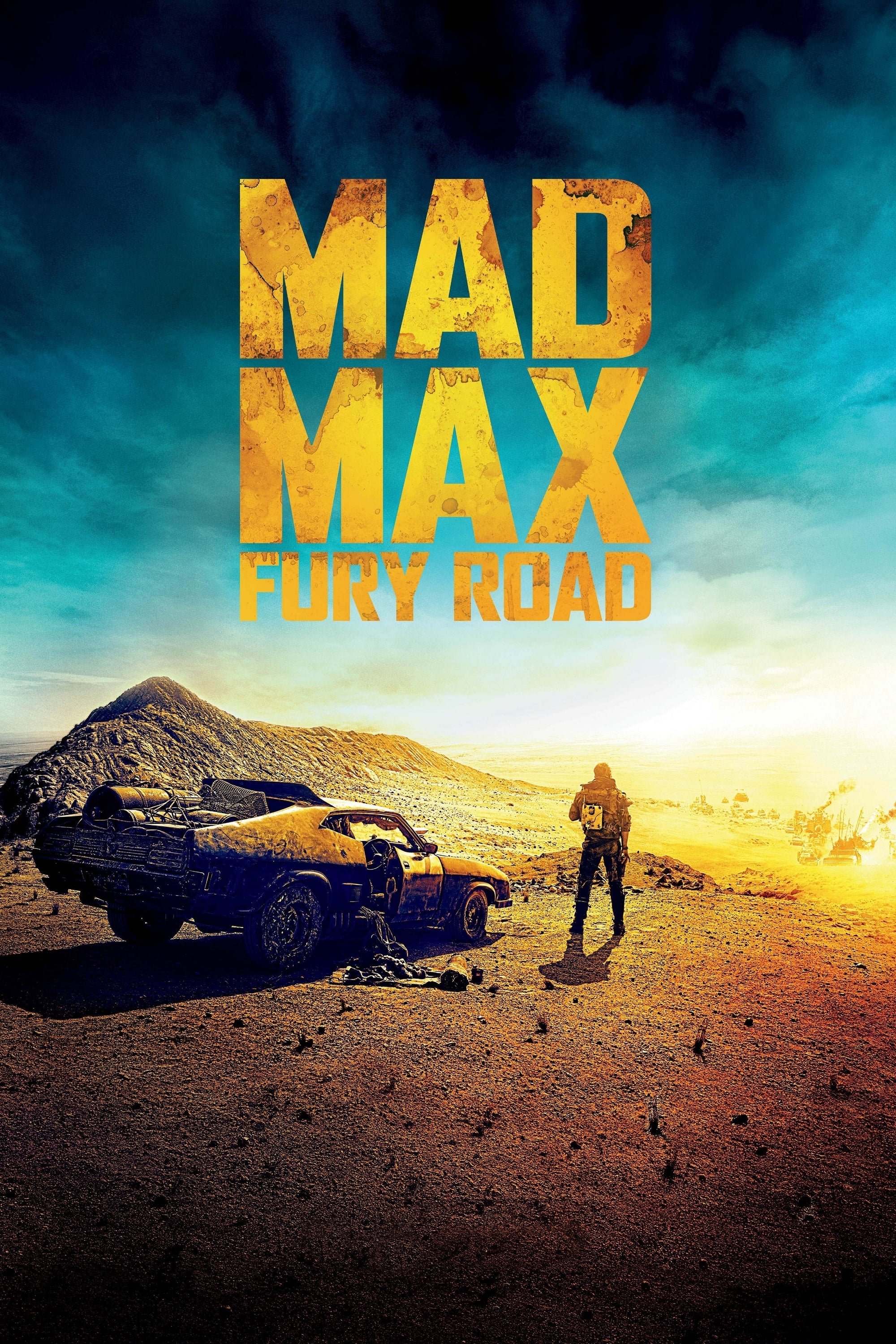
As a film buff, I was really impressed with how this movie did things. They didn’t rely much on CGI – instead, they used actual cars, incredible driving choreography, and performed the stunts for real, often in these huge desert landscapes. It takes a ton of work behind the scenes to make that happen. The camera and rigging teams were crucial, building secure platforms and safety systems so the stunt drivers and performers could hit their marks perfectly, again and again. The director and cast have talked a lot about this approach – how they actually harnessed the actors and positioned them around the moving vehicles to get those amazing shots in-camera, and it really shows!
‘Casino Royale’ (2006)
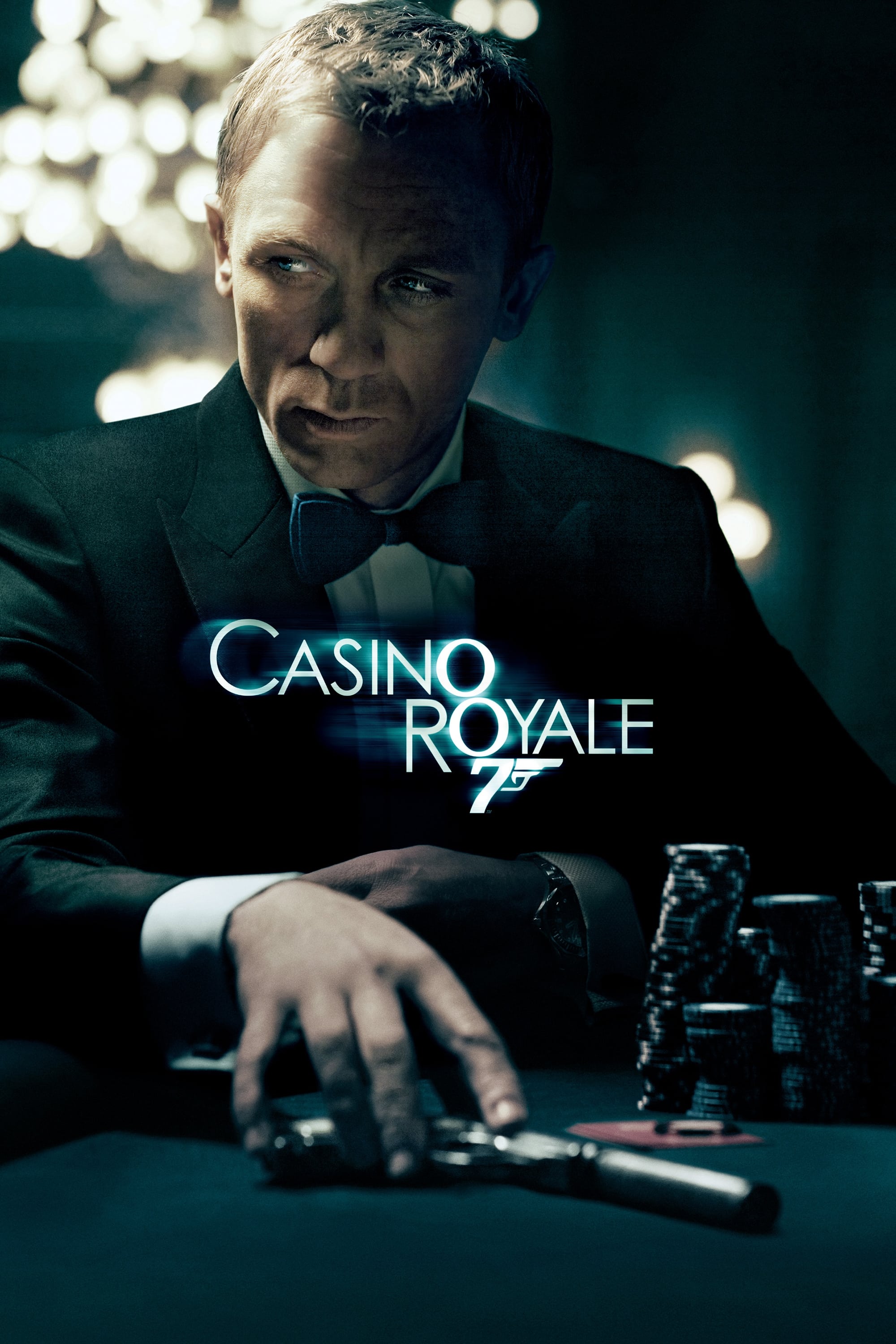
The car chase filmed on the Madagascar construction site involved a lot of climbing, falling, and moving through incomplete buildings, so keeping the cameras and crew safe was a top priority. The sequence was designed to feel realistic and impactful, especially during the complex scenes with cranes and scaffolding, which required detailed preparation. On a live set like this, the grips department is usually responsible for figuring out how to safely move the camera with the actors while still allowing for exciting stunts.
‘Mission: Impossible – Fallout’ (2018)
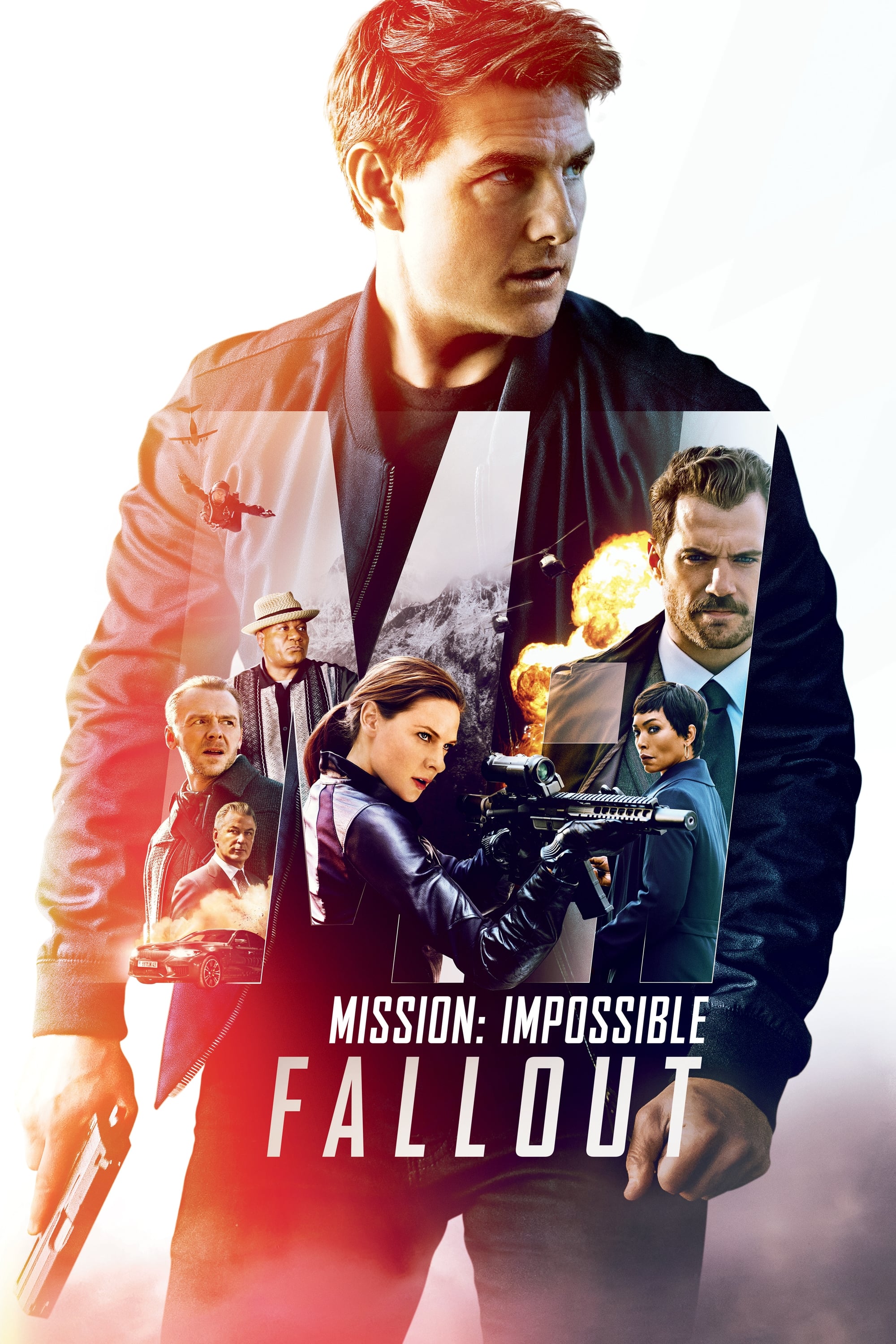
The HALO sequence perfectly demonstrates how amazing stunt work and camera operation rely on each other. The shot only succeeds when the performer’s movements and the camera’s steadiness are flawlessly synchronized. Footage from behind the scenes highlights the detailed technical preparation needed to capture the action clearly while in the air, where even minor adjustments in position or timing can make a big difference. When performing stunts at high altitudes and speeds, the equipment used for rigging and mounting the camera isn’t just about getting the shot – it’s a critical part of ensuring everyone’s safety.
‘The Dark Knight’ (2008)
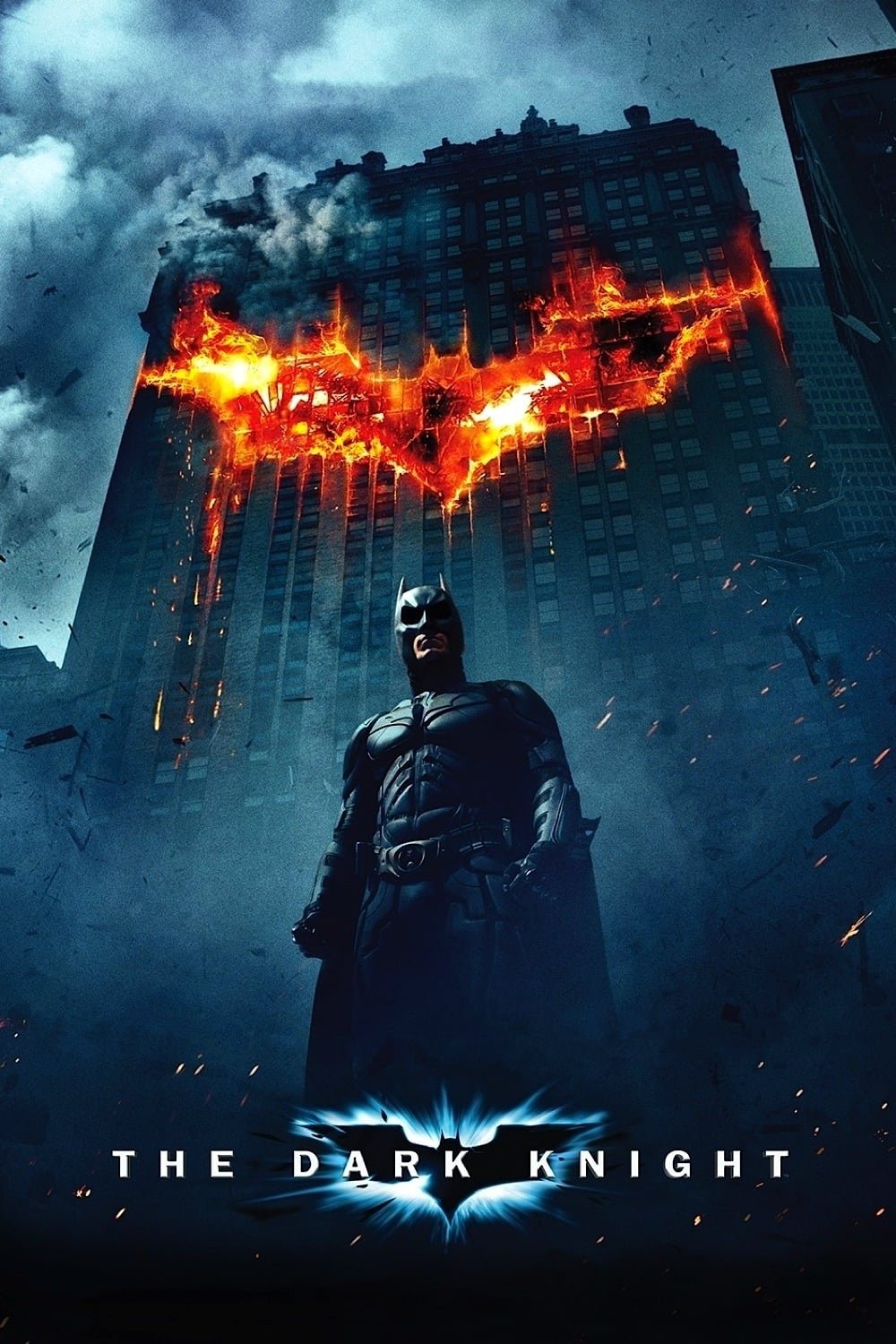
The truck’s flip wasn’t created with computer effects; it was a real stunt achieved using a mechanical system that physically rotated the vehicle. This required precise planning of the engineering, timing, and camera angles. Witnesses at the scene have described how the stunt worked, emphasizing its reliability and controlled execution. During these kinds of sequences, the grip department is essential – they ensure the cameras, cranes, and safety barriers are stable while the truck performs the dramatic and unpredictable flip on cue.
‘The Matrix’ (1999)
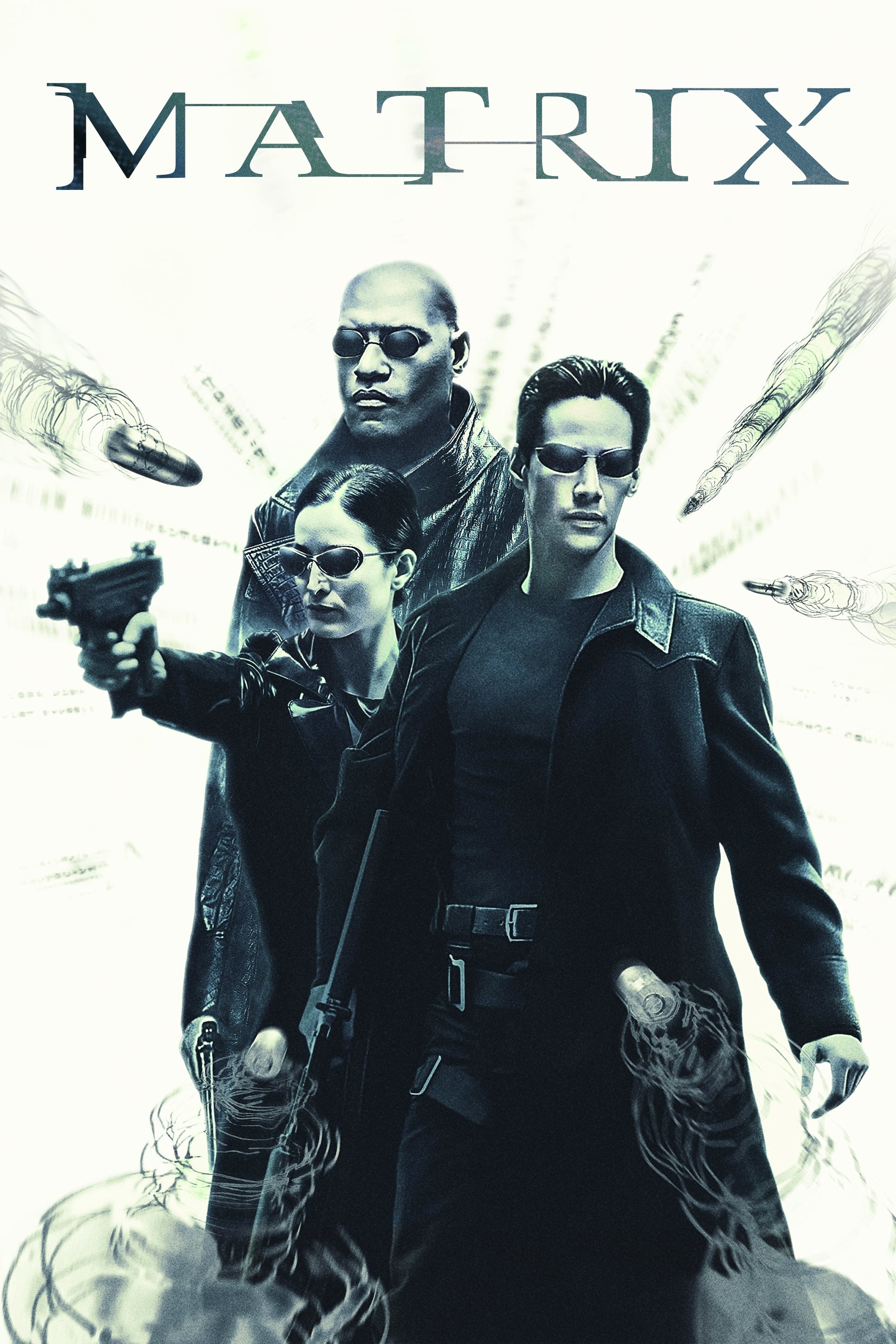
As a huge fan of action movies, I’ve always been fascinated by how they pull off those incredible fight scenes. In this production, the fighting style is heavily inspired by classic Hong Kong action – think amazing choreography and performers soaring through the air with wire work. It’s not just about the moves though; it’s a real collaboration between the stunt team and the rigging crew. They had to carefully plan and rehearse everything, because when you’re using wires, the physical setup is just as crucial as the punches and kicks themselves. It’s a surprisingly technical process, and the line between stunt work and rigging really blurs!
‘John Wick’ (2014)
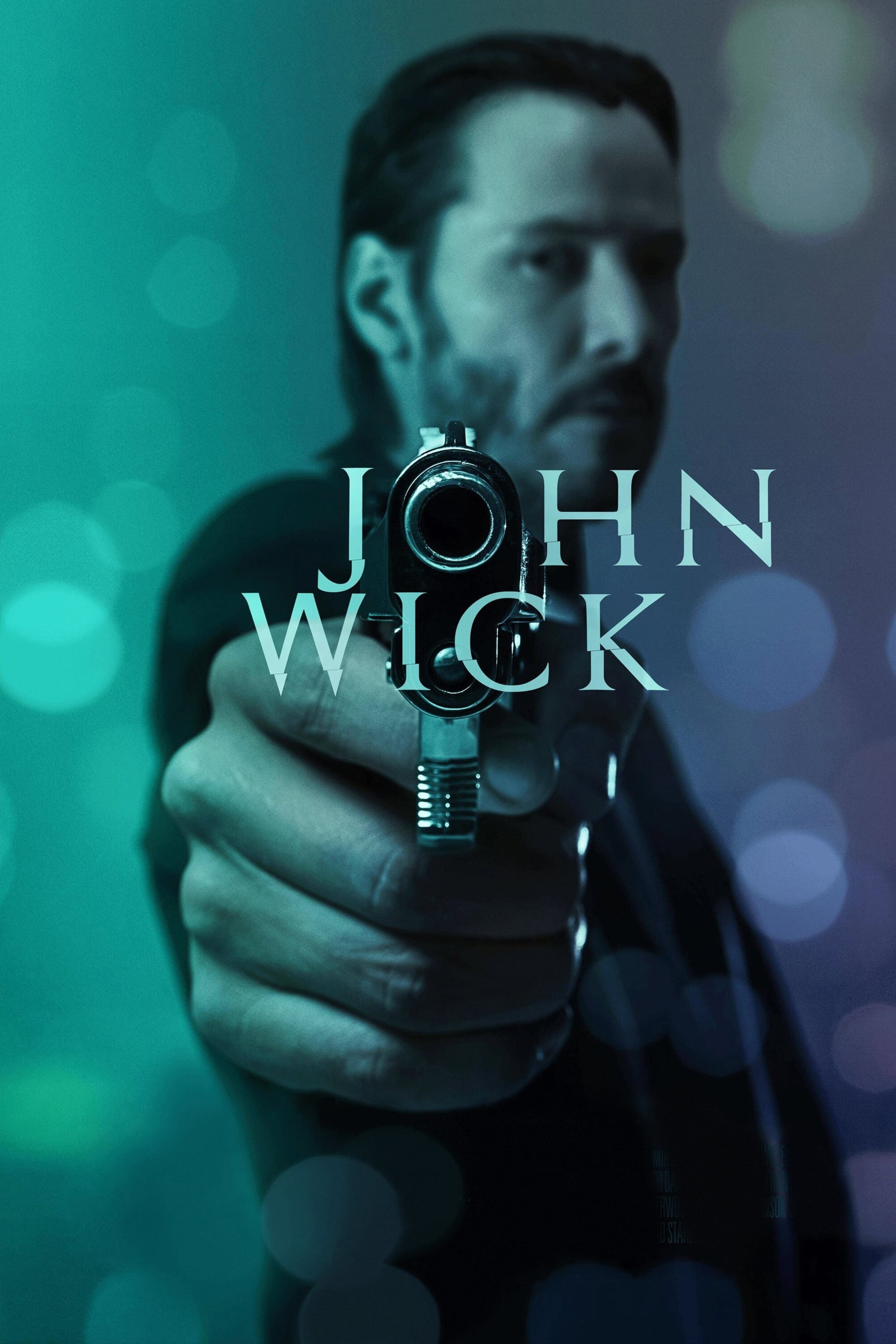
The film’s action sequences rely on fast-paced gunplay and intricate choreography. The filmmakers paid close attention to how the stunts were filmed, carefully planning rehearsals and camera angles to ensure the action is clear and easy to follow. Much of the smooth, polished look comes from steady camera work, consistent takes, and careful spacing, all of which are directly supported by the camera operators. For the long, unbroken action scenes, the camera equipment – including dolly tracks, handheld stabilizers, and smooth transitions – had to be robust enough to keep up with the performers’ speed and energy.
‘Top Gun: Maverick’ (2022)
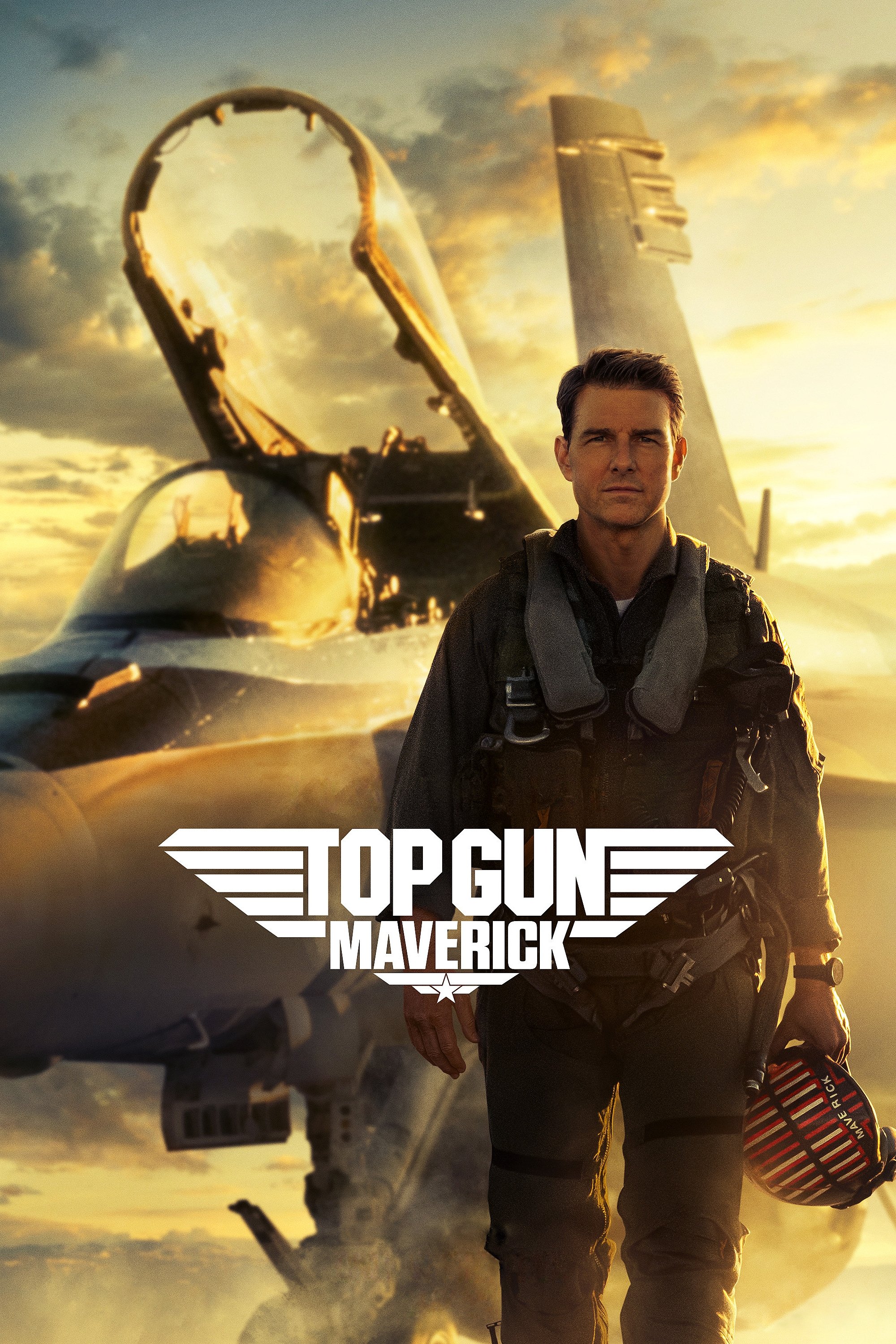
The incredible cockpit scenes were filmed with actors secured in actual fighter jets. To capture realistic movement and lighting, the cast flew as passengers in F/A-18s. This meant the biggest challenge wasn’t performing stunts, but designing camera setups and safety systems that could withstand intense G-forces. Because the cameras were integrated into the plane itself, securing the equipment and getting the shots became the core ‘stunt’ – it was impossible to recreate these conditions safely on a soundstage.
‘The Fall Guy’ (2024)

The film’s stunt work involved incredible practical effects, like major car crashes and huge vehicle rolls, all carefully coordinated with visual effects and detailed planning. This kind of filmmaking relies heavily on skilled grips and riggers who ensure the camera captures smooth, repeatable shots from safe angles, even during intense action. From the very beginning of planning, sequences involving jumps, falls, and moving vehicles include camera placement and safety measures as integral parts of the stunt design.
‘Police Story’ (1985)
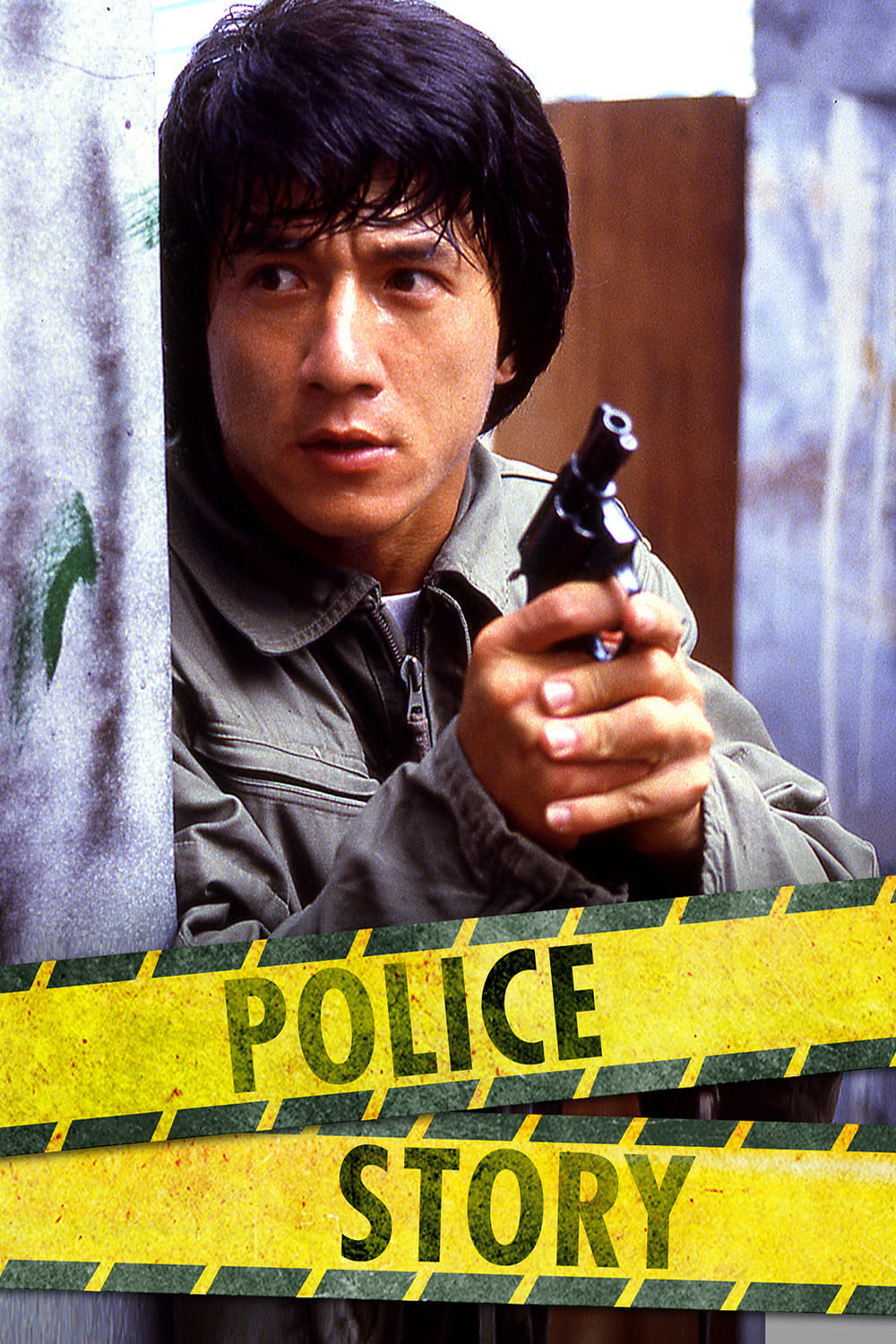
The film’s exciting mall scene is well-known for its realistic action. Reports about the stunts reveal just how demanding they were on the performers. When a stunt involves heights, breaking glass, slides, and precise timing, it’s hard to separate the support work from the actual stunt. The stunt needs reliable physical setups to work. Even if the actor performs the dangerous part themselves, things like ropes, landing areas, and camera angles are essential to make the stunt safe, repeatable, and able to be filmed.
‘Crouching Tiger, Hidden Dragon’ (2000)

A key feature of this film is its use of wire work, which required performers to appear weightless while maintaining safety and consistency through numerous takes. According to American Cinematographer, staging these wire-assisted action sequences was incredibly complex, and the crew had to repeatedly refine the performances to meet the director’s precise timing. Because the wire work is so integral to the stunts, the team managing the rigging is essentially a core part of how the action is created and captured on film.
‘Raiders of the Lost Ark’ (1981)
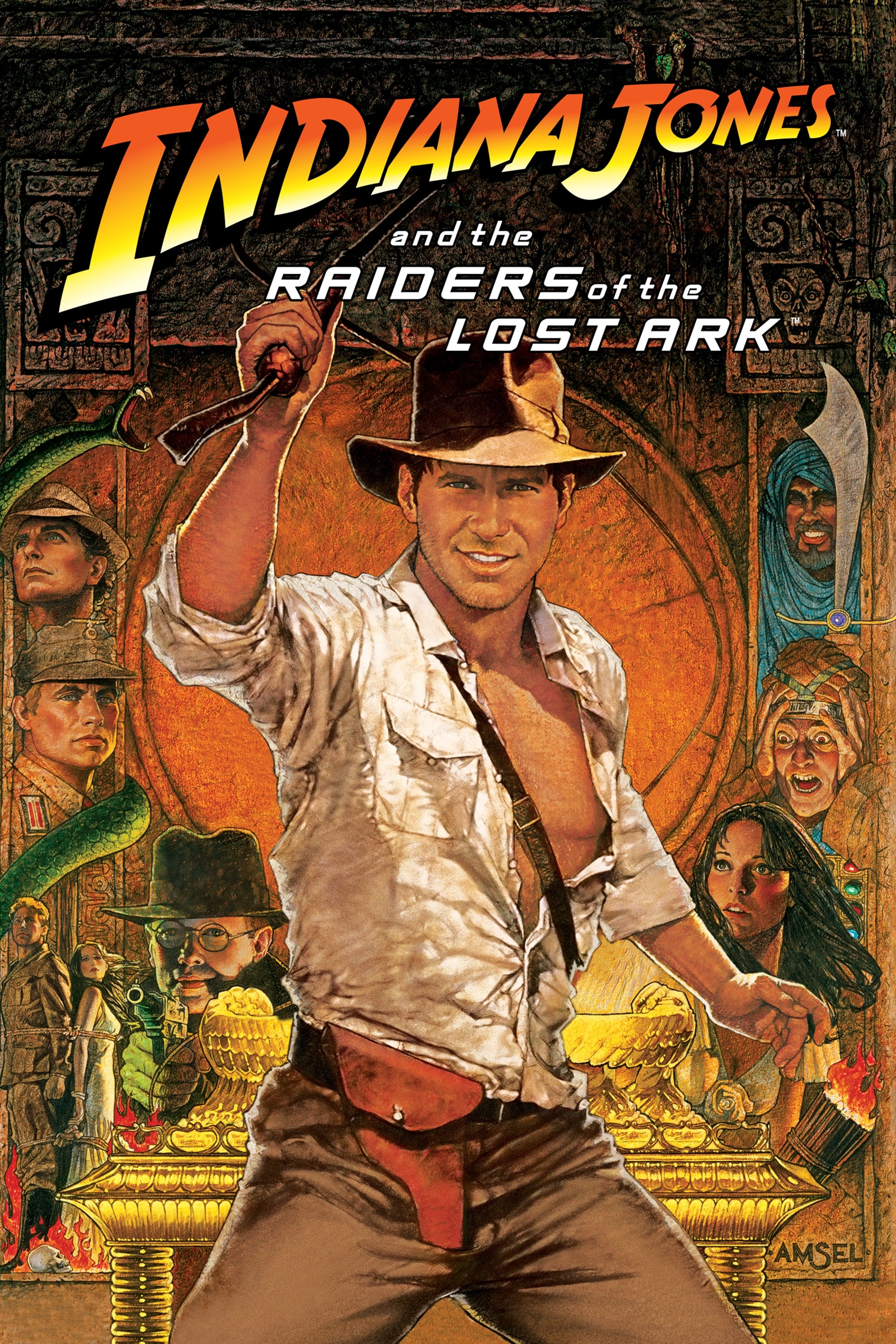
Truck chases are a great example of how movie stunts are carefully planned and executed. Everything – the vehicles, the performers, and the camera angles – needs to be perfectly synchronized to prevent accidents. Footage from behind the scenes shows exactly how the chase was physically performed and why certain decisions were made to ensure everyone’s safety. For a sequence involving moving vehicles, the grips play a crucial role in creating secure camera setups and smooth movements, which directly impacts how clear and repeatable the stunt is.
‘Terminator 2: Judgment Day’ (1991)
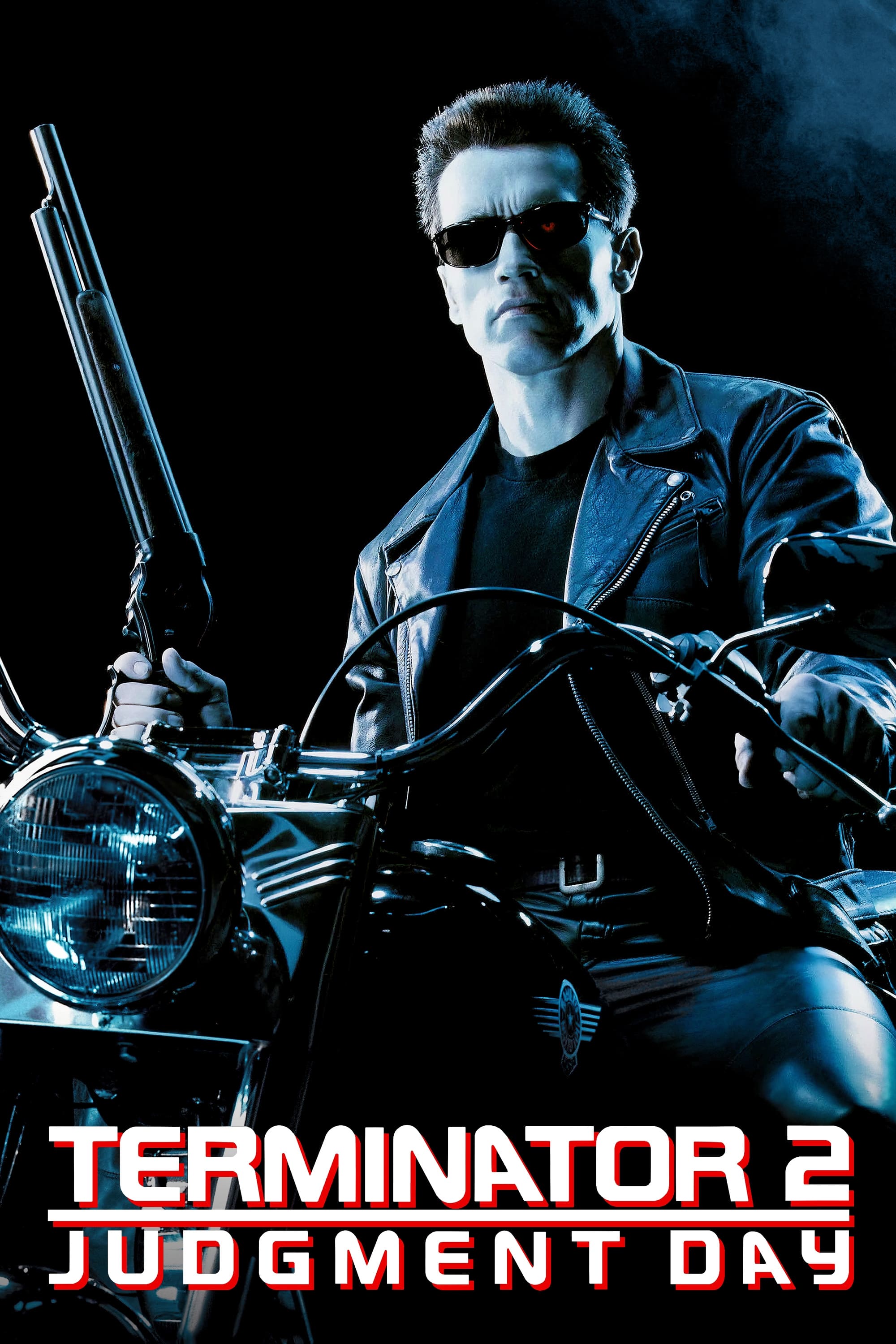
The canal chase scene was achieved through a combination of real construction and carefully managed collisions. The set included structures built specifically to support the stunts, allowing for impactful crashes while keeping the camera steady and, most importantly, ensuring the safety of everyone involved. This required a precise coordination of set building, safety systems, and stunt choreography – a truly collaborative and practical effort.
‘Ben-Hur’ (1959)

Chariot races in films require careful planning and teamwork, especially when it comes to stunts. Safety is key, so they often use doubles for risky moments. The filming process focuses on designing exciting action while managing the speed of the horses, avoiding collisions, and keeping everything safe on a large set. This also means building strong camera platforms and tracking systems that can keep up with the fast-moving animals, making the grip team essential to the whole operation.
‘Saving Private Ryan’ (1998)
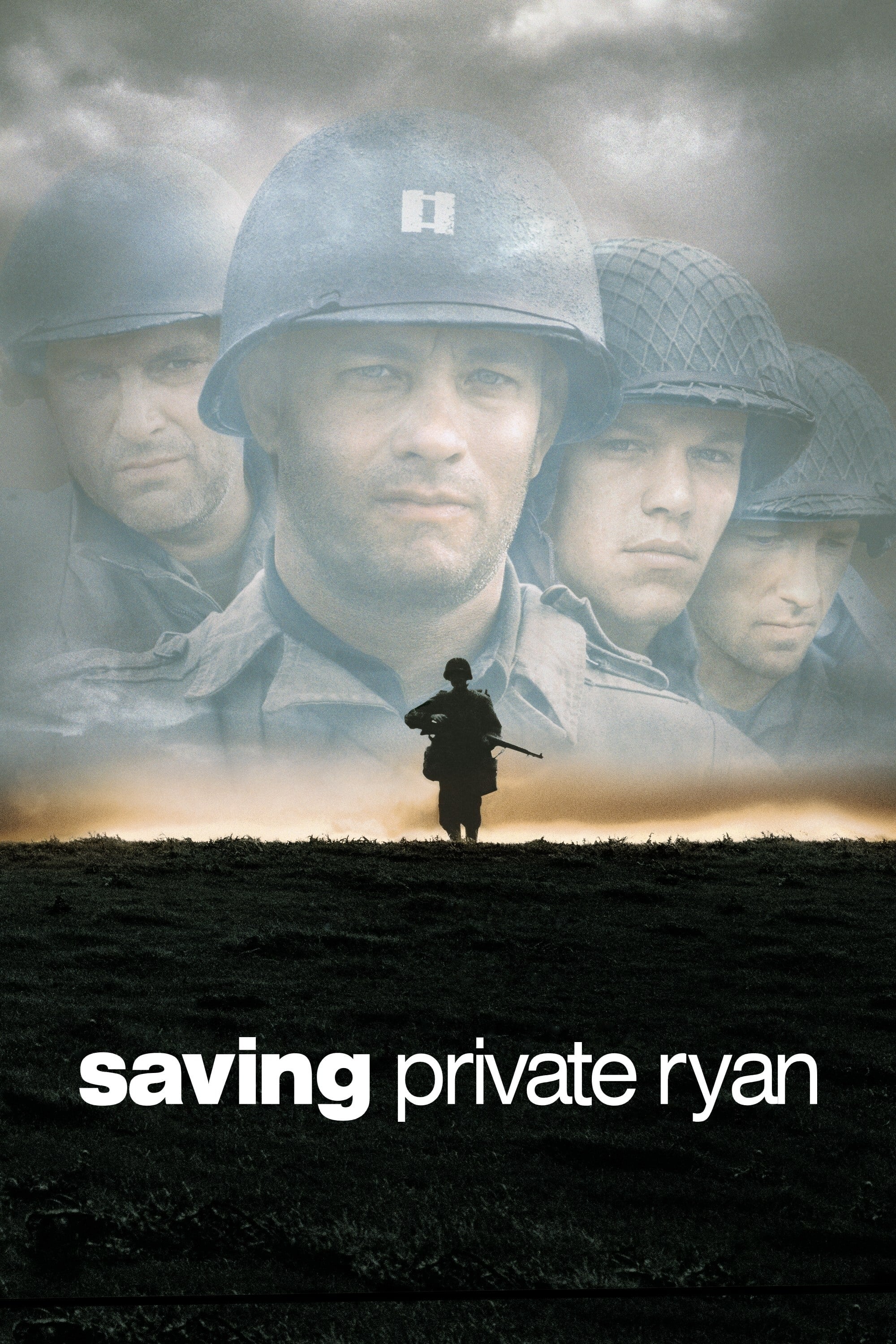
According to American Cinematographer, the beach scenes featuring action were carefully prepared using squibs, mortars, and extensive rehearsals with a stunt team. This wasn’t just about actors performing falls; it involved precise timing, realistic effects, and ensuring the safety of the camera and crew across a large area. The grip and rigging team was crucial in maintaining consistent camera movement and building protective structures, especially given the set’s dynamic and potentially hazardous design.
‘Heat’ (1995)
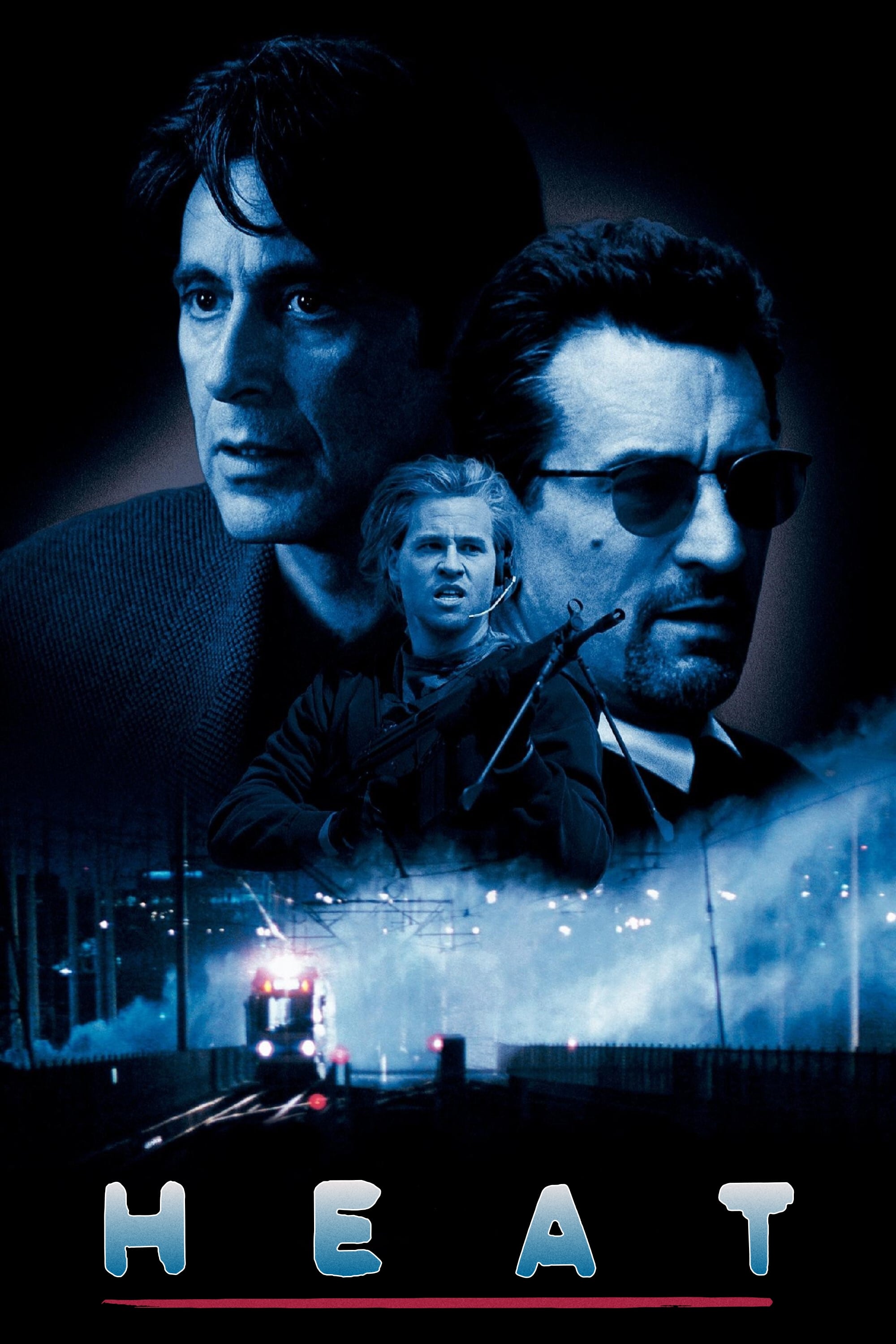
The recent downtown shootout scene appears wild and unplanned, but it was actually meticulously planned. Filming action in real streets requires precise coordination – the camera crew needs secure positions, consistent angles, and predictable routes for both the performers and themselves. This is where the ‘grip’ team comes in, using equipment like tracks, mounts, and barriers to support both the stunt work and the camera movements, ensuring everything runs smoothly.
‘Bullitt’ (1968)
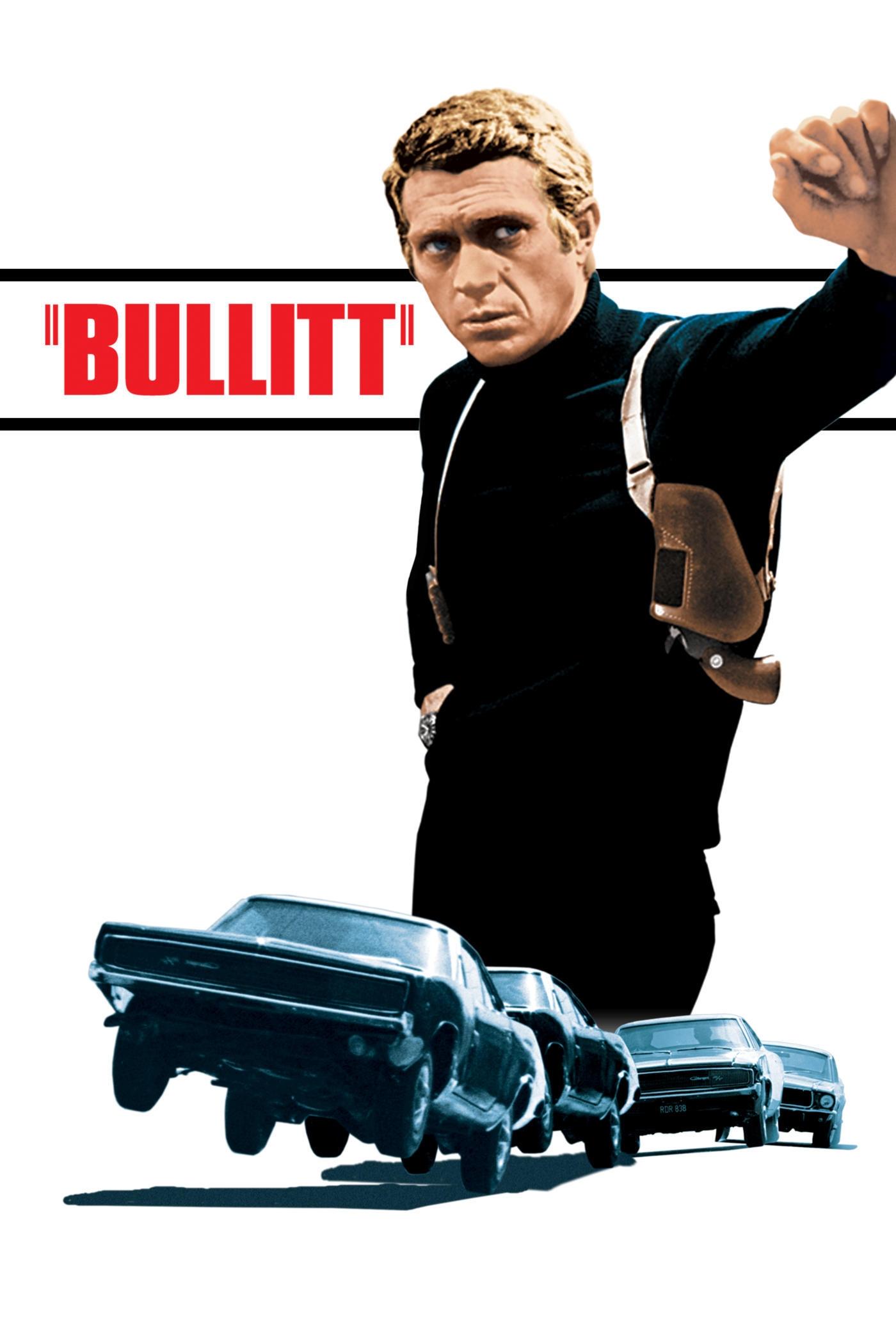
The movie’s car chase involved specially prepared vehicles, like modified Mustangs built to withstand demanding driving. Reports also show that practical stunt work and on-location filming were key to making the chase feel realistic. Behind the scenes, grips—the camera crew—played a vital role in figuring out how to safely mount, protect, and move cameras at high speeds, ensuring the footage wasn’t ruined by the car’s movements and impacts.
‘The French Connection’ (1971)
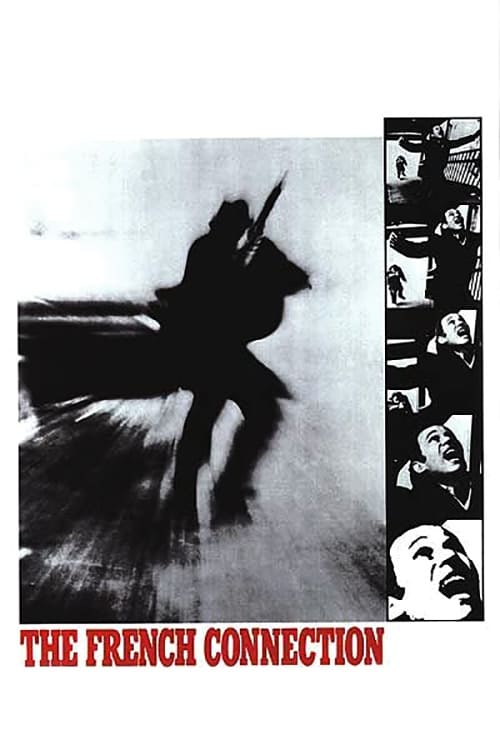
According to Road & Track, the famous car chase was filmed on real city streets with a professional stunt driver, Bill Hickman, at the wheel. The director even filmed some of it from the backseat! This highlights that a good stunt isn’t just about driving; it also requires skilled camera work and secure equipment. Capturing footage from a moving car in traffic is dangerous, so the gear used to keep the camera stable and safe is crucial to making these shots possible.
‘Ong-Bak’ (2003)
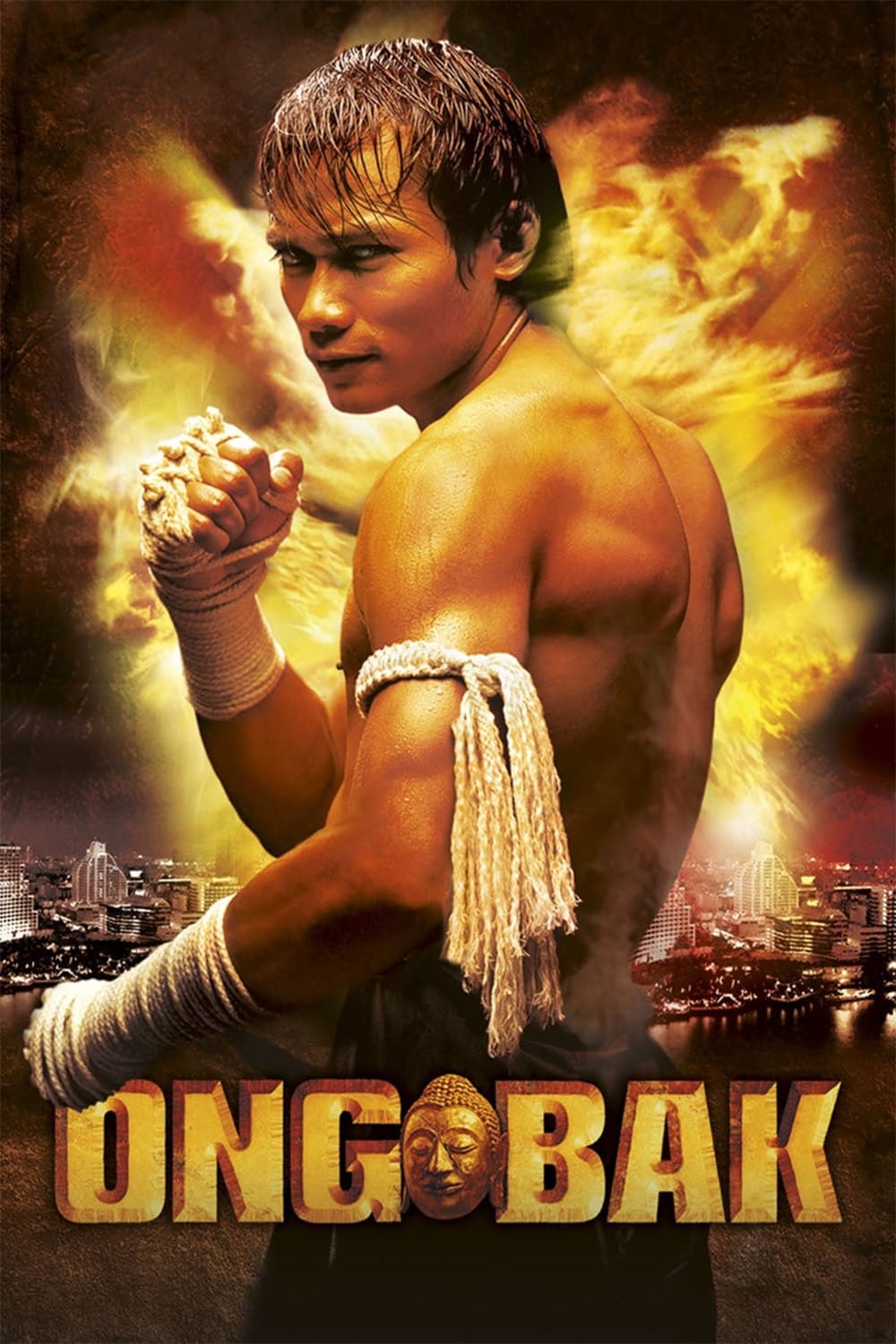
Much of the information about the film highlights its commitment to realistic action sequences, performed without relying heavily on wires or digital effects. This focus on practical stunts means safety is crucial – performers need to land safely, cameras need clear views, and the set must be carefully prepared for repeated falls and impacts. To achieve this, the grip and rigging teams work closely with the stunt team, ensuring stable camera work and a safe, usable environment for each take.
‘Titanic’ (1997)
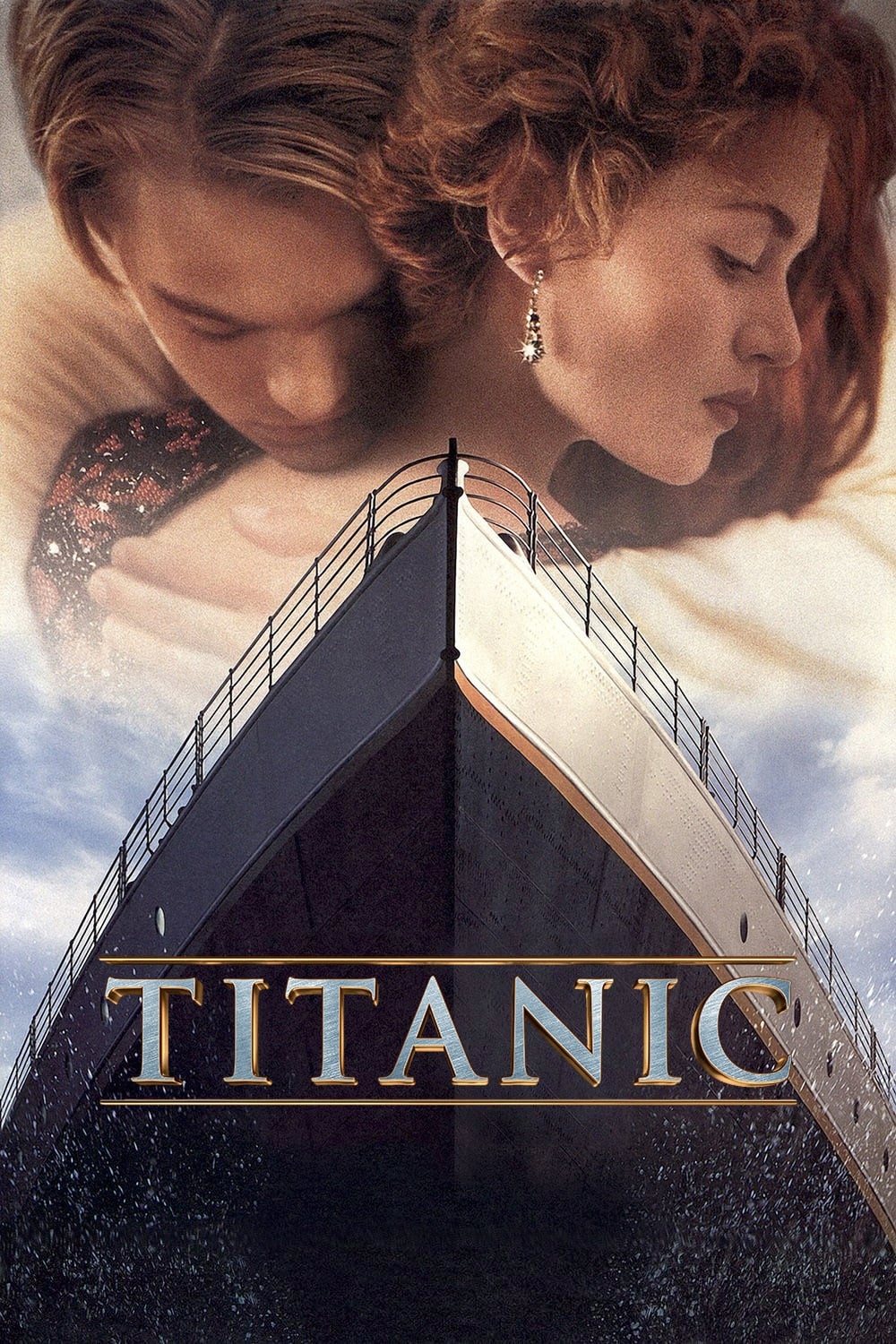
Because the movie involved a lot of water work and complex sets, the production team frequently used stand-ins, or doubles, for various shots and challenging scenes. According to a Vanity Fair article about the film, these doubles were used when actors’ faces weren’t clearly visible, particularly when filming became logistically difficult. In scenes requiring a lot of movement, water, or interaction with the set, ensuring safety and proper rigging became just as important as the actors’ performances, as these shots needed precise control.
‘Ronin’ (1998)
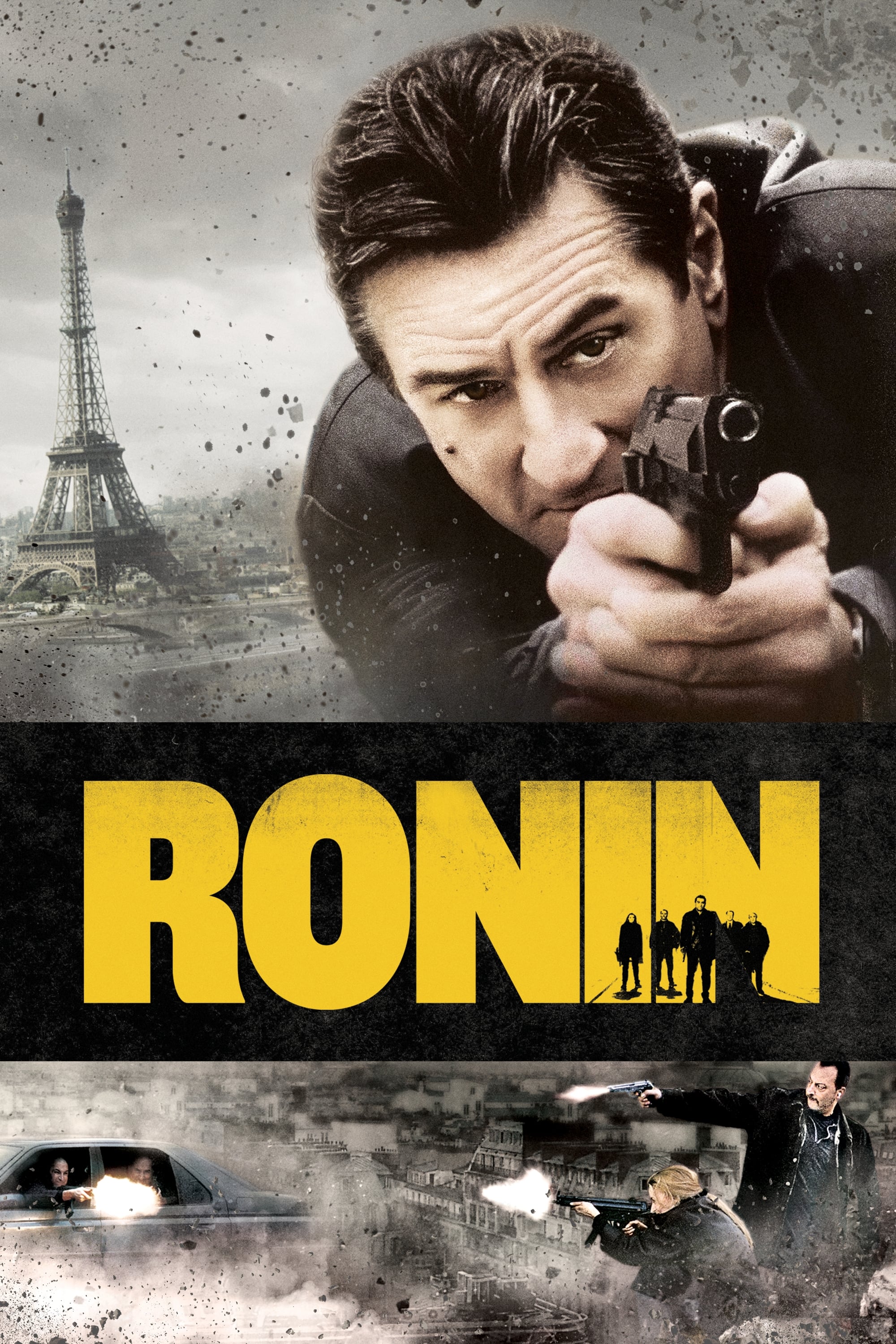
The film’s exciting car chases were created with a focus on practical effects and realistic driving, minimizing the use of digital enhancements. Reports emphasize the extensive stunt driving involved, and how specialized camera cars were used to capture dynamic, close-up shots amidst the action. Because these chases were filmed at high speeds and from unique angles, the equipment used to mount and protect the cameras became an integral part of the stunts themselves – the shots simply wouldn’t work if the cameras couldn’t withstand the conditions.
Share your favorite movies in the comments and let us know which ones best showcase great collaboration between the actors performing the stunts and the stunt teams!
Read More
- Invincible Season 4 Gender Swaps Tech Jacket As Fans Question Major Comic Change
- Silver Rate Forecast
- Gold Rate Forecast
- Building Agents That Learn and Improve Themselves
- 15 Films That Were Shot Entirely on Phones
- 22 Films Where the White Protagonist Is Canonically the Sidekick to a Black Lead
- 20 Movies Where the Black Villain Was Secretly the Most Popular Character
- Celebs Who Narrowly Escaped The 9/11 Attacks
- 18 TV Series Filming Rehearsals as Bonus Content
- Games That Faced Bans in Countries Over Political Themes
2025-12-15 08:51