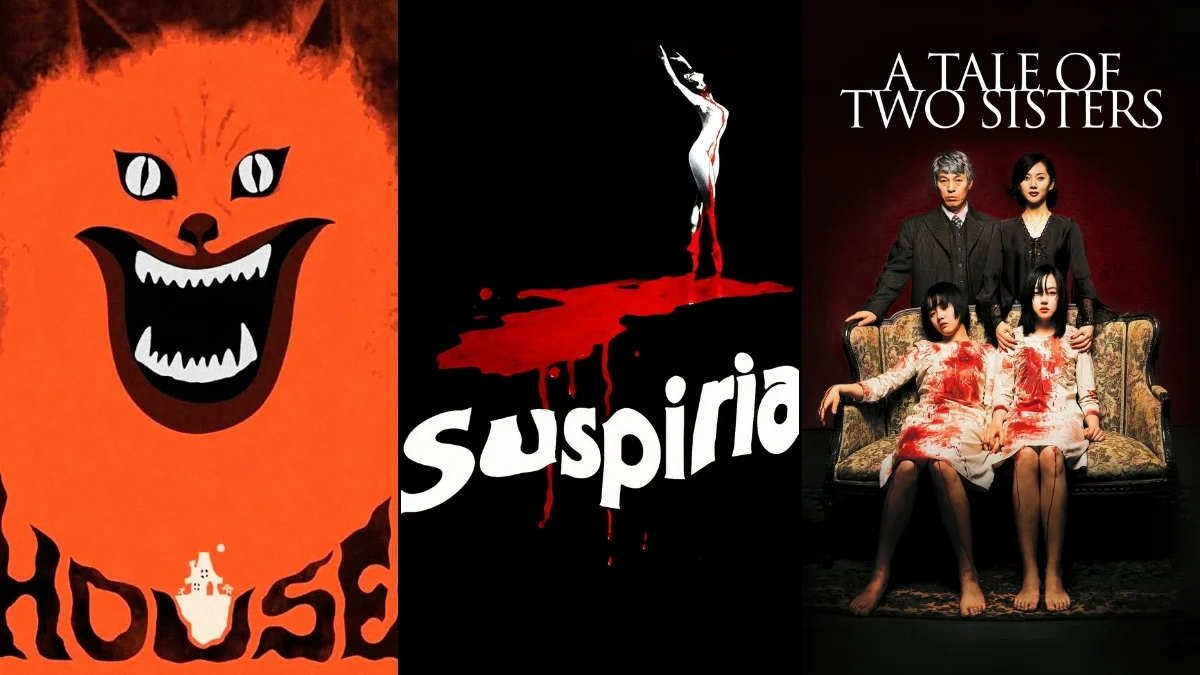
I love horror movies that really mess with your head! Sometimes it’s terrifying when everything is clear, but the best scares come from films that don’t explain things. These movies play with your expectations – things don’t quite add up, timelines get confusing, and the rules seem to change as you watch. They’re the kind of films that stay with you long after the credits roll, making you think and re-examine everything. I’ve put together a list of some truly baffling, but brilliant, horror picks that I think you’ll enjoy.
‘The Shining’ (1980)
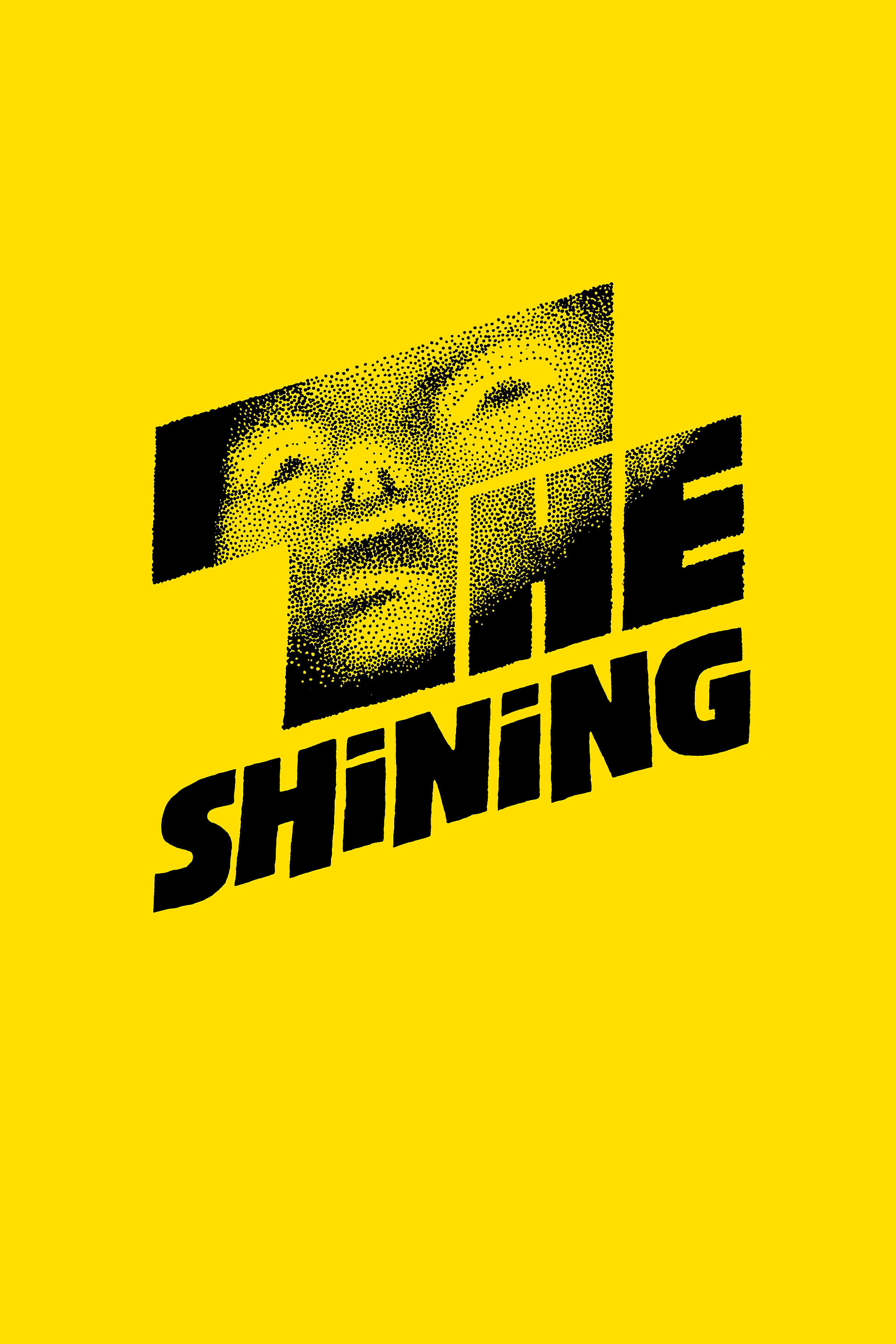
‘The Shining’ creates a deeply unsettling atmosphere by using long, quiet scenes and a hotel that feels strangely disconnected from reality. The Overlook Hotel doesn’t always seem to make logical sense – its layout shifts, and details change from scene to scene, as if you’re seeing different versions of the same place. The supernatural events don’t follow clear rules, making the danger feel unpredictable. Even the ending is ambiguous, leaving questions about the hotel’s true intentions and the extent of its power over people.
‘Suspiria’ (1977)
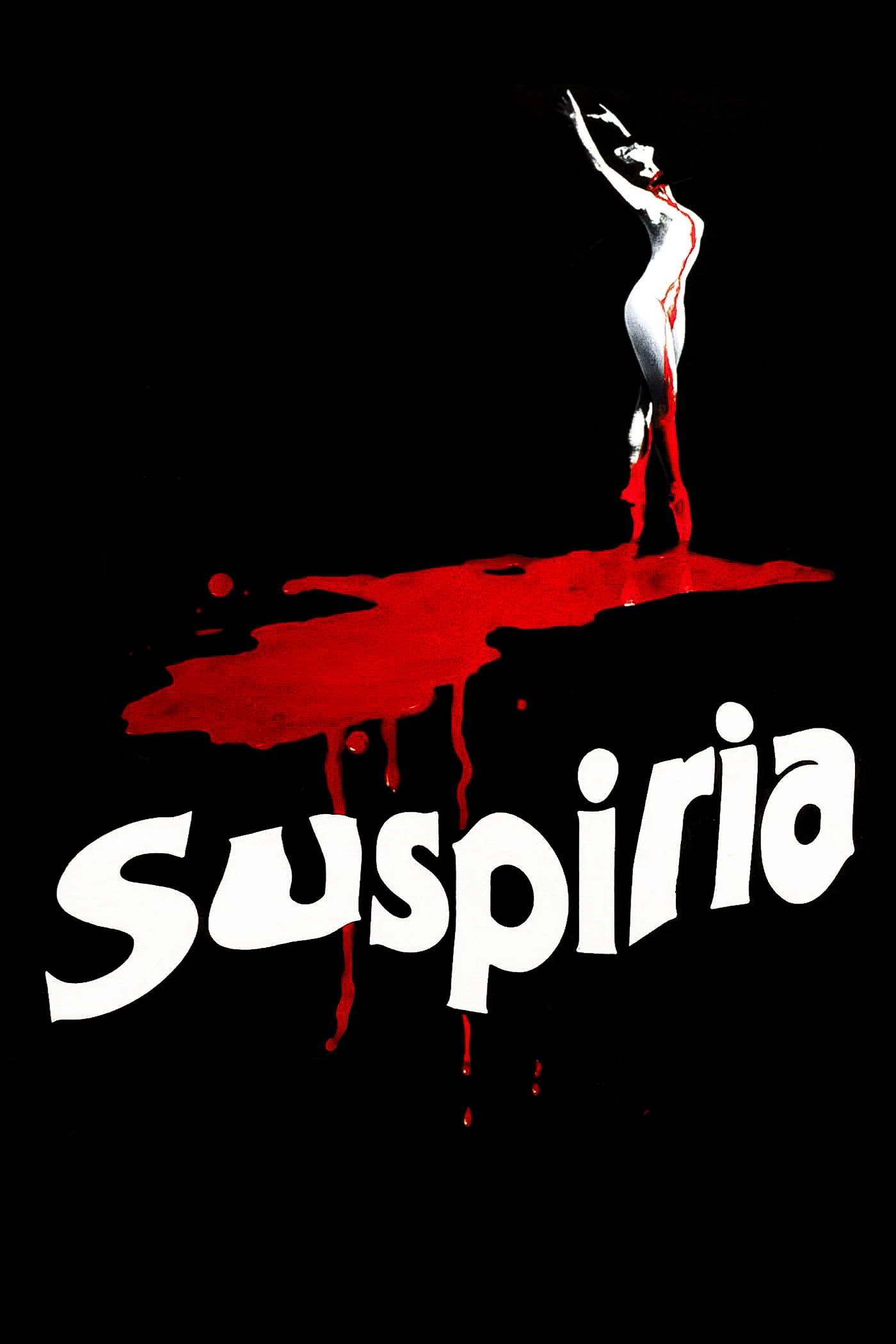
‘Suspiria’ plunges you into a dance school where atmosphere and unsettling imagery are more important than a clear storyline. The film suggests a secret power structure and strange rituals, but reveals them in bits and pieces, leaving you to figure things out as chaos unfolds. Characters feel lost in a constantly shifting nightmare. While there is a plot, it’s intentionally elusive and hard to grasp.
‘House’ (1977)
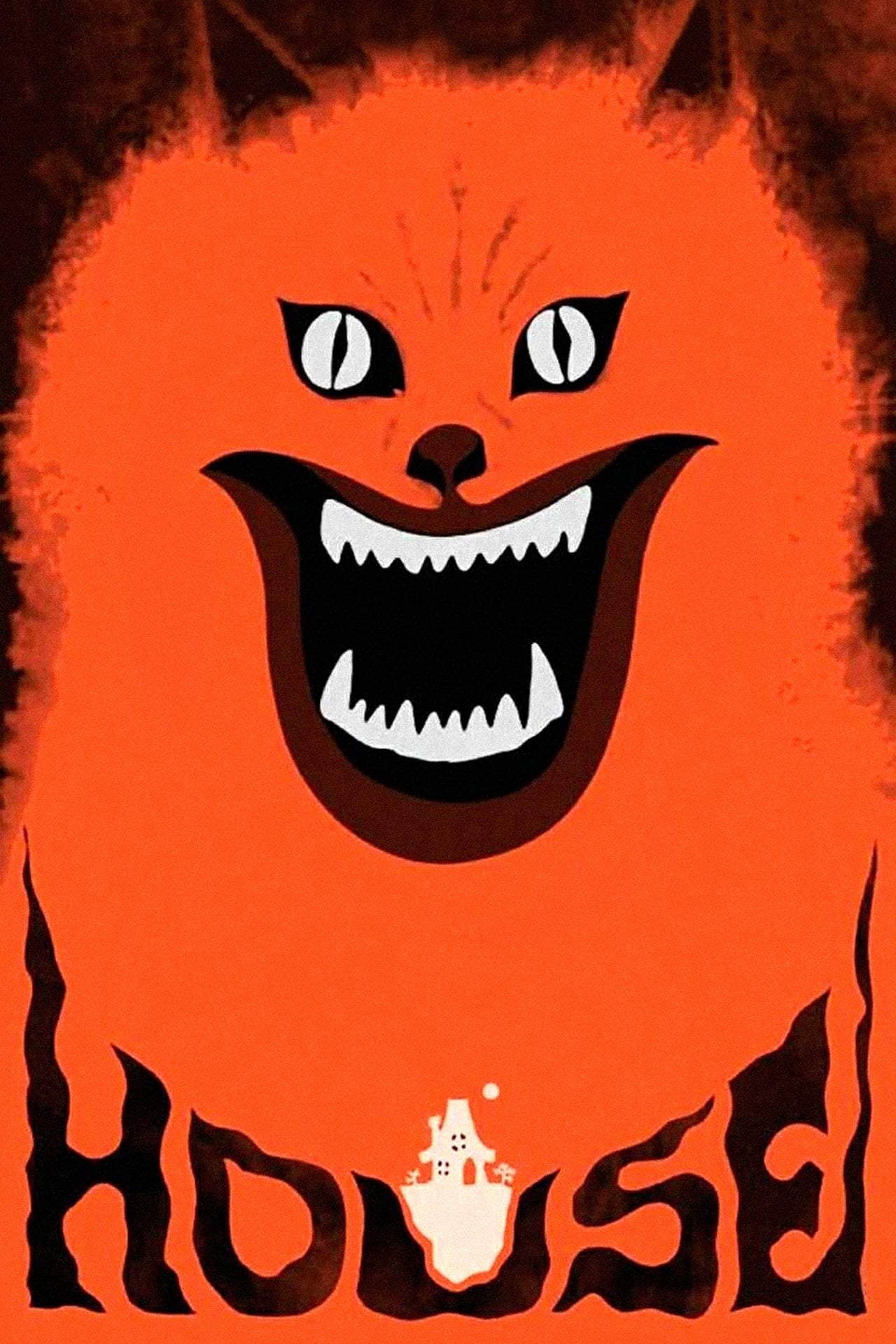
‘House’ feels like a haunted house tale mixed with bizarre comedy and striking visuals, almost like a cartoon. It throws in scary moments that don’t really connect, appearing whenever the film needs a new fright. The movie doesn’t bother explaining how the supernatural elements work, and things change on a whim, making it hard to follow. Trying to figure out what’s actually happening versus what’s symbolic is a losing battle – the movie is intentionally elusive.
‘Eraserhead’ (1977)
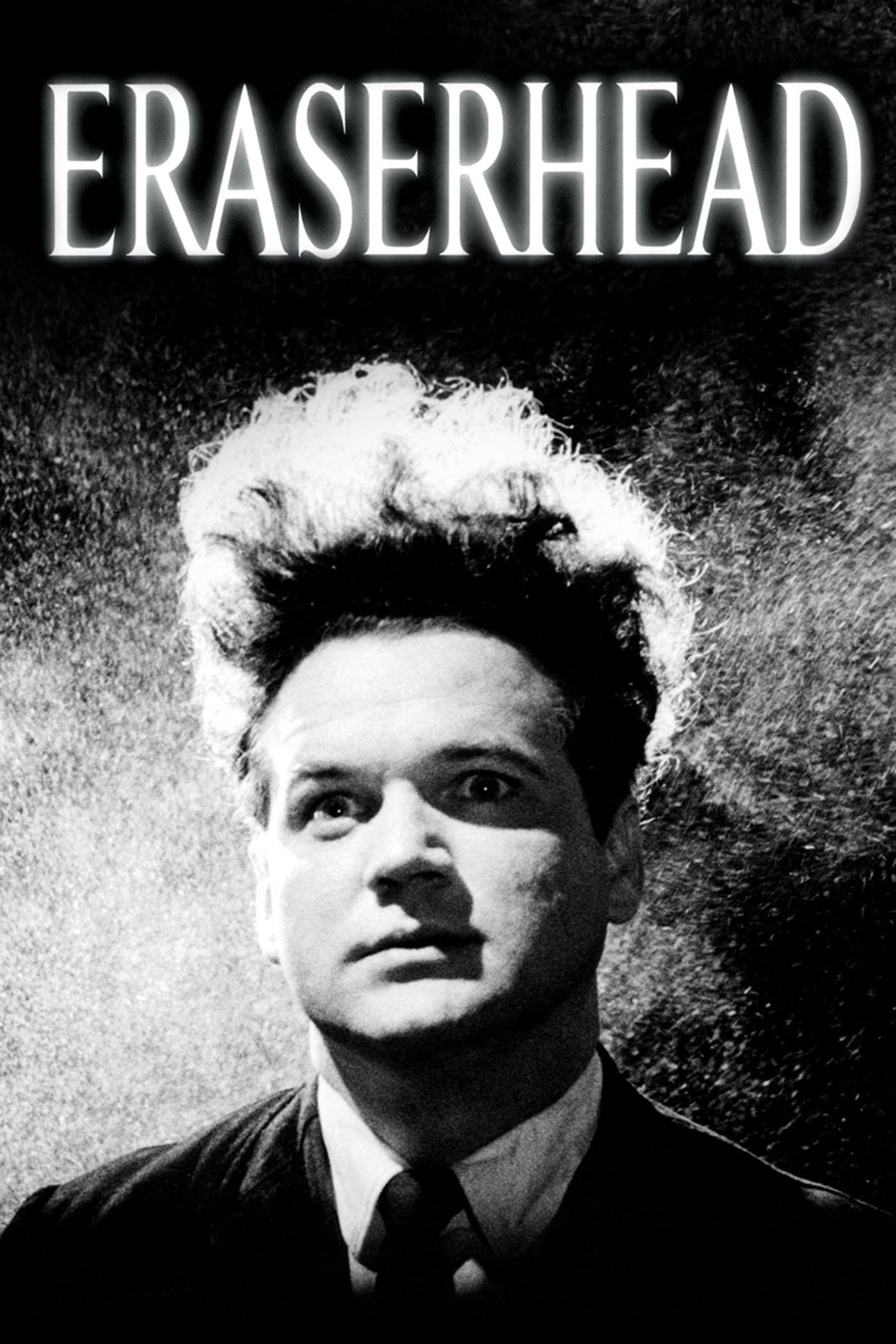
‘Eraserhead’ relies heavily on disturbing visuals and sound, prioritizing atmosphere over a straightforward story. The scenes flow together like disjointed dreams, with abrupt shifts that leave you unsure of the setting or timeline. Characters act strangely, almost as if performing a ceremony, making their reasons unclear. Ultimately, the film creates a feeling and suggests ideas, but doesn’t offer simple explanations.
‘Phantasm’ (1979)
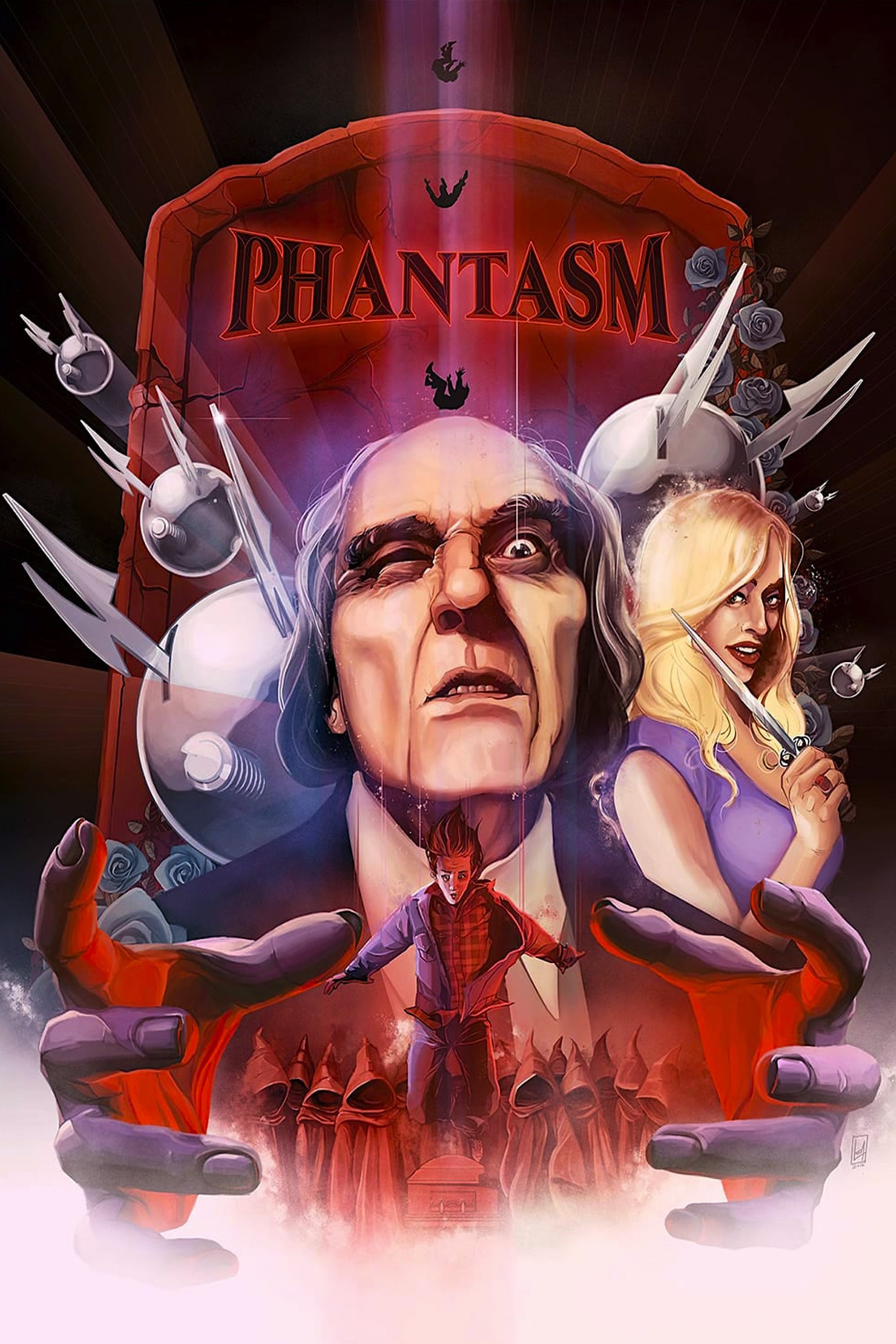
‘Phantasm’ features a memorable villain, explores alternate realities, and uses futuristic horror elements, but it deliberately keeps you guessing. The film frequently changes viewpoints and blurs the line between what’s real and what isn’t, leaving you unsure about what actually happened. It introduces strange concepts—like portals, floating spheres, and doppelgangers—quickly, without offering full explanations. This constant build-up of mystery creates a story that’s easy to follow in the moment, but can feel confusing when you try to piece it all together.
‘Possession’ (1981)
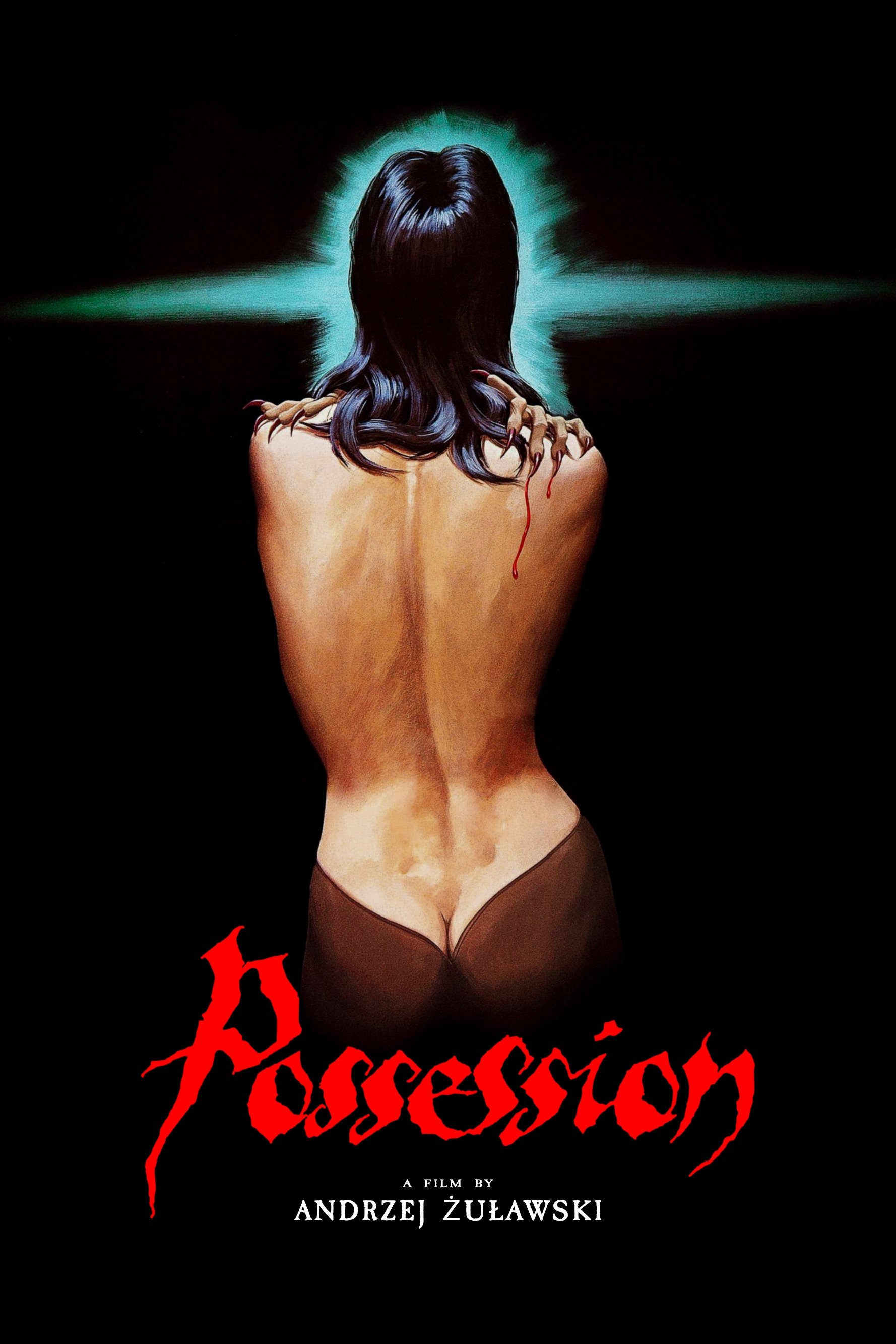
The film ‘Possession’ begins with a couple separating, and quickly descends into bizarre and unsettling events that blur the line between reality and the supernatural. Characters experience intense mood swings, making it unclear if their actions are genuine, the result of mental instability, or something beyond human understanding. The movie blends political and personal themes, using mirroring characters and unexplained changes. While you can follow what happens, the film deliberately keeps its meaning elusive and open to interpretation.
‘Videodrome’ (1983)
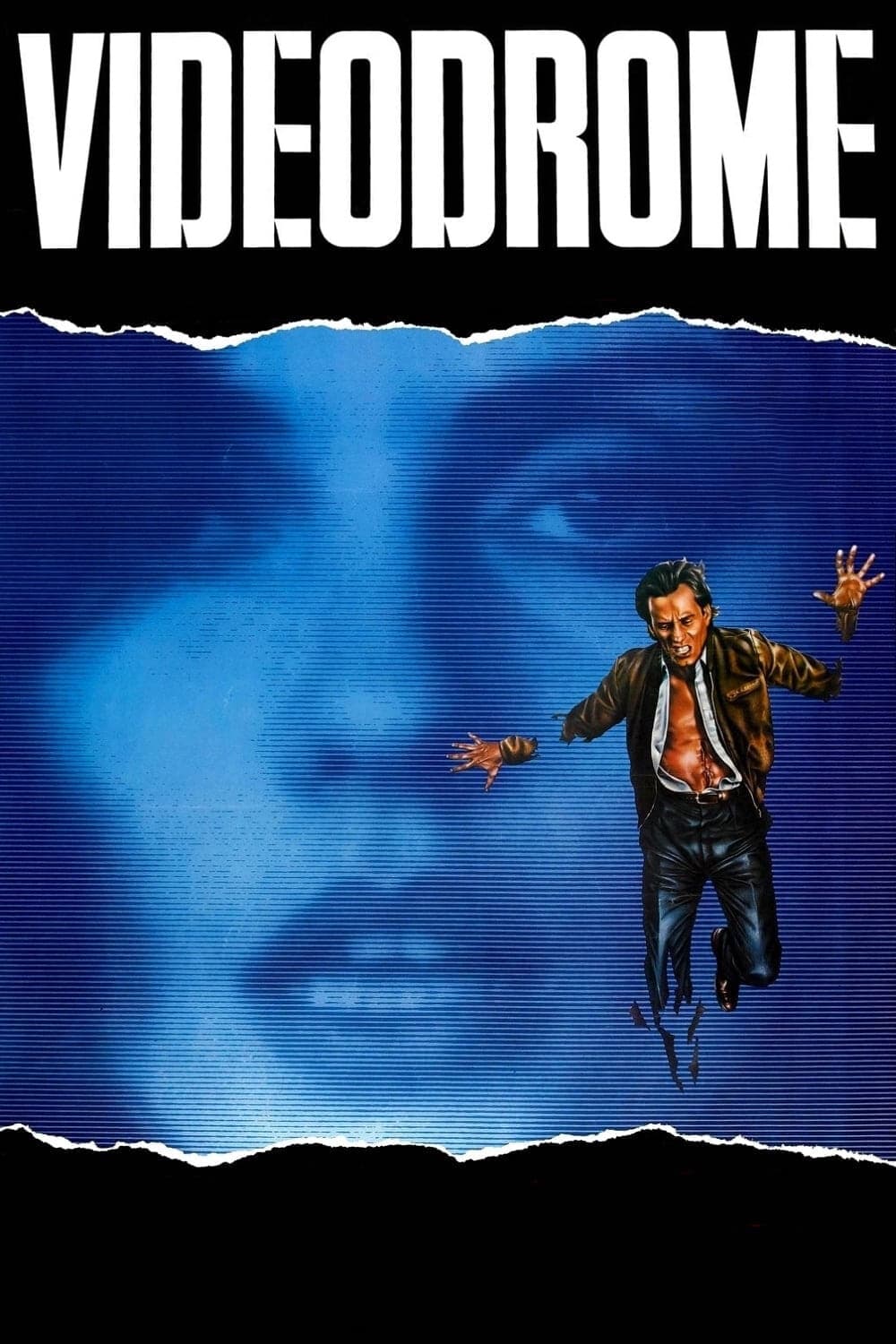
‘Videodrome’ is a horror film that explores the frightening effects of media, hallucinations, and physical changes. It intentionally makes it difficult to tell what’s real and what’s not happening in the protagonist’s mind. As the story unfolds, the film introduces shadowy conspiracies and strange signals that seem to alter reality, but it never establishes a clear sense of what’s true. Characters and groups appear to change their goals, giving the impression that the world is constantly being rewritten. This confusion is deliberate: the movie suggests that our perception of reality isn’t fixed and can be manipulated.
‘Hellraiser’ (1987)
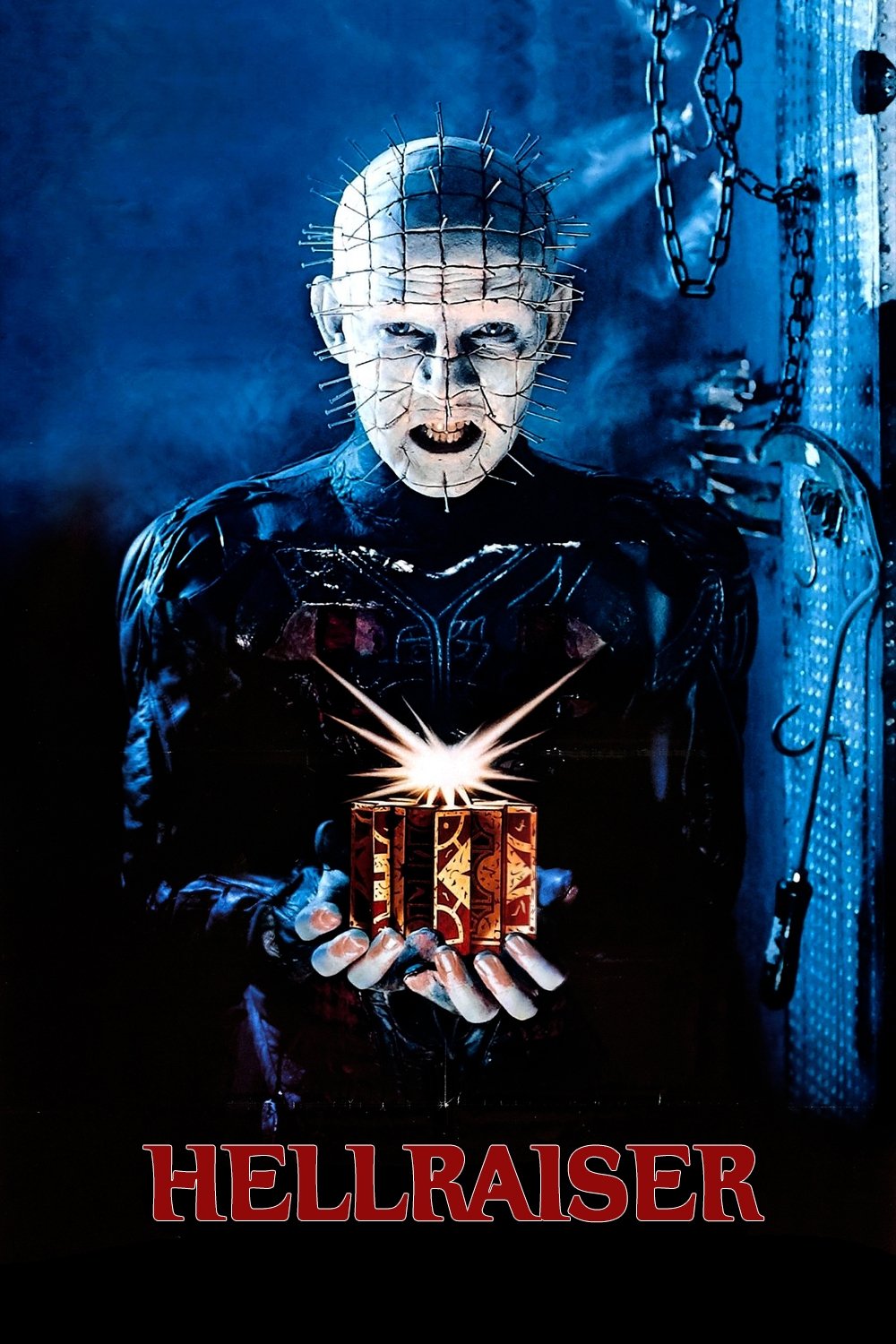
‘Hellraiser’ is visually striking and establishes a central mystery with its puzzle box, but the rules of the supernatural world it unlocks remain unclear. The box brings forth creatures who operate by their own principles, but these rules are often poorly defined and don’t always make sense. The story jumps between different threads—family issues, a fascination with the occult, and disturbing physical changes—without a central, unifying goal. While the main events are easy to follow, it’s hard to fully understand the box’s power and purpose.
‘Jacob’s Ladder’ (1990)

‘Jacob’s Ladder’ is a disorienting film that blends normal life with shocking, unsettling moments. It messes with your sense of reality through fragmented memories, changing settings, and characters who appear repeatedly, leaving you unsure if they’re real or imagined. Because the main character can’t be trusted to accurately perceive events, even simple things—like who is alive or what actually happened—remain unclear. While the ending offers some new perspective, it doesn’t provide a single, definitive answer, allowing for different understandings of the story.
‘In the Mouth of Madness’ (1994)
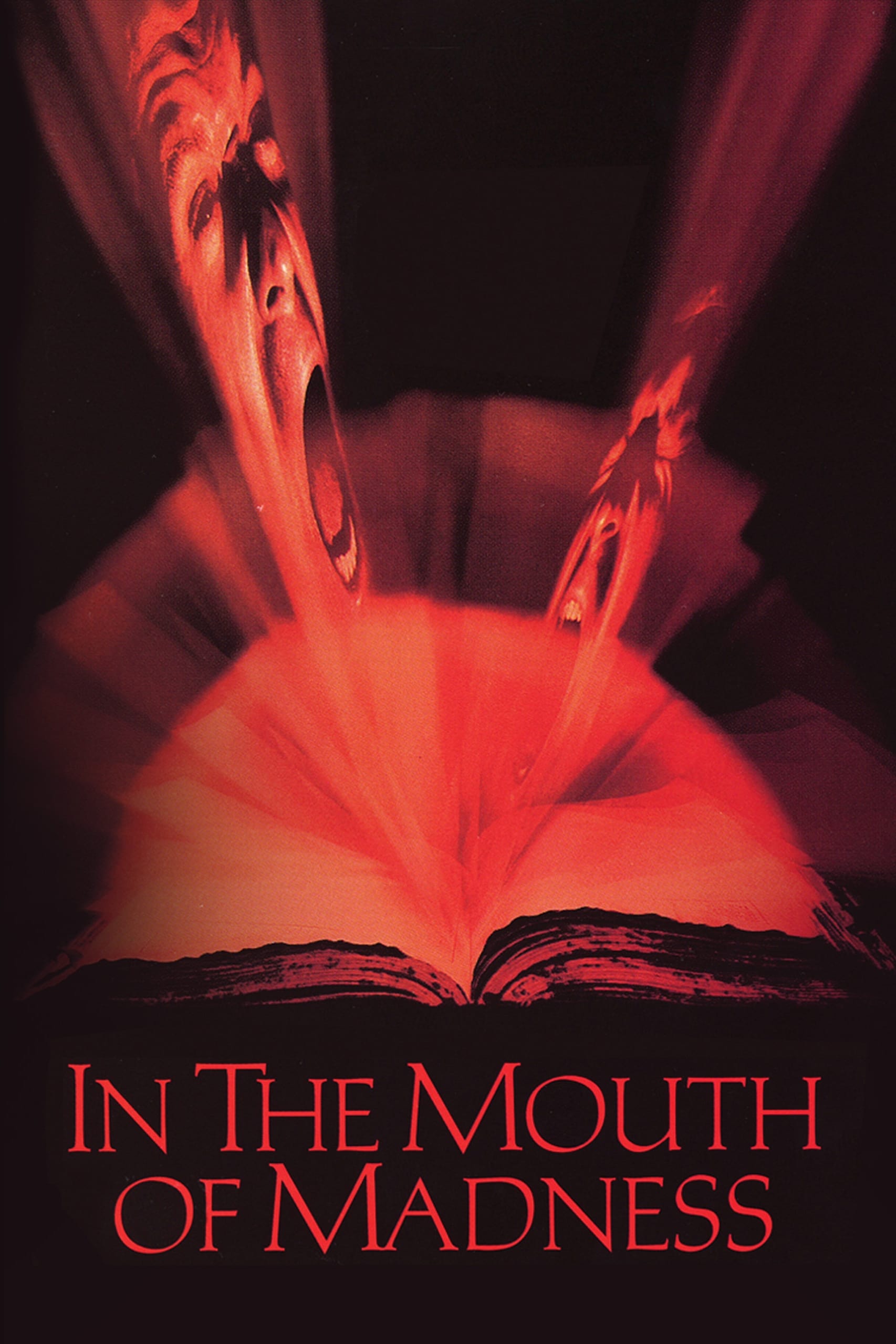
‘In the Mouth of Madness’ explores a reality that feels like a story constantly being rewritten, and the movie fully commits to this unsettling idea. Throughout the film, the viewer is repeatedly disoriented as the lines between fiction and reality blur, defying logic. The film uses repeating patterns, clues that refer back to themselves, and scenes that seem to acknowledge they are scenes, creating a sense of unease. While you can follow the investigation, any sense of resolution is constantly shifting as the world around the protagonist transforms.
‘Event Horizon’ (1997)
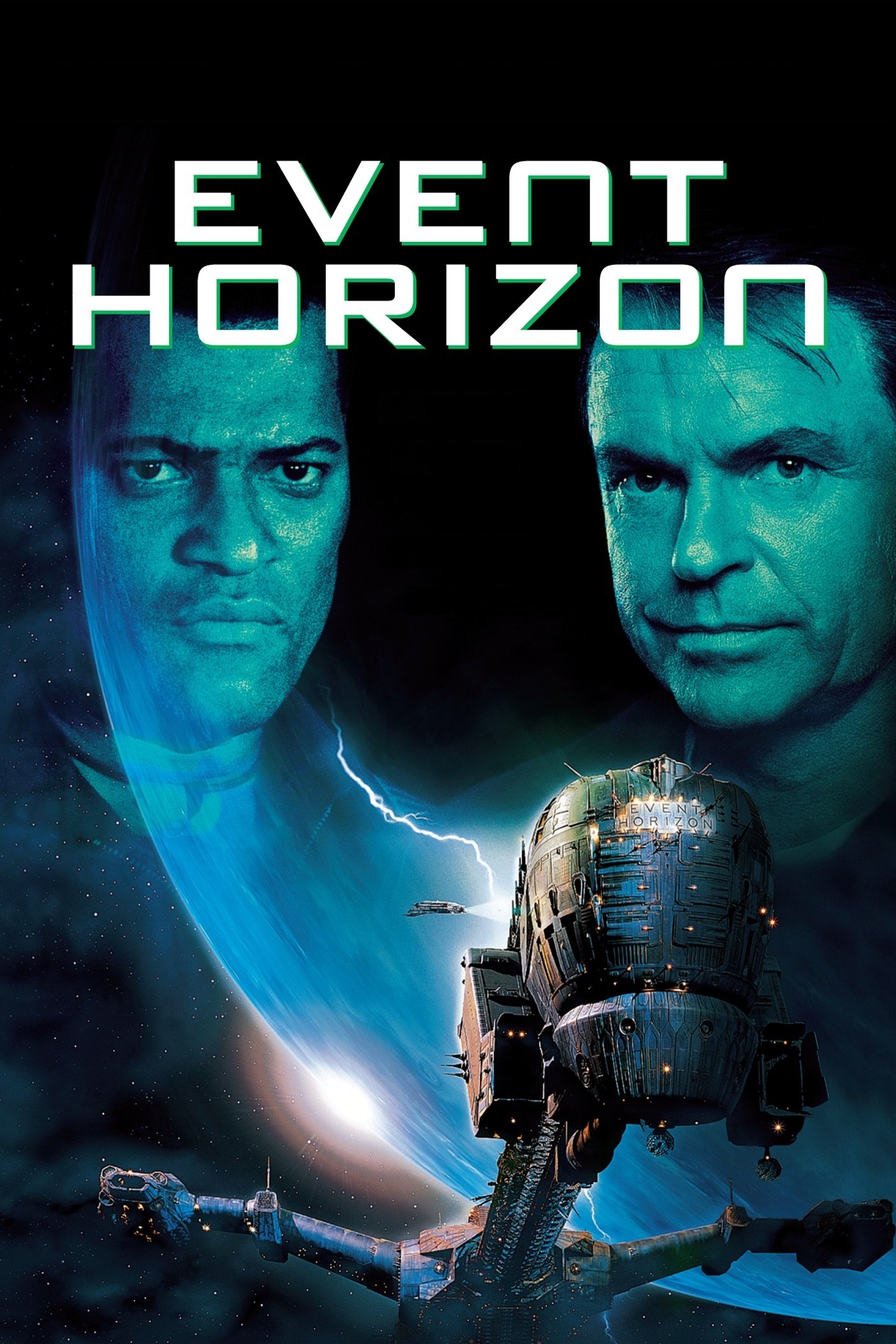
Okay, so ‘Event Horizon’ starts with a pretty straightforward rescue mission, but things quickly spiral into something far more disturbing. What I found really effective is that the film doesn’t bother explaining everything. We get bits and pieces of the ship’s past, and each character seems to be haunted by their own personal nightmares, which makes it hard to pin down exactly what’s going on. It’s dressed up as science fiction, so you expect some logical rules, but it deliberately veers into the weird and unsettling. You understand what happens in the end, but the how… that’s where it really gets under your skin, because it remains frustratingly unclear. It’s a masterclass in leaving things just vague enough to be truly creepy.
‘Cube’ (1997)
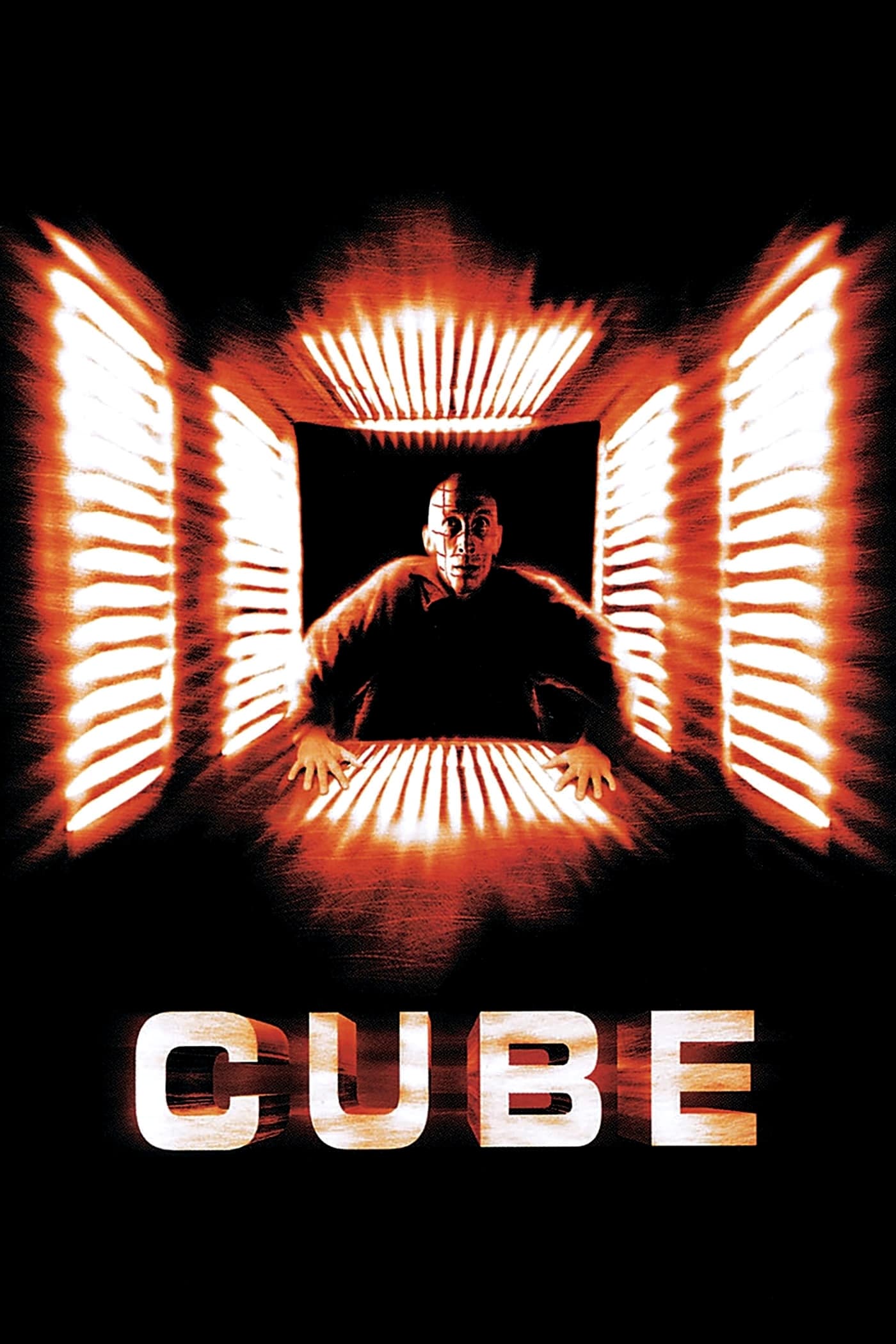
The movie ‘Cube’ features characters trapped within a constantly changing labyrinth controlled by complex math. They try to figure out the puzzle by discussing numbers, angles, and codes, but the maze shifts too quickly for them to be sure of anything. The film deliberately keeps the maze’s purpose and creator a secret, meaning the central mystery remains unsolved. What you’re left with is a suspenseful story of survival that makes sense at times, but ultimately has no complete explanation.
‘The Blair Witch Project’ (1999)
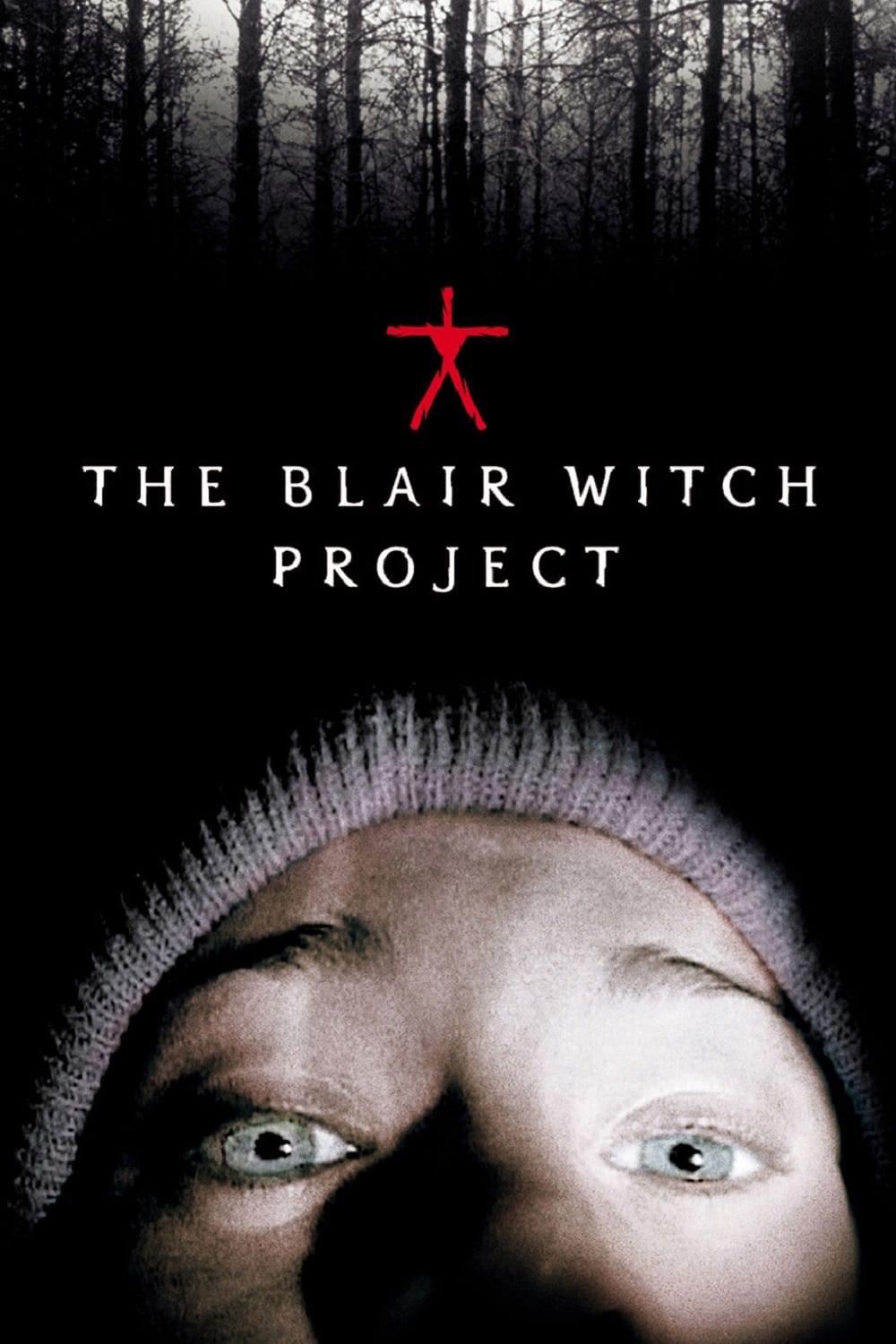
‘The Blair Witch Project’ creates a sense of mystery by only showing what the characters themselves filmed. The evidence of a witch is subtle – things like strange noises, symbols, and lost time – leaving much unexplained. The film disorients you as the group gets lost, deliberately avoiding clear landmarks or an outside viewpoint to help make sense of things. The ending is so impactful because it shows a vivid scene without offering a definitive explanation.
‘Donnie Darko’ (2001)
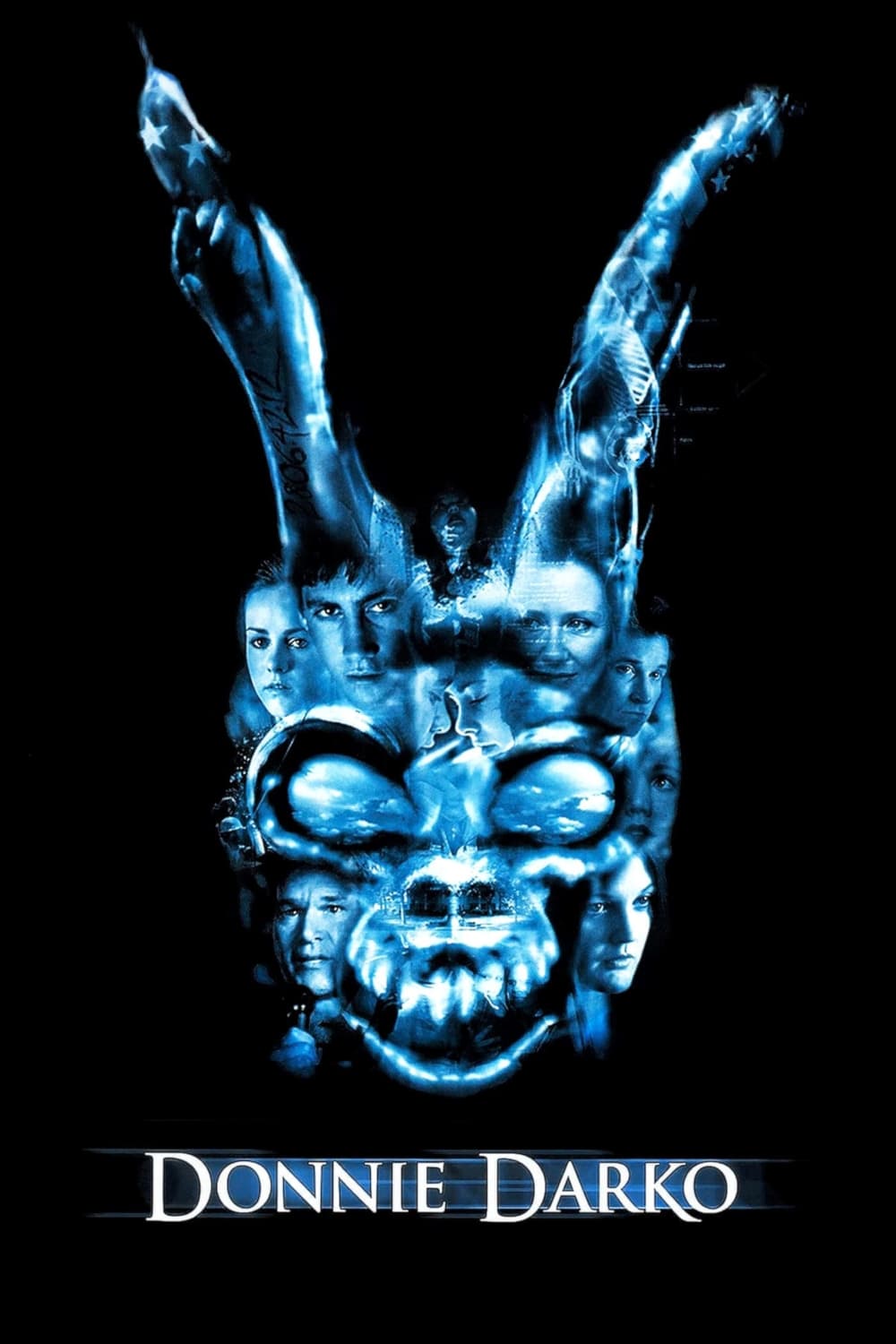
‘Donnie Darko’ mixes a sense of unease in everyday life with time travel and mysterious advice, but it reveals its rules slowly through small details instead of direct explanation. The story plays with cause and effect in a reversed way, making it tricky to understand why things happen and what the results are. Important ideas are presented as hints, not clear answers, and how you interpret the film can change what you believe the ending signifies. Even if you understand the characters’ feelings, the way the timeline works is still open to discussion.
‘Mulholland Drive’ (2001)
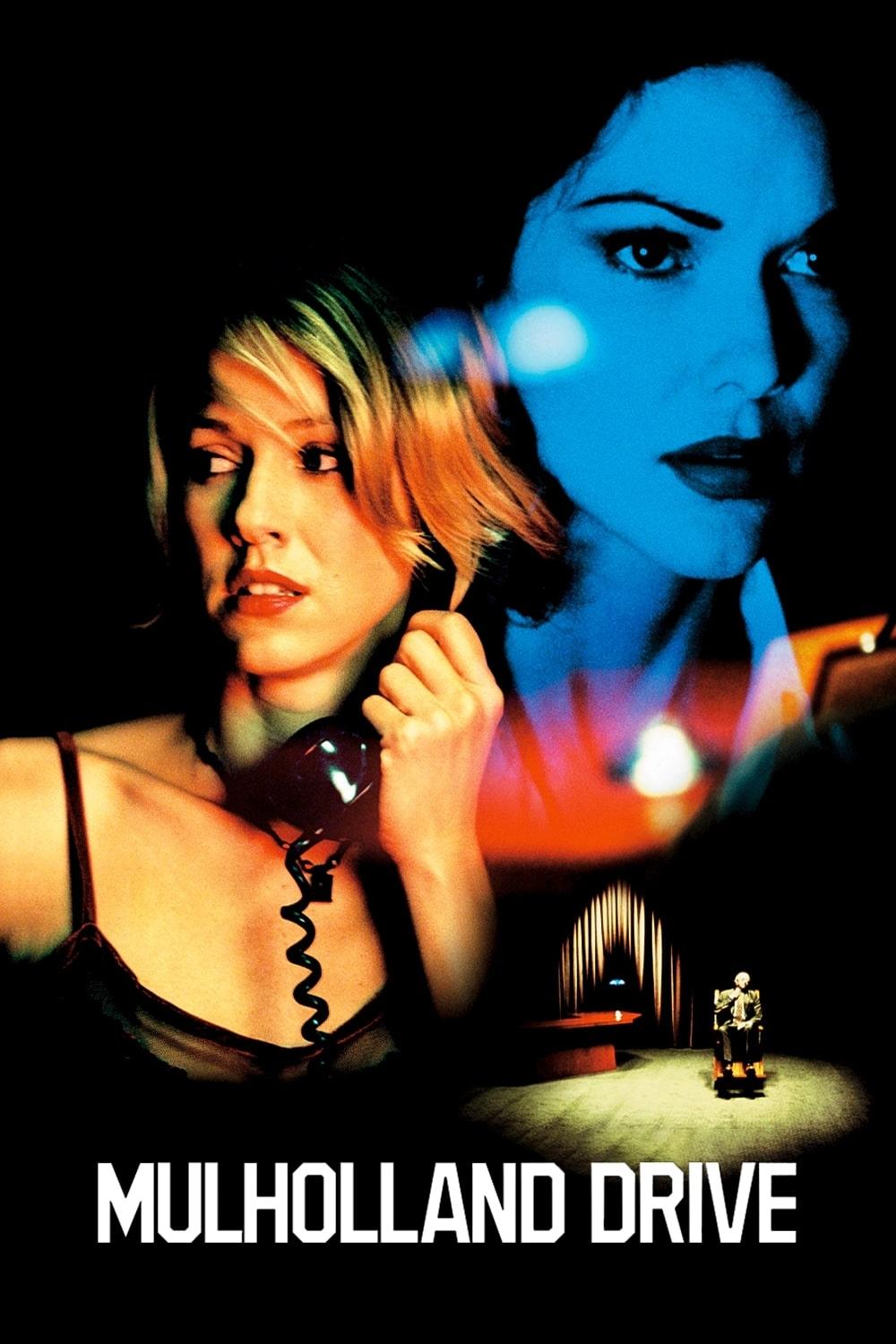
‘Mulholland Drive’ starts like a detective story but quickly becomes a puzzle about who people really are. The film uses look-alikes, acting, and sudden changes in viewpoint to make you question what’s actually happening. Scenes repeat with slight differences, blurring the line between what’s real, imagined, or a different take on events. While you can find connections and recurring ideas, the movie deliberately avoids offering a simple, clear plot.
‘A Tale of Two Sisters’ (2003)
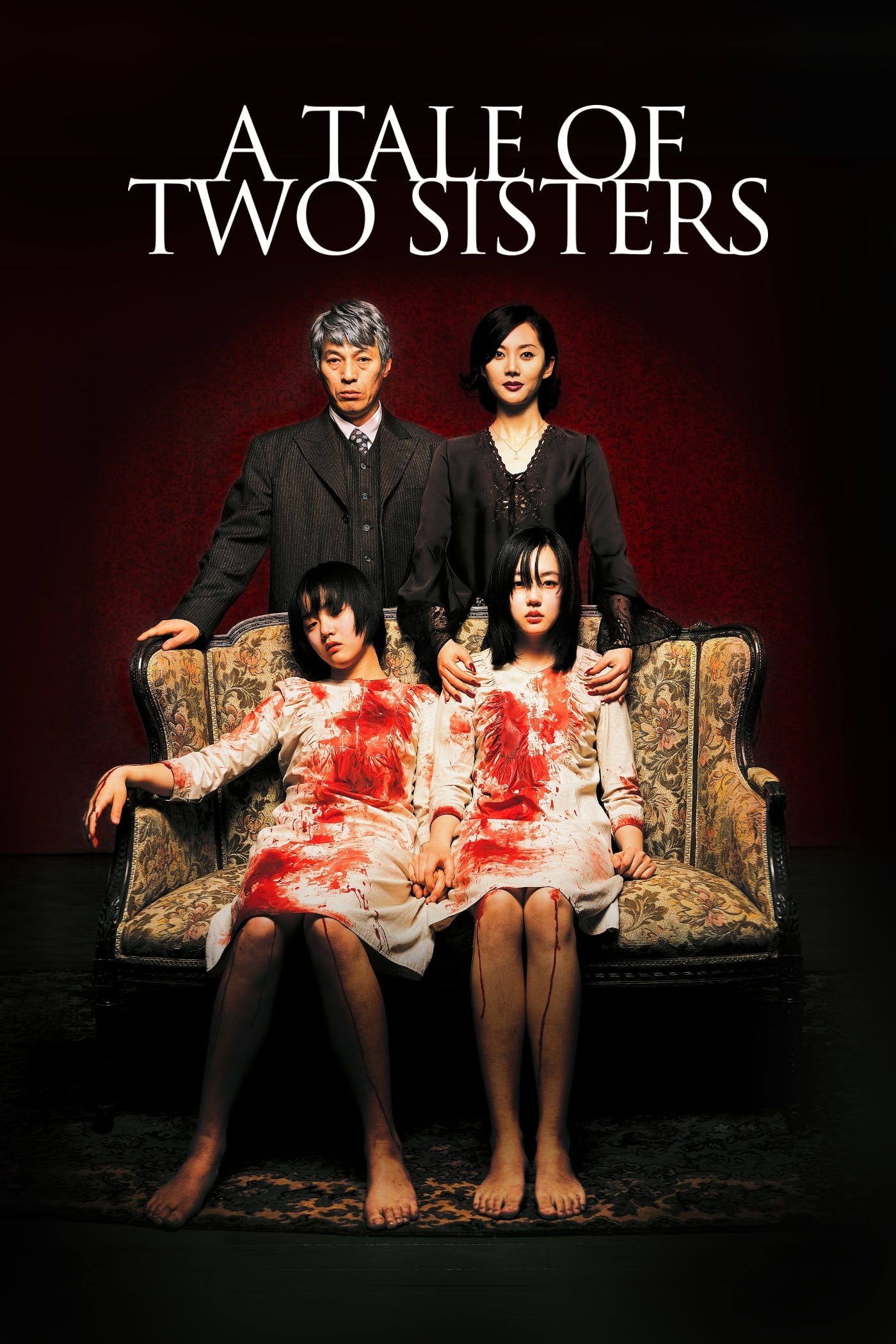
‘A Tale of Two Sisters’ creates a disturbing atmosphere by blurring the line between what’s real and what isn’t within a troubled family. The film subtly introduces details that shift in importance as the story unfolds, particularly regarding who is actually there and how characters relate to each other. Because the story is told through the eyes of someone who is emotionally fragile, the sequence of events and even the people involved seem unreliable. As the truth is revealed, it not only explains things but also makes earlier scenes even more unsettling when you look back on them.
‘Antichrist’ (2009)
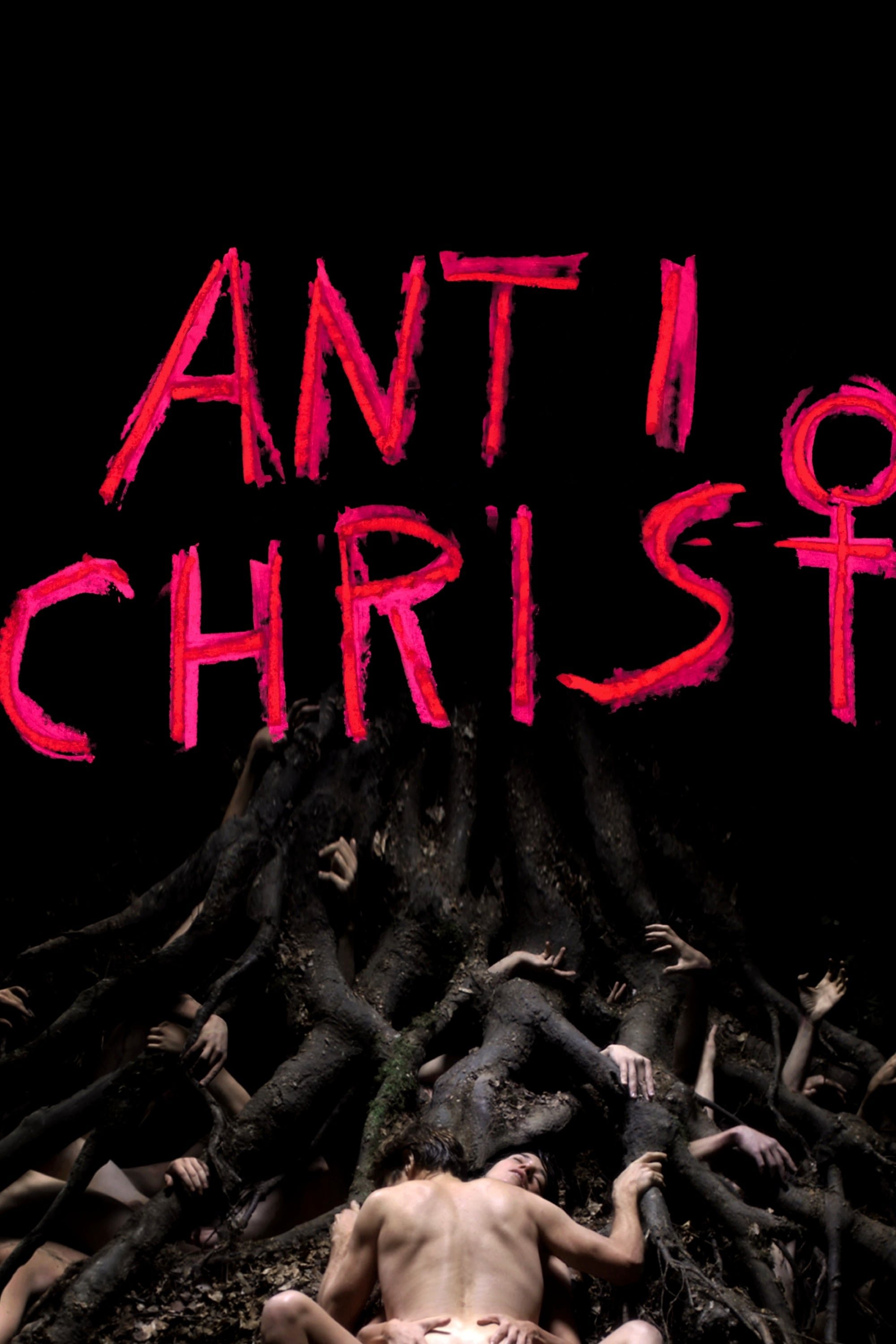
‘Antichrist’ begins as a story about loss and a couple seeking solace in the woods, but it soon transforms into a symbolic and unsettling horror film. Instead of a straightforward plot, the events feel like a series of allegorical images. The isolated setting heightens the tension, leading to bizarre actions, disturbing visuals, and abrupt shifts in mood. The film explores themes of nature, guilt, and retribution, but deliberately avoids providing easy answers. While you can follow what happens, the underlying reasons remain open to interpretation and are intentionally ambiguous.
‘Beyond the Black Rainbow’ (2010)
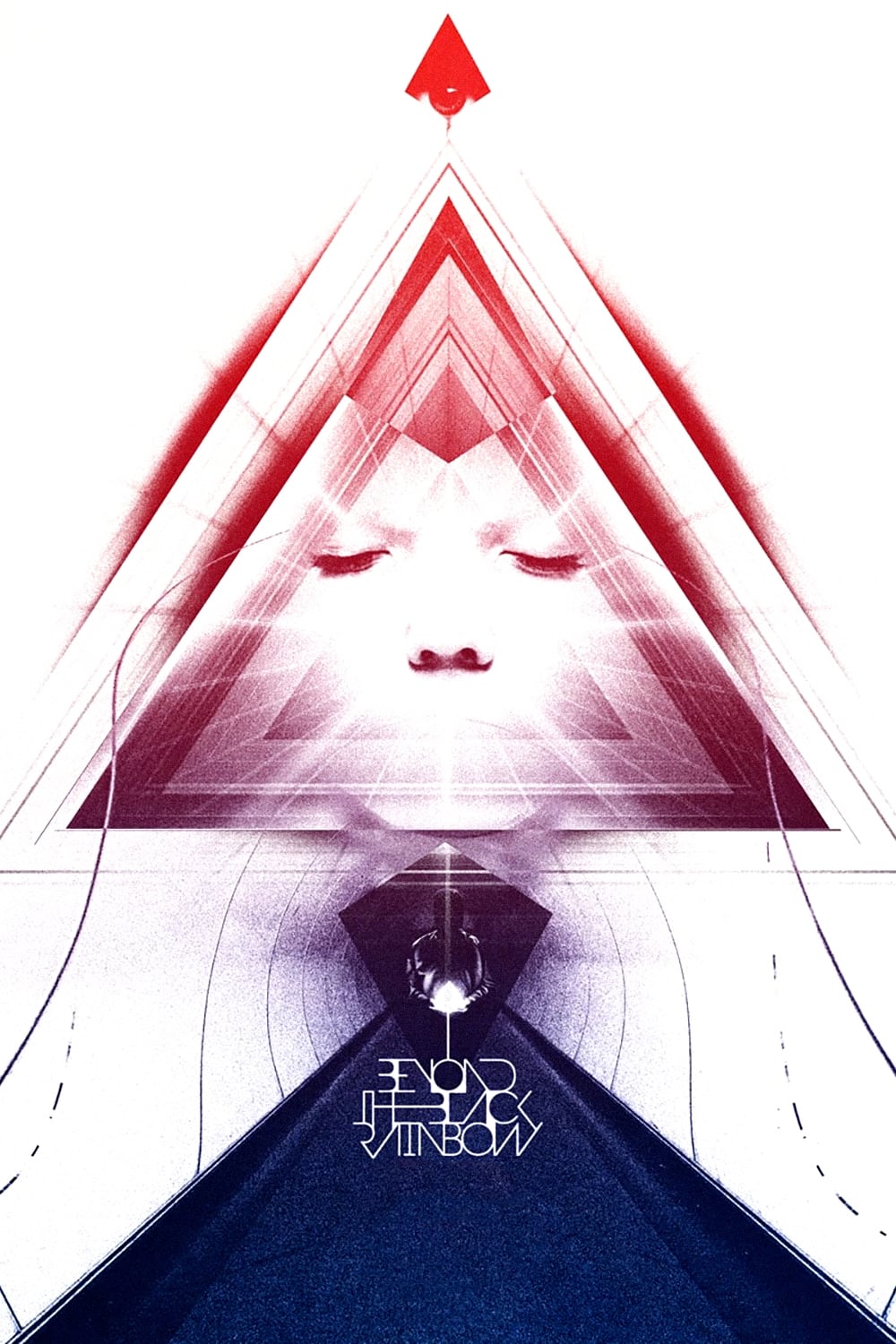
‘Beyond the Black Rainbow’ creates a cold, controlled world where the story unfolds through hints and fragments, not direct explanations. The film prioritizes a disturbing atmosphere and unsettling feelings over clearly defining the experiments, organizations, or goals within it. Characters’ backgrounds and reasons for acting are hinted at, rather than explicitly shown, making it feel like events aren’t directly connected. The audience has to piece together the narrative from the visuals, overall mood, and subtle clues, rather than relying on a straightforward story.
‘Under the Skin’ (2013)
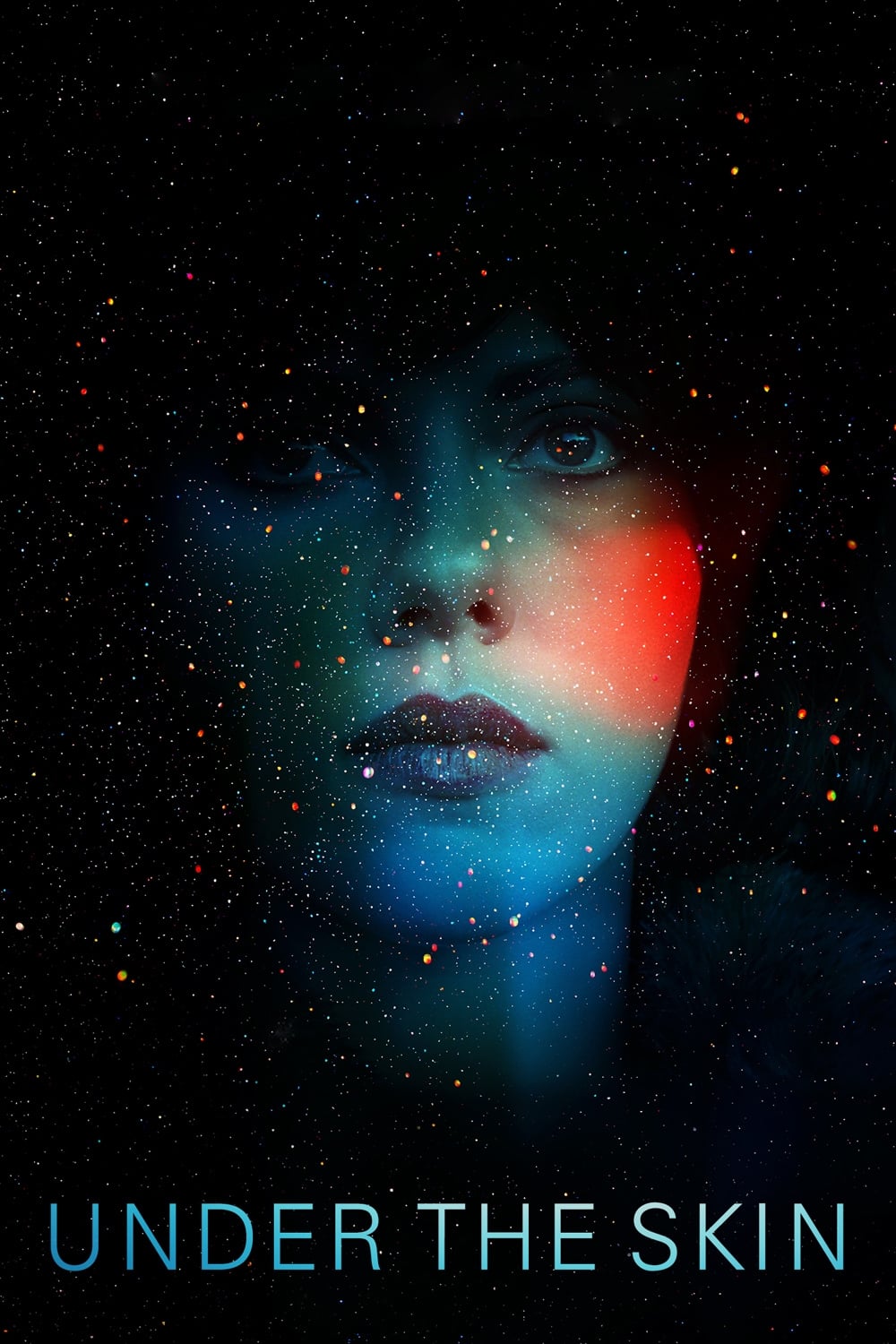
‘Under the Skin’ centers on an alien navigating the human world, but deliberately leaves the alien’s motivations and how it operates a mystery. The film often feels realistic and observational, but key scenes take place in strange, dreamlike settings that aren’t easily understood. Because the main character is constantly learning and changing, her behavior can seem unpredictable, reflecting her alien point of view. The movie presents powerful moments without offering a clear or complete backstory.
‘The Void’ (2016)
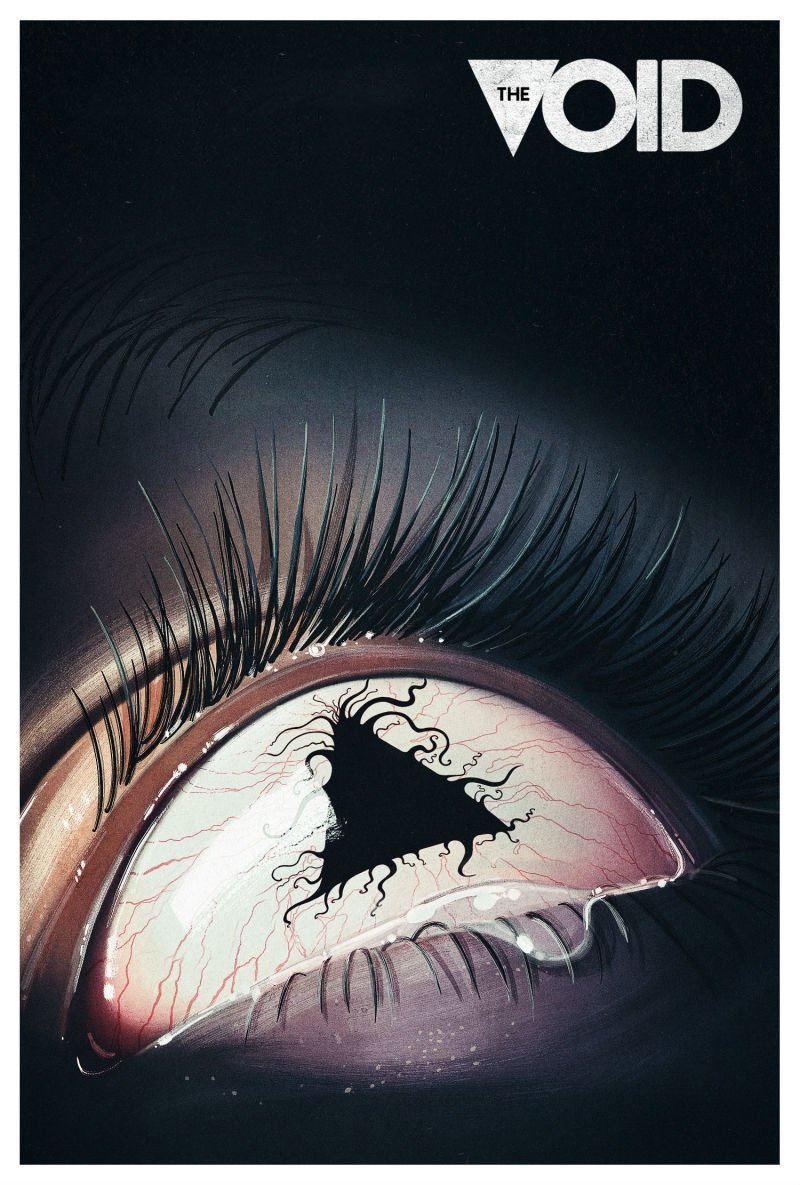
As a horror fan, I found ‘The Void’ really interesting. It takes classic cosmic horror and cult themes and traps you in this incredibly tense, claustrophobic situation. Then things just get weird – characters start changing in ways that don’t really make sense, and the movie deliberately keeps you guessing. You get glimpses of experiments, other dimensions, and some kind of ritual, but it never fully explains anything. It’s brilliant because you’re right there with the characters, completely lost and trying to figure out what’s happening. And the ending? It doesn’t tie everything up neatly – it embraces the mystery and leaves you with a lingering sense of dread, which I actually loved.
‘Mother!’ (2017)

‘Mother!’ creates a disturbing atmosphere similar to a home invasion, constantly bringing in unexpected visitors and ignoring social boundaries without any realistic repercussions. While the events unfold in a way that feels emotionally true, they don’t necessarily make sense logically, as the house itself operates on a symbolic level. The characters act more like representations of ideas than like real people, making the whole situation feel surreal yet incredibly intense. By the end of the film, the story isn’t driven by a coherent plot, but by a continuous series of symbolic disasters.
‘Annihilation’ (2018)
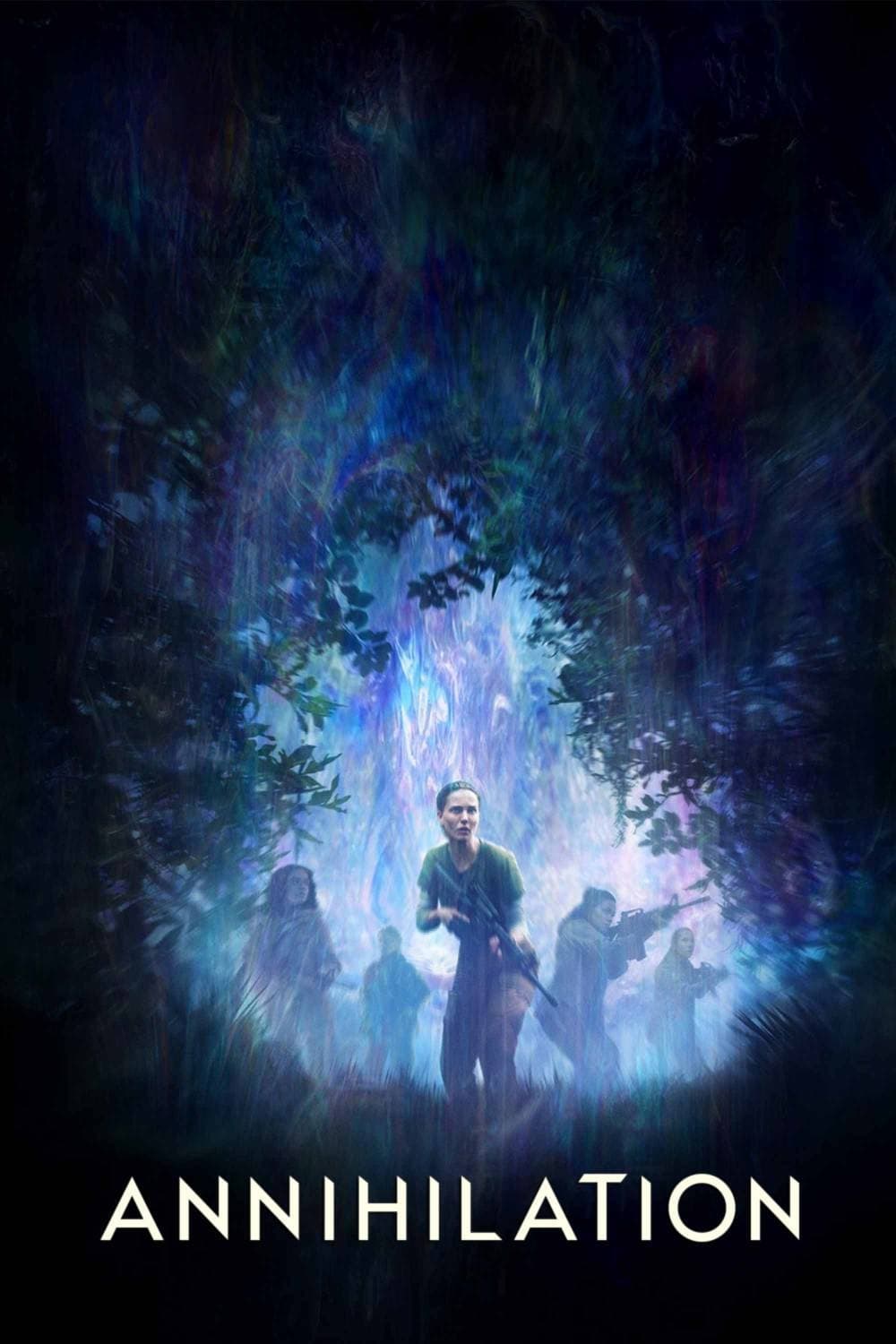
‘Annihilation’ focuses on a strange, growing force that alters life and how we perceive it. The film shows this force as something we can witness, but not fully understand. It creates mutations and distorted versions of life, making it hard to tell where one creature stops and another begins. Because it also affects memory and identity, the characters’ experiences don’t offer a clear picture of reality. The film’s ending is visually striking, but deliberately leaves room for interpretation, avoiding a simple, straightforward answer.
‘The Lighthouse’ (2019)
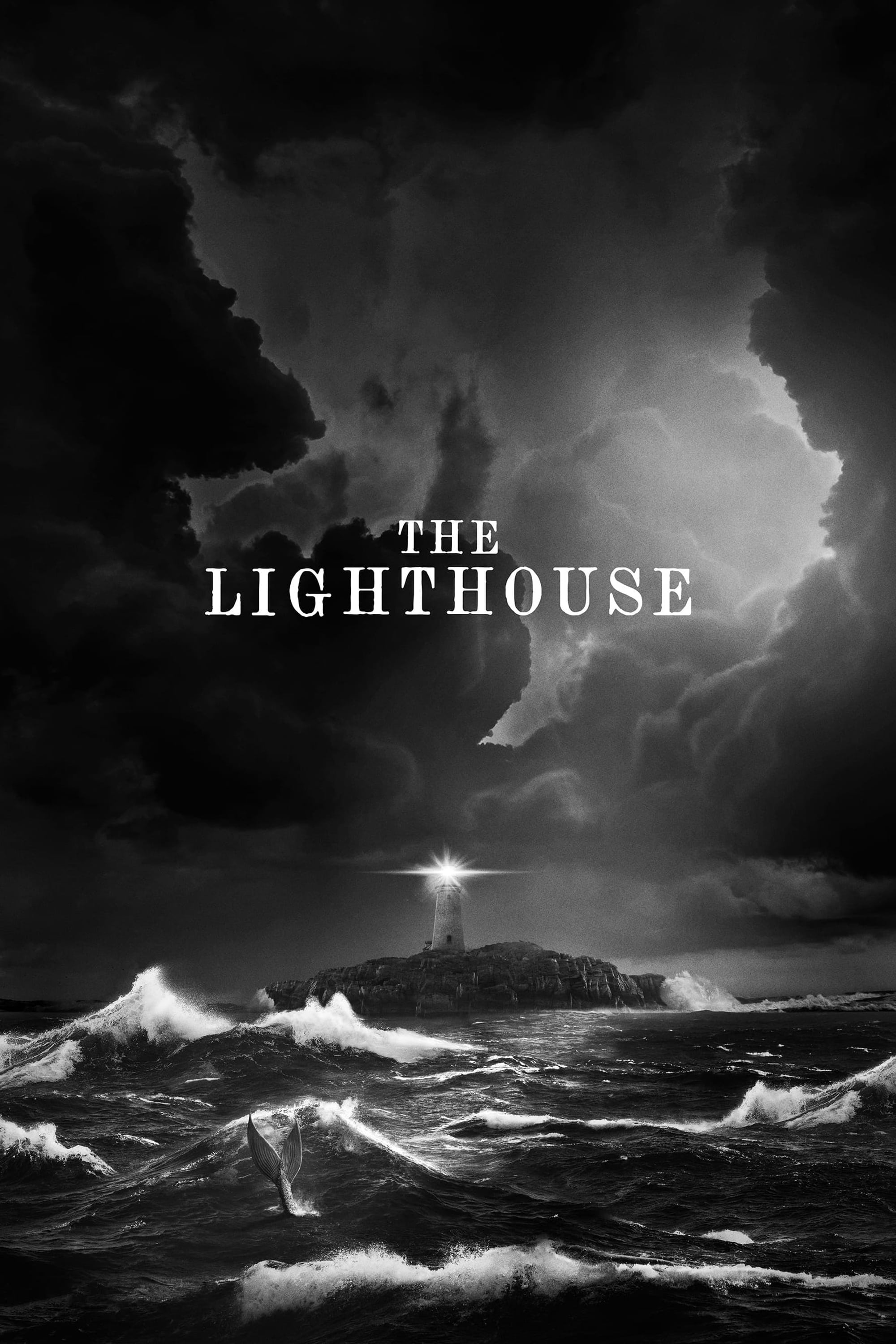
‘The Lighthouse’ tells the story of two men isolated together, where arguments, visions, and possibly supernatural forces begin to merge. The film intentionally disorients the viewer with repetitive tasks, unexpected shifts in time, and conflicting information, making it hard to know how long the events actually take place. It mixes elements of myth, seafaring legends, and everyday hardship, but never clarifies what is truly happening. While you can see the characters falling apart, the reasons why and when remain deliberately unclear.
‘Skinamarink’ (2022)
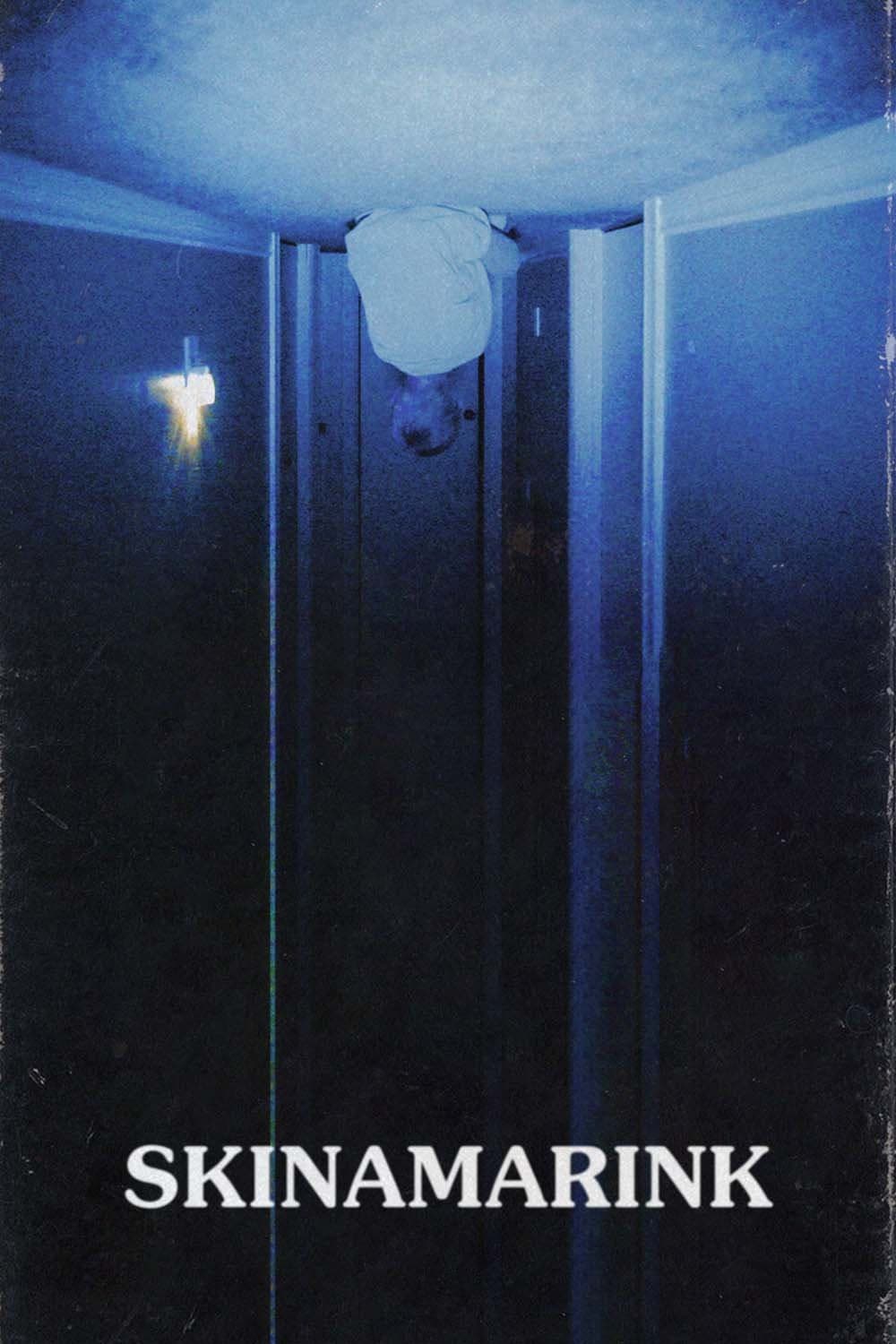
‘Skinamarink’ creates a terrifying atmosphere using very little dialogue and disjointed images, portraying a home that feels like a confusing, endless maze. The film emphasizes shadows, corners, and faint noises, deliberately leaving the viewer unsure of what’s happening or why. By avoiding a traditional plot structure, the film makes time and space feel distorted, and the core conflict is hinted at rather than directly shown. It’s less about following a clear story and more about enduring a deeply unsettling experience that you try to make sense of later.
Share which of these mind-bending horror movies messed with your head the most in the comments.
Read More
- Invincible Season 4 Gender Swaps Tech Jacket As Fans Question Major Comic Change
- Silver Rate Forecast
- Gold Rate Forecast
- Building Agents That Learn and Improve Themselves
- 15 Films That Were Shot Entirely on Phones
- 22 Films Where the White Protagonist Is Canonically the Sidekick to a Black Lead
- 20 Movies Where the Black Villain Was Secretly the Most Popular Character
- Celebs Who Narrowly Escaped The 9/11 Attacks
- 18 TV Series Filming Rehearsals as Bonus Content
- Games That Faced Bans in Countries Over Political Themes
2025-12-15 04:17