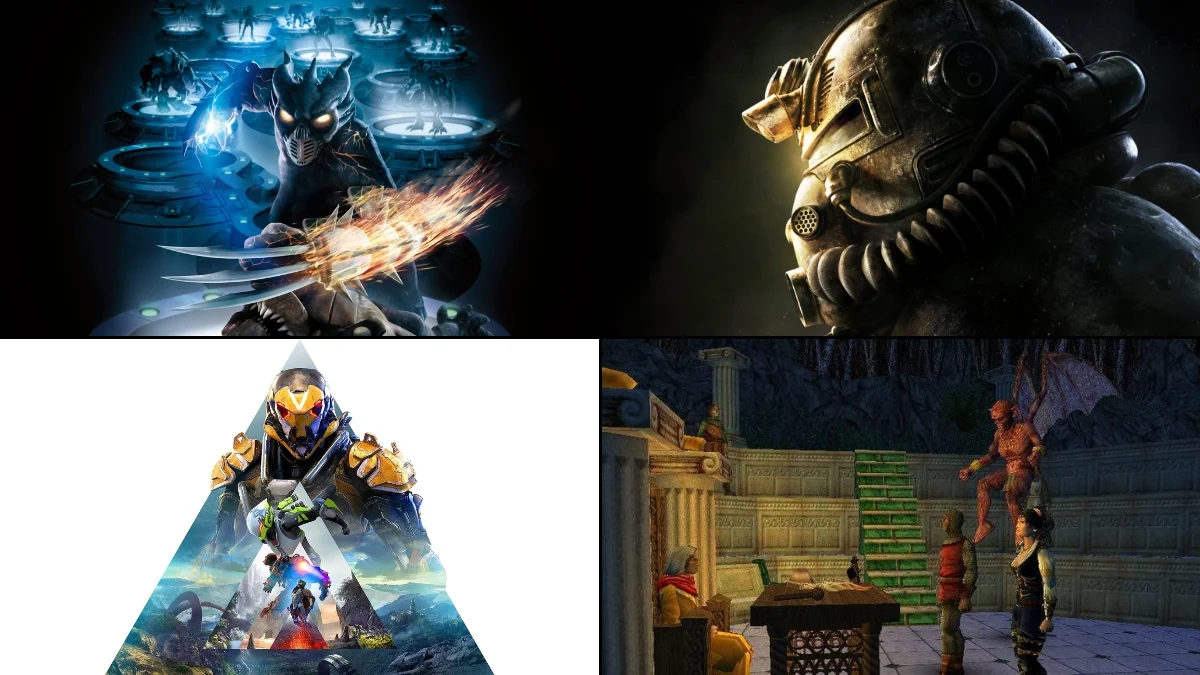
Role-playing games should feel rewarding as you play them, but sometimes new releases become well-known for all the wrong reasons – like buggy beginnings, confusing gameplay, or frustrating design choices. Here are 20 RPGs that often come up when people discuss games that didn’t quite hit the mark, along with a bit of background on their creators and the problems that damaged their reputations.
‘Hoshi Wo Miru Hito’ (1987)
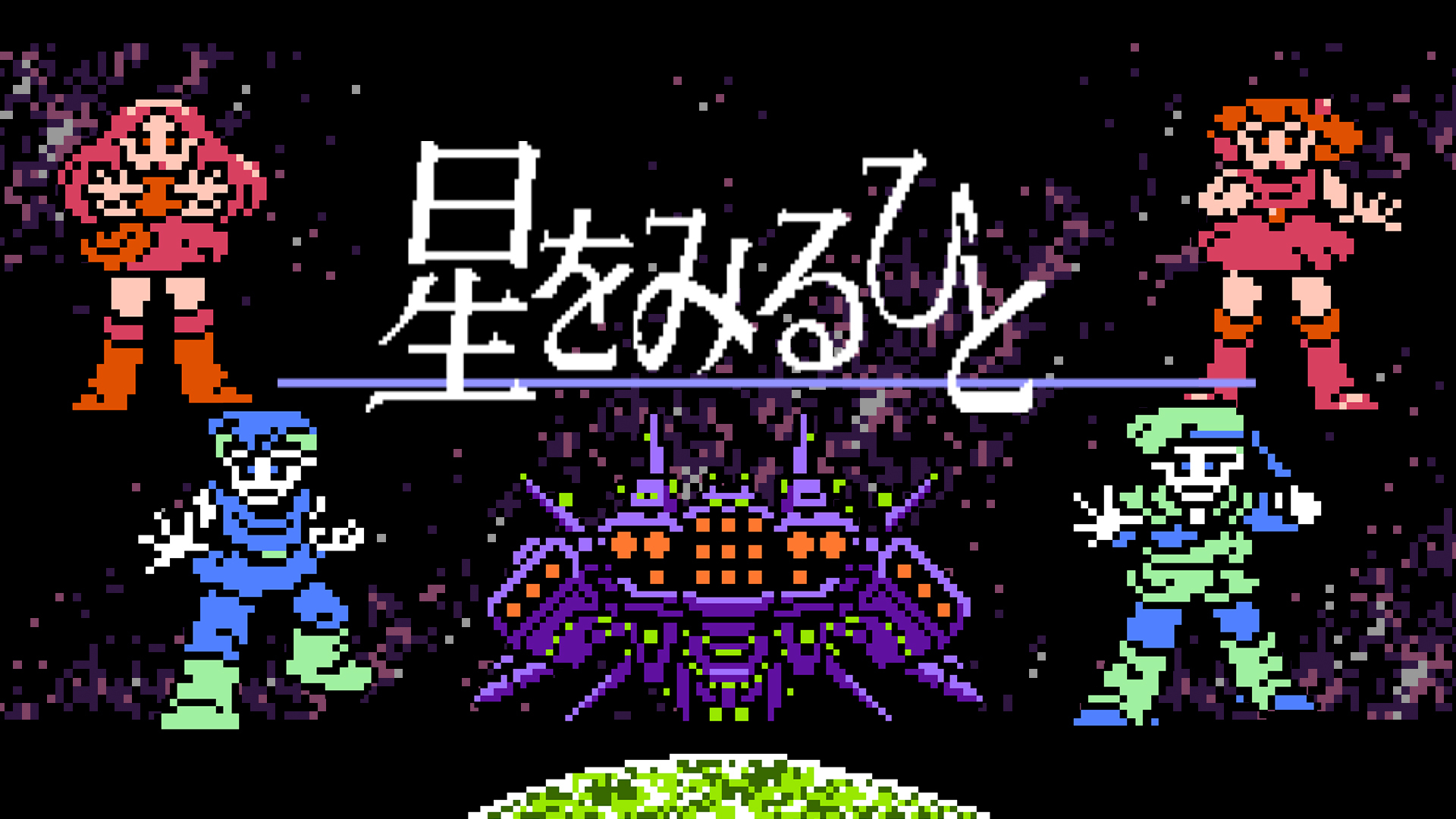
Hoshi Wo Miru Hito is a Famicom RPG created by Another and published by HOT-B. It’s become well-known – and often criticized – for being incredibly difficult and confusing to play. Players frequently struggle to figure out where to go or what to do, and often have to learn through repeated failures. In Japan, it has a long-held reputation as a famously poor game due to its unclear rules and harsh challenges.
‘Hydlide’ (1984)
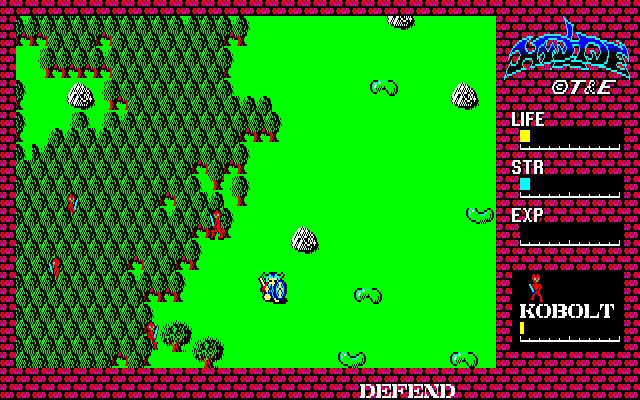
Hydlide was one of the first action role-playing games, originally created by T&E Soft and later brought to the NES by Fujisankei Communications. Although it’s significant in gaming history, the English version is often remembered for being awkward to play, with old-fashioned combat and exploration. The NES version, in particular, became a prime example of how early action-RPGs could feel clunky and confusing.
‘Quest 64’ (1998)
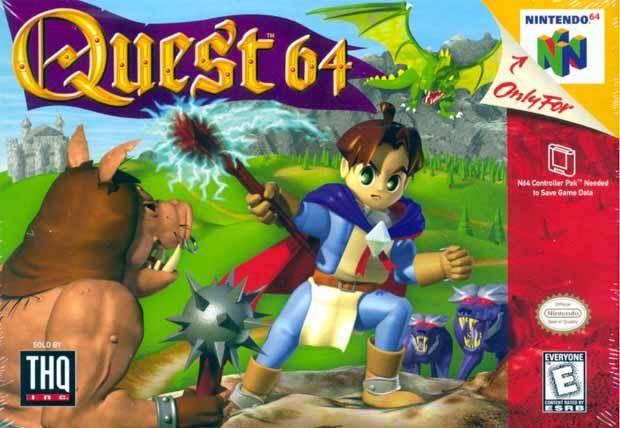
Quest 64 was created by Imagineer and published by different companies depending on where you were – THQ released it in North America, while Konami handled Europe. It’s often described as a simple RPG for consoles, lacking a deep story and featuring gameplay that could become repetitive. Because it was one of the first RPGs on the Nintendo 64 in North America, it was often compared to more advanced games in the genre.
‘Aidyn Chronicles: The First Mage’ (2001)

Aidyn Chronicles: The First Mage, created by H2O Entertainment and released by THQ, came out near the end of the Nintendo 64’s lifespan. While the game has grand ideas, it’s often criticized for technical problems and a clunky presentation that make it feel slow and awkward to play for extended periods. Complaints about its performance and pace have persisted since its release.
‘Beyond the Beyond’ (1995)

Beyond the Beyond is a role-playing game for the PlayStation, created by Camelot Software Planning and released by Sony. While it wasn’t a bad game, reviews often pointed out that it borrowed heavily from other, more popular RPGs and felt a bit slow-paced. Most critics suggested it was best suited for dedicated fans of the genre rather than being a truly exceptional title.
‘Lunar: Dragon Song’ (2005)
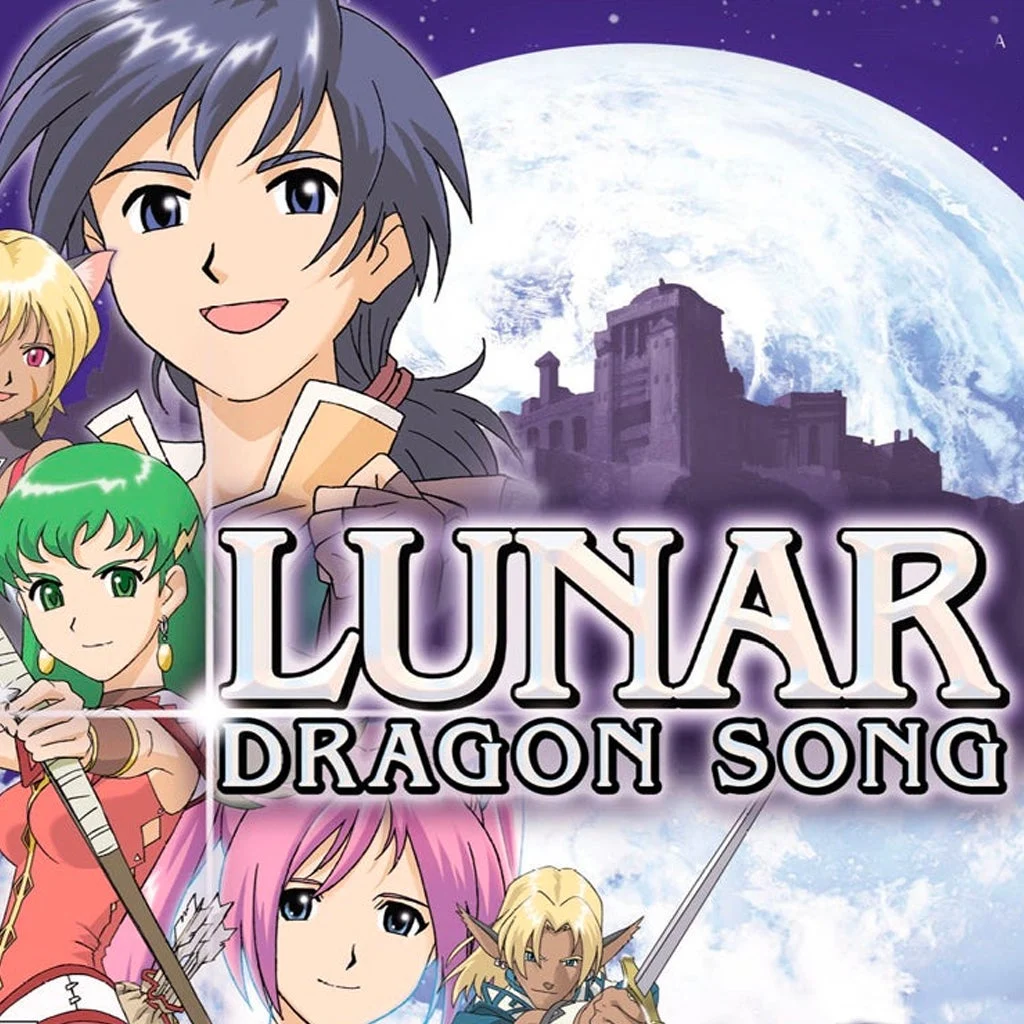
Lunar: Dragon Song was created by Japan Art Media and first released in Japan by Marvelous Interactive. Ubisoft published the game in North America, while Rising Star Games handled the European release. However, it received criticism for gameplay choices that discouraged players from exploring, and many longtime fans were disappointed with the changes. Most reviews and later analyses consider it one of the less successful handheld RPGs of its time.
‘Unlimited SaGa’ (2002)
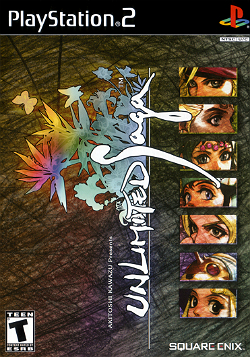
Unlimited SaGa, created by Square (now Square Enix) and published by Atari in some European regions, is notorious for its complicated systems that were difficult for players to understand. Its unique, board game-style design and intricate battles caused a strong divide among players, particularly outside of Japan. Those hoping for a typical Japanese role-playing game experience often found the game’s rules and presentation overwhelming.
‘Two Worlds’ (2007)
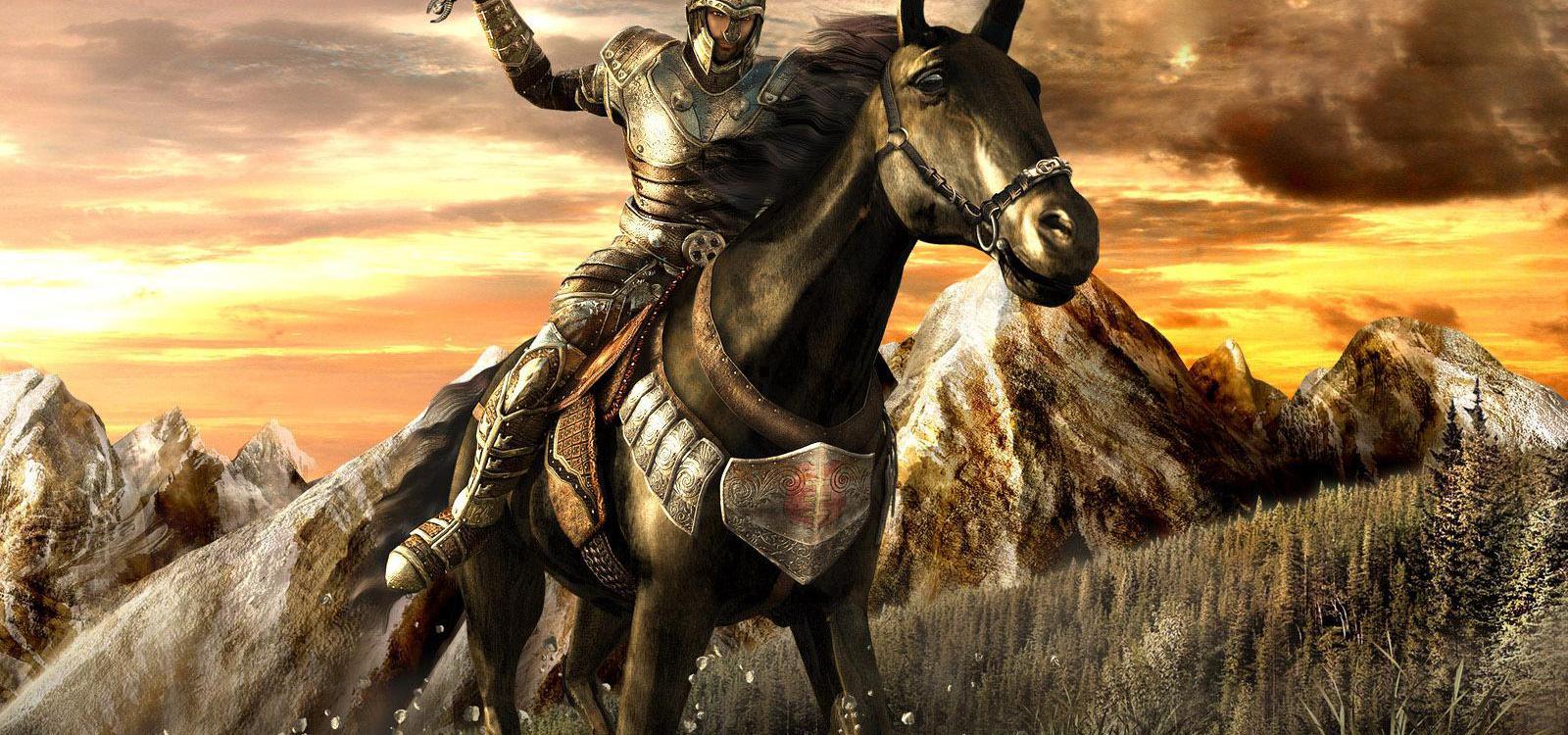
Two Worlds is an action role-playing game created by Reality Pump and published by TopWare Interactive (in Europe) and SouthPeak Games (in North America). When it first came out, reviews were mixed, with the Xbox 360 version getting significantly more criticism than the PC version. The game is often remembered as a case study of how technical problems and a lack of refinement can overshadow good RPG concepts.
‘Dungeon Lords’ (2005)
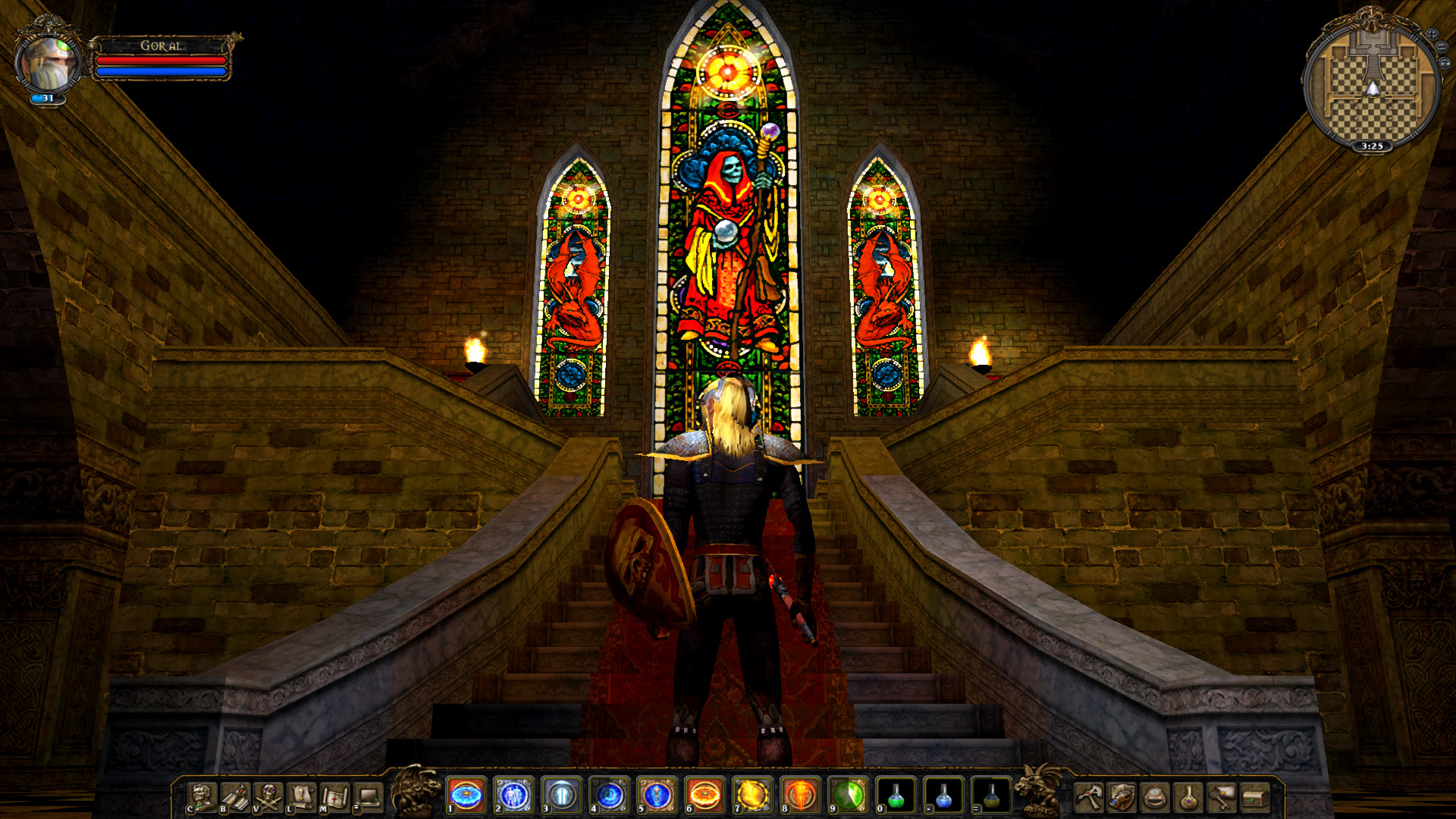
Dungeon Lords was created by Heuristic Park and first published by DreamCatcher Interactive (with other companies handling publication in certain areas). The original release was known for being hurried, and players quickly found missing features and significant bugs that prevented them from completing quests. Later versions, like the Collector’s Edition, attempted to fix these issues and add back content that had been removed, but the game’s initial poor reception remained.
‘Ultima IX: Ascension’ (1999)
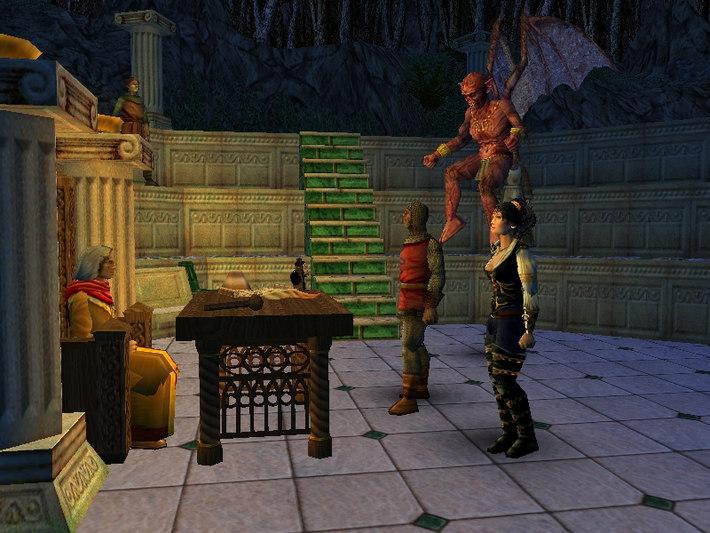
Ultima IX: Ascension, created by Origin Systems and published by Electronic Arts, is unfortunately known for its troubled beginning. When it first came out, the game was full of bugs and required powerful computers to run smoothly. Many longtime fans were also disappointed with how it continued the story from previous Ultima games, adding to the negative reaction. Although updates fixed some issues, the initial release left a lasting impression and ultimately defined how the game was remembered.
‘Might and Magic IX’ (2002)
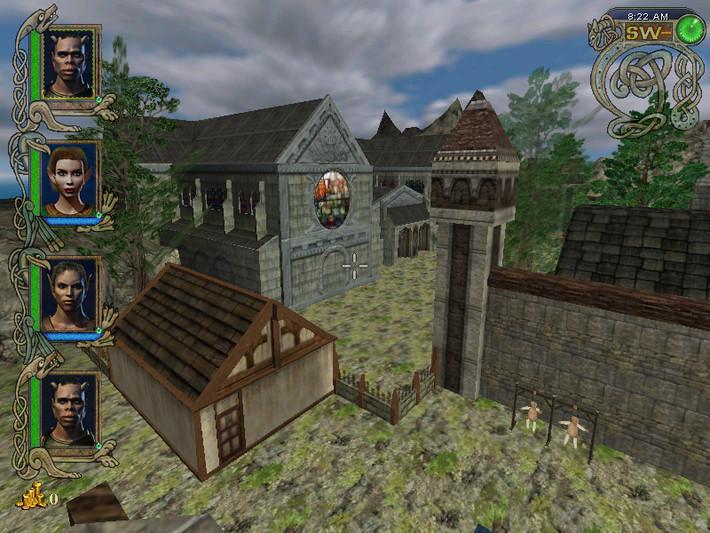
New World Computing created Might and Magic IX, and The 3DO Company published it. While the game had ambition, reviews pointed out it felt unfinished, with graphics that didn’t impress and significant bugs that needed quick fixes. When 3DO went out of business, official support ended, meaning many of these issues weren’t addressed, unlike the reliable stability of previous Might and Magic games.
‘Fallout: Brotherhood of Steel’ (2004)
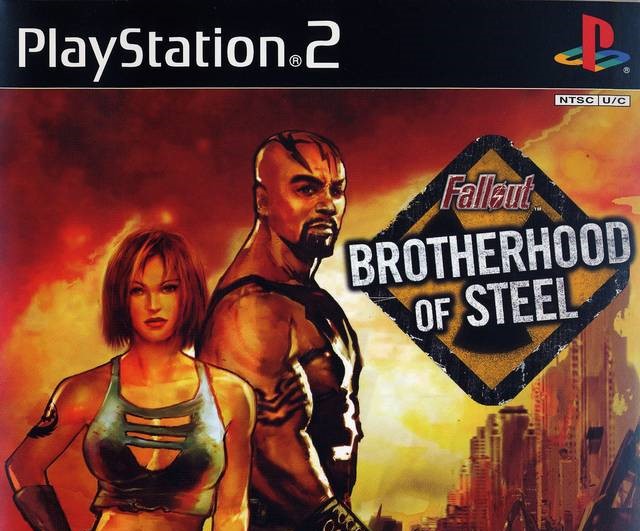
Fallout: Brotherhood of Steel was created by Interplay Entertainment for the PlayStation 2 and Xbox. It’s quite different from previous Fallout games, focusing more on fast-paced action and simpler gameplay for consoles. Critics had mixed reactions, and it’s often seen as a unique and unusual entry in the Fallout series.
‘Sonic Chronicles: The Dark Brotherhood’ (2008)
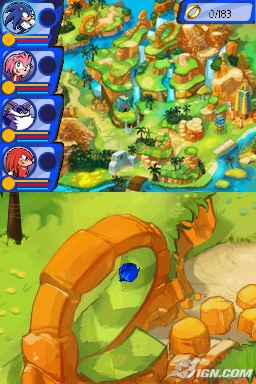
Okay, so I played Sonic Chronicles: The Dark Brotherhood on the DS. It was made by BioWare, which is kinda weird for a Sonic game, and published by Sega. Honestly, it was a bit of a letdown. Critics weren’t blown away, and a lot of people complained about how it looked and some technical issues. Considering BioWare’s usual polish and how big the Sonic franchise is, those problems really stood out. It was a big attempt to make a proper RPG out of Sonic, and unfortunately, it just didn’t quite hit the mark.
‘Darkspore’ (2011)
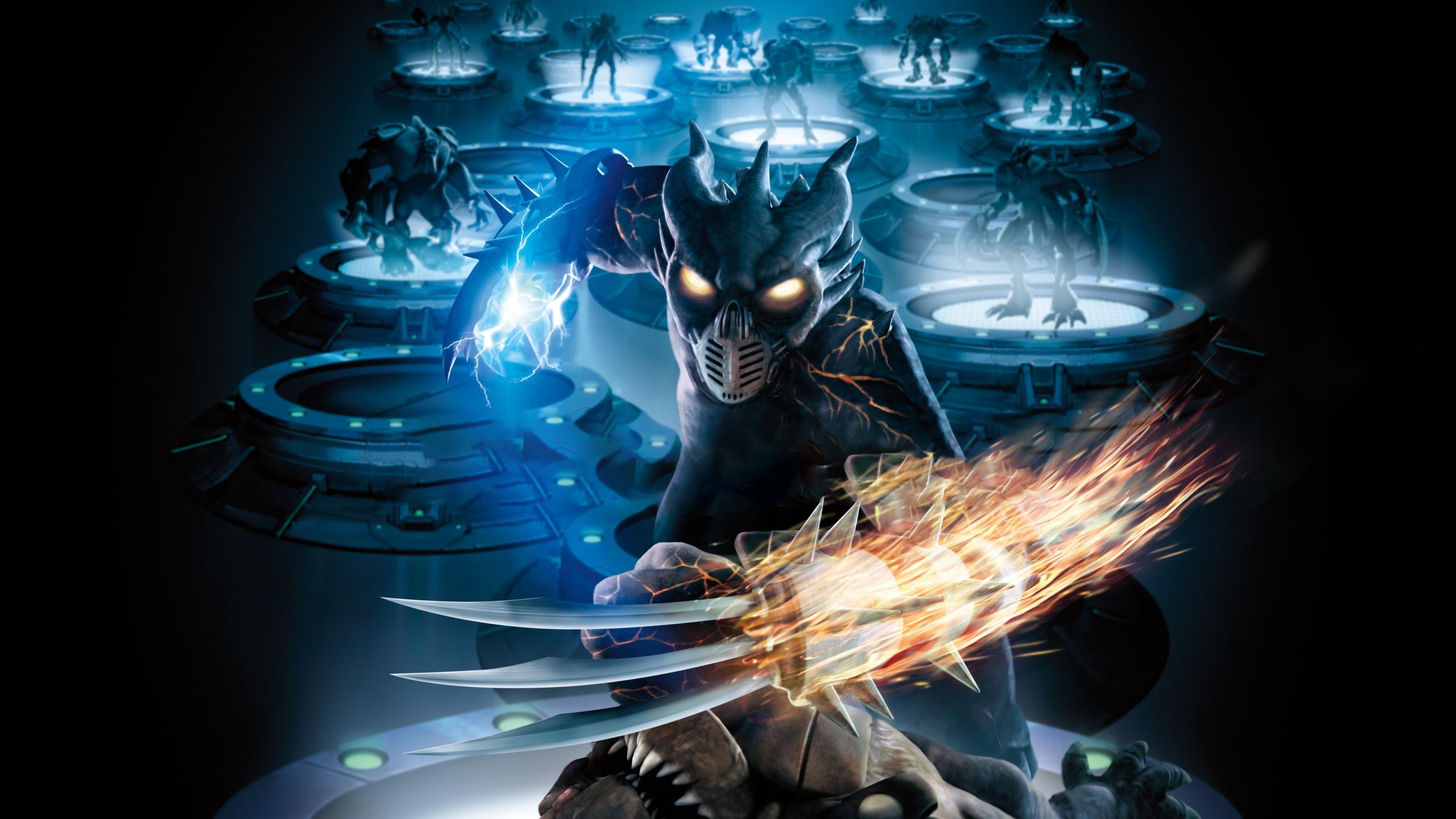
Darkspore, an action RPG created by Maxis and published by Electronic Arts, required an internet connection to play. Although it received mixed reviews, the game is now mostly remembered for its reliance on online servers. When those servers were shut down, the game became unplayable, and this is a major reason why it has a negative reputation today.
‘Sacred 3’ (2014)
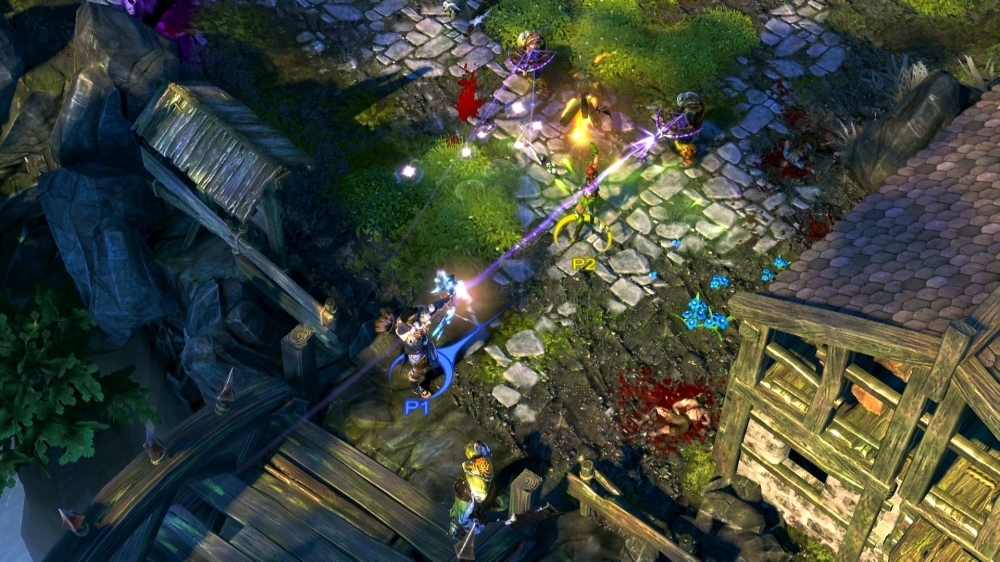
Sacred 3, created by Keen Games and published by Deep Silver, took the series in a new direction that surprised many fans. Reviews were generally unfavorable, as both critics and players pointed out how different it felt from previous Sacred games. When a sequel drastically changes what makes a series special, it’s often evaluated based on what people hoped for, as well as how well it was actually made.
‘Gothic 3’ (2006)
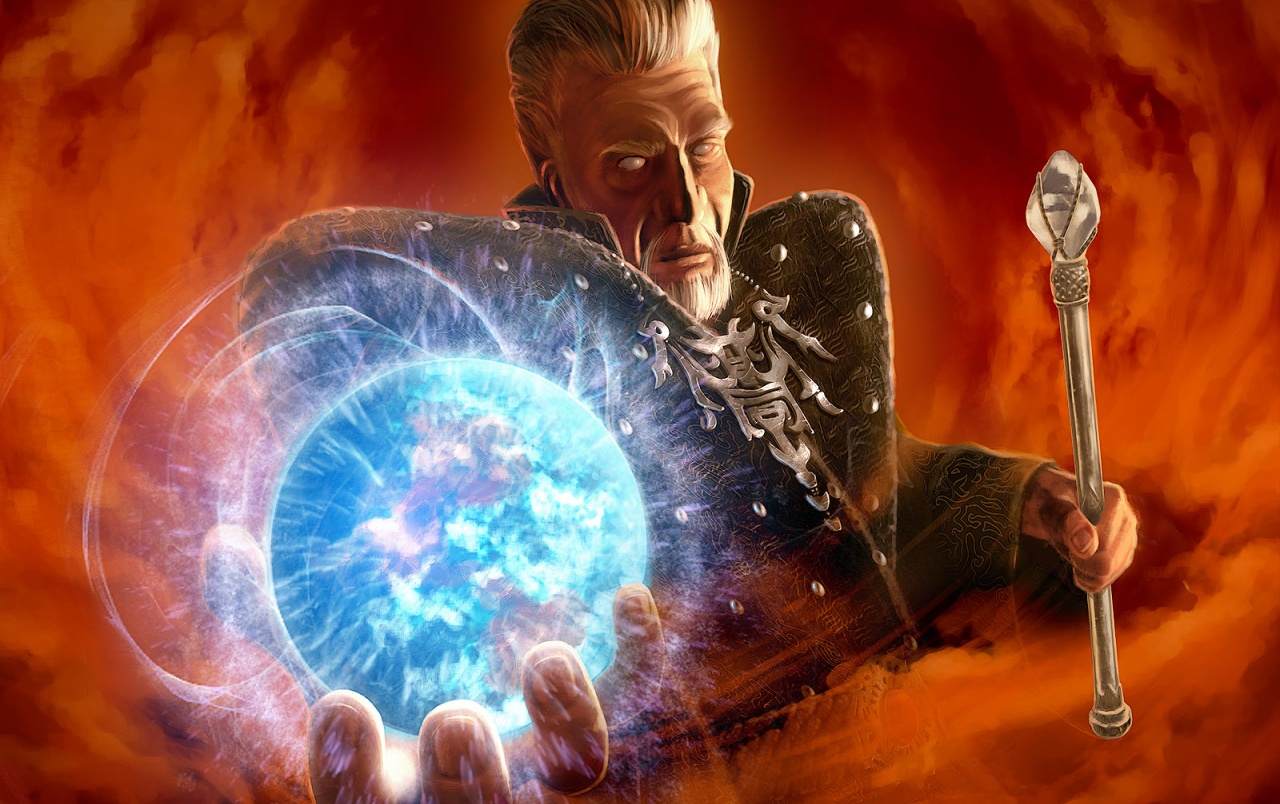
Gothic 3 is an expansive action role-playing game created by Piranha Bytes, and published by companies like JoWooD Productions depending on where you are. While ambitious in its scope, the game received mixed reviews and is best known for the many updates and fixes it needed after release to improve its stability and performance. Often, discussions about the game center around these issues rather than its strengths.
‘Final Fantasy XIV’ (2010)
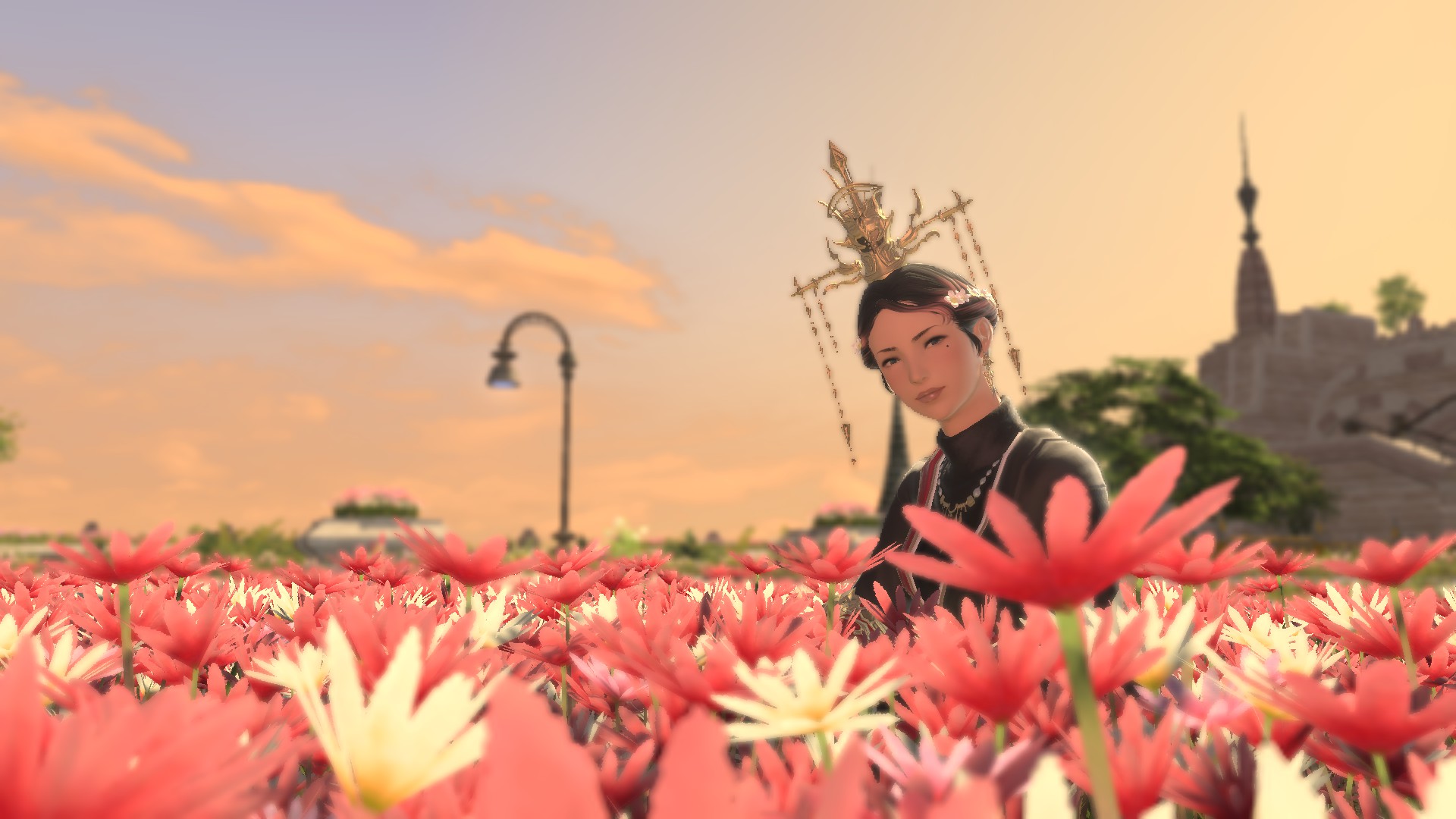
The first version of Final Fantasy XIV didn’t go well – players reacted so negatively that Square Enix had to make big changes to its leadership and future plans. They stopped charging subscription fees, cancelled the planned PlayStation 3 version, and completely rebuilt the game from the ground up. It’s a well-known case of a large, expensive online game that needed a total overhaul after it launched.
‘Fallout 76’ (2018)
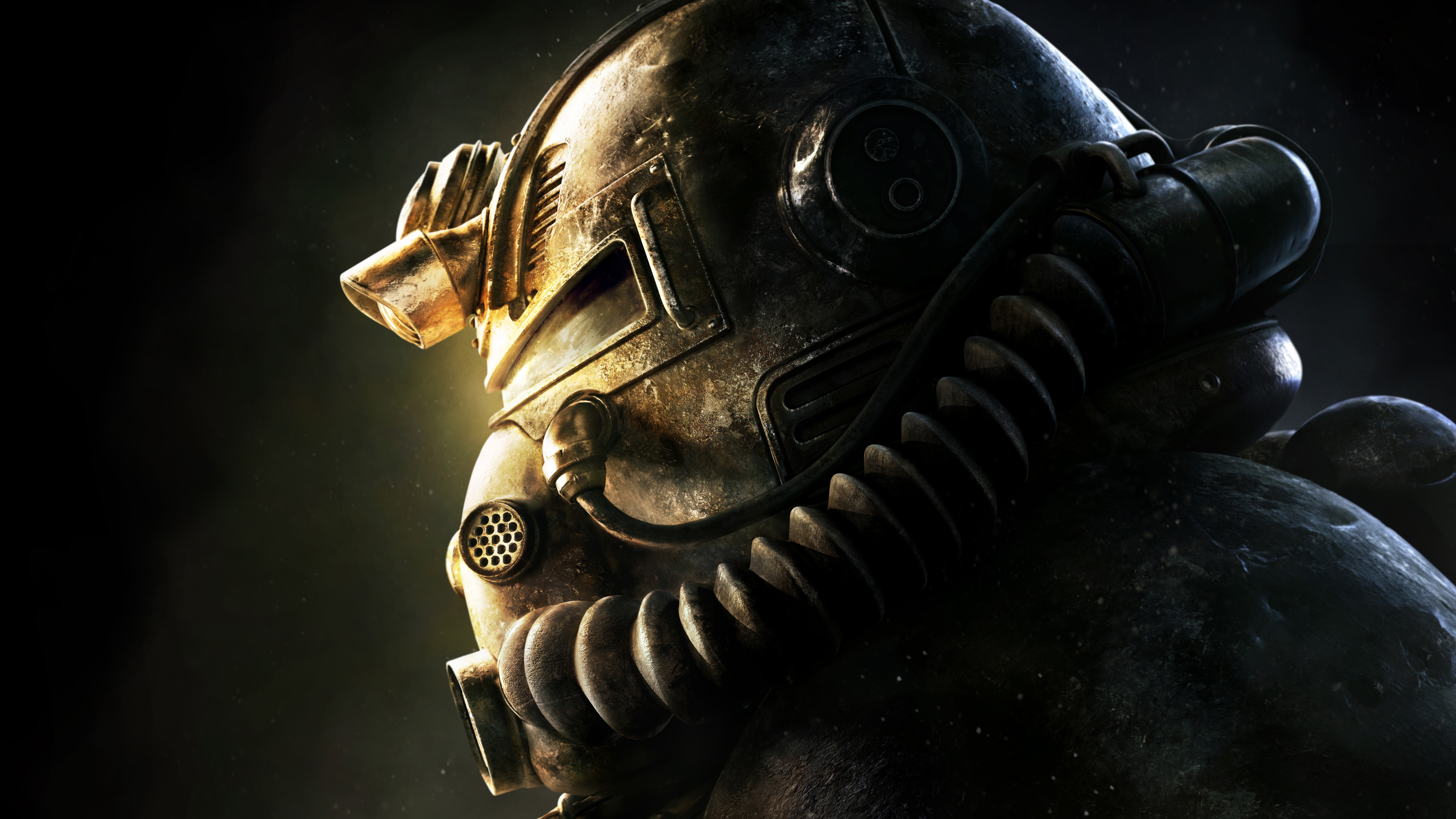
Fallout 76 is an action role-playing game created by Bethesda Game Studios and published by Bethesda Softworks. When it first came out, players reported a lot of technical problems and weren’t happy with some of the game’s design choices, like the absence of people to interact with and a weak storyline. Bethesda responded by releasing significant updates, including one that finally added human characters, to fix these issues.
‘Anthem’ (2019)
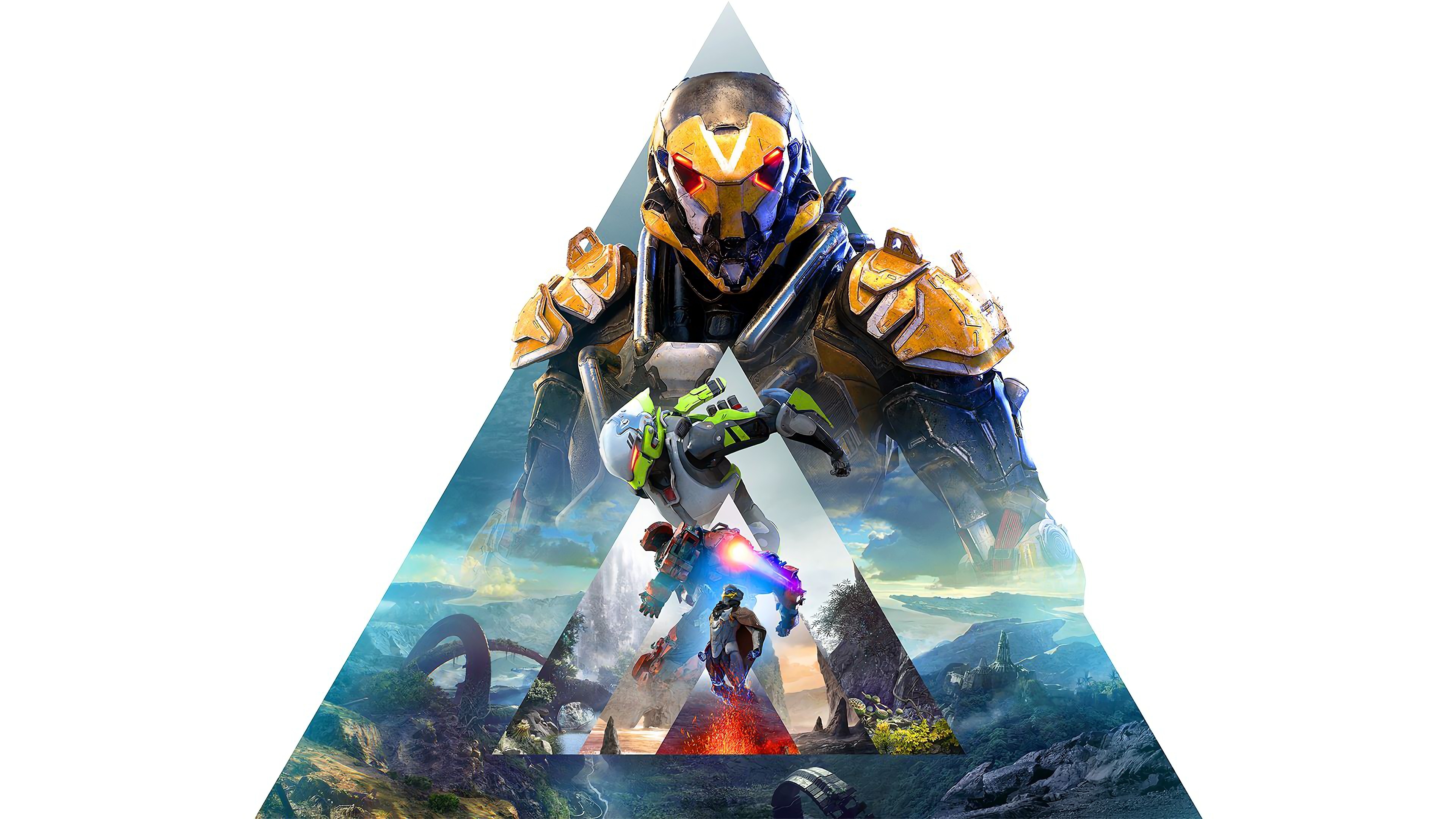
Okay, so I really wanted to love Anthem. BioWare made it, and Electronic Arts published it, and on paper it sounded amazing – a big online action RPG. But honestly, it just didn’t deliver. It felt really grindy and repetitive, and once you got to the end, there wasn’t much to do. It felt shallow compared to how ambitious it seemed at first. Plus, because it was so reliant on their servers being up, EA announced they’re shutting it down, which means eventually I won’t even be able to play it online anymore. It’s a bummer, because it had potential.
‘Cyberpunk 2077’ (2020)
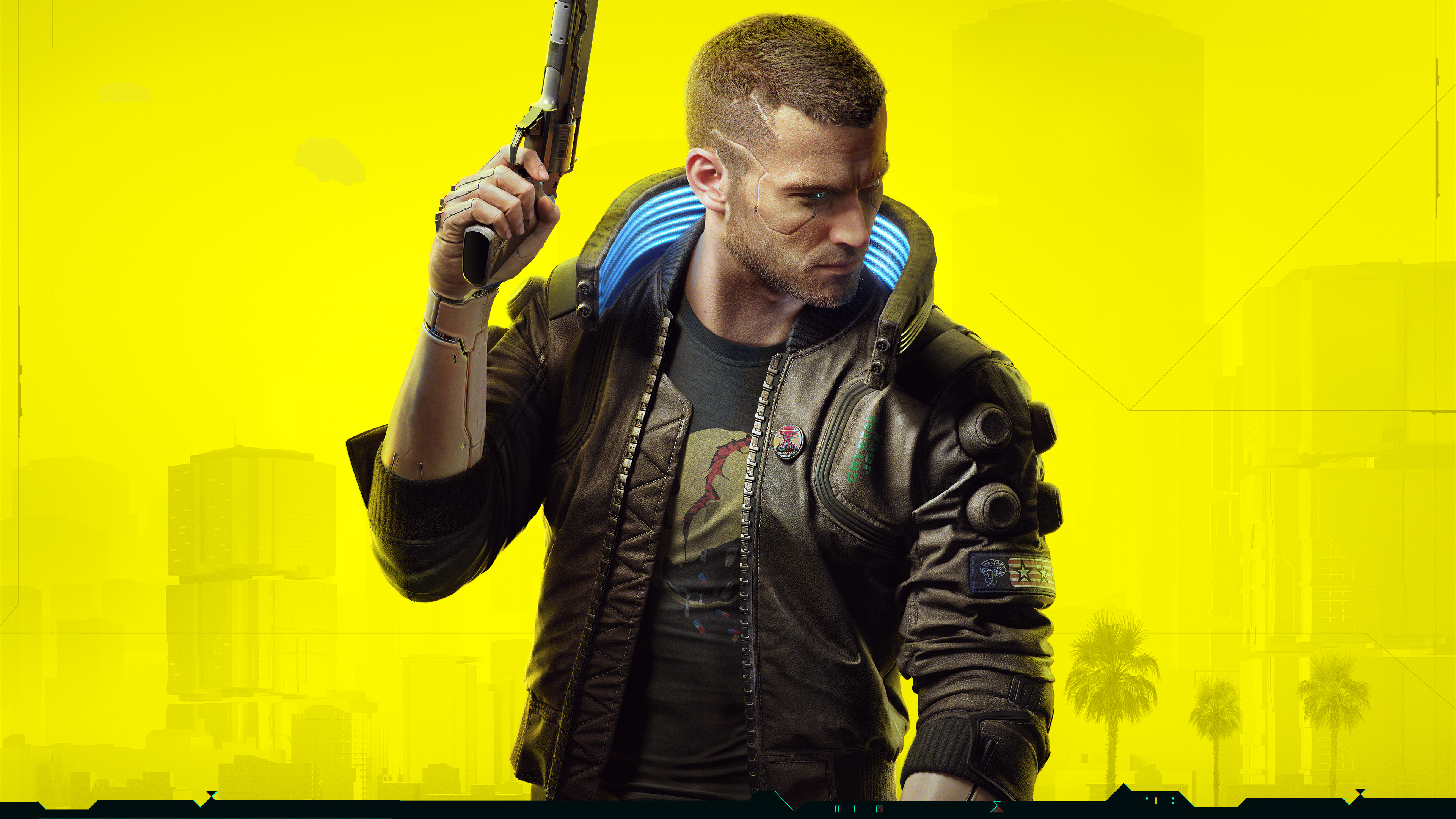
CD Projekt Red developed and published Cyberpunk 2077, but it had a very rocky start, particularly on older consoles. The game was even temporarily removed from the PlayStation Store due to significant technical issues. While improvements and expansions have been released, those initial problems continue to define how many remember the game’s launch.
Share an RPG you tried that just didn’t work for you, and tell us what specifically caused it to fall flat.
Read More
- Invincible Season 4 Gender Swaps Tech Jacket As Fans Question Major Comic Change
- Silver Rate Forecast
- Gold Rate Forecast
- 15 Films That Were Shot Entirely on Phones
- Building Agents That Learn and Improve Themselves
- 22 Films Where the White Protagonist Is Canonically the Sidekick to a Black Lead
- 20 Movies Where the Black Villain Was Secretly the Most Popular Character
- Celebs Who Narrowly Escaped The 9/11 Attacks
- 18 TV Series Filming Rehearsals as Bonus Content
- Trading Crypto with AI: A New Approach to Portfolio Management
2025-12-15 02:16