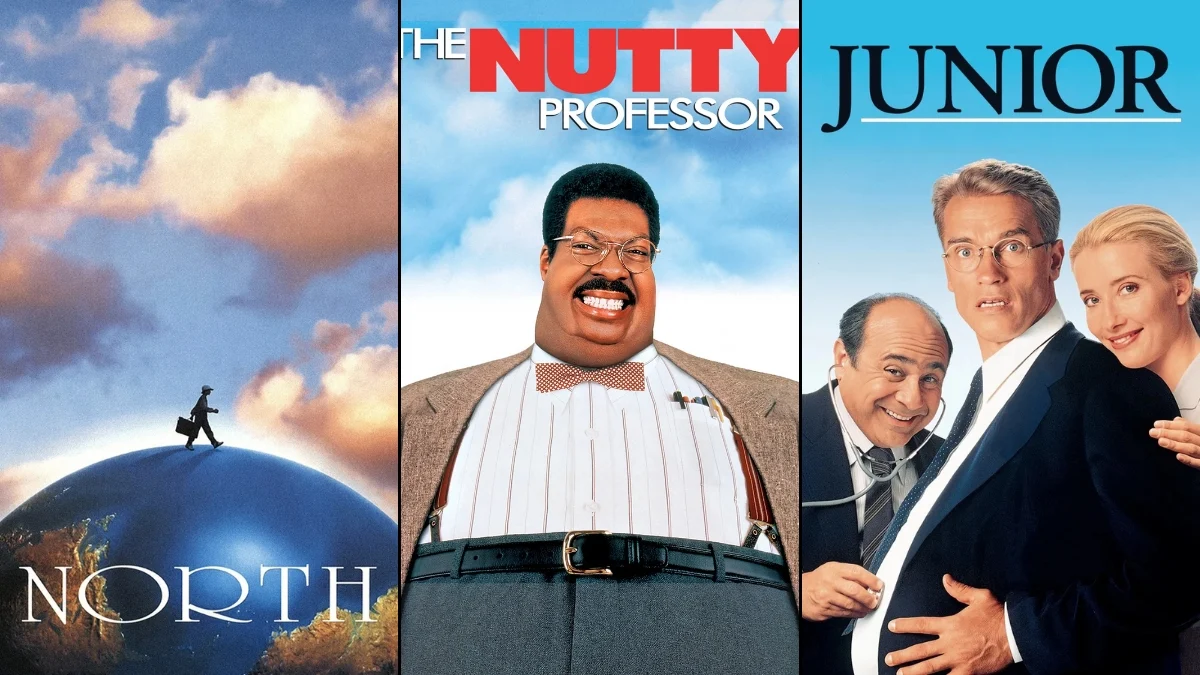
It can be tricky to rewatch movies from the 1990s because some of the humor, themes, or filmmaking techniques haven’t aged well. Things that were once common—like relying on stereotypes, making light of serious issues, portraying unsettling behavior as cool, or imagining technology that now seems very dated—can feel awkward or even problematic today. If you’re interested in seeing these films, it’s good to be aware of this beforehand.
‘Ace Ventura: Pet Detective’ (1994)
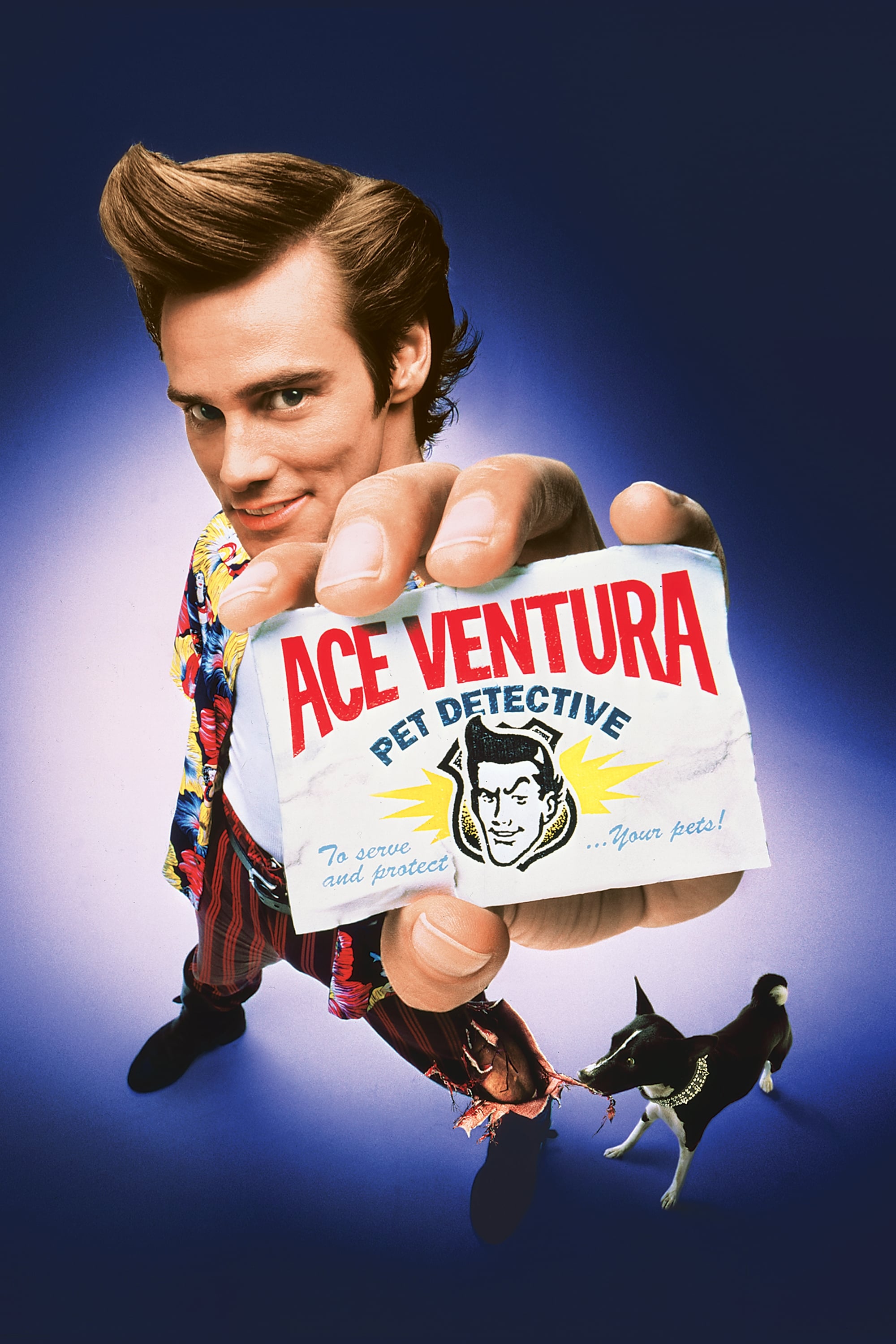
This comedy is often cited as an example of a film where a late-story twist became unintentionally problematic, specifically regarding its handling of gender identity. What was likely intended to be shocking now feels dehumanizing to many. The main problem isn’t the situation itself, but how the film relies on someone else’s embarrassment for laughs. It’s worth noting this if you’re planning to share the film with others, as it may be helpful to provide a content warning beforehand.
‘Ace Ventura: When Nature Calls’ (1995)
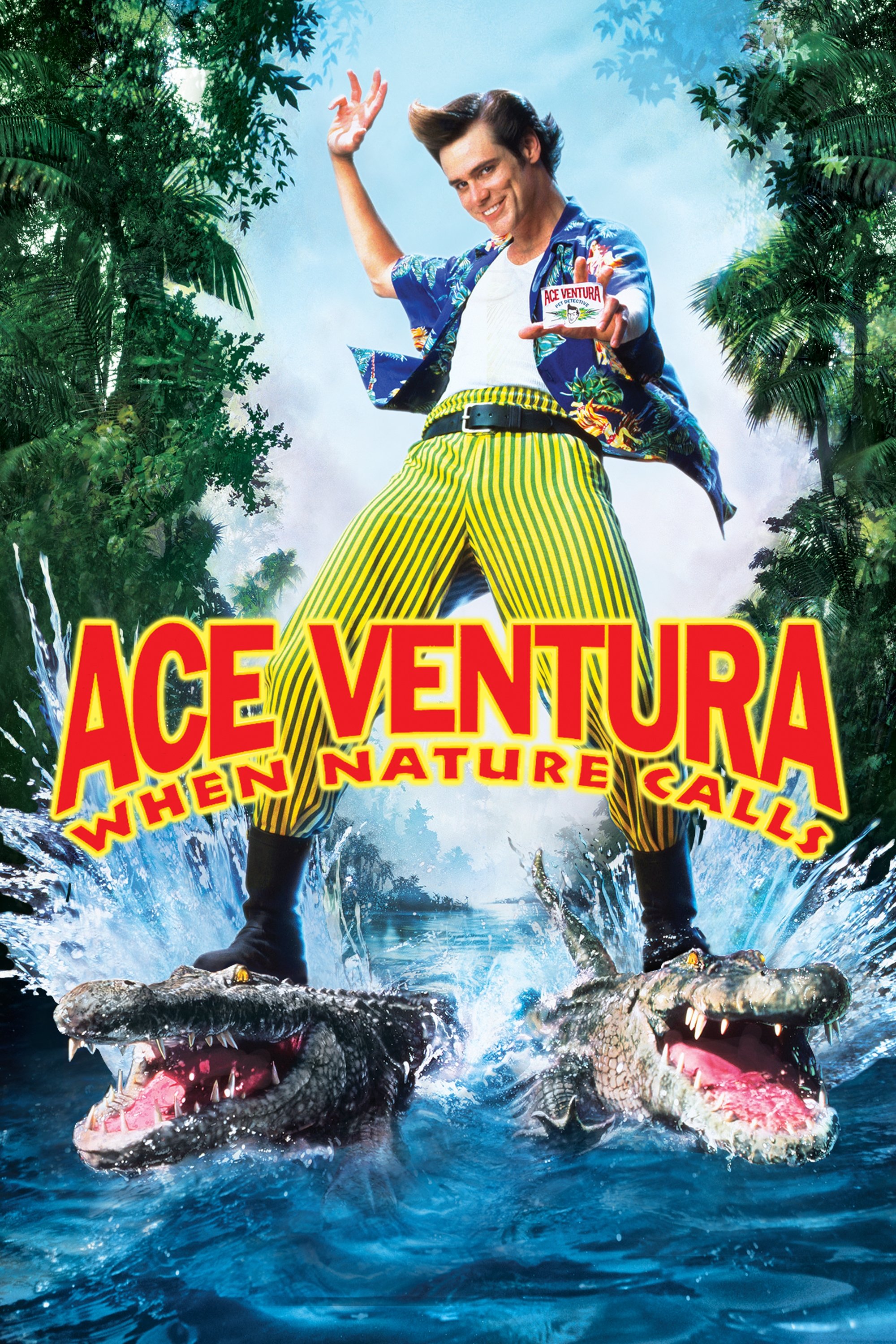
The movie’s humor often depends on exaggerated and stereotypical depictions of African cultures and traditions. Instead of showing authentic details, it uses over-the-top imagery and caricatures, making the setting feel more like a joke than a real place. When watching, notice how the costumes, accents, and cultural practices are used for comedic effect. This reliance on broad stereotypes is a major reason why many consider the movie hasn’t held up well over time.
‘American Pie’ (1999)
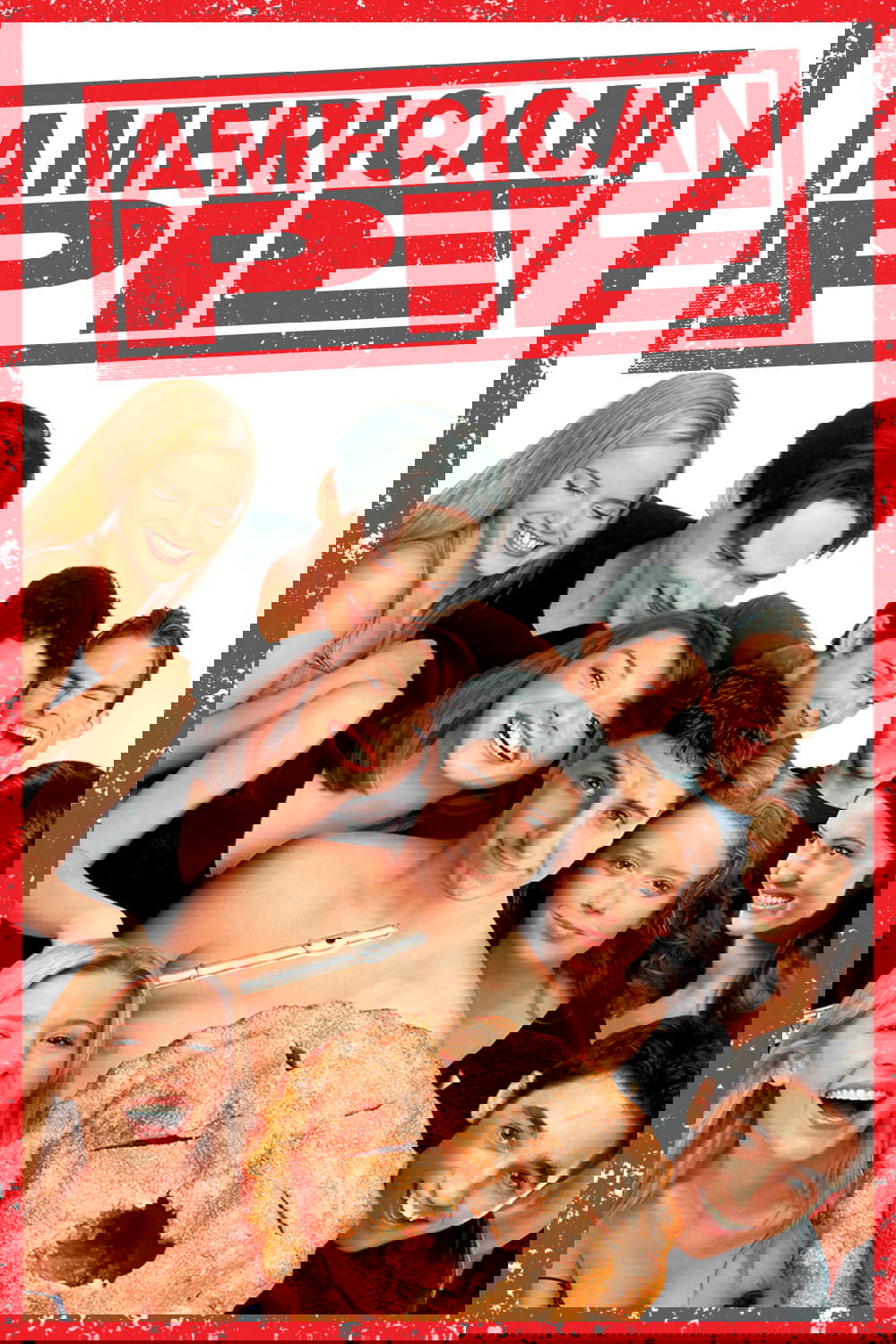
This teen comedy has a reputation for making light of serious privacy violations. A central part of the story involves secretly filming someone and sharing the footage without their permission, and the movie presents this as harmless fun. However, that doesn’t sit well with modern audiences, especially given how aware people are of the real damage such actions can cause. Watching it now, it’s best to see the film as a reflection of older attitudes common in teen comedies.
‘There’s Something About Mary’ (1998)
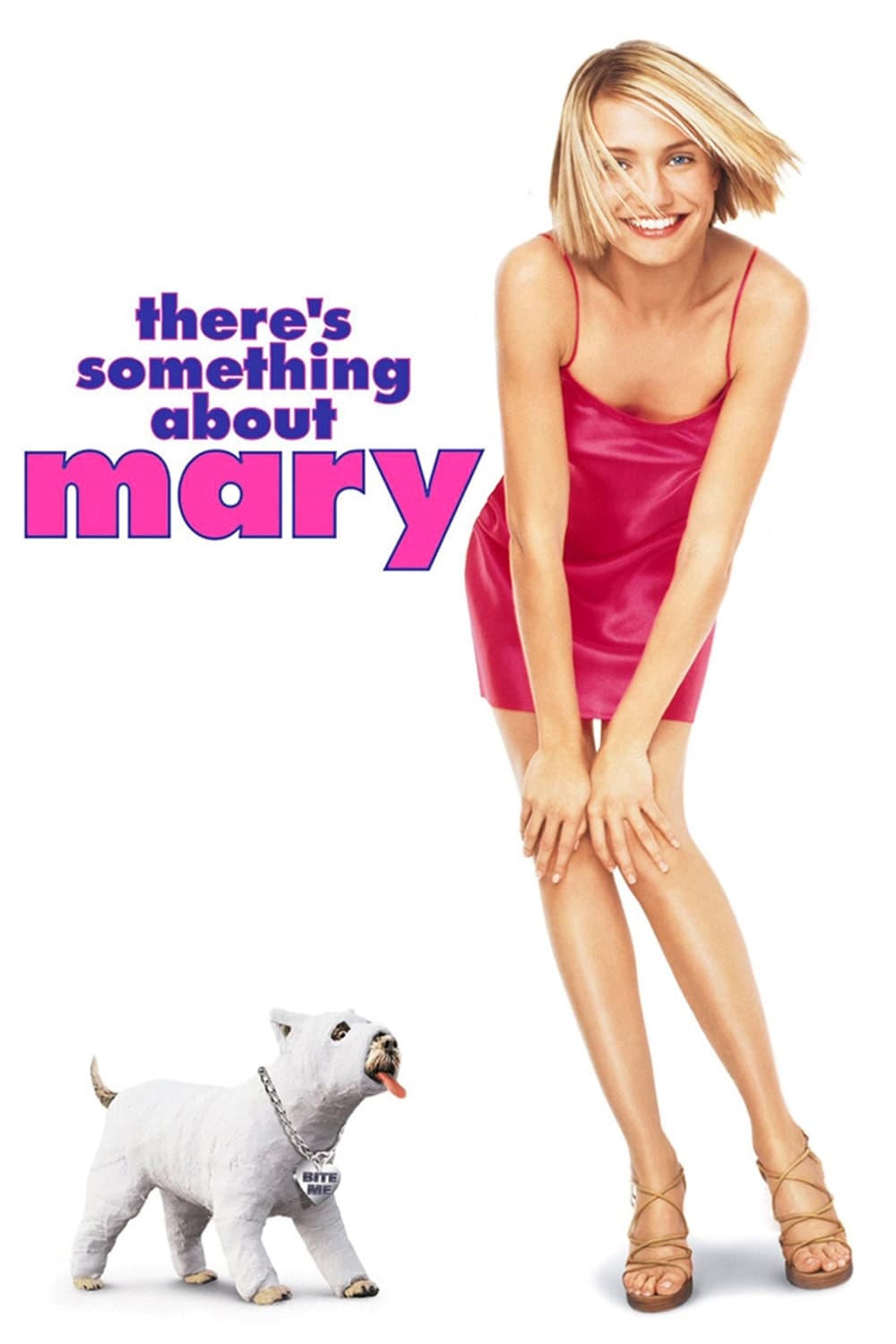
This movie relies on humor that often comes across as cruel, featuring scenes of humiliation, obsessive pursuit, and jokes about disabilities. It often portrays problematic behavior as endearing or romantic instead of acknowledging it as harmful. Because the comedy pushes boundaries, viewers sensitive to this type of humor may find it upsetting. Checking content warnings for specific scenes is highly recommended.
‘The Nutty Professor’ (1996)
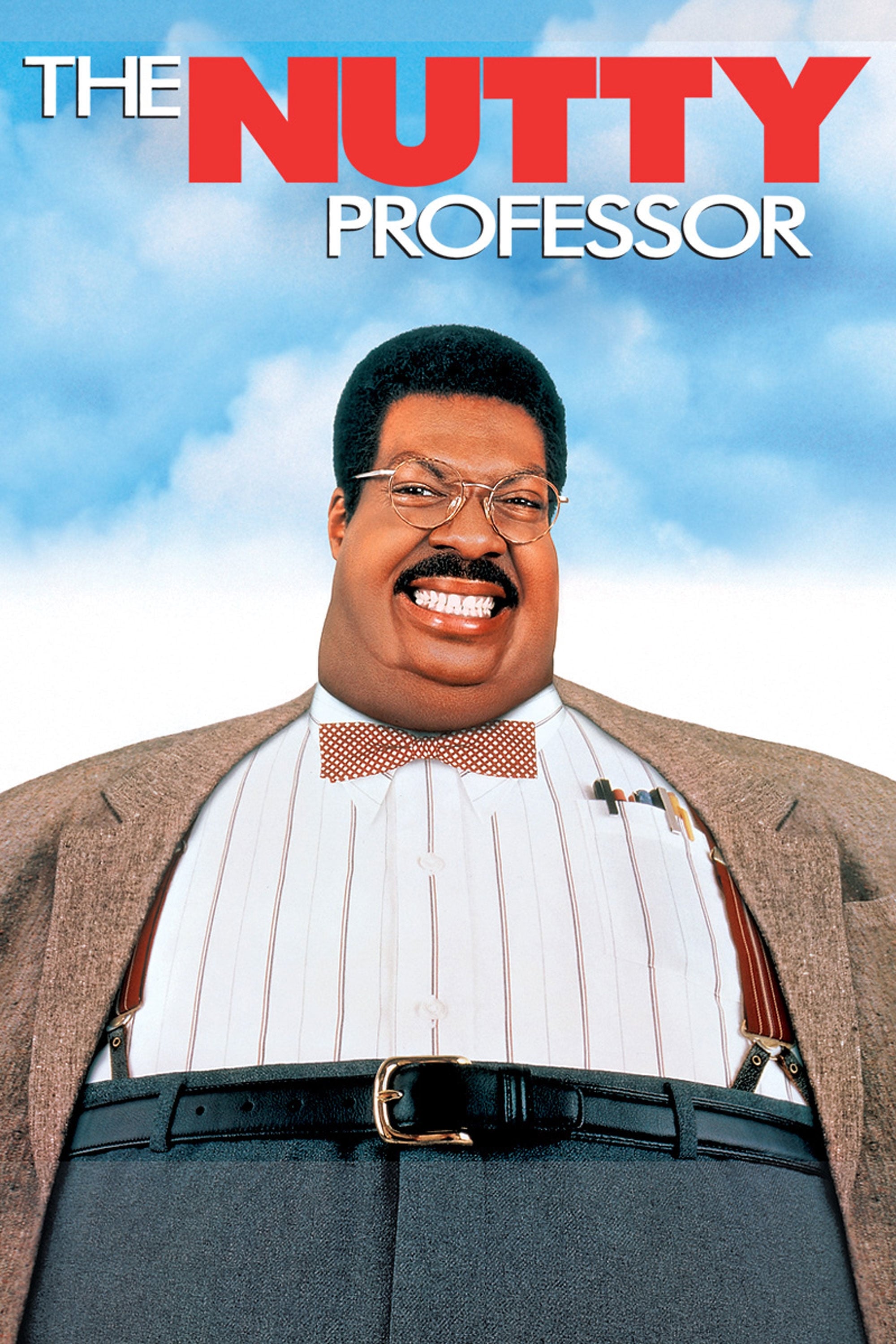
One of the main reasons this movie doesn’t quite hold up today is its reliance on jokes about body size. It frequently links weight to feelings of embarrassment, a lack of self-discipline, or a person’s value in society, even when trying to be heartwarming. This creates a jarring contrast that makes the humor feel less funny when watching it now. The film also serves as a good example of how comedies used to casually rely on fat jokes without thinking much about it.
‘Junior’ (1994)
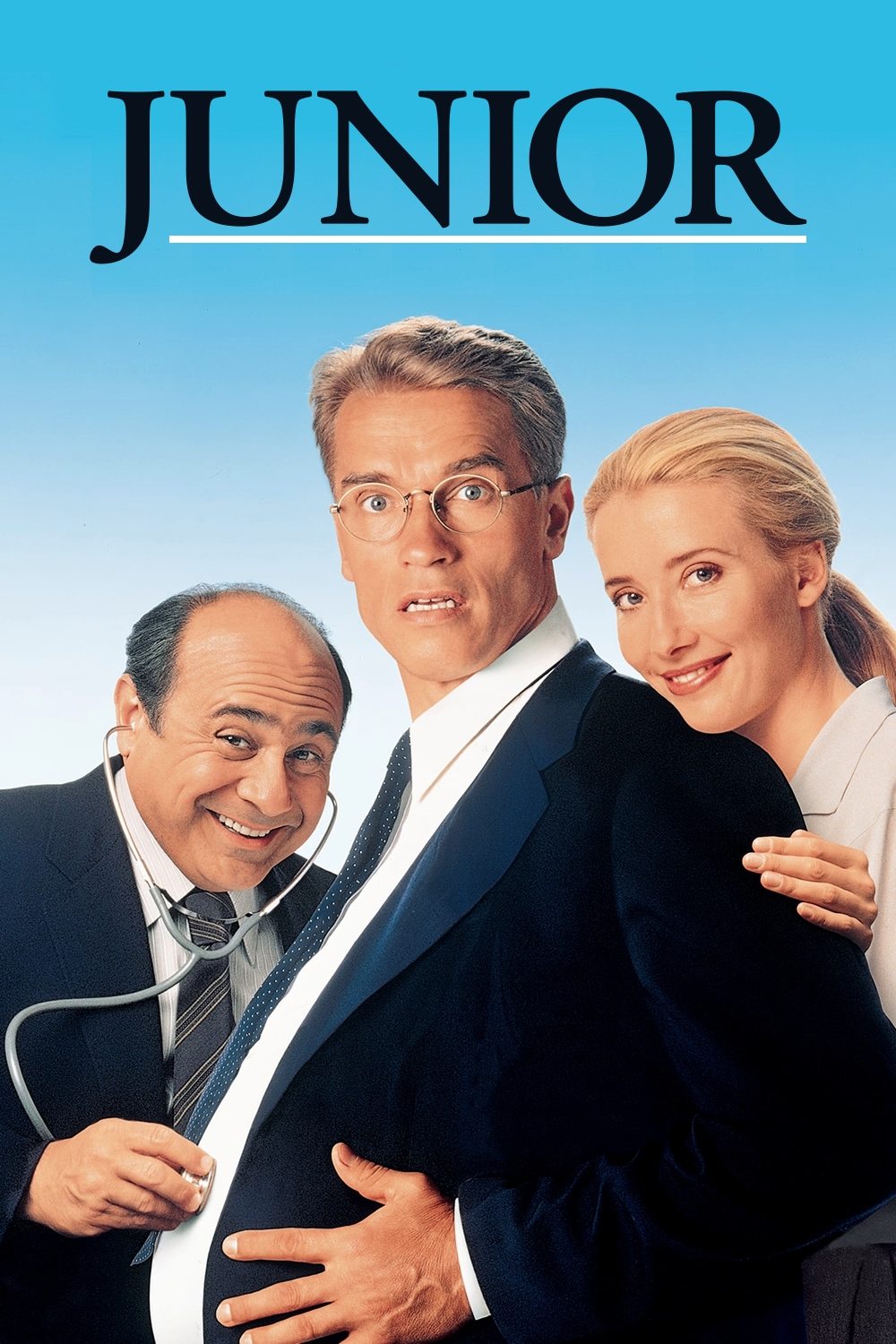
The show relies heavily on jokes about pregnancy and outdated ideas about men and women. It’s often seen as trivializing important issues related to reproduction, treating them as silly rather than complex and meaningful. Sometimes, awkward or confusing moments are used for laughs instead of being explored with sensitivity. If you watch it now, it’s best to remember it’s a farcical comedy built on beliefs that haven’t aged well.
‘Blank Check’ (1994)

This family movie is now seen as problematic because it portrays an adult flirting with a child as something sweet and innocent. One scene, in particular, is often cited as shockingly inappropriate by today’s standards. The movie also casually shows a child in potentially unsafe situations without proper adult supervision, making it a good idea to check parent guides before watching it again.
‘Problem Child 2’ (1991)
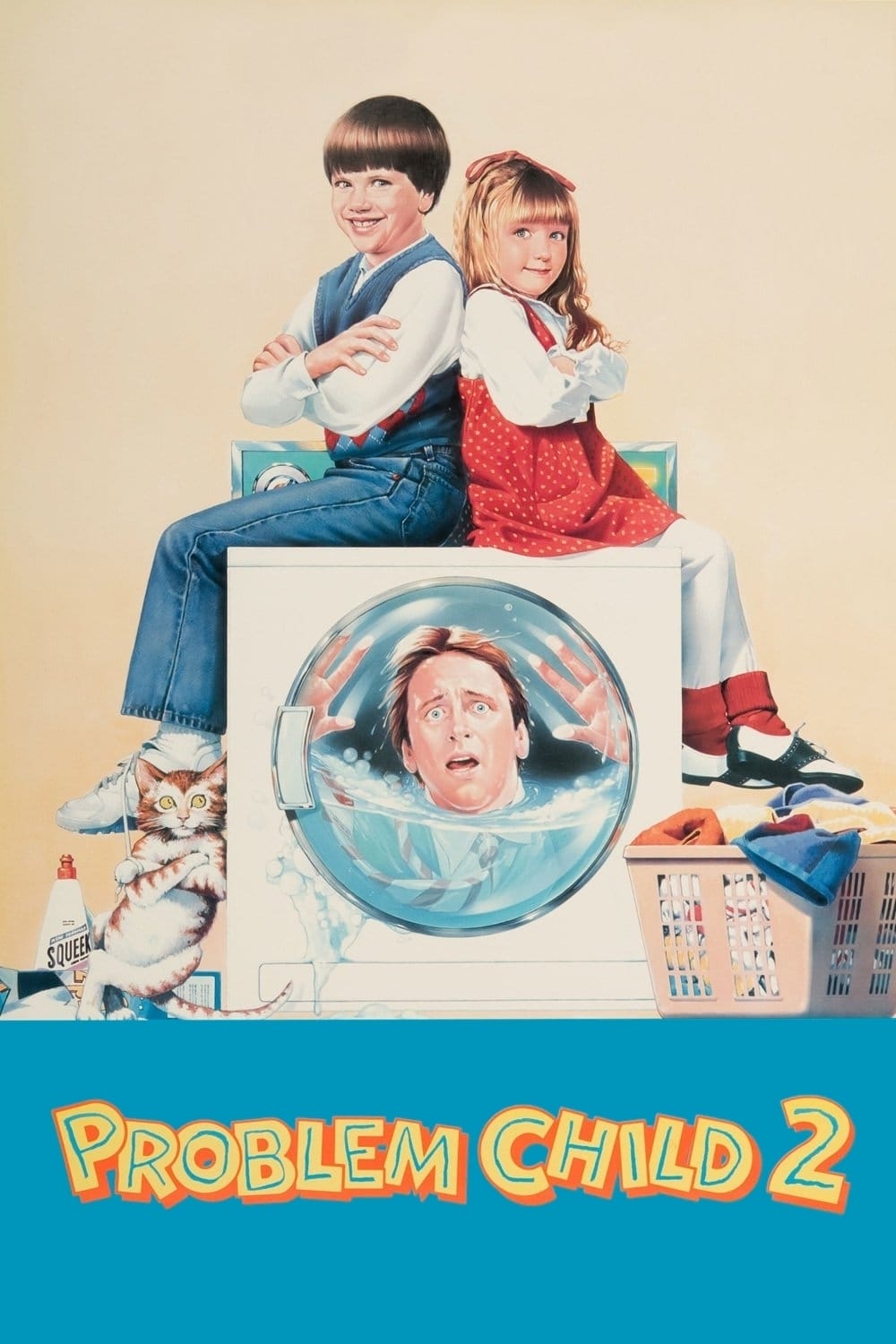
This movie relies on humor that comes from people being hurt or embarrassed, and from general chaos. While some might find it funny, that kind of comedy can feel draining, particularly if you prefer lighthearted fun without any nastiness. The film seems to think bad behavior is what makes it entertaining, instead of actually addressing it. Knowing this, it’s helpful to remember the movie is deliberately designed to be a bit harsh when you watch it.
‘Cool as Ice’ (1991)
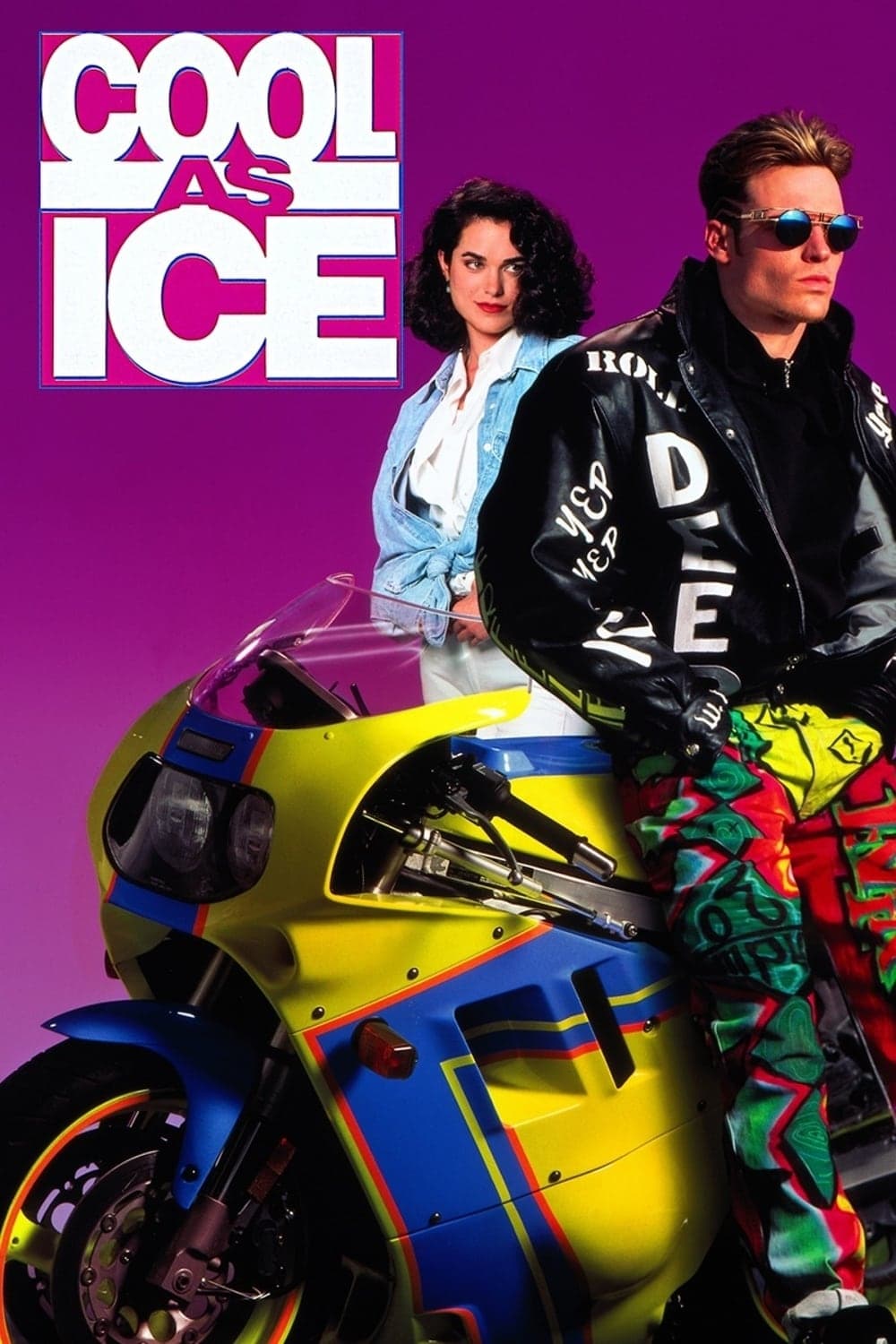
Honestly, I don’t really think of this as a great movie. It feels more like a really interesting piece of marketing tied to a specific time in music history. The way the characters talk and act feels less like real people and more like they’re trying too hard to be cool – it comes off as an ad campaign. A lot of the scenes rely on how things look – the poses, the clothes, and even the slang they use – just to create an attitude. If you watch it now, it’s best to think of it as a snapshot of how things were marketed back in the early ’90s.
‘North’ (1994)
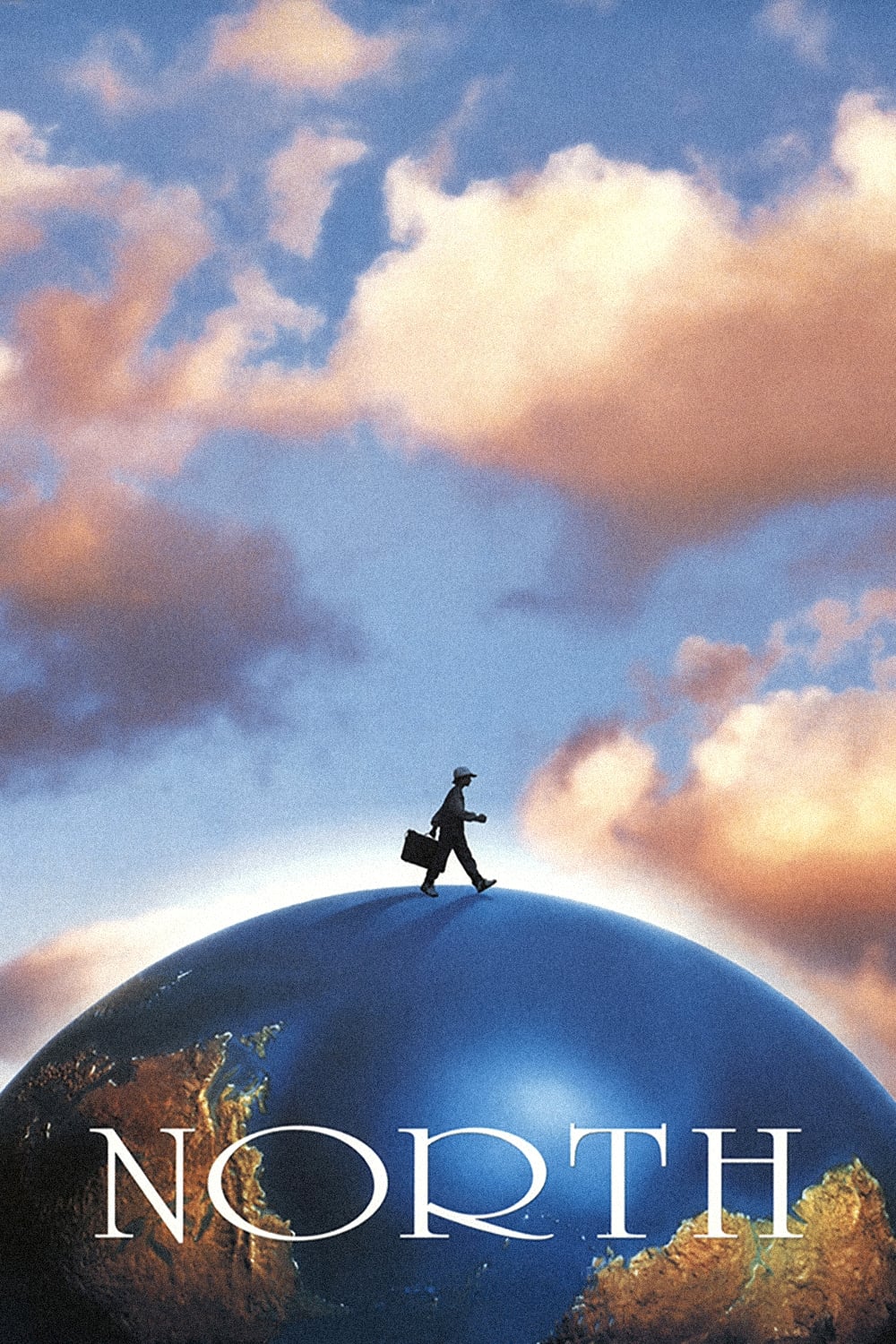
This film is often criticized for its unusual premise and shifting mood, which goes from lighthearted to surprisingly dark. It asks viewers to accept some very dramatic – and sometimes unsettling – portrayals of family and childhood. Plus, it features so many celebrity appearances that they end up pulling focus from the story. Knowing it has a bit of a reputation beforehand can actually help you enjoy it more.
‘The Pest’ (1997)
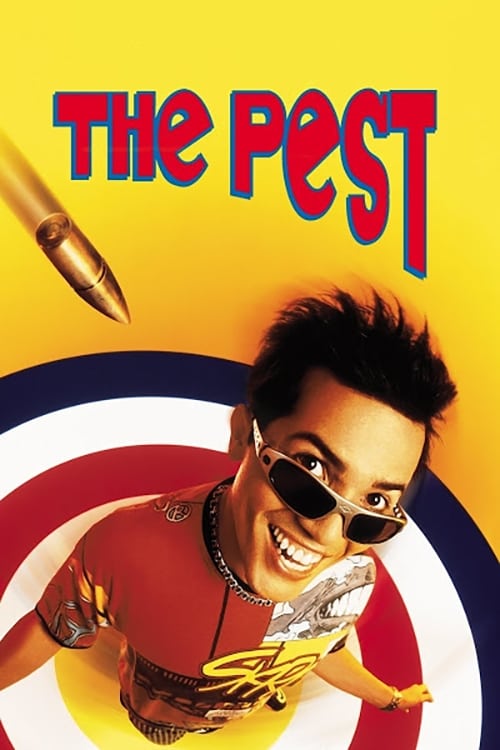
I have to admit, revisiting this comedy is tough. A lot of the humor comes from impressions and really over-the-top stereotypes, which haven’t held up well over time. It feels less like they’re building jokes around actual characters and more around exaggerated caricatures, so what was funny then just doesn’t land the same way now. Plus, it’s fast – the constant barrage of jokes actually makes the less-funny parts feel even more jarring when you watch it again. If you’re planning on giving it another try, just be prepared for a style of comedy that feels very broad and definitely of its time.
‘Bio-Dome’ (1996)
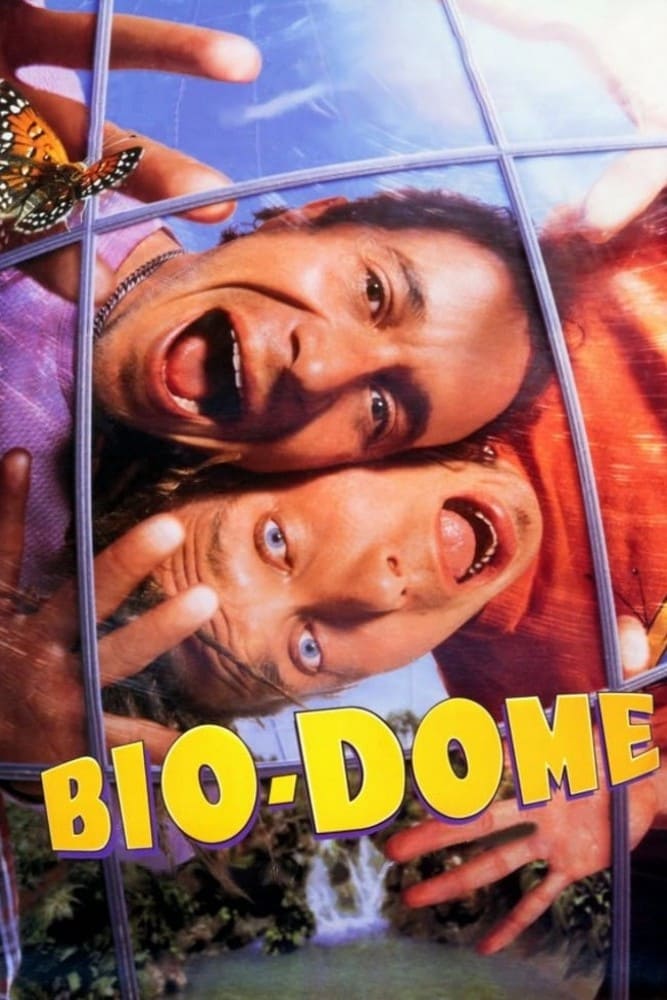
This movie is a prime example of silly, over-the-top comedy that relies heavily on immature humor. Many of the jokes center around bodily functions, behavior that skirts the line of harassment presented as flirting, and characters who act badly without facing real consequences. Today, many viewers find it problematic that the film doesn’t hold its characters accountable for their actions. Now, it’s mostly interesting as a reminder of the types of comedies studios used to make.
‘Batman & Robin’ (1997)
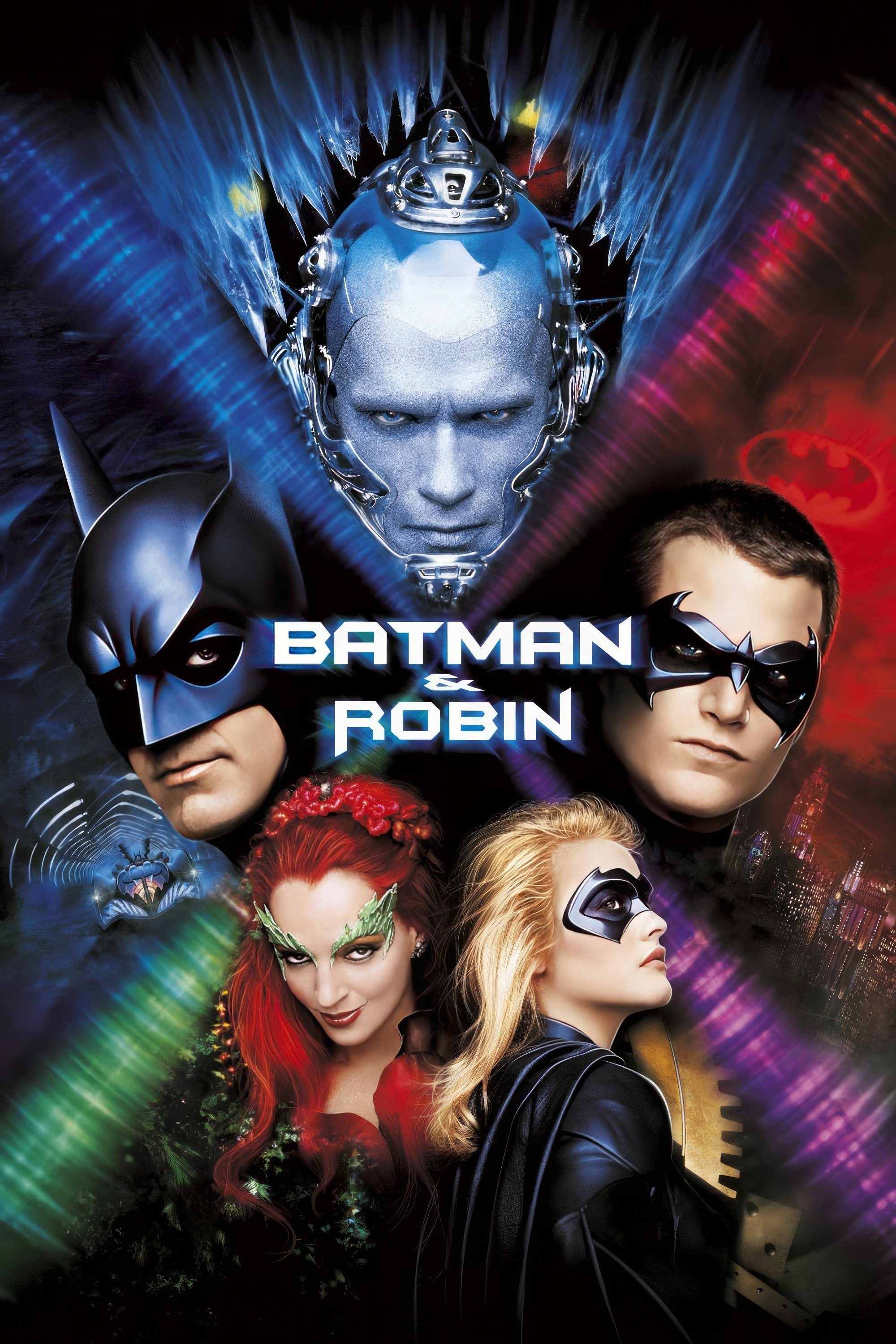
I’ve heard a lot of people say this movie feels less like a real story and more like an extended ad for the toys. Honestly, the jokes can be a bit much – lots of silly puns and over-the-top acting that tries to be fun but sometimes just gets annoying. And visually, it’s a lot. It’s so bright and shiny that it can be overwhelming now. I think if you go back to watch it, it’s best to just enjoy it as a really flashy, colorful experience, and not expect a deep, character-focused superhero film.
‘Street Fighter’ (1994)
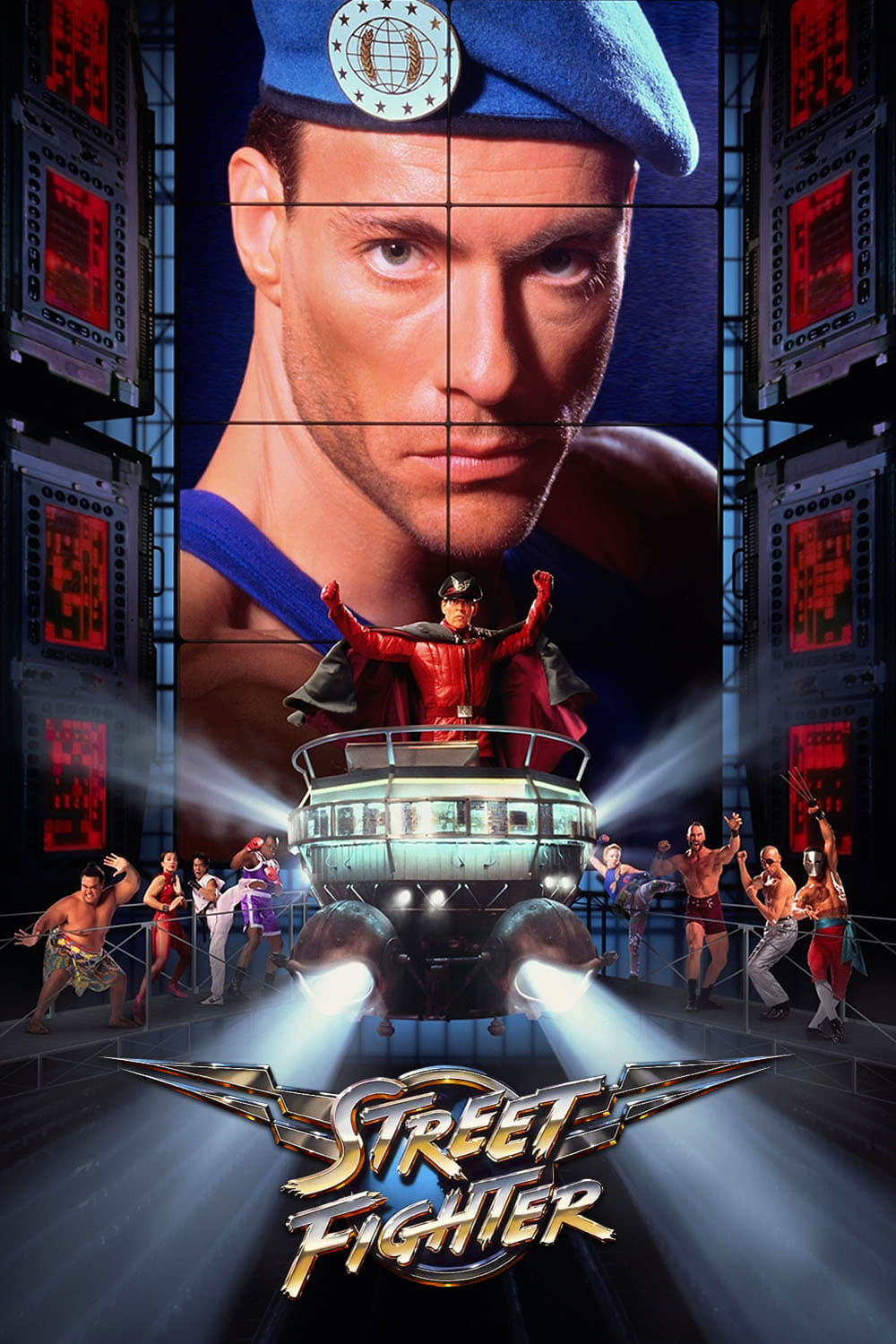
This adaptation is often criticized for its inconsistent tone and overly complicated plot with too many characters. The acting and scenes sometimes feel more like a comedy sketch than a serious action movie, and even fans of the original game notice the uneven quality. Many viewers find it only enjoyable if they go in expecting it to be unintentionally funny.
‘Mortal Kombat: Annihilation’ (1997)
This movie is known for its quick cuts and a plot that doesn’t take much time to set things up. The special effects and fight scenes look really old-fashioned now, especially when compared to today’s action movies. Characters sometimes act in ways that don’t make sense, making it difficult to care about what happens to them. It’s often brought up as an example of a sequel that felt too rushed.
‘Showgirls’ (1995)

This film is controversial and can be challenging to watch because it mixes shocking content with problematic views on sex and relationships. Certain scenes are particularly disturbing and often come with content warnings. The movie’s style is uneven, sometimes feeling like a dark comedy and other times being much more graphic than it appears. If you’re planning to watch it again, it’s a good idea to look up specific trigger warnings beforehand.
‘The Postman’ (1997)
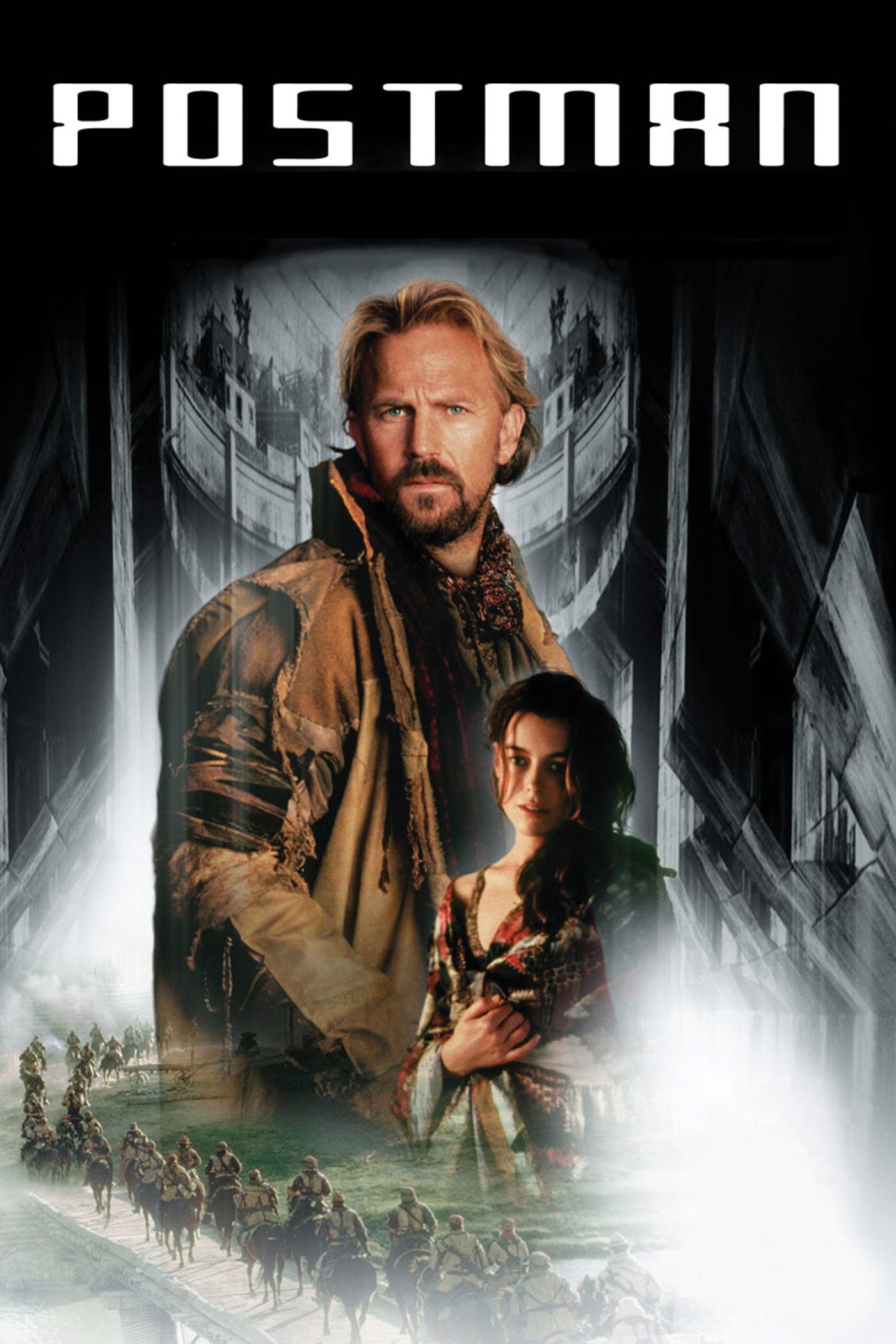
This installment often gets criticism for being too long and taking itself too seriously, which can be draining to watch. It relies on dramatic speeches and overly heroic moments that many modern viewers find forced. The slow pace makes it hard to revisit if you prefer fast-moving stories. It’s often cited as a case where a grand vision didn’t quite come together into an engaging film.
‘The Island of Dr. Moreau’ (1996)
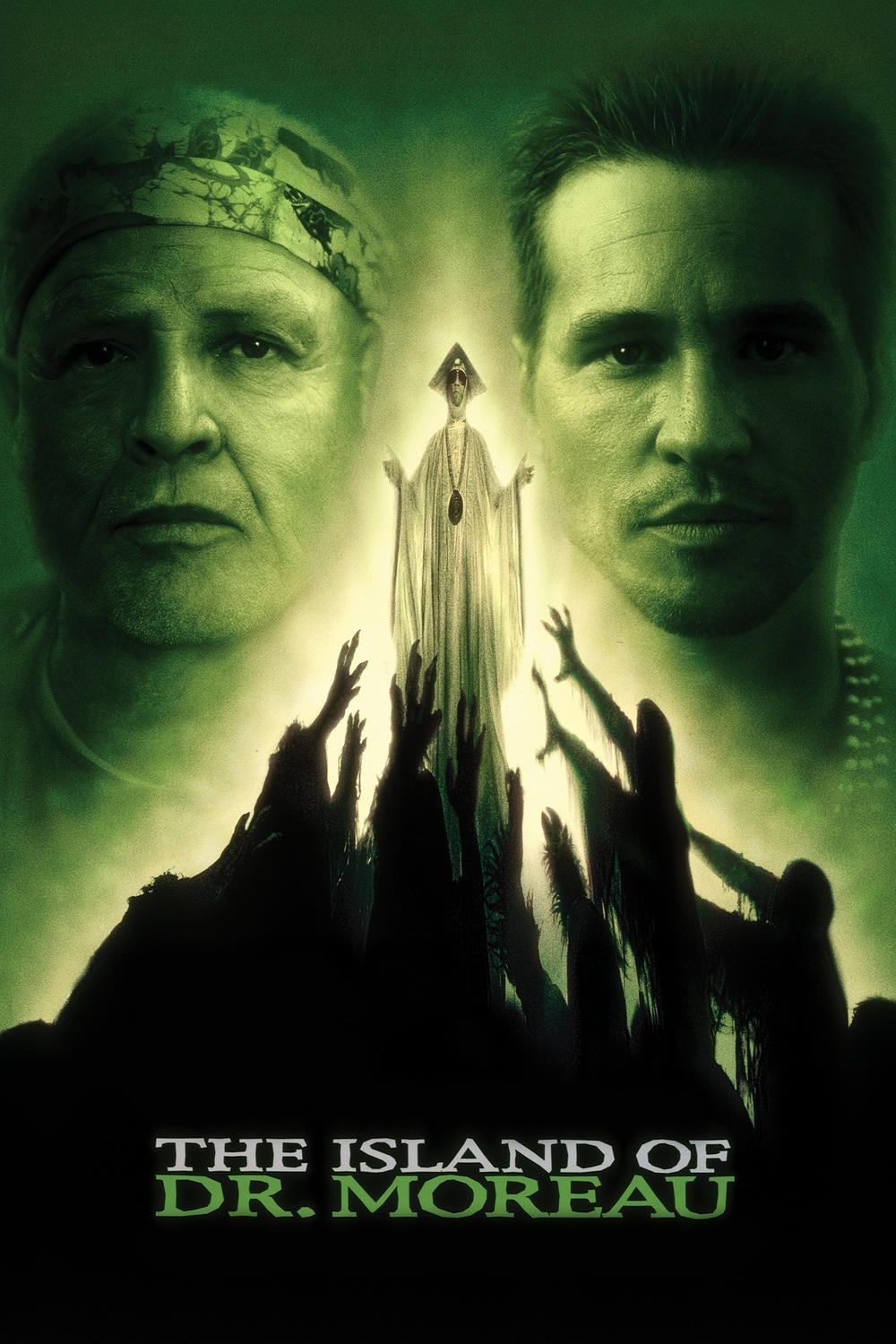
The film’s difficult creation is noticeable – it feels tonally inconsistent, characters aren’t fully developed, and some scenes don’t flow well together. The creature designs and themes are often disturbing, but don’t seem to have a clear reason for being so. Most viewers find it confusing instead of interestingly odd. Ultimately, the story behind making the film is more well-known than the film itself, which isn’t a very compelling science fiction experience.
‘Wild Wild West’ (1999)
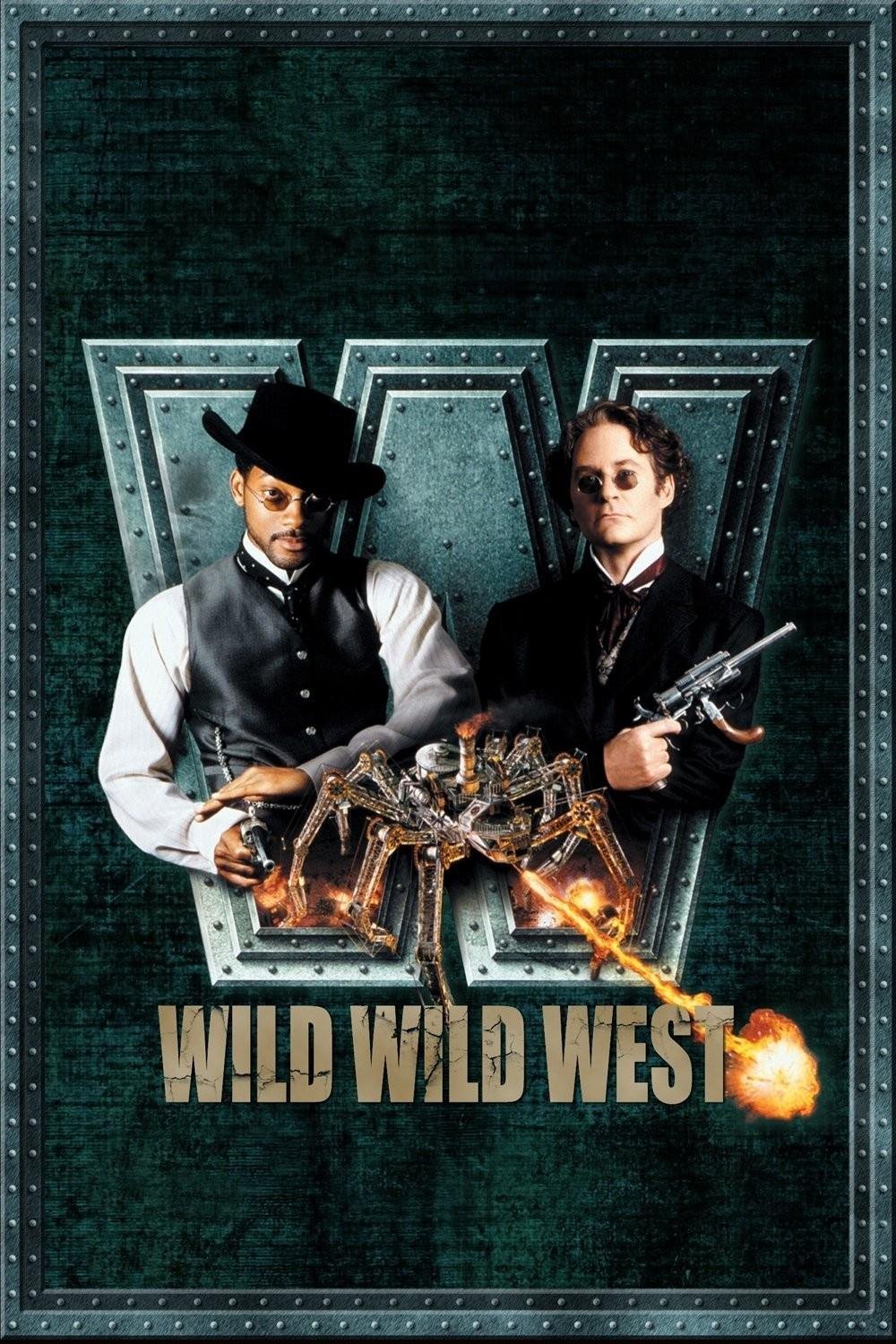
Many consider this movie a visually impressive but chaotic experience, packed with over-the-top effects and a constantly shifting tone. It relies heavily on obvious jokes and action sequences that feel disconnected from a central plot. Some of the humor and characterizations haven’t aged well, which can be distracting. If you watch it now, it’s best to go in expecting a loud and somewhat disorganized spectacle, rather than a polished action-comedy.
‘The Net’ (1995)

One of the main reasons this movie feels dated is how it portrays online life and cybersecurity. It presents simple digital ideas as if they’re magical or mysterious, which is amusing to audiences now. The suspense relies on internet fears and security issues that aren’t really relevant today. Ultimately, it’s interesting to watch as an example of early mainstream thrillers focused on computer-related anxieties.
‘Hackers’ (1995)
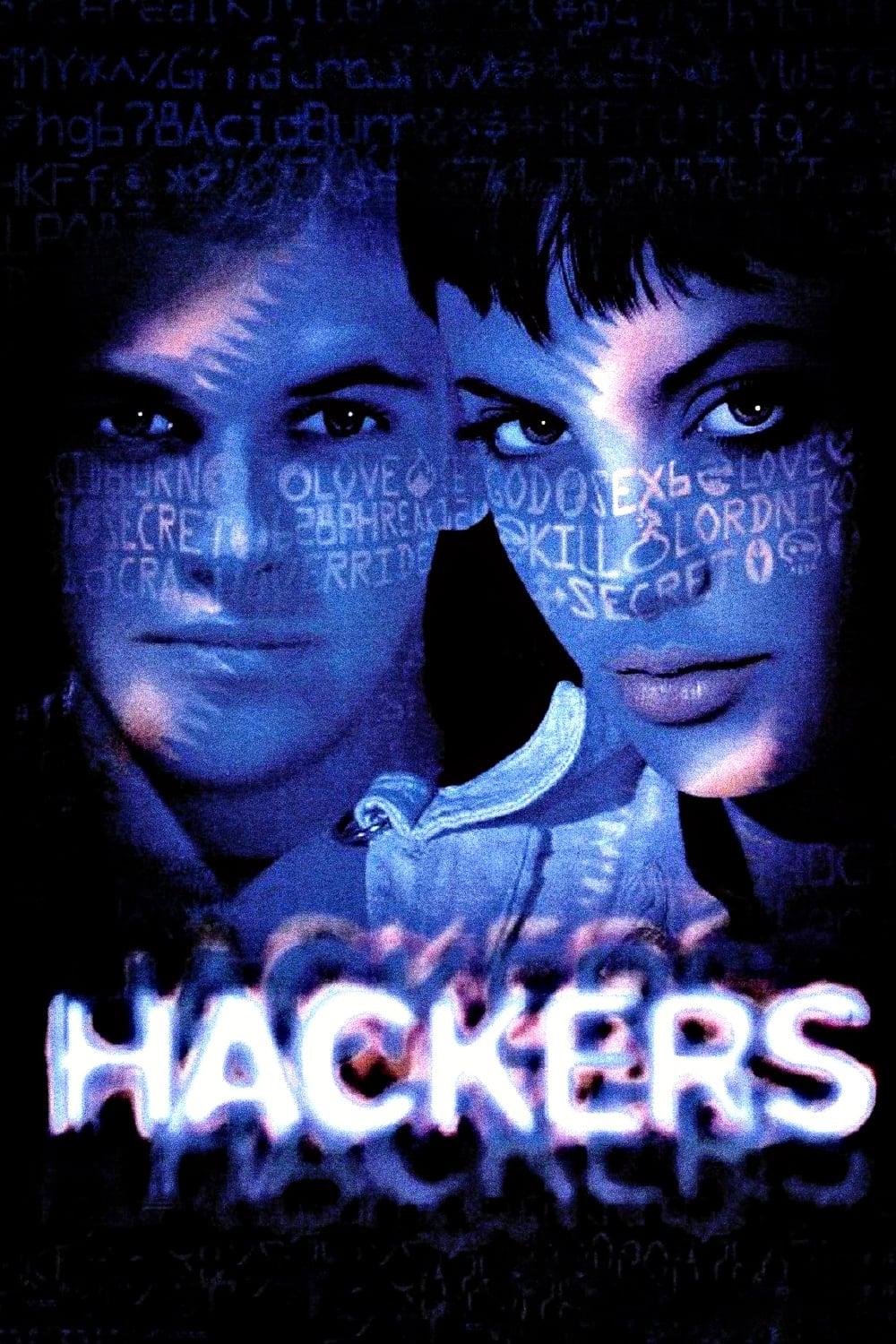
The hacking shown in this movie is more about looking cool than being realistic. It’s full of flashy visuals and technical terms that don’t really make sense, which can be distracting if you want something believable. The movie relies more on a stylish “tech rebel” attitude than actual problem-solving. It’s best enjoyed as a visually interesting story about technology, rather than a serious thriller.
‘Beverly Hills Ninja’ (1997)
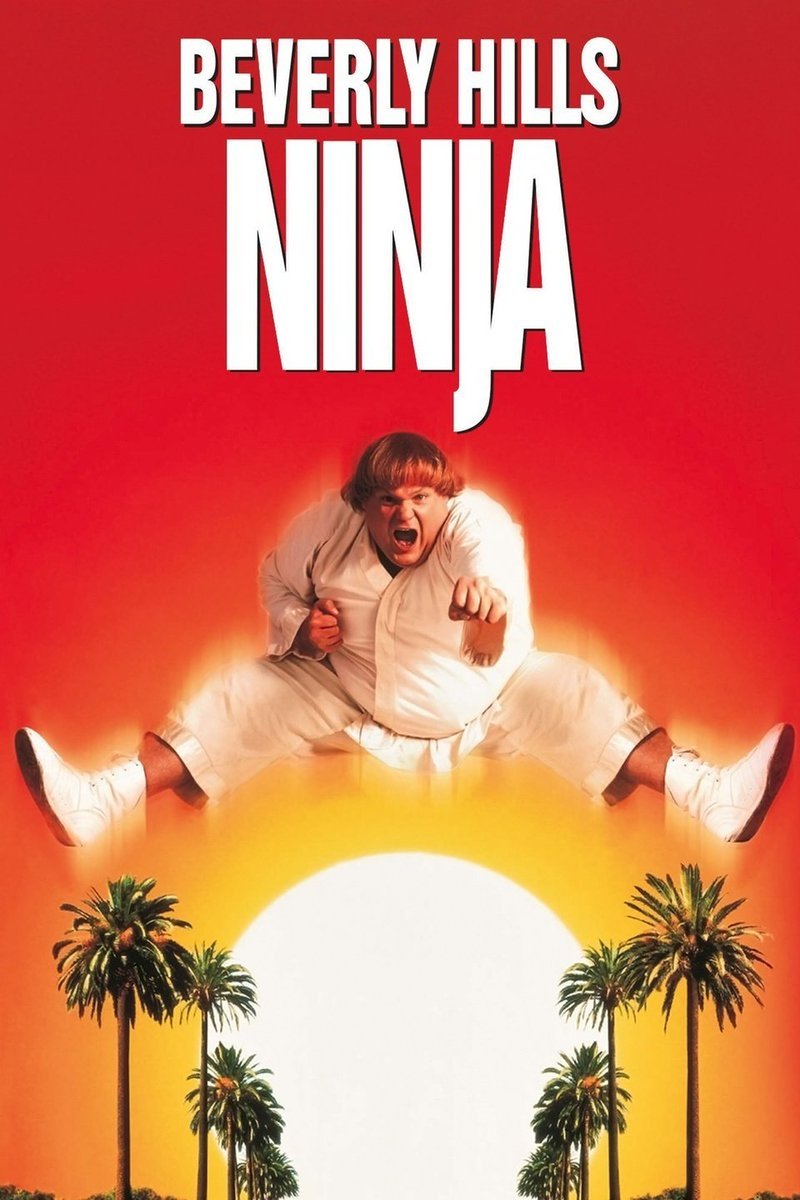
One common complaint about this comedy is its use of Asian martial arts imagery, which sometimes relies on stereotypes. The humor often feels repetitive, focusing too much on awkwardness and making fun of things. Many of the jokes depend on quick cultural references instead of being based on the characters themselves. It’s helpful to remember that the movie relies heavily on familiar clichés when you watch it.
‘Jingle All the Way’ (1996)
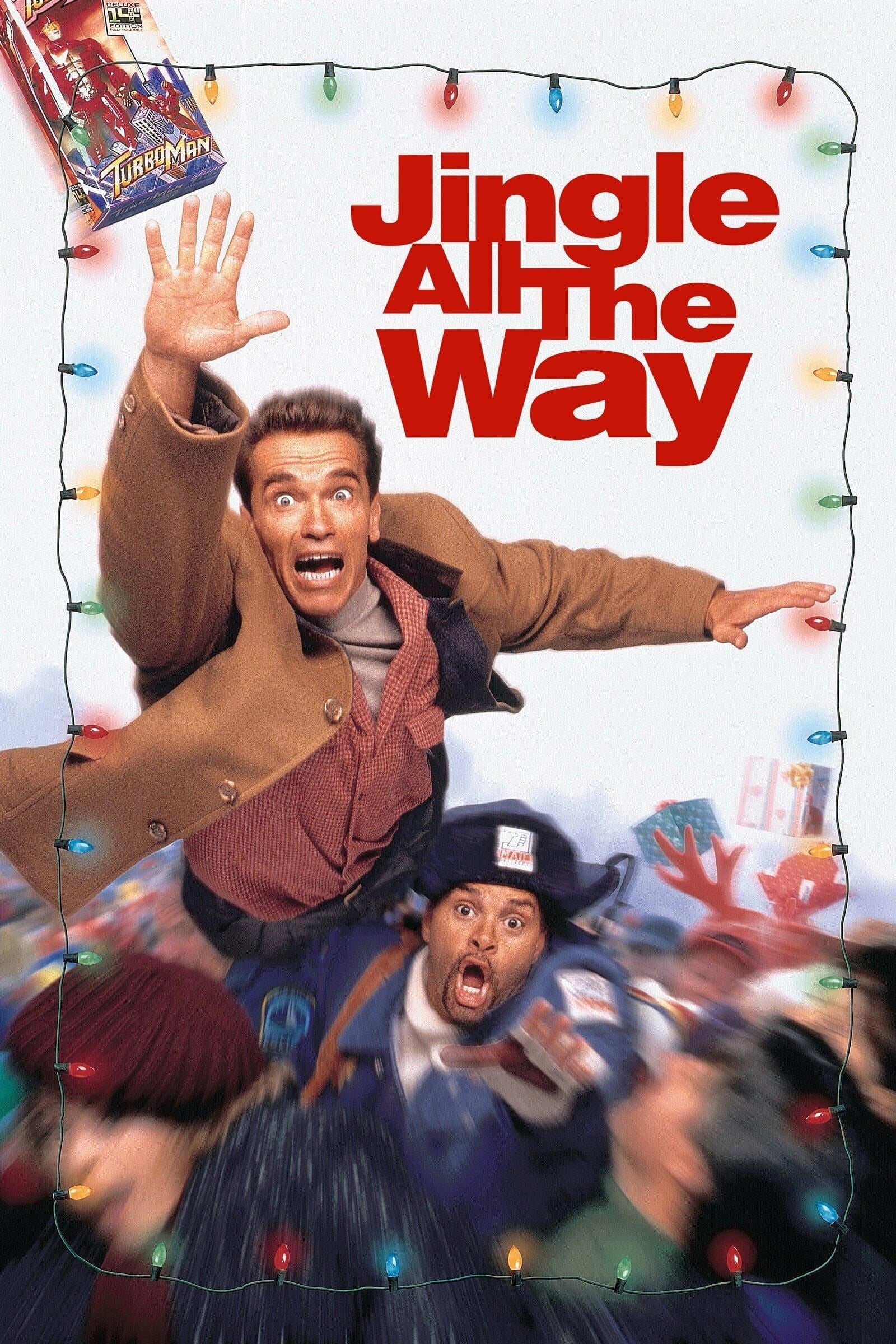
The story’s fueled by consumer panic and cutthroat competition, which feels especially harsh right now. It portrays dishonest and aggressive behavior as a typical way to handle family issues. The satire is so over-the-top that it occasionally seems to approve of the chaos it depicts. When watching it now, it’s interesting to consider how it mirrors the holiday shopping culture of the time it was made.
‘She’s All That’ (1999)
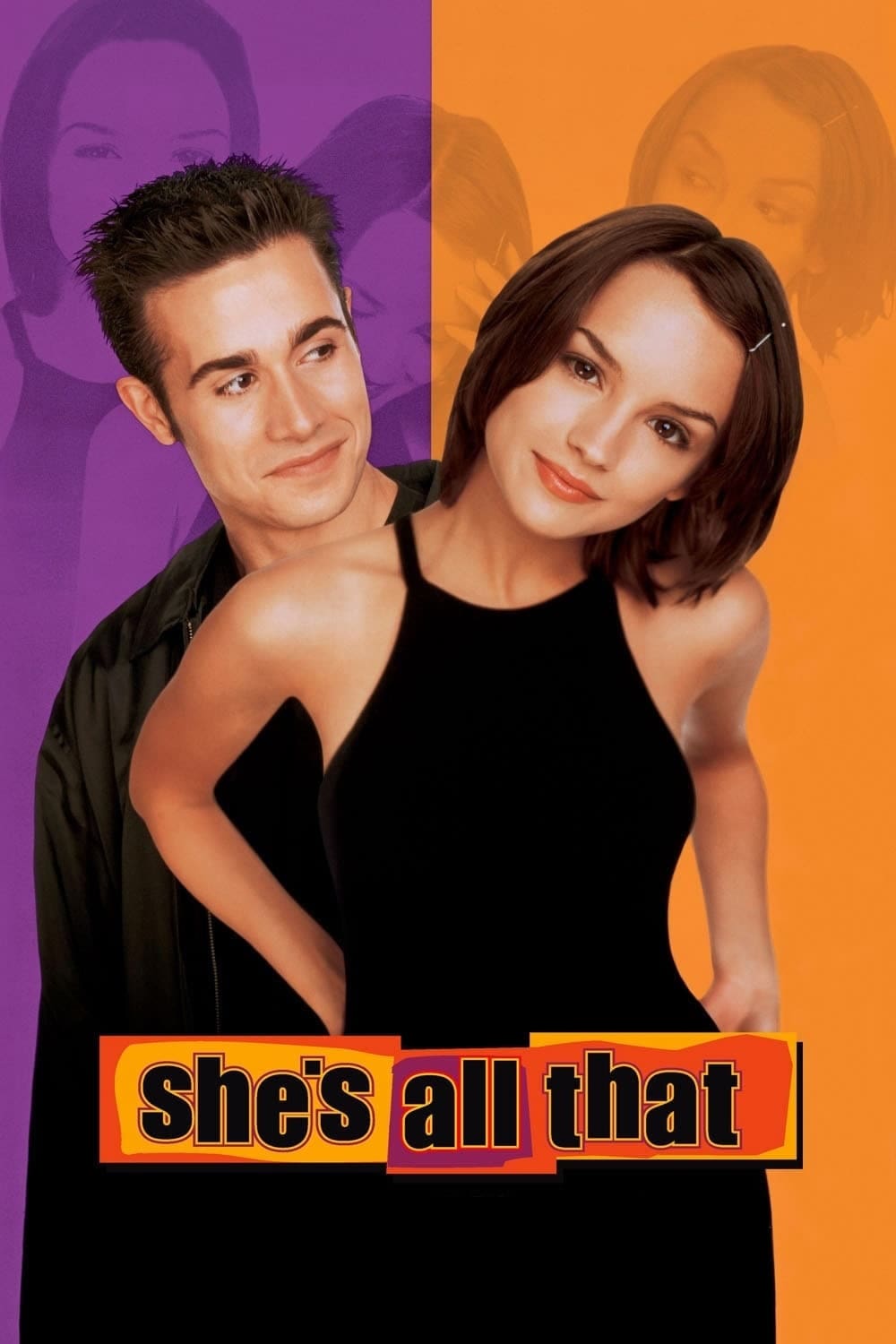
This popular teen romance is now being viewed with more critical eyes, particularly because its story suggests you can improve your social standing simply by changing your appearance. The film also features controlling behavior that’s presented as harmless fun, and relies heavily on characters deceiving each other – which feels different today. When watching it now, it’s important to pay attention to how the movie defines what makes someone valuable and popular.
‘Can’t Hardly Wait’ (1998)
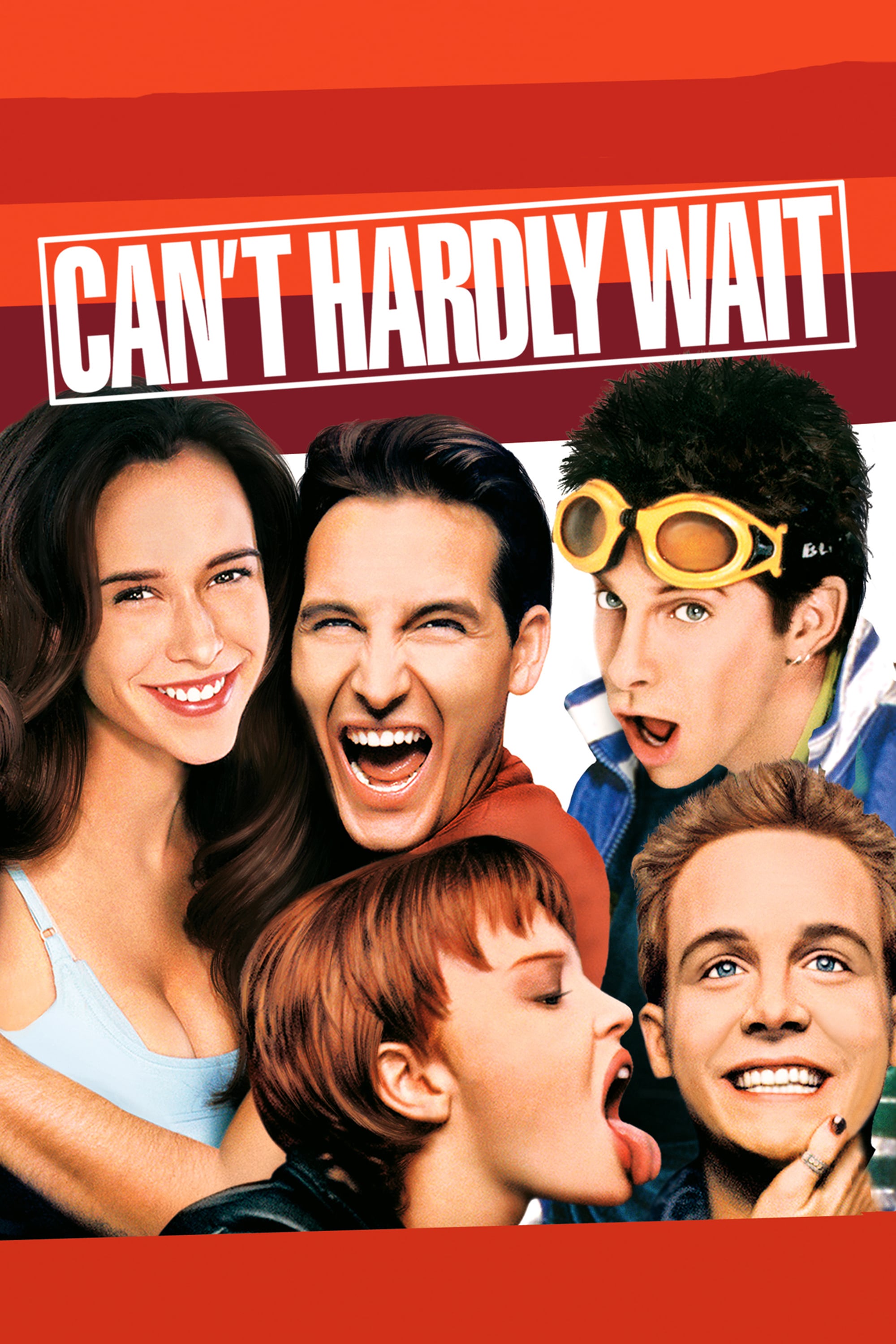
The humor in this show often depends on exaggerated characters and typical party scenes, sometimes downplaying important issues like consent and personal boundaries. Characters often push things too far, and peer pressure is presented as normal, even when it creates awkward or uncomfortable situations. While the show aims for a lighthearted tone, the way characters interact can feel old-fashioned and unnecessarily harsh. It might be worth looking up a summary of a few scenes to see if this type of humor appeals to you.
‘Cruel Intentions’ (1999)
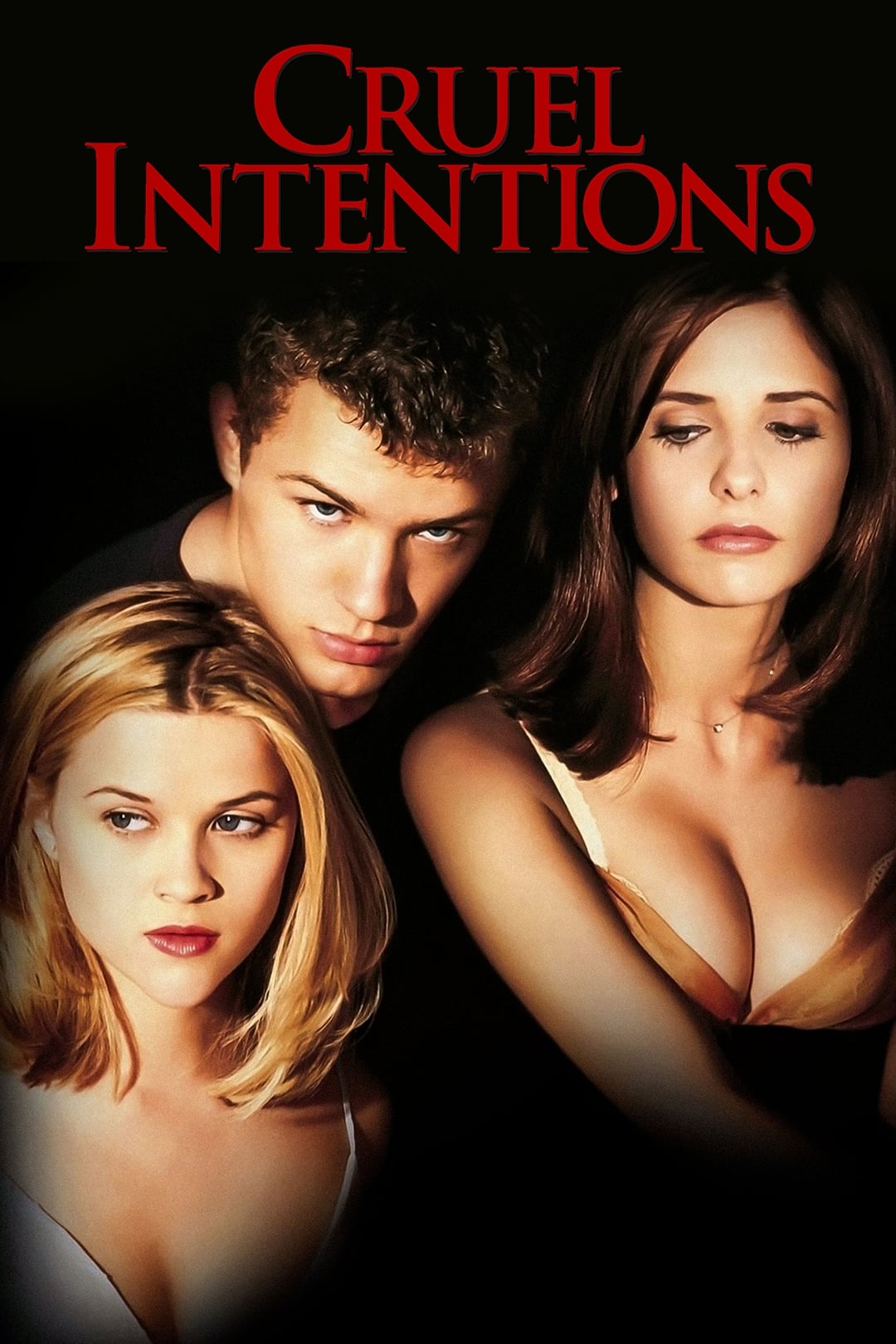
This film explores themes of control, manipulation, and the abuse of power, and it sometimes presents harmful behavior as attractive. Certain scenes deal with consent in a way that many modern viewers will likely find disturbing. The movie asks you to find enjoyment in the characters’ flaws and lack of morality, which isn’t for everyone. If you decide to watch it, be aware that it contains potentially upsetting content.
‘American Beauty’ (1999)

Today, many viewers see the story differently, focusing on the problematic dynamic between an older man and a teenager. What was once considered daring or profound now often feels disturbing, and that overshadows the rest of the film. The themes of watching and putting someone on a pedestal are also likely to bother modern audiences. Knowing this going in significantly changes how the movie feels as you watch it.
‘Disclosure’ (1994)

The film often faces criticism for exaggerating workplace harassment and relying on harmful stereotypes about transgender people. By presenting these serious issues as simple thriller elements meant to shock, it fails to offer real understanding. This can make certain scenes feel manipulative and inaccurate to today’s audiences. When watching it now, it’s important to remember how much more openly and thoughtfully we discuss these topics.
‘The Bonfire of the Vanities’ (1990)
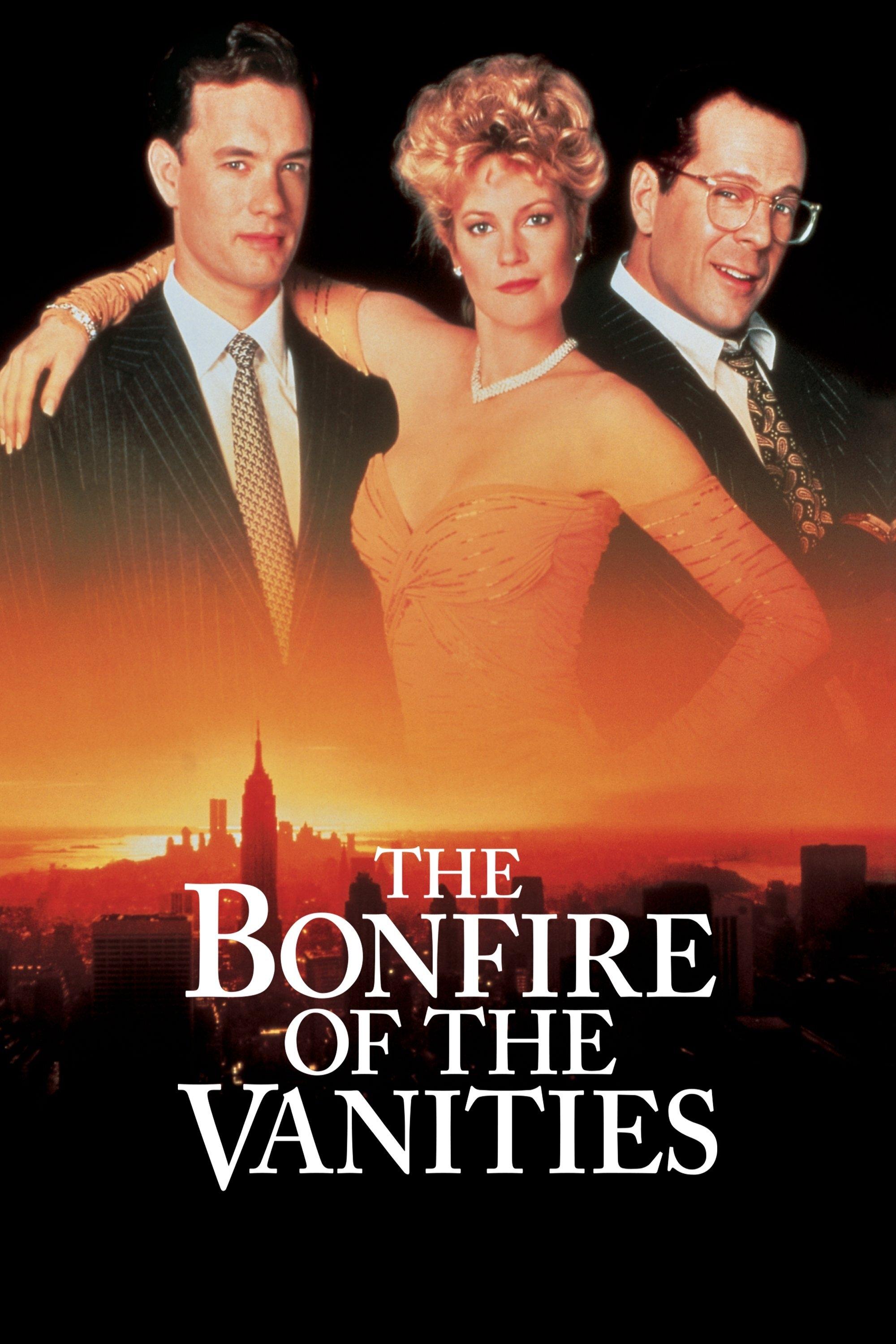
This adaptation often doesn’t quite work because its attempts at humor and social commentary feel unclear and its characters aren’t fully developed. Many viewers have trouble getting invested in the story, as it struggles to find the right balance between funny, serious, and critical moments. This can leave the film feeling superficial and lacking impact. It’s often cited as a good example of how difficult it is to successfully turn a biting social novel into a movie.
‘Freddy’s Dead: The Final Nightmare’ (1991)
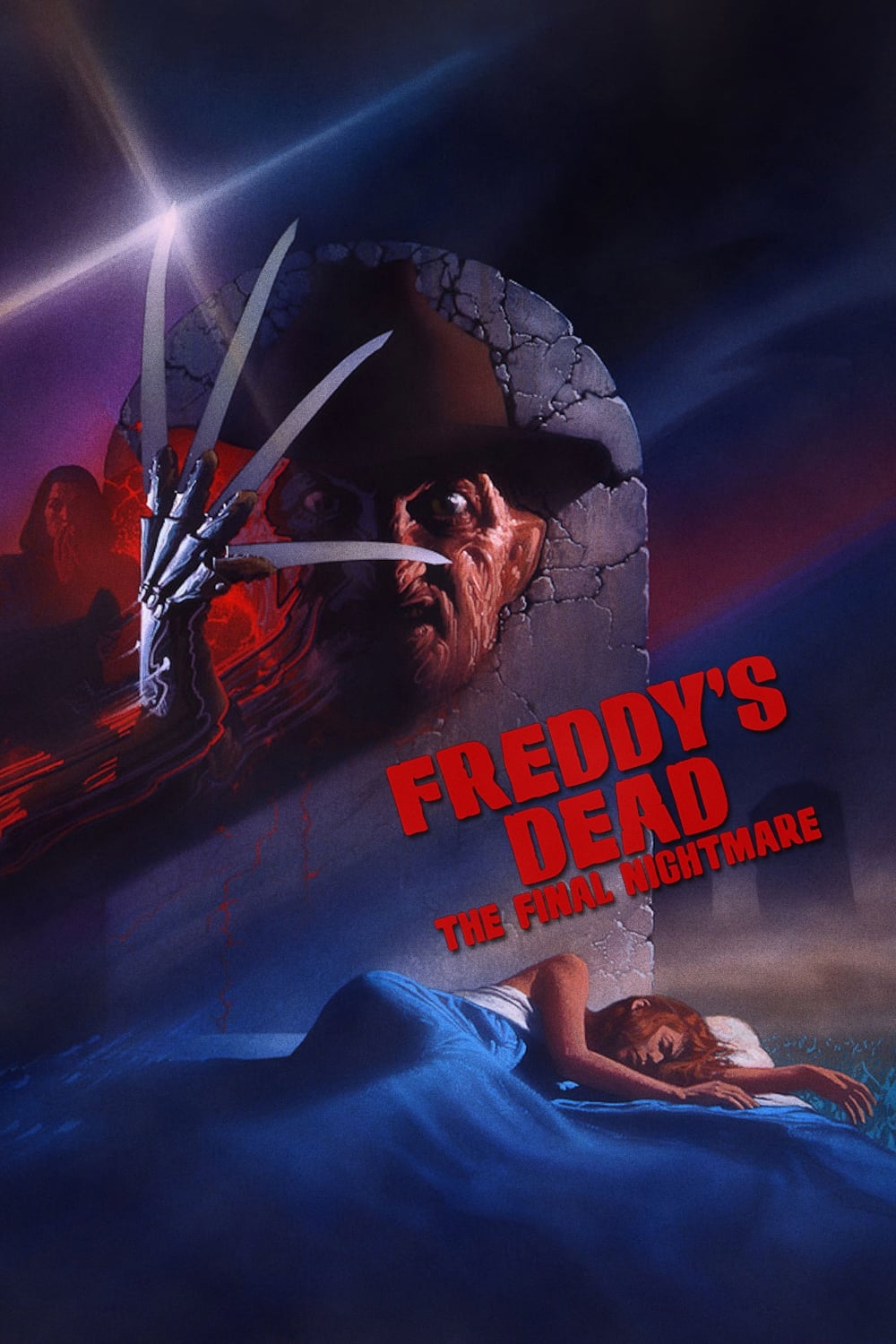
This movie is often criticized for relying too heavily on silly, cartoonish humor, which ruins the scary atmosphere. It feels more like a series of comedic sketches than a true horror film, and it’s filled with outdated effects and trends. If you’re watching it again, it’s best to go in expecting a campy and over-the-top experience, rather than genuine scares.
Share your picks for shows or movies that haven’t aged well in the comments—particularly those you couldn’t even finish rewatching.
Read More
- Invincible Season 4 Gender Swaps Tech Jacket As Fans Question Major Comic Change
- Silver Rate Forecast
- Gold Rate Forecast
- Building Agents That Learn and Improve Themselves
- 15 Films That Were Shot Entirely on Phones
- 20 Movies Where the Black Villain Was Secretly the Most Popular Character
- 22 Films Where the White Protagonist Is Canonically the Sidekick to a Black Lead
- Celebs Who Narrowly Escaped The 9/11 Attacks
- Games That Faced Bans in Countries Over Political Themes
- 14 Movies Where the Black Character Refuses to Save the White Protagonist
2025-12-15 01:24