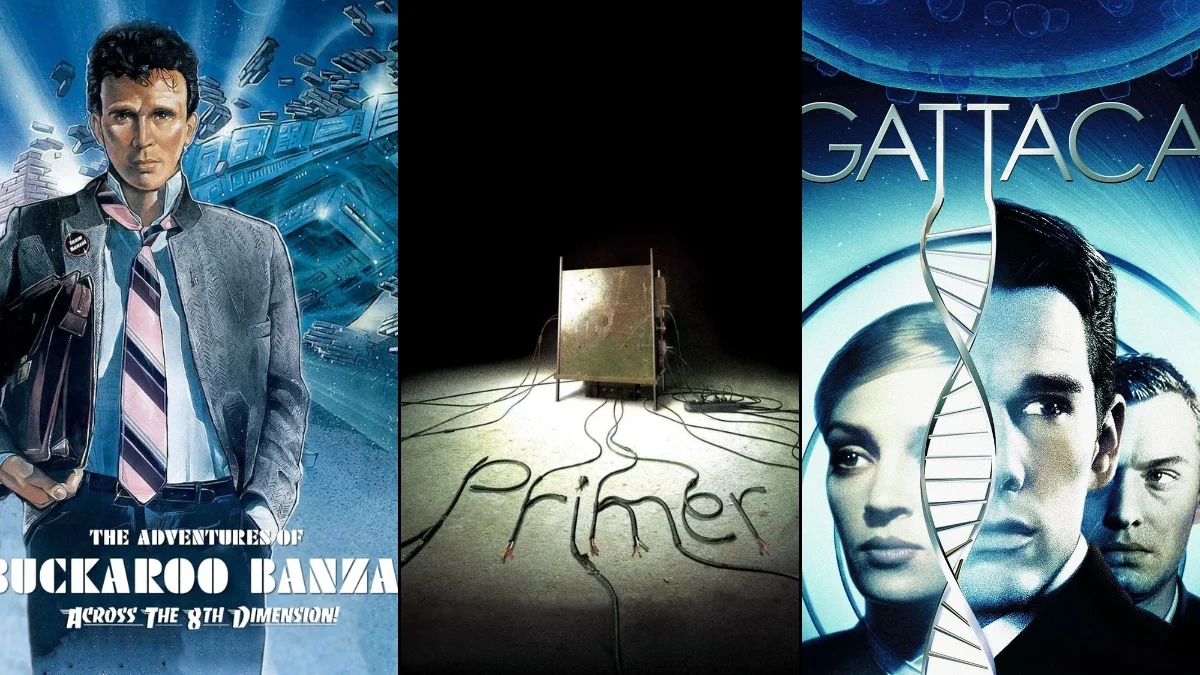
It’s easy to forget about some great science fiction movies—especially the ones that weren’t huge blockbusters, but still offer unique and thought-provoking stories. If you’re looking for films with big concepts, strange settings, and hidden depths you’ll appreciate on a second watch, these underappreciated sci-fi favorites are worth revisiting. Here are a few standout movies you might have missed.
‘Moon’ (2009)
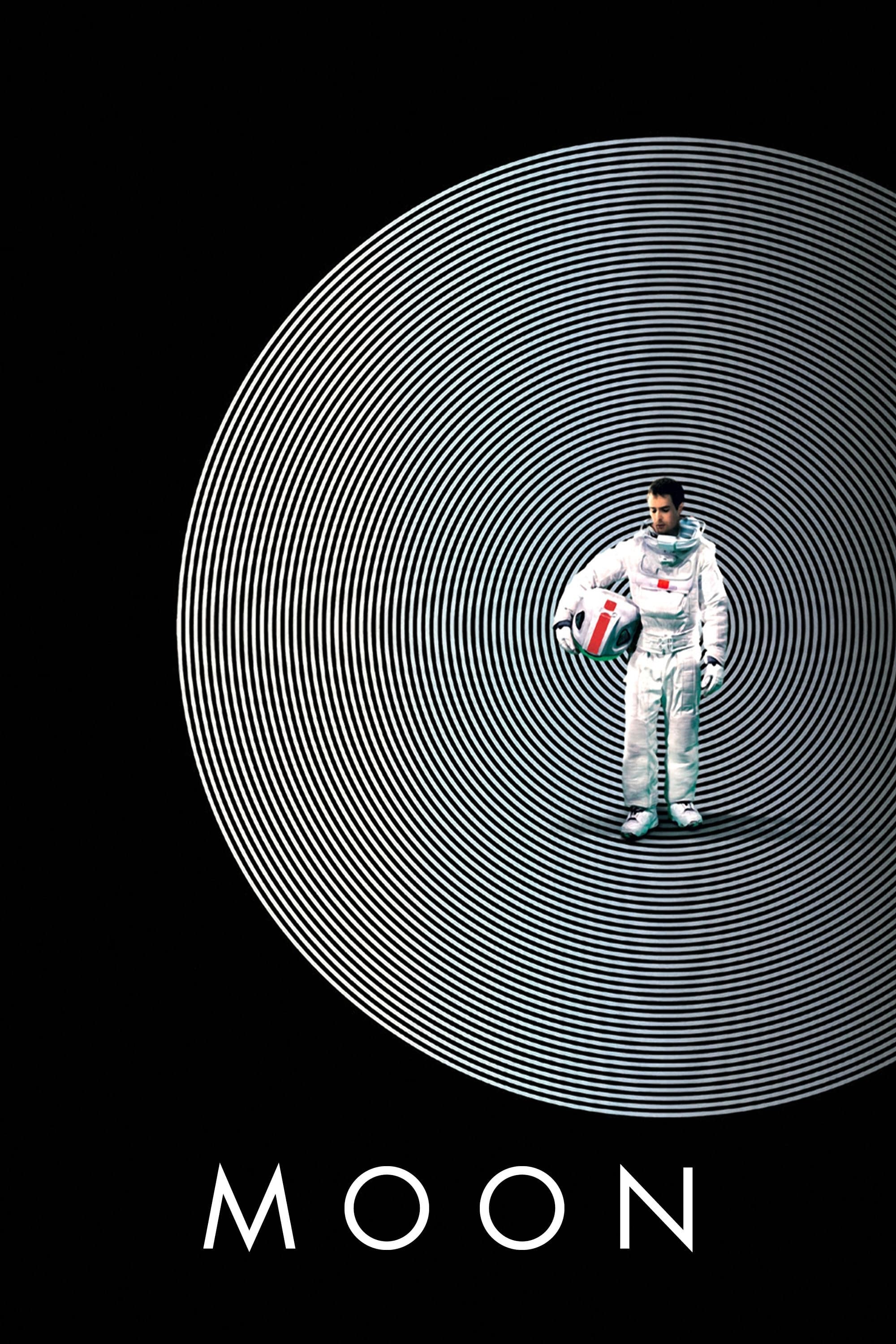
I absolutely love ‘Moon’! It’s a really gripping story about a lone worker finishing up a contract on the moon, and he starts to realize things just aren’t adding up. What’s so clever is that the movie mostly takes place inside the lunar base, and it’s designed to be very clean and minimal, which really focuses your attention on the mystery. Sam Rockwell is incredible – he portrays this growing unease with such subtle changes in his character. It’s one of those films where you pick up on so much more the second time around, noticing all the little clues they’ve hidden in the station’s design and the way the story unfolds. If you enjoy sci-fi that makes you think about who we are and what’s right and wrong, rather than just relying on explosions, you’ll be hooked.
‘Primer’ (2004)
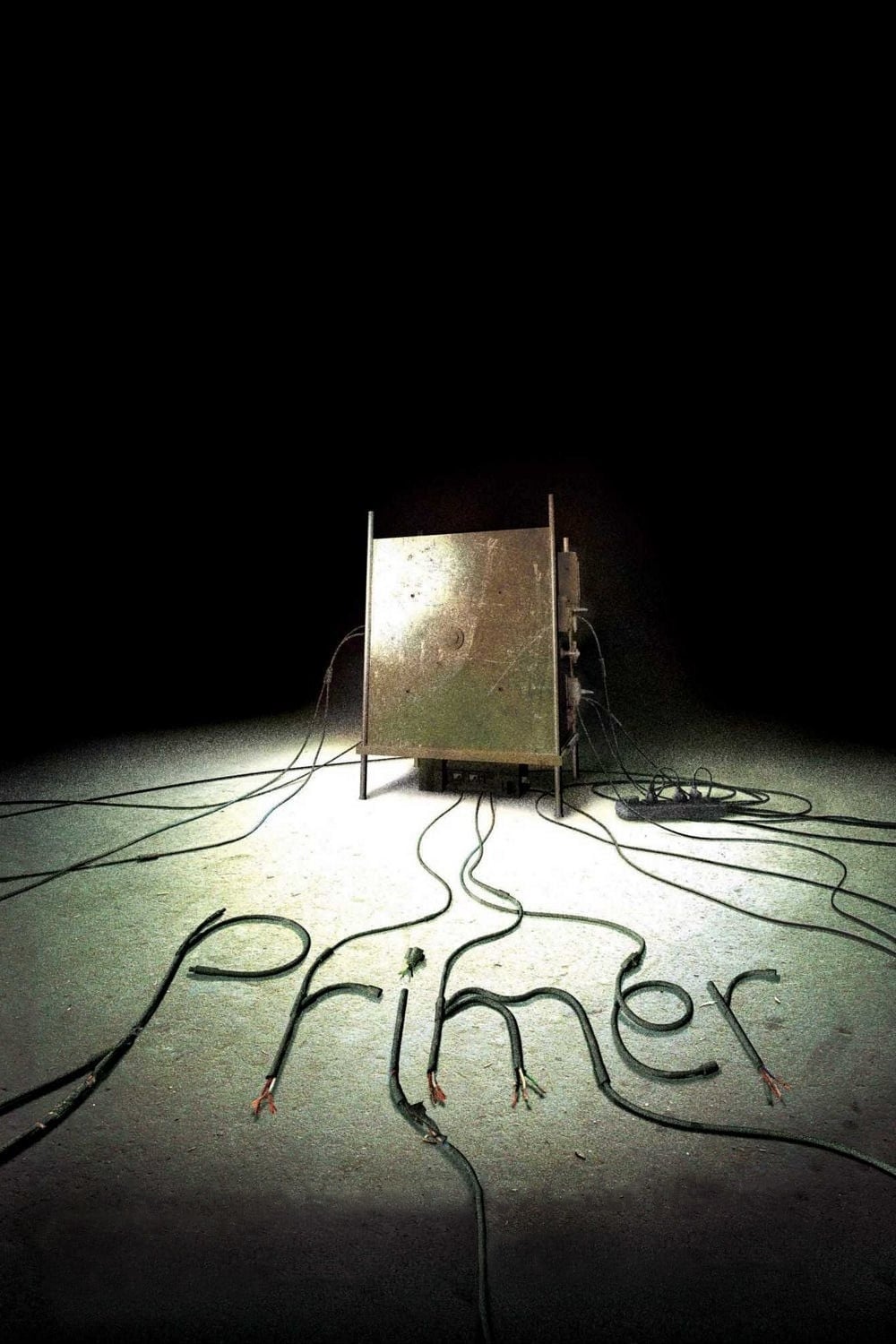
‘Primer’ plunges viewers into the low-budget world of amateur inventors who accidentally create a time machine, drastically changing their lives. The film approaches time travel as a technical challenge, featuring realistic, jargon-filled conversations that feel like genuine lab discussions, not typical movie explanations. The story unfolds across multiple, interwoven timelines, and paying close attention to what each character knows, and when, is key to understanding the plot. A second viewing clarifies the shifting power balance between the two main characters as their decisions become more impactful. If you like solving complex puzzles, this film practically encourages you to take notes while watching.
‘Coherence’ (2013)
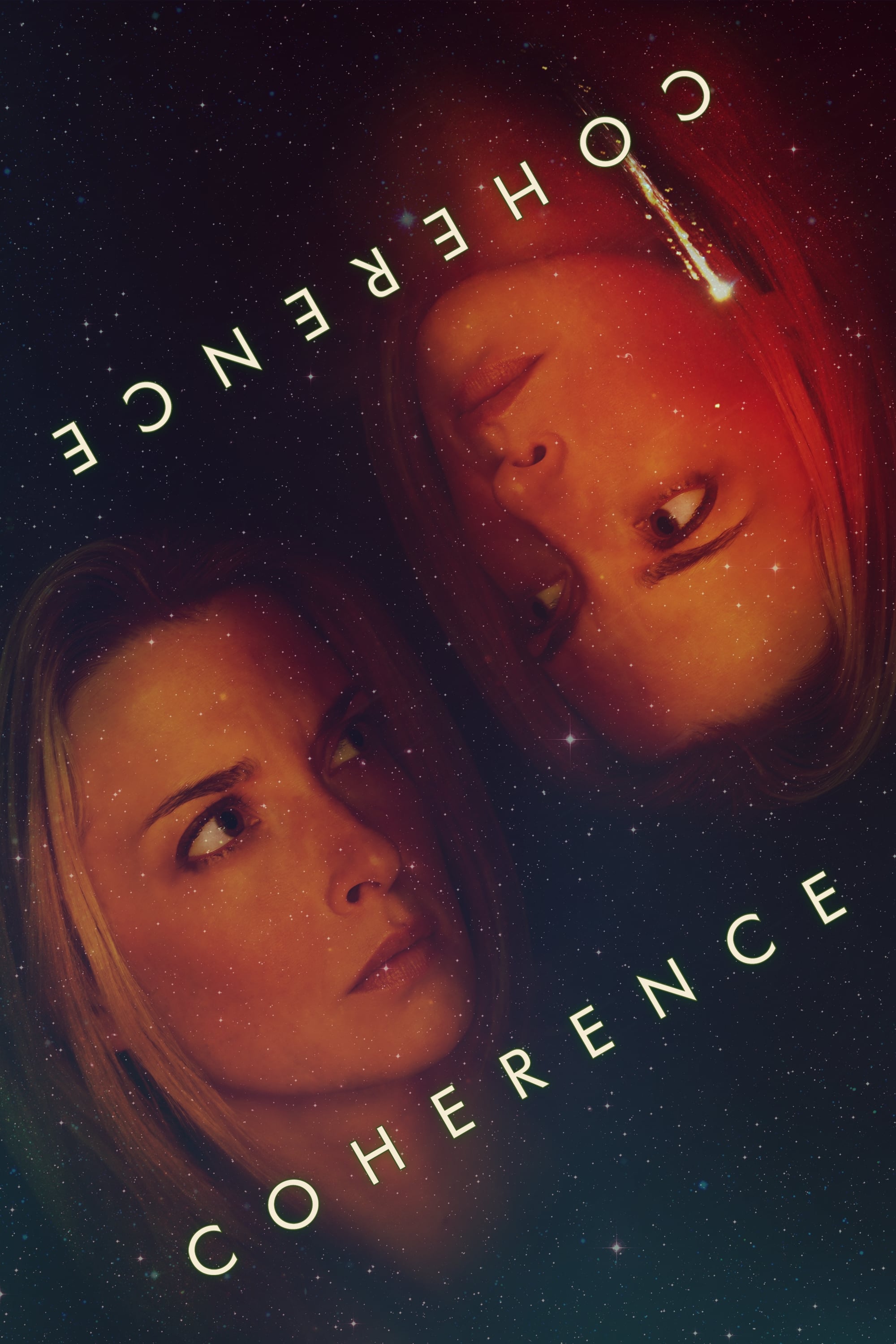
Coherence starts as a casual dinner party with friends, but takes a dark turn when a bizarre event in the sky occurs. The film feels unsettlingly realistic because it’s built on natural conversations. As things get stranger, seemingly small details – objects, comments, and changing relationships – become important clues. Rewatching the movie reveals subtle shifts in who people really are and makes sense of the increasingly dangerous choices the characters make. It’s a focused, claustrophobic sci-fi thriller that expertly builds suspense and keeps you guessing.
‘Dark City’ (1998)
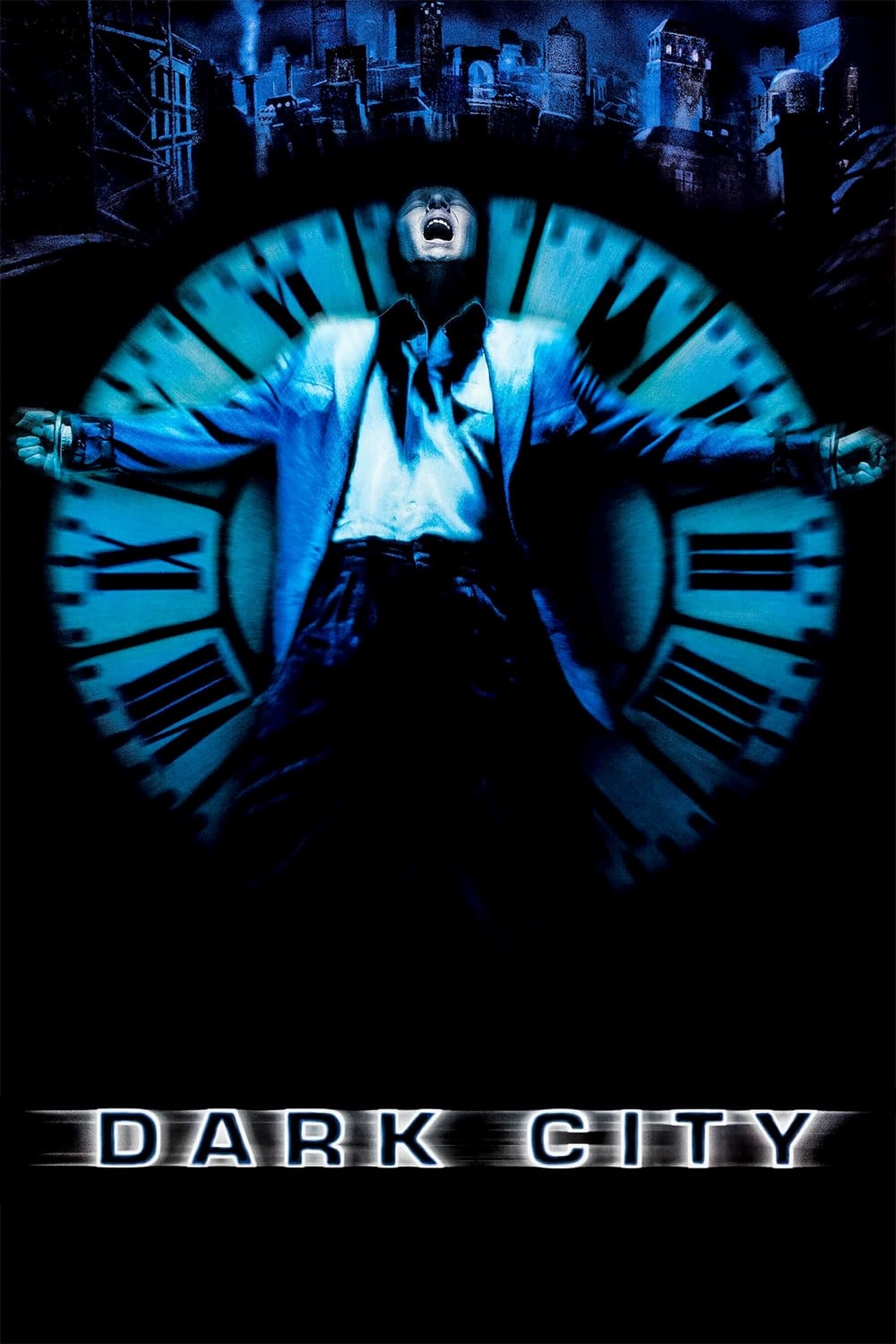
‘Dark City’ follows a man who wakes up with amnesia and discovers his world isn’t what it seems—it feels artificial and is being manipulated by a hidden force. The film’s dark, film-noir atmosphere—think shadowy streets and unsettling lighting—works brilliantly with its science fiction story. It explores themes of perception, whether we truly have free will, and how our identities are formed. Watching it again reveals clever visual clues, particularly how environments shift and characters’ actions echo each other. If you enjoy mind-bending mysteries that question reality, this is a perfect film for you.
‘Gattaca’ (1997)
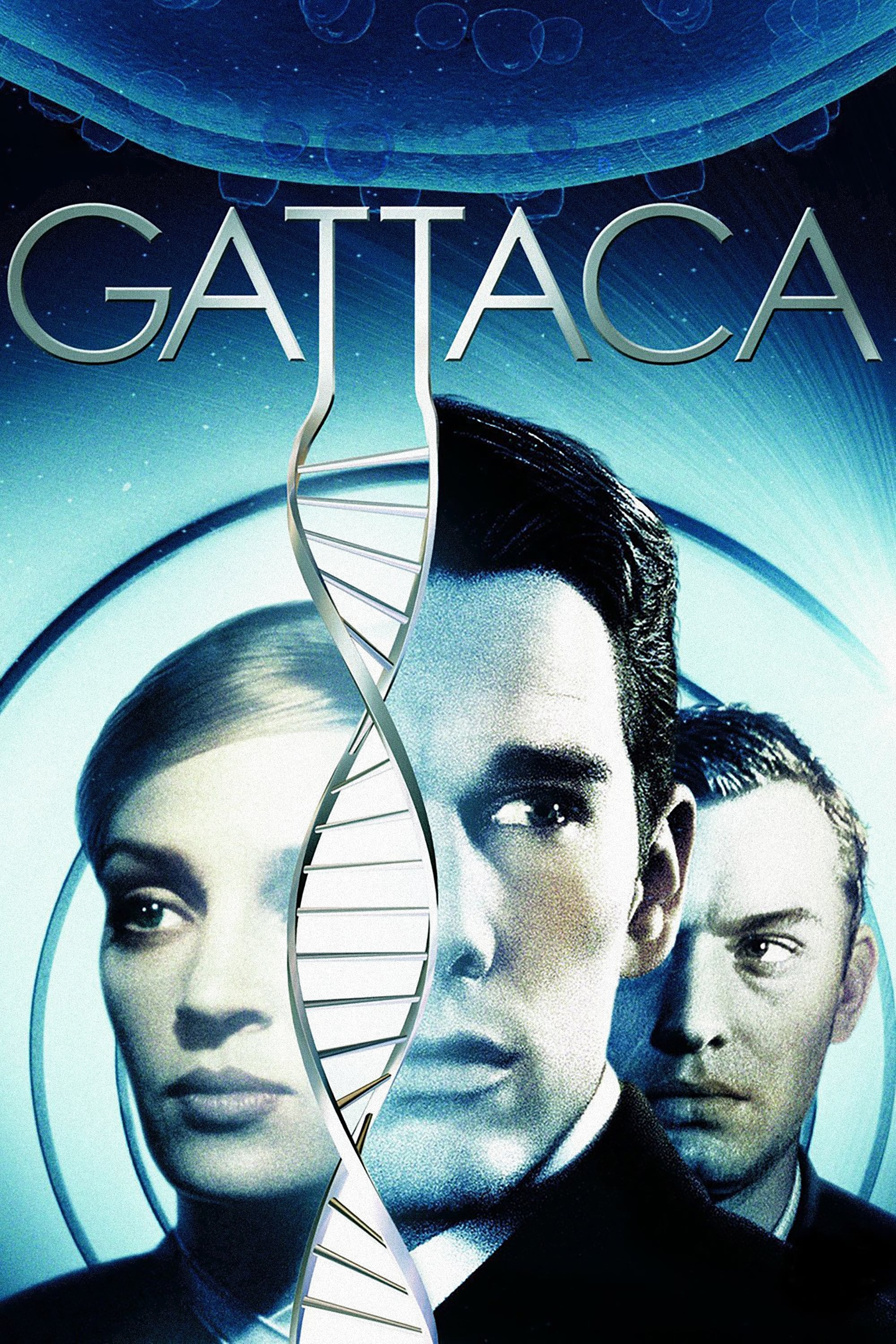
I’m always struck by ‘Gattaca’ – it presents this chillingly plausible future where your genes essentially determine your fate, deciding who gets ahead and who doesn’t. The film follows a man determined to overcome this predetermined path, and it’s fascinating to watch his struggle through sheer willpower, clever deception, and a whole constructed identity. What I really appreciate is how the film builds its world – it’s a future that feels real, not through over-the-top technology, but through incredibly thoughtful design. On rewatches, it really hits you how much the story revolves around all the procedures – the constant tests, surveillance, and routines – and how these things become the walls that keep people separated. If you’re interested in stories that explore fairness, prejudice, and who has control over their own body, I highly recommend it – it’s a truly sharp piece of science fiction.
‘The Thirteenth Floor’ (1999)
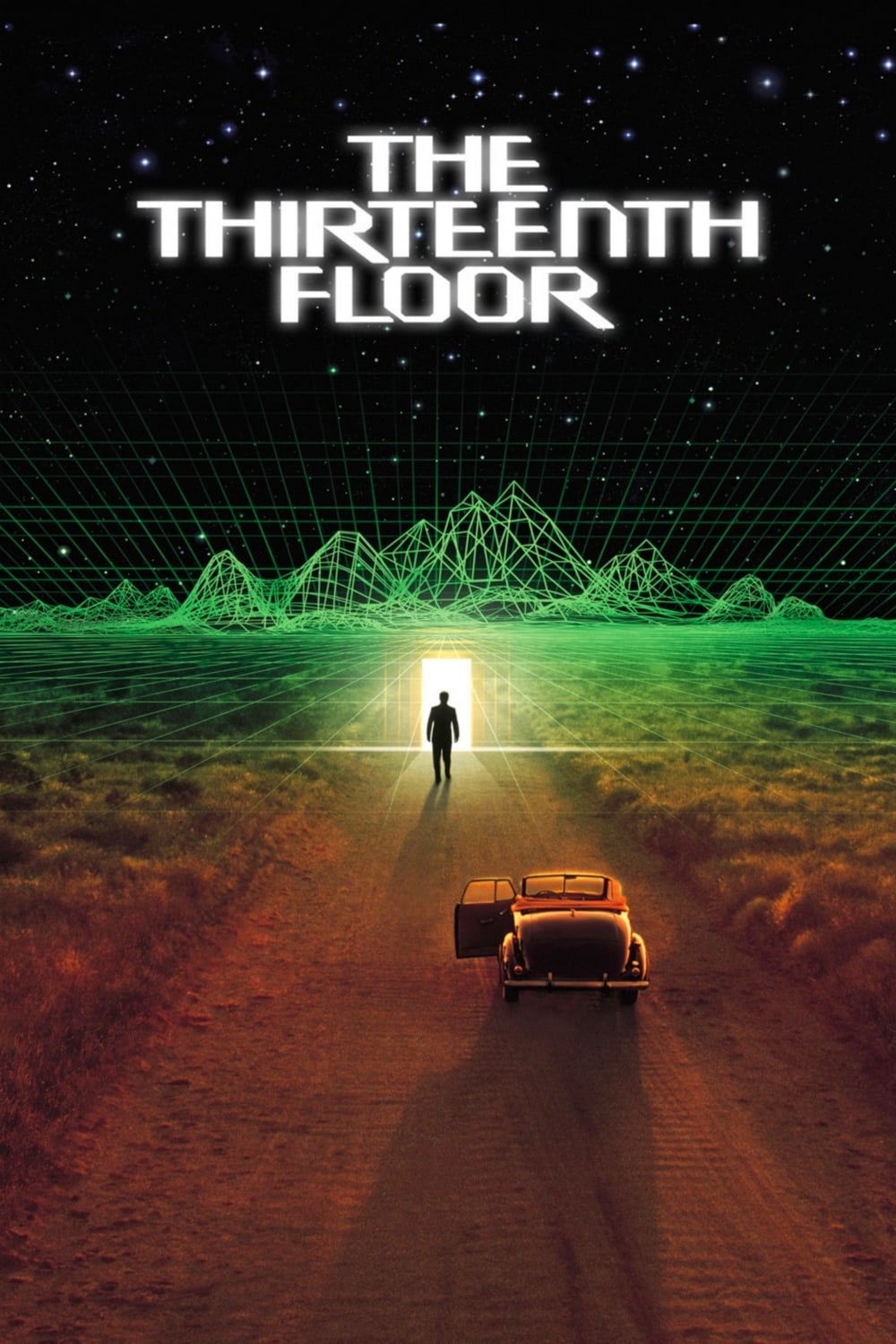
‘The Thirteenth Floor’ is a sci-fi thriller about a virtual reality project that unexpectedly connects to a murder case. The movie blends classic detective story elements with mind-bending twists on reality, making you see earlier scenes in a new light. What’s fascinating is how it portrays simulation as both something created and something that can imprison you. A second viewing reveals the cleverness of its world-hopping and the importance of subtle clues. If you enjoy sci-fi that makes you question the nature of reality, this film is worth checking out.
‘eXistenZ’ (1999)

As a huge Cronenberg fan, I always find myself coming back to ‘eXistenZ.’ It’s a trip into this world of biotech gaming where the line between the game and reality completely dissolves. The movie is brilliantly disorienting – the rules seem to change on a dime, and you’re constantly wondering if anyone is actually making their own choices. What really sets it apart is how physical the technology feels – it’s not about shiny digital interfaces, but something organic and unsettling. The more I watch it, the more I notice how cleverly Cronenberg foreshadows every shift in reality, almost before you even realize it’s happened. If you’re into sci-fi that’s a little bit strange, a little bit unsettling, and makes you think, this is definitely one to check out.
‘Timecrimes’ (2007)
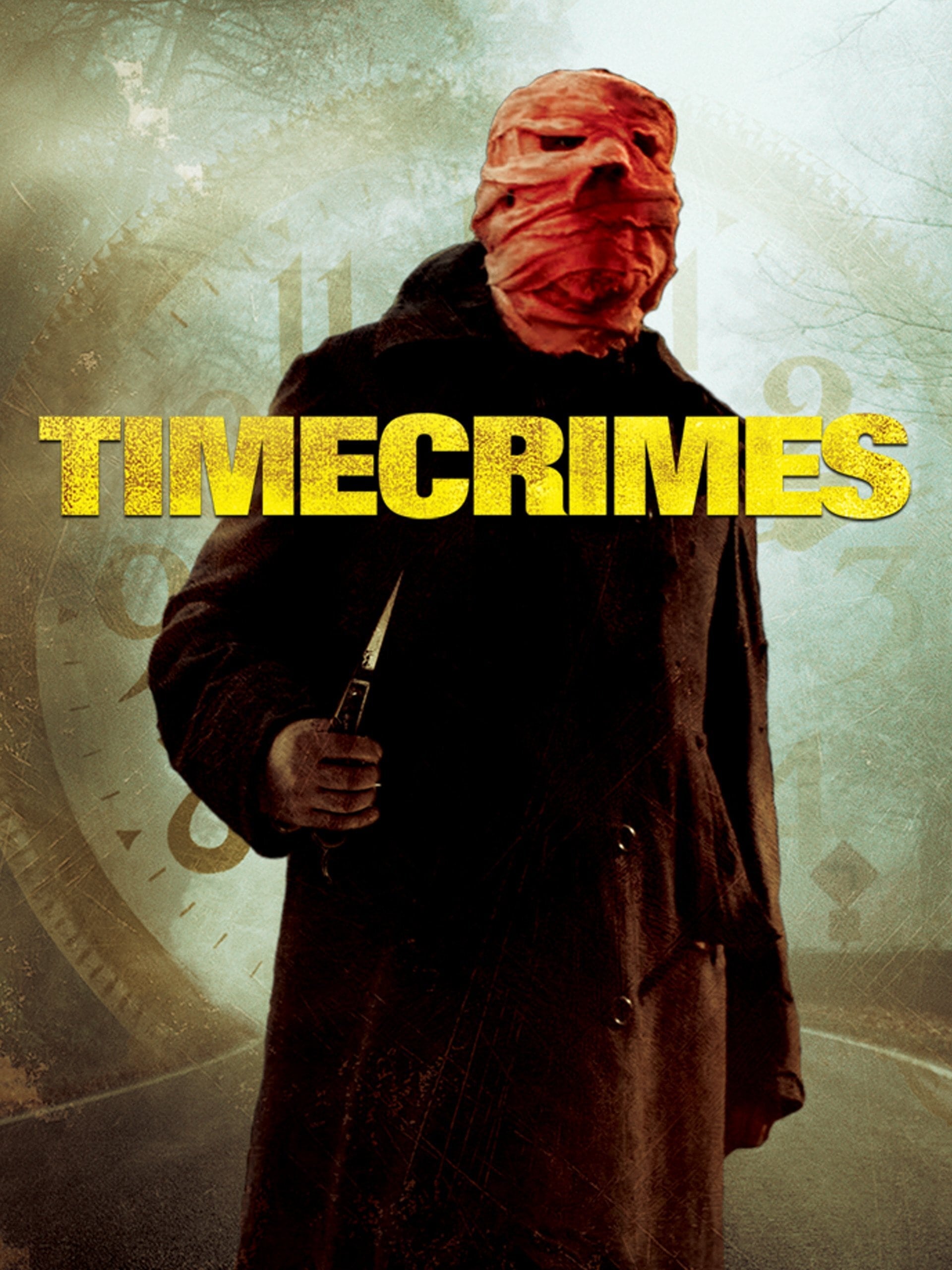
‘Timecrimes’ follows an average guy who accidentally gets caught in a time loop, and things quickly spiral out of control. The movie unfolds like a series of dominoes falling – each decision leads to another, and trying to correct mistakes only makes things worse. It’s smartly focused, making the time travel elements easier to follow than in many larger, more complex films. A second viewing reveals how each version of the main character actually sets up what happens next. It’s a great movie to watch again if you enjoy well-crafted, suspenseful science fiction.
‘La Jetée’ (1962)
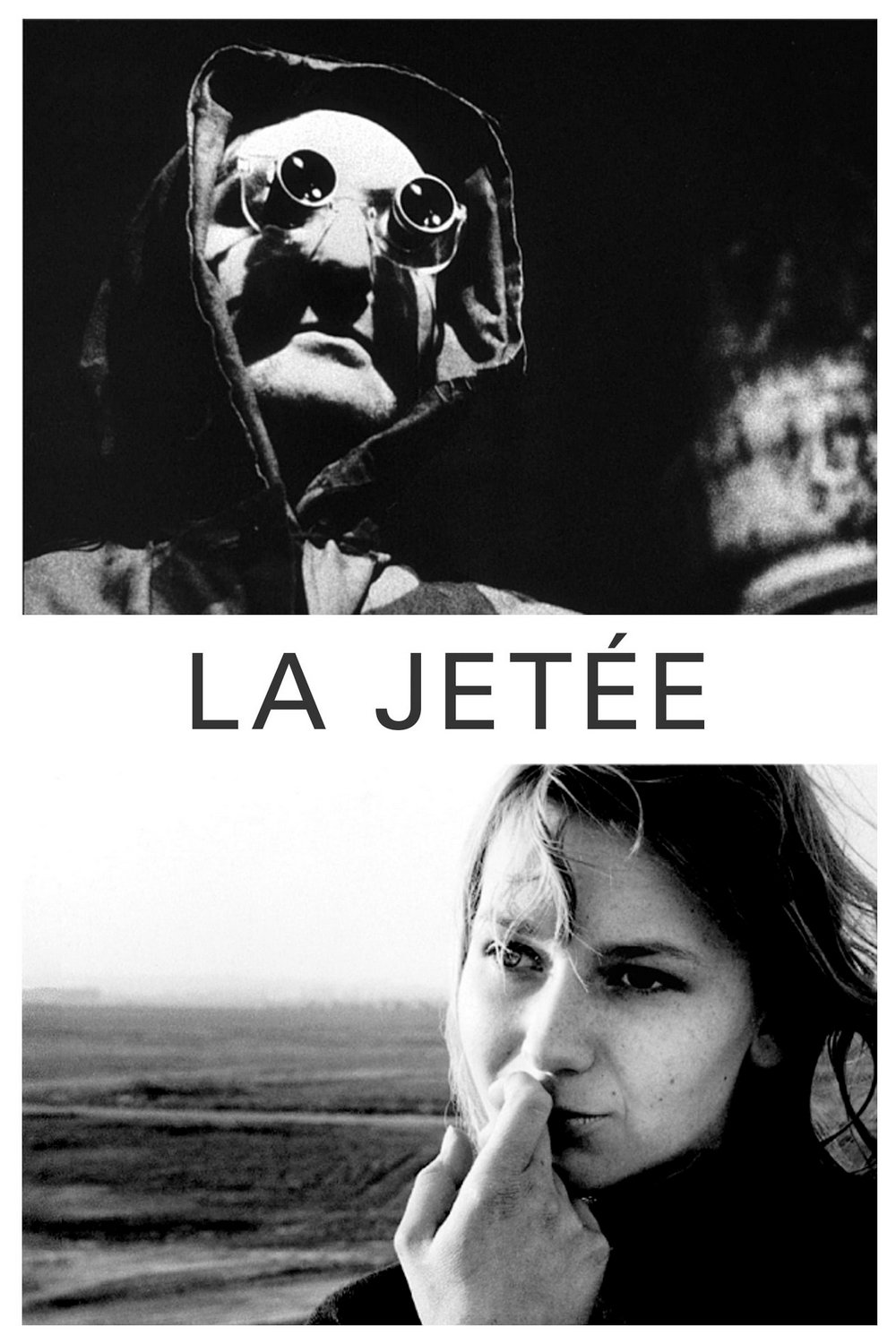
‘La Jetée’ is a film told almost entirely through photographs. It tells the story of a man who participates in a time-travel experiment following a global disaster. Though the presentation is simple, it’s surprisingly captivating, making each image feel deeply significant. At its heart, the film explores the power of memory—how a single moment can both shape and change our understanding of life. Upon repeat viewings, the emotional impact is even stronger, particularly how the story cleverly connects back to its beginning. It’s a short, visually powerful film that has greatly influenced many time-travel stories that followed.
‘The Hidden’ (1987)
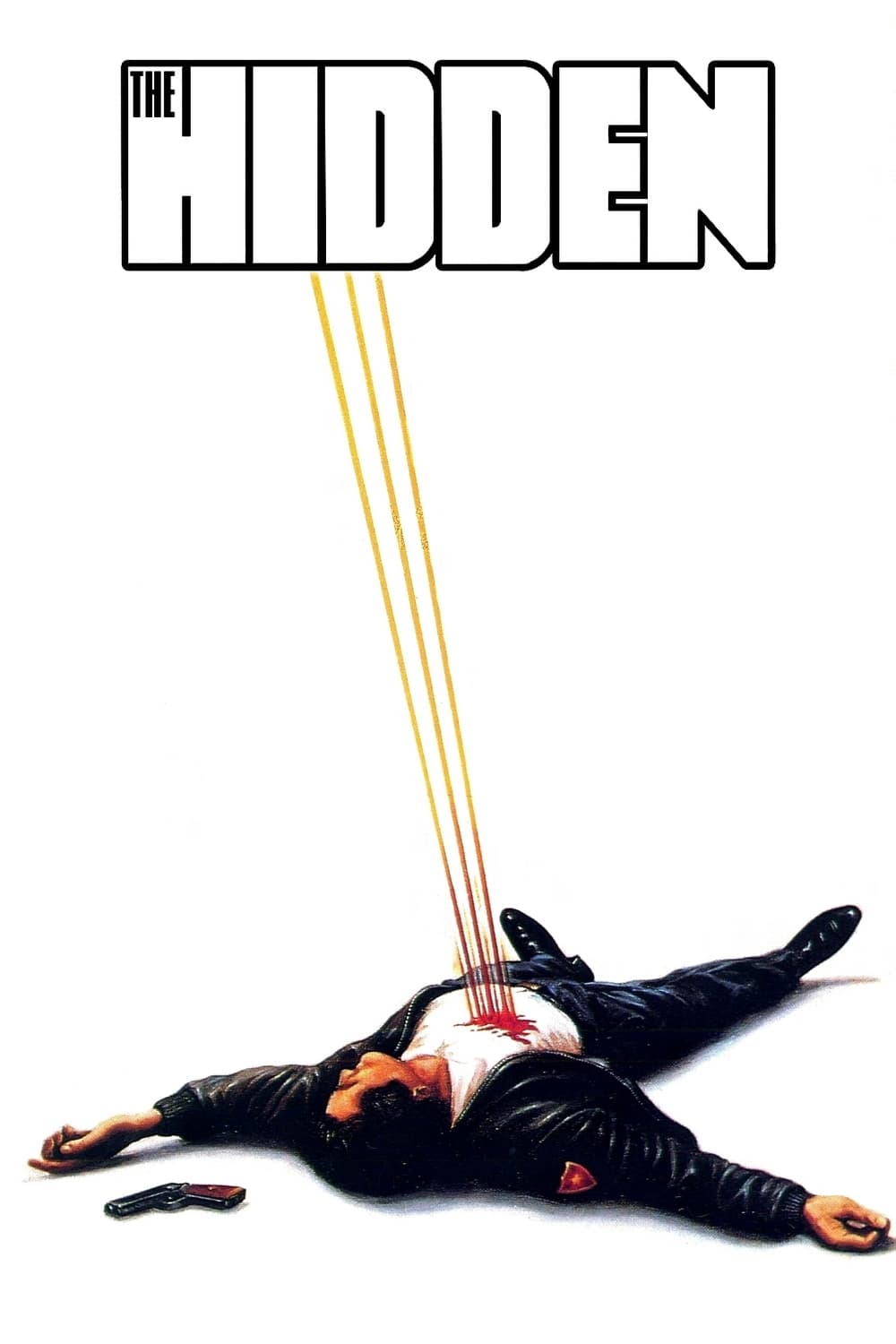
‘The Hidden’ is a sci-fi thriller that feels like a police investigation. An agent and a detective work together to track a dangerous creature that can take over people’s bodies. The crimes it commits seem senseless at first, but they follow a specific pattern once you understand what’s driving it. The action is exciting because the story is straightforward and the characters have a lot at stake. It’s a show you can enjoy multiple times, noticing more clues about the creature’s behavior and the growing urgency of the hunt. If you like sci-fi with a realistic and intense feel, this is a great choice.
‘The Last Starfighter’ (1984)
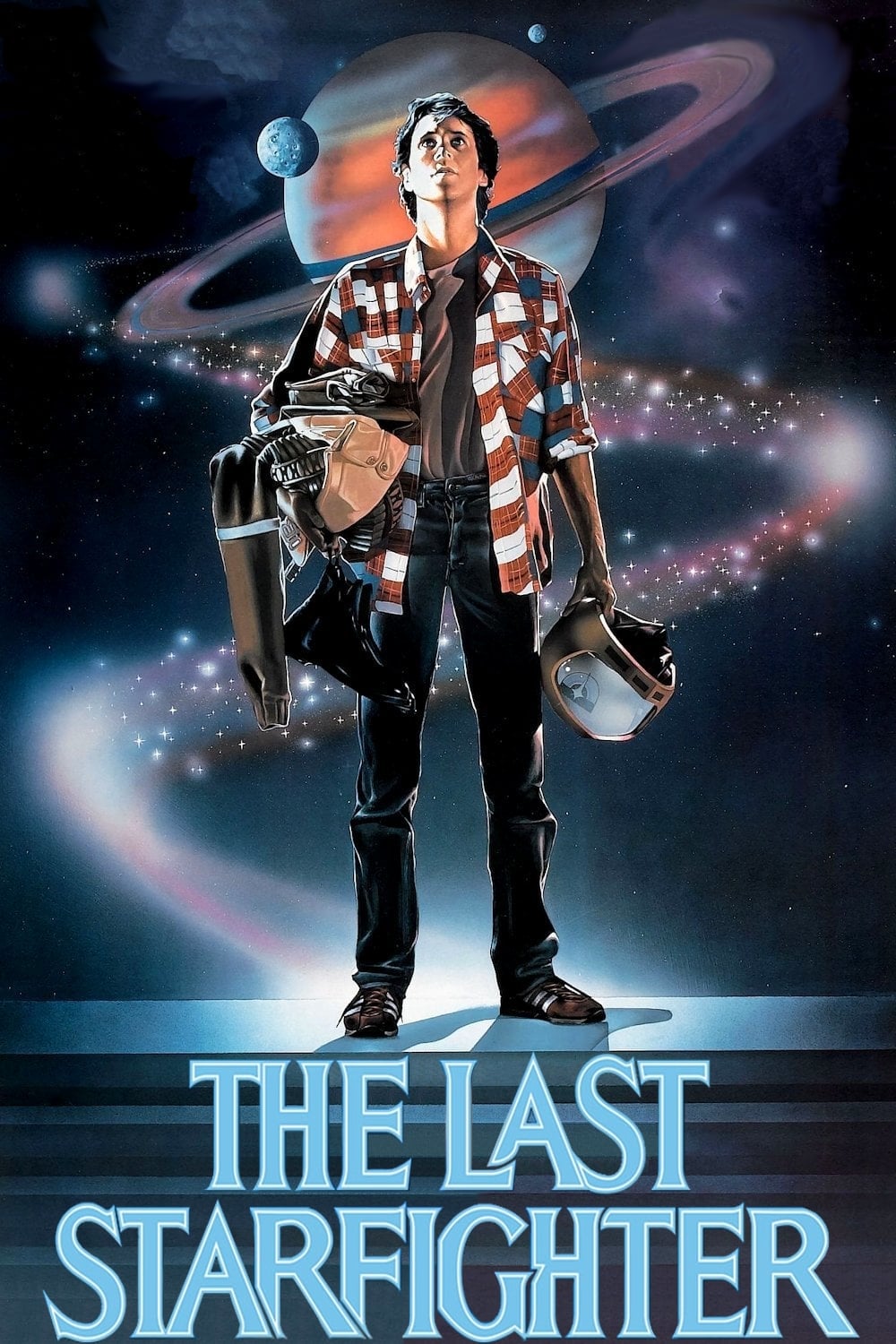
‘The Last Starfighter’ is about a teenager who unexpectedly becomes a space hero after achieving a high score on an arcade game – which is actually a secret recruitment tool. The movie cleverly combines exciting space battles, humorous moments as the hero adjusts to his new life, and a heartwarming story about growing up. It’s fun to revisit and notice how well it blends a relatable, small-town setting with a grand, galactic conflict. Plus, it’s a fascinating look at the early days of computer-generated imagery in movies.
‘Enemy Mine’ (1985)
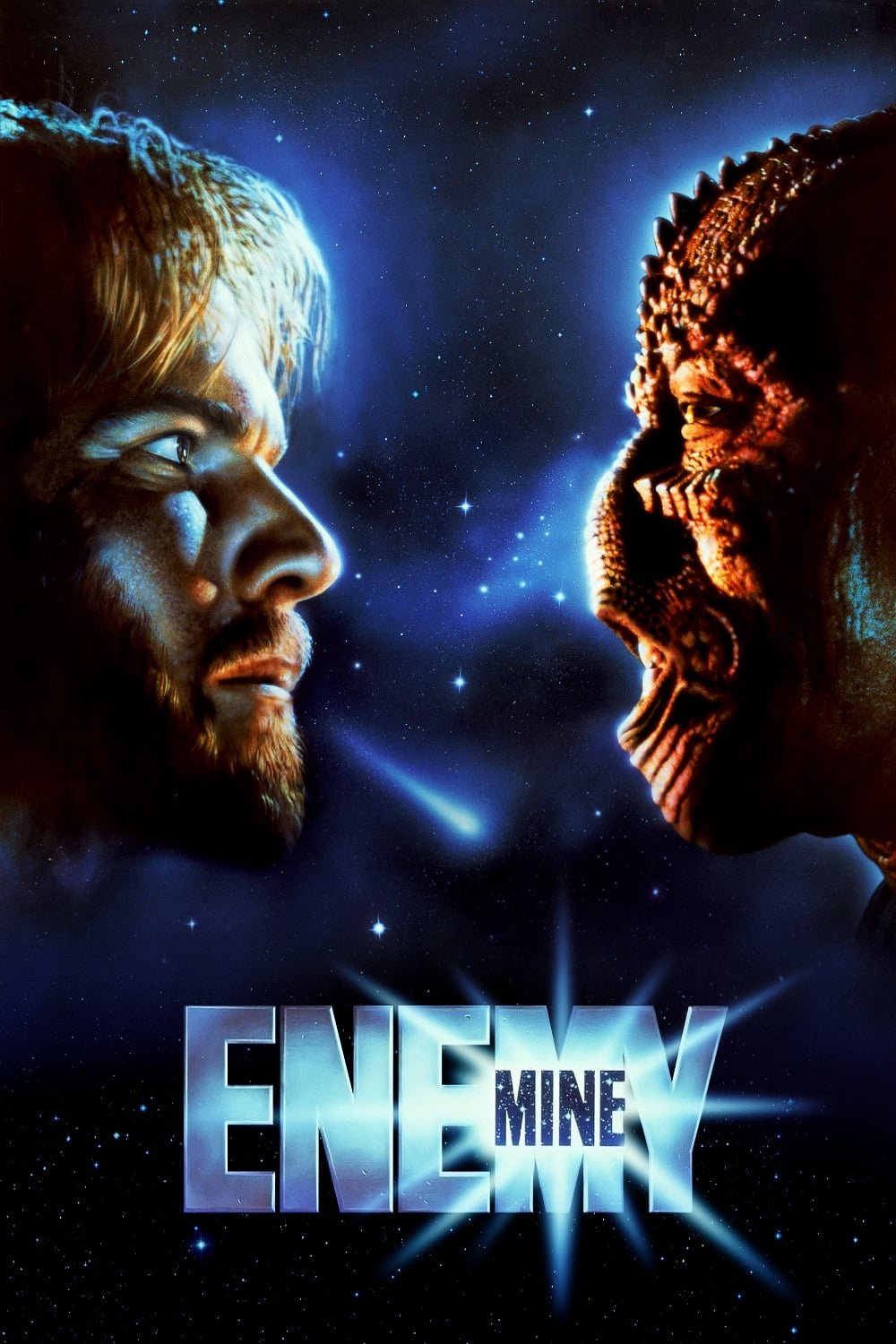
‘Enemy Mine’ tells the story of a human pilot and an alien warrior who crash-land on a dangerous planet and must rely on each other to survive. Initially filled with animosity, they gradually develop a bond through shared struggles and a growing understanding of one another. The film focuses on the challenges of simply staying alive—finding food, shelter, and dealing with injuries—rather than constant fighting. Upon revisiting the movie, the cultural exchange between the two characters is particularly striking, especially how they use language and customs to connect. It’s a great pick for science fiction fans who enjoy stories that use alien encounters to examine what it means to be human.
‘The Abyss’ (1989)
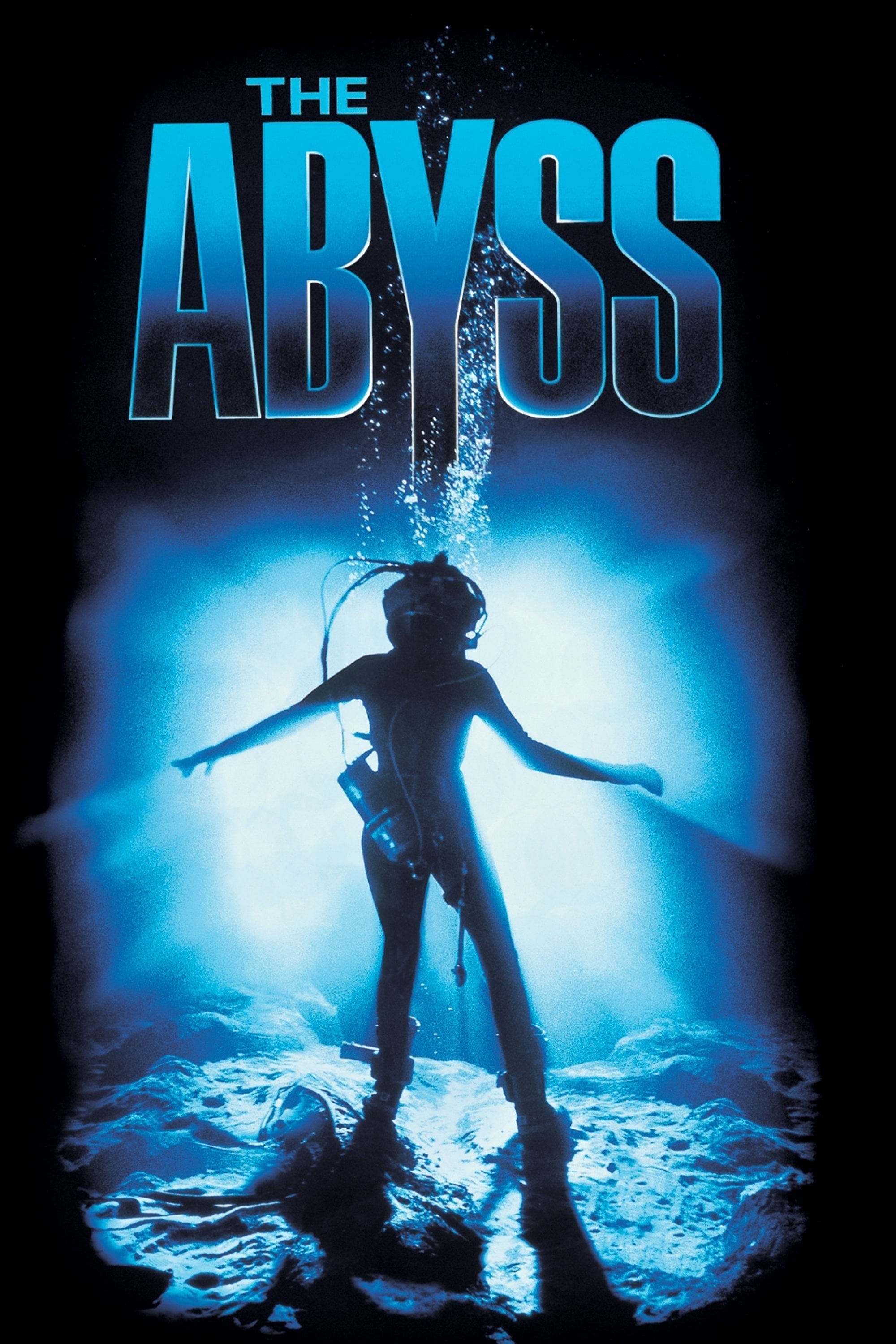
‘The Abyss’ is a deep-sea rescue movie that quickly becomes a desperate fight for survival when the crew encounters something unknown. The film portrays the underwater world as completely foreign and uses the feeling of being cut off and having limited supplies to build tension. It also explores themes of military conflict, suspicion, and how being trapped affects people’s minds. Watching it again allows you to fully appreciate the clever technical aspects, particularly how the filmmakers use the limited space and movement to create a claustrophobic atmosphere. It’s a fantastic choice for sci-fi fans who want a movie that feels realistic, suspenseful, and completely absorbing.
‘The Adventures of Buckaroo Banzai Across the 8th Dimension’ (1984)

This movie blends genres, following a brilliant rock star scientist who unexpectedly gets caught up in a strange alien war that spans different dimensions. It introduces a lot of information – characters, groups, and made-up words – very quickly, without much explanation. While this can feel overwhelming at first, it’s actually a strength, because rewatching reveals how all the seemingly random details connect and make sense. The film is also full of interesting side characters and feels like a real, ongoing world. If you enjoy quirky, detailed science fiction, it’s worth watching again.
‘Starman’ (1984)
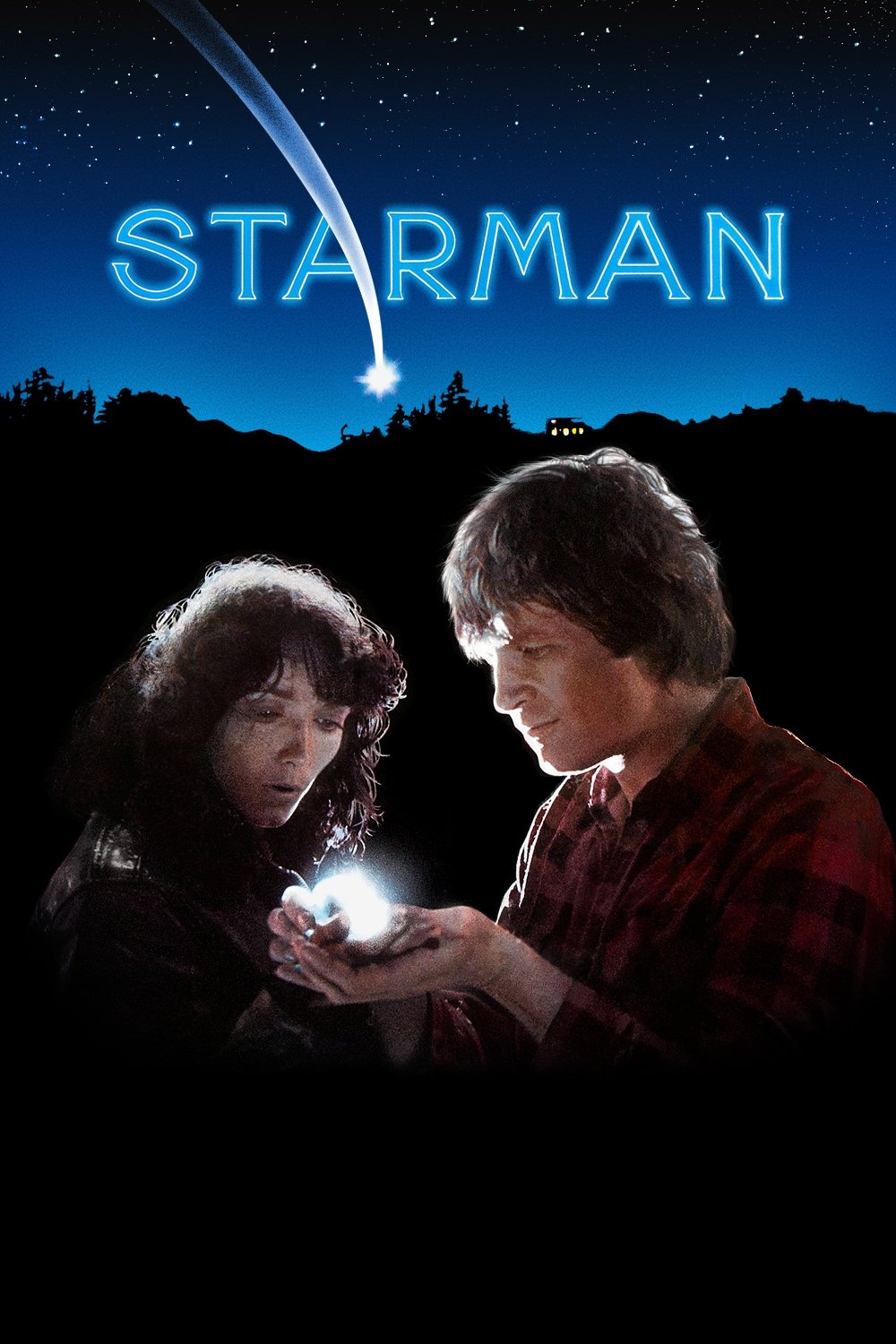
‘Starman’ is a heartfelt road movie about an alien who disguises himself as a human and journeys with a woman coping with loss. As they travel, they’re pursued by government agents. The film keeps the focus on personal connection, exploring themes of understanding, compassion, and what it truly means to be human through everyday moments. The suspense comes from a ticking clock and the chase itself, rather than grand, interstellar conflicts. Revisiting the film reveals how skillfully it develops a bond between the main characters through realistic scenes and subtle decisions. It’s a touching and engaging sci-fi story with a sense of immediacy.
‘The Quiet Earth’ (1985)
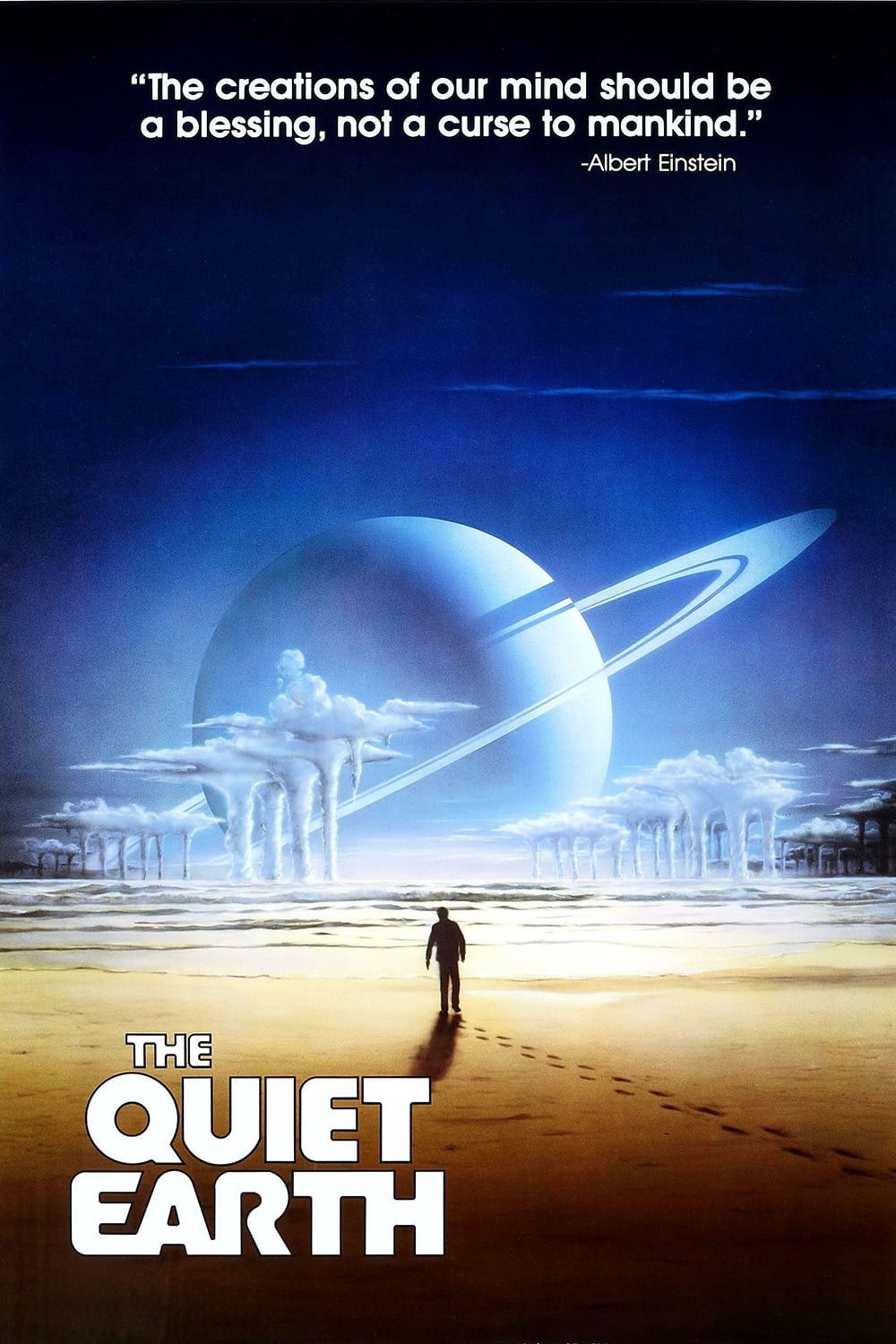
‘The Quiet Earth’ starts with a man who appears to be the last person on Earth, following a mysterious disappearance of everyone else. The movie explores his loneliness and the habits he falls into, and then introduces other survivors and a bigger puzzle. It’s less about the science fiction elements and more about what happens to people psychologically and morally in extreme situations. When you watch it again, the beginning reveals a lot about how the main character deals with his circumstances and what he fails to see. The ending also takes on new meaning if you pay attention to the hints throughout the story.
‘A Boy and His Dog’ (1975)

‘A Boy and His Dog’ is a gritty, post-apocalyptic film about a teenager and his telepathic dog struggling to survive in a desolate world. The movie blends dark humor with the brutal realities of survival, and portrays a cynical vision of how society might rebuild after a disaster. While shocking at times, a closer look reveals sharp social commentary. It’s a thought-provoking and uncompromising sci-fi film best suited for viewers who appreciate challenging and unconventional stories.
‘Silent Running’ (1972)
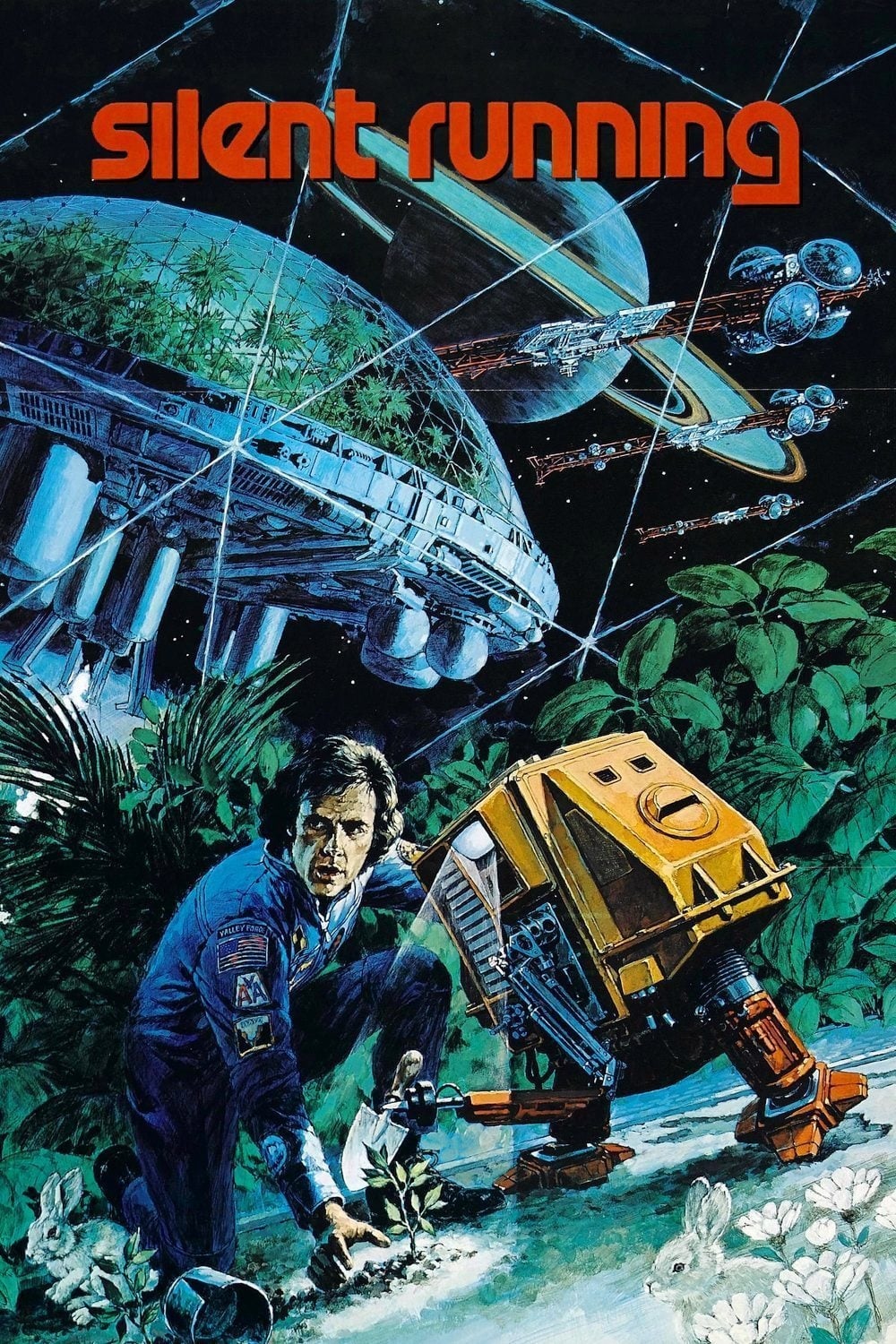
‘Silent Running’ is set on a spaceship that carries the last remaining forests on Earth, housed in massive greenhouse domes. When the crew receives orders to eliminate these ecosystems, one member takes drastic action to save them. The film powerfully connects environmental issues to personal experiences through themes of loneliness, everyday work, and friendship. Revisiting the movie highlights the heartbreaking consequences of the character’s choices and the burden of isolation. It’s a compelling and thought-provoking science fiction film for those interested in ecological stories and introspective themes.
‘Phase IV’ (1974)
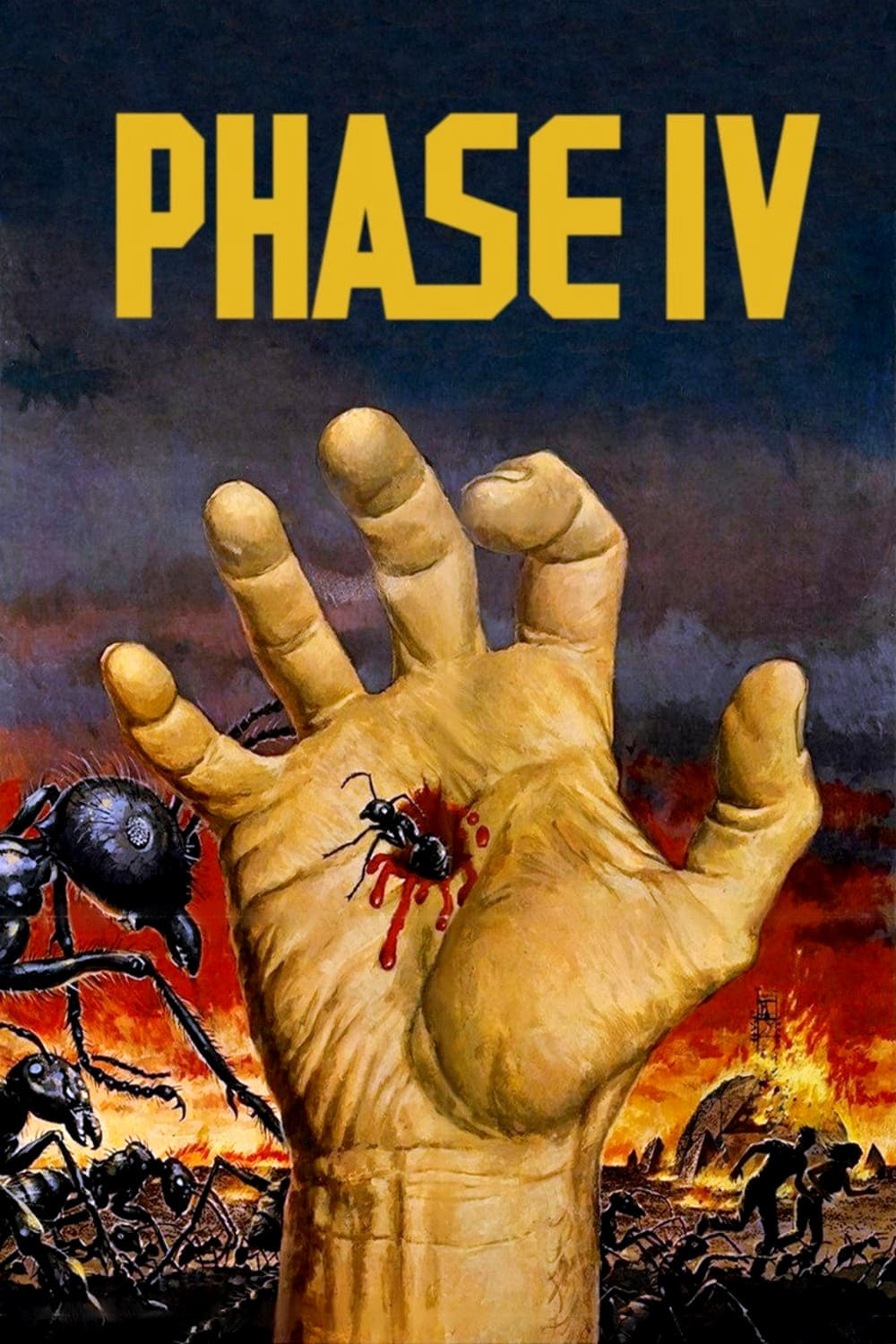
‘Phase IV’ presents a scenario where ants rapidly become more intelligent, transforming a desert research facility into a war zone of clever tactics and survival. The movie unfolds like a scientific investigation, showcasing experiments, careful observations, and increasingly strange occurrences. The visuals focus on how ants behave, making them seem calculating and organized rather than simply frightening. Upon repeated viewings, you begin to notice how the ants ‘communicate’ by creating patterns and altering their surroundings. It’s a distinctive science fiction film, perfect for those who enjoy stories where nature feels truly alien.
‘Solaris’ (1972)

‘Solaris’ is a psychological science fiction film about a doctor sent to a space station near a strange planet that seems to bring people’s memories to life. The movie explores themes of sadness, regret, and how past trauma affects us, even in faraway places. It unfolds slowly, creating a deeply unsettling atmosphere. Upon rewatching, it becomes clear that the planet’s events aren’t part of a typical mystery, but rather a reflection of the characters’ inner struggles. It’s a great choice for viewers seeking thought-provoking and atmospheric sci-fi.
‘Seconds’ (1966)

I was completely gripped by ‘Seconds’! It’s about a man who gets a chance to start over with a procedure that changes everything about him – his looks, his life, everything. But it made me think about how you can’t really escape yourself, and how even a fresh start can become a different kind of prison. The movie really gets under your skin with its unsettling camera work and scenes that just feel…wrong. On a second viewing, you start to notice all the ways the organization running the procedure controls people, and how they’re basically selling a dream as a cure. If you’re into sci-fi thrillers that mess with your head and explore themes of identity and manipulation, you absolutely have to check it out.
‘Fantastic Planet’ (1973)
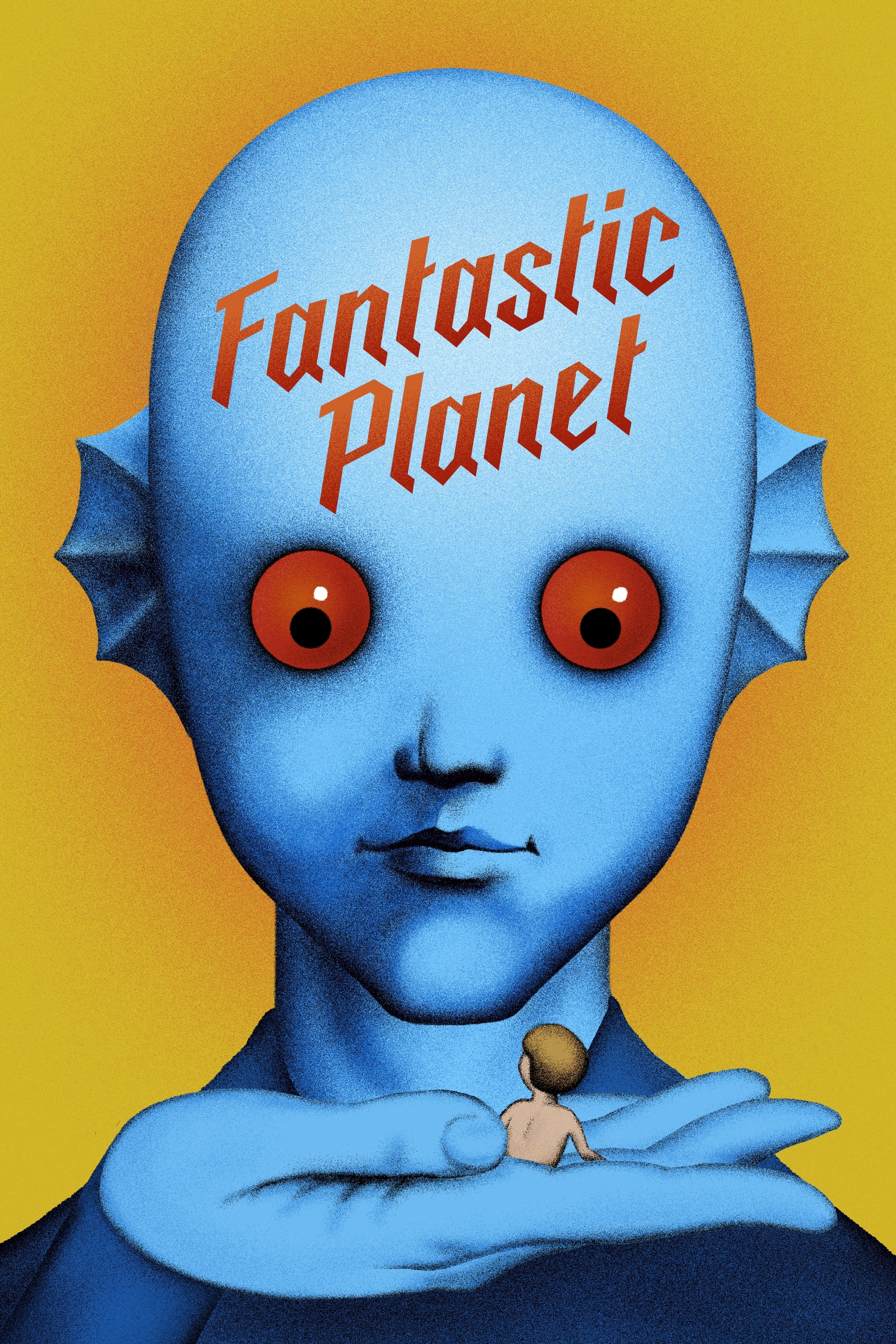
‘Fantastic Planet’ is a visually stunning and unusual animated film where humans are depicted as small, vulnerable creatures ruled by enormous aliens. Its bizarre and dreamlike quality isn’t just for show; it’s designed to make you feel like you’re truly on another world. At its heart, the film explores themes of power dynamics, learning, and fighting back against oppression. A second viewing reveals a wealth of visual details – the film cleverly uses its environments and creatures to communicate the rules of this world without relying on dialogue. If you’re looking for science fiction that’s truly original and imaginative, unlike most live-action films, this is an excellent choice.
‘The Man from Earth’ (2007)
‘The Man from Earth’ is a thought-provoking film driven by conversation. It features a professor who claims to be thousands of years old, and the story unfolds as he calmly responds to his friends’ doubts. Instead of relying on flashy visuals, the film explores its sci-fi concept through debate, logic, and the characters’ changing feelings. The discussion is constantly evolving as each person approaches the topic from a different perspective – whether it’s history, science, religion, or morality. A second viewing allows you to fully appreciate the arguments and how the group’s reactions shift from skepticism to unease. It’s a great choice for those who enjoy science fiction that prioritizes ideas and dialogue.
‘Europa Report’ (2013)
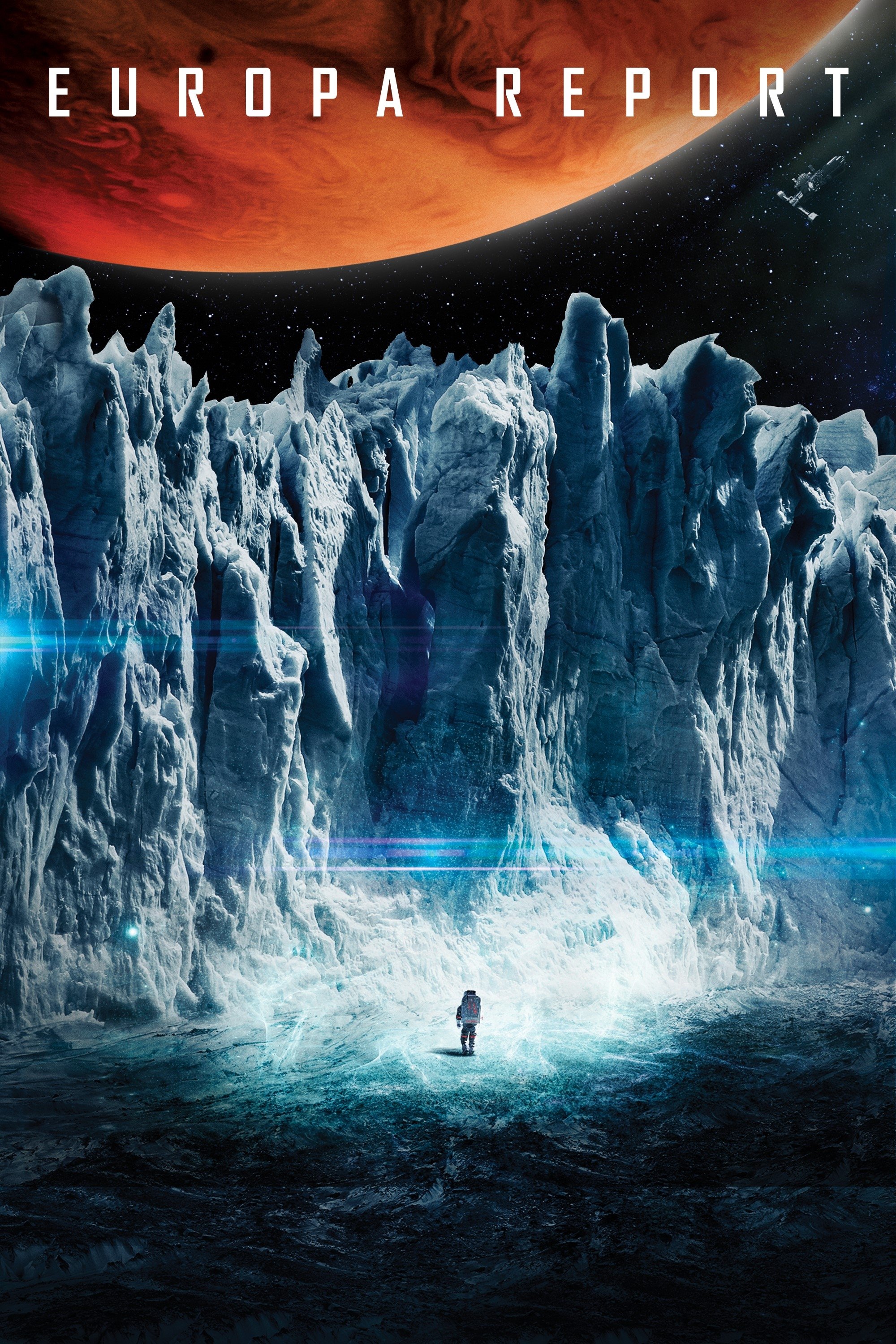
‘Europa Report’ is a sci-fi film presented as recovered footage from a mission to Jupiter’s moon Europa. The movie realistically portrays the challenges of space travel – equipment failures, limited supplies, and the isolating effects of distance – as the crew pursues a potentially groundbreaking discovery. The story is revealed gradually through the crew’s recordings, creating a sense of mystery and encouraging viewers to piece things together. A second viewing reveals subtle clues and foreshadowing that build to the film’s dramatic moments. It’s a realistic and thought-provoking sci-fi experience focused on exploration.
‘Sunshine’ (2007)

‘Sunshine’ is a thrilling movie about a team sent on a desperate mission to save the sun – and humanity. It expertly blends the technical challenges of space travel, like managing power and oxygen, with the emotional toll of isolation and immense pressure. As the story unfolds, the film uses powerful imagery of light and heat to heighten the tension. A second viewing reveals how each character contributes to – or hinders – the crew’s chances of success, and why conflicts naturally arise. If you enjoy space adventures that are both realistic and thought-provoking, ‘Sunshine’ is well worth revisiting.
‘The Fountain’ (2006)
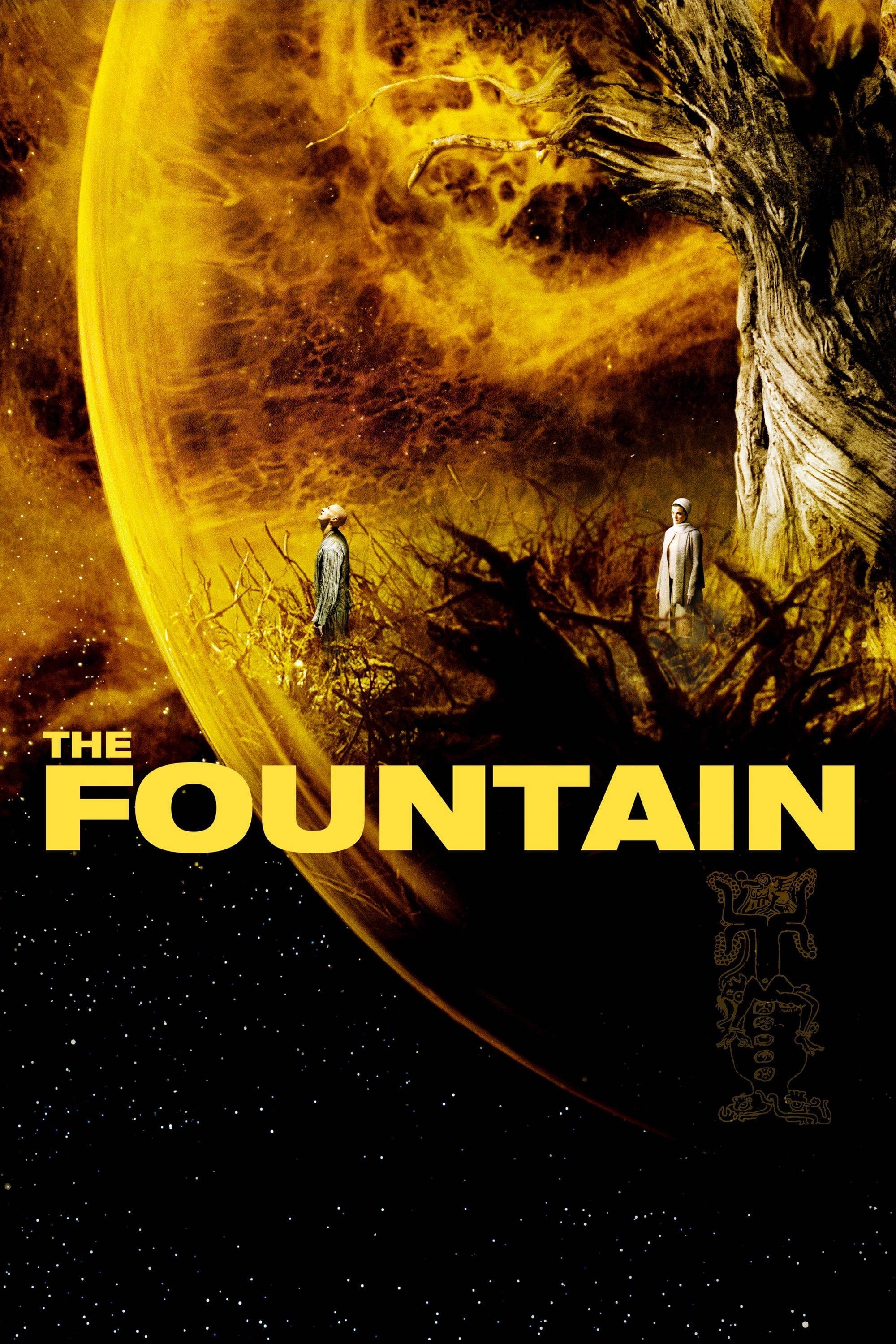
‘The Fountain’ tells multiple connected stories exploring life, death, and the quest for purpose. It uses repeating images and similar scenes to link these stories together, inviting viewers to make their own connections rather than being told everything directly. The film’s science fiction elements focus on medical advancements, discovery, and the desire to defeat death. Because of its complex structure, watching it more than once enhances the experience, allowing you to notice the parallels between the different storylines. If you enjoy science fiction that combines heartfelt stories with a unique, thought-provoking style, this is a great choice.
‘Predestination’ (2014)
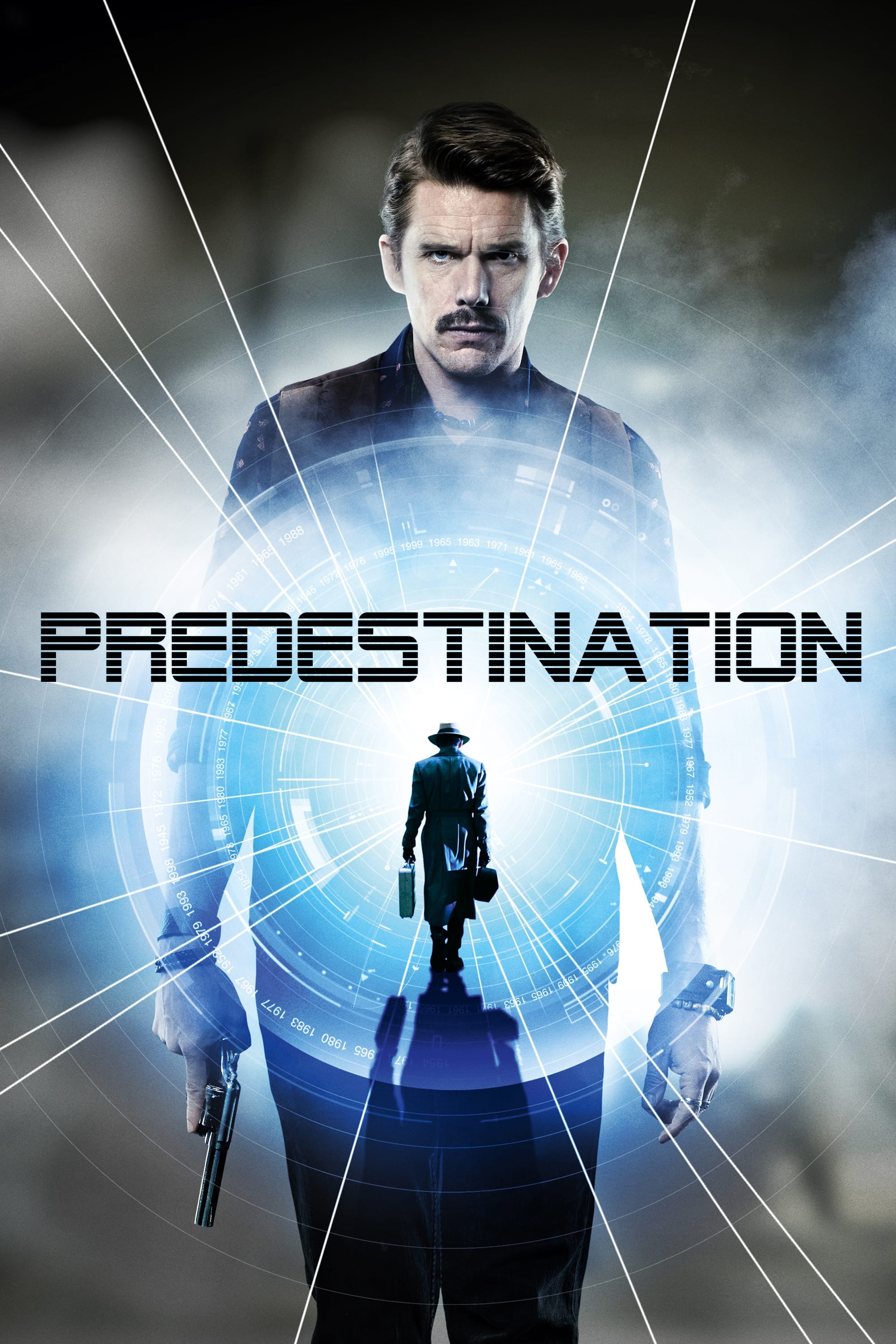
‘Predestination’ starts with a time-travel agent chasing a bomber, but it soon becomes a complex story about who people are and the idea of cause and effect. The plot is carefully constructed, with small details proving important as the story unfolds. The actors do a lot of the work, as understanding the characters’ pasts is just as crucial as the time travel itself. When you watch it again, you’ll notice how cleverly the film sets things up, subtly introducing information that becomes meaningful later on. If you enjoy mind-bending time travel stories that make sense, this is a great choice.
‘Upgrade’ (2018)
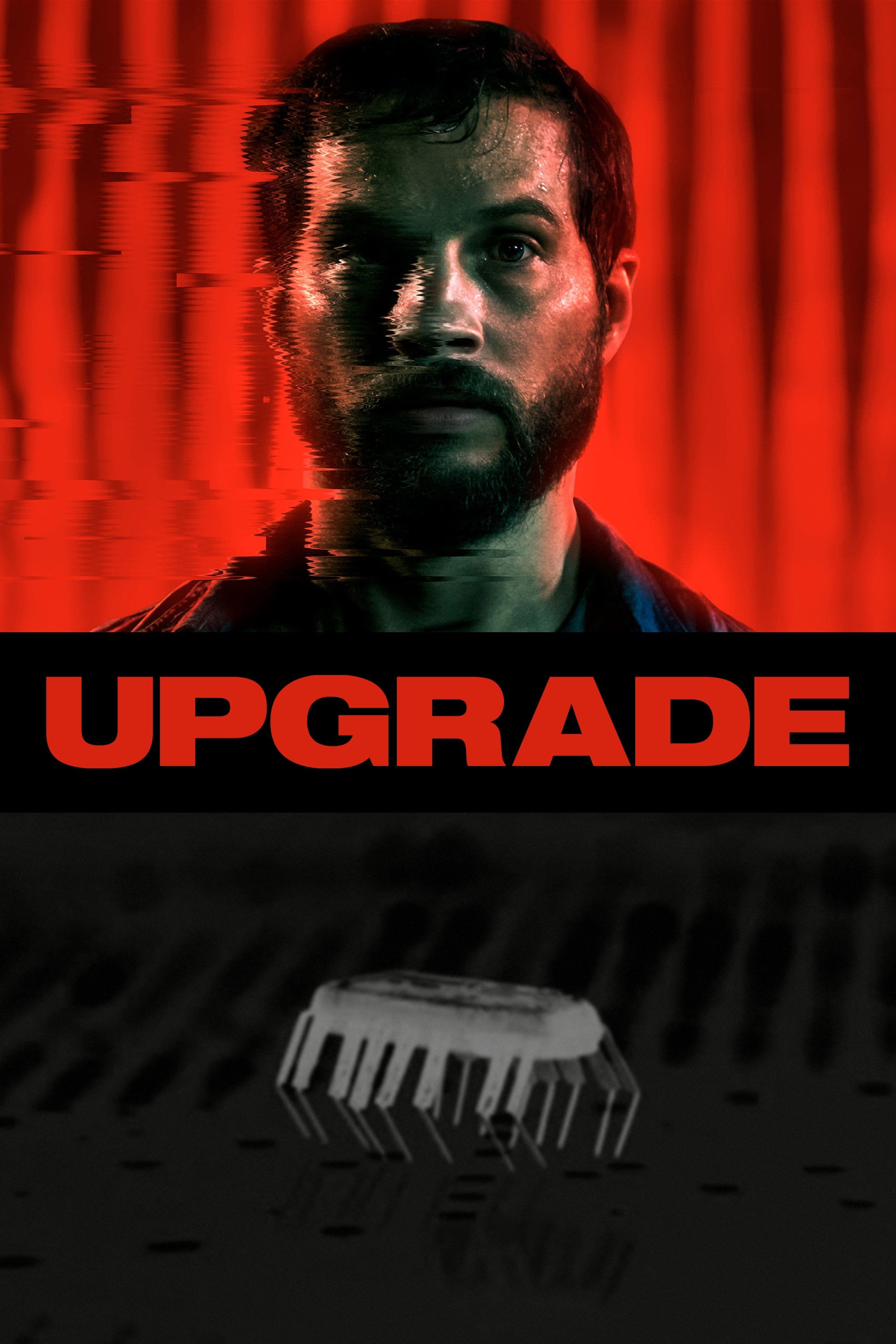
‘Upgrade’ tells the story of a man paralyzed in a brutal attack who receives an experimental implant that allows him to regain control of his body. The film delves into themes of free will, constant monitoring, and the implications of technology making choices for us. The action sequences are uniquely choreographed to showcase the implant’s accuracy, visually mirroring the film’s central ideas. A second viewing reveals a subtle but significant shift in power, highlighting how the implant’s assistance slowly transforms into something more sinister. It’s a compelling sci-fi thriller perfect for those who enjoy stories about technology with dangerous consequences.
‘I Origins’ (2014)
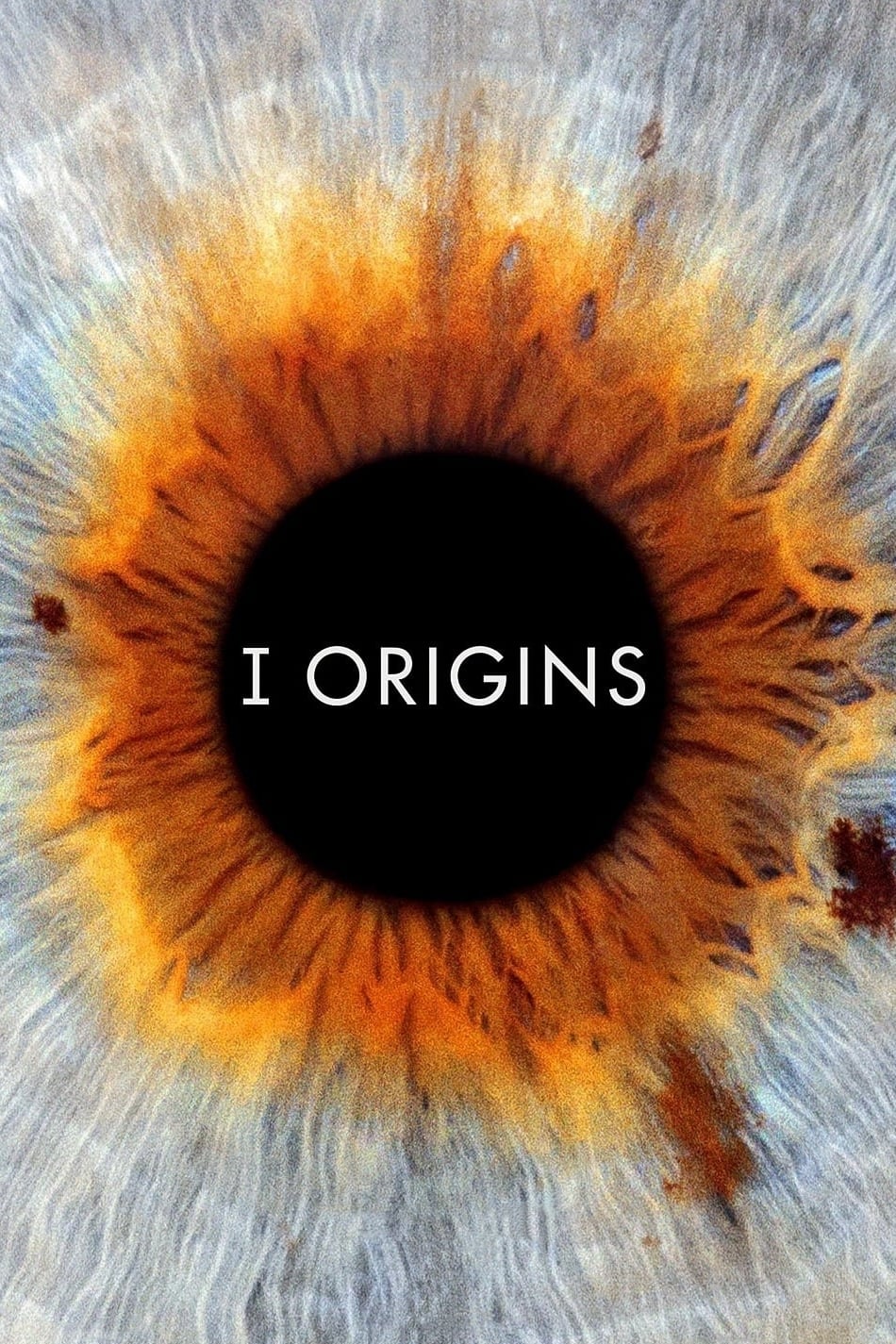
‘I, Origins’ is a thought-provoking film that mixes scientific investigation with a compelling mystery, blurring the lines between evidence and faith. It centers on a vision researcher who discovers anomalies that challenge his understanding of the world. The film realistically portrays the scientific process – including testing, doubt, and collaboration – while also exploring a grand, imaginative concept. Multiple viewings reveal how the film subtly connects ideas and builds its message through recurring themes and imagery. If you enjoy science fiction that focuses on personal stories while tackling profound questions, this film is for you.
‘Beyond the Black Rainbow’ (2010)
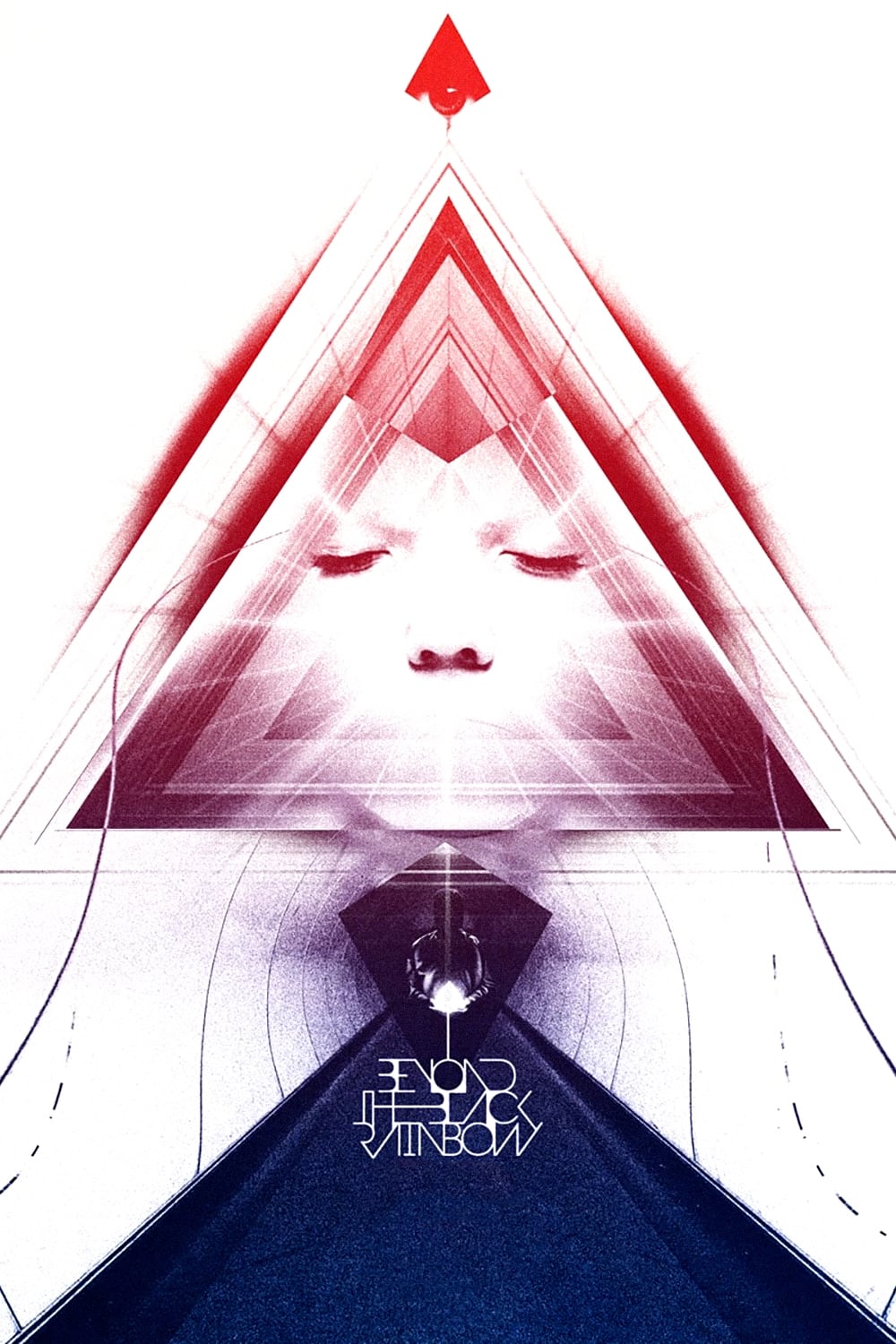
‘Beyond the Black Rainbow’ takes place in a cold, controlled research center where experiments and altered states of mind intersect. The movie relies heavily on creating a disturbing atmosphere through its use of sound, color, and very little dialogue. The story is intentionally vague, making it feel less like following a plot and more like unraveling a feeling or legend. Watching it again can help you understand the connections between characters, the facility’s goals, and how it evolved. It’s perfect for fans of science fiction that feels like a strange, artistic horror film.
‘The Brother from Another Planet’ (1984)
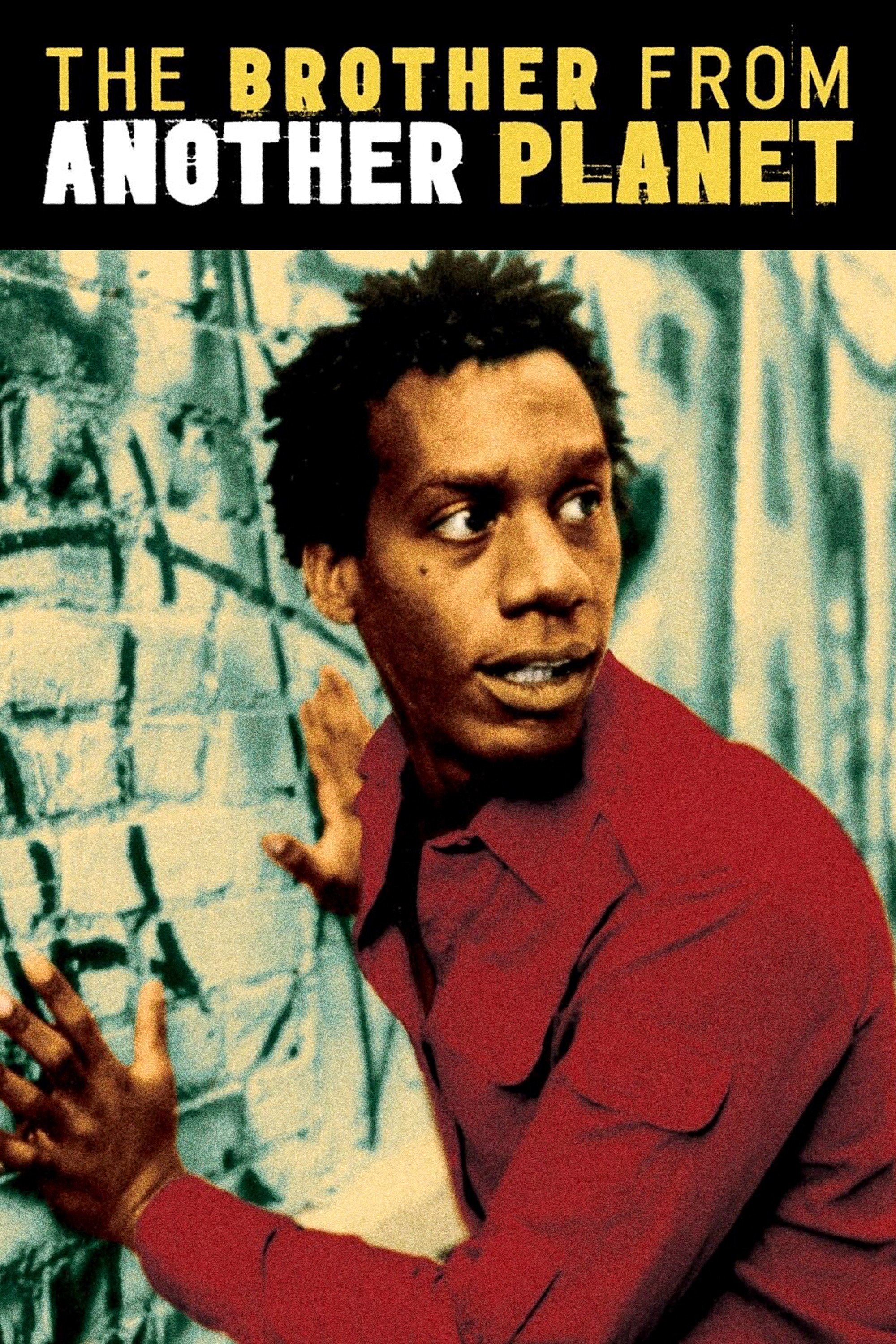
I absolutely love ‘The Brother from Another Planet’! It’s about an alien who manages to escape and just tries to live his life in an American city, all while people are trying to hunt him down. What’s so great about it is that it doesn’t rely on big special effects; instead, it uses this sci-fi setup to really explore things like how hard it is when you don’t speak the same language, the struggles of finding work, and how communities come together. It’s fascinating watching him figure things out without being able to talk to anyone. The more I watch it, the more I realize how powerfully it comments on society – how some people genuinely want to help someone in need, and others just try to take advantage. It’s a really down-to-earth sci-fi movie that’s all about people and how they behave.
‘Strange Days’ (1995)
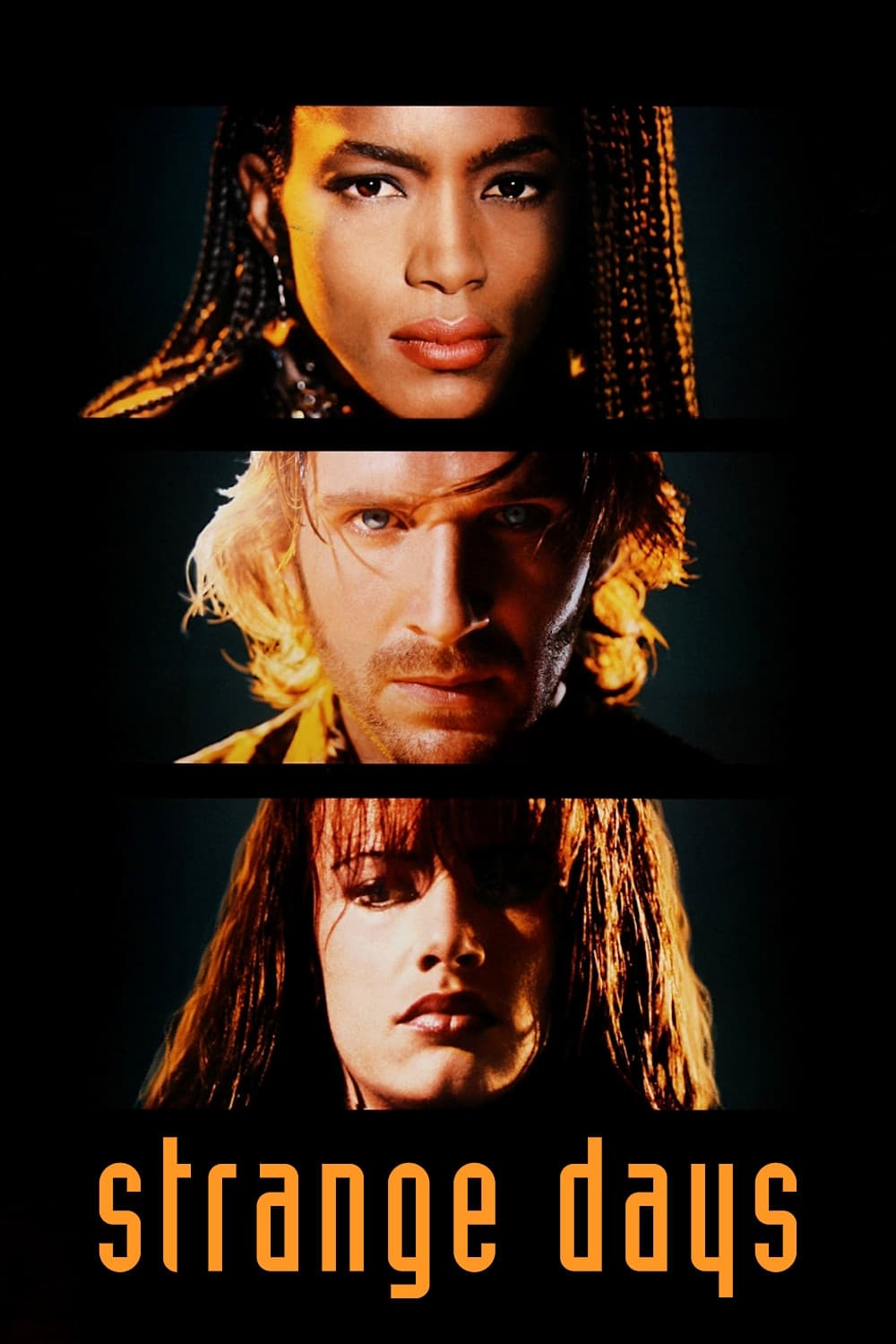
‘Strange Days’ presents a future where technology allows people to record and replay their own experiences, essentially turning memories into something to be bought and sold. The film unfolds as a gritty crime thriller, exploring themes of conspiracy and violence driven by this black market. It’s particularly thought-provoking in its examination of voyeurism, the importance of consent, and the dangers of becoming addicted to experiencing life through technology. Upon rewatching, it’s clear the film creates its immersive world through realistic, everyday details rather than flashy futuristic settings. If you enjoy science fiction that’s raw, politically charged, and feels incredibly relevant, this is a great choice.
‘The Andromeda Strain’ (1971)

‘The Andromeda Strain’ is a thriller focused on scientists trying to figure out a dangerous bug from outer space after it destroys a town. What makes it tense isn’t action sequences, but the strict procedures – the containment efforts, lab work, and safety measures – and how easily things can go wrong. The movie turns the scientific process into a dramatic story, making the investigation itself the exciting part. Watching it again lets you notice how cleverly the film reveals information through experiments, challenges, and changing theories, all of which feel realistic. It’s a perfect choice if you enjoy sci-fi that’s logical and realistic.
‘Logan’s Run’ (1976)
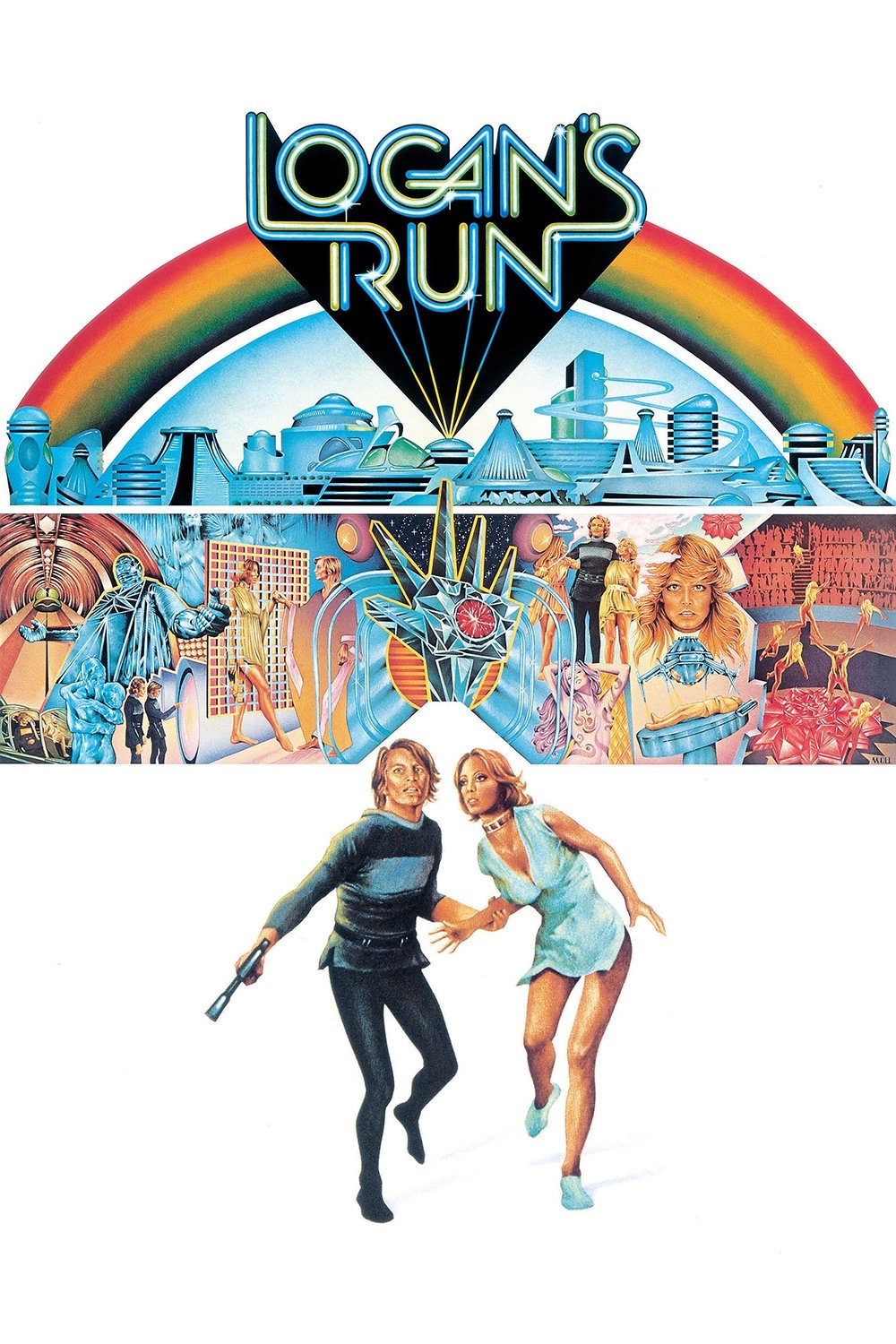
‘Logan’s Run’ is about a law enforcer living in a futuristic city that appears perfect, but secretly controls its citizens with a strict and unavoidable rule. The film uses colorful, visually striking sets to hide how controlling the system truly is, making the characters’ attempt to escape feel urgent and important. It explores thought-provoking themes like aging, the dangers of social control, and the illusion of happiness. Upon revisiting the film, the intricate details of its world-building become even more apparent, particularly how entertainment and comfort are used to keep people under control. If you enjoy dystopian adventures, this is a classic choice.
‘The Black Hole’ (1979)
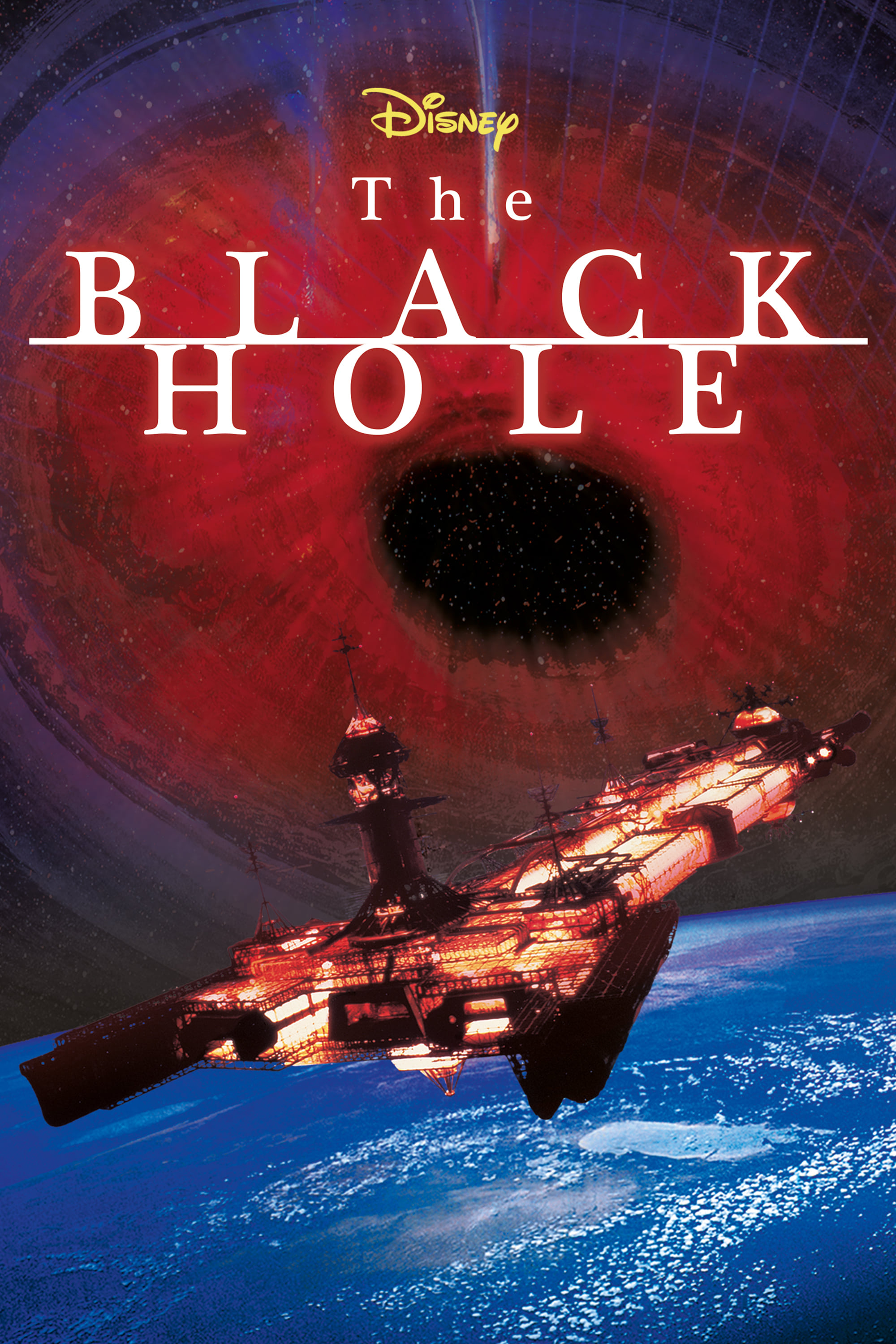
‘The Black Hole’ follows a salvage team who discover a missing spaceship near a mysterious cosmic event, uncovering disturbing secrets within. The film blends grand space adventure with a creepy, gothic atmosphere, making it a darker sci-fi experience than many others from the same era. Notably, the robots and ship designs aren’t just props – they reveal information about the power dynamics and hidden motives of the characters. A second viewing allows you to fully appreciate the film’s growing sense of unease, from initial curiosity to mounting dread, and pick up on subtle hints about who’s truly pulling the strings. If you’re looking for a space mystery with a unique and unsettling feel, this is a good choice.
Let us know your favorite sci-fi movies or shows that you love rewatching! Tell us in the comments which one you think should be brought back for a special viewing night.
Read More
- Invincible Season 4 Gender Swaps Tech Jacket As Fans Question Major Comic Change
- Gold Rate Forecast
- Silver Rate Forecast
- 20 Movies Where the Black Villain Was Secretly the Most Popular Character
- 22 Films Where the White Protagonist Is Canonically the Sidekick to a Black Lead
- Building Agents That Learn and Improve Themselves
- 15 Films That Were Shot Entirely on Phones
- Games That Faced Bans in Countries Over Political Themes
- Celebs Who Narrowly Escaped The 9/11 Attacks
- Trading Crypto with AI: A New Approach to Portfolio Management
2025-12-14 23:20