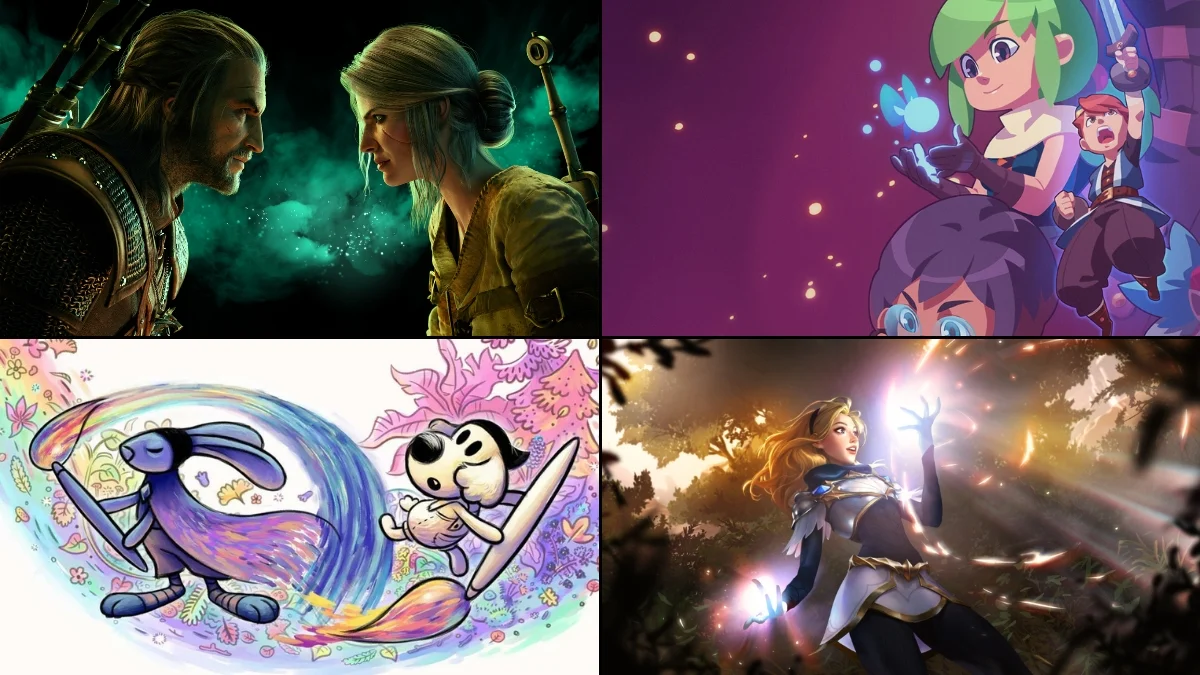
Many games now offer more than just cosmetic skins. They let you unlock completely new visual styles – like filters, different color schemes, retro graphics, or unique artwork – that change how the game looks. These could be built-in options like an “old-school” mode, collectible color palettes, or special visual effects you earn through gameplay. These unlocks add a fun way to experience the same game with a different look and feel.
‘Downwell’ (2015)
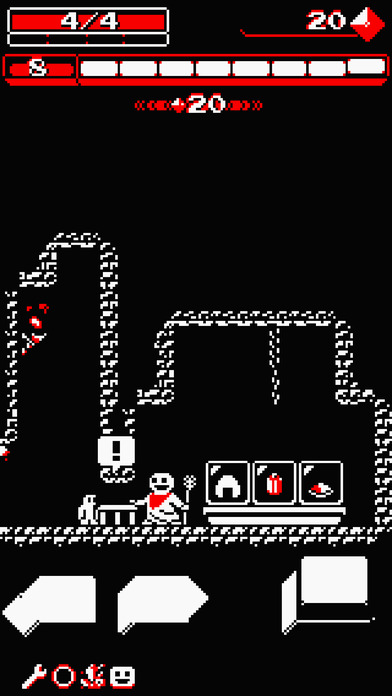
Downwell, created by Moppin and published by Devolver Digital, rewards players with visual upgrades as they play. You can unlock new color schemes that change the game’s look and feel, offering a different visual experience with each run. These schemes are easy to switch between, providing a simple way to personalize the game’s style without affecting how it plays – it’s all about changing the art, not the gameplay.
‘Gato Roboto’ (2019)
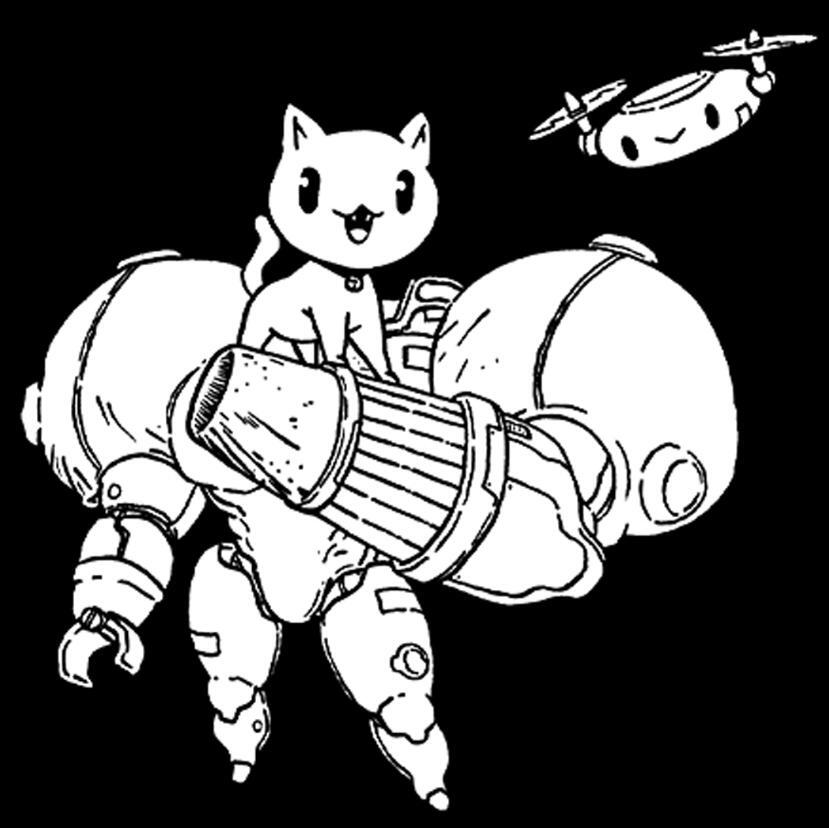
‘Gato Roboto’, created by doinksoft and published by Devolver Digital, begins with a visual style reminiscent of the original Game Boy. As you play, you can discover collectible color cartridges that unlock new color schemes for the entire game world and its characters. These aren’t just cosmetic options – you earn them by exploring, making the visual changes feel rewarding. The more you explore, the more ways you can customize the game’s look.
‘Evoland’ (2013)
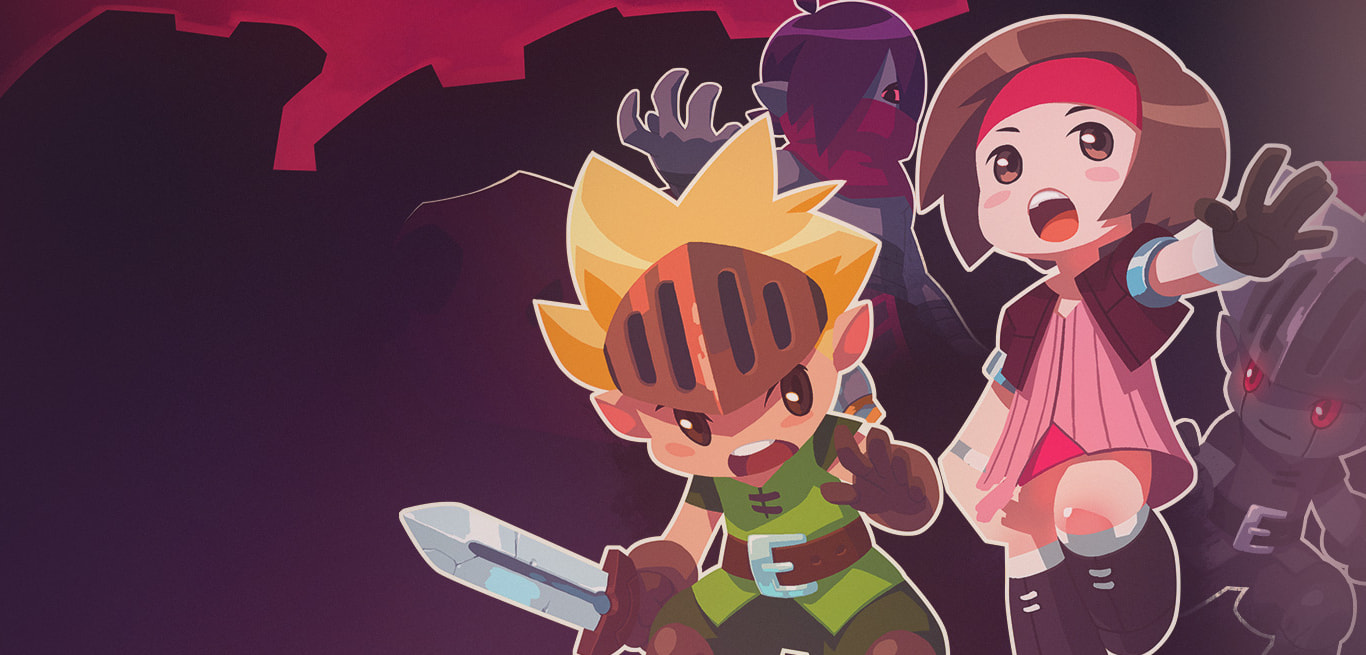
Shiro Games’ ‘Evoland’ is unique because it lets you progress by improving its graphics. As you find special chests, the game visually evolves, moving from basic black and white to more modern styles. These aren’t just cosmetic changes; they actually change the game’s look to reflect the history of video games. In ‘Evoland’, unlocking new graphics is changing the art style – they’re the same thing.
‘Evoland 2’ (2015)
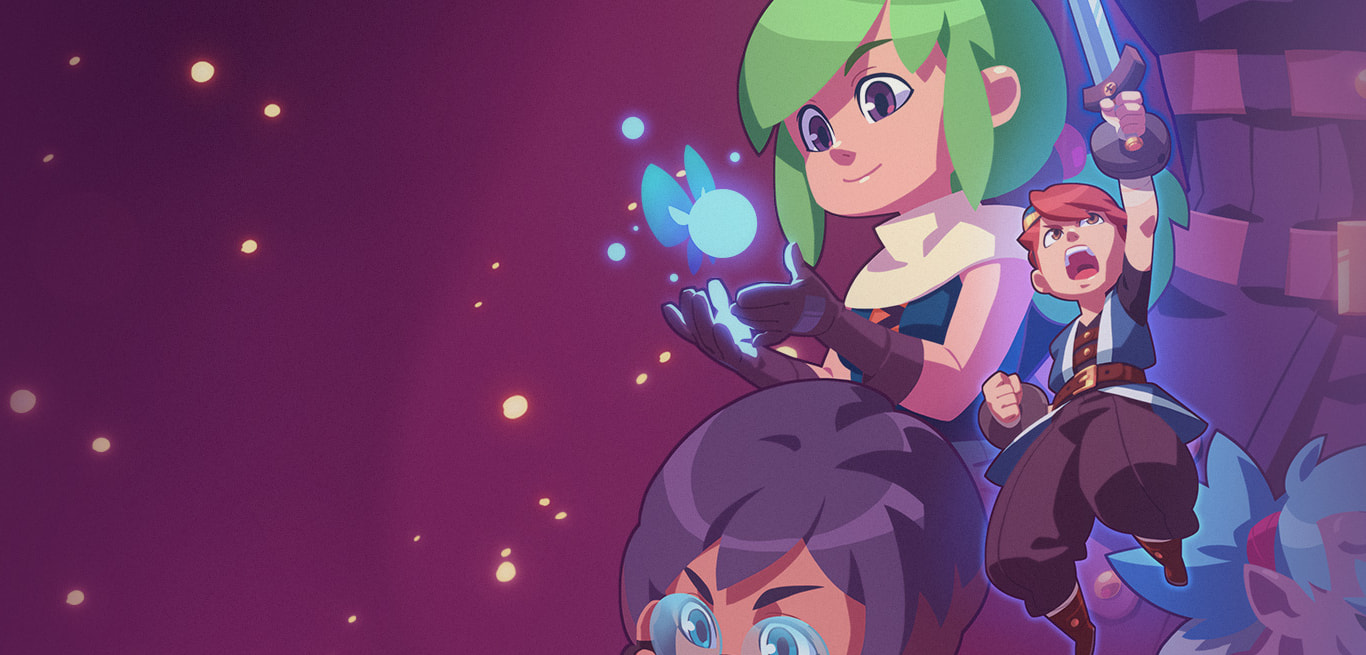
Shiro Games created ‘Evoland 2’, a game that really emphasizes changing its look as you play. It uses time travel as a reason to switch between different art styles throughout the story. These new styles aren’t just cosmetic; you unlock them by making progress and reaching new parts of the game. Essentially, the graphics evolve to match the story’s development.
‘Chicory: A Colorful Tale’ (2021)
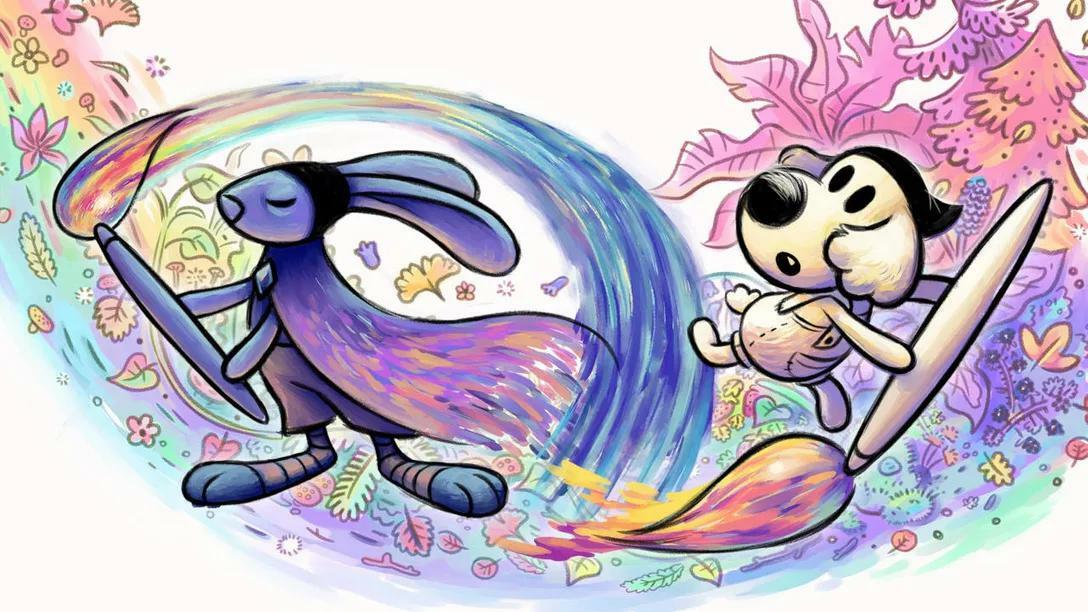
‘Chicory: A Colorful Tale’, created by Wishes Unlimited and published by Finji, approaches art as a set of tools you collect. As you play, you’ll find different Brush Styles that change how you paint – affecting the shape, texture, and even turning your brushstrokes into stamps. These styles are like unlocking new ways to create art and color the game world, giving you more and more visual options as you progress.
‘Cuphead’ (2017)
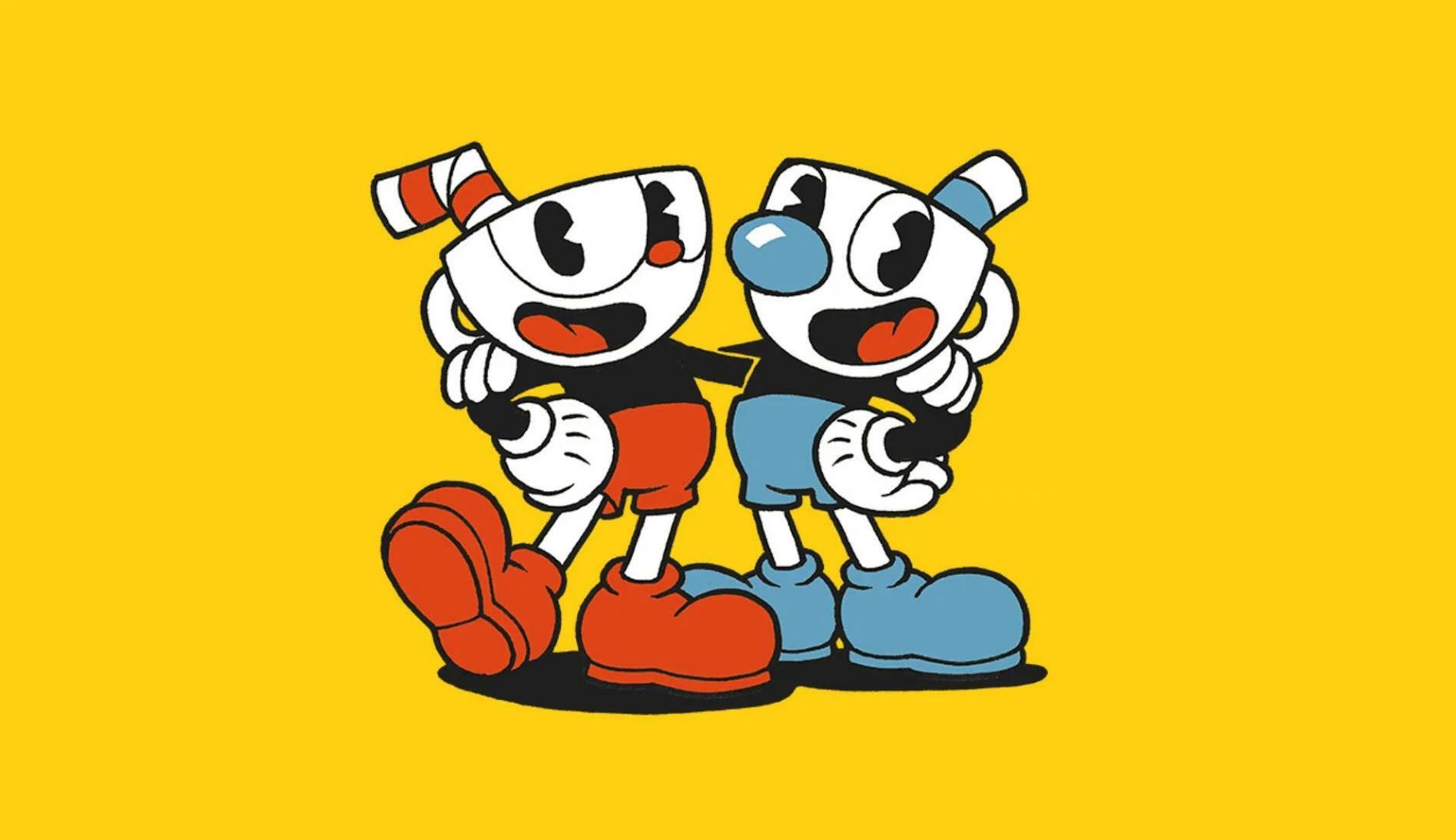
‘Cuphead,’ created by Studio MDHR, offers fun rewards for completing challenges, like changing how the game looks. For example, players can unlock filters that make the game appear in black and white or like an old film. These filters alter the visual style without changing the gameplay itself, making them a nice treat after finishing a level. It’s a great way to replay the game and experience it with a new look.
‘The Messenger’ (2018)
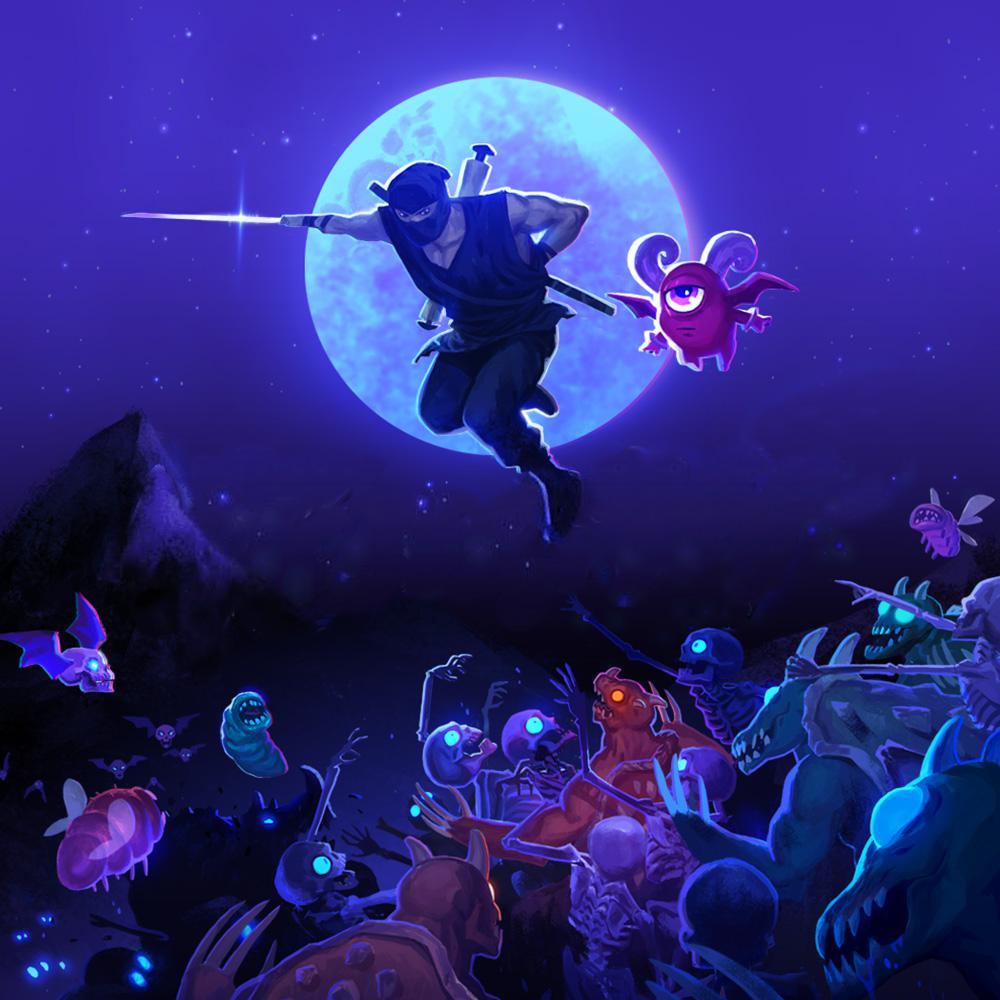
‘The Messenger,’ created by Sabotage Studio and published by Devolver Digital, cleverly uses changes in its art style to show players how the game is evolving. It starts with a retro 8-bit look, then expands into a more detailed 16-bit style as you progress. This isn’t just a visual upgrade; it actually reflects the game unlocking new areas and possibilities, making for a unique and memorable experience as the story unfolds.
‘Streets of Rage 4’ (2020)
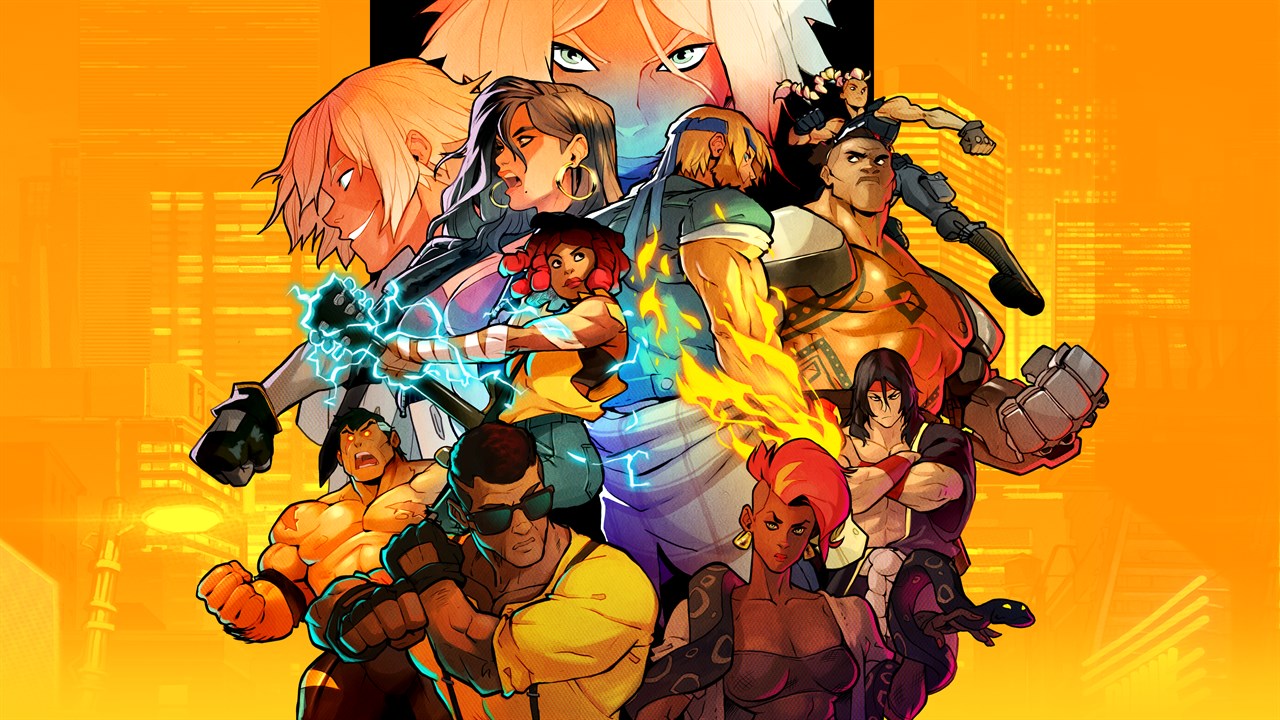
Streets of Rage 4, created by Dotemu, Lizardcube, and Guard Crush Games and published by Dotemu, features beautiful modern hand-drawn graphics with a unique twist: you can unlock classic, pixel-art characters. Earning these unlocks creates a cool contrast between the old and new art styles, making them feel like satisfying rewards rather than simple visual options. It’s a clever way to blend different eras of gaming art.
‘Teenage Mutant Ninja Turtles: Shredder’s Revenge’ (2022)
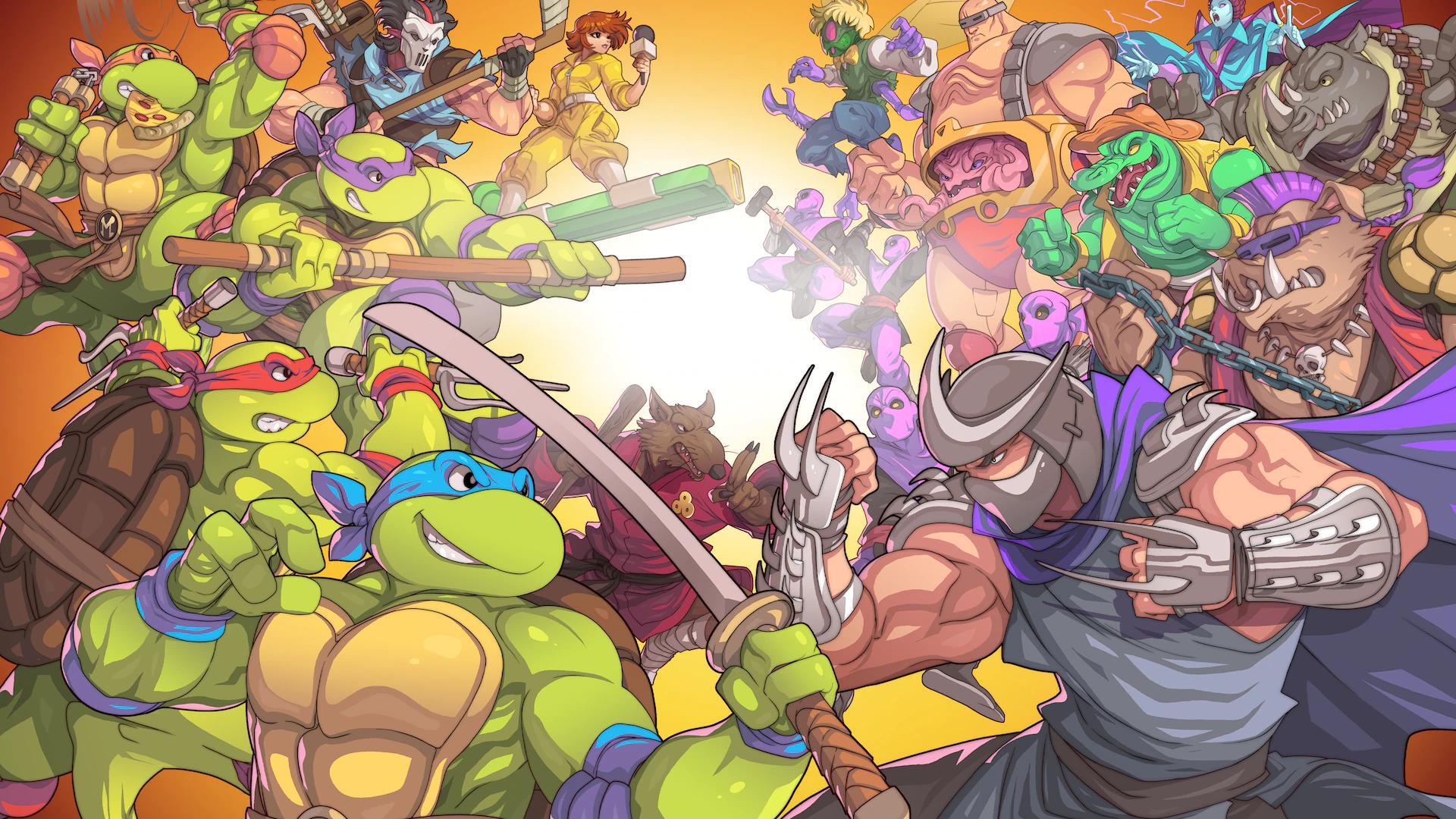
‘Teenage Mutant Ninja Turtles: Shredder’s Revenge’, created by Tribute Games and published by Dotemu, lets you unlock different color schemes for each character, essentially giving them new outfits. By playing Survival Mode and completing challenges, you can earn these new colors. They aren’t just small changes—each palette swap creates a distinct and recognizable visual style for your character, adding a fun way to customize how they look.
‘Uncharted 4: A Thief’s End’ (2016)
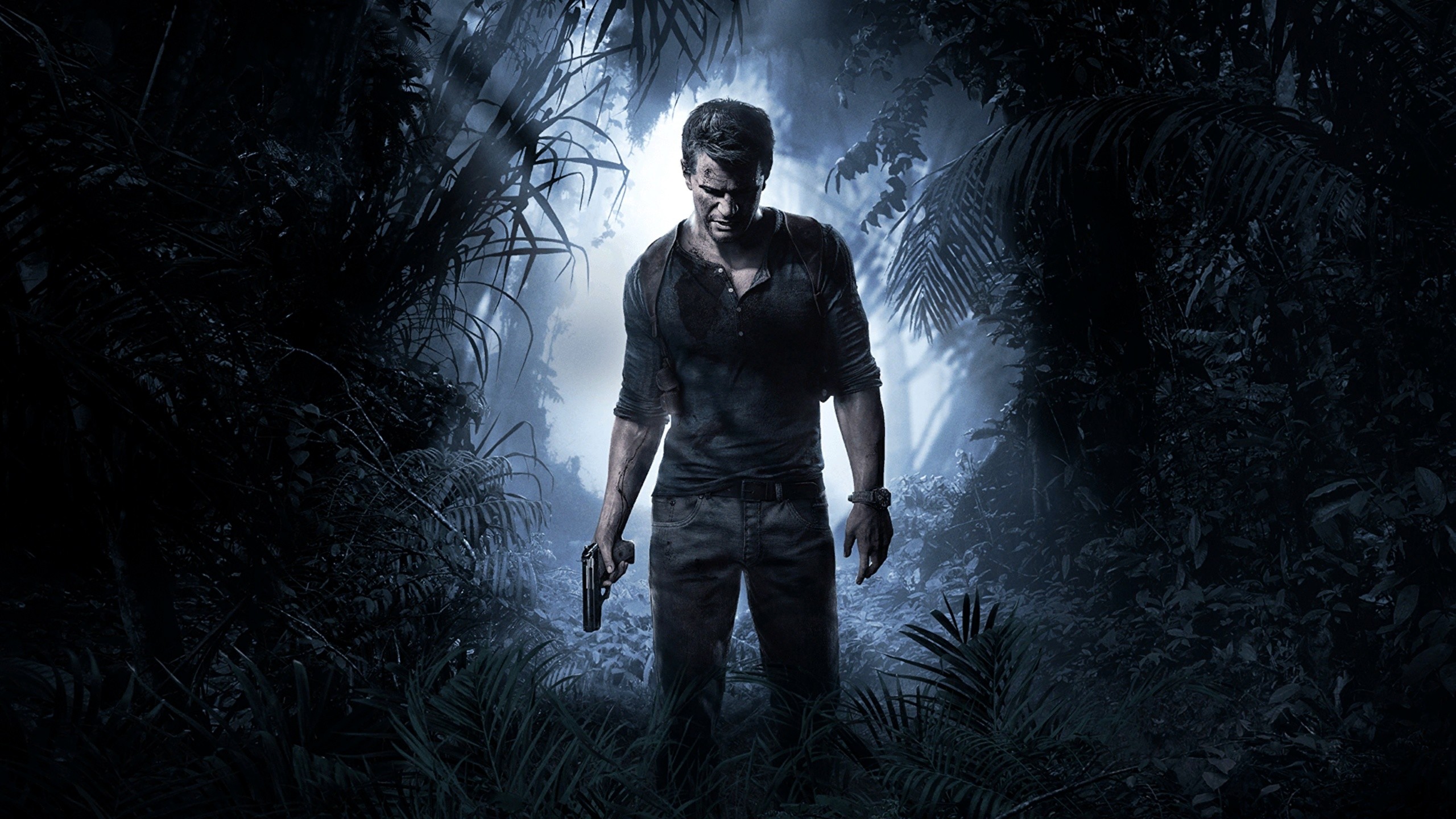
‘Uncharted 4: A Thief’s End,’ created by Naughty Dog and published by Sony, lets you unlock special visual filters. You earn points by playing the game and finding treasures, and you can then use those points to purchase filters from a bonus menu. These filters change how the game looks, offering styles like cel-shading and other artistic effects. It’s a simple reward system: the more you play, the more visual options you unlock.
‘The Last of Us Part II’ (2020)
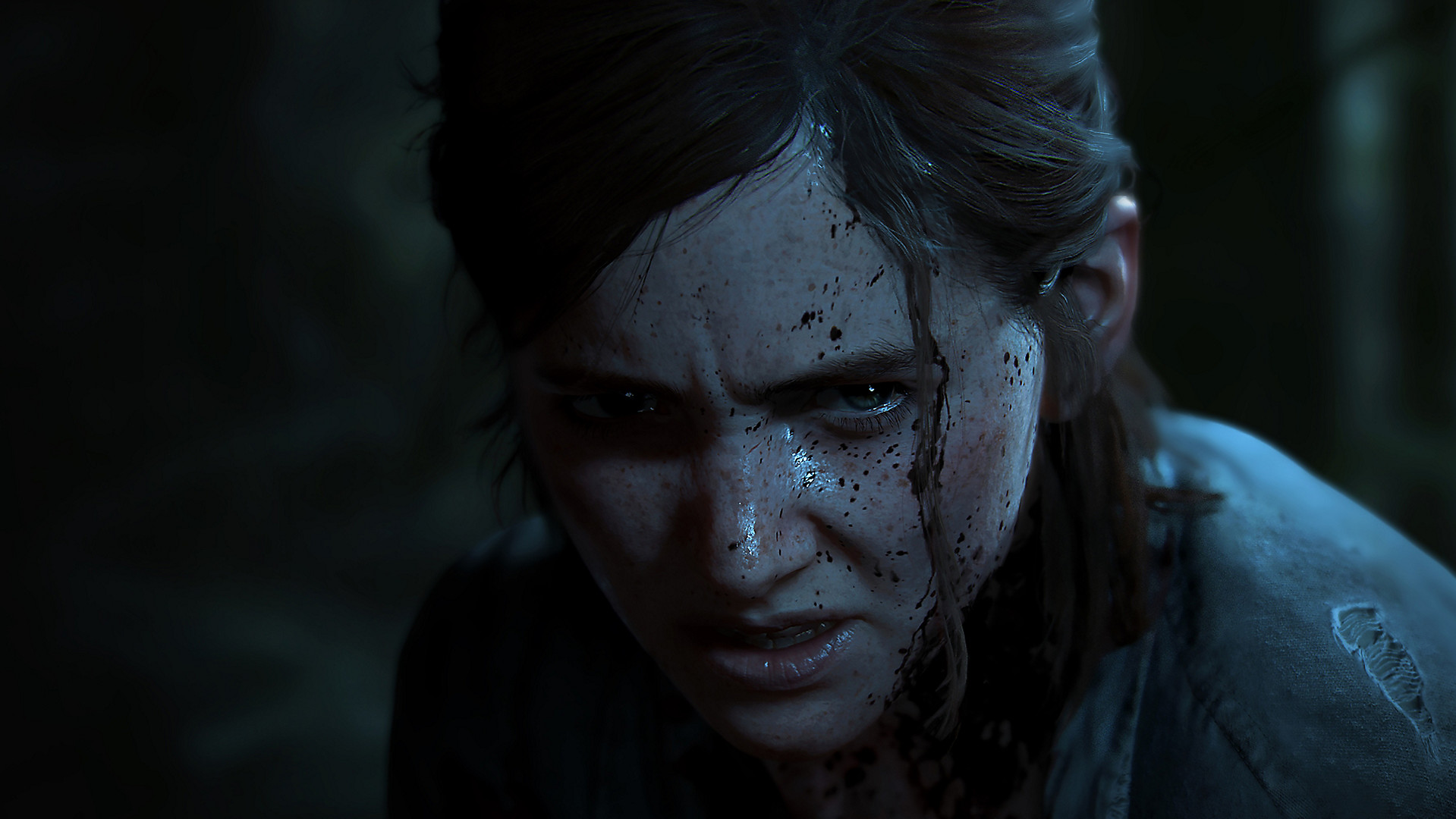
In ‘The Last of Us Part II’, created by Naughty Dog and published by Sony, players can earn points by completing challenges and finding hidden items. These points can then be spent on ‘Extras,’ including options to change how the game looks. This system cleverly links visual customization with other bonus content like character models and concept art, rewarding players for exploration and achievement.
‘Silent Hill 2’ (2024)
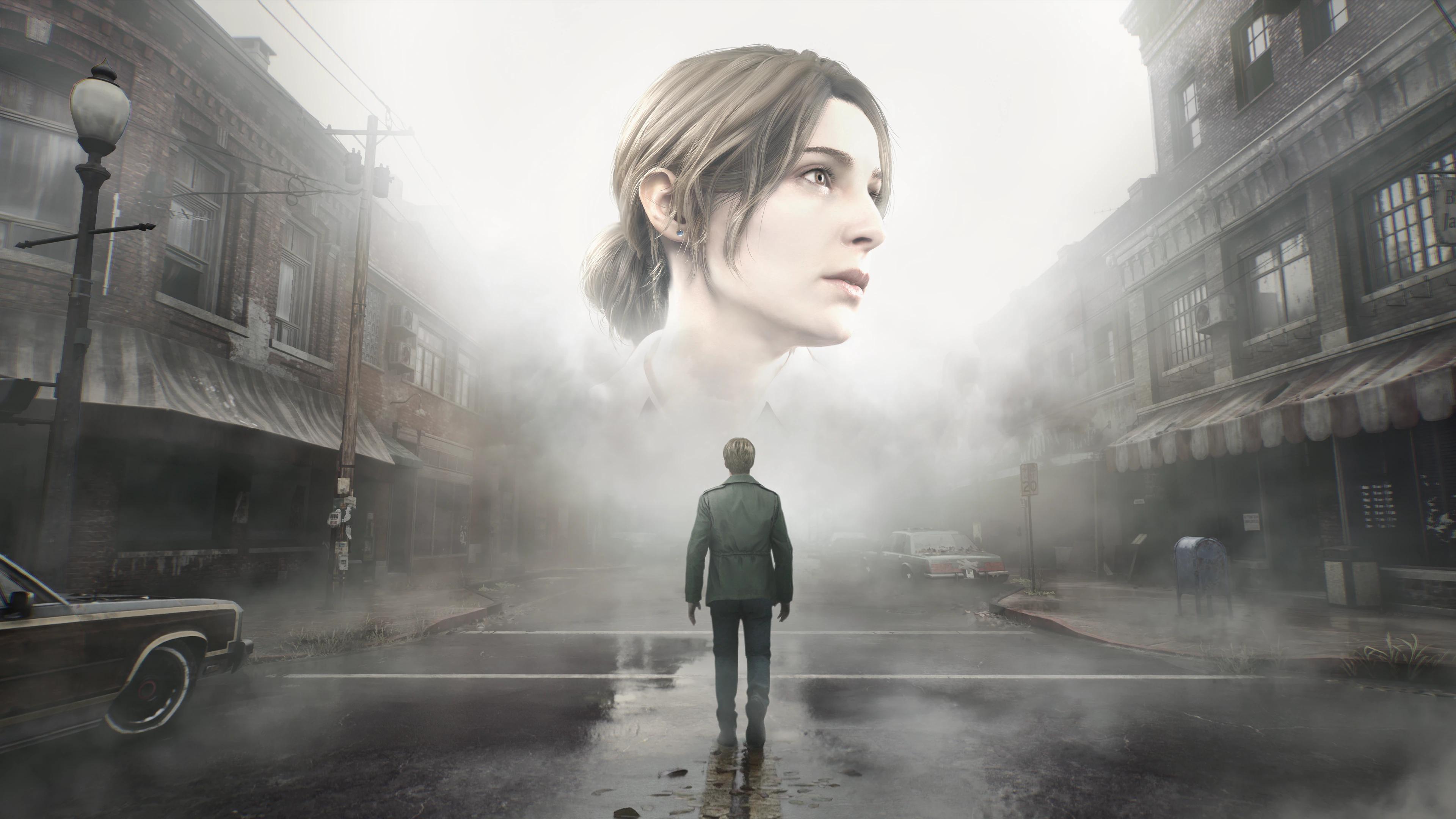
As a huge fan, I’m really excited about the ‘Silent Hill 2’ remake! Bloober Team and Konami have included something cool: you can unlock visual filters. Once you beat the game, you get even more options in the settings to change how everything looks. It’s not just about a different coat of paint, though – these filters alter the colors and add screen effects, so you can replay the game with a totally new vibe. It’s a clever way to encourage multiple playthroughs, and I’m already planning my second run with a different visual style!
‘Team Fortress 2’ (2007)
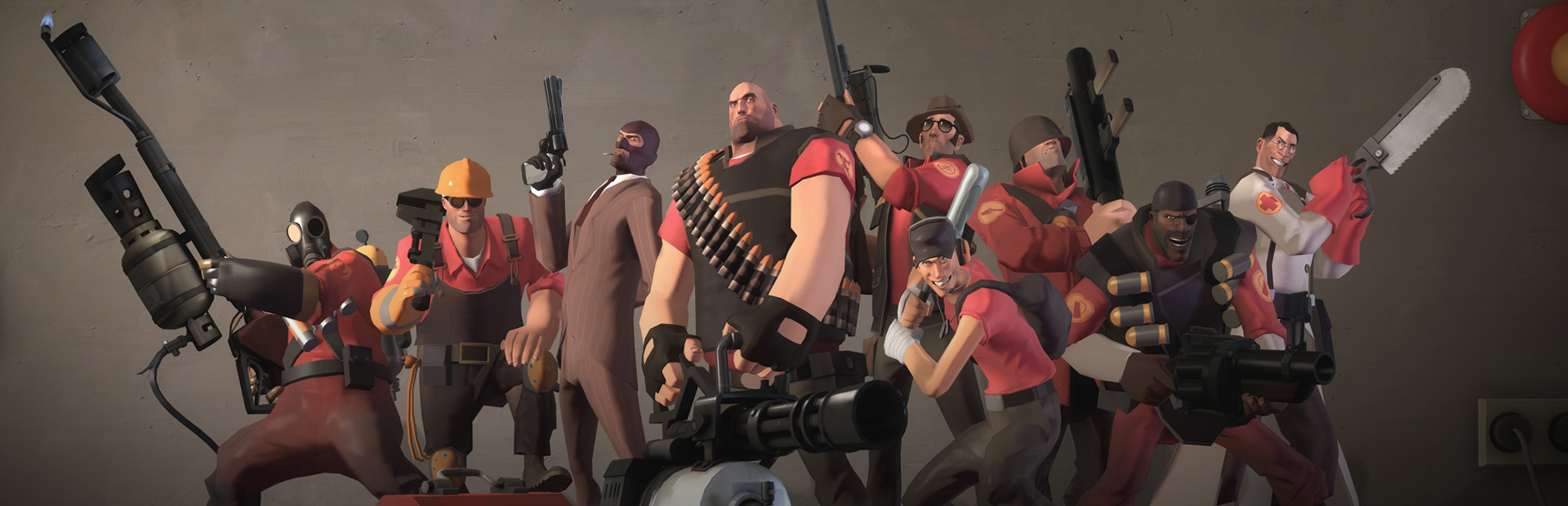
Team Fortress 2, created by Valve, is well-known for a unique visual change linked to unlocking items. When players equip the Pyrovision Goggles, the game switches to “Pyrovision,” replacing normal visuals with over-the-top, cartoonish effects. Since it’s tied to an item, you can easily turn this alternate visual style on or off by changing your equipment. It’s a standout example of a game offering a completely different art style that you unlock and activate through in-game gear.
‘Street Fighter 6’ (2023)
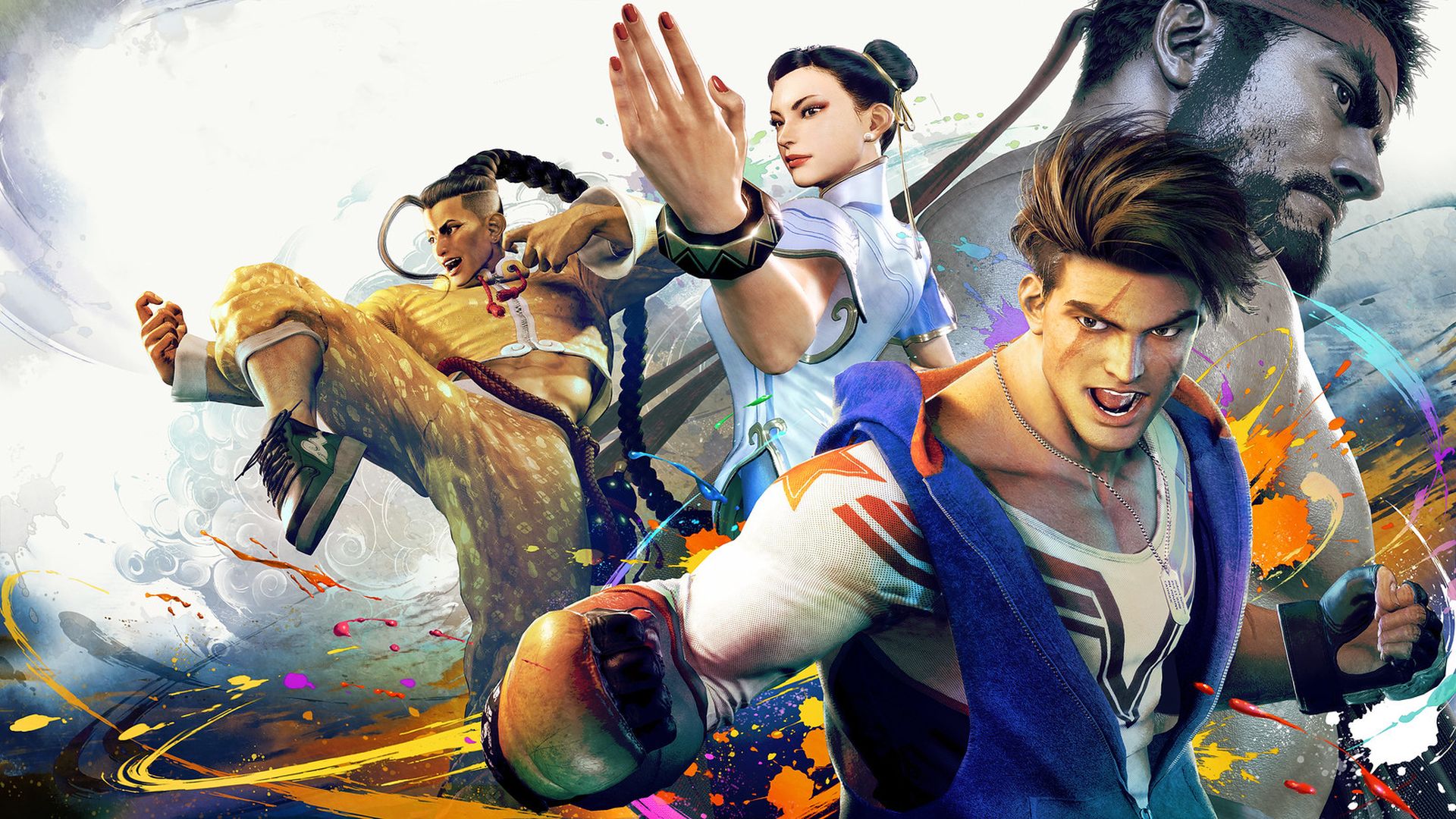
In ‘Street Fighter 6,’ developed and published by Capcom, you can unlock different outfits for characters. These outfits are earned through gameplay, particularly in World Tour mode. By building relationships with Masters—through training, battling, and giving gifts—you’ll unlock more looks for them. This system makes getting new outfits a rewarding part of the game, encouraging you to invest time in your favorite characters rather than just selecting a style from a menu. It’s a structured way to earn cosmetic changes as you progress.
‘Slay the Spire’ (2017)

Okay, so I’m totally hooked on ‘Slay the Spire,’ and I just discovered something cool. After you finally beat the Heart – which is seriously tough! – with each character, you unlock what they call ‘Beta Art.’ Basically, it lets you change the artwork on a bunch of your cards! You can switch between the normal art and these alternate versions, and you can even mix and match within the same deck, which is awesome. Honestly, it’s one of the best ways I’ve seen a game reward you for progress – it’s just fun to unlock new card looks!
‘Hearthstone’ (2014)
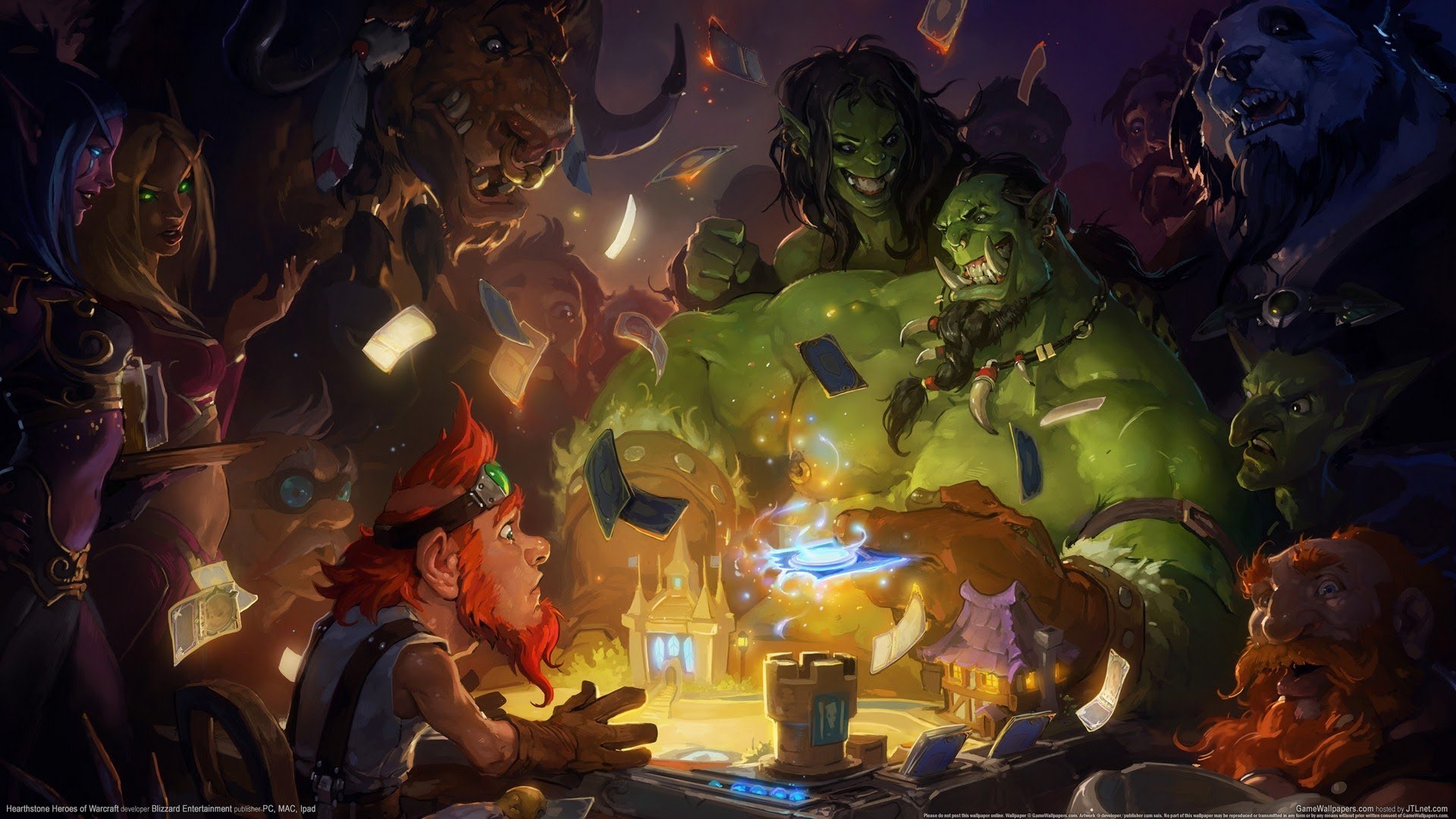
Hearthstone, created by Blizzard Entertainment, lets players collect cards with different artwork. Special ‘Golden’ cards feature animated designs and can be earned by opening packs, completing challenges, or crafting them. This upgrade only changes the card’s appearance, leaving the gameplay the same, and has been a popular way to reward players with unique card designs for a long time.
‘Magic: The Gathering Arena’ (2019)
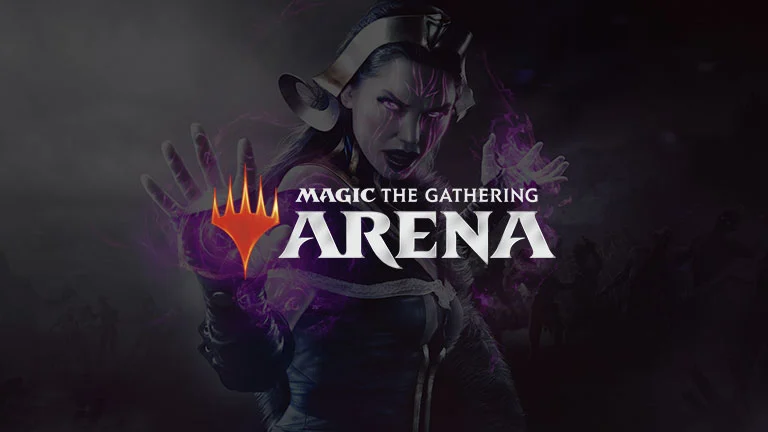
‘Magic: The Gathering Arena’, created by Wizards Digital Games Studio and published by Wizards of the Coast, lets you collect different visual styles for your cards. You can earn these styles through rewards for playing ranked matches and other in-game events. While they don’t change how a card functions, they do change how it looks in your collection and during gameplay. Think of it as a way to unlock new artwork for your favorite cards, adding a cosmetic layer to the deckbuilding experience.
‘Gwent: The Witcher Card Game’ (2018)
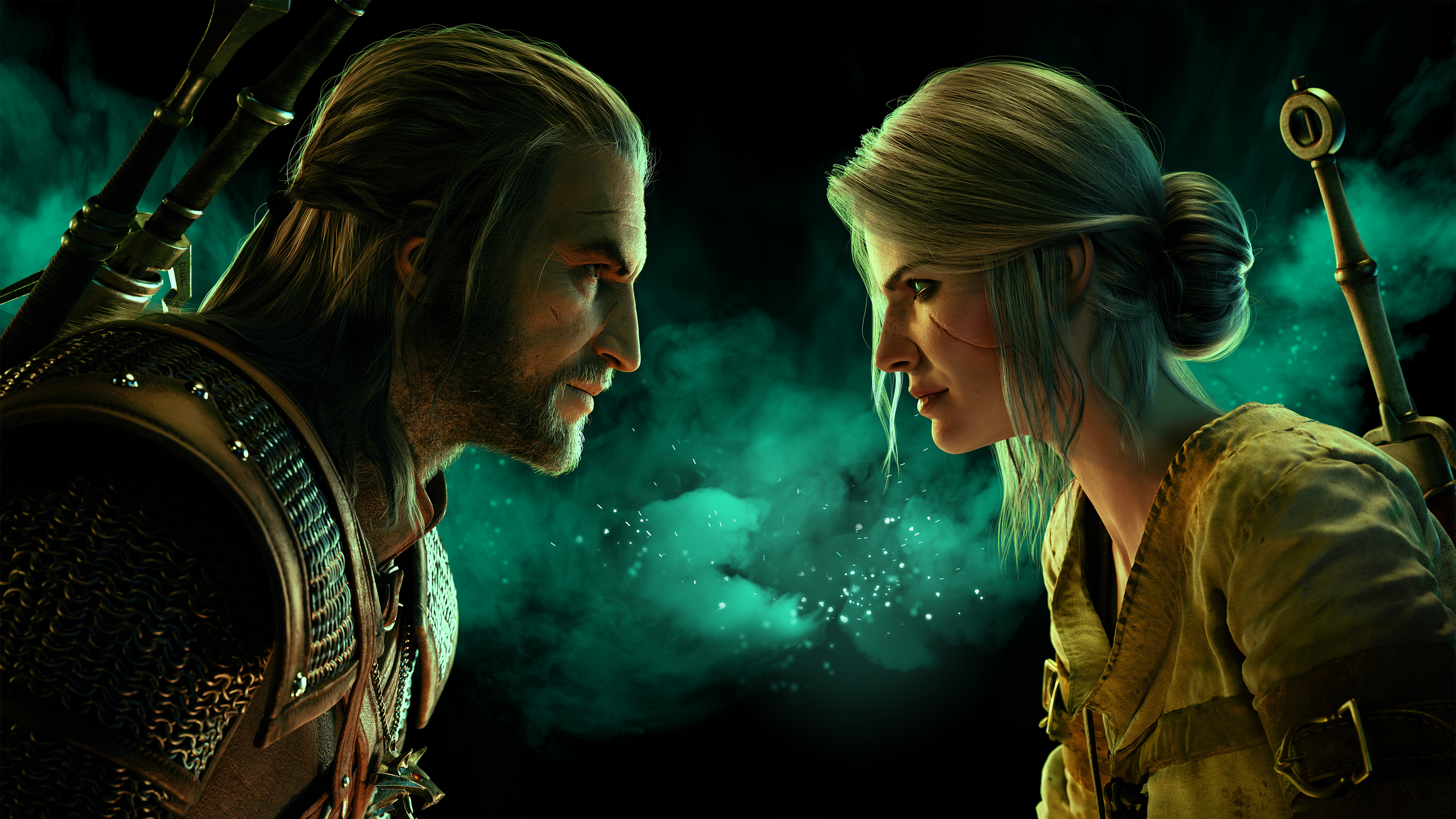
In ‘Gwent: The Witcher Card Game’, developed and published by CD Projekt, players can upgrade cards visually using ‘meteorite powder’. This turns standard cards into animated versions, changing their appearance to be more dynamic and collectible without affecting how the game is played. It’s a good example of how unlockable art can be tied to in-game rewards.
‘Legends of Runeterra’ (2020)
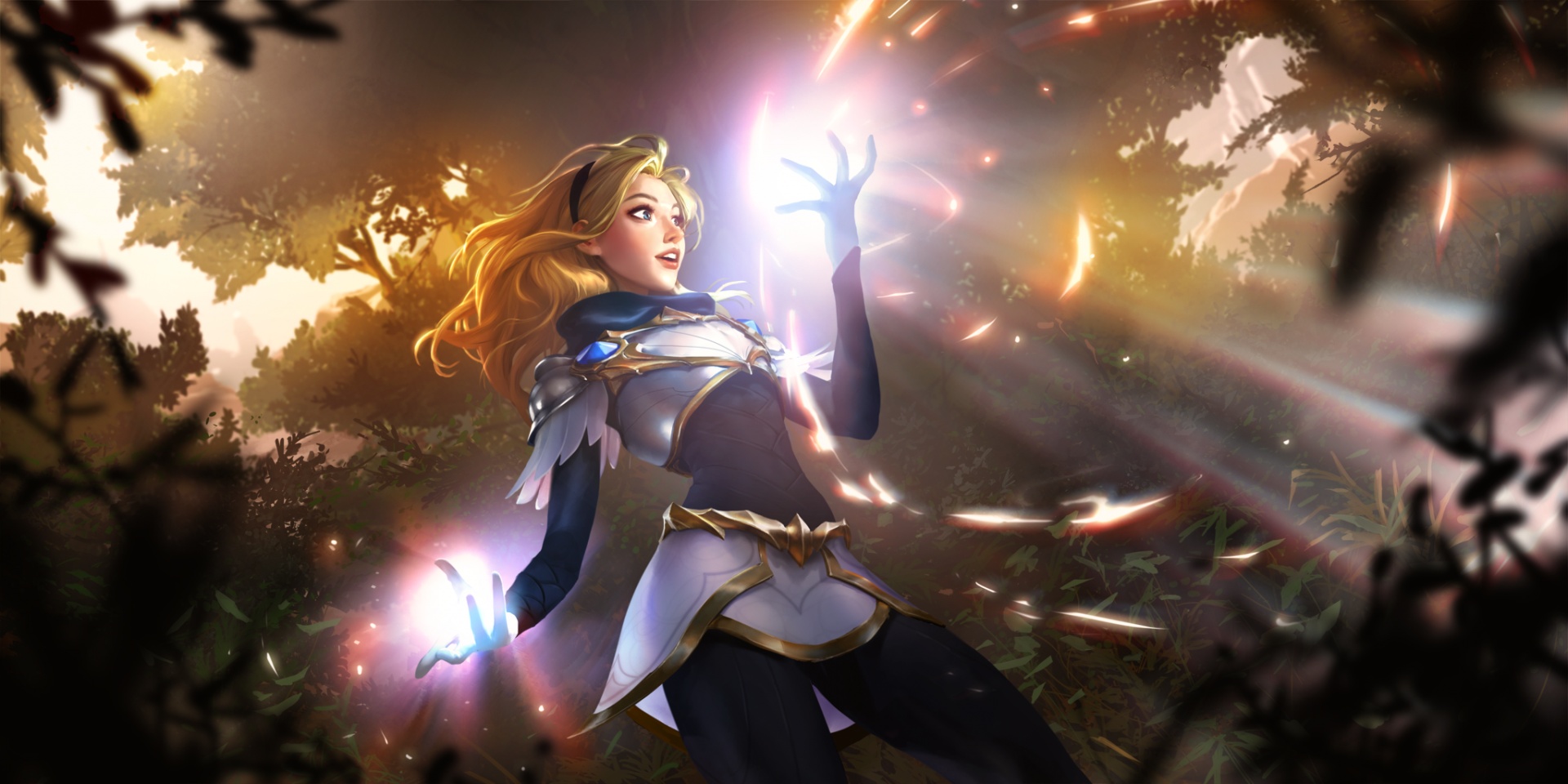
‘Legends of Runeterra,’ created by Riot Games, lets you customize cards with Prismatic styles – purely cosmetic changes. You earn these styles by completing quests and opening Prismatic chests, which also give you the essence needed to unlock more styles. These upgrades simply change how a card looks during the game, without affecting how it plays. It’s a straightforward system where you finish challenges to unlock new card artwork.
‘Marvel Snap’ (2022)
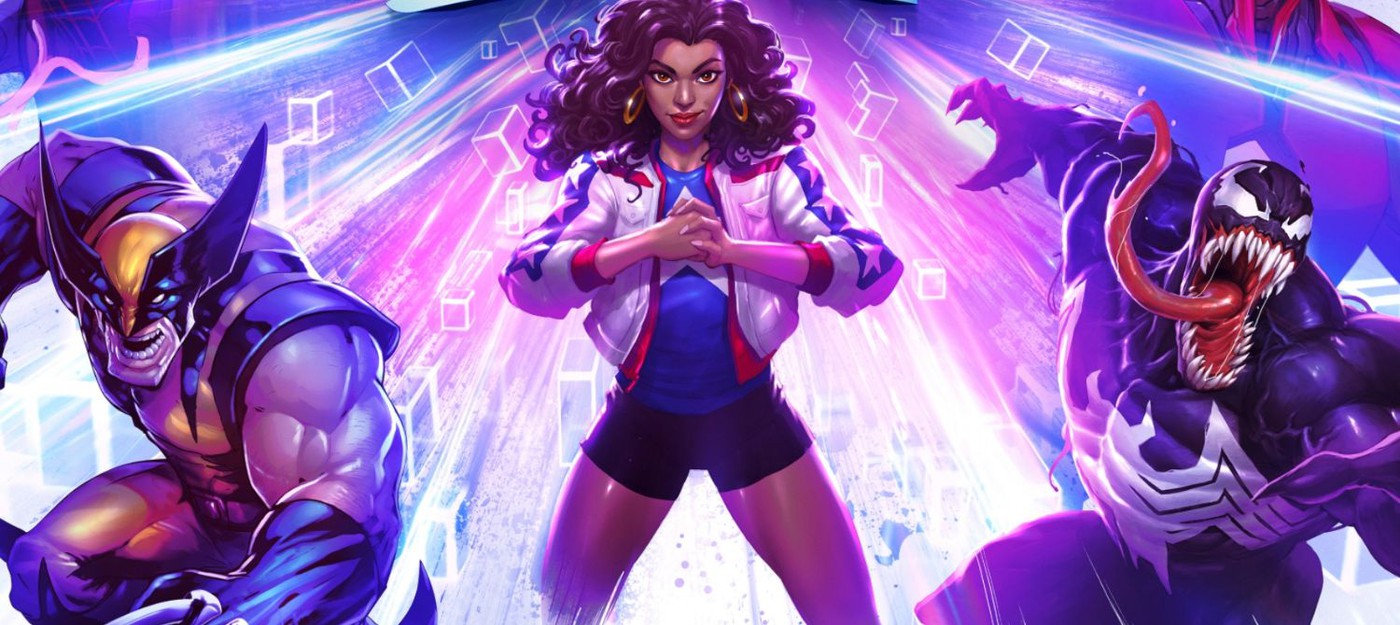
‘Marvel Snap’, created by Second Dinner and first published by Nuverse, lets you unlock different art styles for your cards, called variants. You can earn these variants in a few ways, like through the Collection Level track and by completing seasonal challenges. These variants are essentially unlockable art packs that change the look of your deck, and they’re a great example of how the game constantly adds new visuals to collect.
Share your most-loved games – and any others that let you unlock cool visual styles – in the comments below! Let’s help everyone find more games with awesome customization options.
Read More
- Invincible Season 4 Gender Swaps Tech Jacket As Fans Question Major Comic Change
- Gold Rate Forecast
- Silver Rate Forecast
- 20 Movies Where the Black Villain Was Secretly the Most Popular Character
- 22 Films Where the White Protagonist Is Canonically the Sidekick to a Black Lead
- Building Agents That Learn and Improve Themselves
- 15 Films That Were Shot Entirely on Phones
- Games That Faced Bans in Countries Over Political Themes
- Celebs Who Narrowly Escaped The 9/11 Attacks
- Trading Crypto with AI: A New Approach to Portfolio Management
2025-12-14 20:47