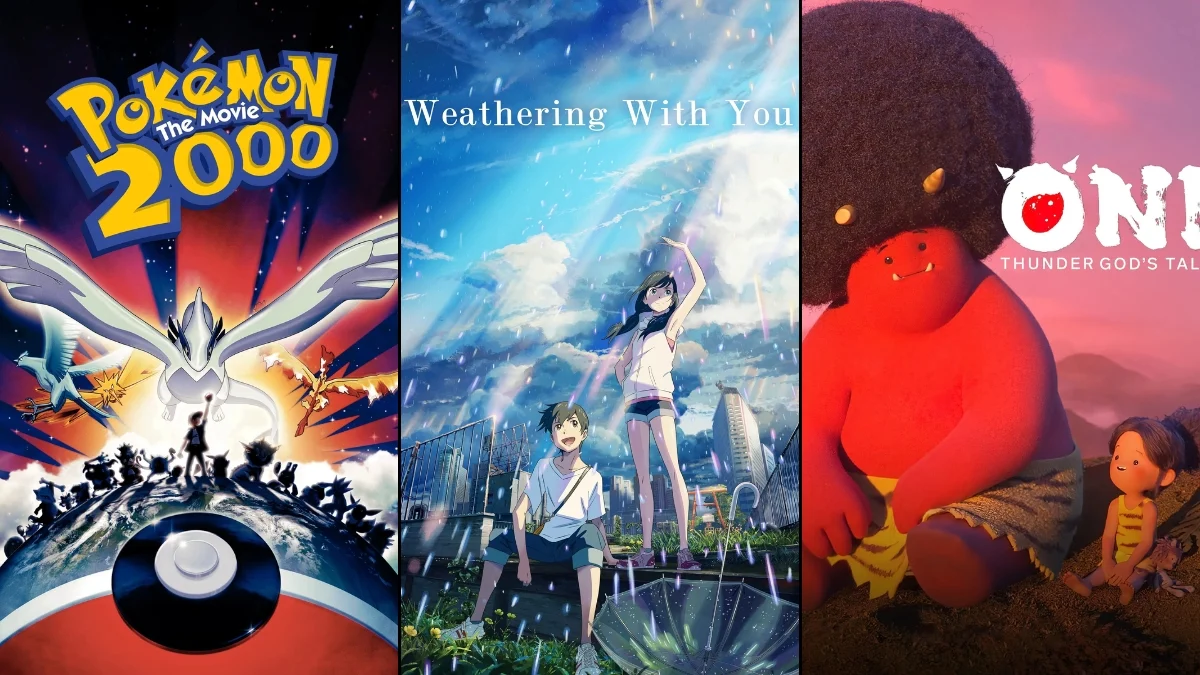
Anime often features fascinating connections to traditional weather folklore. From rain-stopping ceremonies at shrines to supernatural creatures embodying snow, storms, and wind, these beliefs play a significant role in many shows. Sometimes they form the core of an entire storyline, while other times they drive important character arcs where characters must interact with mythical forces. Here are 25 anime that skillfully incorporate these ancient weather beliefs into their narratives.
‘Weathering with You’ (2019)
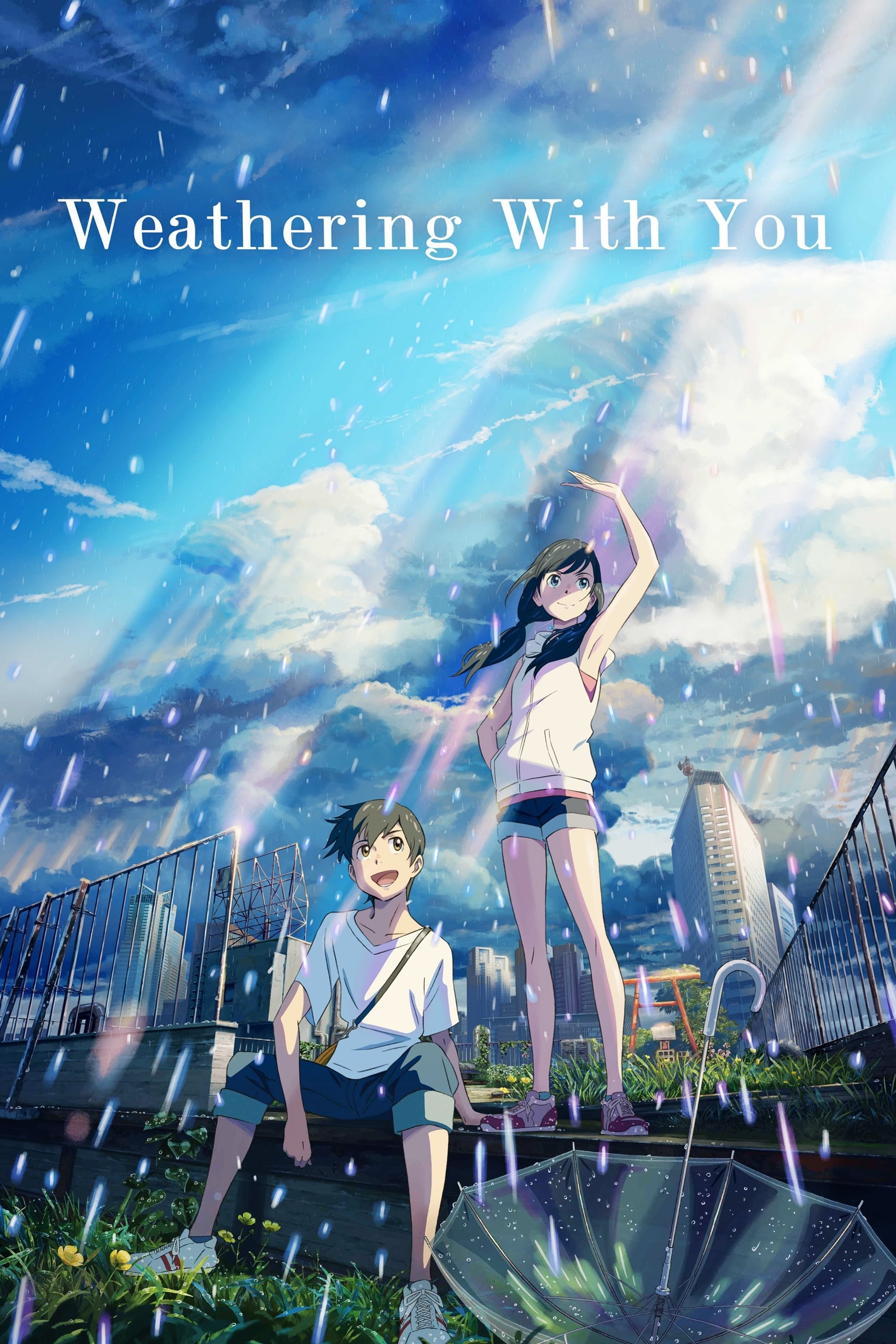
‘Weathering with You’ presents the concept of a ‘weather maiden’ as a believable urban legend, where clear skies can be obtained through a kind of trade. The story uses traditional shrine symbolism and suggests that unusual weather isn’t explained by science, but by a spiritual exchange – essentially, it can be ‘paid for’. This makes sunshine feel like the result of a ritual, not just a prediction, and influences the characters’ decisions as the city remains trapped in endless rain.
‘Mushi-shi’ (2005–2006)
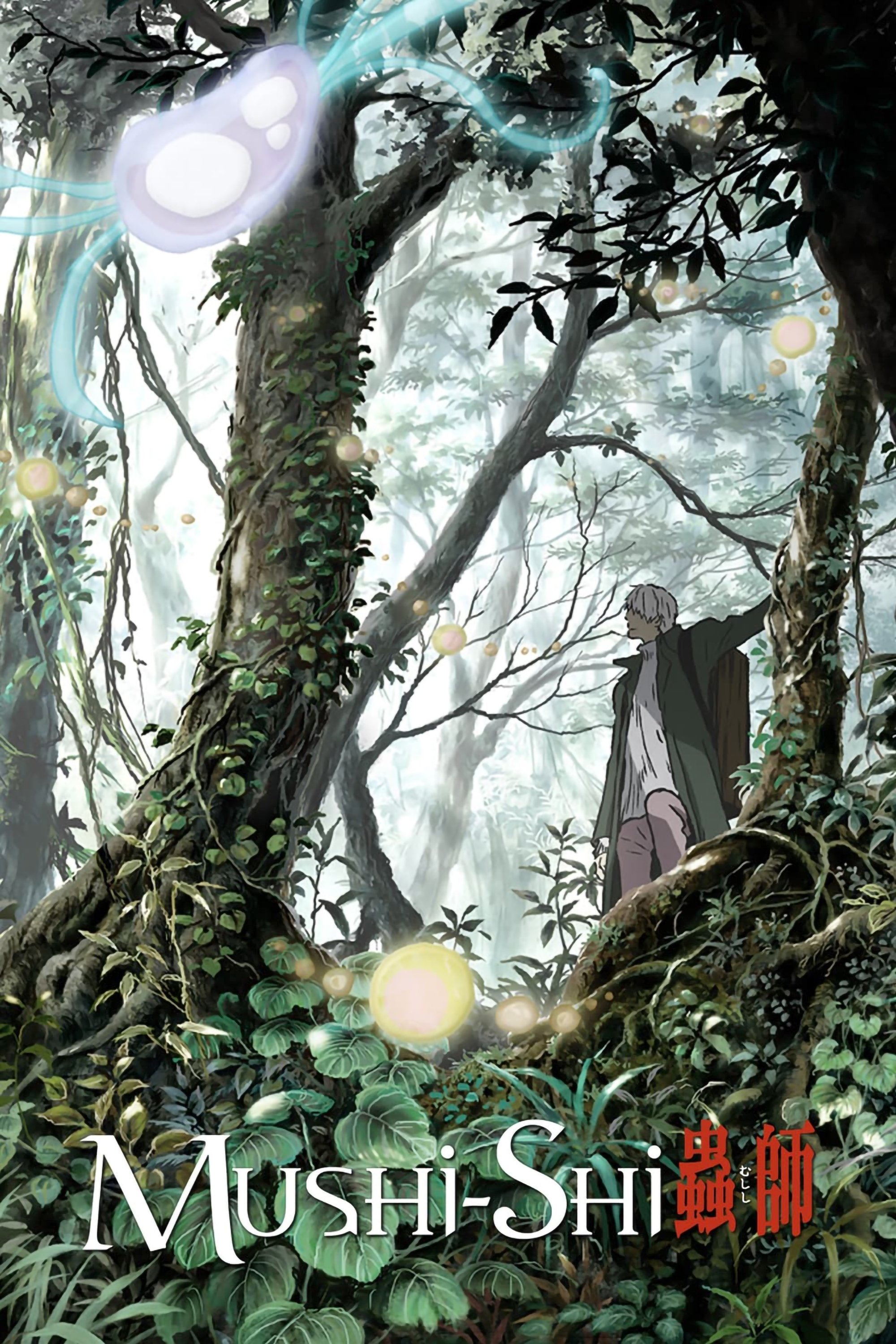
‘Mushishi’ often tells stories that explain unusual natural events – like strange weather – using folklore and tradition. Instead of seeing things like sudden fog or persistent rain as simply random occurrences, the show connects them to hidden creatures and a system of cause and effect rooted in old beliefs. The main character works much like a traveling healer from ancient stories, observing and recording the patterns and beliefs already known to the local people.
‘Mushi-Shi: The Next Chapter – Drops of Bells’ (2014)
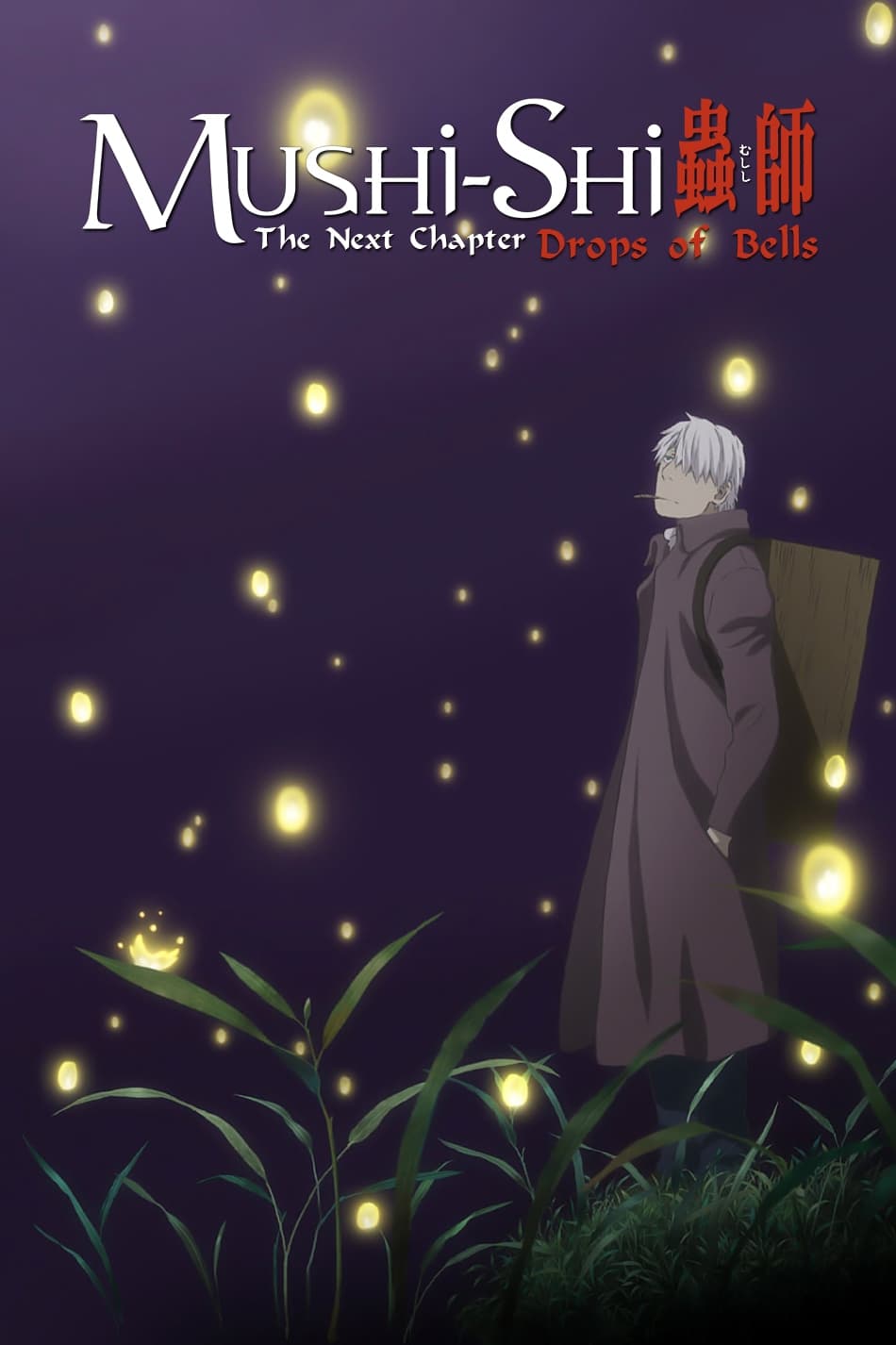
‘Mushishi: The Next Passage’ keeps the same focus on Japanese folklore, using changes in the weather to signal the presence of mysterious, unseen beings. Many of the stories revolve around problems with the environment – like excessive moisture, storms, or unusual seasons – which are presented as symptoms rooted in local legends. The show values the traditional knowledge and stories people share about places – mountains, rivers, and villages – and uses them to help solve the problems that arise.
‘Natsume’s Book of Friends’ (2008–2024)
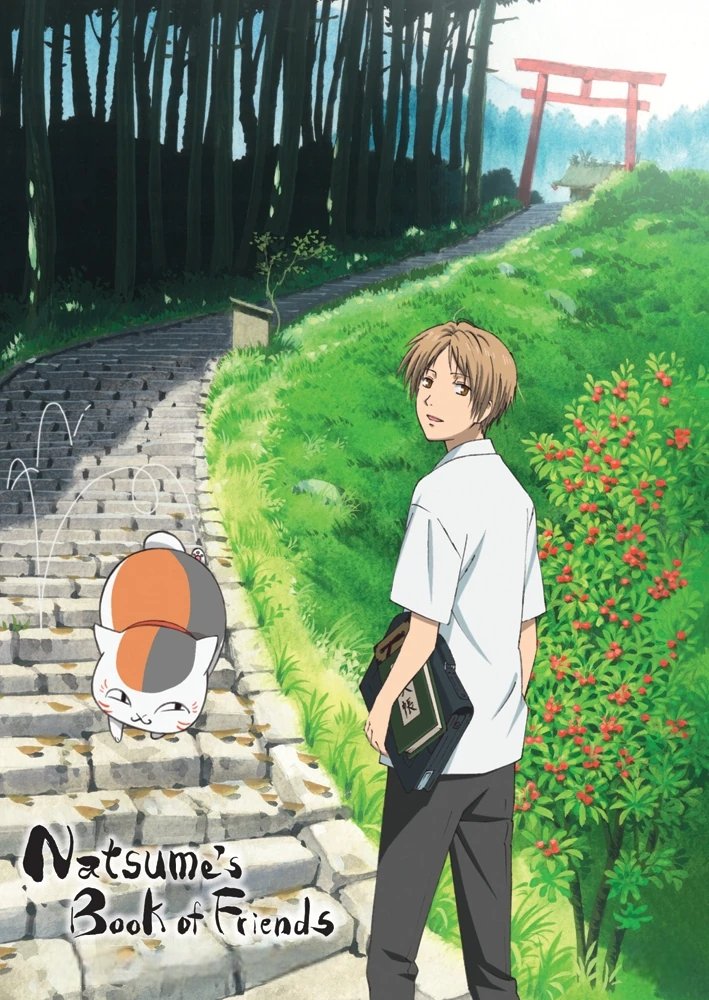
In the anime ‘Natsume’s Book of Friends’, spirits aren’t simply frightening creatures; they’re deeply connected to specific locations and natural phenomena like rain, fog, and the changing seasons. The show frequently explains unusual weather or a strange feeling about a place by referencing old agreements, gifts given to spirits, and spirits tied to the land. These encounters linked to the weather highlight how people in the past understood nature by believing in relationships with the spirit world.
‘xxxHOLiC’ (2006–2008)

‘xxxHOLiC’ reimagines Japanese folklore as supernatural problem-solving. Spirits connected to the weather fit perfectly into this framework, acting as living signs that appear when someone’s actions disrupt the natural order. The series focuses on deals and their repercussions, portraying these beings as part of a system where favors are exchanged – much like traditional beliefs that see weather as a reaction to how people behave.
‘In/Spectre’ (2020–2023)
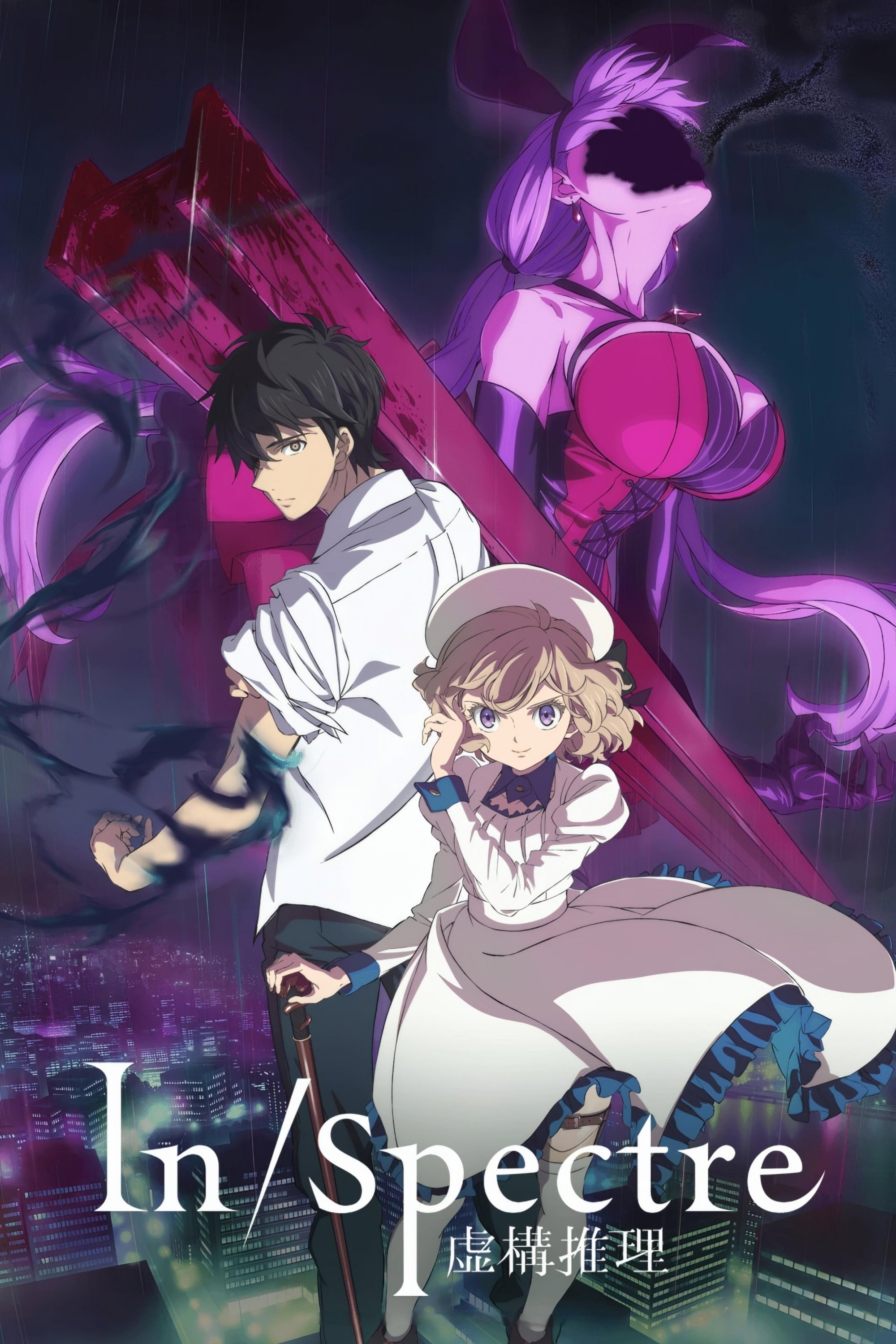
‘In/Spectre’ cleverly explores how stories and myths evolve as they’re retold, making it a fitting setting for folklore about winter spirits like the snow woman. The series views these supernatural tales as public problems that require answers, and the way those answers are found shapes the relationship between humans and spirits. When it incorporates winter imagery and spirits, it’s more than just atmosphere—it drives the plot, creates conflict, and establishes the conditions for interactions.
‘GeGeGe no Kitaro’ (2018–2020)
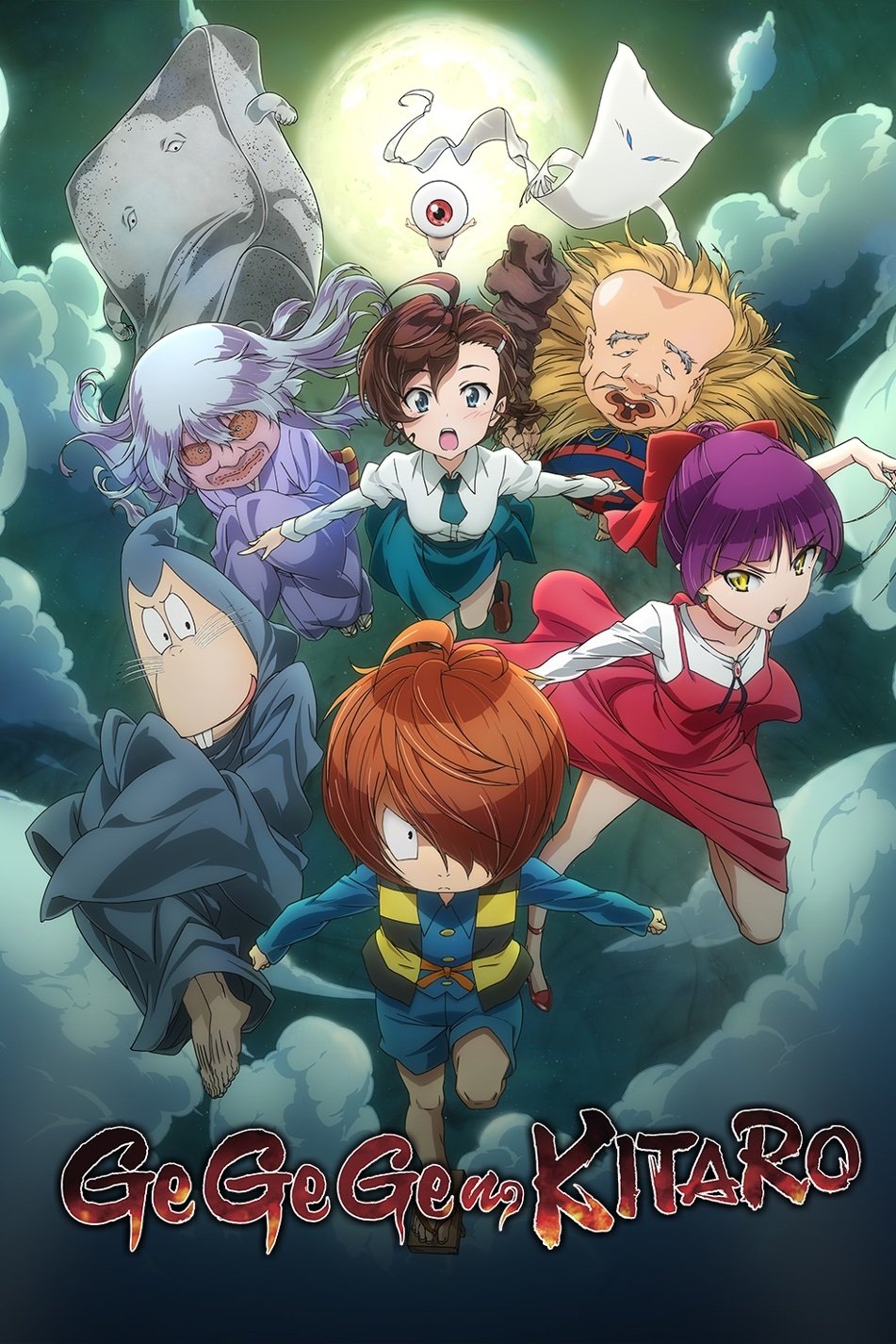
‘GeGeGe no Kitarō’ features a rich cast of yōkai – traditional creatures once used to explain things like storms and unusual weather. Because the show is made up of individual episodes, it’s perfect for turning old weather-related myths into compelling stories. Typically, someone faces a problem, and the cause is a spirit connected to the sky or a particular season – it’s a simple way to bring folklore to life and show how these traditional beings can still impact people’s lives.
‘Yo-kai Watch’ (2014–2018)
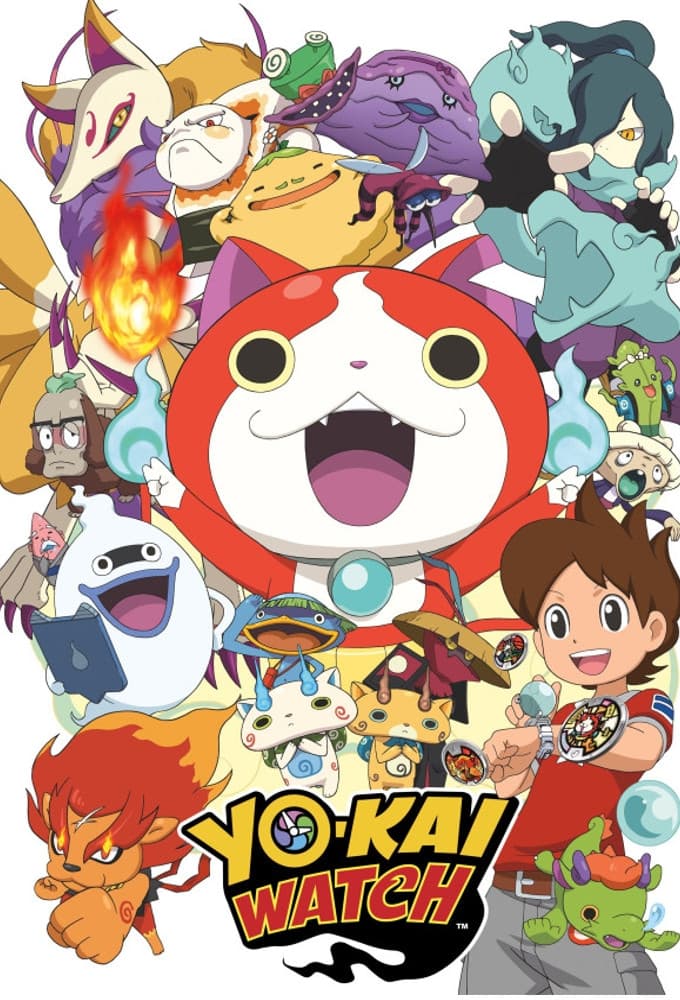
As a total movie and show buff, I’ve always been fascinated by ‘Yo-kai Watch’. What I really love is how everyday annoyances – like a sudden rainstorm or just a gloomy day – are actually caused by these mischievous spirits called yōkai. It’s like the old folklore about people ‘bringing’ bad weather with them, but the show takes that idea and turns it into a fun mystery to solve! Instead of just getting frustrated with the weather, you get to meet the yōkai causing it, chat with them, and figure out how to make things right. It’s a really clever way to personify bad luck and make it something you can actually deal with.
‘Rosario + Vampire’ (2008)
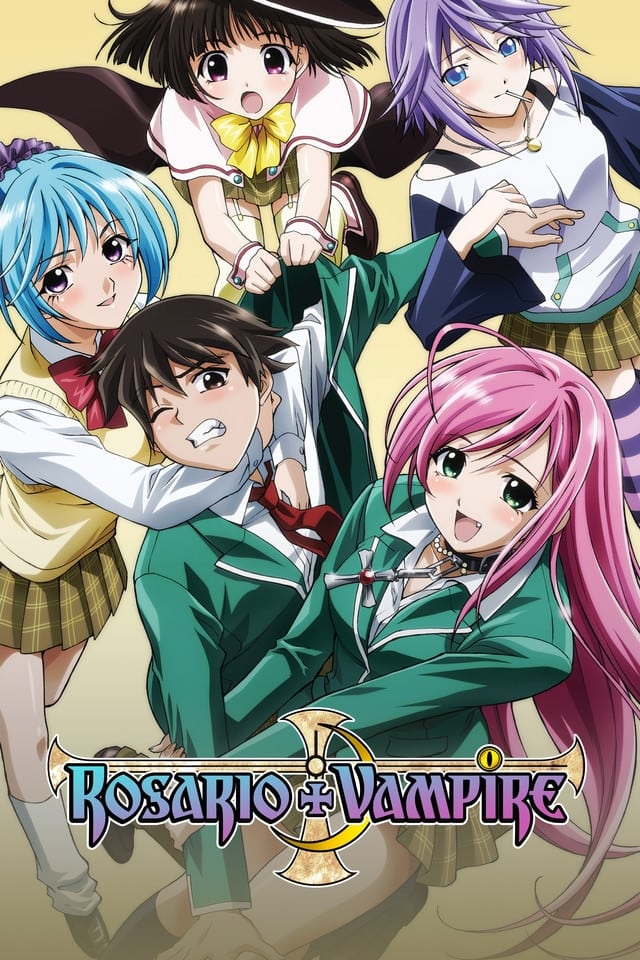
Rosario + Vampire incorporates traditional monster myths, like the story of the snow woman. This is important because the character’s powers and feelings are shown through ice, cold, and a sense of loneliness – all elements of the original legend. When the show uses freezing powers or cold settings to create conflict, it’s tapping into the same idea found in yuki-onna folklore: that a character’s personality and abilities are linked to the weather.
‘Nura: Rise of the Yokai Clan’ (2010–2011)
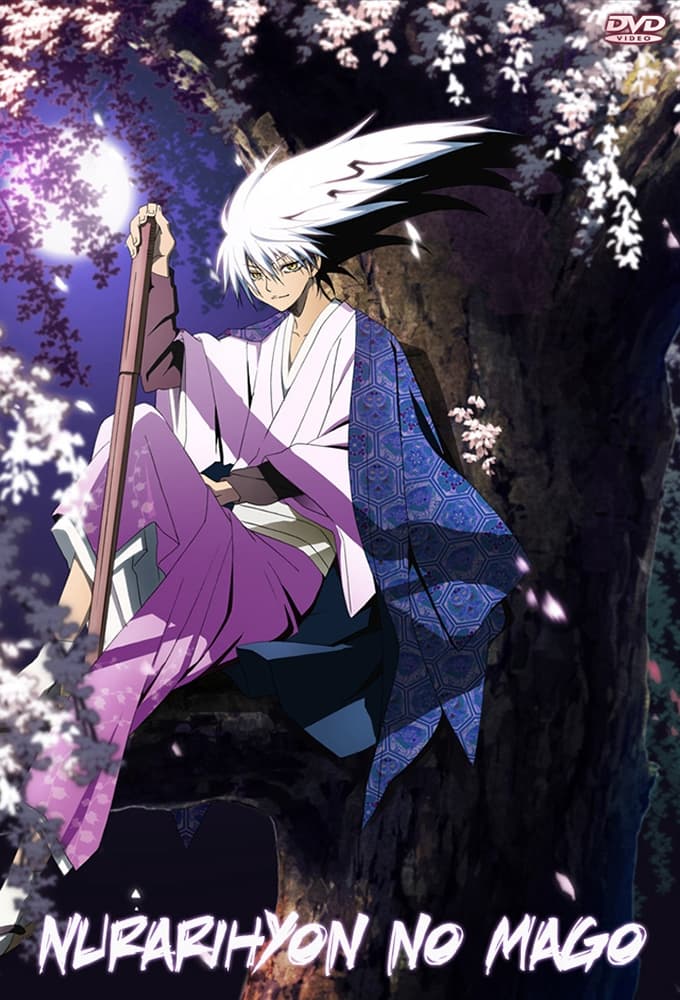
‘Nura: Rise of the Yokai Clan’ features a society of supernatural creatures, called yōkai, many of whom are connected to the weather. Their powers and behaviors are rooted in traditional Japanese folklore. For example, a snow woman isn’t just a character design—snow and ice are used throughout the story to represent themes like loyalty, danger, and the overall atmosphere. The series cleverly builds a complete supernatural world using these familiar figures and their associated traits.
‘Kakuriyo -Bed & Breakfast for Spirits-‘ (2018–2025)
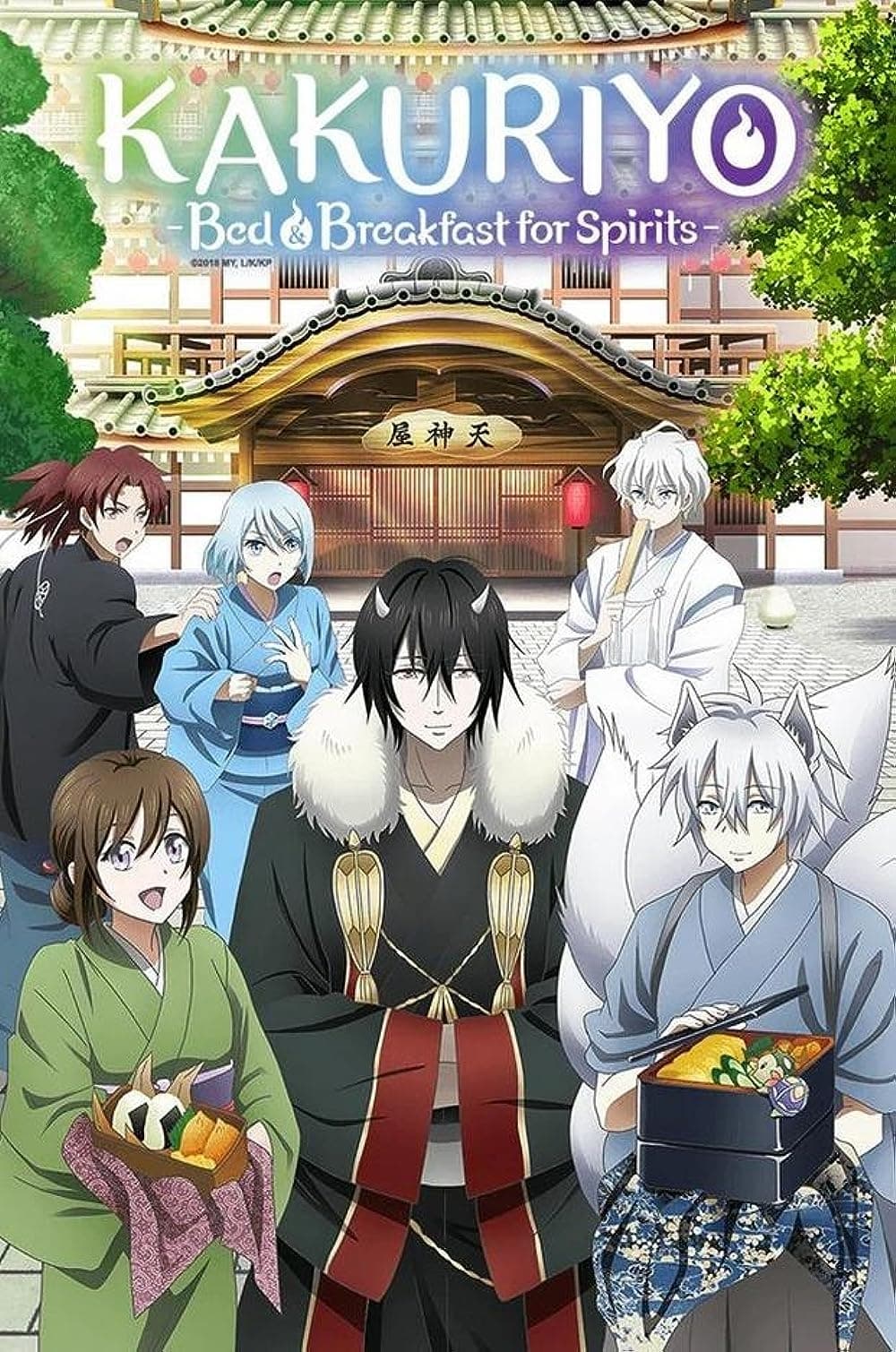
Kakuriyo: Bed & Breakfast for Spirits is set in a spirit world where ancient folklore feels real. The inn caters to a variety of supernatural beings, and encounters – whether with guests, staff, or unexpected problems – are solved through understanding tradition and proper etiquette, not just force. The story emphasizes that even in the supernatural realm, customs, obligations, and hospitality are important, especially when trouble arises.
‘Moribito: Guardian of the Spirit’ (2007)
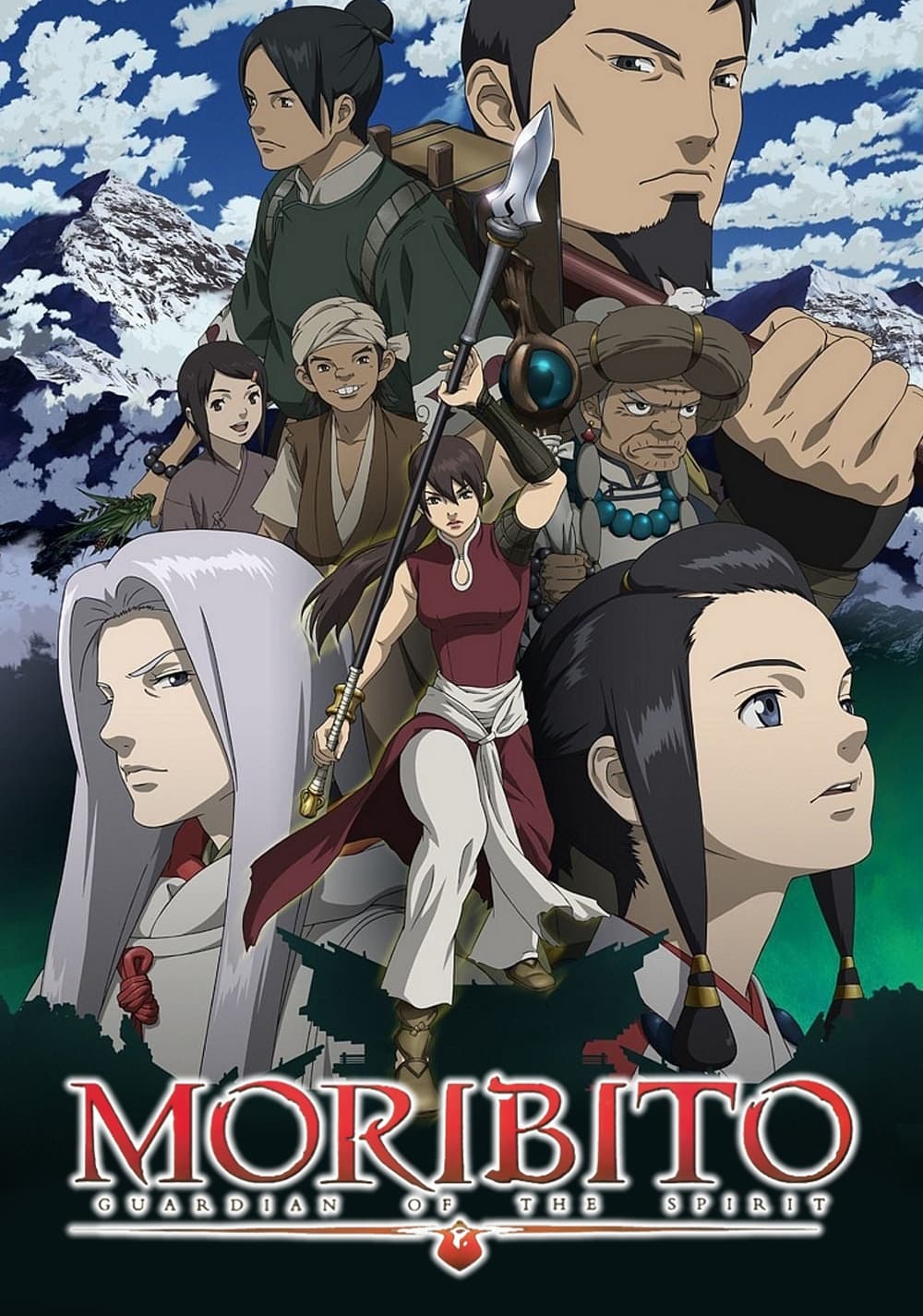
‘Moribito: Guardian of the Spirit’ is built around a classic story pattern: a land plagued by drought and floods because of a disruption in the natural order. The main conflict connects the rulers’ power to their beliefs about a powerful water spirit, and their decisions are based on rituals and interpreting omens. The weather isn’t just part of the setting; it’s the core problem everyone tries to solve using ancient beliefs and traditions.
‘Windy Tales’ (2004–2005)
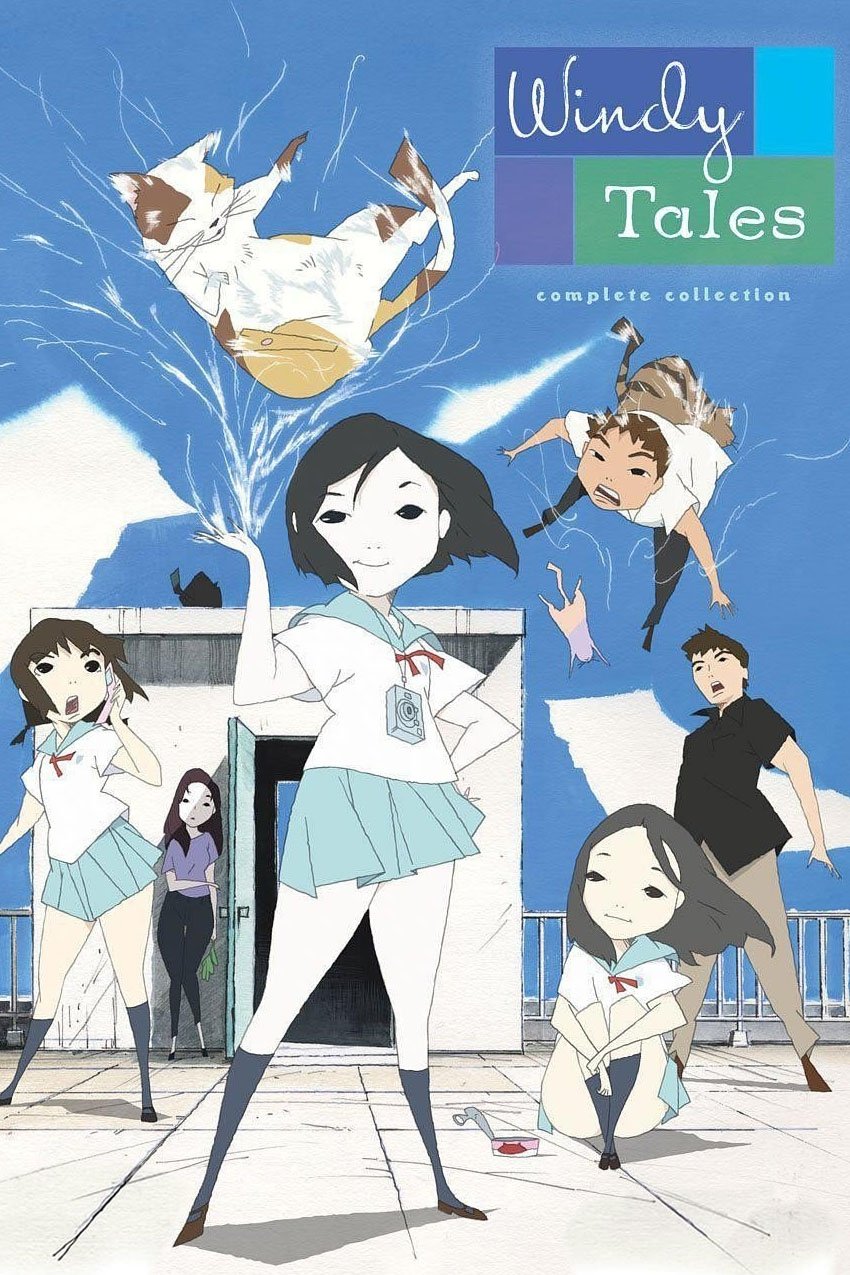
‘Windy Tales’ presents wind not as a scientific phenomenon, but as something almost magical – a force you can understand, affect, and even interpret, much like a character in a folk story. The series centers on individuals who can manipulate the wind, echoing ancient beliefs that wind is a living, breathing entity with its own personality and habits. Instead of just showcasing impressive wind powers, the story focuses on how even small changes in the breeze can impact everyday life and the routines of the characters.
‘Kamichu!’ (2005)
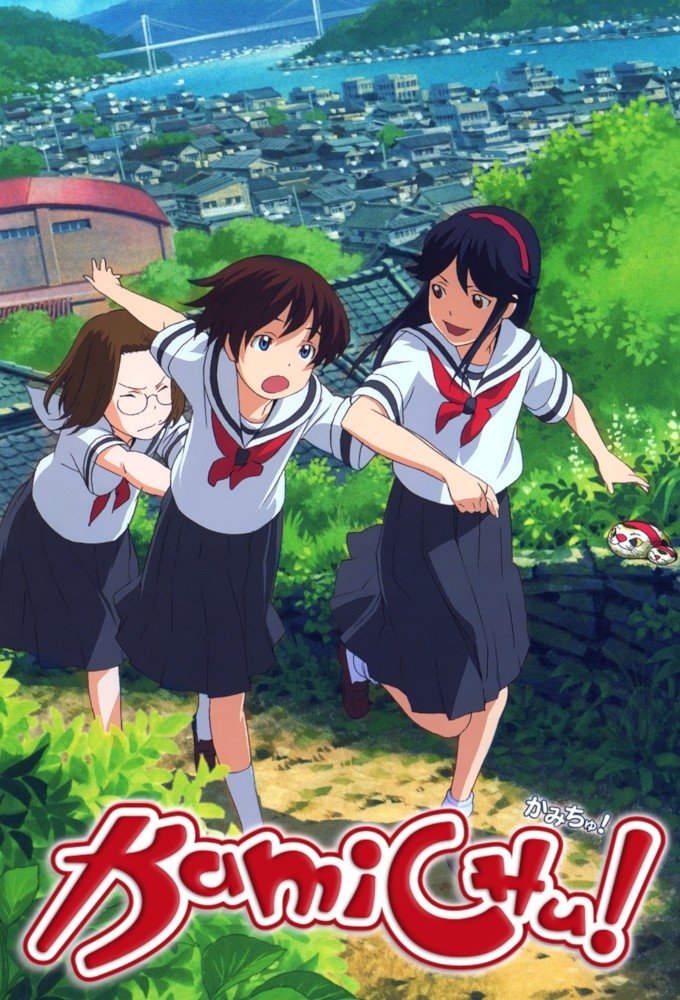
‘Kamichu!’ draws heavily on Shinto beliefs, portraying a world where gods and community traditions are woven into daily life. This naturally leads to connections with weather-related folklore, as festivals and shrine practices are seen as ways to interact with the environment. By introducing a new goddess to an ordinary town, the show emphasizes the close relationship between weather, the changing seasons, and local customs.
‘Ponyo’ (2008)
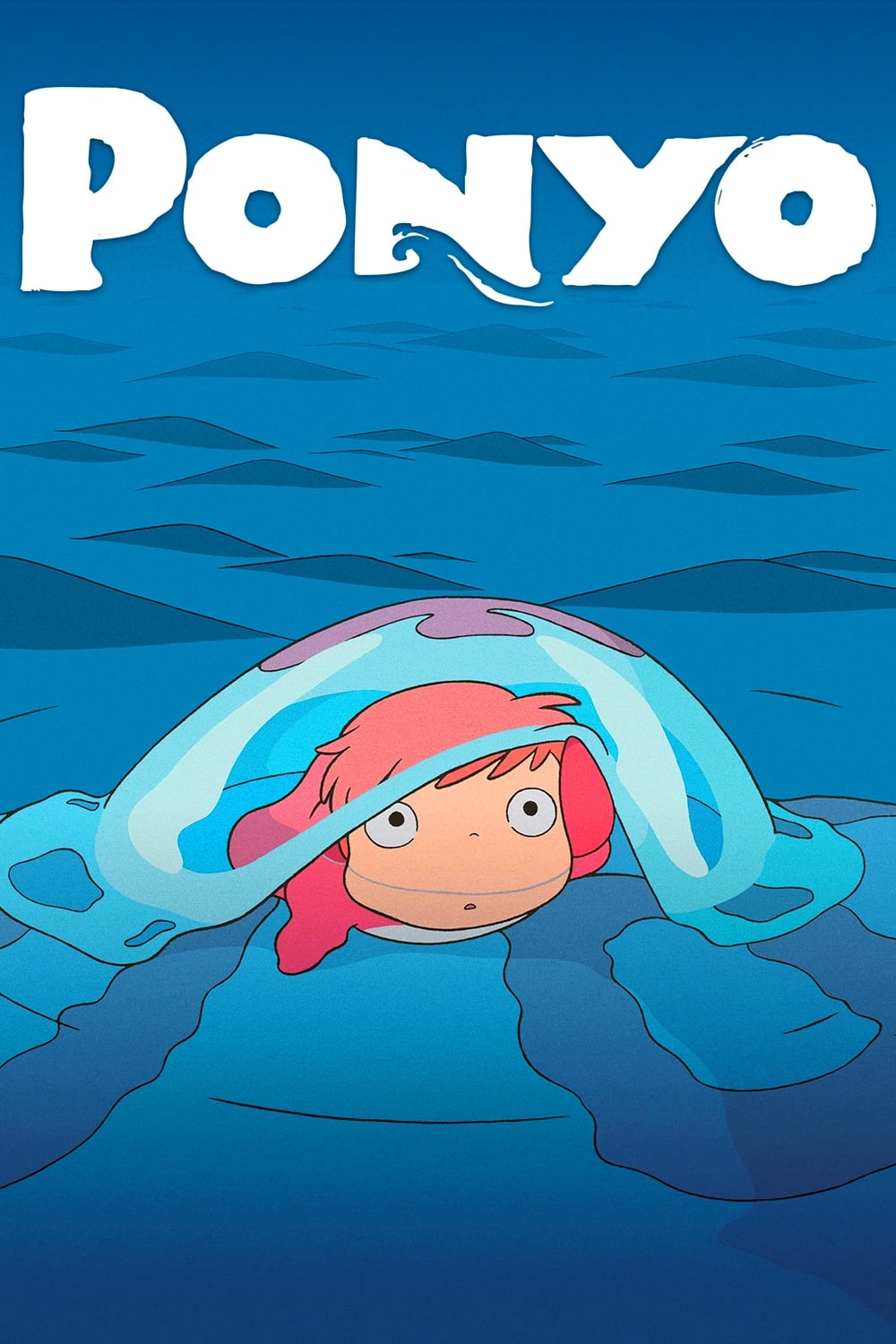
‘Ponyo’ powerfully depicts storms and floods, drawing on old seafaring stories about the ocean’s strength and the fragile connection between land and sea. The film presents natural disasters as results of magic and when boundaries are crossed, reflecting the belief that the ocean responds when things are disrupted. Water isn’t just a setting, but a powerful, living force that determines where people can travel, what they can protect, and how they ultimately find their way back to each other.
‘Nagi-Asu: A Lull in the Sea’ (2013–2014)
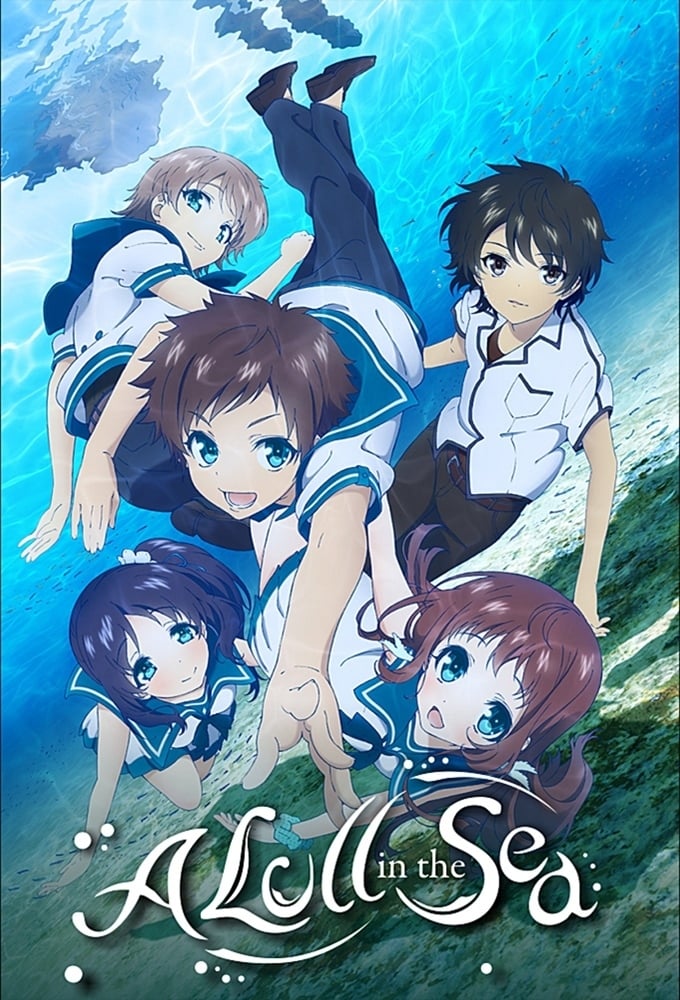
The anime ‘Nagi-Asu: A Lull in the Sea’ doesn’t just show sea worship and community customs – they’re central to the story’s main conflict between those who live on the land and those in the sea. The narrative uses rituals and a belief in a sea god to explain how the world changes, especially with the seasons and ocean currents, giving these changes a legendary feel. This is similar to traditional coastal stories where the weather and sea are controlled by powerful beings that people must respect.
‘The Eccentric Family’ (2013–2017)
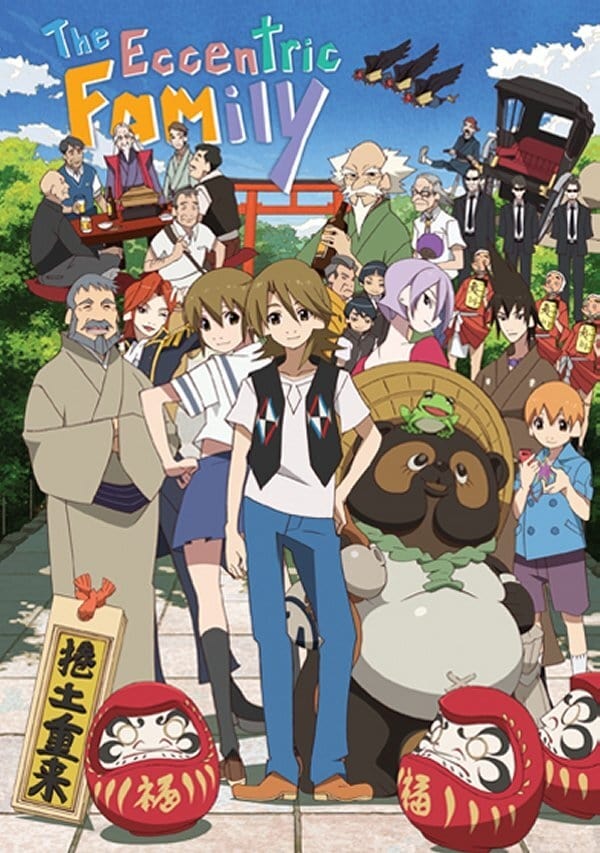
“The Eccentric Family” prominently features tengu, creatures from Japanese folklore traditionally linked to mountains, wind, and a sense of the ethereal. By portraying these beings as living above humans—both in social status and physical location—the story evokes the ancient belief that the weather and sky are inhabited by their own unique entities with their own set of rules. The themes of flying, high altitudes, and the space between earth and sky are used to keep the folklore feeling relevant and integrated into the narrative.
‘Spice and Wolf’ (2008–2009)
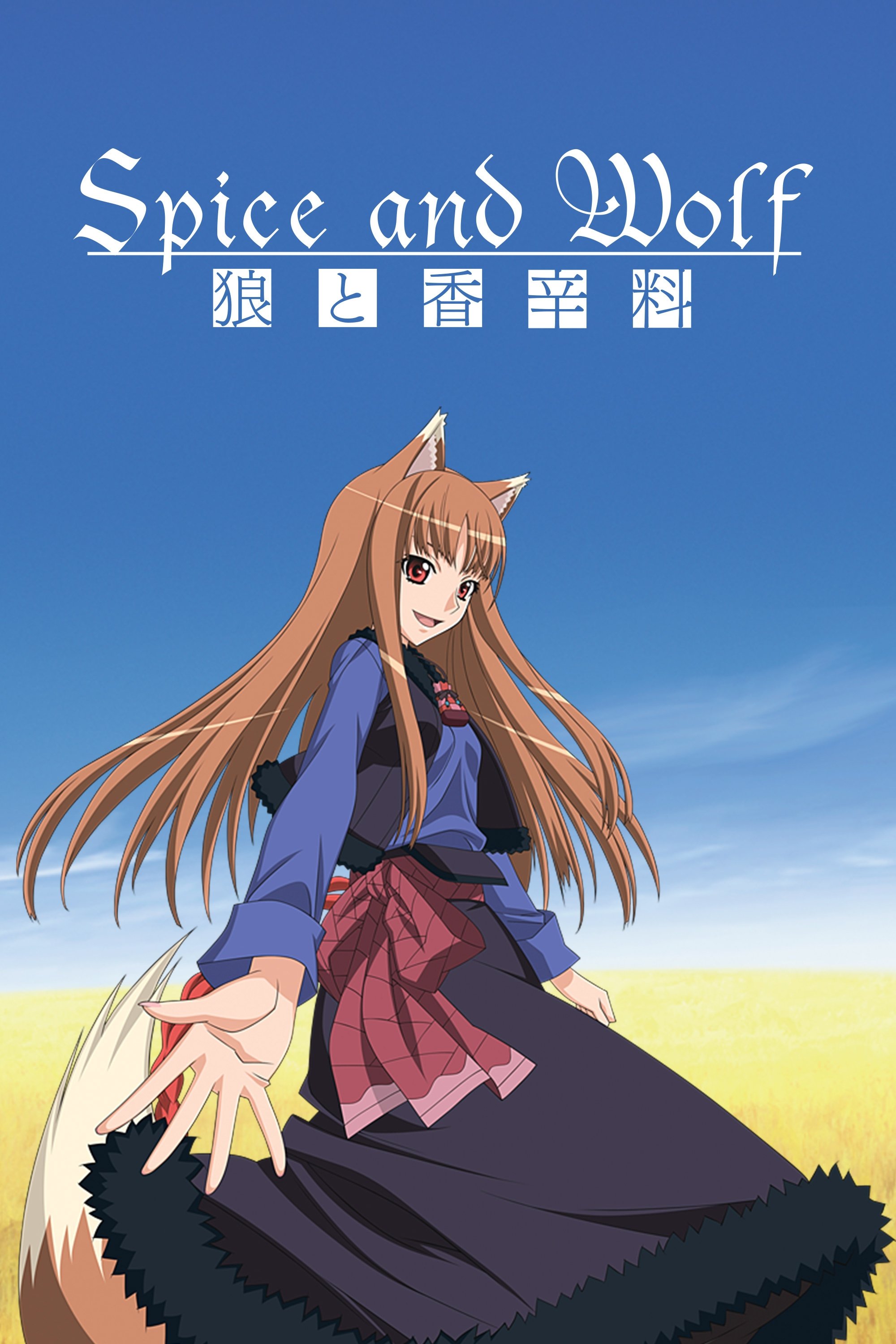
‘Spice and Wolf’ explores the idea that harvests, seasons, and good weather were traditionally seen as things people bargained for with the gods. The story shows how strongly a community’s success depends on its connection to these old beliefs. This means things like securing a good harvest and adapting to changing seasons aren’t just background details—they’re the most important factors in every negotiation and choice the characters make.
‘The Ancient Magus’ Bride’ (2017–2023)
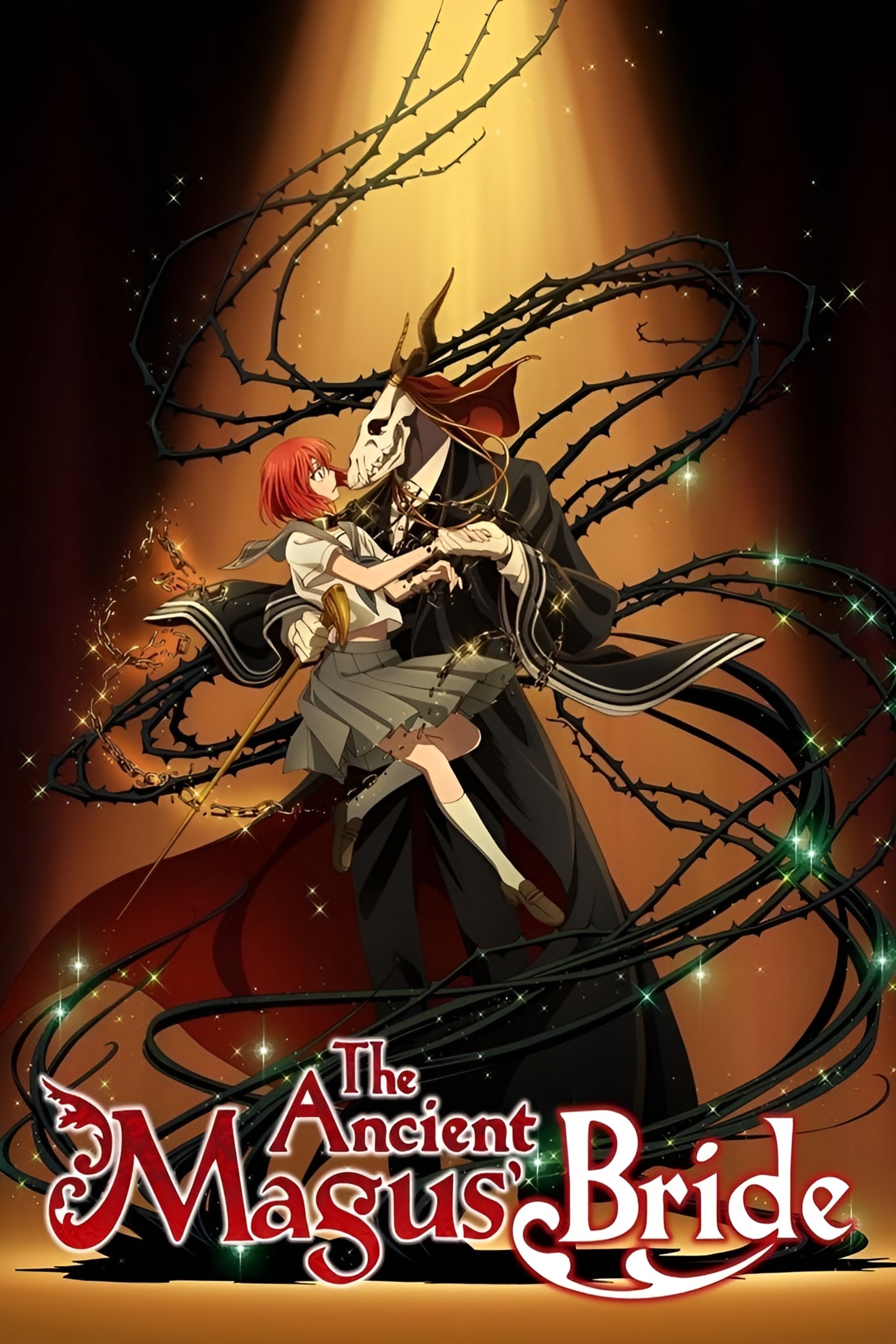
‘The Ancient Magus’ Bride’ beautifully incorporates traditional weather folklore, presenting seasons as living forces driven by magical beings. The story explains the mystical feeling of certain places – those that seem powerful, risky, or like gateways to another world – through ancient rituals, agreements, and a supernatural understanding of nature. When the story focuses on moments like the solstices, it reflects the old belief that changes in the weather are connected to spiritual events.
‘Blue Seed’ (1994–1995)
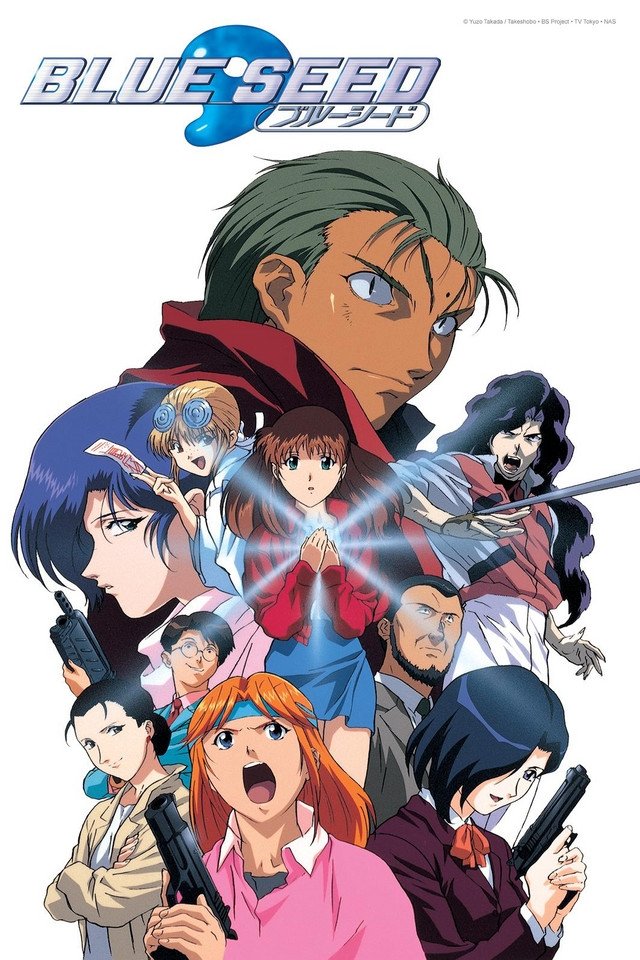
“Blue Seed” draws heavily from Japanese Izumo mythology, connecting its supernatural dangers to tales of gods who control storms and bring disaster. The story relies on familiar mythological ideas like sacrifice, family history, and trying to pacify powerful forces to explain misfortune. By using this mythology, the series portrays catastrophes as stemming from old connections with these powerful beings.
‘Noragami’ (2014–2015)
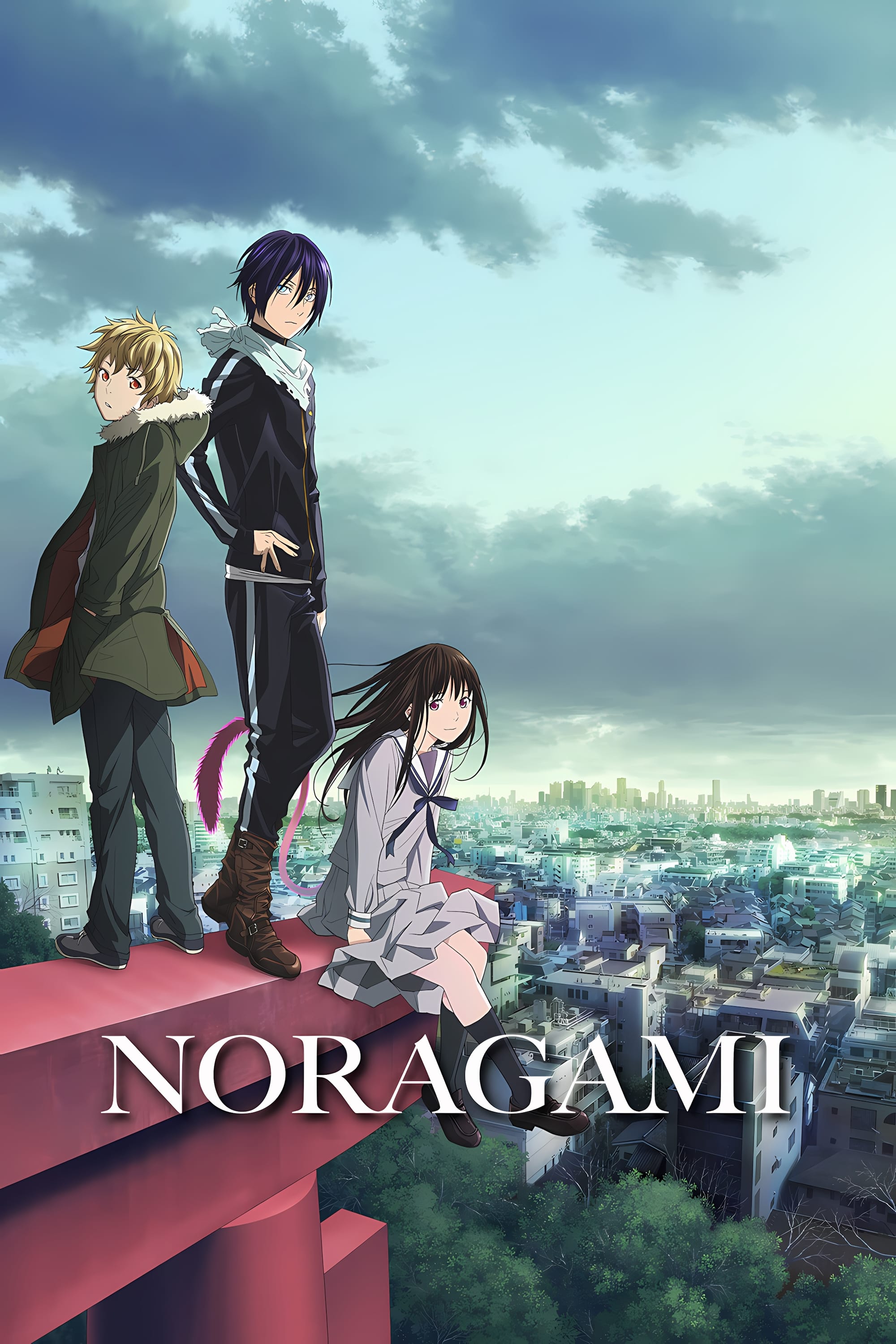
Noragami is inspired by the traditional ranking system of Shinto gods, and features powerful deities connected to storms and thunder myths. When a god of thunder appears, their power is shown through weather effects, which quickly raise the stakes and create conflict. This highlights the idea that storms aren’t just natural events—they’re a sign of a god’s influence that people must either satisfy or overcome.
‘Rain Boy’ (1983)
‘Rain Boy’ uses the familiar idea of a rain spirit – a strange, child-like being always connected to the rain. The story presents rain as something personal, governed by rules, agreements, and repercussions – similar to old stories where weather isn’t just something that happens, but a relationship. By focusing on a deal and a forgotten duty, the story echoes how folklore often uses weather to teach moral lessons.
‘Oni: Thunder God’s Tale’ (2022)
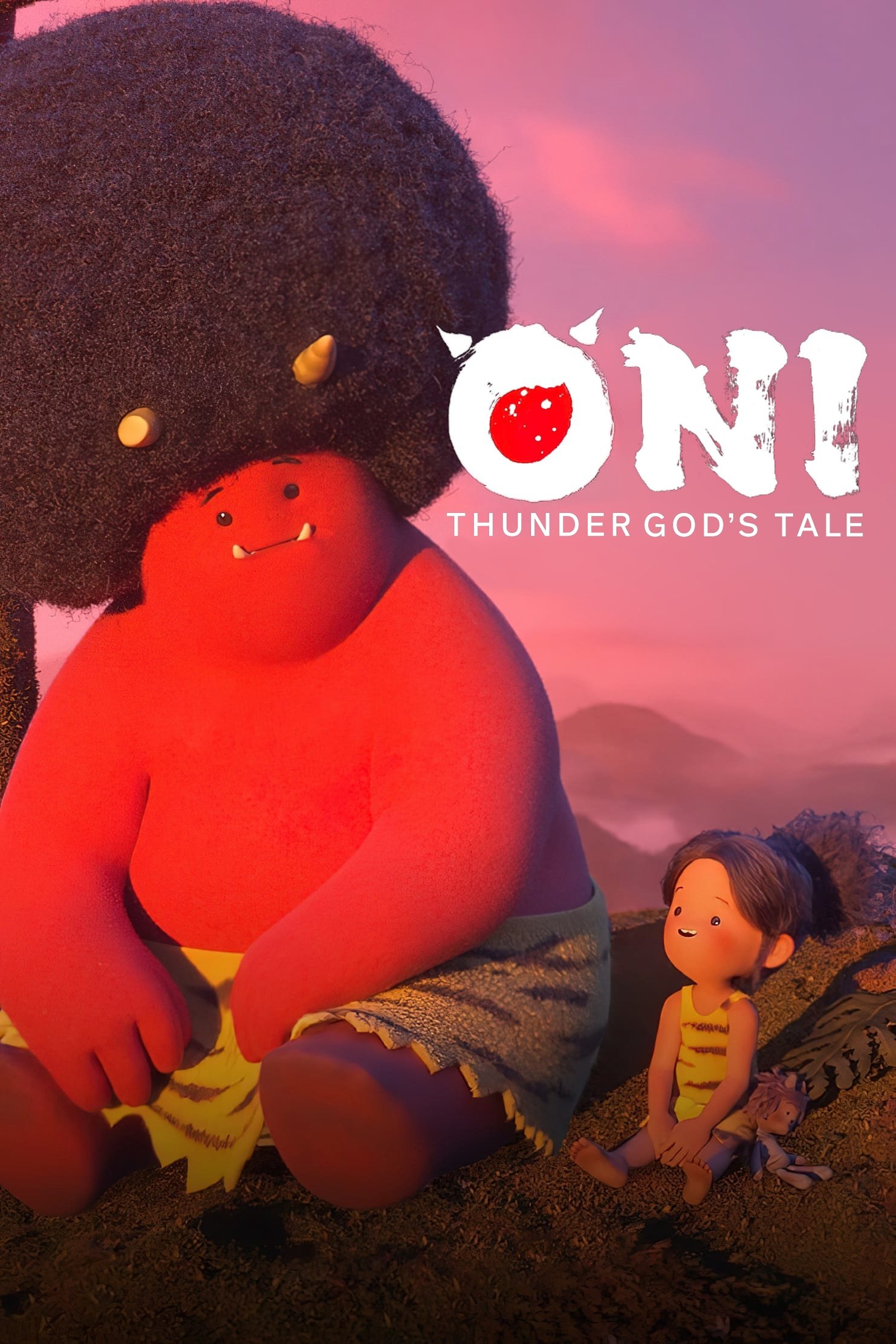
‘Oni: Thunder God’s Tale’ draws heavily from Japanese folklore, using mythical creatures called oni and classic hero stories to create its world and drive the plot. The series builds its fantasy elements on the idea that nature, spirits, and protecting the community are all closely linked. By basing its conflicts on these traditional folklore themes instead of modern ideas, the story makes its use of weather and storms feel powerful and meaningful.
‘Pokémon the Movie 2000’ (1999)
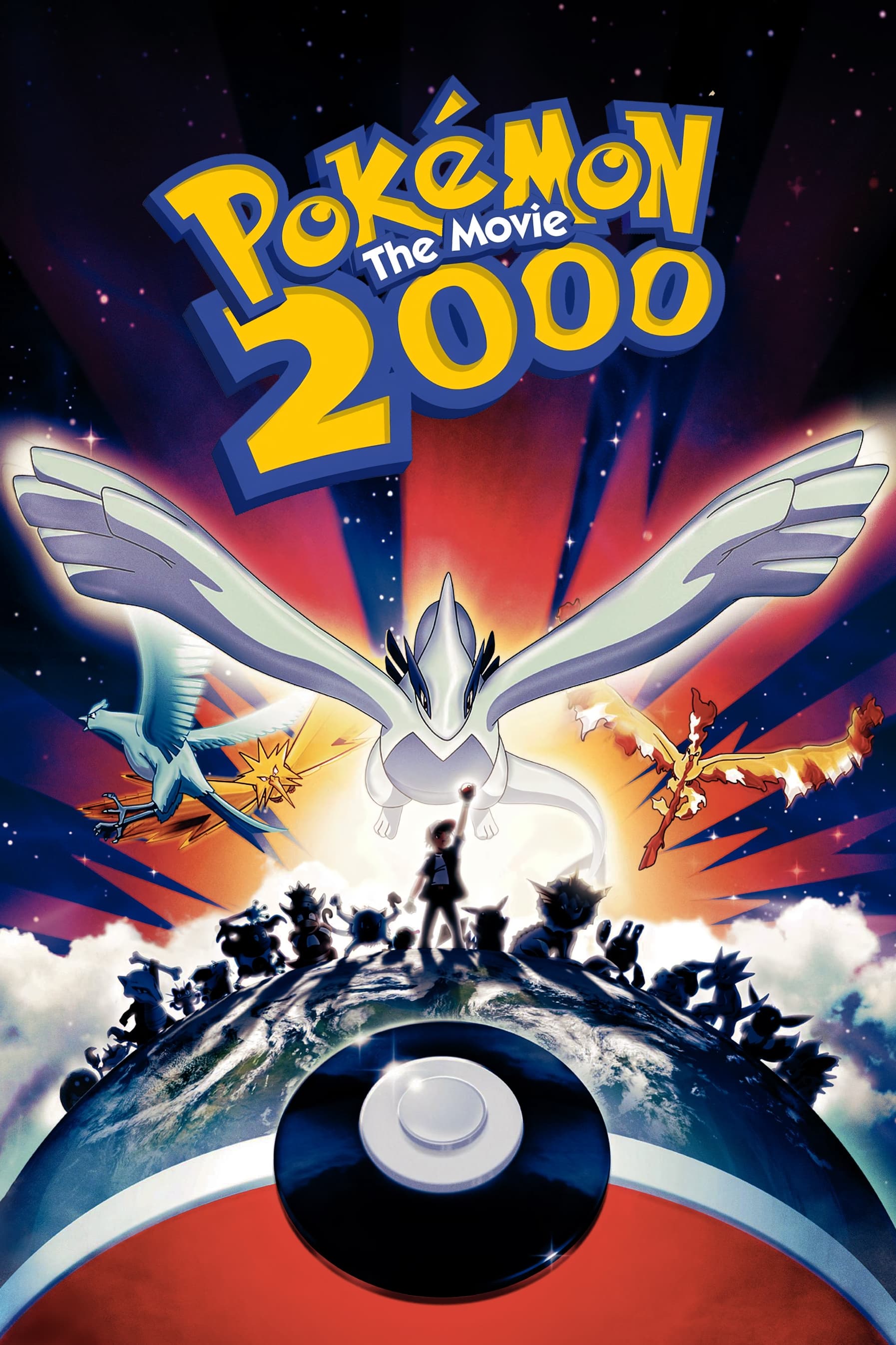
‘Pokémon the Movie 2000’ uses a story structure similar to old weather myths. It features powerful, elemental creatures whose imbalance causes widespread storms. The movie presents climate and weather as being controlled by these beings, and restoring balance requires special objects and a chosen hero. This follows a classic storytelling pattern where extreme weather isn’t random, but a sign that the natural world is out of harmony.
‘Record of Ragnarok’ (2021–2025)
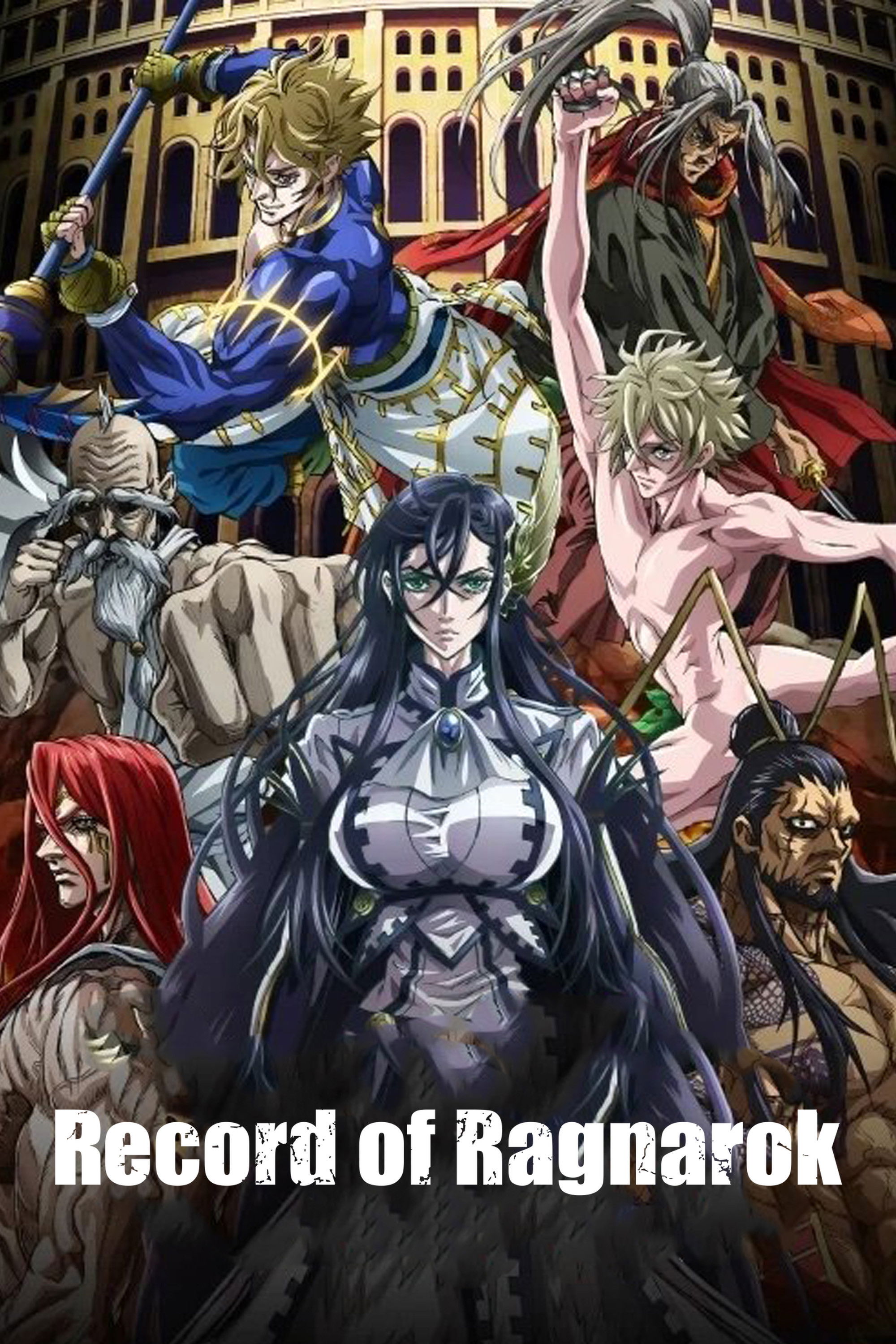
‘Record of Ragnarok’ features gods and figures associated with thunder and storms competing in a tournament. The show translates traditional ideas about these deities – like lightning representing power and storms symbolizing danger – into actual fighting abilities. By making these gods battle for their lives, the series keeps the original meanings of thunder and storms – such as authority and judgment – relevant to the story and its conflicts.
Share your favorite anime scenes that feature weather-related folklore or myths in the comments below, and let us know which show did it the most effectively!
Read More
- Invincible Season 4 Gender Swaps Tech Jacket As Fans Question Major Comic Change
- Building Agents That Learn and Improve Themselves
- Gold Rate Forecast
- Games That Faced Bans in Countries Over Political Themes
- Silver Rate Forecast
- Trading Crypto with AI: A New Approach to Portfolio Management
- 15 Films That Were Shot Entirely on Phones
- Why Won’t It Just *Do* What You Ask? Unpacking the Quirks of AI Language
- 20 Movies Where the Black Villain Was Secretly the Most Popular Character
- Unveiling the Schwab U.S. Dividend Equity ETF: A Portent of Financial Growth
2025-12-14 20:27