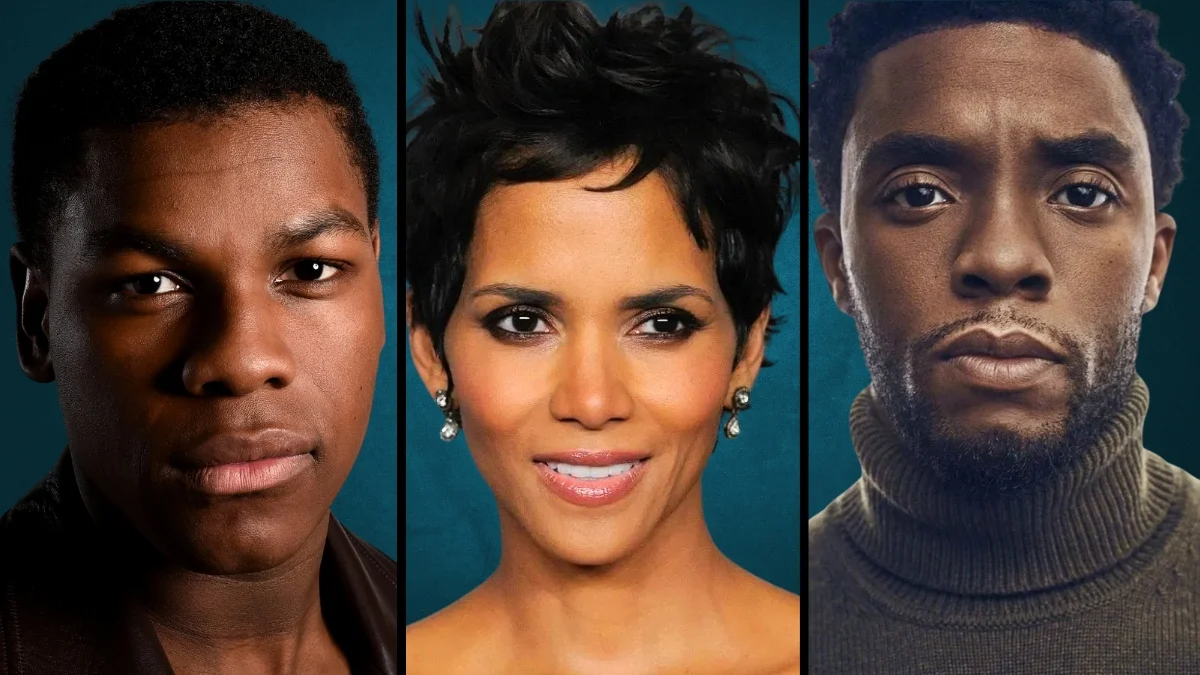
Hollywood often promotes itself as a champion of diversity and inclusion, but many Black actors say the industry doesn’t live up to that image. These actors are using their influence to expose ongoing issues with racism and unfair pay. Their willingness to speak out is starting important discussions about fairness and representation in entertainment worldwide.
John Boyega
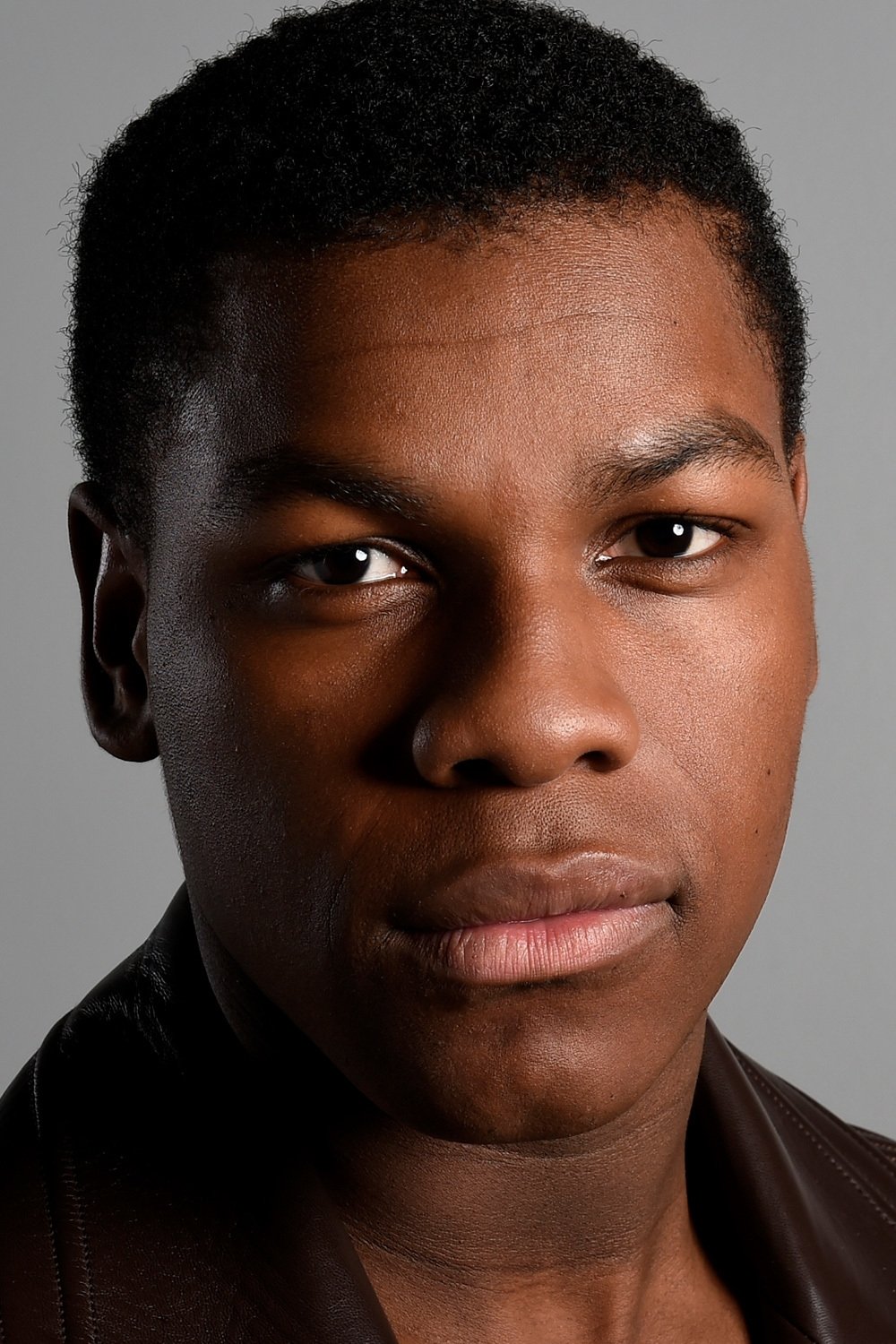
British actor John Boyega took a significant professional risk by publicly supporting the Black Lives Matter movement at a protest in London. He subsequently criticized the ‘Star Wars’ films, arguing they didn’t give enough prominence to actors of color, often featuring them as supporting characters despite marketing that suggested otherwise. This led to a wider discussion about the issue of studios appearing diverse without actually giving meaningful roles to minority actors in major franchises.
Viola Davis
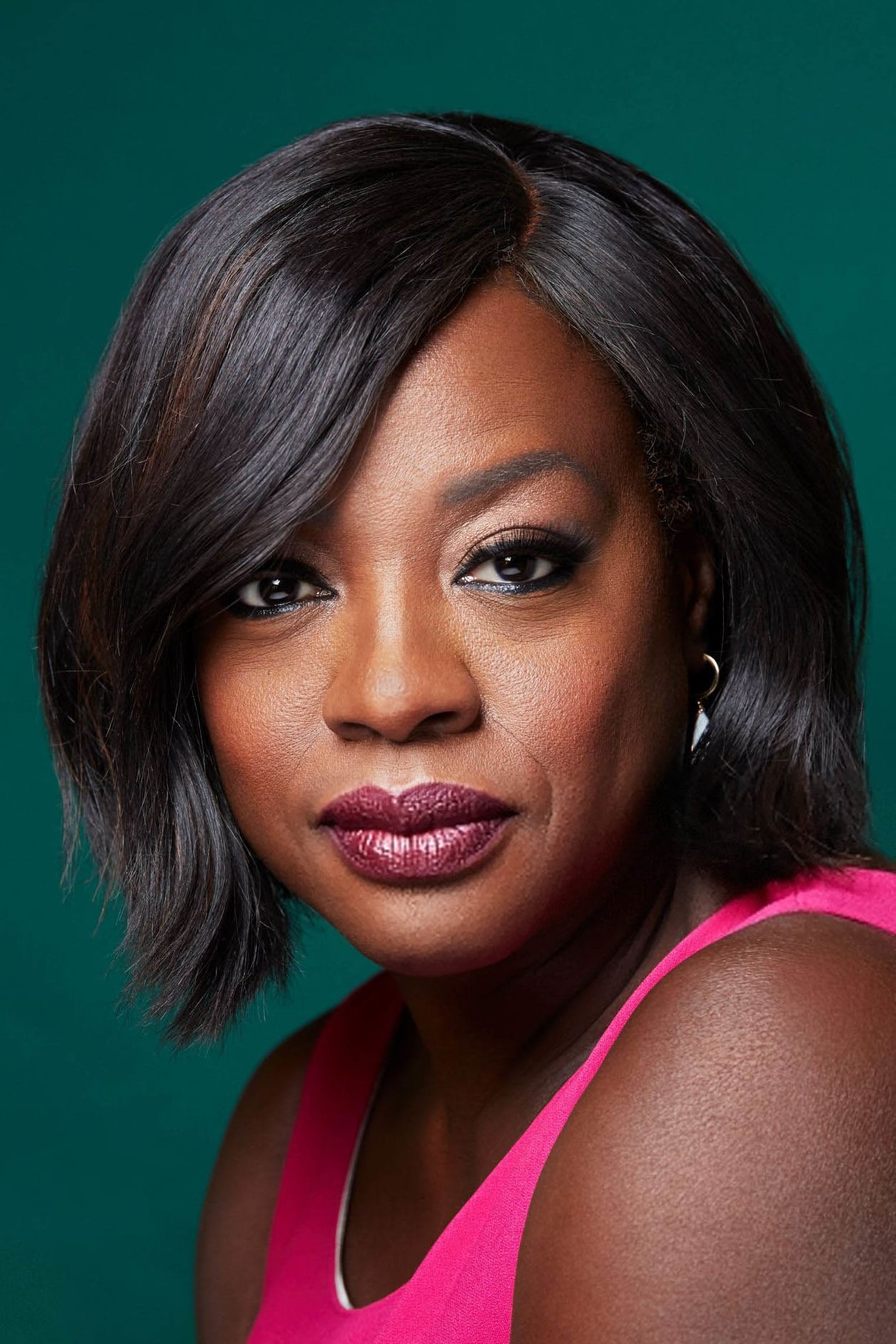
As a film lover, I’ve always been struck by how honestly Viola Davis talks about the challenges facing Black actresses in Hollywood. She’s won an Oscar, and yet she’s repeatedly pointed out that even with all the same talent and awards as white actresses, she’s often offered much less money. What she really stresses is that it’s not just about getting roles, it’s about equal opportunity and fair pay. She doesn’t shy away from directly challenging studio heads to actually value Black actresses financially, not just celebrate them for good PR.
Anthony Mackie
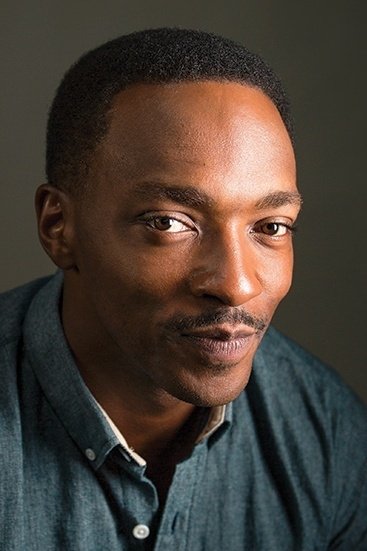
The Marvel actor criticized the film studio for not having enough diversity among its crew members. He pointed out that most big-budget movie sets are largely white, contrasting this with his experience on ‘Black Panther,’ which was different. Mackie believes hiring should reflect the real world and that Black professionals shouldn’t be limited to working on projects specifically about Black culture. He wants studios to make diversity standard practice in all areas, not just treat it as a one-time thing.
Gabrielle Union
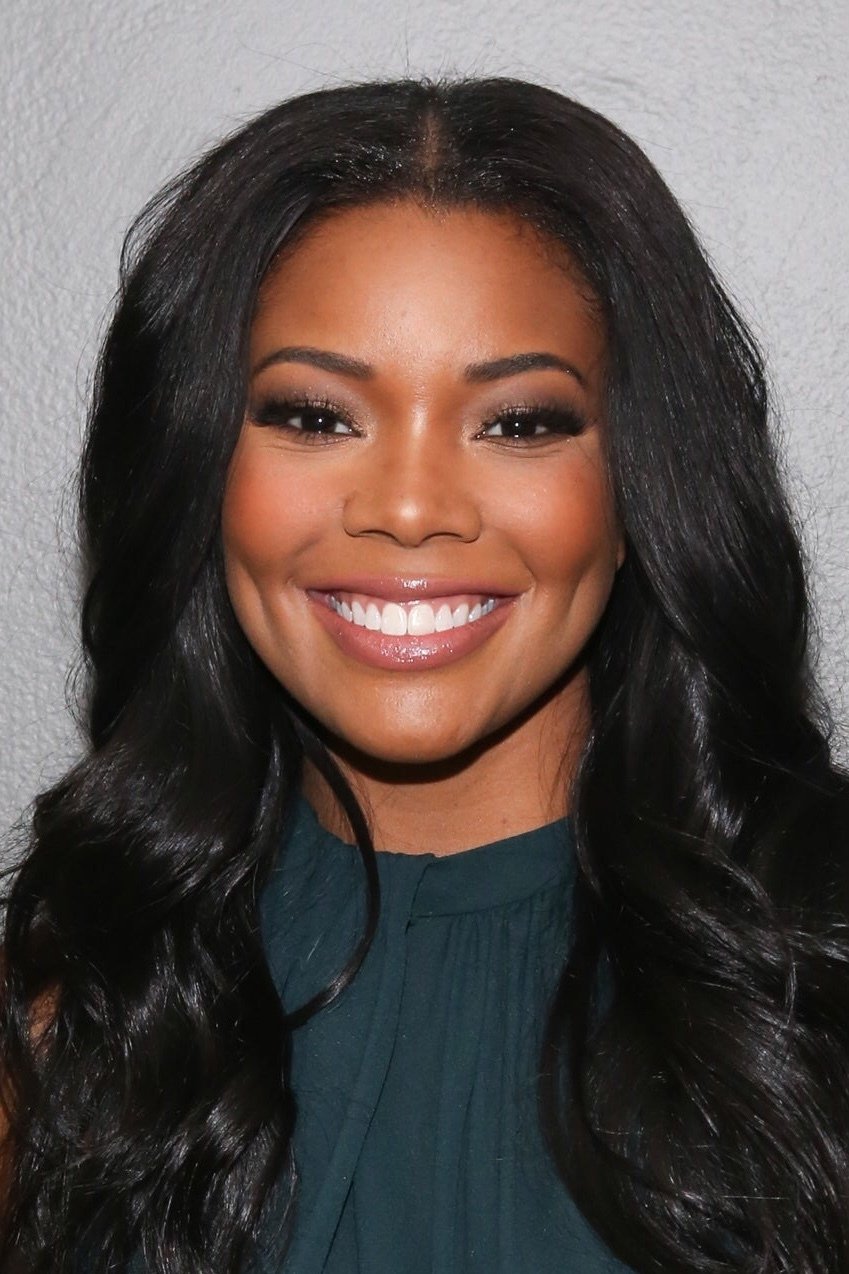
Gabrielle Union publicly shared her negative experiences with the work environment while judging ‘America’s Got Talent,’ citing racism and a lack of support from those in charge. After she was let go from the show, an investigation began, and a wider conversation started about how Black women are treated in the entertainment industry. Union continues to work towards creating better, fairer workplaces for performers.
Mo’Nique
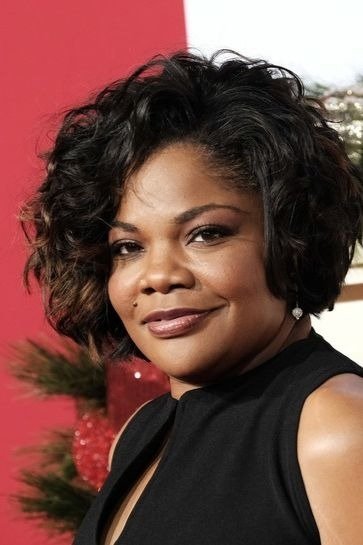
The comedian and actress is urging people to stop using Netflix after she received a very low offer for a comedy special. She claims Netflix offered her significantly less money than they paid white and male comedians. Her legal case against the company points to how both gender and racial biases can affect salary talks. Mo’Nique is determined to receive fair pay, reflecting her well-deserved reputation.
Ray Fisher
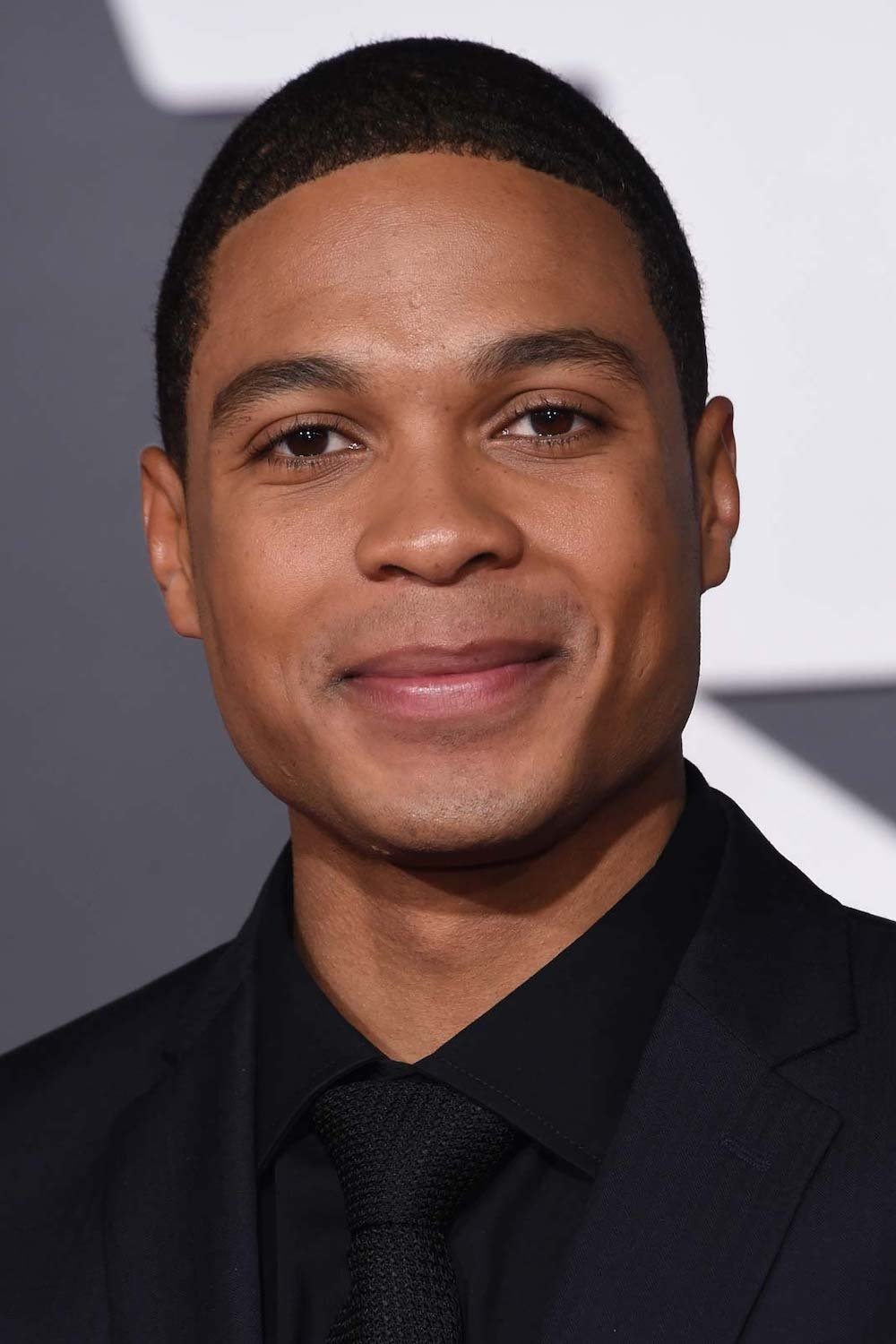
Ray Fisher publicly accused director Joss Whedon of mistreating people while filming ‘Justice League’. He also claimed that Warner Bros. leaders allowed this negative atmosphere to continue and interfered with efforts to investigate what happened. Fisher’s statements highlighted a pattern of powerful people in the film industry not being held responsible for their actions. Ultimately, he chose to leave his role as Cyborg to make sure the truth about the movie’s production came out.
Will Smith
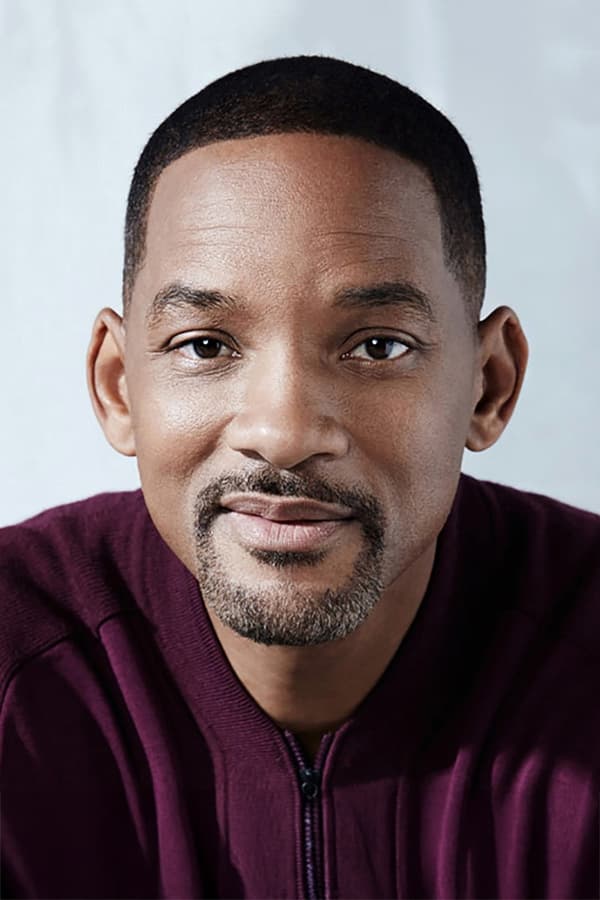
The famous actor joined the protest against the Academy Awards when criticism arose over the lack of diversity – a movement known as Oscars So White. He was upset that the nominees didn’t represent the full range of talent within American filmmaking. Smith believed attending the awards show would suggest he approved of a system that excluded many people. His decision played a role in pushing the Academy to become more inclusive with its voters and members.
Jada Pinkett Smith
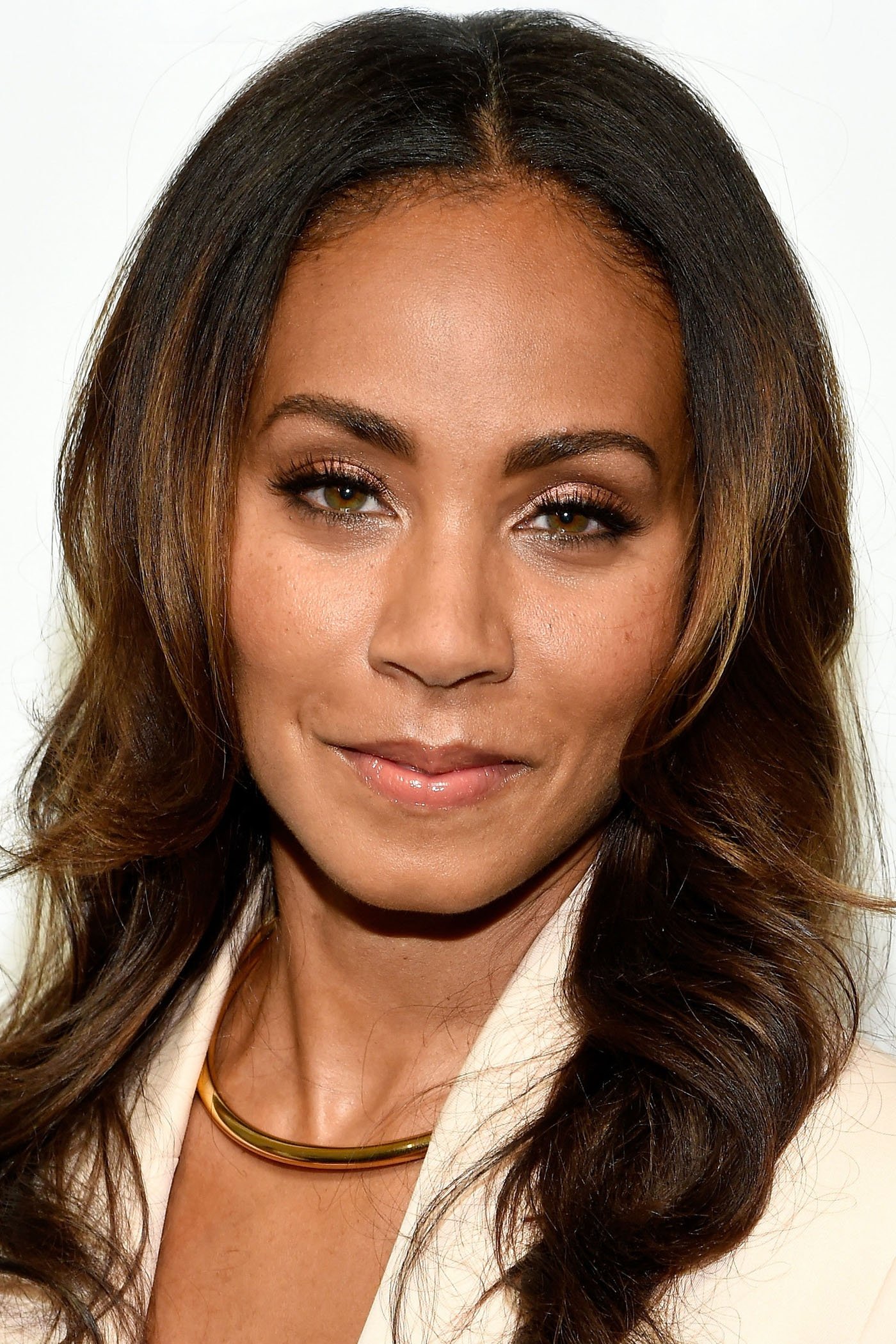
Jada Pinkett Smith started a conversation about boycotting the Oscars after no actors of color received nominations in leading categories. Her video quickly led to a widespread discussion within the entertainment industry about ongoing issues of exclusion during awards season. She pointed out the contradiction of celebrating Black culture for entertainment while overlooking Black accomplishments. Ultimately, her actions helped bring about important changes to how the Academy operates.
Idris Elba
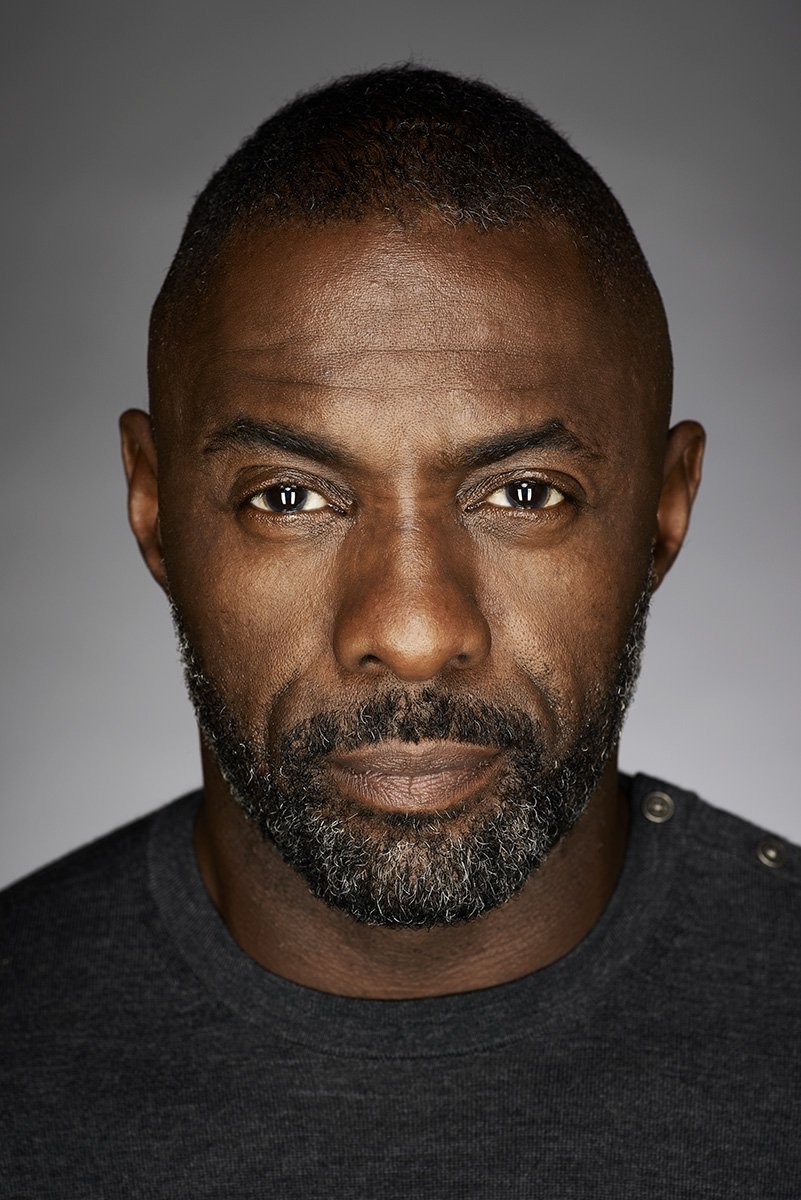
I recently heard a powerful address to the UK Parliament from a fantastic British actor, and it really struck a chord with me. He spoke frankly about the frustrating lack of diversity on British TV, explaining that incredibly talented performers are essentially being driven to America just to find work. He made a compelling point: when casting consistently overlooks the multicultural world we live in, our storytelling suffers, and our imaginations are limited. His words clearly had an impact, prompting broadcasters to take a much harder look at how they greenlight shows and choose their actors. It’s a conversation that was long overdue, and I’m glad he brought it to the forefront.
David Oyelowo
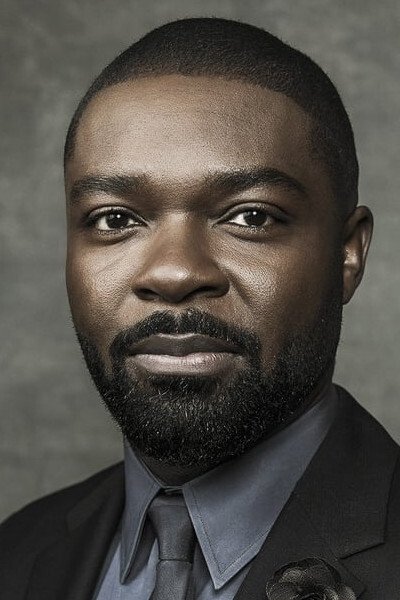
David Oyelowo has spoken out about a trend in the film industry where Black actors are often given roles that focus on hardship or servitude. He’s observed that movies celebrating Black success and strength frequently have trouble getting seen or winning awards. He highlighted how challenging it was to gain recognition for ‘Selma’ compared to films dealing with slavery, and he actively advocates for stories that portray the diverse realities of Black life.
Halle Berry
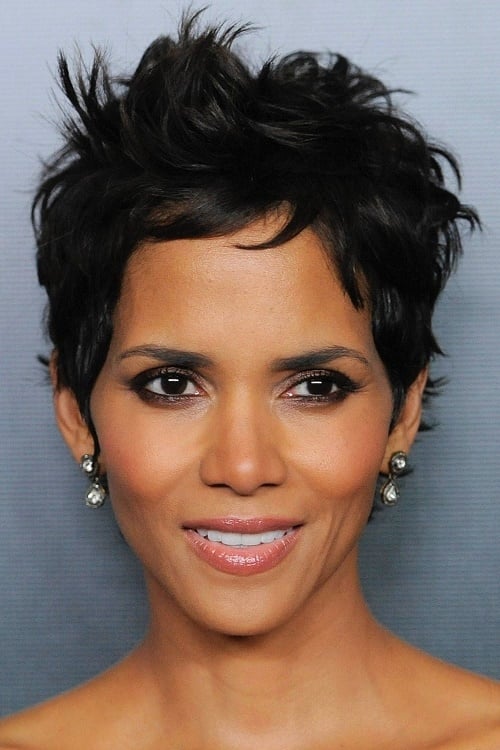
Halle Berry shared her disappointment that her groundbreaking Oscar win didn’t lead to more opportunities for Black actresses, noting she’s still the only Black woman to receive the award in almost twenty years. She believes real progress has stalled despite talk of change, and is calling on the film industry to create more substantial leading roles that could earn major award nominations.
Taraji P. Henson
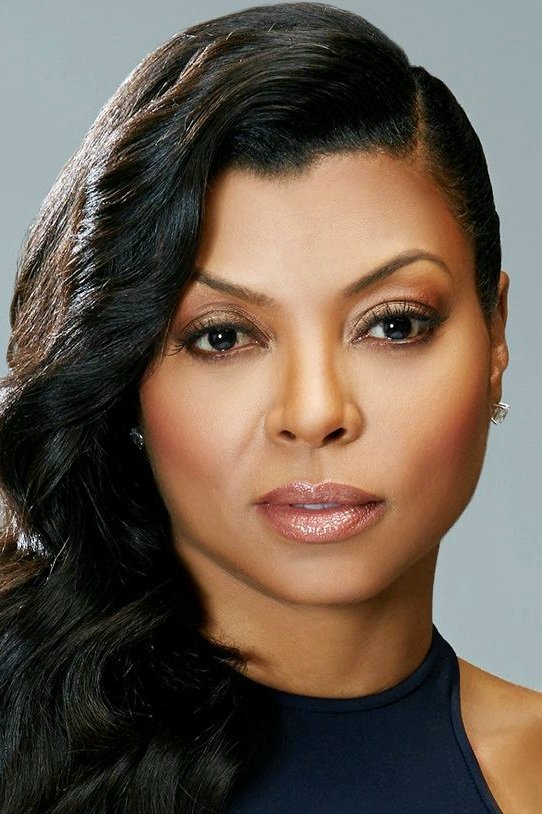
Henson shared that she earned much less than her colleagues in ‘The Curious Case of Benjamin Button.’ She explained she accepted the lower pay to gain experience, even though it wasn’t fair. Her experience highlights a pattern where studios use a lack of international fame as a reason to pay Black actors less. Now, she insists on being paid fairly and won’t take roles that don’t respect her value.
Regina King
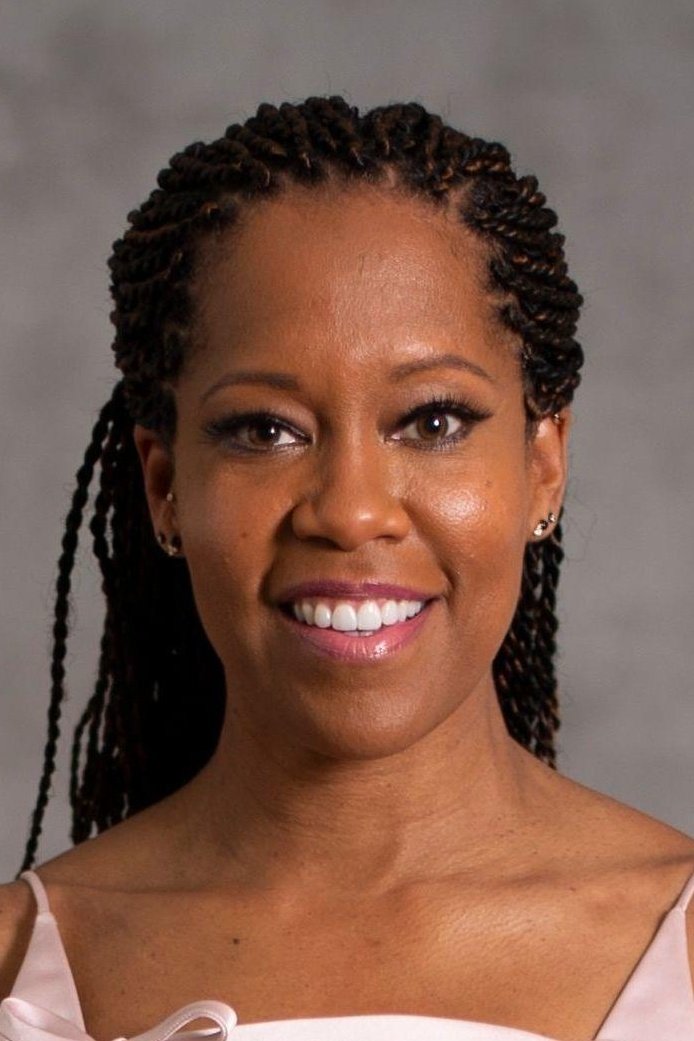
During her Golden Globe acceptance speech, Regina King promised to actively promote gender equality. She committed to ensuring that half of the people working on her future projects for the next two years would be women. King also encouraged other industry leaders to make similar, measurable commitments to create real change, shifting the focus from simply talking about equality to actually implementing it through hiring practices.
Michael B. Jordan
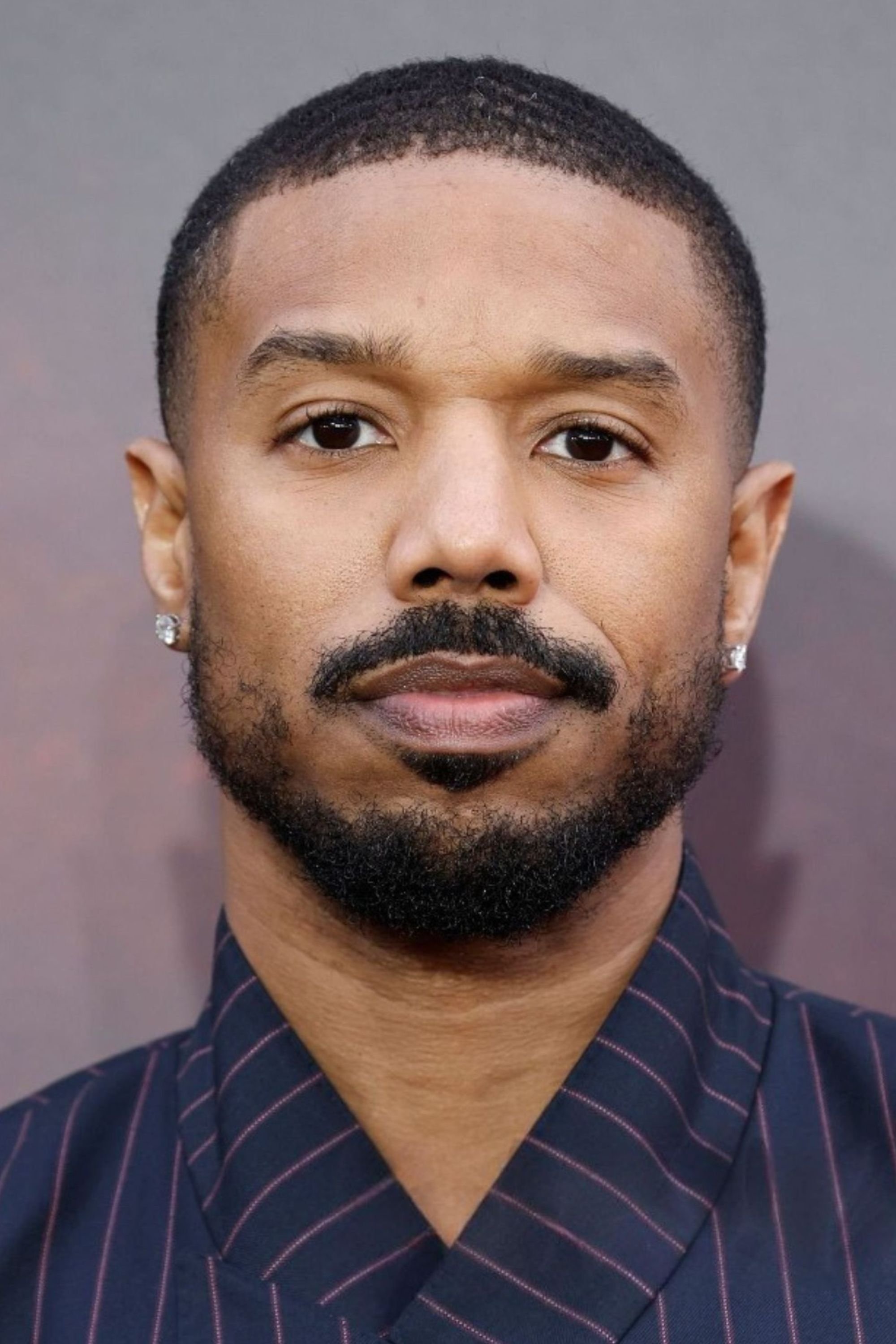
Michael B. Jordan was an early adopter of inclusion riders – contract clauses requiring diverse representation in his film and television projects. He’s using his fame to push studios to hire more diverse casts and crews, proving that high-profile actors can drive real change in the industry.
Chadwick Boseman
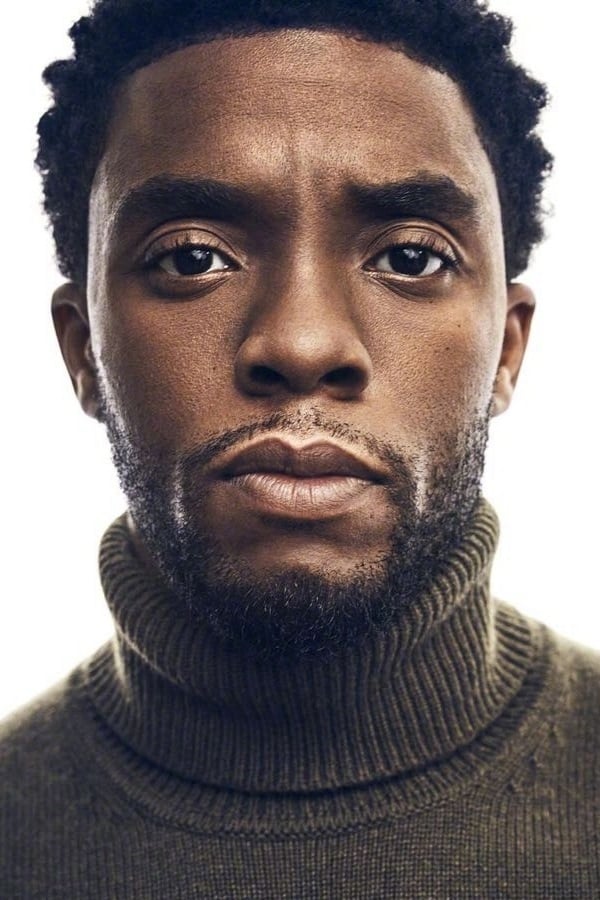
The actor, before his passing, often spoke about the challenge of finding roles that didn’t rely on damaging stereotypes. He wrestled with the fact that the film industry often presented a limited view of Black history. He strongly supported films like ‘Black Panther’ because they showed African characters as powerful and independent. Ultimately, he will be remembered for his commitment to ensuring Black stories are told with respect, depth, and authenticity.
Thandiwe Newton

Naomi Newton has openly discussed the sexual abuse and objectification she experienced at the beginning of her career. She’s criticized the entertainment industry for staying silent about abuse and shielding those in power who committed it for years. Newton also talked about how skin tone affects who gets cast in roles and how Black women are seen. Her willingness to share her story has encouraged other survivors to come forward and speak out against widespread abuse.
Octavia Spencer
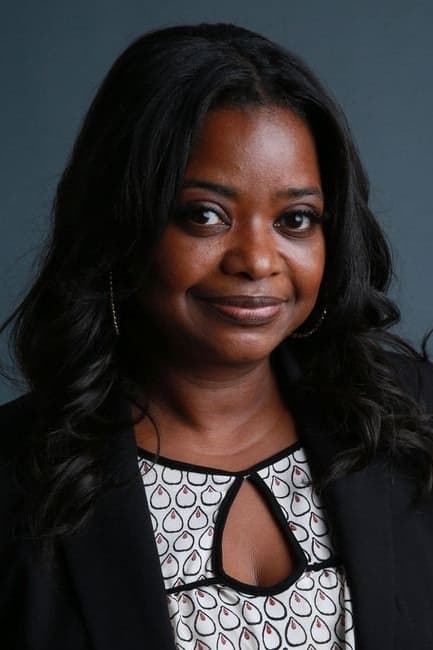
Octavia Spencer shared that Jessica Chastain assisted her in negotiating a salary five times higher for a project they worked on together. Spencer pointed out that women of color frequently earn significantly less than white women. By openly discussing her negotiation, she shed light on the complex issues contributing to the gender pay gap. She encourages those with privilege to use their position to help ensure Black women receive fair and equal pay.
Jamie Foxx
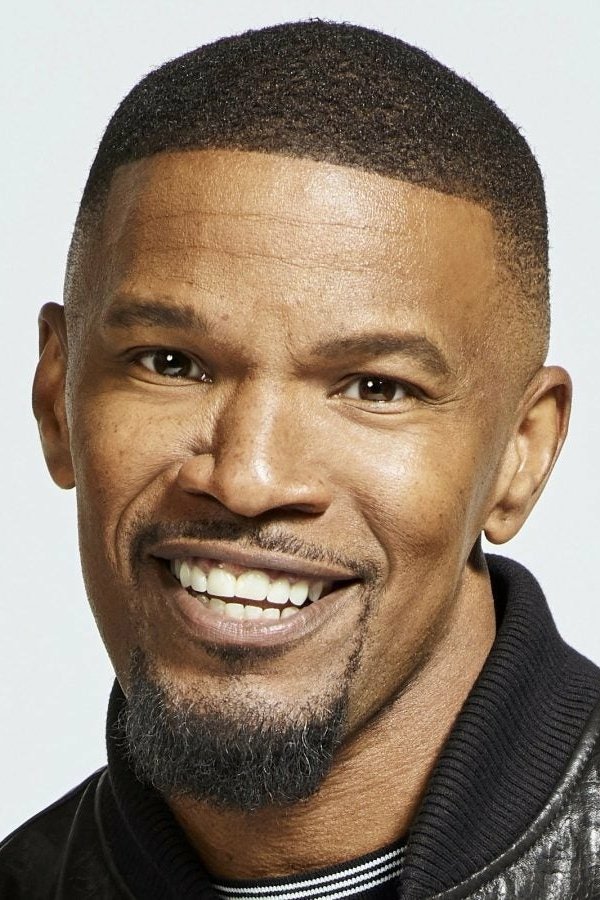
Jamie Foxx responded to the criticism of the Oscars’ lack of diversity by encouraging Black actors to create their own opportunities and support Black-led projects. He argued that waiting for recognition from established awards shows, which have historically overlooked minorities, isn’t the answer. Instead, he advocated for investing in Black award ceremonies and independent films to build a stronger, self-reliant industry.
Kerry Washington
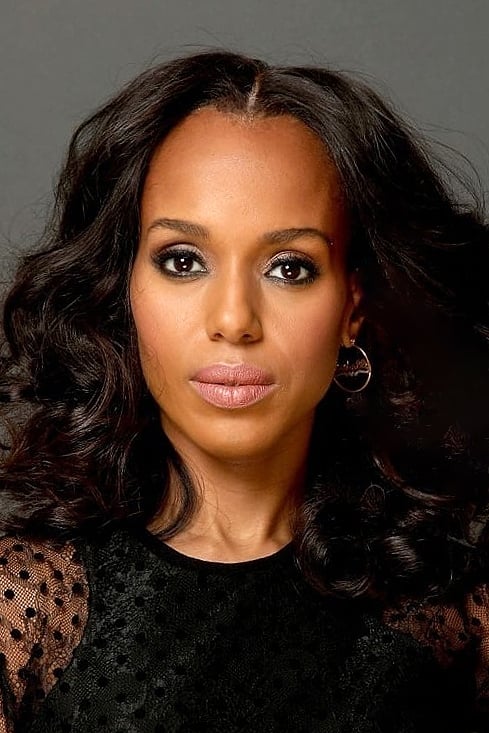
Kerry Washington frequently uses her public voice to advocate for voting rights and encourage political participation. She’s spoken out about the entertainment industry’s tendency to avoid addressing important laws that impact communities of color and other marginalized groups. Beyond speaking out, Washington also creates projects that explore the challenging issues of race and gender in the United States. She believes that art is always connected to the political and social world we live in and can’t be viewed separately from it.
Don Cheadle
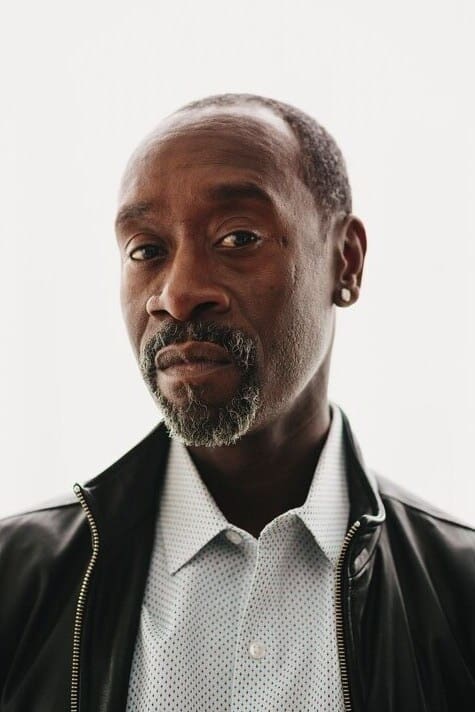
Cheadle is well-known for using his platform to advocate for important causes. For example, he once wore a shirt supporting transgender rights while on ‘Saturday Night Live.’ He often criticizes the entertainment industry for only pretending to care about social issues when it’s convenient, and he uses interviews and appearances to highlight topics like social justice and climate change. He believes celebrities have a responsibility to speak up about more than just their work.
Zendaya

The actress has admitted that because of her lighter skin tone, she’s often seen as the industry’s idea of an acceptable Black woman. She’s spoken out about wanting to use her position to help create opportunities for Black actresses with darker skin. Zendaya highlighted how colorism restricts roles for many talented Black women, and her statements sparked a conversation about beauty standards in Hollywood casting.
Amandla Stenberg
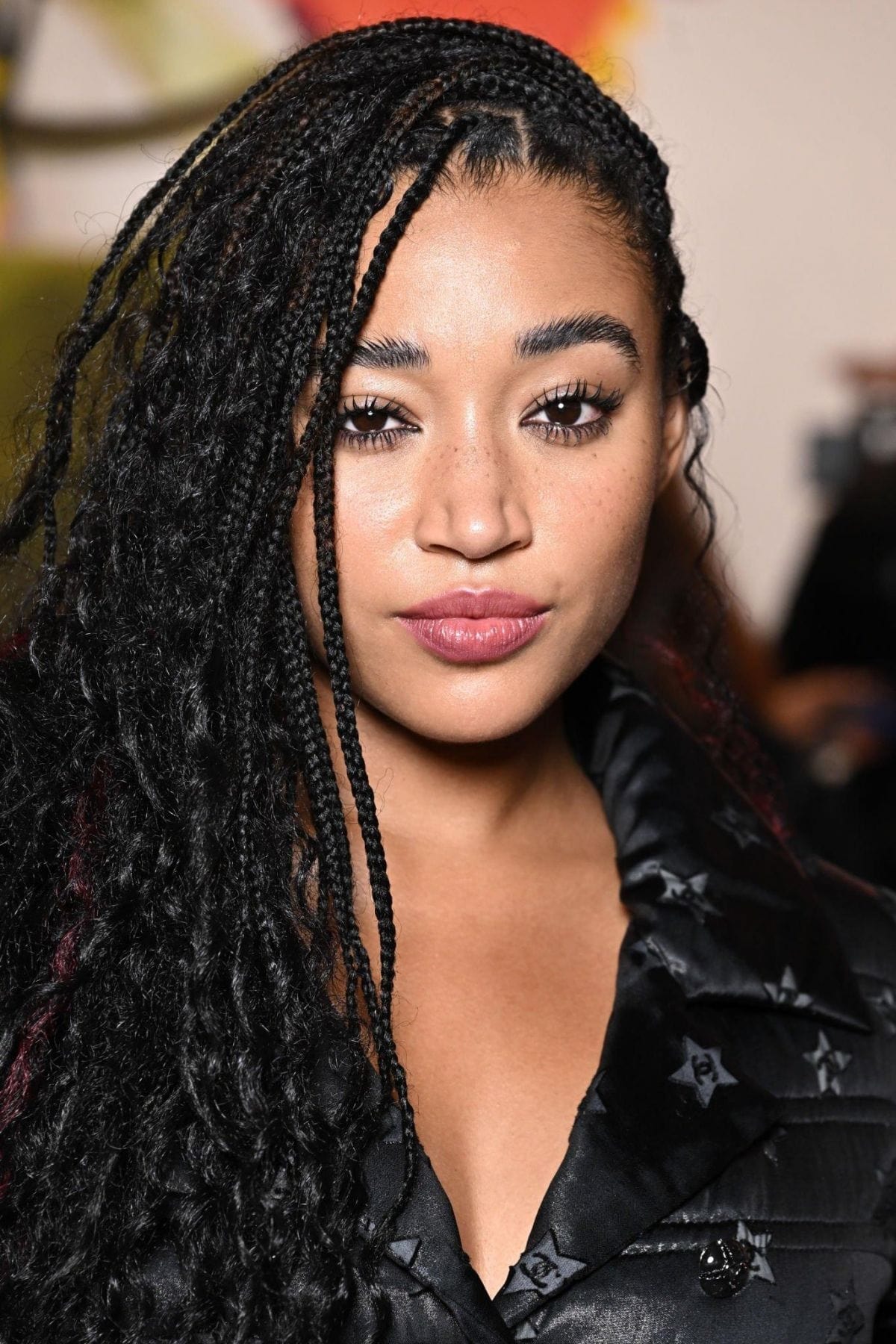
Stenberg created a popular video discussing cultural appropriation and how it affects Black identity. She pointed out the hypocrisy of the entertainment industry, which often celebrates Black culture but doesn’t support Black people. The actress has also consistently spoken out against casting decisions that exclude darker-skinned characters in film and TV adaptations of books. She’s committed to challenging the practice of profiting from Black styles and appearances without acknowledging or respecting their history.
Yahya Abdul-Mateen II
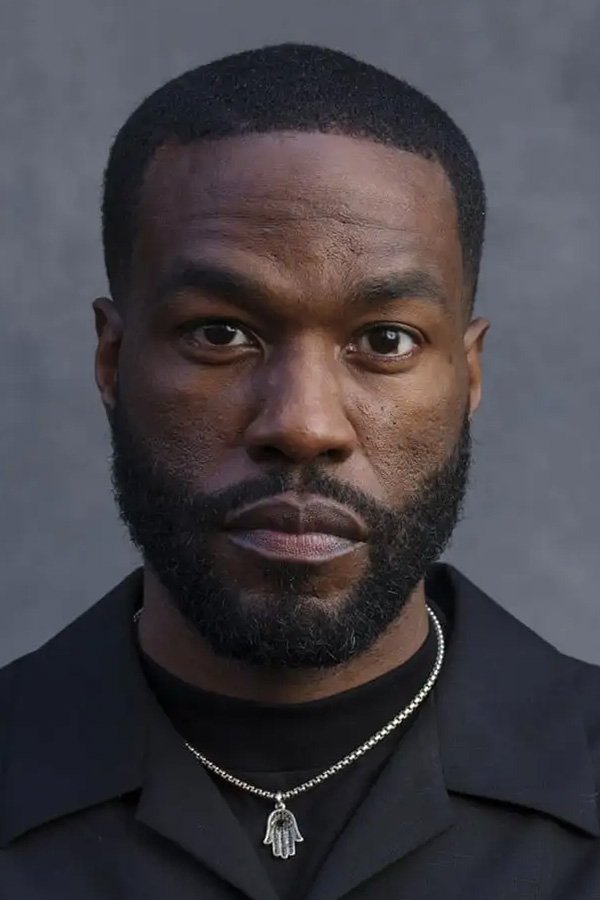
The actor discussed the importance of telling stories that showcase Black joy, rather than just focusing on trauma. He feels the entertainment industry too often highlights Black suffering and is actively looking for roles that show Black characters thriving and living everyday lives. He believes these choices push back against the narrow range of stories that studios typically invest in.
Tessa Thompson
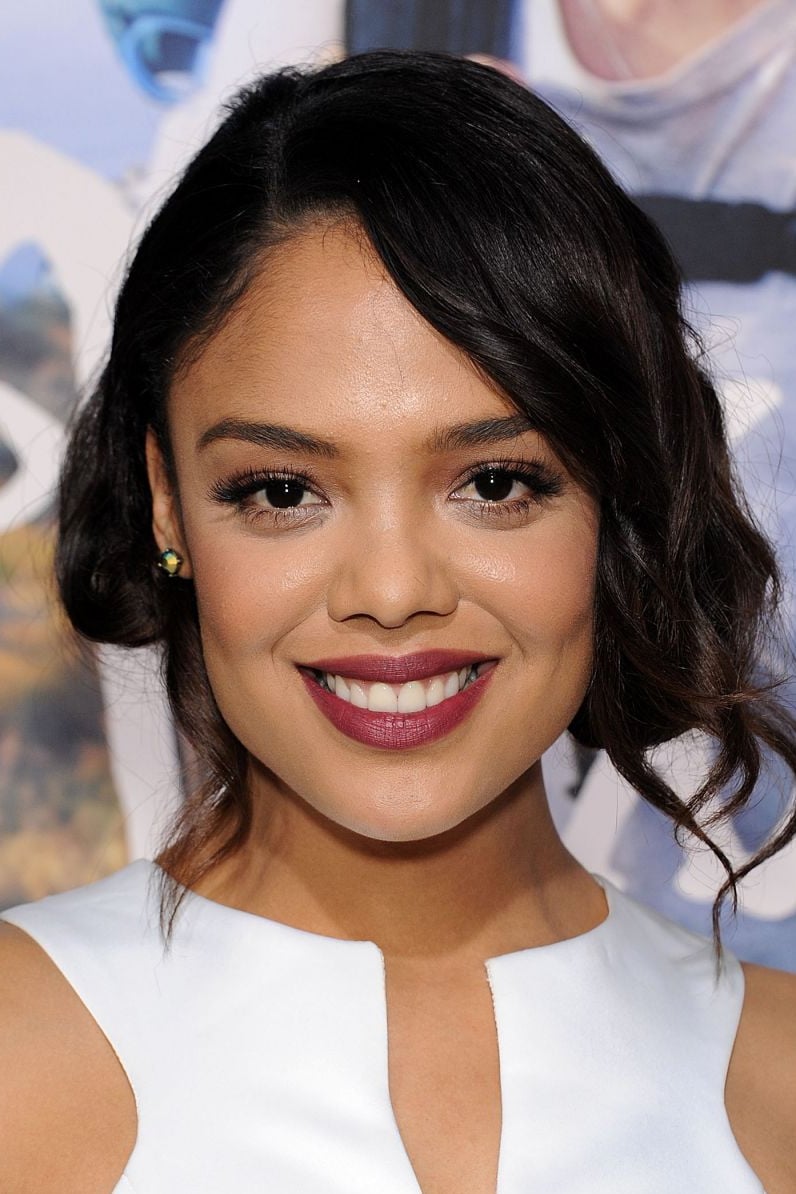
Thompson revealed she’s committed to using an inclusion rider to promote diversity in her film projects. She’s spoken out about the underrepresentation of women and people of color among directors and writers in the industry. Thompson is actively working to challenge the traditional, male-dominated structure of filmmaking, with a particular focus on ensuring more diverse voices are shaping the stories we see on screen.
Kendrick Sampson
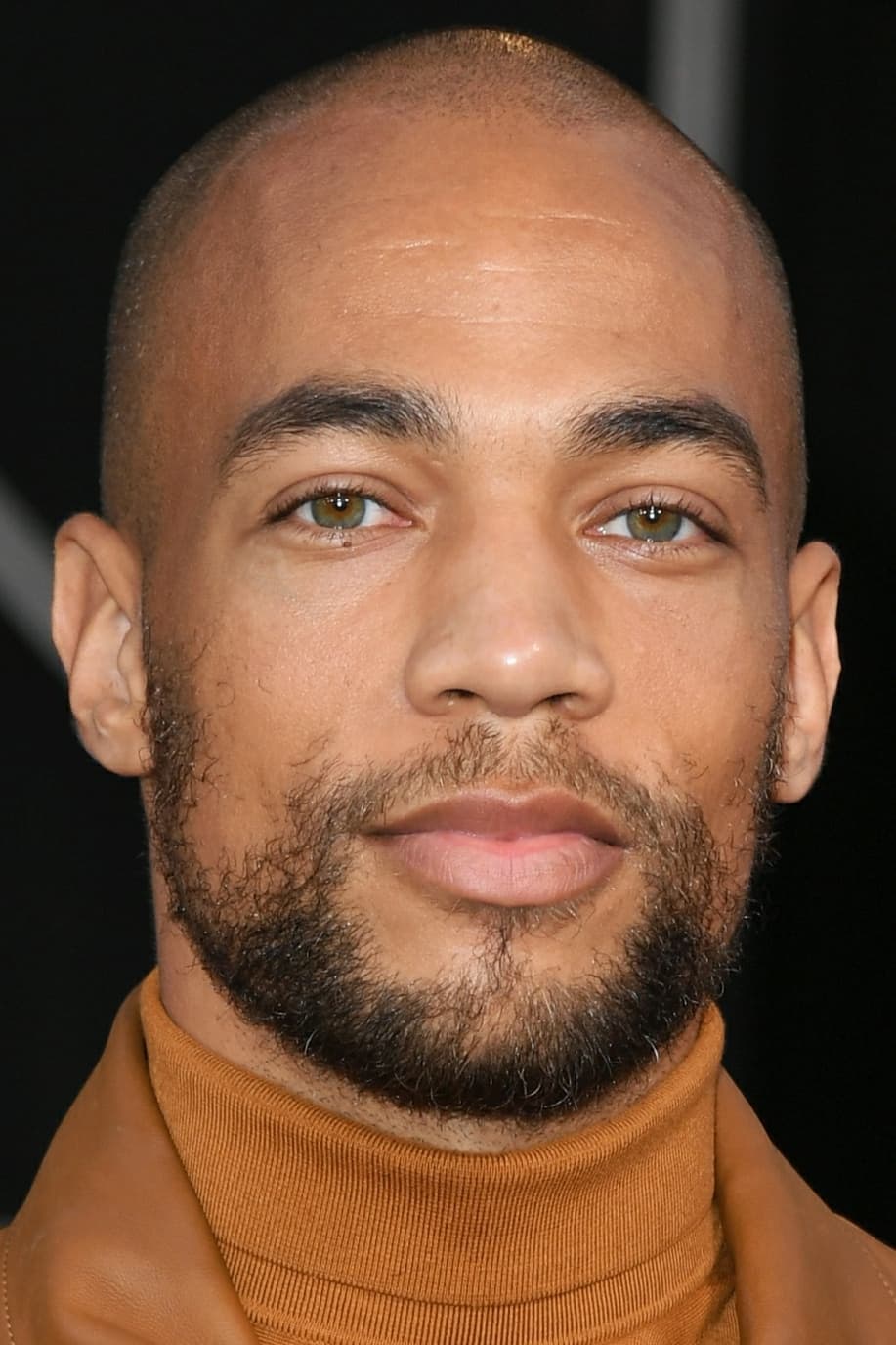
Actor Michael Sampson, known for his role in ‘Insecure,’ has been a vocal activist, participating in protests and challenging Hollywood’s close ties with law enforcement. He’s criticized the entertainment industry for often portraying police in a positive light while overlooking the issue of systemic police brutality. Sampson is calling on studios to stop supporting police unions financially and instead invest in Black communities. He believes media portrayals directly contribute to real-world violence.
Please share your thoughts on which of these actors has made the biggest impact in the comments.
Read More
- Invincible Season 4 Gender Swaps Tech Jacket As Fans Question Major Comic Change
- Gold Rate Forecast
- Why Won’t It Just *Do* What You Ask? Unpacking the Quirks of AI Language
- Unveiling the Schwab U.S. Dividend Equity ETF: A Portent of Financial Growth
- Superman Flops Financially: $350M Budget, Still No Profit (Scoop Confirmed)
- 22 Films Where the White Protagonist Is Canonically the Sidekick to a Black Lead
- 14 Movies Where the Black Character Refuses to Save the White Protagonist
- Silver Rate Forecast
- The Best Former NFL Players Turned Actors, Ranked
- ONE PIECE Season 2 Confirms Sanji’s OTHER Backstory in the Live-Action
2025-12-13 18:47