
Boss battles are a favorite part of gaming for many players, but some games let you go even further by letting you create the battles. These games include powerful tools and editors that allow you to design, customize, and script your own challenging encounters. Whether it’s setting up traps in a platformer or building a giant monster in a sandbox game, being able to create your own boss fights adds endless replay value. Here are fifty games that give you the power to design your own epic showdowns.
‘Super Mario Maker 2’ (2019)
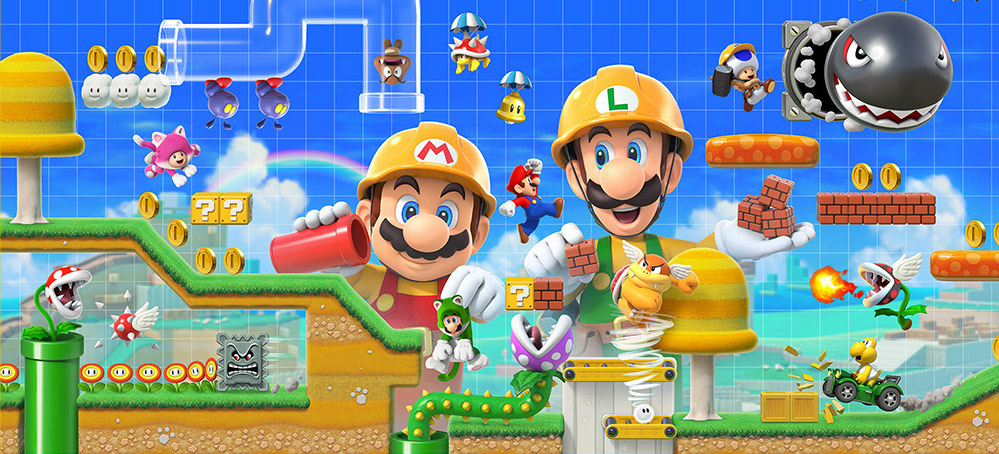
This popular Nintendo Switch game lets players build even more elaborate custom courses than before. You can add famous enemies like Bowser and change how they act by giving them wings, parachutes, or power-ups. New features like scroll locking and custom goals also let creators design special boss battles where you have to defeat the enemy to win. It’s still one of the easiest ways to create those classic 2D boss fights.
‘LittleBigPlanet 3’ (2014)
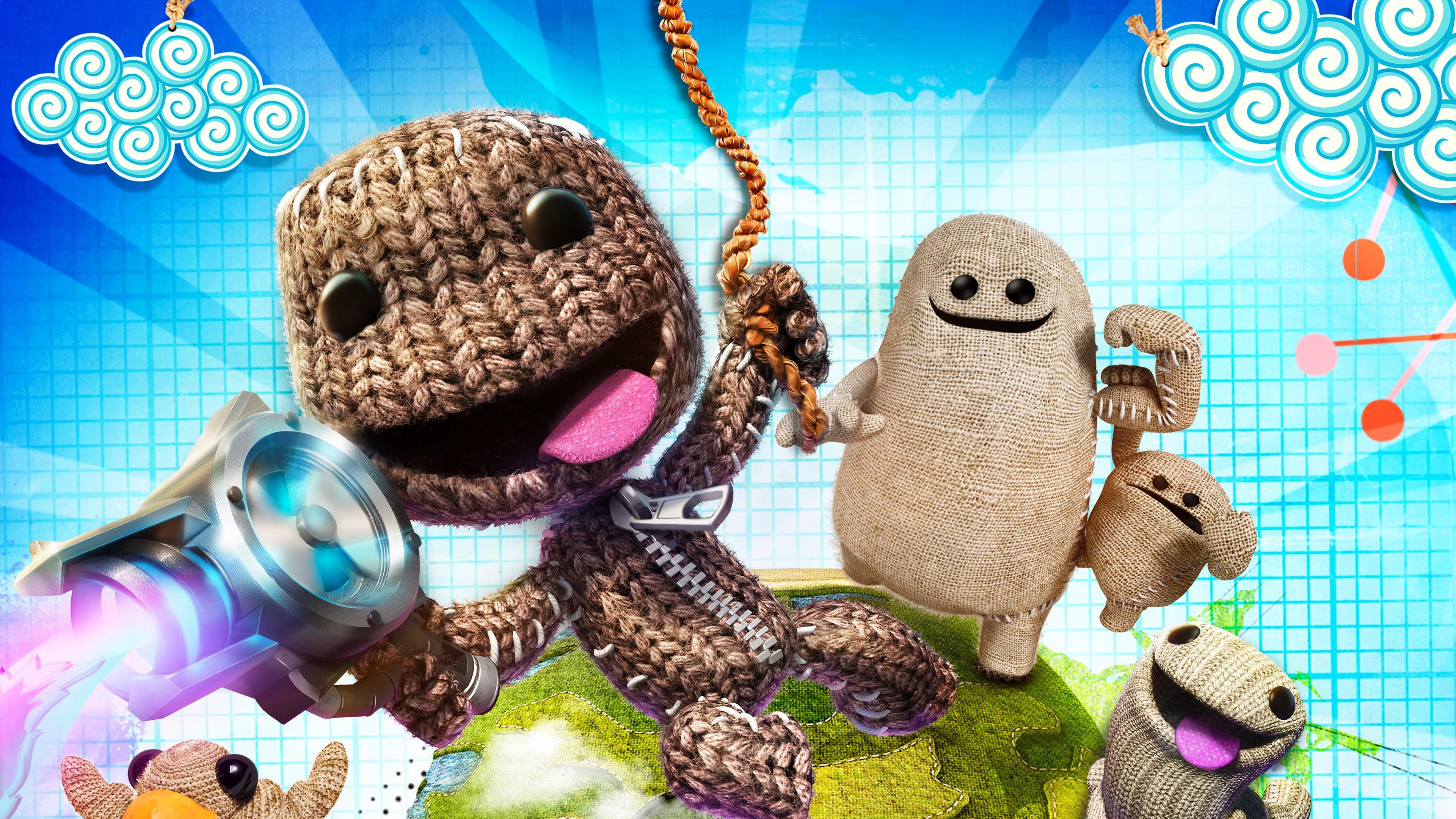
Sackboy’s game isn’t just about running and jumping – it has an amazing level editor that lets you create really complex things. You can use tools that act like sensors and switches to build elaborate boss battles, even designing your own creatures and programming how they attack. Players are already using these tools to perfectly recreate bosses from other popular games!
‘Dreams’ (2020)
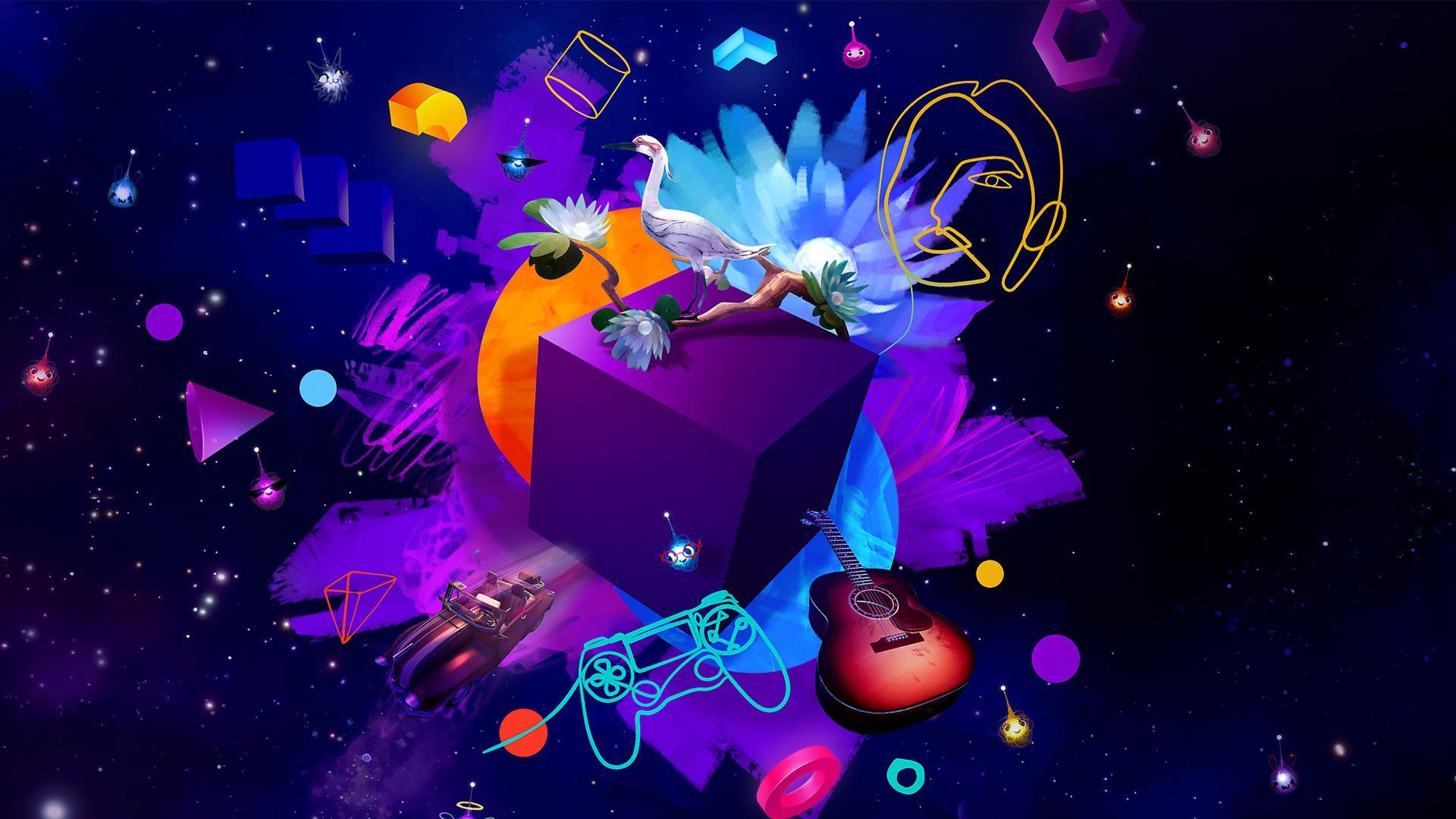
Media Molecule’s game is more than just a game—it’s a remarkably powerful creation tool. Players can build almost anything imaginable, from designing and animating custom characters to programming their behaviors. You can create everything from challenging boss battles to huge RPG creatures, and the only real limit is how much time you’re willing to spend learning the system. It’s one of the most complete creative platforms ever seen on a gaming console.
‘Minecraft’ (2011)
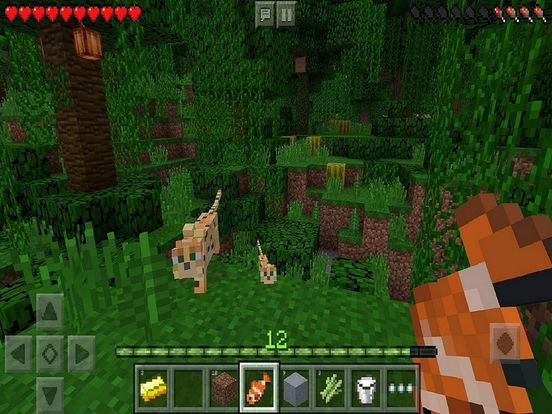
Although Minecraft’s main game includes the Ender Dragon and Wither, the real possibilities for creating bosses come from using Creative Mode and command blocks. Players can customize enemies – changing their health, gear, and abilities – to make them feel like powerful bosses. More experienced players even use data packs to design completely new attacks and battle arenas. This flexibility has led to a huge number of player-made adventure maps with original boss fights.
‘Roblox’ (2006)
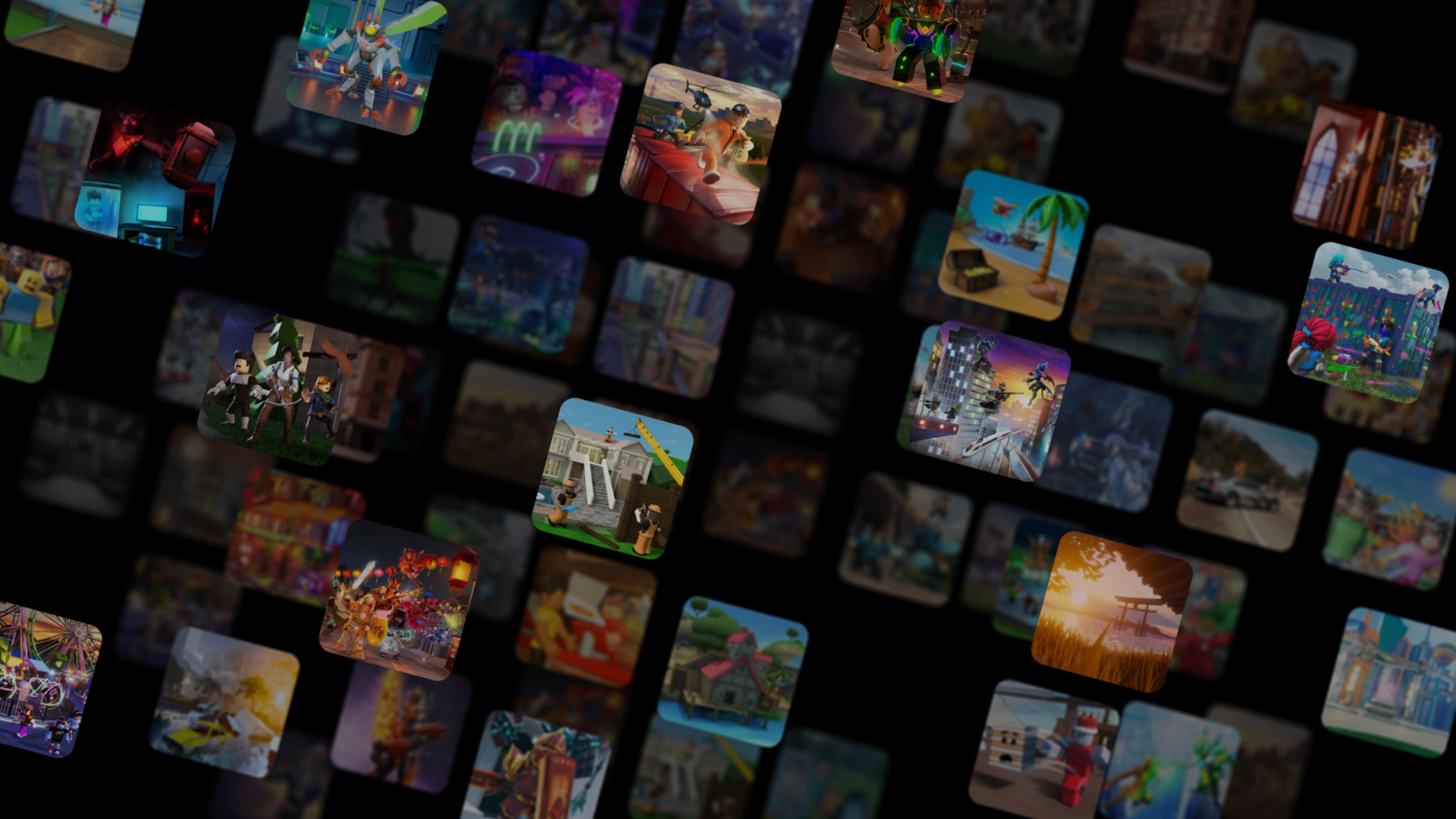
Roblox is a platform where people can create games. It includes Roblox Studio, a set of tools that uses the Lua programming language. With these tools, creators can design complex boss characters with unique appearances, movements, and attack patterns. Many of the most popular games on Roblox, like tower defense and role-playing games, are built around these custom boss battles. Roblox offers a powerful development environment that’s also easy for younger players to learn.
‘Spore’ (2008)
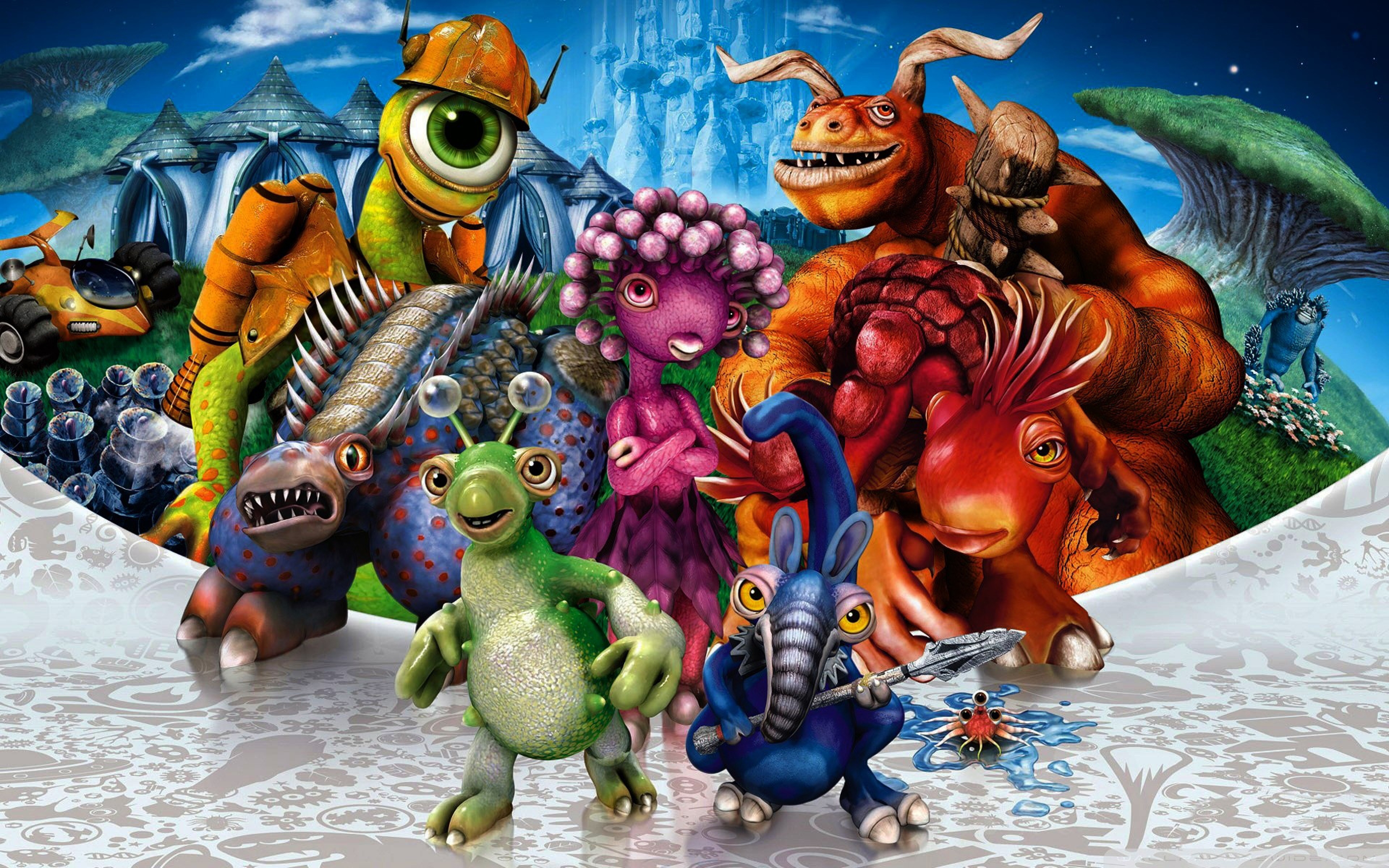
The Galactic Adventures expansion completely revamped the endgame experience, letting players travel to planets and play through missions they can customize. With the Adventure Creator, you can build your own captain and define the stats, gear, and actions of alien enemies. You can even make aliens incredibly large and designate them as “Guardians” for classic boss battles, and customize their look to make each fight unique.
‘RPG Maker MV’ (2015)
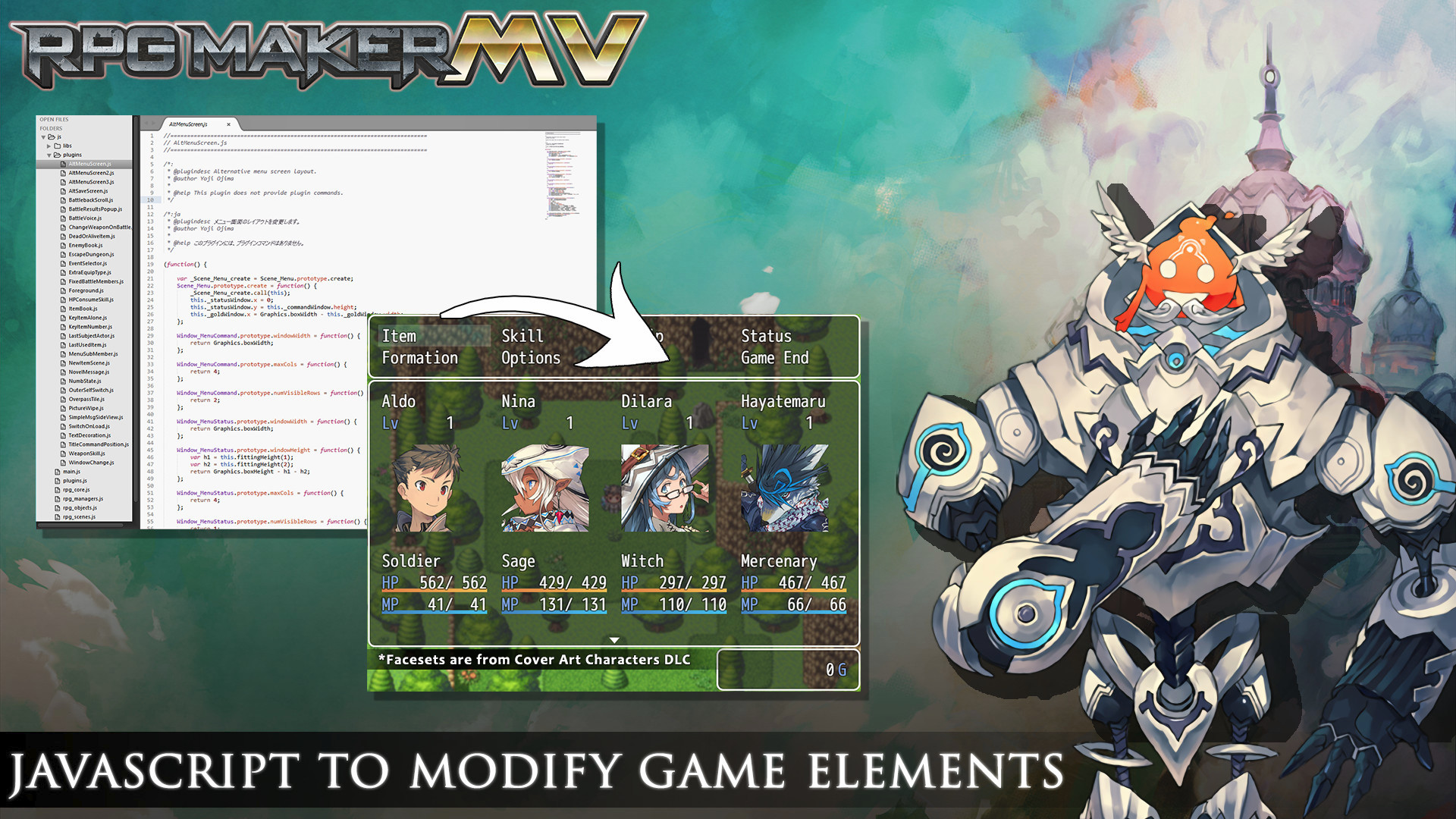
This software is famous for letting people make traditional turn-based RPGs, even if they don’t know how to program. It has a powerful database where you can fine-tune enemy stats, weaknesses, and behaviors to design fair and engaging boss fights. You can also create events during battles, like conversations or enemy transformations when they’re nearly defeated. It’s still a favorite tool for independent game developers who want to focus on storytelling and challenging gameplay.
‘Game Builder Garage’ (2021)
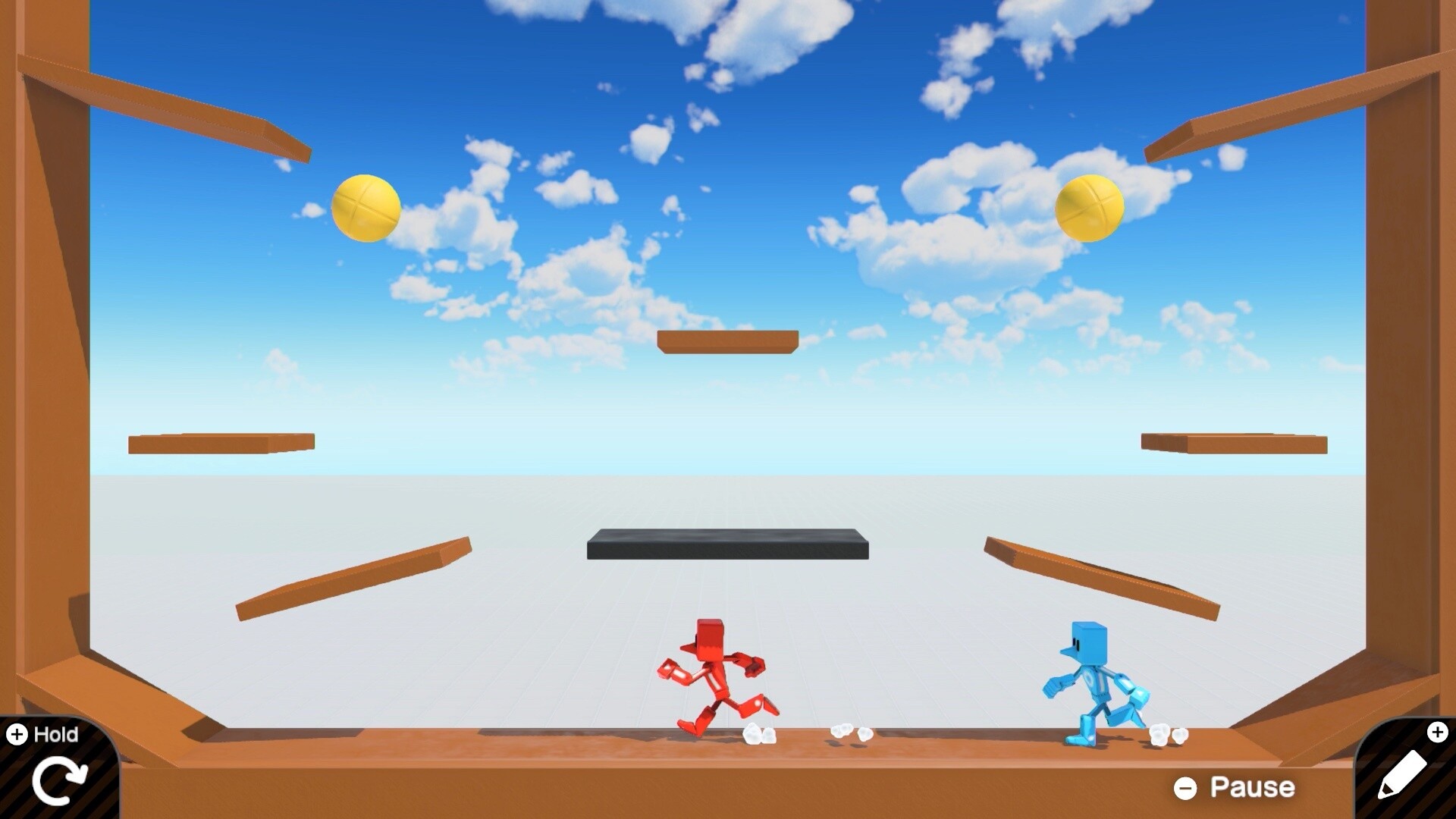
Nintendo created a simple, visual way to program games using characters called Nodon. You connect these Nodon to control things like how the game responds to your actions, physics, and enemy behavior – letting you build your own unique boss battles. Though it looks basic, this system is powerful enough to create complex bosses with multiple phases and special weaknesses. It’s also a great way to learn how boss battles are actually designed.
‘WarioWare D.I.Y.’ (2009)
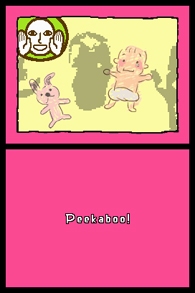
This Nintendo DS game was built around quick, simple games, but it also let players create their own. They could design graphics, write music, and even program how the games worked. A special feature called “Boss Game” allowed players to make longer, more challenging levels that felt like final boss fights. Players had to create the boss characters themselves and decide how to win or lose. Overall, it was a fun and accessible introduction to making games.
‘Disney Infinity 3.0’ (2015)
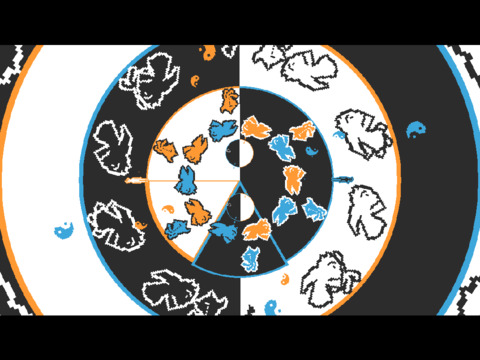
This game’s Toy Box mode was surprisingly robust, letting players build complex scenarios with tools like logic gates and enemy generators. You could even bring in bosses from Star Wars or Marvel and connect them to things happening in the game world – like making a door open when a boss is defeated or a treasure chest appear. While sharing creations became difficult after the servers went offline, the tools for building things locally still work.
‘Project Spark’ (2014)
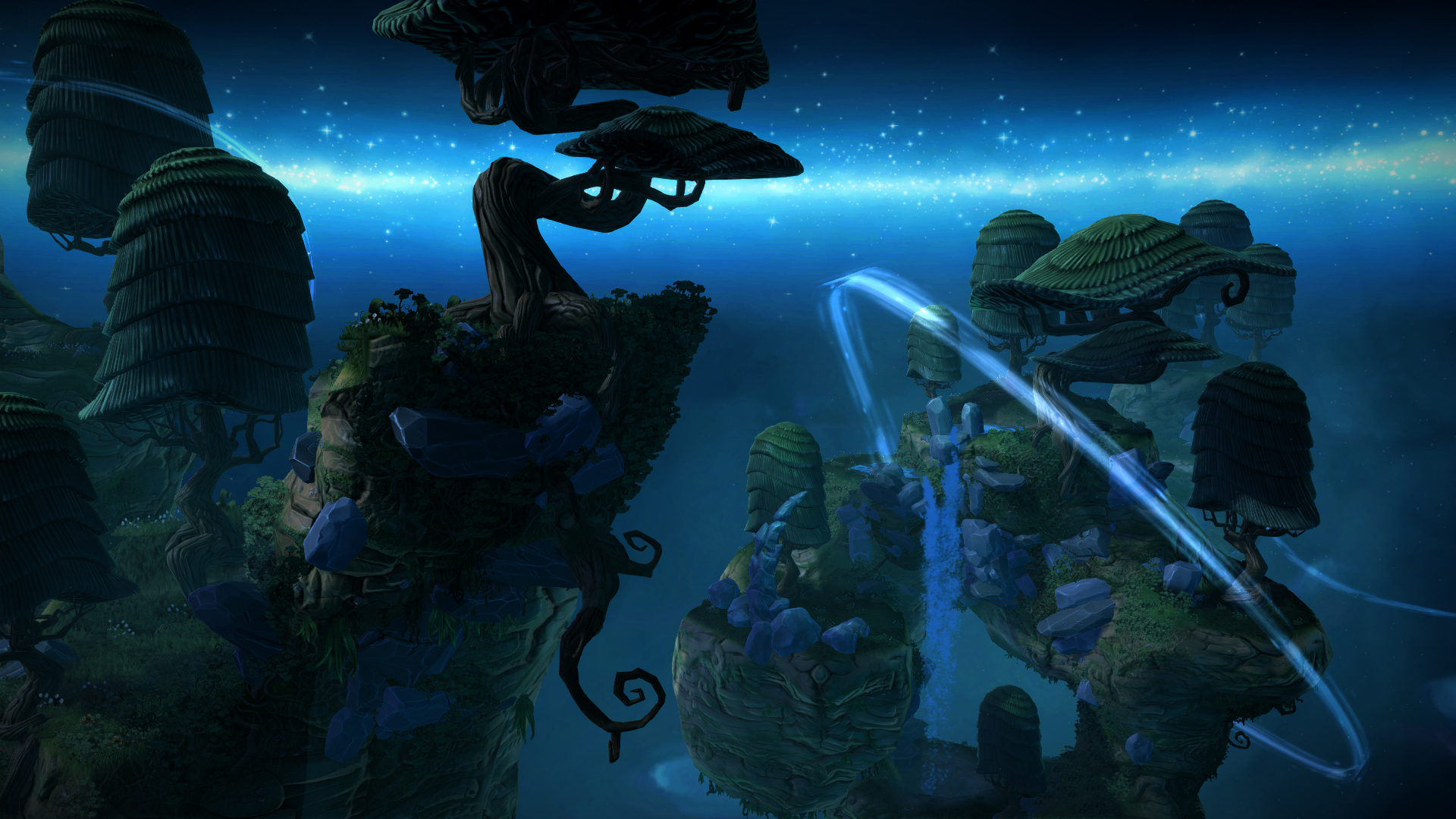
Microsoft made a really innovative game where you could create your own worlds and bring them to life by programming characters using a simple, visual system. For example, you could take a basic goblin character and customize it to be a powerful boss with special abilities and movements. You could even shape the game environment to build the perfect arena for your boss battles. While the online features are no longer available, this game was a groundbreaking example of game creation on consoles.
‘Doom’ (2016)
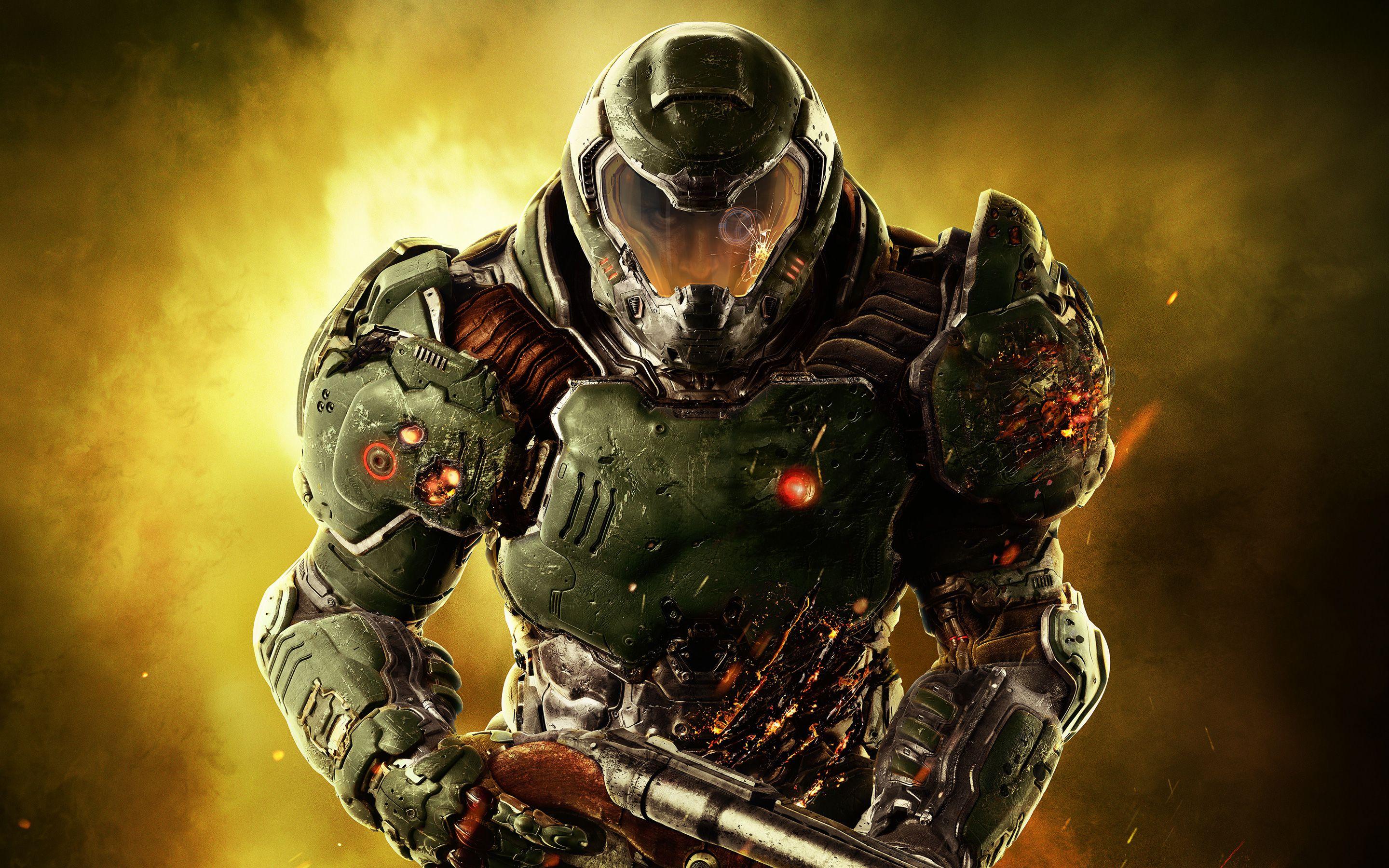
SnapMap breathed new life into the game’s creative community by letting players easily connect pre-built rooms. Players could then add enemies like the Baron of Hell and customize how they acted and appeared. This tool made it possible to build everything from simple wave-based challenges to complex boss battles with health displays and planned events. It offered a degree of personalization rarely found in today’s major action games.
‘Far Cry 5’ (2018)
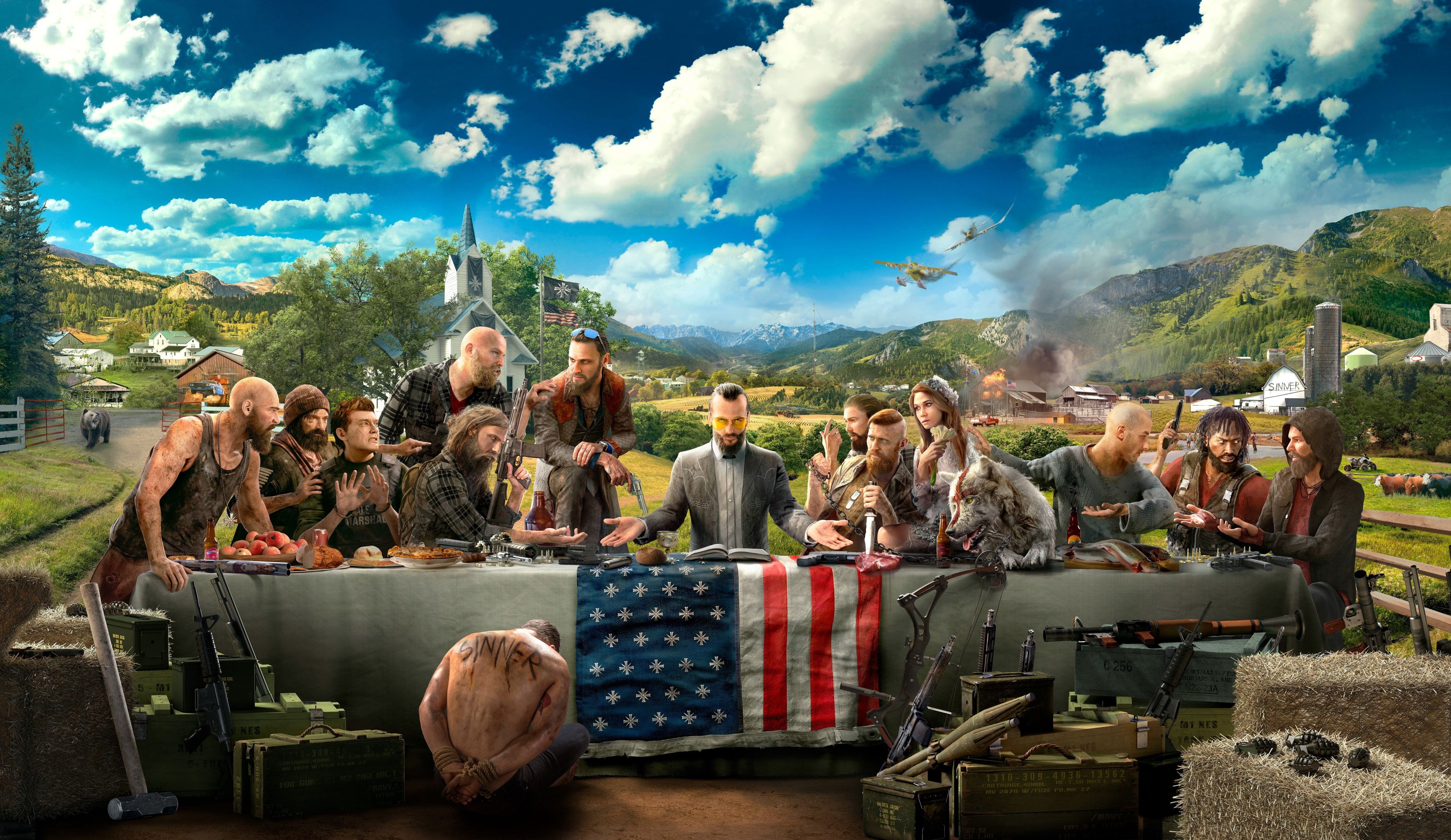
As a Far Cry fan, I was blown away by the Far Cry Arcade! It basically gave us a huge toolbox filled with stuff from all sorts of Ubisoft games, letting us build pretty much any map we could imagine. What really stood out was being able to throw in really tough enemies and customize what they carried, making some epic boss fights in these big, open areas. And the scripting tools? Amazing! You could set up waves of enemies or even trigger cool cutscenes when an enemy went down. It totally transformed the game from just shooting things into a place where you could really create awesome combat situations.
‘Halo Infinite’ (2021)
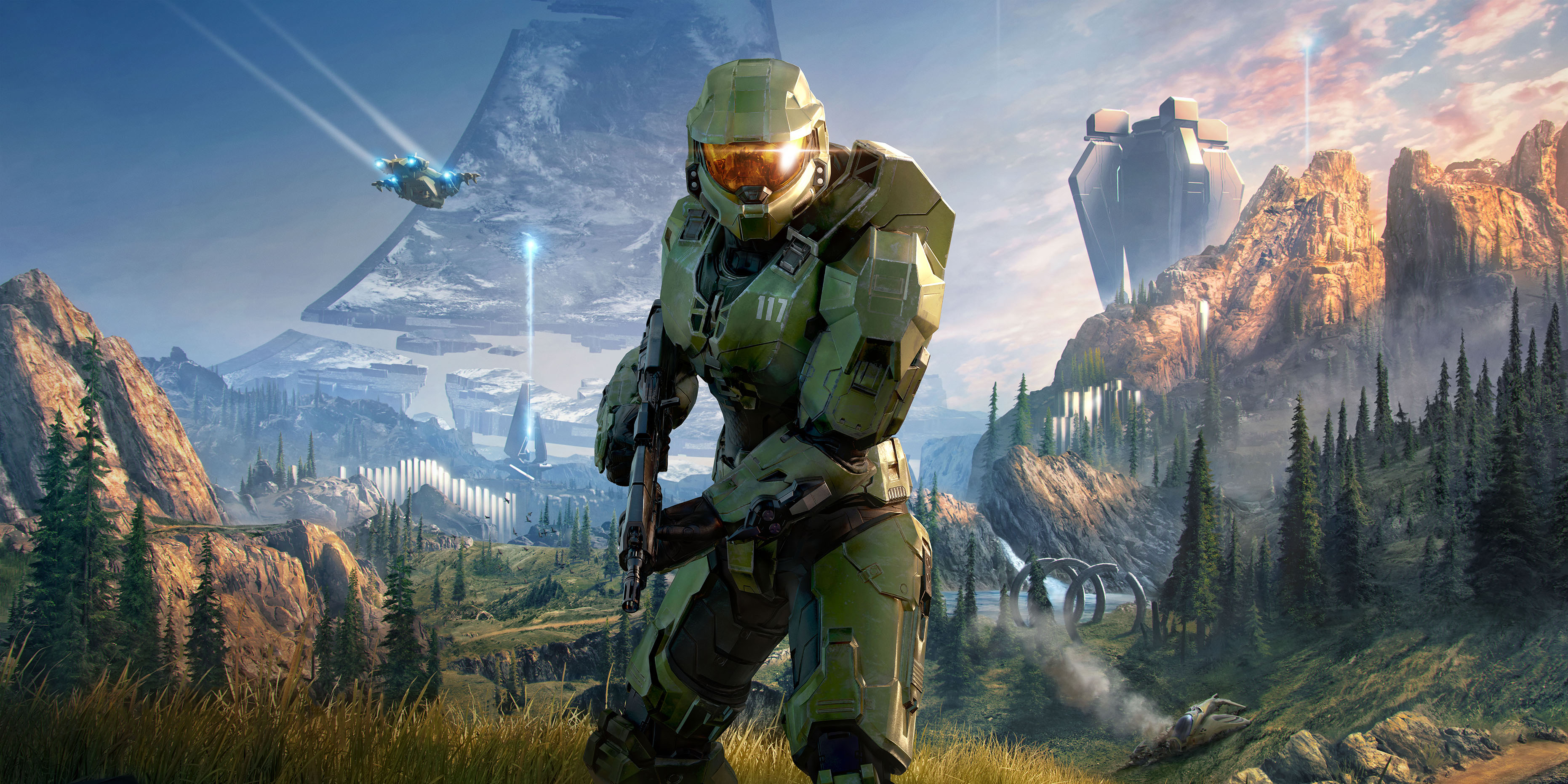
As a huge fan, I’m blown away by the Forge mode in this new game! It’s seriously the best one yet. They’ve included this incredible visual scripting system called Node Graph, which lets you do so much. You can actually spawn campaign bosses right into Forge and tweak everything about them – their health, how much damage they do, and even how they react to the map. It’s allowed people to create really complex challenges, almost like raids, where you have to complete objectives to weaken a boss. And the coolest part? People are already building completely new game modes around these custom boss fights – it’s amazing!
‘Warcraft III: Reign of Chaos’ (2002)
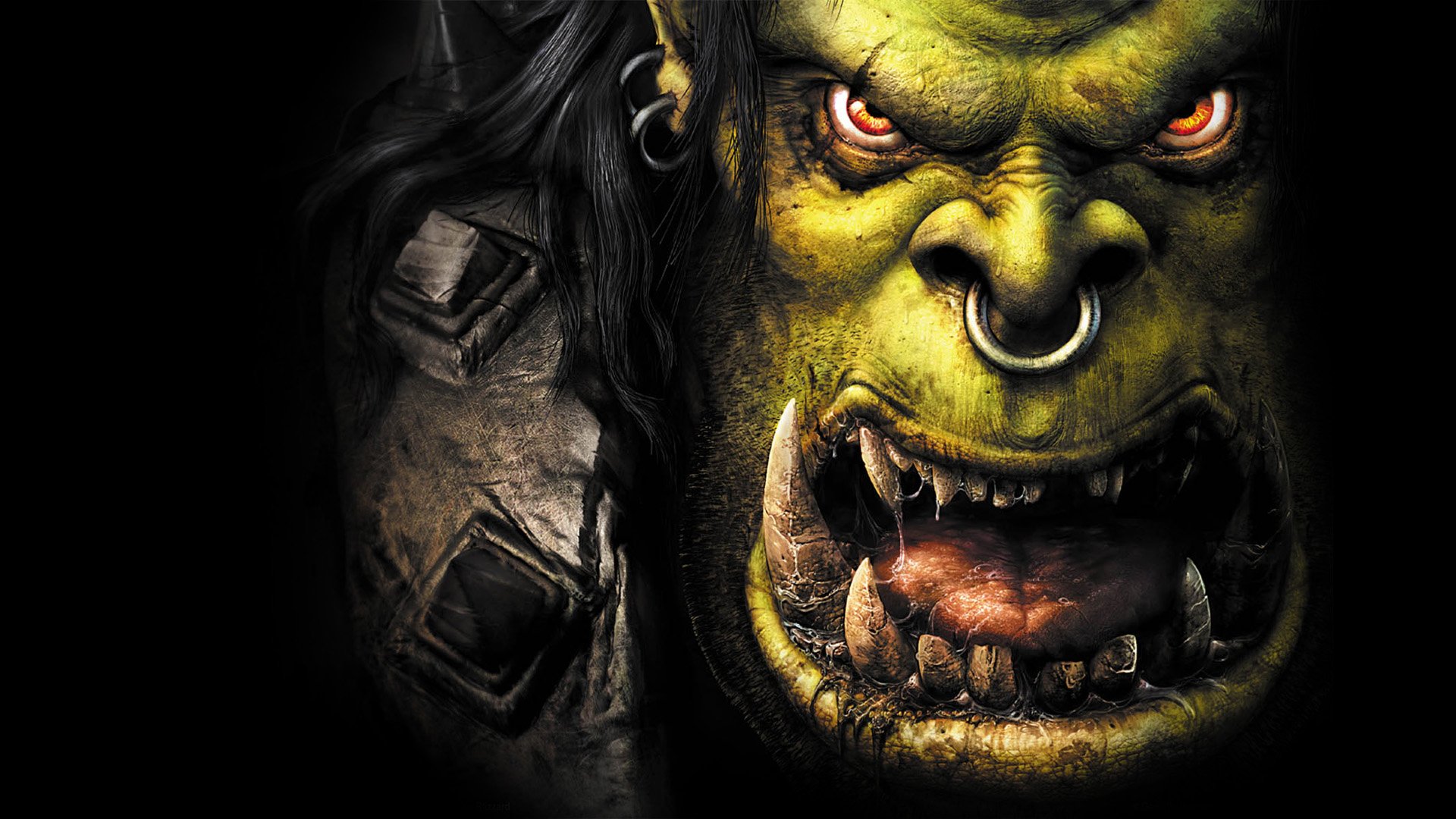
The World Editor in this real-time strategy game is famous for inspiring entire genres, like MOBAs and Tower Defense. Players can modify any unit – change its size, add unique powers, and even program complicated behaviors for boss battles. Creators have full control over how a boss looks and sounds, as they can import custom models and audio. It’s widely considered one of the most important modding tools ever created for PC games.
‘StarCraft II’ (2010)
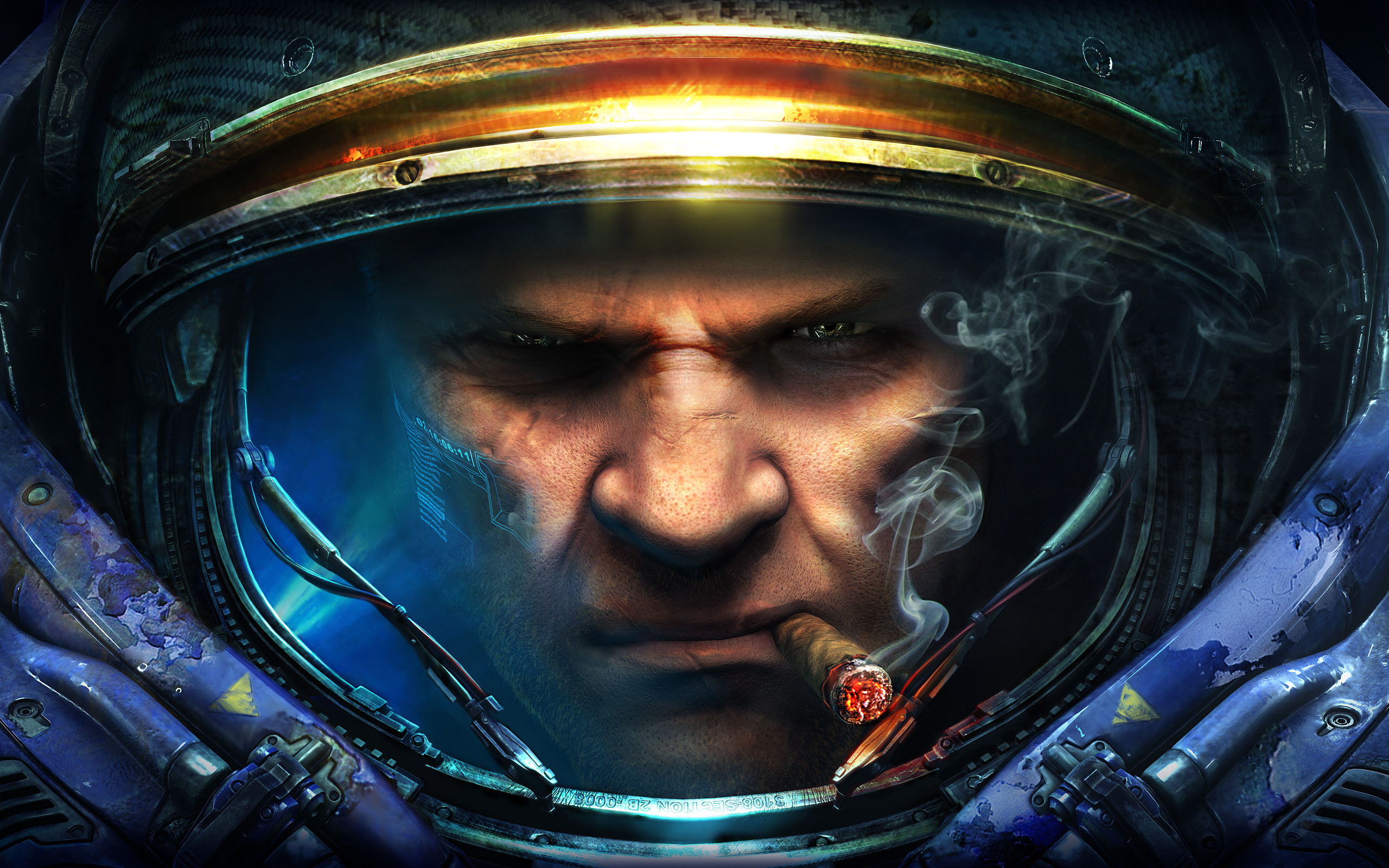
The new Galaxy Editor takes everything creators loved about the previous version and adds even more precise control over game elements and events. This lets them build incredibly detailed bosses with complex attack patterns, challenging bullet sequences, and dynamic environments. Players can find and team up to battle these unique creations in the Arcade, experiencing visually stunning fights thanks to the engine’s advanced physics and lighting.
‘Totally Accurate Battle Simulator’ (2021)
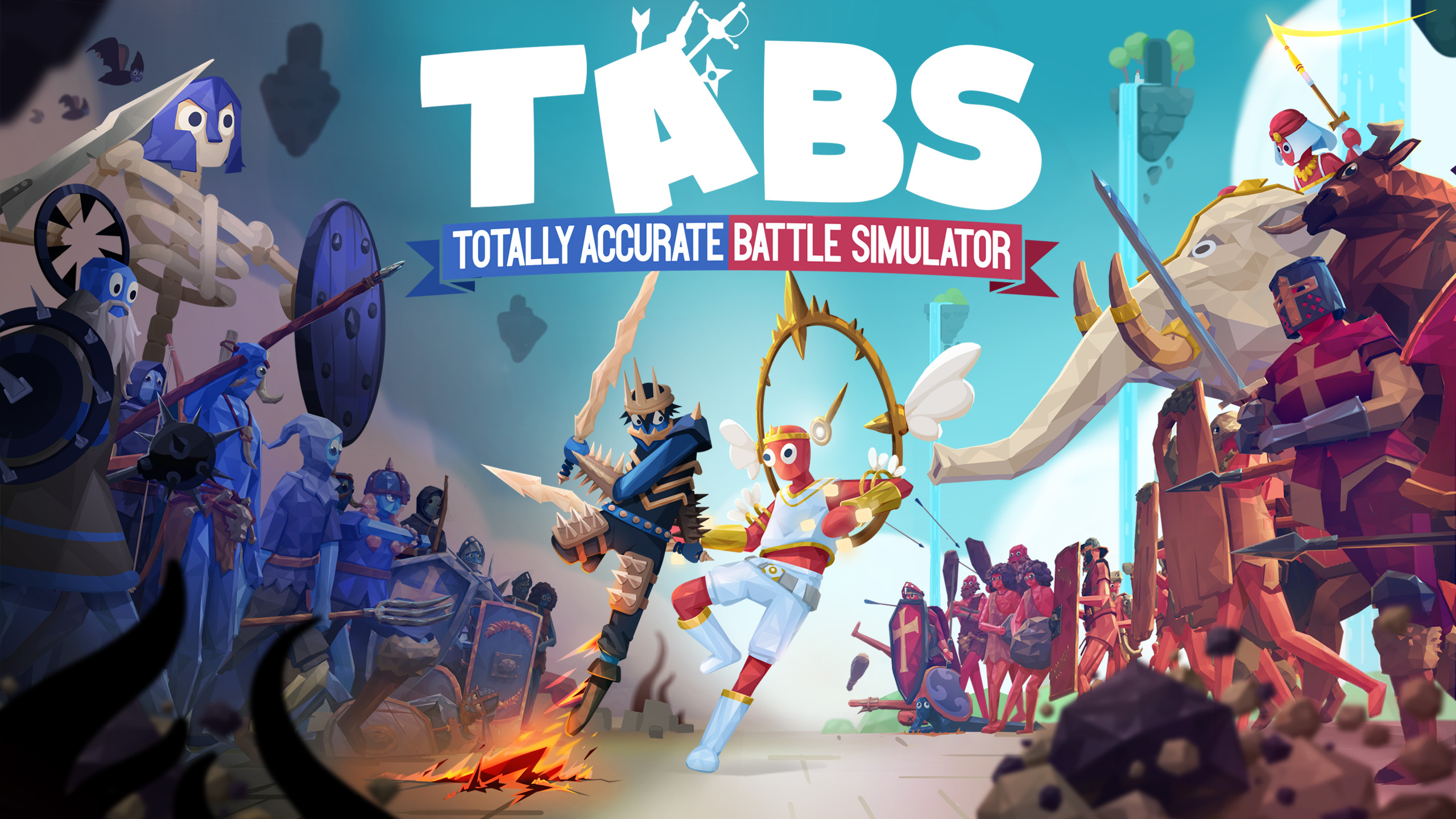
The recent Unit Creator update completely changed how the game is played, letting players build their own unique, wobbly fighting units. You can combine powers from different groups, change the unit’s size, and even boost its health to make super-powerful bosses. Players can then test these creations in battles against regular armies. Because of the game’s funny physics, every boss fight is different and unpredictable!
‘Scribblenauts Unlimited’ (2012)
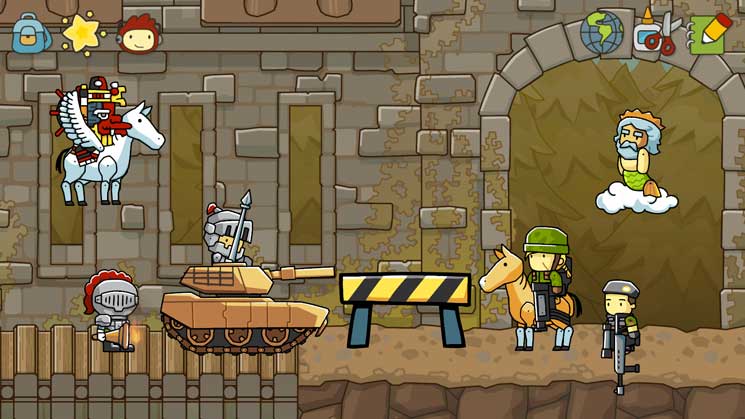
In the game, you can bring objects to life by writing their names in Maxwell’s notebook. But the Object Editor gives you even more power – you can design your own creatures from scratch! Start with a basic monster, change how it looks, and add traits like ‘Giant,’ ‘Aggressive,’ or ‘Fire-breathing’ to make a unique boss. Then, you can share your creations with others and battle them in the game’s sandbox world. It’s an easy and fun way to play around with different creature characteristics.
‘Drawn to Life: The Next Chapter’ (2009)
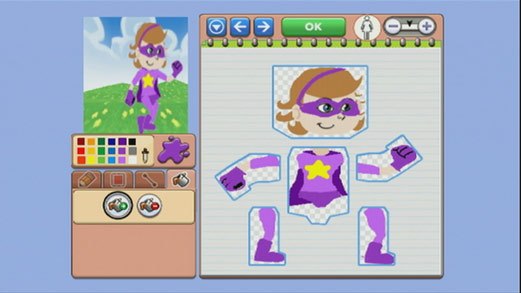
Okay, so this DS game is seriously cool. It’s a platformer where you don’t just control a character, you draw your hero, and even parts of the world and items you need! It’s not about coding AI or anything, but you’re constantly sketching out what the bosses look like. Honestly, it makes the boss fights way more intense because you’re fighting something you designed. It’s not just some pre-made enemy; it’s your own creation, and the drawing stuff fits perfectly into the story and how you play the game.
‘Draw a Stickman: EPIC 2’ (2015)
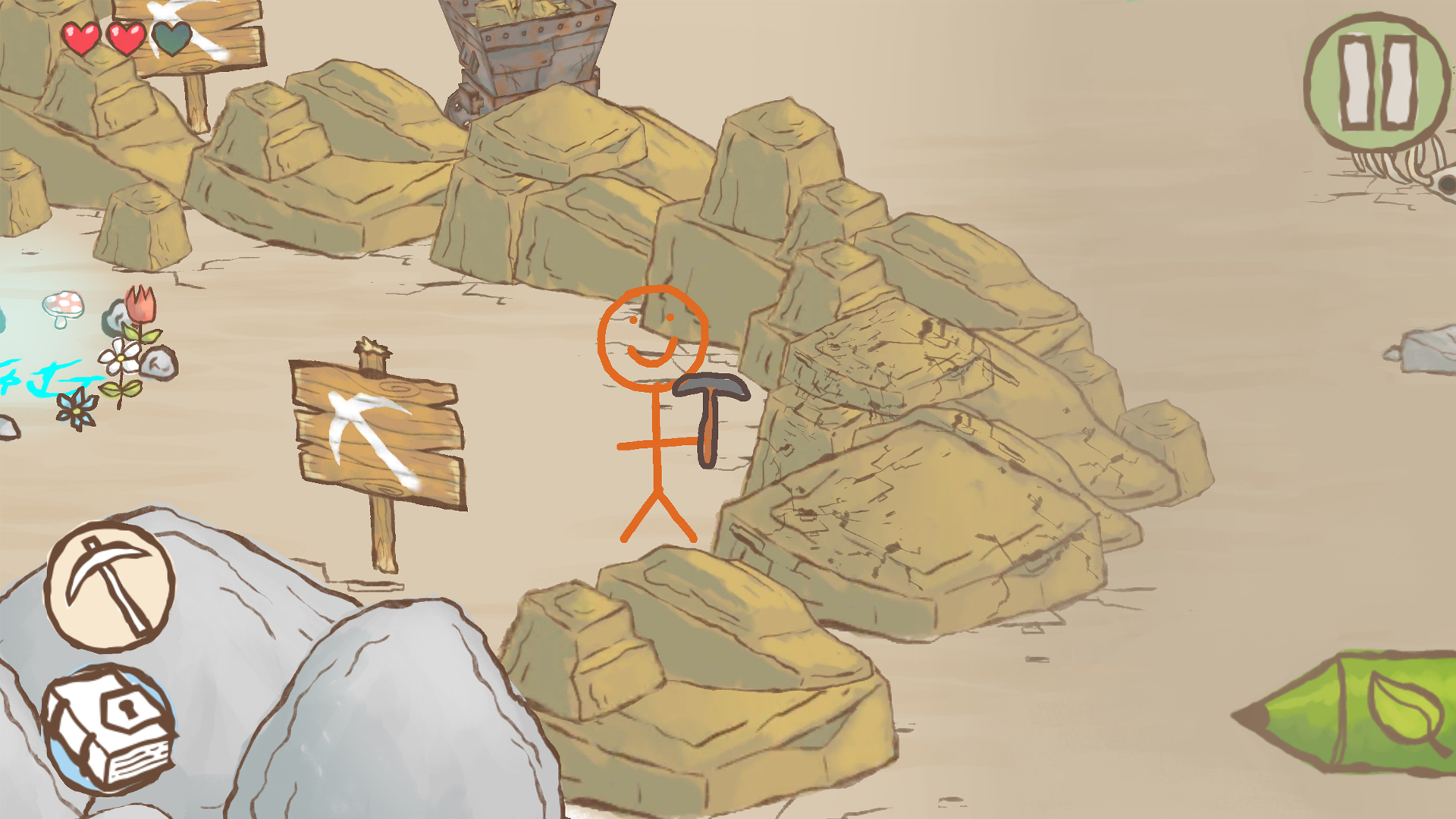
Like many drawing-based games, this one asks you to sketch tools and weapons to overcome challenges. You’ll often draw the bosses themselves as the story unfolds, or create the weapons needed to beat them. This creates a cool cycle where your drawings directly change how things look in battle, and it makes you feel really connected to—and even like you created—the game’s villains.
‘Geometry Dash’ (2013)
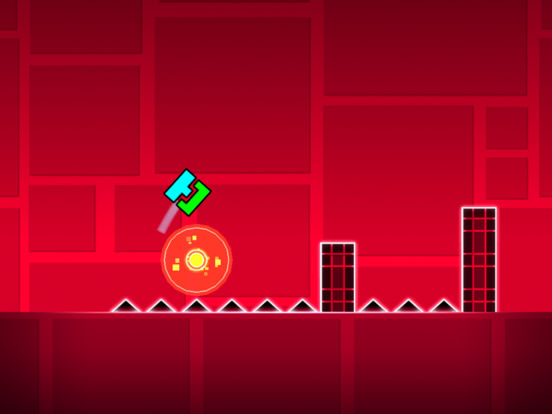
Originally a game focused on timing and jumping to the beat, it’s now a powerful tool for building levels. The latest update added triggers, letting creators bring objects to life and even design challenging “boss battles” where players dodge moving obstacles. These aren’t controlled by artificial intelligence; instead, they’re carefully planned sequences of hazards perfectly timed to the music. Players have already used this to create incredible, fast-paced challenges reminiscent of bullet-hell games.
‘Levelhead’ (2020)
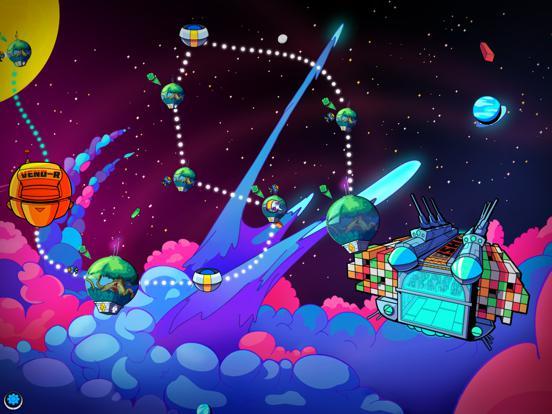
I’m really into this platformer where you play as a delivery robot. What’s cool is the developers actually use the same level editor we do! You can build some seriously tricky levels with it, placing enemies and using switches and receivers to change things up – like creating different phases for a boss fight. I’ve been stacking enemies and even attaching them to moving platforms to make these crazy mechanical challenges. It’s all about super tight controls and really precise level design, so the custom levels people are making are legitimately tough, but in a good way.
‘Super Dungeon Maker’ (2023)
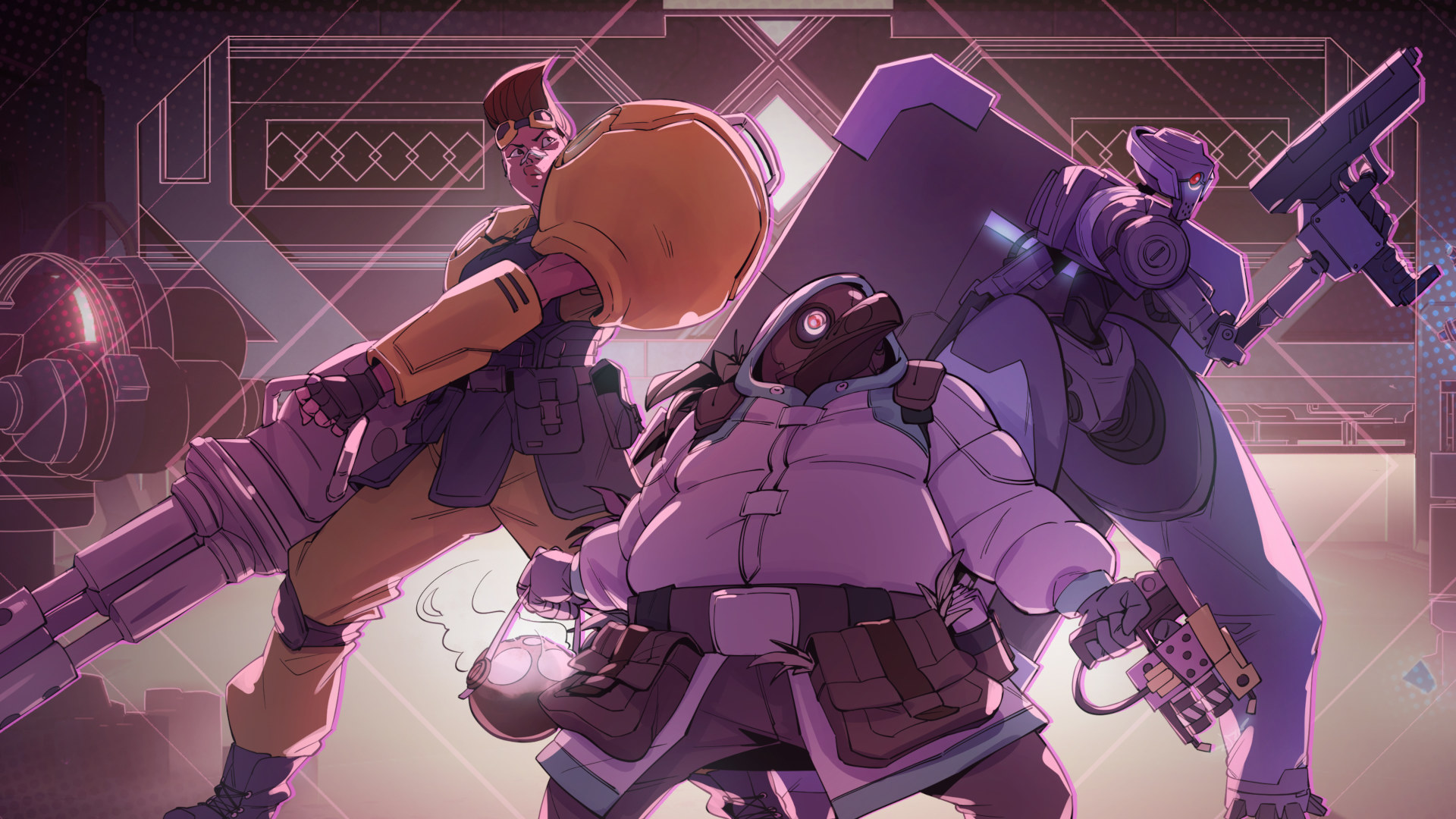
This game lets you create and share your own pixel-art dungeons, taking inspiration from classic 2D Zelda games. You can design levels with enemies and challenging boss rooms, hiding items like keys and power-ups to create puzzles that players need to solve to win. It’s all about the feel of those old 16-bit adventure games.
‘Sound Shapes’ (2012)
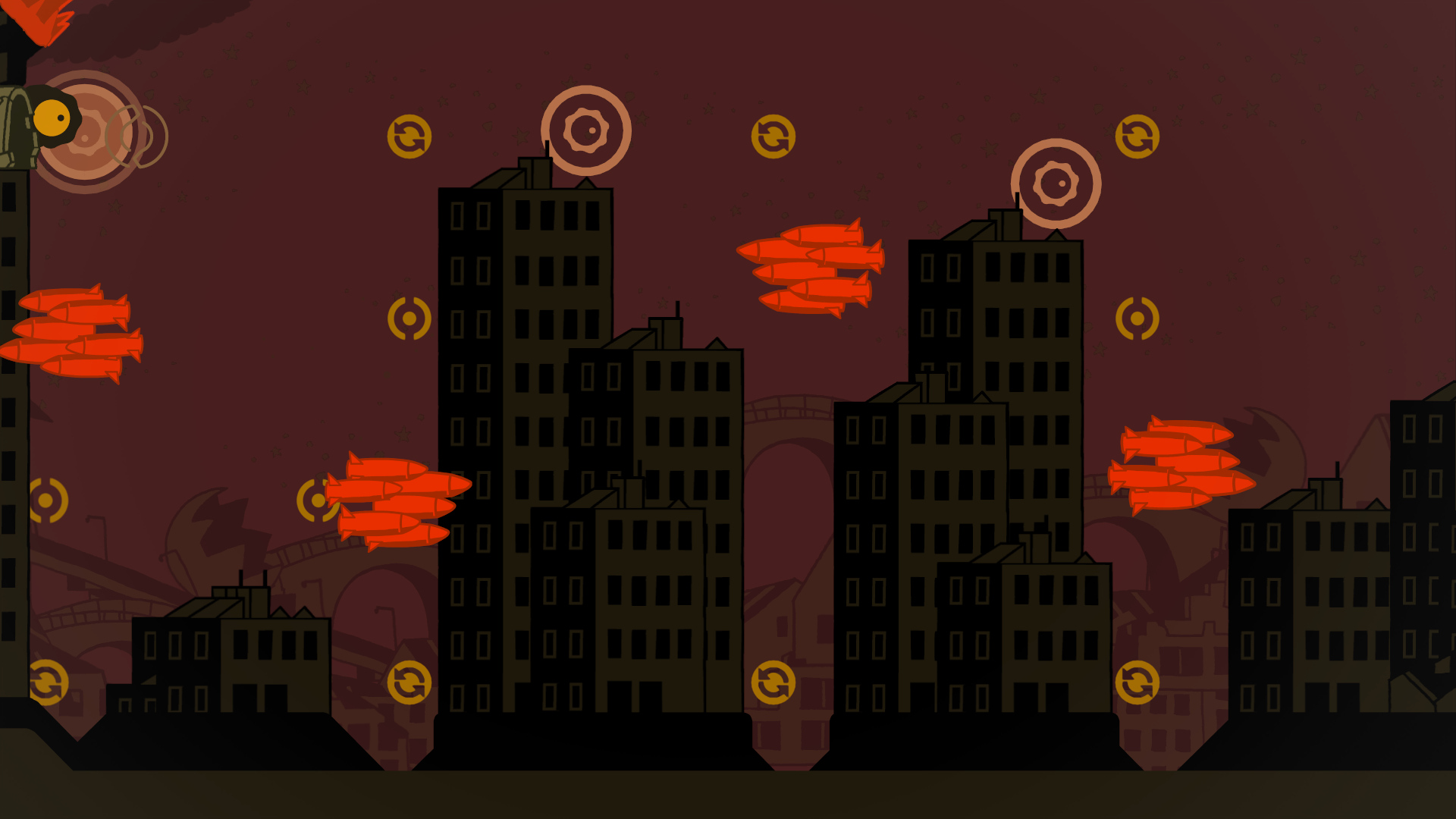
This game blended platforming with music creation. Players built levels by placing enemies and obstacles that moved in time with the music they composed. Challenging ‘boss’ levels were created by composing fast-paced, rhythmic tracks filled with obstacles players had to overcome. It offered a fresh way to control difficulty by linking it directly to the music and gameplay.
‘Mega Man Powered Up’ (2006)
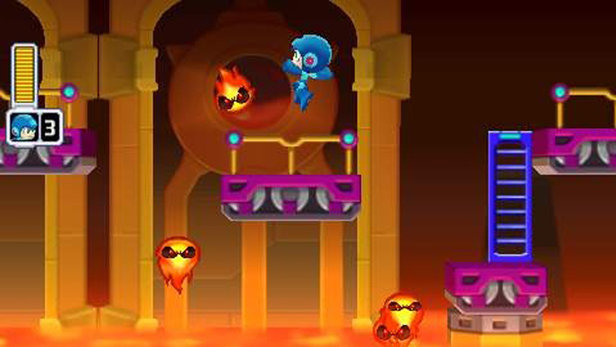
As a huge Mega Man fan, I was blown away by the PSP remake! It had this incredible level editor that felt way ahead of its time. You could build your own stages and, get this, put any Robot Master you’d unlocked as the final boss! But the coolest part? You could actually play as the bosses! It totally flipped the usual gameplay on its head. I spent hours making ridiculously hard challenges, all leading up to epic boss battles with my favorite robots. It was amazing!
‘Divinity: Original Sin 2’ (2017)
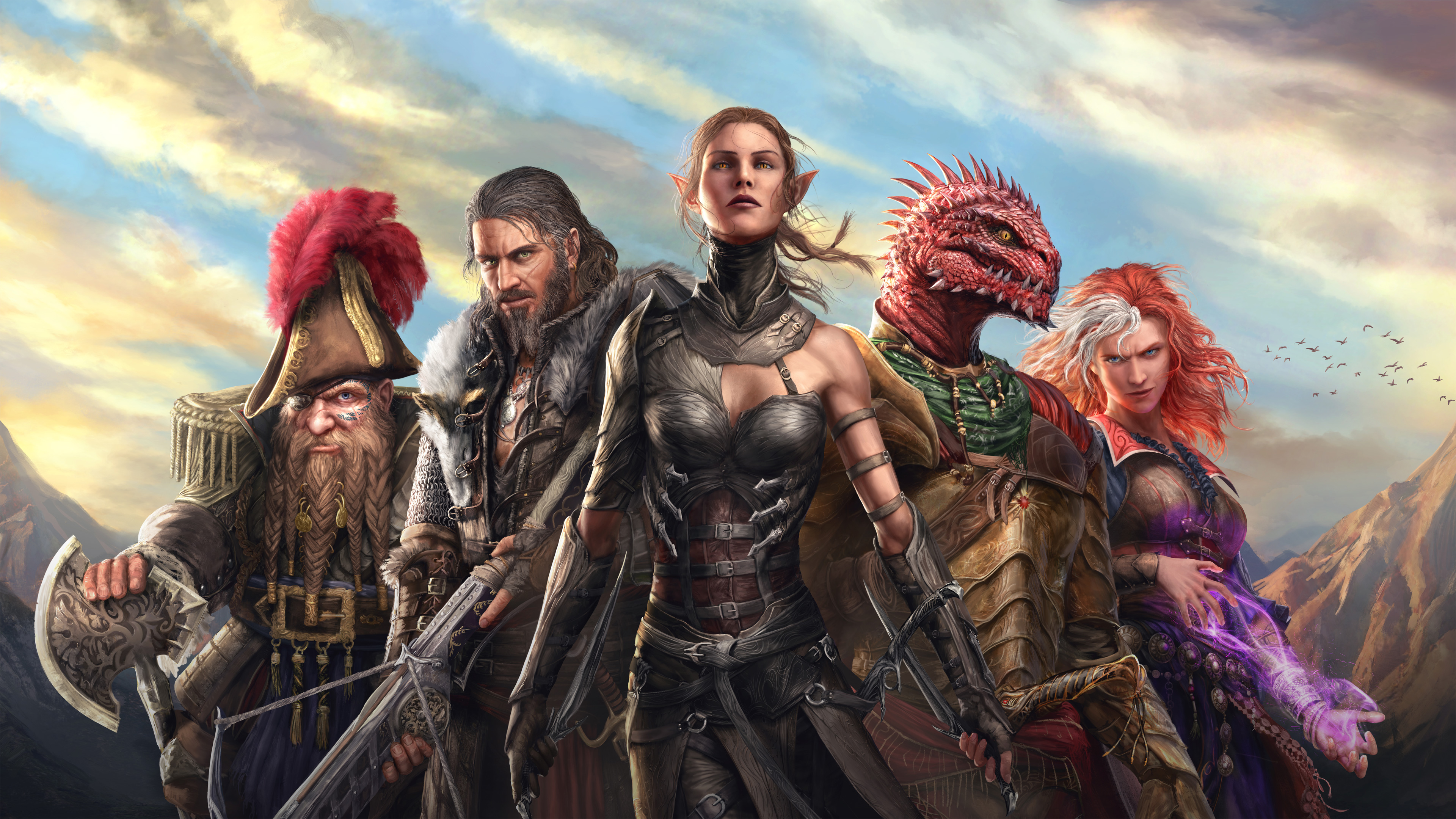
Game Master Mode aims to bring the feel of tabletop role-playing games to the digital world. One player takes on the role of Game Master, with the power to create enemies, change their abilities during battles, and even directly control them. This creates exciting and unpredictable boss fights where the boss can adapt to the players’ tactics, combining the freedom of pen-and-paper games with the immersive visuals of video games.
‘Neverwinter Nights: Enhanced Edition’ (2018)
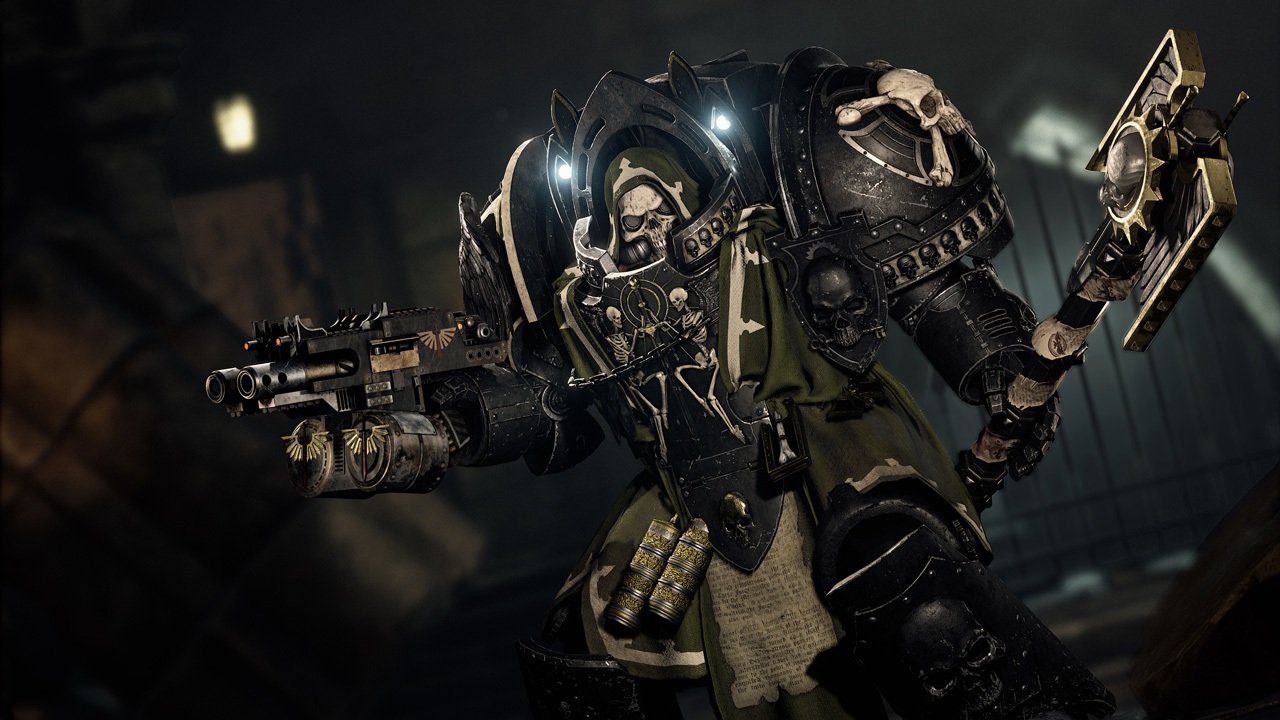
The Aurora Toolset is a robust program that lets Dungeon Masters design complete game campaigns. You can craft unique monsters with custom abilities, spells, and gear to use as villains. Bosses can be programmed with scripts to start conversations or call for help when they take damage. Players often build entire raid encounters within the persistent online worlds created using this tool.
‘Sword Coast Legends’ (2015)
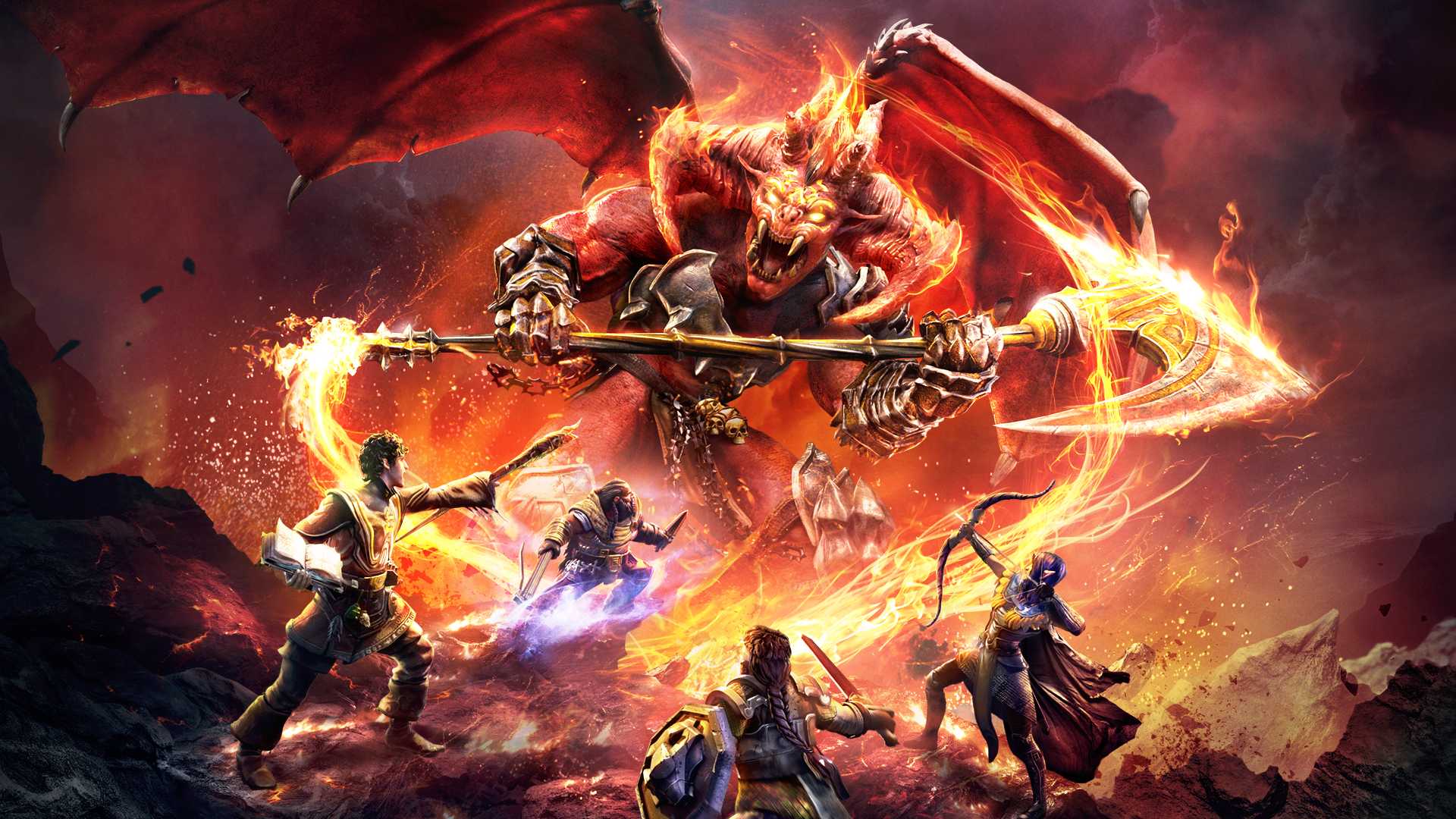
This role-playing game had a unique feature: one player acted as a Dungeon Master, controlling the experience for four other players who were the adventurers. The Dungeon Master could create challenges on the fly by adding monsters and bosses, and even use special powers to make things harder. This created a dynamic, uneven multiplayer game where the boss battles weren’t just programmed – they were directed by a real person, allowing the DM to control how quickly or slowly the action unfolded.
‘Arma 3’ (2013)
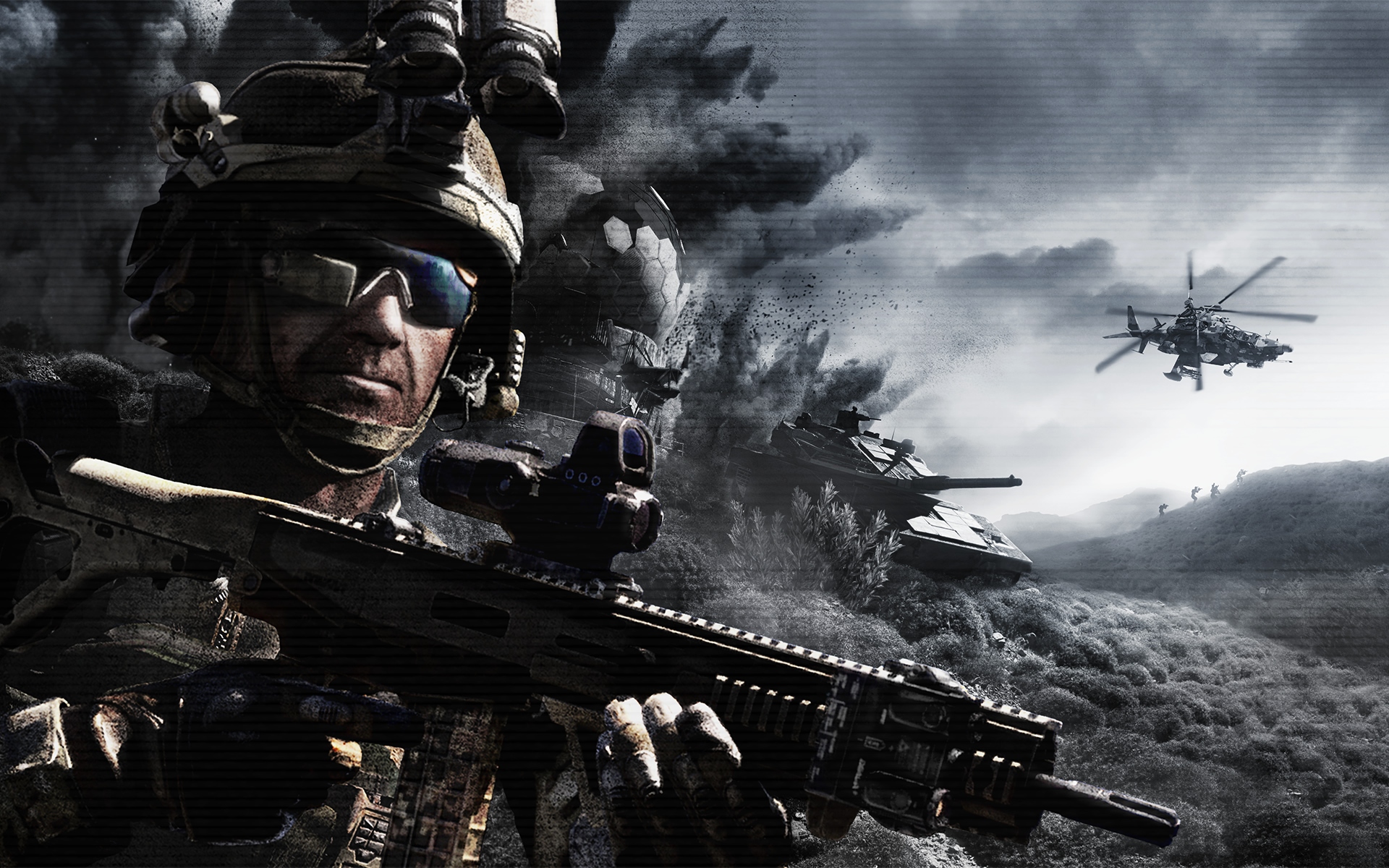
In this military simulator, ‘Zeus mode’ lets one player act like a game master during gameplay. This player can create and control enemy forces – like tanks, helicopters, and special units – to challenge other players. They can either directly control these units or set up complex routes for them to attack. This transforms the game from a typical shooter into a more open-ended and unpredictable war game.
‘Hotline Miami 2: Wrong Number’ (2015)

The level editor lets players design their own action-packed, top-down stages. You can add powerful “boss” characters like the Fans or the Son, each with unique abilities and weapons. Creators can also use cinematic tools to build suspense before battles, just like in the game’s main story. Because the game is so fast and deadly, these custom levels create incredibly intense experiences.
‘Broforce’ (2015)
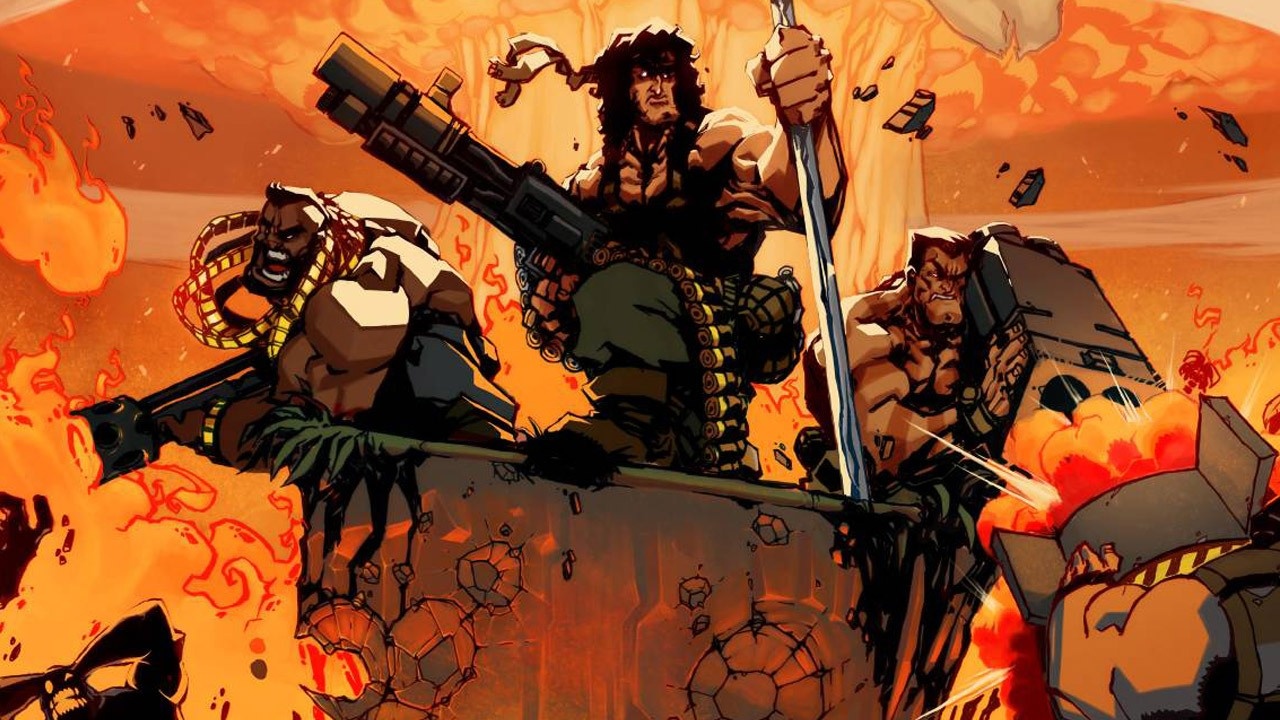
This fast-paced, action-packed game lets you create your own levels using all the enemies and bosses from the main game. You can strategically place powerful foes like the giant Satan boss or huge tanks and set them to attack when players enter specific areas. You can also use triggers to blow up parts of the level or call in extra enemies, making each battle even more chaotic. Plus, the environments can be destroyed, adding an element of surprise to every custom fight.
‘Crawl’ (2017)
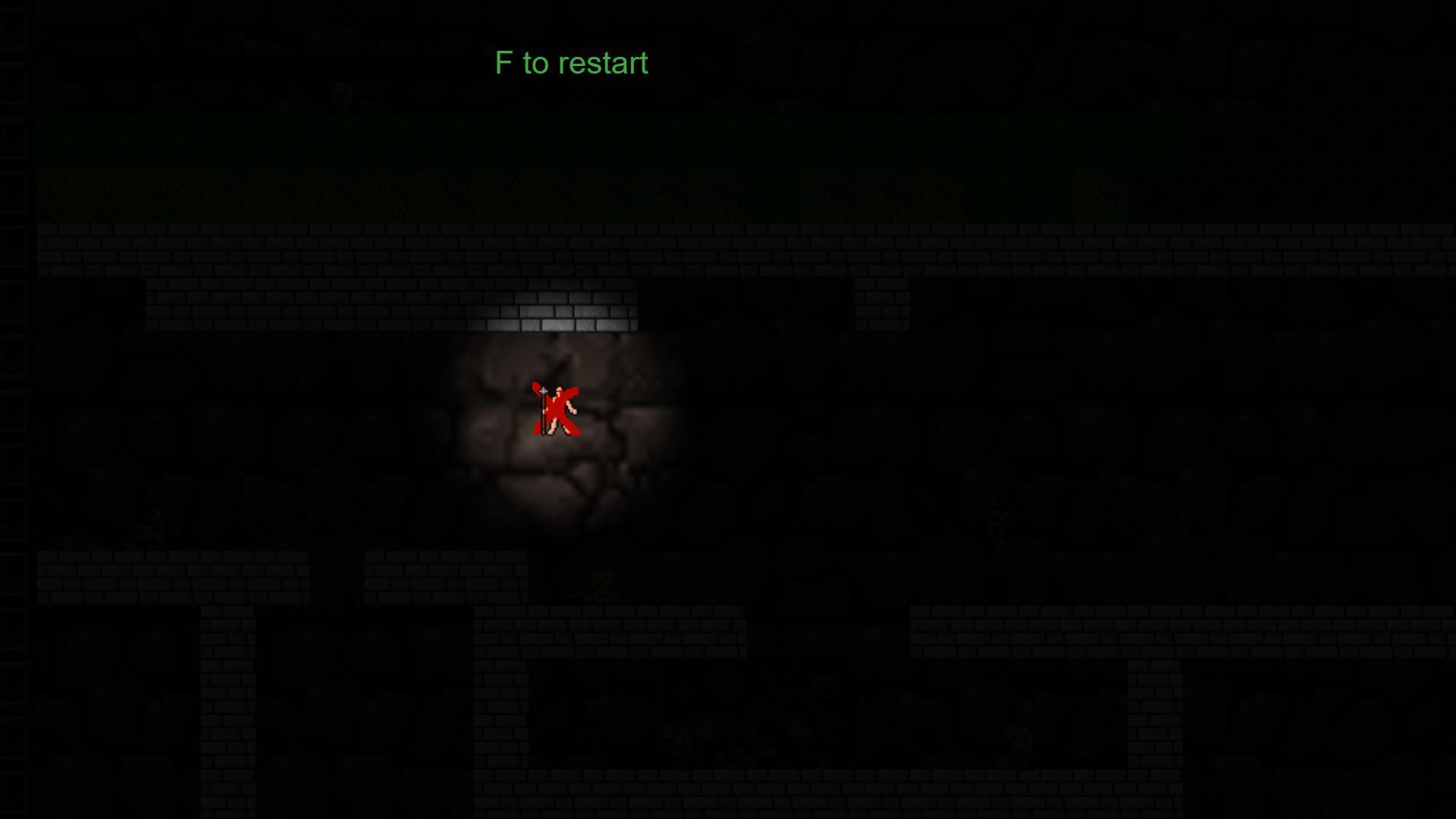
This multiplayer game pits one player as a hero against others who control the dungeon’s traps and monsters. Once the hero nears the end, the other players combine to become a powerful boss and try to defeat them. Throughout the game, players upgrade their monsters, essentially customizing the boss’s abilities and attacks. It’s a competitive game where you play as the ultimate threat.
‘Resident Evil Resistance’ (2020)
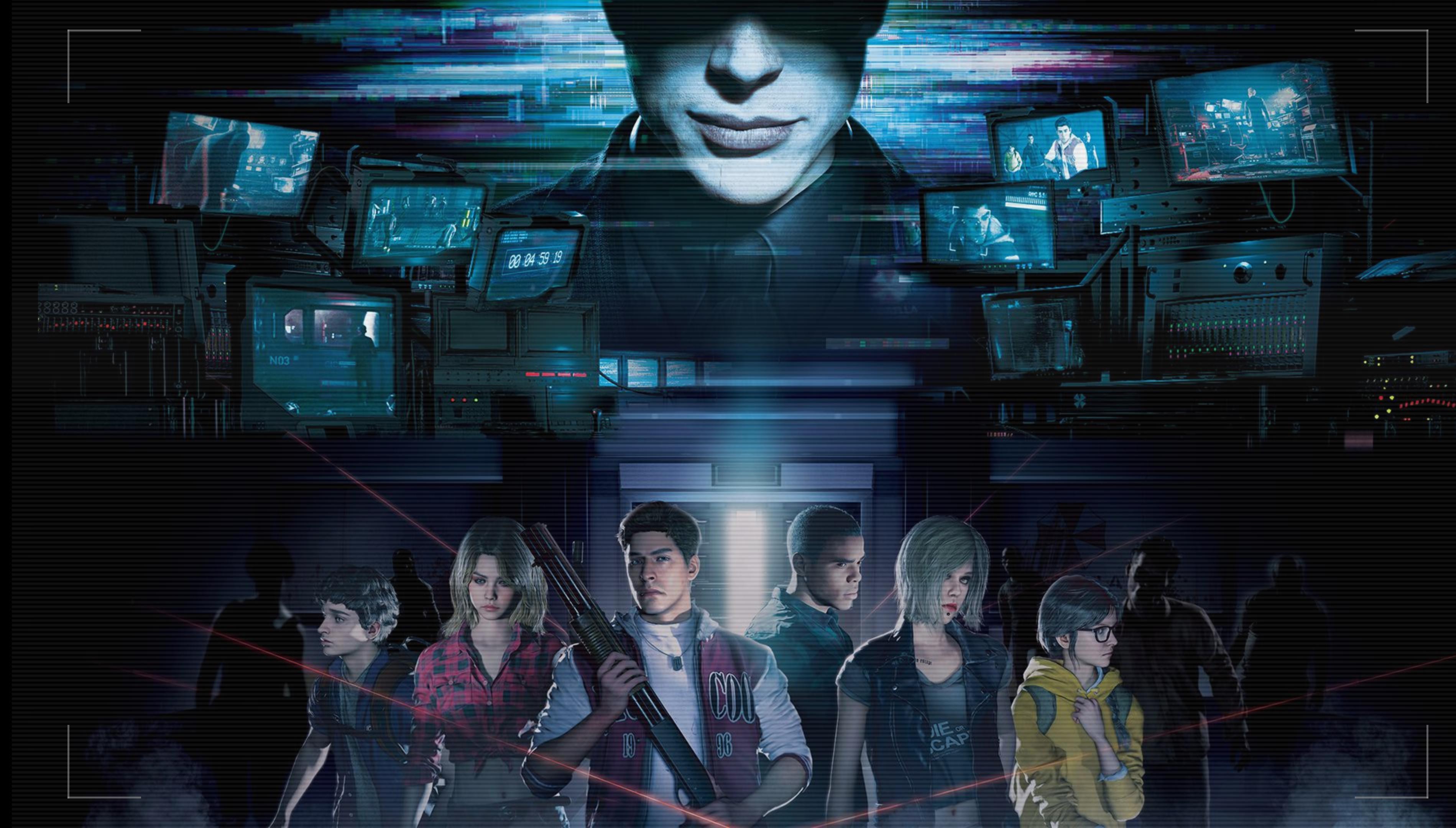
In this multiplayer mode, one player acts as the Mastermind, overseeing the map with security cameras and setting traps, zombies, and powerful bioweapons like Mr. X or Nemesis to stop the other players. As the Mastermind, you directly control these powerful ‘boss’ characters, using their special attacks to hunt down survivors. This adds a strategic element, as you manage these encounters live as they happen.
‘Boss Fighters’ (2023)
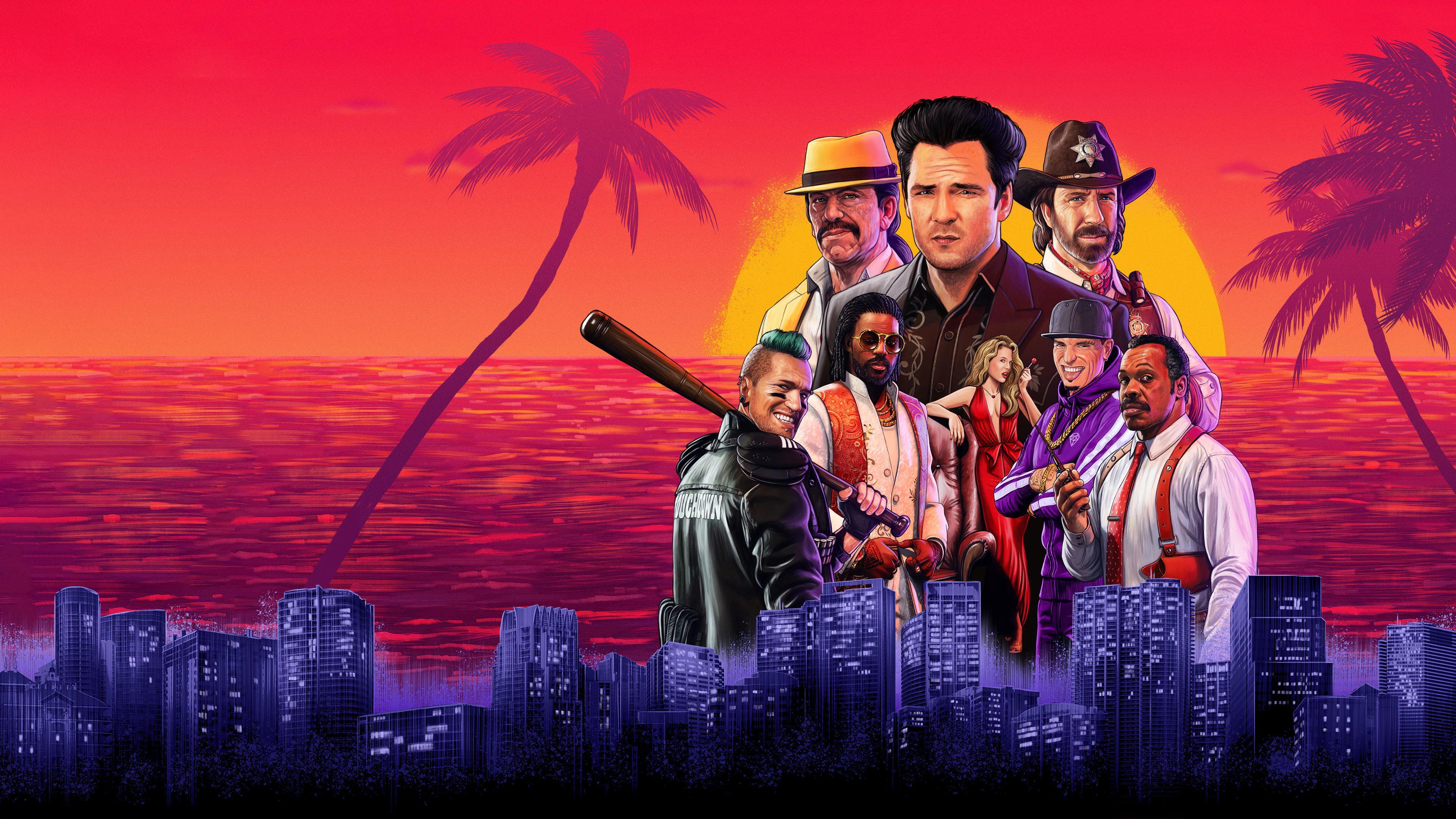
This game lets players experience a boss battle from a unique perspective: one player uses VR to be the boss! Using hand movements, the VR player physically attacks other players who are on PCs. The boss can also customize their abilities and look, choosing how they want to dominate the arena. It transforms the VR player’s movements into an epic, cinematic boss fight.
‘TimeSplitters: Future Perfect’ (2005)
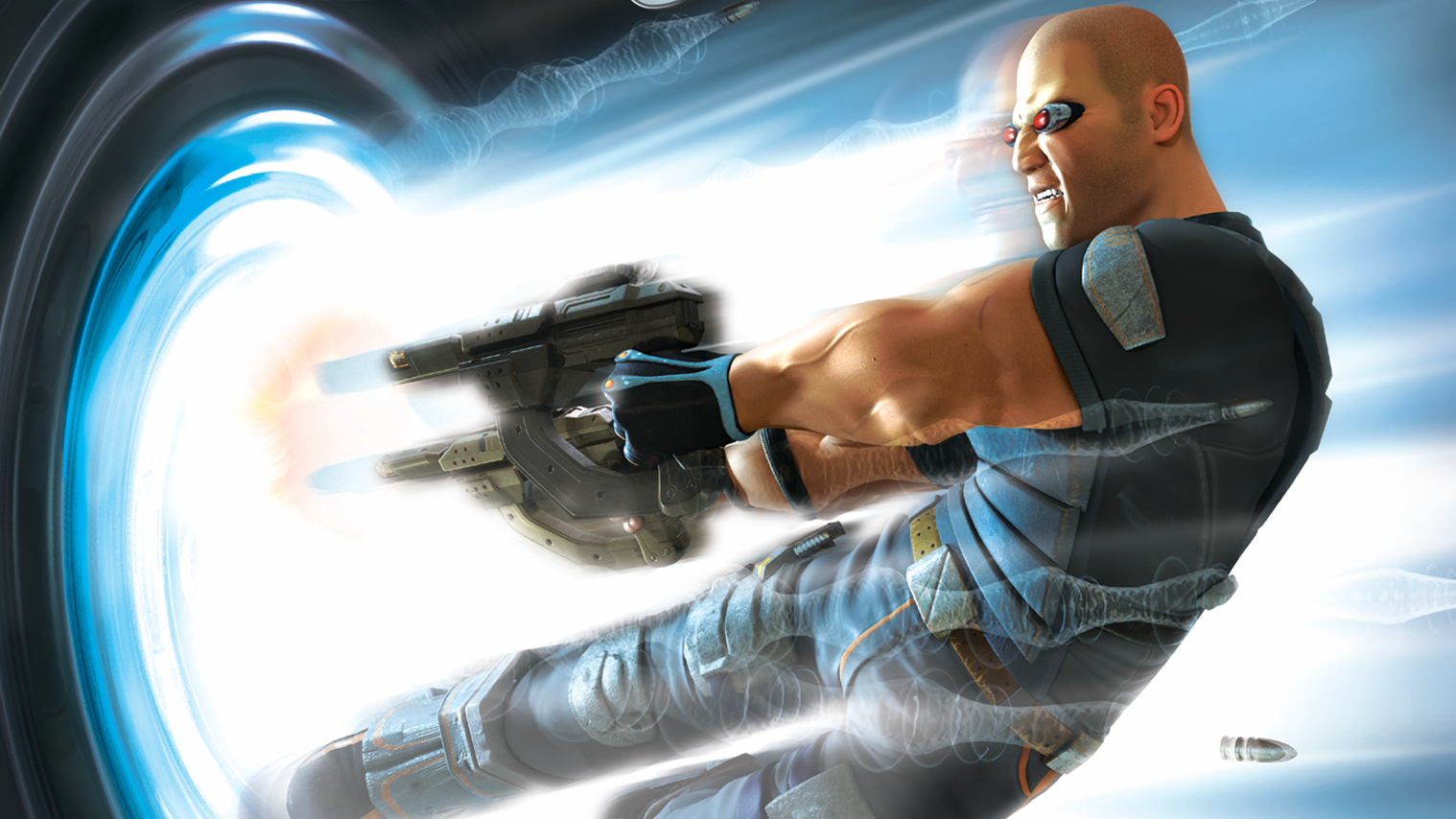
The MapMaker in this older game was remarkably flexible for its time. Players could design custom levels with specific goals and challenging boss fights. Using logic tools, they could even control elements like doors, making them lock until a boss was defeated, which created a clear path through the level. It’s still considered a fantastic example of how to design maps for first-person shooter games on consoles.
‘Tenchu 2: Birth of the Stealth Assassins’ (2000)
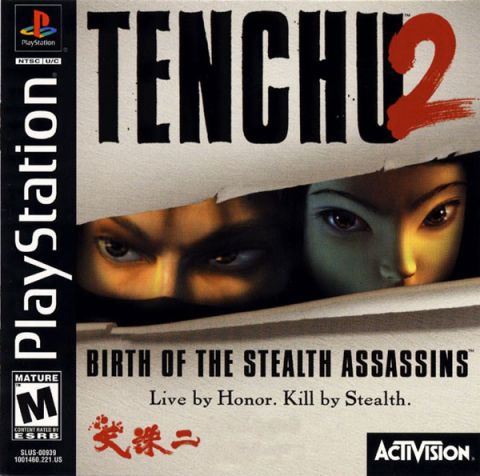
This PlayStation game let players become ninjas and even design their own missions. A special editor allowed you to set up levels, choose a main enemy – the ‘Target’ – and customize their strength. Carefully planning enemy patrols and guard positions was key to making the missions challenging. It was also one of the first console games to include a feature like this, letting players create content themselves.
‘Infamous 2’ (2011)
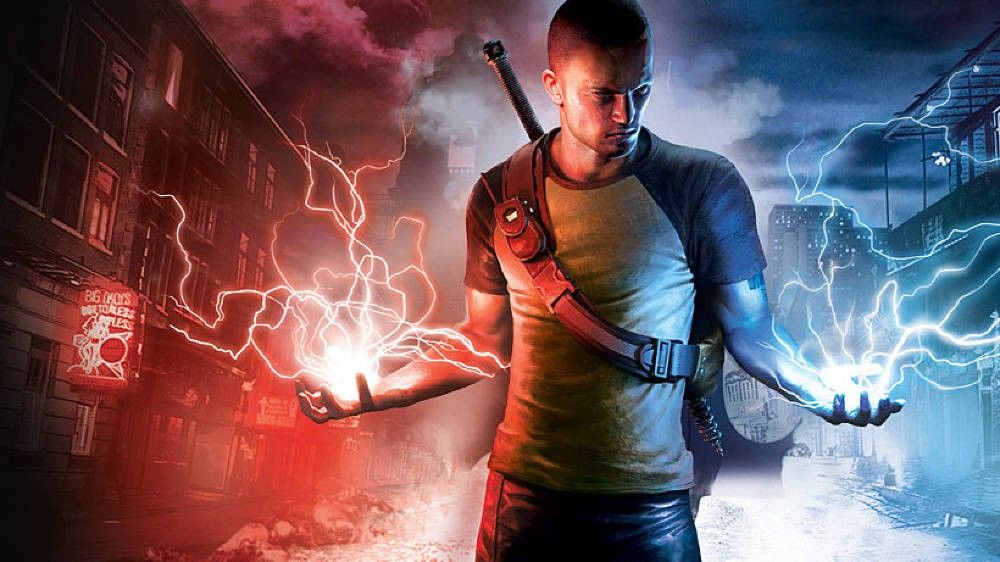
In Sucker Punch’s game, players could create their own missions using an in-game editor set in the open world of New Marais. They could place powerful enemies and program how they acted, designing complex battles that took advantage of the environment. This community-driven feature greatly extended the game’s replayability with player-made content.
‘Solasta: Crown of the Magister’ (2021)
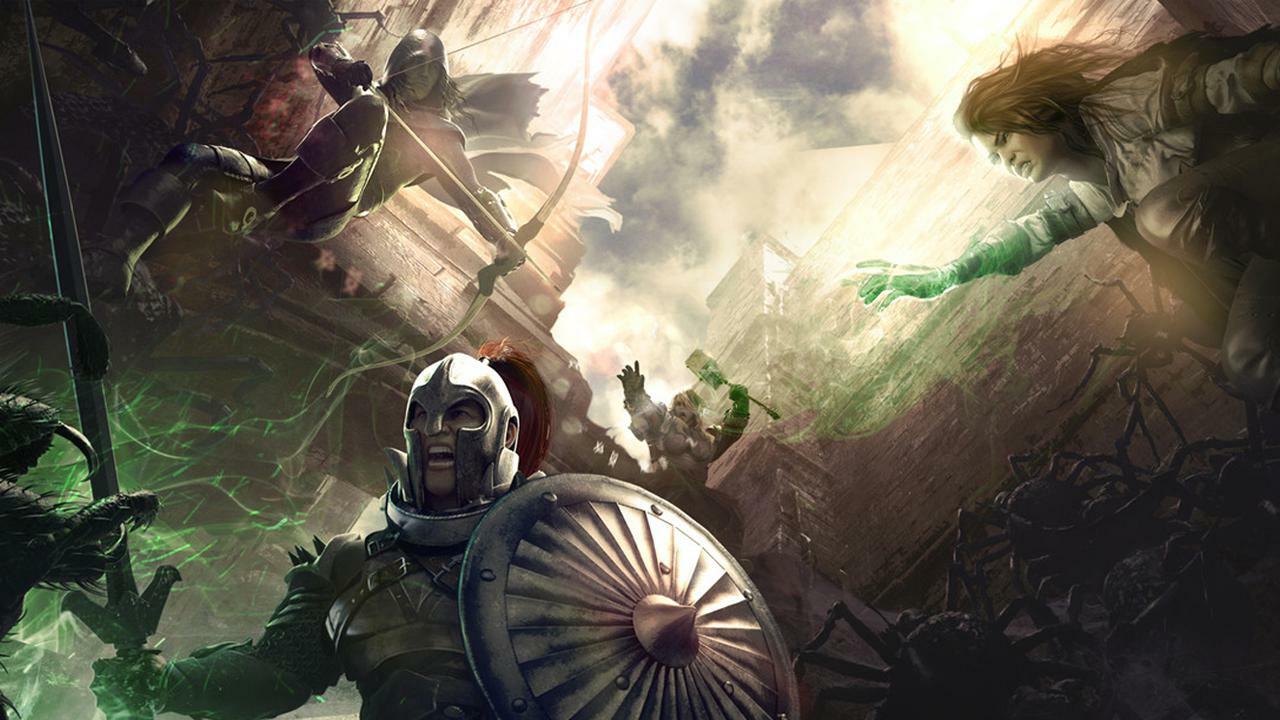
This game lets you build your own dungeons, inspired by the rules of Dungeons & Dragons. You can design rooms, add monsters, and decide what treasures players will find, creating unique adventures. You can even create challenging boss battles by using powerful monsters, giving them strategic positions, and adding helpers. Because the combat is so tactical, these player-made fights require careful planning and strategy.
‘Unrailed 2: Back on Track’ (2024)
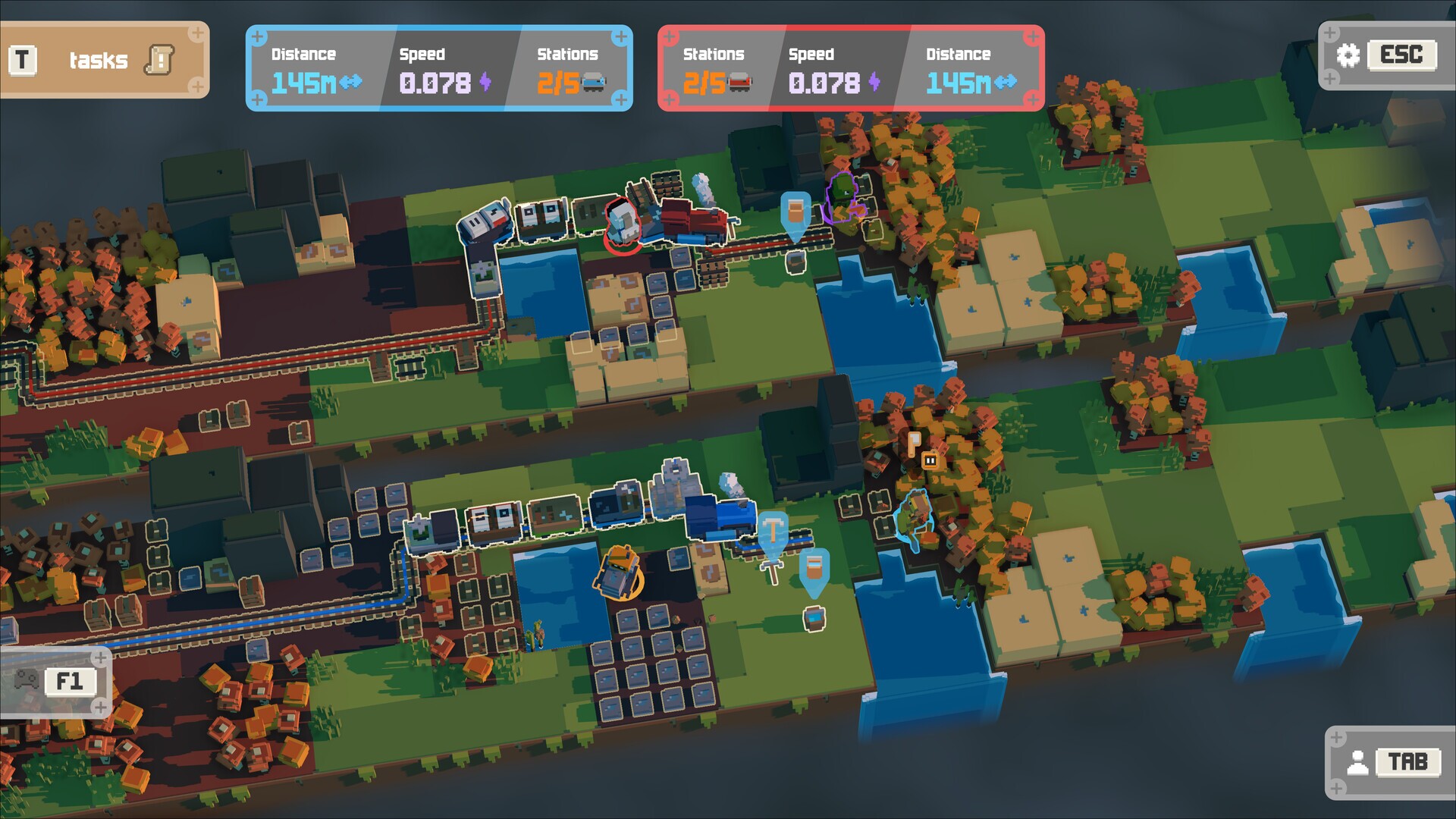
The game’s sequel included a new level editor called “Terrain Conductor,” letting players design and build their own maps. Because boss battles can damage or destroy the train tracks, players can strategically place these bosses within their custom levels. This lets you control where and how these fights happen, challenging players to build tracks that avoid the boss’s attacks. It’s a fun way to add even more creativity to the already fast-paced, cooperative gameplay.
‘Quest Master’ (2024)
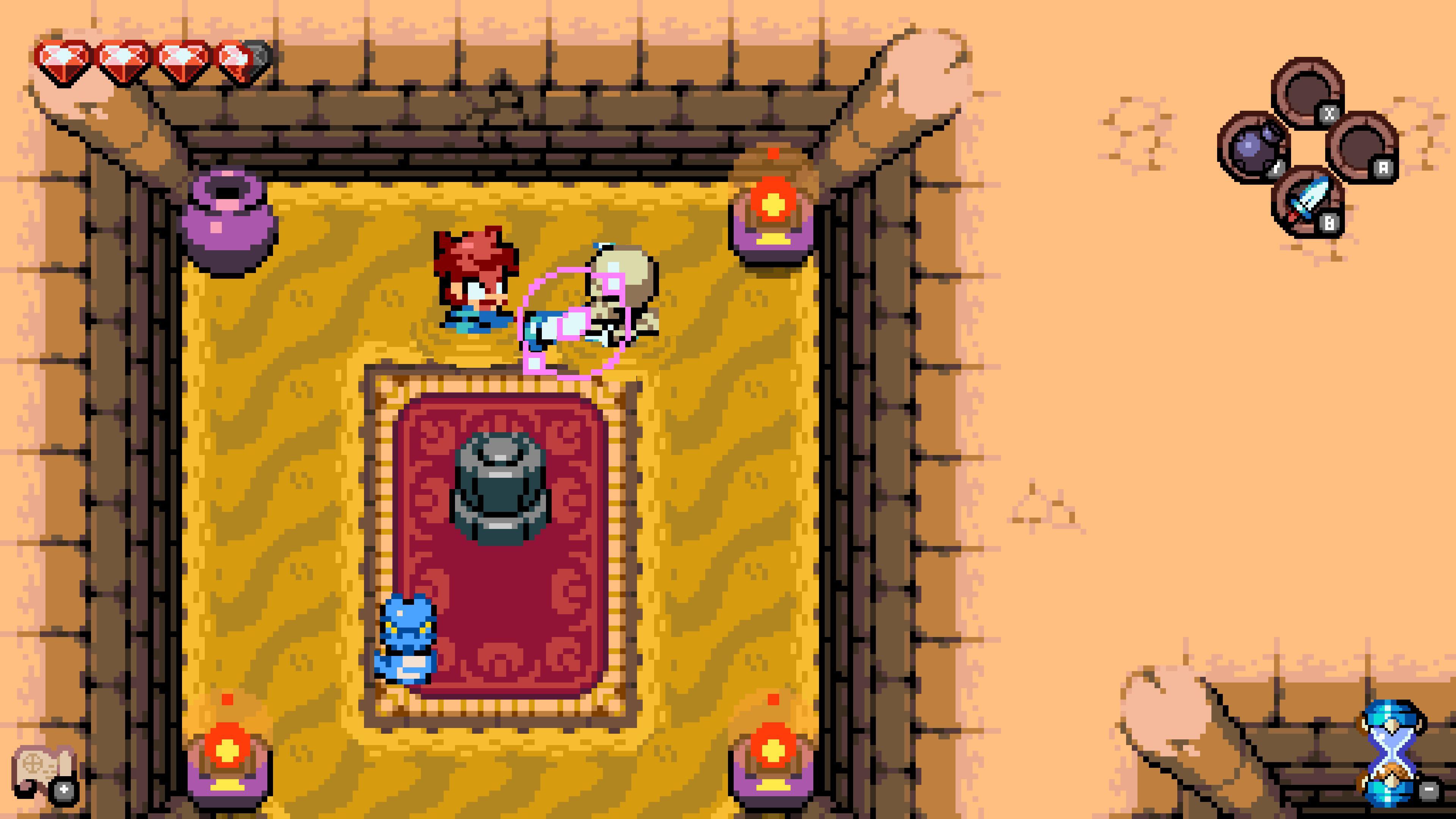
This game lets you create your own dungeons, inspired by classic adventure games. It gives you all the tools you need to design challenging boss battles, complete with traps, puzzles, and a customizable arena. Setting up events that happen during fights is simple thanks to an easy-to-use drag-and-drop system. The game really emphasizes combining puzzle-solving with combat.
‘Fight Crab’ (2020)
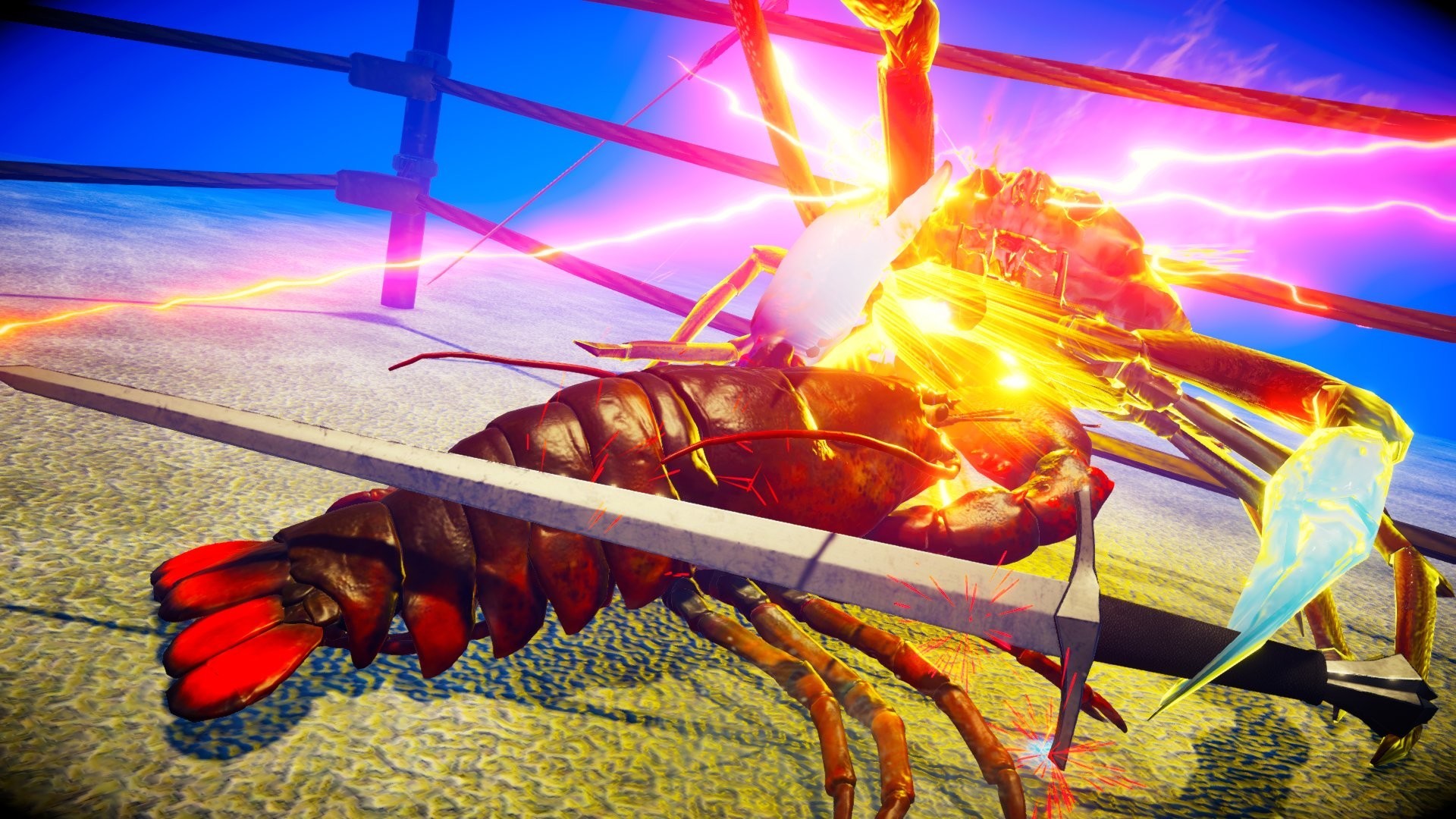
Okay, so it’s not a full-on level editor, but you can really customize your crab in this game! I love that I can slap all sorts of crazy stuff onto it – everything from knives to, seriously, jet engines! Plus, you level up its stats, so you can build this totally overpowered crab. When you go up against someone in multiplayer, your crab basically is the boss – it’s hilarious! And the way everything moves and the physics are just so wacky, it’s a huge part of what makes fighting so fun.
‘N++’ (2015)
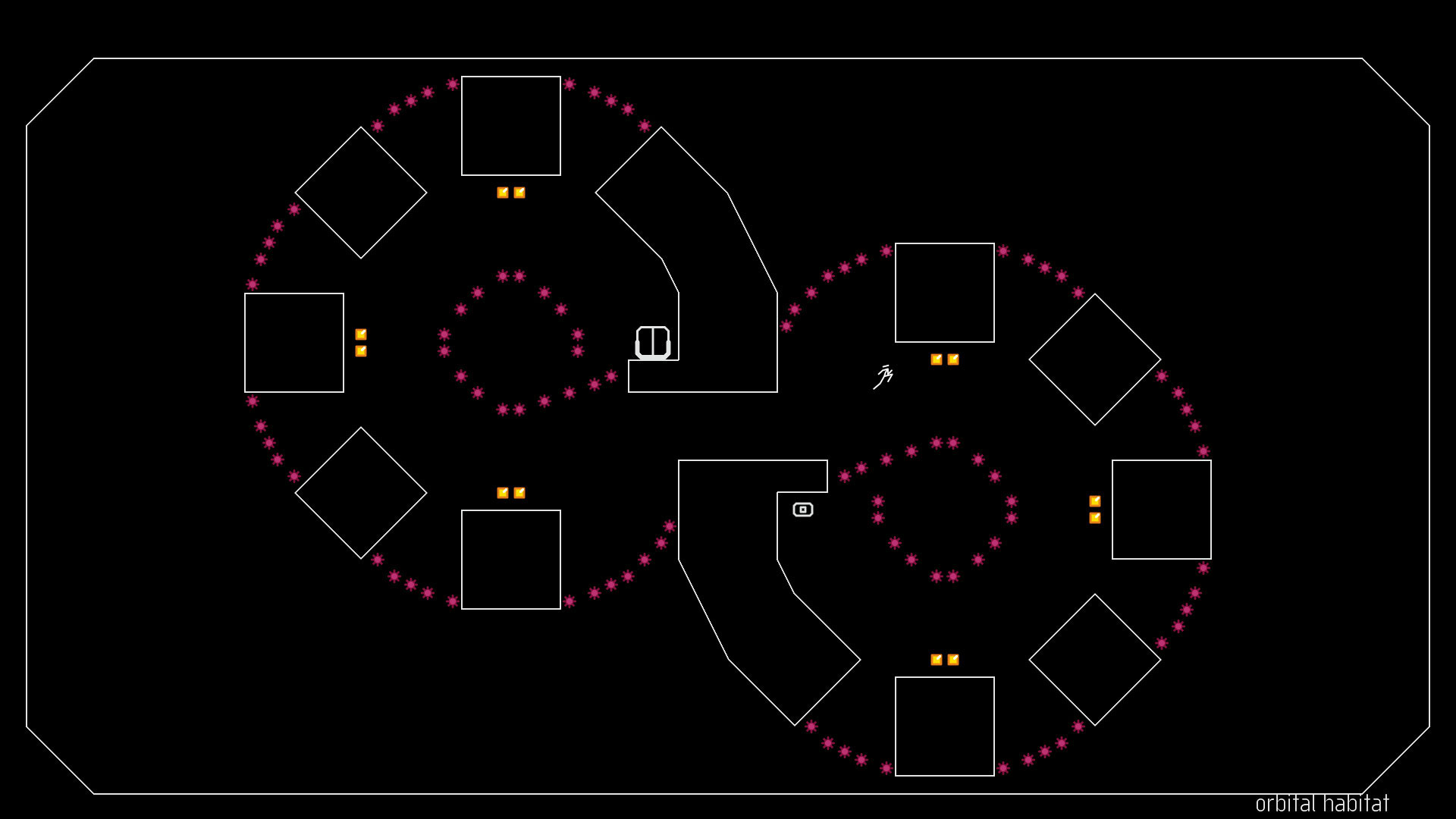
This fast-paced platformer lets players create and share thousands of levels thanks to its built-in level editor. Instead of enemies, you’ll use tools like mines and guided missiles – and even copies of yourself – to build incredibly challenging obstacle courses. These courses act like bosses, demanding precise timing and skillful play to overcome. The editor gives you complete control, letting you place every dangerous element exactly where you want it.
‘BattleBlock Theater’ (2013)
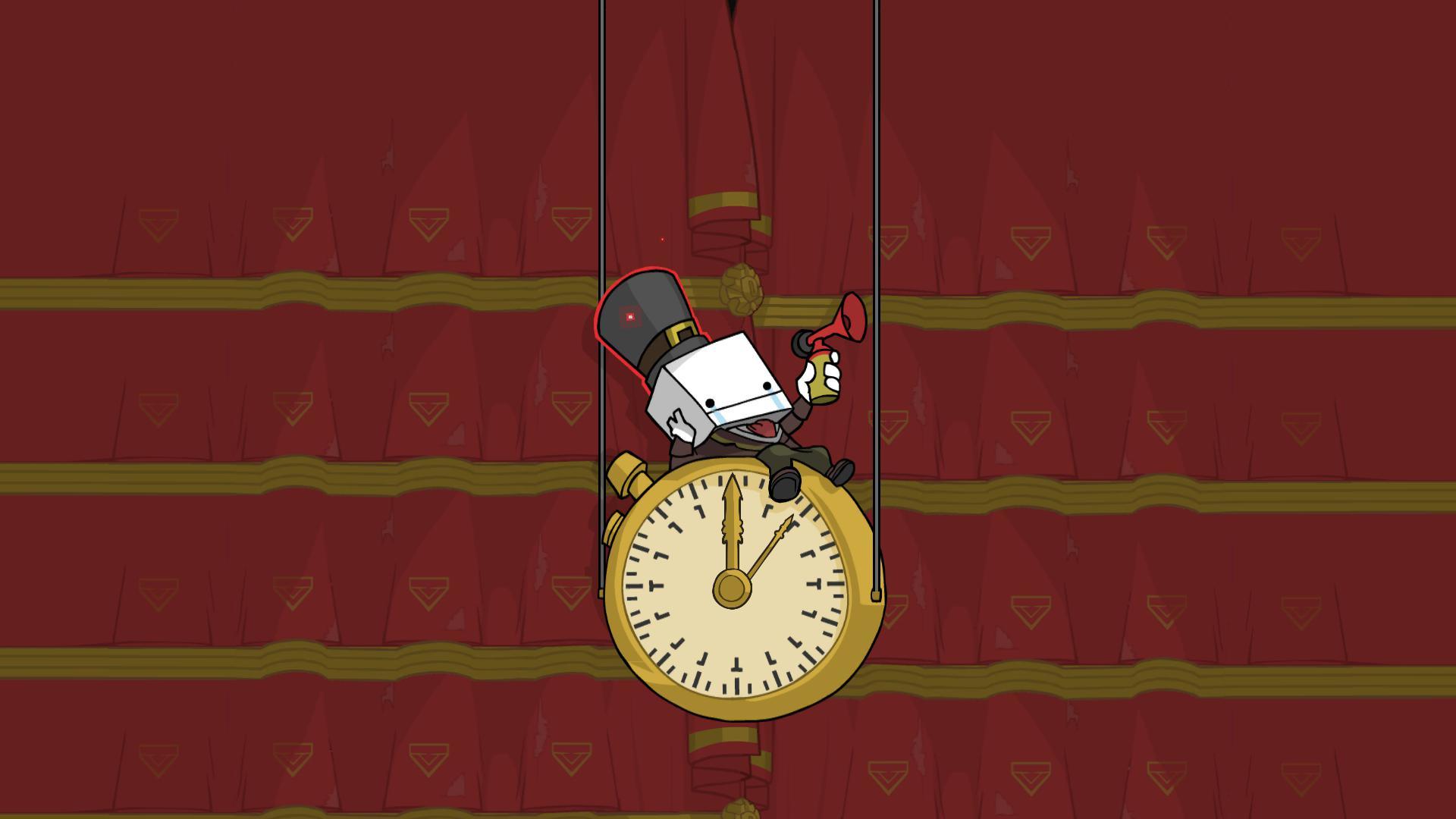
This funny platformer game has a powerful but easy-to-use level editor. Players can build challenging levels by adding enemy cats, traps, and puzzles. Although there aren’t many traditional bosses, the editor lets you create areas where you fight groups of enemies or try to beat a difficult challenge against the clock. Players can also share their creations online, and the best levels get the most attention.
‘Besiege’ (2020)
Most games involve destroying levels, but this level editor lets you create the levels that get destroyed. You can design heavily defended fortresses or giant robots for players to take down. Using logic and sensors, you can even build machines that automatically hunt and attack players, turning the game into a clever contest of engineering skill.
‘Trailmakers’ (2019)
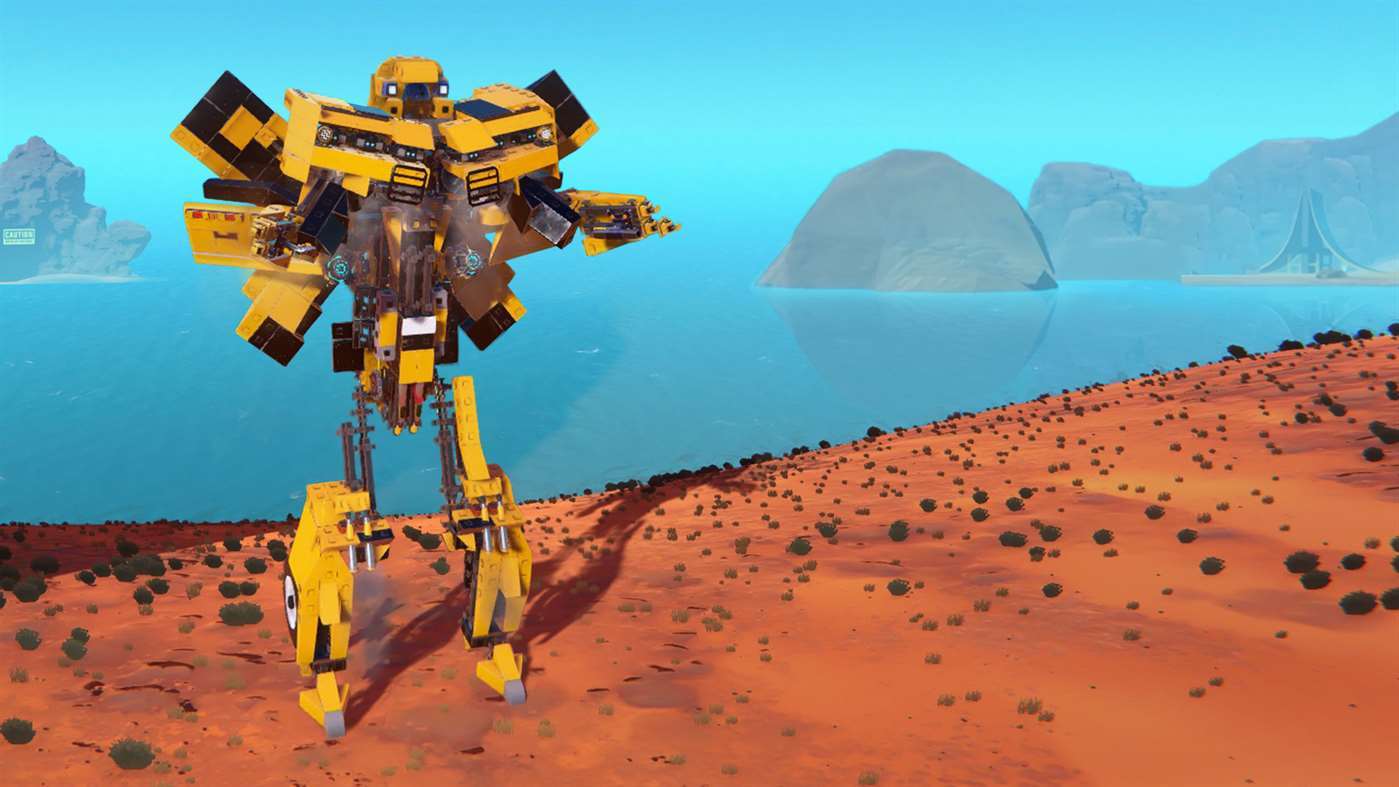
This game is a vehicle-building sandbox, much like other construction games, but with a focus on combat. Players can design and build huge, heavily armed vehicles and then challenge others to try and destroy them. An expansion called “High Seas” introduced realistic water and wind effects, making it possible to create challenging naval battles with complex boss vehicles that have many working parts.
‘Kodu Game Lab’ (2009)
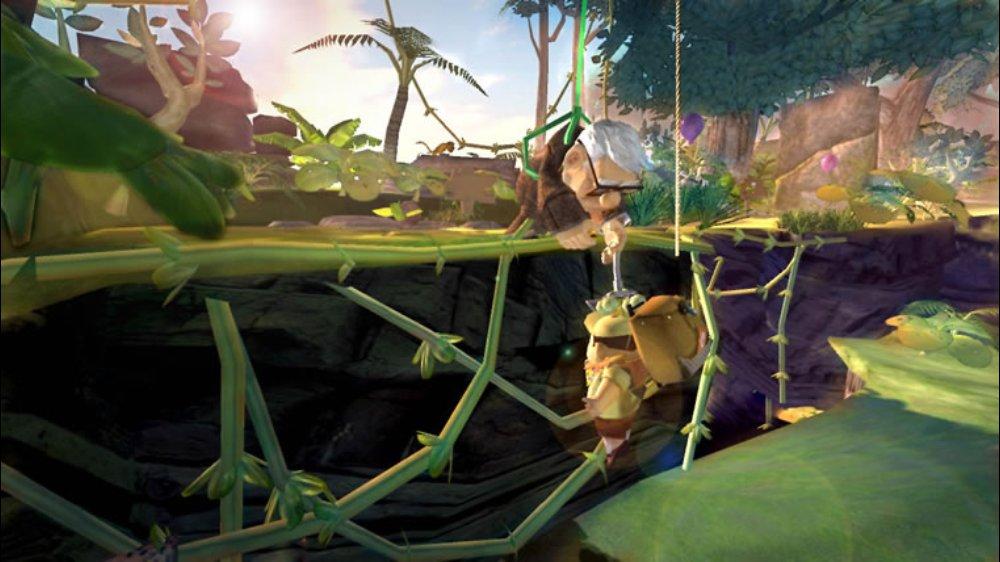
This tool, created by Microsoft Research, helps kids learn how to design games. It lets you program characters, called Kodus, to respond to things they see, hear, and bump into, which is great for making enemy AI. You can even customize things like health, damage, and how enemies attack, letting you build complete boss battles. It’s a fantastic way to start understanding how enemy behavior works in games.
‘Meet Your Maker’ (2023)
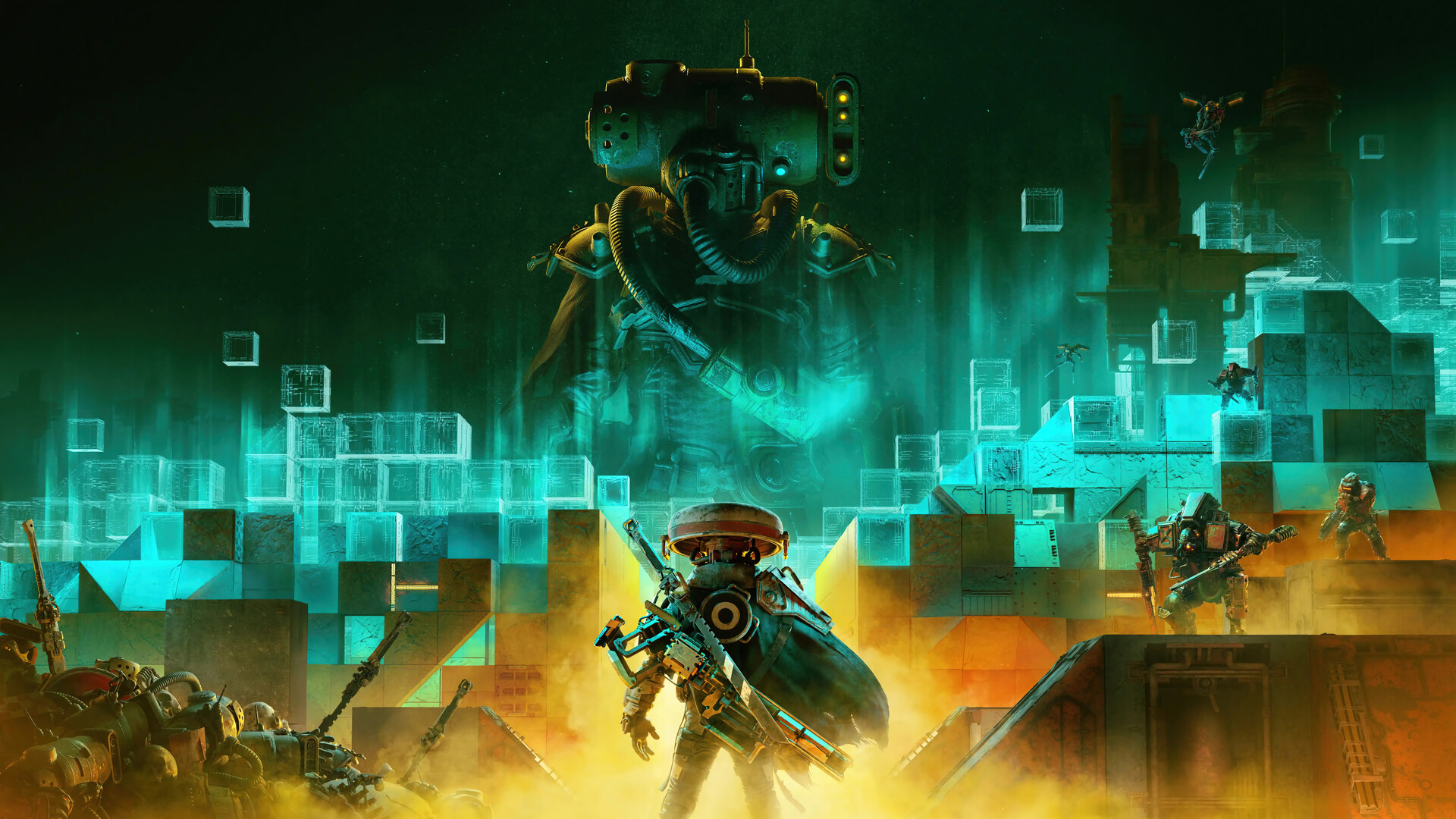
This game takes place after the world has ended, and it’s all about building deadly bases. Players create levels designed to trap and eliminate others. You build an outpost, fill it with traps and guards, and essentially design a challenging dungeon for anyone who tries to raid it. You can even customize guard routes and equipment to create particularly dangerous areas. The core gameplay revolves around building defenses and then testing how well they work against other players’ creations.
‘Age of Empires II: Definitive Edition’ (2019)
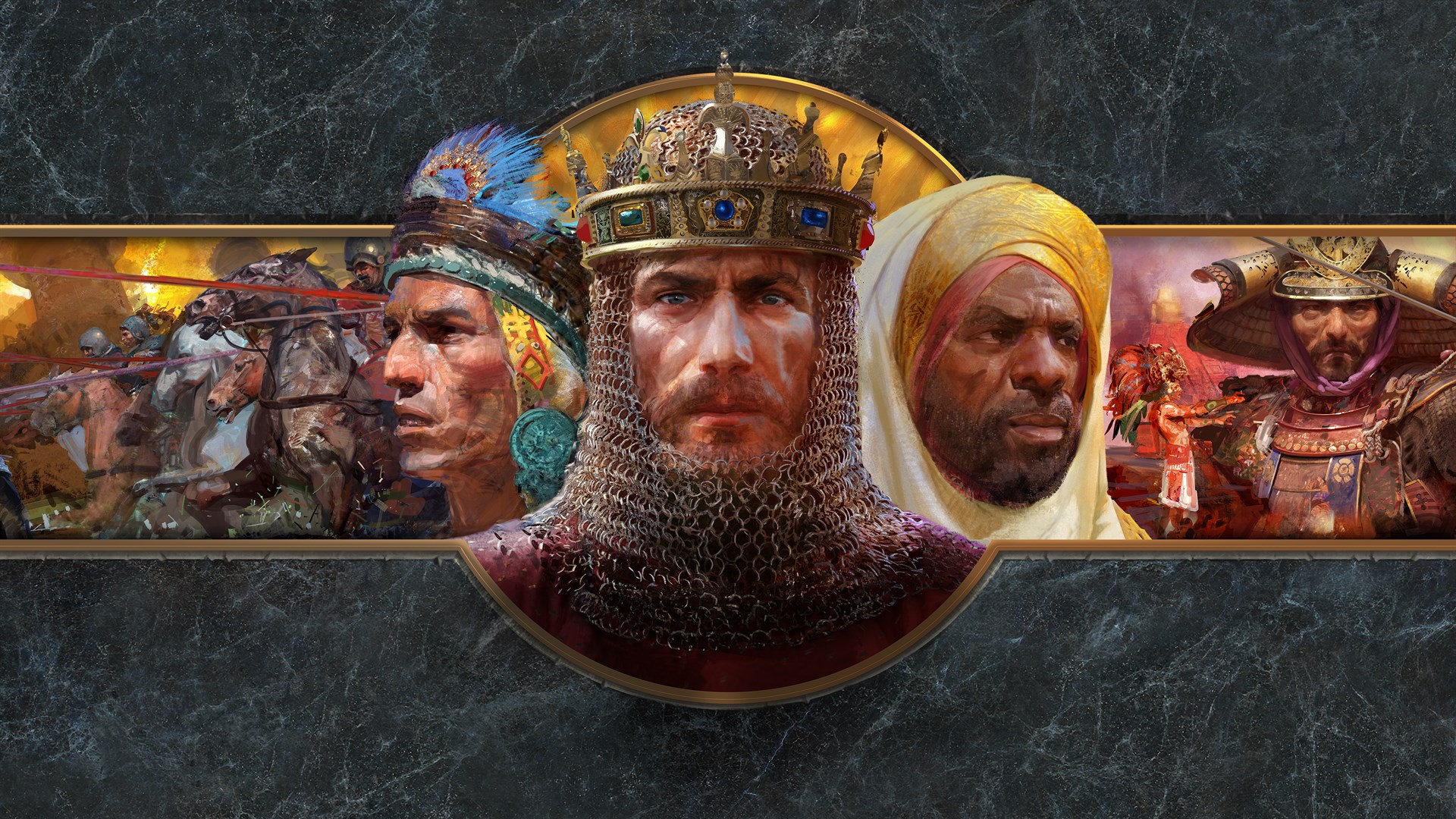
This real-time strategy game includes a remarkably powerful Scenario Editor. It lets creators deeply customize units – for example, turning a regular knight into an incredibly strong boss with tons of health. They can also use triggers to control events during gameplay, like bringing in new units, altering relationships between factions, or showing character conversations. Because of this flexibility, the community has made RPG-like campaigns where players lead a single hero against overwhelming forces.
‘VVVVVV’ (2010)
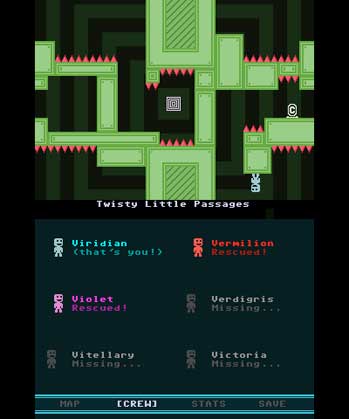
This platformer lets you flip gravity and even build your own levels! The level editor allows players to design completely custom worlds and use special ‘script boxes’ to control things like text, music, and how enemies act. Although the enemies themselves are basic, players can use scripting to create surprisingly challenging ‘boss battles’ with moving screens and tricky obstacles. It shows that even simple gameplay can become incredibly complex and fun when players are given the tools to create their own content.
Read More
- 2025 Crypto Wallets: Secure, Smart, and Surprisingly Simple!
- Wuchang Fallen Feathers Save File Location on PC
- Gold Rate Forecast
- Brown Dust 2 Mirror Wars (PvP) Tier List – July 2025
- All weapons in Wuchang Fallen Feathers
- Where to Change Hair Color in Where Winds Meet
- Top 15 Celebrities in Music Videos
- Here Are the Best TV Shows to Stream this Weekend on Paramount+, Including ‘48 Hours’
- Best Video Games Based On Tabletop Games
- Macaulay Culkin Finally Returns as Kevin in ‘Home Alone’ Revival
2025-12-12 12:51