Anime often transforms battles into beautiful, artistic displays where clever dialogue is as impactful as the fighting itself. Many shows make their action scenes even more impressive by including poetic speeches and thoughtful arguments right in the middle of the conflict. Characters frequently use complex poems or spells to activate their abilities, which adds a musical and flowing feel to what would otherwise be just violence. The following series expertly blend storytelling and language with exciting animation to create truly memorable fights.
‘Bleach’ (2004–2012)
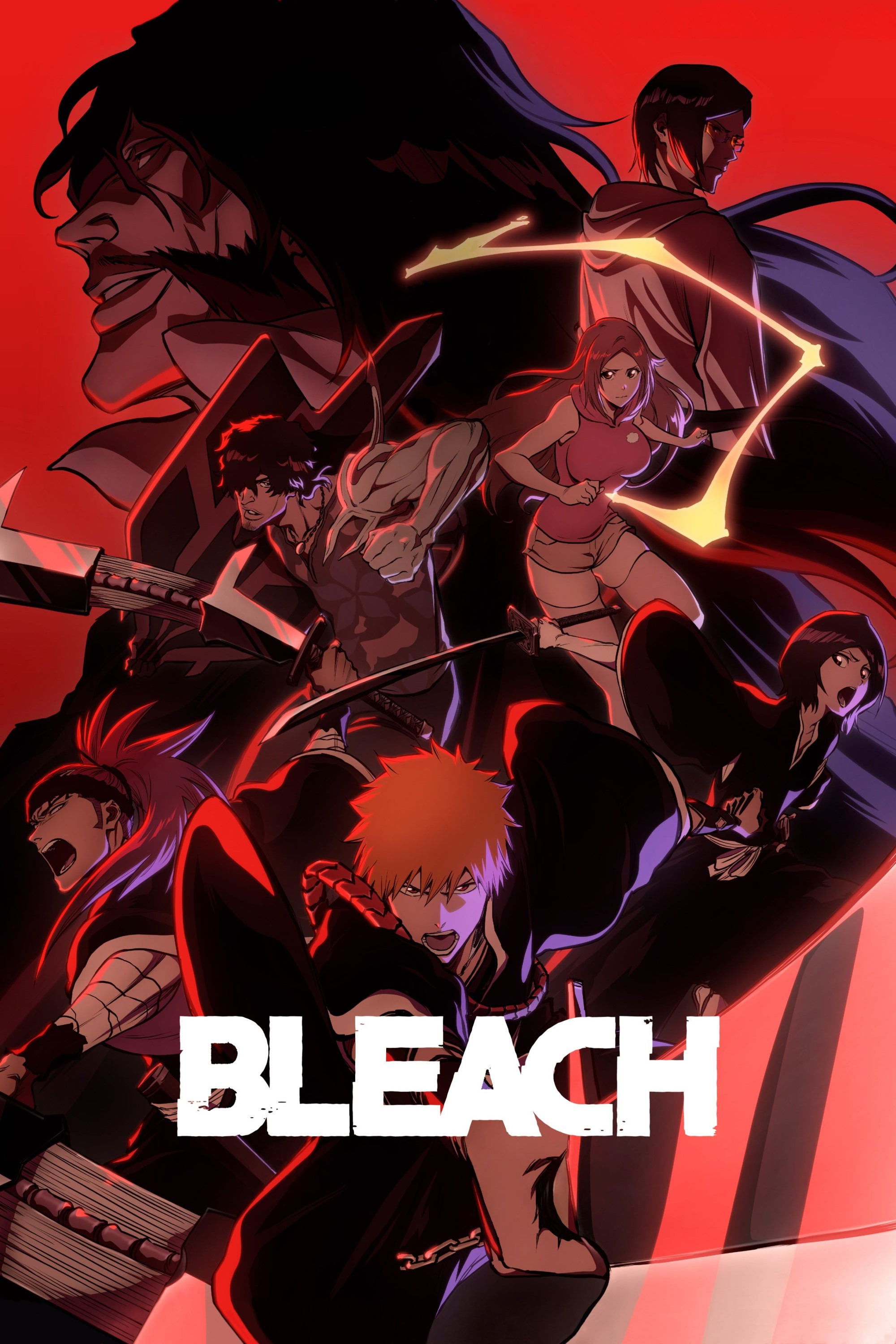
This popular action series is well-known for the beautiful and powerful phrases characters say when they unleash the full power of their swords. These verses aren’t just random – they’re carefully written to reveal something about the character’s personality and what makes their weapon unique. The art style in the manga and the voice acting in the anime combine to make each sword release feel like a dramatic and destructive poem.
‘Bungo Stray Dogs’ (2016–Present)
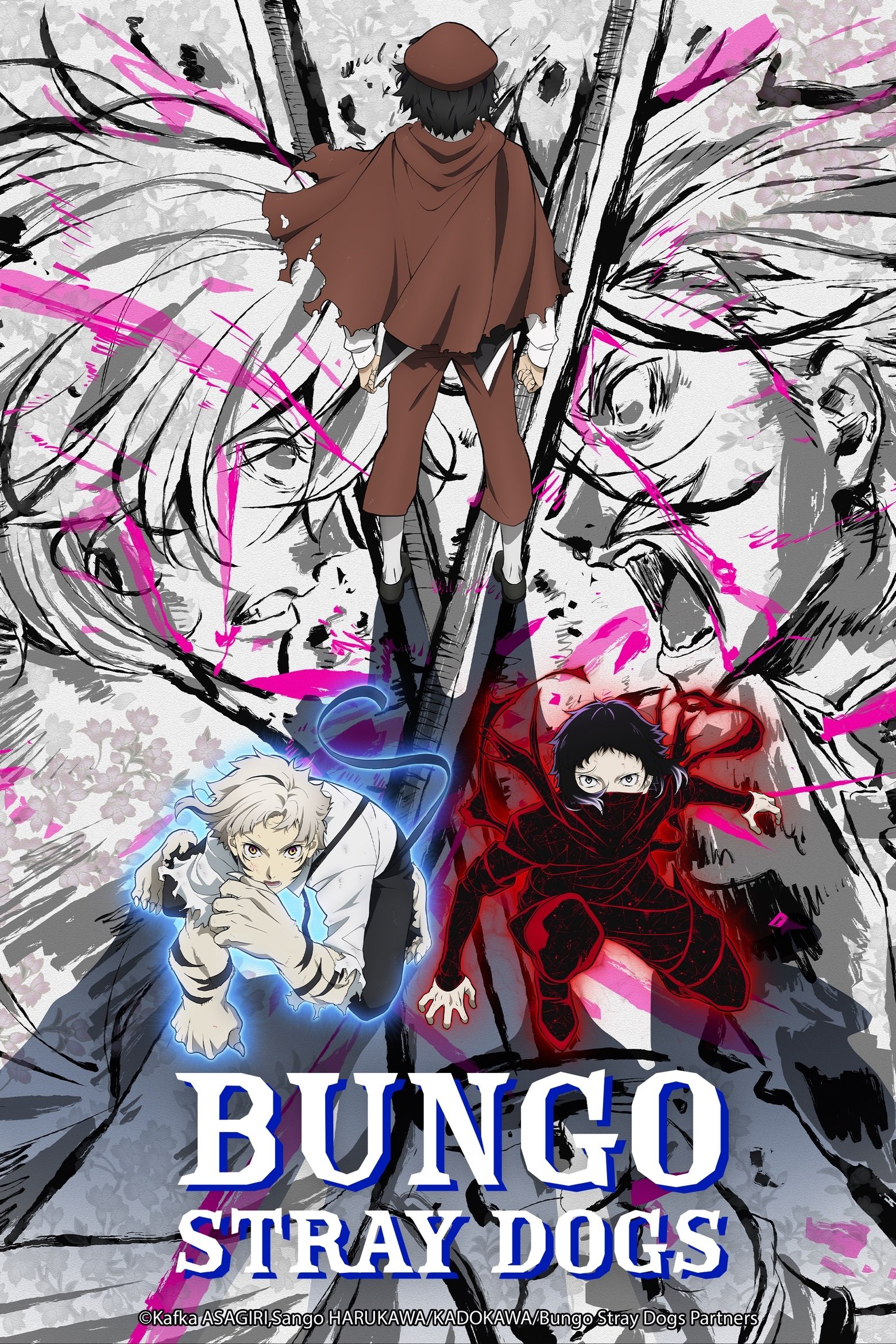
Each character in ‘Bungo Stray Dogs’ is inspired by a renowned author and has a special ability based on a famous book. The fights aren’t just physical; they’re battles of ideas, with characters quoting literature or acting out the themes of the works they represent. The series portrays writing as a powerful force that can change the world, even conjuring creatures. This adds an extra layer of intelligence to the show, as classic literature is woven into the intense action and dialogue.
‘Fate/Zero’ (2011–2012)
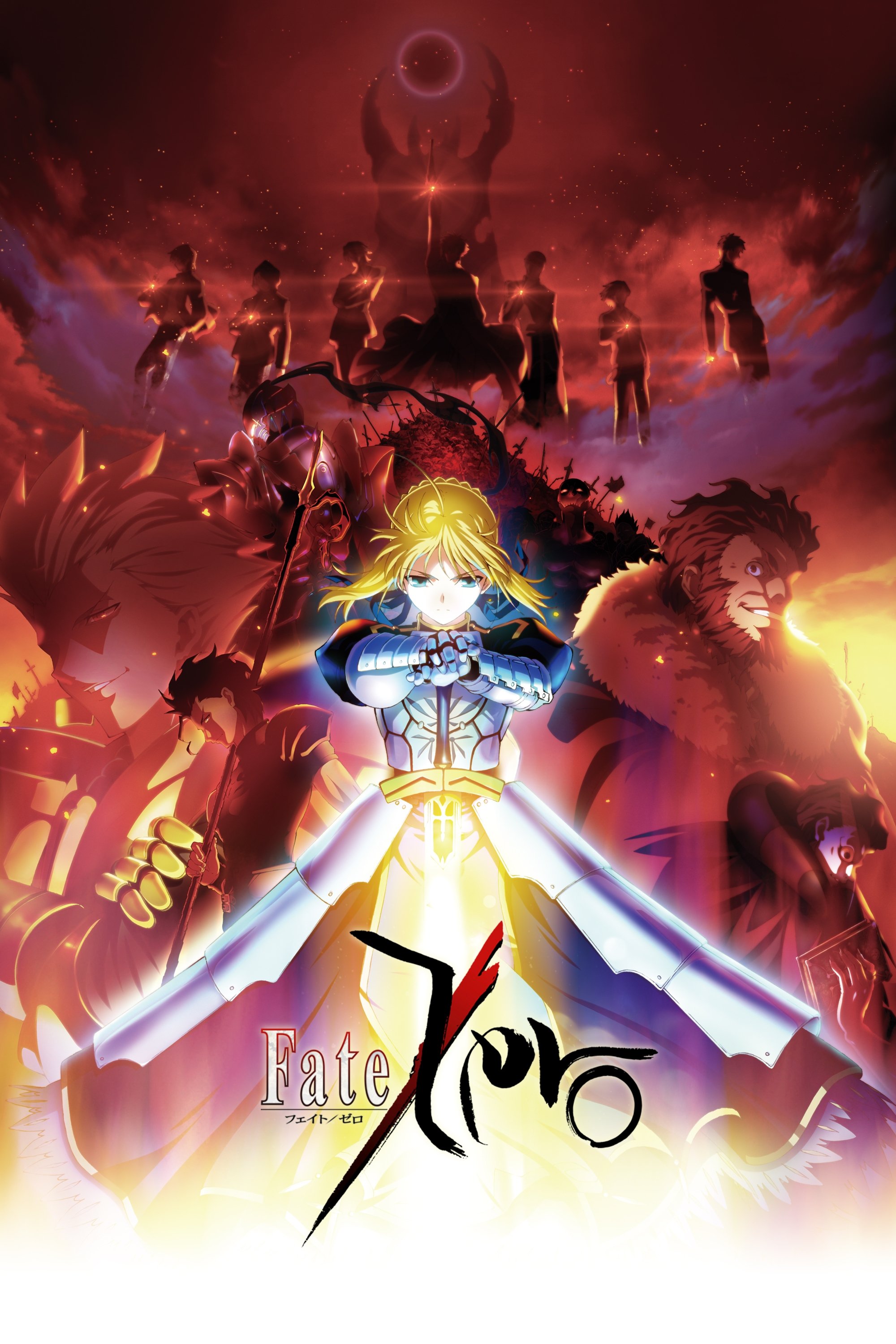
The Holy Grail War pits historical heroes, called Servants, against each other in battle, and they dramatically announce their most powerful attacks – Noble Phantasms. These attacks are usually introduced with impressive speeches detailing the hero’s story and legend. Rider, in particular, gives inspiring speeches about what it means to be a king, sounding like poems from ancient times. The writing takes typical action scenes and turns them into something resembling a Shakespearean tragedy, filled with powerful, royal-sounding conversations.
‘JoJo’s Bizarre Adventure’ (2012–Present)
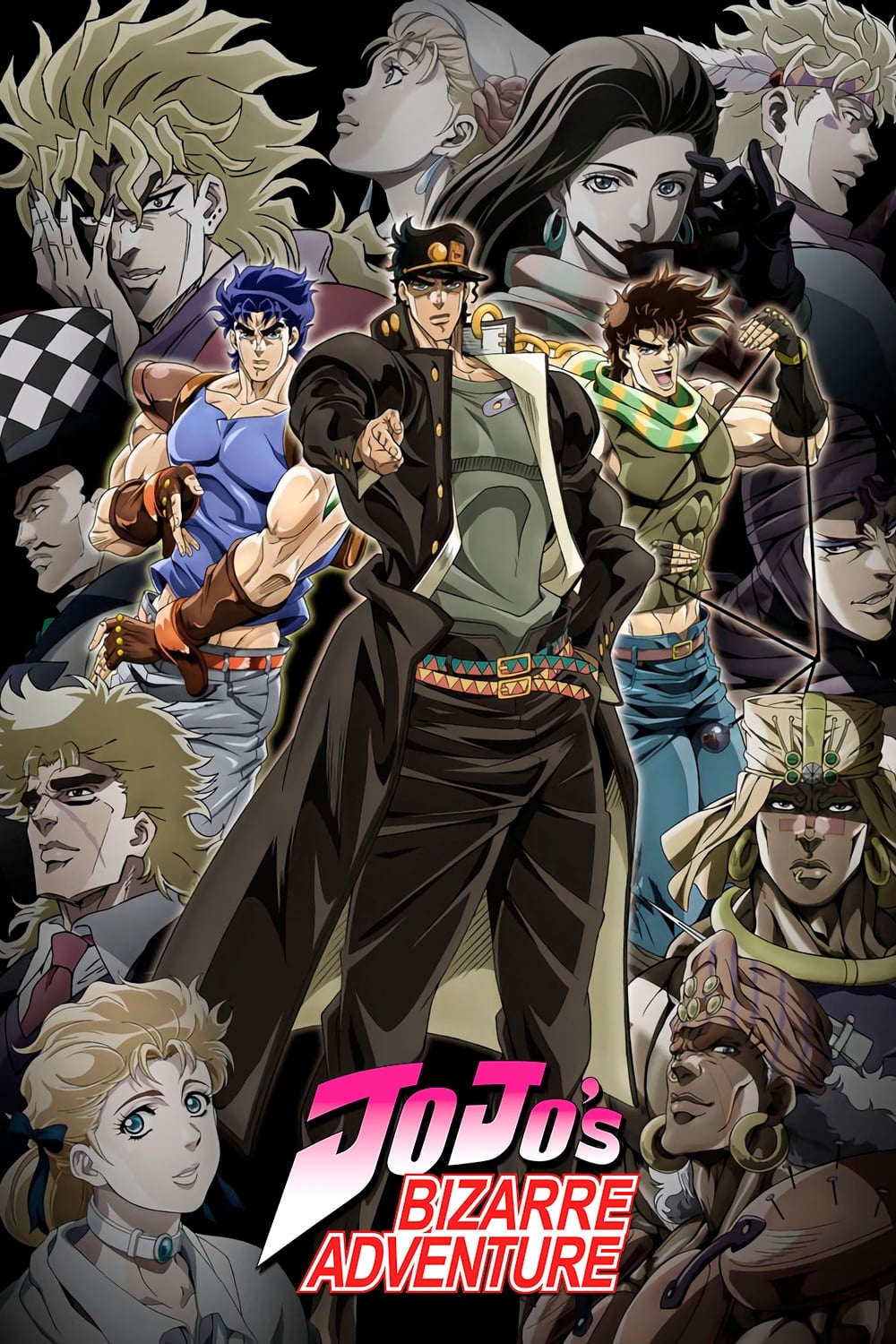
This epic story follows a family whose conflicts are often about showing off and making grand statements, rather than just physical fighting. The characters speak in a dramatic, almost musical way, and the villains frequently give long speeches about destiny and the passage of time. When characters fight, they name their attacks after musical terms, adding a poetic quality to the strange battles. ‘JoJo’s Bizarre Adventure’ elevates the act of yelling out attack names into a unique and artistic technique.
‘Hellsing Ultimate’ (2006–2012)

The battle between the Hellsing Organization and Iscariot is fueled by extreme religious beliefs and a dark, gothic atmosphere. Alexander Anderson fights demons while reciting scripture, turning his violent attacks into a disturbing kind of prayer that shows just how fanatical he is. ‘Hellsing Ultimate’ uses these religious passages to create a stark contrast with the graphic violence happening on screen.
‘Revolutionary Girl Utena’ (1997)
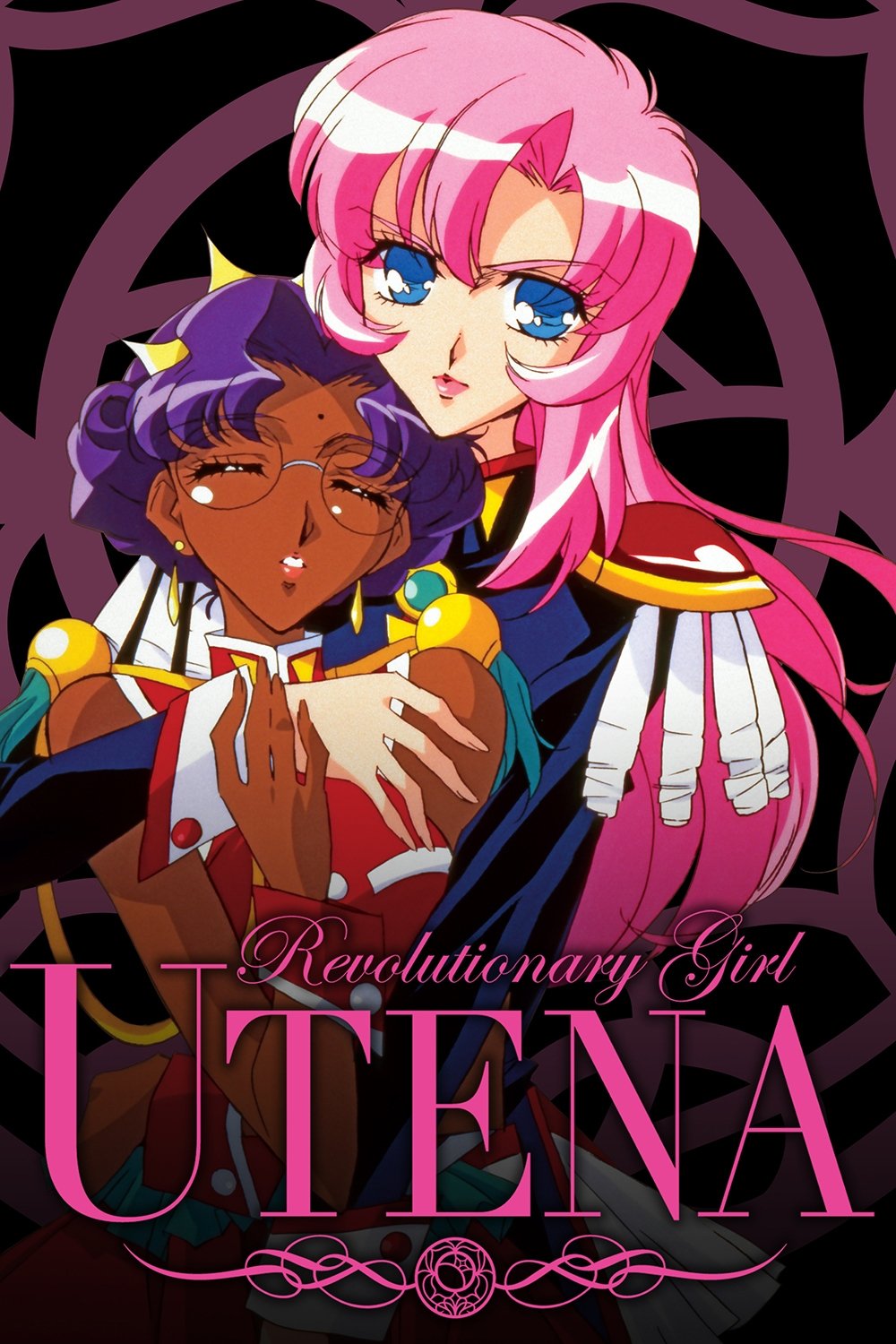
The sword fights at Ohtori Academy aren’t just battles; they represent the challenges of growing up and fighting for change. Before and during these fights, the student council members speak in riddles about destroying old ways of thinking. Mysterious scenes often happen beforehand, setting the stage for the coming conflict as if it were a symbolic story. ‘Revolutionary Girl Utena’ makes sure every sword fight is accompanied by dialogue that feels like experimental, artistic drama.
‘Revue Starlight’ (2018)
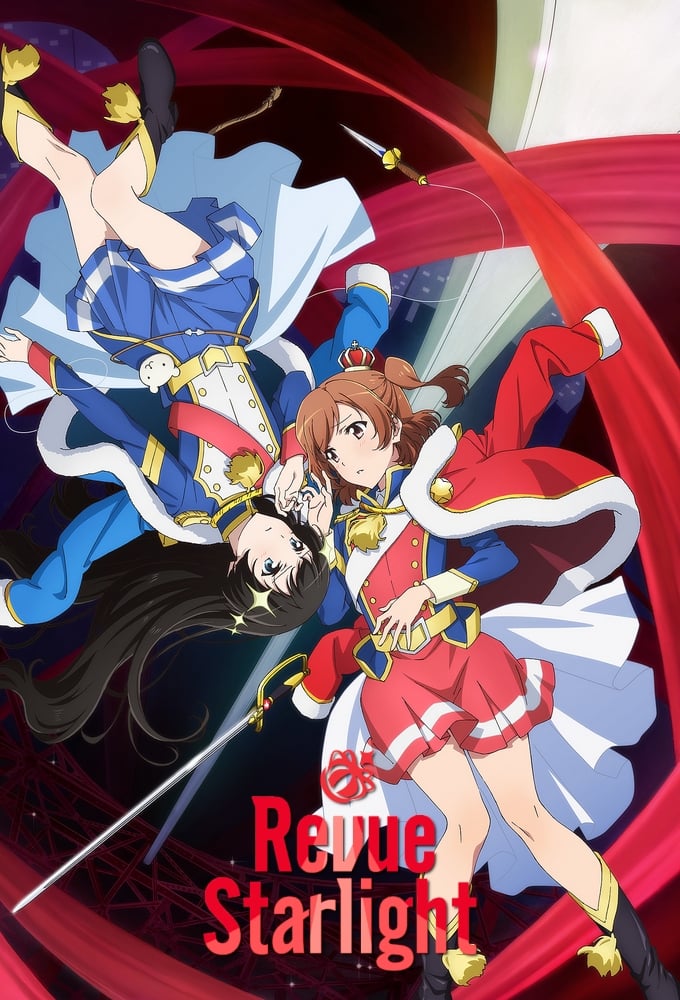
This series features performers who compete in underground battles to become the ultimate star. These fights aren’t typical – they’re like musicals where the characters sing and act out their feelings through song and choreographed sword fights. The lyrics reveal the fighters’ inner struggles and dreams, blending the beauty of performance with the excitement of a duel. ‘Revue Starlight’ perfectly combines artistic expression with intense action.
‘Demon Slayer: Kimetsu no Yaiba’ (2019–Present)
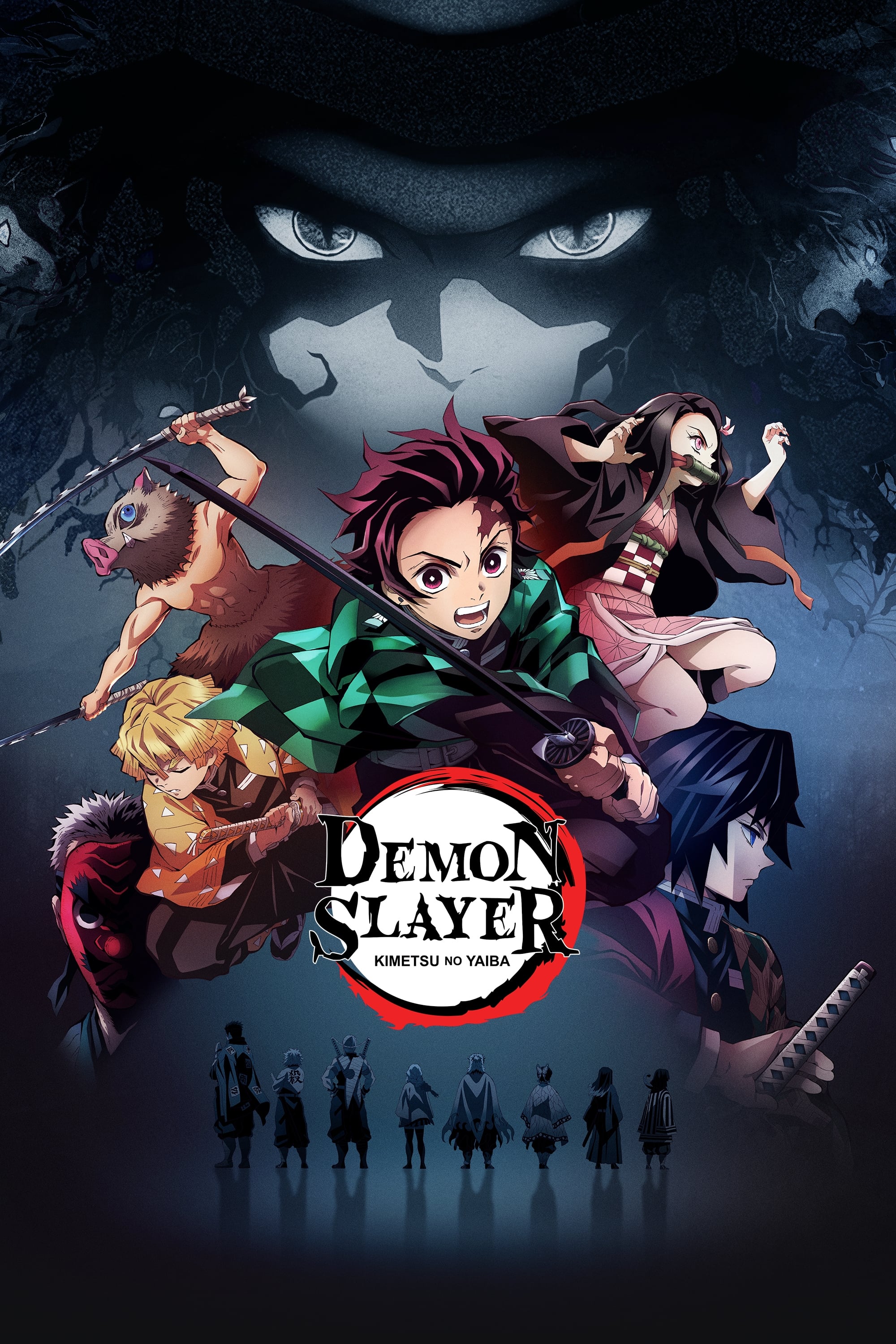
Swordsmen in ‘Demon Slayer’ fight using special techniques called Breathing Styles, which are shown with stunning visuals of elements like fire and water, and have beautiful, poetic names. Tanjiro Kamado, for example, performs moves like the ‘Dance of the Fire God,’ making his attacks look like a graceful ritual. Even though these techniques are used to defeat demons, the names often suggest peaceful imagery from nature. This artistic approach makes the sword fights feel more like a traditional art form than just violent battles.
‘Saint Seiya’ (1986–1989)
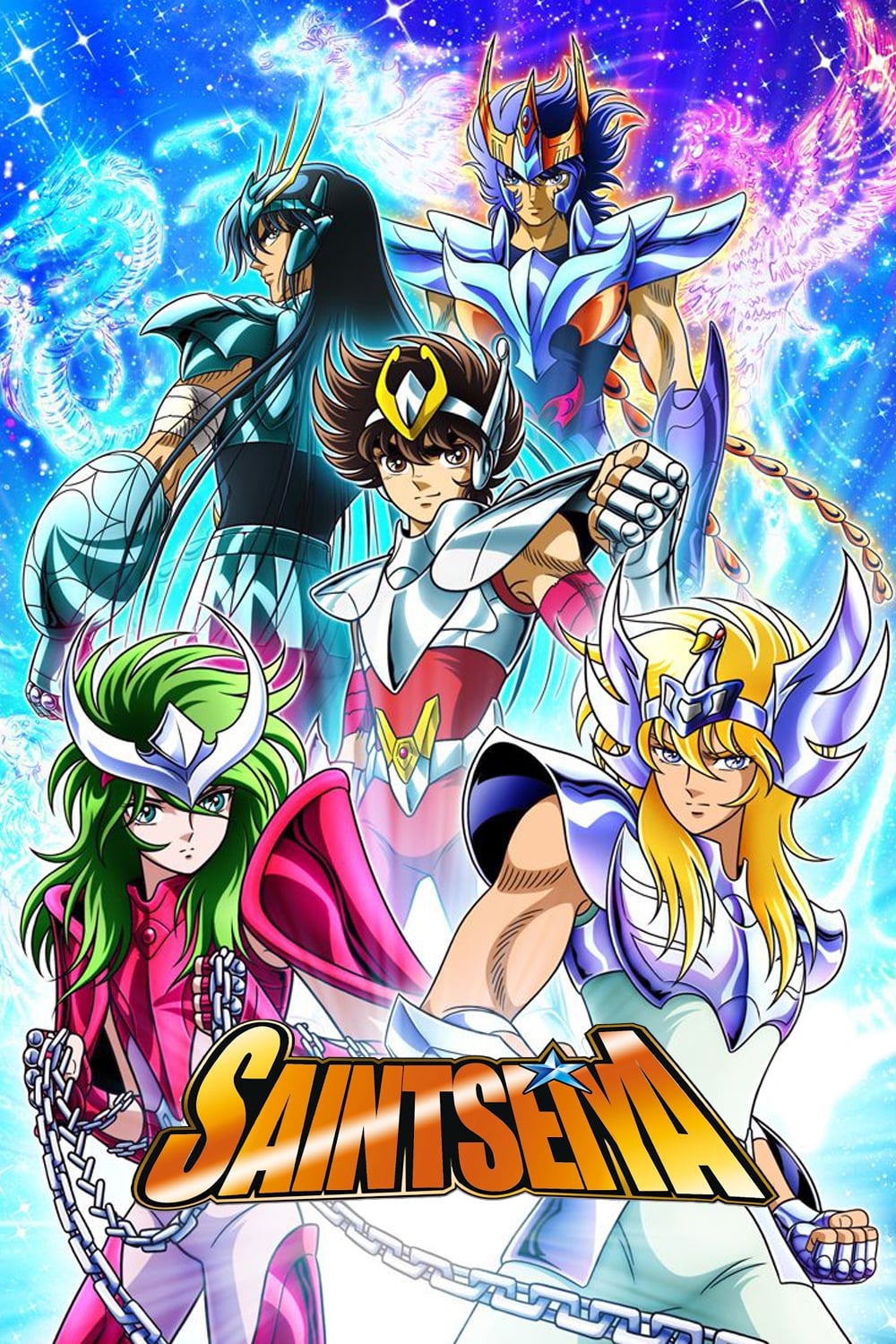
The Saints of Athena draw upon their inner energy, called Cosmos, to unleash attacks inspired by the constellations they embody. Before striking, they often describe their techniques using imagery from astronomy and mythology, showcasing their determination and devotion to Athena. The show ‘Saint Seiya’ is known for its over-the-top, dramatic dialogue, which echoes the style of ancient Greek epic poems.
‘Rurouni Kenshin’ (1996–1998)
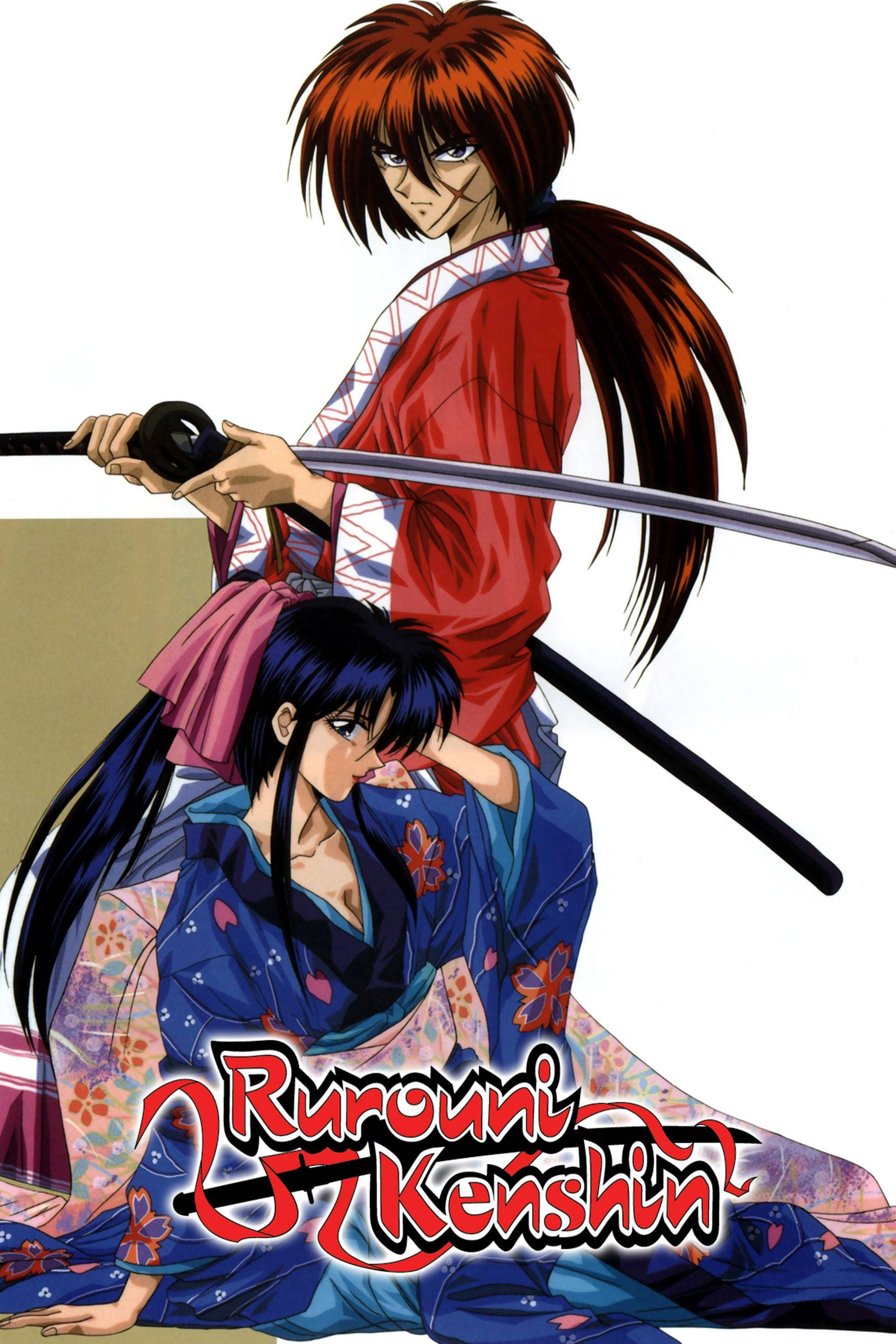
The sword techniques of the Hiten Mitsurugi style have beautifully descriptive names written in kanji, reflecting the movements themselves. Kenshin Himura frequently explains the reasoning behind his fighting style—aiming to subdue rather than kill—even while battling. These move names evoke powerful imagery like dragons and natural catastrophes, meant to unnerve his enemies. This emphasis on meaningful names transforms the swordplay into a comprehensive martial art and way of life.
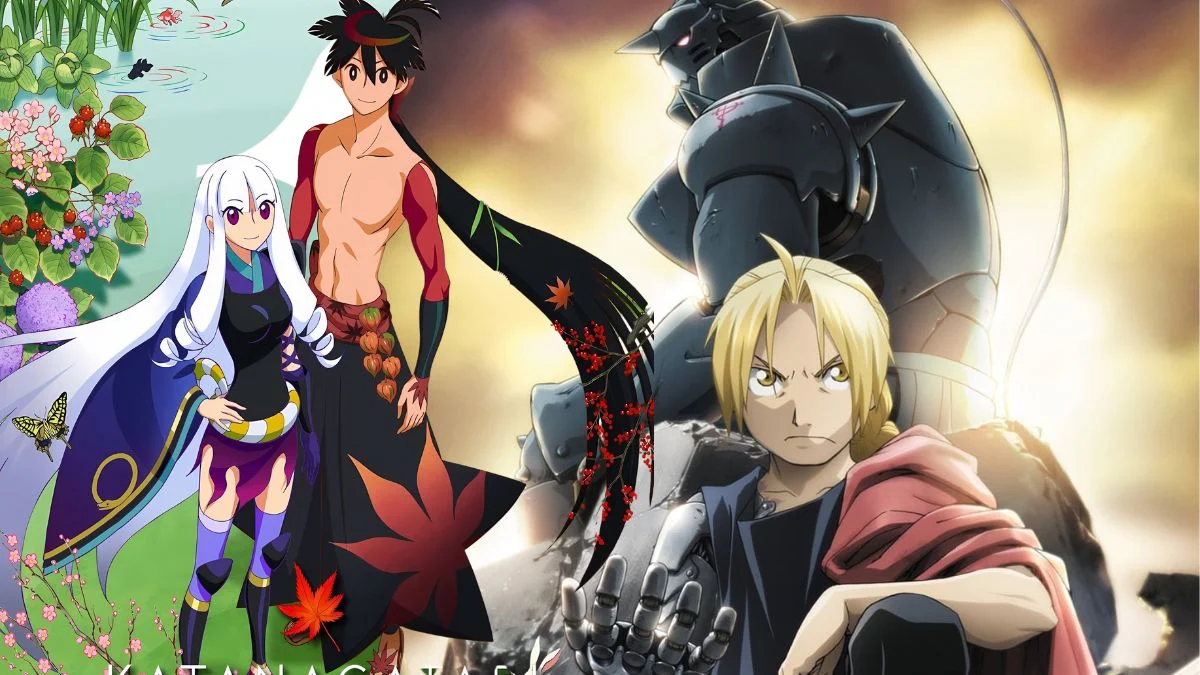
‘Katanagatari’ (2010)
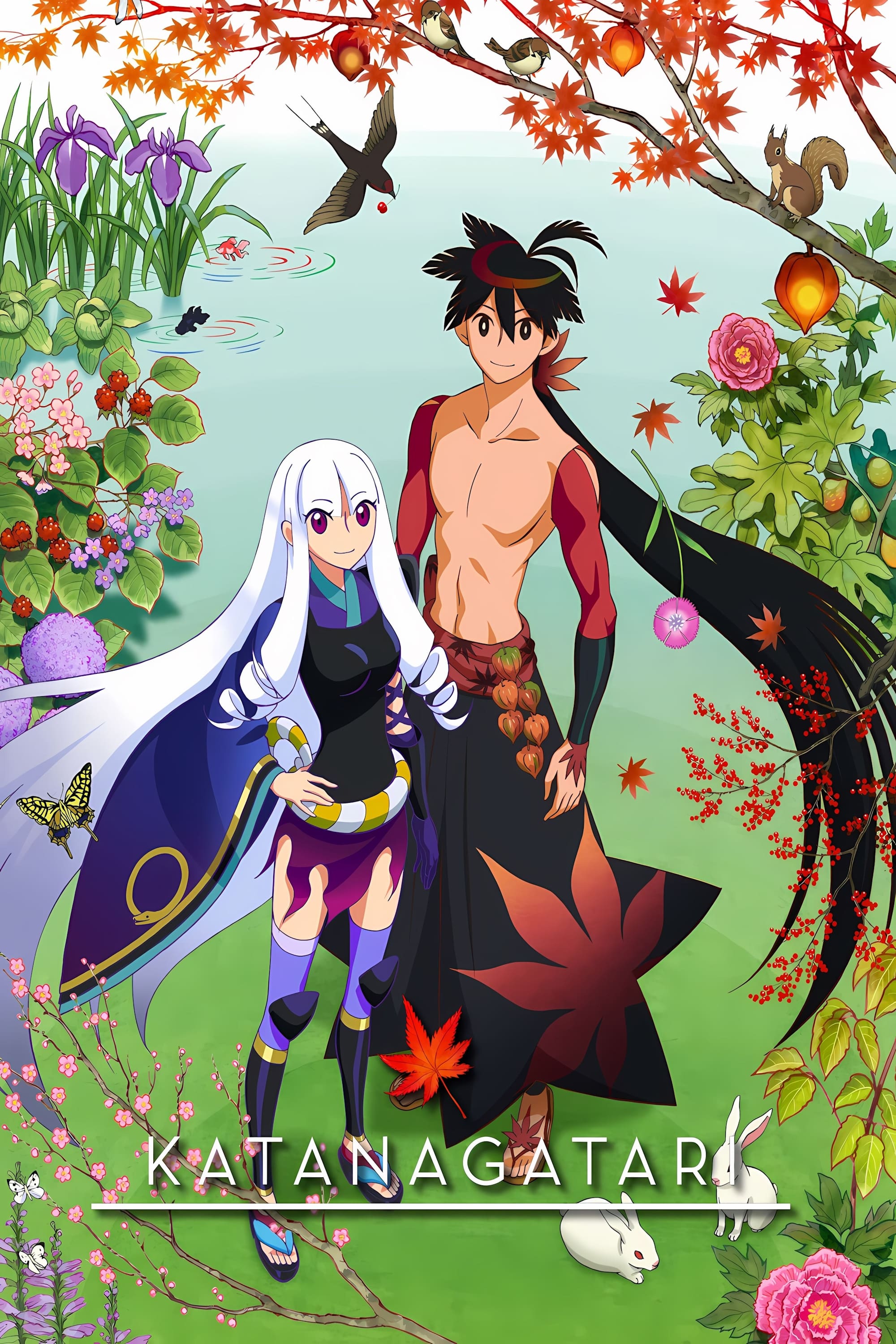
This show is unique because the conversations between characters are just as crucial as the action. The main character and his companion journey across Japan, collecting swords and engaging in witty, verbal challenges with each owner. The writer, Nisio Isin, is famous for clever dialogue that gives the battles a fast-paced, intellectual feel. ‘Katanagatari’ redefines what a fight can be, focusing instead on the stories and feelings connected to each sword.
‘Jujutsu Kaisen’ (2020–Present)
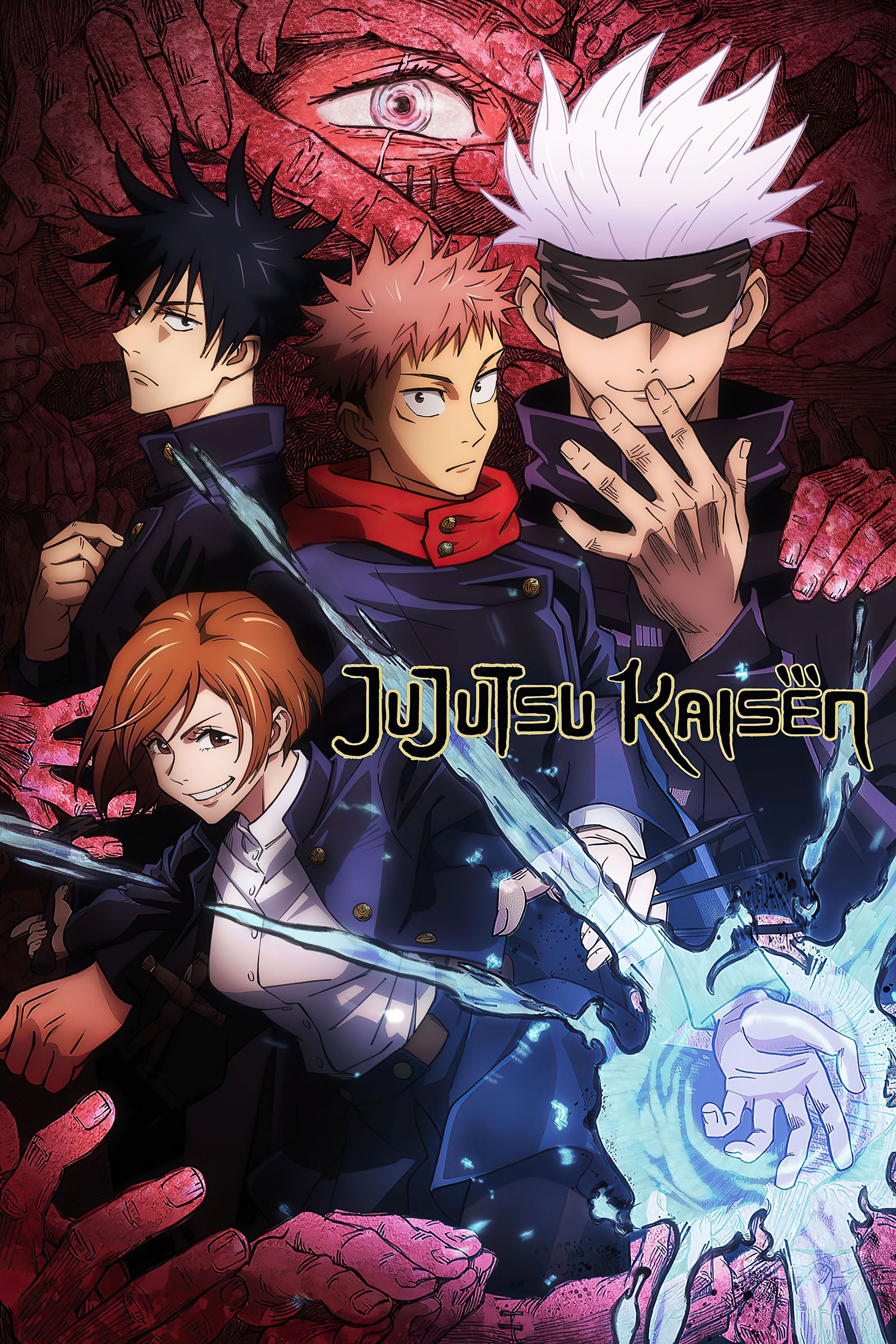
Sorcerers channel a dark energy to perform powerful techniques, often needing specific words or detailed instructions. The most advanced technique is called Domain Expansion, activated by a hand gesture and a unique, evocative name. This creates a physical space reflecting the sorcerer’s inner world. The series ‘Jujutsu Kaisen’ combines scary, modern visuals with concepts from traditional Buddhist teachings in its fight scenes.
‘Gurren Lagann’ (2007)
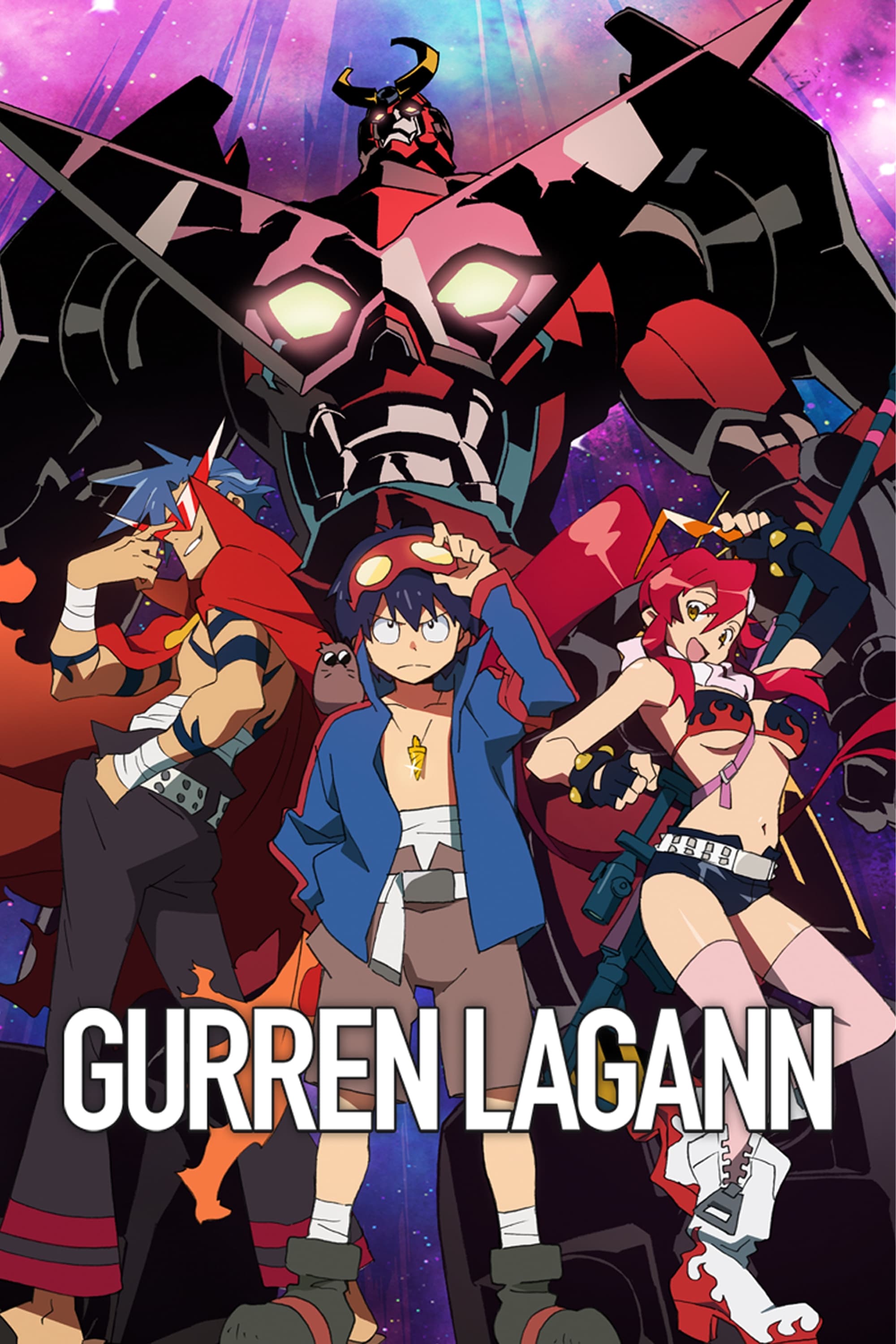
Kamina and Simon power their giant robots with Spiral Energy, which comes from their determination and inner strength. Their inspiring speeches – about breaking limits and ignoring logic – are famous for boosting everyone’s spirits. The show suggests that believing in yourself and speaking with passion can actually overcome impossible odds, even bending the rules of reality. ‘Gurren Lagann’ demonstrates that powerful words aren’t just talk – they can change the world.
‘Kill la Kill’ (2013–2014)
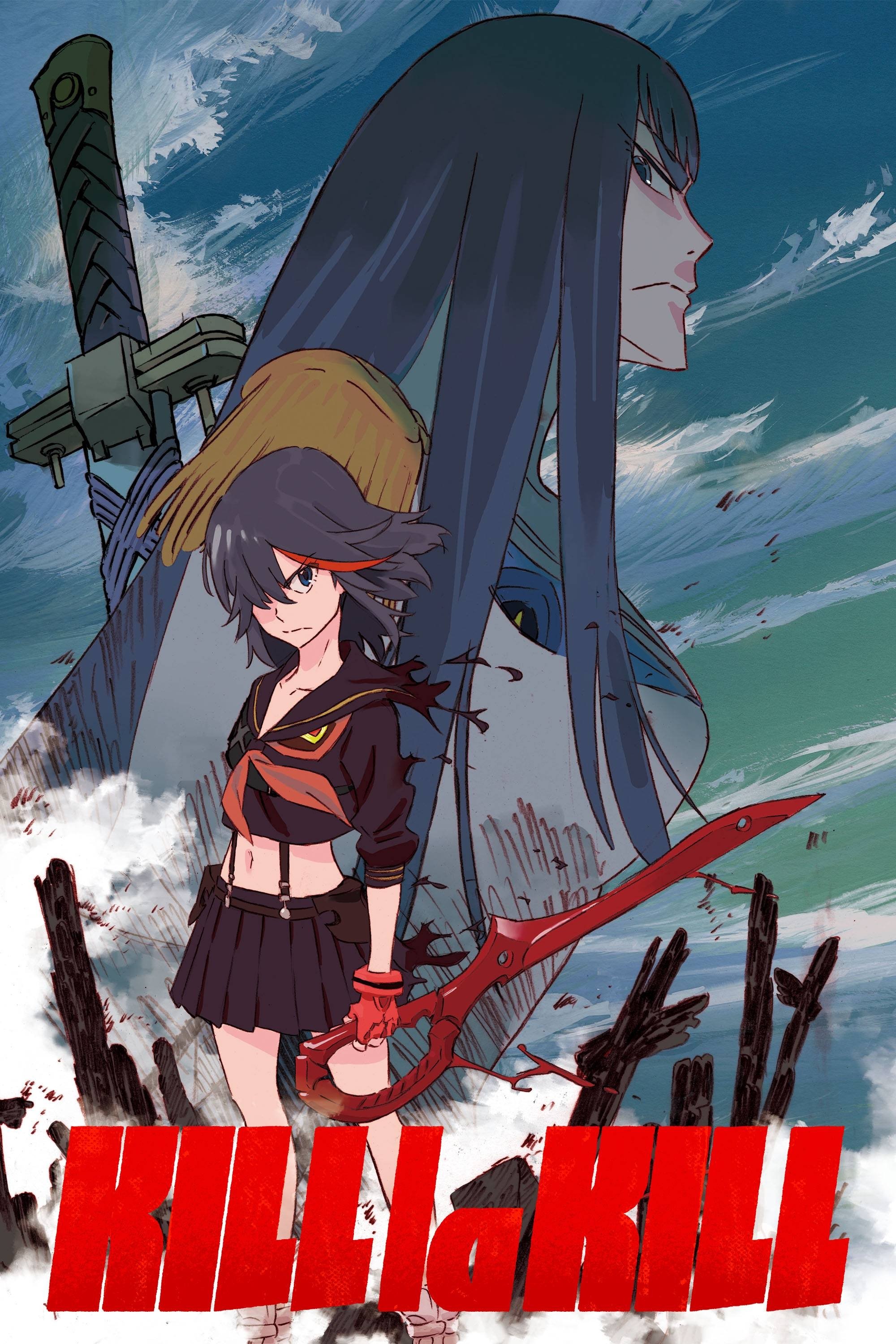
This fast-paced show features characters who yell about their beliefs while wearing clothes that give them superpowers. Satsuki Kiryuin gives powerful, commanding speeches from above, presenting each fight as a test of strength. The over-the-top attack names and on-screen text add to the show’s energetic and dramatic feel. ‘Kill la Kill’ turns every battle into a grand, overacted performance, with characters shouting their lines for impact.
‘Soul Eater’ (2008–2009)
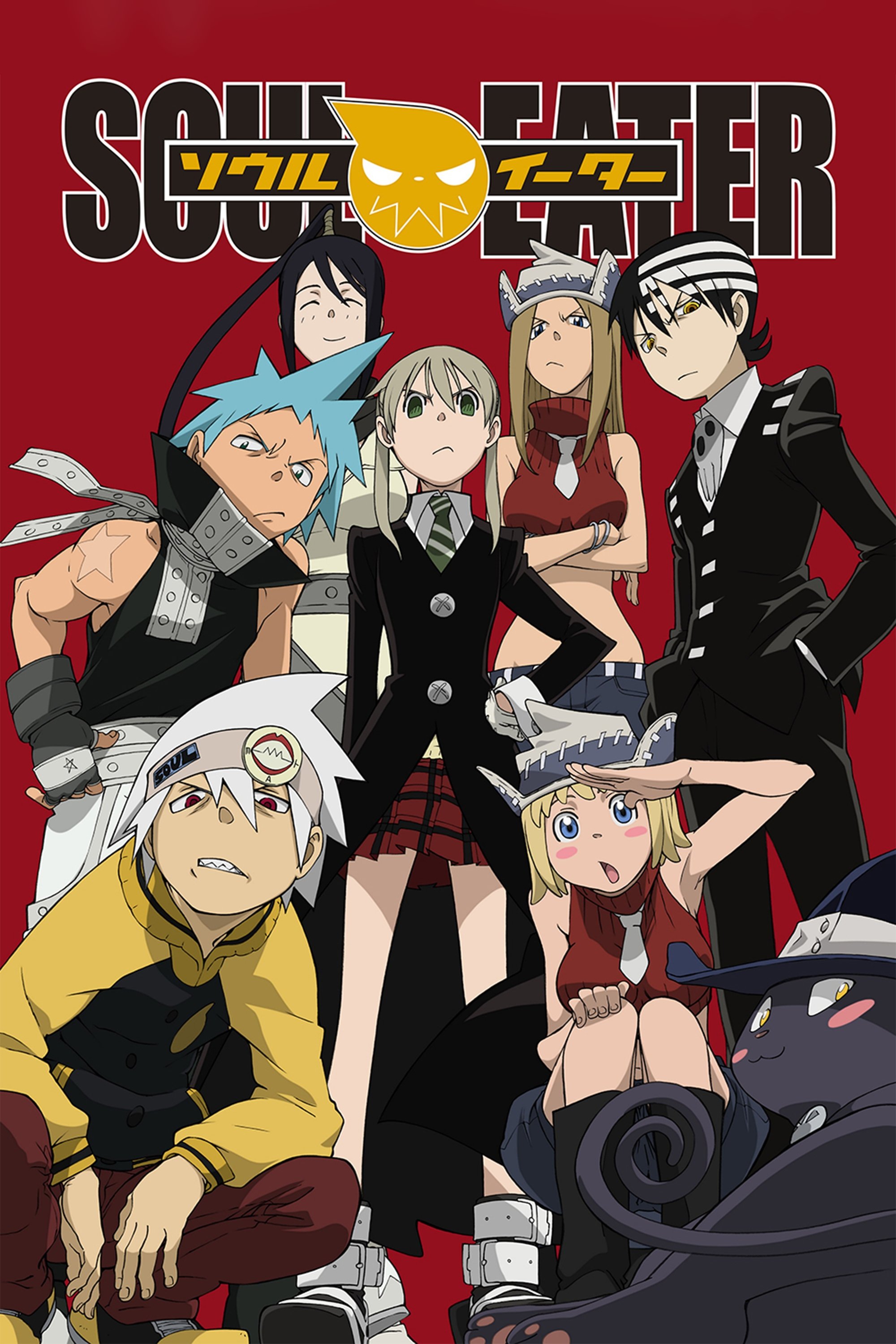
Soul Resonance is when a meister and their weapon become perfectly in sync by truly understanding each other. During battles, Maka Albarn frequently talks to her opponents’ souls to grasp the reasons behind their pain or instability. The special moves in the series often have names related to sound or music, reflecting this idea of resonance. The anime ‘Soul Eater’ portrays the characters’ inner thoughts and feelings as a crucial element of how they fight.
‘Fire Force’ (2019–2020)
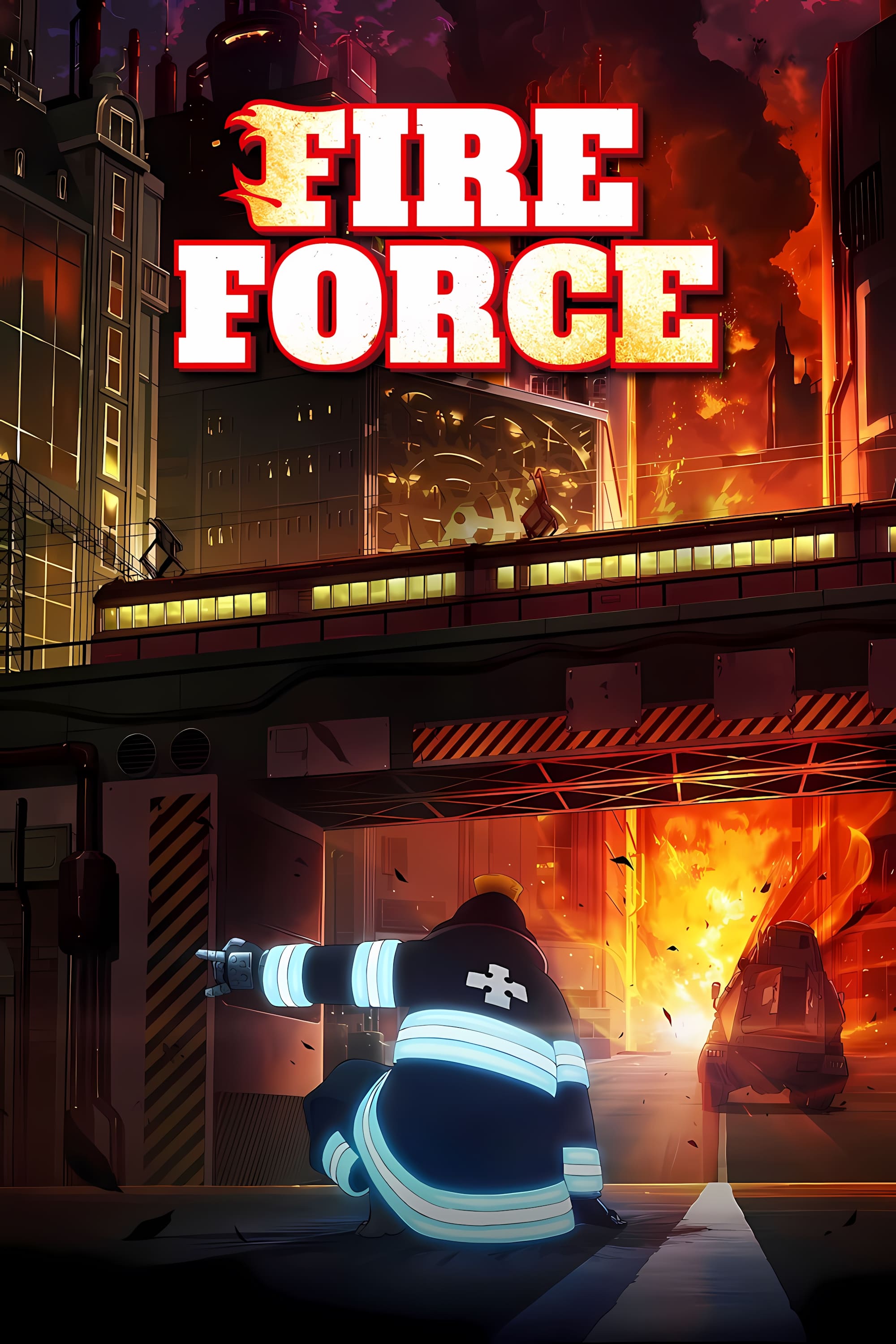
In ‘Fire Force,’ soldiers battle fiery demons while a nun prays for the departed, creating a peaceful, rhythmic counterpoint to the intense action. This blend of combat and prayer transforms firefighting into a sacred mission – guiding lost souls to the afterlife. The series highlights the contrast between fire’s destructive power and the comforting nature of religious ceremony.
‘Noragami’ (2014–2015)
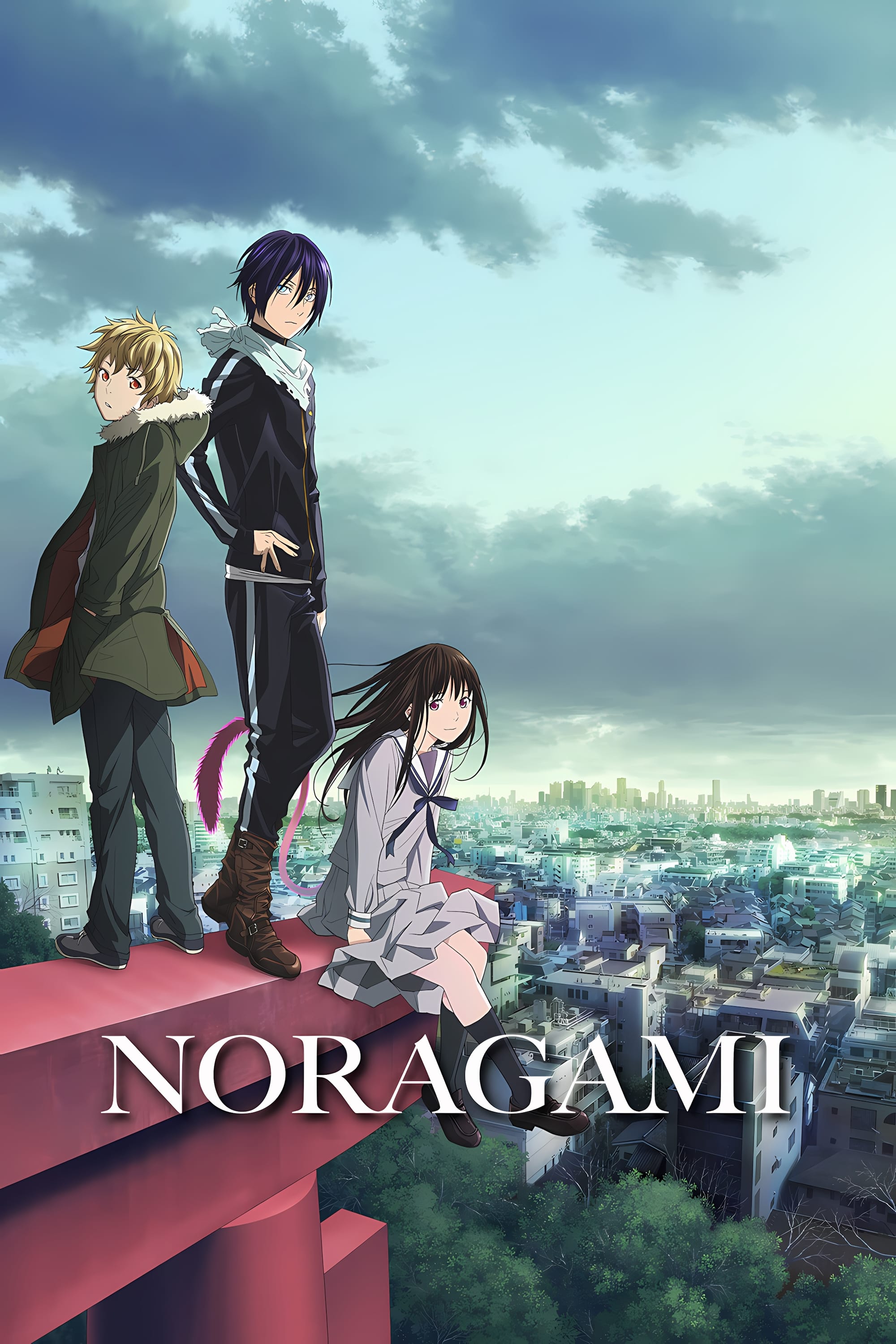
Yato, a god, fights harmful spirits by cutting their connection to the human world using a special weapon. He does this while reciting a cleansing spell that forces the evil to vanish. This chant becomes a key part of every important battle, creating a ritualistic feel. The anime ‘Noragami’ is deeply connected to Shinto beliefs, especially the importance of names and their power.
‘Blue Exorcist’ (2011)
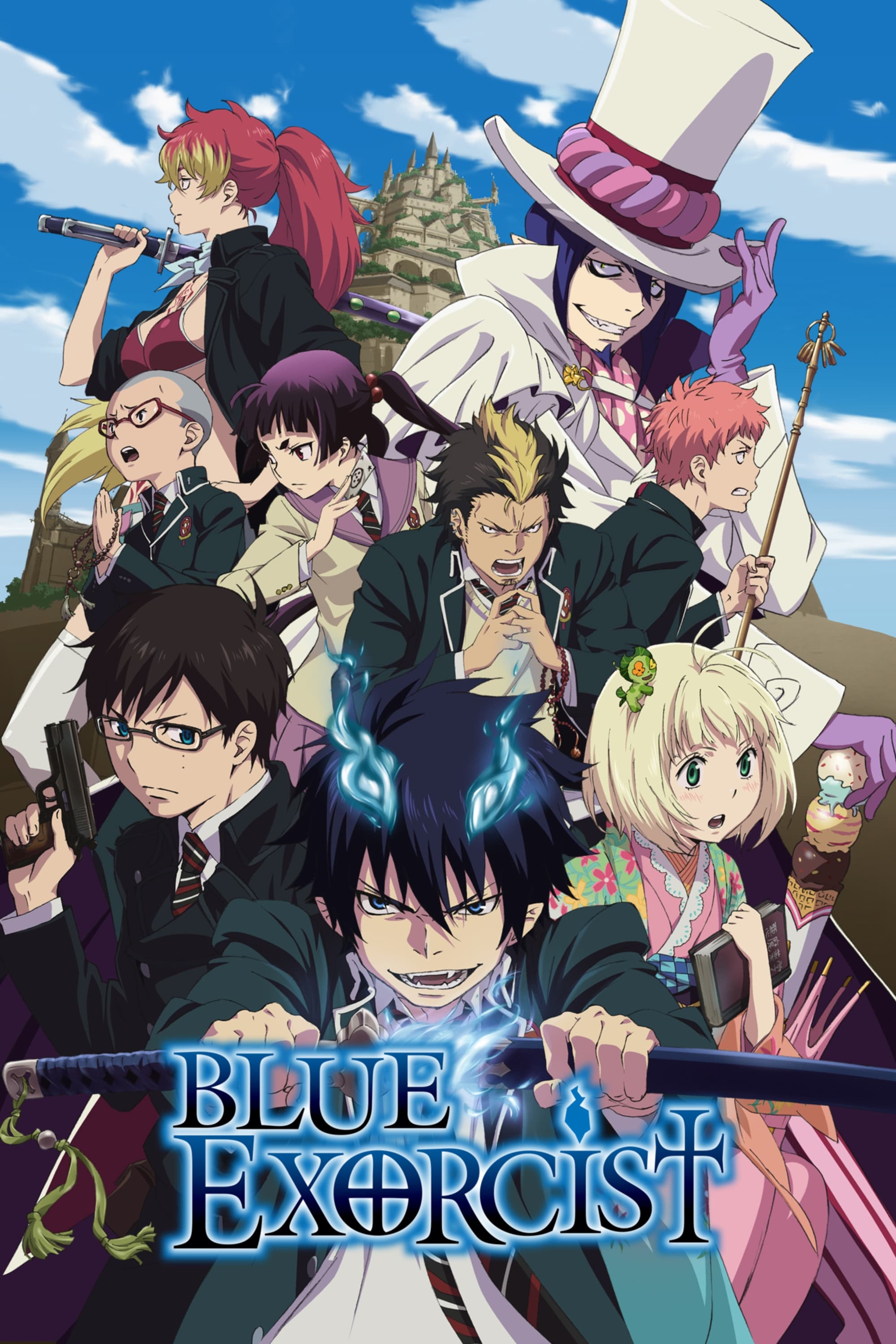
In this series, exorcists fight demons by reciting passages from the Bible and other sacred texts. These battles frequently feature the main characters and their friends chanting together to build defenses or call for assistance. Using scripture as a weapon gives the fights a dark, mystical feel. ‘Blue Exorcist’ emphasizes how strong belief and spoken words can be when facing supernatural evil.
‘Seraph of the End’ (2015)
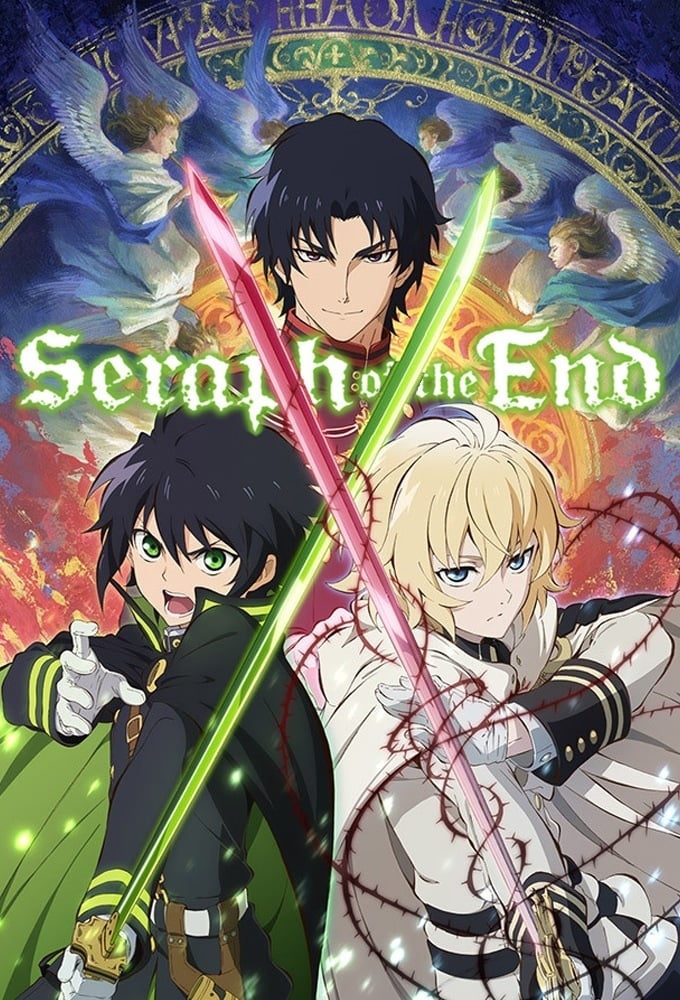
Soldiers fight using special weapons called Cursed Gear, which contain powerful demons. To unlock the weapons’ full potential, soldiers have to communicate with these demons, leading to constant mental struggles and often, heated arguments. Using the weapons means essentially calling upon the demon within, creating a complicated relationship where it’s hard to tell who is really in control. The story delves into what people are willing to sacrifice for power and how it can change who they are.
‘The Case Study of Vanitas’ (2021–2022)

In ‘The Case Study of Vanitas,’ the character Vanitas heals vampires by using a magical book to rewrite their very essence. He does this by speaking both a vampire’s cursed name and their true name, creating a powerful magical performance. The animation beautifully shows this process with floating text and intricate clockwork imagery, turning healing into a dramatic and artistic battle.
‘Black Clover’ (2017–2021)

In the world of ‘Black Clover’, magic users called mages rely on spellbooks called grimoires, each tailored to their specific type of magic. When casting powerful spells, they speak the spell’s name, which often draws from legends or nature. The series also explores themes of morality and social class, all while characters are battling each other with magical attacks. The spoken spell names aren’t just for show; they highlight how the mages are developing their skills and strengthening their resolve.
‘A Certain Magical Index’ (2008–2019)
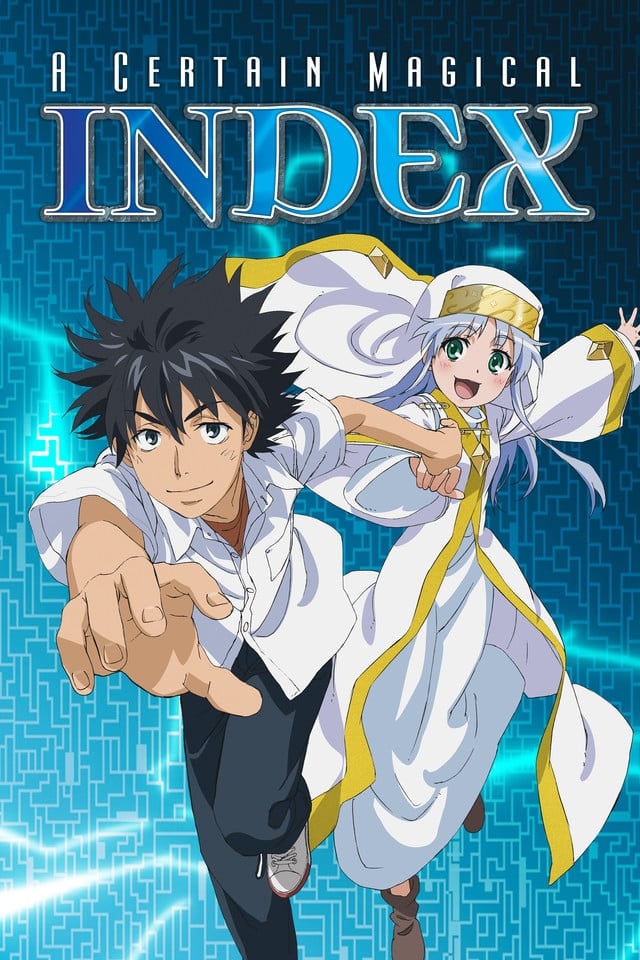
In this world, magic users build spells using complicated ideas and religious imagery. Fights often pause for lengthy explanations of the beliefs or principles behind the magical attacks. The main character, Touma, doesn’t fight magic with magic, but by logically dismantling the flawed reasoning of his opponents. ‘A Certain Magical Index’ blends complex magical concepts with quick, exciting action in a city setting.
‘Shakugan no Shana’ (2005–2012)
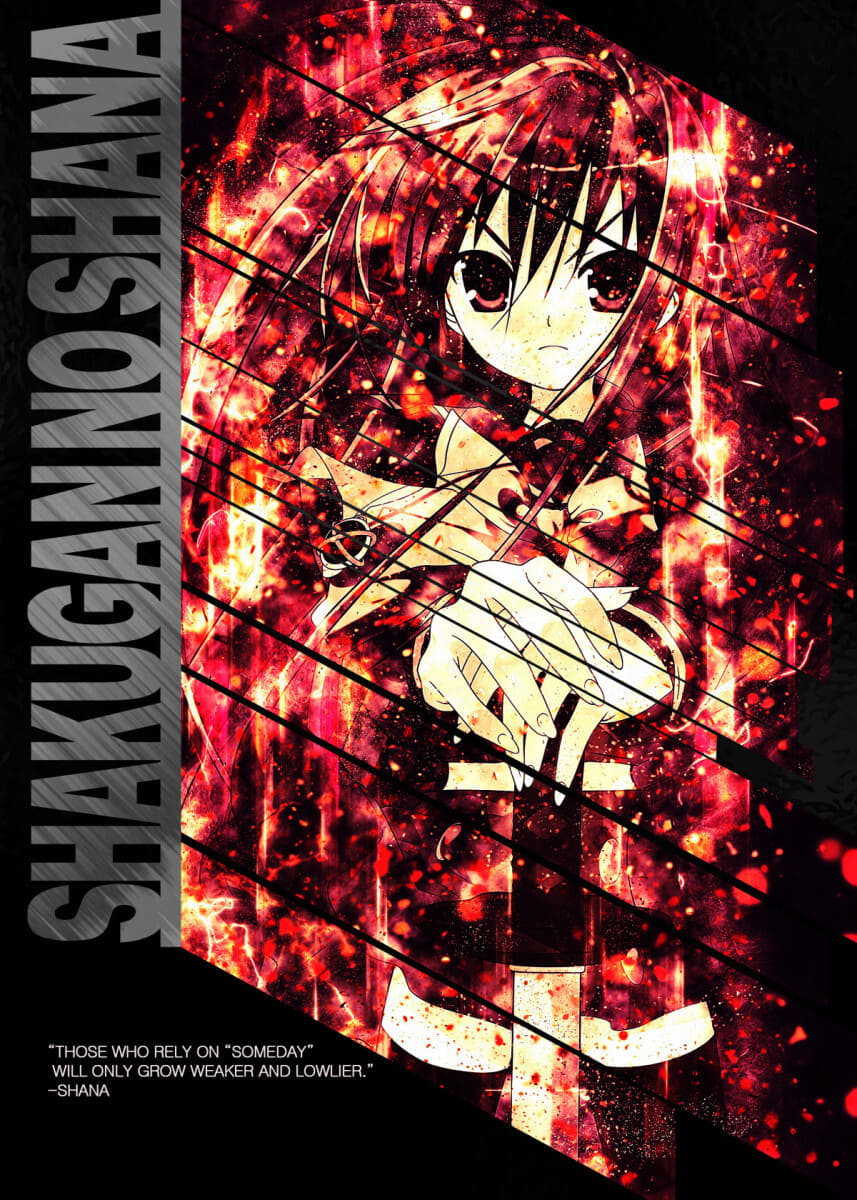
Flame Hazes are warriors who defend their world, the Crimson Realm, by casting spells with special spoken words. Character names and ranks are often beautiful, descriptive phrases relating to their fiery powers. Combat combines sword fighting with magical incantations, highlighting the Flame Haze’s strong sense of responsibility. The series features unique language and terms, giving the conversations a feel similar to classic fantasy novels.
‘Sailor Moon’ (1992–1997)
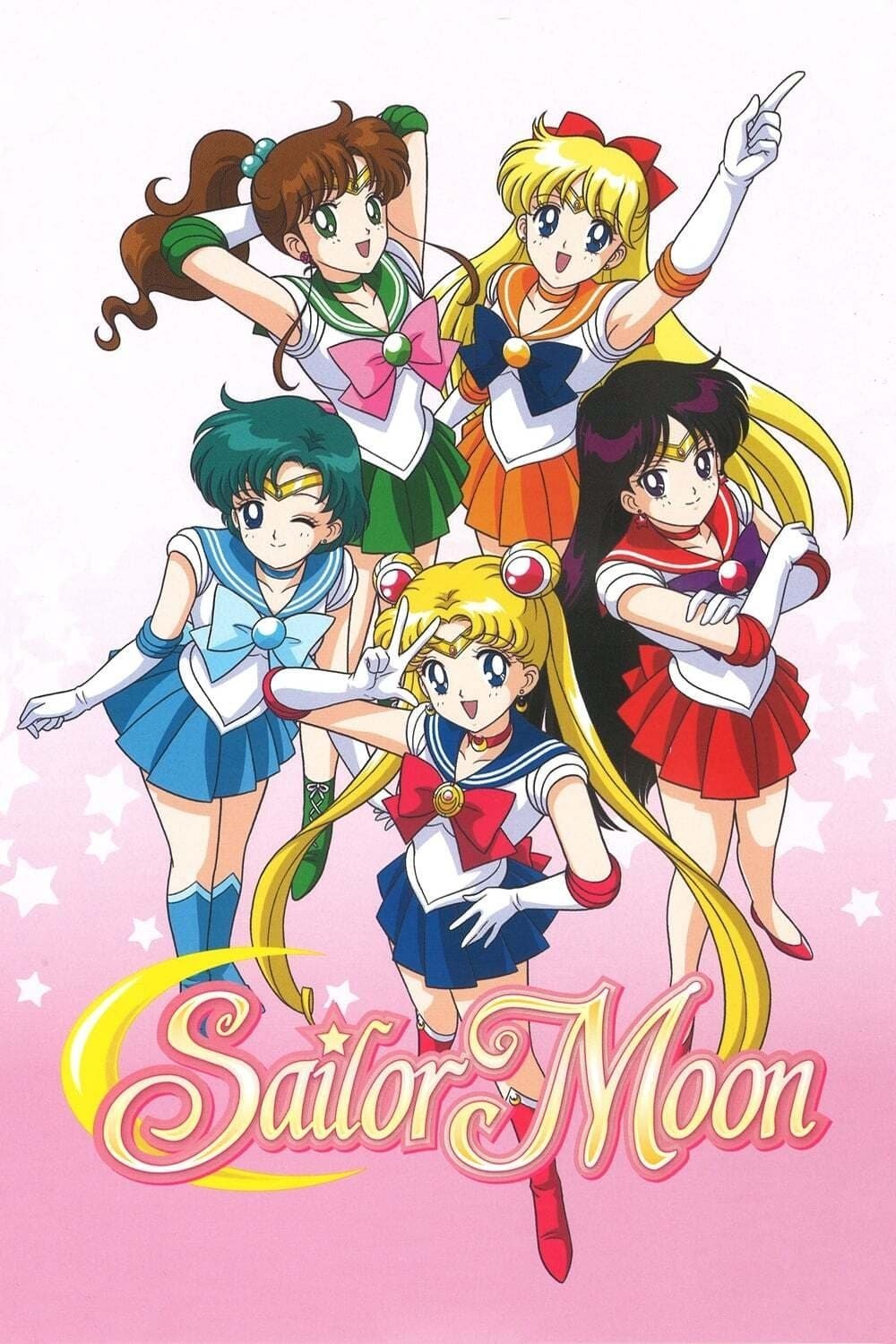
Sailor Guardians are famous for their special transformation lines and attack names, which draw on the power of the planets. Sailor Moon, in particular, often gives a speech about punishing evil by the power of the moon before fighting. These repeated scenes and lines become a familiar ritual that fans learn and look forward to. The show essentially set the template for how magical girls talk during battles.
‘Cardcaptor Sakura’ (1998–2000)
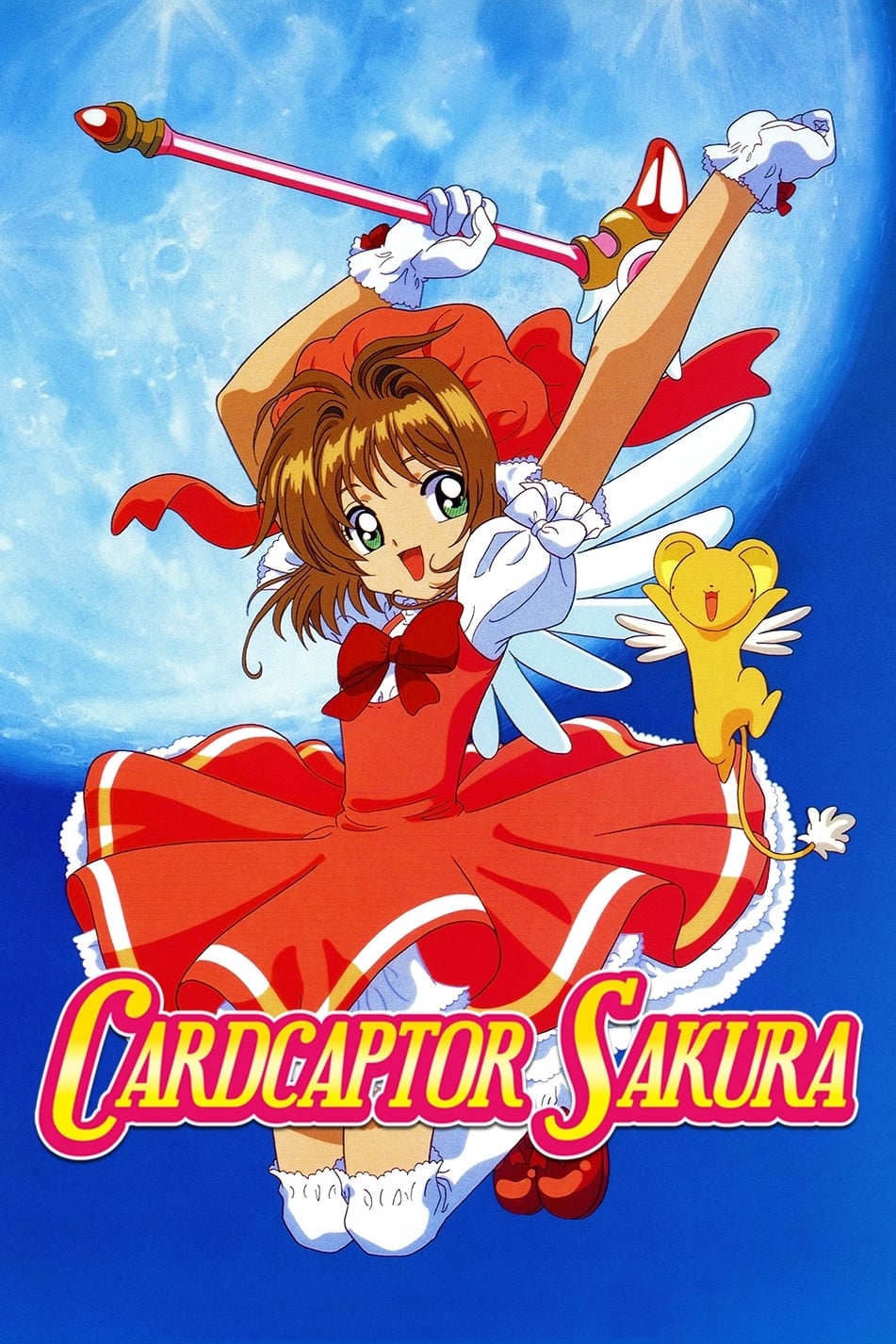
Sakura Kinomoto captures Clow Cards by saying a special phrase that unlocks their power. To do this, she needs to figure out what each card does and use the right magic words while speaking the phrase. The way she says these words shows how much she’s improving as a magician. ‘Cardcaptor Sakura’ is about finding balance and working with magic, rather than fighting with it.
‘Fullmetal Alchemist: Brotherhood’ (2009–2010)
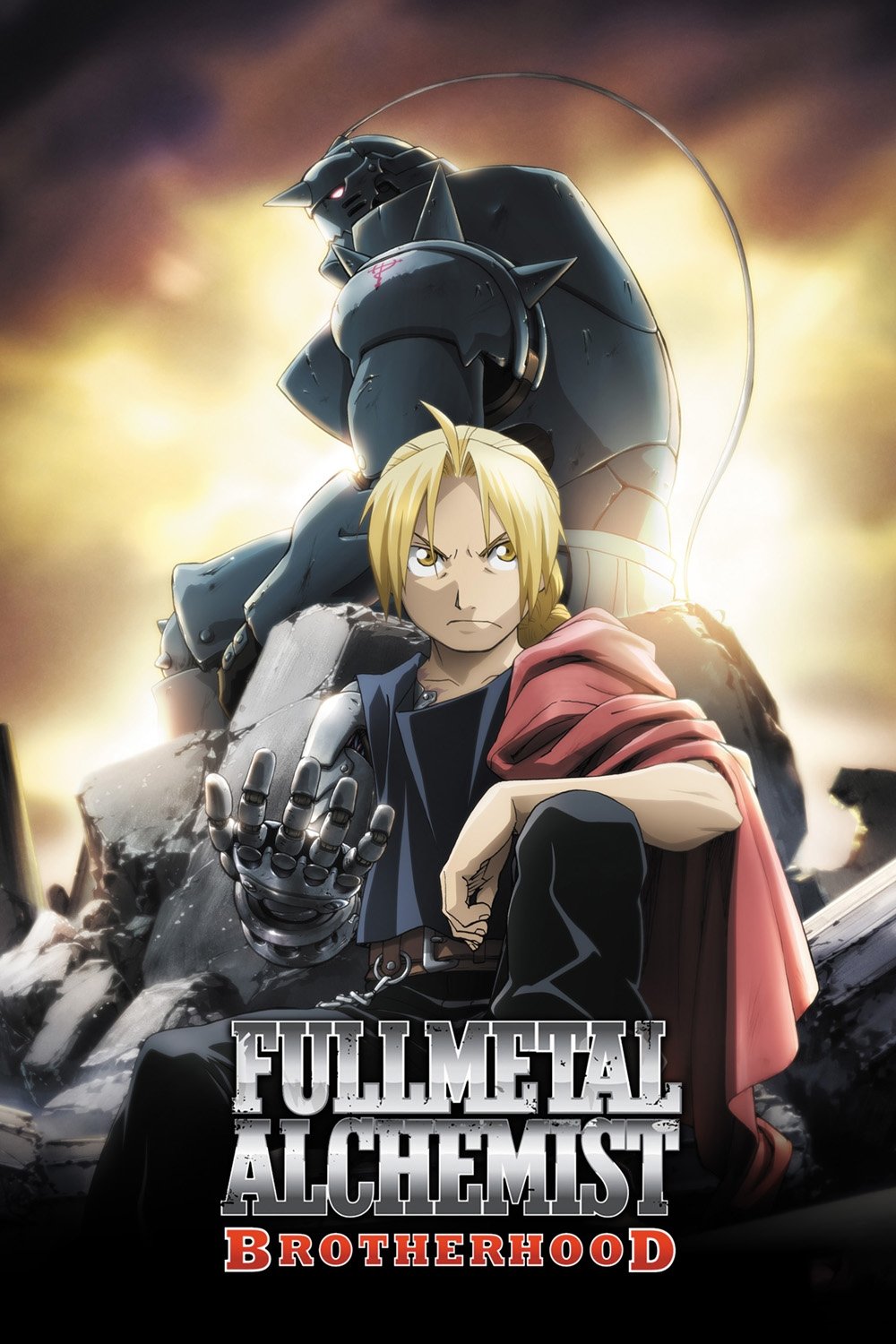
Alchemy in this world follows a rule of ‘something for something’ – you can’t gain without losing, and characters frequently mention this during fights. The conflicts aren’t just physical; the arguments between characters like Edward Elric and the Homunculi are just as important. Villains often speak in puzzles and riddles, exploring big ideas about what it means to be a god or a human. This thoughtful dialogue keeps the fantastical parts of the story feeling believable and connected to a clear sense of right and wrong.
‘Hunter x Hunter’ (2011–2014)
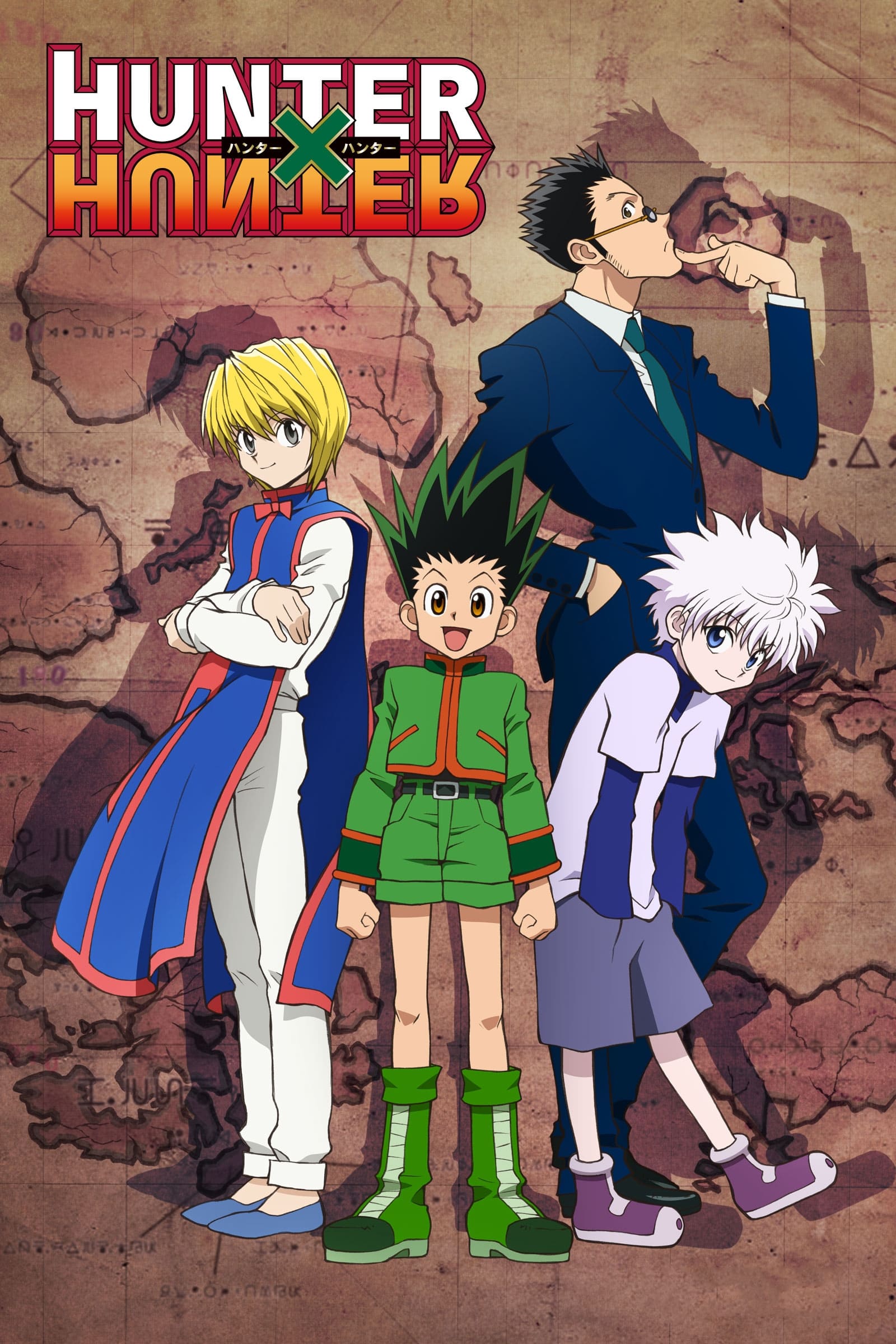
Battles in ‘Hunter x Hunter’ aren’t just about fighting; they’re intricate strategic duels where characters carefully lay out their abilities and weaknesses. The Chimera Ant arc is particularly notable for its narrator, who vividly describes the fighters’ inner thoughts and emotions. One memorable fight, featuring Netero, includes a move that has to be performed with incredible speed—faster than the speed of sound—and is presented almost like a prayer. The series takes detailed explanations of battle tactics and transforms them into a unique and artistic way of telling a story.
‘Samurai Champloo’ (2004–2005)
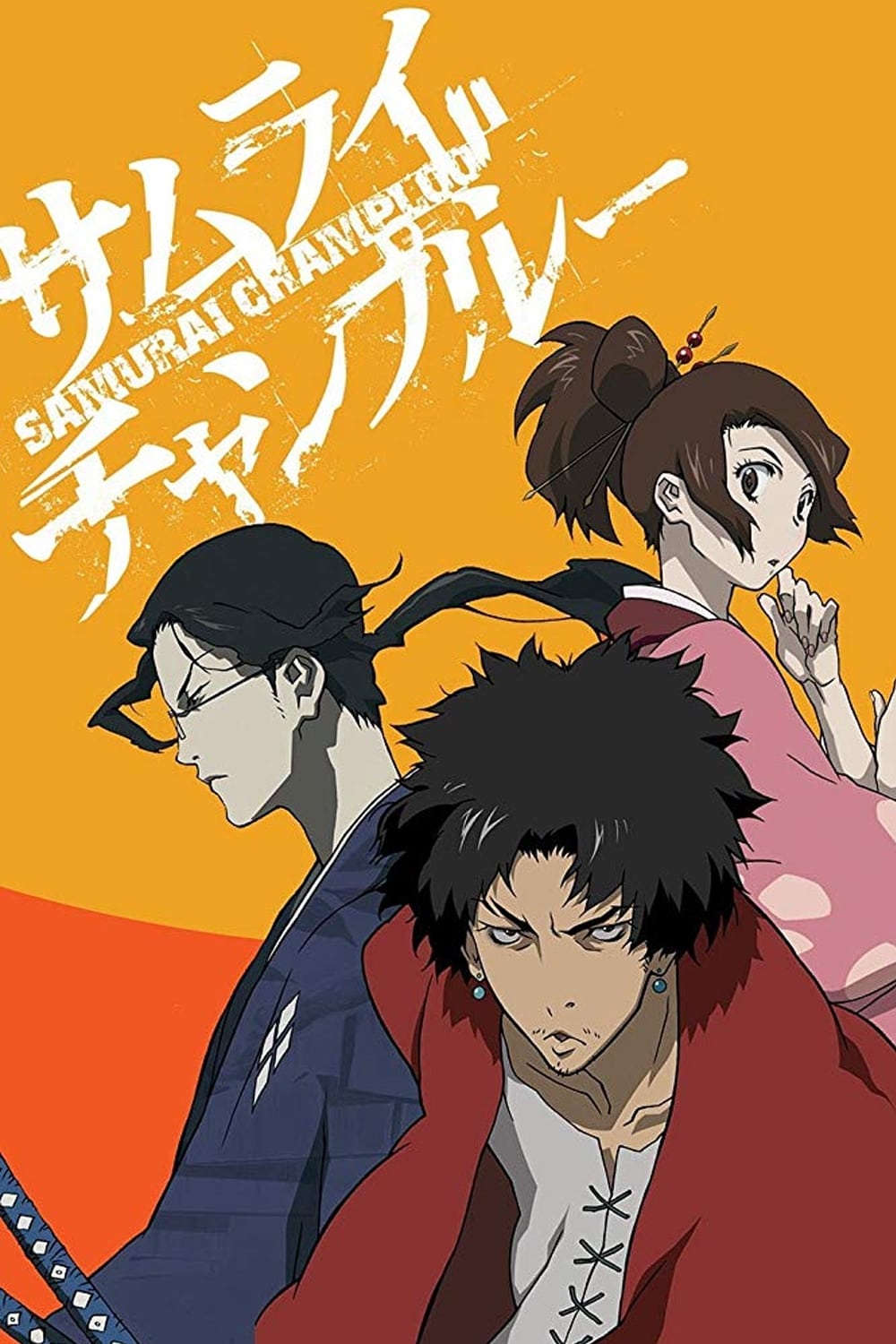
The fight scenes in this series are uniquely timed to a chill, lo-fi hip-hop beat. Even without much dialogue, the animation’s rhythm feels like a visual form of breakdancing. The two main characters, Mugen and Jin, have distinct fighting styles that clash and blend together beautifully. Instead of relying on elaborate speeches, the show uses this visual rhythm to create a poetic and captivating experience.
‘Afro Samurai’ (2007)
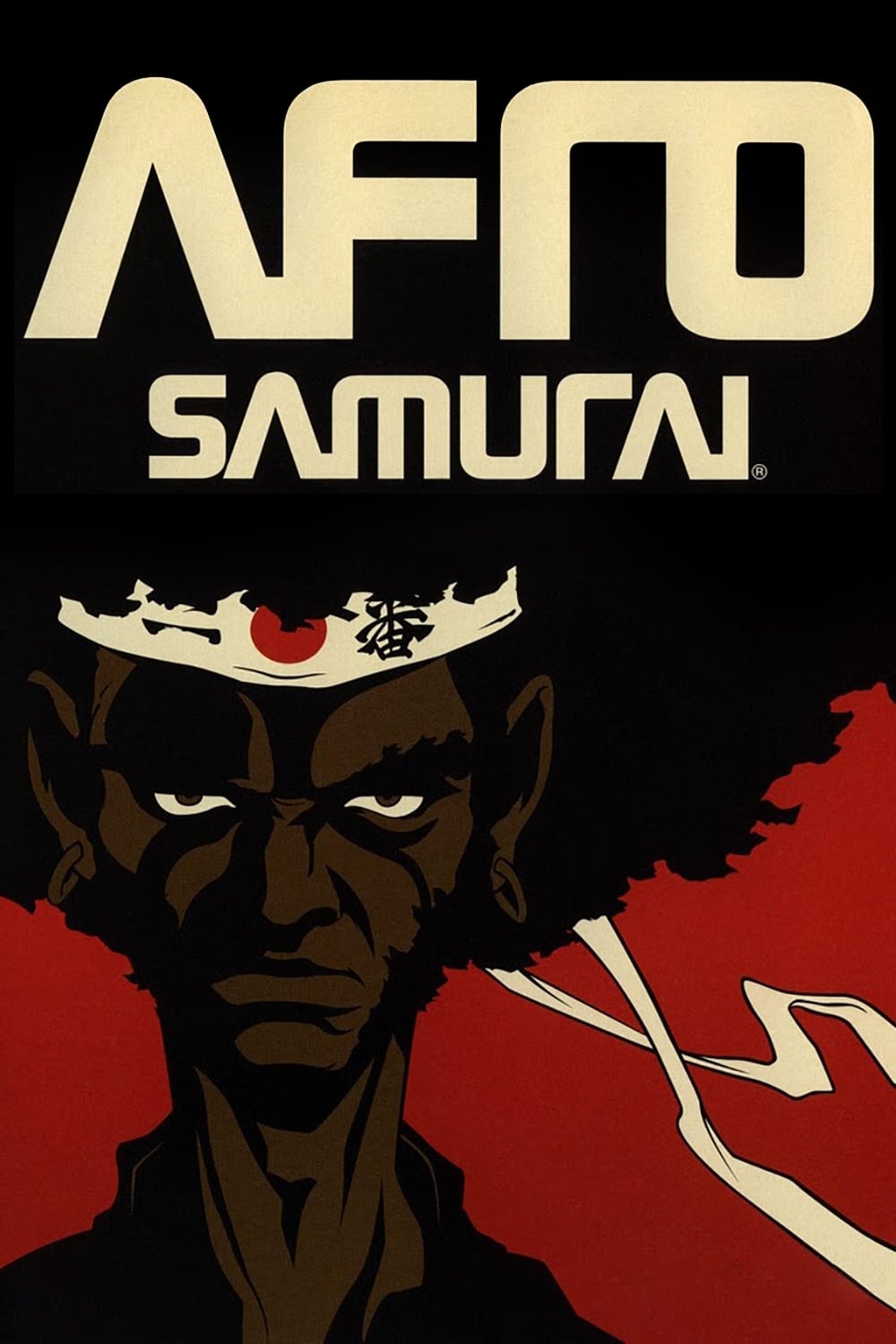
This series features minimal but powerful dialogue, with characters often speaking in short, poetic bursts or using modern slang. The fight scenes are like a violent, graceful dance, where quiet moments are just as crucial as the sounds of combat. A narrator provides a constant voiceover, revealing the hero’s inner thoughts. ‘Afro Samurai’ uniquely mixes classic samurai imagery with a contemporary, confident style of speech.
‘Basilisk’ (2005)
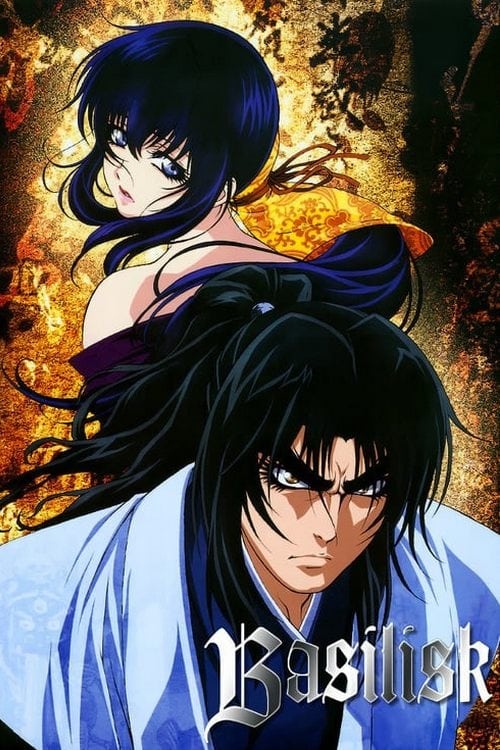
Basilisk depicts a brutal conflict between two ninja clans with bizarre and otherworldly powers. The story is a tragic free-for-all where characters dramatically declare their loyalty or affection before falling in battle. The ninja techniques have old-fashioned names fitting the historical period, and the combat dialogue often functions as a final goodbye.
‘Mononoke’ (2007)
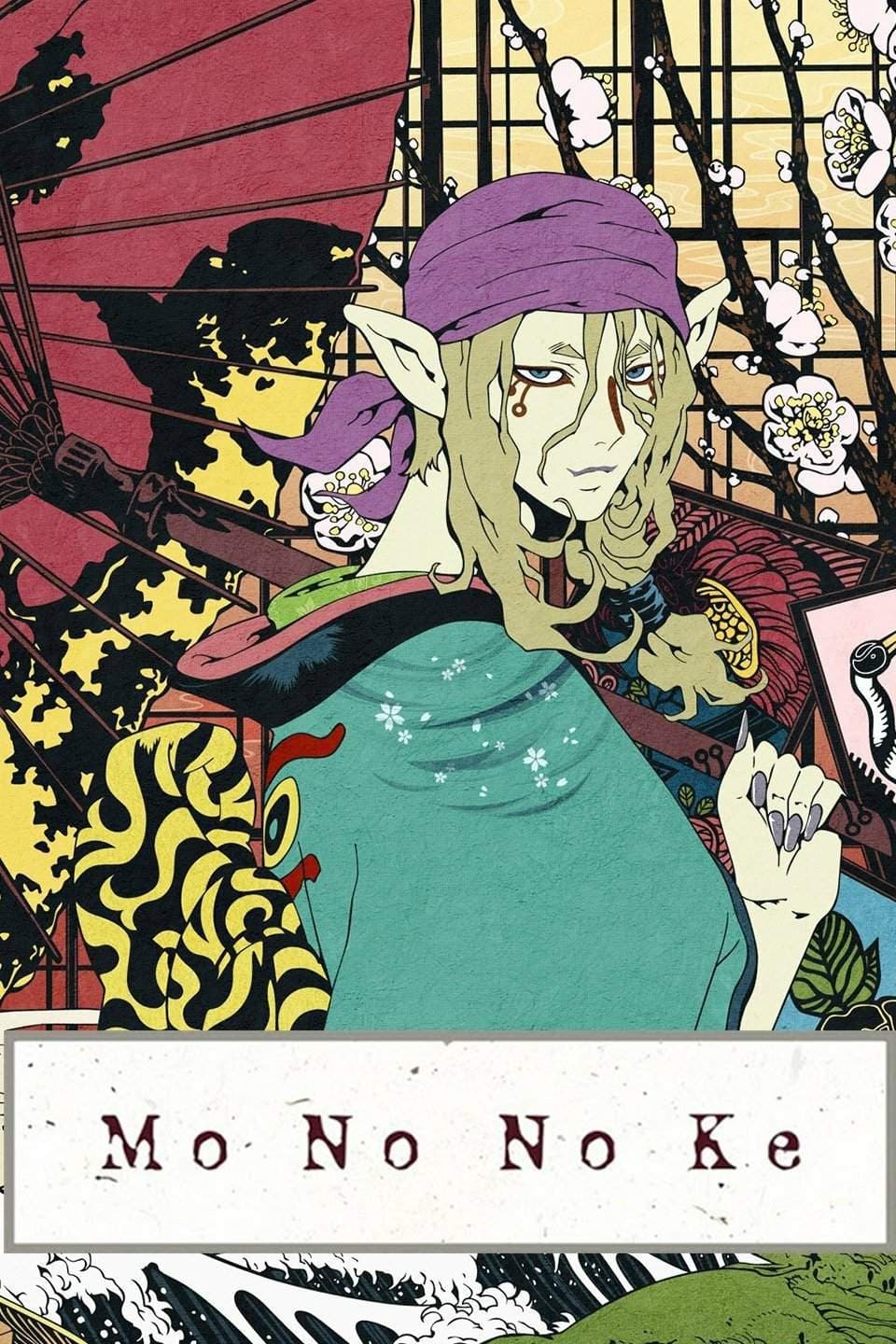
In ‘Mononoke,’ the Medicine Seller can’t banish a spirit until he understands its origin – its shape, its true nature, and the reason it exists. Each encounter plays out like a careful investigation, where he questions the spirit to uncover the sad story behind its creation. The show has a beautiful, painterly look, and the conversations are deliberate and dramatic. Rather than a typical exorcism story, ‘Mononoke’ is a psychological mystery solved through dialogue.
‘Land of the Lustrous’ (2017)
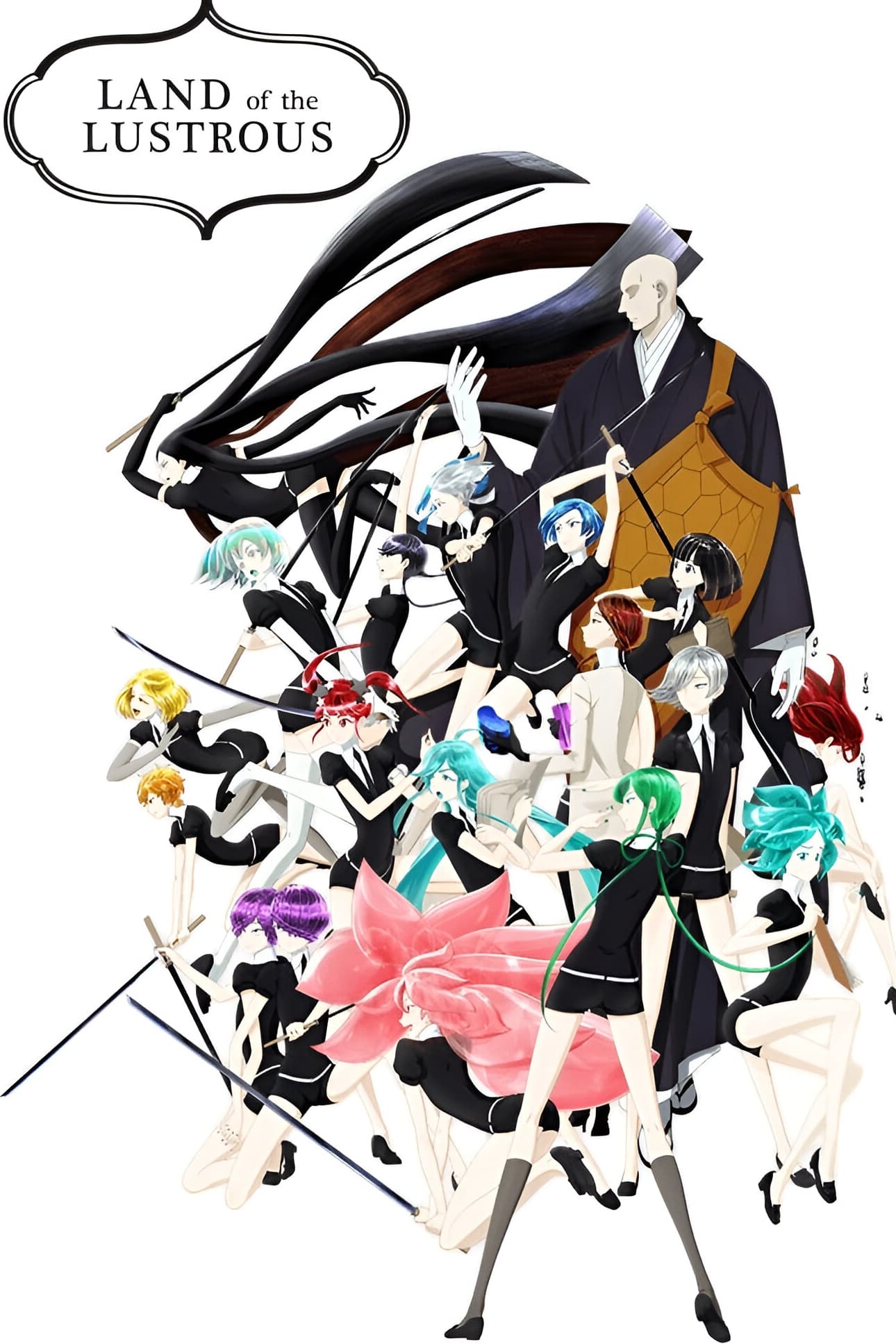
I’m completely captivated by ‘Land of the Lustrous.’ The battles between the Gem people and the Lunarians aren’t about loud clashes, but these incredibly beautiful, almost dreamlike, silent fights. And when the characters do talk, it’s often about really deep stuff – things like emptiness and what it means to be yourself, drawing a lot from Buddhist ideas. What’s really striking is how the show portrays the Gems breaking apart – it’s horrifying, yes, but also strangely beautiful. The whole series feels soaked in a gentle sadness, and it uses how fragile the characters are to create this really unique and melancholic mood during the fights.
‘Princess Tutu’ (2002–2003)
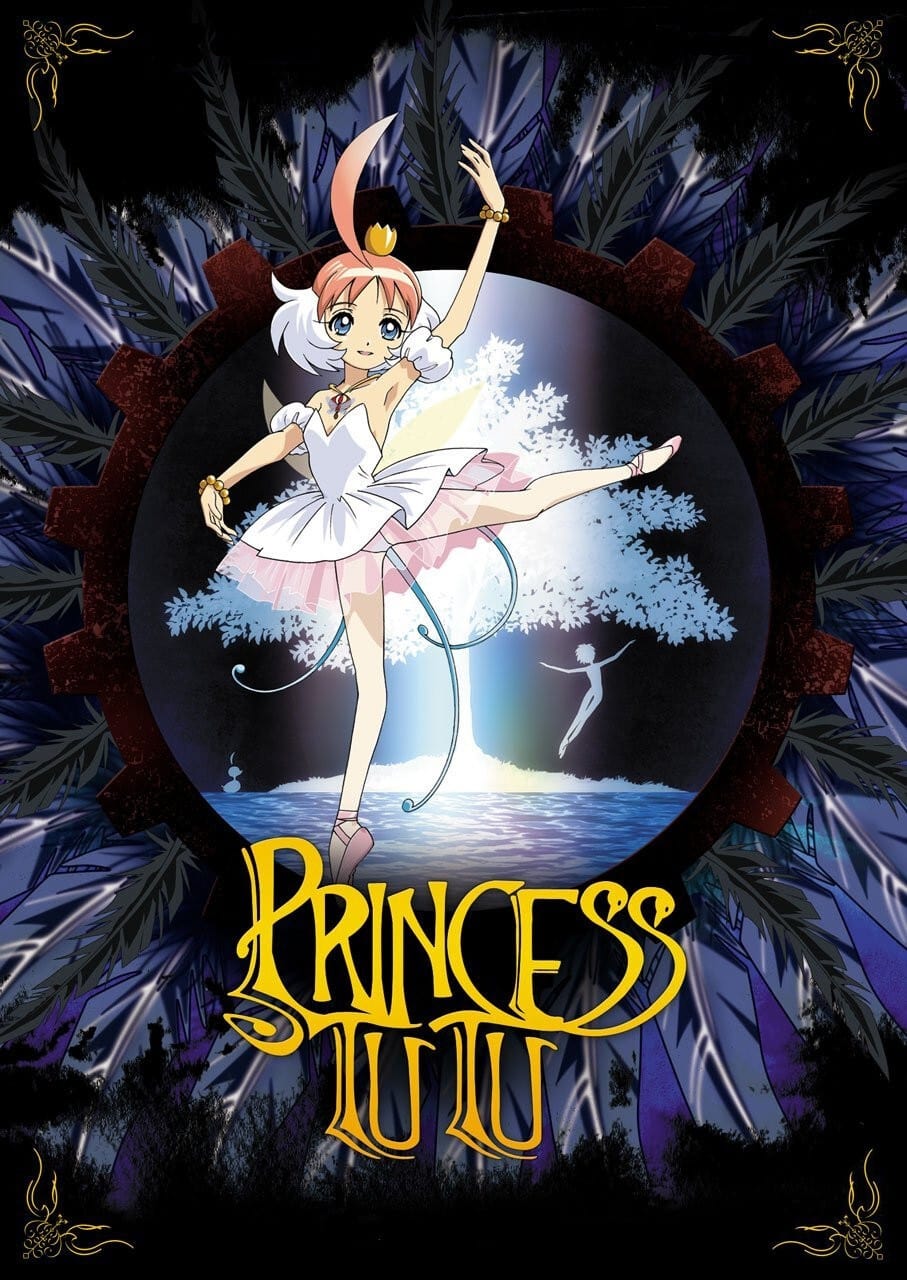
As a huge animation fan, I’ve always been captivated by ‘Princess Tutu’. The fight scenes aren’t about brute force at all – they’re these incredibly beautiful, almost balletic dances where the main character actually dances to solve problems. It’s such a unique approach! The protagonist, Ahiru, doesn’t talk much, but expresses everything through dance, and she uses it to heal the broken pieces of the Prince’s heart. The way everyone speaks feels like it’s straight out of a classic fairy tale, always talking about their roles in the story and trying to overcome fate. What I love most is that instead of relying on violence, ‘Princess Tutu’ focuses on art and genuine emotion. It’s really special.
‘Star Driver’ (2010–2011)
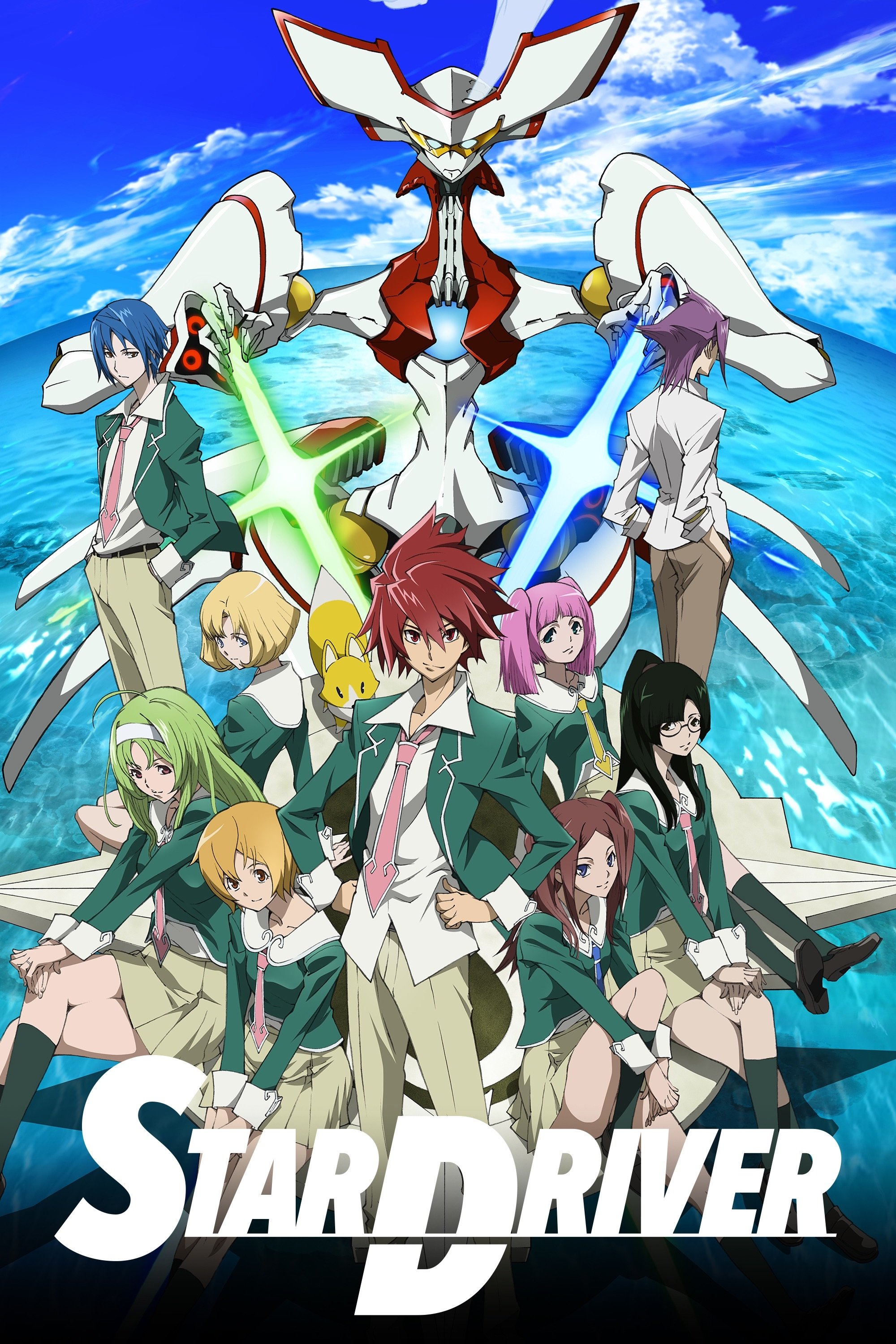
Takuto, the dazzling hero of ‘Star Driver,’ makes a grand entrance with over-the-top speeches and confident poses. He dramatically summons his giant robot with a flurry of glitter and glass, shouting commands like ‘Apprivoise.’ His attacks are named after stars and French expressions, fully embracing the show’s over-the-top style to deliver a visually stunning and colorful experience.
‘Kyousougiga’ (2013)
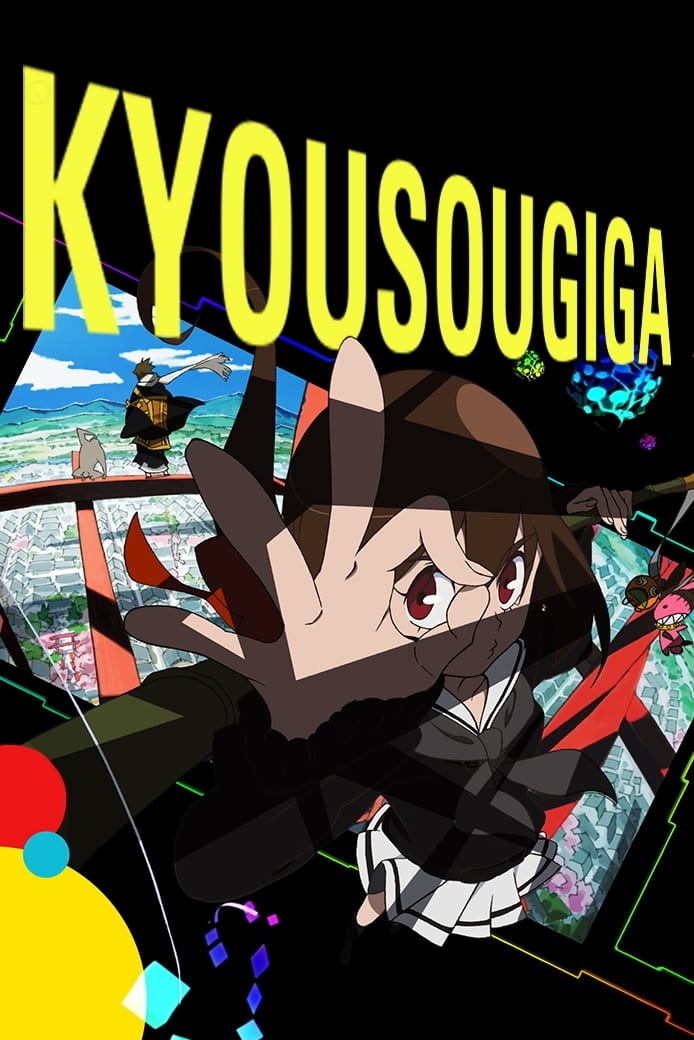
I’m completely hooked on this show! It’s a total explosion of color and non-stop action, but it’s so much more than just fighting. There’s this incredible family story woven throughout, and you’ll even catch nods to Alice in Wonderland! One of the main characters, Koto, is amazing – she wields a huge hammer while desperately trying to uncover the truth about her family. The city itself, called Looking Glass City, is wild – fights happen in ways that don’t make sense, fueled by everyone’s raw emotions. Honestly, ‘Kyousougiga’ feels like a pure celebration of chaos, where both the arguments and the punches are flying everywhere!
‘Flip Flappers’ (2016)

Papika and Cocona journey to fantastical, dreamlike worlds where they become magical girls and battle strange monsters. These fights are visually stunning and often feel like a journey into another world, with the characters’ dialogue changing to fit the style of each new dimension. They frequently shout attacks together, highlighting their strong bond. ‘Flip Flappers’ uses vibrant imagery and powerful shouts to delve into the inner lives and emotions of its main characters.
‘Deadman Wonderland’ (2011)
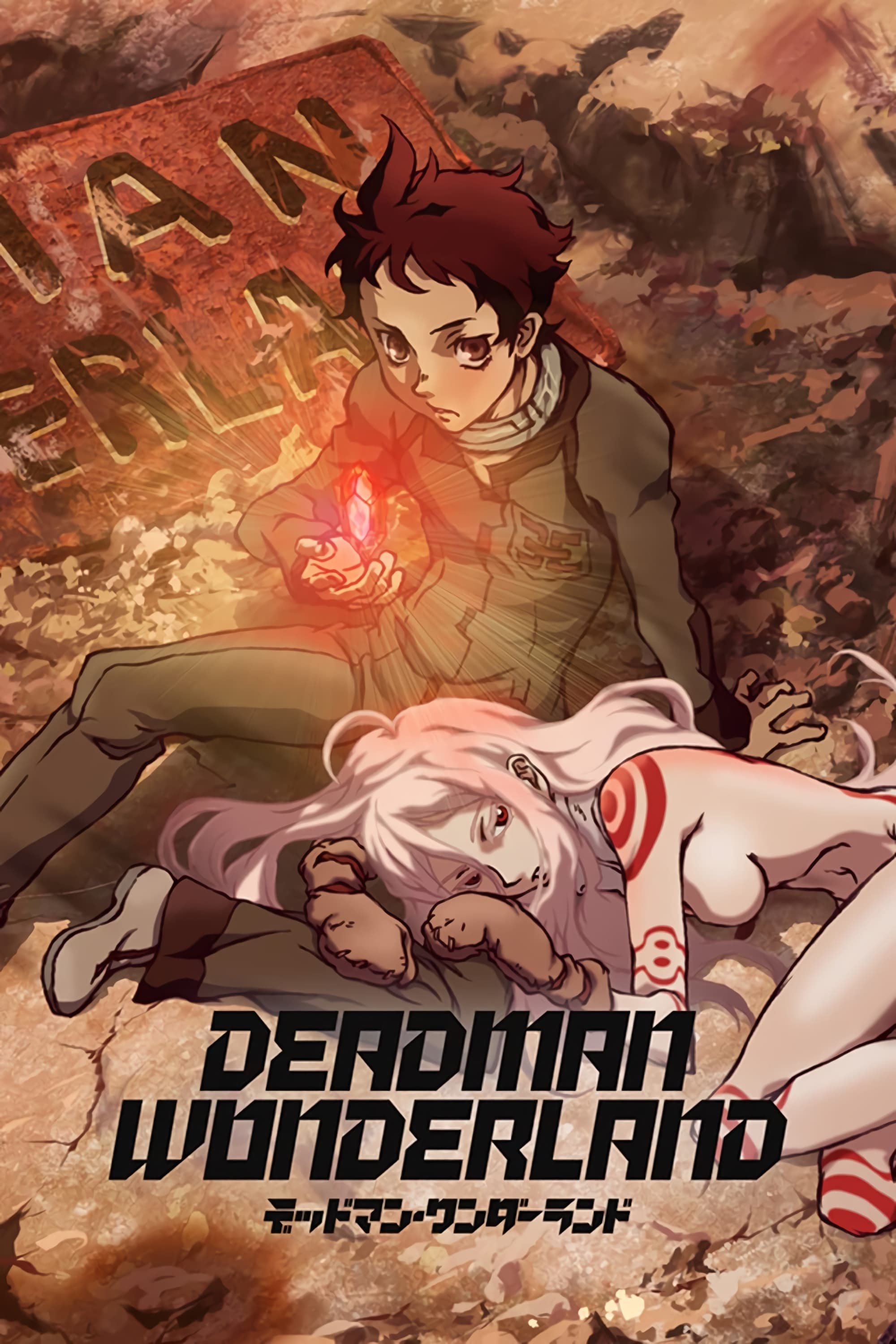
In the prison world of ‘Deadman Wonderland,’ inmates fight using their own blood as weapons, and they’ve given these attacks dramatic names inspired by music and flowers. Fighters like Ganta and Crow yell out the names of their special attacks – Ganta Gun and Invisible Black – as they battle in a brutal arena. These creatively named attacks, known as Branches of Sin, add a strange, artistic edge to the violence, fitting the show’s overall punk rock style.
‘Tokyo Ghoul’ (2014)
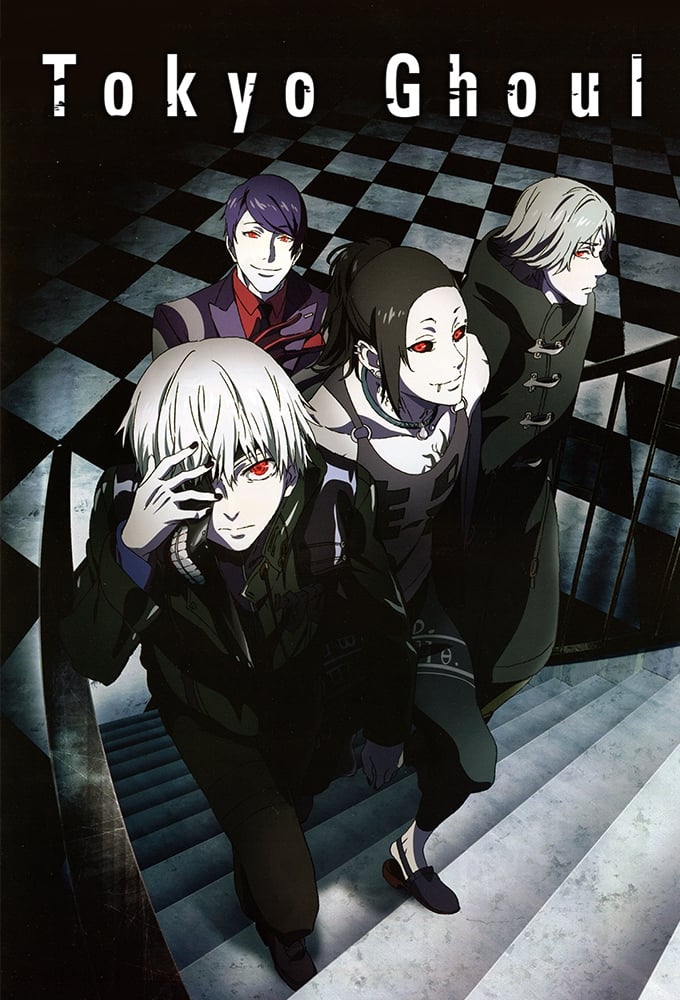
As a fan, I’ve noticed how ghouls in ‘Tokyo Ghoul’ have these incredible weapons called Kagune – they really show how much of a predator each ghoul is. It’s fascinating to watch Kaneki; even while battling, he’s always thinking and quoting books, almost mourning the human he used to be. What really gets to me is the way the story explores the ghouls’ pain and makes you question if what’s happening to them is actually fair. It’s a really unique blend – super intense and scary, but also surprisingly thoughtful and literary.
‘The Seven Deadly Sins’ (2014–2021)
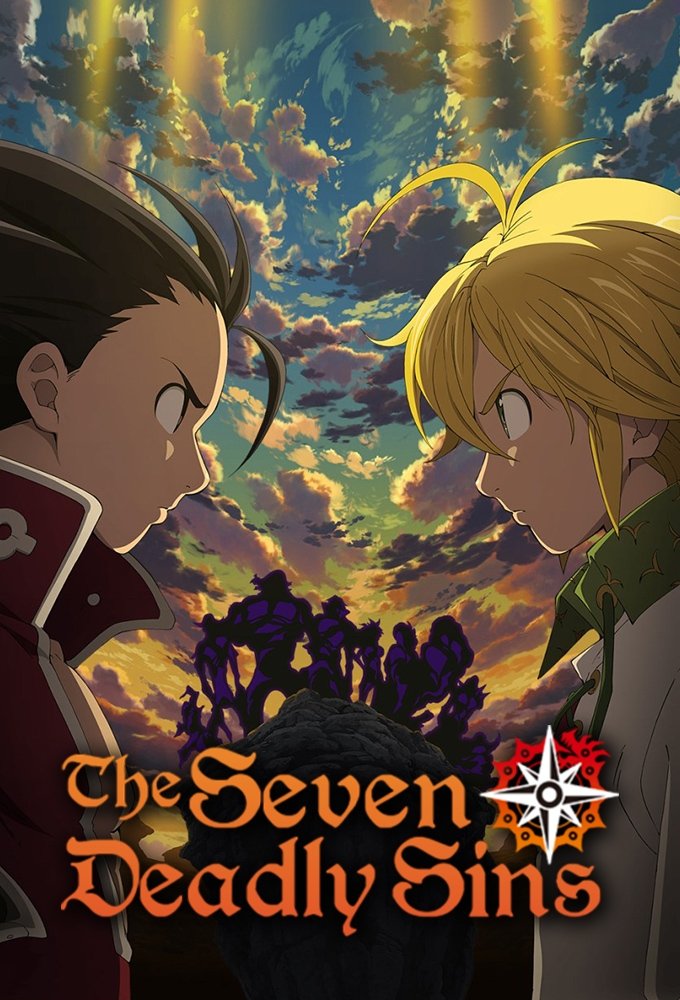
I’m completely captivated by the way The Seven Deadly Sins fights! It’s not just about power, but how they use it. Each Sin wields magic that feels ripped from ancient stories – like something straight out of Arthurian legend. Take Escanor, for example. He doesn’t just defeat his enemies; he declares his power with incredible poetry about the sun and his own strength. Every attack feels huge, announced with a flourish that perfectly matches the epic, fantastical world they inhabit. Honestly, the battles aren’t just visually stunning, but dramatically announced – it really embraces that grand, sweeping scale!
‘Fairy Tail’ (2009–2019)
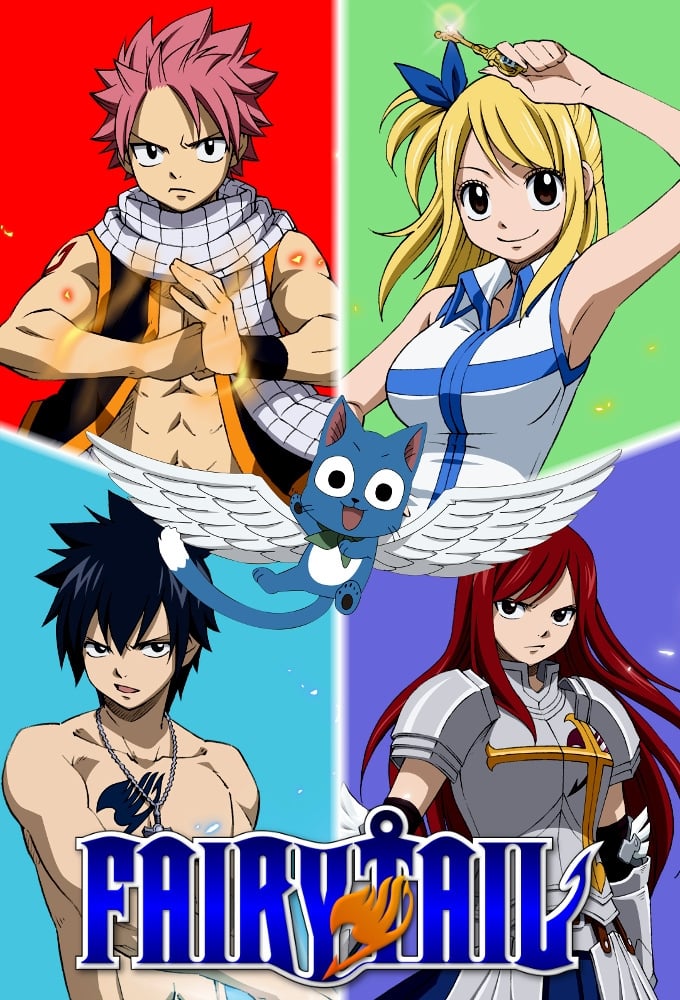
In ‘Fairy Tail,’ magic users draw strength from their bonds with others and by openly expressing their emotions. Characters like Natsu Dragneel often yell out the names of their attacks, which blend elemental powers with dragon-like abilities. Spells are cast using magical circles and are announced with unique sounds, building up to the moment of impact. The series strongly embraces the common anime theme of powering up by shouting out one’s feelings.
‘Record of Grancrest War’ (2018)
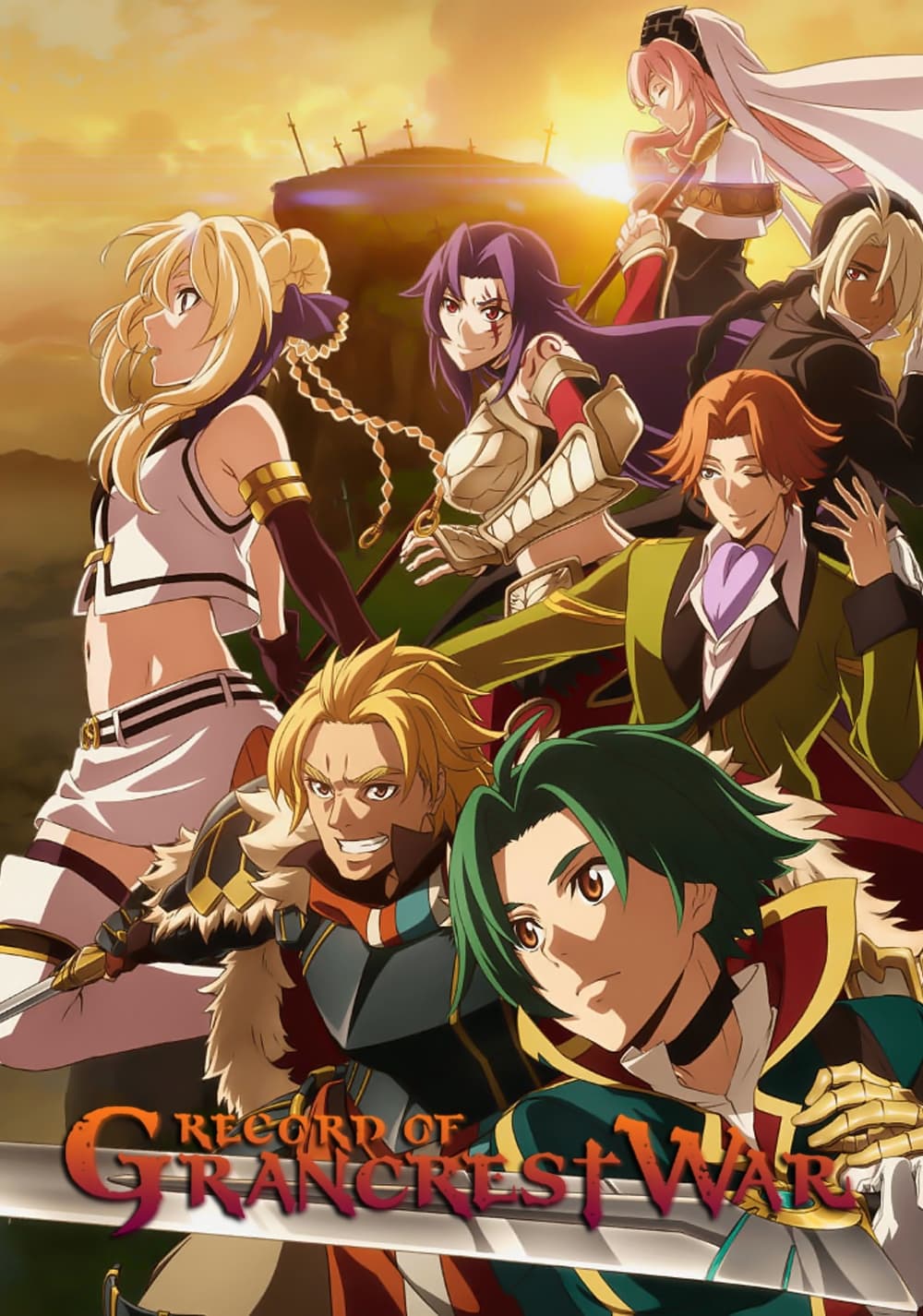
In ‘Record of Grancrest War,’ powerful lords wield magical Crests to control armies and establish order through epic battles. These leaders declare their goals and attract followers, and the story explores what it means to be nobility, including the challenges and responsibilities that come with power. The series blends fantasy action with a complex political drama.
‘Drifters’ (2016)
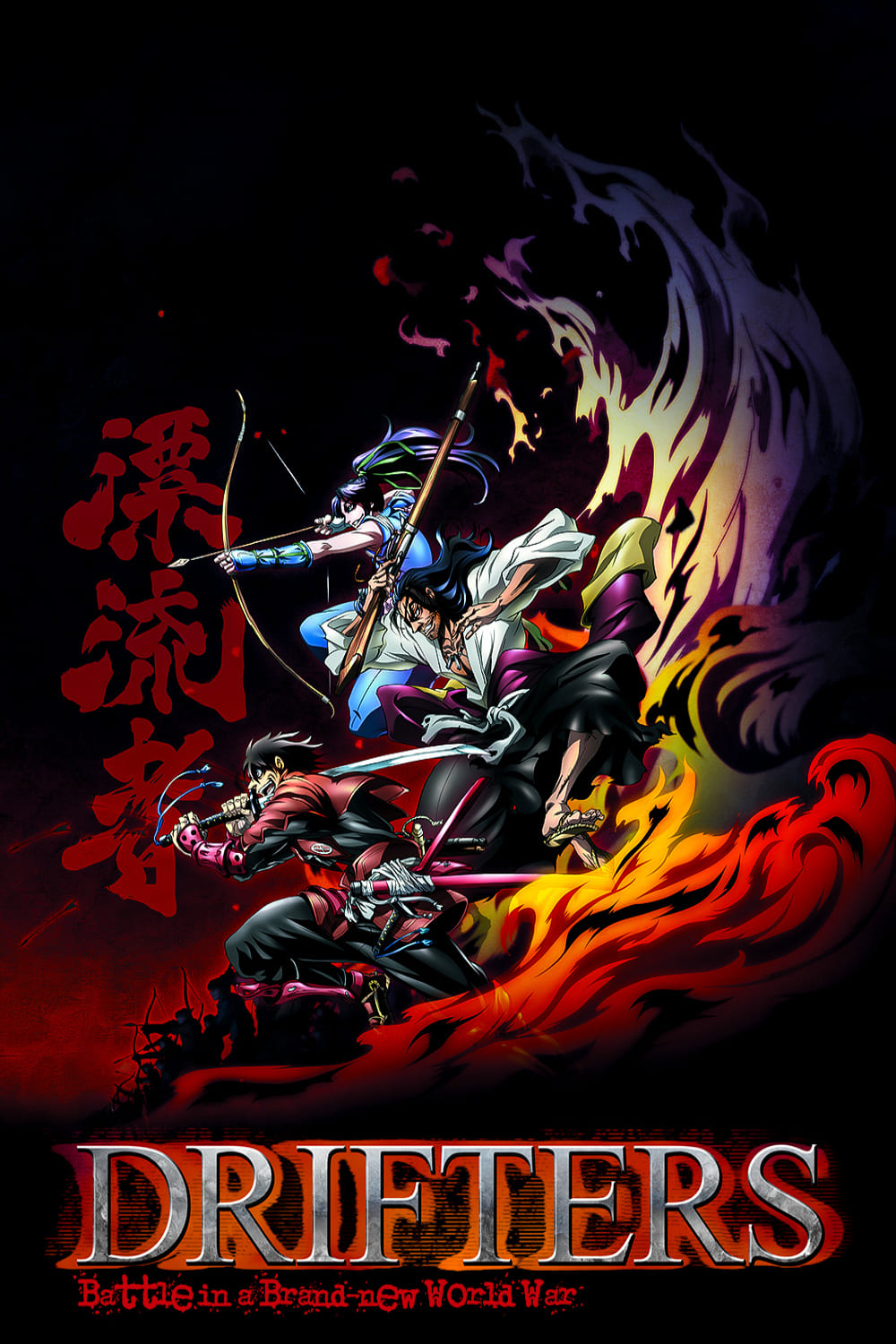
A fantastical war brings together legendary figures from history. Characters like Oda Nobunaga and Toyohisa Shimazu, speaking in old-fashioned Japanese, use battle tactics while they fight. The conflict isn’t just about action; it’s interesting because of the clashing beliefs and values of these historical heroes. ‘Drifters’ cleverly combines the strict code of honor followed by samurai with the brutal, wild nature of a fantasy world.
‘Re:Creators’ (2017)
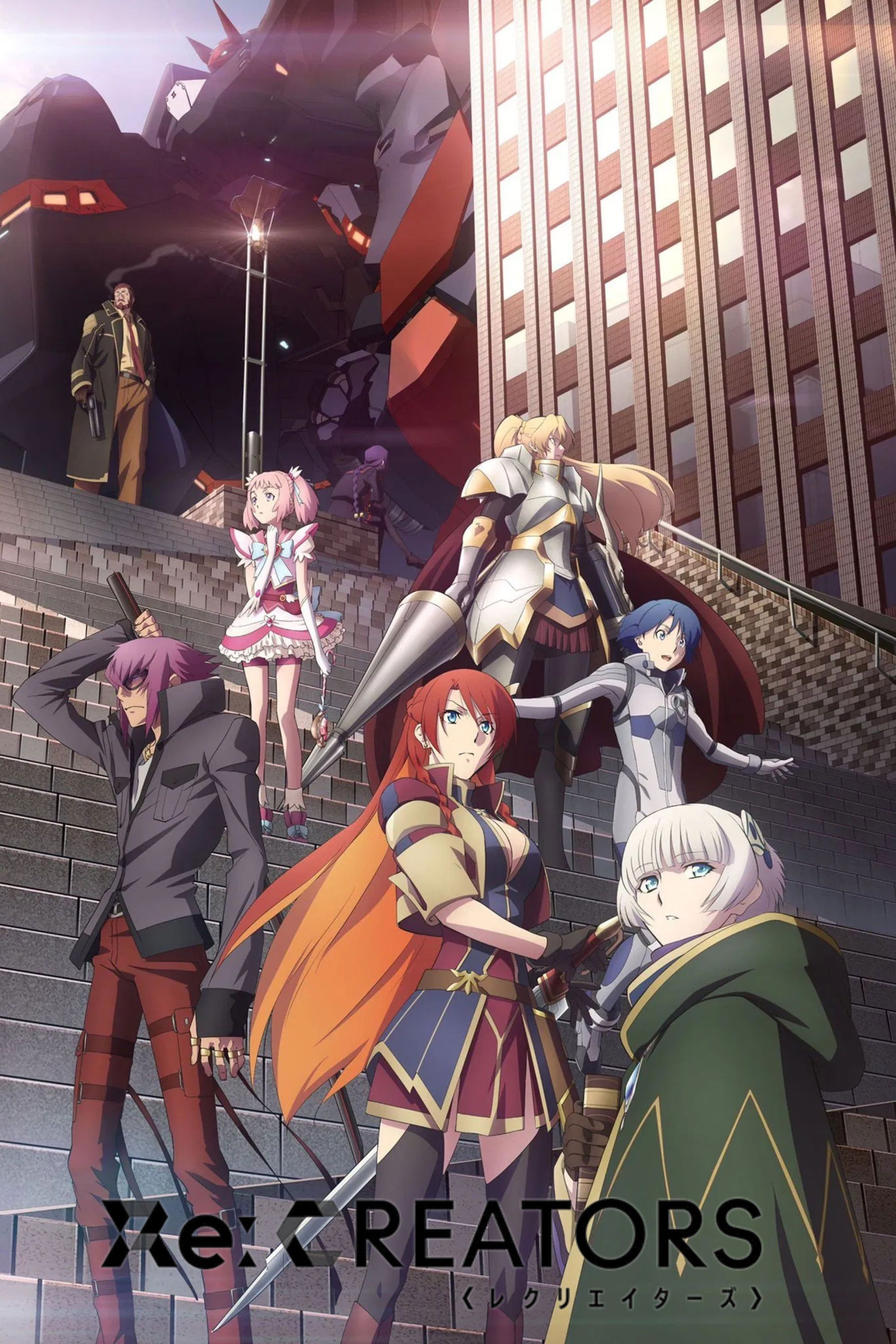
In the anime ‘Re:Creators,’ characters from various stories suddenly appear in the real world and battle each other. These fights aren’t just physical – the characters also discuss their origins and how their stories unfolded. One character, Altair, draws power from fan interpretations and popularity, and often explains this in direct addresses to the audience. Ultimately, the show uses action as a way to explore ideas about storytelling, authorship, and the connection between creators and their work – it’s essentially literary criticism through combat.
Tell us which anime battle chant is your favorite in the comments.
Read More
- Seeing Through the Lies: A New Approach to Detecting Image Forgeries
- Staying Ahead of the Fakes: A New Approach to Detecting AI-Generated Images
- Julia Roberts, 58, Turns Heads With Sexy Plunging Dress at the Golden Globes
- Gold Rate Forecast
- TV Shows That Race-Bent Villains and Confused Everyone
- Smarter Reasoning, Less Compute: Teaching Models When to Stop
- Palantir and Tesla: A Tale of Two Stocks
- Unmasking falsehoods: A New Approach to AI Truthfulness
- How to rank up with Tuvalkane – Soulframe
- Celebs Who Narrowly Escaped The 9/11 Attacks
2025-12-12 07:28