
The 2000s were a high point for romantic comedies, with popular movies consistently topping the box office and shaping what was considered cool. People loved seeing over-the-top displays of affection and unlikely love stories, even if they weren’t always realistic or showed healthy relationships. Looking back, many of these films actually present problematic behavior—like manipulation or lying—as acceptable ways to win someone over. What was once seen as cute or funny now often appears as harassment or toxic behavior. This list takes a closer look at twenty-five films from that decade and points out the concerning relationship patterns they portray.
‘Love Actually’ (2003)

This Christmas-set film in London follows several interconnected stories of love and loss. One story centers on Mark, who films intimate moments of his best friend’s wife, Juliet, at her wedding. He then unexpectedly appears at her home to express his feelings with handwritten notes, while her husband is inside. This puts Juliet in a difficult position, forcing her to hide things from her partner to spare Mark’s feelings. The film portrays this complicated situation as a tender, yet painful, romance.
‘The Ugly Truth’ (2009)

Abby, a producer on a morning show, finds herself working with Mike, a jaded TV personality. He essentially teaches her how to change herself – her personality and appearance – to appeal to what he believes men want, suggesting women need to hide who they are to find love. His advice is based on harmful stereotypes and portrays relationships as manipulative power struggles. Ultimately, the story strangely validates Mike’s problematic behavior by having Abby fall for him.
‘How to Lose a Guy in 10 Days’ (2003)
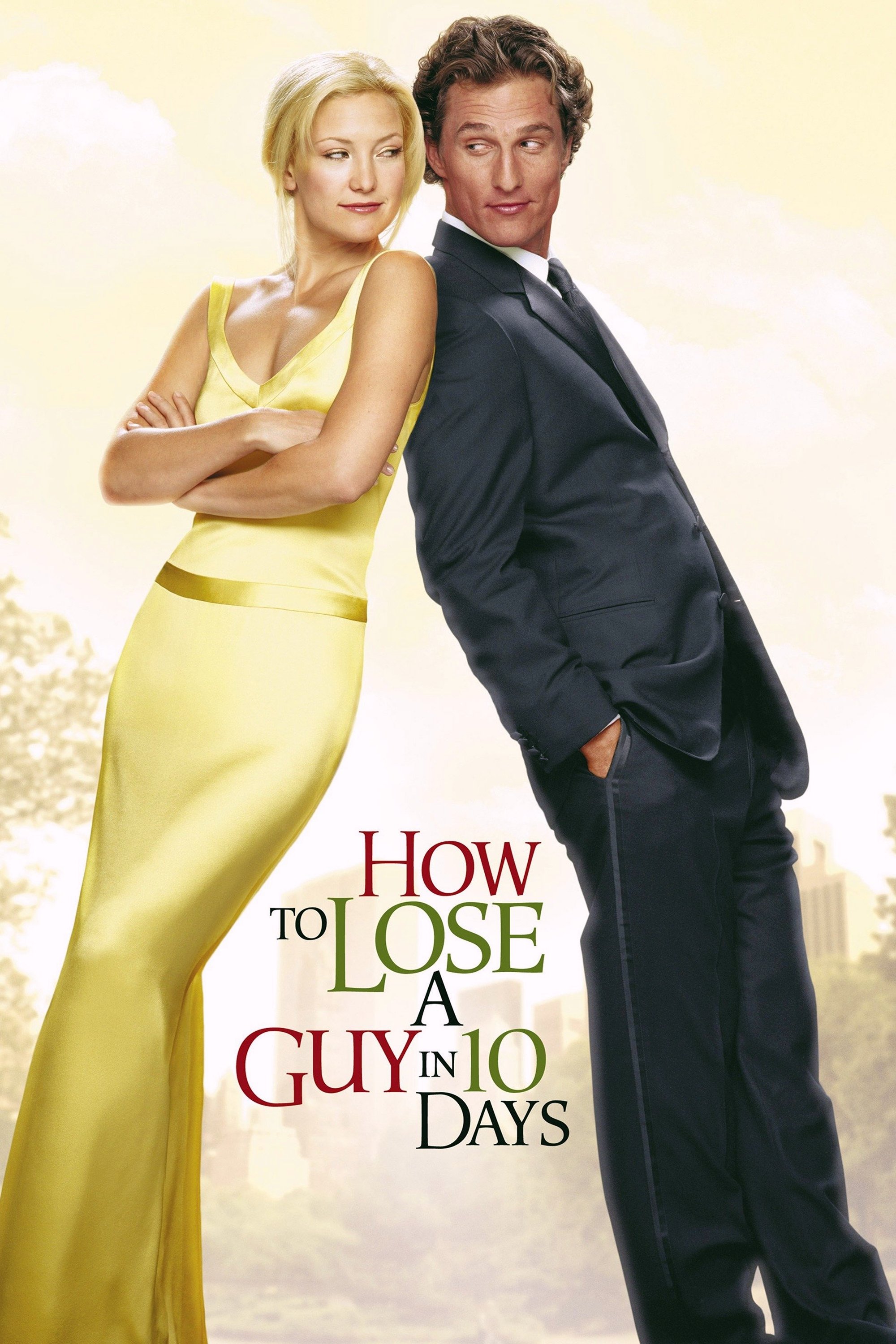
Andie and Ben make a bet with each other, built on dishonesty. Andie, a journalist, writes about pushing someone away, while Ben, an executive, bets he can make a woman fall in love with him. Neither one knows the full truth about the other’s intentions. Andie deliberately acts in ways that are emotionally damaging to her partner, and Ben ignores her wishes to end the relationship because he’s financially invested in her staying with him. Their connection isn’t based on honesty or trust, but on deception and control.
‘Wedding Crashers’ (2005)

John and Jeremy are divorce mediators with a disturbing secret: they crash weddings to take advantage of women. They invent fake identities to gain people’s trust and pursue casual encounters. The film initially portrays their manipulative behavior as harmless fun, but the situation becomes complicated when one of them develops feelings for a politician’s daughter. John continues to deceive Claire, even though she’s in a relationship and believes his false persona. Throughout the story, the serious issue of consent is downplayed, failing to acknowledge the harm caused by sleeping with someone based on lies.
’50 First Dates’ (2004)

Henry falls in love with Lucy, an art teacher who has daily short-term memory loss, meaning she forgets him every day. He begins carefully planning their meetings to make her fall in love with him again and again, without her realizing it’s a repeated cycle. Lucy’s family eventually helps him with this, allowing him to control her surroundings and the information she receives. This creates a situation where Henry has complete control over Lucy’s understanding of their relationship, taking away her ability to make independent, informed decisions about her life and future with him.
‘My Super Ex-Girlfriend’ (2006)

Matt ends his relationship with Jenny when he learns she’s a superhero, G-Girl, who tries to control others. Hurt and angry, Jenny uses her powers to harass and damage Matt’s belongings. The movie portrays her harmful actions as funny, even though she’s a real threat to him and his new girlfriend. She even goes as far as throwing a shark into his apartment and using her super strength to scare him. By framing these actions as part of a comic book story, the film downplays the seriousness of domestic abuse.
‘Monster-in-Law’ (2005)

Viola Fields, a former news anchor with a tarnished reputation, tries to break up her son’s relationship with his girlfriend, Charlie. She resorts to manipulative tactics, including faking panic attacks and even poisoning Charlie during the wedding rehearsal dinner, all in an attempt to control her son. Charlie doesn’t back down, responding by secretly drugging Viola and ruining her dress, leading to an escalating cycle of revenge. The movie portrays this unhealthy and combative family dynamic as a darkly comedic power struggle.
‘Failure to Launch’ (2006)

Tripp, age 35, is being pressured by his parents to move out. They’ve hired a woman named Paula to pretend to be his girlfriend, hoping she can convince him to become independent. Unbeknownst to Tripp, this entire relationship is fake and funded by his parents. He’s being manipulated and deceived by the people closest to him, without any idea about the arrangement.
‘Shallow Hal’ (2001)

The movie centers on Hal, a man who only goes for traditionally beautiful women, until hypnosis supposedly changes his perspective to focus on inner beauty. However, the film uses humor that often makes fun of larger bodies, which clashes with its message about valuing personality. Hal is only nice to Rosemary because he imagines she looks like a model, suggesting the movie implies someone needs to be radically changed to find a plus-size woman attractive. This creates a dynamic where Rosemary is in a relationship with someone who doesn’t see her as she truly is.
‘Just Friends’ (2005)
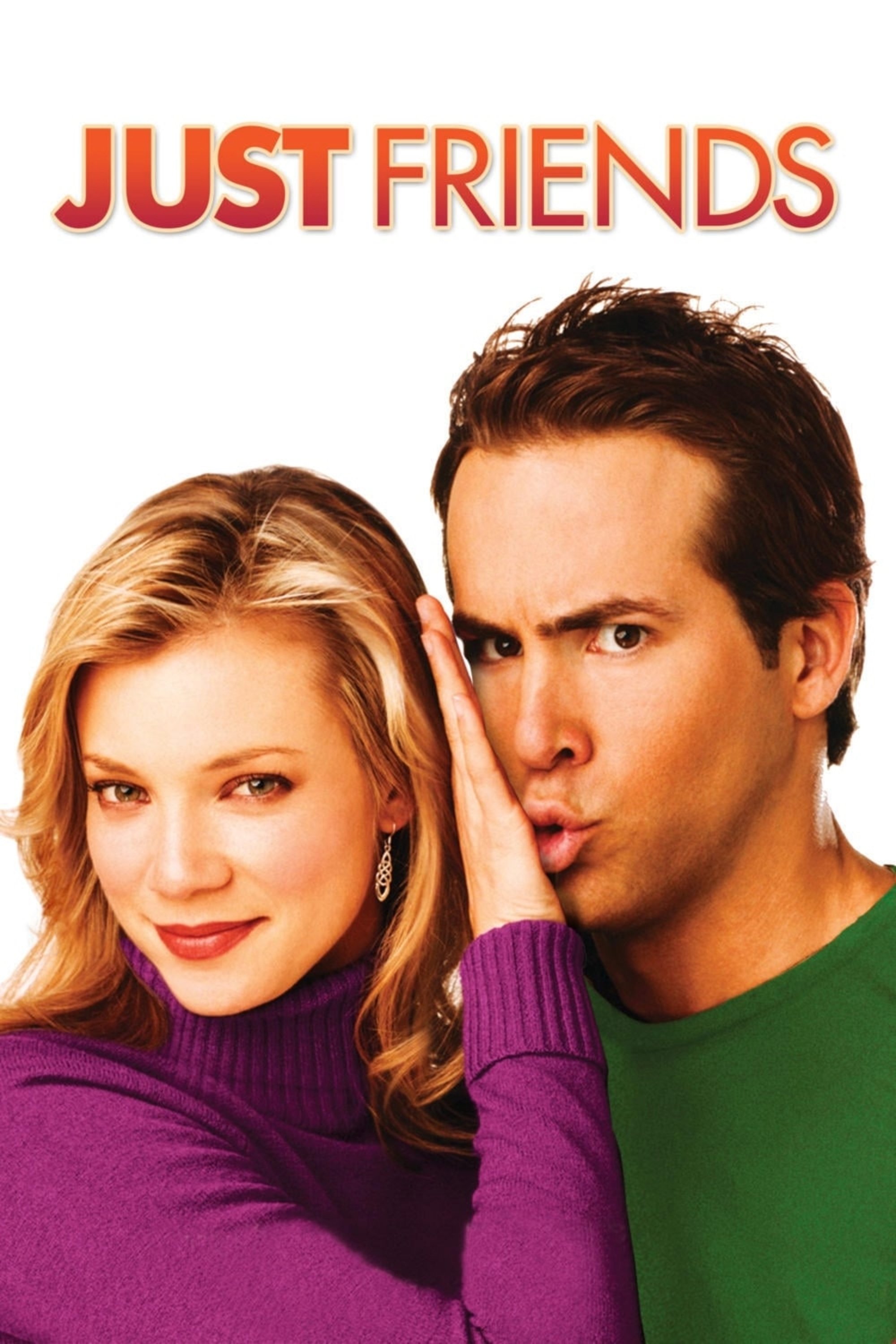
Chris, a successful music executive, goes back to his hometown hoping to win over Jamie, a girl he liked in high school. He believes his newfound success and weight loss give him an advantage, and he acts like Jamie should automatically be interested. Throughout the film, Chris tries to interfere with anyone else Jamie might date and creates awkward situations to try and make her fall for him. The movie reveals that his seemingly charming behavior hides a lot of anger about being rejected when they were younger. He completely disregards Jamie’s feelings and right to choose who she wants to be with.
‘The Proposal’ (2009)
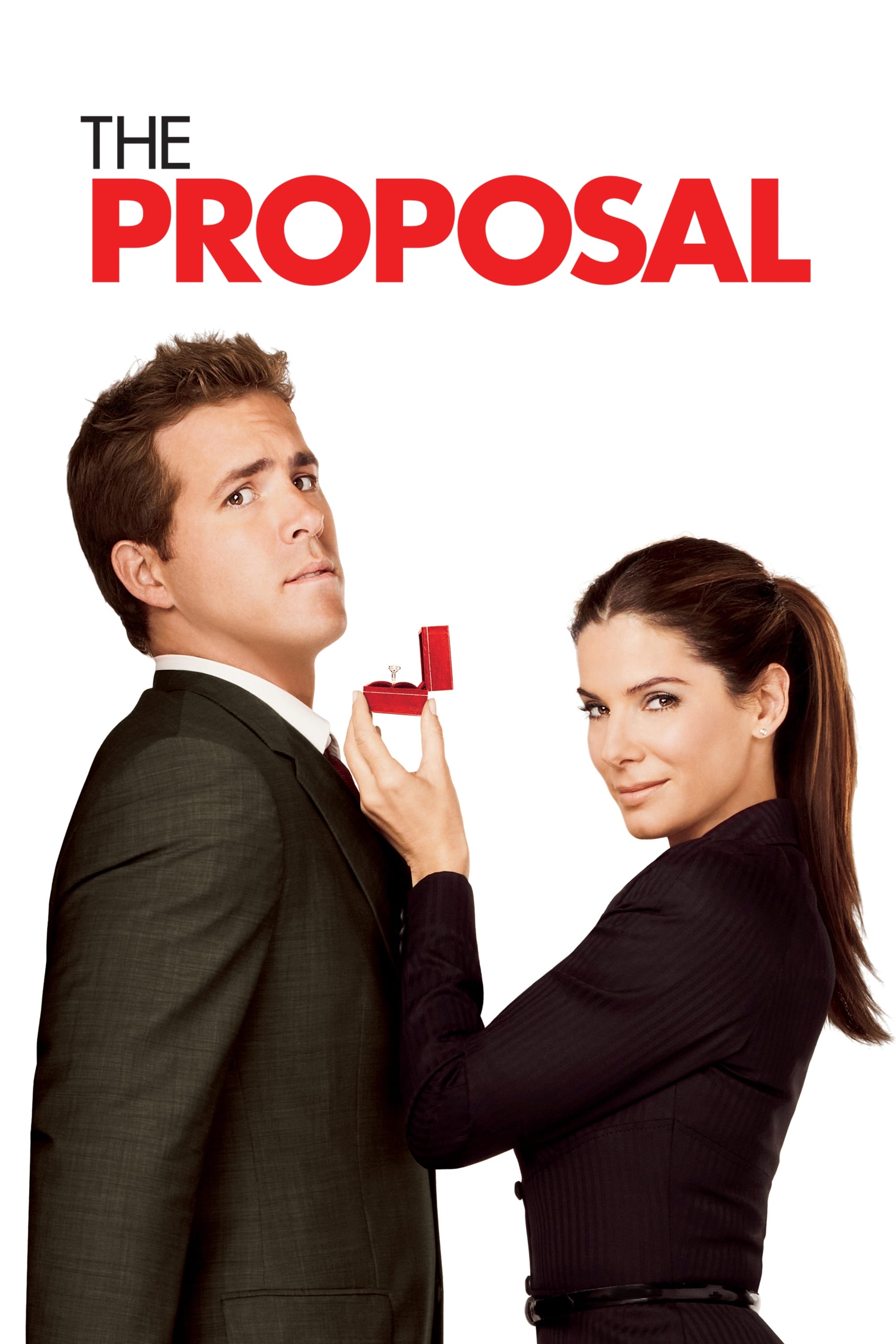
Margaret faked an engagement with her assistant, Andrew, to prevent being deported to Canada. She used her authority over him to force him to participate in a crime. Andrew had to pretend they were engaged to his family and keep up the deception, or he feared losing his job. Because of the power dynamic at work, he couldn’t truly consent to the scheme. Their eventual marriage suggests that forcing someone into a relationship is acceptable, which is deeply concerning.
‘Sweet Home Alabama’ (2002)

Melanie gets engaged to the mayor’s son while still legally married to her husband, Jake. She goes back home to Alabama to demand a divorce, but treats Jake and their former life with disrespect. To get her way, Melanie reveals Jake’s private information and embarrasses him publicly. Throughout this, she continues seeing her fiancé and also begins to feel a connection with Jake again. The movie portrays her confusing choices and dishonesty towards both men in a positive light.
‘Made of Honor’ (2008)
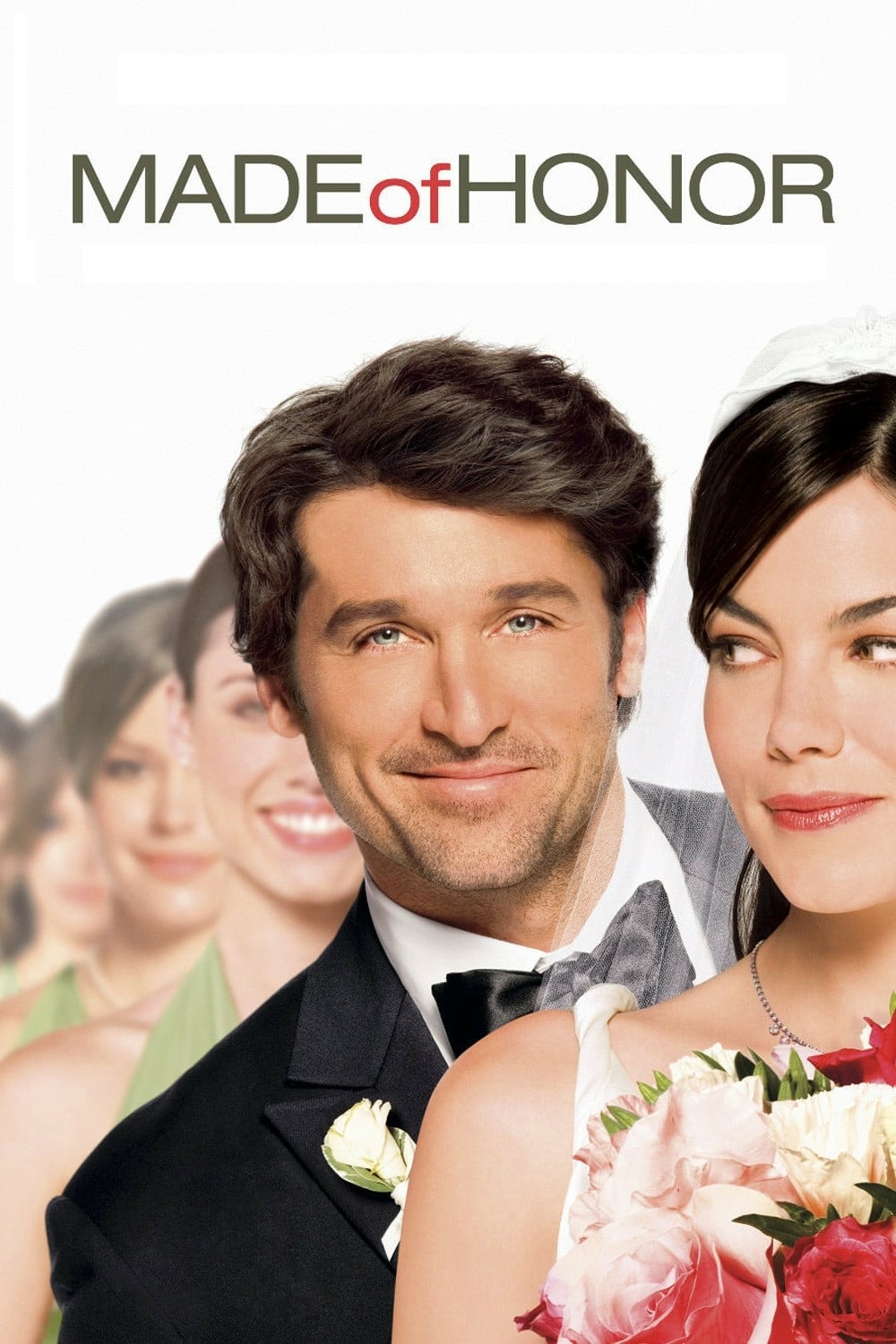
Tom discovers he’s in love with his best friend, Hannah, just as she’s getting engaged to a rich man. Despite this, he agrees to be her maid of honor, secretly hoping to ruin the wedding. He uses his close knowledge of Hannah to create problems between her and her fiancé, completely disregarding her feelings and right to choose for herself. The movie surprisingly sides with Tom’s selfish actions, culminating in Hannah leaving her fiancé at the wedding.
‘What Happens in Vegas’ (2008)

Jack and Joy impulsively marry in Las Vegas after a night of partying, and then unexpectedly win a large sum of money. A judge, skeptical of their motives, orders them to live together for six months to see if they can make the marriage work. Instead of trying to reconcile, they spend that time actively trying to annoy and undermine each other, hoping to secure a favorable divorce. They intentionally ruin each other’s jobs and homes, fueled by mutual dislike. The film quickly moves from their initial hatred to a romantic connection, seemingly ignoring the abusive behavior that occurred between them.
‘Good Luck Chuck’ (2007)

Chuck realizes women fall in love with their one true love after being with him, and he becomes fixated on Cam, fearing he’ll lose her to someone else. He starts obsessively tracking her and manipulating situations to keep her away from other men, viewing her as a possession rather than a person. The movie portrays this controlling behavior as a funny consequence of his strong feelings for her.
‘Hitch’ (2005)

Alex Hitchens is a dating coach who teaches men how to win women over using manipulative tactics. He develops elaborate plans that give his clients an unfair edge, suggesting that attracting a partner is about cracking a code rather than forming a genuine connection. The movie follows Hitch as he tries to woo a gossip columnist while keeping his job a secret, reinforcing the idea that dishonesty is key to finding love.
‘Serendipity’ (2001)

Jonathan and Sara have a brief encounter and then leave things up to chance, hoping they’ll reconnect if it’s meant to be. Years later, both are engaged to other people, but just days before their weddings, they start searching for each other. They end up emotionally betraying their supportive partners, who are portrayed as standing in the way of their supposed fate. The movie glorifies choosing a feeling over loyalty and commitment. As Jonathan and Sara chase their connection, their heartbroken fiancés are left to deal with the fallout.
’27 Dresses’ (2008)

Jane always seems to be a bridesmaid, and she’s secretly in love with her boss, George. When her sister, Tess, arrives, she pretends to be someone she’s not to get George to propose to her. Jane goes along with this deception for much of the movie, but ultimately reveals Tess’s lies at their engagement party. The film centers around two sisters who are willing to betray and embarrass each other for a man, treating him more like a prize to be won than a person they genuinely care about.
‘Bride Wars’ (2009)

Liv and Emma’s lifelong friendship falls apart when they both schedule their weddings for the same day. Their rivalry quickly escalates into childish sabotage, like messing with each other’s hair and tans, as they try to ruin each other’s big day. The movie seems to say that one day can be more important than years of friendship, and their partners are almost forgotten as the women obsess over getting revenge. While the film tries to make their toxic behavior funny, it shows how deeply they hurt each other.
‘Ghosts of Girlfriends Past’ (2009)

I recently watched a film about Connor Mead, a famous photographer, and honestly, I was really disturbed. He treats women terribly – like they’re just things to use and discard, and he even dumps them on conference calls! The movie showed him at his brother’s wedding, constantly trying to talk the groom out of getting married. It slowly came out that he’d been manipulating women for years, all because he was afraid of getting hurt. What bothered me most was how the film seemed to try to justify his awful behavior, suggesting it was all because of a childhood crush. It felt like it forgave him way too easily for what was essentially predatory and emotionally abusive behavior. I just didn’t buy his ‘redemption’ at all.
‘Confessions of a Shopaholic’ (2009)
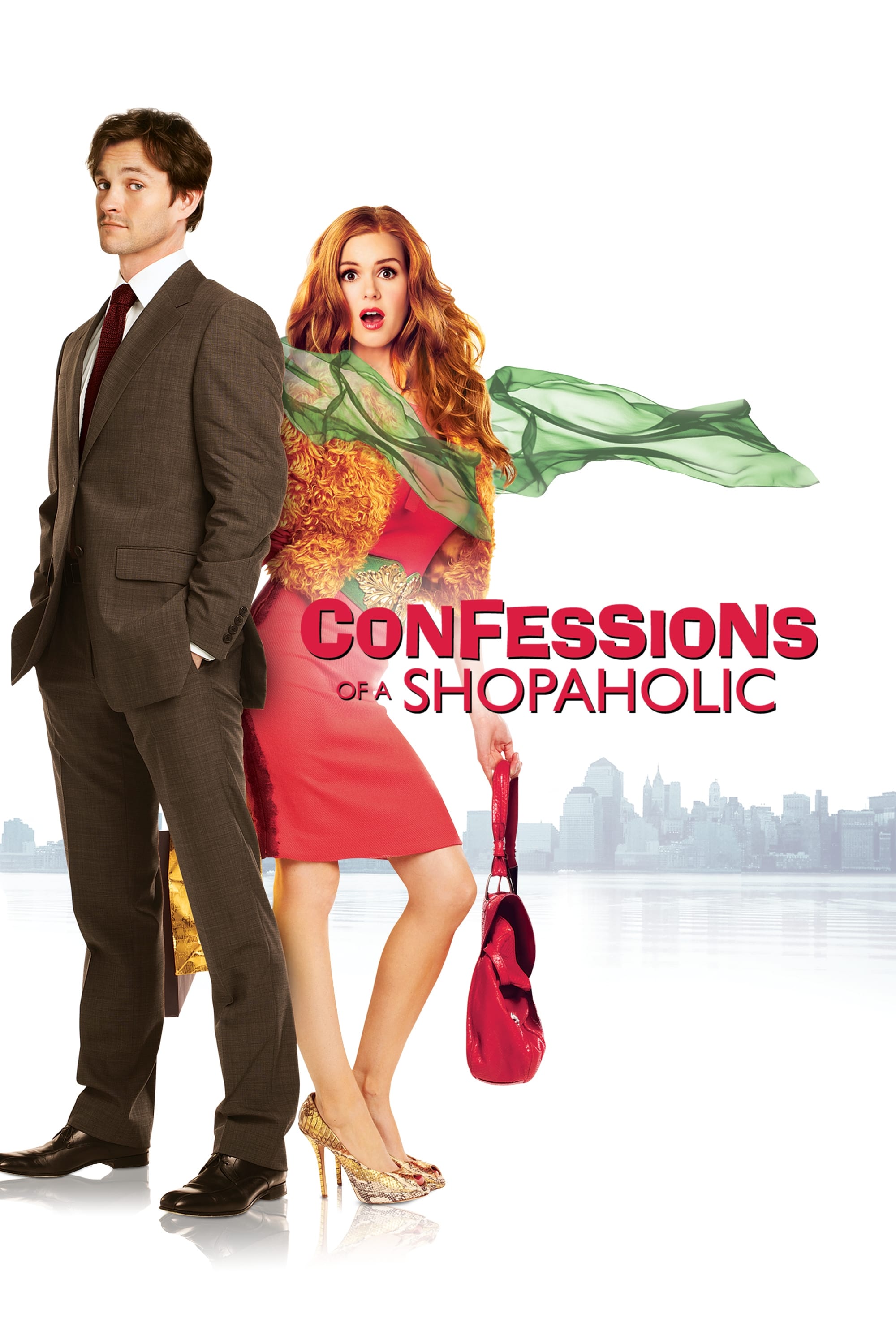
Becky Bloomwood is deeply in debt, but she manages to get a job at a finance magazine by pretending to be an expert. She keeps her boss, Luke, in the dark about both her financial troubles and a man who is actually trying to collect money she owes. Becky’s job and budding relationship with Luke are all based on lies, which become increasingly difficult to keep up. She even risks Luke’s professional standing by publishing financial advice she doesn’t understand or follow herself. The movie portrays Becky’s constant lying and irresponsible spending as charming rather than problematic.
‘He’s Just Not That Into You’ (2009)

This movie consistently suggests that men who are unkind to women are actually secretly in love with them. The characters often misinterpret clear disinterest or a lack of effort as hidden affection. The film includes storylines where a woman stalks a man after a single encounter and another where a husband’s cheating is presented as normal. The script encourages women to overanalyze every interaction instead of taking a man’s actions as they appear, ultimately promoting an insecure and anxious approach to relationships disguised as romance.
‘The Sweetest Thing’ (2002)
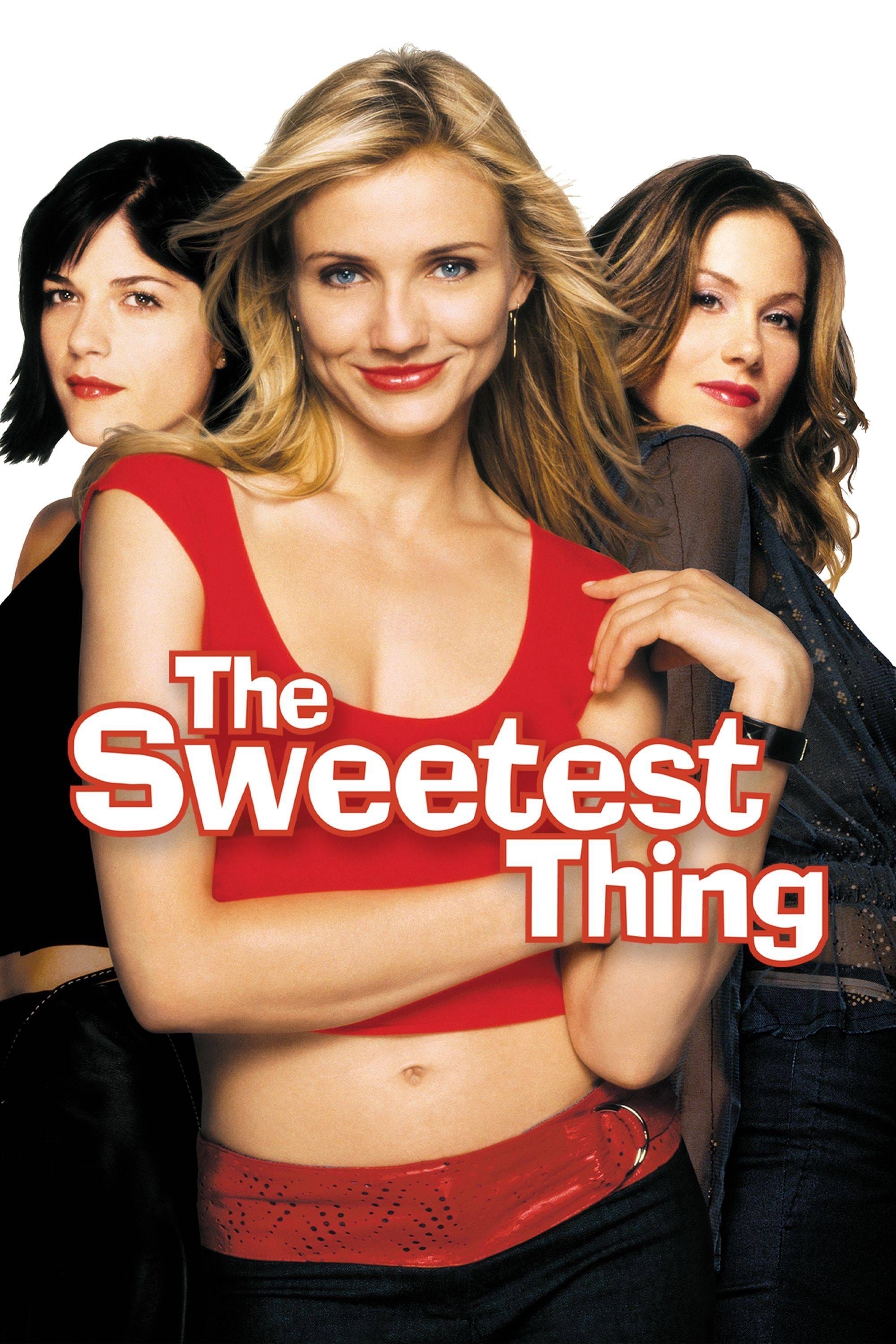
Christina and Peter have a brief encounter at a club, and Christina, captivated, decides to find him even after he leaves town. She and a friend impulsively drive a long distance to unexpectedly show up at his brother’s wedding, relying on very little knowledge of him. This behavior could be seen as intrusive, as she inserts herself into a private family celebration without an invitation. However, the movie portrays this as a romantic and exciting gesture. The story requires a positive outcome, so Peter readily accepts her unexpected arrival without questioning it.
‘Two Weeks Notice’ (2002)
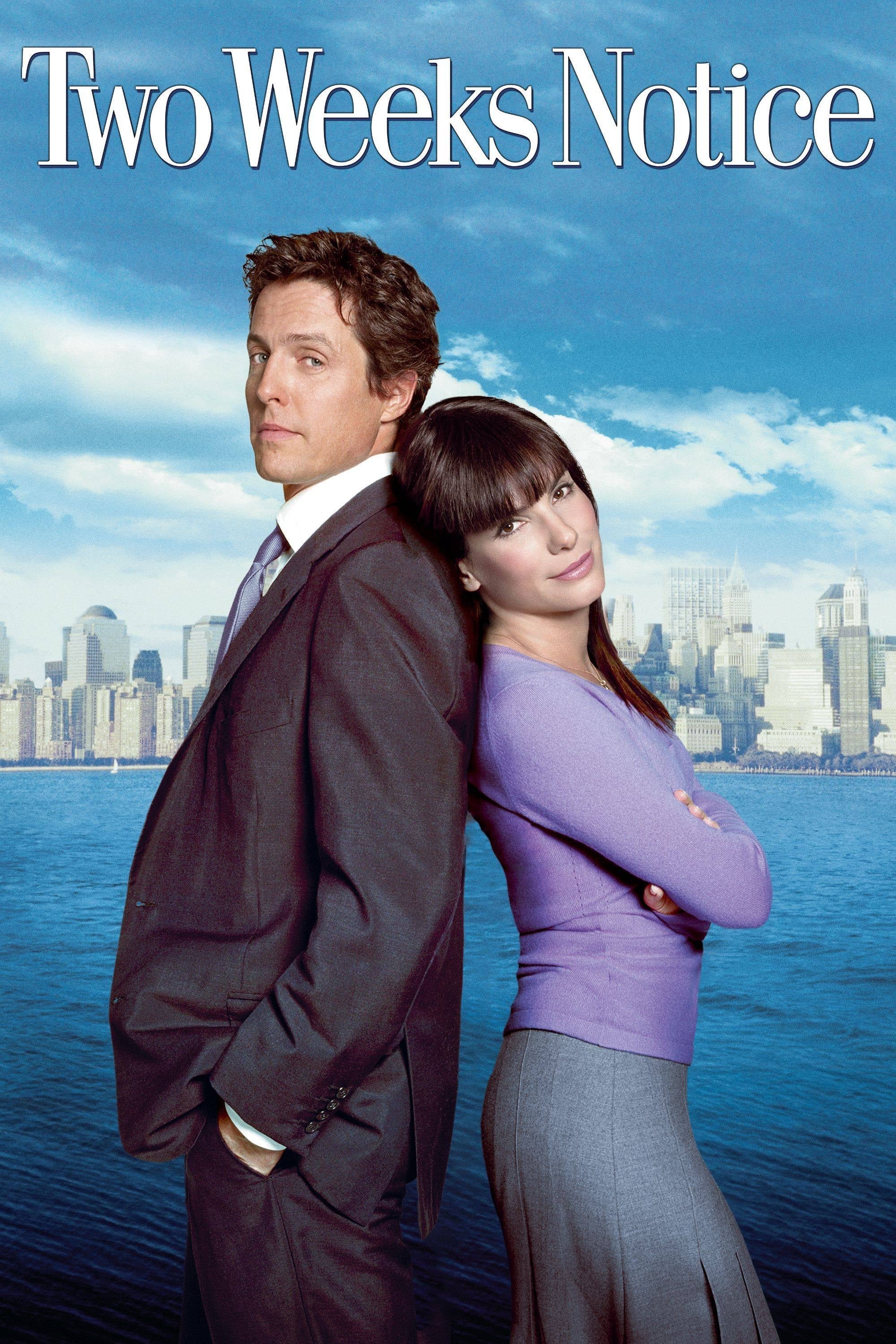
George, a wealthy developer, hires Lucy as his lawyer, but consistently disrespects her, treating her more like a personal assistant than a legal professional. He frequently calls her with trivial requests about his clothes and private life, failing to utilize her expertise. This behavior creates a hostile work environment, preventing Lucy from having a life outside of work and hindering her career. George only seems to value Lucy when she threatens to quit. The story’s romantic ending downplays the years of professional mistreatment she suffered.
‘Along Came Polly’ (2004)

Reuben, a risk analyst, tries to use a computer program to determine if he should date Polly, treating potential relationships like data to be analyzed. He secretly studies Polly’s life without her knowledge, invading her privacy. Their relationship is strained because Polly is spontaneous and unwilling to meet Reuben’s expectations for cleanliness or order, causing him significant frustration. The relationship is based on each person wanting the other to completely change, despite having no real compatibility, and the movie strangely suggests they’re meant to be together.
Share your thoughts on which 2000s rom-com you think has aged the worst in the comments.
Read More
- 2025 Crypto Wallets: Secure, Smart, and Surprisingly Simple!
- 🚨 Kiyosaki’s Doomsday Dance: Bitcoin, Bubbles, and the End of Fake Money? 🚨
- Monster Hunter Stories 3: Twisted Reflection launches on March 13, 2026 for PS5, Xbox Series, Switch 2, and PC
- Here Are the Best TV Shows to Stream this Weekend on Paramount+, Including ‘48 Hours’
- The 10 Most Beautiful Women in the World for 2026, According to the Golden Ratio
- 20 Films Where the Opening Credits Play Over a Single Continuous Shot
- Crypto’s Comeback? $5.5B Sell-Off Fails to Dampen Enthusiasm!
- 39th Developer Notes: 2.5th Anniversary Update
- 10 Hulu Originals You’re Missing Out On
- 10 Underrated Films by Ben Mendelsohn You Must See
2025-12-11 18:18