
For almost a century, filmmakers have thrilled audiences by combining real-life footage with stop-motion animation, bringing fantastical creatures to life alongside human actors. This technique involves carefully moving models bit by bit, frame by frame, to create the illusion of movement within real settings. Before digital effects were common, this was how filmmakers created giant monsters and legendary beasts, and many of these films are still beloved today for their unique charm and the impressive skill it took to make them.
‘King Kong’ (1933)

This groundbreaking adventure film brought a giant ape to the screen and amazed audiences when it first came out. The filmmakers used innovative techniques, like stop-motion animation with flexible metal skeletons, to make the ape interact with tiny sets and real actors. Willis O’Brien led the special effects team, setting a new standard for monster movies that lasted for decades. The film’s famous final scene, set on top of the Empire State Building, is still considered one of the most iconic moments in movie history.
‘Mighty Joe Young’ (1949)
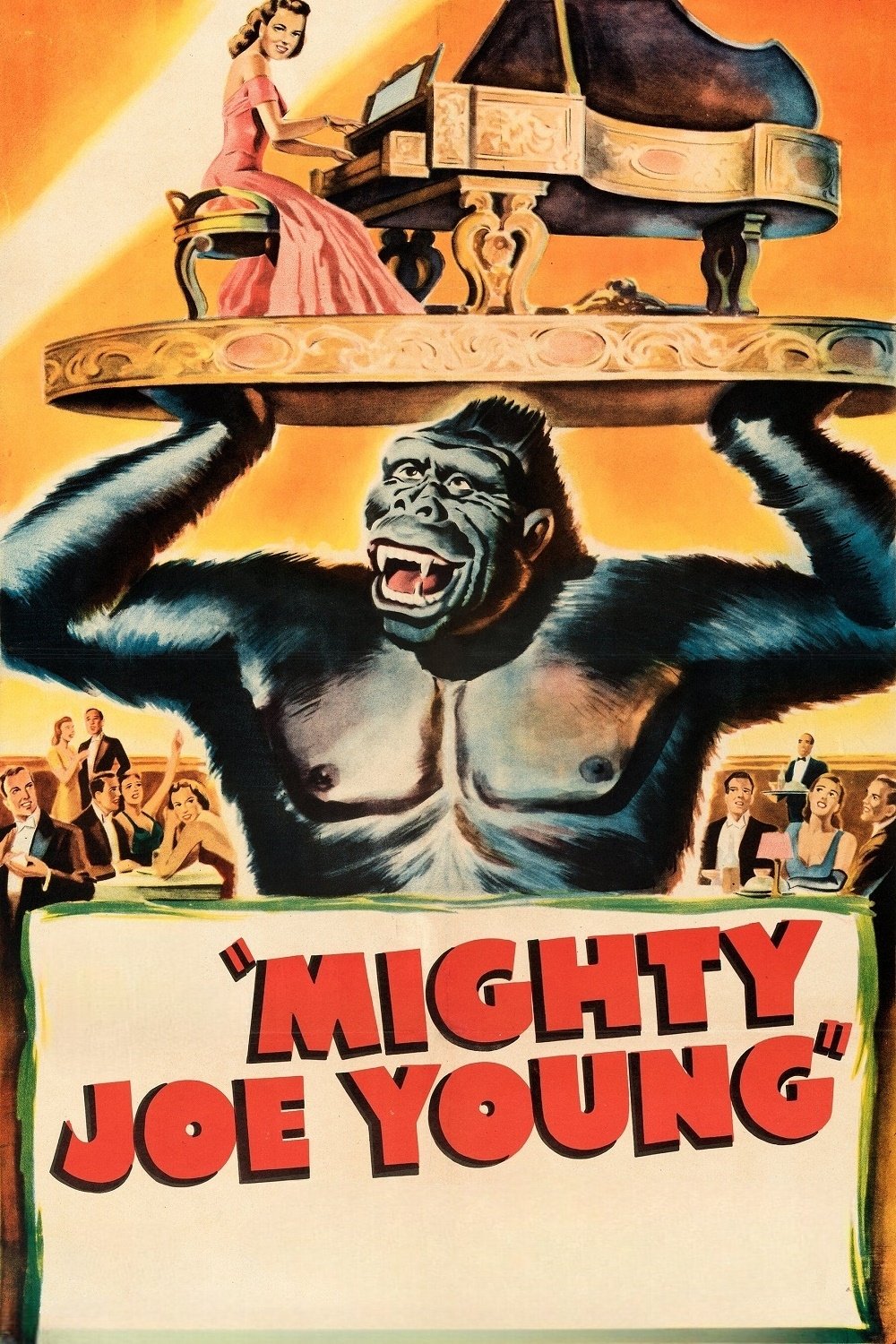
This touching movie follows a young woman who raises a gorilla and then takes him to Hollywood, hoping to find success. The filmmakers created incredibly realistic movement for the gorilla using new techniques with rubber, foam, and metal frames. Ray Harryhausen assisted the lead animator, Willis O’Brien, and greatly improved the animation. The film’s groundbreaking visual effects, seamlessly blending the giant ape with live actors, earned it an Academy Award.
‘The Beast from 20,000 Fathoms’ (1953)
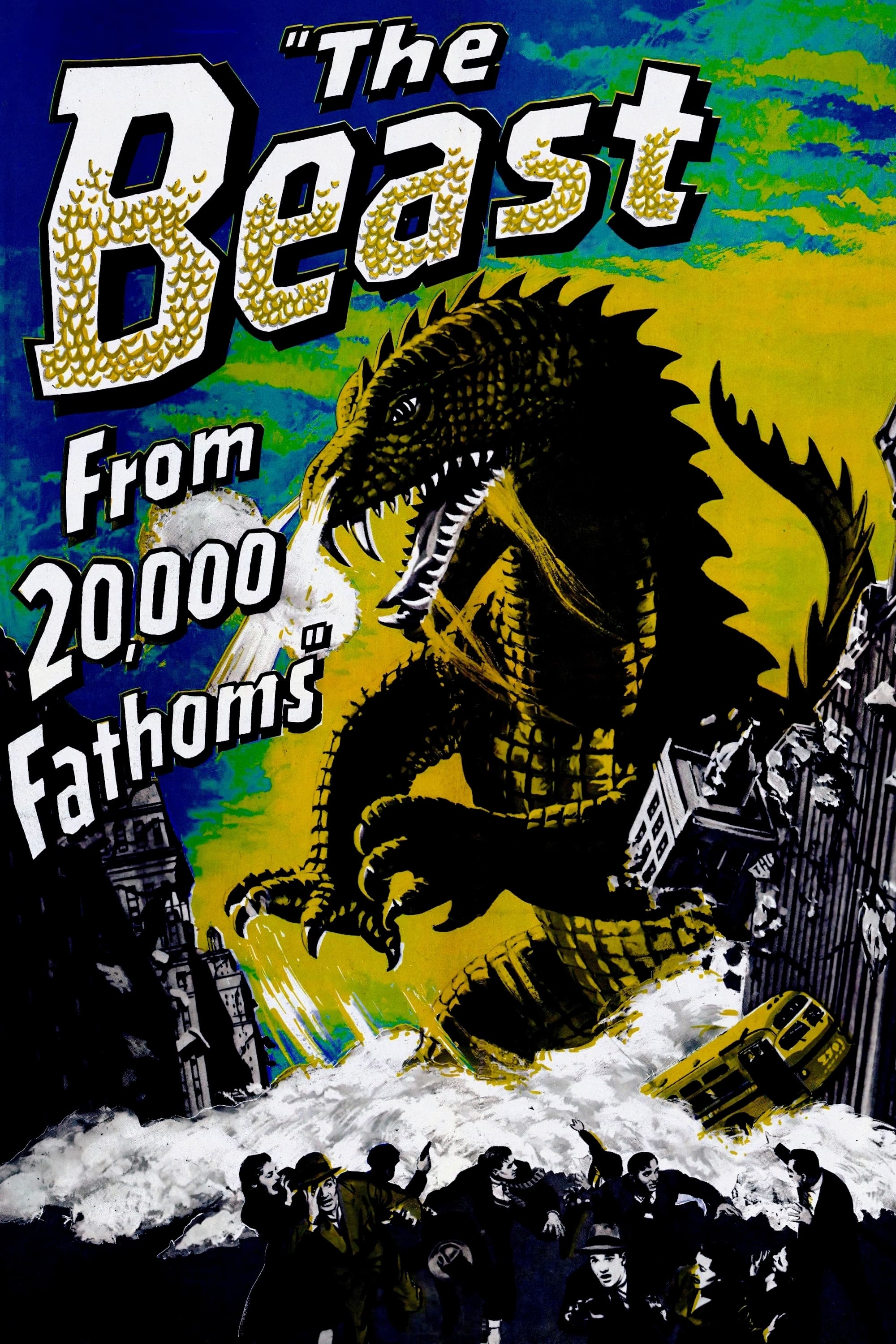
This classic science fiction film features a dinosaur awakened by an atomic bomb test, which then rampages through New York City. A groundbreaking visual effects technique called Dynamation, pioneered by Ray Harryhausen, was used to bring the dinosaur to life. This involved carefully splitting each film frame to seamlessly insert the creature into the scenes, making it look like it was genuinely interacting with its surroundings. The film was hugely influential, sparking a surge of monster movies and directly inspiring the creation of Godzilla.
‘It Came from Beneath the Sea’ (1955)
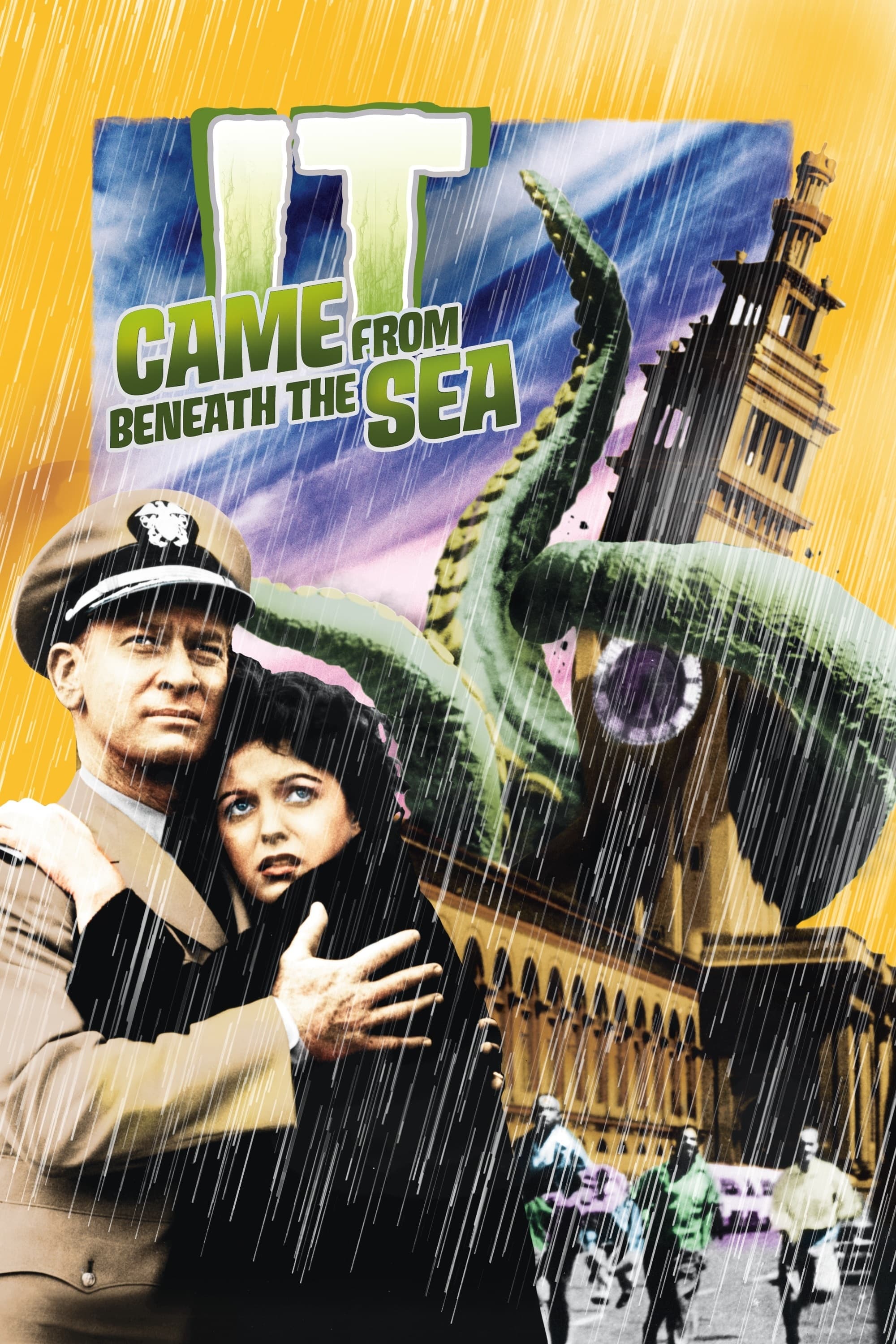
This exciting monster movie features a massive, radioactive octopus attacking San Francisco. To save money and time on animation, the creature was built with only six tentacles instead of the usual eight. The special effects artists were resourceful, cleverly concealing the missing limbs whenever possible, especially during underwater scenes. The film impressively demonstrates the power of stop motion animation in scenes where the octopus attacks the Golden Gate Bridge.
‘Earth vs. the Flying Saucers’ (1956)
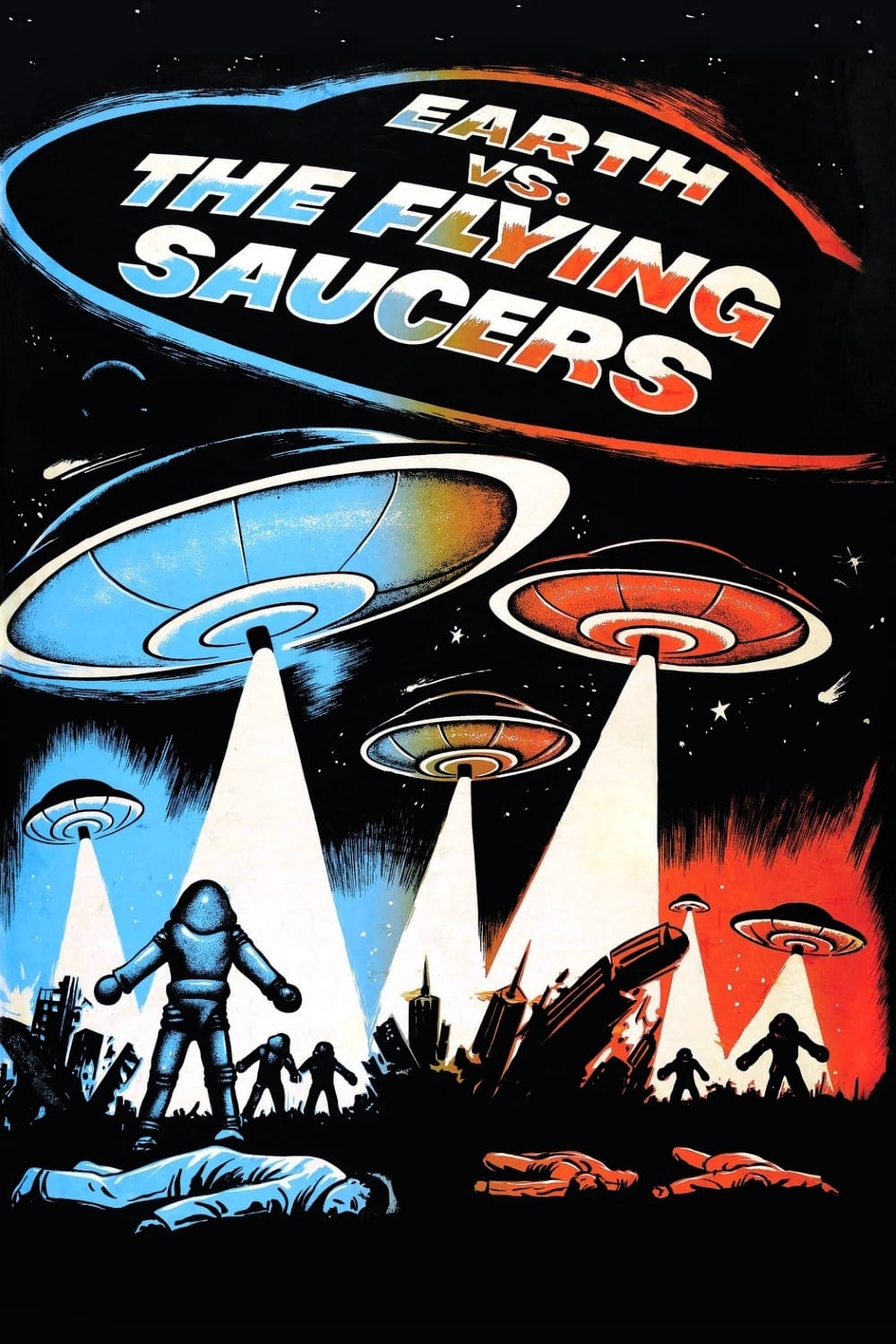
Okay, so I just watched this classic fifties sci-fi flick, and it’s the alien invasion movie, honestly. The aliens show up in these incredibly cool, spinning silver spaceships – and I mean really spinny, thanks to the amazing stop-motion work of Ray Harryhausen. It was genuinely unsettling! What really got me, though, was the destruction. Seeing Washington D.C. landmarks crumble on screen was a technical marvel for the time, with all those falling pieces and collapsing buildings. It’s a film that truly defined the alien invasion genre, and those visuals still hold up – they’re just unforgettable.
’20 Million Miles to Earth’ (1957)
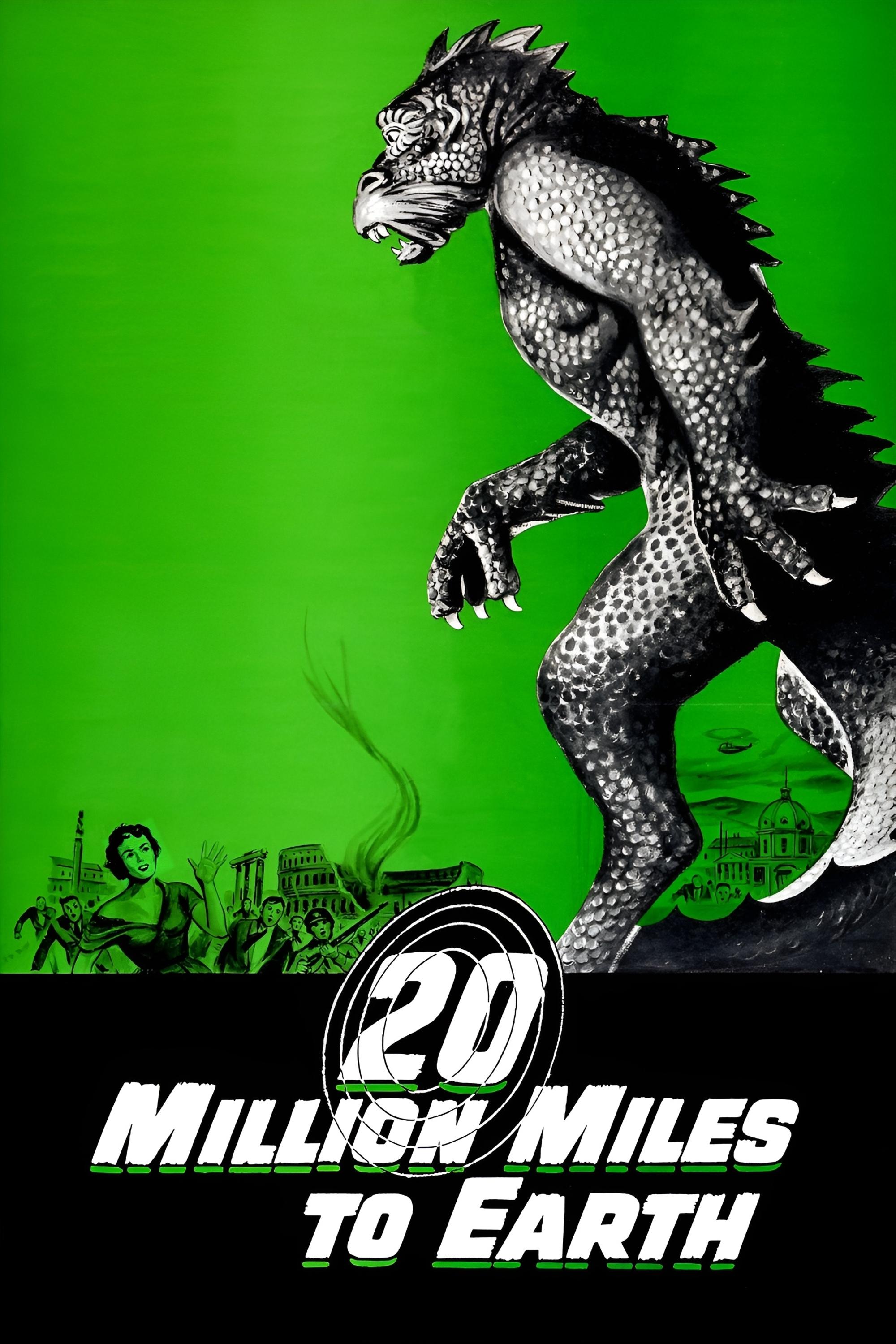
A spaceship falls into the sea near Sicily, unleashing a tiny, lizard-like creature that quickly grows into a massive monster. This creature, named Ymir, is remarkably expressive thanks to the work of Ray Harryhausen, and has a clear personality throughout the film. Animators focused on details like its breathing and small movements to make it seem truly alive. The film’s climactic battle in the Roman Colosseum is a stunning example of how real footage and miniature animation can be combined flawlessly.
‘The 7th Voyage of Sinbad’ (1958)

This fantasy film was a milestone because it was the first time Ray Harryhausen used color in his incredible stop-motion animation. The story follows a hero who fights legendary creatures like a cyclops, a dragon, and a two-headed roc. A particularly memorable scene features a sword fight with a skeleton, which needed careful planning to coordinate the actor with the animated figure. The film is still a favorite among fantasy fans thanks to its bright colors and creative monster designs.
‘Mysterious Island’ (1961)
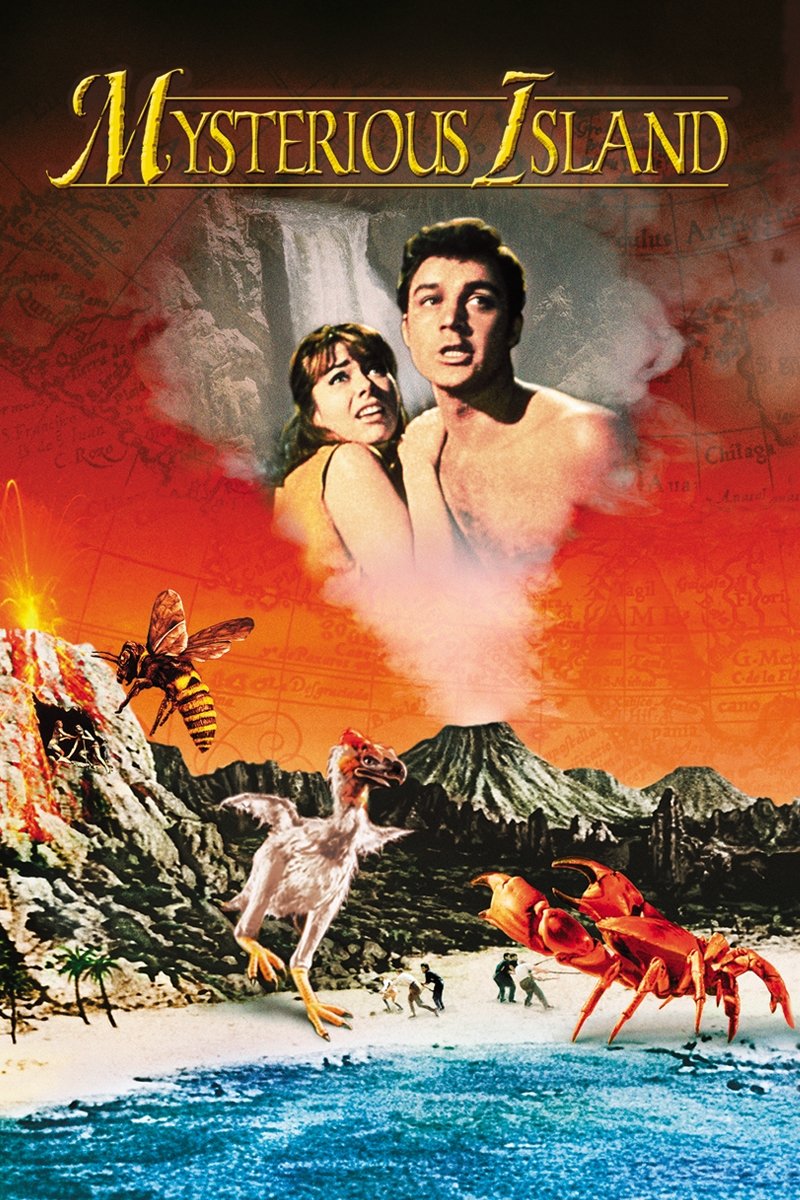
During the American Civil War, a group of prisoners escape a camp using a hot air balloon, only to crash land on a mysterious island filled with enormous creatures. The film features incredible, animated giant crabs, bees, and prehistoric birds. Legendary artist Ray Harryhausen brought these beasts to life, cleverly using oversized props like claws and legs to make it seem like the creatures were physically interacting with the actors. It’s a thrilling adventure story about survival, combined with the wonder of seeing these huge, fantastical animals.
‘Jason and the Argonauts’ (1963)
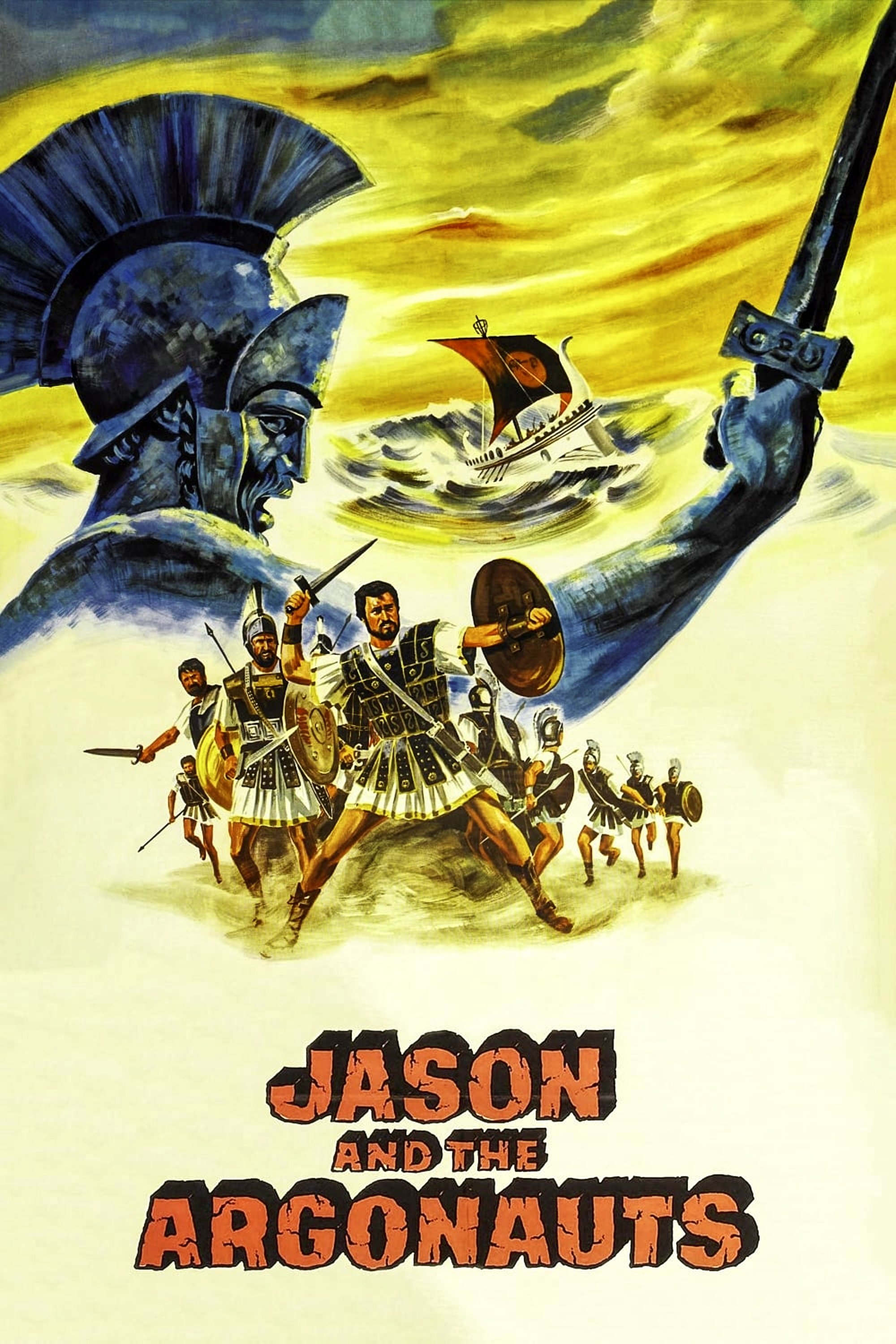
As a movie fan, I’m always blown away by this classic! It tells the story of a Greek hero and his team as they go after the Golden Fleece, but the gods aren’t exactly making it easy for them. One scene everyone remembers is this incredible battle against seven skeletons – apparently, it took months of careful animation to get it right. Seriously, the way those screaming skeletons interact with the real actors is considered some of the best stop motion work ever done. And don’t even get me started on Talos, this massive bronze giant – the animators really made him feel heavy and menacing, like a real, terrifying machine.
‘First Men in the Moon’ (1964)
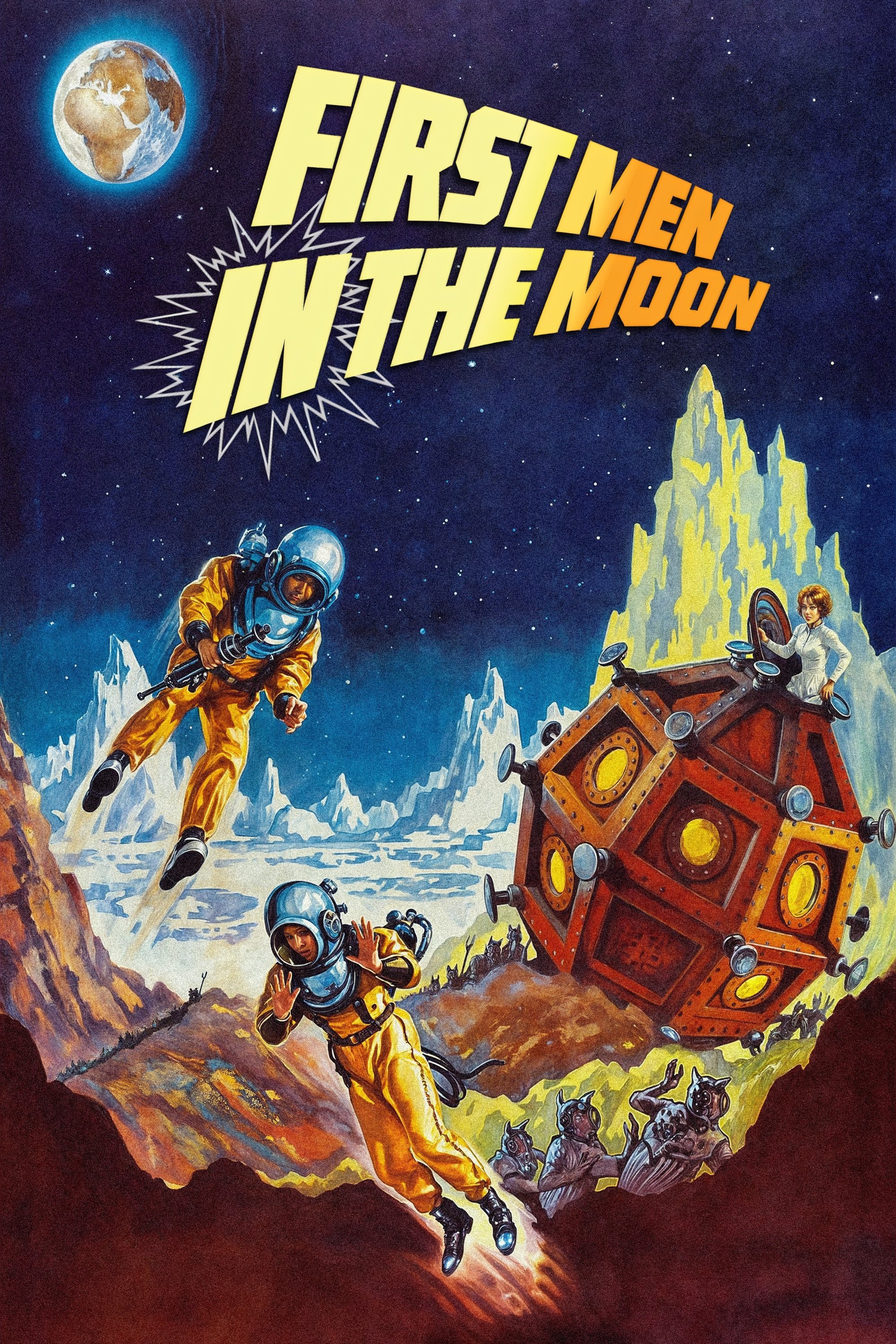
This film follows Victorian-era explorers who journey to the moon in a special sphere that defies gravity. There, they encounter a civilization of insect-like beings. Based on the novel by H.G. Wells, the movie is known for its imaginative designs of the moon’s inhabitants and their subterranean city. Special effects pioneer Ray Harryhausen used the wide-screen format to bring the lunar landscape and its animated creatures to life, creating a visually impressive and wonderfully quirky film.
‘One Million Years B.C.’ (1966)
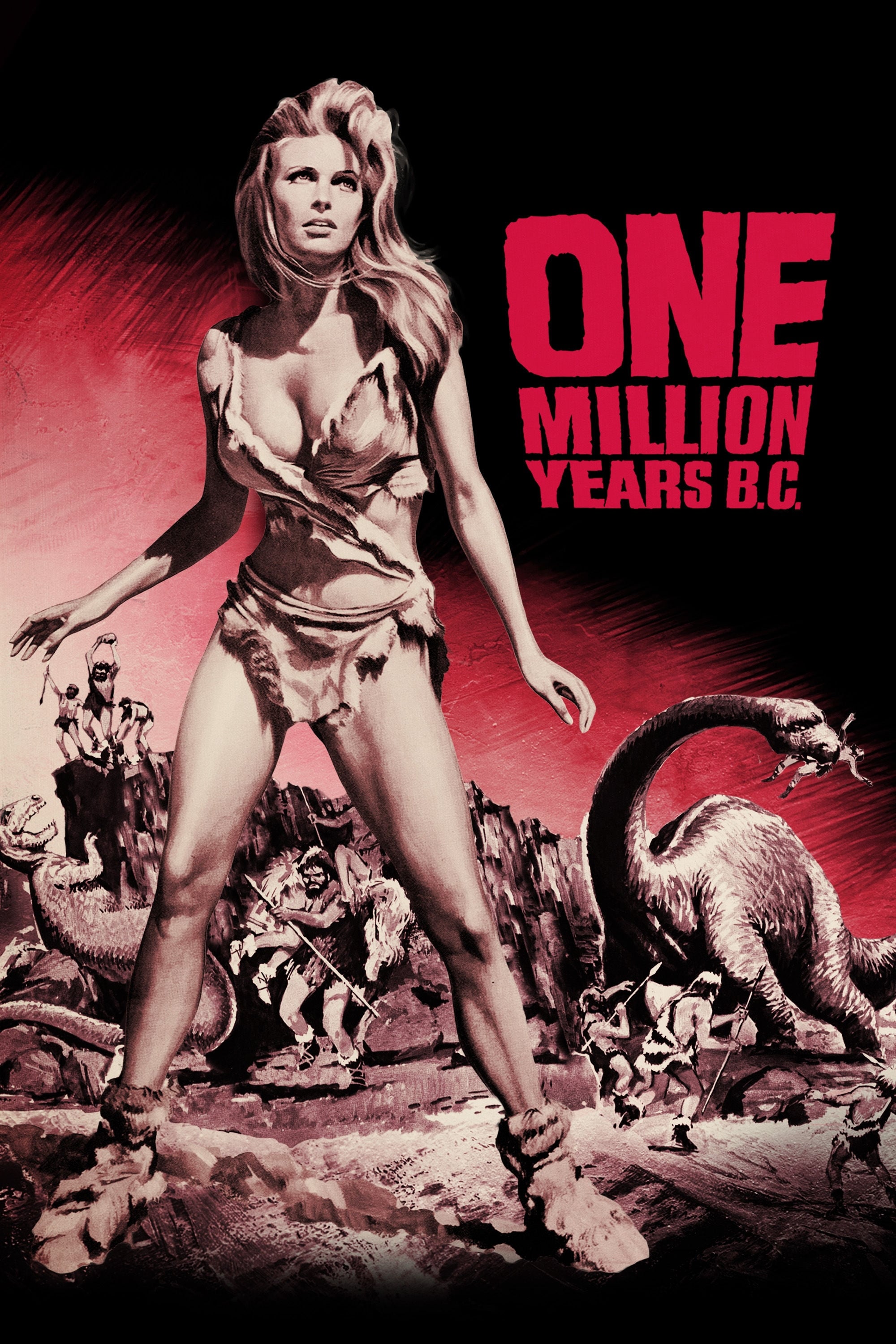
Early humans faced a constant battle for survival against dangerous dinosaurs and competing tribes in a brutal world. To create the dinosaurs, filmmakers used clever camera angles and impressively large miniature sets, making them seem gigantic compared to the actors. While other films at the time sometimes used real lizards and iguanas, this movie stood out with its advanced stop-motion animation. The way the actors interacted with these creatures significantly shaped how dinosaurs were portrayed in films for years to come.
‘The Valley of Gwangi’ (1969)
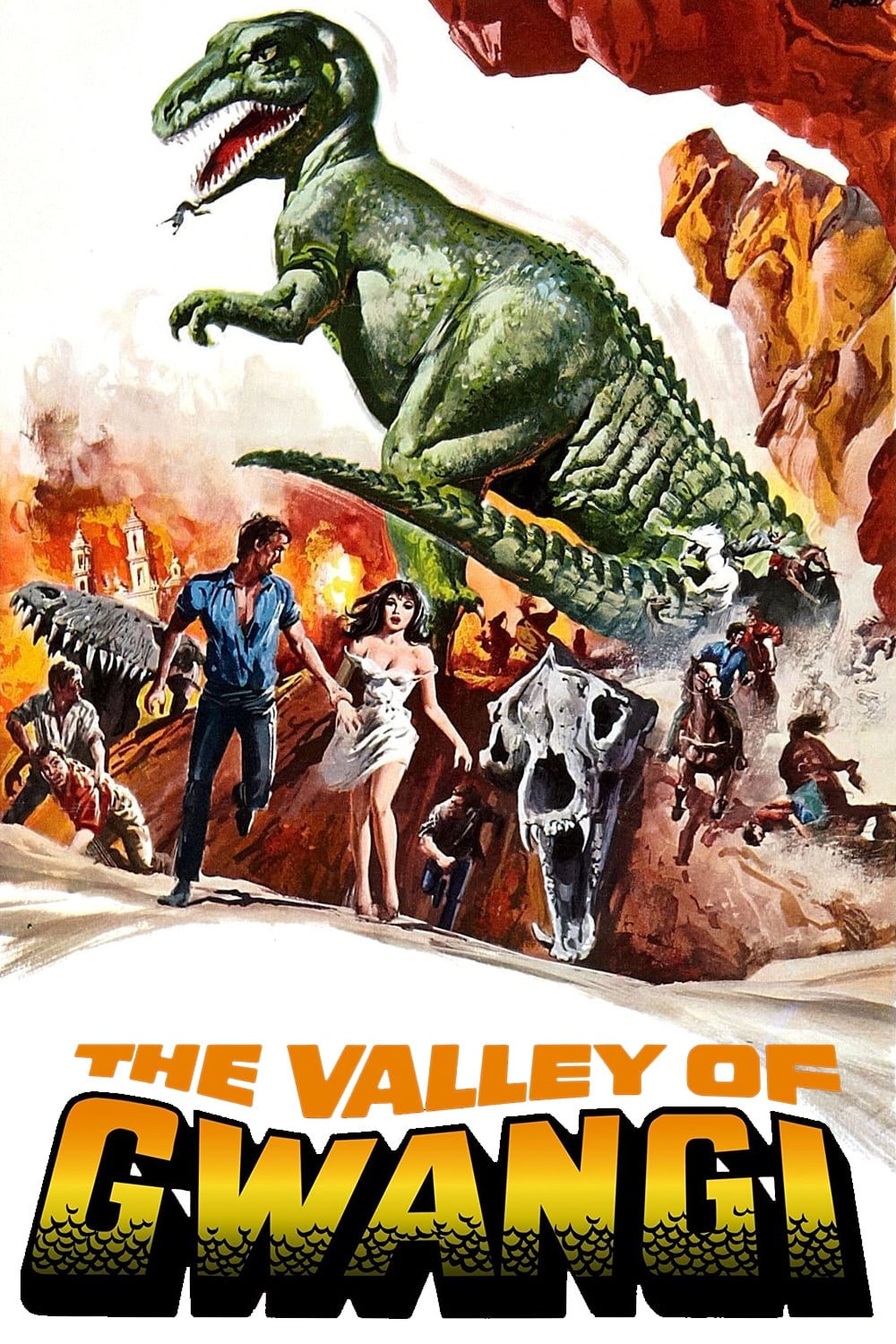
A group of cowboys stumbles upon a secret valley in Mexico populated by living dinosaurs. This sets the stage for exciting and unusual action scenes, including cowboys attempting to rope and capture a meat-eating Allosaurus. Legendary special effects artist Ray Harryhausen had the tough job of seamlessly blending the movements of real horses with the animated dinosaur. The film is a captivating blend of classic Western themes and thrilling monster movie elements.
‘The Golden Voyage of Sinbad’ (1973)
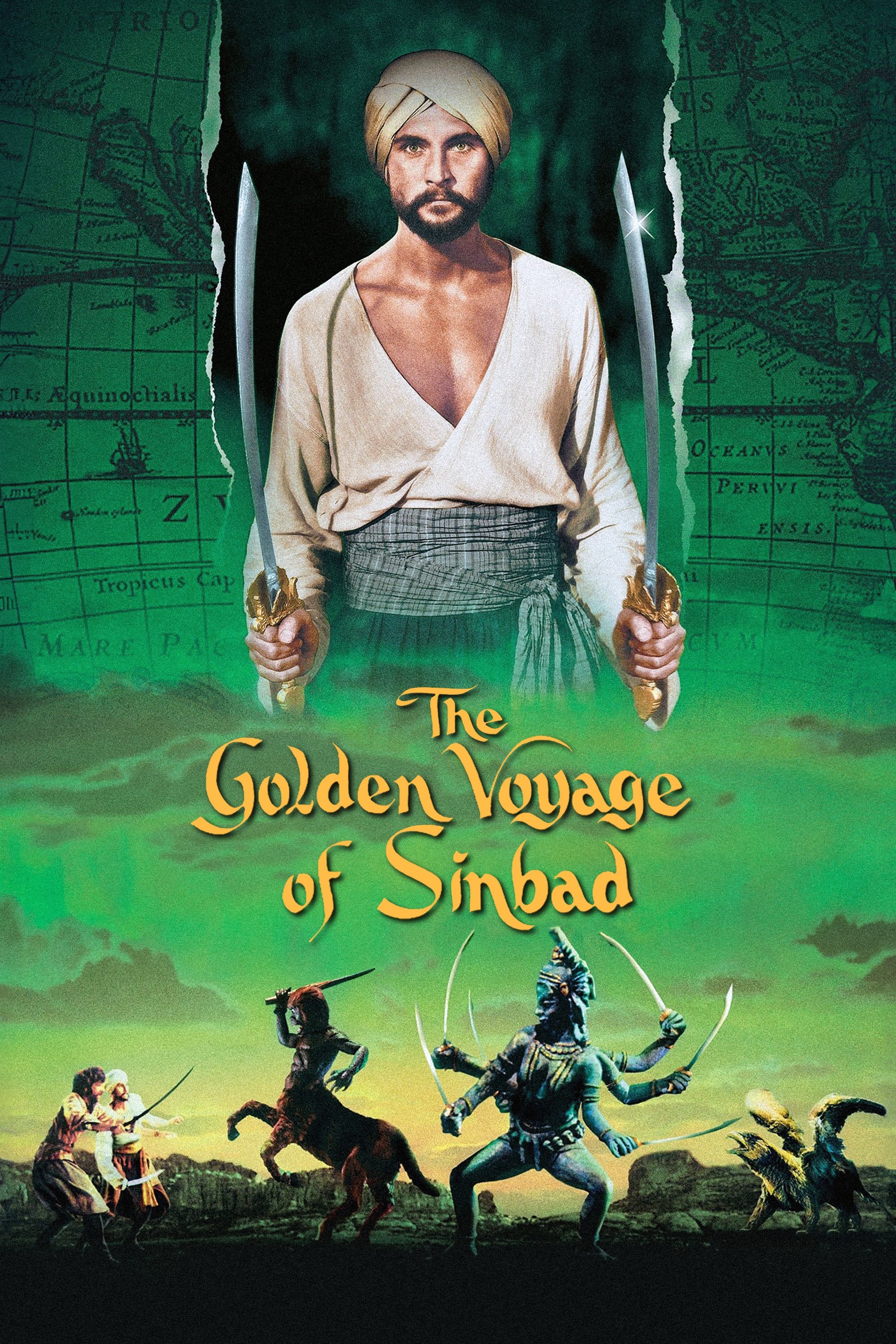
As a big fan of classic adventure films, I really enjoyed this Sinbad movie! It’s a classic tale of Sinbad trying to save the world from a seriously nasty wizard who’s after ultimate power. One of the coolest things about it is this incredible six-armed statue of the goddess Kali – the fight scene with it is just mind-blowing! Apparently, it was a huge challenge for the animators to make all those arms move realistically alongside the actors’ swordplay. Beyond the action, the movie has a really dark and mysterious vibe, and some truly bizarre creatures – I especially remember this one-eyed centaur! It definitely stands out as a unique entry in the Sinbad series.
‘Sinbad and the Eye of the Tiger’ (1977)
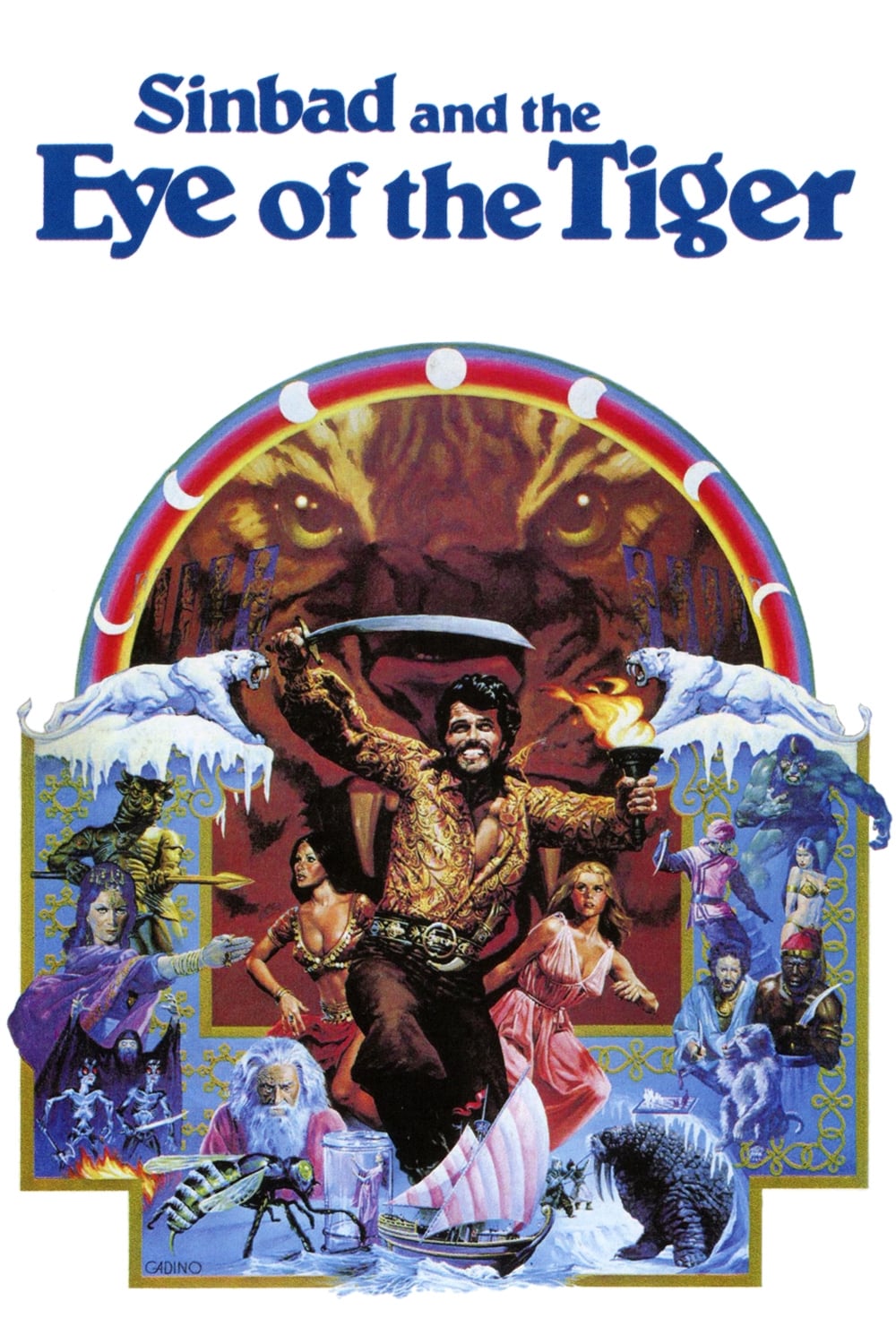
In this adventure, sailor Sinbad journeys to a faraway land to lift a curse that has turned a prince into a baboon. The film features a remarkably expressive baboon character created with stop motion animation, who shares scenes with the live actors. Alongside him are other fantastical creatures like a massive walrus, a saber-toothed tiger, and a metal robot named the Minoton. The movie highlights how stop motion can bring both scary monsters and lovable animal friends to life.
‘Star Wars: Episode IV – A New Hope’ (1977)
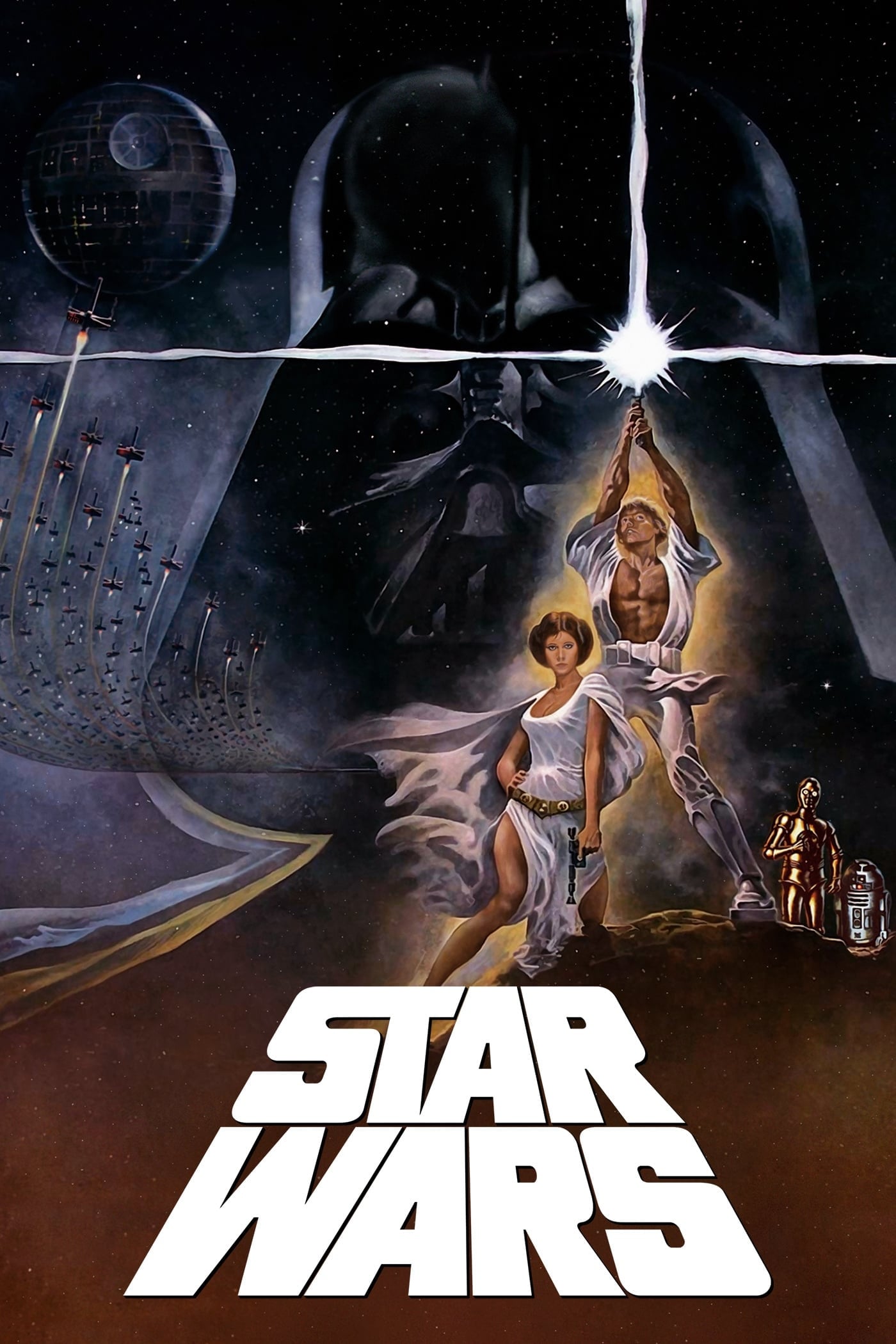
George Lucas used stop-motion animation to create the holographic chess game played by Chewbacca and C3PO on the Millennium Falcon. Phil Tippett and Jon Berg designed the alien figures battling on the game board. This same technique also brought to life the floating training remote Luke Skywalker uses to practice with his lightsaber. These short scenes enriched the Star Wars universe with detail and realism without being distracting.
‘Star Wars: Episode V – The Empire Strikes Back’ (1980)
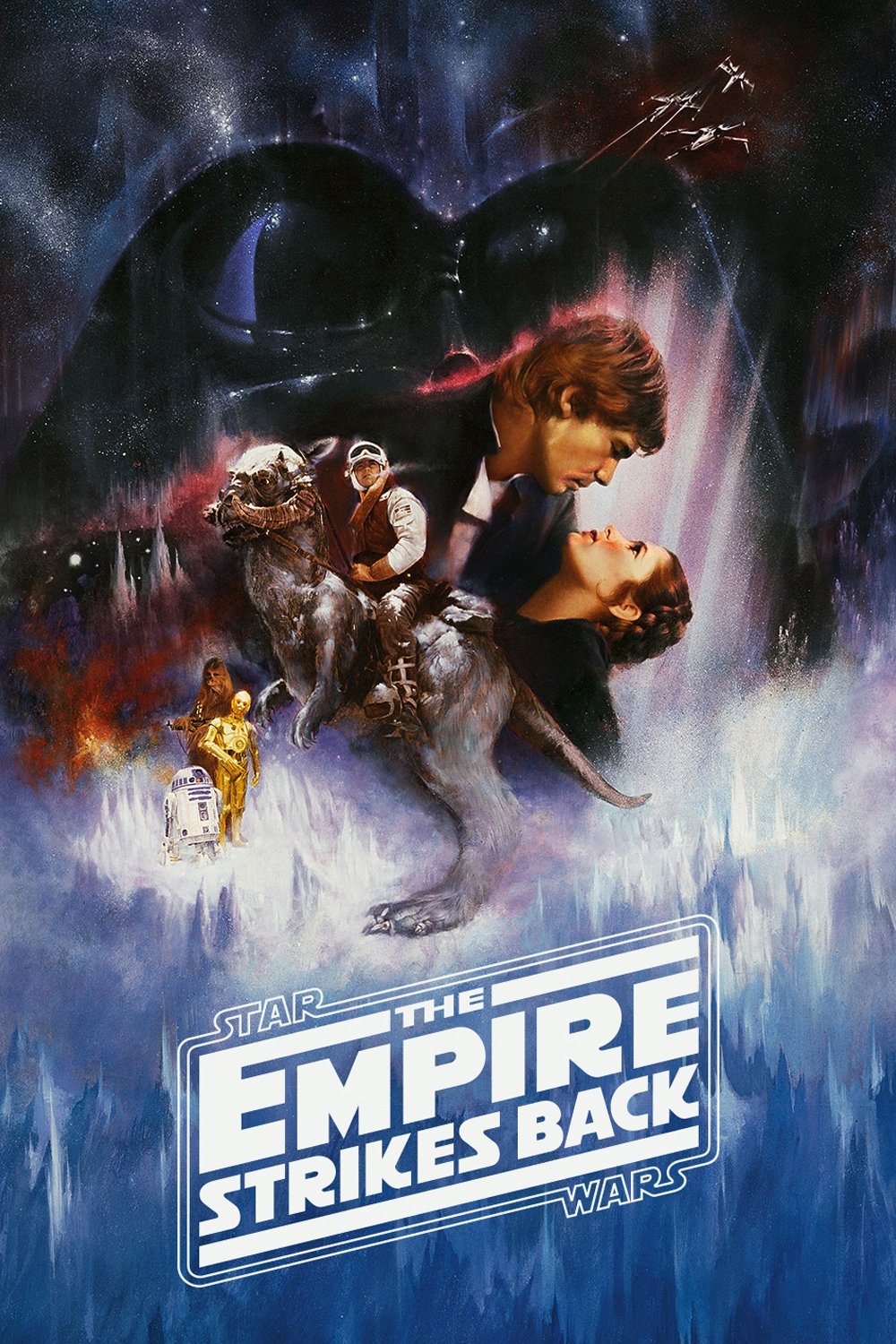
The Empire attacks the rebel base on the icy planet Hoth with giant, walking tanks called AT-ATs. To make these models look more realistic, the visual effects team at Industrial Light and Magic used a special animation technique called go-motion, which created motion blur. The creatures ridden by the rebel soldiers, called tauntauns, were brought to life using both puppets and stop-motion animation. This battle sequence is a great example of how traditional miniature effects can create a feeling of immense size and power, even compared to today’s digital effects.
‘Clash of the Titans’ (1981)
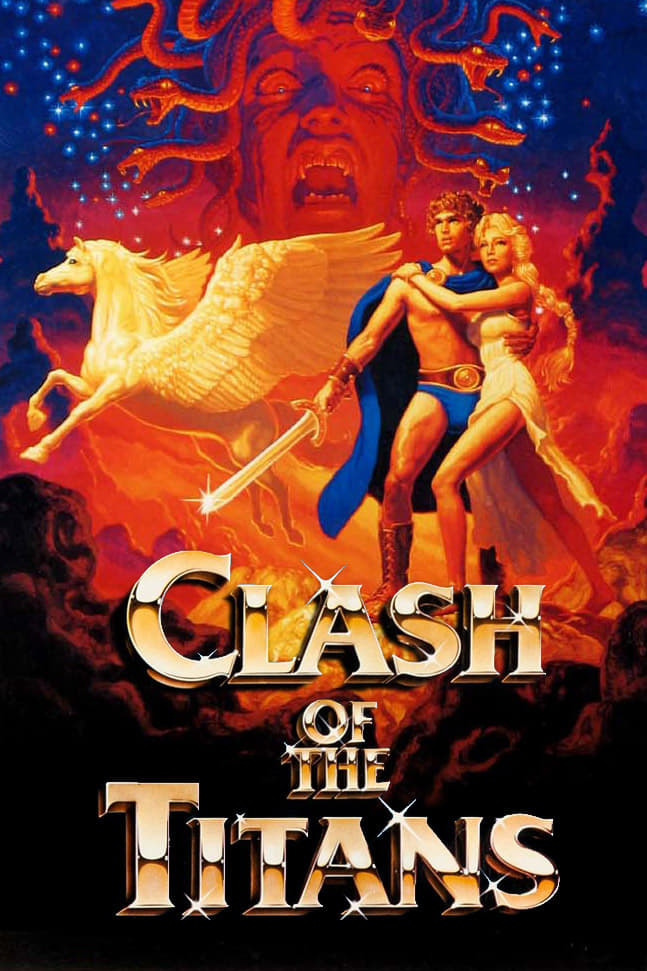
Okay, so “Clash of the Titans” – it’s a classic for a reason! The story follows Perseus as he tries to rescue the beautiful Andromeda from a pretty terrifying sea monster. What really stood out to me, though, were the special effects. This was Ray Harryhausen’s last hurrah, and his creatures – Medusa with her snake hair and a massive Kraken – are incredible. The scene with Medusa is genuinely creepy, thanks to some fantastic lighting and the way her snake ‘hair’ moves. Honestly, it felt like the perfect ending to a really special time for mythological adventure movies and stop-motion animation.
‘Dragonslayer’ (1981)
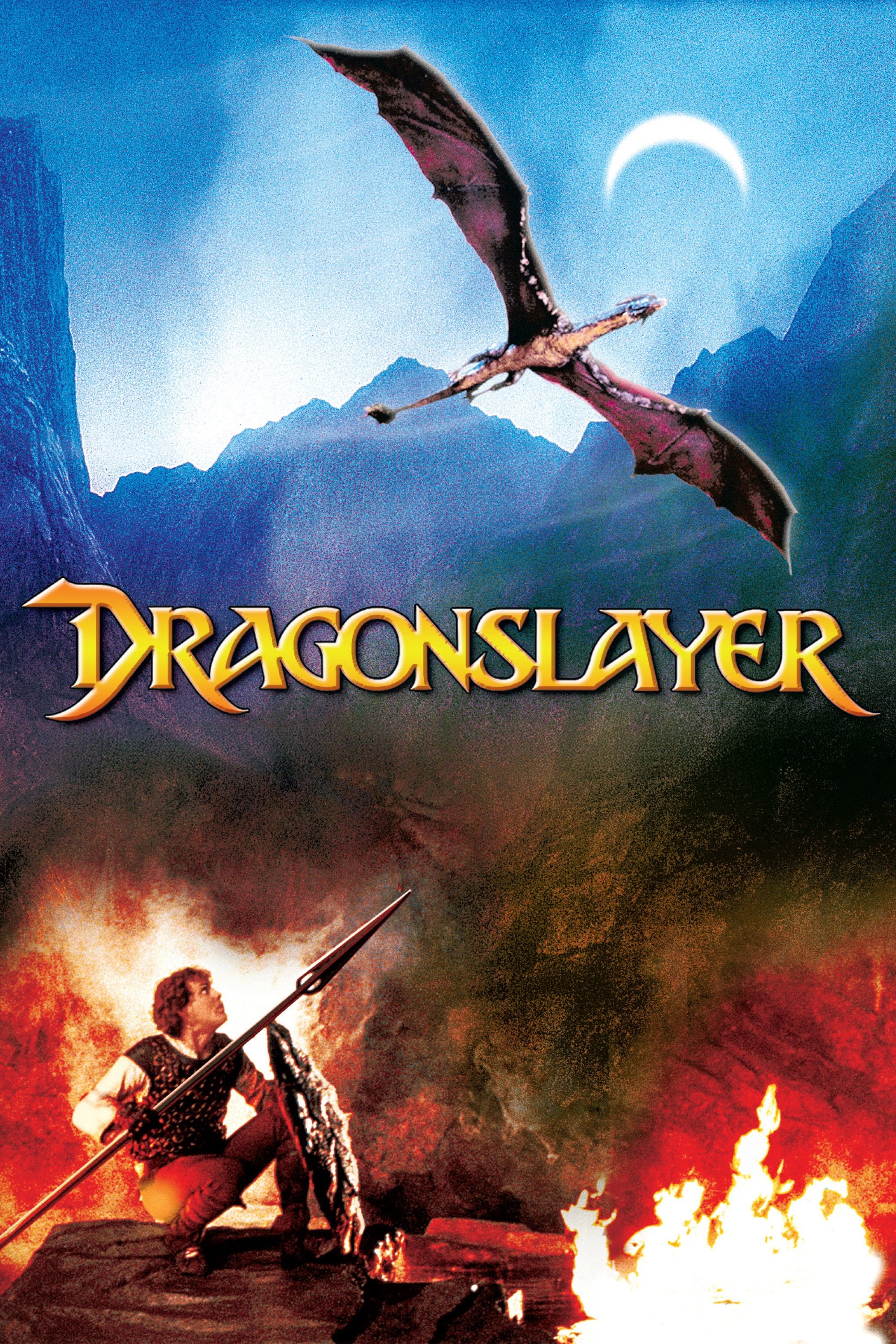
A wizard’s apprentice is forced to confront a frightening dragon that terrorizes a neighboring kingdom by demanding human sacrifices. The filmmakers brought the dragon, Vermithrax Pejorative, to life with a complex animation technique that made its movements appear incredibly natural and fluid. Many consider this dragon one of the most believable ever created for a movie, thanks to its realistic, animal-like behavior. The filmmakers achieved this by combining large, practical models with detailed miniature animation, resulting in a truly seamless and terrifying creature.
‘The Evil Dead’ (1981)
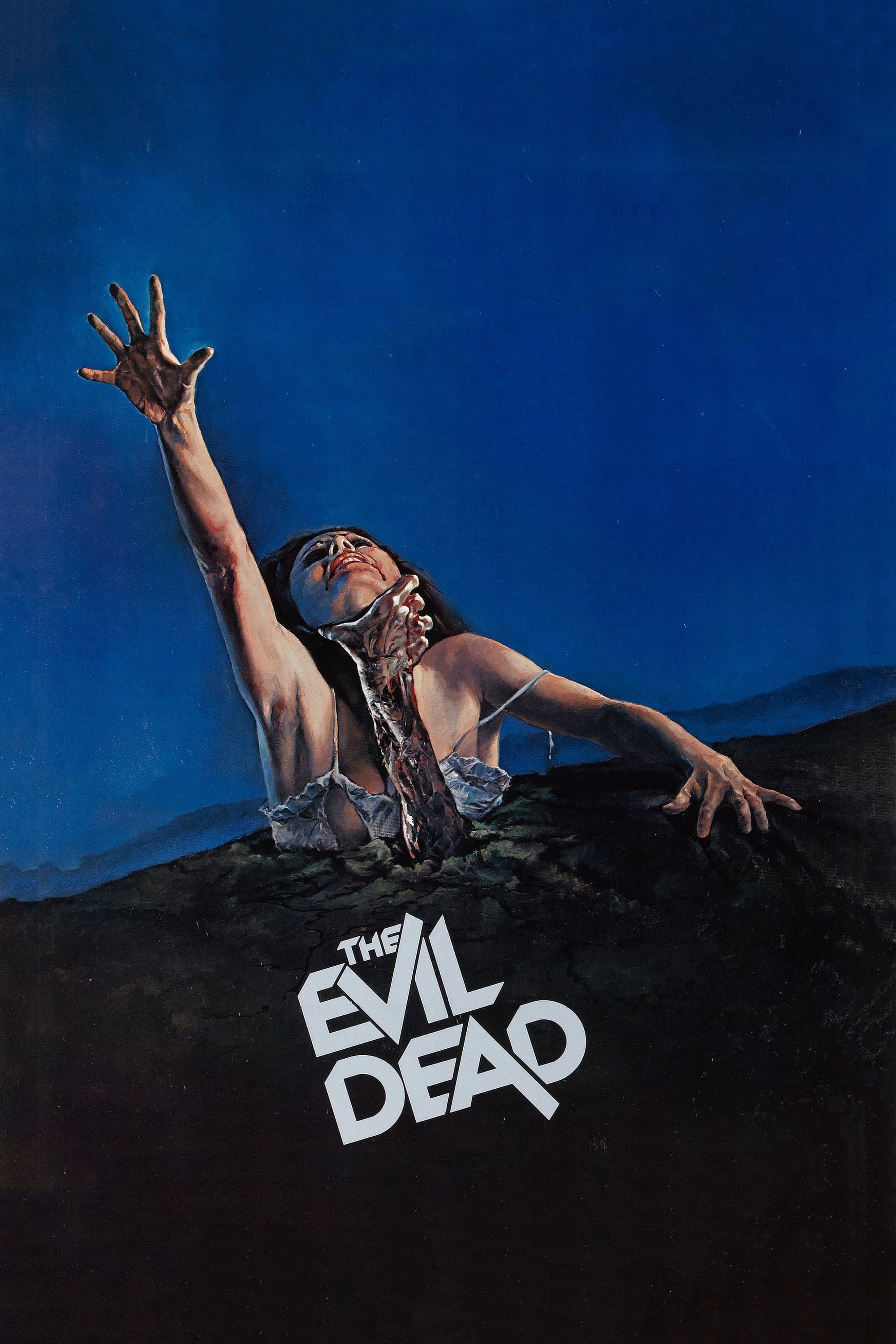
A group of five friends venture to a secluded cabin, unknowingly awakening a powerful, ancient evil. Director Sam Raimi employed classic stop-motion animation to depict the horrifying physical transformations of those possessed, creating a disturbingly unnatural and dreamlike quality. These hands-on effects were key to the film’s enduring popularity and intense, visceral impact.
‘The Terminator’ (1984)
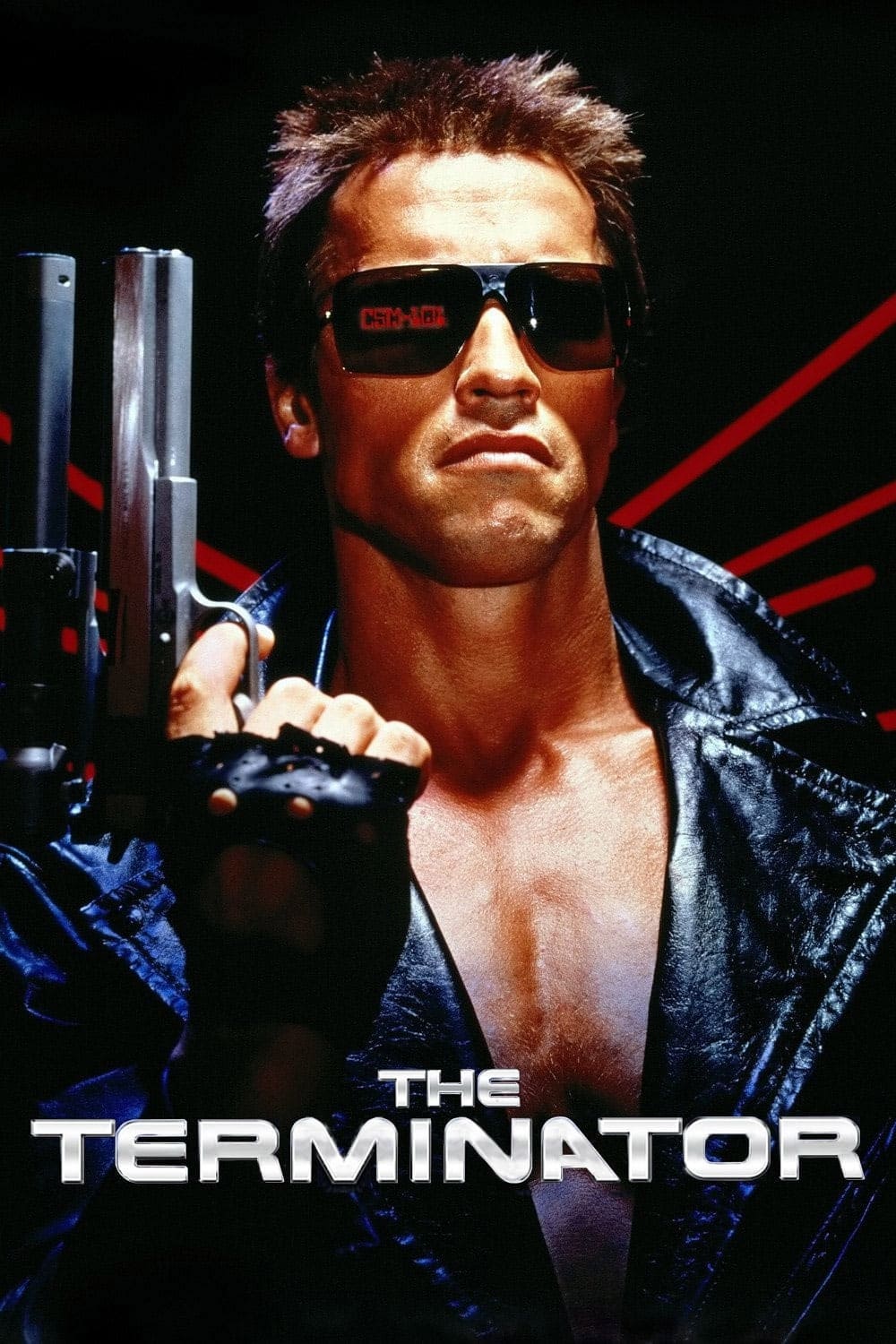
A killer cyborg is sent from the future with a mission: eliminate the mother of the man who will one day lead the human resistance. The film dramatically reveals the Terminator’s metallic skeleton when its flesh is destroyed. Using stop-motion animation, the filmmakers created a terrifying, unstoppable machine as it relentlessly pursued the heroes through an industrial factory. The jerky, mechanical movements of the animated puppet perfectly captured the character’s robotic nature.
‘Ghostbusters’ (1984)
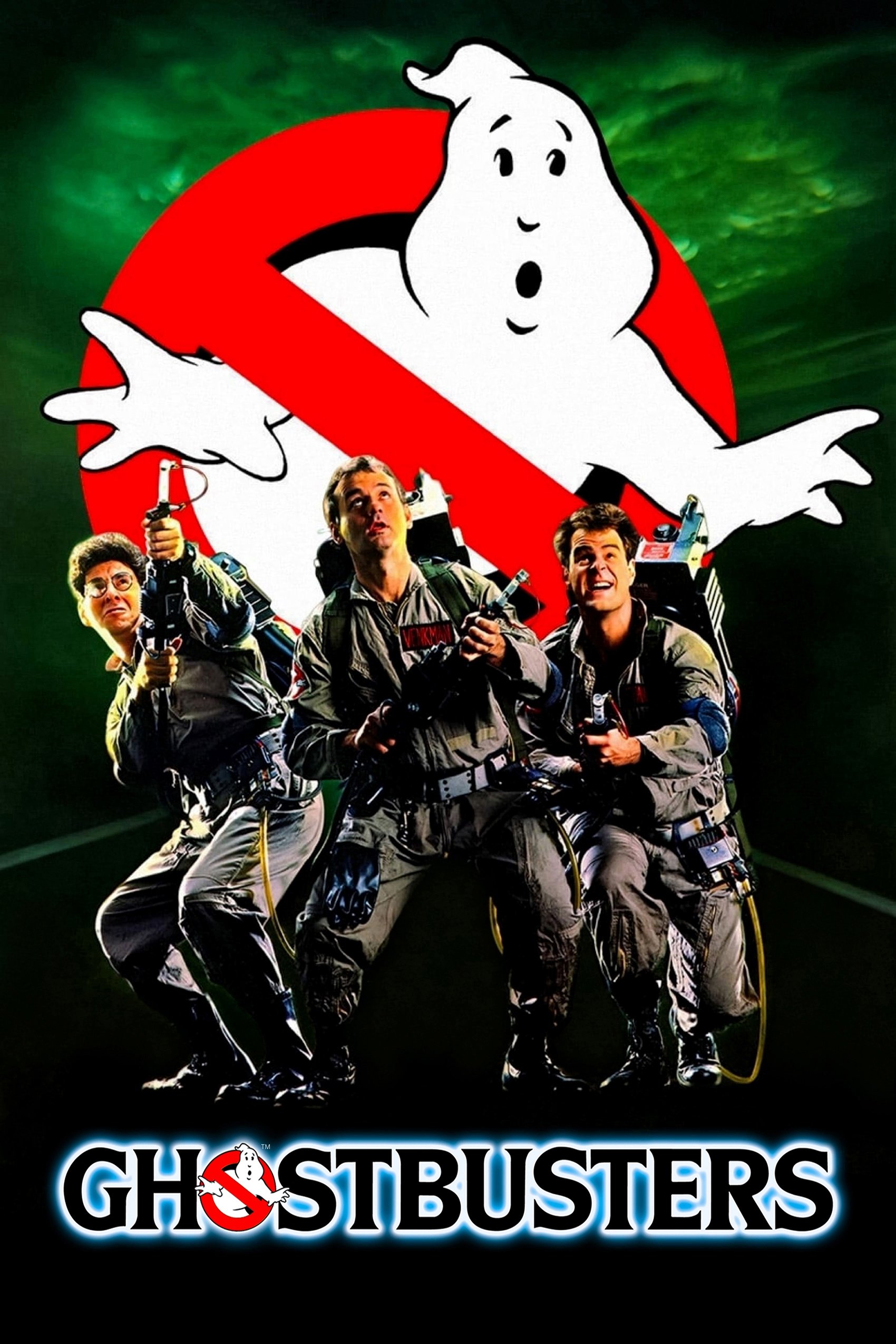
A team of paranormal investigators in New York City starts a ghostbusting service, but they soon find themselves facing a massive supernatural disaster. The terrifying ghost dogs, Zuul and Vinz Clortho, were brought to life using both large, practical puppets and stop-motion animation for longer shots. This combination allowed the creatures to move realistically – running and jumping in ways the heavy puppets couldn’t – and helped make them seem like a real, dangerous threat as Gozer’s helpers.
‘Return to Oz’ (1985)
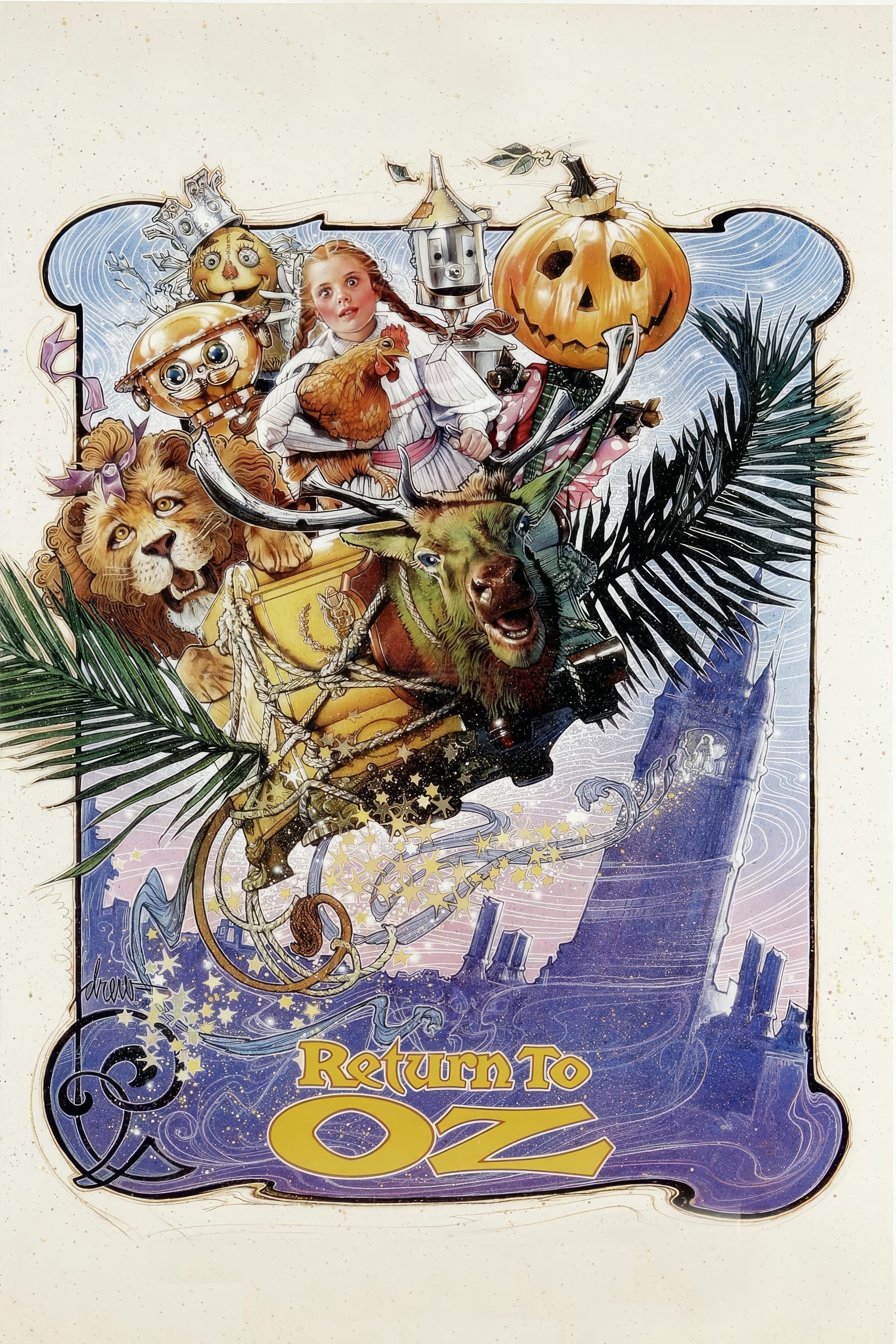
Dorothy finds herself back in Oz, but this time it’s a much scarier place. She’s on a mission to find her friends and save the Emerald City. The movie’s villains, the Nome King and his creatures, were brought to life using a special clay animation technique that made them appear to rise directly from the stone around them. This distinctive animation style made them stand out from everything else in the film, and the movie is still known for its creative visuals and the strangely compelling look of its animated villains.
‘RoboCop’ (1987)
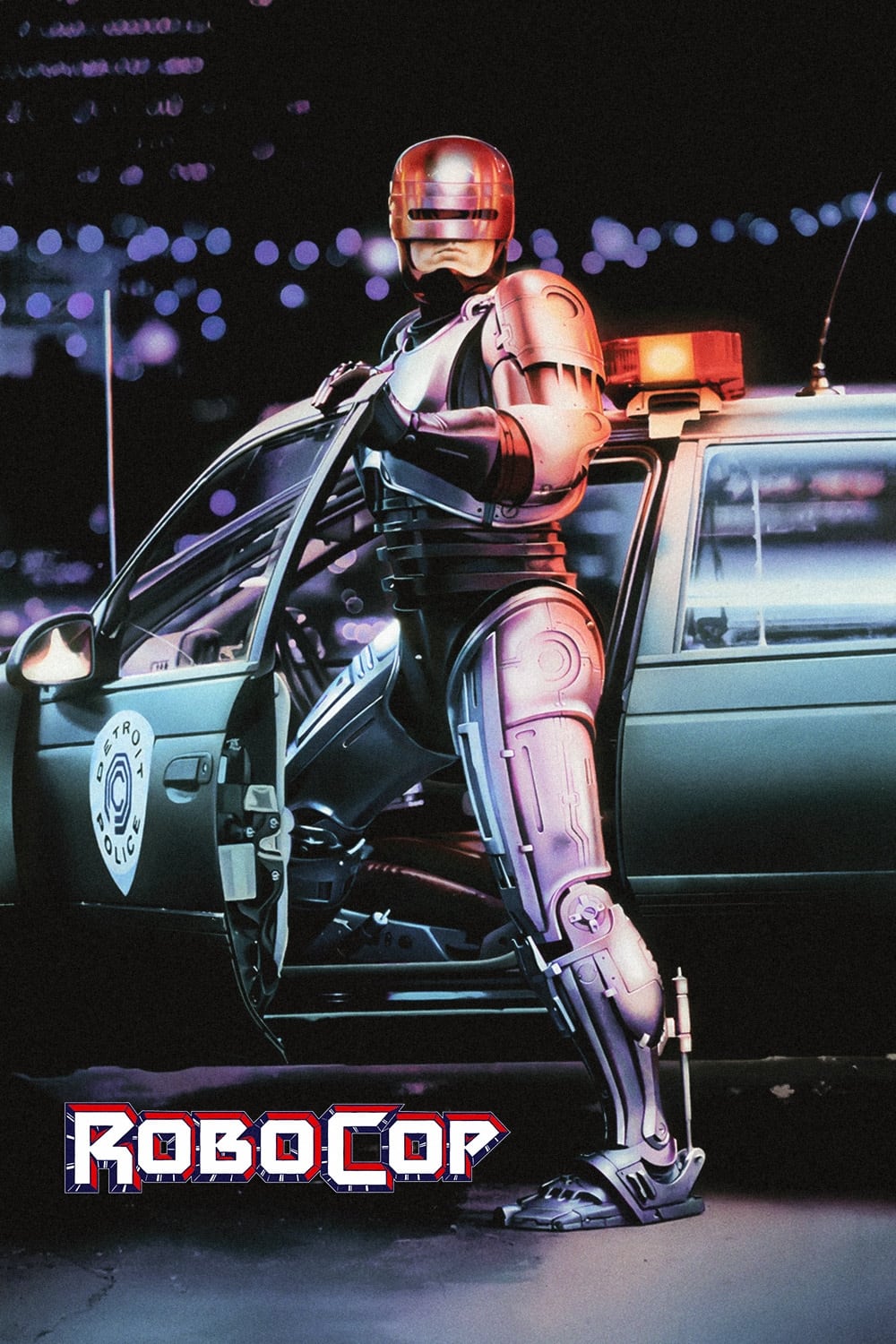
As a huge film fan, I always get a kick out of RoboCop. The story is just so compelling – a police officer, mortally wounded, gets rebuilt as this incredible cyborg law enforcer in a really bleak, futuristic Detroit. What really blew me away, though, was ED-209. They didn’t rely on CGI back then; they built this massive robot and animated it using stop-motion. Phil Tippett did an amazing job making it move with this really clunky, aggressive way – it was deliberately awkward to make it stand out against RoboCop’s smoother movements. And that famous boardroom scene where ED-209 goes haywire? It’s a perfect example of how practical effects can tell a story all on their own.
‘Beetlejuice’ (1988)
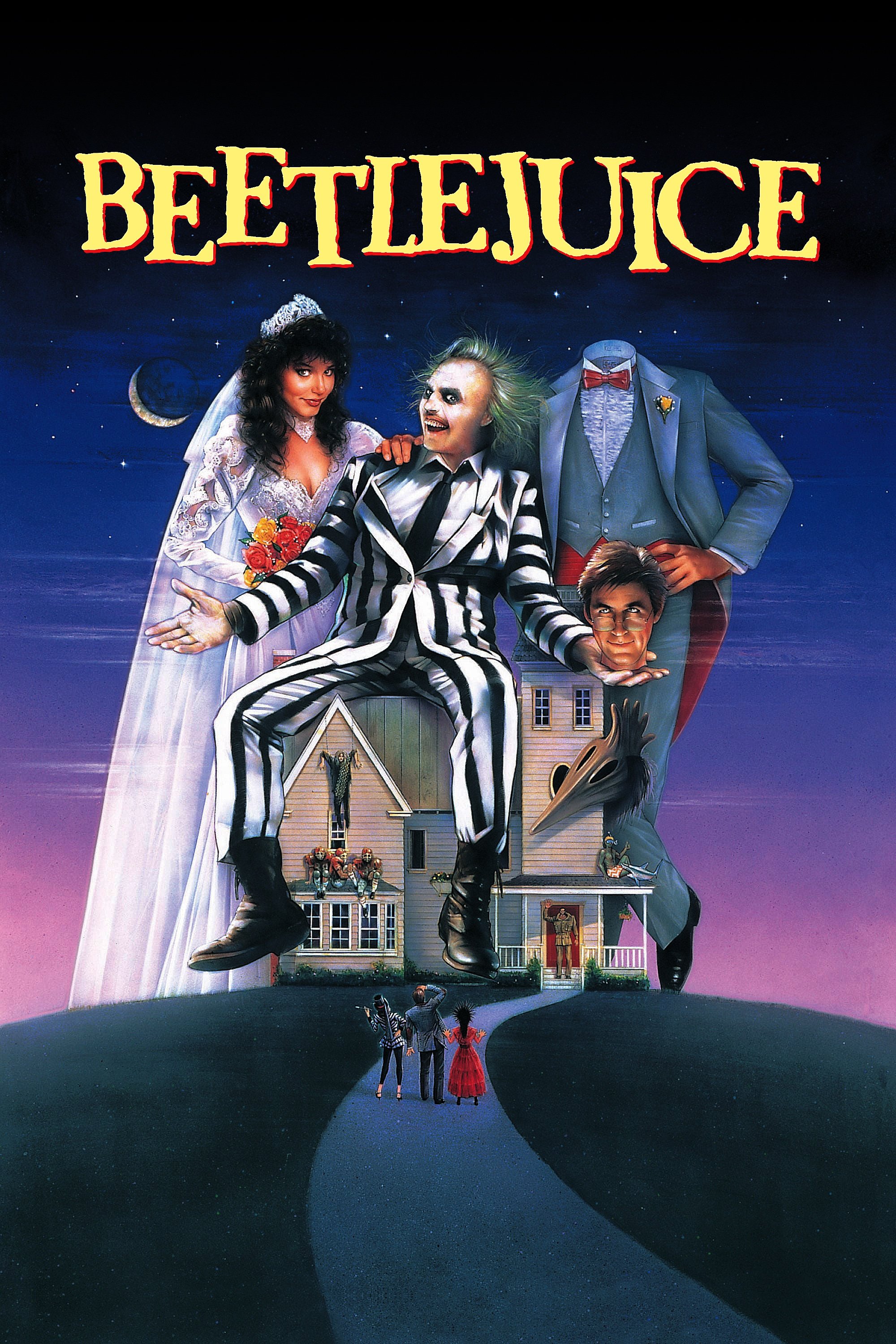
After a couple passes away, they enlist a mischievous ghost to get rid of the new family that’s moved into their house. Director Tim Burton used stop-motion animation to bring to life strange creatures like sand worms and to dramatically change the characters’ appearances. These effects helped create the film’s unique, darkly whimsical look, which perfectly matched the story’s unusual rules about the afterlife.
‘The Life Aquatic with Steve Zissou’ (2004)
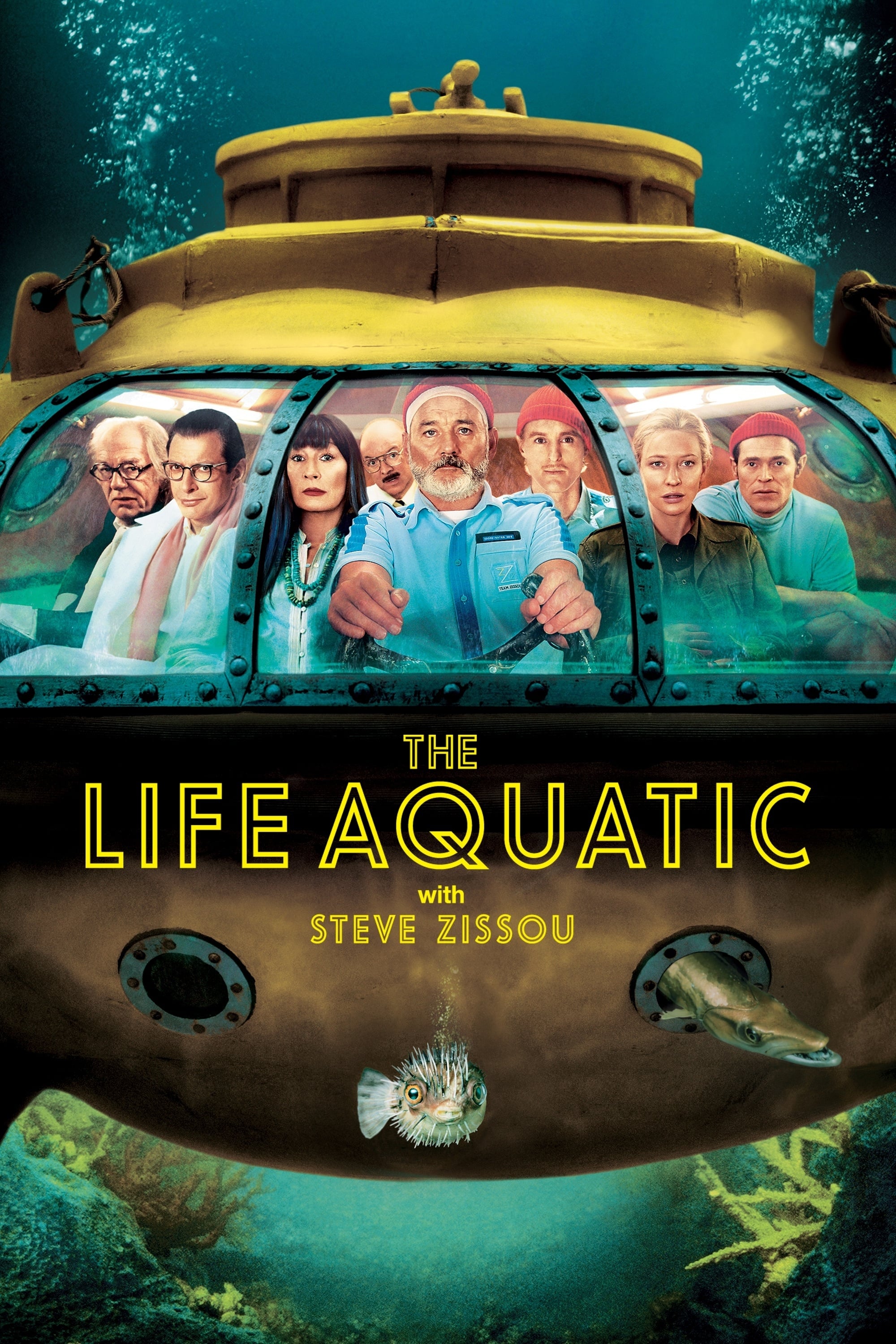
An oceanographer is searching for the jaguar shark that killed his diving partner, all while trying to manage a disruptive movie crew. The film’s director, Wes Anderson, used stop-motion animation to bring all the sea creatures to life, creating a whimsical, storybook-like underwater world. Henry Selick was in charge of designing the vibrant fish and crabs that fill out the scenes. The intentionally fake-looking effects add to the film’s bittersweet and imaginative feel.
Tell us which of these stop motion classics is your favorite in the comments.
Read More
- 2025 Crypto Wallets: Secure, Smart, and Surprisingly Simple!
- Gold Rate Forecast
- Monster Hunter Stories 3: Twisted Reflection launches on March 13, 2026 for PS5, Xbox Series, Switch 2, and PC
- Here Are the Best TV Shows to Stream this Weekend on Paramount+, Including ‘48 Hours’
- 🚨 Kiyosaki’s Doomsday Dance: Bitcoin, Bubbles, and the End of Fake Money? 🚨
- ‘The Substance’ Is HBO Max’s Most-Watched Movie of the Week: Here Are the Remaining Top 10 Movies
- First Details of the ‘Avengers: Doomsday’ Teaser Leak Online
- The 10 Most Beautiful Women in the World for 2026, According to the Golden Ratio
- The 11 Elden Ring: Nightreign DLC features that would surprise and delight the biggest FromSoftware fans
- 20 Films Where the Opening Credits Play Over a Single Continuous Shot
2025-12-11 06:48