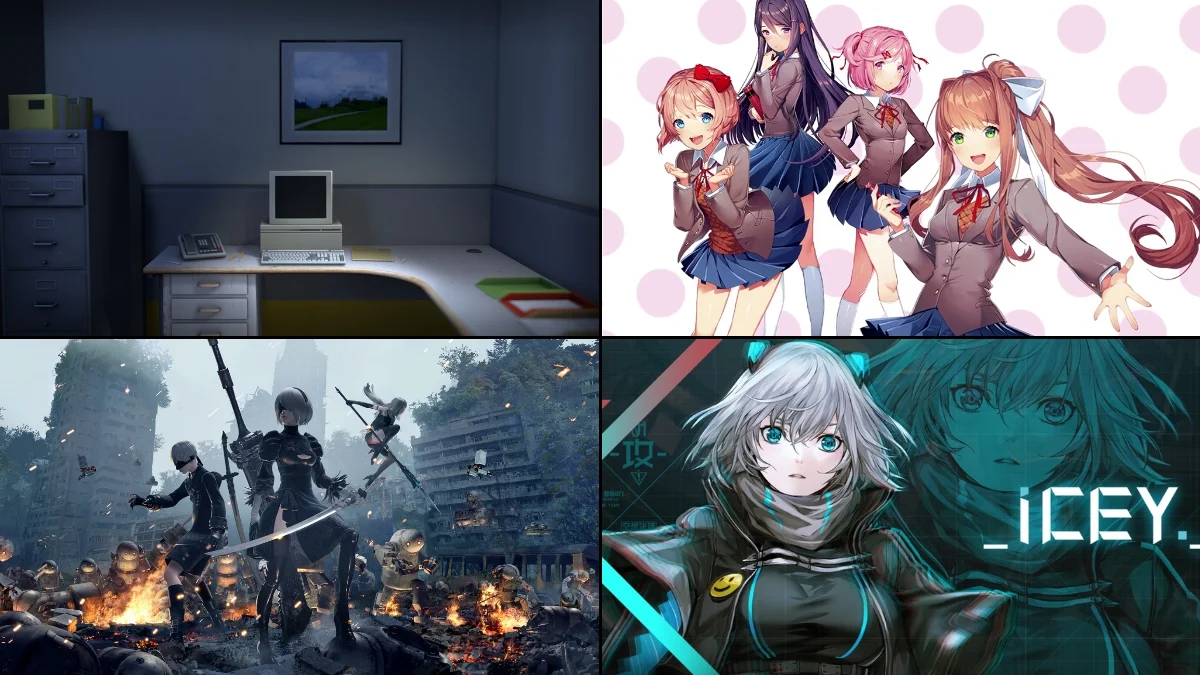
Video games are becoming increasingly innovative in how they tell stories, giving players real control over what happens. Some game creators go even further, building in moments where the game seems to ‘notice’ it is a game – breaking the illusion of reality through choices and conversations. These surprising endings can make players think about whether they’re simply watching a story unfold, or actively taking part in it. Here are some games that use these kinds of interactive conversations to cleverly blend the game world with reality.
‘The Stanley Parable’ (2013)

Galactic Cafe created this game to feel like a conversation between you and the storyteller. You play as Stanley, who doesn’t speak, while a voice tells you what’s happening. If you choose to ignore the instructions, the story changes, and the narrator will even talk to you directly. The game playfully questions how much freedom we really have in video games, and each different ending offers a unique take on common game design ideas and what players expect.
‘Doki Doki Literature Club!’ (2017)
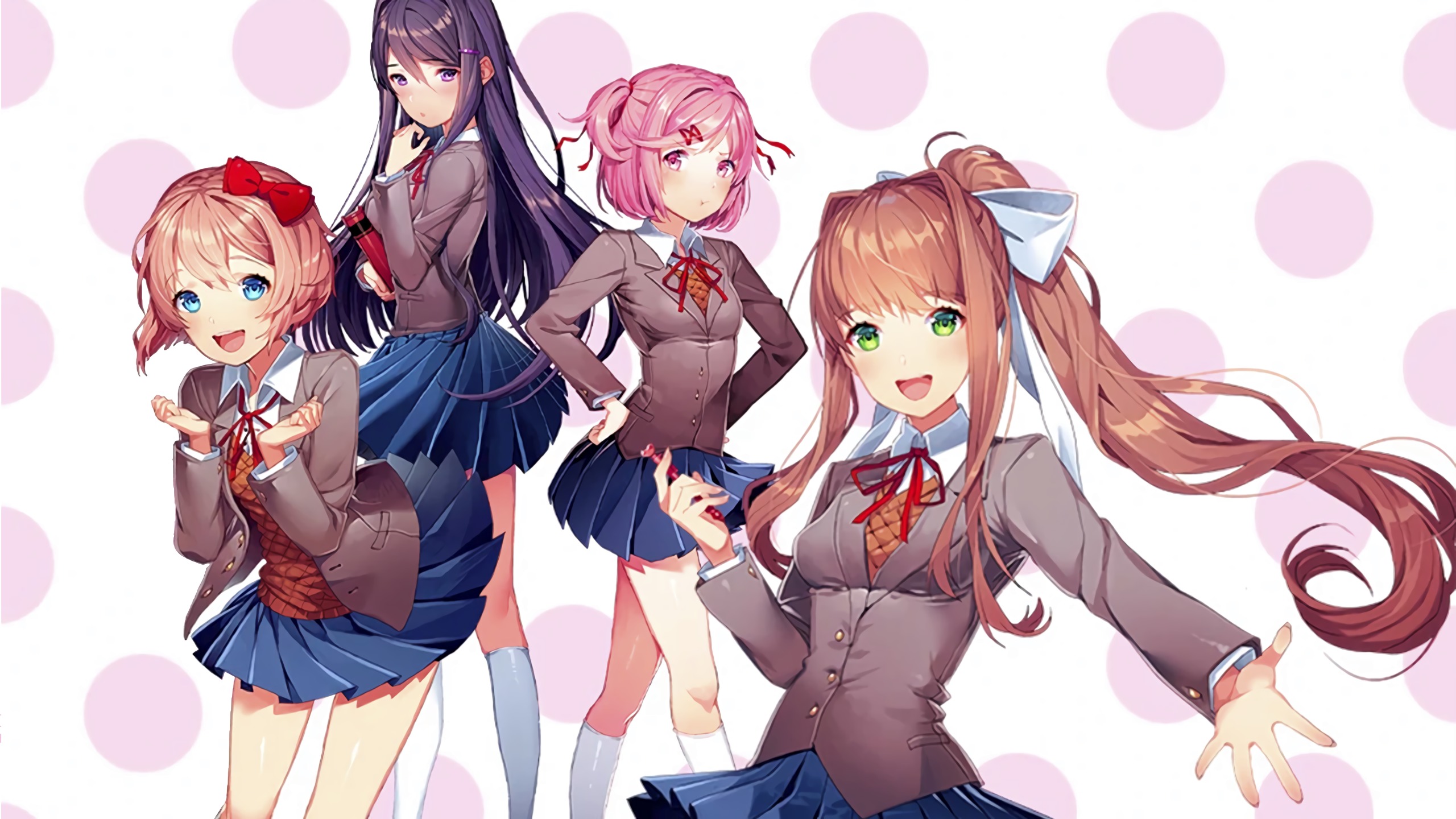
Team Salvato’s visual novel starts like a typical dating sim, but quickly becomes a psychological thriller. One character, Monika, figures out she’s in a game and starts changing the game’s files to remove her competition for affection. The game then involves a unique conversation with Monika, where she talks about the reality of her existence as a computer program. To reach the true ending, players have to directly interact with the game’s files on their computer – a move that breaks the usual rules of the genre by requiring action outside of the game itself.
‘Undertale’ (2015)
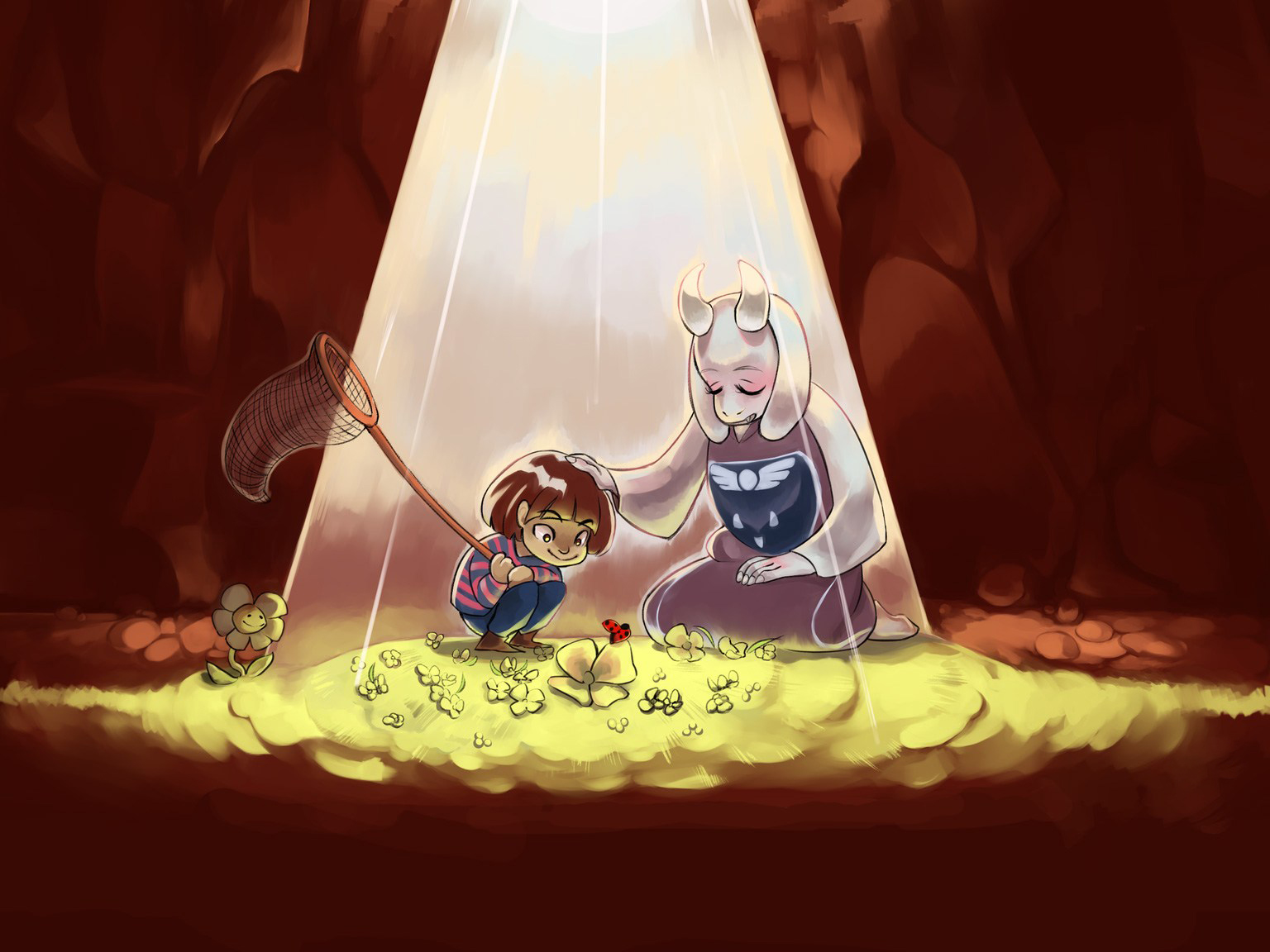
Toby Fox created this role-playing game with a unique twist: you can often talk your way out of battles instead of fighting. The game secretly tracks whether you spare or kill monsters, and this impacts the final boss fight. A character named Sans will ultimately evaluate your choices based on how you’ve played. The game even recognizes if you’ve repeatedly saved and reloaded to explore different possibilities, and the most dramatic endings directly address this, making you consider the consequences of trying to see everything the game offers.
‘NieR: Automata’ (2017)
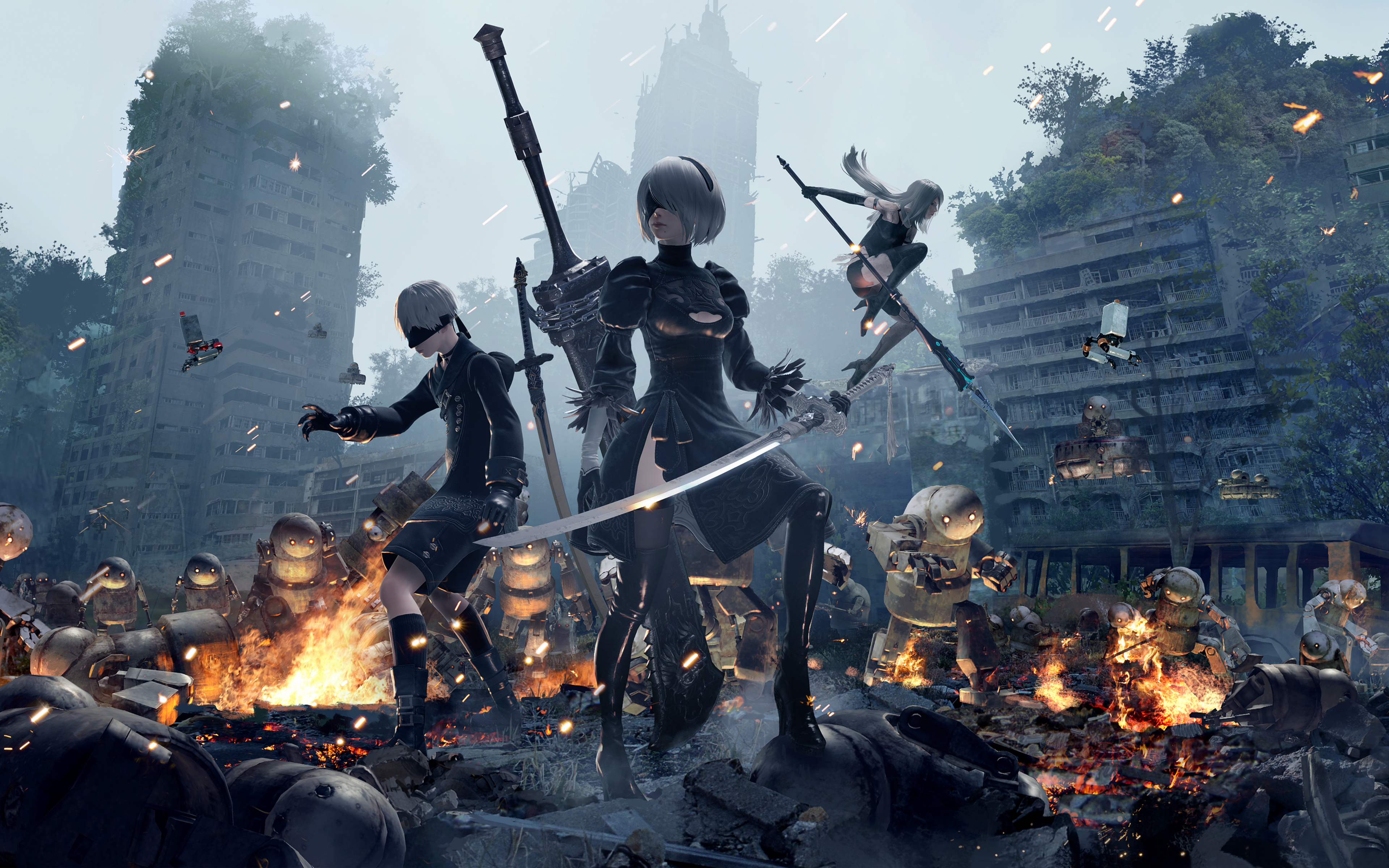
As a huge fan, I have to say PlatinumGames really did something special with this game. It’s an action RPG, but you don’t get the whole story on just one run – you really need to play through it multiple times to understand everything. The ending is mind-blowing; it’s this conversation during the credits between these little support pods about whether the androids actually made it. Getting there is a challenge, too! There’s this incredibly difficult bullet hell section, but then something amazing happens: other players from around the world start helping you out. And it all leads to this crazy choice: you can actually delete your own save file to help another player. It’s a total sacrifice – all your progress gone – but it creates this really powerful connection with a complete stranger. It’s a truly unforgettable experience.
‘Slay the Princess’ (2023)
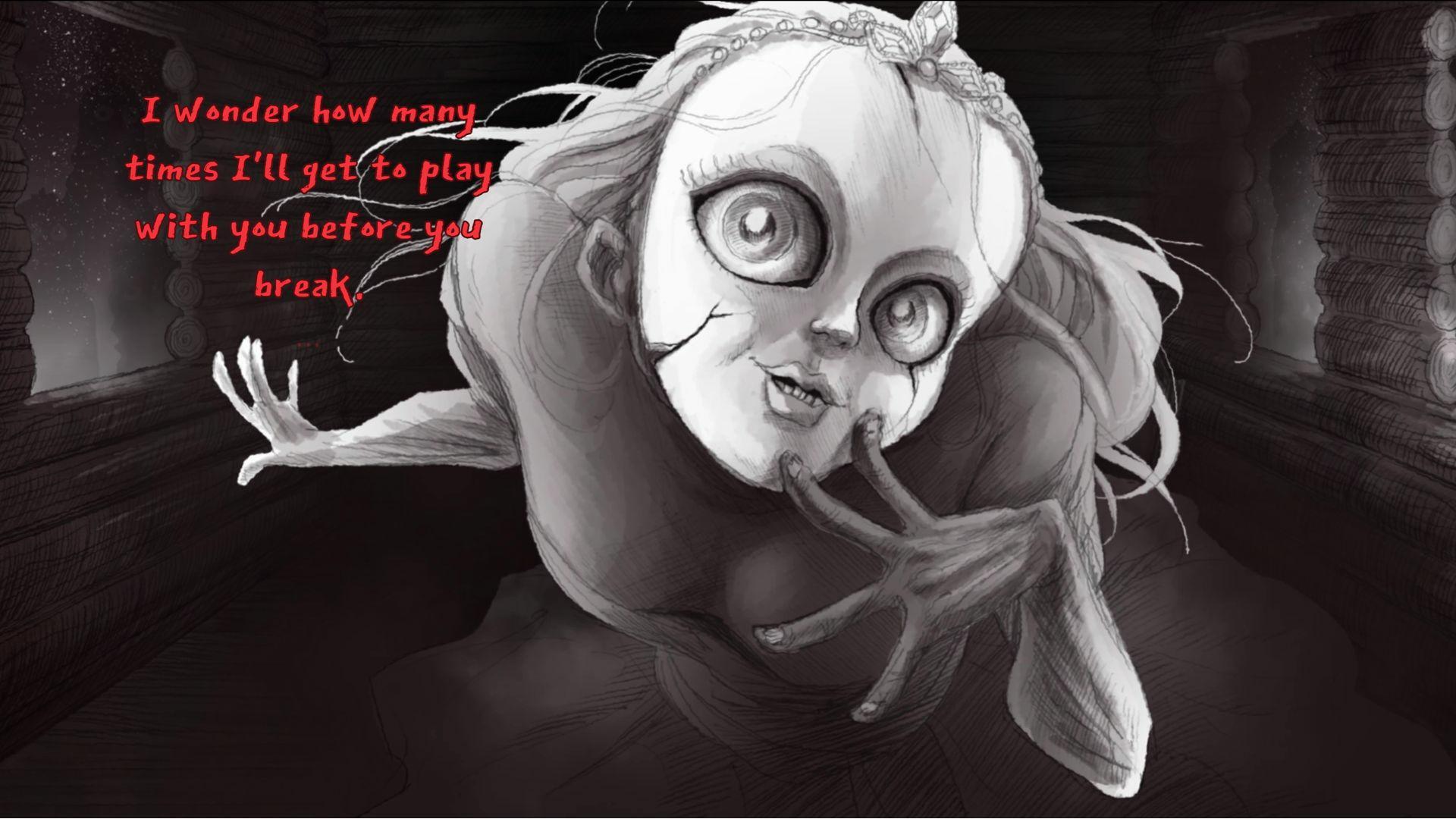
In Black Tabby Games’ unique adventure, you play a character caught in a time loop, repeatedly tasked with killing a princess to save the world. Your choices during conversations change the princess’s personality and appearance with each new life. As you play, a narrator tries to guide you towards your goal, while another voice challenges the very nature of what’s happening. The game ultimately reveals that the conflict between you and the princess is far bigger than it seems. To truly finish the game, you must break free from the roles you and the princess are expected to play.
‘OneShot’ (2016)

In this puzzle adventure game by Future Cat, you play as a guiding force—almost a god—to the main character, Niko. Niko knows you’re there and you’ll talk to them directly to help them save a world on the brink of destruction. What makes this game unique is how it blends with your computer; puzzles often involve interacting with your desktop and files. Ultimately, you’ll face a difficult choice: send Niko back home or risk everything to save the universe. Your connection with Niko, built through these conversations, is what makes that decision so impactful.
‘Inscryption’ (2021)
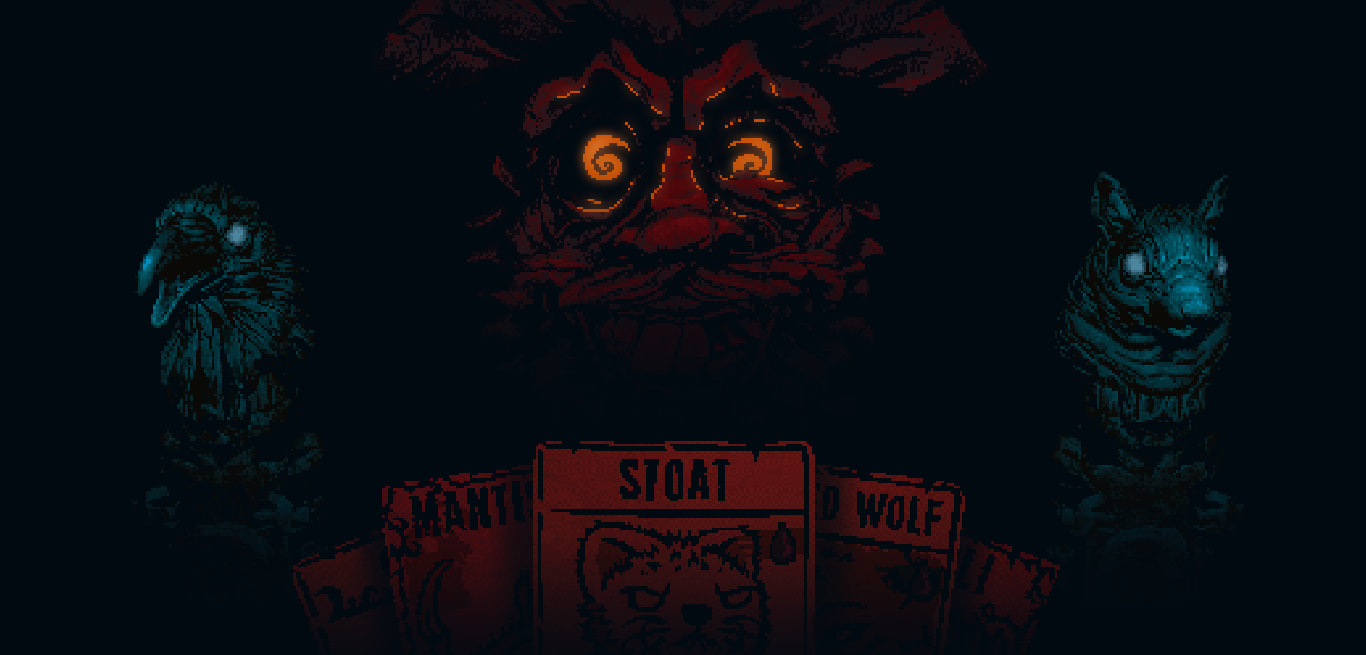
Daniel Mullins Games made a unique card game where you battle a mysterious opponent who controls the game world. As you play, you discover the game’s code is actually haunted by intelligent data. The story quickly moves beyond the card game itself, becoming a debate between the different programmers, or ‘scrybes,’ who are fighting for control. The game culminates in a desperate effort to restart everything, with the characters realizing they’re about to be erased.
‘Spec Ops: The Line’ (2012)
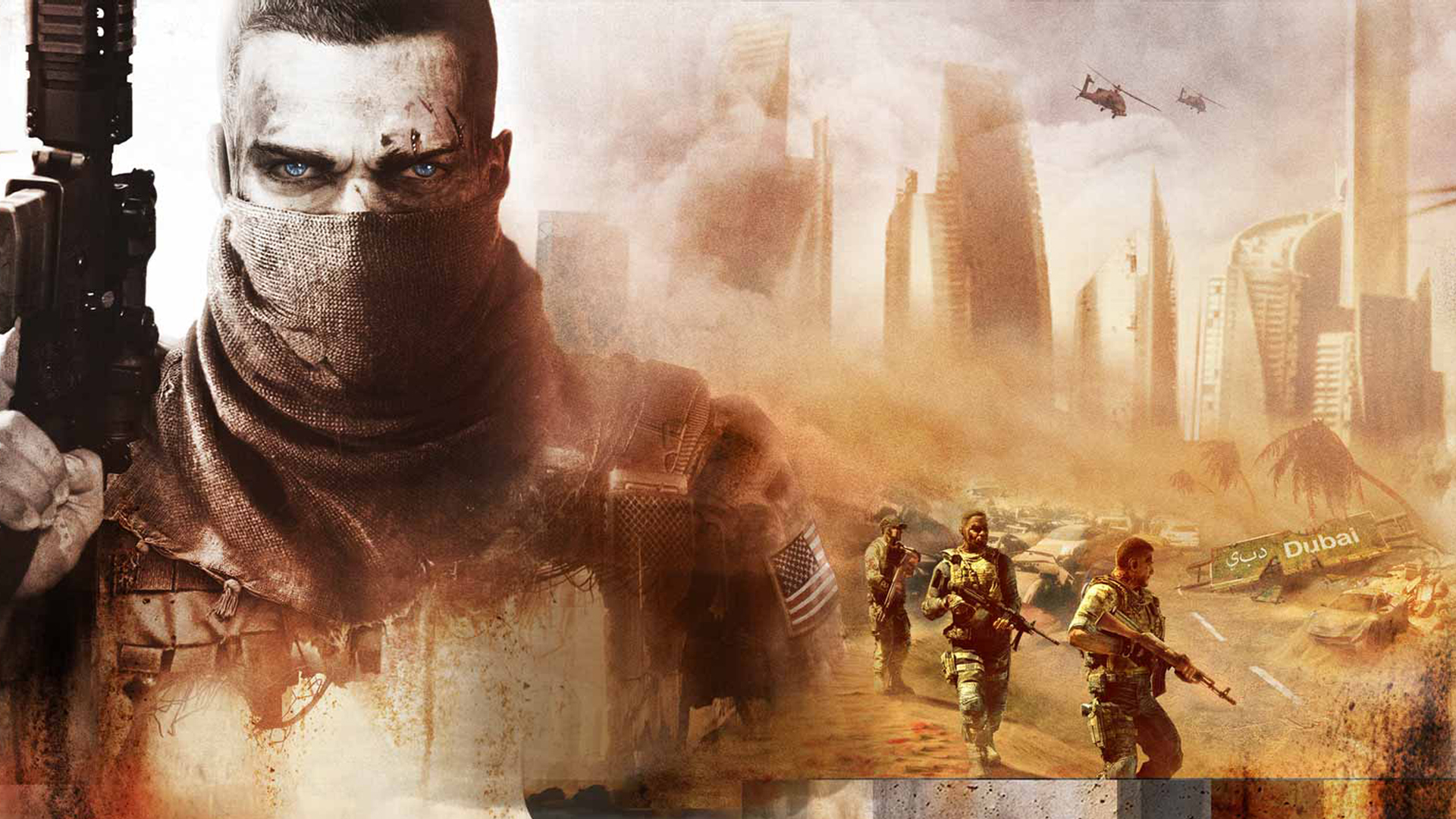
This third-person shooter, created by Yager Development, challenges the typical morality found in military video games. As Captain Walker spirals into madness, the game itself questions why you’re playing. The climax features a conversation with the enemy, Konrad, who exposes the truth behind the failed mission. You’re then forced to decide if what’s happening is real or a hallucination, and whether to acknowledge the horrific consequences of your actions. Ultimately, the game criticizes players for finding enjoyment in simulated war violence.
‘Metal Gear Solid 2: Sons of Liberty’ (2001)
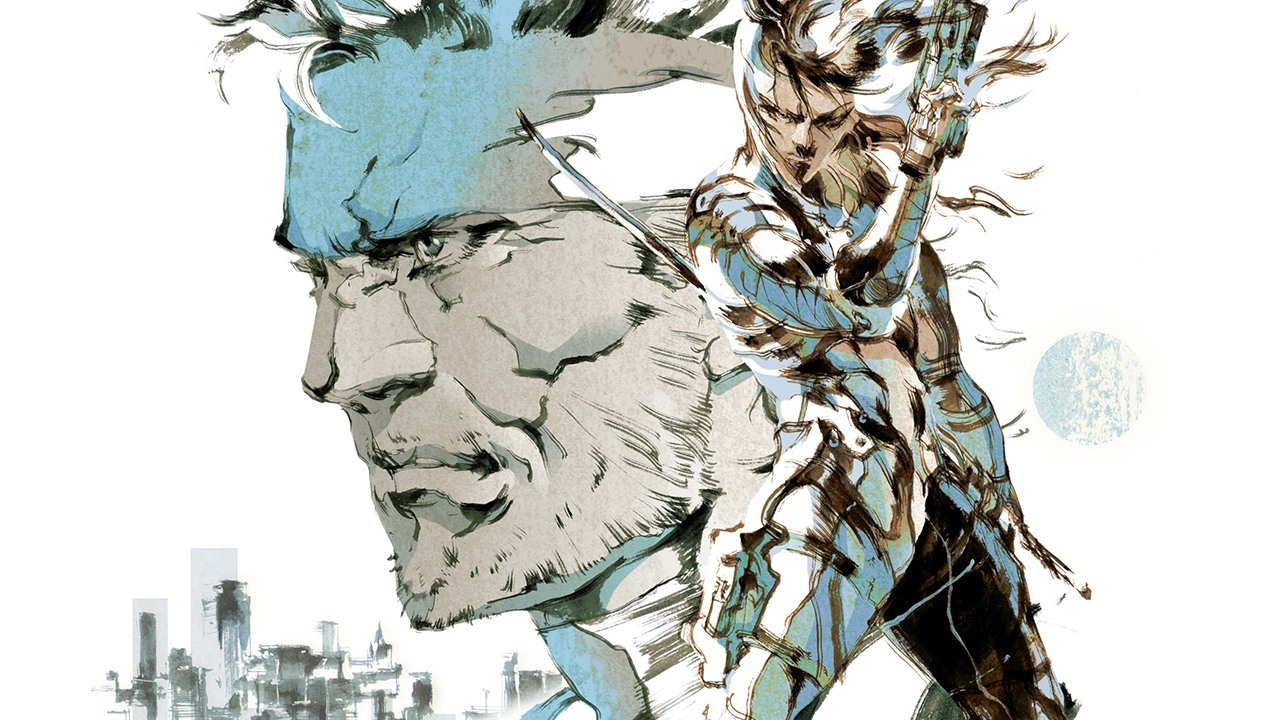
This stealth action game, created by Konami and Hideo Kojima, was a unique experiment in how games interact with players. The story’s climax involves a glitching AI that acts like Colonel Campbell, but starts directly addressing the player, even telling them to stop playing and turn off the console. Conversations become illogical and the game comments on the nature of control within digital worlds. The ending is intentionally confusing, making players wonder what actually happened during the mission and what was simply part of the game.
‘Return to Monkey Island’ (2022)
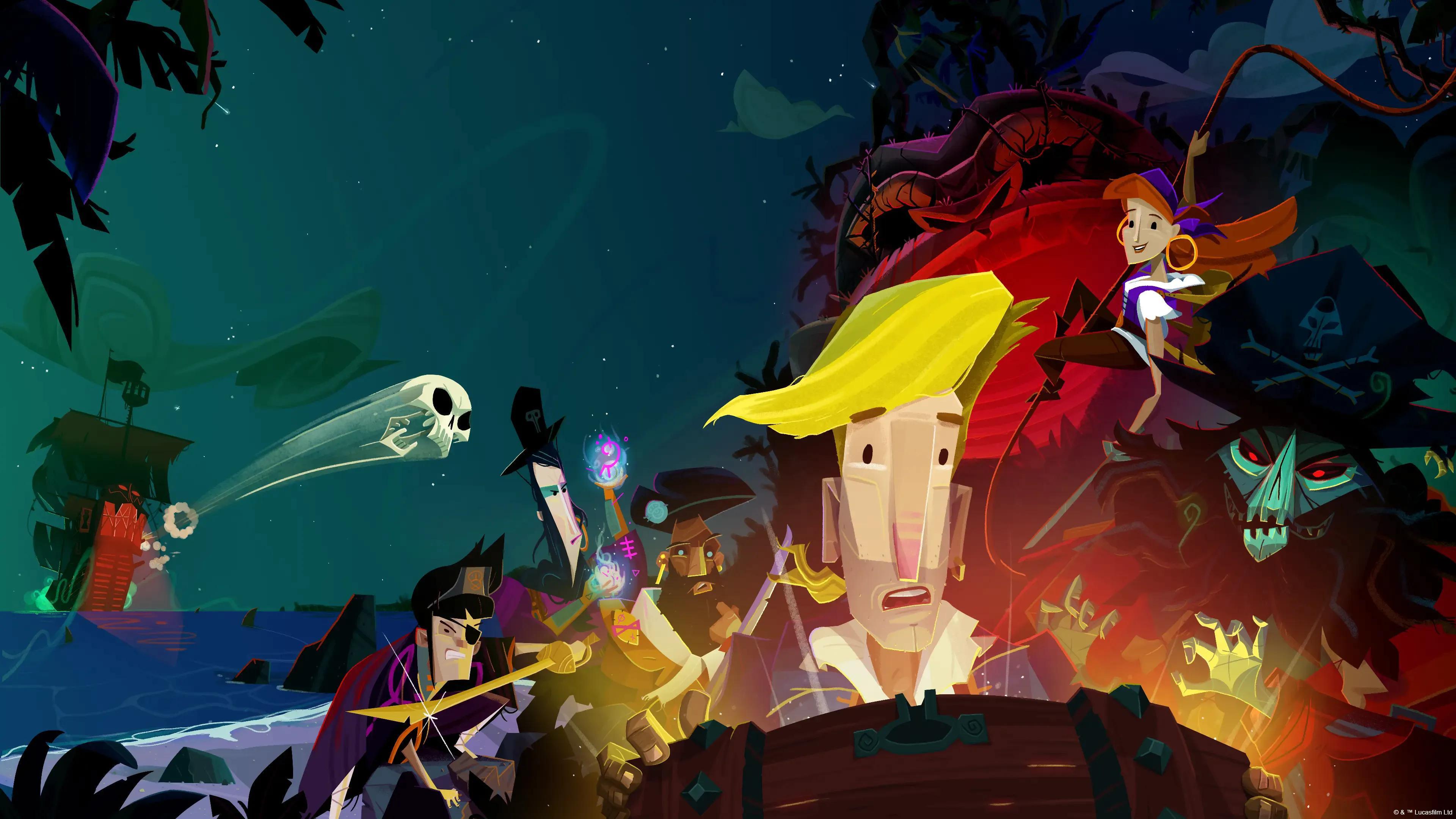
Terrible Toybox created this adventure game to finally solve the long-running mystery of Monkey Island. The story is presented as Guybrush Threepwood recounting his adventures to his son. In a surprising twist, the game reveals that the pirate world is actually an elaborate amusement park. The game ends with Guybrush realizing that the fun was in the mystery itself, and this serves as a heartfelt goodbye from the developers to their dedicated fans.
‘The Hex’ (2018)
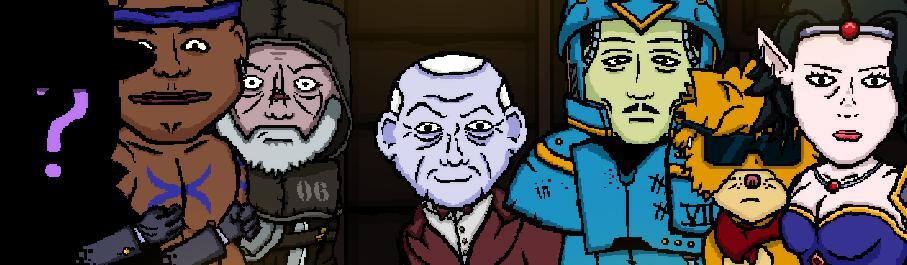
Daniel Mullins Games created this intriguing murder mystery set in a tavern filled with discarded video game characters. Players experience the game through the eyes of these characters, each haunted by a difficult past revealed in flashbacks. As the story unfolds, the characters discover they’re stuck inside a programmed world, and the narrative begins to fall apart. Players can make choices that allow the characters to fight back against the game’s creator, who is also a part of the story. Ultimately, the game culminates in a direct showdown with the developer about how he’s treated his creations.
‘Pony Island’ (2016)
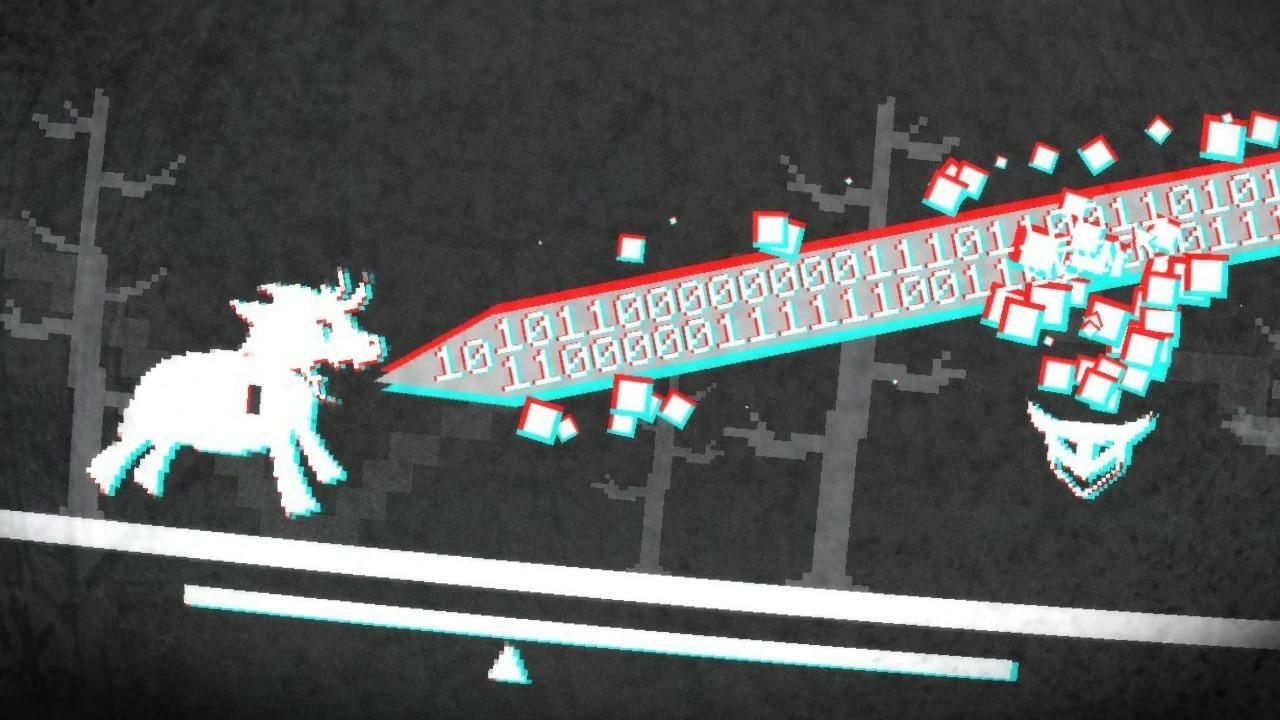
Daniel Mullins Games delivers another cleverly disguised experience. What seems like a simple, never-ending runner quickly turns into a terrifying escape from a haunted arcade machine created by the devil. You’ll need to interact with a sarcastic, demonic AI, hacking its code through chat-based conversations to try and break free. Ultimately, the only way to win is to completely delete the game’s core files.
‘There Is No Game: Wrong Dimension’ (2020)
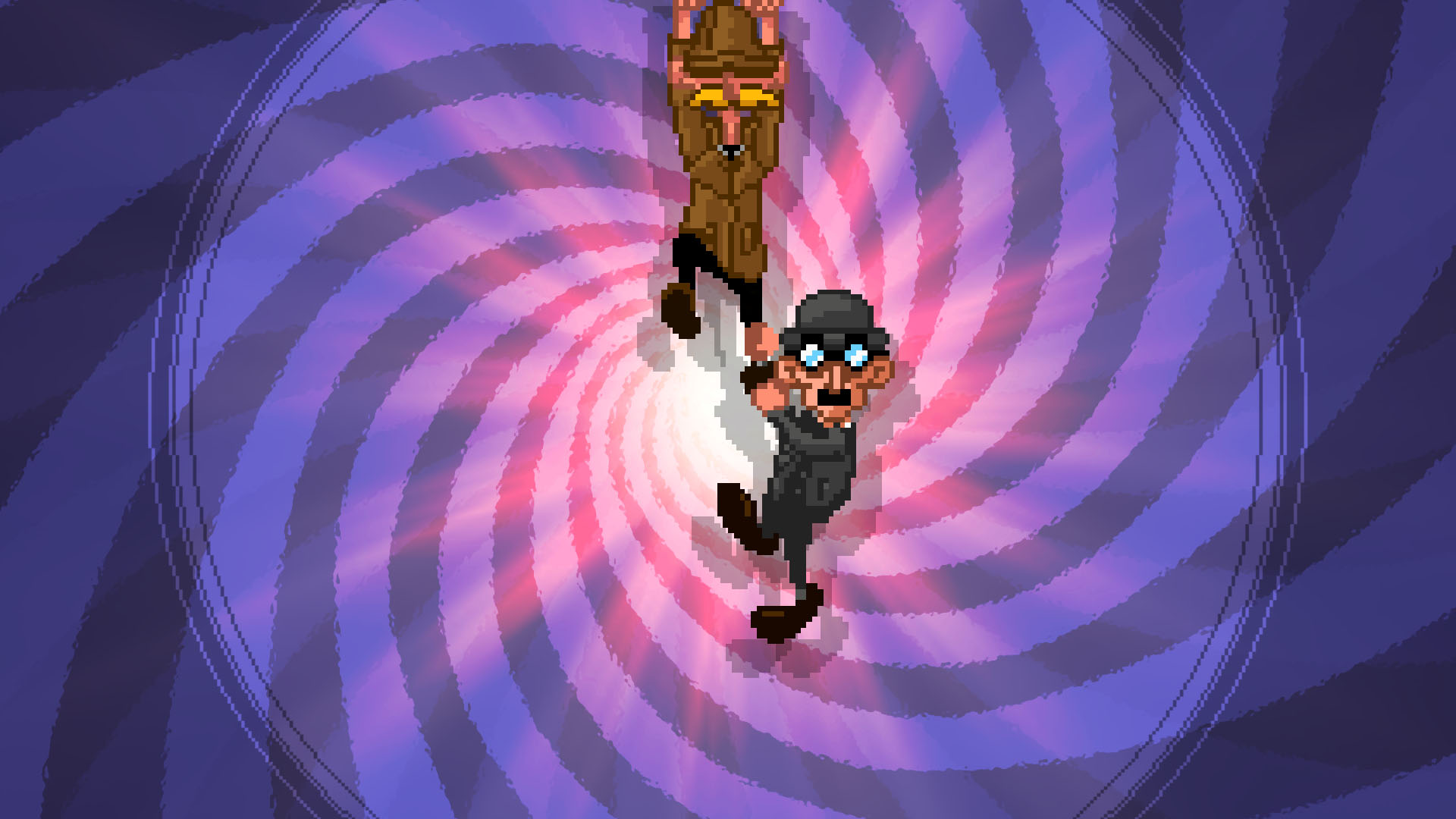
Draw Me A Pixel’s unique puzzle adventure begins with a twist: the game’s narrator insists there’s nothing to play! It actively tries to stop you from exploring, leading to a playful argument as you navigate through various game styles. The story builds to an emotional peak where you must save the game’s code from being erased by a glitch. Ultimately, it’s a heartfelt tribute to the special connection between players and the games they love.
‘Contact’ (2006)
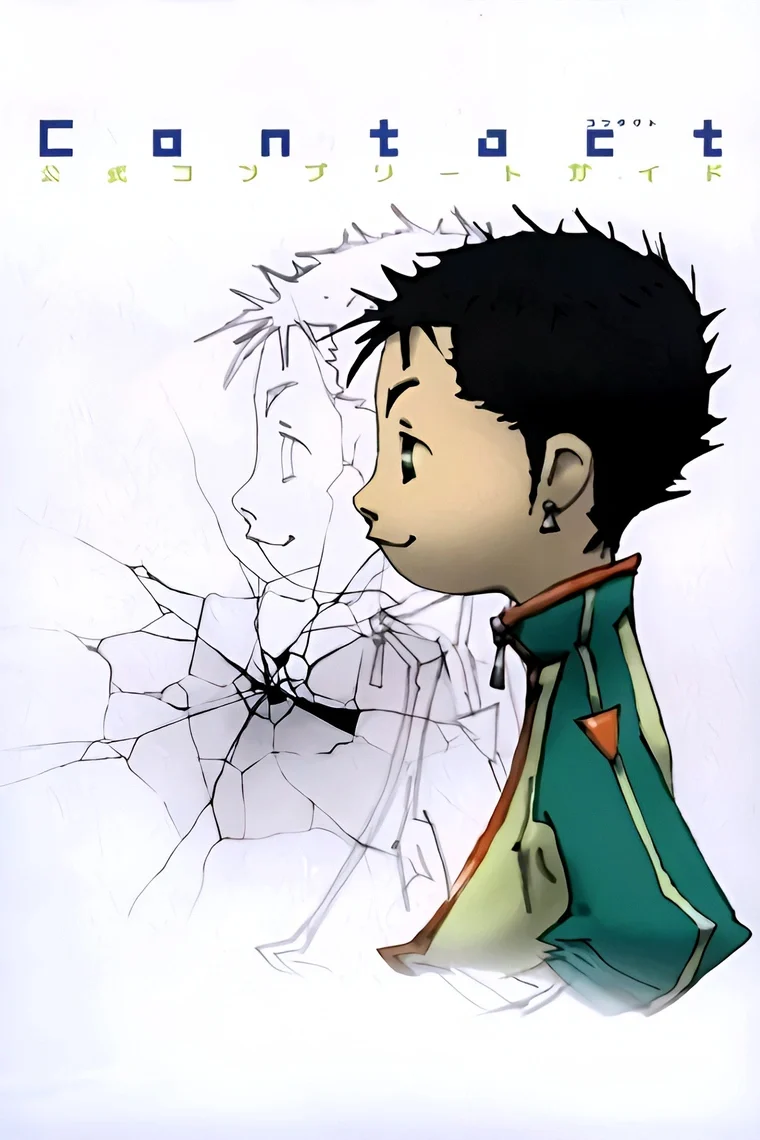
This unusual role-playing game, created by Grasshopper Manufacture for the Nintendo DS, cleverly uses both screens. The Professor appears on the top screen and talks directly to you, while you control the main character on the bottom. He often asks for your help and even comments on you using the stylus. The story culminates in a surprising twist where the Professor tries to break your connection to the game world. Your final choices decide whether you fight to return or let the character go.
‘Save the Date!’ (2013)

Paper Dino Software created a unique visual novel centered around trying to have a perfect dinner date. However, every date ends in disaster, resulting in your companion’s demise and a reset to the beginning. The key to success isn’t skillful gameplay, but realizing the date is a loop. Players must use dialogue to challenge the game’s own rules, as the characters become aware they’re stuck in a repeating cycle. Ultimately, you ‘win’ by convincing the game itself that the best outcome is to simply stop playing.
‘ICEY’ (2016)

FantaBlade Network made an action game where you play as an android and are guided by a narrator. You can choose to follow his directions, or ignore them. If you disobey, the narrator will react with frustration and confusion, opening up new conversations. Keep defying him, and you’ll find hidden areas where the game’s creators talk about how they made the game. To unlock the true ending, you need to completely break free from the story and uncover the secrets of the character ICEY.
‘The Magic Circle’ (2015)
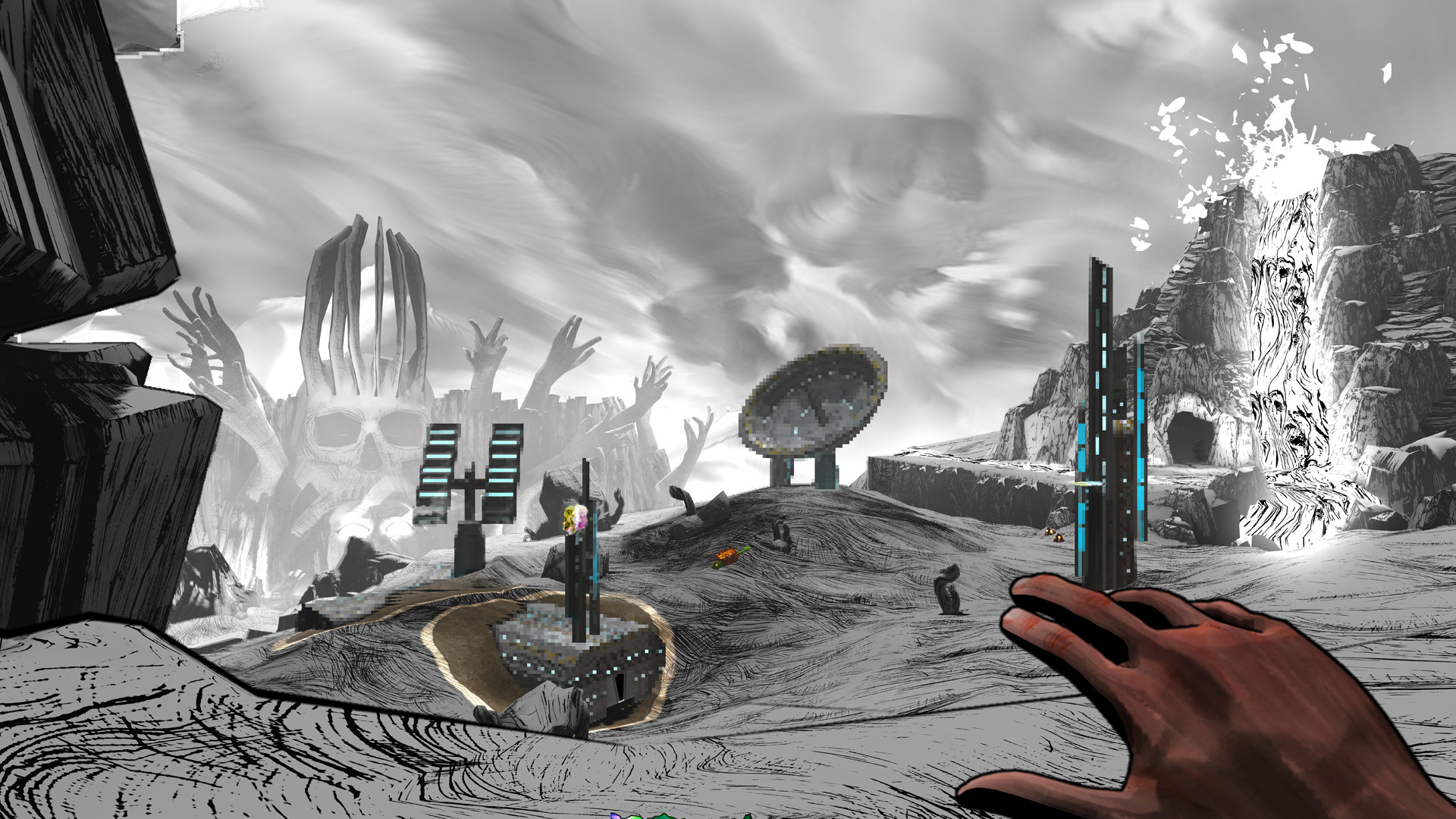
In this unique puzzle game, you play as a quality assurance tester inside a fantasy RPG that’s still being built. You discover you can change how anything in the game behaves. As you play, you’ll hear the developers arguing about the game’s direction. You can then take control and finish the game your way. The ending cleverly reflects the often-chaotic and frustrating process of making games and the challenges of finding new ideas.
‘Needy Streamer Overload’ (2022)

WSS Playground has launched a game where you manage the career of an internet streamer who struggles with her emotions. You interact with the character, Ame, through a chat window, and your choices affect how she behaves and ultimately, the game’s ending. Her stress level plays a big role, and some endings even feature Ame directly acknowledging that you’re watching her, creating a self-aware experience. The game uses these techniques to offer a commentary on internet culture and the often-complex relationships people form with online personalities.
‘Bravely Default’ (2012)

Silicon Studio created this role-playing game, which initially seems like a classic fantasy quest. Players are led by a fairy named Airy on a journey to restore four elemental crystals and save the world. However, a surprising twist is revealed late in the game: Airy has been deceiving the player and their companions all along. The climactic battle uniquely uses the device’s camera, displaying the player’s face as a god-like figure within the game. This revelation completely changes how you understand everything that happened before, as it’s clear the villain was manipulating everyone from the start.
‘Danganronpa V3: Killing Harmony’ (2017)
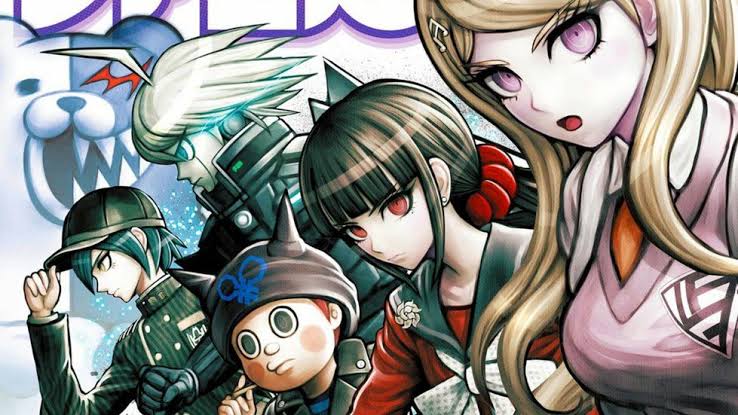
This visual novel, created by Spike Chunsoft, centers around high school students trapped in a deadly game where they must kill each other. The story takes a surprising turn in the final trial, revealing that everything has been a reality show created for entertainment. The characters discover their lives and personalities were all made up for the enjoyment of a real-world audience. As the player, you must use dialogue choices to challenge the show’s manipulative use of hope and despair. Ultimately, the game asks players to stop supporting the franchise in order to break the cycle of violence.
Please share your favorite fourth-wall-breaking moment from a video game in the comments.
Read More
- 2025 Crypto Wallets: Secure, Smart, and Surprisingly Simple!
- Gold Rate Forecast
- Monster Hunter Stories 3: Twisted Reflection launches on March 13, 2026 for PS5, Xbox Series, Switch 2, and PC
- Here Are the Best TV Shows to Stream this Weekend on Paramount+, Including ‘48 Hours’
- 🚨 Kiyosaki’s Doomsday Dance: Bitcoin, Bubbles, and the End of Fake Money? 🚨
- 20 Films Where the Opening Credits Play Over a Single Continuous Shot
- ‘The Substance’ Is HBO Max’s Most-Watched Movie of the Week: Here Are the Remaining Top 10 Movies
- First Details of the ‘Avengers: Doomsday’ Teaser Leak Online
- The 10 Most Beautiful Women in the World for 2026, According to the Golden Ratio
- The 11 Elden Ring: Nightreign DLC features that would surprise and delight the biggest FromSoftware fans
2025-12-11 00:26