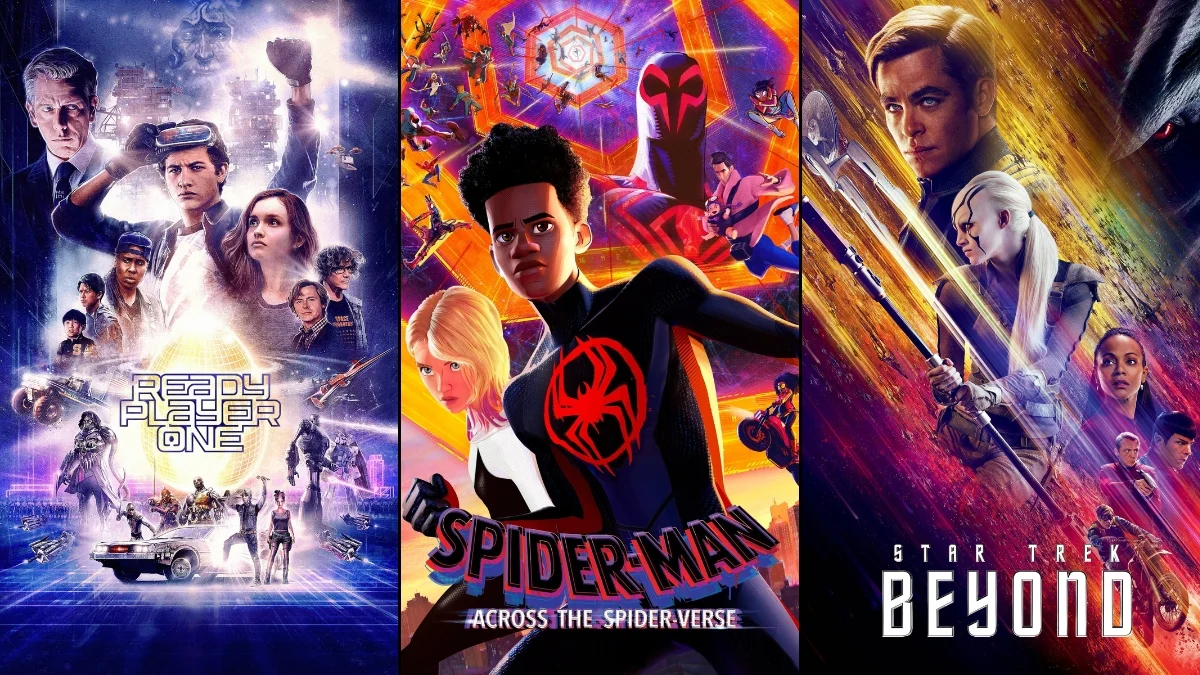
For years, I’ve seen filmmaking as studios handing finished products to us, the audience. But that’s really changed. The internet has given fans incredible power – they’re building amazing things, from fan art to complex theories, that are genuinely getting noticed by the people making the movies. And studios are starting to listen! We’re seeing fan creations worked into big blockbusters now, sometimes as little Easter eggs, other times as major design elements. Honestly, the line between what a professional artist creates and what a dedicated fan cooks up is getting seriously blurred. What follows is a look at films where audience creativity has left a lasting mark on cinema.
‘Spider-Man: Across the Spider-Verse’ (2023)
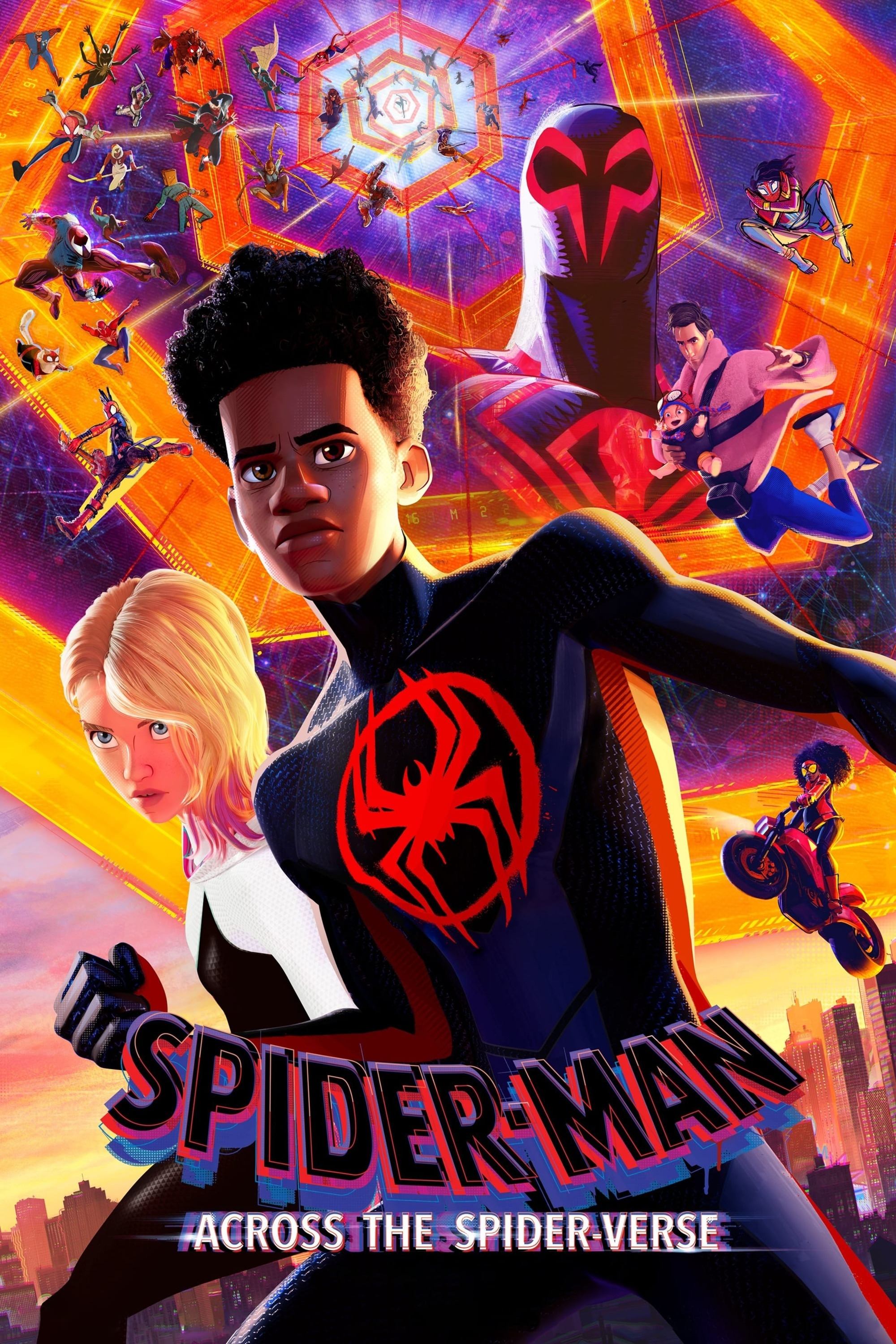
A particularly memorable scene in this hit animated movie shows an entire universe built from LEGO bricks. This sequence was created by Preston Mutanga, a young artist who previously gained attention online for his impressive LEGO recreation of the movie’s trailer. The filmmakers, Phil Lord and Chris Miller, were so impressed with his fan-made trailer that they brought him on board to animate the official LEGO scene. The movie also cleverly includes fan-created artwork as posters in a character’s dorm room, giving full credit to the artists.
‘Sonic the Hedgehog’ (2020)
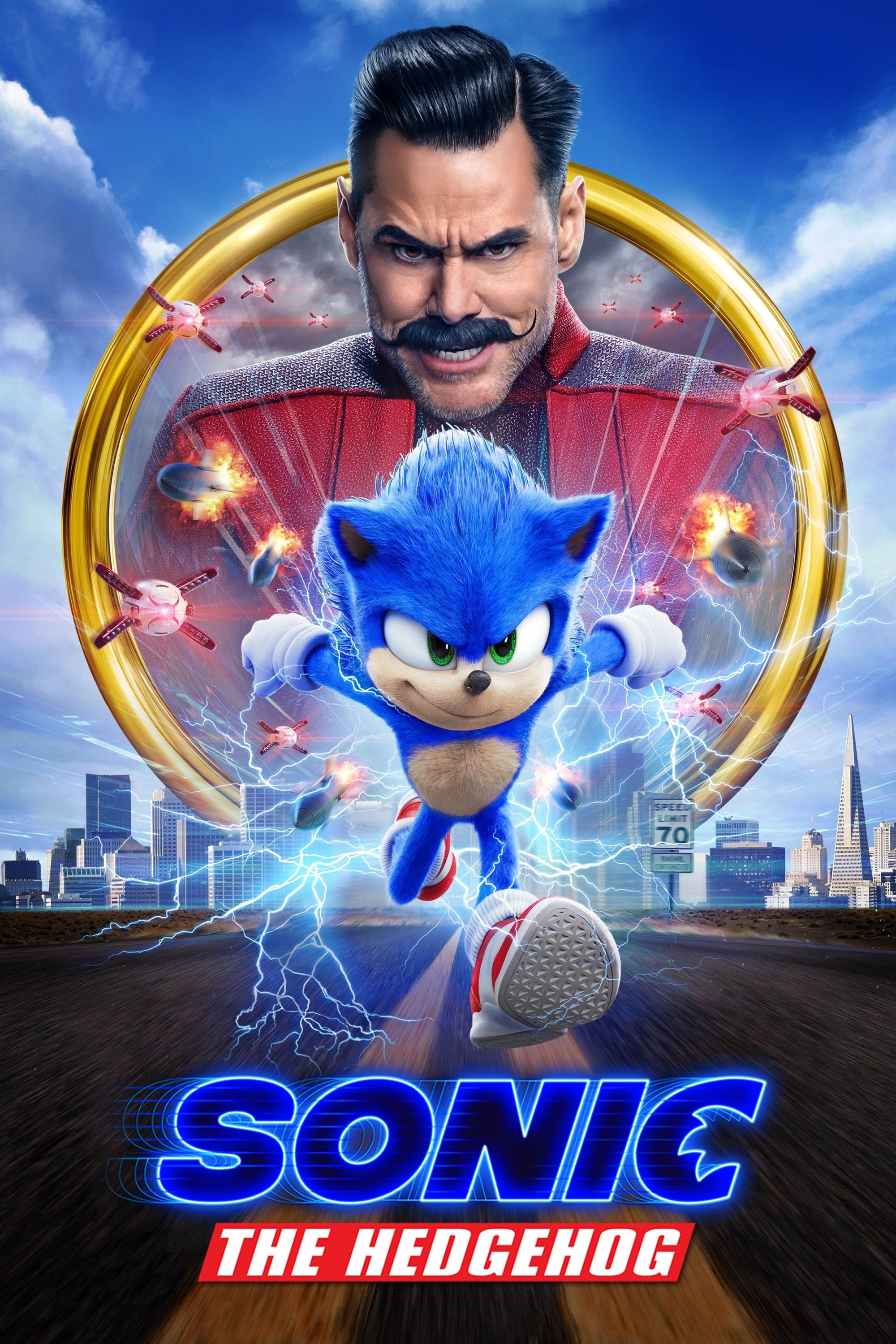
The movie includes a quick drawing that fans of internet culture instantly recognized as “Sanic” – a poorly drawn version of Sonic the Hedgehog. This image first appeared in a 2010 YouTube video and is shown in the film held up by a character named Crazy Carl, who’s complaining about Sonic. This was a fun way for the filmmakers to acknowledge and celebrate the passionate, and sometimes chaotic, online community that loves the Sonic franchise.
‘Ready Player One’ (2018)
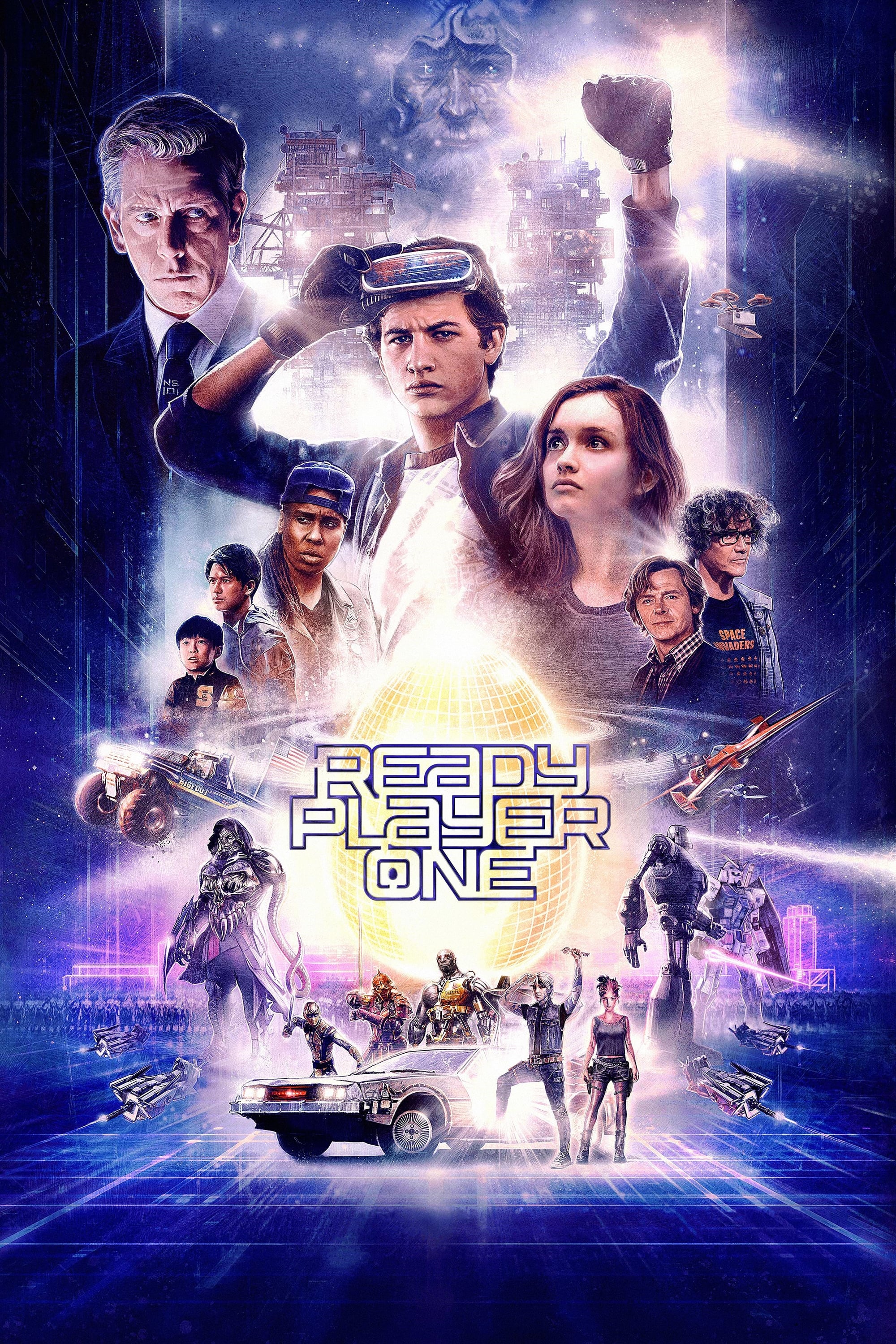
Steven Spielberg’s movie, based on a popular novel, was packed with references to films, video games, and comics, creating a rich virtual world. The filmmakers used fan-created artwork found online – like posters and character designs – to fill out the background. While this added a lot of visual detail, it also raised questions about whether the original artists were properly credited and given permission for their work to be used. Ultimately, the film stands as a large-scale example of fan imagery being used in a major studio production.
‘Five Nights at Freddy’s’ (2023)
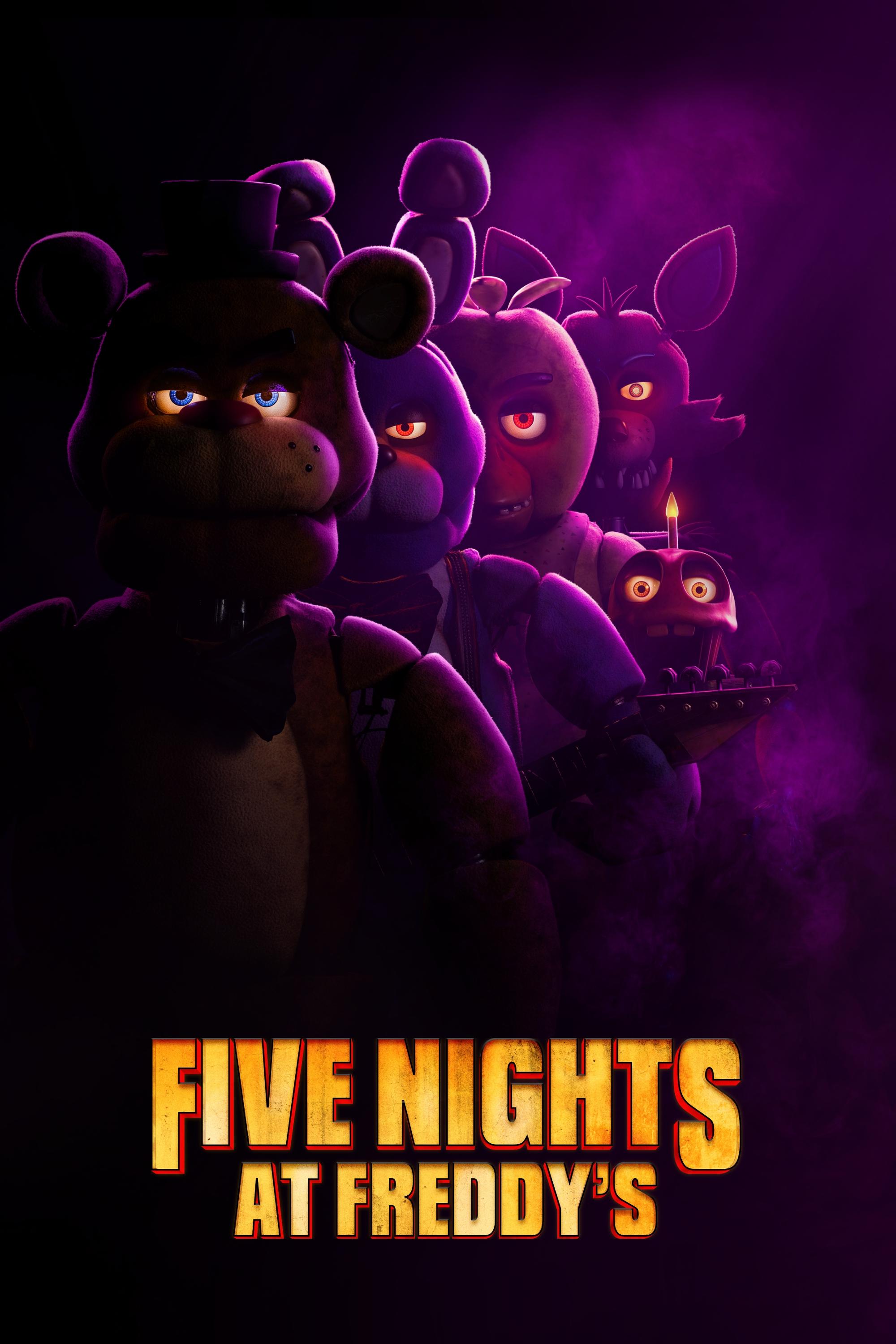
The movie version of this popular horror game series delighted fans by including a nod to a well-known hoax. Fans had created a story about “Sparky the Dog,” claiming he was a secret character in the original game, even though he wasn’t real. The filmmakers cleverly added a Sparky the Dog costume to a scene in the movie, officially making the fan-made legend part of the story and incorporating a decade-old theory into the film’s design.
‘Star Wars: The Force Awakens’ (2015)
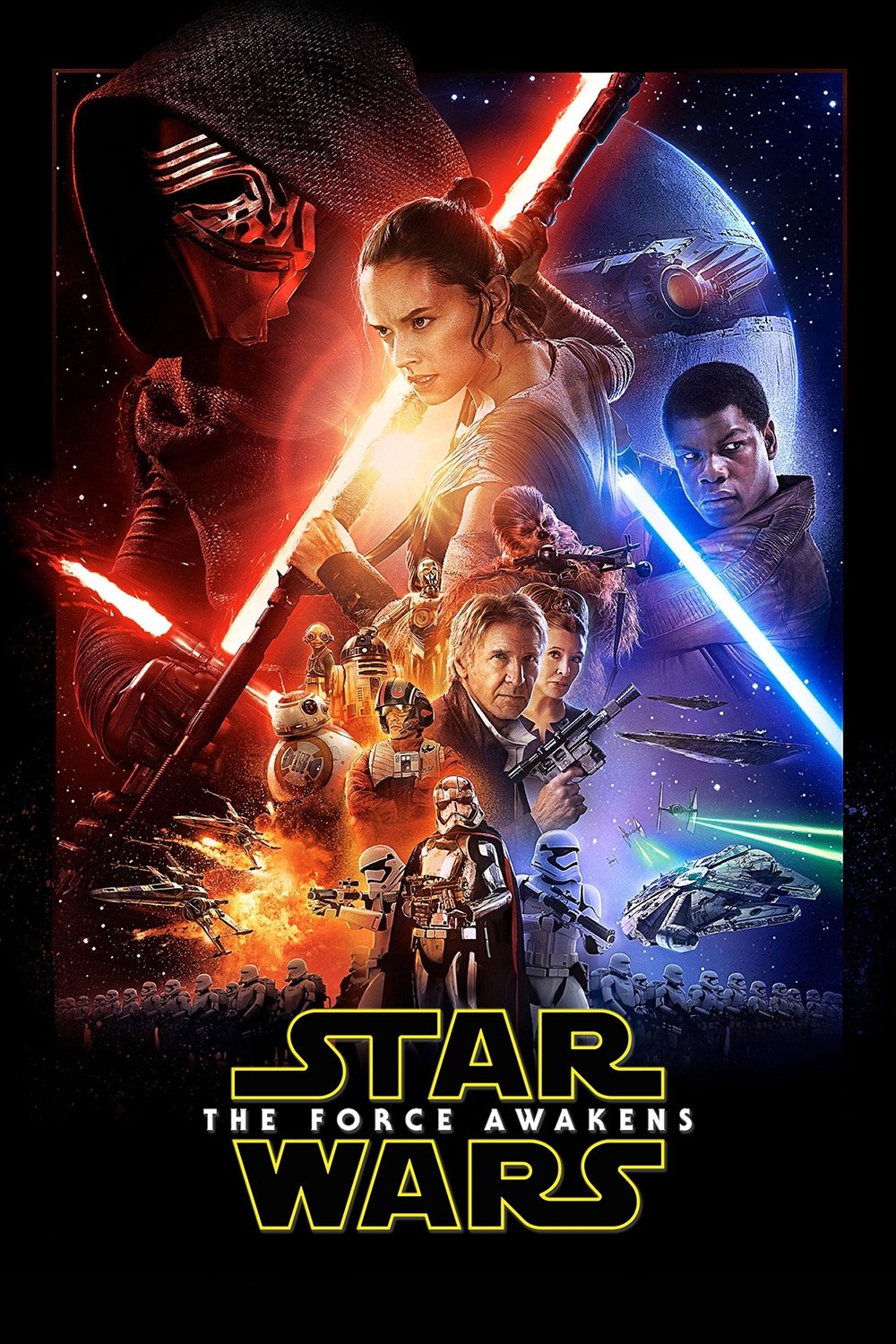
Amid the busy activity at the Resistance base, you might spot a pink astromech droid named R2-KT rolling by. This special droid was originally created by a fan club, the R2 Builders Club, as a gift for a young girl named Katie Johnson, who was fighting brain cancer. Lucasfilm later made R2-KT an official part of the Star Wars story, and it’s appeared in several projects since. In fact, the droid seen in the films is the very same one built by the fans – a heartwarming tribute included in the production.
‘Solo: A Star Wars Story’ (2018)
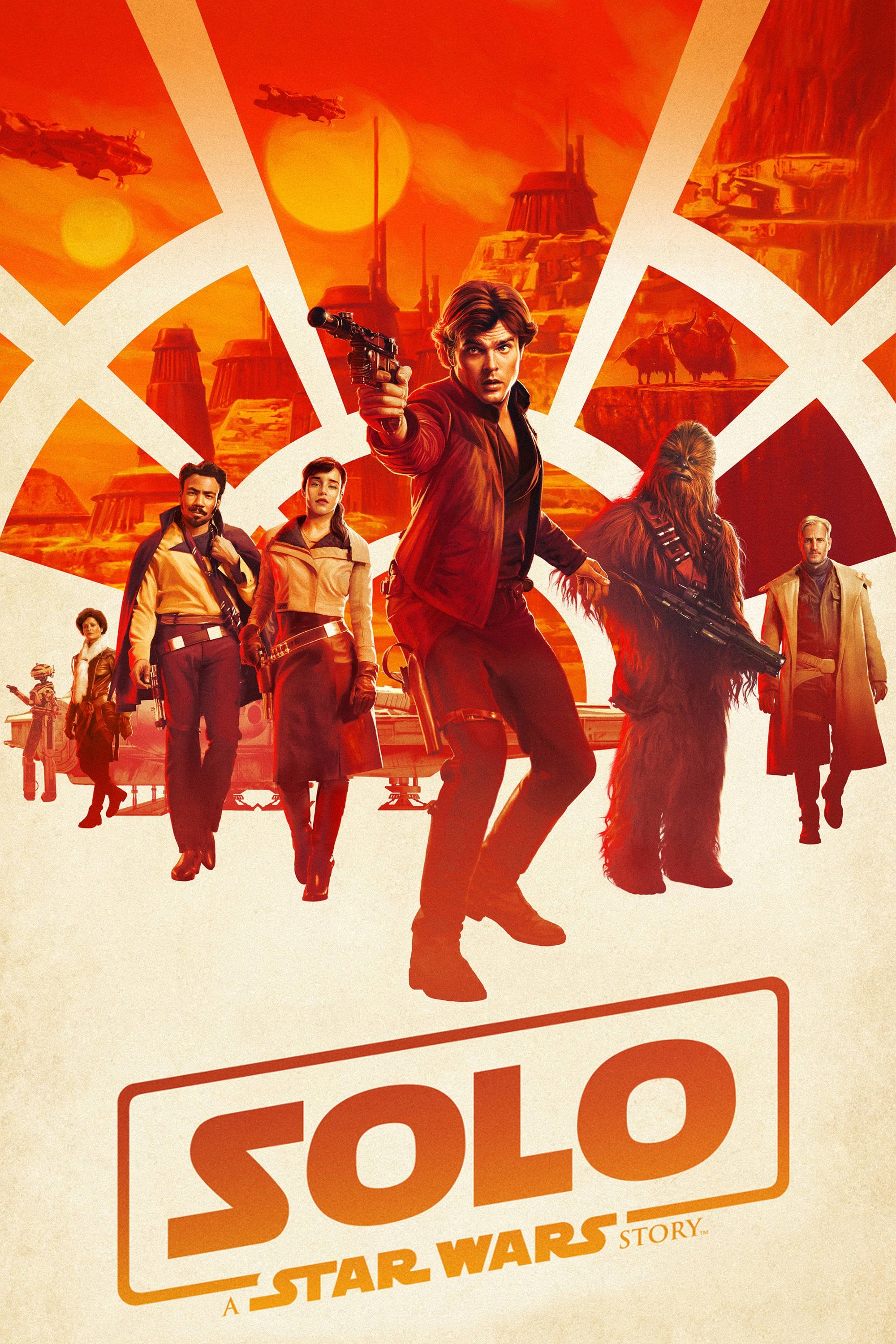
When making this Star Wars prequel, the filmmakers needed many extras to play stormtroopers and Imperial officers. They contacted the 501st Legion, a global group of fans known for creating incredibly accurate Star Wars costumes. These fans volunteered to appear in the film wearing their own costumes, which saved the production money and provided authentic-looking characters. This partnership allowed passionate fans to become a lasting part of the Star Wars universe.
‘Valerian and the City of a Thousand Planets’ (2017)
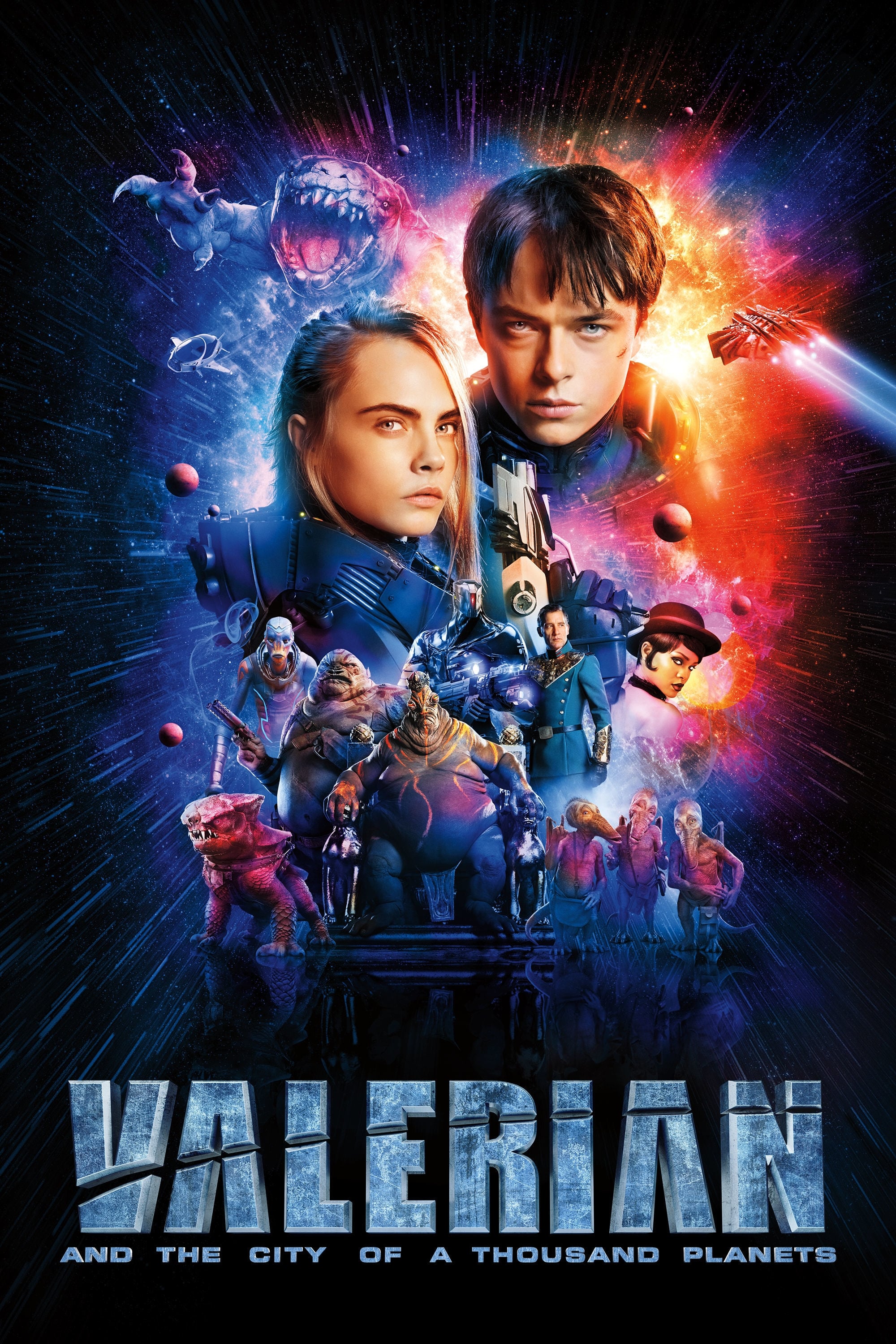
To create the rich and varied world of this sci-fi movie, director Luc Besson held a worldwide contest for costume designers. Artists submitted ideas for alien clothing, and the winning designs would be made and used on extras in the film. Twenty winners had their creations showcased in the bustling scenes aboard the “Alpha” space station, giving up-and-coming designers a chance to directly impact the film’s look.
‘Iron Sky’ (2012)
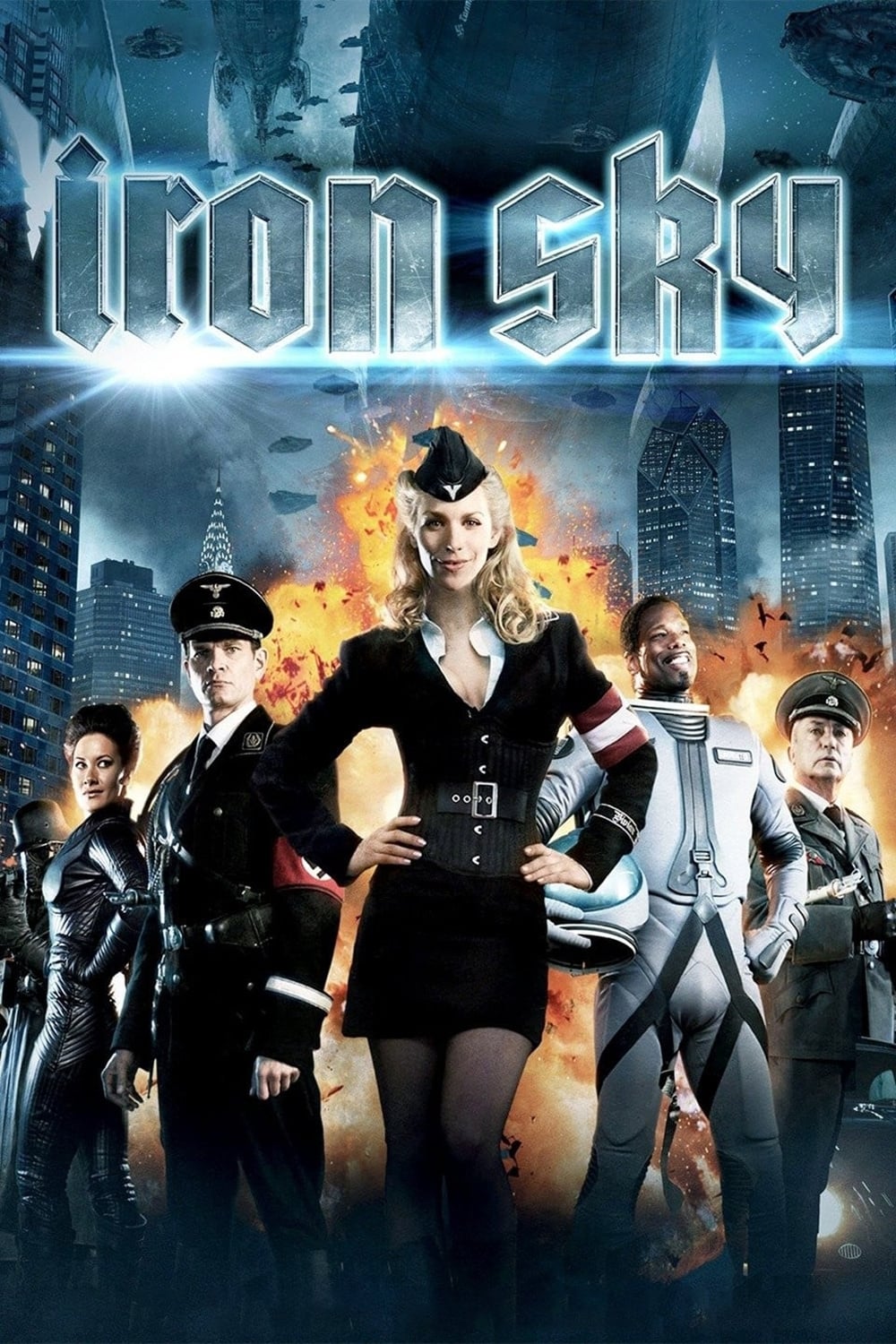
This quirky sci-fi comedy, featuring Nazis on the moon, was made possible by fans who helped fund and create it. The filmmakers used a platform called Wreckamovie to ask fans to design spaceships and props for the special effects. This teamwork allowed the low-budget film to look much more visually impressive than it otherwise could have. The film’s credits recognize the huge contribution made by the fan community in building the spaceships seen on screen.
‘Bill & Ted Face the Music’ (2020)
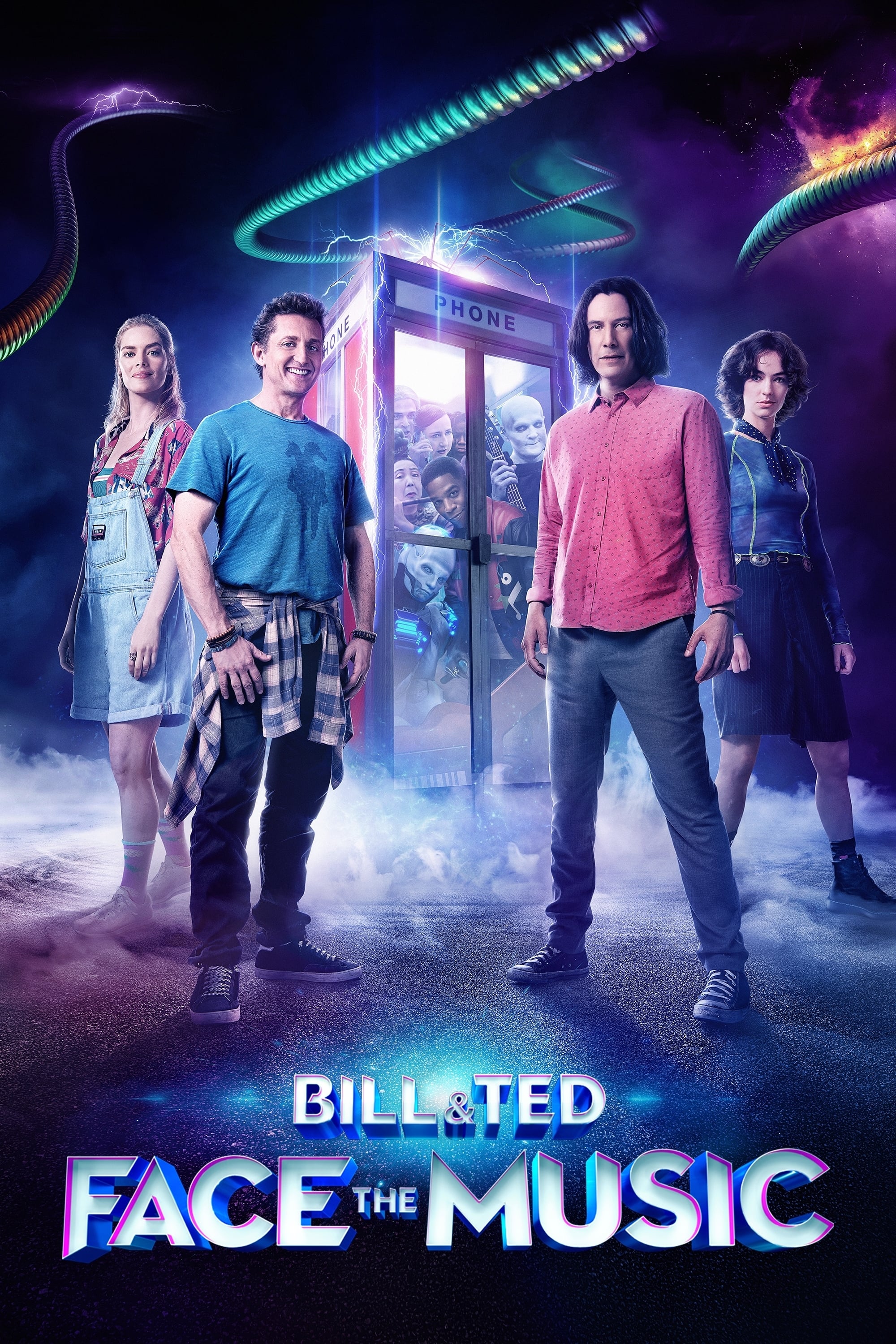
The highly anticipated sequel culminates in a song meant to bring people together, and the filmmakers included fans in its creation. They asked fans to send in videos of themselves playing music, dancing, or simply enjoying the song. These videos were then edited into a montage that appears during the film’s most emotional scene and over the closing credits. This sequence beautifully demonstrates the strong connection between the franchise and its devoted fans.
‘The LEGO Movie’ (2014)
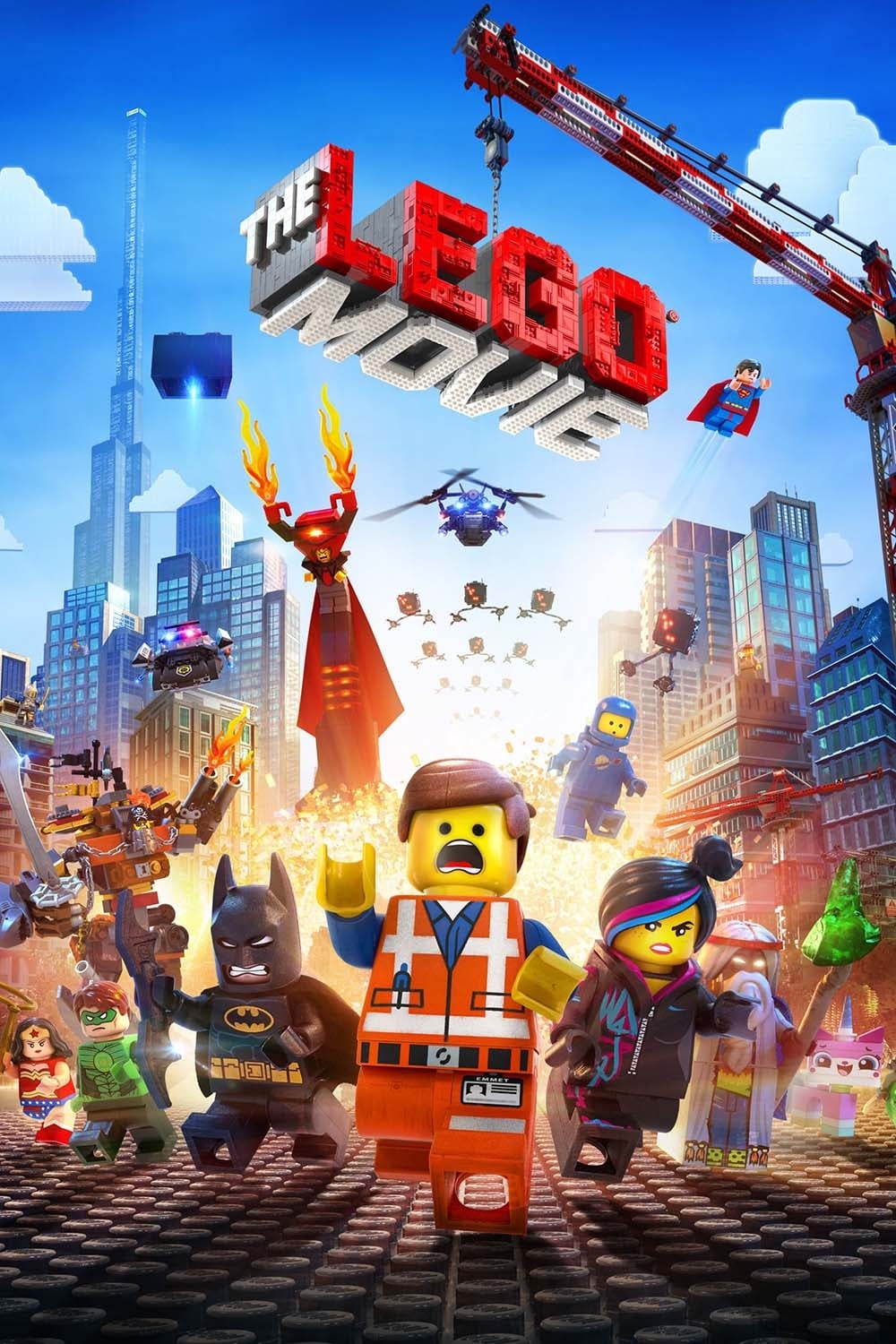
Although most of the movie uses computer animation, a live-action scene set in a basement showcases incredibly detailed LEGO cities and creations. Surprisingly, these weren’t built by the film’s art department – they were borrowed from dedicated LEGO enthusiasts! The filmmakers wanted the basement to look authentic, like the real workspace of someone deeply passionate about LEGO, and using these existing models helped achieve that. This approach also celebrated the amazing creativity found within the LEGO fan community.
‘Shark Night 3D’ (2011)
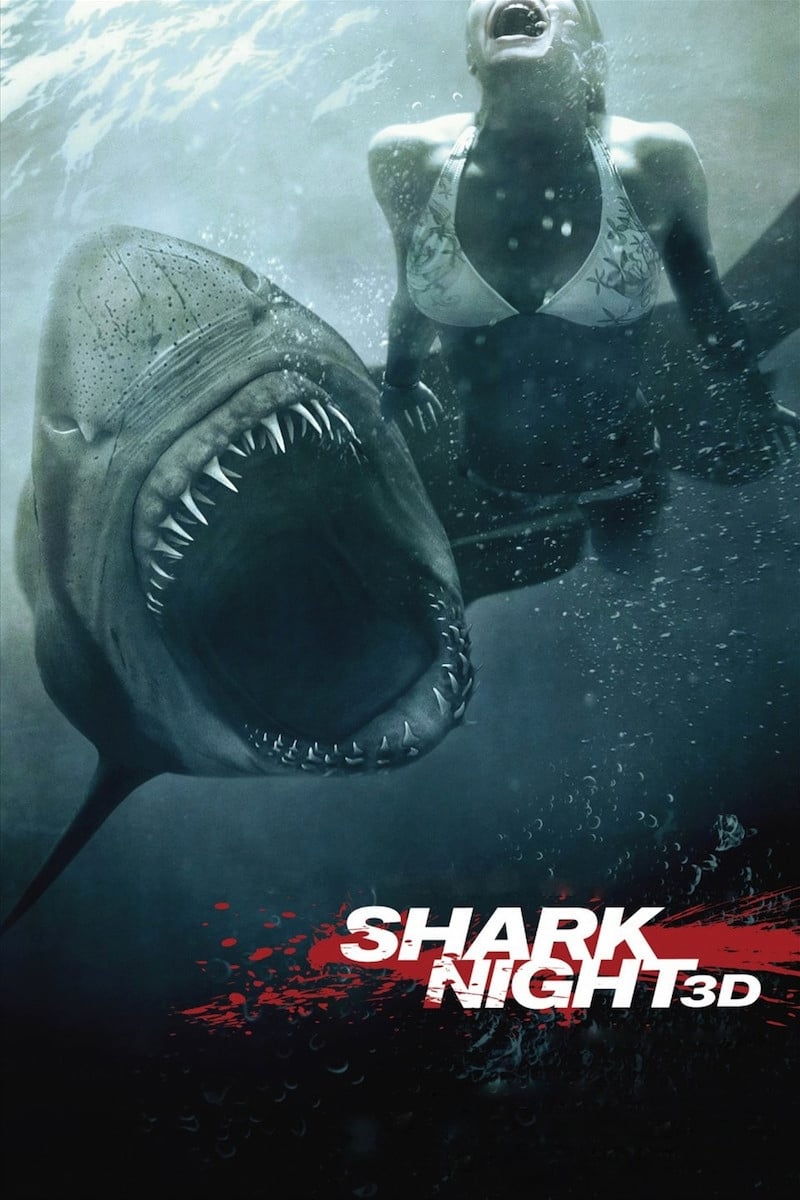
During filming, a background detail in a character’s room – a movie poster – turned out to be fan-made, not an official studio release. The set designers likely found it online and used it as a prop without realizing its origin. This unusual situation – a movie featuring a fan poster of itself – is a funny mistake that observant horror fans often point out as a fun fact.
‘Ghostbusters’ (2016)
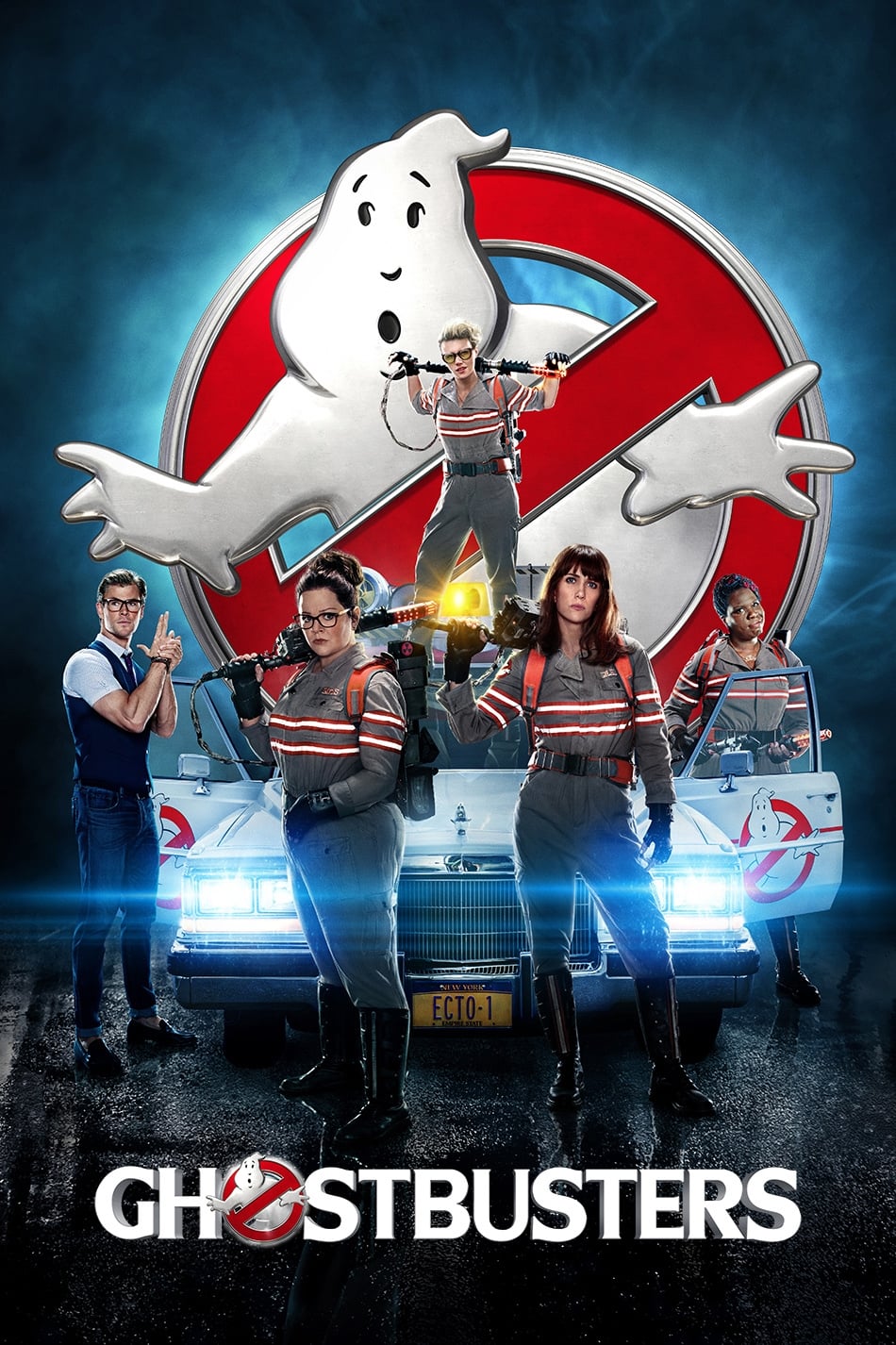
In a New York City subway scene, the walls feature graffiti, including a recognizable Ghostbusters logo. The production team based this design on actual street art and fan creations they admired, and then recreated it for the set. This detail helped make the scene feel more realistic and also acknowledged the franchise’s presence in popular culture. It showed a believable way the Ghostbusters symbol might appear in a city today.
‘Star Trek Beyond’ (2016)

To mark the 50th anniversary of the series, the filmmakers created a charity event called “To Boldly Go,” which included a contest to design alien makeup. The winner got to travel to the movie set and become an alien character featured in the film. This fan-created alien was officially added to the movie’s storyline and even interacted with the Starfleet crew, bringing a real fan’s vision to life among the many alien species shown.
‘Assassin’s Creed’ (2016)
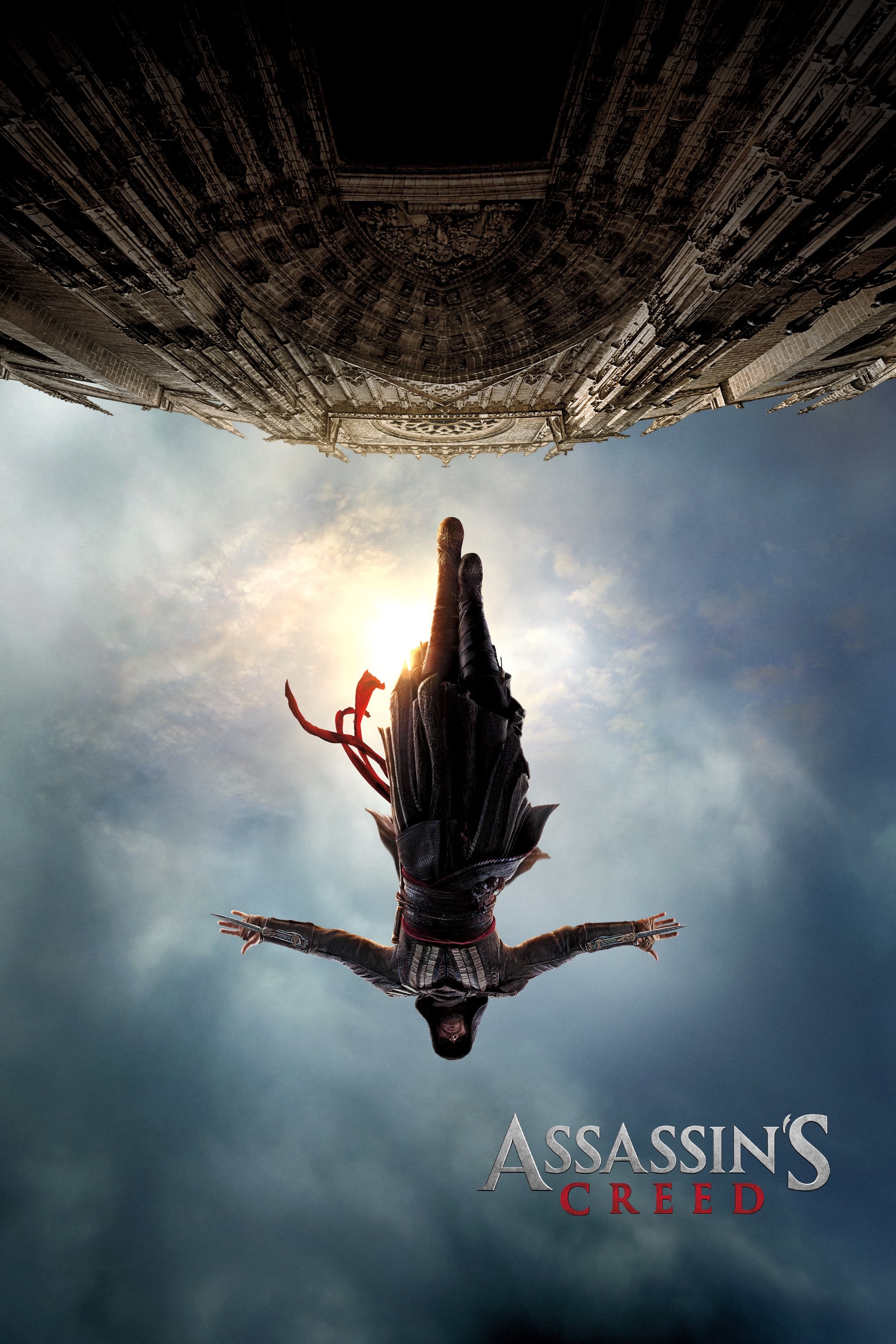
The video game received criticism after fans spotted a familiar image in the background of the Abstergo facility. It turned out to be a fan-made painting, originally shared online, that the game developers had used as set decoration without giving the artist credit. The developers had used the artwork to add detail to the Animus room. This situation raised questions about how easily fan creations can be mixed with official game content during development.
‘Hitman’ (2007)
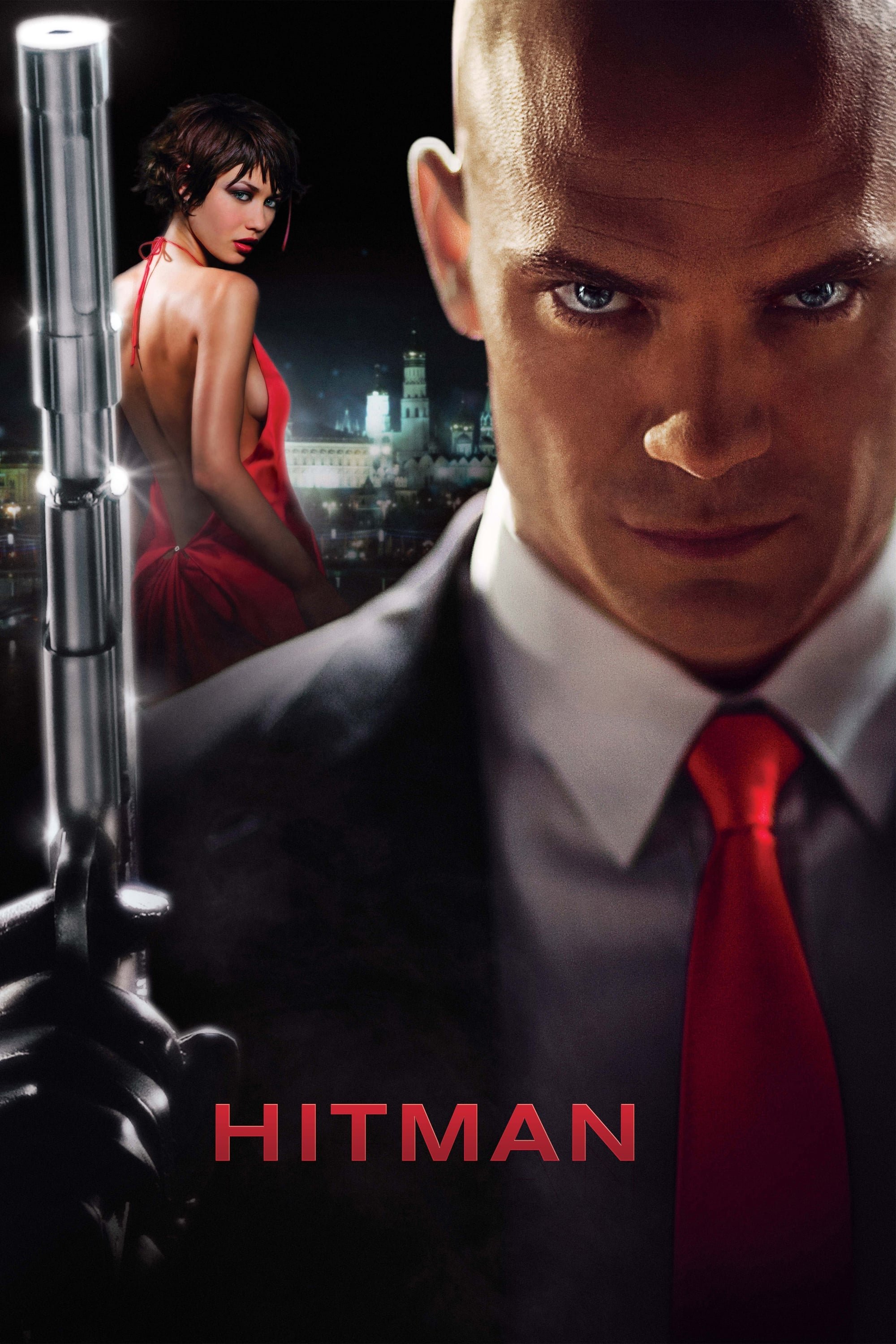
During a scene with Agent 47, a computer screen showed a wallpaper that turned out to be fan-made art, not an official image from the game. This artwork was popular online when the movie was being made. The set designers probably chose it because it looked good, without realizing it wasn’t created by professionals. As a result, a piece of fan art unexpectedly ended up in the official film.
‘Veronica Mars’ (2014)
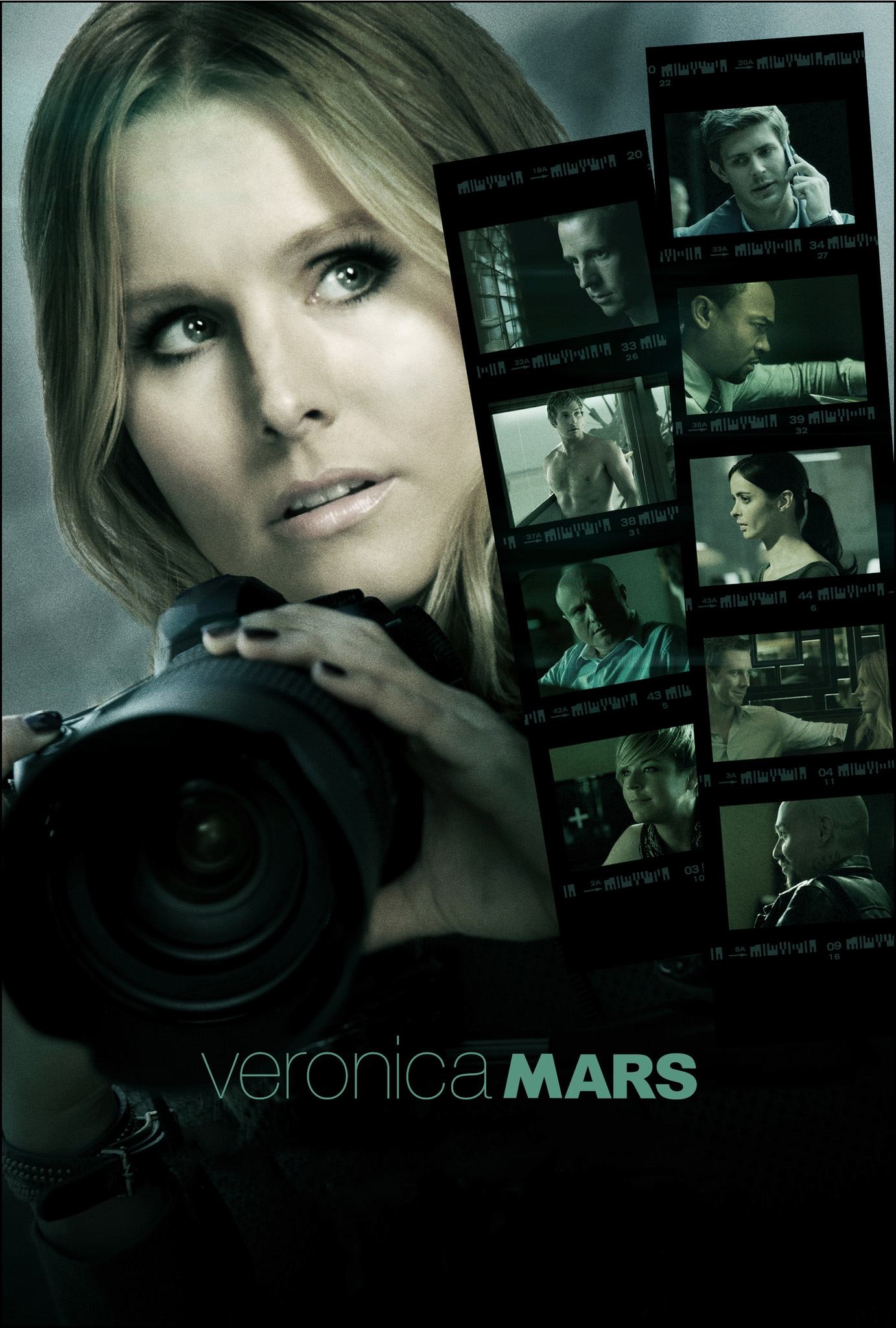
I’m still blown away by how this movie even got made! It was all thanks to an incredible Kickstarter campaign – fans really stepped up and funded it. And it wasn’t just about the money, they included us in the film! If you pledged enough, you could be an extra, like in the high school reunion or at the airport. It was so cool! They didn’t just need extras, though – it felt like we were part of the world they were building, and they were actually paying us to be there! Seriously, the crowds you see on screen? Those are the people who helped make the movie a reality. It’s a pretty amazing feeling to be in the film you helped fund.
‘The Dark Knight Rises’ (2012)
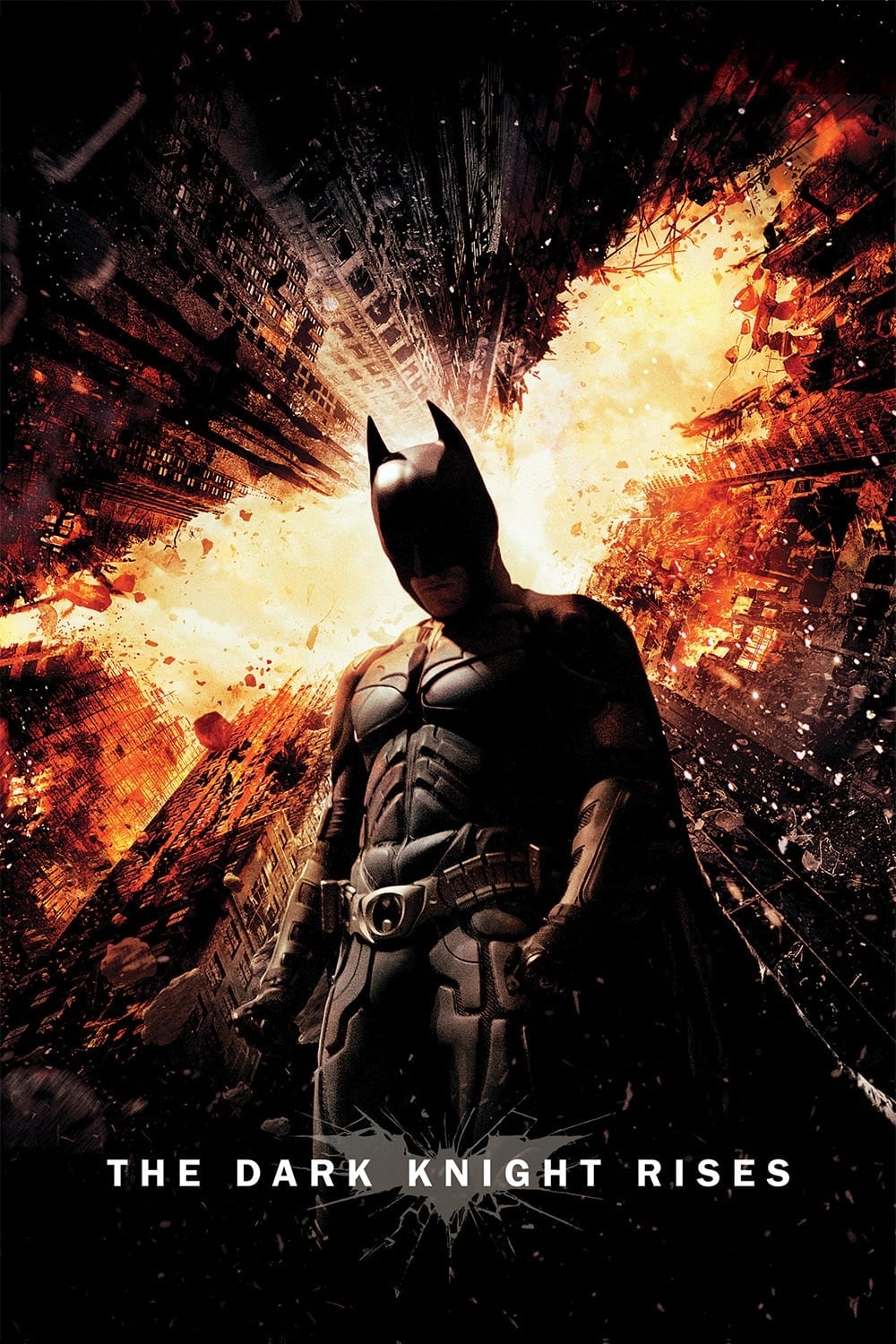
As a huge movie buff, I was fascinated to learn about how Hans Zimmer created the sound for Bane in The Dark Knight Rises. It wasn’t just music – he actually asked fans to record themselves saying “Deshi Basara” and sent in those recordings! He then took thousands of those fan submissions and layered them together. That’s what creates that incredibly powerful, almost overwhelming chant you hear during Bane’s scenes and the prison break. It’s amazing how he turned fan contributions into such a defining part of the film’s sound design – it really felt like we, the audience, were part of the movie!
‘Star Wars: The Last Jedi’ (2017)
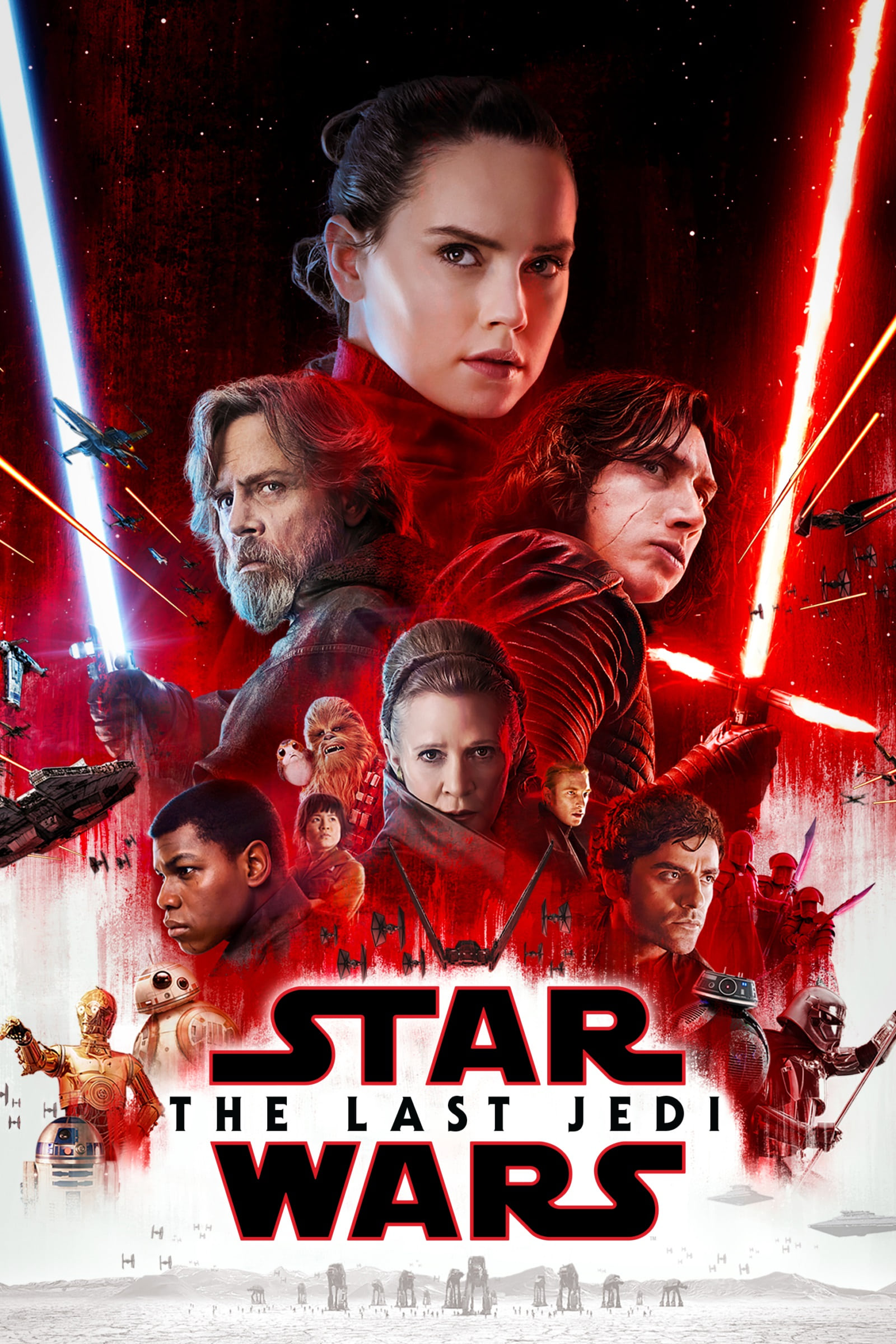
Just like in the first film, the fan-built droid R2-KT made a cameo in the sequel. You can briefly see the pink droid in the background of the Resistance hangar as their ships take off. This repeated appearance established R2-KT as a regular part of the films’ design and beautifully connects the dedication of fans and their fundraising efforts with the official Star Wars story.
‘Star Wars: The Rise of Skywalker’ (2019)
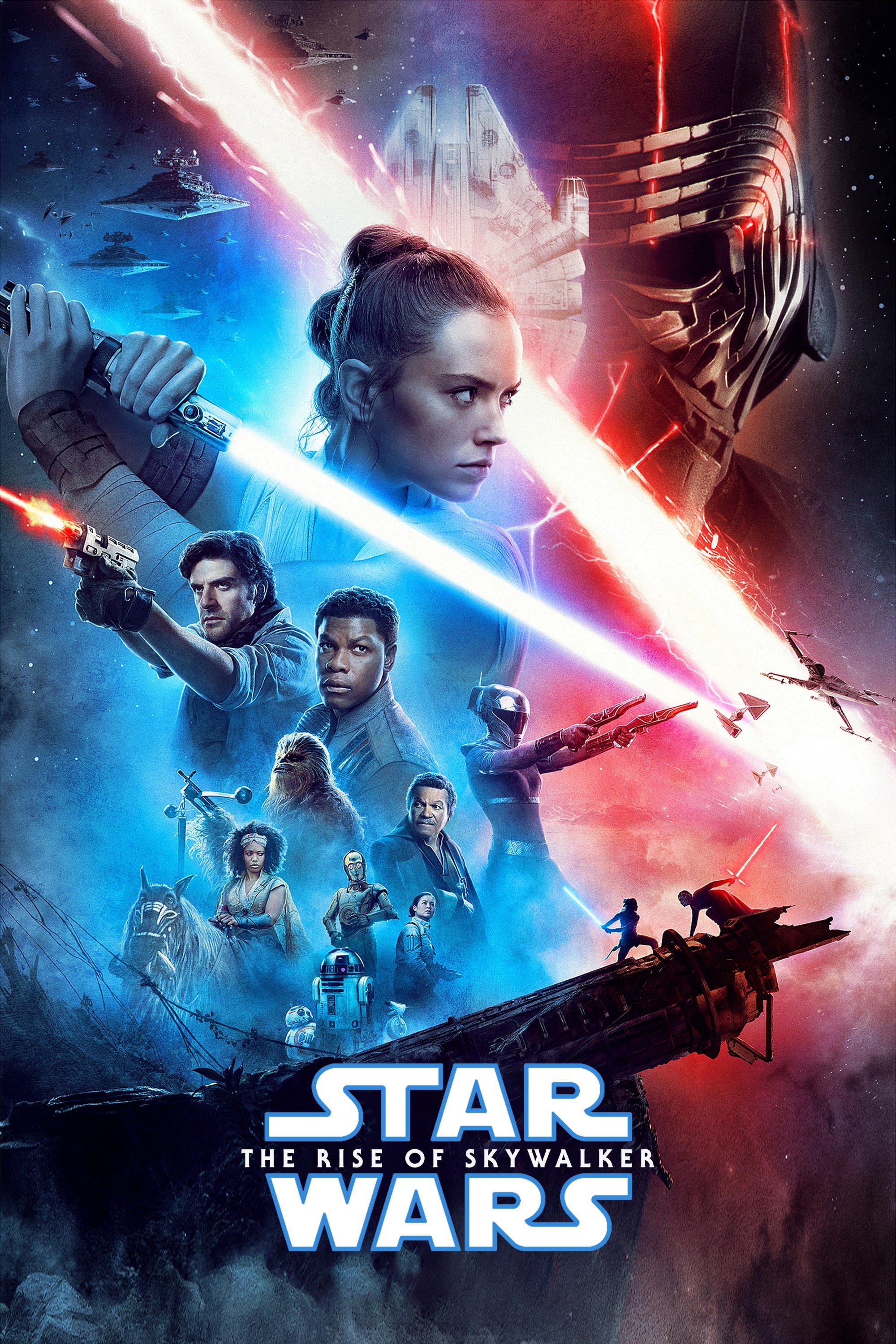
R2-KT, a fan-made droid, made a final appearance in the last film of the Skywalker saga, popping up again in scenes at the Resistance base. Over time, the droid had become a favorite hidden detail for dedicated fans, symbolizing the strength and lasting impact of the fan community. The fact that this particular fan-built prop was used in all three films is remarkable, showing a special dedication to fan history. It’s one of the very few fan creations to be featured in every movie of a major trilogy.
‘Hardcore Henry’ (2015)

This action movie was made possible by a successful Indiegogo campaign, where fans directly funded its creation. As a thank you, donors were credited in the film, and some even had their ideas or appearances included in the movie’s rough and realistic world. The film’s chaotic, video game-like style was shaped by feedback from the online community who initially supported the short films that proved the concept. The movie’s design feels raw and energetic, reflecting its roots in online collaboration and fan support.
‘Teenage Mutant Ninja Turtles: Mutant Mayhem’ (2023)
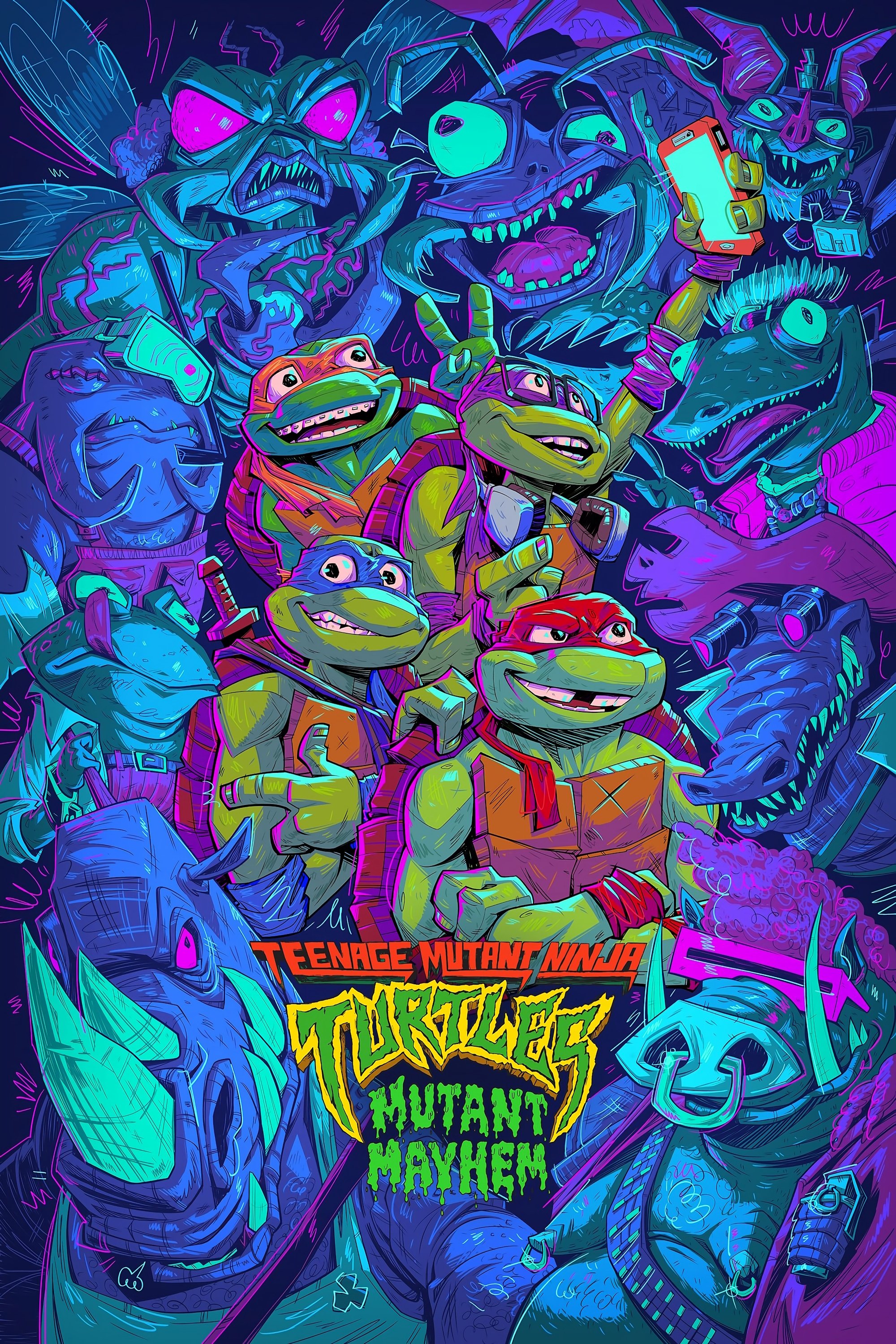
The film’s end credits have a unique art style, looking like sketches from notebooks – a tribute to fan art and the doodles teenagers often create. Although professional designers oversaw it, the sequence was intentionally made to resemble artwork created by young fans of the series. This choice honors the way fans have been drawing the Turtles in their school notebooks for years, creating a connection between the film’s high-tech animation and the heartfelt art of its audience.
‘Invader Zim: Enter the Florpus’ (2019)

The movie begins with a fast-paced series of scenes showing the main character drawn in many different art styles. This was a deliberate choice to reflect how fans have reimagined and illustrated the character over time. The filmmakers worked with artists to recreate these fan-made looks in the official animation. It’s a way of acknowledging the character’s long absence from the screen and celebrating the dedicated fans who kept his memory alive.
‘Jay and Silent Bob Reboot’ (2019)
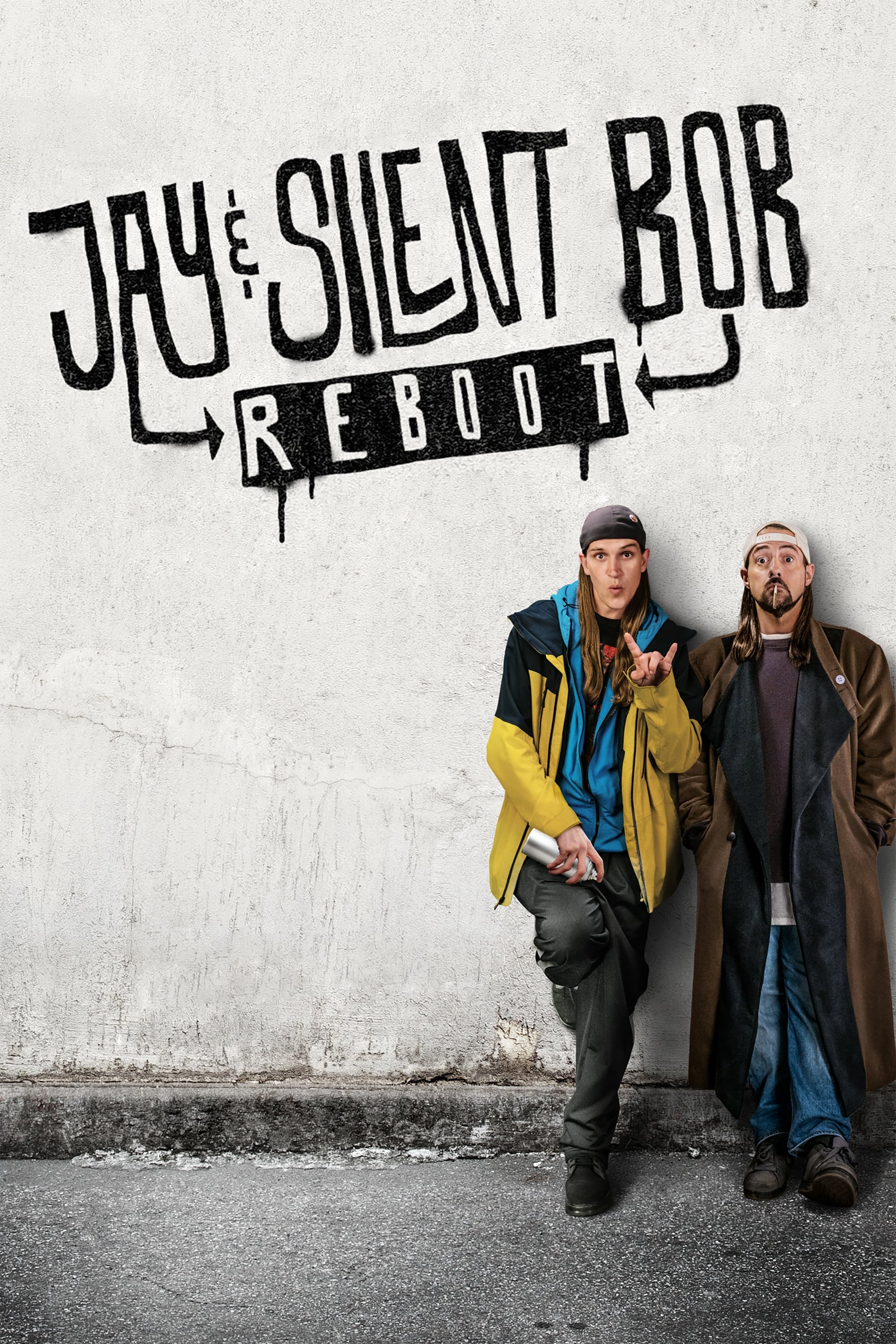
Kevin Smith has a strong connection with his fans, and the movie begins by showing a collection of artwork they’ve created over the years featuring Jay and Silent Bob. This opening highlights the fans’ creativity and immediately establishes that the film is a tribute to them and their dedication to Smith’s View Askewniverse. It’s a way of celebrating and acknowledging the art the fans themselves have produced.
‘Clerks II’ (2006)

As a huge fan of Kevin Smith, I always thought the end credits of his films were really cool. But what I found out is that he did something totally unique! He actually included the names of the first 10,000 fans who added the movie as a friend on MySpace – right there in the credits! It’s not just a list though; it’s this massive, scrolling wall of names that looks really interesting. It’s like a visual thank you to everyone who supported the film from the very beginning, and it was one of the first times a director ever did something like that with social media and the actual movie itself. It’s a really neat way to show how much the fans meant to him.
‘The ABCs of Death’ (2012)
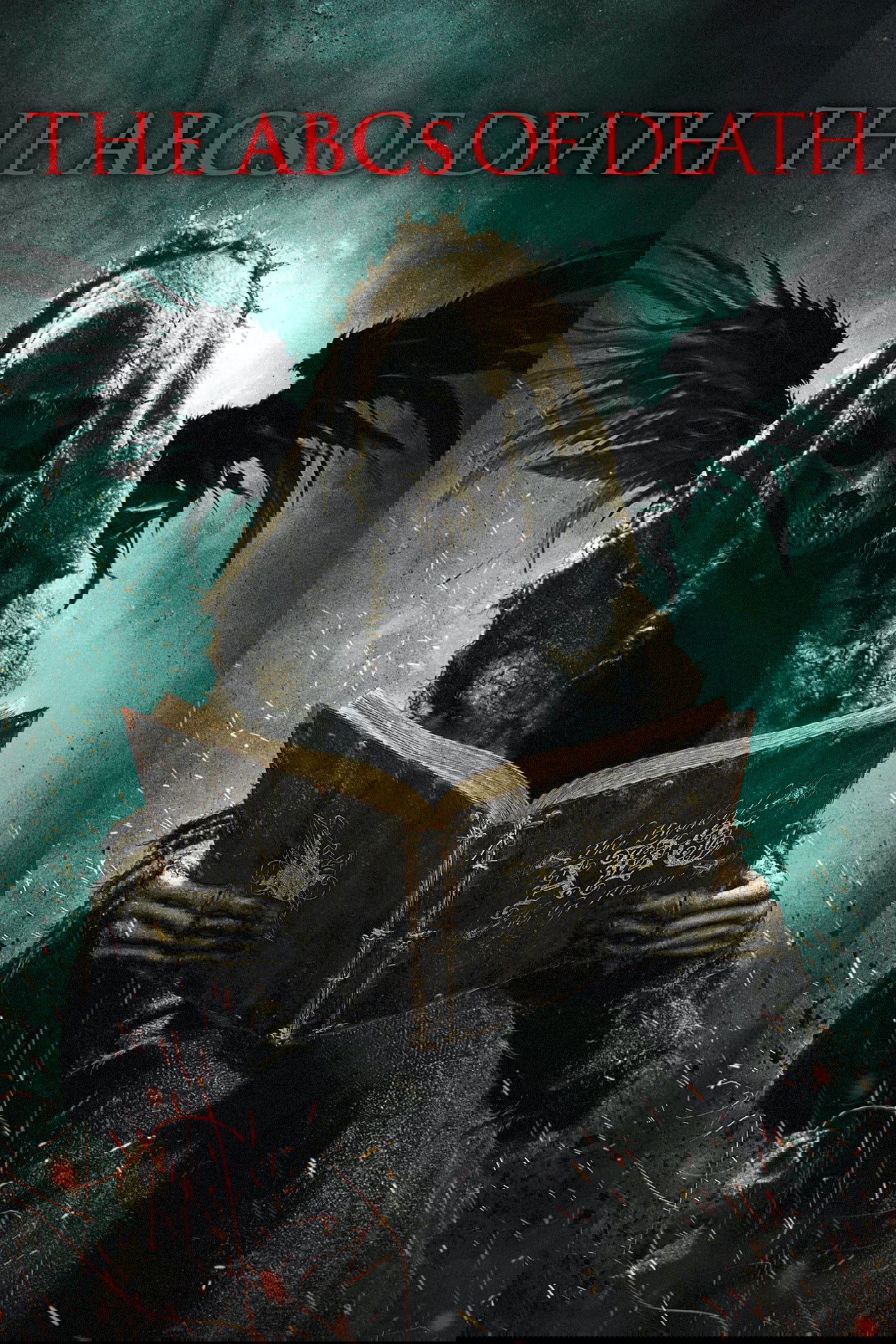
The creators of this horror anthology held a contest, challenging filmmakers and fans to submit short videos focusing on the letter ‘T’. Lee Hardcastle’s amateur film, “T is for Toilet,” won and became the 20th segment of the movie. This was a unique opportunity to include fan-made content as an official part of the final film, effectively turning a viewer into a director on the project.
I’m curious – have any of you noticed other films that cleverly included fan-made content? I’d love to hear about any examples you’ve spotted, so please share them in the comments!
Read More
- 2025 Crypto Wallets: Secure, Smart, and Surprisingly Simple!
- Monster Hunter Stories 3: Twisted Reflection launches on March 13, 2026 for PS5, Xbox Series, Switch 2, and PC
- Here Are the Best TV Shows to Stream this Weekend on Paramount+, Including ‘48 Hours’
- 🚨 Kiyosaki’s Doomsday Dance: Bitcoin, Bubbles, and the End of Fake Money? 🚨
- 20 Films Where the Opening Credits Play Over a Single Continuous Shot
- 39th Developer Notes: 2.5th Anniversary Update
- 10 Hulu Originals You’re Missing Out On
- 10 Underrated Films by Ben Mendelsohn You Must See
- Target’s Dividend: A Redemption Amidst Chaos
- First Details of the ‘Avengers: Doomsday’ Teaser Leak Online
2025-12-10 09:25