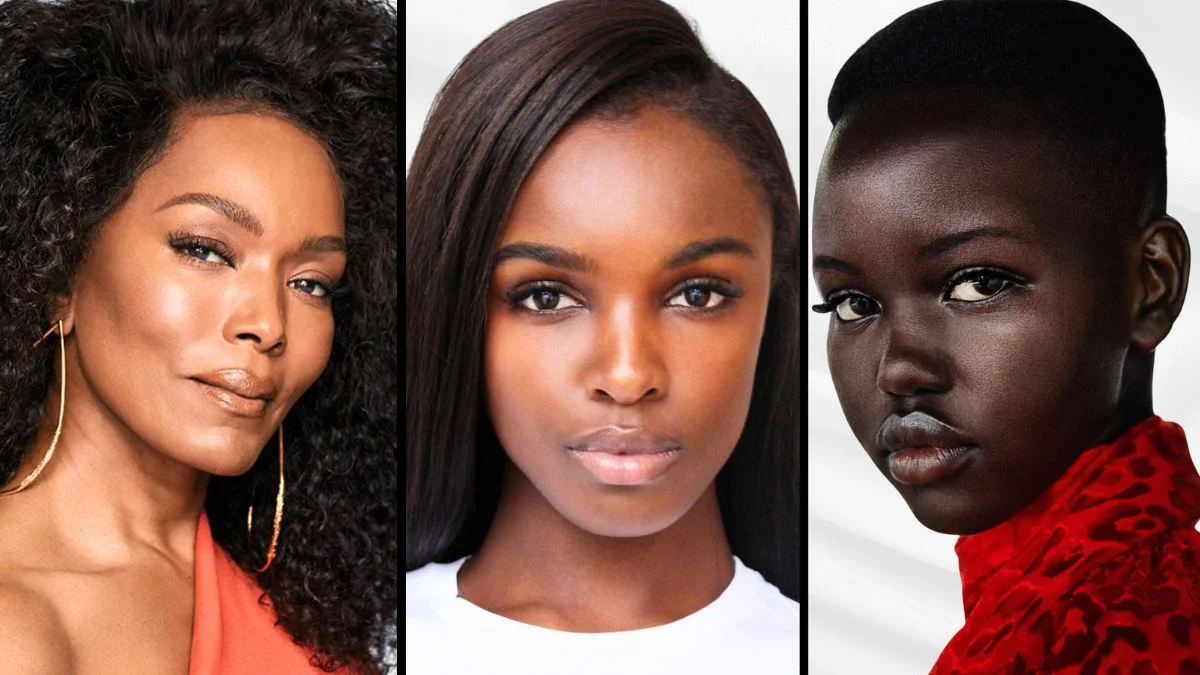
For years, Hollywood makeup artists haven’t been skilled at working with darker skin tones, leading to a lack of diversity and inclusion in the industry. Many Black celebrities have used platforms like Instagram Live to share their frustrating experiences with makeup artists on set, calling for better training and more inclusive practices. These stories show a widespread problem where professionals aren’t adequately prepared to work with all skin complexions. This list features fifty celebrities who have publicly spoken out about these issues within the beauty industry.
Leomie Anderson
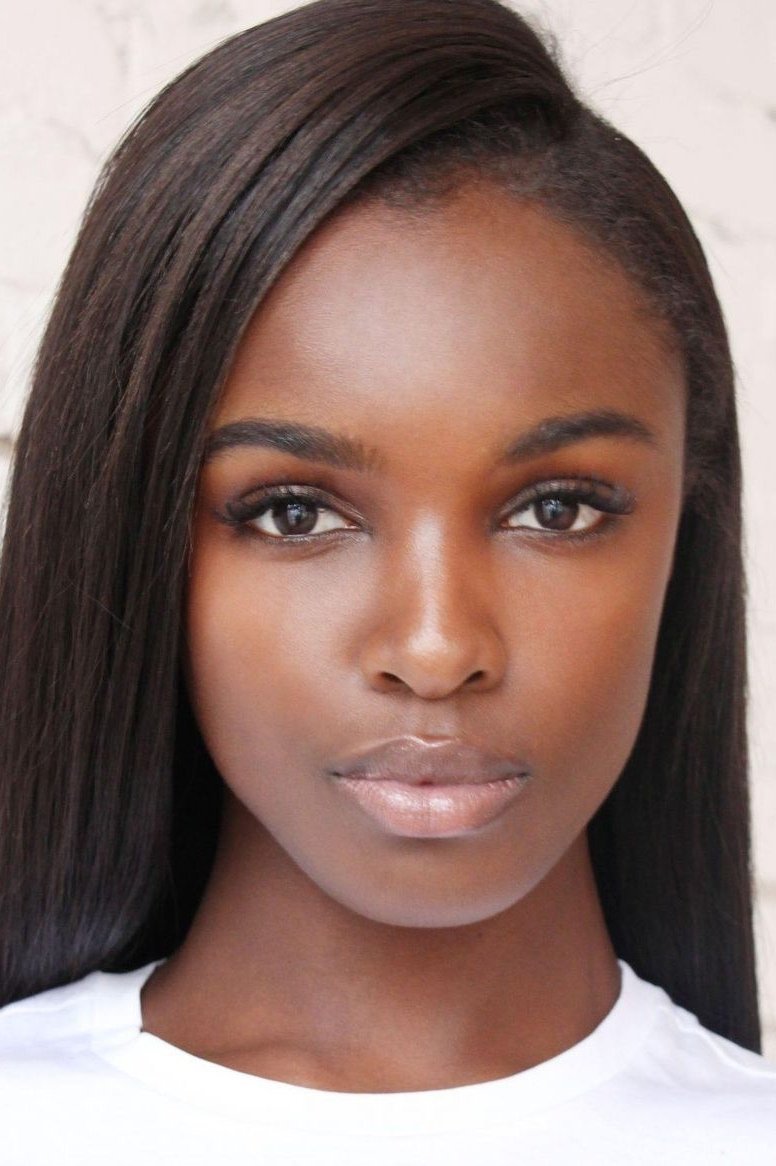
This Victoria’s Secret model often speaks out about the lack of diversity and preparation among makeup artists at fashion shows. She famously shared videos showing how limited the range of foundation shades was, and how she frequently had to apply her own makeup because artists couldn’t find a match for her skin tone. She’s now pushing for all beauty professionals to receive training on working with Afro-textured hair and darker skin tones.
Jourdan Dunn
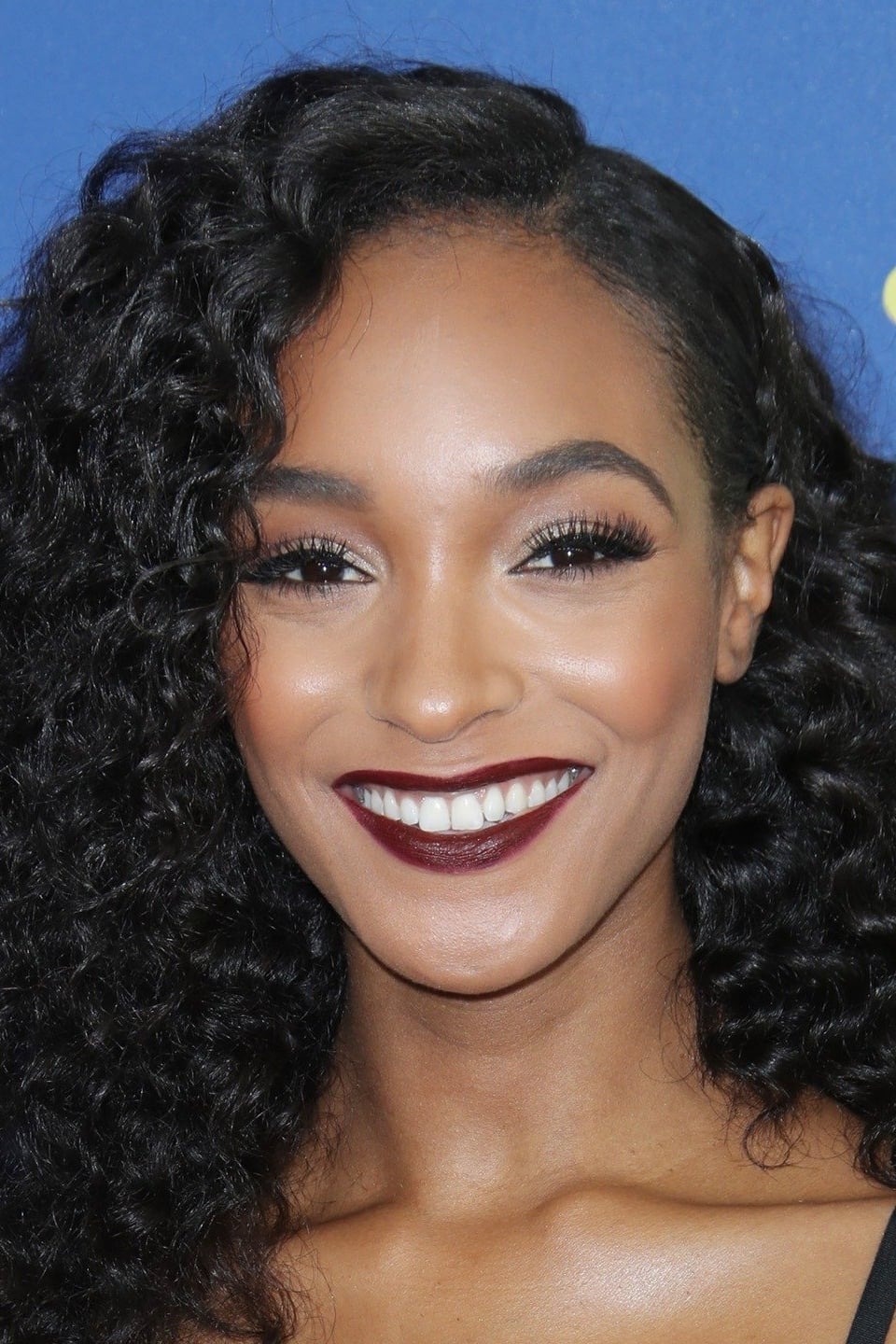
Model Dunn has frequently spoken about the challenges she faces when makeup artists aren’t skilled at working with darker skin tones. She once shared on Twitter how a makeup artist, while claiming not to want to alter her skin, actually made her look ashen. Dunn has also noticed that makeup artists often seem nervous when they realize they don’t have the correct shades for her skin. These experiences highlight a gap between the high standards for models and the expertise of the makeup artists who support them.
Duckie Thot
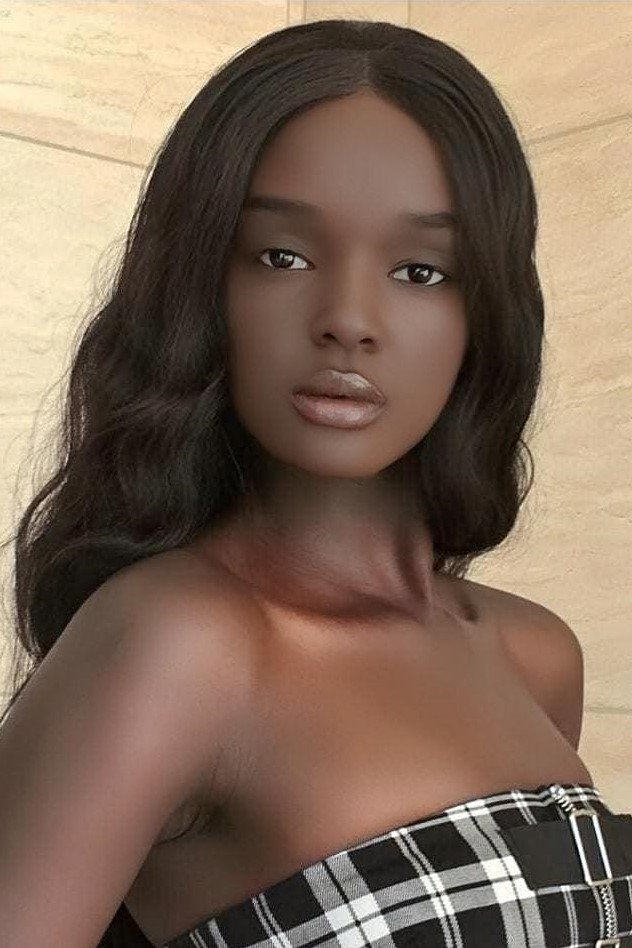
Following her time on ‘Australia’s Next Top Model’, model Thot experienced significant bullying and issues with how her skin and hair were handled. She’s spoken online about always bringing her own makeup foundation to avoid appearing pale on camera. Thot stresses that the fashion industry still needs to improve its treatment of dark-skinned models, and she actively supports brands committed to genuine inclusivity while criticizing those that only see diversity as a temporary fad.
Adut Akech
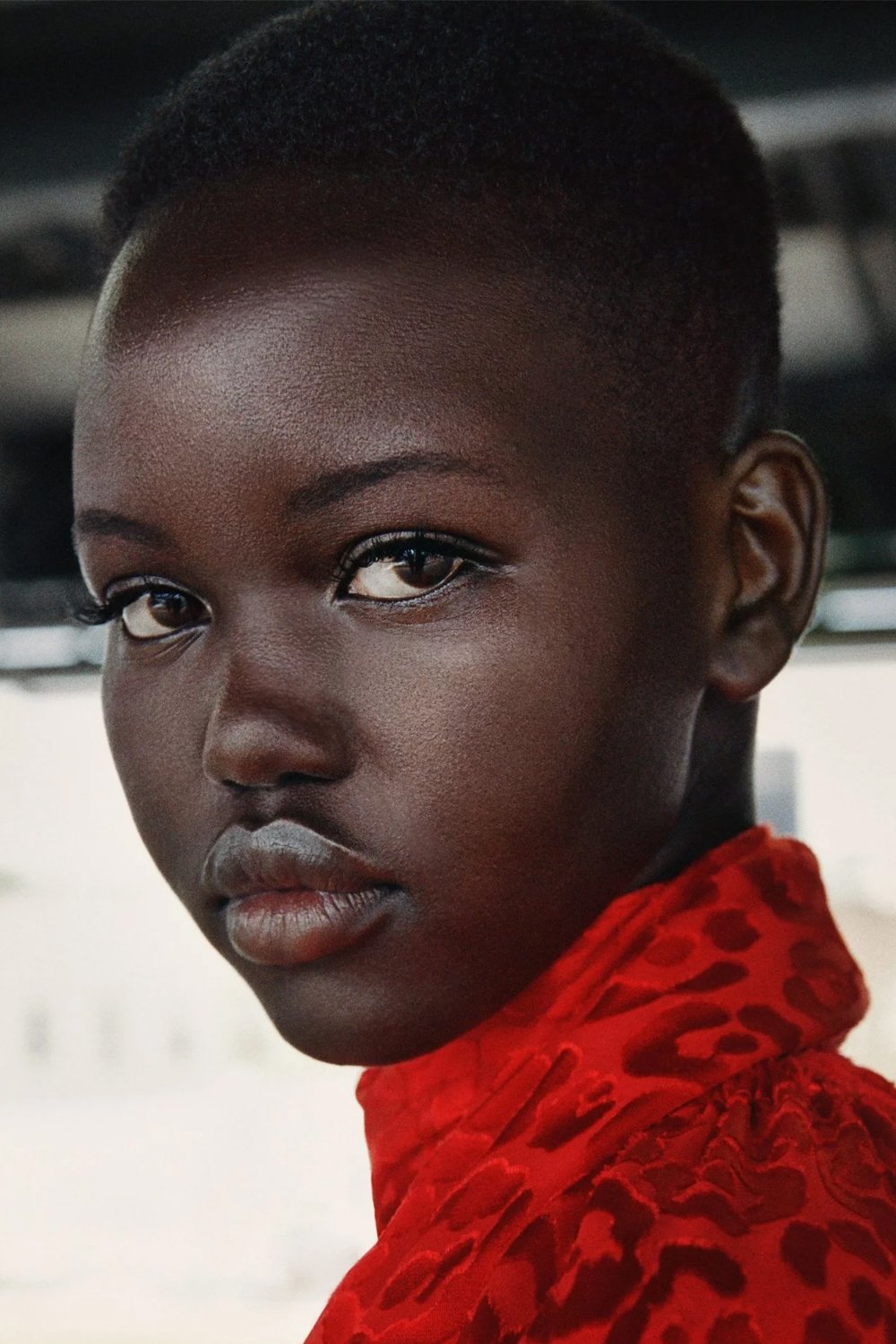
Akech has publicly discussed instances where her skin was lightened in photos and during photoshoots. She uses her voice to encourage photographers and makeup artists to celebrate her natural dark skin, rather than trying to change it. Akech has explained that some makeup artists unintentionally make darker skin tones look ashy by using the wrong shades. Ultimately, she champions respecting the natural beauty of models from South Sudan.
Precious Lee
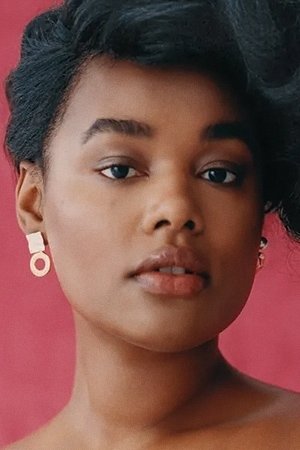
Throughout her career, Lee has consistently pushed back against traditional beauty standards regarding both body size and skin color. She frequently talks about how colorism and sizeism overlap in the fashion industry, especially on her social media. Lee has pointed out that makeup artists sometimes have difficulty working with her complexion without trying to change it. She believes beauty professionals should be skilled at working with a diverse range of looks, just like the models they work on.
Keke Palmer

Keke Palmer often connects with her followers on Instagram Live, sharing her insights about working in Hollywood and the beauty world. She’s jokingly, but seriously, pointed out the difficulties some makeup artists have with matching her skin tone. Palmer thinks makeup artists should be properly trained as a standard requirement, not just something optional. By speaking openly, she empowers her fans to recognize when a makeup issue is due to a lack of skill, not a problem with their own skin.
Gabrielle Union
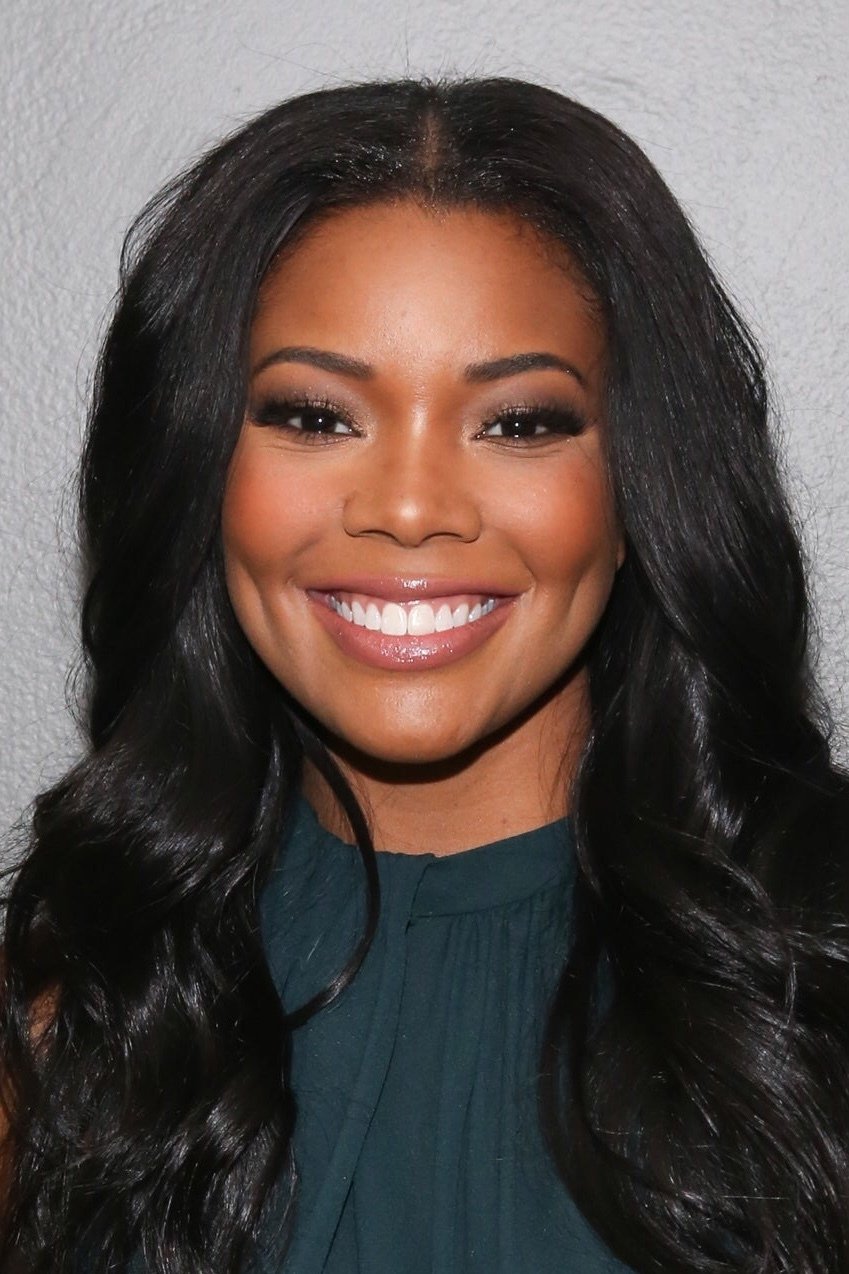
I’ve been so impressed hearing Union talk about her experiences. She’s had to really fight to ensure she’s portrayed authentically, even having to do her own makeup sometimes when starting out because artists wanted to lighten her skin. It’s something she often points out – how crucial lighting and makeup are to a performance, and how easily they can make or break it. I especially admire how she encourages new actors to confidently speak up and advocate for themselves if they feel their look isn’t being respected or accurately represented.
Taraji P. Henson
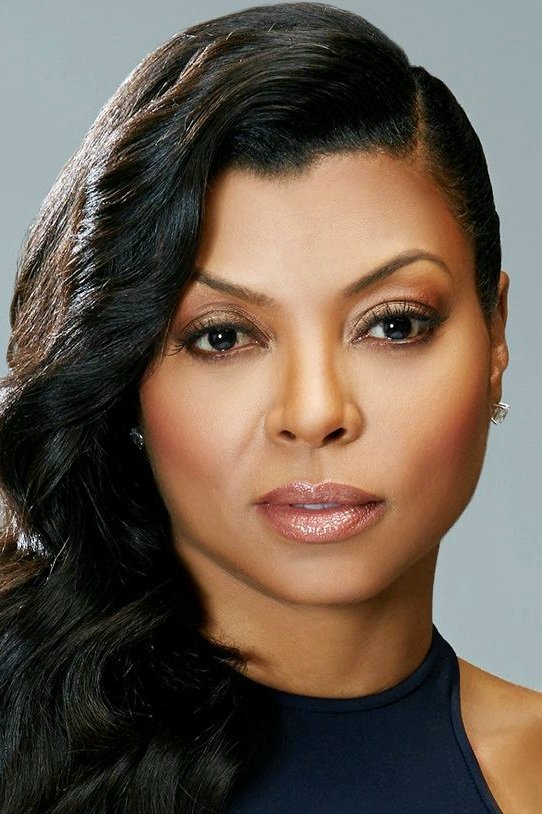
Taraji P. Henson has worked in Hollywood for many years and has personally witnessed the gradual increase in diversity within the beauty industry. She’s spoken openly about having to create her own makeup shades on film sets because options for her skin tone were limited. This experience, along with a lack of professional hair and makeup expertise for Black actors on set, inspired her to create her own haircare line. Henson continues to champion the importance of hiring Black hair and makeup artists to work with Black actors.
Kelly Rowland
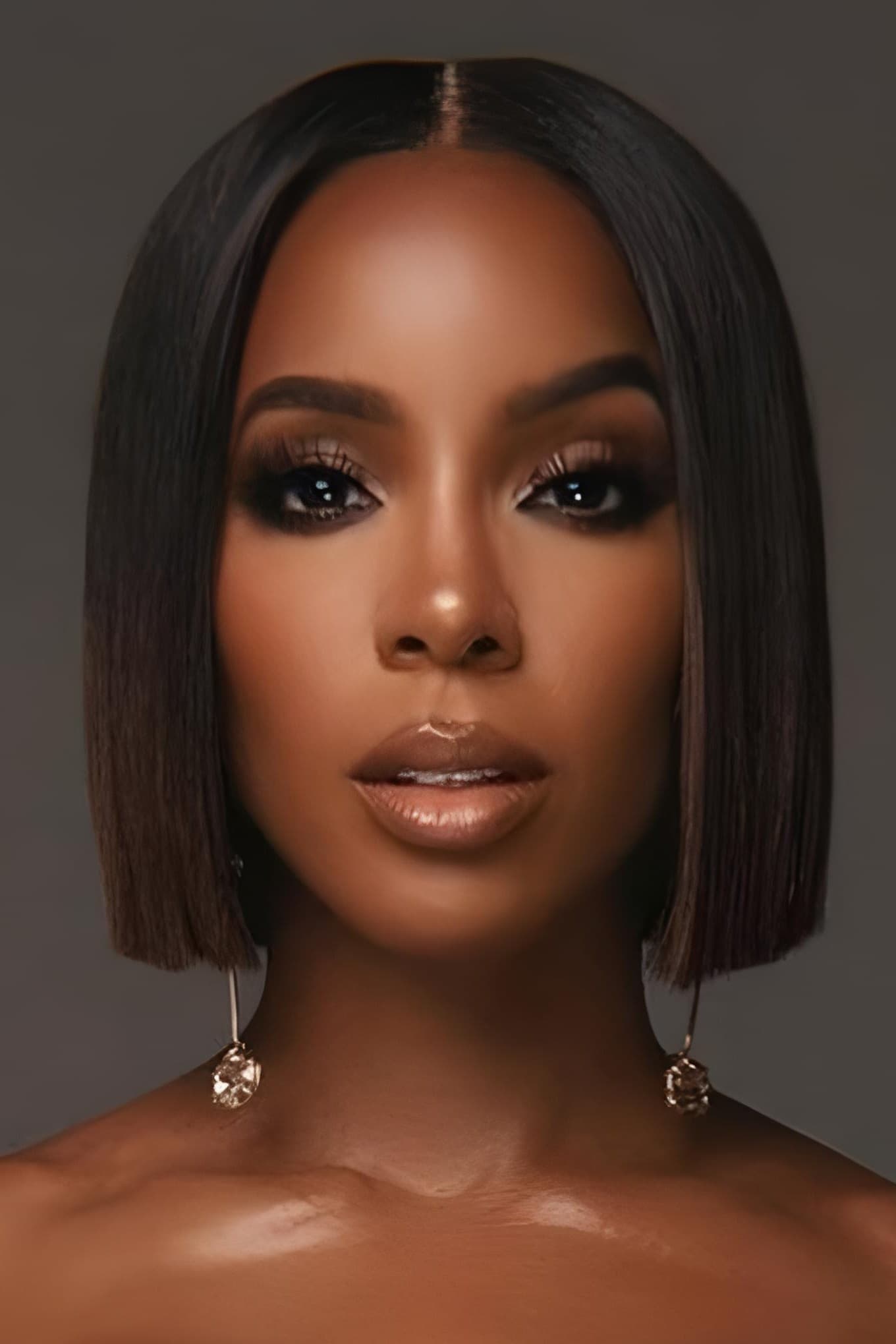
Rowland has spoken about the challenges she’s faced with makeup artists not being able to accurately match her skin tone. Early in her career, she often appeared pale or lacked color due to unsuitable makeup choices. Now, she uses social media to highlight artists who do a good job, while also calling out those who don’t. Rowland encourages women with darker skin tones to celebrate their natural beauty, even when the industry falls short.
Viola Davis
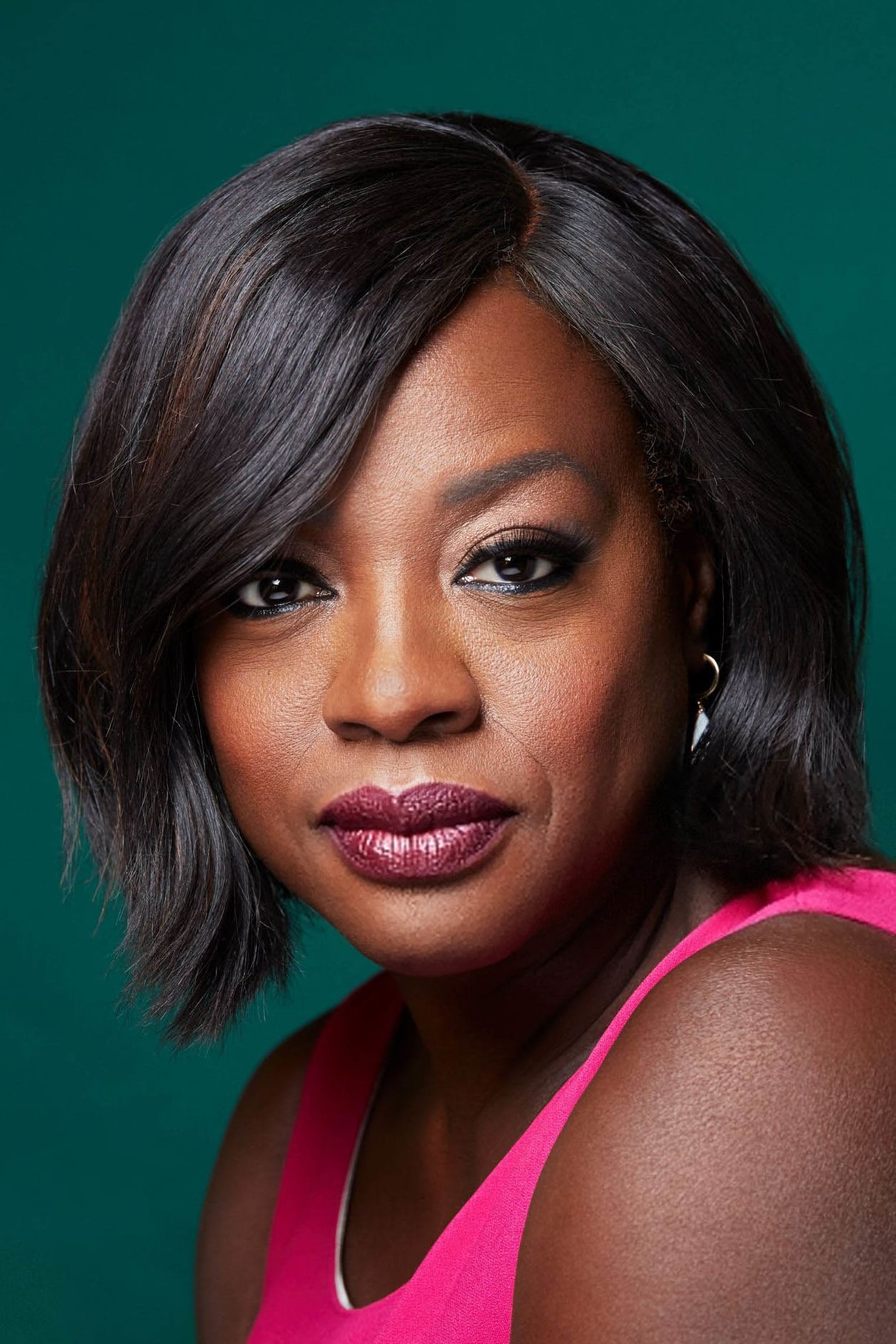
Viola Davis has often spoken about the challenges she faced early in her career due to her natural hair and darker skin tone. She shared that some makeup artists used to try to lighten her skin, attempting to make her appear more conventionally appealing. Now, the Academy Award winner insists on working with beauty professionals who can celebrate and enhance her natural complexion. Her self-assurance has pushed the entertainment industry to improve how it handles lighting and makeup for people with darker skin tones.
Lupita Nyong’o
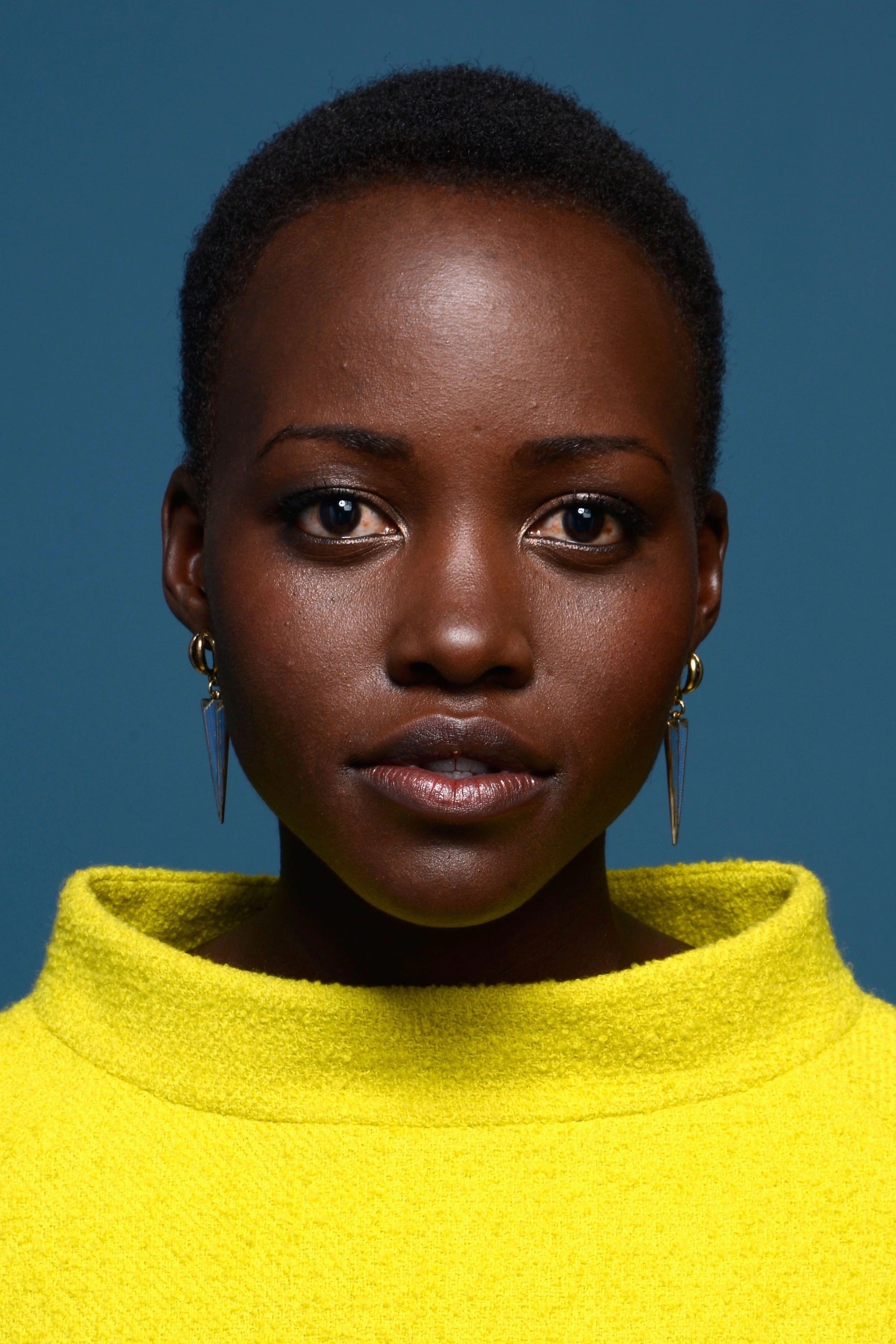
Lupita Nyong’o criticized a magazine for digitally altering her appearance on a cover, specifically smoothing her hair and making her skin lighter. She used this as an opportunity to raise awareness about how African features are often erased or minimized in media. Nyong’o consistently emphasizes the beauty and importance of representing her natural dark skin accurately. She also encourages makeup artists to enhance, rather than cover up, her rich complexion.
Zendaya

Zendaya, while having lighter skin, has spoken out about the need for more diversity among makeup artists and beauty professionals. She often does her own makeup for events like red carpets, preferring to rely on her own expertise. She’s explained this is because she wants to make sure her makeup looks natural in photos and avoids issues like appearing orange or pale. This choice shows a broader problem: many performers don’t fully trust the professionals provided to them to accurately represent their look.
Iman
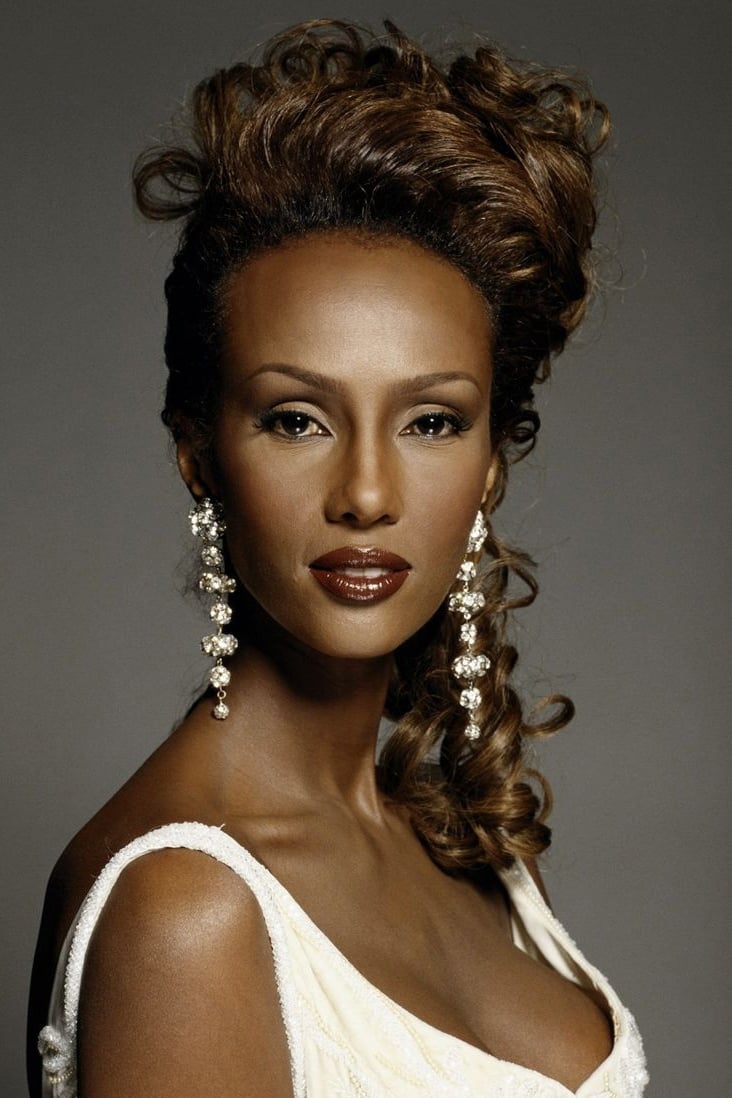
The iconic supermodel launched her own makeup line out of frustration with having to create custom shades. She often found makeup artists asking her to bring her own foundation because they didn’t have colors that matched her skin tone. Iman has consistently called out major beauty brands for not catering to a wider range of complexions, and she’s become known for challenging the idea that darker shades aren’t profitable.
Naomi Campbell
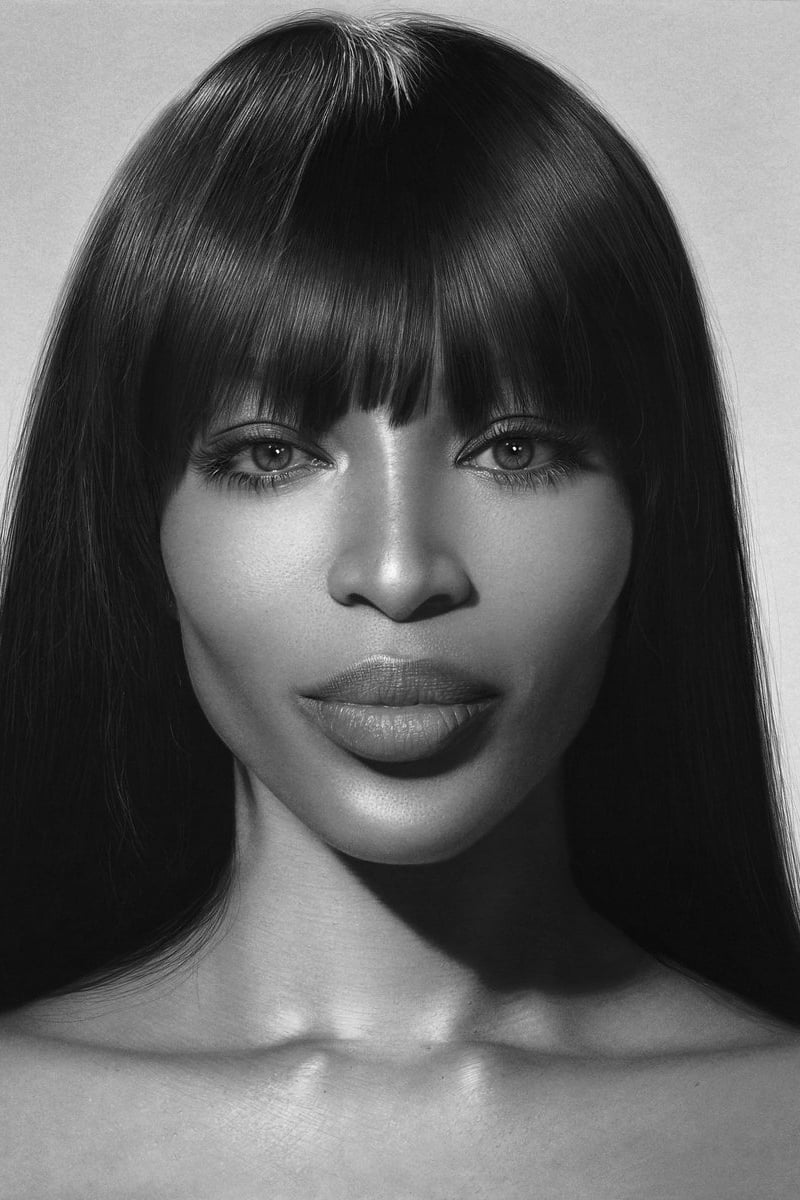
As a lifelong movie and fashion enthusiast, I remember being so impressed when Naomi Campbell started speaking out about the racism she experienced, even back then. She shared stories about how she and other Black models literally had to share makeup because the artists only brought shades for white skin – can you believe that? It’s amazing to see she’s still pushing for change, demanding fully stocked makeup stations for all skin tones at every Fashion Week. Honestly, she really paved the way for the conversations we’re finally having now about accountability in the industry.
Tyra Banks

I’ve been following Tyra Banks for years, and it’s fascinating to see how she’s using her platform to talk openly about the damaging effects of bad makeup and hair experiences. She’s even revealed that the stress of dealing with unprofessional beauty teams contributed to her decision to step away from runway modeling – it really chipped away at her self-esteem. Now, she’s a huge advocate for models taking control and learning how to fix mistakes themselves. And honestly, good for her! She’s rightfully calling out agencies that don’t do their due diligence and ensure the stylists and makeup artists they hire are skilled and respectful. It’s a message that’s long overdue in the industry.
Meagan Good
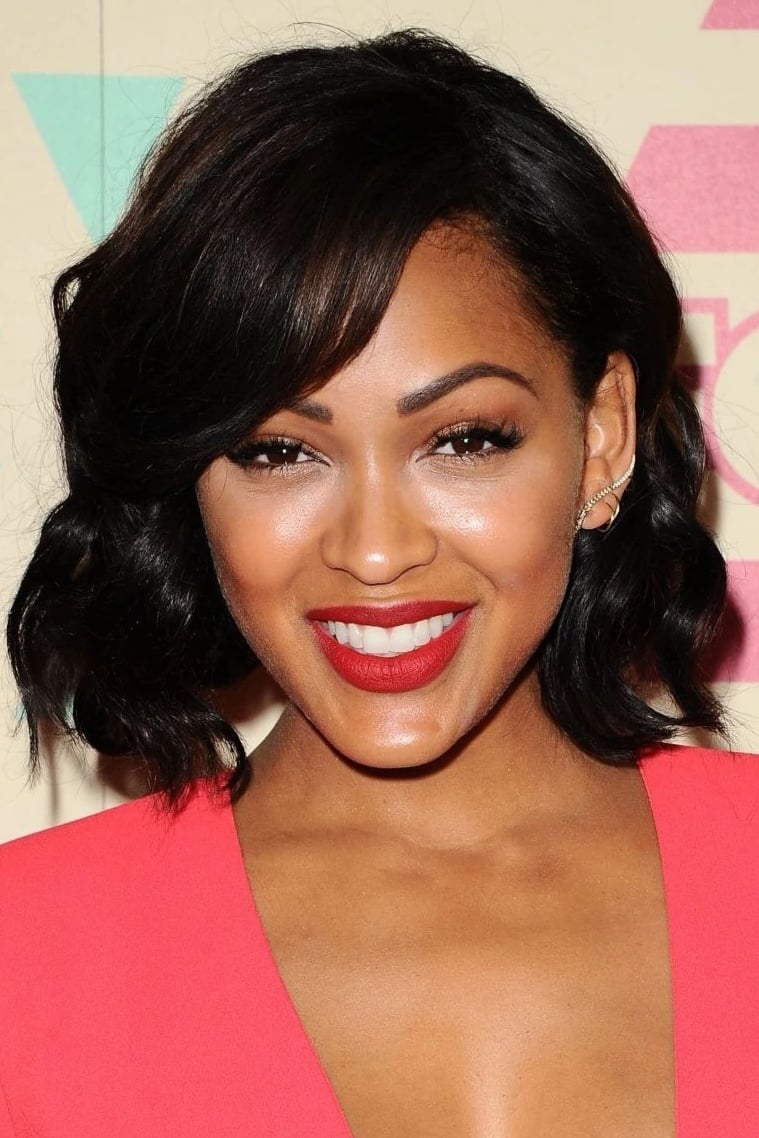
Keke Palmer has responded to comments about changes in her eyebrows and skin over time. She explained that she often relied on makeup artists who didn’t quite understand her personal style. Palmer now uses social media to showcase her natural look and debunk rumors about skin lightening. She wants people to understand that makeup mistakes can significantly change how a celebrity appears.
Tika Sumpter
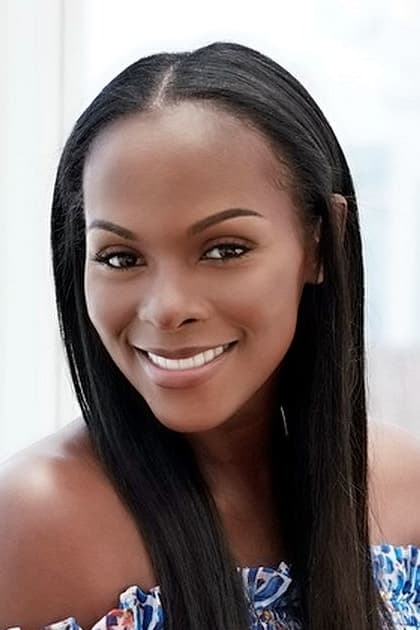
Sumpter has discussed how crucial proper lighting and makeup are for actresses with darker skin tones in movies and TV. She’s experienced being nearly invisible on set because some crews didn’t know how to light her skin effectively. She advocates for productions that employ diverse teams who understand how light interacts with melanin. Sumpter also regularly connects with fans who appreciate her beautiful and authentic representation of dark-skinned women on screen.
Yvette Nicole Brown
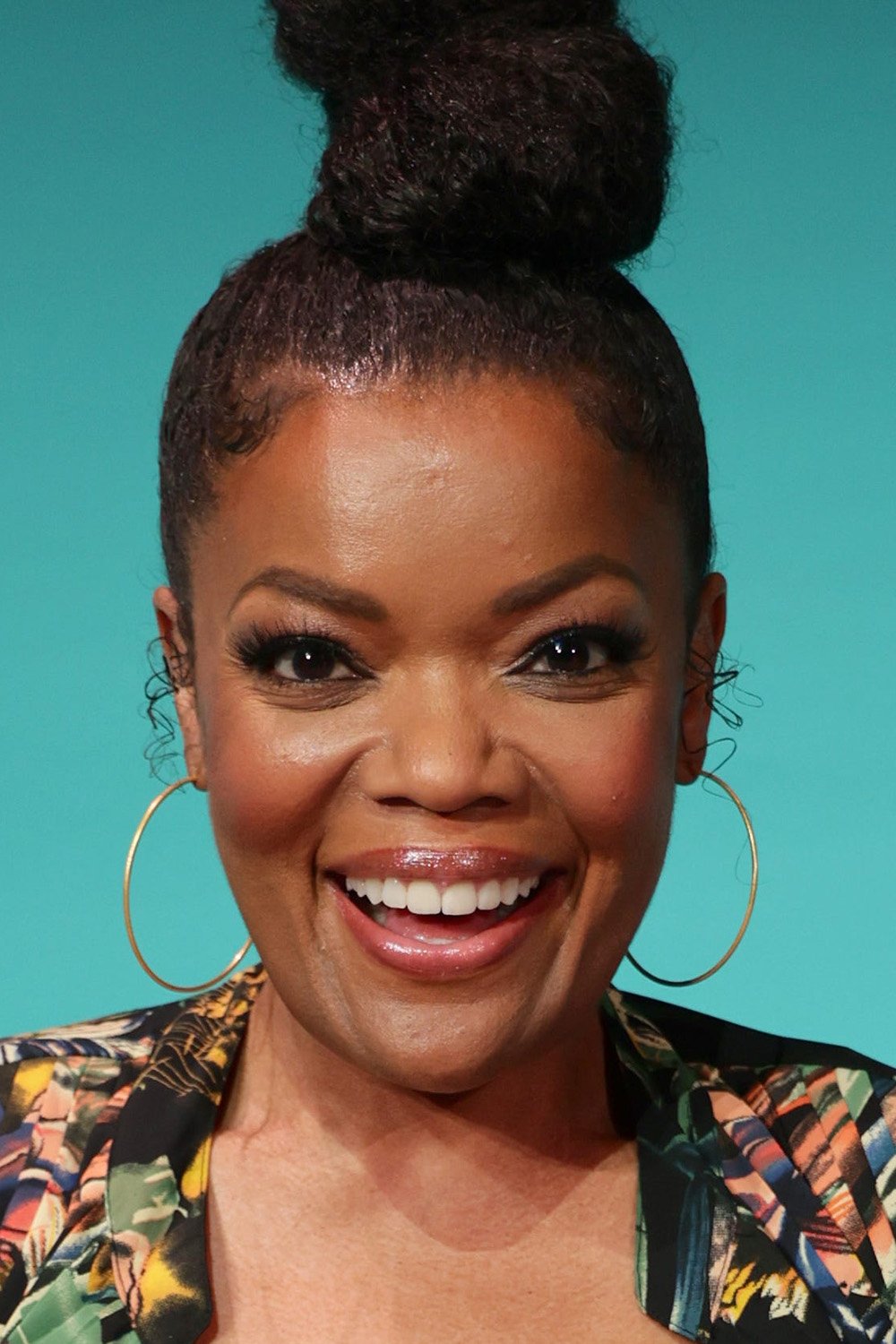
Taraji P. Henson has talked about how difficult it is to find makeup artists who can work with her skin tone without leaving a grayish cast. She frequently highlights the few artists who do a great job, emphasizing how uncommon it is to find someone who understands her needs. Henson also connects with fans on social media, encouraging them to voice their preferences during makeup application. She feels that being comfortable in the makeup chair is crucial for delivering a strong performance.
Amber Riley
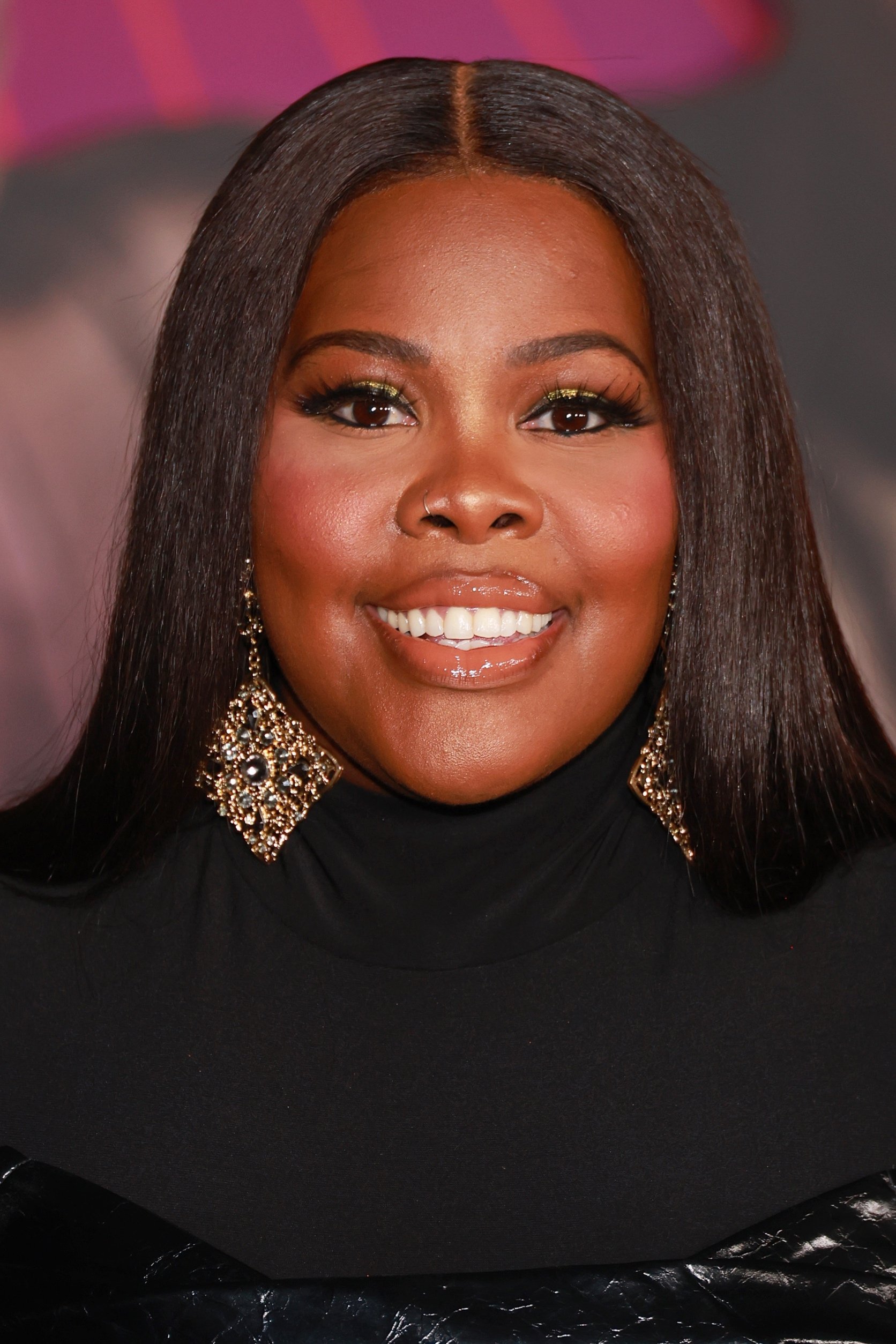
I’m a huge supporter of Riley and everything she’s doing! She’s really opened my eyes to how few choices there are for Black women, especially when it comes to fashion and beauty. I’ve noticed how she uses platforms like competition shows to call out the challenges makeup artists have when working with her skin tone. She’s so empowering, always encouraging women with curves and darker skin to demand the respect they deserve in the beauty industry. And honestly, her glam photos are stunning – she proves time and time again how incredible dark skin looks when it’s celebrated and done right.
Beverly Johnson
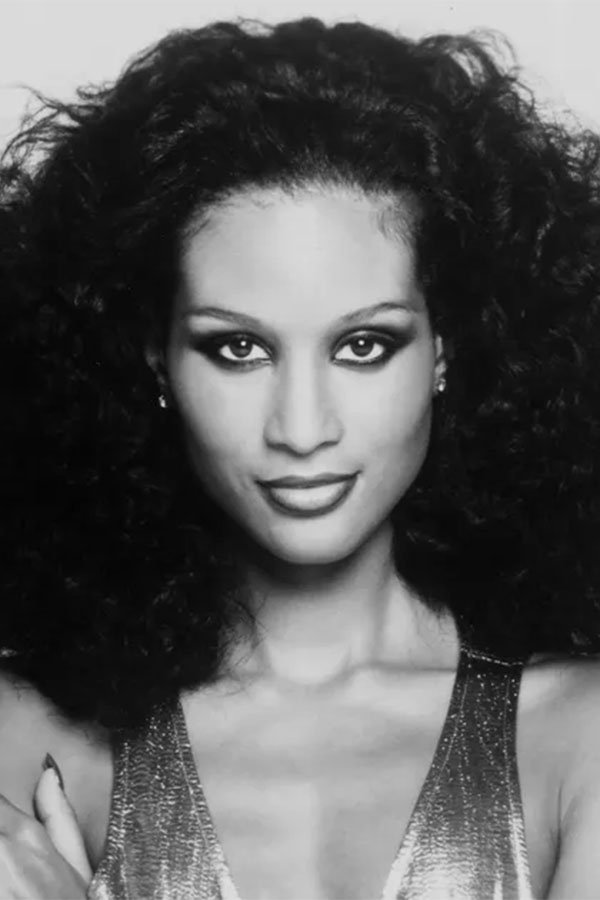
Beverly Johnson, the first Black woman to grace the cover of ‘Vogue’, often had to apply her own makeup because professional makeup artists didn’t know how to work with her skin tone. She continues to advocate for greater diversity in the fashion industry, frequently speaking out about how slowly change is happening and emphasizing that inclusivity was long overdue.
Halle Berry
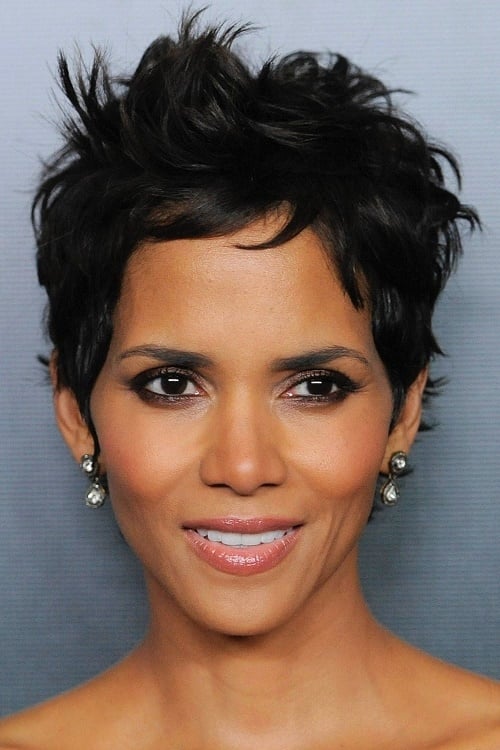
Berry shared that when she first started acting, she had to blend several foundations to find one that matched her skin tone, and makeup artists often left a noticeable line on her jaw. While she’s happy to see more foundation shades available now, she emphasizes that how makeup is applied is just as crucial as the products themselves. She also applauds newer generations of actresses for demanding better treatment on set.
Queen Latifah
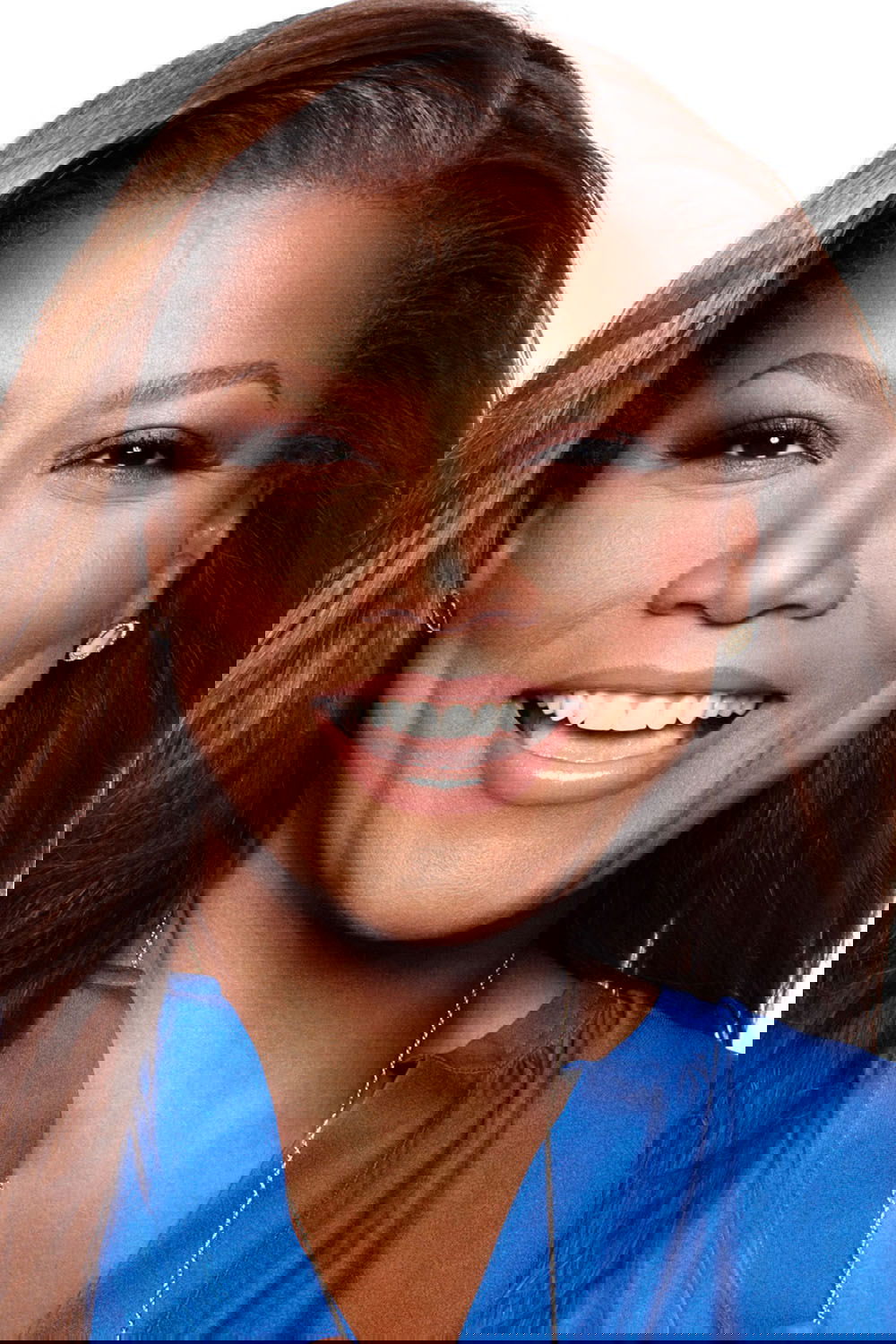
Latifah partnered with CoverGirl because she wanted to see women who looked like her represented in beauty and have access to makeup that actually worked for them. Having experienced poor makeup application on early TV sets, she now uses her platform to advocate for greater diversity among the creative teams working behind the camera in film and television. She feels the key to real change lies in making sure hiring decisions prioritize Black creatives.
Angela Bassett
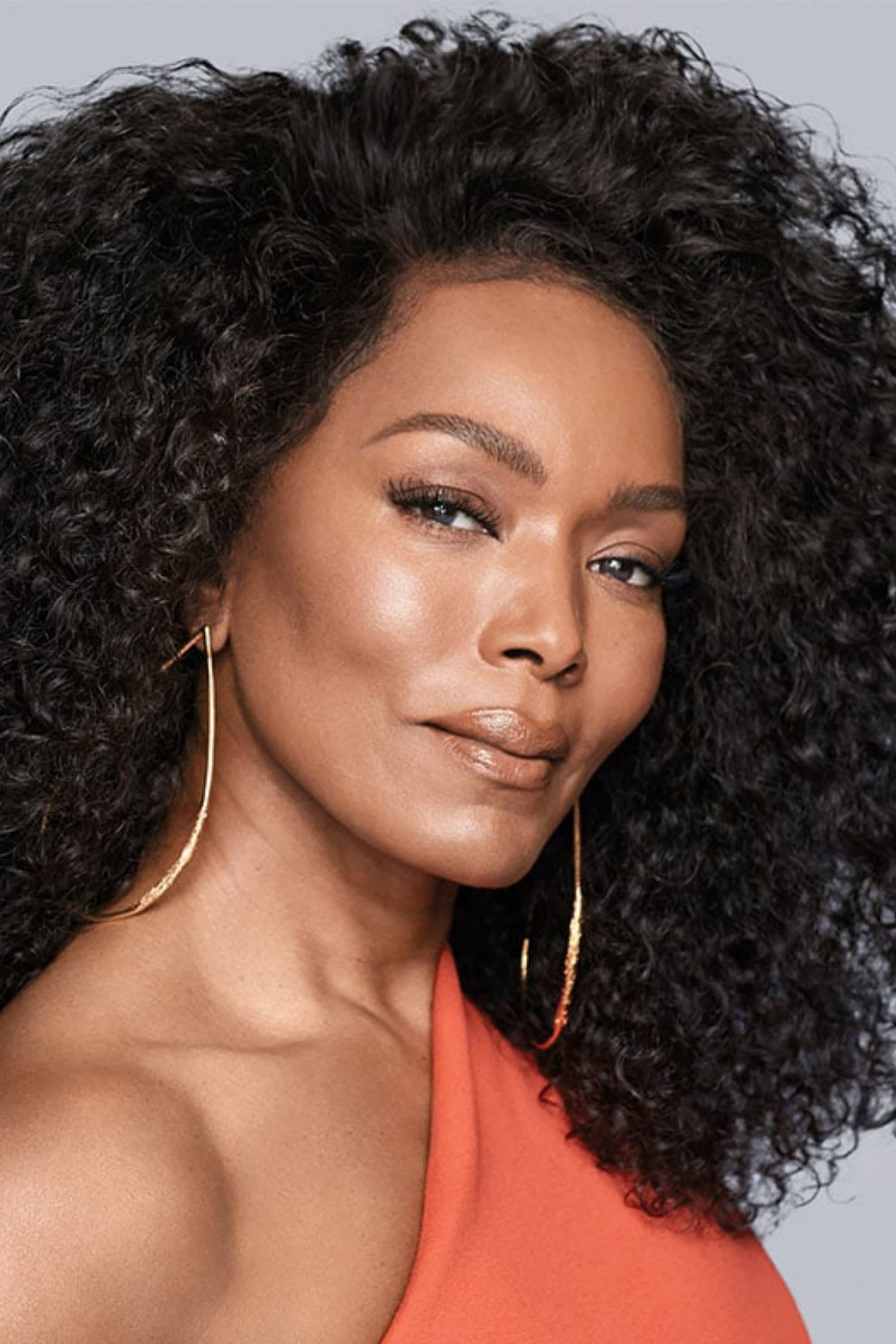
I’ve always admired how effortlessly youthful Angela Bassett looks! But she’s had to fight to maintain that, especially when it comes to makeup. She often brings her own team to set because she’s unfortunately run into artists who just don’t know how to work with mature Black skin. She’s explained how important it is to properly hydrate and prep the skin – something a lot of artists overlook when working with darker complexions. Honestly, her consistently flawless look is a direct result of her not being willing to settle for anything less than what her skin needs.
Jennifer Hudson
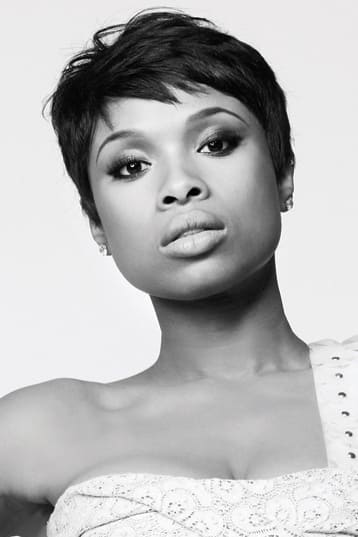
Kate Hudson has often found it challenging to get her makeup matched correctly under the bright lights of a film or stage set. She’s spoken about how frustrating it is to appear with different skin tones in different scenes. Hudson is a strong supporter of makeup artists who understand how stage lighting affects deeper skin tones, and she regularly uses her social media to showcase the talented teams who consistently get her makeup right.
Octavia Spencer
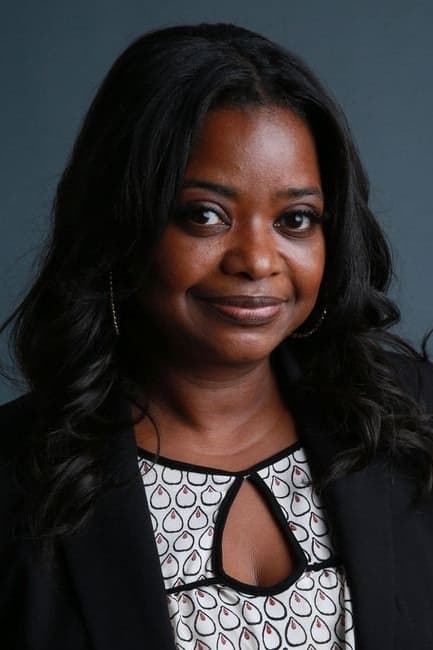
Spencer has been publicly thanking the makeup artists who truly understand her skin tone and features. She’s hinted that for a long time, she had to accept less-than-ideal makeup work that didn’t flatter her. As an Oscar winner, she’s also a strong supporter of increasing diversity within Hollywood’s union workforce, hoping to bring in more skilled professionals and ensure that all actors, including those with smaller roles, receive high-quality care and attention.
Regina King
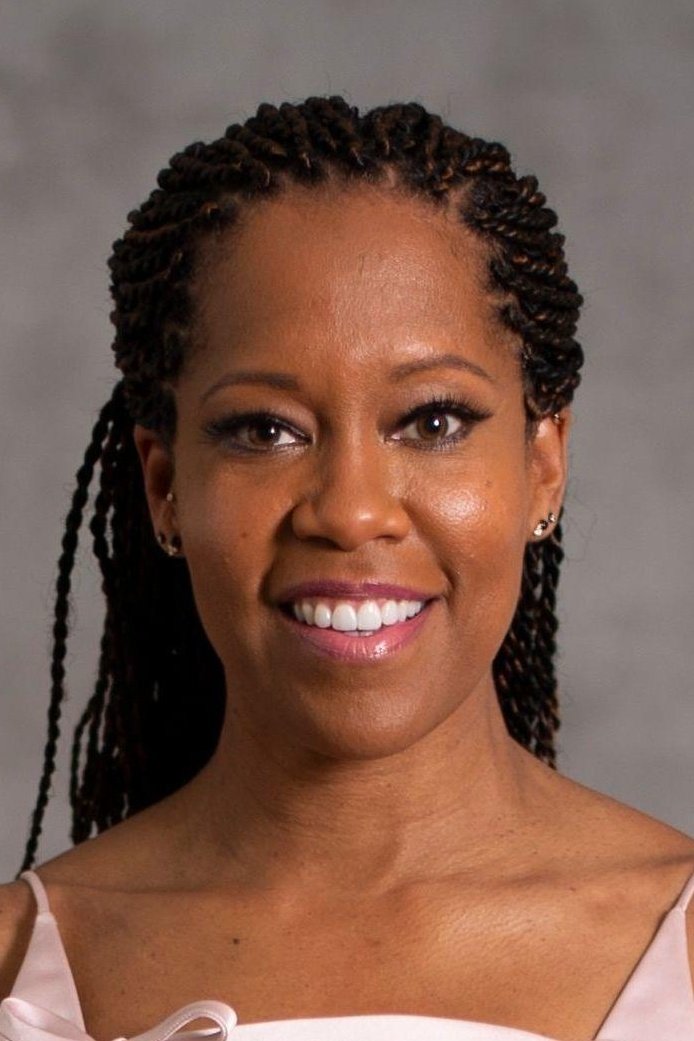
Now a director, King makes sure her films have skilled makeup teams. Having experienced feeling overlooked while getting ready as an actress, she prioritizes making every actor feel good about how they look before cameras start rolling. She believes professional makeup is a fundamental way to show respect for performers.
Tiffany Haddish
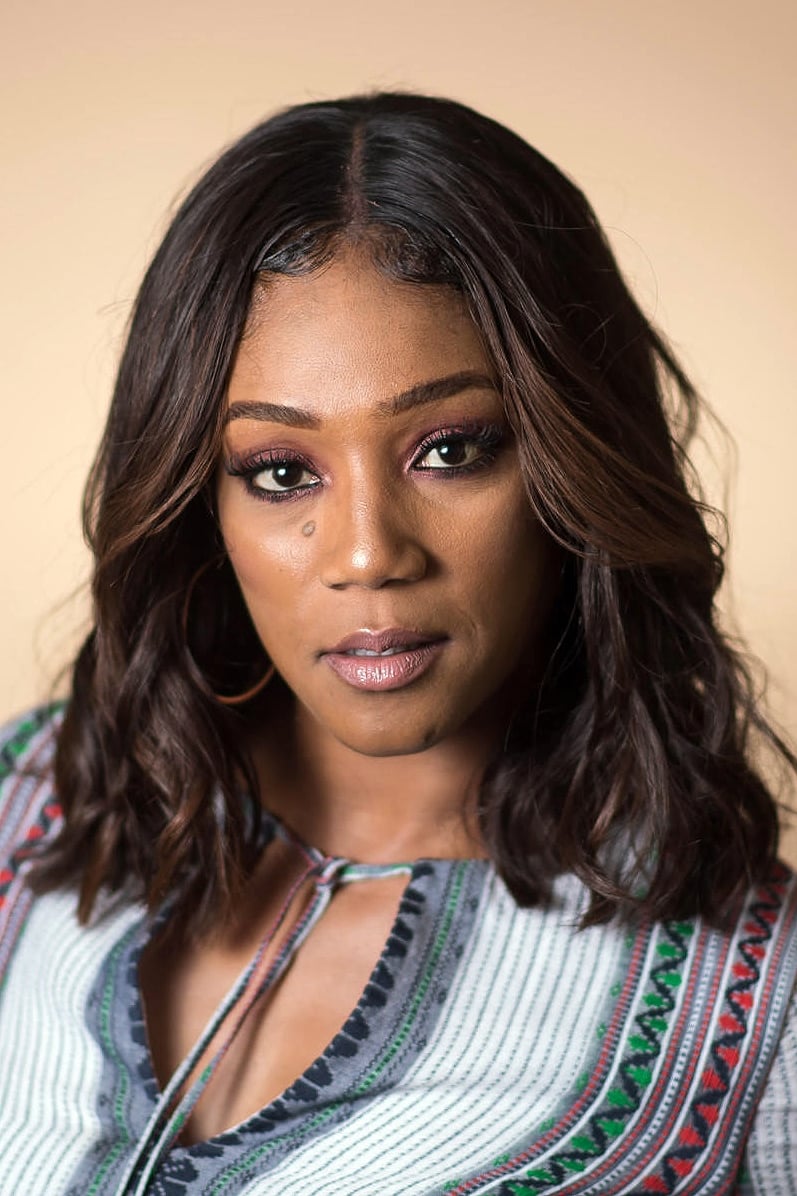
Tiffany Haddish often makes light of her difficulties with makeup, but she’s very concerned about the lack of professional skill she sees in the industry. She’s used Instagram Live to demonstrate the complicated process of getting ready and the problems she encounters. Haddish has publicly called out makeup artists who don’t properly match her skin tone, leaving her looking washed out or uneven on camera. She much prefers working with friends who truly understand her skin and how to make her look her best.
Issa Rae
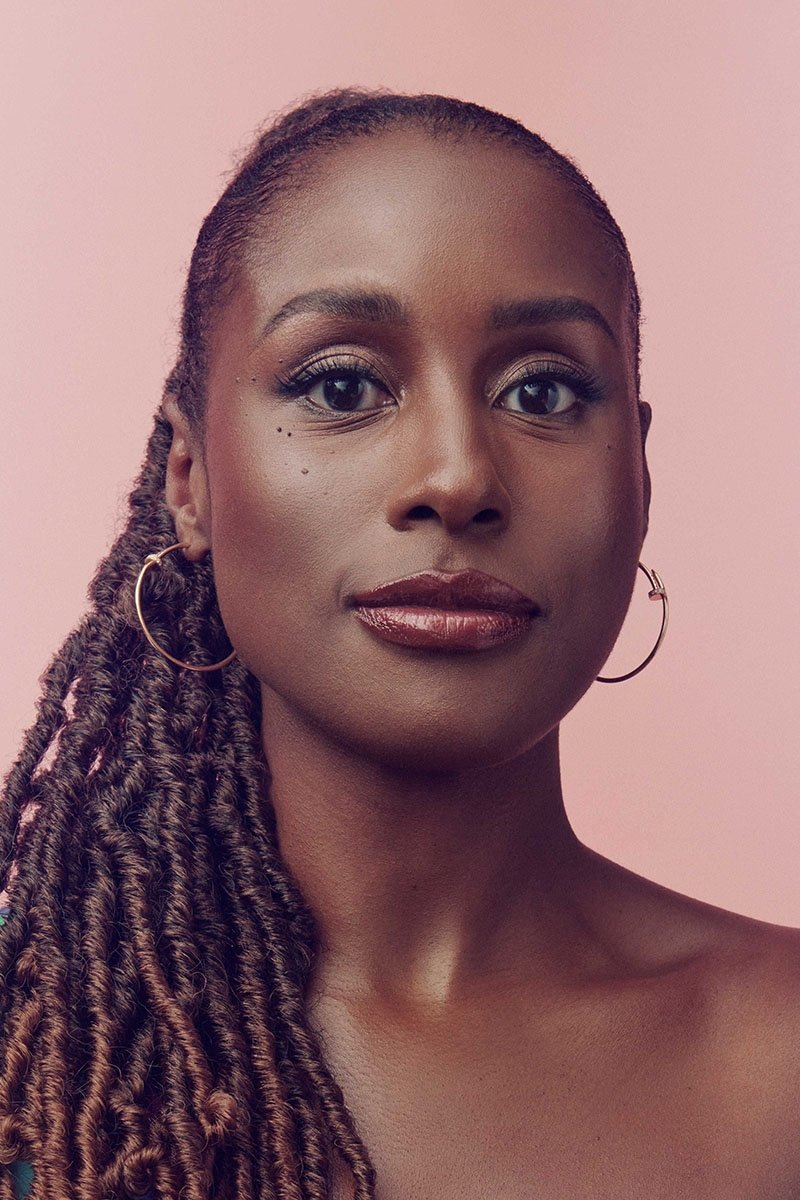
Rae launched her own show with the goal of accurately and beautifully portraying Black people on screen. She’s often spoken about how many Black characters in other shows appear dull or lifeless – what she calls the “ashy” look. She stresses that Black skin naturally reflects light and requires specific makeup and lighting techniques to achieve a radiant appearance. Her approach has redefined how Black actors are presented on television.
Marsai Martin
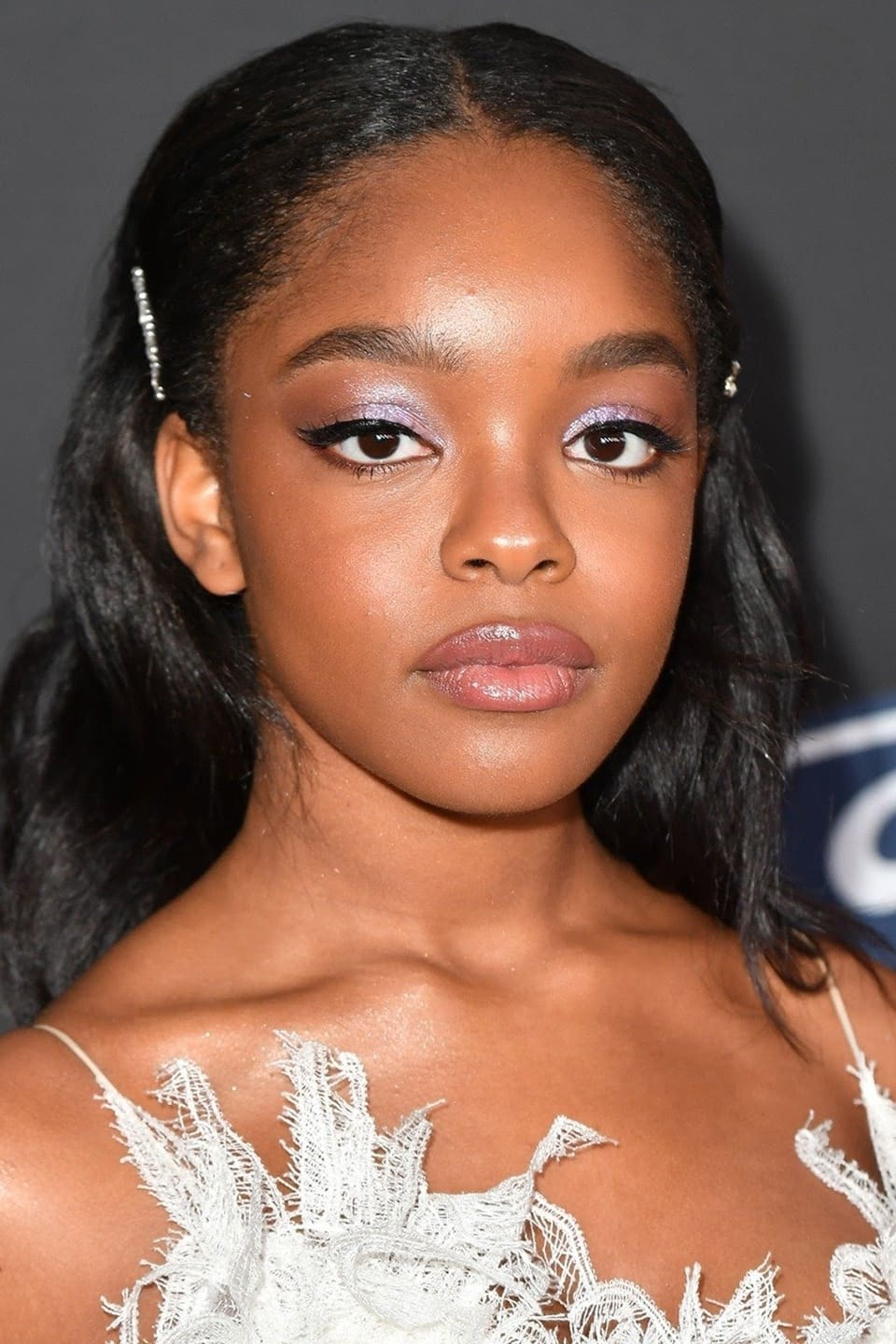
Martin, a rising star as the youngest executive producer in Hollywood, insists on high-quality work from everyone on her team. She’s spoken about the challenges of finding makeup artists who can work effectively with young Black skin and maintain a natural, youthful look. The lead actress often showcases her flawless makeup on social media, tagging the artists responsible. This is setting a new standard and encouraging aspiring professionals to expect excellence from the beginning of their careers.
Skai Jackson
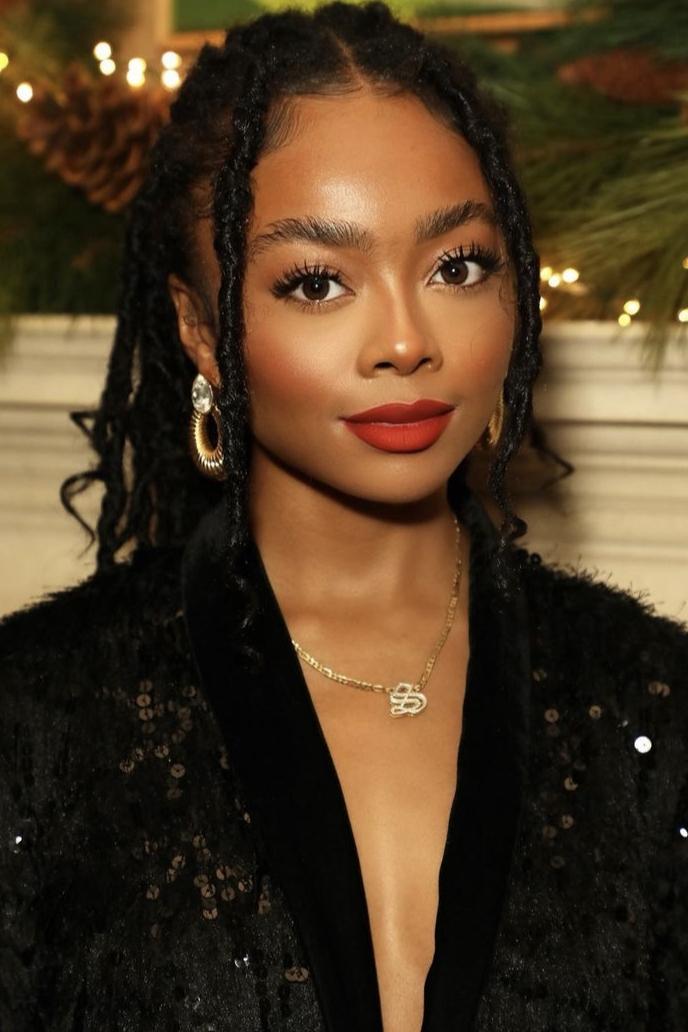
Jackson is a prominent voice in the beauty world, frequently sharing her opinions on products through social media. She’s been vocal about brands that don’t offer enough color options and makeup artists who use too much product. She champions a more natural makeup look that enhances features instead of covering them up. Jackson also openly discusses the challenges she faces as a young Black woman in the public eye.
Normani
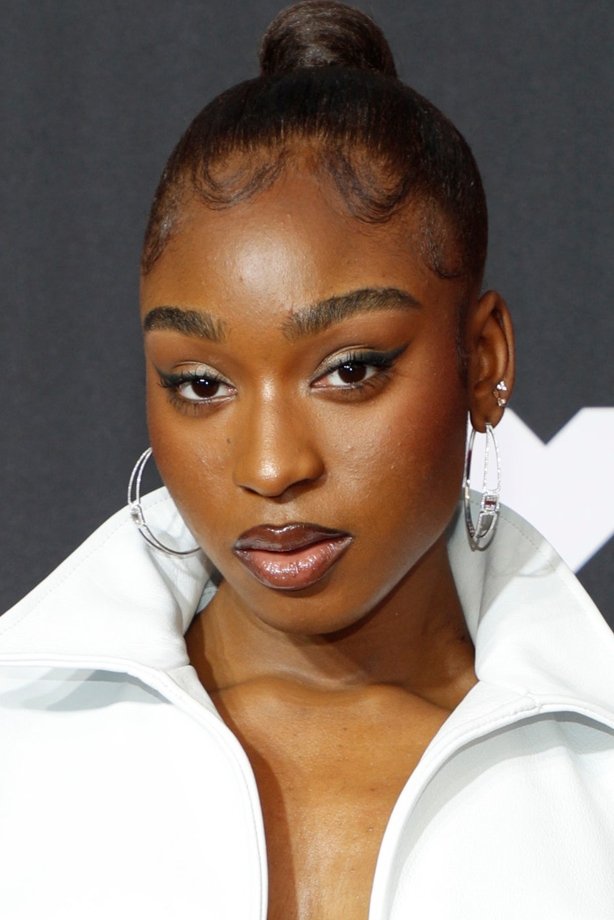
Normani has experienced significant criticism and racism both from fans and within the music industry. She’s shared how makeup artists sometimes altered her appearance to make her look unlike her fellow group members. Now, she uses her voice to celebrate the beauty of dark skin and to highlight makeup artists who understand how to enhance it. She’s determined not to let an industry that often prefers lighter skin tones diminish her presence.
Ryan Destiny
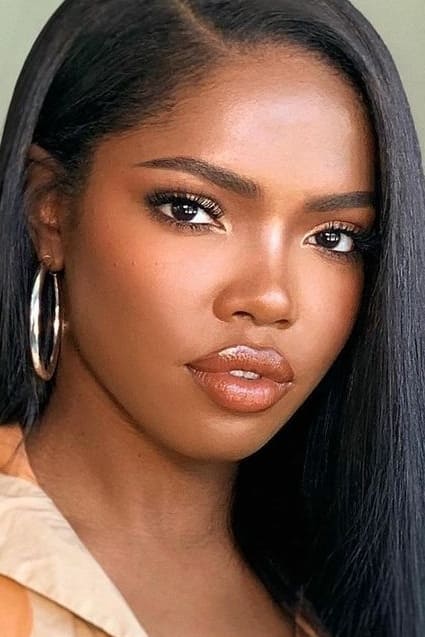
Destiny is known for her beautiful, dark skin, but she’s spoken about how difficult it was to find professionals who celebrated it. She’s used interviews and social media to raise awareness about colorism – bias based on skin tone – within the entertainment and fashion industries. Destiny feels the beauty world should be inclusive of all skin tones and, while she inspires many, she emphasizes that there’s still progress to be made.
Coco Jones
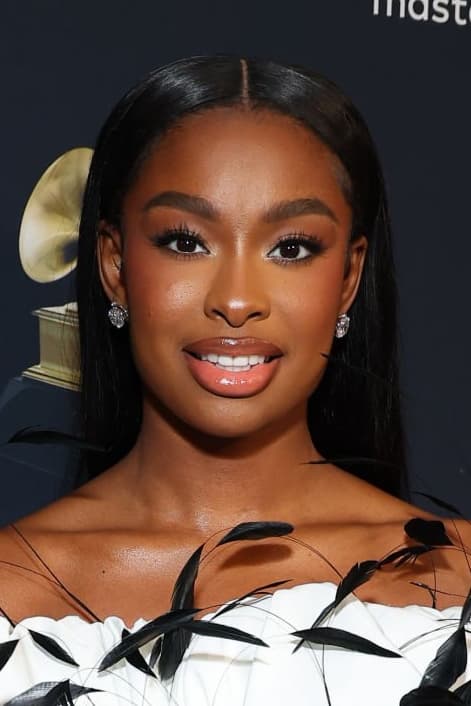
Jones has been speaking out on YouTube and Instagram about how colorism has hindered her career. She explained that traditional beauty standards impacted how she was presented and styled as an artist. The singer is working to change the narrative around dark-skinned women, wanting them to be recognized for their softness and beauty, not just their strength. Her honesty has connected with many fans who share similar experiences.
SZA
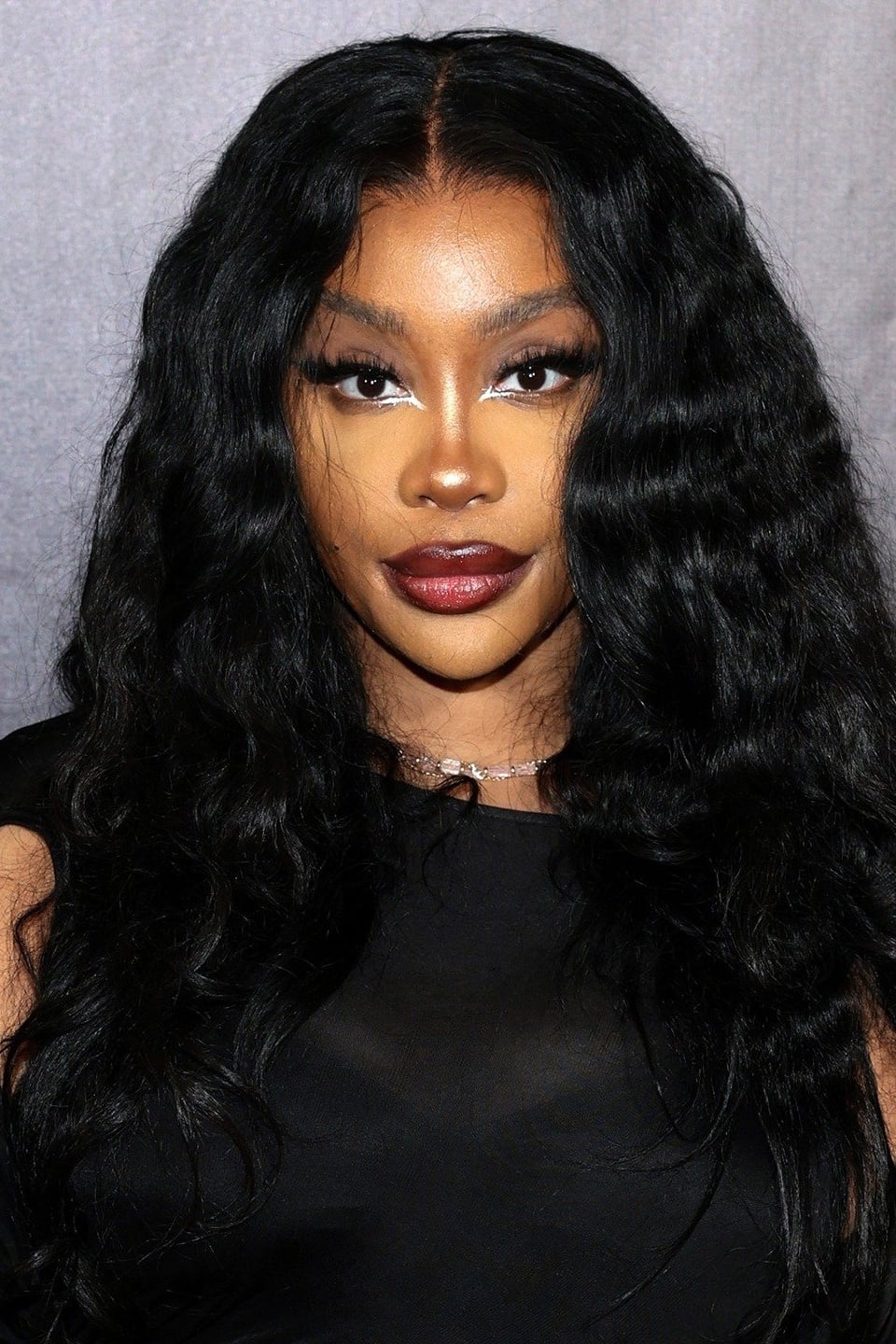
SZA gets annoyed when makeup artists try to hide her freckles or change her skin color. Because of this, she usually does her own makeup or works with just a few makeup artists she really trusts. She often shares photos online showing her real skin, pushing back against the idea that you always need a lot of makeup. SZA is determined to stay true to her own look, even when the music industry tries to pressure her into changing it.
Lizzo
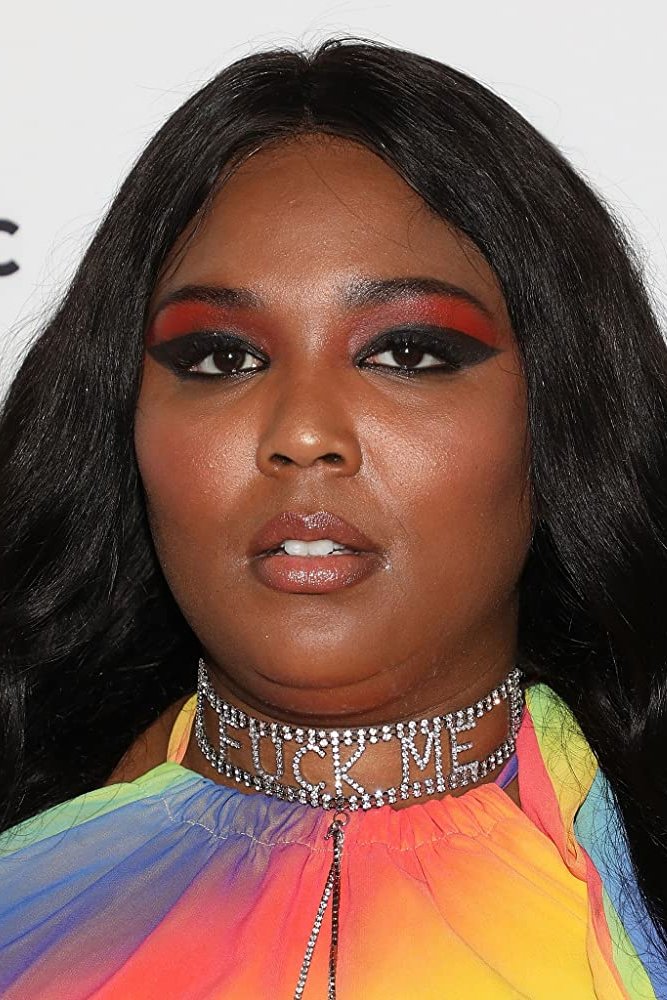
Lizzo is a strong advocate for inclusivity, especially for plus-sized Black women who are often overlooked in the beauty industry. She often shares unedited videos on Instagram about her makeup experiences, pointing out how makeup artists frequently fail to cater to her skin tone and body type. Lizzo insists on receiving the same level of pampering and glamorous treatment as other popular, slender, white singers. Her directness challenges people to examine their own preconceived notions about beauty and body image.
Megan Thee Stallion
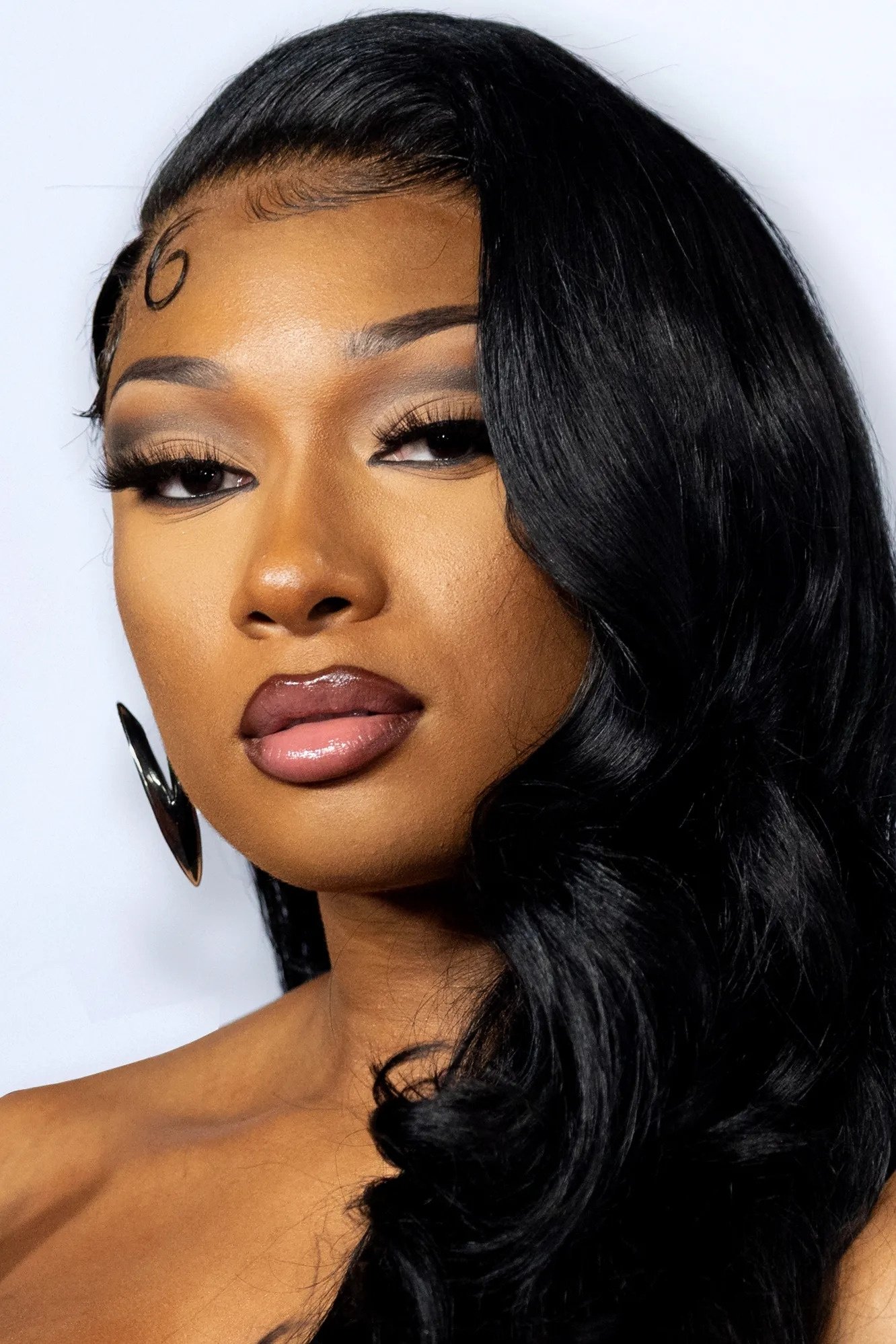
I’m a big fan of Megan, and I’ve noticed she usually does her own makeup for videos and events. It’s because she truly understands her own face and what looks best! She’s even gone on live streams to share her tips and talk about times she didn’t love the makeup others did on her. Honestly, she really created this amazing ‘hottie’ look – it’s all about bold, flawless makeup – and she’s so good at it, she can often do a better job than professional makeup artists! It’s really inspiring to see.
Cardi B
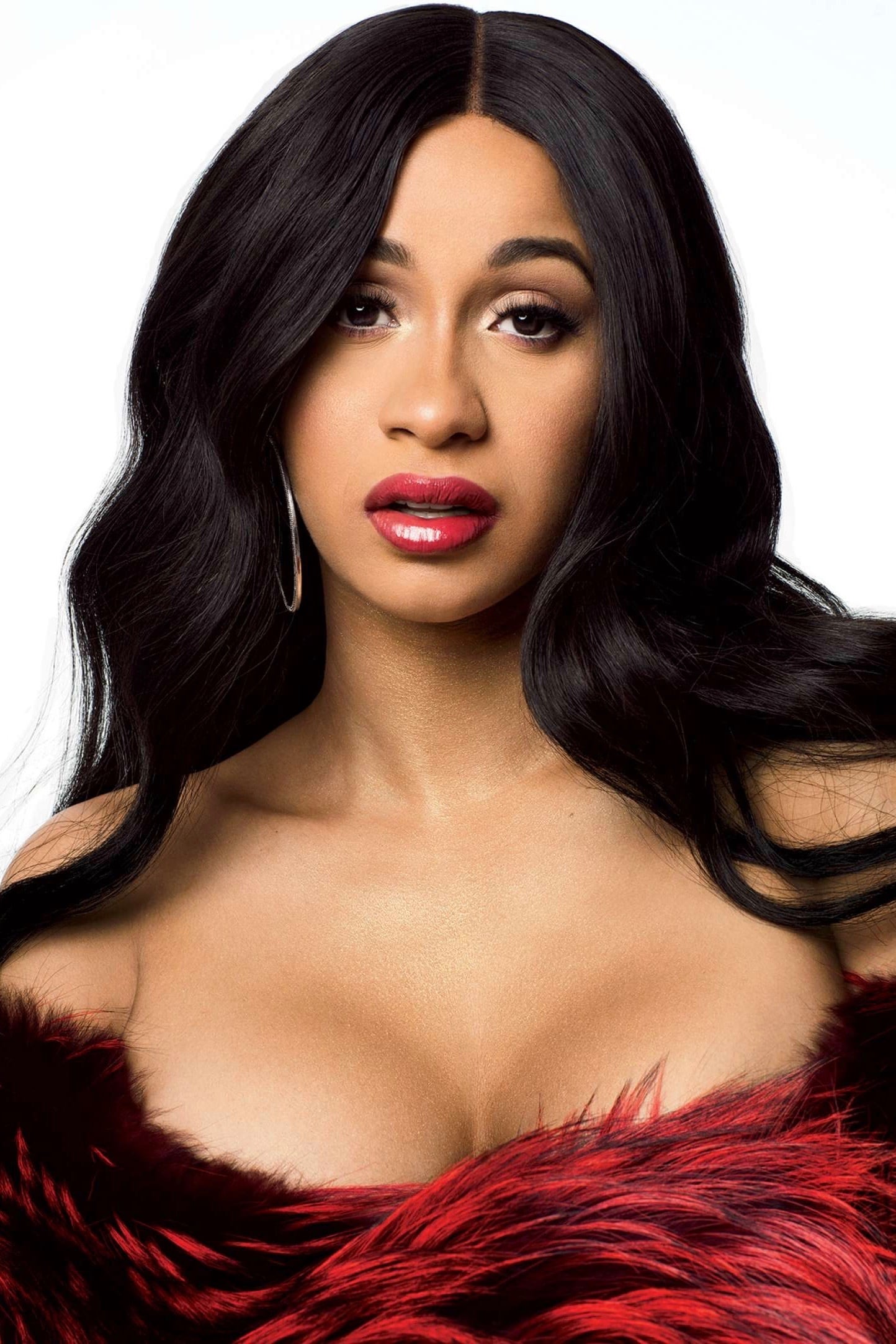
Cardi B often talks about her background as an Afro-Latina and how it affects her beauty routine. She’s known for publicly calling out makeup artists on Instagram if they’re late or don’t come prepared. She doesn’t hesitate to fire team members who can’t create the polished, glamorous look she expects, believing that excellent service is essential when she’s paying a premium price.
La La Anthony
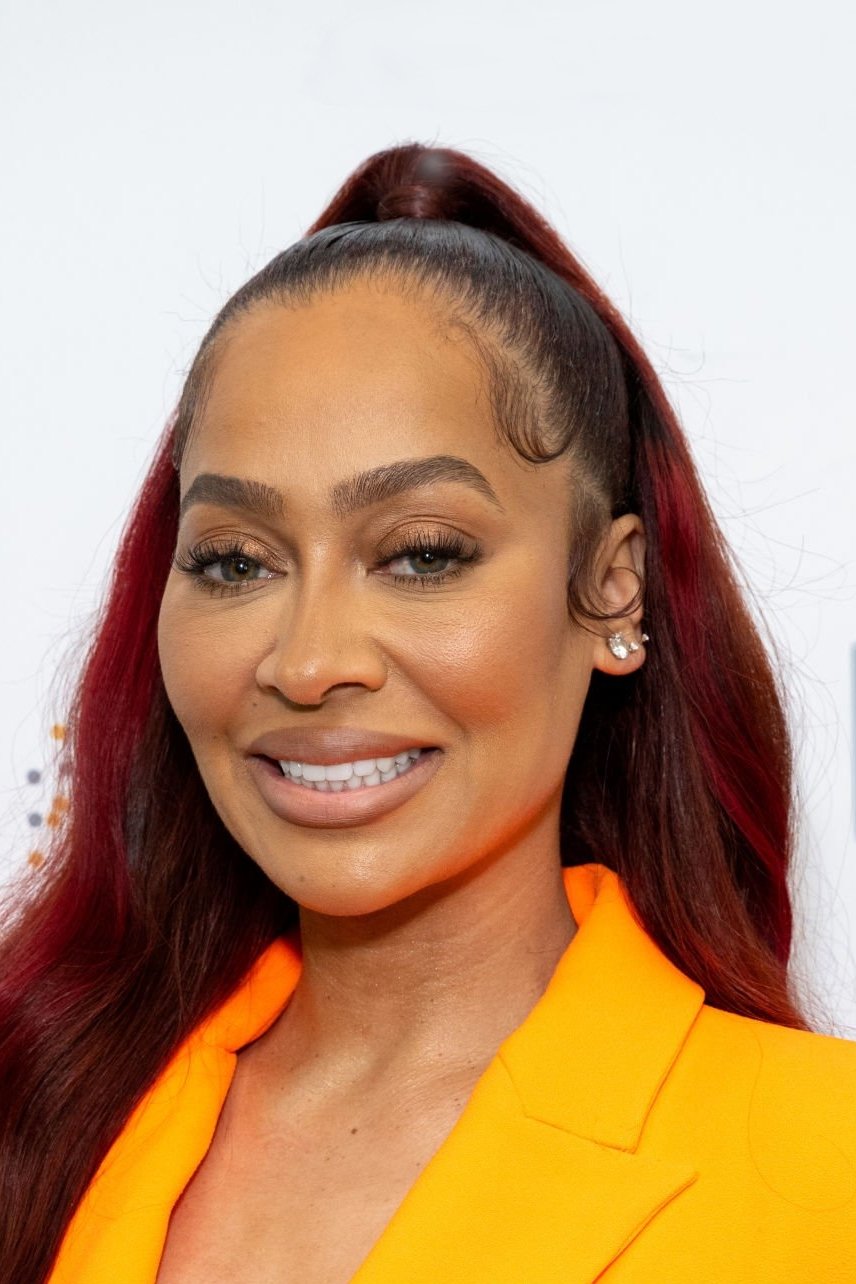
Anthony started her career as a VJ on MTV and later became an actress. Over time, she’s witnessed changes in the makeup world, even having to quickly fix her own makeup before appearing on television. Because of these experiences, she created her own beauty projects to better serve women of color. She also dedicates time to guiding up-and-coming performers through the often-challenging landscape of beauty standards in Hollywood.
Nia Long
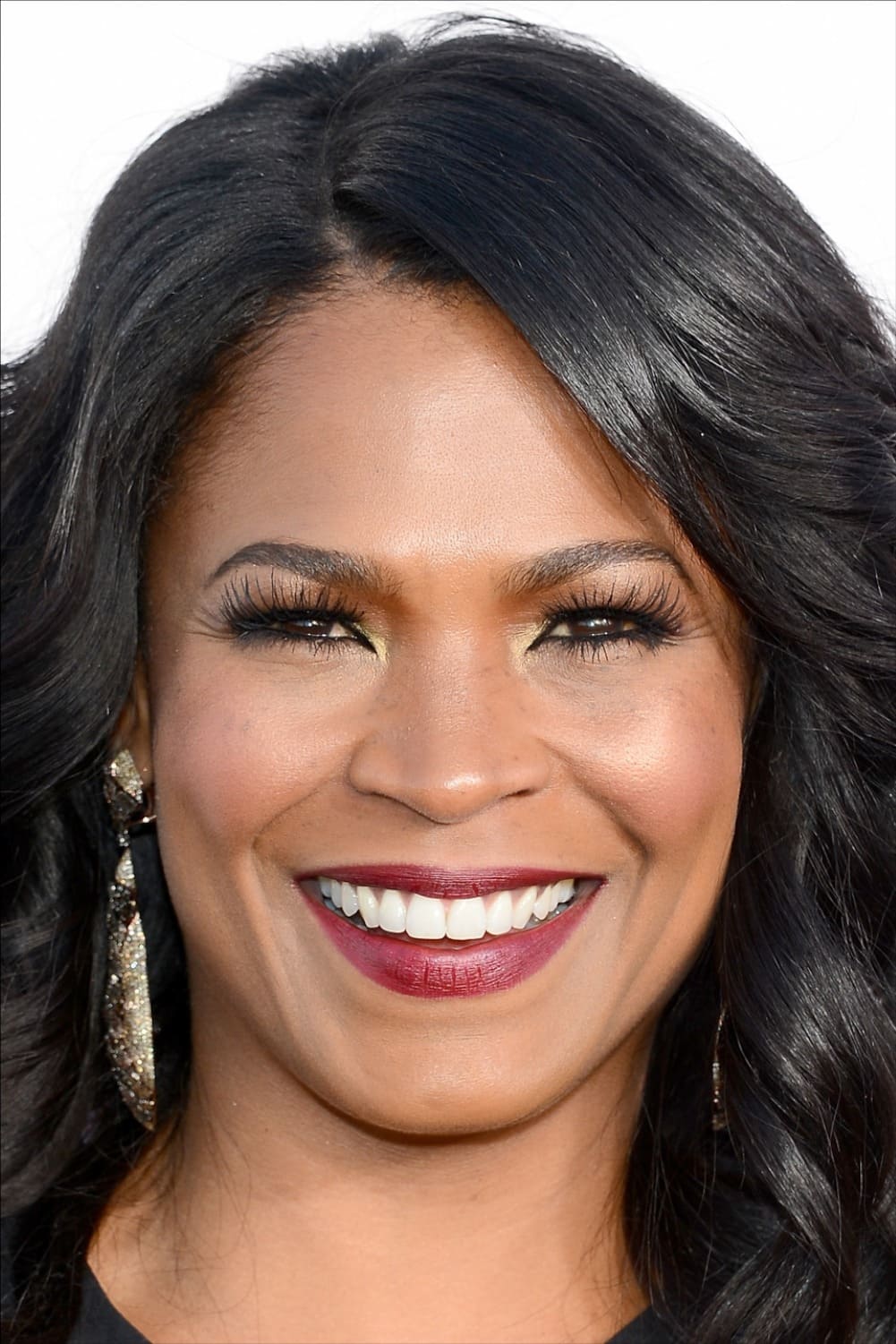
As a lifelong movie fan, I’ve always admired how great Long looks. But even someone as iconic as her still runs into issues with makeup artists sometimes! She’s talked a lot about how crucial understanding your skin’s undertones is – it’s so easy for someone to get it wrong. Honestly, she’s a pro at keeping that youthful glow by being super selective about who does her makeup. Her best advice? Know your own products so you can step in if needed – I totally get that!
Jada Pinkett Smith
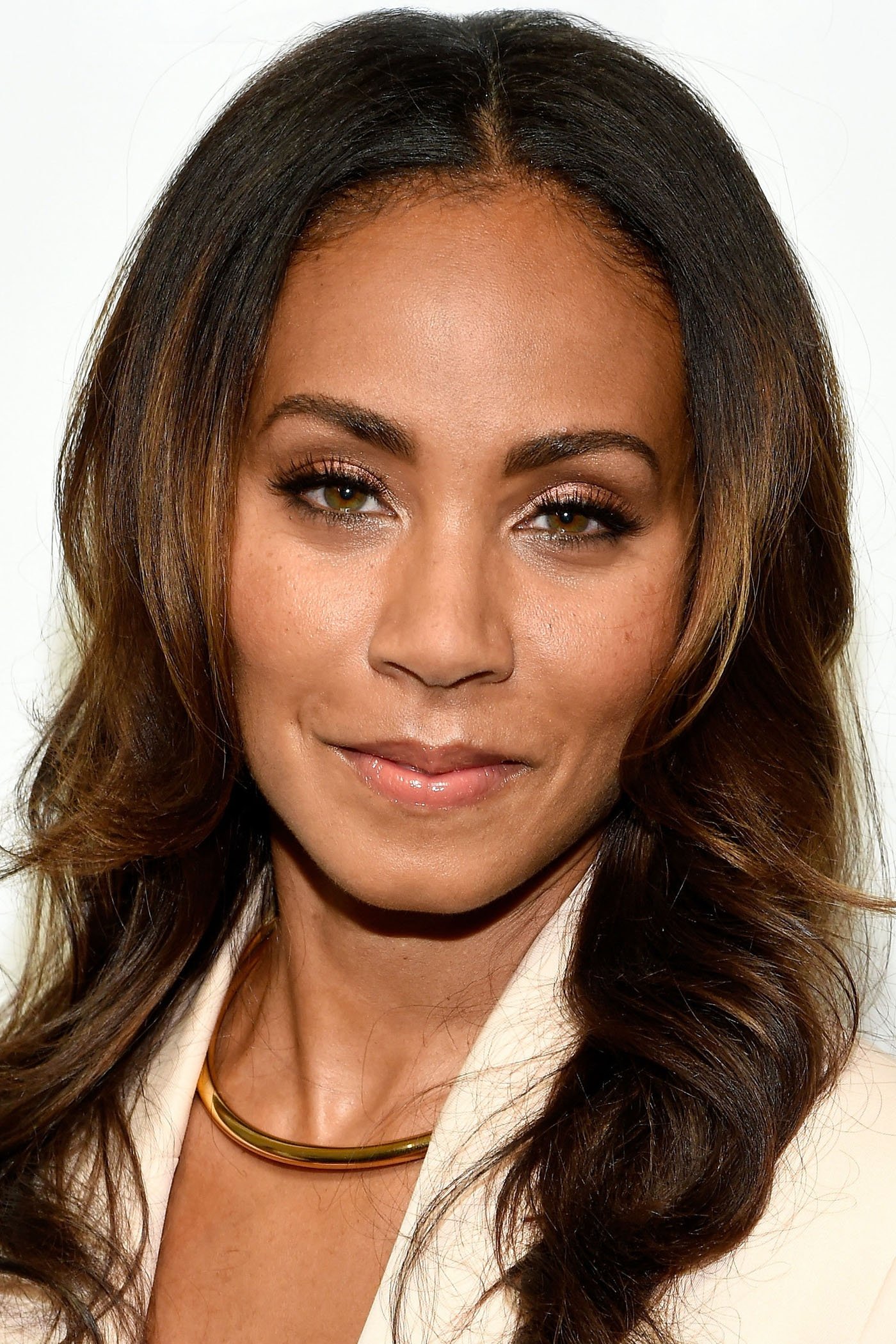
Jada Pinkett Smith has used her show, ‘Red Table Talk,’ to talk openly about the challenges surrounding Black beauty standards and hair care. She’s shared her personal journey with alopecia and called out instances where beauty professionals have been insensitive. Smith champions a well-rounded view of beauty that prioritizes skin health, and she encourages the beauty industry to focus on overall wellness rather than just quick fixes and appearances.
Willow Smith
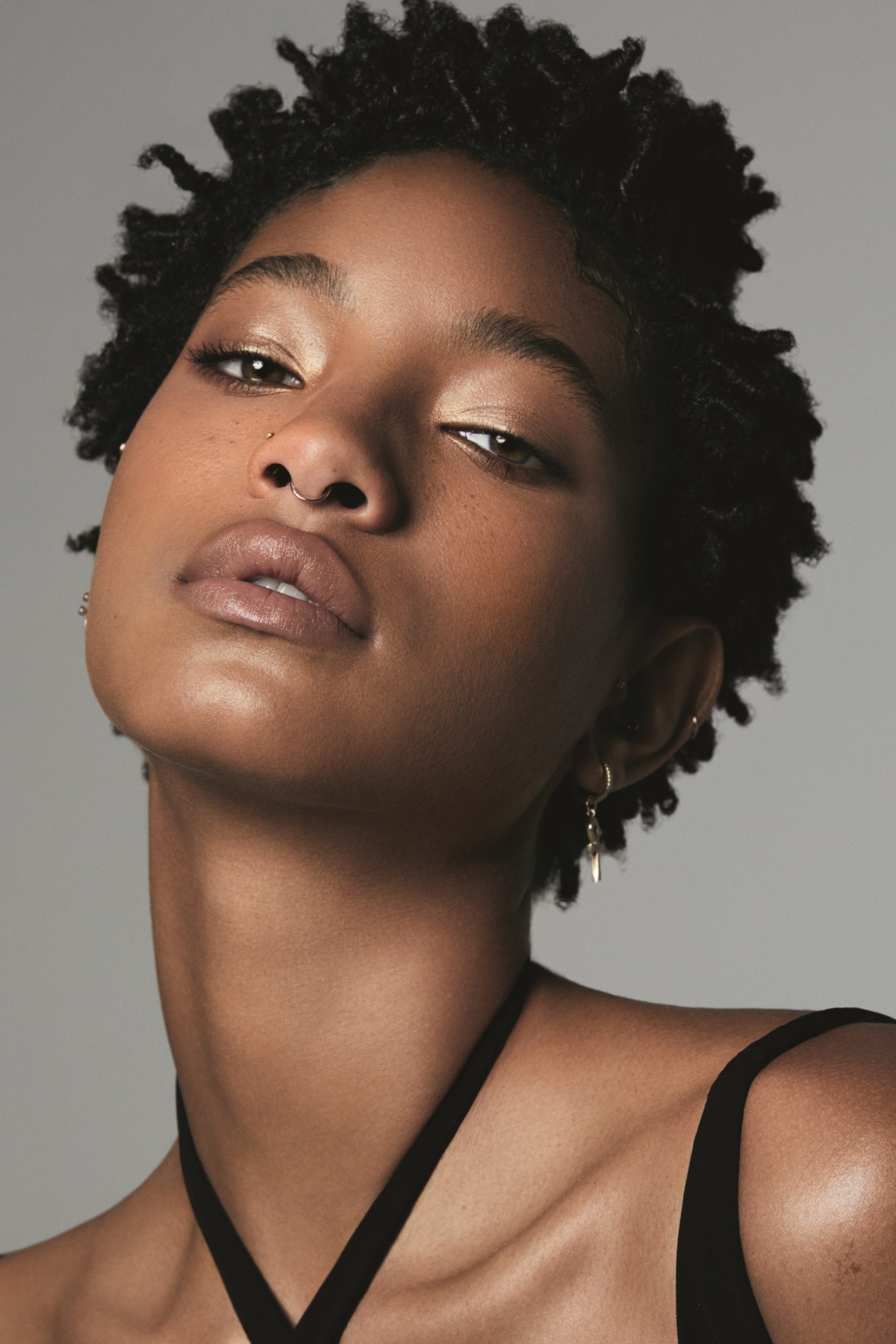
Willow is speaking out with her mother about how the beauty industry often leaves people out. She prefers creative and unique makeup styles over typical looks and challenges the idea that everyone needs to look perfect. She also points out that Black artists aren’t always given the freedom to be truly creative. Ultimately, she wants beauty to be defined by all kinds of self-expression.
Amandla Stenberg
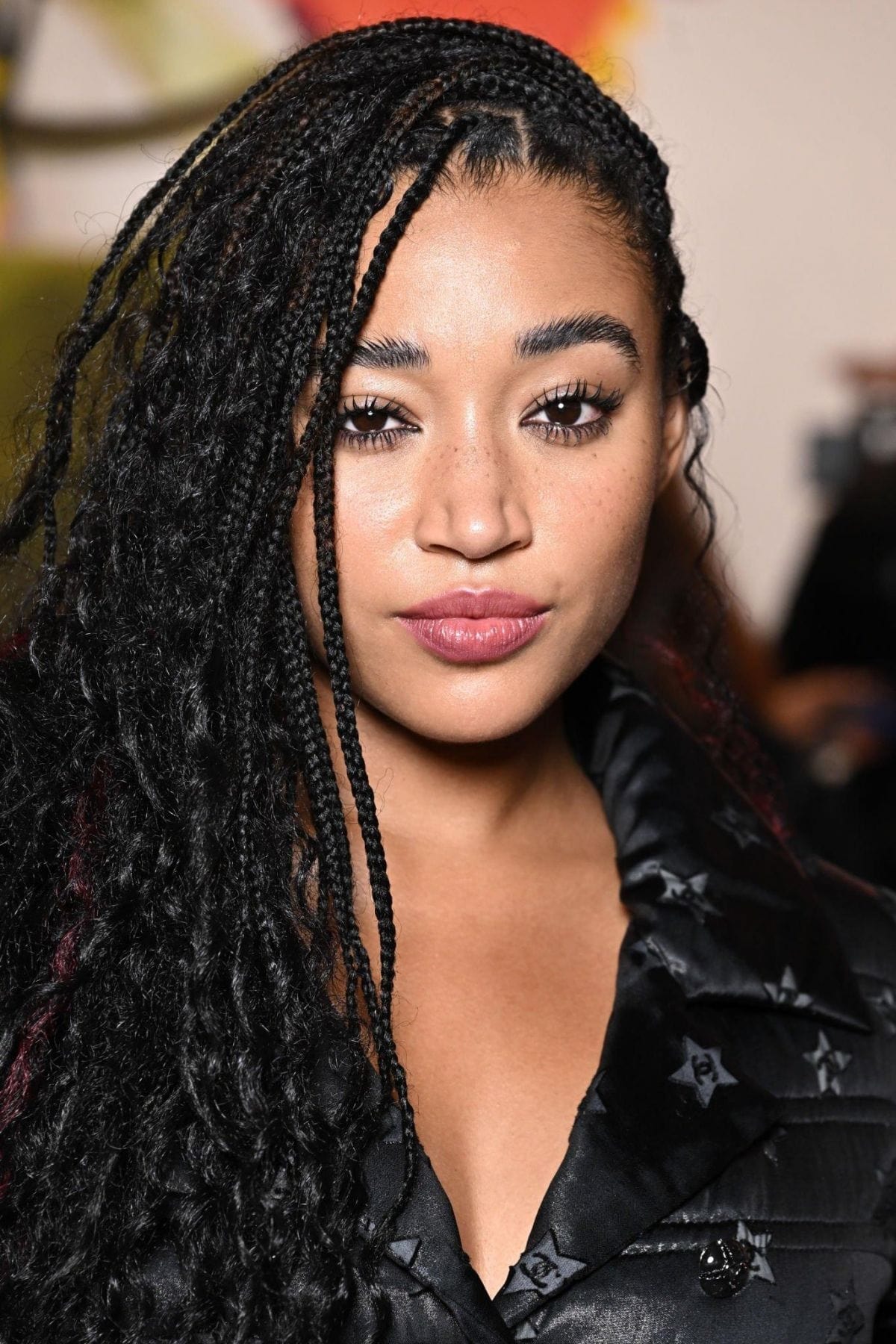
I’m such a fan of Zendaya Stenberg! She’s amazing because she really stands up for what she believes in – things like making feminism inclusive for everyone and demanding that beauty standards embrace all skin tones. It’s incredible to me that she’s even called out people for trying to lighten her skin in photos. She uses her voice to talk about how colorism can really hurt young Black girls’ confidence, and she’s made it clear she won’t work on anything that doesn’t respect how she naturally looks. It’s so empowering to see!
Yara Shahidi
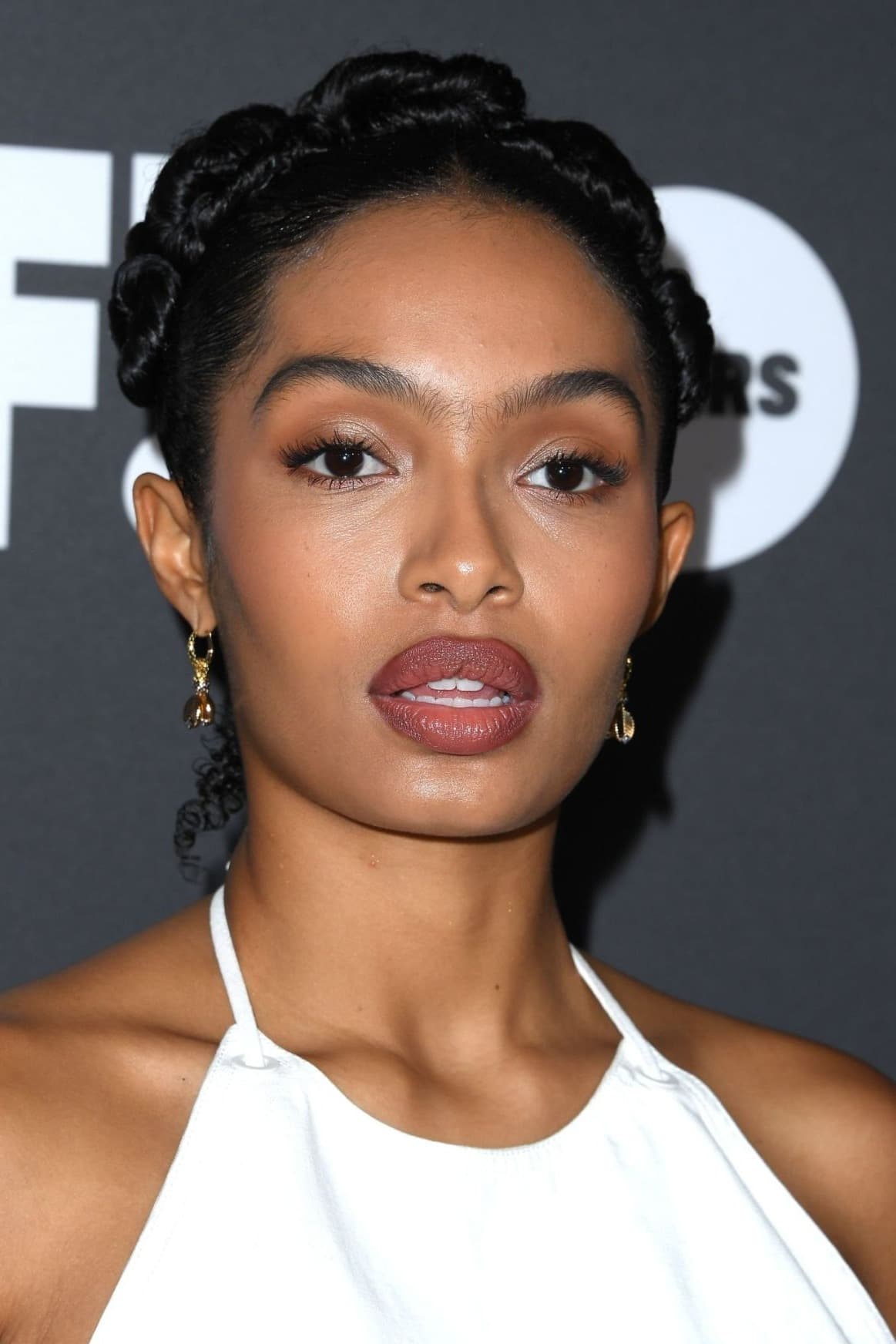
Shahidi leverages her platform to support brands and artists committed to inclusivity. She’s known for advocating self-acceptance, like embracing natural features such as her unibrow, which often go against conventional beauty standards. She also makes sure her work agreements require diverse teams for hair and makeup. Shahidi believes beauty can be a powerful way to promote representation and fairness.
Letitia Wright
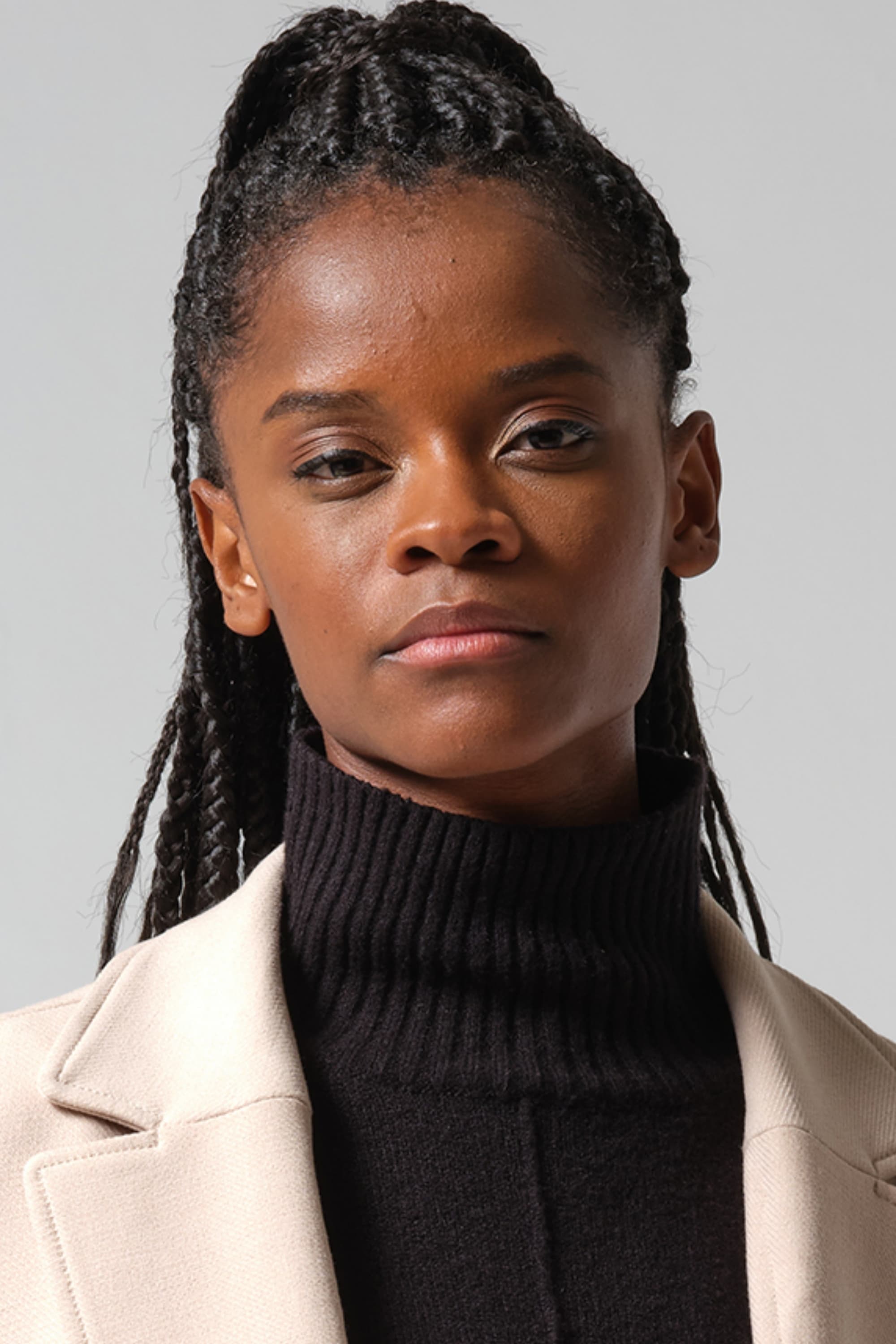
Actress Wright recently spoke about how crucial the makeup team was for ‘Black Panther,’ noting it was unusual to find a crew with shades to match every skin tone. She hopes this level of inclusivity and care becomes standard practice in all Hollywood films, as feeling good about one’s appearance helps actors deliver stronger performances.
Danai Gurira
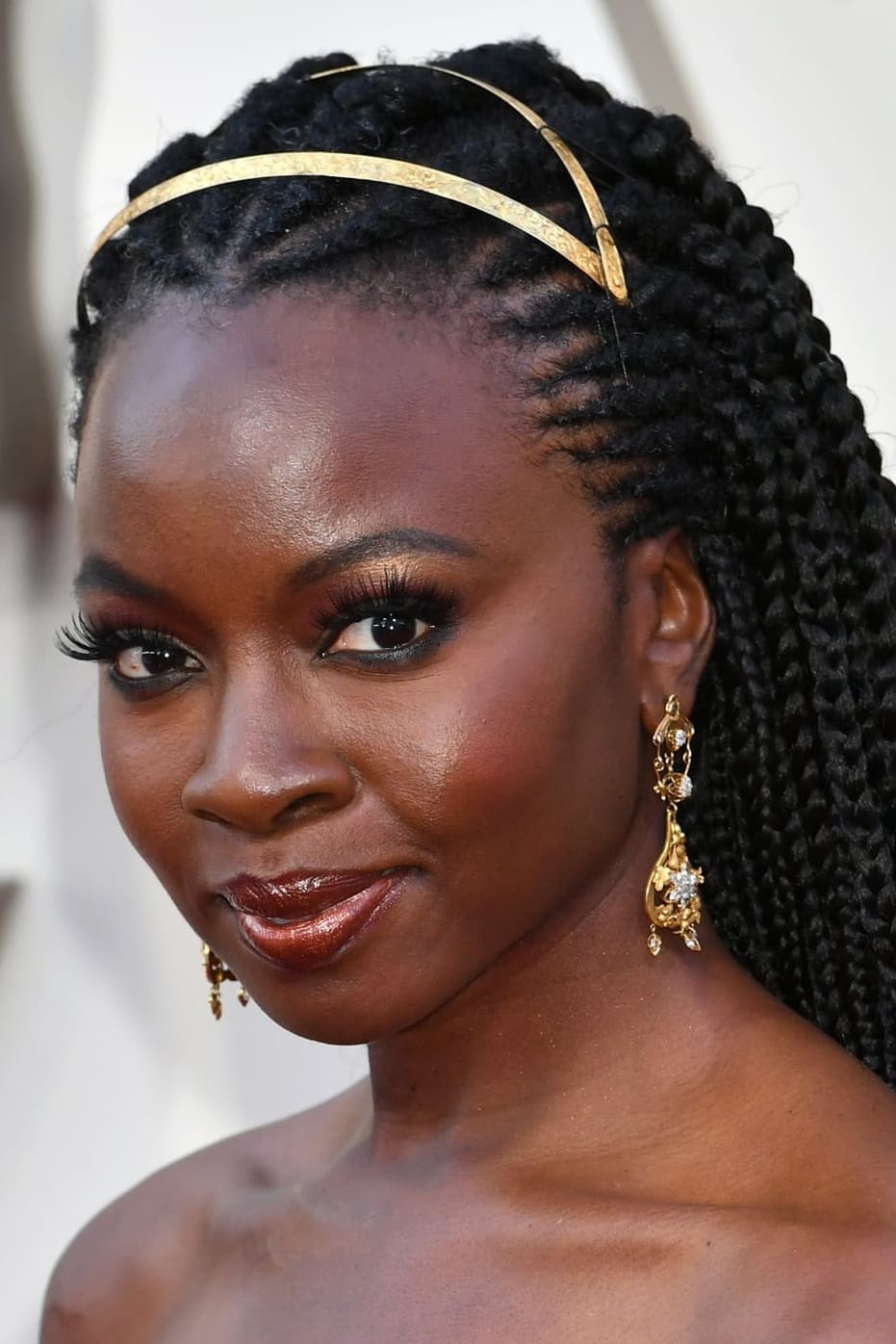
Danai Gurira has chosen to shave her head and redefine beauty standards in Hollywood, celebrating natural skin and challenging traditional expectations. She’s talked about how liberating it is to feel confident without needing hair and makeup. As both an actress and a playwright, she champions stories that celebrate Black women without reducing them to stereotypes. Gurira insists that makeup and hair teams respect the natural strength and beauty of her appearance.
Lashana Lynch

When Lashana Lynch joined the James Bond franchise, she received a lot of negative online attention. However, she confidently showcased her talent and beauty. She’s spoken about wanting makeup artists who can work with her skin tone, rather than cover it up, to create a genuine look for her characters. Lynch embodies a new generation of action heroes who are advocating for fair representation and beauty standards in the industry.
Cynthia Erivo
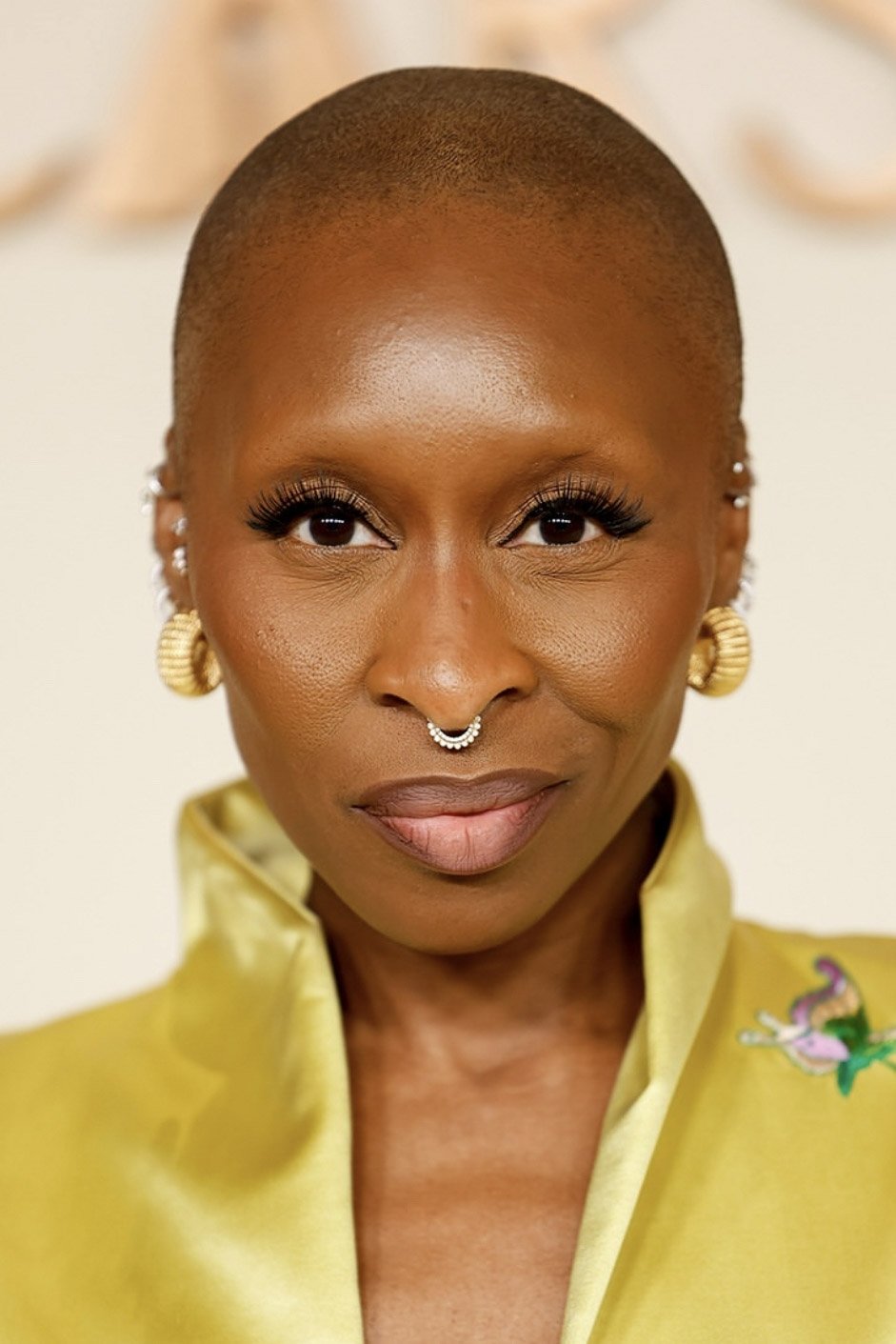
Cynthia Erivo is known for her unique style and isn’t afraid to challenge the beauty industry’s limited standards. She’s discussed how hard it is to find makeup professionals who can work with her specific look – like her bleached eyebrows and skin tone. Erivo uses events like red carpets to express herself boldly and break with what’s expected. She inspires others to be confident, take chances, and ask for the products that truly suit them.
Read More
- 2025 Crypto Wallets: Secure, Smart, and Surprisingly Simple!
- Monster Hunter Stories 3: Twisted Reflection launches on March 13, 2026 for PS5, Xbox Series, Switch 2, and PC
- Here Are the Best TV Shows to Stream this Weekend on Paramount+, Including ‘48 Hours’
- 20 Films Where the Opening Credits Play Over a Single Continuous Shot
- 39th Developer Notes: 2.5th Anniversary Update
- 10 Hulu Originals You’re Missing Out On
- 10 Underrated Films by Ben Mendelsohn You Must See
- Target’s Dividend: A Redemption Amidst Chaos
- The 11 Elden Ring: Nightreign DLC features that would surprise and delight the biggest FromSoftware fans
- 🚨 Kiyosaki’s Doomsday Dance: Bitcoin, Bubbles, and the End of Fake Money? 🚨
2025-12-10 09:20