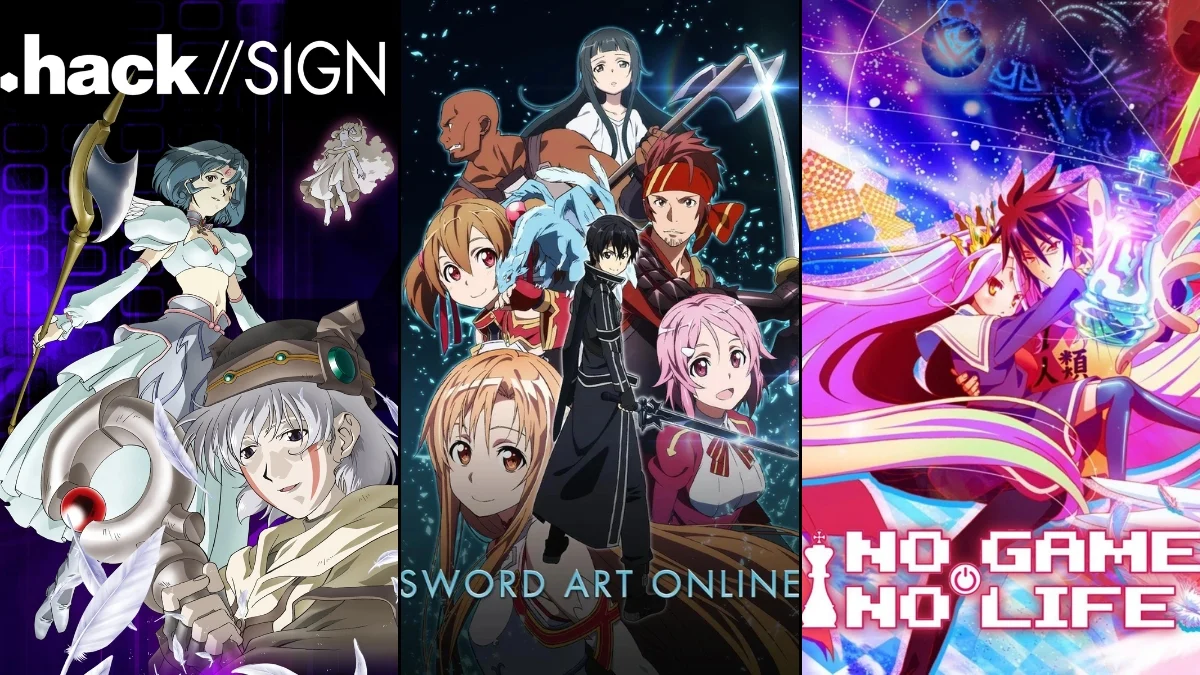
Anime and video games, especially those from Japan, have combined to create a fascinating style of storytelling. These shows often build their worlds using ideas from games – things like character stats displayed on screen, or characters getting stronger by earning ‘experience points’. Fans of role-playing games will notice familiar elements like waiting for skills to recharge or characters managing what items they carry. The following anime examples show how creators are borrowing the structure of video games to tell stories in a new way.
‘.hack’ (2002)
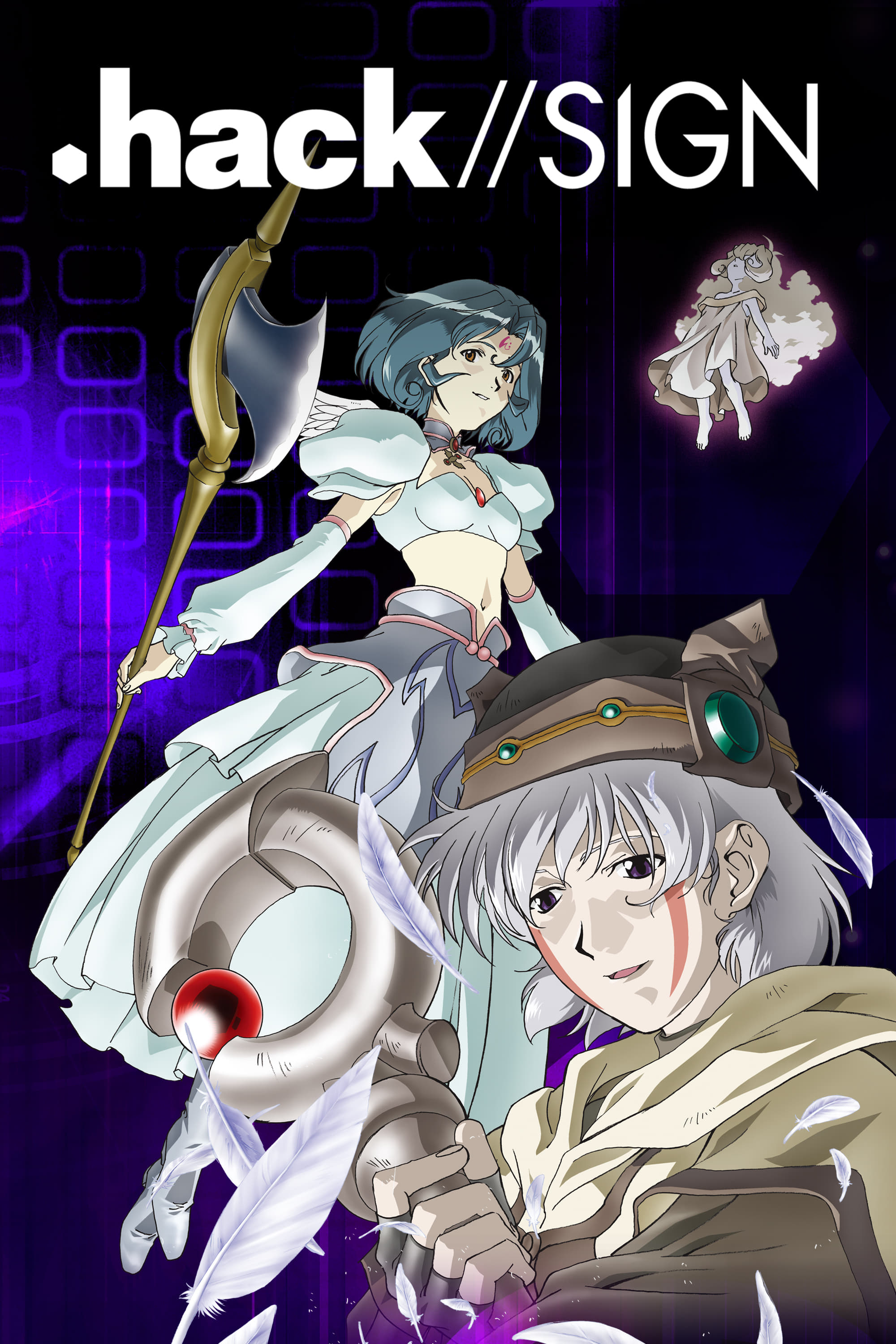
I was completely thrown when I woke up inside a video game – a huge online RPG called The World. The weirdest part? I couldn’t log out! Now I’m wandering around this digital world, trying to figure out what’s going on and meeting other players. It’s not really about fighting monsters, though. It’s more about how we all interact with each other and the secrets hidden within the game. Honestly, it feels like it paved the way for a lot of the ‘trapped in a game’ stories you see today.
‘Sword Art Online’ (2012)

In a virtual reality game, thousands of players find themselves stuck when the game starts killing them in real life. Kirito has to fight his way through the levels of a massive castle called Aincrad, using a unique fighting style powered by the game’s system. The show often shows on-screen displays of health and menus for changing equipment. This series was hugely influential in bringing the style of online multiplayer games into anime storytelling.
‘Log Horizon’ (2013–2021)

After a major update, experienced gamers are suddenly living inside the game Elder Tale. Shiroe, a skilled player, uses his understanding of game strategies – like timing abilities and coordinating attacks – to bring stability to the city of Akihabara. The story focuses more on building up resources and managing a guild than just fighting battles. These characters have to learn to survive in a world that functions exactly like computer code.
‘No Game No Life’ (2014)
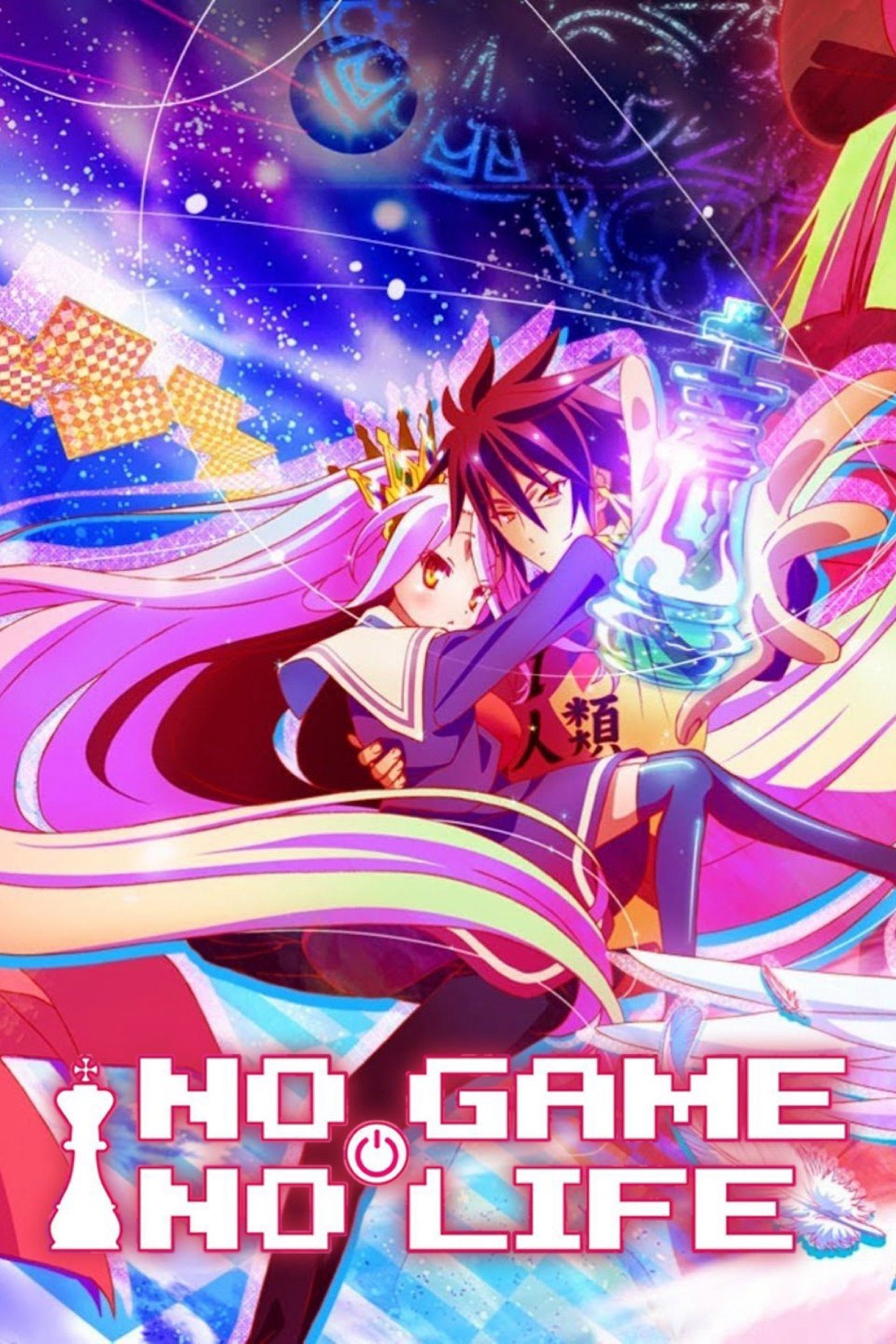
Two incredibly smart siblings find themselves in Disboard, a world where all disagreements are settled through challenging games. This world operates under ten strict rules, called the Ten Covenants, which ban violence and guarantee fair results for bets. Sora and Shiro use clever tactics and loopholes – similar to what they’d use in competitive gaming – to win over nearby lands. Each fight is essentially a puzzle, and they have to fully understand the rules of each game to succeed.
‘Overlord’ (2015–2022)
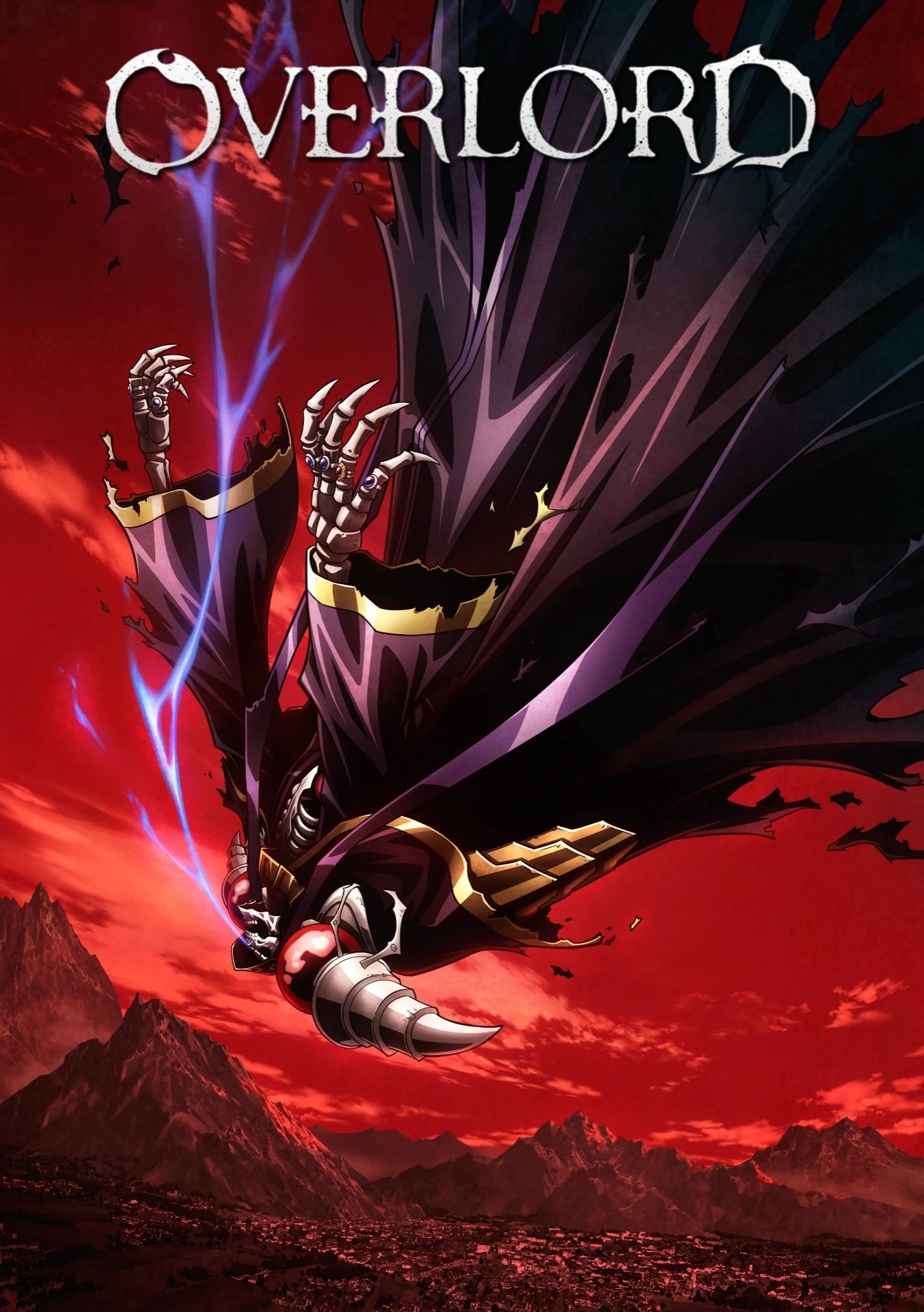
A devoted gamer chooses to remain online until the servers of his beloved game are permanently closed. However, instead of simply logging off, he’s unexpectedly transported into the game world as his powerful skeletal avatar. He still has all his character’s abilities, including potent spells and the tools to manage his virtual guild hall. Now, he’s experimenting with the rules of this new reality, testing how magic and items work, and essentially seeing what happens when an incredibly powerful character starts at the very beginning of the game.
‘Is It Wrong to Try to Pick Up Girls in a Dungeon?’ (2015)
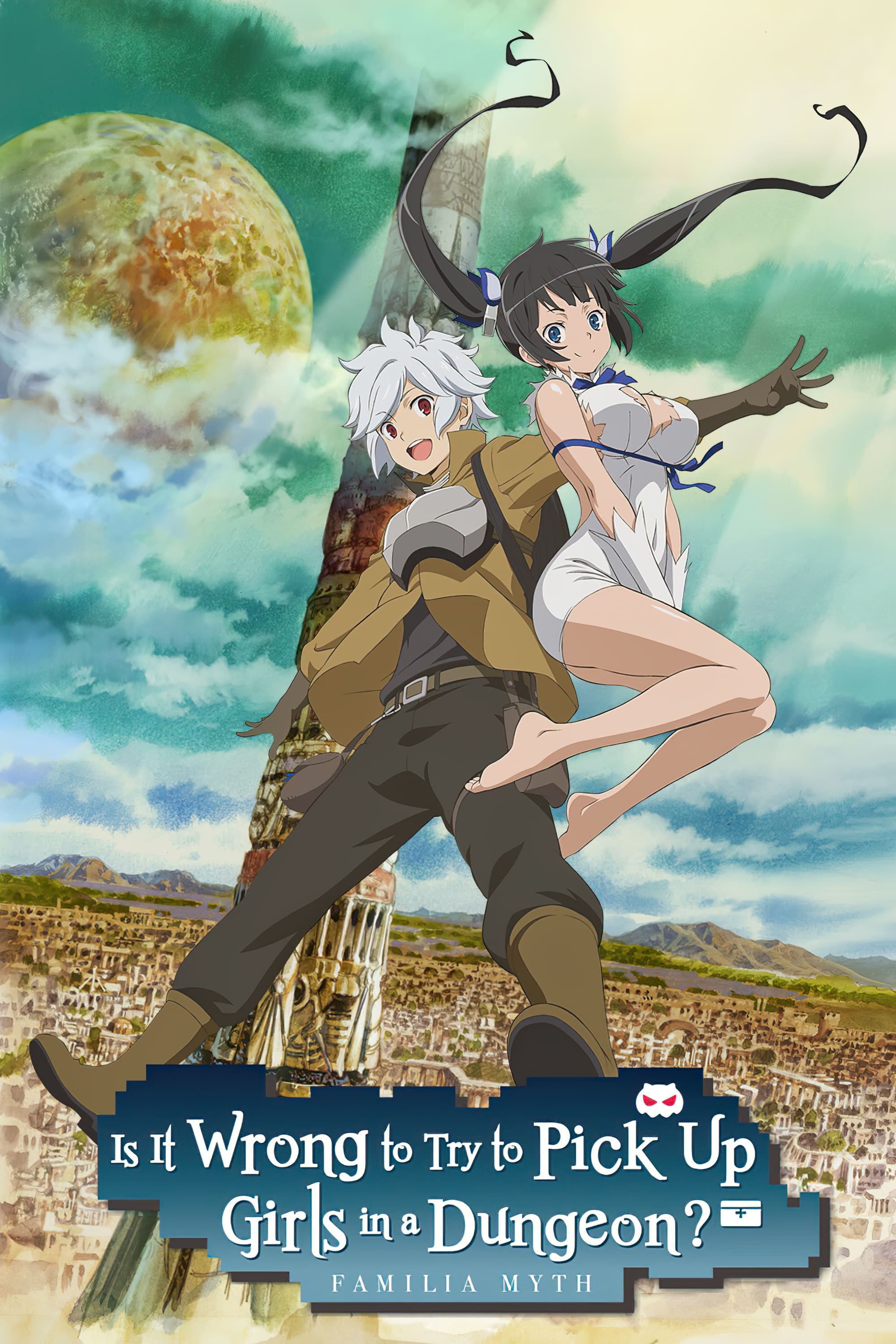
In the city of Orario, adventurers brave a huge underground maze filled with monsters, searching for valuable crystal shards. As they gain experience, their patron gods update their abilities, displaying stats directly as tattoos on their backs—much like the character sheets in role-playing games. One adventurer, Bell Cranel, is determined to become stronger quickly, hoping to reach the level of a skilled swordswoman he looks up to.
‘KONOSUBA – God’s blessing on this wonderful world!’ (2016–2024)
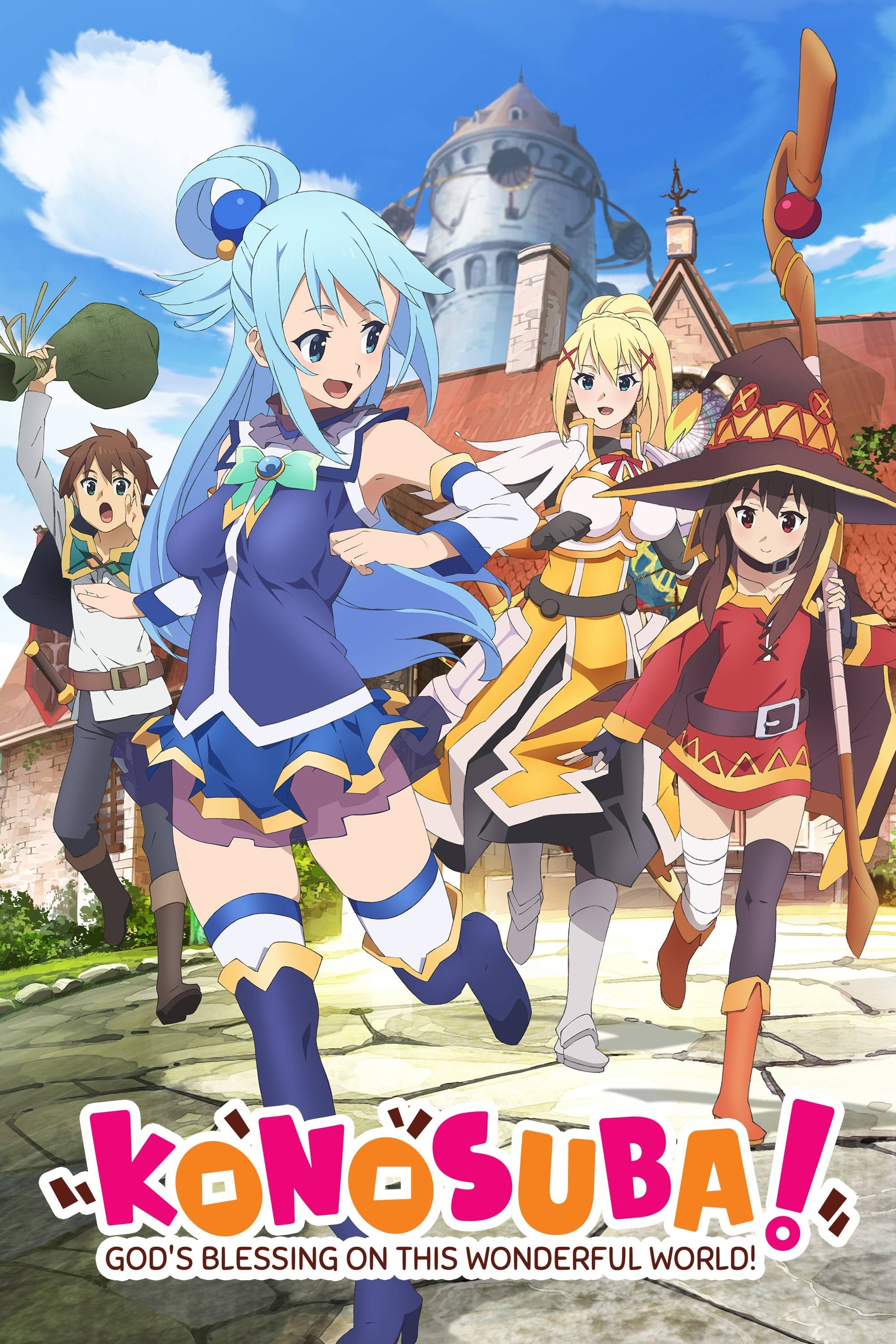
Kazuma Satou unexpectedly dies and gets a second chance in a fantasy world, bringing a goddess along with him. The story playfully mocks typical fantasy role-playing game elements, giving the characters unusual abilities and weaknesses that make them a hilariously ineffective team. Much of the comedy comes from twisting how characters usually gain power and develop their skills in these kinds of games.
‘Re:Zero – Starting Life in Another World’ (2016)

Subaru Natsuki suddenly finds himself in a magical world with a unique ability: whenever he dies, he can rewind time. It’s like a video game save point – he’s forced to keep replaying tough situations until he gets it right. He remembers everything from each loop, allowing him to learn from his mistakes and try to prevent terrible things from happening. This constant cycle of failure and repetition takes a heavy mental toll, much like the frustration of being stuck on a hard video game level.
‘Grimgar of Fantasy and Ash’ (2016)
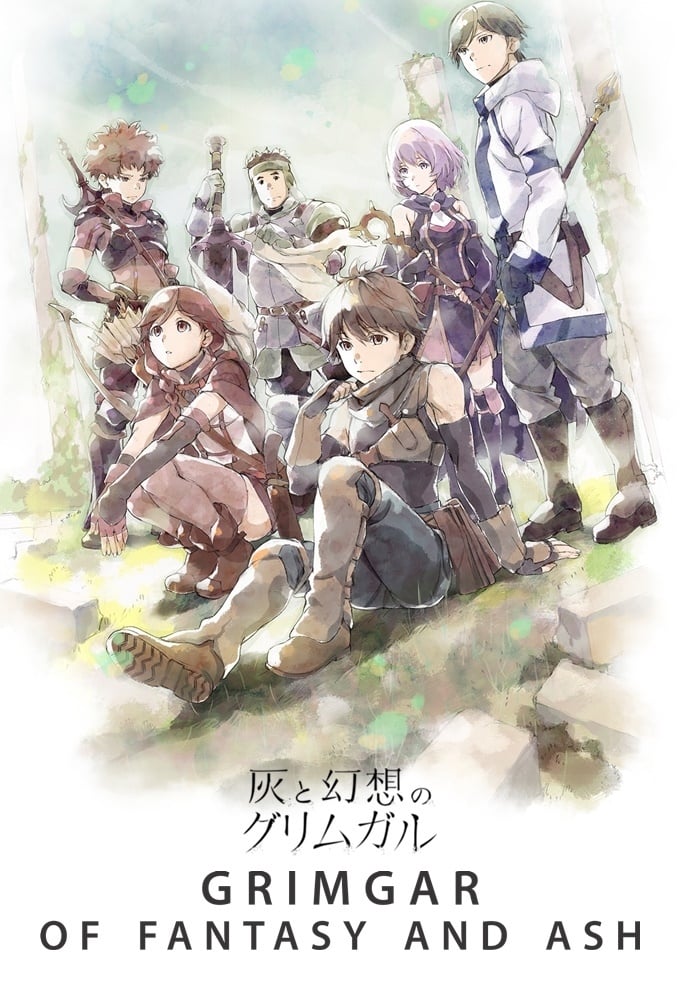
The show begins with a diverse group of people waking up in a fantasy world, having no recollection of who they were before. To stay alive, they’re forced to enlist in the army. Unlike typical fantasy stories, this world feels realistic – learning even basic skills takes time, effort, and money. Even defeating weak monsters is a dangerous fight, highlighting the serious consequences of violence. It avoids the usual ‘power fantasy’ tropes by showing how harsh and difficult life is for ordinary adventurers.
‘The King’s Avatar’ (2017)
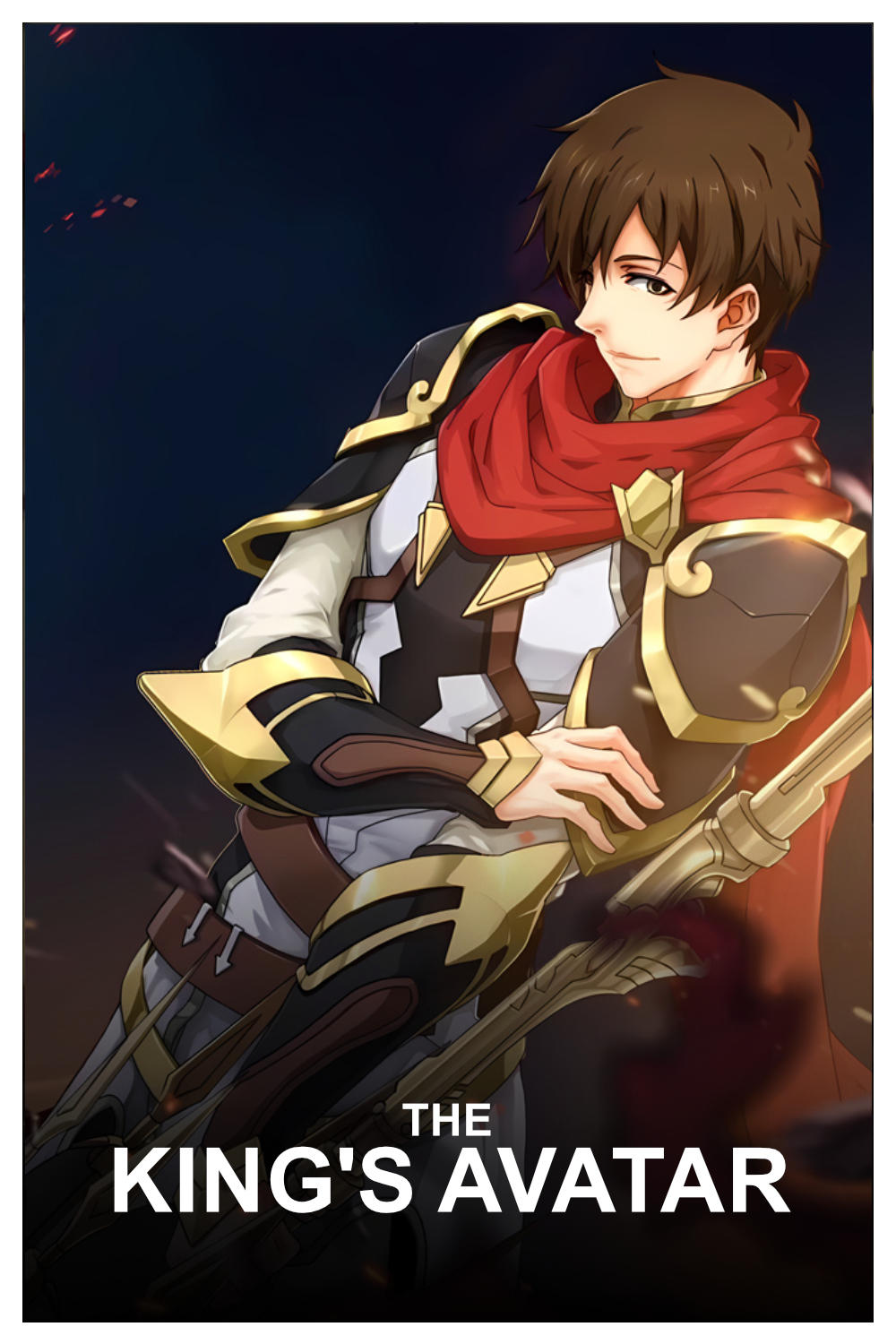
Ye Xiu was a star esports player who had to retire and begin again on a new game server. The show vividly portrays skillful gameplay in the fictional game Glory by displaying the player’s keyboard and mouse actions. The story builds suspense through strategic timing and fast-paced battles. It provides an in-depth look at the world of competitive gaming, including the challenges and strategies behind completing game dungeons quickly.
‘Recovery of an MMO Junkie’ (2017)
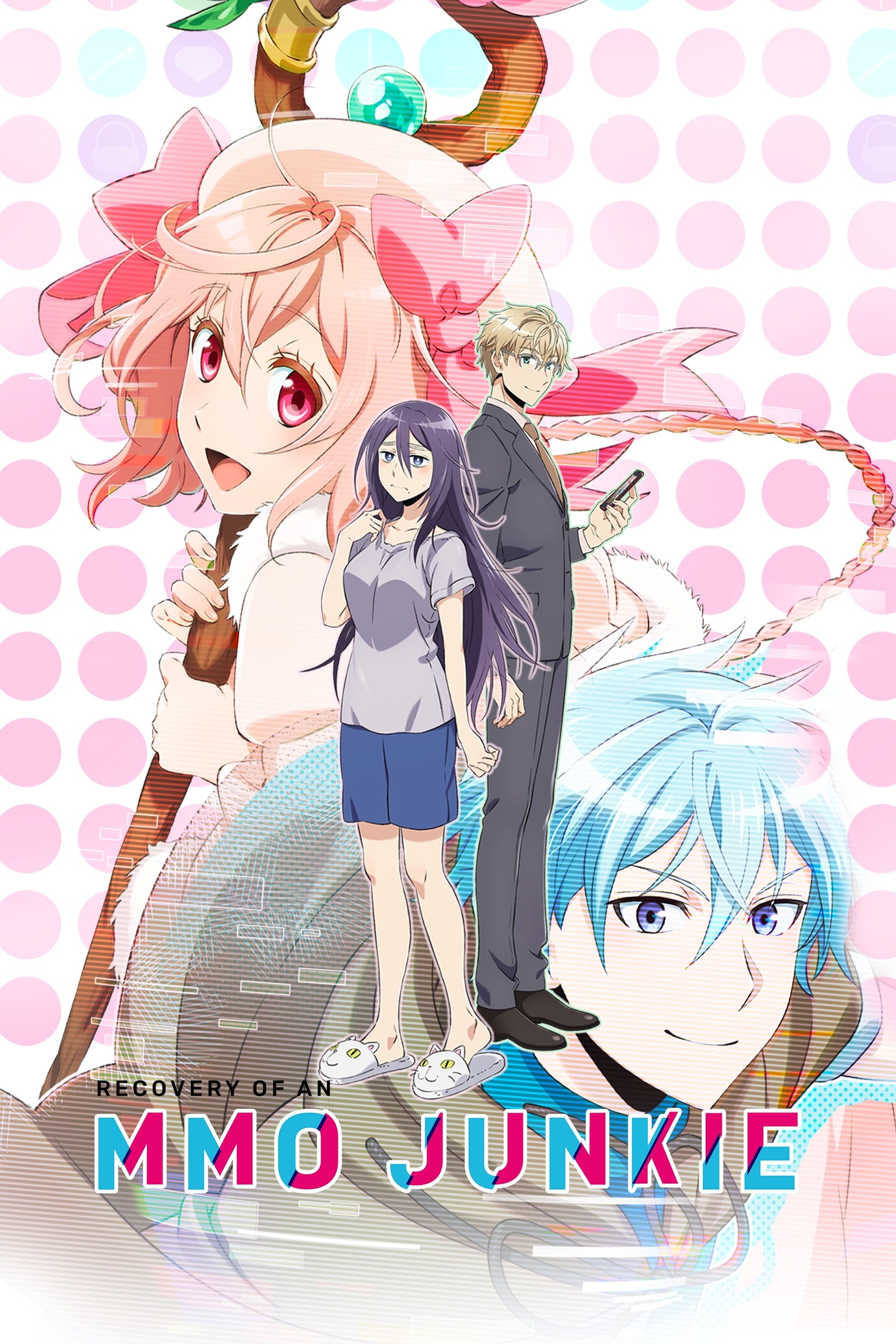
Moriko Morioka leaves her office job to dedicate herself to playing a fantasy video game. Inside the game, she creates a male character named Hayashi and deals with the challenges of making friends and navigating conflicts within her online community. The story focuses on the difference between how Moriko looks in real life and how her character appears in the game, and explores the comfort she finds through playing the game and becoming someone else online.
‘Gamers!’ (2017)
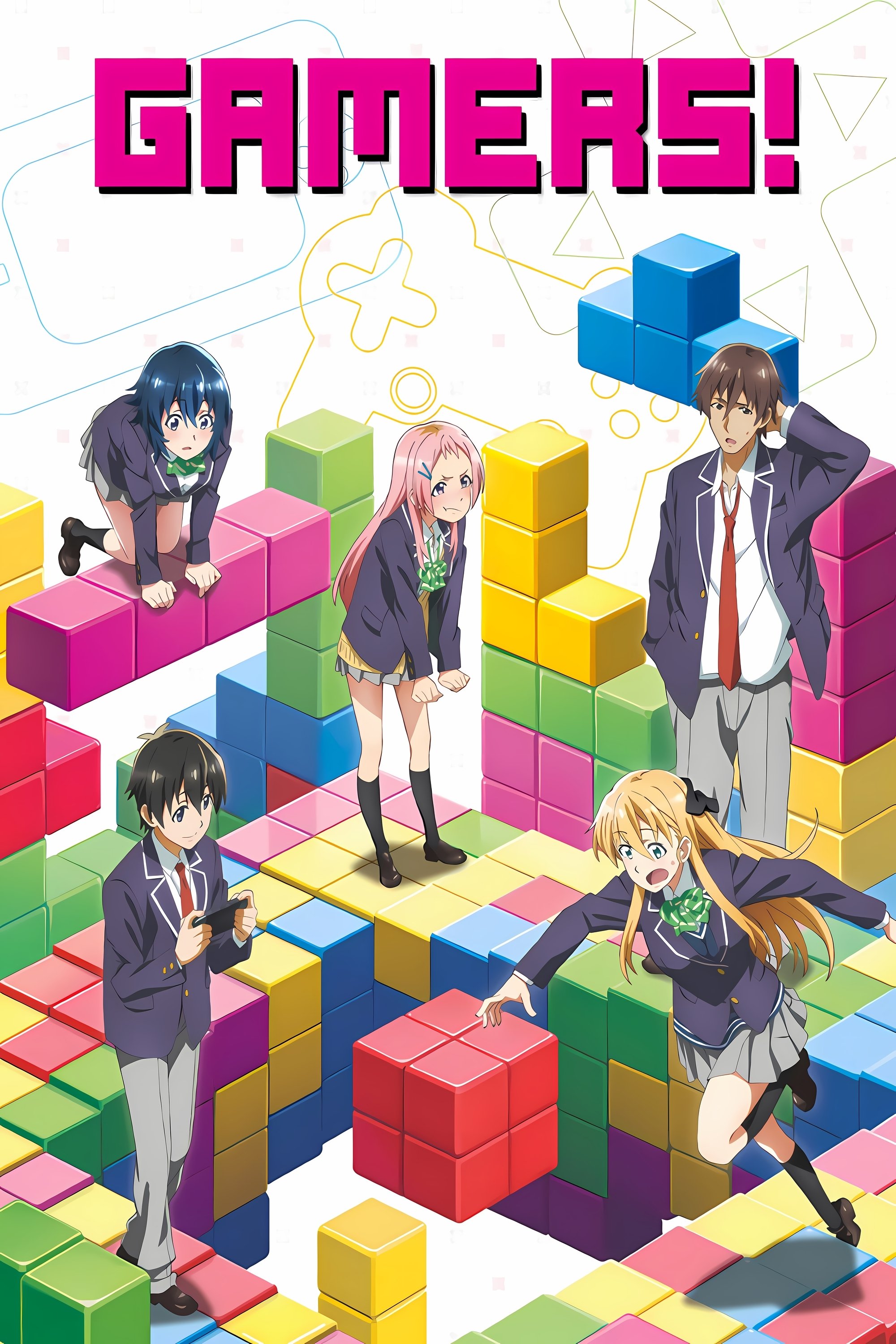
Keita Amano is a big fan of video games, but he turns down an invitation to join his school’s competitive gaming club. The story is a funny romantic comedy built on characters misunderstanding each other’s gaming preferences. It uses different game genres, like fighting games and dating sims, to show why characters act the way they do, and it looks at how people connect with gaming – whether they’re just having fun or are really dedicated players.
‘Goblin Slayer’ (2018)

A hardened adventurer has made it his life’s work to destroy goblins, and he does so with ruthless efficiency. The world works like a tabletop RPG – fate is decided by chance, with even the gods rolling dice. Magic isn’t endless; spellcasters have a limited number of spells they can use each day. This means they have to be clever, using weapons, gadgets, and the environment to win fights instead of just relying on magic.
‘That Time I Got Reincarnated as a Slime’ (2018)
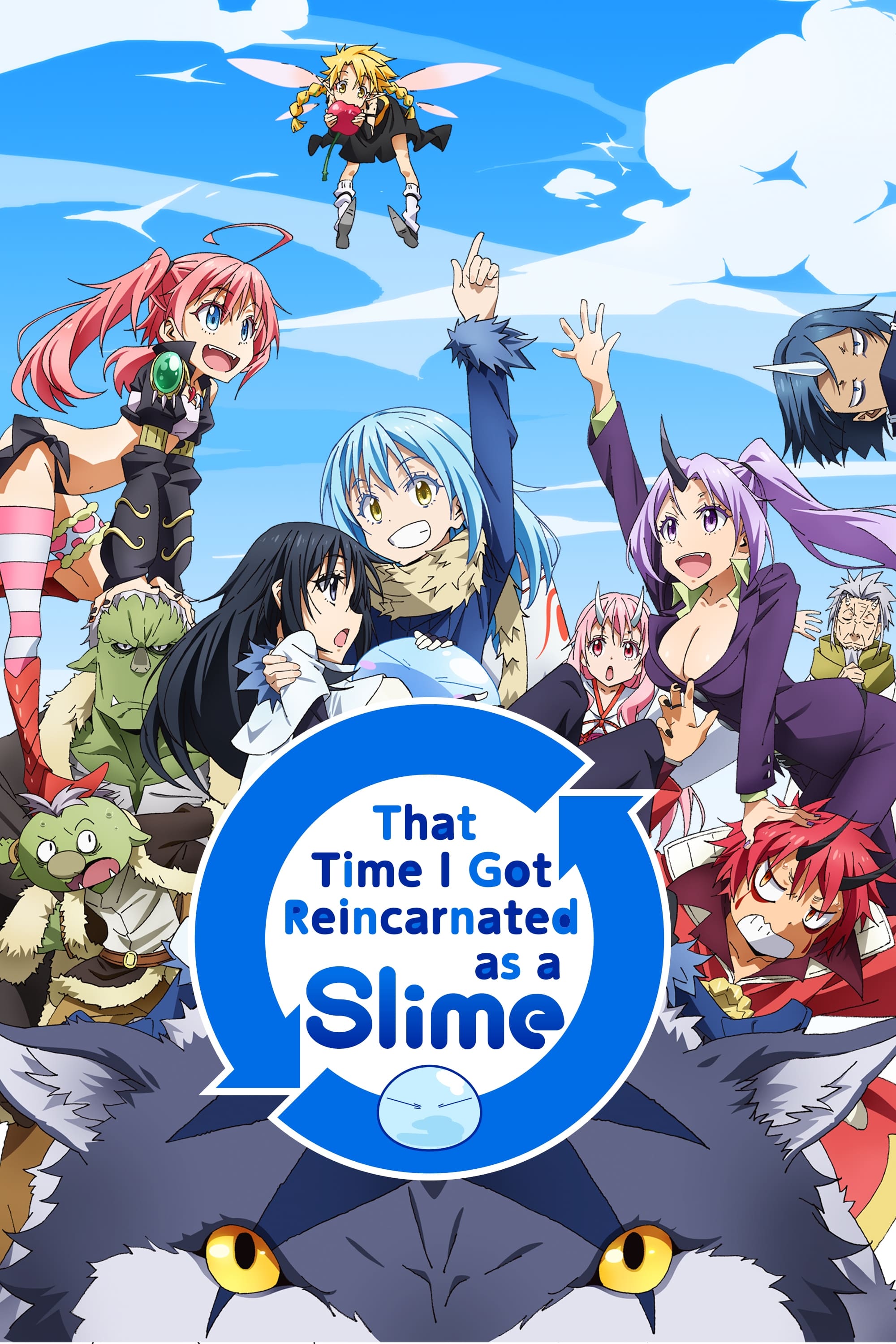
Satoru Mikami is reborn as a slime in a new world with a unique ability: he can absorb other creatures to gain their powers. A helpful voice called the Great Sage guides him, analyzing dangers and managing his skills. He starts building a nation by giving monsters names, which makes them stronger and evolve. This process is similar to playing a strategy game, where you grow your territory and improve your forces.
‘Hi Score Girl’ (2018–2019)
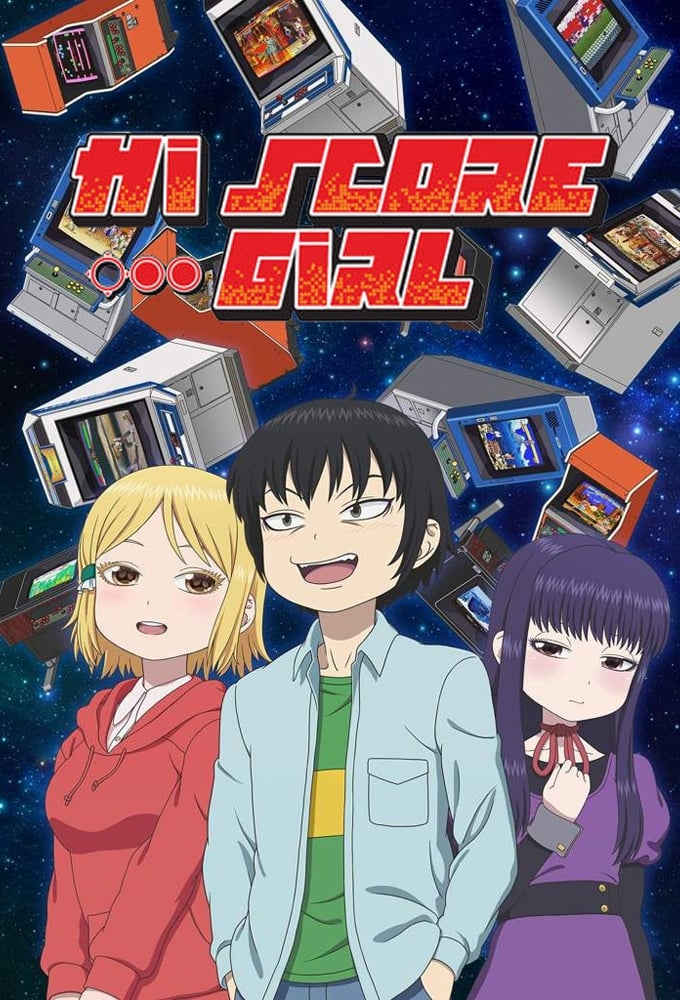
Haruo Yaguchi is a student in the 1990s deeply passionate about arcades and fighting games. The series realistically shows gameplay from classics like Street Fighter II, using it to highlight how the characters’ relationships evolve. When characters are struggling emotionally, the show uses visual effects to make them look like video game sprites. Overall, it’s a heartfelt tribute to the golden age of arcades.
‘The Rising of the Shield Hero’ (2019)
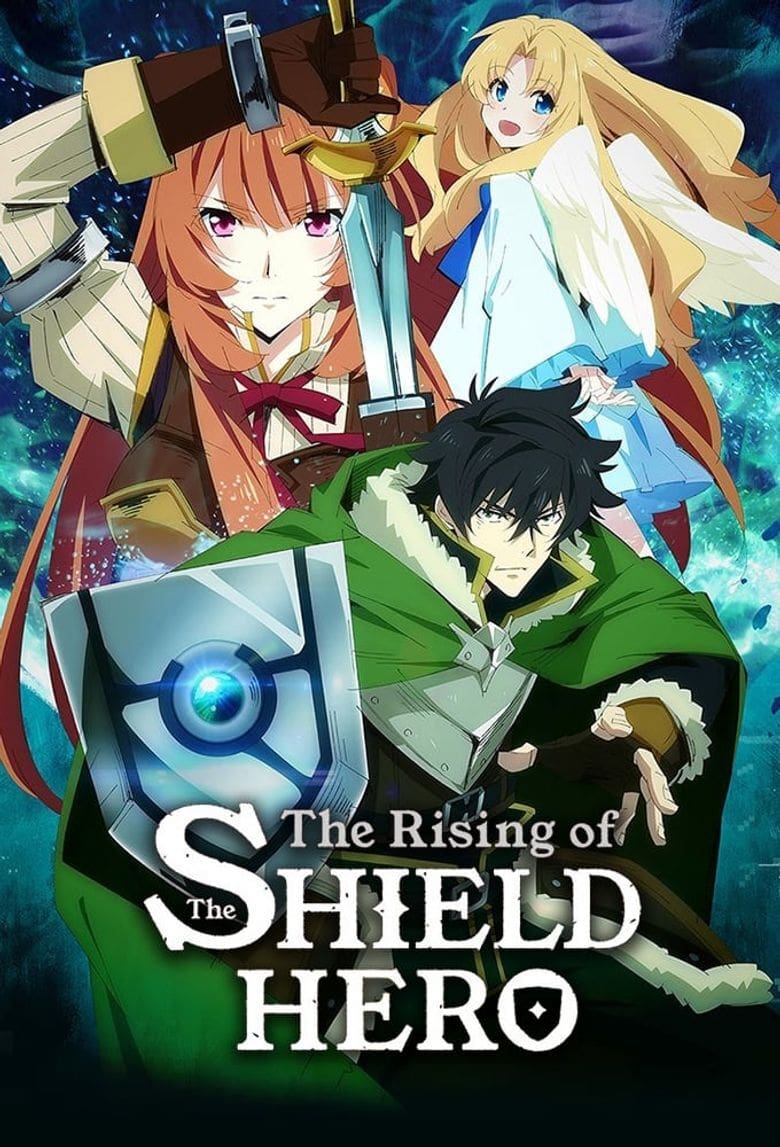
Naofumi Iwatani is brought to another world as one of four chosen heroes, and he’s given a special shield that gets stronger as he absorbs materials. He can improve his defenses through a skill system that uses parts from defeated monsters. This world works by challenging heroes to survive waves of enemies and protect humanity before time runs out. Because Naofumi isn’t skilled with attacking, he has to focus on leading his team and controlling enemies to succeed.
‘Bofuri: I Don’t Want to Get Hurt, so I’ll Max Out My Defense.’ (2020)
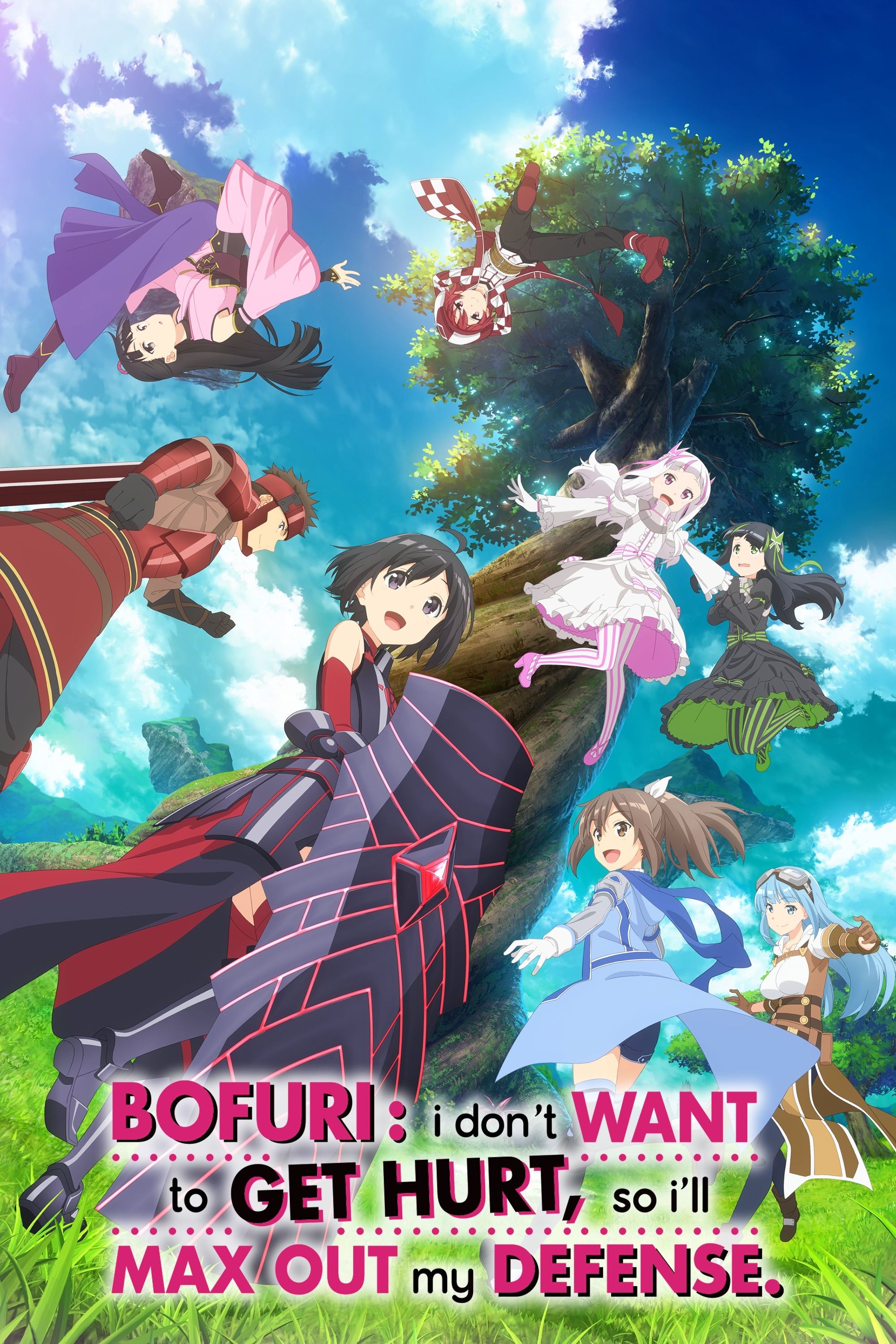
Kaede Honjo starts playing a virtual reality game and chooses to maximize her character’s health, hoping to avoid taking damage. This unusual strategy makes her incredibly tough, letting her win battles simply by surviving while enemies defeat themselves. The game’s creators are constantly trying to fix her overpowered abilities, as she throws the game’s balance out of whack. The story is a funny look at how players can cleverly use game systems in unexpected ways.
‘So I’m a Spider, So What?’ (2021)
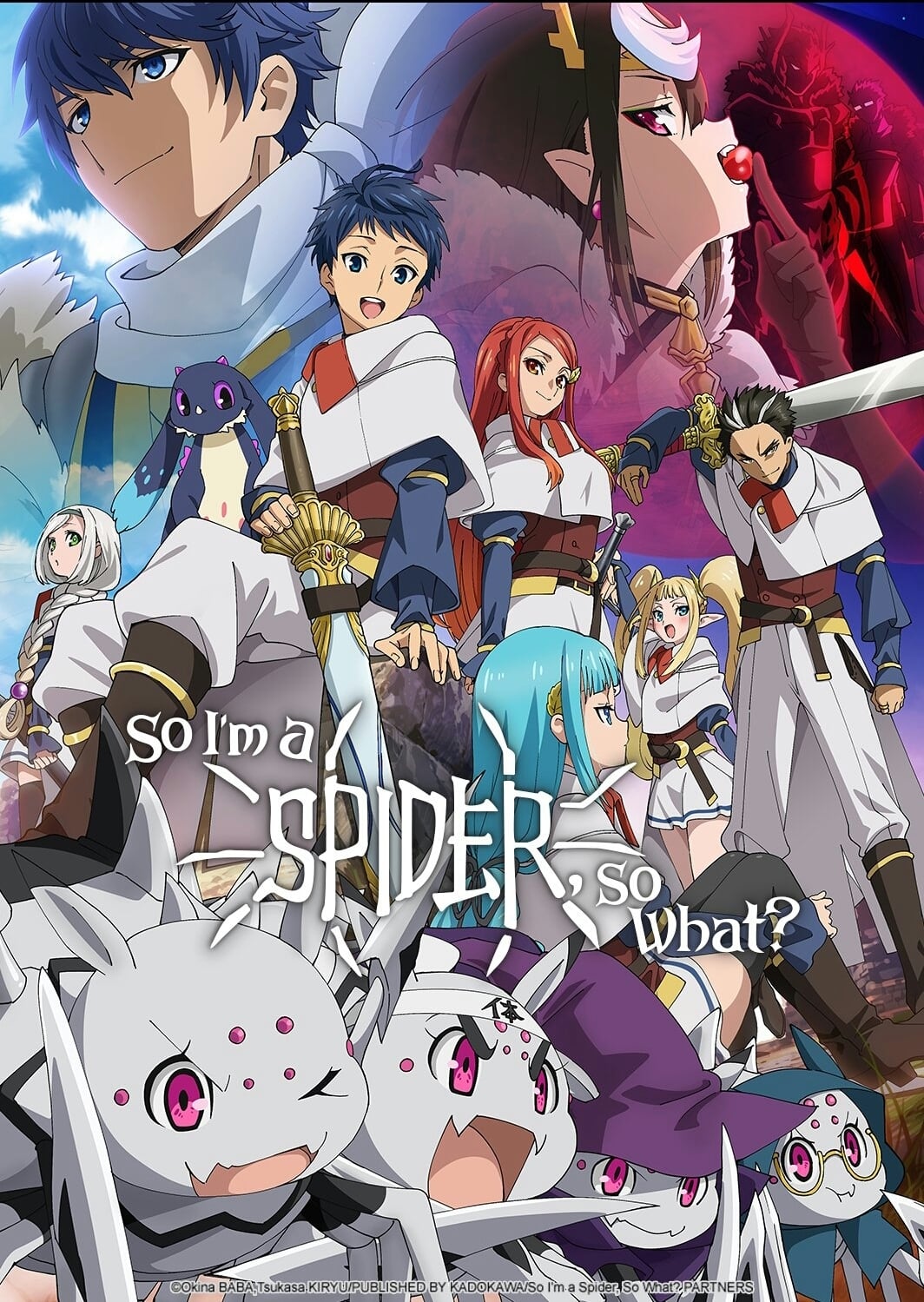
A teenage girl finds herself reborn as a frail spider monster trapped in a dangerous dungeon. She has to battle constantly just to stay alive. Whenever she improves a skill, a voice lets her know. She uses a special ability called ‘Appraisal’ to check how strong enemies are before fighting them. The story mainly follows her journey of leveling up, getting stronger, and evolving into different types of spider creatures.
‘Trapped in a Dating Sim: The World of Otome Games is Tough for Mobs’ (2022)
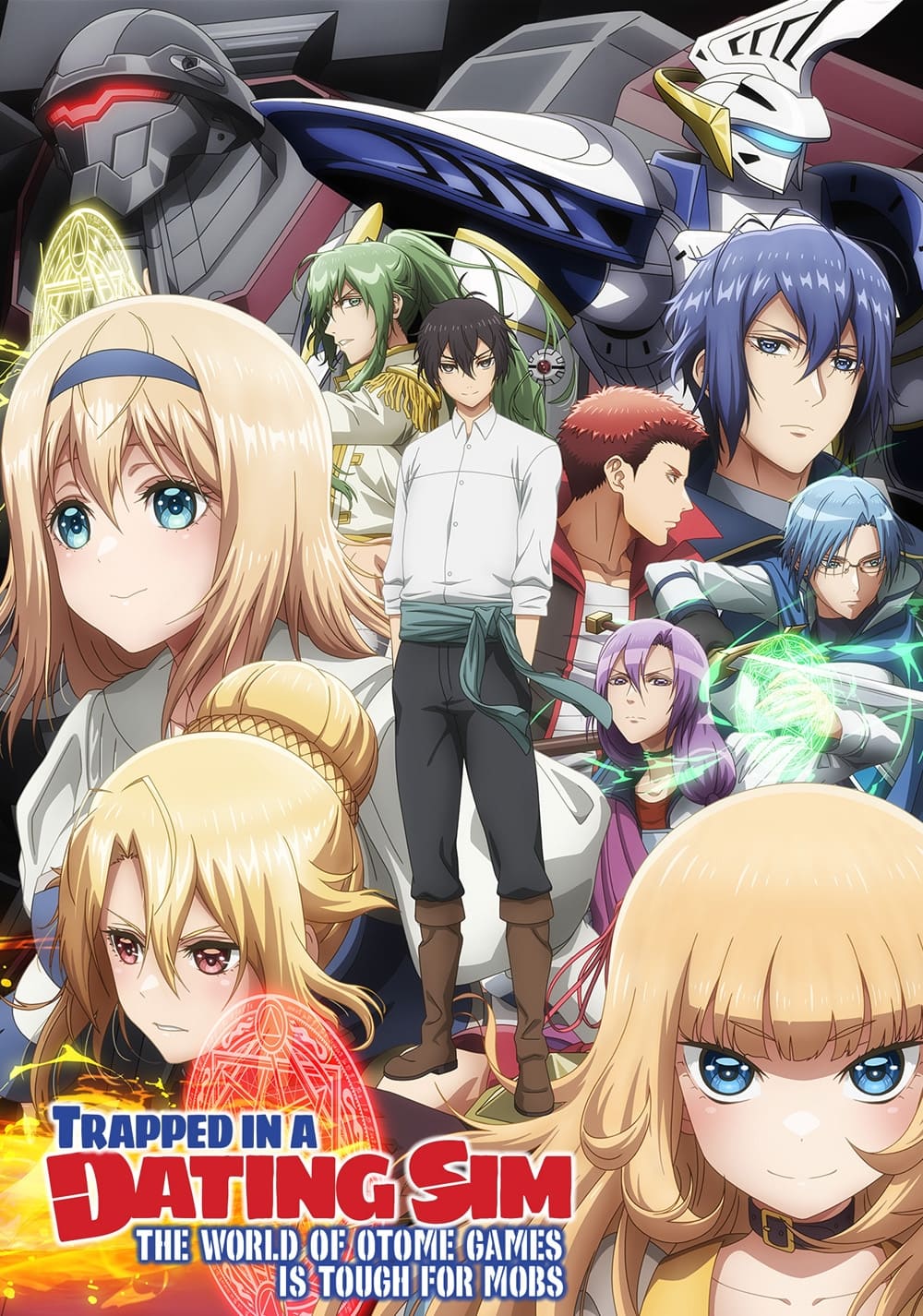
Leon finds himself reborn as a minor character inside the game his sister made him play. Remembering the game’s secrets – like how to get powerful items and find hidden areas – he plans to outsmart the rich and privileged players. This world mixes fantasy and futuristic technology, and still operates with the same rigid social classes as the original dating game. Leon has to carefully manage relationships and build affection to avoid unfavorable outcomes.
‘Uncle from Another World’ (2022)
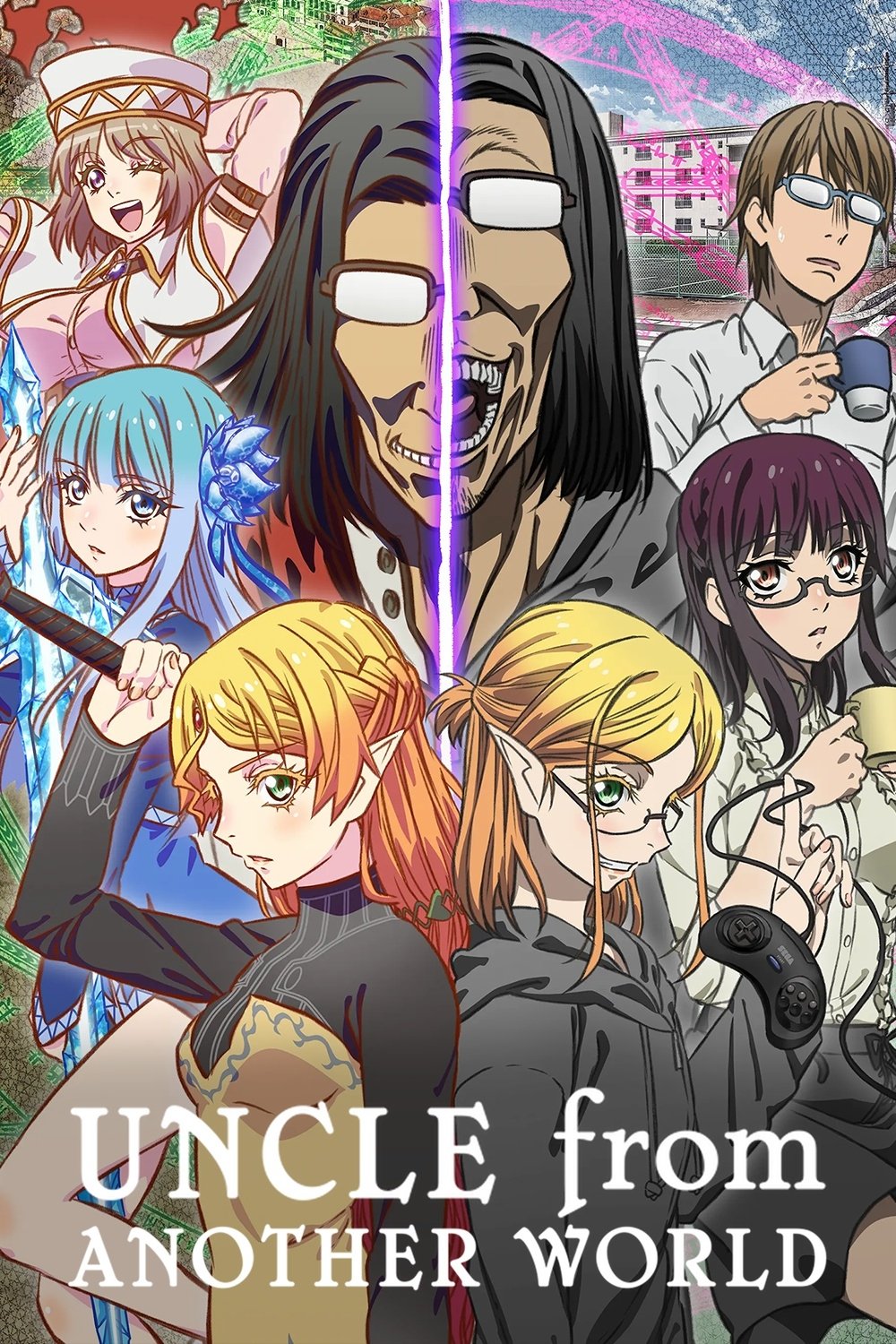
Takafumi’s uncle suddenly wakes up after being in a coma for seventeen years, and shares an unbelievable story: he was transported to a magical world! He describes his experiences using terms and ideas from old Sega games and the way games worked in the 90s. He can even show his memories as if they were a video being played – like a ‘Let’s Play’ stream. The funny part is, he struggles to understand normal social situations because he tries to make sense of them using video game rules.
‘Campfire Cooking in Another World with My Absurd Skill’ (2023)
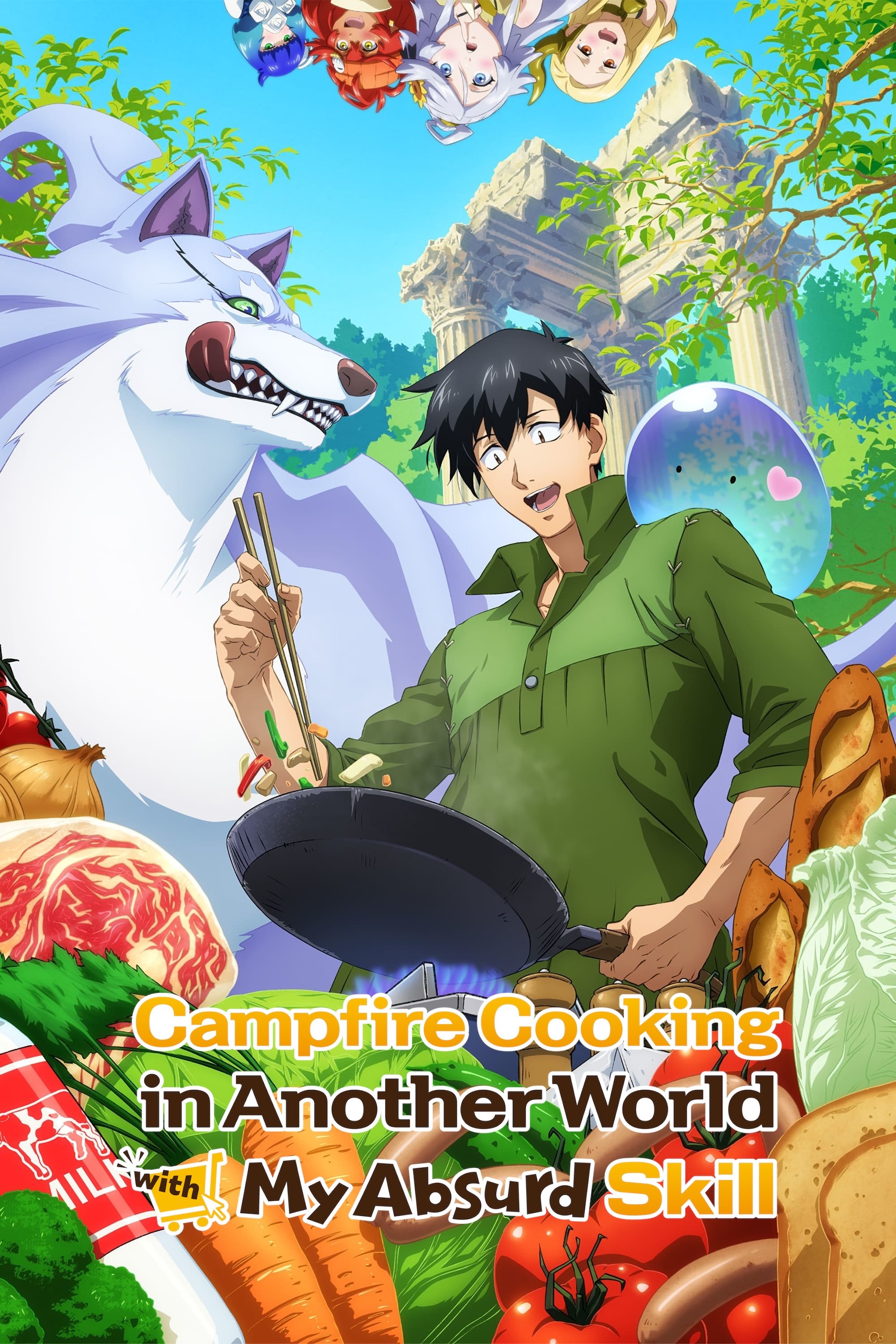
Mukoda finds himself transported to a fantasy world, but instead of typical magical abilities, he has access to an online supermarket. He uses the local currency to buy ingredients and cooks meals that temporarily boost his stats and those who eat them. His incredible cooking attracts powerful monsters, who become his companions just for a taste! The story centers around the strategic gathering of resources and the creation of items, much like in adventure games.
‘Shangri-La Frontier’ (2023)
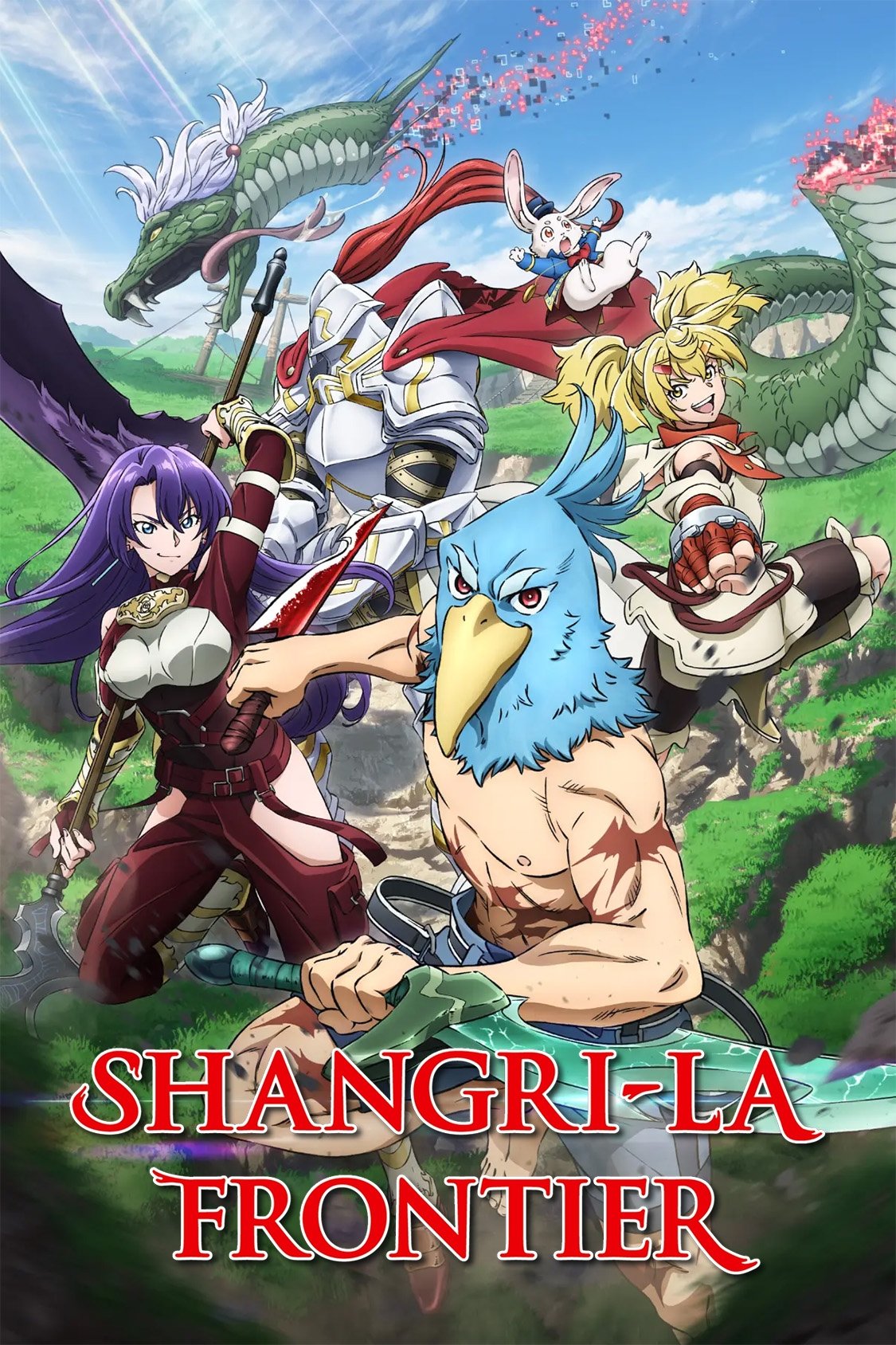
Rakuro Hizutome makes a living finding and playing notoriously bad video games. When he starts playing the popular VR game Shangri-La Frontier, he uses the unusual skills he’s gained from those broken games to excel. The series showcases impressive techniques – like perfectly timed defenses and figuring out how enemies behave – and celebrates players who love to fully master challenging games.
‘Solo Leveling’ (2024)
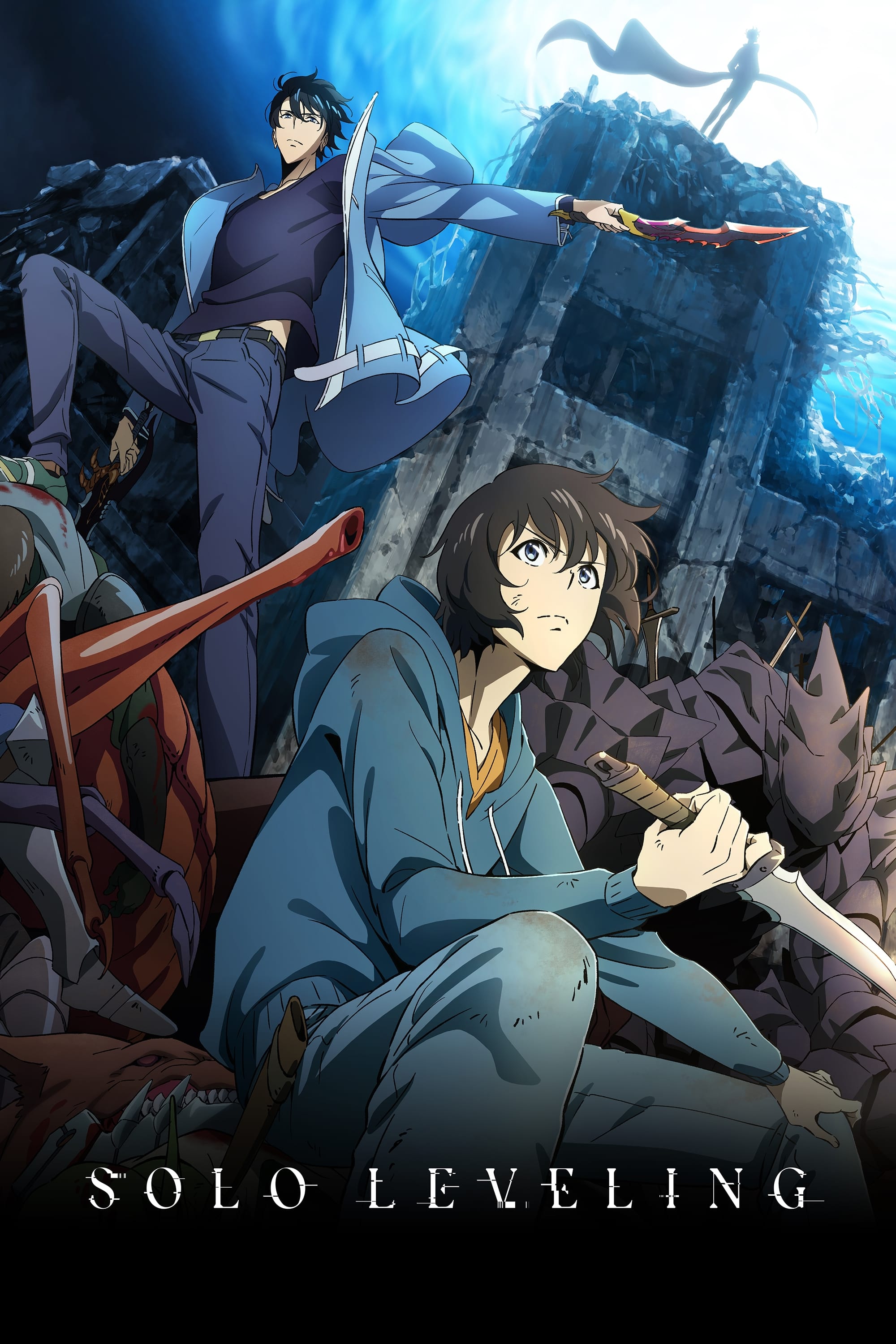
Suddenly, dangerous dungeons are appearing in our world, and hunters brave them to collect valuable resources. Among these hunters is Jinwoo Sung, who has a unique ability: he can see a special system interface that gives him daily tasks and helps him improve his skills. Unlike other hunters, Jinwoo tackles these dungeons solo, steadily becoming stronger. The show visually represents his progress by using elements inspired by role-playing game interfaces.
‘Delicious in Dungeon’ (2024)
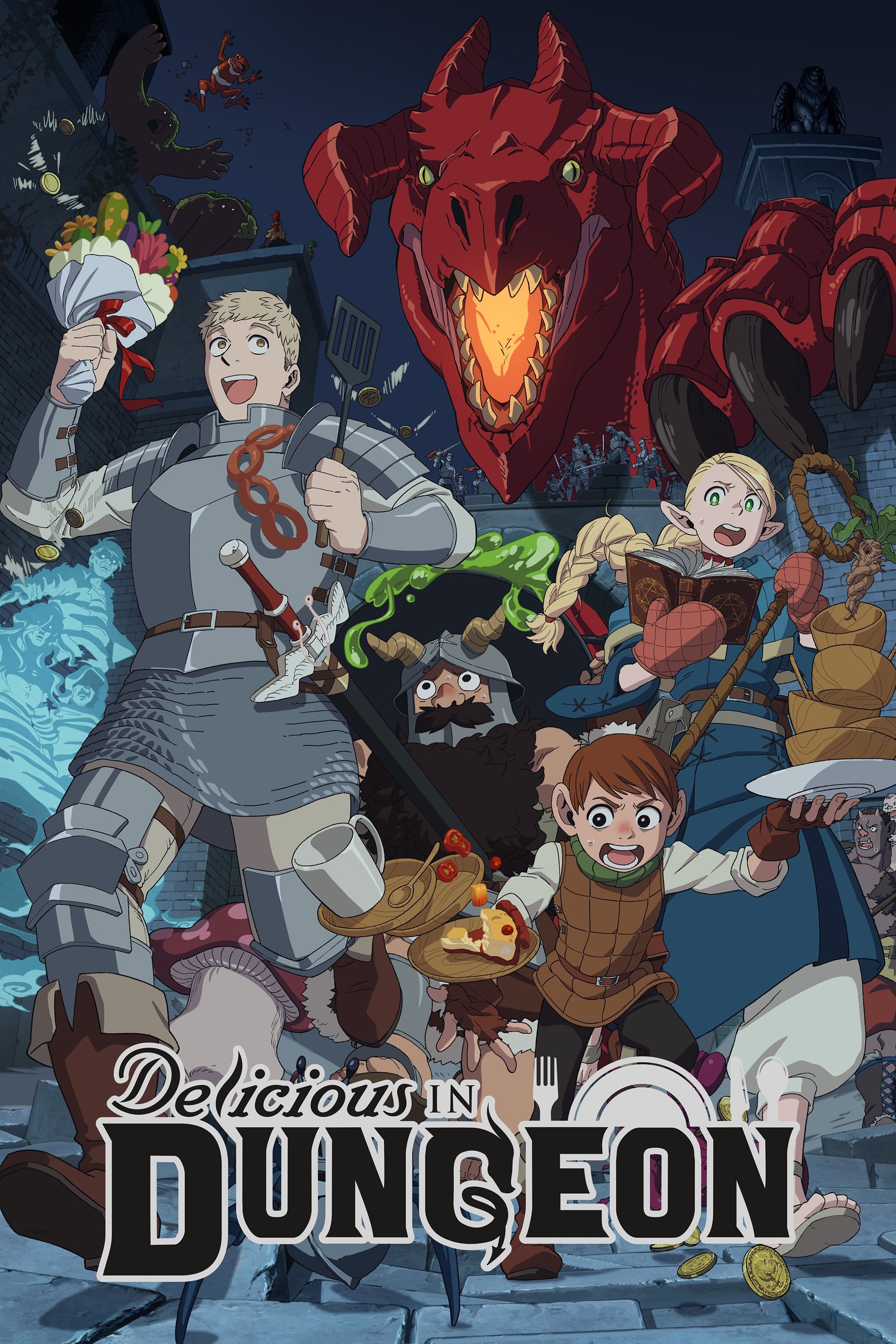
Laios and his companions journey into a dangerous dungeon to save a teammate who was swallowed by a dragon. In this world, adventurers survive by eating monsters to regain energy. While they can be brought back to life at special shrines, resurrection isn’t guaranteed and depends on how damaged their body is. The dungeon’s ecosystem is surprisingly complex, functioning much like a detailed video game world.
‘Quality Assurance in Another World’ (2024)

Nikola lives in a village where Haga, a debugger, is looking into strange things happening around them. Haga thinks of the world as a virtual reality and uses tools to find problems – like objects you can walk through. He tries to explain how things work – like how characters move and what causes events – to the villagers, who are understandably confused. The story playfully explores the behind-the-scenes work of making video games and fixing bugs.
Share your favorite anime that uses game mechanics in the comments.
Read More
- Gold Rate Forecast
- 22 Films Where the White Protagonist Is Canonically the Sidekick to a Black Lead
- Persona 5: The Phantom X Relativity’s Labyrinth – All coin locations and puzzle solutions
- Celebs Who Narrowly Escaped The 9/11 Attacks
- Games That Faced Bans in Countries Over Political Themes
- How to Unlock Stellar Blade’s Secret Dev Room & Ocean String Outfit
- ‘Super Mario Galaxy’ Trailer Launches: Chris Pratt, Jack Black, Anya Taylor-Joy, Charlie Day Return for 2026 Sequel
- 25 “Woke” Films That Used Black Trauma to Humanize White Leads
- Games Rewarding Exploration Over Combat Heavy Gameplay
- Here Are the Weekend Box Office Hits for This Weekend, with the Super Popular Romance on Top
2025-12-10 07:17