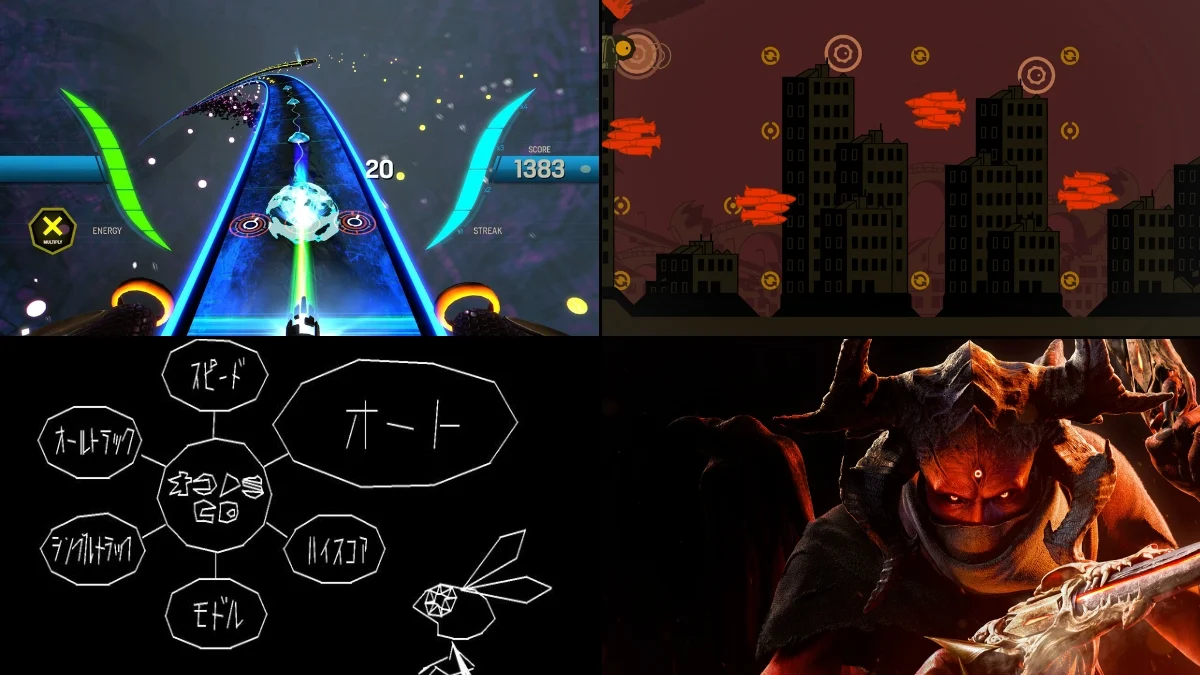
Video games have come a long way from basic sounds to immersive worlds where players can actually shape the music. Some developers are now letting players create or change the music as they play, turning the game controller into a musical instrument and every action into a note. Here are fifteen games that make dynamic audio a central part of the experience.
‘Fuser’ (2020)

This game, created by Harmonix and NCSOFT, lets players act as a DJ at a huge music festival, giving them full control over the music. You can remix popular songs by combining vocals and beats to create unique mixes in real-time. The game’s story mode challenges you to keep the crowd excited by switching songs at just the right moment. Successfully timed transitions earn higher scores and unlock more complex musical elements to add to your performance. It’s a leading example of a game where directly manipulating music is the core gameplay experience.
‘Rez’ (2001)
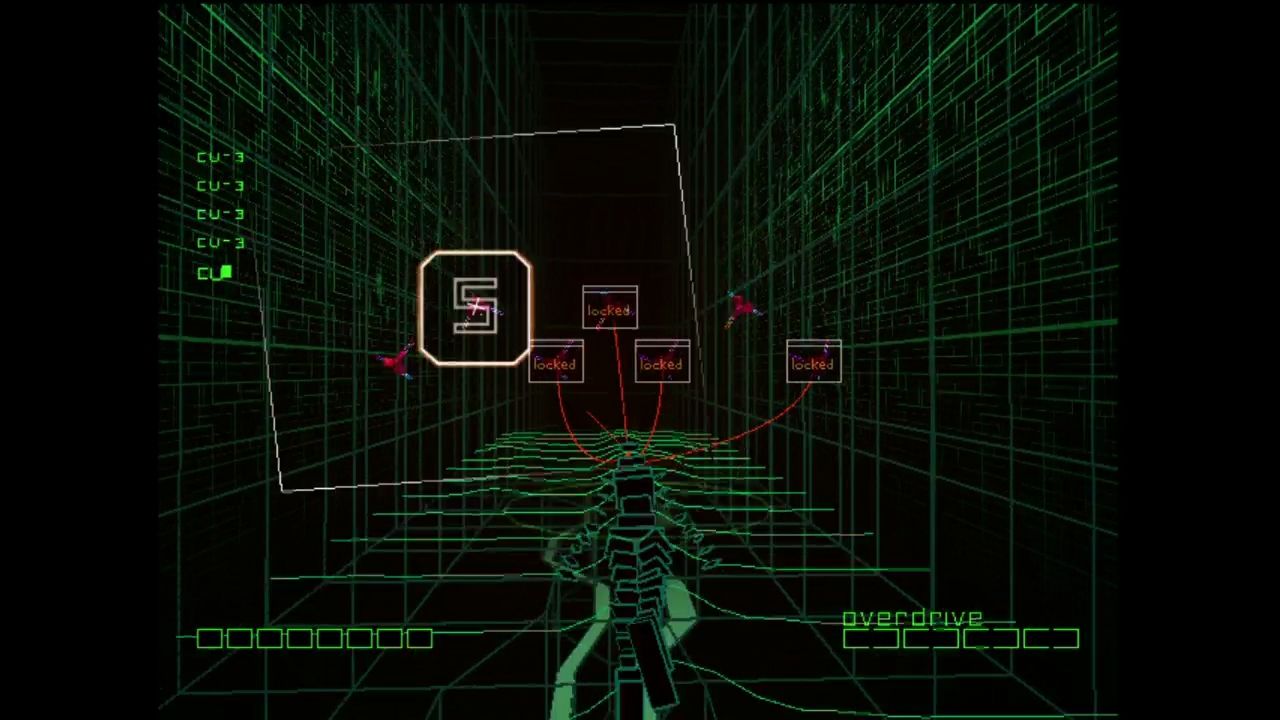
United Game Artists and Sega developed a shooting game where every shot is timed to the music, creating a seamless audio-visual experience. Players navigate a digital world, destroying viruses to unlock new sounds and visual effects, making the soundtrack and graphics more complex with each level. This combination of shooting action and musical rhythm results in a rare and immersive sensory experience.
‘Tetris Effect’ (2018)

Monstars and Resonair created a fresh take on puzzle games by connecting how you move blocks and clear lines with a captivating sound experience. Published by Enhance Games, the game turns every action into a musical note, building a dynamic soundtrack and soundscape. The visuals react to your moves and the music’s tempo, turning a challenging puzzle into an emotional, interactive adventure through space.
‘Lumines’ (2004)
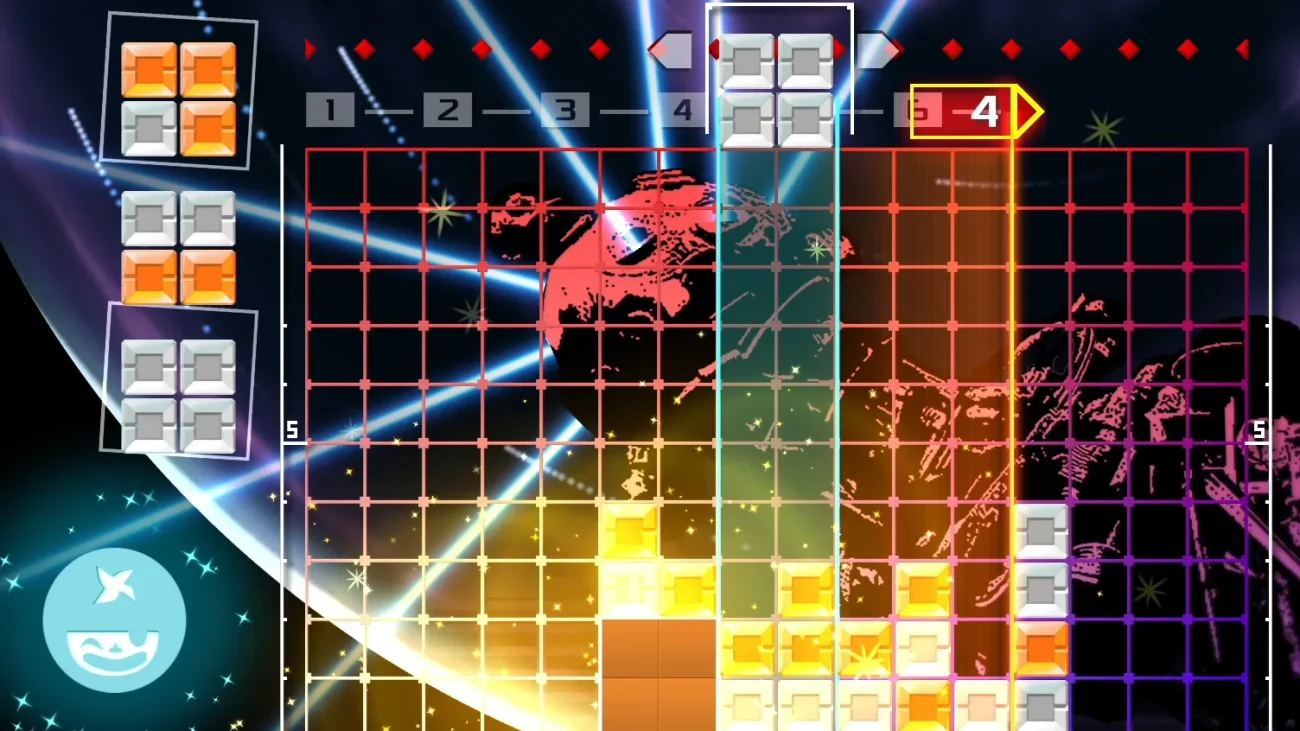
This puzzle game, created by Q Entertainment and released by Bandai, challenges players to clear matching blocks as a timeline moves across the screen, all in time with the music. The game features a soundtrack that evolves and gets more complex as you score higher and clear more blocks. Reaching certain scores even completely changes the game’s look and sound. How you play directly affects the music, influencing its rhythm and intensity.
‘Sound Shapes’ (2012)
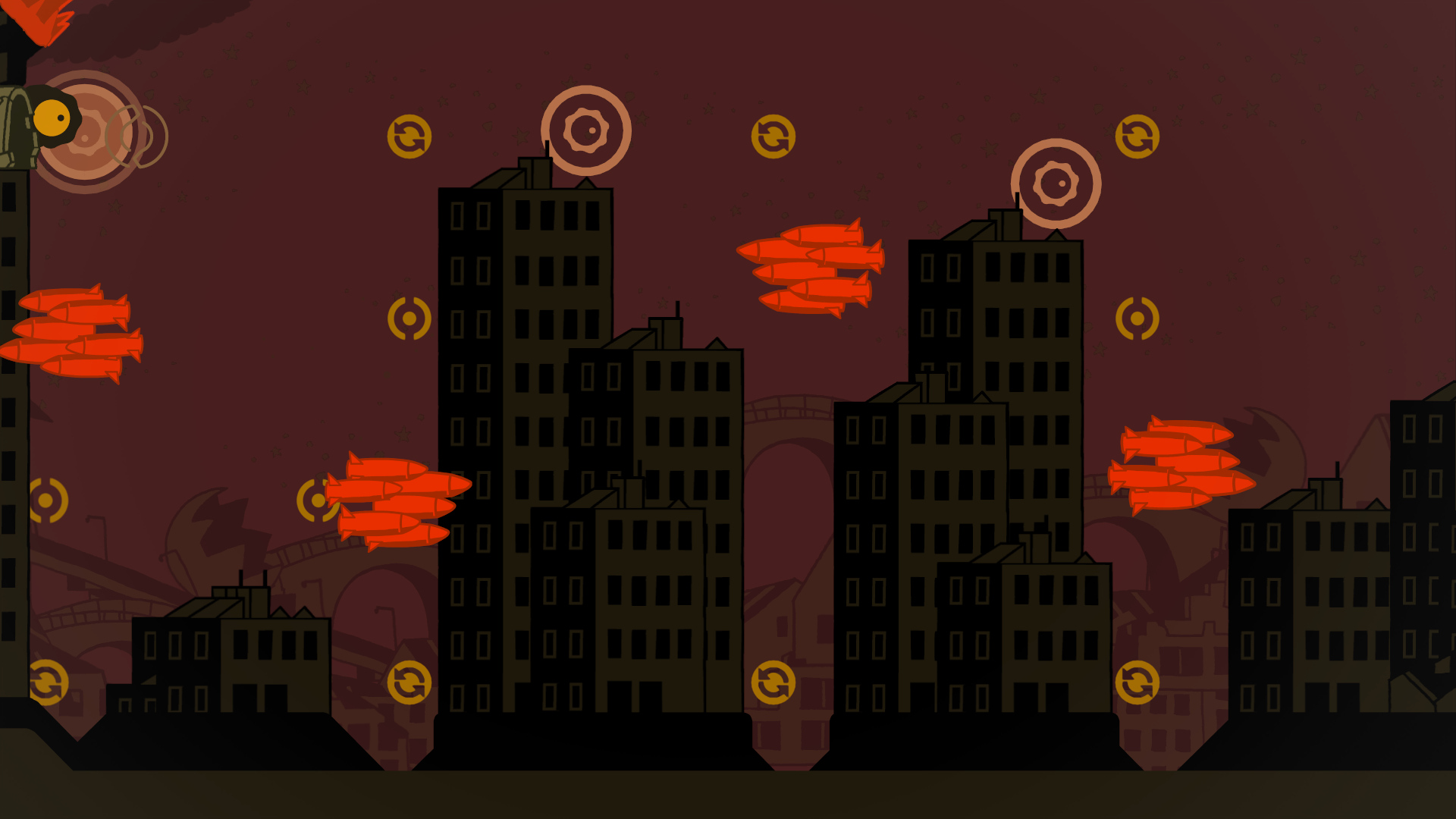
Queasy Games teamed up with SIE Santa Monica Studio to create a unique platformer where everything in the levels – like platforms and obstacles – acts as a musical note. As players collect coins and overcome challenges, they add new instruments and melodies to the game’s music. A built-in level editor lets users design their own stages using sounds from artists such as Beck and Deadmau5. With each jump and action, the music grows more complex, culminating in a complete song by the end of the level.
‘Frequency’ (2001)
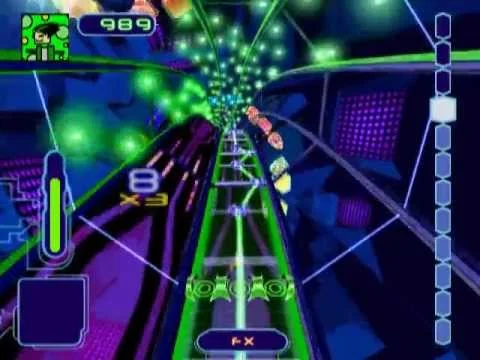
Harmonix pioneered the music game genre where players build songs track by track with this early PlayStation 2 title. Players record instruments like drums and vocals by pressing buttons in sync with on-screen prompts. Successfully playing along adds that instrument’s layer to the rest of the song. The game challenges players to create the song themselves through precise timing and button presses.
‘Amplitude’ (2003)
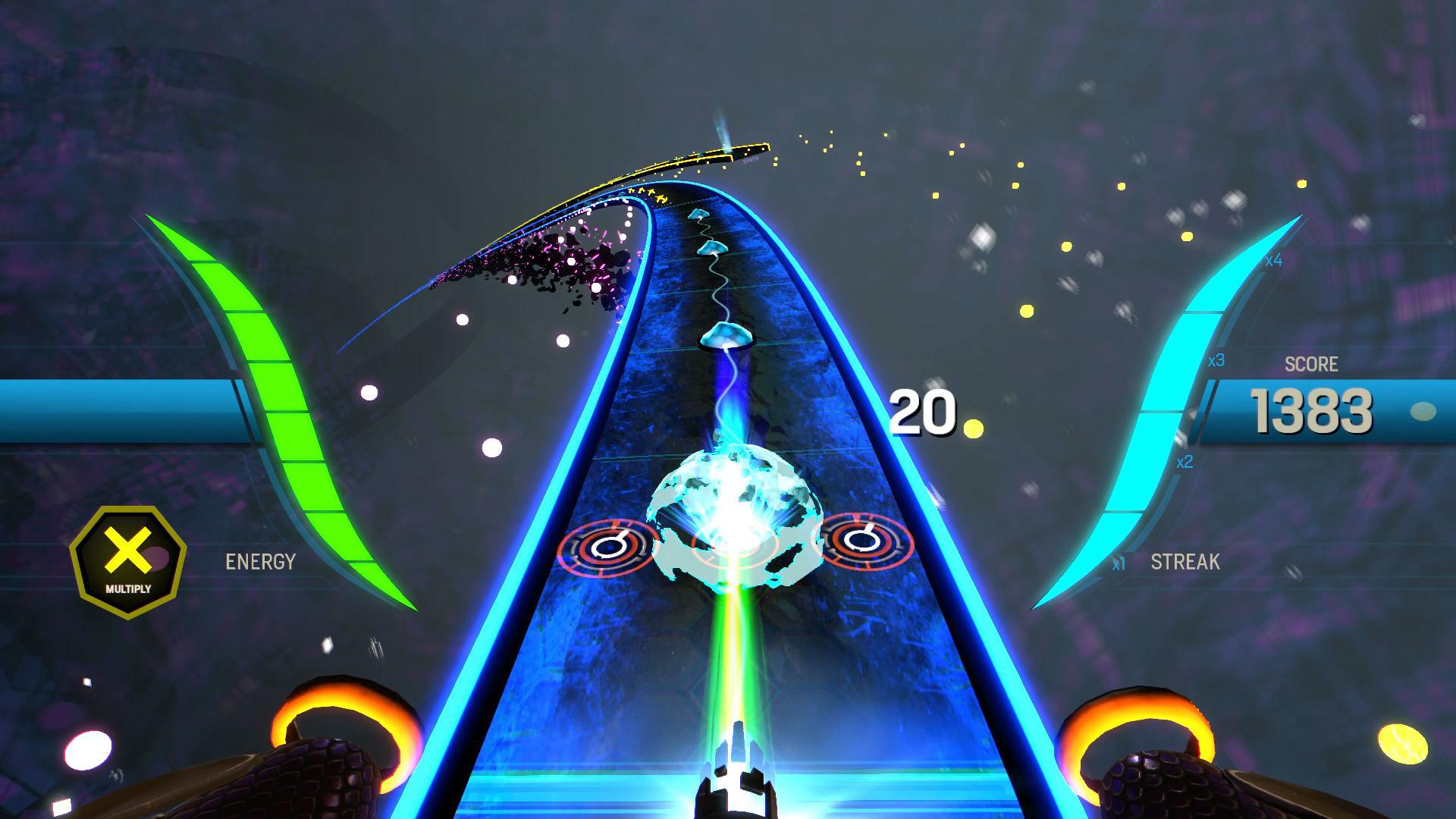
This game built on previous ideas, giving players more choices in songs and how they move. Published by Sony, it challenges players to hit targets to maintain all the different layers of a song. Missing notes causes parts of the music to disappear until the player gets back on track. A later updated version for newer consoles improved these features with enhanced graphics and better control.
‘Metal: Hellsinger’ (2022)
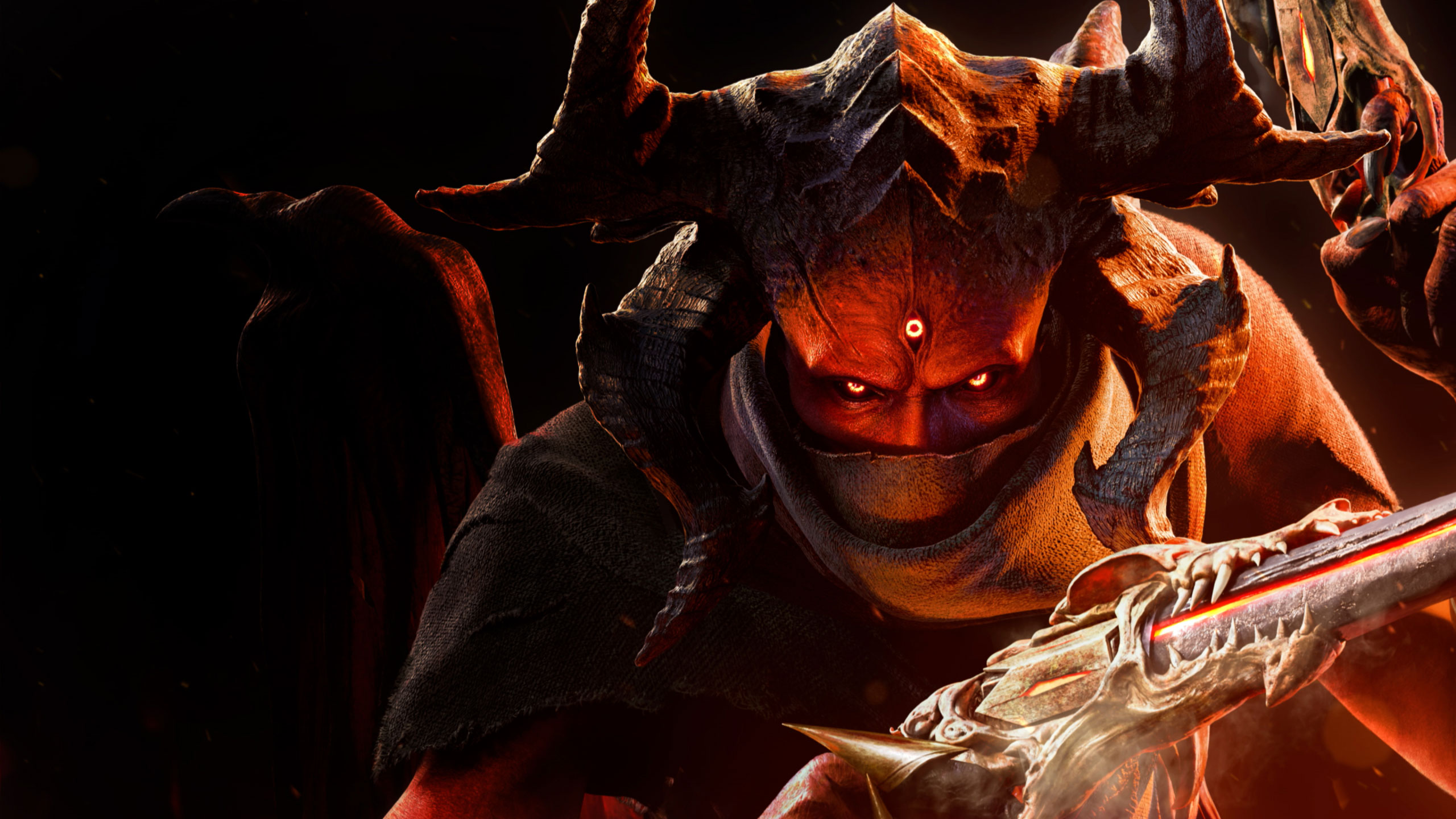
The Outsiders created a fast-paced shooter where timing your shots to the beat of the music is key to defeating waves of demons. Published by Funcom, the game features a heavy metal soundtrack that gets more intense as you build up combos. Landing shots in time with the music adds extra vocals and guitar, rewarding skilled players with a fuller, more powerful sound. Keeping up a high combo streak unlocks the song’s complete and most energetic version.
‘Vib-Ribbon’ (1999)
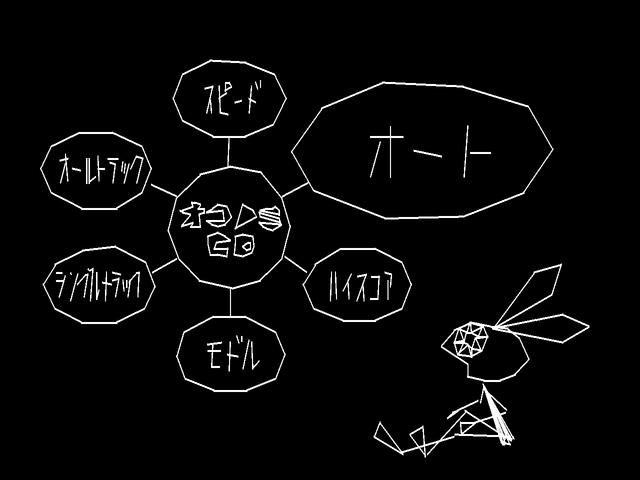
NanaOn-Sha developed a groundbreaking platformer where levels are built automatically based on the music. Players could even use their own CDs to create personalized stages that reacted to the rhythm and intensity of the songs. The game’s character, Vibri, navigates a world of loops and spikes that change with the music’s tempo and complexity – effectively letting the music shape the game itself.
‘Electroplankton’ (2005)
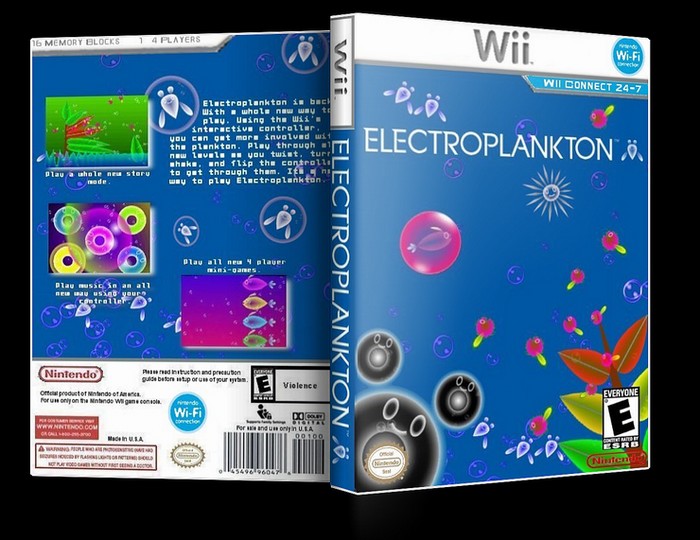
Indieszero and Nintendo created this game to be more like a musical instrument than a typical video game. Players interact with ten different sea creatures to create a variety of sounds and melodies. The game uses the touchscreen to let you easily change the pitch and speed of the music as you play. It’s designed to be a calm and creative space where you can build your own unique loops without any pressure or time constraints.
‘Child of Eden’ (2011)
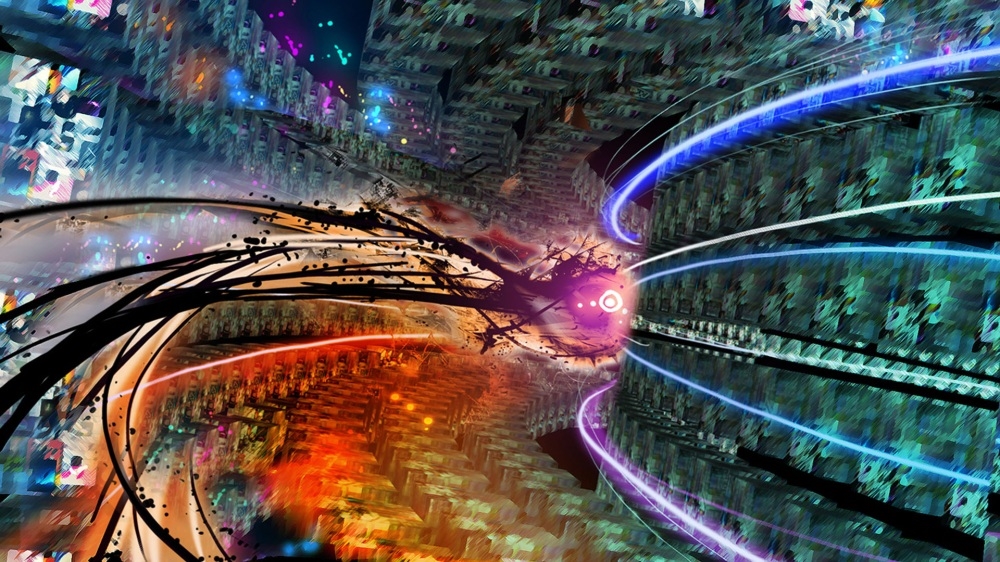
Created by Q Entertainment and directed by Tetsuya Mizuguchi, this game builds on the style of classic rhythm-action shooters. Published by Ubisoft, players cleanse a digital archive of the future by shooting targets, which creates music. The game uses motion controls, letting players ‘conduct’ the soundtrack with their movements and accurate aiming. Successfully clearing areas adds new musical layers to the energetic electronic music and creates a more vibrant visual experience.
‘Audiosurf’ (2008)
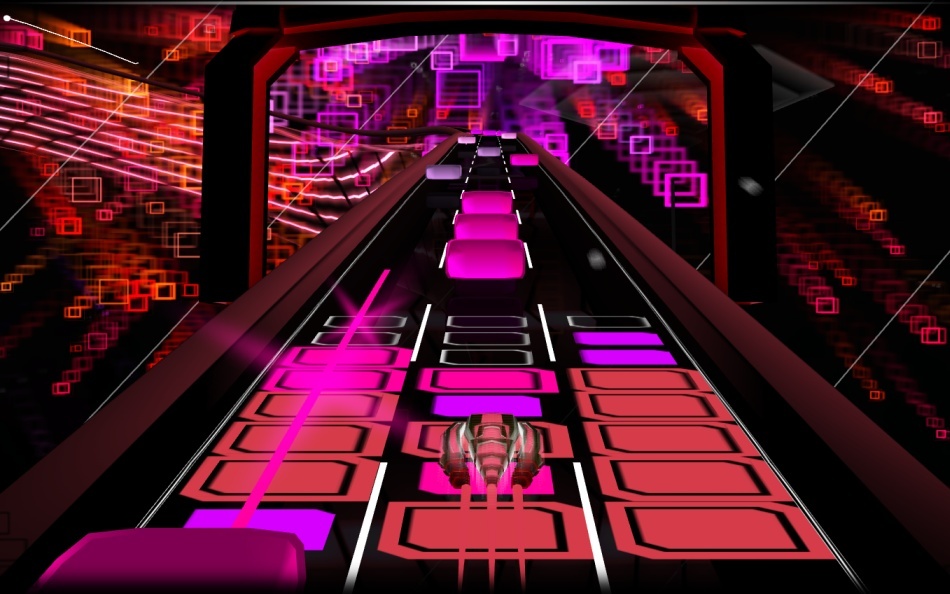
I recently discovered this amazing game by Dylan Fitterer, and it’s totally unique! It actually builds the race track itself, using the music on your computer. You race along a colorful path that changes and moves with the beat and energy of whatever song you pick. It’s all about timing – you grab blocks to the rhythm of the music, and the faster the song, the faster you go! It’s like seeing and playing your music – you can use any song you have and it creates a whole experience around it.
‘PixelJunk 4am’ (2012)

Q-Games developed a unique experience where players use the PlayStation Move controller to create music within a virtual world. You can grab and combine different audio loops from the environment to build your own mixes. The game also lets you stream your live mixing performance to others online, blending the fun of motion-controlled gaming with the power of professional music software.
‘Beat Hazard 2’ (2019)
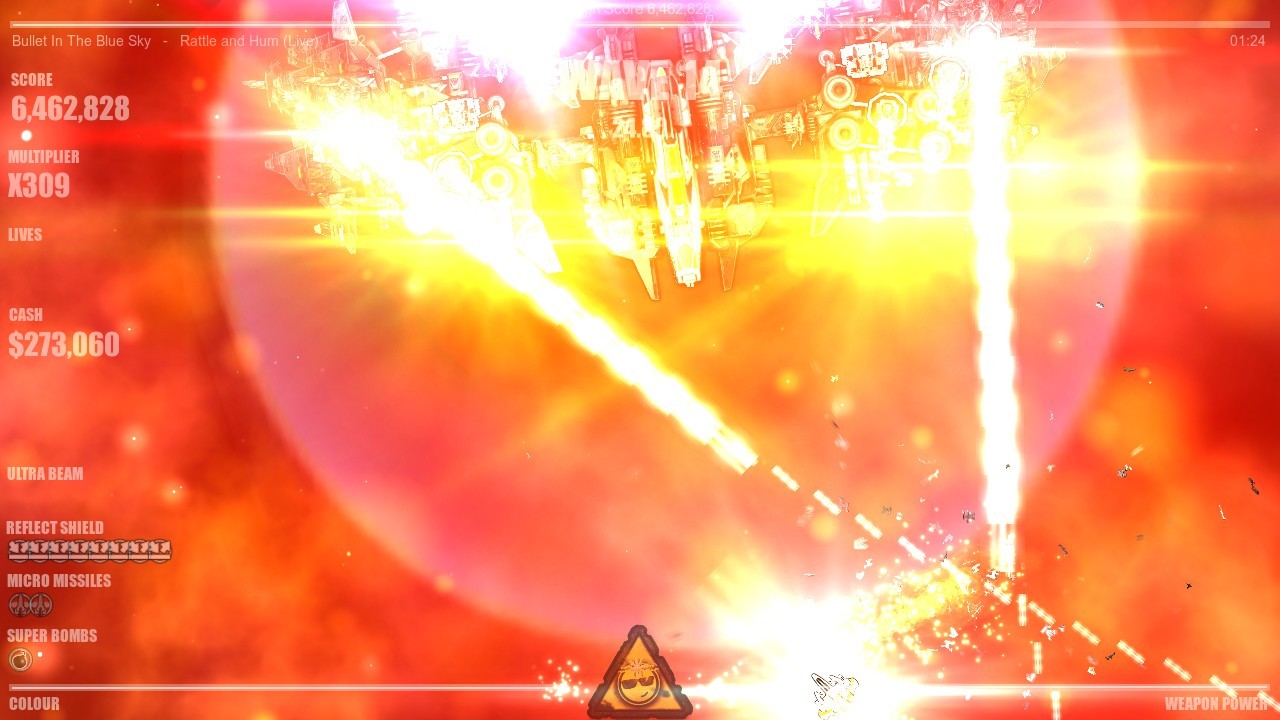
Cold Beam Games has developed a unique arcade shooter where the music directly fuels your firepower. The game listens to your songs and uses the rhythm and energy to create enemies and challenging boss battles. When the music swells, your weapons become more powerful, resulting in a visually exciting and dynamic experience. Essentially, players fight for survival against ever-changing threats, all powered by their own music.
‘Everyday Shooter’ (2007)
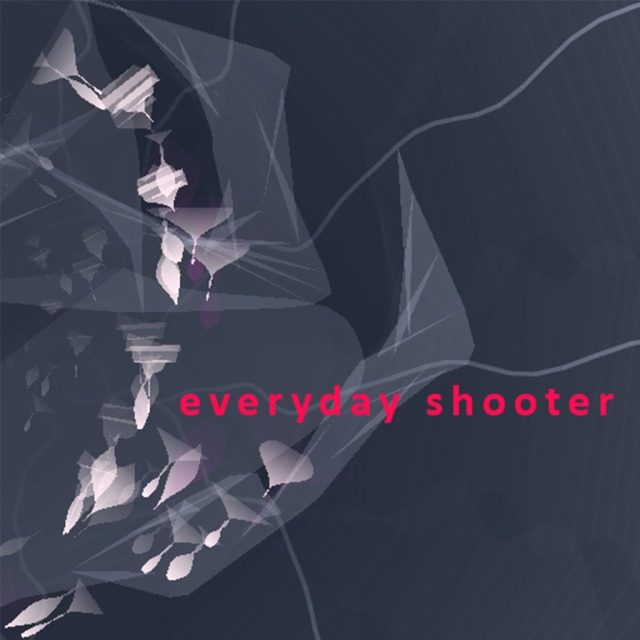
Queasy Games created a unique shooter game where the sound effects and music blend together. Published by Sony, the game features a soundtrack entirely made of guitar music that dynamically changes based on what’s happening on screen. When you defeat enemies, they release musical notes that match the song and pace of the level, effectively turning gameplay into a constantly evolving rock album created by your actions.
Share your thoughts on which game handles interactive audio best in the comments.
Read More
- Gold Rate Forecast
- 22 Films Where the White Protagonist Is Canonically the Sidekick to a Black Lead
- Persona 5: The Phantom X Relativity’s Labyrinth – All coin locations and puzzle solutions
- Celebs Who Narrowly Escaped The 9/11 Attacks
- Games That Faced Bans in Countries Over Political Themes
- How to Unlock Stellar Blade’s Secret Dev Room & Ocean String Outfit
- ‘Super Mario Galaxy’ Trailer Launches: Chris Pratt, Jack Black, Anya Taylor-Joy, Charlie Day Return for 2026 Sequel
- 25 “Woke” Films That Used Black Trauma to Humanize White Leads
- Games Rewarding Exploration Over Combat Heavy Gameplay
- Here Are the Weekend Box Office Hits for This Weekend, with the Super Popular Romance on Top
2025-12-10 06:16