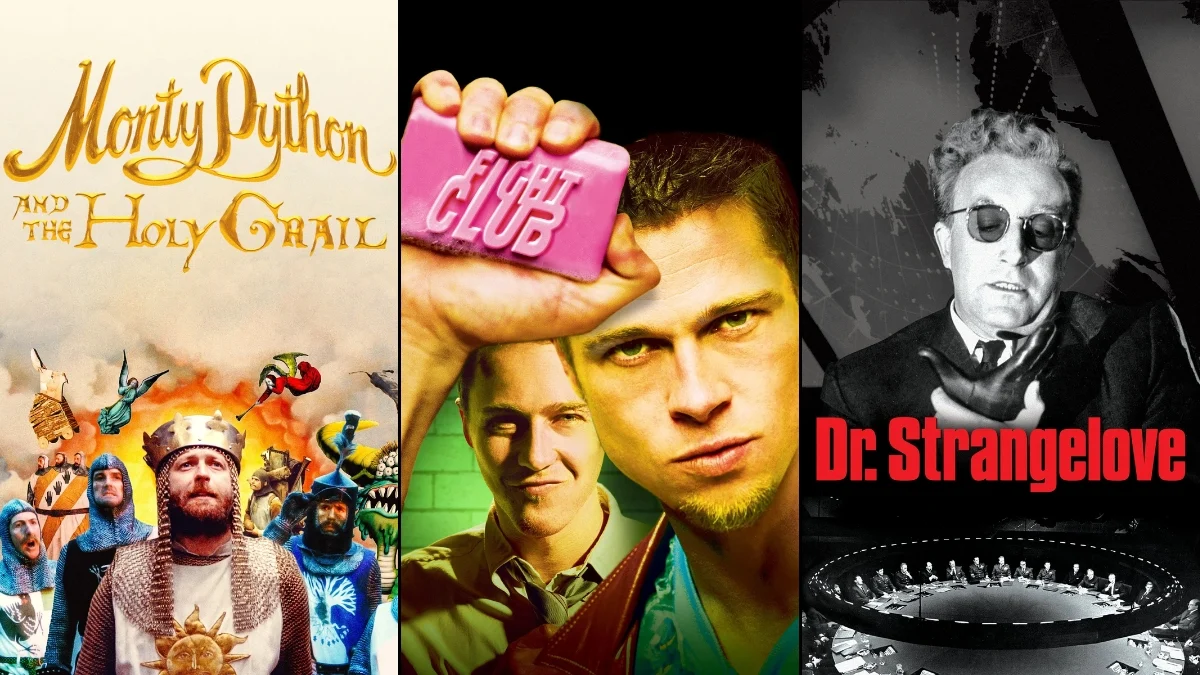
Many movie fans rush out as soon as a film ends, but they often miss a final bit of fun created by the filmmakers. Besides the popular scenes that appear after the credits, directors often hide jokes, legal information, and even secret codes within the text scrolling on the screen. These hidden details are a treat for those who stay and read, offering extra laughs or interesting facts after the movie is over. From hidden recipes in the credits to clues about what happens to the characters, the closing credits can be a creative space. Here’s a look at some films that have used this scrolling text to deliver secret messages to attentive viewers.
‘Fight Club’ (1999)
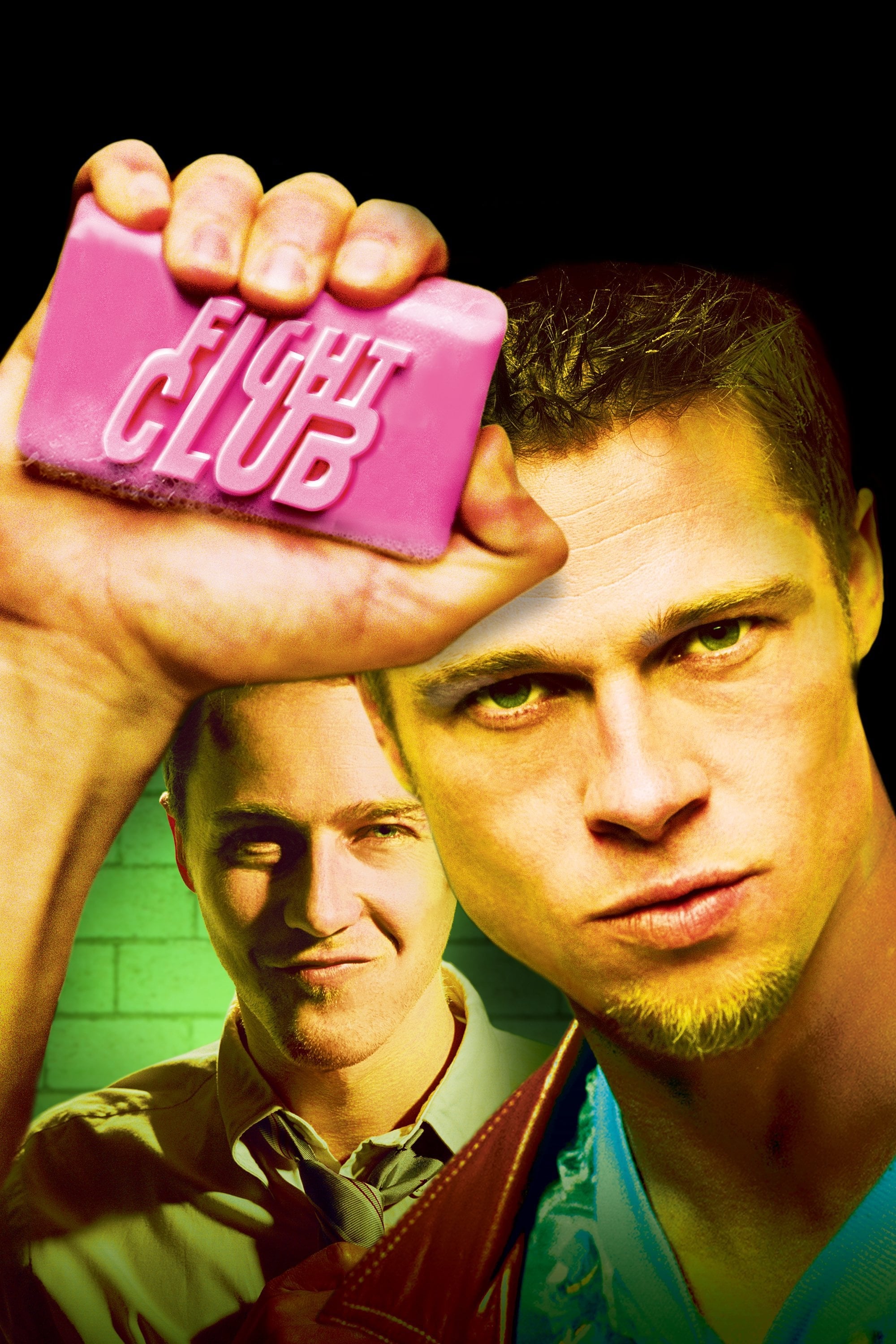
Near the end of the film, David Fincher subtly included a hidden message. It looks like a typical copyright notice, but it’s actually a statement from the character Tyler Durden. In it, he challenges viewers to ignore the message and even encourages them to rebel – either by quitting their jobs or starting a conflict. This unexpected text playfully criticizes how we passively consume entertainment and mindlessly read legal warnings, fitting perfectly with the film’s rebellious themes and the protagonist’s worldview.
‘Monty Python and the Holy Grail’ (1975)

This beloved comedy immediately establishes its humorous style with a series of strange subtitles during the opening credits. It starts with a fake Swedish translation about the impressive moose and its tendency to bite. The subtitles then jokingly apologize for errors and announce the firing of those responsible. This joke continues, escalating to reveal that even those who did the firing have now been sacked. It’s become one of the most well-known and effective uses of opening credits for laughs in movie history.
‘Frozen’ (2013)
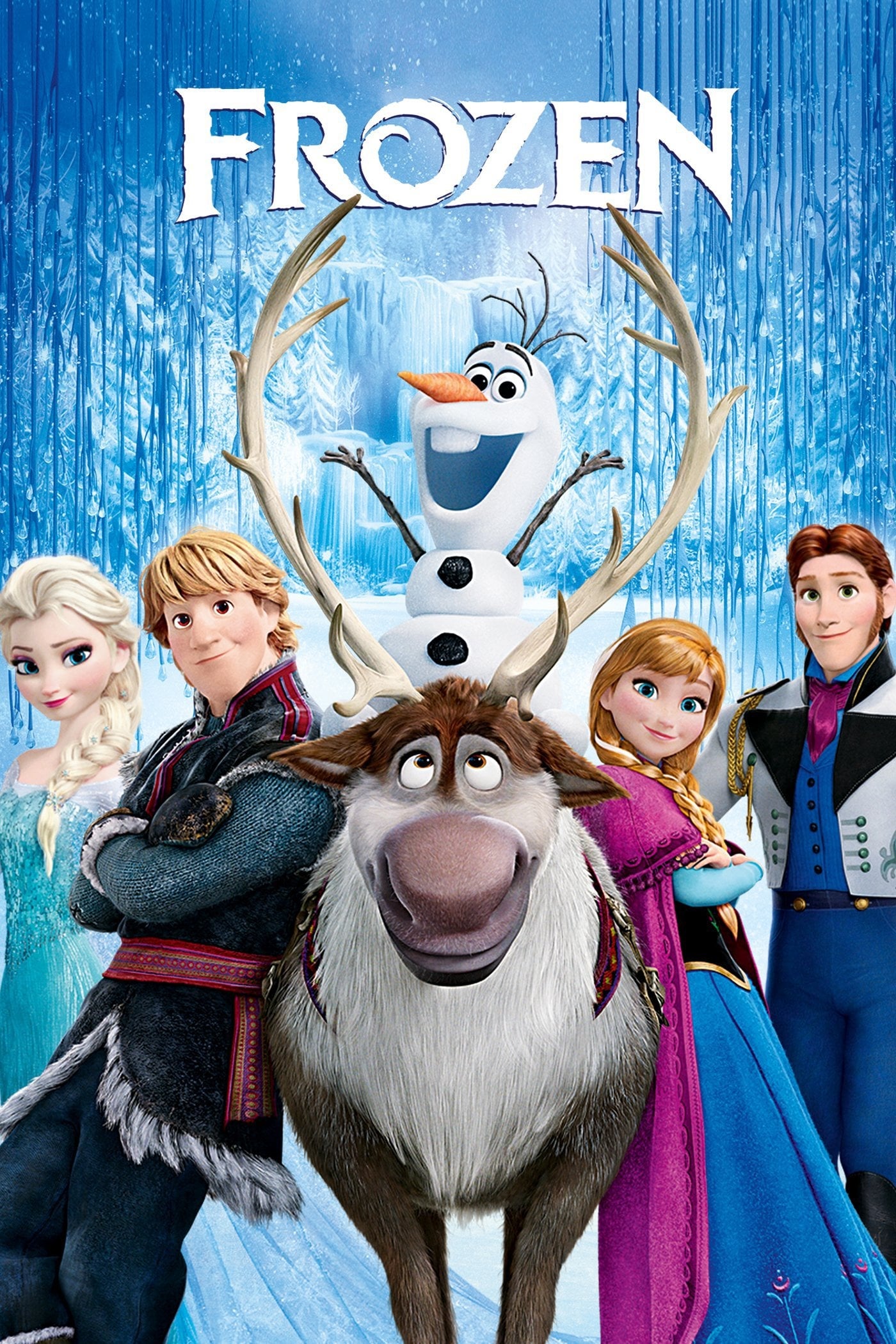
Disney playfully distanced itself from a silly claim made in the movie Frozen. The character Kristoff states that “all men pick their noses,” and Disney jokingly added a disclaimer to the end credits. This disclaimer clarifies that Kristoff’s belief is his alone and doesn’t represent the views of The Walt Disney Company. It’s a funny little detail for adults and parents who watch the credits, showing the studio has a sense of humor about its own blockbuster film.
‘RoboCop’ (1987)
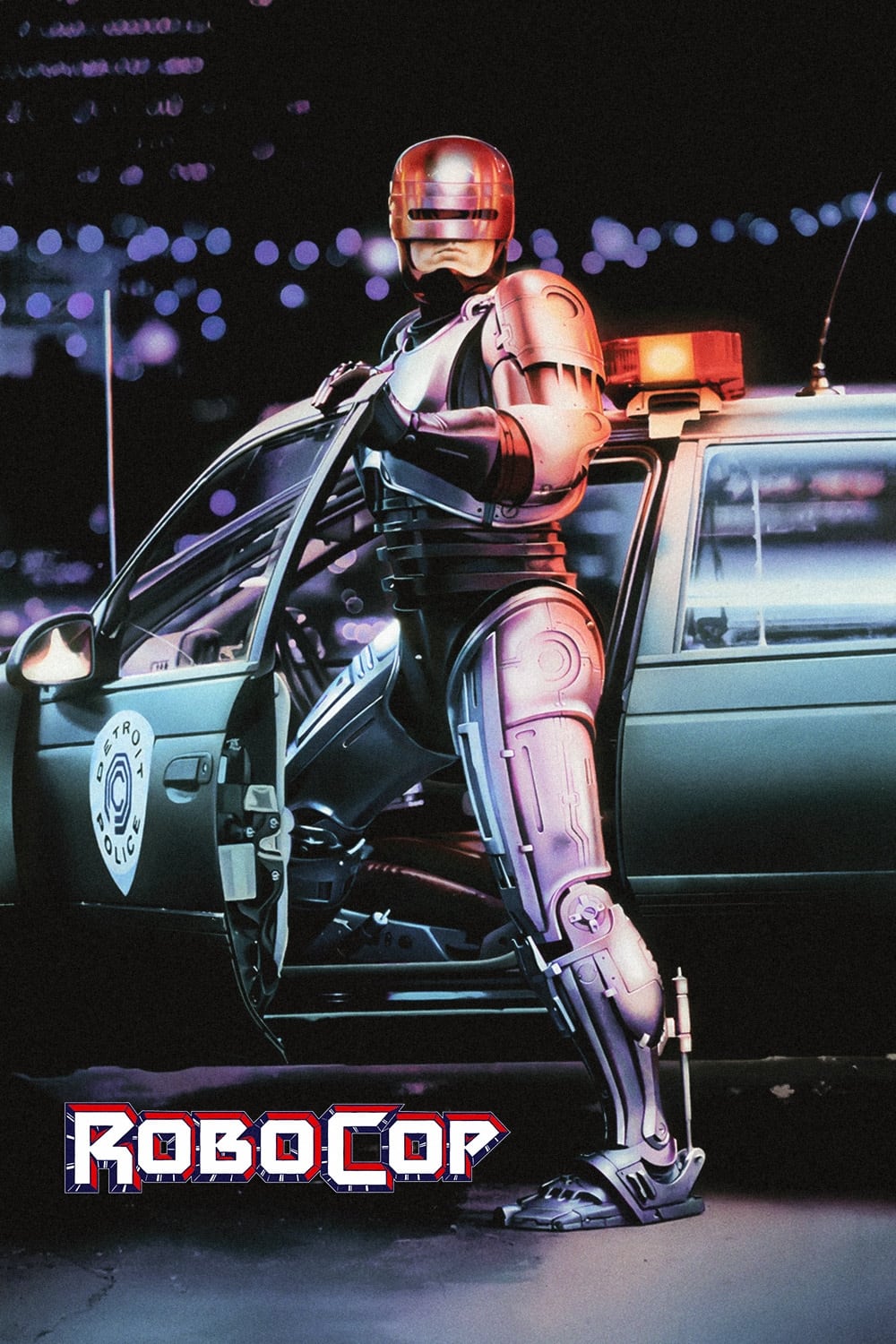
Paul Verhoeven often satirizes consumerism and powerful corporations in his films. A clever legal warning at the end of his movies perfectly matches the dark, futuristic world he creates. Instead of the usual FBI warning, viewers see a message stating that illegal copying will be punished by robotic law enforcers. This detail pulls the audience back into the film’s harsh reality and reinforces the story’s theme of a controlling, authoritarian society.
‘Guardians of the Galaxy’ (2014)
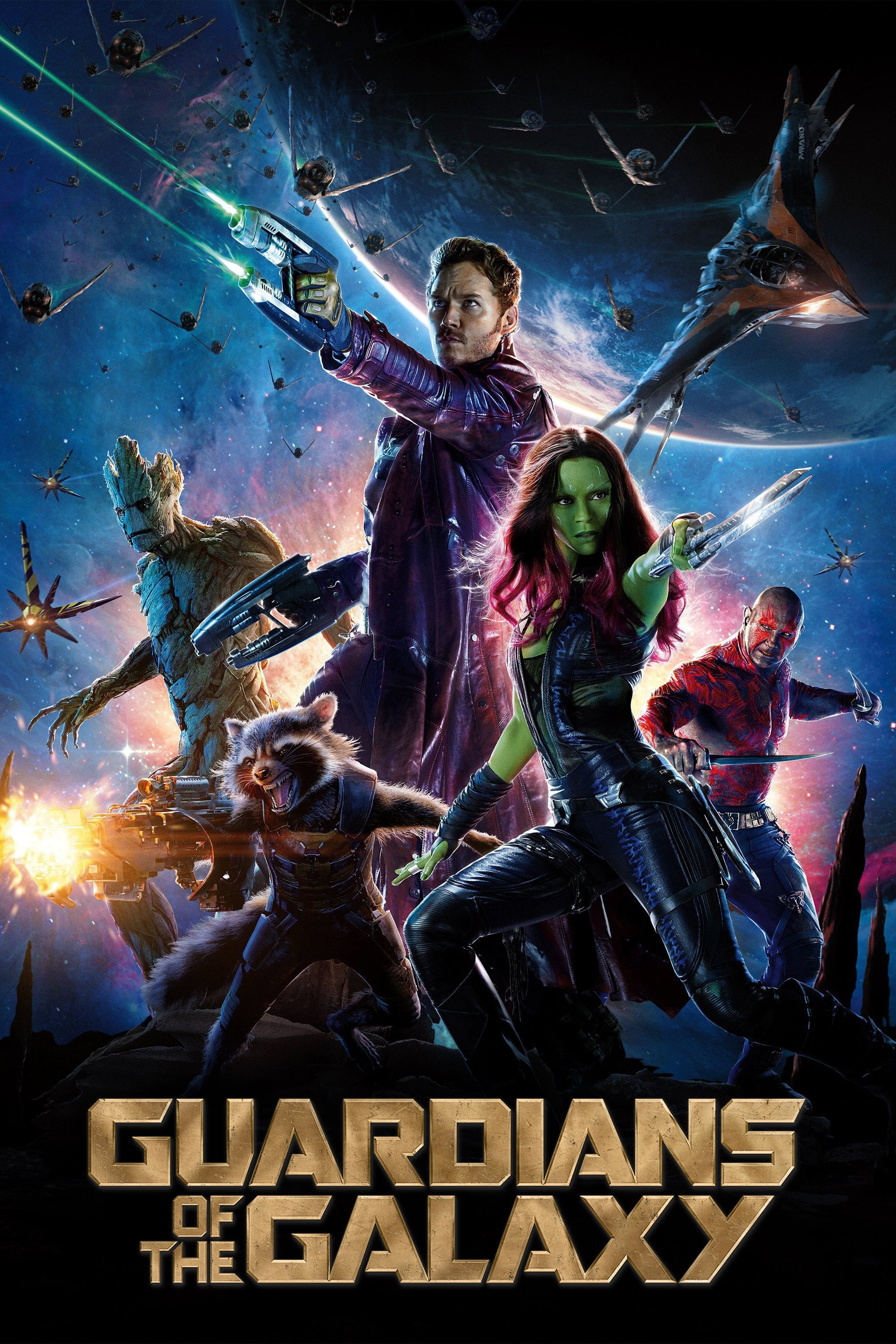
Marvel movies are well-known for their scenes after the credits, but this film has a hidden joke within the standard disclaimer about animal welfare. It states that no raccoons or tree creatures were harmed during production – a playful nod to the fact that characters like Rocket and Groot are created with special effects. The disclaimer then jokingly implies that the people working with those ‘creatures’ might not have had such a good time, continuing the franchise’s lighthearted and funny style.
‘Harry Potter and the Prisoner of Azkaban’ (2004)
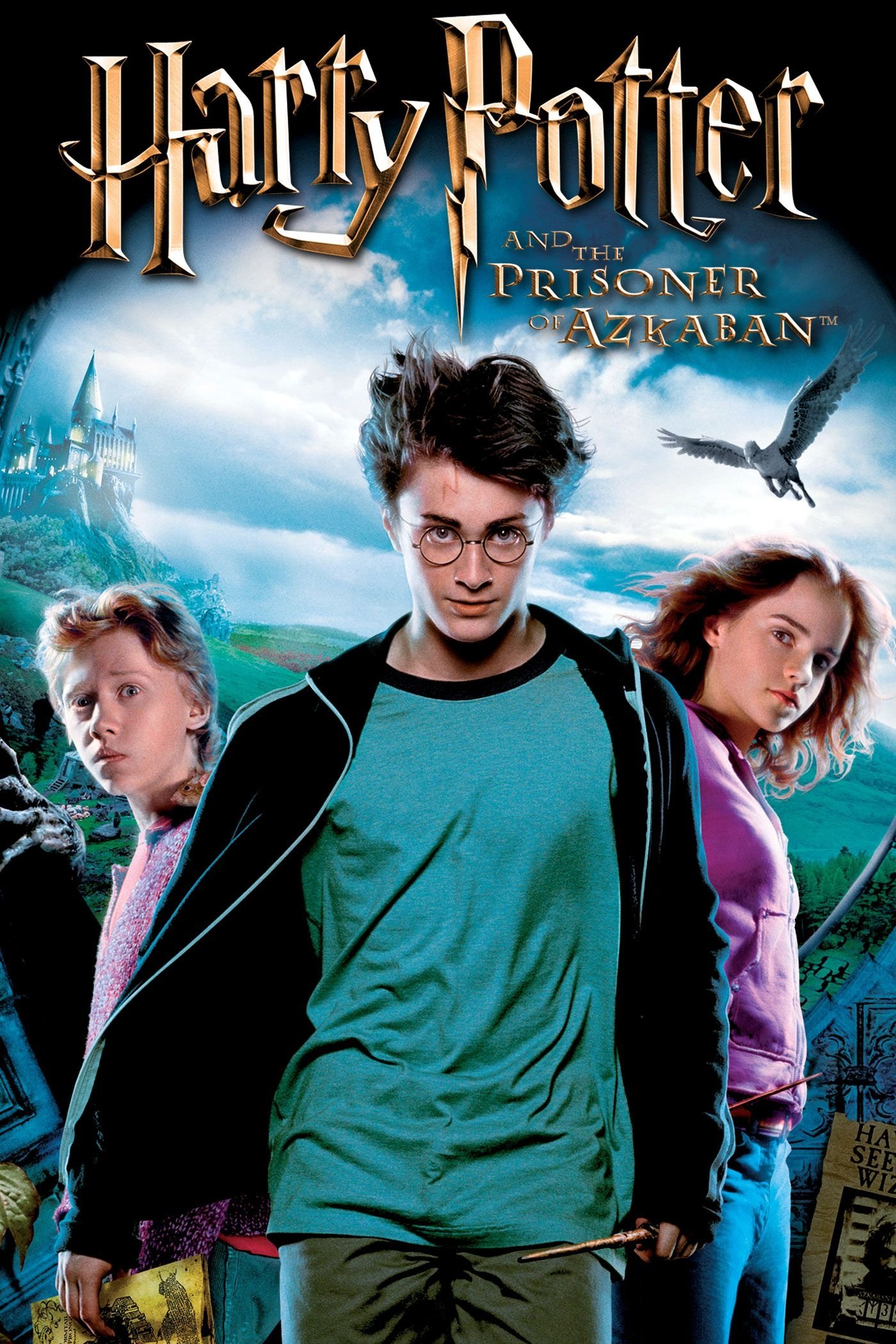
The end credits are cleverly designed like the magical Marauder’s Map. As the cast and crew names roll, footprints move across the parchment background. A playful detail shows two sets of footprints briefly appearing close together, hinting at a romantic moment. This subtle joke suggests that Hogwarts students are still getting into trouble, even during the credits, and it’s a detail many fans love to spot.
‘Pulp Fiction’ (1994)
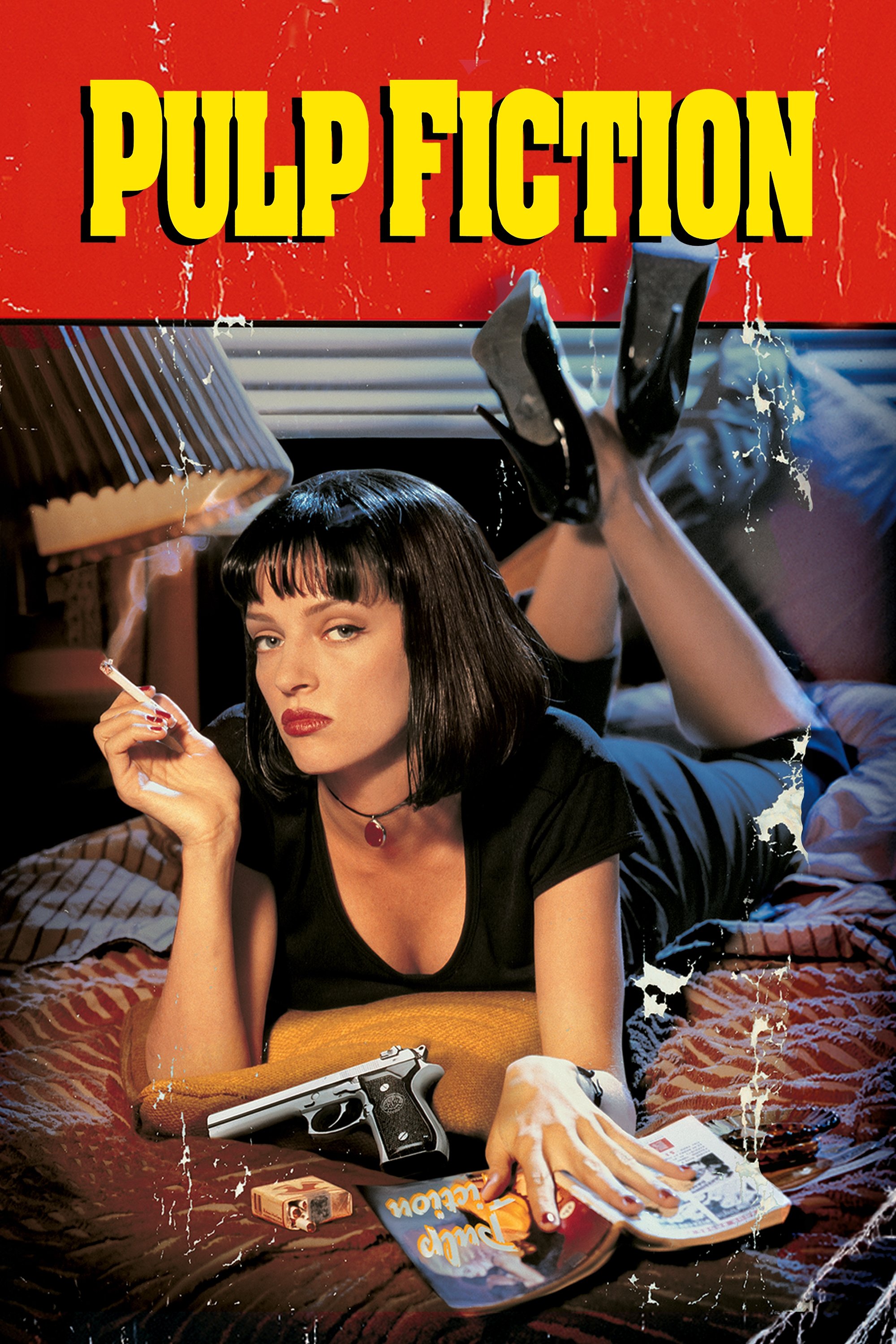
Quentin Tarantino is famous for carefully crafting every part of his films, including how he credits his actors. In the opening scene of one movie, the coffee shop manager is cut off mid-sentence while explaining his role, making it sound like he is the coffee shop. As a funny inside joke, the actor who played the manager, Robert Ruth, is listed in the credits simply as “Coffee Shop.” This is a clever way of acknowledging the unusual editing choice in that scene.
‘Airplane!’ (1980)
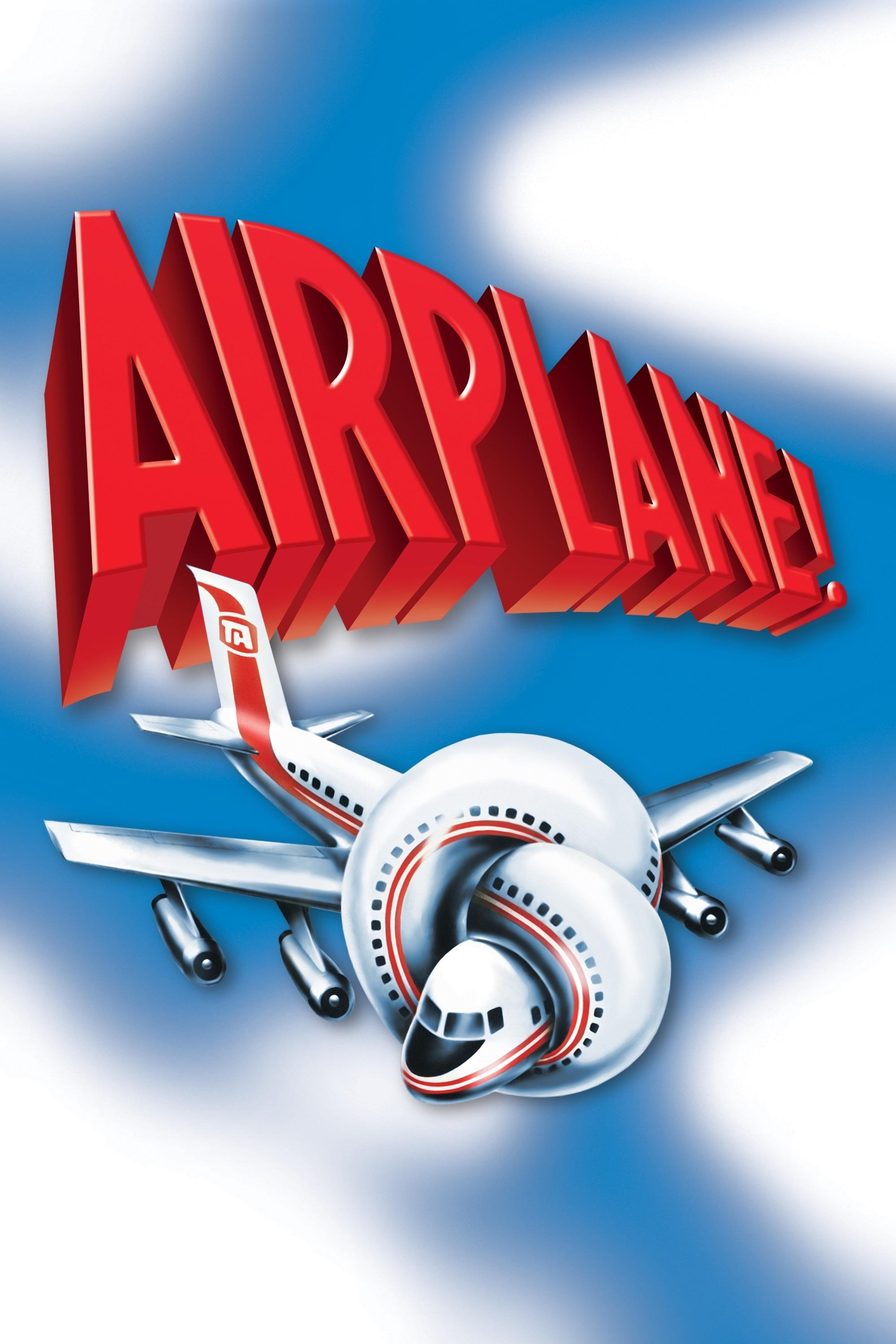
The Zucker brothers’ parody of disaster movies is packed with visual gags and funny text that scrolls across the screen. The end credits are full of absurd and silly job titles for the people who made the film. For example, they jokingly credit Adolf Hitler as the ‘Worst Boy,’ a play on the usual ‘Best Boy’ role. Other jokes include a brownie recipe and a credit for the author of ‘A Tale of Two Cities.’ The filmmakers wanted to keep the audience laughing right up until the very end of the movie.
‘Hot Shots!’ (1991)
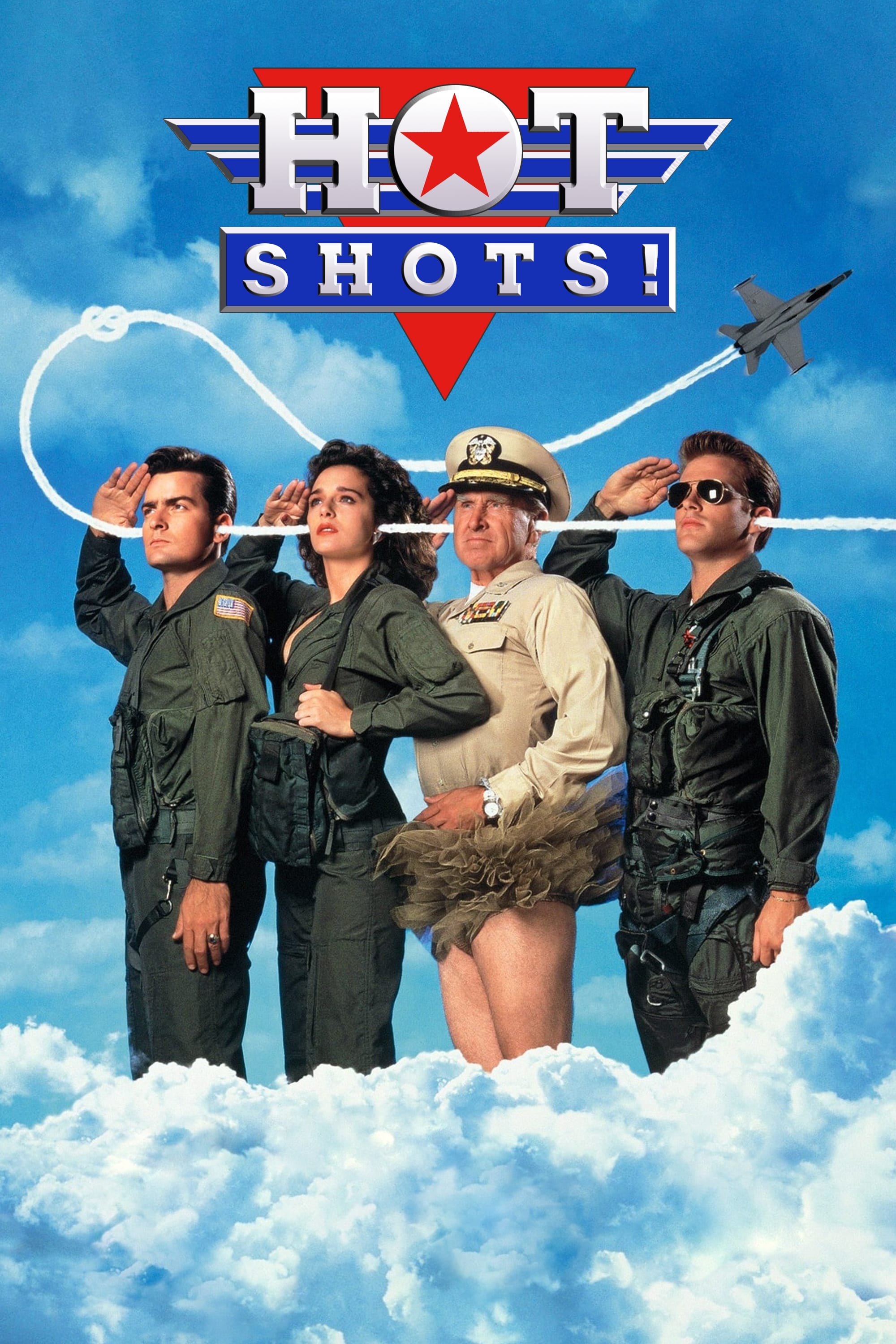
Like many comedies from that time, this movie has a funny surprise during the end credits. Hidden among the names of the cast and crew is a complete recipe for “Nobby Buns,” including all the ingredients and baking instructions. The credits also feature silly thoughts and jokes about making the movie, proving the film is funny right up to the very end.
‘King Kong’ (2005)
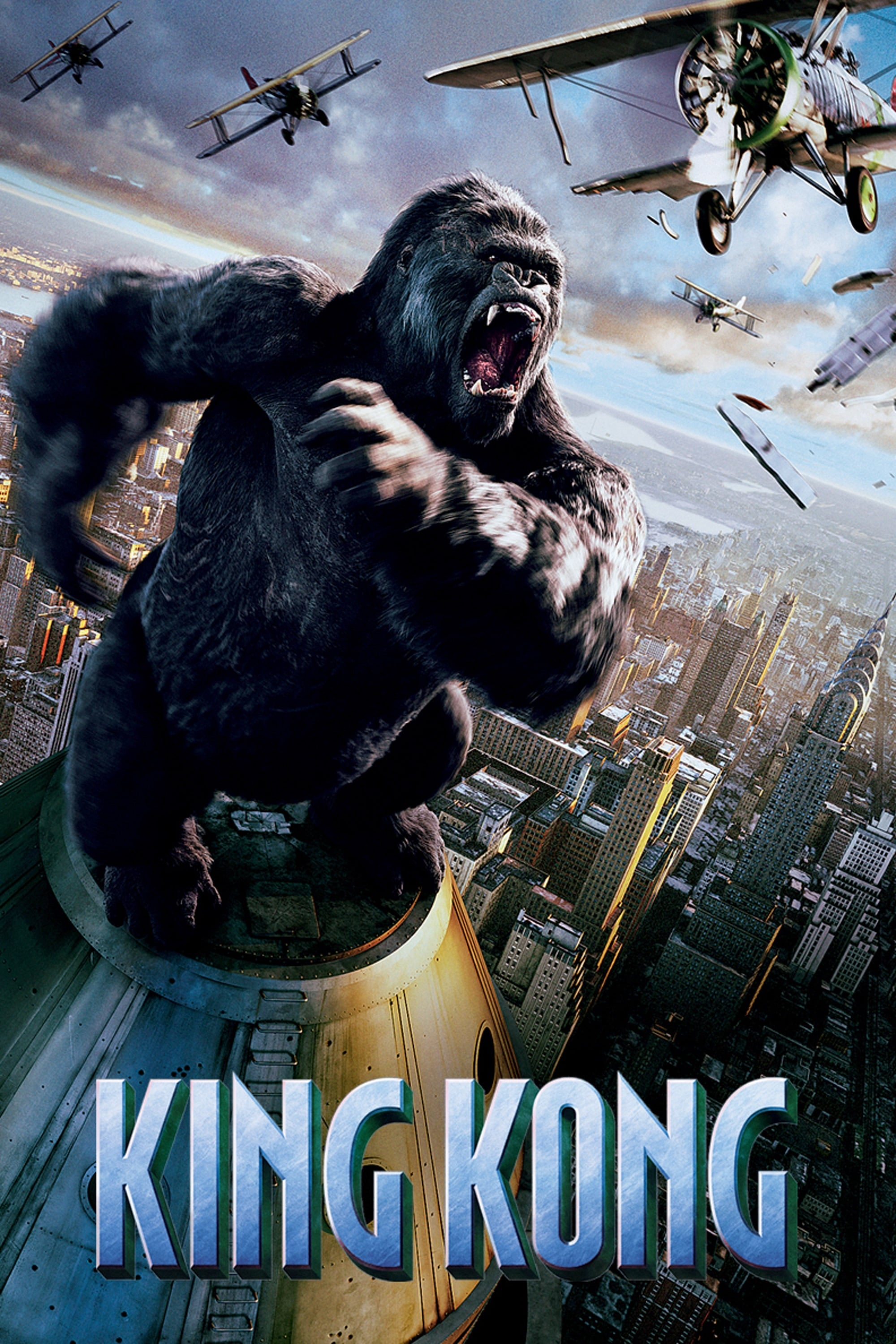
Peter Jackson hid a fun message in the beginning of his monster movie remake. The film starts with scenes showing the 1930s, including a radio operator receiving a signal. If you listen closely, the Morse code – and even the style of the text on screen – actually spells out the phrase “Show me the monkey,” instead of a realistic message from that time. It’s a playful hint about the giant ape that viewers are eager to see.
‘Mission: Impossible III’ (2006)
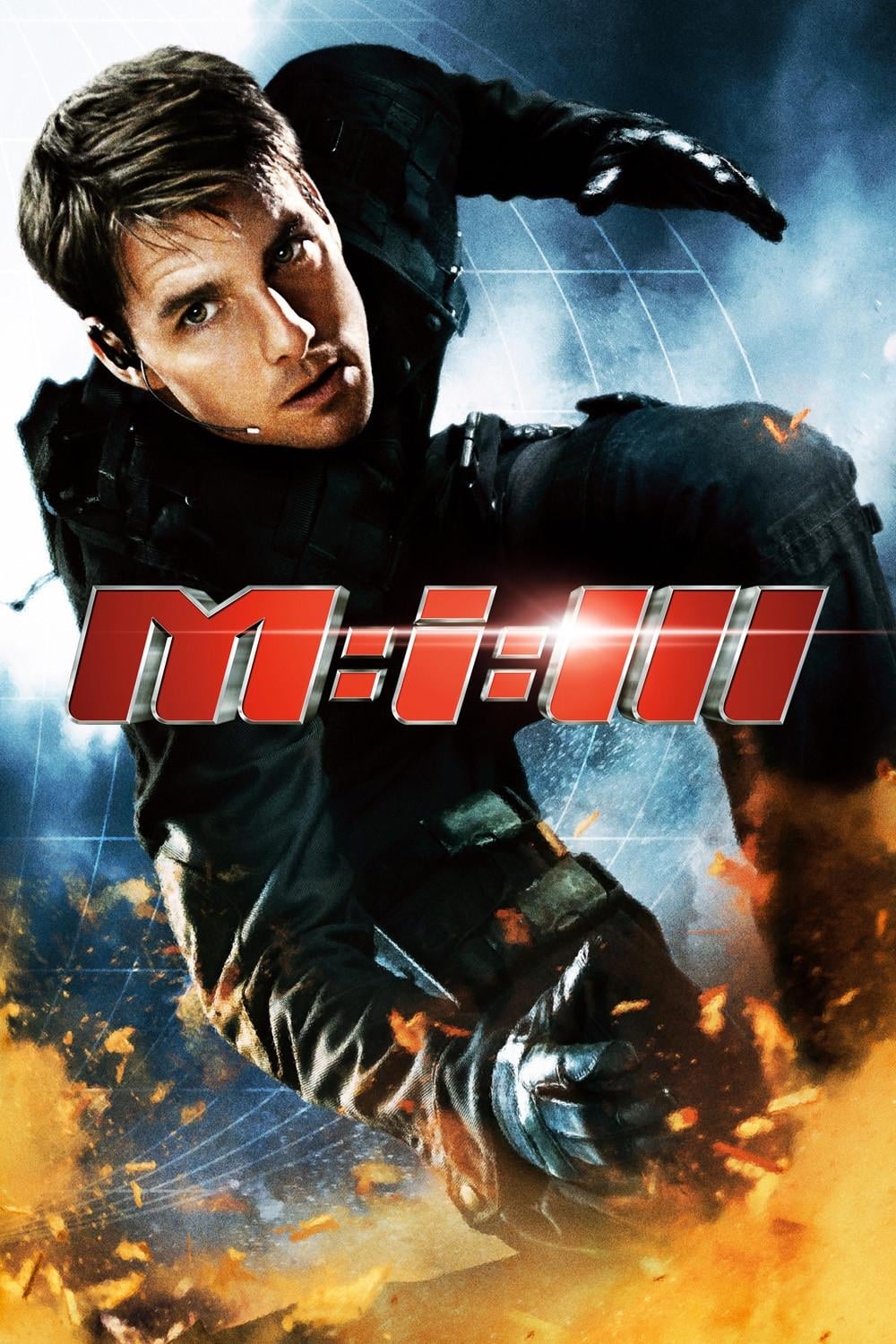
J.J. Abrams likes to include subtle nods to his previous work in his movies. For example, the credits of this action film include a thank you to ‘The Hanso Foundation,’ a mysterious group from his TV show ‘Lost.’ Fans of ‘Lost’ instantly recognized the name, as The Hanso Foundation was the organization funding the Dharma Initiative. It’s a playful connection that rewards viewers familiar with Abrams’ other projects.
‘Scream’ (1996)
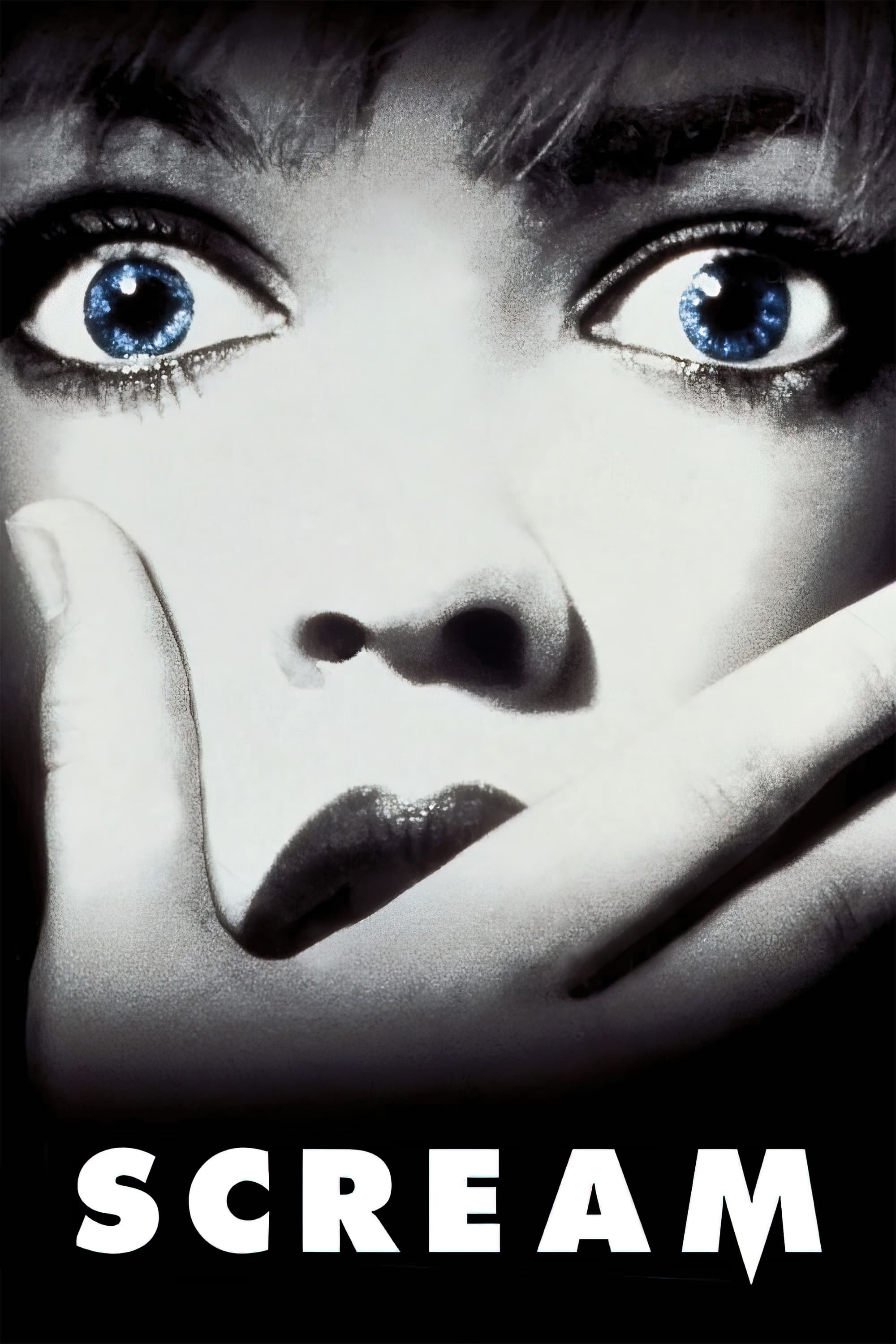
Wes Craven playfully stuck a jab at the Santa Rosa City School District in the credits of his film. The production team had trouble getting permission to film at a local high school, so the end credits included a pointed message: “No thanks whatsoever to the Santa Rosa City School District.” This public disagreement became a memorable moment, and it’s now known as one of the most amusingly petty credit sequences in horror movie history.
‘Mallrats’ (1995)
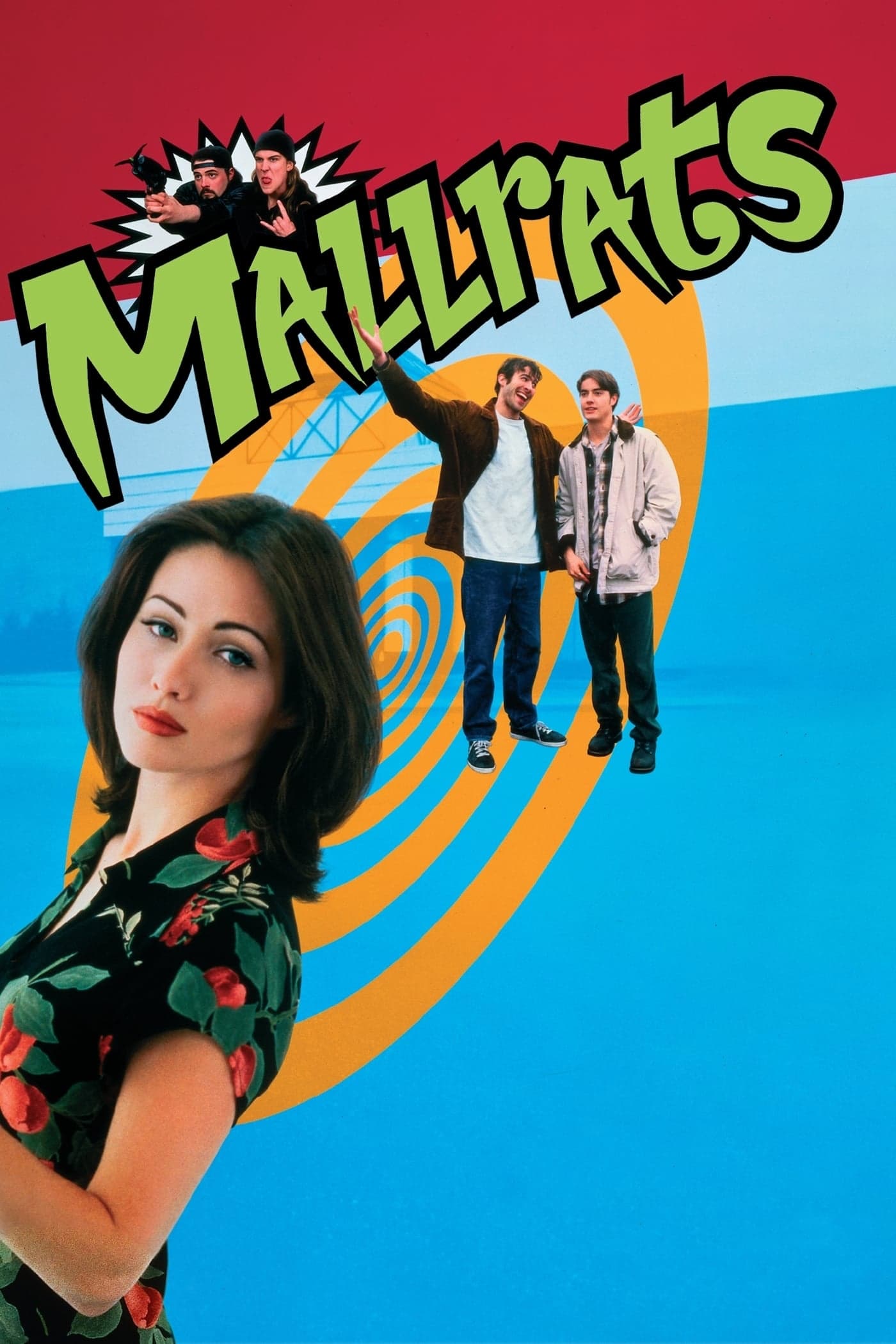
Kevin Smith is well-known for his close relationship with his fans, and his movies frequently draw from his own experiences. In the closing credits of one of his comedies, he includes a funny and touching thank you to his parents – specifically, thanking them for having him! This surprising message appears alongside the usual acknowledgements of the film’s production team and is a perfect example of the playfully irreverent, yet warm, humor that characterizes his ‘View Askewniverse’ films.
‘An American Werewolf in London’ (1981)
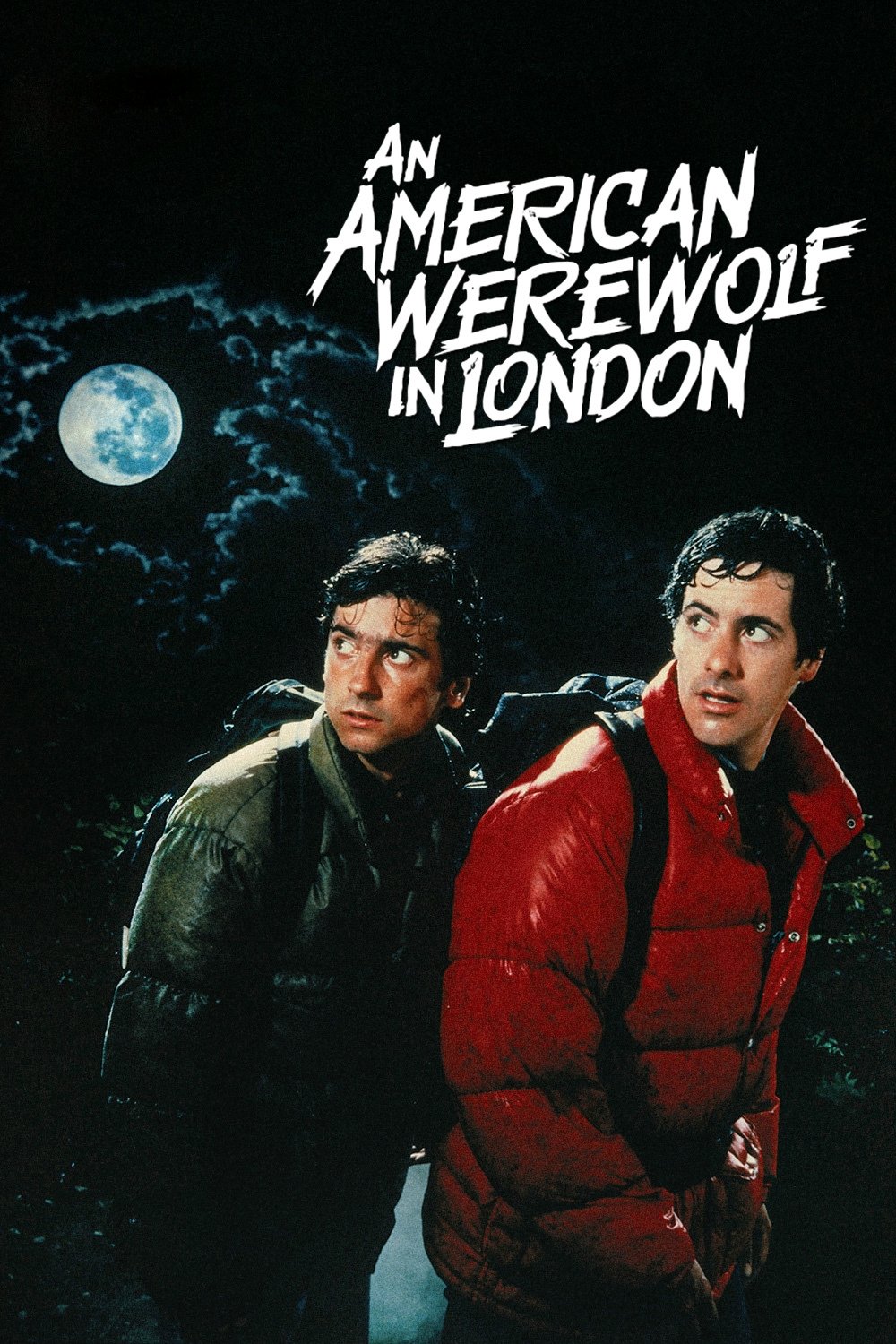
The movie successfully mixes scary and funny moments, and its ending includes a nod to a significant historical event: the wedding of Prince Charles and Lady Diana. This detail clearly places the film in the year it was made and adds a bit of British tradition. The contrast between celebrating a royal wedding and watching a horror film about werewolves is deliberately striking. It’s like a snapshot of what life was like in the UK in the early 1980s.
‘Star Wars: Episode I – The Phantom Menace’ (1999)
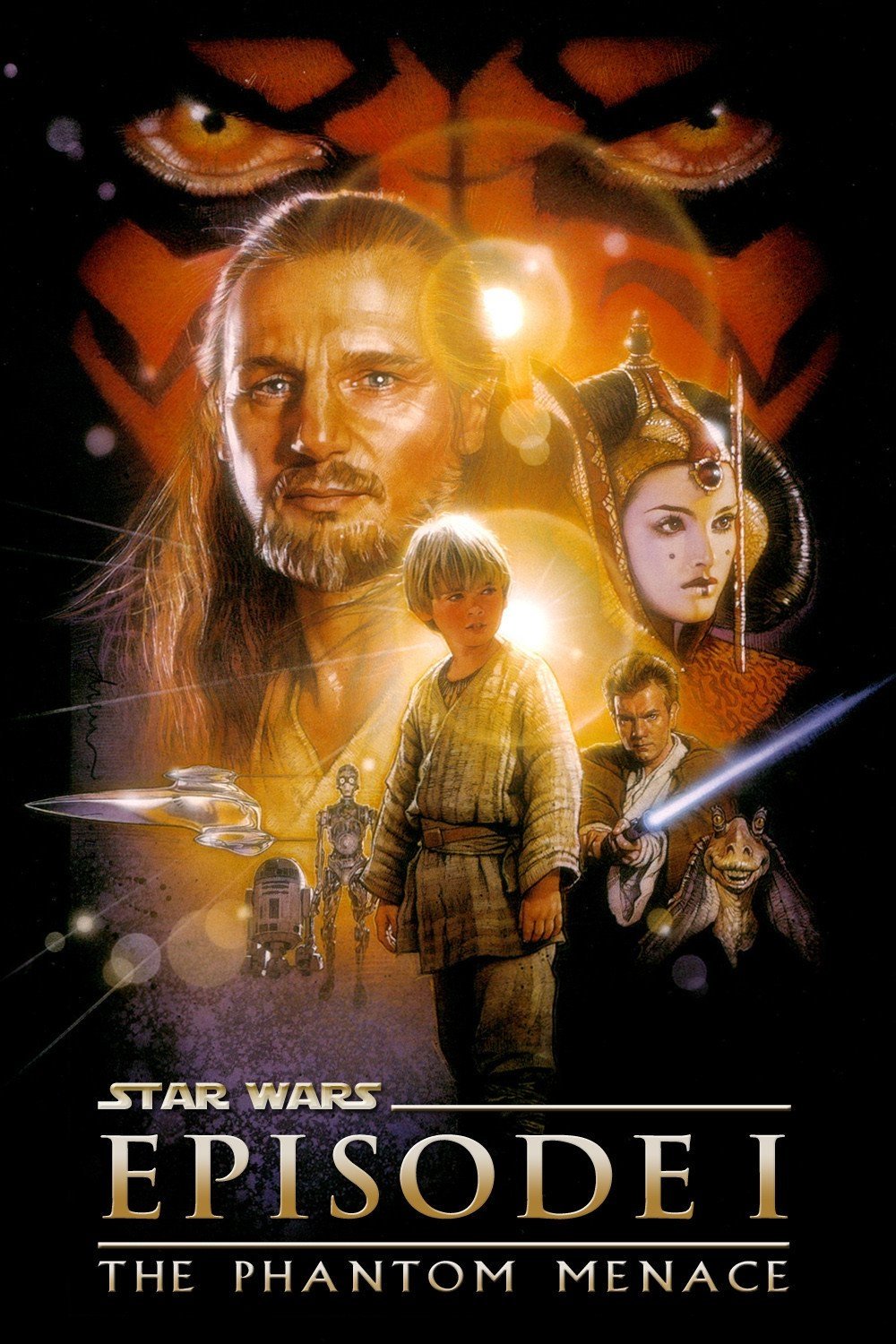
I always loved the little details George Lucas would slip into his films, and the cast list for one of them has a particularly clever one. Jabba the Hutt, that amazing character, is actually listed as playing himself in the credits! It’s such a fun touch, pretending he’s a real actor and not a CGI creation. It’s a way of keeping that Star Wars magic alive, even after the movie’s over. It felt like a lighthearted moment amidst all the work of bringing the franchise back to life, and it always made me smile.
‘Ratatouille’ (2007)
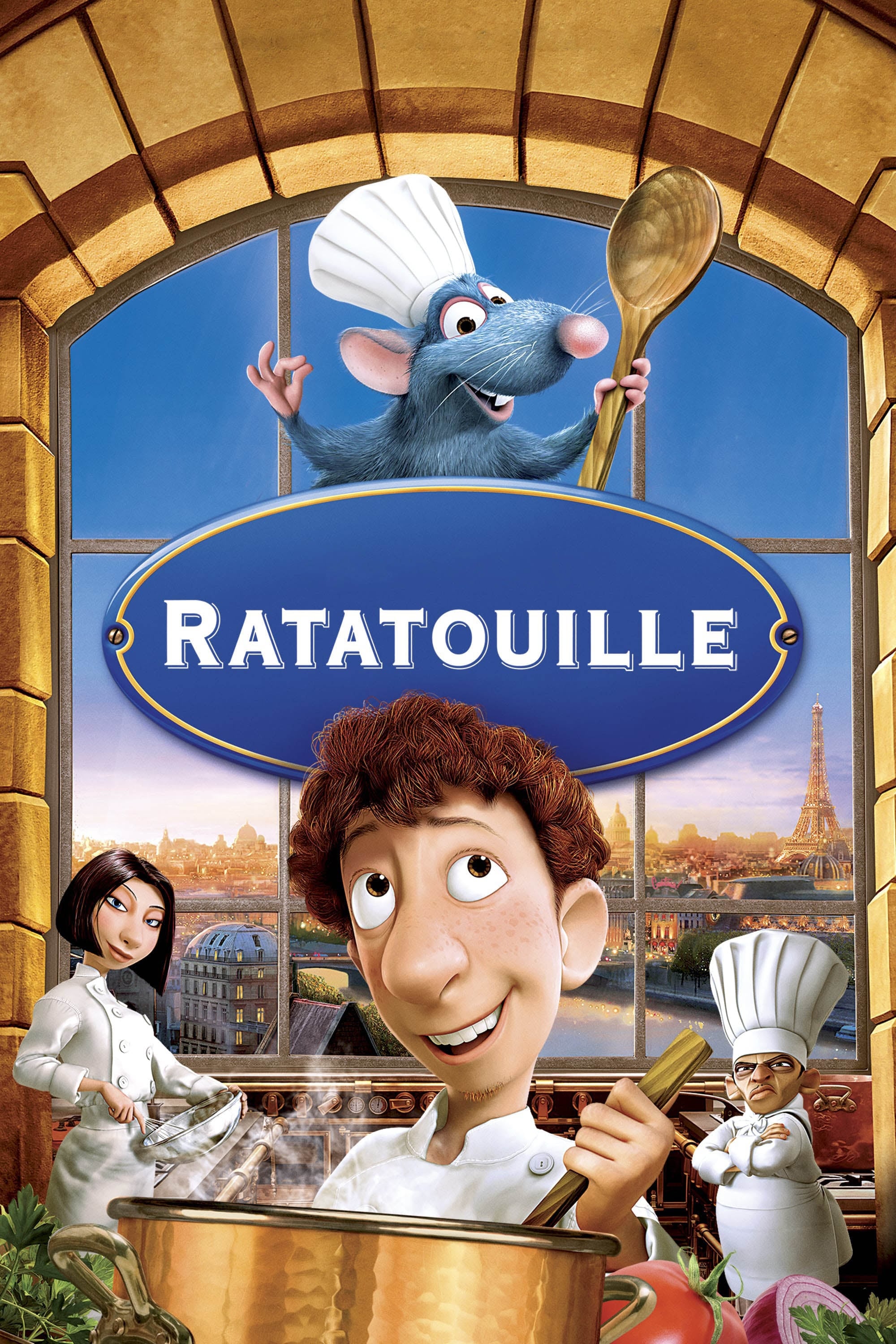
Pixar movies usually have a fun message in the credits about how they make their animation. In this film, it jokingly promises that the animation is “100% Genuine” and created entirely by hand, without using motion capture technology. This was something the animators were proud of, as they deliberately chose to stick with traditional animation techniques when many other studios were using motion capture. It’s a playful way of letting the audience know the care and skill that went into making the visuals.
‘The Naked Gun: From the Files of Police Squad!’ (1988)
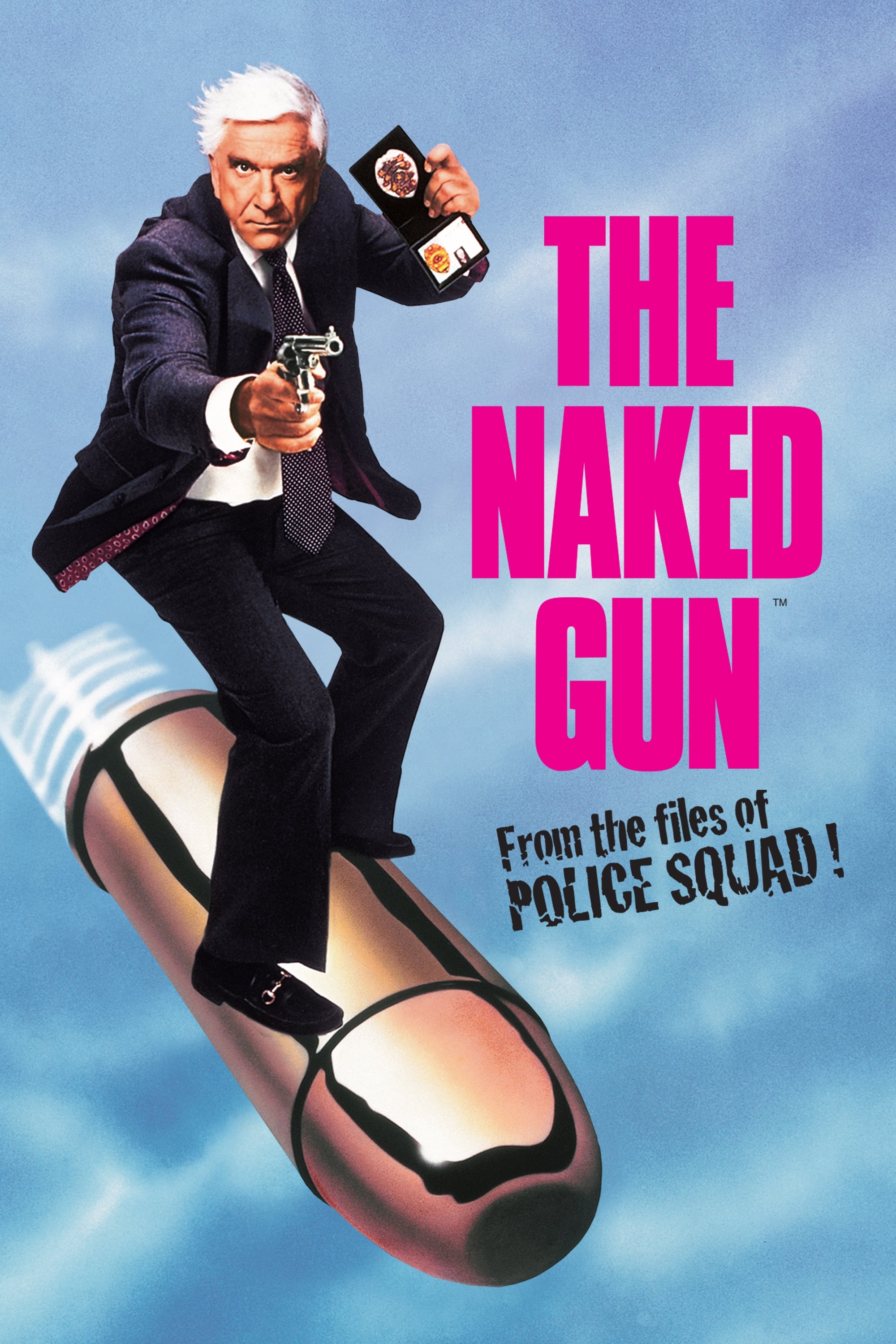
This comedy film’s end credits are filled with silly, unrelated statements and made-up job titles. You’ll find credits like ‘The Man Who Killed the Other Man,’ which are intentionally absurd. The film also includes a disclaimer saying the story and characters aren’t based on reality, a playful jab at the usual legal notices in more serious movies. The jokes keep coming even after the story ends, ensuring the laughs don’t stop with the credits.
‘Top Secret!’ (1984)
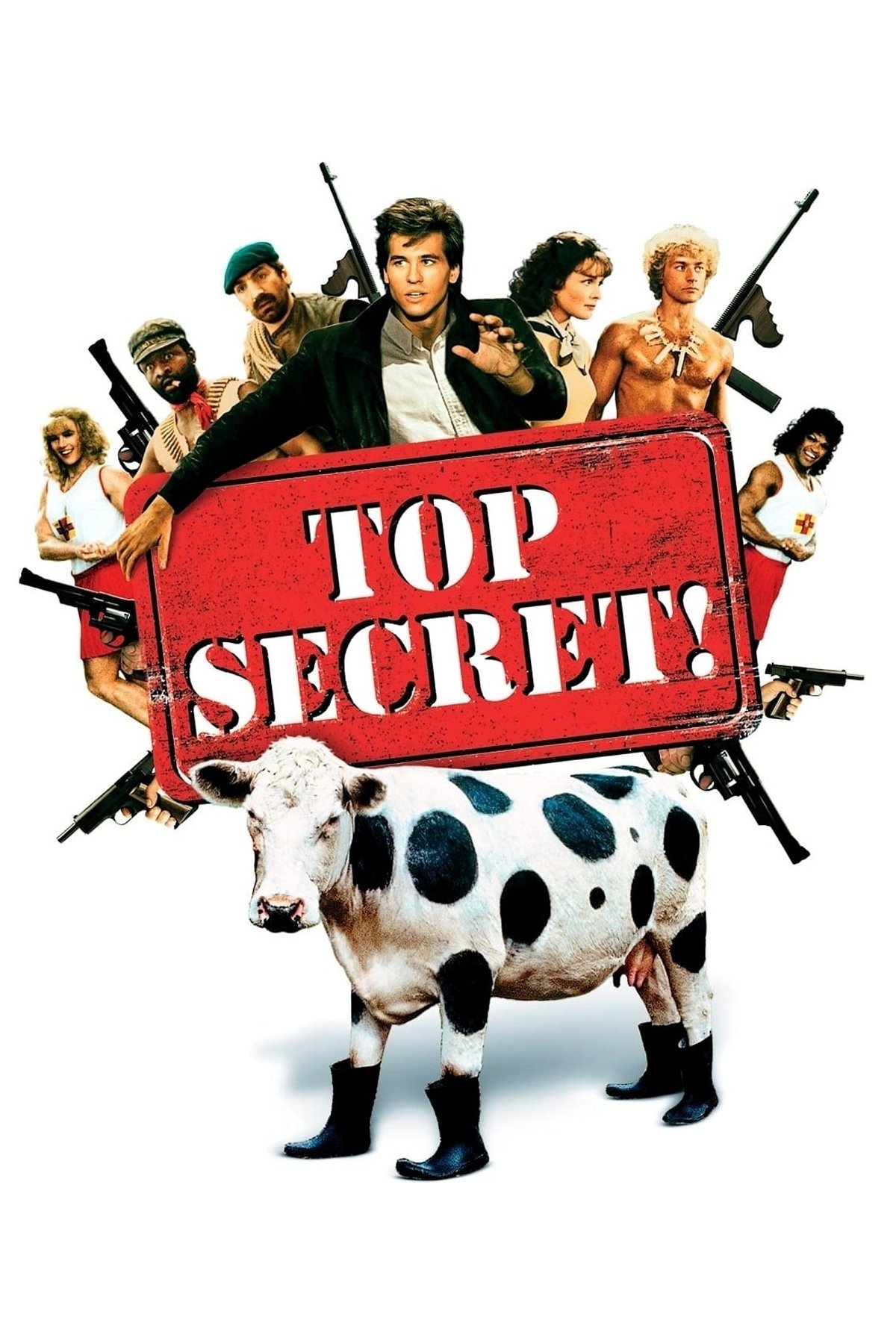
As a movie buff, I always appreciate a clever touch, and this spy comedy really delivered! Instead of just a scrolling list of names during the credits, the filmmakers turned it into a playable game of Tic-Tac-Toe. They’d slip in an ‘X’ or an ‘O’ between the cast and crew names, and by the time the credits finished, a full game had played out with a winner! It’s such a fun, unexpected way to keep you engaged instead of just tuning out during that usually dull part of the film.
‘Dr. Strangelove or: How I Learned to Stop Worrying and Love the Bomb’ (1964)
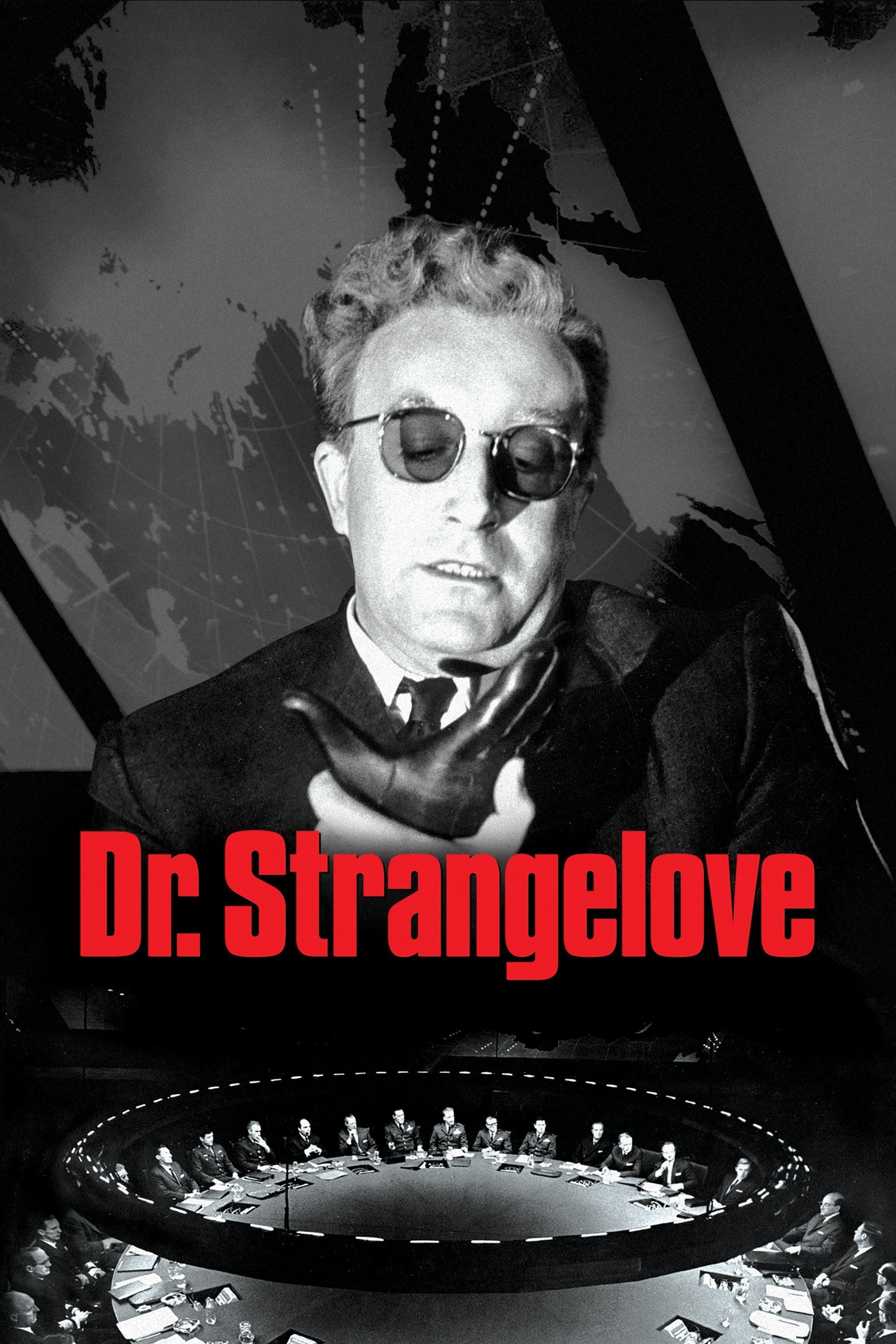
At the beginning of the film, Stanley Kubrick added a statement meant to both calm and disturb viewers. It claimed the U.S. Air Force would never permit the events shown to happen. This message was supposedly included to satisfy the military and avoid accusations of anti-American bias. The disclaimer’s formal writing and serious tone create a stark contrast with the film’s often ridiculous scenes, adding an ironic touch to its satire about nuclear war.
‘Mr. Magoo’ (1997)
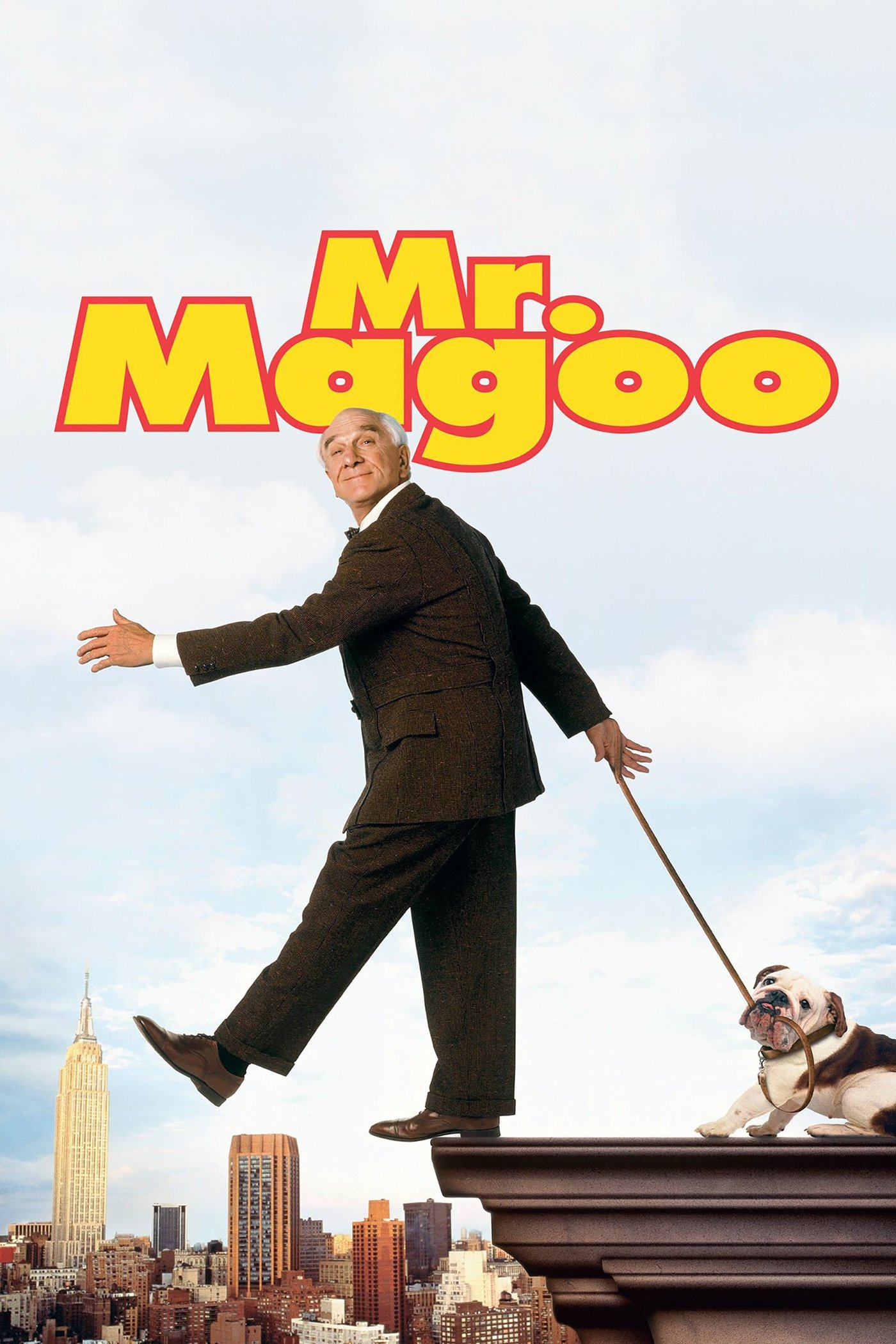
The recent movie based on the popular cartoon received criticism from groups advocating for people with visual impairments, who felt the portrayal was inaccurate. To address these concerns, the filmmakers added a message to the end credits clarifying that the film doesn’t aim to be a realistic depiction of blindness or vision loss. This was an attempt to ensure viewers understood the movie’s comedic elements were separate from the real challenges faced by people with disabilities. It’s unusual for a studio to use the closing credits in this way to respond to public criticism.
‘South Park: Bigger, Longer & Uncut’ (1999)
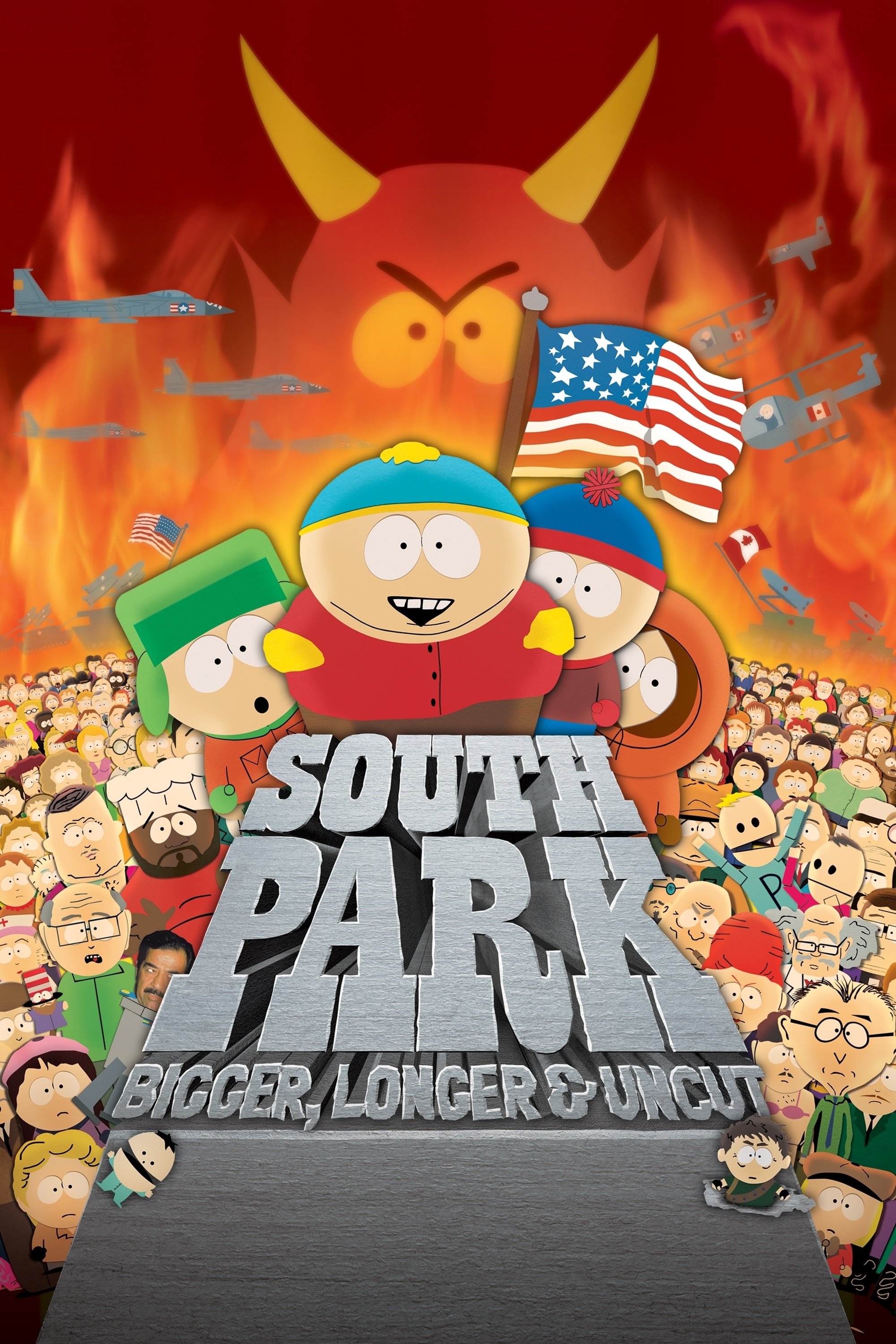
South Park’s creators are famous for poking fun at celebrities. They even include a disclaimer at the end of each episode stating that all celebrity voices are bad imitations. This disclaimer cleverly protects them from lawsuits while also being a playful jab at the stars they’re satirizing. It’s a perfect example of the show’s deliberately rough-around-the-edges style and its willingness to push boundaries, turning a legal requirement into one last joke.
‘School of Rock’ (2003)
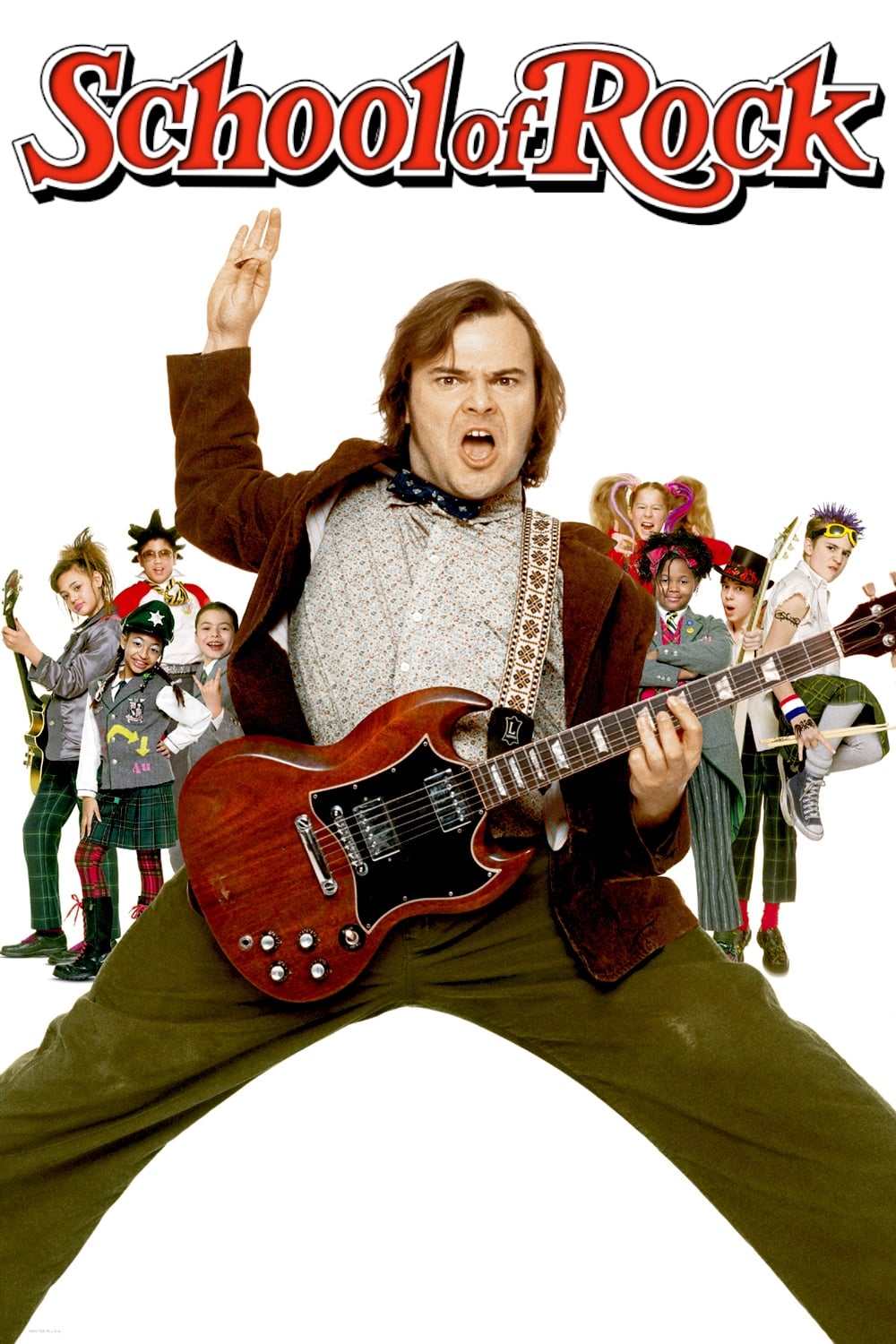
The movie’s final scene features the band performing a song that playfully acknowledges the end credits. Jack Black sings lyrics directly telling the audience the film is over and inviting them to leave. As the cast names appear on screen, the song mentions each performer, creating a unique connection between the music and the credits themselves. This clever approach breaks the fourth wall and highlights the shared experience of watching a movie together in a theater.
‘Ferris Bueller’s Day Off’ (1986)
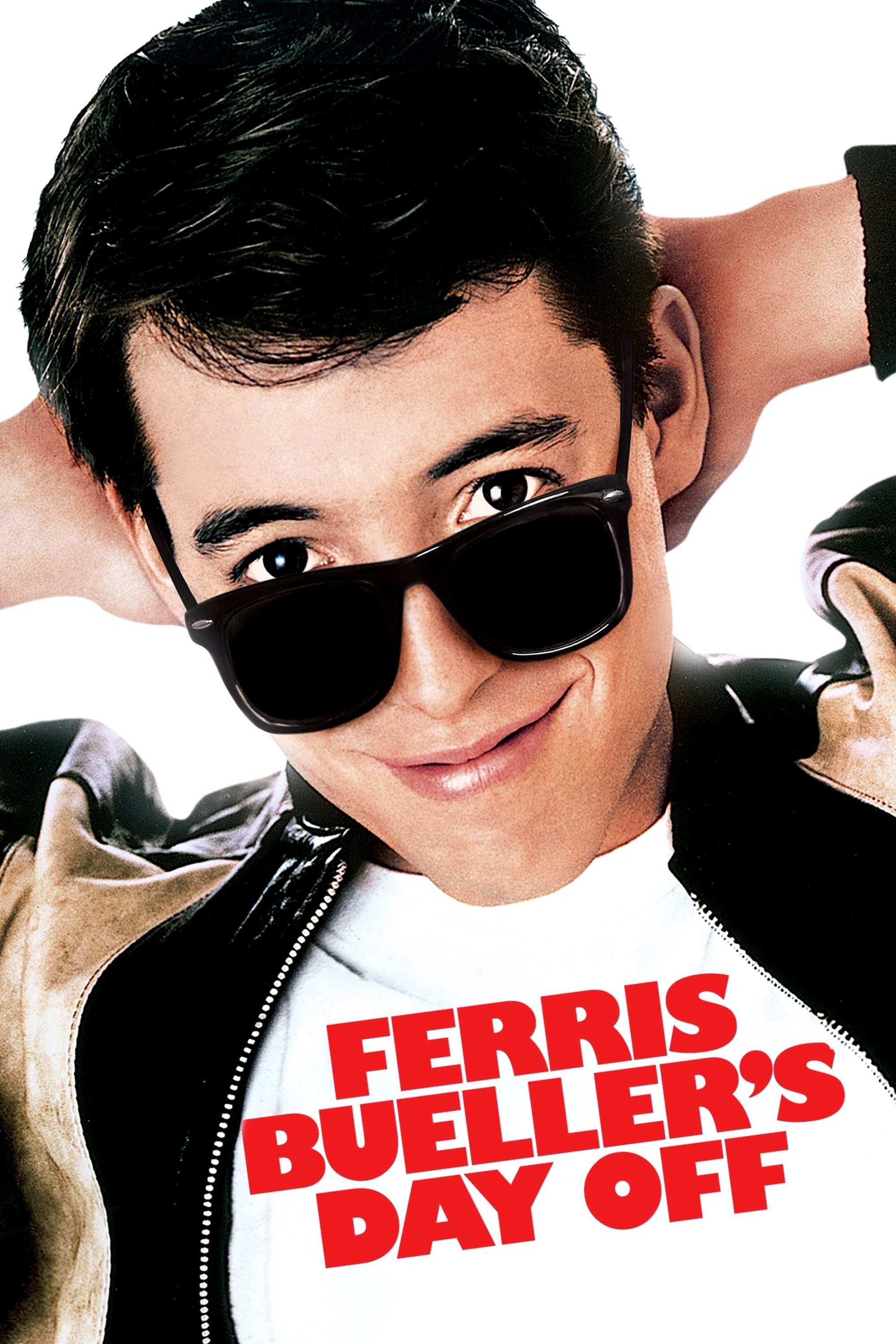
Though it appears after the credits, the message is delivered as if it’s happening in real-time. Matthew Broderick’s character steps out of the movie and directly addresses the audience, asking why they haven’t left yet. He bluntly tells them the film is finished and they should go home. This breaks the fourth wall, playfully criticizing viewers for watching the credits. It’s become a well-known trope, parodied in many films, including ‘Deadpool’.
‘Spy Hard’ (1996)
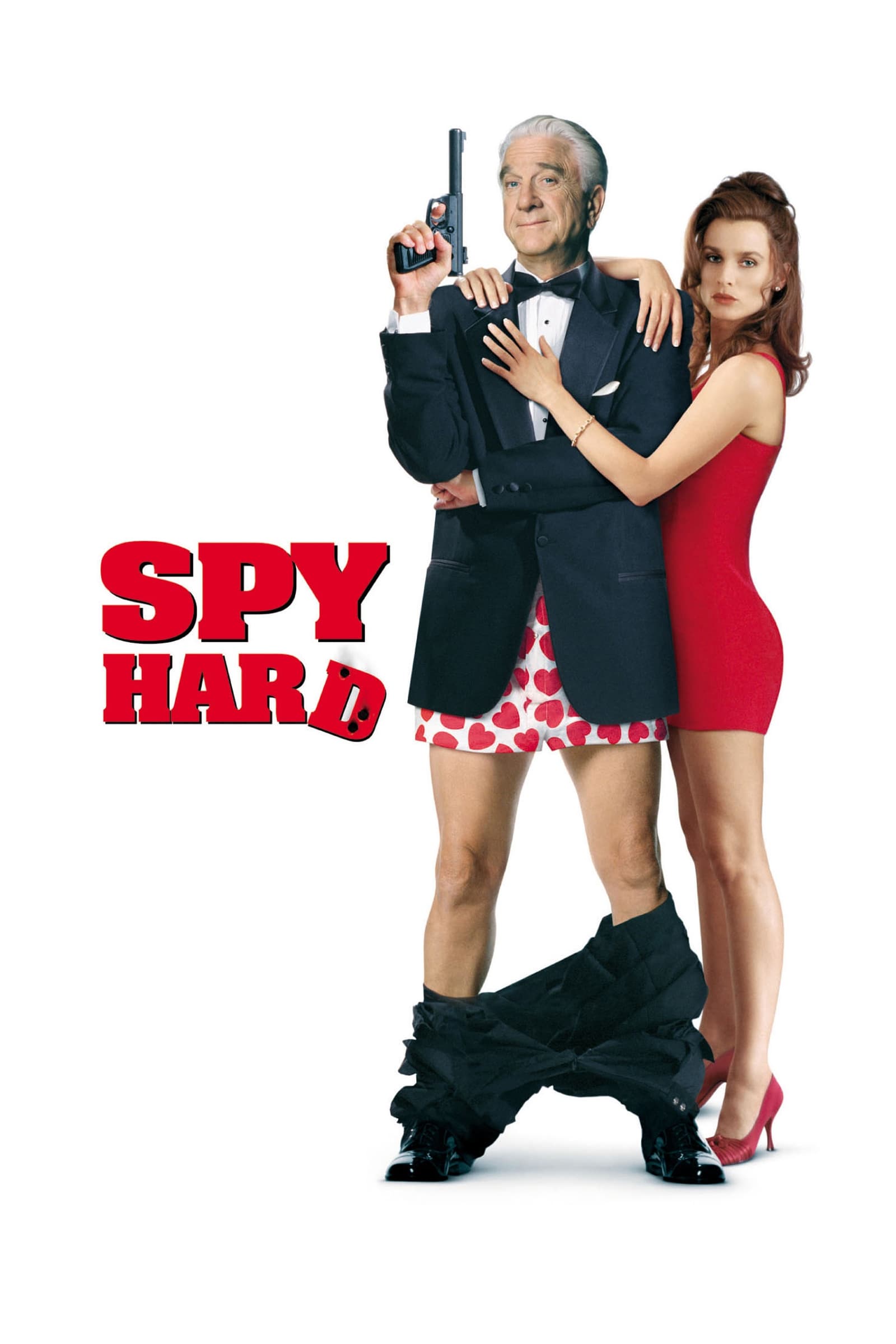
Like many comedies of its kind, this Leslie Nielsen film hides extra jokes within the ending credits. The usual statement about animal safety is playfully altered to say that while no animals were hurt, some got a little dizzy – a perfect fit for the movie’s silly style. The credits also include funny, offbeat notes about the people who made the film, giving viewers who stay until the very end a special treat.
’22 Jump Street’ (2014)
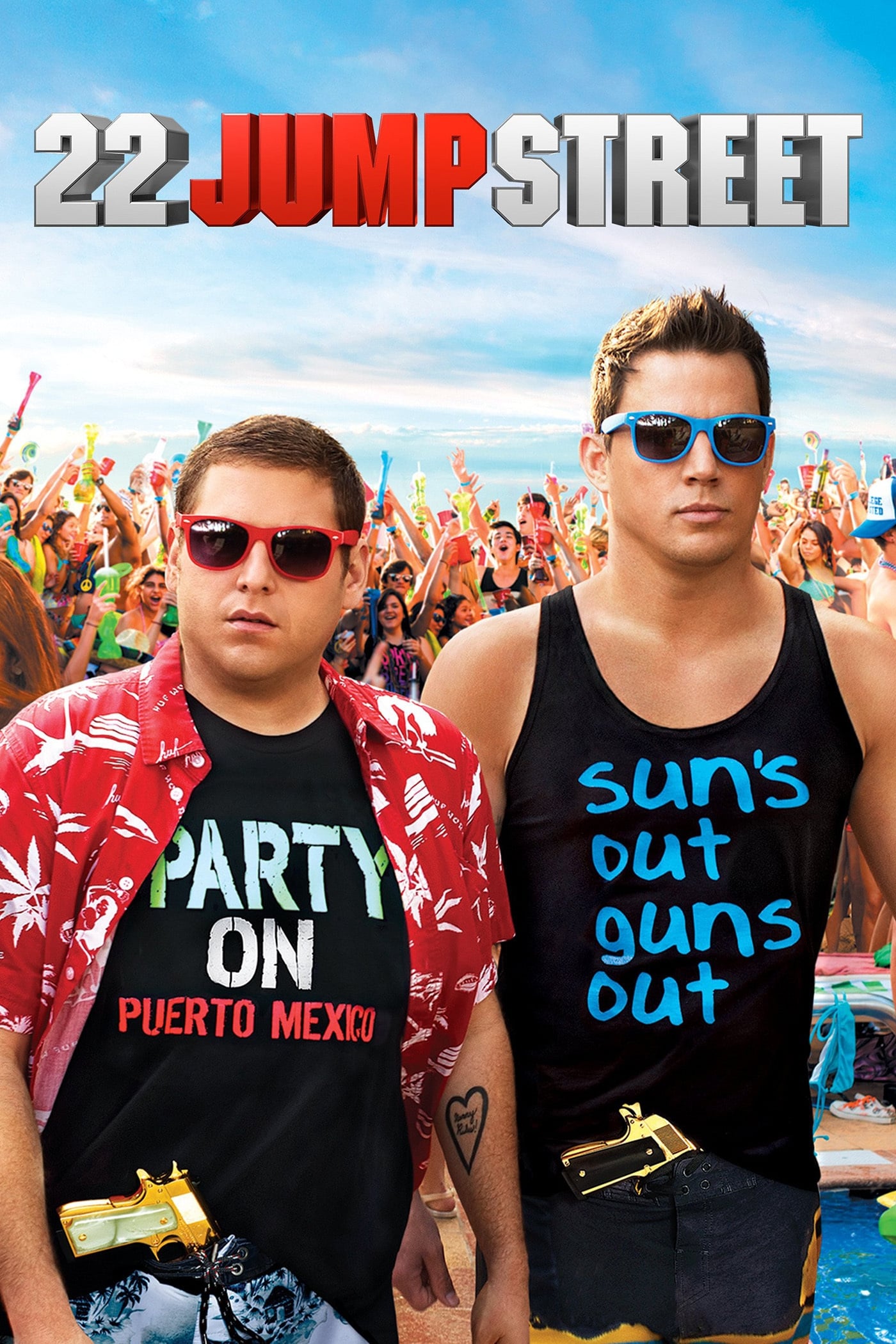
The end credits of this movie are well-known for showing a playful series of fake sequels. The screen features posters and titles for countless continuations of the series, ranging from ’23 Jump Street’ all the way to ‘2121 Jump Street.’ As the fake sequels progress, the fonts and designs become more and more over-the-top and futuristic. This is a humorous jab at Hollywood’s habit of making endless sequels to successful franchises, and it’s considered one of the most creative and clever credit sequences in recent comedies.
Tell us which of these hidden messages you spotted in the comments!
Read More
- 21 Movies Filmed in Real Abandoned Locations
- 2025 Crypto Wallets: Secure, Smart, and Surprisingly Simple!
- 10 Hulu Originals You’re Missing Out On
- The 11 Elden Ring: Nightreign DLC features that would surprise and delight the biggest FromSoftware fans
- The 10 Most Beautiful Women in the World for 2026, According to the Golden Ratio
- 10 Underrated Films by Ben Mendelsohn You Must See
- ICP: $1 Crash or Moon Mission? 🚀💸
- 20 Games Where the Canon Romance Option Is a Black Woman
- 17 Black Voice Actors Who Saved Games With One Line Delivery
- Bitcoin’s Ballet: Will the Bull Pirouette or Stumble? 💃🐂
2025-12-10 00:22