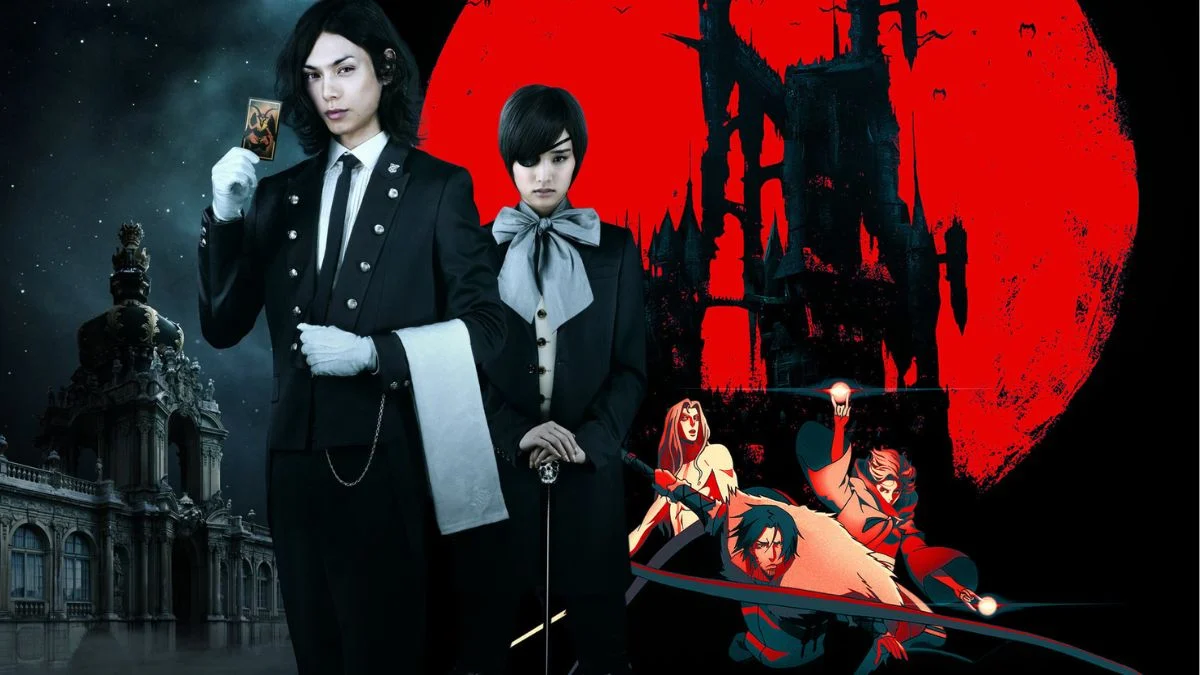
Changing a character‘s race in adaptations is often discussed, but it can sometimes make the role even more compelling and engaging. Casting directors frequently focus on finding an actor who embodies the character’s personality, rather than strictly matching their original appearance. This has led to some fantastic performances that have given classic characters a fresh take for modern audiences. Here are some examples of adaptations that successfully reimagined characters originally depicted as white or European with actors of different ethnic backgrounds.
‘Castlevania’ (2017–2021)

The character of Isaac looks very different in the animated series compared to the original video games. While he was initially depicted as a pale redhead in a distinctive outfit, the show reimagines him as a Black Forgemaster with a thoughtful and devoted personality. This change lets the series delve into ideas about free will and what it means to be human, topics not present in the games. As a result, Isaac is one of the most interesting and fully realized characters in the show.
‘One Piece’ (2023)

The character Alvida, originally a pale-skinned pirate captain in the manga, was reimagined in the live-action series with Ilia Isorelýs Paulino, a talented Afro-Latina actress. Paulino brought a powerful and captivating presence to the role, successfully embodying Alvida’s blend of menace and humor. This casting choice not only enhanced the show’s diversity but also remained true to the character’s core personality.
‘Cowboy Bebop’ (2021)
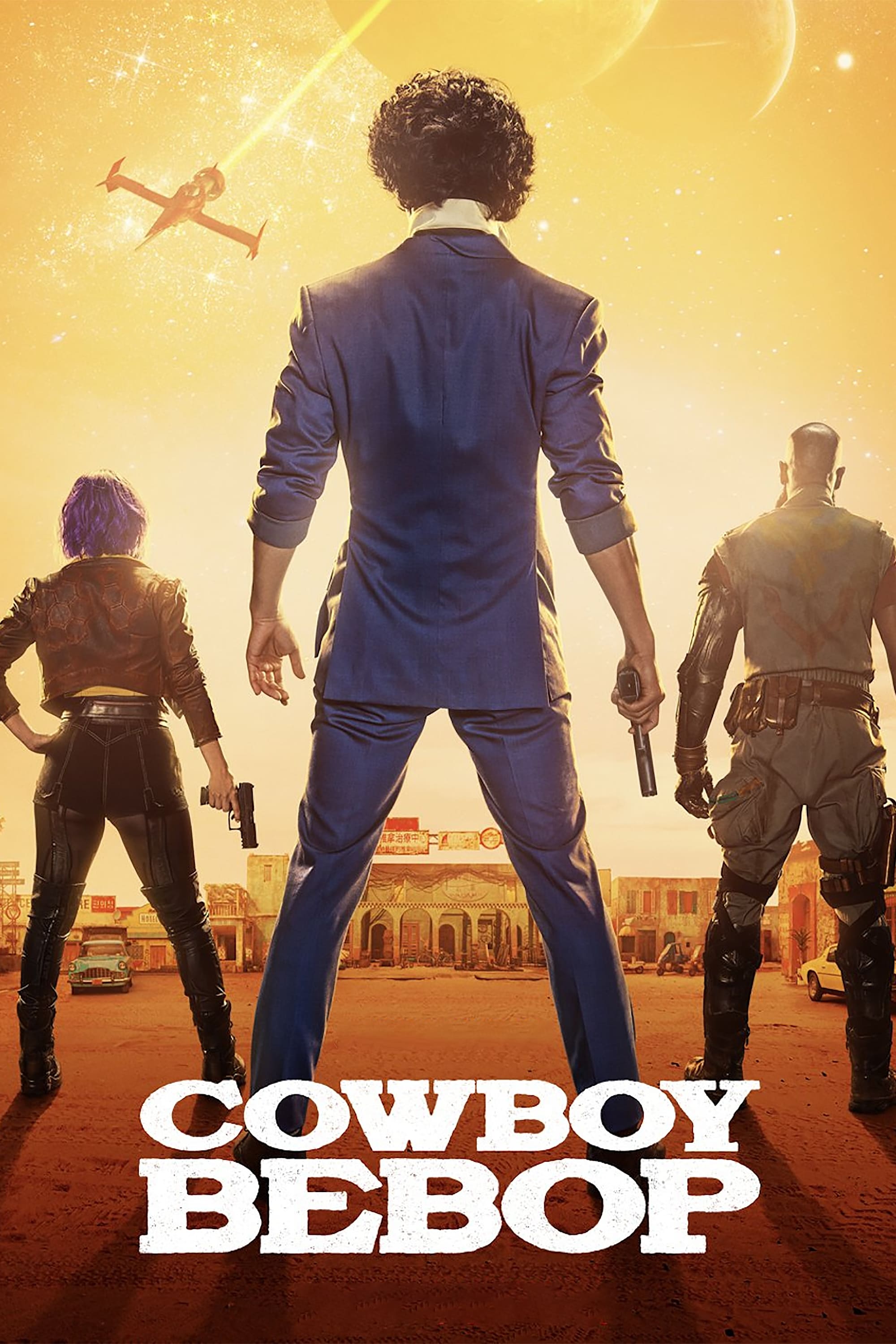
Okay, let’s talk about Jet Black in the live-action adaptation. The anime version always felt a little open to interpretation regarding race, leaning towards lighter-skinned. But Mustafa Shakir? He nailed it. Honestly, he was the standout performance for me. He didn’t just play Jet, he became him – that gruff exterior hiding a real fatherly heart. Shakir completely inhabited the role, from the voice to the physicality, and it felt so organic, so right. It’s a perfect example of casting done incredibly well.
‘Thermae Romae’ (2012)

In the original manga, Lucius Modestus is a Roman architect, and the story centers around bathhouses in ancient Rome. The Japanese live-action movie adaptation cast Hiroshi Abe, a well-known Japanese actor with a commanding presence, as this Roman character. Abe’s serious acting and dedication to the film’s wild time-travel story highlighted the humor of the cultural clash. The movie convincingly created its world through impressive acting and detailed set design.
‘Fullmetal Alchemist’ (2017)

Edward Elric, a character originally from the fictional European-inspired nation of Amestris, is known for his blond hair and golden eyes. The recent live-action movie adaptation featured an entirely Japanese cast, with Ryosuke Yamada playing the skilled alchemist. Yamada’s performance captured the energetic and passionate nature of the main character. The filmmakers deliberately chose to emphasize the story’s emotional core and cultural themes, opting for a Japanese cast instead of strictly adhering to the original’s Western setting.
‘Attack on Titan’ (2015)

The original story of Eren Yeager featured a world inspired by German design and traditions. However, this Japanese film adaptation, starring Haruma Miura, shifted the setting to a post-apocalyptic Asia. Miura’s powerful acting perfectly portrayed Eren’s anger and hopelessness. This change in location helped make the story’s fantastical parts feel more relatable to Japanese viewers.
‘Black Butler’ (2014)
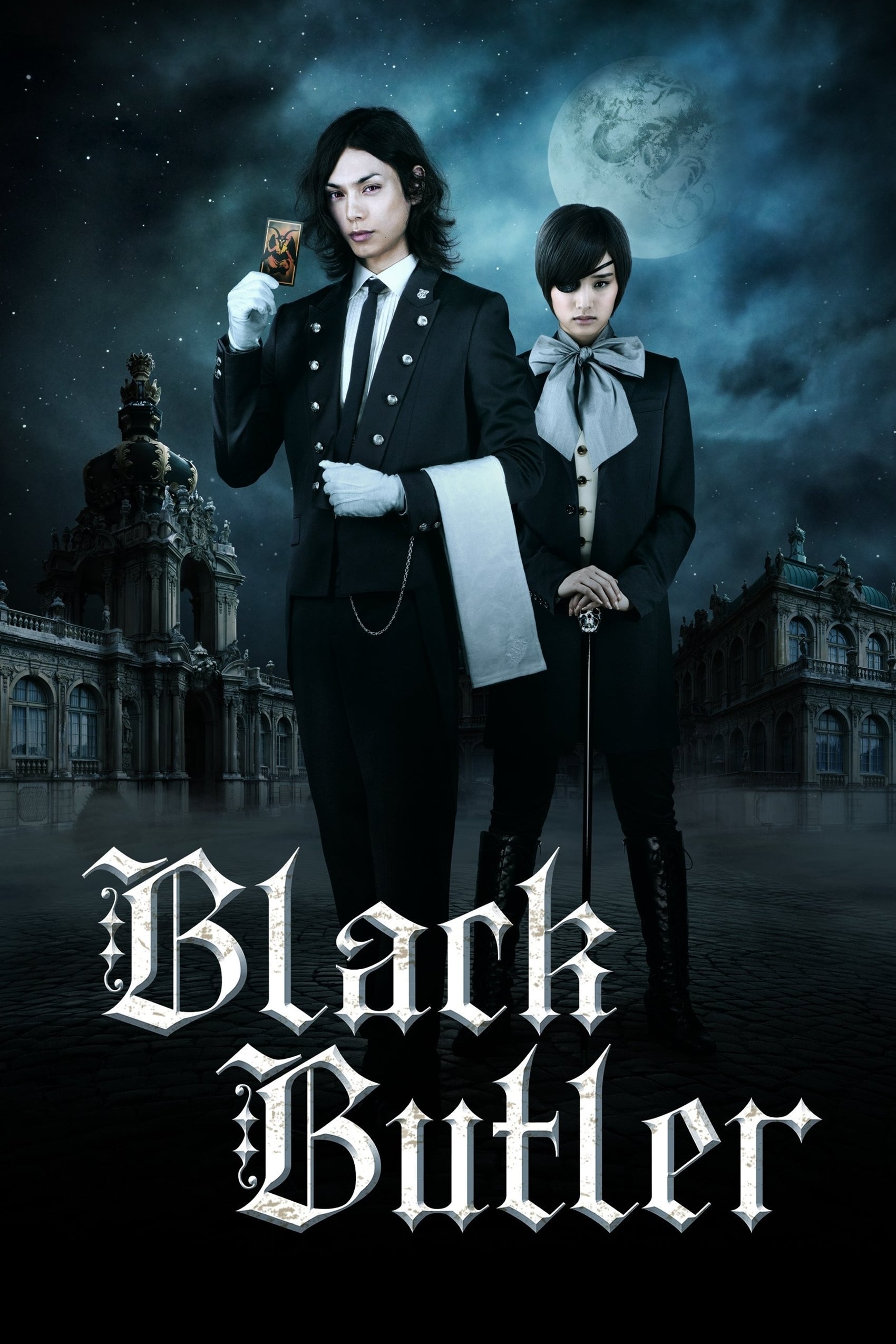
In the original manga, Sebastian Michaelis is a demon who works as a butler for an English earl during the Victorian era. However, the live-action film adaptation reimagined the story in a futuristic Asian setting, with actor Hiro Mizushima playing Sebastian. Mizushima perfectly captured the character’s mix of sophistication and threatening presence. By adapting the setting, the film kept the dark, gothic feel of the original while making it more appealing to audiences in Japan.
‘The Promised Neverland’ (2020)

I’m a big fan of Norman from Grace Field House! In the manga, he always stood out with his white hair and blue eyes. I really loved Rihito Itagaki’s portrayal in the live-action series – he perfectly captured Norman’s intelligence and how calmly he led everyone. The show proved something important to me: the story’s suspense came from the actors’ skills, not necessarily from how closely they resembled the characters’ original appearance.
‘Death Note’ (2015)
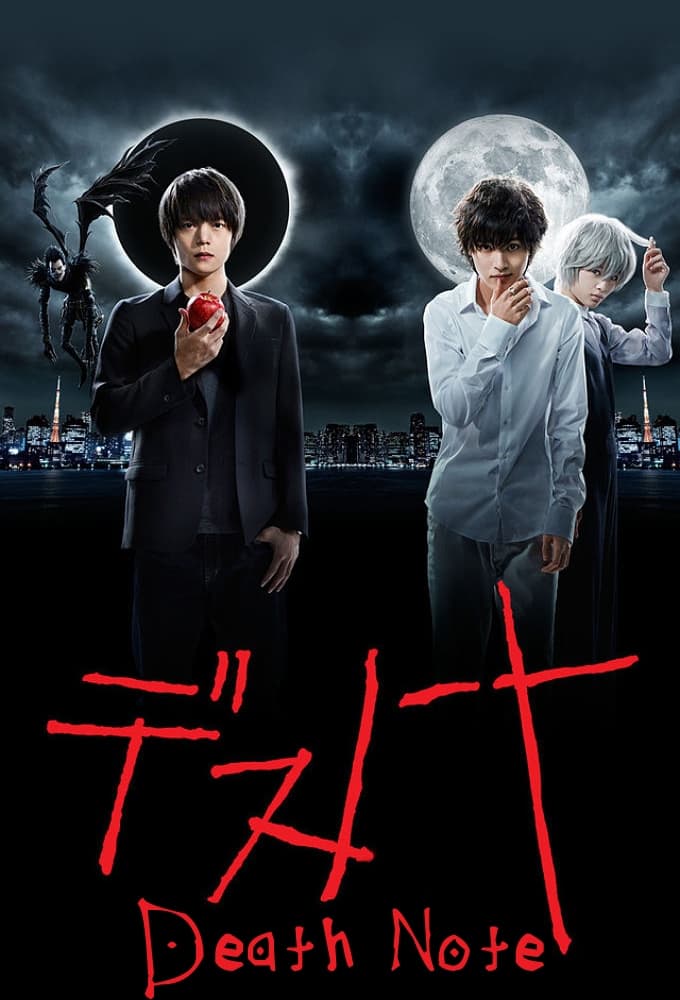
In the original manga, L is a famous detective with both European and Japanese ancestry, working in England. The live-action drama series presented a reimagined L, portrayed by Kento Yamazaki, as a more approachable and outgoing character. This version toned down some of L’s more unusual traits, resulting in a rivalry with Light Yagami that felt more realistic and personal. Yamazaki’s portrayal offered a sophisticated contrast to Light, giving fans a fresh take on their dynamic.
‘Ouran High School Host Club’ (2011)

As a big fan of the series, I always loved Tamaki Suoh – the Host Club president who’s half-French and loves reminding everyone! Yusuke Yamamoto, who played him in the live-action drama, really went for it with the character’s dramatic flair. Honestly, he made Tamaki’s over-the-top personality charming instead of irritating, which is a tough line to walk. The show smartly played up the humor of a Japanese student pretending to be all Western, and it totally worked!
‘Nodame Cantabile’ (2006)

Franz von Stresemann is a famously eccentric conductor in the original manga. In the drama adaptation, actor Naoto Takenaka brilliantly played him using a wig and a distinctive accent. His performance was a highlight of the show, full of hilarious physical comedy. Fans continue to love his portrayal, which perfectly captured the character’s chaotic brilliance, even though the actor’s appearance differed from the original character.
‘Terra Formars’ (2016)

In the original science fiction manga, Adolf Reinhard is a German officer with a sad past and the ability to control electricity. However, the live-action movie changed him into a Japanese character named Asuka Moriki, played by Hideaki Ito. Despite this change, the film kept the character’s emotional depth and powerful abilities that fans loved. This also helped simplify the story by centering it around a single national team.
‘Assassination Classroom’ (2015)

Irina Jelavic is a skilled assassin from Serbia who uses her charm to get close to her targets in the manga series. In the Japanese live-action movies, Korean actress Kang Ji-young played the part. She brilliantly portrayed the character’s funny clumsiness alongside her dangerous abilities. Her casting also brought an international element to the story, which suited Irina’s job as a language teacher.
‘Kids on the Slope’ (2018)

Sentaro Kawabuchi, a jazz drummer with both American and Japanese heritage, struggles with prejudice during the 1960s. Actor Taishi Nakagawa portrayed him in a recent film, emphasizing the character’s defiant spirit. Nakagawa even learned to play the drums himself to make the musical scenes feel genuine. He successfully conveyed the character’s intense emotions and the strong bonds of friendship at the story’s core.
‘Alita: Battle Angel’ (2019)

Alita, a cyborg discovered in a junkyard, is originally portrayed with a very pale complexion in the Gunnm manga. Actress Rosa Salazar brought her own Latina background to the role, performing the character using advanced motion capture technology. Critics especially loved how realistically vulnerable and powerful Salazar made Alita feel. The movie visually captured the manga’s unique style with oversized digital eyes, but balanced it with the authenticity of Salazar’s performance.
‘Kiki’s Delivery Service’ (2014)

As a huge fan of the original ‘Kiki’ story – both the book and the beautiful Studio Ghibli film – I was really curious about the live-action adaptation. What I loved was how they took the core story of a young witch finding her place in the world and reimagined it with a Japanese setting and aesthetic. Fuka Koshiba was perfectly cast as Kiki; she brought such a fresh, innocent energy to the role, and really captured that feeling of growing up and figuring things out. It proved that this story about independence and self-discovery is truly universal, and works beautifully even when placed in a completely different cultural context.
‘Lupin the 3rd’ (2014)
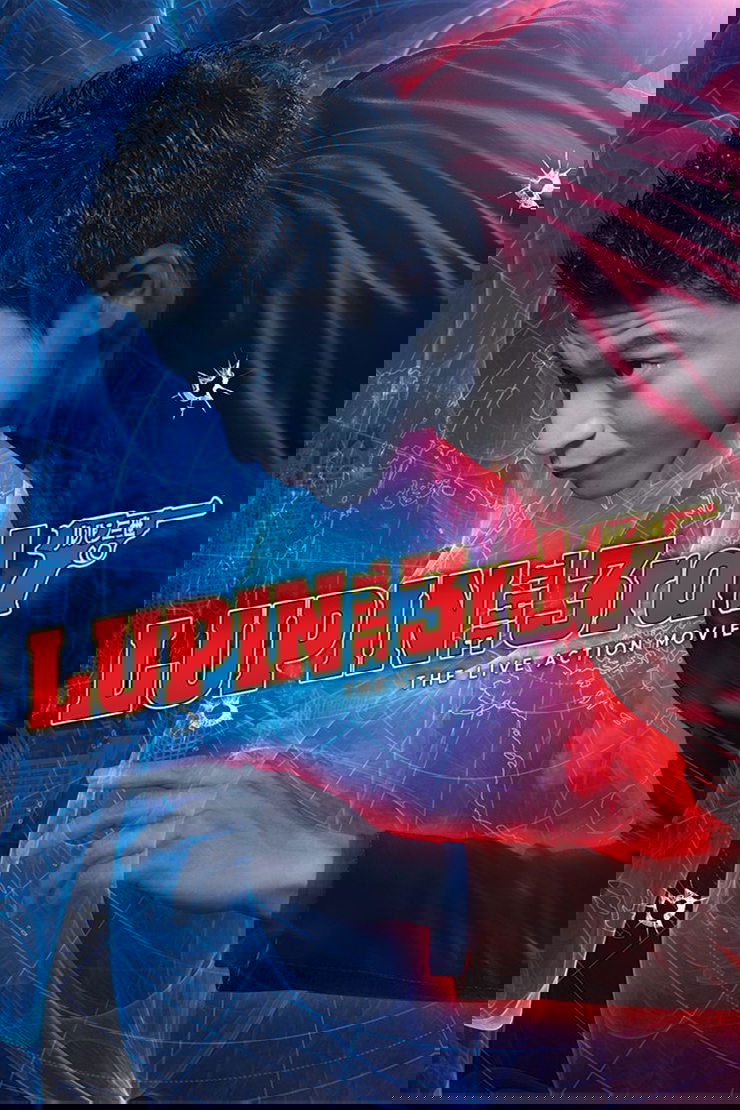
Lupin III is the grandson of the famous French thief Arsène Lupin, and his character blends French and Japanese influences. In the live-action movie, Shun Oguri perfectly captured the role, bringing a smooth and charismatic performance to life. He embodied Lupin’s distinctive tall, lean build and playful, agile movements, proving the character’s appeal goes beyond his family history.
‘Saint Young Men’ (2018)

This comedy centers around Jesus, portrayed as a kind and gentle figure inspired by classic Western religious artwork. Actor Kenichi Matsuyama plays Jesus – complete with a long wig – as he navigates everyday life in a small Tokyo apartment. The show’s humor comes from the unexpected contrast, but Matsuyama’s warm performance makes the whole concept surprisingly touching.
Read More
- Gold Rate Forecast
- 22 Films Where the White Protagonist Is Canonically the Sidekick to a Black Lead
- Games That Faced Bans in Countries Over Political Themes
- Persona 5: The Phantom X Relativity’s Labyrinth – All coin locations and puzzle solutions
- How to Unlock Stellar Blade’s Secret Dev Room & Ocean String Outfit
- Celebs Who Narrowly Escaped The 9/11 Attacks
- Silver Rate Forecast
- ‘Super Mario Galaxy’ Trailer Launches: Chris Pratt, Jack Black, Anya Taylor-Joy, Charlie Day Return for 2026 Sequel
- 25 “Woke” Films That Used Black Trauma to Humanize White Leads
- 20 Films Where Black Directors Subverted Hollywood’s White Savior Tropes
2025-12-09 04:16