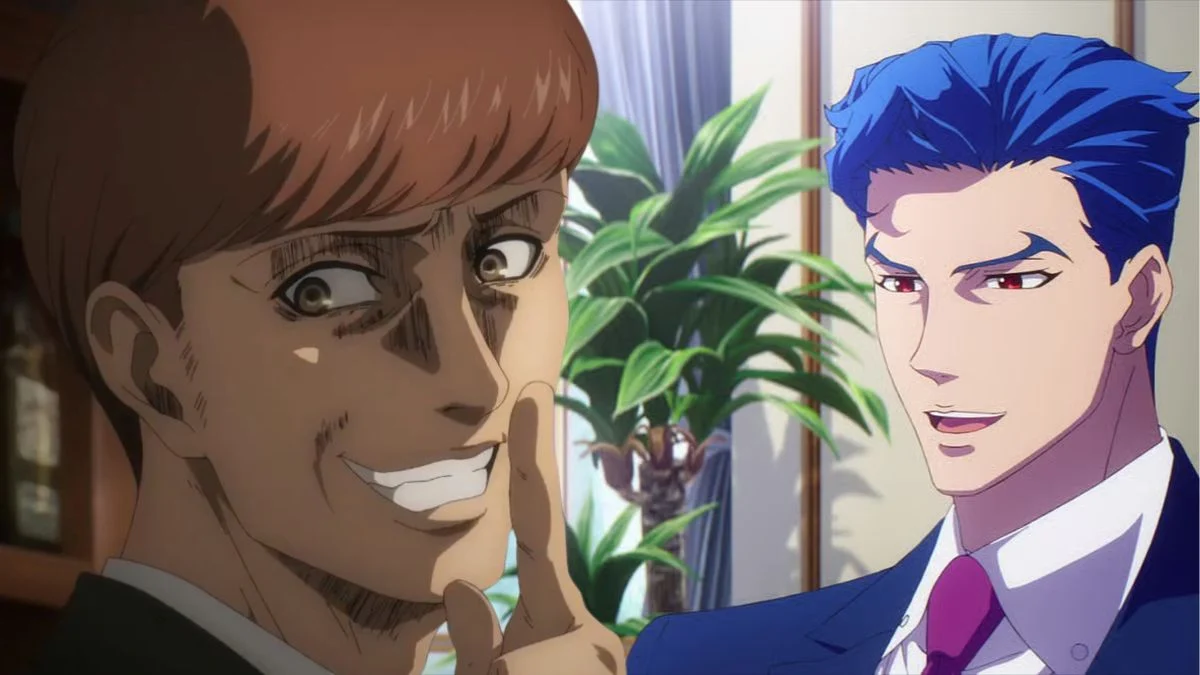
Anime villains frequently represent the darker sides of society or act as challenges for the main characters. Sometimes, these villains cause real-world arguments about important issues like politics and what’s right or wrong. They’ve even led to intense discussions on social media about how things are portrayed and whether certain content should be allowed. Here’s a look at some villains who really stirred up controversy, even outside of the anime world.
Malty S. Melromarc
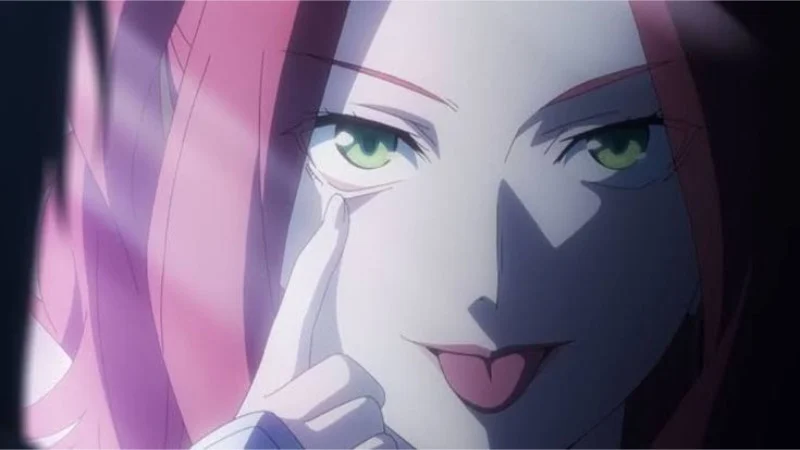
Malty is a character from ‘The Rising of the Shield Hero’ who sets the story’s main conflict in motion. She falsely accuses the hero of assault, which sparked a lot of discussion about how false accusations are portrayed in entertainment. This storyline caused strong reactions, especially among Western viewers, with many debating its connection to the #MeToo movement. Some critics felt the plot was harmful to women, while others defended it as a way to show the hero’s challenges. Because of these sensitive themes, Malty remains a controversial figure in anime.
Sister Krone
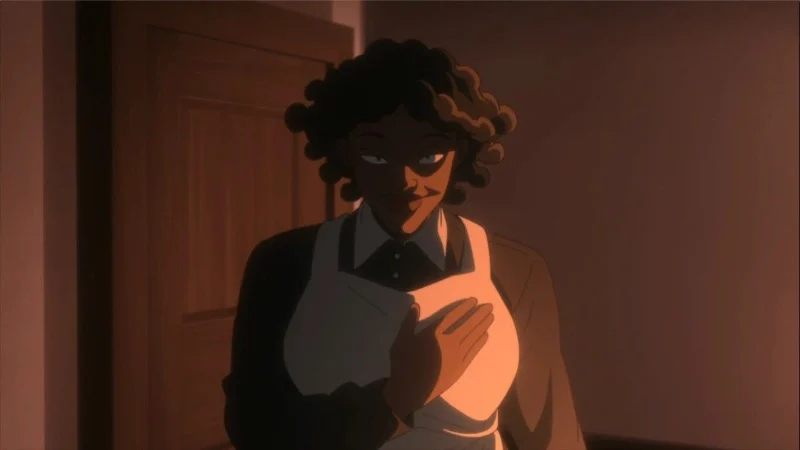
In the first season of ‘The Promised Neverland,’ Sister Krone acts as a villain trying to stop the children from escaping. Her design, which included exaggerated features and behavior, quickly caused criticism from viewers around the world, who pointed out its resemblance to harmful, historical racial stereotypes. Discussions centered on whether this was a deliberate choice by the creators, or a result of cultural unawareness. Many fans were upset by the character and called for more thoughtful and respectful portrayals of Black characters in anime. This situation showed how important it is for entertainment creators to be sensitive to different cultures, especially as their work reaches a global audience.
Gabi Braun
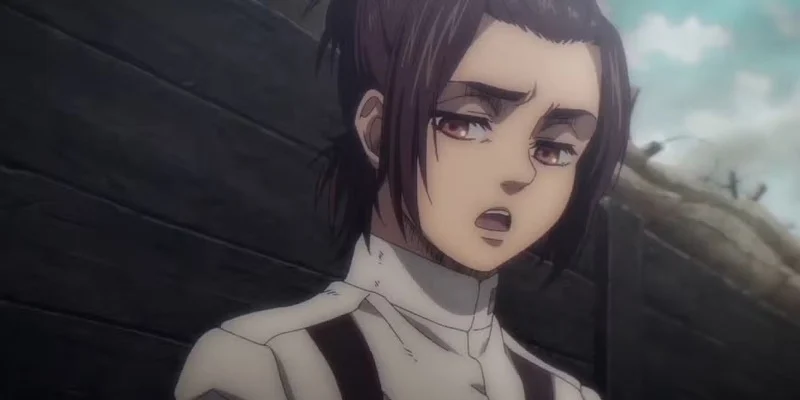
Gabi Braun joined ‘Attack on Titan’ as a young soldier who was taught to see the heroes as enemies. When she killed a popular character, it caused a huge online reaction, including harassment towards the voice actors and people who worked on the show. This led to important discussions about how hatred spreads and how hard it is to feel sorry for someone who’s been brainwashed to do terrible things. Fans argued about whether her young age should excuse her actions, or if she was beyond redemption. Ultimately, her story made viewers think about their own beliefs about war and how perspective shapes our understanding.
The Goblin Lord
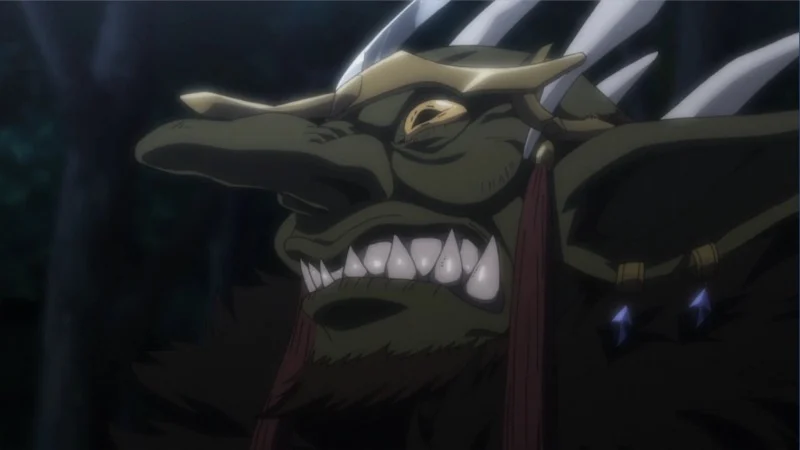
The first episode of ‘Goblin Slayer’ sparked significant controversy due to its graphic portrayal of goblins committing sexual assault against a group of new adventurers. This led to many people calling for the show to be censored, and streaming platforms had to add warnings before the episode. Viewers were shocked by the violence, and the debate focused on whether the extreme content was essential to the dark fantasy genre or simply used for shock value. The incident also brought up familiar questions about age ratings and how much control there should be over content in animated shows.
Endeavor
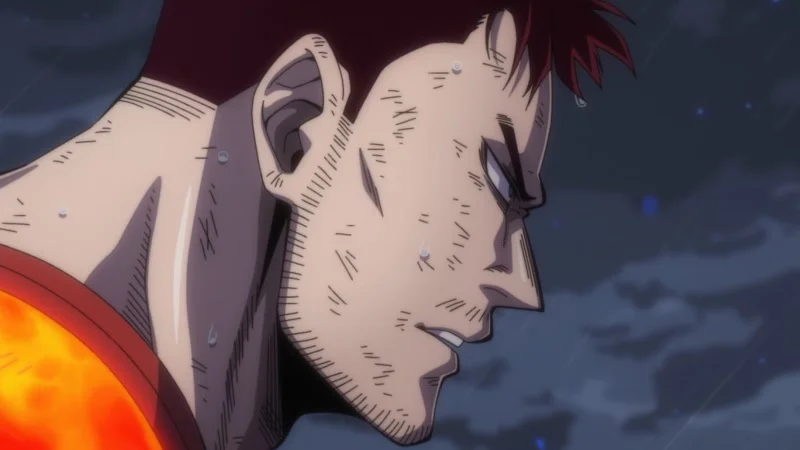
Enji Todoroki, known as Endeavor in ‘My Hero Academia,’ starts the series as a harsh and controlling father, consumed by his ambition. While the story attempts to show his growth and remorse, it’s sparked a lot of debate among fans. Some believe he deserves a chance at redemption, while others feel his past actions are unforgivable, bringing up important questions about domestic abuse and whether survivors should forgive their abusers. Many viewers felt the story didn’t adequately address the pain he caused his family, and the controversy highlights how far a character can go and still be seen as redeemable in a superhero story.
Hero Killer Stain
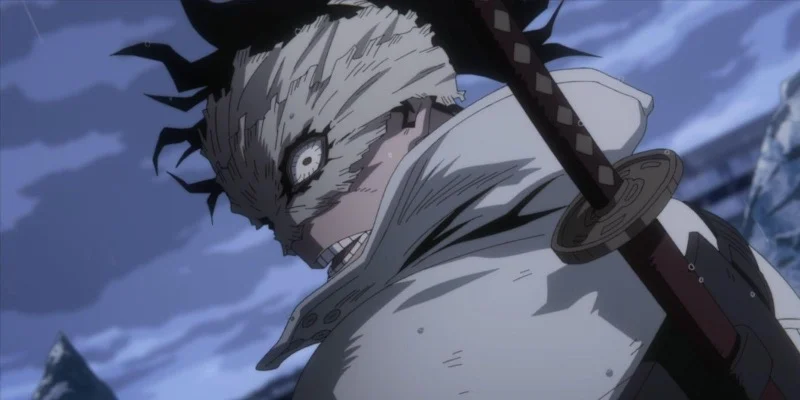
In the anime ‘My Hero Academia,’ the villain Stain is a killer who targets heroes he believes are flawed or dishonest. Some fans actually agreed with his criticism of how heroes had become more about profit than saving people, leading to debates about whether the show was glorifying violence and terrorism. Stain became a symbol for those who felt the established hero system was broken, but others worried the story seemed to justify his extreme actions. This showed how a compelling villain can make viewers question what’s right and wrong.
Keyaru
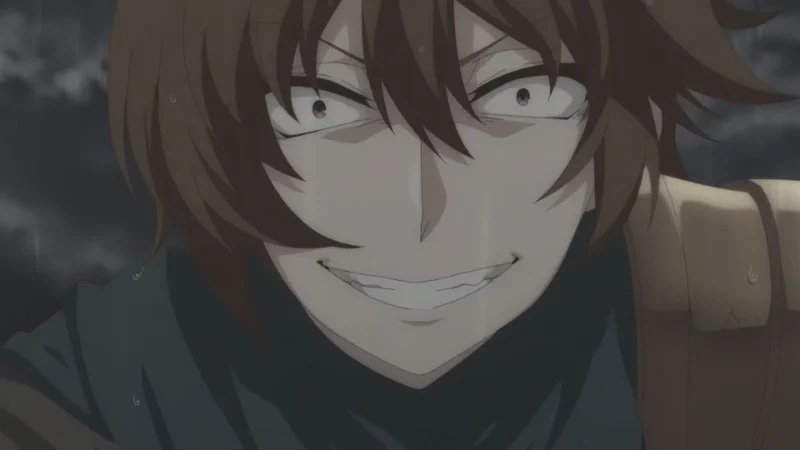
Keyaru is the main character in ‘Redo of Healer,’ but he’s portrayed as a villain due to his cruel and vengeful actions. The series sparked intense debate and controversy because of its graphic depictions of sexual violence and psychological torture inflicted on those who previously harmed him. Some critics condemned it as disguised pornography that promoted harmful views on women and violence, while defenders argued it was a dark fantasy meant to be judged on its own terms. This resulted in the series being banned or significantly altered in many countries.
Rudol von Stroheim
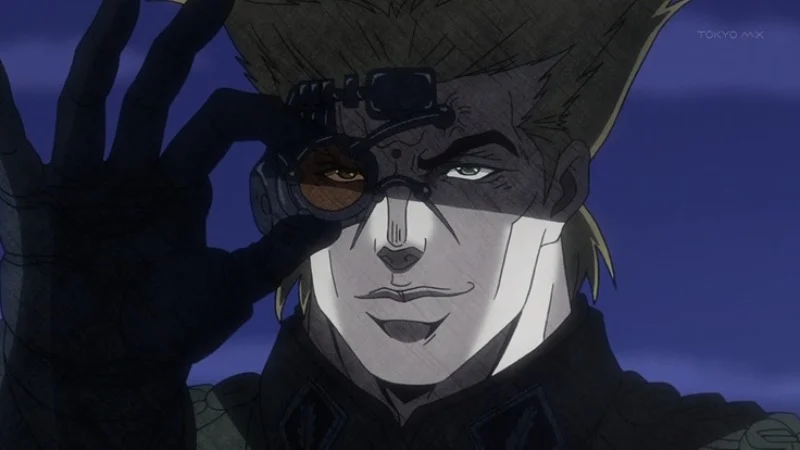
As a huge anime fan, I remember when Stroheim showed up in ‘JoJo’s Bizarre Adventure.’ He’s this Nazi major who surprisingly teams up with the good guys to fight an even bigger bad. But honestly, his portrayal as this cheerful, brave fighter really bothered some people – and I get why. It brought up a lot of discussion about whether it’s okay to use Nazi imagery and villains in entertainment, even if it’s just for fun. I think a lot of Western viewers, myself included, had a hard time separating the character’s cool personality from the horrific reality of what the Nazis actually did. It really makes you think about the line between entertainment and respecting history. It also struck me how different the show’s approach to WWII seemed compared to how we usually see it portrayed here in the West – it felt like a very Eastern perspective.
Esdeath

Esdeath from ‘Akame ga Kill!’ is a major villain and the leader of a harsh, controlling government. Despite her cruel and oppressive actions, she became very popular with fans, which sparked a debate about why some people are drawn to authoritarian figures in anime and manga. Many discussed whether enjoying a villainous character meant they supported the villain’s harmful beliefs. Esdeath also became a central point in conversations about ‘waifu culture’ and whether fans were ignoring serious crimes simply because they found the character visually appealing. Ultimately, her character made fans question why they might support characters who represent unjust and oppressive systems.
Adam
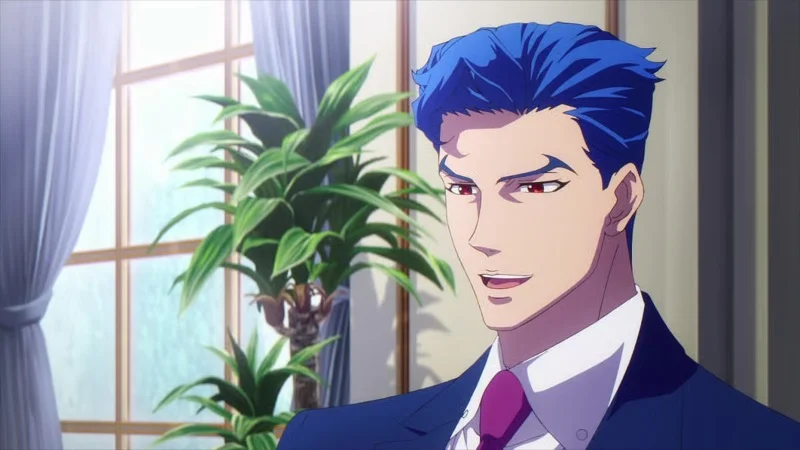
In the anime ‘SK8 the Infinity,’ Adam is a striking villain who exhibits concerning behavior towards the young main characters. His interactions sparked a lot of discussion about grooming and consent, with viewers noting the show presented his possessiveness as both dangerous and strangely attractive. The main criticism was that the creators didn’t strongly enough condemn his predatory actions, instead potentially romanticizing them. This situation highlighted how crucial it is to clearly differentiate between unusual personality traits and abusive behavior.
Bondrewd
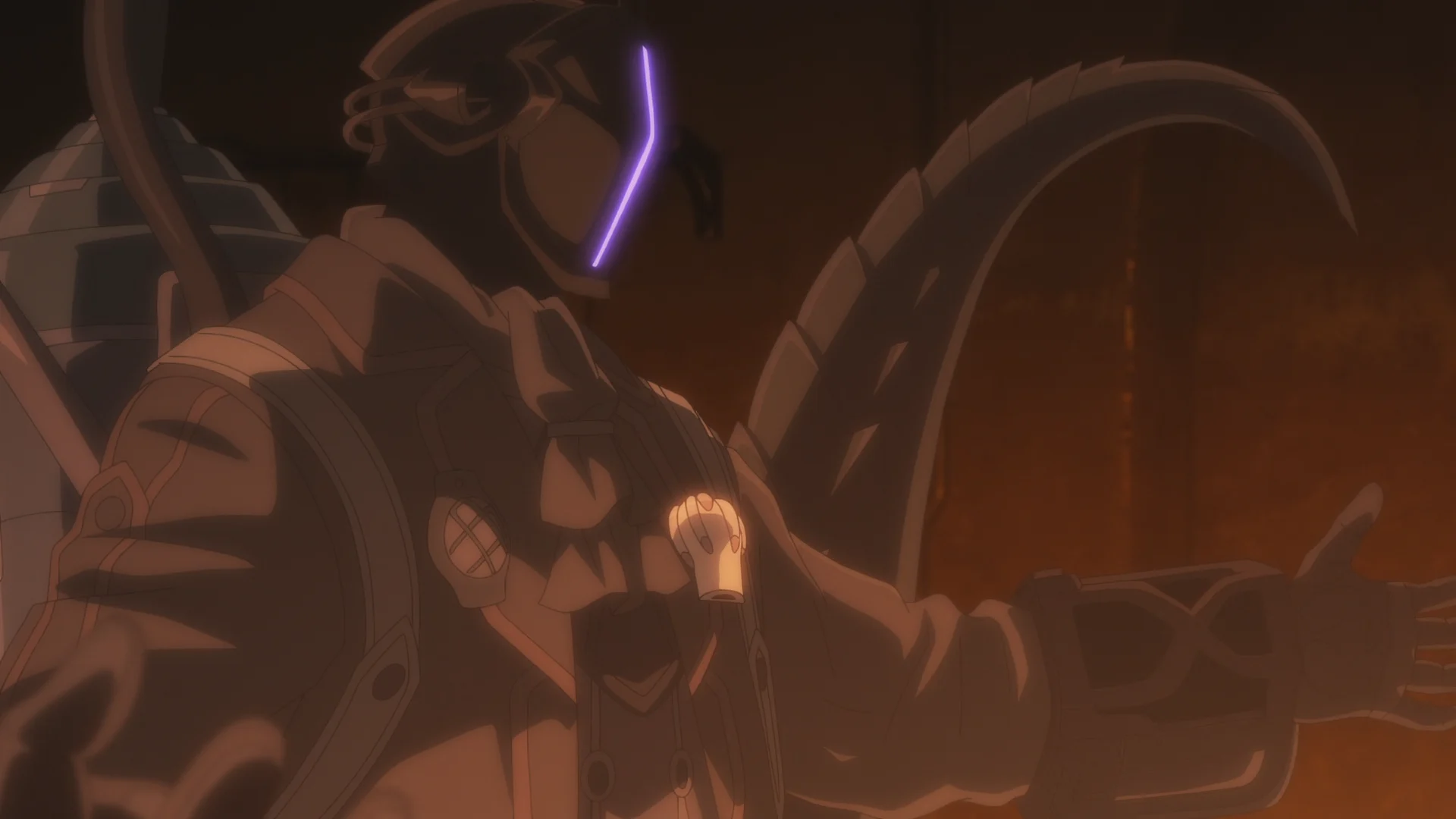
As a huge anime fan, ‘Made in Abyss’ really messed with my head, especially with the character of Bondrewd. He’s a scientist who does these incredibly disturbing experiments on kids, all in the name of progress. It’s not just the horror itself, but why he does it – he genuinely believes the ends justify the means, even if those means are torture. It sparked a lot of debate for me, and others I know, about how far is too far in fictional storytelling, and whether a good story can really make up for such intense suffering. Honestly, some scenes were so graphic, people I know stopped watching altogether and questioned why the show wasn’t rated higher. Bondrewd is just one of those villains who really pushes your limits and makes you question what you’re willing to watch – and whether it’s worth it for the emotional impact.
Floch Forster
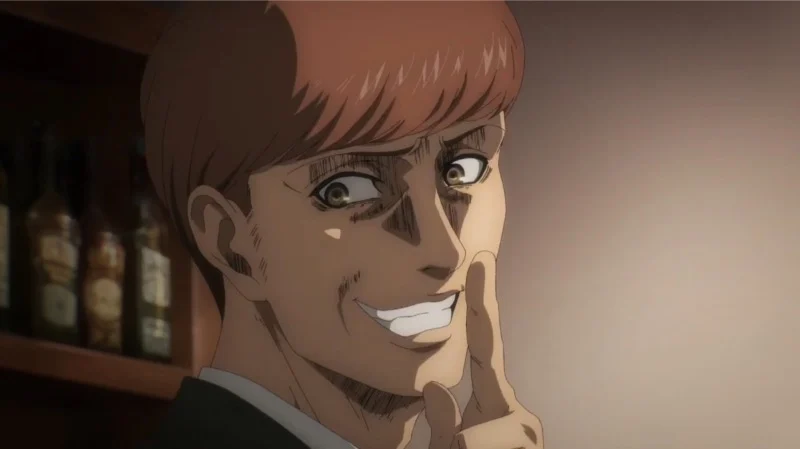
Floch is a controversial character in the later parts of ‘Attack on Titan’ because he leads a strong nationalist group. His change from a timid person to a committed extremist sparked heated discussions among fans worldwide. Some fans saw him as a dedicated patriot fighting for his people, while others considered him a dangerous symbol of extremism. These debates often reflected real-world disagreements about nationalism and getting involved in conflicts. Floch’s story demonstrates how fictional political storylines can genuinely upset and divide audiences.
Sugou Nobuyuki
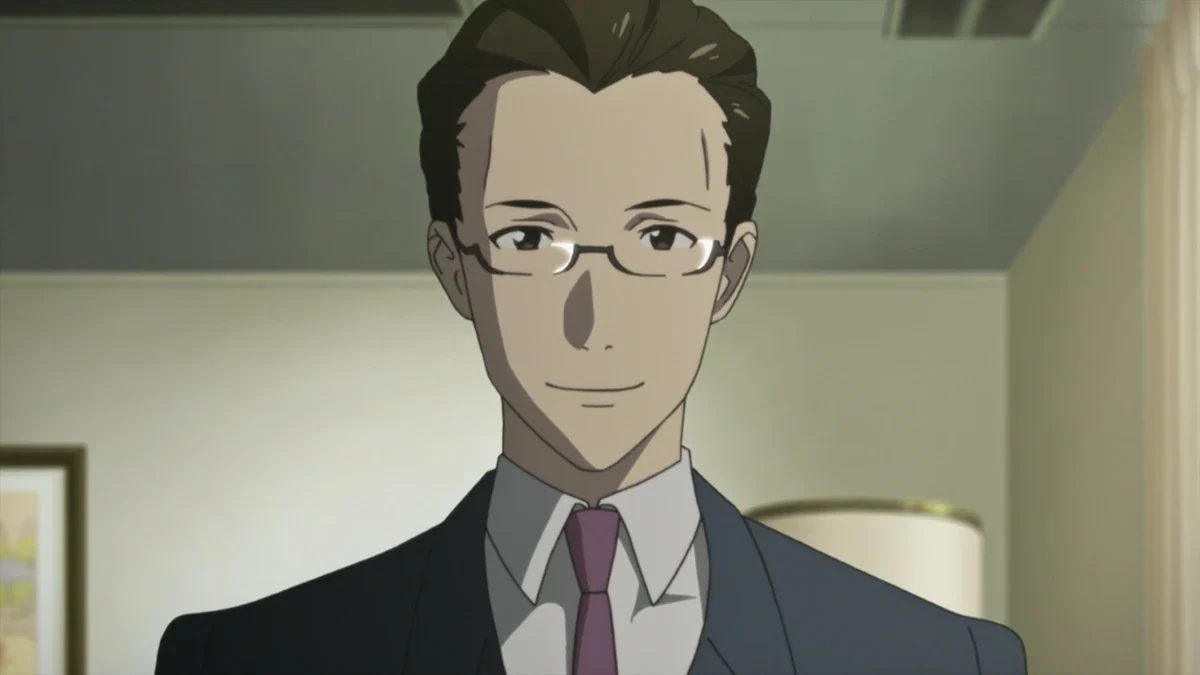
Sugou is widely hated by fans of ‘Sword Art Online’ for his actions as the villain in the Fairy Dance arc, particularly how he treated the main female character. A specific scene involving a sexual assault attempt sparked significant criticism, with many calling it exploitative and adding nothing to the story. This incident brought renewed attention to the problematic use of sexual violence in fiction, often used simply to shock or upset viewers. For many, Sugou’s character was the final straw, leading them to stop watching the series altogether. The strong negative reaction showed how tired audiences are of storylines where women are repeatedly put in danger and victimized.
Makima
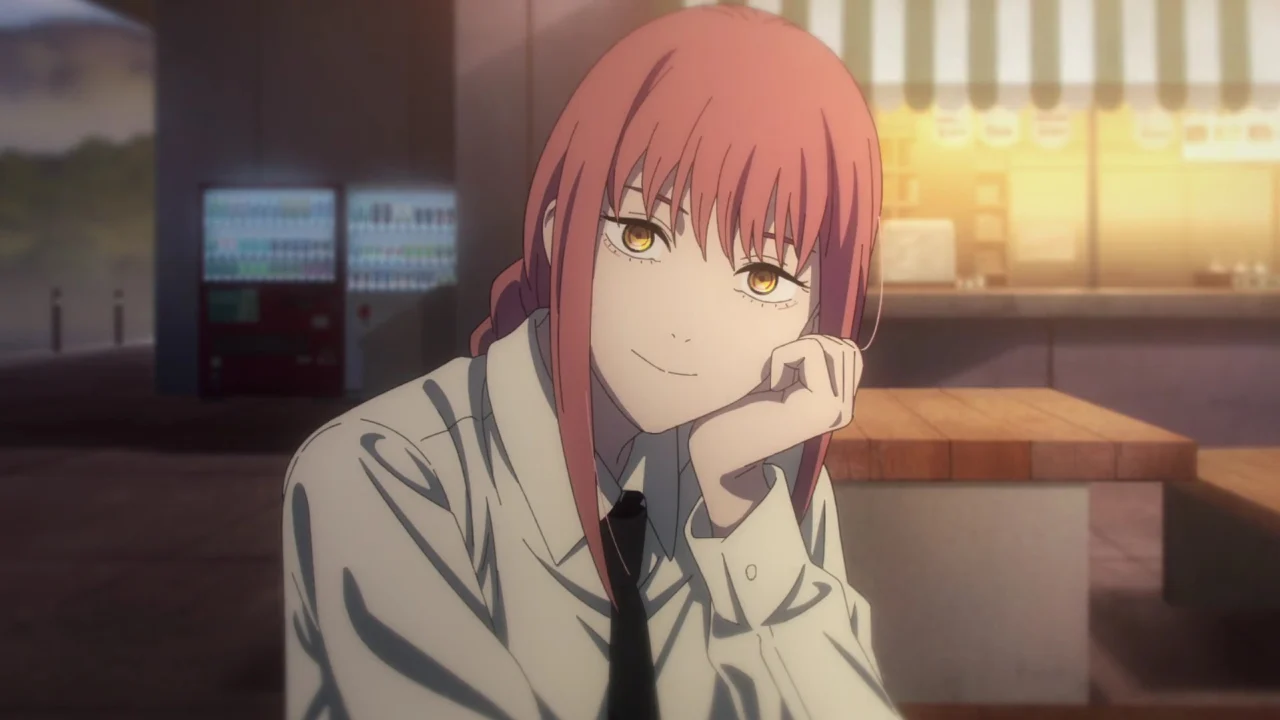
As a critic, I have to say Makima from ‘Chainsaw Man’ is one of the most fascinating – and disturbing – characters I’ve seen in a while. She’s the puppet master, constantly manipulating the protagonist, and their relationship really sparked a huge debate – and rightfully so. It felt uncomfortable, raising serious questions about grooming and power imbalances, especially in a professional setting. The fanbase was completely divided; some were captivated by her forceful personality, while others rightfully called out her predatory behavior. What really struck me was how this discussion highlighted the different ways we view female versus male abusers in fiction. Even now, articles are still being written about her, digging into themes of control, free will, and how manipulation is portrayed in storytelling today. She’s a character you won’t easily forget, and one that demands you really think about what you’re watching.
Tell us which anime villain you think caused the biggest controversy in the comments.
Read More
- Games That Faced Bans in Countries Over Political Themes
- Gold Rate Forecast
- Silver Rate Forecast
- 15 Films That Were Shot Entirely on Phones
- Unveiling the Schwab U.S. Dividend Equity ETF: A Portent of Financial Growth
- 22 Films Where the White Protagonist Is Canonically the Sidekick to a Black Lead
- 20 Movies Where the Black Villain Was Secretly the Most Popular Character
- The Best Directors of 2025
- Brent Oil Forecast
- Superman Flops Financially: $350M Budget, Still No Profit (Scoop Confirmed)
2025-12-08 14:16