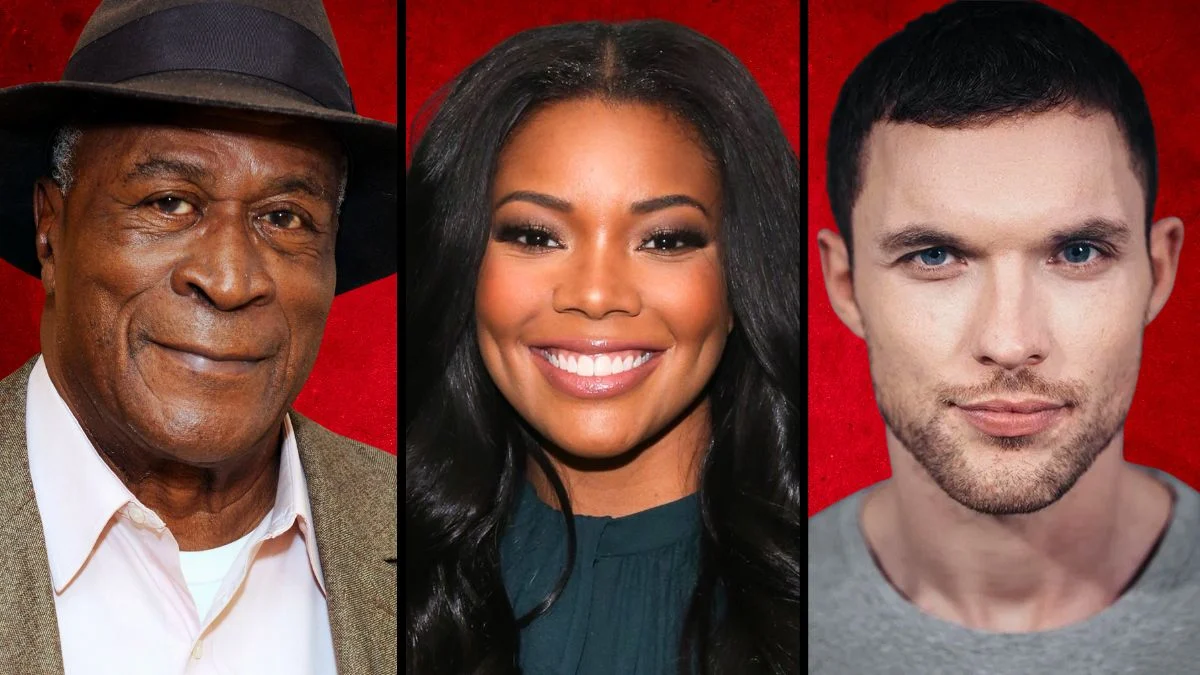
For years, Hollywood has struggled with who gets represented in movies and television, and what kinds of stories are told. Some actors quietly accept roles even when the content is offensive, while others have refused to participate in projects with prejudiced or hateful themes. These decisions show the difficult balance between artistic freedom and the need to avoid reinforcing harmful stereotypes. The actors below chose to stand by their values rather than accept a role in racist or homophobic material.
Dave Chappelle
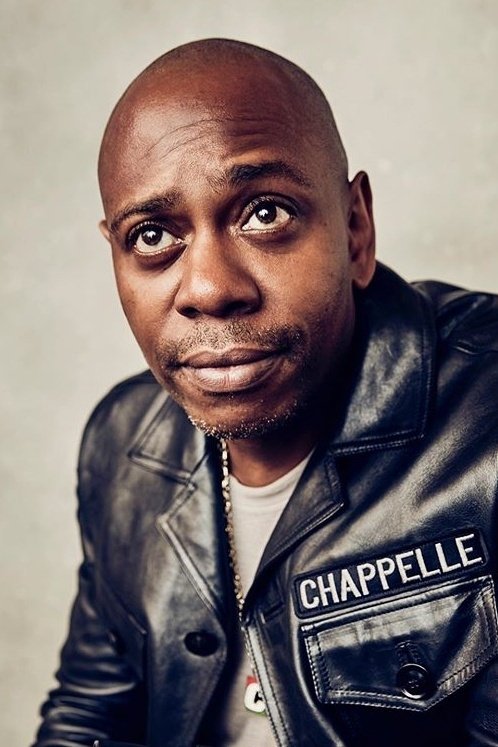
The popular comedian famously turned down a $50 million deal and walked away from his successful show, ‘Chappelle’s Show,’ while filming its third season. He was bothered by a sketch about pixies, feeling it unintentionally promoted harmful racial stereotypes instead of challenging them. Seeing a crew member laugh in a way he felt was mean-spirited was a turning point. This made him rethink the impact of his comedy and led to his decision to leave and go to South Africa. His departure is still considered a powerful statement about responsibility in television.
John Amos
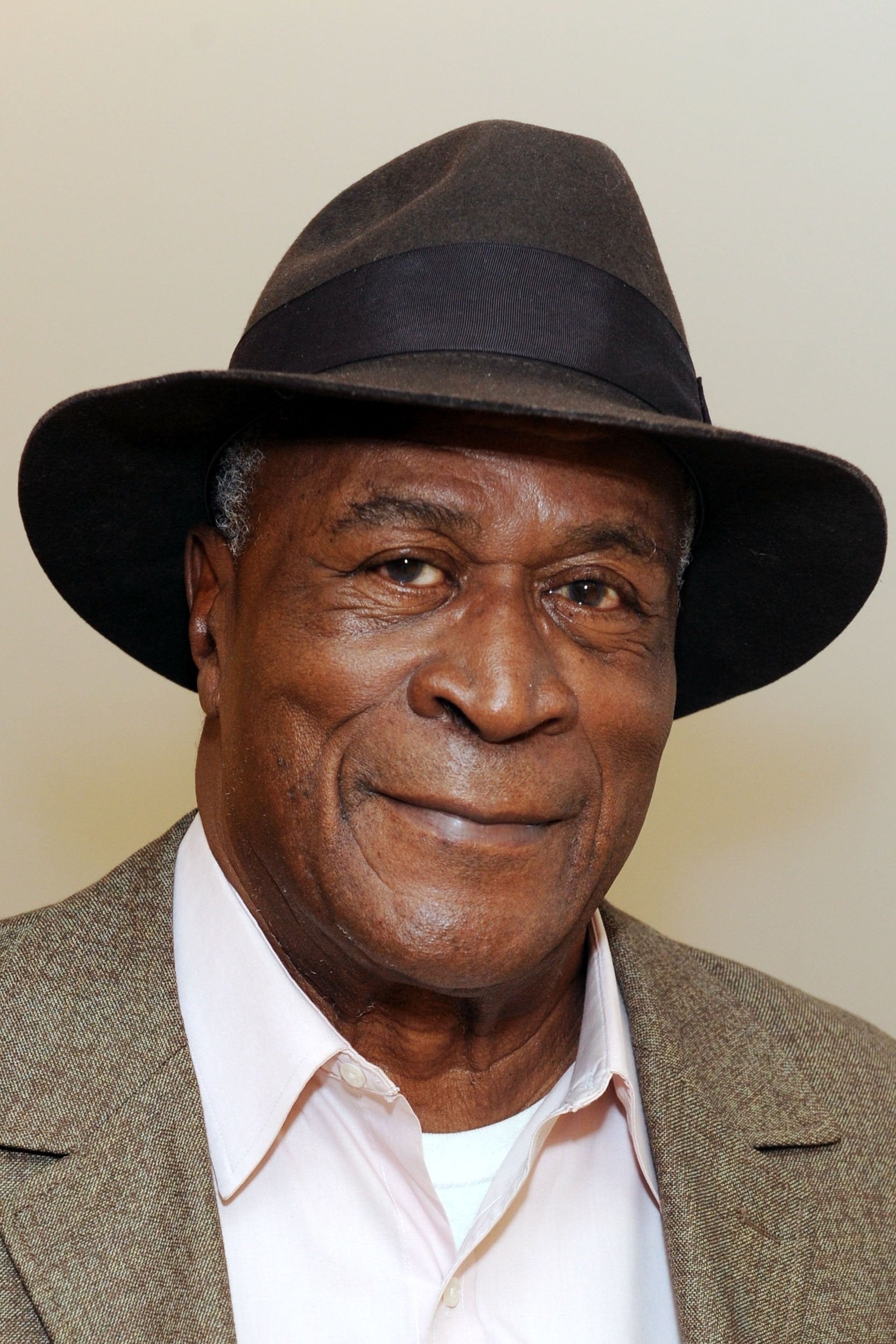
John Amos played the father, James Evans Sr., on the TV show ‘Good Times,’ but he became unhappy with how the show was developing. He believed the writers were too focused on the silly behavior of his character’s son, J.J., and that this hurt the family’s image. Amos often argued with the show’s creators about scripts he felt relied on harmful and stereotypical portrayals of Black life. These disagreements became so serious that he was eventually fired. Amos has always said he was trying to protect his on-screen children from damaging stereotypes.
Esther Rolle
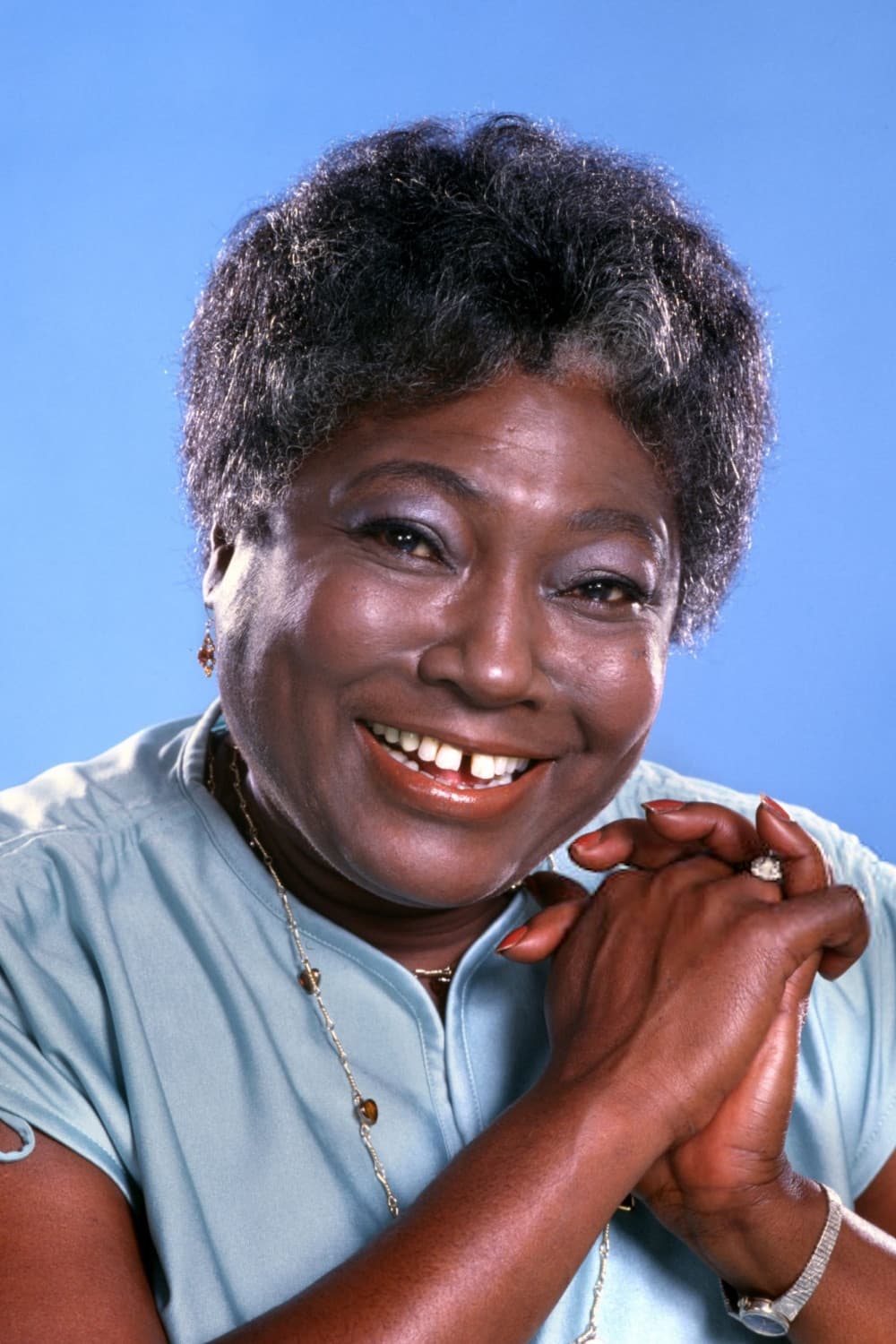
As a viewer, I’ve always admired Esther Rolle, not just for her performance on ‘Good Times,’ but for her unwavering commitment to authentic representation. Like her co-star John Amos, she really fought for the show to portray Black families with respect. She was especially concerned about the character of J.J. Evans, feeling the comedy often relied on harmful stereotypes. In fact, she actually walked away from the show for a whole season because she was so unhappy with the writing! She only came back when the producers promised to focus more on the father figure and move away from those broad, stereotypical jokes. It really showed how little say Black actors had in shaping their characters back then, which is a sad but important part of television history.
Angela Kinsey
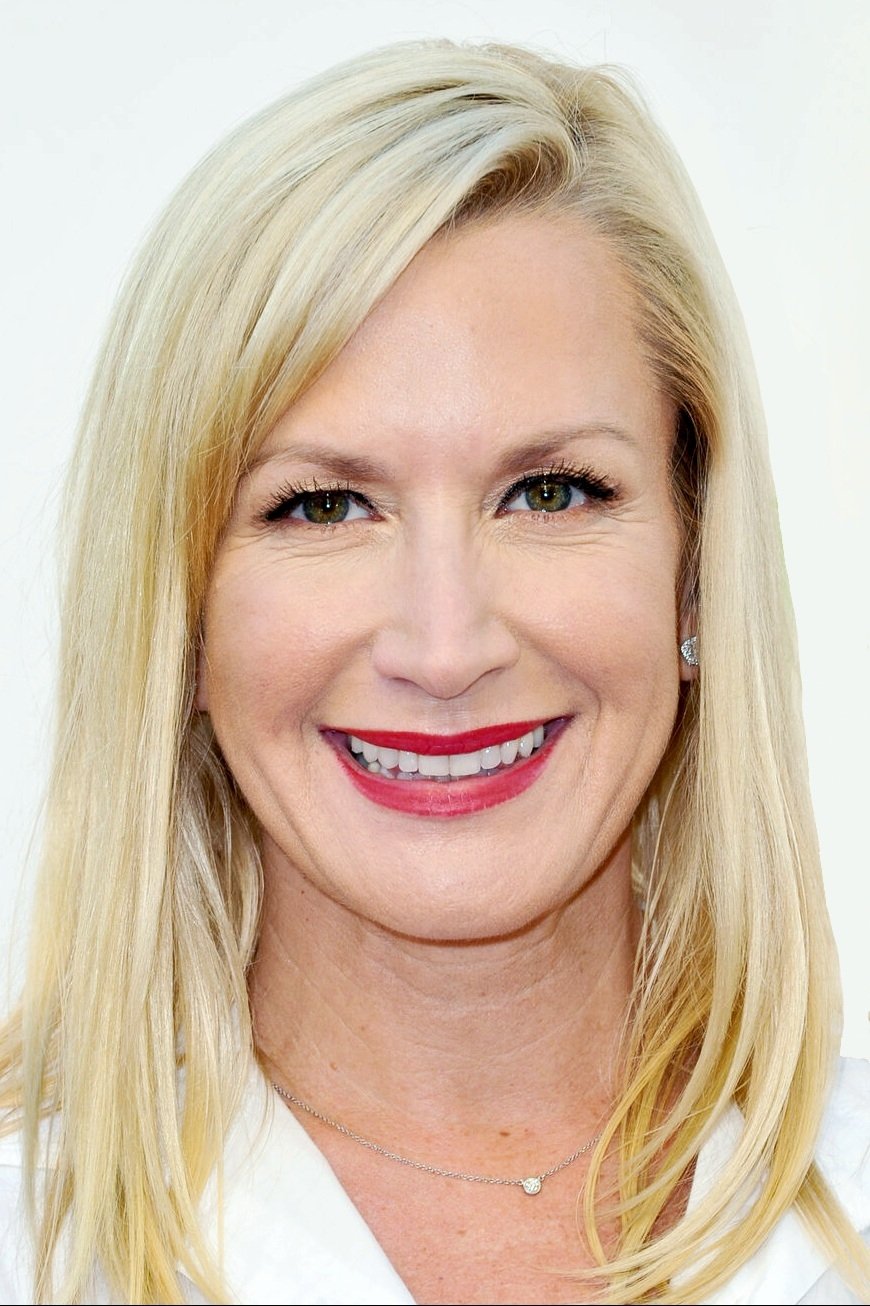
During the filming of ‘The Office’, Angela Kinsey objected to a line of dialogue that she felt was offensive and prejudiced against the character Oscar. The original script had her character making a harsh and intolerant comment based on religious beliefs and negative stereotypes. Kinsey spoke with showrunner Greg Daniels, explaining she didn’t feel comfortable delivering the line because it didn’t align with her understanding of her character – she saw her as strict, but not malicious. The writers agreed and ultimately removed the joke from the scene.
Gabrielle Union
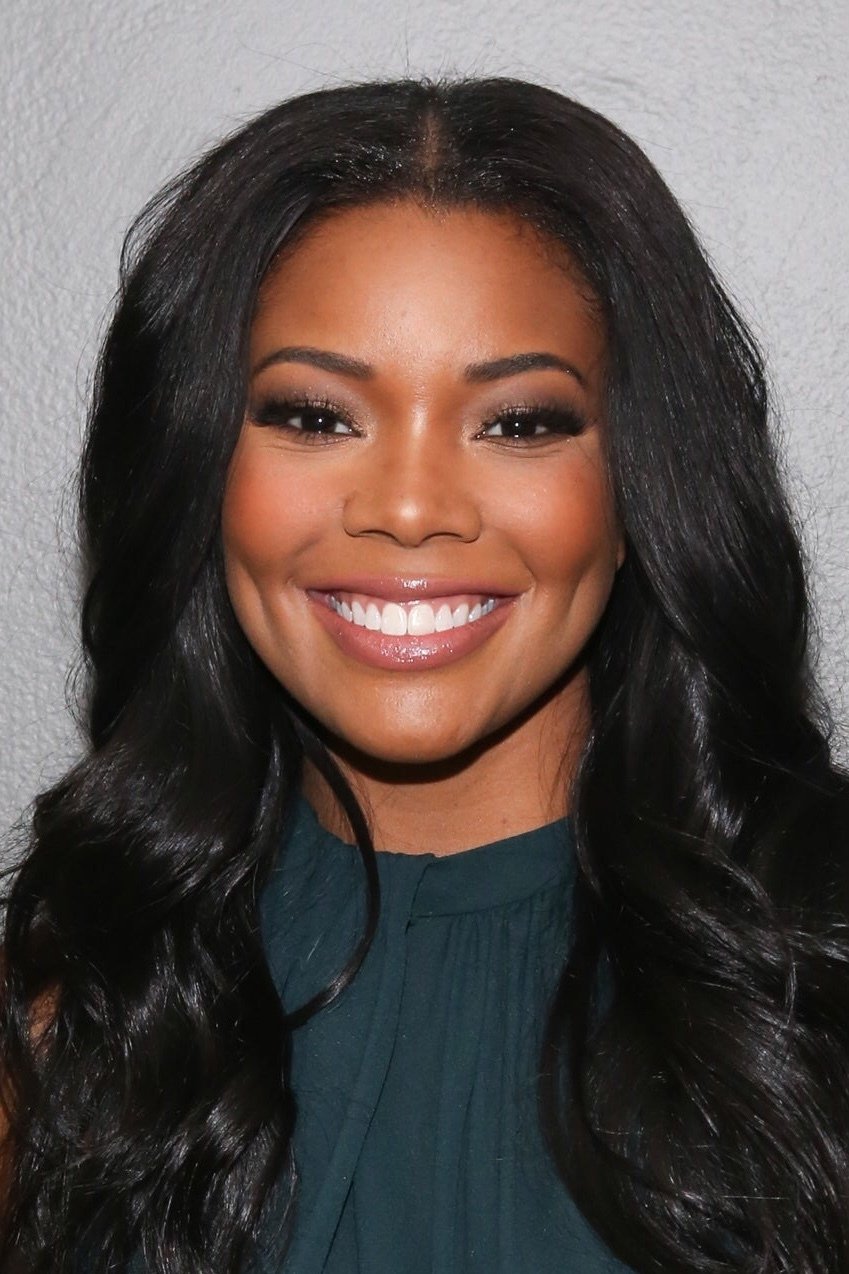
As a movie and TV fan, I was really disturbed to hear about what Gabrielle Union went through on ‘America’s Got Talent.’ Apparently, she was basically fired after she called out a really toxic environment on set. Specifically, she took issue with a racist joke Jay Leno made about Korean food and dogs – it was incredibly offensive and played into harmful stereotypes. She pushed the producers to report it to HR, but instead, they didn’t renew her contract. It’s awful, but her courage in speaking up has thankfully started a much-needed conversation about racism behind the scenes in reality TV.
Orlando Jones
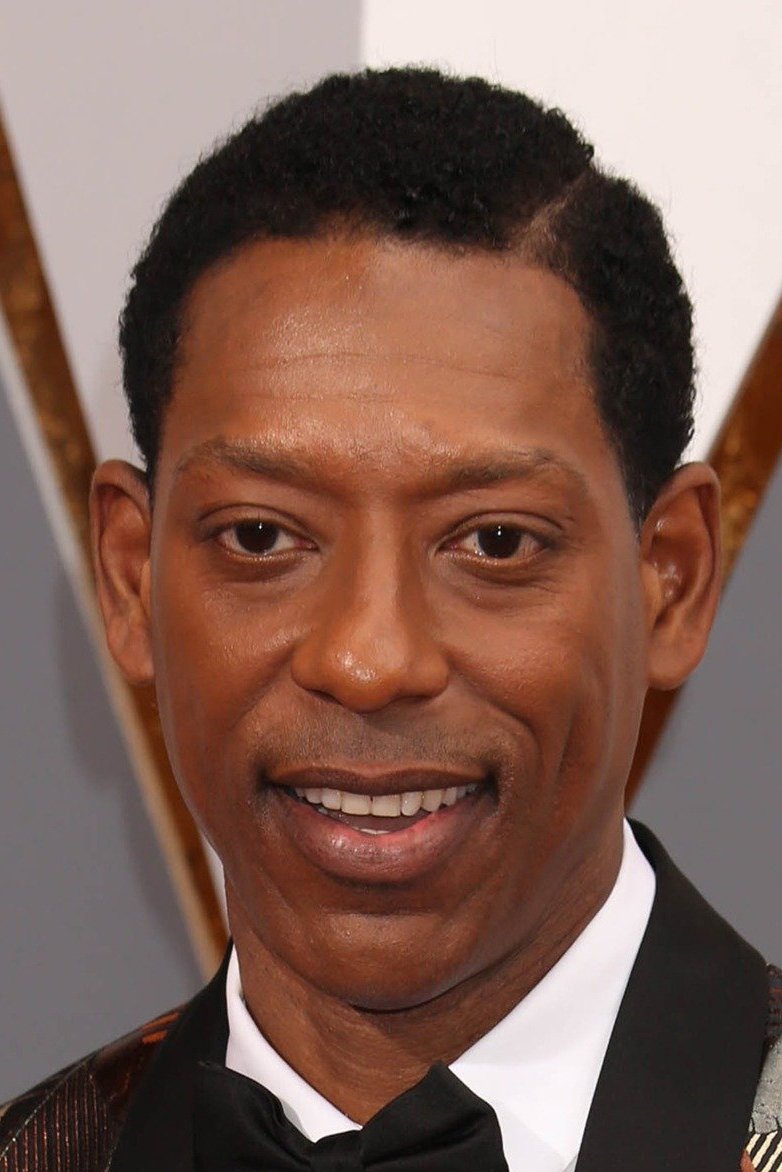
Actor Orlando Jones was let go from ‘American Gods’ after disagreeing with the new showrunner about how his character, Mr. Nancy, should be portrayed. Jones felt the new direction disregarded the character’s established history and the important racial themes explored in the first season. He explained the showrunner believed Mr. Nancy’s strong and assertive personality sent the wrong message to Black audiences. Jones believed the changes diminished the character’s cultural importance, replacing it with predictable stereotypes. His firing brought attention to the common creative conflicts that occur behind the scenes when it comes to representing Black characters on television.
Ed Skrein

Ed Skrein was originally chosen to play Major Ben Daimio in a new ‘Hellboy’ movie, but he quickly decided to leave the role. He realized the character was originally written as being of Asian descent and didn’t want to contribute to the problem of whitewashing – where white actors play characters who should be people of color. Skrein stepped down so the part could be recast with a more appropriate actor. Daniel Dae Kim was later cast in the role, a decision that was applauded by those who advocate for diversity in film.
Hank Azaria
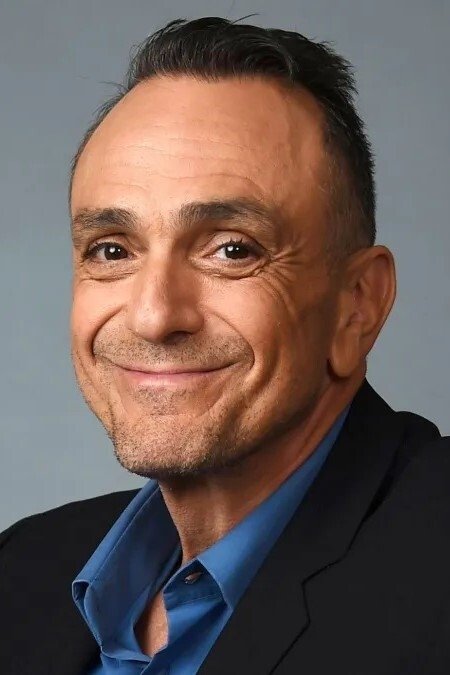
As a longtime Simpsons fan, I remember Hank Azaria’s Apu Nahasapeemapetilon being a pretty standard part of the show for years. But then a documentary came out that really opened my eyes – it showed how the character had actually been used to pick on kids of South Asian descent, and it made me rethink things. Hank Azaria himself started questioning whether continuing to voice Apu was the right thing to do, and eventually, he decided to step down because he didn’t want to contribute to harmful stereotypes anymore. He admitted he hadn’t fully understood the impact of his performance on issues of race and representation. It’s great that the show has since made the move to recast Apu and other characters with actors who actually share those backgrounds – it feels like a really important step forward.
Mike Henry
For two decades, Mike Henry provided the voice for Cleveland Brown on ‘Family Guy.’ In 2020, during widespread protests for racial justice, he decided to step down from the role, believing that actors of color should voice characters of color. Henry felt it was no longer appropriate for a white actor to play a black character and chose to leave the part to allow for more authentic casting. The role was then given to actor Arif Zahir.
Jenny Slate
As a critic, I remember being surprised when Jenny Slate stepped down from voicing Missy on ‘Big Mouth.’ She played the biracial character for a few seasons, but ultimately realized her initial reasons for taking the part weren’t right – she felt they were rooted in a problematic and, frankly, racist justification. She’d initially focused on Missy’s Jewish heritage, but came to understand that was unintentionally minimizing the character’s Black identity. It was a really thoughtful decision on her part to step away and allow a Black actress to bring genuine, lived experience to the role. Ayo Edebiri thankfully stepped in and has done amazing work since.
Kristen Bell
Kristen Bell originally voiced the character Molly in the animated series ‘Central Park,’ but after one season, she decided to leave the show. She explained that she realized her casting as a mixed-race character took away from the importance of authentic representation. Bell felt it was a mistake and contributed to a pattern of overlooking people of color. She and the show’s creators agreed the role should be given to a Black or mixed-race actress, and Emmy Raver-Lampman took over the part.
Alison Brie
Alison Brie, who voiced the character Diane Nguyen on the popular show ‘BoJack Horseman,’ has said she regrets taking the role. She believes a Vietnamese-American actress should have been cast instead, as she missed a chance to support greater representation. Brie publicly apologized after the show ended, acknowledging that playing a character of a different race was a mistake. Her statement joined a growing number of voice actors speaking out about racial bias in animation casting.
Sacha Baron Cohen
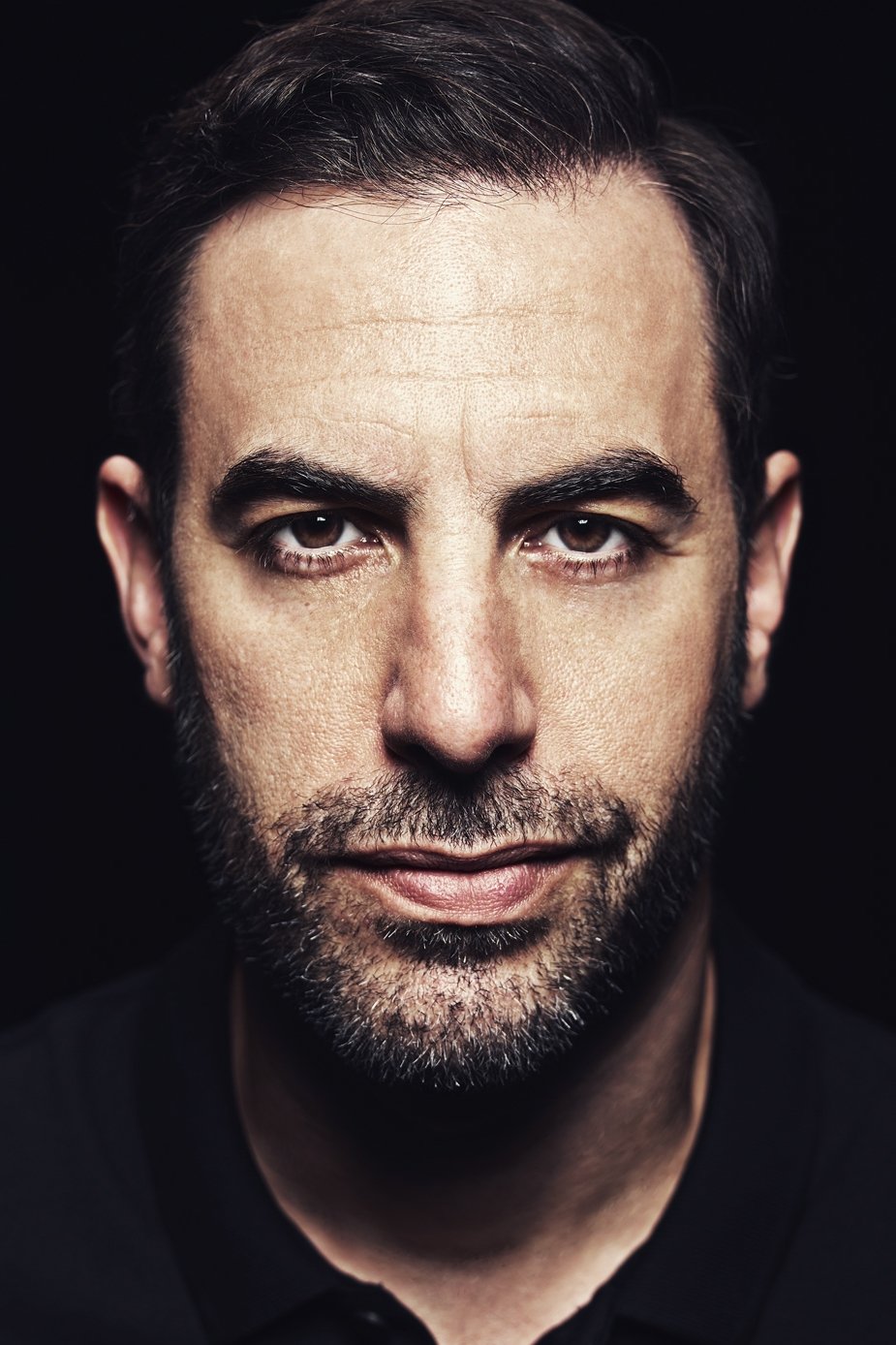
Sacha Baron Cohen was initially going to play Freddie Mercury in the movie ‘Bohemian Rhapsody,’ but he ended up leaving the project because he and the filmmakers disagreed about its direction. Cohen wanted to portray Mercury’s life honestly, including difficult aspects like his sexuality and lively personal life. However, the remaining members of Queen preferred a more polished and protective portrayal of themselves and the band. Cohen believed the script glossed over important truths about Mercury’s relationships and his battle with AIDS, and he didn’t want to be part of a film he felt wasn’t truthful to the singer’s life.
Ray Fisher
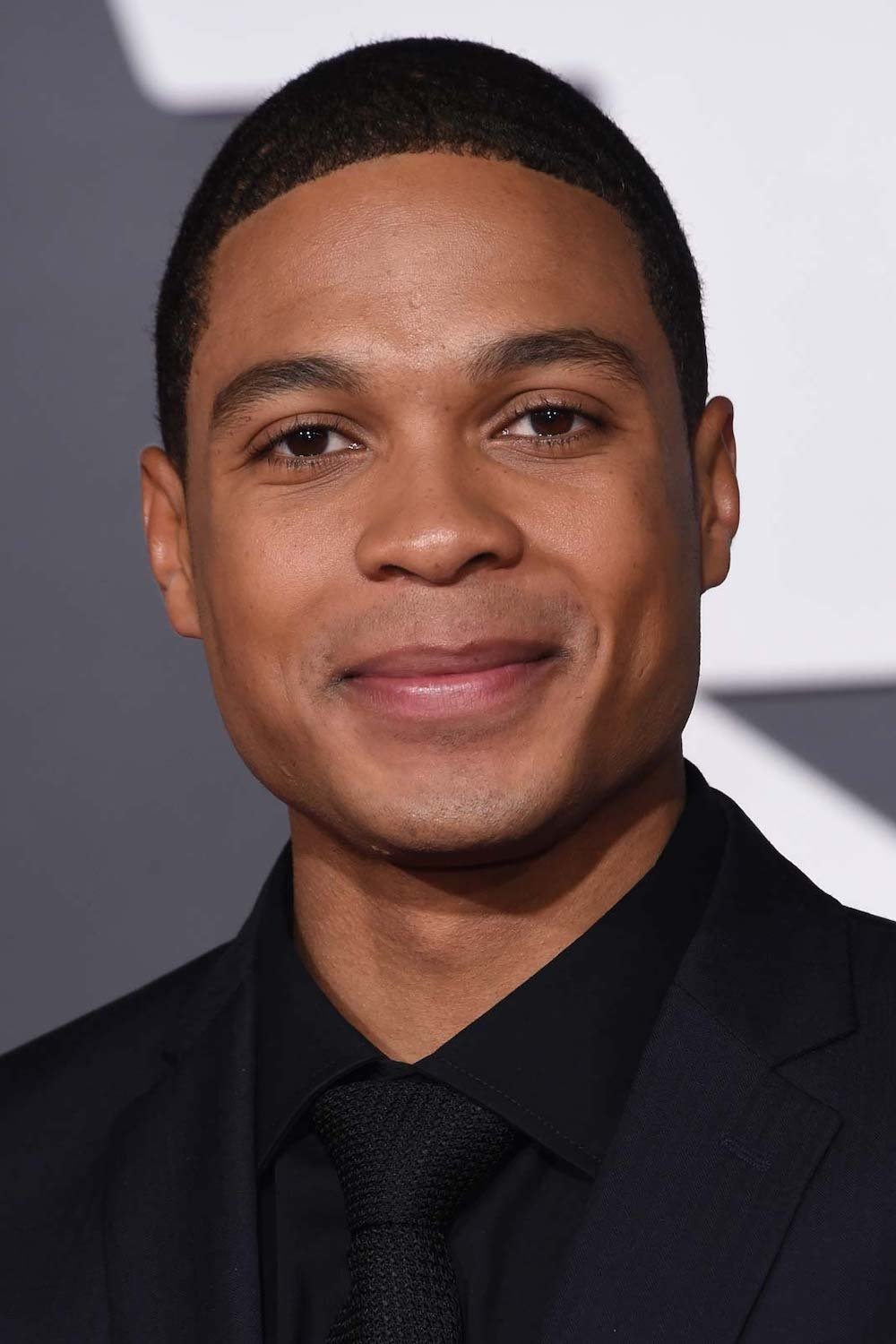
Ray Fisher, who played Cyborg in ‘Justice League,’ publicly accused director Joss Whedon and studio leaders of harmful and unprofessional conduct. Fisher alleged they had racist conversations and tried to reduce the importance of actors of color. He felt that parts of his character’s story were unfairly cut, potentially due to racial bias. Because of these accusations, Fisher chose not to appear in future DC movies with those executives. While this decision stalled his career in the franchise, it also led to a major internal investigation.
Daniel Dae Kim
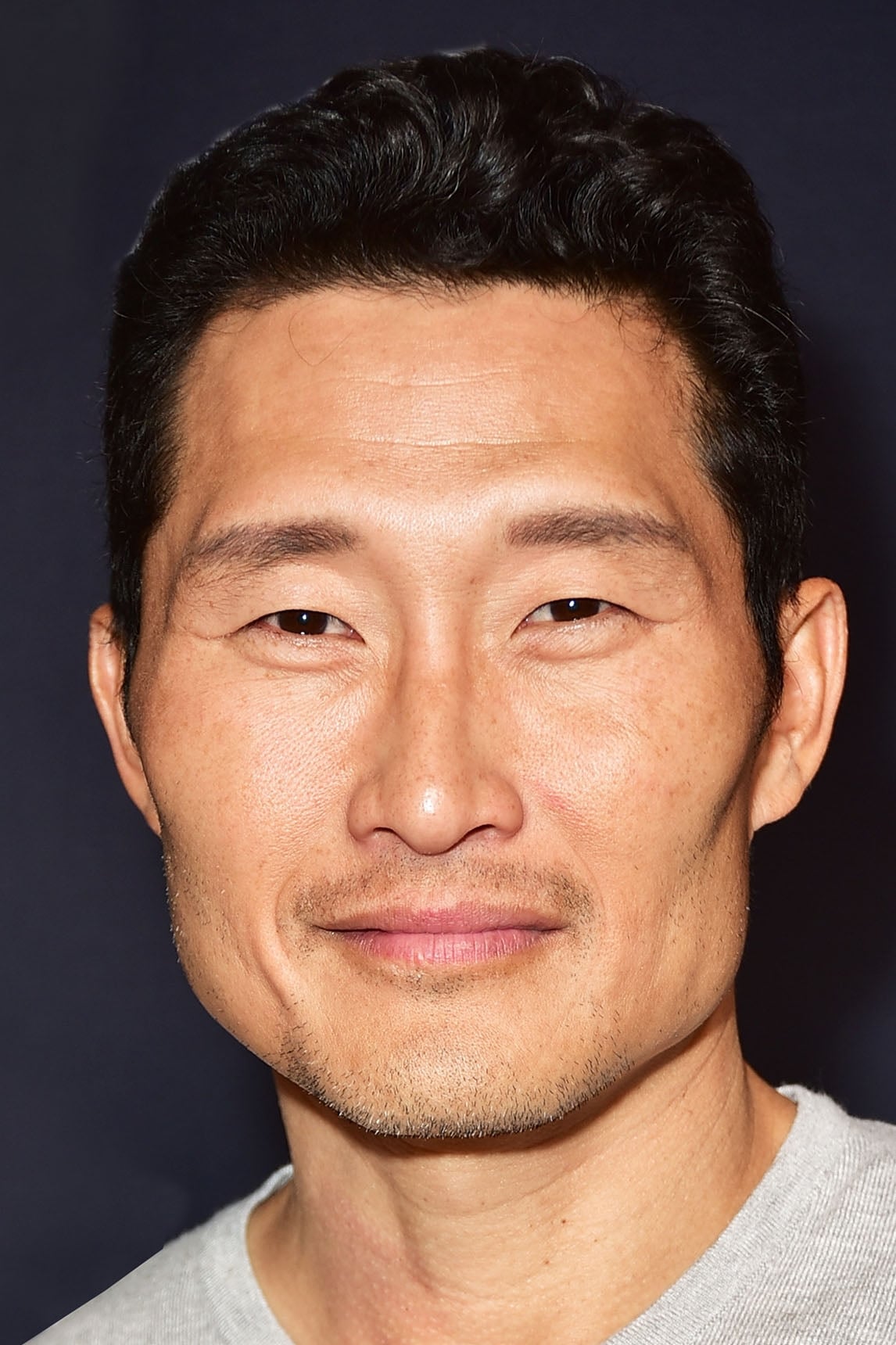
As a long-time fan of ‘Hawaii Five-0,’ I was really disappointed when Daniel Dae Kim left. It wasn’t about wanting to be a star, though – it was a matter of fairness. He and Grace Park discovered they weren’t being paid the same as their co-stars, Alex O’Loughlin and Scott Caan, despite being just as crucial to the show’s success. The network wouldn’t budge, and Daniel ultimately chose to leave rather than accept a lower salary simply because of his race. It really shone a light on how Asian actors are often undervalued in Hollywood, and it was a brave decision that deserved more recognition.
Grace Park
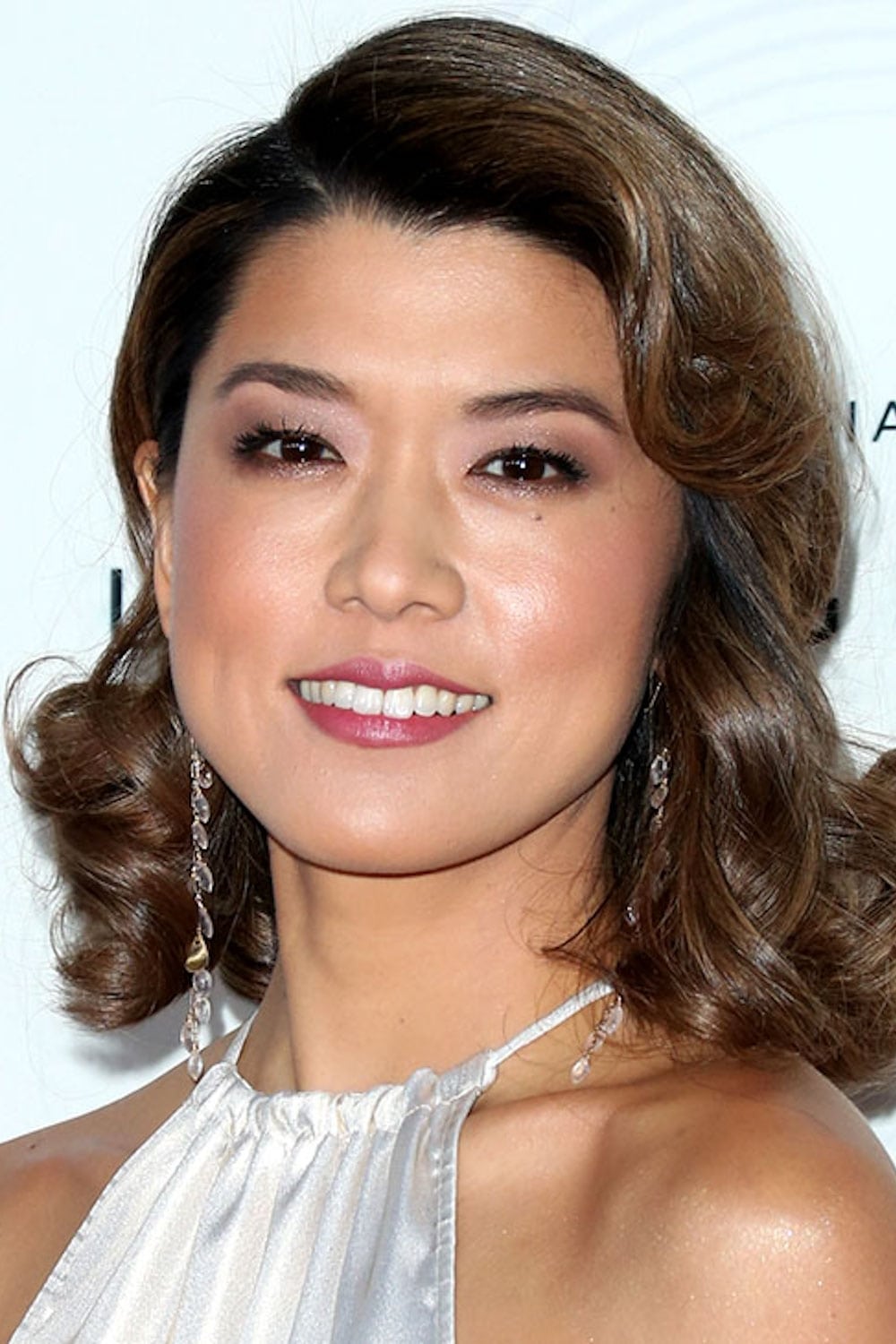
Grace Park and Daniel Dae Kim both left ‘Hawaii Five-0’ at the same time due to a pay dispute. Park insisted on receiving equal pay to her male co-stars, but the network refused. She chose to leave the show rather than accept unequal compensation, later stating she felt it was the right decision for her principles and she had no regrets. Her departure highlighted how racial bias can subtly influence contract negotiations in the entertainment industry.
Zendaya

Zendaya was initially chosen to portray Aaliyah in a Lifetime movie, but she decided to withdraw from the project. While some criticized her casting, Zendaya explained she left because the production lacked the quality and respect Aaliyah deserved. She believed the film was being made too quickly and didn’t properly acknowledge Aaliyah’s importance. Importantly, Zendaya didn’t want to support a film without the approval or involvement of Aaliyah’s family, and she didn’t want to be part of something that felt like it was taking advantage of Aaliyah’s legacy.
Scarlett Johansson

When Scarlett Johansson was chosen to play a transgender man in the movie ‘Rub & Tug,’ it caused strong criticism from the LGBTQ+ community. Many argued that the role should have gone to a transgender actor and that a cisgender woman playing the part took opportunities away from trans performers. Johansson initially stood by the decision, but after hearing the concerns, she decided to leave the film. She later apologized for her initial response, saying she’d gained a better understanding of the importance of proper representation. Following her withdrawal, the movie was cancelled.
Halle Berry
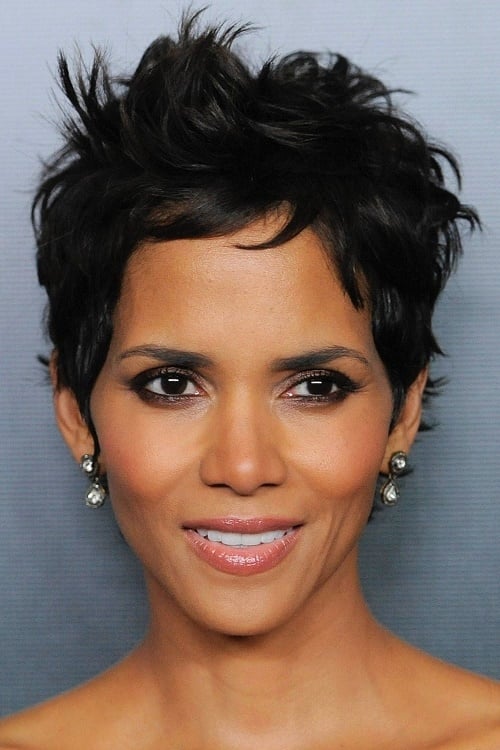
Halle Berry initially accepted a film role playing a transgender man, but stepped down after receiving criticism. She mistakenly referred to the character as a woman during an interview, which sparked online backlash. Berry responded by apologizing and recognizing that the role should be played by a transgender actor who could authentically portray the experience. She committed to supporting more inclusive casting practices and using her voice to advocate for transgender representation in Hollywood.
T. R. Knight
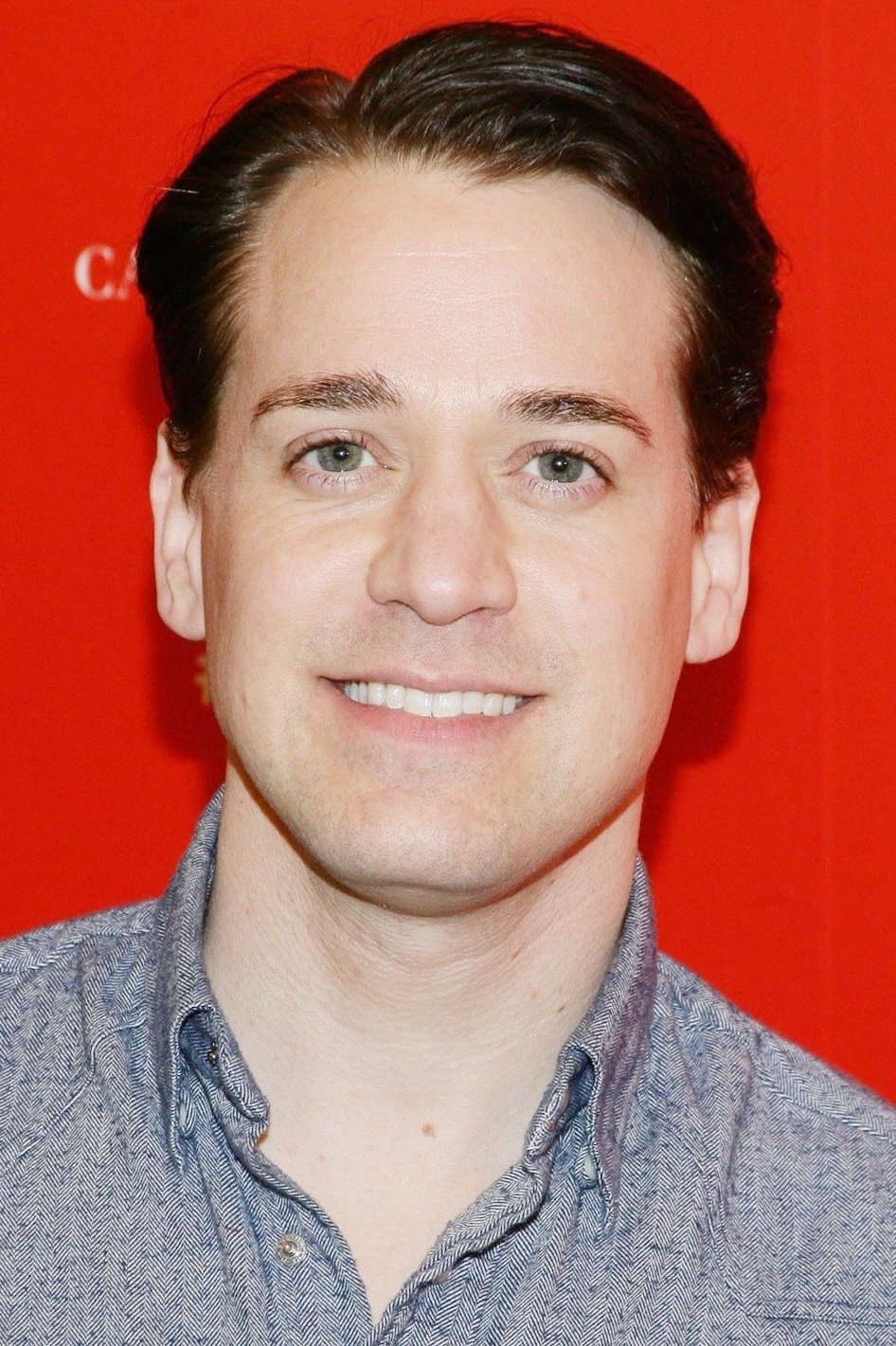
T.R. Knight left ‘Grey’s Anatomy’ after a public dispute involving a homophobic remark made by his co-star, Isaiah Washington. Knight felt the show’s creators and producers hadn’t supported him enough following the incident. He also said communication had broken down and he no longer trusted how his character’s story was being developed. Because of this toxic environment, Knight asked to be let out of his contract three years early. Ultimately, his departure stemmed from the way homophobia was handled on set.
Share your thoughts on these actors’ decisions in the comments.
Read More
- Games That Faced Bans in Countries Over Political Themes
- Gold Rate Forecast
- Unveiling the Schwab U.S. Dividend Equity ETF: A Portent of Financial Growth
- Silver Rate Forecast
- Superman Flops Financially: $350M Budget, Still No Profit (Scoop Confirmed)
- 22 Films Where the White Protagonist Is Canonically the Sidekick to a Black Lead
- 20 Movies Where the Black Villain Was Secretly the Most Popular Character
- 14 Movies Where the Black Character Refuses to Save the White Protagonist
- The Best Directors of 2025
- The Best Former NFL Players Turned Actors, Ranked
2025-12-08 01:50