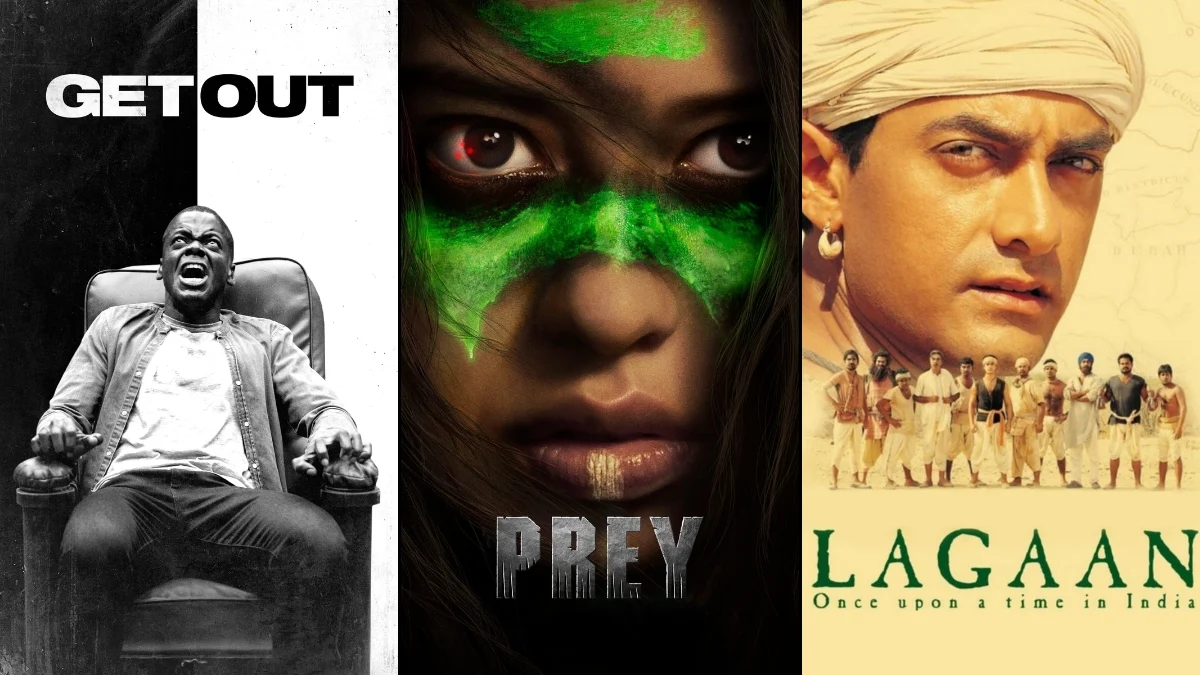
Often, a film is strongest when it lets the people directly impacted by a problem be the heroes, rather than relying on an outsider to save the day. The films listed below intentionally avoid or challenge the common trope of the “white savior” – they either empower local communities to take charge, demonstrate that outside help isn’t needed, or show the limitations and complexities of those who try to intervene. These movies make clear choices in their stories, characters, and endings to ensure that power remains with the people who deserve it. If you’re seeking films that actively move away from the “white savior” narrative, this is a great place to start.
‘Hotel Rwanda’ (2004)
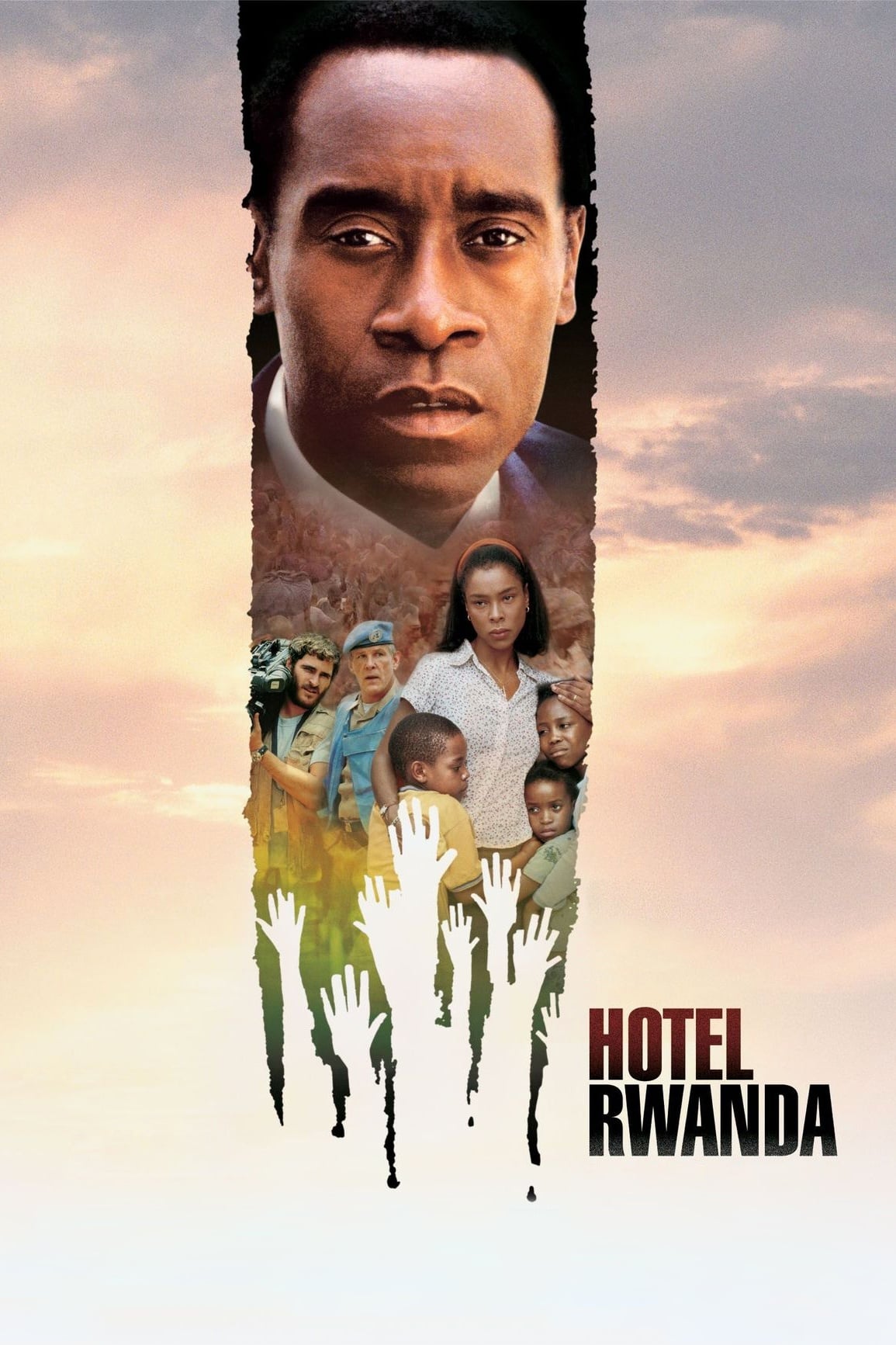
I was deeply moved by this film, set against the horrific backdrop of the 1994 genocide in Rwanda. It tells the incredible true story of Paul Rusesabagina, a hotel manager who risked everything to protect over 1,200 people within his hotel, the Hôtel des Mille Collines. It’s heartbreaking to see how the international community, including the UN, was largely unable to help Rwandans as they evacuated foreigners and left the country. While journalists documented the tragedy, real rescue had to come from within. The film really highlights how Paul’s relationships, his ability to negotiate, and the bravery of his Rwandan staff and their families were the only things that offered a chance of survival.
‘Rabbit-Proof Fence’ (2002)
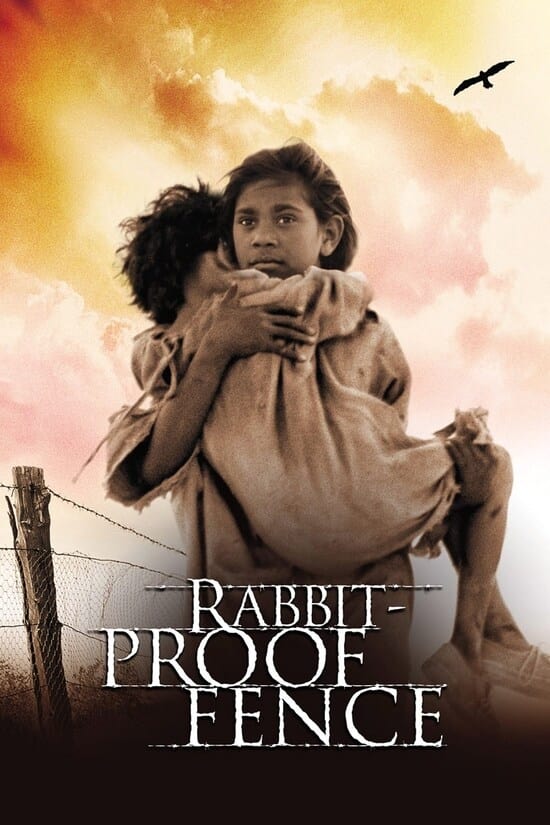
Molly, Daisy, and Gracie, three young Aboriginal girls, bravely walked over 1,500 miles across Australia, following a fence built to keep rabbits out. They escaped from a government settlement because officials, led by A.O. Neville, were taking children of mixed heritage away from their families. An Aboriginal man was forced to track them, but the girls’ deep knowledge of the land and their determination allowed them to succeed. They made it home on their own, without any help from outsiders.
‘Selma’ (2014)
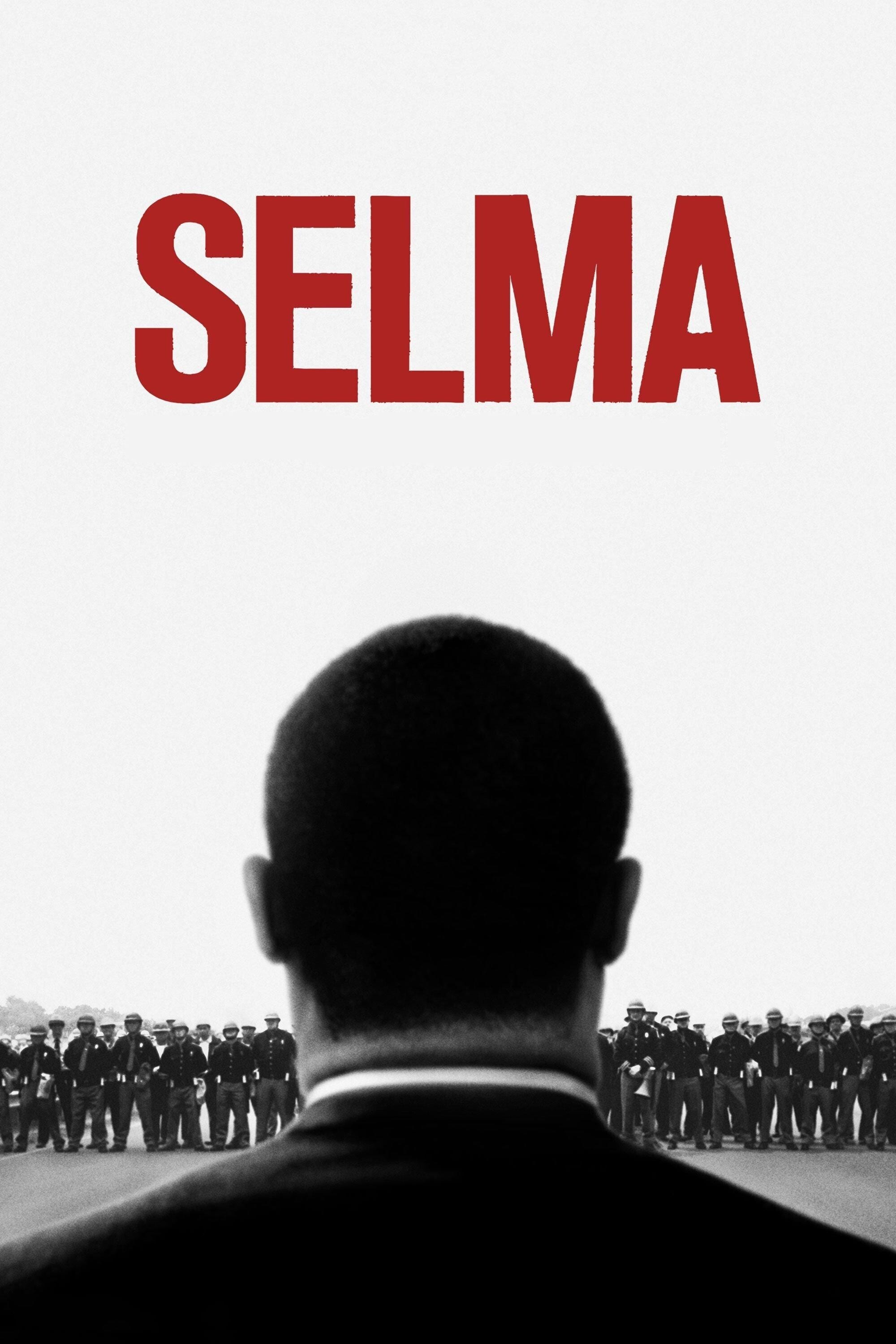
I was so moved by this film, which beautifully focuses on the incredible work of Black organizers during the Selma to Montgomery voting rights marches in 1965. It really highlights their planning, strategy, and the tireless effort they put in. While figures like the clergy and white allies are present, the film smartly keeps the focus on the people driving the change – Martin Luther King Jr., the SCLC, and especially the local activists. It portrays President Johnson’s involvement as a response to the events unfolding, rather than him being the one initiating them. Ultimately, the film shows how the marches, built on the leadership and pressure from the Black community, led to real legislative change. It’s a powerful story told from the right perspective.
‘Prey’ (2022)

The film takes place in 1719 on the Great Plains and centers around Naru, a young Comanche woman who bravely hunts and ultimately defeats a Predator. While French fur traders arrive, they bring conflict and danger instead of help. Naru relies on her expertise in tracking, crafting tools, and strategic thinking to survive and win. Her triumph is recognized by her own people, not by those from outside her community.
‘Get Out’ (2017)
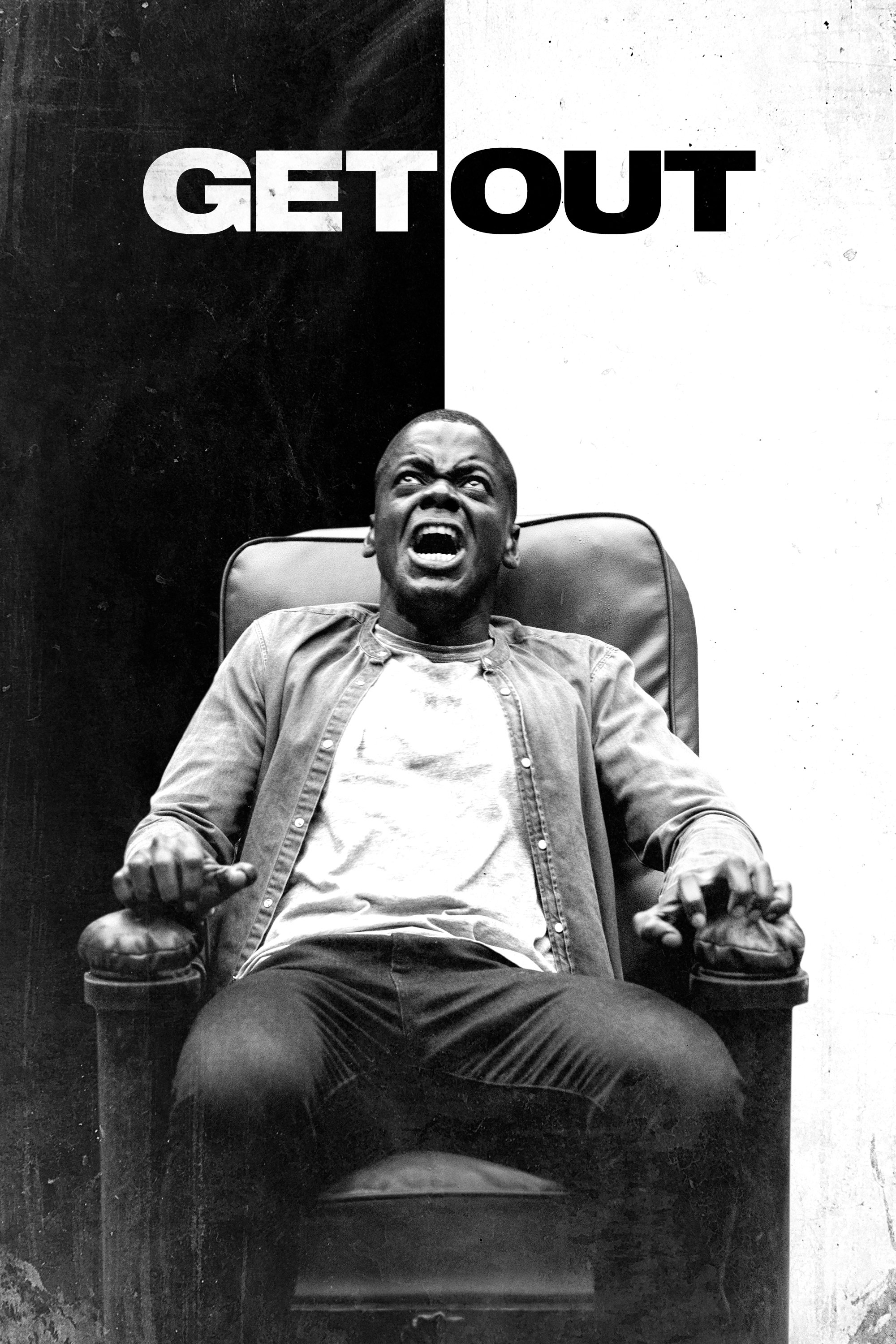
In the film, photographer Chris Washington discovers a terrifying secret about his white girlfriend’s family: they’re involved in a scheme to steal people’s bodies. He’s captured, but fights to escape with help from his friend Rod Williams, a TSA agent who bravely comes to his rescue. Unlike many thrillers, the police don’t save the day, and no white characters step in to fix things. Chris and Rod rely on their own courage and quick thinking to overcome the danger and ultimately escape.
‘Black Panther’ (2018)

The struggle for Wakanda’s future unfolds through the conflicts between T’Challa, his family, and Erik Killmonger, with the nation’s technology and customs influencing every important choice. While CIA agent Everett Ross offers some help, Wakandans – including its scientists, warriors, and elders – are the ones who investigate, determine the next leader, and ultimately fight the final battle. The movie’s ultimate decisions – to reach out to the world and change from within – are made by Wakanda itself.
‘Black Panther: Wakanda Forever’ (2022)

Following the death of King T’Challa, Shuri, Ramonda, Nakia, and Okoye face new dangers from the underwater kingdom of Talokan and the actions of powerful nations around the world. While characters from the CIA play a role, Valentina actively works against Wakanda, and Everett Ross is kept under arrest and watched closely. Important scientific discoveries, diplomatic efforts, and battle strategies come from the leaders of Wakanda and Talokan. Ultimately, a lasting peace is achieved through their negotiations, without any help from outside forces.
‘Queen of Katwe’ (2016)
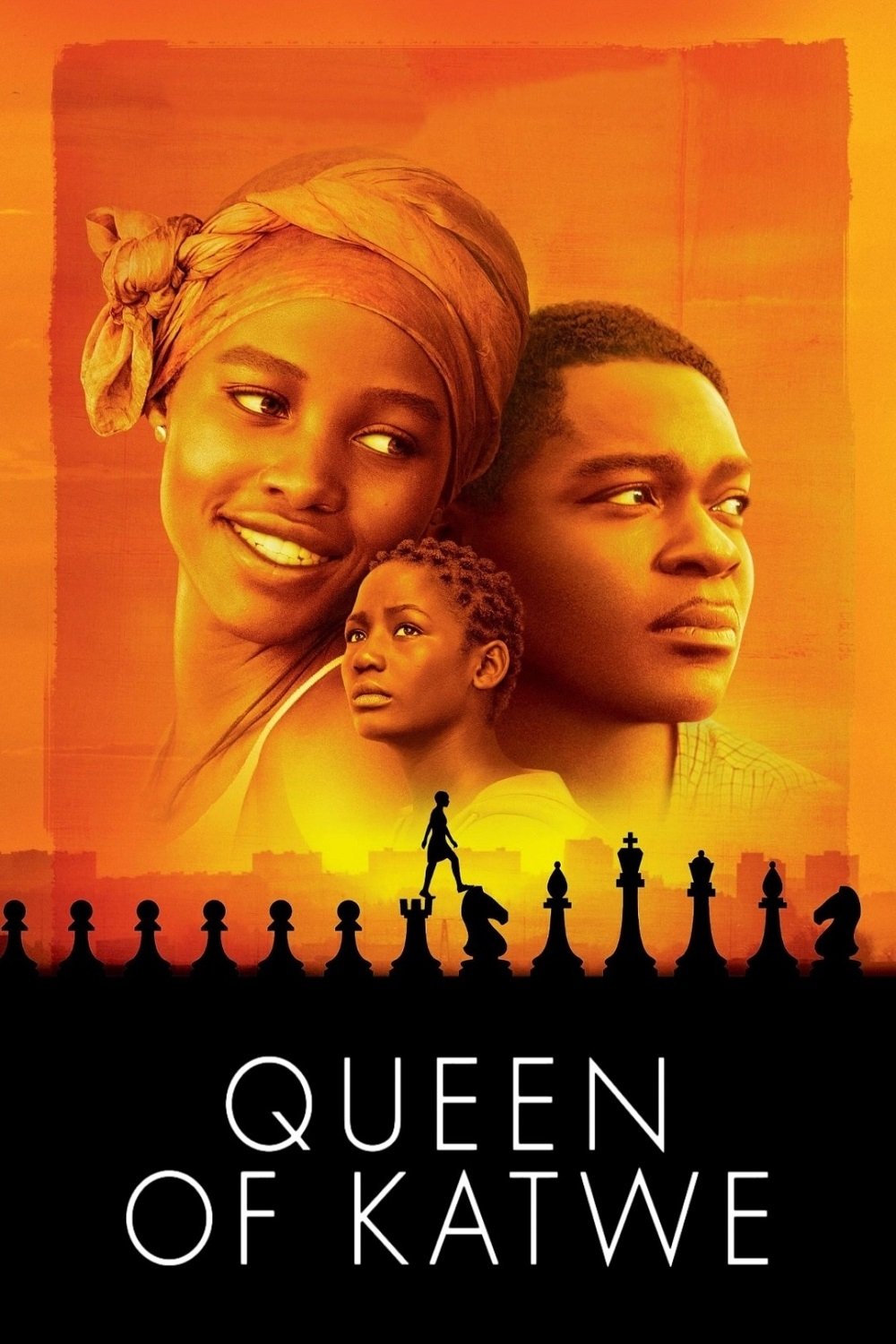
The movie tells the inspiring story of Phiona Mutesi, who went from growing up in the Katwe slums of Kampala to competing in chess tournaments around the world. Ugandan coaches and organizations, particularly Robert Katende and the Sports Outreach program, provided her with training, education, and family support. Local groups, chess federations, and her community worked together to arrange her training, competitions, and travel. The film highlights Phiona’s success as a testament to Ugandan achievement, independent of outside help.
‘Whale Rider’ (2002)
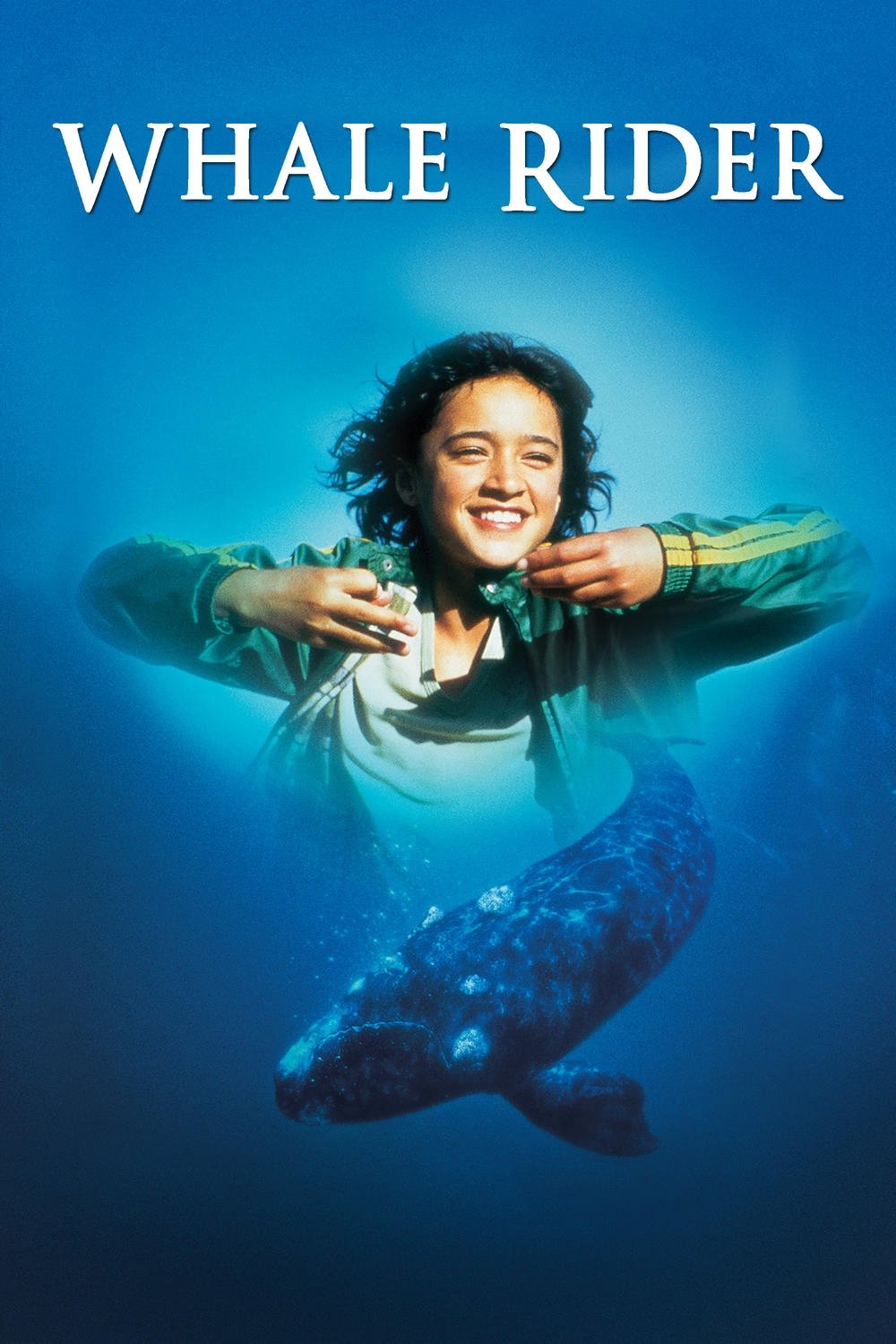
Pai, a young Maori girl, challenges tradition by striving to become a leader – a role usually held by boys in her coastal community. The story centers on her bond with her grandfather, her rigorous training, and the cultural trials she faces within her tribe. Key scenes, like practicing with the taiaha staff, responding to a whale stranding, and a traditional naming ceremony, are deeply rooted in Maori customs. Importantly, the community solves its own problems – Pai’s efforts and the acceptance of her people are what bring about a resolution, with no outside intervention.
‘Lagaan: Once Upon a Time in India’ (2001)
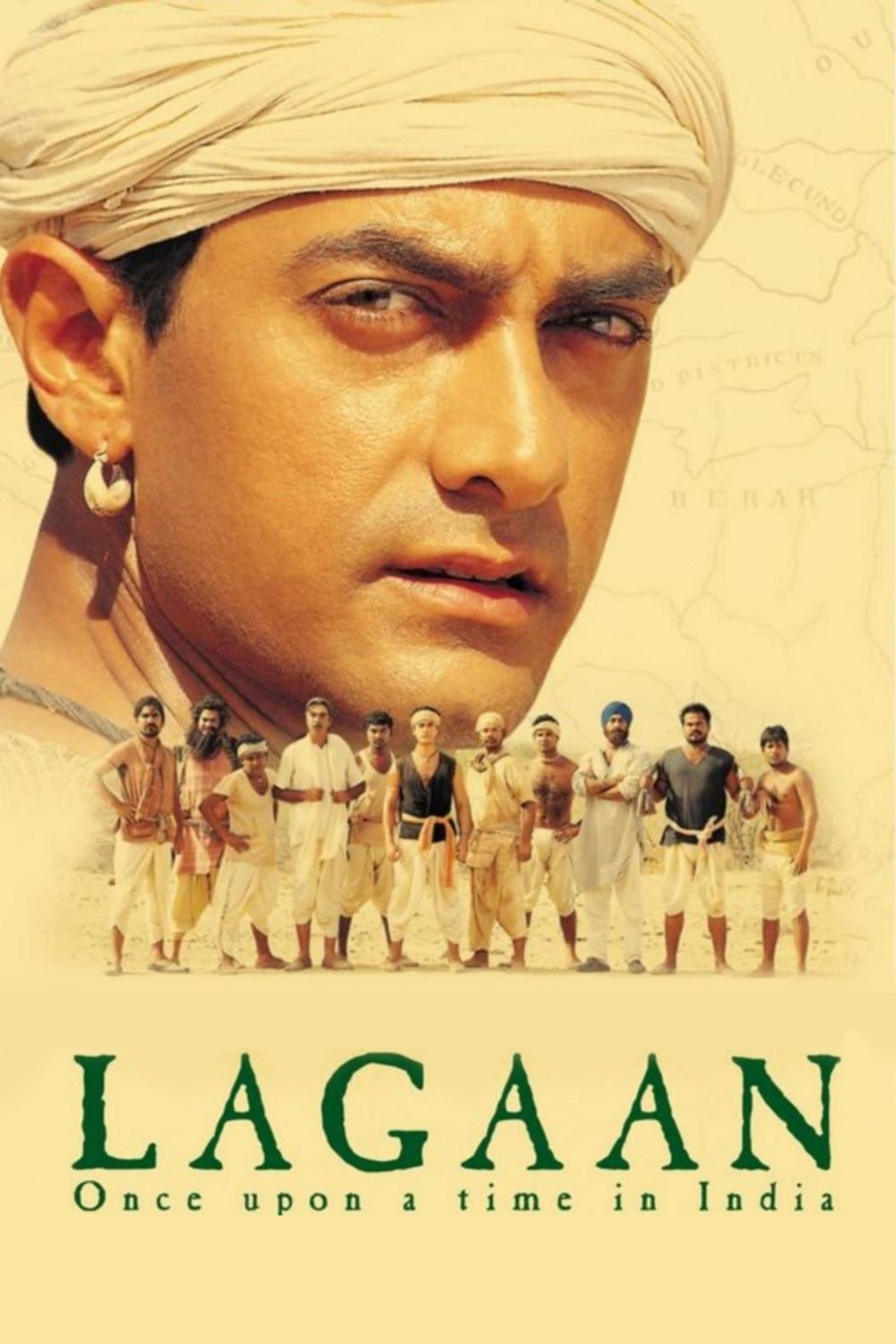
Indian villagers, burdened by unfair taxes imposed by their British rulers, decide to challenge them to a cricket match with everything on the line – cancellation of the tax. While a kind Englishwoman secretly helps them learn the game, the villagers themselves lead the team’s planning, player choices, and how they play. They ultimately win through their own skill, determination, and understanding of the game over three days of competition. The British officials and other European viewers are shown as rivals or spectators, not as people coming to save the day.
‘Mad Max: Fury Road’ (2015)
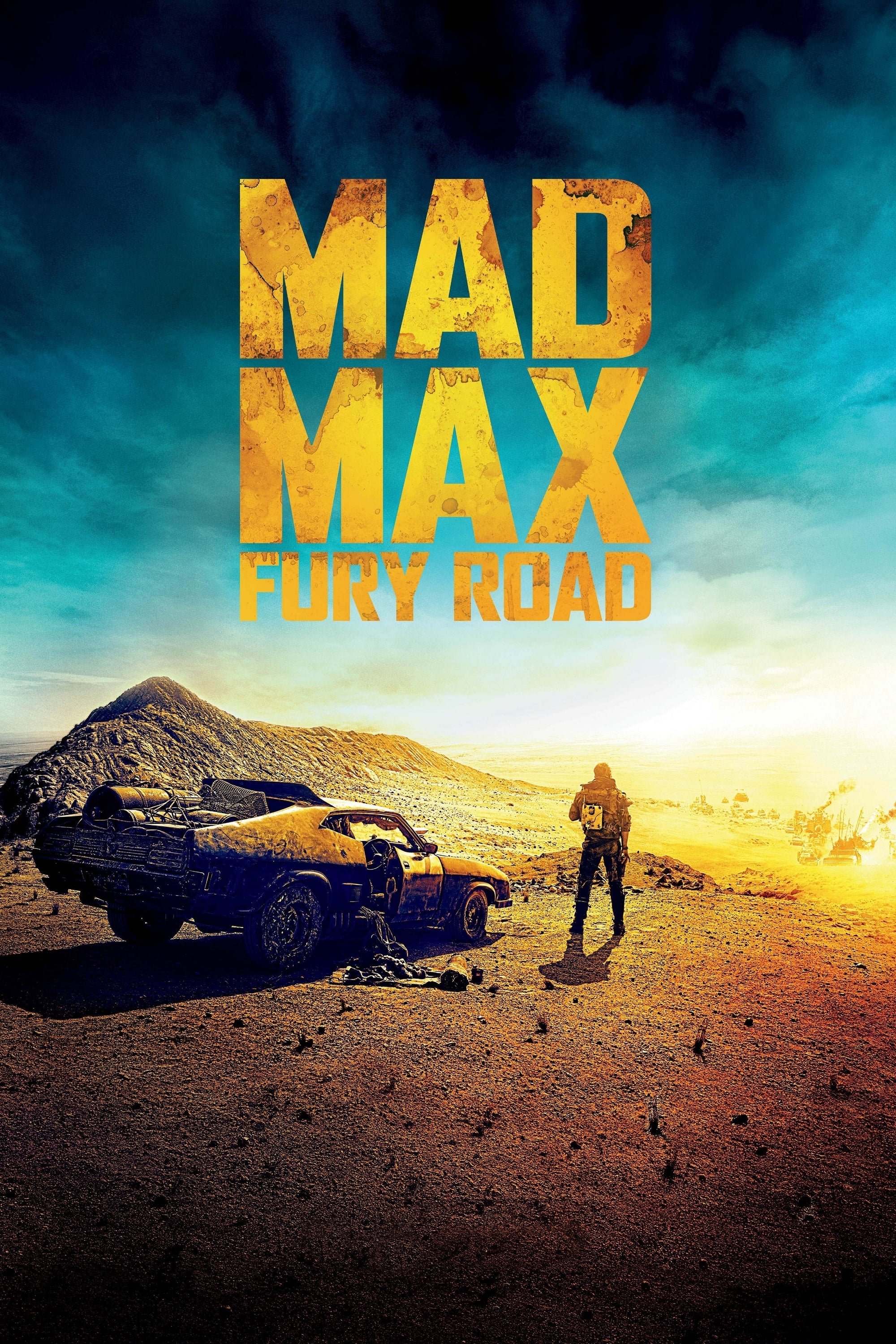
In the film, Furiosa masterminds a daring escape from the Citadel, gathers support from the Vuvalini warriors, and leads the charge that ultimately overthrows Immortan Joe. While Max plays a role, the entire plan, its execution, and the final outcome are driven by Furiosa and the women who fight alongside her. The film concludes with Furiosa returning to the Citadel, bringing with her the restoration of water and power. Max quietly fades into the background, allowing the newly rebuilt society to be led by those who rightfully deserve it.
‘The Last King of Scotland’ (2006)
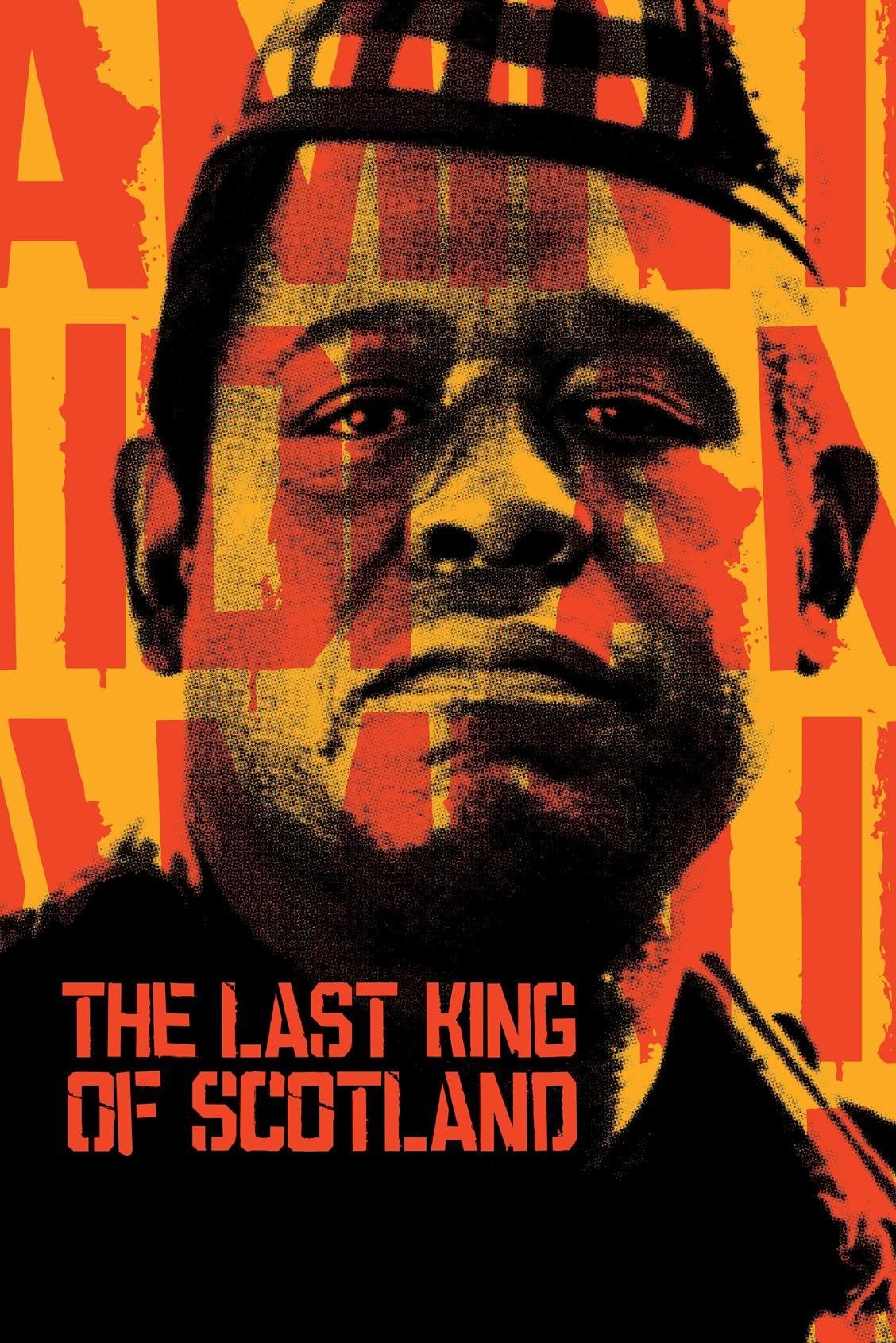
The story follows a young Scottish doctor who becomes the personal physician to Uganda’s dictator, Idi Amin. He finds himself caught up in the regime’s brutality and growing fear. Despite trying to influence Amin, the doctor can’t change the course of events in Uganda. He’s ultimately focused on his own survival and escape, while the Ugandan people suffer and fight back against the dictatorship. The film portrays him as an observer and a warning, not as a hero who saves the nation.
‘District 9’ (2009)
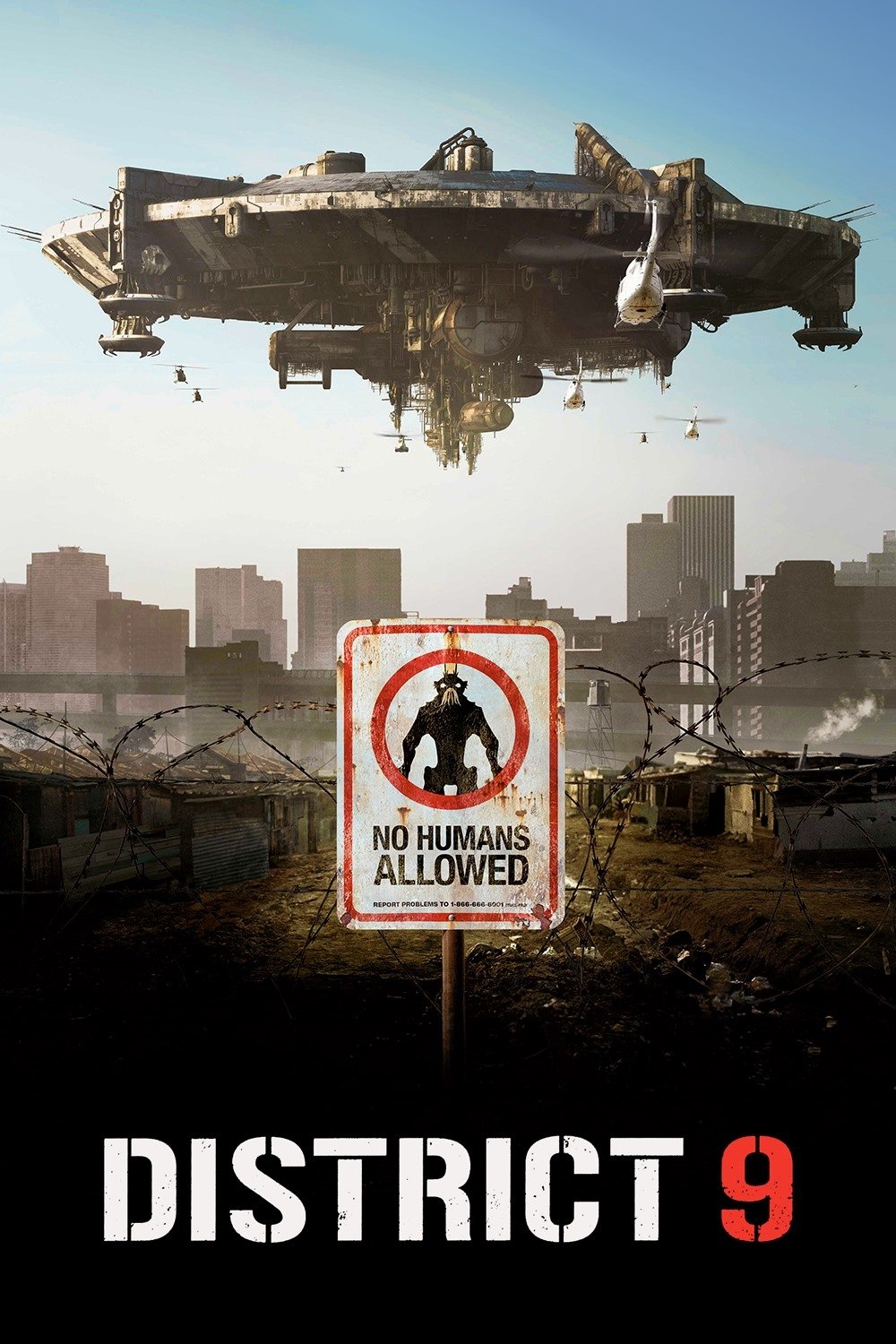
In Johannesburg, bureaucrat Wikus van de Merwe is tasked with forcibly moving aliens, but he becomes infected and is then hunted by the very company he works for. An alien named Christopher Johnson takes the lead in planning an escape and seeking aid, while Wikus mostly just reacts to the situation and makes difficult choices. Throughout the film, both corporations and criminals are shown as taking advantage of the situation rather than offering help. Ultimately, the alien successfully leaves, but Wikus is left changed, not as a hero who saved the day.
‘BlacKkKlansman’ (2018)
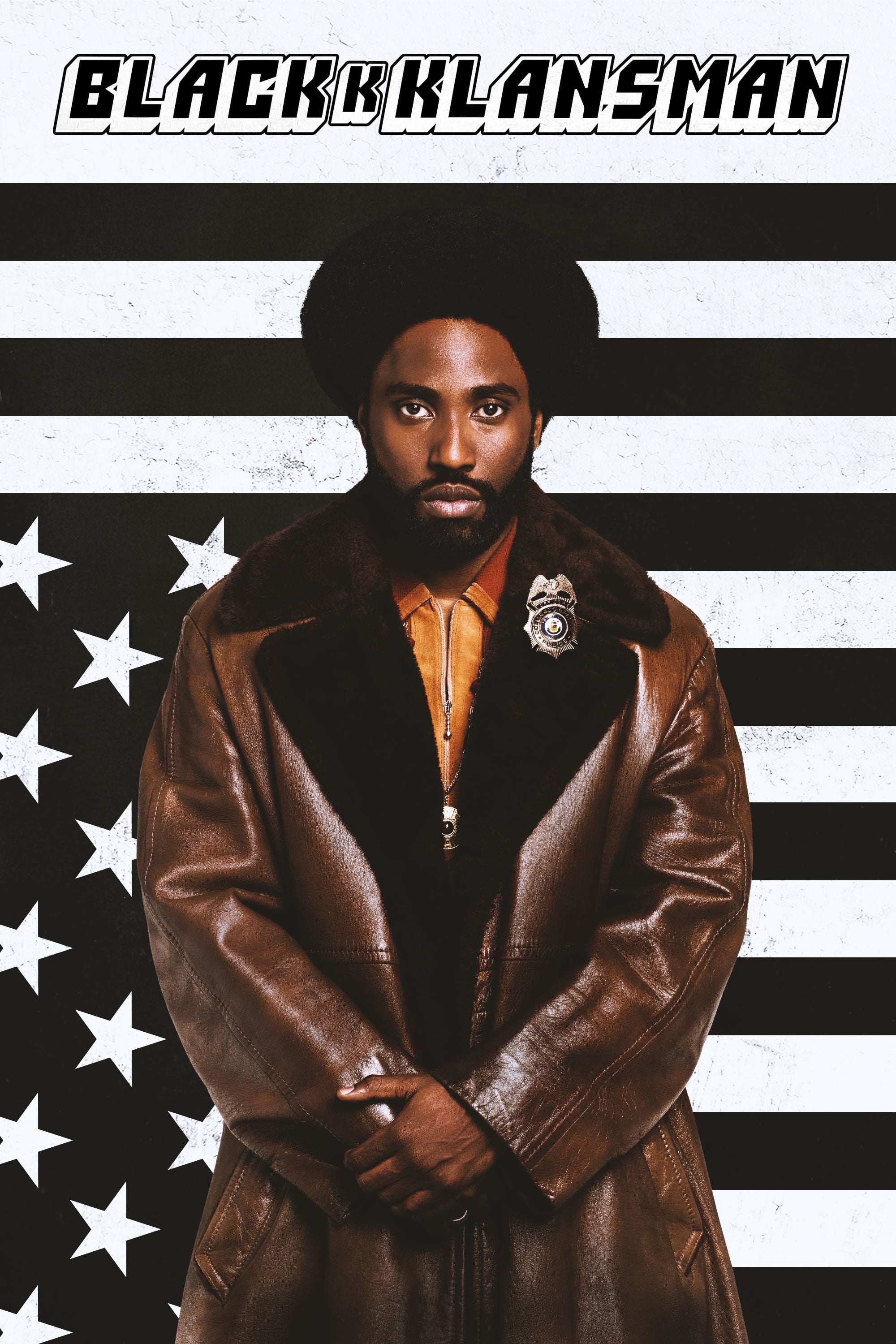
As a total film buff, I was captivated by the true story behind this movie. It centers on Ron Stallworth, a detective in Colorado Springs, who bravely went undercover to infiltrate the Ku Klux Klan. It’s fascinating because he couldn’t physically be in the Klan meetings, so he partnered with a white colleague, Flip Zimmerman, who posed as him. What really struck me was that Stallworth and his team were the ones directing the whole operation – deciding what to focus on and how far to go. And it wasn’t just about the police work either; local Black activists and students played a huge role in putting pressure on the Klan. The film really emphasizes that the success wasn’t down to one single hero, but a combined effort of smart policing and community action, which I found incredibly powerful.
‘The Harder They Fall’ (2021)

This Western film focuses solely on the lives of Black cowboys, outlaws, and law enforcement figures – people like Nat Love, Rufus Buck, and Stagecoach Mary – all based on real historical individuals. The story unfolds through their conflicts and partnerships, featuring exciting events like robberies and town control. White characters have minor roles, appearing as challenges or simply as part of the scenery. The film explores themes of power, revenge, and ultimately, finding solutions within a Black community on the frontier, without relying on help from the outside world.
‘Mulan’ (2020)

As a huge fan of the Mulan story, I always loved that this version stays true to its Chinese roots. It follows Mulan, a warrior who bravely disguises herself as a man to fight in the army. What’s really cool is that the entire story – the training, the battle plans, and the final showdown with the invaders – happens entirely within the Chinese military. There aren’t any Western characters swooping in to save the day. It’s fantastic because Mulan earns her victory and receives the Emperor’s praise, along with the respect of her fellow soldiers. It feels so much more authentic that way.
‘RRR’ (2022)

This film, set in 1920s British India, tells the story of two revolutionaries, Alluri Sitarama Raju and Komaram Bheem, who work to undermine colonial rule. The story pits them against powerful British officers and nobles. The heroes and their companions carry out daring rescues, steal weapons, and ultimately launch a final, decisive attack. The film ends by connecting the fight for freedom with important figures and moments in Indian history.
‘The Woman King’ (2022)
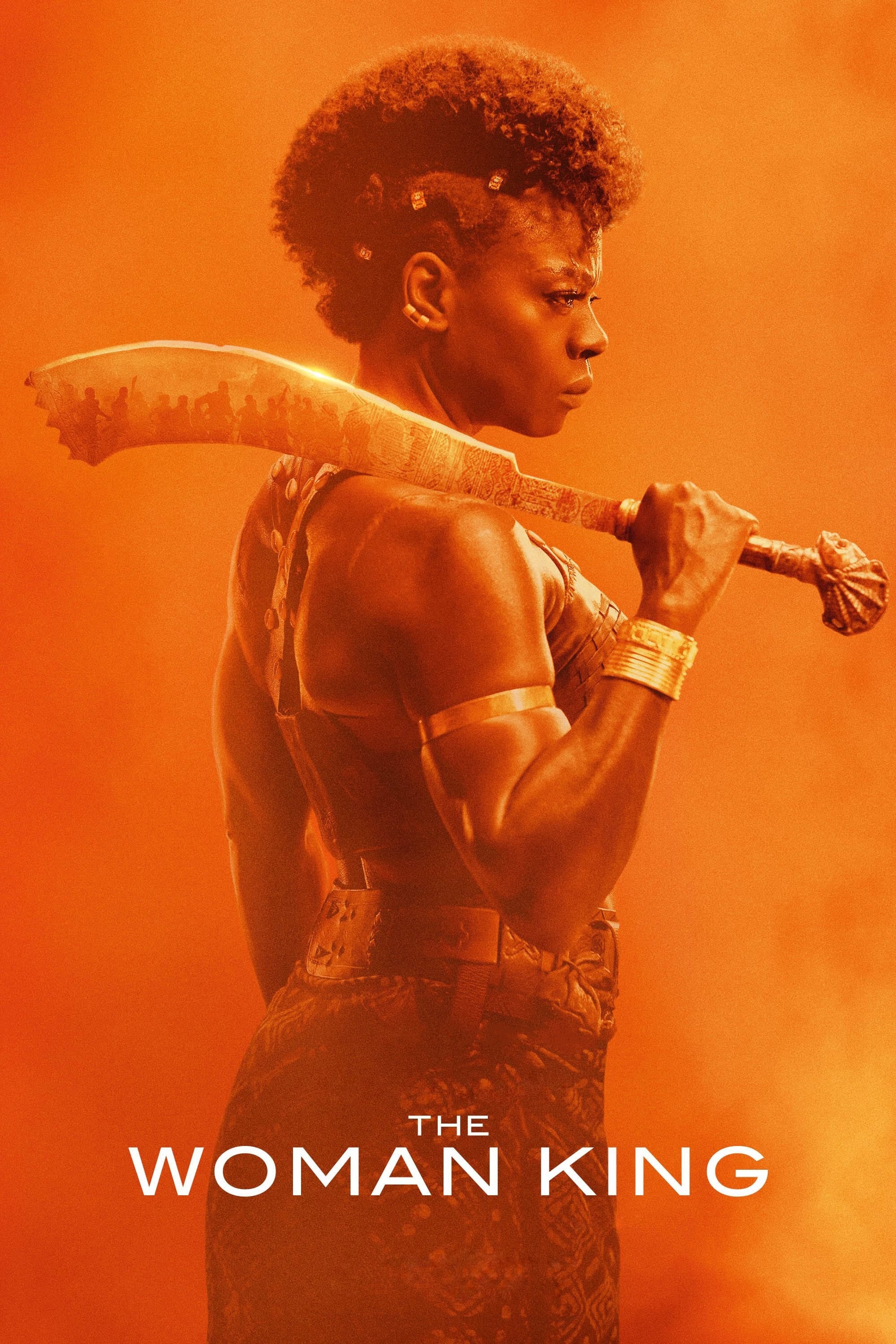
The story centers on the Agojie, the fierce female warriors of Dahomey. General Nanisca leads the training of new recruits and plays a key role in important decisions. Instead of portraying Europeans as being in control, the film shows them as motivated by profit and posing a military danger. Crucially, all major choices – from war strategies to reforms and rescue missions – are made by the Dahomean people themselves, and the final battles are planned and fought by the Agojie and their allies.
‘Smoke Signals’ (1998)

Victor and Thomas, two men from Coeur d’Alene, take a road trip to scatter a father’s ashes and grapple with their family’s past. The story centers on their experiences as Native Americans – life on the reservation, the power of storytelling, and the journey toward healing. While they meet people outside their community, these encounters don’t change the course of their journey; instead, the story’s emotional heart comes from the choices Victor and Thomas make and how their Native culture shapes their perspectives.
‘Atlantics’ (2019)

In Dakar, the ghosts of construction workers, lost at sea due to a developer’s negligence, return to demand justice. Meanwhile, Ada finds herself caught between love, her responsibilities, and the mystery surrounding a fire. The unfolding investigation, ghostly encounters, and resulting conflicts reflect the real social and economic issues facing Senegal. The police are powerless against this supernatural force, which ultimately serves the workers’ cause. The story finds resolution not through official channels, but through the actions of local people and a reckoning that’s deeply connected to the community itself.
Know of a movie that cleverly subverts this common storyline? Share your recommendation in the comments and explain how it breaks away from the typical “hero saves the day” pattern.
Read More
- Games That Faced Bans in Countries Over Political Themes
- Gold Rate Forecast
- Silver Rate Forecast
- Unveiling the Schwab U.S. Dividend Equity ETF: A Portent of Financial Growth
- 22 Films Where the White Protagonist Is Canonically the Sidekick to a Black Lead
- The Best Directors of 2025
- 15 Films That Were Shot Entirely on Phones
- Superman Flops Financially: $350M Budget, Still No Profit (Scoop Confirmed)
- 14 Movies Where the Black Character Refuses to Save the White Protagonist
- 20 Movies Where the Black Villain Was Secretly the Most Popular Character
2025-12-08 00:51