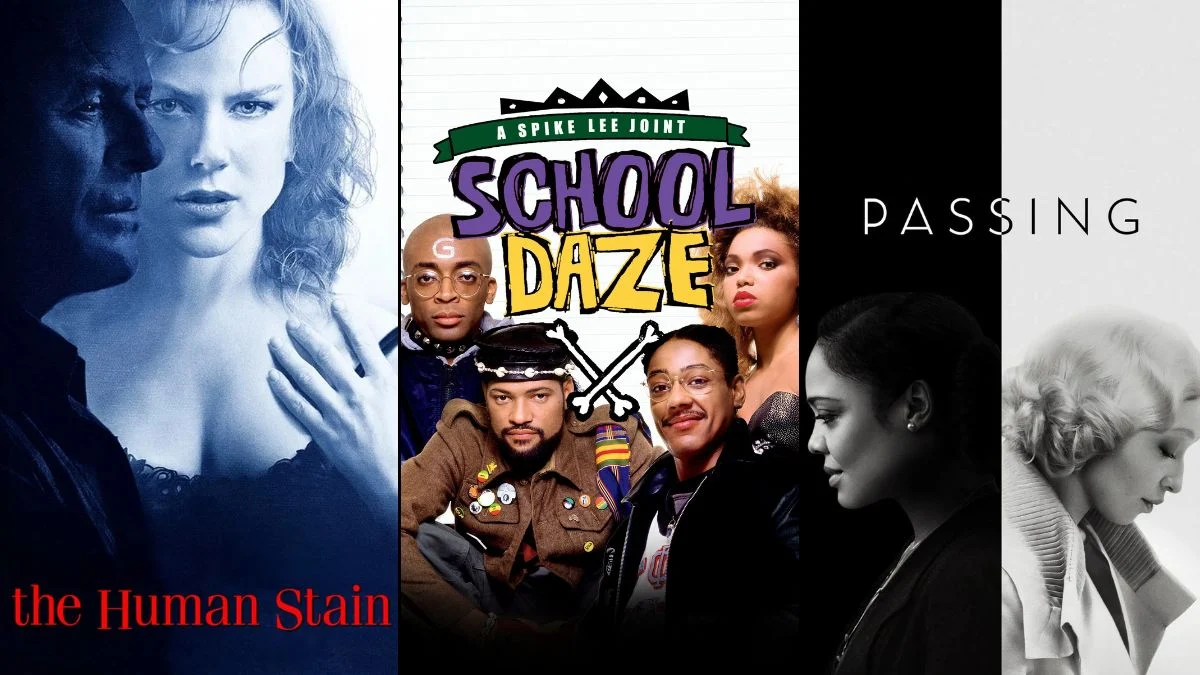
Filmmakers sometimes cast actors with lighter skin tones to tell stories about race and how people fit into society. These films often use an actor’s appearance to explore issues like colorism – prejudice based on skin tone – and the idea of ‘passing’ as a different race. The characters’ skin color is often directly mentioned in the story to create drama or reveal secrets. These choices encourage both the characters and the audience to face up to the biases that exist in different communities.
‘Imitation of Life’ (1959)
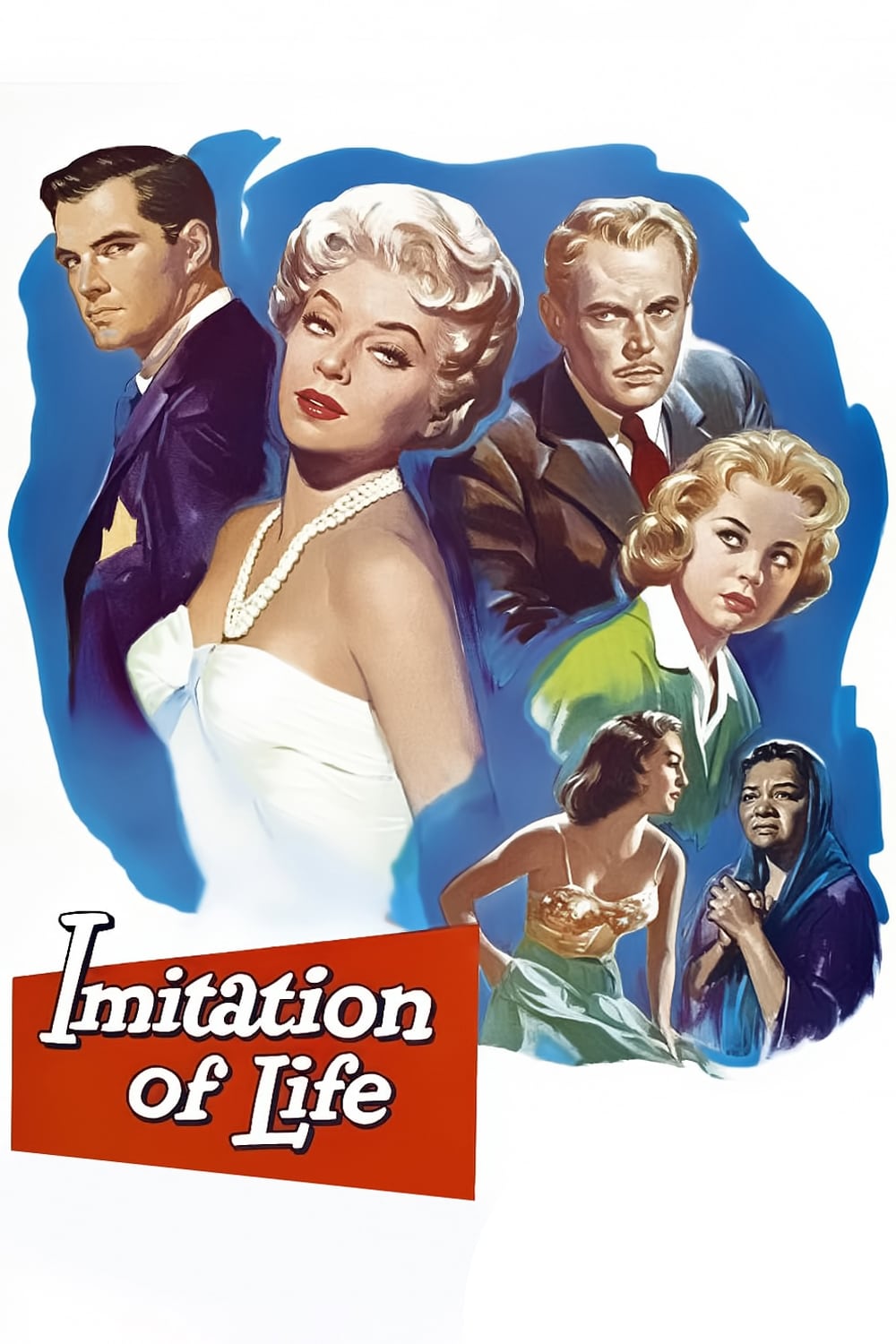
This emotional story explores the complex relationship between a white actress and her Black housekeeper, Annie. The film’s central conflict revolves around Annie’s daughter, Sarah Jane, who appears white but is actually Black. Sarah Jane struggles with her identity and tries to live as white, a choice that benefits her personally but deeply strains her relationship with her mother. Her lighter skin gives her advantages that Annie doesn’t have, highlighting the injustices of the time.
‘Passing’ (2021)
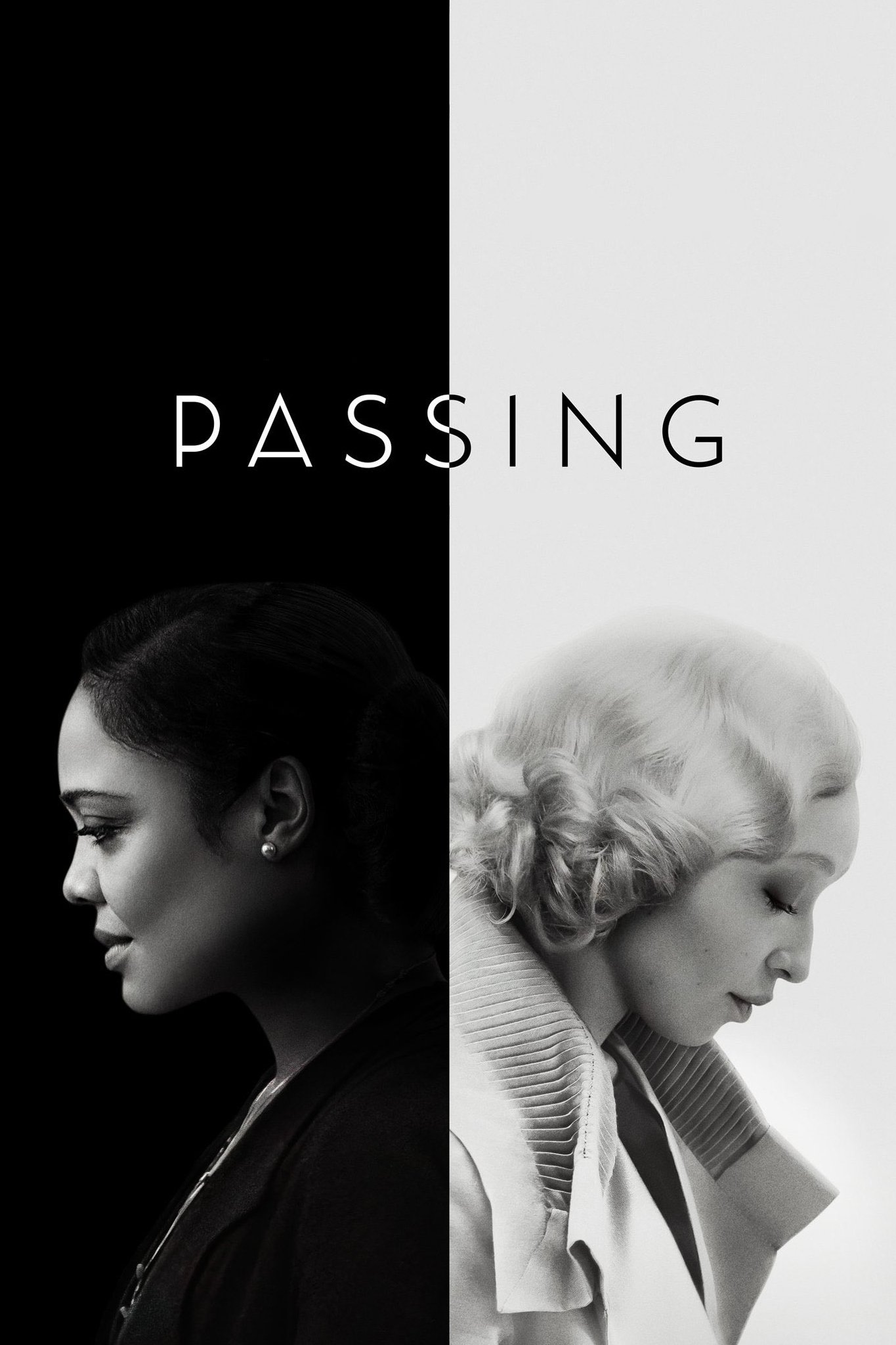
Rebecca Hall’s film is based on Nella Larsen’s novel and tells the story of two friends, Clare and Irene, who reconnect in 1920s New York. Ruth Negga stars as Clare and Tessa Thompson as Irene, as they both grapple with the challenges of being biracial. Clare decides to live as a white woman and marries a rich man who doesn’t know her true identity. The movie explores the risks and security involved in concealing one’s racial background through the contrasting experiences of these two women.
‘School Daze’ (1988)

Spike Lee’s musical comedy-drama takes place at a historically Black college and playfully critiques divisions within the community. The story centers on a rivalry between light-skinned sorority sisters and students with darker skin and natural hair. Tisha Campbell plays the leader of the light-skinned group and often argues with other students about what’s considered beautiful. The film directly addresses the social rankings based on skin tone and hair type among the students.
‘Devil in a Blue Dress’ (1995)
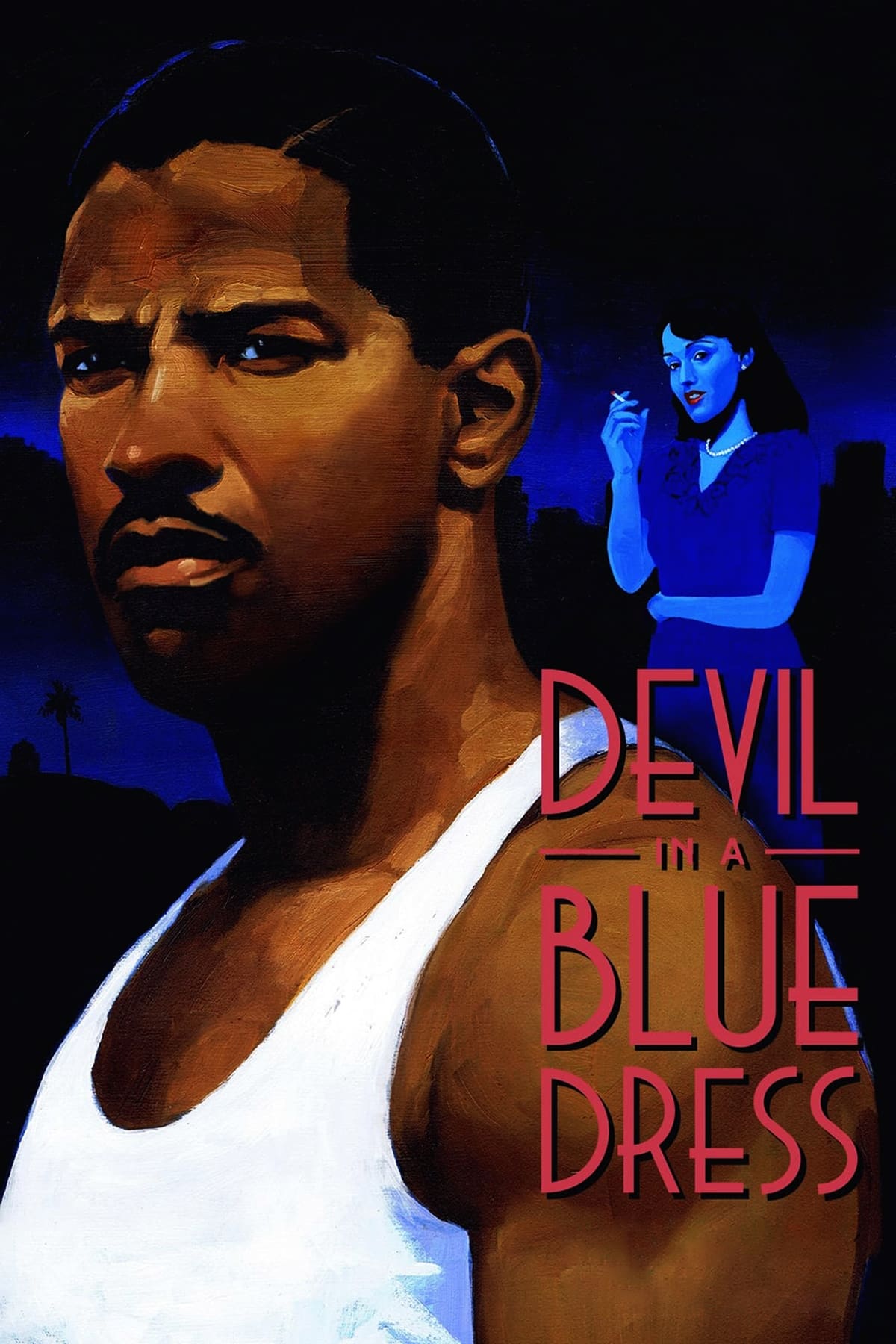
Jennifer Beals stars as the enigmatic Daphne Monet in this 1948 Los Angeles thriller. When Daphne vanishes from high society, Easy Rawlins is hired to find her. The mystery unfolds to reveal Daphne is biracial and has been living as white to protect her relationship with a powerful, wealthy man. Her hidden racial identity is the key to understanding the threats she faces.
‘The Human Stain’ (2003)
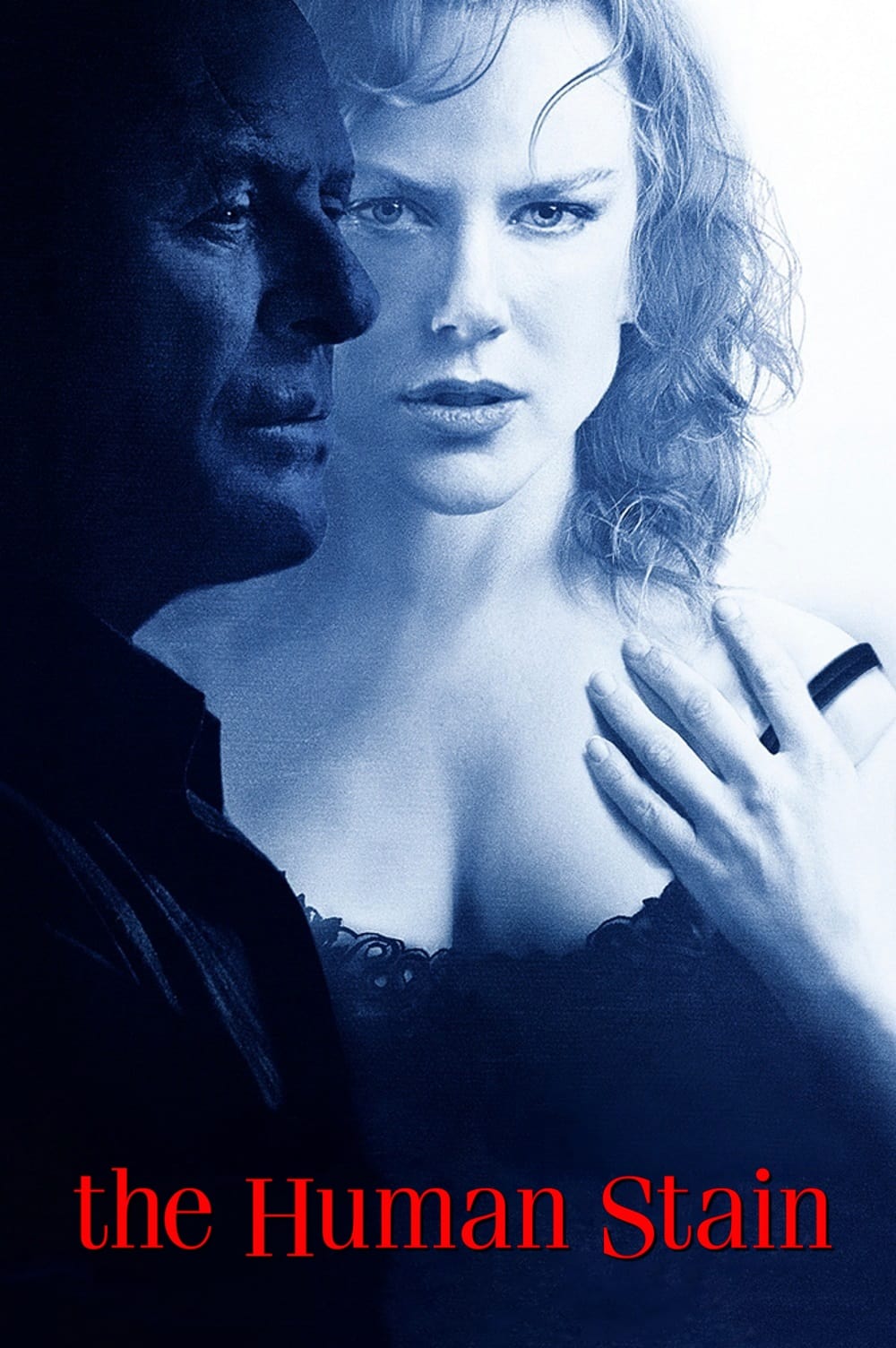
The film features Anthony Hopkins and Wentworth Miller portraying Coleman Silk at different points in his life. Silk is a college dean who is wrongly accused of racism, while hiding the fact that he is a Black man living as Jewish. Through flashbacks, we learn that as a young man, he deliberately chose to leave his family and background to overcome the obstacles of racial prejudice. The movie explores how he uses his fair skin to create a completely new life for himself.
‘Dear White People’ (2014)

Tessa Thompson plays Sam White, a college radio host who challenges perspectives on white culture at her university. As a biracial woman with light skin, Sam receives criticism from students of all backgrounds, with many questioning her identity and whether her progressive views are genuine. The story explores the challenges she faces as a leader who navigates both Black and white worlds.
‘Pinky’ (1949)
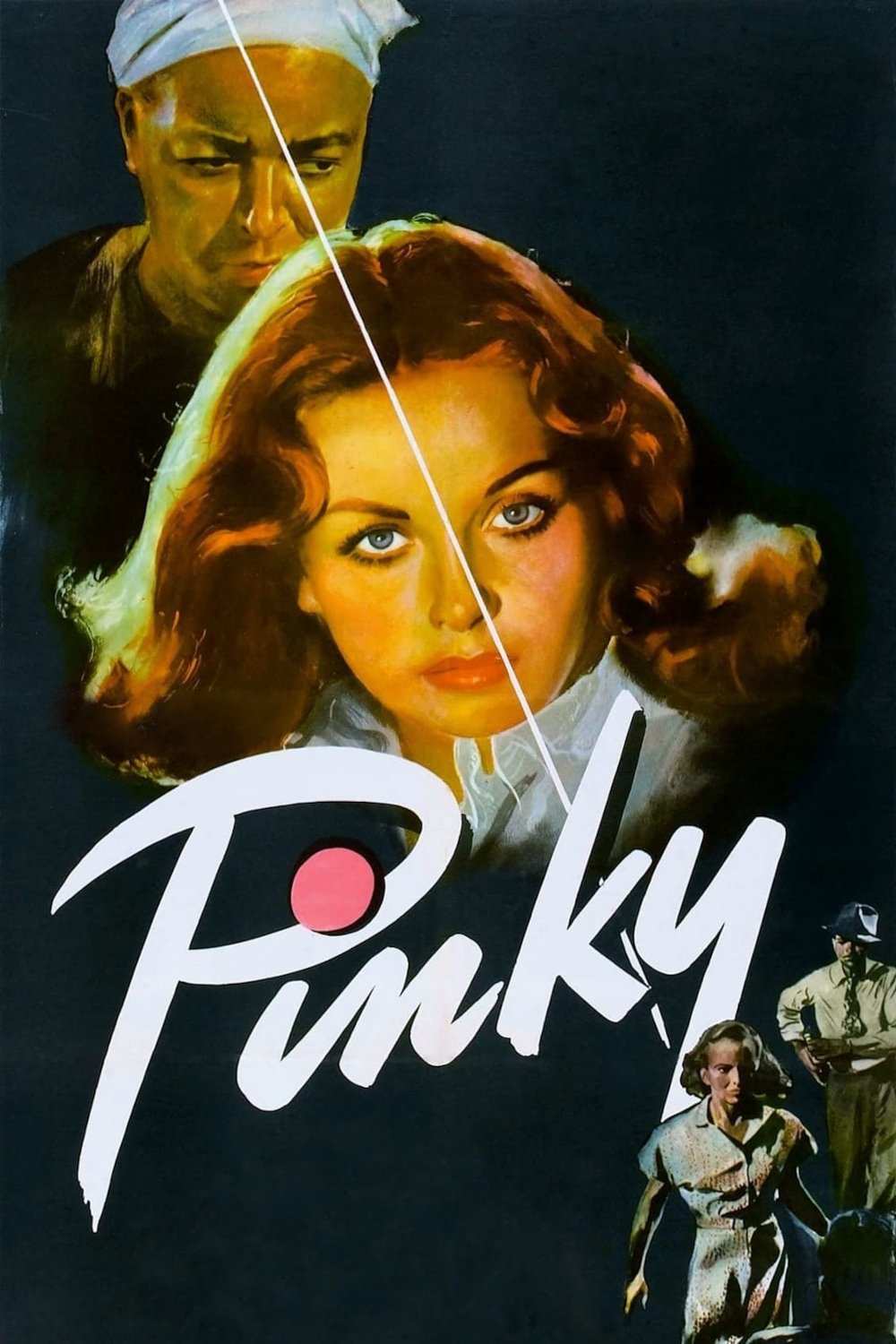
Jeanne Crain plays a light-skinned Black woman in this film who returns to the South after living as white in the North. Once her true identity is revealed, she immediately experiences legal and social discrimination. The movie powerfully shows how differently she’s treated based on whether people believe her to be white or Black. The film relies heavily on the actress’s ambiguous appearance to highlight the story of racial injustice.
‘Belle’ (2013)

Gugu Mbatha-Raw stars as Dido Elizabeth Belle, a woman of mixed-race heritage who was the daughter of a British admiral. In 18th-century England, she’s raised by her wealthy great-uncle, but her skin color creates a complicated social situation. The film often highlights the fact that, despite her privileged upbringing, she’s not accepted into high society – even something as simple as joining them for meals is denied. Her appearance also becomes significant in a legal case her uncle is handling, which concerns the issue of slavery.
‘Precious’ (2009)

Paula Patton plays Ms. Rain, a caring teacher who tries to help a struggling student. The student’s mother is verbally abusive, and she attacks Ms. Rain by making hurtful comments about her skin color. This reveals the mother’s own deep-seated biases and prejudice based on skin tone. The film highlights this conflict to show the difference between Ms. Rain’s relatively comfortable life and the difficult situation her student faces at home.
‘Show Boat’ (1951)
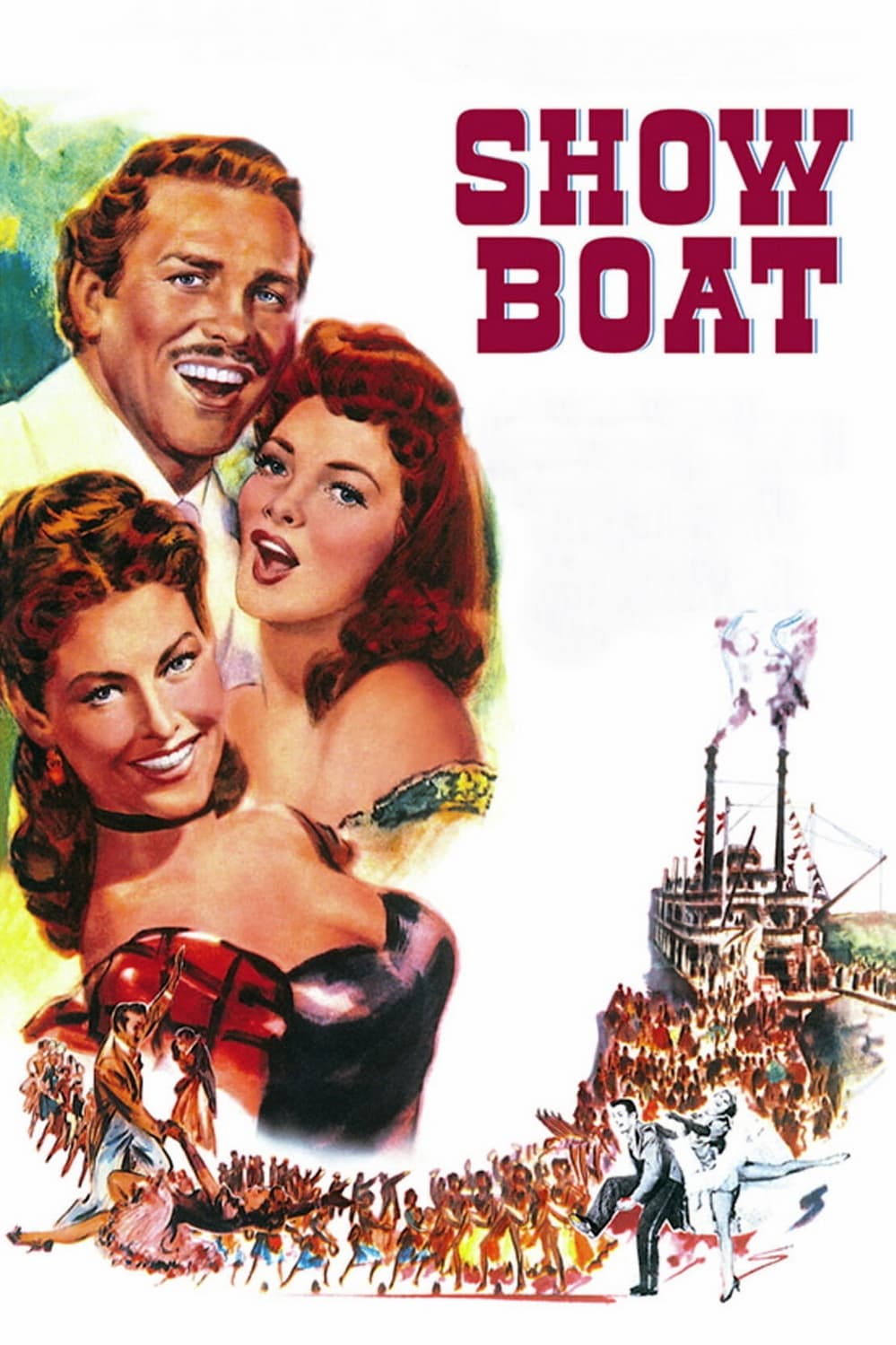
Ava Gardner stars as Julie LaVerne, a popular performer on a Mississippi riverboat. Her life begins to fall apart when someone reveals she has African American heritage. Because of this, the local sheriff enforces laws against interracial marriage, as her husband is white and she’s legally considered Black, even though she appears white. The story tragically focuses on how this hidden part of her family history clashes with the image she’s created for herself.
‘Do the Right Thing’ (1989)
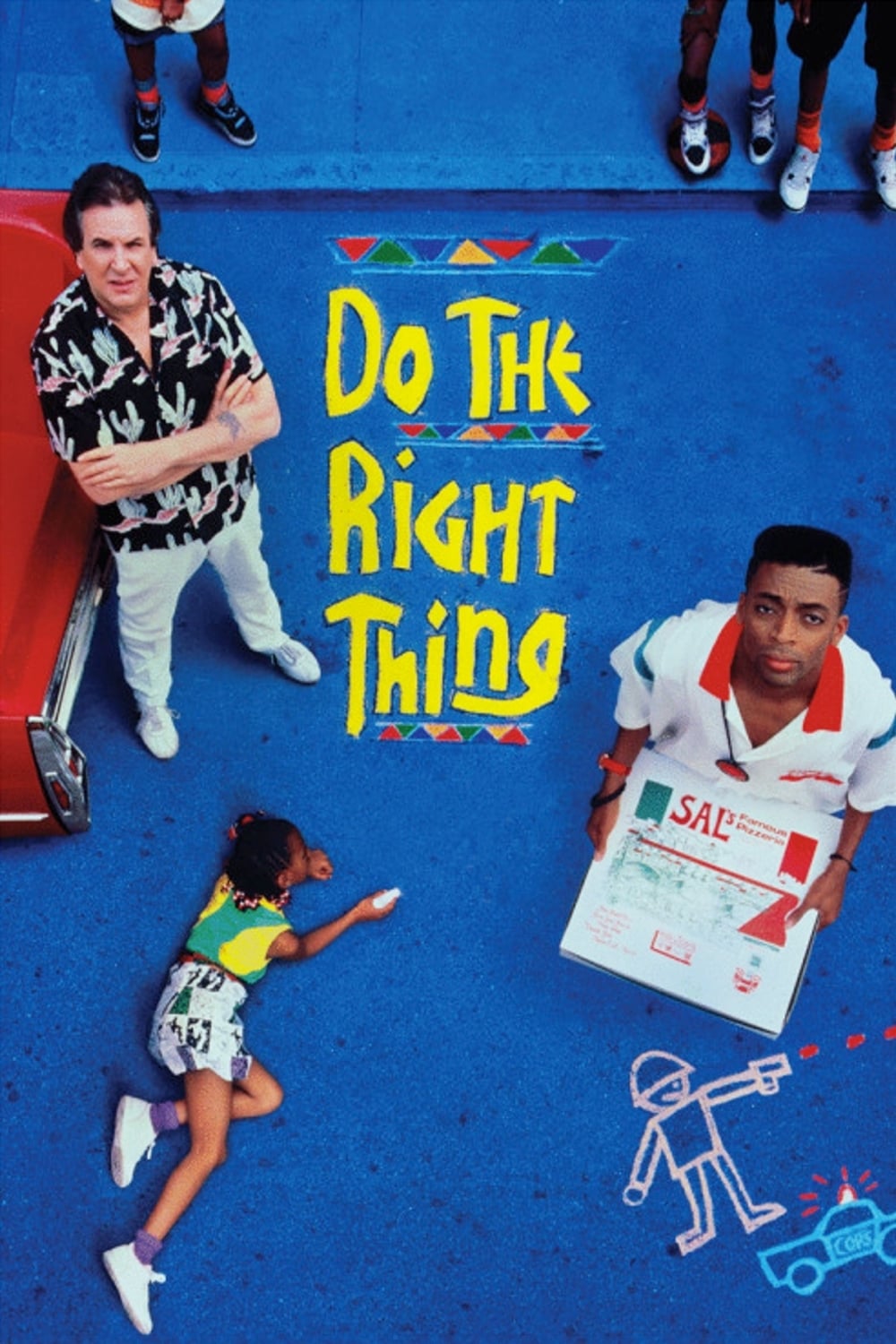
In the story, Joie Lee’s character, Jade, faces criticism from another character, Buggin’ Out, who makes prejudiced comments about her light skin and green eyes, implying she feels better than others in the neighborhood. Jade firmly asserts her identity as a Black woman and refuses to let him define her based on her appearance. This scene quickly highlights how people within a community can sometimes unfairly judge and question each other’s racial identity.
‘Shadows’ (1959)
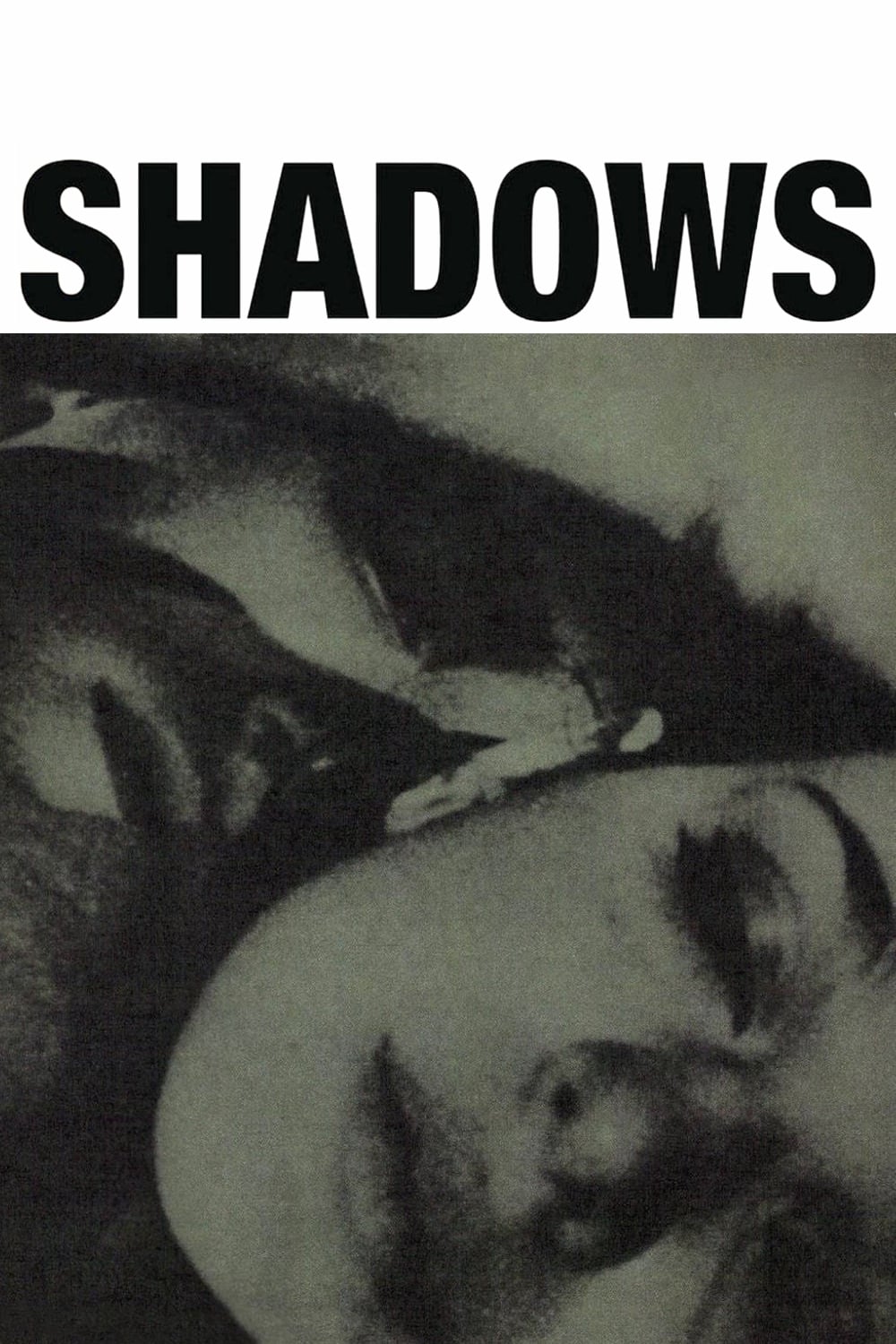
John Cassavetes’ film centers on three Black siblings living in Manhattan who have different skin tones. While one brother is visibly Black, his sister and younger brother are light enough to be seen as white. The story follows the sister’s relationship with a white man and how he reacts when he meets her brother. The film examines how each sibling’s complexion shapes their experiences with racism and how accepted they are by society.
‘Get on the Bus’ (1996)
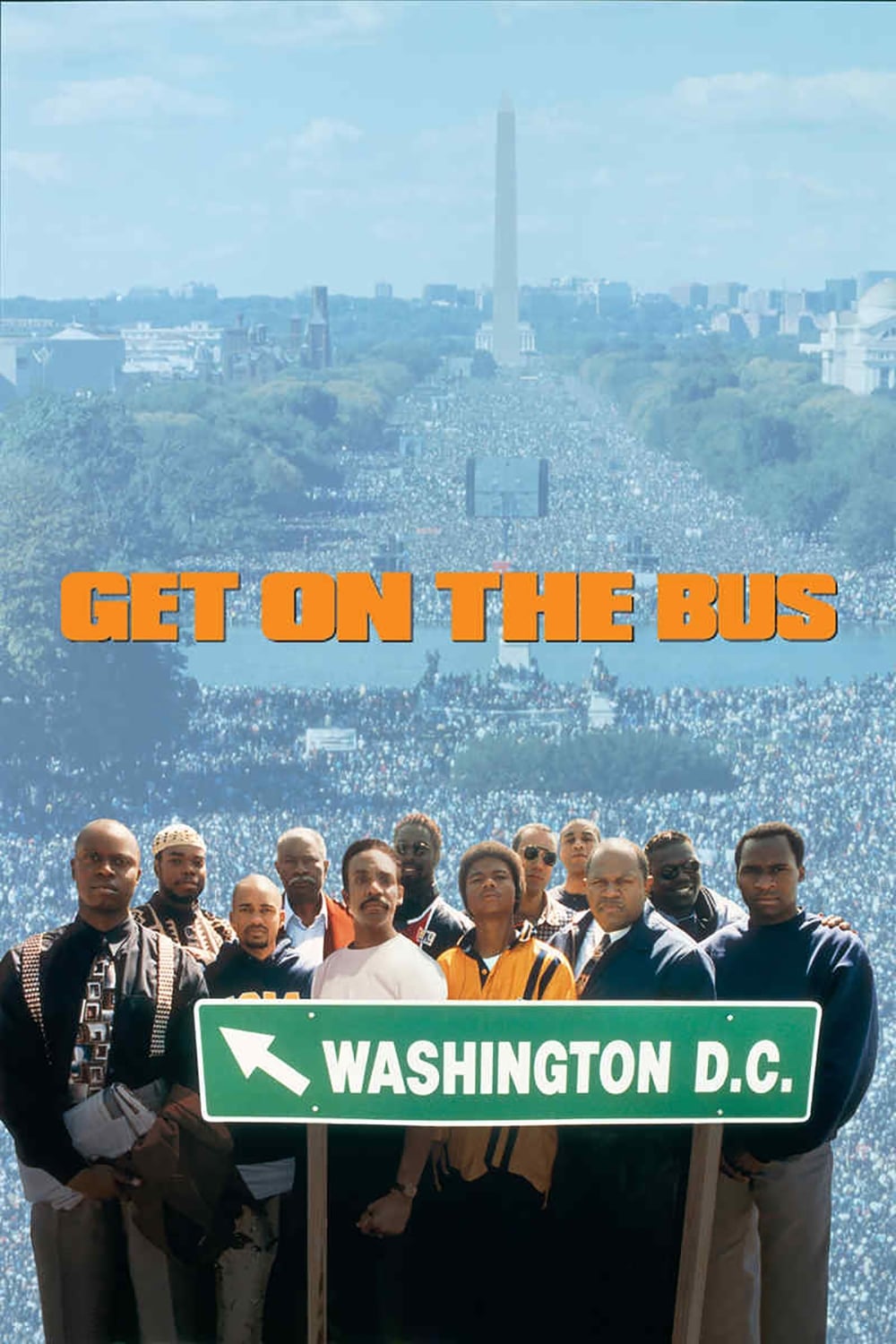
Roger Guenveur Smith portrays Gary, a light-skinned police officer, as he journeys to the Million Man March. There, he clashes with a darker-skinned activist who challenges his connection to the Black community and questions whether he truly understands their struggles. Their argument explores issues of privilege and how police treat men with different skin tones. This tense exchange represents the wider range of opinions and experiences among those traveling on the bus.
‘Band of Angels’ (1957)
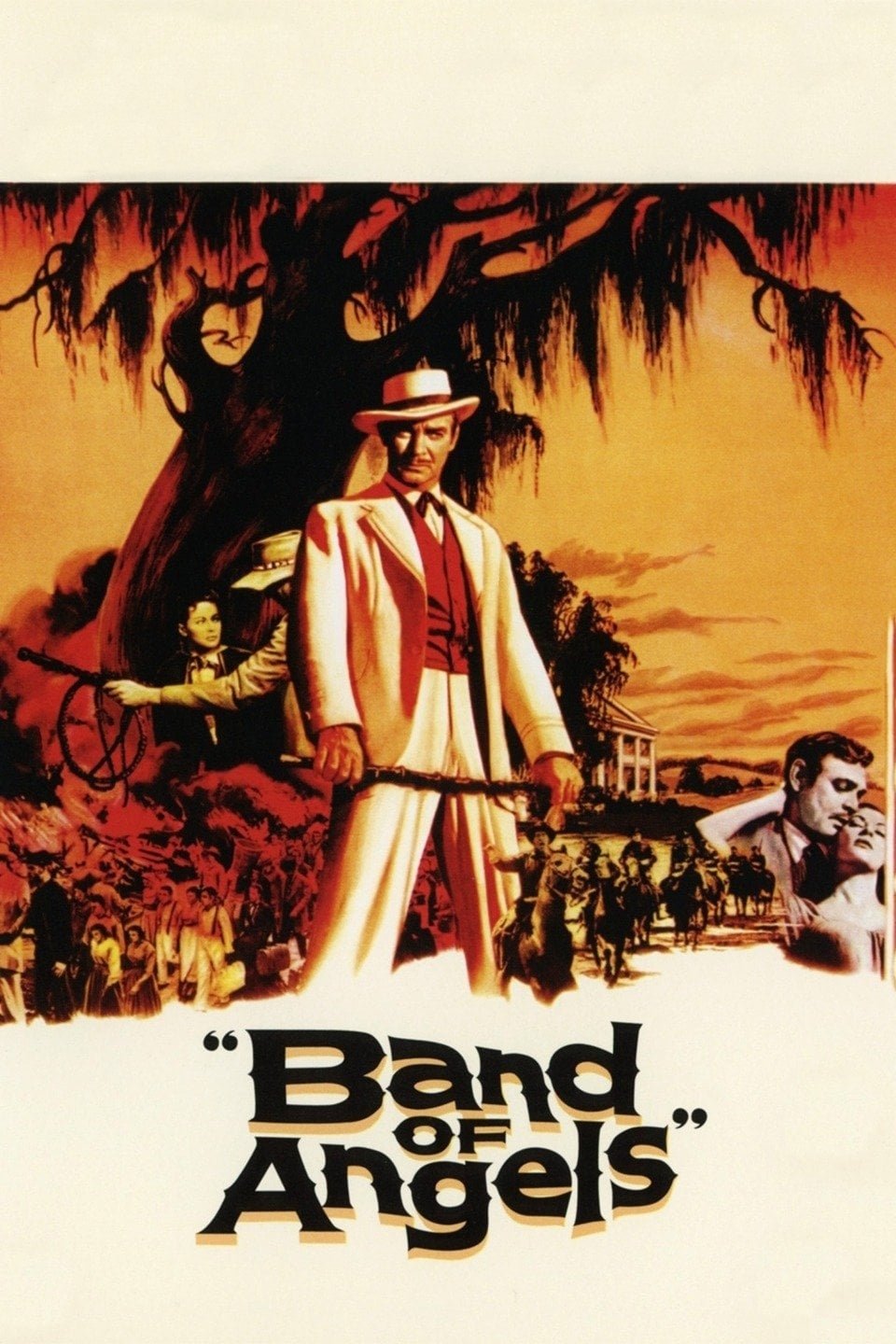
Yvonne De Carlo plays Amantha Starr, a wealthy southern woman whose life changes dramatically when her father passes away. She discovers her mother was enslaved, instantly losing her social standing and freedom. Despite being white, Amantha is sold into slavery due to her mother’s history and outstanding debts, which legally define her as property. The story focuses on the terrifying shock of her fall from privilege to enslavement, all because of a family secret.
Please share your favorite examples of this casting dynamic in the comments.
Read More
- Gold Rate Forecast
- Games That Faced Bans in Countries Over Political Themes
- Silver Rate Forecast
- Unveiling the Schwab U.S. Dividend Equity ETF: A Portent of Financial Growth
- 22 Films Where the White Protagonist Is Canonically the Sidekick to a Black Lead
- Superman Flops Financially: $350M Budget, Still No Profit (Scoop Confirmed)
- 20 Movies Where the Black Villain Was Secretly the Most Popular Character
- Celebs Who Narrowly Escaped The 9/11 Attacks
- 14 Movies Where the Black Character Refuses to Save the White Protagonist
- Vecna’s Ultimate Goal on STRANGER THINGS 5 and How The Party Can Defeat Him
2025-12-07 15:15