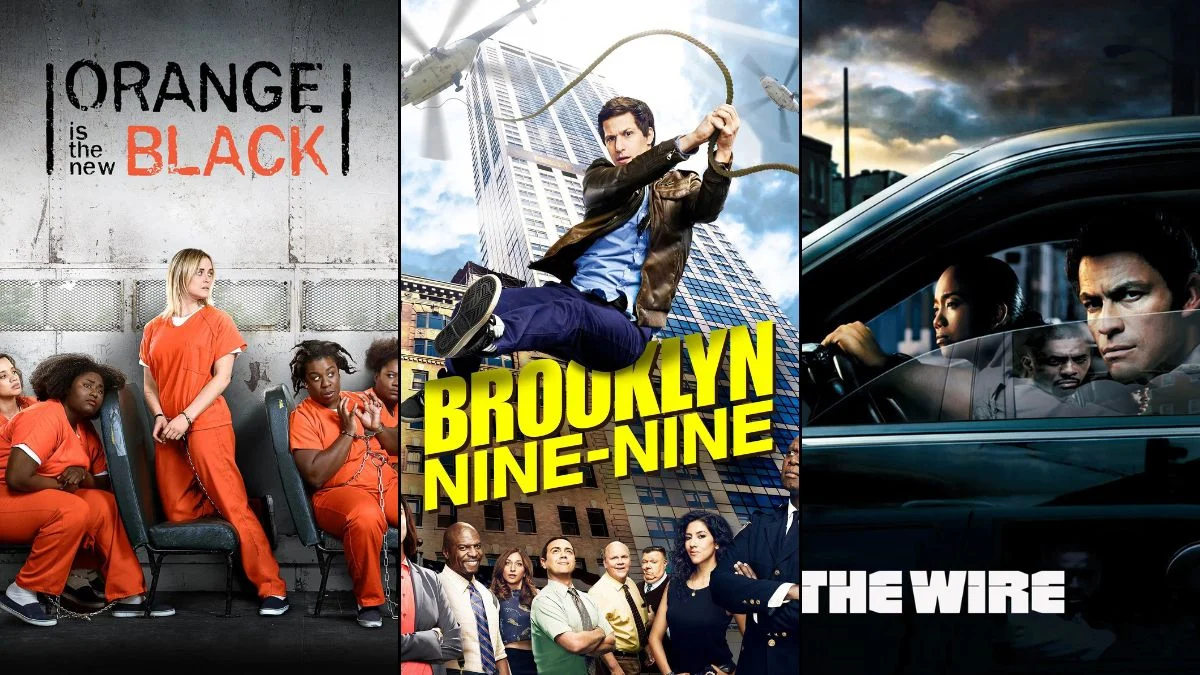
Over time, television has begun to include a wider range of LGBTQ+ characters and stories. Shows focusing on Black queer experiences are now gaining prominence and critical recognition. These series offer realistic and complex portrayals, moving beyond predictable stereotypes. Writers and creators are now skillfully exploring the connections between race and sexuality with sensitivity and depth. The following shows have stood out by telling authentic and unforgettable stories.
‘The Wire’ (2002–2008)
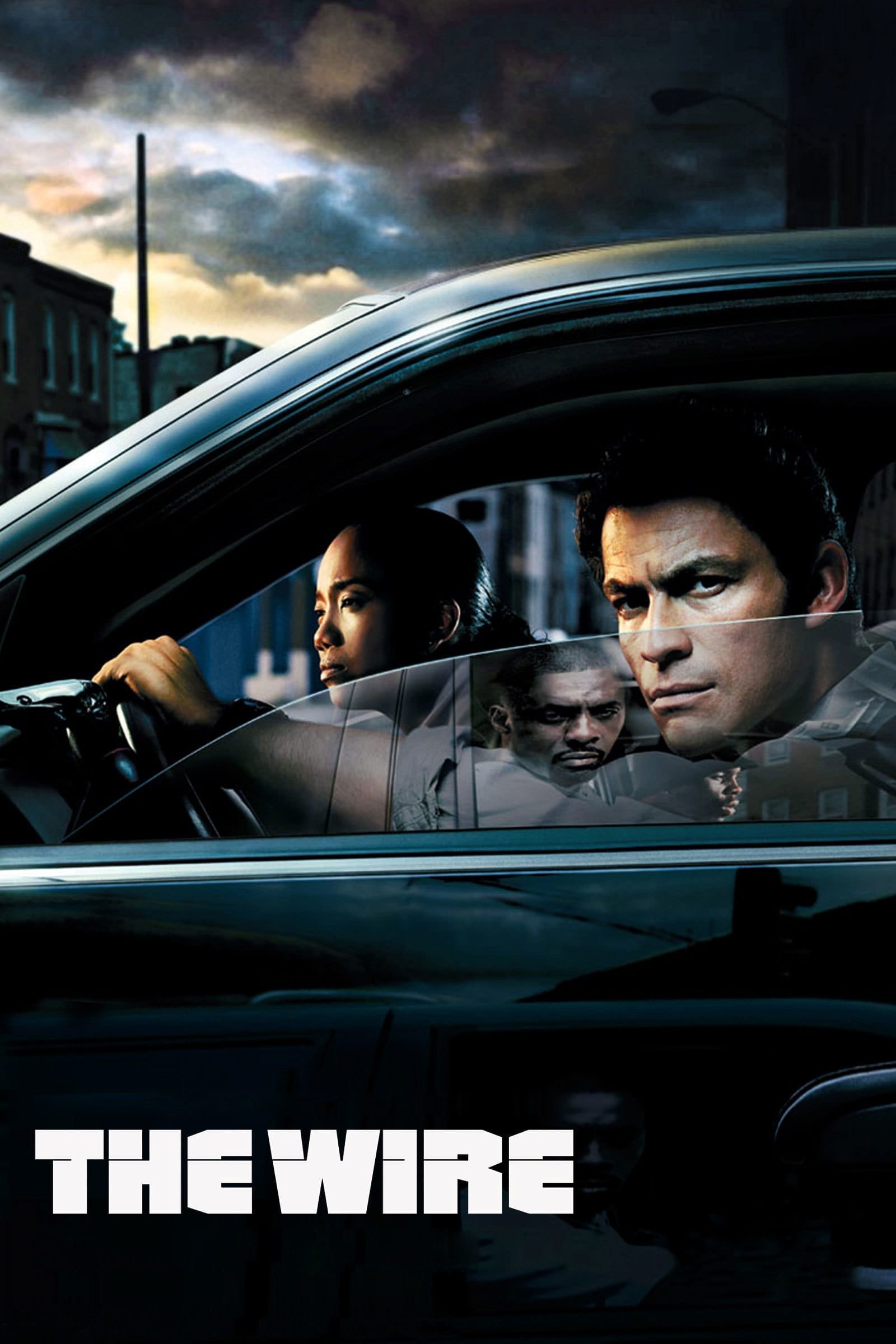
Omar Little is a truly memorable character in television, known for his bravery and strong personal ethics. He navigates the risky world of Baltimore’s drug trade by stealing from drug dealers, all while openly living as a gay man. The show depicts his love life with surprising sensitivity, especially considering his violent profession. Importantly, the writers didn’t reduce him to just his sexuality or portray it as something shameful. He broke the typical mold of the tough, hyper-masculine gangster often seen in crime shows.
‘True Blood’ (2008–2014)

Lafayette Reynolds is a standout character, bringing humor and a bold personality to every scene. The show gives him a much larger role than he had in the original story, where he died early on. He deals with the strange and dangerous events in Bon Temps while staying true to himself and fiercely loyal to his cousin, Tara. His story uniquely examines what it means to be a medium and a queer person in the South. Audiences quickly connected with him, finding him to be the emotional center of the series due to his strength and determination to overcome challenges.
‘Brooklyn Nine-Nine’ (2013–2021)
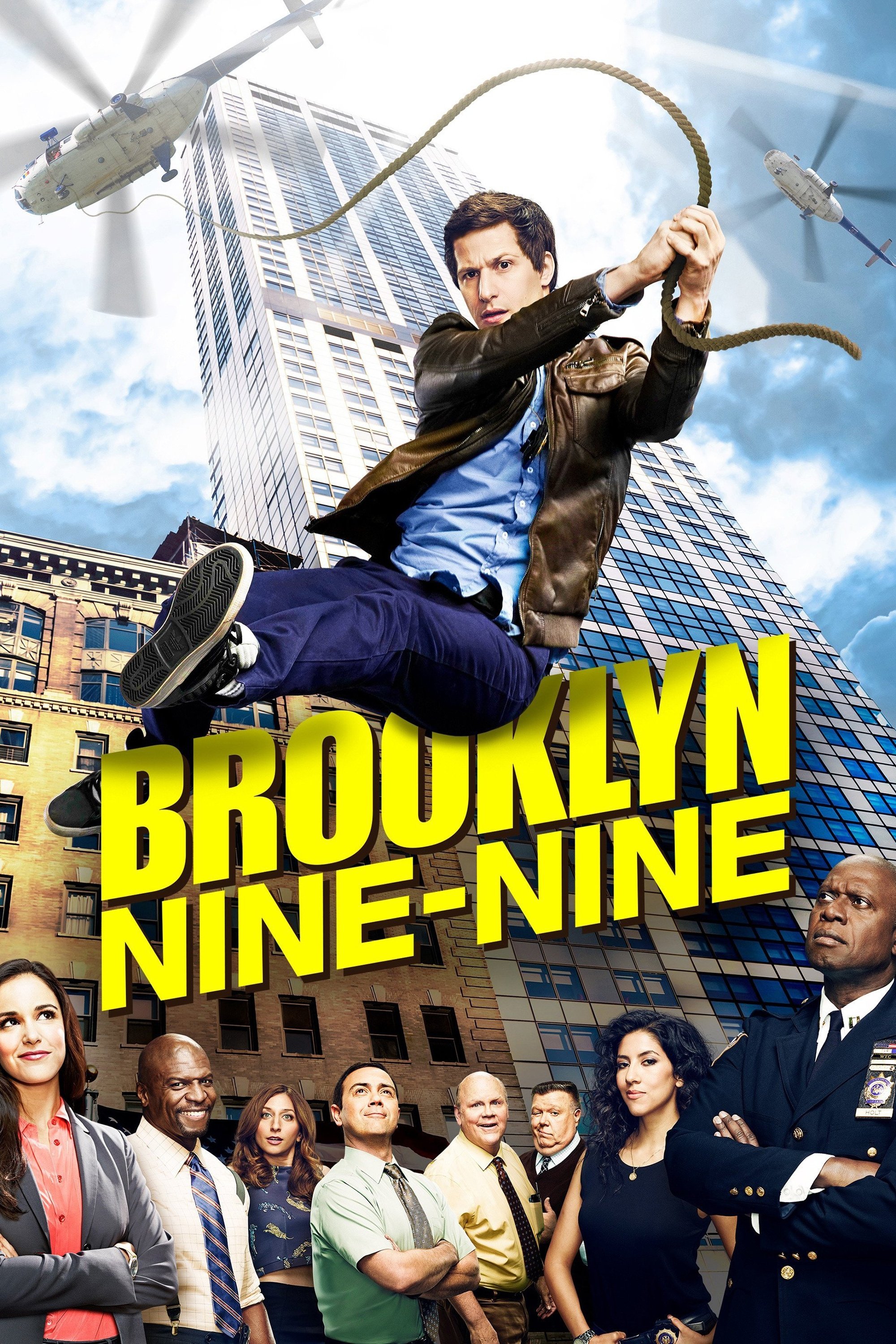
As a critic, I have to say Captain Raymond Holt is a truly refreshing character. He completely throws out the usual sitcom tropes for gay characters, opting for a brilliantly deadpan and stoic presence. What’s great is the show doesn’t make a big deal out of his sexuality – it’s just a part of who he is, presented matter-of-factly. And his relationship with Kevin? It’s lovely – built on genuine respect and affection. We even get glimpses into his past, showing the discrimination he faced as a Black gay officer climbing the ranks, which adds a really important layer of social commentary without sacrificing the comedy. It’s a perfect balance, and honestly, a necessary one.
‘Orange Is the New Black’ (2013–2019)

Poussey Washington quickly became a beloved character thanks to her smarts and kind heart, even while in prison. Her story showed she grew up as a military child, traveling the world and experiencing different cultures. The show treated her tragic death with seriousness, leading to important discussions about the value of Black lives. Her friendship with Taystee was one of the most real and lasting platonic relationships on the show. Through Poussey, the series reminded viewers of the humanity often overlooked in incarcerated women.
‘How to Get Away with Murder’ (2014–2020)
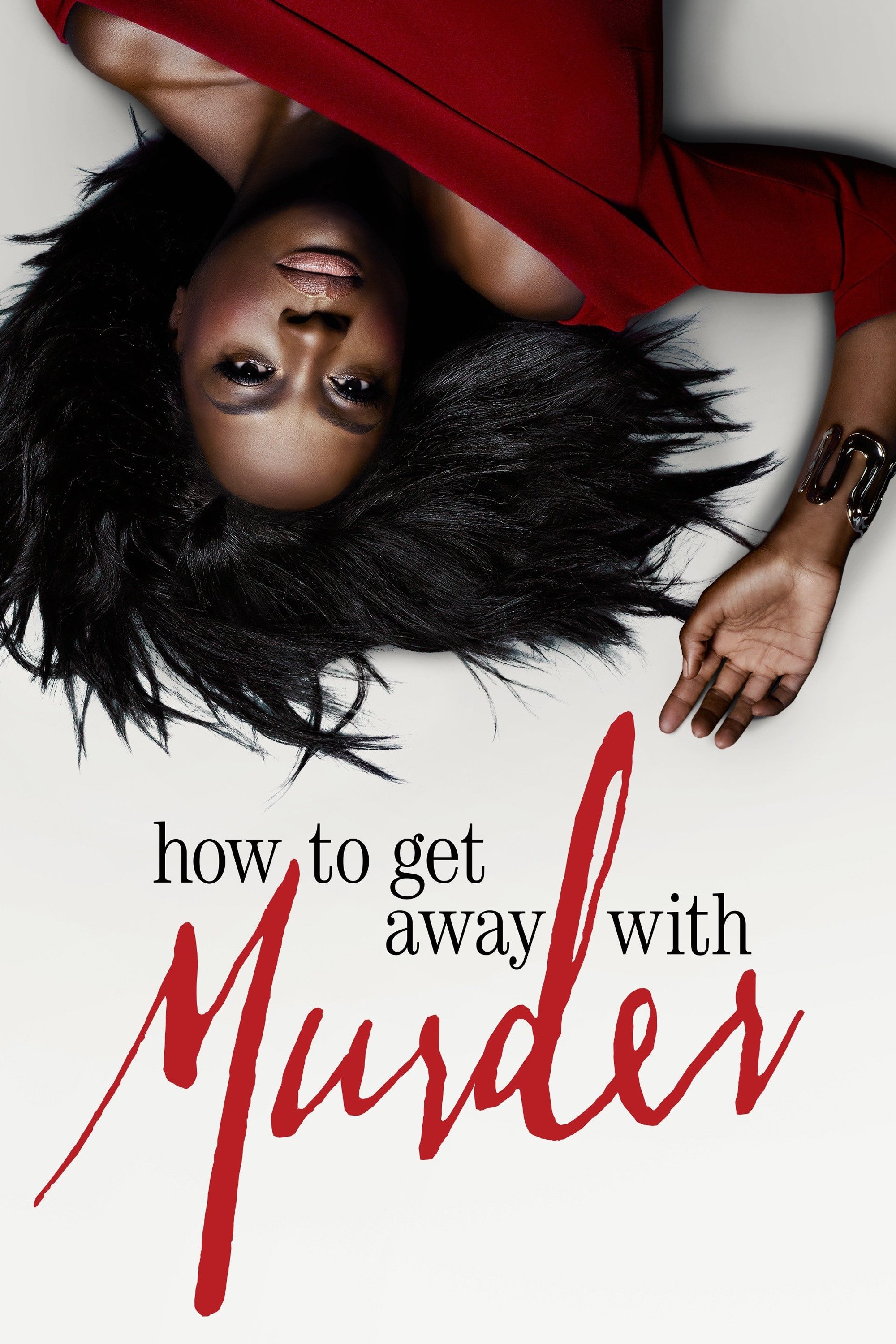
Annalise Keating is a captivating defense attorney whose life is as complex off-screen as it is in the courtroom. The show gradually reveals her bisexuality through a heartfelt connection with someone from her past. This storyline offers a nuanced portrayal of desire for a mature woman, free from stereotypes or internal conflict. Viola Davis delivers a powerful performance, showcasing a vulnerable side to a character who is typically seen as tough and uncompromising. The series presents her sexuality as a natural part of her complicated and often turbulent life.
‘Empire’ (2015–2020)
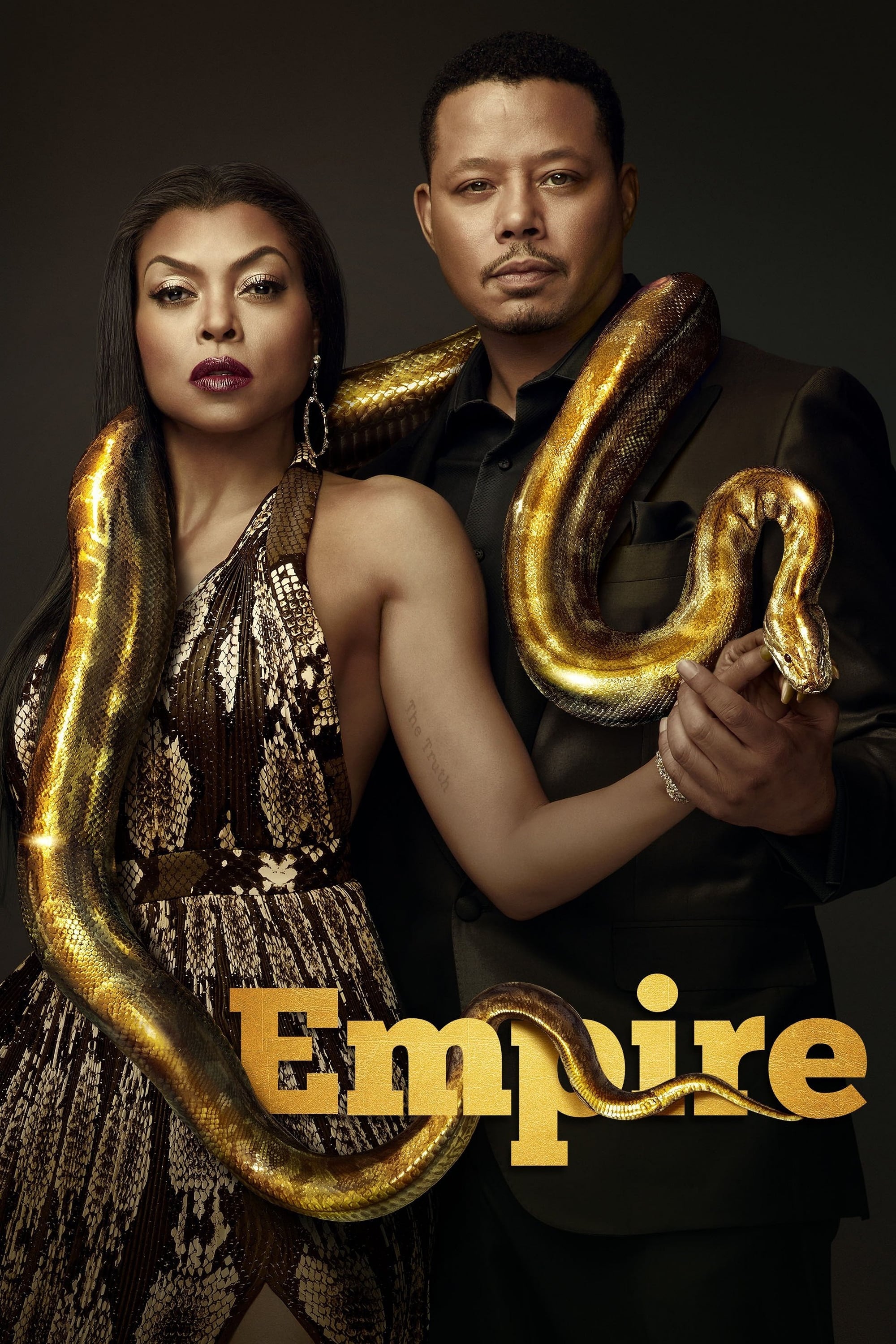
Jamal Lyon struggles to succeed in the often prejudiced world of hip-hop, all while trying to earn his father’s respect. He uses his music to both protect himself and prove his worth as he fights for his rightful place within his family’s legacy. The show tackles the unique challenges and social disapproval faced by gay men in the Black community. Jamal is determined to be true to himself, refusing to hide his identity to boost record sales or maintain a certain image. His story highlights how important it is to be genuine in an industry focused on appearances.
‘Master of None’ (2015–2021)

Denise is a steady and supportive presence for the main character, even as she figures out her own life as a lesbian. A memorable Thanksgiving episode spends a full half-hour showing her coming-out process over many years. We see her mother’s reaction change over time – from initially rejecting it, to reluctantly accepting it, and ultimately, to full love and support. This story was particularly impactful because it honestly showed how different generations in Black families can struggle to understand each other, and the patience needed to overcome those differences.
‘Queen Sugar’ (2016–2022)
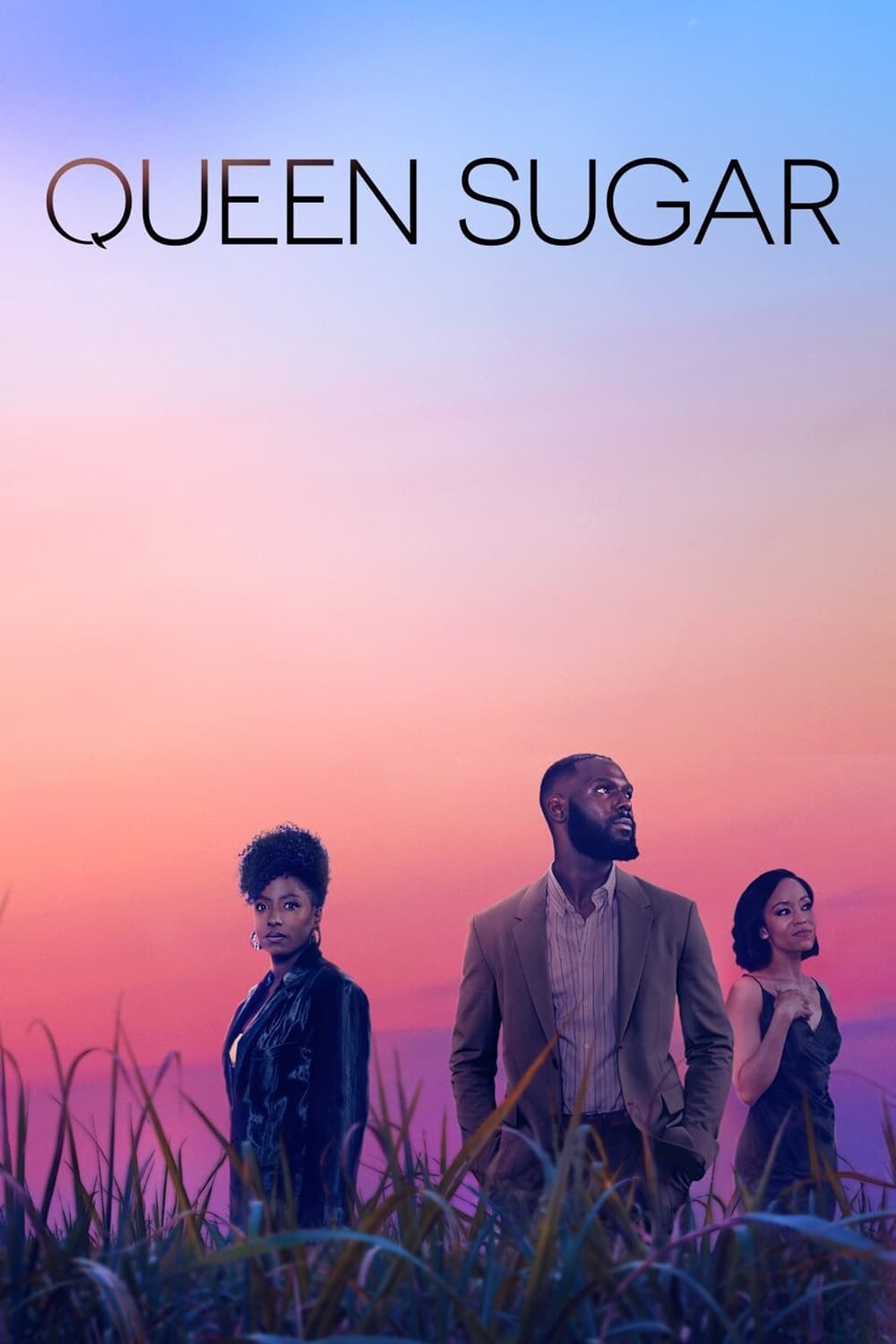
Nova Bordelon is a journalist and activist in Louisiana committed to social justice. The show portrays her romantic relationships with both men and women equally and respectfully, without defining her sexuality. Instead, it focuses on the genuine connections she shares with those she loves, presenting her openness as a part of her passionate and independent nature. Through Nova, the series examines how personal relationships and public activism influence each other.
‘Dear White People’ (2017–2021)
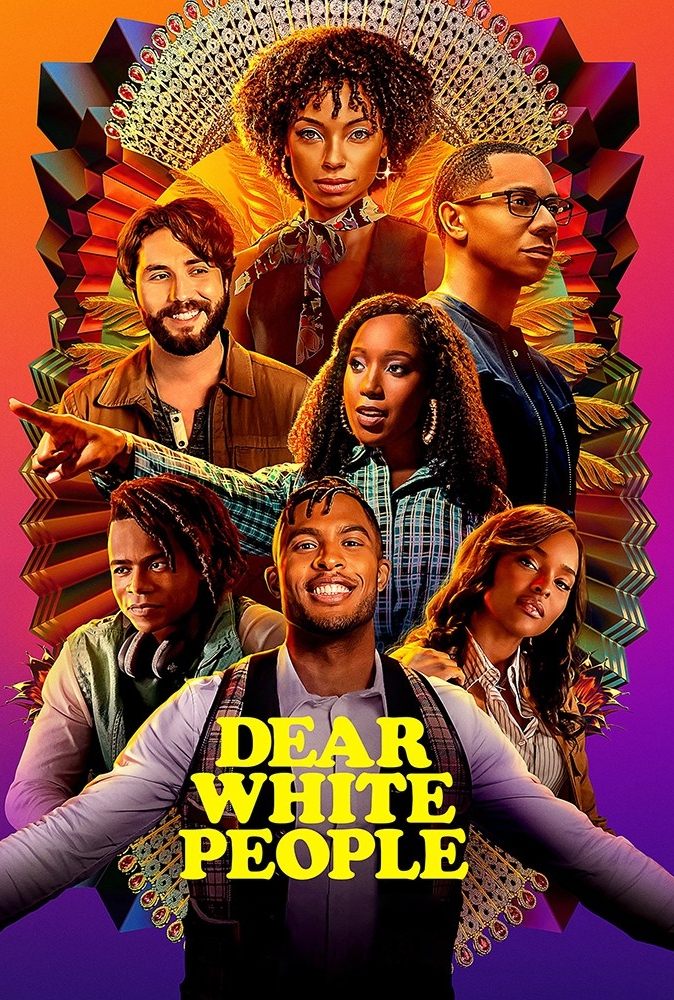
At the start of the series, Lionel Higgins is a reserved student trying to fit in at a university where most students are white. He discovers his confidence and voice through journalism, and fully embraces his identity as a gay Black man. The show avoids the common, sad fate often given to LGBTQ+ characters by showing Lionel finding both love and success in his career. His story highlights the unique challenges faced by people who experience marginalization in multiple ways. Throughout the series, Lionel transforms from someone who quietly watches to a confident and influential journalist who uses his voice to challenge those in power.
‘Black Lightning’ (2018–2021)
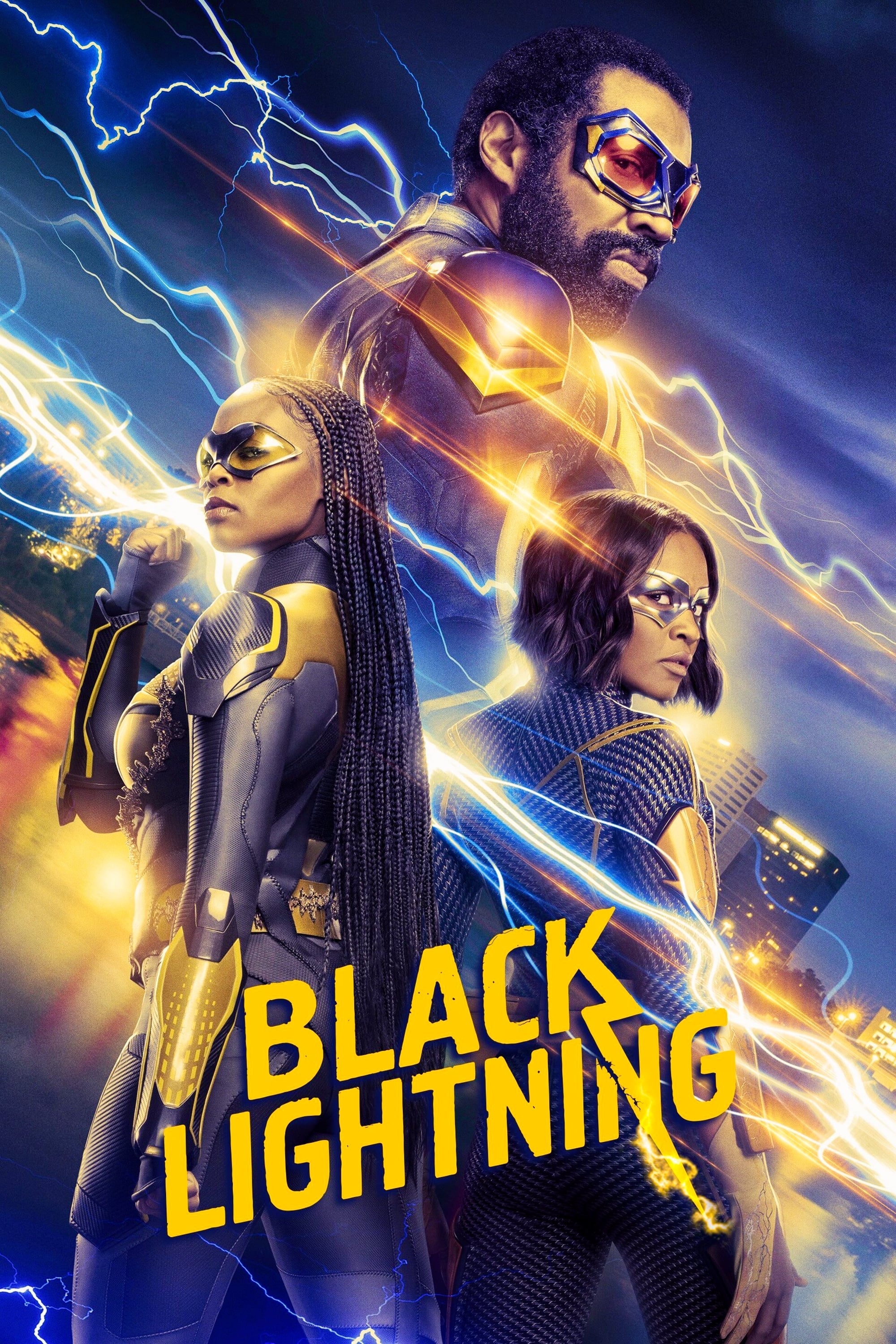
Anissa Pierce is a groundbreaking superhero – a Black lesbian who teams up with her father to fight crime. She juggles medical school, activism, and learning to use her powers as Thunder. Her relationship with Grace Choi provides a loving and supportive connection alongside the excitement of being a superhero. The series portrays her sexuality as a natural and accepted part of her identity, avoiding unnecessary drama. Anissa represents strength and protection for her community while remaining true to herself.
‘Pose’ (2018–2021)
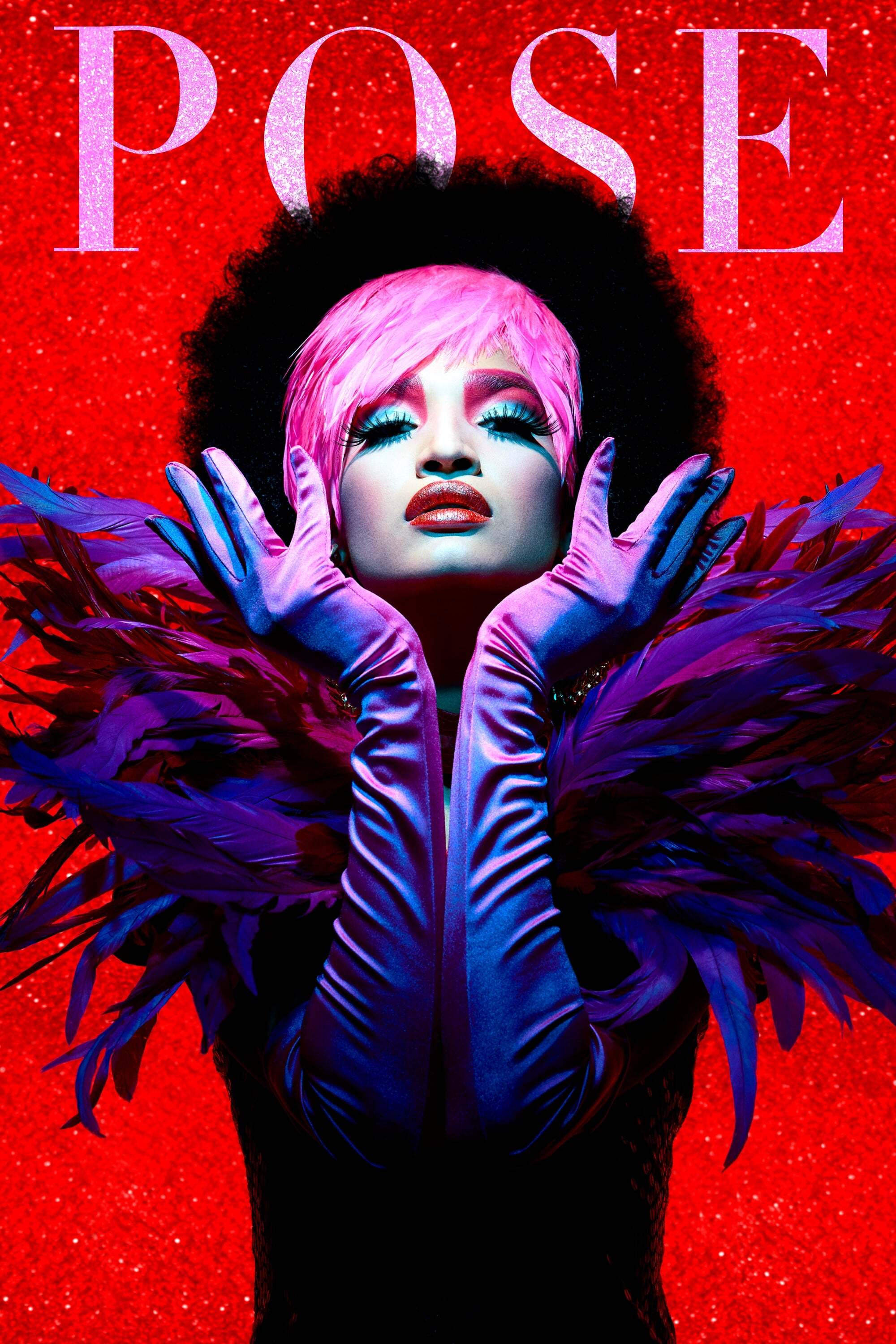
Blanca Evangelista is a strong and caring mother figure who provides a safe space for LGBTQ+ young people in New York City. The show explores the vibrant ballroom scene of the late 1980s and the heartbreaking effects of the HIV/AIDS crisis. Through characters like Pray Tell and Angel, we see stories of both joy and sorrow, all told with grace and stunning style. Notably, the series broke ground by featuring a record number of transgender actors in ongoing roles. It’s a tribute to the strength of a community that built its own support systems in the face of rejection from their families.
‘Sex Education’ (2019–2023)
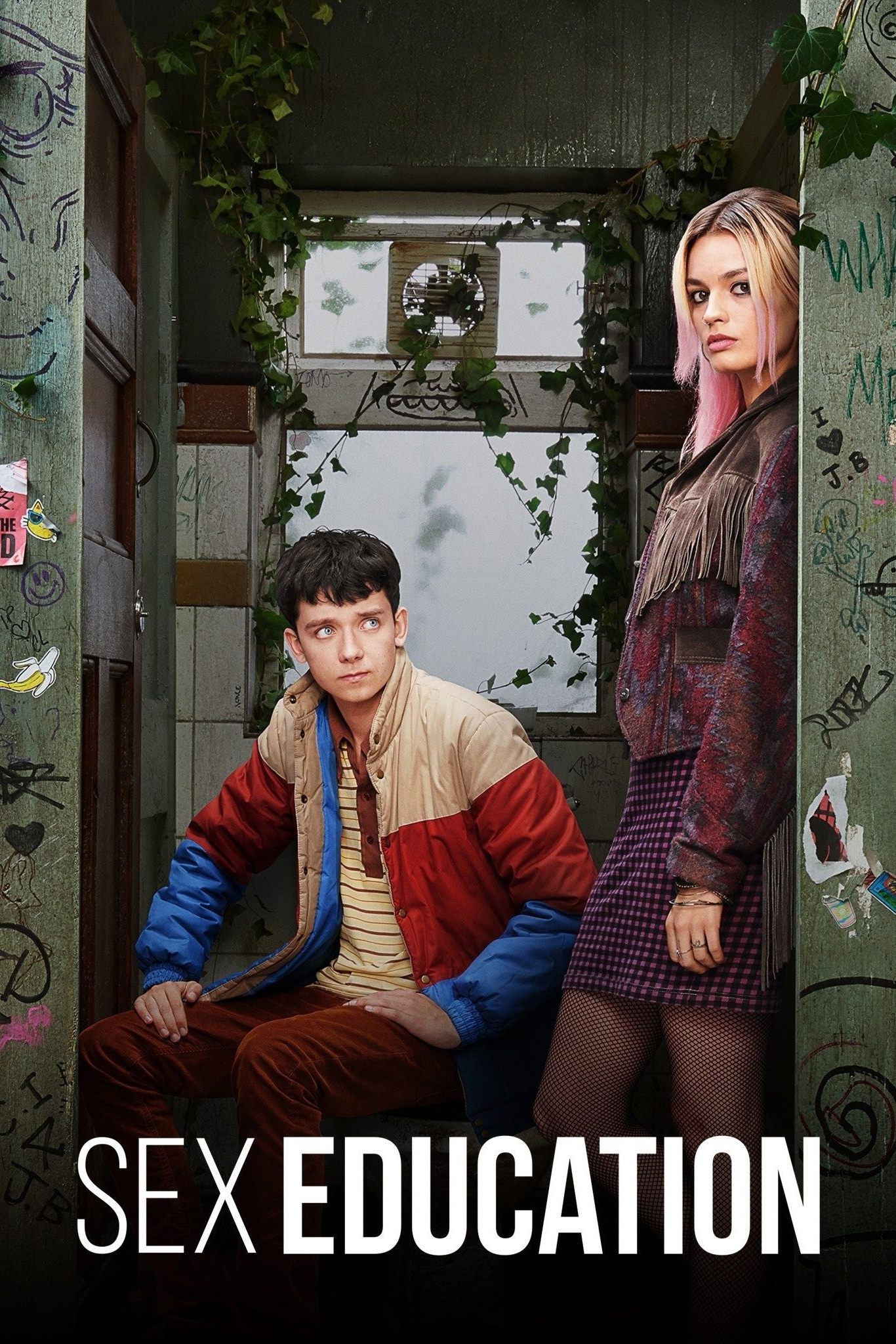
Eric Effiong is a standout character – a bright, confident teenager who isn’t afraid to be himself. He navigates the challenges of growing up in a religious Nigerian/Ghanaian family who sometimes struggle to understand his bold personality. The show smartly avoids portraying him as a victim of bullying, instead showing him as a popular and central figure at school. His love life is realistic and complicated, letting him stumble and learn like any other teen. Ultimately, Eric is a joyful and refreshing portrayal of queer identity, something rarely seen in teen comedies.
‘Euphoria’ (2019–Present)

Rue Bennett struggles with a serious addiction and develops a strong emotional connection with her transgender friend, Jules. The show examines her developing sexuality, shaped by past trauma and the uncertainties of being a teenager. Zendaya’s acting powerfully portrays the intense ups and downs of Rue’s difficult life. Rue and Jules’s relationship is complex and constantly evolving, blurring the lines between romance and friendship. Their connection offers a realistic portrayal of how young people today experience love and relationships without strict definitions.
‘Twenties’ (2020–2021)
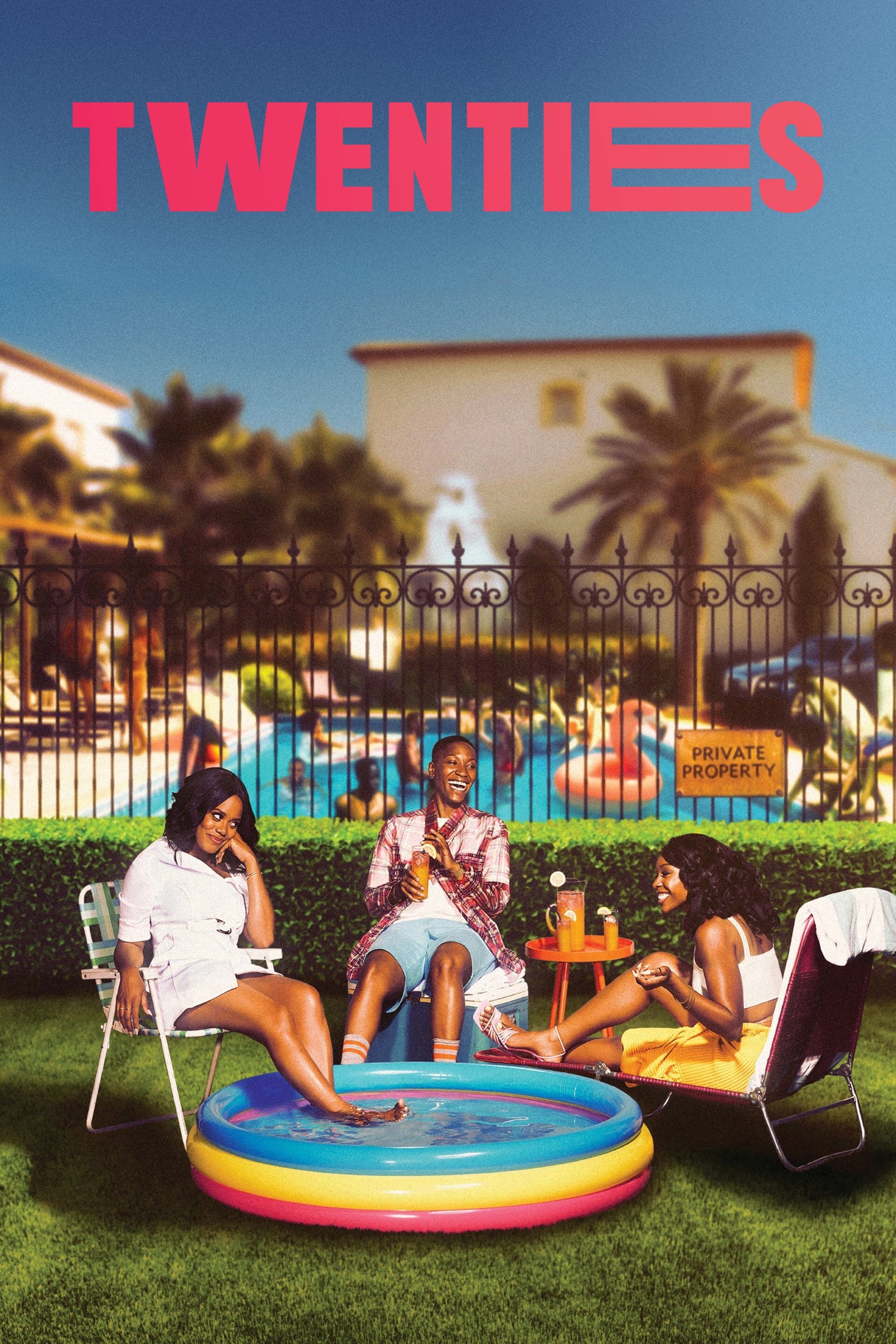
Hattie is a confident, masculine-presenting lesbian in Los Angeles pursuing her dream of becoming a screenwriter. The show is groundbreaking for featuring a butch Black woman as the central character in a comedy. It follows Hattie as she tackles dating and her career with a delightful mix of self-assurance and cluelessness. Unlike many shows, the story focuses on her goals and relationships, not on past trauma or coming out. This approach provides a welcome and realistic portrayal of gender-nonconforming women simply living their lives.
‘P-Valley’ (2020–Present)
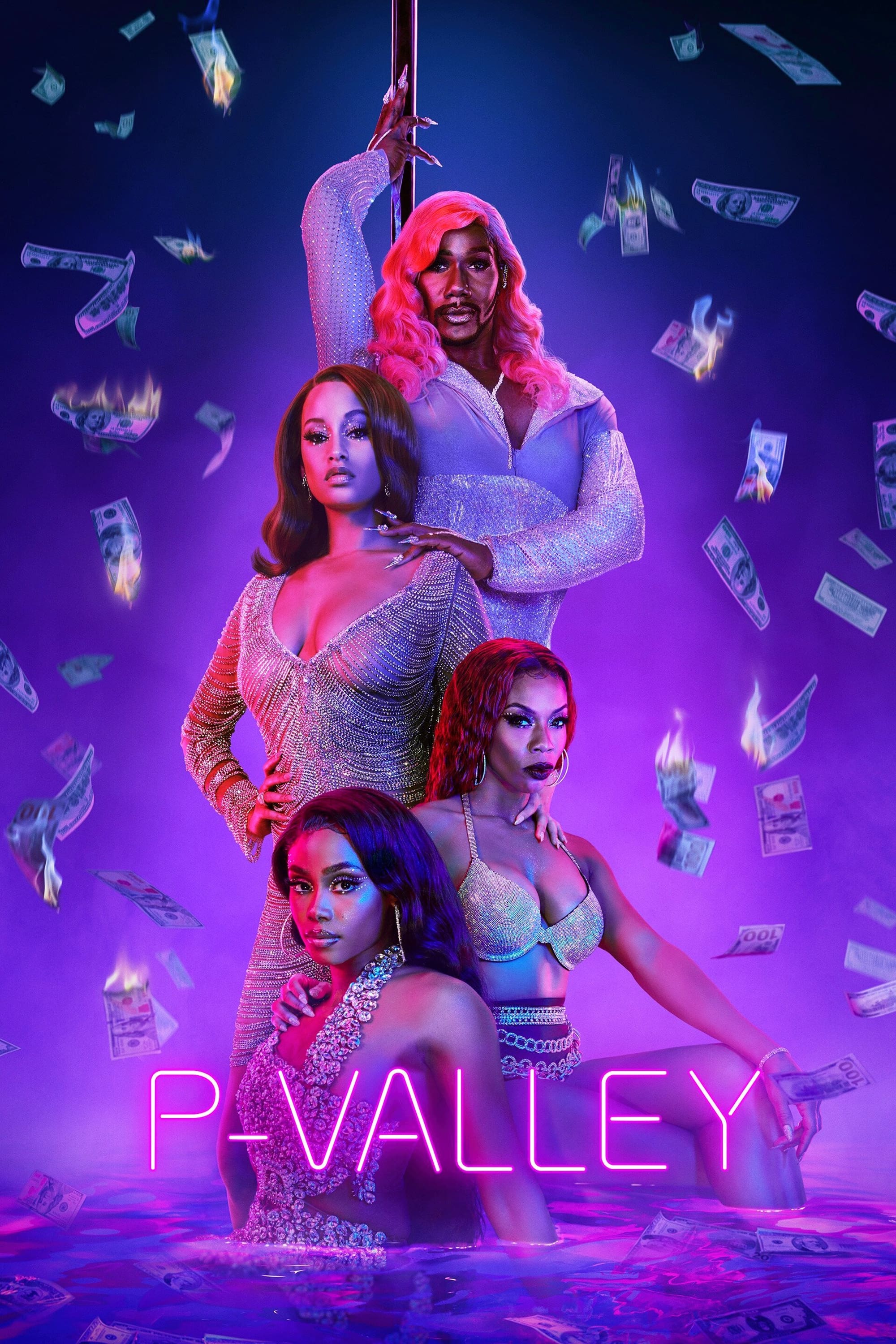
Uncle Clifford is the powerful and compassionate owner of The Pynk, a strip club in Mississippi. They are non-binary and use both ‘he’ and ‘she’ pronouns, earning the respect of everyone around them. The show portrays their personal relationships and the challenges of running a business with nuance and avoids stereotypical depictions. Uncle Clifford’s striking appearance, created through makeup and costuming, is a key part of who they are. They’re a fascinating character who combines a motherly nature with a sharp mind for business.
‘I May Destroy You’ (2020)
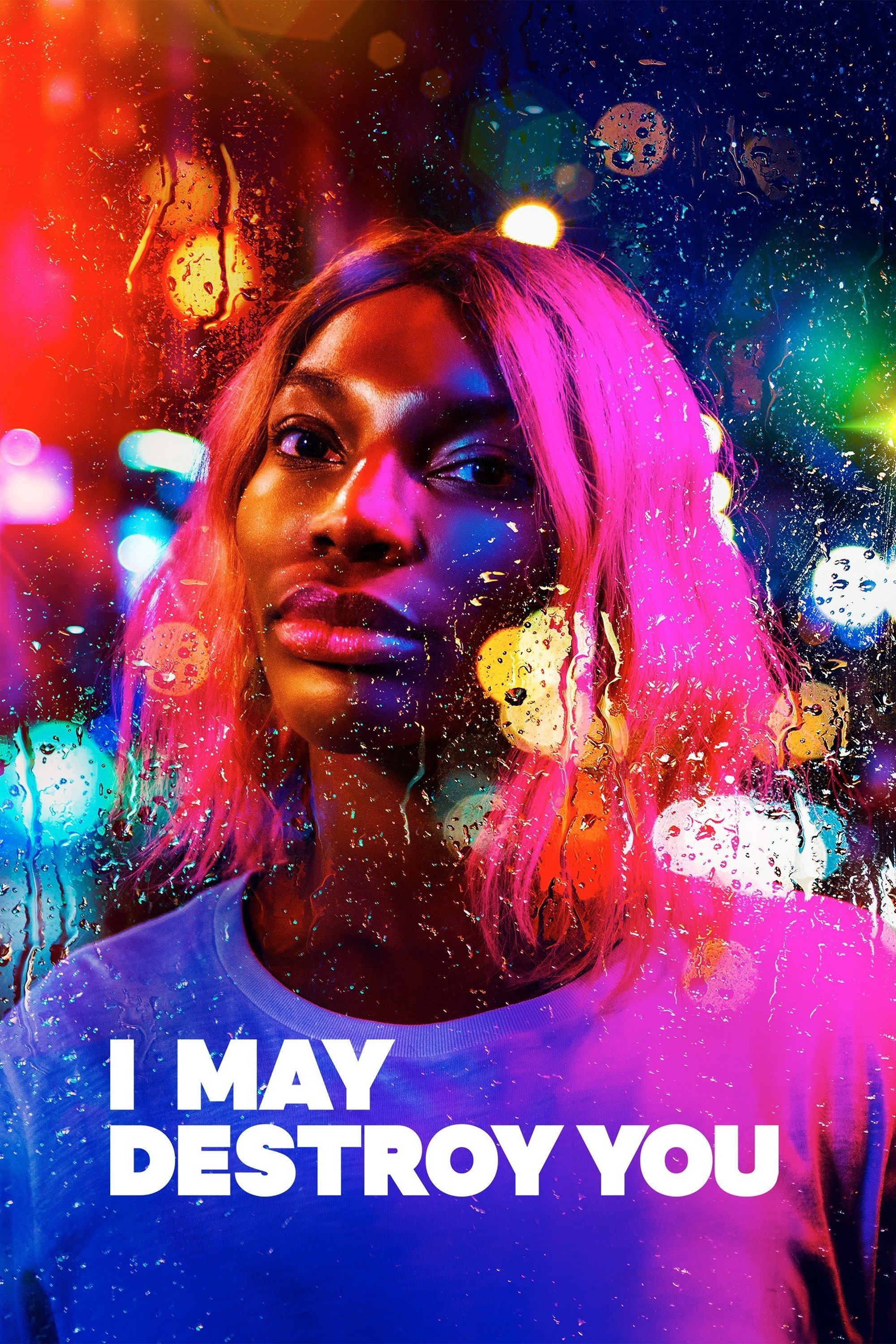
Kwame’s story follows his experiences with dating in London, using apps and casual relationships. The series bravely addresses the sensitive topic of male sexual assault, showing its impact with honesty. Kwame’s journey encourages viewers to consider how trauma affects men and women differently, shaped by societal pressures. As a Black man, he finds it hard to express his pain, as he feels pressured to appear strong. The show also offers an important look at consent and healthy relationships within the LGBTQ+ community.
‘Lovecraft Country’ (2020)
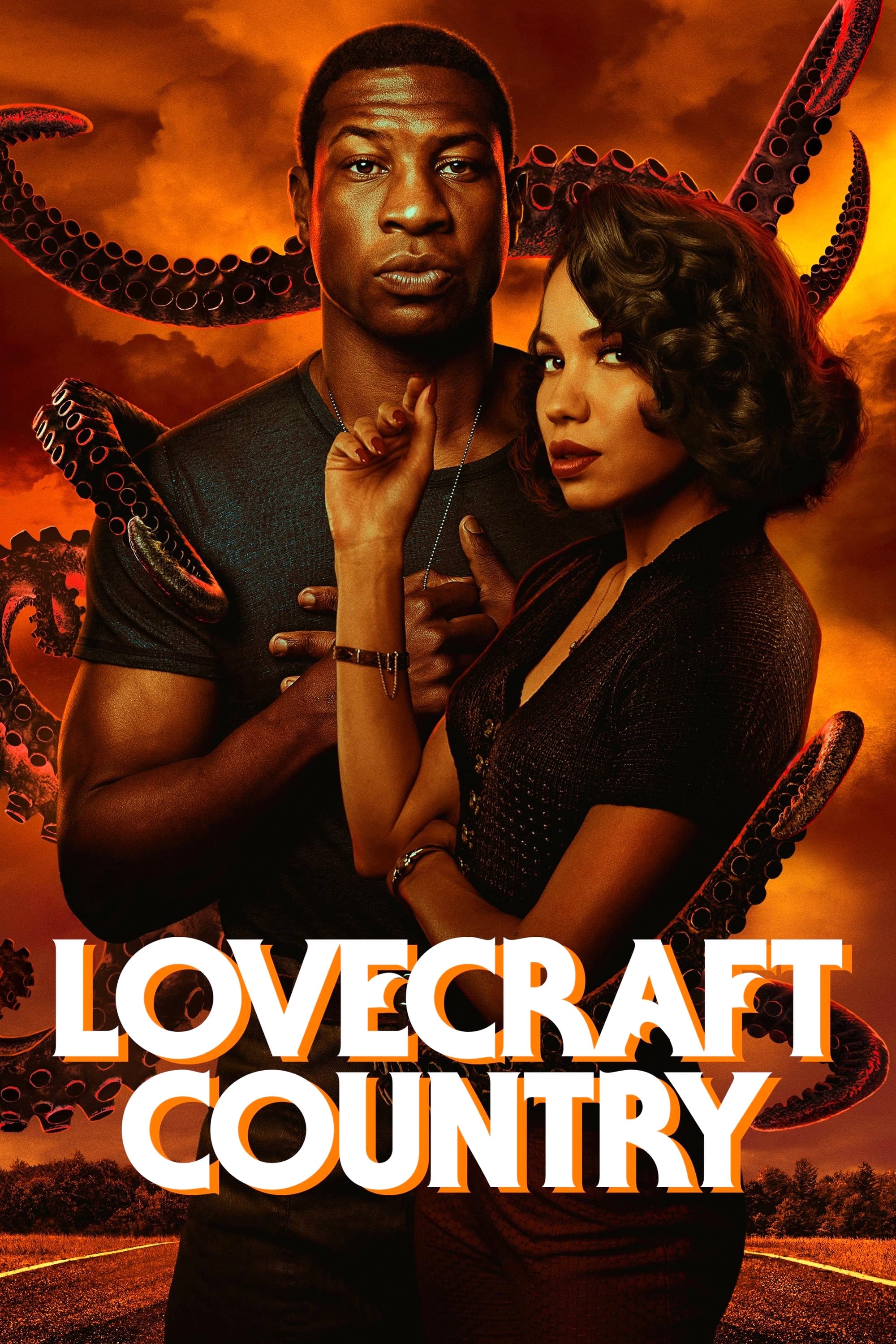
In 1950s America, Montrose Freeman masks his true identity with anger and struggles with alcohol. The horror series reveals that his unpredictable behavior is partly due to the difficulties of being a gay man forced to hide his sexuality in a prejudiced time. Throughout the show, he finds fleeting moments of freedom and connection despite facing both supernatural threats and racial discrimination. His story is about overcoming the harmful beliefs imposed on him by a society dominated by men. The show uses his experiences to shed light on the often-untold stories of Black queer men during that era.
‘Yellowjackets’ (2021–Present)
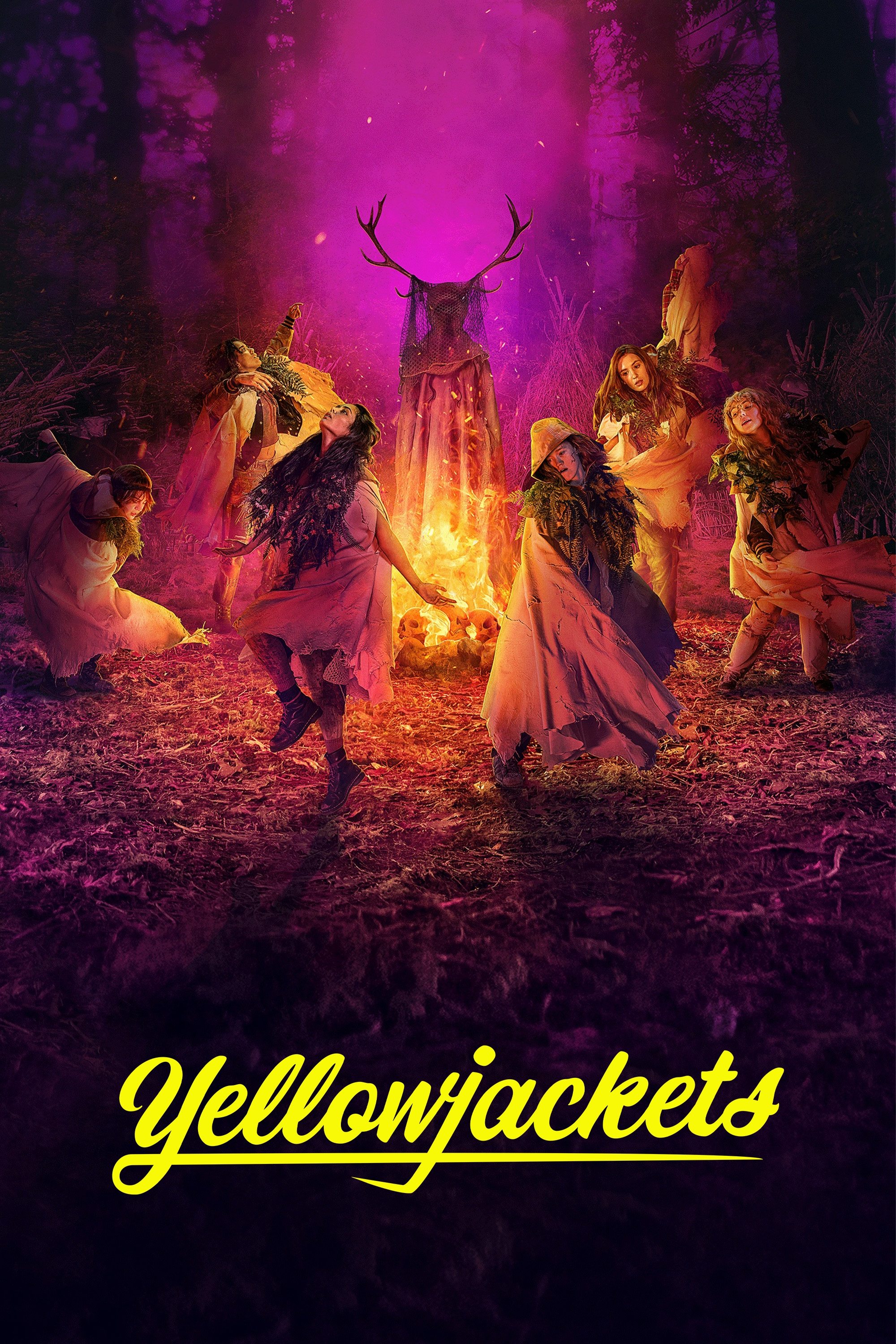
I’m really captivated by this series! It follows Taissa Turner, and it’s incredible seeing how she went from surviving a terrifying experience as a teen to becoming a powerful politician. What I especially love is how her relationship with her wife feels so real and grounding, especially as her life starts to fall apart. We get these flashbacks to her first love, Van, and it’s so compelling because their romance blossomed during this unbelievably intense survival situation. The show doesn’t make a big deal out of Taissa’s sexuality, which is refreshing – it’s just a natural part of who she is and her past. It’s a really layered story about her fighting both personal struggles and genuinely scary supernatural threats, all while trying to protect the family she’s created.
‘Bel-Air’ (2022–Present)
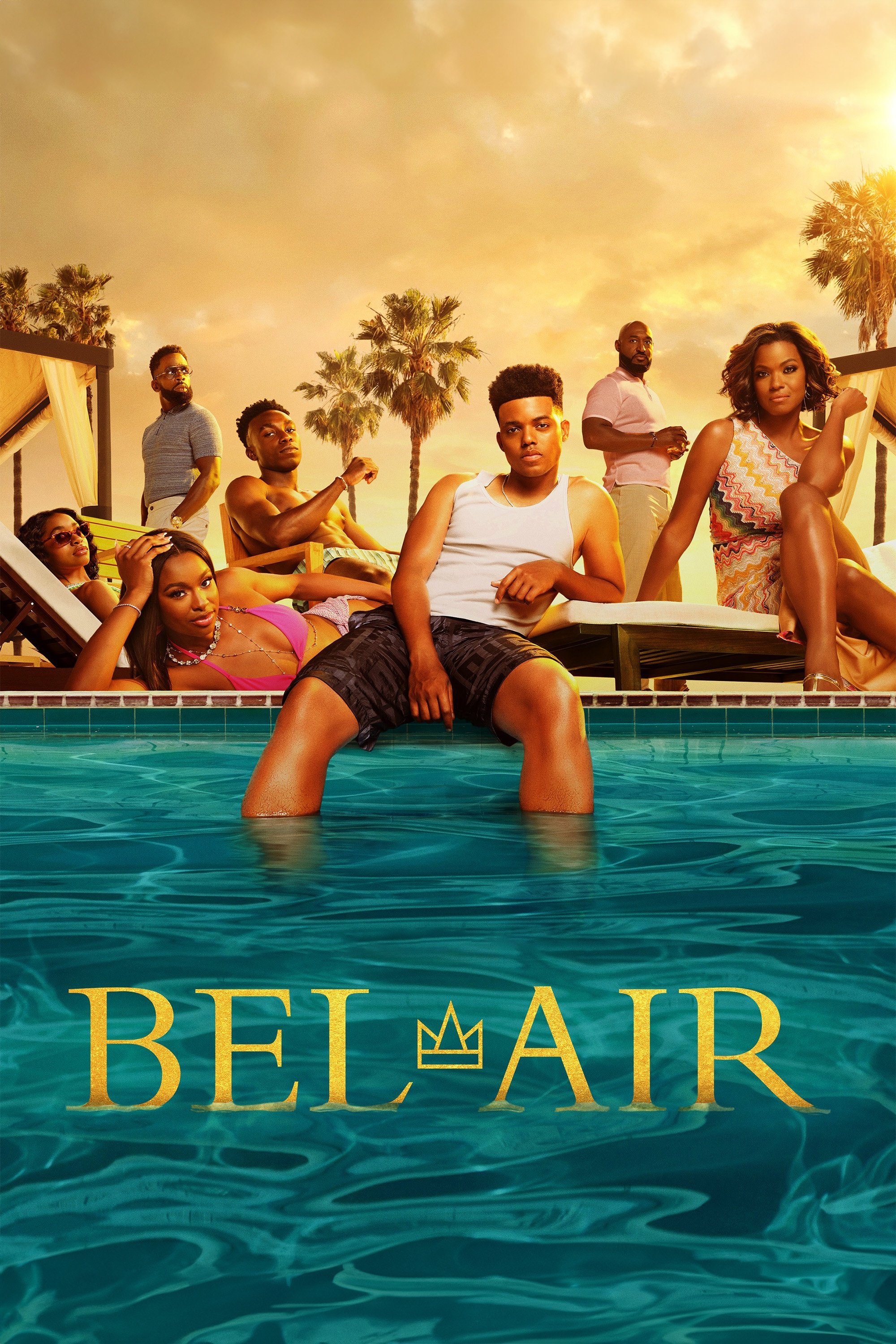
This new take on the classic 90s sitcom completely reimagines Carlton Banks. Instead of being just the funny sidekick, he’s now a complex character struggling with anxiety and exploring his identity. His conflict with Will is partly due to the pressure he feels to appear perfect and hide his true feelings. This makes their rivalry much more meaningful and his search for acceptance more compelling. The show cleverly updates the challenges faced by young Black men from privileged backgrounds.
‘Interview with the Vampire’ (2022–Present)
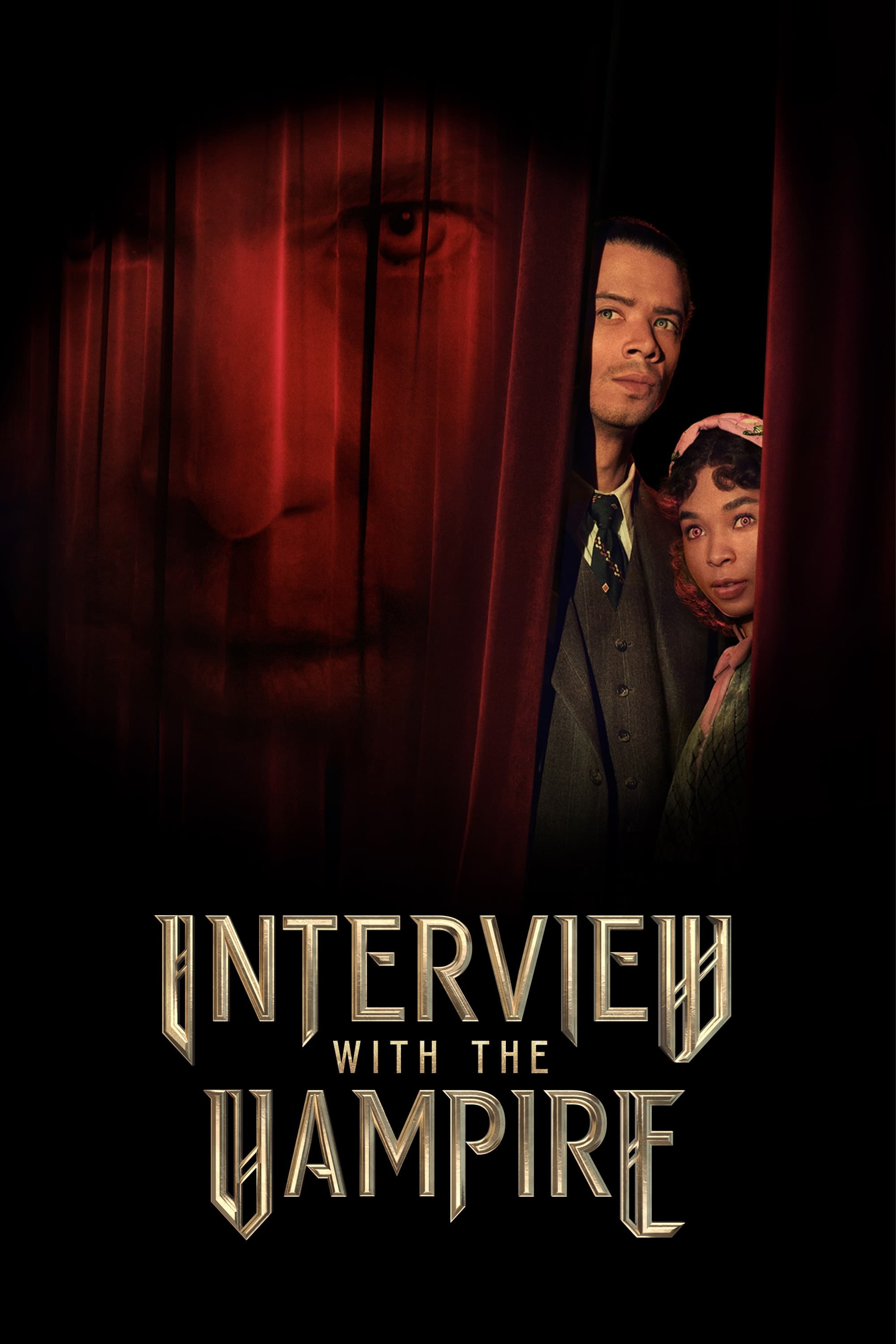
The story of Louis de Pointe du Lac is retold, now as a Black Creole man living in New Orleans during the early 1900s. This new version directly addresses the underlying themes of the original novel, focusing on the damaging relationship between Louis and the vampire Lestat. The series explores Louis’s feelings of being an outsider, both as a vampire and as a Black man facing segregation. The strong connection between the two main actors fuels the story, which unfolds over decades filled with bitterness and intense attraction. This adaptation breathes new life into the franchise by making issues of race and same-sex desire central to the horror.
Let us know in the comments which storyline you liked best, or if we left out one of your favorites!
Read More
- Games That Faced Bans in Countries Over Political Themes
- Gold Rate Forecast
- Unveiling the Schwab U.S. Dividend Equity ETF: A Portent of Financial Growth
- Silver Rate Forecast
- Superman Flops Financially: $350M Budget, Still No Profit (Scoop Confirmed)
- 22 Films Where the White Protagonist Is Canonically the Sidekick to a Black Lead
- 20 Movies Where the Black Villain Was Secretly the Most Popular Character
- 14 Movies Where the Black Character Refuses to Save the White Protagonist
- The Best Directors of 2025
- The Best Former NFL Players Turned Actors, Ranked
2025-12-07 02:49