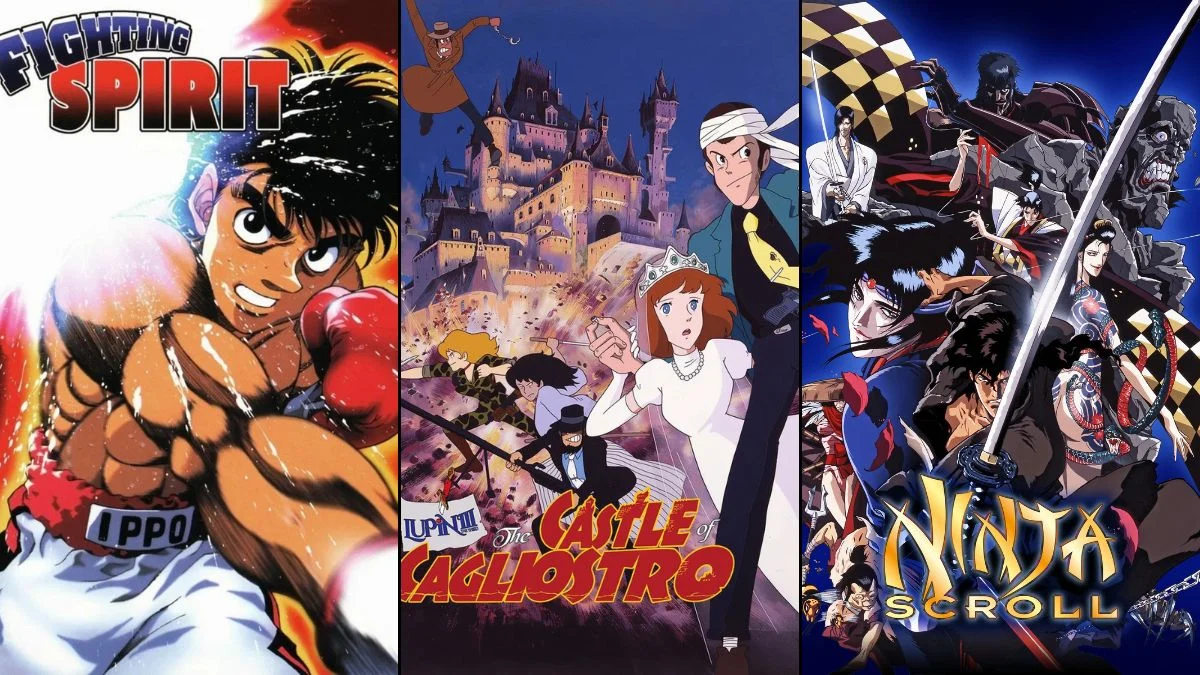
Hollywood blockbusters have often drawn inspiration from Japanese animation throughout cinema history. Directors like James Cameron and the Wachowskis have openly shared how certain anime series influenced their storytelling and visual style, sometimes even serving as the basis for memorable scenes or entire film franchises. This list showcases some less famous, but highly influential, anime that well-known filmmakers have credited as essential to their work.
‘Birdy the Mighty: Decode’ (2008)
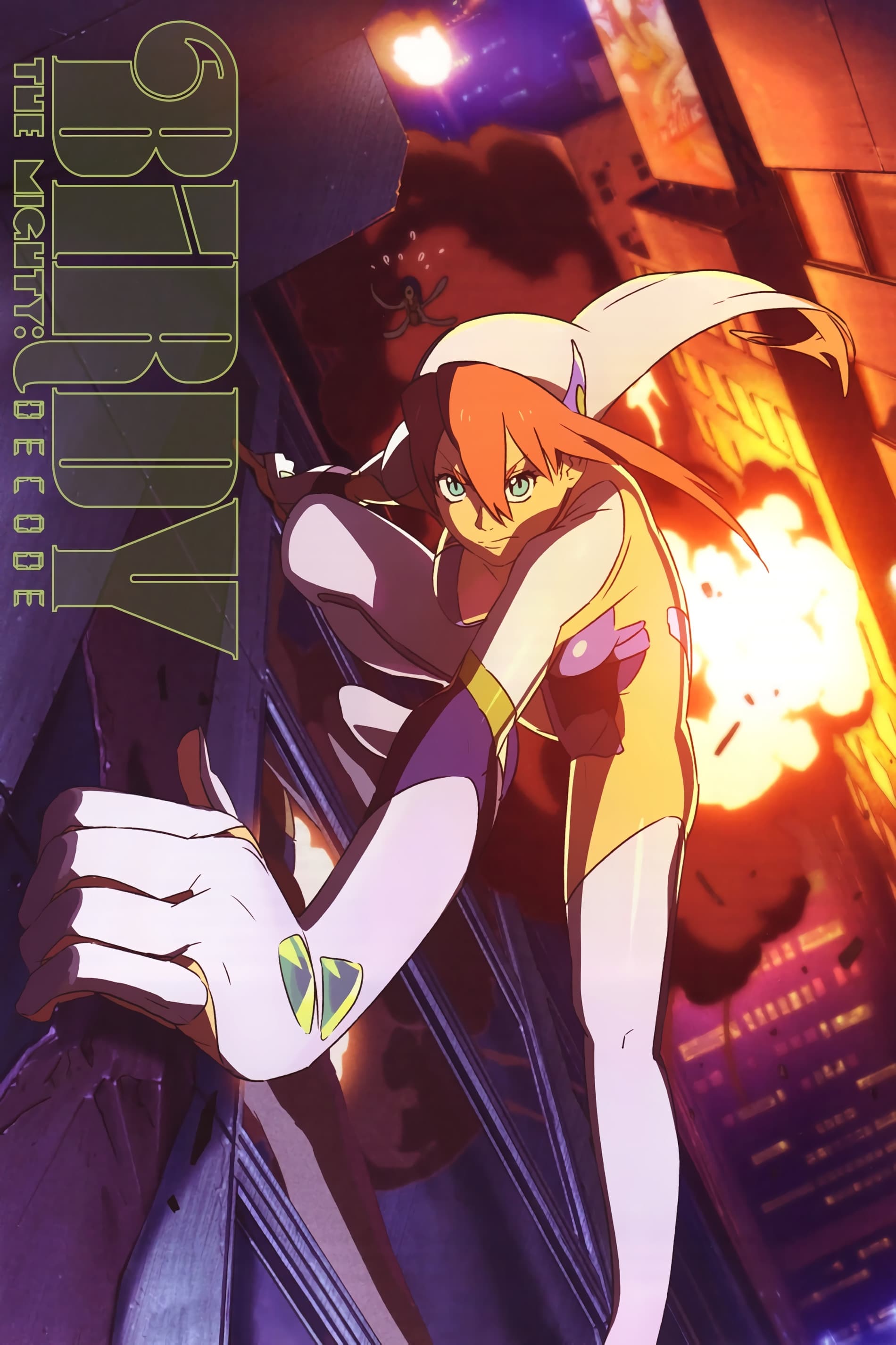
As a huge fan, I always noticed how much Zack Snyder’s Man of Steel borrowed from this incredible sci-fi anime! He actually said it was a major inspiration for the action, especially how they showed super-powered characters battling at incredible speeds through cities. You can really see that influence in the big fight in Metropolis – the way everything felt so chaotic and powerful. The show itself is about a secret agent who ends up sharing a body with a teenager while they’re trying to take down alien criminals here on Earth. It’s a wild ride!
‘Future Boy Conan’ (1978)

Guillermo del Toro considers this post-apocalyptic animated series to be his all-time favorite. Created by Hayao Miyazaki before he established Studio Ghibli, the show explores themes of environmentalism and the impact of war – ideas often found in Del Toro’s own films. He especially loves the show’s endearing main character and how it balances dark moments with uplifting adventures. The series’ unique robot designs also reflect Del Toro’s passion for detailed machines and fantastical settings.
‘The Castle of Cagliostro’ (1979)
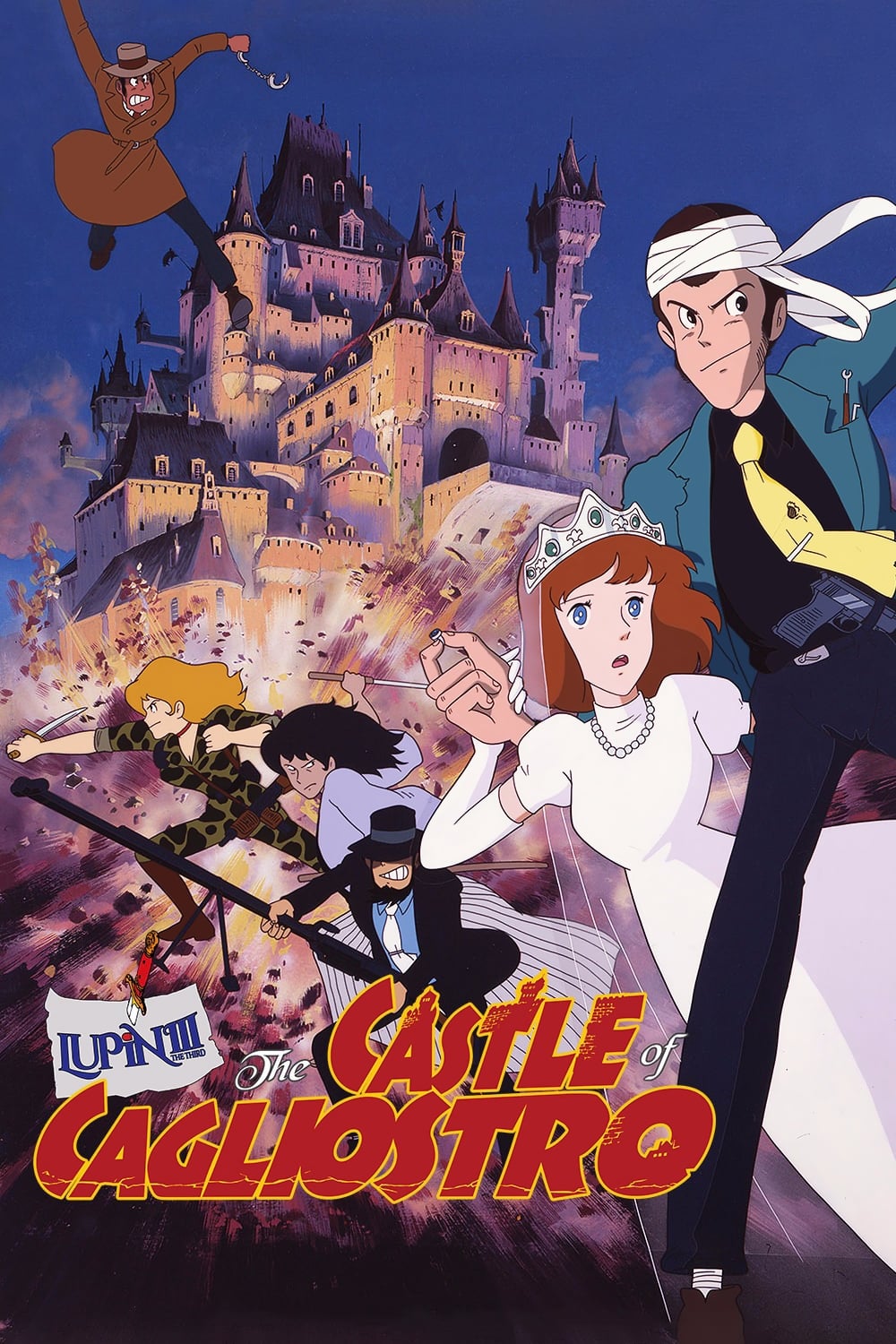
John Lasseter, a co-founder of Pixar, says this movie completely changed how he thought about animation and its potential to connect with viewers. He even used a thrilling car chase from the film to win over his future wife, showcasing his love for the art form. Director Steven Spielberg has also praised that same chase scene, calling it one of the best action sequences ever filmed. The story centers on Lupin III, a skilled thief, who attempts to break into a heavily guarded castle in Europe to expose a counterfeiting operation and rescue a princess.
‘Perfect Blue’ (1997)
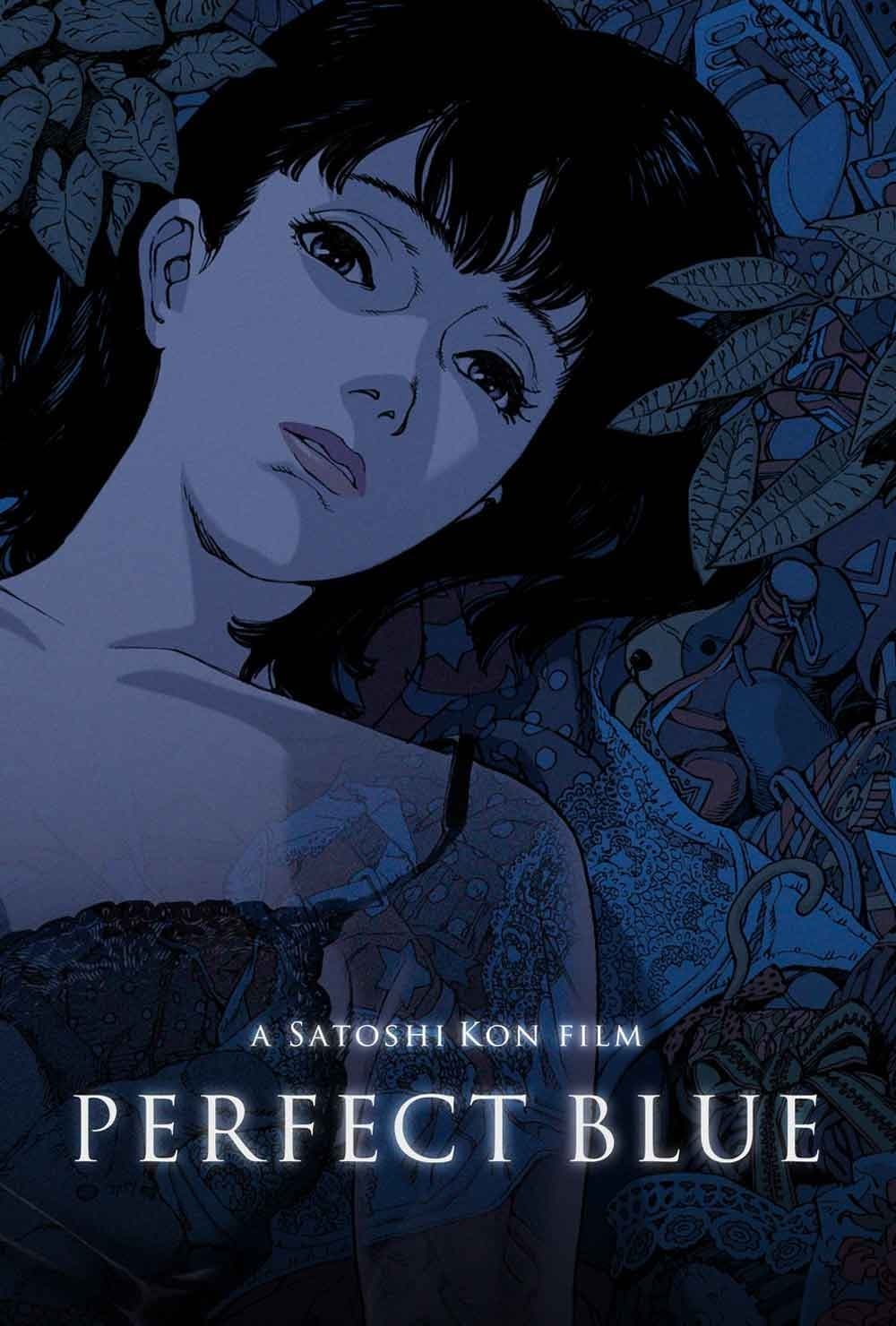
As a critic, I’ve always been fascinated by how films inspire other filmmakers, and this psychological thriller is a prime example. In fact, Darren Aronofsky was so moved by it, he actually bought the rights just to recreate one particular scene! You can see its influence clearly in his work on addiction, specifically a harrowing bathtub sequence that’s a direct lift from this anime. He’d later revisit themes of fractured identity and duality in his ballet film, but this story came first: it’s about a pop star trying to make it as an actress, and as a stalker closes in, her sense of reality begins to unravel.
‘Fighting Spirit’ (2000–2014)
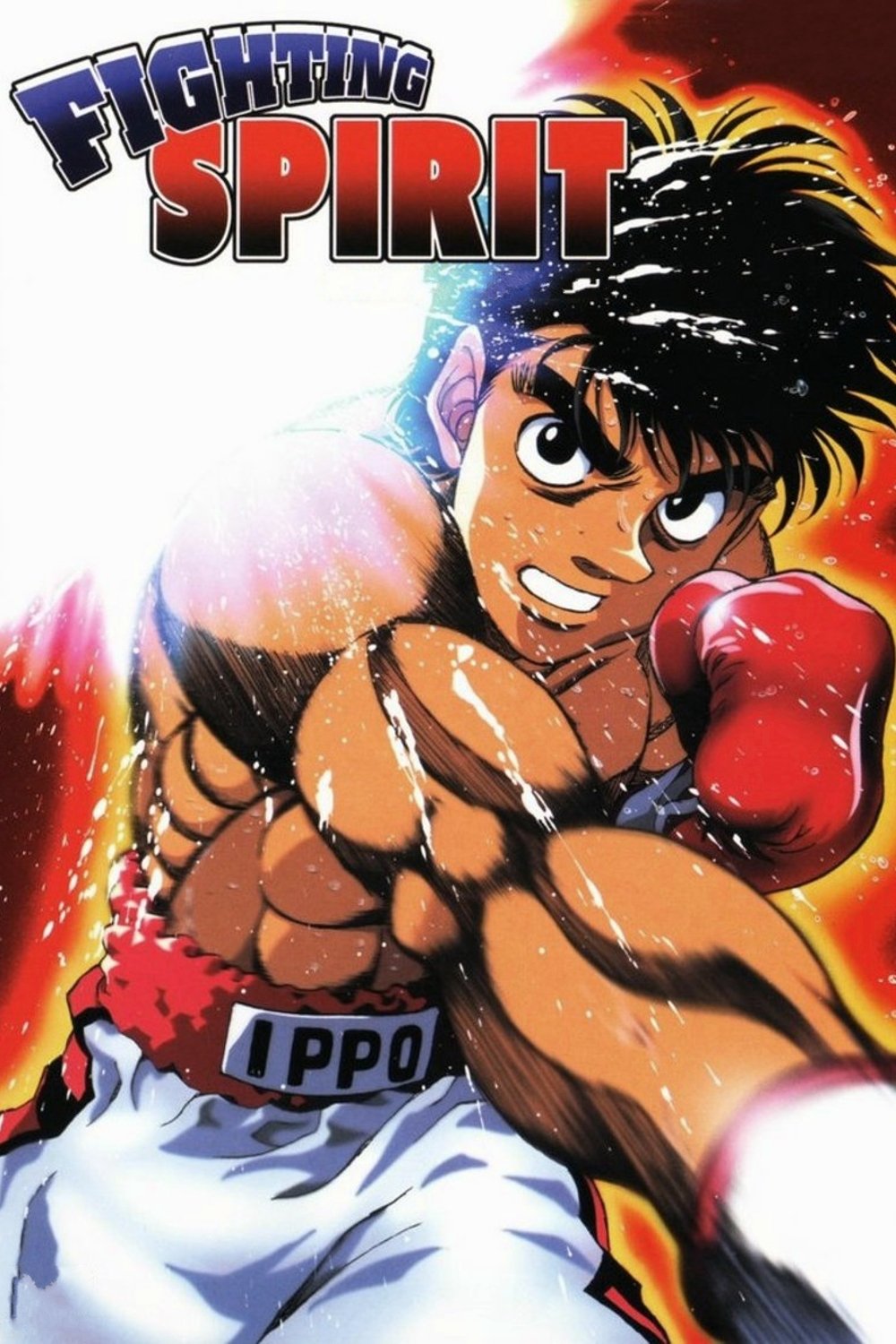
Michael B. Jordan has said the popular boxing anime was a big inspiration for how he visually directed the latest Creed movie. He borrowed a technique from the anime – showing a character’s thoughts during fast-paced fights – to make the boxing scenes more emotionally impactful. He even included a specific two-punch move from the anime as a direct nod to the series. The anime tells the story of a high school student who overcomes bullying and finds success as a professional boxer.
‘Ninja Scroll’ (1993)
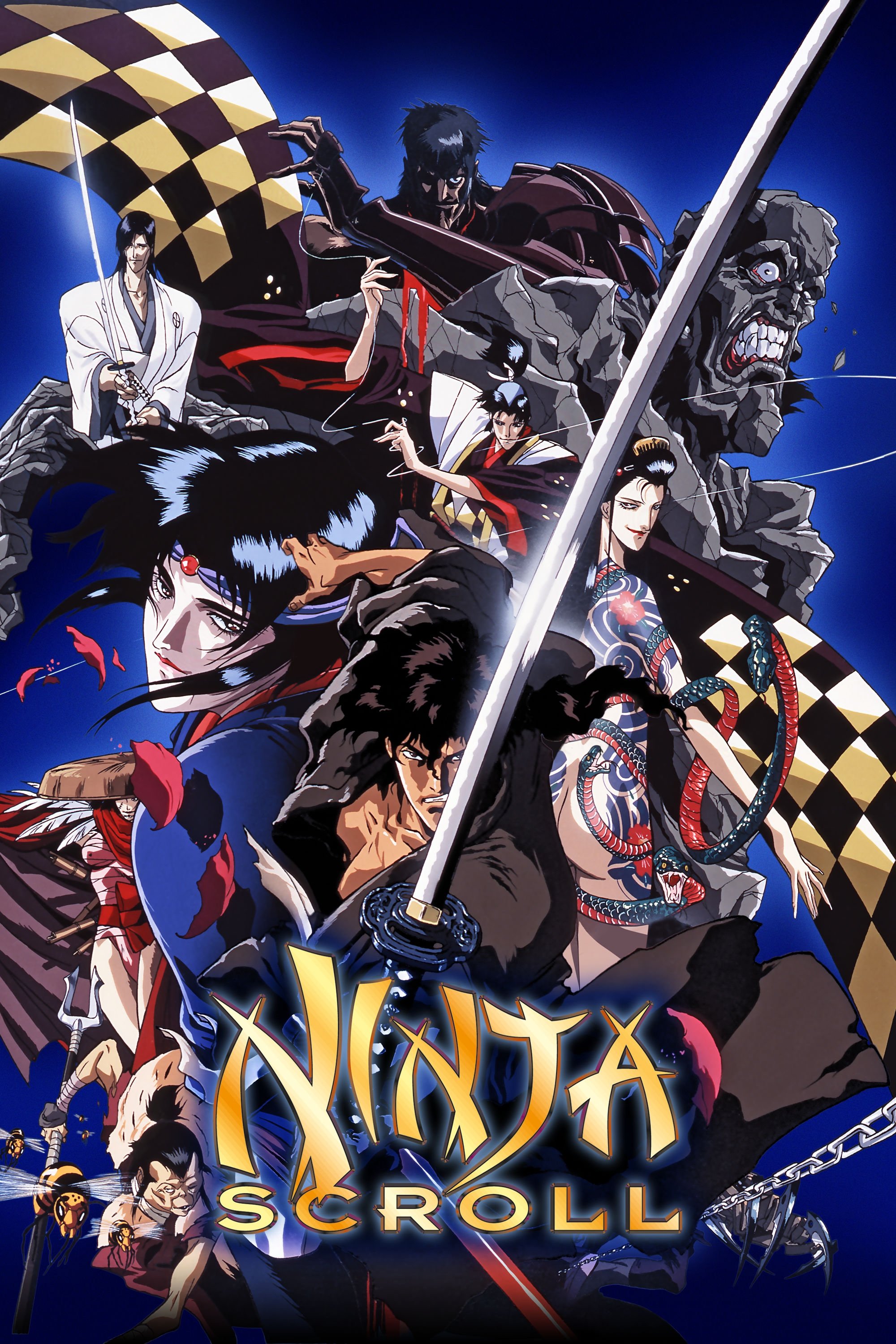
The filmmakers, the Wachowskis, asked their producer to view this action-packed historical film because they were inspired by its raw, energetic style. They particularly liked how the film seamlessly blended different moments in time and locations during fight scenes, and wanted to achieve a similar effect in their futuristic “Matrix” films. The anime itself is famous for its over-the-top violence and uniquely designed monsters, which were groundbreaking for animation when it was released in the nineties. The story centers on a lone swordsman fighting against a group of evil ninja who are trying to take over the government.
‘Blood: The Last Vampire’ (2000)
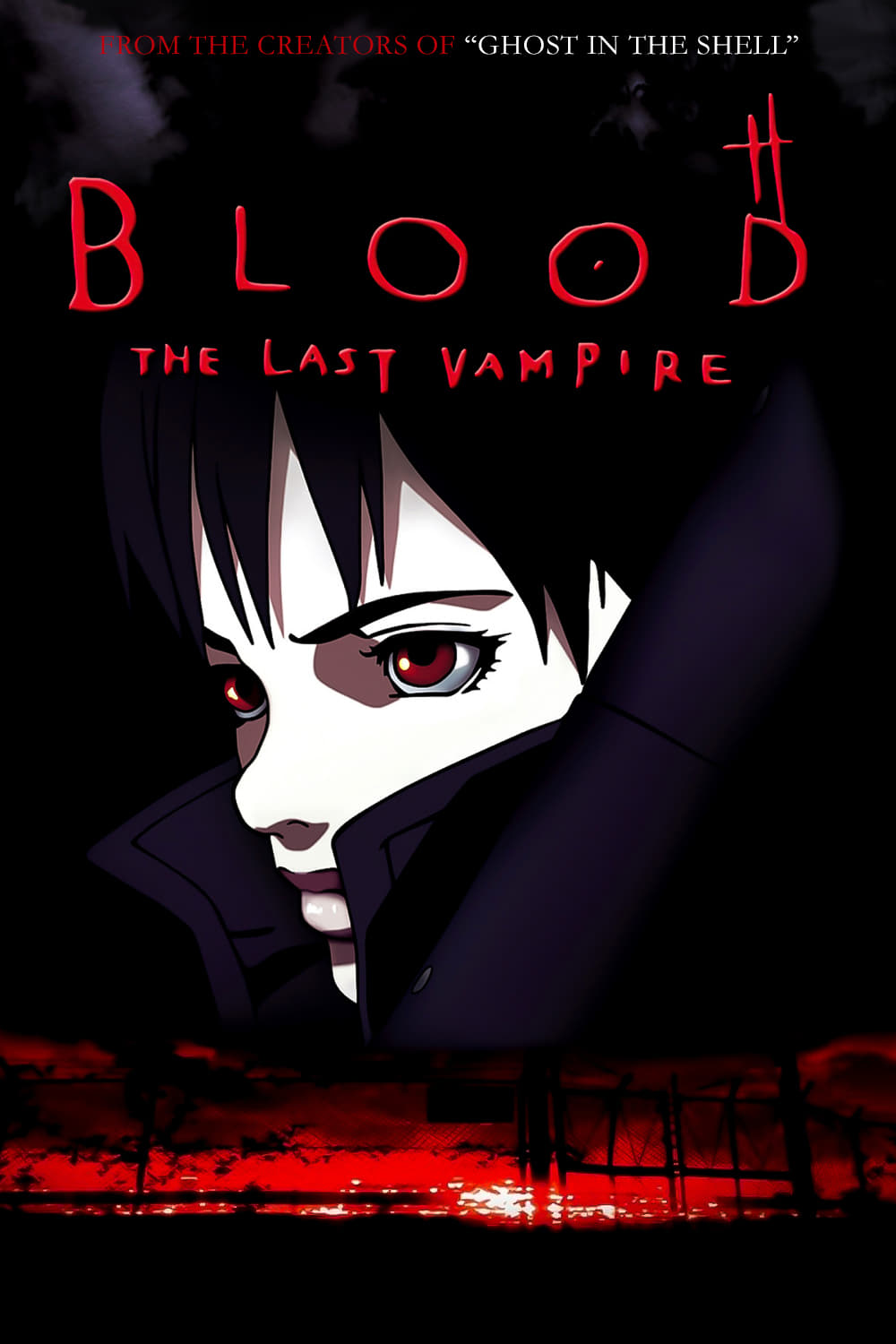
Quentin Tarantino was deeply impressed by a short animated film and even brought the studio that made it on board to create a violent animated sequence for his action movie. He admired the film’s fast-paced, impactful action and its dark, atmospheric style, believing animation was the best way to show the backstory of one of the villains. The original anime is about a young woman who hunts bat-like creatures at an American airbase in Japan during the Vietnam War.
‘Patlabor: The Movie’ (1989)
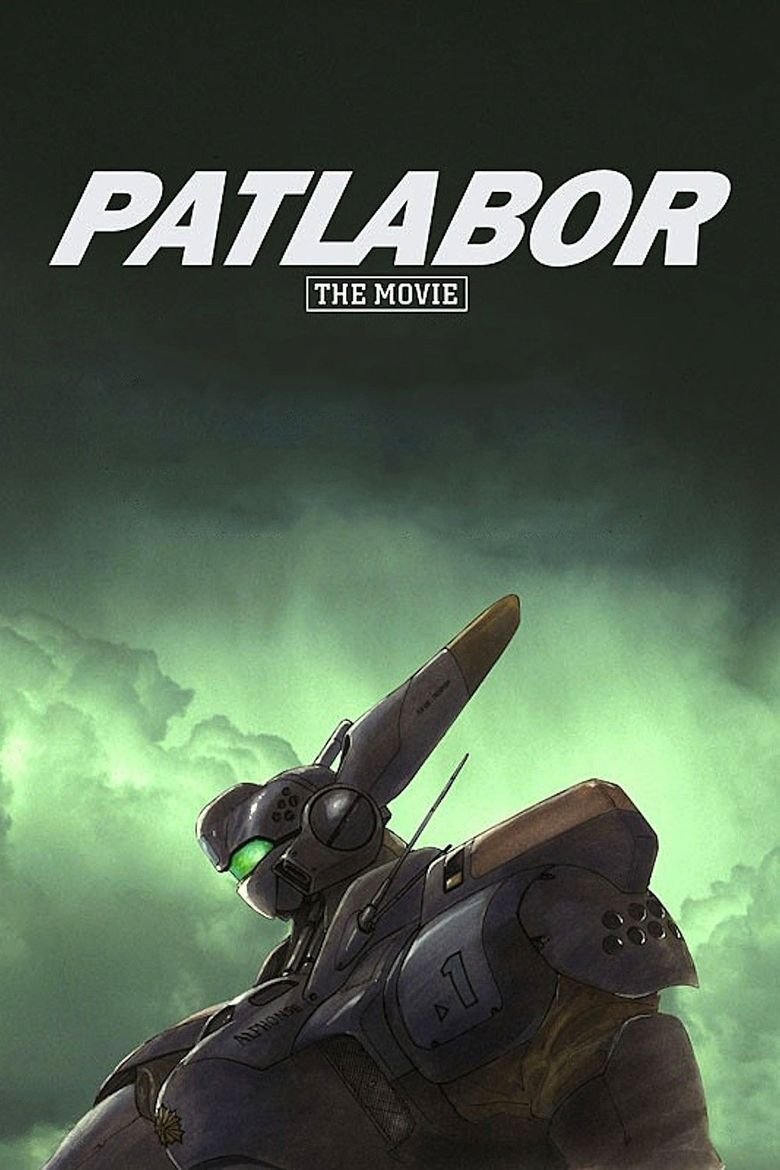
Guillermo del Toro has said the detailed and believable robots in this series greatly influenced his own giant robot movie. He liked that the robots were portrayed as powerful, working machines, not just fantastical heroes. James Cameron also praised one of the later films for its thoughtful political themes and intricate story. The series centers around a special police force in a futuristic Tokyo that uses large robots, called ‘labor mechs’, to fight crime.
‘Neon Genesis Evangelion’ (1995–1996)
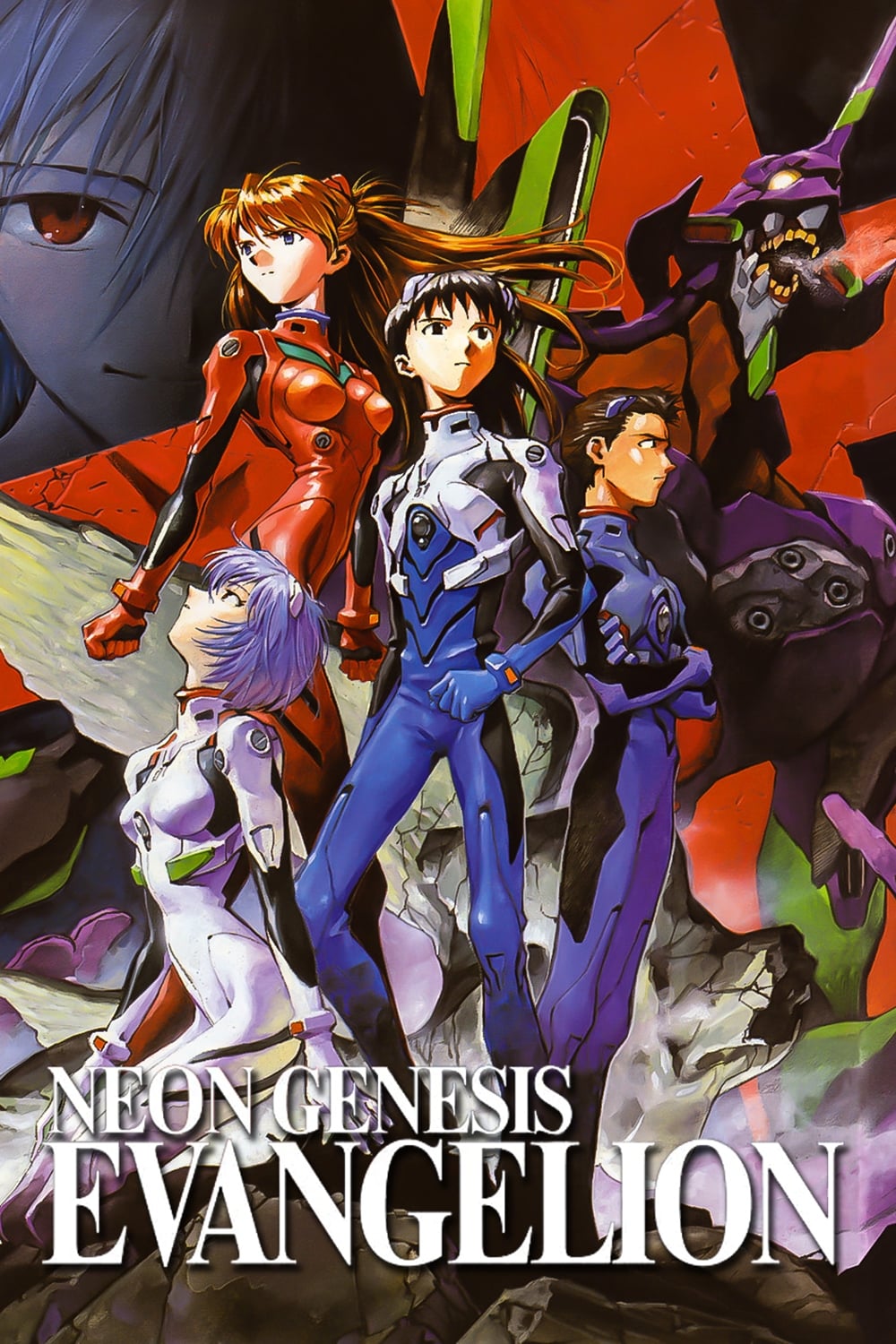
Director Wes Anderson binge-watched this intricate science fiction series in under a week and found it incredibly captivating. He even suggested the show’s rich story and complex characters could inspire a dedicated following, almost like a religion. Fans might notice similarities between the anime’s visual style and the detailed backgrounds in his stop-motion film about a dog. The series itself follows a group of teenagers who pilot enormous, living machines to defend Earth from strange creatures called Angels.
‘Cowboy Bebop’ (1998–1999)
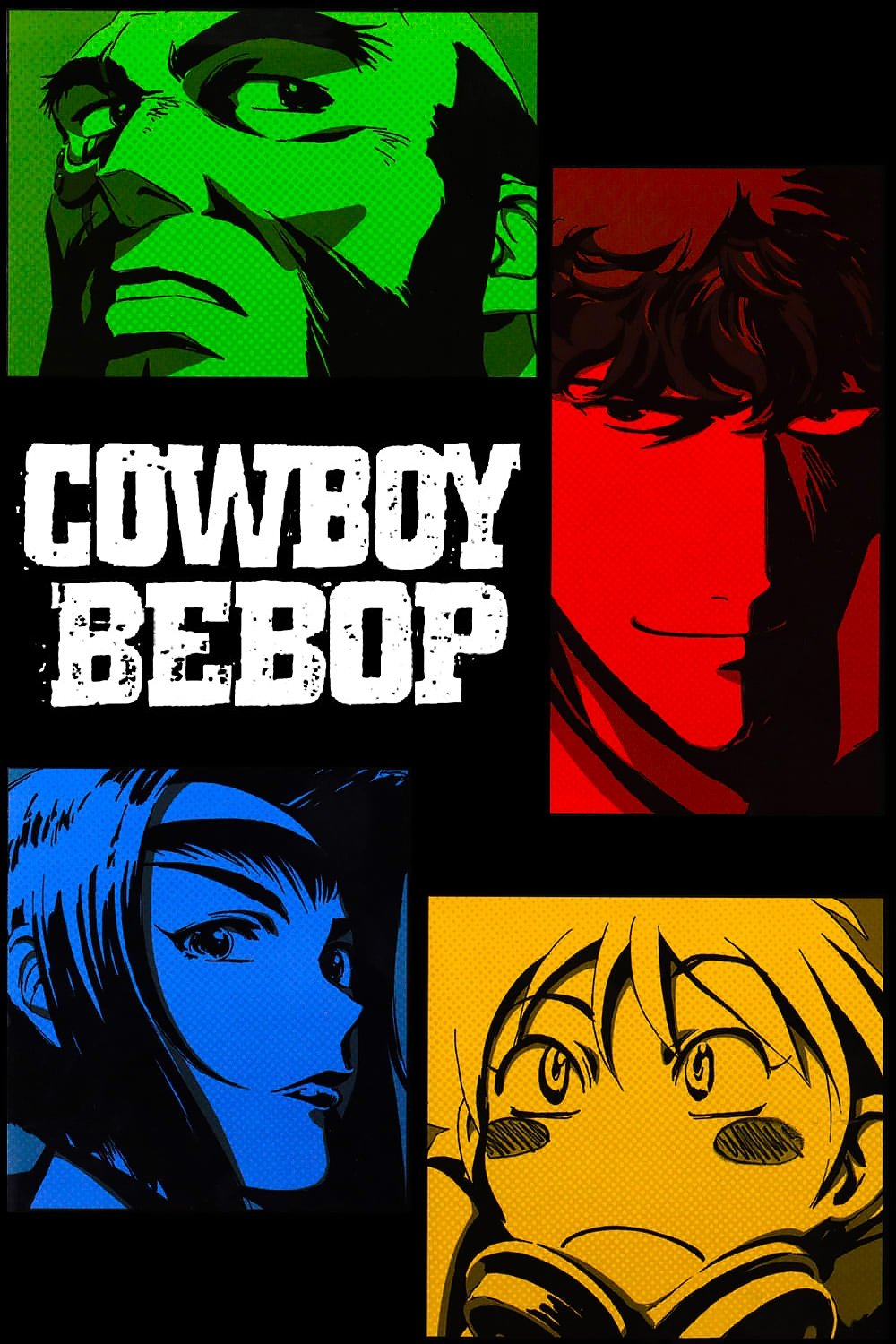
Rian Johnson has said that this anime heavily inspired the look of his first film, a detective story set in high school. He used specific visual elements from the anime to create the film’s mood and style. He also pointed out similarities between the anime’s detailed world and the futuristic setting of his time-travel movie. The anime itself centers on a group of mismatched bounty hunters who travel the solar system aboard their spaceship, all while grappling with their personal histories.
‘Elfen Lied’ (2004)

The creators of the popular series were heavily inspired by a specific anime when developing the character of Eleven. They drew from the idea of a young girl with psychic abilities who flees a secret government facility. Like the anime, the series features intense and often violent scenes, and explores a tragic story of a group of mutants – beings with invisible limbs – who face prejudice and are pursued by the military.
‘Barefoot Gen’ (1983)
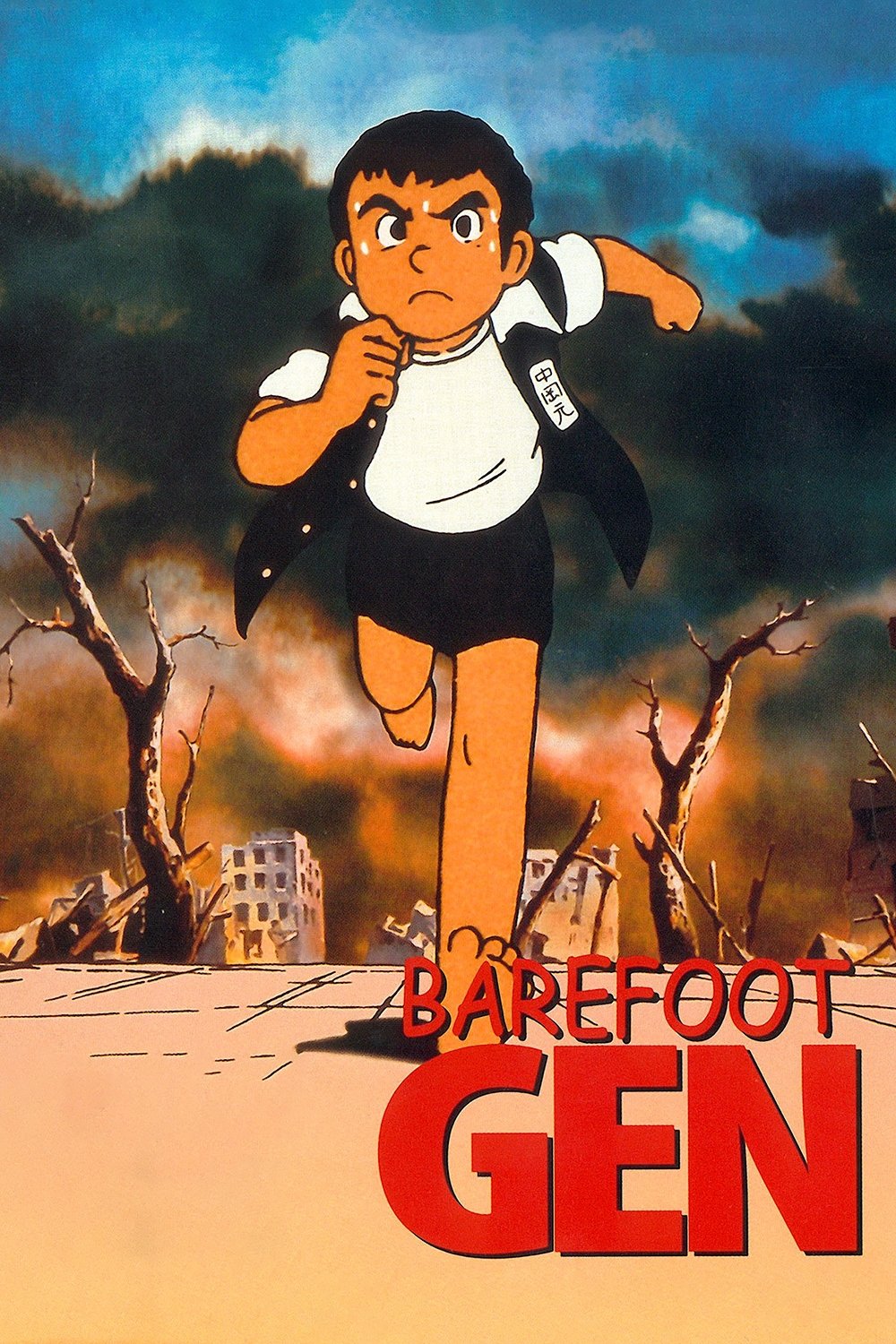
James Gunn was deeply affected by this powerful war film, calling its depiction of the atomic bombing some of the most horrifying and realistic he’s ever seen. The movie proves how effectively animation can portray serious and tragic historical events. It tells the true story of a young boy’s struggle to survive in Hiroshima during and after World War II.
‘Saint Seiya’ (1986–1989)
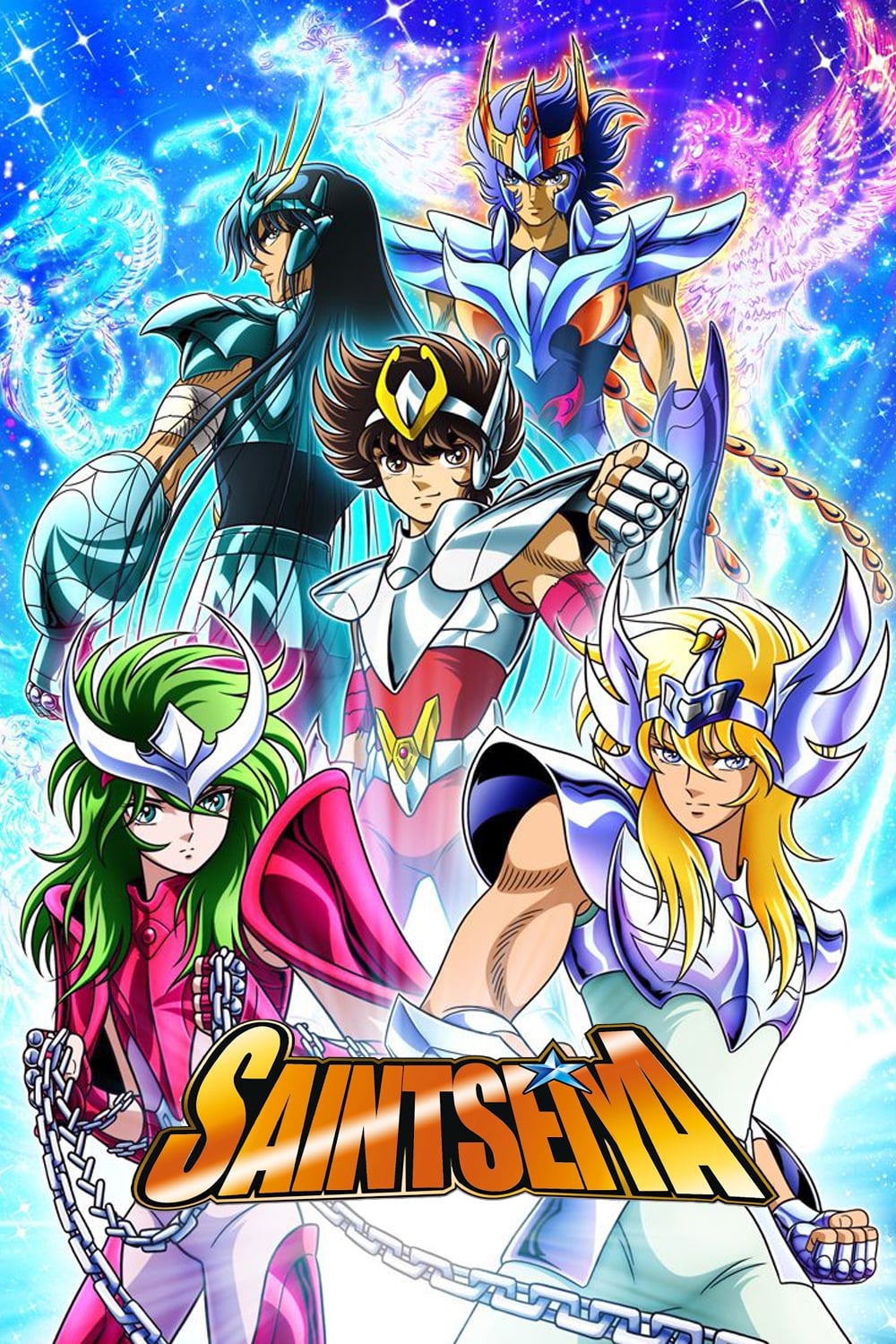
The director of a recent Greek mythology film, Louis Leterrier, asked his design team to draw inspiration from a beloved classic anime. Growing up in France, Leterrier was a fan of the anime and wanted to recreate the impressive look of its warriors. He even asked the original artist who created the anime to design posters for the film’s release in Japan. The anime centers around powerful warriors called Saints, who wear magical armor and protect the goddess Athena.
‘Space Battleship Yamato’ (1974–1975)
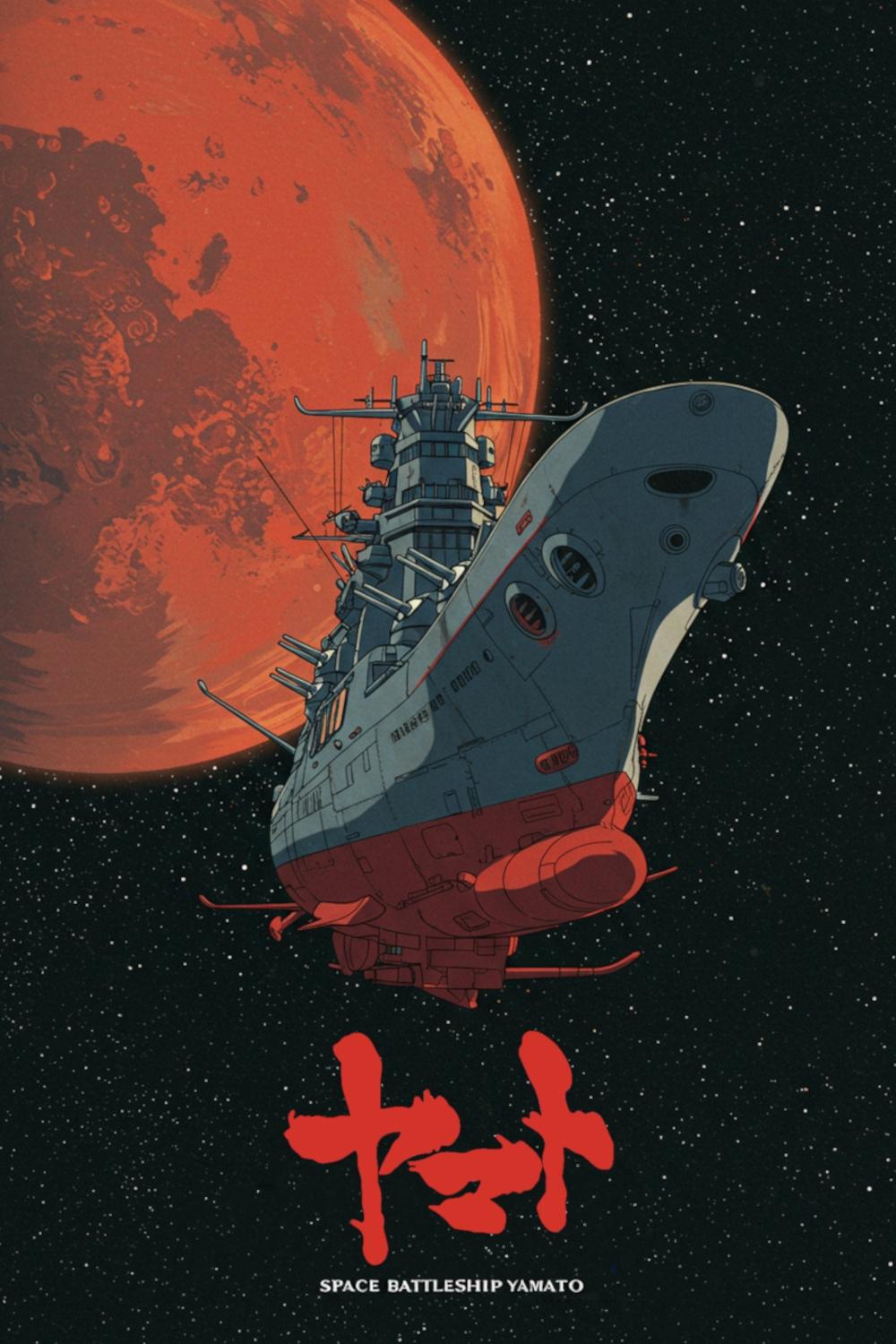
George Lucas is known to be a fan of this classic seventies space adventure, originally released in the West as Star Blazers. The show is important because it was one of the first animated series to tell a long, connected story – something that’s now common in TV animation. Director Zack Snyder has also cited it as an inspiration. The story follows a spaceship crew on a critical mission to find something that can save Earth from destruction.
‘Kite’ (1998)
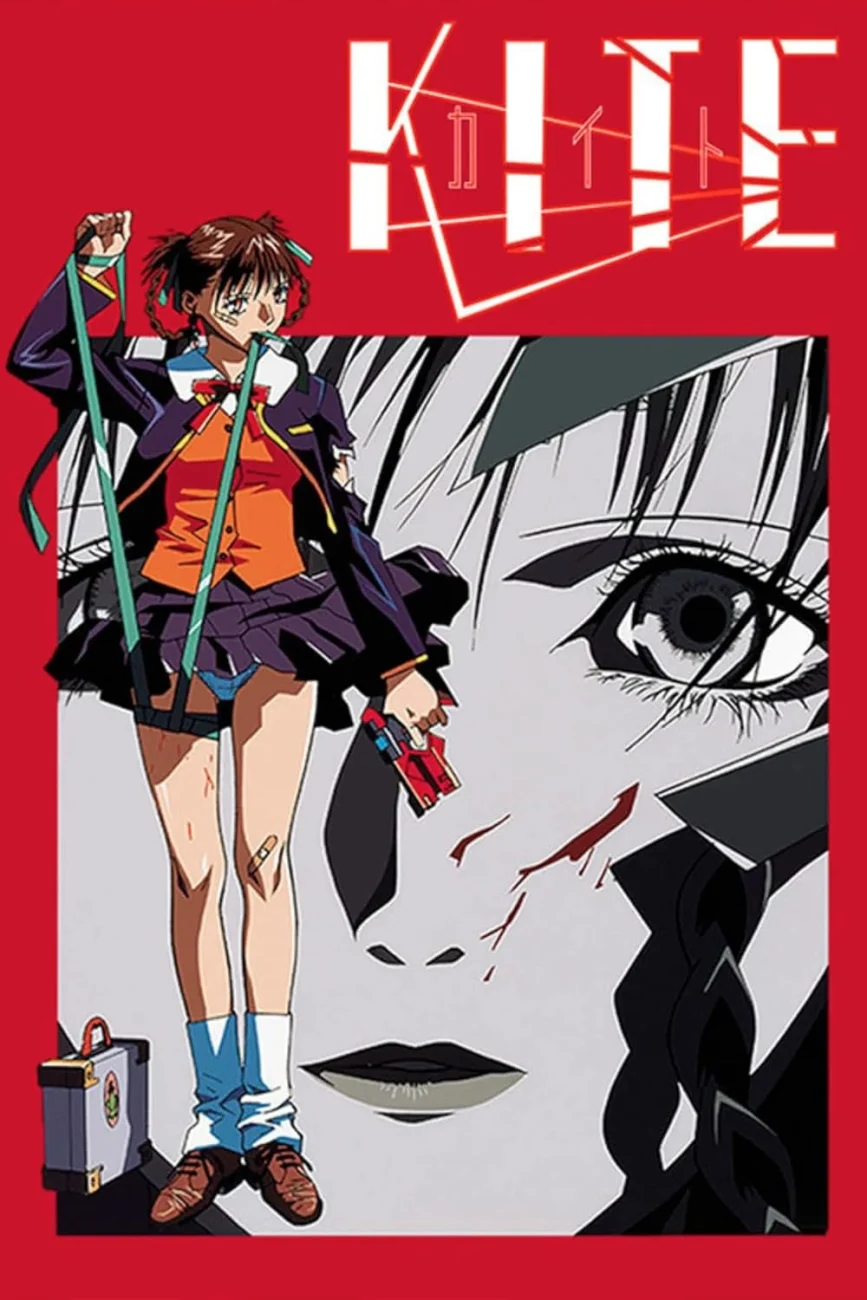
Quentin Tarantino suggested this unique animated film to the actress who played Gogo Yubari to help her get into character. He appreciated its distinctive action and the idea of a young female assassin operating in a dark, dishonest world. Samuel L. Jackson loved the original anime so much that he later produced a live-action version. The story centers on an orphaned girl who is compelled to work as a hitwoman for corrupt police officers in a bleak, futuristic setting.
‘Speed Racer’ (1967–1968)
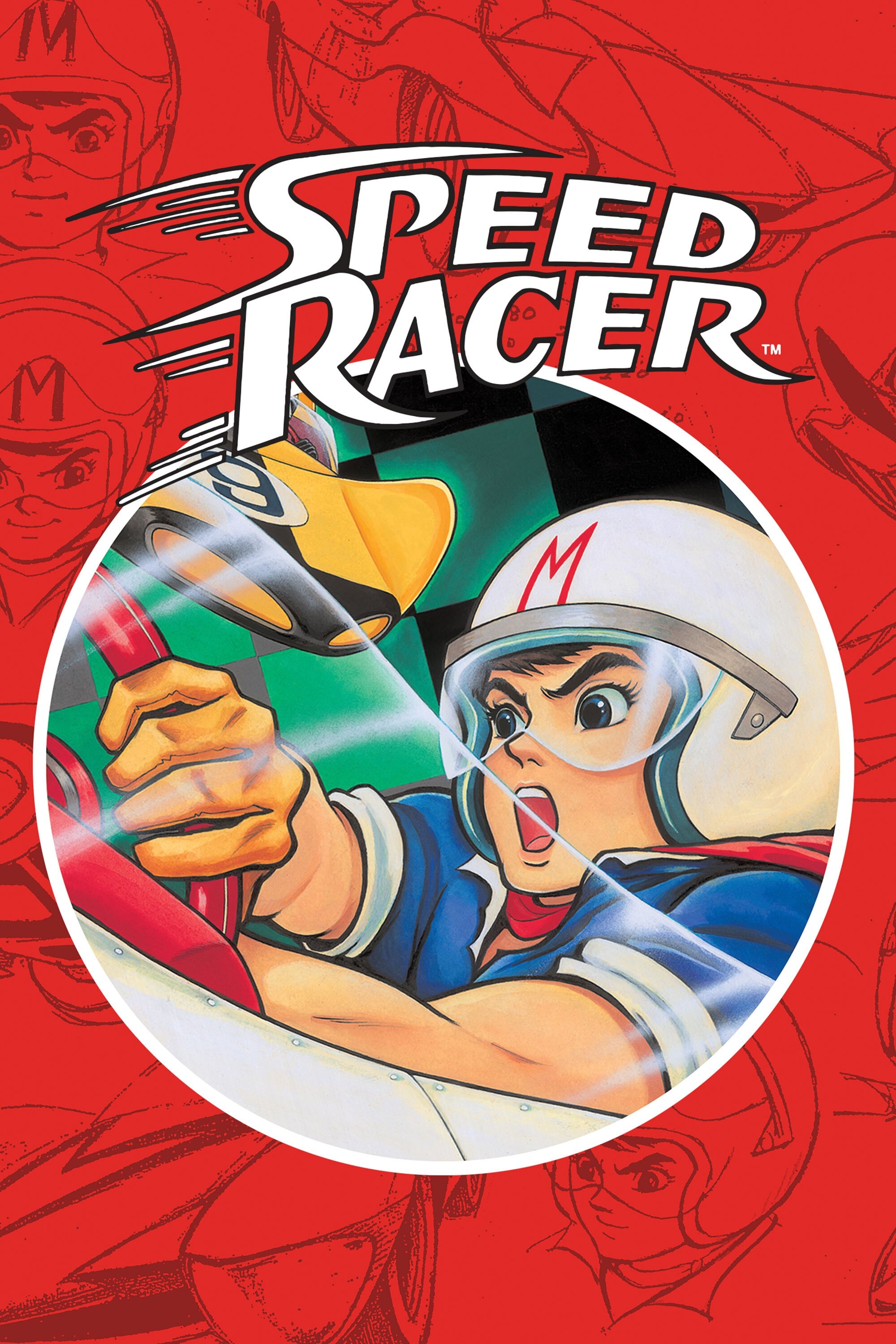
The Wachowskis, who grew up loving the original series, brought it to life with a new film. They intentionally created a visual style that mirrored the look of the classic cartoon, using sweeping camera movements and vibrant colors. Their goal was to make a live-action movie that felt like a cartoon, capturing the original’s sense of fun and fast-paced action. The story centers around a teenage race car driver who travels the world competing in high-stakes races with a vehicle packed with gadgets.
‘Super Dimension Fortress Macross’ (1982–1983)
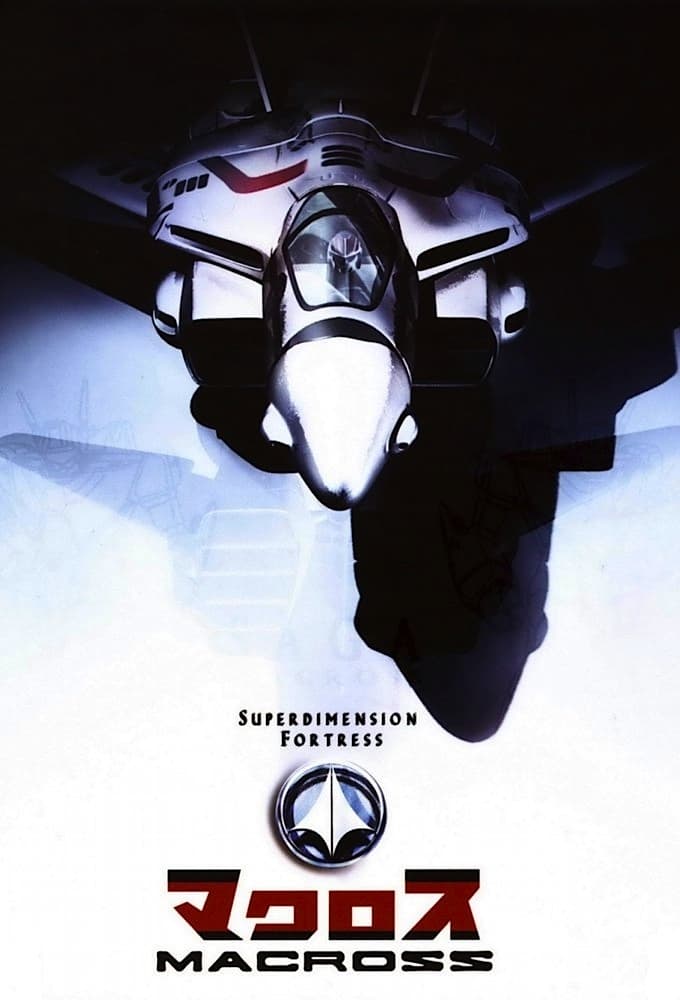
James Gunn is a big fan of the robots and the grand, space-spanning story of this series. It’s remembered for brilliantly mixing transforming robots with a romantic storyline, all set during a huge war between planets. The show proves that you can have personal, emotional stories alongside massive, galaxy-wide conflicts. At its heart, it’s about a giant spaceship that’s essentially a mobile city, constantly on the run from enormous alien fighters.
‘Space Pirate Captain Harlock’ (1978–1979)

James Cameron is a fan of the anime Space Pirate Captain Harlock and its impact can be seen in his science fiction work, particularly in how he designs machines and portrays heroic rebels. The complex, solitary space pirate character has inspired many artists, including Daft Punk and Guillermo del Toro. This idea of a heroic outlaw traveling through space is a key reason the show remains popular. The story centers on the captain and his crew as they fight off an alien invasion while Earth’s government stands by and does nothing.
‘Paprika’ (2006)
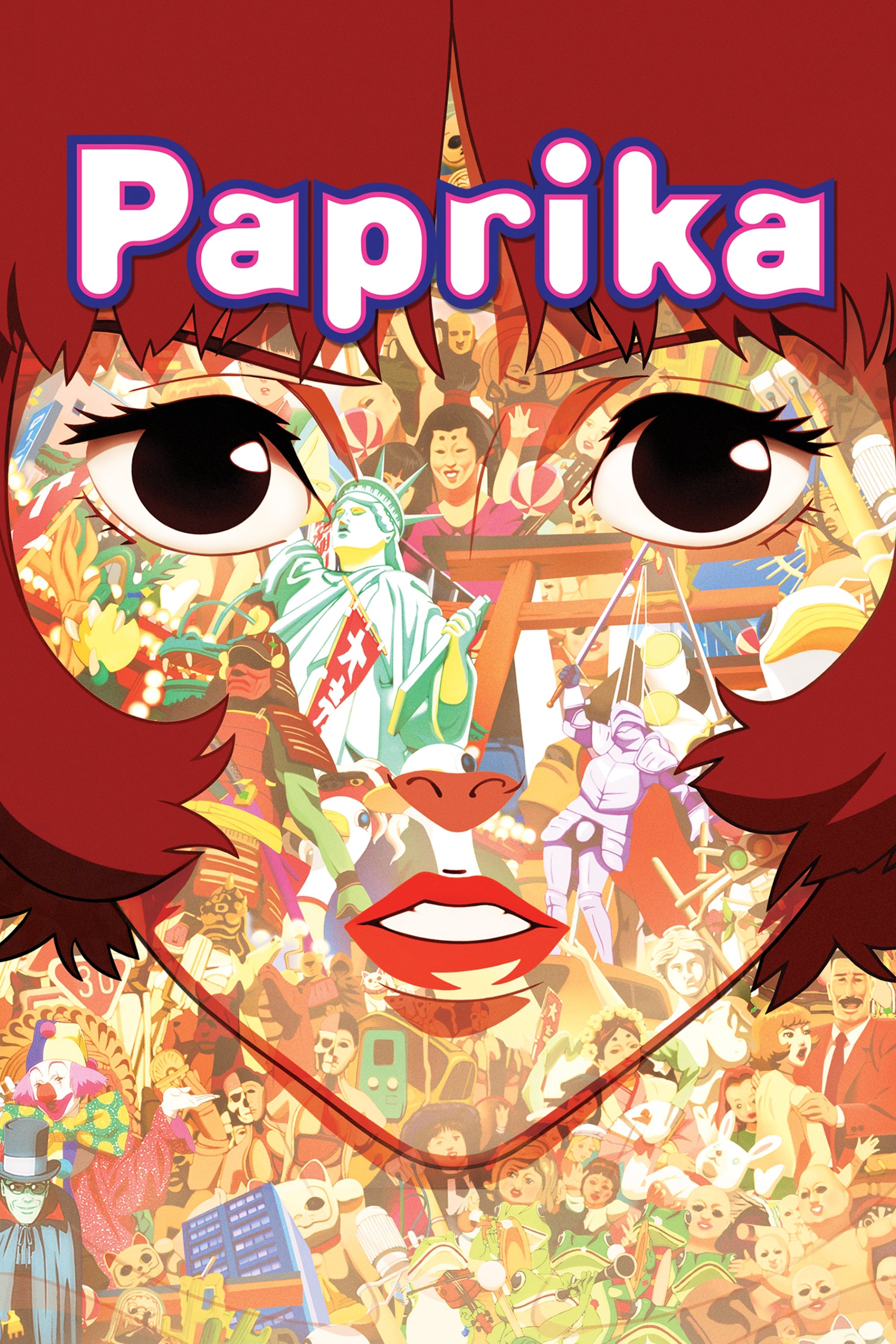
Christopher Nolan’s film Inception is often compared to Satoshi Kon’s animated film Paprika. Though it’s debated whether Nolan was directly inspired by Paprika, the films share striking visual similarities, like broken mirrors and distorted hallways. Wolfgang Petersen was once going to direct a live-action version of Paprika, but the project never moved forward. The story centers around a device that lets therapists enter patients’ dreams, which is then stolen by a criminal.
‘Battle of the Planets’ (1978–1979)
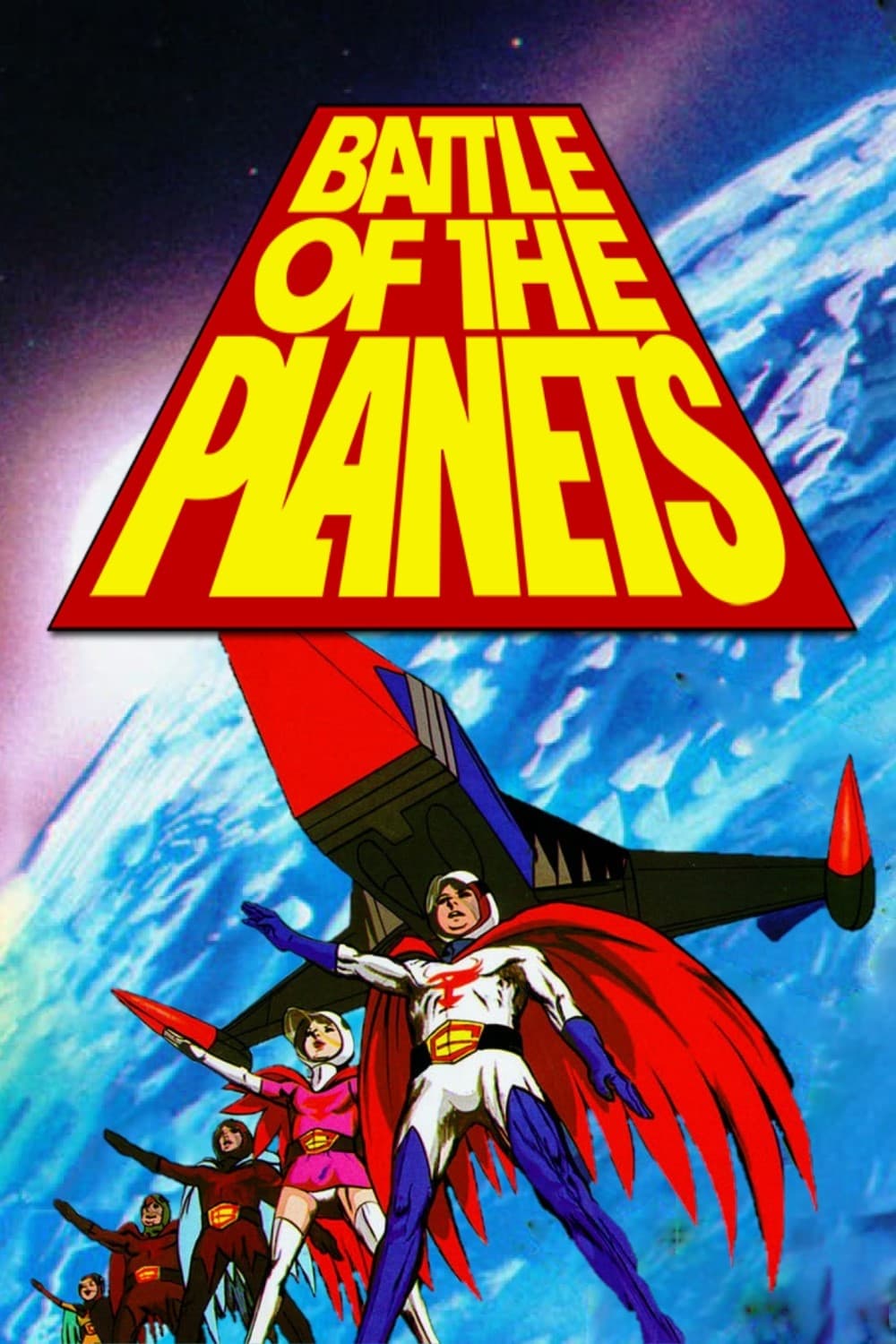
The Russo brothers, known for directing several Marvel films, have been working for years to bring the Japanese series Gatchaman to life as a live-action movie. They grew up loving the show and say it inspired their passion for stories about teams working together. Their goal is to update the story for modern audiences while still honoring its original messages about protecting the environment and the impact of technology. Gatchaman centers on a team of five superheroes, each with a bird-inspired costume, who battle a group of terrorists trying to take over the world.
Tell us which of these director favorites you plan to watch next in the comments.
Read More
- Invincible Season 4 Gender Swaps Tech Jacket As Fans Question Major Comic Change
- Gold Rate Forecast
- 22 Films Where the White Protagonist Is Canonically the Sidekick to a Black Lead
- Unveiling the Schwab U.S. Dividend Equity ETF: A Portent of Financial Growth
- Why Won’t It Just *Do* What You Ask? Unpacking the Quirks of AI Language
- Superman Flops Financially: $350M Budget, Still No Profit (Scoop Confirmed)
- The Best Former NFL Players Turned Actors, Ranked
- Silver Rate Forecast
- 14 Movies Where the Black Character Refuses to Save the White Protagonist
- New HELLRAISER Video Game Brings Back Clive Barker and Original Pinhead, Doug Bradley
2025-12-05 18:17