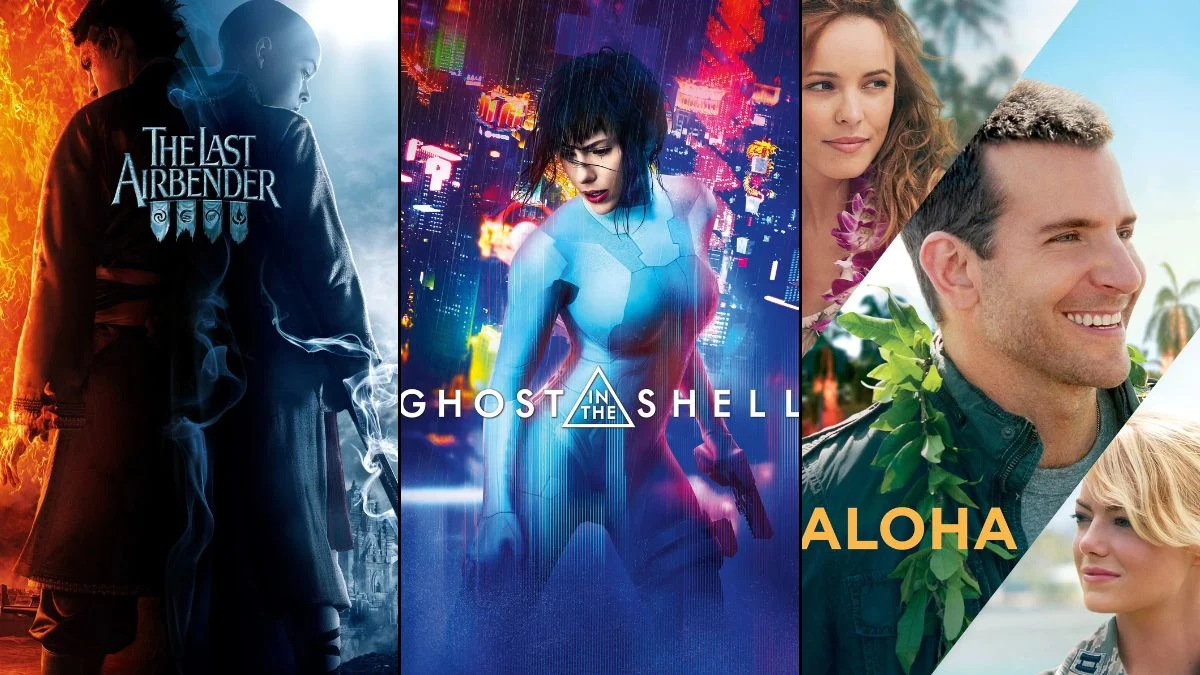
Hollywood often creates controversy with its casting decisions, sometimes more than the movies themselves. A common issue is when white actors are cast in roles meant for people of color, leading to discussions about fair representation and the loss of cultural identity. It’s hard for viewers to ignore these issues and simply enjoy the film. The following movies are examples where the casting choices became a major topic of public conversation.
‘Nina’ (2016)

When Zoe Saldana was cast as Nina Simone, a singer known for her powerful voice and activism, it immediately caused controversy because Saldana has a significantly lighter skin tone than Simone. The filmmakers attempted to make Saldana look more like Simone using makeup and a prosthetic nose. However, many critics felt this approach actually obscured an important part of Simone’s identity and ignored the colorism she faced throughout her life and career. The resulting criticism overshadowed the film’s release and led to a larger discussion about how colorism impacts casting choices in Hollywood. Saldana later said she regretted taking the role, stating she should have used her influence to help a darker-skinned Black actress get the opportunity.
‘Ghost in the Shell’ (2017)
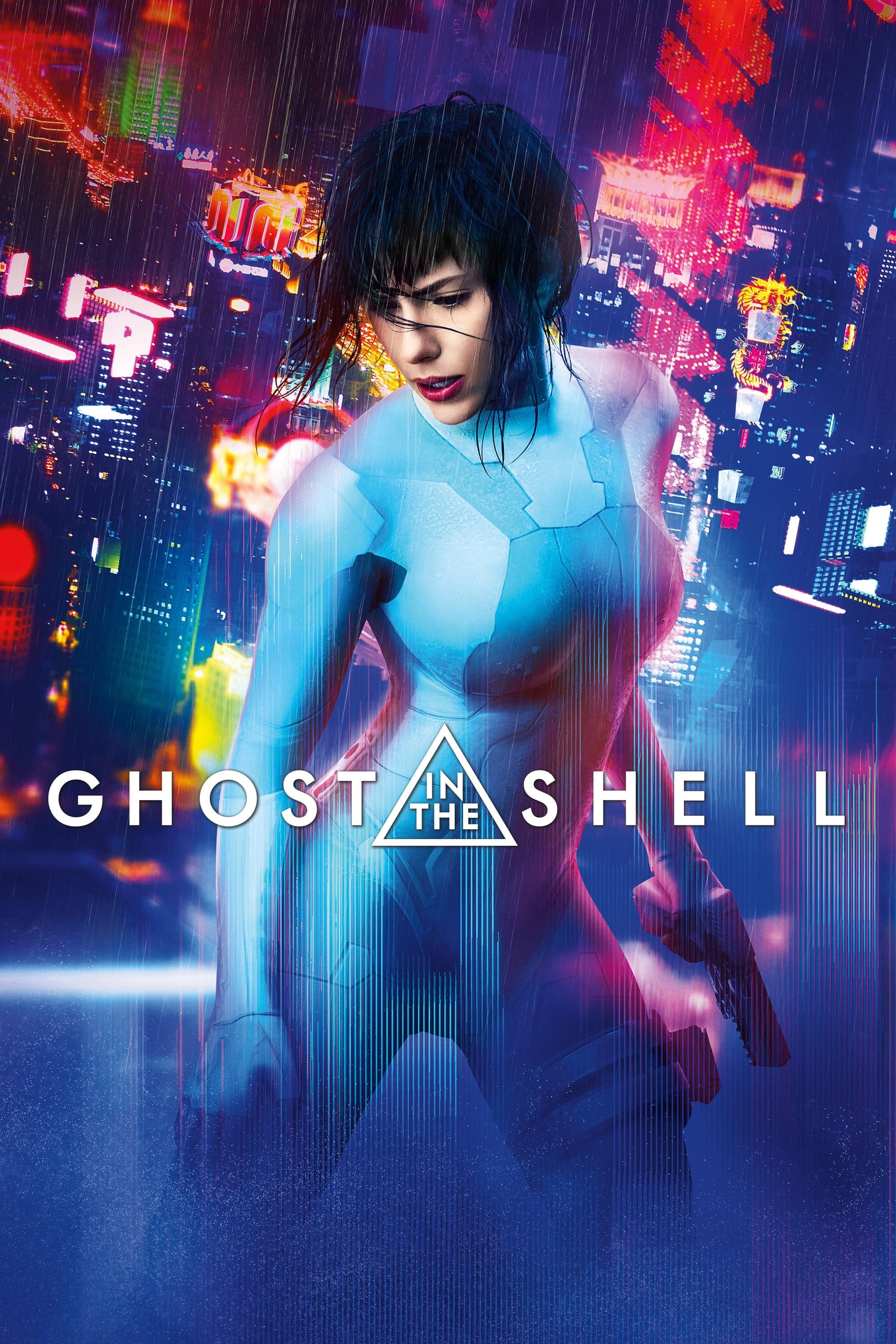
The movie, based on the popular Japanese manga, faced criticism for casting Scarlett Johansson as the lead character, Major Motoko Kusanagi. Many fans believed an Asian actress should have been chosen for the role, seeing it as a chance to increase representation in a major sci-fi film. While the movie tried to address the casting choice with a plot point about the character’s artificial body, this actually intensified the criticism. Viewers felt it wrongly excused the removal of the character’s Japanese background. The controversy surrounding the film continued before its release and ultimately affected how well it performed in theaters.
‘Aloha’ (2015)

Director Cameron Crowe received criticism for casting Emma Stone in the role of Allison Ng, a character written as one-quarter Chinese and one-quarter Hawaiian. Many viewers were confused by the choice of a white actress to play a character with significant Hawaiian and Asian heritage. Crowe later apologized, acknowledging the casting was a mistake, despite his initial reasoning. The film subsequently became a key example in conversations about the limited representation of Asian Americans in popular romantic comedies.
‘The Last Airbender’ (2010)
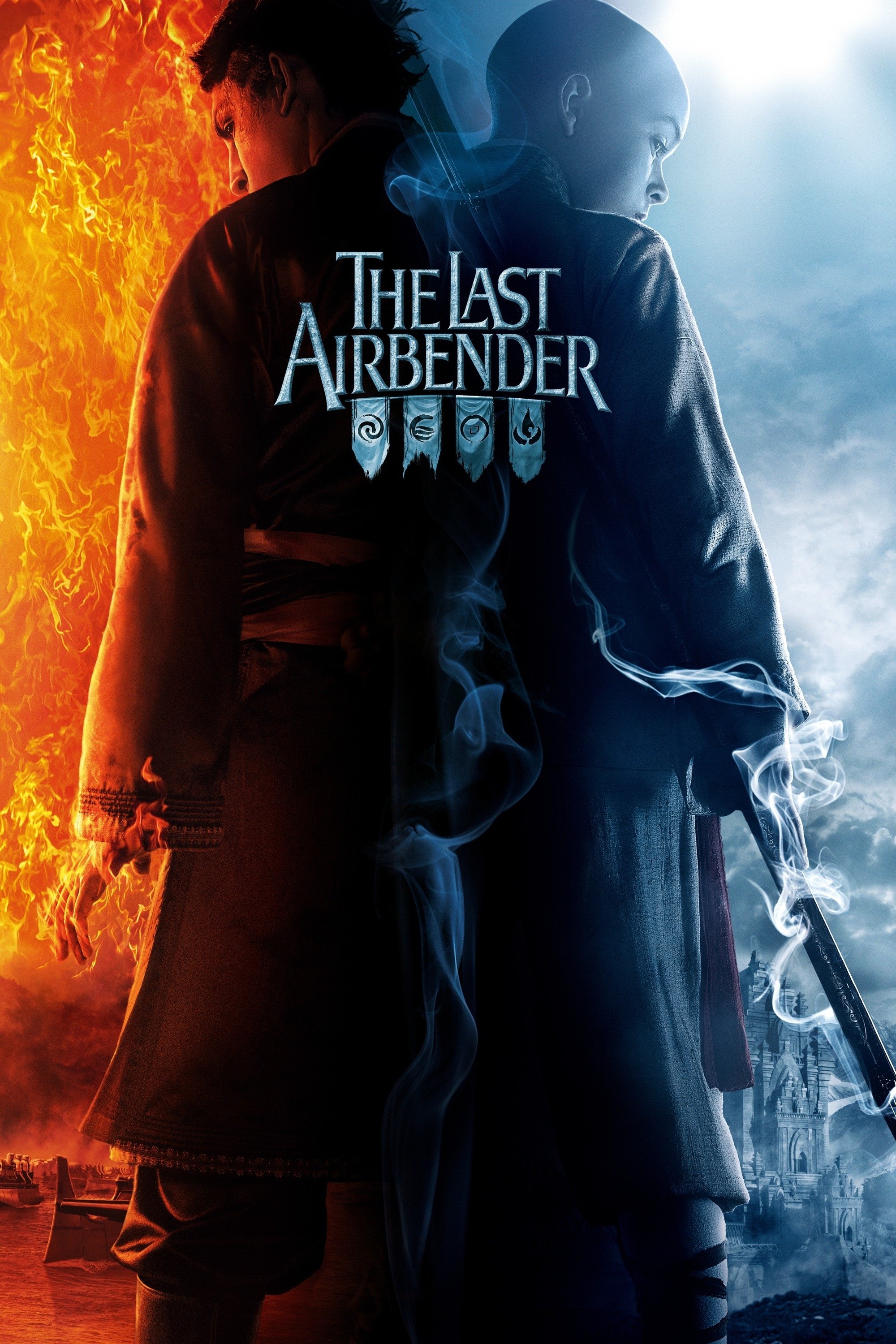
M. Night Shyamalan’s live-action adaptation of a beloved animated series sparked immediate criticism due to its casting choices. The original series drew heavily from Inuit and East Asian cultures in its character designs, but the film replaced the main heroes – Aang, Katara, and Sokka – with white actors, while casting actors of color as the villains. This decision led to fan boycotts and protests, with many arguing it perpetuated harmful stereotypes and ignored the cultural origins of the story. The controversy is now a well-known example of ‘whitewashing’ in film.
‘Gods of Egypt’ (2016)
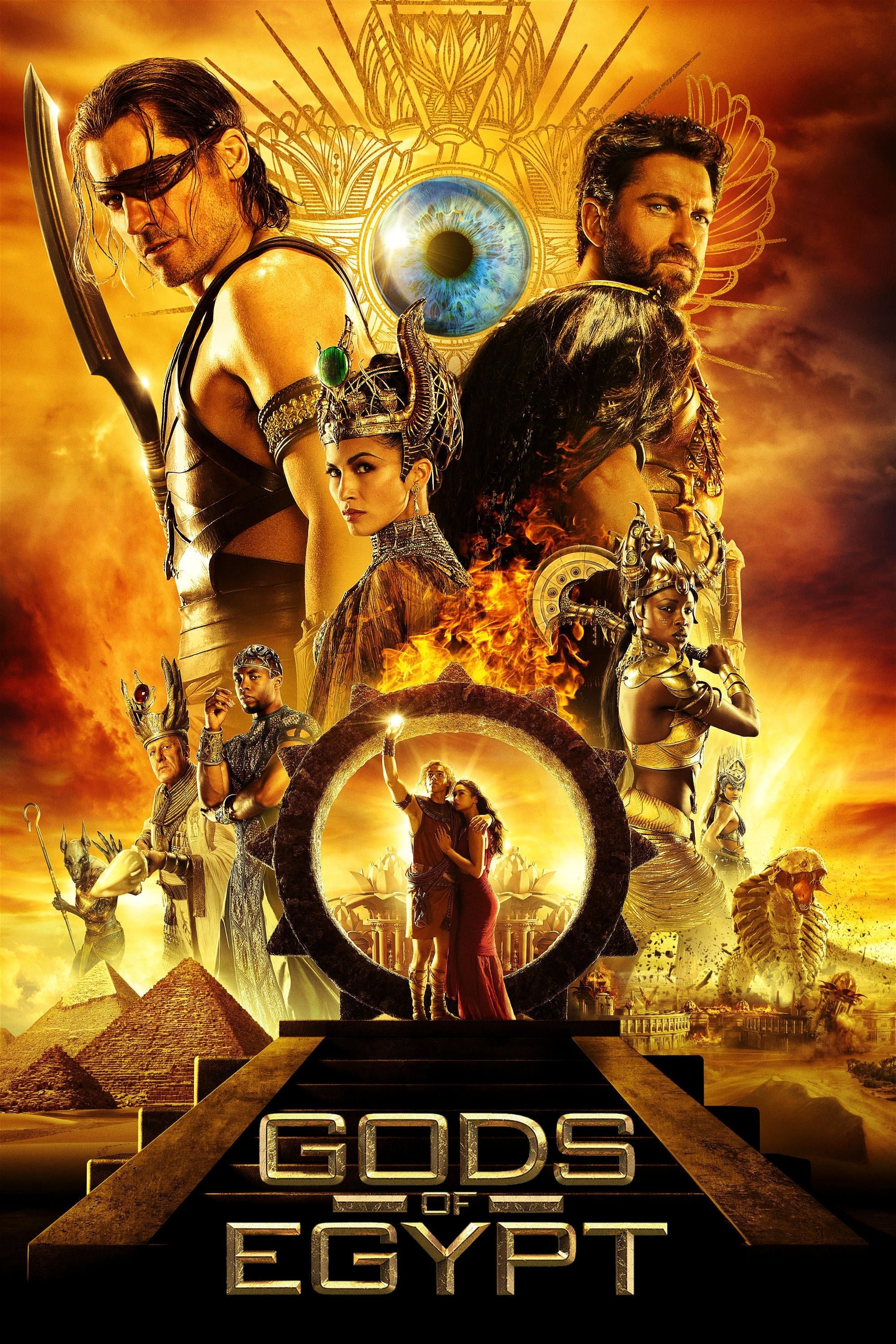
Before its release, this fantasy film was heavily criticized for casting mostly white actors as Egyptian gods. Gerard Butler and Nikolaj Coster-Waldau played the roles of Set and Horus, a decision that prioritized famous Hollywood names over historical and geographical accuracy. Both the director, Alex Proyas, and the studio apologized for the lack of diversity before the film came out. The resulting discussion surrounding the movie largely centered on its inaccurate and whitewashed portrayal of Egyptian culture and ethnicity.
‘Exodus: Gods and Kings’ (2014)

Ridley Scott’s biblical film, starring Christian Bale as Moses and Joel Edgerton as Ramesses II, faced criticism regarding its casting choices. Scott explained he needed well-known actors to get the film funded. However, critics noted that Black actors were primarily cast in minor roles like servants or criminals, which echoed outdated colonial imagery and upset many viewers. The film ultimately raised questions about how Hollywood’s financial realities impact who gets to tell historical stories and who leads those films.
‘Prince of Persia: The Sands of Time’ (2010)
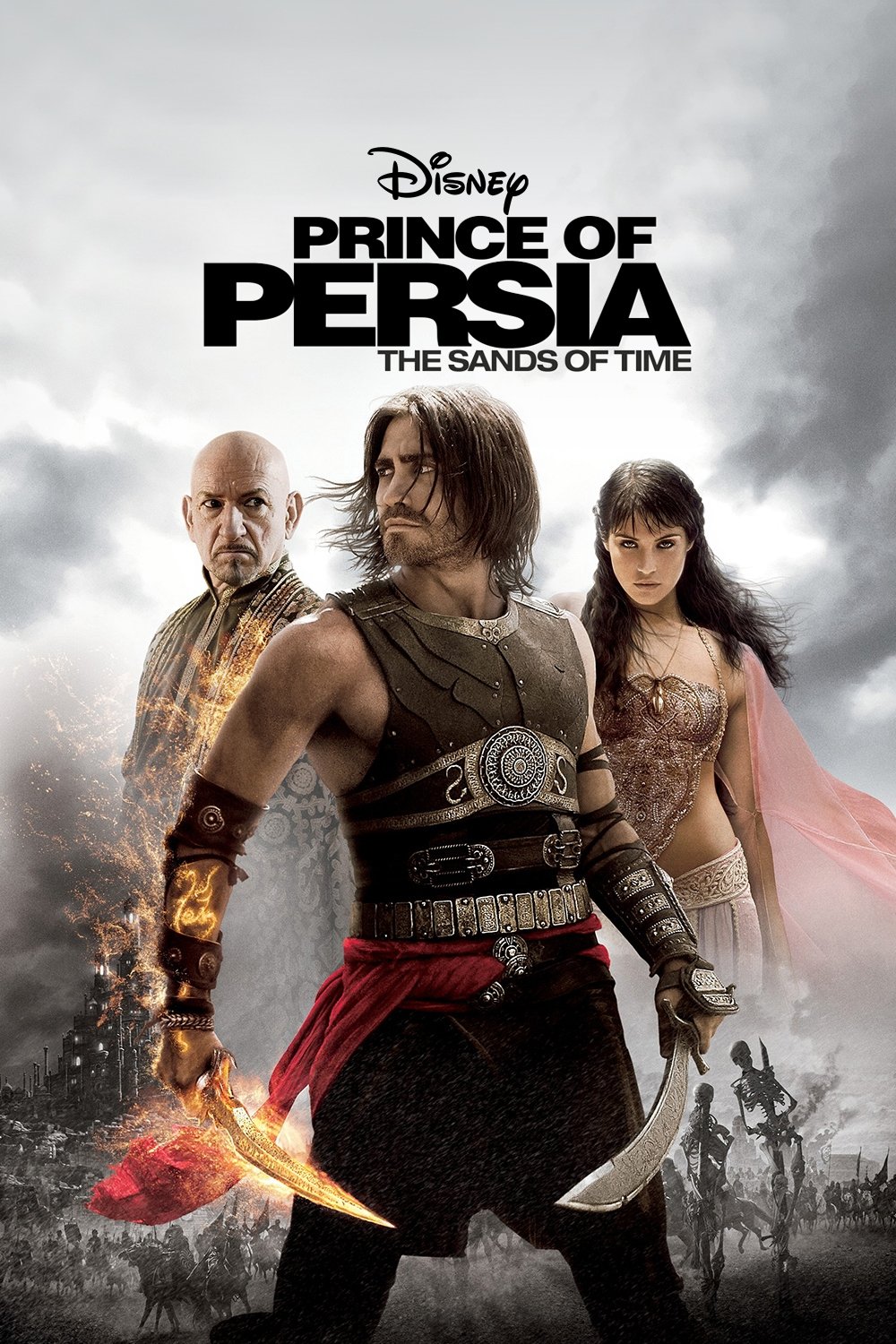
Disney tried to start a new movie series based on a well-known video game set in the Middle East. Jake Gyllenhaal played the main character, a Persian prince named Dastan. While Disney hoped Gyllenhaal would attract audiences, many criticized the decision not to cast an actor of Iranian descent. The movie didn’t become a franchise and is now mostly remembered for this controversial casting choice, rather than its action.
‘Pan’ (2015)

Joe Wright’s new take on Peter Pan sparked controversy when he cast Rooney Mara, a white actress, as Tiger Lily, a character originally written as a Native American princess. Many people protested the decision, with a petition gaining thousands of signatures asking the studio to avoid casting white actors in roles intended for people of color. While Wright explained he envisioned a diverse Neverland, the change to Tiger Lily’s background was widely criticized. The film ultimately failed financially, and the casting choice was seen as a key reason why.
‘Doctor Strange’ (2016)

Tilda Swinton played The Ancient One in this Marvel movie. In the original comics, the character was an old Tibetan man. The filmmakers said they changed the character to a Celtic woman to avoid harmful stereotypes. However, many fans felt this change simply replaced an Asian character with a white one, rather than being a thoughtful update. This sparked a debate about how to modernize older comic book ideas without erasing diversity or resorting to whitewashing.
‘In the Heights’ (2021)
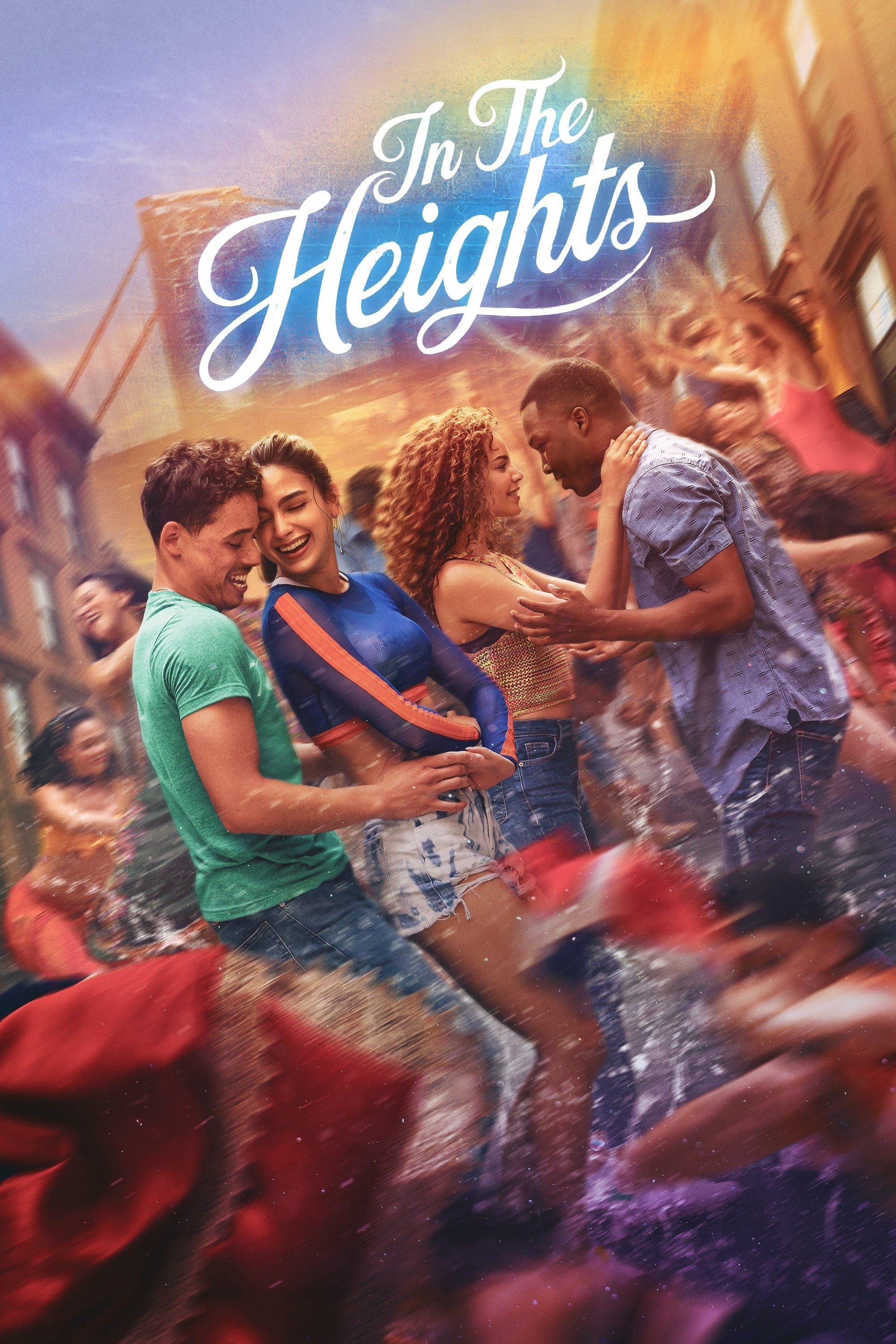
The movie version of Lin-Manuel Miranda’s musical was praised for its lively spirit, but it also sparked important conversations about colorism. Many viewers pointed out the lack of actors with darker skin tones in leading roles, especially considering the film takes place in a predominantly Dominican neighborhood. This highlighted how colorism can exist even within communities of color and impact who gets cast, even in projects aiming for diversity. Lin-Manuel Miranda responded, acknowledging the pain caused by the underrepresentation of the neighborhood’s Black residents. The discussion served as a valuable lesson about the complexities of portraying the Latinx community accurately on screen.
‘West Side Story’ (1961)
The beloved movie version of the Broadway show is considered a classic, but it’s now heavily criticized for its casting. Natalie Wood, who played the Puerto Rican lead Maria, wore makeup to appear darker-skinned. Many of the actors portraying the Sharks, a Puerto Rican gang, were white and also used makeup to darken their skin. Rita Moreno was the only main cast member of Puerto Rican descent, and even she had to wear similar makeup to match the rest of the cast. Though the film remains popular, many viewers today point to these choices as an example of how Latino actors were excluded from opportunities at the time.
‘The Conqueror’ (1956)

John Wayne playing Genghis Khan is often called one of the worst casting decisions ever made. The famous Western actor used a lot of makeup and prosthetics for the role. However, the performance is now seen as offensive and unintentionally funny because Wayne kept his distinctive way of speaking. The film highlights a time when Hollywood didn’t consider actors’ ethnicity, prioritizing famous names instead. It’s a good example of why it’s important to accurately represent culture when casting historical characters.
‘Dragonball Evolution’ (2009)
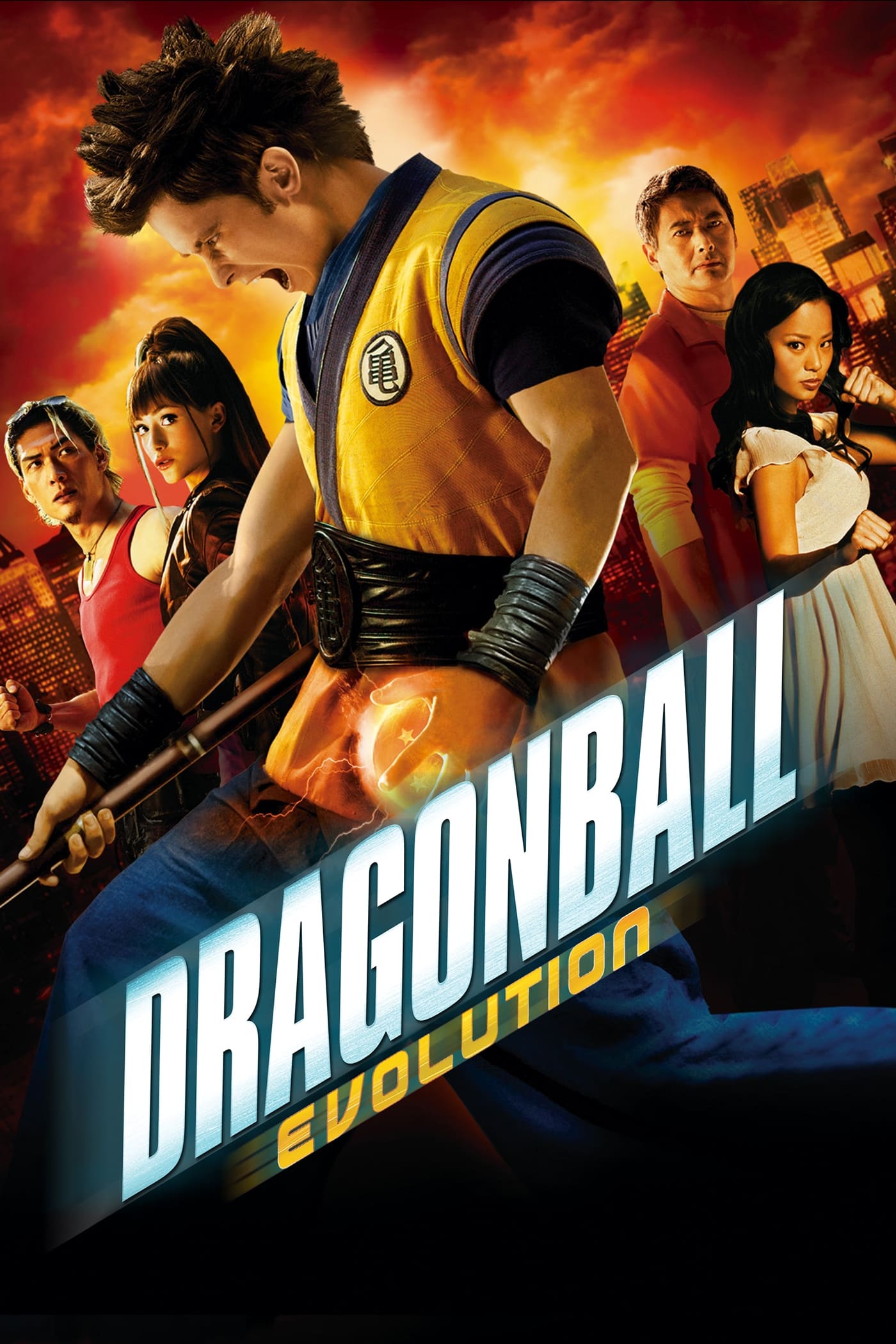
When Justin Chatwin was chosen to play the iconic martial artist Goku, many anime fans were upset. The movie heavily westernized a story with strong ties to Eastern mythology and culture. This change, and the loss of the story’s Asian roots, immediately turned off longtime fans. It’s often called one of the worst adaptations of all time, largely because it didn’t respect the original story’s cultural background. Even the creator of the original manga wasn’t happy with the Hollywood version.
‘Star Trek Into Darkness’ (2013)
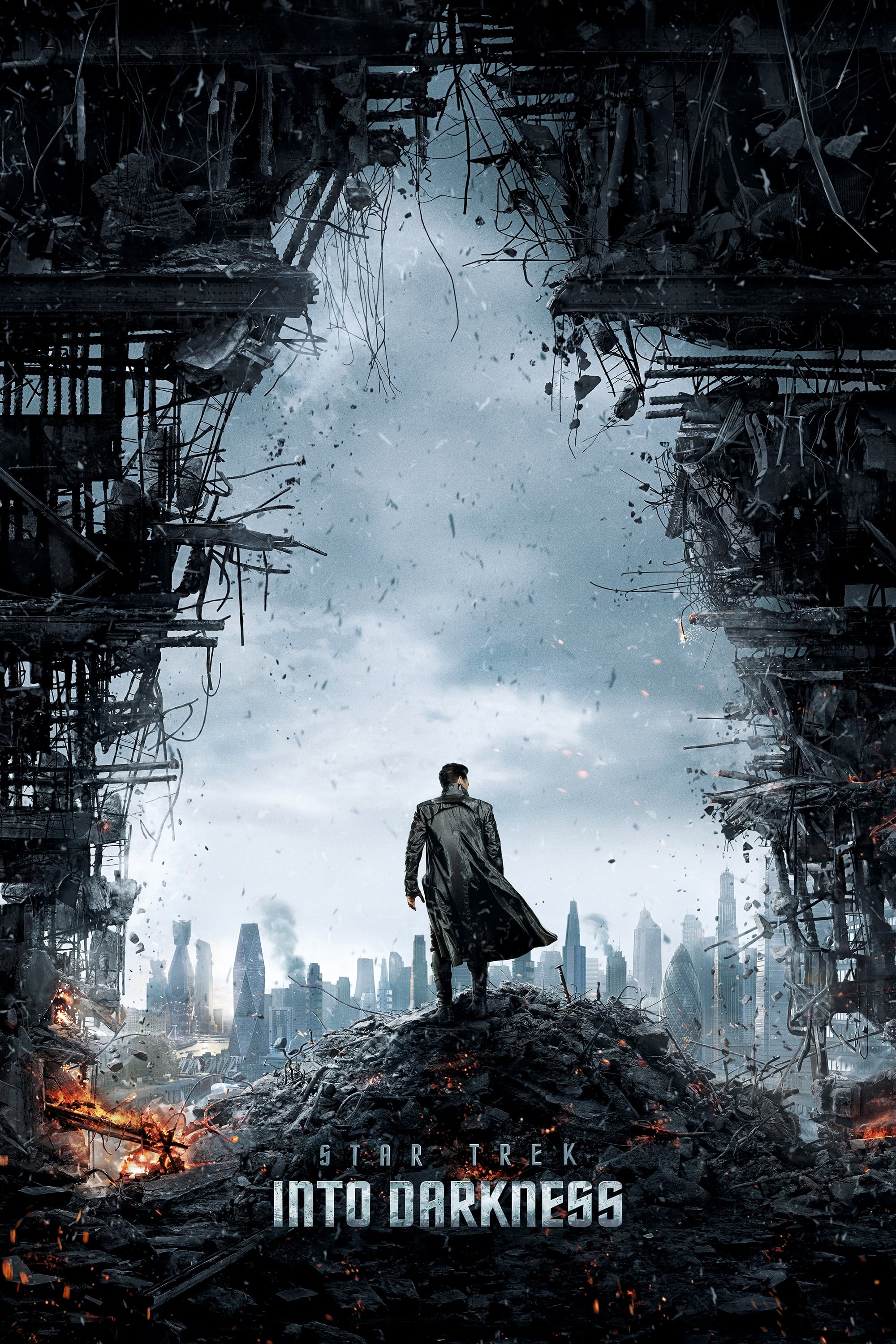
Benedict Cumberbatch played a convincingly threatening villain, but his casting as Khan caused controversy among dedicated fans. The original character was specifically created as a genetically enhanced superhuman of Indian descent, and many felt that casting a white British actor ignored an important part of his backstory. Director J.J. Abrams later said they aimed to keep the villain’s identity a secret, but the casting choice ended up drawing more attention to the issue. This led to discussions about whether it’s appropriate to disregard a character’s established race when casting.
‘Memoirs of a Geisha’ (2005)
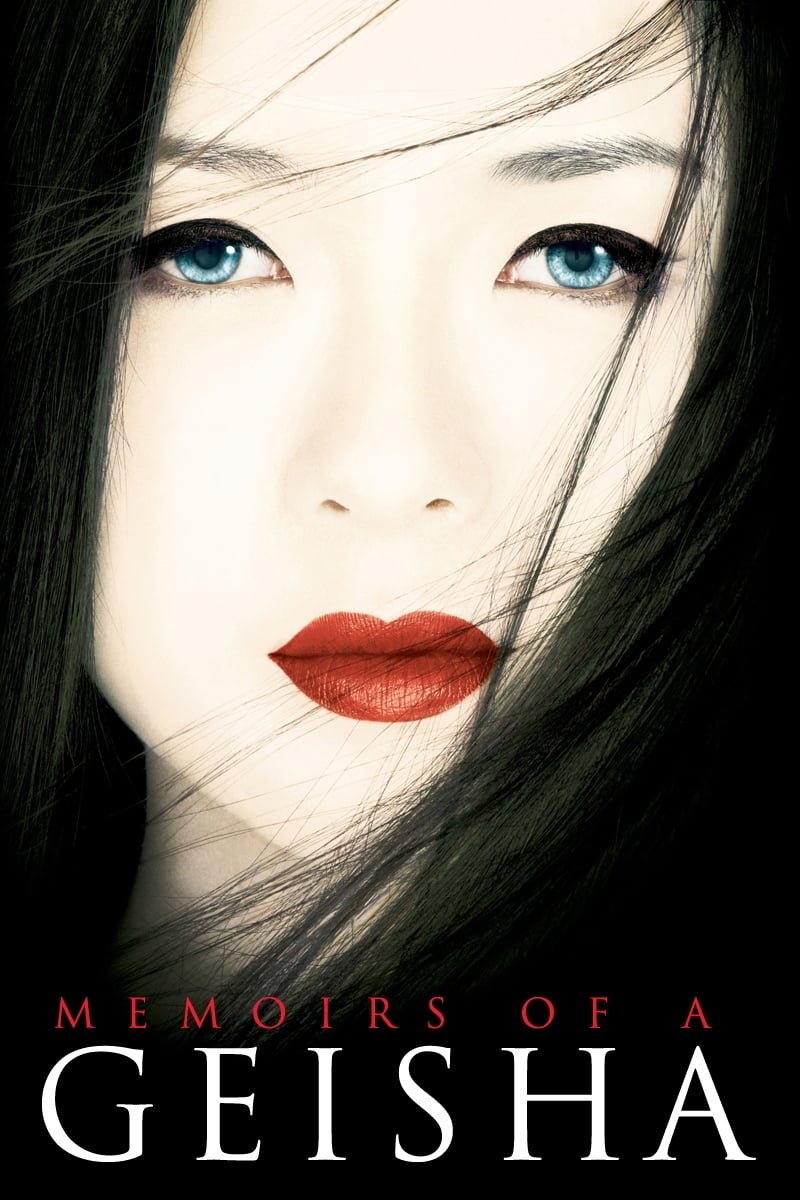
The film sparked controversy over its casting choices, specifically featuring Chinese actresses Zhang Ziyi and Gong Li as Japanese geishas. This decision offended viewers in both Japan and China, stemming from the long-standing historical issues between the two countries. Many critics pointed out that Hollywood seemed to view Asian actors as a single group, ignoring the unique cultures they represent. As a result, the film had difficulty gaining acceptance in the Asian countries it aimed to portray.
‘The Lone Ranger’ (2013)

Johnny Depp’s portrayal of Tonto, a Native American character, was based on the style of a painting. Disney and the filmmakers argued that Depp had some Native American heritage, justifying his casting. However, many critics and Native American rights groups felt the character was a stereotypical and offensive caricature. From the start, the decision to cast a white actor in makeup to appear Native American, instead of a Native American actor, sparked strong criticism. The film wasn’t successful, and discussions about Depp’s casting overshadowed everything else during its promotion.
‘Stonewall’ (2015)
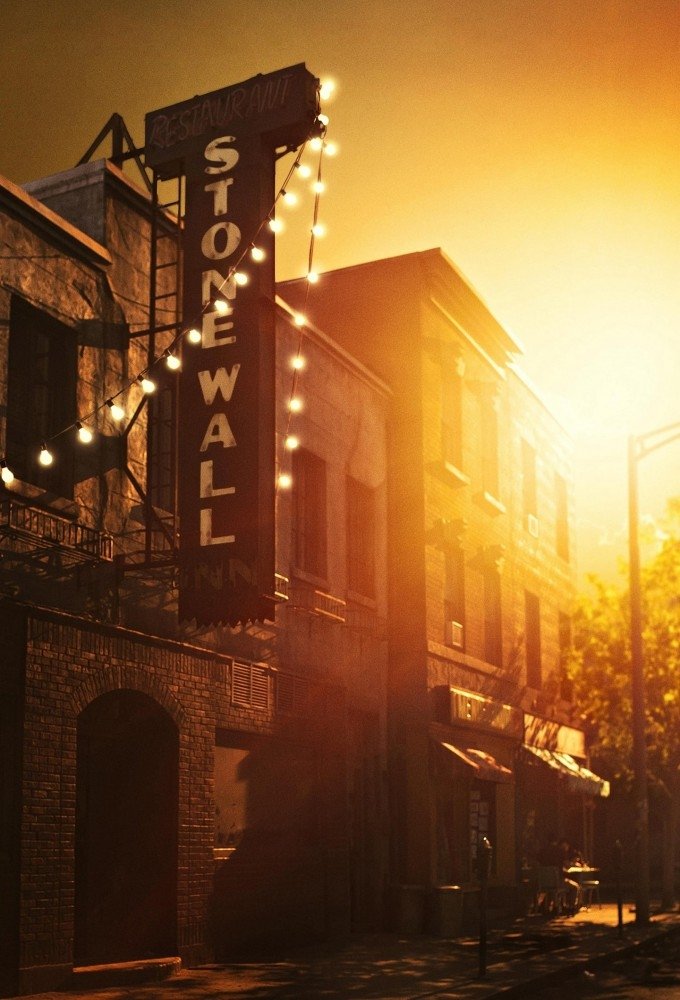
Roland Emmerich’s movie about the 1969 Stonewall riots faced criticism for inaccurately portraying the historical events. The film focused on a made-up white character instead of the trans women of color who were central to the actual riots. Critics, including activists and historians, pointed out that the movie minimized the roles of key figures like Marsha P. Johnson and Sylvia Rivera. This led to protests and a widespread feeling that the film didn’t properly recognize the real leaders of the LGBTQ+ rights movement, and misrepresented who was truly at the forefront of the Stonewall uprising.
’21’ (2008)
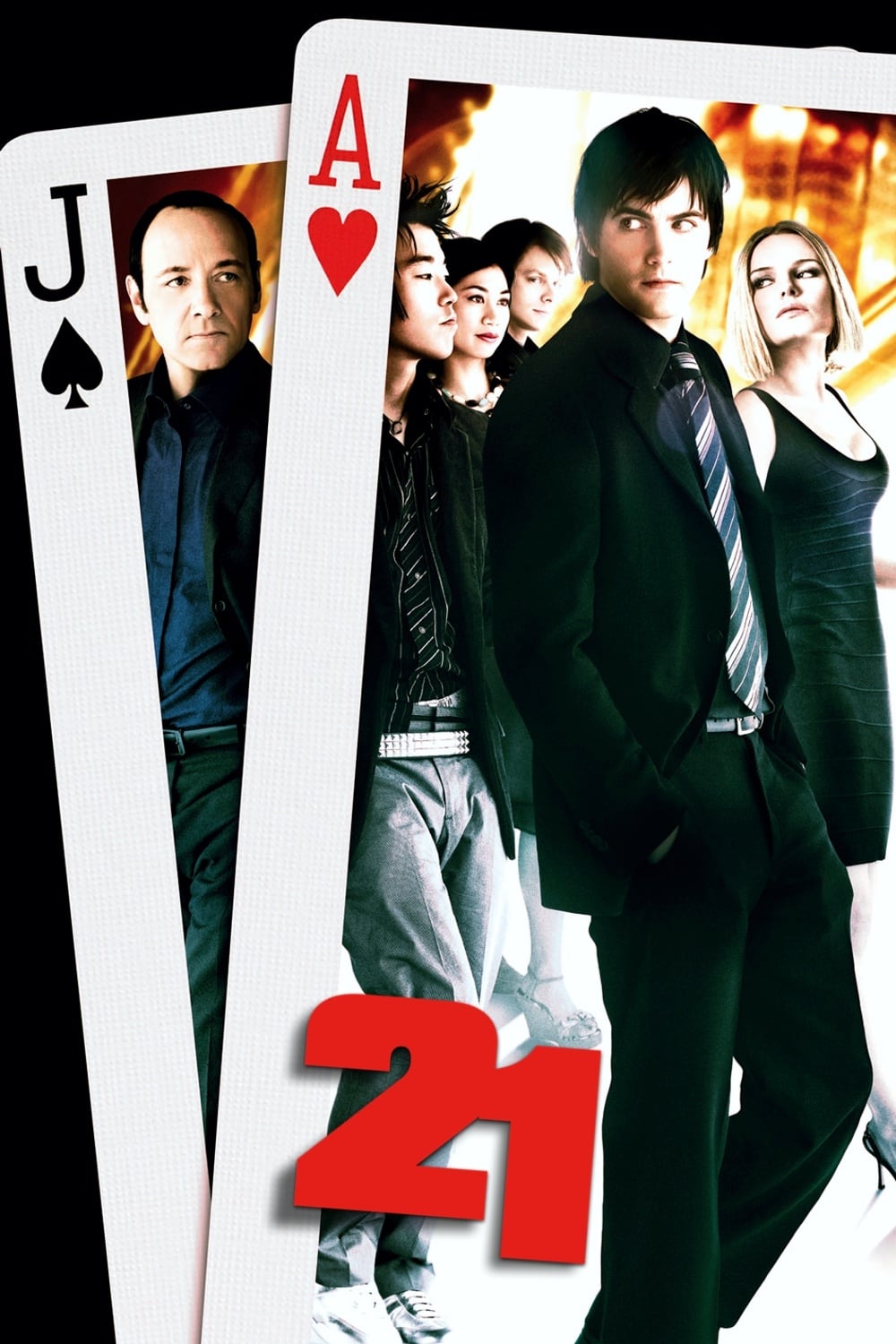
The movie ’21’ is based on the real story of the MIT Blackjack Team, which was largely made up of Asian American students. However, the filmmakers cast white actors, Jim Sturgess and Kate Bosworth, as the main characters, essentially changing the ethnic identity of the true story. The film drew inspiration from Jeff Ma, a key member of the real team, but renamed his character Ben Campbell. This choice removed the story’s Asian American roots and transformed it into a typical heist film. It’s a clear example of Hollywood’s reluctance to risk featuring Asian American leads, fearing they wouldn’t attract a large audience.
‘A Mighty Heart’ (2007)
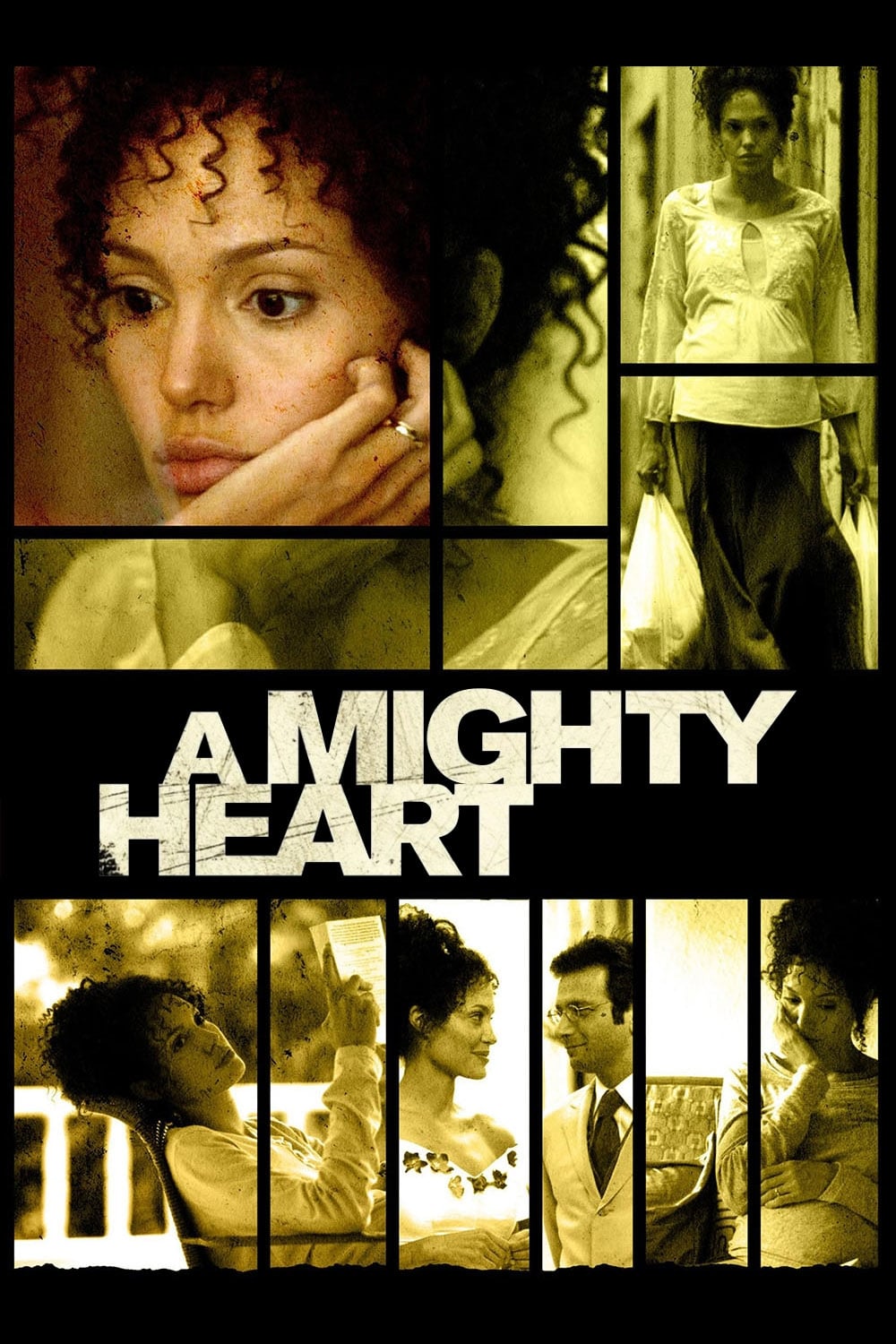
Angelina Jolie played Mariane Pearl, a journalist with Afro-Cuban and Dutch heritage, in a film. Jolie used a wig and makeup to change her appearance for the role, darkening her skin tone. While Mariane Pearl supported Jolie’s casting, some critics wondered why an actress of color wasn’t chosen, especially given the character’s mixed background. The way Jolie transformed her appearance sparked comparisons to the controversial practice of blackface. This led to a broader conversation about the lack of roles for actresses of color, even when the parts call for someone with a diverse racial background.
‘Argo’ (2012)
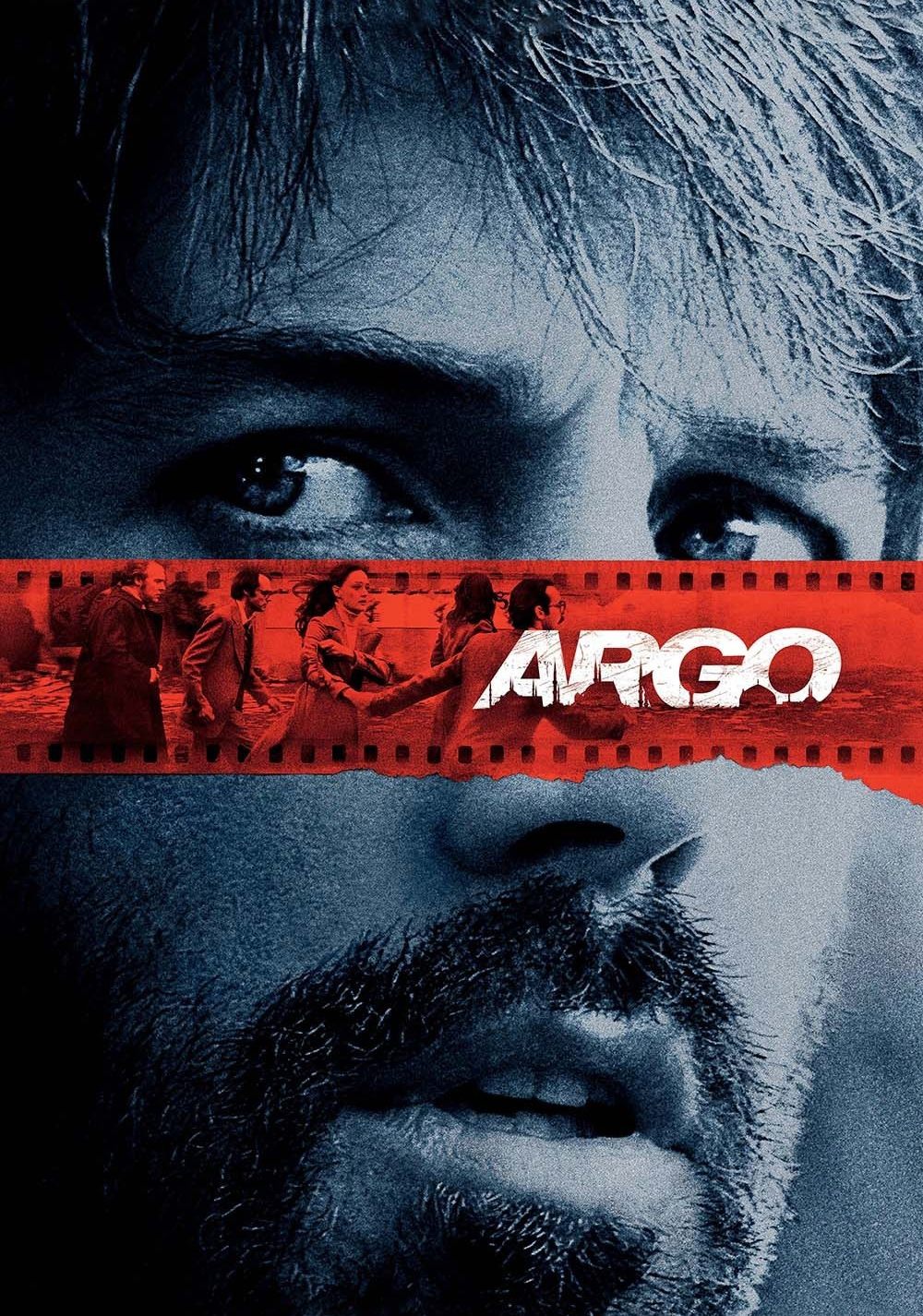
Ben Affleck directed and starred in this Oscar-winning thriller, playing Tony Mendez, a real-life CIA officer of Mexican descent. However, Affleck didn’t acknowledge Mendez’s Hispanic background in his portrayal. While the film received praise, Latino advocacy groups pointed out this as another example of Latino representation being overlooked in heroic roles. The casting decision meant a missed opportunity to showcase the contributions of a Latino intelligence officer in a significant historical event.
‘Breakfast at Tiffany’s’ (1961)

Mickey Rooney’s portrayal of Mr. Yunioshi is now seen as a deeply offensive and racist depiction in film. He used makeup and prosthetics to play the Japanese neighbor, relying on exaggerated and harmful stereotypes. Because of its racist nature, the film often includes warnings or is followed by discussions about this character. It remains a regrettable and damaging part of an otherwise well-loved movie.
‘Death Note’ (2017)
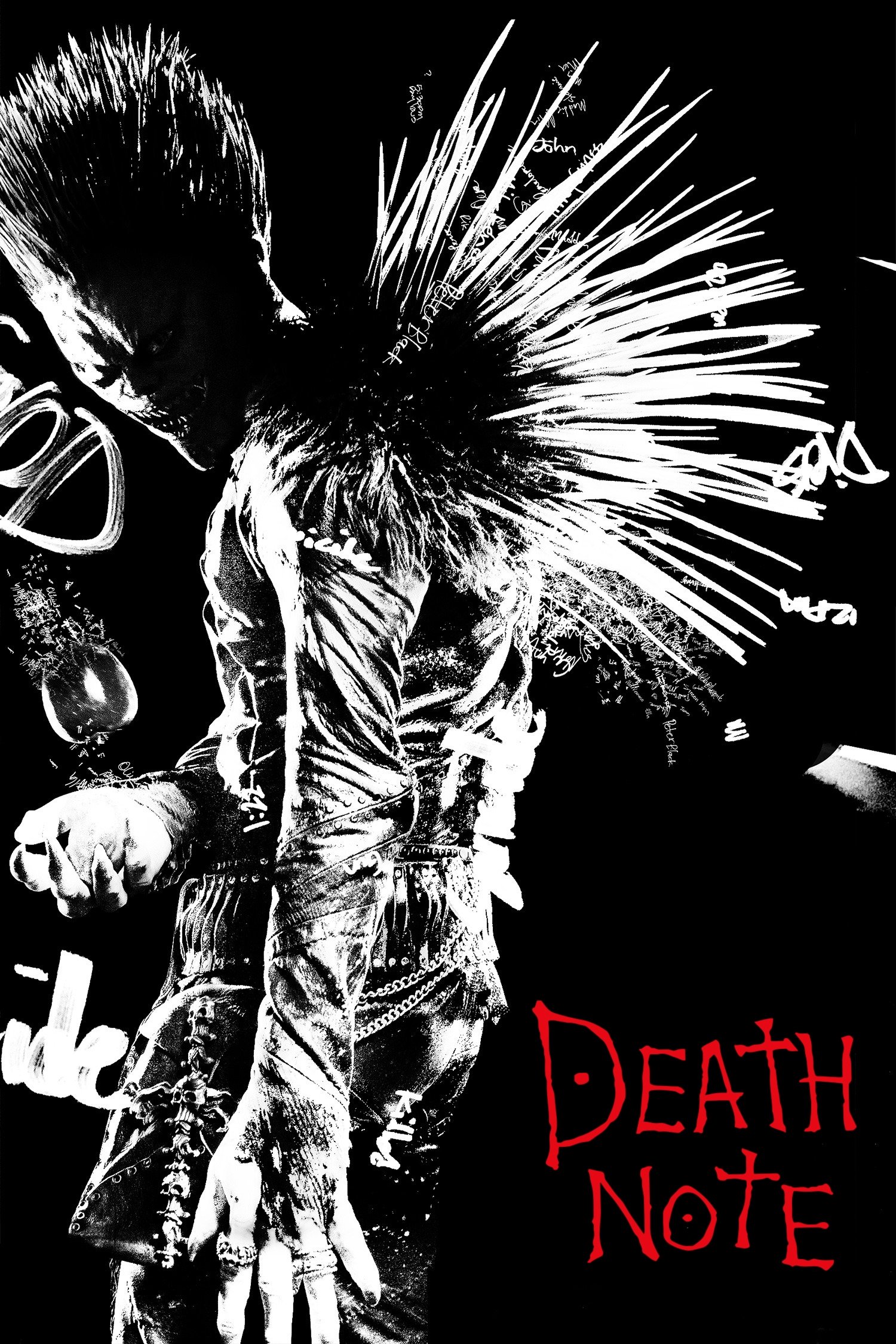
Netflix created a version of the popular Japanese manga, but instead of taking place in Tokyo, it was set in Seattle. Nat Wolff played the main character, Light Turner, who was based on the original character Light Yagami. Many fans were unhappy with the casting choices, wishing the filmmakers had used Asian American actors for the lead roles. The creators said changing the location made their casting decisions okay, but viewers felt it was another instance of unnecessarily changing a story to fit a Western audience. Ultimately, the film didn’t feel true to the original because it removed the important cultural elements.
Please share your thoughts on which of these casting choices shocked you the most in the comments.
Read More
- Gold Rate Forecast
- Invincible Season 4 Gender Swaps Tech Jacket As Fans Question Major Comic Change
- Silver Rate Forecast
- 22 Films Where the White Protagonist Is Canonically the Sidekick to a Black Lead
- 14 Movies Where the Black Character Refuses to Save the White Protagonist
- Unveiling the Schwab U.S. Dividend Equity ETF: A Portent of Financial Growth
- How to Do Sculptor Without a Future in KCD2 – Get 3 Sculptor’s Things
- Superman Flops Financially: $350M Budget, Still No Profit (Scoop Confirmed)
- ONE PIECE Season 2 Confirms Sanji’s OTHER Backstory in the Live-Action
- Why Won’t It Just *Do* What You Ask? Unpacking the Quirks of AI Language
2025-12-05 12:47