
It’s getting harder for LGBTQ+ actors in Hollywood to balance being public figures, working with brands, and speaking out on issues they care about. Companies are quick to use rainbow imagery for Pride month, but often distance themselves from actors who take strong or controversial positions on social and political topics. Many actors have discovered that their support for causes – from challenging economic systems to international conflicts – doesn’t align with advertisers’ desire to avoid risk. The following examples detail instances where actors faced negative consequences or lost sponsorships because of their beliefs.
Dylan Mulvaney
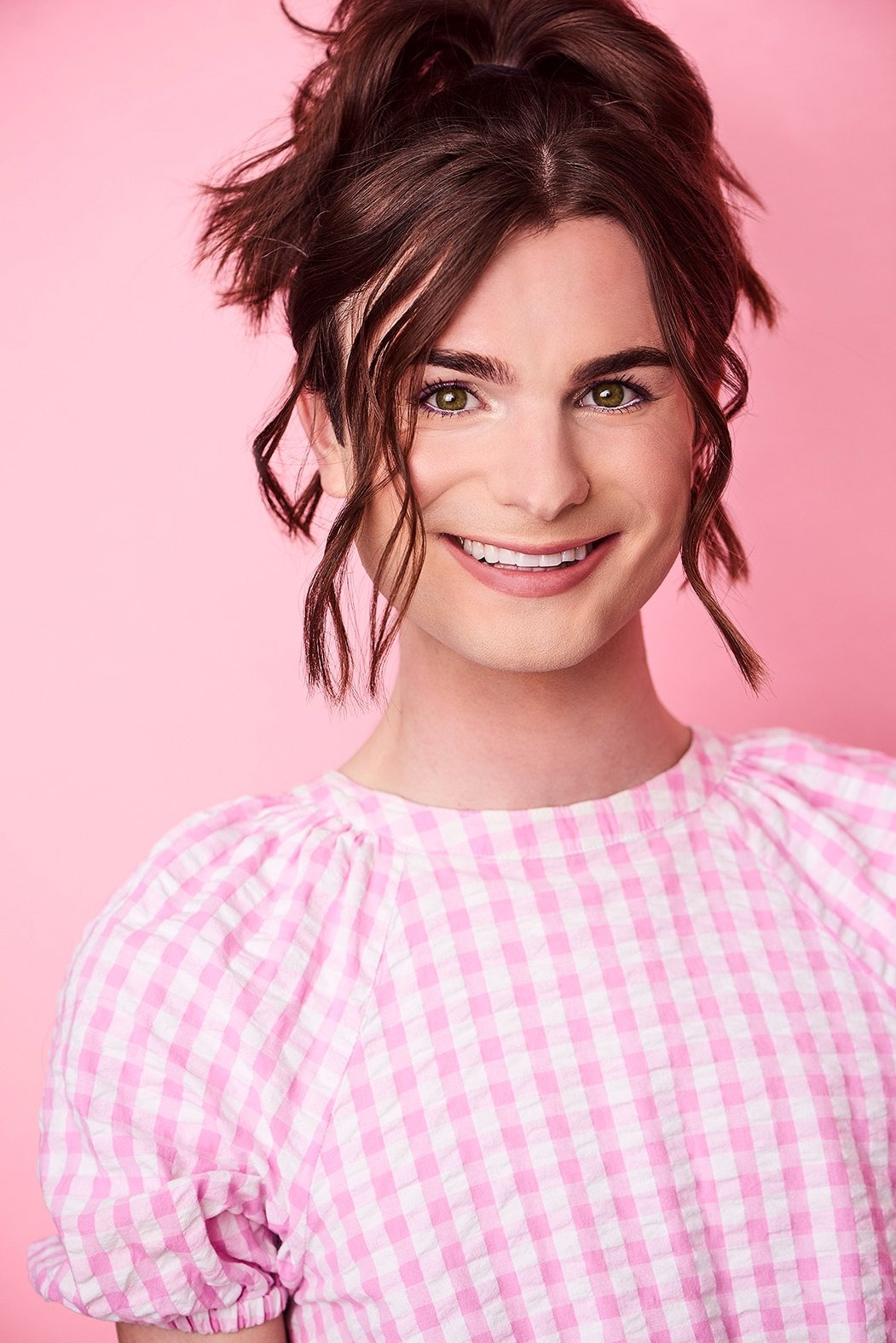
The strong negative reaction to Mulvaney’s Bud Light partnership is a prime example of a company offering support for appearances only, and then backing down when faced with criticism. After Mulvaney promoted the beer, conservative groups called for a boycott, and Bud Light quickly distanced itself from her. Mulvaney pointed out that the brand’s silence in the face of the resulting hate essentially allowed the harassment to continue. This situation has made many companies hesitant to work with transgender influencers, fearing similar backlash and boycotts.
Noah Schnapp
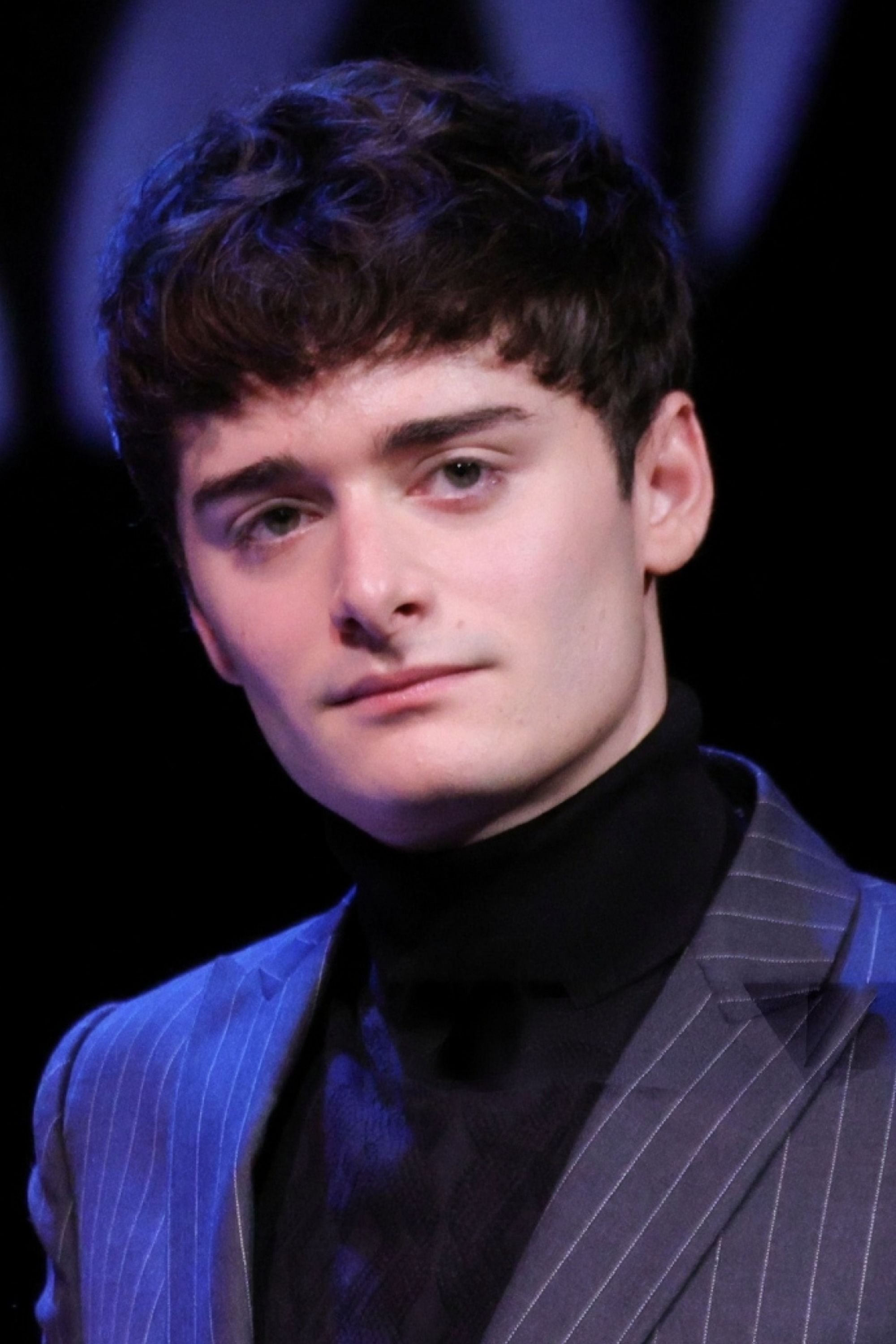
Noah Schnapp, known for his role in ‘Stranger Things,’ received significant backlash and calls for a boycott after sharing his opinions on the Israel-Hamas conflict. His posts, including stickers considered offensive by many, sparked outrage among fans who wanted him removed from the Netflix show. Though he wasn’t fired, his ability to attract brand deals suffered as companies became hesitant to work with him due to the controversy. Schnapp later released a statement expressing his hope for peace, but the damage to his reputation had already affected his career opportunities.
Sara Ramirez
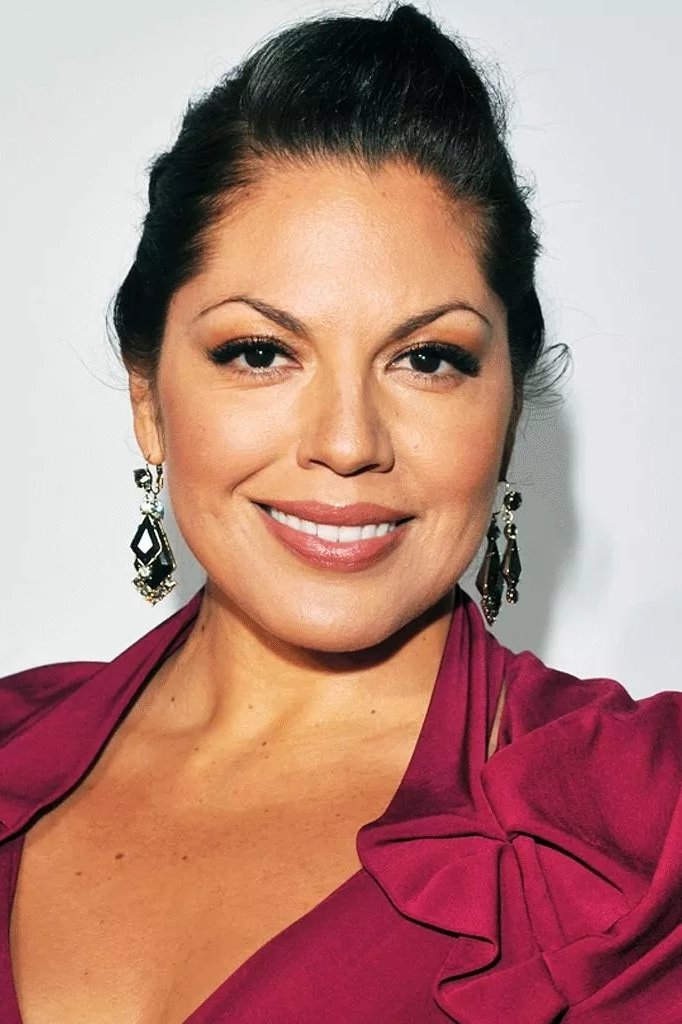
Sara Ramirez, famous for their work on ‘Grey’s Anatomy’, experienced professional difficulties after publicly supporting Palestine on social media. There was speculation that they weren’t asked back for the show ‘And Just Like That…’ because of their political views, which reportedly made the network uneasy. Ramirez publicly challenged what they saw as an attempt to punish actors who support Palestinian rights, drawing parallels to the historical McCarthy era. This commitment to their beliefs likely resulted in lost job opportunities and endorsement deals.
Indya Moore
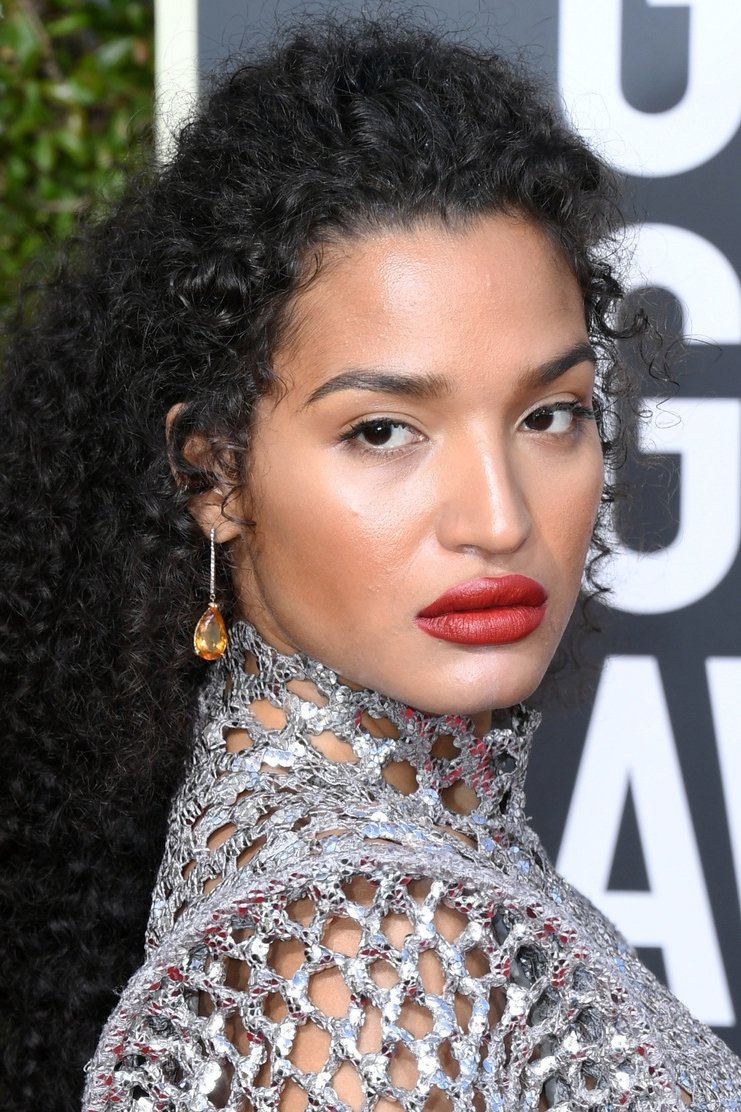
As a huge film and TV fan, I’ve always admired Indya Moore – not just for their incredible work on ‘Pose,’ but for how outspoken they are. It’s fascinating to me that someone so visible within the fashion world is so critical of it. They’ve really called out brands for their shallow Pride campaigns – how they use LGBTQ+ faces for marketing without actually supporting the community. And honestly, their strong beliefs – supporting Palestine and being critical of capitalism – have apparently made some luxury brands hesitant to work with them. It’s a shame, because they’re totally a fashion icon, but they’re not willing to compromise their principles for a paycheck, which means fewer mainstream endorsements come their way.
Hunter Schafer
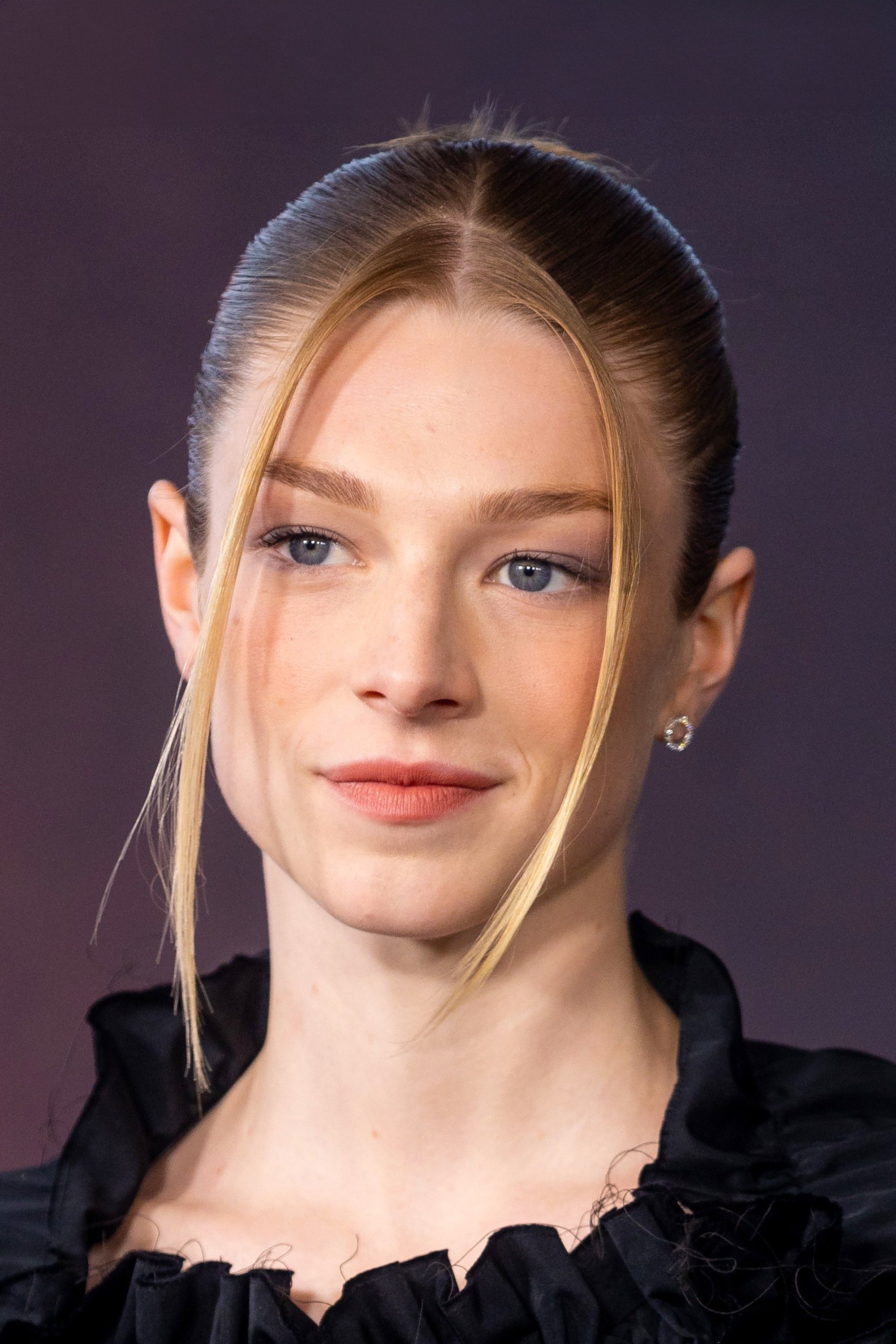
Hunter Schafer, known for her role in ‘Euphoria,’ has demonstrated her commitment to activism through direct action, recently being arrested during a protest in New York City with Jewish Voice for Peace to call for a ceasefire in Gaza. While many activists praised her involvement, her arrest raises concerns about potential consequences for her brand partnerships. Many beauty and fashion companies have clauses in their contracts that allow them to end deals with talent who get arrested, and they may be reluctant to renew contracts in this situation.
Cynthia Nixon
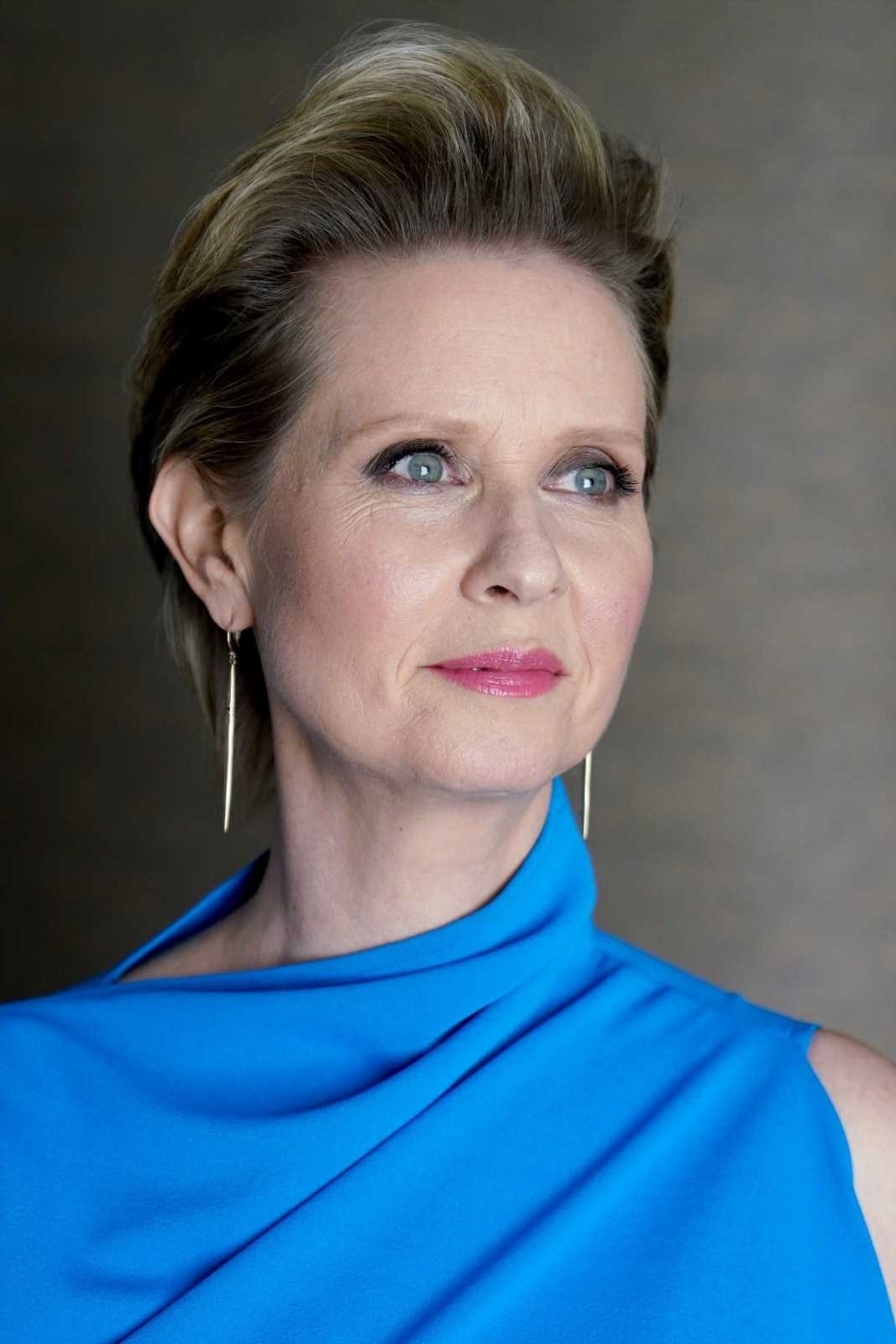
Cynthia Nixon, known for her acting and activism, has always used her platform to support causes she believes in. Recently, her involvement in a hunger strike at the White House – calling for an end to the fighting in Gaza – gained a lot of attention, but it also caused some companies to pull their advertising. Nixon has been critical of the traditional Democratic party and generally aligns with more progressive viewpoints, which puts her at odds with many of the businesses that often fund entertainment projects. This makes her a potentially risky spokesperson for brands aiming for broad, mainstream appeal.
Angelica Ross
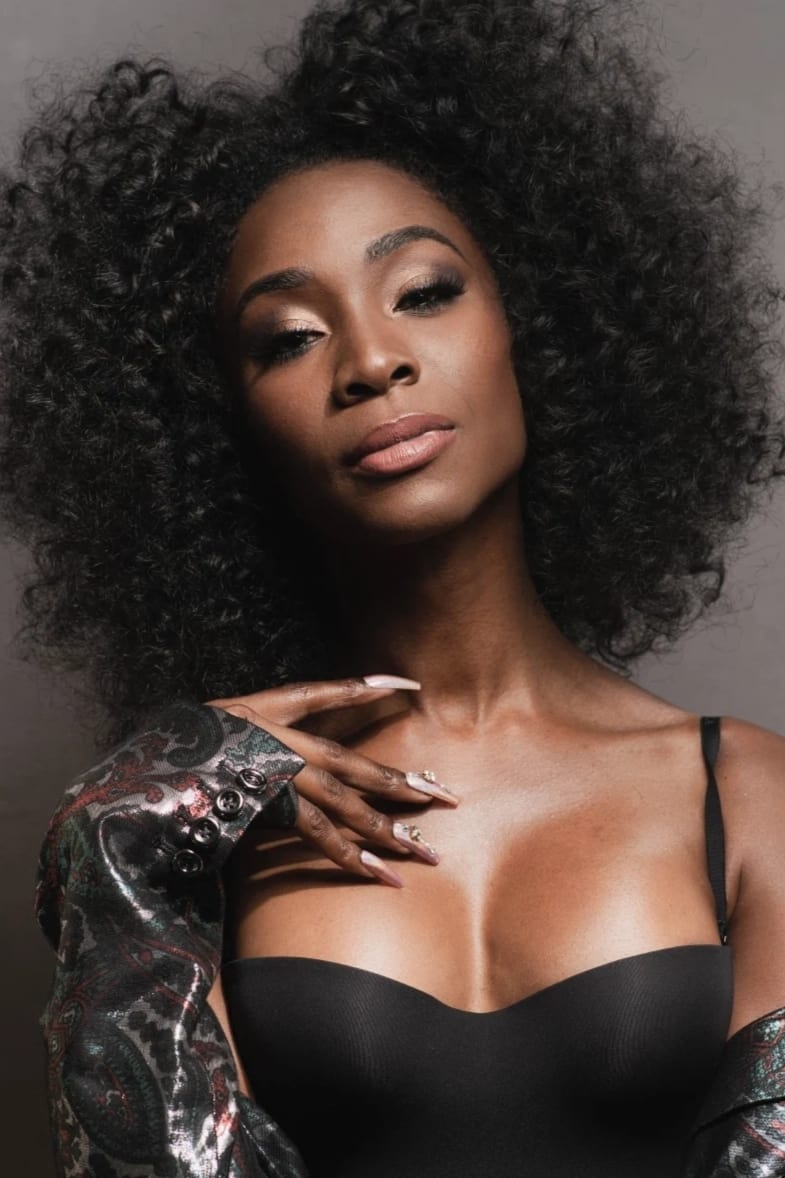
Angelica Ross shocked Hollywood when she openly discussed the racism and discrimination she faced while working on ‘American Horror Story’. She broke an unspoken rule by publicly naming those responsible and sharing emails, which often leads to being unofficially shut out of the industry. Ross announced she’s now shifting her focus to tech, admitting her decision to speak out likely cost her relationships with studios and advertisers. By refusing to stay silent, she essentially ended her working relationships with the networks that had previously supported her.
Rose McGowan

Rose McGowan stepped away from mainstream acting some time ago, and her outspoken activism continues to prevent her from landing major brand endorsements. A key figure in starting the #MeToo movement, she challenged and exposed the power structures that shielded abusers in Hollywood. Her strong beliefs and refusal to support corporate-friendly versions of feminism have made her unwelcome in large advertising campaigns. McGowan sees this loss of commercial opportunities as a worthwhile price to pay for staying true to her principles and speaking freely.
Billy Porter
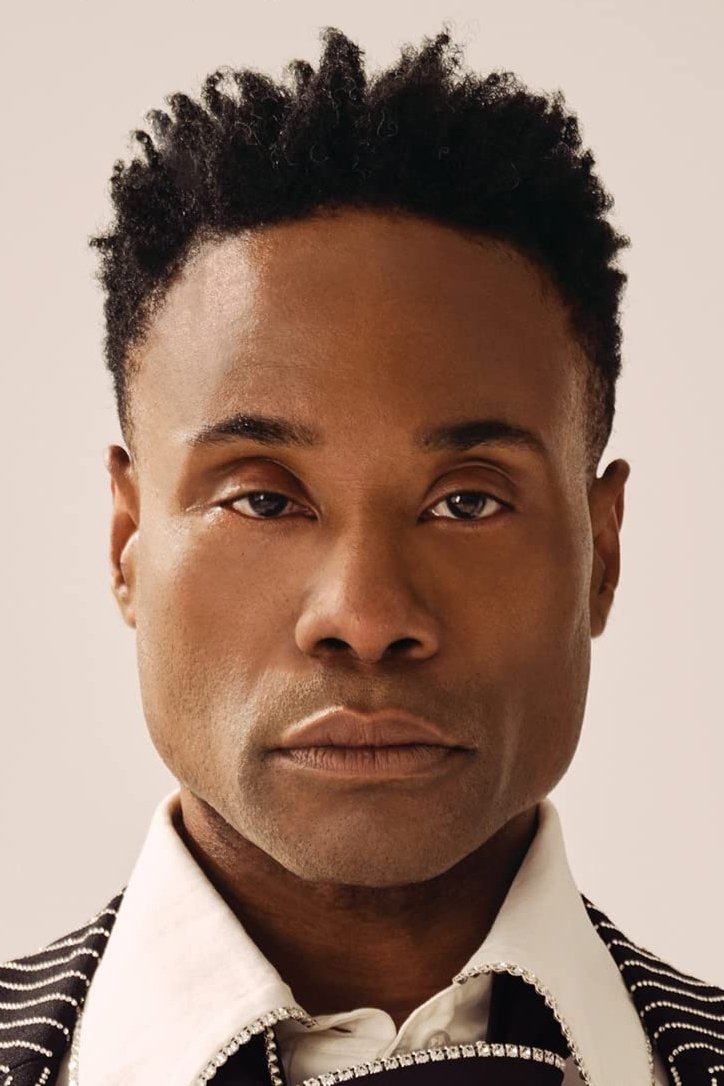
Billy Porter has openly criticized how Hollywood treats writers and actors from marginalized groups, especially during the recent SAG-AFTRA strikes. He’s been very direct about the money problems in the industry, even sharing that he had to sell his home, which challenged the glamorous image many luxury brands promote. His comments about Vogue putting Harry Styles on the cover also led to discussions about whether mainstream artists are unfairly using styles and imagery from queer culture. Because of these outspoken views, some more traditional or cautious fashion companies are now reluctant to include him in their larger advertising campaigns.
Jameela Jamil
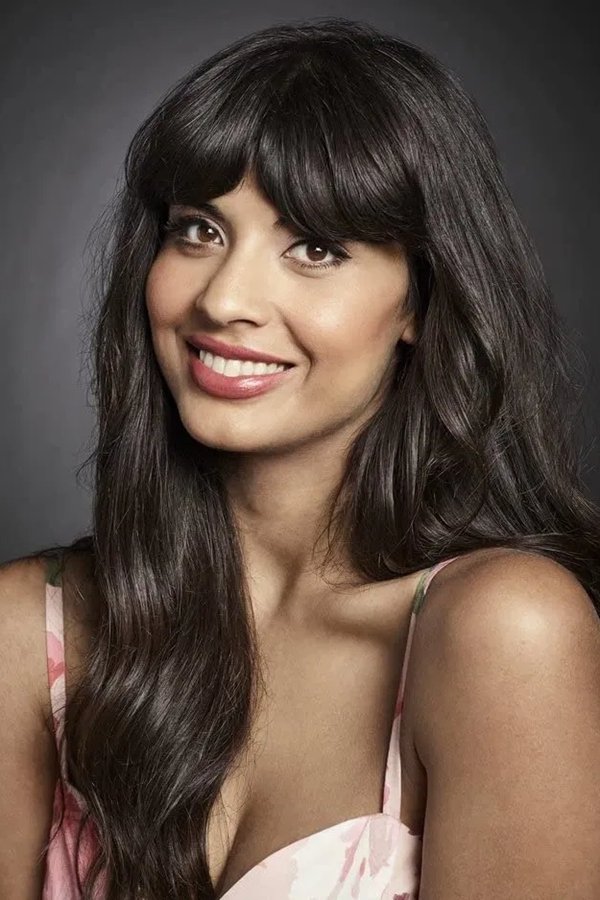
Jameela Jamil openly identifies as queer and strongly supports body neutrality, but her outspoken activism sometimes creates problems with companies she might partner with. She often criticizes celebrities and brands for promoting unhealthy diet trends, which makes businesses in the beauty and wellness industry hesitant to work with her. Her willingness to publicly challenge companies, even those offering her sponsorships, worries advertisers who fear becoming her next target. Jamil has explained that she prioritizes her values over profit, even if it means turning down potential income from brands she disagrees with.
Elliot Page
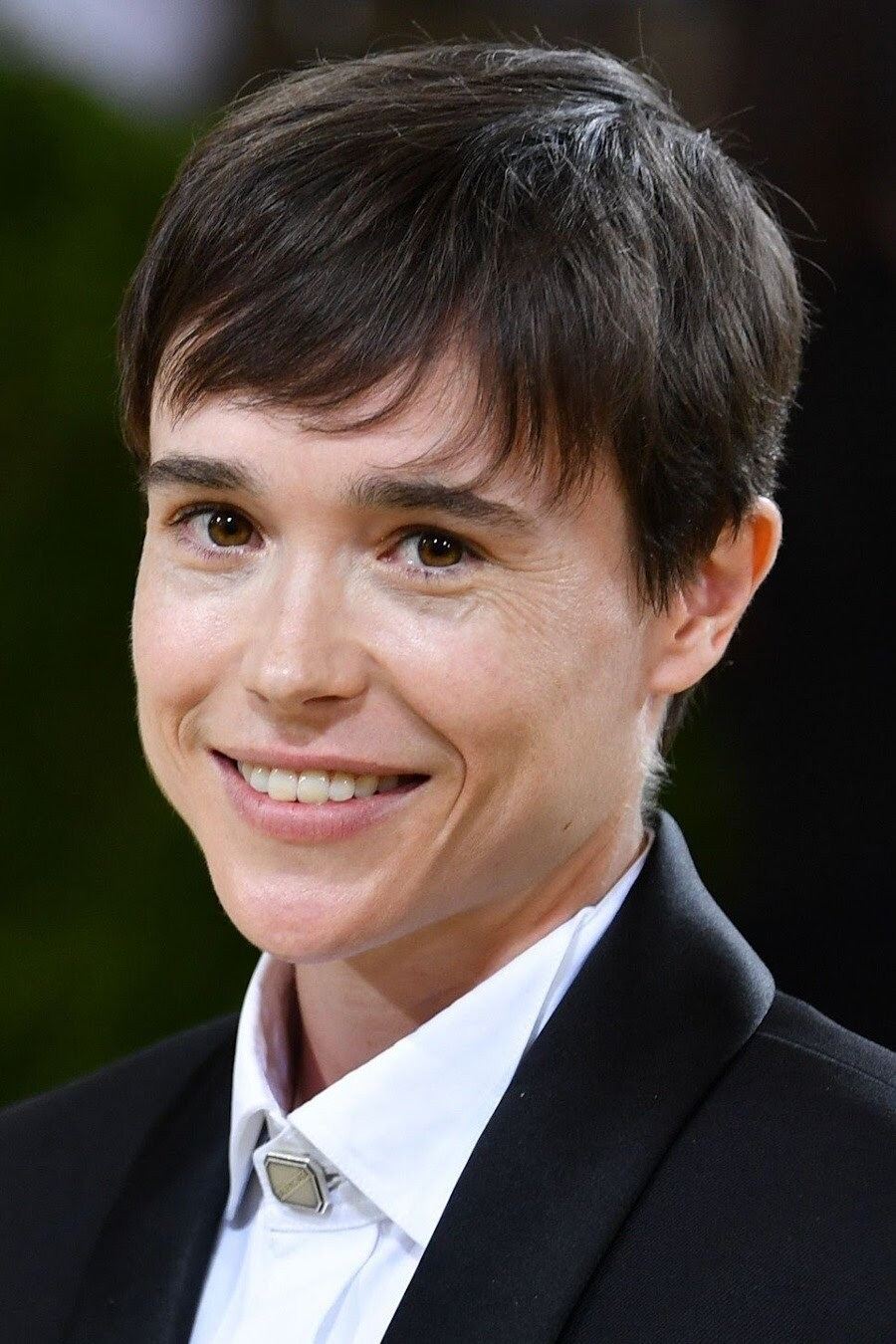
Elliot Page has faced a lot of political attention since publicly coming out as transgender. Though he’s received support from high-end fashion brands, his outspoken criticism of laws targeting transgender people in conservative states makes him a controversial figure for companies selling to a wide range of American consumers. These companies generally avoid associating with people involved in heated social debates to prevent customer boycotts. While Page’s activism is important, it likely limits the number of companies willing to feature him in commercials seen across the country.
George Takei
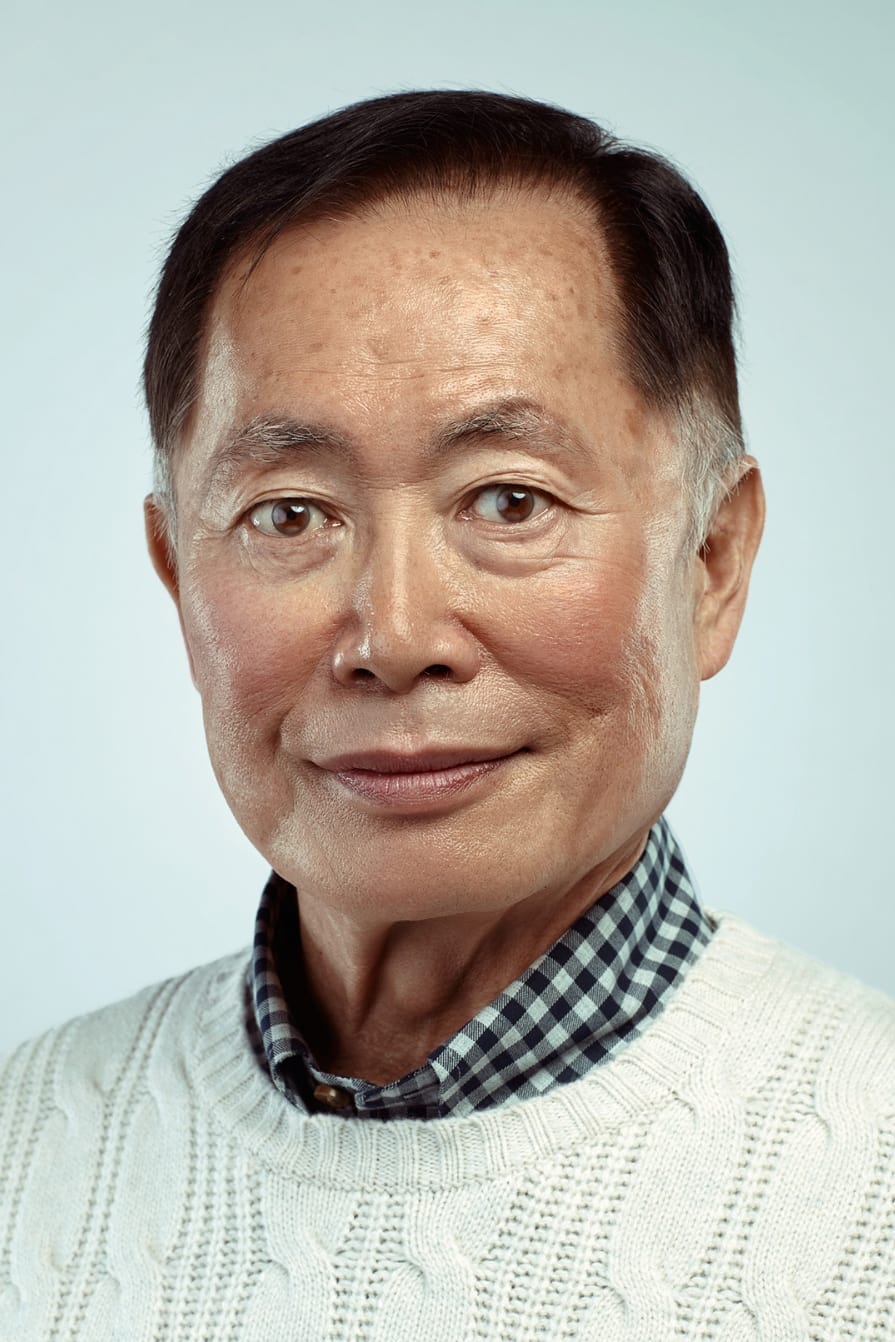
As a huge fan of George Takei, it’s amazing to see how he’s become such a powerful voice for change online after ‘Star Trek’! But honestly, he doesn’t hold back when it comes to calling out politicians and policies he disagrees with, which I admire. It seems like this strong stance, while admirable, might mean some brands are hesitant to work with him, as they try to appeal to everyone. He’s clearly chosen to use his platform to fight for what he believes in, even if it means missing out on some big endorsement deals, and I really respect that.
Rosie O’Donnell
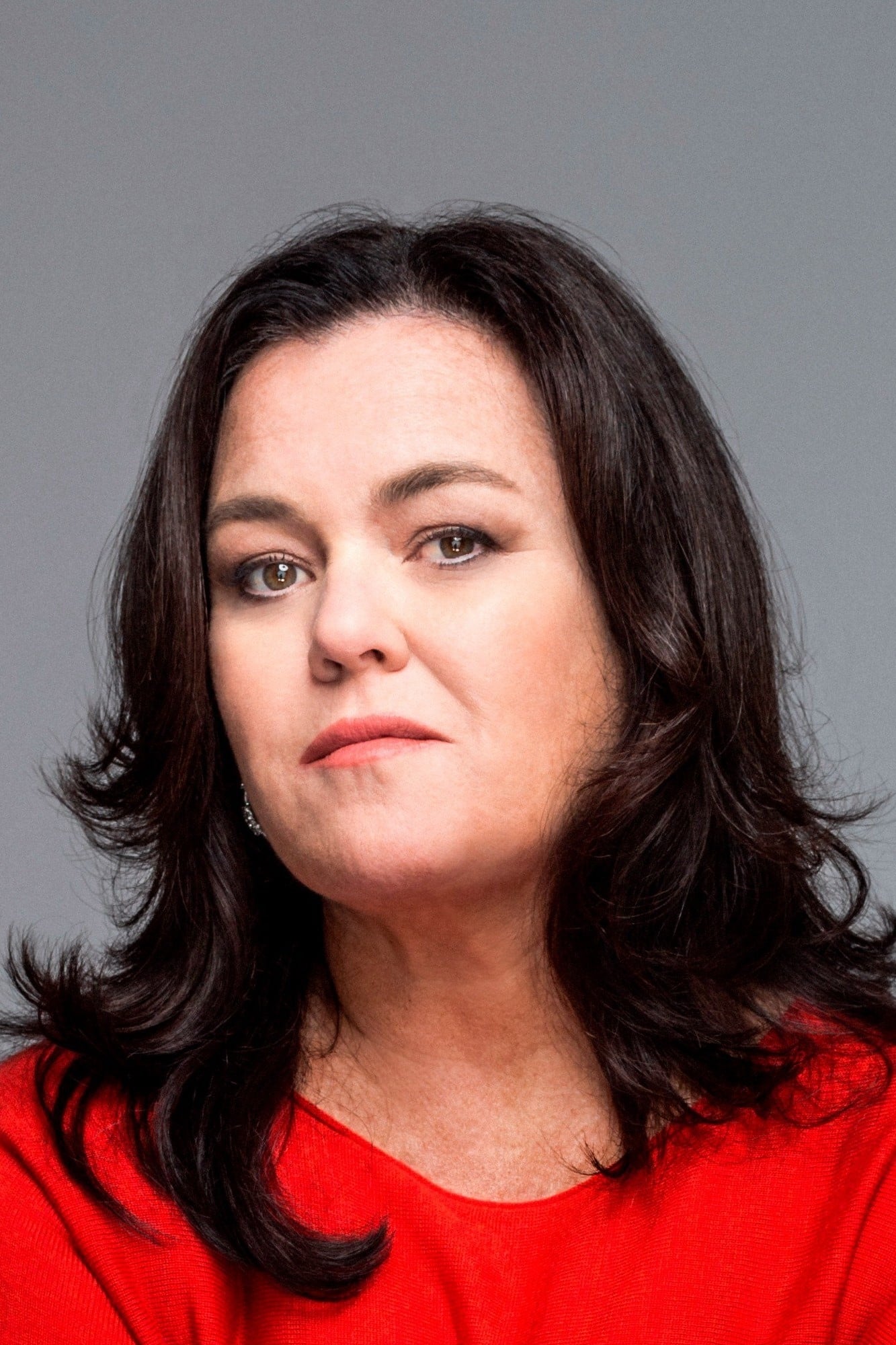
Rosie O’Donnell used to be a hugely popular talk show host, loved by both viewers and companies who advertised with her. However, her willingness to speak out about politics dramatically changed her career. Her public disagreements with politicians and strong views on gun control turned off many viewers and led advertisers to pull their support. Though still well-known, her outspoken and often confrontational style made her a risk for companies concerned about their image. Ultimately, she chose to prioritize speaking freely over maintaining a successful commercial career.
RuPaul
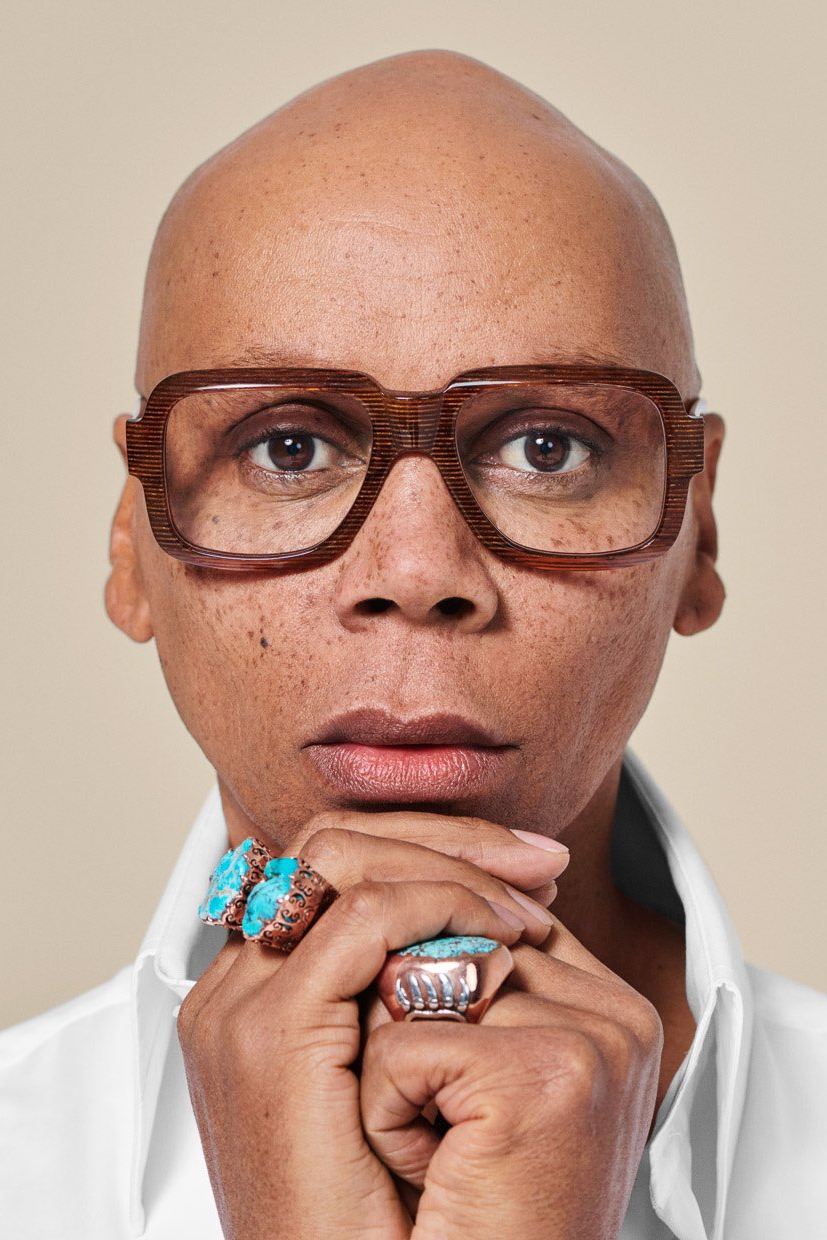
RuPaul, the popular host of ‘Drag Race,’ has created a hugely successful career, but recent controversies have damaged his appeal with younger audiences. Specifically, past remarks about transgender contestants and his involvement with fracking have upset progressive activists who used to be strong supporters. While he still has major brand partnerships, some companies that focus on young people or environmental issues have stopped working with him. This situation shows a difference in values between generations within the LGBTQ+ community and how that impacts brand loyalty.
Margaret Cho
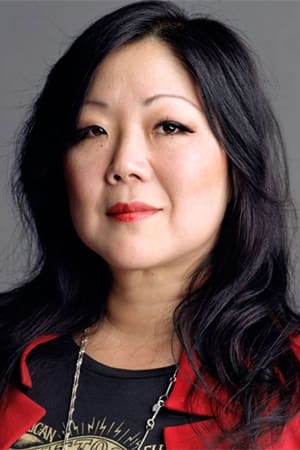
Margaret Cho is a comedian and actress known for challenging norms with her humor. However, her outspoken political commentary often makes it difficult to land mainstream endorsements and commercial deals. She’s openly discussed being sidelined in the entertainment industry for refusing to soften her act to appeal to a wider audience. While this commitment to staying true to herself has earned her a dedicated fanbase, it also means she misses out on the lucrative, but often unchallenging, advertising opportunities enjoyed by other performers.
Wanda Sykes
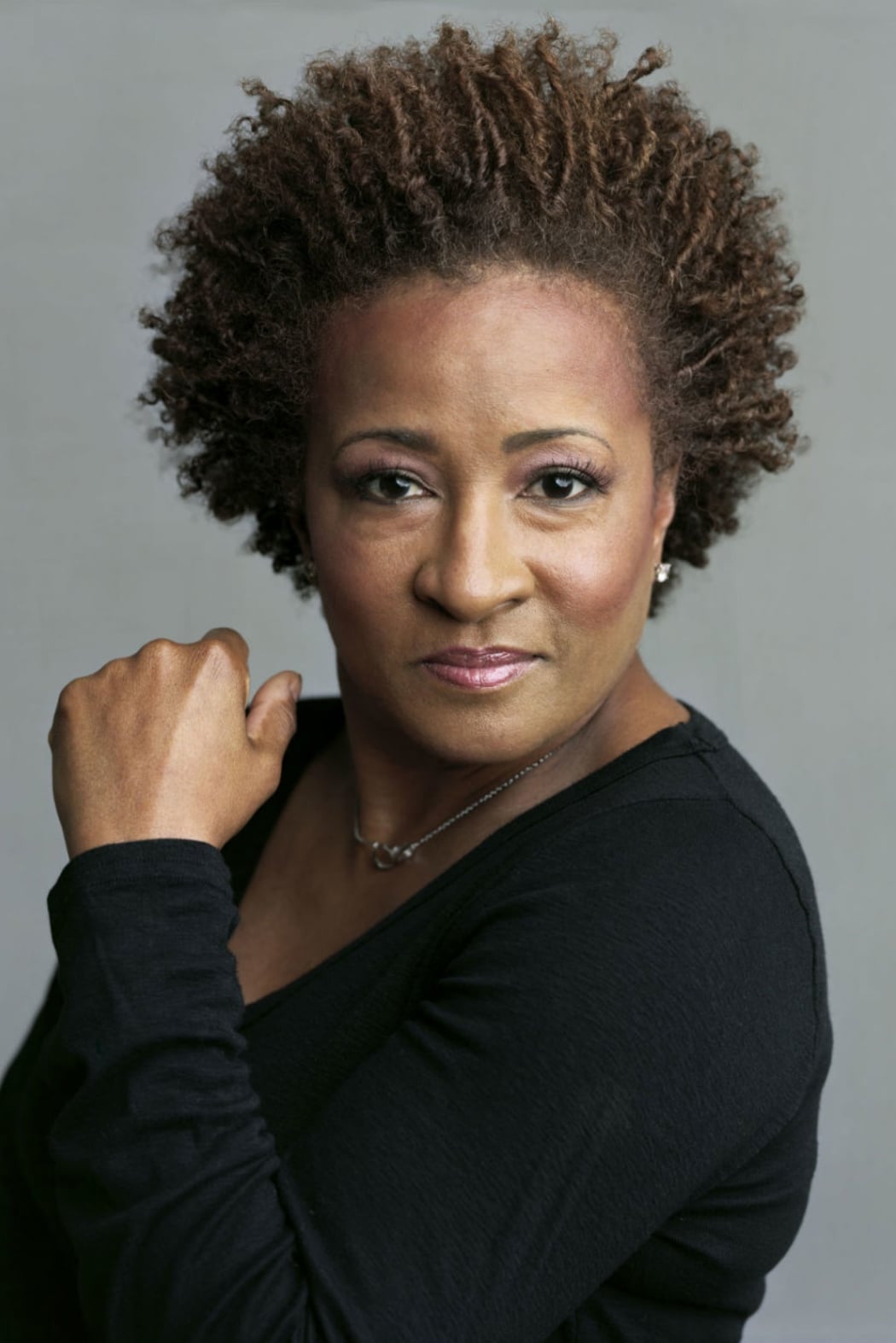
Wanda Sykes is a strong advocate for LGBTQ+ rights, but her outspoken and often critical comedy can limit her opportunities for endorsements. She’s become a divisive figure after speaking out about the Will Smith incident and frequently making fun of conservatives. Many large companies worry that hiring a comedian known for sharp political humor will turn away a significant portion of their customers. Sykes values staying true to her comedic voice over trying to appeal to everyone with mainstream brand partnerships.
Alan Cumming
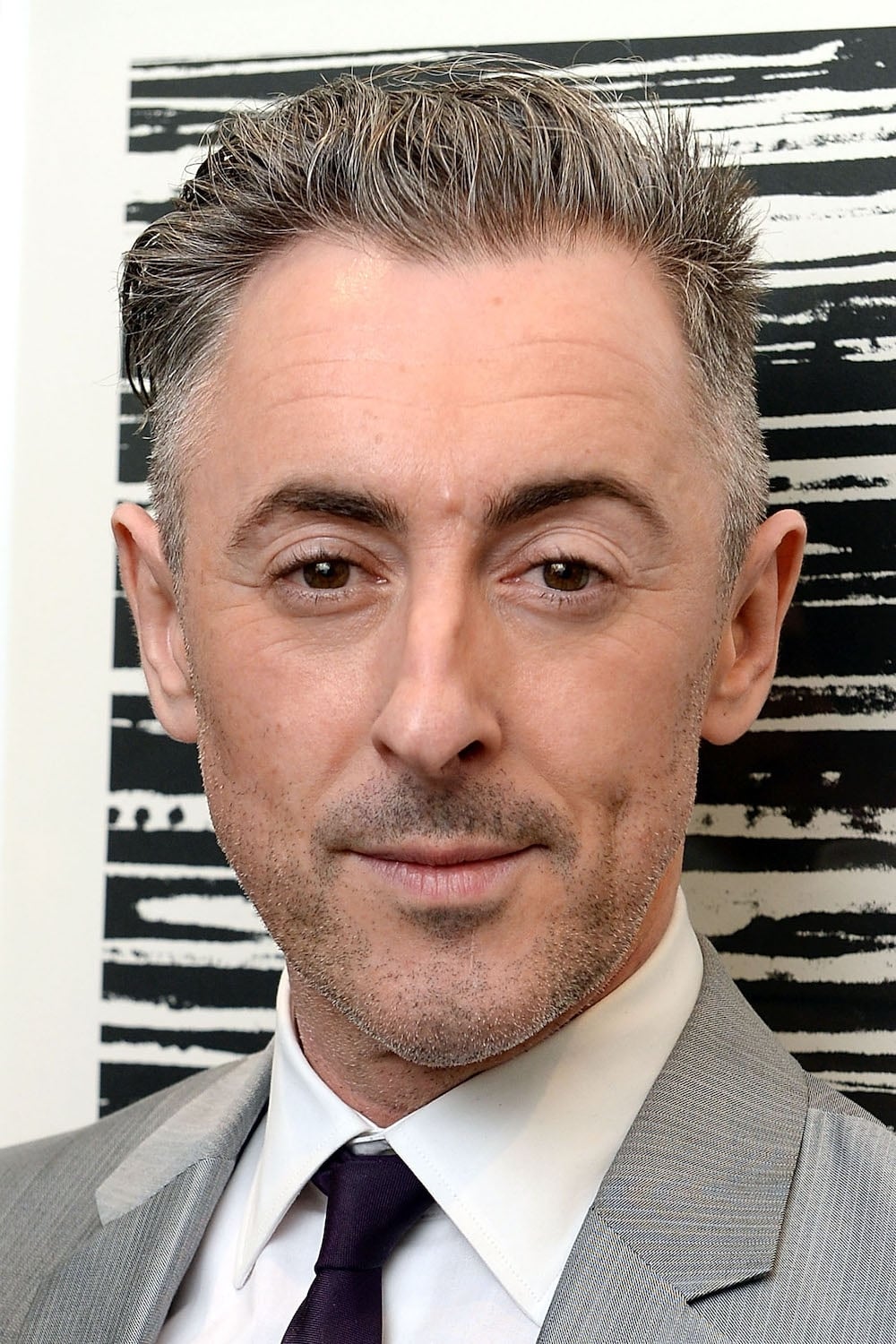
Alan Cumming, a Scottish actor, has publicly returned his OBE as a protest against the harmful legacy of the British Empire. He explained that his decision was a direct response to the empire’s history of oppression and its treatment of people in colonized nations. This strong act of defiance shows that Cumming won’t be a conventional spokesperson for established brands. While many activists praised his decision, it will likely mean he’s no longer considered a good fit for traditional British companies that prioritize royalty and heritage.
We’d love to hear your opinion: Should actors risk their careers to stand up for what they believe in? Share your thoughts in the comments below.
Read More
- 2025 Crypto Wallets: Secure, Smart, and Surprisingly Simple!
- Gold Rate Forecast
- Brown Dust 2 Mirror Wars (PvP) Tier List – July 2025
- Banks & Shadows: A 2026 Outlook
- HSR 3.7 story ending explained: What happened to the Chrysos Heirs?
- ETH PREDICTION. ETH cryptocurrency
- The 10 Most Beautiful Women in the World for 2026, According to the Golden Ratio
- Uncovering Hidden Groups: A New Approach to Social Network Analysis
- Gay Actors Who Are Notoriously Private About Their Lives
- 9 Video Games That Reshaped Our Moral Lens
2025-12-04 14:46