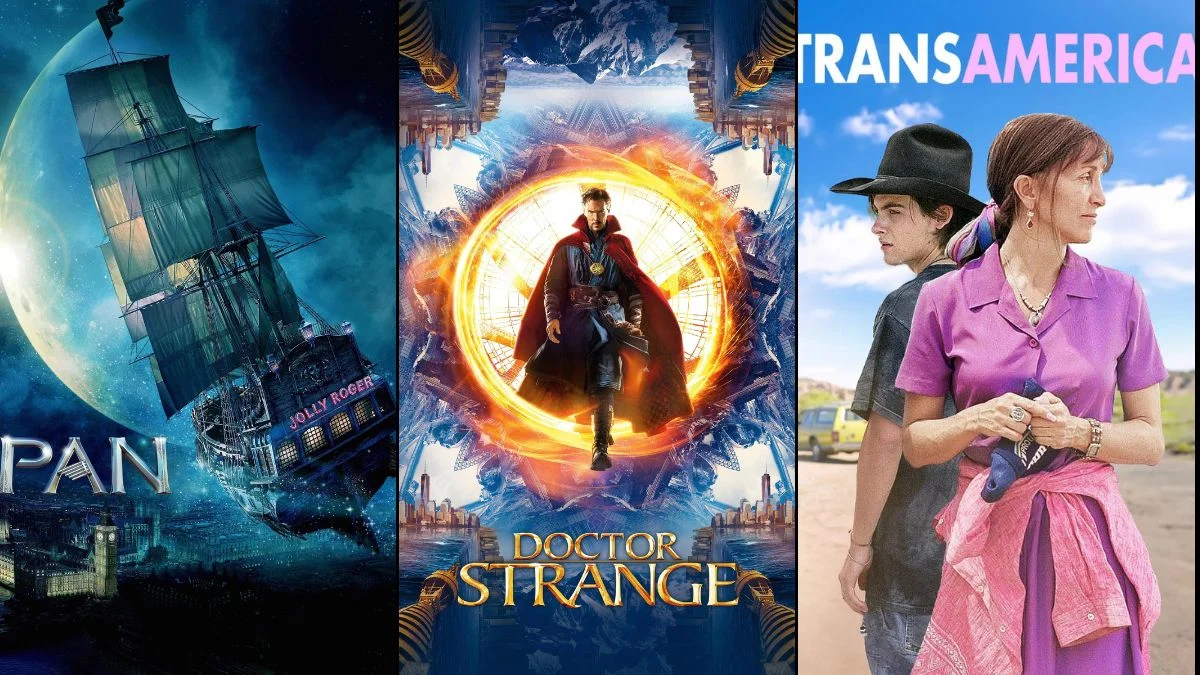
There’s been growing discussion about who gets cast in Hollywood, particularly when white, cisgender actors are chosen for roles meant for transgender people or people of color. While the industry is trying to be more inclusive, many talented actors from marginalized groups have historically been passed over for well-known white stars. Critics say this limits opportunities for underrepresented groups and often leads to portrayals that don’t accurately reflect their real-life experiences. The following examples show times when casting choices caused significant controversy about overlooking diverse talent and the advantages held by established actors.
‘Stonewall’ (2015)

As a film buff who cares about getting history right, I was really disappointed with Roland Emmerich’s take on the Stonewall riots. The biggest issue? The movie focused on a made-up white character, played by Jeremy Irvine, instead of the actual heroes of the uprising. Everyone knows figures like Marsha P. Johnson and Sylvia Rivera – transgender women of color – were absolutely central to everything that happened at Stonewall, but the film pushed them to the sidelines. It felt like a deliberate attempt to make the story more palatable to a wider audience, but it did so by essentially erasing the vital contributions of Black and Latinx trans activists. It just didn’t sit right with me – a crucial moment in LGBTQ+ history deserved a more accurate and respectful portrayal.
‘Ghost in the Shell’ (2017)
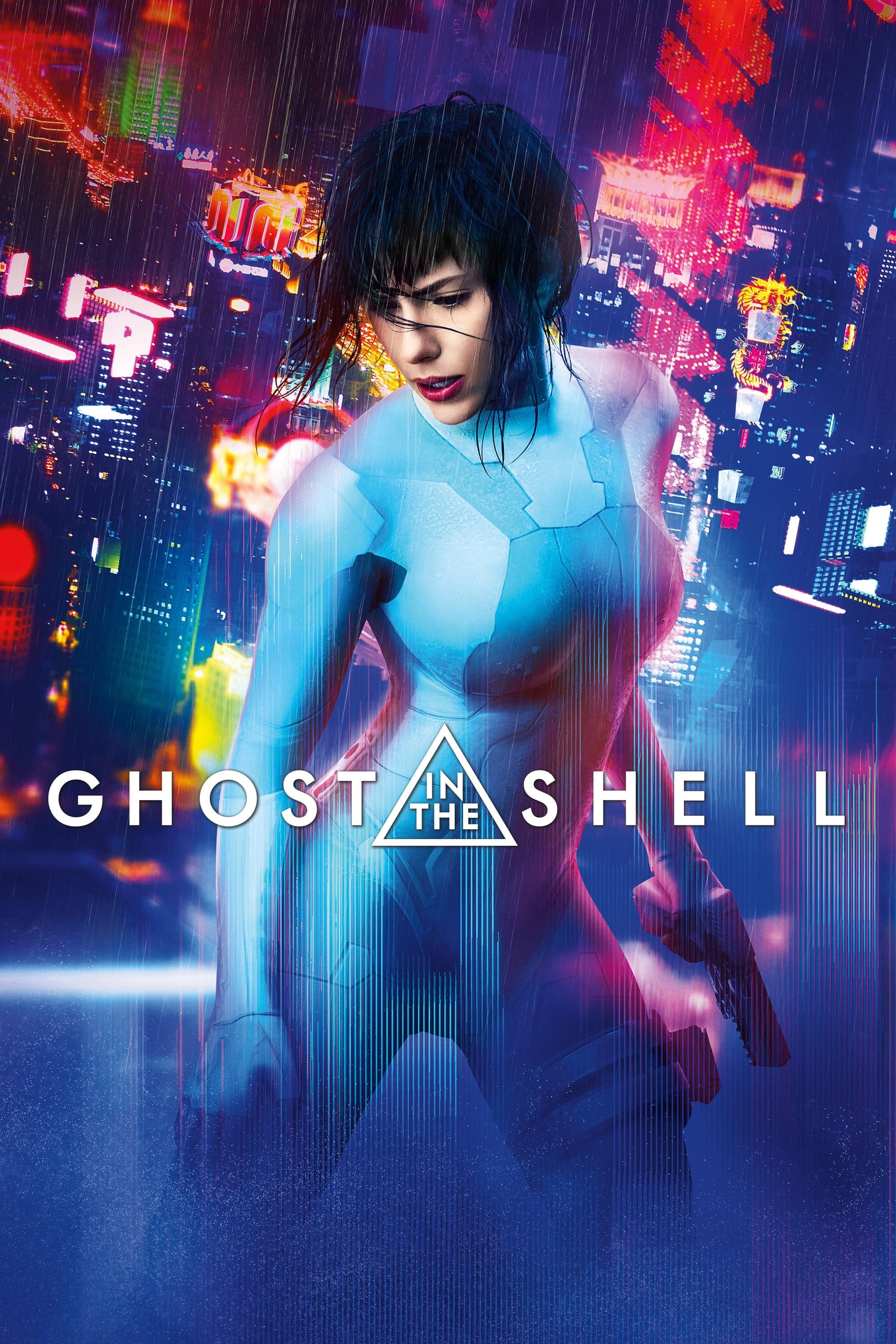
When Scarlett Johansson was cast as Major Motoko Kusanagi in the live-action film based on the popular Japanese manga, many people criticized the decision as whitewashing. While the studio argued the character’s cyborg body wasn’t tied to any specific race, fans emphasized the strong Japanese cultural influences in the original story. This situation brought attention to how few leading roles are available to Asian actors in major Hollywood films, and the movie became a key example in the larger conversation about the lack of Asian representation in Western adaptations of media.
‘Rub & Tug’ (2002)
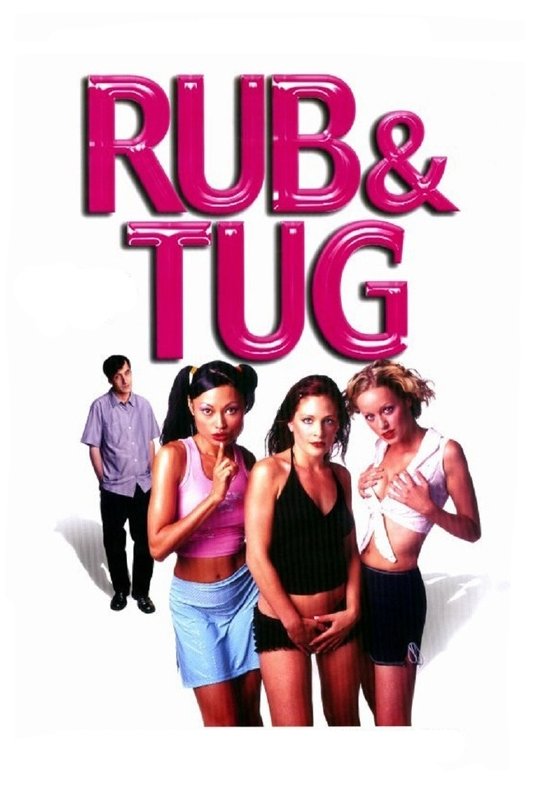
Scarlett Johansson received criticism for being cast as Dante “Tex” Gill, a real-life crime boss who was a transgender man. Many transgender actors and activists felt a trans performer should have played the role, pointing out a pattern of cisgender actors being praised for portraying transgender characters. The strong negative reaction led Johansson to leave the project, and she admitted the casting was thoughtless. This situation has become a key moment, influencing how film studios now consider casting transgender people in biographical films.
‘The Danish Girl’ (2015)

The biographical film featured Eddie Redmayne as Lili Elbe, a pioneer in receiving gender confirmation surgery. Although Redmayne’s performance earned him an Oscar nomination, the decision to cast a cisgender actor in the role of a trans woman sparked controversy. Critics pointed out that this choice perpetuated the damaging idea that trans women are simply men disguising themselves. The film reignited discussions about the importance of having trans actors portray trans characters to accurately reflect the nuances of transitioning.
‘Doctor Strange’ (2016)

Tilda Swinton was chosen to play the Ancient One, a character who was originally written as an old Tibetan man in the Marvel comics. While Marvel Studios said they changed the character to a Celtic woman to avoid harmful stereotypes, many people criticized the decision as whitewashing. Asian American media groups argued that removing a significant Asian character was a setback for representation in superhero movies. This situation highlights the challenges studios face when trying to update older stories without overlooking the communities they originally portrayed.
‘Dallas Buyers Club’ (2013)

Jared Leto received an Academy Award for his performance as Rayon, a transgender woman living with HIV. However, the casting sparked debate, with many transgender advocates arguing the role perpetuated harmful stereotypes and should have gone to a trans actress. Critics labeled the performance as “transface,” highlighting the issue of cisgender actors being praised for portraying marginalized identities while trans actors are often overlooked. This casting continues to be a key topic in conversations about representation and who has the right to tell transgender stories.
‘Aloha’ (2015)

Emma Stone was chosen to play Allison Ng, a character written as being one-quarter Chinese and one-quarter Hawaiian. This decision received a lot of criticism, with many people pointing out that it overlooked the character’s important multiracial background. Director Cameron Crowe later apologized, acknowledging the casting was a mistake and didn’t properly consider the need for better representation of Asian and Pacific Islander people. The situation highlighted how rarely actors of mixed race are cast in leading romantic roles.
‘Pan’ (2015)

In a new take on the Peter Pan story, Rooney Mara was chosen to play Tiger Lily, a Native American princess. This caused controversy, with many people protesting the decision to cast a white actress in a role meant for a Native American character, and a petition gained thousands of signatures. While the filmmakers said they aimed for a diverse cast, critics pointed out the main Native American character was played by a white woman. This situation is frequently used as an example of Hollywood overlooking Native American actors for important roles.
‘Nina’ (2016)

I remember when Zoe Saldana was cast as Nina Simone, and honestly, it felt… complicated. While I admire Saldana as an actress, the decision to have her darken her skin and wear a prosthetic nose really sparked a lot of debate, and rightly so. It brought up this painful issue of colorism in Hollywood – the idea that lighter-skinned actors often get roles that should go to those who naturally reflect the experiences and features of the person they’re portraying. Many felt, and I agree, that a darker-skinned Black actress would have been a more authentic choice to play such an iconic and powerful figure like Nina Simone, someone who truly embodied her look and understood her struggles.
‘Exodus: Gods and Kings’ (2014)

Ridley Scott’s historical film, featuring stars like Christian Bale and Joel Edgerton, was criticized for casting mostly white actors to play characters from ancient Egypt and Hebrew cultures. Scott explained this decision was due to financial needs, stating he needed well-known white actors to secure funding for the large-scale production. However, many viewers were upset, arguing that this choice ignored the historical reality of the region and effectively erased Middle Eastern and North African representation. The film also reignited discussions about the lack of diversity in Hollywood, particularly the challenges actors of color face when it comes to being cast in historical dramas, and contributed to the #OscarsSoWhite movement.
‘Gods of Egypt’ (2016)
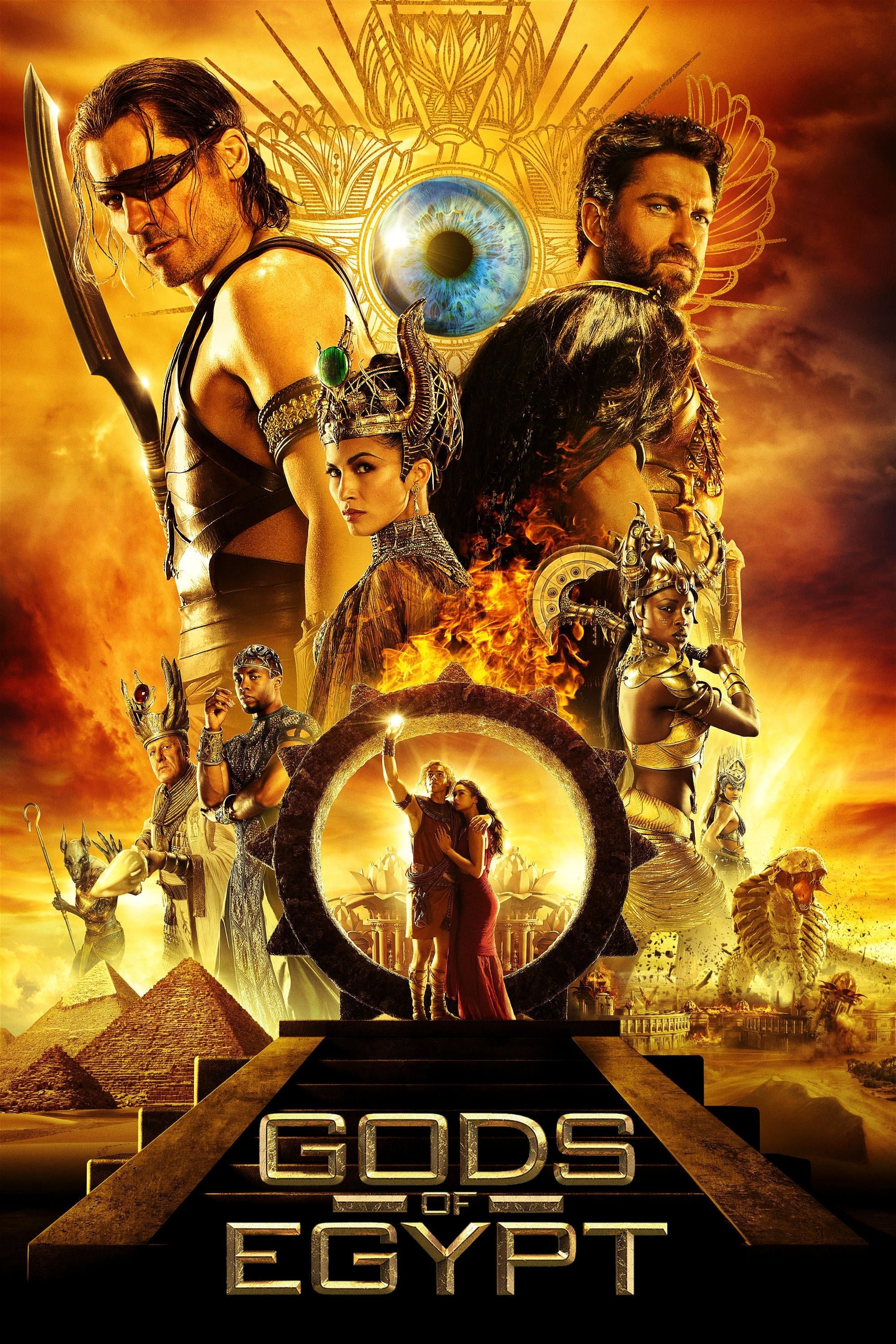
Like the movie Exodus, this fantasy film featured a white cast – including Gerard Butler and Nikolaj Coster-Waldau – playing Egyptian gods. Before it was even released, the film faced criticism for its unrealistic depiction of the people and myths of ancient Egypt. The director and studio quickly apologized, admitting that their casting choices were insensitive. This was unusual because the studio acknowledged the issue of whitewashing before the film flopped at the box office.
‘The Lone Ranger’ (2013)

Johnny Depp portrayed Tonto in a film, using makeup and a feathered headdress to represent the Native American character. Despite claiming some Native heritage, his casting was widely criticized as relying on a problematic depiction resembling ‘redface’ and reinforcing old, inaccurate stereotypes about Indigenous cultures. Many Native American groups were disappointed that a Native actor wasn’t chosen for the role, hoping to offer a fresh and respectful take on the character. The film ultimately received poor reviews and didn’t perform well at the box office, which some attributed to the offensive and outdated way Tonto was presented.
‘Prince of Persia: The Sands of Time’ (2010)
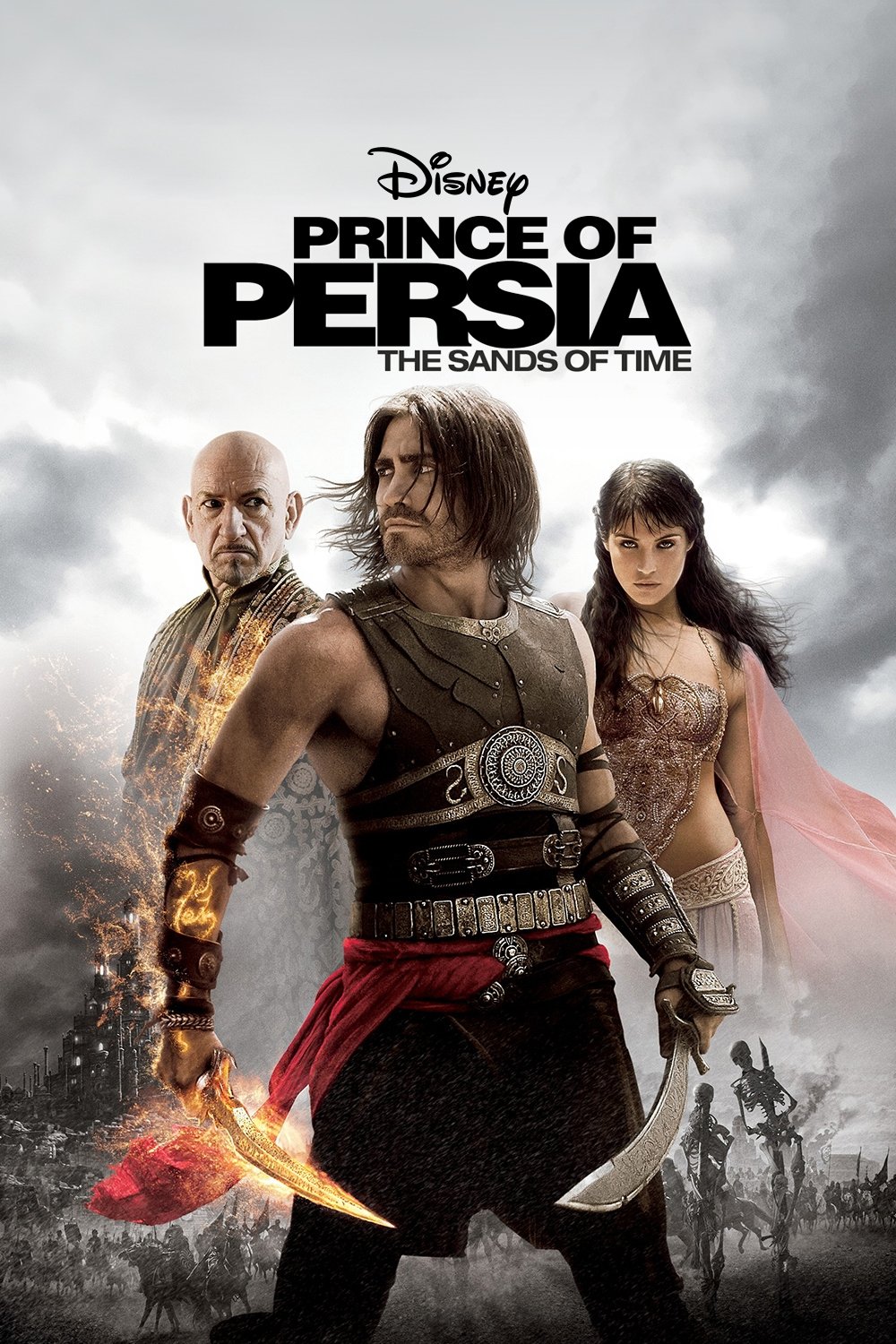
Jake Gyllenhaal played the main character, a Persian prince, in the movie adaptation of the video game. Many criticized the film for not casting an actor of Iranian or Middle Eastern heritage in the lead role, a missed opportunity for representation. This decision exemplifies a common Hollywood practice of prioritizing famous actors over accurate ethnic representation, and the visual disconnect of a white actor portraying a Persian character was a major point of contention.
‘Dragonball Evolution’ (2009)
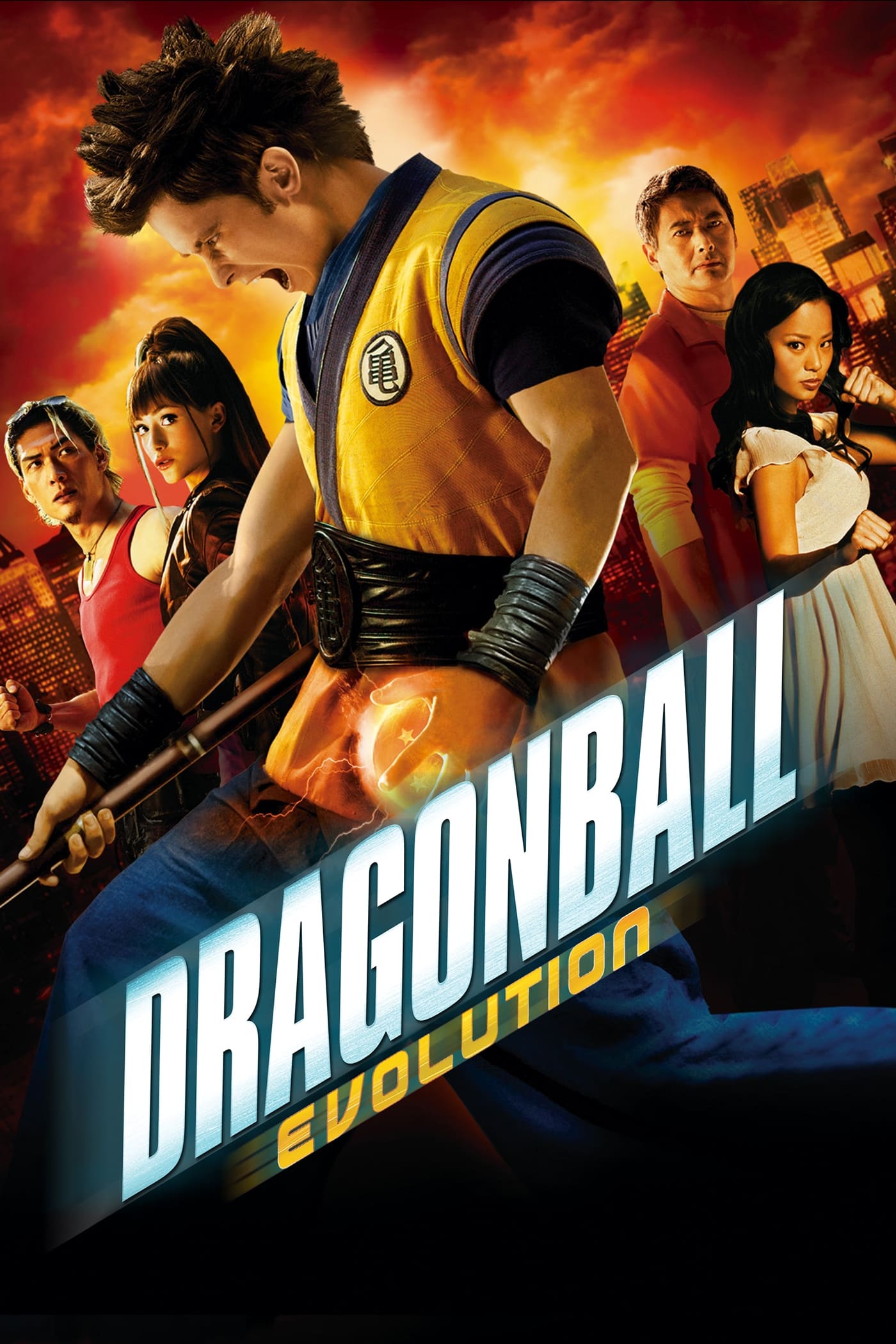
Justin Chatwin played Goku in a live-action movie based on the popular Japanese manga and anime series. However, the film was widely criticized, particularly for casting white actors in roles originally created as Asian characters. Fans felt the movie ignored the important cultural elements of the original story, instead setting it in a typical American high school. Many anime enthusiasts consider it a prime example of a Western adaptation that failed to honor the source material’s cultural background.
‘The Last Airbender’ (2010)
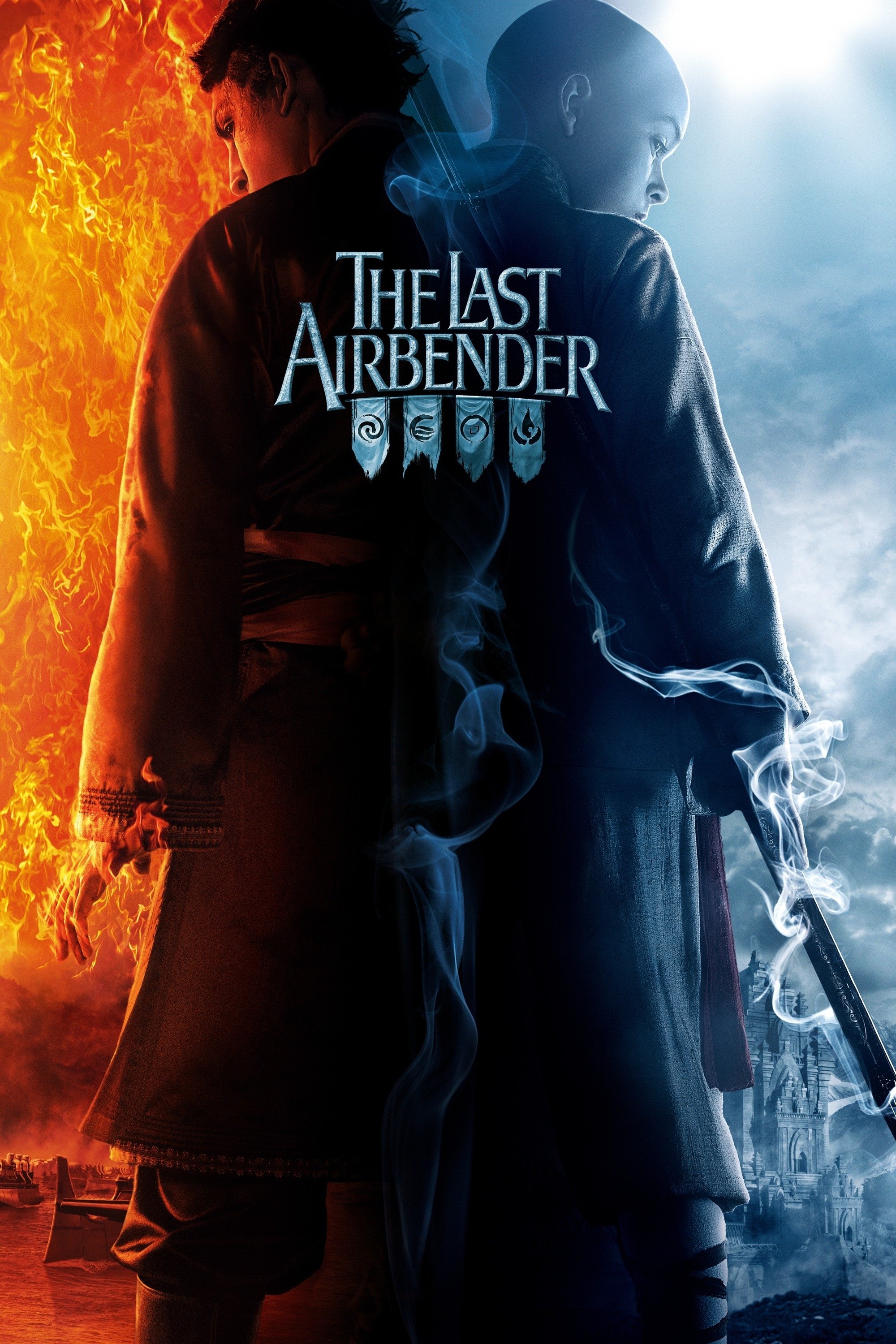
M. Night Shyamalan’s movie version of the animated series featured white actors playing the heroes Katara and Sokka, characters inspired by Inuit and Indigenous cultures. At the same time, actors of Indian and Middle Eastern descent were cast as the villains from the Fire Nation, which created a troubling pattern of racial representation. This casting choice led to widespread criticism, including a large letter-writing campaign and protests organized by the group Racebending.org. The film highlights how simply ignoring race in casting can unintentionally reinforce existing racial biases if not approached thoughtfully.
‘3 Generations’ (2015)
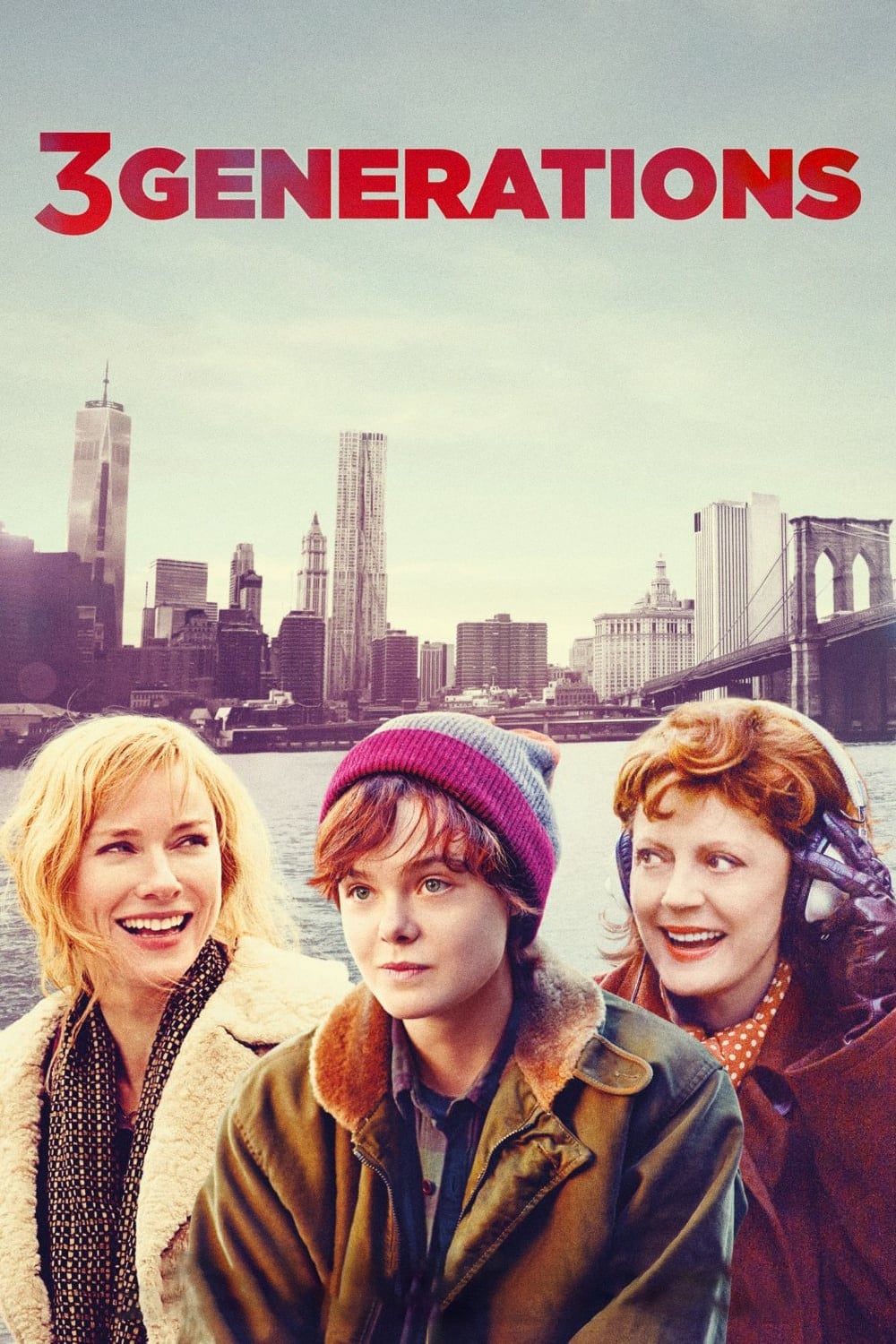
In this drama, Elle Fanning portrayed Ray, a teenage transgender boy, as part of a family navigating a transition. The director defended casting Fanning by saying it allowed them to depict Ray before his transition, but many critics pointed out that transgender actors could accurately play characters at any stage of their journey. The film was seen as a lost chance to give a young trans actor a significant role and was criticized for presenting a trans story through the perspective of cisgender audiences – a phenomenon known as the ‘cis gaze’.
‘Anything’ (2017)

The drama, produced by Mark Ruffalo, cast Matt Bomer—a cisgender man—in the role of a transgender sex worker. This decision quickly drew criticism from the transgender community, who explained that casting a cisgender actor in the role reinforces harmful stereotypes and can contribute to violence against trans women by implying they are simply men in disguise. Ruffalo later responded, saying he hadn’t fully understood the importance of authentic representation in casting.
‘Transamerica’ (2005)
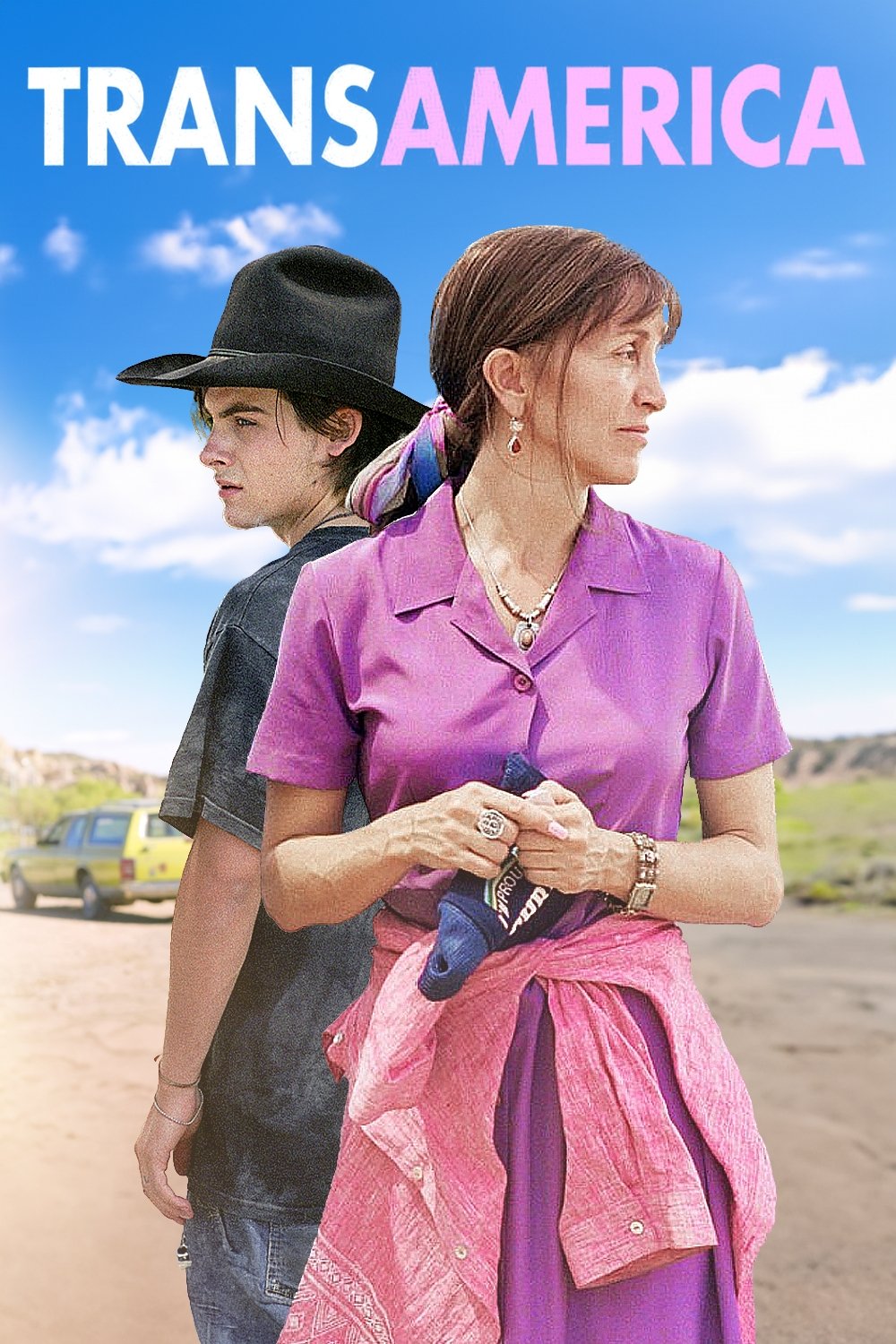
Felicity Huffman was once celebrated for her role as Bree, a transgender woman in a film about a road trip, earning both a Golden Globe and an Oscar nomination. However, looking back now, many see the performance as problematic because a cisgender actress played a transgender character. The film is frequently used as an example of how much expectations for authentic representation have changed in recent years, showing a time when actors were praised for dramatic physical transformations rather than lived experience.
‘Breakfast at Tiffany’s’ (1961)

Mickey Rooney’s performance as Mr. Yunioshi is famously considered a deeply problematic example of yellowface in film. The character was an exaggerated and offensive depiction of a Japanese man, relying on harmful stereotypes like taped eyelids and oversized teeth. Even when the film was released, critics widely recognized the performance as racist and hurtful. It remains a strong example of how Hollywood historically dehumanized Asian people, contributing to ongoing issues with accurate and respectful representation.
‘A Mighty Heart’ (2007)
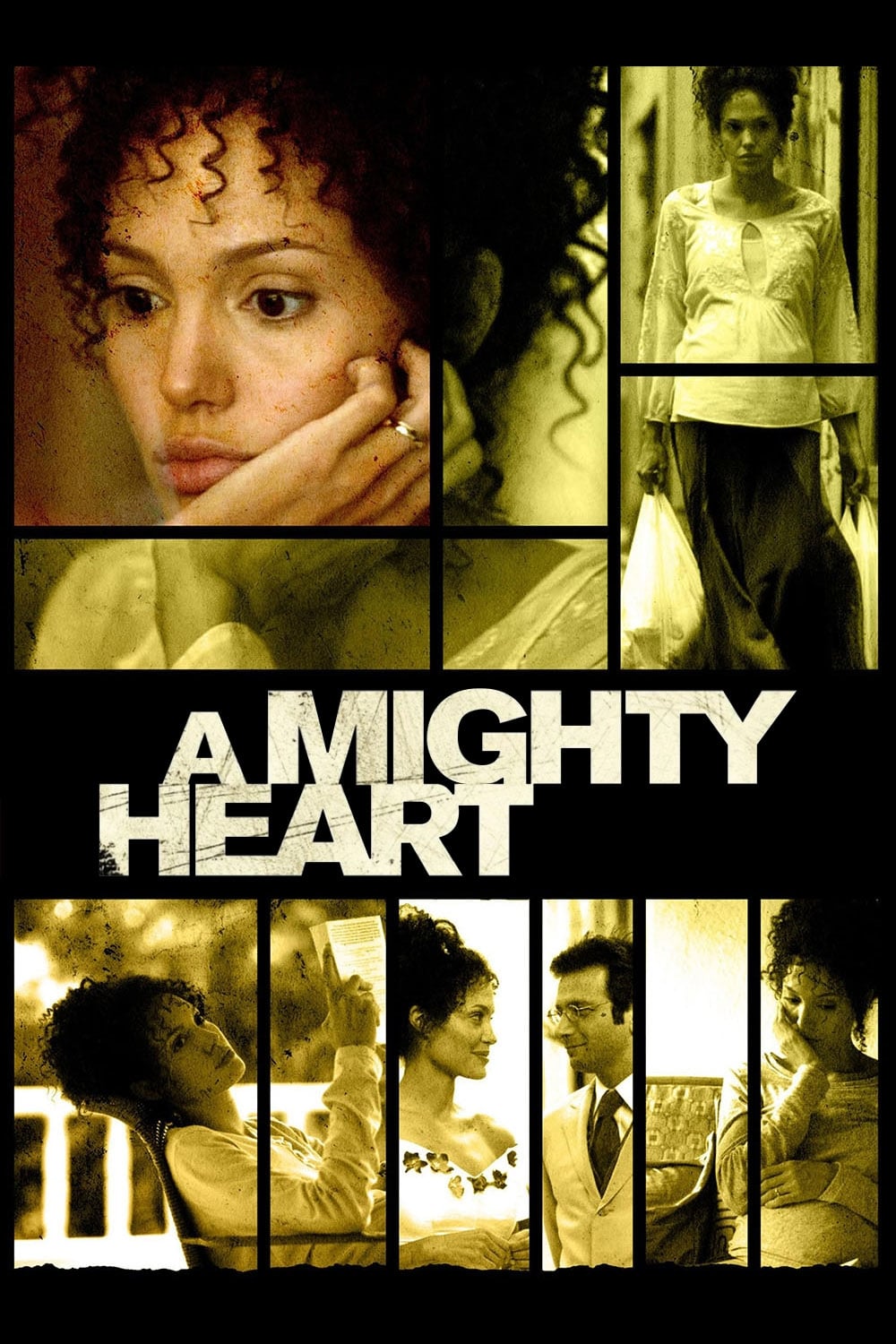
Angelina Jolie played journalist Mariane Pearl, who is of Afro-Cuban and Chinese heritage, in a film. Jolie altered her appearance with darker makeup and a curly wig, which led to discussions about whether it was appropriate for a white actress to portray a person of color. Although Mariane Pearl approved of the casting, many critics argued that the role should have gone to a mixed-race actress and that Jolie’s portrayal resembled blackface or brownface. This situation brought attention to the challenges of casting actors to accurately represent people with diverse ethnic backgrounds.
We’d love to hear your opinions on the recent casting debates and why it’s important to have genuine and accurate representation. Share your thoughts in the comments below.
Read More
- Gold Rate Forecast
- Invincible Season 4 Gender Swaps Tech Jacket As Fans Question Major Comic Change
- 22 Films Where the White Protagonist Is Canonically the Sidekick to a Black Lead
- Unveiling the Schwab U.S. Dividend Equity ETF: A Portent of Financial Growth
- The Best Former NFL Players Turned Actors, Ranked
- Why Won’t It Just *Do* What You Ask? Unpacking the Quirks of AI Language
- Silver Rate Forecast
- Superman Flops Financially: $350M Budget, Still No Profit (Scoop Confirmed)
- 14 Movies Where the Black Character Refuses to Save the White Protagonist
- ONE PIECE Season 2 Confirms Sanji’s OTHER Backstory in the Live-Action
2025-12-04 09:19