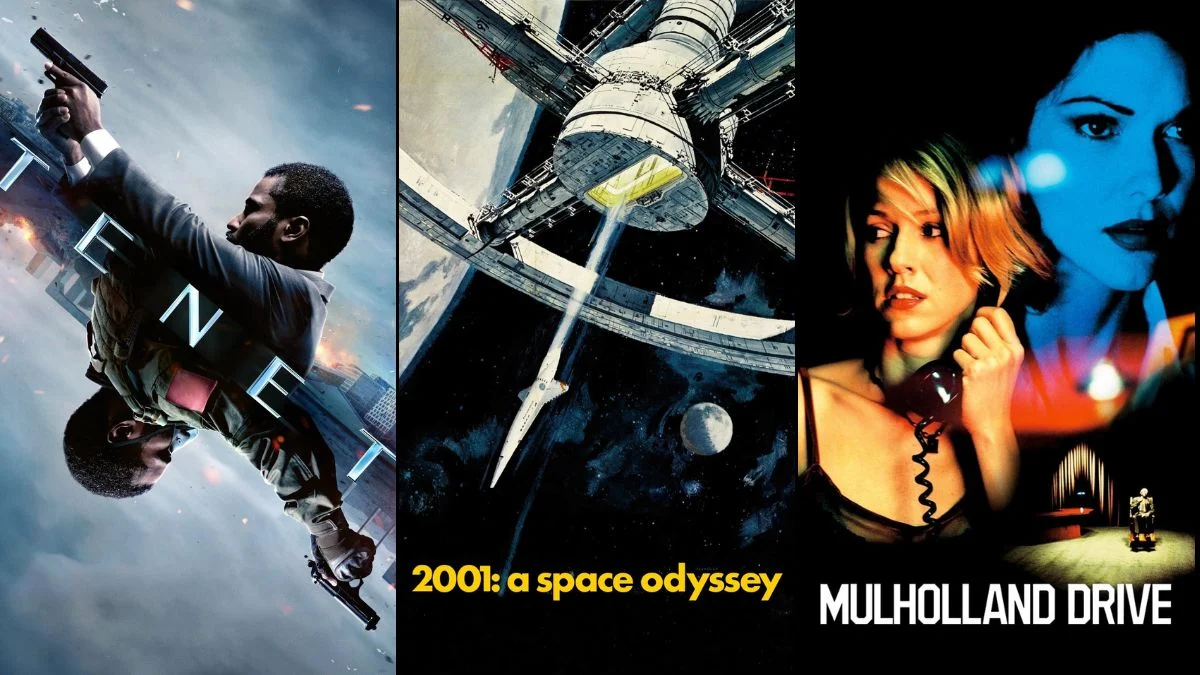
Movies often tell stories in unconventional ways, pushing viewers to think beyond typical plots. These films use techniques like jumping between time periods and subtle imagery to delve into complex ideas about life and the human mind. People often continue discussing and interpreting the meaning of these films even after they’ve finished watching. Here’s a list of twenty movies known for being thought-provoking and captivating audiences around the world.
‘Primer’ (2004)
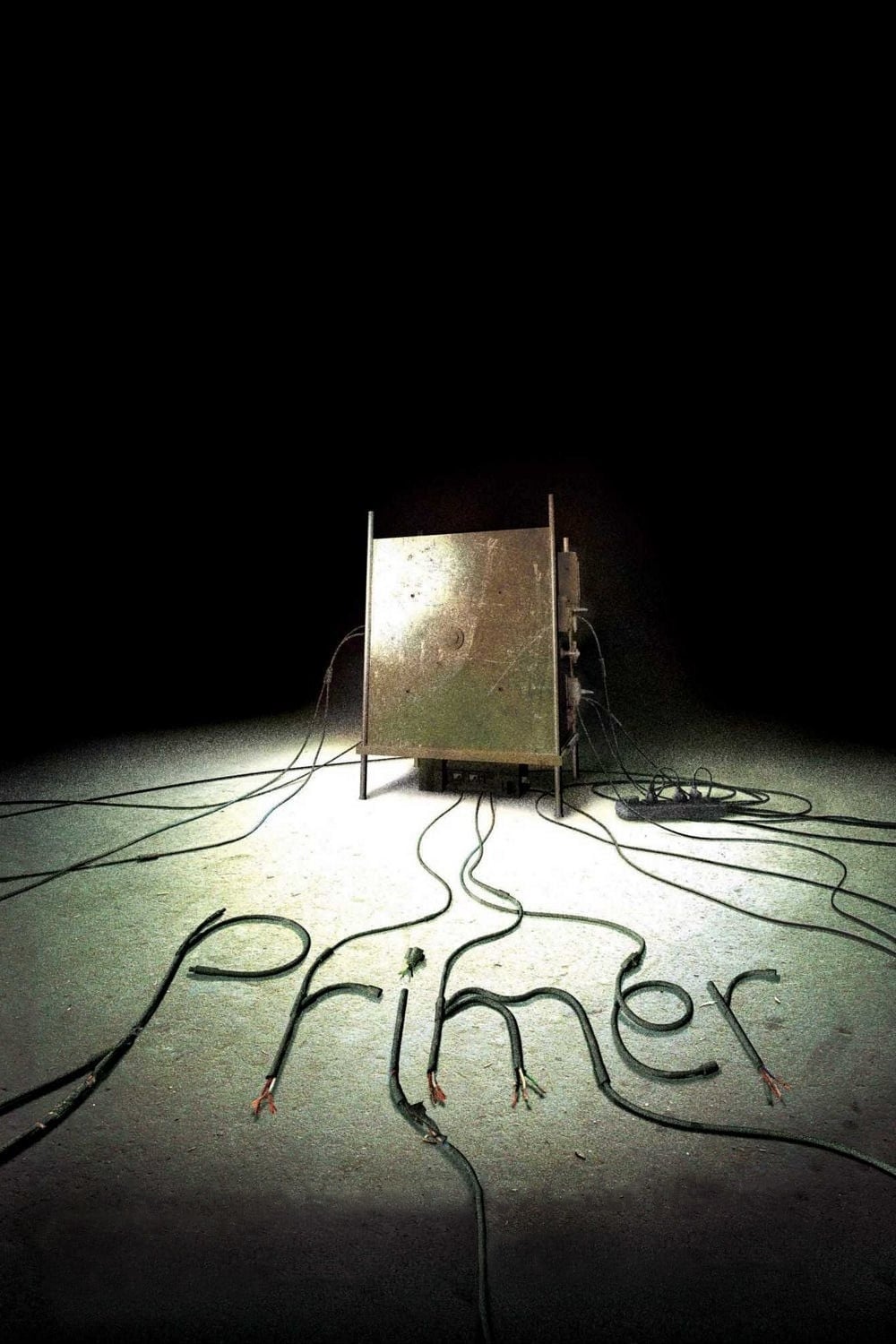
While tinkering in their garage, two engineers stumble upon a way to travel back in time. They create a device that lets them revisit the past few hours, initially to make money on the stock market and improve their personal lives. However, their actions quickly create tangled and confusing timelines, resulting in multiple versions of themselves appearing. The movie is known for being difficult to follow due to its complicated explanations and lack of clear storytelling, and it’s considered one of the most technically accurate, yet complex, portrayals of time travel ever filmed.
‘Mulholland Drive’ (2001)
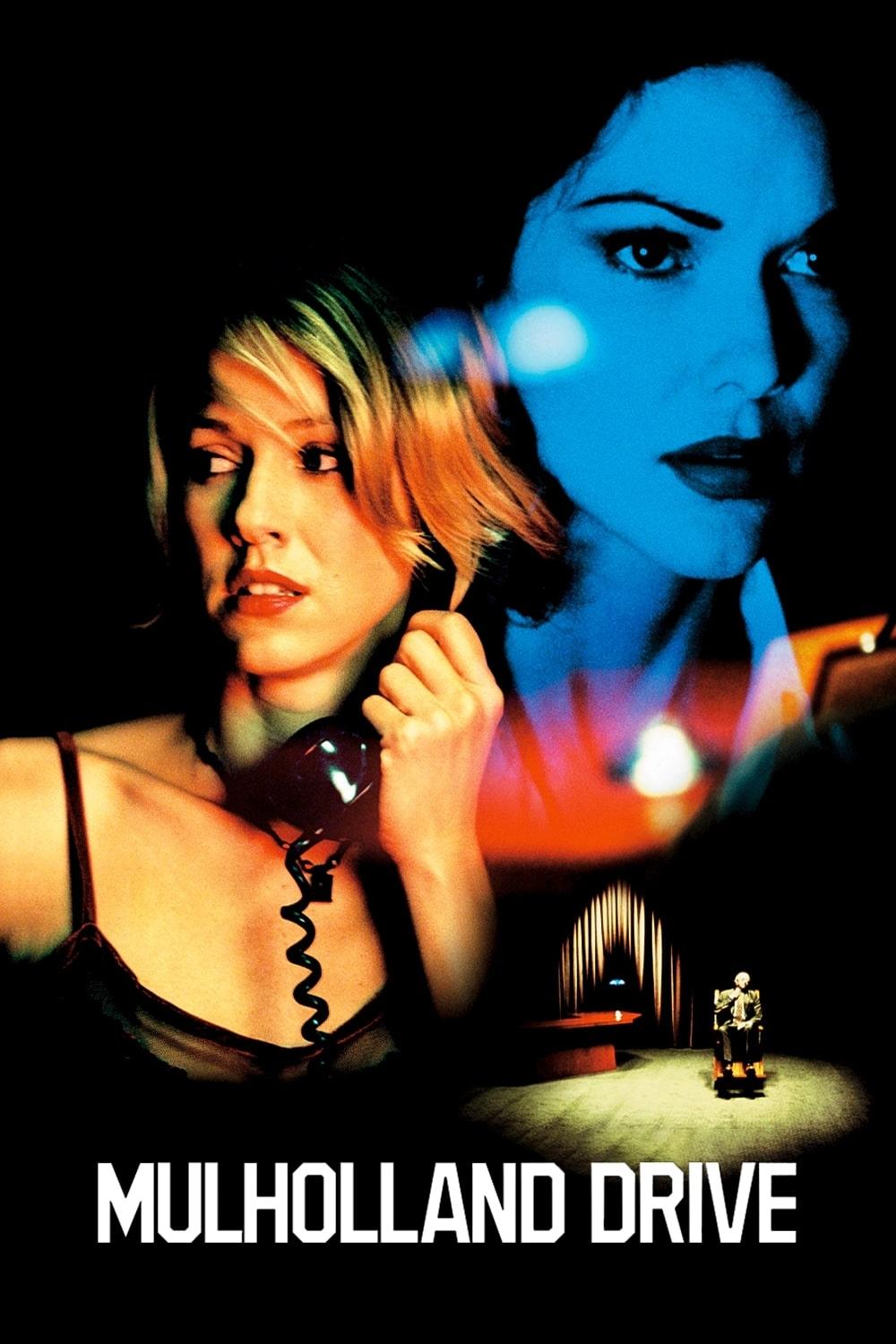
A woman wakes up with amnesia after a car accident on Mulholland Drive and finds herself in someone else’s apartment. She meets an optimistic actress who helps her try to figure out who she is. The film then becomes increasingly strange and dreamlike, jumping between different realities and making it hard to tell what’s real. Director David Lynch created a complex and mysterious movie that doesn’t follow a straightforward story, encouraging viewers to interpret it in many ways. Important clues to the film’s meaning can be found in symbols like the blue box and the Club Silencio, which signal shifts between these different layers of reality.
‘2001: A Space Odyssey’ (1968)
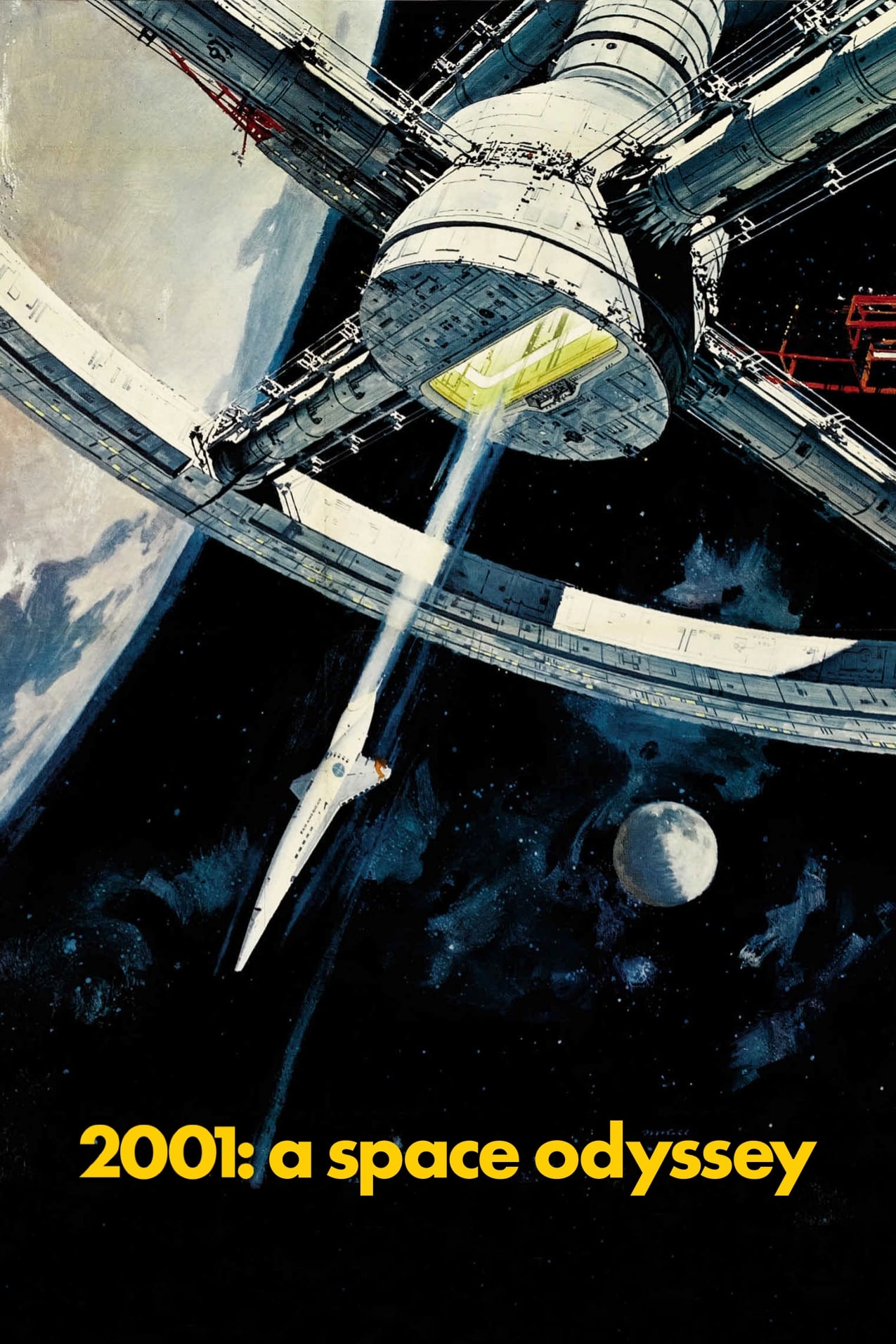
A strange, ancient monument is discovered on the moon, and it sends a message towards Jupiter. A team of astronauts, guided by the intelligent computer HAL 9000, sets out to find out where the signal came from. Their voyage becomes a mind-bending journey through space and time, forcing them to question what it means to be human. The film’s ending is deliberately ambiguous, leaving the astronaut’s destiny open to interpretation and focusing on a deeper, more philosophical experience. Director Stanley Kubrick crafted a visually stunning film that prioritizes feeling and imagery over a conventional plot.
‘Donnie Darko’ (2001)
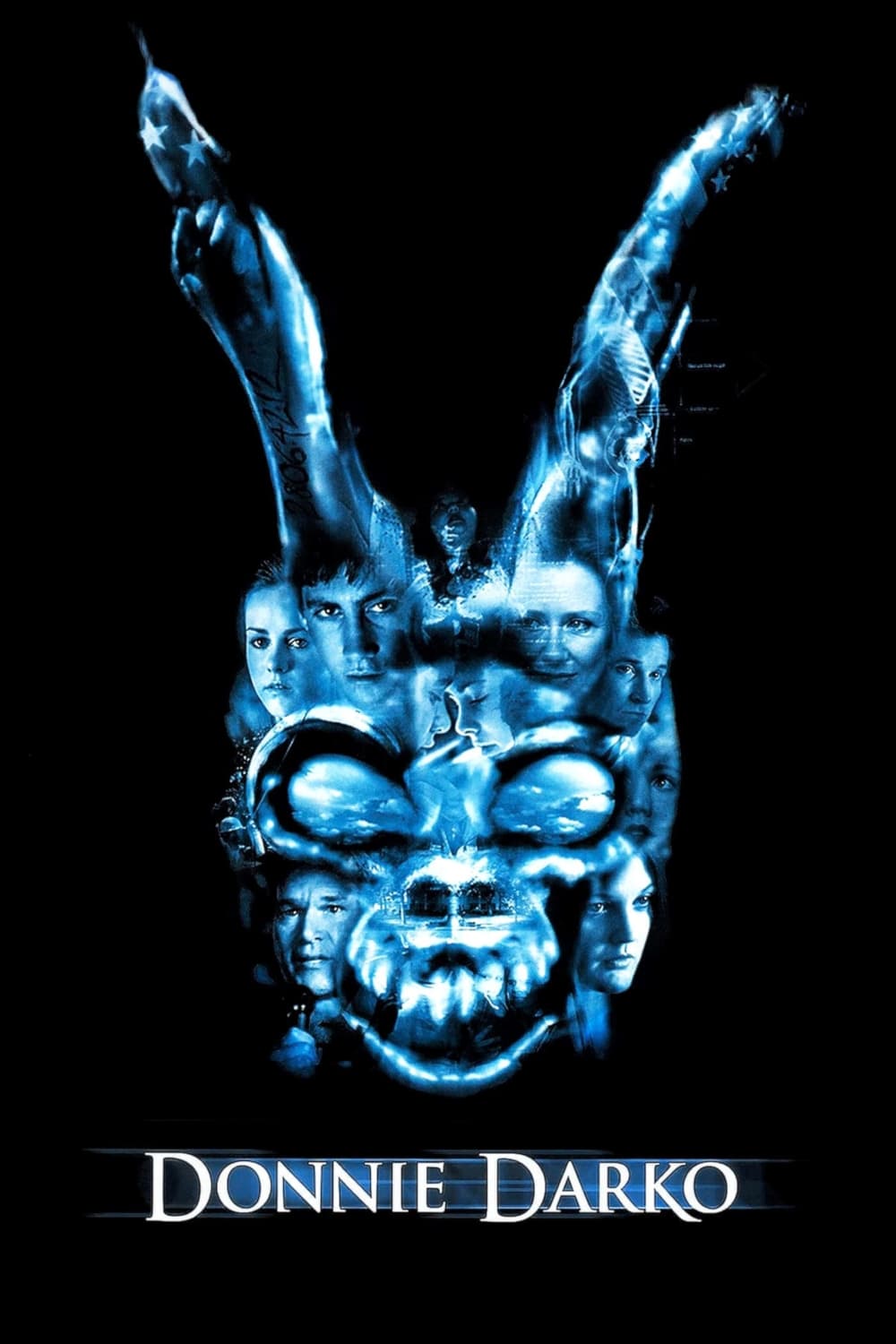
A teenage boy narrowly survives a strange accident when a jet engine crashes into his room. Soon after, he starts seeing a terrifying figure in a rabbit costume who warns him the world will end in 28 days. The story blends alternate realities and ideas about time travel, inspired by a book featured within the movie itself. Viewers are left to question if what’s happening is real or part of a complicated, predetermined fate. Through a non-traditional storytelling style, the film delves into big questions about life, meaning, and what people are willing to give up.
‘Tenet’ (2020)
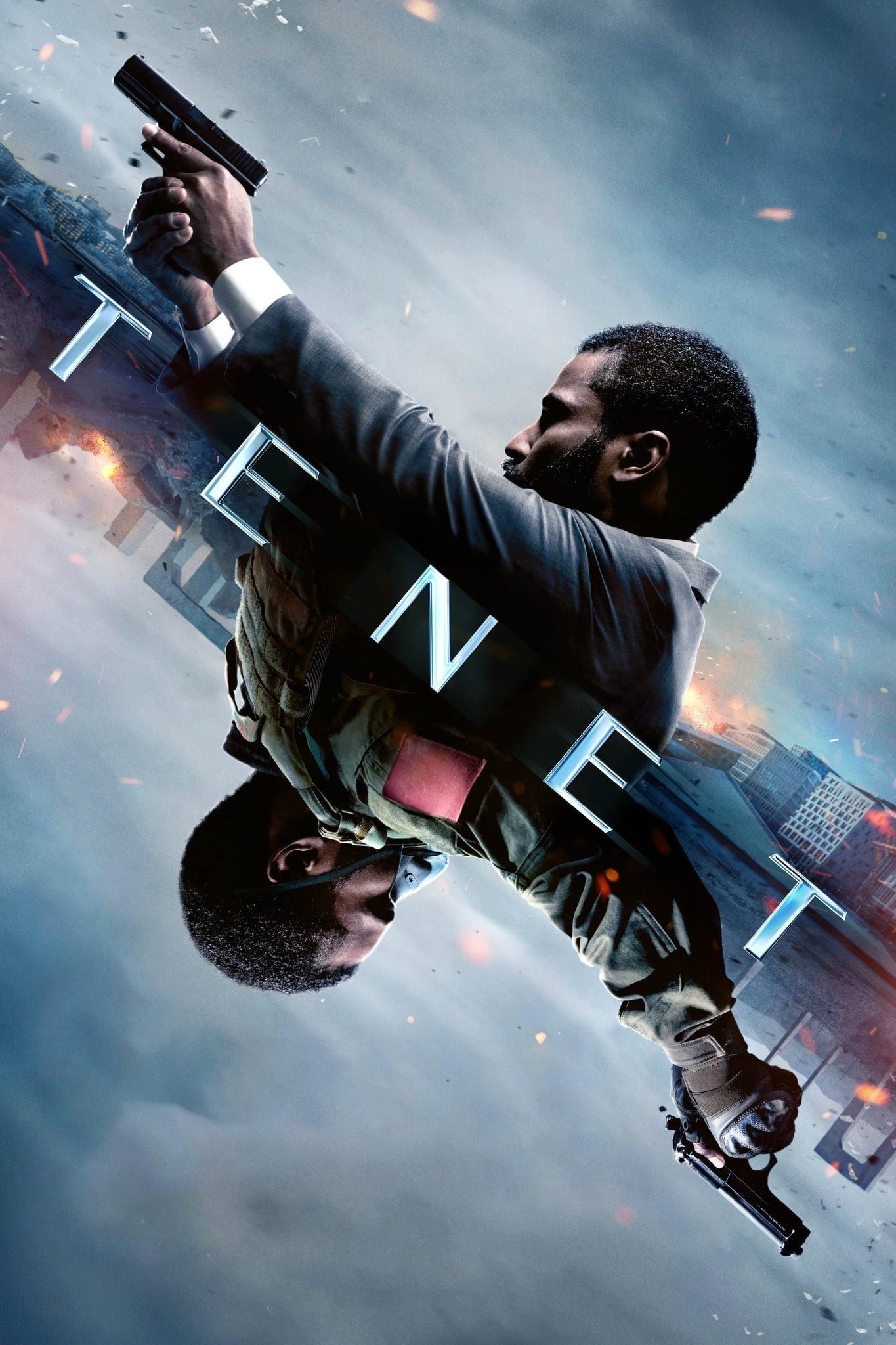
An undercover agent is sent on a dangerous mission to stop World War III, using a technology that allows objects and people to move backward in time while everything else continues forward. The agent must master this time-bending ability to defeat a villain who receives information from the future. The movie features complex and exciting action scenes based on the ideas of entropy and a unique time strategy. Director Christopher Nolan intentionally structured the film like a palindrome, meaning the beginning and ending mirror each other at the midpoint.
‘Enemy’ (2013)
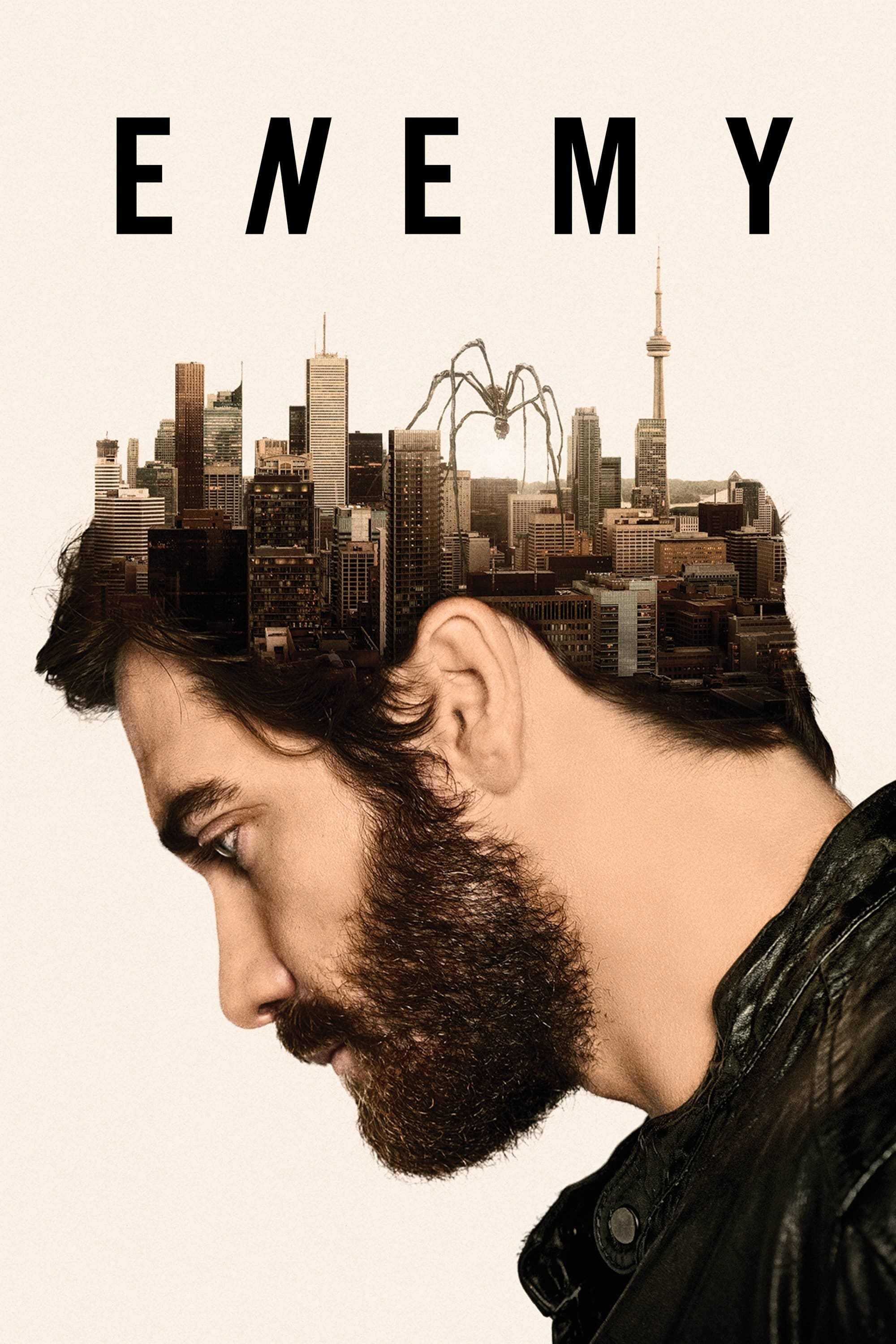
A professor of history is stunned to see his identical twin appear in a film, and becomes fixated on finding him. When they finally meet, their lives become dangerously connected, leading to a tense psychological battle. The film also features giant spiders looming over the city, a symbolic image that has prompted much discussion. Using a distinctive yellow color scheme, the movie explores themes of oppressive control and the hidden depths of the mind. The film culminates in a sudden, jarring ending that completely changes how you understand the connection between the two men.
‘Synecdoche, New York’ (2008)
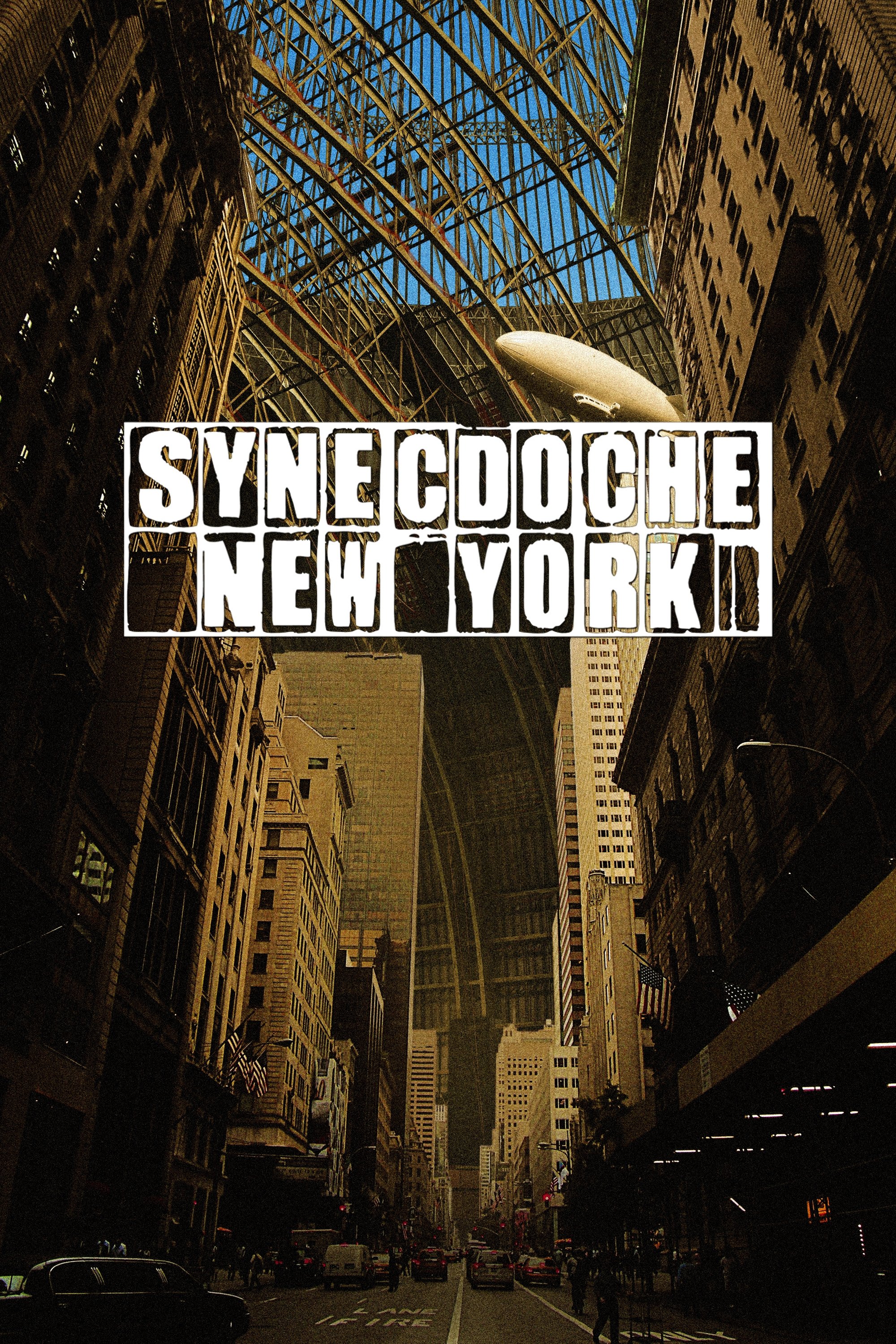
A theater director is overwhelmed by his ambitious project – building a full-scale New York City inside a warehouse – and his personal struggles. As the play grows more elaborate, reality and the production begin to blur. Actors age quickly and change characters, and the set transforms into a bustling, inhabited world. The film explores themes of mortality and the limits of art in truly representing life. The story, written by Charlie Kaufman, is intentionally complex and plays with time, creating a disorienting and layered narrative.
‘Eraserhead’ (1977)
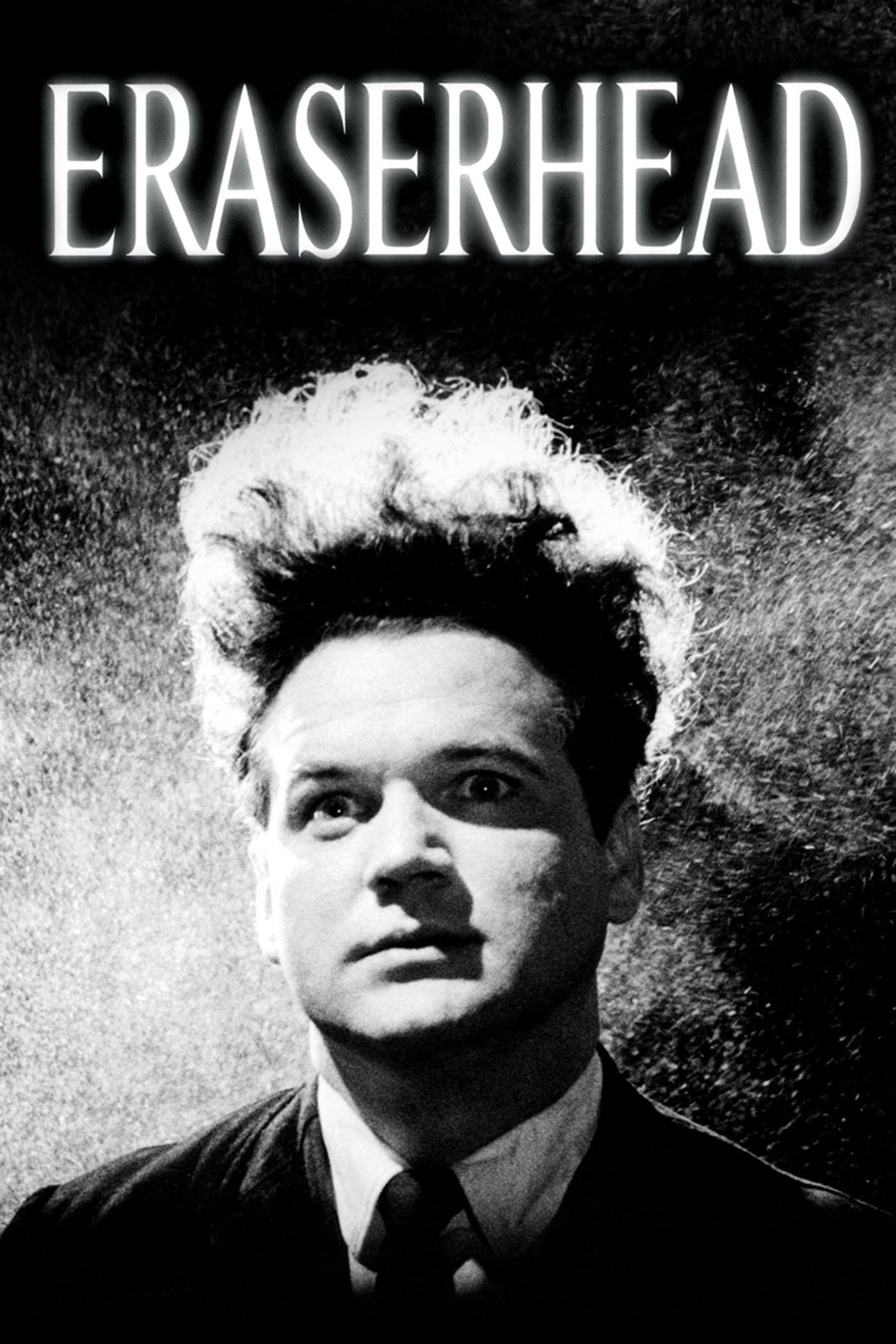
Henry Spencer struggles to cope with life in a bleak, industrial setting while caring for his volatile girlfriend and their strangely deformed newborn baby, who cries constantly. The film features bizarre, dreamlike scenes, including a woman inside a radiator who sings while destroying worm-like creatures. Director David Lynch prioritizes creating a deeply unsettling atmosphere through harsh sounds and disturbing visuals over telling a clear story. Ultimately, the film is a symbolic exploration of the anxieties surrounding becoming a father and the burdens of family life.
‘The Tree of Life’ (2011)
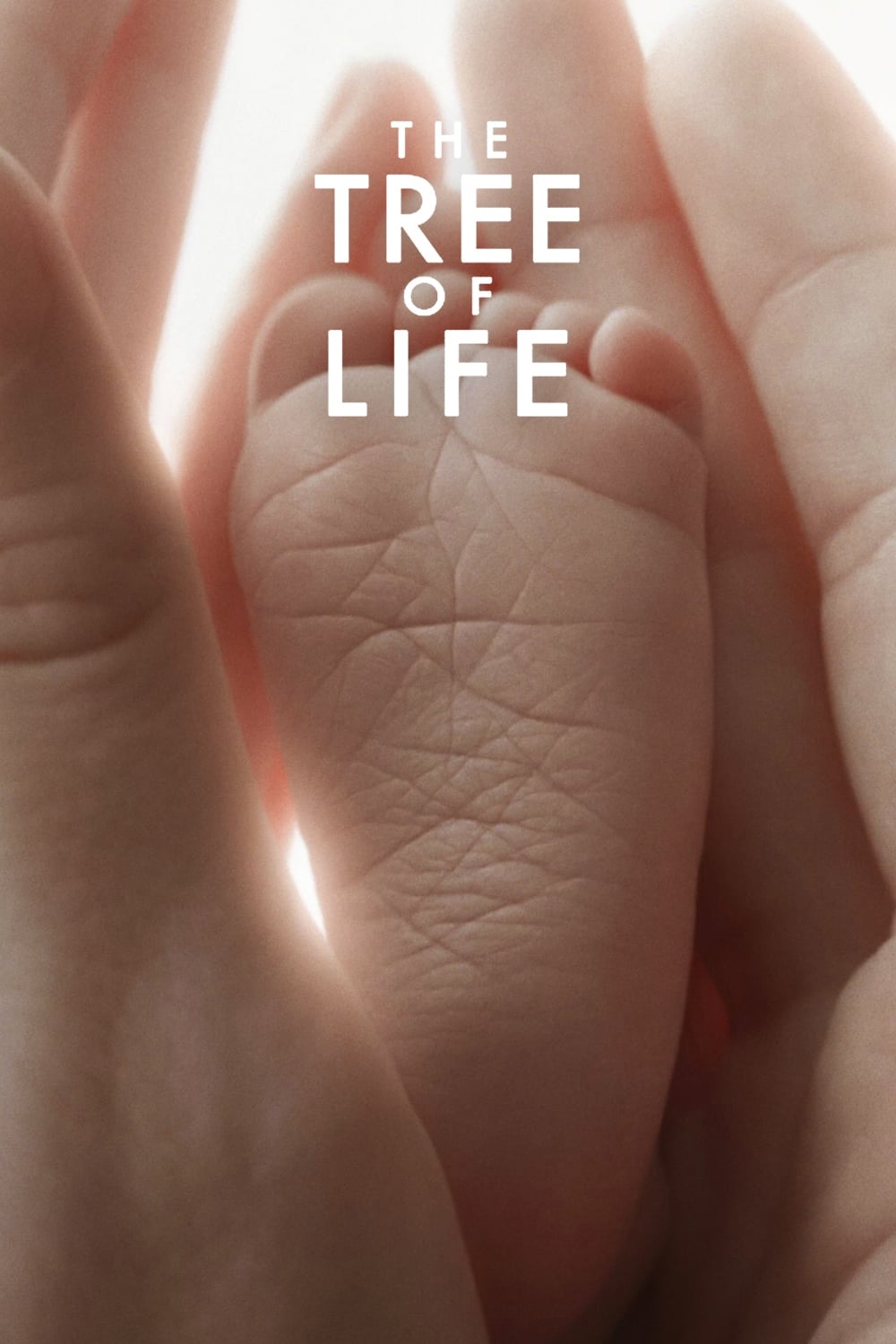
This film follows the life of a man, the oldest son in a Texas family, from his youth to adulthood, showing his eventual loss of innocence. The personal, quiet moments of family life are shown alongside sweeping images of the universe being born and the time of the dinosaurs. The story doesn’t follow a traditional plot, instead unfolding more like a series of thoughts and feelings. Director Terrence Malick uses narration and a fluid camera style to ponder themes of spirituality and the natural world. Some viewers struggle to connect the film’s big, cosmic ideas with the smaller, more personal family story, and find the timeline confusing.
‘I’m Thinking of Ending Things’ (2020)
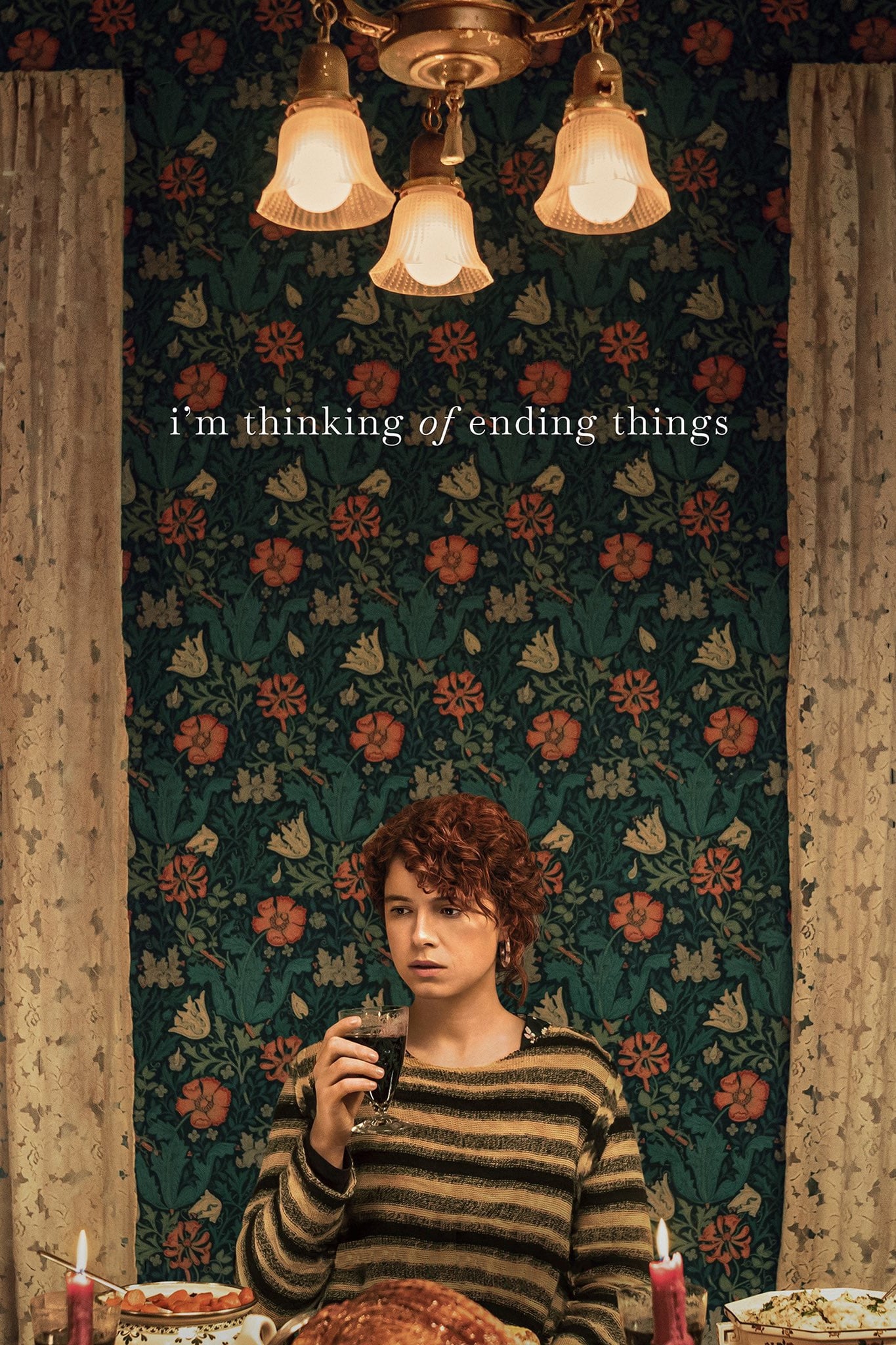
During a snowstorm, a woman journeys with her boyfriend to his family’s remote farm. A strange dinner with his parents quickly becomes unsettling as they seem to age rapidly and details about the woman’s past don’t add up. The scene eventually shifts to a high school, where a janitor observes a dreamlike ballet performance. Directed by Charlie Kaufman, the film, based on a novel, deliberately mixes up who is telling the story and who the story is about. It’s a thought-provoking exploration of memory and regret, presented in a way that makes it hard to know what’s real.
‘Cloud Atlas’ (2012)
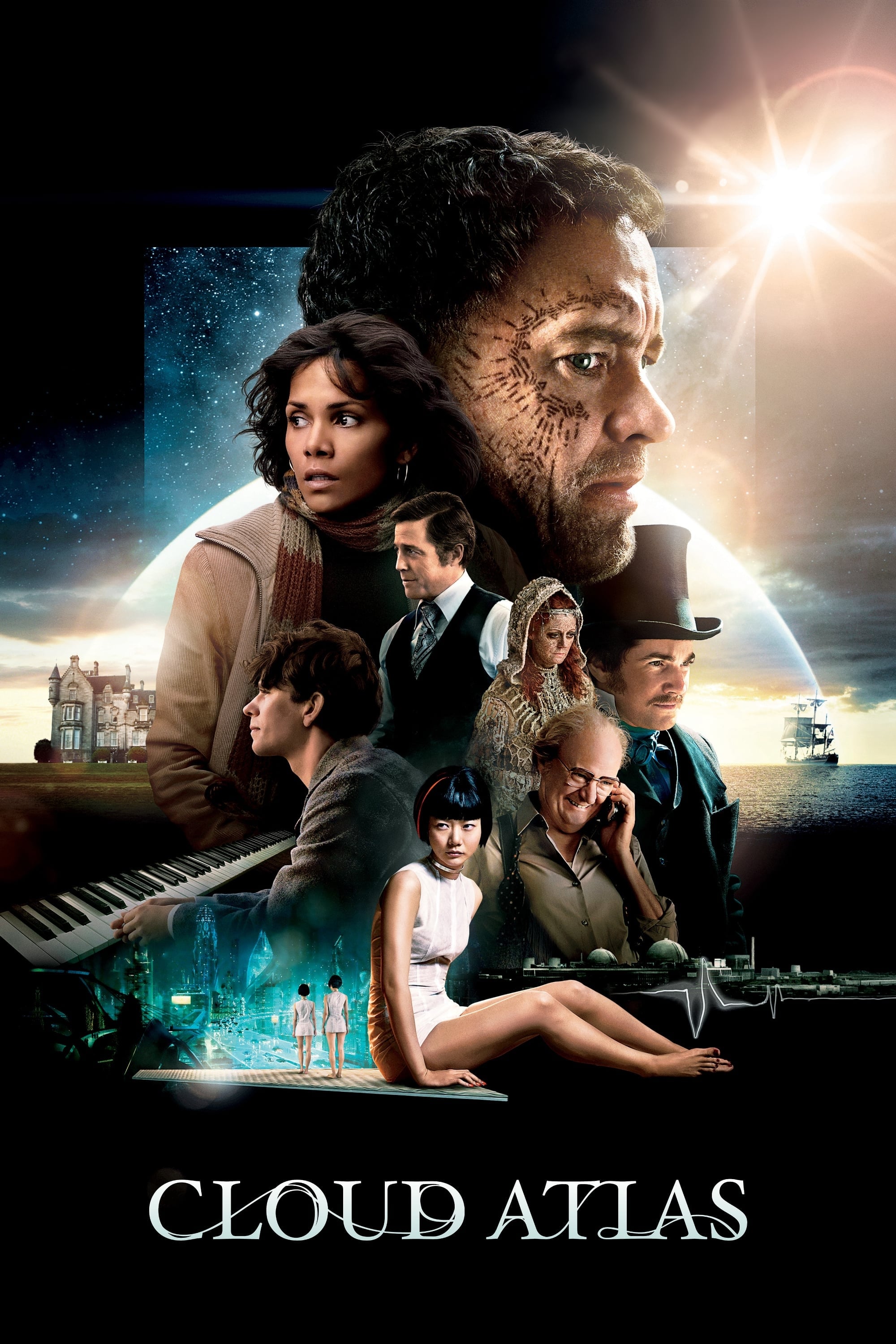
The movie weaves together six different stories that take place across centuries, from the 1800s to a future after a global catastrophe. The same actors play characters in multiple time periods, hinting that souls are reborn. Instead of telling the stories in order, the film jumps quickly between them to highlight shared themes and ideas. This makes the film challenging, as viewers must follow the characters’ spiritual journeys over hundreds of years. Ultimately, the film explores the idea that every choice we make has lasting consequences that extend into the future.
‘Mother!’ (2017)

A poet and his wife are peacefully renovating their old Victorian house when unwelcome strangers start to invade and cause trouble. As the situation worsens, the house seems to mirror the wife’s growing distress, eventually feeling like a dangerous battleground. The story is rich with symbolism, drawing parallels to biblical stories and environmental destruction. Director Darren Aronofsky created a haunting and surreal experience, prioritizing powerful imagery and emotional impact over a straightforward plot.
‘Stalker’ (1979)
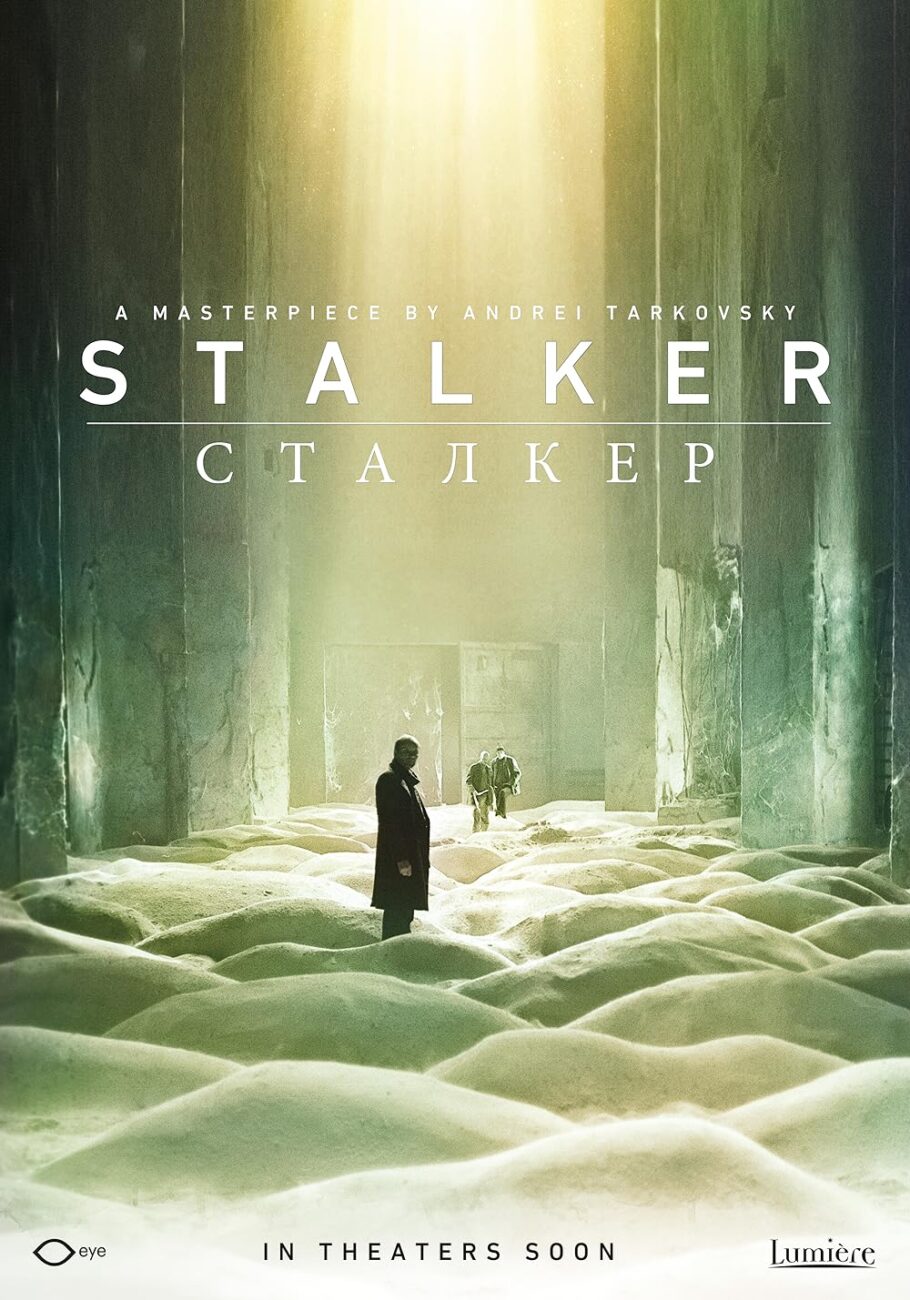
A guide, called a Stalker, takes a writer and a professor on a journey into a mysterious, forbidden area known as the Zone. They’re searching for a special room said to fulfill a person’s greatest wish. The Zone itself feels alive and seems to react to the travelers’ thoughts and feelings, altering the path they take. Director Andrei Tarkovsky uses slow, drawn-out shots and thoughtful conversations to create a calm, reflective mood. Even after their journey, what the Zone and the Room actually are remains a mystery.
‘Under the Skin’ (2013)
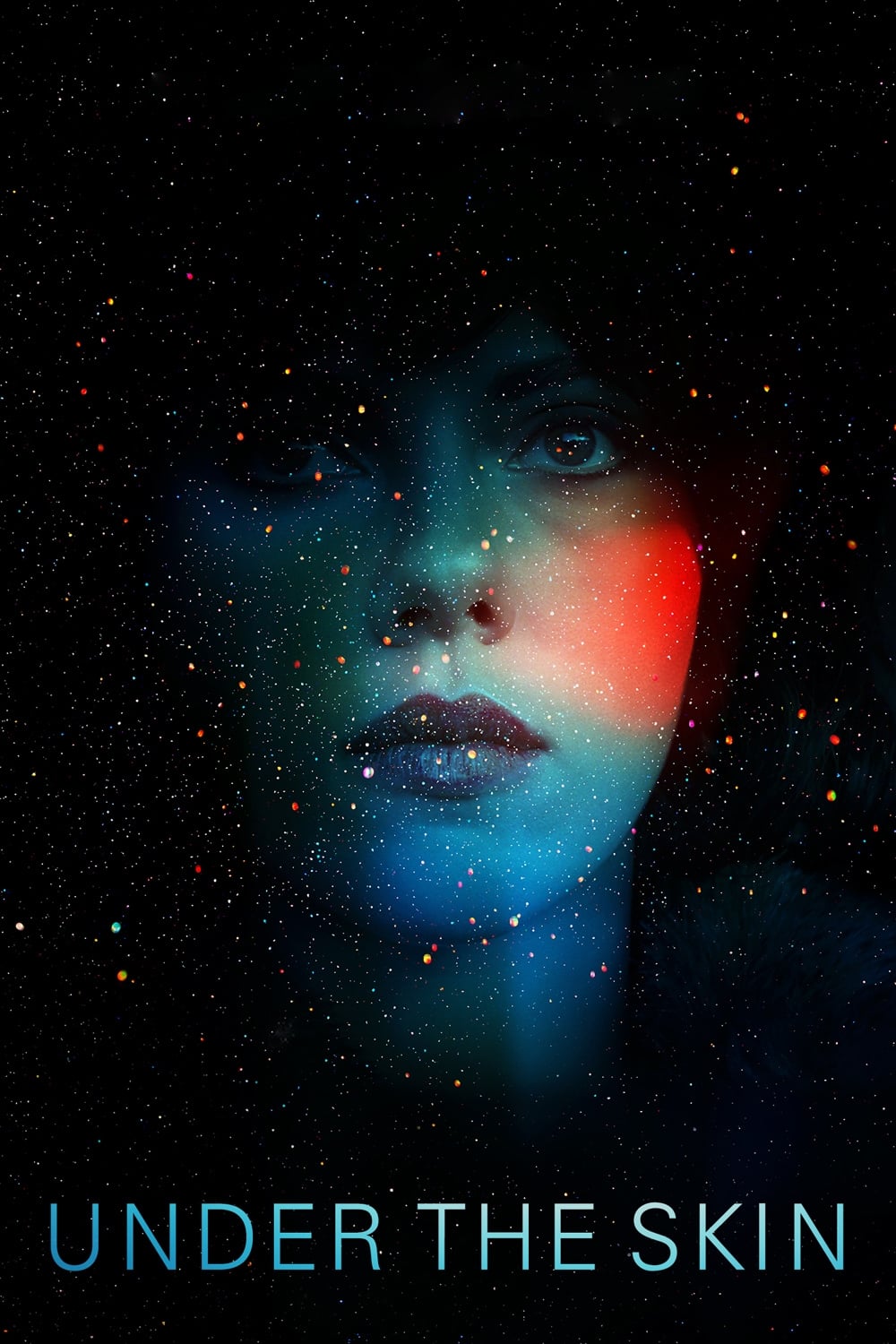
A strange alien being takes over a woman’s body and travels across Scotland in a van, attracting men to a mysterious, bottomless pit. Once captured, these men are submerged in a dark liquid and seemingly destroyed for reasons never explained. As the alien lives within the woman, it starts to feel human emotions and begins to doubt its purpose and who it is. The film relies heavily on visuals, with minimal explanation of the alien’s origins or how it captures its victims. Director Jonathan Glazer uses footage that looks like it was secretly recorded to make the science fiction elements feel realistic and unsettling, like a documentary.
‘Mr. Nobody’ (2009)
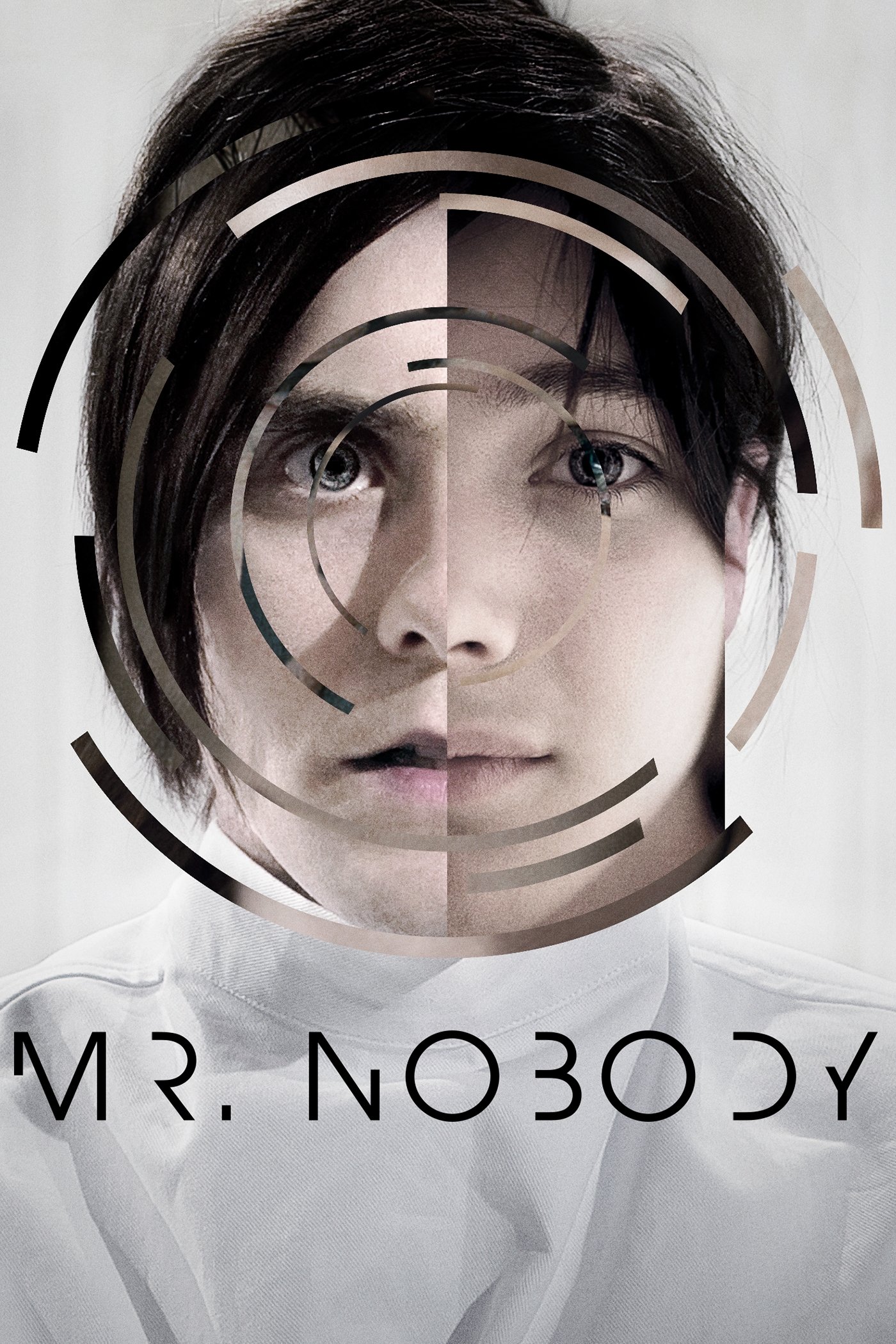
I was absolutely captivated by this film about the last man on Earth, an incredible 118 years old, sharing his life with a journalist. It wasn’t a simple story, though. He talked about moments, specifically one at a train station, where his life could have gone in so many different directions. What was so amazing was how the film showed all those possibilities – different versions of his life unfolding simultaneously. It wasn’t always clear which life was the ‘real’ one, and that’s the point! Each path had its own look and feel, beautifully illustrating how even small choices can have enormous consequences – the butterfly effect, really. It felt like he existed in multiple realities at once, a kind of dreamlike state where every possibility was true. It really made me think about the weight of every decision we make.
‘The Fountain’ (2006)
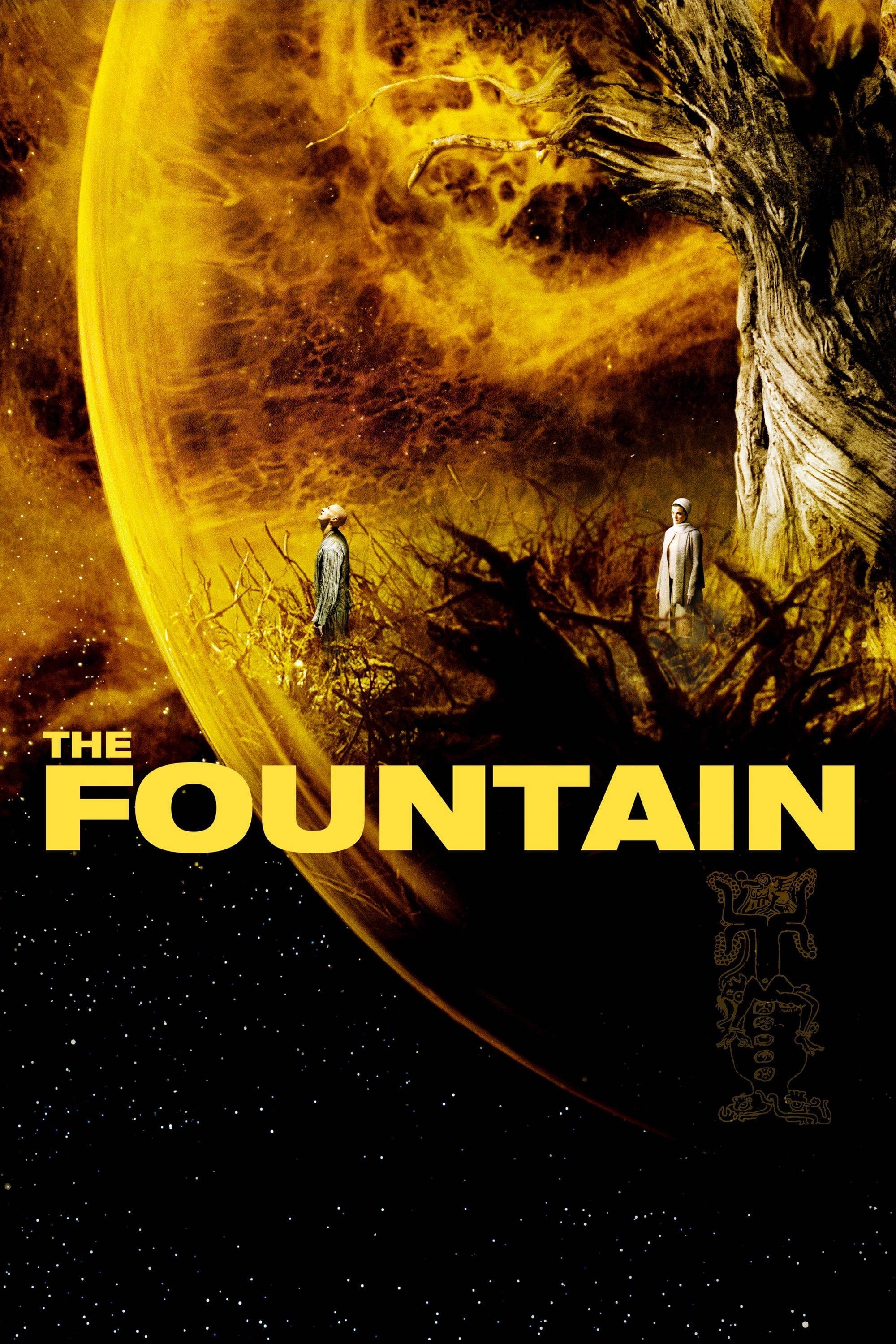
I was completely captivated by this film! It follows one man’s journey across a thousand years, always trying to save the woman he loves. We see him as a conquistador searching for the Tree of Life, then as a modern scientist desperately trying to find a cancer cure, and even as a lone space traveler. The way the director connects these different time periods is incredible – it’s like he’s weaving them together with visual clues, constantly bringing back images of trees and rings. It really makes you think about life, death, and what happens after. What’s so clever is that you’re left wondering if these are actually different lifetimes of the same people, or if it’s all just a story being written by the woman herself – it’s beautifully ambiguous.
‘Memento’ (2000)
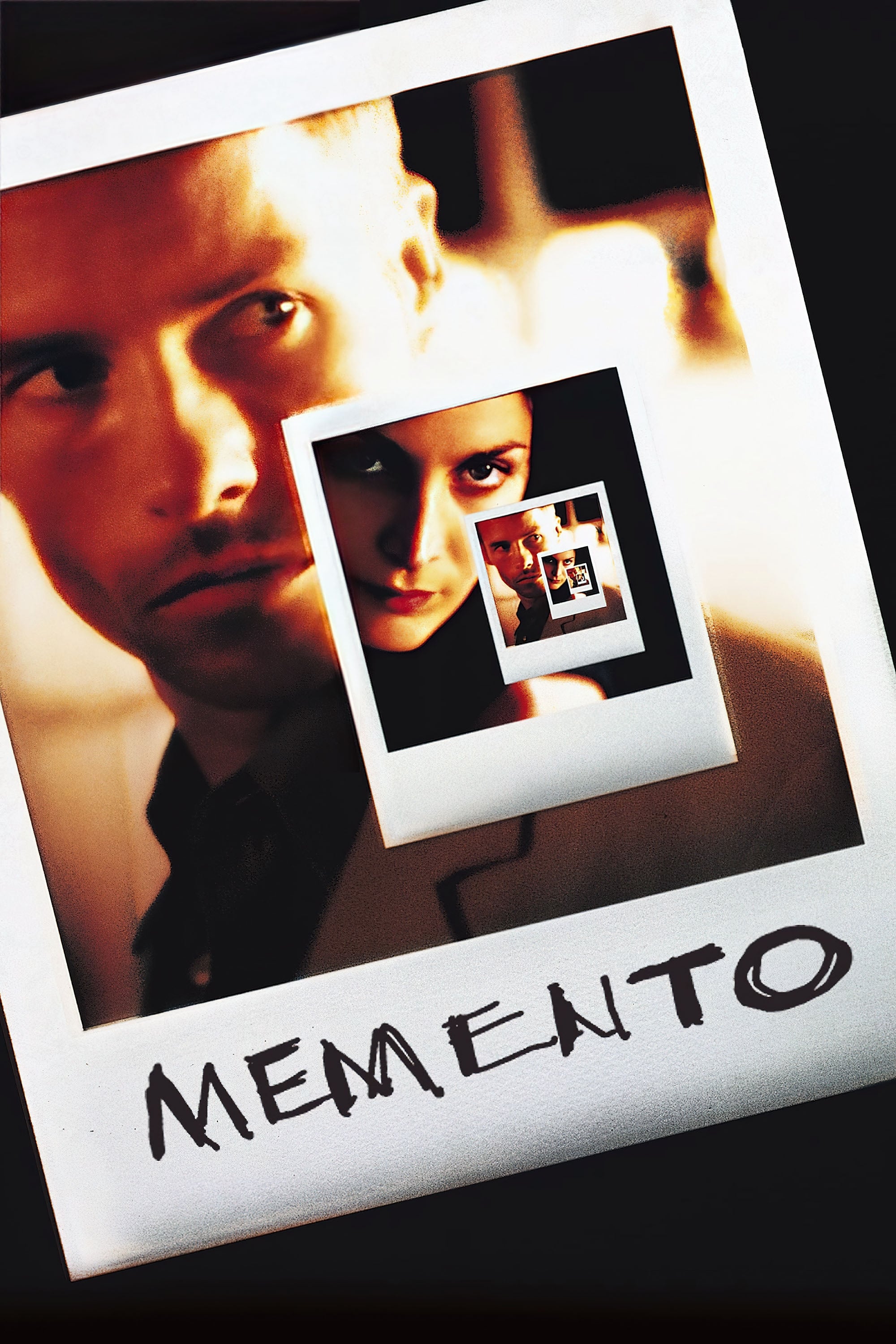
As a film buff, I recently saw this incredibly clever thriller about a guy trying to solve his wife’s murder, but he has short-term memory loss. What really blew my mind was how the movie was structured. The color scenes played out backwards, while the black and white scenes moved forward in time. It’s like the filmmakers put us right inside the protagonist’s head, forcing us to piece together clues and figure out what actually happened. The timelines eventually collide, revealing the truth, but it’s a real puzzle until then. It really makes you think about how reliable memory is, and whether we can ever truly know what’s real – it’s a truly mind-bending experience!
‘Lost Highway’ (1997)
A jazz saxophonist is found guilty of killing his wife, and while in prison, he strangely turns into a young mechanic. After his release, the mechanic gets mixed up with a gangster and a woman who bears an uncanny resemblance to the saxophonist’s wife. The reason for this transformation is never revealed, hinting at a mental break where identity is lost. Director David Lynch crafts a story that circles back on itself, with a beginning and end that feel strangely connected. A mysterious man filming everything adds to the unsettling atmosphere and seems to trigger a psychological unraveling.
‘Pi’ (1998)
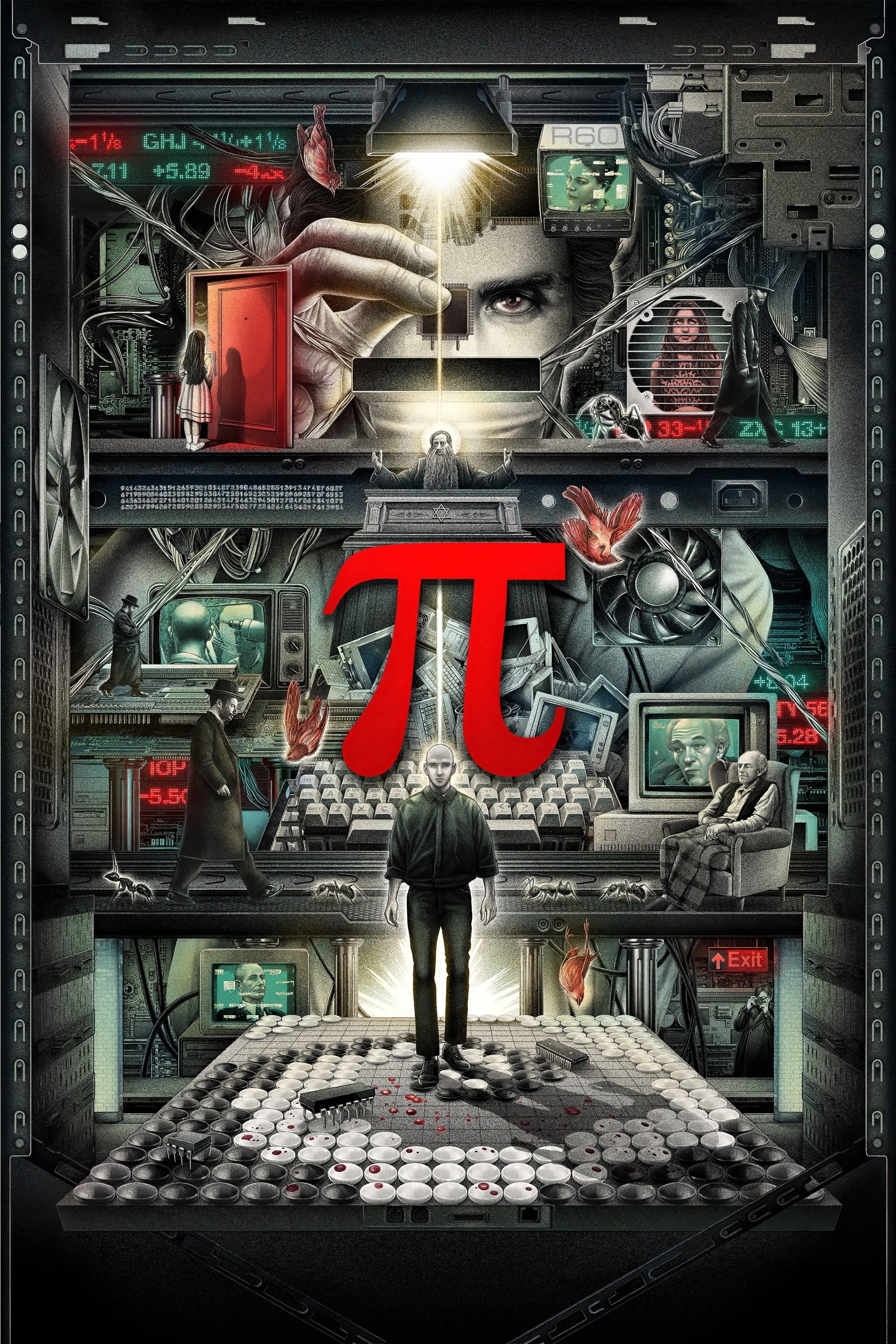
A mathematician, increasingly convinced of hidden patterns in the world, desperately searches for a crucial number to prove his theory. This pursuit draws unwanted attention from a powerful financial company and a religious organization, both eager to exploit his discovery. As his obsession grows, he suffers debilitating headaches and visions, making it hard to distinguish what’s real. The film’s stark black and white visuals reflect his fractured mental state, and ultimately, it’s left to the viewer to decide if he stumbled upon a profound truth or succumbed to insanity.
‘Inception’ (2010)
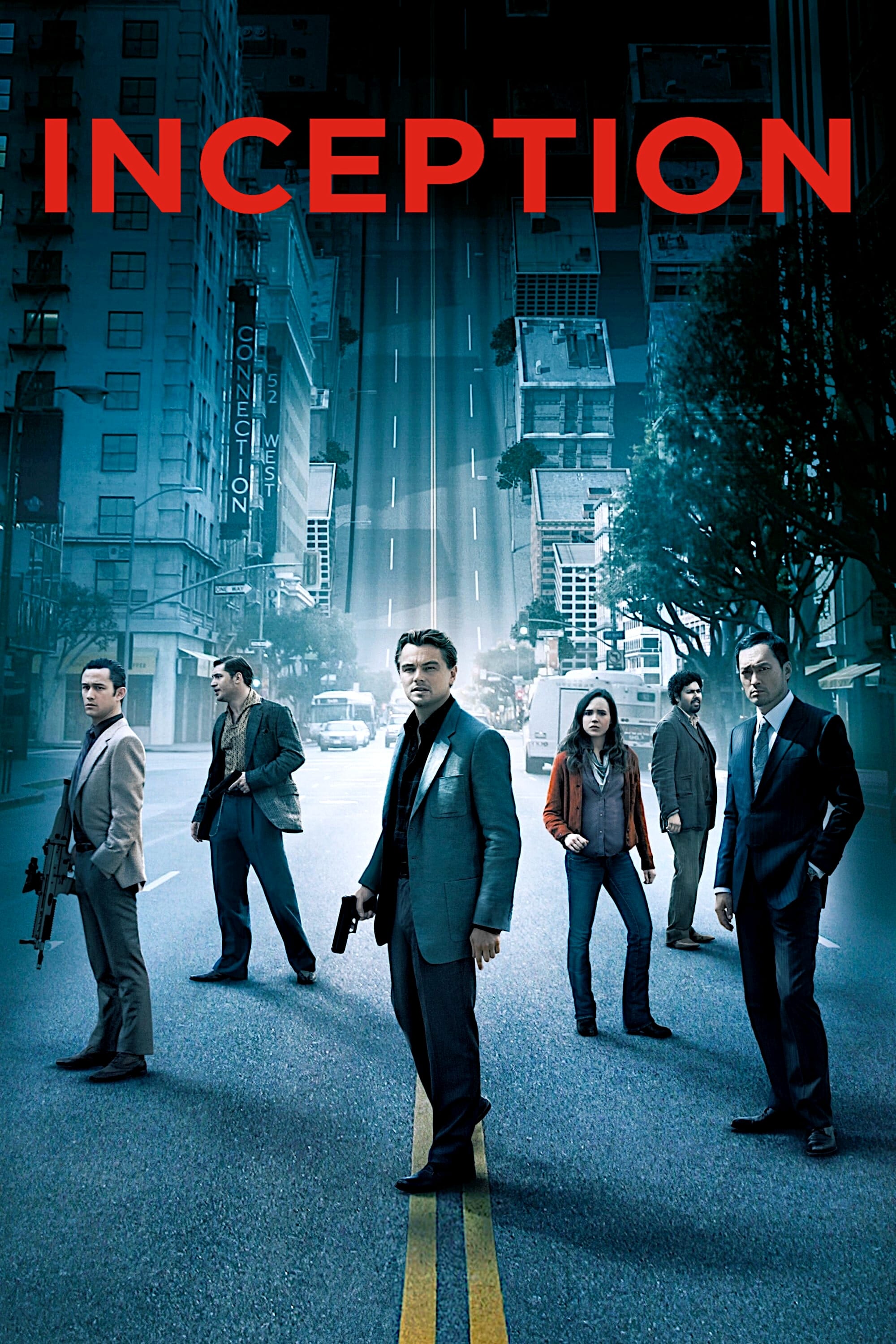
A skilled thief uses dream-sharing technology to steal information, and is hired for a challenging new job: to plant an idea in a CEO’s mind. The team ventures into increasingly deep dream levels, where time slows down dramatically. However, the thief’s deceased wife appears as a projection within the dreams, potentially ruining the mission. The film culminates with a spinning top, leaving viewers questioning whether the character ever truly woke up. Director Christopher Nolan creates a complicated dream world with its own rules, demanding that the audience carefully follow several realities at once.
Please share which movie from this list confused you the most in the comments.
Read More
- Gold Rate Forecast
- Invincible Season 4 Gender Swaps Tech Jacket As Fans Question Major Comic Change
- 22 Films Where the White Protagonist Is Canonically the Sidekick to a Black Lead
- Why Won’t It Just *Do* What You Ask? Unpacking the Quirks of AI Language
- Silver Rate Forecast
- Unveiling the Schwab U.S. Dividend Equity ETF: A Portent of Financial Growth
- 14 Movies Where the Black Character Refuses to Save the White Protagonist
- Superman Flops Financially: $350M Budget, Still No Profit (Scoop Confirmed)
- The Best Former NFL Players Turned Actors, Ranked
- ONE PIECE Season 2 Confirms Sanji’s OTHER Backstory in the Live-Action
2025-12-04 08:47