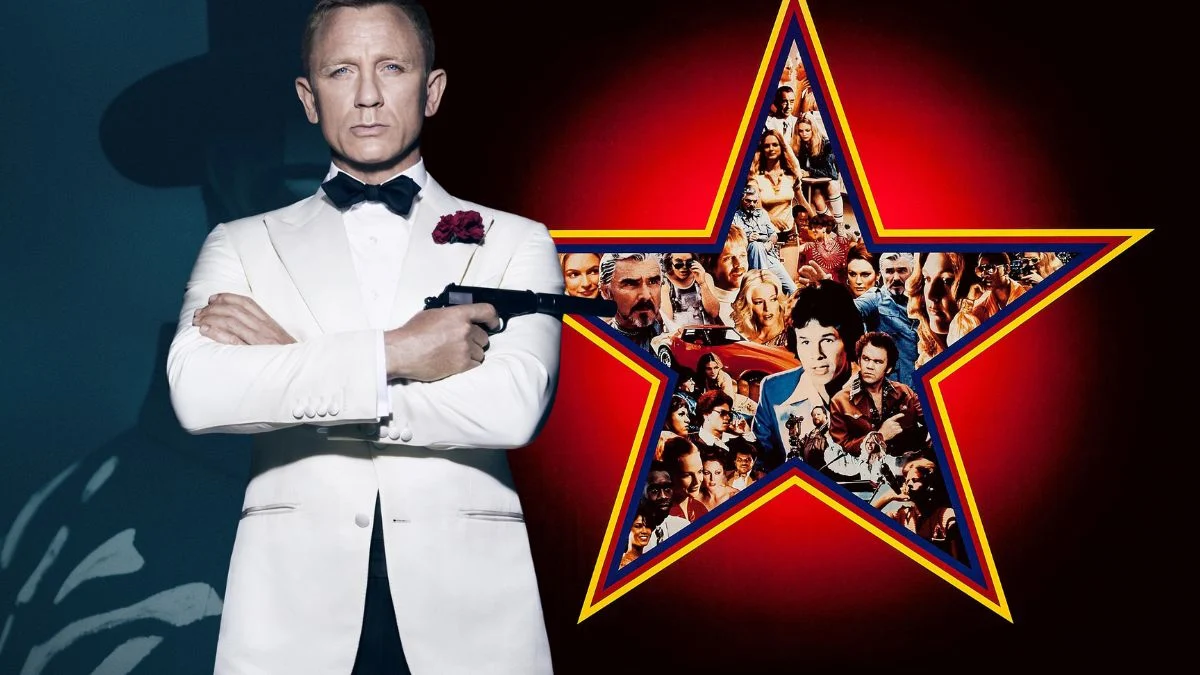
Creating a single, unbroken shot in a film is incredibly challenging. It demands flawless timing and coordination from everyone involved – actors, camera operators, and the entire crew. Even a small error, like a misplaced extra or a slightly blurry image, forces the team to start the whole scene over. Directors often dedicate weeks to planning these complex sequences, carefully coordinating lighting, movement, and camera angles. The films below showcase particularly impressive long takes that required extensive rehearsals and many attempts to get right.
‘The Shining’ (1980)
Stanley Kubrick was famous for demanding a lot from his actors, pushing them to their limits to achieve the performances he envisioned. For example, the scene in The Shining where Wendy Torrance swings a baseball bat while moving backwards up the stairs required an astonishing 127 takes. Shelley Duvall, who played Wendy, endured significant physical and emotional strain, as she had to portray intense hysteria repeatedly over several days. In fact, this scene still holds the world record for the most retakes in a single scene with dialogue. The relentless process ultimately creates a deeply unsettling and realistic tension that is central to the film’s horror.
‘Children of Men’ (2006)
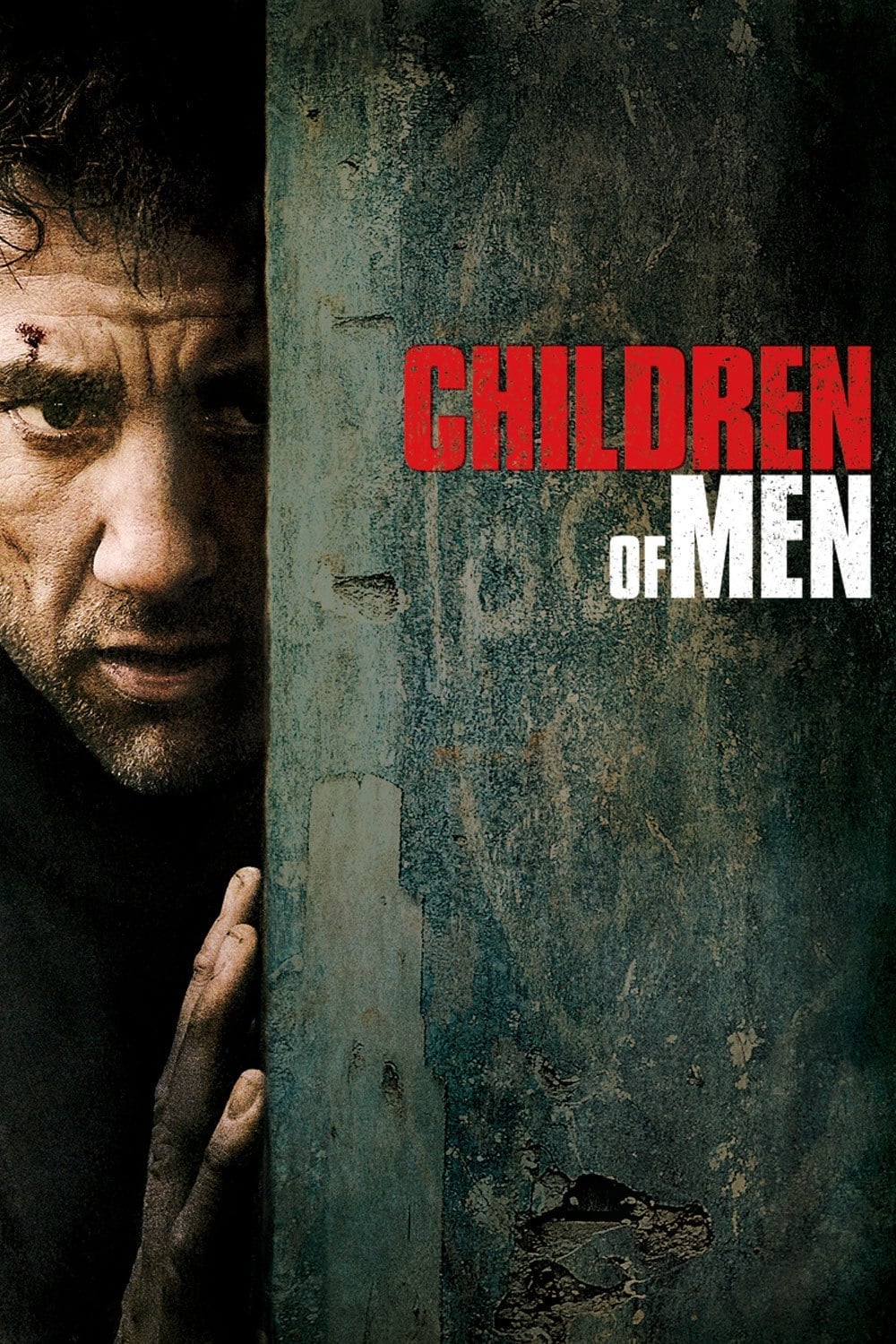
The intense car ambush scene was a remarkable technical achievement, demanding weeks of preparation and a custom-built vehicle for dynamic camera movement. Director Alfonso Cuarón and cinematographer Emmanuel Lubezki meticulously coordinated the stunts and explosions seen through the windows as they happened. The crew struggled with many failed takes due to frequent malfunctions in the complicated camera system. One late mistake even required them to completely reset the entire complex setup and start over. The result is a thrilling sequence that puts the audience right in the middle of the sudden attack.
‘Atonement’ (2007)
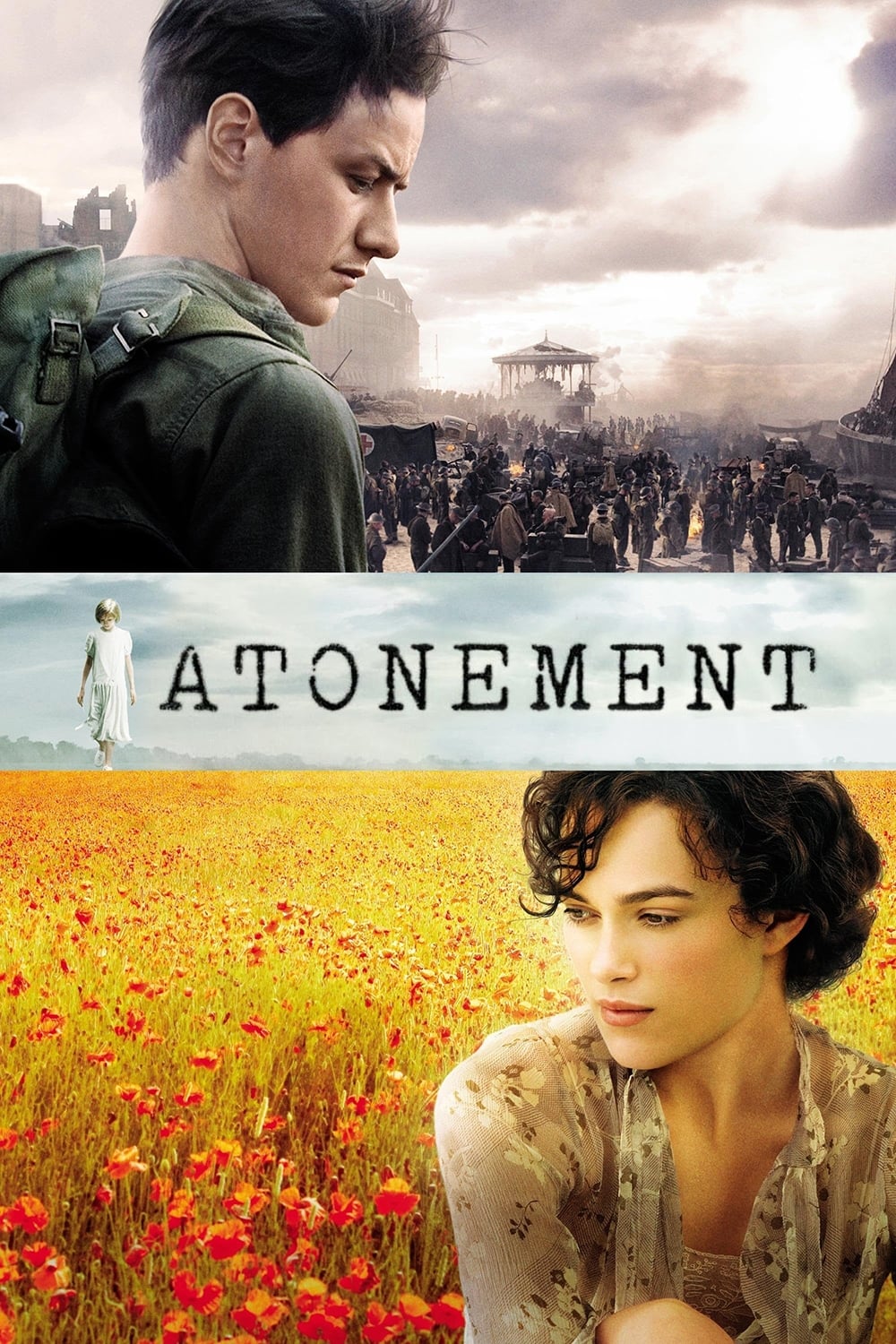
The breathtaking five-minute beach scene in Dunkirk powerfully shows the immense size of the British military rescue during World War II. Director Joe Wright used over a thousand people as extras and a skilled camera operator who carefully moved across the challenging beach landscape. Filming was only possible during the brief period of beautiful light known as the golden hour. The crew successfully captured the perfect shot on their third attempt, just as the light disappeared. This unbroken, mesmerizing scene vividly portrays the chaos and destruction of war.
‘Oldboy’ (2003)
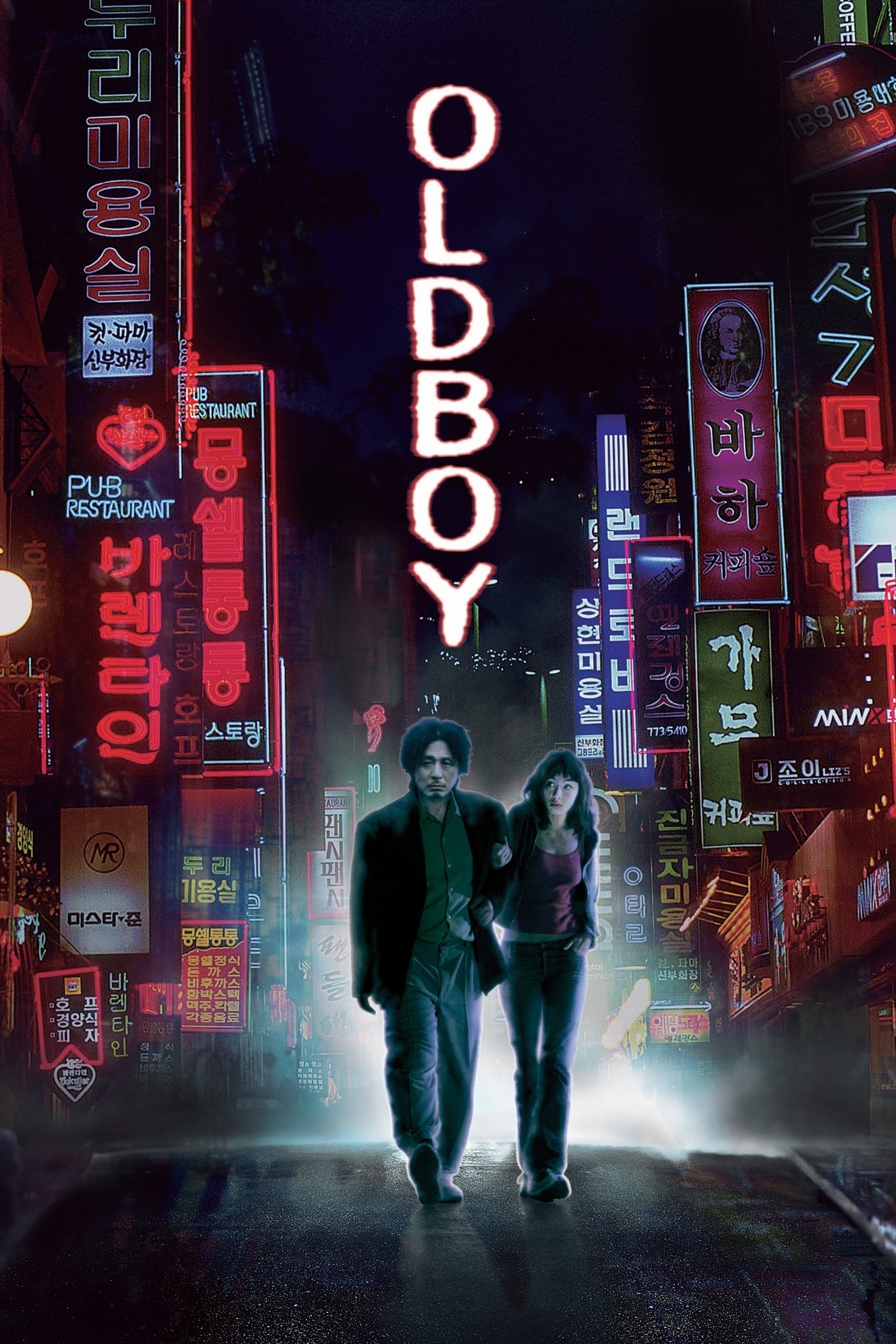
One of the most famous scenes in the movie shows the main character fighting almost twenty opponents in a single, unbroken shot. Actor Choi Min-sik did all the difficult fight choreography himself, and needed oxygen breaks because it was so physically demanding. The filmmakers spent three days shooting this scene, making sure every hit and fall looked real. They filmed it seventeen times before the director was happy with the chaotic and energetic feel of the fight. This scene is now considered a standard for action filmmaking.
‘Russian Ark’ (2002)
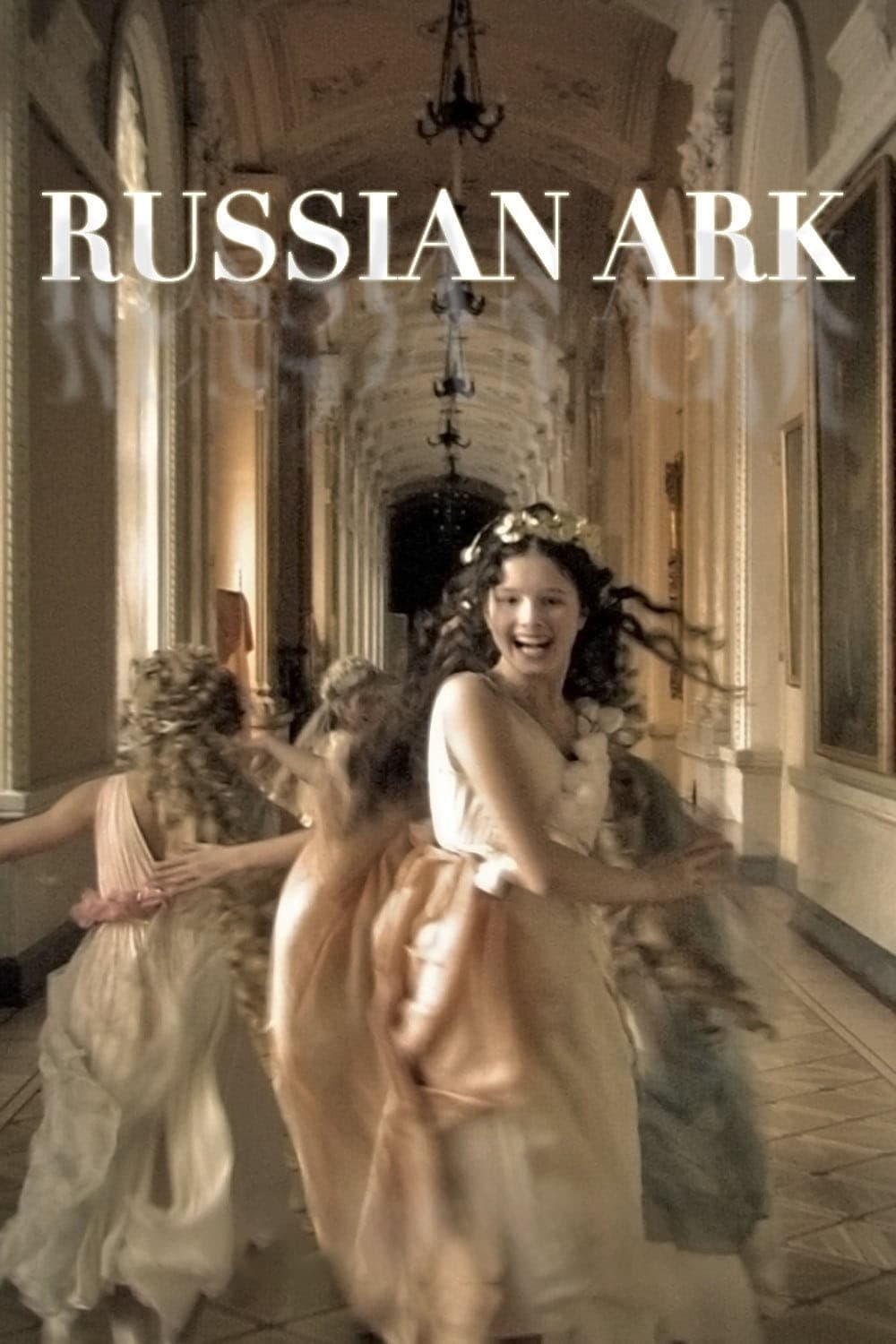
As a film buff, I’m still blown away by Sokurov’s Russian Ark. The whole thing is one single, ninety-six-minute shot, filmed inside the incredible Winter Palace in Saint Petersburg! It’s mind-boggling. What makes it even more amazing is that he only had one day to shoot it, because the museum was temporarily closed to visitors. They actually had to do the shot four times! The first three attempts failed because of technical issues or getting all the performers – seriously, thousands of them – coordinated. They finally nailed it on the fourth take, and apparently, the camera batteries were almost dead when they wrapped! It’s just a stunning feat of planning and artistic vision, honestly.
‘La La Land’ (2016)
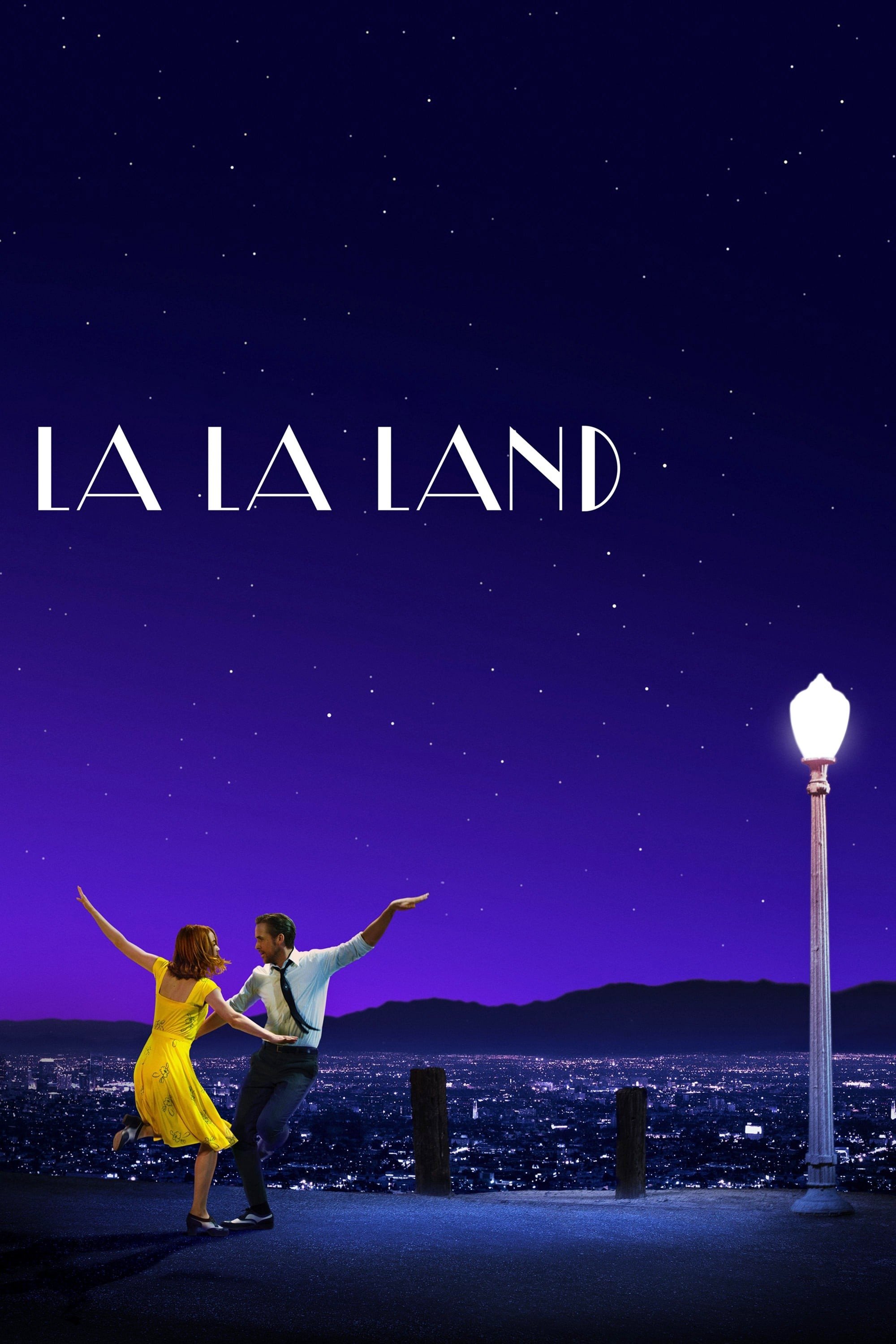
The movie begins with a large musical number filmed on a busy Los Angeles freeway ramp, which was closed to traffic for the shoot. Choreographer Mandy Moore directed a huge dance crew through a challenging routine, requiring them to dance around cars in intense heat. The filmmakers used a special camera crane that could move smoothly between vehicles without casting a shadow. They shot the entire sequence over a weekend, carefully editing the footage to appear as one continuous, flowing shot. This vibrant opening establishes the colorful and imaginative style of the rest of the film.
‘Hard Boiled’ (1992)
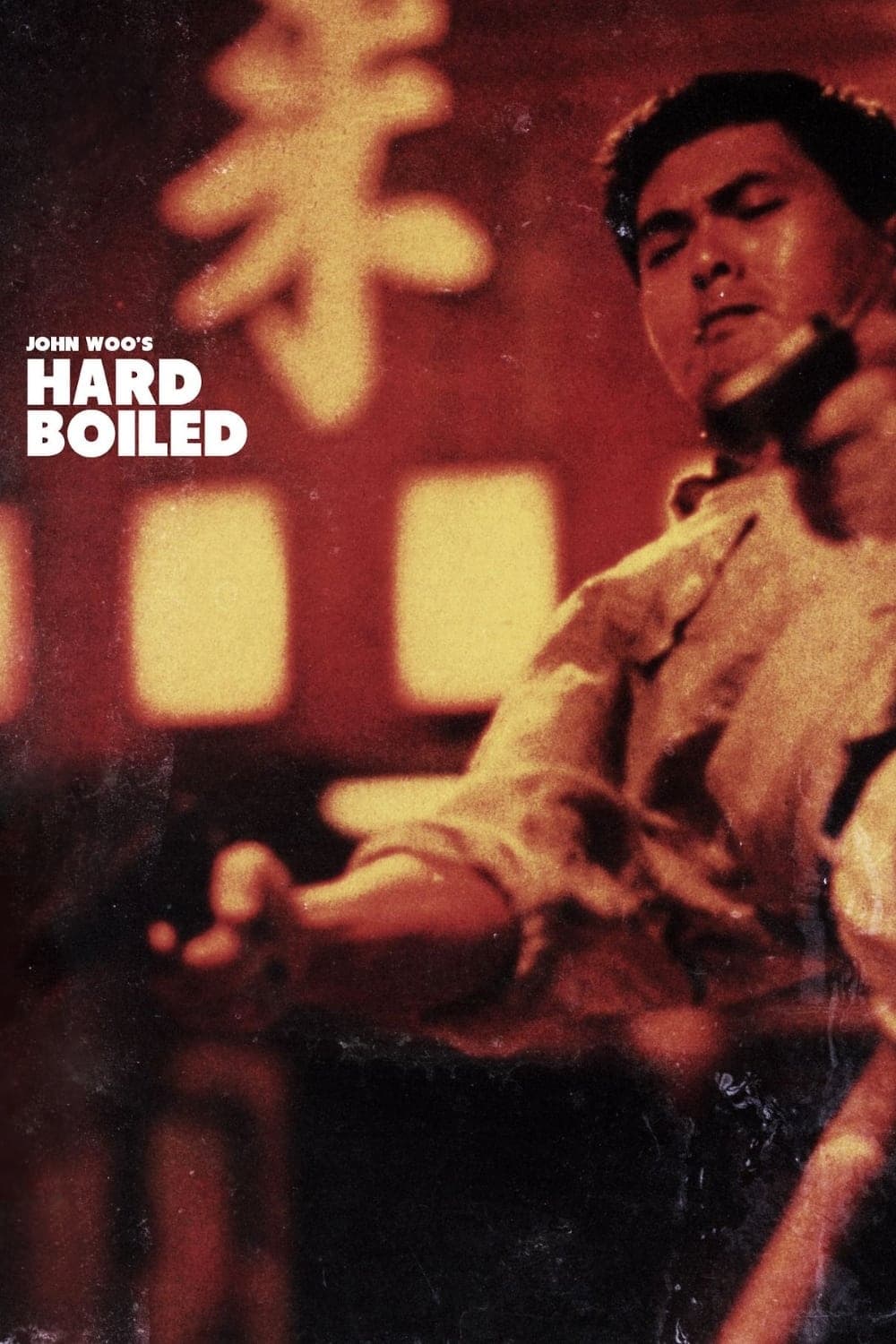
Director John Woo is famous for a thrilling, nearly three-minute hospital shootout filmed in one continuous shot. The scene was incredibly difficult to pull off, requiring actors to move between floors by elevator while the crew worked feverishly to reset the set, change lighting, and add debris to show the passage of time and the effects of the shootout. Days of rehearsal were needed to perfectly time the explosions and squibs. It’s considered one of the most elaborate and impressive action sequences in Hong Kong film history.
‘Spectre’ (2015)
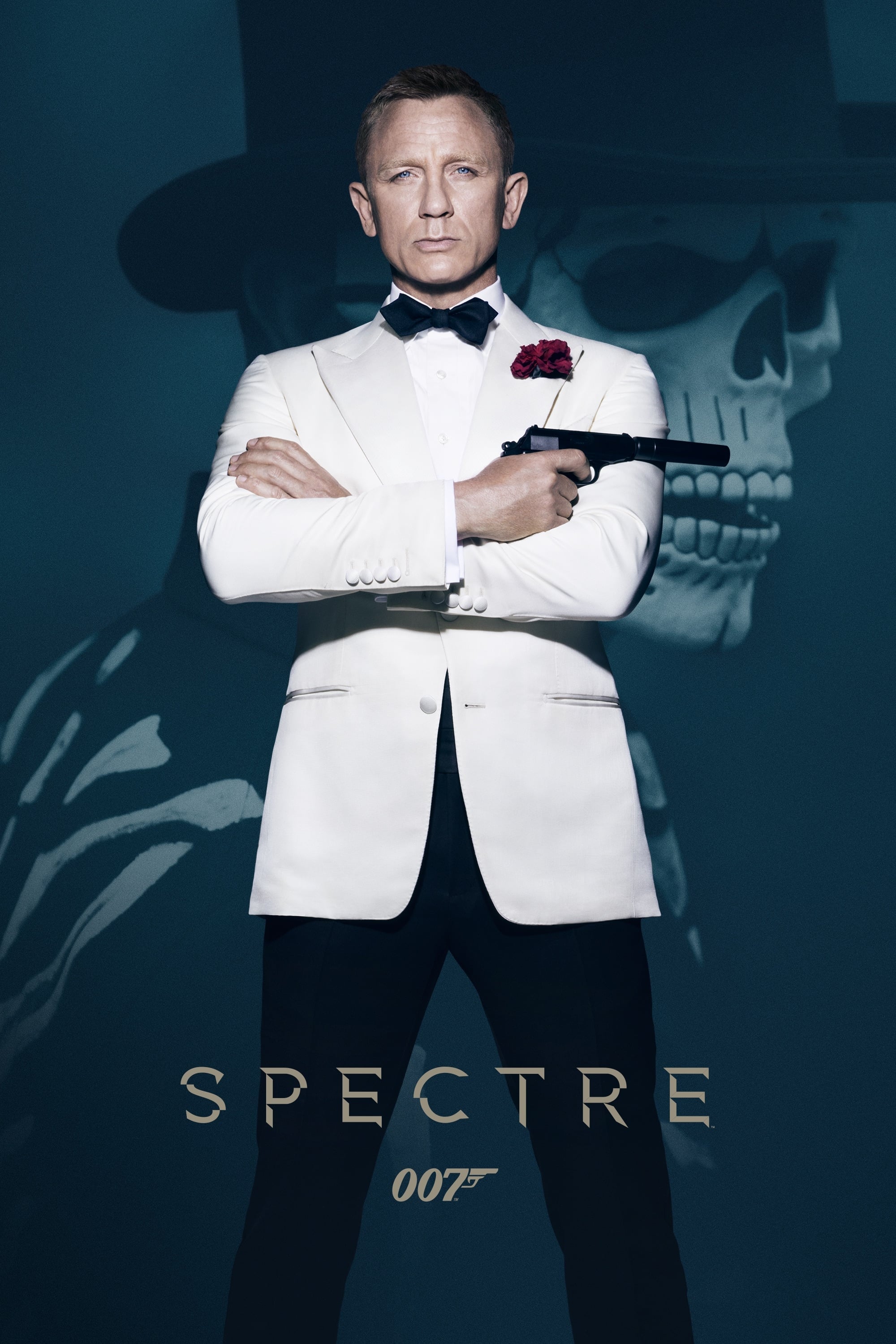
The movie opens with a huge Day of the Dead parade in Mexico City, featuring over fifteen hundred people. James Bond makes his way through the crowded streets, enters a hotel, and steps onto a narrow ledge, all in what looks like one unbroken shot. Coordinating such a large scene with so many extras and keeping the focus on Bond was a major undertaking for the assistant directors. The different parts of the scene were filmed over several days and then carefully combined to create the effect of a single, continuous take. This impressive scene successfully reminded audiences of the franchise’s epic scope and scale.
‘Touch of Evil’ (1958)
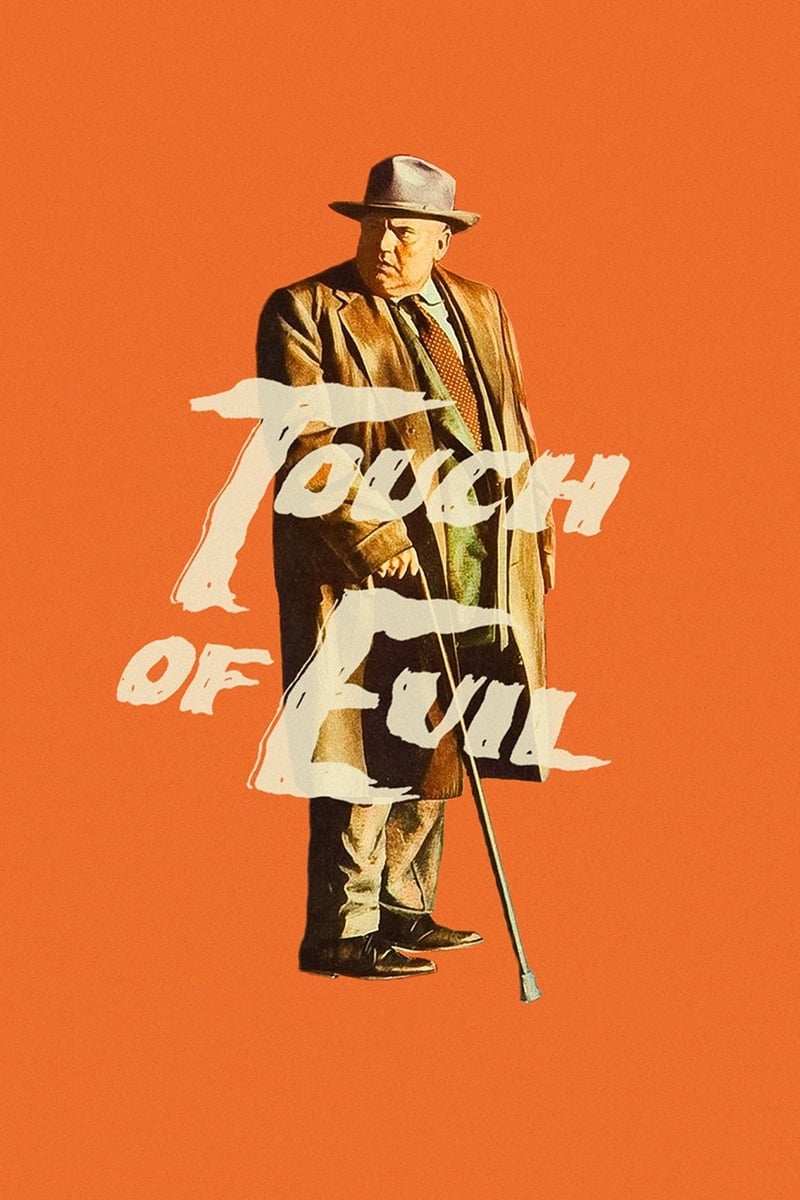
The film begins with a stunning three-minute shot: a camera follows a car containing a bomb as it drives through the city. The camera moves smoothly over buildings and across streets, perfectly matching the speed of the cars and actors below. Getting the timing right for the bomb’s explosion at the end of the shot was incredibly difficult, requiring many attempts. The crew worked all night on this sequence, meticulously coordinating the traffic and dialogue. Film students often analyze this opening scene as a prime example of how to create tension.
‘1917’ (2019)
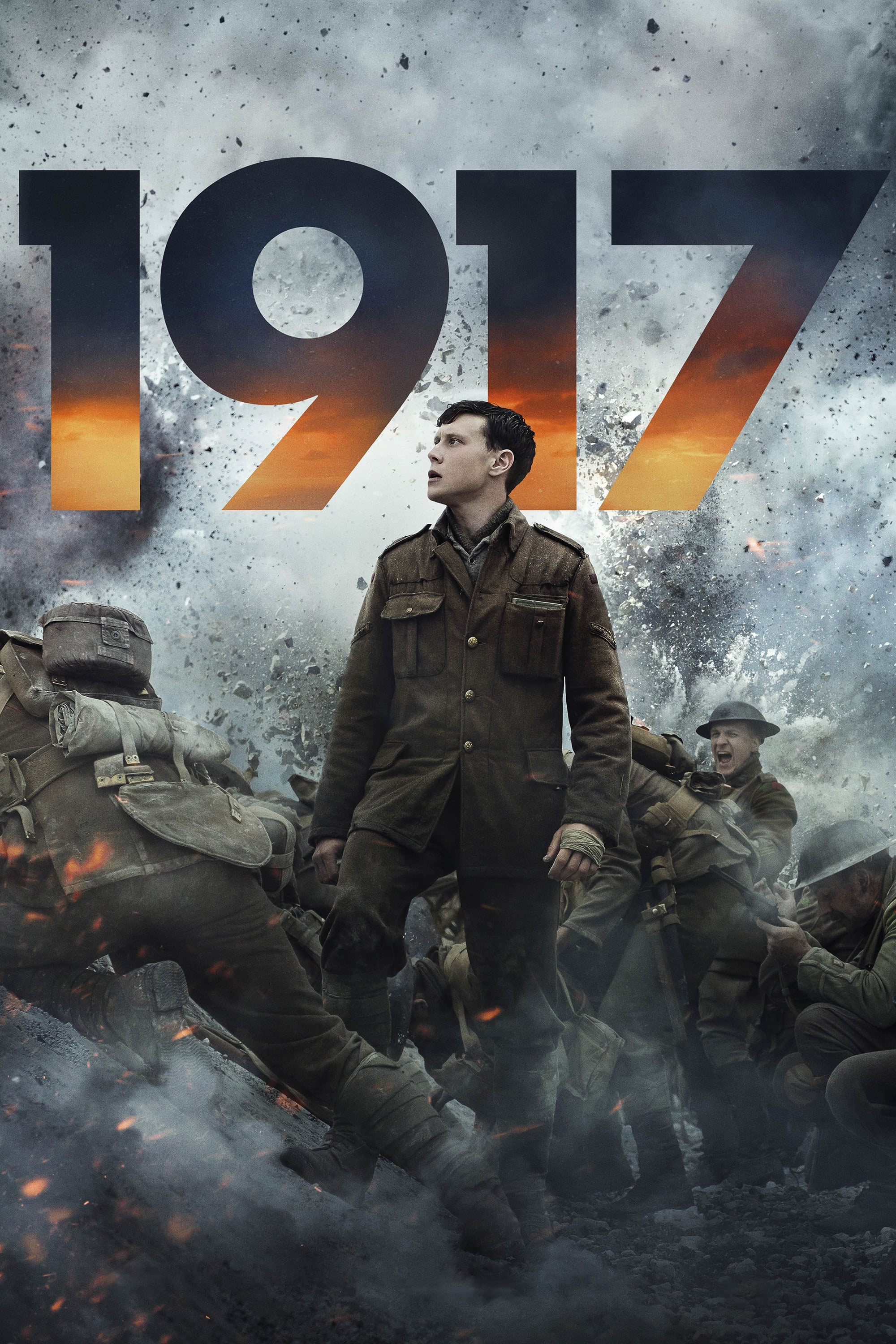
This war film, created by Roger Deakins and Sam Mendes, was designed to feel like a single, unbroken shot using carefully connected long takes. One particularly challenging scene, where the main character runs through a burning city, needed a huge lighting setup to recreate the effect of moving flares. The crew had to wait days for consistent weather, ensuring the lighting looked the same throughout the scene. Even a small error in the actors’ movements meant they had to rebuild the set and redo all the fire effects. The final result is a powerfully realistic and gripping experience that keeps viewers completely engaged.
‘Boogie Nights’ (1997)
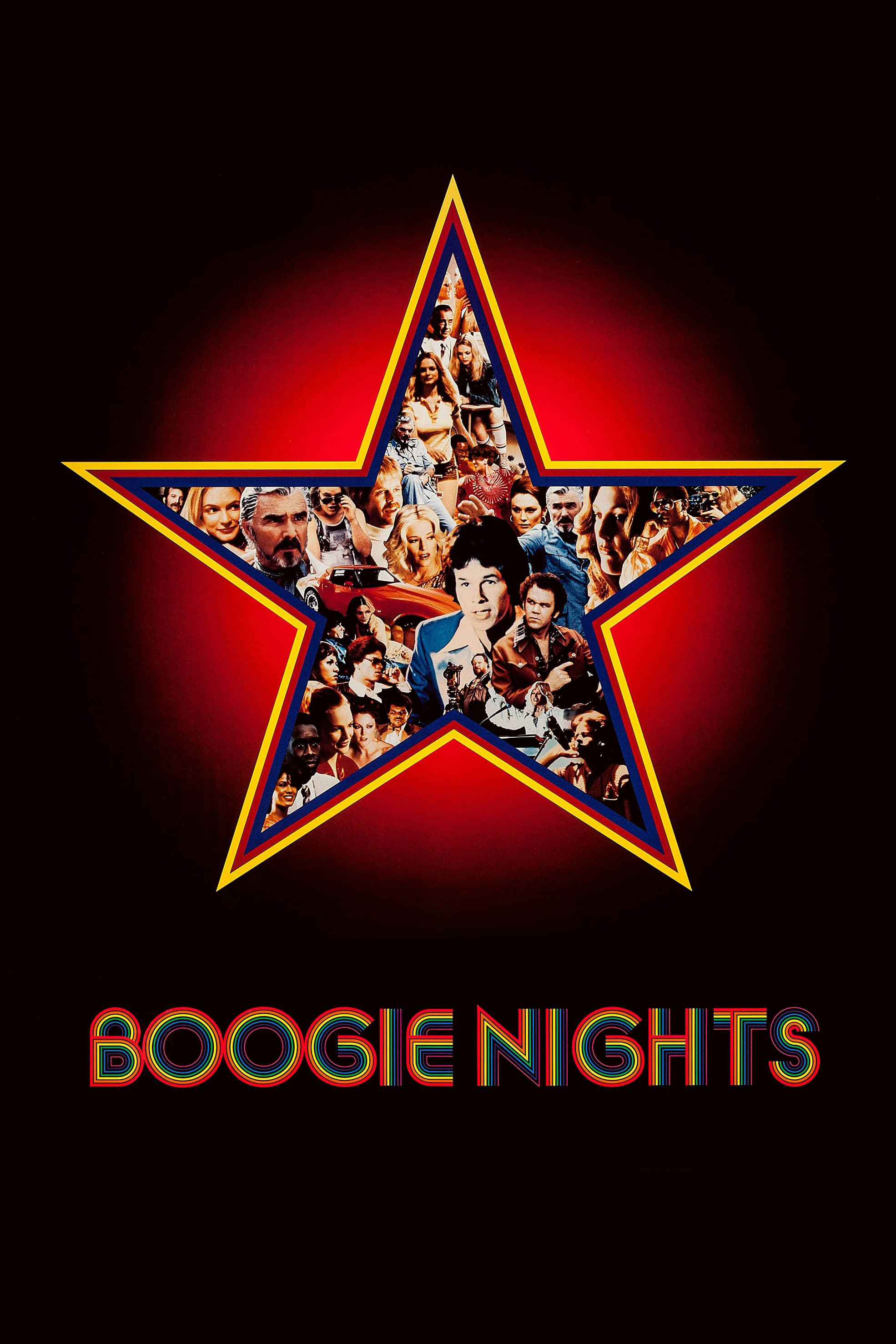
In a stunning three-minute shot, director Paul Thomas Anderson introduces the film’s main characters. The camera smoothly follows them as they walk from the street into a bustling disco, requiring the camera operator to move between a crane and the ground. As the shot transitions from outside to the dimly lit nightclub, the lighting dramatically shifts. Coordinating the many extras and lines of dialogue took several attempts. Ultimately, the scene beautifully sets the stage and highlights the film’s focus on its group of characters.
‘Goodfellas’ (1990)
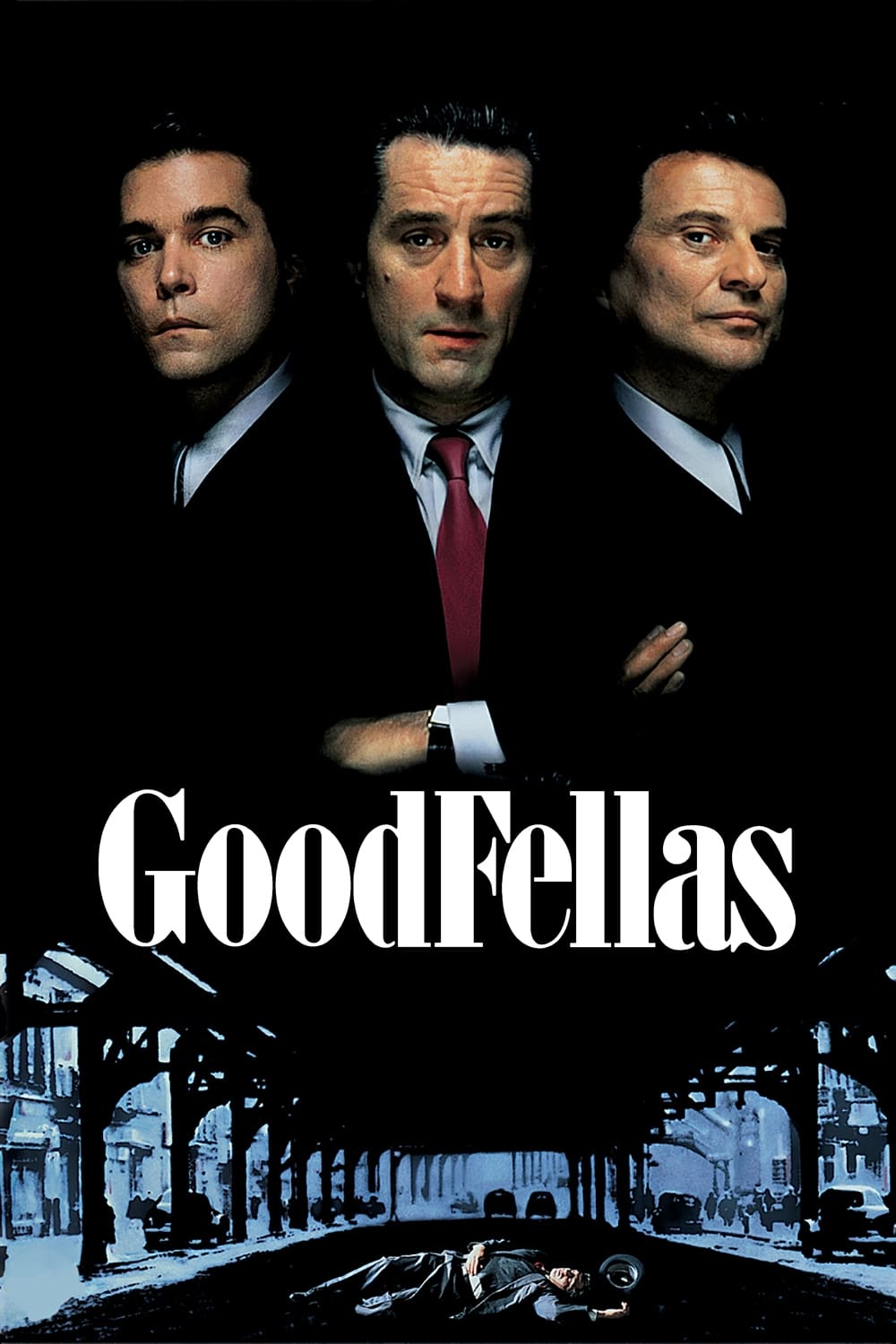
The iconic Copacabana scene shows Henry Hill and Karen entering the club through the back kitchen, a choice by director Martin Scorsese meant to highlight the special access and luxurious life offered by the mob. Filming this scene was tricky; the crew had to maneuver through narrow hallways and a bustling kitchen without disturbing the actors or staff. They shot it eight times to perfectly capture the energy of the background activity. Just as Karen is drawn into the gangster world, this shot effectively captivates the audience and makes that lifestyle seem appealing.
‘The Player’ (1992)
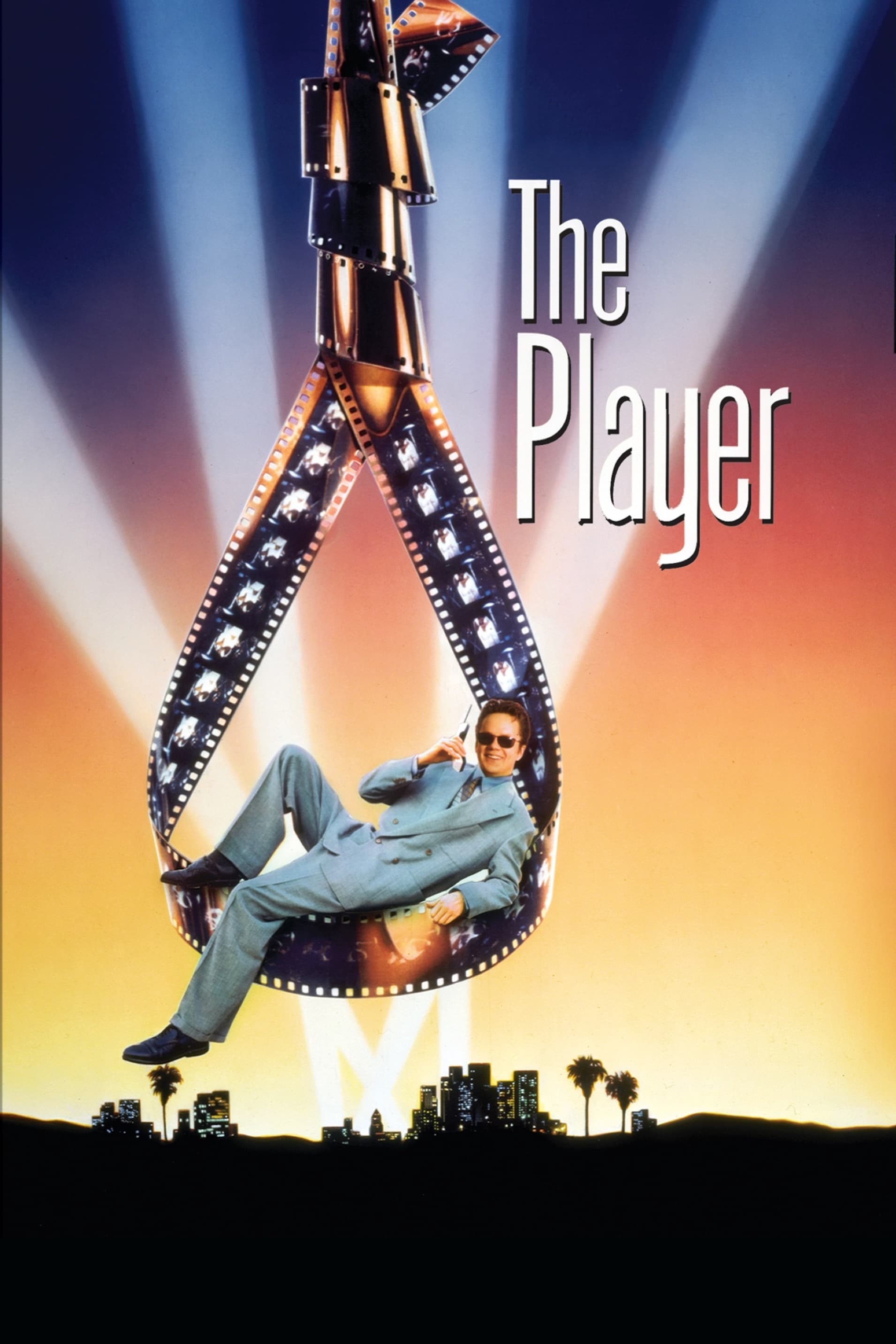
Robert Altman’s film begins with a lengthy, ironic opening shot—nearly eight minutes long—that playfully references famous long takes in movie history. The camera smoothly travels around a studio backlot, capturing snippets of conversations and following cars and people as they move. This complex scene required precise timing from the actors, who had to be in the right place when the camera passed. It took fifteen tries and a full day of shooting to perfectly capture the interwoven dialogue and movement. The scene is both a display of filmmaking skill and an introduction to the themes of the movie.
‘Gravity’ (2013)
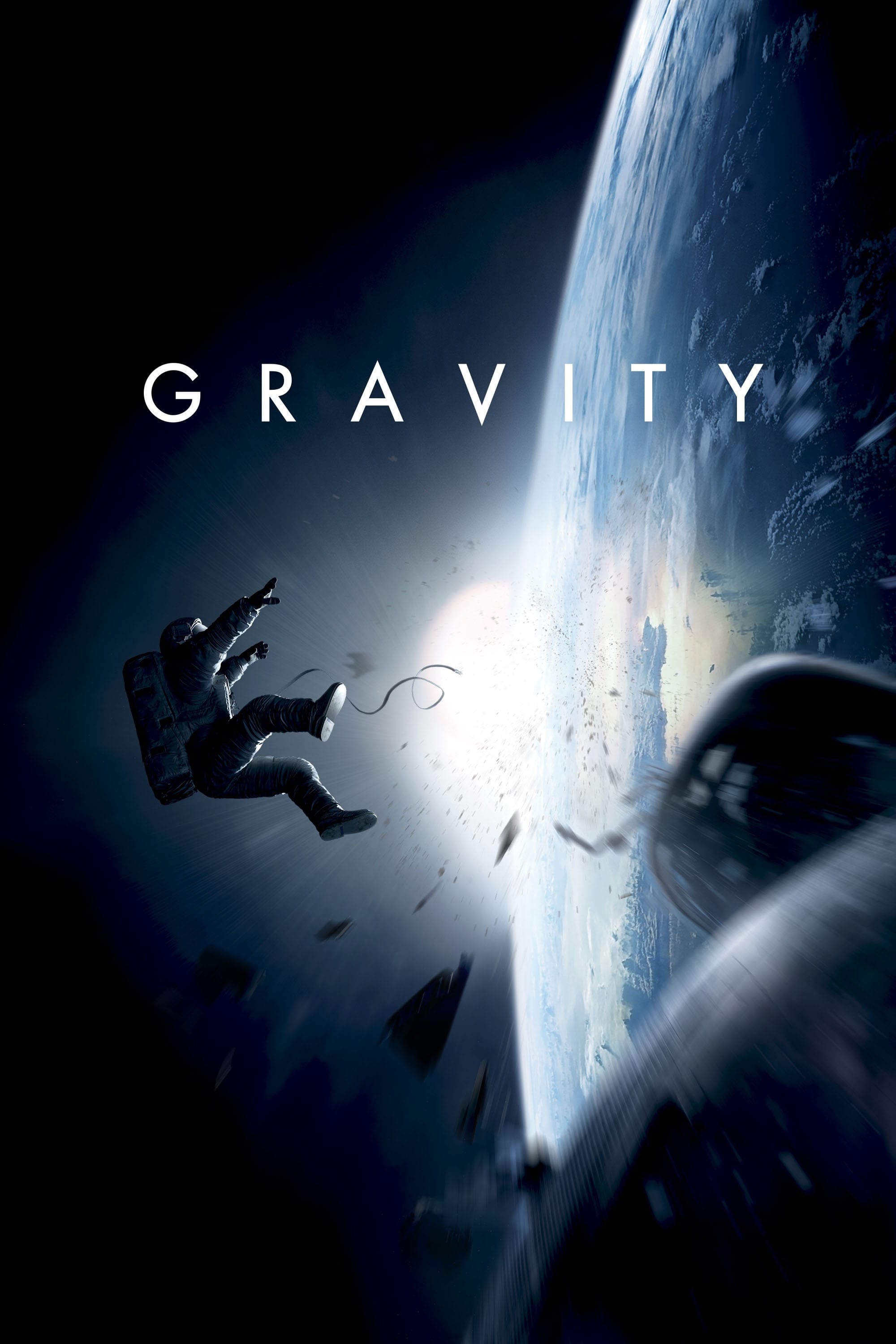
The film begins with a nearly seventeen-minute scene of astronauts repairing the Hubble Space Telescope. To realistically portray the conditions of space, the filmmakers used robotic arms and special lighting to illuminate the actors’ faces. Months of planning went into programming the camera’s movements before filming even started. Any unplanned changes to those movements meant redoing the entire shot, costing hours of work. The final result was a visually stunning experience, seamlessly blending computer-generated imagery with the actors’ performances.
‘Victoria’ (2015)
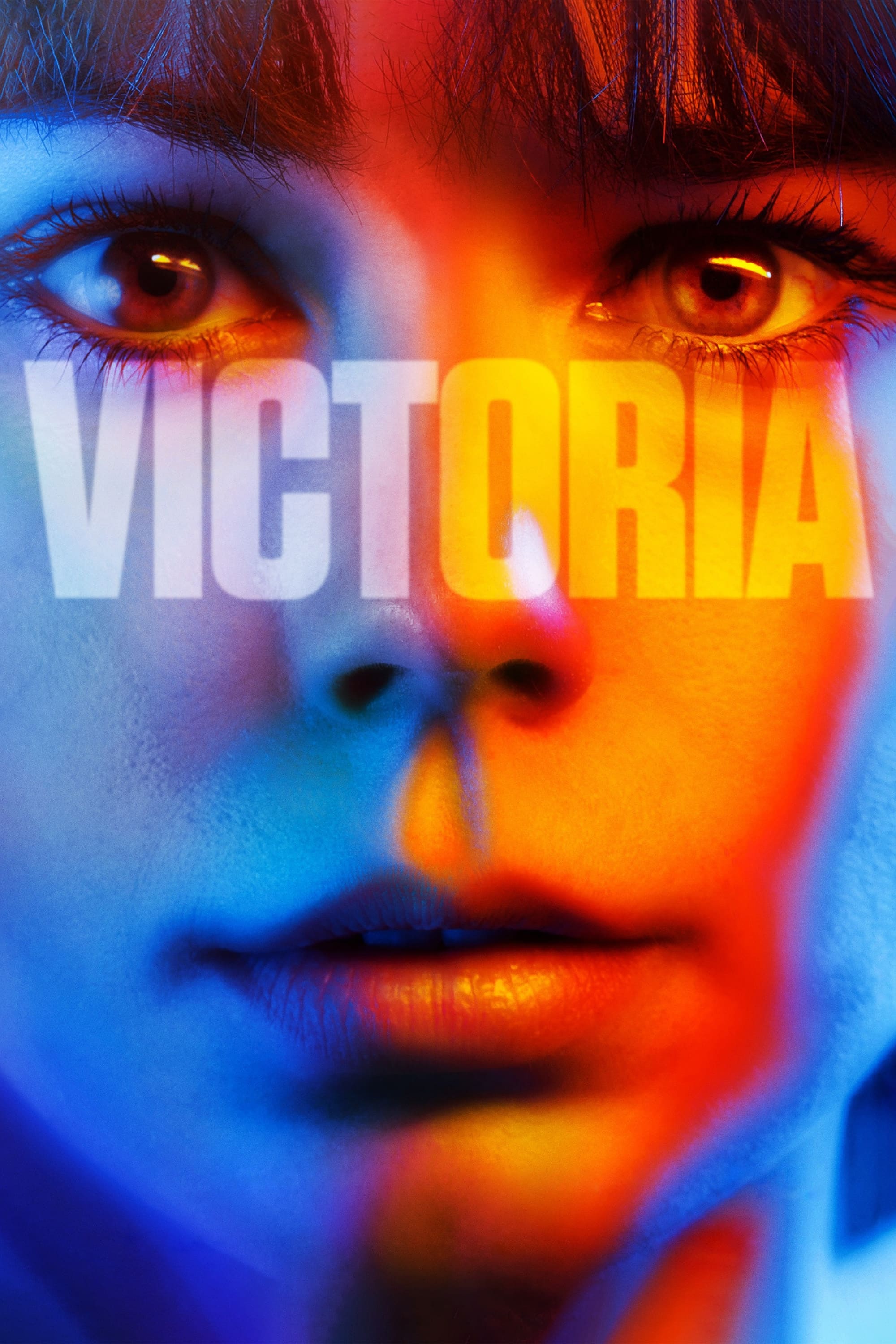
This German thriller is remarkable for being filmed as a single, unbroken shot lasting over two hours. The filmmakers spent weeks carefully planning the camera’s movements through twenty-two different sets. Due to budget limitations and the immense physical challenge for the cast and crew, they only allowed themselves three attempts to get it right. The final movie is the result of that third and last take, captured in the early morning. It’s a rare feature film truly shot in one continuous take, without any concealed editing.
‘The Revenant’ (2015)
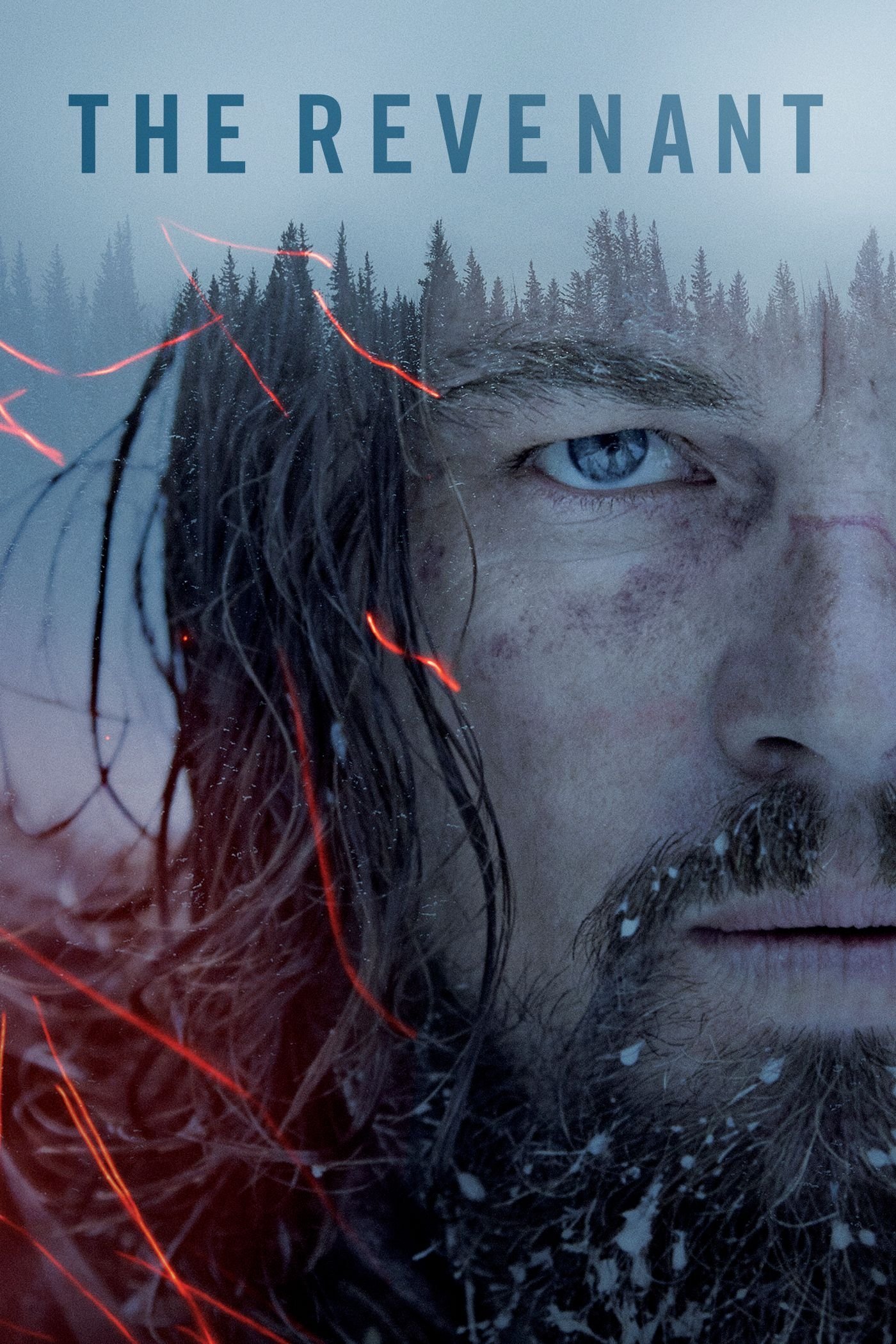
The film begins with a thrilling ambush scene, shot on location in freezing weather. Director Alejandro G. Iñárritu was committed to using only natural light, which meant they could only film for a few hours each day. The camera work seamlessly follows the intense, close-quarters fighting. Because of the difficult stunts and challenging conditions, each successful shot took days to achieve. This commitment to authenticity ultimately helped Leonardo DiCaprio win his first Oscar.
‘Atomic Blonde’ (2017)
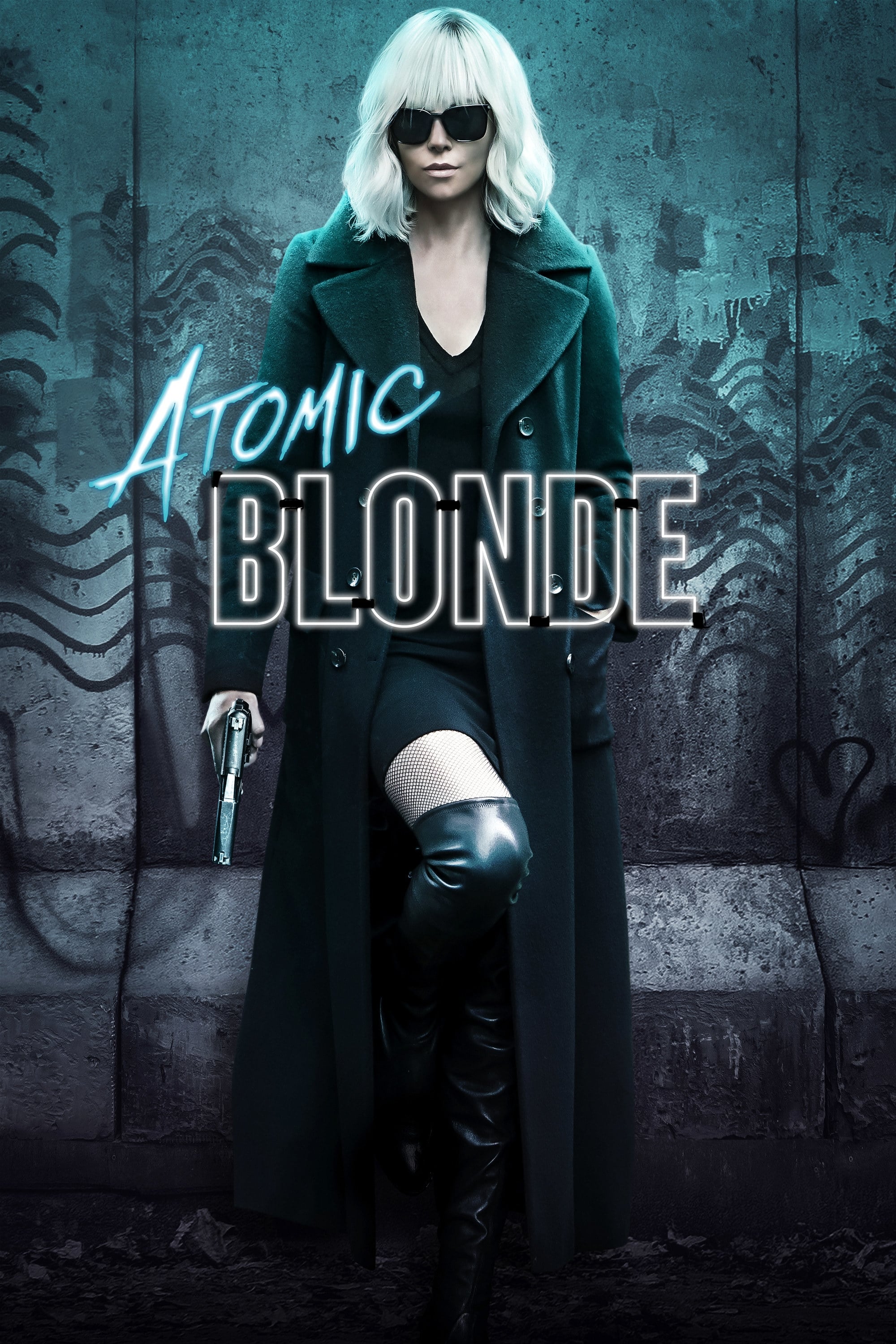
Charlize Theron’s intense fight scene in the stairwell looks like one continuous shot, but it was cleverly created by combining several long takes filmed over four days. Theron did most of her own stunts, learning complicated fight choreography that included weapons and multiple attackers. The character’s onscreen exhaustion actually reflects how tired Theron was during filming. The scene has been widely praised for realistically showing how physically damaging violence can be.
‘Creed’ (2015)
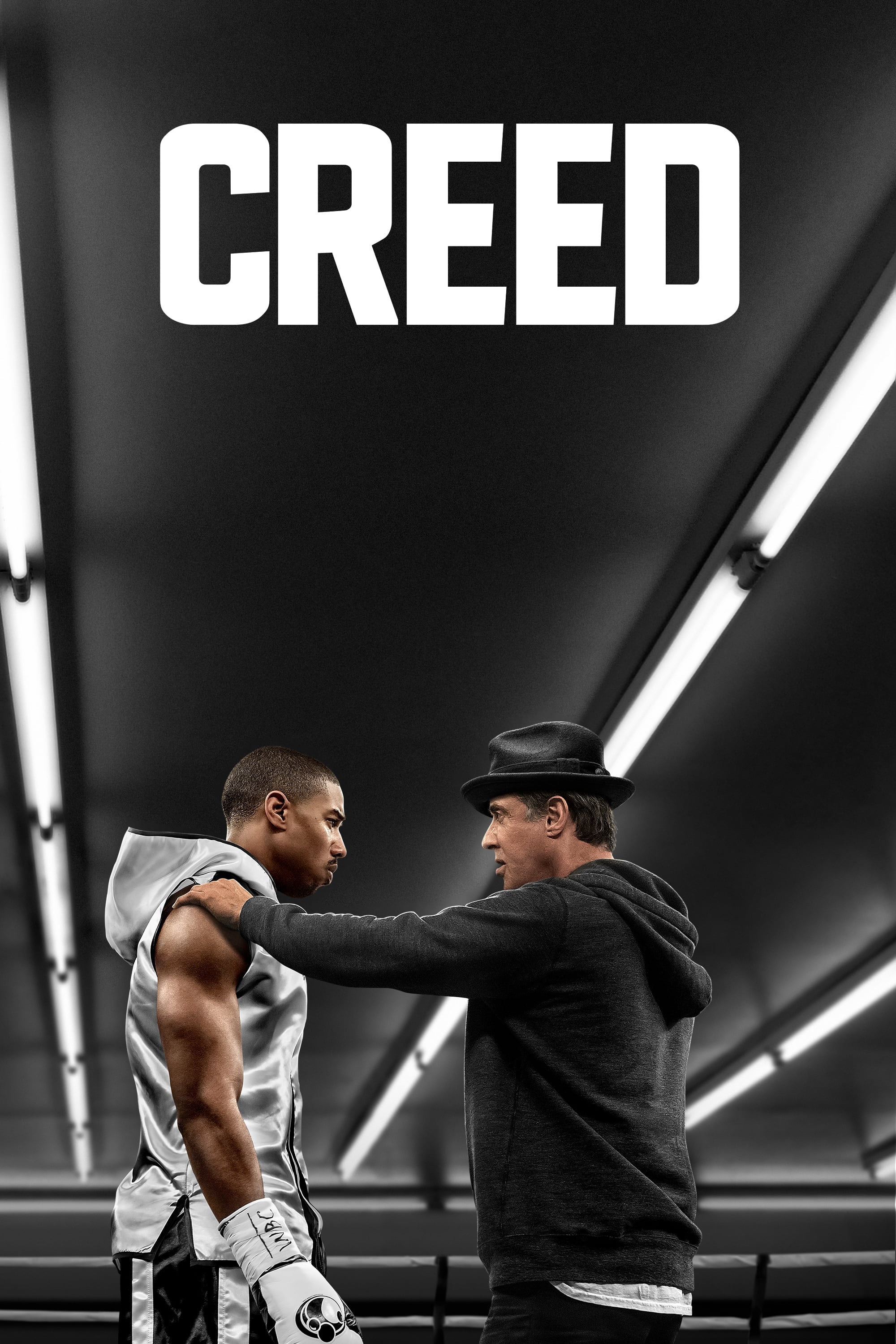
As a huge film fan, I was really blown away by how Ryan Coogler shot the first big boxing match in the movie. He did it all in one continuous shot to make it feel incredibly real. It was a crazy feat for the camera operator – they had to move around the ring with the fighters, dodging punches while keeping the shot steady! Michael B. Jordan and the other boxer had to learn the whole fight like a complex dance routine, which was essential for both their safety and to make it look authentic. They actually filmed it thirteen times before they were happy with the perfect mix of power and technical skill. Honestly, watching that scene, you really feel like you’re right there in the ring with them.
‘Extraction’ (2020)
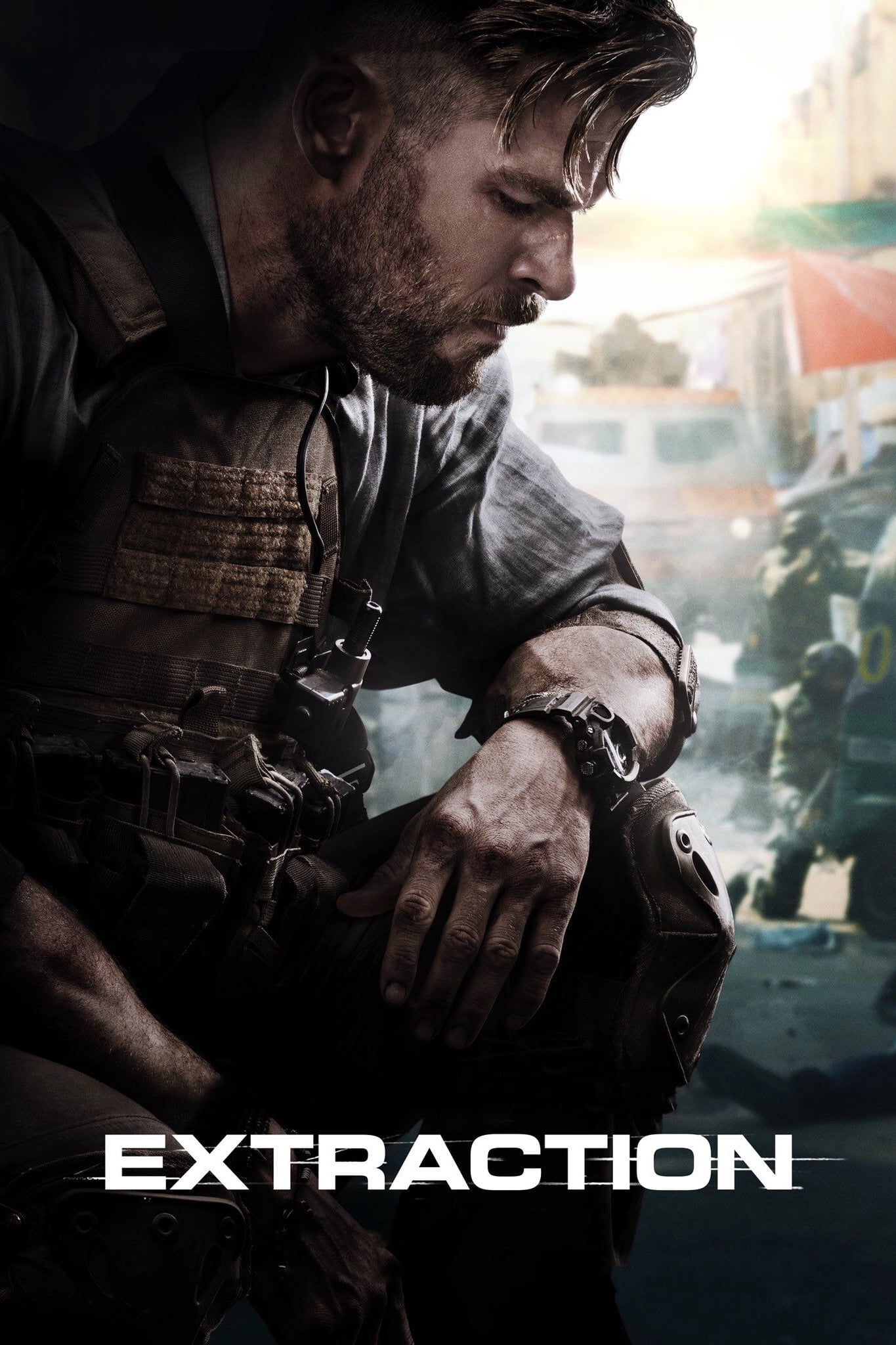
The film features a thrilling twelve-minute action sequence with a car chase, a chase on foot, and a gunfight, all unfolding in a bustling city. Director Sam Hargrave even filmed much of the high-speed car chase himself, mounting a camera to the vehicle’s hood. The sequence seamlessly combines real-life stunts with clever digital editing to create a continuous, exciting experience. The stunt team worked tirelessly for ten straight days to film all the different parts. The final result is a spectacular action scene that sets a new standard for the genre.
‘Birdman’ (2014)
Filming the scene with Michael Keaton running through Times Square in his underwear was a challenge. The filmmakers couldn’t block off the area, so they filmed it amidst real, unaware tourists. To manage the chaos, they hired a drum line to divert attention while the camera followed Keaton. They only needed four takes, as the crowd quickly realized a movie was being made and started to interfere. This unconventional, on-location filming style actually heightened the energy of the movie’s final scene.
Share your favorite long-take scene from this list in the comments.
Read More
- Invincible Season 4 Gender Swaps Tech Jacket As Fans Question Major Comic Change
- Gold Rate Forecast
- Silver Rate Forecast
- 20 Movies Where the Black Villain Was Secretly the Most Popular Character
- 22 Films Where the White Protagonist Is Canonically the Sidekick to a Black Lead
- Building Agents That Learn and Improve Themselves
- 15 Films That Were Shot Entirely on Phones
- Games That Faced Bans in Countries Over Political Themes
- Celebs Who Narrowly Escaped The 9/11 Attacks
- Trading Crypto with AI: A New Approach to Portfolio Management
2025-12-03 14:48