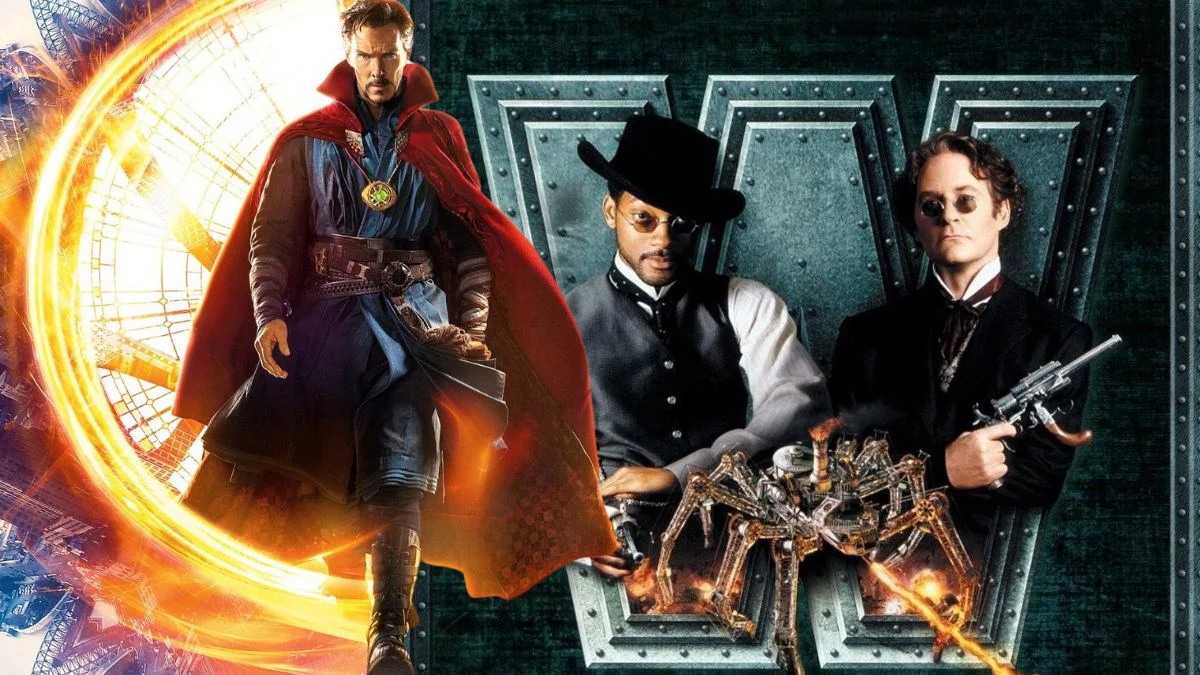
For a long time, Hollywood often cast white actors in roles meant for people of color. Now, as the film industry changes, many popular franchises are updating these older choices by casting actors of color in roles that were previously played by white actors. These decisions frequently cause strong reactions – some fans who prefer the original stories disagree with the changes, while others welcome the move towards greater diversity. Here’s a look at fifteen examples of well-known characters who have been reimagined with different racial backgrounds in newer movies and series.
‘Never Say Never Again’ (1983)
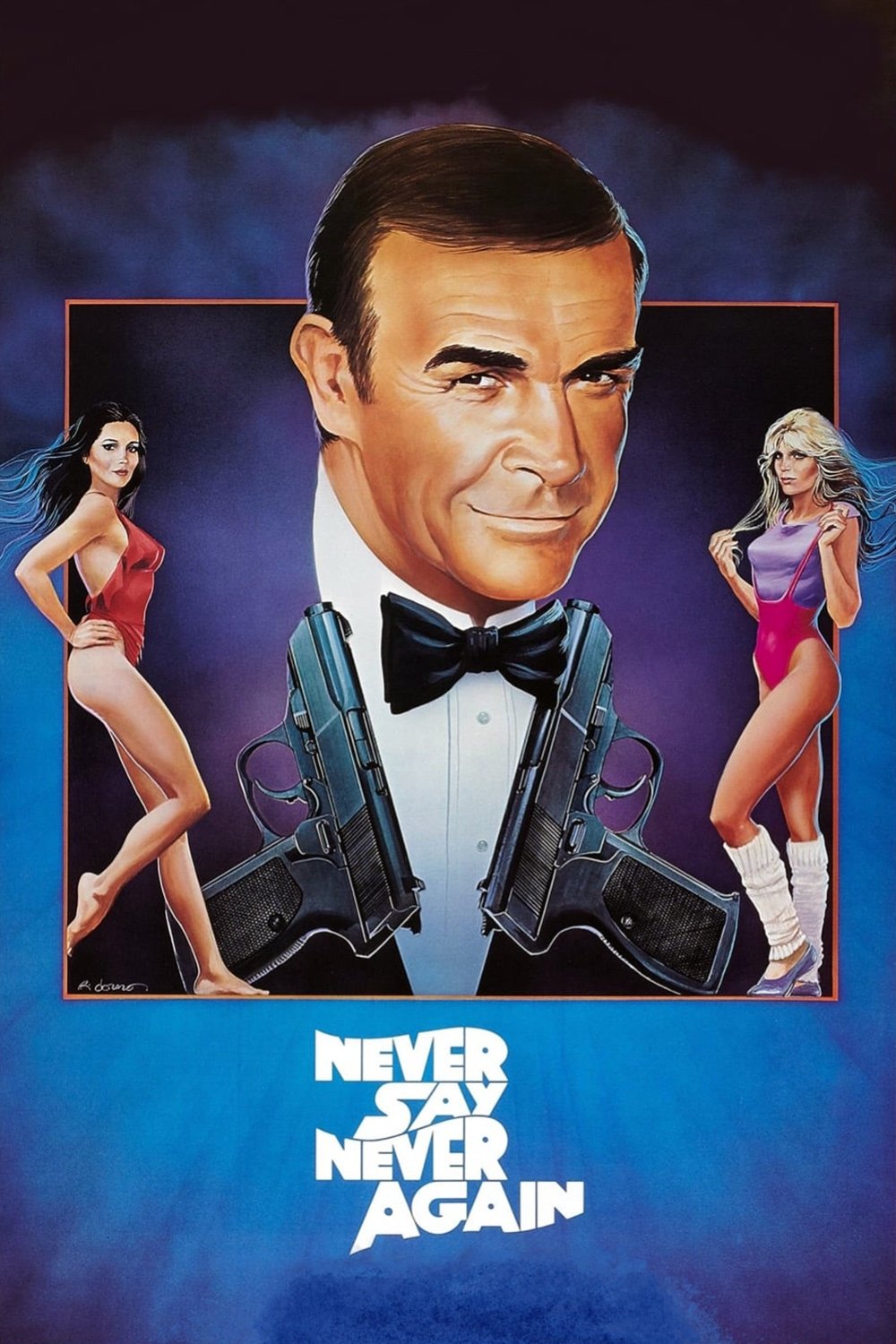
Felix Leiter is James Bond’s longtime contact at the CIA, and in the official Bond films, the role was always played by white actors. However, this separate Bond film broke tradition by casting Bernie Casey as Leiter, making him the first Black actor to play the part. This brought a fresh, cool energy and strong friendship to the character, and it helped open doors for more diversity in spy movies going forward.
‘Wild Wild West’ (1999)
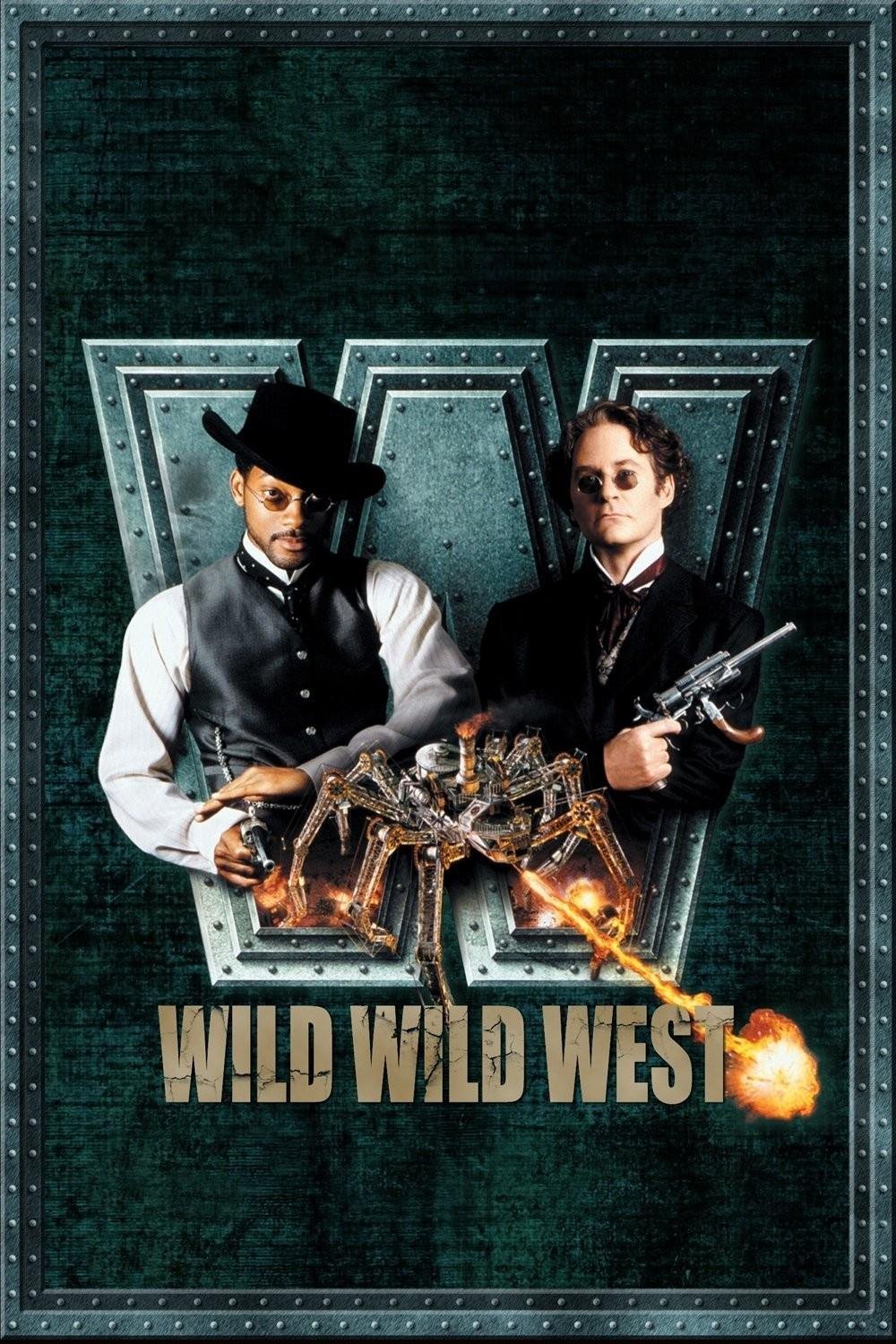
The classic 1960s TV show featured Robert Conrad as the charismatic secret agent James West. When the story was updated for the big screen, Will Smith took on the role, creating a more modern and quick-witted hero with a new backstory. The film changed the relationship between West and Artemis Gordon to better showcase Smith’s popularity. Though the movie wasn’t universally loved, the casting change highlighted a significant change in what kind of actor could headline a major Western film.
‘Catwoman’ (2004)
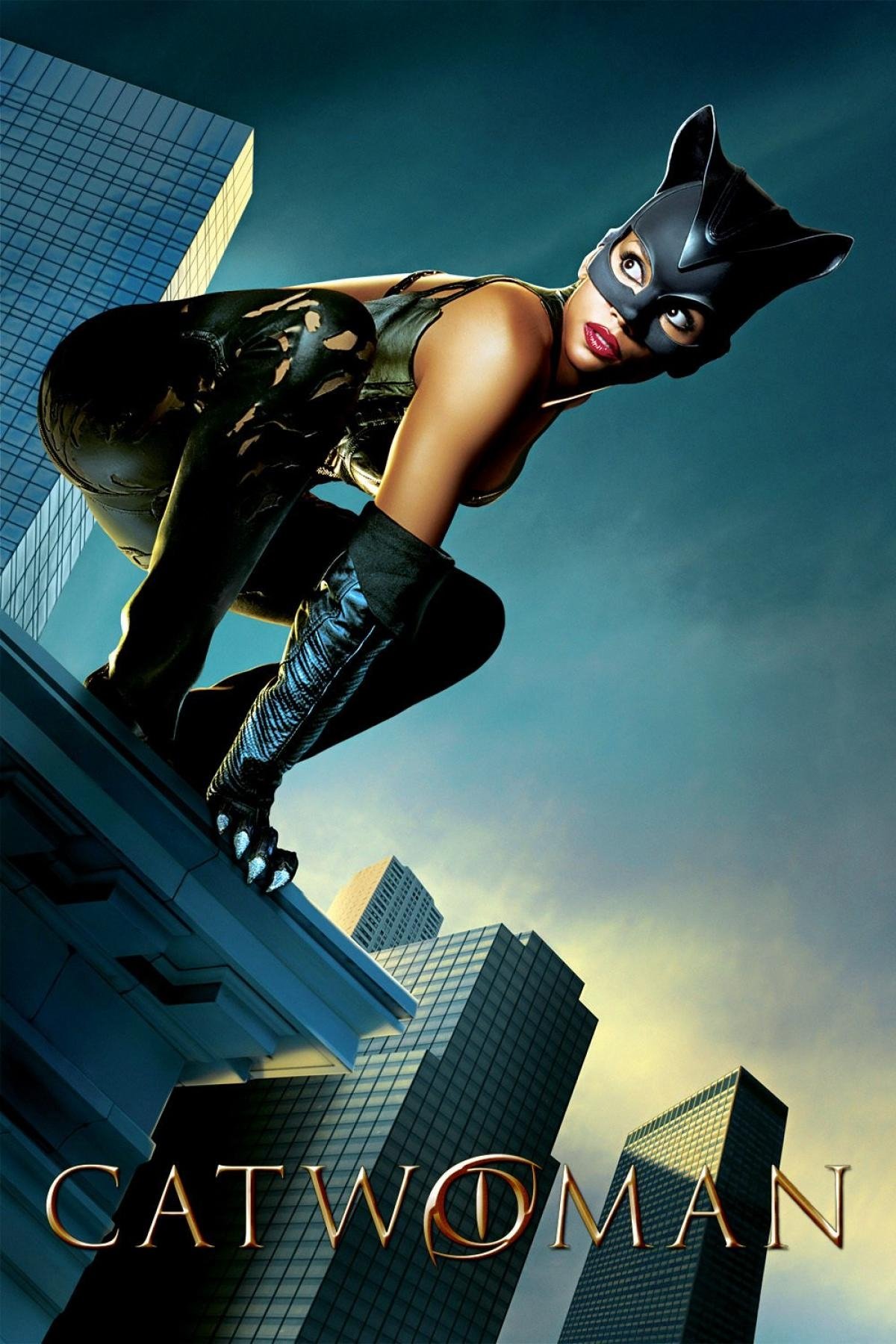
Previous Batman movies featured Catwoman, or Selina Kyle, played by white actresses like Julie Newmar and Michelle Pfeiffer. The 2004 film Catwoman introduced a new character, Patience Phillips, portrayed by Halle Berry, who took on the Catwoman identity. This movie tried to create a separate story for Catwoman, independent from the established Batman universe. While the film received mostly negative reviews, Berry’s casting was a notable instance of a traditionally white comic book character being reimagined with a Black actress.
‘Casino Royale’ (2006)
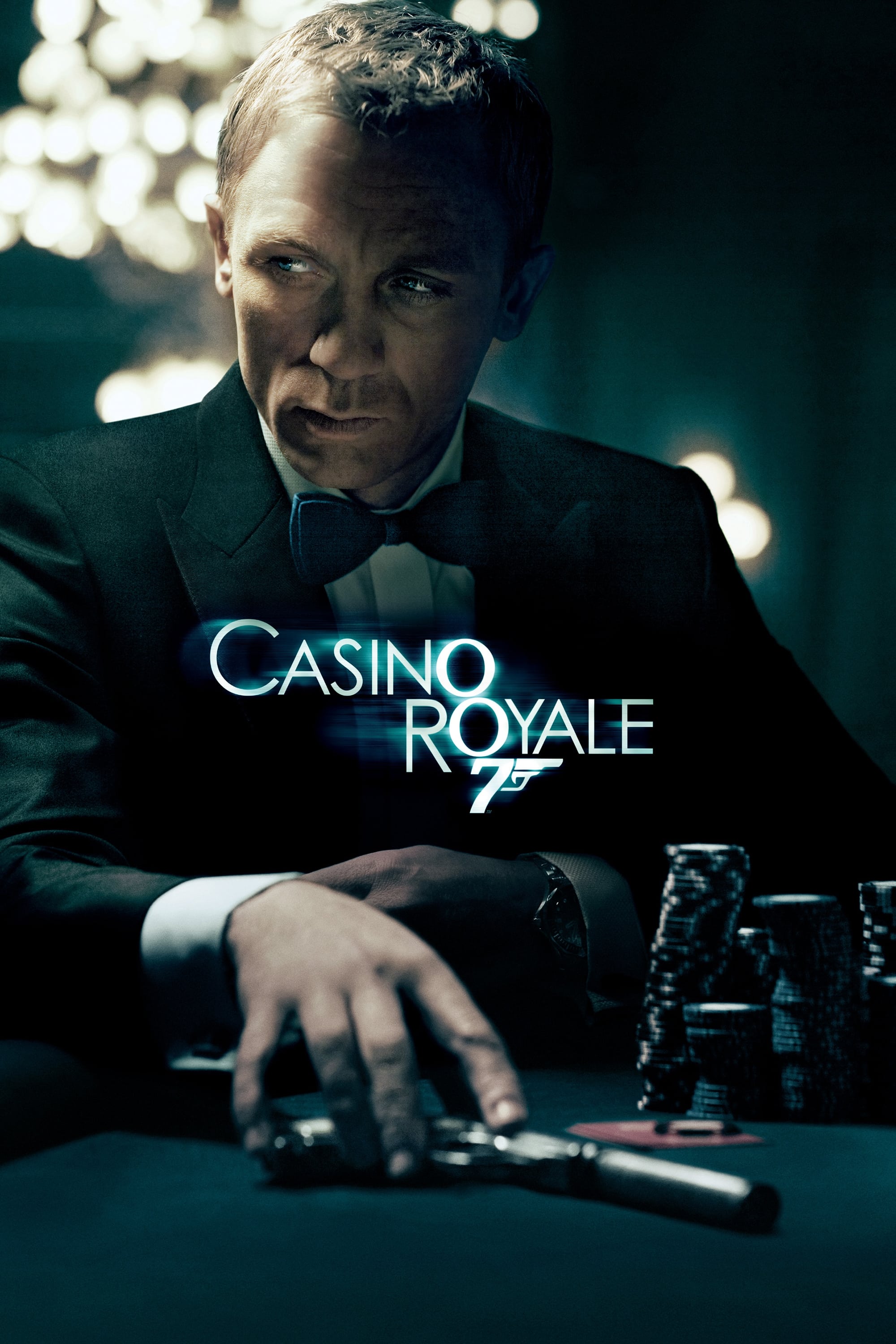
For many years, the character of Felix Leiter in James Bond films was played by white actors. When the franchise was reimagined, Jeffrey Wright took on the role, bringing a realistic and world-weary quality that fit the darker style of Daniel Craig’s Bond. Wright’s Leiter was more involved in the action himself, rather than simply assisting from an office. He’s also the first actor to play Leiter in three different Bond movies, making his portrayal the most recognizable version of the character today.
‘The Karate Kid’ (2010)

The original Karate Kid movie featured Ralph Macchio as Daniel LaRusso, a teenager who learns martial arts. This new version stars Jaden Smith as Dre Parker, a boy who moves from Detroit to Beijing. While the original focused on karate, this film features kung fu, but kept the same title to leverage the original’s popularity. The movie successfully retold the classic underdog story in a new culture, showing that its themes resonate with audiences no matter a character’s background.
‘Thor’ (2011)
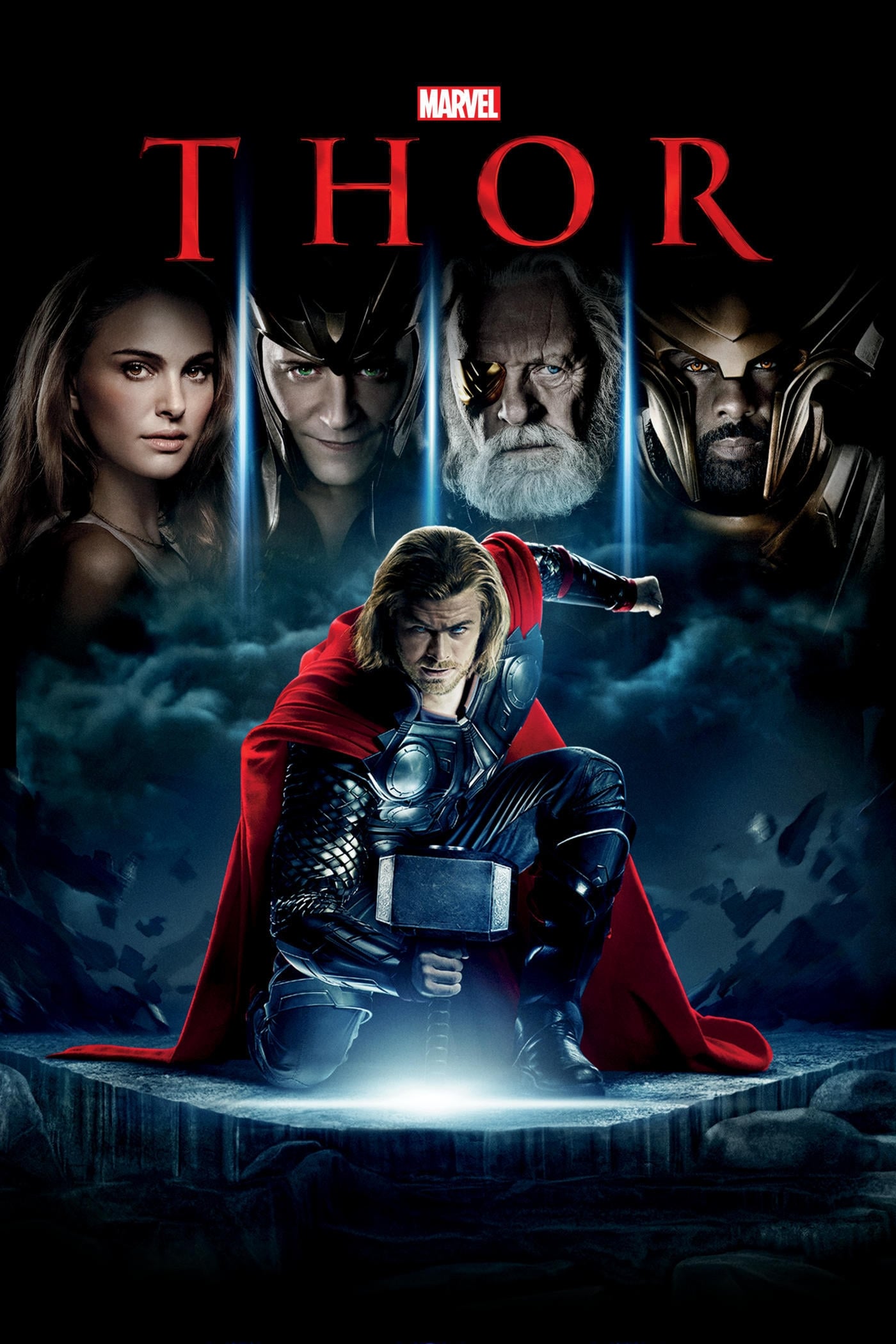
In Norse mythology, Heimdall is the watchful guardian of the rainbow bridge, Bifrost, and was originally imagined as white in early comic books. When director Kenneth Branagh chose Idris Elba to play the role in the Marvel Cinematic Universe, it initially caused some debate. However, Elba quickly won over critics with a powerful and dignified performance as the Asgardian guard. His interpretation of the character became incredibly popular with fans and helped bring more diversity to the look of the mythical world in later films.
‘Man of Steel’ (2013)
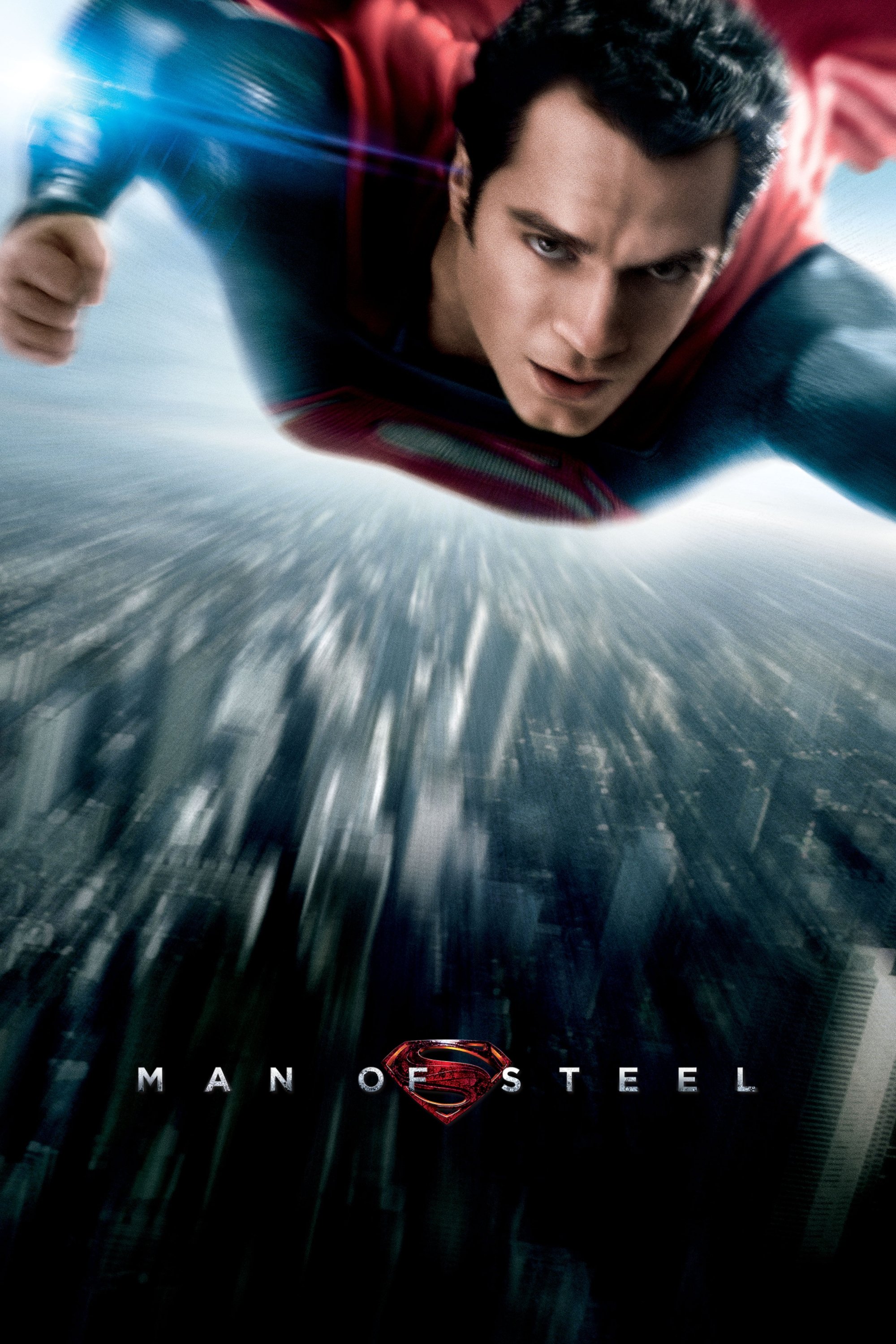
For decades, Perry White, the demanding editor-in-chief of the Daily Planet, was portrayed as white in Superman stories. When Laurence Fishburne took on the role in the 2016 reboot, he brought a strong and commanding presence to the character. This casting choice showed that even well-known supporting characters could realistically reflect the diversity of a modern city. Fishburne kept Perry White’s famously tough personality but also added a sense of caring for those who worked for him.
‘The Equalizer’ (2014)
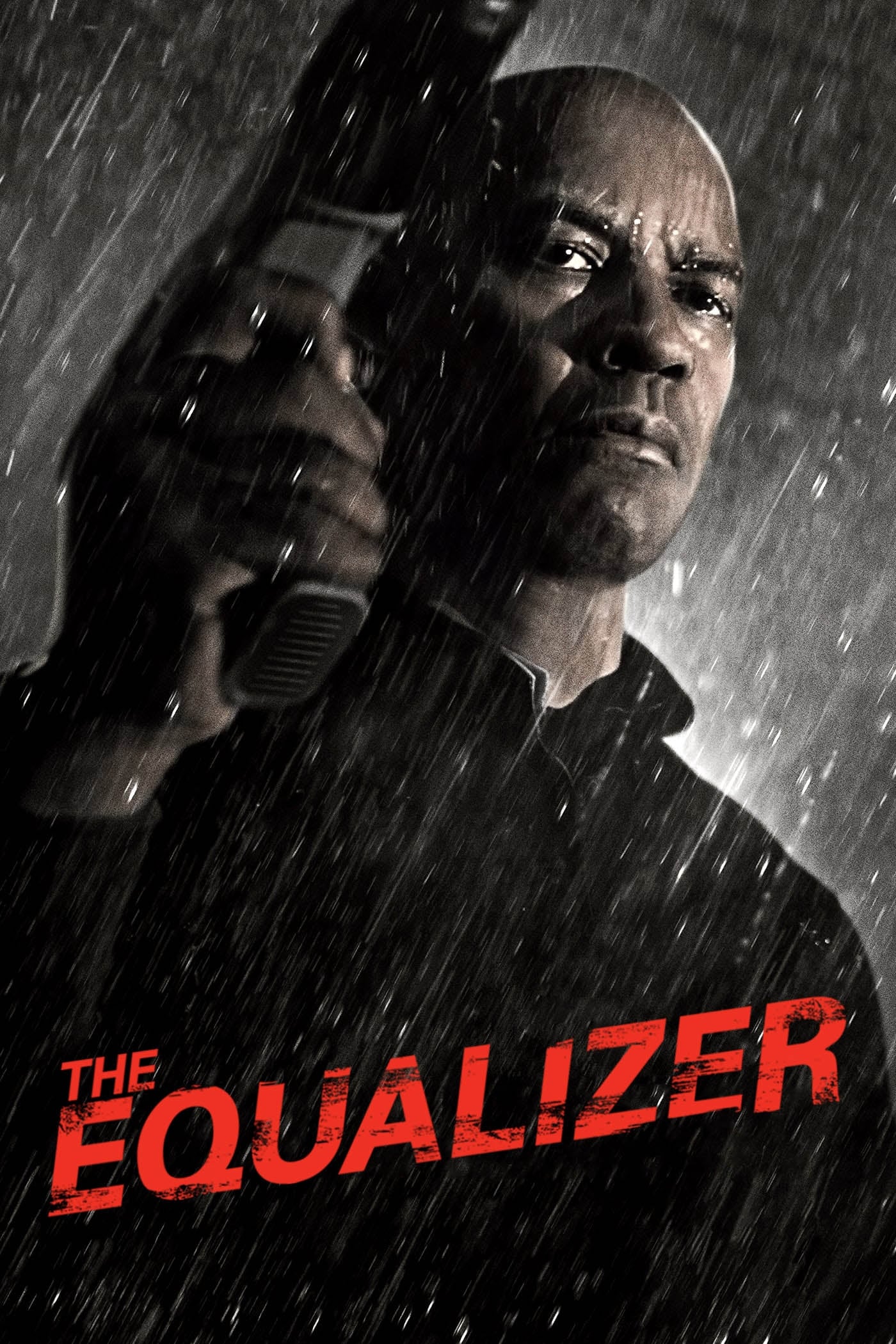
The original television series from the 1980s starred Edward Woodward as Robert McCall, a British intelligence agent who became a crime fighter. Denzel Washington later updated the character for a series of films, portraying him as a meticulous American operative. Washington’s powerful performance led to a popular trilogy that emphasized action and direct confrontation over the original show’s focus on spying. By changing the character’s race, the films were able to explore unique cultural perspectives within the city of Boston.
‘Annie’ (2014)
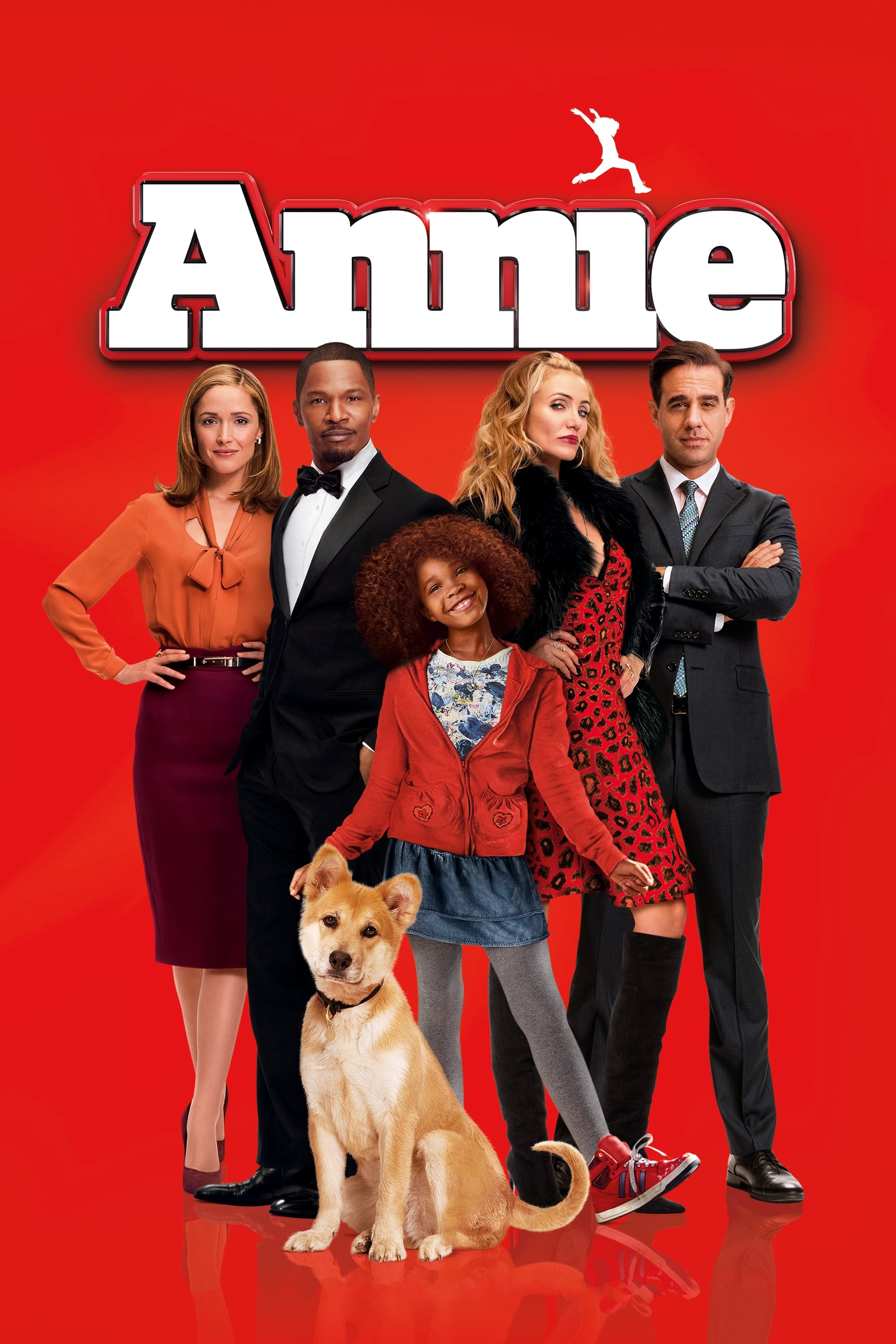
The famous comic strip and 1982 musical centered around a red-haired, curly-haired orphan. This new movie version stars Quvenzhané Wallis and moves the story to present-day New York City. Instead of the traditional character of Daddy Warbucks, Jamie Foxx plays Will Stacks, adding more diversity to the main characters. The filmmakers hoped this updated take would connect with today’s kids.
‘Fantastic Four’ (2015)
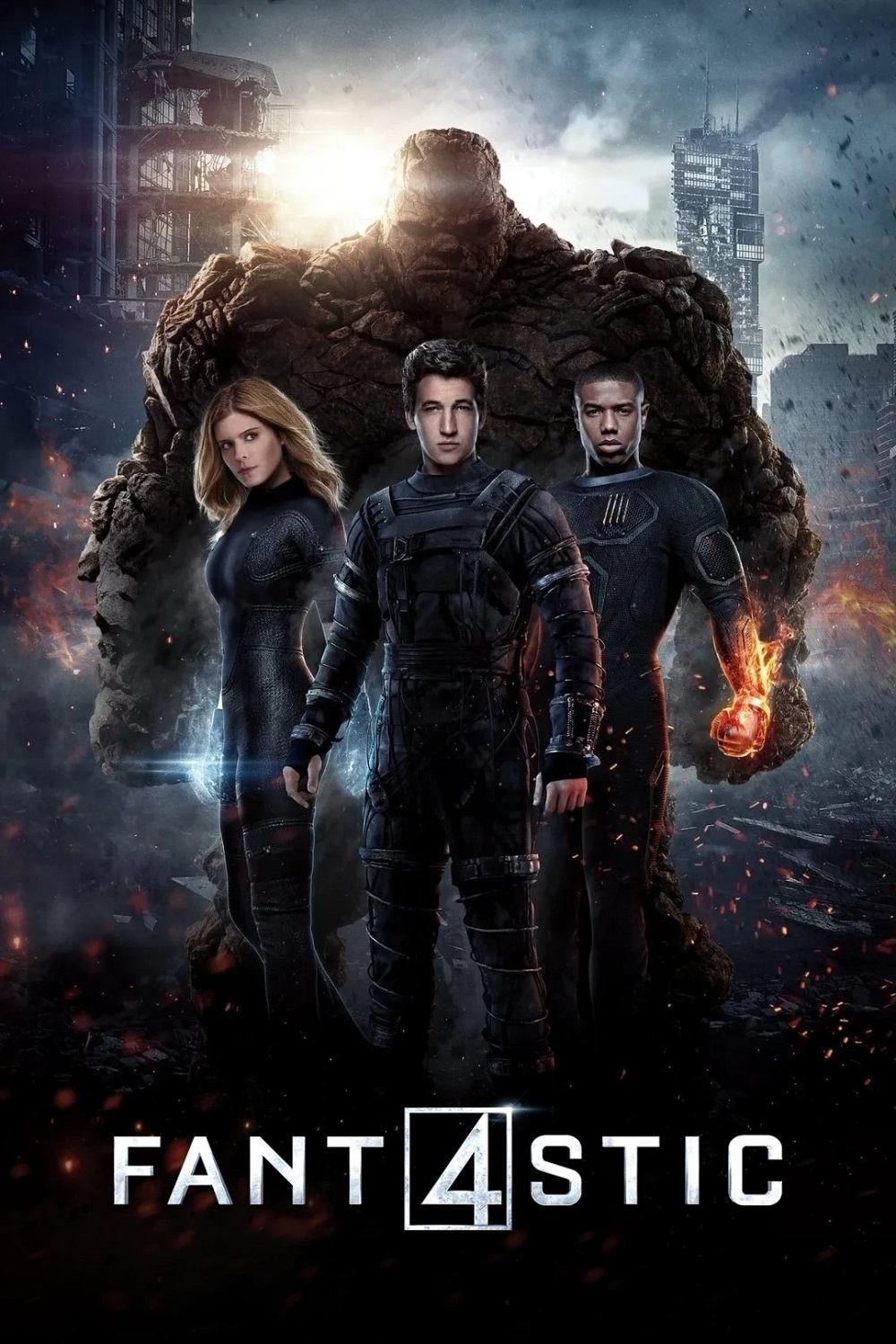
Johnny Storm, the Human Torch, was originally portrayed as a white, blonde man and the brother of Sue Storm. However, the 2015 film reimagined the character, with Michael B. Jordan cast in the role and the family history changed to reflect adoption. This choice sparked controversy among some comic book fans who felt it strayed from the established origins of the team. Although the movie wasn’t well-received by critics, Jordan’s casting was a notable step towards moving beyond outdated character designs in superhero films.
‘Teenage Mutant Ninja Turtles: Out of the Shadows’ (2016)
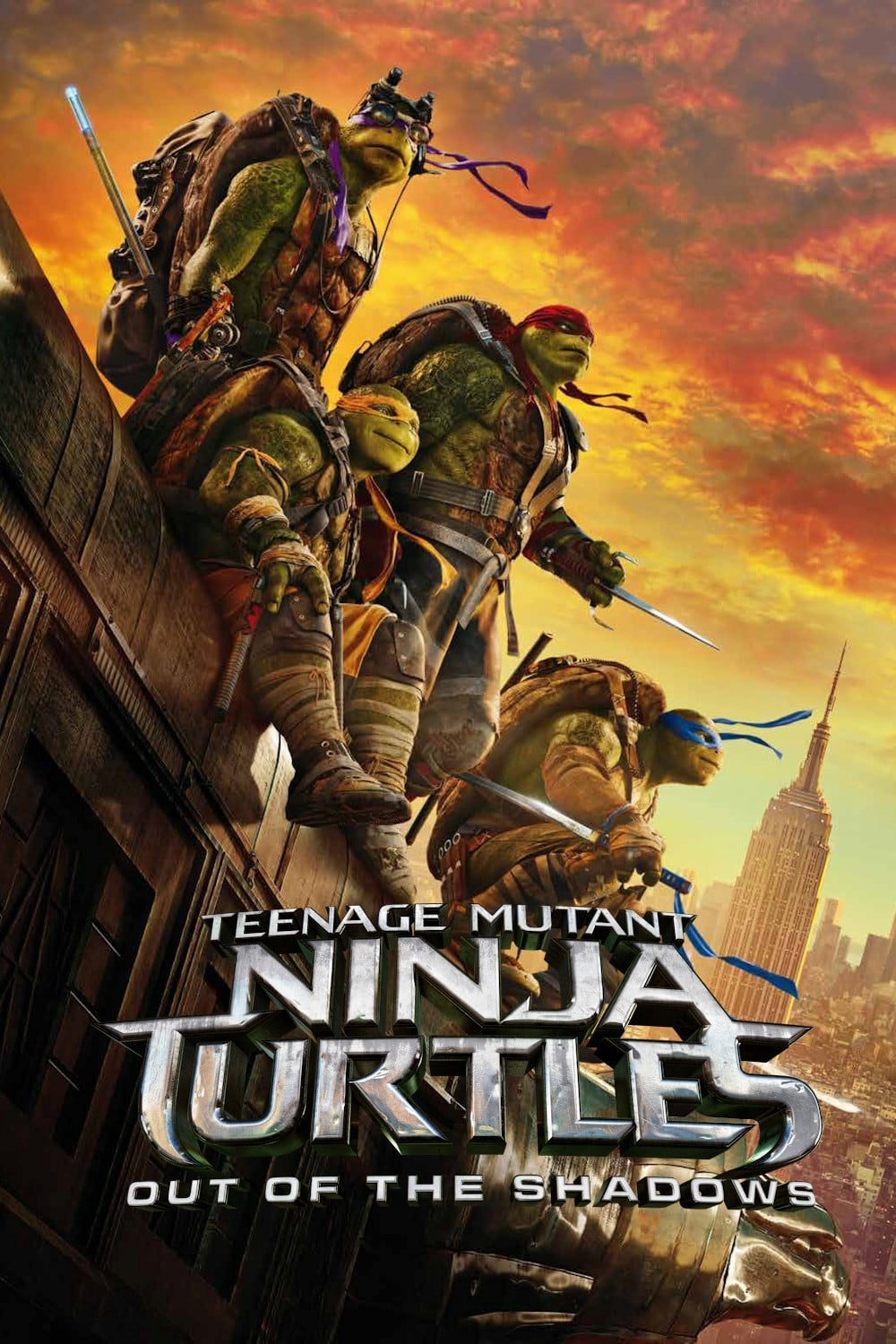
Baxter Stockman first appeared as a Black scientist in the original comic books, but the popular 1987 cartoon changed his race. The new film fixed this by casting Tyler Perry as the quirky villain. Perry embraced the character’s over-the-top style, making him more like the original comic book version. This casting choice was a tribute to the source material and corrected a long-standing omission from the cartoon.
‘Doctor Strange’ (2016)
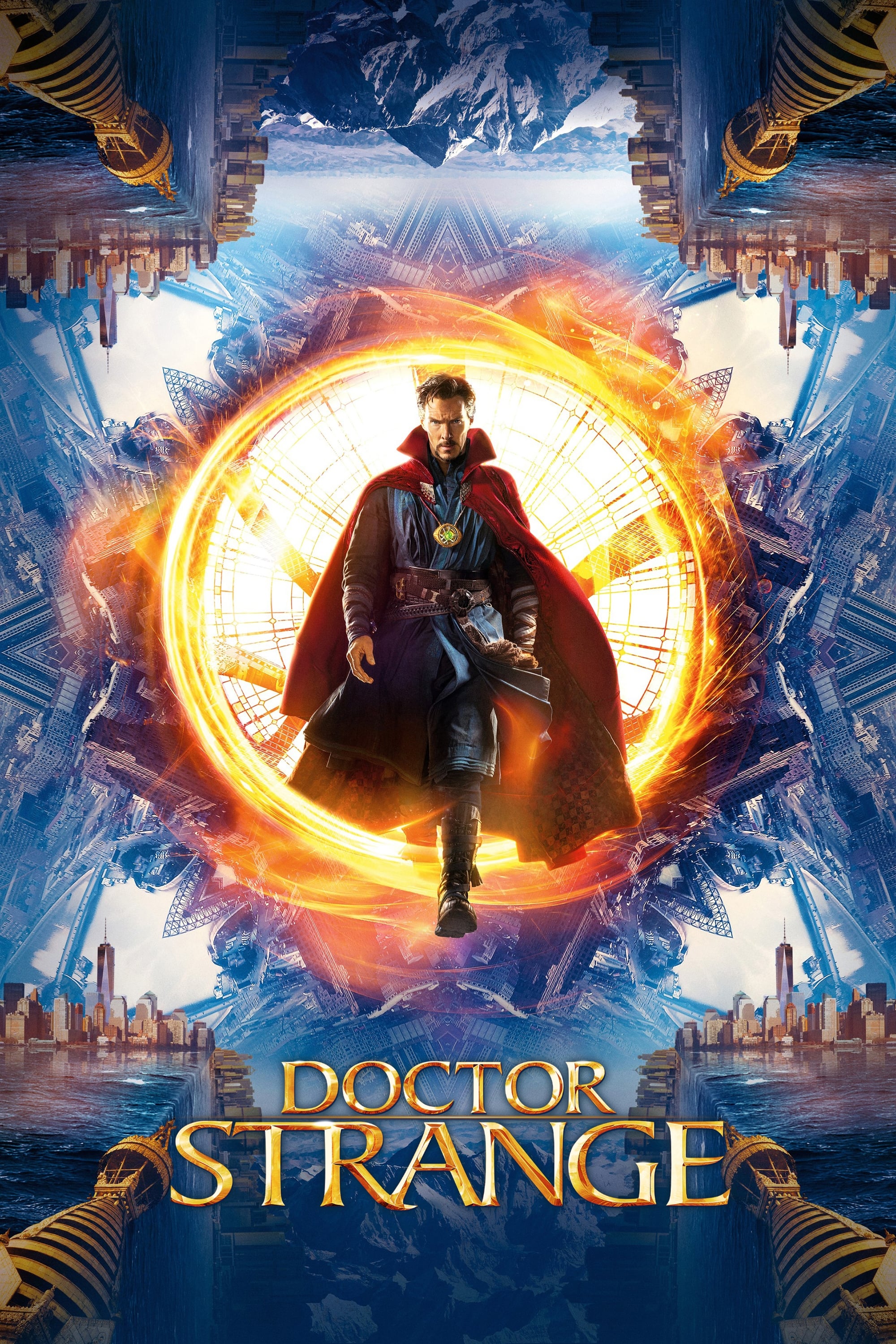
In the original Marvel comics, Baron Mordo was portrayed as a white nobleman from Transylvania. However, the movie reimagined him as a respected and virtuous sorcerer who ultimately opposes the Ancient One. This new take gave his story more complexity and sadness, moving away from the typical villain stereotypes found in the comics. Chiwetel Ejiofor’s performance created a thought-provoking contrast to the main hero’s beliefs.
‘Spider-Man: Homecoming’ (2017)

I’ve always loved the dynamic between Peter Parker and Mary Jane Watson – she’s been his main love interest for so long, and traditionally she’s pictured as a red-haired woman. It was really interesting to see how the Marvel movies approached that relationship with MJ, played by Zendaya. She’s definitely her own person – funny, smart, and really observant – and while she’s not exactly the Mary Jane from the comics, she plays a similar role in Peter’s life, even using the same nickname! I think it was a great way to reflect what a real high school in a diverse place like Queens actually looks like.
‘The Batman’ (2022)
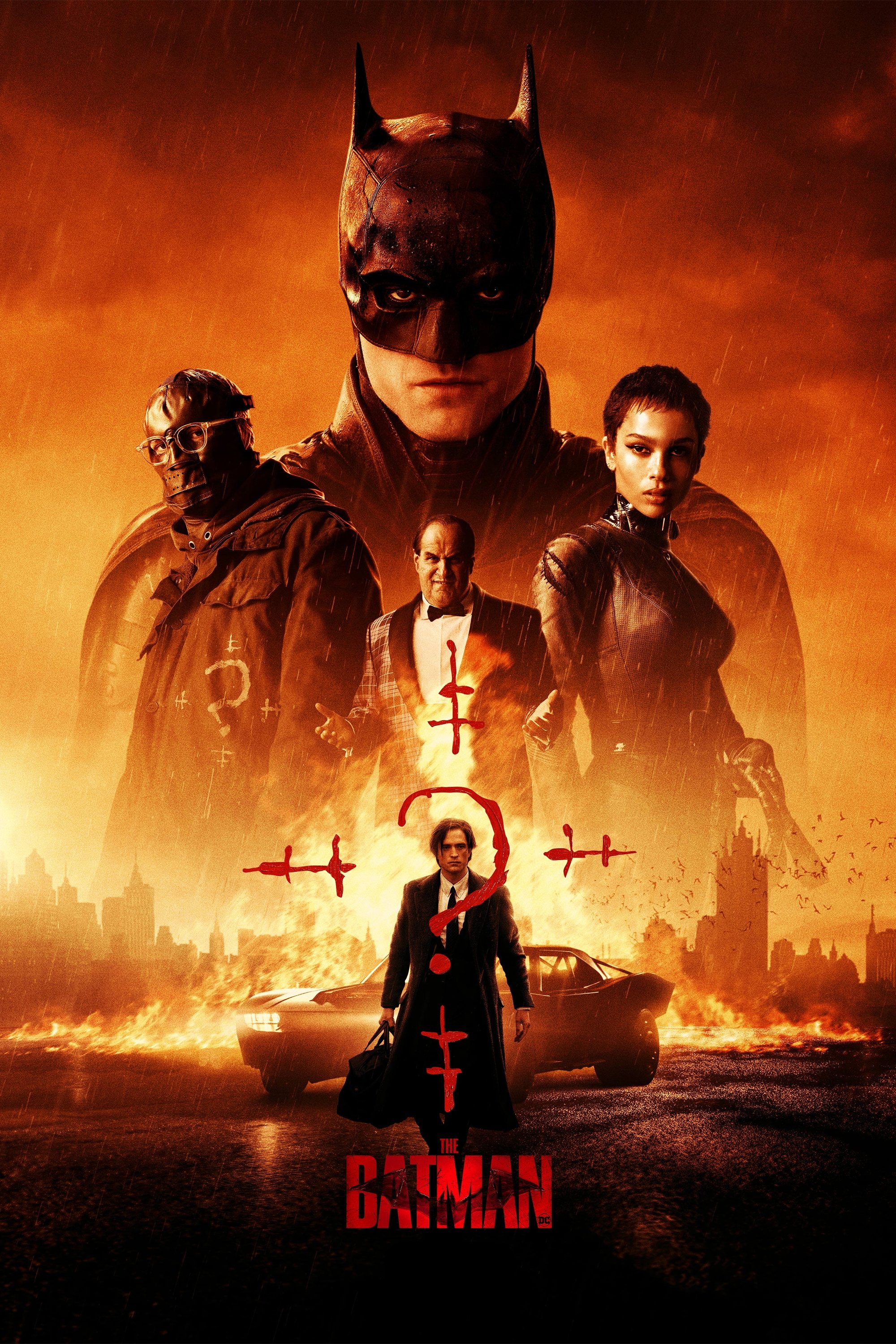
In past films, Commissioner James Gordon was portrayed by white actors such as Gary Oldman and J.K. Simmons. This time, Jeffrey Wright took on the role, presenting a world-weary but dependable partner to Batman. Critics especially liked the believable connection between Wright and Robert Pattinson, which made the film’s more fantastical parts feel emotionally real. This casting choice highlighted that Gordon’s character, and what he does, is more important than his race.
‘The Little Mermaid’ (2023)

Ariel is a well-known Disney princess who was first created as a teenage girl with red hair. When Halle Bailey was chosen to play Ariel in the live-action version of the story, it sparked a lot of conversation online about the importance of representation in traditional tales. Bailey’s singing was highly praised, and the movie kept the original story intact while giving it a modern look. The film showed Disney’s dedication to making its classic princess stories more diverse for viewers around the world.
Tell us which of these recasting choices you felt added the most to the franchise in the comments.
Read More
- Invincible Season 4 Gender Swaps Tech Jacket As Fans Question Major Comic Change
- Building Agents That Learn and Improve Themselves
- Gold Rate Forecast
- Silver Rate Forecast
- Games That Faced Bans in Countries Over Political Themes
- Trading Crypto with AI: A New Approach to Portfolio Management
- Superman Flops Financially: $350M Budget, Still No Profit (Scoop Confirmed)
- 22 Films Where the White Protagonist Is Canonically the Sidekick to a Black Lead
- 15 Films That Were Shot Entirely on Phones
- Unveiling the Schwab U.S. Dividend Equity ETF: A Portent of Financial Growth
2025-12-03 13:16