
For decades, Hollywood films have tackled racial injustice, but often from a white perspective. These stories frequently use the experiences and strength of Black characters to help white characters grow or change. Film critics and scholars have identified patterns in these narratives, like the “White Savior” trope – where a white character rescues or helps Black characters – or the “Magical Negro” trope – where Black characters offer wisdom or assistance that seems almost supernatural. The films discussed below demonstrate this pattern, prioritizing the journey of white characters even when set against the struggles of Black communities.
‘Green Book’ (2018)

The movie tells the story of Tony Lip, a driver, and Dr. Don Shirley, a musician, as they journey through the racially divided South. Dr. Shirley faces hardship and loneliness, while Tony begins to confront his own biases. The film portrays Dr. Shirley’s struggles as the catalyst for Tony’s growth and understanding, implying that the musician’s pain primarily serves to help the driver become a better person.
‘The Help’ (2011)
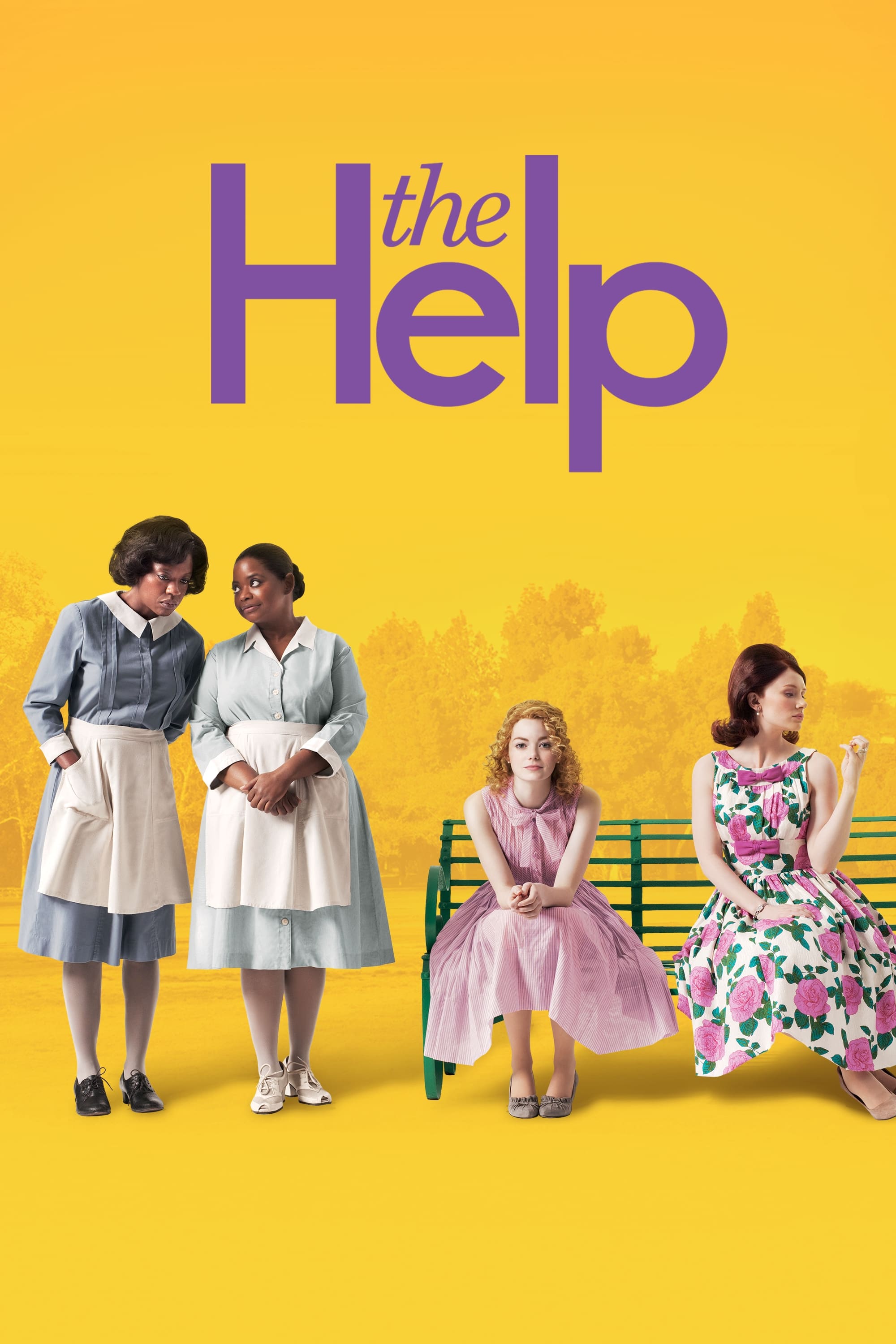
Skeeter Phelan, a young white journalist, sets out to write a book revealing the discrimination Black maids experience in Mississippi. The film highlights the everyday hardships and risks these women face, but the story is told primarily through Skeeter’s perspective and how sharing their experiences helps her career. Although the movie aims to be empowering, it ultimately focuses on Skeeter’s courage and positions the Black characters’ struggles as a way to demonstrate her own progressive values.
‘The Blind Side’ (2009)

As a film lover, I found this sports drama really interesting, but also a little troubling. It tells the story of Michael Oher, a homeless teen taken in by the wealthy Tuohy family. The way the film presented Michael felt off to me – he seemed very quiet and acted upon, while the white mother figure really drove everything, including his football career. It felt like the movie focused so much on how good the Tuohy family was for taking him in, and how charitable they were, that it completely overshadowed Michael’s own hard work and talent. It really credited them with all of his success, instead of letting his own agency shine through. It left me wondering if the story truly centered on Michael, or on the family’s perceived generosity.
‘Crash’ (2004)

The film, set in Los Angeles, weaves together several stories that touch on racism and prejudice. It features a deeply troubling plotline where a white police officer sexually assaults a Black woman, then later rescues her from a car fire. The story focuses heavily on the officer’s emotional journey after the assault, even though the trauma experienced by the victim is given less attention. This choice emphasizes the attacker’s feelings over the long-term consequences for the woman he harmed.
‘The Green Mile’ (1999)
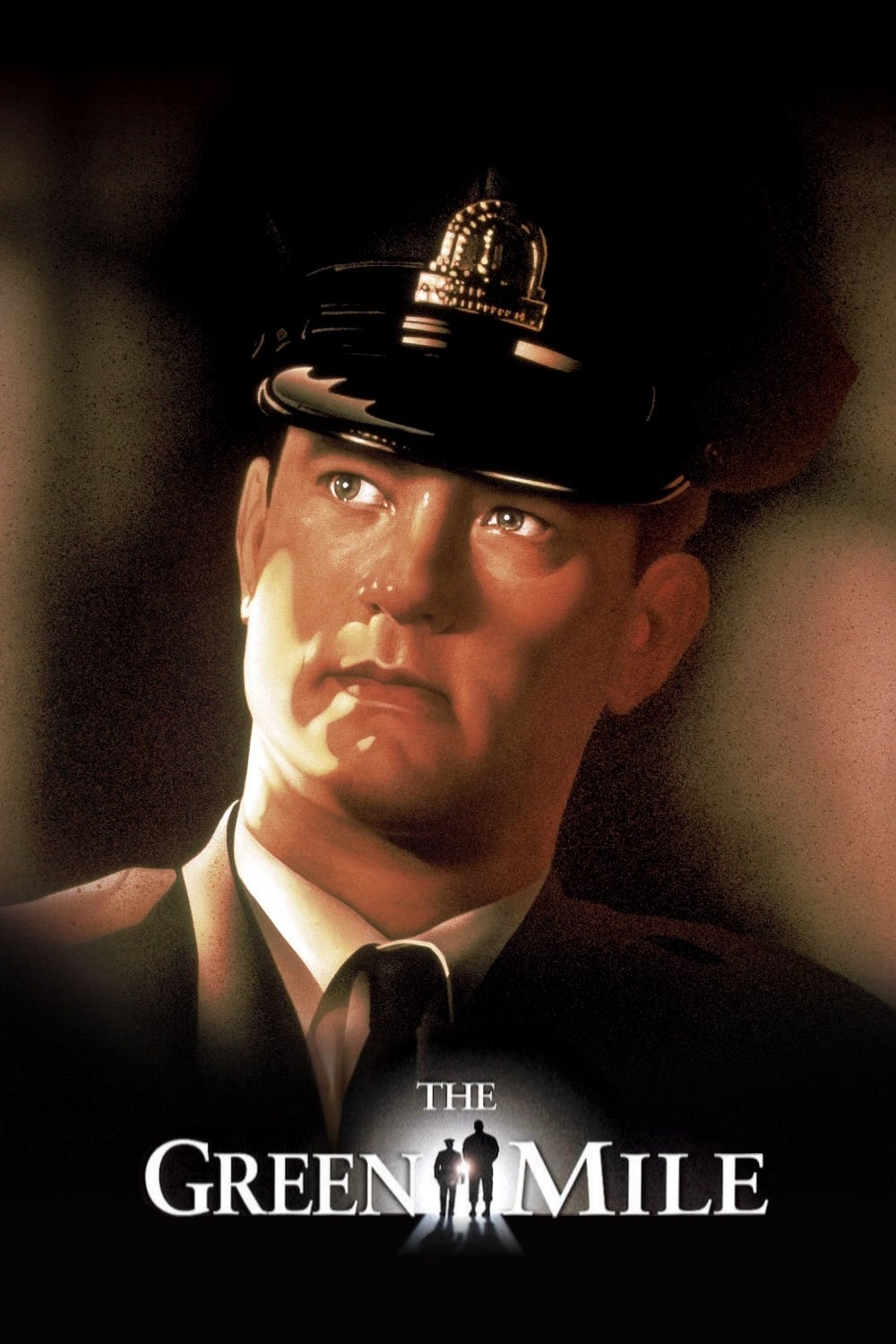
John Coffey, a kind and enormous man wrongly convicted and awaiting execution, has the incredible ability to heal others. He uses this gift to alleviate the suffering of the prison guards and the warden’s wife, taking their pain into himself. Essentially, his purpose in the story is to help those around him, despite ultimately facing a heartbreaking fate. His pain and death are presented as a meaningful sacrifice that profoundly impacts Paul Edgecomb, a white guard whose life is forever changed.
‘The Legend of Bagger Vance’ (2000)
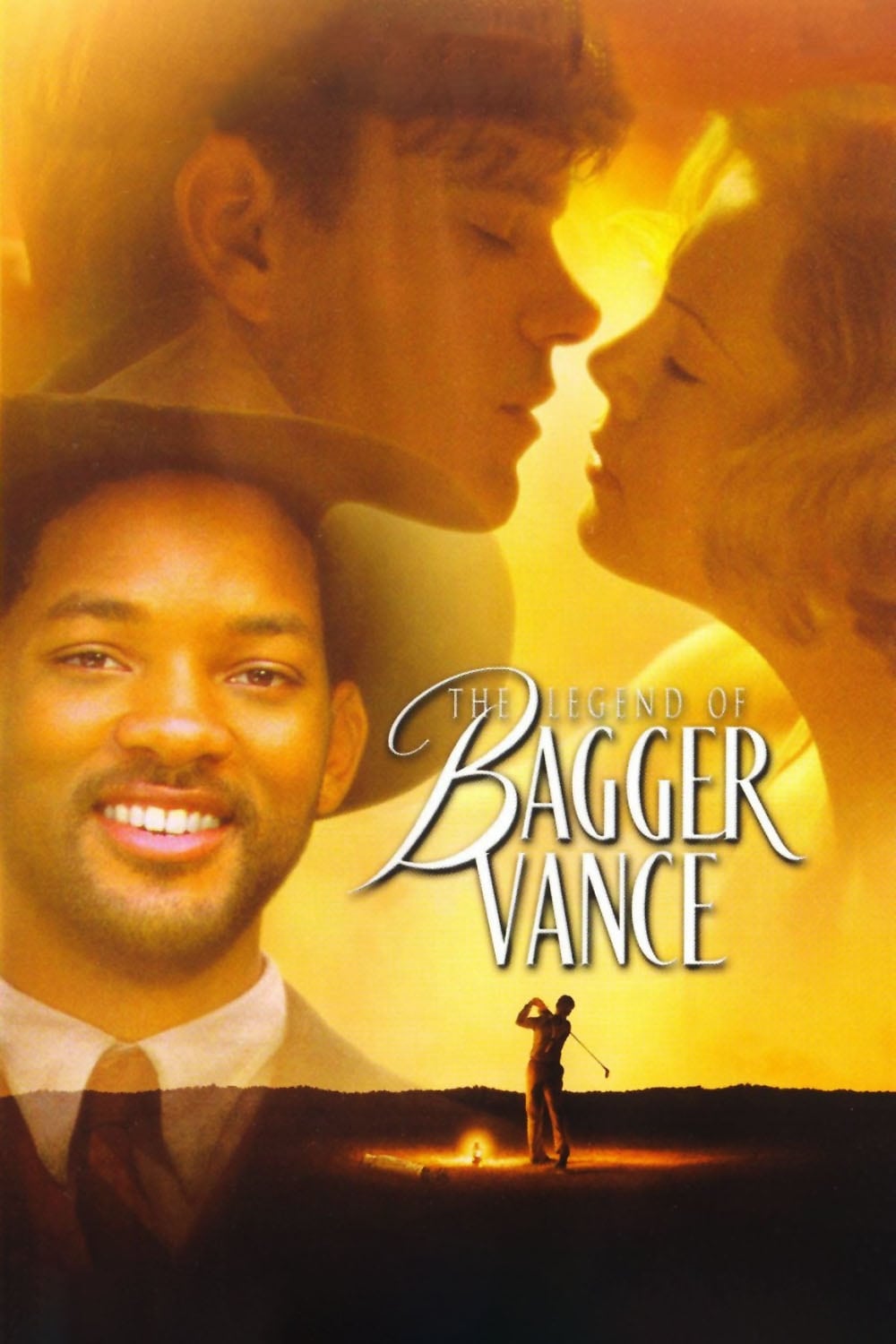
A troubled war veteran, struggling with his golf game and life after combat, receives help from a mysterious caddy named Bagger Vance. Bagger Vance seems to possess an almost magical understanding of the game and life, and dedicates himself to helping the veteran rediscover his swing and inner confidence. However, Bagger Vance remains an enigmatic figure with no apparent life or goals of his own, existing only to support the veteran’s journey. Once the veteran finds success and peace, Bagger Vance disappears as suddenly as he appeared.
‘Driving Miss Daisy’ (1989)

The film tells the story of an unlikely friendship between a Jewish woman named Daisy and her Black chauffeur, Hoke Colburn, which blossoms over many years in the South. Despite facing racism and Daisy’s initial reserve, Hoke maintains his composure. The movie primarily shows Daisy learning to see Hoke as a person, and his experiences with segregation help her grow and change. While Hoke faces significant challenges, the story focuses more on how those challenges impact Daisy’s understanding of the world.
‘Mississippi Burning’ (1988)
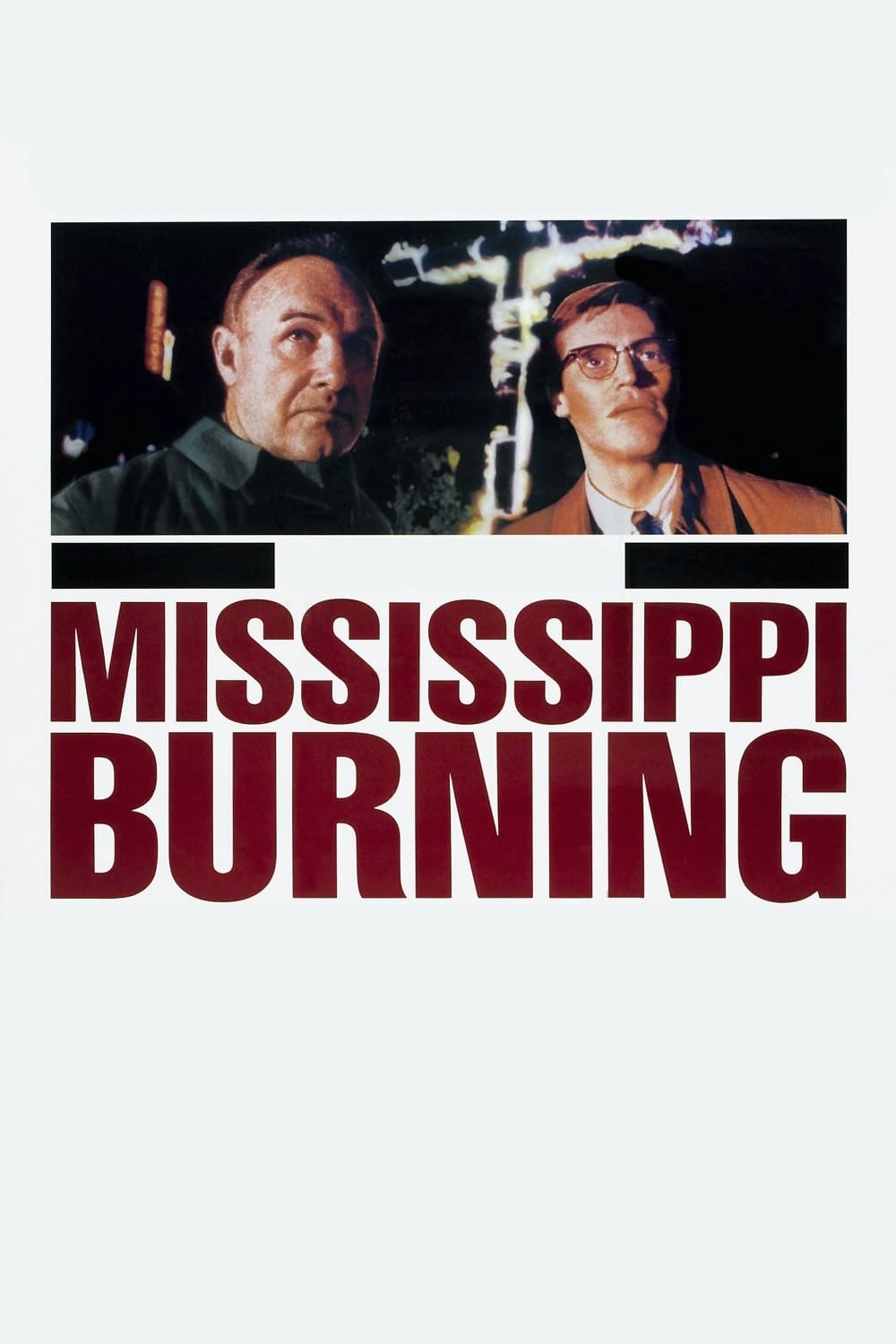
A movie about the FBI investigation into the disappearance of civil rights workers in Mississippi focuses heavily on the work and bravery of the white agents involved. While depicting the violence faced by Black people, it largely portrays them as victims or background elements, downplaying the important role Black activists actually played in the movement. The film prioritizes a thrilling story about white heroism over accurately reflecting the historical context of Black activism.
‘A Time to Kill’ (1996)
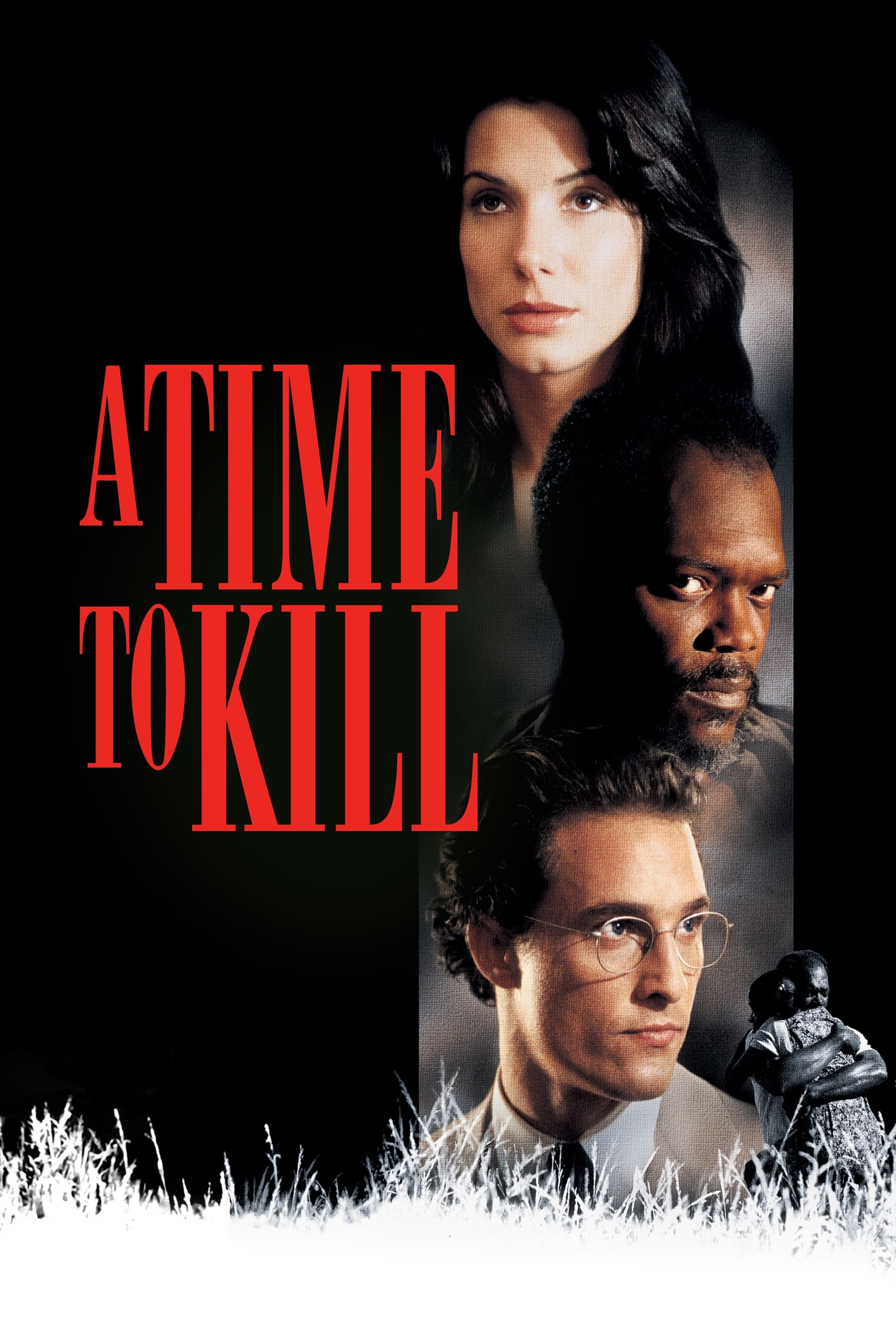
The film centers on a white lawyer defending a Black father who took the law into his own hands after his daughter was attacked. While the story touches on the immense trauma experienced by both the girl and her father, much of the focus is on the lawyer’s own sacrifices and a dramatic courtroom speech. Ultimately, the film emphasizes the lawyer’s demonstration of empathy and his attempt to understand the Black experience, rather than truly centering that experience itself.
‘Freedom Writers’ (2007)
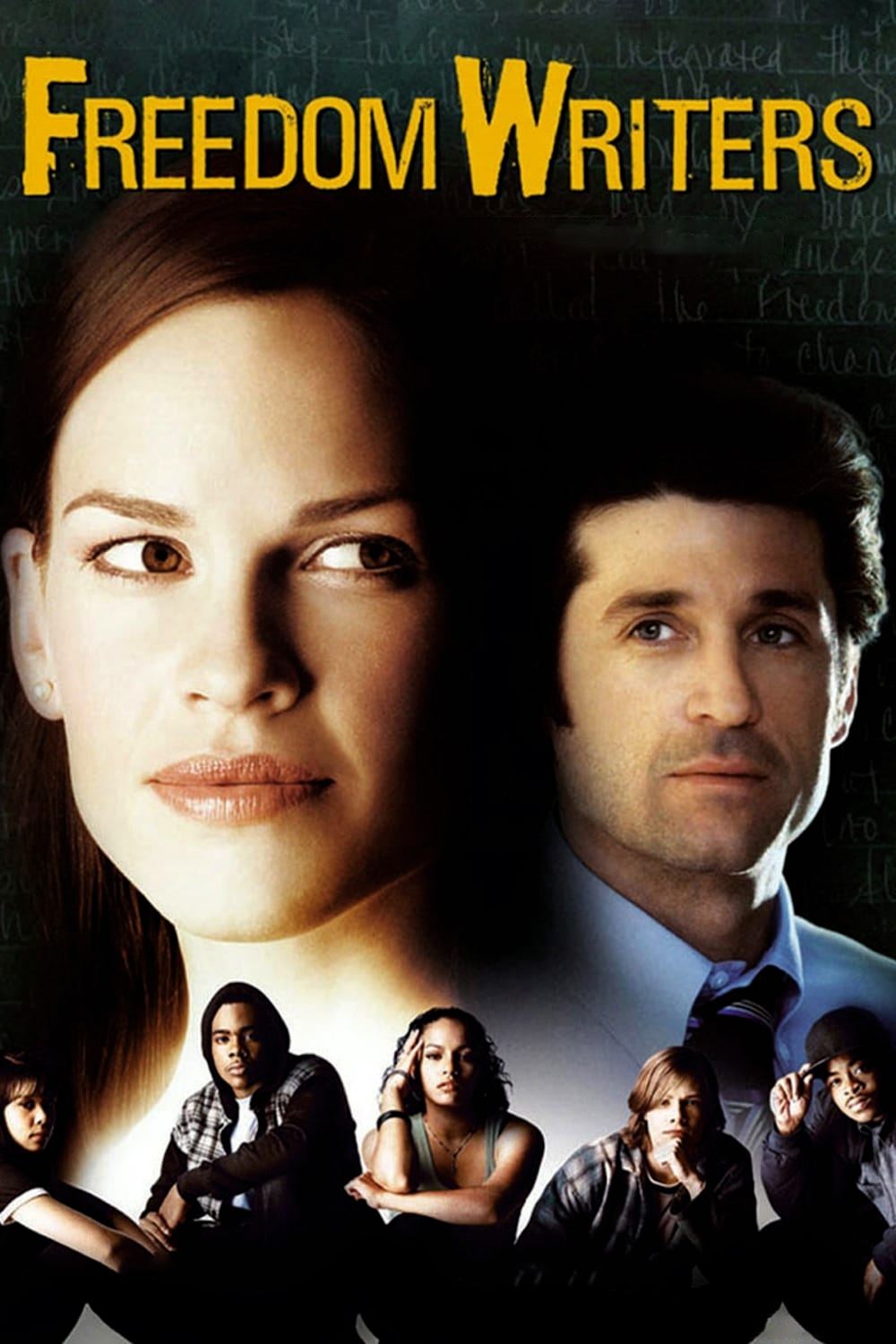
A committed teacher begins working at a school where racial tensions are high, hoping to connect with students facing difficult challenges. She learns about their experiences with gang violence and poverty, which motivates her to prioritize their needs above her own. The movie portrays her as the only person who can help these students overcome their tough situations. Their hardships justify her unique approach to teaching and reinforce her passion for the job.
‘Dangerous Minds’ (1995)

A former Marine takes on the challenge of teaching in a tough inner-city school. Initially, she relies on her military training to manage the classroom, but soon realizes her students are facing significant hardships at home. By understanding their struggles, she earns their respect and finds unique ways to connect with them, using both karate and poetry. The story showcases her strength and ability to make a difference in a difficult setting, while also highlighting the resilience of her students.
‘Ghosts of Mississippi’ (1996)
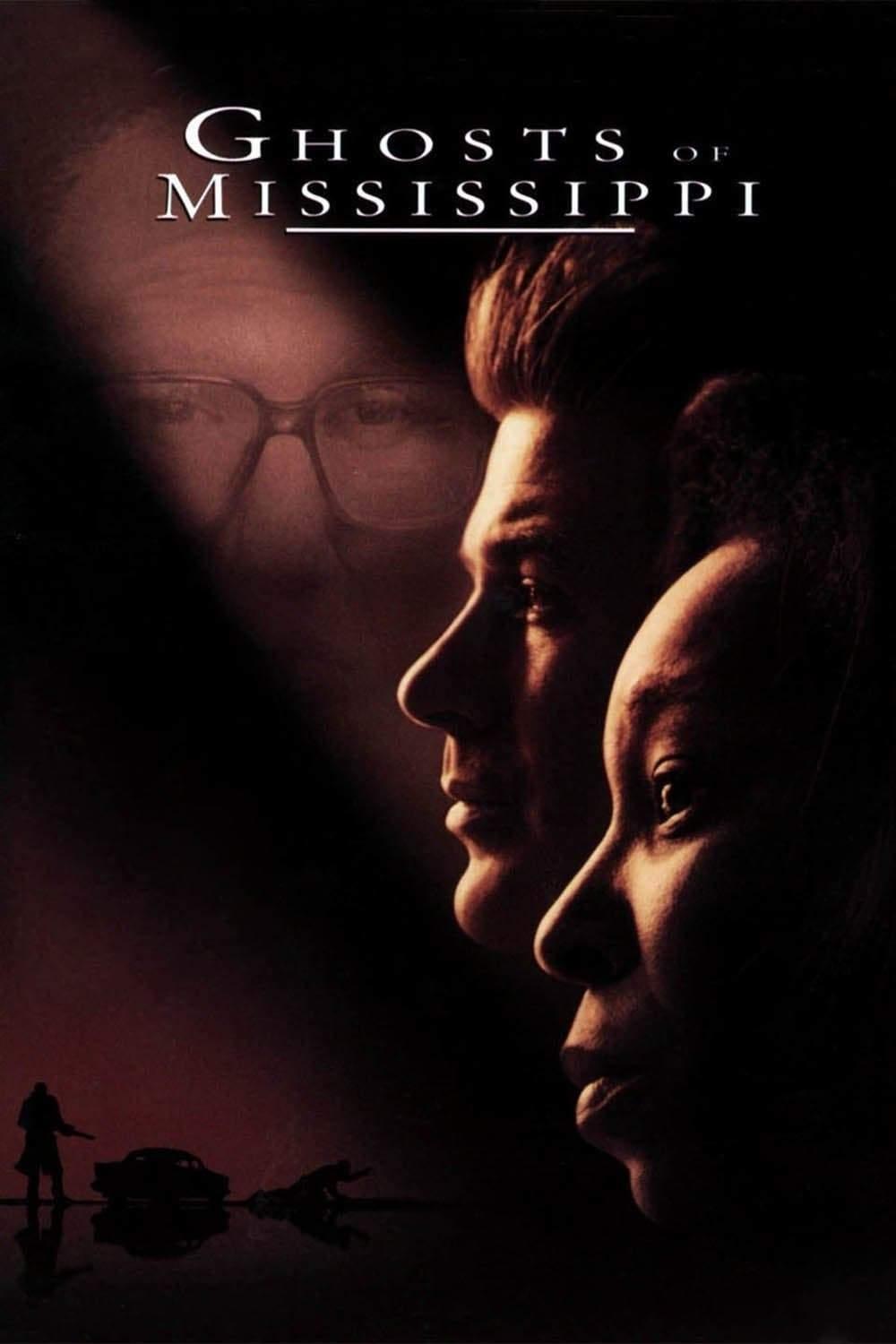
This film revisits the murder of civil rights leader Medgar Evers through the eyes of the assistant district attorney who reopened the case. It primarily shows the legal challenges he faced and how pursuing justice impacted his life and family. While Medgar Evers’ widow appears, the story centers on the white prosecutor’s journey to find justice, framing the historical significance of the assassination as the backdrop for a courtroom drama about a white ally.
‘Glory’ (1989)
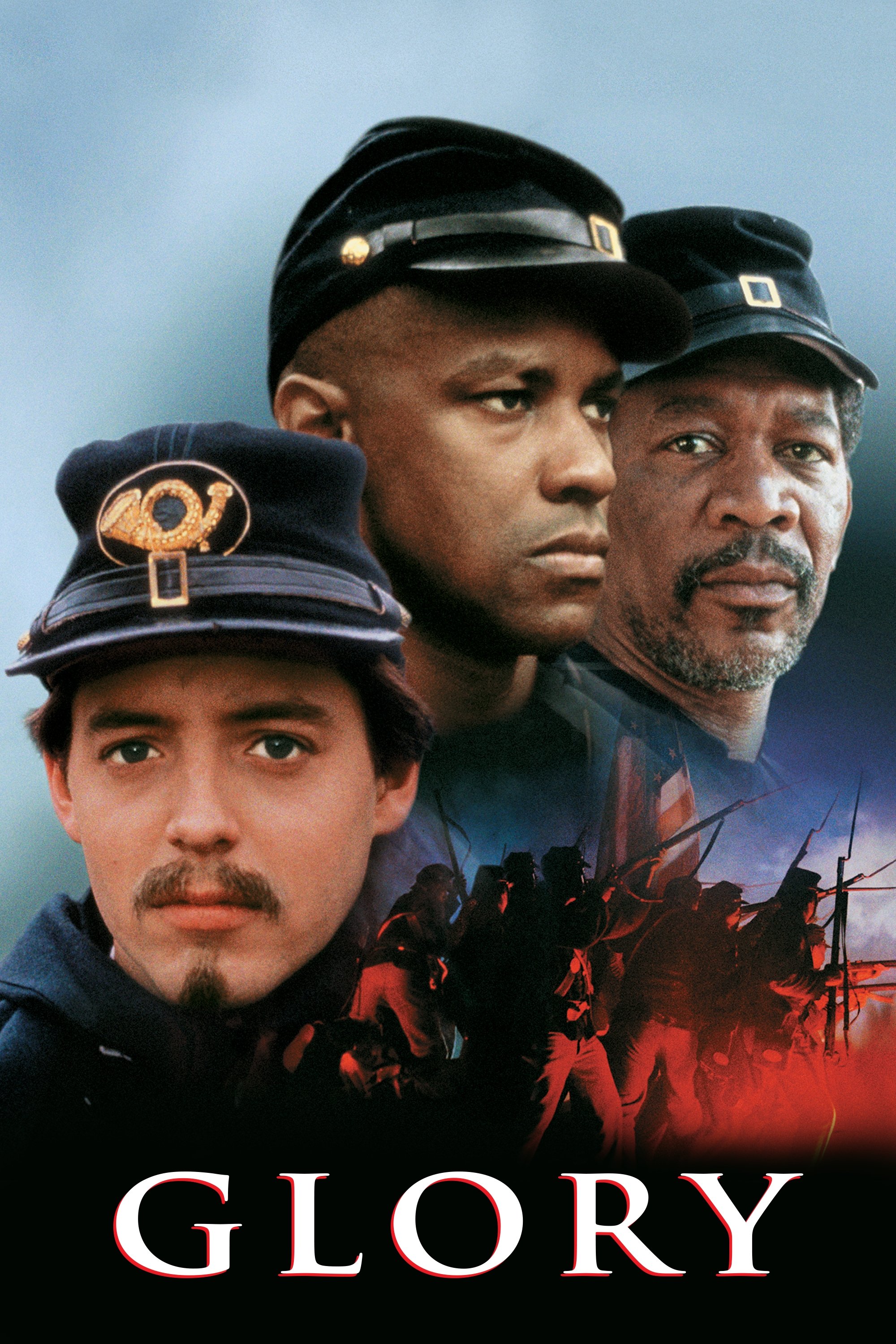
As a film lover, I was really struck by this movie’s portrayal of the 54th Massachusetts, one of the first all-Black regiments to fight in the Civil War. It’s a powerful story, but it’s told mostly through the letters and experiences of their white officer, Robert Gould Shaw. While the bravery of the Black soldiers is undeniable, we see their struggles and sacrifices through his eyes. The film really focuses on his journey – how he changes from a man of privilege into a leader who truly cares for his men, and that becomes the emotional core of the whole thing.
‘Amistad’ (1997)
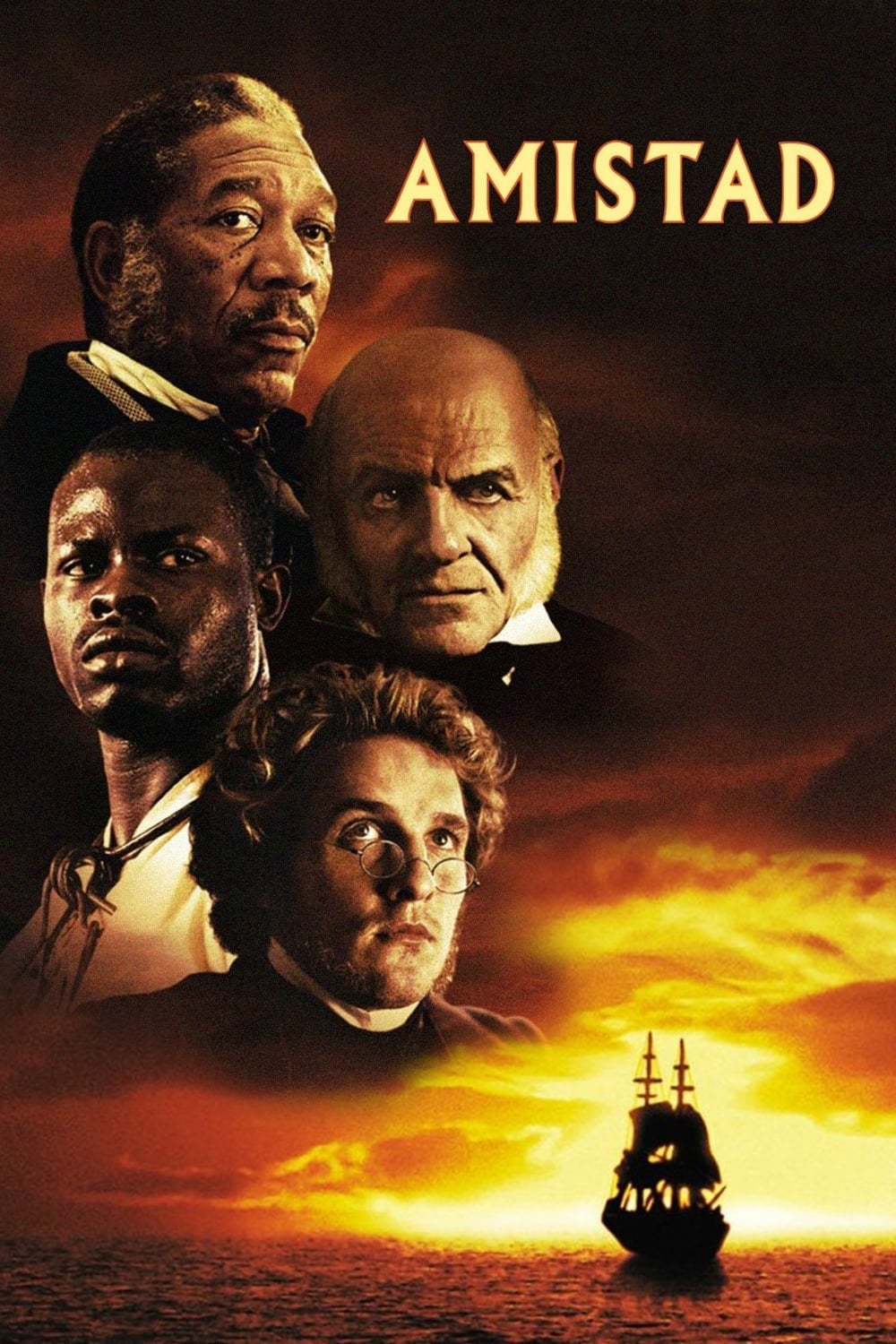
The film depicts a rebellion by enslaved Mende people and their subsequent fight for freedom in American courts. While the story begins with their uprising, it soon centers on the white lawyers and John Quincy Adams who represent them. Ironically, the Mende people themselves become secondary figures as these lawyers debate the meaning of freedom. The film ultimately presents their legal victory as a demonstration of the strength of the American legal system and the skill of its white lawyers.
‘Cry Freedom’ (1987)
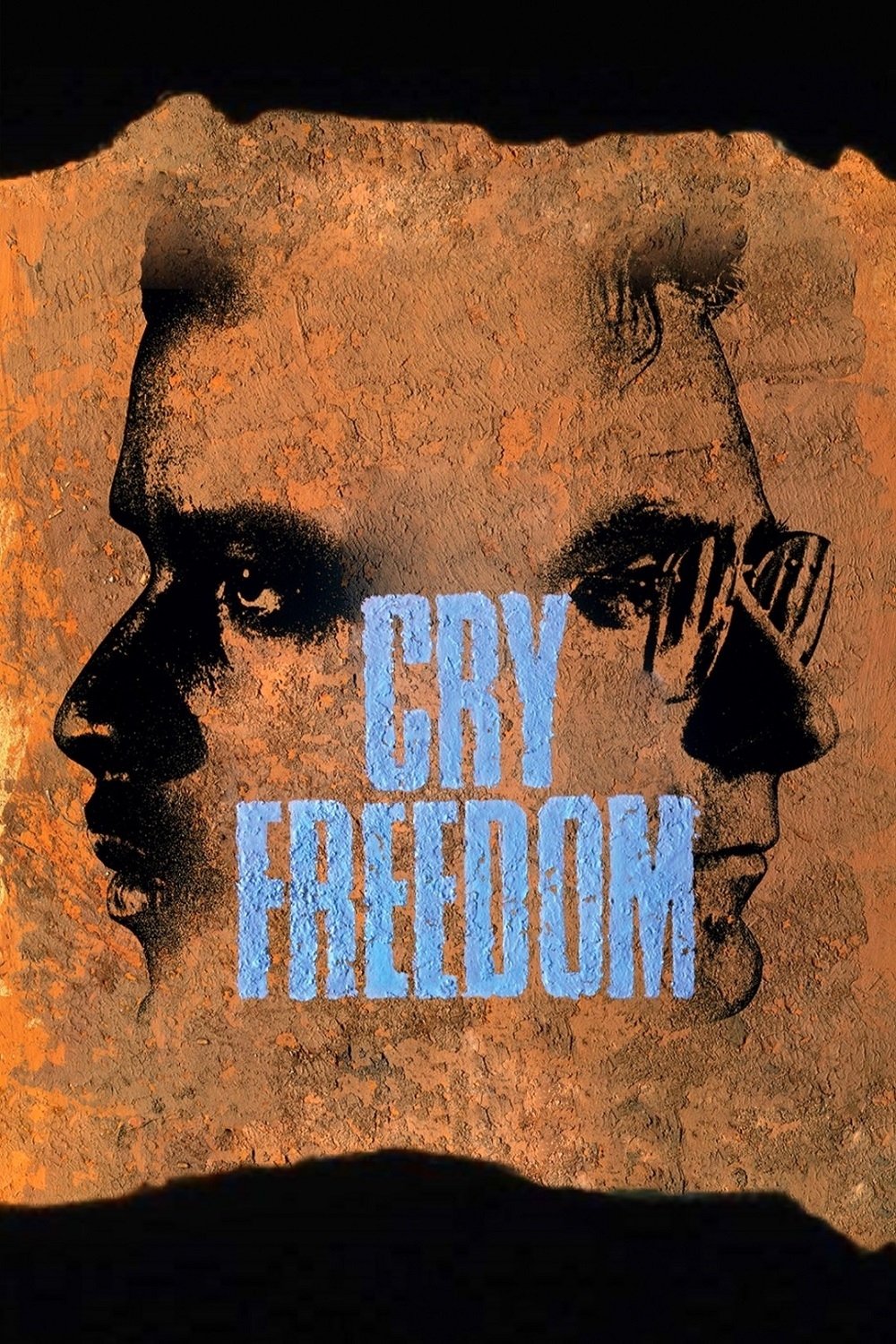
The film follows journalist Donald Woods as he looks into the death of anti-apartheid activist Steve Biko in South Africa. While the first part of the movie highlights Biko’s inspiring personality, the focus then shifts to Woods and his dangerous escape from the country after Biko’s death. The hardships faced by Black South Africans under apartheid create the urgent backdrop for the white family’s exciting journey to find safety, with Biko’s death sparking the story of a white man’s growing political awareness.
‘Blood Diamond’ (2006)
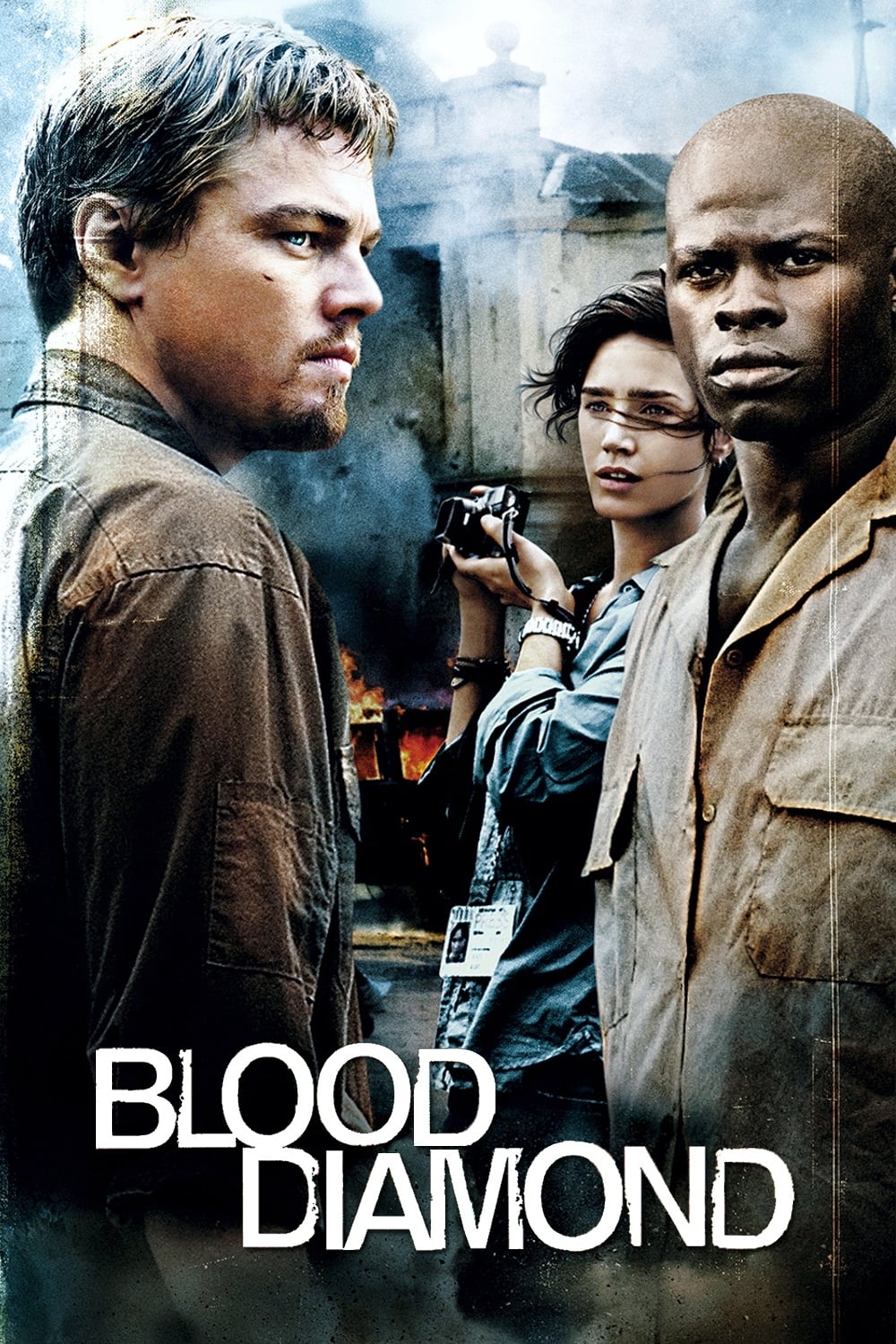
During the brutal Sierra Leone Civil War, a white mercenary and a Mende fisherman form an unlikely partnership to find a valuable pink diamond. The fisherman is driven by a desperate need to protect his family, while the mercenary initially seeks only wealth, hoping to find some kind of personal peace along the way. Witnessing the horrors of the war, especially the plight of child soldiers, begins to change the mercenary. In the end, he makes the ultimate sacrifice to help the fisherman escape and reveal the truth about the diamond trade.
‘The Soloist’ (2009)

A reporter comes across a remarkably talented musician living on the streets who also battles schizophrenia. Moved by the musician’s story, the reporter decides to help, writing about his challenges and trying to find him a better life. The story explores the reporter’s own journey, from initial frustration to a deeper understanding of mental illness, and how helping the musician gives his own life new meaning.
‘Radio’ (2003)
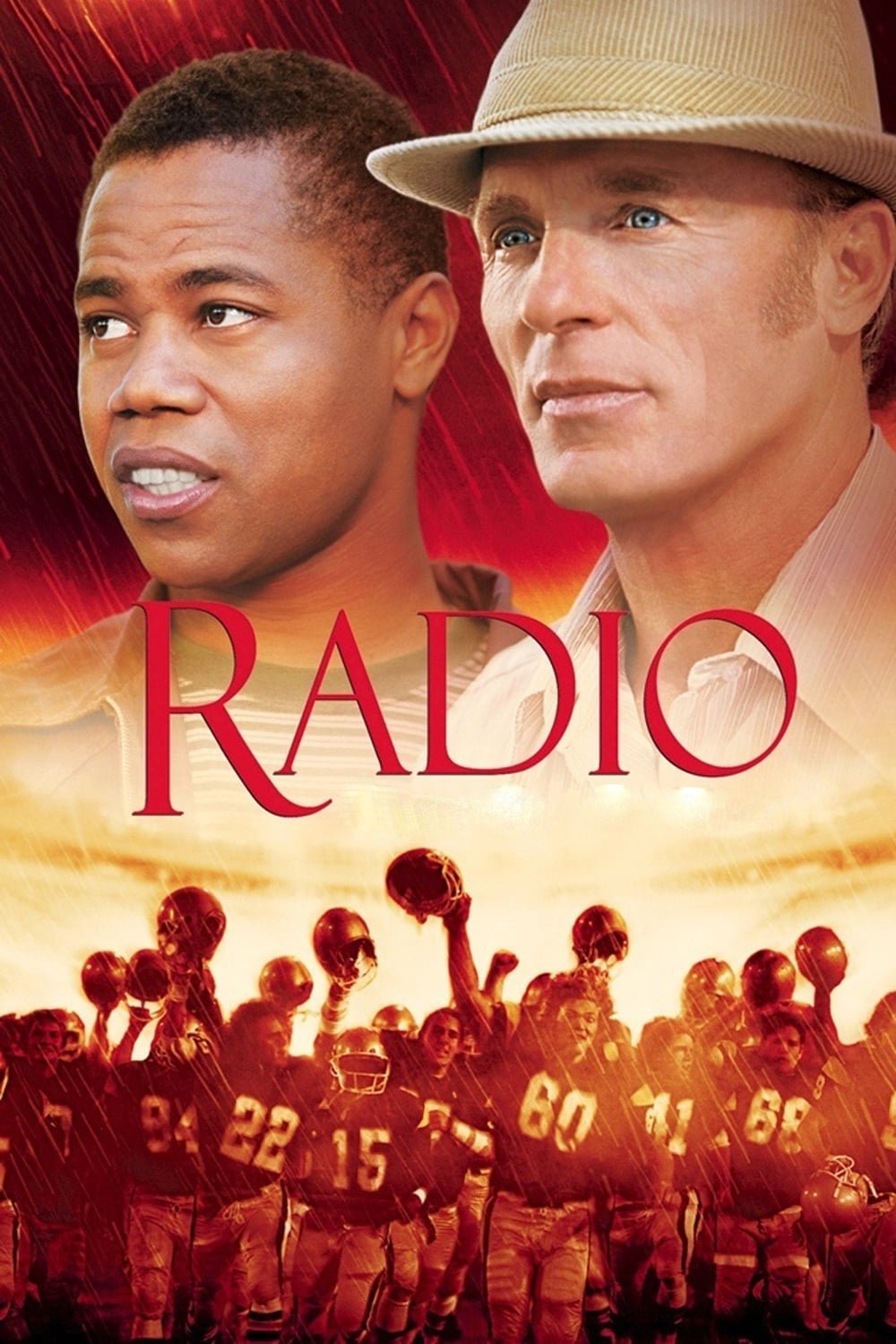
In a small South Carolina town, a high school football coach helps a Black man with intellectual disabilities join his team. Despite facing disapproval from some in the community, the coach remains committed to his decision. The film shows this man as a pure-hearted individual who inspires the town to be more compassionate and accepting. Through his experiences with disability and loneliness, the coach and the town are challenged to examine their own values and beliefs.
‘Hardball’ (2001)

A down-on-his-luck gambler takes on the challenge of coaching a little league baseball team made up of boys from a tough neighborhood, hoping to work off a debt. When the team suffers a heartbreaking loss, it forces the coach to confront his own problems. He channels the boys’ grief into a commitment to change, finally giving up gambling and striving to become a more responsible person. The dangerous environment the boys live in ultimately helps him grow up and mature.
‘Same Kind of Different as Me’ (2017)

A couple struggling in their marriage forms an unlikely friendship with a man experiencing homelessness who has a difficult past. As they get to know him and learn about his life – including hardship as a sharecropper and time spent in prison – they begin to heal their own relationship. The film implies that his painful experiences were meant to guide and ultimately help the couple find their way back to each other.
‘The Best of Enemies’ (2019)
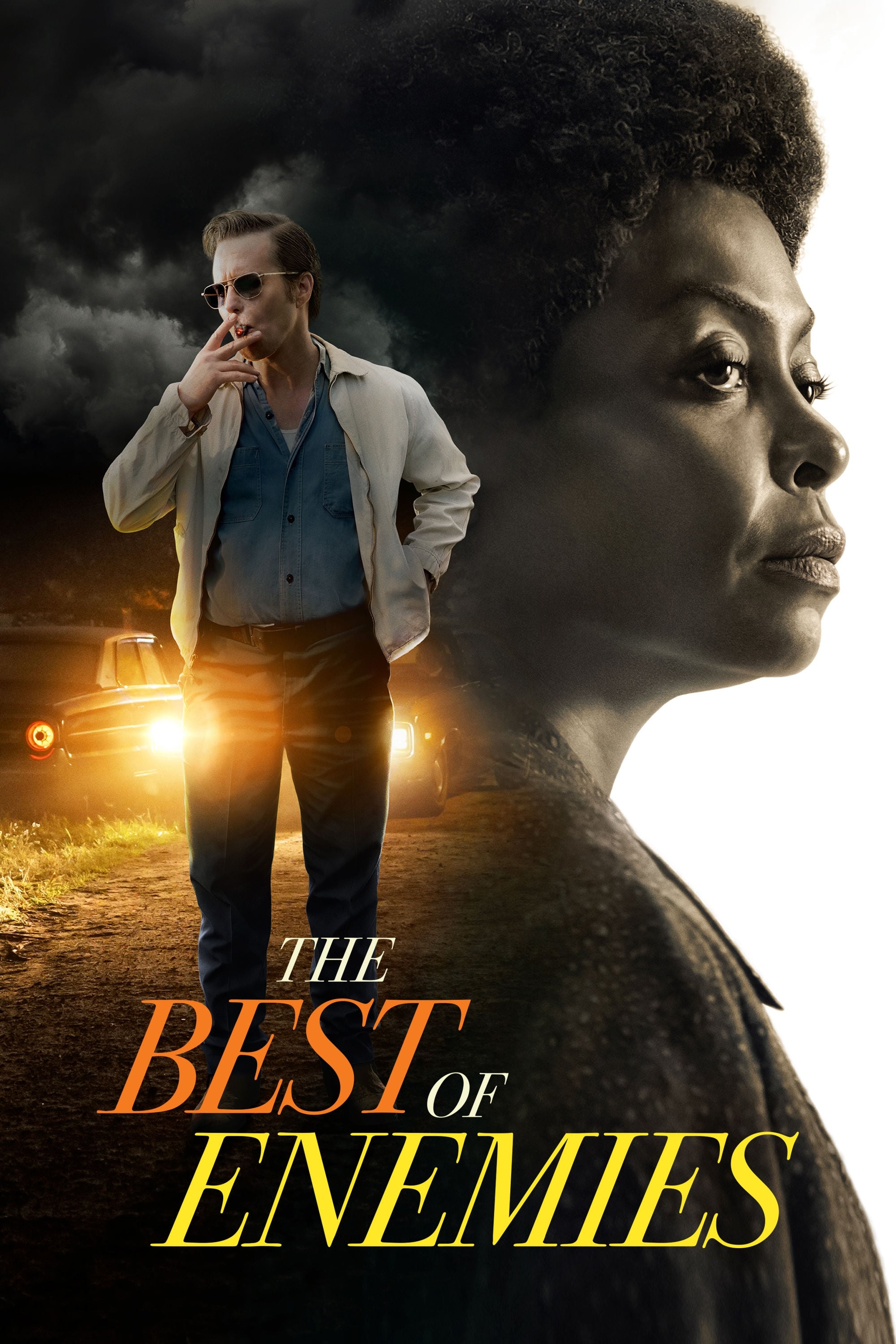
The movie tells the story of a civil rights activist and a Ku Klux Klan leader who must work together to lead a town meeting about integrating schools. A large part of the film focuses on the Klan leader slowly changing his beliefs, helped by the activist’s understanding and the danger she faces. The story builds to a powerful moment when he publicly quits the Klan, though the film emphasizes his personal change more than any broader success for the Black community.
‘Monster’s Ball’ (2001)

The film centers on a prison guard with racist beliefs who becomes involved with the widow of an inmate he helped put to death. As the woman struggles with potential homelessness and the well-being of her son, and the guard grapples with a personal loss, an unlikely connection forms. Her deep grief and difficult circumstances allow him to confront and move beyond the prejudices he was raised with. The story uses her experiences with trauma to reveal the humanity within a character who once represented hatred.
‘Remember the Titans’ (2000)

A high school football team, newly formed with players from different backgrounds, faces the challenge of uniting under a Black head coach and a white assistant coach. At first, the assistant coach struggles with the changes, but he gradually learns to respect his colleague. The players’ experiences with racial tension actually help the assistant coach grow and ultimately embrace a sense of camaraderie and brotherhood. His personal journey of overcoming prejudice is presented as a significant achievement, mirroring the team’s success on the field.
‘Invictus’ (2009)

The film tells the story of how Nelson Mandela worked with the captain of South Africa’s rugby team to win the World Cup, hoping to bring a divided nation together. It particularly highlights the captain’s growing understanding of how crucial this moment was. Mandela’s years of hardship and imprisonment gave him the respect needed to inspire the team, and the movie follows their path to victory as a way for the country to begin to heal.
‘Hidden Figures’ (2016)

During the Space Race, three brilliant Black women were essential to NASA’s success, despite facing racial segregation. The movie depicts a scene where their white supervisor dramatically removes a “Colored Ladies Room” sign, seemingly solving the problem for them. However, this moment is fabricated and creates a misleading ‘white savior’ trope. It wrongly suggests that a white man was responsible for desegregating their workplace, instead of acknowledging the women’s own strength and determination in fighting for equal treatment.
Tell us which films you think fit this description by leaving a comment.
Read More
- 20 Movies Where the Black Villain Was Secretly the Most Popular Character
- Celebs Who Narrowly Escaped The 9/11 Attacks
- Transformers Under the Microscope: What Graph Neural Networks Reveal
- Top 20 Dinosaur Movies, Ranked
- Silver Rate Forecast
- Trading on Thin Air: AI Agents Conquer Crypto Volatility
- Gold Rate Forecast
- 22 Films Where the White Protagonist Is Canonically the Sidekick to a Black Lead
- Every Notable ‘Star Trek: The Original Series’ Actor Who Died
- Games That Faced Bans in Countries Over Political Themes
2025-12-03 11:18