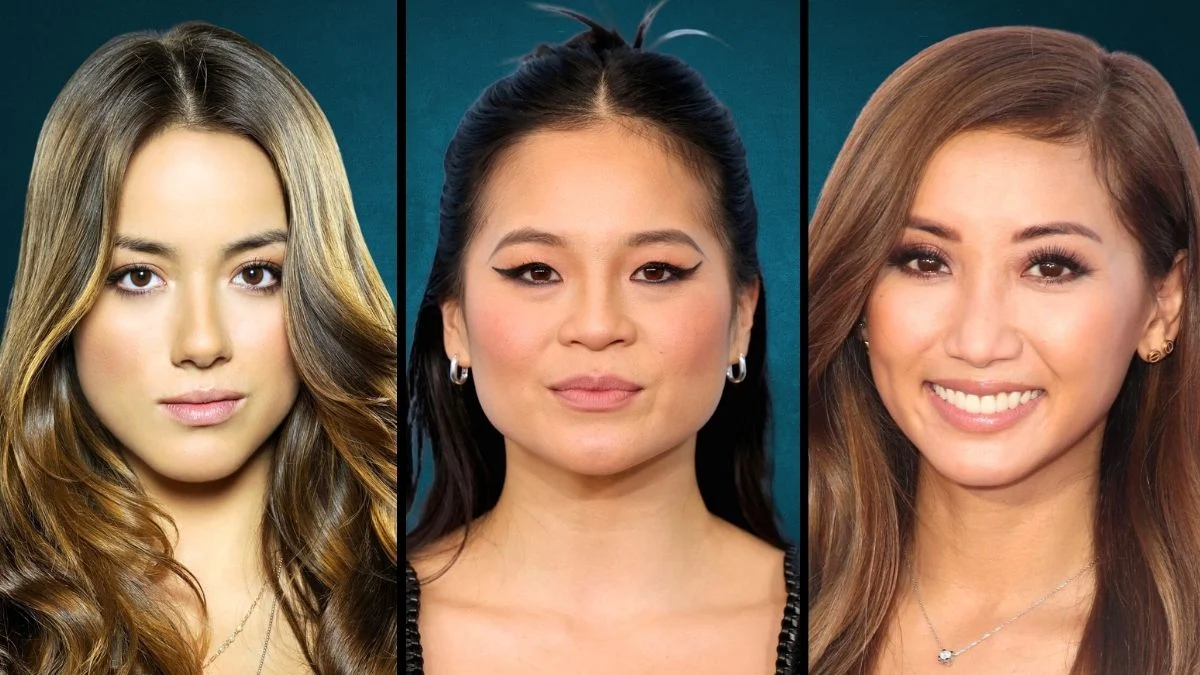
For decades, Hollywood has often overlooked or misrepresented Asian actresses who don’t fit narrow, stereotypical roles. Actresses are frequently told they’re either ‘too Western’ or don’t fit the expectation of being quiet and obedient. This leaves them facing a difficult choice: being seen as an exotic object or being ignored completely. The women who follow have successfully worked within an industry that often makes them feel they don’t fit into either mainstream or specifically Asian roles.
Anna May Wong
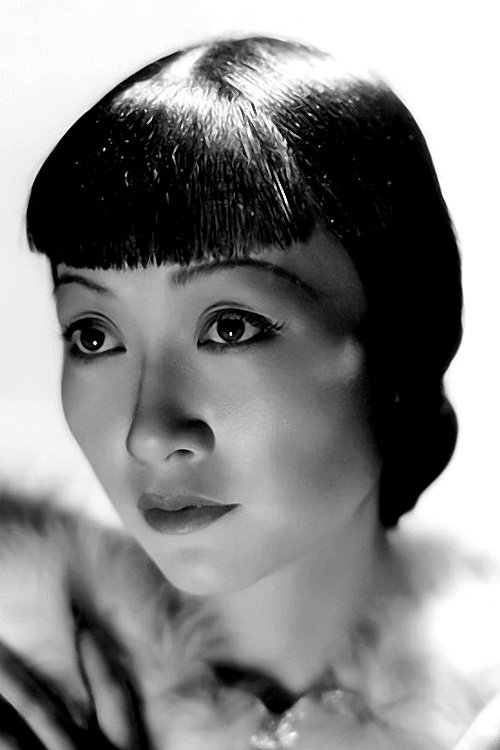
Anna May Wong was a groundbreaking actress, often considered the first Chinese American movie star. Despite her talent, she experienced significant discrimination in the 1920s and 30s. Laws against interracial relationships meant she couldn’t even share a kiss on screen with white actors, limiting her opportunities for romantic roles. In a particularly famous instance, she was passed over for the lead in ‘The Good Earth’ in favor of a white actress playing a Chinese character. Frustrated by the limited and stereotypical roles available in the U.S., Wong eventually moved to Europe, where she found work that respected her as an artist.
Brenda Song
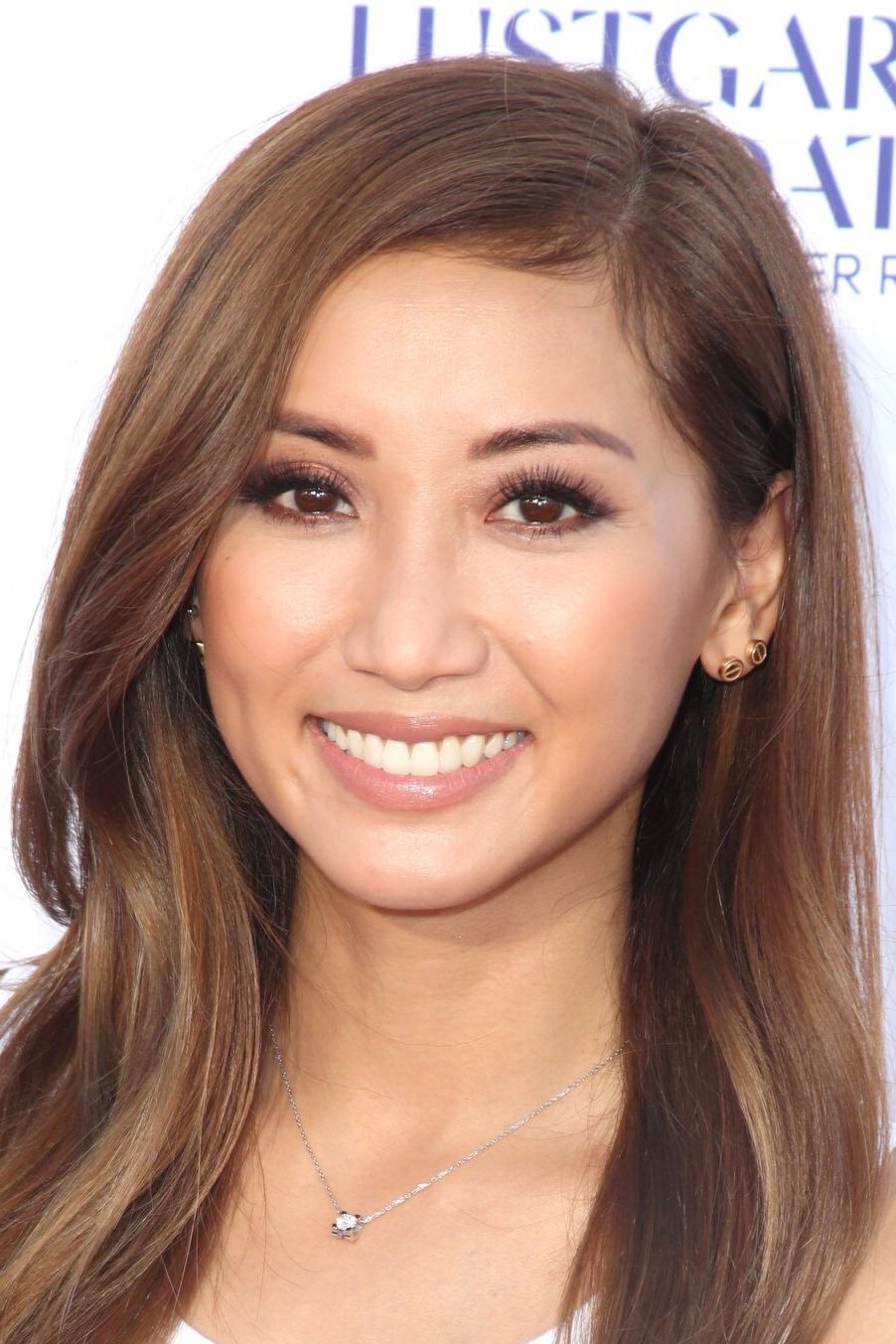
A former Disney Channel star experienced a frustrating rejection while auditioning for ‘Crazy Rich Asians’. Despite her Hmong and Thai background, she was told she wasn’t considered Asian enough for the part. Song shared her disappointment, explaining that after being labeled as the ‘Asian girl’ throughout her career, she was turned down for embracing that very identity. This situation shows how actresses can be unfairly excluded if they don’t fit a narrow, stereotypical idea of what someone from an Asian background should look like.
Chloe Bennet
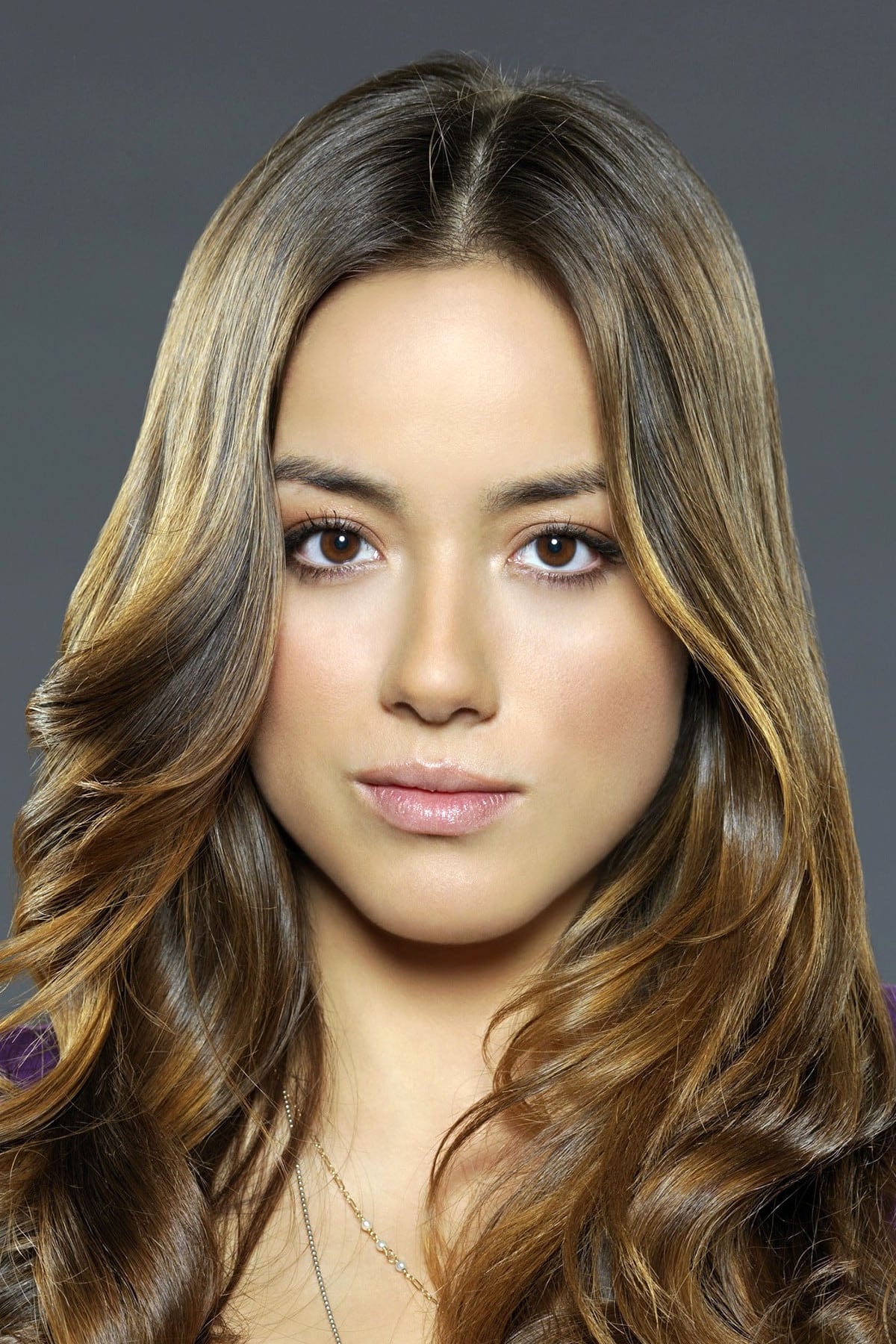
As a movie reviewer, I’ve seen countless talented actors struggle to break through, but Chloe Bennet’s story is particularly striking. She originally went by her birth name, Chloe Wang, but found it nearly impossible to land roles. The frustrating thing? Hollywood seemed to see her as not quite fitting into any category – too Asian for white roles, and not Asian enough for Asian ones. She made a bold decision and switched her surname to Bennet – her father’s first name – and almost immediately booked a major part. It really highlights a deep-seated issue within the industry – the bias against distinctly Asian names when casting, and how it can unfairly hinder talented performers.
Merle Oberon
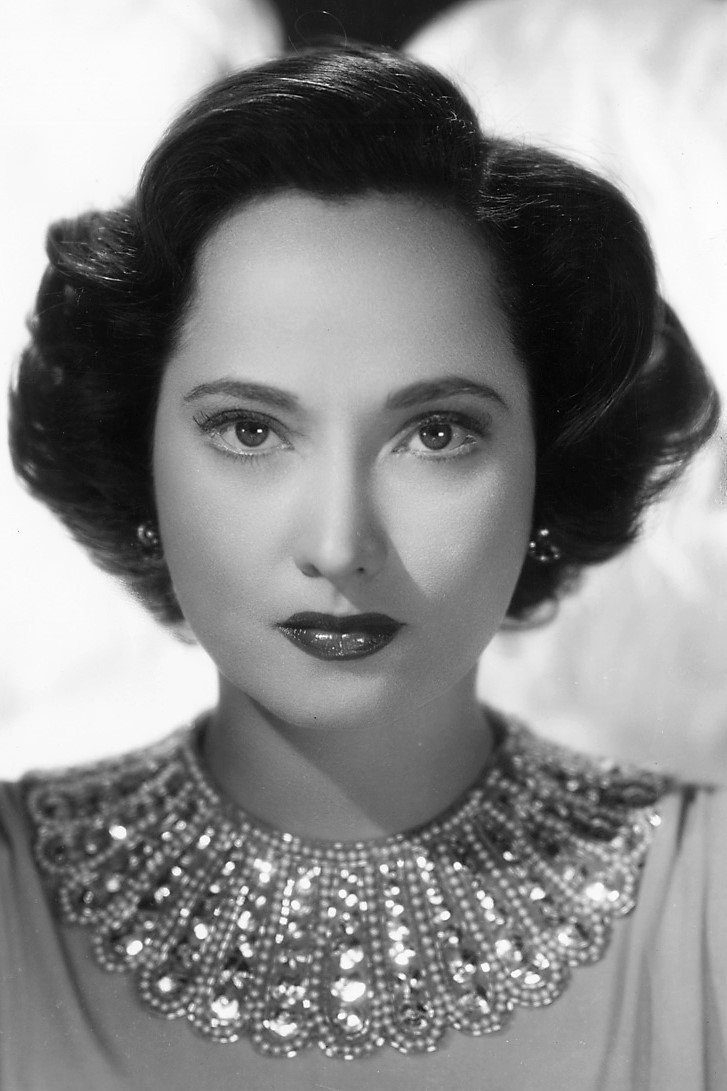
Oberon hid her Indian heritage throughout her career to succeed in Hollywood’s Golden Age. She pretended to be from Tasmania instead, fearing prejudice in the 1930s and 40s. Back then, the film industry likely wouldn’t have cast her as a leading lady if they knew her real background. She essentially erased that part of herself as a way to protect her career, because the studios at the time insisted on stars appearing to be of a single race.
Kelly Marie Tran
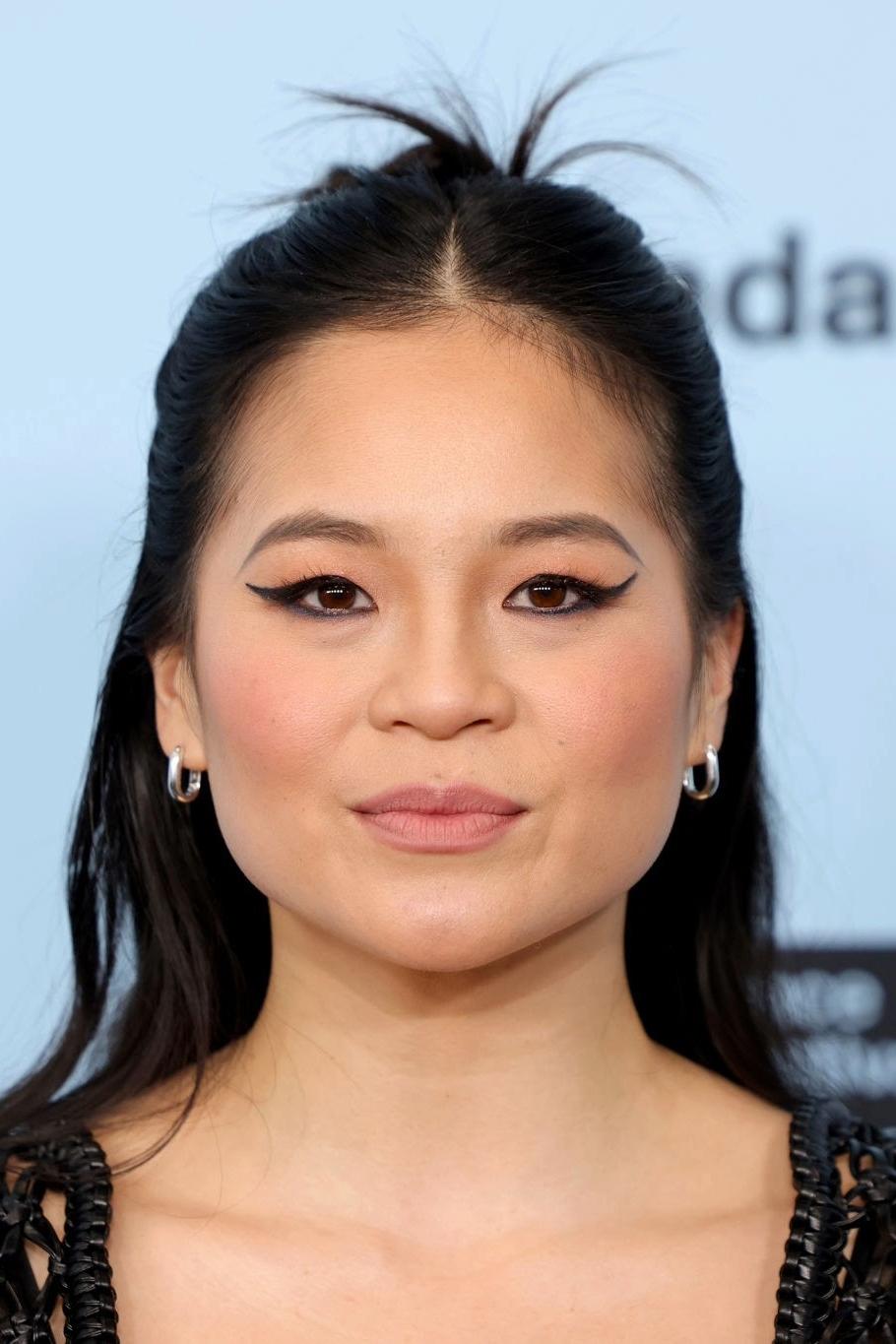
Kelly Marie Tran made history with her role in ‘Star Wars: The Last Jedi,’ but her character, Rose Tico, had a much smaller part in the next film. This happened after she was subjected to hateful online harassment. Instead of supporting her or developing her character’s story, the filmmakers reduced her screen time. This situation highlighted how easily Hollywood can overlook and diminish Asian women, even after a promising start.
Rinko Kikuchi
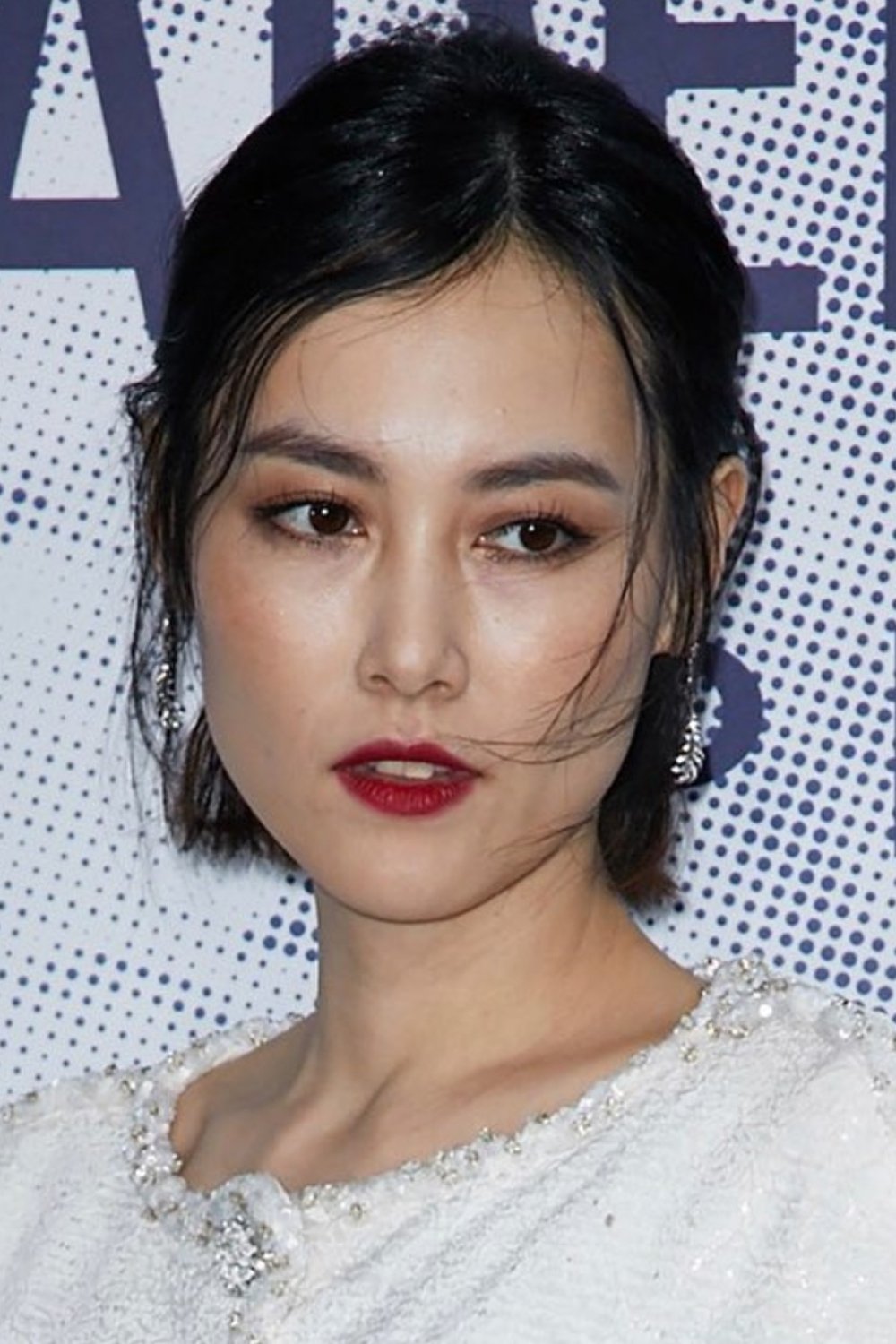
Despite receiving an Academy Award nomination for her compelling work in ‘Babel’, Rinko Kikuchi found it challenging to consistently land roles in American films. She was often typecast in silent, mysterious roles with limited speaking lines. Eventually, she returned to Japanese cinema, where she could fully showcase her acting abilities. Her experience highlights the struggles faced by international actors trying to move beyond stereotypical portrayals in Western films.
Karen Fukuhara
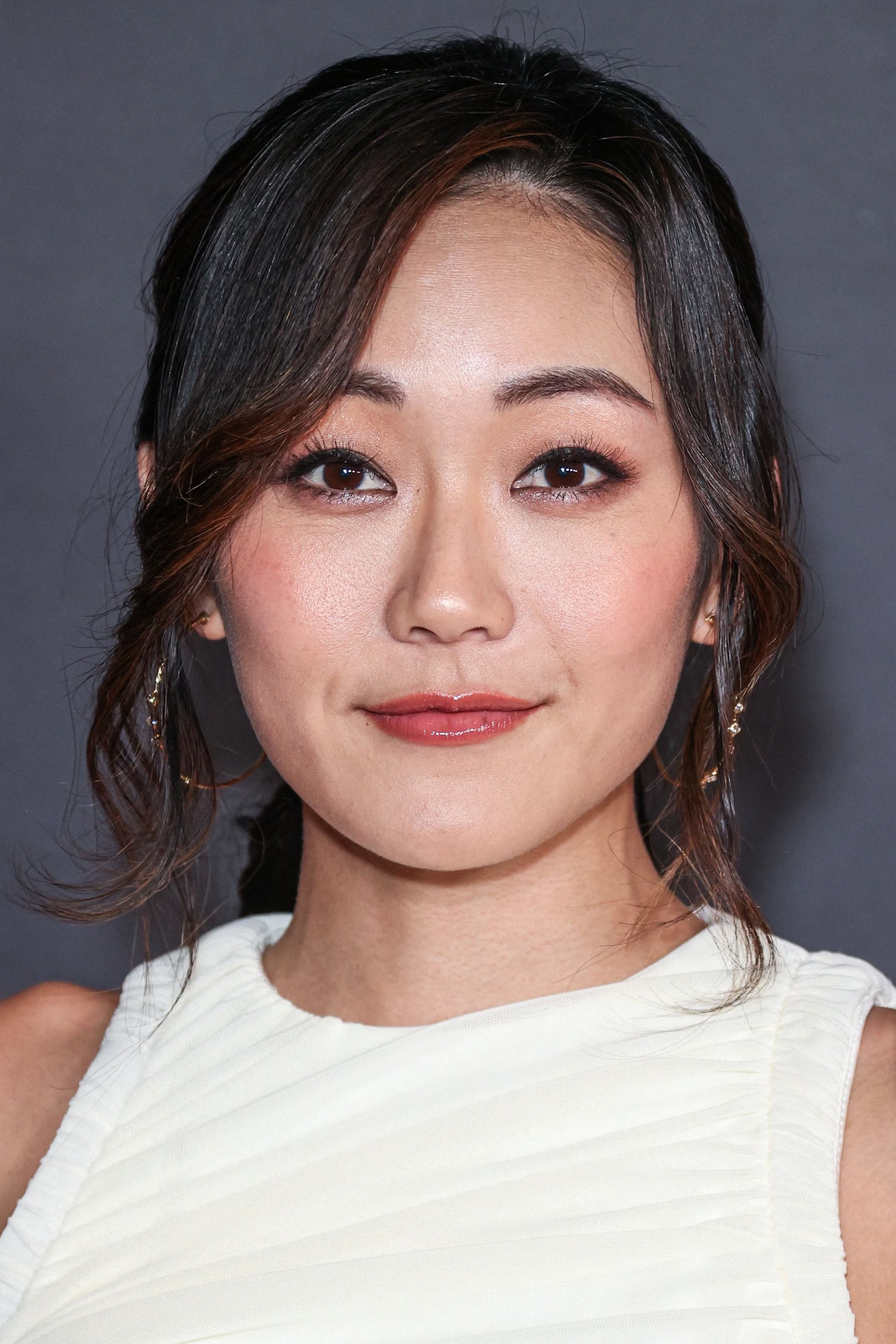
Rina Fukuhara first appeared in a major film as Katana in ‘Suicide Squad,’ but her character had very little dialogue. Despite having a detailed history in the comics, she was mostly used as a silent protector for a white character. This minimized her role, turning a capable fighter into a background element instead of a fully developed person. Many fans were disappointed that her skills weren’t utilized and felt the film relied on the tired stereotype of the quiet, deadly Asian character.
Maggie Q
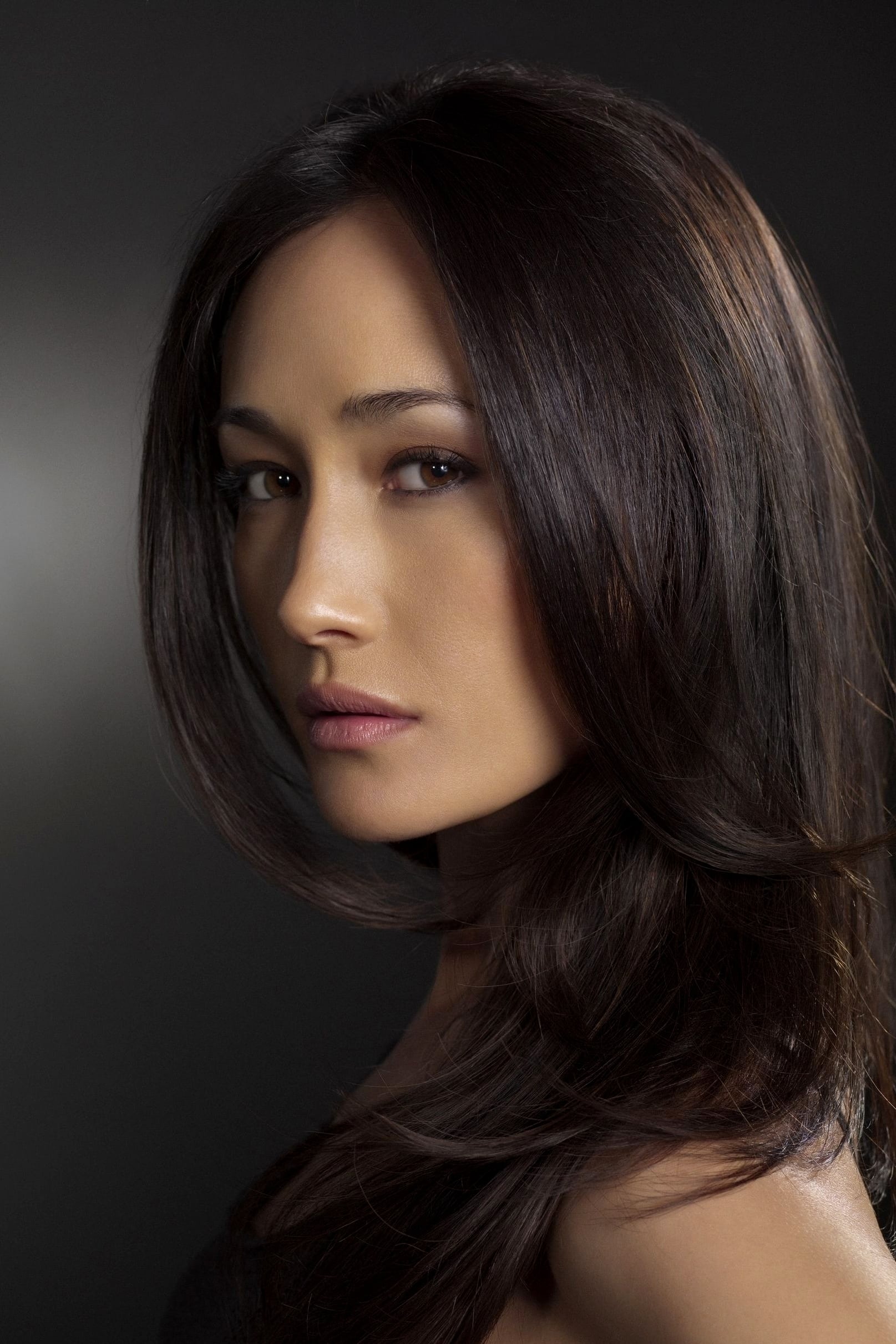
Despite proving herself as a strong action star, she struggled to be seen as versatile. Filmmakers often cast her in roles that focused on fighting, overlooking her ability to portray emotional complexity. This is a common issue for Asian actresses with martial arts training, who are frequently typecast as skilled fighters instead of leading ladies or characters with complex inner lives. She’s openly discussed how hard it is to convince producers she can handle roles beyond action-packed stories.
Jamie Chung
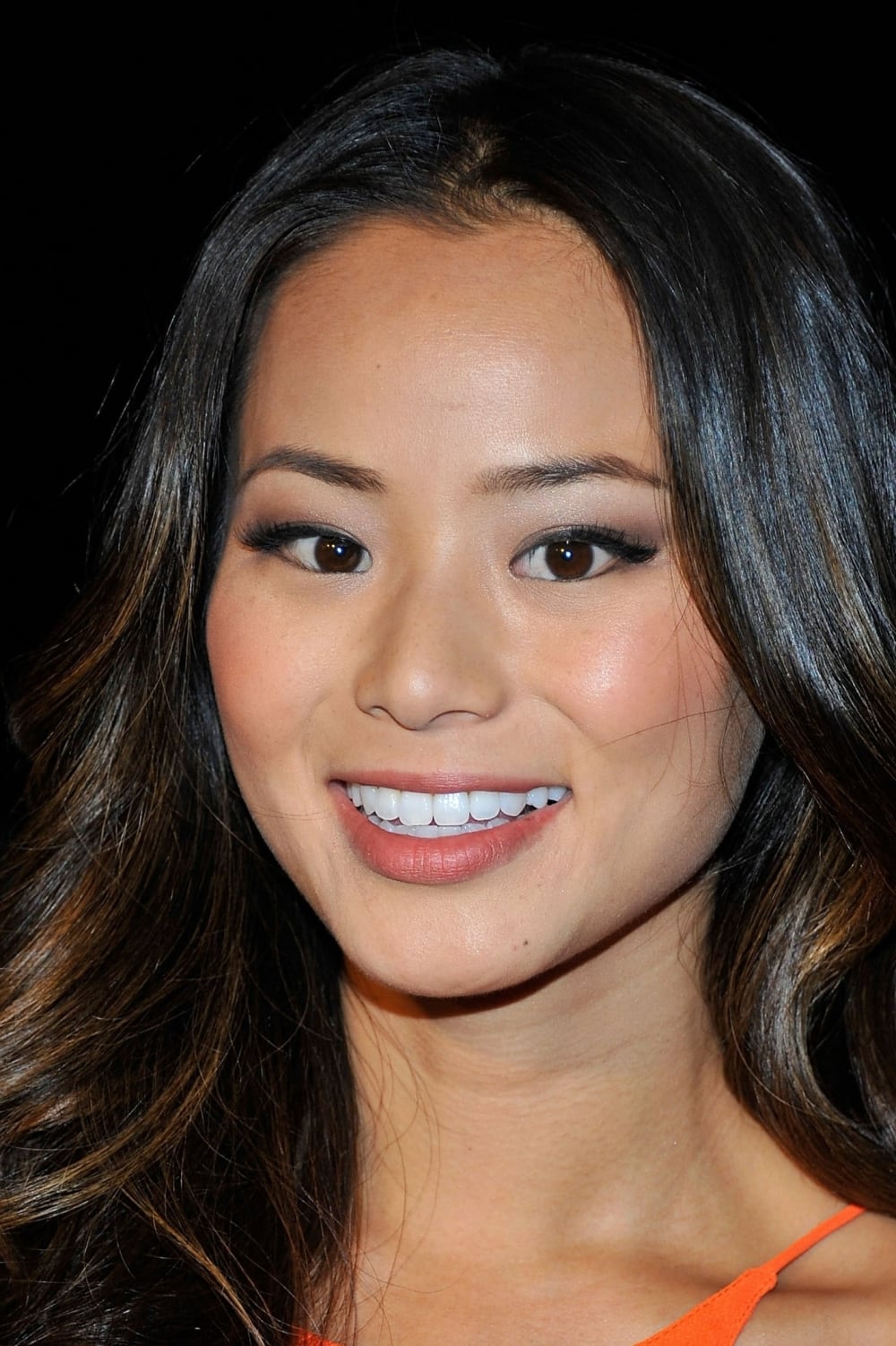
Constance Wu worked hard to be seen as a legitimate actress, moving past the negative perceptions of reality TV. She’s often spoken about how few roles there are for Asian American women that don’t rely on stereotypes like accents or fighting. She was often passed over for leading roles and instead offered supporting parts like the loyal best friend. Her career shows how much determination it takes to succeed in an industry that often sidelines Asian women.
Joan Chen
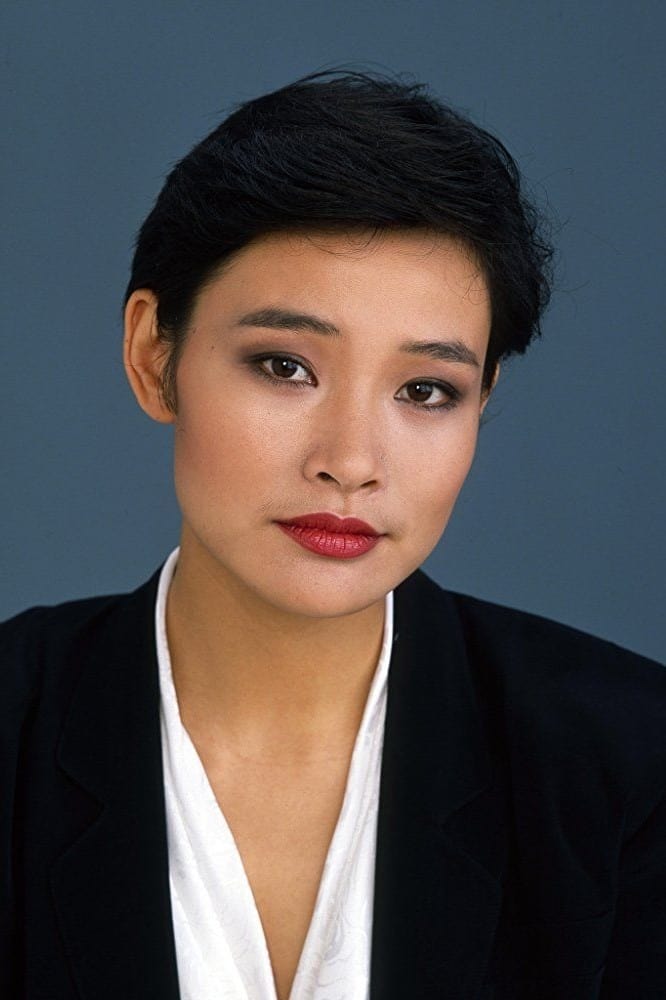
Though Chen impressed viewers in ‘The Last Emperor,’ Hollywood didn’t know how to best use her dignified and commanding screen presence. She frequently ended up playing stereotypical, overly sexualized characters, instead of being recognized for her talent as an actress. Because the industry had trouble seeing her as a modern American woman, her roles were limited. Ultimately, she found more fulfilling work directing and acting in Chinese films, escaping the narrow expectations of Western cinema.
Arden Cho
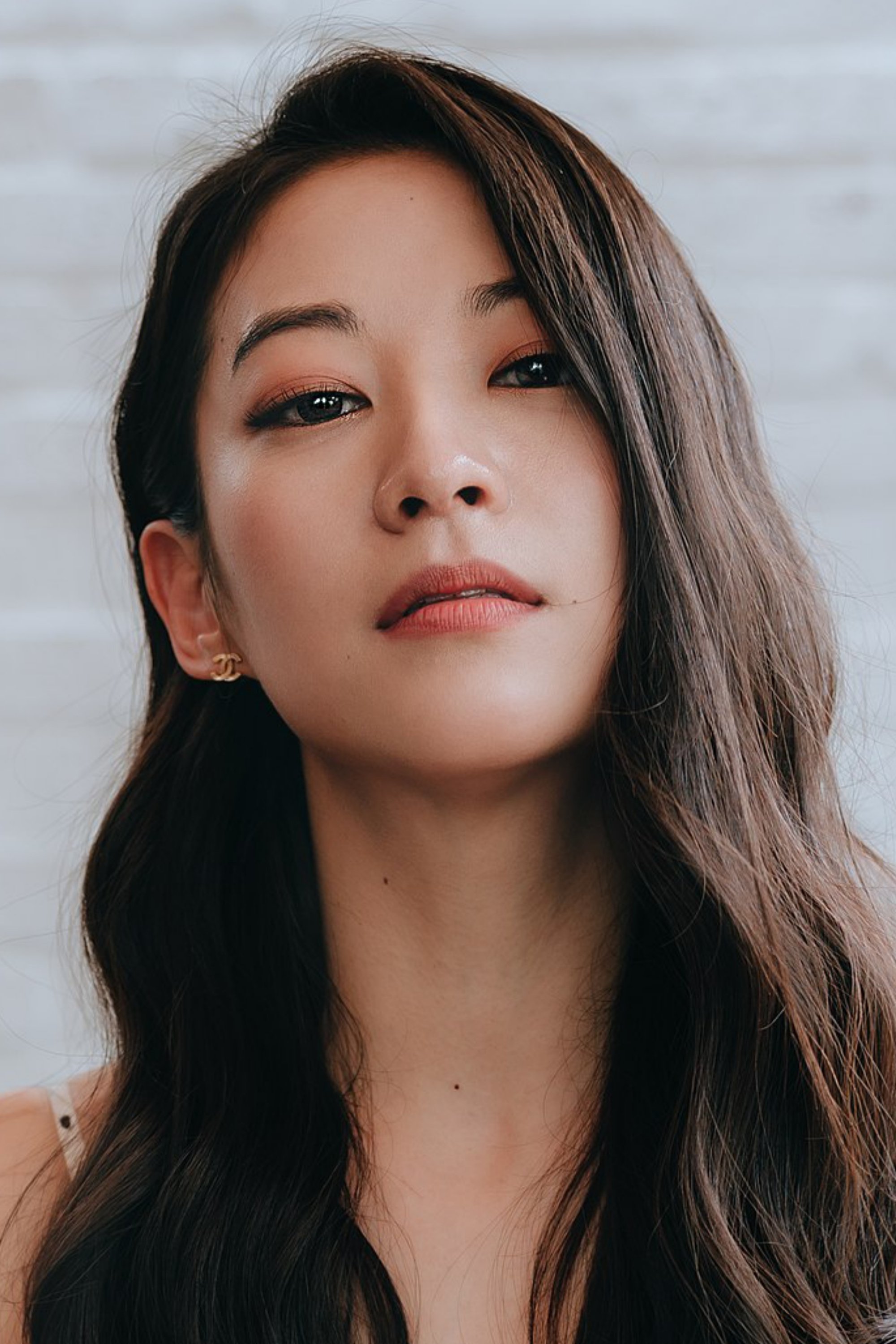
Shelley Hennig, who played a main character on ‘Teen Wolf,’ was the only woman of color in the core cast when she left the show. She decided not to participate in the revival movie after learning she was being paid much less than her white female colleagues. This pay gap, and the fact that the producers chose to exclude her character from the reunion, underscored how differently Asian actors are valued in Hollywood. By advocating for fair compensation, her character was ultimately removed from the story.
Sonoya Mizuno
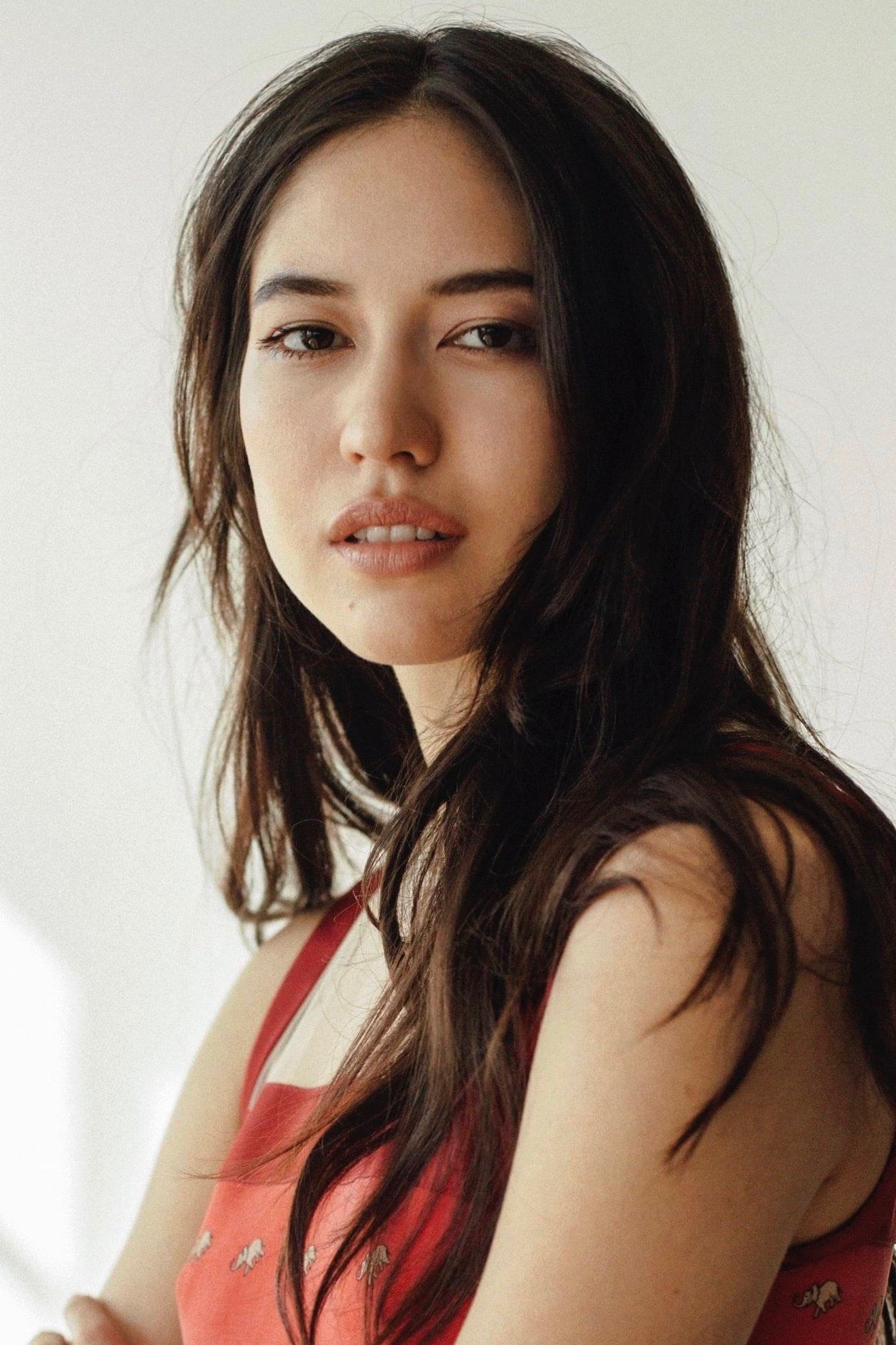
Rinko Kikuchi (Mizuno) frequently portrays characters who are visually compelling but are often depicted as silent or emotionless. For example, she played a robot in ‘Ex Machina’ and similar quiet roles in other well-known films. This pattern unfortunately contributes to the harmful stereotype of Asian women being seen as passive and objectified. She’s present on screen, but her characters are often denied the ability to express themselves or have a fully developed inner life – a kind of silencing that happens right before our eyes.
Pom Klementieff
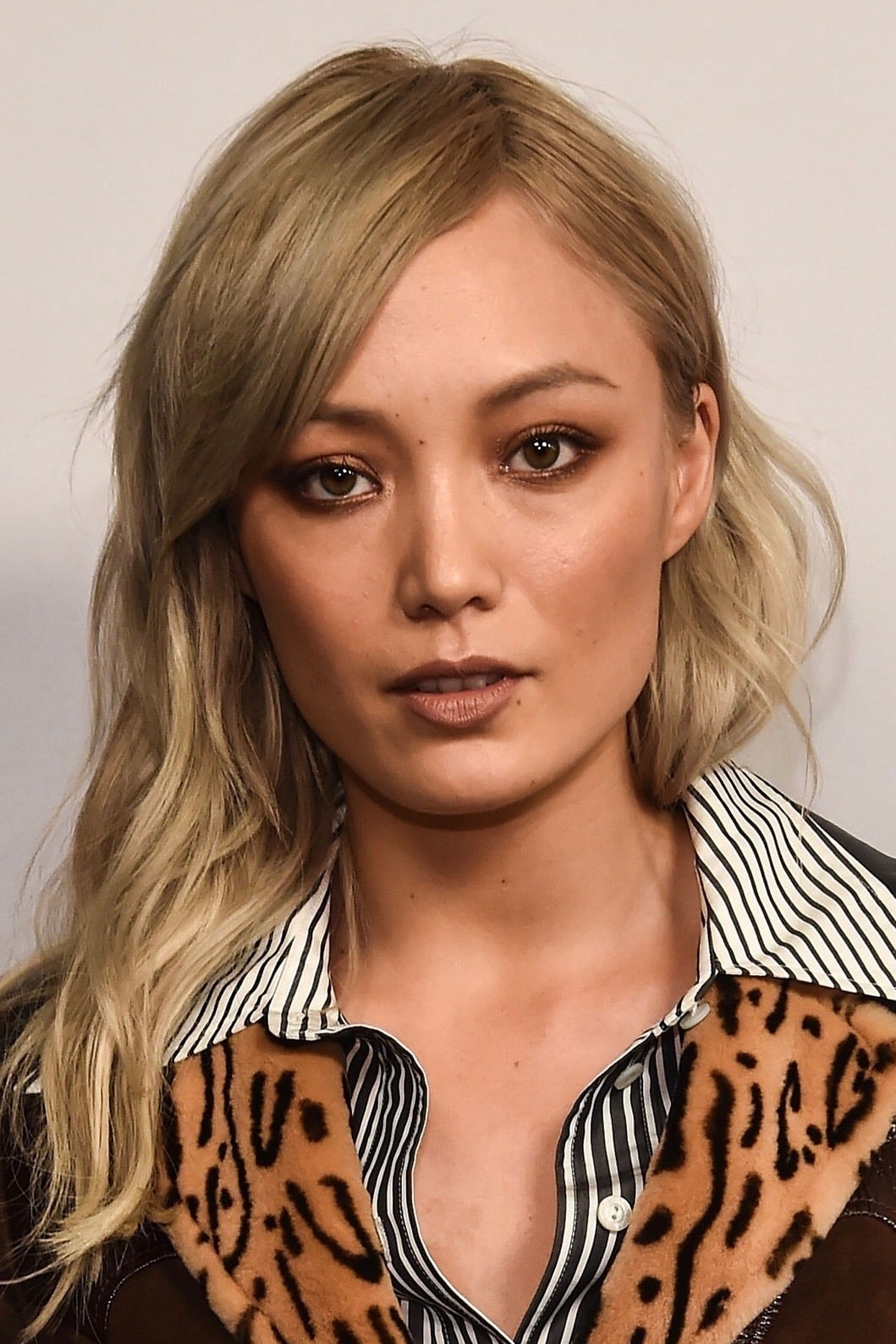
Klementieff is famous for her work in the Marvel movies, but her character, Mantis, falls into some problematic tropes. Mantis is an alien who is largely defined by her loyalty to a male hero, and is frequently the target of jokes about her looks and intelligence. The character’s makeup and prosthetics create an ‘otherworldly’ appearance that obscures her ethnicity, and some critics argue that the role unfairly portrays an Asian actress as childlike within a science fiction setting.
Fan Bingbing
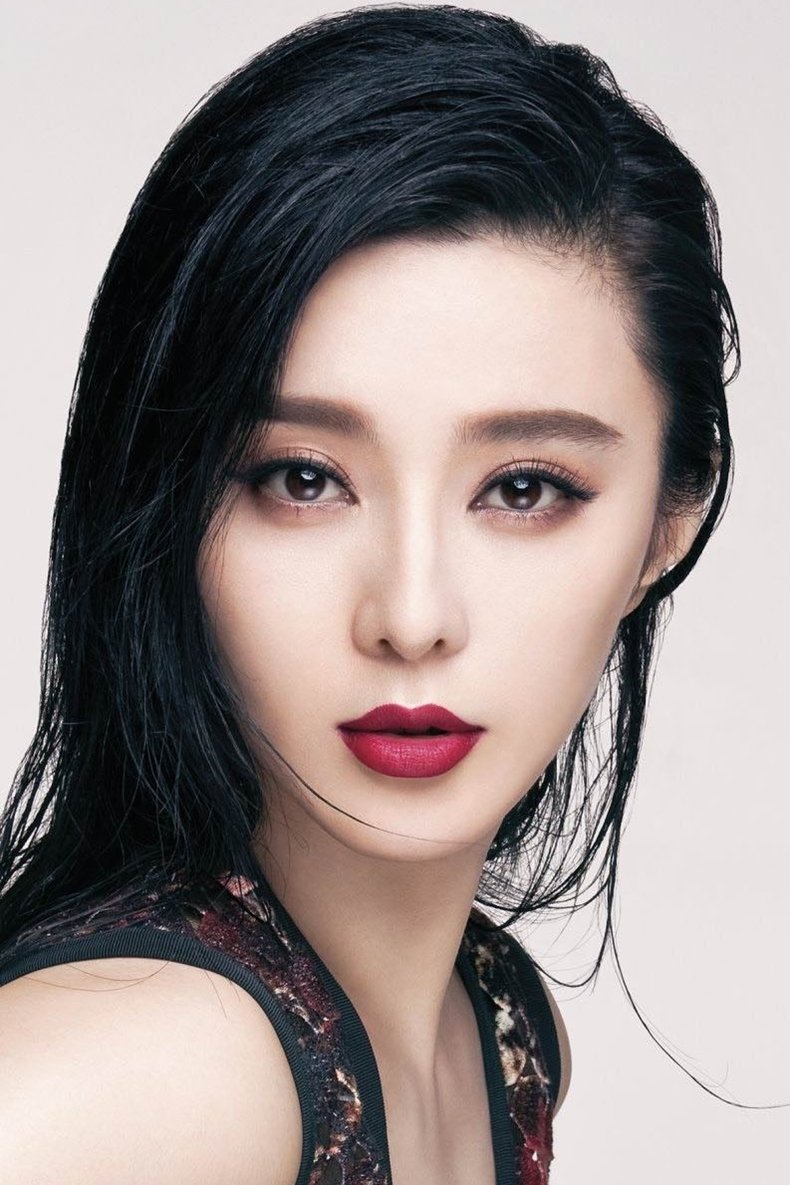
A popular Chinese actress had her role significantly cut down when ‘Iron Man 3’ was released in the West. While her scenes were shown in China, they were completely removed for American audiences. This highlights a troubling trend: Hollywood seems happy to take money from the Asian market but isn’t as eager to showcase Asian actors and their contributions. It suggested the studio saw her involvement as simply a way to appeal to Chinese audiences, not as an important part of the story.
Lana Condor
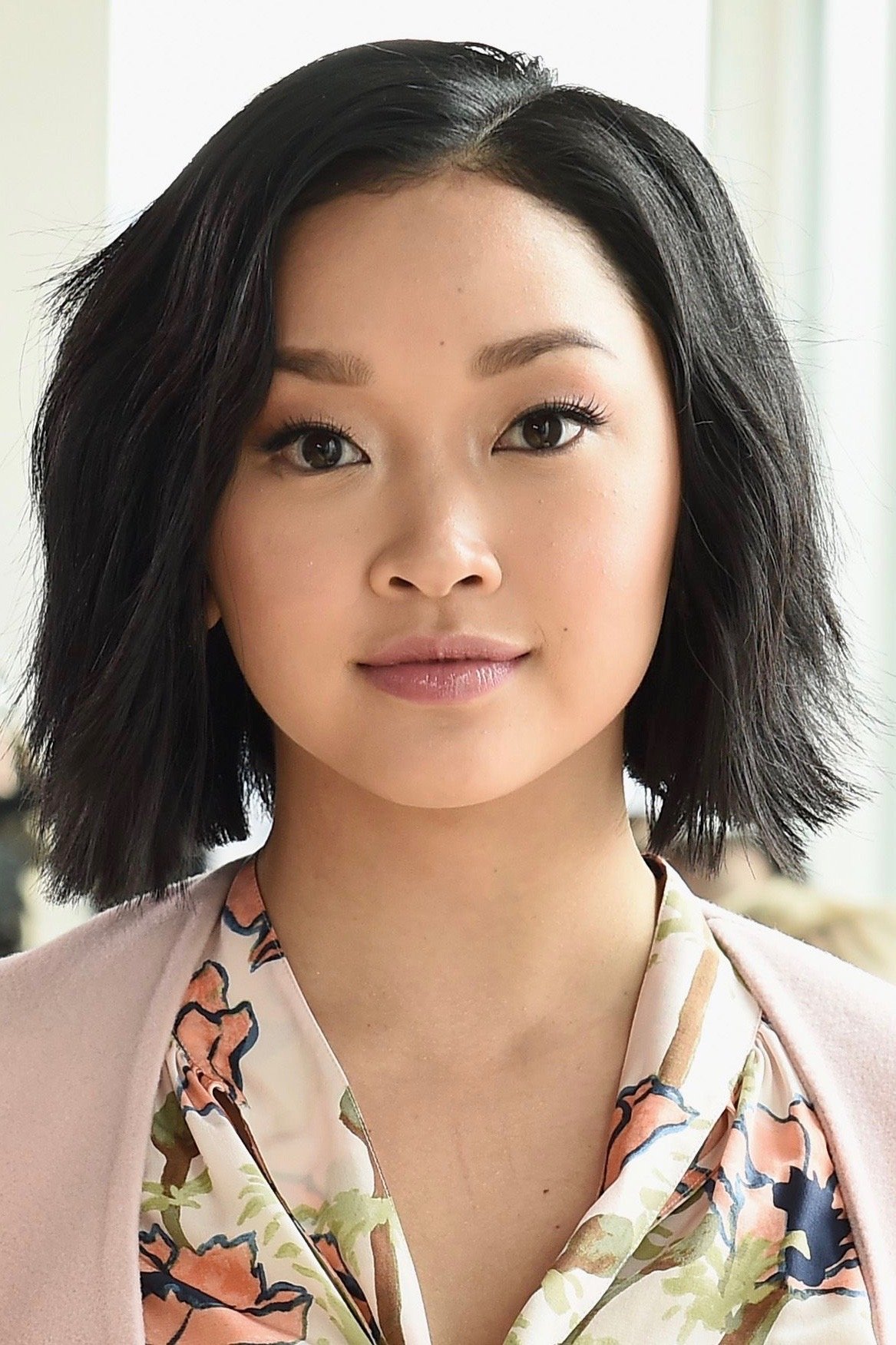
Before becoming known for her roles in popular romantic comedies on streaming services, Lana Condor experienced a disappointing situation with her part in ‘X-Men: Apocalypse’. She played the well-known character Jubilee, but her lines were drastically reduced, and most of her scenes using her powers were cut from the final movie. Although she was prominently featured in the film’s marketing to suggest greater diversity, the finished product didn’t reflect that promise. This is an example of tokenism – using Asian actors in promotional materials without giving them substantial roles or storylines.
Please share your thoughts on which actresses you think deserved better treatment in the comments.
Read More
- Invincible Season 4 Gender Swaps Tech Jacket As Fans Question Major Comic Change
- Gold Rate Forecast
- Why Won’t It Just *Do* What You Ask? Unpacking the Quirks of AI Language
- Unveiling the Schwab U.S. Dividend Equity ETF: A Portent of Financial Growth
- Superman Flops Financially: $350M Budget, Still No Profit (Scoop Confirmed)
- 22 Films Where the White Protagonist Is Canonically the Sidekick to a Black Lead
- 14 Movies Where the Black Character Refuses to Save the White Protagonist
- Silver Rate Forecast
- The Best Former NFL Players Turned Actors, Ranked
- ONE PIECE Season 2 Confirms Sanji’s OTHER Backstory in the Live-Action
2025-12-03 02:27