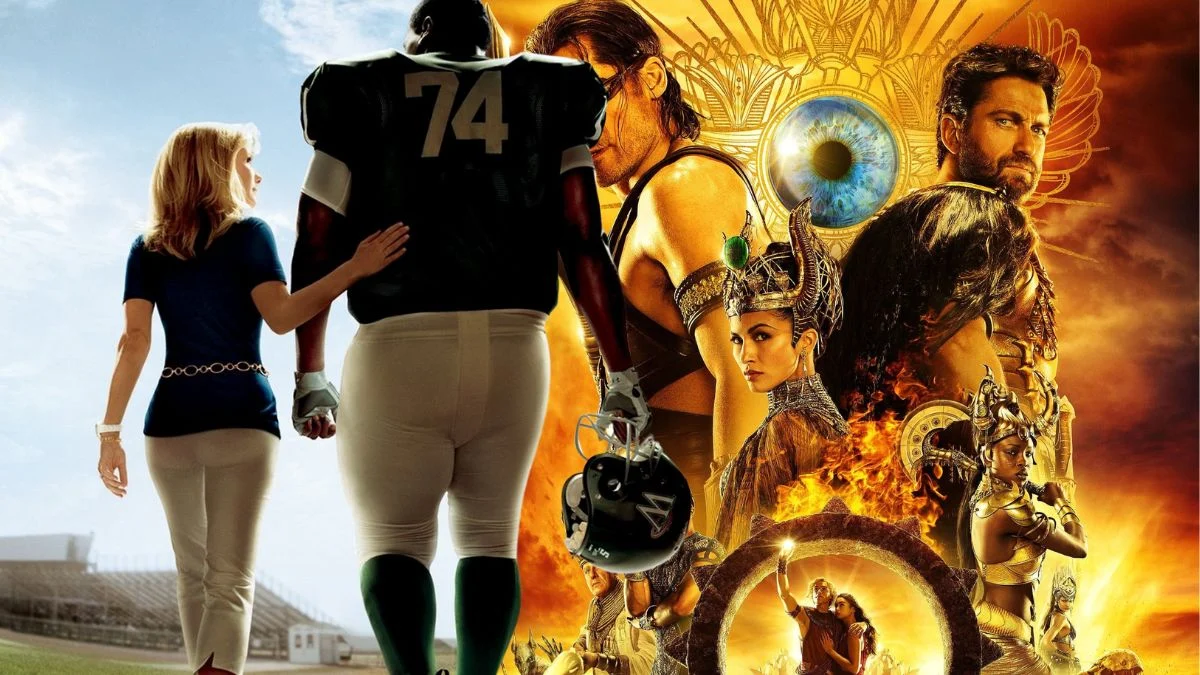
Movies significantly shape our understanding of history, but Hollywood has often been criticized for inaccurately portraying or ignoring Black history. Throughout the years, films have frequently focused on white viewpoints or cast white actors in roles that should have gone to people of color. These choices have understandably caused anger, protests, and boycotts from viewers who want to see genuine and accurate representation. The films discussed below have received considerable criticism for downplaying Black contributions or getting historical events wrong.
‘The Birth of a Nation’ (1915)
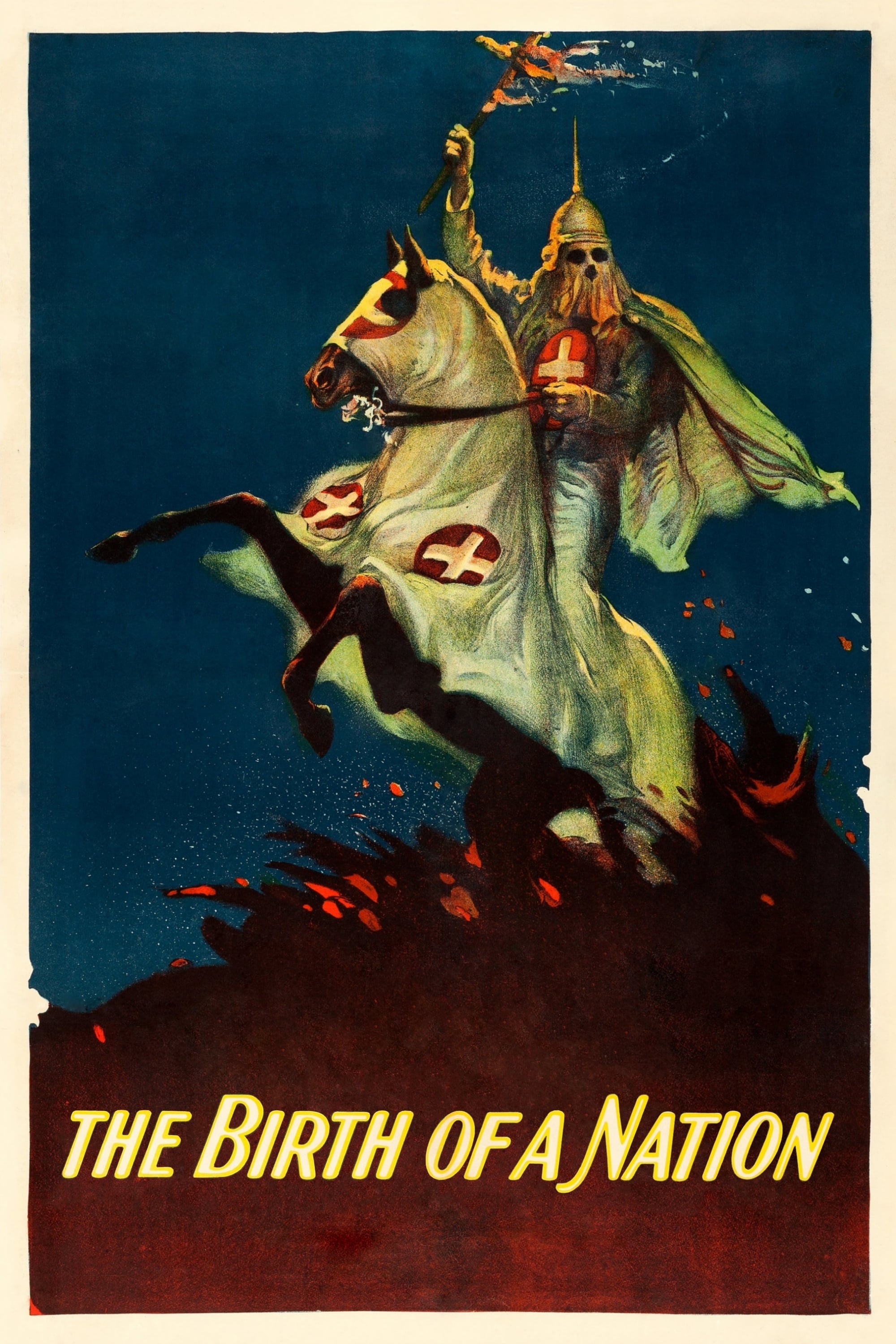
This film is widely considered one of the most racist and damaging ever made. Director D.W. Griffith falsely presented the Ku Klux Klan as heroes who were protecting the South from African Americans after the Civil War. The NAACP led large protests and tried to get the film banned because it twisted history and used white actors to portray Black characters with racist makeup. These protests were among the first organized efforts to boycott a movie due to its harmful and offensive depiction of Black people.
‘Gone with the Wind’ (1939)
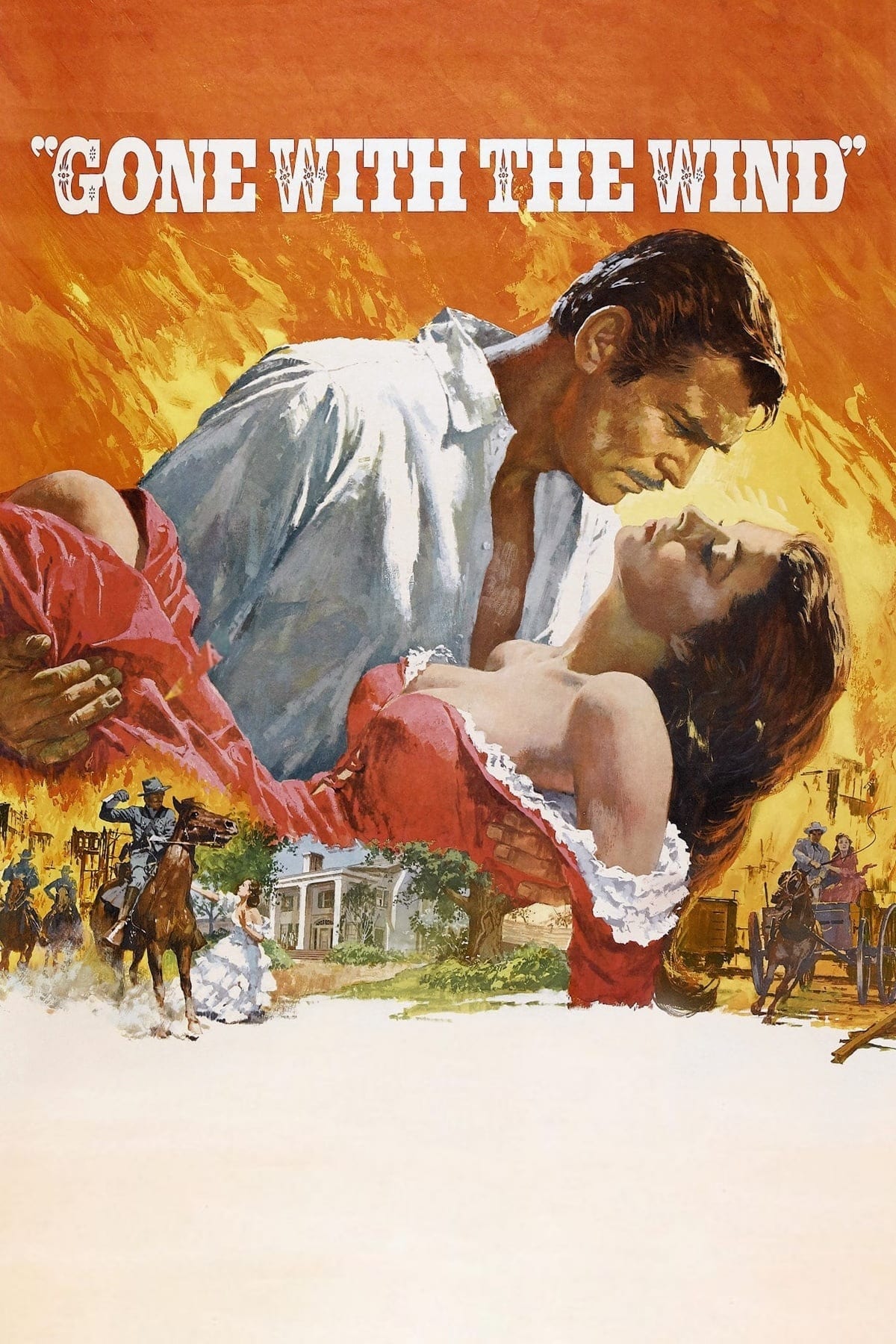
I’ve always been troubled by this supposedly classic Civil War movie. When it first came out, Black critics immediately called it out for how it glossed over the horrors of slavery, instead showing enslaved people as content and devoted to their owners. It really bothered people, and Robert S. Abbott, the publisher of the Chicago Defender, even led a protest, arguing it was actively harmful to Black Americans. Even today, the way it whitewashes history continues to cause a lot of debate, and it makes me question why it’s still so popular.
‘Song of the South’ (1946)
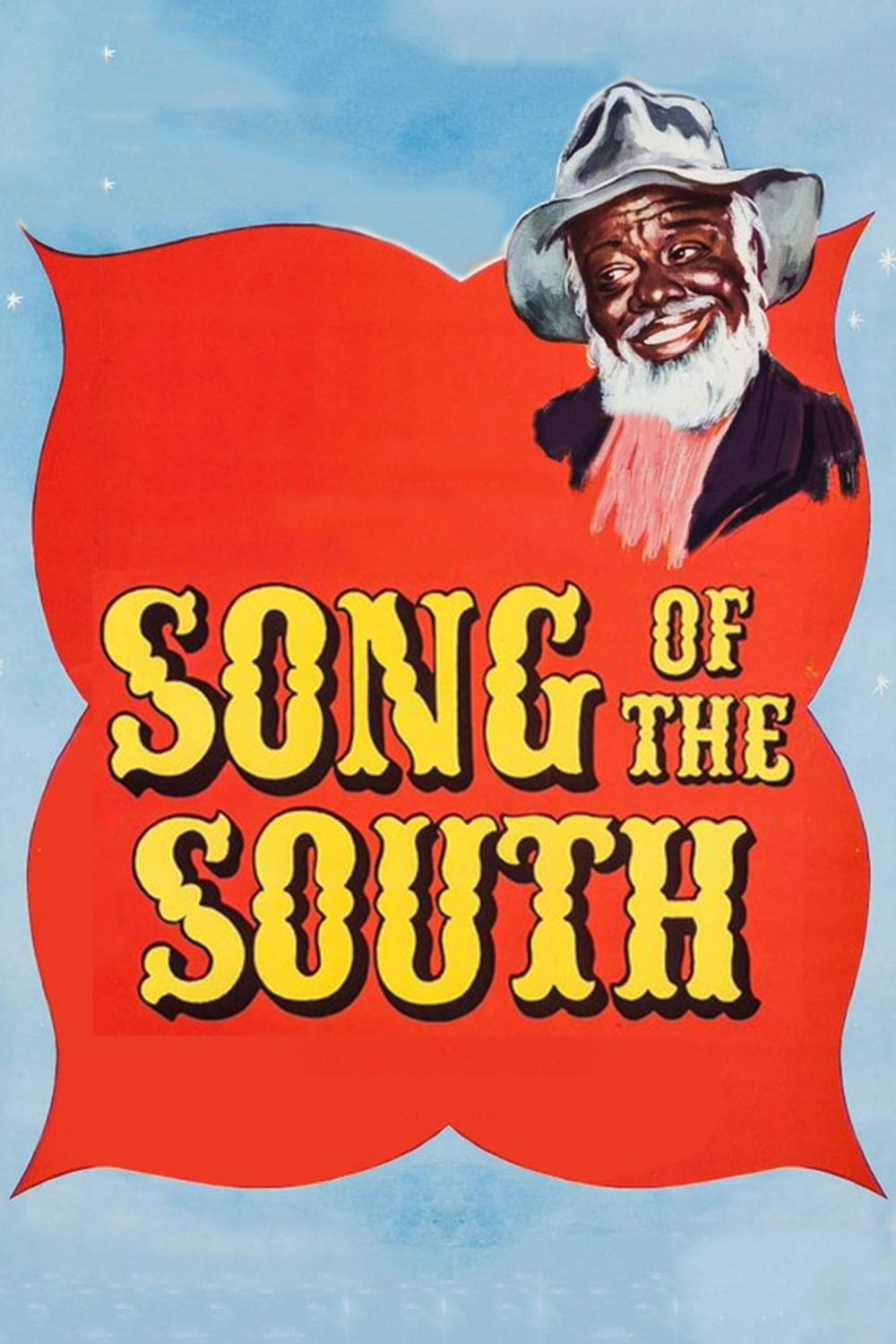
Disney received significant criticism for its musical, which many felt romanticized life on plantations after the Civil War. The NAACP expressed disappointment that Disney used its advanced filmmaking abilities to portray slavery in a positive light. Viewers protested the film due to its use of harmful stereotypes and the creation of a misleadingly positive image of a time marked by racial injustice. Disney later acknowledged the film’s problematic content and has kept it unavailable for home viewing in the U.S. ever since.
‘Cleopatra’ (1963)
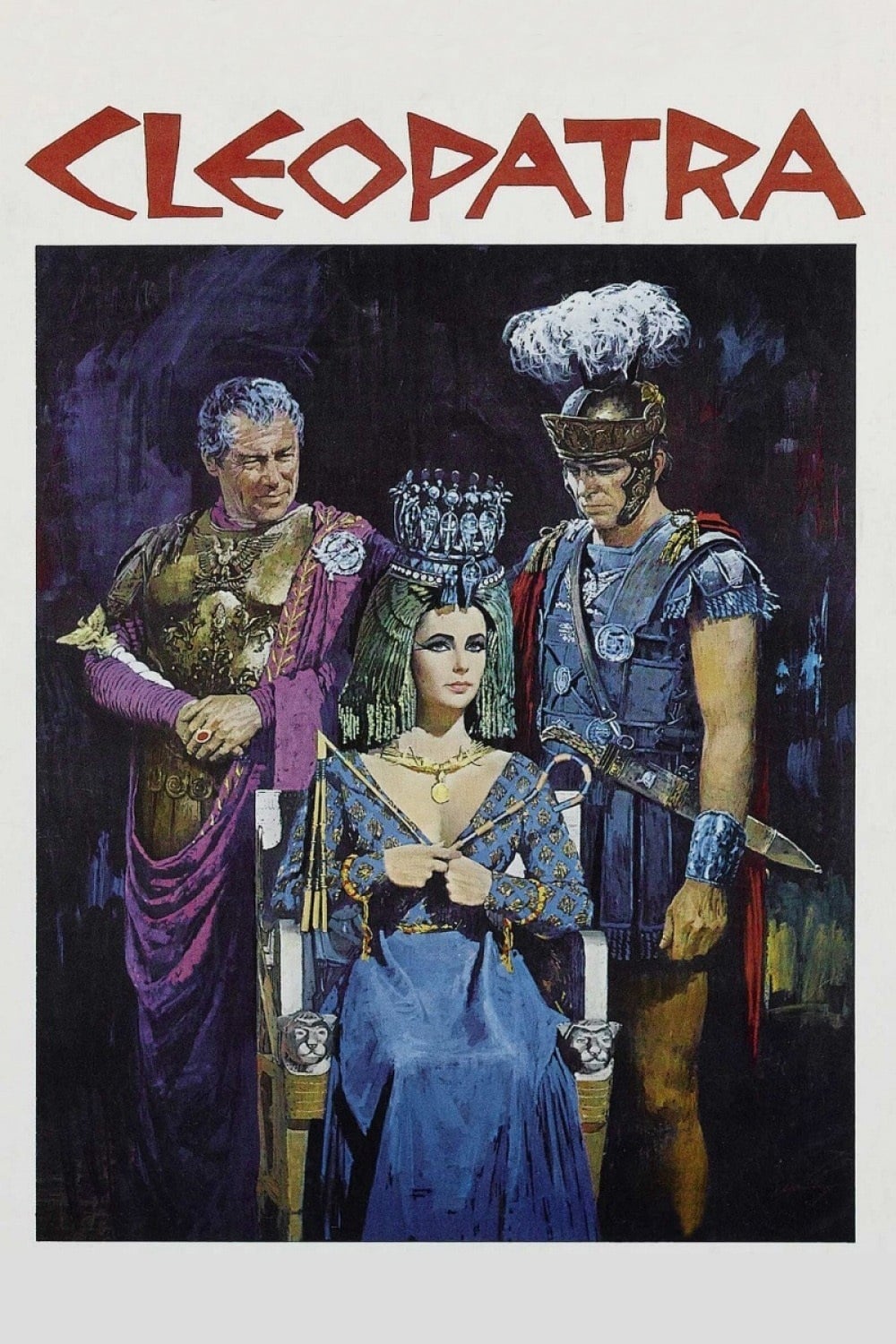
When Elizabeth Taylor was cast as Cleopatra, it caused a lot of discussion about Hollywood’s habit of ignoring the African roots of historical figures. Black-owned newspapers and activists pointed out that the studio didn’t recognize Cleopatra might have been of mixed heritage. The film became a well-known example of how the industry often preferred to portray ancient African history with white actors to attract a wider audience. This also brought attention to the limited opportunities for Black actresses to play strong, important roles from the past.
‘Cry Freedom’ (1987)
The film about Steve Biko, an anti-apartheid activist, received criticism for centering the story around a white journalist, Donald Woods. Many felt this overshadowed Biko himself, seemingly to make the film more accessible to white viewers. Critics argued the movie fell into the ‘white savior’ trope, prioritizing the perspective of a white character over the story of the Black leader and the fight for liberation. This sparked frustration with studios often choosing not to let Black historical figures be the central focus of their own life stories.
‘Mississippi Burning’ (1988)
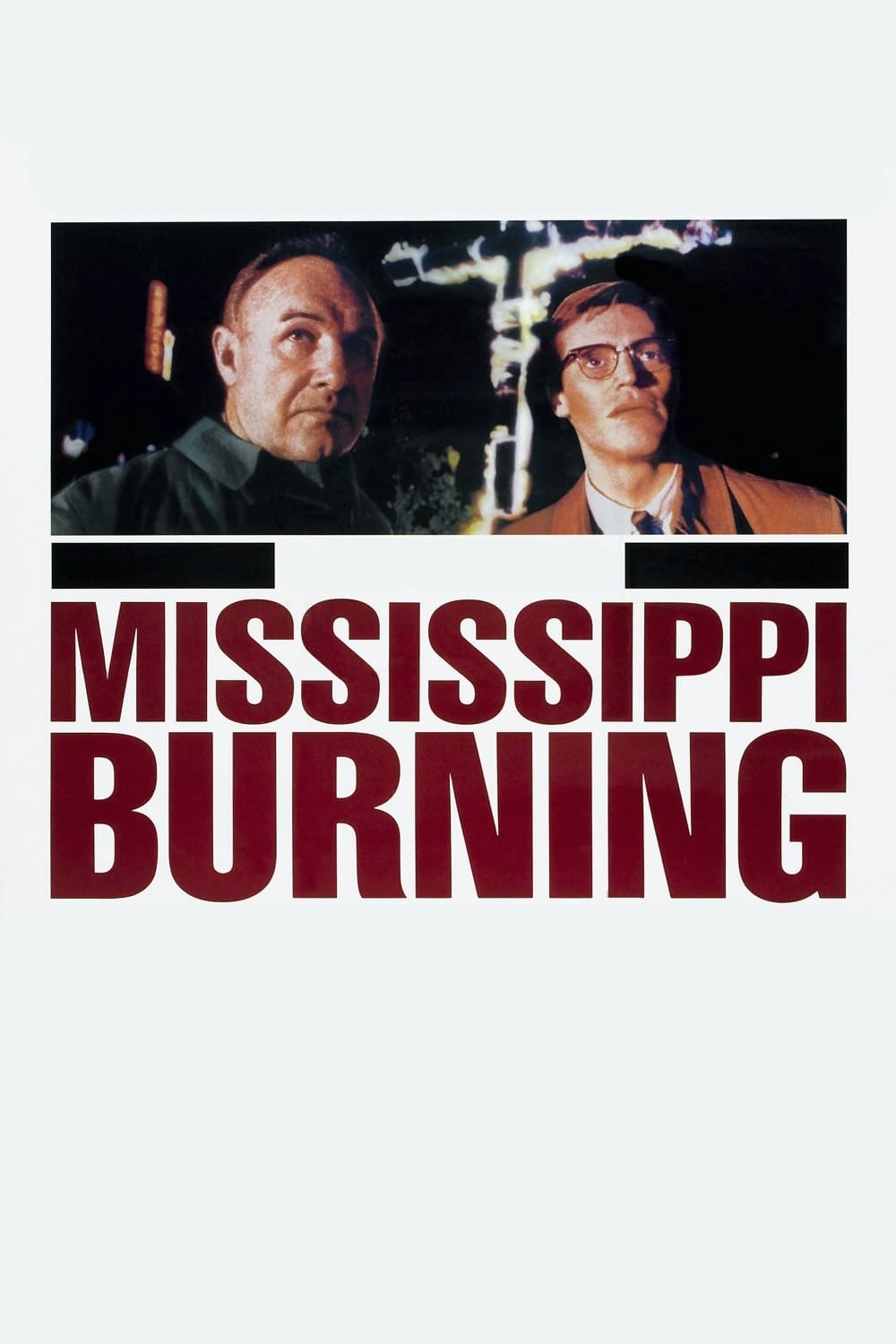
As a movie lover, I remember when Alan Parker’s film came out and the huge controversy it sparked. A lot of people, and rightfully so, were upset that the movie seemed to give all the credit for the Civil Rights movement’s wins to white FBI agents. It really downplayed, or even ignored, the incredible work of Black activists and local organizers who were actually on the ground doing the hard work in the South. Coretta Scott King herself spoke out, saying the film twisted history and took away the power and agency of Black people fighting for their freedom. It felt like the movie was benefiting from the pain and struggles of Black people while not letting them tell their own stories, which led to many calls for a boycott.
‘Amistad’ (1997)
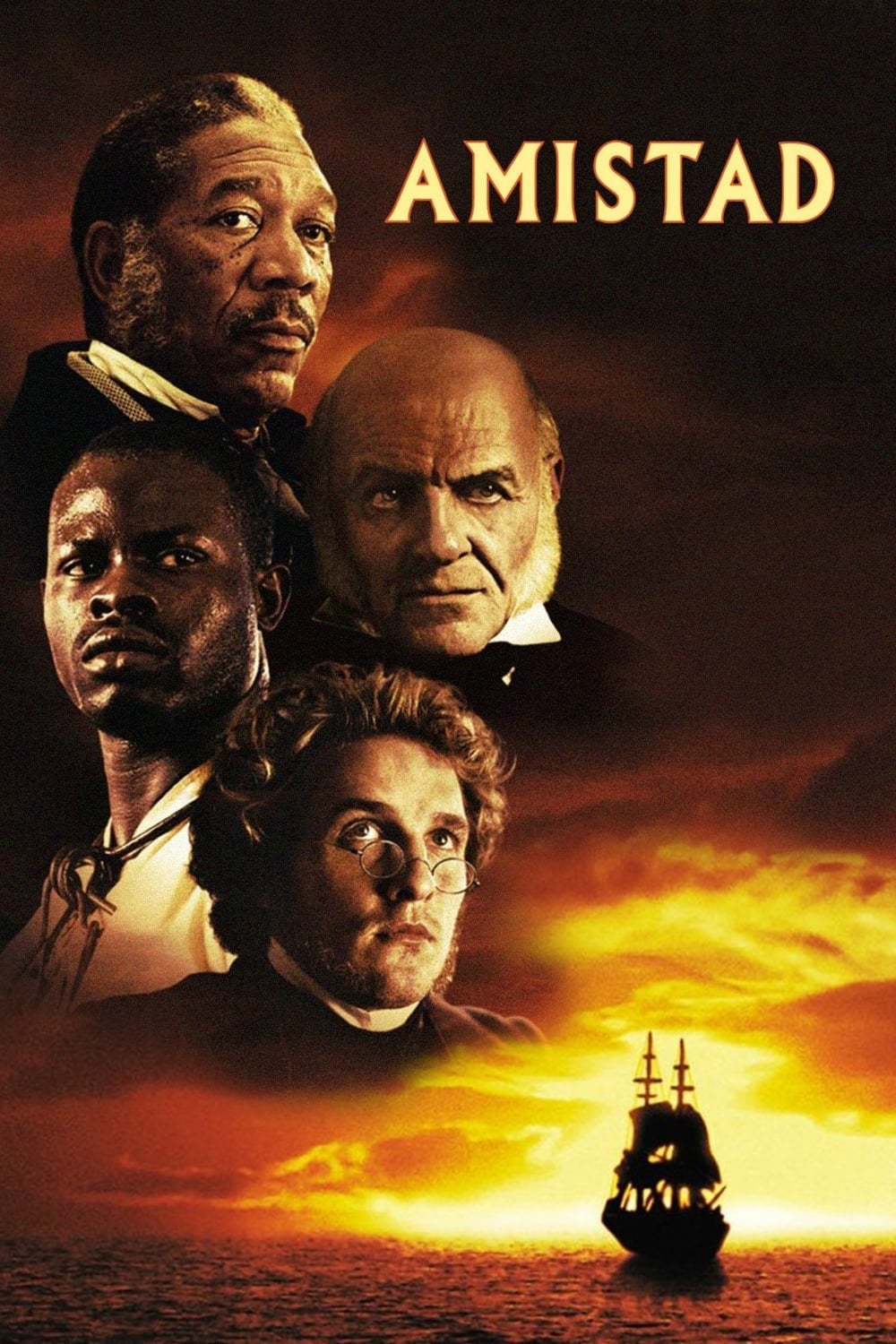
Steven Spielberg’s film about the 1839 slave ship revolt sparked debate, with some accusing it of borrowing from other works and not respecting African culture. Many critics felt the movie focused too much on the legal proceedings and the perspectives of white lawyers, instead of the experiences of the enslaved people themselves. Activists even called for people to stop seeing the film, believing it presented a story where a white character was the hero, minimizing the courage of Joseph Cinqué and the enslaved people who led the rebellion. This controversy brought up important questions about who should be telling stories about Black people fighting for their freedom.
‘The Blind Side’ (2009)
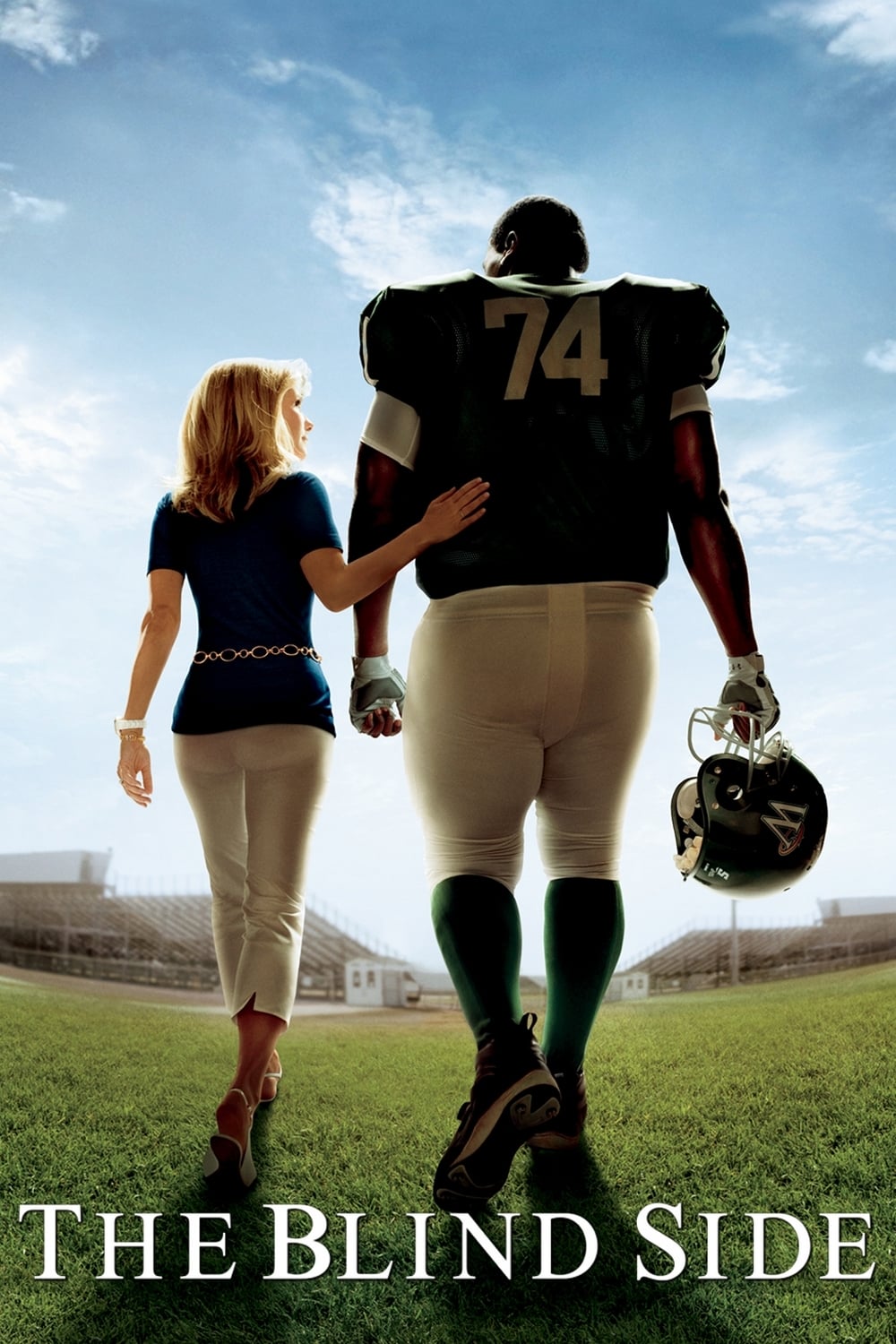
The sports drama was popular with audiences, but it received criticism for portraying Michael Oher as someone who needed to be rescued by a wealthy white family, rather than highlighting his own abilities. Oher himself disliked how the film showed him as lacking intelligence and football knowledge. Many felt the movie catered to white viewers by downplaying Oher’s talent and initiative. Recent legal issues between Oher and the Tuohy family have led to even more criticism of the film’s portrayal of events.
‘The Help’ (2011)
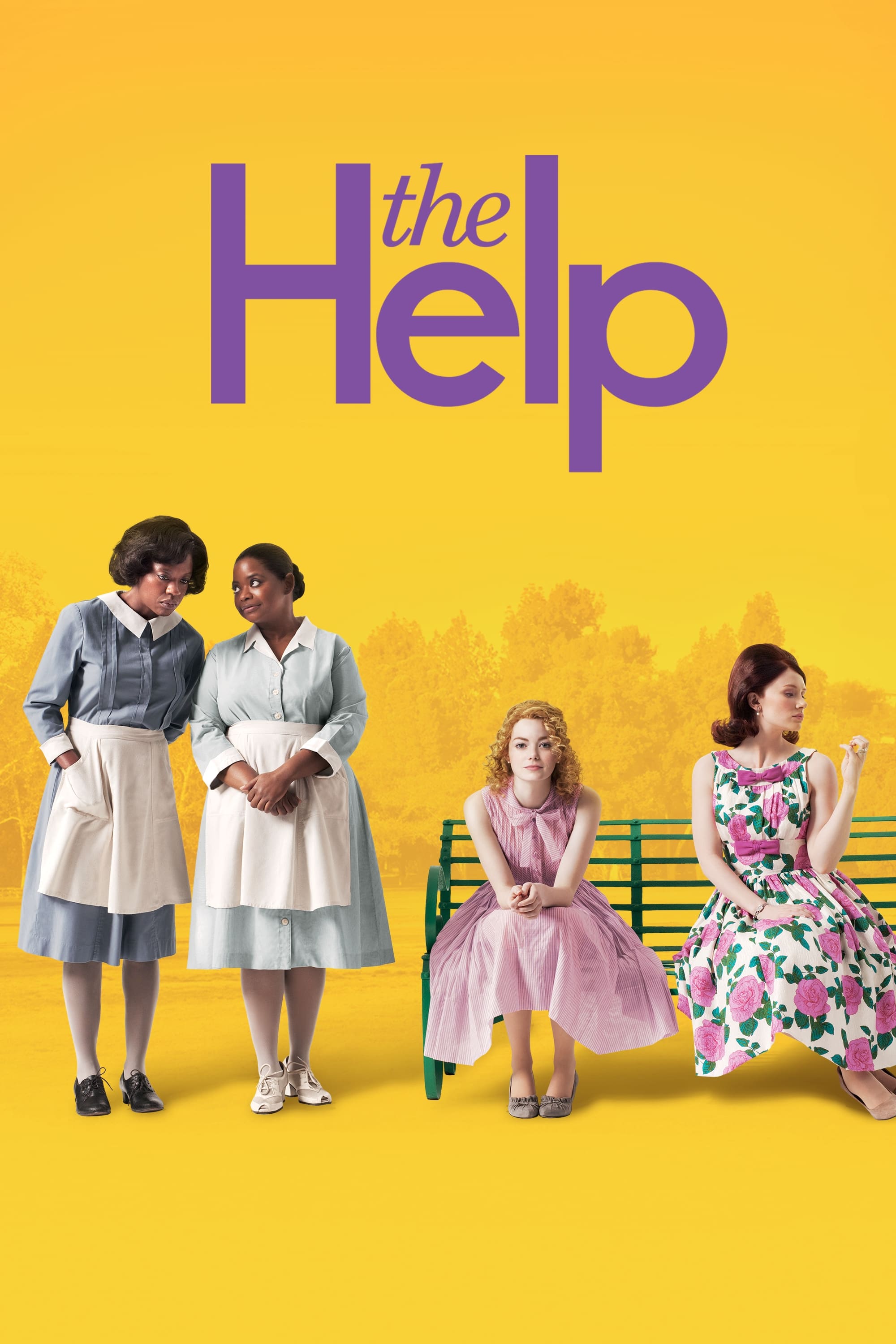
Viola Davis has said she now regrets being part of this movie, which faced criticism for telling the story of Black maids through the eyes of a white woman. The Association of Black Women Historians asked people not to support it, arguing that it downplayed the difficult history of domestic workers. Critics felt the film used predictable stereotypes instead of honestly showing the harsh realities of the Jim Crow South. The main concern was that the movie prioritized making white audiences feel comfortable over truthfully portraying Black history.
‘Lincoln’ (2012)
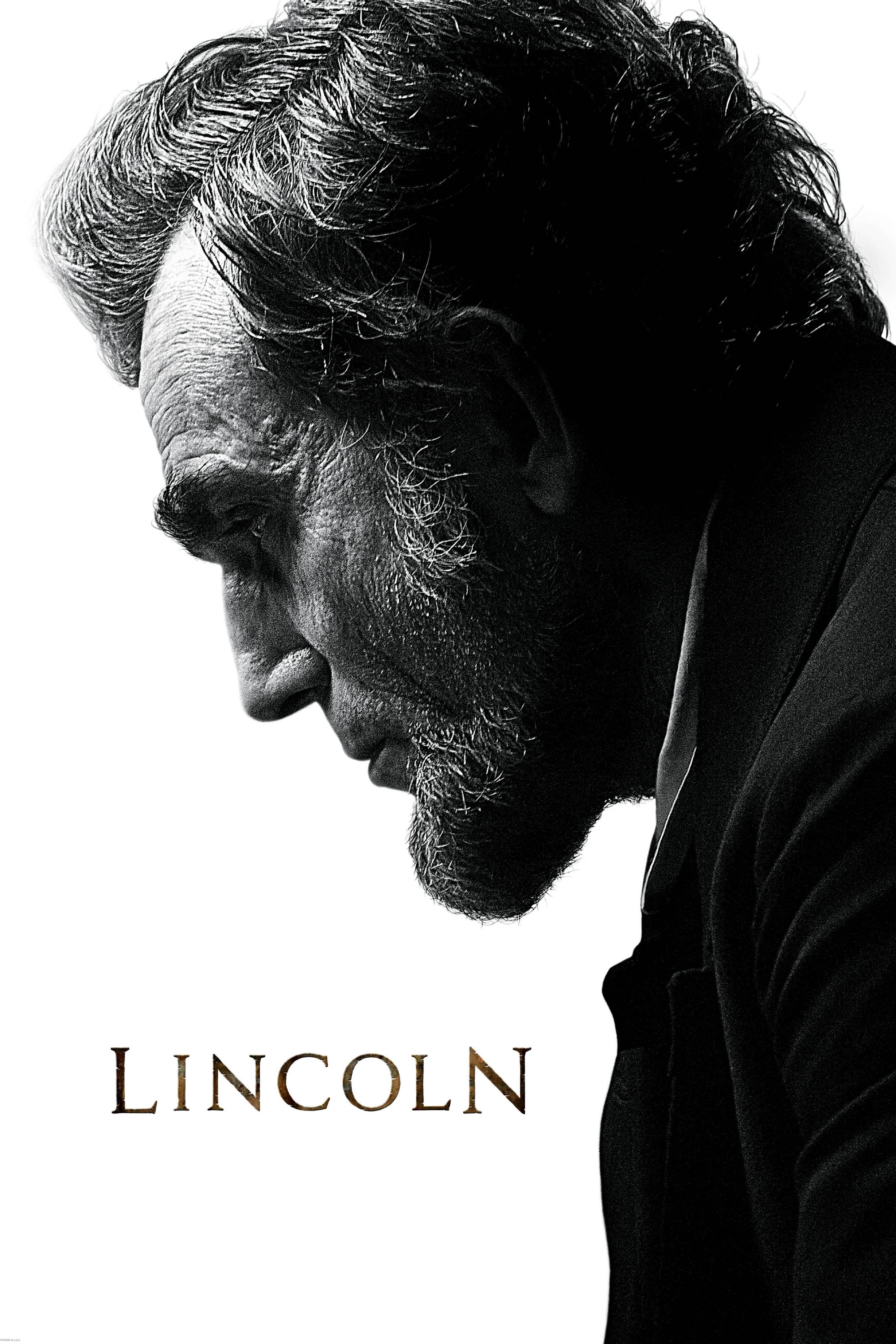
Steven Spielberg’s recent film about the end of slavery has drawn criticism for centering the stories of white politicians while largely ignoring the vital contributions of Black abolitionists like Frederick Douglass. Critics and historians pointed out that the film depicted Black people as waiting for white saviors to end slavery, rather than actively fighting for their own freedom. This focus sparked a larger conversation about Hollywood’s tendency to minimize the role and agency of Black individuals in Civil Rights narratives.
‘Django Unchained’ (2012)
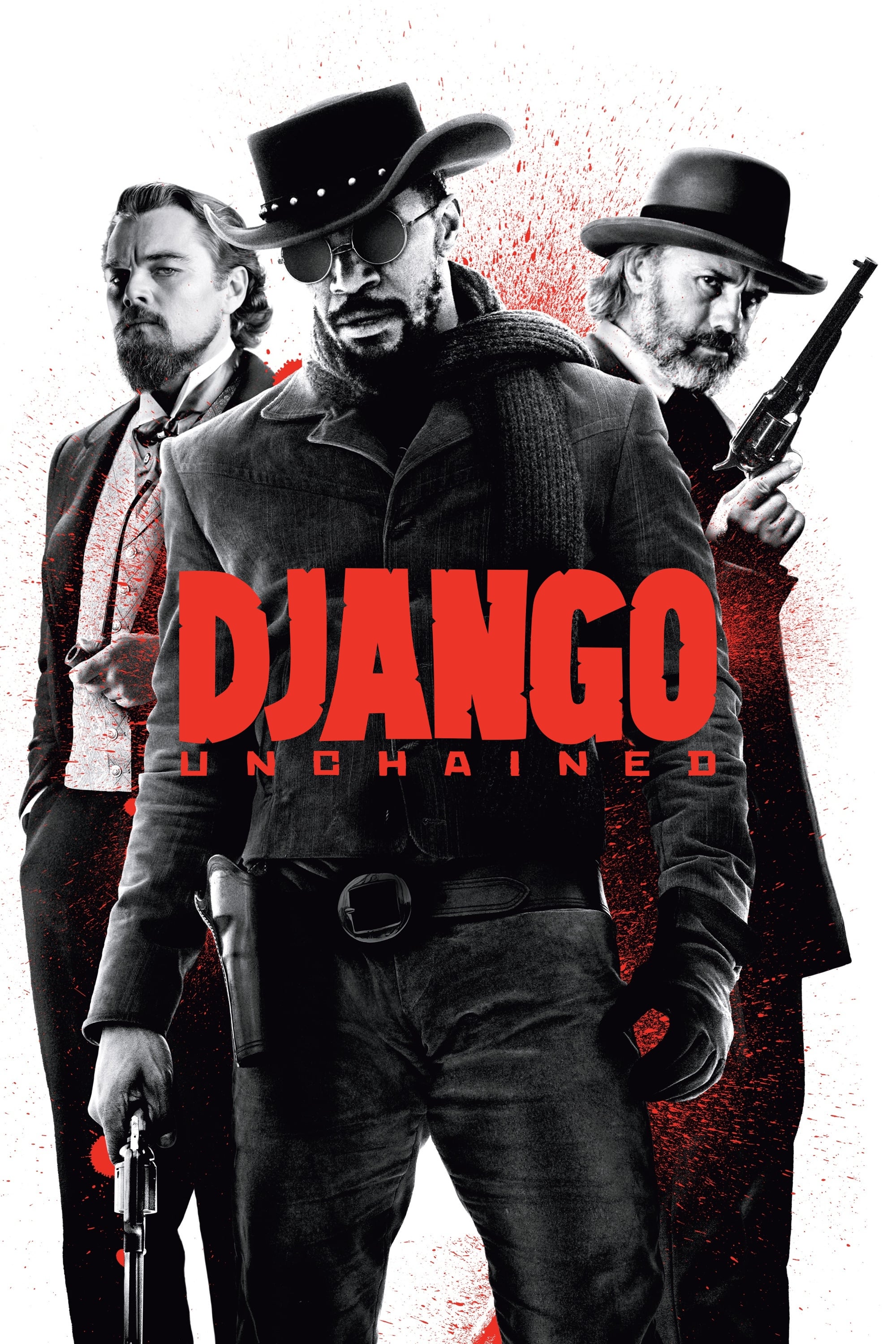
Quentin Tarantino’s film about slavery sparked controversy, with Spike Lee publicly refusing to watch it and encouraging others to boycott. Lee believed slavery was a deeply traumatic event—a holocaust—and shouldn’t be depicted as a backdrop for a stylized, western-style film. Many critics agreed, arguing that the film’s extreme violence and frequent use of racial slurs trivialized the suffering of enslaved people and turned a horrific period in history into insensitive entertainment. The debate over boycotting the film focused on showing respect for those who endured the real hardships of slavery.
‘Exodus: Gods and Kings’ (2014)
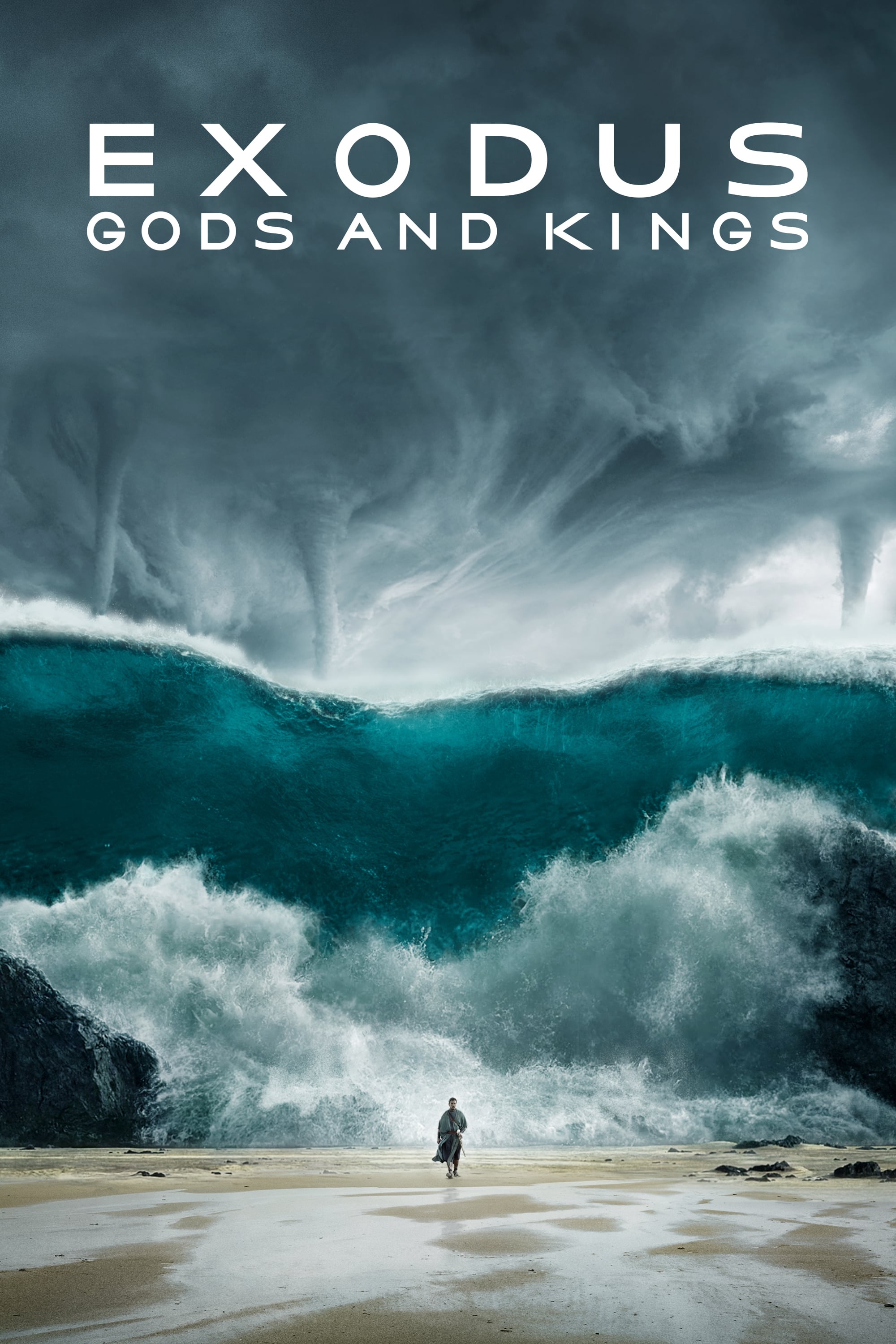
Ridley Scott’s film, Exodus, sparked a boycott online – using the hashtag #BoycottExodusMovie – because of its casting choices. Critics pointed out that the film cast white actors as Moses and Egyptian pharaohs, which wasn’t historically accurate given the story’s African setting and the ethnicities of the people involved. Scott explained his decisions were based on financial considerations, but this only intensified criticism about racism within Hollywood. The film became a key example in the ongoing fight against ‘whitewashing’ – the practice of casting white actors in roles meant for people of color – in the movie industry.
‘Noah’ (2014)
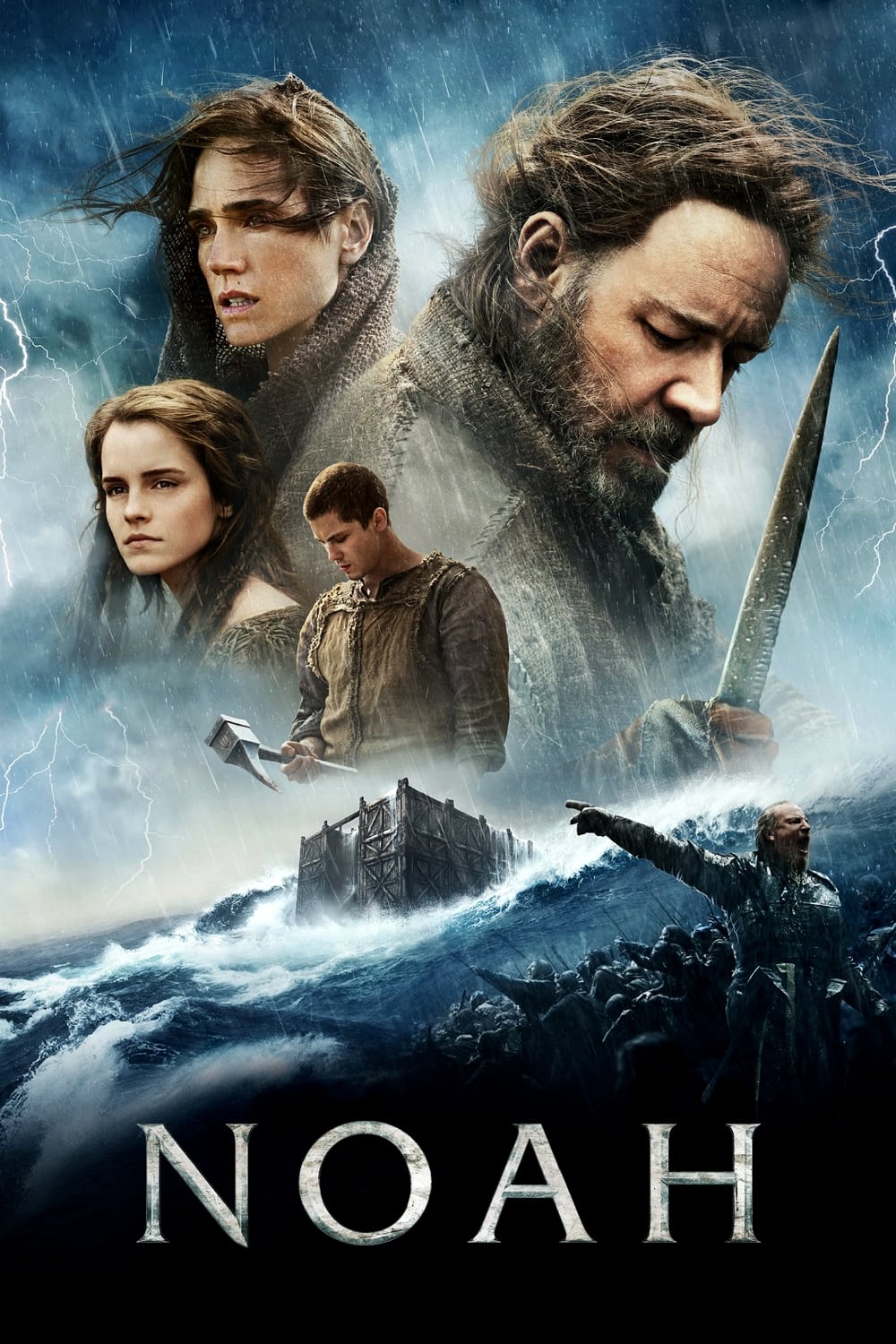
Like many historical films from that time, this movie featured only white actors, even though the story took place in the ancient Middle East – the birthplace of civilization. Many viewers used social media to point out that people of color were being left out of the story of their own religious origins and urged others not to see the film in theaters. The complete absence of diversity in a story about the beginnings of humankind felt like a purposeful omission of Black history to many. This sparked further calls for more accurate and inclusive casting in historical movies.
‘Stonewall’ (2015)
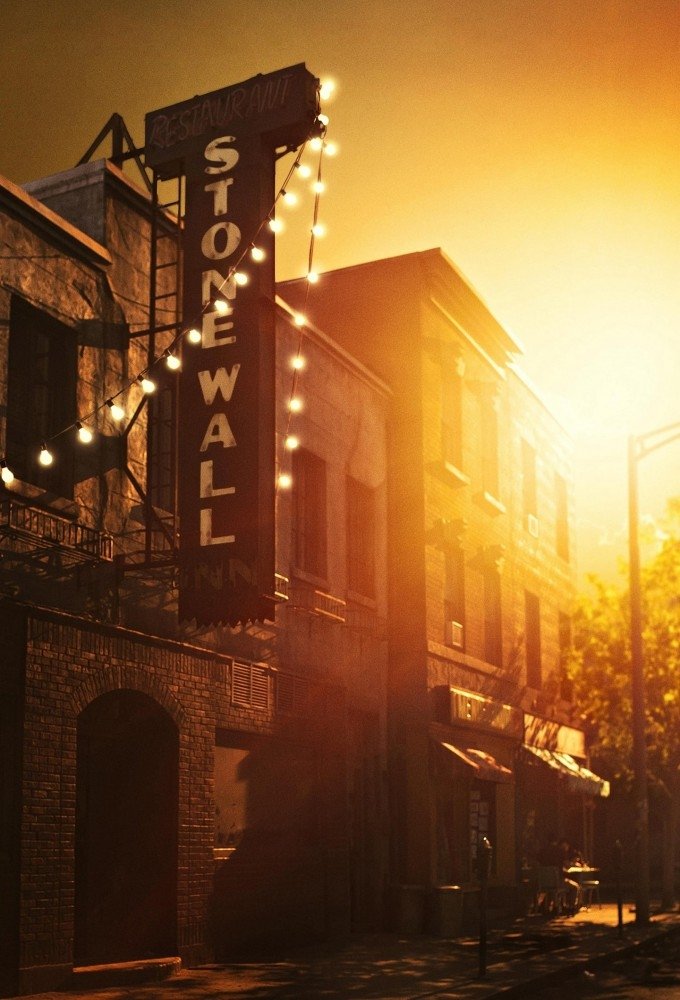
Roland Emmerich’s film about the 1969 Stonewall riots sparked a boycott due to its focus on a made-up white, straight character. Critics argued the movie ignored the vital roles played by Black and Latino transgender women, such as Marsha P. Johnson and Sylvia Rivera, in the actual events. LGBTQ+ advocates and historians claimed the film misrepresented a key moment in queer history, which was primarily driven by people of color. The strong negative reaction led to the film performing poorly in theaters.
‘Suffragette’ (2015)
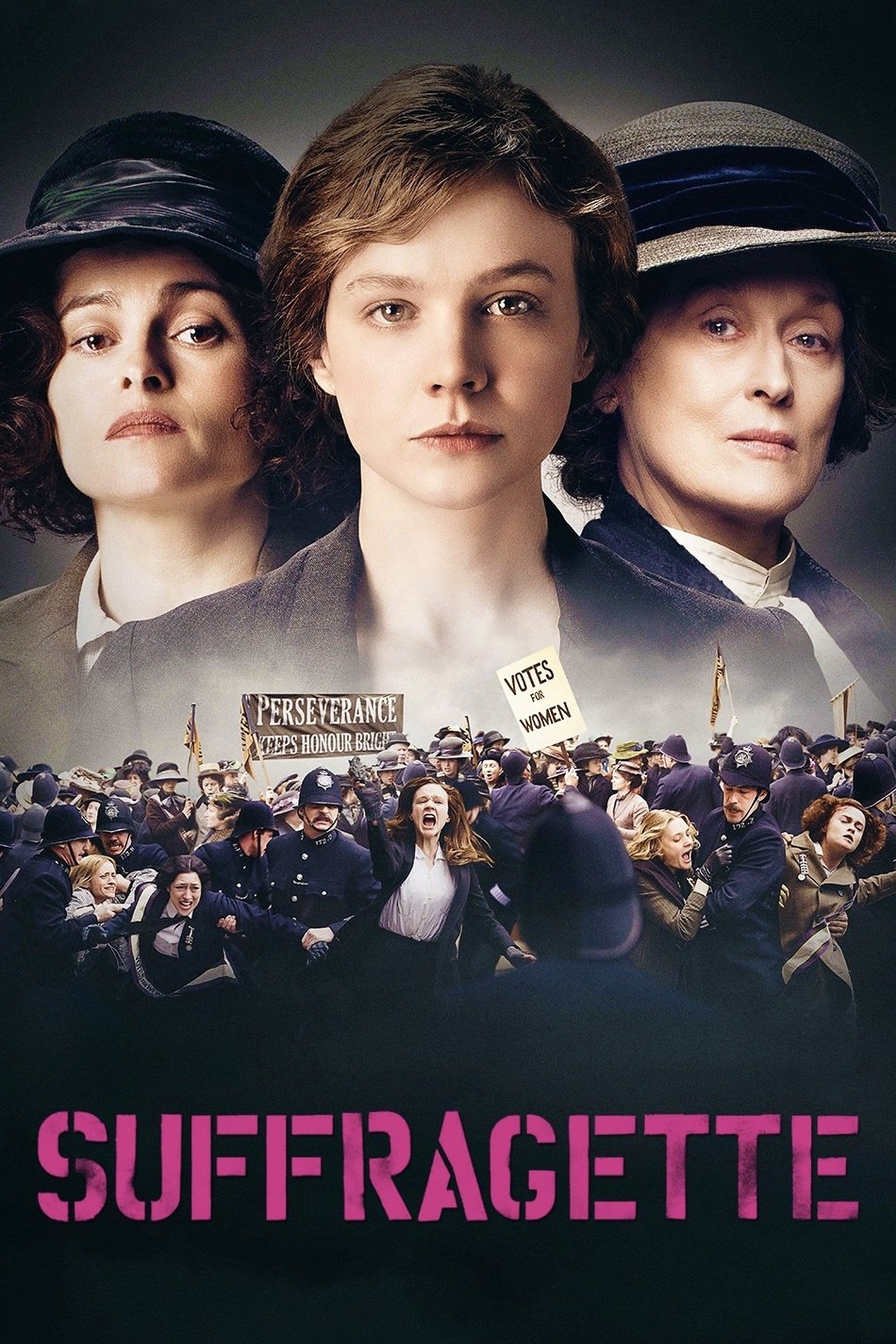
I was really disappointed by this British drama. It completely overlooked women of color when telling the story of the fight for the vote, which felt like a huge omission. Things got even worse when the cast wore t-shirts with a quote that many people, rightfully so, found deeply offensive and connected to slavery. It’s incredibly frustrating because Black women were vital to the suffrage movement, yet the film acted like they didn’t exist! This erasure of their contributions led to protests, and honestly, I understand why people are calling for a boycott. It just felt wrong to ignore such an important part of history and the intersection of race and gender in that struggle.
‘Gods of Egypt’ (2016)
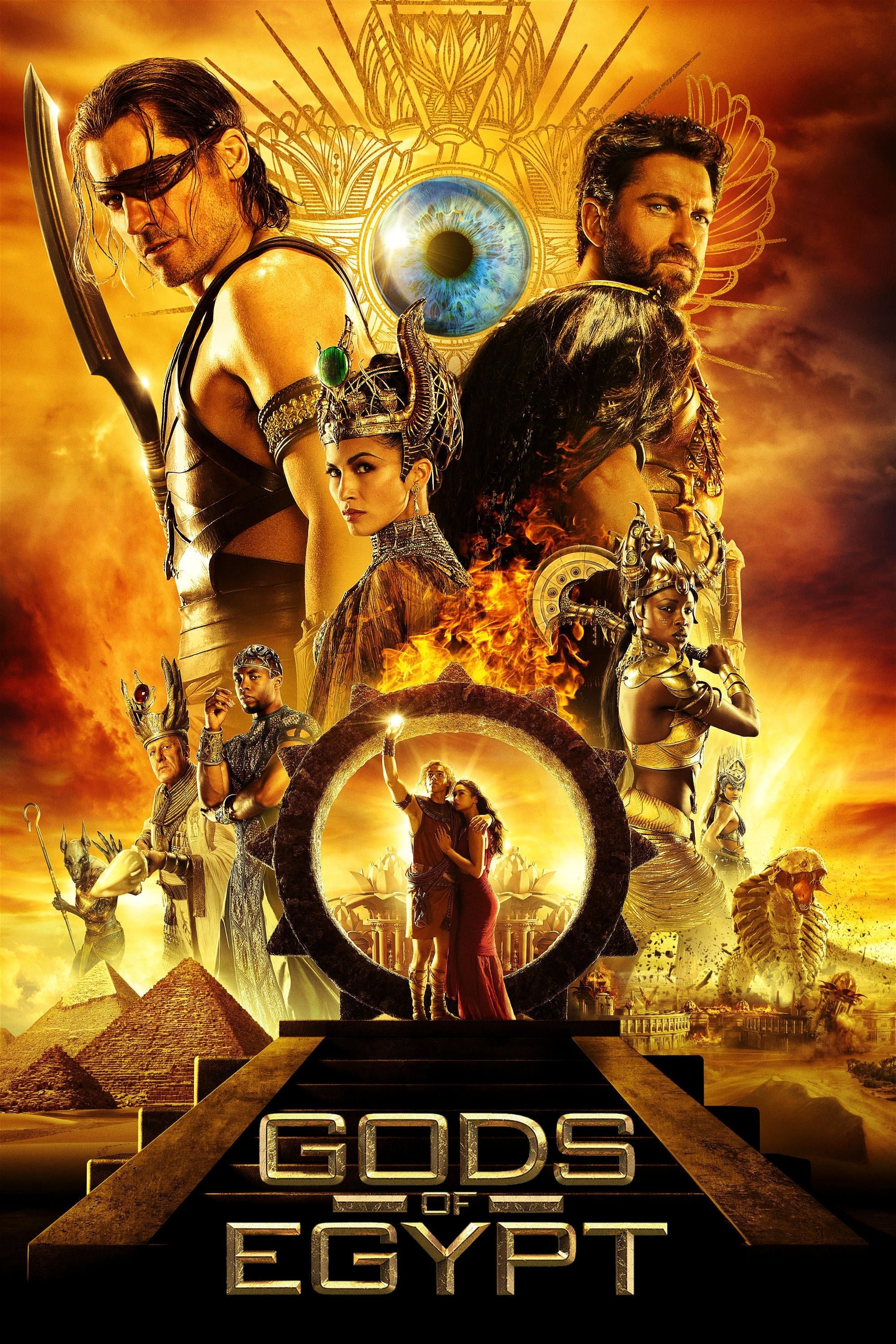
Before its release, the creators of this fantasy movie apologized because of strong criticism about the lack of diversity in its cast. Many people objected to the choice of Scottish and Danish actors to play ancient Egyptian gods, calling it a clear example of ‘whitewashing’ – replacing actors of color with white actors. This sparked a large online protest, with many calling for a boycott. The film is now seen as a key moment when movie studios realized they could lose money by ignoring or erasing Black history and culture.
‘Nina’ (2016)

The film about Nina Simone’s life caused controversy when Zoe Saldana, an actress of Dominican and Puerto Rican descent, was chosen to play the singer. Saldana wore makeup to darken her skin and a prosthetic nose to more closely resemble Simone. Many, including Simone’s family and fans, felt this was similar to blackface and overlooked the unique challenges Simone faced as a dark-skinned Black woman. Critics believed the casting demonstrated Hollywood’s unwillingness to cast an actress who naturally shared Simone’s appearance and background.
‘Green Book’ (2018)
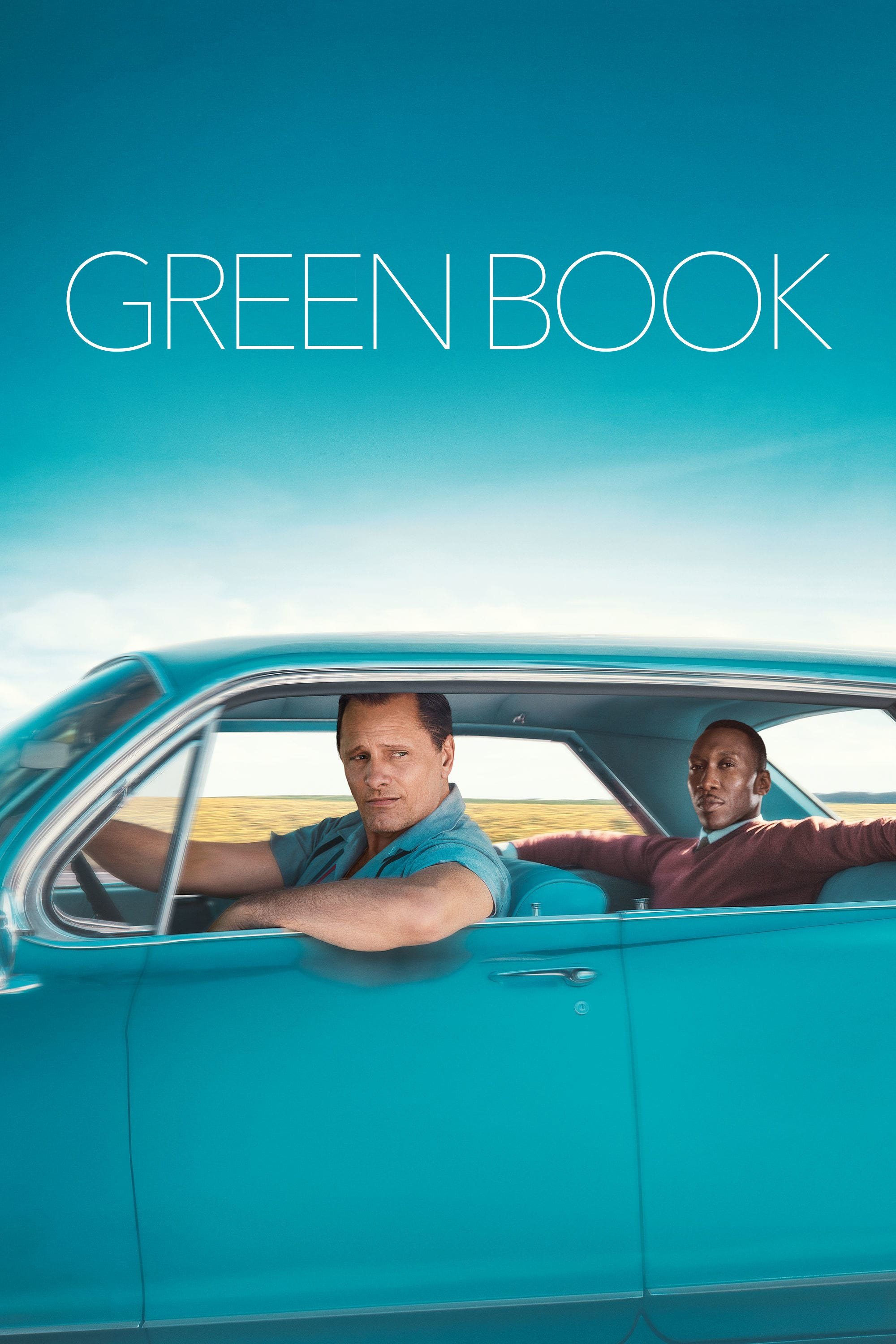
Although the film won Best Picture, it drew strong criticism, particularly from the family of Dr. Don Shirley, who accused it of being largely untrue. Many critics pointed out that the movie used the tired ‘white savior’ storyline and downplayed Dr. Shirley’s deep ties to the Black community and his involvement in the Civil Rights movement. The decision to tell the story primarily through the eyes of the white driver, instead of focusing on the brilliant Black man he drove, caused significant anger. Some viewers also felt the film glossed over the real dangers of the Jim Crow South in an attempt to create a more comforting experience for white audiences.
‘The Woman King’ (2022)
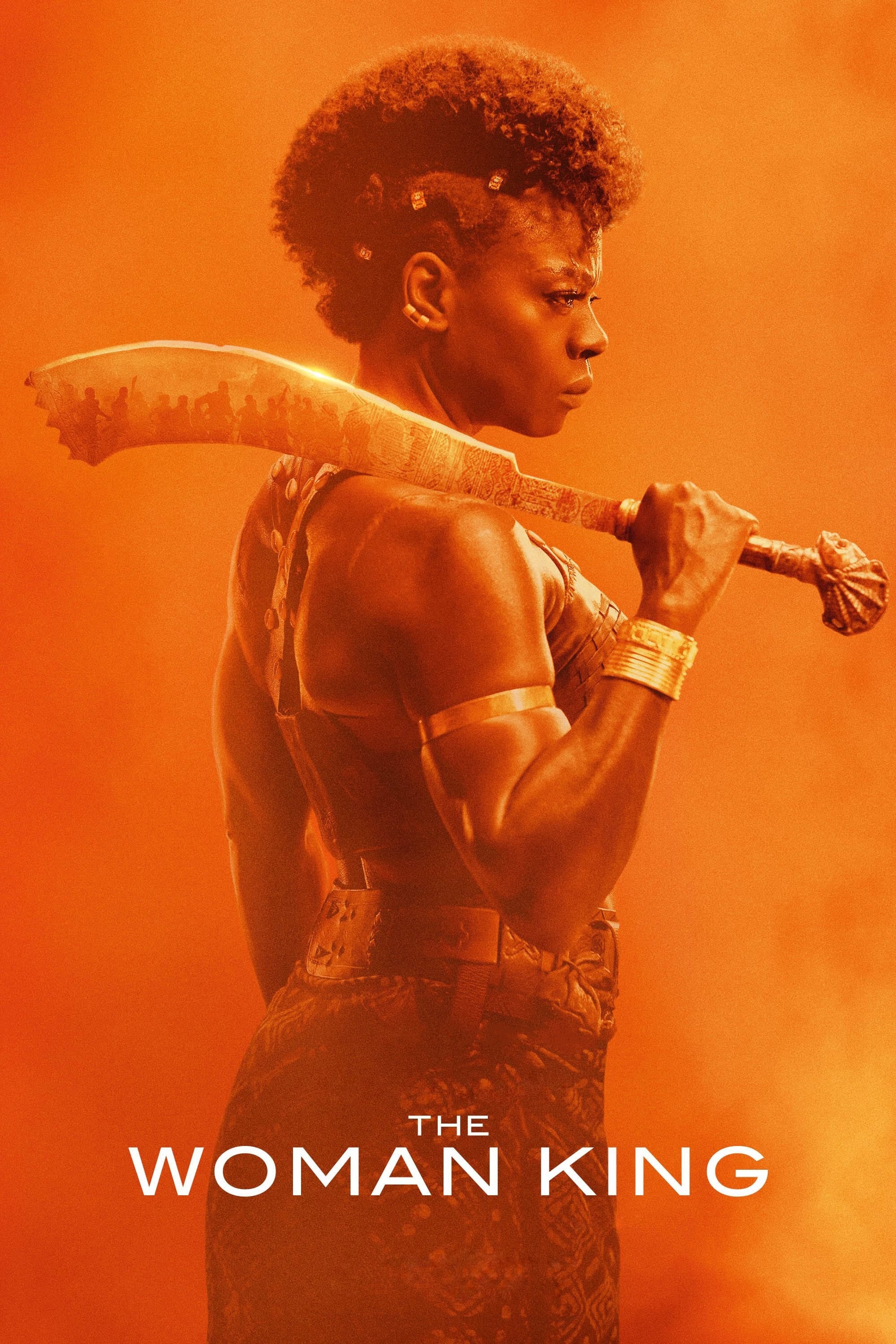
The movie, which stars a mostly Black cast, sparked controversy and calls for a boycott because it wasn’t entirely accurate in its portrayal of the Dahomey kingdom and its history with the slave trade. Some critics said the film minimized the tribe’s participation in selling enslaved people to Europeans in order to create a more inspiring story. The hashtag #BoycottWomanKing became popular as people discussed whether it’s right to simplify difficult parts of Black history, even when trying to create a positive representation. This situation showed how challenging it is for Black filmmakers to accurately portray historical pain and trauma.
As a movie fan, I’m always fascinated by historical dramas, but sometimes filmmakers really take liberties with the truth. I’m curious to hear what everyone else thinks – which of these films do you feel most badly distorted what actually happened? Let’s discuss in the comments!
Read More
- Invincible Season 4 Gender Swaps Tech Jacket As Fans Question Major Comic Change
- Building Agents That Learn and Improve Themselves
- Gold Rate Forecast
- Games That Faced Bans in Countries Over Political Themes
- Silver Rate Forecast
- Trading Crypto with AI: A New Approach to Portfolio Management
- Superman Flops Financially: $350M Budget, Still No Profit (Scoop Confirmed)
- 22 Films Where the White Protagonist Is Canonically the Sidekick to a Black Lead
- Unveiling the Schwab U.S. Dividend Equity ETF: A Portent of Financial Growth
- 15 Films That Were Shot Entirely on Phones
2025-12-03 01:56